
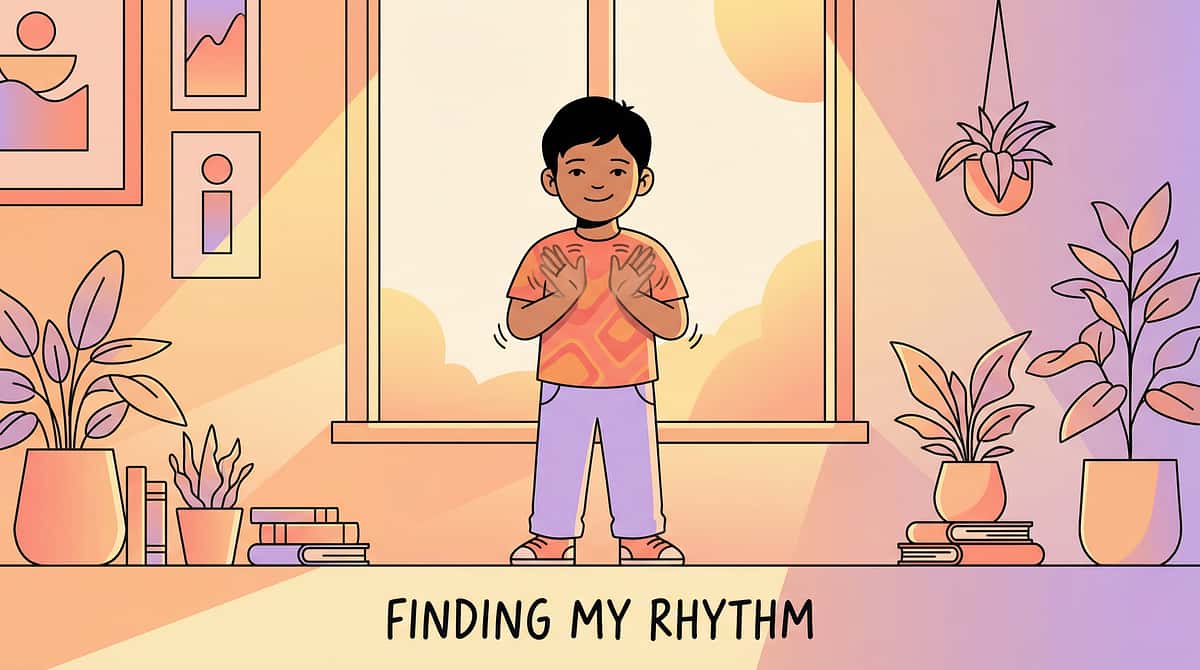
Stimming & Repetitive Behaviours
20 evidence-based interventions for self-stimulatory behaviour, routine rigidity, and restricted interests — designed for children with autism, their families, and the therapists who support them.
Subdomain D2
Domain D: Behaviour
Pinnacle Blooms Network®
The Paradigm Shift: Stimming Is Functional, Not Pathological
Modern neuroscience and the neurodiversity movement have fundamentally reframed how we understand stimming. Self-stimulatory behaviour is not "bad behaviour" — it is the nervous system's built-in self-care tool. Suppressing stimming without providing an alternative is like confiscating someone's glasses: removing the very tool they need to function.
Self-Regulation
Stimming modulates arousal — calming an overwhelmed system or alerting an underaroused one back to a manageable state.
Sensory Processing
Stimming delivers the precise sensory input the nervous system needs but isn't receiving from the environment.
Emotional Expression
Stimming communicates joy, anxiety, or overwhelm — often long before words are available to express it.
Cognitive Processing
Stimming may free up cognitive resources by providing a stable sensory baseline, allowing the brain to focus on incoming information.
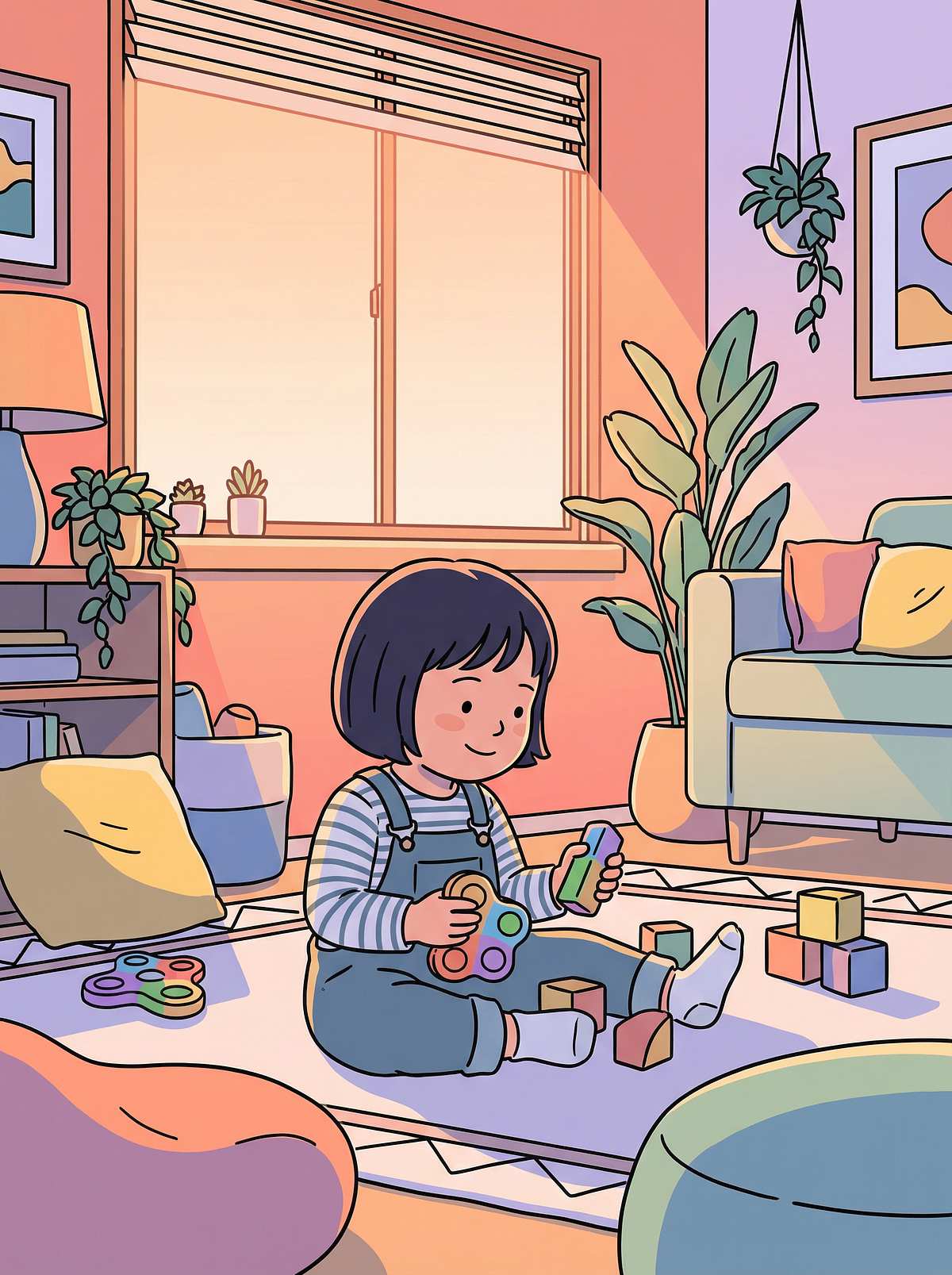
When to Intervene — and When to Leave It Alone
Not all stimming requires intervention. The 3-question decision framework helps families and therapists make empathetic, evidence-informed choices about when to act and when to step back.
If all three answers are "no" — the stim is serving a legitimate regulatory function and should be respected. Autistic adults consistently report that forced stim suppression caused significant psychological harm. Listen first. Act only when there is a clear, evidence-based reason to do so.
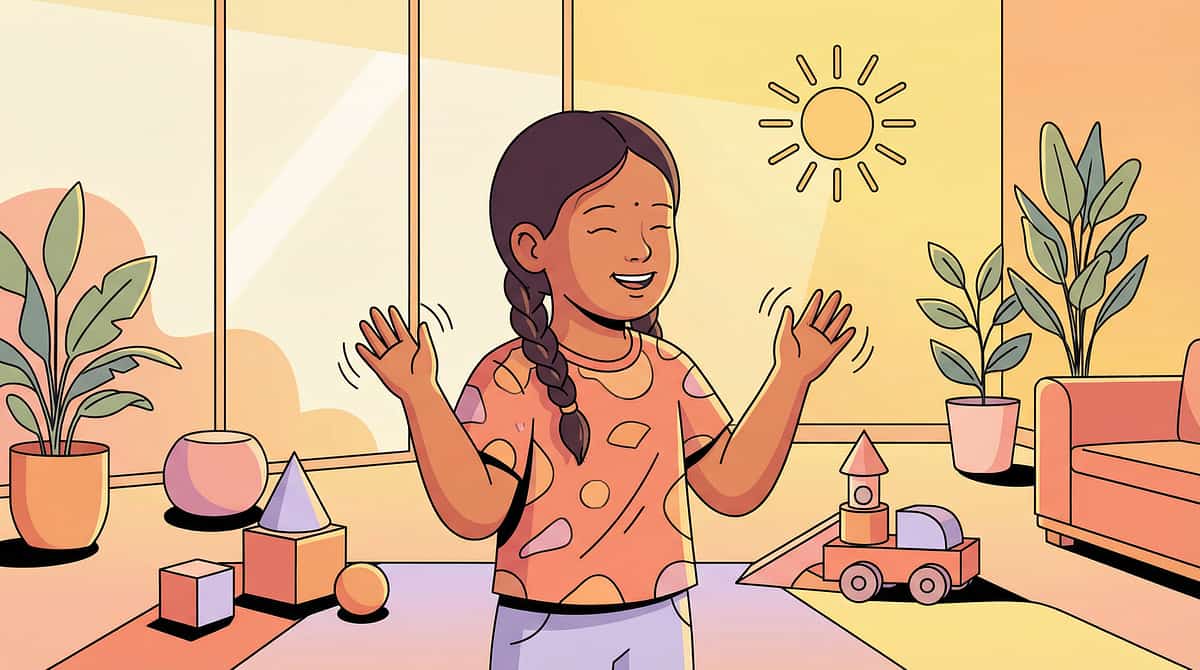
D-361
Motor Stimming
Understanding Stimming
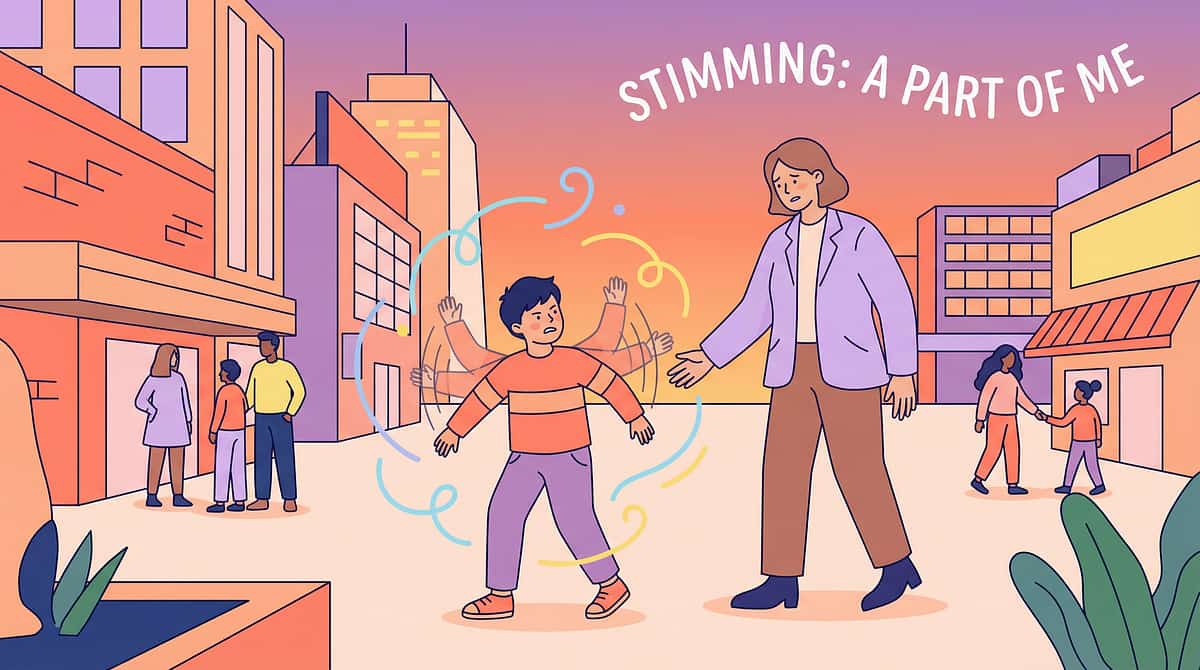
The moment: "Why do they keep doing that?" The hand-flapping in the mall. The rocking at the dinner table. The spinning before school. Everyone stares. Relatives worry. You wonder: should I stop this? The answer — most of the time — is no. Stimming is the nervous system's self-care. Understanding it changes everything.
The Neuroscience
Stimming is the brain's built-in regulation tool. When the nervous system is overwhelmed or underaroused, stimming provides the exact sensory adjustment needed to return to a manageable state.
The basal ganglia encodes repetitive motor patterns; the cerebellum coordinates their rhythm; the somatosensory cortex processes their feedback; and the nucleus accumbens may provide genuine sensory pleasure.
What You'll Learn
- What stimming IS and ISN'T — a regulation tool, not "bad behaviour"
- The 3-question framework: harmful? blocks learning? blocks participation?
- How to explain stimming to family, school, and community
- Reframing for families: stimming is not "pagalpan" or "nakhra"
- When a change in stimming signals pain, anxiety, or environmental stress
📊Evidence Level I — NCAEP 2020 | PMC10955541 | Neurodiversity Research | Autistic Adult Self-Report Studies
D-362
Motor Stimming
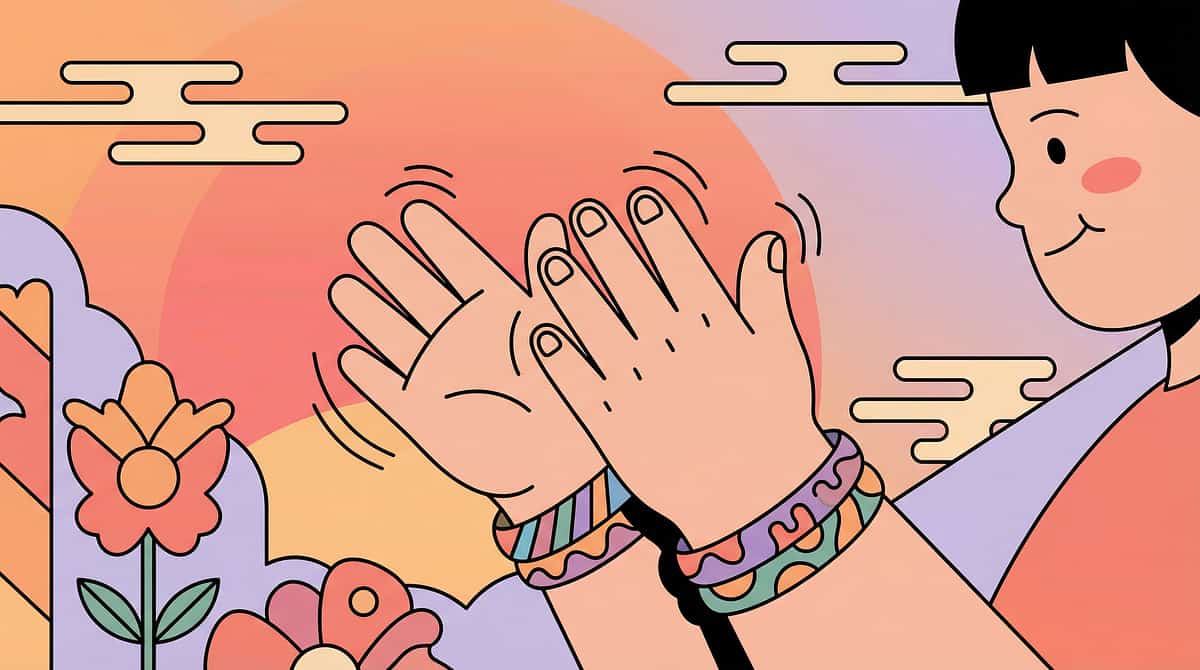
Hand Flapping
The moment: The most iconic autism stim. Hands move rapidly at the wrists — up and down, side to side, fluttering. When excited, when anxious, when processing, when happy. It is the nervous system's volume knob — turning arousal up or down depending on what's needed.
Excitement Flapping
Often accompanied by a happy face and jumping. This is joyful expression — don't stop joy. Let it be.
Anxiety Flapping
Accompanied by a tense face and rapid breathing. Address the overwhelm causing the anxiety — not the flap itself.
Processing Flapping
Occurs during concentration — cognitive offloading. The brain is working hard. The flap is helping it do so.
If replacement is desired, fidget toys, stress balls, and hand-clasping provide the same proprioceptive input with less visibility. Teaching "private vs. public" stimming contexts — not "good vs. bad" — builds awareness respectfully.
📊Evidence Level I — Accept non-harmful stimming. Replace only when requested or genuinely needed. NCAEP 2020
D-363
Motor Stimming
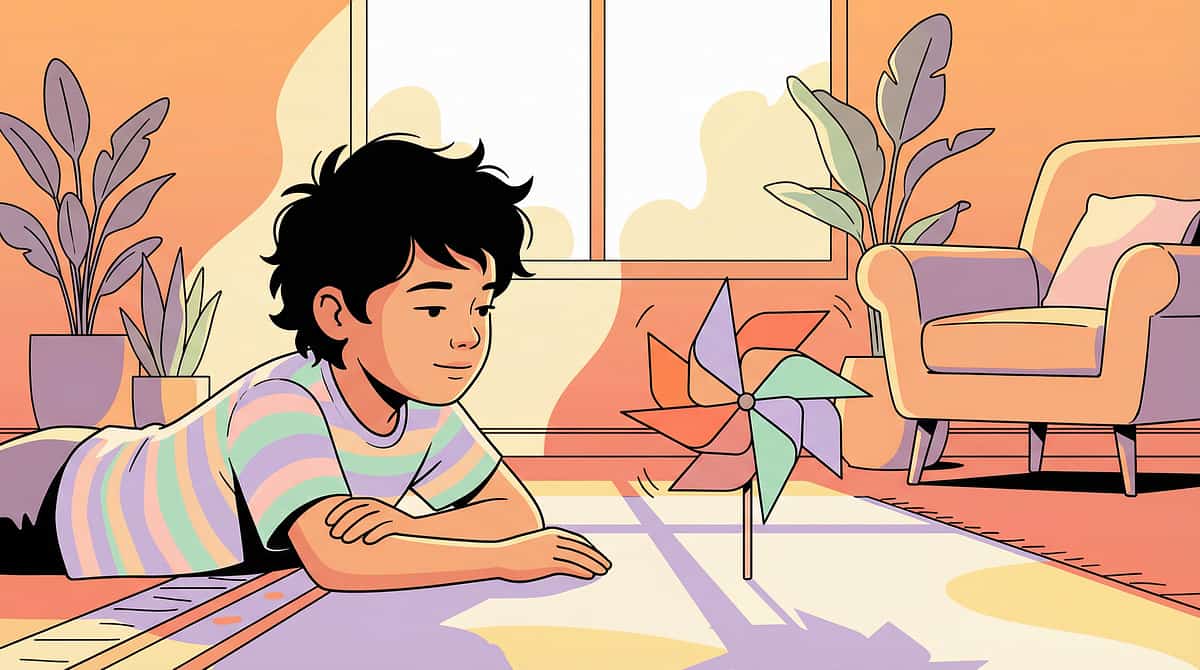
Object Spinning
The moment: Wheels on toy cars — spinning endlessly. Lids. Coins. Anything circular. They lie on the floor, eye-level with the spinning object, watching for minutes. It is mesmerising to them — and puzzling to you. But there is a clear neurological reason behind the fascination.
The Neuroscience
Object spinning provides visual-vestibular stimulation — the brain processes rotational motion through the same visual-vestibular circuits activated by self-spinning. The rhythmic rotational pattern also provides predictable visual input that calms the visual processing system. This is the brain's hunger for specific sensory feedback being satisfied.
What You'll Learn
- Understanding spinning as visual-vestibular seeking behaviour
- Appropriate alternatives: spinners, tops, windmills, kaleidoscopes
- Using spinning as a social bridge — spinning together, spinning as shared reward
- Expanding from spinning to rotational play: wheels → vehicles → driving games
- Gradually expanding engagement when spinning dominates all play
📊Evidence Level I — Sensory-based replacement + engagement expansion. NCAEP 2020

D-364
Motor Stimming
Body Rocking
The moment: Back and forth, back and forth. Sitting, standing, sometimes in bed before sleep. Rhythmic, repetitive, self-soothing. The oldest human calming mechanism — we rock our babies for a reason. The child is doing to themselves precisely what caregivers do for infants.
The Neuroscience
Rocking provides vestibular stimulation (linear acceleration detected by the otolith organs) combined with rhythmic proprioceptive input. This activates the parasympathetic nervous system — literally calming the body. Rocking is neurologically equivalent to being rocked by a parent. The child is self-soothing using the brain's most primitive and effective calming mechanism.
Practical Strategies
Vestibular alternatives — sensory swings, rocking chairs, therapy balls — provide the same input through a socially acceptable channel. Proactively offering vestibular input throughout the day reduces the brain's need to seek it through rocking. When rocking intensifies, treat it as a stress signal: something has changed in the child's environment or body.
Cultural Context
In Indian families, rocking is often already culturally normalised — jhoola (swings), rocking on the floor during homework. Use these as natural vestibular regulation tools rather than eliminating them.
📊Evidence Level I — Accept when non-harmful. Provide vestibular alternatives. NCAEP 2020
D-365
Motor Stimming
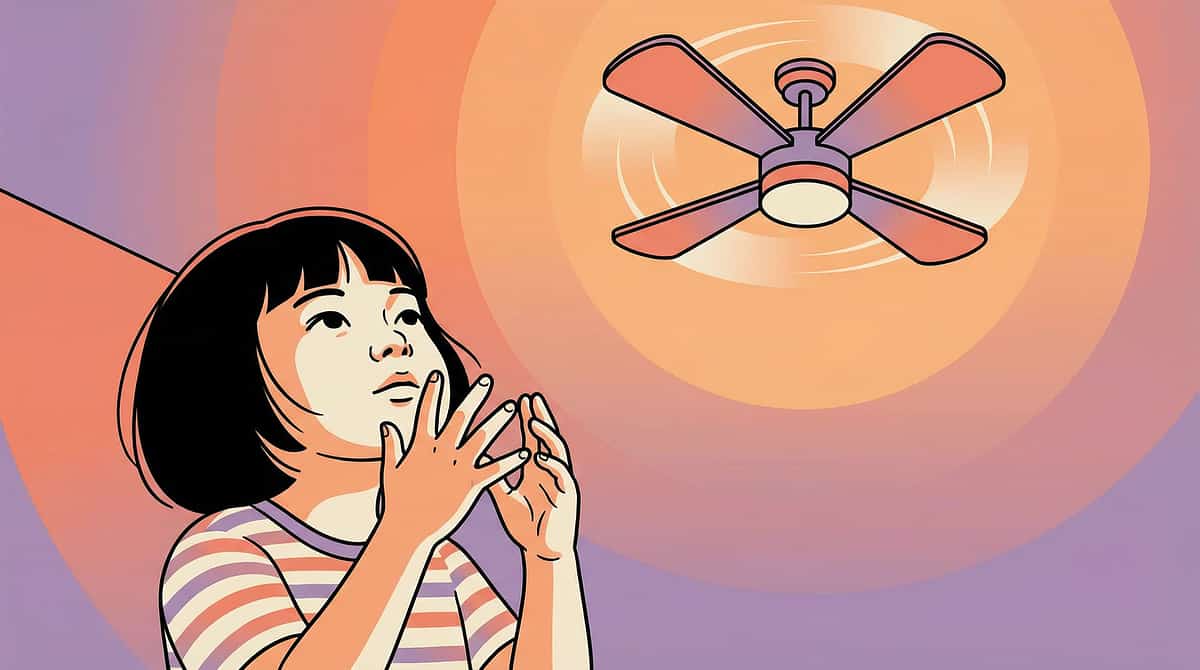
Visual Stimming
The moment: Staring at lights. Watching fans spin. Flicking fingers in front of eyes. Watching water flow. Side-gazing at edges. They are feeding the visual system with specific patterns it craves — movement, light, contrast, repetition. This is the brain generating its own preferred visual input.
The Neuroscience
Visual stimming stimulates the visual cortex through self-generated input — providing the brain with controllable, predictable visual patterns. When environmental visual input is either too chaotic (overstimulating) or too bland (understimulating), the brain generates its own preferred input through stimming. Understanding this makes the behaviour immediately logical.
What You'll Learn
- Visual stim alternatives: lava lamps, fibre optic lights, glitter bottles, kaleidoscopes
- When visual stimming indicates visual processing issues requiring optometry referral
- Eye safety — light-staring can cause retinal damage with prolonged exposure
- Using visual fascination as an engagement and motivational tool
- Reducing environmental visual overload as a preventive strategy
📊Evidence Level I — Sensory replacement + visual input alternatives. NCAEP 2020
D-366
Motor Stimming
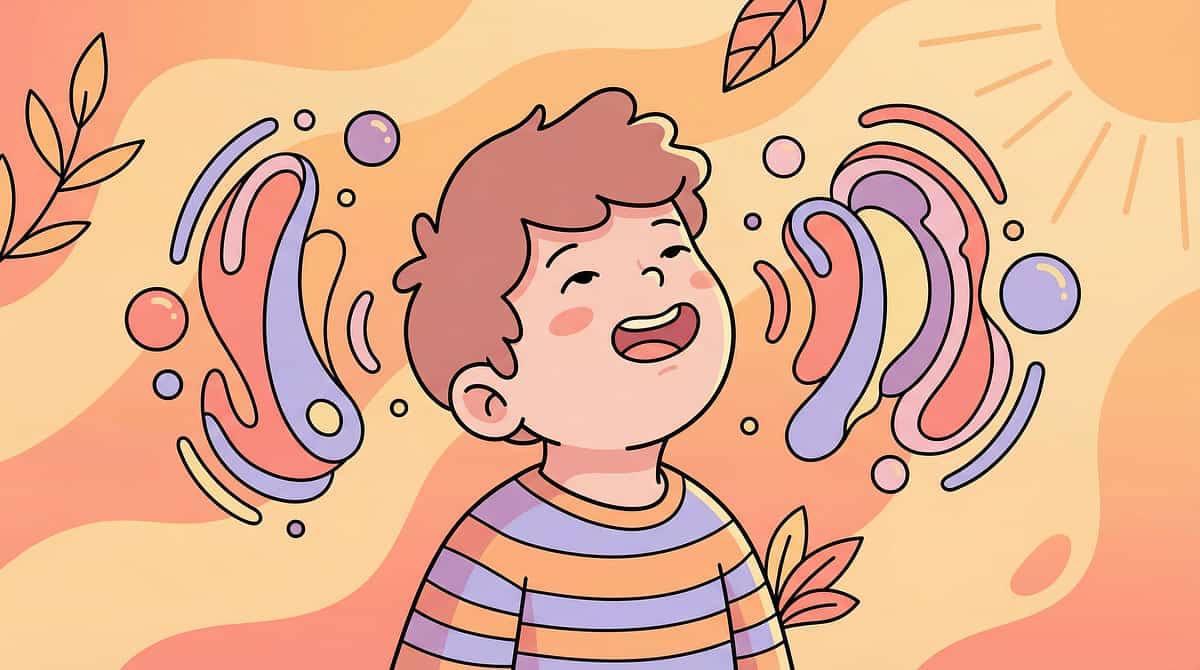
Vocal Stimming
The moment: Humming. Repeating sounds. Making engine noises. High-pitched shrieking. Repeating the same phrase. The vocal system used for self-stimulation rather than communication. In shared living spaces, constant vocalisations can test patience — but understanding their function transforms how you respond.
Auditory Feedback
Hearing their own voice provides the auditory input the nervous system is seeking — controllable, predictable, self-generated sound.
Proprioceptive Input
Vocal cord vibration and oral motor movement provide proprioceptive feedback — the body sensing itself from the inside.
Vagus Nerve Activation
Humming specifically activates the vagus nerve, producing parasympathetic calming — a genuine physiological effect, not just a habit.
Cognitive Processing
Vocal stimming during concentration may serve the same function as thinking out loud — supporting internal processing through externalised sound.
Quiet classroom alternatives include vibrating chew tools, silent mouthing, and subvocalisation. Teaching a "volume dial" concept — same stim, lower volume — respects the need while accommodating the environment.
📊Evidence Level I — Accept when non-disruptive. Provide alternatives when needed. NCAEP 2020
D-367
Motor Stimming
Toe Walking
The moment: Walking on tiptoes — consistently, persistently, sometimes exclusively. Heels never touch the ground. Over time, this can shorten the Achilles tendon. One of the most physically visible autism behaviours, toe walking has clear neurological roots and requires careful, function-informed intervention.
Identifying which function drives toe walking determines the intervention. A stretching programme maintains Achilles tendon health — consult a physiotherapist. ⚠️ Medical note: Persistent toe walking can also indicate cerebral palsy or muscular dystrophy — rule out these conditions before assuming a sensory function.
📊Evidence Level I — OT/PT intervention + sensory-based approach. NCAEP 2020 | Idiopathic Toe Walking Research

D-368
Motor Stimming
When Stimming Causes Harm
The moment: Head-banging. Hand-biting. Eye-pressing. Skin-picking. When stimming crosses from self-regulation into self-injury, the intervention calculus changes entirely. The stim must be redirected — not because it looks different, but because it is damaging the body. The goal is always to replace the function, never simply to stop the behaviour.
Critical First Step
⚠️ Rule out pain FIRST. Harmful stimming often signals an underlying medical condition causing discomfort. A full medical evaluation before any behavioural intervention is non-negotiable. Pain-driven stimming will not respond to sensory replacement alone.
Always work with a BCBA and medical team when stimming causes physical injury. This is not a situation for solo caregiver management.
Sensory Matching Strategies
- Head-banging → heavy work activities, vibrating pillow, crash pad
- Hand-biting → chew tube, vibrating teether, oral motor tools
- Eye-pressing → light-up visual toys, fibre optic alternatives
- Skin-picking → texture tools, tactile fidgets, sensory gloves
The replacement must provide equally intense sensory input through a non-harmful channel. A mismatch in intensity will cause rejection.
📊Evidence Level I — FBA + matched sensory replacement + safety protocols. NCAEP 2020 | BACB
D-369
Motor Stimming
When Stimming Blocks Learning
The moment: The teacher is explaining. They are flapping. Not listening. The activity requires hands — their hands are occupied stimming. The stimming is so consuming that it leaves no attentional resources for the task. This type of stimming needs redirection — not elimination — and the solution is channel-specific.
Non-competing alternatives — fidget tools under the desk, wobble cushions, compression vests — provide sensory input through channels that do not conflict with the learning task. Scheduled stim breaks offer structured windows of unrestricted stimming between learning demands, reducing overall intensity during instruction time.
📊Evidence Level I — Sensory strategy integration within learning environments. NCAEP 2020
D-370
Motor Stimming
Alternative Sensory Input
The moment: The golden rule of stimming replacement — the alternative must feel as good as the stim it replaces, or the brain will reject it. Sensory matching is both a science and an art: identifying which sensory system the stim serves, the intensity level it delivers, and the pattern it follows — then replicating all three.
Proprioceptive
Chew tubes, squeeze toys, heavy blankets, wall push-ups, carrying weighted items
Vestibular
Sensory swings, rocking chairs, therapy balls, bouncing, spinning on a sit-and-spin
Visual
Glitter bottles, lava lamps, fibre optic lights, kaleidoscopes, light projectors
Auditory
Music, humming, white noise machines, nature sounds, auditory feedback toys
Tactile
Texture boards, kinetic sand, water play, sensory bins, vibrating tools
Oral
Chew tools, crunchy foods, vibrating toothbrushes, chewy snacks, straw-drinking
📊Evidence Level I — Sensory-based matched replacement. NCAEP 2020
D-371
Rigidity & Repetitive Patterns
Rigid Routines
The moment: The route to school must be the same. The bedtime sequence must follow the exact order. The food must be on the same plate. Rigid routines are the behavioural expression of the brain's prediction system demanding certainty — and they are one of the most common sources of family friction.
The Neuroscience
Routines are encoded in the basal ganglia as procedural sequences that reduce cognitive load — the brain runs them on autopilot. For a brain that finds unpredictability threatening, routines provide safety. Rigidity is the cost of that safety. The intervention does not destroy the routine — it gradually introduces small, tolerable variations within the existing framework, building flexibility without breaking the scaffold.
What You'll Learn
- Understanding rigidity as safety-seeking, not defiance
- The "same but slightly different" graduated approach
- Introducing ONE variation at a time, in the sequence's most flexible point
- Visual schedules that include a built-in "surprise" card
- When rigid routine indicates OCD versus ASD-typical insistence
- Indian daily routine variation points: puja, mealtime, school preparation
📊Evidence Level I — Graduated flexibility within routines. NCAEP 2020
D-372
Rigidity & Repetitive Patterns
Routine Change Distress
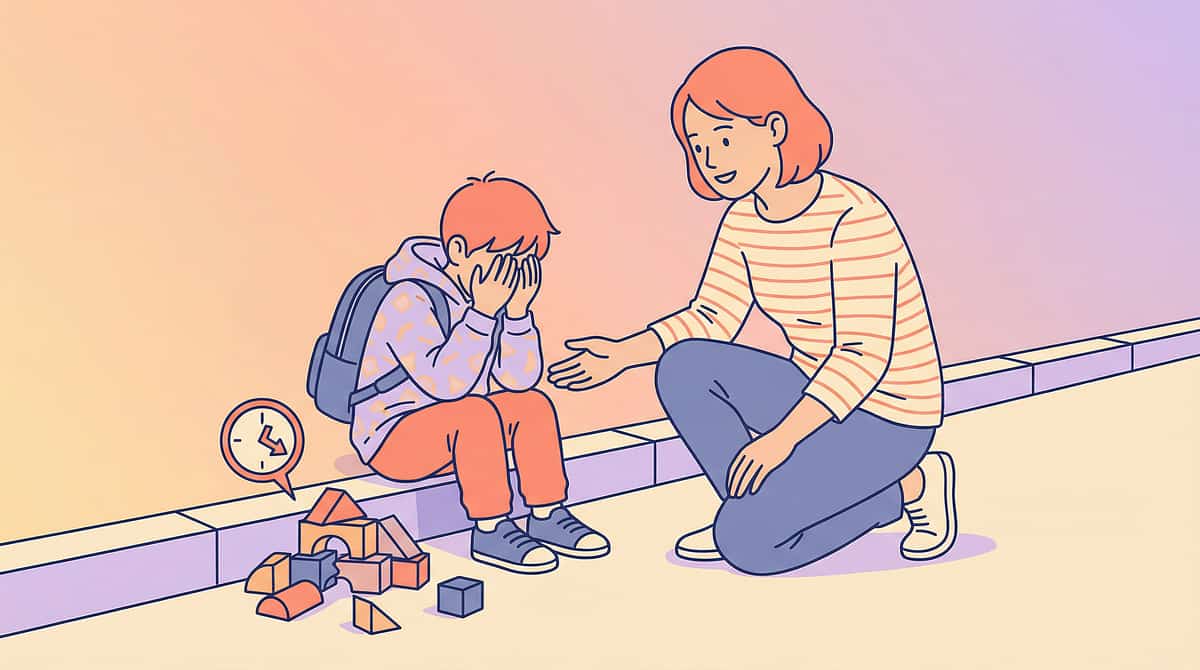
The moment: The routine changed — and the world collapsed. A meltdown triggered not by something new happening, but by something expected not happening. The behavioural output of the rigid routine system encountering reality's inevitable imperfections.
1
Anticipate
Prepare in advance for all known changes using visual cues, social stories, and verbal pre-warnings delivered calmly and early.
2
Bridge
Use a "change card" as a visual anchor during the transition — the card makes the unexpected concrete and manageable.
3
Recover
Establish a post-change recovery routine — a predictable sequence that restores calm after a disruption has occurred.
4
Build
Gradually cultivate a "changes happen" mindset through successful, low-stakes experiences with tolerable variation.
Indian-specific disruptions — festivals, large family gatherings, school holidays — are excellent practice opportunities when approached with sufficient preparation and the right support tools in place.
📊Evidence Level I — Visual preparation + change cards. NCAEP 2020
D-373
Rigidity & Repetitive Patterns
Sameness Insistence
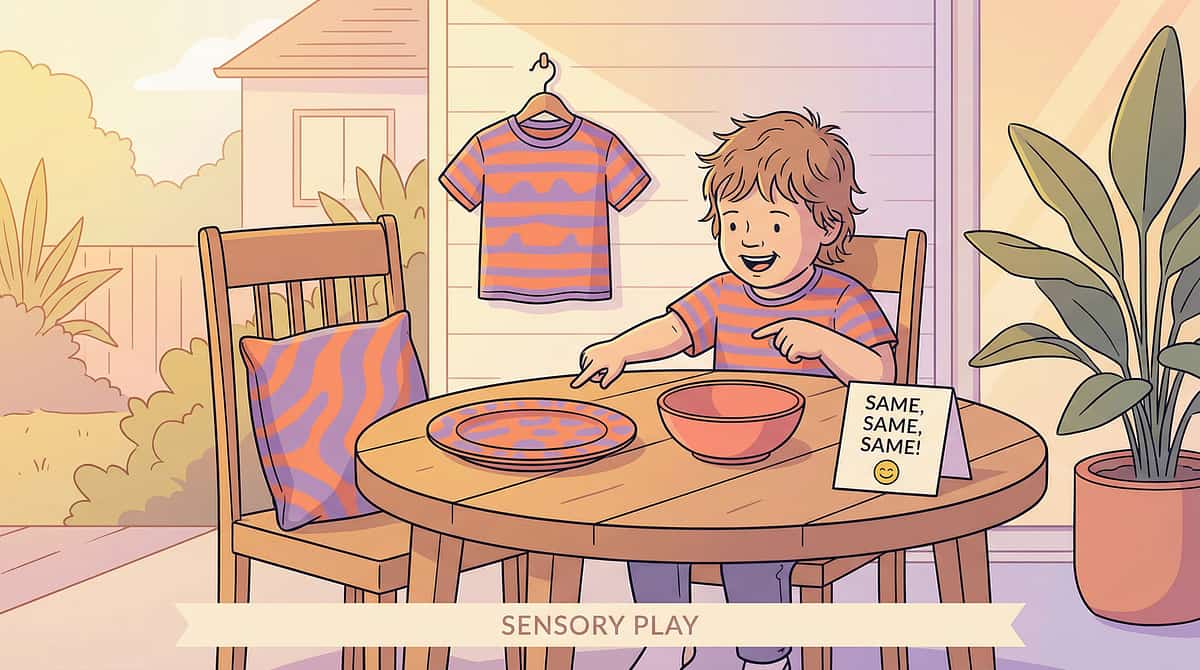
The moment: The same shirt every day. The same plate. The same seat. The same video on loop. Sameness insistence extends beyond routine — it encompasses objects, clothing, food, people, and environmental arrangement. Everything must be identical to the internal template. Any deviation, no matter how small, generates distress.
The Neuroscience
Sameness insistence reflects the brain's prediction system creating extremely detailed templates. Not just "breakfast happens" but "breakfast happens in THIS bowl with THIS spoon at THIS seat with THIS drink in THIS cup." The template resolution is set at maximum detail; any deviation generates an error signal that the PFC cannot easily override. The brain is not being rigid — it is being precise.
What You'll Learn
- Identifying WHICH aspects of sameness are most and least rigid
- Introducing variation at the LEAST rigid point first
- The "same family" approach: not THAT bowl, but one from the same set
- When sameness provides genuine comfort (respect it) vs. when it imprisons (expand it)
- Distinguishing sameness insistence from OCD
📊Evidence Level I — Graduated variation + tolerance building. NCAEP 2020

D-374
Rigidity & Repetitive Patterns
Building Routine Flexibility
The moment: The flexibility-building master technique — combining graduated exposure, respectful practice, and consistent reinforcement to systematically expand a child's tolerance for variation. Not forcing change, but making change survivable — and then gradually making it manageable.
Flexibility is a prefrontal cortex skill that develops through practice. Each successful experience with tolerable variation strengthens the neural pathway: variation → survived → okay → less threatening next time. The key word is tolerable. Too much variation too fast produces overwhelm and paradoxically increases rigidity. Start small, celebrate every win, and build slowly.
📊Evidence Level I — Flexibility training. NCAEP 2020

D-375
Rigidity & Repetitive Patterns
Obsessive Interests
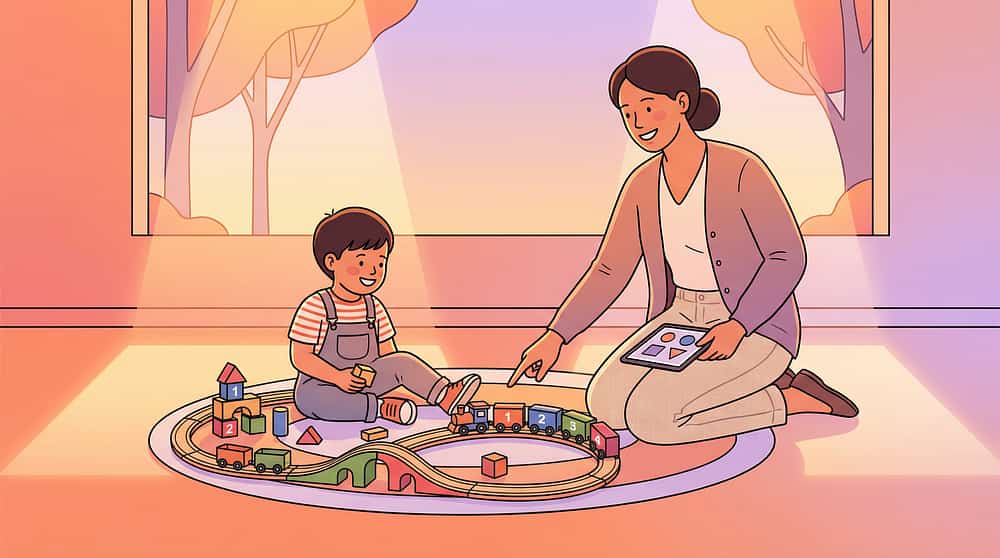
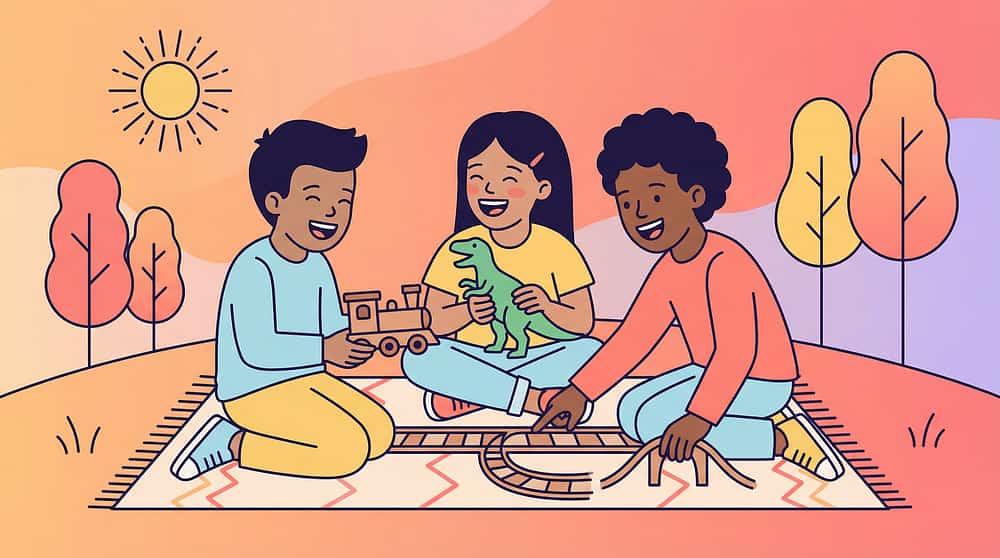
The moment: Trains. Dinosaurs. Flags. Maps. Washing machines. Ceiling fans. A single topic consumed with encyclopaedic depth and relentless focus. They choose it over food, friends, and sleep. This is not pathology — this is a differently wired reward system channelling extraordinary motivation.
Interest as Leverage
Use the preferred interest as a motivational bridge: "After math, you can read about trains for 10 minutes." The interest becomes the reward that unlocks other learning.
Social Connection
Find peers who share the interest. Shared passion creates authentic social connection far more naturally than scripted social skills practice.

Academic Integration
Teach counting, reading, and geography through the preferred interest. When motivation is intrinsic, learning accelerates dramatically.
📊Evidence Level I — Interest-based intervention + structured expansion. NCAEP 2020 | Temple Grandin, Greta Thunberg — restricted interests became world-changing careers.
D-376
Rigidity & Repetitive Patterns
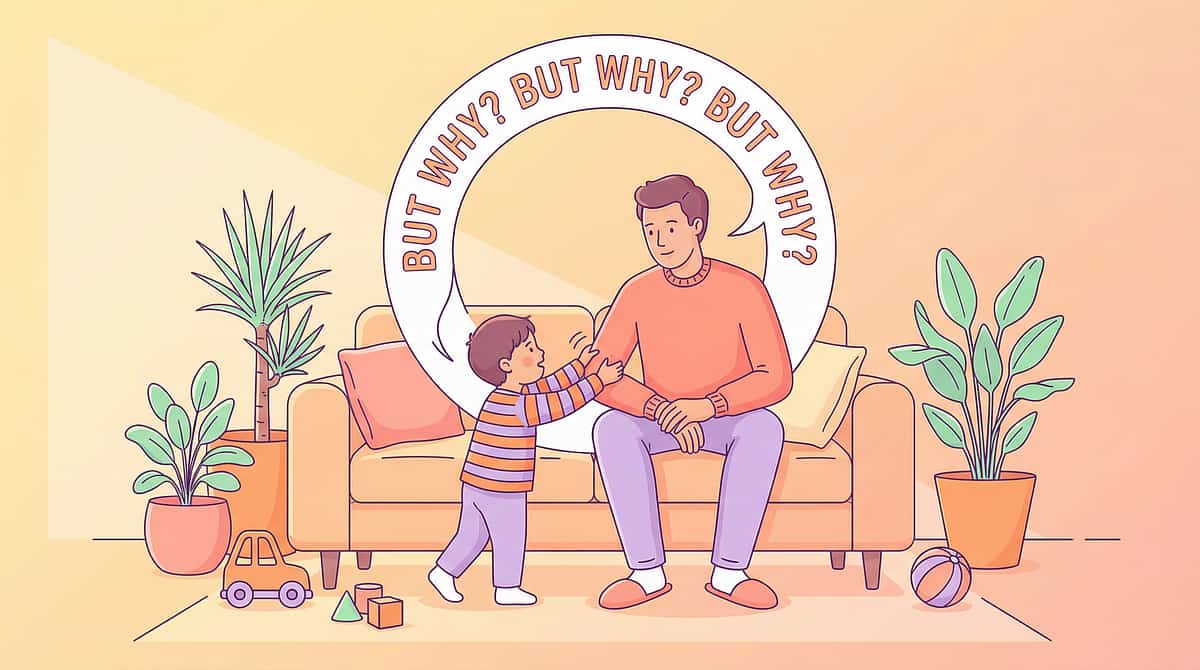
Repetitive Questions
The moment: "When is Papa coming home?" For the 47th time today. You have answered. They ask again. And again. The question is no longer seeking information — it is serving a different function entirely. Understanding that function is the only path to an effective response.
Visual answer cards — write the answer once, point to the card when the question recurs — reduce the interaction loop while maintaining clarity. Anxiety-driven questions require addressing the anxiety, not the question. Social-function questions require providing attention through other, richer channels.
📊Evidence Level I — Function-based response strategies. NCAEP 2020
D-377
Rigidity & Repetitive Patterns
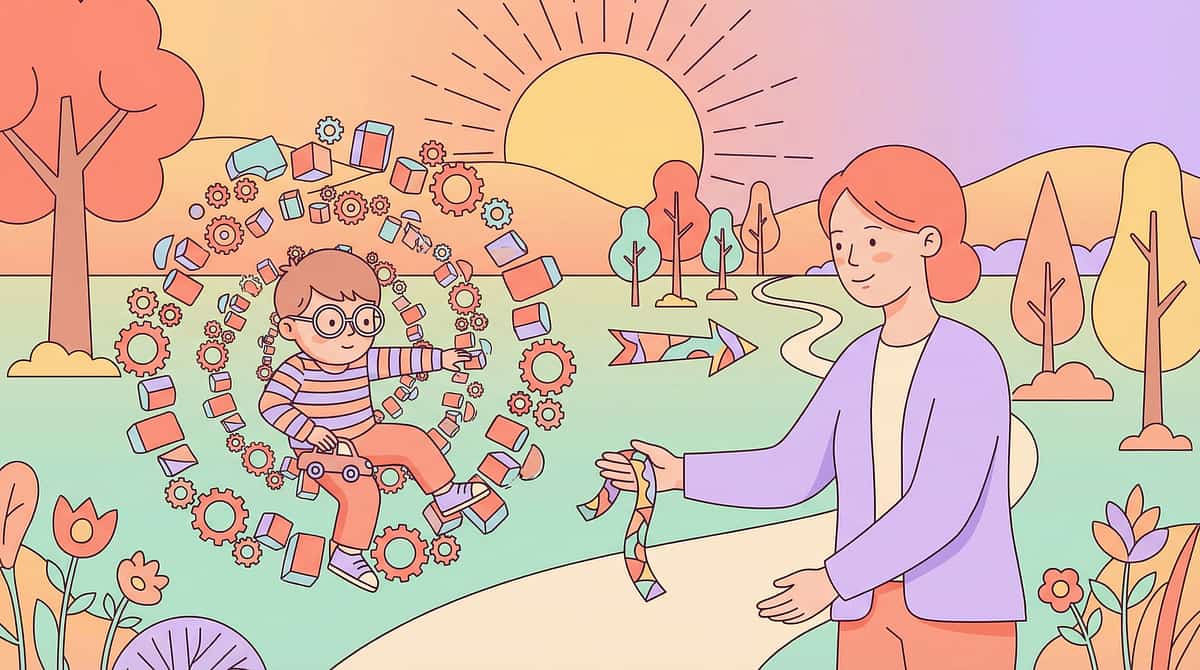
Getting Stuck
The moment: They cannot move on. Perseveration — getting locked into a topic, an activity, a thought, or a behaviour and being unable to shift. The conversation has moved on. They are still on the previous topic. The task is finished. They keep doing it. This is not stubbornness. The brain is literally stuck in a loop.
The Neuroscience
Perseveration reflects a difficulty in the frontal-striatal circuit's set-shifting function — the ability to disengage from one neural pattern and engage another. The basal ganglia maintains the current pattern while the PFC must generate the "shift" signal. When this signal is weak or delayed, the current pattern runs indefinitely. The brain is not refusing to shift — it is struggling to generate the shift command.
What You'll Learn
- Recognising perseveration vs. preference — CAN'T stop vs. WANTS to continue
- Gentle, predictable redirection techniques that don't escalate
- "All done" visual cues to signal a clear ending
- Transition supports for mental and physical shifting
- ⚠️ When perseveration indicates absence seizure activity — medical referral required
- How to help without forcing — the distinction that protects the relationship
📊Evidence Level I — Cognitive flexibility + redirection strategies. NCAEP 2020
D-378
Rigidity & Repetitive Patterns
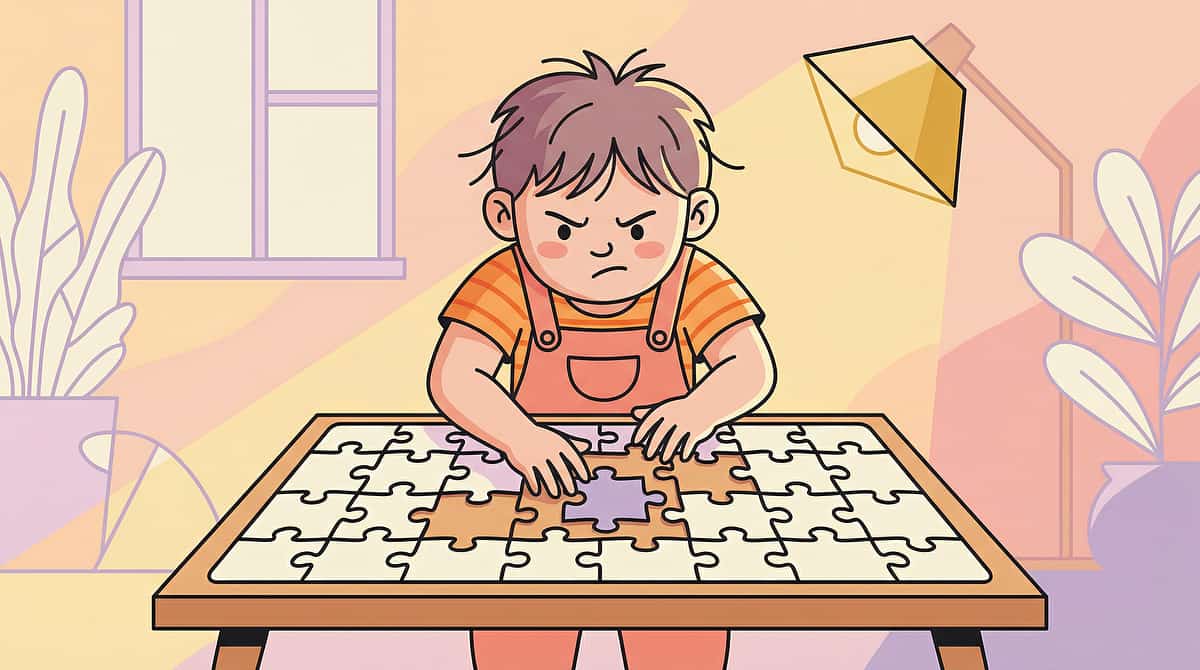
Pattern Completion Needs
The moment: The puzzle must be finished. The sequence must be completed. The song must reach the end. The line of cars must include every car they own. Interrupting a pattern in progress feels like physical pain — because for this brain, the drive to complete is neurologically powerful, not behavioural manipulation.
1
Plan for Completion
Build enough time into the schedule for patterns to be completed naturally — preventing most interruption-related distress before it begins.
2
Save and Return
Use a visual marker to show exactly where the child stopped — reducing the distress of an incomplete pattern by making return possible.
3
Build Tolerance Gradually
Introduce brief, tolerable interruptions in low-stakes patterns first — building the neural pathway for surviving incompletion over time.
4
Use Completion as Motivator
Channel the powerful completion drive productively — "complete this task to complete the pattern" creates intrinsic motivation for non-preferred activities.
📊Evidence Level I — Tolerance building + completion planning. NCAEP 2020
D-379
Rigidity & Repetitive Patterns
Using Interests Productively
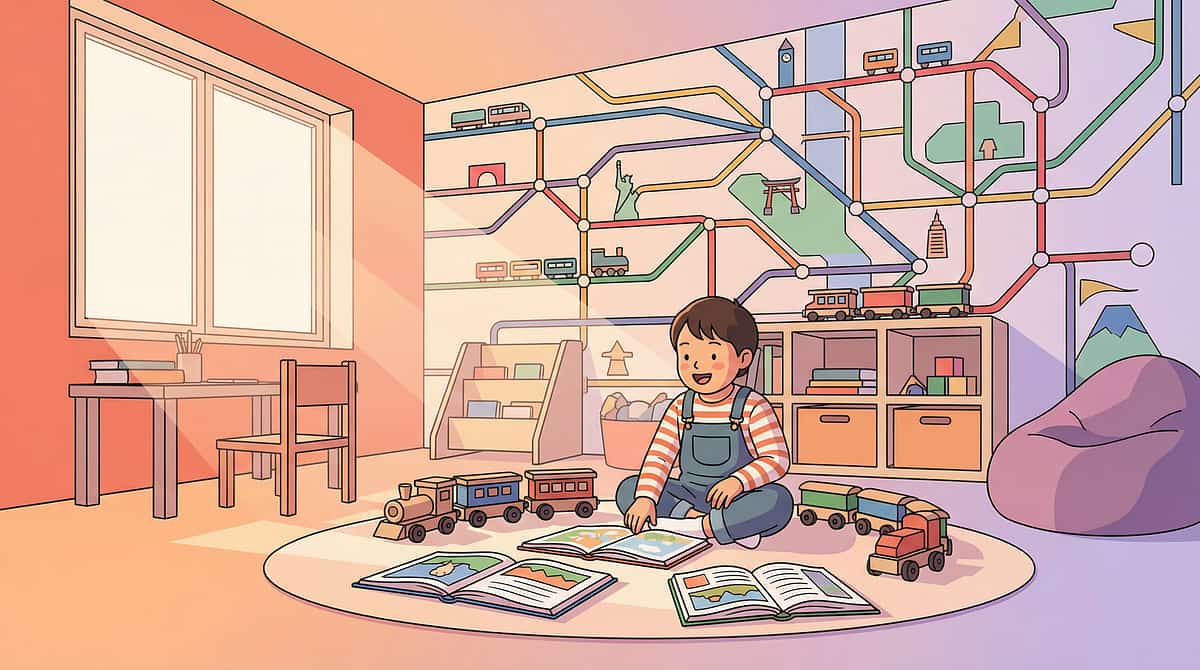
The moment: The reframe card. Their "obsession" with trains → future engineer. Their fascination with flags → future diplomat. Their encyclopaedic knowledge of dinosaurs → future palaeontologist. Restricted interests are not deficits — they are the raw material for expertise, career, and contribution.

Interest → Academic Bridge
Teach any subject through the preferred interest. Counting train stations teaches number sense. Mapping routes teaches geography. Reading timetables teaches literacy. When motivation is intrinsic, learning is exponential.
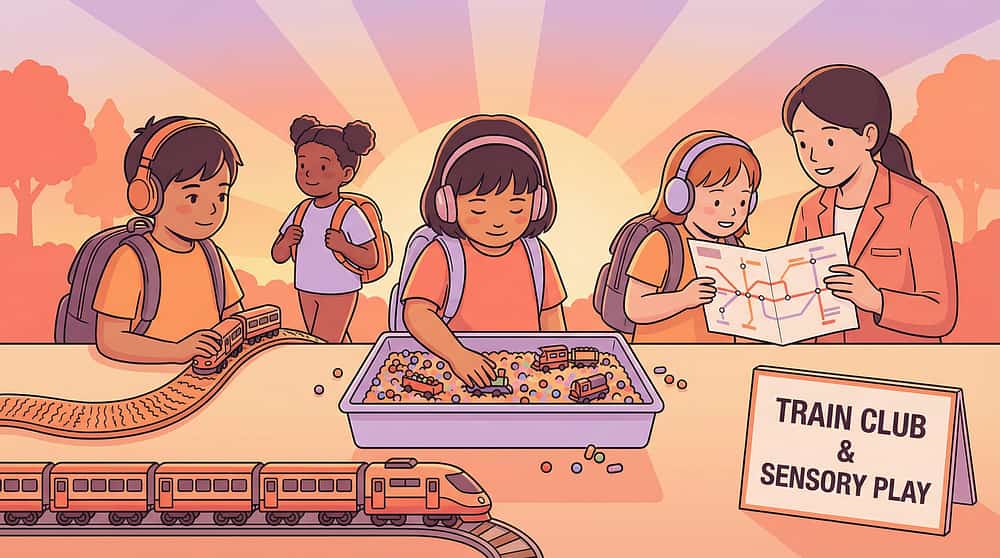
Interest → Social Bridge
Find communities — local clubs, online groups, school interest circles — where the child's passion is celebrated rather than tolerated. Authentic connection grows from shared passion.
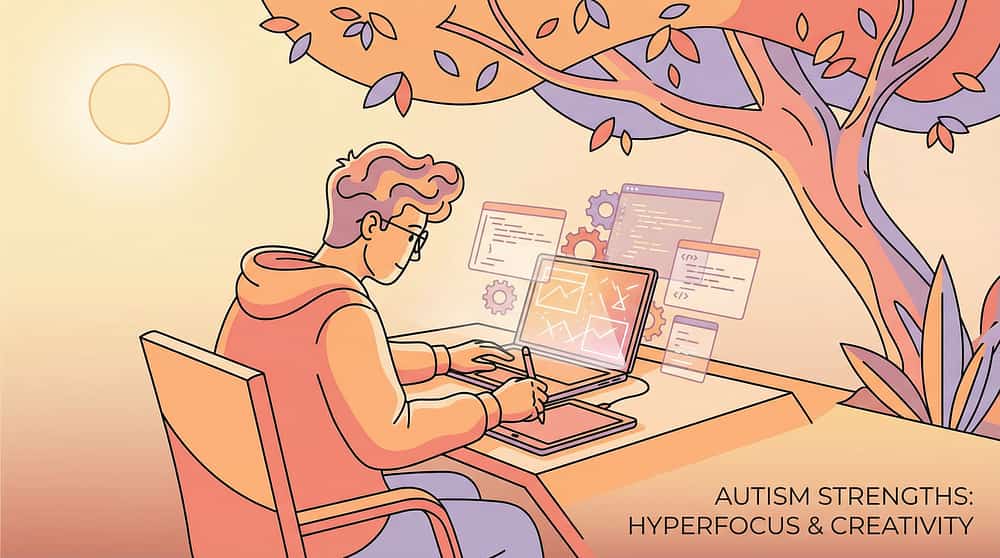
Interest → Vocational Bridge
The hyperfocus and pattern recognition that produces encyclopaedic childhood knowledge is the same capacity that produces professional expertise. Chart the pathway early — the interest is the career in embryo.
📊Evidence Level I — Strength-based intervention + interest-based learning. NCAEP 2020
D-380
Rigidity & Repetitive Patterns
Stress-Increased Stimming
The moment: The capstone of Subdomain D2. When the flapping gets faster, the rocking gets harder, the vocal stims get louder — the nervous system is shouting that something is wrong. Stress-increased stimming is a diagnostic tool before the meltdown. Listen to the stim.
The Neuroscience
Under stress, the basal ganglia-cerebellar stimming circuits amplify — more frequent, more intense, more varied stimming — as the brain desperately increases its self-regulation attempts. Stress → sympathetic activation → increased regulatory demand → increased stimming. The stim is the nervous system's emergency brake being applied harder and harder. When you see the brake being pressed, address the cause, not the brake.
Stimming Intensity Scale
- Baseline: Typical stimming — no action needed
- Mildly increased: Scan environment — something has shifted
- Significantly increased: Proactive regulation — implement calming supports now
- Crisis-level: Remove stressors, ensure safety, provide maximum regulatory support
Respond to increased stimming by asking: What changed? Then address the stress — not the stim expressing it.
The philosophy: Listen to the stim. It is telling you, in the only language available to the nervous system, what words cannot yet express.
🤲 OT (Sensory)
📋 ABA
🧠 Psychology
NeuroDev · SpEd
📊Evidence Level I — Stimming as regulatory barometer. NCAEP 2020
D-381
Rigidity & Repetitive Patterns
Echolalia
The moment: Repeating words, phrases, scripts, or entire dialogues — sometimes immediately, sometimes hours or days later. The child who quotes verbatim from a cartoon when asked "How are you?" The child who repeats your question back instead of answering. Echolalia is not meaningless — it is language in development, and one of the most misunderstood behaviours in autism.
The Neuroscience
Echolalia reflects the brain's use of pre-formed language chunks — gestalt language processing — rather than analytic word-by-word construction. The brain stores whole phrases as single units, then deploys them in contexts that feel emotionally or situationally similar. Immediate echolalia serves communicative and regulatory functions. Delayed echolalia is often the child's best available language tool. Both are stages on the path to spontaneous, flexible language — not dead ends.
What You'll Learn
- Distinguishing immediate vs. delayed echolalia — and what each communicates
- Functional echolalia: mapping scripts to their communicative intent
- The gestalt language processing pathway to spontaneous speech
- Script fading techniques: expanding echoed phrases into flexible language
- When echolalia signals anxiety vs. language development stage
- Working with SLPs to build on echolalia rather than suppress it
📊Evidence Level I — Gestalt Language Processing | Script Fading | NCAEP 2020
D-382
Rigidity & Repetitive Patterns
Sensory Seeking Behaviour
The moment: Crashing into furniture. Seeking tight hugs. Chewing on clothing, pencils, or fingers. Jumping constantly. Touching every surface. Sensory seeking is the nervous system broadcasting a clear message: I need more input. Understanding the sensory profile behind the seeking behaviour transforms how families and therapists respond — from frustration to provision.
🤲 Proprioceptive Seeking
Crashing, jumping, pushing, pulling — the muscles and joints need deep pressure input to feel regulated. Heavy work activities are the prescription.
👄 Oral Seeking
Chewing, mouthing, biting — the oral motor system is seeking proprioceptive input. Chew tools, crunchy foods, and oral motor activities meet the need safely.
🖐️ Tactile Seeking
Touching everything, seeking certain textures, rubbing surfaces — the skin's sensory receptors are hungry for input. Sensory bins and textured tools help.
🏃 Vestibular Seeking
Spinning, swinging, rocking — the inner ear's movement system is underaroused. Swings, trampolines, and movement breaks are regulatory, not indulgent.
The OT principle: meet the sensory need, then redirect the method. Never deprive a seeking nervous system — provide the input it needs through safe, appropriate channels.
📊Evidence Level I — Sensory Integration Therapy | OT Sensory Diet | NCAEP 2020
D-384
Rigidity & Repetitive Patterns
Transition Difficulties
The moment: "Five more minutes" becomes a meltdown. Leaving the park. Stopping a preferred activity. Moving from one classroom to the next. Transitions — even to preferred activities — can trigger intense distress. The autistic brain does not switch contexts easily; it needs time, warning, and a bridge between what is ending and what is beginning.
Advance Warning
Give 10-minute, 5-minute, and 1-minute warnings before every transition. Predictability reduces the shock of change.
Visual Transition Supports
First-Then boards, visual timers, and picture schedules make the abstract concept of 'what comes next' concrete and manageable.
Transition Objects
A small item carried from the ending activity to the next provides a physical bridge — a piece of the old context entering the new one.
Arrival Reinforcement
Make the destination worth arriving at. A preferred activity, a sensory tool, or a warm greeting waiting at the transition endpoint reduces resistance.
The key insight: transition difficulty is not about the destination — it is about the ending. Honour what is being left behind before asking the child to move forward.
📊Evidence Level I — Visual Supports | Priming | Reinforcement-based Transition Strategies | NCAEP 2020
D-386
Rigidity & Repetitive Patterns
Building a Sensory Diet
The moment: The child who is dysregulated before school every morning. The one who cannot sit for therapy. The one who melts down at 4pm every day without fail. A sensory diet — a personalised schedule of sensory activities woven into the daily routine — is the OT's most powerful proactive tool. It prevents dysregulation before it begins.
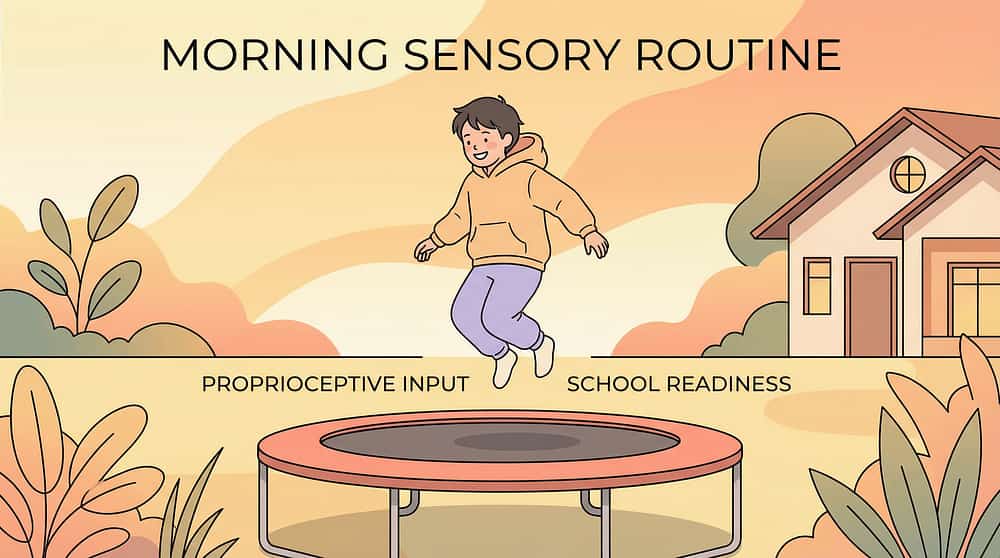
Morning Regulation Routine
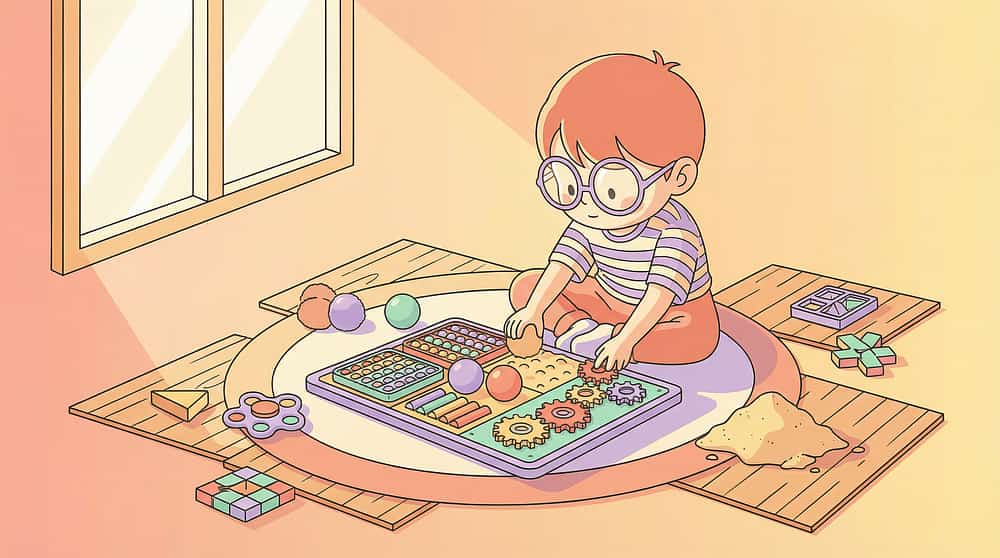
Heavy work before school — jumping, carrying a weighted backpack, wall push-ups — fills the proprioceptive tank before the demands of the day begin. A regulated nervous system learns. A dysregulated one cannot.
In-Session Sensory Supports
Fidget tools, wobble cushions, chew necklaces, and movement breaks embedded within therapy and classroom sessions maintain the arousal window needed for learning and engagement.
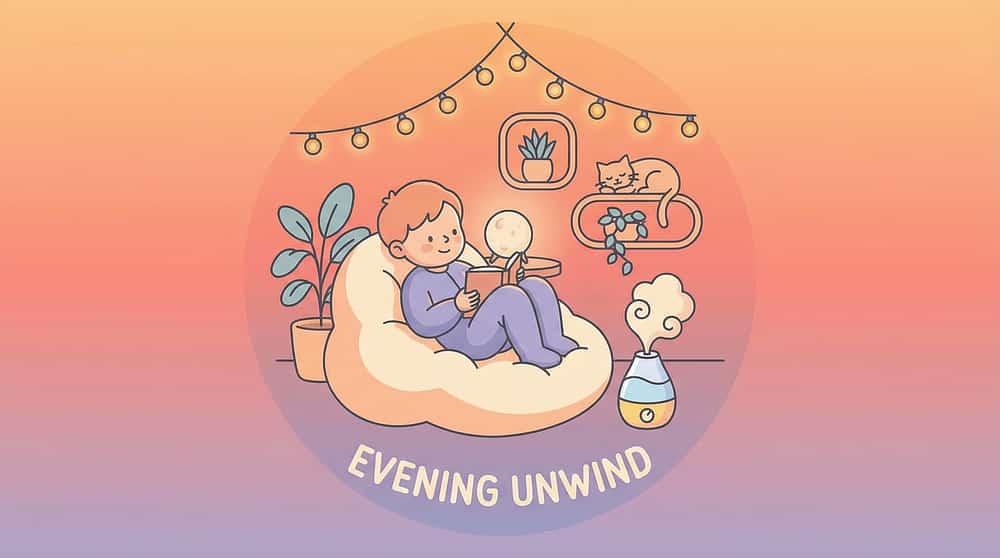
The transition from the high-demand school day to home requires a deliberate decompression sequence — dim lights, quiet space, preferred sensory input — before re-engagement with family demands.
Evening Wind-Down Protocol
A sensory diet is not a luxury — it is a medical-grade regulatory intervention. Designed by an OT, implemented by the family, and reviewed monthly as the child's sensory needs evolve.
📊Evidence Level I — Sensory Diet | Ayres Sensory Integration | OT Intervention | NCAEP 2020
Preview of stimming repetitive behaviours Therapy Material
Below is a visual preview of stimming repetitive behaviours therapy material. The pages shown help educators, therapists, and caregivers understand the structure and content of the resource before use. Materials should be used under appropriate professional guidance.
Link copied!
All 20 Techniques at a Glance
Navigate directly to any of the 20 evidence-based intervention techniques in Subdomain D2. Each technique includes 9 curated therapy materials, neuroscience background, and practical strategies for families and clinicians.
Section 1
Motor Stimming — D-361 to D-370
D-361 — Understanding Stimming
D-362 — Hand Flapping
D-363 — Object Spinning
D-364 — Body Rocking
D-365 — Visual Stimming
D-366 — Vocal Stimming
D-367 — Toe Walking
D-368 — Stimming Causes Harm
D-369 — Stimming Blocks Learning
D-370 — Alternative Sensory Input
Section 2
Rigidity & Repetitive Patterns — D-371 to D-380
D-371 — unknown link
D-372 — Routine Change Distress
D-373 — Sameness Insistence
D-374 — Building Routine Flexibility
D-375 — Obsessive Interests
D-376 — Repetitive Questions
D-377 — Getting Stuck
D-378 — Pattern Completion Needs
D-379 — Using Interests Productively
D-380 — Stress-Increased Stimming