

Play Is Not Optional. Play Is How the Brain Builds Itself.
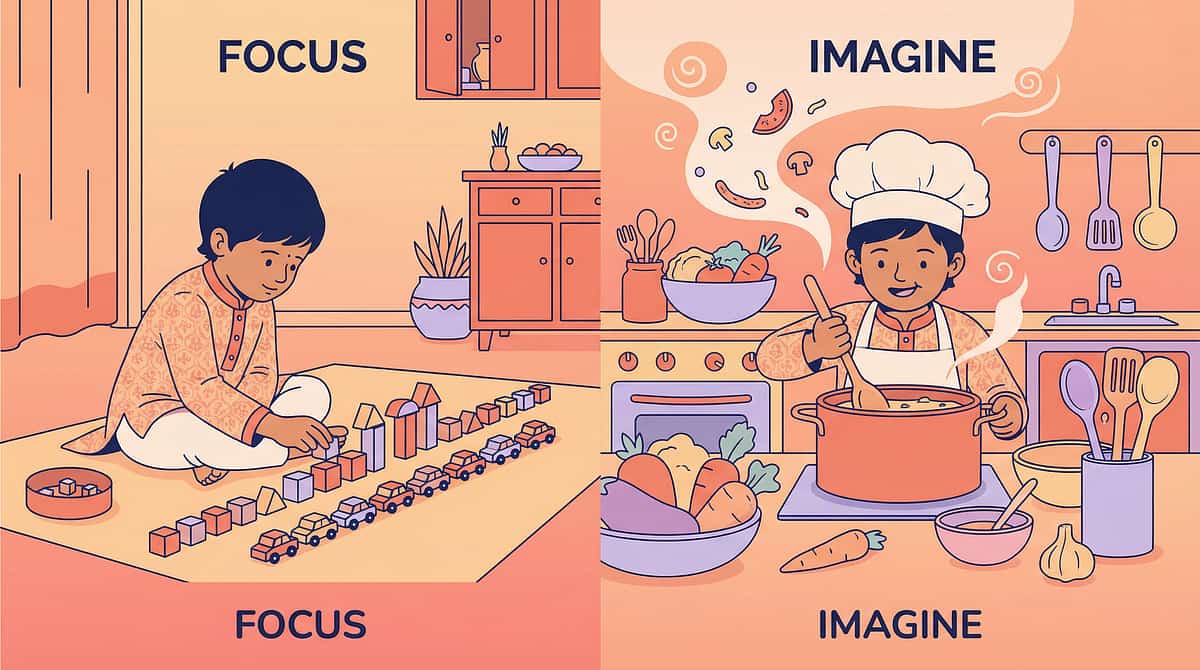
Your child isn't refusing to play. Their play circuits are developing differently — and they need a different entry point. The child who lines up cars instead of racing them. Who watches other children play but never joins. Who uses toys in repetitive, non-functional ways. Who can't pretend, can't imagine, can't engage in the play that drives cognitive, social, and language development.
Play isn't leisure for children — it's the primary mechanism through which the brain builds every higher-order skill. You are about to access 80+ clinically validated play and cognitive skills intervention techniques — each designed for home implementation, evidence-graded, and developed by the world's largest pediatric therapy consortium.
🏥 70+ Centers
India's #1 Autism & Child Development Therapy Chain
🌍 21M+ Sessions
Documented therapy sessions across families from 70+ countries
📈 97%+ Improvement
Measured via AbilityScore® — evidence-driven progress tracking

You Are Not Alone — The Numbers Speak
If your child struggles with play, imagination, or flexible thinking — you are in the company of millions of families navigating the same journey. These numbers aren't just statistics. They represent real children, real parents, and real possibilities for growth through the right intervention.
90%+
Play Skill Differences
of children with ASD show clinically significant play skill differences — Journal of Autism and Developmental Disorders, 2023
40-60%
Symbolic Play Gap
do not engage in symbolic or pretend play by age 4 — Child Development, 2022
70%+
Restricted Interests
show restricted interest patterns affecting cognitive flexibility and learning — Systematic Review, 2021
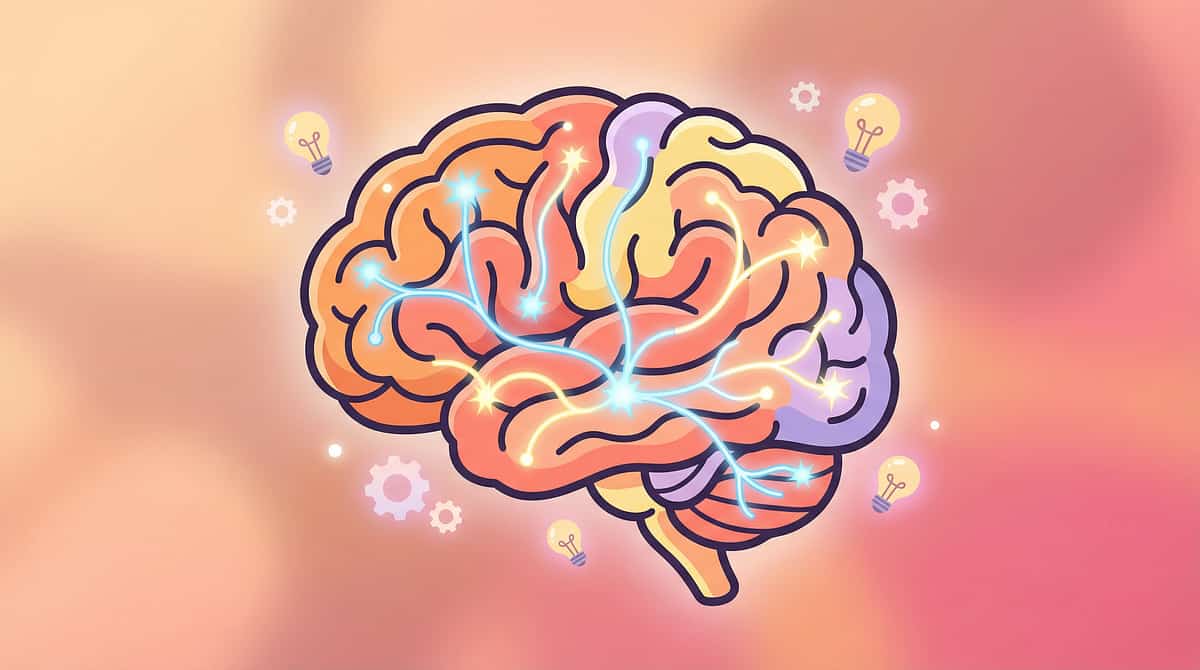
The Play & Thinking Brain — Decoded for Parents
Understanding why your child plays differently is the first step toward helping them. Here is what neuroscience tells us about the four brain systems most involved in play and cognitive development — and why targeted intervention makes a measurable difference.
The Prefrontal Cortex — The Executive Director
Governs attention, working memory, cognitive flexibility, and planning. These "executive functions" are the mental tools that enable learning, problem-solving, and adapting to new situations. In ASD, executive function development follows an atypical trajectory that requires structured, intentional support.
The Default Mode Network — The Imagination Engine
Activates during imaginative play, daydreaming, and perspective-taking. Atypical DMN connectivity in autism correlates with reduced pretend play and difficulty with "what if" thinking — the bedrock of creative and social cognition.
The Hippocampus — The Memory Builder
Encodes new learning, creates associations, and retrieves stored information. Play is the brain's preferred method for hippocampal engagement — learning through doing, exploring, and experiencing in real time.
The Mirror Neuron System — Learning by Watching
Enables observational learning — watching someone build a tower, then imitating. When mirror neuron function is atypical, the child needs explicit teaching of skills that peers absorb effortlessly through watching others.
Play IS learning. When play is restricted, learning is restricted. These techniques rebuild the play-to-learning pathway. — Evidence: Frontiers in Neuroscience: DMN connectivity in ASD | PMC Executive Function meta-analysis
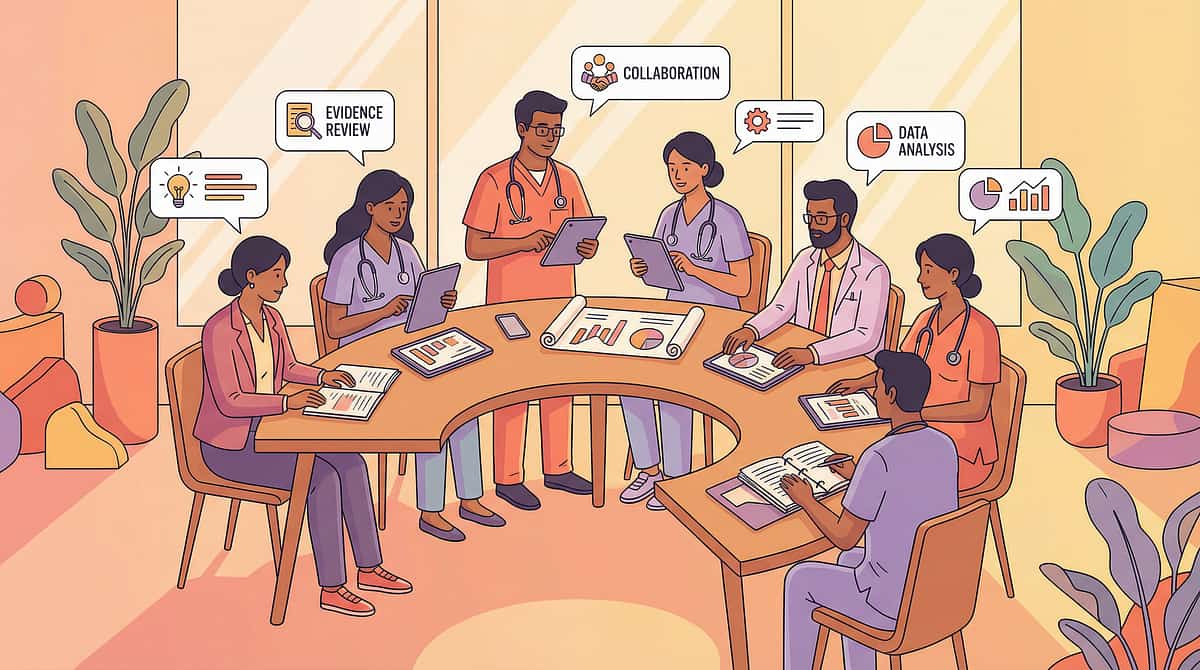
Clinically Validated. Globally Recognized. Home-Applicable.
Every technique in Domain G is grounded in the highest standards of clinical evidence. We do not publish anything that has not been vetted through peer-reviewed research, systematic review, or established clinical practice guidelines.
Level I Evidence — NDBIs
Naturalistic Developmental Behavioral Interventions, structured play interventions, and peer-mediated approaches are classified as evidence-based by NCAEP 2020. Pivotal Response Training (PRT) demonstrates significant gains in play complexity and cognitive flexibility.
JASPER — RCT Supported
Joint Attention, Symbolic Play, Engagement, and Regulation has randomized controlled trial support for play and joint engagement outcomes, making it one of the most rigorously validated play interventions available.
Cognitive Interventions
Structured teaching (TEACCH), discrete trial teaching for academic readiness, and technology-assisted cognitive training show measurable, reproducible gains across diverse populations and settings.
Parent-Implemented Play
Floortime/DIR and parent-mediated NDBIs demonstrate that trained parents achieve play complexity gains comparable to therapist-delivered sessions — empowering families as the primary agents of change.
References: NCAEP 2020 | JASPER RCTs | DIR/Floortime studies | TEACCH evidence base | WHO NCF 2018
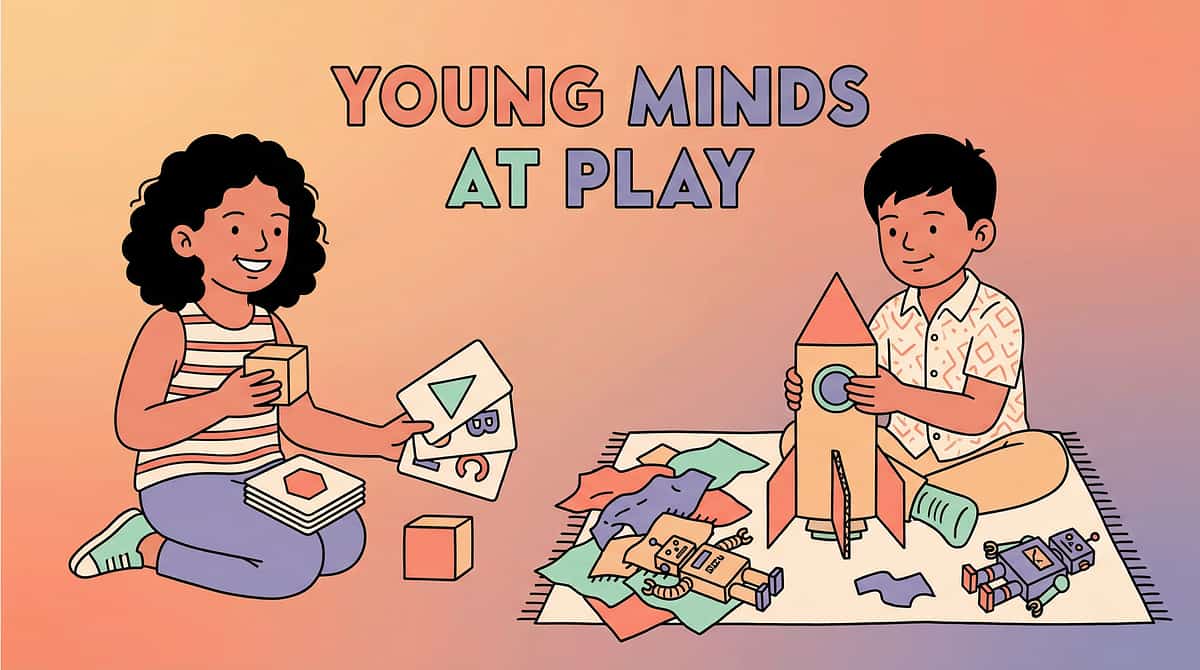
2 Subdomains. 80 Techniques. Evidence-Based. Home-Executable.
Domain G: Play and Cognitive Skills is organized into two focused subdomains, each containing 40 clinically designed intervention techniques. Whether your child's primary challenge is in play engagement, pretend play, or cognitive flexibility and learning — there is a clearly mapped pathway waiting for you.
🎮 Play Skills
40 Techniques | Reels G-621 to G-660
From functional play to symbolic and pretend play, peer play, and play-based social engagement. Every technique is home-executable with common materials.
🧠 Cognitive and Learning
40 Techniques | Reels G-661 to G-700
Targeting attention, memory, problem-solving, cognitive flexibility, and academic readiness. Structured for daily 10–15 minute home sessions.
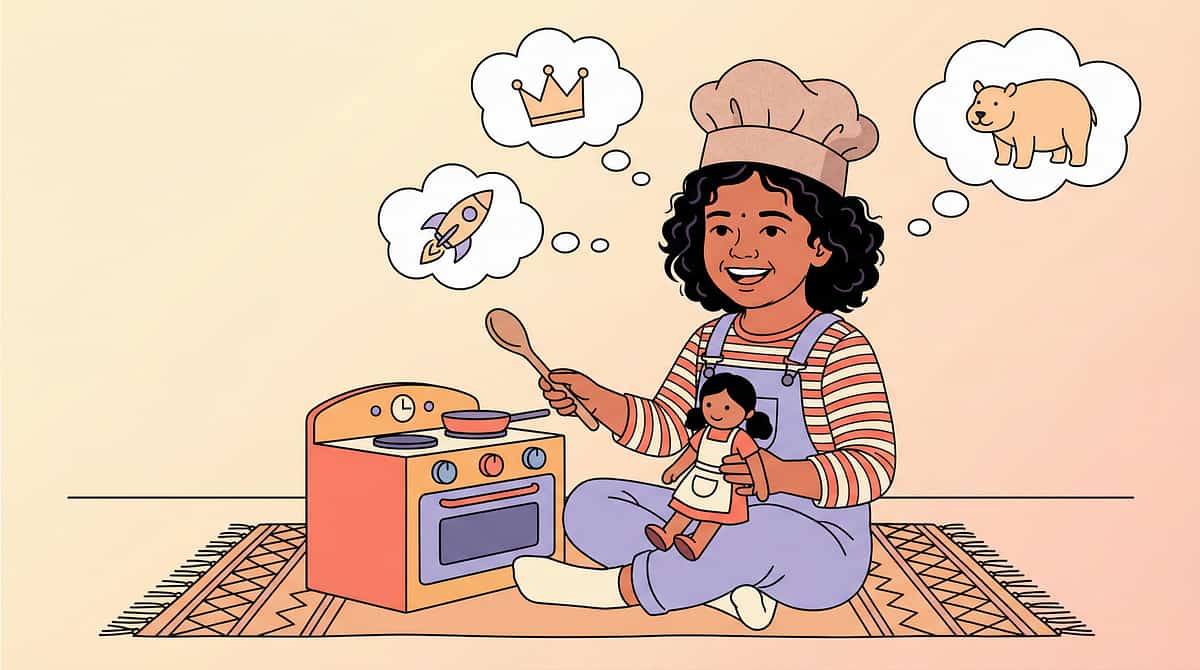
🎮 Play Skills
Subdomain G1 | 40 Techniques | G-621 to G-660
You watch other children race toy cars and build elaborate worlds in sandboxes — and your heart aches as your child sits apart, lining up objects in perfect rows, or spinning the wheels of a truck over and over without ever "driving" it anywhere. You've tried sitting down to play together, but it feels like you're speaking different languages. You've bought all the "right" toys, but they sit untouched or used in ways that feel mechanical rather than imaginative. This is not a failure of love or effort — this is a difference in how the play circuit fires. Atypical connectivity in the default mode network and reduced mirror neuron responsiveness mean that pretend play, joint play, and symbolic thinking require explicit, structured teaching that other children absorb effortlessly.
Technique Areas Covered in Play Skills (G1):
Functional Play Development
Teaching appropriate, purposeful use of objects — cars that drive, cups that pour, phones that "ring"
Symbolic and Pretend Play
Building the imagination layer — pretending a banana is a phone, feeding a doll, cooking a pretend meal
Parallel and Associative Play
Scaffolding proximity-based play leading toward cooperative engagement with peers and siblings
Joint Attention in Play
Establishing shared focus — "look at this with me" — the foundation of all social and collaborative learning
Play Initiation and Entry
Teaching how to enter a play situation, start a game, and sustain a play interaction beyond 2–3 exchanges
Expanding Play Schemas
Breaking rigid, repetitive play patterns and introducing flexibility, novelty, and variation
Rule-Based and Constructive Play
Board games, turn-taking, building and creating with intentional purpose and sequence
Sensory Play Integration
Using sensory-rich play experiences as an entry point for engagement, regulation, and cognitive stimulation
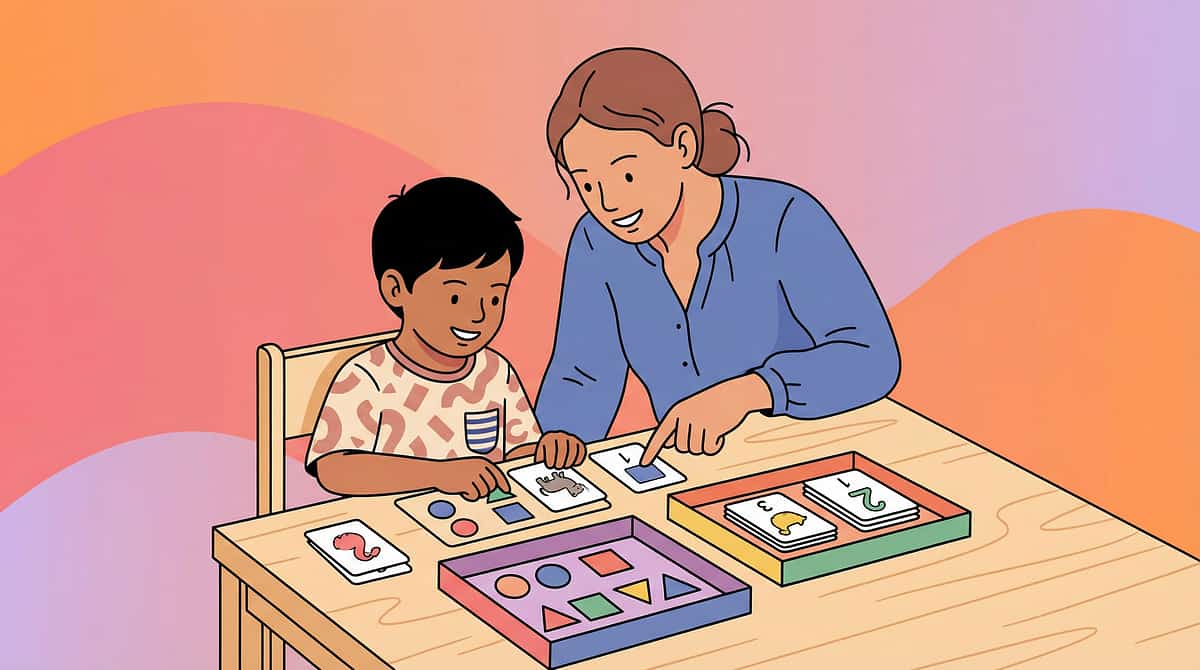
🧠 Cognitive and Learning
Subdomain G2 | 40 Techniques | G-661 to G-700
Your child can memorize every bus route in the city but cannot follow a two-step instruction at home. They can recall dialogue from a show they watched once, but cannot remember where they put their shoes five minutes ago. You sit down for a learning activity and within sixty seconds they've drifted, overloaded, or shut down completely. School reports say "not attending," "not retaining," "struggles to generalize" — and you are left wondering what you're missing. What you're seeing is the profile of atypical executive function, working memory, and cognitive flexibility — not stubbornness, not laziness. The hippocampal learning loop and prefrontal regulation systems develop along a different timeline in ASD and developmental differences, requiring specific structured approaches to unlock learning potential.
Technique Areas Covered in Cognitive and Learning (G2):
Sustained Attention Training
Building the on-task duration required for learning — from 30 seconds to structured 10-minute work blocks
Working Memory Strengthening
Holding and using information across short intervals — the foundation of following instructions and learning sequences
Cognitive Flexibility Drills
Shifting from one task or rule to another — reducing rigidity and increasing adaptability in thinking and behavior
Categorization and Sorting
Grouping objects by attribute, function, and category — building the conceptual organization required for language and reasoning
Sequencing and Narrative Thinking
Understanding "first-then-next" and telling a coherent story about events — critical for academic and social participation
Problem-Solving and Reasoning
Structured approaches to "what do I do when..." — building flexible, independent problem navigation
Imitation and Observational Learning
Teaching the child to learn by watching — a foundational skill for classroom participation and peer learning
Academic Readiness Concepts
Colors, shapes, numbers, letters — taught through structured, engaging, multi-sensory home-based protocols
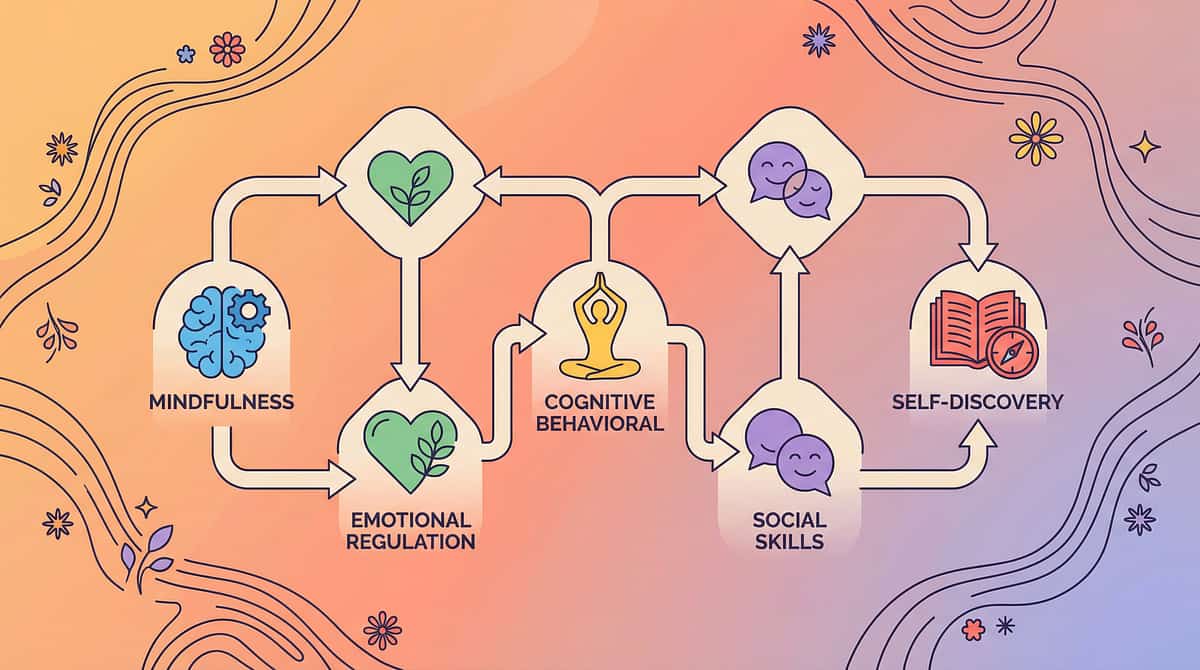
Domain G: Play and Cognitive Skills — Complete Subdomain Index
Use this scannable index to navigate directly to the subdomain most relevant to your child's current goals. Both subdomains are home-executable, consortium-drafted, and GPT-OS® integrated.
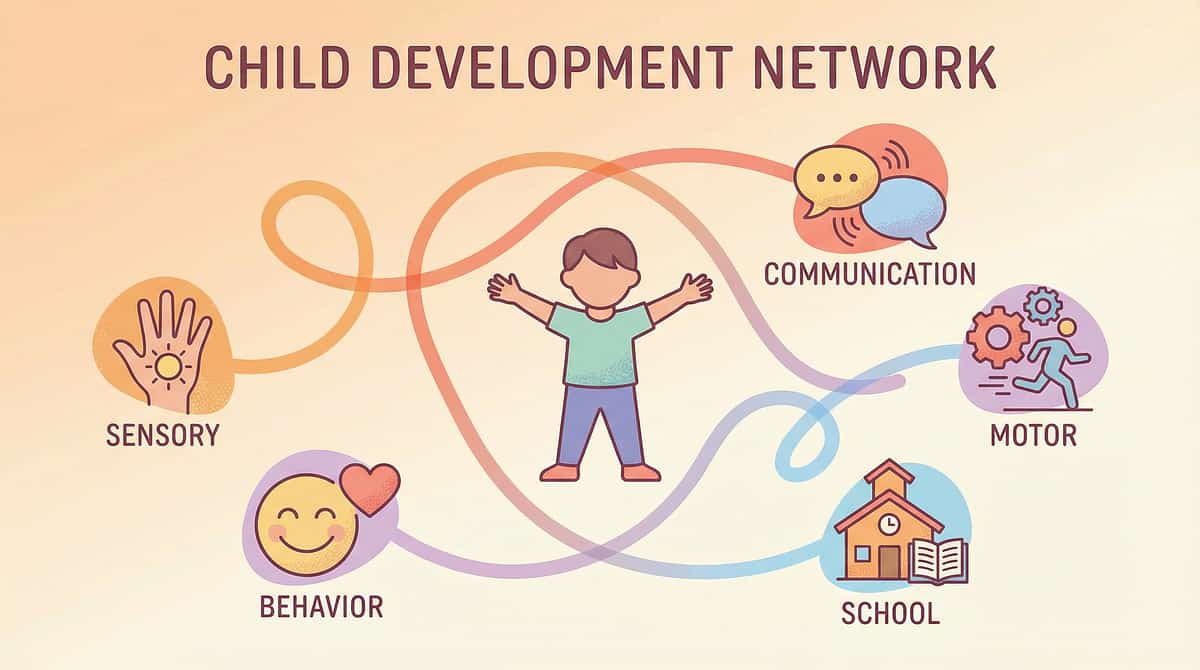
Play and Cognitive Skills Connects Across the Developmental Spectrum
Play and cognitive skills do not exist in isolation — they are the connective tissue of the entire developmental profile. Gains in Domain G ripple across every other domain your child is working on, and challenges in other domains frequently reinforce play and cognitive difficulties. Understanding these connections helps you prioritize intelligently.
Domain A: Sensory Processing
Sensory sensitivities directly restrict play participation — a child overwhelmed by tactile input avoids play materials, limiting the very activities that build cognitive schemas. Sensory regulation is often a prerequisite for play engagement.
Domain B: Communication
Pretend play and narrative play are foundational to language development. Joint attention built in play sessions directly accelerates expressive and receptive language gains across communication interventions.
Domain C: Social-Emotional Development
Cooperative play is the primary arena for social skill building — turn-taking, empathy, reading social cues, and emotional regulation are all practiced and reinforced through structured play interactions.
Domain D: Behavior
Restricted and repetitive play patterns are core behavioral features of ASD. Expanding play flexibility directly reduces the rigidity that drives challenging behaviors in daily routines and transitions.
Domain H: School & Academic
Cognitive skills — attention, working memory, sequencing, and reasoning — are the direct prerequisites for classroom participation and academic skill acquisition. Domain G builds the cognitive infrastructure that school demands.
Domain F: Motor Skills
Fine and gross motor development are scaffolded through play — constructive play, manipulative play, and physical games simultaneously build motor and cognitive competencies in an integrated, naturalistic context.
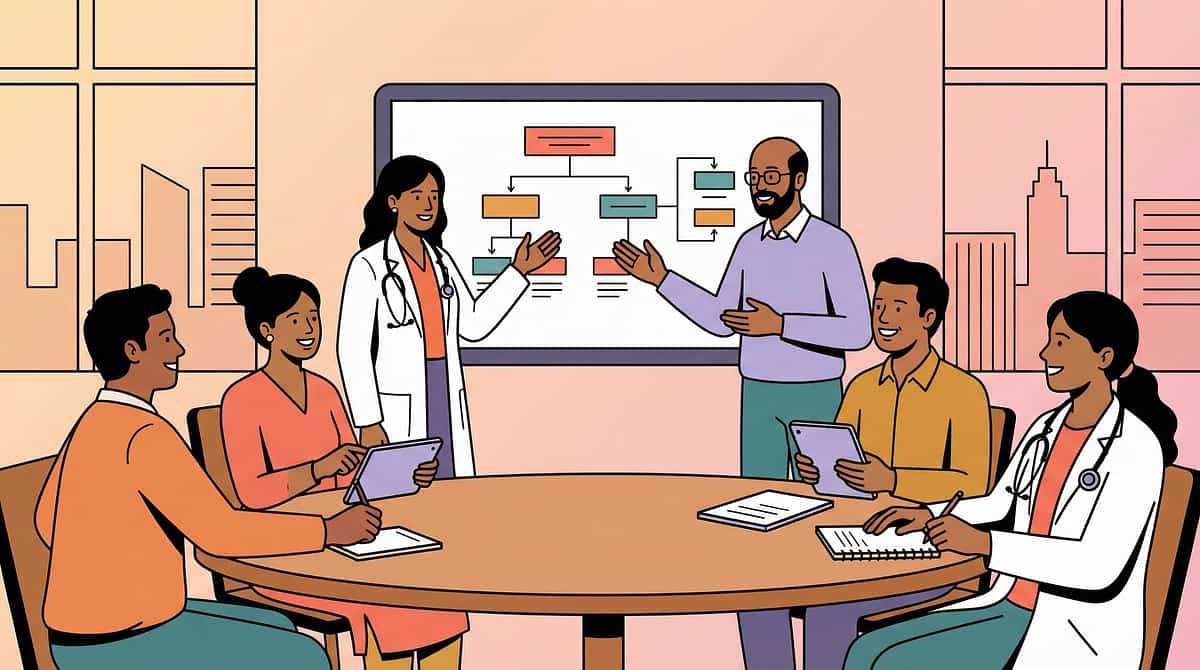
Drafted by a Multi-Disciplinary Consortium
Every technique in Domain G has been reviewed, validated, and approved by six distinct clinical disciplines — ensuring that no single theoretical lens dominates and that every recommendation meets the highest standards of clinical rigor, safety, and parent-usability.
Clinical Research Organization (CRO)
Evidence grading, systematic review analysis, PubMed citation mapping, and regulatory compliance across all 80 techniques in this domain.
NeuroDevelopmental Pediatricians
Neurological pathway validation, medical safety screening, comorbidity management, and developmental milestone calibration.
Occupational Therapists (OT)
Sensory-motor integration, daily living skill protocols, environmental modification strategies, and play material selection guidance.
Speech-Language Pathologists (SLP)
Communication integration within play contexts, social communication scaffolding, and language-building through play-based interactions.
Board Certified Behavior Analysts (BCBA)
Functional behavior analysis, data-driven programming, reinforcement systems, and behavioral safety monitoring across all protocols.
Special Educators (SpEd)
Academic integration, IEP/IFSP goal mapping, structured teaching frameworks, and inclusion strategy development for school readiness.
About Pinnacle Blooms Network®
India's Largest Autism & Child Development Therapy Ecosystem
Founded by Dr. Koti Reddy Saripalli — technology pioneer (India's first Java Community Process member, Asia's first Microsoft Certified Solution Developer) who pivoted to healthcare after his own son's misdiagnosis. This personal journey transformed into a mission of global scale: building the world's most data-rich, evidence-driven, family-centered pediatric therapy ecosystem.
70+
Therapy Centers
Across India, with 500+ licensed therapists delivering evidence-based interventions
21M+
Documented Sessions
~70 data points each, powering the world's largest pediatric therapy dataset
97%+
Improvement Rate
Measured via AbilityScore® — families from 70+ countries served
1.47B+
Clinical Data Points
World's largest pediatric therapy dataset powering TherapeuticAI®
Mission: Empowering 900 million kids, parents & families worldwide to be self-sufficient and part of the mainstream world.
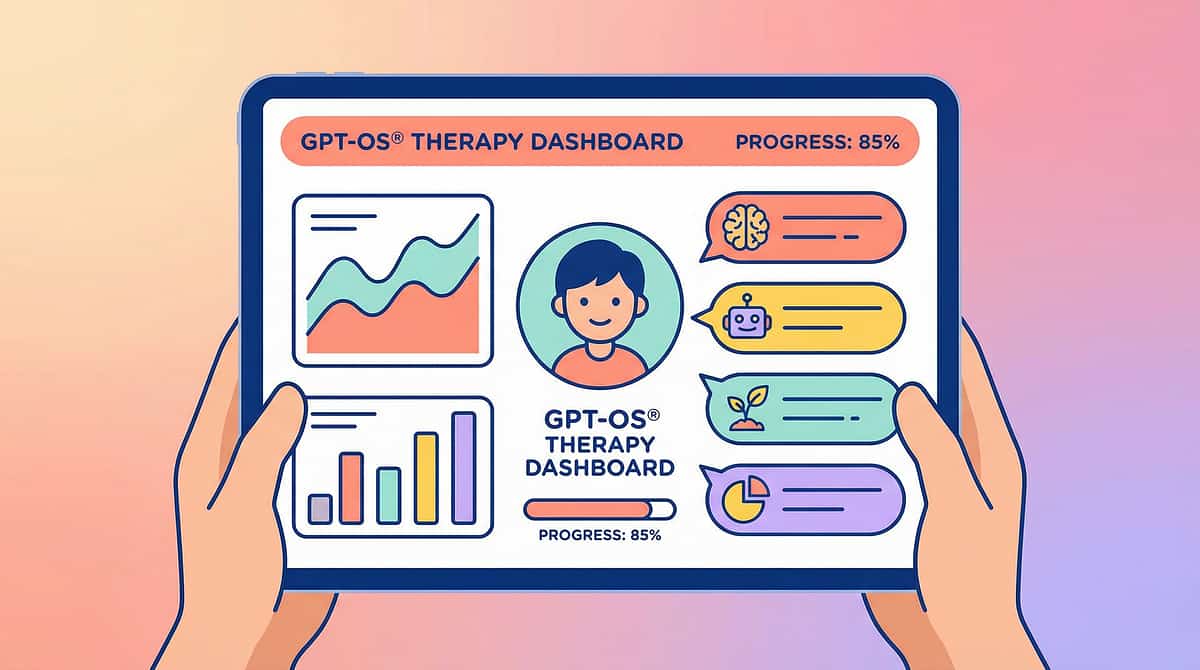
GPT-OS® — The World's First Pediatric Therapeutic Operating System
SaMD under CDSCO
13+ Patents (IPO & WIPO)
ISO 13485:2016
ISO/IEC 27001:2022
AbilityScore® — Universal Developmental Metric
0–1000 universal developmental metric built on 400+ data points and 25 gold-standard assessments. Your child gets a precise, actionable developmental profile — not a vague label.
TherapeuticAI® — Personalized Intelligence
21M+ sessions and 1.47B data points power personalized intervention recommendations that adapt to your child's unique profile, age, and progress trajectory.
Personal Development Kernel (PDK)
A living developmental profile for your child — continuously updated, clinically validated, and shared securely across your therapy team.
Everyday Therapy Program (ETP)
9 goals + 9 techniques per session, personalized daily — so every day at home is purposeful, structured, and progress-building.
For Play and Cognitive Skills, GPT-OS® delivers: Profile mapping across all 2 subdomains · Technique recommendations based on profile, age, and available materials · Week-by-week progress tracking · Adaptive pathway adjustment as your child grows.
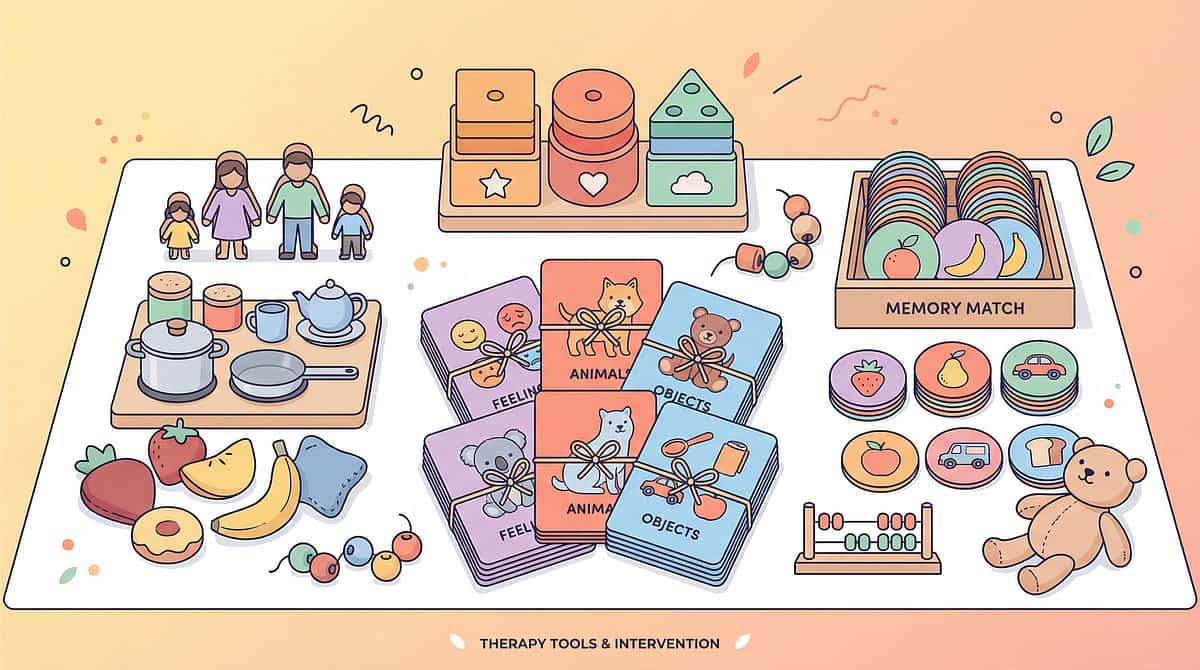
Core Therapy Materials for Play and Cognitive Skills Interventions
The right materials are not optional — they are the scaffolding of every effective intervention. Each of the following has been selected by the Pinnacle Blooms consortium specifically for Domain G interventions and is available through the Canon Materials Catalogue with protocol guidance and purchase links.
Material | Primary Use | Link | |
Visual Play Sequence Cards | Scaffolding pretend play scripts and play schemas step-by-step | ||
Emotion Matching Cards | Building emotional recognition during social play interactions | ||
Cause-and-Effect Toys | Teaching functional play and object permanence concepts | ||
Cognitive Sorting Sets | Categorization, attribute matching, and early reasoning skills | ||
Picture Sequencing Cards | Narrative sequencing, story retelling, and logical ordering | ||
Imitation Activity Cards | Motor imitation and observational learning prompts | ||
Sensory Play Kits (Sand/Water) | Sensory-rich play entry points for engagement and regulation | ||
Pretend Play Sets (Kitchen/Doctor) | Symbolic play schemas, role play, and social scripts | ||
Memory and Matching Games | Working memory, sustained attention, and turn-taking | ||
Construction Blocks (Multi-size) | Constructive play, spatial reasoning, and planning skills |

⚠️ Safety First — Play and Cognitive Skills Intervention Red Flags
The vast majority of play and cognitive interventions are safe, gentle, and child-led. However, there are specific situations that require you to pause and seek professional guidance immediately. Do not attempt to push through these warning signs — your child's safety and wellbeing always come first.
🔴 Severe Emotional Dysregulation During Play
Persistent meltdowns, panic, or distress responses lasting more than 20 minutes during structured play sessions — indicating the intervention approach needs clinical recalibration before continuing.
🔴 Self-Injurious Behaviors Emerging
Any head-banging, biting, scratching, or other self-harm behaviors that emerge during or immediately after play intervention attempts — requires immediate professional assessment.
🔴 Complete and Sudden Play Regression
A child who previously demonstrated functional play skills suddenly loses them entirely — this may indicate a medical, neurological, or significant psychological change requiring evaluation.
🔴 Aggressive Behaviors Toward Others During Sessions
Physical aggression toward parents, siblings, or others that is triggered or escalated by play intervention attempts — stop the session and consult before resuming.
🔴 Significant Sleep or Appetite Disruption
New or worsening sleep refusal, nightmares, or appetite changes coinciding with the start of intervention — may signal the intensity or approach needs adjustment.
🔴 No Progress After 8 Weeks of Consistent Implementation
If zero measurable progress is observed after 8 weeks of faithful daily implementation, a professional reassessment of goals, technique selection, and profile is warranted.
Escalation Pathway: (1) Self-resolve: Pause intervention → ensure safety → provide regulation tools. (2) Teleconsult: Pinnacle National Helpline — 9100 181 181 (16+ languages, 24/7). (3) In-person: Find nearest center.
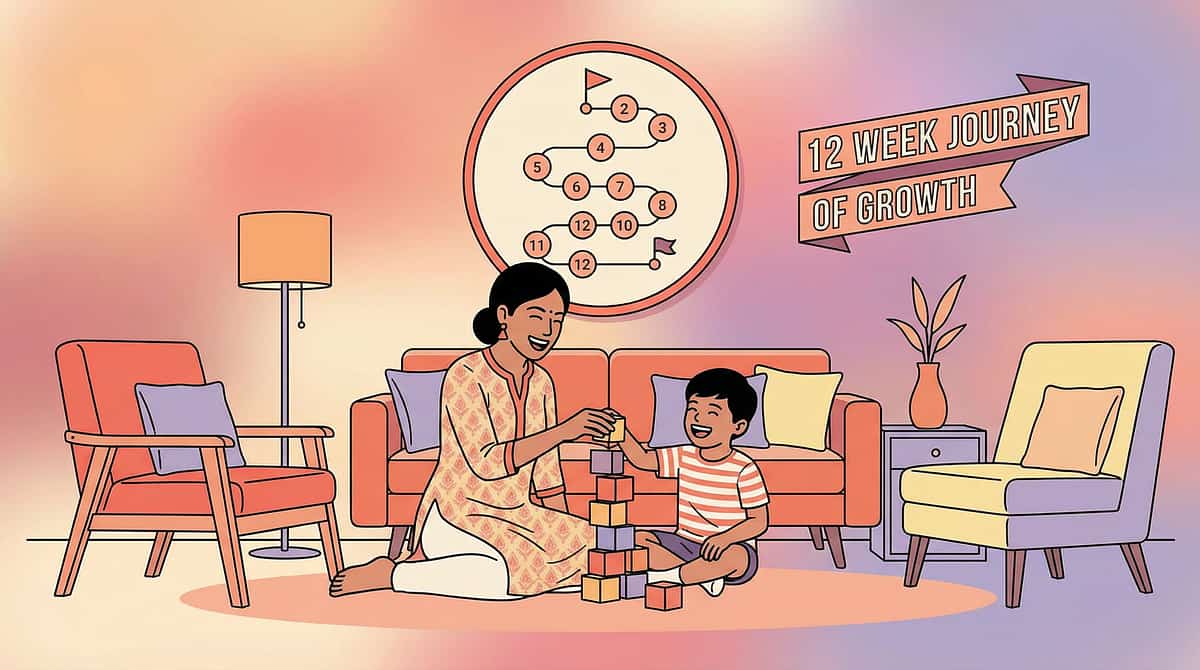
Your Play and Cognitive Skills Intervention Journey — The 12-Week Arc
Progress in play and cognitive skills is not linear — but it is predictable. The Pinnacle Blooms 12-week framework reflects data from 21 million+ documented therapy sessions and provides realistic, evidence-calibrated expectations so you can celebrate the right milestones at the right time.
Most families report their first "wow moment" between weeks 3 and 5 — a spontaneous play behavior, a new cognitive connection, or an unprompted imitation that wasn't there before. These early signals predict strong long-term outcomes when intervention consistency is maintained.
What Every Technique Page Delivers
Each of the 80 technique pages in Domain G is built on the Pinnacle 40-Card Narrative Architecture — a format designed to take a parent from "I don't understand what's happening" to "I know exactly what to do today." Every page is PubMed-referenced, WHO/UNICEF-aligned, consortium-drafted, and GPT-OS® integrated.
Recognition Moment
Your specific daily struggle, decoded in language that makes you feel understood — not judged
Neuroscience Explained
What's happening in the brain — translated from clinical jargon into parent-friendly insight
Evidence Grade
Level I–IV classification with PubMed citations so you know exactly how strong the research support is
Step-by-Step Protocol
10–15 minute daily sessions with clear, precise instructions any caregiver can follow without prior training
Materials with Links
Canon Materials selections with direct purchase links, substitution options, and protocol integration guidance
Progress & Troubleshooting
Weekly progress indicators, common obstacles, safety protocols, and the pathway to the next level technique

Real Families, Real Outcomes
Behind every technique in Domain G is a family who discovered that consistent, evidence-based home intervention could change their child's developmental trajectory. These stories are not exceptions — they are what happens when the right approach meets consistent implementation.
From Lining Up Toys to Pretend Play in 10 Weeks
"My son, aged 4, had never once played with a toy the way it was intended. He would line his cars up in a perfect row and scream if anyone moved them. After six weeks of the JASPER-based play sequences from Domain G, he drove a car across the floor for the first time. I cried. By week ten he was giving his toy doctor kit to me and saying 'your turn.' I would not have believed it was possible."
— Parent, Pinnacle Blooms Network, Hyderabad
Cognitive Skills That Transferred to School Readiness
"Our daughter was three years behind her peers in attention and sequencing. We worked through the cognitive domain techniques every morning before school for twelve weeks. Her teacher called us in month three to ask what we had changed at home — she was sitting for circle time for the first time all year. The sorting and sequencing techniques were the turning point. The materials are affordable and the protocols are so clear."
— Parent, Pinnacle Blooms Network, Chennai
The Moment My Child Called a Friend to Play
"My 7-year-old had no peer play at all. Social interactions terrified him and he would physically run away. We started with the parallel play scaffolding techniques and within eight weeks he had a play routine with his cousin. At week twelve he asked — asked! — if his friend could come over. I had been told he might never want friendships. Domain G changed what I believe is possible for him."
— Parent, Pinnacle Blooms Network, Bengaluru

Domain G Research Index — Play and Cognitive Skills Evidence Base
All techniques in Domain G are grounded in peer-reviewed research, systematic reviews, and internationally recognized clinical practice guidelines. The following index represents the core evidence base underpinning this domain.
1
NCAEP 2020 — National Clearinghouse on Autism Evidence and Practice Report
Comprehensive review of evidence-based practices for autism — classifies NDBIs, PRT, JASPER, and structured teaching as Level I evidence. The foundational reference for all Domain G technique classifications.
2
Kasari et al. (2010) — JASPER RCT | JAMA
Randomized controlled trial demonstrating significant gains in joint attention, symbolic play, and social engagement through the JASPER protocol. PMC: PMC2895804. Primary evidence base for G1 symbolic play techniques.
3
Dawson et al. (2010) — ESDM Meta-Analysis | Pediatrics
Two-year RCT of Early Start Denver Model demonstrating significant improvements in cognitive function, adaptive behavior, and play skills in young children with ASD. PMC: PMC4951085.
4
WHO Nurturing Care Framework (2018) | WHO/UNICEF
Global framework establishing play, cognitive stimulation, and responsive caregiving as essential components of early childhood development. Provides the policy and alignment basis for all Domain G home-based protocols.
5
WHO CCD Package — PMC9978394
WHO Caregiver Skills Training package for families of children with developmental delays and autism — validates parent-implemented cognitive and play interventions at the community level.
6
Pellegrini & Smith (1998) — Physical Activity Play Meta-Analysis | Child Development
Foundational meta-analysis establishing the relationship between play and cognitive development across developmental populations. Provides the theoretical basis for play-as-learning protocols.
7
IAP (Indian Academy of Pediatrics) — Developmental Surveillance Guidelines
Indian-context clinical guidelines for early identification and intervention in developmental differences, including play and cognitive milestone monitoring from birth to 8 years.
8
RCI (Rehabilitation Council of India) — Special Education Practice Standards
National regulatory framework governing special education and therapeutic interventions in India — provides the professional practice standards underpinning all SpEd-led techniques in Domain G.
9
Mesibov et al. — TEACCH Structured Teaching | Journal of Autism Research
Evidence base for structured teaching approaches targeting cognitive flexibility, independent work systems, and visual learning — foundational to the G2 Cognitive and Learning subdomain protocols.
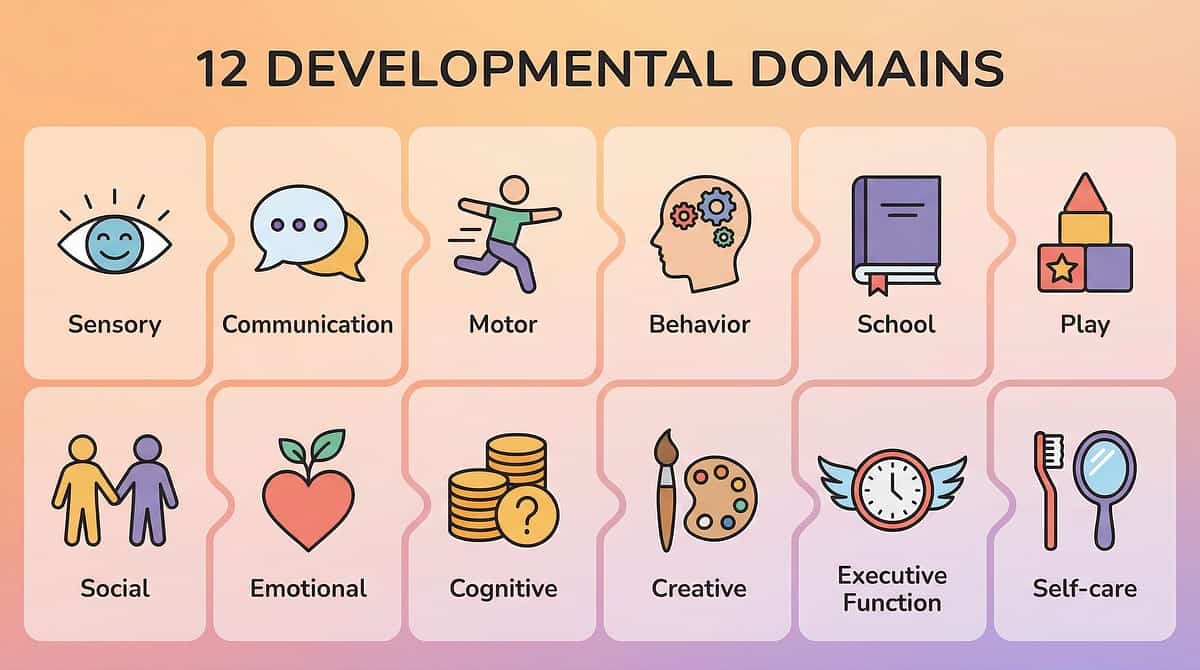
Explore All 12 Intervention Domains
Play and Cognitive Skills is Domain G in the Pinnacle Blooms Network® complete intervention framework — 12 domains, 960+ techniques, all home-executable, all evidence-based. Wherever your child's developmental journey takes you, there is a domain designed for that challenge.
Domain | Icon | Name | Link | |
A | 🎯 | Sensory Processing | ||
B | 🗣️ | Communication | ||
C | 💛 | Social-Emotional Development | ||
D | 🧩 | Behavior | ||
E | 🏠 | Daily Living Skills | ||
F | 🏃 | Motor Skills | ||
G | 🎮 | Play & Cognitive Skills | ||
H | 📚 | School & Academic | ||
I | 🔄 | Transitions & Life Events | ||
J | 🌍 | Community & Outings | ||
K | 👨👩👧 | Family & Caregiver Support | ||
L | 🏥 | Therapy Implementation |
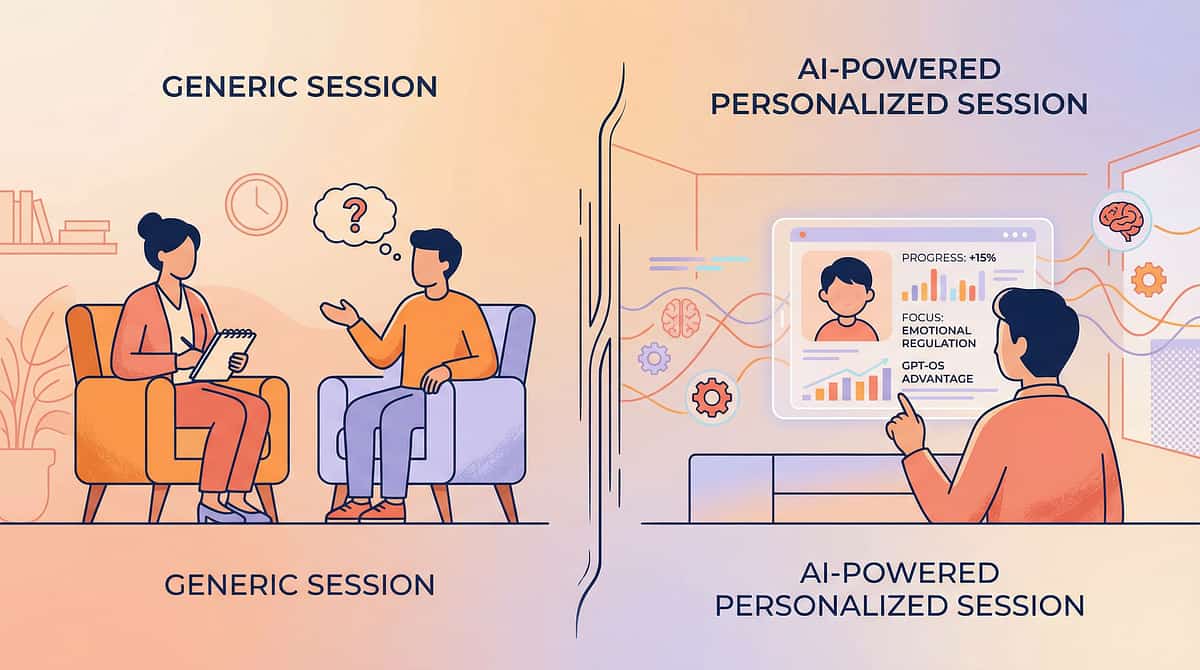
Why Pinnacle GPT-OS® for Play and Cognitive Skills?
The difference between a generic approach and a GPT-OS®-powered intervention is the difference between a one-size-fits-all program and a living, responsive system built around your child's unique profile — updated continuously with 1.47 billion data points of clinical intelligence.
Dimension | Typical Approach | Pinnacle GPT-OS® | |
Evidence | Single therapist's training | Consortium: CRO + OT + SLP + BCBA + SpEd + NeuroDev | |
Personalization | Generic, population-level approach | AI-mapped profile across all 2 subdomains | |
Continuity | 1–2 hours/week in clinic | 24/7 home protocols + clinic sessions integrated | |
Materials | Whatever is available nearby | Canon Materials with purchase links and protocols | |
Progress | Subjective therapist notes | Data-driven milestones via AbilityScore® (0–1000) | |
Intelligence | Individual therapist experience | 1.47 billion data points via TherapeuticAI® | |
Improvement Rate | Variable, often unreported | 97%+ measured improvement |
For Therapists, Educators & Pediatricians
Domain G is designed for dual use — every technique page functions simultaneously as a parent handout and a clinical reference document. Therapists can use the Research Index for documentation and IEP/IFSP goal mapping. Educators can integrate the cognitive techniques directly into classroom IEPs. Pediatricians can use Domain G to guide early intervention referrals and parent counseling.
IEP/IFSP Integration
Each technique includes goal language, baseline descriptors, and measurable objectives compatible with standard IEP and IFSP documentation formats used across Indian and international school systems.
Parent Training Programs
Structured programs for training parents in play facilitation and cognitive intervention techniques — with evidence showing parent-delivered outcomes comparable to therapist-delivered sessions when properly supported.
School Inclusion Support
Domain G cognitive techniques map directly to classroom academic readiness skills — supporting smooth inclusion transitions and providing teachers with actionable, evidence-based classroom modification strategies.
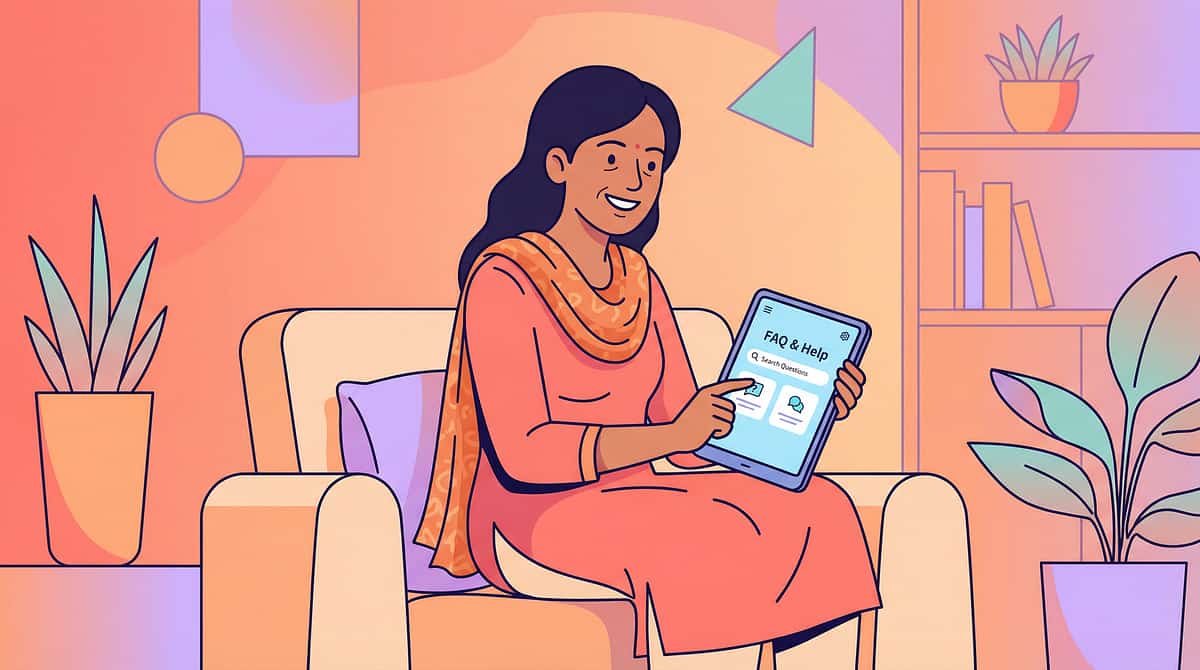
Play and Cognitive Skills — Frequently Asked Questions
Can I really implement these techniques at home without being a therapist?
Absolutely. Every technique in Domain G has been specifically designed for home implementation by parents and caregivers without prior clinical training. The step-by-step protocols are written in clear, jargon-free language with a recommended 10–15 minutes per day. Parent-implemented play interventions have RCT support demonstrating outcomes comparable to therapist-delivered sessions — your daily presence and consistency are your greatest assets.
What age range is Domain G appropriate for?
Domain G techniques are calibrated for children aged 18 months through 12 years. Each technique page specifies the developmental age range for which it is appropriate. The Play Skills subdomain (G1) is heavily weighted toward younger children (18 months–6 years), while Cognitive and Learning (G2) extends through middle childhood with school readiness and executive function techniques.
How quickly should I expect to see results?
The 12-week arc is your reference framework. Most families report the first observable changes — a new play behavior, a spontaneous imitation, a moment of shared attention — between weeks 3 and 5 with daily consistent implementation. Meaningful functional skill gains typically consolidate between weeks 6 and 10. Significant regression or zero progress after 8 weeks of faithful daily practice is a signal to seek professional reassessment.
Where do I start — which technique should I choose first?
Techniques within each subdomain are ordered foundational to advanced. Always begin with Technique 1 in your chosen subdomain unless GPT-OS® profiling recommends otherwise. The most common starting point for Play Skills is functional play development (G-621), and for Cognitive and Learning it is sustained attention (G-661). If you are unsure, the GPT-OS® Assessment will generate a personalized starting recommendation.
Do I need to purchase special materials?
Many techniques use household items and everyday materials. The Canon Materials catalogue provides recommended tools for each technique with purchase links, but substitution options are always provided. Core materials for Domain G — blocks, simple pretend play sets, sorting containers, picture cards — are affordable and widely available across India. GPT-OS® will match material recommendations to your available resources.
When should I involve a professional rather than working from home alone?
Home-based intervention is most powerful when paired with professional guidance. We recommend a baseline assessment before starting, quarterly professional reviews, and immediate consultation for any of the six safety red flags listed on this page. The Pinnacle National Helpline (9100 181 181, 24/7, 16+ languages) is available for guidance at any point in your journey — you are never alone in this process.
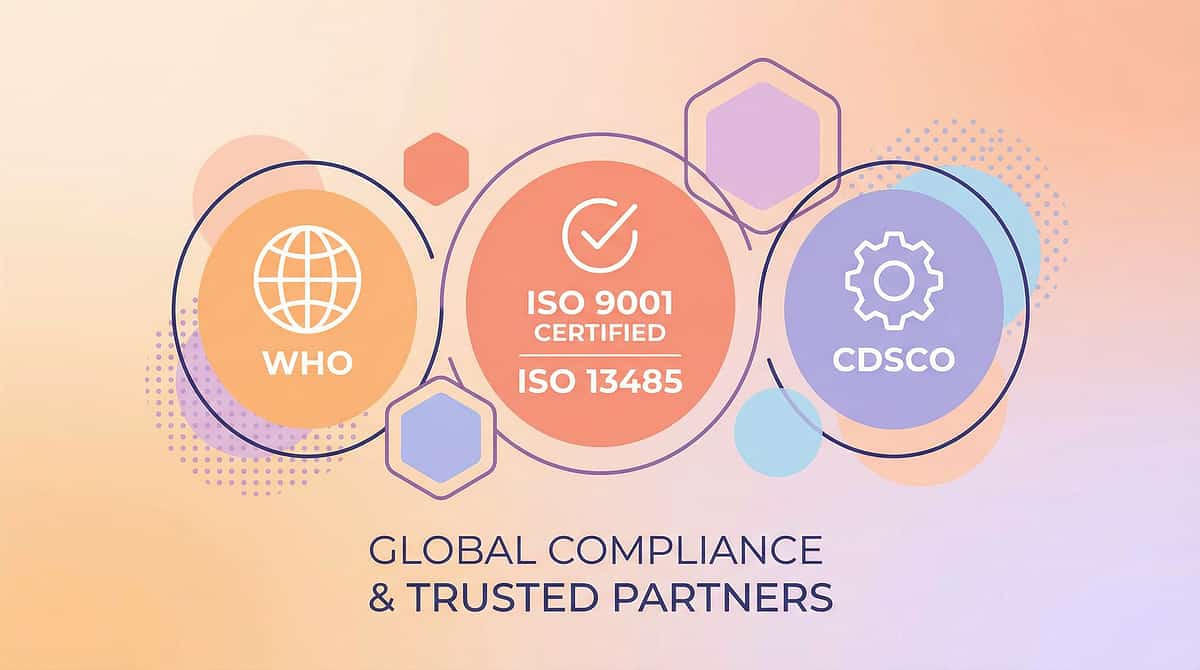
Internationally Aligned. Nationally Regulated. Globally Trusted.
Pinnacle Blooms Network® and GPT-OS® operate within the most stringent international and national regulatory frameworks applicable to pediatric therapeutic systems. Every technique in Domain G has been developed, reviewed, and published in compliance with the following standards and guidelines.
WHO & UNICEF Standards
✅ WHO Nurturing Care Framework (2018) · ✅ WHO CCD Package · ✅ UNICEF MICS Developmental Indicators · ✅ WHO CCD Parent Skills Training
Clinical Practice Guidelines
✅ NCAEP 2020 (USA) · ✅ NICE CG170 (UK) · ✅ SIGN Guidelines · ✅ ASHA Practice Guidelines · ✅ AOTA Occupational Therapy Standards · ✅ BACB Professional Standards
Indian Regulatory Framework
✅ CDSCO SaMD Registration · ✅ IAP (Indian Academy of Pediatrics) · ✅ RCI (Rehabilitation Council of India) · ✅ RPwD Act 2016 Compliance · ✅ CIN: U85110TG2019PTC132498
Quality & IP Standards
✅ ISO 13485:2016 (Medical Devices QMS) · ✅ ISO/IEC 27001:2022 (Information Security) · ✅ 13+ Patents (IPO & WIPO) · ✅ Registered Trademarks: GPT-OS®, AbilityScore®, TherapeuticAI®
Start Your Child's Play and Cognitive Skills Journey — Now
You do not need to be a therapist. You do not need a fully equipped therapy room. You need a clear protocol, the right materials, and 10–15 minutes of intentional daily time. This is where transformation begins — not in the clinic alone, but in the everyday moments you share with your child.
Every expert was once a beginner. Every child who plays today was once a child who could not. The only step that matters is the one you take today.
Join 2 Million+ Families
You are not navigating this alone. Across India and in 70+ countries around the world, millions of families are using the same techniques, following the same evidence-based protocols, and celebrating the same breakthroughs. The Pinnacle Blooms community is a place where no parent feels isolated, no question goes unanswered, and every milestone — however small — is recognized as the triumph it truly is.
Main Website
pinnacleblooms.org — full information on centers, programs, assessments, and enrollment
News & Updates
Latest News — research updates, technique releases, family success stories, and clinical announcements
Parent Resources
Parent Resource Library — guides, videos, printables, and community forums for families at every stage
National Helpline
9100 181 181 — 24/7, 16+ languages, staffed by trained counselors. Never hesitate to call. Your questions matter.
From Repetition to Imagination. One Play Session at a Time.
Pinnacle Blooms Network® — Built by Mothers. Engineered as a System. Governed by Science. Every technique in this domain exists because a parent once sat on the floor, wondering what to do next. We built the answer — grounded in 21 million+ sessions, 1.47 billion data points, and the unwavering belief that every child can grow.
The Network
70+ Centers | 500+ Therapists | 21M+ Sessions | Families from 70+ Countries | 97%+ Measured Improvement
The Consortium
CRO · SLP · OT · BCBA · SpEd · NeuroDevelopmental Pediatricians — six disciplines, one unified standard of care
The Platform
Powered by GPT-OS® — AbilityScore® · TherapeuticAI® · Personal Development Kernel · Everyday Therapy Program
Legal, Compliance & Navigation
Medical Disclaimer: This content is educational in nature. It does not replace evaluation, diagnosis, or treatment by a licensed healthcare professional. Always consult your child's therapy team before beginning new interventions. In case of emergency, contact your nearest healthcare facility immediately.
Bharath Healthcare Laboratories Pvt Ltd | CIN: U85110TG2019PTC132498 | © 2026 Pinnacle Blooms Network®
GPT-OS®, AbilityScore®, TherapeuticAI®, Pinnacle Blooms® are registered trademarks of Bharath Healthcare Laboratories Pvt Ltd. 13+ Patents | ISO 13485:2016 | ISO/IEC 27001:2022 | CDSCO SaMD
Subdomain Links:Play Skills · Cognitive and Learning · All 12 Domains · Materials · GPT-OS® · Find Center · Contact
Your Child's Progress Is Measurable. Start Today.
Every day without the right intervention is a day the brain's play circuits go unsupported. But every day with consistent, evidence-based home implementation is a day the developmental trajectory shifts. The families who see the greatest gains are not the ones with the most resources — they are the ones who start.
97%
Measured Improvement
of families using Pinnacle Blooms Network® protocols show measurable developmental progress via AbilityScore®
80%
Home-Achievable
of technique gains are achievable through consistent home implementation alone, without requiring clinic attendance every day
12/12
Weeks to Integration
The 12-week arc moves children from foundation awareness to fully integrated, generalized skill — with weekly milestones to celebrate
70+ Centers. One Mission. Every Child Thrives.
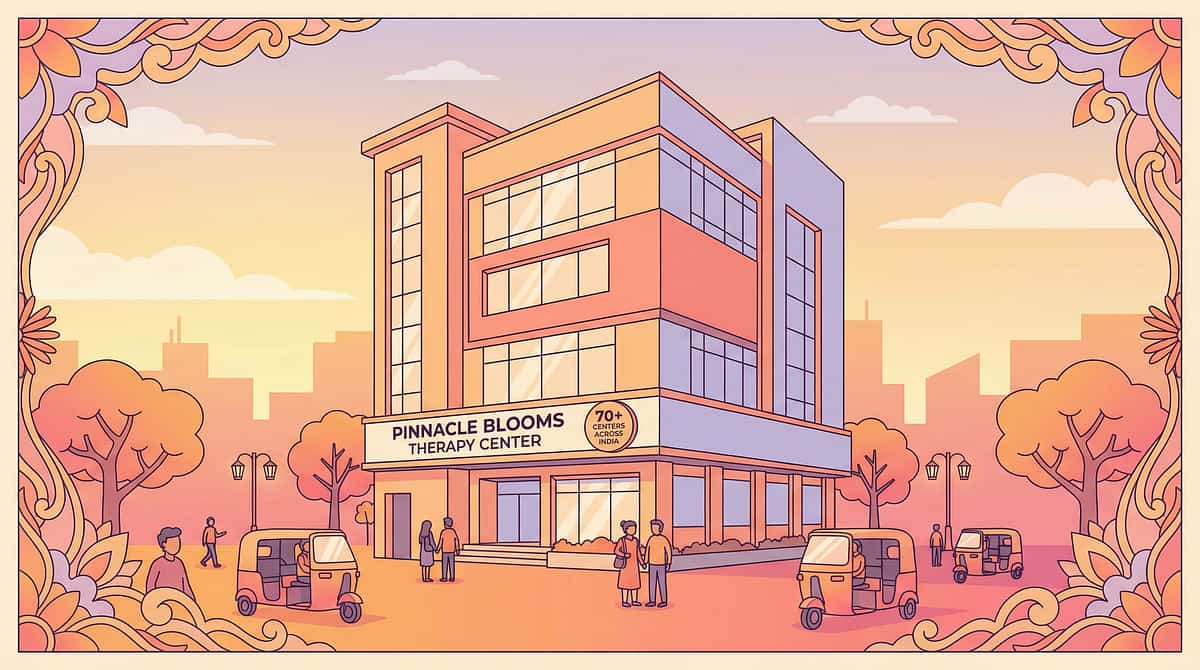
Whether you are in Mumbai or Hyderabad, Chennai or Delhi, Bengaluru or Vizag — a Pinnacle Blooms center is close to you, staffed by trained specialists, and powered by the same GPT-OS® intelligence that drives every technique on this page. In-person therapy and home-based intervention are not alternatives — together, they are the most powerful combination for your child's development.
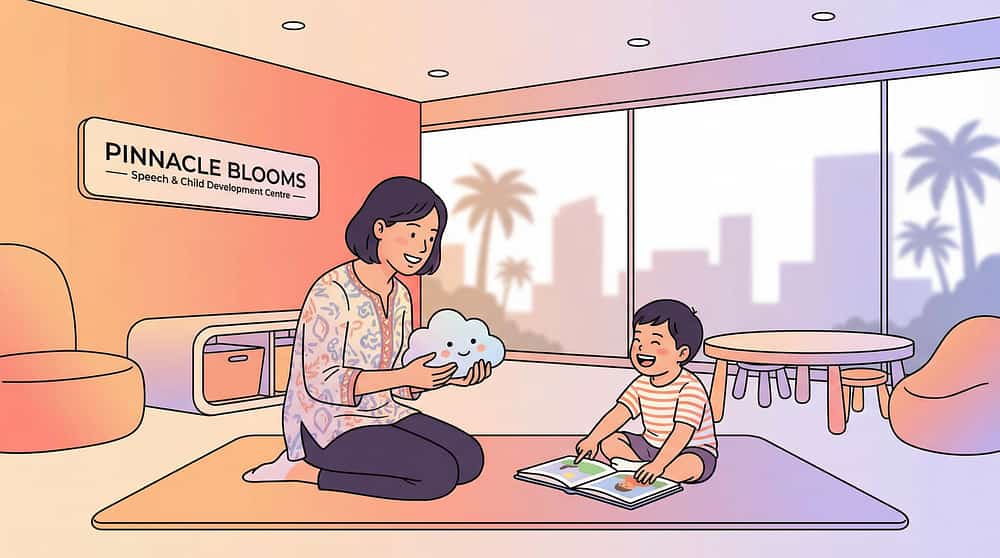
Speech & Language Therapy
Integrated communication support alongside play and cognitive interventions — because language and play develop together
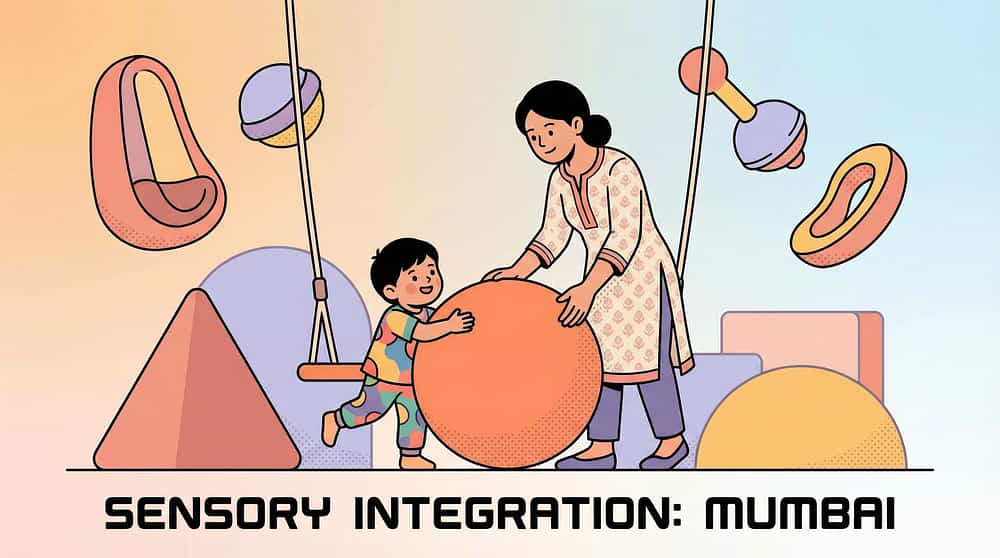
Occupational Therapy
Sensory-motor integration and daily living skill development that supports and enhances every Domain G home protocol
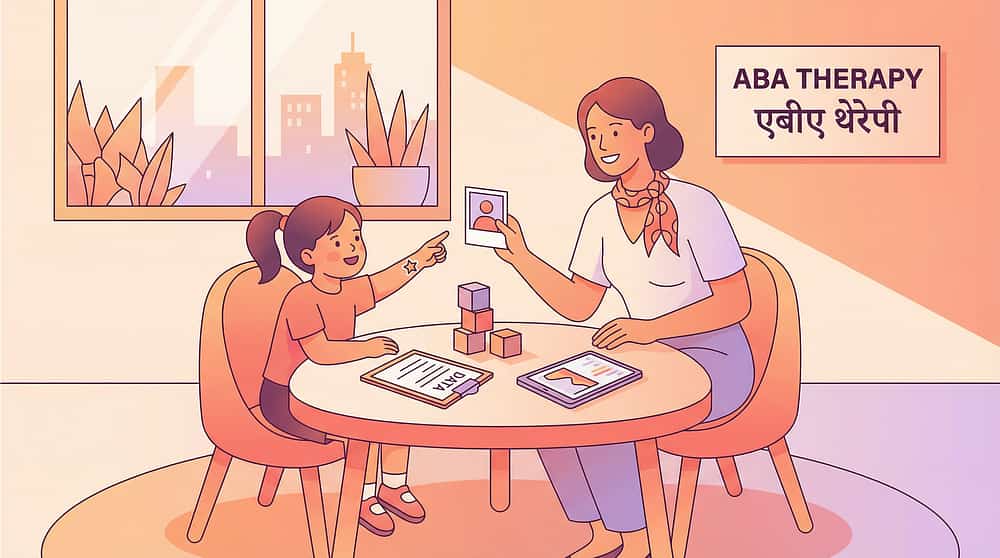
ABA & Structured Teaching
Behavior analytic approaches and structured teaching that build the cognitive foundations underpinning all play and learning goals
Preview of play and cognitive skills Therapy Material
Below is a visual preview of play and cognitive skills therapy material. The pages shown help educators, therapists, and caregivers understand the structure and content of the resource before use. Materials should be used under appropriate professional guidance.
Link copied!
Continue Exploring →
Domain G: Play and Cognitive Skills is one of 12 carefully mapped intervention domains in the Pinnacle Blooms Network® framework. Each domain connects to the others — progress here accelerates progress everywhere. Keep exploring, keep implementing, keep believing in your child's potential.
← Previous Domain
Domain F: Motor Skills
Fine and gross motor development techniques — 80 evidence-based interventions for physical development
Fine and gross motor development techniques — 80 evidence-based interventions for physical development
You Are Here
Domain G: Play & Cognitive Skills
80 techniques across Play Skills and Cognitive and Learning — home-executable and evidence-graded
80 techniques across Play Skills and Cognitive and Learning — home-executable and evidence-graded
Next Domain →
Domain H: School & Academic
Academic readiness, classroom participation, and school inclusion — 80 techniques for educational success
Academic readiness, classroom participation, and school inclusion — 80 techniques for educational success