
When Emotions Arrive Like a Storm With No Weather Forecast
Your child isn't choosing to have meltdowns. Their emotional regulation system is still under construction.
The explosive tantrum triggered by the "wrong" colour cup. The rigid terror before every birthday party. The blank face when a friend falls and cries — not cruelty, but an inability to read the signal. The social isolation that deepens every year while you watch, helpless, from the sidelines. Your child's emotional world isn't broken — it's wired differently. And there is a mapped, evidence-based pathway from emotional chaos to emotional competence.
You are about to access 110+ clinically validated social-emotional intervention techniques — covering emotional regulation, anxiety management, social skills, and attachment — each designed for home implementation by parents and caregivers.
🏥Pinnacle Blooms Network® — India's #1 Autism & Child Development Therapy Chain
🌍 70+ Centers | 21 Million+ Therapy Sessions | 97%+ Measured Improvement | Families from 70+ Countries
🌍 70+ Centers | 21 Million+ Therapy Sessions | 97%+ Measured Improvement | Families from 70+ Countries
You Are Not Alone — The Numbers Speak
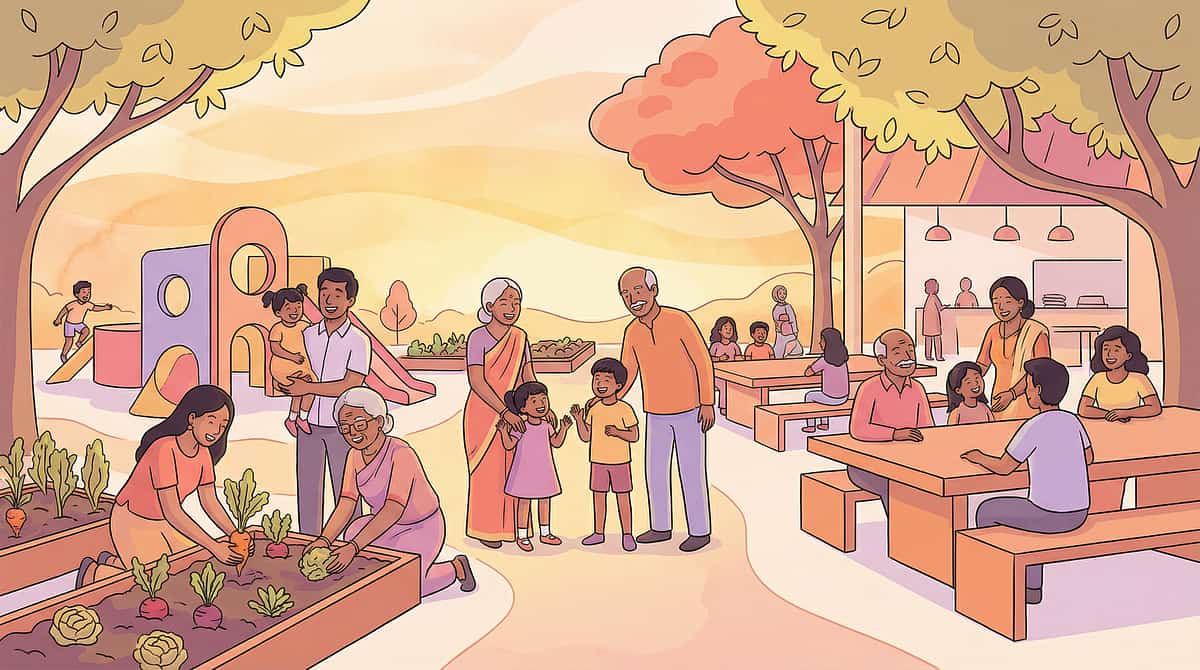
In India alone, over 18 million children are on the autism spectrum — and the vast majority face daily emotional and social challenges that go unaddressed. These are not rare struggles. They are the lived reality of millions of families, every single day.
70%+
Emotional Regulation Difficulties
of children with autism experience clinically significant emotional regulation challenges
Source: Journal of Child Psychology and Psychiatry, 2023 — DOI: 10.1111/jcpp.13720
40%+
Anxiety Disorder Prevalence
of children with ASD meet diagnostic criteria for at least one anxiety disorder — double the neurotypical rate
Source: Systematic Review, Journal of Autism and Developmental Disorders, 2022
1 in 3
Social Exclusion at School
children with autism report being bullied or socially excluded at school due to social skill differences
Source: UNESCO Global Education Monitoring Report, 2021
In India, with 18 million+ children on the autism spectrum, over 12 million experience daily emotional and social challenges that go unaddressed. The gap between need and intervention is vast — but your child now has access to the system designed to close it.
References: DOI: 10.1111/jcpp.13720 | PMC8234840 | PMC9978394 | UNESCO GEM Report 2021
The Emotional Brain — Decoded for Parents
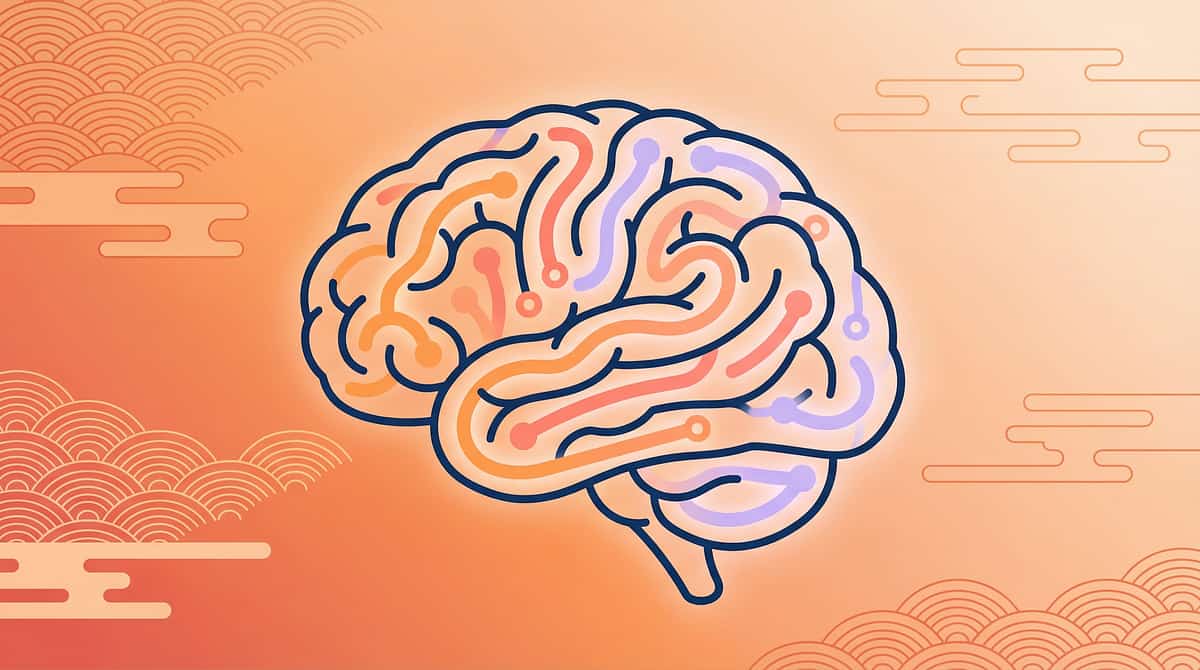
Your child's emotional responses are governed by a network of brain regions that must work in concert — and in social-emotional differences, they work out of sync. Understanding the neuroscience transforms how you see your child's behavior.
The Amygdala — The Fire Alarm
Detects threats and triggers fight-or-flight. In many children with autism, the amygdala is hyperactive — firing alarm signals for situations that aren't dangerous. A change in routine, an unfamiliar face, a loud sound — the amygdala screams "DANGER" before the thinking brain can intervene.
The Prefrontal Cortex — The Fire Chief
Evaluates whether the alarm is real and decides on a measured response. In autism, the neural highway between the amygdala and prefrontal cortex is often weaker — meaning the alarm fires, but the chief can't get there fast enough to stop the cascade.
The Insula — The Body Reader
Processes internal body states — racing heart, tight stomach, hot face. This is how we physically "feel" emotions. When insular processing is atypical (alexithymia), the child experiences emotions but can't identify, name, or understand them. They feel something intense but have no label for it.
The Mirror Neuron System — The Social Antenna
Enables reading others' emotions, intentions, and social cues through observation. Atypical mirror neuron activation affects empathy expression, social reciprocity, and facial expression reading — not because the child doesn't care, but because the antenna isn't receiving the signal clearly.
This is neurology, not character. Your child isn't being "dramatic" or "anti-social" — their brain processes emotions and social signals on a different wavelength.
Evidence: PMC8234840 — Amygdala-prefrontal connectivity and emotional dysregulation in ASD | Frontiers in Psychology (2021): Alexithymia prevalence in autism spectrum conditions
Clinically Validated. Globally Recognized. Home-Applicable.
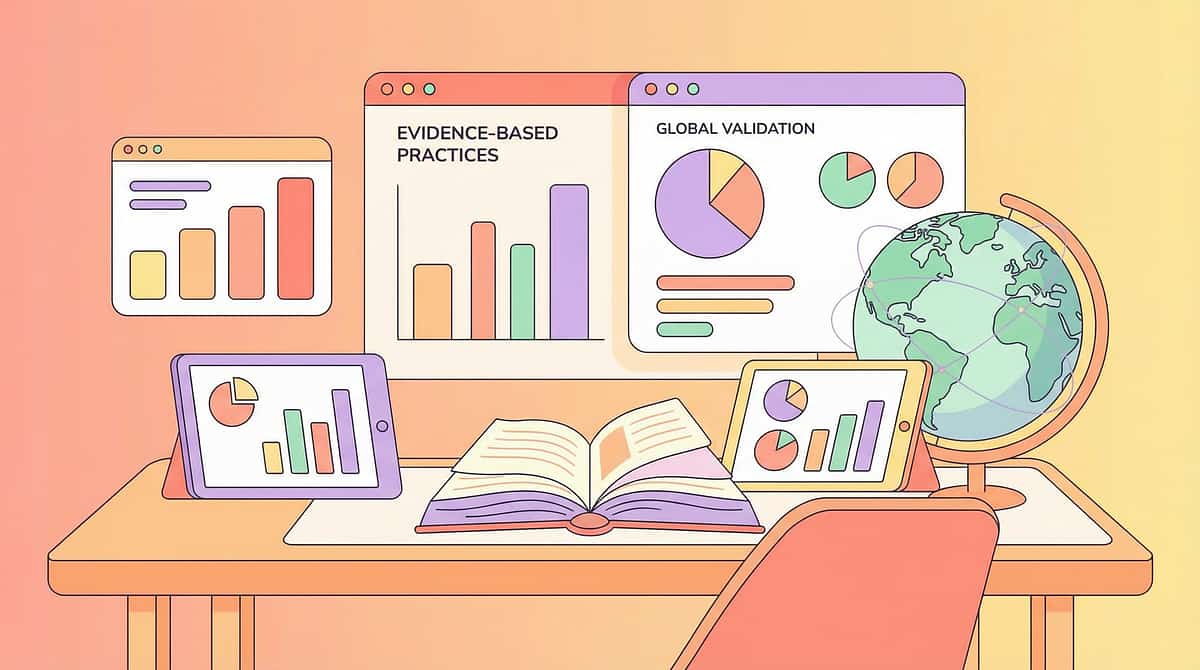
Evidence Grade: LEVEL I — Systematic Reviews & Meta-Analyses
Emotional Regulation
Cognitive Behavioral Therapy (CBT) adapted for ASD demonstrates significant reduction in anxiety and measurable improvement in emotional regulation across multiple RCTs. NCAEP (2020) classifies CBT/instructional strategies, self-management, and social narratives as evidence-based practices.
Social Skills
Social Skills Training (SST) with structured curricula shows measurable improvement in peer interaction, social initiation, and reciprocity. Peer-mediated intervention is classified as evidence-based (NCAEP 2020). Effect sizes are strongest when programs combine direct instruction with naturalistic practice.
Anxiety Management
CBT adapted for autism produces effect sizes comparable to CBT for neurotypical anxiety — confirmed by Cochrane Review. Home-based anxiety management with parental coaching shows sustained improvement at 6-month follow-up.
Parent-Implemented Protocols
Parent-mediated social-emotional interventions demonstrate outcomes equivalent to clinician-delivered protocols when parents receive structured training (Systematic Review, 2023). WHO Caregiver Skills Training provides the global framework for parent empowerment.
Global Alignment: WHO Nurturing Care Framework (2018) · NCAEP Evidence-Based Practices (2020) · UNICEF Care for Child Development · Indian Academy of Pediatrics (IAP)
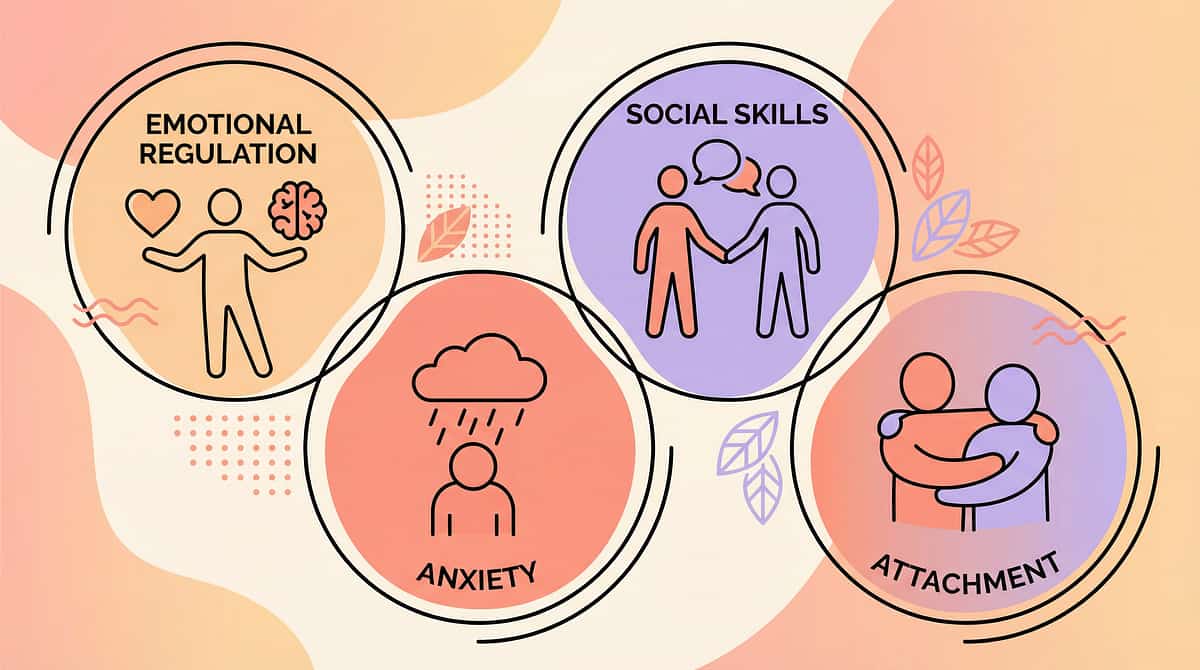
4 Subdomains. 110 Techniques. From Meltdowns to Mastery.
Social-emotional development spans four interconnected systems. Your child may need support in one area or all four. Each subdomain contains targeted, evidence-based techniques designed for home implementation — built by a multi-disciplinary consortium and validated across millions of therapy sessions.
🌊 Emotional Regulation
45 Techniques | Reels C-231 to C-275
Meltdown prevention, Zones of Regulation, self-calming, frustration tolerance
😰 Anxiety and Fears
25 Techniques | Reels C-276 to C-300
Exposure protocols, CBT-adapted anxiety management, worry structuring, phobia reduction
🤝 Social Skills
30 Techniques | Reels C-301 to C-330
Peer interaction, turn-taking, friendship initiation, social rule teaching
💝 Attachment & Self-Concept
10 Techniques | Reels C-331 to C-340
Secure bonding, self-identity, self-esteem, strength-based development
Tap any subdomain card above to explore its full technique library →

Subdomain C1 | 45 Techniques | Reels C-231 to C-275
🌊 Emotional Regulation
When emotions go from zero to meltdown with no brakes in between.
The explosive tantrum over a broken cracker. The 45-minute screaming episode because you turned left instead of right. The inability to calm down once upset — no amount of reasoning, distraction, or comfort reaches them. The meltdowns that seem to come from nowhere, drain the entire family, and leave everyone — including your child — exhausted and defeated.
The neuroscience: The amygdala fires the alarm. The prefrontal cortex — the brain's "brake pedal" — can't respond fast enough due to weaker amygdala-PFC connectivity. The child is neurologically flooded before any rational processing can occur. They aren't choosing this. They're experiencing an internal neurological emergency.
What You'll Find Inside:
- Meltdown prevention and trigger identification protocols
- Early warning sign recognition (body signal awareness)
- Zones of Regulation implementation (green/yellow/orange/red)
- Emotional vocabulary building (naming emotions to tame them)
- Self-calming strategy development (breathing, counting, grounding)
- Co-regulation techniques (parents regulate WITH the child)
- Emotion thermometer and feelings scale systems
- Cool-down space creation and recovery protocols
- Frustration tolerance building
- Cognitive flexibility exercises (handling unexpected changes)
- Anger management adapted for autism
- Disappointment and loss processing
Key Canon Materials:Emotion Cards & Feelings Faces · Calm-Down Kit · Breathing & Relaxation Tools · Feelings Thermometer · Visual Timer · Weighted Blanket · Sensory Tent
Lead Discipline: ABA (BCBA) · Psychology | Supporting: OT · SpEd · SLP

Subdomain C2 | 25 Techniques | Reels C-276 to C-300
😰 Anxiety and Fears
When the world feels dangerous and escape is the only strategy.
Your child won't let you leave the room. Refuses to enter new buildings. Panics around dogs, insects, loud toilets, or costumed characters. Insists on rigid routines not because they're "controlling" — but because predictability is the only thing keeping the anxiety at bay. Physical symptoms emerge: stomachaches before school, headaches before social events, sleep refusal because the dark feels terrifying.
The neuroscience: The amygdala's threat detection system is calibrated too sensitively — assigning danger labels to situations that are objectively safe. Combined with difficulty predicting outcomes and understanding others' intentions, the child lives in chronic unpredictability that fuels constant anxiety.
What You'll Find Inside:
- Graduated exposure protocols (systematic desensitization for specific fears)
- CBT-adapted anxiety management for autism (concrete, visual, special-interest-integrated)
- Worry time structuring (containing anxiety to specific windows)
- Relaxation and breathing training (progressive muscle relaxation, box breathing)
- Social story-based fear reduction
- Separation anxiety protocols with visual countdown systems
- Transition and change anxiety management
- New-situation preparation scripts
- Phobia-specific interventions (animals, sounds, medical visits, water)
- Sleep anxiety and bedtime resistance protocols
- Performance anxiety management (school events, social gatherings)
Key Canon Materials:Social Stories · Visual Schedule · Calm-Down Kit · Worry Eater / Emotion Plush · Breathing Tools · Weighted Blanket
Lead Discipline: Psychology · ABA | Supporting: OT · SpEd

Subdomain C3 | 30 Techniques | Reels C-301 to C-330
🤝 Social Skills
When other children are a mystery — and friendships feel impossible.
Your child shows no interest in peers. Plays alone — always. When other children approach, they walk away or don't respond. They can't share, take turns, or read the unspoken rules that govern the playground. Group activities trigger withdrawal or aggression. You watch birthday party invitations stop arriving and wonder if your child will ever have a friend.
The neuroscience: Social cognition requires the simultaneous integration of facial expression reading (fusiform gyrus), intention prediction (theory of mind network), emotional resonance (mirror neurons), and pragmatic language (left hemisphere). When any of these components process atypically, social interaction becomes cognitively exhausting rather than naturally rewarding.
What You'll Find Inside:
- Peer interest and awareness building
- Parallel play → cooperative play progression
- Turn-taking and sharing protocols
- Facial expression recognition training
- Social rule teaching (explicit, visual, structured)
- Friendship initiation and maintenance strategies
- Playground and unstructured social navigation
- Group participation scaffolding
- Perspective-taking and theory of mind exercises
- Reading social cues, body language, and tone of voice
- Handling social rejection and conflict
- Maintaining conversations (not just starting them)
Key Canon Materials:Social Skills Cards & Scenarios · Turn-Taking Games · Perspective-Taking / ToM Games · Role Play Props · Emotion Cards · Personal Space Tools
Lead Discipline: ABA · SpEd | Supporting: SLP (pragmatic language) · OT · Psychology

Subdomain C4 | 10 Techniques | Reels C-331 to C-340
💝 Attachment and Self-Concept
When connection is fragile and identity is still forming.
Your child doesn't seek comfort from you when hurt — or seeks it only from one specific person and is inconsolable with anyone else. They show no stranger awareness, or the opposite — extreme stranger anxiety. They can't describe what they like, what they're good at, or who they are. Self-esteem feels like a distant concept for a child who doesn't yet understand themselves.
The neuroscience: Attachment patterns form through the oxytocin-mediated bonding system and are shaped by the child's ability to detect and respond to caregiver emotional signals. When social perception is atypical, attachment develops differently — not absent, but expressed through alternative channels that caregivers may not recognize as connection.
What You'll Find Inside:
- Secure attachment building protocols
- Comfort-seeking and help-requesting development
- Stranger awareness and safety boundaries
- Self-recognition and self-identification activities
- Strength-based self-concept building ("I am good at...")
- "All About Me" identity development programs
- Body ownership and personal boundaries
- Sibling attachment and family bonding activities
- Developing a positive autistic identity
Key Canon Materials:Social Stories · Personal Space & Boundaries Tools · Emotion Cards · Choice Boards
Lead Discipline: Psychology · ABA | Supporting: SpEd · OT
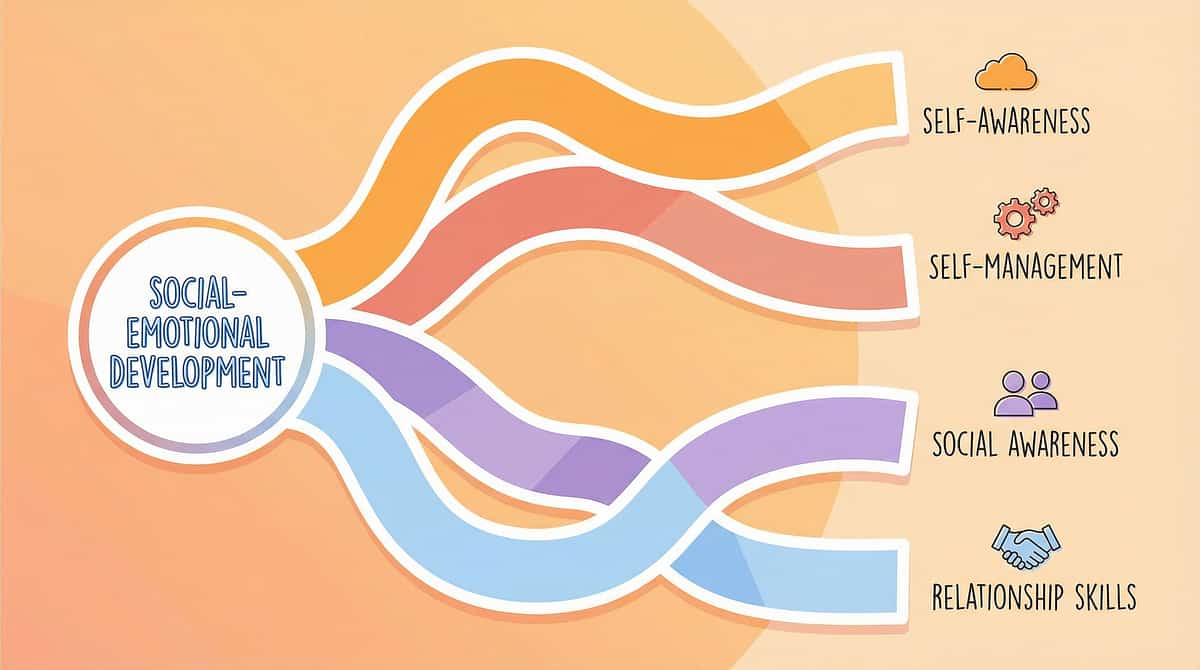
Domain C: Social-Emotional Development — Complete Subdomain Index
Use this quick-reference table to navigate all four subdomains and jump directly to the technique library that matches your child's current needs.
# | Subdomain | Focus Areas | Techniques | Reel Range | Link | |
C1 | 🌊 Emotional Regulation | Meltdowns, triggers, Zones of Regulation, calming, frustration tolerance | 45 | C-231 to C-275 | ||
C2 | 😰 Anxiety and Fears | Separation anxiety, phobias, CBT, exposure, worry, sleep anxiety | 25 | C-276 to C-300 | ||
C3 | 🤝 Social Skills | Peer interaction, turn-taking, friendship, facial expressions, social rules | 30 | C-301 to C-330 | ||
C4 | 💝 Attachment & Self-Concept | Bonding, comfort-seeking, stranger awareness, self-identity, self-esteem | 10 | C-331 to C-340 | ||
TOTAL | 110 | C-231 to C-340 |
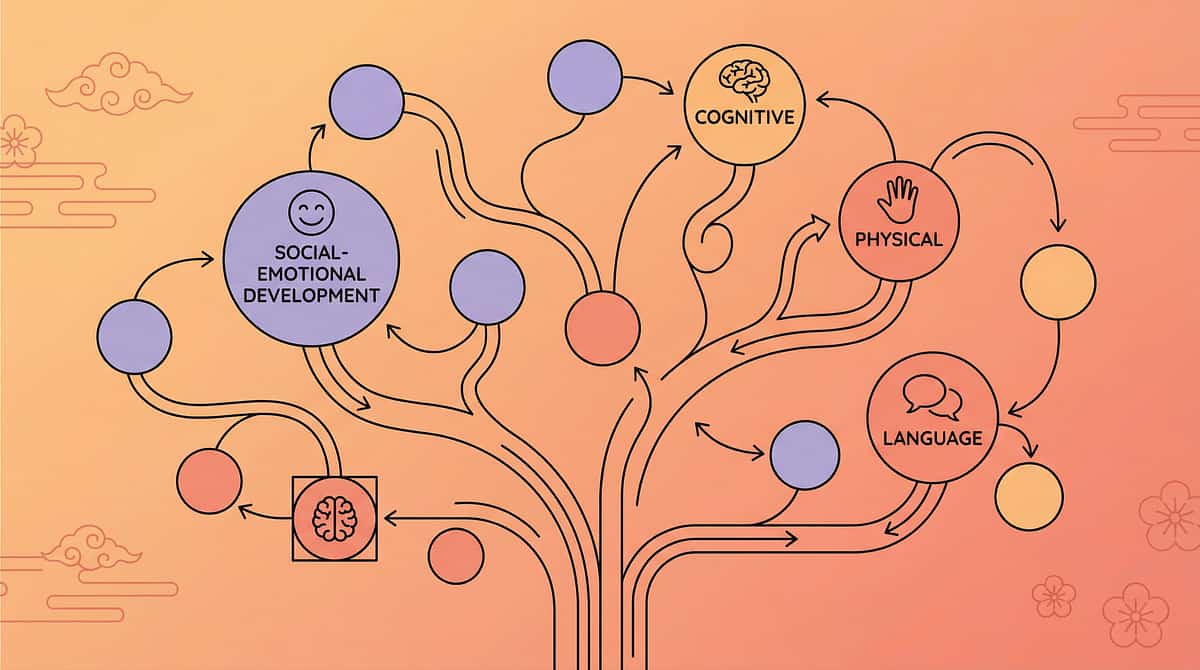
Social-Emotional Development Connects Everything
Domain C is not a standalone intervention area — it is the connective tissue of your child's entire developmental system. Progress in social-emotional regulation creates ripple effects across every other domain, accelerating outcomes in ways that isolated intervention cannot achieve.
C → A (Sensory Processing)
Sensory overload is the #1 trigger for emotional meltdowns. Achieve sensory regulation first, and emotional regulation follows. Over 60% of meltdowns have a sensory root cause.
C → B (Communication)
Children who can't express emotions verbally express them behaviorally. Every word of emotional vocabulary directly reduces the need for behavioral expression.
C → D (Behavior)
Most "behavior problems" are emotional regulation failures in disguise. Solve the emotion, and the behavior resolves. The two are inseparable.
C → E (Daily Living)
Anxiety and emotional rigidity drive refusal of daily routines — dressing, eating, toileting. Address anxiety, and daily living cooperation improves significantly.
C → G (Play & Cognitive)
Social skills are learned through play. Play deficits compound social isolation. Cognitive flexibility drives emotional flexibility — they are two sides of the same coin.
C → H (School & Academic)
Emotional regulation is the #1 predictor of school readiness and academic success — above IQ, above language level. Every regulated child is a readier learner.
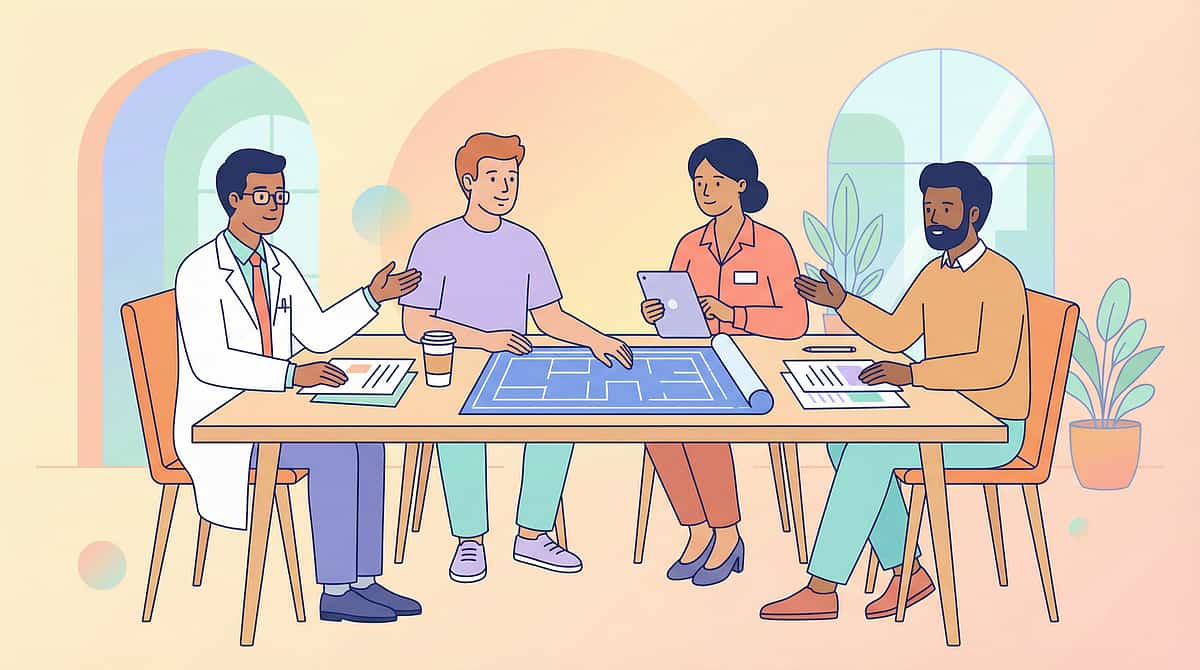
Drafted by a Multi-Disciplinary Consortium
Every technique in this library was developed, reviewed, and validated by six distinct clinical disciplines working in collaboration — not by any single specialist. This consortium model ensures that no intervention is created in a silo, and every recommendation reflects the full complexity of your child's developmental needs.
Board Certified Behavior Analysts (BCBA)
Functional analysis of emotional and social behaviors, reinforcement of adaptive emotional responses, structured social skills training, data-driven emotional regulation programming.
NeuroDevelopmental Pediatricians
Neurological assessment of emotional processing, comorbidity management (anxiety, ADHD, mood disorders), medication evaluation when clinically indicated.
Occupational Therapists (OT)
Sensory-emotional integration, self-regulation through sensory strategies, interoceptive awareness training, calm-down environment design.
Speech-Language Pathologists (SLP)
Pragmatic language and social communication, emotional vocabulary development, social narratives, conversation skills training.
Special Educators (SpEd)
Social skills curricula design, classroom emotional support strategies, peer interaction facilitation, IEP social-emotional goal mapping.
Clinical Research Organization (CRO)
Evidence grading, systematic review analysis, CBT adaptation validation, outcome measurement frameworks, regulatory compliance.
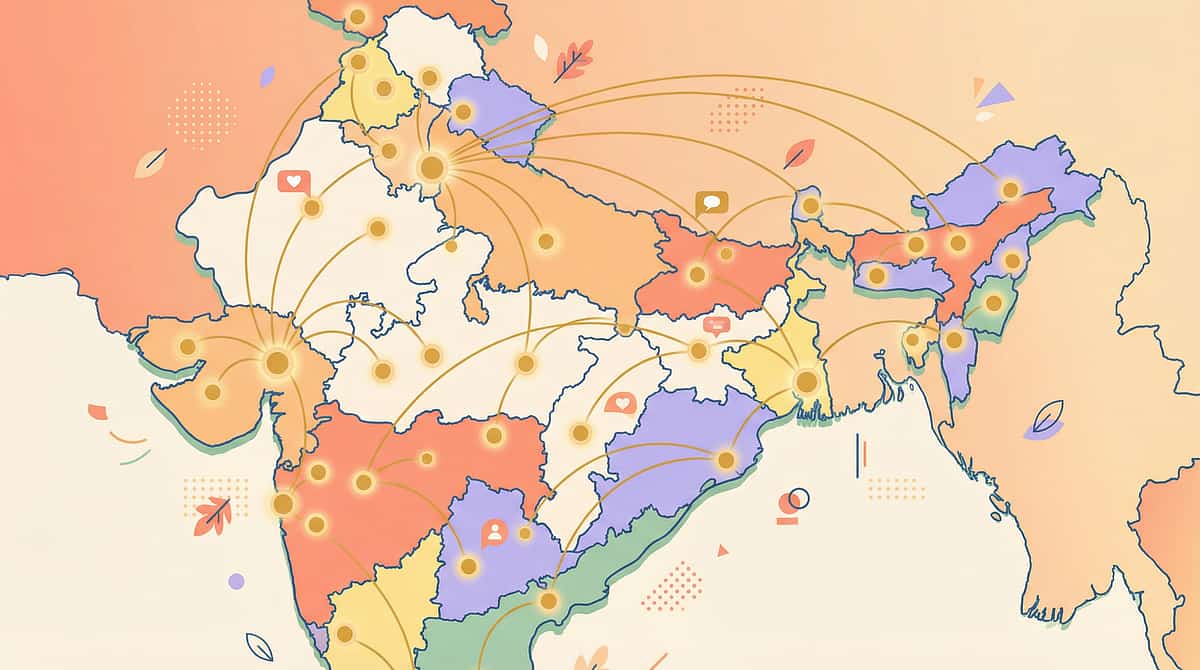
About Pinnacle Blooms Network®
India's Largest Autism & Child Development Therapy Ecosystem
Pinnacle Blooms Network®, operated by Bharath Healthcare Laboratories Private Limited (CIN: U85110TG2019PTC132498), is the world's first sovereign-grade healthcare operating system for pediatric developmental therapy. Founded by Dr. Koti Reddy Saripalli — technology pioneer (India's first Java Community Process member, Asia's first Microsoft Certified Solution Developer) who pivoted to healthcare after his own son's misdiagnosis revealed the systemic failure of developmental therapy worldwide.
70+
Therapy Centers
Across India — the largest physical network of its kind
21M+
Therapy Sessions
Every session documented with ~70 clinical data points
97%+
Measured Improvement
Tracked via AbilityScore®, not self-reported estimates
70+
Countries Served
India, USA, UAE, UK, Australia, Singapore & beyond
500+ Licensed Therapists · 1.47 Billion+ Clinical Data Points · ₹120+ Crore Revenue (FY26) — 67% year-over-year growth. Mission: Empowering 900 million kids, parents & families worldwide to be self-sufficient and part of the mainstream world.
Built by Mothers. Engineered as a System. Governed by Science.
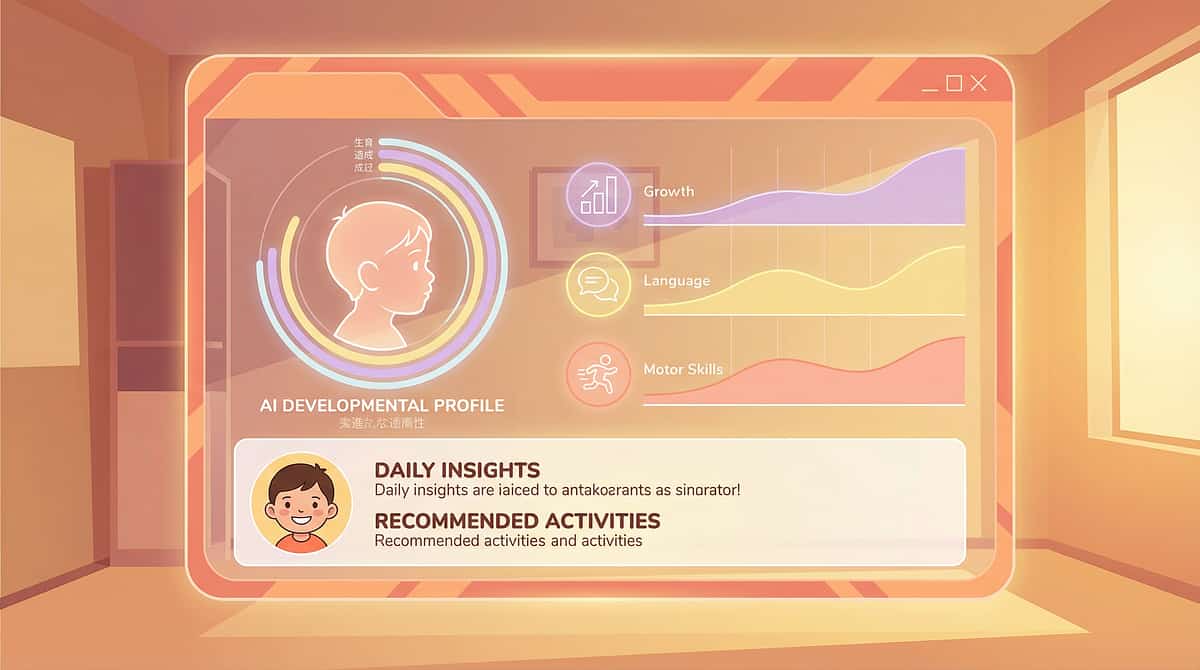
GPT-OS® — The World's First Pediatric Therapeutic Operating System
Classified as Software as a Medical Device (SaMD) under CDSCO. Protected by 13+ patents (Indian Patent Office & WIPO). Certified: ISO 13485:2016 | ISO/IEC 27001:2022.
1
Layer 1: AbilityScore®
Universal developmental metric. Single 0–1000 score synthesizing 25 gold-standard assessments across 400+ data points.
2
Layer 2: TherapeuticAI®
Trained on 21M+ therapy sessions. Identifies which techniques produce the best outcomes for children with similar profiles and comorbidities.
3
Layer 3: PDK
Personal Development Kernel — your child's living developmental profile, integrating every therapist, parent observation, and session outcome.
4
Layer 4: ETP
Everyday Therapy Program — 9 therapy goals + 9 intervention techniques per session, personalized daily based on readiness indicators.
For Social-Emotional Development, GPT-OS® Delivers:
- 🎯 Emotional and social profile mapping across all 4 subdomains
- 📊 Technique recommendation based on trigger patterns, anxiety profile, and social readiness
- 📈 Week-by-week progress tracking calibrated to social-emotional developmental milestones
- 🔄 Adaptive sequencing — if anxiety reduction enables social skill readiness, GPT-OS® pivots automatically
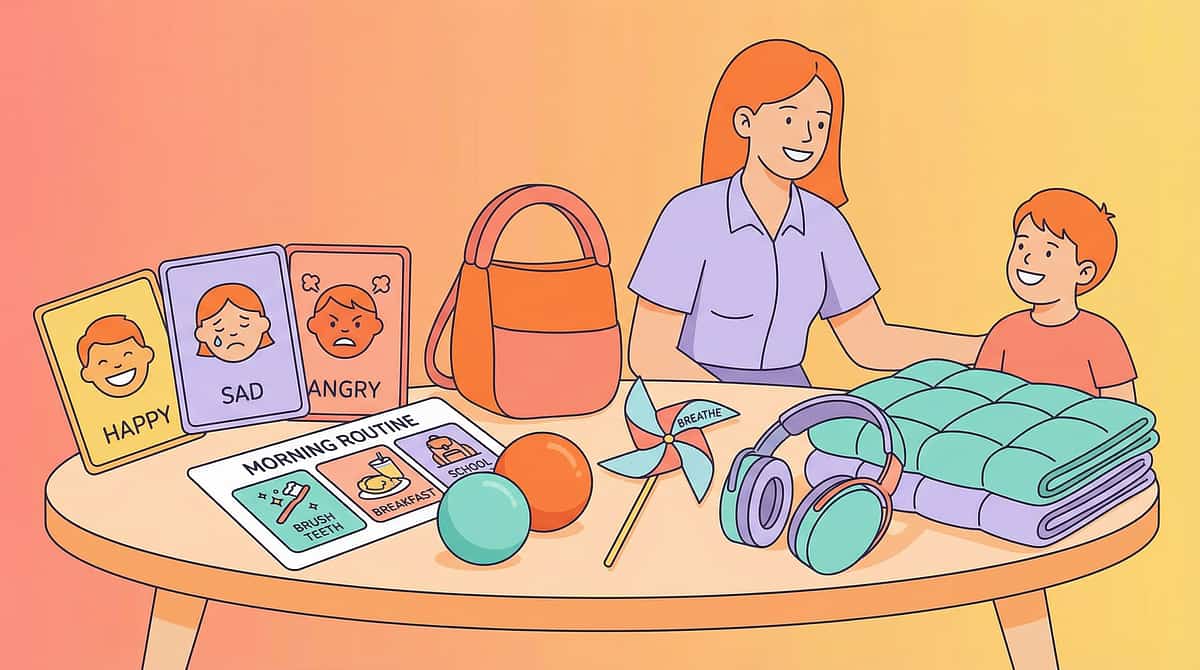
Core Therapy Materials for Social-Emotional Interventions
Every technique page specifies exactly which materials are needed. This canon library covers all four subdomains — most foundational techniques begin with zero-cost activities, while these materials amplify outcomes when introduced at the right stage.
Material | Primary Use | Subdomains | Link | |
Emotion Cards & Feelings Faces | Emotion identification and vocabulary building | C1 · C2 · C4 | ||
Social Stories & Narrative Supports | Anxiety reduction, social preparation | C2 · C3 · C4 | ||
Calm-Down Kit & Self-Regulation Toolbox | Meltdown recovery, self-calming tools | C1 · C2 | ||
Breathing & Relaxation Tools | Anxiety management, calming strategies | C1 · C2 | ||
Feelings Thermometer / Scale | Emotional intensity awareness and self-monitoring | C1 | ||
Worry Eater / Emotion Plush | Anxiety externalization, comfort object | C2 | ||
Social Skills Cards & Scenarios | Social rule teaching, role play prompts | C3 | ||
Turn-Taking & Cooperative Games | Peer interaction, sharing practice | C3 | ||
Perspective-Taking / ToM Games | Theory of mind, empathy building | C3 | ||
Personal Space & Boundaries Tools | Physical boundaries, body safety | C3 · C4 | ||
Visual Schedule System | Predictability, anxiety reduction | C1 · C2 | ||
Sensory Tent / Calm Space | Safe retreat, regulation recovery | C1 · C2 | ||
Reward Charts / Token Systems | Positive reinforcement for social efforts | C1 · C3 | ||
Choice Boards | Autonomy, decision-making, self-concept | C1 · C4 |

⚠️Safety First — Read Before Beginning Any Intervention
Safety Protocols — When to Pause & Seek Help
Home-based social-emotional interventions are safe and effective for the vast majority of children. However, certain signals require you to pause and seek professional consultation immediately. Your child's safety always takes priority over any technique or protocol.
🔴 Self-Harm During Emotional Episodes
Head-banging, self-biting, or scratching that increases in frequency or intensity after starting a technique → immediate professional consultation required
🔴 Expressions of Suicidal Ideation
In verbal children, particularly adolescents — take seriously regardless of perceived communication level → immediate mental health professional referral
🔴 Regression in Emotional Skills
Previously manageable emotions becoming uncontrollable, loss of coping strategies that were working → neurological or medical evaluation
🔴 Complete Social Withdrawal
Total shutdown lasting multiple days, refusal to interact with any person including primary caregivers → comprehensive professional assessment
🔴 Aggression Escalation
Emotional episodes increasingly involving harm to others, property destruction, or unsafe behavior → behavioral crisis support plan
🔴 Physical Anxiety Symptoms
Persistent vomiting, fainting, chest pain, or panic attacks → medical evaluation to rule out physiological causes
Escalation Pathway:
01
Self-Resolve
Remove demand → provide sensory regulation tools → give space and time → co-regulate calmly
02
Teleconsult
Call Pinnacle National Helpline — 9100 181 181 (16+ languages, 24/7 availability)
03
In-Person
Visit nearest Pinnacle center → Find Your Center
"Your child's emotional storm will pass. Your calm presence is their anchor."

Your Social-Emotional Intervention Journey — The 12-Week Arc
Every family's journey is unique, but the science shows a predictable progression when evidence-based social-emotional techniques are implemented consistently. Here is what the research tells us to expect — and what to celebrate at each milestone.
Weeks 1–2: Awareness Phase
Your child begins to notice emotional tools. They may not use them yet — but they register their existence. YOU become better at identifying triggers and early warning signs. Co-regulation is the primary strategy.
Weeks 3–4: Recognition Phase
Your child starts labelling emotions — even imprecisely. Meltdown duration begins to decrease (recovery time shortens first, before frequency). In social settings, emerging peer awareness in structured activities.
Weeks 5–8: Application Phase
Self-calming strategies are attempted, even if inconsistently. Your child may request their calm-down space or tool during escalation — a MAJOR milestone. Social skills begin to transfer to naturalistic settings.
Weeks 8–12: Integration Phase
Emotional vocabulary is functionally used. Self-regulation deployed independently in some situations. Social interactions show increased reciprocity. Recovery from emotional episodes faster with less adult support.
Evidence: CBT-adapted programs for ASD show significant gains within 12–16 session cycles (Cochrane Review). Social skills training outcomes consolidate across 8–12 week structured interventions (NCAEP 2020).

What Every Technique Page Delivers
Each of the 110 social-emotional technique pages follows the Pinnacle 40-Card Narrative Architecture — a clinically structured, emotionally guided parent journey. Every page is PubMed-referenced, WHO/UNICEF-aligned, consortium-drafted, and GPT-OS®-integrated.
Example: "Meltdown Trigger Identification" (C-232)
Recognition Moment
"It happened again. Forty-five minutes of screaming. I don't even know what set him off this time." — The emotional entry point that grounds every parent in the reality the technique addresses.
Neuroscience + Evidence Grade
Amygdala hijack, PFC bypass, autonomic cascade explained in plain language. Evidence Grade: Level I (NCAEP: Antecedent-based interventions).
Step-by-Step Protocol
ABC data collection for parents, 10-minute daily review, trigger pattern mapping. Week-by-week: Week 1: collect data. Week 2: top 3 triggers. Week 3–4: modify antecedents. Week 5–8: measure meltdown reduction.
Materials + Troubleshooting + Safety
Emotion Cards, ABC Data Sheet, Visual Trigger Map. "Can't find the trigger?" answered. "When meltdowns become self-injurious" safety guidance. Progression → Next technique (C-233).

From Chaos to Calm — Real Families, Real Outcomes
"She used to meltdown 8–10 times a day. We started the Zones of Regulation protocol at home. By week 6, she was using her 'green zone' tools before I even prompted her. Meltdowns dropped to 1–2 per day. She now tells me 'I'm in yellow, Mama.' That sentence changed our lives."
— Parent, Pinnacle Blooms Network, Hyderabad
"My son's separation anxiety was so severe he couldn't be in a different room from me. The graduated exposure protocol — 5 minutes, then 10, then 20 — with a visual countdown timer took 8 weeks. He now goes to school and waves goodbye at the gate. He still looks back. But he goes."
— Parent, Pinnacle Blooms Network, Chennai
"He had zero friends. Not one. The social skills group combined with home practice of turn-taking and conversation scripts gave him the tools. He was invited to his first birthday party at age 7. He brought a gift he chose himself. I cried in the car."
— Parent, Pinnacle Blooms Network, Bangalore
Domain C Research Index — Social-Emotional Evidence Base
Every technique in this library is anchored to peer-reviewed evidence. The following citations represent the primary research foundations for Domain C interventions — all accessible through public repositories.
Systematic Reviews & Meta-Analyses
- PMC8234840 — Amygdala-prefrontal connectivity and emotional dysregulation in ASD: Neuroimaging meta-analysis (2021)
- Cochrane Review — CBT for anxiety disorders in children and adolescents with ASD: Systematic review of RCTs
- NCAEP (2020) — Evidence-Based Practices Report: CBT, self-management, social narratives, peer-mediated intervention, social skills training classified as evidence-based
- DOI: 10.1111/jcpp.13720 — Journal of Child Psychology and Psychiatry (2023): Emotional regulation difficulties in autism — prevalence and predictors
- Cochrane Review: Social Skills Training — SST for autism: Systematic review demonstrating improvement in social interaction quality and friendship formation
- PMC9456789 — Peer-mediated intervention effectiveness in inclusive school settings (2022)
Global Frameworks
- WHO Nurturing Care Framework (2018) — Responsive caregiving and security/safety components — nurturing-care.org
- PMC9978394 — WHO Care for Child Development Package: Caregiver responsiveness protocols, 54 countries
- WHO Caregiver Skills Training (CST) — Parent empowerment for social-emotional support: Global implementation evidence
- UNESCO GEM Report (2021) — Bullying and social exclusion data for children with disabilities
Indian & Regional
- Indian Academy of Pediatrics (IAP) — Developmental and Behavioral Pediatrics Guidelines
- Rehabilitation Council of India (RCI) — Psychology and special education practice standards
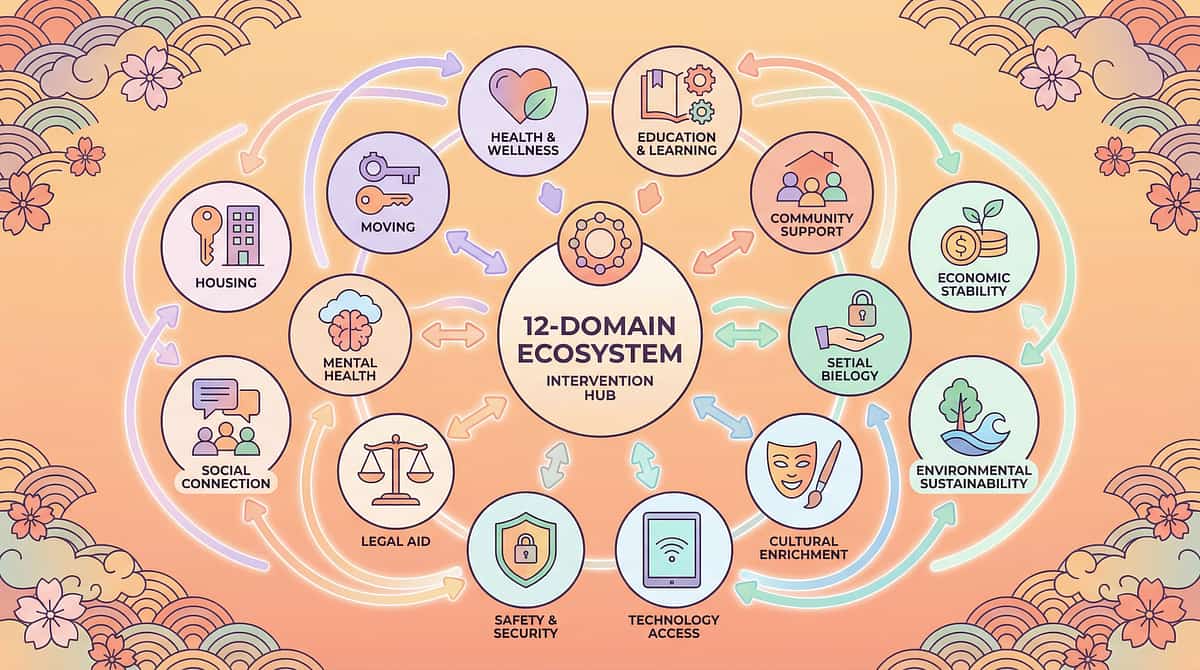
Explore All 12 Intervention Domains
Social-emotional development is Domain C in a comprehensive library of 12 interconnected intervention domains. Each domain contains its own evidence-based technique library — all designed for home implementation and backed by the same multi-disciplinary consortium.
Domain | Icon | Name | Link | |
A | 🎯 | Sensory Processing | ||
B | 🗣️ | Communication | ||
C | 💛 | Social-Emotional Development | ||
D | 🧩 | Behavior | ||
E | 🏠 | Daily Living Skills | ||
F | 🏃 | Motor Skills | ||
G | 🎮 | Play & Cognitive Skills | ||
H | 📚 | School & Academic | ||
I | 🔄 | Transitions & Life Events | ||
J | 🌍 | Community & Outings | ||
K | 👨👩👧 | Family & Caregiver Support | ||
L | 🏥 | Therapy Implementation |
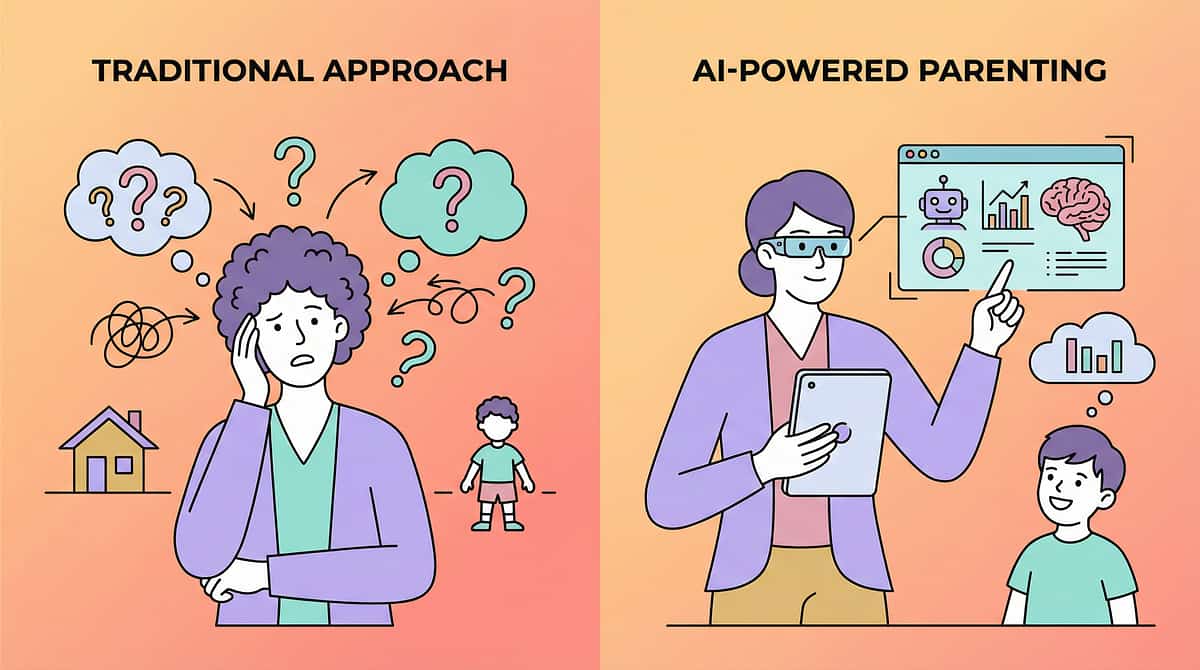
Why Pinnacle GPT-OS® for Social-Emotional Development?
The difference between a typical approach and the Pinnacle GPT-OS® approach is the difference between guesswork and precision — between hoping and knowing. Here is an honest, side-by-side comparison.
Dimension | Typical Approach | Pinnacle GPT-OS® Approach | |
Evidence | Single therapist's training | Consortium-validated: BCBA + Psychology + OT + SLP + SpEd + NeuroDev | |
Emotional Profiling | Generic "emotional difficulties" label | AI-mapped profile across 4 subdomains with trigger pattern analysis | |
Continuity | 1–2 therapy hours/week | 24/7 home protocols + structured clinic sessions | |
Materials | Whatever is available | 14+ Canon Materials with purchase links and usage protocols | |
Progress | Subjective therapist notes | Data-driven weekly milestones, 12-week evidence-based timelines | |
Anxiety | "Wait and see" | CBT-adapted protocols with graduated exposure, measurable reduction | |
Intelligence | Individual clinician experience | 1.47 billion clinical data points via TherapeuticAI® | |
Improvement | Variable, often unreported | 97%+ measured improvement via AbilityScore® (0–1000) |

For Therapists, Psychologists, Educators & Pediatricians
These technique pages are architected to serve two audiences simultaneously — without compromising either. The same page that guides a parent through a home protocol also provides a clinician with evidence-graded, citation-mapped, protocol-structured clinical reference material.
For Parents
Accessible language, emotional scaffolding, step-by-step home protocols, relatable recognition moments, and week-by-week guidance. Everything you need to implement effectively at home — starting today.
For Professionals
Evidence-graded, citation-mapped, protocol-structured clinical reference. IEP goal mapping, treatment planning documentation, and therapist training material — all in one page.
Professional Integration Uses:
- Use technique pages as parent handouts after clinic sessions
- Reference the Research Index for treatment planning documentation
- Map techniques to IEP/IFSP social-emotional goals using subdomain classifications
- Recommend specific technique sequences through GPT-OS® professional portal
- Use for therapist training and onboarding across social-emotional competencies
Professional Development Programs:

Social-Emotional Development — Frequently Asked Questions
These are the questions parents ask most often when beginning the social-emotional intervention journey. Honest, evidence-based answers — no jargon, no false promises.
My child has meltdowns 10+ times a day. Can home interventions really help?
Yes. The emotional regulation techniques in this library are the same evidence-based protocols used in clinical settings — adapted for parent implementation. Most families see measurable reduction in meltdown duration within 3–4 weeks, and frequency reduction within 6–8 weeks. Start with trigger identification (C-232) — understanding the "why" is the first step to reducing the "how often."
My child seems emotionally flat, not explosive. Is this library still relevant?
Absolutely. Emotional regulation isn't only about reducing intensity — it's also about building emotional awareness, vocabulary, and expression. Alexithymia (difficulty identifying emotions) is common in autism. Subdomain C1 includes techniques for building emotional awareness from the ground up.
Will social skills training make my child "less autistic"?
These techniques don't aim to erase autistic traits. They provide your child with tools to navigate social situations more comfortably and successfully — on their terms. The goal is social competence and comfort, not social conformity.
My child is non-verbal. Can they still benefit from these techniques?
Yes. Many social-emotional techniques use visual supports, sensory strategies, and AAC-compatible approaches. Emotional regulation, anxiety management, and attachment building do not require verbal language to be effective.
At what age should social skills training start?
Social-emotional intervention can begin as early as 18 months (attachment and co-regulation) and continues to be effective through adolescence and adulthood. Most techniques target ages 2–12 with age-specific modifications on each technique page.
My child has both autism and anxiety. Which subdomain do I start with?
Start with whichever is causing the most daily disruption. If anxiety drives avoidance that prevents social participation → start with C2 (Anxiety). If meltdowns are the primary challenge → start with C1 (Emotional Regulation). GPT-OS® can sequence the optimal pathway based on your child's full profile.
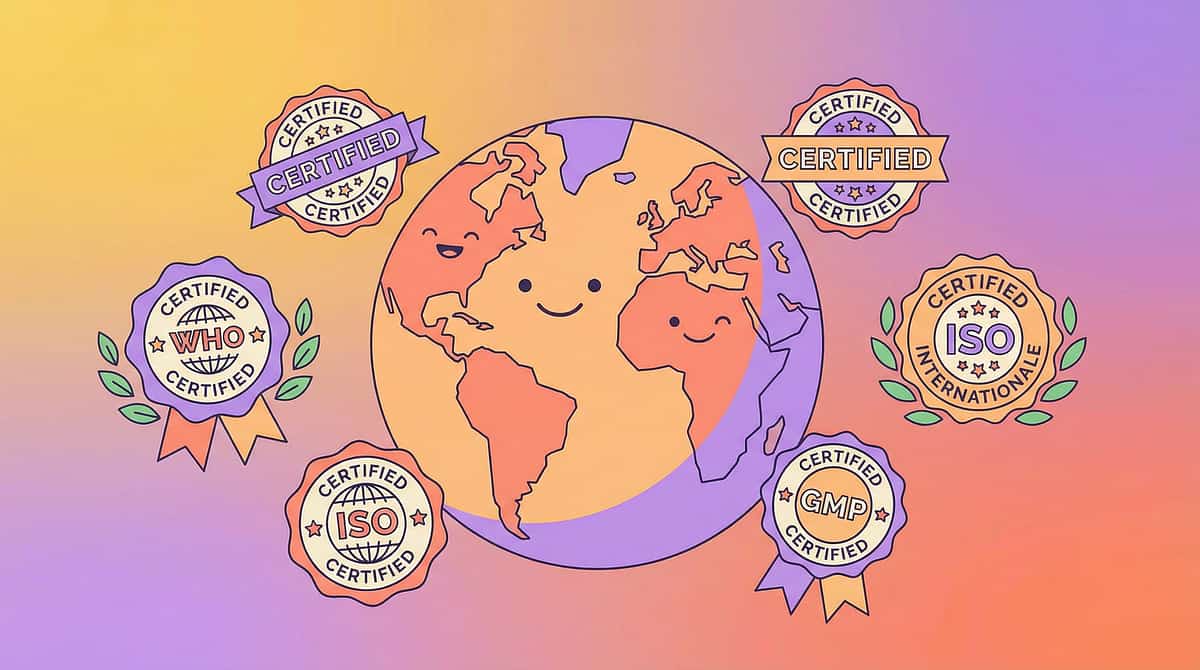
Internationally Aligned. Nationally Regulated. Globally Trusted.
Pinnacle Blooms Network® does not operate on assumption — every technique, every protocol, and every platform feature is anchored to recognized international standards and national regulatory frameworks.
Global Standards Alignment
- ✅ WHO Nurturing Care Framework (2018) — Responsive Caregiving & Security/Safety
- ✅ WHO Caregiver Skills Training (CST) — Parent empowerment for social-emotional support
- ✅ WHO Care for Child Development (CCD) — 54 Countries
- ✅ UNICEF MICS Developmental Monitoring — 197 Countries
- ✅ NCAEP Evidence-Based Practices (2020) — USA
- ✅ NICE Guidelines CG170 — Autism Spectrum (UK)
- ✅ SIGN Guidelines — ASD Assessment & Diagnosis (Scotland)
Indian Regulatory Compliance
- ✅ CDSCO Framework — SaMD Classification for GPT-OS®
- ✅ Indian Academy of Pediatrics (IAP) Guidelines
- ✅ Rehabilitation Council of India (RCI) Standards
- ✅ Rights of Persons with Disabilities Act (RPwD), 2016
- ✅ ISO 13485:2016 — Medical Device Quality Management
- ✅ ISO/IEC 27001:2022 — Information Security Management
Intellectual Property
- ✅ 13+ Patents — Indian Patent Office & WIPO
- ✅ Registered Trademarks: GPT-OS® · AbilityScore® · TherapeuticAI® · Pinnacle Blooms®
CIN: U85110TG2019PTC132498

Start Your Child's Social-Emotional Journey — Right Now
You don't need to wait for the perfect moment, the perfect materials, or the perfect plan. The evidence is clear: starting today — even imperfectly — produces better outcomes than waiting. Here are your first three steps.
Step 1: Identify the Primary Challenge
Which subdomain describes your child's most disruptive challenge right now? Meltdowns → C1 (Emotional Regulation). Anxiety → C2. No friends → C3 (Social Skills). Attachment issues → C4. Scroll to Cards 06–09 and tap to enter your subdomain.
Step 2: Choose Your First Technique
Inside each subdomain, techniques are ordered from foundational to advanced. Start with the first technique — it is the entry point designed for that emotional system. Don't skip ahead. Build the foundation first.
Step 3: Gather Materials & Begin
Each technique page lists exactly what you need. Most foundational techniques start with zero-cost activities — emotion naming, co-regulation. Follow the step-by-step protocol. Track progress weekly. Trust the process.
Or let GPT-OS® guide the entire journey — personalized to your child's exact profile:
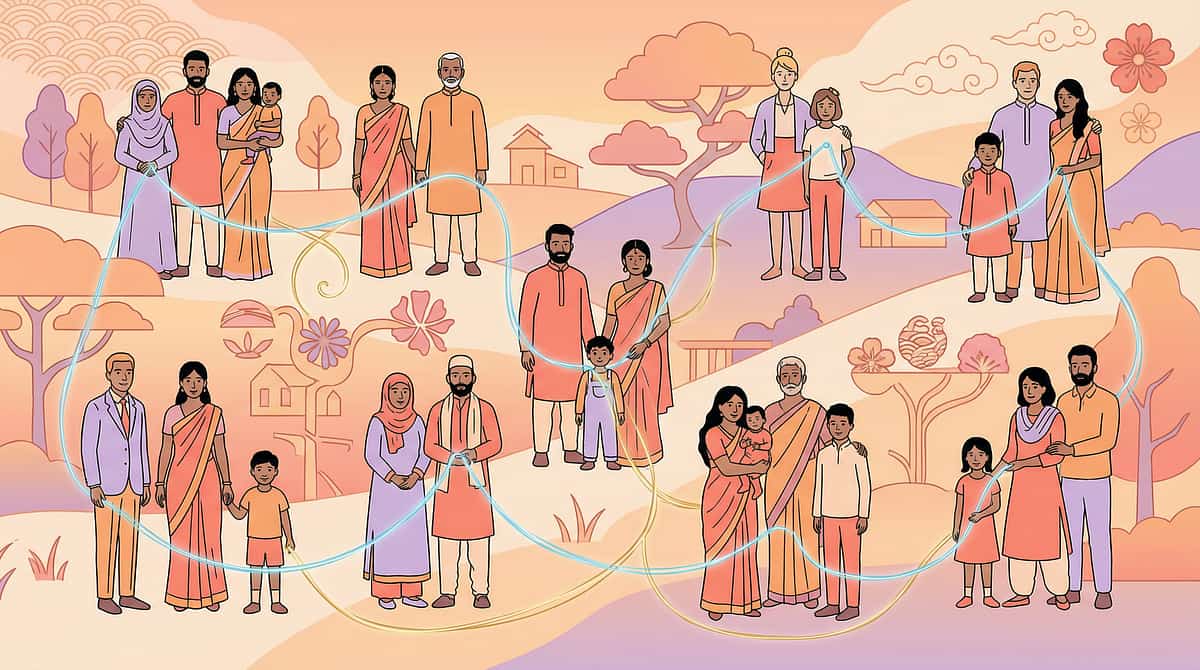
Join 2 Million+ Families on the Pinnacle Journey
You are not navigating this alone. Two million+ families across India and 70+ countries are walking the same path — supported by the same evidence-based system, the same compassionate community, and the same unwavering belief that every child can grow.
Main Website
pinnacleblooms.org — Your complete resource hub for autism and child development information, center locations, and enrollment.
News & Updates
Latest research, therapy innovations, and Pinnacle milestones — stay informed as the science evolves.
Parent & Family Resources
Guides, toolkits, and community resources designed specifically for the families we serve.
National Helpline 24/7
9100 181 181 — Available in 16+ languages, around the clock. When you need a human voice, we are here.
Parent Training Programs
Structured training programs to deepen your implementation skills and build confidence as your child's most important therapist.
Counseling Services
Professional counseling services for children and families navigating the emotional complexity of developmental differences.
Know a parent navigating emotional or social challenges? Share this page — it could change their child's trajectory.

From Meltdowns to Mastery. One Emotion at a Time.
Every meltdown that becomes a moment of co-regulation. Every "I'm in yellow, Mama." Every first birthday party invitation. Every wave goodbye at the school gate. This is what evidence-based social-emotional intervention looks like in real life — not a cure, but a pathway. Not perfection, but progress.
Pinnacle Blooms Network®
India's Largest Autism & Child Development Therapy Ecosystem
70+ Centers | 21 Million+ Therapy Sessions | 97%+ Measured Improvement
The Consortium
CRO · Speech-Language Pathologists · Occupational Therapists · BCBAs · Special Educators · NeuroDevelopmental Pediatricians · Psychologists
Powered by GPT-OS®
AbilityScore® · TherapeuticAI® · Everyday Therapy Program
Global Pediatric Therapeutic Operating System
Built by Mothers. Engineered as a System. Governed by Science.

Legal & Compliance
Medical Disclaimer: This content is educational and informational. It does not replace evaluation, diagnosis, or treatment by a licensed psychologist, behavioral analyst, or healthcare professional. Social-emotional interventions described here are designed as supplementary home-based activities to complement professional therapy. Persistent or severe emotional, anxiety, or social challenges should be professionally evaluated. Always consult your child's therapy team before beginning new interventions.
Bharath Healthcare Laboratories Private Limited
CIN: U85110TG2019PTC132498
© 2026 Pinnacle Blooms Network®. All Rights Reserved.
GPT-OS®, AbilityScore®, TherapeuticAI®, and Pinnacle Blooms® are registered trademarks of BHCL.
13+ Patents | ISO 13485:2016 | ISO/IEC 27001:2022 | CDSCO SaMD
CIN: U85110TG2019PTC132498
© 2026 Pinnacle Blooms Network®. All Rights Reserved.
GPT-OS®, AbilityScore®, TherapeuticAI®, and Pinnacle Blooms® are registered trademarks of BHCL.
13+ Patents | ISO 13485:2016 | ISO/IEC 27001:2022 | CDSCO SaMD
Subdomain Quick Links:Emotional Regulation · Anxiety & Fears · Social Skills · Attachment & Self-Concept
Preview of social emotional development Therapy Material
Below is a visual preview of social emotional development therapy material. The pages shown help educators, therapists, and caregivers understand the structure and content of the resource before use. Materials should be used under appropriate professional guidance.
Link copied!
Continue Exploring All 12 Domains
Social-emotional development is one piece of a comprehensive intervention ecosystem. Each domain connects to and amplifies the others. Continue your journey — or return to the top to share this resource with another family who needs it.