

Other Challenging Behaviours
25 evidence-based interventions for elopement, pica, noncompliance, PDA profile, and safety behaviours in autism — Subdomain D5 | Pinnacle Blooms Network®
Domain D: Behaviour
Subdomain D5
21M+ Sessions

About This Subdomain
What Subdomain D5 Covers
This subdomain addresses the behaviours that don't fit neatly into aggression (D3) or self-injurious behaviour (D4) — yet profoundly impact safety, family life, and community participation. Every behaviour here has a function (sensory, attention, escape, or tangible), and the ABC framework applies throughout. Prevention always comes before reaction. Replace the behaviour; don't simply eliminate it.
Cluster 1 — Safety Behaviours
Elopement, running, climbing, pica, fecal smearing, undressing, public masturbation, screaming, floor dropping — immediate safety risk or social crisis.
Cluster 2 — Noncompliance & Demand Avoidance
Task refusal, constant "no," public tantrums, PDA profile, low-demand approach, oppositional behaviour, defiance — behaviour meets autonomy.
Cluster 3 — Property & Safety Choices
Lying, taking things, food stealing, hoarding, mouthing dangerous items, unsafe behaviours, teaching safe choices — rules, ownership, and self-preservation.
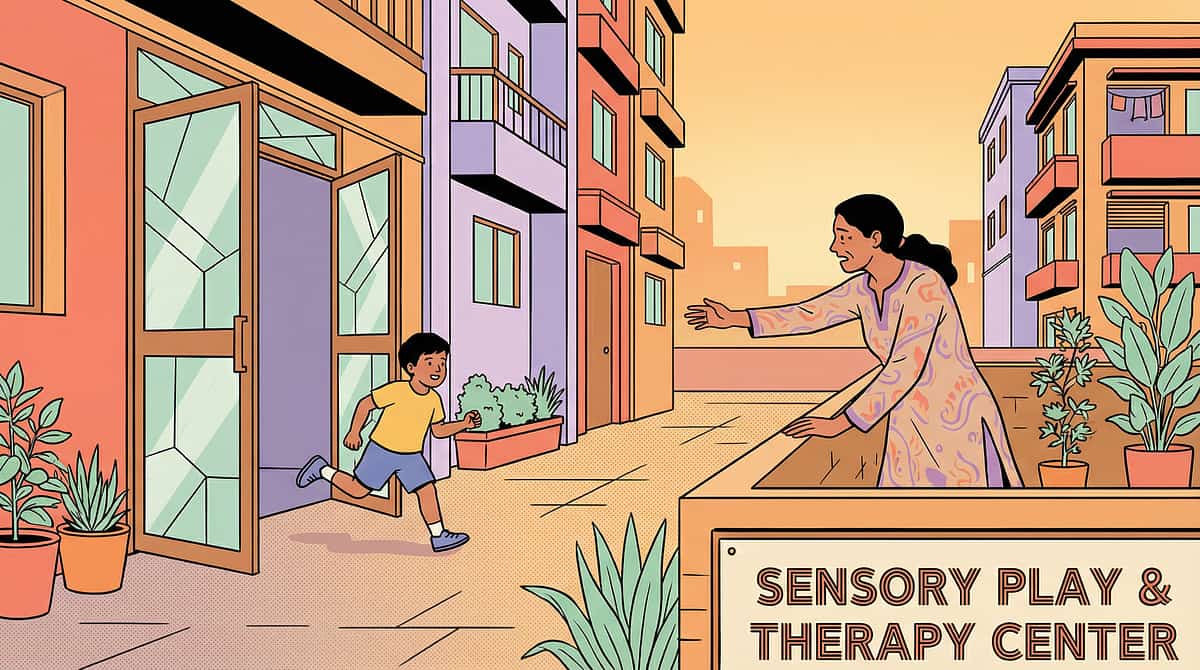
D-416A · Safety Behaviour
Cards 01–02 of 30
D-416: Elopement Prevention — Recognition
⚠️ELOPEMENT KILLS. Drowning is the leading cause of elopement death. Traffic is second. This is not a behaviour problem — it is a life-threatening safety emergency.
The Moment: You look away for three seconds. They're gone — out the door, through the gate, into traffic, toward water. Elopement (bolting, running, wandering) is the #1 cause of death in children with autism under age 14. Nearly 50% of children with ASD elope. Immediate, multi-layer prevention is non-negotiable.
The Neuroscience
Elopement may be sensory-driven (running TOWARD a fascinating stimulus), escape-driven (running FROM overwhelm), impulse-driven (the PFC cannot inhibit the motor impulse), or goal-directed (going to a specific place without understanding the danger). The child's risk-assessment system (OFC + ACC) is underdeveloped — they cannot evaluate traffic, water, height, or distance.
Evidence Level
📊Level I — Elopement prevention is a safety priority in ASD intervention. Multi-layer approaches combining environmental controls, direct teaching, technology, and supervision are evidence-based. NCAEP 2020 | NAA Big Red Safety Box | PMC9978394
Key Stat
~50% of children with ASD elope. Drowning accounts for the majority of elopement fatalities.
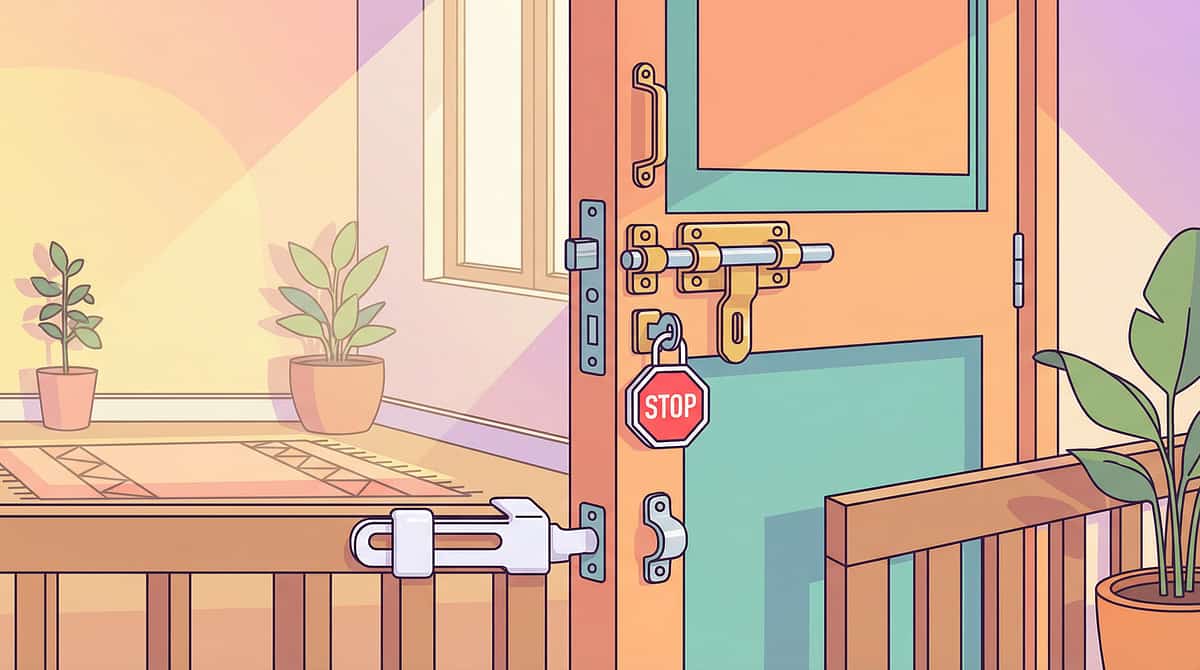
D-416B · Intervention
D-416: Elopement Prevention — What You'll Do
Elopement prevention requires four simultaneous layers — no single strategy is sufficient. In Indian homes, pay special attention to balcony locks (critical in apartments), terrace access, and main gate latches positioned at adult height.
1
Environmental Layer
Door locks (high, out of reach), window locks, gate locks, door alarms (₹500–2,000), GPS tracker (₹2,000–5,000 watch/pendant), balcony mesh/grill in apartments, terrace access blocked.
2
Teaching Layer
"STOP" at doors (explicit practice), road safety (stop–look–wait — 1,000+ practice trials), water safety awareness, "stay with grown-up" rule, visual stop signs at every exit.
3
Supervision Layer
Never unsupervised near roads, water, or unlocked exits. Buddy system at school. 1:1 in public. Special vigilance: auto-rickshaw doors, train platforms, crowded markets, temple tanks, open wells.
4
Community Layer
Photo ID card on child (name, parent phone, diagnosis, "I may not respond to my name"). Neighbours informed. Local police notified in high-risk cases. School elopement protocol in place.
⚠️Emergency protocol if child elopes: search water sources FIRST.
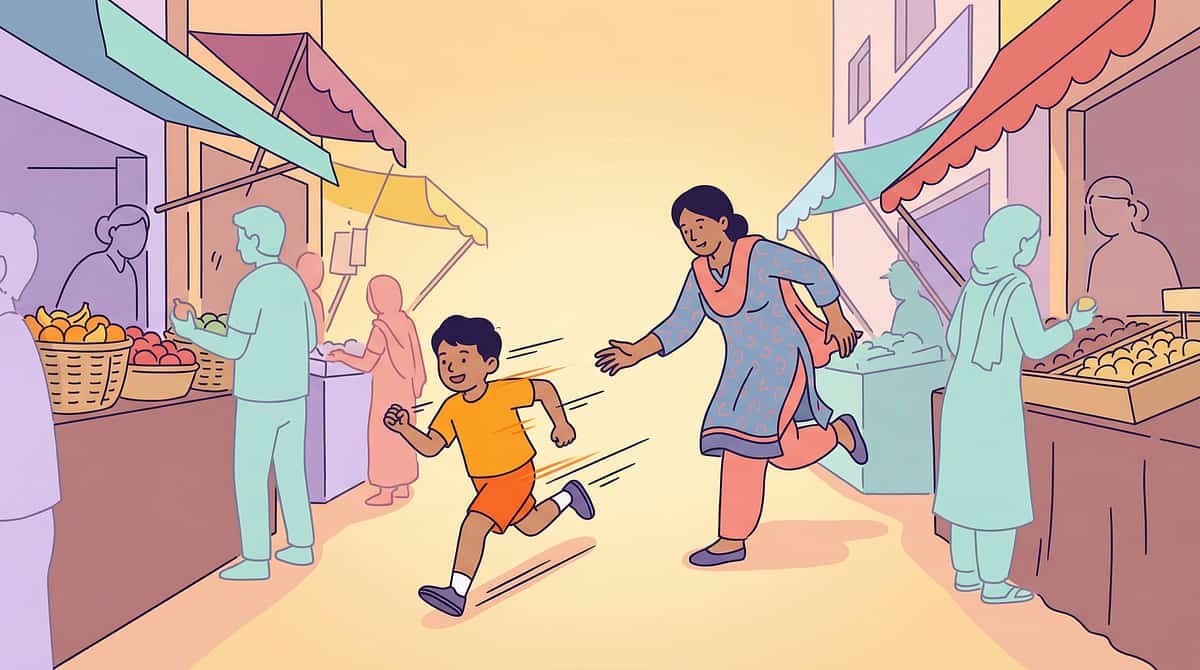
D-417 · Safety Behaviour
Card 03 of 30
D-417: 9 Materials That Help With Running Away
The Moment: Distinct from elopement, running is the full-sprint bolt — triggered by a demand to escape, a sensory assault, a meltdown, or an uncontrollable impulse. They're fast. Faster than you expect. And they don't stop for roads, stairs, or crowds.
The Neuroscience
Running engages the flight response (amygdala → hypothalamus → sympathetic activation → large motor recruitment). Once activated, the child's PFC is offline — they literally cannot process "STOP" because the survival brain has overridden the thinking brain. Chasing can escalate the flight response: being pursued = more danger = run faster.
What You'll Learn
When to chase vs. when to follow at a distance · "STOP" as an overlearned emergency command (practiced 1,000+ times in calm moments) · Escape function analysis: WHAT are they running FROM? · High-visibility clothing in public · Teaching "I need to leave" as a running replacement · Indian contexts: train platforms, busy roads, market lanes

D-418 · Safety Behaviour
Card 04 of 30
D-418: 9 Materials That Help With Dangerous Climbing
The Moment: On top of the fridge. On the windowsill. On the balcony railing. They climb everything — without fear, without height awareness, without understanding that gravity doesn't negotiate. In Indian apartments, balconies and terraces represent the primary danger zone.
Why They Climb
Vestibular and proprioceptive seeking — climbing provides intense input through both systems. Reduced fear processing: the brain doesn't generate the "this is dangerous" signal. Impulse control deficit: the PFC can't inhibit the motor plan before execution.
Environmental Safety First
Home climbing audit: balcony grills, window locks, furniture anchoring. No climbable furniture near windows or balconies. Indian apartments: balcony mesh/net installation, terrace lock. Fall prevention is NON-NEGOTIABLE — modify the environment before anything else.
Safe Alternatives
Provide SAFE climbing outlets: indoor climbing wall, playground equipment with supervision, climbing gym sessions. Teach the explicit discrimination: "safe climb" vs. "not safe climb" with visual supports.
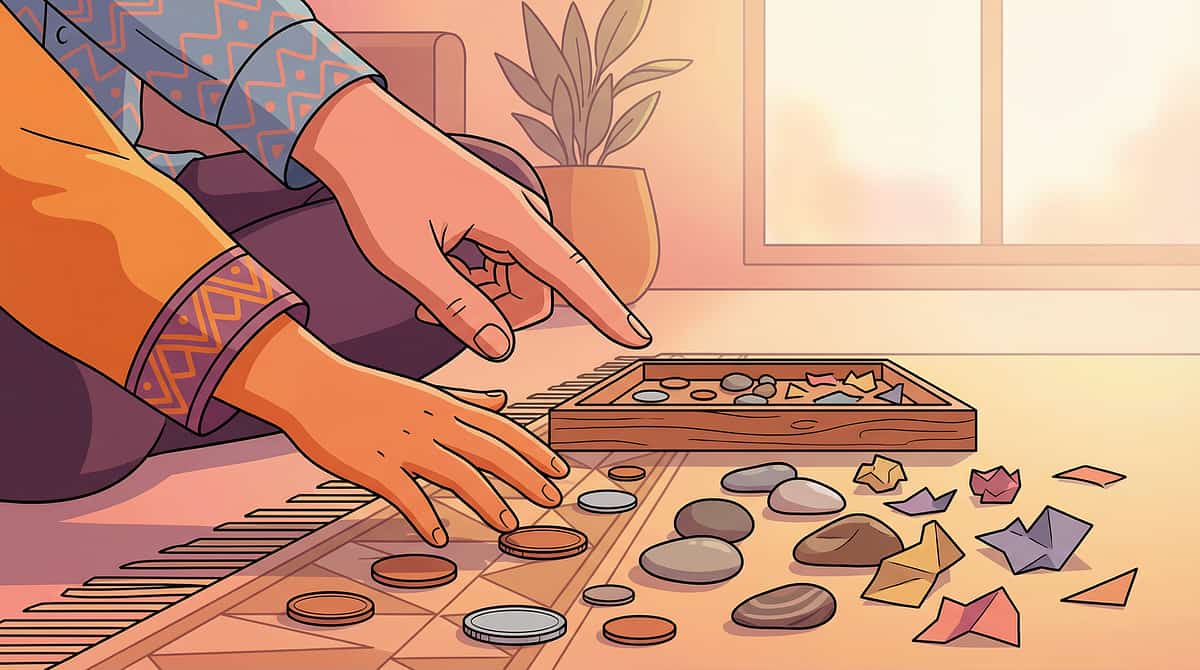
D-419A · Safety Behaviour
Card 05 of 30
D-419: Pica Behaviour — Recognition
⚠️PICA CAN KILL. Ingested objects can cause poisoning, bowel obstruction, choking, lead toxicity, and parasitic infection. Medical evaluation is mandatory before any behavioural intervention.
The Moment: Eating non-food items — dirt, chalk, paint chips, paper, fabric, hair, soap, sand, coins, buttons, plastic. Pica affects 10–30% of children with ASD and is a medical emergency when items ingested are toxic or obstructive. In Indian homes: rangoli powder, detergent pods, mosquito coils, chalk, and clay from walls present specific high risks.
The Neuroscience
Pica may serve: oral sensory function (specific textures/tastes the mouth craves), nutritional deficiency (iron, zinc — the body seeks minerals through non-food), automatic reinforcement (chewing/swallowing sensation), or anxiety reduction. Lead poisoning from paint chips and wall clay is a particular risk in older Indian buildings.
Evidence Level
📊Level I — Medical evaluation + environmental safety + oral sensory replacement + FBA. NCAEP 2020
Medical Priority
Blood test for iron, zinc, and lead levels is mandatory before behaviour intervention begins. GI evaluation is essential to rule out physical drivers of the behaviour.

D-419B · Intervention
D-419: Pica — What You'll Do
Intervention begins with medicine, not behaviour. Once medical causes are ruled out or treated, layer in environmental safety and sensory replacement strategies matched precisely to what the child is seeking in the pica item.
Step 1: Medical First
Blood panel (iron, zinc, lead, CBC), GI evaluation, and nutritional supplementation if deficient. Work with your paediatrician before any behavioural plan begins.
Step 2: Environmental Sweep
Remove ALL accessible non-food dangerous items. Lock cabinets for cleaning products. Supervise outdoor play near sand, dirt, leaves, and stones. Indian-specific: store rangoli powder, mosquito coils, wall plaster, and agarbatti ash securely out of reach.
Step 3: Sensory Replacement
Match the replacement to the TEXTURE of the pica item: clay-like → therapy putty, crunchy → carrot sticks/papad/murukku, smooth → chew tube. Provide these proactively and abundantly throughout the day.
Step 4: Discrimination Training
"Food" vs. "not food" explicit teaching with visuals. Teach "spit out" as an emergency command. Monitor stool for ingested objects. ⚠️ Suspected ingestion of toxic/sharp item → Emergency hospital immediately.

D-420A · Safety Behaviour
Card 07 of 30
D-420: Fecal Smearing — Recognition
The Moment: The behaviour families never talk about. They find it on the walls, the bedding, the child's body. The shame is paralysing — they can't tell anyone, can't ask for help, can't invite people over. Fecal smearing (scatolia) occurs in approximately 15–25% of children with ASD and is one of the most isolating behaviours families experience. You are not alone.
Why It Happens
Fecal smearing may serve a sensory function (warm, soft, malleable texture providing intense tactile input; olfactory stimulation), communication function ("I need a change"), attention function (produces intense caregiver reaction), or medical function (GI discomfort, constipation, anal itching). The unique sensory profile of feces makes replacement particularly challenging.
Evidence Level
📊Level I — Medical evaluation + sensory replacement + toileting assessment + environmental management. NCAEP 2020
Remember
This behaviour is not rare. It does not mean bad parenting. Families who seek help are exactly the families making the right call for their child.
D-420B · Intervention
D-420: Fecal Smearing — What You'll Do
⚠️ Medical First
GI evaluation (constipation? impaction? anal irritation?), dietary assessment. Address any physical discomfort before behavioural strategies.
Sensory Replacement
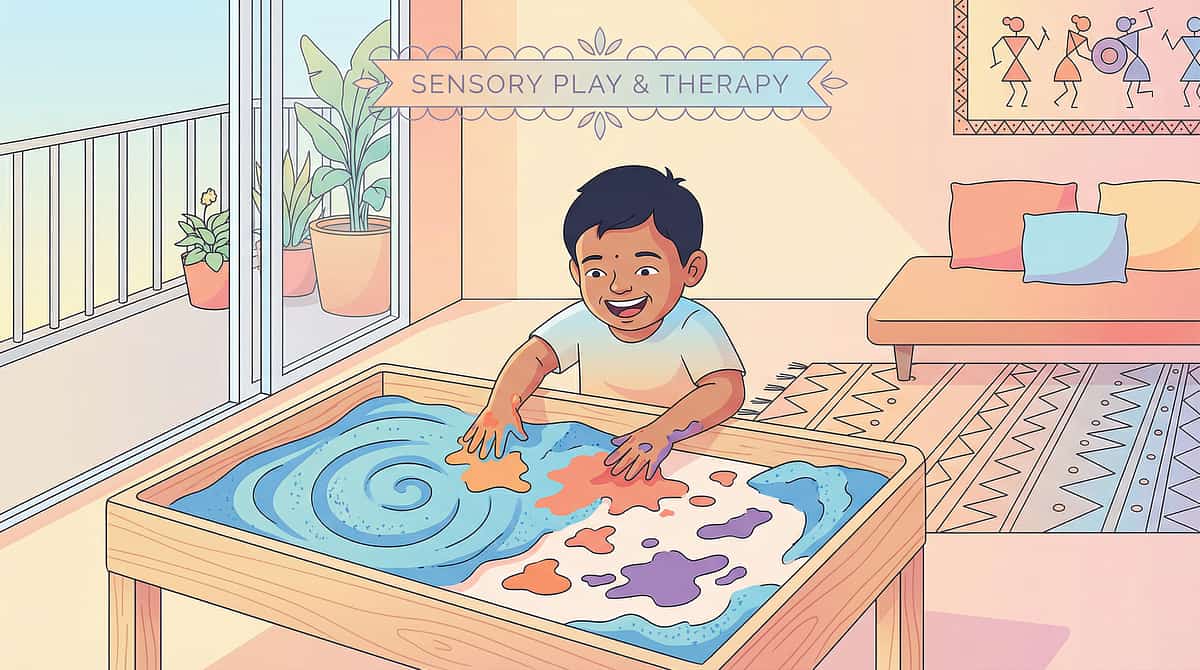
Play dough, kinetic sand, finger paint, shaving cream, mud play, slime — provide PROACTIVELY and abundantly. Match the texture as closely as possible to what the child is seeking.
Environmental Management
Onesie worn backwards, diaper taped, tight-waisted pants at bedtime, immediate checking after waking. Remove opportunity during highest-risk windows.
Communication Path
Is the child uncomfortable in a soiled diaper? FCT card: "I need change." Teaching this communication bridge often eliminates the behaviour at source.
Cleaning protocol: gloves, disinfectant, matter-of-fact attitude. No big reaction — attention reinforcement trap. Indian context: managing in joint family homes and shared bathrooms requires a consistent, calm family-wide approach.

D-421 · Safety Behaviour
Card 09 of 30
D-421: 9 Materials That Help With Inappropriate Undressing
The Moment: Clothes off — in the mall, at school, at a family gathering. They strip without warning or context. Sensory intolerance to fabric, temperature dysregulation, discomfort with tags/seams, or simply no understanding that nudity is context-dependent. In Indian public contexts, the social consequences can feel devastating for families.
The Neuroscience
Undressing most often serves escape from sensory aversion — clothing is tactile torture for some ASD children (seams, tags, fabric texture, tightness). Interoceptive mismatch can also drive it: the child genuinely feels too hot. Sensory-driven undressing means the child is removing an aversive stimulus — not choosing to be naked.
What You'll Learn
Sensory clothing solutions (tagless, seamless, soft cotton, compression-fit) · Teaching "clothes on" for public / "clothes off" for bathroom/bedroom only · Difficult-to-remove clothing strategies (back-fastening, onesies) · Temperature assessment (are they genuinely hot?) · Social stories about clothing rules · Investigate the clothing, not the child

D-422A · Safety Behaviour
Card 10 of 30
D-422: Public Masturbation — Recognition
The Moment: The behaviour that produces maximum parental panic and social alarm. Self-stimulation of genitals in public — at school, in the market, at family events. It is not sexual behaviour in the adult sense. In most cases it is sensory — the child has discovered a pleasurable sensory experience and has not yet learned that this activity is private.
The Neuroscience
Genital self-stimulation activates reward pathways through pleasurable tactile stimulation. It is developmentally normal across all children — neurotypical children also discover genital pleasure. The ASD-specific challenge: reduced social awareness (mPFC) + reduced inhibition (PFC) + sensory seeking = public expression of a private behaviour. The child is not "bad" — they haven't yet learned the place rule.
The Critical Frame
📊Level I — Sexuality education + private vs. public teaching + redirection. NCAEP 2020 | Body safety in ASD
Do NOT shame, punish, or react with horror. Shame creates secrecy → vulnerability to abuse → trauma. The child is doing something normal in the wrong place. Teach the PLACE rule — not a "this is bad" message.
D-422B · Intervention
D-422: Public Masturbation — What You'll Do
Teach the Place Rule
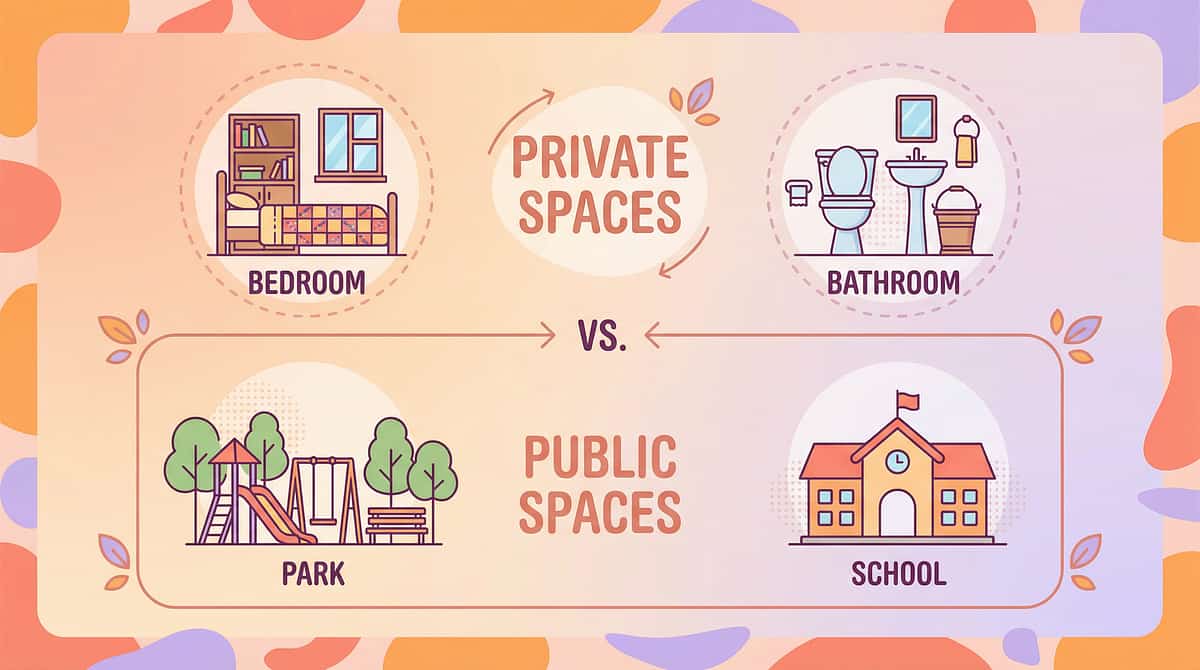
"Private body, private place" — explicitly teach: this is something done in your bedroom or bathroom only, with the door closed. Use clear visual rules. Neutral, matter-of-fact delivery is essential.
Calm Redirection in Public
"That's for your bedroom" — quiet voice, no shock or anger, guide to a private space if available. Practice this script until it is automatic for all caregivers and teachers.
Address Sensory Function
If sensory-driven (tactile seeking), provide alternative tactile input to thighs/lap area: weighted lap pad, textured cushion, compression shorts. Reduce the underlying sensory drive proactively.
Body Safety Education
This card connects directly to C-315 body safety — ensuring the child understands that no one else should touch their private areas. Teaching privacy protects the child from abuse. Indian context: extreme cultural sensitivity and joint family privacy limitations require explicit family education.
⚠️ Public masturbation with escalating intensity, combined with other sexual behaviours, or targeted at others → immediate Psychology referral.

D-423 · Safety Behaviour
Card 12 of 30
D-423: 9 Materials That Help With Constant Screaming
The Moment: Not meltdown screaming — constant screaming throughout the day, during activities, during calm moments, during joy, during nothing. Screaming as baseline vocal output. The apartment neighbours complain. The auto-rickshaw driver refuses service. The family stops going out.
Function First
Constant screaming may serve: vocal stimming (auditory + proprioceptive feedback from the scream), communication ("I want"/"I don't want" with no other option), sensory regulation (vibration and volume modulate arousal), or attention (screaming always gets a response). The function determines the intervention — sensory screaming needs vocal alternatives; communication screaming needs FCT.
What You'll Learn
Function identification (sensory? communication? attention? medical → pain?) · Vocal alternatives for sensory screaming: humming, singing, whispered "ahhh," kazoo, vibrating toy against throat · FCT for communication screaming · "Quiet voice" teaching with volume visual · When constant screaming indicates pain → medical evaluation · Indian apartment context: managing neighbour relations
D-424A · Safety Behaviour
Card 13 of 30
D-424: Property Destruction — Recognition
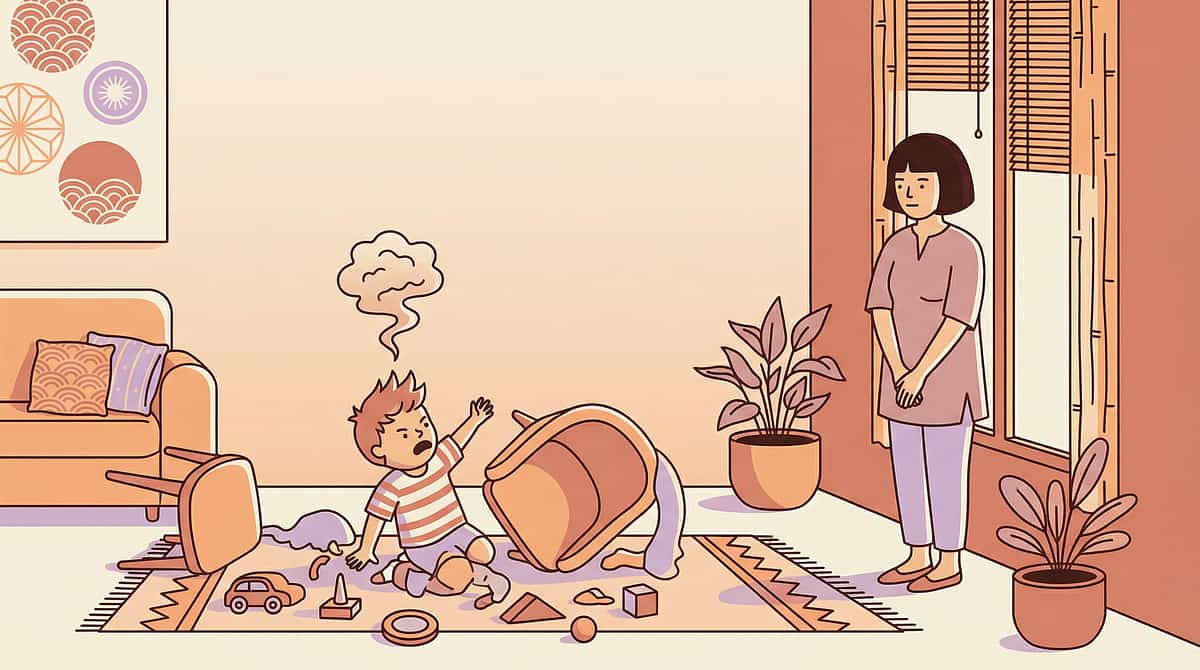
The Moment: Furniture flipped. Screens smashed. Books torn. Plates thrown. Property destruction is not a tantrum — it is a behaviour with a function. It may be the only way the child currently knows how to communicate "this is too much." In Indian homes, the destruction of religious items, electronics, or shared family property creates layers of distress beyond the immediate incident.
The Neuroscience
Property destruction is driven by the same amygdala-hijack pathway as aggression — but directed at objects rather than people. The PFC (impulse control) is offline. The child is not "choosing" to destroy — they are in a dysregulated state where motor output is the only available release. Destruction may also be maintained by escape (demand removed), sensory feedback (crash/smash = proprioceptive input), or attention (immediate adult response).
What to Look For
📊 Level I — Functional assessment + environmental modification + communication teaching. NCAEP 2020 | Challenging behaviour in ASD
Identify the trigger chain: what happened in the 5 minutes before? Demand? Transition? Sensory overload? Waiting? Identify the function: escape, sensory, attention, or tangible access? Document: which items, which times, which settings. Is destruction escalating in intensity or frequency? → Psychology referral.
Identify the trigger chain: what happened in the 5 minutes before? Demand? Transition? Sensory overload? Waiting? Identify the function: escape, sensory, attention, or tangible access? Document: which items, which times, which settings. Is destruction escalating in intensity or frequency? → Psychology referral.
D-424B · Intervention
D-424: Property Destruction — What You'll Do
Intervention targets the function — not the destruction itself. A child destroying to escape demands needs a different plan than a child destroying for sensory feedback. Never attempt to physically restrain a child mid-destruction unless there is immediate danger to persons.
Functional Behaviour Assessment
Conduct or request an FBA before implementing any plan. Without knowing the function (escape? sensory? attention? tangible?), any intervention is a guess. FBA identifies the antecedent → behaviour → consequence chain that maintains destruction.
Environmental Hardening
Remove or secure high-value/dangerous items during high-risk windows. Breakable items in locked cupboards. Screens behind furniture. Soft-furnishing replacements where possible. Reduce the opportunity for high-consequence destruction.
Communication Replacement
If destruction is escape-motivated: teach FCT — "I need a break" card or AAC phrase. Practice during calm moments. The replacement must be faster and easier than destroying. Honour the request immediately every time.
Sensory Replacement
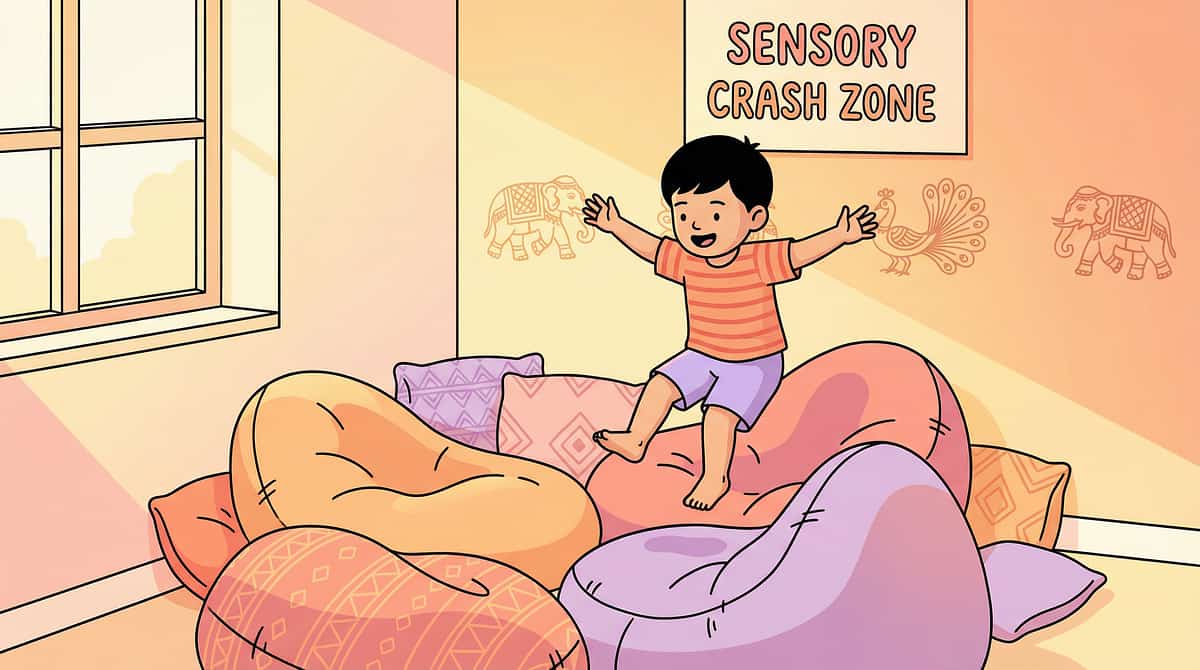
If destruction is sensory-motivated (crash/bang feedback): provide a designated "crash zone" — bean bag, crash mat, pillow pile. Teach: "When you need to crash, go HERE." Proactively offer heavy work (carrying, pushing) before high-risk periods.
Indian context: joint family homes mean destruction affects multiple family members' belongings and spaces. A family-wide calm response protocol — no shouting, no punishment, no big reaction — must be agreed upon in advance. Attention reinforcement is powerful; a calm, matter-of-fact response removes it.
D-425 · Safety Behaviour
Card 15 of 30
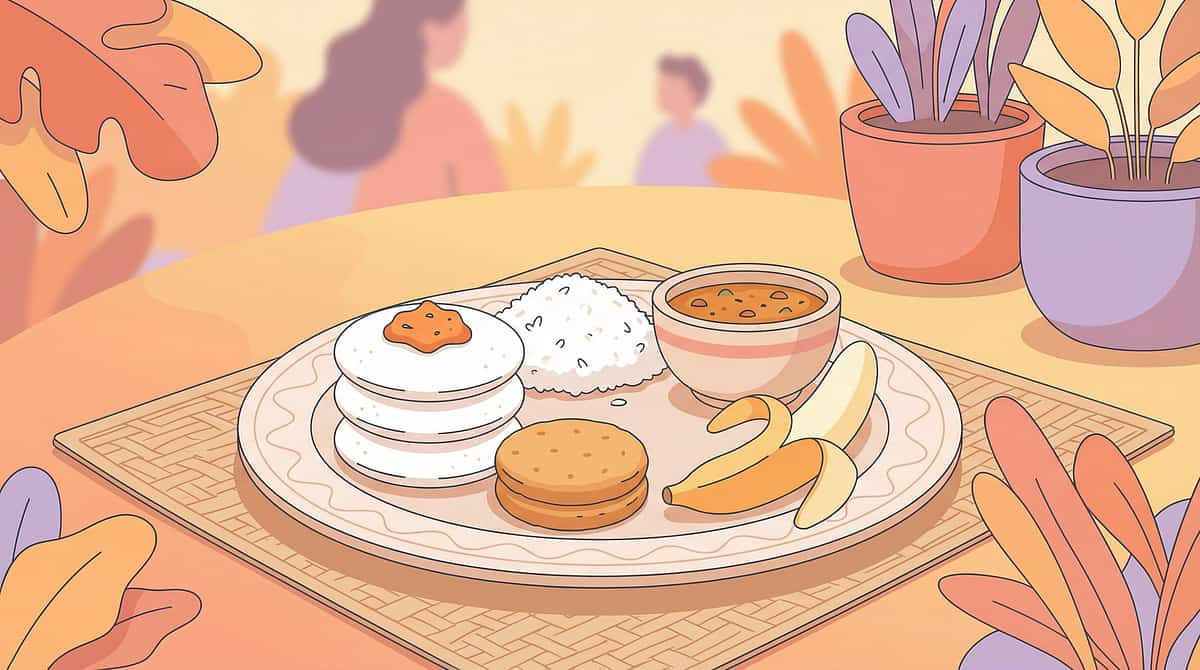
D-425: 9 Materials That Help With Food Refusal & Extreme Selectivity
The Moment: The child eats 6 foods. Only those 6. Any deviation — different brand, different plate, different shape — triggers a full meltdown. Mealtimes are a battlefield. Weight is dropping. The paediatrician is worried. And every family gathering becomes a logistical crisis around what the child will eat.
The Neuroscience
Extreme food selectivity in ASD is driven by sensory hypersensitivity (texture, smell, colour, temperature), interoceptive differences (hunger signals are muted or distorted), and rigid cognitive patterns (sameness = safety). The gag reflex is often hypersensitive — new textures genuinely trigger nausea. This is not "fussy eating." It is a neurological response to food as a sensory threat.
What You'll Learn
Food chaining (expanding from accepted foods by tiny increments) · Sensory desensitisation to new textures (touch → smell → lick → bite → eat) · Mealtime structure and predictability · Removing mealtime pressure (the pressure paradox) · When to refer to a feeding therapist (SLP/OT) · Nutritional supplementation while expanding · Indian context: managing family pressure to "just eat" and navigating festival foods
D-426A · Safety Behaviour
Card 16 of 30
D-426: Sleep Disruption — Recognition
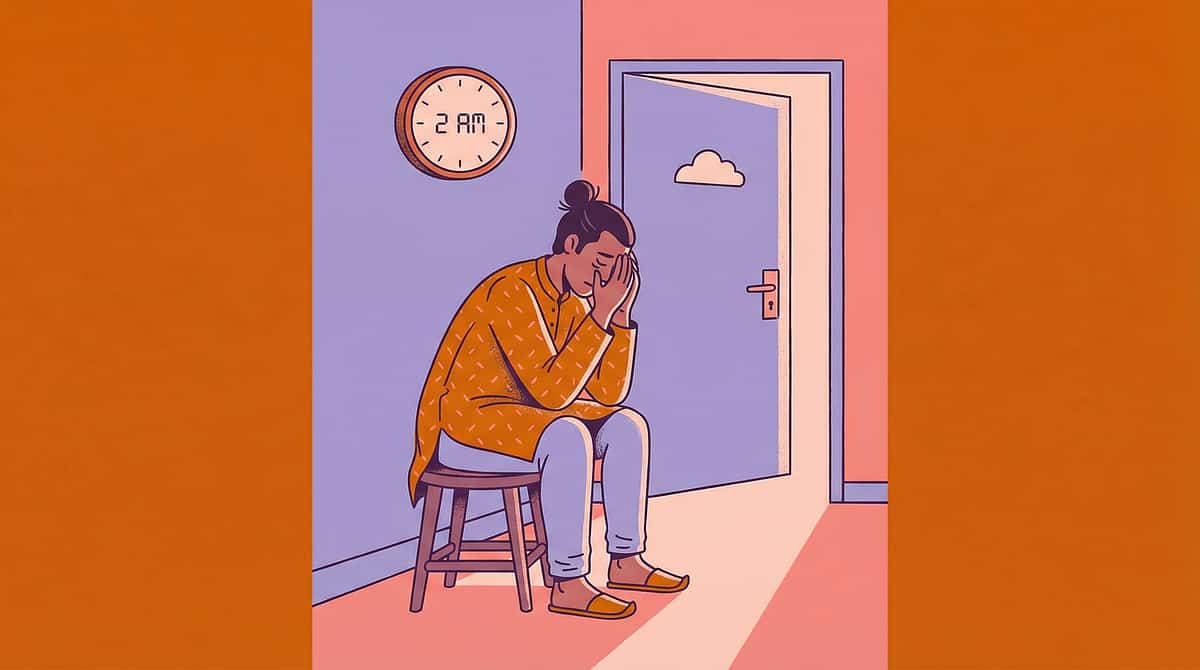
The Moment: 2 AM. The child is awake — fully awake, stimming, laughing, or screaming. This has been happening every night for months. The parents are running on 3 hours of sleep. The siblings can't study. The family is in crisis. Sleep disruption in ASD is not a parenting failure — it is one of the most common and most debilitating co-occurring challenges in the profile.
The Neuroscience
ASD is associated with disrupted melatonin production (the sleep-onset hormone), heightened sensory sensitivity at night (sounds, textures, light), and dysregulated circadian rhythms. The brain's arousal system stays "on" when it should be winding down. Anxiety (common in ASD) further activates the sympathetic nervous system at bedtime. The result: a child who genuinely cannot fall asleep or stay asleep — not a child who won't.
What to Look For
📊 Level I — Sleep hygiene + sensory environment + routine + melatonin (medical). NCAEP 2020 | Sleep in ASD
Document: sleep onset time, number of night wakings, total sleep hours, daytime behaviour impact. Is the child in pain? (GI issues, dental pain, ear infections are common ASD sleep disruptors.) Is there co-occurring anxiety? ADHD? Seizure activity at night? → Paediatric neurology/developmental paediatrician referral if medical causes suspected.
Document: sleep onset time, number of night wakings, total sleep hours, daytime behaviour impact. Is the child in pain? (GI issues, dental pain, ear infections are common ASD sleep disruptors.) Is there co-occurring anxiety? ADHD? Seizure activity at night? → Paediatric neurology/developmental paediatrician referral if medical causes suspected.

D-426B · Intervention
D-426: Sleep Disruption — What You'll Do
Sleep intervention is layered — sensory environment first, then routine, then communication, then medical. Do not skip to melatonin without addressing the environment. And do not attempt sleep training methods designed for neurotypical children — they are often ineffective and distressing for ASD profiles.
Sensory Sleep Environment
Blackout curtains (light sensitivity), white noise machine or fan (auditory sensitivity), weighted blanket (proprioceptive calming — 10% of body weight), cool room temperature, seamless/tagless pyjamas. Address every sensory channel that could be keeping the brain alert.
Bedtime Routine
Same sequence, same time, every night. Visual schedule on the bedroom wall: bath → pyjamas → brush teeth → story → lights out. The predictability of the routine signals the brain that sleep is coming. Routine length: 20–30 minutes maximum.
Daytime Regulation
Adequate physical activity during the day (proprioceptive input builds sleep pressure). No screens 1 hour before bed (blue light suppresses melatonin). Consistent wake time — even on weekends. Avoid long afternoon naps after age 4.
Medical Pathway
Melatonin (0.5–3mg, 30 minutes before target sleep time) is evidence-based for ASD sleep onset. Requires paediatrician prescription in India. If sleep disruption is severe and chronic → developmental paediatrician referral for full sleep assessment.
⚠️ Chronic sleep deprivation in parents is a safeguarding risk. If the family is in crisis, prioritise parent sleep support (shifts, respite) alongside child intervention.
D-427 · Safety Behaviour
Card 18 of 30
D-427: 9 Materials That Help With Teeth Grinding (Bruxism)
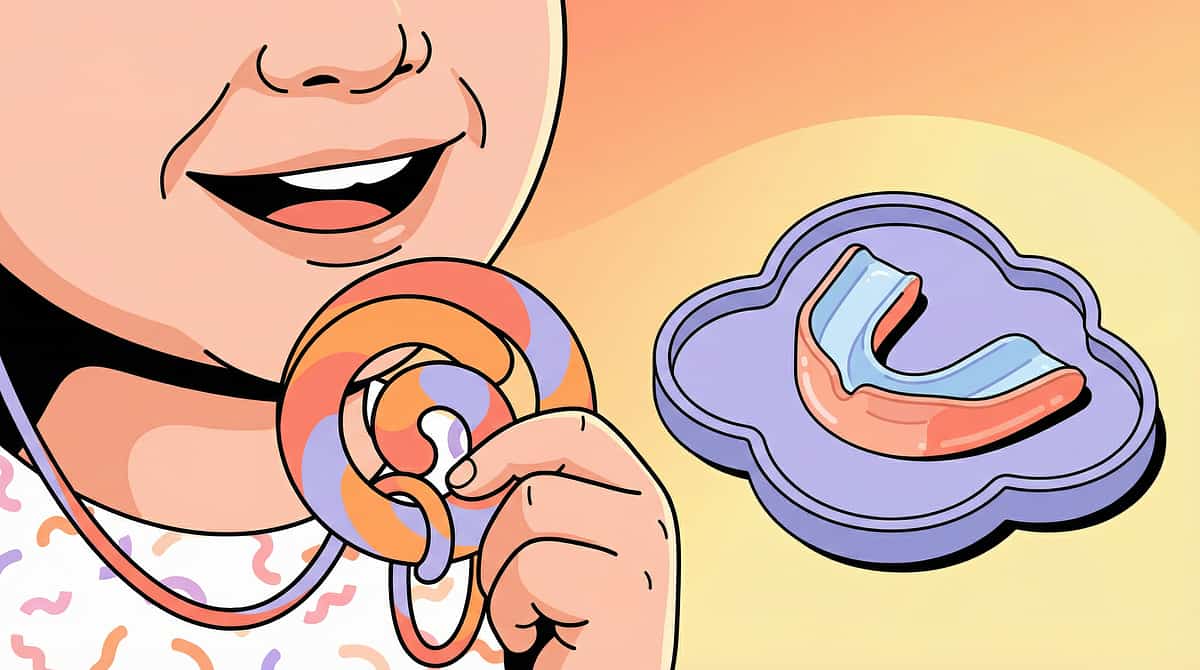
The Moment: The sound at night — a grinding, scraping sound that makes every adult in the room wince. Or the dentist's report: significant enamel wear on a 7-year-old's teeth. Bruxism (teeth grinding) is significantly more common in ASD than in the general population and can cause dental damage, jaw pain, headaches, and disrupted sleep — for the child and everyone nearby.
The Neuroscience
Bruxism in ASD is linked to sensory-seeking behaviour (proprioceptive input through the jaw), anxiety and arousal dysregulation (the jaw clenches as part of the stress response), and dopaminergic differences. The jaw provides deep pressure input — grinding may be the child's nervous system seeking calming proprioceptive feedback. It can also be a response to dental pain or GI discomfort (acid reflux is common in ASD).
What You'll Learn
Medical evaluation first (dental assessment, GI check, pain rule-out) · Jaw proprioceptive alternatives: chew tubes, chewy snacks, gum (if safe), vibrating oral tools · Night guard fitting (paediatric dentist) · Anxiety reduction at bedtime · Sensory diet modifications to address jaw-seeking throughout the day · Indian context: accessing paediatric dental care and managing family alarm at the sound
D-428A · Safety Behaviour
Card 19 of 30
D-428: Spitting — Recognition
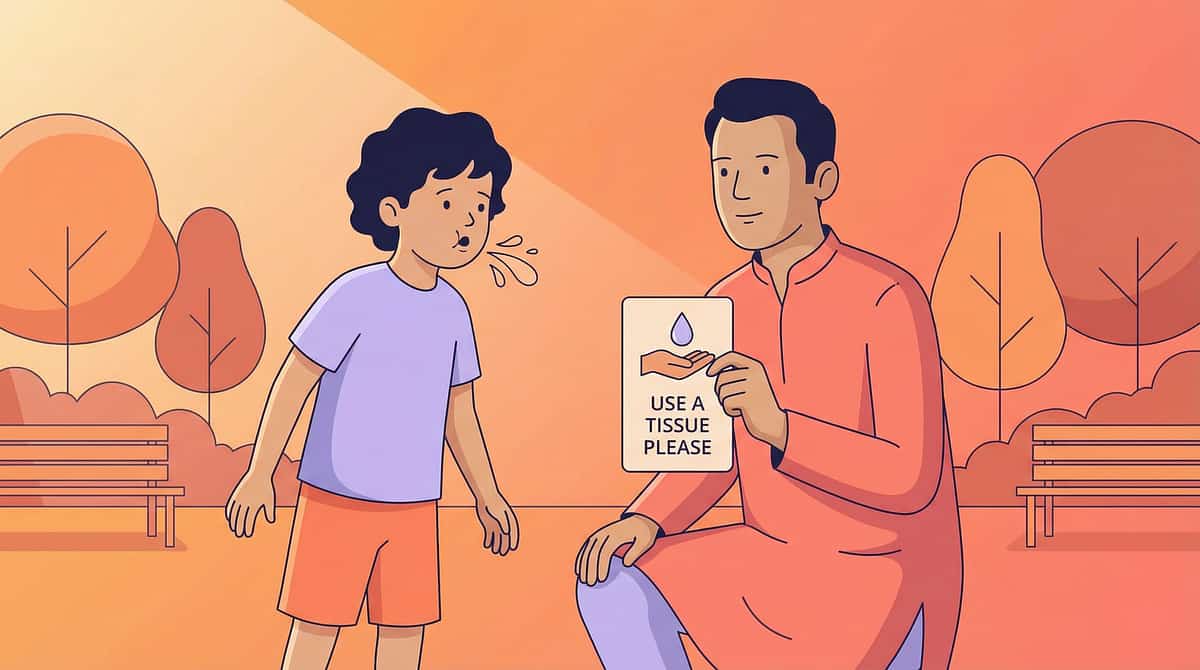
The Moment: Spitting at people. Spitting food. Spitting on surfaces. In Indian cultural contexts, spitting carries particular social weight — it is deeply offensive, and families face intense shame when it happens in public, at school, or at family gatherings. But spitting is a behaviour with a function — and that function must be identified before any intervention can work.
The Neuroscience
Spitting serves multiple possible functions: oral sensory seeking (the sensation of saliva, the motor act of spitting), communication (expressing disgust, rejection, or distress with no other available channel), escape (spitting reliably removes demands — adults back away), or attention (immediate, intense adult response). Oral motor differences in ASD also mean some children have excess saliva production or reduced awareness of saliva in the mouth.
What to Look For
📊 Level I — Function identification + oral sensory alternatives + communication teaching. NCAEP 2020 | Challenging behaviour in ASD
When does it happen? At whom? After what? Is it targeted (at specific people) or generalised? Is it food-related (texture aversion → spitting food out)? Is it escalating? Targeted spitting at others with intent → Psychology referral. Food spitting → feeding therapist (SLP) referral.
When does it happen? At whom? After what? Is it targeted (at specific people) or generalised? Is it food-related (texture aversion → spitting food out)? Is it escalating? Targeted spitting at others with intent → Psychology referral. Food spitting → feeding therapist (SLP) referral.

D-428B · Intervention
D-428: Spitting — What You'll Do
The response to spitting must be calm, consistent, and function-matched. A big reaction (disgust, shouting) is powerful reinforcement for attention-maintained spitting. A flat, matter-of-fact response removes the reinforcer. Every caregiver and teacher must use the same script.
Oral Sensory Alternatives
If sensory-driven: provide oral motor tools proactively — chew tubes, crunchy snacks, blowing activities (bubbles, kazoo, pinwheel), drinking through a straw, vibrating oral tools. Reduce the sensory drive before it builds to spitting.
Communication Replacement
If escape or communication-driven: teach FCT — "No thank you," "I don't want this," "I need a break." The replacement must be immediately honoured. Practice during calm moments. Spitting as communication means the child has no better option — give them one.
Flat Response Protocol
When spitting occurs: no big reaction, no shouting, no disgust display. Calmly say "We don't spit" and redirect. Clean up matter-of-factly. Attention-maintained spitting extinguishes when the attention reward is removed consistently.
Antecedent Modification
Identify the trigger and modify it. If spitting happens during tooth brushing → change toothbrush type, toothpaste flavour, brushing position. If during meals → address texture aversion. Remove the trigger where possible.
Indian context: spitting in public or at elders carries severe social consequences. Families need a rapid, calm public response script — and reassurance that this is a behaviour with a solution, not a character flaw.
D-429 · Safety Behaviour
Card 21 of 30
D-429: 9 Materials That Help With Hyperactivity & Impulsivity
The Moment: Never still. Running through the house at full speed. Touching everything. Knocking things over. Interrupting constantly. Can't wait for anything. The child is not being naughty — their nervous system is running at a different speed. ADHD co-occurs with ASD in approximately 50–70% of cases, and the combined profile creates a child whose body and impulses are genuinely difficult to regulate.
The Neuroscience
Hyperactivity and impulsivity in ASD+ADHD reflect dopaminergic dysregulation in the prefrontal cortex — the brain's brake system is underpowered. The child's motor system activates before the thinking brain can evaluate consequences. Sensory-seeking also drives hyperactivity: the child is moving because movement provides the proprioceptive and vestibular input their nervous system craves. Movement is not the problem — it is the solution the child's brain has found.
What You'll Learn
Sensory diet for proprioceptive and vestibular input (heavy work, jumping, spinning, carrying) · Structured movement breaks · Environmental modifications (safe spaces to run, jump, climb) · Visual schedules to reduce impulsive transitions · "First-then" boards for waiting · Medication pathway (ADHD medication in ASD — what works, what doesn't) · Indian context: managing hyperactivity in small apartments and joint family homes

D-430A · Safety Behaviour
Card 22 of 30
D-430: Obsessive/Rigid Routines — Recognition
The Moment: The same route to school — always. The same plate — always. The same YouTube video — 47 times today. Any deviation triggers a catastrophic meltdown. Rigid routines and insistence on sameness are core features of ASD (DSM-5 Criterion B), not secondary behaviours. But when rigidity begins to severely restrict the family's functioning, travel, or the child's own development, intervention becomes necessary.
The Neuroscience
Rigidity in ASD reflects the brain's heightened need for predictability as a regulatory strategy. The basal ganglia (habit circuits) and reduced cognitive flexibility (PFC) combine to make routine feel like safety and change feel like threat. The amygdala activates when sameness is violated — the meltdown is a genuine threat response, not manipulation. Restricted interests also activate the brain's reward system intensely — the interest is genuinely pleasurable in a way neurotypical interests rarely are.
What to Look For
📊 Level I — Gradual change tolerance + predictability scaffolding + communication. NCAEP 2020 | Restricted/repetitive behaviours in ASD Distinguish: helpful routines (support regulation) vs. restricting routines (prevent participation in life). Is the rigidity expanding? Is it preventing school attendance, medical care, or family functioning? Is the child distressed by their own rigidity? → Psychology referral for cognitive flexibility work.
Preview of other challenging behaviours Therapy Material
Below is a visual preview of other challenging behaviours therapy material. The pages shown help educators, therapists, and caregivers understand the structure and content of the resource before use. Materials should be used under appropriate professional guidance.
Link copied!