
When the World Feels Too Loud, Too Bright, Too Much — or Not Enough
Your child isn't misbehaving. Their nervous system is processing the world differently. Every texture of clothing, every hum of a ceiling fan, every flicker of a fluorescent light — your child's brain receives these signals with an intensity most people never experience. This isn't a choice. This is neurology. And there is a science-backed pathway from overwhelm to regulation.
You are about to access 120+ clinically validated sensory processing intervention techniques — each one designed for home implementation, evidence-graded, and developed by the world's largest pediatric therapy consortium.
🏥 Pinnacle Blooms Network®
India's #1 Autism & Child Development Therapy Chain
🌍 70+ Centers Worldwide
21 Million+ Therapy Sessions | Families from 70+ Countries
📊 97%+ Improvement Rate
Measured. Not claimed. Powered by GPT-OS®
You Are Not Alone — The Numbers Speak
Millions of families around the world are navigating the exact same daily challenges you face. Sensory processing differences are not rare — they are one of the most prevalent and least understood aspects of childhood development. The research is clear, and you are not alone in this journey.
80%+
Children with ASD
exhibit clinically significant sensory processing difficulties
Source: PRISMA Systematic Review, 2024 — PMC11506176
1 in 6
Children Overall
experience sensory processing challenges that affect daily functioning
Source: American Journal of Occupational Therapy, 2014
14M+
Children in India
navigate sensory processing challenges daily — most without structured intervention
Source: ICMR Estimates | Frontiers in Integrative Neuroscience, 2020
In India alone, with an estimated 18 million+ children on the autism spectrum, over 14 million children face sensory challenges daily — most without access to structured, evidence-based intervention. You are among millions of families navigating this exact challenge. The difference now is — you have a system built for this.
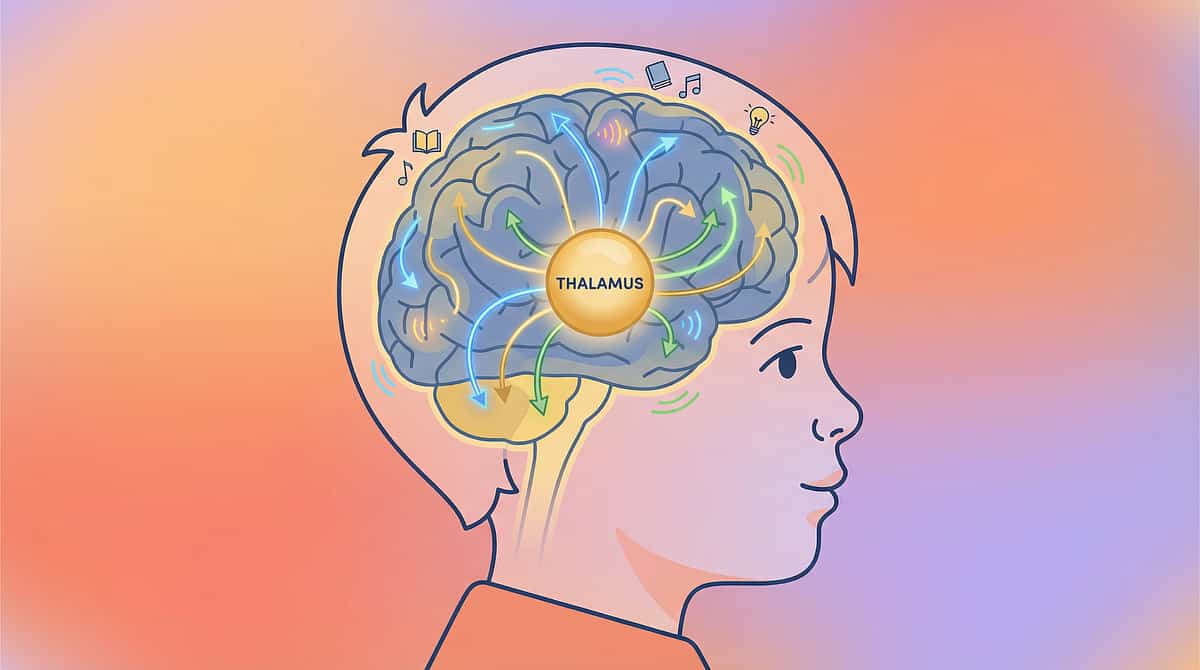
What's Happening in Your Child's Brain
Understanding the neuroscience transforms your perspective — and your approach. Your child's brain has a sensory gateway called the thalamus, which acts like an air traffic controller. It decides which sensory signals get priority attention and which get filtered out. In sensory processing differences, this gateway operates atypically.
⬆️ Over-Responsive (Hypersensitivity)
The gateway lets too many signals through at full intensity. A clothing tag feels like sandpaper. A school bell sounds like a fire alarm. The brain is flooded and overwhelmed constantly.
⬇️ Under-Responsive (Hyposensitivity)
The gateway blocks too many signals. The child doesn't notice temperature changes, bumps into furniture, or seems unaware of pain — the world feels muted and distant.
🔄 Sensory Seeking
The brain craves MORE input because baseline signals aren't registering. Spinning, crashing, mouthing objects — these are the brain's active attempts to self-regulate and achieve equilibrium.
This is a neurological wiring difference — not a behavior choice, not a parenting failure, not a phase your child will "grow out of." Evidence: Frontiers in Integrative Neuroscience (2020), DOI: 10.3389/fnint.2020.556660

Clinically Validated. Globally Recognized. Home-Applicable.
Evidence Grade: LEVEL I
The techniques in this library are not experimental. They are built on the strongest tier of scientific evidence — systematic reviews and meta-analyses — and aligned with international healthcare standards. Every parent deserves access to interventions that are proven to work.
PRISMA Systematic Review (2024) — PMC11506176
Analyzed 16 peer-reviewed studies (2013–2023) confirming sensory integration intervention meets criteria as an evidence-based practice for children with ASD.
Meta-Analysis — World Journal of Clinical Cases (2024)
Across 24 studies, sensory integration therapy effectively promotes social skills, adaptive behavior, sensory regulation, and gross/fine motor development — PMC10955541.
Indian Clinical Validation — Padmanabha et al. (2019)
Home-based sensory interventions in Indian pediatric populations produced statistically significant neurological and behavioral improvement — DOI: 10.1007/s12098-018-2747-4.
WHO Nurturing Care Framework
NCAEP Evidence-Based Practices 2020
UNICEF CCD Package — 54 Countries
Indian Academy of Pediatrics Guidelines
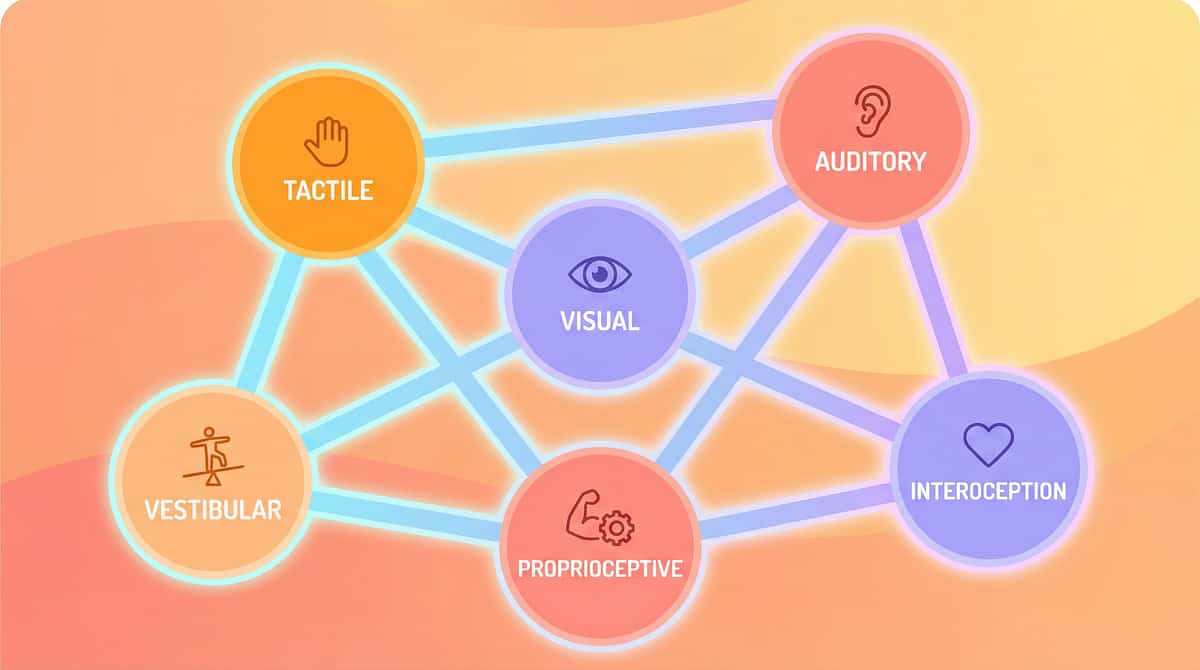
6 Subdomains. 120 Techniques. One Integrated Sensory System.
Sensory processing isn't one thing — it spans six distinct neurological systems. Your child may experience challenges in one, several, or all. Each subdomain below contains targeted, evidence-based intervention techniques designed for home implementation. Understanding which subdomains affect your child most is the first step to building a personalized sensory strategy.
🤚 Tactile Challenges
30 Techniques — A-001 to A-030. Touch, texture, clothing, grooming, and messy play interventions.
👂 Auditory Challenges
25 Techniques — A-031 to A-055. Sound sensitivity, filtering, environmental noise tolerance.
👁️ Visual Challenges
20 Techniques — A-056 to A-075. Light sensitivity, visual clutter, eye tracking, visual stimming.
🌀 Vestibular Challenges
20 Techniques — A-076 to A-095. Movement, balance, gravitational insecurity, motion processing.
💪 Proprioceptive Challenges
15 Techniques — A-096 to A-110. Body awareness, force modulation, heavy work, oral input.
🫀 Interoception & Smell/Taste
10 Techniques — A-111 to A-120. Internal signals, hunger, thirst, food aversion, olfactory processing.
Subdomain A1
30 Techniques · A-001 to A-030
🤚 Tactile Challenges
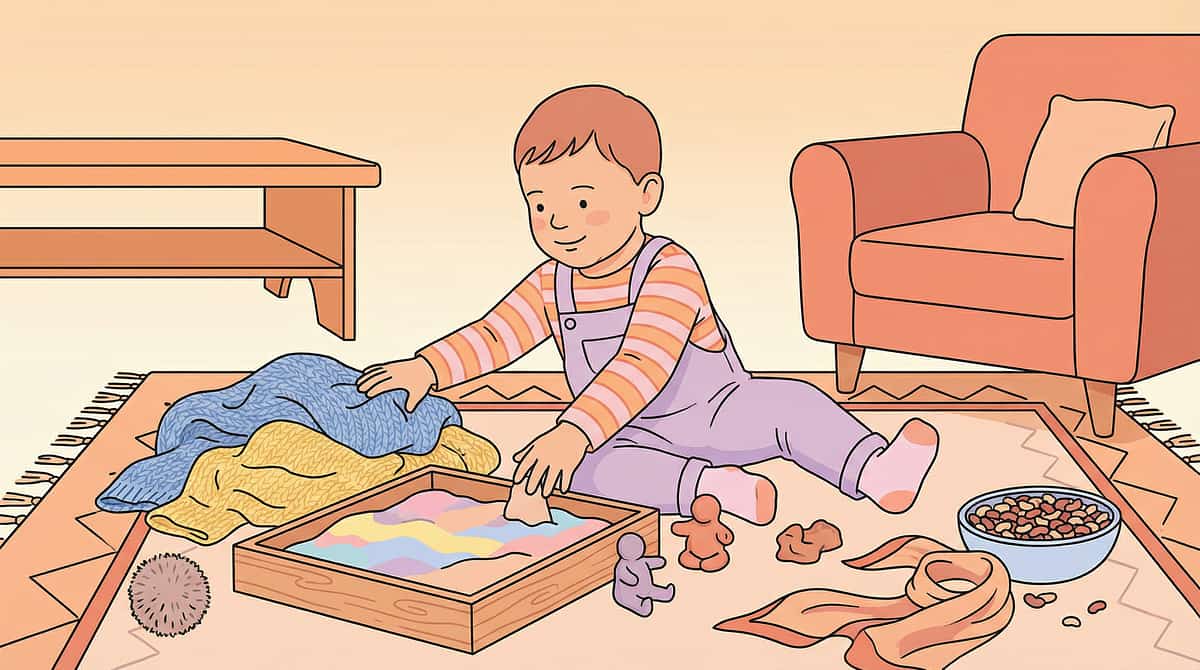
When touch becomes the enemy. Your child pulls away from hugs. Screams when you wash their hair. Refuses to walk barefoot. Won't touch sand, paint, or playdough. Fights every clothing change like a battle. The neuroscience: The somatosensory cortex is over-amplifying light touch signals, triggering a fight-or-flight response to stimuli that neurotypical children barely register. This is not defiance — this is the nervous system at its limit.
What You'll Find Inside
- Touch sensitivity desensitization protocols
- Clothing and fabric tolerance interventions
- Messy play graduated exposure techniques
- Hairwashing and grooming sensory strategies
- Barefoot tolerance and texture exploration
- Deep pressure therapy protocols
Key Canon Materials
- Tactile Sensory Kit
- Weighted Blanket & Lap Pad
- Compression Vest & Body Sock
- Therapy Putty
Lead Disciplines
Occupational Therapy | ABA · Special Education
Subdomain A2
25 Techniques · A-031 to A-055
👂 Auditory Challenges
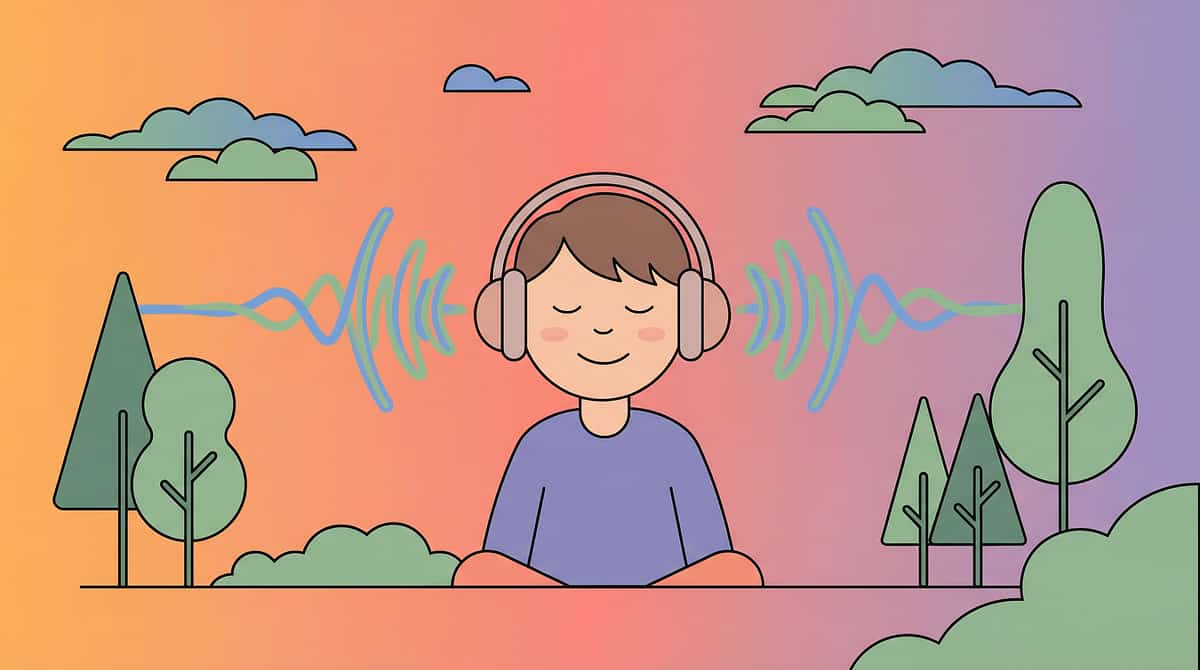
When ordinary sounds become overwhelming. Your child covers their ears in restaurants. Melts down when people sing at birthday parties. Can't concentrate with the fan running. Panics at the sound of a blender, vacuum, or flushing toilet. The neuroscience: The auditory cortex processes sound with heightened gain — amplifying environmental noise that typical listeners automatically filter. The superior temporal gyrus fails to habituate to repetitive auditory stimuli, keeping the brain on constant high alert.
What You'll Find Inside
- Sound sensitivity graduated exposure protocols
- Environmental noise tolerance training
- Auditory filtering and discrimination exercises
- Noise-reducing headphone introduction strategies
- Musical therapy-based auditory regulation
- Home and classroom sound environment modifications
Key Canon Materials
- Noise-Reducing Headphones
- Fidget Tool Set
- Oral Motor Tools
Lead Disciplines
Occupational Therapy | Speech-Language Pathology · ABA

Subdomain A3
20 Techniques · A-056 to A-075
👁️ Visual Challenges
When light, movement, and visual clutter overwhelm the brain. Your child squints at ordinary lights. Avoids eye contact — not from social anxiety, but from visual overload. Gets disoriented in visually busy environments like malls or classrooms. Stares at spinning objects or light patterns for extended periods. The neuroscience: The visual cortex and its connections to the superior colliculus process light and motion with atypical sensitivity. Visual filtering mechanisms — the brain's ability to prioritize relevant visual information over background noise — are disrupted.
What You'll Find Inside
- Light sensitivity accommodation protocols
- Visual clutter reduction for home and school
- Eye contact building through visual comfort
- Visual schedule and environmental predictability
- Screen time regulation with visual processing support
- Visual stimming redirection and functional alternatives
Key Canon Materials
- Sunglasses & Light Filtering Tools
- Fidget Tool Set
Lead Disciplines
Occupational Therapy | NeuroDev Pediatrics · Special Education
Subdomain A4
20 Techniques · A-076 to A-095
🌀 Vestibular Challenges
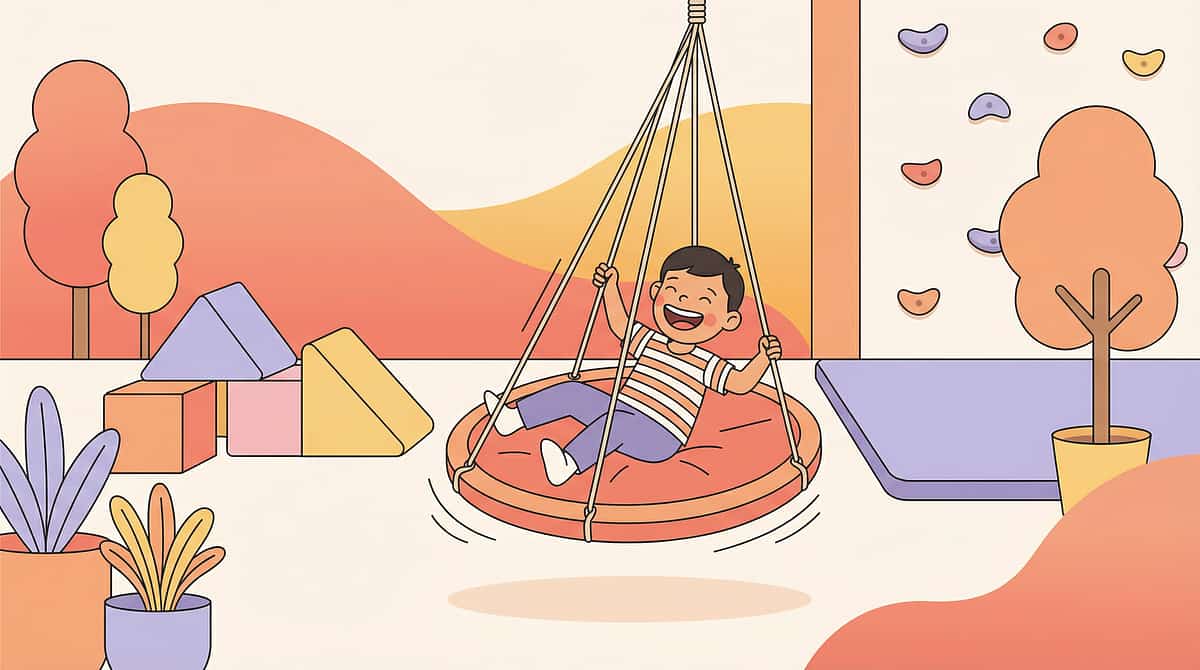
When movement feels dangerous — or is craved without limits. Your child refuses to be picked up. Won't go on swings. Panics when their feet leave the ground. Or the opposite — they spin endlessly, crash into furniture, hang upside down from every surface, and never seem dizzy. The neuroscience: The vestibular system, housed in the inner ear's semicircular canals and otolith organs, tells the brain about head position, movement, and gravity. Over-responsive children experience fear and nausea from any movement; under-responsive children seek intense rotational input to achieve basic spatial orientation.
What You'll Find Inside
- Swing tolerance graduated introduction protocols
- Movement desensitization through play-based activities
- Vestibular seeking — safe channeling strategies
- Balance and coordination building exercises
- Car sickness and motion sensitivity interventions
- Playground navigation and confidence-building
Key Canon Materials
- Compression Vest & Body Sock
- Fidget Tool Set
Lead Disciplines
Occupational Therapy | Physiotherapy · NeuroDev Pediatrics
Subdomain A5
15 Techniques · A-096 to A-110
💪 Proprioceptive Challenges
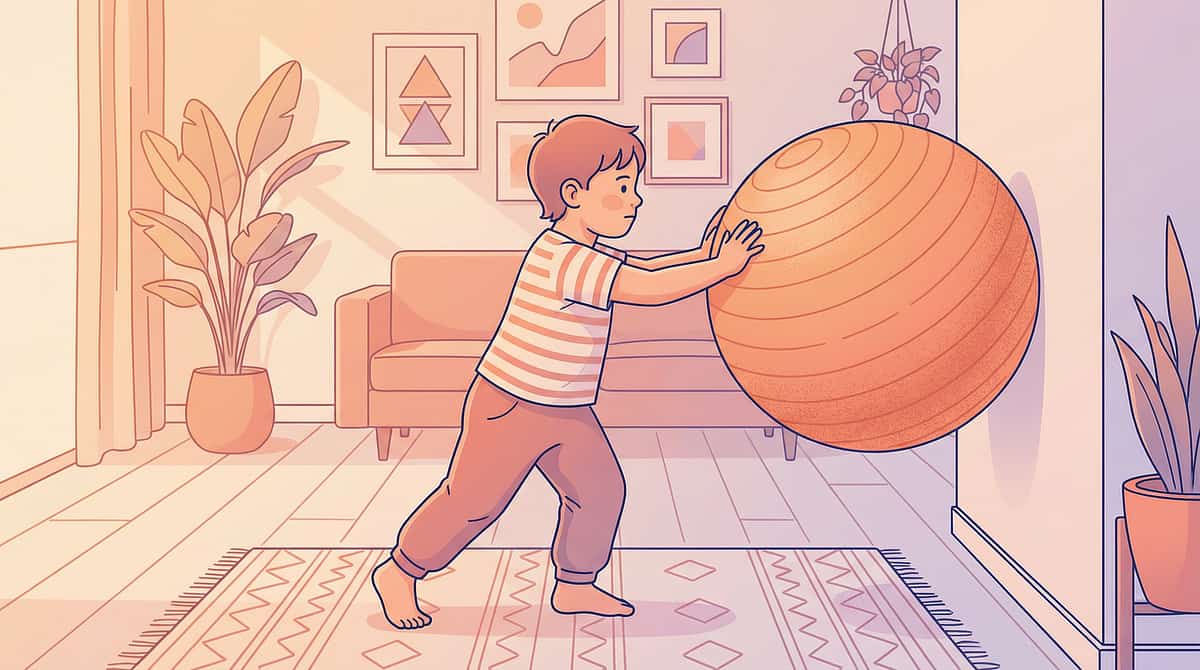
When the body doesn't know where it is in space. Your child bumps into walls. Uses too much force when writing, hugging, or handling objects. Seems clumsy and uncoordinated. Chews on clothing, pencils, and non-food items constantly. Craves bear hugs, heavy blankets, and tight spaces. The neuroscience: Proprioceptors in muscles, joints, and tendons send position and force feedback to the brain. When this system is under-calibrated, the child has a poor "body map" — they don't instinctively know how hard to push, how close to stand, or where their limbs are without looking.
What You'll Find Inside
- Heavy work activity protocols (pushing, pulling, carrying)
- Deep pressure therapy — weighted and compression tools
- Force modulation training (gentle hands, controlled writing)
- Body awareness and spatial orientation exercises
- Oral proprioceptive strategies (crunchy foods, chewy tools)
- Crash-and-bump safe channeling programs
Key Canon Materials
- Weighted Blanket & Lap Pad
- Compression Vest & Body Sock
- Therapy Putty
- Oral Motor Tools
Lead Disciplines
Occupational Therapy | Physiotherapy · ABA
Subdomain A6
10 Techniques · A-111 to A-120
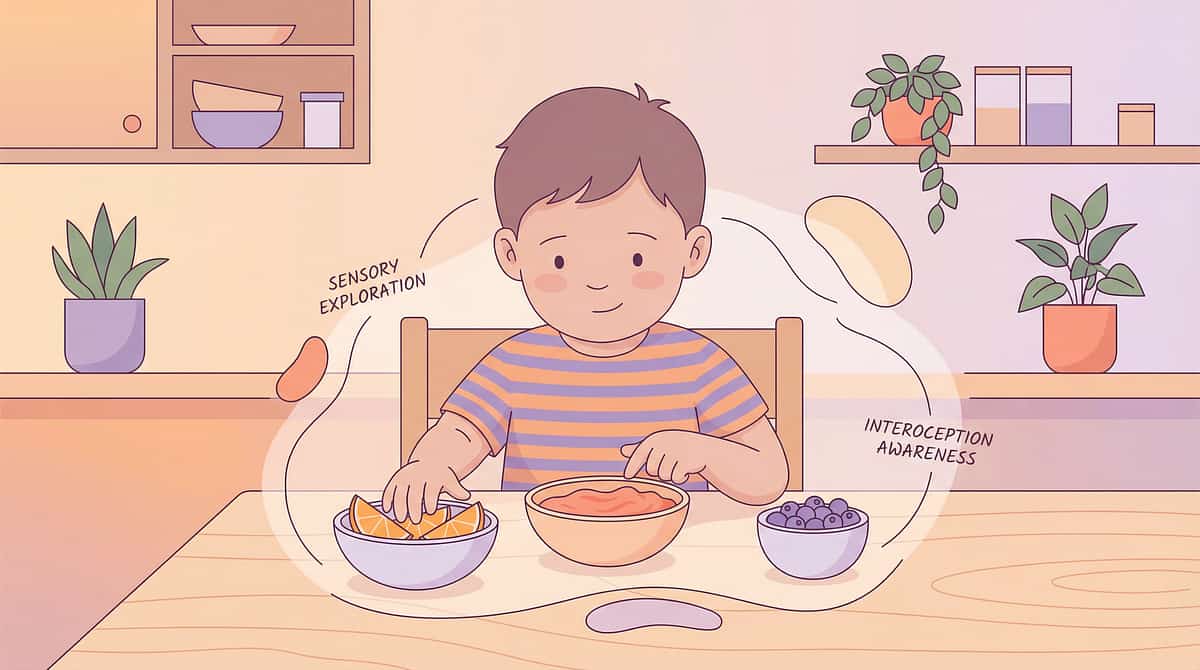
🫀 Interoception and Smell/Taste Challenges
When the body's internal signals go unnoticed — or overwhelm. Your child doesn't seem to feel hunger, thirst, or the need to use the toilet until it's a crisis. They gag at common food smells, refuse entire food categories, or react to perfumes and cleaning products with visible distress. They may not recognize their own emotions because they can't feel the body signals that accompany them. The neuroscience: Interoception — the "eighth sense" — processes internal body signals: hunger, thirst, temperature, pain, heart rate, bladder fullness, and emotional arousal. When disrupted, the child loses connection with their own body's needs and states.
What You'll Find Inside
- Interoceptive awareness building (hunger, thirst, toileting cues)
- Body signal mapping and emotion-body connection exercises
- Smell sensitivity desensitization protocols
- Taste and food texture graduated exposure programs
- Mealtime sensory environment modifications
- Temperature and pain perception calibration activities
Key Canon Materials
- Oral Motor Tools & Chewy Tubes
- Vibrating Sensory Tools
- Tactile Sensory Kit
Lead Disciplines
Occupational Therapy | Speech-Language Pathology (Feeding) · NeuroDev Pediatrics
Domain A: Sensory Processing — Complete Subdomain Index
Use this scannable index to navigate directly to any subdomain. Each entry links to the full technique library for that sensory system, with all materials, protocols, and evidence-based timelines included.
# | Subdomain | Focus Areas | Techniques | Reel Range | Link | |
A1 | Tactile Challenges | Touch, texture, clothing, grooming, messy play | 30 | A-001 to A-030 | → Enter | |
A2 | Auditory Challenges | Sound sensitivity, filtering, environmental noise | 25 | A-031 to A-055 | → Enter | |
A3 | Visual Challenges | Light, visual clutter, eye tracking, visual stimming | 20 | A-056 to A-075 | → Enter | |
A4 | Vestibular Challenges | Movement, balance, gravitational insecurity, motion | 20 | A-076 to A-095 | → Enter | |
A5 | Proprioceptive Challenges | Body awareness, force modulation, heavy work, oral | 15 | A-096 to A-110 | → Enter | |
A6 | Interoception & Smell/Taste | Internal signals, hunger/thirst, food aversion, smell | 10 | A-111 to A-120 | → Enter | |
TOTAL | 120 | A-001 to A-120 |
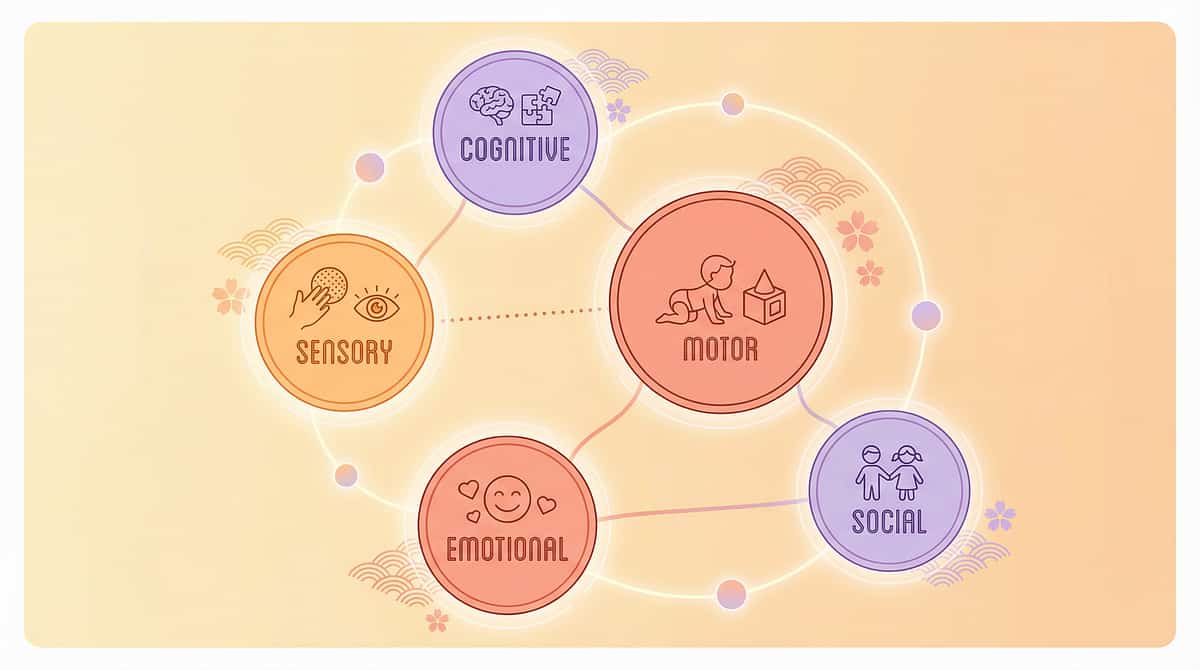
Sensory Processing Doesn't Exist in Isolation
Sensory challenges ripple across every area of your child's development. Understanding these connections is what transforms isolated interventions into an integrated therapeutic strategy. When you address sensory processing, you're not treating one issue — you're unlocking progress across the entire developmental landscape.
Domain A → Domain B: Communication
A child overwhelmed by auditory input struggles with language processing. Sensory regulation IS the prerequisite for communication readiness.
Domain A → Domain C: Social-Emotional
Sensory meltdowns are frequently misidentified as emotional tantrums. When sensory needs are met, emotional regulation improves dramatically.
Domain A → Domain D: Behavior
The majority of "challenging behaviors" have a sensory root. Stimming, aggression, avoidance — these are sensory communication, not willful defiance.
Domain A → Domain E: Daily Living
Feeding difficulties, toileting resistance, dressing battles — nearly all daily living challenges in autism have a sensory processing component.
Domain A → Domain F: Motor Skills
Vestibular and proprioceptive processing directly govern balance, coordination, and motor planning. Sensory work IS motor work.
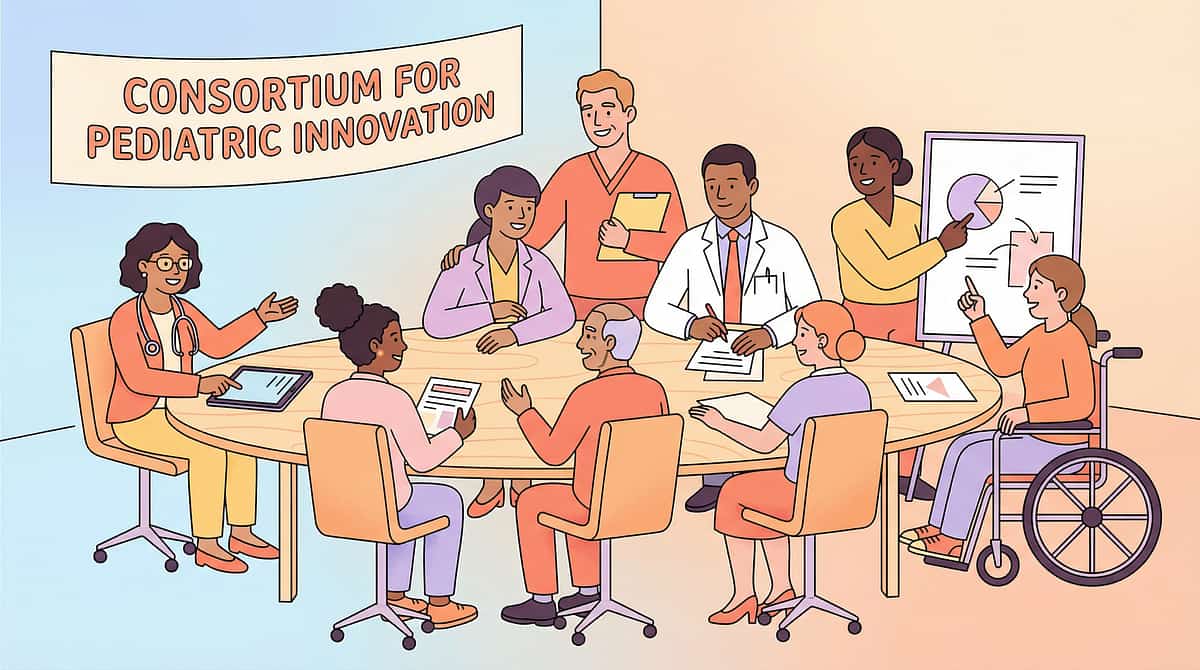
Drafted by a Consortium. Not a Single Therapist.
Every sensory processing technique in this library was developed, validated, and cross-reviewed by a multi-disciplinary consortium representing the full spectrum of pediatric developmental science. This isn't one person's opinion — it's the convergence of six expert disciplines, each contributing their specialized knowledge to create interventions that are safe, effective, and home-applicable.
🔬 Clinical Research Organization
Evidence grading, systematic review analysis, PubMed citation mapping, regulatory compliance, statistical validation.
🧠 NeuroDevelopmental Pediatricians
Neurological pathway validation, medical safety protocols, comorbidity awareness, pharmacological interaction checks.
🤲 Occupational Therapists
Primary sensory integration protocol design, material selection, environmental modification, sensory diet creation.
🗣️ Speech-Language Pathologists
Oral motor-sensory crossover, auditory processing interventions, communication-sensory integration, feeding therapy.
📋 Board Certified Behavior Analysts
Functional behavior analysis of sensory-driven behaviors, data collection frameworks, reinforcement strategies, desensitization protocols.
📚 Special Educators
Classroom sensory accommodations, academic integration, IEP/IFSP-aligned modifications, inclusion strategies.
About Pinnacle Blooms Network®
India's Largest Autism & Child Development Therapy Ecosystem
Pinnacle Blooms Network®, operated by Bharath Healthcare Laboratories Private Limited (CIN: U85110TG2019PTC132498), is not a clinic chain — it is the world's first sovereign-grade healthcare operating system for pediatric developmental therapy. Founded by Dr. Koti Reddy Saripalli — a technology pioneer (India's first Java Community Process member, Asia's first Microsoft Certified Solution Developer) who pivoted to healthcare after his own son's misdiagnosis revealed the systemic failure of developmental therapy worldwide.
70+
Therapy Centers
Across India — the largest physical network of its kind
500+
Licensed Therapists
OTs, SLPs, BCBAs, SpEds, NeuroDev Pediatricians
21M+
Therapy Sessions
Every session captured with ~70 clinical data points
97%+
Improvement Rate
Measured through AbilityScore® — not claimed
The Mission: Empowering 900 million kids, parents & families worldwide to be self-sufficient and part of the mainstream world. Built by Mothers. Engineered as a System. Governed by Science.
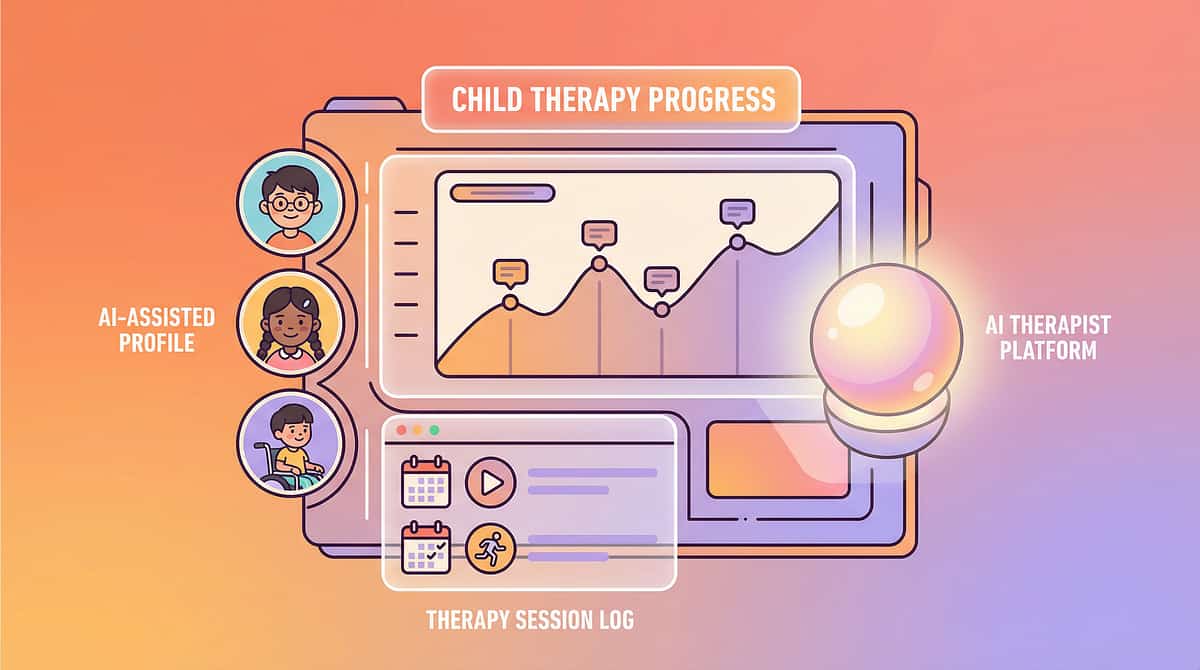
GPT-OS® — The World's First Pediatric Therapeutic Operating System
GPT-OS® is not an app. It is a full operating system — analogous to what Aadhaar achieved for identity and UPI achieved for payments — purpose-built for pediatric developmental therapy at population scale. Classified as Software as a Medical Device (SaMD) under India's CDSCO framework. Protected by 13+ patents. Certified under ISO 13485:2016 and ISO/IEC 27001:2022.
Layer 1: AbilityScore®
The world's first universal developmental metric. Synthesizes 25 gold-standard assessments into a single 0–1000 score across 400+ data points. No subjectivity. No guesswork.
Layer 2: TherapeuticAI®
Trained on 21 million+ therapy sessions (1.47 billion data points). Knows which interventions work for children with similar profiles and how to personalize therapy in real-time.
Layer 3: Personal Development Kernel (PDK)
A living, evolving digital representation of your child's developmental journey. Every therapist, every session, every observation feeds into one coherent intelligence.
Layer 4: Everyday Therapy Program (ETP)
Generates a daily therapeutic curriculum: 9 therapy goals and 9 intervention techniques per session, selected from 90,000+ identified techniques — designed for parent administration at home.
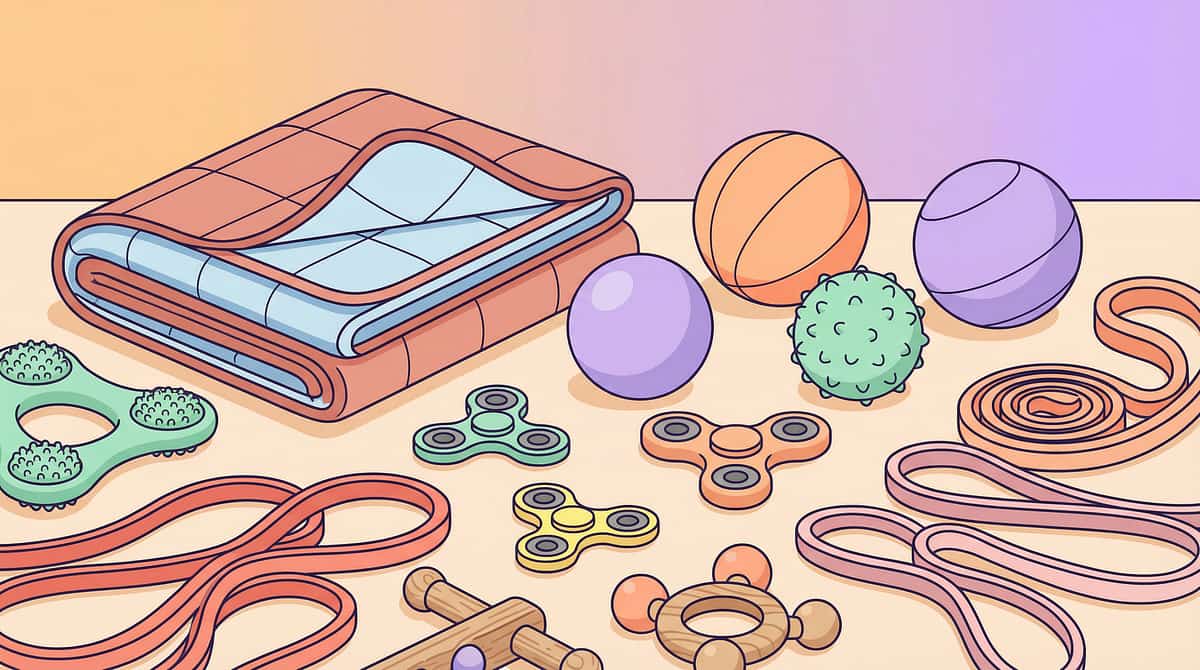
Core Therapy Materials for Sensory Processing Interventions
The Canon Materials are clinically validated tools used across the 120 sensory processing techniques. Each material has been selected for safety, evidence-based efficacy, and accessibility. Available through the Pinnacle Materials Marketplace with Indian pricing (₹) and pan-India delivery — so every family can access professional-grade tools at home.
Material | Primary Use | Subdomains | |
Weighted Blanket & Lap Pad | Deep pressure, calming, regulation | Tactile · Proprioceptive | |
Compression Vest & Body Sock | Proprioceptive input, body awareness | Proprioceptive · Vestibular · Tactile | |
Noise-Reducing Headphones | Auditory filtering, sound protection | Auditory | |
Fidget Tool Set | Self-regulation, attention support | All subdomains | |
Sunglasses & Light Filtering | Visual sensitivity accommodation | Visual | |
Therapy Putty & Resistive Tools | Hand strength, proprioceptive input | Proprioceptive · Tactile | |
Tactile Sensory Kit | Texture exploration, desensitization | Tactile | |
Oral Motor Tools & Chewy Tubes | Oral proprioception, calming, feeding | Proprioceptive · Interoception | |
Vibrating Sensory Tools | Sensory alerting, desensitization | Tactile · Proprioceptive · Interoception |

⚠️ Safety First — Red Flags for Sensory Processing Interventions
All techniques in this library are designed for safe home implementation. Every protocol includes built-in safeguards. However, certain signs require immediate professional consultation. Your instincts as a caregiver are valid — trust them, and always err on the side of caution.
STOP and contact your Pinnacle center or pediatrician immediately if you observe any of the following:
🔴 Seizure Signs
Staring spells, involuntary movements, or loss of consciousness during or after sensory activities.
🔴 Self-Injury Escalation
Head-banging, biting, or scratching increases in frequency or intensity after starting a technique.
🔴 Skill Regression
Loss of previously acquired speech, motor, or social abilities following new intervention introduction.
🔴 Breathing Changes
Particularly with compression/weighted tools. NEVER use weighted items on children under 2 or those with respiratory conditions.
Escalation Pathway: Remove stimulus → provide calming deep pressure → wait 10 minutes. If unresolved: Teleconsult via Pinnacle National Helpline — 9100 181 181 (16+ languages, 24/7) → In-person: visit nearest Pinnacle center.
"Trust your instincts. If something feels wrong — pause and ask."
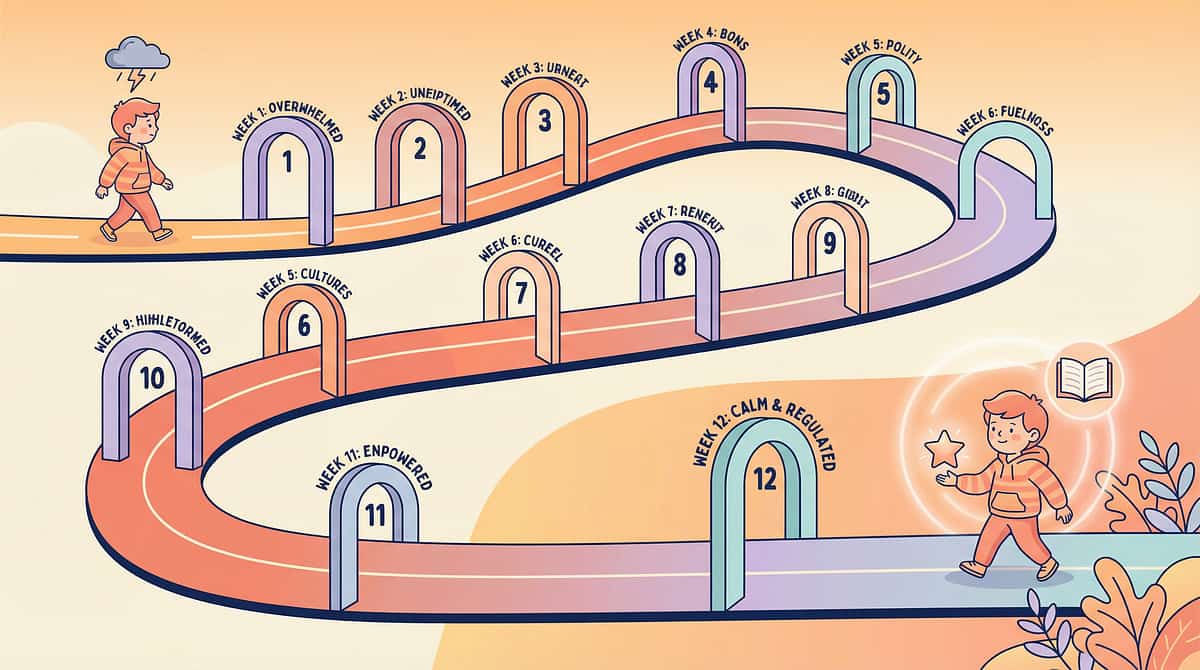
Your Sensory Processing Intervention Journey — The 12-Week Arc
Progress in sensory processing is real, measurable, and follows a predictable neurological arc. Understanding the timeline helps you celebrate the small wins that are actually significant neurological changes — and prevents the discouragement that comes from expecting too much too soon.
Week 1–2: Tolerance Phase
~15% Progress. Your child may show increased willingness to be near sensory stimuli without engaging. Proximity IS progress. Three seconds longer than last week is real neurological change.
Week 3–4: Engagement Phase
~40% Progress. Emerging voluntary interaction. Brief reaches for materials, longer touch durations, or reduced distress in previously triggering situations. Neural pathways are forming.
Week 5–8: Consolidation Phase
~70% Progress. Behavioral changes become visible to others. The child anticipates activities, shows material preferences, or demonstrates reduced anxiety in overwhelming environments.
Week 8–12: Mastery Phase
~100% Progress. Target sensory tolerance appears independently, generalizes to new settings, and persists without the structured protocol. Ready to advance to the next technique level.
Evidence: Systematic review (Children, 2024) — PMC11506176: Sensory integration outcomes emerge across 8–12 week structured timelines when protocols are consistently applied.
What Every Technique Page Delivers
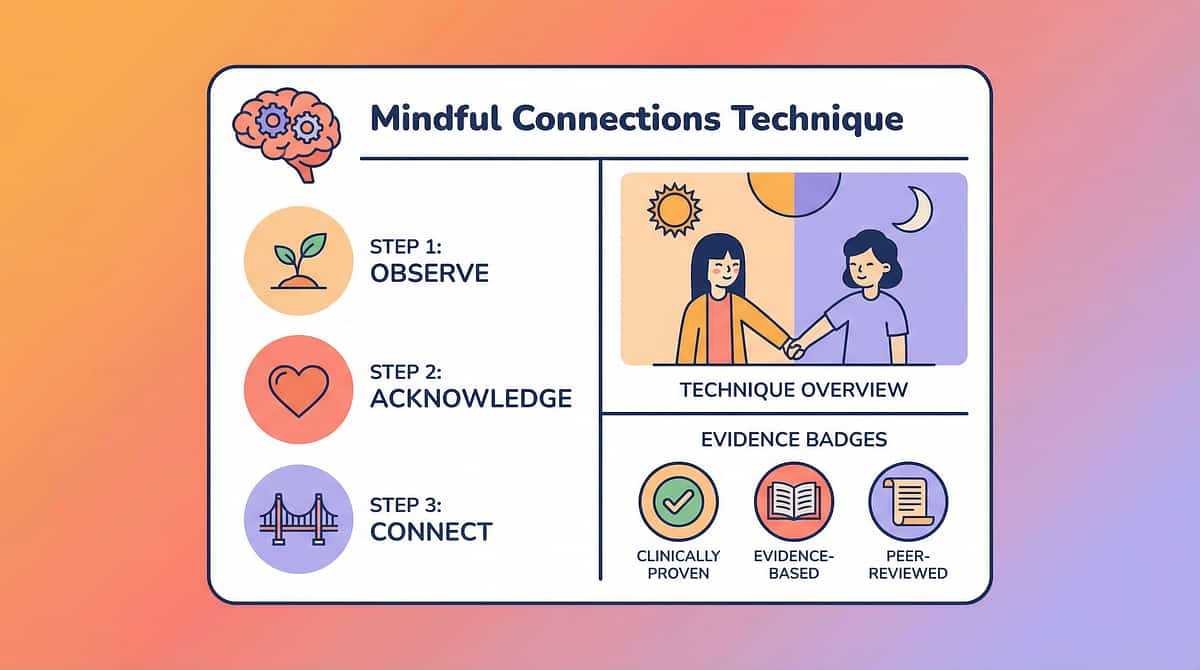
Each of the 120 sensory processing technique pages follows the Pinnacle 40-Card Narrative Architecture — a clinically structured, emotionally guided parent journey. Every page is PubMed-referenced, WHO/UNICEF-aligned, consortium-drafted, and GPT-OS®-integrated.
Recognition Moment
Your specific daily struggle, decoded with compassion and precision.
Neuroscience Explanation
What's happening in the brain — in plain, parent-accessible language.
Evidence Grade
Level I–IV rating with PubMed citations and research summaries.
Step-by-Step Protocol
10–15 minute daily sessions with clear, executable instructions.
Week-by-Week Progress
Evidence-based milestones for each phase of the intervention journey.
Troubleshooting Guide
When it's not working — what to adjust, and when to seek help.

From Overwhelm to Regulation — Real Families, Real Outcomes
These are not curated success stories selected for marketing purposes. These are the lived experiences of families just like yours — families who started exactly where you are now, with the same fears and the same love for their child. Every transformation began with a single technique.
"My son would scream every morning when I tried to dress him. I thought I was doing something wrong. The tactile desensitization protocol changed our mornings — and our relationship. He now picks his own clothes. It took 9 weeks."
— Parent, Pinnacle Blooms Network, Hyderabad
"She couldn't enter a mall without covering her ears and crying. We started with auditory filtering techniques and noise-reducing headphones. Three months later, she walked through a shopping center holding my hand. No tears."
— Parent, Pinnacle Blooms Network, Bangalore
"The proprioceptive heavy work activities were a game-changer. He stopped bumping into everything, his handwriting improved, and he's so much calmer. We do 10 minutes every morning before school."
— Parent, Pinnacle Blooms Network, Vizag

Domain A Research Index — Sensory Processing Evidence Base
Every technique in this library is grounded in peer-reviewed, published research. The following citations represent the primary evidence base for Domain A sensory processing interventions. All PubMed-accessible references are included for professional verification.
Systematic Reviews & Meta-Analyses
- PMC11506176 — PRISMA Systematic Review (2024): Sensory integration intervention as evidence-based practice for children with ASD. 16 studies, 2013–2023.
- PMC10955541 — Meta-Analysis (2024): Sensory integration therapy effectiveness across 24 studies. World Journal of Clinical Cases, 12(7):1260.
- DOI: 10.3389/fnint.2020.556660 — Frontiers in Integrative Neuroscience (2020): Comprehensive framework for evaluating SI/SP treatment in ASD.
Indian Clinical Research
- DOI: 10.1007/s12098-018-2747-4 — Padmanabha et al., Indian Journal of Pediatrics (2019): Home-based sensory interventions in Indian pediatric populations.
Global Frameworks
- WHO Nurturing Care Framework (2018) — nurturing-care.org/ncf-for-ecd/
- PMC9978394 — WHO Care for Child Development Package: Evidence-based caregiver recommendations. 54 countries.
- NCAEP (2020) — Evidence-Based Practices for Children, Youth, and Young Adults with Autism. University of North Carolina.
Standards & Guidelines
- Indian Academy of Pediatrics (IAP) — Developmental and Behavioral Pediatrics Guidelines
- Rehabilitation Council of India (RCI) — Therapeutic Practice Standards
- NICE Guidelines CG170 — Autism Spectrum: Management and Support (UK)
Explore All 12 Intervention Domains
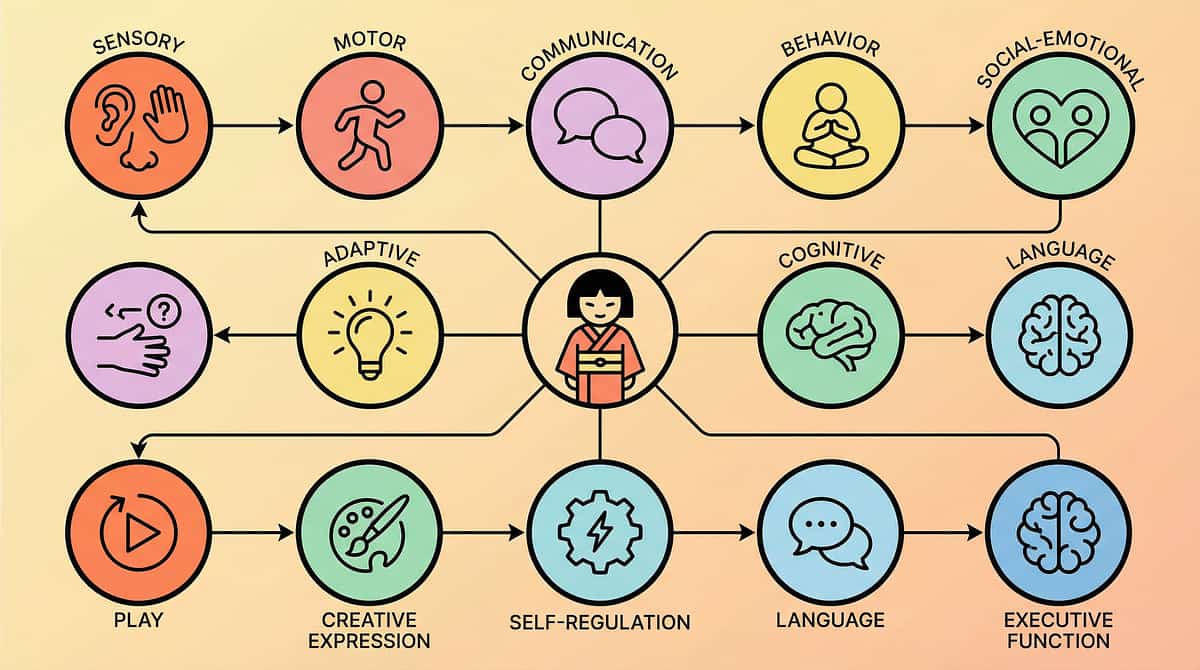
Sensory Processing is Domain A — the foundational layer of your child's developmental therapy journey. Each of the 12 domains contains targeted, evidence-based intervention techniques, designed using the same Pinnacle consortium methodology and GPT-OS® integration. Navigate to any domain to begin exploring.
YOU ARE HERE — 120 techniques across 6 subdomains
Language, speech, AAC, and verbal development
Emotional regulation, relationships, social skills
Challenging behavior, function-based interventions
Feeding, dressing, toileting, self-care routines
Gross motor, fine motor, coordination, handwriting
Play development, learning readiness, cognition
📚 H — School & Academic
Classroom inclusion, academic support, IEP strategies
Change management, new environments, major milestones
Public spaces, travel, community participation
👨👩👧 K — Family & Caregiver
Parent training, caregiver wellness, sibling support
Clinic protocols, home programs, data collection
Why Pinnacle GPT-OS® for Sensory Processing?
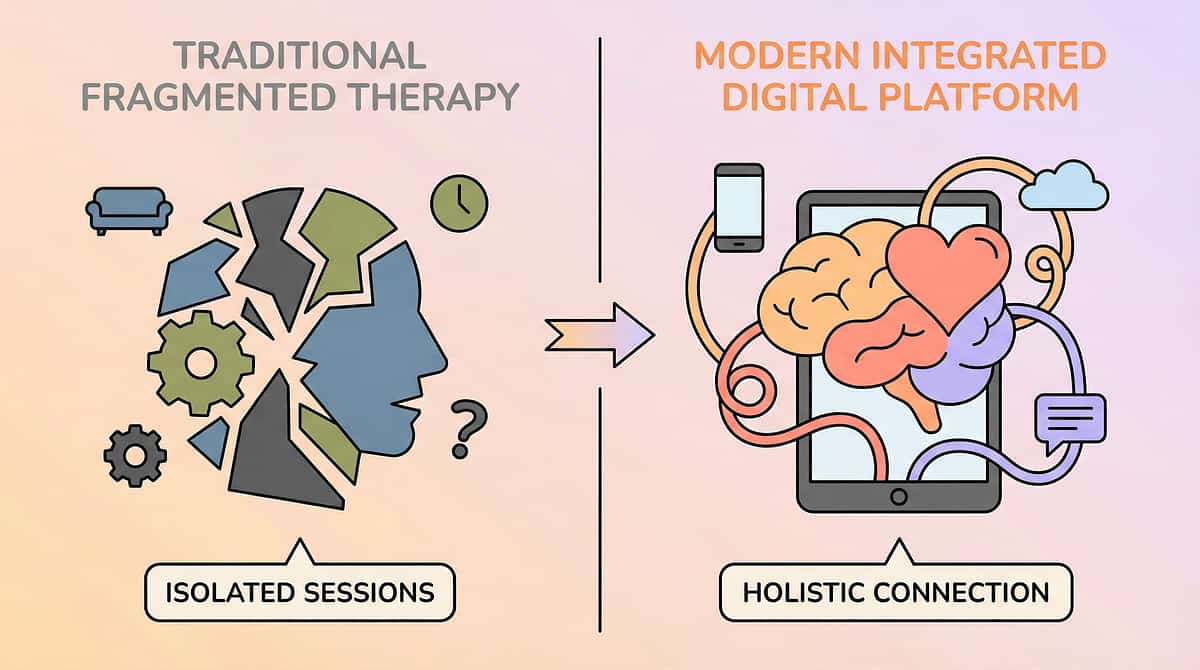
The difference between typical approaches and the Pinnacle GPT-OS® approach is not just a matter of scale — it's a fundamental difference in philosophy, evidence-base, and measurable impact. Here is an honest, side-by-side comparison so you can make an informed decision for your child.
Dimension | Typical Approach | Pinnacle GPT-OS® Approach | |
Evidence | Single therapist's training | Consortium-validated, PubMed-referenced, WHO-aligned | |
Personalization | Generic sensory diet | AI-mapped individual profile across 6 subdomains | |
Continuity | 1–2 hours/week in clinic | 24/7 home protocols + clinic sessions | |
Materials | Whatever therapist has | 128 Canon Materials with purchase links & protocols | |
Progress | Subjective therapist notes | Data-driven weekly milestones, evidence-based timelines | |
Scale | 1 center, 1 city | 70+ centers, 21M+ sessions, 70+ countries | |
Intelligence | Individual experience | 1.47 billion clinical data points via TherapeuticAI® | |
Measurement | Periodic assessments | Continuous monitoring via AbilityScore® (0–1000) | |
Improvement | Variable, often unreported | 97%+ measured improvement rate |
For Therapists, Pediatricians & Educators
These technique pages are designed for dual use — accessible to parents at home, and rigorous enough to serve as a clinical reference for professionals. The same evidence base that informs parent implementation supports professional treatment planning, documentation, and continuing education.
For Parents
Accessible language, emotional scaffolding, step-by-step home protocols. Written to empower caregivers with no clinical background to implement evidence-based interventions safely and effectively.
For Professionals
Evidence-graded, citation-mapped, protocol-structured clinical reference. Use technique pages as parent handouts, reference the Research Index for treatment planning, map techniques to IEP/IFSP goals, and access the GPT-OS® professional portal for personalized sequencing.
- Teacher Training Programs
- Certified Professional Courses
- Parent Training & Coaching
- School Training Modules
- Careers at Pinnacle Blooms Network®

Sensory Processing — Frequently Asked Questions
These are the questions families and professionals ask most often. We've answered each one with the same rigor and compassion that guides every technique in this library.
Can I implement these interventions at home without a therapist?
Yes — every technique is designed for safe home implementation. However, we strongly recommend an initial professional assessment to identify your child's specific sensory profile. For complex or severe challenges, professional guidance is essential. Call 9100 181 181 for a free initial consultation.
How long before I see measurable results?
Research indicates sensory integration outcomes emerge across 8–12 week structured timelines. Initial tolerance changes appear in weeks 1–2, engagement in weeks 3–4, consolidation in weeks 5–8, and mastery by weeks 8–12. Every child's trajectory is unique.
My child has challenges across multiple subdomains. Where do I start?
Start with the subdomain causing the most daily disruption. Proprioceptive and tactile deep pressure techniques are generally foundational — they calm the nervous system and create readiness for other sensory work. GPT-OS® can sequence interventions based on your child's specific profile.
Are these techniques only for children with autism?
No. Sensory processing challenges occur across autism, ADHD, SPD, developmental delays, anxiety disorders, and in neurotypical children. These techniques apply wherever sensory processing differences are present.
What age range do these techniques cover?
Most techniques target ages 2–12, with age-specific modifications on each page. Some include adolescent and adult adaptations. Each technique page specifies the appropriate age range and adjustments needed.
Where can I buy recommended materials in India?
All Canon Materials are available through materials.pinnacleblooms.org with pricing in rupees (₹) and pan-India delivery. Your local Pinnacle center can also recommend and demonstrate materials in person.

Internationally Aligned. Nationally Regulated. Globally Trusted.
Pinnacle Blooms Network® and the GPT-OS® platform operate at the intersection of international healthcare standards and Indian regulatory compliance. This dual alignment ensures that every technique, protocol, and tool meets the highest global benchmarks while remaining appropriate for Indian families and healthcare contexts.
Global Standards Alignment
- ✅ WHO Nurturing Care Framework (2018) — Responsive Caregiving
- ✅ WHO Care for Child Development Package — 54 Countries
- ✅ UNICEF MICS Developmental Monitoring — 197 Countries
- ✅ NCAEP Evidence-Based Practices (2020) — USA
- ✅ NICE Guidelines CG170 — Autism Spectrum (UK)
- ✅ SIGN Guidelines — ASD Assessment & Diagnosis (Scotland)
Indian Regulatory Compliance
- ✅ CDSCO Framework — SaMD Classification for GPT-OS®
- ✅ Indian Academy of Pediatrics (IAP) Guidelines
- ✅ Rehabilitation Council of India (RCI) Standards
- ✅ Rights of Persons with Disabilities Act (RPwD), 2016
- ✅ ISO 13485:2016 — Medical Device Quality Management
- ✅ ISO/IEC 27001:2022 — Information Security Management
Intellectual Property
- ✅ 13+ Patents — Indian Patent Office & WIPO
- ✅ Registered Trademarks: GPT-OS® · AbilityScore® · TherapeuticAI®
Preview of sensory processing Therapy Material
Below is a visual preview of sensory processing therapy material. The pages shown help educators, therapists, and caregivers understand the structure and content of the resource before use. Materials should be used under appropriate professional guidance.
Link copied!
From Overwhelm to Regulation. One Technique at a Time.
Pinnacle Blooms Network® — India's Largest Autism & Child Development Therapy Ecosystem
70+ Centers | 21 Million+ Therapy Sessions | 97%+ Measured Improvement
Built by Mothers. Engineered as a System. Governed by Science.
70+ Centers | 21 Million+ Therapy Sessions | 97%+ Measured Improvement
Built by Mothers. Engineered as a System. Governed by Science.
Clinical Research Org
Occupational Therapists
Speech-Language Pathologists
Board Certified Behavior Analysts
Special Educators
NeuroDev Pediatricians
Powered by GPT-OS® — Global Pediatric Therapeutic Operating System
AbilityScore® · TherapeuticAI® · Everyday Therapy Program
13+ Patents | ISO 13485:2016 | ISO/IEC 27001:2022 | CDSCO SaMD
AbilityScore® · TherapeuticAI® · Everyday Therapy Program
13+ Patents | ISO 13485:2016 | ISO/IEC 27001:2022 | CDSCO SaMD
Subdomain Quick Links: Tactile · Auditory · Visual · Vestibular · Proprioceptive · Interoception
Domain Navigation: All 12 Domains · Materials · GPT-OS® · Find a Center · Contact
Domain Navigation: All 12 Domains · Materials · GPT-OS® · Find a Center · Contact
Medical Disclaimer: This content is educational and informational. It does not replace evaluation, diagnosis, or treatment by a licensed healthcare professional. Sensory processing interventions described here are designed as supplementary home-based activities to complement professional therapy. Persistent or severe sensory processing difficulties should be professionally evaluated. Always consult your child's therapy team before beginning new interventions.
Bharath Healthcare Laboratories Private Limited | CIN: U85110TG2019PTC132498
© 2026 Pinnacle Blooms Network®. All Rights Reserved. GPT-OS®, AbilityScore®, TherapeuticAI®, and Pinnacle Blooms® are registered trademarks of BHCL.
Bharath Healthcare Laboratories Private Limited | CIN: U85110TG2019PTC132498
© 2026 Pinnacle Blooms Network®. All Rights Reserved. GPT-OS®, AbilityScore®, TherapeuticAI®, and Pinnacle Blooms® are registered trademarks of BHCL.