
Specific Intervention Areas
39 evidence-based home intervention techniques — from Joint Attention (L-961) to Development Overall (L-999). The final subdomain of the GPT-OS® 999-Technique System. Every skill. Every strategy. Every home.
Subdomain L2 · Final
GPT-OS® · 999 Techniques Complete
What This Page Covers
The Convergence Point of the Entire 999-Technique System
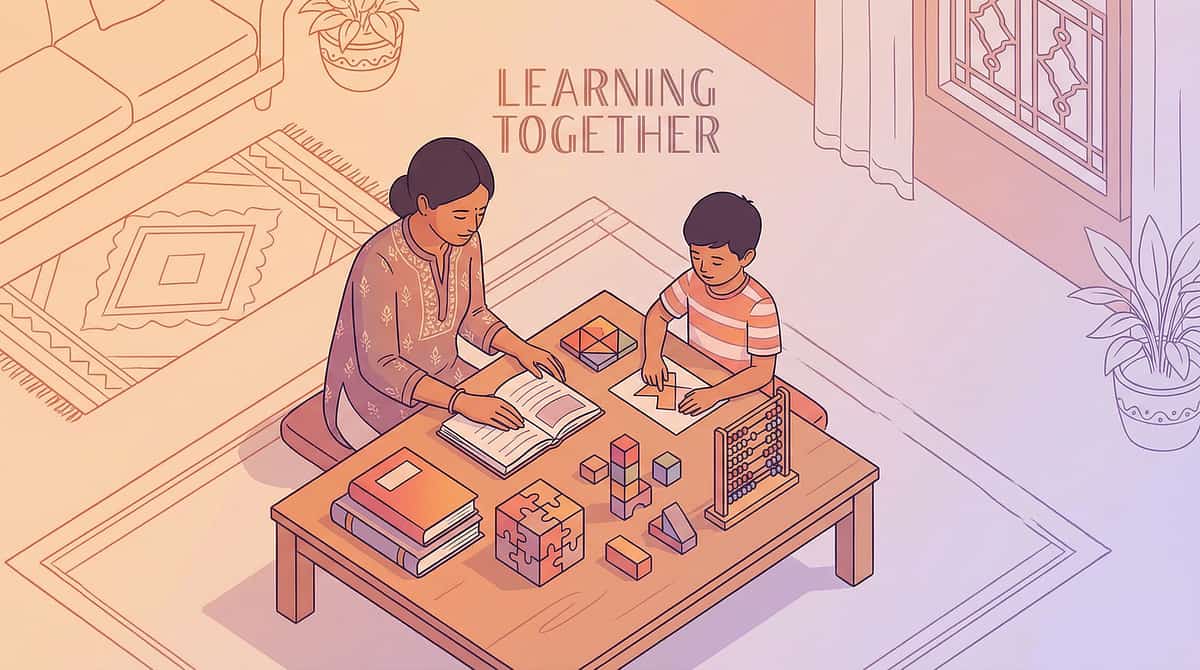
Domains A–I defined what your child needs to develop. Domain L1 taught you how to teach. Now, Subdomain L2 maps specific skills to specific strategies — closing the loop from assessment to intervention to outcome. This is where knowledge becomes action in your home.
1
Domains A–I
What to work on and why — 9 core developmental domains
2
Domain L1
How to teach — 40 home therapy strategies for parents
3
Subdomain L2
How to teach this specific skill at home — 39 targeted techniques
Section 1 · Foundational Skills
L-961 + L-962: Joint Attention Building & Imitation Teaching
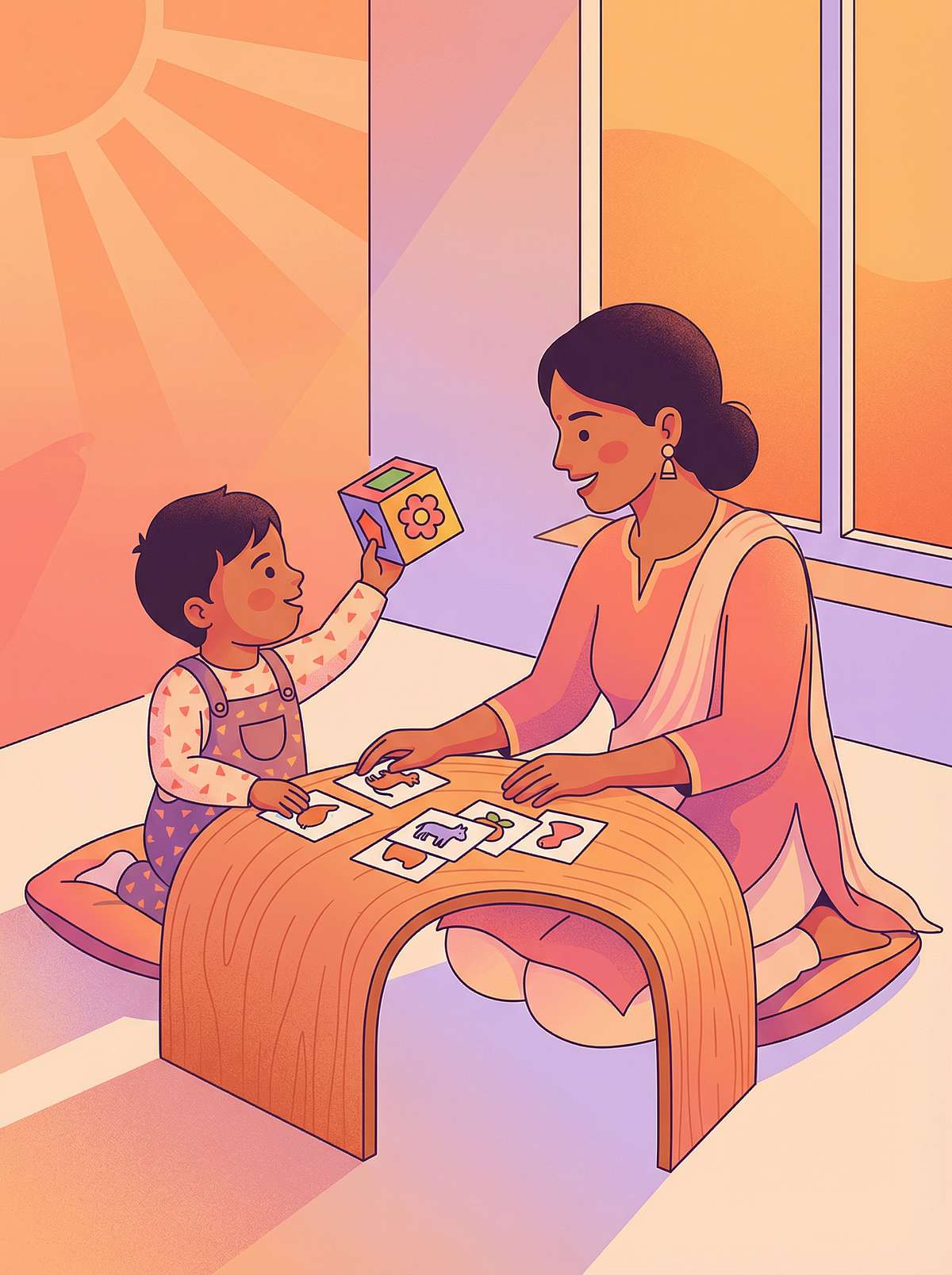
These are the two gateway skills of all social learning. Joint attention means sharing focus between an object and another person — "Look at THIS together!" Imitation means copying what another person does. Without joint attention, the child misses what the world is showing them. Without imitation, the child cannot learn from others.
L-961: Joint Attention
Follow your child's gaze. Point to interesting things and check if they look. Create "WOW" moments using bubbles, pop-up toys, or jack-in-the-box. The moment the child looks at the toy — then looks at YOU — that is joint attention. That shared glance is the foundation of all social learning.
L-962: Imitation Teaching
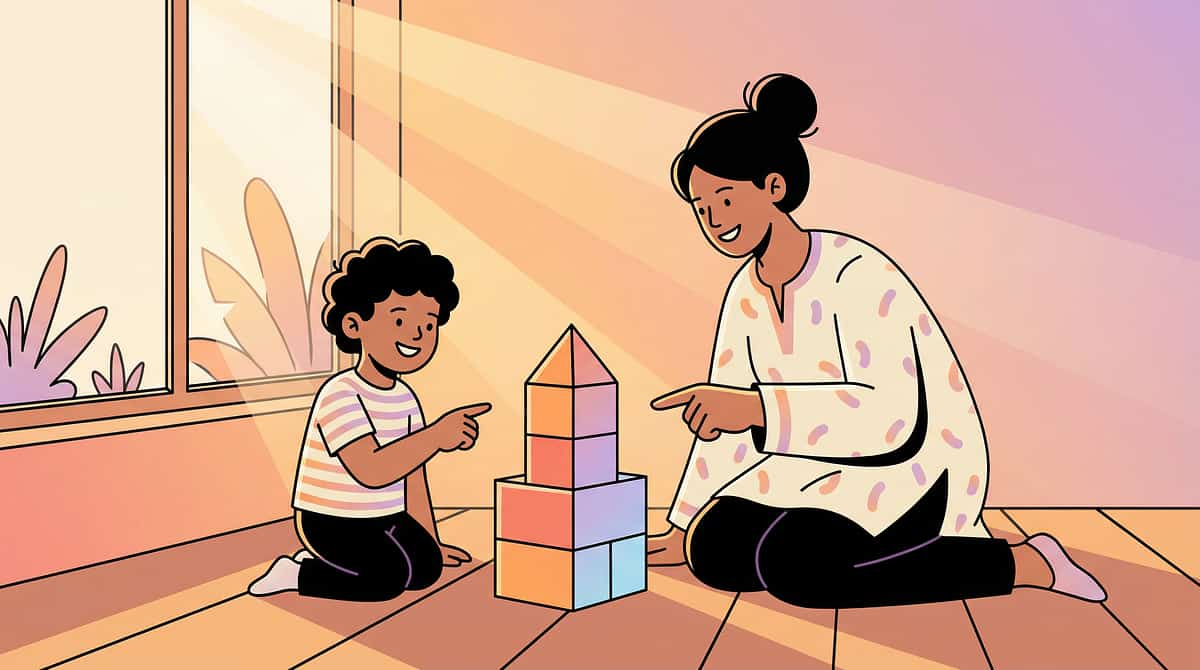
Start by imitating the child first — they bang the table, you bang the table. They notice. Connection forms. Then expand: they bang, you bang and add a sound. They copy the sound. Progress to action songs, copying games, and building towers ("I put one, you put one"). Indian practice: clapping games, aarti movements, namaskar.
Neuroscience: Joint attention activates the mPFC + STS — brain circuits that track where another person is looking. Imitation engages the mirror neuron system. ASD imitation differences reflect reduced automatic copying, not inability — structured teaching builds the pathway. Evidence Level I — NCAEP 2020 | Kasari | PMC10955541
L-963 + L-964 · Foundational Skills
Play Skills & Turn-Taking Teaching
Play is the child's work. Through play, children develop cause-and-effect reasoning, symbolic thinking, social rules, creativity, problem-solving, and communication. Children with ASD may need explicit teaching of skills that neurotypical children absorb naturally.
Play develops in stages: sensory-exploratory (mouthing, banging) → functional (car drives, spoon feeds) → symbolic (banana is phone) → social-dramatic (role play with others). Meet the child at their current stage, then gently teach the next.
- Join the child's play first — parallel play, then imitate, then expand
- Model the next play level: if they bang a car, model driving it to a "shop"
- Use their interests as the play vehicle — motivation drives learning
- Indian play: kitchen play (roti rolling, chai making), festival play, shopkeeper games
"My turn. Your turn." Two words. An entire social world. Turn-taking is the foundation of conversation, play, cooperation, and relationships. Every social interaction is a series of turns. Teaching it explicitly gives the child a framework for all future social connection.
01
Physical Turns — Rolling a ball back and forth — the most concrete form of turn-taking.
02
Simple Game Turns — Stacking blocks: "I put one, you put one." Add a "My Turn / Your Turn" flip card.
03
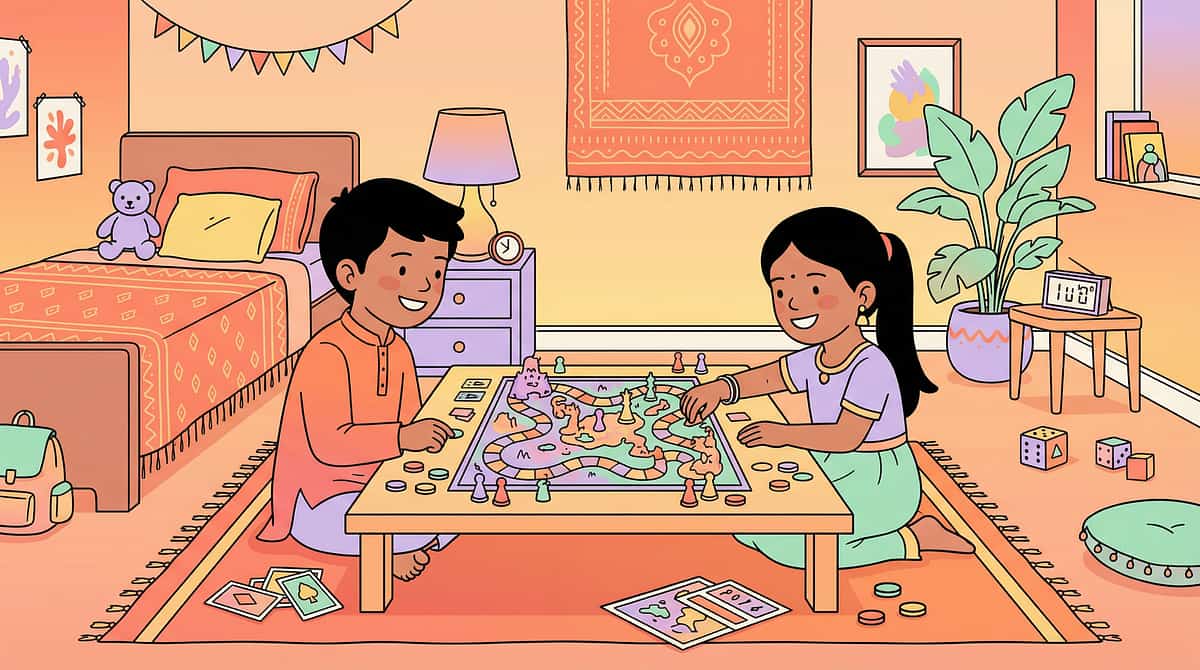
Board Game Turns — Structured games with visible turn order. Rules make alternation concrete.
04
Conversation Turns — I talk, you talk. Start with highly motivating topics.
Always start with activities the child finds highly motivating. Evidence Level I — NCAEP 2020
L-965 + L-966 · Foundational Skills
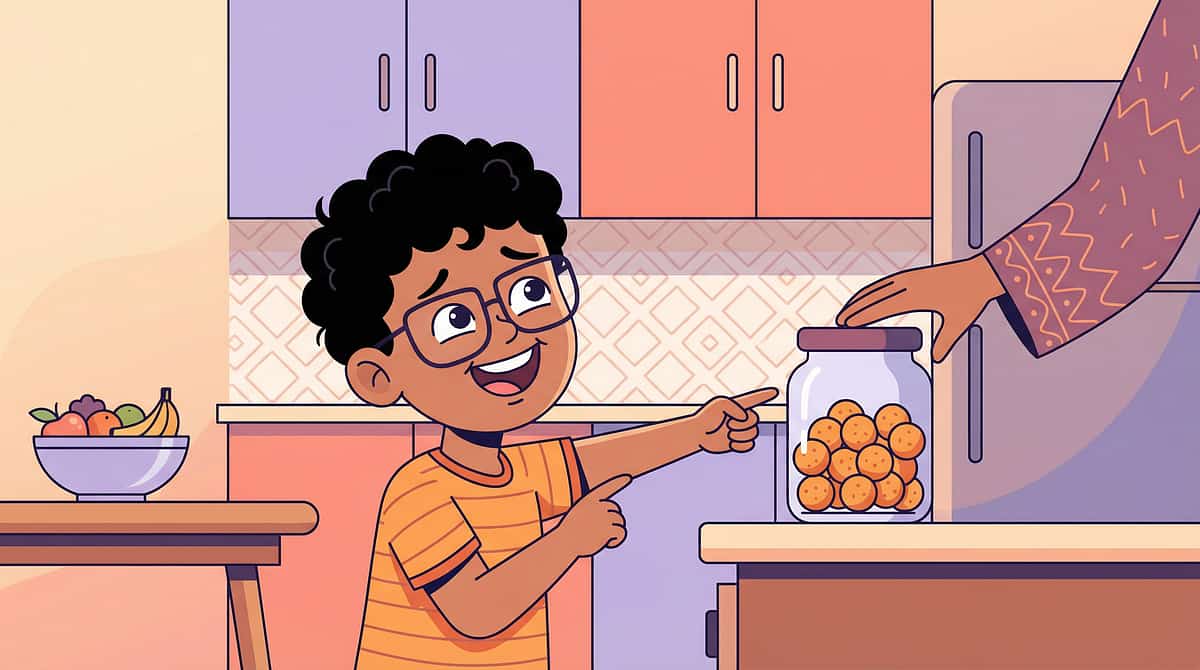
Requesting Teaching & Labeling Teaching
The two pillars of early expressive language. Requesting (manding) is when your child communicates to GET something — the most motivating communication function. Labeling (tacting) is when your child communicates to NAME something — building vocabulary and shared understanding. Together, these unlock the full power of early communication.
L-965: Requesting
Use communication temptations — sabotage and wait. Teach requesting for food, toys, activities, help, attention, "more," "done," and "break." Any modality counts: speech, sign, PECS, AAC device, or gesture. The reward system drives this skill fastest — "I say 'juice' → I GET juice."
L-966: Labeling
During every routine, label what your child sees, touches, and hears. During meals: label food. During bath: label body parts. During walks: label everything. Multilingual labeling works beautifully — Hindi/Telugu/Tamil alongside English. The brain handles multiple labels for the same object.
Combined Strategy
Always teach requesting before labeling — motivation first, vocabulary second. A child who can request what they want is ready to name what they see. The dopamine reward of requesting builds the communication drive that labeling then expands.
L-967 + L-968 + L-969 · Foundational Skills
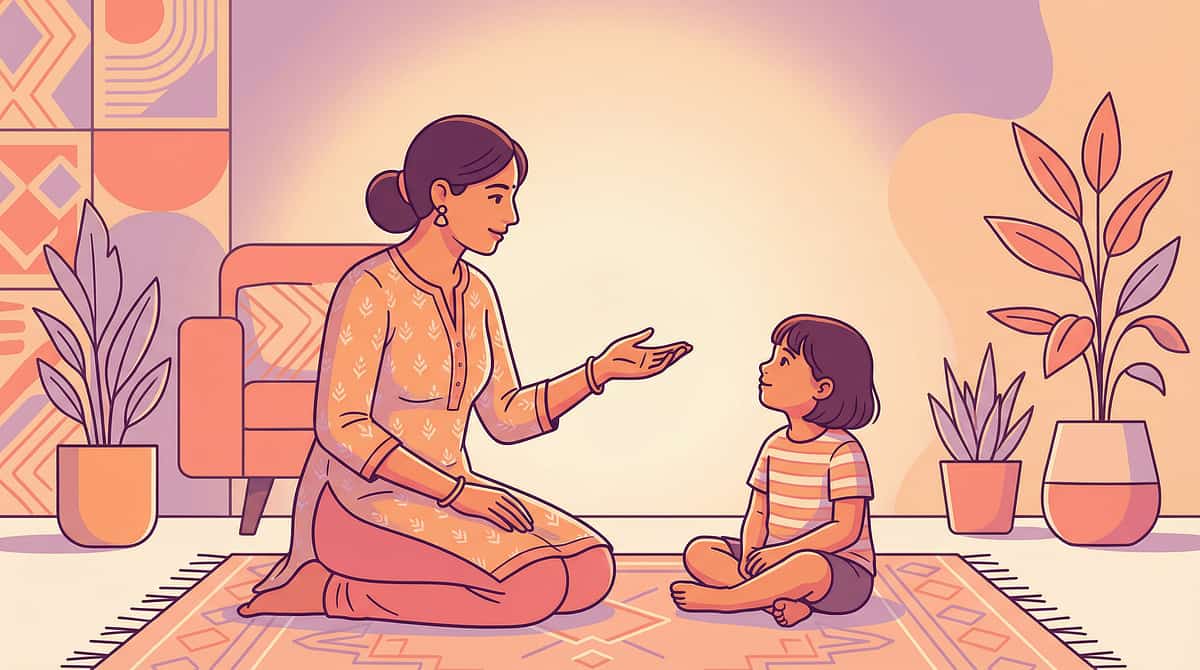
Following Instructions, Receptive & Expressive Language
L-967: Following Instructions
Start with one-step instructions ("Give me the ball") and build systematically: two-step ("Get the ball and put it on the table") → complex ("Get the BIG ball and put it UNDER the chair"). Always pair visual support alongside the verbal instruction.
Daily home commands in the home language are powerful practice: stand up, come here, give to Amma, set the table. Cooking steps and pooja sequences are rich natural instruction-following opportunities.
L-968: Receptive Language
Receptive language always develops before expressive — your child understands more than they can say. Build comprehension by pairing words with direct experiences: say "hot" while they touch warm water, "up" while lifting them. Read aloud daily, pointing to pictures while naming them.
Teach spatial concepts (big/small, in/out, on/under) through play. Ask "Where is the dog?" and let the child point or look — receptive identification builds the lexicon that expressive language will later draw upon.
L-969: Expressive Language — The Child's Voice
Expressive language is your child's voice — whatever form it takes. Speech, sign, AAC device, picture exchange, gesture, writing. The goal is not perfect speech. The goal is functional communication.
Respond to All Attempts
Respond to every communication attempt — gesture, eye gaze, reaching, sounds — not just words. Every response tells the child: "Your communication works."
Expand What They Say
When the child says "Juice," respond with "You want MORE juice!" — model the richer form without demanding it.
Total Communication
Use speech + sign + pictures simultaneously. AAC does NOT prevent speech — research shows AAC supports and accelerates speech development.
Neuroscience: Following instructions requires working memory to hold step 1 while processing step 2. Receptive language builds the temporal cortex lexicon — each word mapped to meaning through repeated pairing of word and experience. Expressive language is the output of the entire communication system. Evidence Level I — NCAEP 2020
Section 2 · Social-Emotional Skills
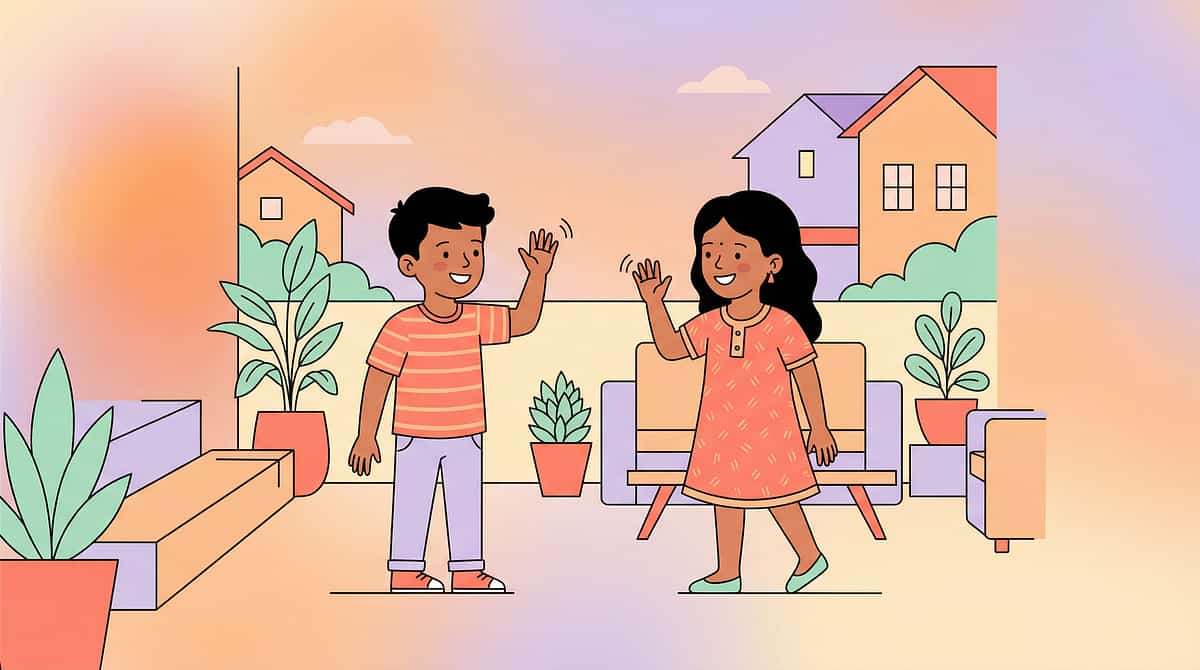
L-970: Social Skills Teaching
Social skills are the complex web of unwritten rules that governs human interaction — eye contact, body language, personal space, topic maintenance, empathy, and perspective-taking. For children with ASD, these must be explicitly taught rather than intuitively absorbed. The social brain processes differently — not broken, but requiring more deliberate input to function.
Friendship
Long-term peer bonds
Conversation
Back-and-forth dialogue
Cooperative Play
Playing toward a shared goal
Parallel Play
Playing alongside others
Proximity
Comfortable near others — the first step
Tools at home: social stories for specific situations, video modeling of social interactions, role-play (practicing greetings, requesting, apologizing), sibling as social partner, and parent as social coach. Evidence Level I — NCAEP 2020
L-971 + L-972 · Social-Emotional Skills
Emotion Recognition & Emotion Expression
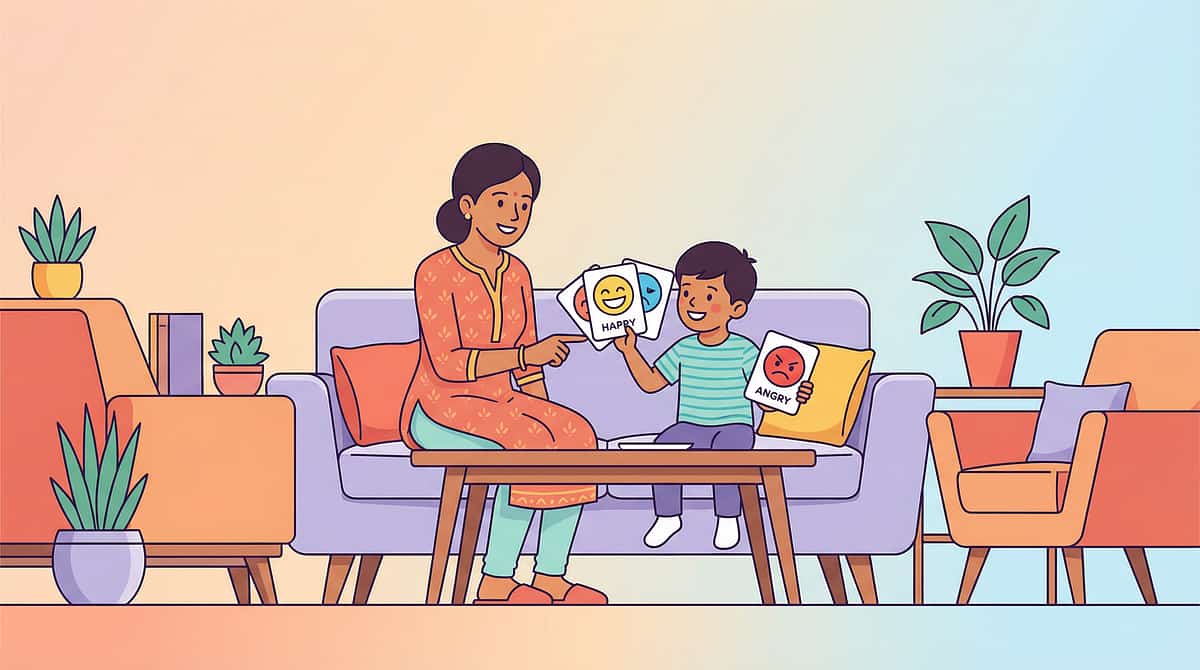
Many children with ASD experience emotions intensely but struggle to identify or express them. Recognition means reading emotions in others — faces, voices, body language. Expression means communicating your own emotions safely and clearly. Both must be explicitly taught.
L-971: Recognition Skills
- Emotion cards: faces showing happy, sad, angry, scared, surprised
- Emotion matching games and "How does HE feel?" during stories
- Real-life labeling: "Look — your sister is crying. She feels SAD."
- Bollywood scenes for exaggerated, easy-to-read emotion practice
L-972: Expression Skills
- Daily emotion check-in: "Point to how you feel right now"
- Emotion thermometer to rate intensity (a little sad vs. very sad)
- "I feel ___" sentence frame for structured expression
- Body-emotion connection: "My tummy feels tight → I might be WORRIED"
Neuroscience: Alexithymia — difficulty identifying one's own emotions — is common in ASD. This is NOT an inability to feel, but difficulty naming what is felt. Explicit teaching of the emotion-body connection builds the insula-PFC pathway that links physical sensation to emotional label. Evidence Level I — NCAEP 2020
L-973 + L-974 · Social-Emotional Skills
Self-Regulation & Coping Skills — The Master Toolkit
Self-regulation is the child's ability to manage their own arousal, emotions, and behavior — the master skill underpinning success in every domain. Coping skills are the specific strategies a child uses when emotions become too big. Together, they form the complete emotional regulation system.
L-973: The Zones of Regulation
🟢 Green Zone
Calm, ready to learn, happy, focused. The optimal learning state. Celebrate and extend it.
🟡 Yellow Zone
Frustrated, silly, wiggly, worried. Early warning zone — intervene gently before escalation.
🟠 Orange Zone
Angry, anxious, overwhelmed. Regulation support needed now. Remove demands, offer co-regulation tools.
🔴 Red Zone
Meltdown, panic, shutdown. Safety first. No teaching in the red zone — connect and support only.
L-974: The Calm-Down Toolkit
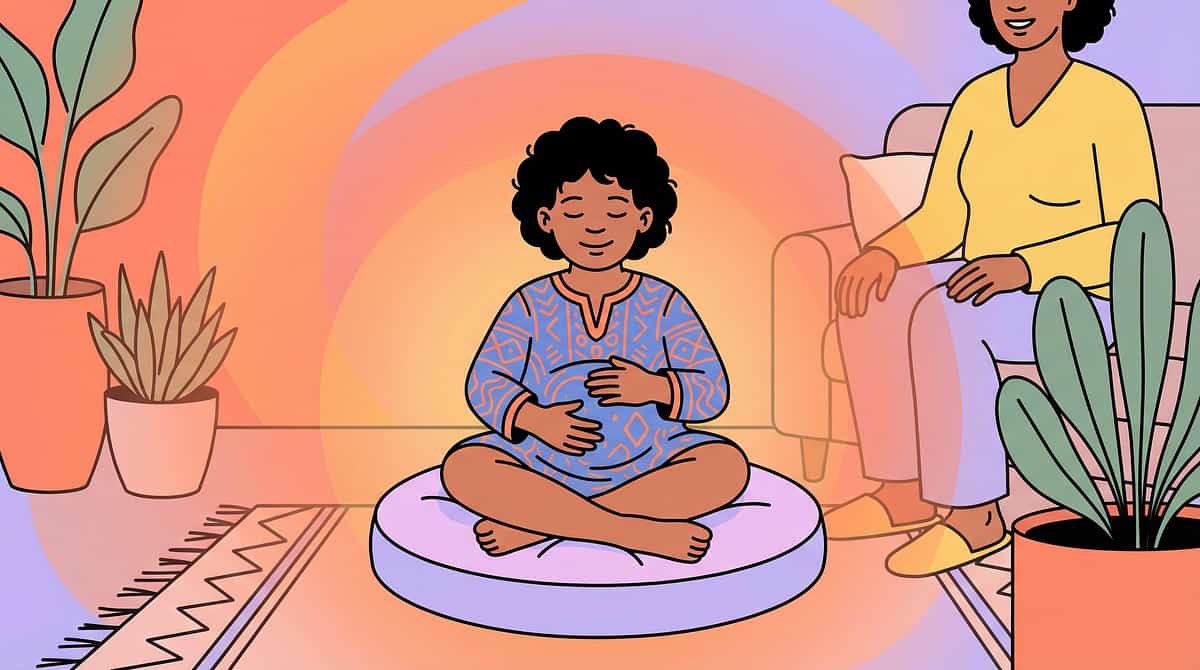
Breathing
5 types: belly breathing, square breathing, flower breathing, bubble breathing, pinwheel breathing. Practice daily during calm — available during crisis.
Sensory Coping
Squeeze ball, noise-canceling headphones, weighted blanket, rocking. Each child's sensory toolkit is unique.
Physical Coping
Walk away, jumping, heavy work (pushing/pulling). Movement regulates the nervous system faster than words.
Social Coping
"I need help." Teaching the child to ask for support is a coping skill — and a communication win.
Teach strategies during calm times — not during crisis. Indian advantage: pranayama breathing and yoga are cultural tools that embed regulation into daily life. Each child's coping toolkit is unique — personalize it. Evidence Level I — NCAEP 2020

L-975 + L-976 · Social-Emotional Skills
Flexibility Training & Waiting Skills
Both flexibility and waiting require the same neural skill: prefrontal cortex inhibition under uncertainty. Flexibility means tolerating change without meltdown. Waiting means tolerating delay without meltdown. Both are buildable through graded, consistent practice in the home environment.
L-975: Flexibility at Home
Build one small, planned change into every day. Use "Plan A / Plan B" language: "Plan A is the park. If it rains, Plan B is indoor play — both are good!" Play flexibility games: build a tower, knock it down, rebuild it differently. In Indian joint families, plans change constantly with multiple decision-makers — this is natural daily flexibility practice.
L-976: Waiting at Home
Use a visual timer for every wait — the child sees how much time remains. Provide a dedicated "waiting toy" during transitions. Start with 10-second waits and build gradually: 30 seconds → 1 minute → 2 minutes → 5 minutes. Celebrate patience: "You waited so patiently for 2 whole minutes!" Reinforce the waiting, not just the outcome.
L-977 · Independence & Motor-Sensory
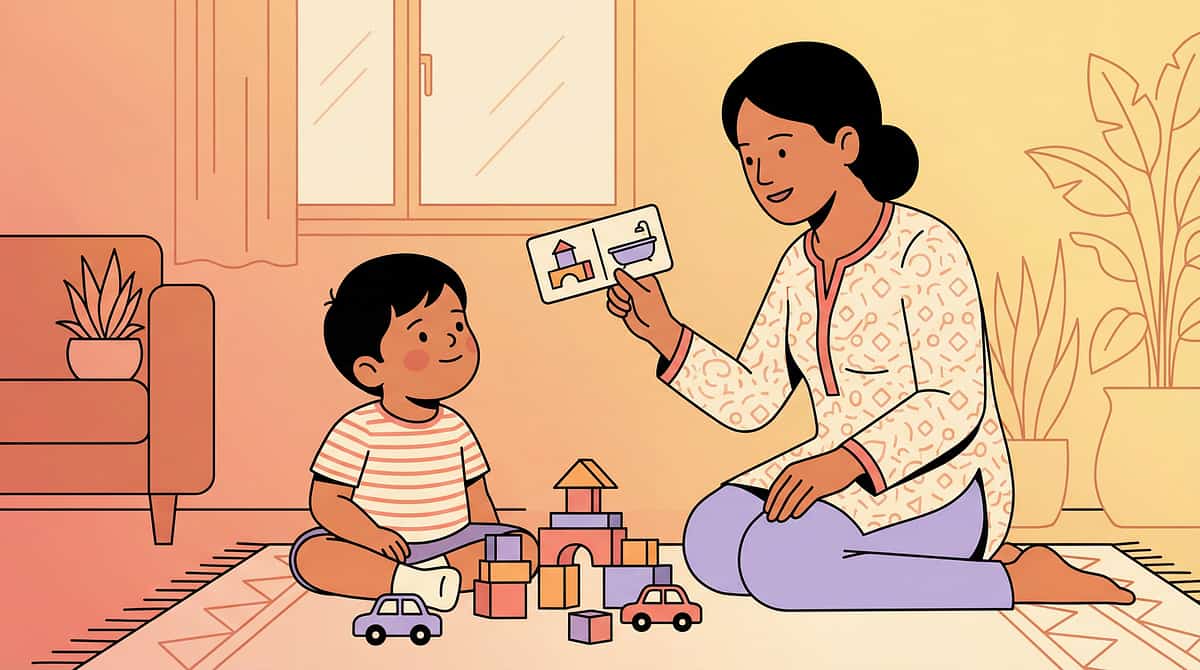
L-977: Transition Training
Every day involves 5–6 major transitions: waking up, mealtimes, leaving home, returning, bedtime. Transition training means practicing a structured protocol consistently until the "stop-shift-start" neural pathway automates — and transitions happen without a meltdown.
1
10-Minute Warning
Verbal + visual: "10 more minutes of play, then bath time."
2
5-Minute Warning
Show the visual timer: "5 minutes left. Almost time."
3
2-Minute Warning
"2 more minutes! Let's finish up." Allow child to complete one last action.
4
Transition Moment
Transition song or object — a consistent cue that signals the shift. Then move together.
5
Reinforce Success
"You switched so smoothly! That was fantastic." Celebrate every successful transition.
Track progress weekly — count successful vs. difficult transitions. Visible improvement is powerful motivation for both parent and child. Evidence Level I — NCAEP 2020
L-978 + L-979 · Independence & Motor-Sensory
Independence Building & Self-Help Skills
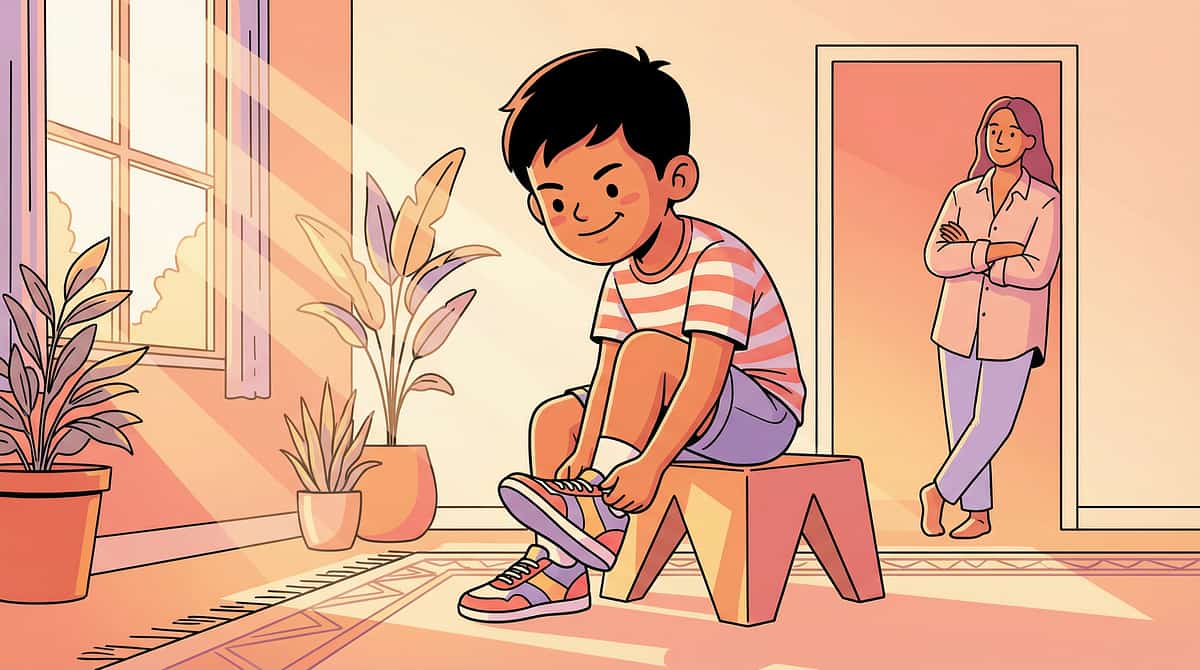
Independence is the mindset — stepping back so the child steps forward. Self-help skills are the practical outcomes: dressing, toileting, eating, grooming, hygiene. Together, they form the foundation of autonomous daily life. Resist the urge to do it for them — faster is not better when independence is the goal.
L-978: Independence Building
Wait before helping. Prompt minimally. Celebrate every independent action — no matter how small. Each skill the child does alone is one fewer demand on the parent and one more automated routine for the child.
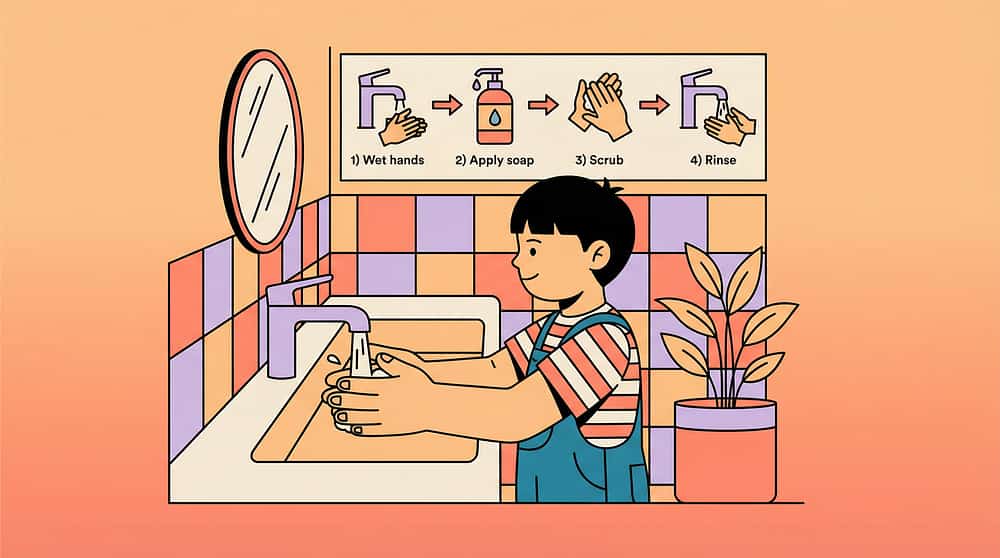
L-979: Self-Help Skills
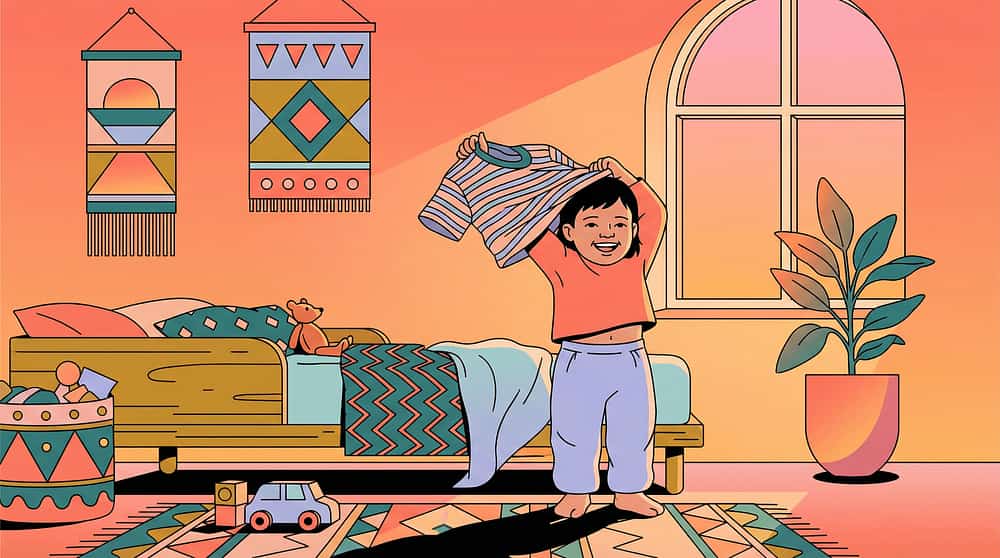
Use task analysis + chaining + visual support for every skill. Dressing: start with the last step (pulling shirt down) — backward chaining builds success immediately. Toileting: picture sequence on the bathroom wall. Indian practice: self-feeding with hands builds fine motor and independence simultaneously.
L-980 · Independence & Motor-Sensory
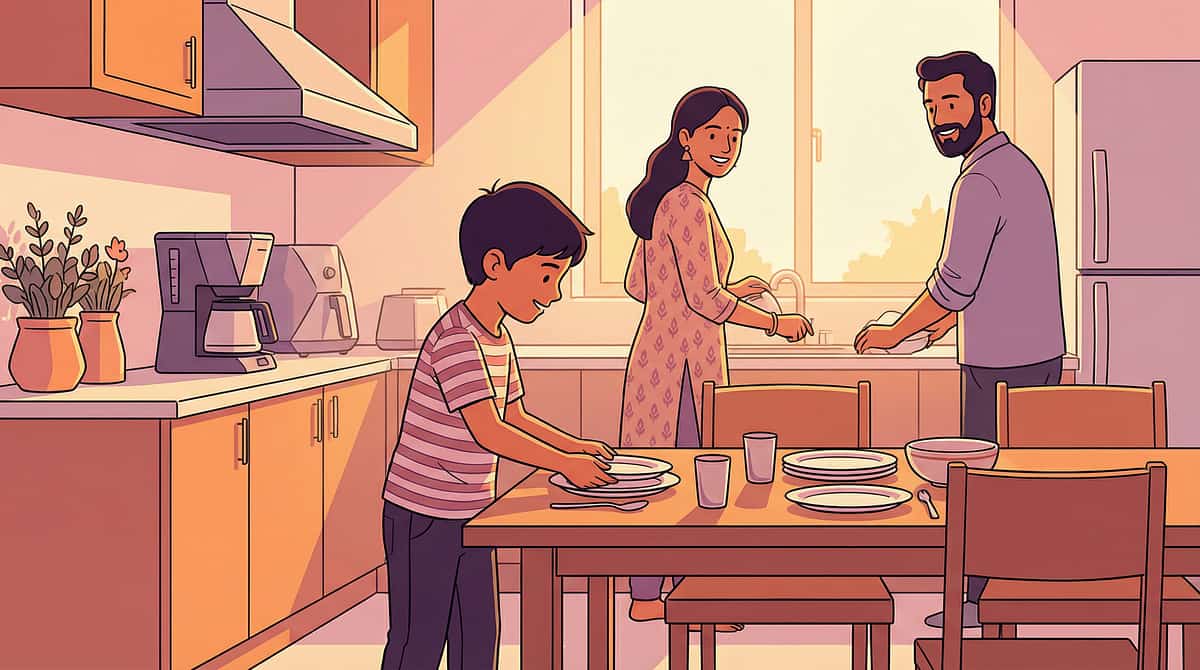
Daily Living Skills — Contributing to Family Life
Beyond self-help lies household participation: making the bed, setting the table, watering plants, sweeping, simple cooking. These life skills build independence and contribute to the family — creating belonging and genuine self-worth. Every chore is therapy with purpose.
1
Ages 3–5
Put toys away, carry plate to sink, help sort laundry by color
2
Ages 5–8
Set the table, make bed, water plants, sort laundry, dust surfaces
3
Ages 8–12
Simple cooking, sweeping, dish washing, folding clothes, grocery assistance
4
Ages 12+
Full meal preparation, independent laundry, money management, shopping
Indian home advantage: roti rolling, rice washing, rangoli making, diya lighting, and pooja preparation are culturally embedded daily living skills — rich with meaning, motor practice, and family connection. Evidence Level I — NCAEP 2020
L-981 · Motor Skills
Fine Motor Development — Precision in Small Hands
Why Fine Motor Matters
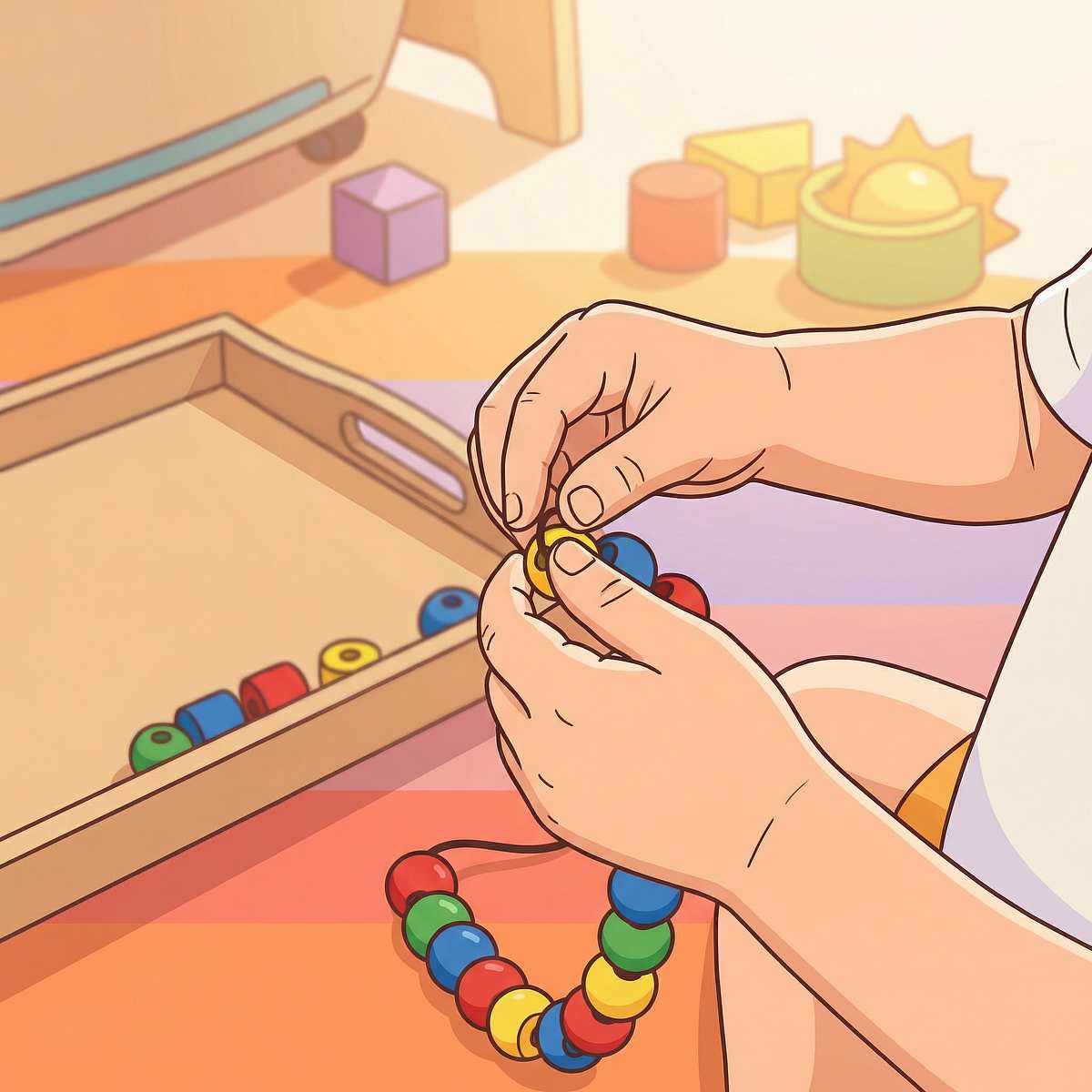
Fine motor skills — the small, precise movements of hands and fingers — are the gateway to academic participation and self-care independence. Writing, buttoning, cutting, drawing, threading, and typing all depend on the hand and finger strength built through play-based practice at home.
Development sequence: reach → grasp → release → pinch → manipulate → coordinate. Each stage requires practice to automate in the motor cortex.
Home Practice
- Play-doh and clay for hand strengthening
- Threading beads, stacking coins, tearing paper
- Cutting progression: snip → straight → curved → shapes
- Pre-writing: vertical → horizontal → circles → crosses → letters
- Indian: rangoli pinch grip, flower garland threading, atta kneading, rice sorting
L-982 · Motor Skills
Gross Motor Development — Moving Through the World
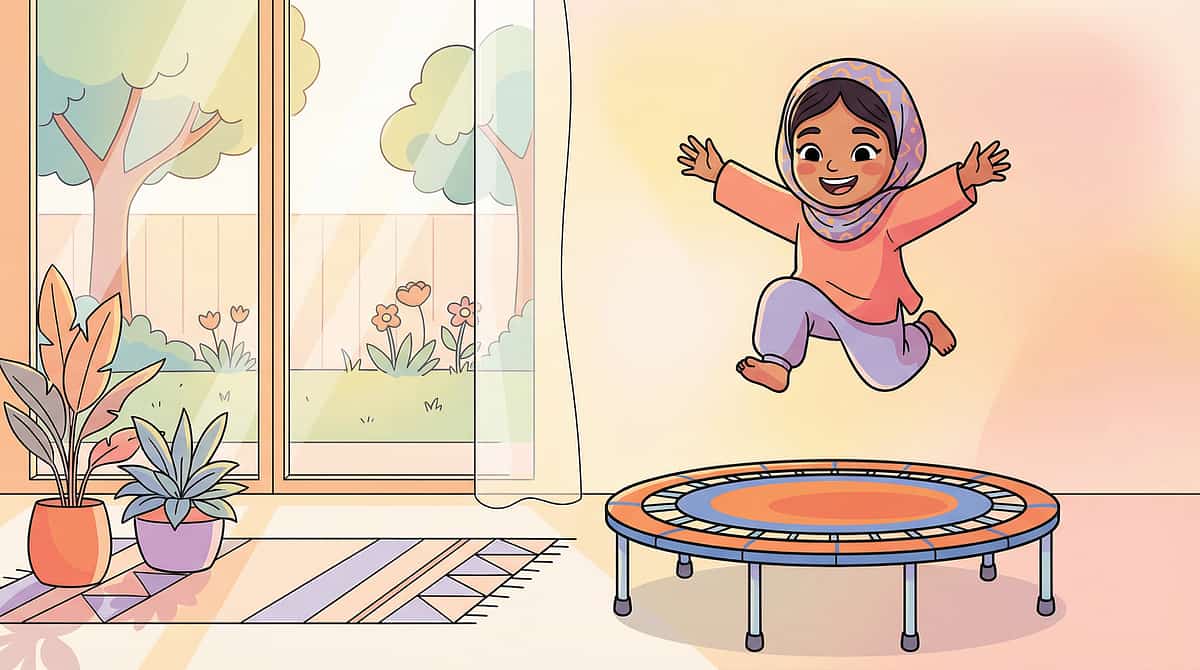
Gross motor skills — running, jumping, climbing, catching, kicking, balancing — are the foundation for playground participation, sports, daily mobility, and sensory regulation. Movement IS regulation. Delays in gross motor affect everything from playground access to self-esteem and peer connection.
Obstacle Courses
Pillows, cushion tunnels, balance beams made from tape on the floor. Zero-cost, high-impact proprioceptive and vestibular input.
Ball Skills
Catching, throwing, kicking — start large ball → smaller. Cricket bat-ball coordination is an excellent Indian cultural vehicle for this skill.
Balance & Jumping
Standing on one foot, balance board, hopscotch, trampoline. Build vestibular processing alongside motor coordination.
Animal Walks
Bear walk, crab walk, frog jump — therapeutic, fun, and require no equipment. Build strength and coordination through play.
L-983 + L-984 · Motor-Sensory
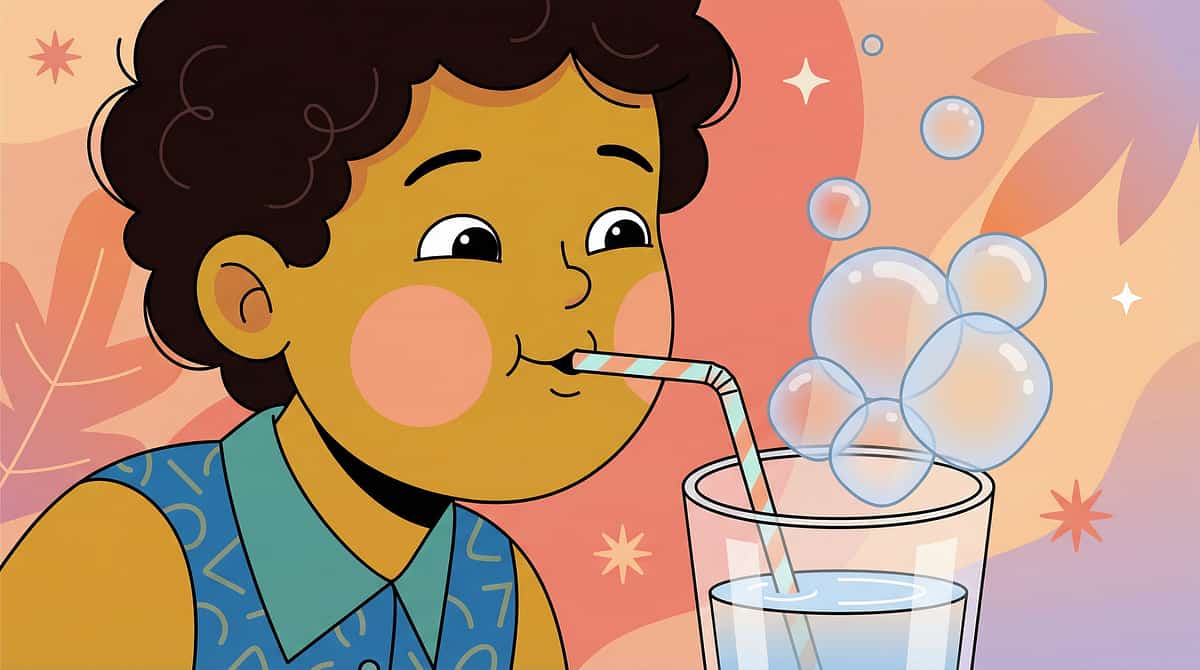
Oral Motor Development & Sensory Integration
Two therapy-driven skills that parents can powerfully support at home. Oral motor builds the mouth-muscle strength needed for clear speech, successful eating, and comfortable breathing. Sensory integration helps the brain organize and make sense of input from all sensory channels simultaneously.
L-983: Oral Motor at Home
- Blowing: bubbles, whistles, pinwheels, candles
- Sucking: thick milkshakes through a straw, water bottle
- Chewing: chewy tubes, dried fruit, crunchy foods
- Tongue exercises: licking peanut butter off lips, push against spoon
- Indian tools: sugarcane chewing, papad, murukku — oral motor foods embedded in culture
L-984: Sensory Integration at Home
- Multi-sensory play: water + sand + music simultaneously
- Proprioceptive + vestibular combinations: swing while catching a ball
- Daily sensory diet — individualized schedule of sensory inputs
- Know the child's profile: what they seek, avoid, or don't notice
- Indian tool: traditional jhula swing provides therapeutic vestibular input
Neuroscience: Oral motor engages cranial nerves V, VII, IX, X, XII. Sensory integration combines input from 7+ sensory systems into coherent experience. Poor integration leads to sensory defensiveness and coordination difficulties. Evidence Level I — NCAEP 2020
L-985 + L-986 · Cognitive Skills
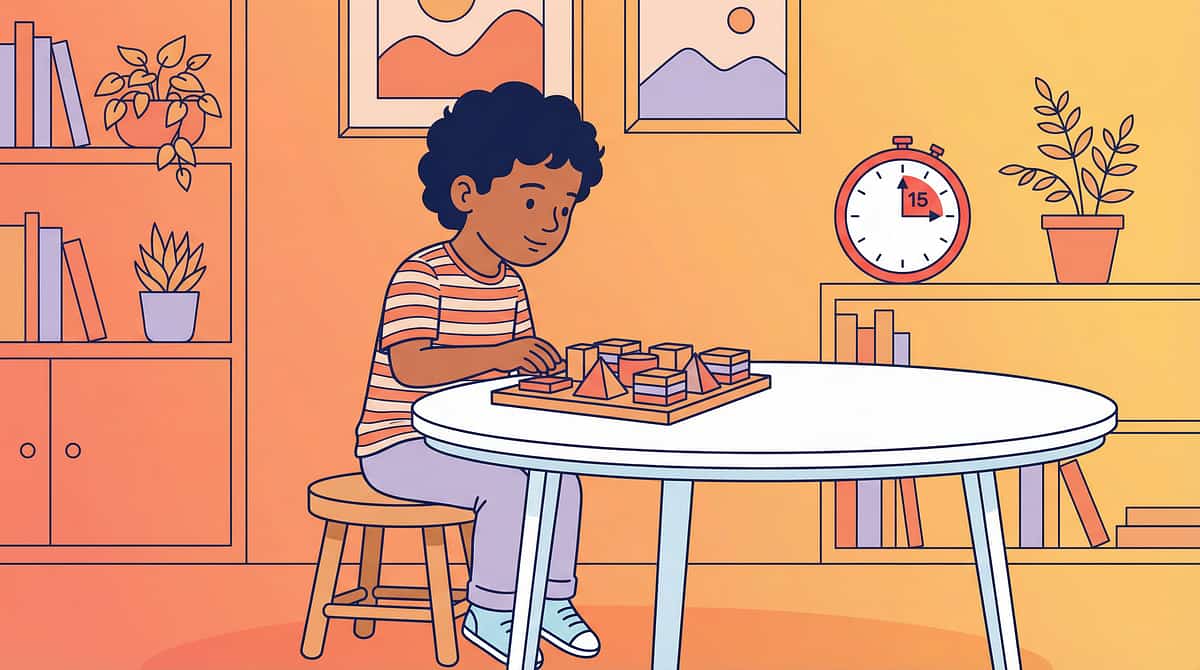
Attention Training & Focus Building
Without attention and focus, no academic skill, no instruction-following, and no conversation can succeed. Attention means the child notices relevant information. Focus means they sustain that attention for meaningful duration. Children with ASD may have intense focus on preferred topics — the goal is to build that same capacity on non-preferred tasks.
Start With Preferred Activities
Build attention on what they love first. Transfer to non-preferred tasks gradually, once the "attention muscle" is stronger from regular practice on motivating topics.
Reduce Distractions
Clear table, quiet room, minimal visual clutter. The environment is part of the intervention — set it up for success before the session begins.
Build Duration Gradually
Start at the child's current focus duration. Add 30-second increments. Use a timer so the child sees how long they focused. Celebrate: "You worked for 5 whole minutes!"
Sensory Breaks Between Sessions
Plan proprioceptive or vestibular breaks between focused work periods. Movement resets the nervous system and makes the next focus period more accessible.
Indian cultural practices: dhyana (meditation) as a structured attention practice, rangoli and kolam as sustained focus activities. Evidence Level I — NCAEP 2020
Section 4 · Cognitive & Pre-Academic Skills
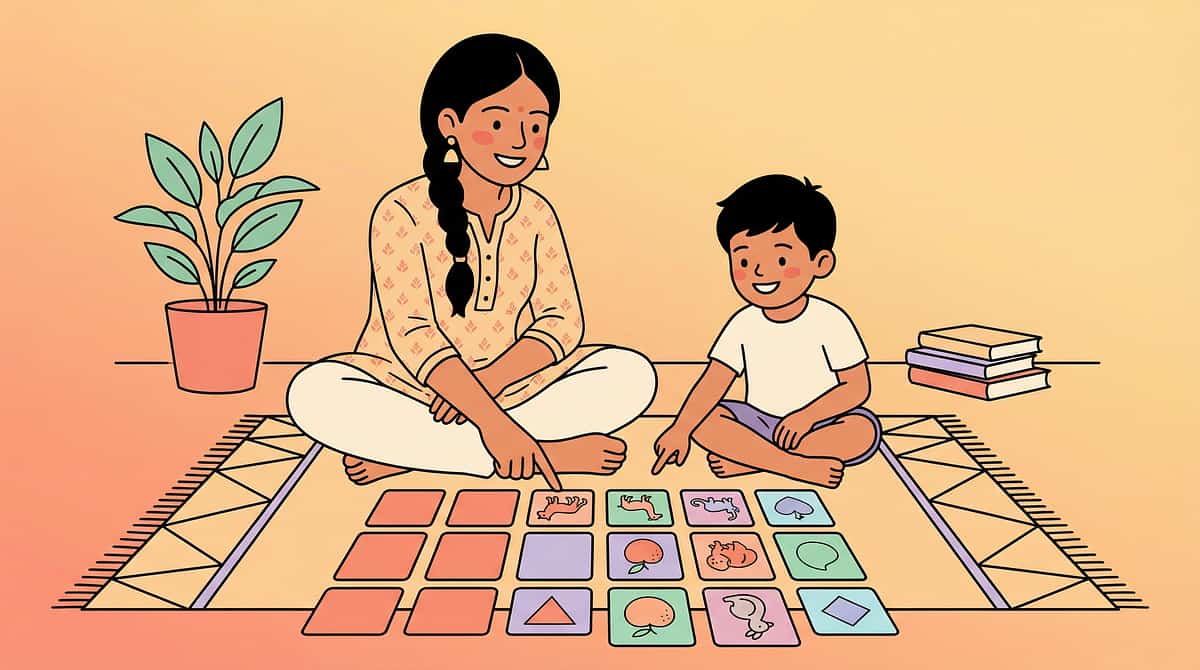
L-987: Memory Building
Memory is the foundation of all learning. Children with ASD may have excellent rote memory but weaker working memory. Understanding your child's memory profile — and teaching to their strengths — is the key to accelerating all other learning.
Memory Games
Matching cards: start with 3 pairs → increase. Visual memory is often a strength to leverage.
Sequencing
"What happened first, next, last?" — builds episodic memory and narrative structure simultaneously.
Songs & Rhymes
Melodic memory is often strong in ASD. Set information to music — it sticks faster and stays longer.
Visual Memory
Show 3 items, hide one: "What's missing?" A classic, no-cost activity that builds recall and attention.
Daily Review
"What did we do today? First… then… then…" Nightly review consolidates episodic memory.
Neuroscience: Working memory (PFC) is the most limited cognitive resource. Strengthen it through repetition, multi-sensory encoding (see + hear + do = stronger memory), and meaningful context. Evidence Level I — NCAEP 2020
L-988 · Cognitive Skills
Problem Solving Skills — The PFC's Highest Function
Teaching the Problem-Solving Process
Problem solving — encountering an obstacle, generating solutions, selecting the best one, implementing it, evaluating the result — is the prefrontal cortex's most sophisticated function. It is crucial for independence and must be taught explicitly through real-life practice.
What's the problem?
Label the obstacle clearly and specifically
What can I try?
Generate two or more possible solutions
Try it
Implement the chosen solution — resist doing it for them
Did it work?
Evaluate: success or try again? Both outcomes are learning.
L-989 + L-990 · Cognitive & Pre-Academic Skills
Concept Development & Pre-Academic Skills — Building Blocks of Thinking
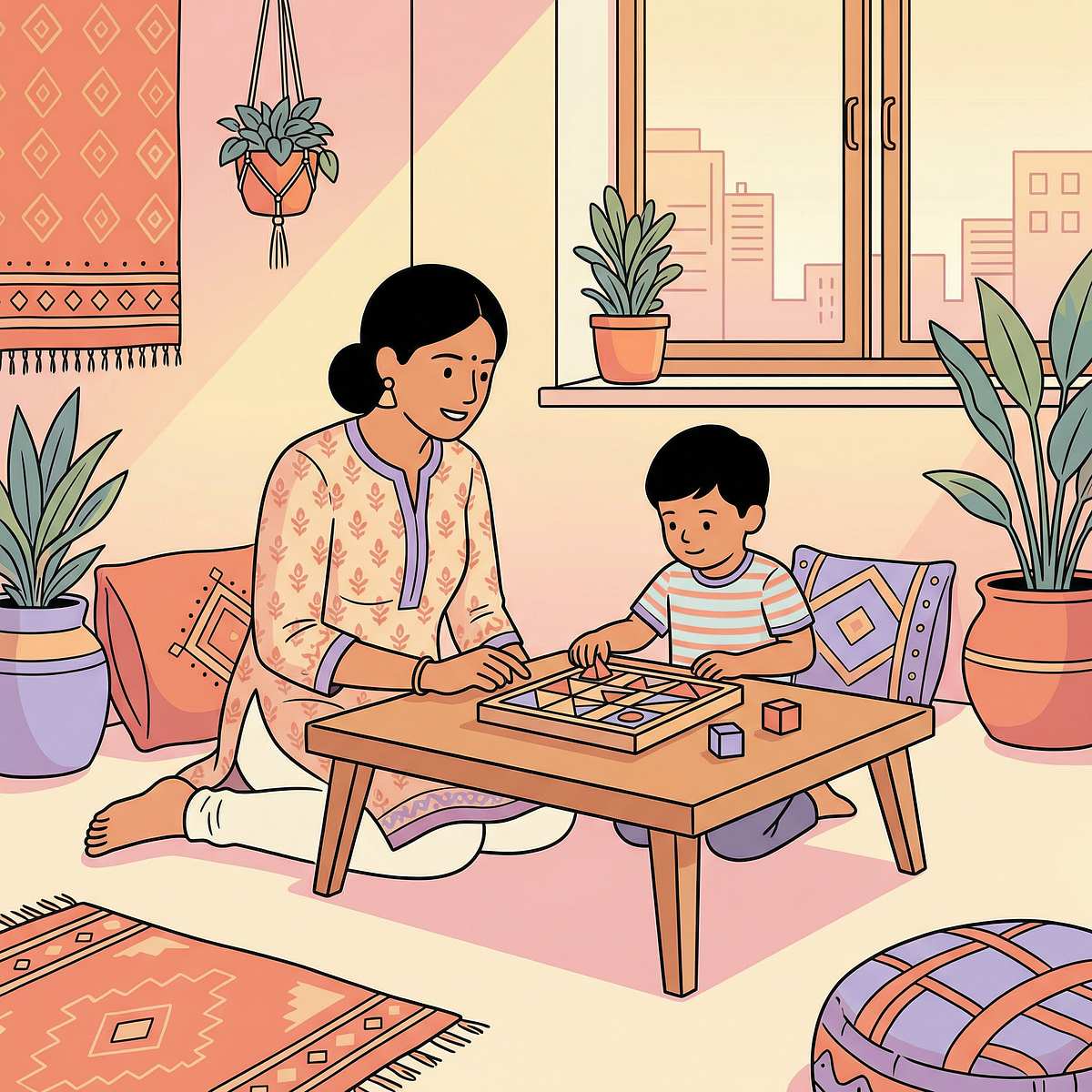
Big/small, in/out, on/under, same/different, first/last, more/less — these are the building blocks of language and academic thinking. Pre-academic skills bridge these developmental abilities to school readiness: sitting at a table, attending to a task, following group instructions, holding a pencil, matching, sorting, and sequencing.
Experience First
Don't explain "hot" — let them feel warm water. Don't explain "in" — put toys IN the box together. The body learns before the brain labels.
Contrast Pairs
Always show big AND small together. Same AND different. Hot AND cold. The brain learns concepts through contrast, not isolation.
Embed in Routines
"Get the BIG spoon, not the small one." "Put the book ON the table." "You have MORE rice." Every routine is a concept lesson.
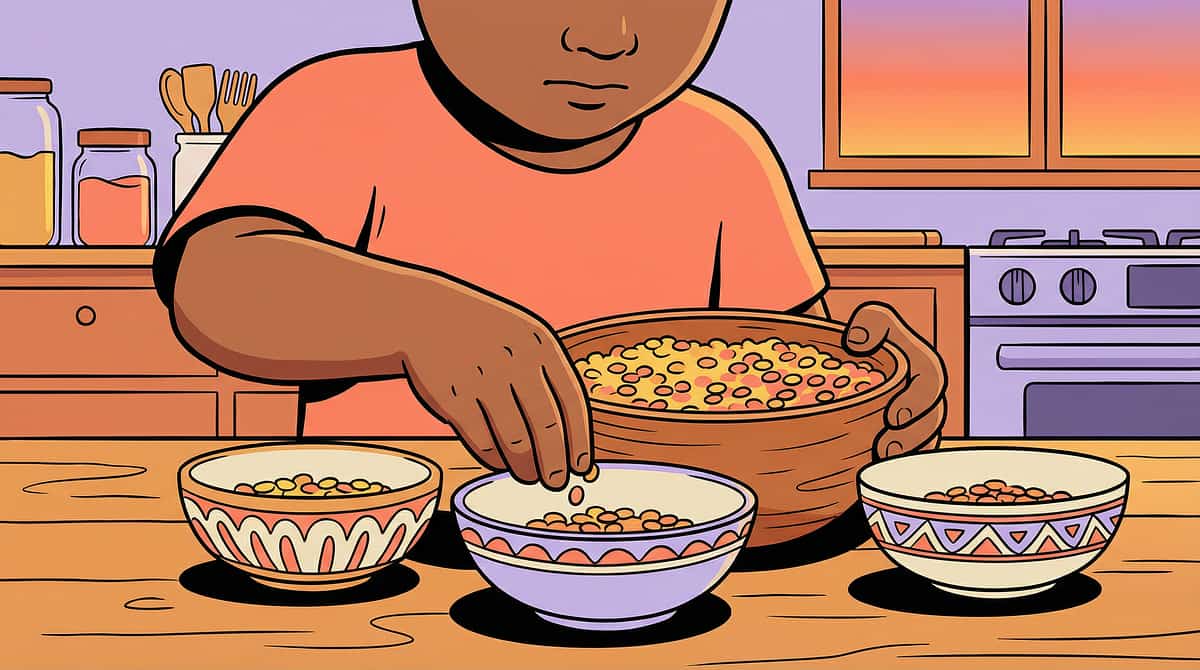
Indian concept activities: sorting dal by type (visual discrimination + fine motor + concept building), rangoli patterns (same/different, big/small, repeated patterns). Evidence Level I — NCAEP 2020
Table Time
Structured 5–10 minute seated work sessions. Build duration gradually — 5 min is a real achievement.
Matching & Sorting
Identical → similar → category. Color, shape, size. Sorting lentils by type is a culturally embedded Montessori-style activity.
Sequencing
First/next/last using picture cards. Retell familiar stories in sequence. Build narrative memory and logical ordering.
Name Recognition
Visual + written name as the first literacy target. Name is the most motivating word to recognize.
Number Concepts
1:1 counting with physical objects — touch each one, count aloud. Rote counting and meaningful counting are different skills.
L-991 + L-992 · Pre-Academic Skills
Reading Readiness & Math Readiness
The two pillars of academic entry. Reading readiness covers phonological awareness, letter recognition, print concepts, and story comprehension. Math readiness covers number recognition, 1:1 correspondence, counting, quantity comparison, and simple patterns. Both draw on sustained attention, working memory, and sequential processing.
L-991: Reading Readiness
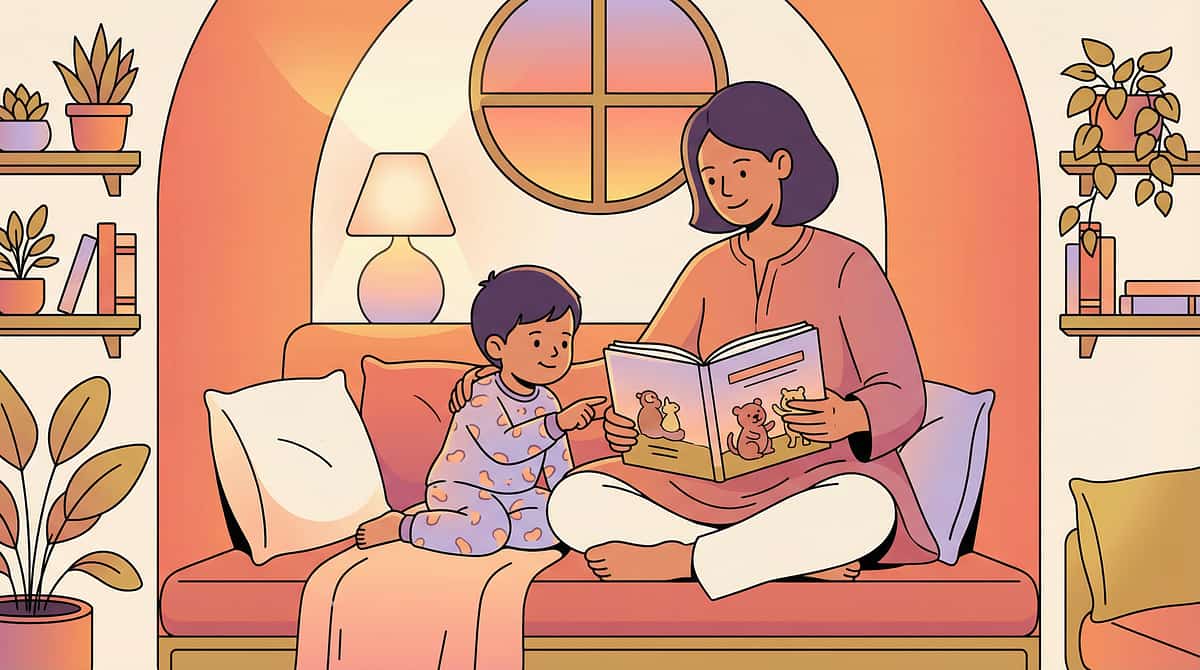
- Daily read-aloud — single most impactful literacy activity, period
- Point to words while reading — print concepts build naturally
- Letter of the day games and rhyming activities
- First-sound identification: "Dog starts with D — can you hear it?"
- Name writing as the first authentic writing target
- Hindi/regional script alongside English for bilingual literacy
L-992: Math Readiness
- Touch-counting with real objects — not rote recitation
- More/less comparisons with actual foods or toys
- Number recognition games with visual numerals
- Pattern making: bead patterns, block patterns, clap patterns
- Shape identification in the natural environment
- Abacus (soroban) — visual-tactile math tool with strong Indian tradition
Evidence Level I — NCAEP 2020 | Pre-literacy + pre-numeracy interventions
L-993 · Pre-Academic Skills
Writing Readiness — The Most Complex Skill
Writing is the most complex fine motor-cognitive task a child learns. It requires pencil grip, letter formation, spatial awareness for spacing, spelling, and content generation — all simultaneously. Writing readiness builds the foundation before formal writing begins, so when pencil meets paper, the child is ready.
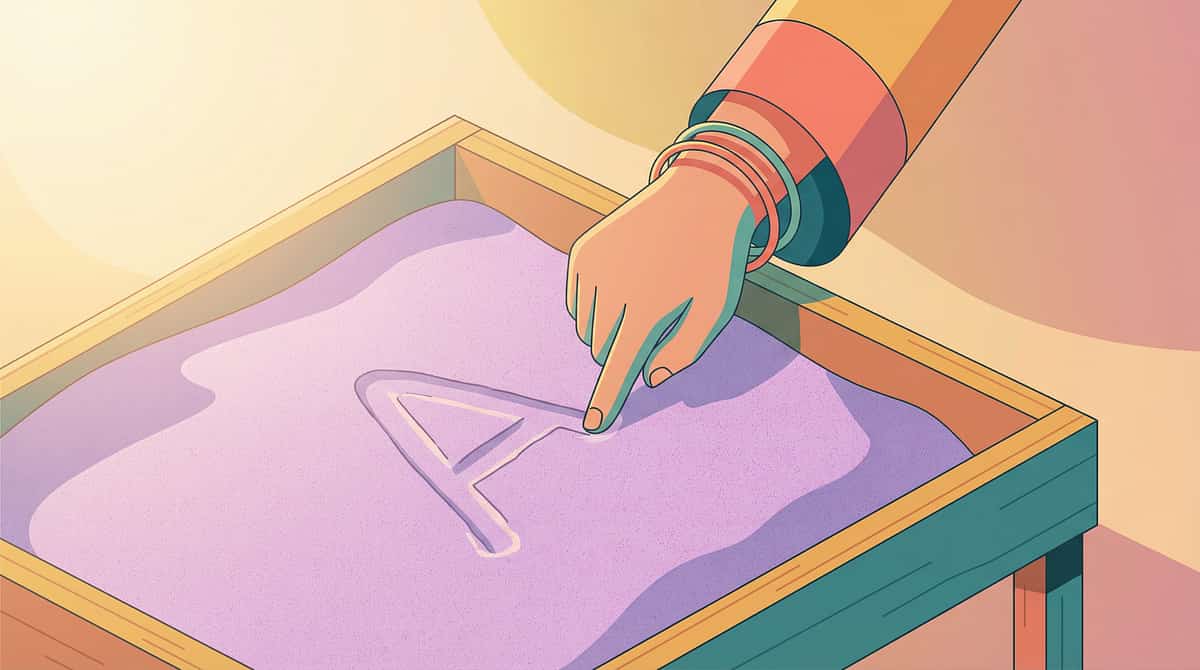
Indian home tools: slate and chalk for large motor writing before fine control, rice tray writing for sensory motor integration, rangoli directional strokes as pre-writing practice. Pre-writing shapes develop in sequence: scribble → vertical line → horizontal line → circle → cross → diagonal → letters → words. Evidence Level I — NCAEP 2020
Section 5 · Domain Capstones
The Holistic Integration Series
The final six cards of this subdomain bring together entire developmental domains into single, practical home-implementation guides. Each capstone synthesizes hundreds of techniques into the essential principles every parent needs to know — and can act on today.
L-994: Communication Overall
Domain B capstone — 110 techniques distilled into one home communication programme
L-995: Behavior Overall
Domain D capstone — the ABC framework and replacement behavior strategy
L-996: Sensory Overall
Domain A capstone — sensory profile, sensory diet, sensory-friendly home
L-997: Social Overall
Domain C capstone — family as social learning ground, play dates to peer connection
L-998: Emotional Overall
Domain C emotional capstone — feeling, understanding, expressing, managing emotions
L-999: Development Overall 🏁
The Grand Capstone — technique 999 of 999, the whole child, the complete system
L-994 · Domain B Capstone
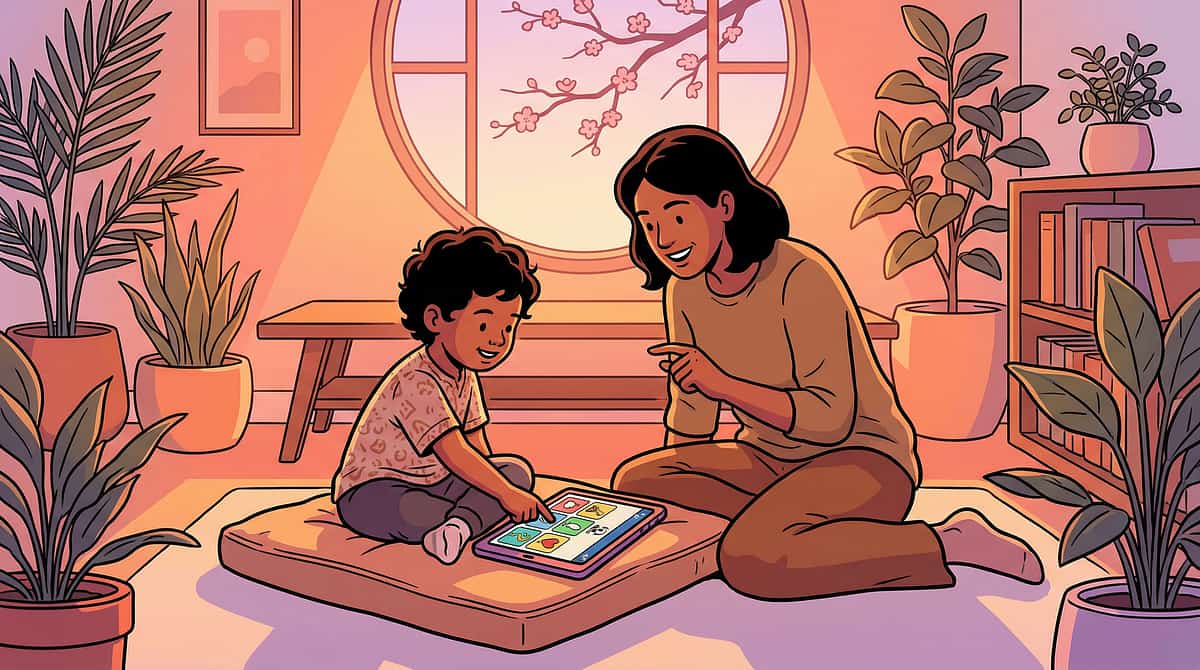
Communication Overall — The Child's Voice in Every Form
Communication is the child's voice — in every form it takes. This capstone synthesizes Domain B (110 techniques across 4 subdomains) into a single home-implementation guide. Communication is not about perfect speech. Communication is power — it replaces challenging behavior, builds relationships, enables learning, and opens the world.
Every Routine Is a Communication Opportunity
Requesting during meals, labeling during bath, commenting during play, questioning during outings, conversing during bedtime. Every daily moment holds multiple embedded communication opportunities — you don't need special sessions.
Use Whatever Modality the Child Has
Speech, sign, AAC device, pictures, gestures — all count equally. Functional communication in any modality is the goal. Accept and respond to every form.
Professional Support Available
Pinnacle Blooms SLP-designed home programmes — expert speech-language pathology support tailored for Indian families. Visit speech.pinnacleblooms.org
L-995 · Domain D Capstone
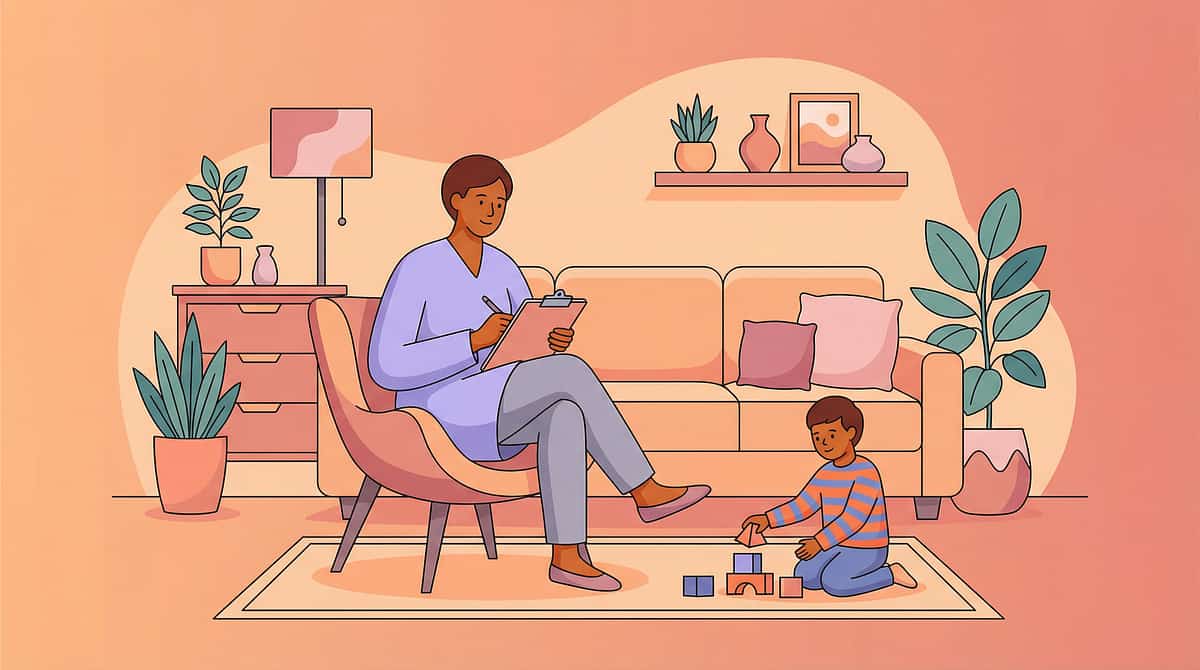
Behavior Overall — Every Behavior Has a Function
Behavior is communication. This capstone synthesizes Domain D (110 techniques across 6 subdomains) into the essential framework for home behavior support. Understanding why the behavior occurs is the beginning of changing it. The ABC model gives every family a clear, evidence-based lens.
The home behavior programme: prevent through environmental setup, teach a replacement behavior (what SHOULD they do instead?), reinforce the replacement consistently, respond to challenging behavior with calm consistency, collect data, and adjust. ABA-designed programmes: behaviour.pinnacleblooms.org
L-996 · Domain A Capstone
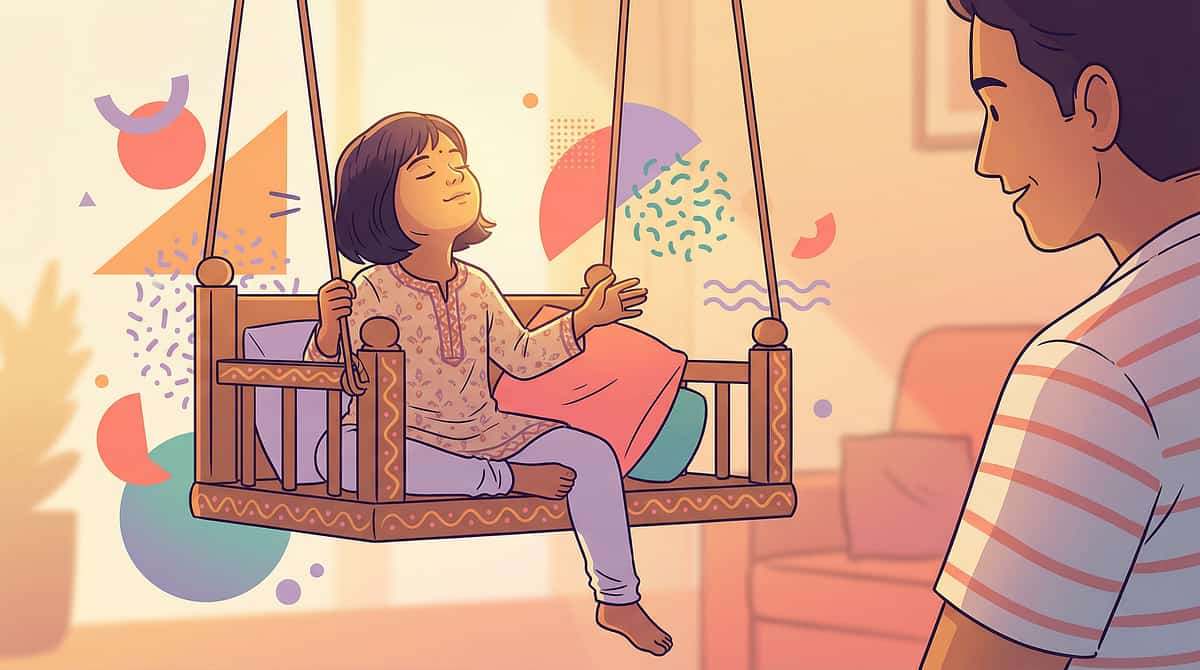
Sensory Overall — The Foundation of Everything
Sensory processing is the foundation of everything. This capstone synthesizes Domain A (120 techniques across 6 subdomains) into a single home implementation guide. Sensory processing is not behavior — it's neurology. Accommodate and support, never punish.
Know Your Child's Sensory Profile
Every child has a unique sensory profile: what they seek, what they avoid, and what they don't notice. Identifying the profile is the first step. Does your child crave movement and crash into things? Seeker. Does your child cover their ears and avoid crowds? Avoider. Both are valid — both need a tailored approach.
Build a Daily Sensory Diet
A sensory diet is a personalized schedule of sensory inputs throughout the day that keeps the nervous system regulated. Proprioceptive input (heavy work, pushing, carrying) calms. Vestibular input (swinging, spinning) alerts. Build sensory breaks into the daily routine — before demanding tasks, after overwhelming experiences.
Create a sensory-friendly home: dim lighting options, quiet spaces, textured surfaces, movement tools (mini trampoline, swing). Desensitize gradually where needed. OT-designed programmes available at sensory.pinnacleblooms.org
L-997 · Domain C Capstone
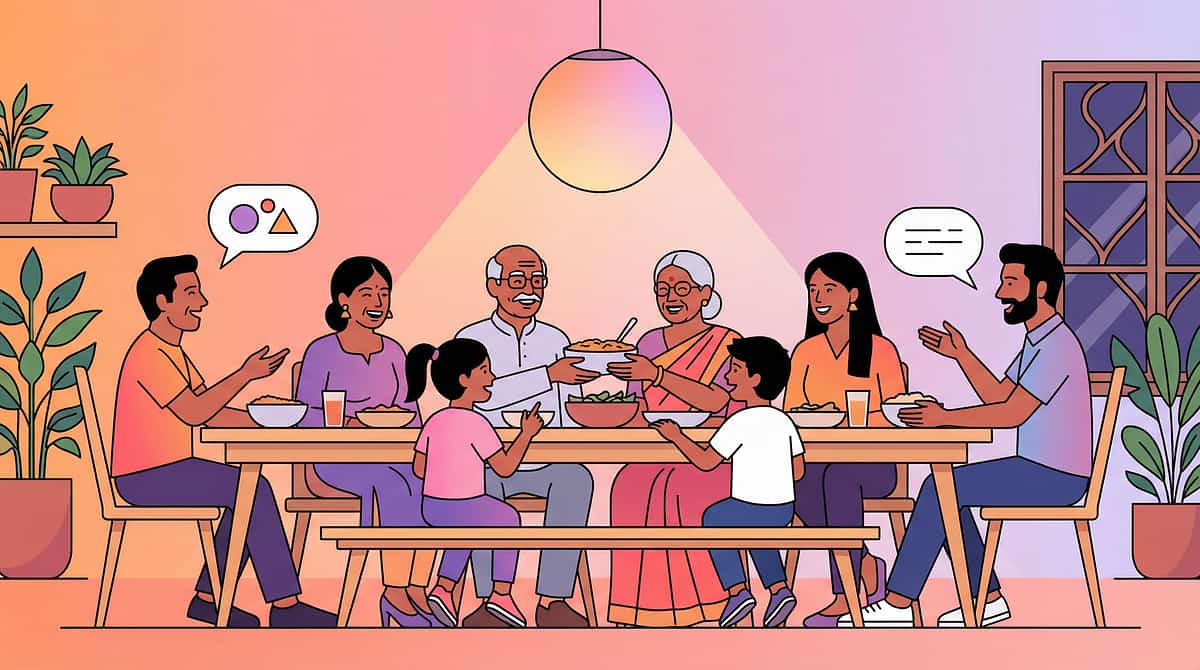
Social Overall — The Family Dinner Table Is the Best Social Skills Group
Social skills are practiced — like any skill. This capstone synthesizes Domain C (110 techniques across 4 subdomains) into a practical home social programme. Start with the family as social learning ground.
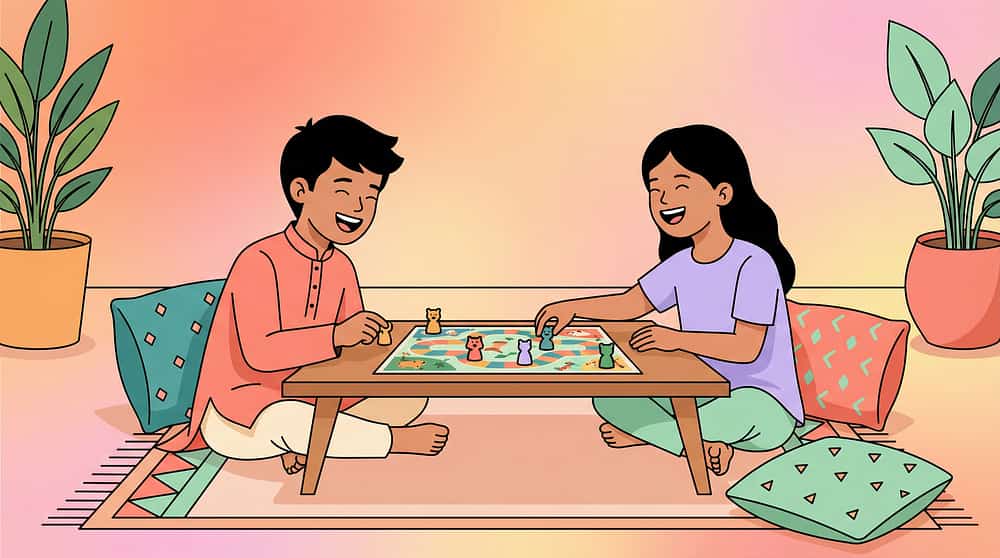
Family as First Social World
Turn-taking during meals, conversation during car rides, emotion identification during daily life, perspective-taking during stories. Every family interaction is social skills practice in the most natural, motivated context.
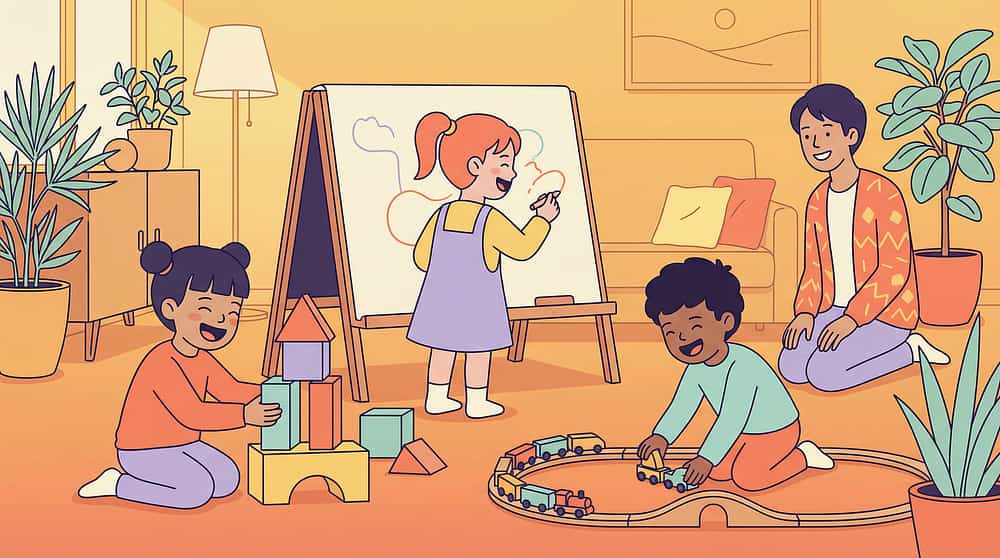
Building to Peer Interaction
Start with structured play dates: short, supported, highly structured. Gradually build to longer, freer, more independent peer interaction. The progression is: family → familiar peers → new peers → group settings.
Social skills programmes: social.pinnacleblooms.org | Evidence Level I — NCAEP 2020

L-998 + L-999 · Grand Capstone 🏁
Emotional Overall & Development Overall — The Final Technique
L-998 — Emotional Overall: The child who can identify their emotions, express them safely, regulate them effectively, and understand others' emotions has the internal infrastructure for everything — relationships, learning, independence, and wellbeing. Emotional development is not a "soft skill." It is the architecture of a flourishing life.
🏁 L-999 — Development Overall: Technique 999 of 999. The completion of the GPT-OS® intervention system. From A-001 (Tactile Processing) to L-999 (Development Overall) — 12 domains, 37 subdomains, and 999 individual intervention techniques. Each with 9 Canon materials. Each designed for home implementation. Each backed by evidence.
Domain A
Sensory system
Domain B
Communication
Domain C
Social-emotional
Domain D
Behavior
Domain E
Daily living
Domain F
Motor skills
Domain G
Play
Domain H
School & academics
Domain I
Transitions
Domain J
Community
Domain K
Family support
Domain L
Home therapy
Preview of specific intervention areas Therapy Material
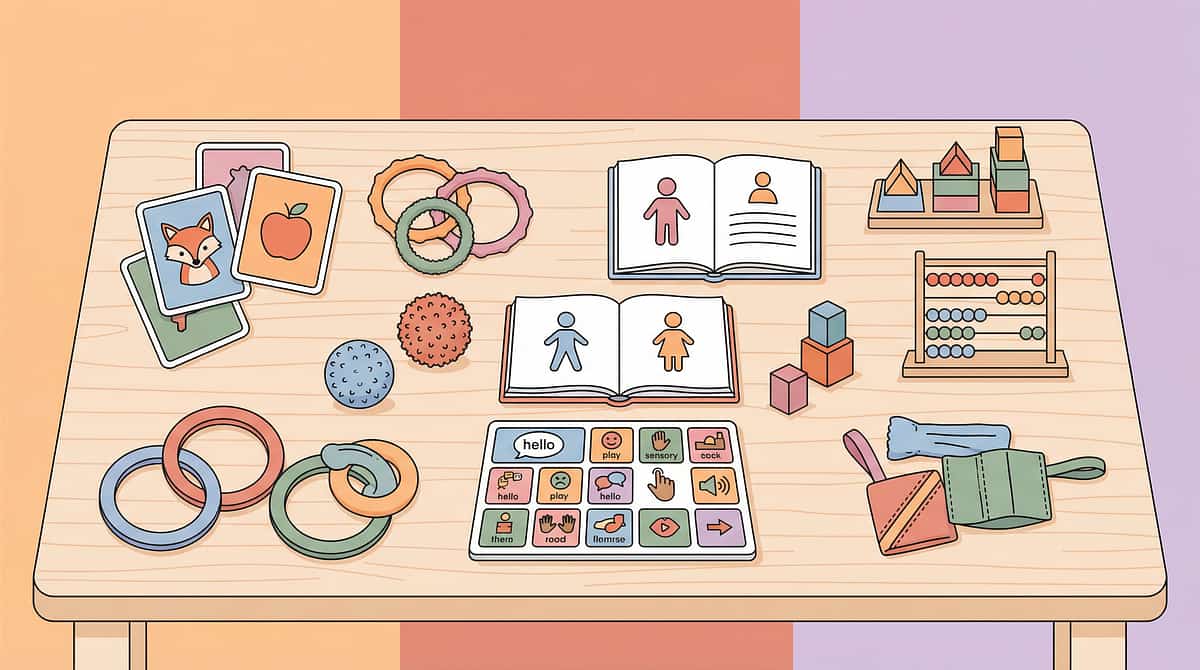
Below is a visual preview of specific intervention areas therapy material. The pages shown help educators, therapists, and caregivers understand the structure and content of the resource before use. Materials should be used under appropriate professional guidance.
Link copied!

999 Techniques. 12 Domains. One Child. One Family. Infinite Potential.
You've reached the end — and the beginning. The 999 techniques in this system are not 999 separate things. They are one interconnected system, designed to work together and reinforce each other. A child working on communication needs sensory regulation to attend, social motivation to engage, behavior support to participate, and a supported family to sustain the work.
"The child who is supported