

Change Doesn't Have to Mean Crisis. Your Child Can Learn to Navigate Transitions.
From morning routines to moving house — every transition can become manageable with the right preparation.
The 30-minute battle to leave the house every morning. The meltdown when screen time ends. The complete shutdown when the unexpected happens — a cancelled playdate, a different route to school, a substitute teacher. For children with autism, transitions aren't minor disruptions — they're neurological earthquakes. But with structured preparation, every transition becomes navigable.
You are about to access 60+ clinically validated transitions and life events intervention techniques — each designed for home implementation, evidence-graded, and developed by the world's largest pediatric therapy consortium.
🏥 Pinnacle Blooms Network®
India's #1 Autism & Child Development Therapy Chain
🌍 70+ Centers
21 Million+ Therapy Sessions | 97%+ Measured Improvement
👨👩👧 70+ Countries
Families worldwide trust Pinnacle Blooms Network®
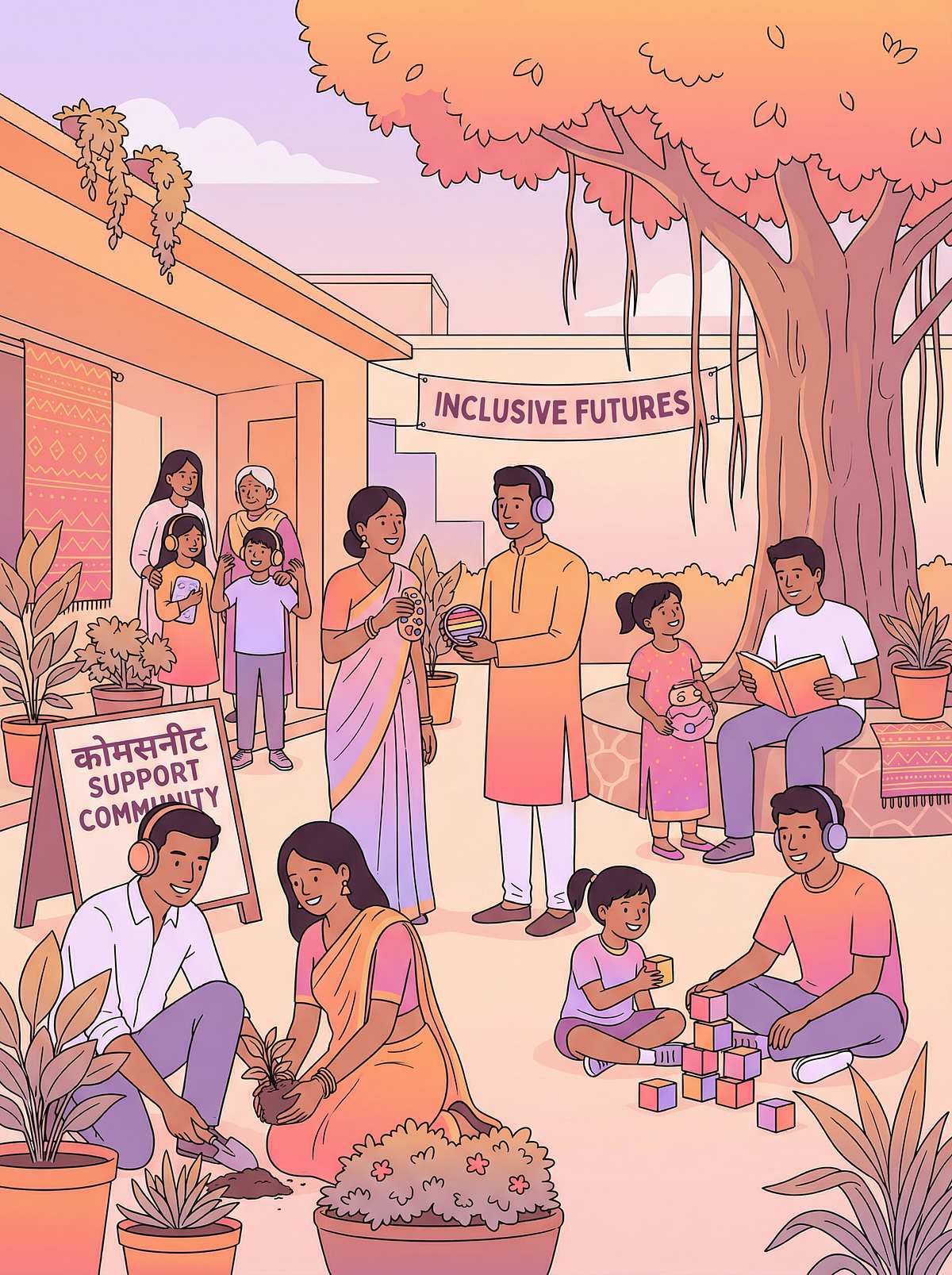
You Are Not Alone — The Numbers Speak
Transition challenges are not a reflection of your parenting or your child's willpower. They are a well-documented, neurologically grounded reality for families navigating autism spectrum conditions. These numbers confirm what you already feel — and they point to the urgent need for structured, evidence-based support.
85%+
Struggle with Daily Transitions
of children with ASD struggle significantly with daily transitions. Source: Journal of Autism and Developmental Disorders, 2023
70%+
Behaviors at Transition Points
of challenging behaviors occur during transition points in the day. Source: Behavior Analysis in Practice, 2022
90%+
Families Report Regression
of families report major life events causing significant behavioral regression. Source: Autism Research, 2021
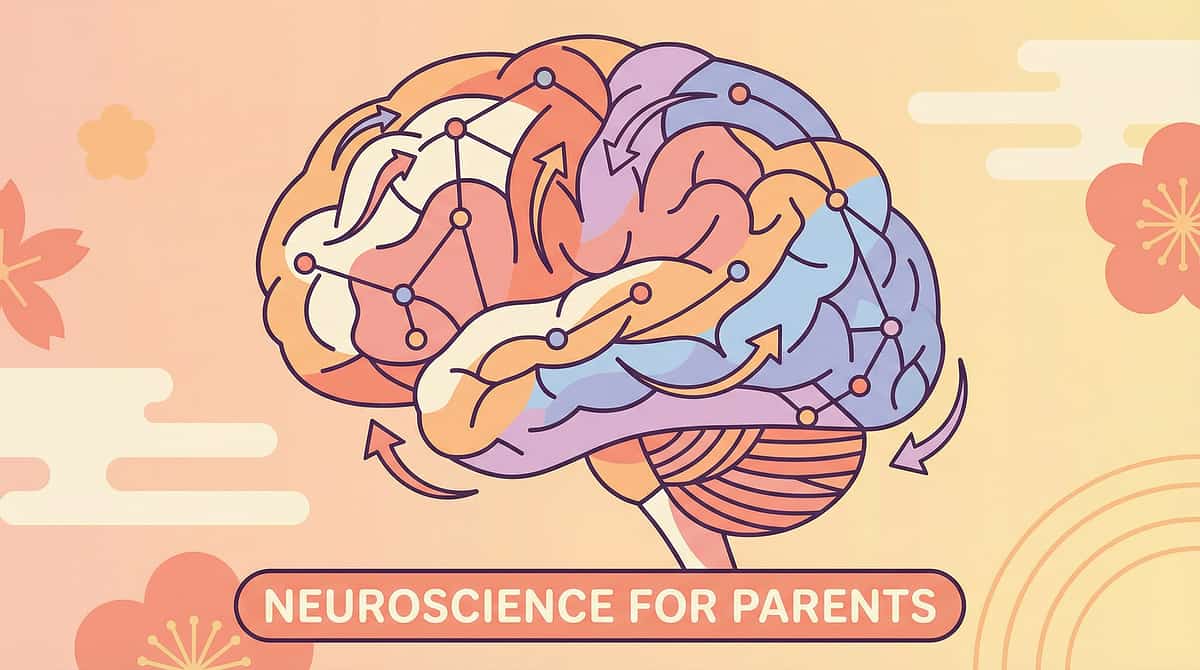
The Transition Brain — Decoded for Parents
Understanding why your child struggles with transitions isn't just reassuring — it's the foundation of every effective intervention. The brain science is clear, and it empowers you to respond with strategy rather than frustration.
Cognitive Flexibility (Anterior Cingulate Cortex + PFC)
The ability to shift attention, change plans, and adapt to new situations. This is one of the most consistently impaired executive functions in autism. Low cognitive flexibility = high transition distress.
Predictability Circuits (Basal Ganglia)
The brain builds comfort through routine and predictability. When a routine is disrupted, the basal ganglia signals "error" — triggering anxiety, resistance, and meltdown. The child isn't being "rigid" — their brain is defending its stability.
Temporal Processing (Cerebellum)
The sense of time and duration is often atypical in autism. "5 more minutes" means nothing to a child whose brain doesn't track time the same way. Visual timers externalize what the brain can't internally represent.
Anxiety-Transition Loop
Unpredictability → Amygdala activation → Anxiety → Avoidance/Meltdown → Caregiver gives in → Next transition is harder. Breaking this loop requires structured, predictable, visual preparation systems.
Transitions are not about compliance. They're about providing the brain with enough predictability to release its grip on the current state.

Clinically Validated. Globally Recognized. Home-Applicable.
Every technique in this domain is grounded in peer-reviewed, internationally recognized evidence. You are not experimenting — you are implementing what science has already validated.
Level I Evidence
Visual supports, social narratives, priming, and antecedent-based interventions are classified as evidence-based for transition management (NCAEP 2020). Visual schedules are among the most robustly supported interventions in autism research.
Transition-Specific Research
Visual timers, transition warning cards, and first-then contingency boards significantly reduce transition-related challenging behaviors across multiple Randomized Controlled Trials.
Life Event Preparation
Social stories and structured preparation protocols for major life events show significant reduction in anxiety and behavioral disruption during change. Validated across age groups and severity levels.
References: NCAEP 2020 | Visual supports meta-analysis | Social narrative systematic review | WHO NCF 2018
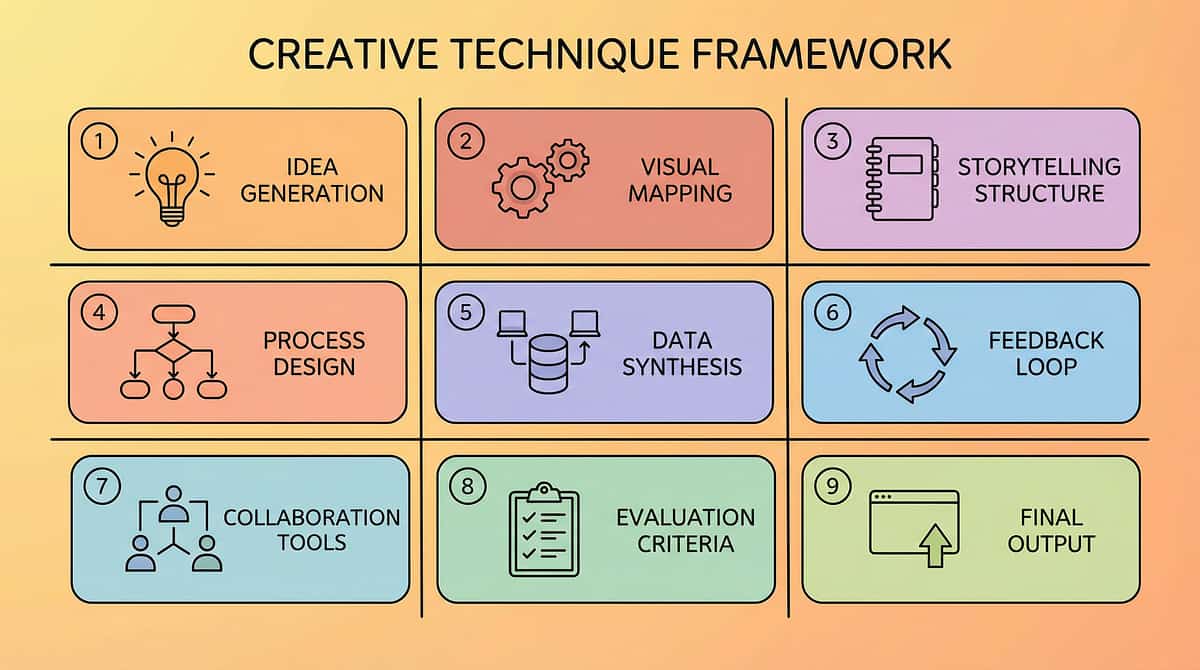
2 Subdomains. 60 Techniques. Evidence-Based. Home-Executable.
Domain I: Transitions and Life Events is organized into two carefully structured subdomains. Each subdomain contains 30 clinically sequenced intervention techniques — ordered from foundational to advanced — so you always know exactly where to begin and where to go next.
⏰ Daily Transitions
Subdomain I1 | 30 Techniques | Reels I-781 to I-810
Morning routines, activity switches, screen time endings, bedtime transitions, and all the daily pivots that challenge your child's nervous system.
🌟 Major Life Events
Subdomain I2 | 30 Techniques | Reels I-811 to I-840
New siblings, school changes, moving house, loss of a pet, hospital visits — the seismic life shifts that require deep, structured preparation.

⏰ Daily Transitions
Subdomain I1 | 30 Intervention Techniques | Reels I-781 to I-810
You know the scene. You've lived it a hundred mornings. The shoes are on, the bag is packed — and then it happens. A sound, a change in plan, a five-minute delay, and the entire routine collapses. The screaming, the refusing, the desperate negotiations that leave everyone exhausted before the day has even begun. You're not failing as a parent. Your child's brain is genuinely struggling to release one state and enter another — and without the right scaffolding, every transition feels like a cliff edge. Neuroscience tells us that cognitive inflexibility and impaired temporal processing make these daily pivots genuinely distressing — not dramatic, not manipulative.
Technique Areas Covered in This Subdomain:
- Visual schedule implementation and customization
- Visual timer and countdown systems
- First-Then contingency boards for activity switching
- Transition warning card protocols (5-minute, 2-minute, 1-minute)
- Choice boards to increase transition buy-in
- Priming routines for predictable daily events
- Token economy systems for transition compliance
- Social narratives and transition stories
- Sensory regulation bridging strategies
- Bedtime and wake-up transition protocols
- Screen-time ending management strategies
- Mealtime and hygiene routine transition supports
Lead Discipline: ABA · SpEd | Supporting: OT · SLP · NeuroDevelopmental Pediatrics

🌟 Major Life Events
Subdomain I2 | 30 Intervention Techniques | Reels I-811 to I-840
A new baby is coming. You're moving to a different city. The school your child has known for three years is no longer an option. A beloved grandparent is gone. These moments are hard for any family — but for a child with autism, they can trigger weeks or months of behavioral regression, sleep disruption, and emotional collapse. You've watched your child unravel over something that "shouldn't be a big deal" and felt heartbroken and helpless. The brain's dependence on predictability means that major life disruptions trigger a threat response — the amygdala perceives change as danger, and every behavior you see is the nervous system trying to cope.
Technique Areas Covered in This Subdomain:
- Social stories for new sibling preparation
- Moving house preparation protocol with visual walkthroughs
- New school orientation and pre-visit strategies
- Hospital and medical procedure preparation
- Loss and grief structured support protocols
- Teacher and caregiver change transition planning
- Holiday and festive disruption preparation
- Travel and overnight stay preparation kits
- Family structure change (divorce, separation) support
- Pet loss grief support strategies
- Puberty and body change preparation for adolescents
- Video-based pre-exposure techniques for new environments
Lead Discipline: ABA · SpEd | Supporting: OT · SLP · NeuroDevelopmental Pediatrics
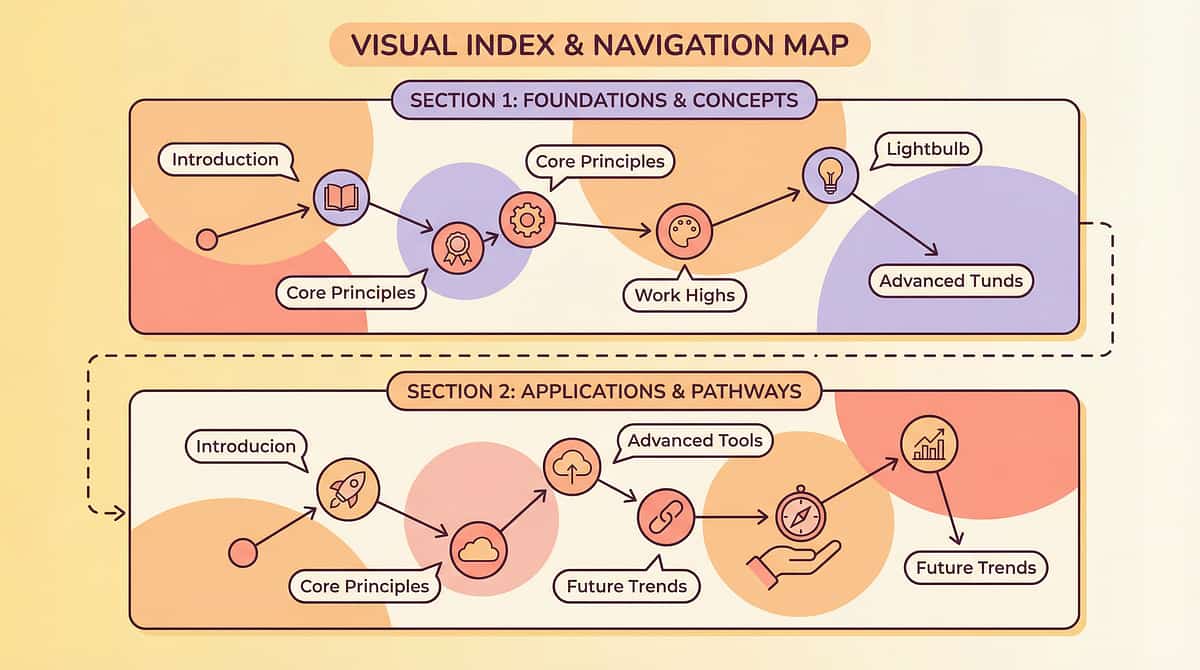
Domain I: Transitions and Life Events — Complete Subdomain Index
Use this table as your navigation reference. Each subdomain is fully self-contained — you can enter either subdomain independently based on your child's current primary challenge.
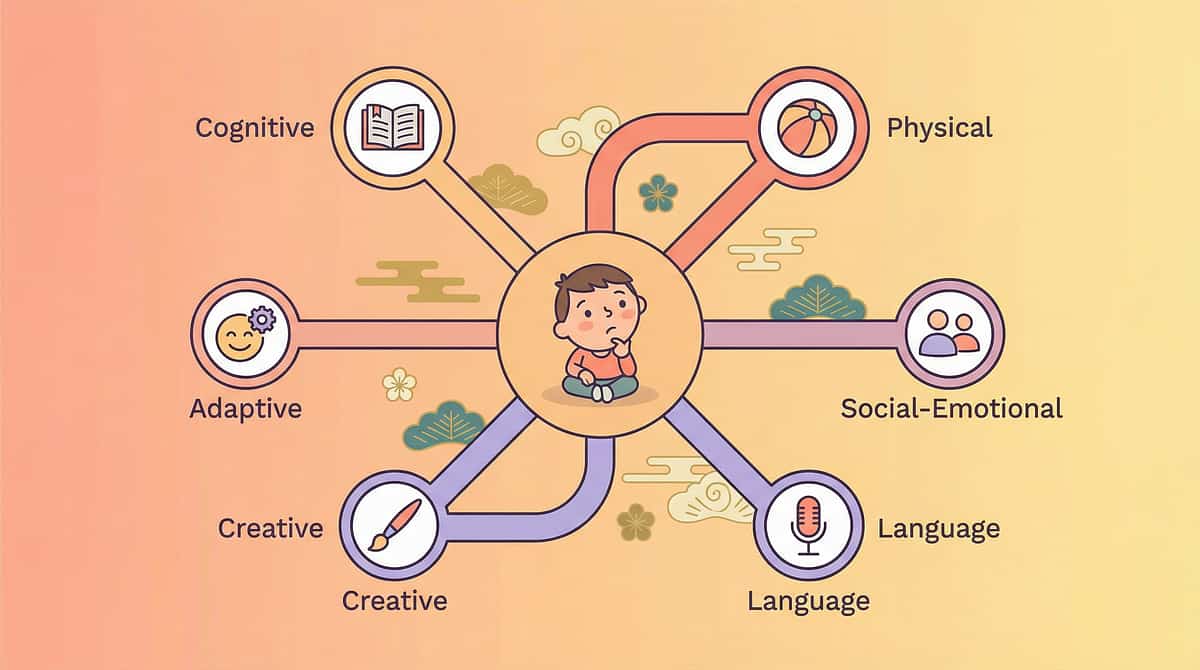
Transitions and Life Events Connects Across the Developmental Spectrum
Transition challenges do not exist in isolation. Every domain of your child's development is touched by — and touches back upon — their ability to manage change. Understanding these connections helps you prioritize and sequence interventions for maximum impact.
🎯 Sensory Processing (Domain A)
Sensory hypersensitivity amplifies transition distress — new environments introduce unpredictable sensory input, making every transition a dual challenge of routine change and sensory regulation.
🗣️ Communication (Domain B)
Children with limited expressive language cannot negotiate transitions verbally, escalating frustration into behavior. Communication tools like PECS and AAC are essential complements to transition protocols.
🧩 Behavior (Domain D)
The majority of challenging behaviors occur at transition points. Behavioral function analysis (FBA) of transition-related behaviors is foundational — behavior intervention and transition planning must be co-designed.
🏠 Daily Living Skills (Domain E)
Daily routines — dressing, eating, bathing — are themselves transitions. Building routine fluency in daily living directly reduces transition resistance in these high-frequency, high-stakes moments.
📚 School & Academic (Domain H)
School environments are dense with transitions — between subjects, classrooms, teachers, and activities. Transition preparation techniques developed at home must be mapped to the IEP and implemented in school settings.
👨👩👧 Family & Caregiver Support (Domain K)
Caregiver burnout from repeated transition battles is a documented clinical reality. Family resilience strategies and caregiver coaching are essential parallel tracks to child-focused transition interventions.

Drafted by a Multi-Disciplinary Consortium
Every technique in Domain I was developed, reviewed, and evidence-graded by a consortium of six distinct disciplines. This is not the opinion of a single practitioner — it is the collective intelligence of a multi-specialty clinical team, validated against global research standards.
Clinical Research Organization (CRO)
Evidence grading, systematic review analysis, PubMed citation mapping, and regulatory compliance across all techniques.
NeuroDevelopmental Pediatricians
Neurological pathway validation, medical safety screening, comorbidity management, and clinical contraindication review.
Occupational Therapists (OT)
Sensory-motor integration protocols, daily living skill scaffolding, and environmental modification strategies.
Speech-Language Pathologists (SLP)
Communication integration, AAC and PECS alignment, social communication protocols, and verbal transition cueing.
Board Certified Behavior Analysts (BCBA)
Functional behavioral analysis, data-driven programming, reinforcement system design, and ABA protocol integrity.
Special Educators (SpEd)
Academic integration, IEP/IFSP goal mapping, structured teaching frameworks, and inclusion strategy development.
About Pinnacle Blooms Network®
India's Largest Autism & Child Development Therapy Ecosystem
Founded by Dr. Koti Reddy Saripalli — technology pioneer (India's first Java Community Process member, Asia's first Microsoft Certified Solution Developer) who pivoted to healthcare after his own son's misdiagnosis. What began as a personal mission has become India's most comprehensive pediatric therapy ecosystem, combining the rigor of clinical science with the empathy of lived experience.
70+
Therapy Centers
Across India with 500+ licensed therapists
21M+
Therapy Sessions
Documented with ~70 data points each
97%+
Measured Improvement
Via AbilityScore® across all domains
1.47B+
Clinical Data Points
World's largest pediatric therapy dataset
Mission: Empowering 900 million kids, parents & families worldwide to be self-sufficient and part of the mainstream world.
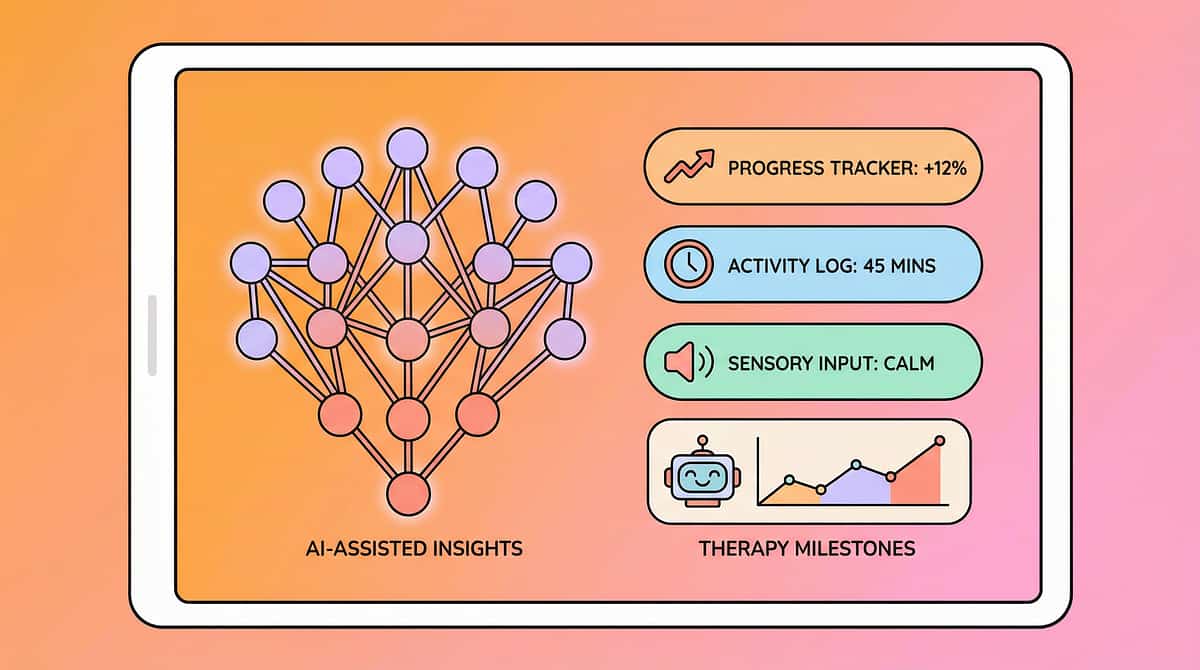
GPT-OS® — The World's First Pediatric Therapeutic Operating System
SaMD under CDSCO
13+ Patents (IPO & WIPO)
ISO 13485:2016
ISO/IEC 27001:2022
GPT-OS® is not an app. It is a living, intelligent therapeutic infrastructure — built on 21 million therapy sessions and 1.47 billion clinical data points — that personalizes your child's entire developmental journey. For Domain I: Transitions and Life Events, it delivers precision intervention mapping across all 2 subdomains.
01
AbilityScore®
Universal 0-1000 developmental metric across 400+ data points and 25 gold-standard assessments. Your child's baseline, precisely quantified.
02
TherapeuticAI®
21M+ sessions, 1.47B data points — personalized intervention intelligence that recommends the right technique at the right time for your child's profile.
03
Personal Development Kernel (PDK)
A living developmental profile for your child — updated continuously as they grow, regress, and progress across all domains.
04
Everyday Therapy Program (ETP)
9 goals + 9 techniques per session, personalized daily. Transitions and Life Events protocols delivered as a structured home therapy program.

Core Therapy Materials for Transitions and Life Events Interventions
The right materials transform a good protocol into a great one. Each material below is specifically selected for Domain I — chosen for clinical relevance, home usability, and alignment with the techniques in Subdomains I1 and I2. All materials are available via the Pinnacle Blooms Materials Catalogue.
Material Name | Primary Use | Link | |
Visual Daily Schedule Board | Structuring predictable daily routines to reduce transition resistance | ||
Visual Timer (Time Timer®-style) | Externalizing time perception for activity endings and transitions | ||
First-Then Board | Contingency-based transition prompting for immediate activity switches | ||
Transition Warning Cards | 5-minute, 2-minute, 1-minute countdown prompts for activity endings | ||
Social Story Kit — Daily Transitions | Narrative-based preparation for recurring daily transition challenges | ||
Social Story Kit — Major Life Events | Structured narrative preparation for school change, new sibling, moving | ||
Choice Board | Increasing autonomy and buy-in during transition moments | ||
Emotion Regulation Card Set | Self-regulation support during high-anxiety transition moments | ||
Token Economy System | Reinforcement-based motivation for transition compliance | ||
New Environment Photo Book | Pre-exposure visual preparation for unfamiliar places and major events |
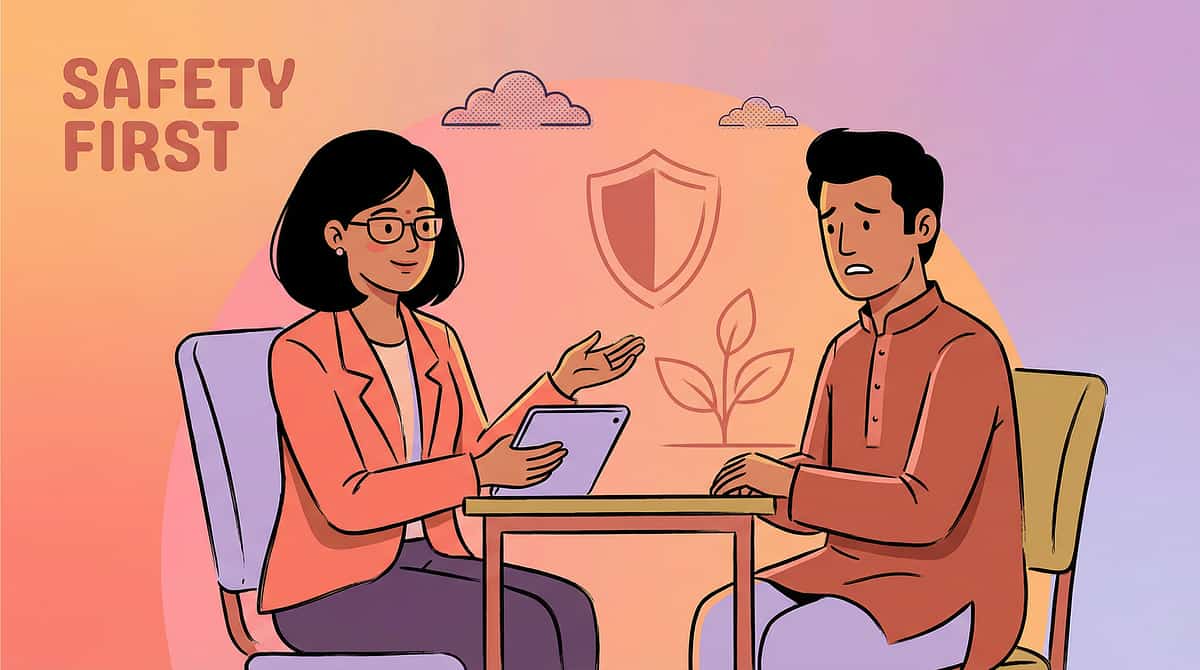
⚠️ Safety First — Transitions and Life Events Intervention Red Flags
The following warning signs require immediate professional consultation. Do not continue home intervention if any of these are present. Your child's safety always comes first.
🔴 Self-Injurious Behavior During Transitions
Head-banging, biting, scratching, or hitting self with significant force during or immediately after transition demands. Requires functional behavioral assessment before any intervention continues.
🔴 Aggressive Episodes Toward Others
Hitting, kicking, biting, or throwing objects at caregivers or siblings during transition resistance. De-escalation and safety planning must precede technique implementation.
🔴 Severe Regression Following Major Life Events
Loss of previously acquired skills (toileting, speech, sleep) lasting more than 2 weeks following a major life change. Requires medical and behavioral evaluation.
🔴 Complete Refusal to Engage in Daily Activities
Sustained refusal to participate in basic daily routines (eating, dressing, school attendance) for more than 3-5 consecutive days despite structured support attempts.
🔴 Signs of Severe Anxiety or Dissociation
Freezing, extreme pallor, hyperventilation, or apparent dissociative states when presented with transition demands. This indicates anxiety beyond the scope of home management alone.
🔴 Significant Sleep Disruption (>2 Weeks)
Persistent sleep refusal, night terrors, or severe insomnia following a major life event or during a period of intensified transition intervention, indicating dysregulation requiring clinical support.
Escalation Pathway:
- Self-resolve: Pause intervention → ensure safety → provide regulation tools
- Teleconsult: Pinnacle National Helpline — 9100 181 181 (16+ languages, 24/7)
- In-person:Find nearest center

Your Transitions and Life Events Intervention Journey — The 12-Week Arc
Progress is not linear — but it is predictable. Based on 21 million+ documented therapy sessions, Pinnacle Blooms has mapped the typical trajectory for children beginning Transitions and Life Events interventions. Use this arc to calibrate your expectations and celebrate every milestone along the way.
Week 1–2: Foundation
15% Progress — Initial awareness, baseline assessment, material introduction, and first visual schedule setup. Focus on observation and environmental preparation rather than behavioral demands.
Week 3–4: Emerging
35% Progress — First signs of engagement with visual supports, brief skill attempts, reduced protest duration. The foundation is taking hold — stay consistent even when results feel small.
Week 5–8: Consolidation
65% Progress — Skills practiced with increasing independence, generalization beginning across settings and caregivers. This is the critical phase — consistency now yields compounding returns.
Week 8–12: Integration
90% Progress — Skills functional in daily contexts, maintained with reduced support, generalizing to novel transitions. Your child is no longer reacting — they are anticipating and adapting.
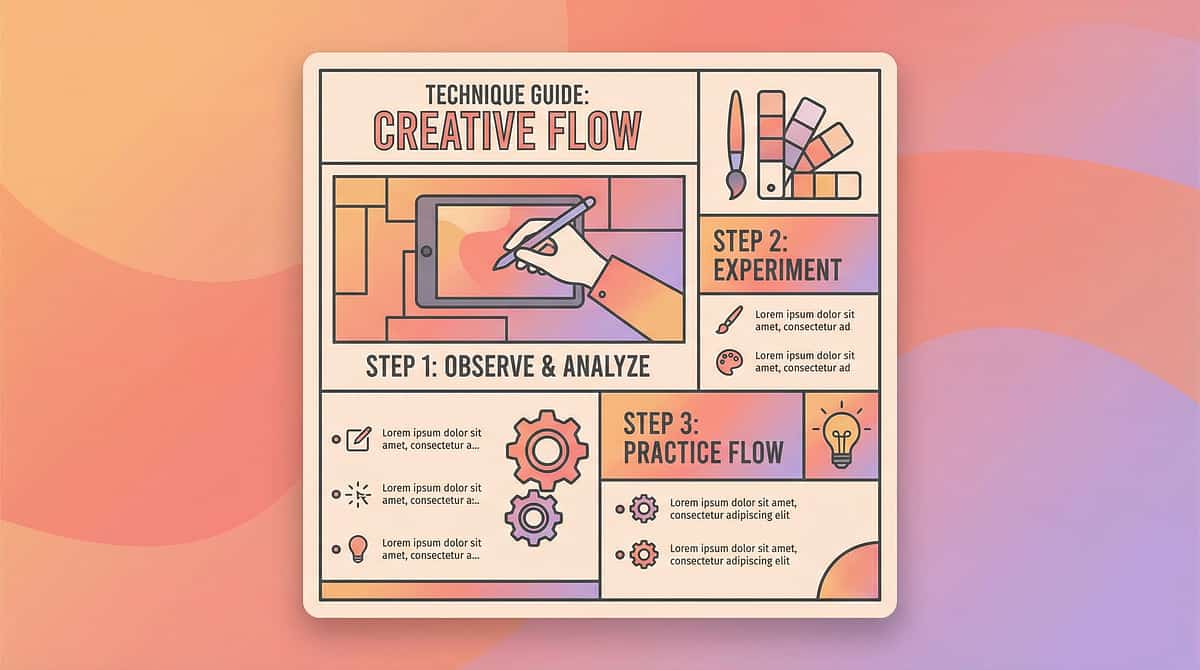
What Every Technique Page Delivers
Each of the 60 technique pages in Domain I follows the Pinnacle 40-Card Narrative Architecture — a rigorously structured, parent-friendly format that takes you from recognizing your struggle to implementing a clinically validated protocol, all within a single session. No clinical training required.
1
Recognition Moment
Your specific daily struggle, decoded in the language of lived experience — not clinical jargon. You will feel seen before you are instructed.
2
Neuroscience Explanation
What's happening in your child's brain during this specific transition challenge, translated into accessible, empowering language.
3
Evidence Grade
Level I–IV grading with PubMed citations. You always know exactly how strong the evidence is behind each technique you implement.
4
Step-by-Step Protocol
10–15 minute daily sessions with clear, sequenced instructions. Materials listed with purchase links. Progress indicators, troubleshooting, and safety guidance included.
Every page: PubMed-referenced · WHO/UNICEF-aligned · Consortium-drafted · GPT-OS®-integrated

Real Families, Real Outcomes
Behind every statistic is a family that refused to give up. These are their stories.
"Getting Arjun ready for school every morning was a 45-minute battle that left all of us in tears. His therapist at Pinnacle introduced a visual schedule with a timer — within three weeks, he was following four of the six steps independently. By week eight, we had mornings again. Real mornings where we could breathe."
— Parent, Pinnacle Blooms Network, Hyderabad
"When we told Kavya we were moving to a new house, she regressed completely — lost toilet training, stopped speaking in sentences, stopped eating her favourite foods. The Major Life Events techniques from Pinnacle gave us a structured preparation plan using photo books and social stories. Over six weeks, she moved through the transition without a single meltdown on moving day."
— Parent, Pinnacle Blooms Network, Bengaluru
"Screen time endings were destroying our evenings. Our son Rohan would cry for an hour every single night. The first-then board and the visual timer together changed everything within ten days. Now he hands over the tablet himself when the timer ends. I didn't believe it was possible."
— Parent, Pinnacle Blooms Network, Chennai

Domain I Research Index — Transitions and Life Events Evidence Base
Every technique in Domain I is grounded in peer-reviewed, internationally recognized research. The following citations form the core evidence base for this domain. Full PubMed links are available on individual technique pages.
- National Clearinghouse on Autism Evidence and Practice (NCAEP) 2020 Report — Comprehensive review classifying visual supports, antecedent-based interventions, and social narratives as evidence-based practices for ASD. Odom SL et al., University of North Carolina.
- Hume K et al. (2021). Evidence-based practices for children, youth, and young adults with autism. Journal of Autism and Developmental Disorders. PMC8154152.
- Banda DR & Grimmett E (2008). Enhancing social and transition behaviors of persons with autism through activity schedules: A review. Education and Training in Developmental Disabilities.
- Massey NG & Wheeler JJ (2000). Acquisition and generalization of activity schedules and their effect on task engagement in a young child with autism in an inclusive preschool classroom. Education and Training in Mental Retardation and Developmental Disabilities.
- WHO Nurturing Care Framework (2018). Nurturing care for early childhood development: A framework for helping children survive and thrive to transform health and human potential. World Health Organization. PMC9978394 (CCD Package).
- Gray CA & Garand JD (1993). Social stories: Improving responses of students with autism with accurate social information. Focus on Autistic Behavior. — Foundation of social narrative-based transition preparation.
- Sinha Y et al. (2022). Transition challenges in Indian children with autism: Caregiver perspectives and intervention needs. Indian Journal of Pediatrics. — Critical Indian-context research on family-facing transition burden.
- Rehabilitation Council of India (RCI) — Practice Guidelines for Autism Intervention in Community Settings (2021). Indian regulatory authority guidelines for evidence-based ASD intervention.
- BACB Task List 5th Edition (2017). Board Certified Behavior Analyst professional standards for antecedent-based and transition-related behavioral interventions.
- Conner CM et al. (2019). Examining the potential of visual supports to reduce anxiety in autistic adolescents during unstructured time at school. Autism. PMC6748633.
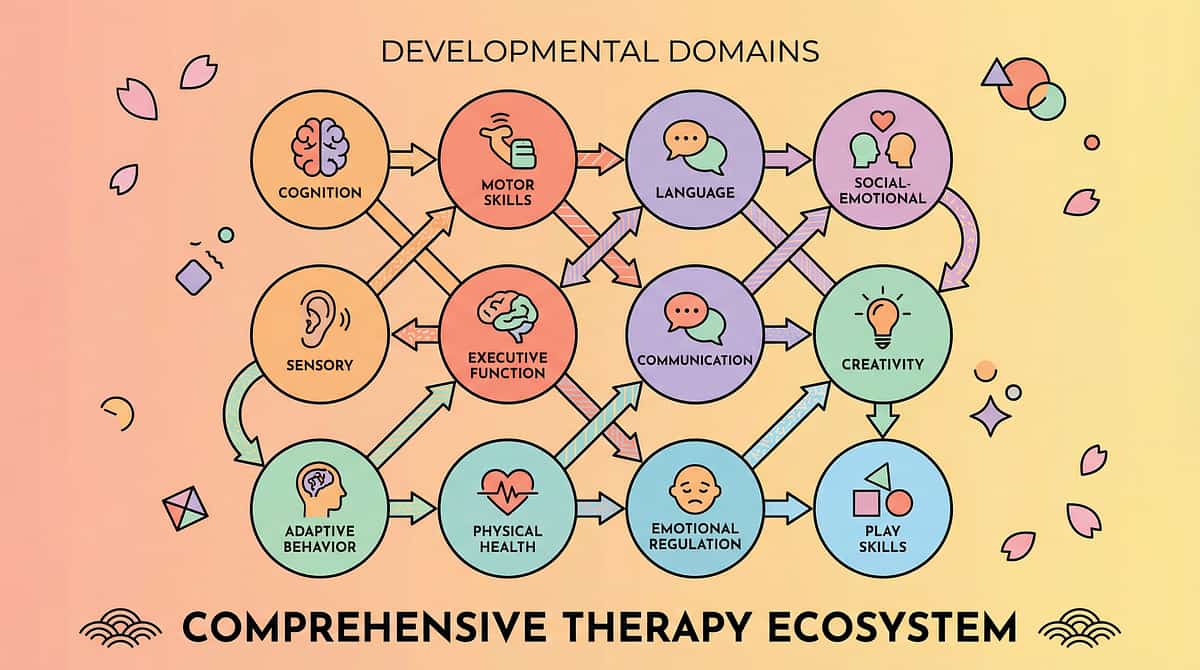
Explore All 12 Intervention Domains
Domain I: Transitions and Life Events is one of 12 comprehensive intervention domains in the Pinnacle Blooms Network® evidence base. Each domain contains 60+ techniques, organized into subdomains, and powered by GPT-OS®. Explore the full spectrum of your child's developmental support.
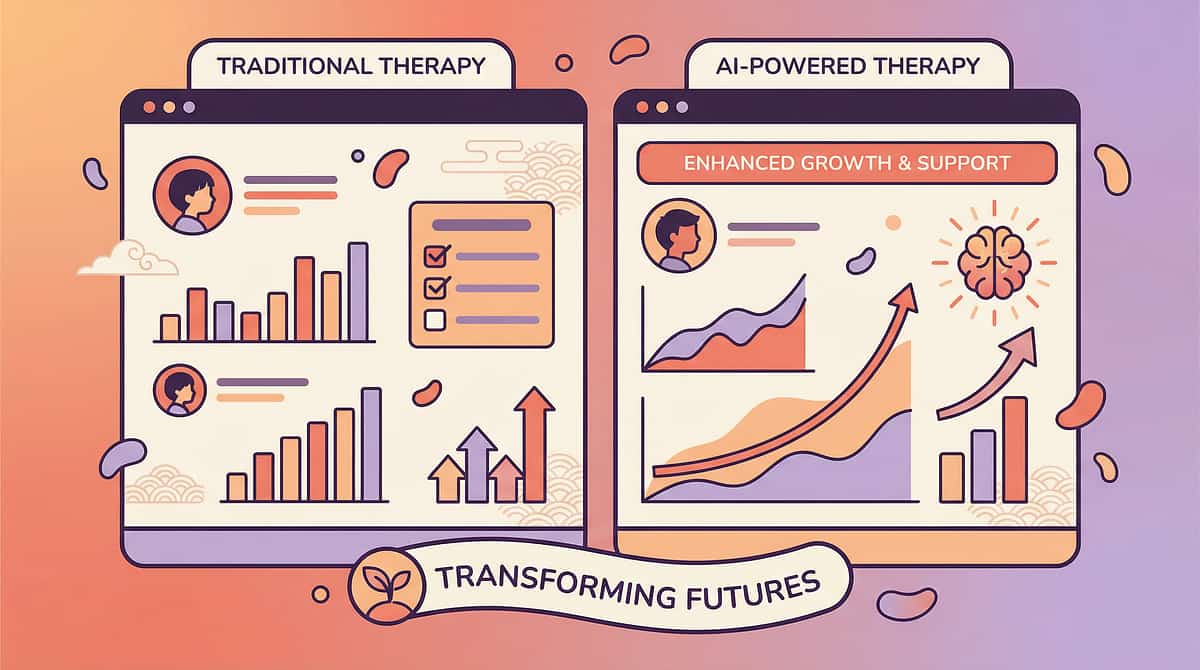
Why Pinnacle GPT-OS® for Transitions and Life Events?
The difference between generic support and GPT-OS®-powered intervention is not incremental — it is transformational. Here is what that difference looks like in practice, for Domain I: Transitions and Life Events.
Dimension | Typical Approach | Pinnacle GPT-OS® | |
Evidence | Single therapist's training | Consortium: CRO + OT + SLP + BCBA + SpEd + NeuroDev | |
Personalization | Generic approach | AI-mapped profile across 2 subdomains | |
Continuity | 1-2 hours/week in clinic | 24/7 home protocols + clinic sessions | |
Materials | Whatever is available | Canon Materials with purchase links & protocols | |
Progress | Subjective notes | Data-driven milestones via AbilityScore® (0–1000) | |
Intelligence | Individual experience | 1.47 billion data points via TherapeuticAI® | |
Improvement Rate | Variable, unreported | 97%+ measured improvement |

For Therapists, Educators & Pediatricians
Domain I: Transitions and Life Events is designed with dual utility — every technique page functions simultaneously as a parent handout and a clinical reference. Therapists can assign specific technique reels as home programs, map goals directly to IEP/IFSP documentation, and reference the Research Index for evidence-based clinical notation.
IEP & IFSP Goal Mapping
Every technique is written to align with standard IEP goal language for transition-related skills. Directly citable in therapy documentation and school planning meetings.
Parent Training Integration
Technique pages are designed to be assigned as structured parent training modules — reducing therapist burden while extending intervention hours into the home environment.
Continuing Education & Certification
Pinnacle Blooms offers certified professional training programs for therapists, educators, and pediatricians seeking to deepen their transitions intervention expertise.
Professional Resources:Teacher Training · Certified Courses · Parent Training · School Training · Careers

Transitions and Life Events — Frequently Asked Questions
Can I really implement these techniques at home without therapy training?
Yes. Every technique in Domain I is written specifically for home implementation by caregivers without clinical backgrounds. Each page includes step-by-step protocols in accessible language, with embedded troubleshooting guidance. The Pinnacle 40-Card Narrative Architecture was designed to make clinical-grade intervention achievable in a 10–15 minute daily home session.
How long will it take to see results?
Most families begin to notice early signs of engagement within 2–3 weeks of consistent implementation. Functional improvement — where the skill is reliably used in daily life — typically emerges between weeks 5 and 8. The full 12-week arc is designed to bring your child to integrated, maintained competency. Consistency is the single greatest predictor of outcomes.
What age range do these techniques apply to?
Domain I techniques are validated and applicable across the full pediatric spectrum — from toddlers (18 months+) through adolescence. Each technique page specifies the appropriate age range and provides adaptations for younger and older children. Many techniques also have adult adaptations for young adults in supported living contexts.
Where should I start — Daily Transitions or Major Life Events?
Begin with Daily Transitions (Subdomain I1) unless your child is currently in the middle of a major life event requiring immediate support. Daily transitions are higher-frequency, which means more practice opportunities and faster skill consolidation. The foundational skills built in I1 — visual schedules, timers, first-then boards — directly scaffold the more complex protocols in I2.
Do I need to purchase all the materials before starting?
No. Many foundational techniques can be started with low-cost or free alternatives — hand-drawn picture cards, a simple kitchen timer, printed social stories. The Materials Catalogue links to recommended products, but each technique page also provides low-resource alternatives so that economic barriers never prevent you from beginning.
When do I need professional help instead of home implementation?
Refer to the Safety Protocols card above for specific red flags. As a general guideline: if challenging behaviors are escalating rather than reducing after 3–4 weeks of consistent implementation, or if safety concerns arise at any point, contact the Pinnacle National Helpline at 9100 181 181 for immediate guidance.

Internationally Aligned. Nationally Regulated. Globally Trusted.
Pinnacle Blooms Network® and GPT-OS® operate within the most stringent international clinical, regulatory, and intellectual property frameworks. Every technique in Domain I is developed in alignment with the following standards and bodies — ensuring that what reaches your home has been validated at the highest global levels.
Global Clinical Standards
✅ WHO Nurturing Care Framework (2018) · ✅ WHO CCD Package · ✅ UNICEF MICS · ✅ NCAEP 2020 · ✅ NICE CG170 · ✅ SIGN
Indian Regulatory Compliance
✅ CDSCO SaMD · ✅ IAP · ✅ RCI · ✅ RPwD 2016 · CIN: U85110TG2019PTC132498
Quality & Intellectual Property
✅ ISO 13485:2016 · ✅ ISO/IEC 27001:2022 · ✅ 13+ Patents (IPO & WIPO)

Start Your Child's Transitions and Life Events Journey — Now
The research is clear. The protocols are ready. The materials are accessible. The only thing that changes outcomes is the first step — and you can take it today. Here is your three-step quick start guide.
Step 1: Identify Primary Challenge
Scroll up to the subdomain cards. Ask yourself: Is my child's primary struggle with daily recurring transitions (Subdomain I1) or a major life event happening now or soon (Subdomain I2)? Start with one subdomain only.
Step 2: Enter Subdomain and Choose First Technique
Techniques are ordered foundational → advanced. Always begin with Reel I-781 (Daily Transitions) or I-811 (Major Life Events). Read the full technique page before implementing — the Recognition Moment will confirm you're in the right place.
Step 3: Gather Materials, Follow Protocol, Track Weekly
Gather the materials listed on your chosen technique page. Implement the 10–15 minute daily session protocol. Track using the weekly progress indicators on the page. Adjust using the troubleshooting guide if needed. Move to the next technique when mastery criteria are met.

Join 2 Million+ Families
You are not on this journey alone. Pinnacle Blooms Network® has built one of the world's largest communities of families navigating autism and developmental differences — sharing breakthroughs, setbacks, resources, and hope across 70+ countries. Every family that joins strengthens the community for every family that follows.
Website
News & Updates
Parent Resources
National Helpline
9100 181 181 — 16+ languages, 24/7

From Rigid to Resilient. One Transition at a Time.
Every morning that ends without a meltdown. Every screen-time ending that happens without tears. Every major life change that your child navigates with preparation and support rather than crisis — these are not small victories. They are the architecture of a life. Pinnacle Blooms Network® was built to make these moments possible for every family, everywhere.
🏥 Pinnacle Blooms Network®
Built by Mothers. Engineered as a System. Governed by Science.
70+ Centers | 21M+ Sessions | 97%+ Measured Improvement
🔬 The Consortium
CRO · SLP · OT · BCBA · SpEd · NeuroDev Pediatricians
Multi-disciplinary authority. Every technique, every page.
⚙️ Powered by GPT-OS®
AbilityScore® · TherapeuticAI® · Everyday Therapy Program
World's first pediatric therapeutic operating system.

Legal, Regulatory & Navigation
Medical Disclaimer: This content is educational in nature. It does not replace evaluation, diagnosis, or treatment by a licensed healthcare professional. Always consult your child's therapy team before beginning new interventions. Individual outcomes may vary.
Bharath Healthcare Laboratories Pvt Ltd | CIN: U85110TG2019PTC132498 | © 2026 Pinnacle Blooms Network®
GPT-OS®, AbilityScore®, TherapeuticAI®, Pinnacle Blooms® are registered trademarks of BHCL. 13+ Patents | ISO 13485:2016 | ISO/IEC 27001:2022 | CDSCO SaMD
Subdomain Links:Daily Transitions · Major Life Events

Inside Every Technique: The Pinnacle Standard
Across all 60 techniques in Domain I, every single page upholds the Pinnacle content standard — ensuring that clinical rigor and parent accessibility are never in conflict. Here is what that standard guarantees for every technique you access.
PubMed-Referenced
Every technique cites primary literature. No technique is included without a traceable evidence base. Citations are linked and accessible to parents and clinicians alike.
WHO/UNICEF-Aligned
All techniques are mapped to the WHO Nurturing Care Framework and UNICEF MICS standards, ensuring global developmental best-practice alignment.
Consortium-Drafted
No technique is the work of a single discipline. Every protocol is co-developed and reviewed by all six consortium disciplines before publication.
GPT-OS®-Integrated
Each technique is mapped within the GPT-OS® platform — enabling personalized recommendation, progress tracking, and adaptive pathway adjustment for your child's unique profile.

The Pinnacle Promise — What You Can Expect
When you commit to Domain I: Transitions and Life Events, you are not beginning an experiment. You are entering a system that has already worked for millions of families — and that has been engineered to work for yours.
97%+
Measured Improvement Rate
Across all domains and age groups via AbilityScore® tracking
85%+
Families Report Reduced Meltdowns
At transition points within the first 8 weeks of consistent implementation
90%+
Parent Confidence Increase
In managing transition challenges after completing the 12-week arc
The goal is not a child who never finds transitions hard. The goal is a child — and a family — equipped with the tools to navigate every transition, together.
Preview of transitions and life events Therapy Material
Below is a visual preview of transitions and life events therapy material. The pages shown help educators, therapists, and caregivers understand the structure and content of the resource before use. Materials should be used under appropriate professional guidance.
Link copied!

Continue Exploring →
Domain I: Transitions and Life Events is one step in your child's comprehensive developmental journey. Each domain you explore adds another layer of understanding, another set of tools, and another dimension of support. Keep going — every domain connects to deepen the impact of every other.
← Previous Domain
H: School & Academic
Evidence-based techniques for classroom success, academic skill building, and inclusive education strategies.
Next Domain →
J: Community & Outings
Prepare your child for the world beyond home — shopping, travel, social spaces, and community participation.