

Anxiety & Fears — 25 Evidence-Based Interventions
Subdomain C2 | Domain C: Social-Emotional Development | Pinnacle Blooms Network®
Anxiety affects 40–80% of children with autism — far higher than the 10–15% seen in neurotypical peers. These 25 evidence-based techniques address everything from generalised worry and separation anxiety to specific fears, school refusal, selective mutism, and OCD. Each technique is backed by Level I research and designed for the Indian family context.
Subdomain C2
25 Techniques
Level I Evidence
Why Anxiety Hits Harder in Autism
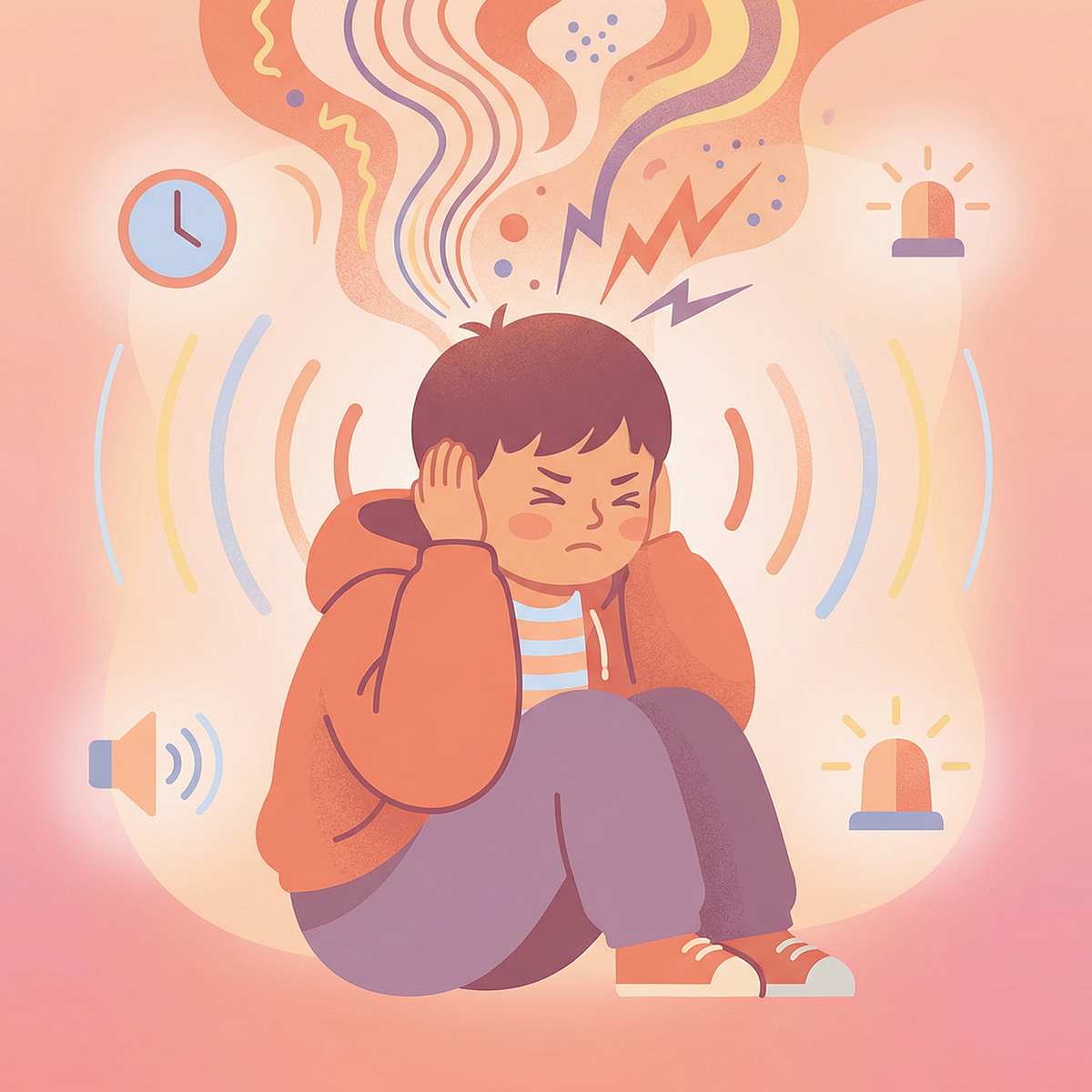
Anxiety in ASD is not a separate condition layered on top — it emerges from the autism experience itself. A world that is sensorially overwhelming, socially confusing, and relentlessly unpredictable taxes a brain already working at full capacity.
🧠 Amygdala
Hyper-sensitised threat detector. Flags new faces, new places, and new sounds as potential danger — even when they're safe.
🔄 BNST
The "anxiety centre" — sustains threat response over time, driving the persistent, generalised worry state that has no single trigger.
💾 Hippocampus
Stores fear memories. One bad doctor visit means ALL future doctor visits feel dangerous. One scary dog means ALL dogs are a threat.
🛑 Weak PFC
Should send the "all clear" signal. In ASD + anxiety, this inhibition is weakened — the brain stays locked in threat mode.

C-276
General Anxiety
9 Materials That Help With General Anxiety
They worry about everything — going out, staying in, school, home, new things, old things. The worry is constant, pervasive, and exhausting. A background hum of fear that colours every interaction, every decision, every moment. They can't name what they're afraid of because it's everything.
Generalised anxiety reflects chronic hyperactivation of the BNST — the brain's sustained threat-monitoring system. Unlike specific phobias, there is no single trigger to clear: the entire world is continuously scanned for danger. Modified CBT, sensory regulation, and daily predictability routines are the foundation of treatment.
What You'll Learn
- Anxiety as neurological reality — not weakness, not choice
- Recognising generalised anxiety in ASD (it rarely looks "typical")
- Modified CBT strategies for concrete thinkers
- Sensory regulation as anxiety management
- Daily anxiety reduction routine: predictability, preparation, decompression
- When to seek medication consultation (severity indicators)
📊 Level I Evidence
Psychology · ABA · OT

C-277
Recognizing Anxiety Signs
9 Materials That Help Recognizing Anxiety Signs
Anxiety in ASD is a chameleon. It doesn't always look like worry, avoidance, or clinginess. In ASD, anxiety can present as increased stimming, aggression, meltdowns, refusal, echolalia escalation, shutdown, repetitive questioning, demand avoidance, or rigidity escalation. If you don't know the disguises, you'll miss the anxiety underneath.
Behavioural Disguises
Stimming surge, aggression, meltdowns, shutdown, rigid behaviour spikes, and repetitive questioning — all can be anxiety wearing a different mask.
Body-Based Signs
Stomach ache, headache, muscle tension, toilet urgency — the body often speaks what words cannot. Physical signs are real, not manipulative.
Clinical Assessment
"Is this behaviour anxiety-driven?" observation diary, differentiating anxiety from sensory overload, and knowing when to seek formal assessment.

C-278
Separation Anxiety
9 Materials That Help With Separation Anxiety
You can't leave the room. School drop-off is a daily trauma. Any distance produces panic — screaming, clinging, inconsolable distress. The invisible rope between parent and child is so tight that separation feels, to the child's nervous system, like an emergency.
In ASD, the parent is the child's external nervous system regulator. Separation doesn't just remove a person — it removes the child's primary mechanism for emotional regulation. Without the parent, the resulting panic is neurologically rational. Graduated separation, transition objects, and carefully structured school drop-off protocols rebuild safety step by step.
30 Seconds
Parent steps just outside the door. Child remains with a familiar adult. Return before distress escalates.
1–5 Minutes
Gradual increase with a visual timer. Transition object (parent's scarf, photo) bridges the gap.
School Protocol
Structured drop-off routine with social story preparation. Indian joint family as additional support system.

C-279
Fear of New People
9 Materials That Help With Fear of New People
Guests arrive. The child hides behind you, screams, or refuses to come out of their room. New faces are threat faces. In Indian culture — where visitors are frequent, festivals bring crowds, and joint family gatherings are expected — this fear disrupts daily social life profoundly.
New faces require the fusiform face area to process an unfamiliar configuration, generating uncertainty. Uncertainty = amygdala threat signal. The child cannot predict this new person's behaviour, voice, or actions — and unpredictability = danger. Photo-based preparation, graduated exposure, and coaching visitors on approach transform strangers into known quantities.
Photo Preparation
Show photos of visitors before arrival so the new face becomes familiar before the person appears.
Coach the Visitor
"Don't rush, don't touch, wait for the child to approach." Visitors who understand the protocol become safe people faster.
Safe Person Concept
The parent remains the anchor. Gradual proximity — brief interaction → longer — with parent always visible as the safety base.

C-280
Fear of New Places
9 Materials That Help With Fear of New Places
New restaurant — refusal at the door. New park — won't leave the car. New school — full panic. Any unfamiliar environment is experienced as territory without a map. Sensory unpredictability, spatial disorientation, and social uncertainty combine into a single overwhelming threat signal.
New environments overload the hippocampal spatial mapping system and generate maximum uncertainty across all sensory channels simultaneously: unknown sounds, unfamiliar smells, uncharted spatial layout. Virtual pre-visits, photo books, and a carefully graduated first-visit protocol give the brain the map it needs before arrival.
Virtual Visit
Google Maps, Street View, or YouTube videos of the destination viewed at home.
Drive Past
First outing is observation only — sit in the car, see the building from outside.
Walk to Entrance
Second visit: approach the door without entering. Sensory preview from the threshold.
Brief Inside Visit
Third visit: enter briefly, then leave. Gradually extend duration across subsequent visits.

C-281
Doctor Visit Fear
9 Materials That Help With Doctor Visit Fear
The paediatrician's waiting room. The antiseptic smell. The stethoscope. The examination table. For a child with sensory sensitivities, a doctor's office is a multi-sensory assault — tactile intrusion by a stranger, auditory overload, olfactory distress, and the crushing unpredictability of what will happen next. Indian hospital environments — often crowded, loud, and long in wait — amplify every layer of this overload.
Medical Play
Practice at home with toy stethoscope and doctor kit. Familiarity with the tools removes the element of surprise.
Sensory Preparation
Bring noise-reducing headphones and a weighted lap pad. Prepare the child for exactly what sounds, smells, and touches to expect.
Physician Coaching
Approach slowly. Explain before touching. Use a visual schedule of the visit steps so nothing is a surprise.
Scheduling Strategy
Book the first appointment of the day — minimal waiting time, quieter environment, less sensory buildup before the appointment begins.
C-282
Dentist Fear
9 Materials That Help With Dentist Fear
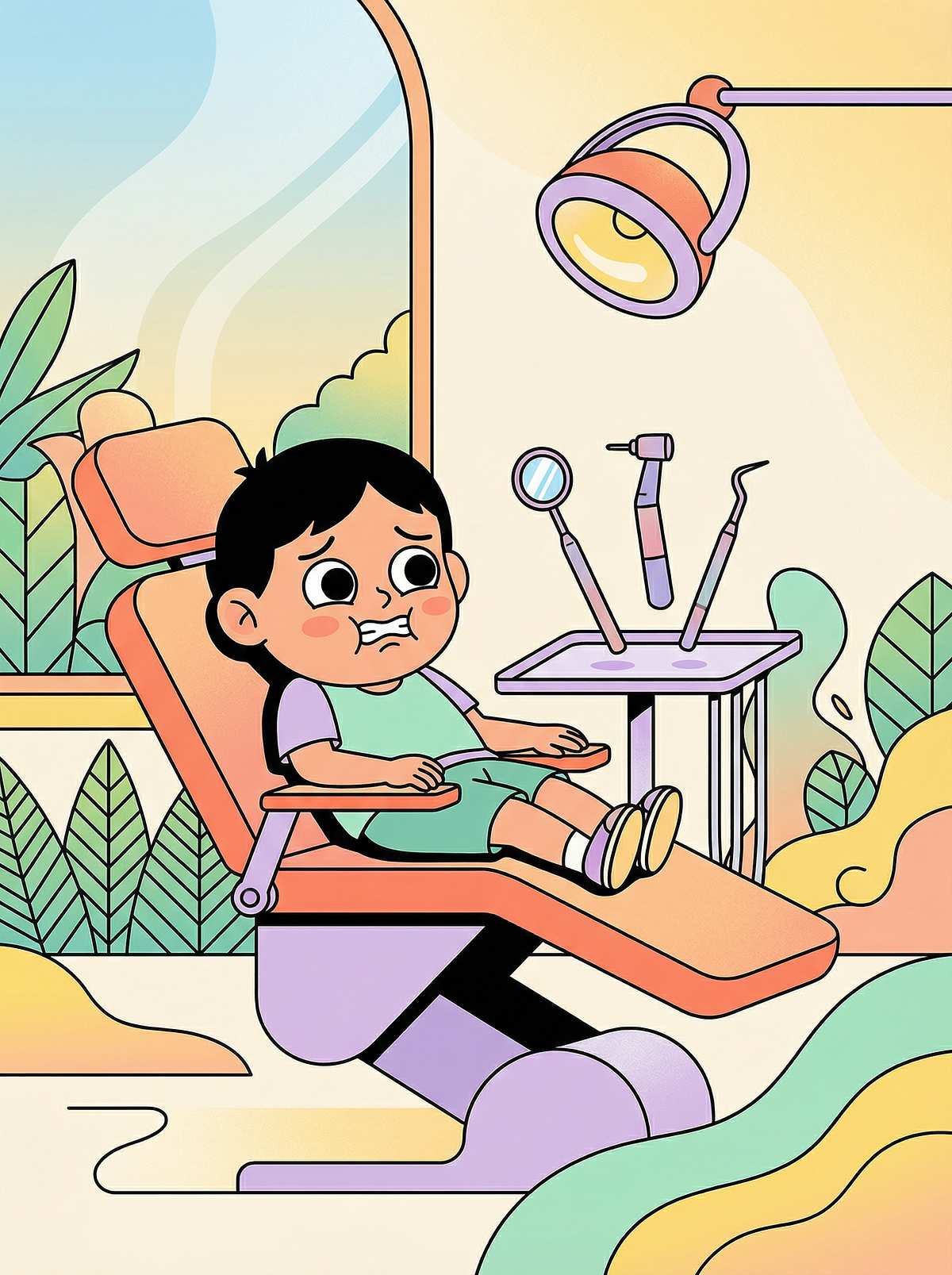
The dental chair. The bright light. The drill sound. Mouth forced open. For the orally defensive child, dental visits are the single worst sensory experience possible — combining oral tactile assault, auditory pain, vestibular disturbance from the tilted chair, and complete loss of bodily control. The trigeminal nerve serving the oral cavity connects directly to brainstem arousal centres, making oral intrusion one of the most physiologically activating experiences possible.
1
Oral Desensitisation
Begin a structured oral tolerance programme before scheduling any dental visit. Gradual tactile exposure to lips, gums, and teeth at home.
2
Dental Social Story
Photos of the specific dentist's office and chair, in sequence. Remove every unknown before the first visit.
3
Autism-Friendly Dentists
Find sensory-informed dental practices in India — those familiar with gradual desensitisation and who allow extended familiarisation visits.
C-283
Animal Fears
9 Materials That Help With Animal Fears
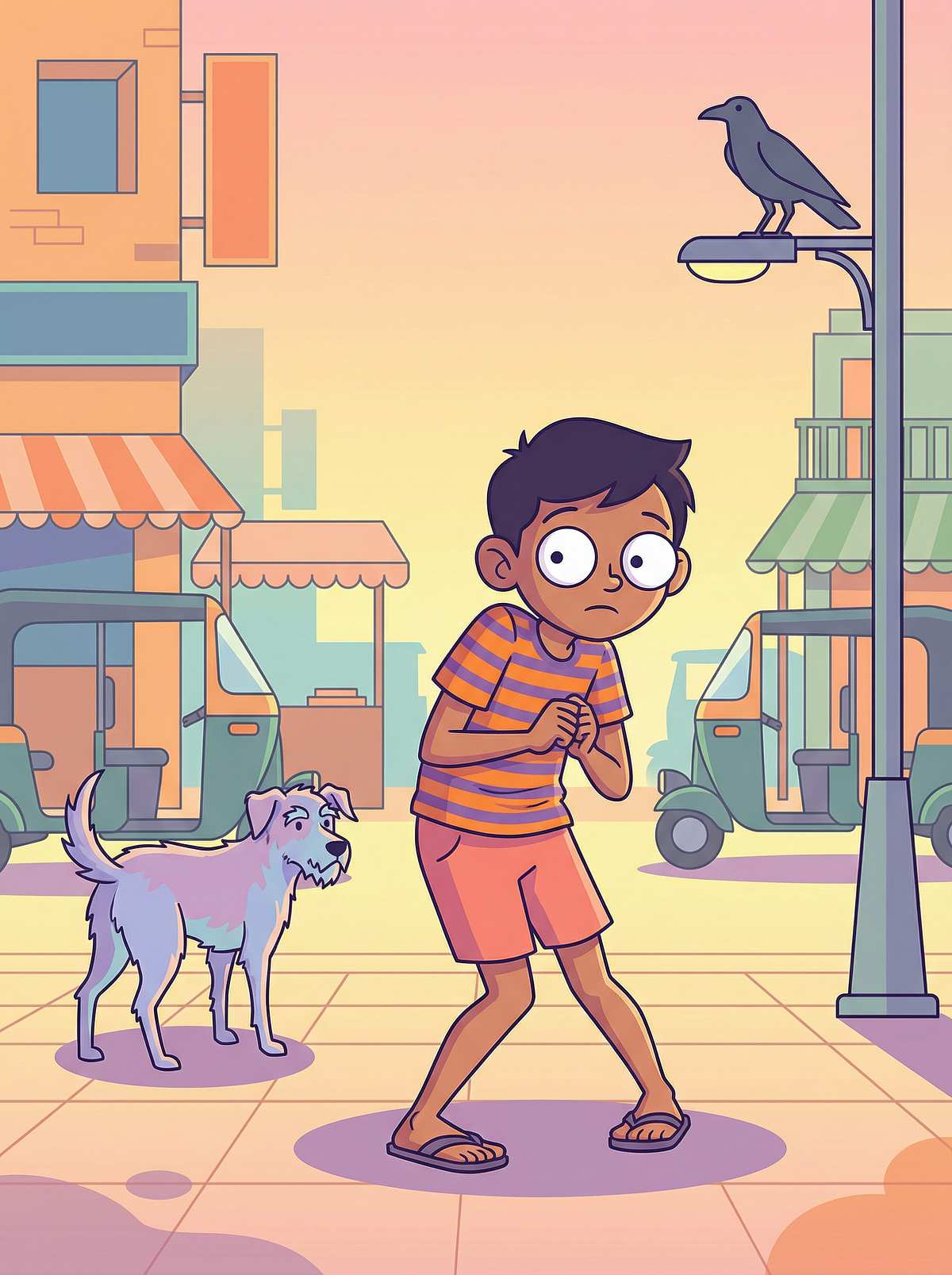
Dogs on the street. Cats in the neighbourhood. Crows on the balcony. Insects in the garden. India's streets and homes are alive with animals — and a child with animal phobia is living in a minefield. They can't walk to school, play outside, or visit parks without the constant risk of an unavoidable encounter.
Animal phobias are processed by the amygdala's evolved threat-detection system — a fast, automatic response to potential predators that bypasses the cortex entirely. One negative experience with a barking dog creates a hippocampal fear memory that generalises: all dogs become dangerous. Graded exposure — from picture to video to distance to proximity — systematically rewrites that memory.
Each rung of the exposure ladder builds a new safety memory that competes with and eventually overrides the original fear association.
C-284
Fear of the Dark
9 Materials That Help With Fear of the Dark
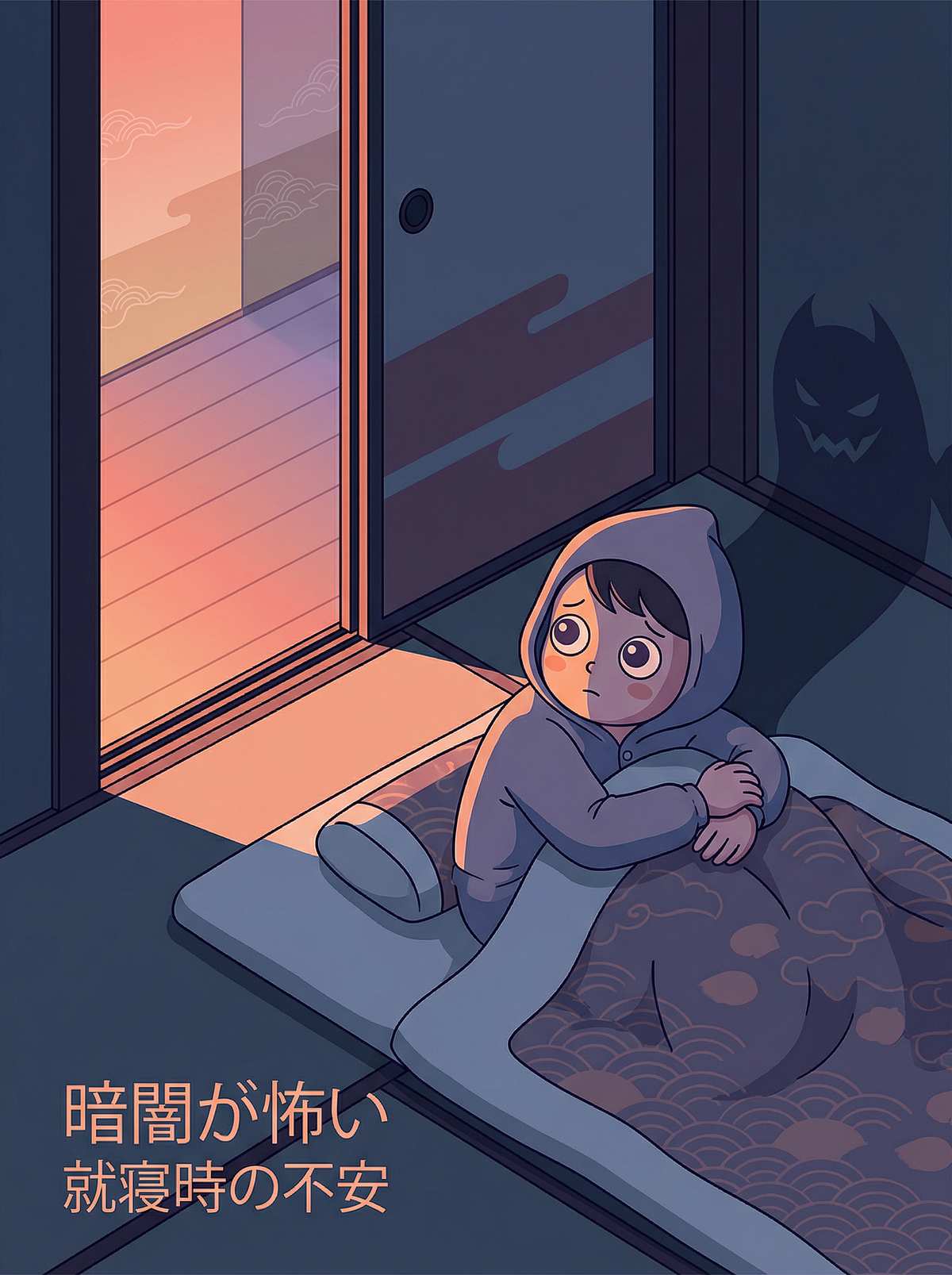
Bedtime becomes battle time. Every light must be on. Power cuts — common in Indian homes — trigger full panic. The child won't enter any unlit room. Darkness removes the one sensory channel (vision) that gives them the most environmental control — and for a child who relies heavily on visual processing, darkness is neurological blindfolding.
Fully Bright Room
Normal lighting. Establish safety and comfort baseline before any gradual change.
Dimmer / Lamp
Reduce overall brightness while keeping a warm secondary light source.
Nightlight Only
Single low nightlight. Add glow-in-the-dark stars for visual anchoring.
Full Dark + Sound
Darkness with familiar auditory safety cue — parent's voice, familiar music — as substitute sensory anchor.
India-Specific: Prepare an inverter light, torch, or glow items specifically for power cuts so the experience becomes predictable and manageable rather than an emergency.

C-285
Fear of Water
9 Materials That Help With Fear of Water
Bath time is warfare. Swimming is impossible. Rain causes panic. Water fear in ASD typically has deep sensory roots: tactile (water on skin), temperature unpredictability (hot/cold shifts), vestibular threat (slippery surfaces, buoyancy), and visual distortion. Indian water contexts add unique considerations — bucket baths, overhead showers, monsoon season, and temple water rituals each present different sensory profiles requiring tailored preparation.
Dry Play Near Water
Begin with the child fully clothed, playing alongside an empty bucket or tub. No water contact required.
Hand in Water
Child controls the moment of contact. Temperature is pre-set to comfortable. Duration is their choice.
Pouring and Spraying
Child pours water themselves — the act of control transforms water from threat to tool.
Full Immersion
Gradual full bath or swimming, with child setting pace and maintaining maximum control throughout.

C-286
Fear of Trying New Things
9 Materials That Help With Fear of Trying New Things
New food — refused. New toy — avoided. New activity — crying before it begins. The fear isn't of the thing itself — it's of the unknown. Every new experience is an unpredictable variable, and the brain cannot tolerate unpredictability. For every novel stimulus, the brain has no existing prediction — and the absence of prediction equals maximum uncertainty equals threat.
The Brave Ladder
Begin with tiny new things that carry minimal stakes. Each successful "new" experience builds a history of novelty tolerance — gradually expanding the child's comfort zone upward, one rung at a time.
Pair New with Familiar
New food on a familiar plate. New game with a beloved toy. New activity at a familiar location. Reduce the number of unknowns to one manageable variable.
Celebrate Approach, Not Outcome
"You touched it — that was brave!" Reinforce the attempt, not the completion. Watching first counts as a brave step.
C-287
Safety Worries
9 Materials That Help With Safety Worries
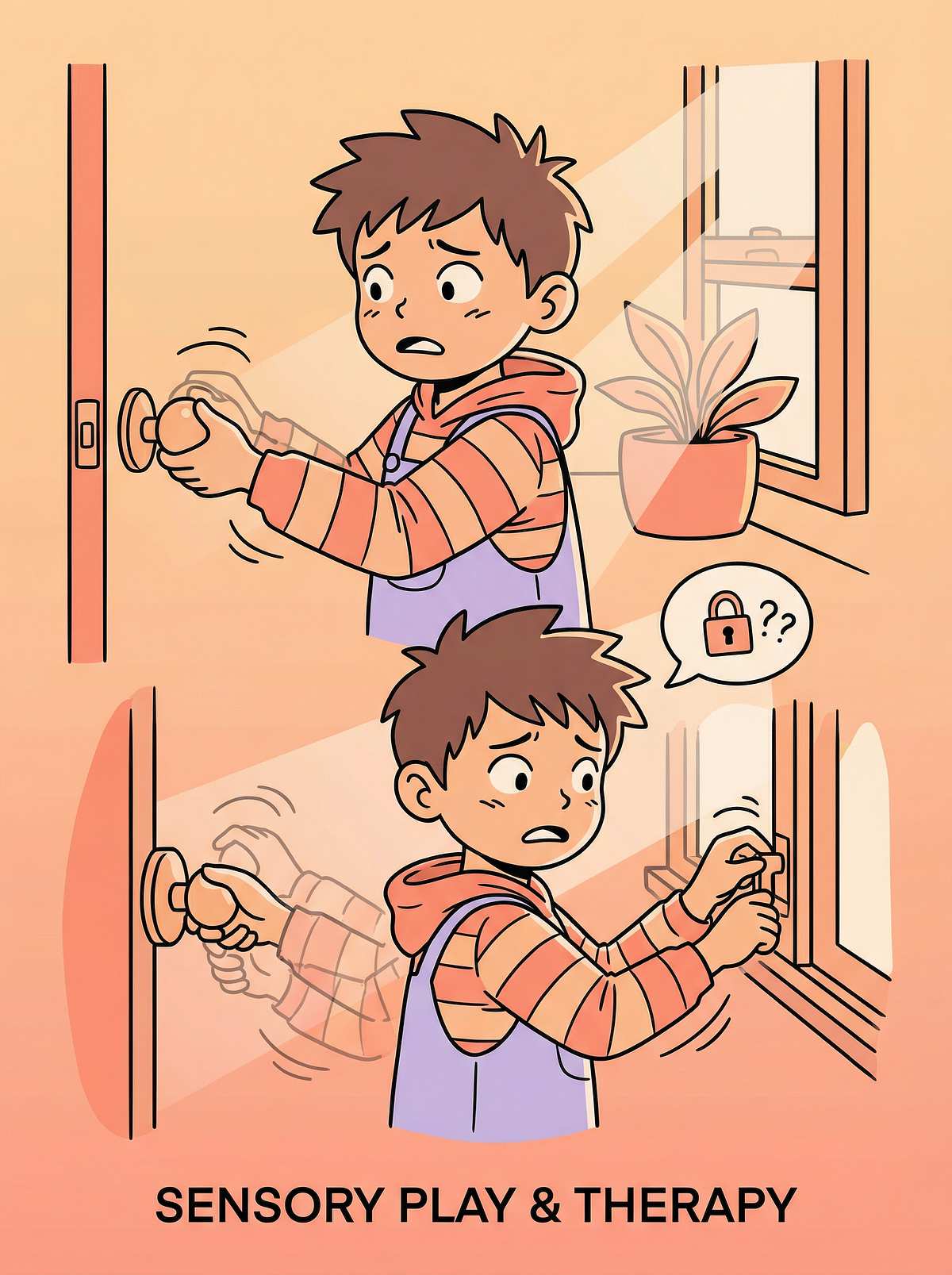
"Will our house fall down?" "Will you die?" "What if there's a fire?" The child is consumed by disproportionate safety fears — checking locks, asking repetitive questions, worried about earthquakes and intruders. Indian news coverage frequently featuring disasters and accidents can compound these fears significantly.
Safety worries reflect the amygdala-hippocampal system generating vivid "what if" threat scenarios that the PFC cannot dismiss. The brain processes imagined threats through the same neural circuits as real ones — which is why the fear feels just as urgent and physical. Critically, offering repeated reassurance provides only temporary relief while strengthening the worry loop long-term.
The Reassurance Trap
Every reassurance provides brief relief — then anxiety returns, demanding more. Breaking the reassurance cycle is essential to long-term worry reduction.
Worry Time
Designate 10 minutes daily for worry. Outside that window, gently redirect: "That's a worry-time thought. We'll think about it then."
Reality Testing
"Has our house ever fallen down?" Concrete, factual evidence-checking for the concrete thinker. Empowering safety plans that give the child agency.
C-288
Fear of Being Alone
9 Materials That Help With Fear of Being Alone
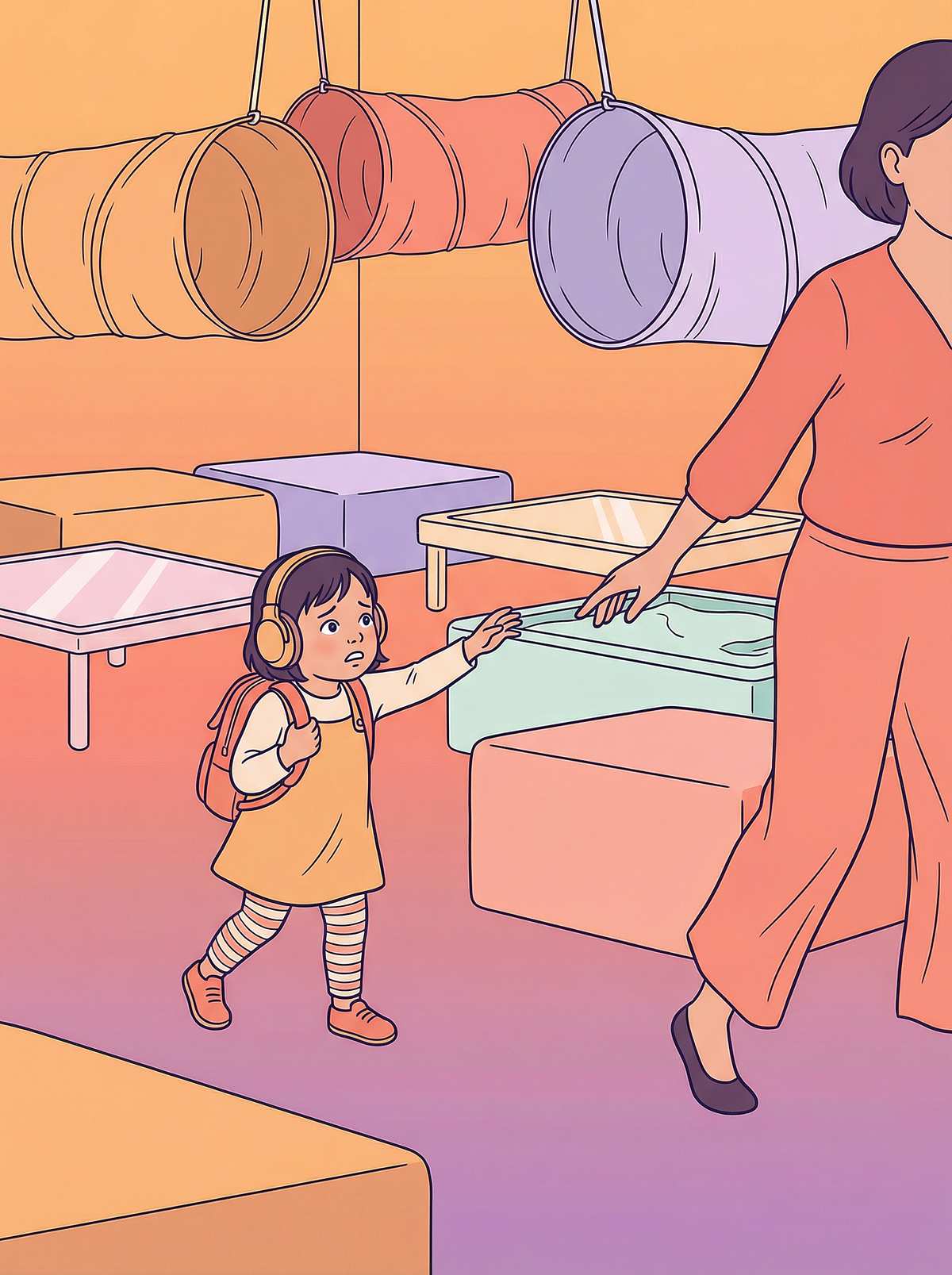
Can't be in a room alone. Follows you from the kitchen to the bathroom. Panics when they can't see you. Beyond separation anxiety — this is fear of aloneness itself. Being alone removes all external co-regulation and all environmental monitoring through another person. The child must rely entirely on their own PFC for regulation — a demand that may simply exceed their current capacity.
Same Room
Parent present, child playing independently. Focus on child's self-occupation capacity.
Adjacent Room
Parent in the next room, calling regularly. "I'm here" auditory reassurance bridges the visual gap.
Brief Separation
Visual timer shows exactly when parent returns. Predictability of the return time reduces the fear of abandonment.
Extended Alone Time
Child has self-occupation skills and a visual anchor. Alone time becomes manageable — even restorative.
C-289
Toilet Fears
9 Materials That Help With Toilet Fears
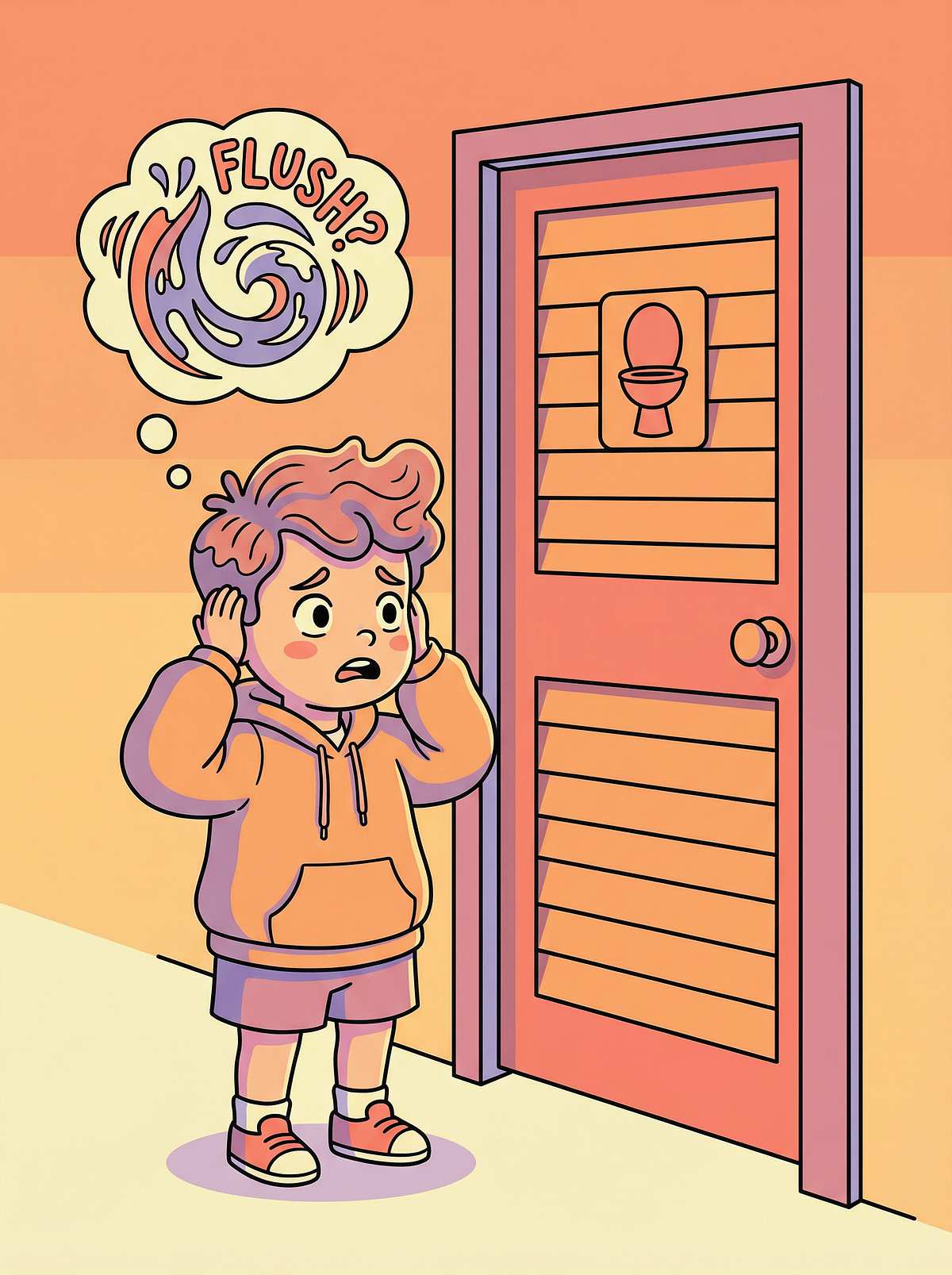
The flush sound. The splash. The echo. The cold seat. The small enclosed space. Toilets are a multi-sensory anxiety chamber — and toilet fear directly blocks one of the most critical daily living skills. Indian toilet variations add further complexity: Western commode versus Indian squat toilet, varying flush mechanisms, and the often challenging conditions of public restrooms each require specific preparation.
Auditory Desensitisation
Record the flush sound and play it at low volume, gradually increasing. Separate the fear of the sound from the act of using the toilet.
Sensory Component Mapping
Identify which sensory component drives the fear — audio, tactile, visual, or spatial — and desensitise each separately rather than tackling the full experience at once.
Indian Context Adaptations
Commode versus squat toilet preparation, public toilet navigation strategies, and integration with Domain E (Toileting) when toilet fear is blocking training progress.
C-290
Mask & Costume Fear
9 Materials That Help With Mask and Costume Fear
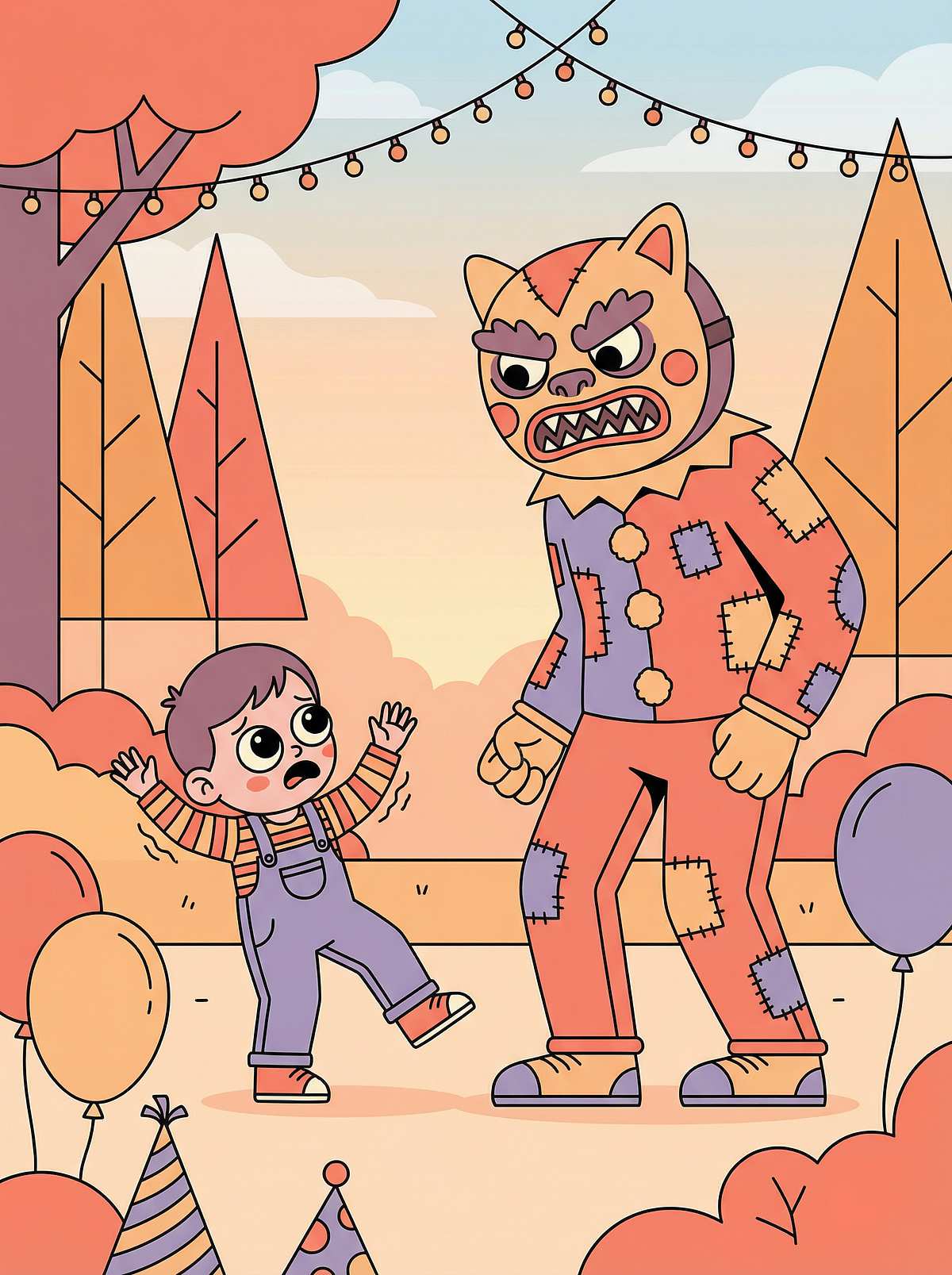
Birthday party mascot — screaming. Festival mask — panic. School fancy dress — refusal. Face paint — horror. Any alteration of a human face into something unfamiliar triggers primal fear. In Indian culture, festival masks during Durga Puja and Onam, school events, and birthday party characters create frequent, unavoidable exposures that demand proactive preparation.
The fusiform face area processes facial identity. Masks create a "face that isn't a face" — an identity mismatch generating maximum uncertainty. The brain detects a human body paired with an inhuman face, producing the classic uncanny valley threat response. Explicit teaching ("It's a person wearing a costume") paired with graded family-based familiarisation is the most effective intervention pathway.
Family Desensitisation
Parent puts on a simple mask in front of the child — then removes it. Repeat until the child sees the person behind the mask.
Video Preparation
Watch videos of mascots and costumed performers before attending events. Preview removes the element of sudden surprise.
Festival-Specific Prep
Targeted preparation for Durga Puja, Onam, and Holi face paint — the specific Indian cultural events most likely to trigger this fear.
C-291
Character Fear
9 Materials That Help With Character Fear
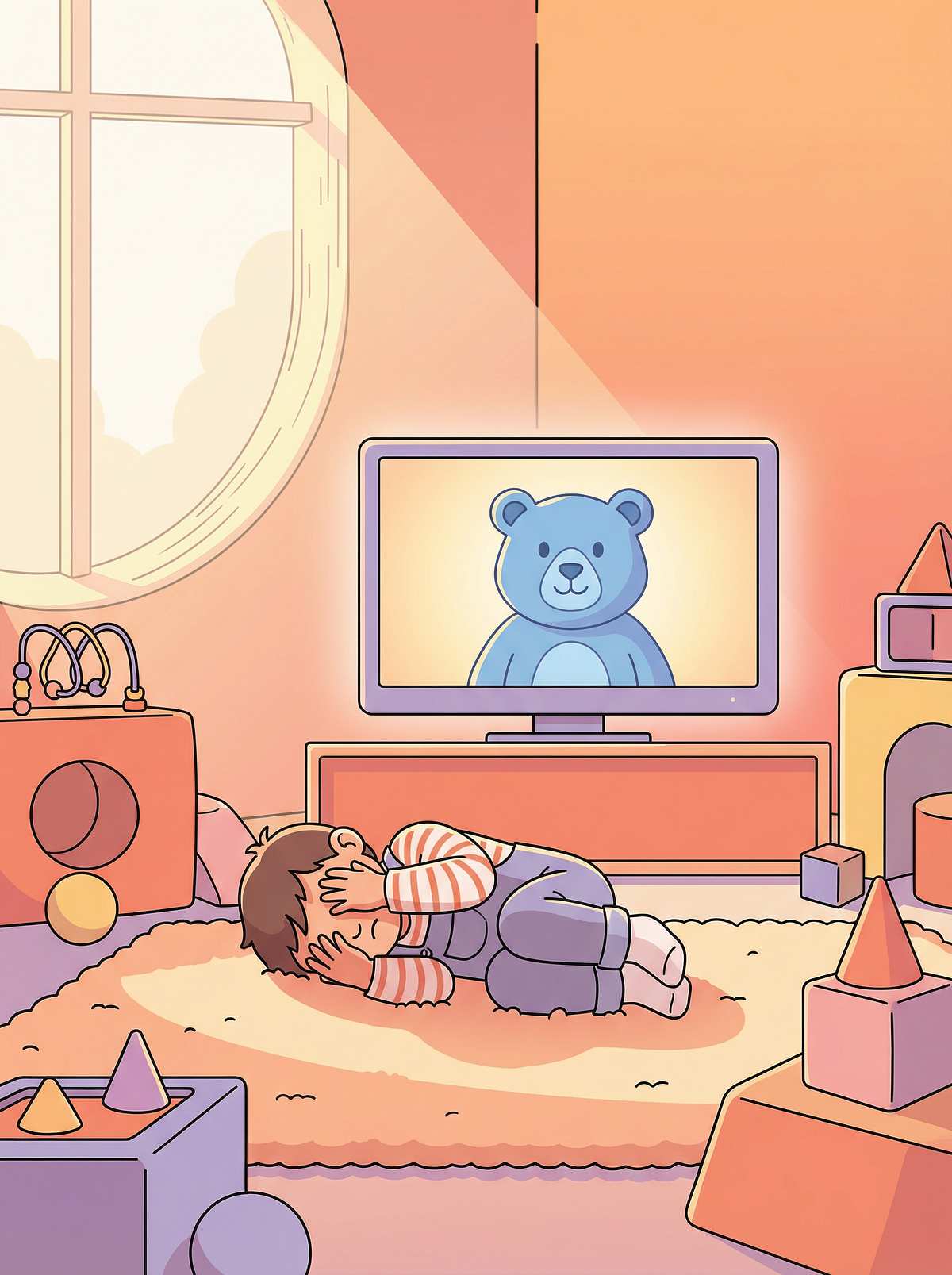
A specific cartoon character, TV puppet, or animated figure causes disproportionate fear. They can't watch the show. They scream at any image. It seems irrational — but the fear is entirely real and neurologically specific. Characters like Chota Bheem or Doraemon, with exaggerated features and unusual proportions, commonly trigger this in the Indian ASD context.
Character fear combines the uncanny valley effect with specific visual triggers — exaggerated eyes, unusual colour palettes, distorted proportions — that activate the amygdala's novelty-threat detection system. Once the hippocampus stores the fear association, even a small 2D image produces the full physiological fear response. Graded exposure from name to image to brief video clip systematically rebuilds safety.
Identify the Specific Trigger
Is it the face? The sound? Unexpected movement? Specific colours? Pinpoint the trigger before beginning exposure.
Graded Exposure Sequence
Name only → tiny image → larger image → short silent video clip → full video with sound. Each step requires mastery before progressing.
Accidental Exposure Management
Manage media access carefully during active treatment to prevent uncontrolled exposures that reset progress.

C-292
School Anxiety
9 Materials That Help With School Anxiety
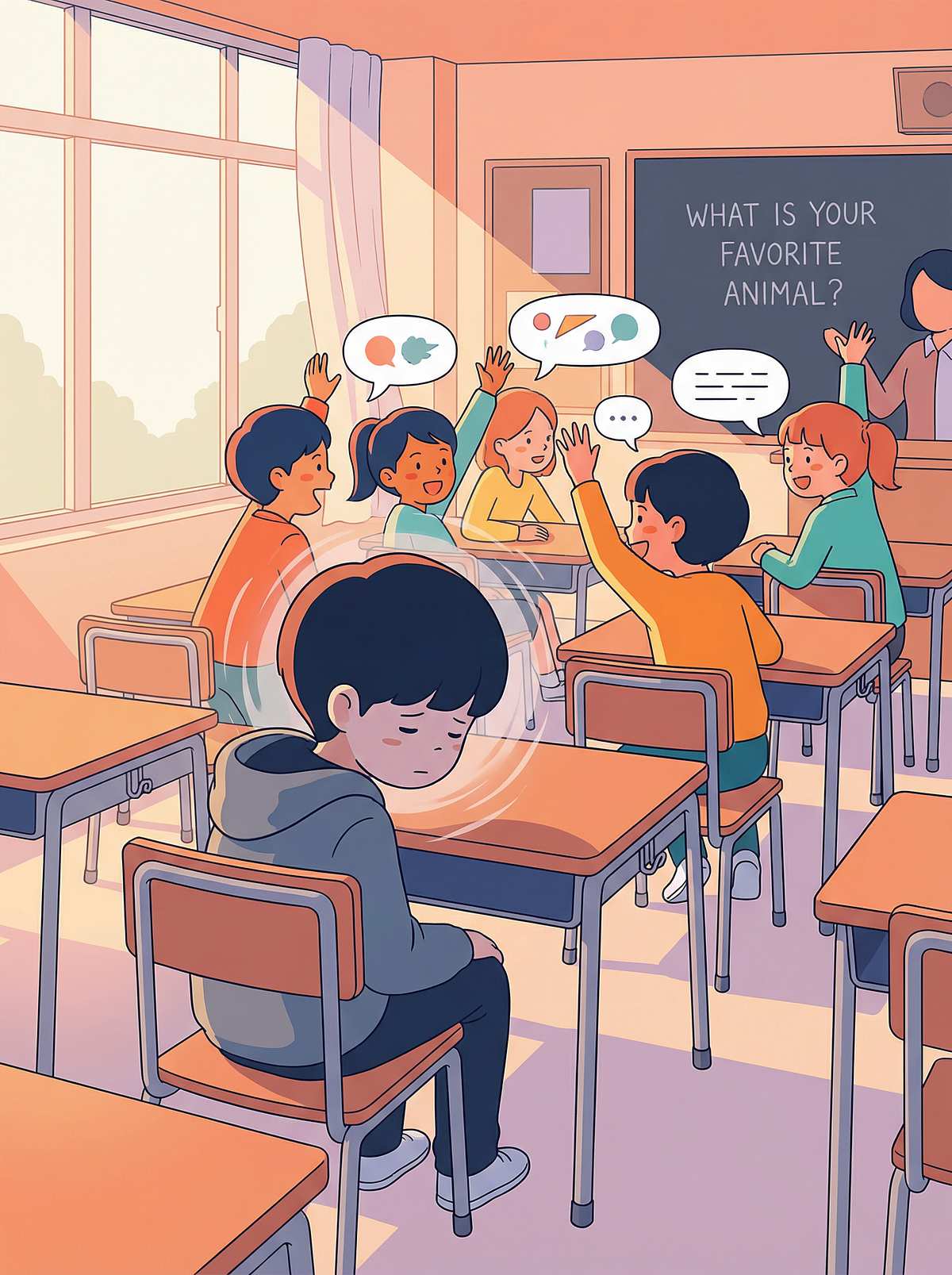
Sunday night — the dread begins. Monday morning — stomach ache, tears, refusal. School is the highest-demand, lowest-control environment in the child's life: unpredictable social interactions, sensory overload (Indian classrooms with 40+ children, fans, bells, crowded corridors), academic pressure, and separation from parent — all day, every day, with no escape.
School anxiety is compound anxiety — combining separation anxiety, social anxiety, performance anxiety, sensory overload, and uncertainty anxiety into one inescapable, daily six-hour sustained threat exposure. A multi-component intervention — addressing each layer separately while building systemic school accommodation — is the only approach that works.
Accommodation Letter
RPwD 2016 rights. Formal school accommodations for sensory needs and anxiety management.
Safe Person at School
A designated trusted adult and a designated quiet safe space for decompression.
Morning Routine
Optimised, visual, predictable morning preparation sequence to reduce pre-school anxiety buildup.
Gradual Return Protocol
For school refusal: structured, incremental reintroduction — not forced full-day attendance from the start.
C-293
Selective Mutism
9 Materials That Help With Selective Mutism
At home — they talk. At school — silence. With family — normal conversation. With strangers — not a word. They can speak, but the anxiety of certain social contexts freezes their speech system. They are not choosing silence. Their voice is being held hostage by anxiety.
Selective mutism is an anxiety disorder, not a speech disorder. The amygdala's social-threat response inhibits the motor speech system (Broca's area and supplementary motor area) in specific high-anxiety contexts. The child's speech capacity is fully intact — the anxiety-driven inhibition simply blocks access to it. Critically, forcing speech increases anxiety, which increases mutism. The solution is gradual, pressure-free approach.
1
Nonverbal Communication
Accept gestures, pointing, nodding. Reduce speaking pressure to zero at the start.
2
Whisper → Quiet Voice
Gradual vocal volume in the feared context, with a safe person present throughout.
3
Sliding In Technique
Comfortable person talks to child; gradually introduce new people into the conversation without pressure.
4
Audio / Video Bridge
The child records speech at home; plays the recording at school. Voice present without in-context performance demand.
C-294
Obsessive Thoughts
9 Materials That Help With Obsessive Thoughts
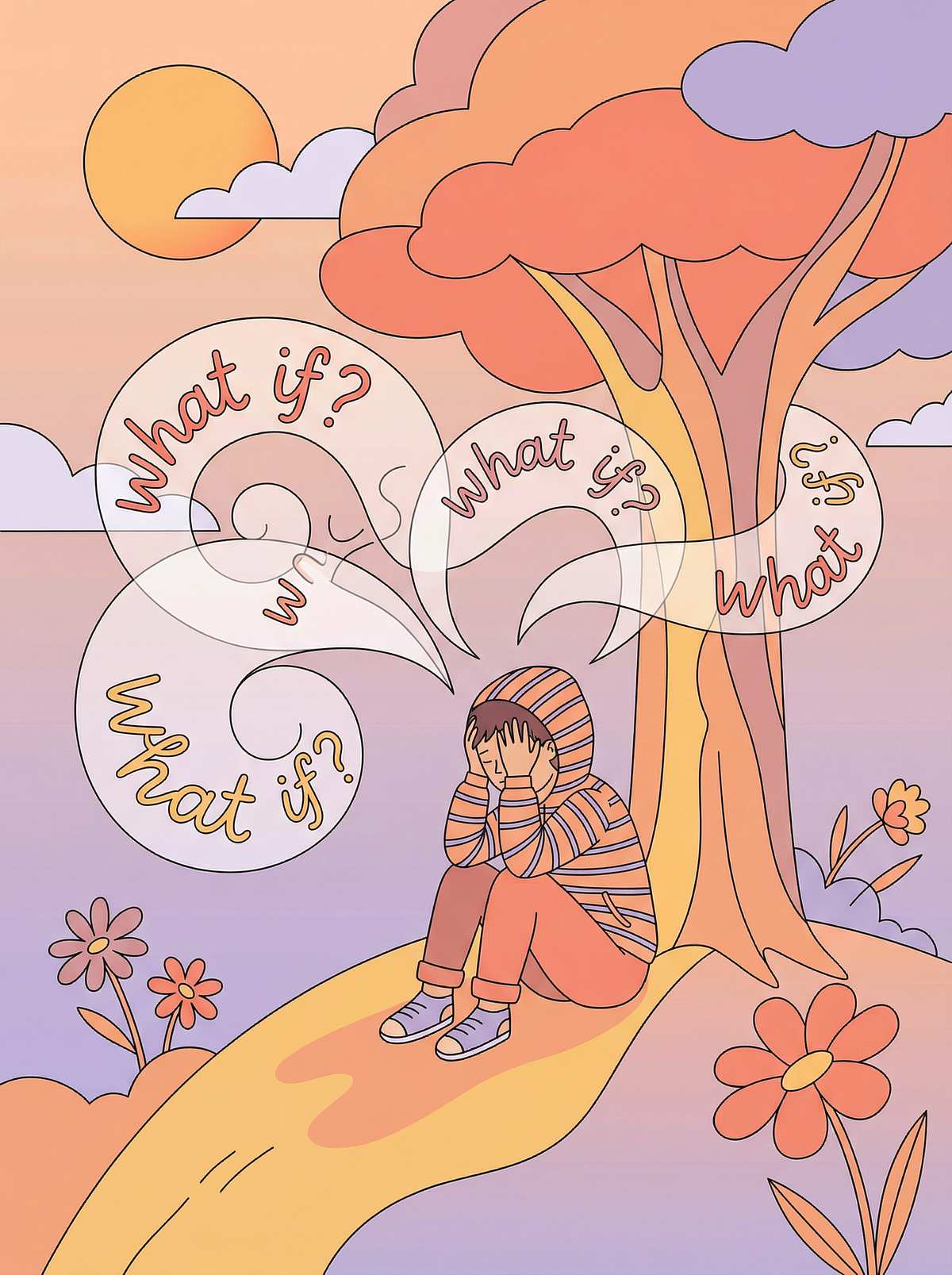
The same thought, cycling endlessly. "What if the door is unlocked?" "What if Amma gets sick?" "What if I made a mistake?" They cannot stop the thought. It intrudes, demands attention, generates anxiety, and repeats — a mental loop with no off switch and no escape.
Obsessive thoughts involve the cortico-striato-thalamo-cortical (CSTC) loop — a circuit connecting the orbitofrontal cortex (detecting "something is wrong"), the caudate nucleus (filtering thoughts), and the thalamus (gating attention). When this circuit loops, the same alarm thought is generated repeatedly and cannot be dismissed. OCD features co-occur in 17–37% of individuals with ASD.
Externalising the Thought
"The worry monster is saying that." Separating the child from the thought reduces its power and creates psychological distance for intervention.
ASD vs. OCD Distinction
ASD repetitive thinking centres on preferred topics (enjoyable, calming). OCD obsessions centre on threatening content (distressing, intrusive). The function distinguishes them.
ERP Adapted for ASD
Exposure and Response Prevention modified for concrete thinkers. ⚠️ Distressing obsessive thoughts → Psychology/Psychiatry referral: 9100 181 181
C-295
Compulsive Behaviors
9 Materials That Help With Compulsive Behaviors
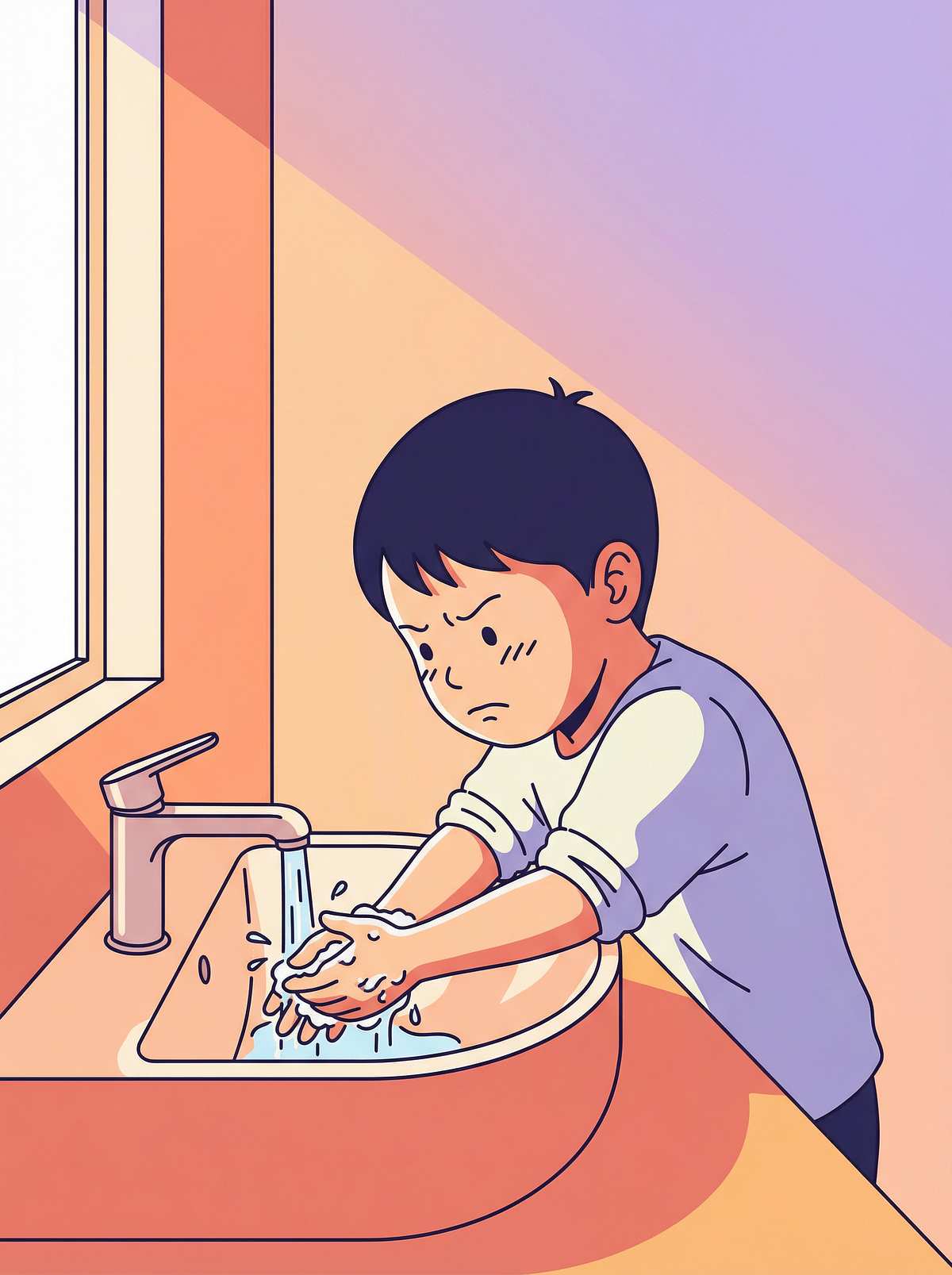
Checking the lock seven times. Washing hands until raw. Arranging objects in exact order — and restarting if disrupted. Compulsions are the behavioural response to obsessive anxiety: the brain demands a ritual to reduce the threat signal. The ritual provides temporary relief — then anxiety returns, demanding the ritual again. A trap that tightens with every repetition.
ASD Repetition vs. OCD Compulsion
The critical distinction is function. ASD repetitive behaviour is enjoyable and regulatory — it feels good. OCD compulsion is anxiety-driven and distressing — it feels mandatory, not chosen. Treatment depends entirely on getting this distinction right.
The Negative Reinforcement Trap
Anxiety → ritual → temporary relief → anxiety returns → ritual again. Each completion strengthens the loop through basal ganglia habit circuitry. ERP — gradually preventing the ritual while actively managing the resulting anxiety — breaks the cycle.
- ERP basics adapted for ASD
- "Good enough" approach for perfectionist rituals
- Family management of compulsive demands
- When to refer for medication consultation
C-296
Physical Anxiety Symptoms
9 Materials That Help With Physical Anxiety Symptoms
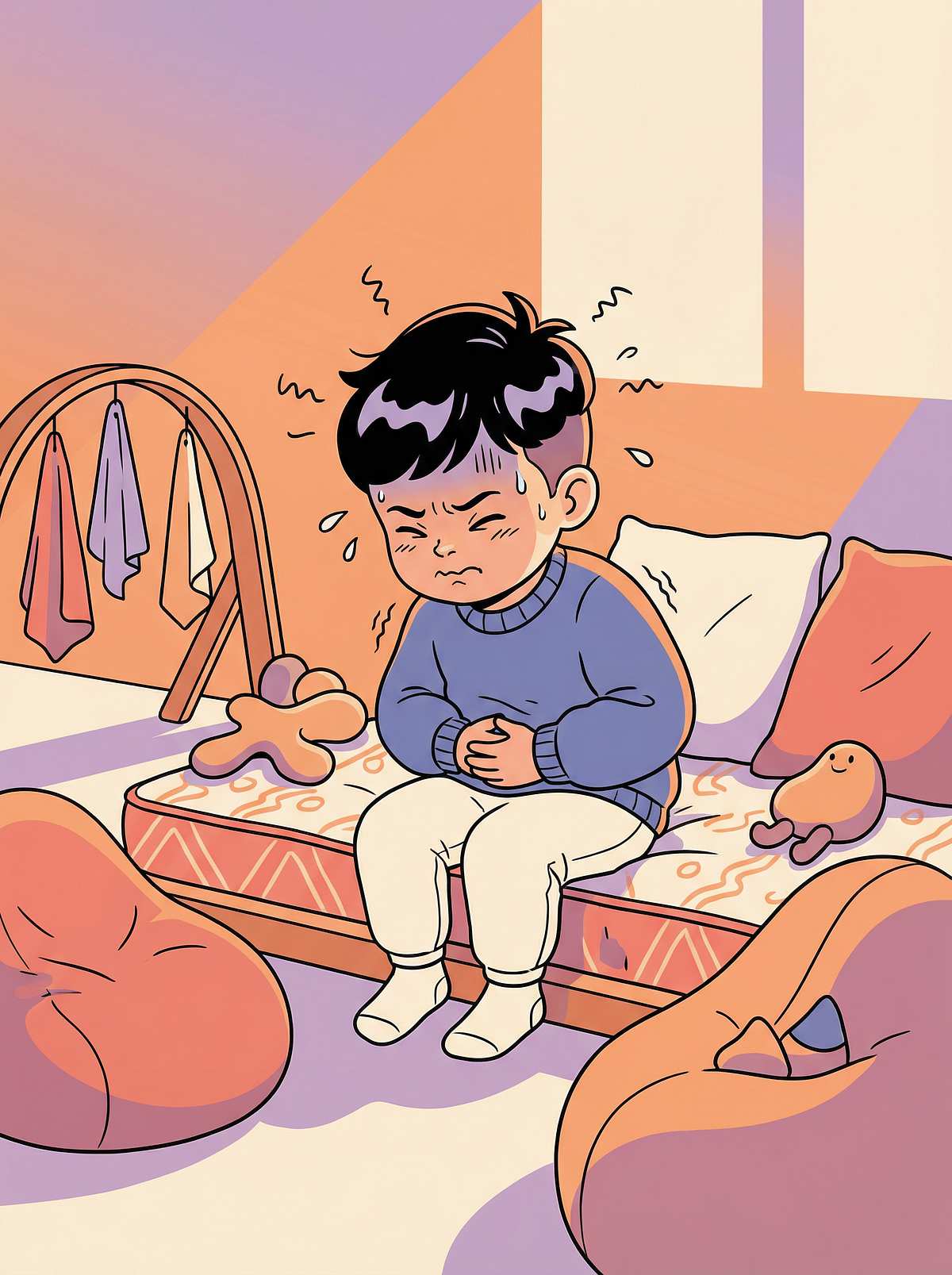
"My stomach hurts." Every school morning. Headache before every outing. Muscle tension. Racing heart. Frequent toilet visits. The body speaks what the mouth cannot. Physical anxiety symptoms are entirely real — not imaginary, not manipulative — and in children with poor interoception, they may be the only visible signal that anxiety is present.
Anxiety activates the HPA axis and sympathetic nervous system: cortisol and adrenaline trigger heart rate increase, blood flow redistribution, increased breathing, and muscle tension. The vagus nerve directly links anxiety to gastrointestinal distress through the gut-brain axis. These are measurable, physiological events — not performances.
Validate First
"Your stomach hurts because your body is worried." Validation — before any intervention — establishes trust and opens the child to calming strategies.
Body-Based Calming
Deep breathing adapted for children, progressive muscle relaxation, and interoception exercises that help the child detect anxiety earlier — before physical symptoms escalate.
Medical Evaluation
When physical symptoms are frequent and severe, rule out organic medical causes before attributing all symptoms to anxiety. Both can co-exist.
C-297
Anticipatory Anxiety
9 Materials That Help With Anticipatory Anxiety
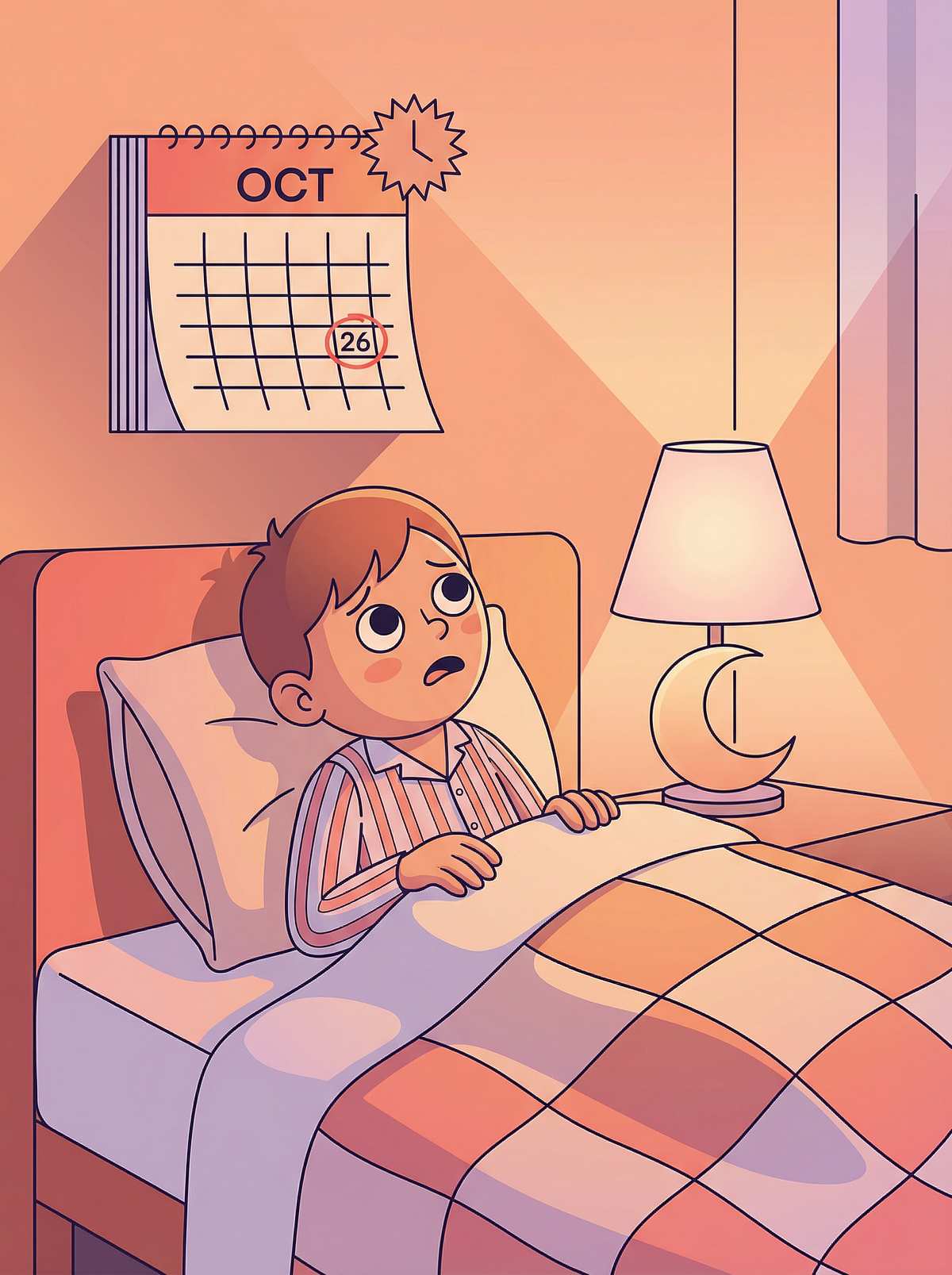
The event is three days away — they're already consumed by anxiety. The birthday party is next week and they cannot sleep. The examination is in a month and the worry starts today. Anticipatory anxiety is suffering before the event — sometimes suffering more intensely from the anticipation than from the event itself.
Anticipatory anxiety activates the BNST — the brain's sustained threat-monitoring centre — which generates anxiety in advance of a potential threat. The brain's simulation system creates vivid mental previews of future events, and in an anxious brain these previews are catastrophic worst-case scenarios played on repeat. The child is living through the event before it happens.
Worry ≠ Event
Explicitly teach: "The worry before the party is NOT the party." Help the child distinguish between the mental simulation and the actual future experience.
Timing the Disclosure
Sometimes NOT telling the child too far in advance reduces anticipatory anxiety. Match disclosure timing to the individual child's anxiety profile.
Visual Preparation
Social stories and photo previews of the event that present it as safe and manageable — actively reduce rather than inflate anticipatory worry.
Post-Event Processing
"See? It was okay!" Review the event afterward. Build a library of evidence that anticipated threats rarely materialise as feared.

C-298
Building Brave Behaviors
9 Materials That Help Building Brave Behaviors
Bravery isn't the absence of fear. Bravery is feeling the fear and taking a step forward anyway. Every time the child approaches a feared situation and survives it, the brain updates its threat model: "That wasn't as bad as predicted." This is the neuroscience of exposure therapy — the most evidence-supported anxiety treatment ever developed.
Each successful approach creates a new safety memory in the hippocampus that competes with the original threat memory. Over time, safety memories accumulate and fear diminishes — not because the feared thing changed, but because the brain's prediction about it did. Parents play a critical role: not rescuing the child from manageable anxiety is one of the most loving things a caregiver can do.
Build the Brave Ladder
A personalised, graded exposure hierarchy — smallest manageable step at the bottom, goal situation at the top. Co-created with the child.
Reward the Approach
Brave behaviour reward system celebrates every approach attempt — not just successful completion. The effort is the achievement.
My Brave Book
A running record of brave moments. Each entry builds a child's self-narrative: "I am someone who does brave things." Identity-level change.
C-299
Worry Management
9 Materials That Help With Worry Management
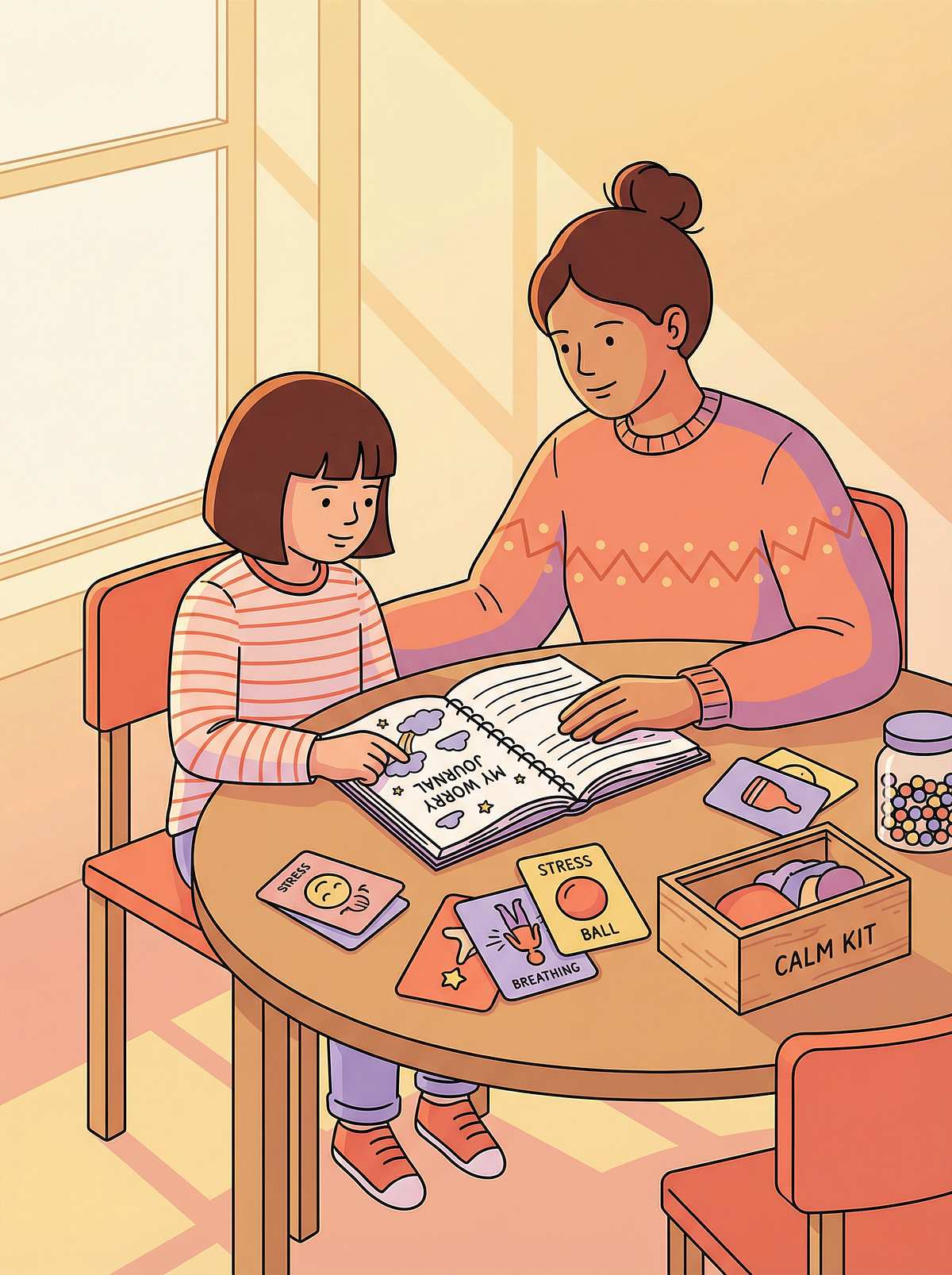
The comprehensive worry toolkit — bringing all anxiety management strategies together into a personalised, visual, and accessible system that children can actually use independently. Worry management works by externalising the internal: converting abstract, overwhelming cognitive loops into concrete, visible, manageable objects. Writing a worry down externalises it from the hippocampal loop. Placing it in a "worry box" creates a physical metaphor for containment. Setting a "worry time" trains the PFC to schedule rather than submit.
Worry Box
Write the worry on paper, place it in the box, close the lid. Physical containment of an abstract mental experience. The worry still exists — but it has a place, and that place is not inside the child's head.
Worry Time
10 designated minutes daily for worry — only during this window. Outside it, gently redirect. The PFC learns to schedule worry rather than be ambushed by it continuously.
Worry Thermometer
"How big is this worry — 1 to 10?" Scaling gives the child distance and perspective. A 3 is manageable. An 8 needs support. Knowing the difference is power.
Worry-to-Action Plan
Can I do something about this? → Do it. Can I not? → Practice letting it go. This two-path decision tree is the essence of adaptive worry management.
C-300
Capstone Technique
Creating Safety & Predictability
9 Materials That Help Creating Safety and Predictability
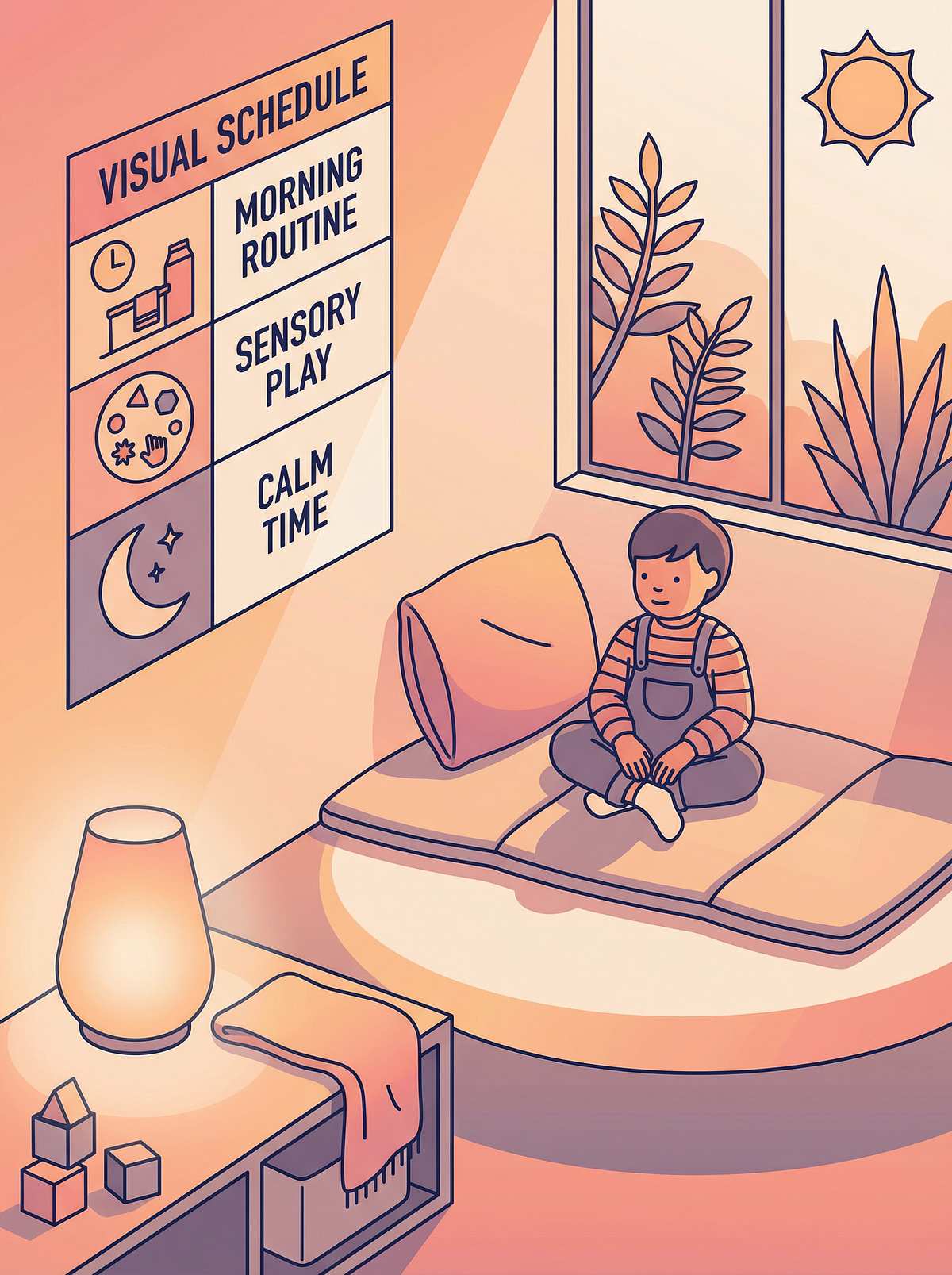
The capstone of Subdomain C2. If anxiety equals a threat response to unpredictability, then the antidote is predictability. Visual schedules, social stories, preparation, routine, and consistency are not merely tools — they are the environmental architecture of anxiety reduction. A predictable world is a safe world. And a safe world is where anxiety loosens its grip.
Predictability allows the brain's prediction system (PFC, cerebellum, and basal ganglia) to accurately model the future — reducing uncertainty, lowering anterior cingulate cortex mismatch signals, and dampening amygdala activation. A visual schedule literally gives the brain a prediction for what happens next: turning unknown into known, threat into neutral. This is why visual supports are the single most impactful anxiety reduction tool across all of autism intervention.
Visual Support System
Comprehensive daily, weekly, and event-based visual schedules for the home. Every unknown transformed into a known.
Social Stories Library
A curated collection of personalised social stories for recurring challenging situations — doctor visits, school days, family events, changes in routine.
New Event Preparation Protocol
Step-by-step system for preparing the child for any novel experience — using photos, social stories, virtual visits, and sensory previews.
Indian Home Rhythms
Leveraging existing Indian home predictability structures — puja routines, meal times, school schedules — as natural anxiety-management infrastructure.
9 Canon Materials
Psychology · ABA · OT · SLP · SpEd · NeuroDev
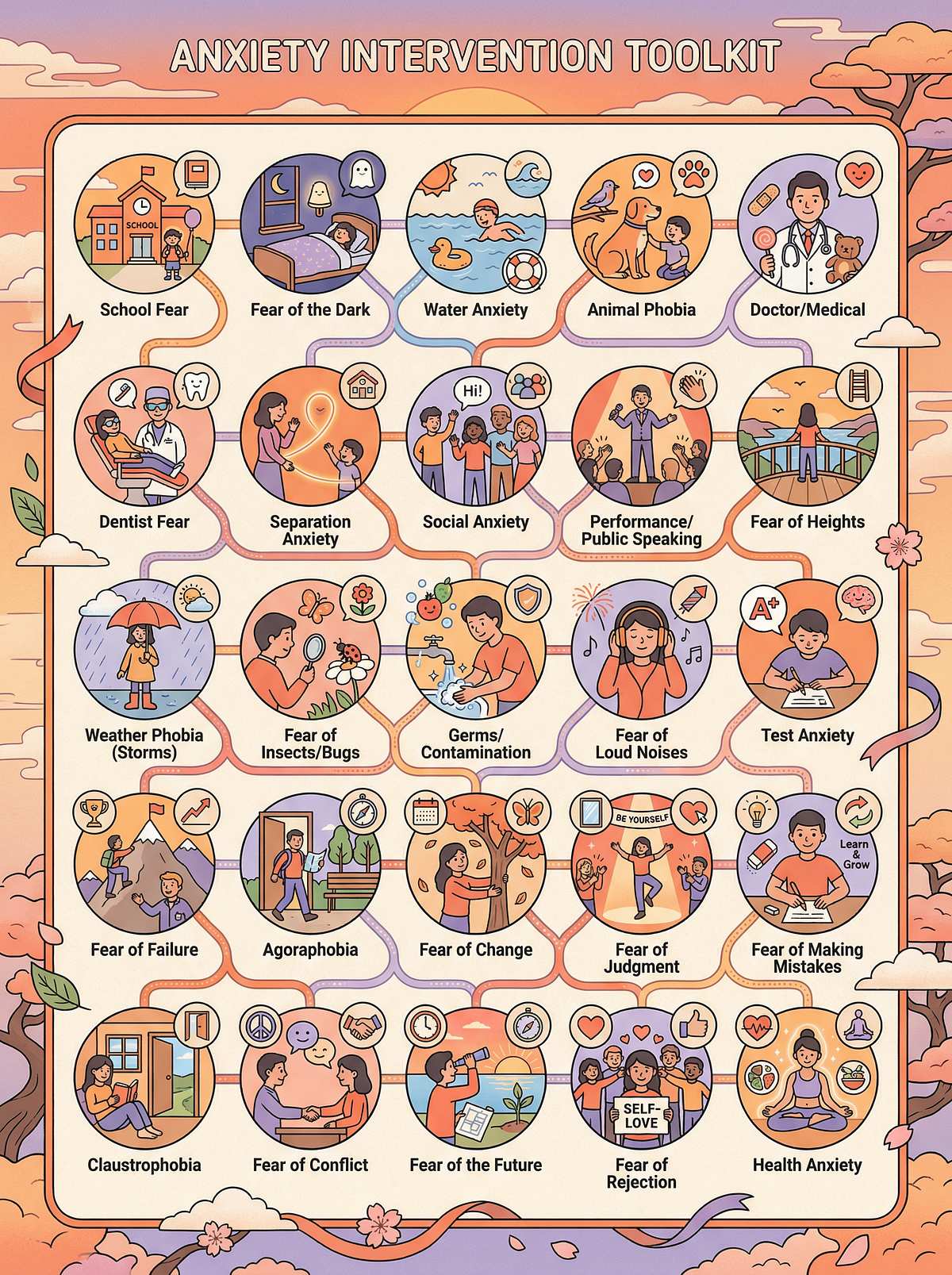
All 25 Anxiety & Fear Interventions at a Glance
Subdomain C2 covers the full spectrum of anxiety presentations in autism — from generalised worry and physical symptoms to specific phobias, school refusal, selective mutism, obsessive-compulsive features, and the foundational architecture of safety and predictability. Each technique links to 9 evidence-based therapy materials.
1
C-276 General Anxiety
2
C-277 Recognizing Signs
3
C-278 Separation Anxiety
4
C-279 Fear of New People
5
C-280 Fear of New Places
6
C-281 Doctor Visit Fear
unknown link
7
C-282 Dentist Fear
unknown link
8
C-283 Animal Fears
9
C-284 Fear of Dark
10
C-285 Fear of Water
11
C-286 Fear of New Things
12
C-287 Safety Worries
13
C-288 Fear of Being Alone
14
C-289 Toilet Fears
15
C-290 Mask & Costume Fear
unknown link
16
C-291 Character Fear
unknown link
17
C-292 School Anxiety
18
C-293 Selective Mutism
19
C-294 Obsessive Thoughts
20
C-295 Compulsive Behaviors
21
C-296 Physical Symptoms
22
C-297 Anticipatory Anxiety
23
C-298 Building Bravery
24
C-299 Worry Management
25
C-300 Safety & Predictability

About Pinnacle Blooms Network®
Pinnacle Blooms Network® is India's leading evidence-based autism intervention network — with 21M+ therapy sessions delivered and a GPT-OS® powered system connecting parents, therapists, and program leads to the latest research in a language families can use.
21M+
Therapy Sessions
Evidence-based intervention delivered across India
25
C2 Techniques
Anxiety and fear interventions in this subdomain alone
40–80%
ASD + Anxiety
Prevalence of co-occurring anxiety in children with autism
9
Materials Per Technique
Canon therapy materials linked to every intervention
Breadcrumb Navigation
Home → Social-Emotional Development (C) → Anxiety & Fears (C2)
← C1: Emotional Regulation | Next: C3: Social Skills →
Get Support
Our clinical team is available to guide families and therapists through evidence-based intervention selection.
📞 9100 181 181 — Pinnacle Blooms Network® helpline for anxiety and ASD consultations, including psychiatry and psychology referrals.
Preview of anxiety fears Therapy Material
Below is a visual preview of anxiety fears therapy material. The pages shown help educators, therapists, and caregivers understand the structure and content of the resource before use. Materials should be used under appropriate professional guidance.
Link copied!

Subdomain C2 · Complete
Every Anxious Child Can Find Calm
You now have 25 evidence-based tools to help them get there.
Anxiety in autism is not a life sentence. With the right interventions — applied consistently, compassionately, and in the right sequence — children move from a world of threat to a world of safety. Each of the 25 techniques in this subdomain is a step on that journey.
🧠 Understand First
Anxiety in ASD is neurological, not behavioural. Understanding the brain changes everything.
🪜 Go Gradually
Every intervention works through graduated exposure. Small steps. Consistent repetition. No rushing.
🏠 Build the Environment
Predictability, visual supports, and sensory regulation are the foundation. Build the world before changing the child.
💜 Trust the Process
Progress is non-linear. Celebrate micro-wins. The nervous system heals slowly — and it does heal.
Psychology · ABA · OT · SLP · SpEd · NeuroDev