Gross Motor — 30 Evidence-Based Interventions for Children with Autism
Walking · Balance · Running · Jumping · Climbing · Ball Skills · Bike Riding · Core Strength · Motor Planning · Body Awareness · Physical Therapy at Home
Subdomain F1
Pinnacle Blooms Network®
GPT-OS® | 21M+ Sessions
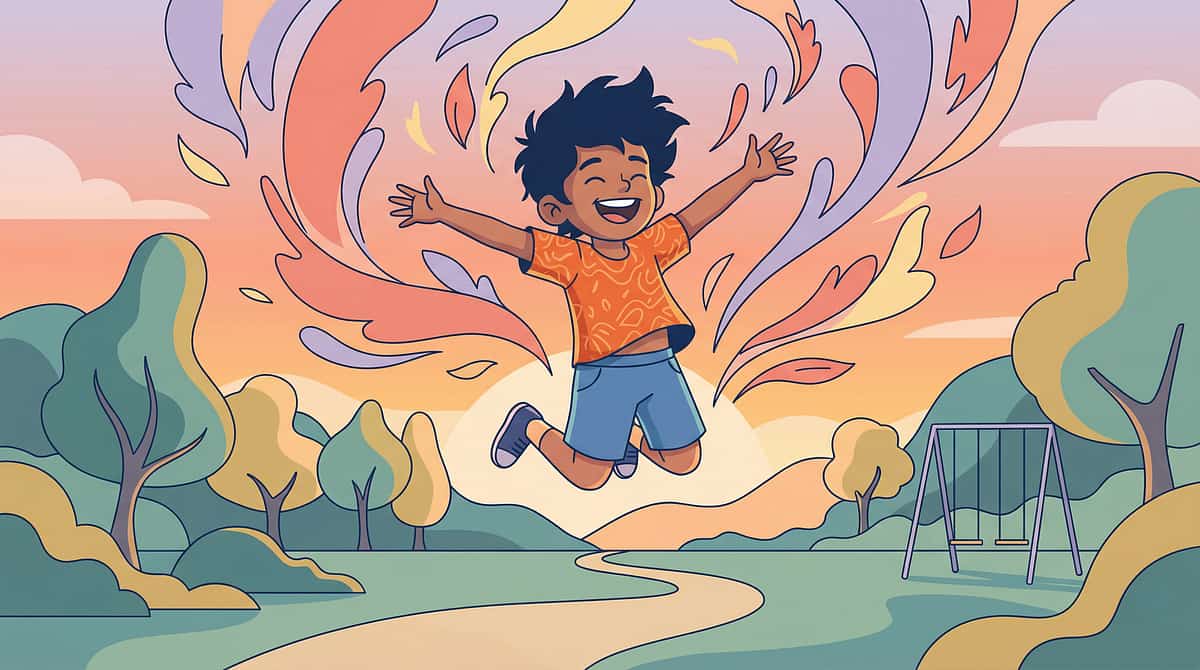
The Body Is the Child's First Tool
Gross motor skills — walking, running, jumping, climbing, kicking, throwing, balancing — are not just "physical education." They are the foundation of everything. Sensory regulation, independence, play, social participation, and even cognitive development are all built on a body that moves with confidence.
🧠 Sensory Regulation
Movement is the primary regulation tool. Gross motor activity delivers the proprioceptive and vestibular input the brain needs to self-regulate.
🚶 Independence
Dressing, toileting, navigating the environment — none of it is possible without functional motor control. Motor skills unlock daily living.
🛝 Play & Social Life
Every playground activity, every peer game, every sport involves movement. Gross motor skills are the entry ticket to childhood social participation.
🔬 Cognitive Development
Motor and cognitive development are neurologically intertwined. The cerebellum involved in balance and coordination is ALSO involved in language, social prediction, and sequencing.
The Neuroscience Behind Gross Motor in ASD
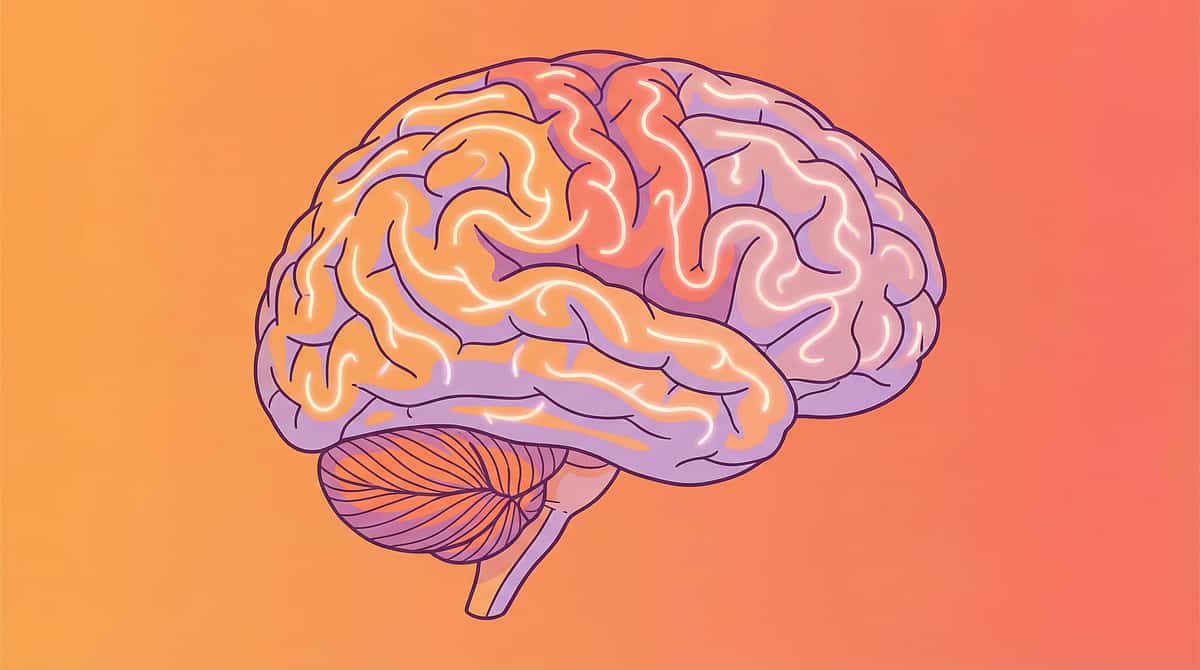
Research consistently shows cerebellar differences in autism — directly affecting coordination, balance, and motor timing. These are not unrelated to "core" ASD features. The same brain structures that govern movement also govern language timing, social prediction, and cognitive sequencing.
Every gross motor activity simultaneously delivers motor development AND sensory regulation — making gross motor intervention one of the highest-leverage therapeutic investments available to families.
Section 1
Fundamental Locomotion — Cards 01–06
The building blocks of movement: walking, balancing, running, jumping, hopping, and climbing stairs. These foundational locomotion skills underpin independence, playground access, and community participation. Master these, and the world opens up.
F-561: Delayed Walking
F-562: Balance Problems
F-563: Running Difficulty
F-564: Jumping Skills
F-565: Hopping Skills
F-566: Stair Climbing
F-561 · Fundamental Locomotion
Delayed Walking
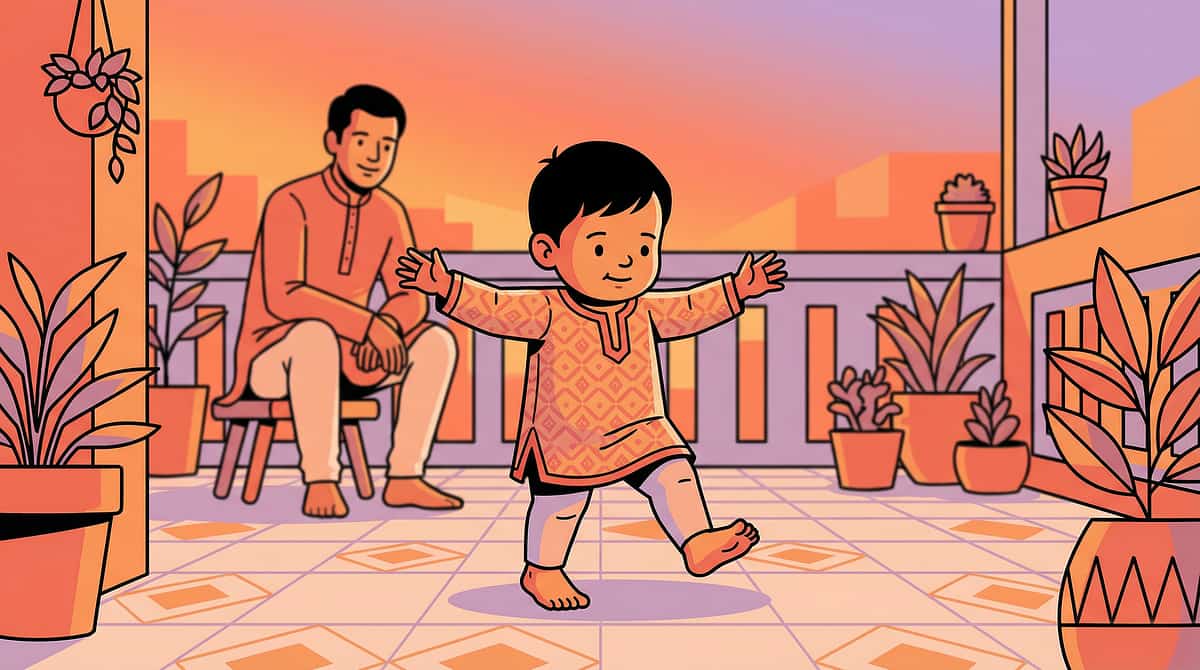
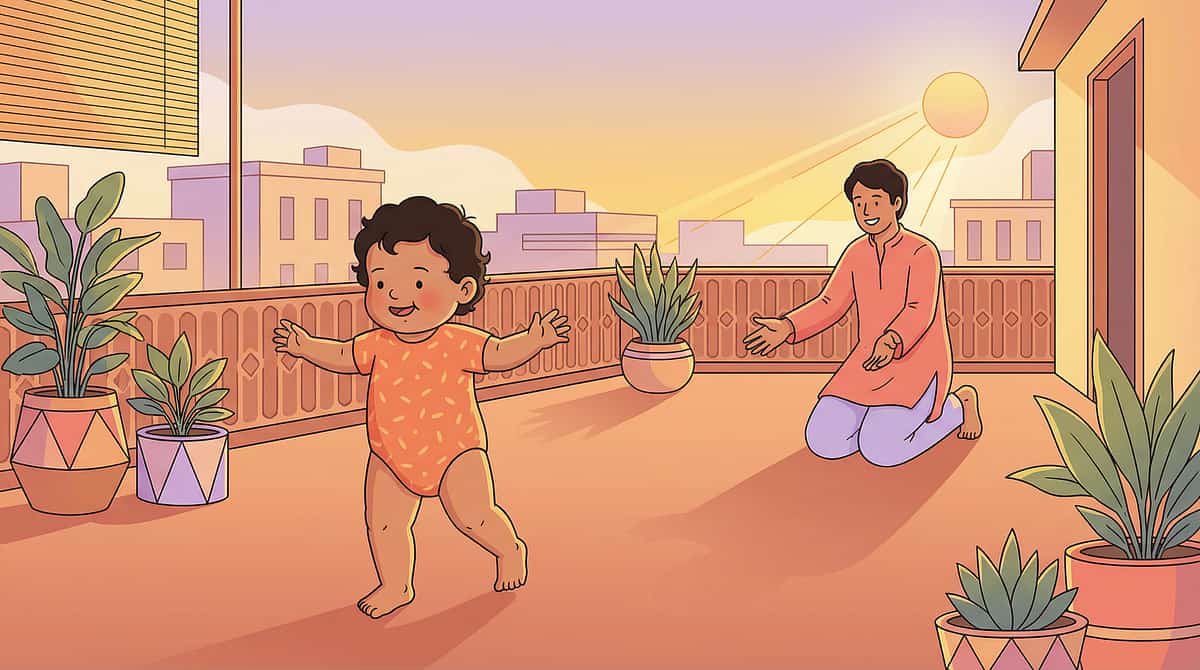
Every parent watches for those first independent steps. When walking is delayed, anxiety rises — and rightly so. Walking is the gateway gross motor skill. Without it, exploration, independence, and peer participation are limited. But delayed walking in ASD is not about motivation — it is about a motor system that needs more time and more practice to coordinate an extraordinarily complex sequence.
The Neuroscience
Walking is a full-brain event. It requires motor cortex, cerebellum, basal ganglia, vestibular system, proprioception, and visual processing — all integrating simultaneously with every single step.
Level I Evidence · NCAEP 2020
What You'll Learn
- Cruising along furniture → push toy → hand-held support → shadow support → independent
- Barefoot walking for maximum proprioceptive feedback
- Surface variety: carpet, grass, tile, sand — each challenges balance differently
- Motivation: place desired toy 3 steps away, increase distance as skill builds
- Indian home: furniture cruising circuit, terrace flat surface, barefoot on varied floors
F-562 · Fundamental Locomotion
Balance Problems
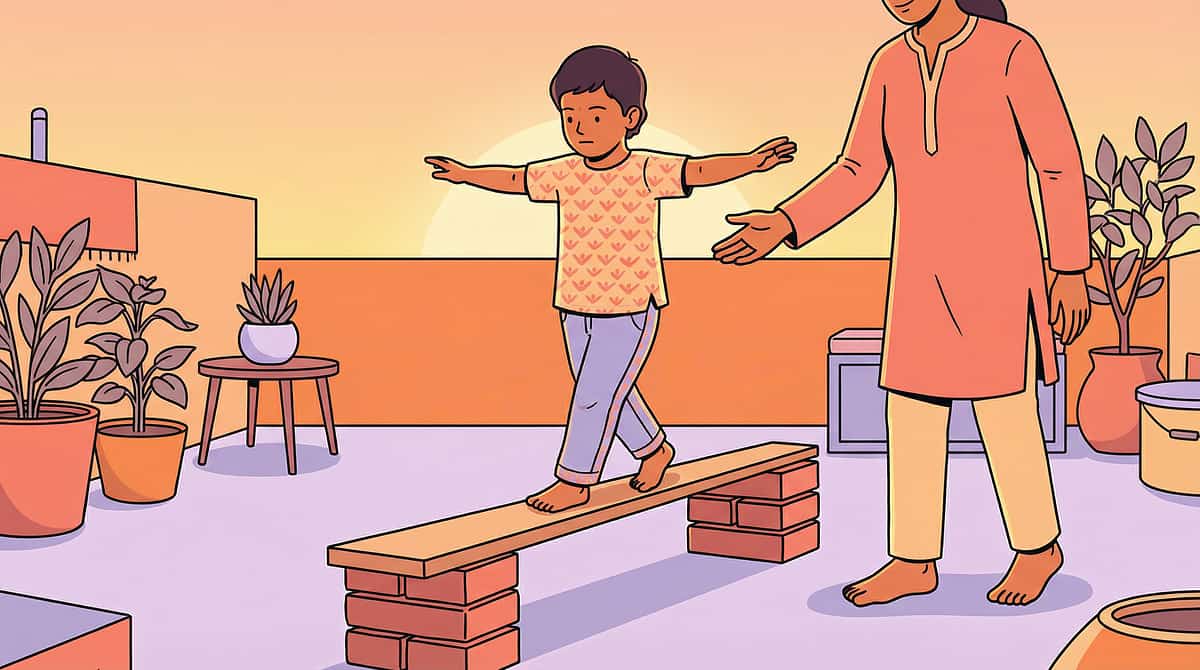
Balance is the invisible skill — when it works, nobody notices. When it doesn't, everything becomes harder: walking on uneven ground, dressing while standing on one leg, playground participation, and even sitting still. Frequent falls and avoidance of uneven surfaces are common signs that the vestibular-proprioceptive system needs support.
Static Balance
Standing still — two feet, progressing to one foot. Practice during daily routines like teeth brushing.
Dynamic Balance
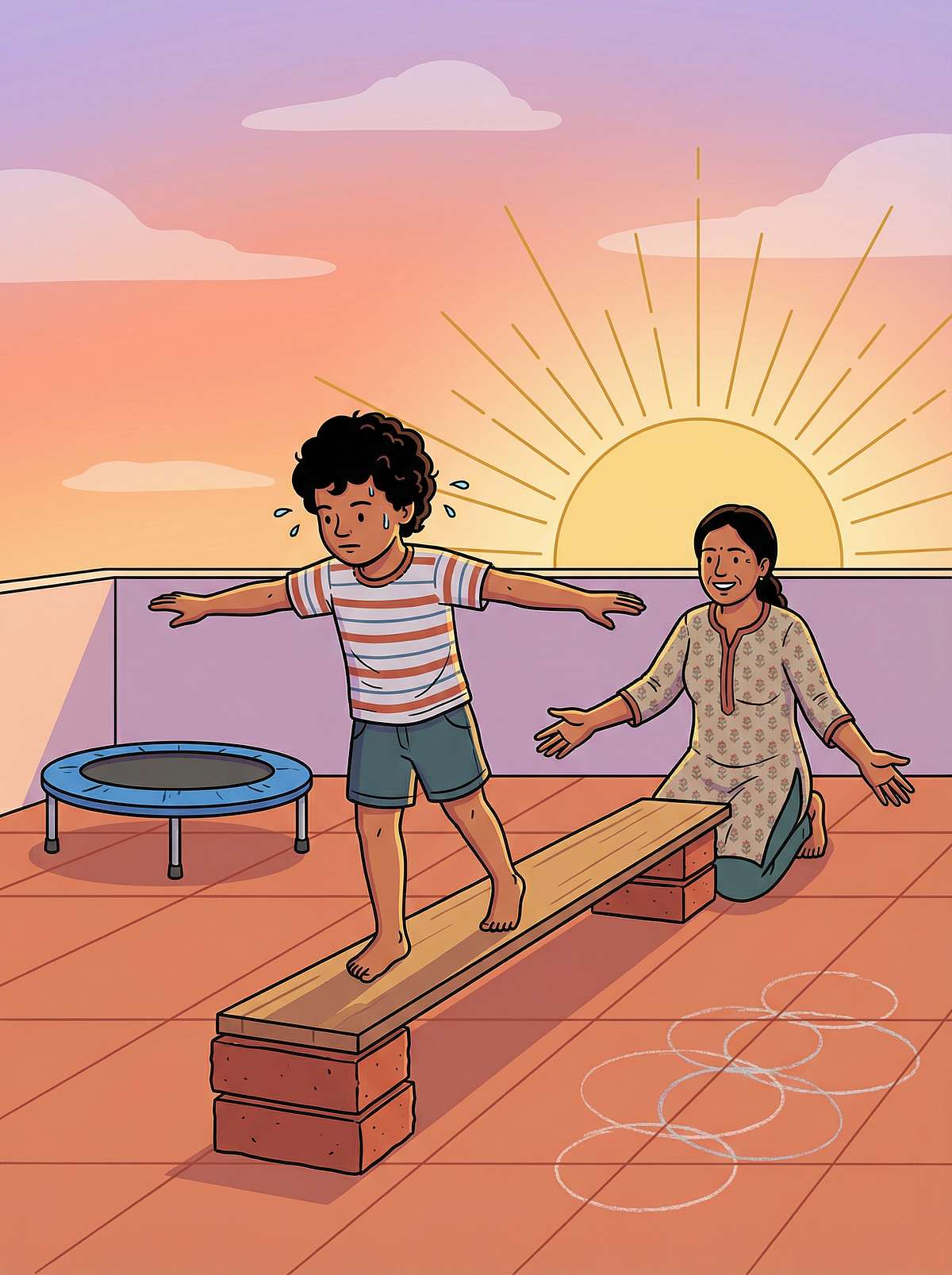
Moving balance — walking on a taped line, plank balance beam, pillow path walking.
Reactive Balance
Recovering from perturbation — gentle push recovery, unstable surface training.
Indian cultural practices offer natural balance training: rangoli border walking, kolam path following, yoga poses such as tree pose (Vrksasana) and mountain pose (Tadasana). The neuroscience: balance is a three-system integration task — vestibular + proprioception + vision — with the cerebellum orchestrating all three.
F-563 · Fundamental Locomotion
Running Difficulty
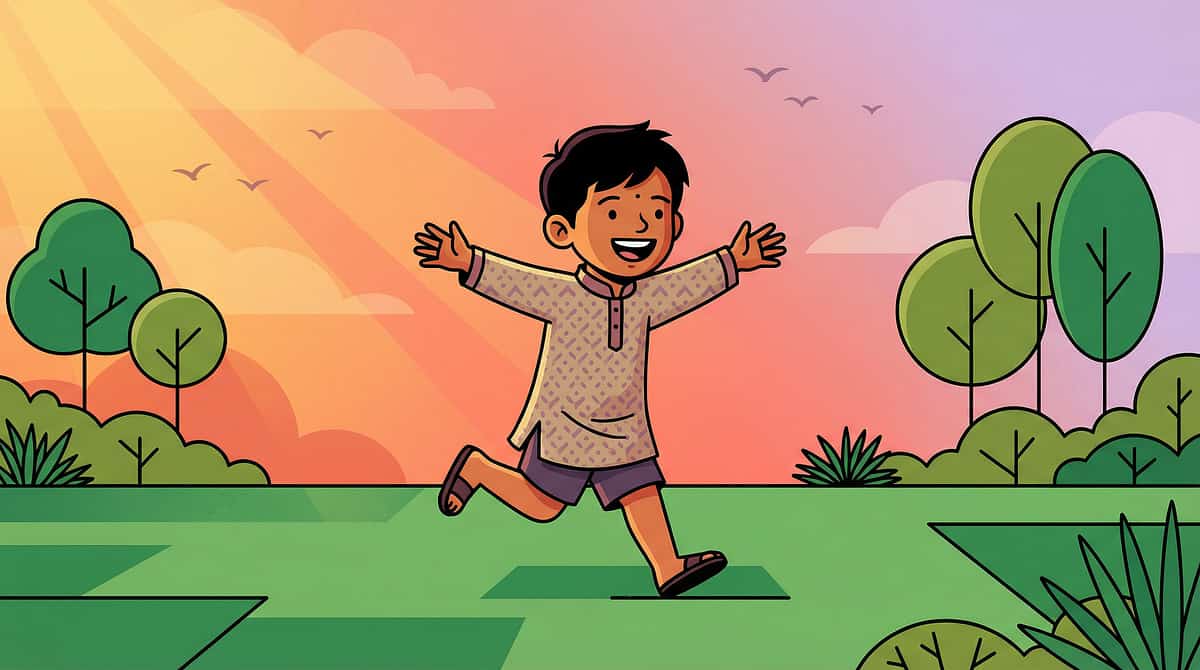
Running adds a crucial element beyond walking: the airborne phase, where both feet leave the ground simultaneously. Children who run with unusual gait, avoid running, or can't keep up with peers during playground games face real social exclusion. Running difficulty in ASD often involves reduced arm swing, toe-running, asymmetric stride, and reduced speed.
Running Progression
- Fast walking → jogging → running short distances
- Running with direction changes and stops
- Arm swing practice: pump arms while standing → add to walking → running
- Running games: chase games, relay races with family
- Indian context: park mornings, terrace sprints, kho-kho (traditional running game)
The Neuroscience
Running demands increased cerebellar coordination, bilateral arm swing via the corpus callosum (opposite arm/opposite leg), heightened vestibular processing, and significant cardiovascular demand — all simultaneously.
Level I Evidence · NCAEP 2020
F-564 · Fundamental Locomotion
Jumping Skills
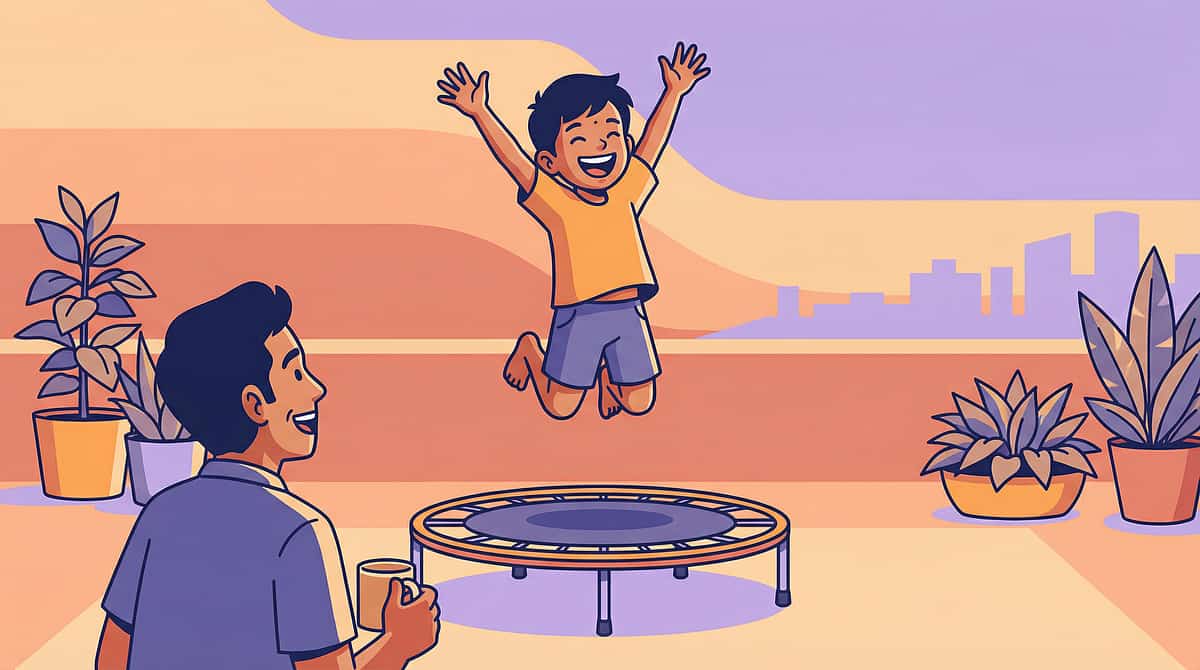
Jumping requires both feet leaving the ground simultaneously — demanding leg strength, bilateral coordination, precise timing, and proprioceptive awareness for landing and impact absorption. Jumping is also a primary regulation tool: a mini trampoline is among the most powerful sensory regulation activities available to families at home.
Bounce in Place
Feet don't leave the ground yet — build leg strength and rhythmic timing.
Mini Jump
Barely off the ground — building confidence in the airborne phase.
Jump from Step
Height assist: jumping OFF a low step reinforces landing mechanics.
Standing Jump Forward
Jump over a line or object — adds directional intent to the movement.
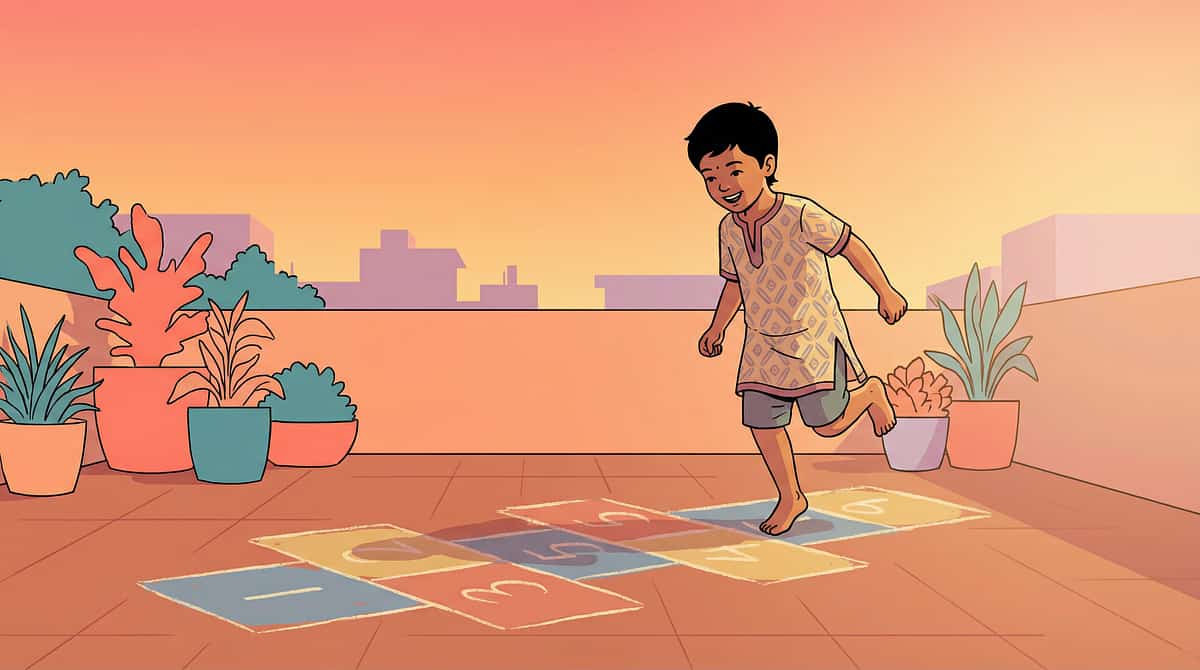
Mini trampoline (₹2,000–4,000) delivers jumping skill + vestibular input + proprioceptive input + cardio + fun — all in one activity. Indian favourites: hopscotch (langdi), chalk circles on the terrace.
F-565 · Fundamental Locomotion
Hopping Skills
Hopping — jumping on one foot — is developmentally layered. It arrives after jumping (age 2–3), progresses to hopping on a preferred foot (age 3–4), then either foot (age 4–5), and finally alternating hops (age 5–6). It's common in ASD because it requires single-leg balance and independent leg control simultaneously with rhythmic timing.
Hopping Progression
- Standing on one foot (static balance baseline)
- Holding rail + hopping in place
- Hopping with one hand held
- 1 hop independently → 2–3 hops → continuous
- Hopping on either foot equally
Indian Cultural Games
Kith-kith and langdi — hopscotch variants played across Indian regions — are culturally familiar, highly motivating, and therapeutically ideal. Draw a court on the terrace with chalk. One-leg poses from yoga (flamingo, stork) also build single-leg strength naturally.
Level I Evidence · NCAEP 2020
F-566 · Fundamental Locomotion
Stair Climbing
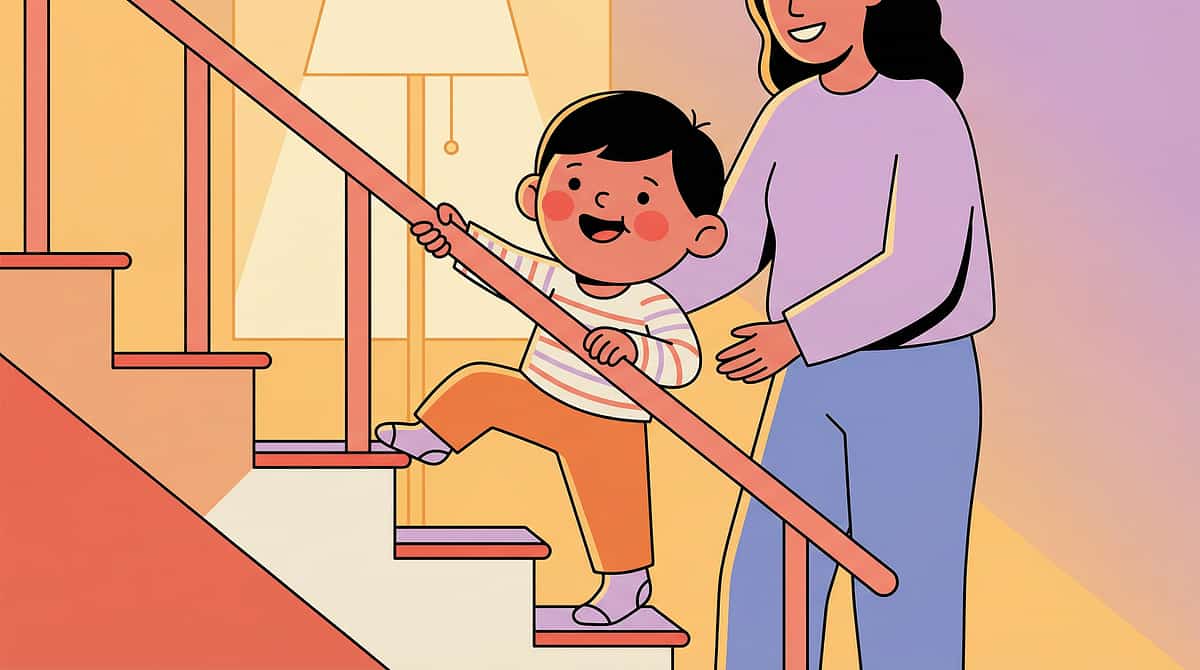
In India, every building has stairs. Stair climbing is the daily gross motor assessment — and a tremendous therapeutic opportunity. Each step is essentially a single-leg squat, demanding significant unilateral lower-body strength, precise foot placement, depth perception, and alternating motor planning.
1
Crawl Up / Scoot Down
First stage — gravity managed on all fours.
2
Two Feet Per Step with Rail
Step-together-step pattern — bilateral support.
3
Alternating Feet Up
One foot per step going up — builds unilateral strength.
4
Alternating Feet Down
Descending is harder — requires eccentric muscle control.
Daily apartment stair use becomes natural practice. Temple steps of graded height offer an excellent progression challenge. Always begin with the rail — safety first, always an adult behind when descending.
Section 2
Advanced Skills & Sport Readiness — Cards 07–12
Once the foundations are established, these skills build complexity: playground climbing, ball skills, bike riding, full-body coordination, and muscle tone management. These techniques open the door to sport, recreation, and true physical independence.
F-567: Playground Climbing
F-568: Ball Kicking
F-569: Throwing & Catching
F-570: Bike Riding
F-571: Coordination
F-572: Low Muscle Tone
F-567 · Advanced Skills
Playground Climbing
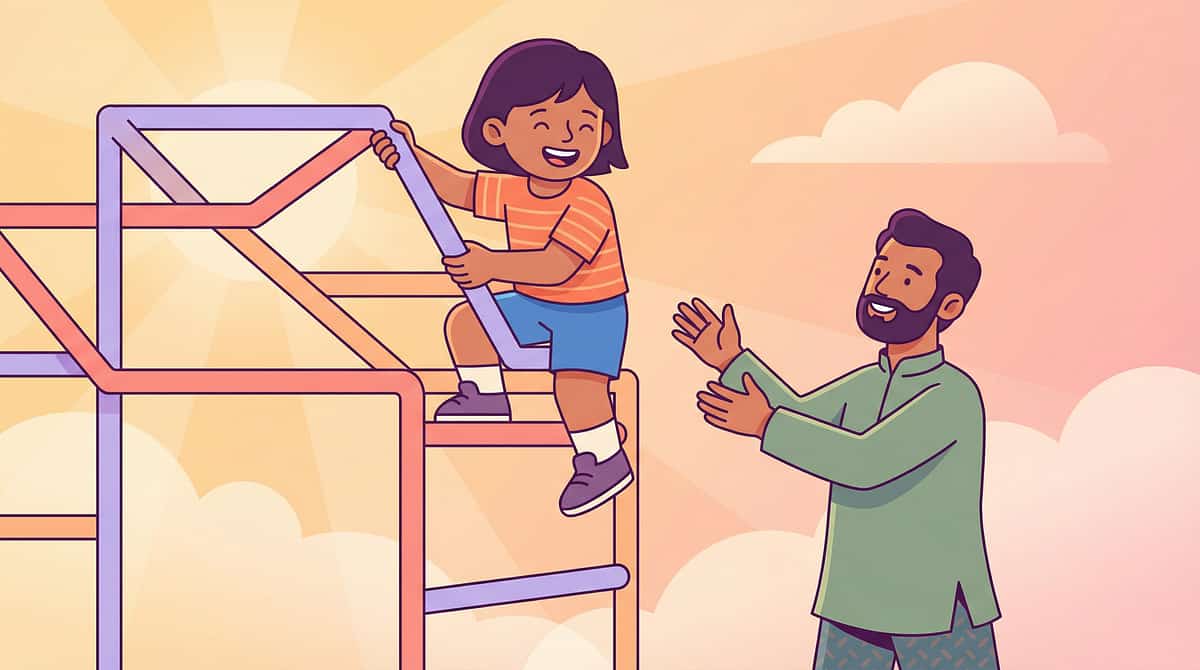
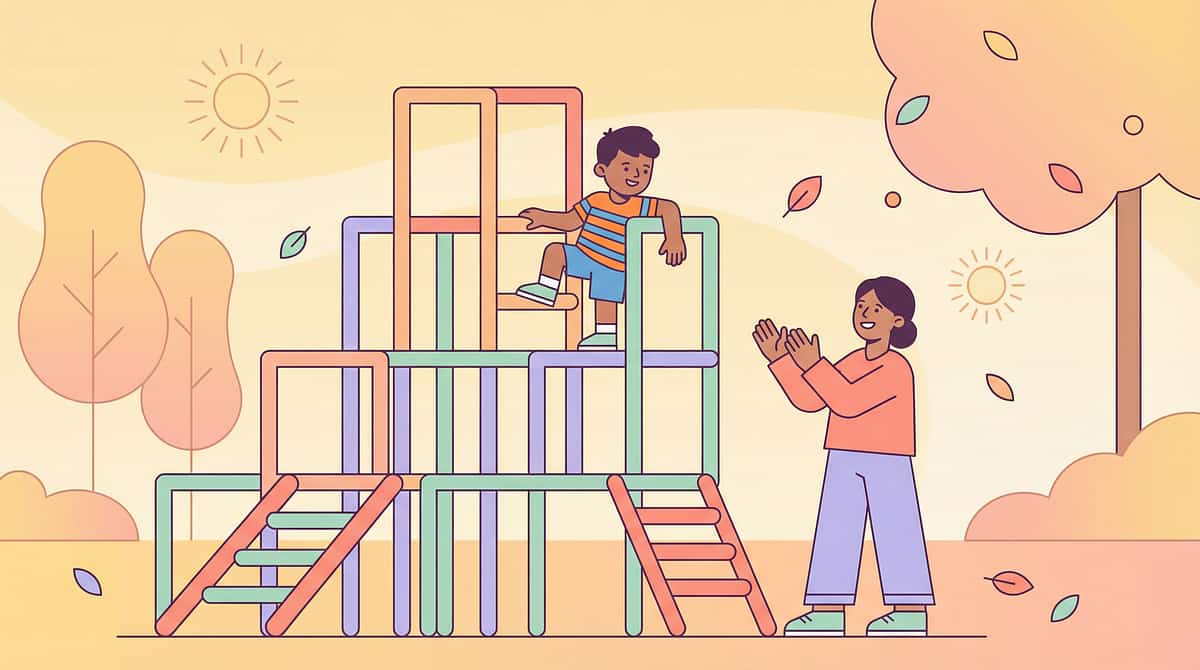
Climbing is the highest gross motor challenge — and one of the most rewarding. It demands upper-body pulling strength, lower-body pushing strength, four-limb bilateral coordination, grip-force proprioception, vestibular tolerance for height, and motor planning at peak demand. The child who can't climb is excluded from the most exciting playground activity.
Build From the Floor
Crawling over pillows → climbing onto low furniture → climbing UP the slide (not down first).
Ladder with Support
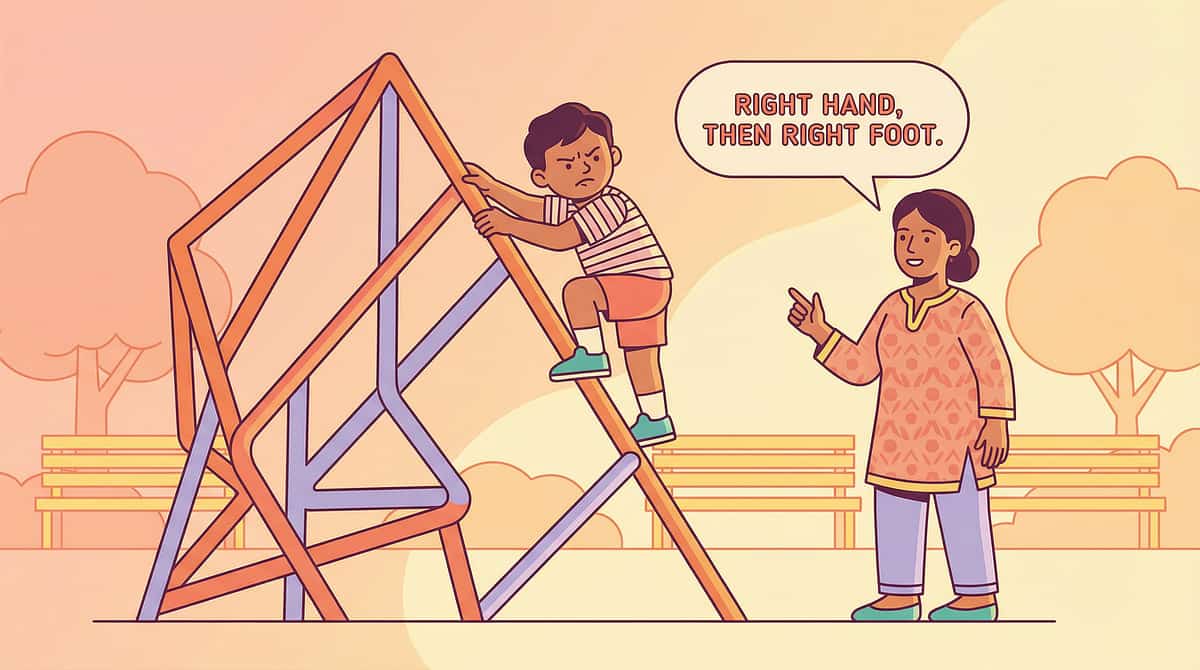
Parent spots from below, verbal guidance ("right hand, then right foot") for motor planning.
Safety Always
Spotted until fully independent. Soft surface below. Never leave unsupervised during learning phase.
Indian Context
Park frames (early morning, less crowded), temple steps, tree climbing in rural/semi-urban settings — a natural climbing gym.
F-568 · Advanced Skills
Ball Kicking
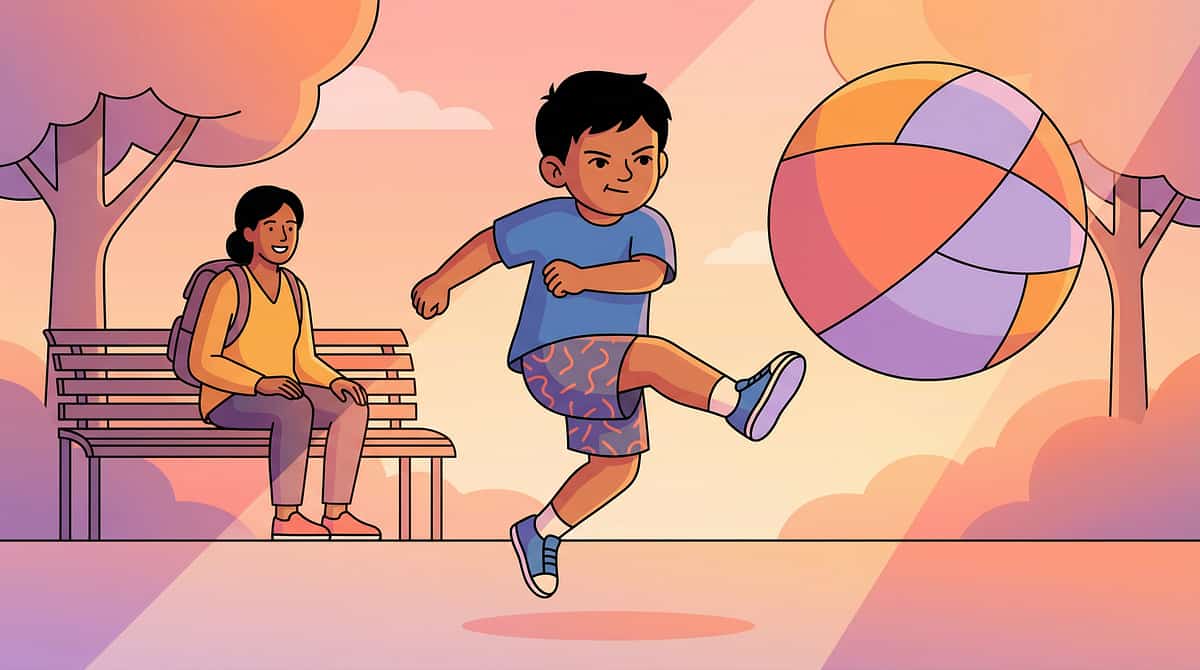
Kicking: standing on one leg while the other swings to contact a ball — requiring single-leg balance, hip flexor strength, timing, force calibration, and directional control. Kicking is the gateway to cricket and football, India's two most culturally beloved sports, making it a high-motivation skill goal for many families.
Kicking Progression
- Kick large stationary ball (beach ball — nearly impossible to miss)
- Kick stationary smaller ball
- Kick a slowly rolling ball
- Kick toward a target
- Kick while walking → kick during a game
Technique Cues
Stand beside the ball. Step with the non-kicking foot. Swing the kicking leg through. Follow through toward the target. Begin with a large soft ball — success builds confidence. Indian practice: terrace football, gully cricket leg coordination, park kicking games with siblings.
Level I Evidence · NCAEP 2020
F-569 · Advanced Skills
Throwing and Catching
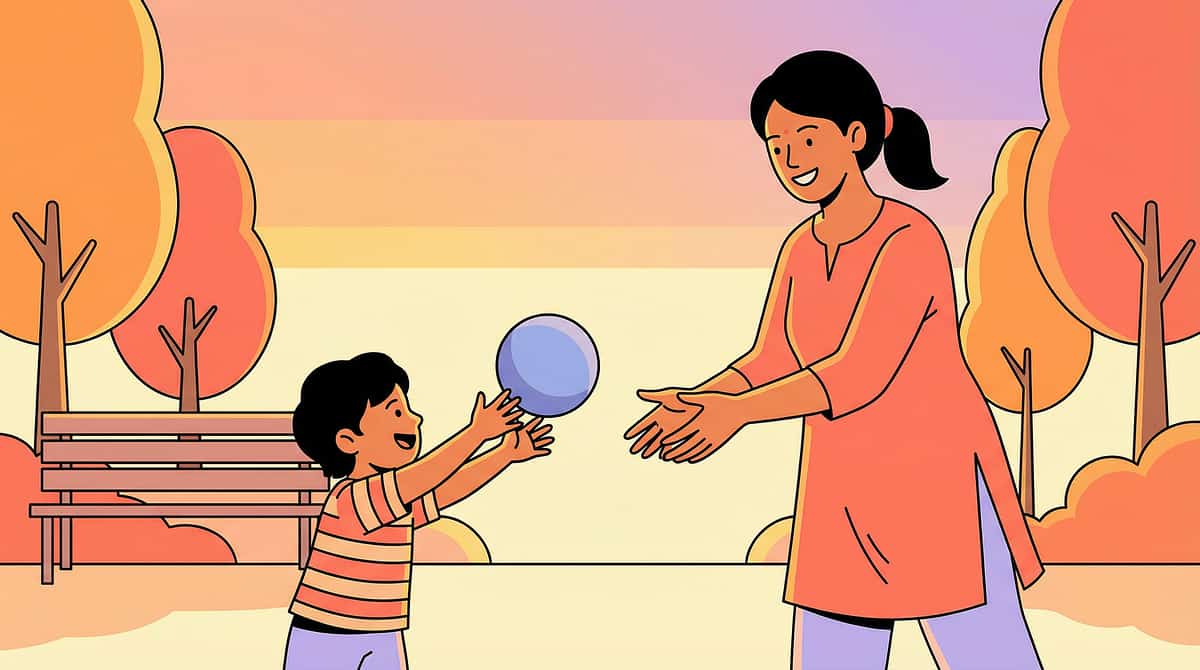
Two skills, one pair — essential for every ball game, playground moment, and social "catch!" with a friend. Throwing demands motor planning, proprioceptive calibration, and visual targeting. Catching demands visual tracking, cerebellar trajectory prediction, hand positioning, and millisecond grip-timing precision.
Throwing Progression
Drop ball into container → underhand roll → underhand toss → overhand throw → throw at target (start at 1 metre, soft ball).
Catching Progression
Trap ball against chest (body assist) → two-handed catch → one-handed catch → catch smaller ball at greater distance.
Cricket Connection
Catching builds cricket fielding. Throwing builds bowling mechanics. Culturally relevant — AND therapeutically essential.
F-570 · Advanced Skills
Bike Riding — The Independence Milestone
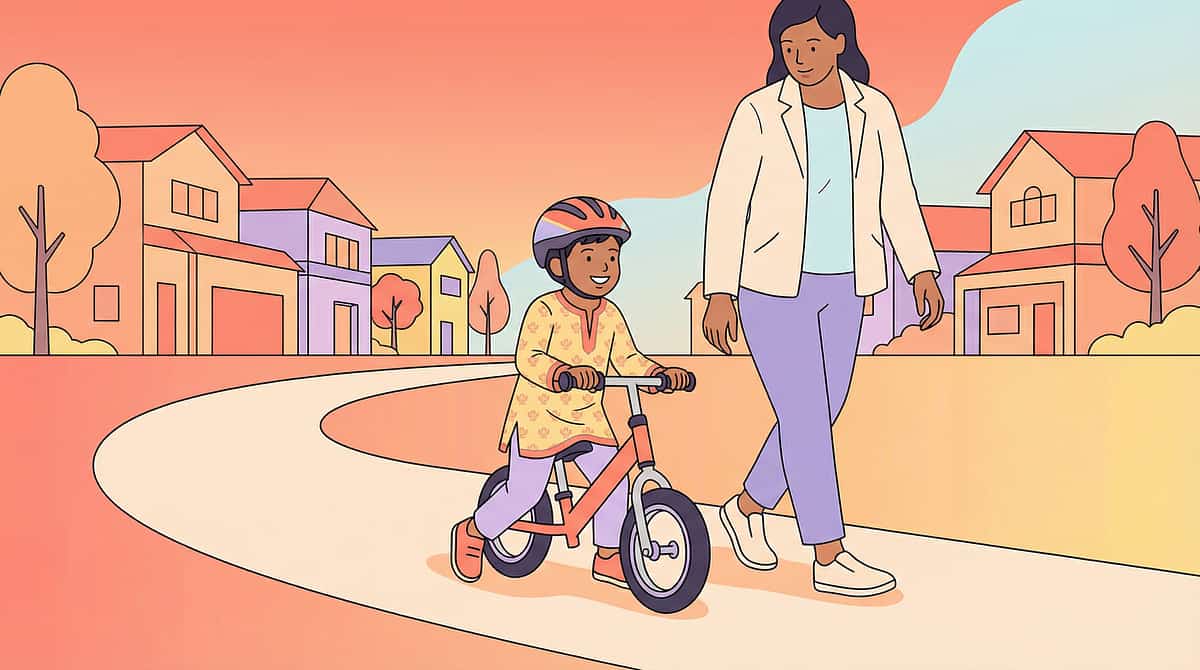
For many ASD families, bike riding represents a major independence goal. It is also one of the most complex motor planning tasks a child will ever learn — balance + pedalling + steering + braking + environmental awareness, all simultaneously. And once automated in the basal ganglia, it is retained for life. You never forget.
The balance bike method is most effective — 2–4 weeks on a balance bike, then transition directly to a pedal bike without training wheels. Balance bikes are available in India for ₹3,000–5,000. Gated colonies and park cycling tracks offer ideal practice environments in the early morning.
F-571 · Advanced Skills
Coordination
Coordination is the quality of movement — not just doing it, but doing it smoothly, accurately, and efficiently. The child who looks "clumsy," who bumps into things, whose movements appear effortful rather than fluid. Developmental Coordination Disorder (DCD) commonly co-occurs with ASD and affects everything from dressing to sports to handwriting.
Ball Skills
Eye-hand and eye-foot coordination — catching, throwing, kicking all train visual-motor integration.
Rhythm Activities
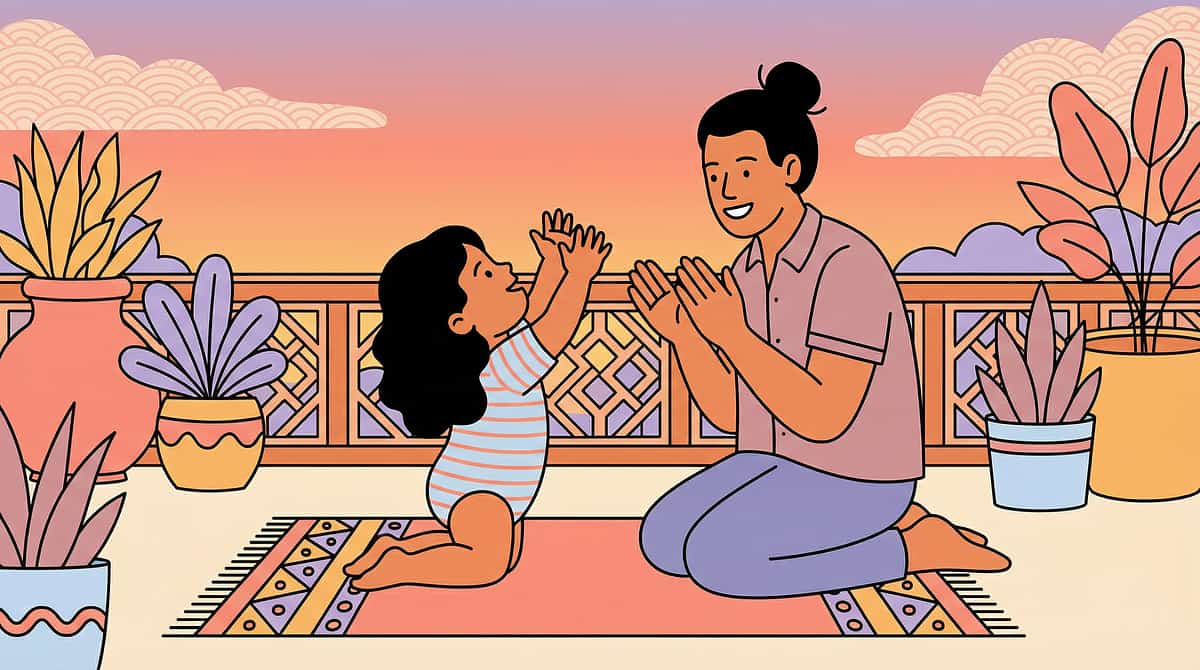
Clapping patterns, drum beating — temporal coordination training for the cerebellum and basal ganglia.
Obstacle Courses
Multiple movements sequenced together (F-586) — the ultimate coordination integrator.
Indian Arts
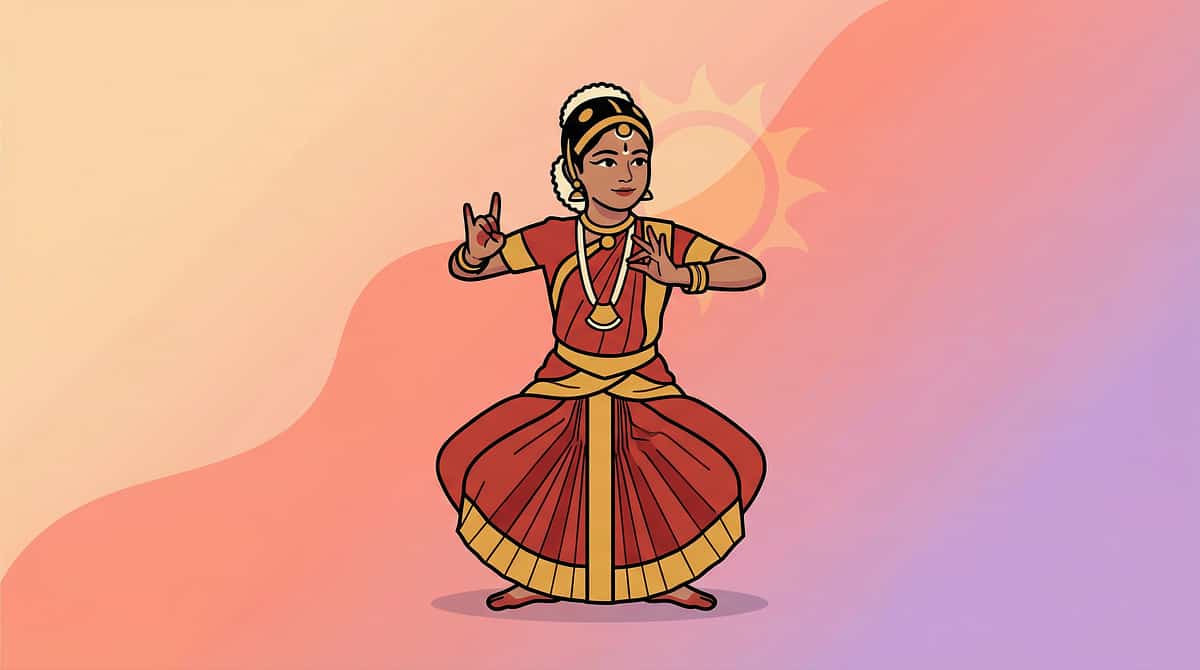
Bharatanatyam — peak coordination training. Rangoli for hand-eye precision. Cricket for full-body coordination.
F-572 · Advanced Skills
Low Muscle Tone
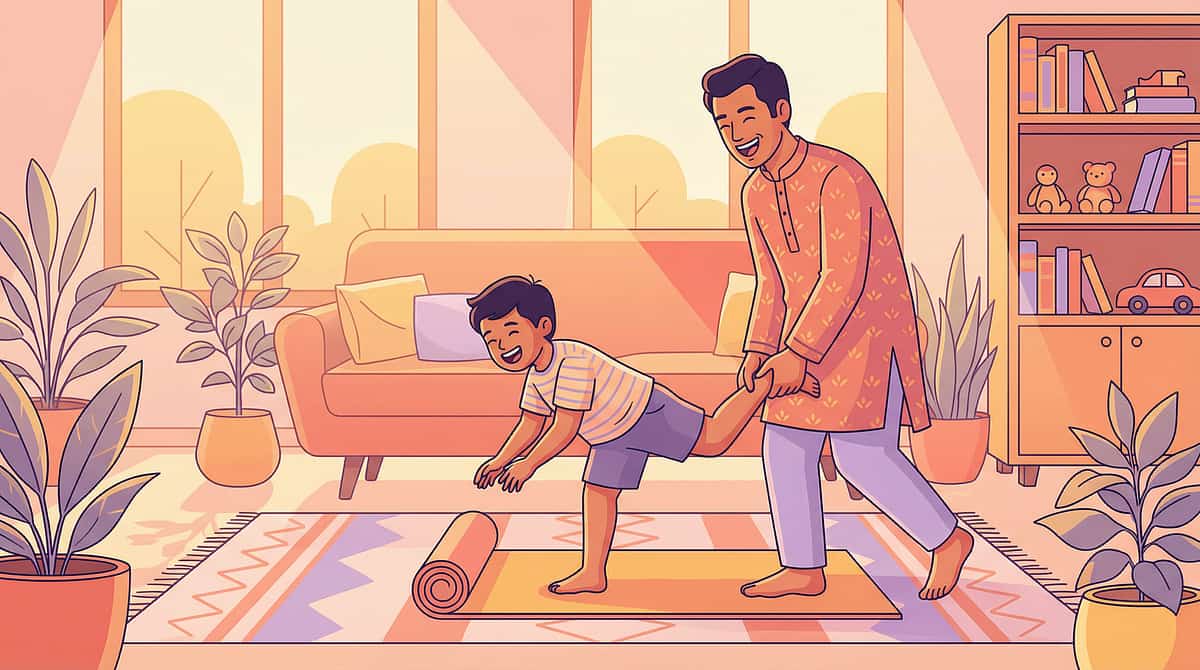
Hypotonia: the child who feels "floppy," tires quickly, slumps when sitting, and avoids physical activity because everything is harder. Low muscle tone is NOT weakness — it is reduced resting tension in muscles. The child must work harder to achieve the same movements as other children, leading to faster fatigue and a natural avoidance cycle that further deconditions the body.
The Key Insight
Tone is the baseline — it cannot be significantly changed. But strength CAN be built to compensate. Stronger muscles working against low tone produce functional improvement. The goal is not to fix tone but to build the strength that overcomes it.
Strengthening Strategies
- Weight-bearing activities: crawling, climbing, pushing, pulling
- Heavy work: carrying, digging, wheelbarrow walking
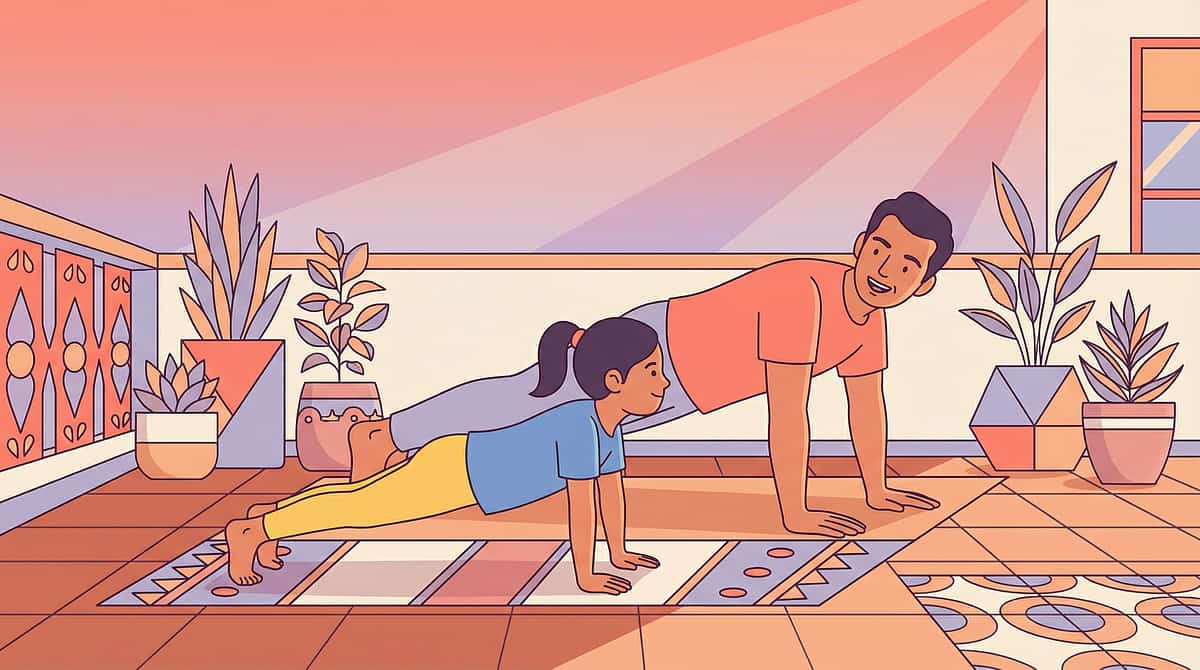
- Anti-gravity positions: tummy time, Superman pose, plank
- Swimming: water resistance builds strength without joint impact
- Indian daily chores: carrying water, sweeping, grinding — natural heavy work
Level I Evidence · NCAEP 2020
Section 3
Body Mechanics & Strength — Cards 13–20
This section addresses the internal architecture of movement: tone, motor planning, imitation, posture patterns, core strength, and physical endurance. These techniques build the structural foundation from which all gross motor skill emerges.
F-573: High Muscle Tone
F-574: Motor Planning
F-575: Movement Imitation
F-576: Toe Walking
F-577: W-Sitting
F-578: Core Strength
F-579: Sitting Upright
F-580: Physical Endurance
F-573 · Body Mechanics
High Muscle Tone
Hypertonia: muscles too tight at rest. The child who appears stiff, has limited range of motion, walks on toes, and moves with rigidity rather than fluidity. High tone restricts movement and can be uncomfortable if muscles are constantly tense. Understanding the cause — and responding safely — is essential.
⚠️ If high tone is significant, an OT or physical therapist must guide the programme. Incorrect stretching can cause injury. Always work with your therapy team before beginning a stretching protocol.
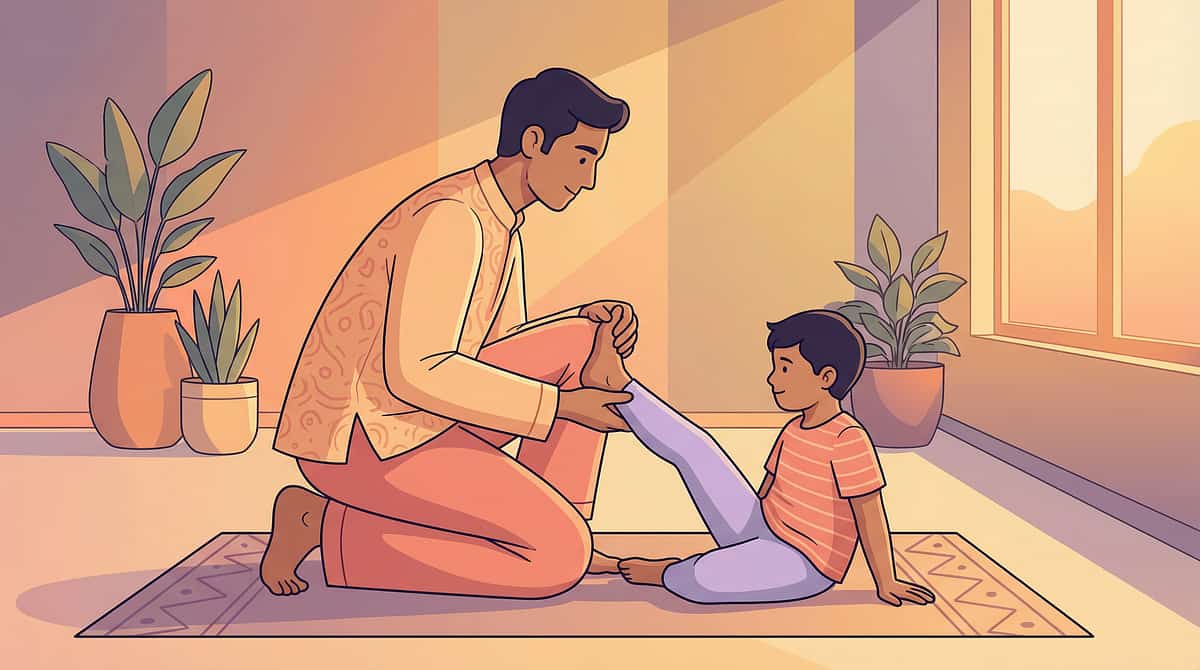
Gentle Stretching
Parent-guided, never forced. Hold 15–30 seconds. Warm bath before stretching significantly reduces tone and improves stretch effectiveness.
Slow Rhythmic Movement
Rocking and swinging provide vestibular input that can reflexively reduce elevated muscle tone.
Deep Pressure
Massage, weighted blanket — calming proprioceptive input that supports tone regulation throughout the body.
Indian Traditions
Ayurvedic oil massage IS therapeutic for tone. Warm water play and yoga stretching sequences are culturally embedded and clinically beneficial.
F-574 · Body Mechanics
Motor Planning (Dyspraxia)
Dyspraxia: the child who knows what they want to do but can't get their body to do it. The child who can't climb the playground frame isn't weak — they can't plan the sequence of where to put their hands and feet. Motor planning involves ideation → sequencing → execution, and in ASD this chain requires conscious effort for movements neurotypical children perform automatically.
What helps: Obstacle courses (F-586) for planned multi-step routes. Verbal motor planning ("First RIGHT hand up, then LEFT foot"). Task analysis applied to motor skills — break the movement into steps. Repetition is the key: practiced movements become automatic, bypassing the planning deficit. Indian practices: Surya Namaskar (a 12-step motor plan), Bharatanatyam adavus (structured movement sequences).
F-575 · Body Mechanics
Movement Imitation
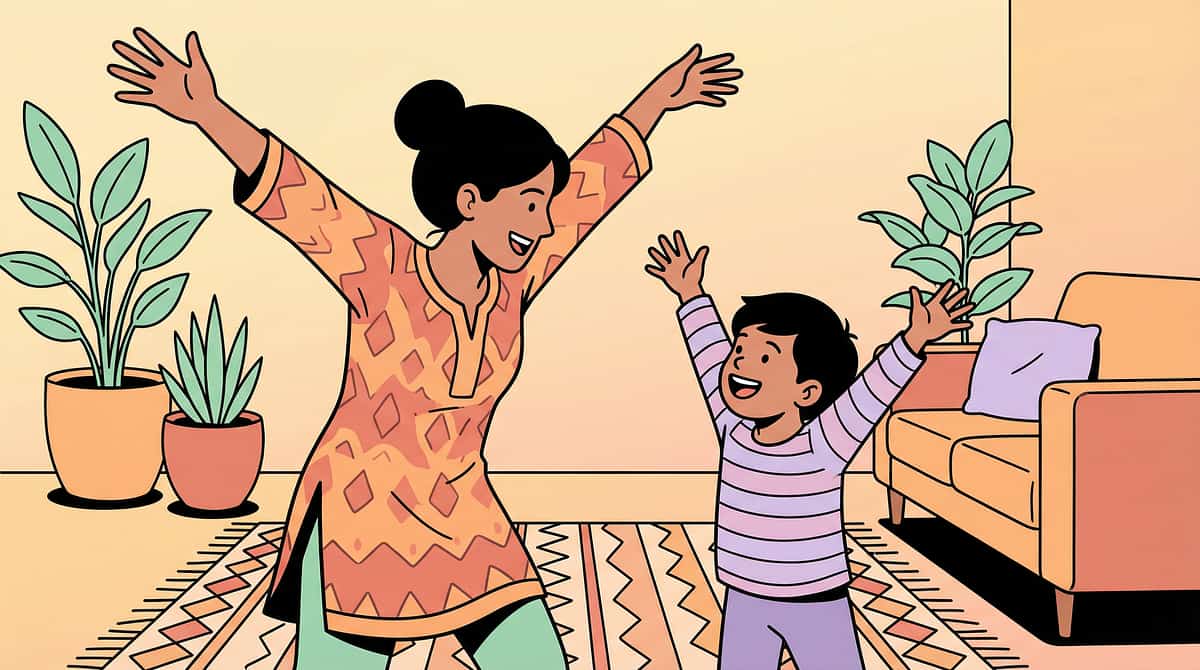
Movement imitation is how children learn gross motor skills naturally — by watching and copying. When motor imitation is impaired, the child misses the primary learning channel for all physical skills. The mirror neuron system in ASD IS functional — it may simply need slower, more exaggerated, more explicit models to activate effectively.
Gross Body Movements
Arms up and down, turning, bending — large, unmissable movements to begin with.
Actions with Objects
Bang a drum, push a car, roll a ball — object-based imitation is easier than pure body imitation.
Complex Sequences
Dance moves, exercise routines, yoga poses — building to multi-step motor imitation chains.
Teaching approach: Face the child (mirror position), exaggerate movements, slow the speed, provide verbal narration ("Arms UP!"), use hand-over-hand if needed then fade. Games: Simon Says, Head Shoulders Knees and Toes, mirror games. Indian context: garba dance circles, action bhajans, yoga class imitation.
F-576 · Body Mechanics
Toe Walking
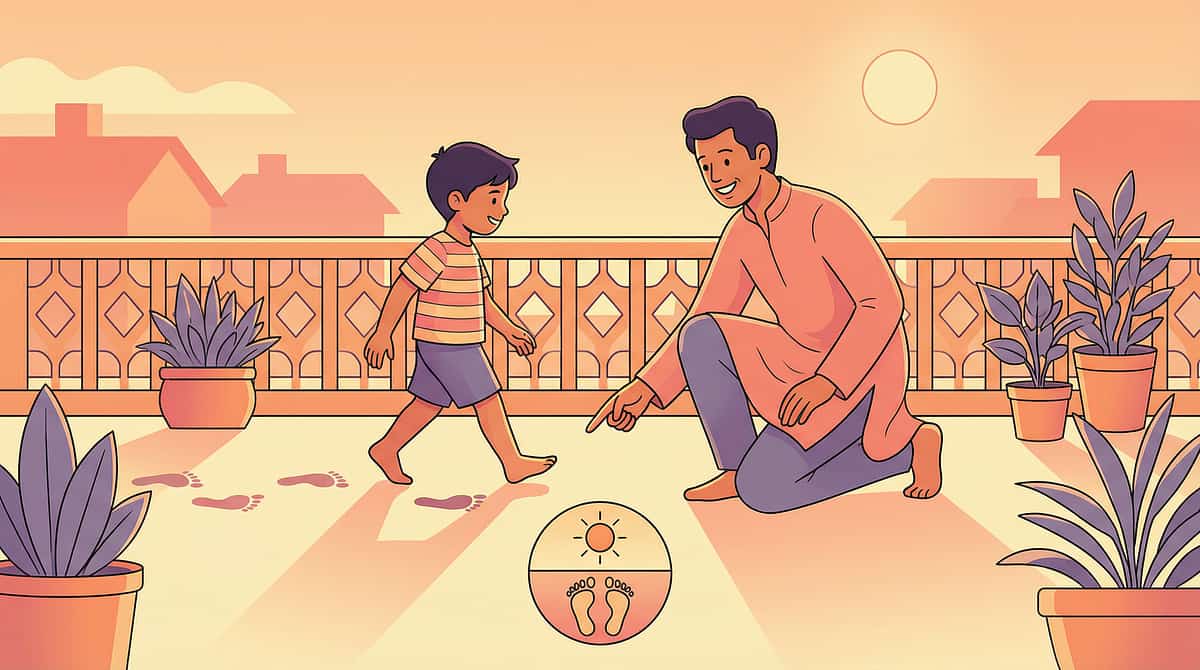
Up to 20% of children with ASD walk on tiptoes — and it is often the first thing others notice. But toe walking is not a quirk; it is a signal. The cause determines the intervention. Sensory avoidance, proprioceptive seeking, habitual pattern, or shortened Achilles tendon — each requires a different approach entirely.
Sensory Cause
Floor texture is uncomfortable → heels lifted to reduce contact. Address through gradual desensitisation to varied floor textures.
Muscular Cause
Calf muscles shortened from prolonged toe walking. Requires daily calf stretching (hold 30 seconds), ankle dorsiflexion exercises, and heel-walking games.
Habitual Cause
"Penguin walk!" games, visual/auditory cueing ("Flat feet!"), weighted vest as proprioceptive alternative, marching activities.
⚠️ Persistent toe walking requires orthopaedic evaluation to rule out structural causes. Always assess FIRST — then intervene.
F-577 · Body Mechanics
W-Sitting
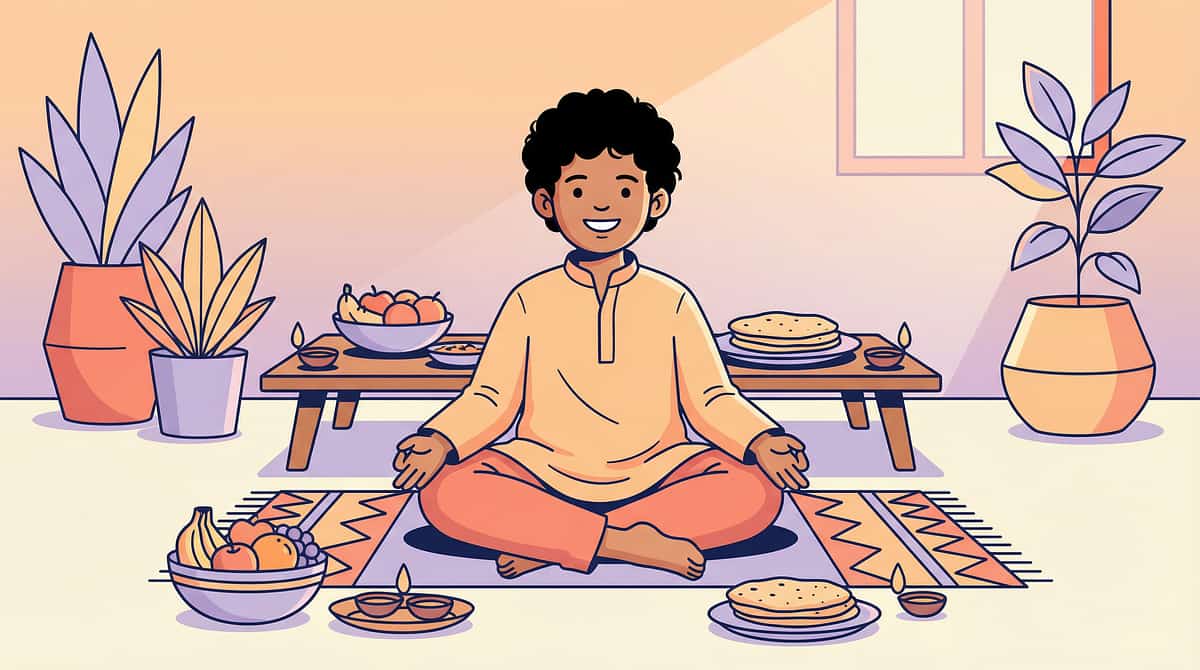
W-sitting — knees bent with feet splayed to the sides — is a common and understandable compensation. It provides a wide, stable base that requires minimal core activation. But prolonged W-sitting prevents the core from ever developing, restricts trunk rotation, limits cross-midline reaching, and creates a reinforcing cycle of weakness.
Why Children Choose It
The body always finds the path of least effort. W-sitting eliminates the need for active core stabilisation — it IS the child's solution to weak core. Address the ROOT CAUSE (build core strength via F-578), not just the symptom.
Alternatives to Redirect To
- Cross-legged sitting (sukhasana)
- Side-sitting
- Long-sitting (legs straight ahead)
- Kneeling at a low table
- Chair sitting with feet flat on floor
Indian cross-legged sitting is culturally normative (during pooja and meals) — use this cultural practice as therapeutic positioning.
F-578 · Body Mechanics
Core Strength — The Foundation
The trunk is the foundation. Core strength — abdominal, back, and pelvic muscles stabilising the trunk — underpins everything: sitting posture, balance, fine motor precision, and the ability to sustain attention without physical exhaustion. Without a stable core, every limb movement is compromised.
Tummy Time
All ages benefit — even an 8-year-old. The original anti-gravity core builder. Aim for 10–15 minutes daily.
Superman Pose
Lying face down, lift arms and legs simultaneously. Builds the entire posterior chain — back, glutes, hamstrings.
Wheelbarrow Walking
Parent holds child's legs — child walks on hands. One of the most effective core and upper-body strength builders.
Ball Sitting
Therapy ball activates core for balance. Available for ₹500. Floor sitting instead of sofa achieves a similar effect daily.
Indian advantage: yoga core poses (navasana, plank, bhujangasana), floor-based lifestyle naturally activates core far more than sofa or chair sitting.
F-579 · Body Mechanics
Sitting Upright
The child who slumps, leans, props their head on their hand, or slides off the chair is not being lazy or disengaged — they are physically exhausted from trying to maintain an anti-gravity posture that uses enormous energy when core tone is low. Energy spent on posture is energy unavailable for attention, learning, and engagement.
Seating Setup
Feet flat on floor (use foot rest if needed), knees at 90°, hips at 90°. Correct chair height is the single most impactful posture intervention.
Dynamic Sitting
Wiggle cushion or move-n-sit disc — keeps core engaged while seated, reducing the effort of staying upright through micro-movement.
Sensory Support
Weighted lap pad provides proprioceptive input that can reduce leaning and fidgeting. Resistance band around chair legs gives feet something to push against.
Indian Advantage
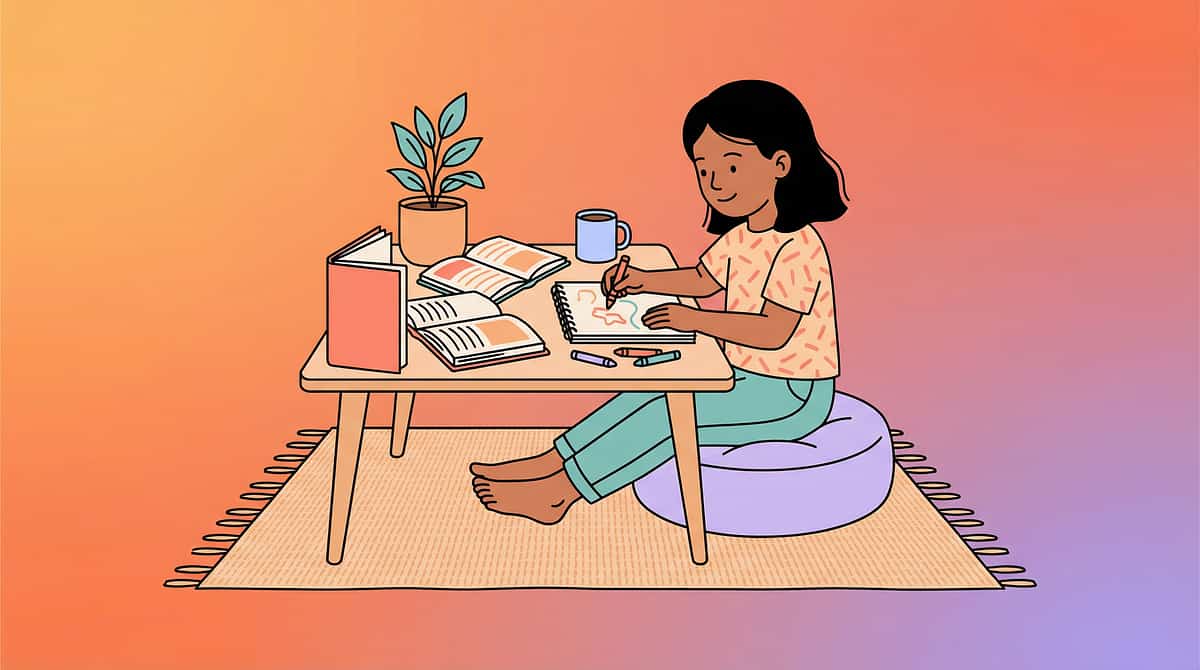
Floor sitting requires significantly MORE core activation than chair sitting — a daily natural training ground for the upright posture muscles.
F-580 · Body Mechanics
Physical Endurance
The child who tires after five minutes of walking, who sits out during playground time, who can't sustain physical activity. Low endurance limits every community outing, every school day (standing in assembly, walking between classrooms, PE participation), and every peer activity. The cycle of avoidance → deconditioning → lower endurance must be broken gradually and gently.
The 10% Rule
Start from the child's CURRENT maximum. If 5 minutes is their limit, begin at 4 minutes and increase total activity time by 10% each week. Small, consistent gains compound into significant endurance over months.
Endurance Activities
- Walking — increase distance weekly
- Trampoline — preferred and regulation-positive
- Swimming — low-impact, full-body
- Cycling and dance — high motivation
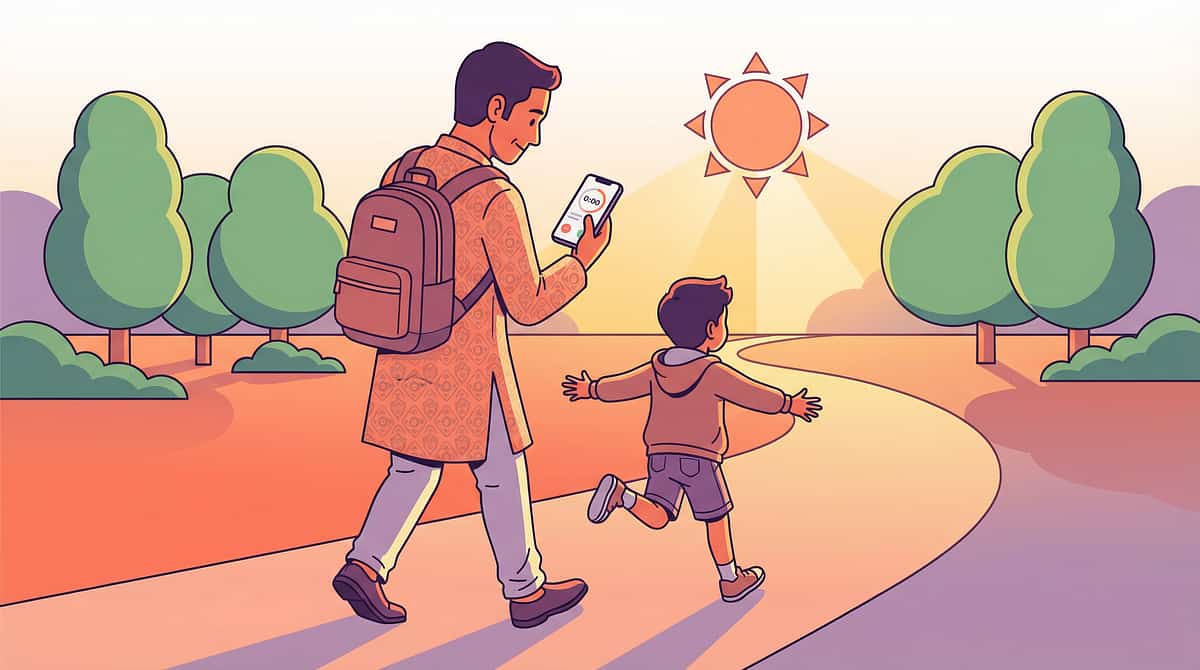
- Indian: morning family walks, park play, building stair climbing, cricket
Track duration on a visual chart — let the child SEE their own progress.
Section 4
Regulation, Integration & Mastery — Cards 21–30
The final section integrates everything: overcoming avoidance, using rhythm and dance therapeutically, swimming readiness, movement breaks, heavy work, obstacle courses, body awareness, midline crossing, bilateral coordination, and building a sustainable home physical therapy programme.
1
F-581: Activity Avoidance
2
F-582: Rhythm & Dance
3
F-583: Swimming Readiness
4
F-584: Movement Breaks
5
F-585: Heavy Work
6
F-586: Obstacle Courses
7
F-587: Body Awareness
8
F-588: Crossing Midline
9
F-589: Bilateral Movements
10
F-590: Physical Therapy Home
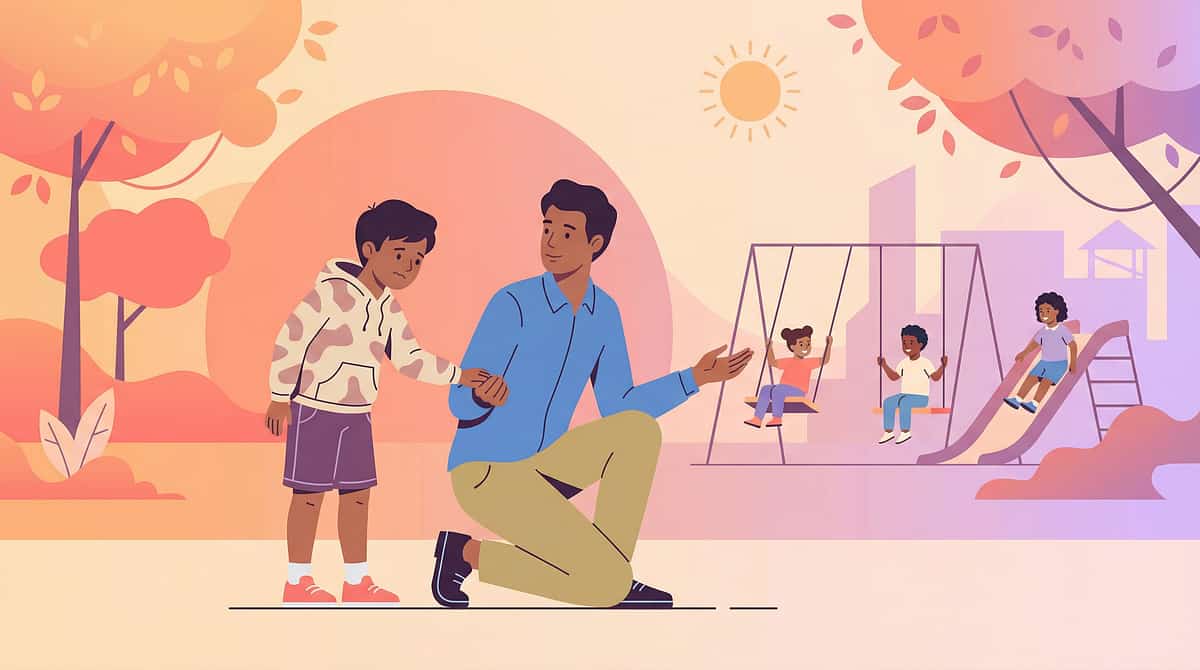
F-581 · Regulation & Integration
Activity Avoidance
The child who refuses physical activity — who sits while others run, won't try the climbing frame, doesn't want to go to the park. Activity avoidance is not laziness. It is the brain protecting itself from expected failure, sensory overload, or remembered physical discomfort. The amygdala has learned: "Physical activity = negative outcome → AVOID."
⚠️ Never force or shame. "Just try!" does not work if the brain is in fear mode. Trust must be built before skill can be taught.
Start with Preferred Movement
What DO they enjoy? Swinging? Bouncing? Water play? Begin there — not with what you think they should do.
Reduce the Demand
Two minutes, not twenty. One hop, not ten. Guaranteed success before gradual challenge increases.
Build from Success
First-then (L-937), reward for participation not performance, and parent/sibling movement play builds positive associations with physical activity over time.
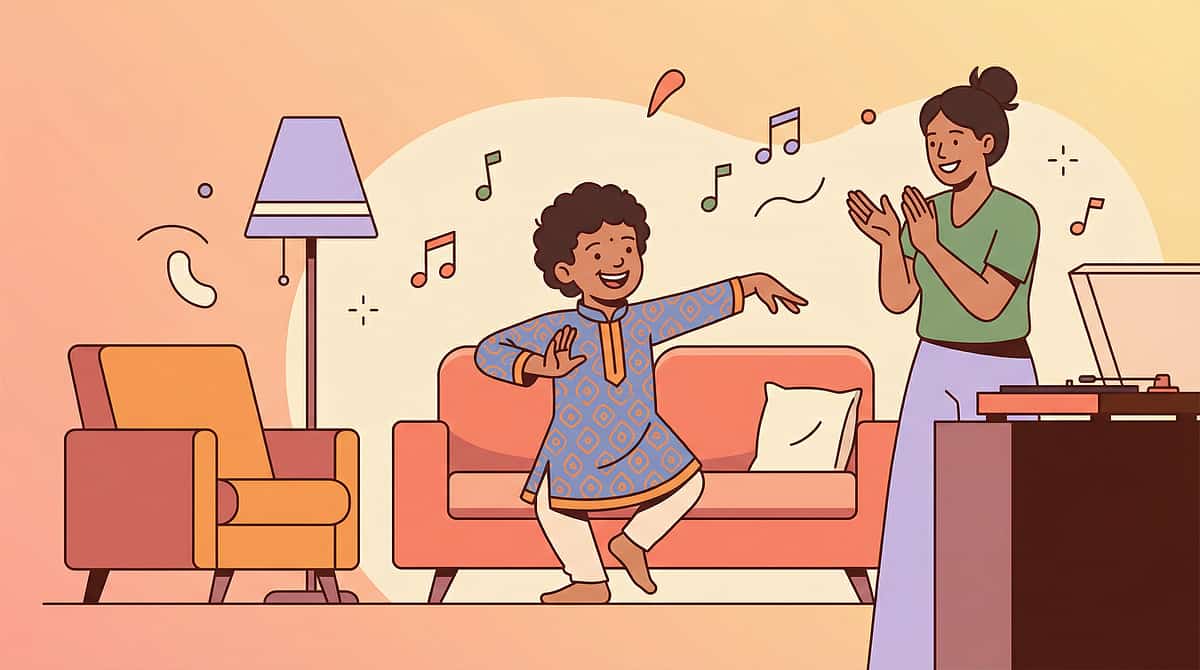
F-582 · Regulation & Integration
Rhythm and Dance
Rhythm is the brain's internal timing system. Dance is rhythm made visible through movement. Both train cerebellar timing, bilateral coordination, motor planning, imitation, social synchrony, and emotional expression simultaneously. Dance is gross motor therapy brilliantly disguised as art — and in India, the therapeutic options are extraordinary.
Clapping & Drumming
Rhythm activities that are accessible from the very first session. Bilateral temporal coordination — the cerebellum's training ground.
Free Movement to Music
No rules — just move. This builds intrinsic motivation and positive associations with physical movement.
Bharatanatyam Adavus
Systematic movement sequences that are IDEAL for ASD learners who thrive with structure, repetition, and clear visual patterns.
Garba & Bollywood
Social circular dancing and high-motivation Bollywood choreography — culturally relevant and deeply engaging for Indian families.
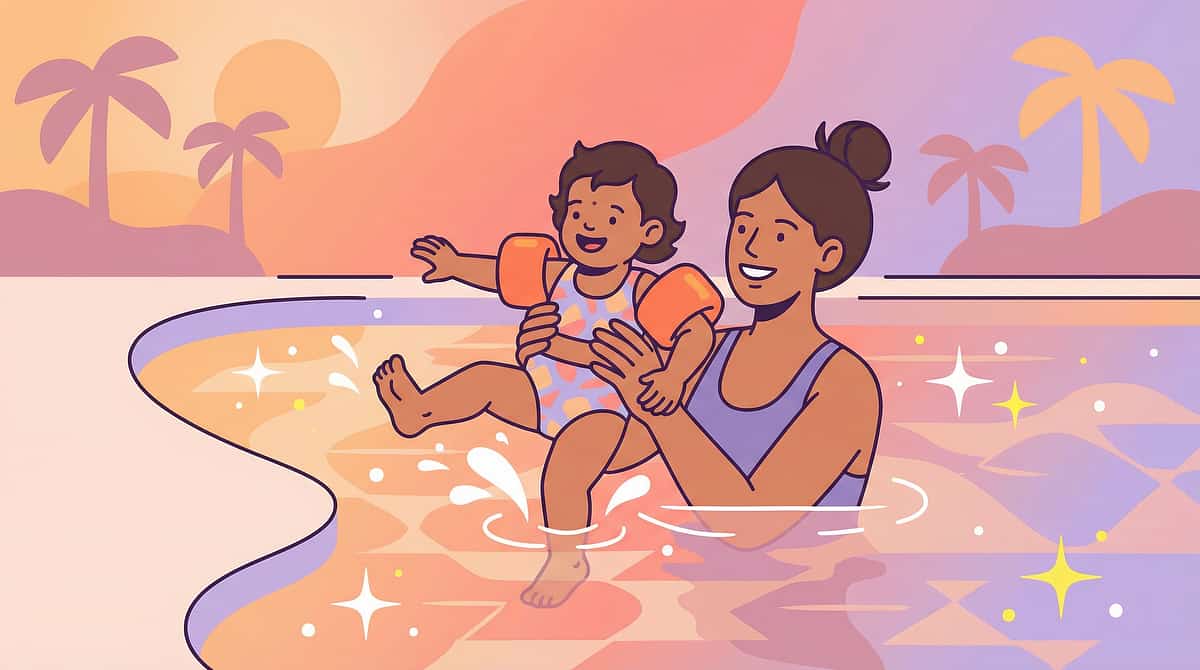
F-583 · Regulation & Integration
Swimming Readiness
Swimming is the therapeutic gross motor activity. Water provides uniform proprioceptive input across the entire body (deeply calming), vestibular challenge through buoyancy, resistance for strength-building without joint impact, and full sensory regulation. And beyond therapy — water safety is non-negotiable for ASD families.
⚠️ WATER SAFETY IS NON-NEGOTIABLE. Children with ASD have significantly elevated drowning risk. Never leave unsupervised near any body of water — pool, pond, bucket, or open tap. Begin swimming instruction as early as safely possible.
Safety skills first — edge holding, back floating, calling for help — before any distance or stroke work. Apartment pools and local swimming class partnerships through Pinnacle Blooms Network® provide structured progressive aquatic access.
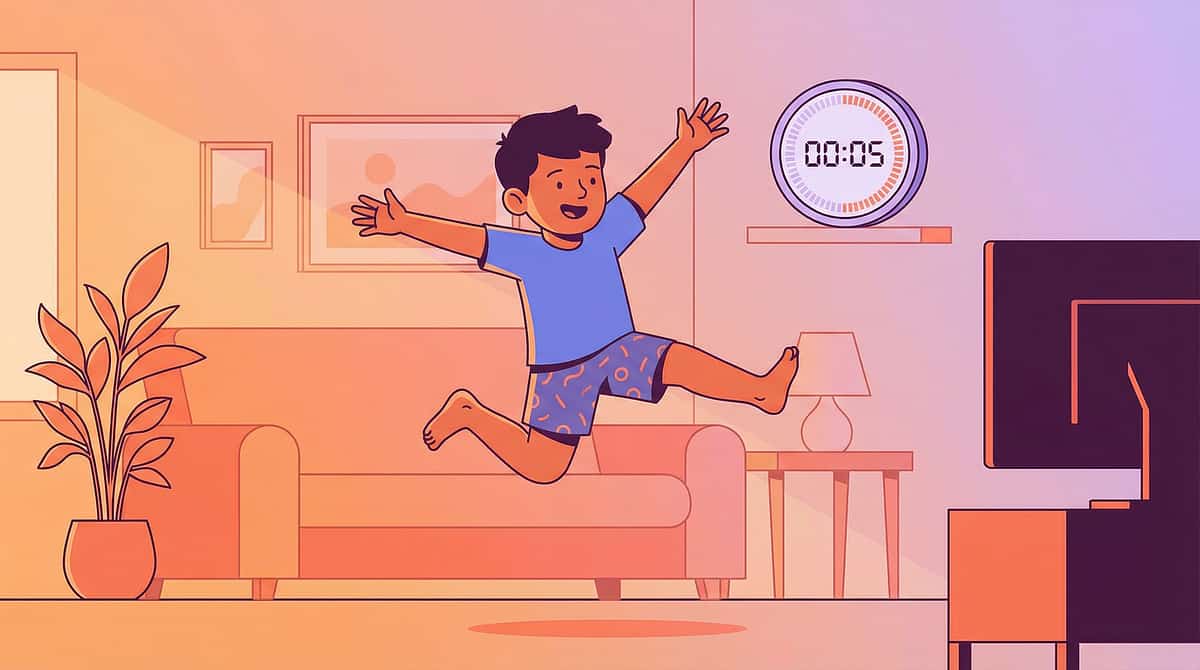
F-584 · Regulation & Integration
Movement Breaks
Movement breaks are the fuel that keeps the engine running. Structured 2–3 minute movement bursts, integrated every 20–30 minutes during seated work, reset the nervous system, restore attention, and prevent sensory overload. They are not interruptions to learning — they ARE how learning becomes sustainable.
Jumping Jacks ×10
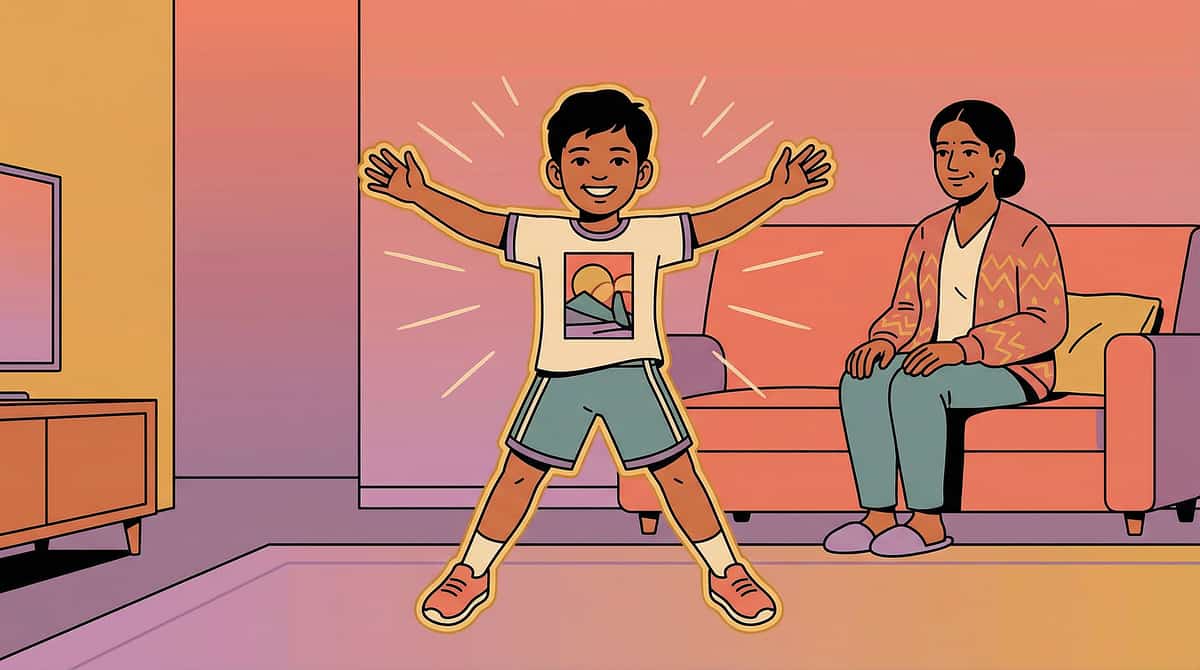
Bilateral full-body activation — bilateral coordination + vestibular + proprioceptive input in 20 seconds.
Bear Walk
Across the room and back — core, arms, coordination, and proprioception in one animal walk.
Wall Push-Ups ×5
Heavy work — strong proprioceptive input that calms and organises the nervous system.
Surya Namaskar
12 poses = 2-minute comprehensive movement break. Stretching + strengthening + motor planning + breath regulation.
Visual movement break cards let the child CHOOSE their activity — building autonomy and motivation. Schedule breaks proactively, not reactively.
F-585 · Regulation & Integration
Heavy Work Activities
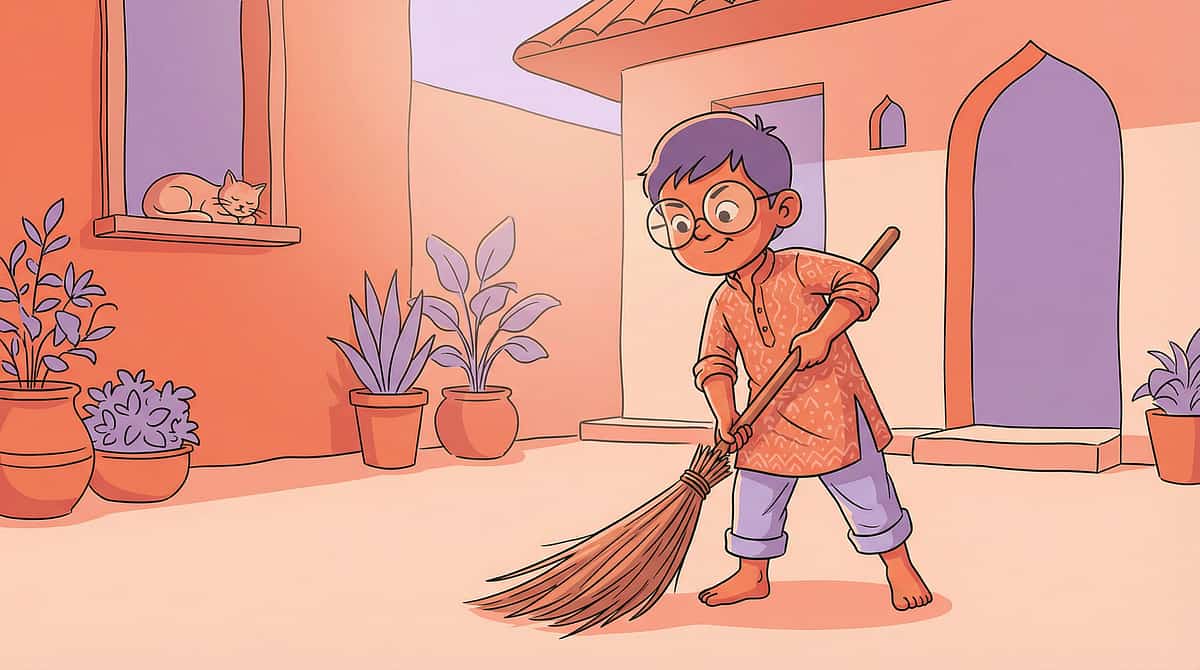
Heavy work — activities that make muscles work hard against resistance — is the most efficient dual-purpose activity available to families. It simultaneously builds gross motor strength AND delivers the proprioceptive input that calms and organises the nervous system. Better still, it can be embedded invisibly into the daily routine.
Why It Works
When muscles and joints are loaded, proprioceptors fire at high rates, flooding the brain with calming, organising sensory input. Heavy work is the body's built-in regulation reset — and it builds real functional strength at the same time.
Indian Daily Living IS Heavy Work
- Carrying water and groceries
- Atta (dough) kneading
- Mopping and sweeping courtyard
- Traditional grinding and pounding
- Garden digging
- Moving books and boxes between rooms
Build these naturally into the child's daily chore contribution. Chores ARE therapy.
F-586 · Regulation & Integration
Obstacle Courses — The Integration Activity
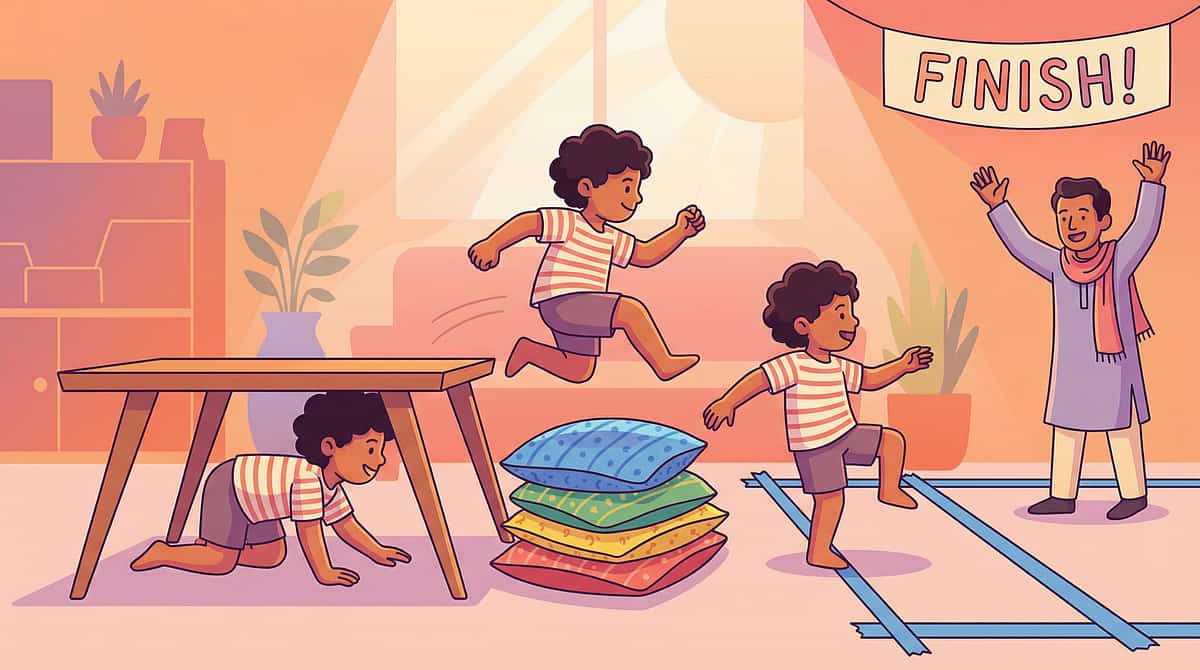
The obstacle course is the ultimate gross motor integrator. It combines climbing, crawling, jumping, balancing, throwing, and running in a planned sequence requiring motor planning, execution, smooth transitions, and the physical stamina to complete the whole course. Every gross motor skill in a single, highly motivating activity.
1
Climb Over
Pillows or sofa cushion stacked — upper body and core.
2
Crawl Through
Tunnel or chairs with a blanket — body awareness in confined space.
3
Balance Along
Tape line or plank — dynamic balance in the middle of a sequence.
4
Jump on
Mat or chalk circles — bilateral leg power and landing control.
5
Finish!
Run to the finish line — motivation, sprint, celebration.
Change the course regularly — novelty is what challenges motor planning. Time it with a visual timer so the child races their own personal best, not other children.
F-587 · Regulation & Integration
Body Awareness
Body awareness is the brain's internal map of where the body is in space. A child with poor body awareness bumps into doorframes, uses too much force when touching others, misjudges distances, and doesn't know where their arms are unless watching them. The somatosensory and parietal cortex build this map through movement, proprioception, and touch — all of which can be deliberately enriched.
Body Part Identification
Touch and name during bath time — integrates body map building into a daily routine the child already expects.
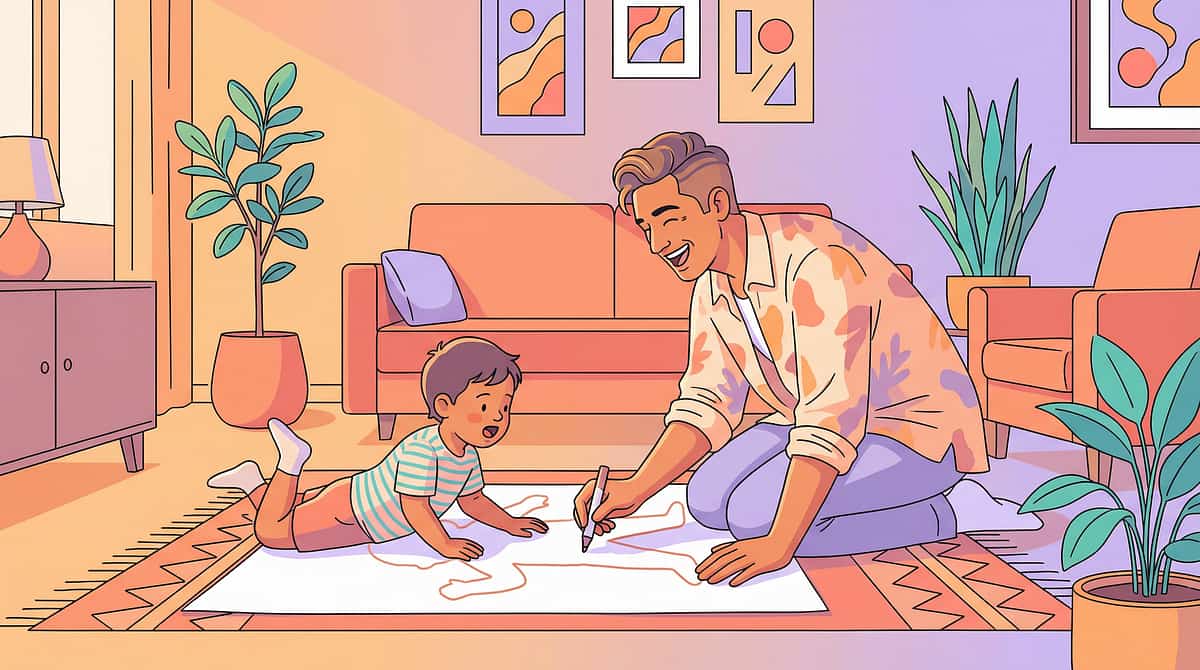
Body Tracing
Lie on a large sheet of paper and trace the full body outline — a powerful visual and tactile body map activator.
Deep Pressure & Massage
Oil massage (traditional Indian practice) lights up the entire body map — one of the most therapeutically effective body awareness tools available.
Tight Spaces
Crawling through tunnels builds body awareness in confined spaces — the child must know exactly where every limb is.
F-588 · Regulation & Integration
Crossing Midline
Crossing the body's midline — reaching the right hand to the left side, or vice versa — requires the left and right brain hemispheres to communicate through the corpus callosum. A child who avoids crossing midline switches hands at the centre of their body and never develops clear hand dominance. This affects reading, writing, dressing, and virtually every bilateral functional task.
"When the right hand crosses to the left side, the left motor cortex must coordinate with the right parietal cortex — cross-hemisphere communication essential for literacy, independence, and coordination."
Reaching Across
Place toys, snacks, and items on the opposite side of the body — naturally prompting midline crossing without a therapy context.
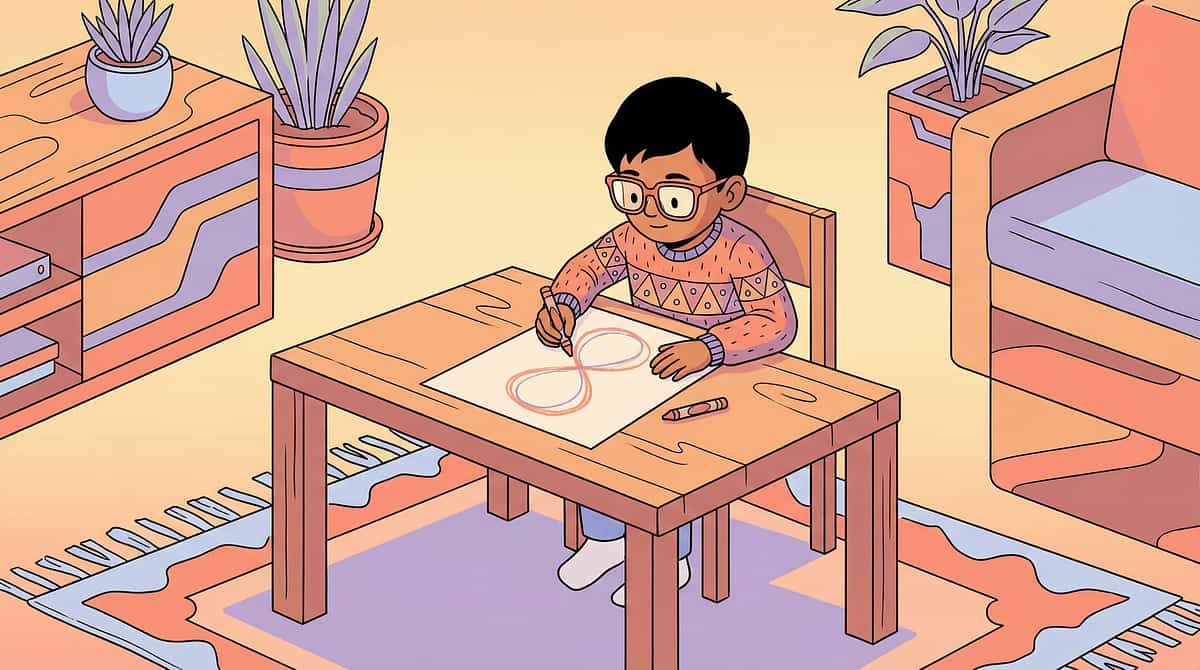
Figure-8 Drawing
Large figure-8 patterns on paper or in the air — a continuous midline crossing exercise.
Cross-Body Marching
Right hand touches left knee, left hand touches right knee — rhythmic and bilateral.
Indian Cultural Practice
Kolam/rangoli drawing (continuous crossing lines), garba dance (arms cross repeatedly), aarti movements — all embed midline crossing naturally.
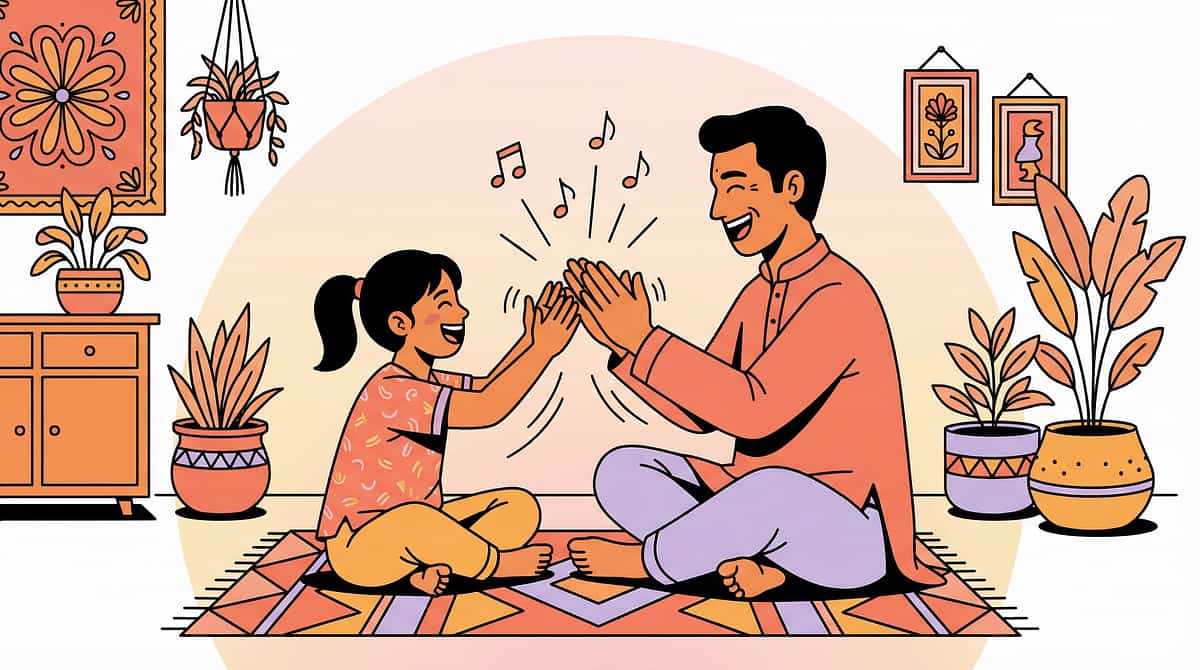
F-589 · Regulation & Integration
Bilateral Movements
Virtually every functional activity requires bilateral coordination — clapping, jumping, catching, bike riding, cutting, buttoning, eating. Without it, the child navigates a two-handed world with only one hand. Bilateral coordination operates at three levels, each building on the last.
Indian practice activities embed all three levels: roti-making (asymmetric — one hand turns, one presses), tabla or mridangam playing (alternating bilateral rhythm), and thali eating (asymmetric hand roles). Catching, throwing, swimming, cycling, and climbing all provide excellent bilateral coordination training in motivating contexts.
F-590 · The Capstone
Physical Therapy at Home — The Complete Programme
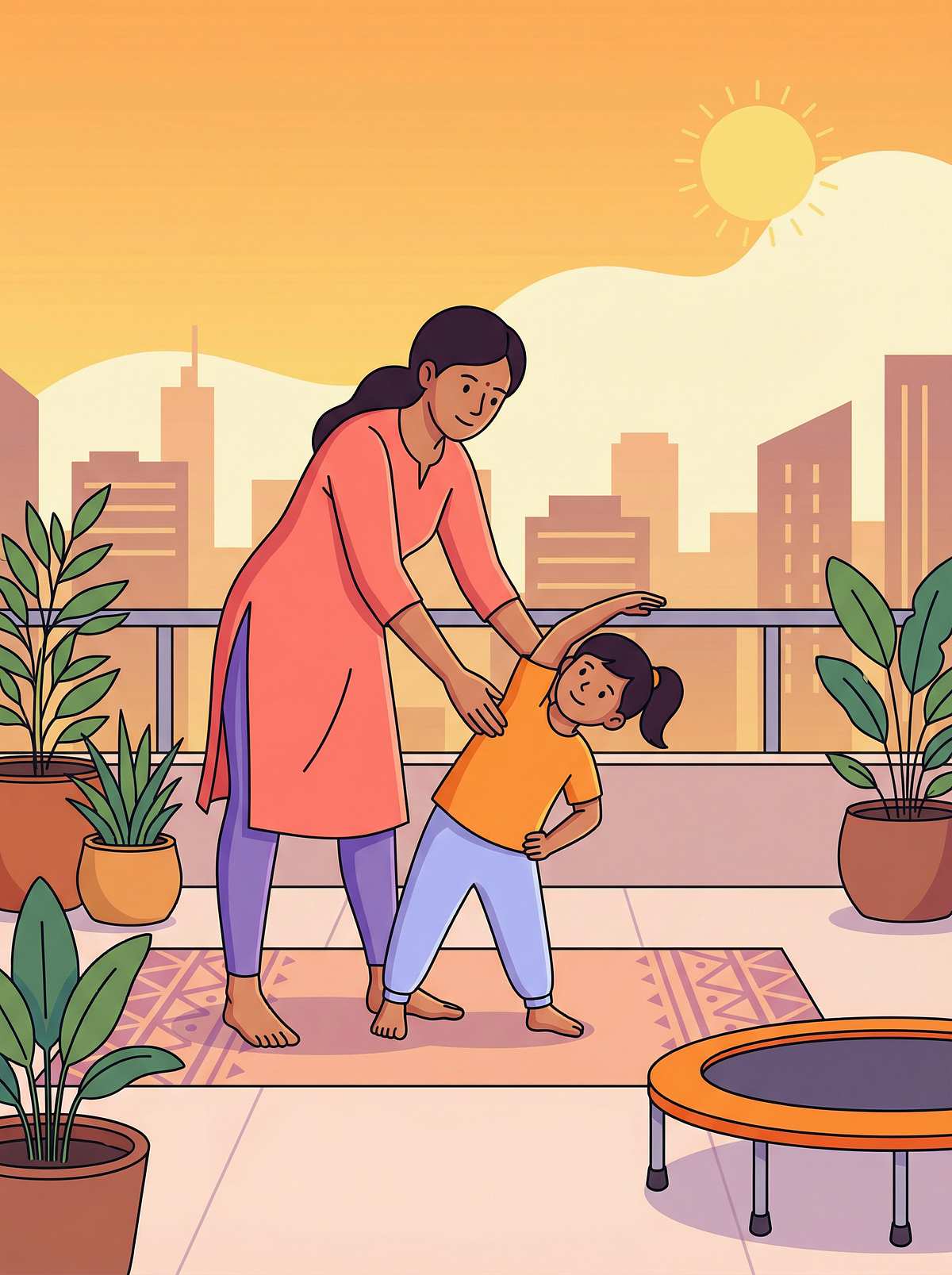
Your home IS the gross motor gymnasium. The terrace, the hallway, the living room floor. With the right knowledge, every surface is equipment, every routine is an exercise, and every day is a training session. Home-based physical therapy is not a compromise — it is where motor skills are actually built. Professional therapy provides assessment and programme design; home provides the hundreds of practice repetitions that build the neural pathways.
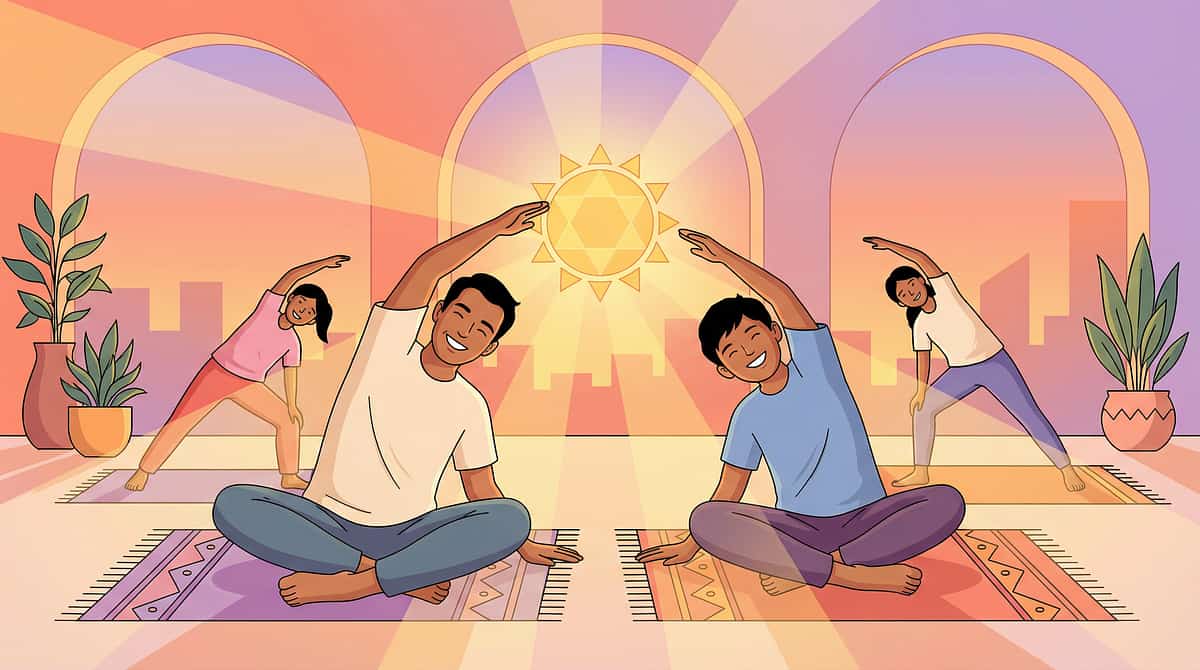
Your Daily Home Motor Programme
Frequency: daily, embedded into the morning or evening routine. The programme above requires no specialist equipment — every exercise is achievable with body weight and household items. Optional additions: mini trampoline (₹2,000–4,000), therapy ball (₹500), balance board (₹800). Pinnacle Blooms OT-designed personalised home motor programmes, progress-tracked through GPT-OS®, are available for families who want professional oversight built in.
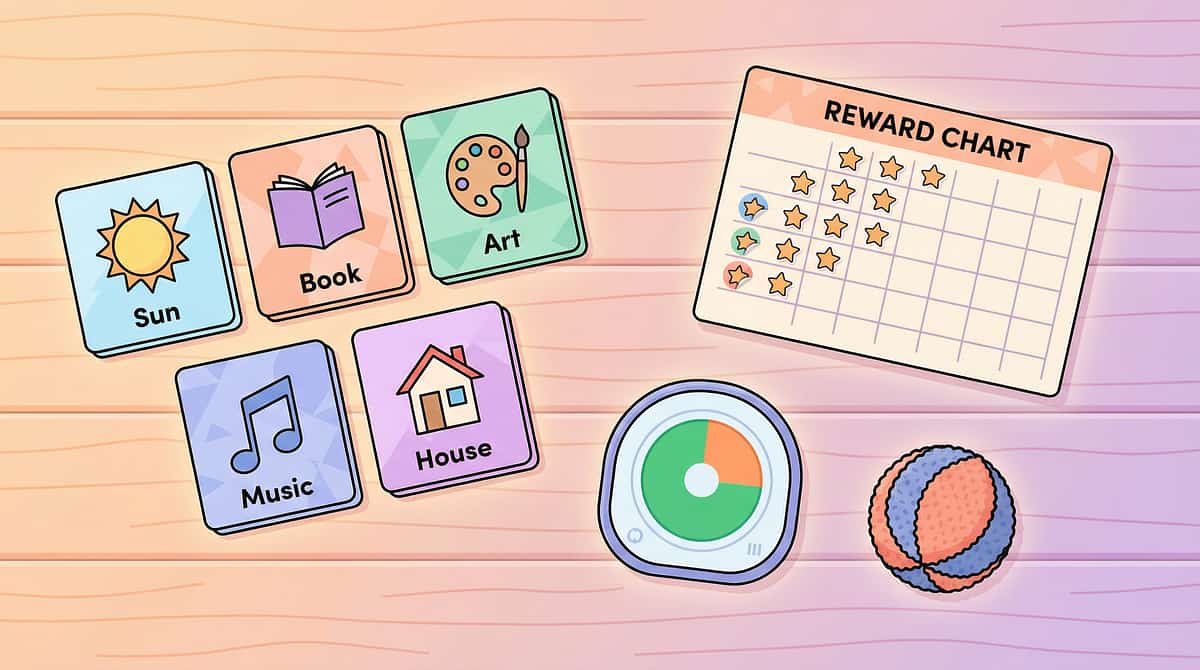
9 Canon Materials for Gross Motor Techniques
Each of the 30 techniques in this subdomain is supported by the same curated set of therapy materials. These are the tools that make home implementation practical, consistent, and evidence-based across all gross motor interventions.
Visual Schedule
Reward Charts
First-Then Board
Visual Timer
Video Modelling
Social Stories
Communication Board
Cause-Effect Toys
Calm-Down Kit
All 30 Gross Motor Techniques at a Glance
Subdomain F1 covers the complete spectrum of gross motor development — from the very first independent steps to integrated home physical therapy. Every technique is evidence-based, practical for Indian families, and designed to be implemented at home alongside professional therapy.
Code | Technique | Intervention URL | |
F-561 | Delayed Walking | ||
F-562 | Balance Problems | ||
F-563 | Running Difficulty | ||
F-564 | Jumping Skills | ||
F-565 | Hopping Skills | ||
F-566 | Stair Climbing | ||
F-567 | Playground Climbing | ||
F-568 | Ball Kicking | ||
F-569 | Throwing & Catching | ||
F-570 | Bike Riding | ||
F-571 | Coordination | ||
F-572 | Low Muscle Tone | ||
F-573 | High Muscle Tone | ||
F-574 | Motor Planning | unknown link | |
F-575 | Movement Imitation | ||
F-576 | Toe Walking | ||
F-577 | W-Sitting | ||
F-578 | Core Strength | ||
F-579 | Sitting Upright | ||
F-580 | Physical Endurance | ||
F-581 | Activity Avoidance | ||
F-582 | Rhythm & Dance | ||
F-583 | Swimming Readiness | ||
F-584 | Movement Breaks | ||
F-585 | Heavy Work Activities | ||
F-586 | Obstacle Courses | ||
F-587 | Body Awareness | unknown link | |
F-588 | Crossing Midline | ||
F-589 | Bilateral Movements | ||
F-590 | Physical Therapy Home |
Preview of gross motor interventions Therapy Material
Below is a visual preview of gross motor interventions therapy material. The pages shown help educators, therapists, and caregivers understand the structure and content of the resource before use. Materials should be used under appropriate professional guidance.
Link copied!
Gross Motor Development Is About Freedom
The body is not separate from the brain. Every gross motor skill — every step, jump, climb, and throw — is a cognitive-motor-sensory integration event. The child who can balance, run, jump, climb, throw, and ride a bike is a child who can access the playground, the sports field, the community, and childhood itself.
Gross motor development isn't about athletics. It's about the freedom to move through the world with confidence — and the dignity of a body that feels like home.
30
Evidence-Based Techniques
One technique per gross motor challenge — comprehensive, practical, and clinically grounded.
21M+
GPT-OS® Sessions
Powering personalised therapy recommendations across the Pinnacle Blooms Network®.
9
Materials Per Technique
Curated therapy materials matched to each intervention for immediate home implementation.