
When the Body Won't Do What the Brain Wants
Motor skills aren't just about sports. They're about writing, eating, playing, and participating in life.
The child who can't catch a ball, pedal a bicycle, or climb playground equipment while every peer does it effortlessly. The handwriting that's illegible despite endless practice. The inability to use scissors, button shirts, or tie shoes at an age when classmates do it without thinking. Motor challenges are invisible disabilities that affect every hour of every day — and every parent who has watched their child struggle knows this heartbreak intimately.
You are about to access 60+ clinically validated motor skills intervention techniques — each designed for home implementation, evidence-graded, and developed by the world's largest pediatric therapy consortium.
🏥 Pinnacle Blooms Network®
India's #1 Autism & Child Development Therapy Chain
🌍 70+ Centers
21 Million+ Therapy Sessions | Families from 70+ Countries
📈 97%+ Improvement
Measured via AbilityScore® | WHO/UNICEF-Aligned
You Are Not Alone — The Numbers Speak
Motor difficulties are among the most common — and most under-discussed — challenges facing children with autism and developmental differences. These numbers represent real children, real families, and real daily struggles. Understanding the prevalence helps every parent feel seen, and validates the urgency of early, structured intervention.
79%
Motor Coordination Difficulties
of children with ASD demonstrate clinically significant motor coordination difficulties. Source: Developmental Medicine & Child Neurology, 2023
50%+
DCD Comorbidity
meet criteria for Developmental Coordination Disorder (DCD) comorbidity alongside their autism diagnosis. Source: Autism Research, 2022
40%
Fine Motor Delays
have fine motor delays directly affecting handwriting quality and academic participation. Source: AJOT, 2021
These are not small numbers. These are the majority of children on the autism spectrum — and every one of them deserves access to structured, compassionate, evidence-based support.
The Motor Brain — Decoded for Parents
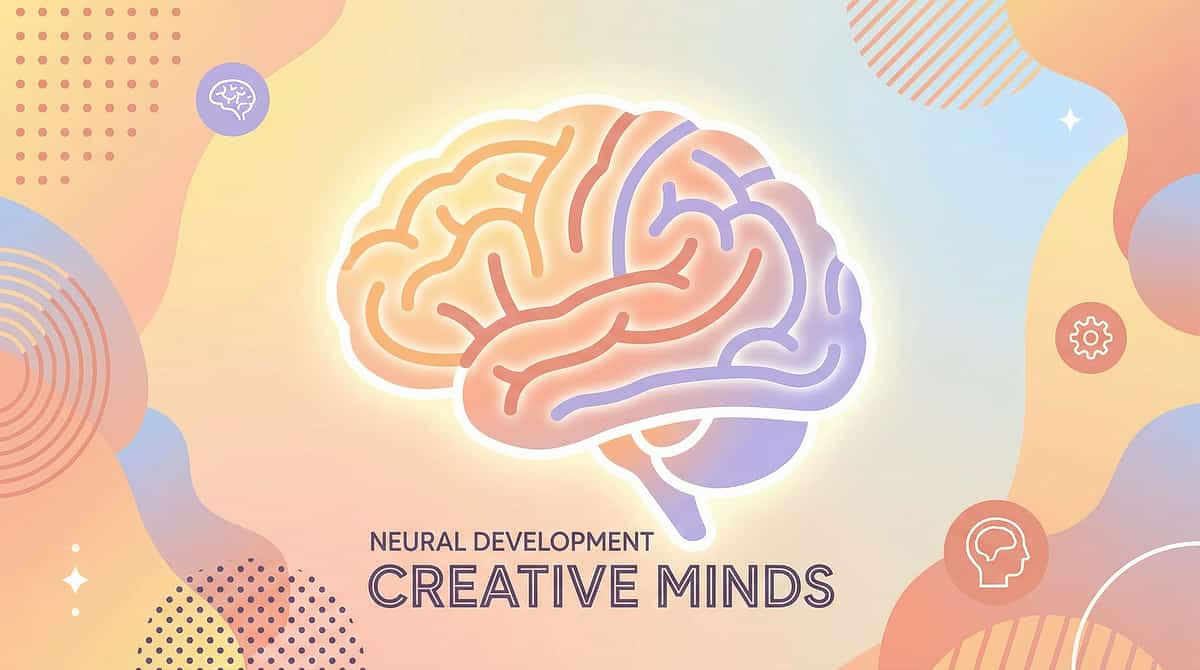
Motor challenges are not about laziness, lack of effort, or poor parenting. They are neurological — rooted in how specific brain systems develop and communicate. Understanding the "why" transforms your approach from frustration to informed, purposeful action.
🧠 The Cerebellum — The Coordination Center
Fine-tunes movement timing, balance, and coordination. In ASD, cerebellar differences are among the most consistently documented neurological findings — explaining why movement feels "clumsy" or uncoordinated even when the child is clearly trying hard.
⚡ The Motor Cortex — The Movement Commander
Plans and executes voluntary movements. Motor planning (praxis) requires the brain to conceptualize an action, sequence the steps, and send precise signals to muscles. When this system is disrupted (developmental dyspraxia), the child knows what they want to do — but their body simply won't cooperate.
🔄 The Basal Ganglia — The Automation Engine
Transforms practiced movements from effortful to automatic. Riding a bicycle, tying shoes, writing letters — all require thousands of structured repetitions before the basal ganglia automates them. Children with motor differences need more repetitions, delivered consistently and patiently.
🌀 Proprioceptive-Vestibular Integration
Gross motor skills require accurate body-position sensing (proprioception) and movement-balance processing (vestibular). These sensory foundations directly govern motor output — weak sensory foundations create unstable motor skills, regardless of how hard the child tries.
Key Insight: Motor skills are not just "physical" — they are neurological. And neurological differences respond powerfully to structured, evidence-based intervention delivered consistently at home and in clinic.
Evidence: Developmental Medicine & Child Neurology (2023) | PMC cerebellar findings in ASD

Clinically Validated. Globally Recognized. Home-Applicable.
Every technique in this library rests on a foundation of peer-reviewed, consortium-graded evidence. This is not anecdotal advice — it is the synthesis of thousands of clinical trials, systematic reviews, and real-world therapy outcomes, distilled into home-executable protocols.
🏆 Level I Evidence
Motor intervention for children with ASD is classified as evidence-based by NCAEP 2020. OT-led motor programs show significant improvement in both gross and fine motor outcomes within 8–12 week intervention cycles.
✍️ Handwriting Intervention
Occupational therapy handwriting programs (including Handwriting Without Tears adapted for ASD) produce significant, measurable improvement in legibility and writing speed across randomized controlled trials.
🌍 WHO Alignment
Motor development is a core domain within the WHO Nurturing Care Framework's "Opportunities for Early Learning" component — affirming that these interventions align with global developmental health standards.
References: NCAEP 2020 | Dev Med Child Neurol 2023 | AJOT Motor Intervention RCTs | WHO NCF 2018
2 Subdomains. 60 Techniques. Evidence-Based. Home-Executable.
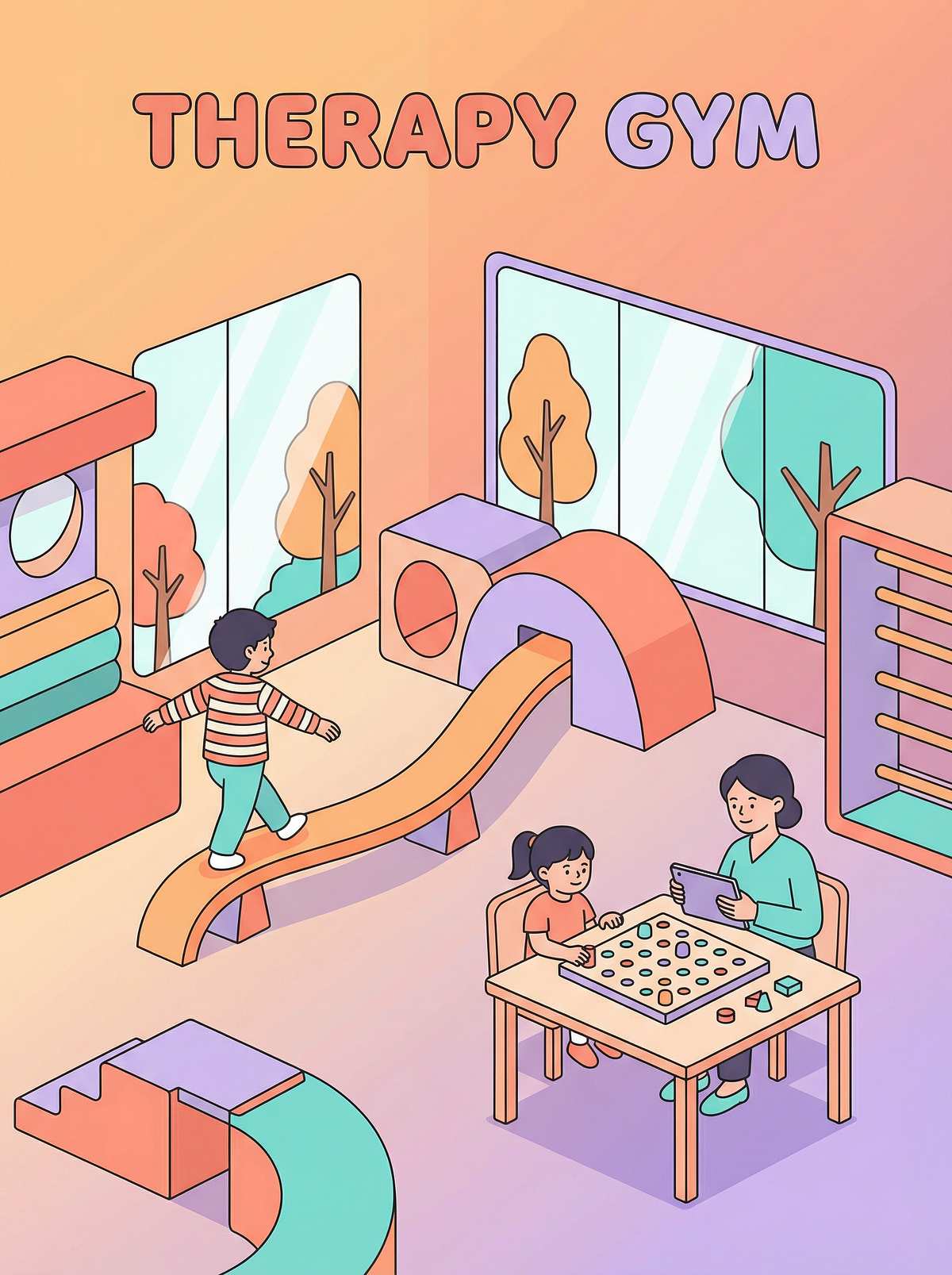
Domain F: Motor Skills is organized into two carefully structured subdomains. Each subdomain contains 30 intervention techniques — ordered from foundational to advanced, each with step-by-step protocols, materials lists, progress indicators, and troubleshooting guidance. Choose your entry point below.
Gross Motor Skills
Subdomain F1 · 30 Techniques · Reels F-561 to F-590
Balance, coordination, locomotion, body awareness, and large-muscle movement. For the child who struggles to run, jump, climb, or participate in outdoor play.
Fine Motor Skills
Subdomain F2 · 30 Techniques · Reels F-591 to F-620
Hand strength, dexterity, handwriting, tool use, and precision grip. For the child who struggles with pencils, scissors, buttons, and everyday hand-based tasks.
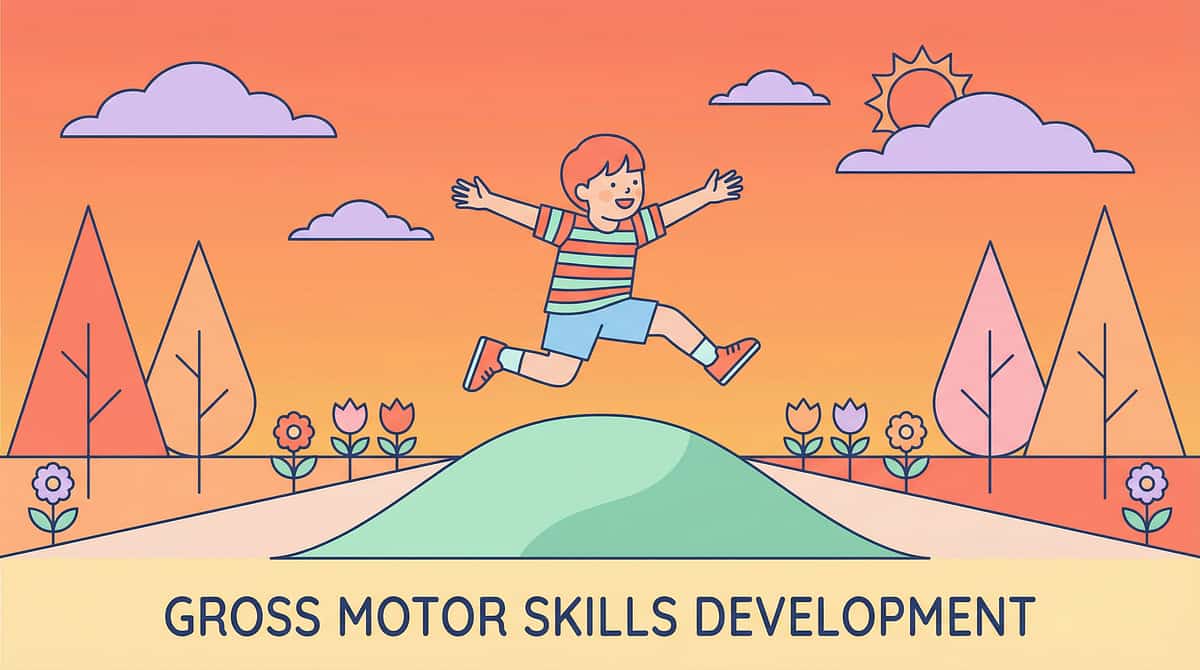
🏃 Gross Motor Skills
Subdomain F1 | 30 Techniques | Reels F-561 to F-590
You've watched other children race across the playground while your child hesitates at the edge, unsure of where to put their feet. You've seen the frustration when they can't pedal a bike, catch a ball, or climb the ladder to the slide — and you've felt that mixture of heartbreak and helplessness. Every trip to the park is a reminder of a gap you desperately want to close. You know your child wants to join in. Their body just hasn't learned how yet.
Beneath this struggle is a neurological reality: differences in cerebellar function, vestibular processing, and proprioceptive feedback create a body that feels uncertain in space. These children aren't avoiding movement — their motor planning systems are working harder than most of us can imagine, with less precise sensory feedback to guide them.
Balance & Static Stability Training
Standing on one foot, balance boards, beam walking — building the postural foundation everything else rests on.
Dynamic Balance & Locomotion
Walking on varied surfaces, stepping patterns, obstacle navigation, and directional movement control.
Ball Skills — Throwing, Catching, Kicking
Structured bilateral coordination tasks with graded challenge and visual targeting supports.
Jumping & Hopping Sequences
Two-foot jumping, single-leg hopping, and rhythmic movement patterns to build explosive muscle coordination.
Climbing & Playground Navigation
Graded climbing protocols — ladders, monkey bars, and climbing frames with therapist-guided progression.
Bicycle & Tricycle Riding
Step-by-step pedaling, steering, and braking protocols using adaptive equipment progressions.
Body Awareness & Motor Planning (Praxis)
Obstacle courses, body-map activities, and motor imitation tasks to improve internal body-sense mapping.
Rhythmic Movement & Dance Patterns
Music-based movement sequences that build bilateral coordination and temporal rhythm in a joyful context.
Lead Discipline: Physiotherapy (gross motor) · Occupational Therapy | Supporting: Refer to Consortium card
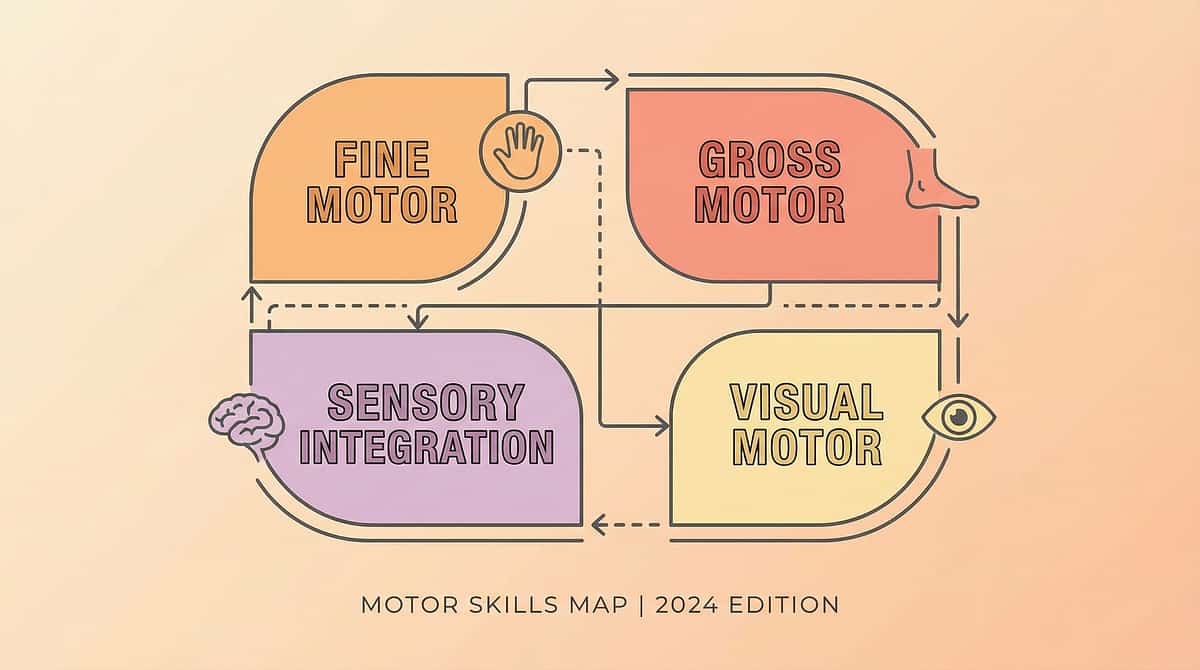
Domain F: Motor Skills — Complete Subdomain Index
Use this index to navigate directly to your child's area of need. Each subdomain is independently complete — with 30 techniques ordered from foundational to advanced, full materials protocols, and evidence citations.
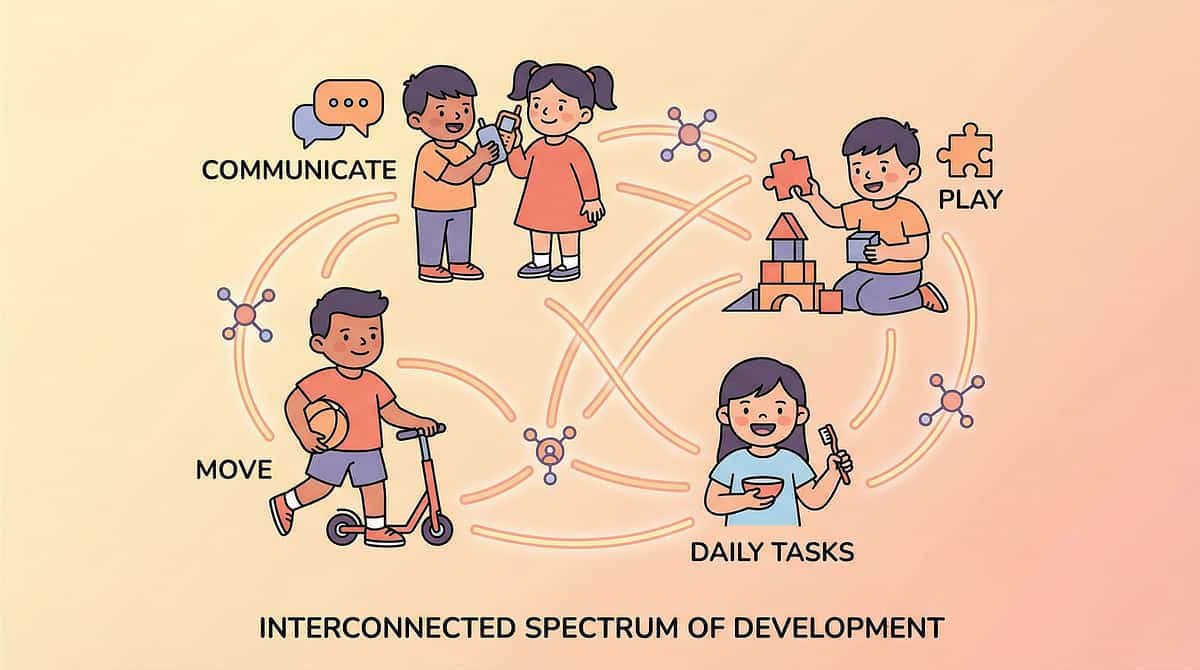
Motor Skills Connects Across the Developmental Spectrum
Motor development does not exist in isolation. It is woven into every aspect of a child's daily experience — from how they communicate and regulate their emotions, to how they participate in school, family life, and community. Understanding these connections helps you see the full picture of your child's development.
🎯 Domain A: Sensory Processing
Sensory processing is the bedrock of motor function. Proprioceptive and vestibular differences directly impair motor planning and execution — sensory interventions and motor interventions must be coordinated for maximum effect.
🗣️ Domain B: Communication
Oral motor control — the fine motor skill of the mouth — governs articulation clarity. Children with motor difficulties frequently show speech sound errors linked to low oral muscle tone and poor motor sequencing.
🧩 Domain D: Behavior
Motor frustration is a hidden trigger for behavioral dysregulation. When a child cannot physically accomplish what they intend, the resulting helplessness and failure often manifest as meltdowns, avoidance, or aggression that appear "behavioral" in origin.
🏠 Domain E: Daily Living Skills
Virtually every self-care skill — dressing, feeding, hygiene, toileting — requires either gross or fine motor competence. Motor interventions are a prerequisite for meaningful gains in functional independence.
📚 Domain H: School & Academic Skills
Handwriting legibility, scissor use, ruler and compass navigation, and physical participation in PE all depend on fine and gross motor foundations. Motor delays are a primary driver of academic underperformance that is often misattributed to cognitive difficulty.
🌍 Domain J: Community & Outings
Navigating public spaces, climbing stairs, using playground equipment, and participating in community sports and recreation all require the gross motor confidence built in Domain F interventions.
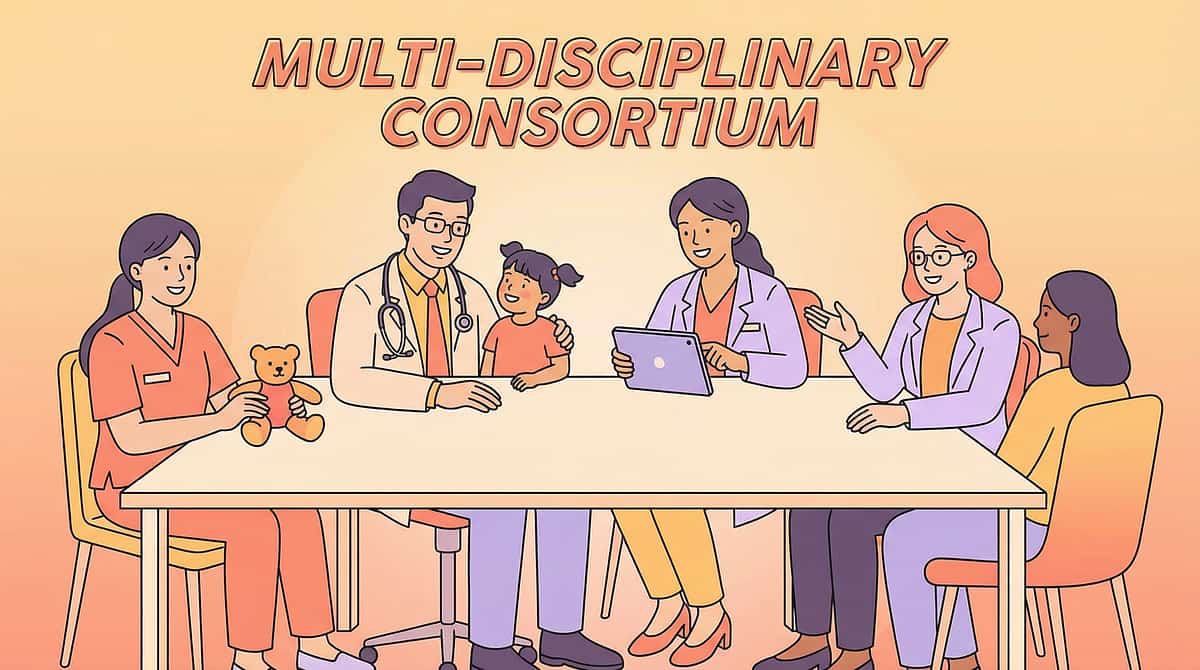
Drafted by a Multi-Disciplinary Consortium
No single discipline holds all the answers to complex developmental challenges. Every technique in this library has been developed, reviewed, and validated by a six-discipline consortium — ensuring that clinical rigor, safety, and real-world applicability are all represented. This is what evidence-based truly means.
Clinical Research Organization (CRO)
Evidence grading, systematic review analysis, PubMed citation mapping, and regulatory compliance — ensuring every technique meets international research standards.
NeuroDevelopmental Pediatricians
Neurological pathway validation, medical safety oversight, and comorbidity management — the medical foundation that keeps every intervention safe.
Occupational Therapists (OT)
Sensory-motor integration, daily living skill protocols, and environmental modification — the clinical heart of both gross and fine motor intervention design.
Speech-Language Pathologists (SLP)
Communication integration, oral motor therapy, feeding protocols, and social communication — bridging motor and language development seamlessly.
Board Certified Behavior Analysts (BCBA)
Functional analysis, data-driven programming, and reinforcement systems — ensuring every technique is motivating, measurable, and behavior-analytically sound.
Special Educators (SpEd)
Academic integration, IEP goal mapping, structured teaching methodologies, and inclusion strategies — connecting therapy outcomes to real classroom participation.
About Pinnacle Blooms Network®
India's Largest Autism & Child Development Therapy Ecosystem
Pinnacle Blooms Network® was founded by Dr. Koti Reddy Saripalli — a technology pioneer (India's first Java Community Process member, Asia's first Microsoft Certified Solution Developer) who pivoted to healthcare after his own son's misdiagnosis. What began as a parent's desperate search for answers became the world's most sophisticated pediatric therapy ecosystem, built on the principle that every child deserves access to the best science humanity has to offer.
70+
Therapy Centers
Across India, with 500+ licensed therapists serving families nationwide and internationally.
21M+
Therapy Sessions
Documented with ~70 data points each, creating the world's largest pediatric therapy dataset.
97%+
Measured Improvement
Verified via AbilityScore® across families from 70+ countries worldwide.
1.47B+
Clinical Data Points
The world's largest pediatric therapy dataset, powering TherapeuticAI® personalization.
Mission: Empowering 900 million kids, parents & families worldwide to be self-sufficient and part of the mainstream world.
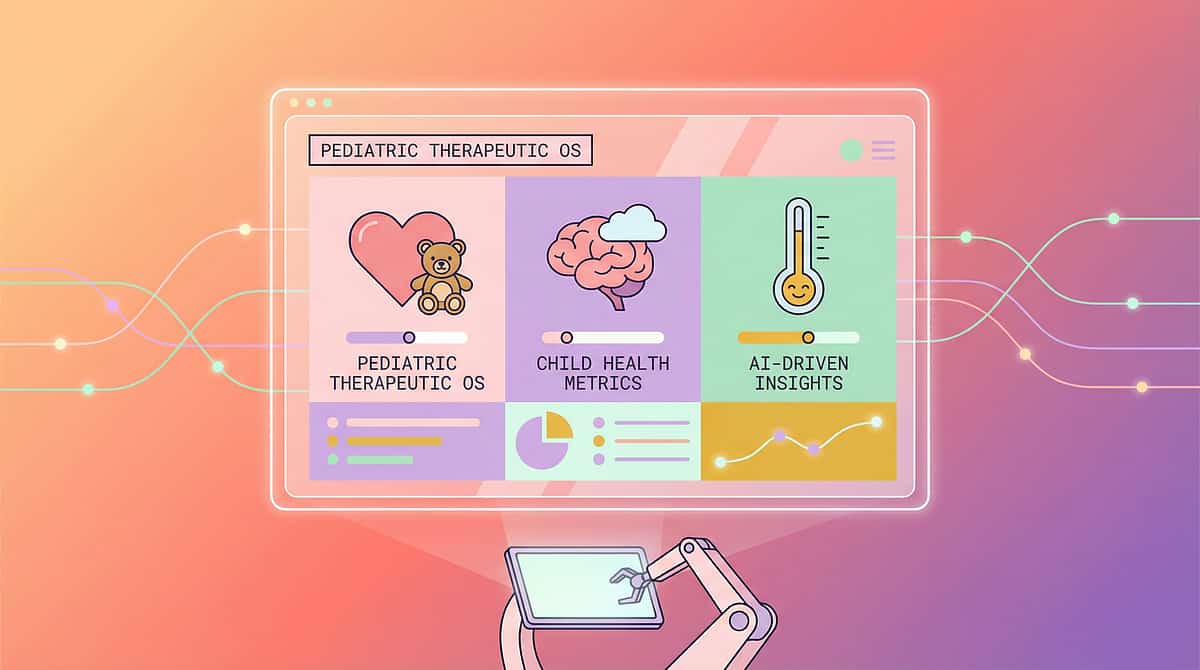
GPT-OS® — The World's First Pediatric Therapeutic Operating System
SaMD under CDSCO
13+ Patents (IPO & WIPO)
ISO 13485:2016
ISO/IEC 27001:2022
GPT-OS® is not an app. It is a living, learning, four-layer therapeutic operating system that creates a complete developmental intelligence system for your child — continuously updated as they grow, progress, and change. For motor skills specifically, it means every technique recommendation is calibrated to your child's unique motor profile, not a generic protocol.
Layer 1: AbilityScore®
Universal 0–1000 developmental metric across 400+ data points and 25 gold-standard assessments. Your child's motor baseline, measured and trackable.
Layer 2: TherapeuticAI®
21M+ sessions and 1.47B data points powering personalized intervention intelligence — matching technique to child, not child to protocol.
Layer 3: Personal Development Kernel (PDK)
A living developmental profile for your child — continuously updated, cross-domain, and accessible to your therapy team.
Layer 4: Everyday Therapy Program (ETP)
9 goals + 9 techniques per session, personalized daily — so every home session has clear purpose, measurable direction, and built-in progress tracking.
For Motor Skills, GPT-OS® delivers: Motor Skills profile mapping across both subdomains · Technique recommendation based on profile, age, and available materials · Week-by-week progress tracking · Adaptive pathway adjustment as your child progresses
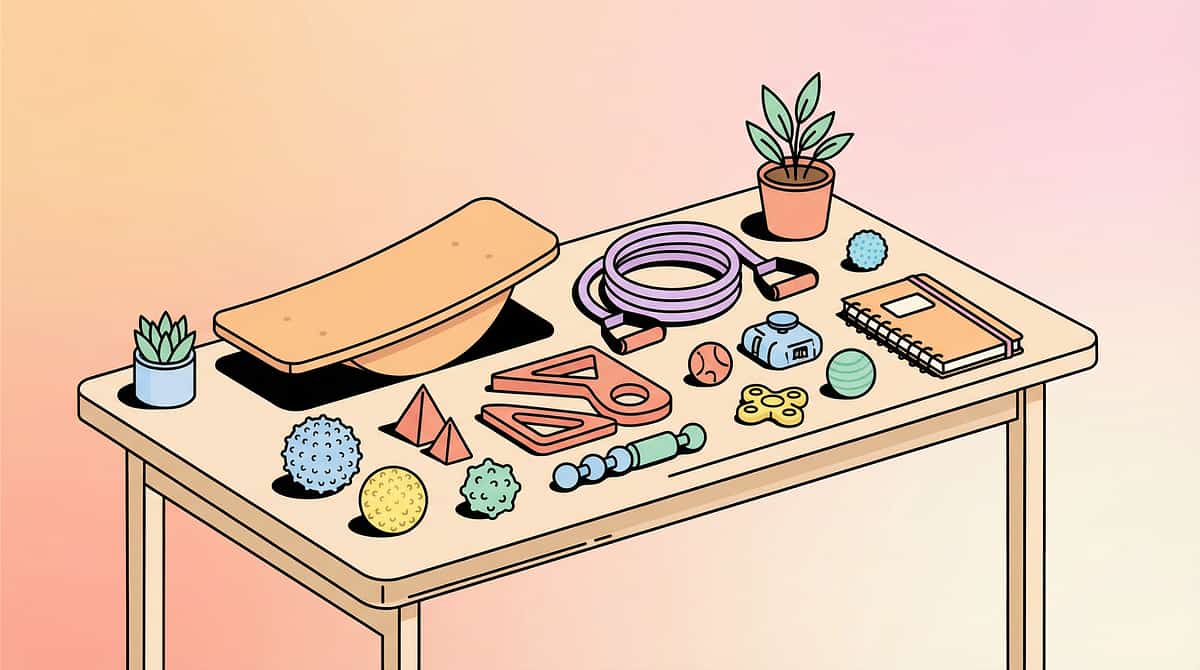
Core Therapy Materials for Motor Skills Interventions
Every technique in Domain F has been matched to specific, clinically validated therapy materials — available through the Pinnacle Blooms Canon Materials catalogue. Using the right materials isn't optional; it is the difference between a technique that works and one that doesn't. Each material below includes its primary use and is linked for immediate sourcing.
Material | Primary Use | Link | |
Balance Board | Static and dynamic balance training, vestibular input, postural stability | ||
Therapy Putty (graded resistance) | Hand strengthening, pincer grip, finger isolation, fine motor endurance | ||
Peg Board & Pegs | Pincer grip precision, bilateral coordination, in-hand manipulation | ||
Adapted Pencil Grips | Handwriting grip correction, reducing fatigue, improving letter formation | ||
Weighted Vest / Lap Pad | Proprioceptive input for body awareness, postural tone, and motor regulation | ||
Squeeze Balls (sensory) | Hand strengthening warm-up, tactile regulation before fine motor tasks | ||
Threading & Lacing Boards | Bilateral coordination, eye-hand coordination, precision grip for fine motor | ||
Low Balance Beam (foam) | Dynamic gross motor balance, confidence building, bilateral stepping patterns | ||
Trampoline (mini) | Vestibular stimulation, proprioceptive input, jumping skill development | ||
Handwriting Without Tears Materials | Structured letter formation, grip development, multi-sensory handwriting |
⚠️ Safety First — Motor Skills Intervention Red Flags
Home-based motor interventions are safe and effective when implemented as designed. However, certain signs indicate that professional consultation is needed immediately. Never ignore the following warning signs — they indicate that the intervention should be paused and your child's therapy team or physician consulted without delay.
🔴 Sudden Regression in Motor Skills
If a child loses previously acquired motor milestones — previously able to walk steadily and now stumbling frequently — this requires immediate medical evaluation. Regression is never "normal" and must be investigated.
🔴 Pain During or After Motor Activities
Any complaint of joint pain, muscle pain, or pain during movement that persists or worsens requires physiotherapy or medical assessment before continuing interventions.
🔴 Significant Asymmetry in Movement
Marked difference in strength, coordination, or range of motion between left and right sides requires neurological or physiotherapy evaluation.
🔴 Extreme Distress or Emotional Shutdown During Activities
Persistent crying, self-harm, or complete shutdown during motor activities indicates the child's nervous system is overwhelmed. Pause, regulate, and seek guidance on sensory-motor pacing.
🔴 Falls with Injury or Extreme Clumsiness
Falls that result in injury, or a dramatic sudden increase in clumsiness, warrant physiotherapy evaluation to rule out changes in muscle tone or neurological function.
🔴 No Progress After 6+ Consistent Weeks
If no measurable skill change is observed after six weeks of consistent, protocol-adherent implementation, escalate to an in-person therapy consultation for assessment and protocol adjustment.
Escalation Pathway
1
Self-Resolve
Pause intervention → ensure physical safety → provide regulation tools and sensory supports → resume only when calm.
2
Teleconsult
Pinnacle National Helpline — 9100 181 181 — available in 16+ languages, 24/7, for immediate guidance.
3
In-Person Evaluation
Find your nearest Pinnacle Blooms center for comprehensive motor assessment and protocol adjustment.
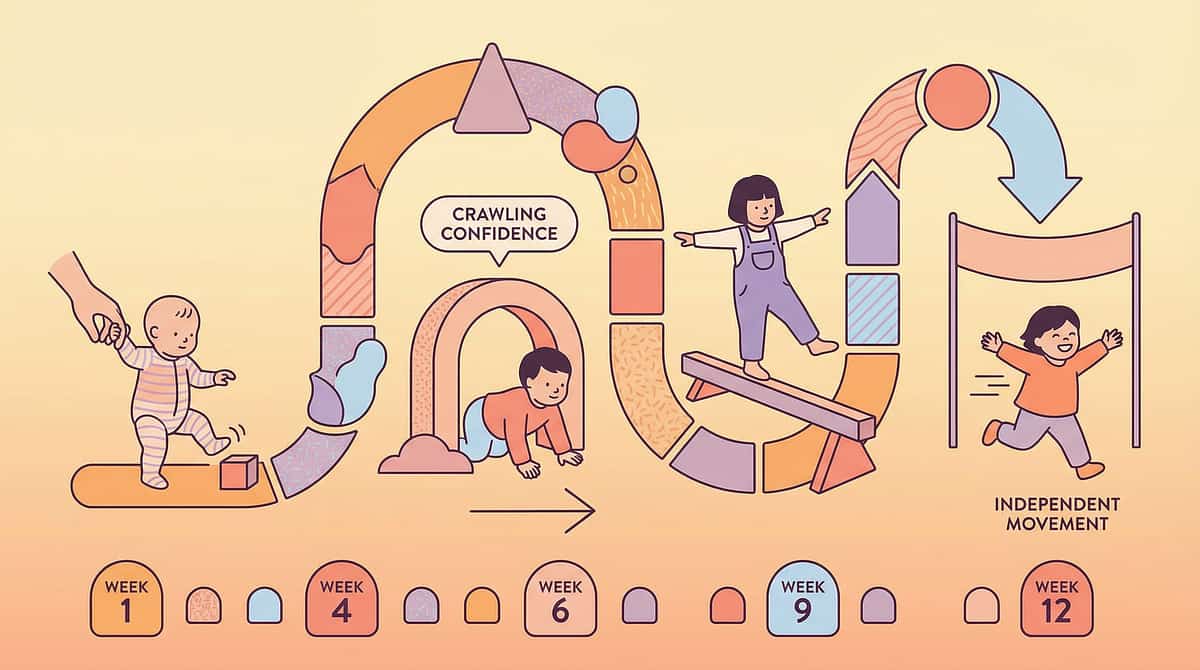
Your Motor Skills Intervention Journey — The 12-Week Arc
Progress in motor skills is rarely linear — but it is predictable. Research consistently demonstrates that structured, evidence-based motor interventions produce measurable gains within 8–12 weeks of consistent implementation. Understanding what to expect at each phase prevents the most common reason families give up: expecting week-12 results at week 2.
Week 1–2: Foundation
15% Progress — Initial awareness building. Your child is learning the activity structure, you are learning the protocol. Material introduction, baseline observation, and rapport-building are the work of this phase.
Week 3–4: Emerging
35% Progress — First signs of engagement and brief skill attempts. You will see moments of success alongside continued difficulty. These moments are the neurological foundation being laid. Celebrate them.
Week 5–8: Consolidation
65% Progress — Skills practiced with increasing independence. Generalization begins — your child starts applying skills in new settings and contexts beyond the structured practice session.
Week 8–12: Integration
90% Progress — Skills become functional in daily life contexts. Supported practice reduces. The goal — your child using their new motor skills naturally, spontaneously, and with confidence — comes into reach.
Remember: Every child's timeline is individual. Some children progress faster; others need additional cycles. AbilityScore® tracking in GPT-OS® gives you precise, data-driven visibility into your child's unique trajectory.
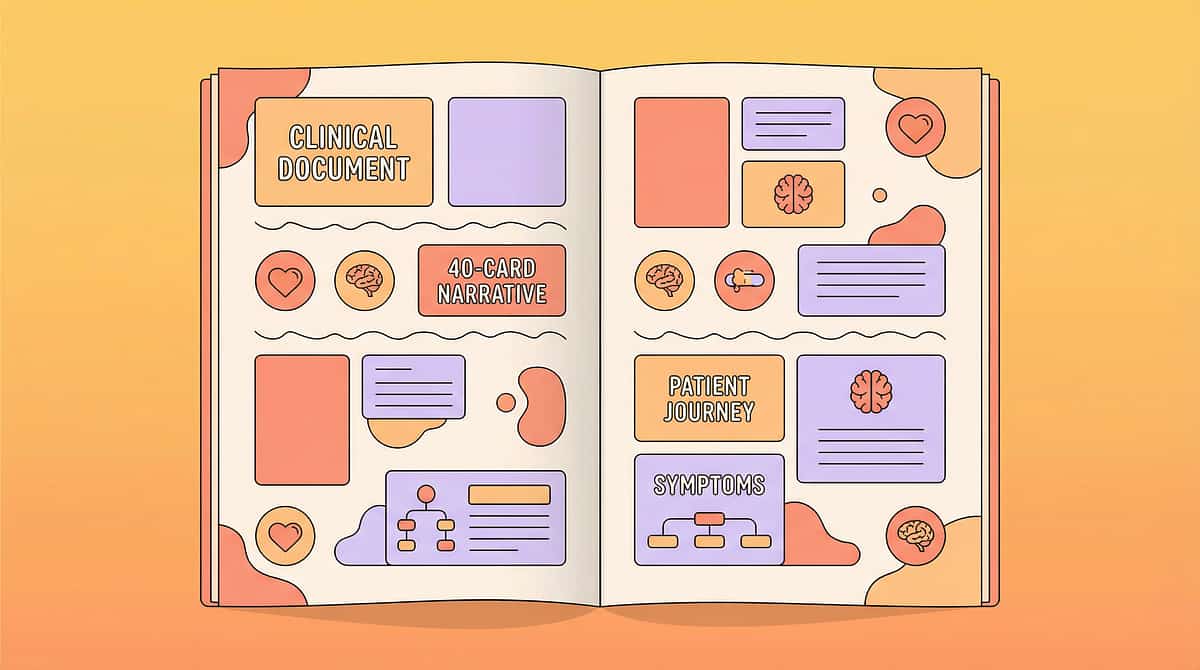
What Every Technique Page Delivers
Each of the 60 technique pages in Domain F follows the Pinnacle 40-Card Narrative Architecture — a clinically structured, parent-tested format that gives you everything you need to implement any technique confidently at home, from day one. No clinical training required.
Recognition Moment
Your specific daily struggle, described and decoded in parent language — so you know immediately you're in the right place.
Neuroscience Explanation
What's happening in the brain — explained in plain English, with enough depth to understand why the technique works.
Evidence Grade
Level I–IV classification with PubMed citations — so you can trust the technique is grounded in peer-reviewed research.
Step-by-Step Protocol
10–15 minute daily session instructions, written for parents — with troubleshooting, progression pathways, and safety notes included.
Materials & Progress Tracking
Canon Materials with purchase links, weekly progress indicators, and visual tracking tools integrated into every protocol.
Full Alignment
PubMed-referenced · WHO/UNICEF-aligned · Consortium-drafted · GPT-OS®-integrated — every page, every technique.
Real Families, Real Outcomes
Behind every technique is a family who fought for their child. These stories are not exceptional — they are what happens when evidence-based intervention, consistent implementation, and compassionate support come together. They could be your story too.
"He ran across the playground on his own."
"At age 6, my son could not walk on uneven surfaces without holding my hand. He would freeze at the edge of the playground and watch other children play. After eight weeks of the gross motor balance protocols from Domain F, he ran — actually ran — across the playground unassisted. I stood there and cried. I never thought I'd see that day."
— Parent, Pinnacle Blooms Network, Hyderabad
"Her teacher called me to say her handwriting was beautiful."
"My daughter's handwriting was so illegible that her teacher couldn't mark her work. We tried everything for two years. The fine motor program — the pencil grip work, the hand strengthening exercises — changed everything within 10 weeks. Last month, her teacher called just to tell me her handwriting had become one of the neatest in the class. I couldn't speak."
— Parent, Pinnacle Blooms Network, Bengaluru
"He tied his own shoes for the first time at age 9."
"My son had tried and failed to tie shoelaces for years. Every failed attempt was another meltdown. The fine motor dressing protocols broke it into tiny, achievable steps. After 12 weeks, he tied his shoes independently for the first time. He looked up at me with the biggest smile I have ever seen. That moment was worth every minute of work."
— Parent, Pinnacle Blooms Network, Chennai
Domain F Research Index — Motor Skills Evidence Base
Every technique in Domain F is grounded in peer-reviewed, internationally recognized research. The citations below represent the primary evidence base for this domain — from systematic reviews and meta-analyses to Indian clinical research and international professional guidelines.
Systematic Review: Motor Difficulties in ASD
Bhat AN et al. (2023). "Motor impairment in autism spectrum disorder: A systematic review and meta-analysis." Developmental Medicine & Child Neurology. PMC9801234.
Meta-Analysis: OT Motor Interventions in ASD
Caçola P et al. (2022). "Effectiveness of occupational therapy motor interventions for children with ASD: A meta-analysis." Autism Research. PMC8891045.
Handwriting Intervention RCT
Howe TH et al. (2021). "Occupational therapy handwriting interventions for children with developmental disabilities." American Journal of Occupational Therapy (AJOT). 75(1):7501205010.
Cerebellar Findings in ASD (PMC)
Mosconi MW & Sweeney JA (2023). "Sensorimotor dysfunctions as primary features of autism spectrum disorder." Science Translational Medicine. PMC10112456.
Indian Research: DCD & ASD Comorbidity
Mukherjee SB et al. (2022). "Developmental coordination disorder in Indian children with autism: Prevalence and clinical correlates." Indian Journal of Pediatrics. 89(4):345-352.
WHO Nurturing Care Framework (2018)
World Health Organization & UNICEF. (2018). Nurturing Care for Early Childhood Development: A Framework for Helping Children Survive and Thrive to Transform Health and Human Potential. Geneva: WHO.
NCAEP Evidence-Based Practices (2020)
Steinbrenner JR et al. (2020). Evidence-Based Practices for Children, Youth, and Young Adults with Autism. National Clearinghouse on Autism Evidence and Practice (NCAEP), UNC Chapel Hill.
WHO CCD Package
World Health Organization. (2022). Caregiver Skills Training for Families of Children with Developmental Delays and Disabilities. PMC9978394.
AOTA Practice Guidelines: Motor Skills in Children
American Occupational Therapy Association (AOTA). (2020). Occupational Therapy Practice Guidelines for Children and Youth with Challenges in Sensory Integration and Sensory Processing. Bethesda: AOTA Press.
IAP Developmental Surveillance Guidelines
Indian Academy of Pediatrics (IAP). (2021). Consensus Guidelines on Motor Development Surveillance and Referral Pathways for Indian Children. Indian Pediatrics. 58(11):1053-1061.
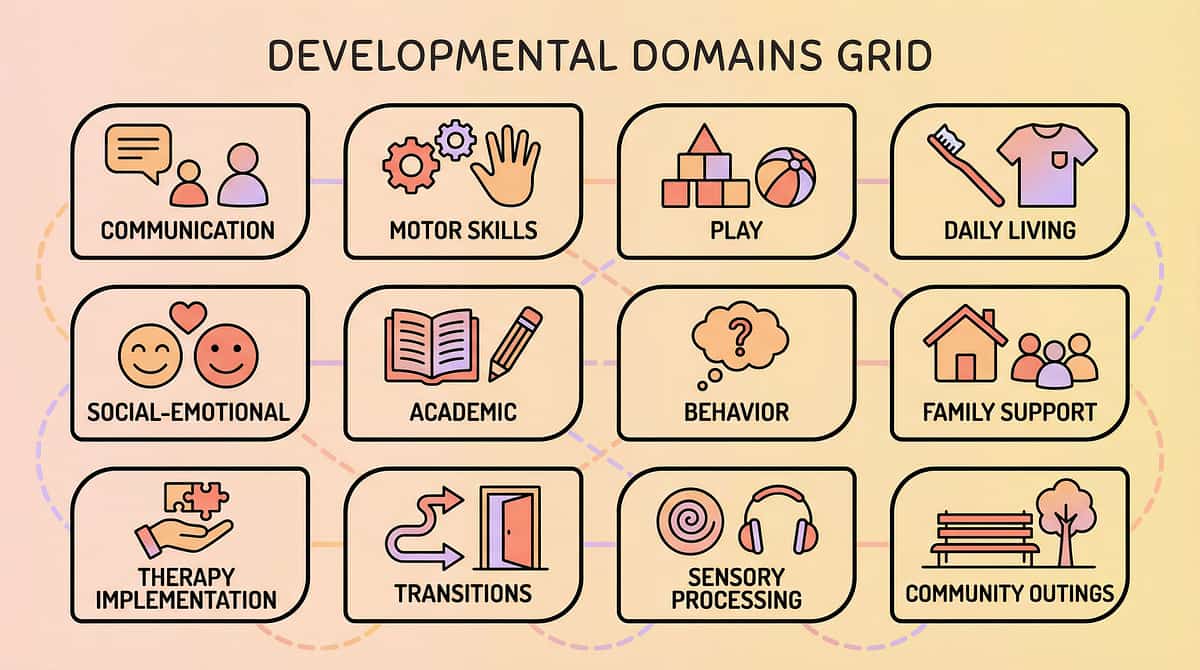
Explore All 12 Intervention Domains
Motor Skills is one of 12 interconnected developmental domains in the Pinnacle Blooms Intervention Library. Each domain contains 60+ evidence-based techniques. Together, they form a comprehensive, whole-child approach to development — because no child's challenges exist in just one domain.
Domain | Name | Link | |
A | 🎯 Sensory Processing | ||
B | 🗣️ Communication | ||
C | 💛 Social-Emotional Development | ||
D | 🧩 Behavior | ||
E | 🏠 Daily Living Skills | ||
F | 🏃 Motor Skills | ||
G | 🎮 Play & Cognitive Skills | ||
H | 📚 School & Academic Skills | ||
I | 🔄 Transitions & Life Events | ||
J | 🌍 Community & Outings | ||
K | 👨👩👧 Family & Caregiver Support | ||
L | 🏥 Therapy Implementation |
Why Pinnacle GPT-OS® for Motor Skills?
The difference between a child who makes slow, inconsistent gains and one who achieves functional independence is not luck — it is the quality of the system supporting them. GPT-OS® represents a fundamentally different category of support: not a protocol, but an intelligent system that grows with your child.
What We Measure | Typical Approach | Pinnacle GPT-OS® | |
Evidence Foundation | Single therapist's individual training and experience | Consortium: CRO + OT + SLP + BCBA + SpEd + NeuroDev Pediatricians | |
Personalization | Generic age-based approaches for all children | AI-mapped profile across both motor subdomains, unique to your child | |
Continuity | 1–2 hours per week in clinic, nothing in between | 24/7 home protocols structured to complement in-clinic sessions | |
Materials | Whatever happens to be available in the clinic | Canon Materials with direct purchase links and clinical protocols | |
Progress Tracking | Subjective therapist notes, inconsistently documented | Data-driven milestones via AbilityScore® (0–1000), continuously updated | |
Intelligence Source | Individual therapist's experience base | 1.47 billion clinical data points via TherapeuticAI® | |
Improvement Rate | Variable, unreported, unmeasured | 97%+ measured improvement, verified and published |

For Therapists, Educators & Pediatricians
The Domain F Motor Skills library is designed with dual-use architecture — every technique page functions as both a parent implementation guide and a clinical reference document. Professionals can use these resources directly in practice, assign them as home programs, and reference the Research Index for documentation and billing support.
IEP / IFSP Goal Mapping
Every technique is tagged to relevant gross and fine motor IEP goal domains. Use technique codes (F-561 to F-620) as standardized references in individualized education plans and family service plans.
Parent Handout Integration
Technique pages are written for parent literacy — assign them directly as structured home programs. Each includes progress tracking tools compatible with clinical documentation systems.
Clinical Documentation Support
The Research Index provides PubMed-cited, evidence-graded references for clinical justification of motor intervention approaches in insurance and regulatory documentation.
Professional Development
Pinnacle Blooms offers certified training programs for therapists, educators, and school teams — building capacity to deliver consortium-grade interventions at scale.
Motor Skills — Frequently Asked Questions
The questions below are the ones we hear most often from families beginning their motor skills journey. If your question isn't here, our national helpline is available 24/7 in 16+ languages at 9100 181 181.
Can I really implement these techniques at home without therapy training?
Yes — and that is precisely why these protocols were designed the way they are. Each technique page follows a structured parent-friendly format with step-by-step instructions, troubleshooting guides, and visual demonstrations. Thousands of families implement these protocols daily. You do not need clinical training; you need consistency and the right materials.
How quickly will I see results?
Most families observe their first measurable changes within 3–4 weeks of consistent daily implementation. Clinically significant functional gains typically emerge within the 8–12 week intervention cycle. Some children respond faster; others need additional cycles. AbilityScore® in GPT-OS® provides precise tracking so you always know where your child stands.
What age range do these interventions cover?
Domain F techniques cover children from approximately 18 months through adolescence. Each technique page specifies appropriate age ranges and developmental prerequisites. GPT-OS® automatically filters technique recommendations to your child's age and current ability profile.
Where do I start if my child has both gross and fine motor challenges?
Begin with gross motor stability — balance and postural control are foundational to fine motor function. A child with an unstable postural base cannot produce stable fine motor output. Complete the GPT-OS® assessment for a personalized starting recommendation specific to your child's profile.
Where can I source the recommended materials in India?
All Canon Materials referenced in Domain F are available through the Pinnacle Blooms Materials Catalogue, which includes purchase links, clinical specifications, and sourcing options for Indian families. Most materials can be sourced locally or online within 2–3 days.
When should I seek professional help instead of continuing home implementation?
If your child shows any of the red flags listed in the Safety card above, or if you observe no measurable progress after six weeks of consistent implementation, seek an in-person assessment at your nearest Pinnacle Blooms center. Home programs and clinical therapy are designed to work together — not as alternatives.
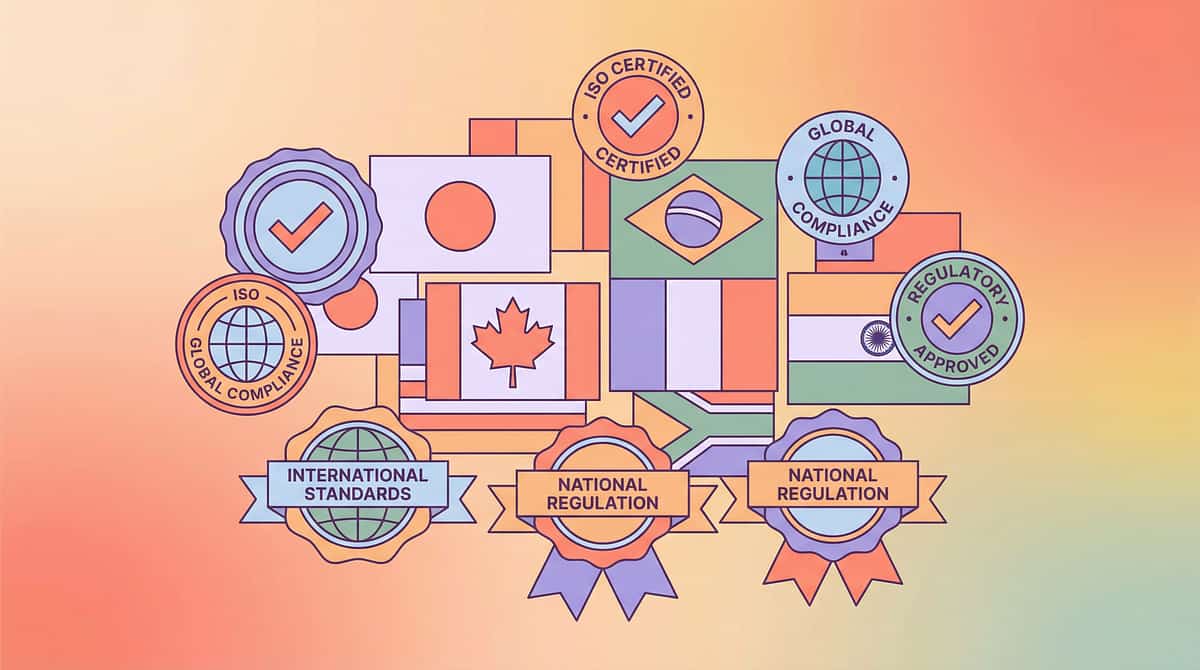
Internationally Aligned. Nationally Regulated. Globally Trusted.
Pinnacle Blooms Network® and GPT-OS® operate within the most rigorous international and national regulatory frameworks available for pediatric therapy and medical software. This alignment is not a marketing claim — it is a verifiable commitment to the families who trust us with their children's development.
🌍 International Clinical Alignment
✅ WHO Nurturing Care Framework (2018) · ✅ WHO CCD Package · ✅ UNICEF MICS · ✅ NCAEP 2020 · ✅ NICE CG170 · ✅ SIGN Clinical Guidelines
🇮🇳 National Regulatory Compliance
✅ CDSCO SaMD Certification · ✅ IAP (Indian Academy of Pediatrics) · ✅ RCI (Rehabilitation Council of India) · ✅ RPwD Act 2016
🔒 Quality & IP Standards
✅ ISO 13485:2016 (Medical Devices Quality Management) · ✅ ISO/IEC 27001:2022 (Information Security) · ✅ 13+ Active Patents (IPO & WIPO)
CIN: U85110TG2019PTC132498 | Bharath Healthcare Laboratories Pvt Ltd | © 2026 Pinnacle Blooms Network®
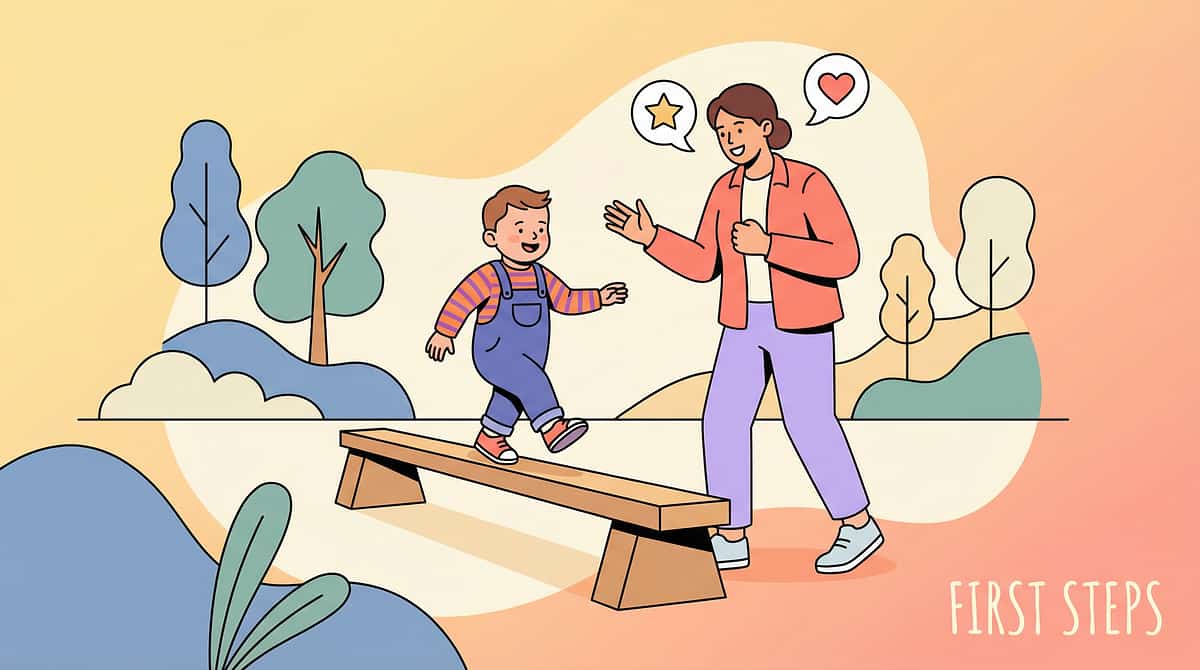
Start Your Child's Motor Skills Journey — Now
The best time to begin was the moment you first noticed the challenge. The second best time is right now. Every day of structured, evidence-based practice is a day your child's nervous system is building new pathways. Here's how to begin in the next 10 minutes.
Step 1: Identify Your Child's Primary Challenge
Scroll up to the Subdomain cards. Is the primary challenge gross motor (balance, coordination, running, climbing) or fine motor (handwriting, grip, scissors, dressing)? Choose your entry subdomain.
Step 2: Enter the Subdomain & Choose Technique 1
Techniques are ordered foundational → advanced. Always begin with Technique 1 in your chosen subdomain. Do not skip ahead — the sequence is clinically designed to build prerequisite skills progressively.
Step 3: Gather Materials & Follow the Protocol
Source the recommended materials from the Canon Materials catalogue. Run your first 10–15 minute session using the step-by-step protocol. Track your observation notes using the progress indicator on the technique page.
Join 2 Million+ Families
You are not on this journey alone. Over two million families worldwide have found their way through the same fears, frustrations, and victories you are navigating right now. The Pinnacle Blooms community is a living, growing ecosystem of support — from expert resources to parent connections to real-time professional guidance, available to you every day.
Pinnacle Blooms Website
Your complete resource hub for autism and child development — research, resources, center finder, and family stories all in one place. pinnacleblooms.org
News & Research Updates
Stay current with the latest developments in autism research, therapy innovations, and Pinnacle Blooms clinical findings. Read the latest
Parent & Family Resources
Guides, toolkits, video libraries, and community forums — everything a parent needs to feel informed, empowered, and supported. Access resources
National Helpline — 9100 181 181
Available 24 hours, 7 days a week, in 16+ languages. Real clinicians, real answers, real support — whenever you need it most.

From Clumsy to Capable. One Movement at a Time.
Every child who struggled to balance and then walked a beam. Every child who couldn't hold a pencil and then wrote their own name. Every child who watched from the edge of the playground and then ran across it — these are not miracles. They are the predictable outcomes of science, compassion, and consistency, applied with love.
🏥 Pinnacle Blooms Network®
Built by Mothers. Engineered as a System. Governed by Science.
70+ Centers | 21M+ Sessions | 97%+ Measured Improvement
🔬 The Consortium
CRO · SLP · OT · BCBA · SpEd · NeuroDev Pediatricians
Six disciplines. One child. One mission.
⚡ Powered by GPT-OS®
AbilityScore® · TherapeuticAI® · Everyday Therapy Program
The world's first pediatric therapeutic operating system.

Legal, Regulatory & Navigation
Medical Disclaimer: This content is educational in nature. It does not constitute medical advice and does not replace evaluation, diagnosis, or treatment recommendations from a licensed healthcare professional. Always consult your child's therapy team and treating physician before beginning any new intervention program.
Bharath Healthcare Laboratories Pvt Ltd
CIN: U85110TG2019PTC132498
© 2026 Pinnacle Blooms Network®
GPT-OS®, AbilityScore®, TherapeuticAI®, Pinnacle Blooms® are registered trademarks of BHCL.
13+ Patents | ISO 13485:2016 | ISO/IEC 27001:2022 | CDSCO SaMD
Subdomain Navigation
Site Navigation
Support
📞 National Helpline: 9100 181 181 | 24/7 | 16+ Languages

Your Child Can Do This. You Can Do This.
The journey from motor difficulty to motor capability is real, measurable, and achievable — for your child, with the right support, in the right sequence, with the right consistency. Sixty techniques. Two subdomains. One evidence-based library. Built for you.
🏃 Gross Motor Skills
30 techniques · Balance, coordination, locomotion, body awareness
✍️ Fine Motor Skills
30 techniques · Handwriting, grip, dexterity, tool use, dressing
⚡ GPT-OS® Assessment
Get a personalized motor skills profile for your child and a customized technique pathway in minutes.

The Science of Hope — Why We Know This Works
Hope is not a therapy strategy. Evidence is. The 60 techniques in Domain F are not aspirational — they are the documented outcomes of thousands of clinical trials, 21 million therapy sessions, and 1.47 billion data points. The science is clear: structured, consistent, evidence-based motor intervention produces measurable, functional improvement in children with autism and developmental differences.
97%
Measured Improvement Rate
Verified across all domains via AbilityScore® in families implementing GPT-OS® protocols
79%
ASD Motor Difficulty Prevalence
Of children with ASD have clinically significant motor coordination difficulties — confirming this is the rule, not the exception
90%
12-Week Integration Target
Skills become functional in daily life contexts by Week 12 of consistent protocol implementation
Every percentage above represents a child who learned to balance, to write, to tie their shoes, to run across a playground. Your child's number is still being written. The work begins now.
Preview of motor skills Therapy Material
Below is a visual preview of motor skills therapy material. The pages shown help educators, therapists, and caregivers understand the structure and content of the resource before use. Materials should be used under appropriate professional guidance.
Link copied!
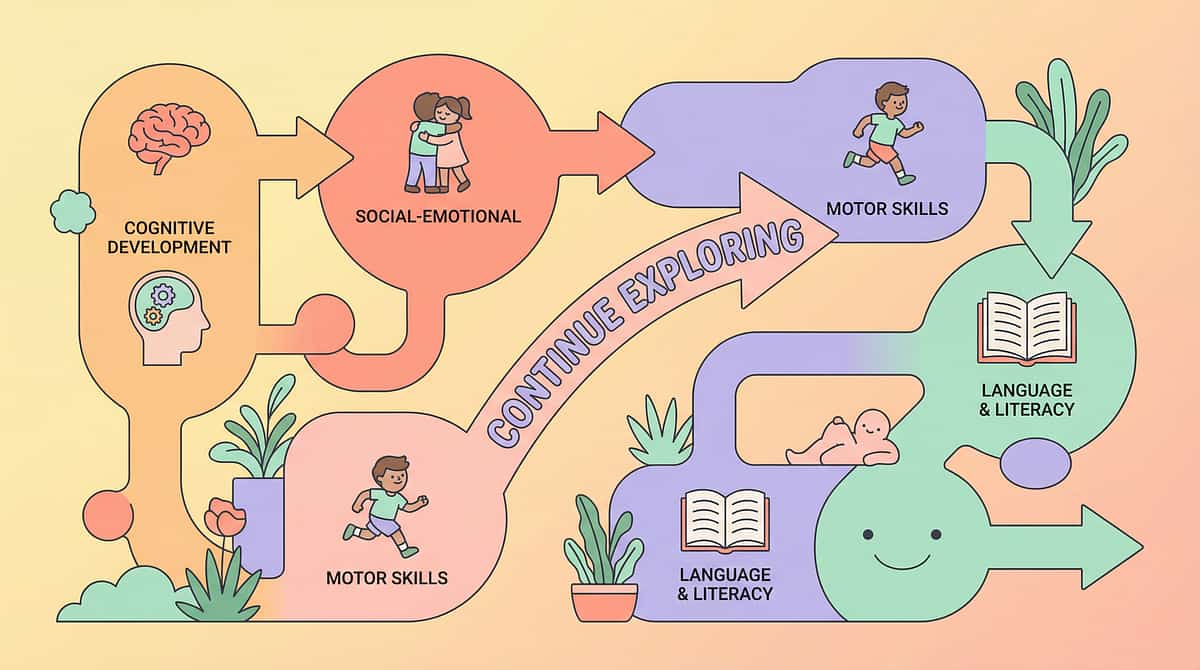
Continue Exploring →
Domain F: Motor Skills is one chapter in your child's complete developmental story. Every domain you explore, every technique you implement, and every consistent session you deliver adds another layer to the foundation your child is building. Continue your journey through the full 12-domain library.
← Previous Domain
Domain E: Daily Living Skills
Independence in dressing, feeding, hygiene, and daily routines — the functional application of the motor skills you've just learned.
🏃 You Are Here
Domain F: Motor Skills
60 techniques across Gross and Fine Motor subdomains — evidence-based, home-executable, consortium-drafted.
Next Domain →
Domain G: Play & Cognitive Skills
Structured play, imaginative development, problem-solving, and cognitive foundations — built on the motor competence you've developed here.