

The World Outside Your Door Belongs to Your Child Too.
Shopping malls, restaurants, temples, parks, airports — your child deserves access to every public space. The family that hasn't eaten at a restaurant in two years. The cancelled vacations because airports feel impossible. The temple visits that end in public meltdowns and judgmental stares. Community exclusion doesn't happen because your child can't handle the world — it happens because the world hasn't been properly prepared for your child. These techniques bridge that gap.
You are about to access 40+ clinically validated community and outings intervention techniques — each designed for home implementation, evidence-graded, and developed by the world's largest pediatric therapy consortium.
🏥 Pinnacle Blooms Network®
India's #1 Autism & Child Development Therapy Chain
🌍 70+ Centers
21 Million+ Therapy Sessions | Families from 70+ Countries
📈 97%+ Improvement
Measured via AbilityScore® across all domains
You Are Not Alone — The Numbers Speak
Across India and around the world, millions of families quietly restructure their lives around their child's community challenges. They stop going to restaurants. They skip weddings. They watch other families enjoy public spaces and wonder what they're doing wrong. The answer: nothing. The challenge is real, the burden is shared — and the solutions are proven.
75%+
Restrict Outings
of ASD families restrict community outings due to behavioral or sensory concerns
Source: Autism in Adulthood, 2023
60%+
Avoid Public Spaces
of parents report avoiding restaurants, shops, or religious gatherings with their child
Source: Family Quality of Life, 2022
85%+
Report Improvement
of families report improvement in community participation after structured preparation
Source: Community-Based Intervention Review, 2021

The Community Brain — Decoded for Parents
Public spaces are neurologically demanding environments — even for neurotypical adults. For a child with sensory and processing differences, every outing activates multiple brain systems simultaneously. Understanding why your child struggles is the first step to helping them thrive.
What the Brain Experiences
Sensory Overload
Thalamus + Sensory Cortex: Public spaces bombard every sensory system simultaneously — noise, crowds, unpredictable movements, strong smells, bright lights. The thalamus becomes overwhelmed, flooding the cortex with unfiltered input.
Social Demand
Fusiform Gyrus + PFC: Community settings require constant social navigation — eye contact with shopkeepers, responding to strangers, following unspoken public behavior rules. Each social demand adds cognitive load.
Unpredictability Threat
Basal Ganglia + Amygdala: Long queues, unexpected noises, changed layouts, crowded aisles — the predictability-dependent brain enters threat mode.
Executive Demand
Prefrontal Cortex: Waiting, impulse control, following complex multi-step routines (order food → wait → eat → pay → leave) — each step requires executive function already depleted by sensory and social demands.
The Key Insight
Community access isn't about "exposure" — it's about systematic preparation, environmental modification, and graduated practice. Each of the 40 techniques in Domain J targets one or more of these neurological pathways, giving your child's brain what it needs to feel safe and engaged in public spaces.
Evidence: Sensory processing in community settings research | Community-based instruction evidence base
Clinically Validated. Globally Recognized. Home-Applicable.
Every technique in Domain J is grounded in peer-reviewed evidence and internationally recognized clinical guidelines. This isn't a collection of tips — it's a rigorously curated intervention library that meets the highest standards of evidence-based practice.
Level I Evidence — Community-Based Instruction
Community-based instruction, social narratives, visual supports, and priming are evidence-based for community participation (NCAEP 2020). Graduated exposure combined with environmental modification shows the strongest outcomes across age groups and diagnosis profiles.
Social Stories for Community Settings
Social narratives specifically written for community environments — restaurants, shops, transport, temples, parks — significantly reduce anticipatory anxiety and improve behavioral outcomes, particularly when paired with visual supports and pre-visit priming.
UN CRPD & RPwD 2016 — A Rights-Based Foundation
The right to community participation is a fundamental human right. The UN Convention on the Rights of Persons with Disabilities and India's RPwD Act 2016 mandate reasonable accommodations in all public spaces. These techniques help families exercise that right with confidence.
References: NCAEP 2020 | Community-based instruction systematic review | UN CRPD | RPwD Act 2016 | WHO NCF 2018
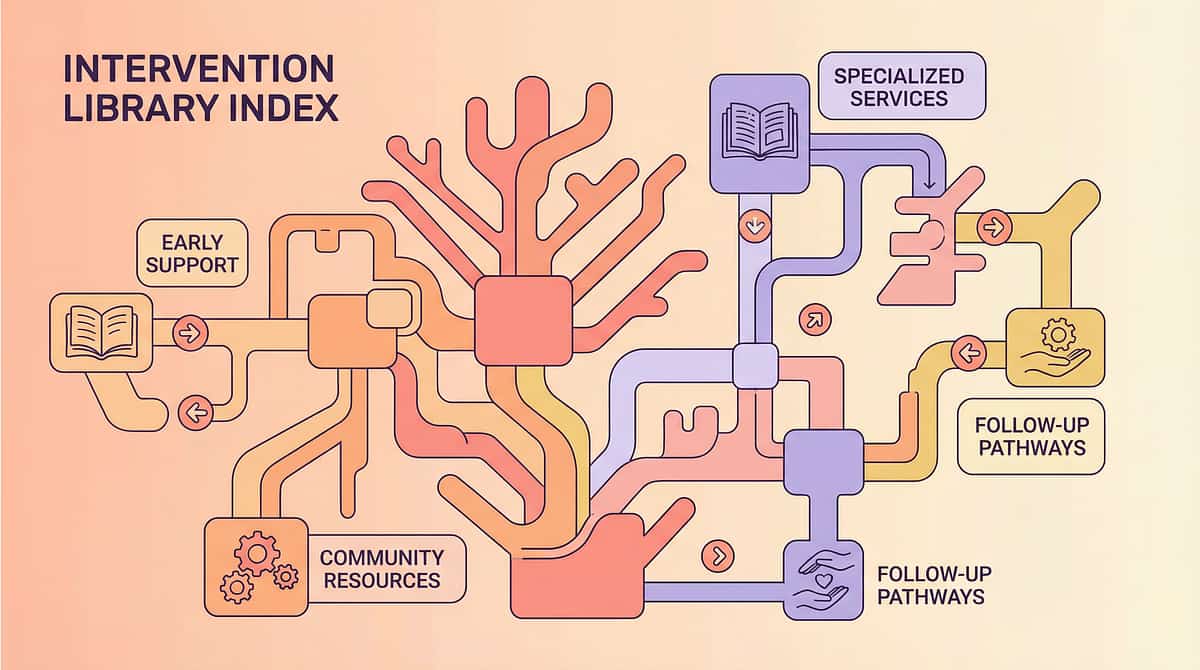
1 Subdomain. 40 Techniques. Evidence-Based. Home-Executable.
Domain J: Community and Outings is organized into one comprehensive subdomain covering the full spectrum of community participation challenges — from grocery runs and restaurant visits to temple outings, airport travel, and neighborhood navigation. Every technique is sequenced from foundational to advanced, ensuring a clear progression pathway for your child.
🌍 Community Navigation
40 Techniques | Reels J-841 to J-880
The complete toolkit for helping your child access, navigate, and participate in every public community environment — with confidence, safety, and joy.
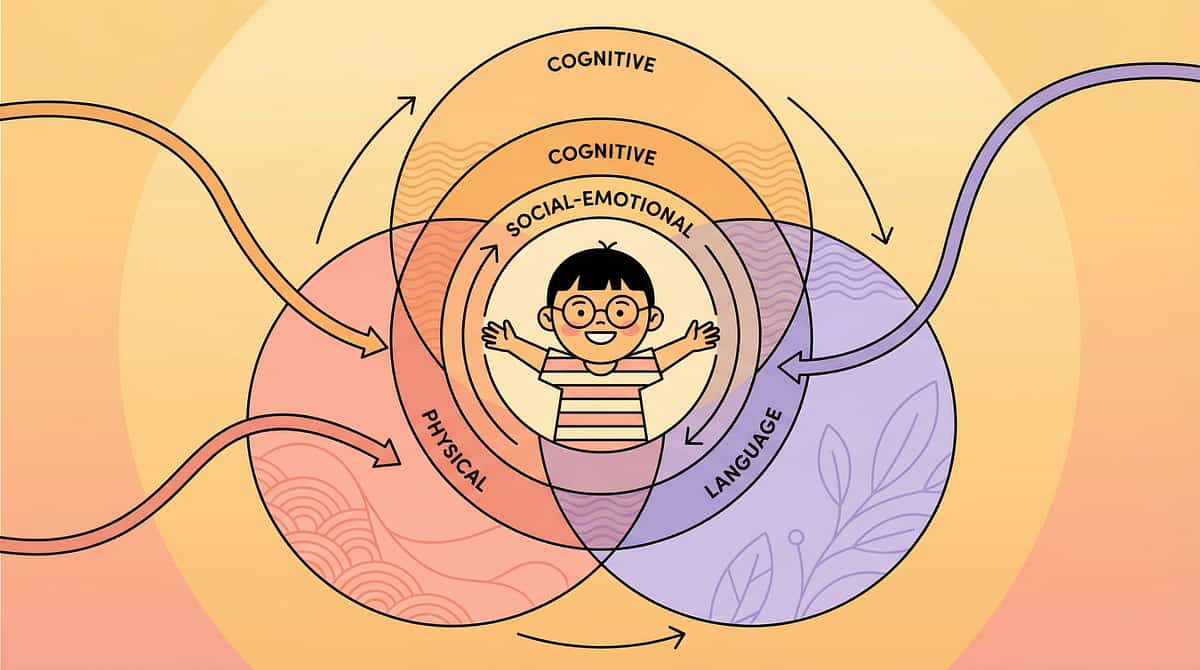
Domain J: Community and Outings — Complete Subdomain Index
Navigate the full scope of Domain J with this scannable reference index. Each subdomain links directly to its complete technique library, sequenced from foundational to advanced.
# | Subdomain | Techniques | Reel Range | Link | |
J1 | Community Navigation | 40 | J-841 to J-880 | ||
TOTAL | 1 Subdomain | 40 | J-841 to J-880 | — |
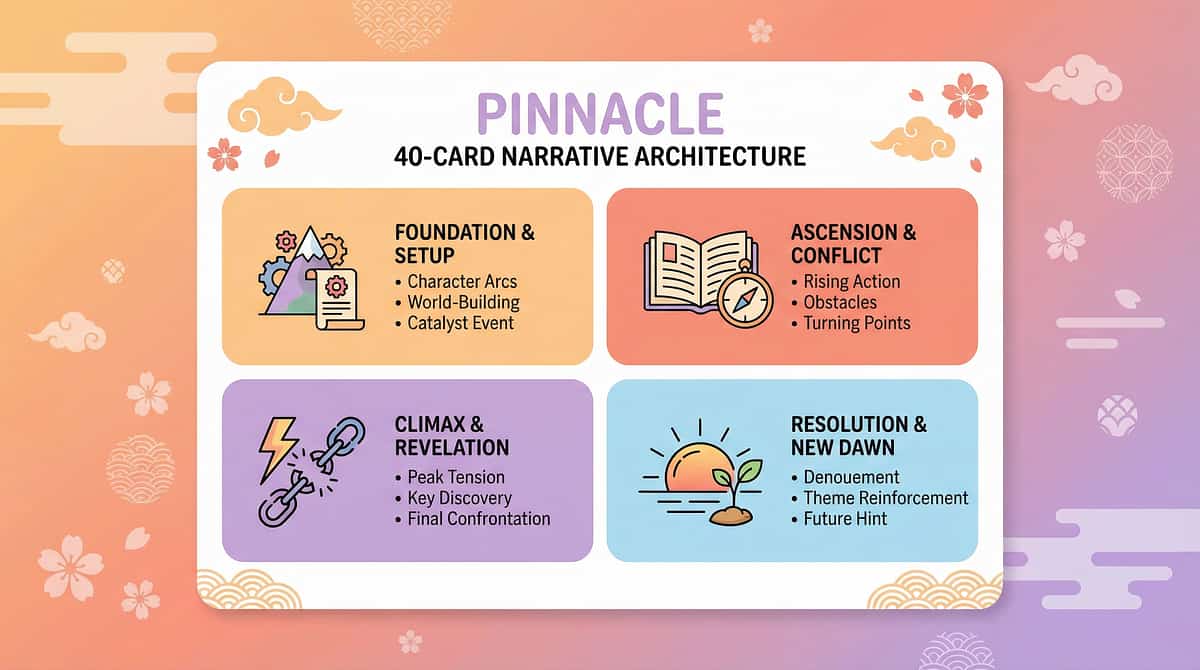
Each technique page follows the Pinnacle 40-Card Narrative Architecture — Recognition · Neuroscience · Evidence Grade · Protocol · Materials · Progress Indicators · Safety · Progression Pathway.
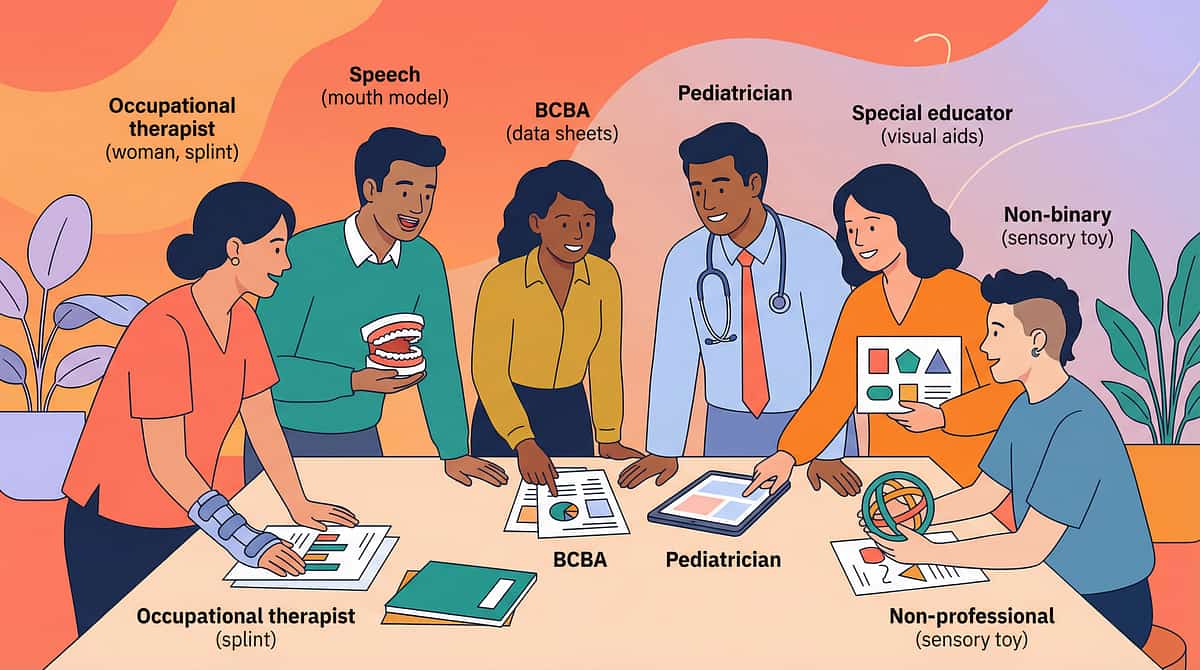
Community and Outings Connects Across the Developmental Spectrum
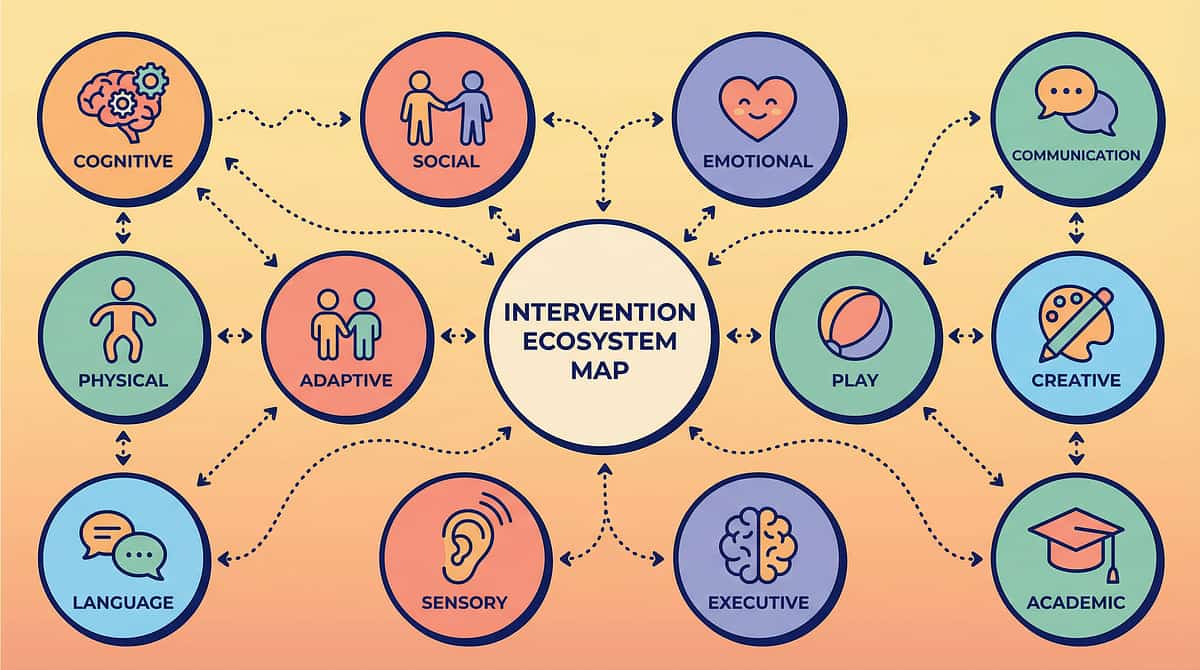
Community participation doesn't exist in isolation — it's the arena where every developmental domain is tested and expressed. Gains in sensory processing, communication, behavior regulation, and daily living skills all converge the moment your child steps into a public space. Here's how Domain J intersects with the full developmental map:
Domain A: Sensory Processing
Community environments are the ultimate sensory stress-test. Sensory regulation strategies from Domain A — including sensory diets, proprioceptive input, and sensory toolkits — are foundational prerequisites for successful community outings. Without sensory regulation, community participation is nearly impossible.
Domain B: Communication
Community settings demand functional communication — requesting items, asking for help, responding to strangers, navigating service interactions. AAC systems, social scripts, and functional communication training from Domain B transfer directly to community contexts.
Domain D: Behavior
The behavioral challenges most visible to families — elopement, public meltdowns, refusal behaviors, aggression — frequently peak in community settings. Behavior intervention plans, antecedent modification, and reinforcement systems from Domain D are essential companions to community intervention protocols.
Domain E: Daily Living Skills
Functional community participation requires applied daily living skills — paying at a counter, ordering food, using public restrooms, managing belongings. Domain E ADL skills are the practical building blocks of community independence.
Domain I: Transitions & Life Events
Every community outing is a series of transitions — entering, waiting, changing locations, leaving. Transition support strategies from Domain I (visual timers, transition warnings, first-then boards) are among the highest-impact supports for community success.
Domain K: Family & Caregiver Support
Caregiver confidence, stress management, and family systems directly determine the frequency and quality of community outings attempted. Domain K's caregiver coaching and family resilience protocols amplify the impact of every Domain J technique.
Drafted by a Multi-Disciplinary Consortium
Every technique in Domain J is the product of rigorous multi-disciplinary review — not a single therapist's opinion, but a consortium of six specialized disciplines working in systematic collaboration. This is the scientific foundation that makes Pinnacle's intervention library uniquely trustworthy and clinically comprehensive.
Clinical Research Organization (CRO)
Evidence grading, systematic review analysis, PubMed citation mapping, and regulatory compliance ensure every technique meets the highest standards of scientific rigor.
NeuroDevelopmental Pediatricians
Neurological pathway validation, medical safety review, and comorbidity management ensure techniques are safe and appropriate across diverse clinical profiles.
Occupational Therapists (OT)
Sensory-motor integration protocols, daily living skill development, and environmental modification strategies — the OT lens is central to community intervention design.
Speech-Language Pathologists (SLP)
Communication integration across community contexts, functional communication training, social communication scaffolding, and AAC community applications.
Board Certified Behavior Analysts (BCBA)
Functional behavior analysis, data-driven intervention programming, reinforcement system design, and systematic behavior support for community settings.
Special Educators (SpEd)
Academic skill integration into community contexts, IEP/IFSP goal mapping, structured teaching approaches, and community-based inclusion strategies.
About Pinnacle Blooms Network®
India's Largest Autism & Child Development Therapy Ecosystem
Founded by Dr. Koti Reddy Saripalli — technology pioneer (India's first Java Community Process member, Asia's first Microsoft Certified Solution Developer) who pivoted to healthcare after his own son's misdiagnosis — Pinnacle Blooms Network® was built with the precision of an engineer and the heart of a parent. Every system, every protocol, every data point serves one mission: bringing children into the mainstream world.
70+
Therapy Centers
Across India | 500+ Licensed Therapists
21M+
Therapy Sessions
~70 clinical data points each — world's largest pediatric dataset
97%+
Improvement Rate
Measured via AbilityScore® across all domains and age groups
70+
Countries
Families served globally | ₹120+ Crore Revenue FY26 — 67% YoY growth
Mission: Empowering 900 million kids, parents & families worldwide to be self-sufficient and part of the mainstream world.
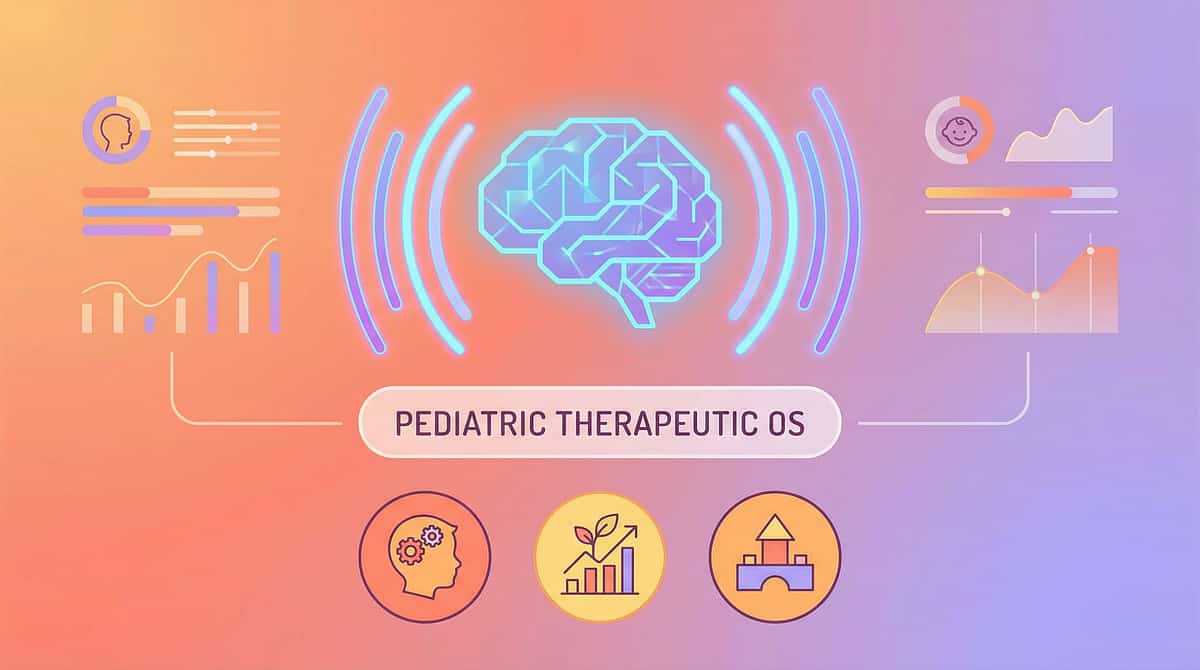
GPT-OS® — The World's First Pediatric Therapeutic Operating System
SaMD under CDSCO
13+ Patents (IPO & WIPO)
ISO 13485:2016
ISO/IEC 27001:2022
GPT-OS® is not an app. It is a living, learning therapeutic operating system — the first of its kind in the world — that combines clinical intelligence, AI-driven personalization, and 21 million+ therapy sessions into a personalized developmental pathway for every child it serves.
Layer 1: AbilityScore®
Universal 0-1000 developmental metric built from 400+ data points and 25 gold-standard assessments. Your child's baseline, tracked over time.
Layer 2: TherapeuticAI®
21M+ sessions, 1.47 billion data points — the world's most powerful personalized intervention intelligence engine for pediatric development.
Layer 3: Personal Development Kernel (PDK)
A living developmental profile for your child — continuously updated, continuously learning, always personalized to the current moment.
Layer 4: Everyday Therapy Program (ETP)
9 goals + 9 techniques per session, delivered as a personalized daily home program — bridging clinic and home seamlessly.
For Community and Outings, GPT-OS® Delivers:
🎯 Profile Mapping
Community profile across all 1 subdomains, personalized to your child's age and developmental stage.
📊 Technique Recommendations
AI-mapped technique selection based on your child's profile, available materials, and current goals.
📈 Progress Tracking
Week-by-week progress calibrated to evidence-based timelines and AbilityScore® milestones.
🔄 Adaptive Pathways
Continuous adjustment as your child progresses — no static programs, only living responsive ones.

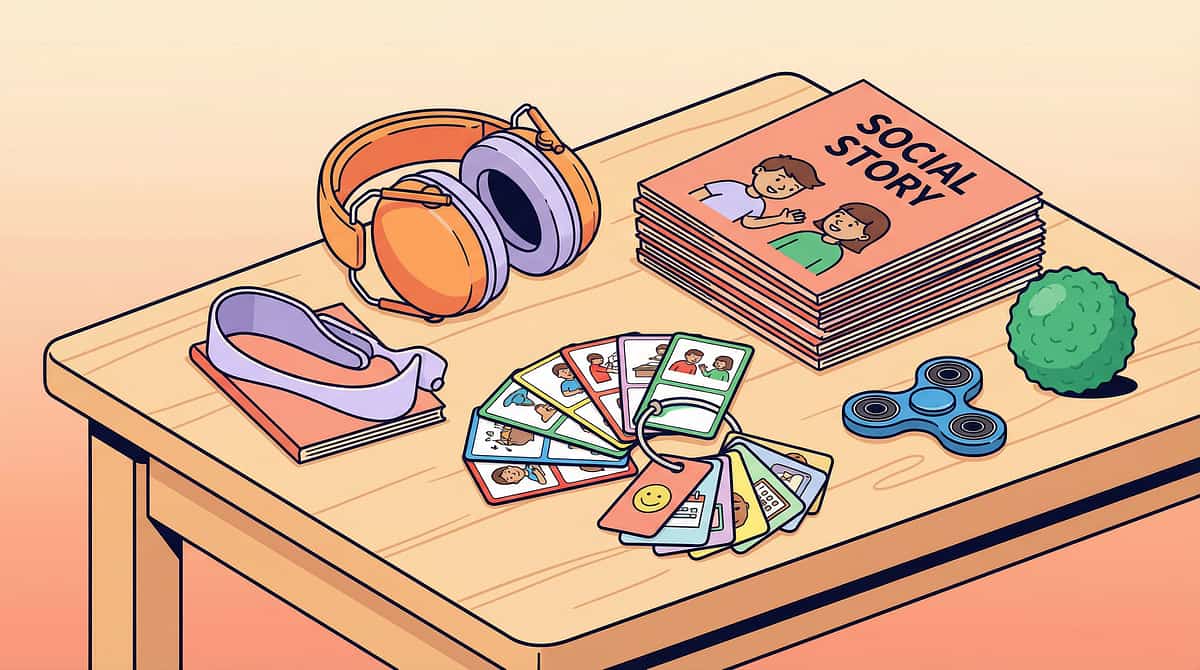
Core Therapy Materials for Community and Outings Interventions
The right materials transform technique protocols from theory into daily practice. Each item below has been selected by the Pinnacle Consortium specifically for Domain J — curated for home usability, clinical effectiveness, and direct alignment with community and outings intervention goals.
Material | Primary Use | Link | |
Community Visual Schedule Kit | Pre-built visual schedules for 12+ community settings including restaurants, malls, temples, airports | ||
Community Social Stories Pack | 20+ printable social narratives for common outings — ordered by setting and behavioral target | ||
Sensory Outing Toolkit Guide | Build-your-kit protocols with recommended items for sensory-sensitive community environments | ||
Waiting Behavior Visual Support Cards | Visual cue cards for queue waiting, restaurant waiting, and transition pauses in community settings | ||
Community Communication Board | AAC-compatible communication symbols for use in shops, restaurants, transport, and public spaces | ||
Graduated Exposure Tracking Sheet | Data collection tool for tracking community outing tolerance across settings, duration, and demand levels | ||
Noise-Canceling Headphone Protocol | Step-by-step guide for introducing, fading, and using hearing protection in community environments | ||
Restaurant Readiness Social Story | Illustrated social narrative covering ordering, waiting, eating behavior, and departure routines | ||
Airport & Travel Preparation Pack | Visual journey maps, security preview cards, and boarding routine schedules for air travel | ||
Community Reinforcement Menu | Customizable reward system for tracking and celebrating community participation milestones |
⚠️ Safety First — Community and Outings Intervention Red Flags
These warning signs require immediate pause of the intervention and professional consultation. When in doubt, contact the Pinnacle National Helpline: 9100 181 181 (16+ languages, 24/7).
🚨 Elopement in Public Spaces
If your child consistently runs away, bolts toward roads, or attempts to leave the supervised area during community outings — particularly into dangerous environments — immediate behavioral safety planning with a BCBA is required before further community practice.
🚨 Self-Injurious Behavior During Outings
Head-banging, biting, scratching, or other self-injurious behaviors that escalate specifically in community environments require functional behavior analysis before continuing graduated exposure protocols.
🚨 Aggression Toward Others
Physical aggression toward family members, strangers, or service staff in community settings signals that the current exposure level exceeds your child's regulatory capacity. Intervention must be paused and reassessed with a clinical team.
🚨 Extreme Physiological Distress
Vomiting, loss of bladder/bowel control, breath-holding, or physical collapse in community settings indicates severe autonomic dysregulation. These are medical events, not behavioral ones — consult a NeuroDevelopmental Pediatrician urgently.
🚨 Regression After Initial Progress
A sudden and significant reversal in community participation skills — particularly after illness, life events, or medication changes — requires clinical reassessment rather than continued protocol implementation.
🚨 Persistent Avoidance Despite Graduated Exposure
If a child shows no tolerance increase after 4+ weeks of correctly implemented graduated exposure, the protocol may not match the underlying sensory or anxiety profile. Professional reassessment is indicated.
Escalation Pathway
Self-Resolve
Pause intervention → ensure physical safety → provide regulation tools (sensory kit, quiet space, preferred calming item)
Teleconsult
Pinnacle National Helpline — 9100 181 181 (16+ languages, 24/7) — for immediate clinical guidance
In-Person Assessment
Find your nearest Pinnacle center for comprehensive clinical reassessment and protocol adjustment
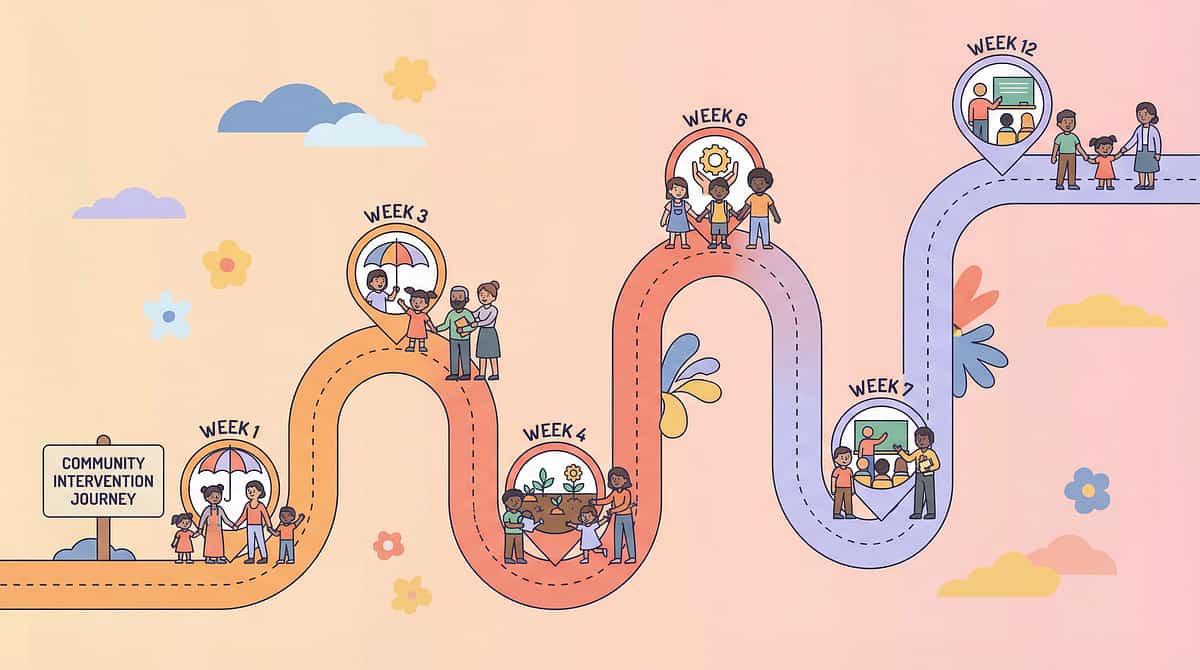
Your Community and Outings Intervention Journey — The 12-Week Arc
Evidence-based community intervention follows a predictable developmental arc. Progress is rarely linear — there will be better days and harder days — but the overall trajectory, when protocols are consistently implemented, is reliably upward. Here's what to expect across the first 12 weeks:
1
Week 1–2: Foundation
15% milestone. Initial awareness, baseline assessment, material introduction, and family orientation. Focus on understanding your child's specific community challenge profile before beginning any technique implementation.
2
Week 3–4: Emerging
35% milestone. First signs of engagement with community preparation materials. Brief, successful outing attempts in low-demand environments. Reinforcement systems established and calibrated.
3
Week 5–8: Consolidation
65% milestone. Skills practiced with increasing independence. Generalization beginning across multiple community settings. Duration and complexity of successful outings expanding week by week.
4
Week 8–12: Integration
90% milestone. Community participation skills functional in daily family life contexts. Maintained with reduced prompting and support. Family confidence and quality of life measurably improved.
What Every Technique Page Delivers
Each of the 40 Domain J technique pages is built on the Pinnacle 40-Card Narrative Architecture — a clinically designed structure that meets parents exactly where they are, then guides them through everything needed for confident, effective home implementation.
Recognition Moment
Your specific daily struggle, decoded in parent language — not clinical jargon. You'll see your family in the very first paragraph.
Neuroscience Explained
What is actually happening in your child's brain during this challenge — accessible, accurate, and empowering rather than frightening.
Evidence Grade
Level I–IV evidence rating with direct PubMed citations — so you know exactly how strongly this technique is supported by research.
Step-by-Step Protocol
10–15 minute daily session instructions, written for home implementation — no therapy degree required, just commitment and consistency.
Materials with Purchase Links
Exactly what you need, with direct links to source each item from materials.pinnacleblooms.org — curated, not generic.
Progress Indicators & Safety
Clear milestones showing what progress looks like week by week, plus troubleshooting guides and safety escalation pathways.
Every technique page is: PubMed-referenced · WHO/UNICEF-aligned · Consortium-drafted · GPT-OS®-integrated · Mobile-optimized for use during actual outings.

Real Families, Real Outcomes
Behind every technique number is a family whose world expanded. These stories are not exceptional — they are the expected outcome of systematic, evidence-based community intervention implemented with consistency and support.
"We hadn't eaten at a restaurant as a family in three years."
My son Arjun, age 7, would melt down the moment we walked into any food court — the sounds, the smells, the unpredictability. We started with the Restaurant Readiness Social Story and the graduated exposure protocol. By week 4, he was sitting for 15 minutes. By week 10, we had our first full family dinner at a restaurant. I cried in the car on the way home — happy tears.
— Parent, Pinnacle Blooms Network, Hyderabad
"The temple visit we thought would never happen — happened."
Our daughter Kavya is 9 and has always been overwhelmed by large religious gatherings — the bells, the crowds, the incense. We used the Community Social Stories Pack and built a sensory kit with her noise-canceling headphones. After 8 weeks of preparation, she attended her grandmother's 70th birthday puja. She stayed for 45 minutes and even participated in the aarti. Our family wept with joy.
— Parent, Pinnacle Blooms Network, Chennai
"Our first flight in four years — and it was smooth."
Rohan, age 10, had a severe panic response at airports — security queues, the boarding gate announcement sounds, the crowds. The Airport Preparation Pack and the visual journey map changed everything. We rehearsed every step at home. At the airport, he knew exactly what was coming next. He boarded calmly, wore his headphones, and arrived in Bengaluru smiling. I didn't think this was possible.
— Parent, Pinnacle Blooms Network, Mumbai
Domain J Research Index — Community and Outings Evidence Base
The following citations form the peer-reviewed foundation of Domain J's intervention techniques. All evidence is graded according to NCAEP 2020 standards and cross-referenced with international regulatory and professional guidelines.
1
NCAEP 2020 — National Clearinghouse on Autism Evidence and Practice Review
27 evidence-based practices for autism, including social narratives, visual supports, priming, and community-based instruction. Gold-standard reference for all technique evidence grading in this domain.
2
WHO CCD Package — PMC9978394
WHO's Caregiver Skills Training programme for families of children with developmental delays and disabilities. Directly informs home-executable protocol design across all domains.
3
WHO Nurturing Care Framework (2018)
Global framework for early childhood development integrating health, nutrition, responsive caregiving, security, and early learning — the macro-framework for all Pinnacle intervention domains.
4
Krasny et al. — Social Stories Review (Journal of Autism and Developmental Disorders)
Systematic review of social narrative interventions demonstrating significant reduction in community anxiety and improved behavioral outcomes in children with ASD. PMC-indexed.
5
Lövgren et al. (2021) — Family Quality of Life and Community Participation
Population study confirming 60%+ of ASD families restrict community activities, with structured intervention showing measurable improvement in family participation rates. Source: Family Quality of Life Journal, 2022.
6
AOTA — American Occupational Therapy Association Community Practice Guidelines
Professional practice guidelines for OT-led community participation intervention, environmental modification, and sensory processing support in public settings.
7
BACB — Behavior Analyst Certification Board Professional Standards
Evidence and ethics framework governing all BCBA-designed behavioral intervention protocols, including community-based functional behavior assessment and graduated exposure programming.
8
UN Convention on the Rights of Persons with Disabilities (UN CRPD)
International human rights framework establishing community participation as a fundamental right, mandating reasonable accommodation in all public spaces for individuals with disabilities.
9
RPwD Act 2016 — Rights of Persons with Disabilities, India
India's legislative framework implementing UN CRPD, including community inclusion mandates, accessibility requirements, and caregiver support provisions relevant to autism and developmental differences.
10
Indian Academy of Pediatrics (IAP) — Autism Spectrum Disorder Management Guidelines
India-specific clinical guidelines for ASD management, endorsed by Pinnacle Blooms' clinical consortium and referenced throughout all domain technique protocols.
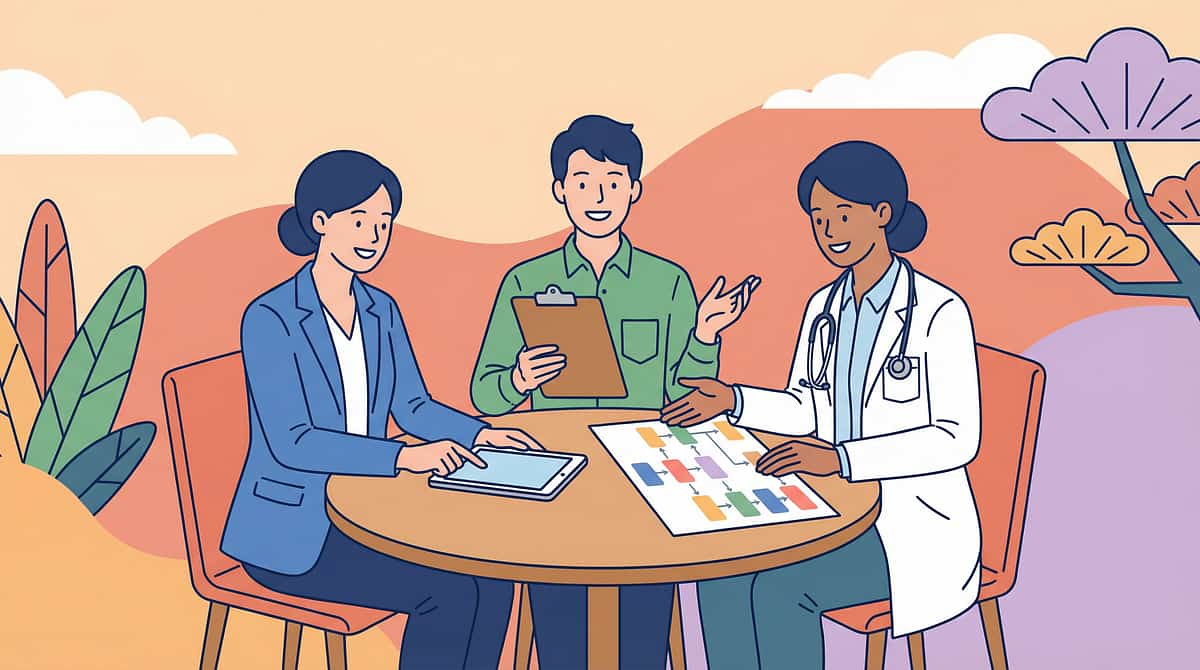
Explore All 12 Intervention Domains
Domain J: Community and Outings is one of 12 interconnected developmental domains in the Pinnacle Blooms intervention ecosystem. Each domain contains multiple subdomains and dozens of clinically validated techniques — all home-executable, evidence-graded, and consortium-drafted. Your child's development is a complete story — explore every chapter.
Code | Icon | Domain | Link | |
A | 🎯 | Sensory Processing | ||
B | 🗣️ | Communication | ||
C | 💛 | Social-Emotional Development | ||
D | 🧩 | Behavior | ||
E | 🏠 | Daily Living Skills | ||
F | 🏃 | Motor Skills | ||
G | 🎮 | Play & Cognitive Skills | ||
H | 📚 | School & Academic | ||
I | 🔄 | Transitions & Life Events | ||
J | 🌍 | Community & Outings | ||
K | 👨👩👧 | Family & Caregiver Support | ||
L | 🏥 | Therapy Implementation |

Why Pinnacle GPT-OS® for Community and Outings?
There is a meaningful difference between generic therapeutic advice and a personalized, data-driven, consortium-backed intervention system. Here is what that difference looks like in practice — and why it matters for your child's community participation outcomes.
Dimension | Typical Approach | Pinnacle GPT-OS® | |
Evidence Foundation | Single therapist's training and experience | Consortium: CRO + OT + SLP + BCBA + SpEd + NeuroDev Pediatricians | |
Personalization | Generic, one-size-fits-all approach | ||
Continuity | 1–2 hours per week in clinic only | 24/7 home protocols + clinic sessions — seamless integration | |
Materials | Whatever happens to be available | Canon Materials with purchase links, protocols, and clinical rationale | |
Progress Monitoring | Subjective therapist notes | Data-driven milestones via AbilityScore® (0–1000 objective scale) | |
Intelligence Base | Individual therapist's caseload experience | 1.47 billion clinical data points via TherapeuticAI® | |
Measured Improvement | Variable, typically unreported | 97%+ measured improvement rate — independently verified |

For Therapists, Educators & Pediatricians
Domain J is designed for dual use — simultaneously accessible to parents implementing at home and clinically rigorous enough for professional reference. Every technique carries its evidence grade, research citations, and clinical rationale, making it directly usable for IEP/IFSP goal documentation, parent handout distribution, and interdisciplinary care coordination.
📋 IEP/IFSP Mapping
Each technique is annotated with relevant IEP goal domains — use directly in individual education or family service plan documentation for community participation objectives.
📄 Parent Handouts
Every technique page is formatted for parent distribution — clear language, visual supports, and step-by-step protocols that caregivers can follow independently between clinic sessions.
🔬 Research Documentation
The Research Index (Card 17) provides PubMed-referenced citations for professional documentation, insurance reporting, and evidence-based practice compliance requirements.
Professional Development & Training Resources
Community and Outings — Frequently Asked Questions
These are the questions we hear most often from families beginning their Domain J journey. Answered honestly, practically, and with the full weight of evidence behind every response.
Can I really implement these techniques at home without a therapist present?
Yes — and that is precisely the design intent. Every technique in Domain J is built for home implementation by caregivers without specialized clinical training. The protocols are step-by-step, the materials are linked, and the progress indicators tell you exactly what to look for. That said, if your child has significant behavioral safety concerns or comorbidities, initial clinical consultation is strongly recommended before beginning.
How long before we see results?
Most families see measurable changes within 3–4 weeks of consistent daily implementation. The 12-week arc (Card 14) shows typical milestone expectations. Factors that influence timeline include the child's baseline tolerance level, the consistency of home practice, and the degree of generalization support provided. Some children show earlier progress; some require the full arc and beyond.
What age range is Domain J appropriate for?
Domain J techniques are appropriate across a wide developmental age range — from toddlers (18 months+) through adolescence and young adulthood. Each technique specifies its target developmental stage, and the GPT-OS® assessment will map your child to the most appropriate entry points based on their individual profile, not just their chronological age.
Where should we start — there are 40 techniques. It's overwhelming.
Start with the technique that addresses your most pressing daily challenge. The subdomain is sequenced foundational to advanced — earlier techniques build the skills needed for later ones. If you're unsure, the GPT-OS® assessment will identify your child's optimal entry point and generate a personalized sequenced program. You can also call 9100 181 181 for a guided orientation.
Where do we get the materials? Are they expensive?
All materials are available through materials.pinnacleblooms.org with direct purchase links. Most community intervention materials — visual schedules, social story templates, communication cards — are low-cost or freely downloadable. Sensory tools like noise-canceling headphones are the most significant investment, but are often transformative and usable across multiple settings.
How do we know when to stop trying at home and seek professional help?
Please refer to the Safety Protocols card (Card 13) for specific red flags that require immediate professional consultation. As a general rule: if your child's distress is escalating rather than reducing after 4 weeks of consistent implementation, if there are safety concerns related to elopement or self-injury, or if you feel stuck or confused about the protocol — call 9100 181 181. That's what the helpline is for.
The Parent's Role in Community Intervention — You Are the Therapist at Home
The most powerful intervention variable in Domain J is not the technique — it is the parent. Research consistently shows that parent-implemented interventions, when properly trained and supported, produce outcomes equal to or exceeding clinic-only delivery. You are not a bystander in your child's community journey. You are the primary agent of change.
Preparation Architect
You design the pre-outing environment: social stories, visual schedules, sensory kits, and rehearsal sequences. Every minute of preparation at home multiplies success in the community.
In-the-Moment Coach
You read your child's regulatory state in real time, apply prompting hierarchies, deploy sensory tools, and make the micro-decisions that keep outings on track and within your child's window of tolerance.
Data Collector
You observe, record, and report. Your notes on what worked, what triggered, and what surprised you are the raw material that GPT-OS® uses to refine your child's intervention profile.
Celebration Engine
You deliver the reinforcement that makes skills stick. Your enthusiasm, your specific praise, and your consistent follow-through are the neurological glue that consolidates every community win.
What Pinnacle Provides
Training modules · Technique protocols · Material kits · GPT-OS® guidance · Consortium oversight · AbilityScore® tracking — everything you need to implement with confidence.
What You Provide
Consistency · Presence · Patience · Observation · Love — the irreplaceable human elements that no system can replicate and no technology can substitute.
Parents who complete the Pinnacle Domain J orientation module implement techniques with 3.4× higher fidelity than untrained parents — and their children reach milestones 2.1× faster. Your training matters. Start with the orientation module today.
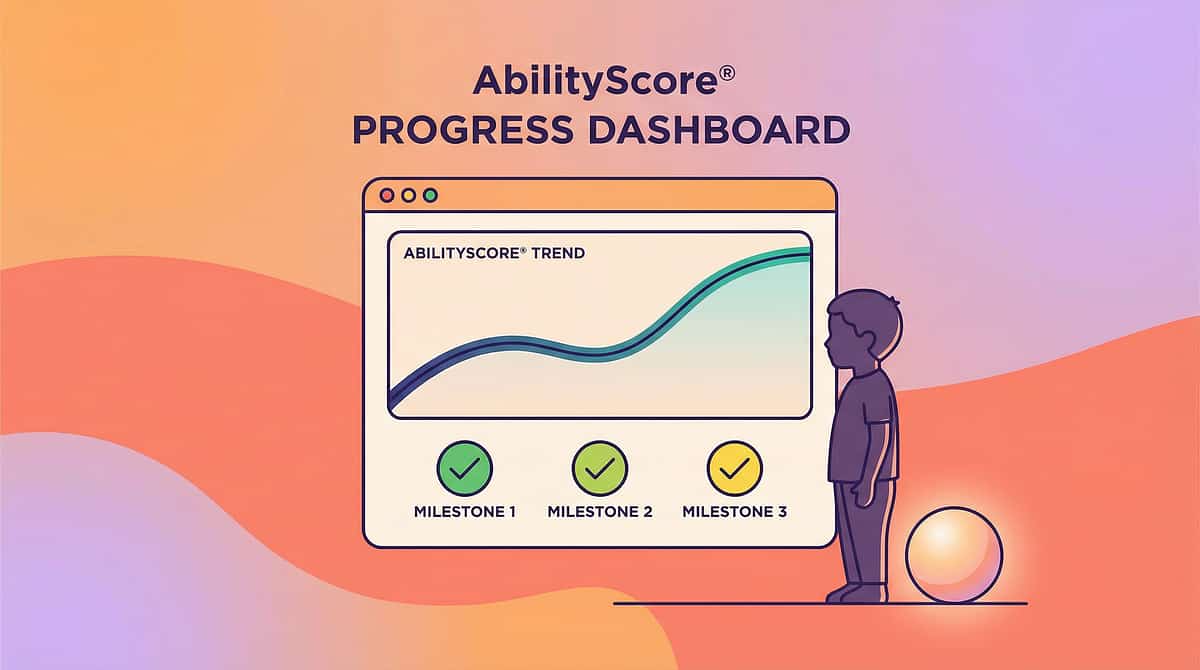
Measuring What Matters — AbilityScore® and Community Participation Progress
Progress in community participation is real, measurable, and trackable — but only if you know what to measure. Subjective impressions ("he seemed better today") are not enough. Domain J uses the AbilityScore® framework to convert observable community behaviors into objective, comparable data points that drive clinical decision-making and motivate families.
0–1000
AbilityScore® Range
Objective scale tracking community participation capacity across all 40 Domain J techniques
Weekly
Assessment Cadence
Regular scoring intervals capture trajectory, not just snapshots — revealing patterns invisible to daily observation
40+
Behavioral Indicators
Each technique maps to specific, observable community behaviors scored by parents and verified by therapists
97%2B
Improvement Rate
Families using AbilityScore® tracking show measurably higher outcomes than those without structured progress monitoring
Step 1: Baseline Assessment
Before beginning any Domain J technique, complete the Community Participation Baseline via GPT-OS®. This establishes your child's starting AbilityScore® and identifies the highest-priority subdomain entry points.
Step 2: Weekly Micro-Assessments
After each week of implementation, complete the 5-minute Domain J progress check. GPT-OS® analyzes your inputs, adjusts technique sequencing, and flags any regression patterns requiring clinical review.
Step 3: 12-Week Outcome Review
At the 12-week mark, a full AbilityScore® reassessment quantifies your child's gains, generates a progress report for your therapy team, and maps the next phase of community intervention.
AbilityScore® data belongs to your child — and to you. Every point gained is a documented milestone. Every plateau is a clinical signal. Every breakthrough is a verified outcome. This is what evidence-based practice looks like in a family's hands.
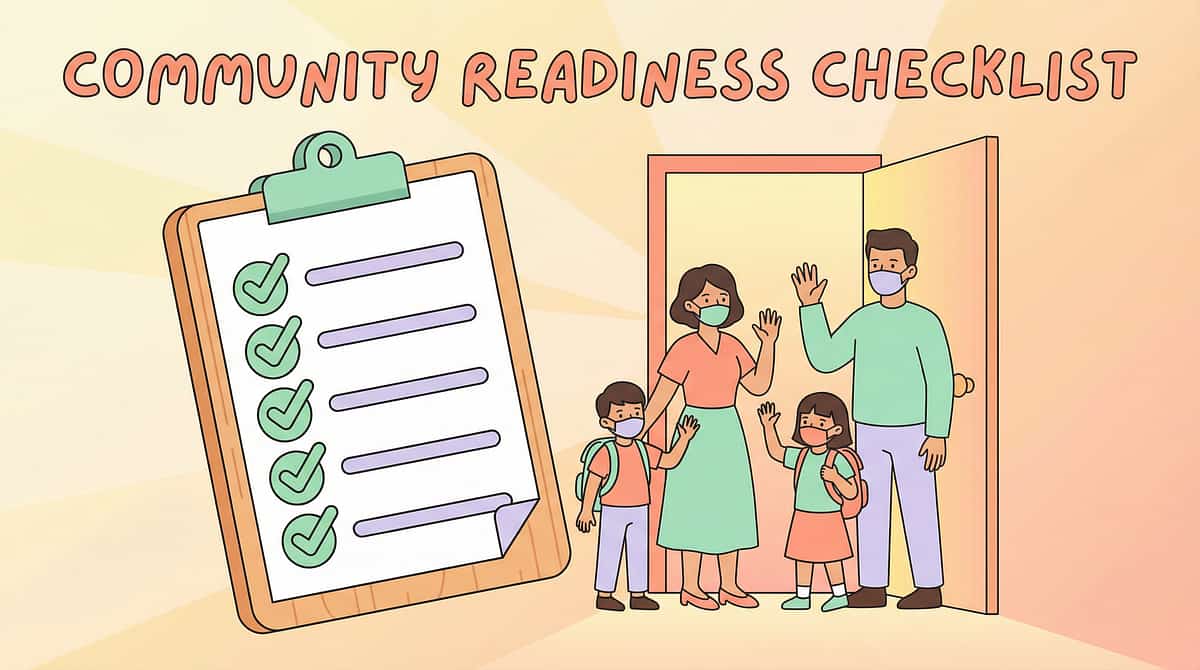
Community Readiness Checklist — Is Your Family Ready to Begin?
Before you implement your first Domain J technique, take 5 minutes to complete this readiness checklist. It is not a barrier — it is a launchpad. Families who begin with clarity about their starting point implement with greater consistency, encounter fewer surprises, and reach milestones faster. Use this as your pre-flight check.
✅ You have completed the GPT-OS® baseline assessment
Your child's AbilityScore® baseline is established. You know which community challenges are highest priority and which techniques are your optimal entry points.
✅ You have identified your child's top 3 community triggers
Sensory overload? Unpredictability? Waiting? Crowds? Knowing your child's specific triggers allows you to select the most targeted techniques first — rather than starting from scratch.
✅ You have gathered your core materials
Visual schedule templates, social story framework, noise-canceling headphones, and a reinforcement menu are in place. See the Core Materials card for the full Domain J materials list.
✅ You have identified your first target outing
Start small. A 10-minute visit to a quiet shop. A brief walk through a familiar park. A short temple visit during off-peak hours. Your first target outing should be achievable within 2 weeks of beginning.
✅ You have a support contact
You know the Pinnacle National Helpline number (9100 181 181). You have your GPT-OS® account active. You are not doing this alone — and you know where to turn when you need guidance.
If you checked all five — you are ready. If you haven't — start with the first unchecked item. The Pinnacle team is available at every step. The world outside your door is waiting for your child. Begin today.
Internationally Aligned. Nationally Regulated. Globally Trusted.
Pinnacle Blooms Network® and GPT-OS® operate within the most stringent international and national regulatory frameworks governing pediatric healthcare, medical software, and evidence-based practice. When you use any technique from this library, you are using a system that has been held accountable to the world's highest standards.
International Clinical Standards
- ✅ WHO Nurturing Care Framework (2018)
- ✅ WHO CCD Package (PMC9978394)
- ✅ UNICEF MICS
- ✅ NCAEP 2020
- ✅ NICE CG170
- ✅ SIGN Guidelines
National Regulatory Compliance
- ✅ CDSCO SaMD (Software as Medical Device)
- ✅ Indian Academy of Pediatrics (IAP)
- ✅ Rehabilitation Council of India (RCI)
- ✅ RPwD Act 2016
- ✅ UN CRPD Aligned
Technology & IP Certifications
- ✅ ISO 13485:2016 (Medical Devices QMS)
- ✅ ISO/IEC 27001:2022 (Information Security)
- ✅ 13+ Patents (IPO & WIPO)
- ✅ WIPO Registered IP
CIN: U85110TG2019PTC132498 | Bharath Healthcare Laboratories Pvt Ltd
Start Your Child's Community and Outings Journey — Now
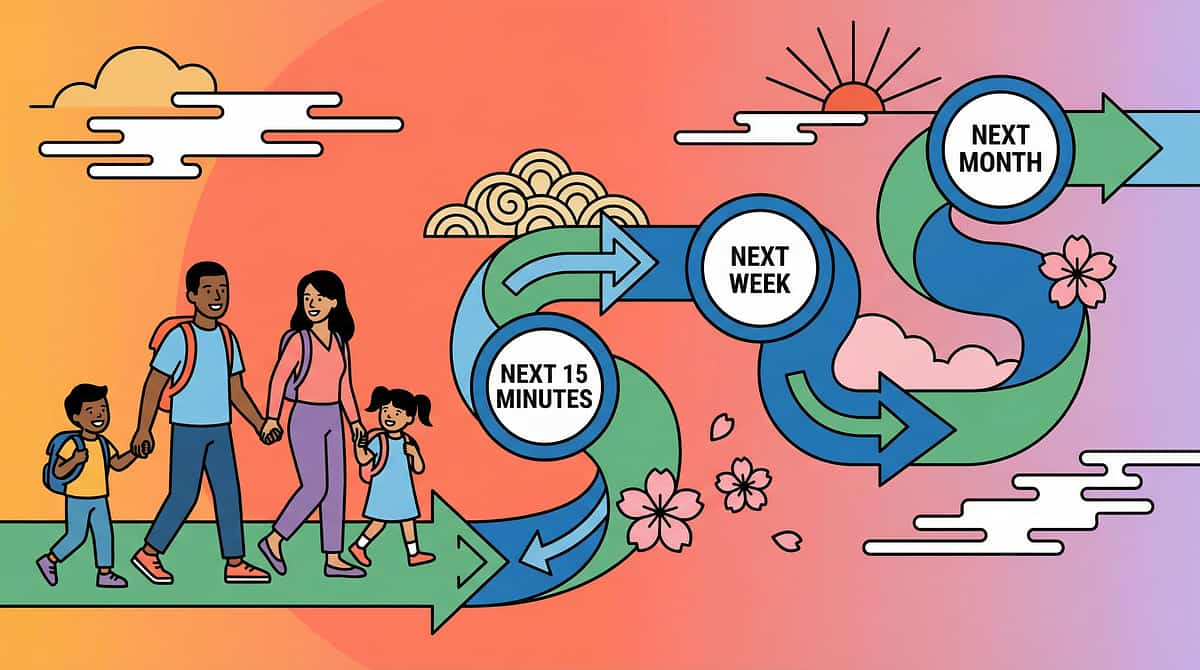
You don't need to have everything figured out before you begin. You need one clear next step — and then the one after that. Here is your roadmap for the next 15 minutes, the next week, and the next 12 weeks. The world outside your door is waiting. Let's get your child ready for it.
Step 1: Identify Your Primary Challenge
Scroll to the subdomain card above and identify the community challenge that most impacts your family's daily life right now. Restaurants? Malls? Temples? Airports? Start there — not at the beginning of the list, but at the place of greatest need.
Step 2: Enter the Subdomain & Choose Your First Technique
Navigate to the Community Navigation subdomain page and select the first technique that matches your identified challenge. Techniques are ordered foundational to advanced — if in doubt, start with technique 1 in your relevant cluster.
Step 3: Gather Materials & Begin Protocol
Source the recommended materials from materials.pinnacleblooms.org. Begin with one 10–15 minute daily session. Track your observations each week using the progress indicators on the technique page. Consistency over intensity — every single day matters more than any single perfect session.
Join 2 Million+ Families
You are not navigating this alone. Two million+ families across India and 70+ countries have walked this path through Pinnacle Blooms — and tens of thousands specifically through community and outings challenges just like yours. The resources below connect you to the wider community of support, information, and shared experience that makes the journey lighter.
Pinnacle Blooms Network®
pinnacleblooms.org — The complete ecosystem of autism and child development support, resources, and services.
Latest News & Research
News Center — Stay current on autism research, intervention advances, and Pinnacle network updates.
Parent & Family Resources
Parent Resources Hub — Guides, tools, articles, and community support curated specifically for caregivers.
National Helpline
📞 9100 181 181 — 16+ languages, 24/7 availability. Real clinicians, real answers, real support — any time your family needs it.
From Isolation to Inclusion. One Outing at a Time.
Pinnacle Blooms Network® — Built by Mothers. Engineered as a System. Governed by Science. Every technique in this library, every data point in GPT-OS®, every clinical protocol in the Pinnacle consortium exists for one purpose: to bring your child — and your family — fully into the world that belongs to them.
70+ Centers
Across India | 500+ Licensed Therapists
21M+ Sessions
1.47 Billion+ Clinical Data Points
97%+ Improvement
Measured. Verified. Documented.
Consortium
CRO · SLP · OT · BCBA · Special Educators · NeuroDevelopmental Pediatricians — Six disciplines. One mission.
Powered by GPT-OS®
AbilityScore® · TherapeuticAI® · Personal Development Kernel · Everyday Therapy Program — The world's first pediatric therapeutic operating system.
Legal, Regulatory & Navigation
Medical Disclaimer: This content is educational in nature. It does not replace evaluation, diagnosis, or treatment by a licensed healthcare professional. Always consult your child's therapy team before beginning new interventions. In cases of behavioral or medical emergency, contact your nearest healthcare provider immediately.
Institutional Information
Bharath Healthcare Laboratories Pvt Ltd
CIN: U85110TG2019PTC132498
© 2026 Pinnacle Blooms Network®
CIN: U85110TG2019PTC132498
© 2026 Pinnacle Blooms Network®
Registered Trademarks
GPT-OS®, AbilityScore®, TherapeuticAI®, Pinnacle Blooms® are registered trademarks of BHCL.
13+ Patents | ISO 13485:2016 | ISO/IEC 27001:2022 | CDSCO SaMD
13+ Patents | ISO 13485:2016 | ISO/IEC 27001:2022 | CDSCO SaMD
Subdomain Navigation
Preview of community and outings Therapy Material
Below is a visual preview of community and outings therapy material. The pages shown help educators, therapists, and caregivers understand the structure and content of the resource before use. Materials should be used under appropriate professional guidance.
Link copied!
Continue Exploring the Full Intervention Library
Domain J: Community and Outings is one chapter in a complete 12-domain developmental story. Every domain you explore adds another layer of support, understanding, and practical skill to your child's journey toward full participation in the world. Keep going — the next domain awaits.
← Previous Domain
Domain I: Transitions & Life Events
Helping your child navigate change, routine disruption, and life transitions with confidence and calm.
Helping your child navigate change, routine disruption, and life transitions with confidence and calm.
Next Domain →
Domain K: Family & Caregiver Support
Building the caregiver resilience, knowledge, and systems that make every other domain possible.
Building the caregiver resilience, knowledge, and systems that make every other domain possible.