
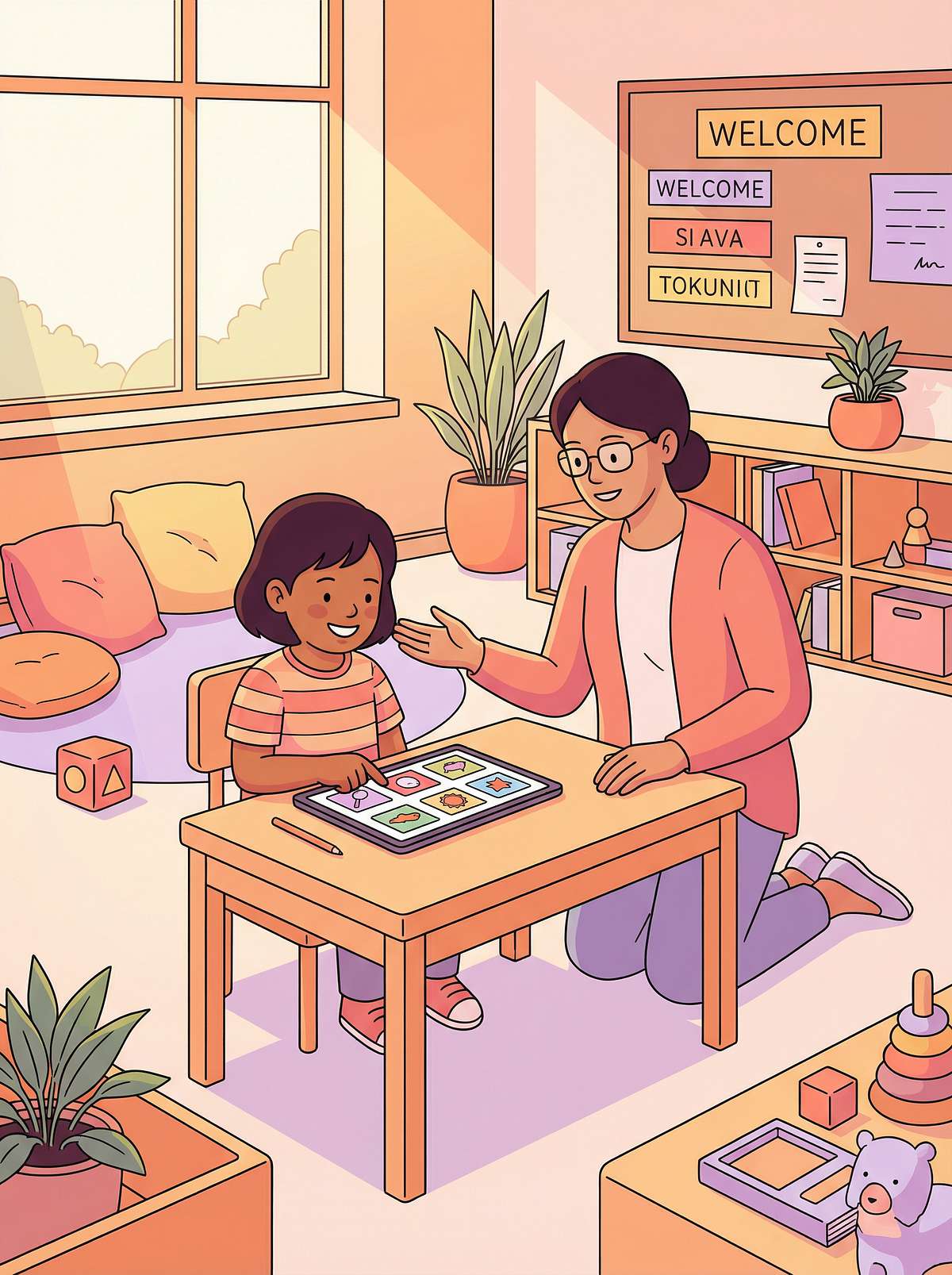
School Doesn't Have to Be a Battlefield. With the Right Preparation, It Becomes a Launchpad.
Your child's academic journey begins at home — with the right readiness skills, accommodations, and school partnership. The drop-off meltdown every single morning. The teacher's daily complaints about not sitting still, not following instructions, not participating. The homework battles that consume every evening. The social isolation at recess while classmates form groups your child can't enter. School is where your child's differences become most visible — and where the right interventions can be most transformative.
You are about to access 80+ clinically validated school and academic intervention techniques — each designed for home implementation, evidence-graded, and developed by the world's largest pediatric therapy consortium.
🏥 Pinnacle Blooms Network® — India's #1 Autism & Child Development Therapy Chain
🌍 70+ Centers | 21 Million+ Therapy Sessions | 97%+ Measured Improvement | Families from 70+ Countries
🌍 70+ Centers | 21 Million+ Therapy Sessions | 97%+ Measured Improvement | Families from 70+ Countries
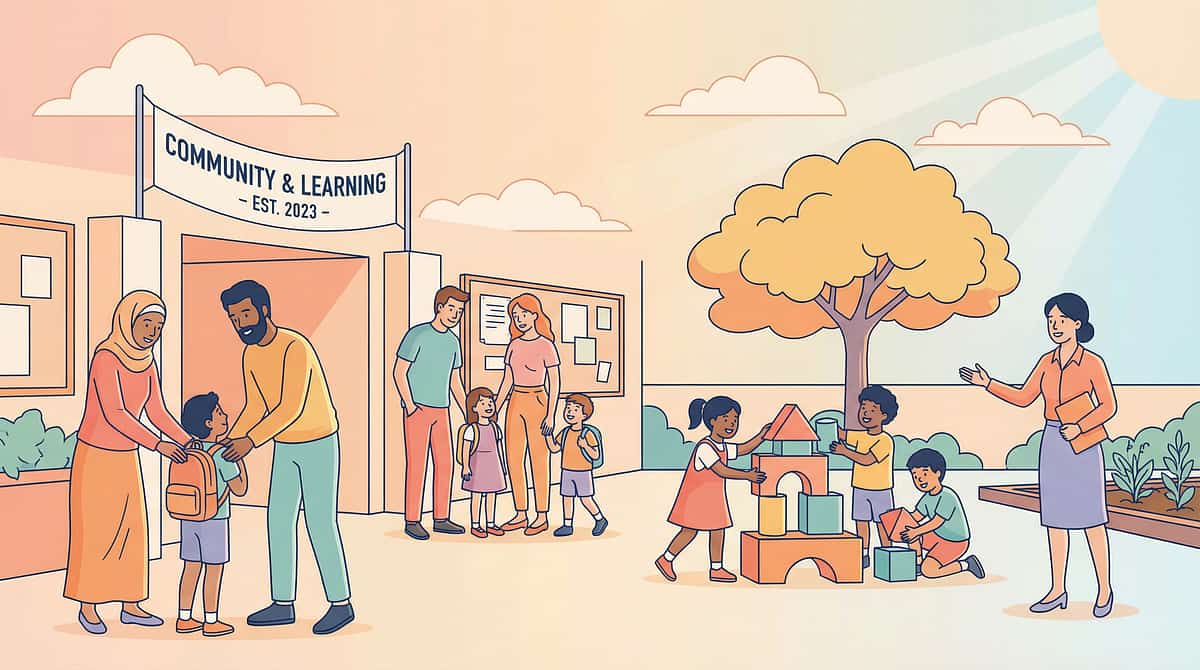
You Are Not Alone — The Numbers Speak
Millions of families around the world share your daily challenges. The statistics below reflect the scale of the school participation gap — and why structured, home-based intervention is so urgently needed. When you understand how widespread these challenges are, you realize: this is not a reflection of your parenting or your child's potential. It is a systemic gap that evidence-based intervention can bridge.
60%+
Need School Accommodations
of children with autism require significant accommodations for school participation. Source: UNESCO, 2022
40%+
School Refusal or Anxiety
of parents report school refusal or severe school-related anxiety in their child with ASD. Source: JADD, 2023
75%+
Teachers Feel Unprepared
of teachers report feeling unprepared to support students with autism in mainstream classrooms. Source: Inclusive Education Survey, India, 2022
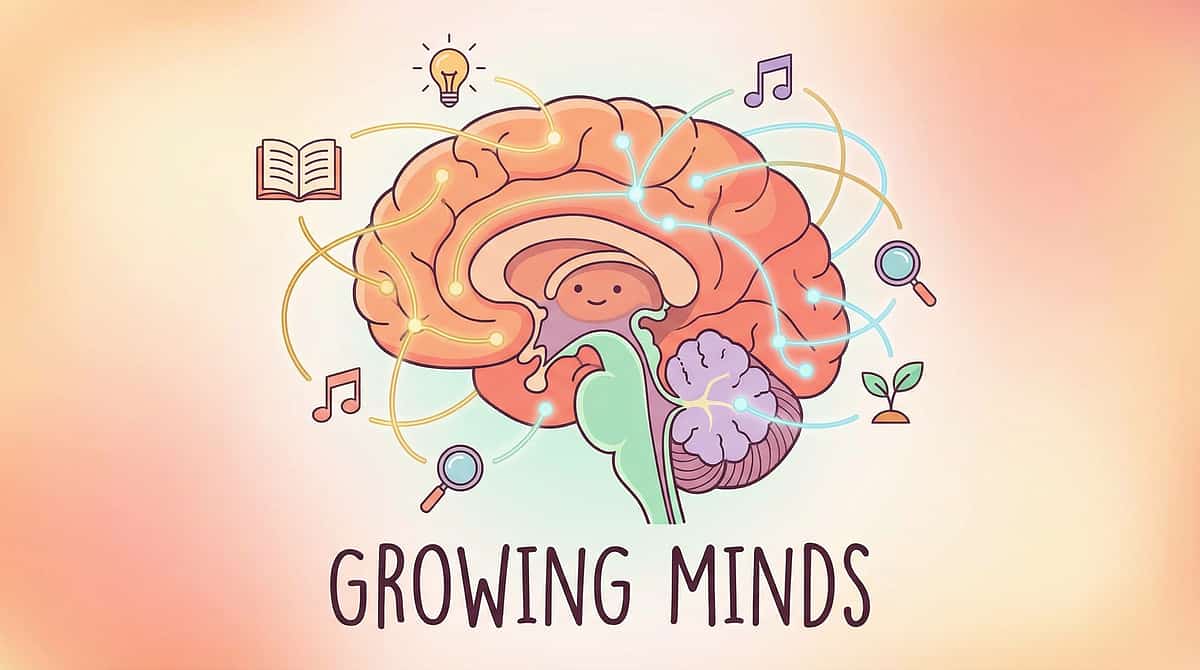
The Learning Brain — Decoded for Parents
Understanding what's happening inside your child's brain transforms frustration into compassion — and confusion into strategy. Academic skills don't start with ABCs. They start with the ability to sit, attend, regulate, and process information in a complex sensory environment. Here is what neuroscience tells us about four key brain systems that govern your child's school experience.
Executive Function (Prefrontal Cortex)
Controls attention, working memory, task-switching, and planning — the foundational skills for classroom participation. In ASD, executive function differences affect every academic task: following multi-step instructions, staying organized, transitioning between subjects, and completing assignments.
Central Coherence
The brain's ability to integrate details into a meaningful whole. Many children with autism process parts with exceptional detail but struggle to see the "big picture" — affecting reading comprehension, math word problems, and understanding context in social situations.
Working Memory
The mental workspace for holding and manipulating information. Limited working memory capacity affects following verbal instructions, mental math, writing paragraphs, and classroom participation. Visual supports are among the most powerful tools for compensating.
Sensory-Academic Intersection
Classroom environments are sensory-intensive — fluorescent lights, background noise, crowded spaces, multiple simultaneous demands. Sensory overload directly degrades academic performance, making sensory regulation a prerequisite for learning.
Evidence: Executive function in ASD meta-analysis | Central coherence theory (Frith, Happé) | Sensory processing in educational settings (AOTA, 2020)

Clinically Validated. Globally Recognized. Home-Applicable.
Every technique in Domain H is grounded in peer-reviewed research and validated by our multi-disciplinary consortium. Evidence-based practice means your family benefits from decades of global research — translated into practical, home-executable protocols that fit your daily routine.
Level I Evidence
Visual supports, structured teaching (TEACCH), prompting procedures, task analysis, and self-management are classified as evidence-based for academic skill development (NCAEP 2020). Peer-mediated and cooperative learning approaches support inclusion effectively.
School Readiness Research
Structured preparation programs combining social skills, routine training, and sensory accommodations significantly improve school transition outcomes for children with ASD. Early structured intervention is the single greatest predictor of school success.
RPwD Act 2016 (India)
Mandates inclusive education for children with disabilities, requiring schools to provide reasonable accommodations and support. Understanding your child's legal rights is the first step to effective school partnership and advocacy.
References: NCAEP 2020 | TEACCH evidence base | RPwD Act 2016 | NICE CG170 | WHO Nurturing Care Framework 2018

3 Subdomains. 80 Techniques. Evidence-Based. Home-Executable.
Domain H: School and Academic is organized into three carefully structured subdomains. Each subdomain addresses a distinct dimension of your child's school experience — from foundational readiness skills, to academic content mastery, to the critical partnership between home and school. Together, they form a complete ecosystem of support.
🎒 School Readiness
H1 | 30 Techniques
Reels H-701 to H-730
Foundational skills for classroom participation, routines, sensory regulation, and social readiness.
Reels H-701 to H-730
Foundational skills for classroom participation, routines, sensory regulation, and social readiness.
📖 Academic Skills
H2 | 30 Techniques
Reels H-731 to H-760
Literacy, numeracy, writing, comprehension, and structured learning strategies.
Reels H-731 to H-760
Literacy, numeracy, writing, comprehension, and structured learning strategies.
🤝 School Partnership
H3 | 20 Techniques
Reels H-761 to H-780
IEP advocacy, teacher collaboration, accommodation planning, and home-school communication.
Reels H-761 to H-780
IEP advocacy, teacher collaboration, accommodation planning, and home-school communication.

Subdomain H1 | Techniques H-701 to H-730
🎒 School Readiness — 30 Intervention Techniques
Every morning feels like a crisis. Your child dissolves into tears at the school gate, clings to you as the bell rings, and cannot seem to manage the transition from home to classroom no matter how many times you practice. You've tried reasoning, rewards, and reassurance — and nothing sticks. At school, teachers report that your child struggles to follow classroom routines, line up with peers, sit during circle time, or participate in group activities. At home, you wonder if school will ever feel safe for your child. This is the School Readiness gap — and it's neurological, not behavioral. The prefrontal cortex and limbic system are working overtime, and without structured preparation, the school environment is simply overwhelming.
Morning Routine Preparation
Visual schedules, social stories, and practice sequences for consistent school-morning routines.
Transition Skills Training
Home-to-school and activity-to-activity transitions with priming and countdown strategies.
Classroom Behavior Readiness
Sitting, attending, raising hands, waiting turns — core behavioral skills for classroom participation.
Sensory Regulation for Learning
Sensory diet activities, alertness regulation tools, and environmental modification strategies.
Peer Interaction Foundations
Parallel play, proximity tolerance, joint attention, and basic social entry skills.
Instruction Following
One-step, two-step, and multi-step verbal and visual instruction compliance training.
Emotional Regulation at School
Identifying feelings, using calm-down tools, and building distress tolerance for school triggers.
Independence in Self-Care
Toileting, lunch, dressing, and personal hygiene independence within school settings.
Lead Discipline: Special Education (SpEd) | Supporting: OT, SLP, BCBA, NeuroDevelopmental Pediatricians

Subdomain H2 | Techniques H-731 to H-760
📖 Academic Skills — 30 Intervention Techniques
Homework time has become the most dreaded hour in your house. Your child stares at the page but cannot seem to start. Reading aloud is labored, and comprehension evaporates moments after the sentence ends. Math worksheets trigger meltdowns, and writing even a few sentences is a monumental struggle. You watch other children in the class seemingly absorb information effortlessly, and you wonder what you're missing. What you're seeing is the impact of working memory limitations, processing differences, and the gap between intelligence and academic output that is so common in autism. Your child is capable — the standard teaching approach simply doesn't match the way their brain learns best.
Pre-Literacy & Phonological Awareness
Sound recognition, rhyming, segmenting, and blending as foundations for reading acquisition.
Sight Word & Functional Reading
Systematic sight word instruction, environmental print, and functional literacy for daily life.
Reading Comprehension Strategies
Visual mapping, question-and-answer routines, story grammar, and retelling frameworks.
Writing & Handwriting Support
Pre-writing motor skills, letter formation, dictation tools, keyboarding, and graphic organizers.
Numeracy & Math Foundations
Concrete-representational-abstract (CRA) math instruction, number sense, and quantity understanding.
Task Analysis for Academic Tasks
Breaking multi-step academic tasks into manageable sequences with visual checklists.
Self-Monitoring & Study Skills
Checklists, self-assessment tools, and structured homework routines for independent learning.
AAC & Assistive Technology for Learning
Communication supports, text-to-speech, visual schedules, and technology accommodation strategies.
Lead Discipline: Special Education (SpEd) | Supporting: SLP, OT, BCBA, CRO
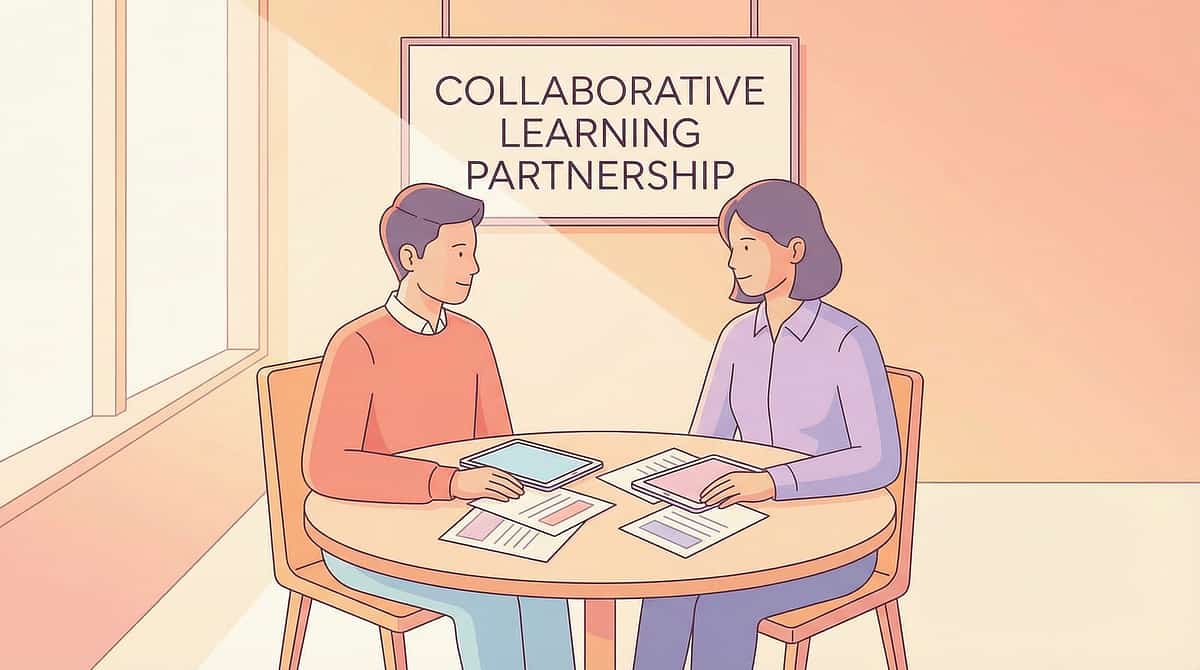
Subdomain H3 | Techniques H-761 to H-780
🤝 School Partnership — 20 Intervention Techniques
You leave every parent-teacher meeting feeling dismissed. The teacher nods politely, then nothing changes. You've tried sending notes, requesting meetings, and advocating for accommodations — but the gap between what your child needs and what the school provides feels impossibly wide. You're not sure what your child is legally entitled to, how to write an effective IEP goal, or how to get the school to implement the strategies your therapist recommends. The school-home partnership is often the single most impactful variable in a child's academic success — yet it's also the most neglected. This subdomain gives you the tools, language, and strategies to become your child's most effective school advocate.
IEP Goal Writing & Advocacy
Understanding IEP structure, writing SMART goals, and advocating for meaningful academic targets.
Reasonable Accommodations Under RPwD 2016
Knowing your child's legal rights, requesting accommodations in writing, and following escalation pathways.
Home-School Communication Systems
Daily communication notebooks, structured check-in systems, and digital communication tools.
Teacher Education & Sensitization
Sharing evidence-based resources with teachers, requesting inclusion training, and building teacher partnerships.
Classroom Modification Strategies
Seating arrangements, sensory accommodations, visual support requests, and reduced-distraction environments.
Peer Support & Inclusion Facilitation
Requesting peer buddy systems, lunch group support, and facilitated recess inclusion programs.
Crisis & De-escalation Plans at School
Building a written behavior support plan with the school team for managing meltdowns safely.
Lead Discipline: Special Education (SpEd) | Supporting: BCBA, SLP, NeuroDevelopmental Pediatricians, CRO
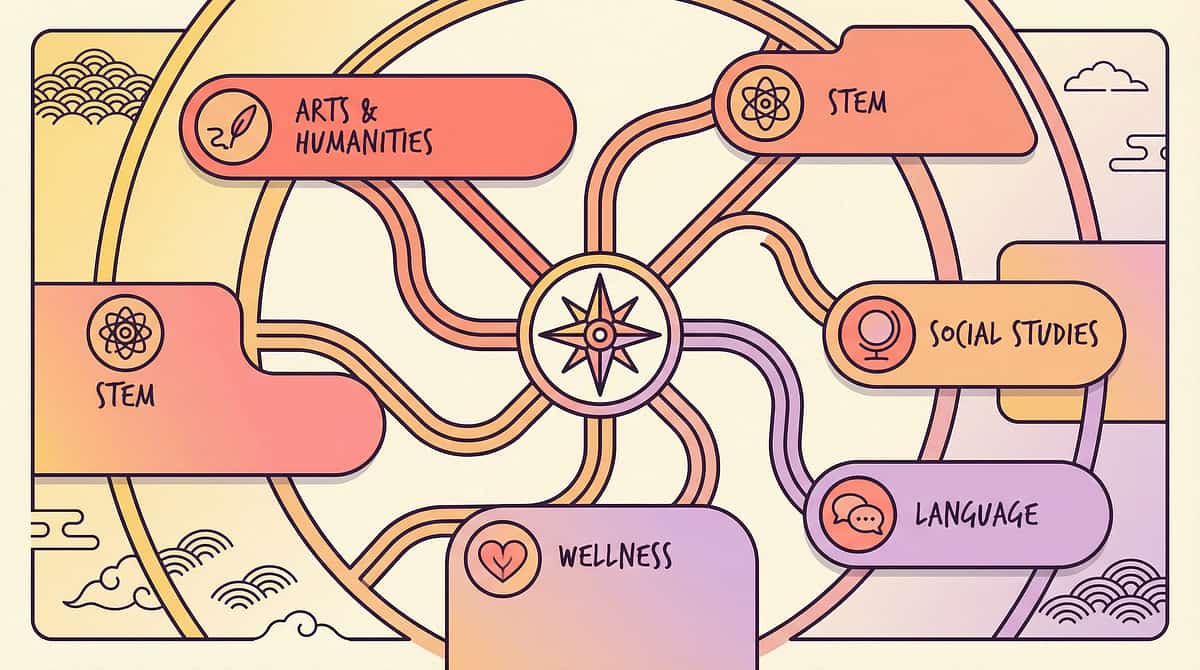
Domain H: School and Academic — Complete Subdomain Index
Use this index as your navigation map. Each subdomain is sequentially ordered from foundational to advanced — begin with the subdomain that most closely matches your child's current greatest challenge, and work through the techniques in order. All techniques are home-executable and clinically validated.
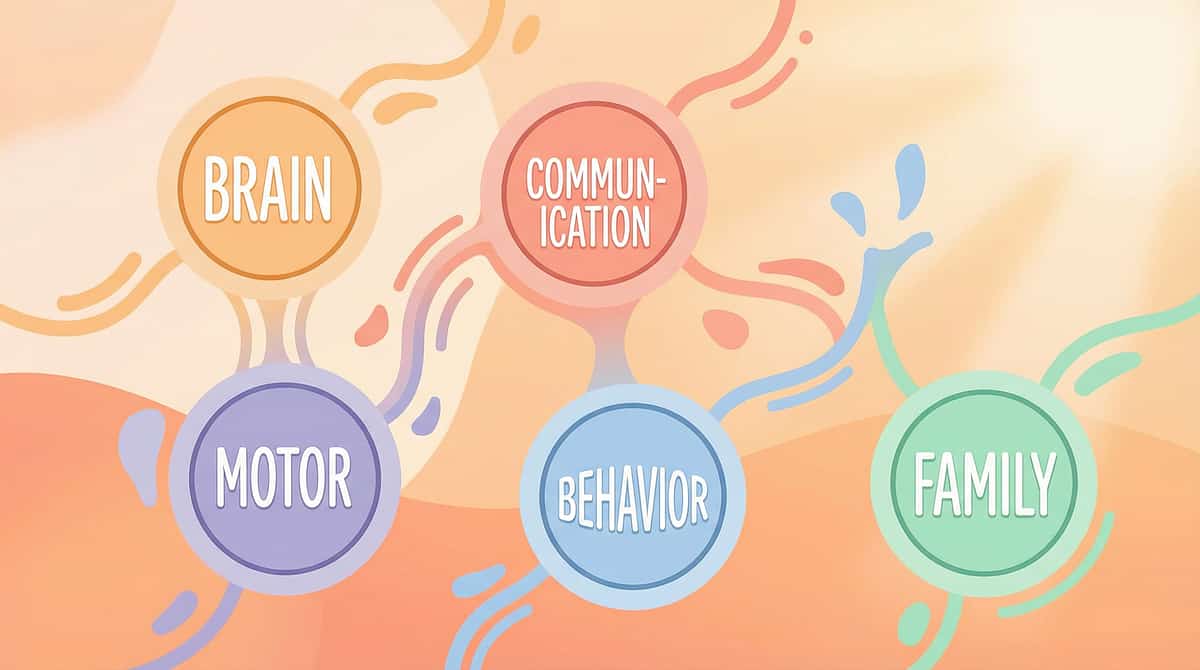
School and Academic Connects Across the Developmental Spectrum
No domain exists in isolation. Your child's school experience is directly influenced by — and directly influences — nearly every other developmental area. Understanding these connections helps you prioritize interventions holistically rather than treating each challenge as a separate problem. Here are the six most critical cross-domain connections for Domain H.
Domain A: Sensory Processing →
Sensory dysregulation is the leading cause of classroom behavioral challenges. A child who cannot tolerate fluorescent lighting, classroom noise, or the texture of school uniforms cannot attend to academic content. Sensory regulation is the prerequisite for all academic learning.
Domain B: Communication →
Academic participation demands language — understanding instructions, asking for help, reading, writing, and engaging in classroom discourse. Communication differences directly limit access to academic content and must be addressed in parallel with academic skill development.
Domain D: Behavior →
Challenging behavior in school settings is almost always functionally related to task avoidance, sensory overload, or communication breakdown. Behavioral intervention and academic intervention must be co-designed to be effective in classroom contexts.
Domain F: Motor Skills →
Handwriting, cutting, and manipulation of academic materials require fine motor precision that many children with ASD find challenging. Motor difficulties can mask academic ability and must be addressed through OT alongside academic interventions.
Domain G: Play & Cognitive Skills →
Cognitive flexibility, problem-solving, and representational thinking — foundational to academic learning — are developed through structured play. Domain G interventions directly prepare the cognitive architecture for academic skill acquisition.
Domain K: Family & Caregiver Support →
Parental stress, caregiver capacity, and family systems directly impact the consistency and quality of home-based academic support. Family wellbeing is not separate from your child's academic progress — it is foundational to it.
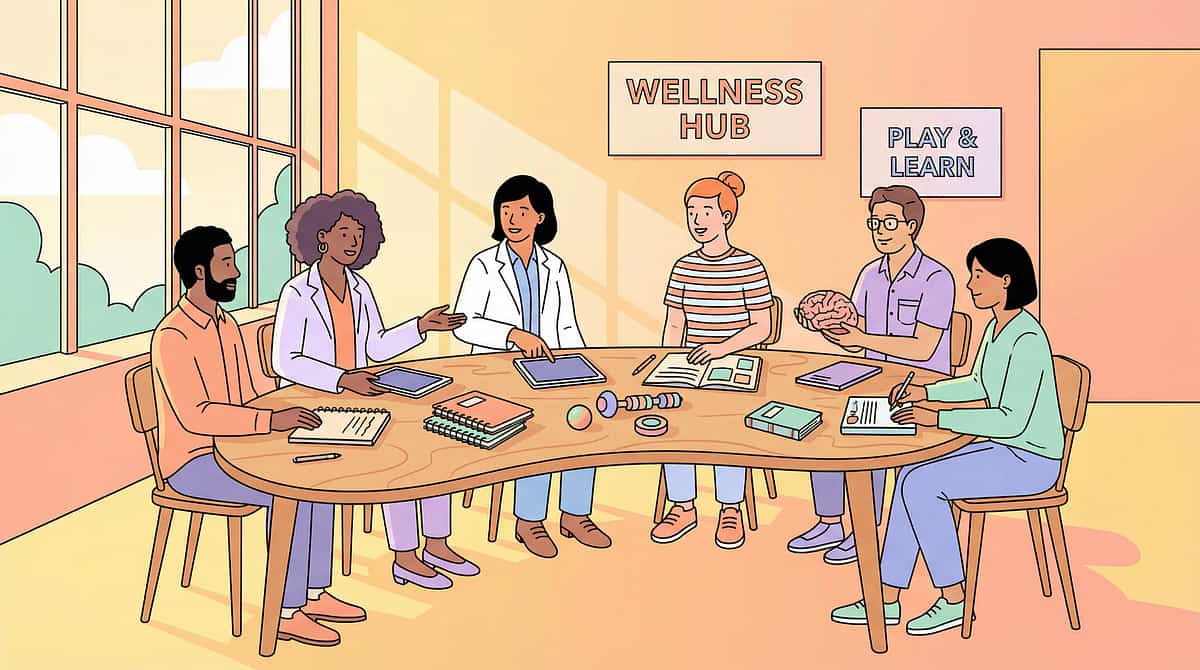
Drafted by a Multi-Disciplinary Consortium
Every technique in Domain H was developed, reviewed, and validated by a six-discipline consortium — not a single author, not a single perspective. This is what separates Pinnacle Blooms from any single therapist's approach: the combined expertise of six disciplines, unified by systematic evidence review, creates interventions that are simultaneously clinically rigorous, practically executable, and developmentally comprehensive.
Clinical Research Organization (CRO)
Evidence grading, systematic review analysis, PubMed citation mapping, and regulatory compliance across all 80 techniques.
NeuroDevelopmental Pediatricians
Neurological pathway validation, medical safety oversight, and comorbidity management to ensure every technique is medically safe.
Occupational Therapists (OT)
Sensory-motor integration, fine motor support for academic tasks, and environmental modification for classroom participation.
Speech-Language Pathologists (SLP)
Communication integration, language support for academic access, social communication, and AAC strategies for classroom use.
Board Certified Behavior Analysts (BCBA)
Functional analysis, data-driven programming, reinforcement systems, and behavioral support for academic engagement.
Special Educators (SpEd)
Academic integration, IEP goal mapping, structured teaching approaches, and inclusion strategies aligned with school curricula.
About Pinnacle Blooms Network®
India's Largest Autism & Child Development Therapy Ecosystem
Founded by Dr. Koti Reddy Saripalli — technology pioneer (India's first Java Community Process member, Asia's first Microsoft Certified Solution Developer) who pivoted to healthcare after his own son's misdiagnosis. This personal journey transformed into a mission to ensure no family ever faces the same uncertainty and lack of support. Today, Pinnacle Blooms Network® is the world's most data-rich pediatric therapy organization, combining clinical excellence with technological innovation.
🏥 Scale
70+ Therapy Centers across India | 500+ Licensed Therapists | Families from 70+ Countries
📊 Data
21 Million+ Documented Therapy Sessions (~70 data points each) | 1.47 Billion+ Clinical Data Points — world's largest pediatric therapy dataset
📈 Outcomes
97%+ Measured Improvement Rate via AbilityScore® | ₹120+ Crore Revenue (FY26) — 67% YoY growth
Mission: Empowering 900 million kids, parents & families worldwide to be self-sufficient and part of the mainstream world.
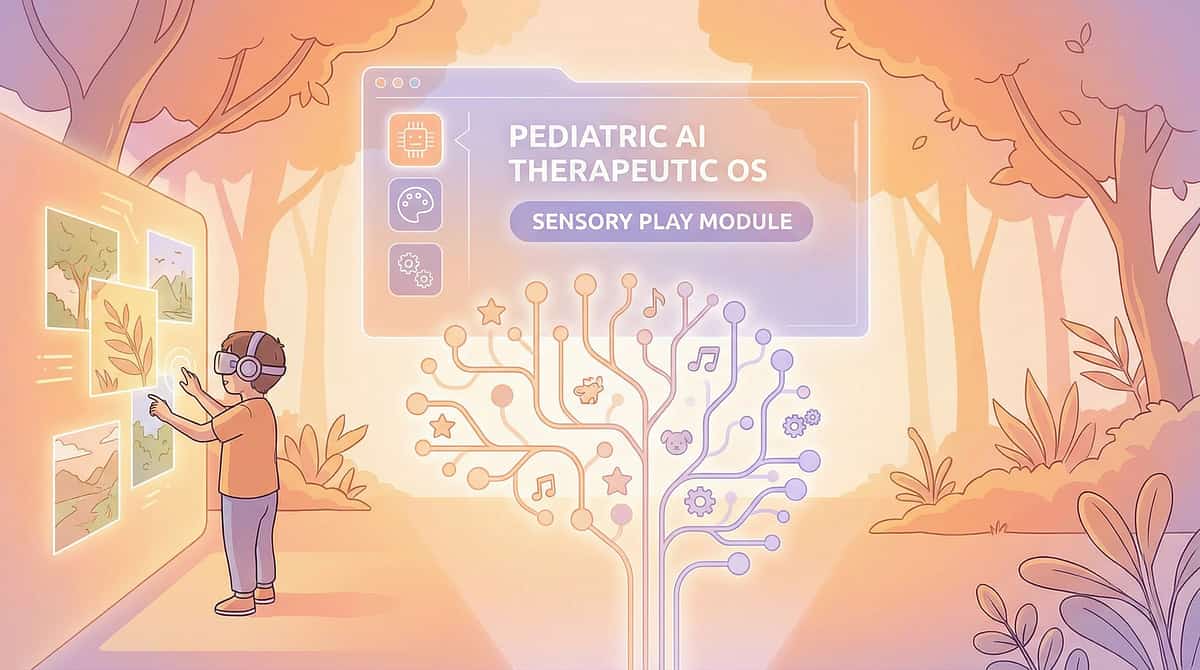
GPT-OS® — The World's First Pediatric Therapeutic Operating System
SaMD under CDSCO
13+ Patents (IPO & WIPO)
ISO 13485:2016
ISO/IEC 27001:2022
GPT-OS® is not an app. It is a four-layer operating system that turns your child's developmental journey into a living, data-driven, personalized therapeutic program — available 24 hours a day, 365 days a year. For Domain H: School and Academic, GPT-OS® maps your child's profile across all three subdomains, recommends techniques based on age and current ability, and tracks progress week by week against evidence-based timelines.
Layer 1: AbilityScore®
Universal 0-1000 developmental metric, 400+ data points, 25 gold-standard assessments. Your child's baseline, clearly measured.
Layer 2: TherapeuticAI®
21M+ sessions, 1.47B data points — personalized intervention intelligence that learns and adapts as your child progresses.
Layer 3: Personal Development Kernel (PDK)
A living developmental profile for your child — updated with every session, tracking every milestone.
Layer 4: Everyday Therapy Program (ETP)
9 goals + 9 techniques per session, personalized daily. School and academic interventions woven into family life.
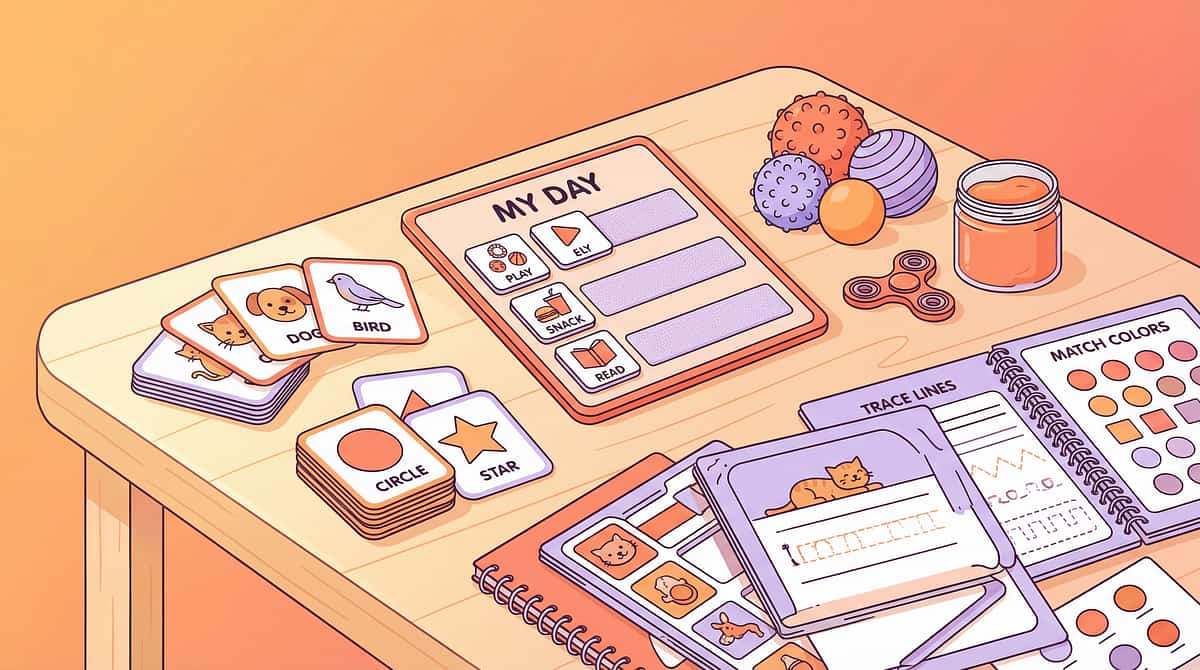
Core Therapy Materials for School and Academic Interventions
Every technique in Domain H is paired with carefully selected Canon Materials — clinically validated, readily available, and linked directly from each technique page. Below is a curated selection of the most impactful materials across all three School and Academic subdomains. Each material includes its primary therapeutic application and is available through the Pinnacle Materials Catalogue.
Material | Primary Use | Link | |
Visual Daily Schedule Board | Morning routine preparation, transition support, classroom readiness | ||
Social Story Cards — School Pack | School readiness, social skill building, routine preview and priming | View → | |
Fidget & Sensory Regulation Kit | Classroom sensory regulation, alertness management, focus support | ||
Phonics & Sight Word Flashcards | Pre-literacy, reading acquisition, systematic phonics instruction | ||
Counting & Number Sense Manipulatives | Concrete math learning, numeracy foundations, CRA math instruction | ||
Handwriting Practice Workbook | Letter formation, pencil grip, pre-writing motor skills | ||
Task Completion Checklist Boards | Executive function support, self-monitoring, homework routine structure | ||
First-Then Visual Board | Transition management, task motivation, behavioral compliance support | ||
IEP Advocacy Parent Workbook | School partnership, rights documentation, meeting preparation | ||
Emotion Regulation Cards — School Edition | Emotional self-awareness, de-escalation, feelings identification at school |

⚠️Safety First: The following warning signs require immediate professional consultation. Pause home intervention and contact your therapy team or the Pinnacle Helpline at 9100 181 181 before continuing.
⚠️ Safety First — School and Academic Intervention Red Flags
Home-based school and academic interventions are safe, effective, and evidence-supported for the vast majority of children. However, certain presentations require immediate professional assessment before intervention continues. If you observe any of the following, pause your current technique and escalate to your therapy team.
🔴 Complete School Refusal with Self-Harm
If school refusal is accompanied by self-injurious behavior (head-banging, biting, scratching), professional behavioral assessment is required before any school readiness intervention.
🔴 Severe Anxiety with Physical Symptoms
Vomiting, uncontrollable crying, dissociation, or panic attacks related to school may indicate a co-occurring anxiety disorder requiring medical and psychological management before academic intervention.
🔴 Regression in Previously Acquired Skills
Sudden loss of reading, writing, or self-care skills previously mastered — especially if accompanied by behavioral change — warrants immediate neurological and developmental review.
🔴 Bullying or Abuse at School
If your child discloses or shows signs of being bullied or abused at school, prioritize safety and wellbeing. Consult with a professional before resuming school readiness or inclusion-focused interventions.
🔴 Severe Sensory Crisis in Classroom
If sensory overload is so extreme that your child requires physical restraint or is at risk of elopement, a formal sensory assessment and environmental modification plan must precede academic intervention.
Escalation Pathway:
1. Self-resolve: Pause intervention → ensure safety → provide regulation tools
2. Teleconsult: Pinnacle National Helpline — 9100 181 181 (16+ languages, 24/7)
3. In-person:Find nearest center
1. Self-resolve: Pause intervention → ensure safety → provide regulation tools
2. Teleconsult: Pinnacle National Helpline — 9100 181 181 (16+ languages, 24/7)
3. In-person:Find nearest center
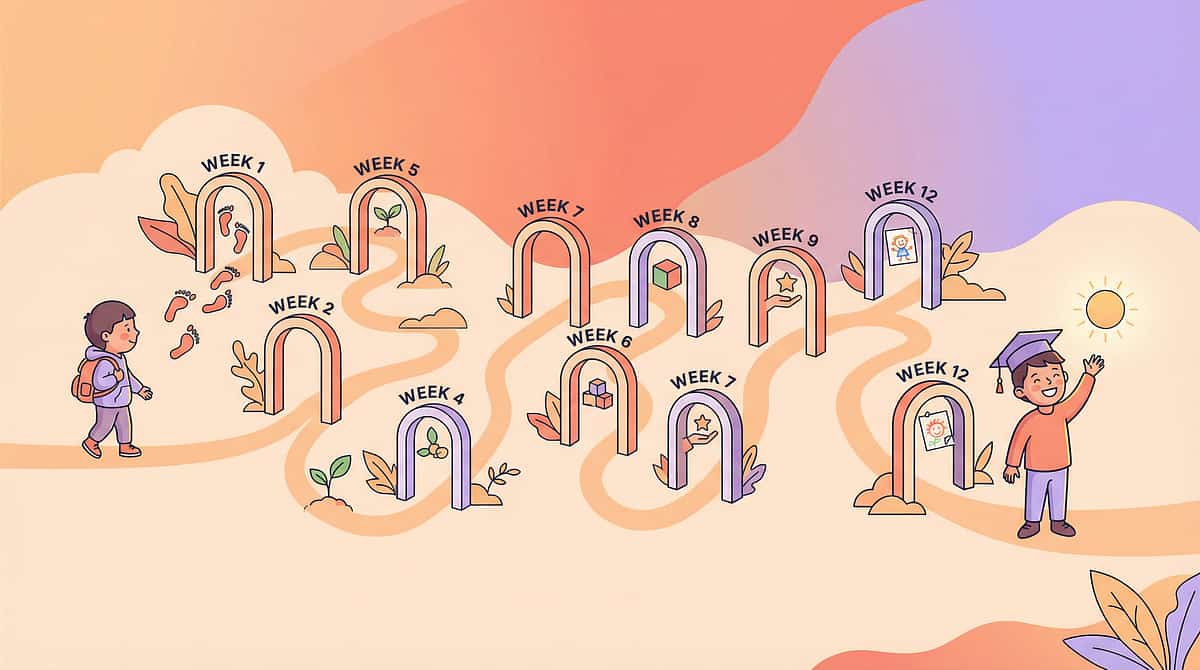
Your School and Academic Intervention Journey — The 12-Week Arc
Progress in school and academic intervention follows a predictable, evidence-documented arc. Understanding this timeline prevents the most common mistake parents make: stopping too soon because early weeks feel slow. The first two weeks are about neurological preparation — the visible breakthroughs come later, and they come reliably when the foundation is properly laid. Here is what to expect, week by week.
Most families see their first meaningful, visible school-related improvement between weeks 3 and 5 — typically a smoother morning routine, a calmer drop-off, or a teacher noting improved participation. By week 12, skills practiced at home are beginning to generalize to the school environment with consistency. Trust the process: the arc is real, and it is documented across 21 million therapy sessions.
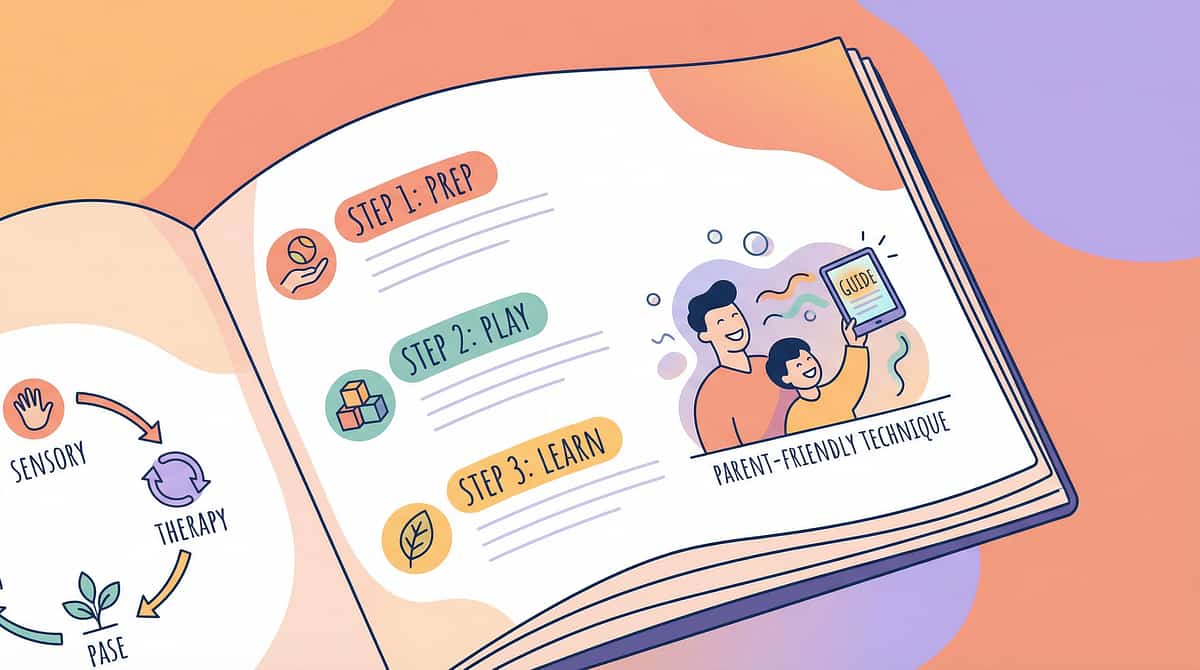
What Every Technique Page Delivers
Each of the 80 techniques in Domain H follows the same rigorous, parent-centered narrative architecture — ensuring that every page delivers not just instructions, but understanding, context, and confidence. This is not a generic tip sheet. Every page is a complete therapeutic resource, drafted by six disciplines and reviewed against the global evidence base.
Recognition Moment
Your specific daily struggle, decoded in parent language. You will see your child's experience described exactly as you live it — because you deserve to feel understood before you receive guidance.
Neuroscience
What's happening in the brain — explained clearly, without jargon. Understanding the WHY transforms your approach from frustration to strategic, compassionate support.
Evidence Grade
Level I–IV evidence classification with PubMed citations. Every technique is transparently graded so you know exactly how strong the research base is before you begin.
Step-by-Step Protocol
10–15 minute daily sessions with clear, numbered instructions. Materials list with purchase links, progress indicators, troubleshooting guide, safety notes, and progression pathway included on every page.
Every page: PubMed-referenced · WHO/UNICEF-aligned · Consortium-drafted · GPT-OS®-integrated
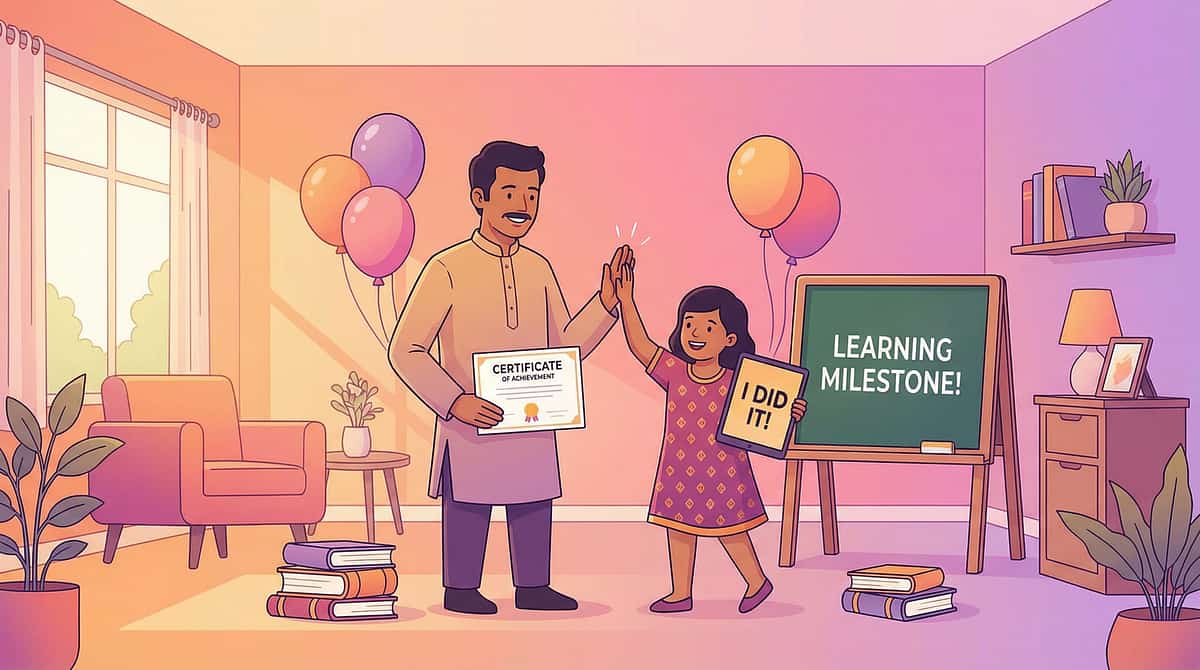
Real Families, Real Outcomes
Behind every statistic is a family who chose to take action. These stories represent the real-world impact of evidence-based, home-executed school and academic interventions — sustained over weeks, guided by the 40-card protocol, and supported by the Pinnacle Blooms consortium.
Morning Drop-Off Transformed
"For two years, Arjun screamed every single morning at the school gate. We were asked by the school to 'manage him better.' After six weeks of working through the School Readiness techniques — especially the visual schedule and transition priming — he walked into class holding his teacher's hand. His teacher called me that afternoon just to tell me. I cried the entire day."
— Parent, Pinnacle Blooms Network®, Hyderabad
— Parent, Pinnacle Blooms Network®, Hyderabad
Reading Breakthrough at Age 9
"We were told Priya would never read. She is nine. After twelve weeks of the phonics and sight word protocol — fifteen minutes every evening before dinner — she read her first full sentence to her grandmother over video call. My mother-in-law cried. Priya was so proud of herself. These techniques gave us something no amount of in-clinic therapy alone had given us: daily progress we could see and measure."
— Parent, Pinnacle Blooms Network®, Bangalore
— Parent, Pinnacle Blooms Network®, Bangalore
IEP Advocacy Success
"I attended four IEP meetings and walked out feeling like I'd understood nothing and agreed to things that weren't right for my son. After using the School Partnership module, I learned what to ask for, how to document it, and what our rights are under RPwD. At the next meeting, I came prepared. The school agreed to a designated calm corner, a modified assignment format, and a daily communication notebook. Dev's grades improved — but more importantly, he stopped dreading school."
— Parent, Pinnacle Blooms Network®, Chennai
— Parent, Pinnacle Blooms Network®, Chennai

Domain H Research Index — School and Academic Evidence Base
All techniques in Domain H are grounded in peer-reviewed, systematically reviewed evidence. The citations below represent the primary evidence sources reviewed and rated by the Pinnacle Blooms CRO in the development of this domain. Parents and professionals can use these citations to access the original research or support advocacy with school teams.
NCAEP 2020 — National Clearinghouse on Autism Evidence and Practice
Comprehensive systematic review of 28 evidence-based practices for individuals with ASD, including visual supports, task analysis, structured teaching, self-management, and peer-mediated instruction. Primary reference for all Level I designations in Domain H.
WHO Nurturing Care Framework (2018)
Global framework for early childhood development emphasizing responsive caregiving, opportunities for learning, and safe environments. Foundational alignment document for all Pinnacle Blooms interventions. WHO/UNICEF, 2018.
Hume et al. (2021) — EBPs for Children with ASD: Meta-Analysis (PMC)
Systematic review identifying 28 evidence-based practices across academic, behavioral, and social domains for children and youth with ASD, with specific application to inclusive educational settings.
Mesibov & Shea (2010) — TEACCH and ASD (PMC8192598)
Foundational meta-analytic review of the TEACCH Structured Teaching approach demonstrating significant positive outcomes in academic engagement, independence, and task completion for students with ASD.
WHO CCD Package — Caring for Children with Developmental Delays (PMC9978394)
WHO's caregiver-mediated intervention package demonstrating significant improvements in developmental outcomes when structured home programs are implemented by trained parents.
NICE Clinical Guideline CG170 (2013, Updated 2021)
UK NICE guidelines on autism in children and young people, including specific recommendations for educational interventions, school accommodations, and parent-mediated programs.
Kaur & Bhatti (2020) — Inclusive Education for Children with ASD in India
Indian research documenting the gap between RPwD Act mandates and classroom reality, with evidence-based recommendations for structured home-school partnership programs. Indian Journal of Special Education, 2020.
ASHA Practice Portal — Autism Spectrum Disorder in Schools
American Speech-Language-Hearing Association clinical practice guidelines for SLPs supporting students with ASD in educational settings, including AAC and language-based academic support.
Frith (1989) / Happé (1994) — Central Coherence Theory
Foundational theoretical framework explaining the detail-focused, context-reduced processing style common in ASD, with direct implications for reading comprehension and academic task design.
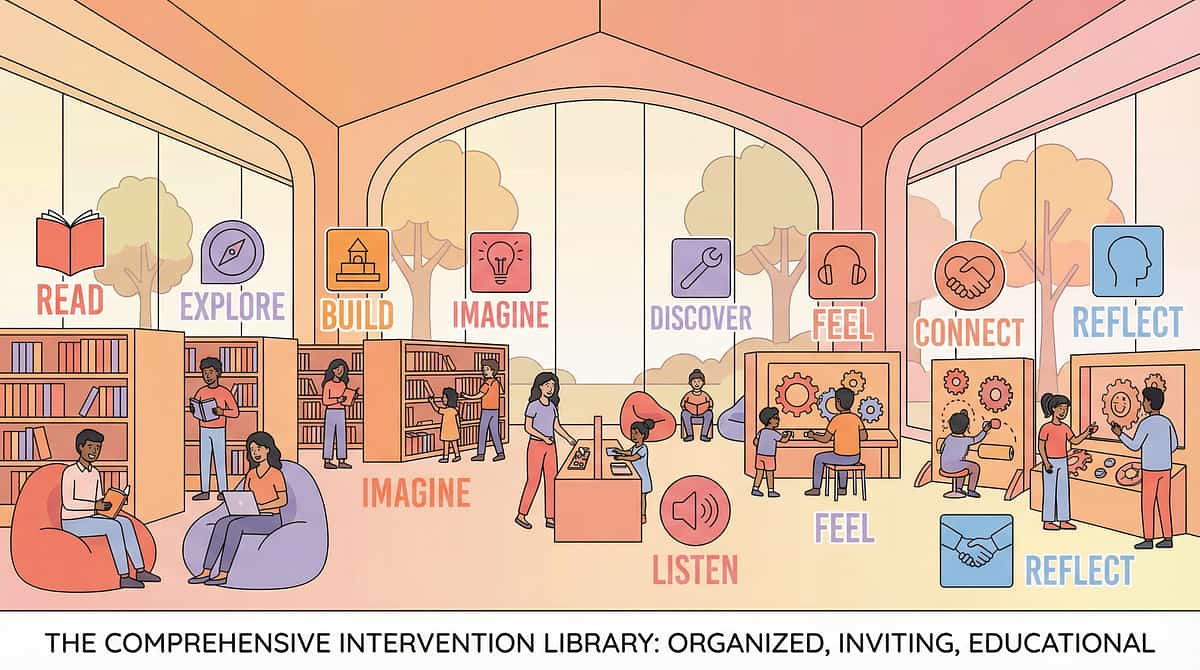
Explore All 12 Intervention Domains
Domain H: School and Academic is one of twelve interconnected developmental domains in the Pinnacle Blooms intervention library. Each domain contains 20-80 evidence-based techniques, organized in clinically sequenced subdomains. Explore the full library below — your child's development does not happen in a single domain.
Domain | Icon | Name | Link | |
A | 🎯 | Sensory Processing | ||
B | 🗣️ | Communication | ||
C | 💛 | Social-Emotional Development | ||
D | 🧩 | Behavior | ||
E | 🏠 | Daily Living Skills | ||
F | 🏃 | Motor Skills | ||
G | 🎮 | Play & Cognitive Skills | ||
H | 📚 | School & Academic | ||
I | 🔄 | Transitions & Life Events | ||
J | 🌍 | Community & Outings | ||
K | 👨👩👧 | Family & Caregiver Support | ||
L | 🏥 | Therapy Implementation |
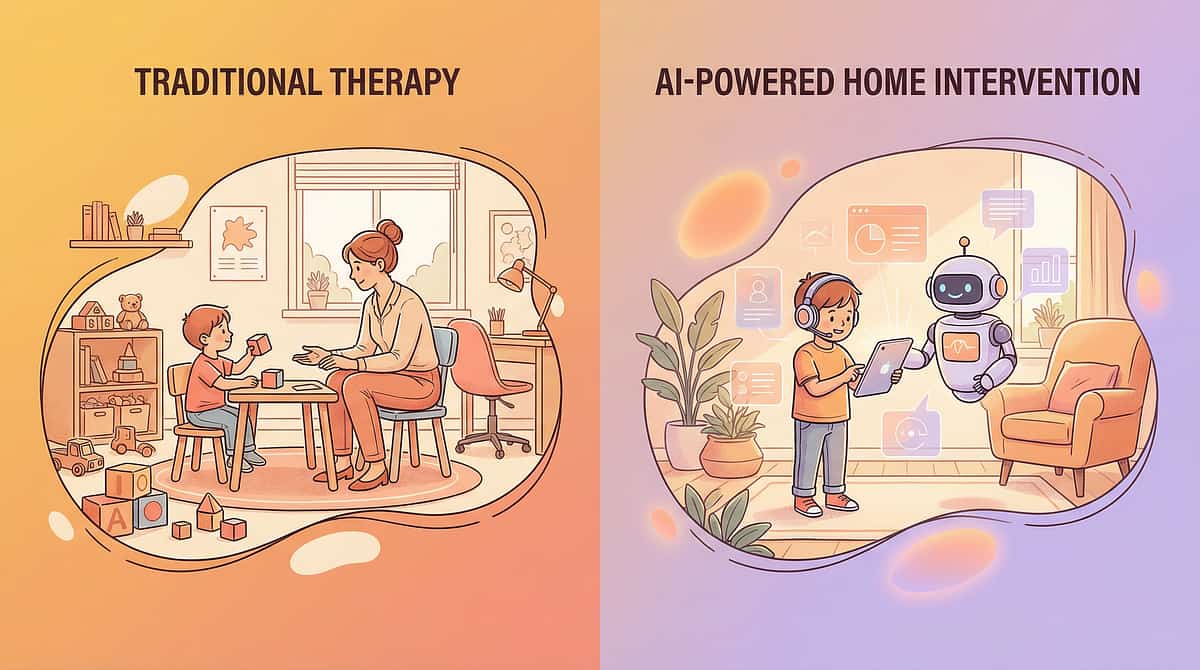
Why Pinnacle GPT-OS® for School and Academic?
The difference between a good outcome and a transformative one is not the willingness of your family — it is the quality, consistency, and intelligence of the system behind the intervention. GPT-OS® changes every dimension of what school and academic intervention looks like for your child, replacing guesswork with data, and isolated sessions with a continuous, adaptive program.
Dimension | Typical Approach | Pinnacle GPT-OS® | |
Evidence | Single therapist's training | Consortium: CRO + OT + SLP + BCBA + SpEd + NeuroDev | |
Personalization | Generic approach for all children | AI-mapped profile across all 3 subdomains | |
Continuity | 1–2 hours/week in clinic | 24/7 home protocols + clinic sessions | |
Materials | Whatever is available locally | Canon Materials with purchase links & evidence protocols | |
Progress | Subjective therapist notes | Data-driven milestones via AbilityScore® (0–1000) | |
Intelligence | Individual therapist experience | 1.47 billion data points via TherapeuticAI® | |
Improvement | Variable, unreported outcomes | 97%+ measured improvement across all domains |
For Therapists, Educators & Pediatricians
Domain H is designed as a dual-use resource — equally valuable for parents implementing at home and for professionals integrating into clinical practice. Each technique page functions as a parent handout AND a clinical reference, with PubMed citations, evidence grading, and structured protocol documentation suitable for IEP/IFSP goal mapping and session planning.
Clinical Integration
- Map Domain H techniques directly to IEP and IFSP goals
- Use Research Index for professional documentation and advocacy
- Assign specific technique pages as parent homework between sessions
- Reference Canon Materials for standardized material recommendations
- Track progress using AbilityScore® milestone framework
Professional Development & Training
Pinnacle Blooms offers specialized training pathways for educators, therapists, and pediatricians who want to deepen their expertise in school-based autism intervention:
- Teacher Training — School-based autism inclusion programs
- Certified Courses — For therapists and special educators
- Parent Training — Caregiver-mediated intervention certification
- School Training — Whole-school inclusion frameworks
- Careers — Join the Pinnacle Blooms therapy team
School and Academic — Frequently Asked Questions
These are the questions families ask most often when they first arrive at Domain H. Each answer is grounded in the evidence base and designed to give you the confidence to start — or continue — with your child's school and academic intervention program.
Can I really implement these techniques at home without a therapist present?
Yes. Every technique in Domain H is specifically designed for home implementation by a trained caregiver. The 40-card narrative architecture provides step-by-step guidance, troubleshooting, and safety guidance. Research consistently shows that parent-mediated intervention — implemented daily at home — produces equal or superior outcomes to clinic-only therapy for many academic skill areas. You are your child's most consistent therapist.
How long before I see results?
Most families observe first meaningful changes between weeks 3 and 5, with functional skill generalization beginning around weeks 8–12. The 12-week arc is evidence-documented across 21 million sessions. Consistency matters more than duration — 15 minutes daily outperforms 2 hours weekly. Trust the arc and track progress weekly.
What age range is Domain H appropriate for?
Domain H techniques span ages 3 to 18 years. School Readiness (H1) is most relevant from ages 3–7. Academic Skills (H2) is appropriate from ages 5–15. School Partnership (H3) applies from school entry through secondary education. Every technique page specifies its target age range and prerequisite skills clearly.
Where should I start — which subdomain first?
Start where the pain is greatest. If your child cannot enter the classroom, begin with School Readiness (H1). If your child is in class but not accessing academic content, go to Academic Skills (H2). If the school relationship is your biggest barrier, start with School Partnership (H3). The Quick Start card (below) gives you a structured three-step entry pathway.
Do I need to purchase special materials?
Most techniques can begin with household materials and free downloadable resources. Canon Materials are recommended for optimal outcomes and are available through the Pinnacle Materials Catalogue at a range of price points. Each technique page identifies which materials are essential versus optional, so you can prioritize your investment wisely.
When does home intervention need to be supplemented with professional support?
Always consult a professional if you observe any of the safety red flags listed in Card 15, if your child shows no progress after 8 consistent weeks, or if your child's school challenges are significantly affecting their mental health or family wellbeing. Call the Pinnacle Helpline at 9100 181 181 (24/7, 16 languages) for a same-day teleconsult assessment.
Internationally Aligned. Nationally Regulated. Globally Trusted.
Pinnacle Blooms Network® operates at the intersection of clinical excellence, regulatory compliance, and global alignment. Every technique in Domain H has been developed within — and validated against — the highest international and national standards for pediatric therapy and digital health. These alignments are not badges we display — they are operational commitments that govern how every intervention is designed, validated, and delivered.
Global Health Frameworks
✅ WHO Nurturing Care Framework (2018)
✅ WHO CCD Package
✅ UNICEF MICS
✅ NCAEP 2020
✅ NICE CG170
✅ SIGN Guidelines
✅ WHO CCD Package
✅ UNICEF MICS
✅ NCAEP 2020
✅ NICE CG170
✅ SIGN Guidelines
National Regulatory Compliance
✅ CDSCO SaMD Classification
✅ Indian Academy of Pediatrics (IAP)
✅ Rehabilitation Council of India (RCI)
✅ Rights of Persons with Disabilities Act 2016 (RPwD)
✅ Indian Academy of Pediatrics (IAP)
✅ Rehabilitation Council of India (RCI)
✅ Rights of Persons with Disabilities Act 2016 (RPwD)
Technical Standards & IP
✅ ISO 13485:2016 (Medical Devices QMS)
✅ ISO/IEC 27001:2022 (Data Security)
✅ 13+ Patents — IPO & WIPO
✅ CIN: U85110TG2019PTC132498
✅ ISO/IEC 27001:2022 (Data Security)
✅ 13+ Patents — IPO & WIPO
✅ CIN: U85110TG2019PTC132498
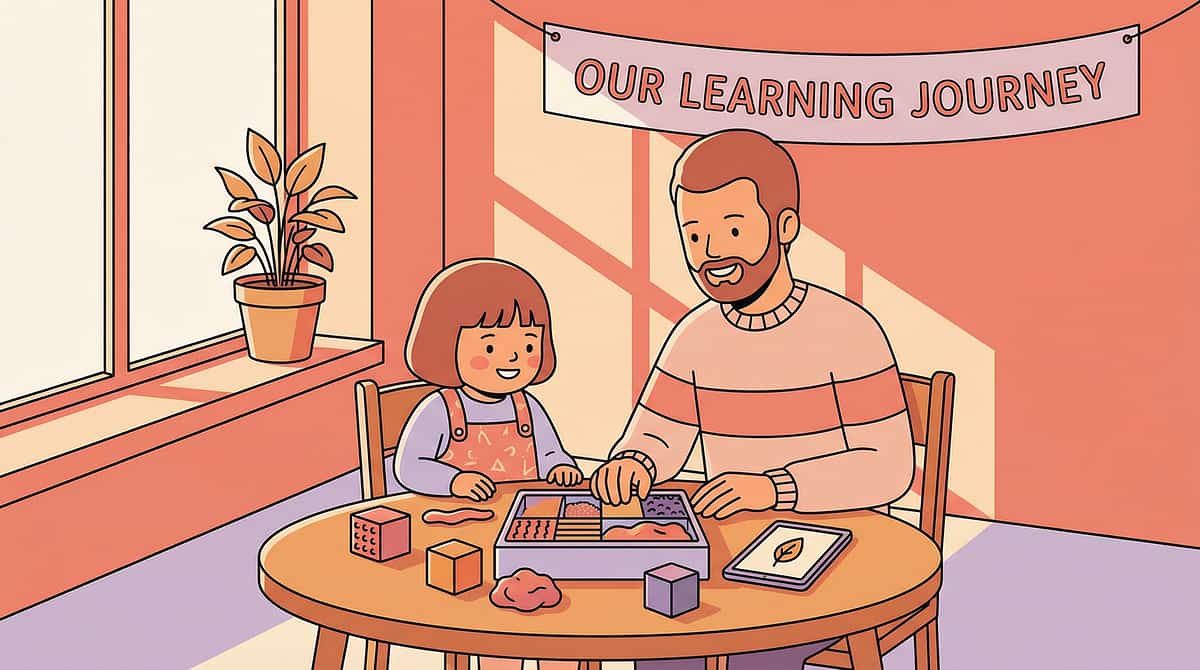
Start Your Child's School and Academic Journey — Now
The best intervention is the one that begins today. You don't need to have everything perfect before you start — you need the first step. Below is your three-step quick start pathway, designed to take you from reading this page to implementing your first technique in under 30 minutes.
Every journey through Domain H begins with a single, well-chosen technique practiced consistently. 15 minutes every day, 7 days a week, will produce more progress than any amount of sporadic intensive effort. Start small. Start today. Trust the evidence.

Join 2 Million+ Families on the Journey
You are not walking this road alone. Over two million families across India and 70+ countries are implementing Pinnacle Blooms techniques, sharing their progress, and supporting each other through the challenges and milestones of raising a child with autism or developmental differences. The Pinnacle Blooms community is where knowledge becomes courage — and where your child's story becomes part of something much larger.
pinnacleblooms.org
Full resource library, therapy center finder, assessment booking, and the complete Domain H technique catalogue.
Latest News
Research updates, policy changes, new technique releases, and Pinnacle Blooms announcements. Read News →
Parent Resources
Downloadable guides, workshop recordings, caregiver training materials, and family support tools. Access Resources →
National Helpline
24/7 teleconsult support in 16+ languages. Our clinical team is available every hour of every day. 9100 181 181
From Exclusion to Inclusion. One School Day at a Time.
Every technique in Domain H was built on a single, uncompromising belief: that every child — regardless of how their brain is wired — deserves a school experience that is safe, engaging, and filled with the dignity of genuine learning. The work of inclusion is not finished. But with the right preparation, the right partnership, and the right evidence, the launchpad is yours to build.
Pinnacle Blooms Network®
Built by Mothers. Engineered as a System. Governed by Science.
70+ Centers | 21M+ Sessions | 97%+ Measured Improvement
70+ Centers | 21M+ Sessions | 97%+ Measured Improvement
The Consortium
CRO · SLP · OT · BCBA · SpEd · NeuroDev Pediatricians
Six disciplines. One mission. Your child's potential — realized.
Six disciplines. One mission. Your child's potential — realized.
Powered by GPT-OS®
AbilityScore® · TherapeuticAI® · Everyday Therapy Program
The world's first pediatric therapeutic operating system.
The world's first pediatric therapeutic operating system.
Legal, Regulatory & Navigation
Medical Disclaimer: This content is educational in nature. It does not replace evaluation, diagnosis, or treatment by a licensed healthcare professional. Always consult your child's qualified therapy team before beginning new interventions. If you observe any safety red flags, contact your healthcare provider immediately or call 9100 181 181.
Institutional Details
Bharath Healthcare Laboratories Pvt Ltd
CIN: U85110TG2019PTC132498
© 2026 Pinnacle Blooms Network®
GPT-OS®, AbilityScore®, TherapeuticAI®, Pinnacle Blooms® are registered trademarks of BHCL.
13+ Patents | ISO 13485:2016 | ISO/IEC 27001:2022 | CDSCO SaMD
CIN: U85110TG2019PTC132498
© 2026 Pinnacle Blooms Network®
GPT-OS®, AbilityScore®, TherapeuticAI®, Pinnacle Blooms® are registered trademarks of BHCL.
13+ Patents | ISO 13485:2016 | ISO/IEC 27001:2022 | CDSCO SaMD
Quick Navigation
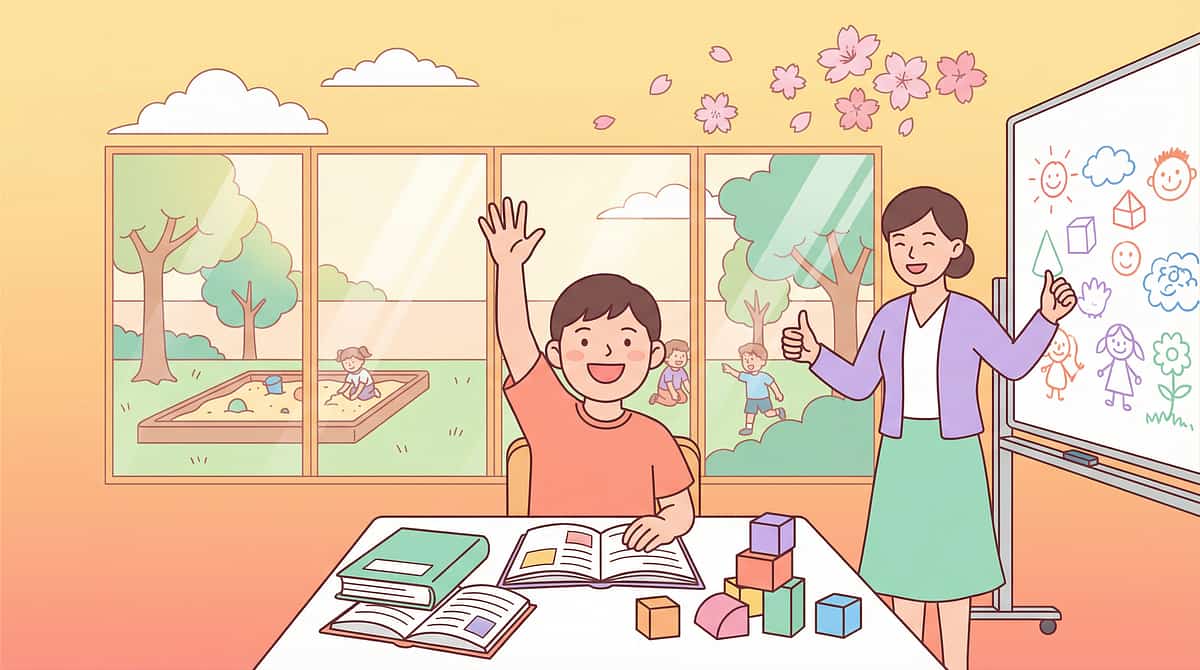
Your Child Can Thrive at School
The challenges your child faces in the classroom are real — but so is the evidence that structured, home-based intervention changes outcomes. Across 21 million documented therapy sessions and 97%+ measured improvement rates, one truth emerges consistently: when parents are equipped with the right tools, the right knowledge, and the right support system, children with autism and developmental differences reach potential that no one expected. The school journey is long. But with Domain H as your guide, you are not walking it blind. You are walking it with the world's most comprehensive, evidence-graded, consortium-validated school intervention library at your side.
97%
Measured Improvement
Across all domains and age groups via AbilityScore®
80%
Techniques Home-Executable
Designed specifically for caregiver implementation without specialist present
70%
Need School Accommodations
The majority of children with ASD — and all can benefit from these structured supports
Preview of school and academic Therapy Material
Below is a visual preview of school and academic therapy material. The pages shown help educators, therapists, and caregivers understand the structure and content of the resource before use. Materials should be used under appropriate professional guidance.
Link copied!

Continue Exploring →
Domain H: School and Academic is part of a complete 12-domain intervention library. Every domain connects to the others — and every technique you implement in one domain strengthens your child's capacity across the entire developmental ecosystem. Continue your exploration with the domains immediately adjacent to School and Academic.
← Previous Domain
🎮Play & Cognitive Skills
Domain G — The cognitive foundations that prepare your child for academic learning.
Domain G — The cognitive foundations that prepare your child for academic learning.
→ Next Domain
🔄Transitions & Life Events
Domain I — Managing change, new environments, and major life transitions with confidence.
Domain I — Managing change, new environments, and major life transitions with confidence.