

"She can recite 'sometimes things change and that's okay.' But she cannot LIVE it when the moment comes."
The blue towel — not the green one. Breakfast at exactly 7:15. Three stories, same order, same voices. Every time. No exceptions.
You are not failing. Your child's brain is not defying you. It is protecting itself — the only way it knows how.
Domain D: Behavioral Flexibility
Ages 3–12
Home-Ready
FREE National Autism Helpline: 📞 9100 181 181
Every Morning, Millions of Families Navigate This Exact Battle
Routine rigidity is not a parenting failure. It is one of the most prevalent and well-documented features of autism spectrum disorder — classified under "restricted and repetitive patterns of behavior" in DSM-5 and ICD-11. You are navigating a neurological difference, not a behavioral choice.
80%
Routine Rigidity in ASD
of children with ASD experience significant routine rigidity
1 in 36
Children in India
diagnosed on the autism spectrum
20M+
Therapy Sessions
delivered by Pinnacle tracking this exact challenge
Across India's 70+ Pinnacle centers, routine rigidity is among the top 5 presenting challenges in children ages 3–12.
Source: PRISMA Systematic Review (2024) — PMC11506176 | CDC Autism Prevalence Data 2023 | Pinnacle Blooms Clinical Registry
📞9100 181 181 — FREE National Autism Helpline

What's Happening in Your Child's Brain
The Neuro Mechanism
Prefrontal Cortex → Striatum Circuit
The set-shifting pathway that enables "switching" from one task or expectation to another fires differently in many autistic children. When this circuit detects unexpected deviation from a learned routine, it triggers an alarm response — activating the amygdala as if the change were a genuine threat.
Parent Translation
When the routine changes, her brain registers it as danger — not inconvenience. The distress is physiologically real. She is not overreacting. Her nervous system is responding exactly as it is wired to.
Cognitive flexibility — the ability to shift sets — is an executive function. It develops through specific neural circuits that mature at different rates in different children. In autism, this development follows a different trajectory.
The wiring difference, not a behavior choice.
🧠 Evidence: Frontiers in Integrative Neuroscience (2020) | DOI: 10.3389/fnint.2020.556660 — NeuroDevelopmental Pediatrics Lead, Pinnacle Blooms Consortium
📞9100 181 181

Where This Sits in Development
Some routine preference is developmentally normal and healthy — routines reduce cognitive load. But when rigidity becomes functionally limiting and intensifies over time rather than naturally loosening, it requires systematic intervention.
Ages 1–2
Healthy routine preference begins. Predictability = safety.
Ages 2–4
⭐ Routine insistence peaks in typical development — then naturally loosens.
Ages 3–5
▼ In ASD, rigidity often intensifies rather than loosening.
Ages 5–8
● INTERVENTION WINDOW — highest neuroplasticity for flexibility training.
Ages 8–12
Progressive limitation — flexibility harder to build without systematic approach.
Age 12+
Functional independence at risk without flexibility skills.
Comorbidity awareness: Routine rigidity commonly co-occurs with anxiety disorders, ADHD (compensatory rigidity), OCD features, and sensory processing differences.
WHO Care for Child Development Package — PMC9978394 | Consortium Voice: NeuroDevelopmental Pediatrics + OT

The Evidence Behind This Technique
Level I–II Evidence ★★★★☆
📊 NCAEP 2020 Evidence Review
Visual supports (including flexible schedules and choice boards) are classified as evidence-based practices for autism, with strong evidence across multiple studies.
📊 Cognitive Flexibility Research
Graduated exposure to routine variation with coping support produces measurable increases in tolerance and adaptive behavior (cognitive-behavioral literature, multiple studies).
📊 Indian RCT (Padmanabha et al., 2019)
Home-based structured visual interventions demonstrated significant outcomes in Indian pediatric populations with ASD. DOI: 10.1007/s12098-018-2747-4
"Clinically validated. Home-applicable. Parent-proven." — Pinnacle Blooms Consortium | OT + ABA + SpEd Lead
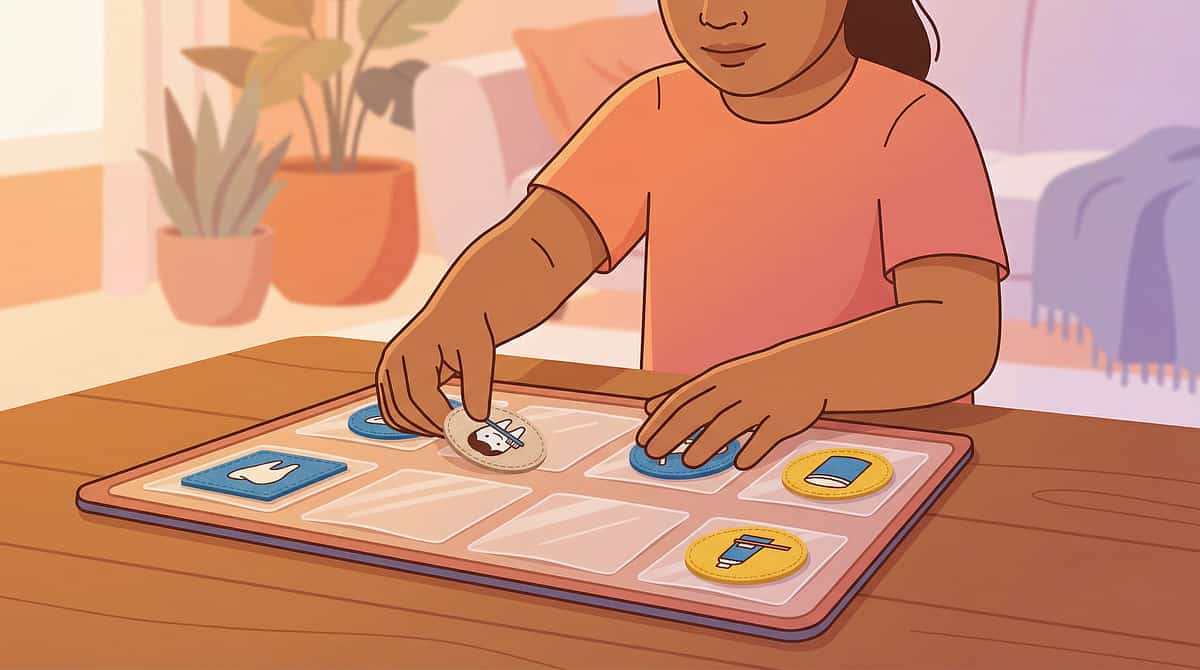
The Technique: Graduated Routine Flexibility Training
"Routines that bend without breaking"
Graduated Routine Flexibility Training is a systematic, evidence-based approach to building a child's capacity to tolerate, adapt to, and eventually initiate variation within daily living routines — while preserving the core predictability they need. Unlike approaches that eliminate routines (counterproductive) or force sudden flexibility (traumatizing), this method introduces controlled variation incrementally, using visual supports, choice-making tools, coping strategies, and positive reinforcement.
The child learns that the GOAL of a routine (getting ready, going to sleep) can be achieved through multiple valid paths — not just one rigid sequence.
Domain
Behavioral Development / Executive Function / Adaptive Behavior
Age Range
3–12 years
Session Duration
10–15 min daily
Discipline Lead
ABA + OT + SpEd
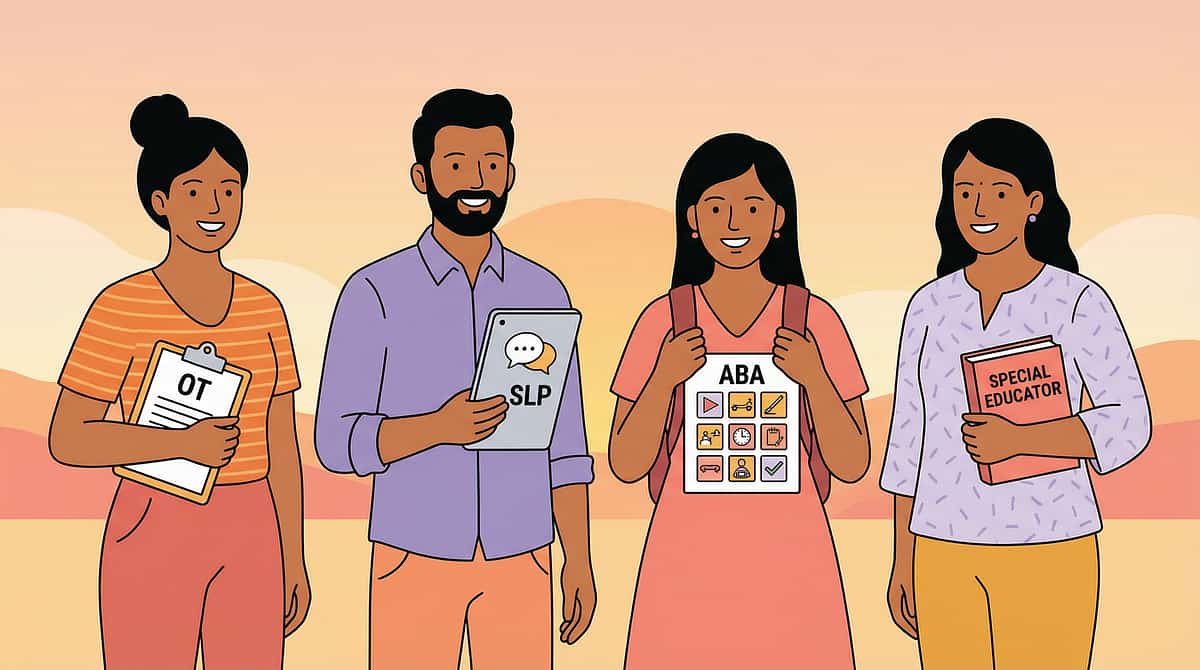
Who Uses This Technique
"This technique crosses therapy boundaries — because the brain doesn't organize by therapy type."
OT — Occupational Therapist
Leads assessment of sensory factors driving routine rigidity. Designs flexible schedule formats. Addresses self-care routine flexibility (dressing, bathing, eating). Provides sensory coping strategies within the toolkit.
BCBA / ABA Therapist
Conducts functional behavior assessment to identify WHY rigidity occurs. Designs graduated exposure protocols. Implements choice boards and reinforcement systems. Tracks flexibility data systematically.
SpEd — Special Educator
Implements visual supports in classroom routines. Coordinates home-school flexibility consistency. Builds executive function through structured flexibility practice. Creates IEP goals for adaptive routine behavior.
SLP — Speech-Language Pathologist
Addresses language comprehension of routine variation concepts. Develops social stories and narrative tools. Builds communication scripts for when routines change. Supports perspective-taking around routine differences.
"All disciplines are coordinated through Pinnacle's FusionModule™ — ensuring therapy works together, not in parallel silos."
📞9100 181 181 — FREE National Autism Helpline

What This Technique Targets
Observable Behavior Indicators
✅ Tolerates announced routine variations without meltdown
✅ Uses coping tools when routines change
✅ Accepts routine variations with different caregivers
✅ Adapts home routines in new environments (travel, relatives)
✅ Participates in choosing routine variations
Evidence: Meta-analysis (World J Clin Cases, 2024) — PMC10955541. Structured behavioral interventions effectively promote adaptive behavior, social skills, and functional independence across multiple outcome domains.

9 Materials. One at a Time. Start with #1.
Each of the 9 materials below plays a specific role in building routine flexibility. You don't need all of them at once — start with Material #1 and build your toolkit gradually. Canon product recommendations with Amazon.in links included.
# | Material | Price Range | Canon Category |
1 | Flexible Visual Schedule Board (Velcro/Magnetic) | ₹600–2,500 | Visual Supports |
2 | Routine Variation Cards / "Different Today" Markers | ₹200–800 | Visual Supports |
3 | Choice Boards Within Routines | ₹400–1,200 | Visual Supports |
4 | Routine Flexibility Games | ₹500–2,000 | Problem-Solving Toys |
5 | Goal-Focused Routine Charts | ₹400–1,200 | Visual Supports |
6 | Coping Strategy Toolkit (Sensory + Cognitive) | ₹500–2,000 | Reinforcement Menus + Transition Objects |
7 | Social Stories About Routine Flexibility | ₹300–1,500 | Problem-Solving Toys |
8 | Flexibility Tracking & Reward System | ₹200–1,000 | Reinforcement Menus |
9 | Caregiver Consistency Tools (Reference Guides) | ₹100–500 | Visual Supports |
🏅Transition Objects:Animal Soft Toys — ₹425
🏅Matching/Memory Games:Dyomnizy Educational Memory Game — ₹519 | Sorting/Categorization:Brainy Bug Flashcards — ₹305
Total starter kit: ₹1,500–4,500 | 📞9100 181 181

Zero-Cost Versions Exist for EVERY Material on This List
WHO equity principle: Every family, regardless of income, can start today.
🛒 Buy Version
Flexible Schedule Velcro Board — ₹600–2,500
Variation Cards Printed Set — ₹200–800
Choice Boards Velcro Board — ₹400–1,200
Flexibility Games Commercial — ₹500–2,000
Goal Charts Printed Poster — ₹400–1,200
Coping Toolkit Basket + Items — ₹500–2,000
Social Stories Published Book — ₹300–1,500
Tracking Chart Printed — ₹200–1,000
Caregiver Guide Printed — ₹100–500
🔨 DIY Version (₹0)
Paper strips + velcro dots on cardboard
Orange paper cut to card size, star drawn with marker
Notebook page with 2–3 pictures pasted
Doll play + routine role-reversal (free)
Chart paper + marker + arrows drawn by hand
Shoebox + rubber band (fidget) + drawing of breathing technique
Parent-written story in exercise book with child's photos
Paper on fridge + sticker dots
WhatsApp message summarizing approach (free)
The mechanism is the visual concept and the interaction — not the material itself. A routine variation card made from orange paper communicates exactly the same information as a laminated commercial card.
WHO/UNICEF source: PMC9978394 — CCD Package: Household-material-based intervention efficacy across 54 LMICs
Safety First — Before You Begin
🟢 GREEN — Proceed
Child is calm, fed, rested. Variation pre-announced ≥5 min before. Coping tools in place. You are regulated. Starting with one small variation in one low-stakes routine.
🟡 AMBER — Modify
Difficult day but not dysregulated. Variation is larger than usual. Child is hungry or tired — wait. If using new material for first time, keep session very short.
🔴 RED — Do Not Proceed
Child is already dysregulated or mid-meltdown. Child is unwell. Major recent trauma or change. Caregiver is highly dysregulated.
⛔ ABSOLUTE STOP SIGNS: Self-injurious behavior | Aggression toward others | Signs of severe distress (breath-holding, full shutdown) | Child expresses fear of physical harm. NEVER force variations that cause severe distress without professional guidance. Routine rigidity involving magical thinking ("something bad will happen") may indicate OCD — refer for specialist assessment before proceeding.
Clinical source: DOI: 10.1007/s12098-018-2747-4 (Padmanabha et al., Indian J Pediatr 2019) | 📞9100 181 181 — FREE National Autism Helpline (24x7)
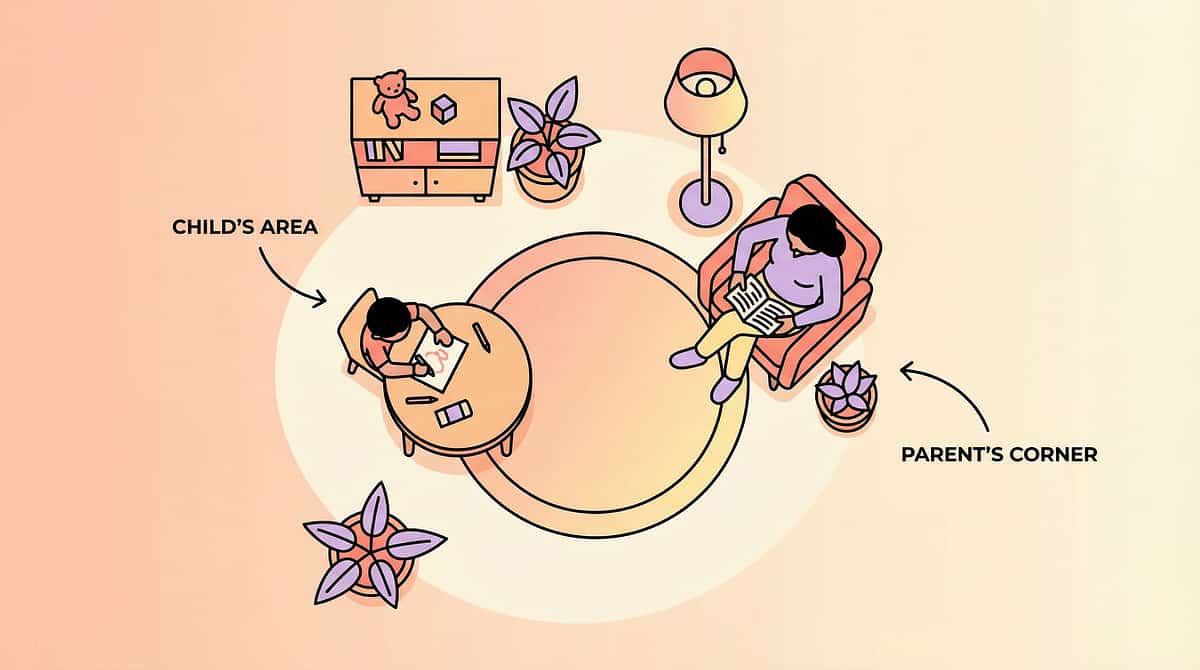
Set Up Your Space — Before the Technique Begins, the Environment Is Already Working
① Flexible visual schedule board
Eye level on wall by bathroom door
② Choice board
On magnetic fridge strip or bathroom shelf
③ Variation card storage
Small basket by schedule board
④ Coping toolkit basket
On nightstand / bathroom shelf / kitchen counter
⑤ Parent position
Standing to child's side (never behind, never blocking)
Setup checklist: Schedule board updated ✅ | Variation card in place ✅ | Coping toolkit accessible ✅ | Choice board ready ✅ | Distractions removed ✅ | Your phone is away ✅
Environmental requirements: Lighting: Natural or warm | Sound: Quiet or familiar | Temperature: Comfortable | Space: Clear path between routine stations
Sensory note: If the child has sensory sensitivities, ensure environmental sensory conditions are neutral before introducing routine variation.
Source: PMC10955541 — Meta-analysis confirms structured environment quality correlates with intervention effectiveness.

Is Your Child Ready? 60-Second Readiness Check
"The best session is one that starts right." Run through these 7 observable checks before you begin.
Check | Yes ✅ | No ❌ |
Child has eaten in last 2 hours | → Go | → Wait |
Child is not showing signs of illness | → Go | → Postpone |
No major dysregulation in last 30 minutes | → Go | → Modify |
Child acknowledges your presence (eye contact / response to name) | → Go | → Modify |
Environment is set up (Card 12 complete) | → Go | → Setup first |
Coping toolkit is within reach | → Go | → Place it first |
You are calm and regulated | → Go | → Self-regulate first |
5–7 Yes ▶ GO
Begin the session.
3–4 Yes ⚠️ MODIFY
Use simplified, shorter version today. Under 5 minutes.
0–2 Yes ⏸ POSTPONE
Do a preferred activity together. Flexibility skill-building will be stronger tomorrow than forced today.
ABA principle: "Antecedent manipulation — setting events determine intervention effectiveness." NCAEP 2020 | 📞9100 181 181

STEP 1 OF 6
The Invitation — Start Before the Routine, Not During the Panic
The invitation happens BEFORE the routine starts — not mid-stream when the child is already in "routine execution mode." Surprises mid-routine trigger far more distress than pre-announced variation. Give the invitation 2–5 minutes before the routine begins.
Parent says:"[Child's name], I have something to show you. Look — [point to schedule board] — today our routine has a little something different. See this [variation card / choice board]? You get to see what's happening."
✅ Child looks at material
Session can begin.
✅ Child asks a question
Excellent — respond and continue.
⚠️ Child shows initial anxiety
Normal — maintain calm tone and continue.
❌ Child immediately dysregulates
Move to MODIFY protocol.
Hold the variation card or choice board at the child's eye level. Let them touch it if they want.
ABA source: Antecedent-based interventions — NCAEP Evidence-Based Practices (2020)

STEP 2 OF 6
Engagement — The Moment the Schedule Becomes Interactive
Place the flexible visual schedule in front of the child. Point to the goal header at the top: "See? We're getting [ready for school / ready for bed]. That's what we're going for."
Then either show the variation card and name the variation — "Today, [X] will be a little different" — OR present the choice board: "Look — you get to pick! Would you like to do this step first, or this one?"
Response | Meaning | What to Do |
Child engages immediately | High readiness | Proceed enthusiastically |
Child hesitates, looks anxious | Mild anxiety — normal | Pause, breathe together, then proceed |
Child refuses to look | Avoidance | Use lighter prompt: "Just look once" |
Child tries to grab and control | Common — good sign | Let them hold the card, guide from there |
When presenting the choice board — WAIT. Give 10 full seconds for the child to choose. Don't fill the silence. Their brain is working. The pause is therapeutic.
Pair with reward jar / sticker ready for after the session (Canon: Reinforcement Menus).
Source: Reinforcement scheduling + antecedent strategies — PMC11506176
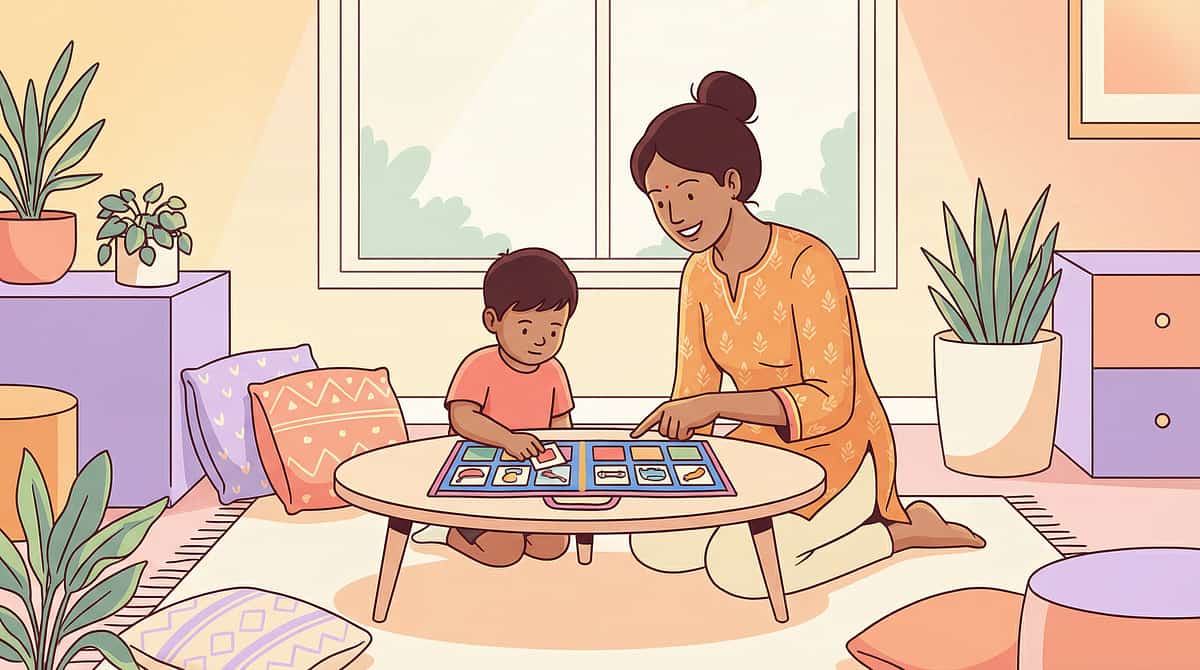
STEP 3 OF 6
The Therapeutic Action — The Variation Happens, and the World Doesn't End
The child executes the routine with the variation in place — using the flexible visual schedule, the choice board, or the variation card as their guide. The parent's role shifts to supportive observer: nearby, calm, narrating gently.
Parent narration script:"You're moving that step. Look — we can still reach [goal]. You're being flexible right now."
Duration of therapeutic exposure: 30 seconds to 3 minutes — the minimum needed for the child to experience completion of a varied routine.
Response | Interpretation | |
✅ | Completes variation with no distress | Ideal — celebrate! |
😤 | Completes variation with expressed frustration | Acceptable — still a win |
😰 | Completes variation with high distress but no shutdown | Good — hard win, celebrate the completion |
🛑 | Cannot complete — shutting down | Stop, activate coping toolkit, do not force |
⚠️ Common execution errors: Rushing the child through the variation | Saying "See? It was fine!" dismissively | Introducing variation without the variation card/schedule | Offering comfort by returning to exact routine.
Source: PMC10955541 — Meta-analysis on structured behavioral therapy action phases
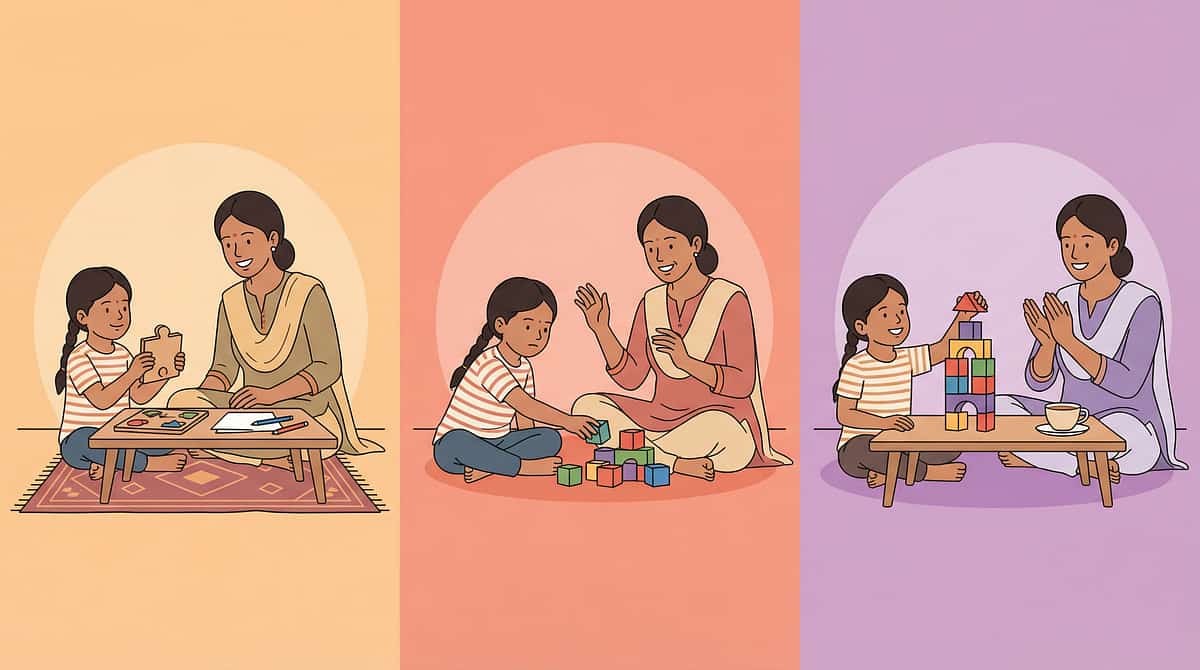
STEP 4 OF 6
Repeat and Vary — 3 Good Repetitions Across Days Beat 10 Forced Ones in a Single Session
Week 1–2
1 variation per routine | 3–4 times/week
Week 3–4
1–2 variations per routine | Daily
Week 5–8
2–3 variations, expanding to 2nd routine | Daily
Week 9+
Natural flexibility building | Embedded in daily life
Morning Routine Variations
- Different order of dressing steps
- Dad instead of Mom doing routine
- Breakfast before getting dressed
- Different cup or bowl
- One step skipped (no specific reason needed)
Bedtime Routine Variations
- Different book tonight
- Bath before dinner (instead of after)
- Dad does bedtime
- One story instead of three
- Brush teeth before bath
Variation rotation rule: Never introduce the same variation two days in a row initially — variety in the variation builds broader flexibility capacity. When the child has had enough — behavior will show it. Stop there. 3 good minutes beats 15 forced minutes every time.

STEP 5 OF 6
Reinforce and Celebrate — The Attempt, Not Just the Perfect Execution
Reinforcement timing rule: Within 3 seconds of the child completing any variation — deliver reinforcement.
"You did it! You were flexible right there! The [step / thing] was different and you handled it. That's so strong."
Verbal Praise
Always specific: "You moved that step and still got ready!"
Sticker on Flexibility Chart
Immediate and visible. 1800+ Reward Stickers — ₹364
Token / Reward Jar
Rosette Imprint Reward Jar — ₹589. Every sticker is proof that flexibility is possible.
Physical Warmth
High-five / fist-bump / brief preferred activity (30 seconds of something loved) — if child accepts touch.
❌ What NOT to do: Say "See? That wasn't so bad!" (dismisses genuine effort) | Move immediately to next variation without pause | Withhold reinforcement because the child "should be doing this anyway." Celebrate the attempt — using coping tools when distressed but still completing the routine earns FULL reinforcement.
ABA source: BACB reinforcement guidelines + Cooper, Heron & Heward (Applied Behavior Analysis, 8th ed.)

STEP 6 OF 6
The Cool-Down — No Session Ends Abruptly. The Transition Back Matters.
① Countdown Warning
"Two more, then all done." (Hold up 2 fingers) → "One more, then all done." → "All done! You did it."
② Material Put-Away Ritual
Child participates in putting the schedule cards back, returning the choice board, closing the variation card collection. Creates closure and a sense of control.
③ Calming Input (1–2 minutes)
Slow deep breaths together | quiet preferred activity | familiar song or phrase | comfort object from coping toolkit. Animal Soft Toys — ₹425
④ Transition Cue
"The routine is done. What would you like to do now?" — giving control back to child.
If the child resists ending: Do NOT extend the session. Use calm countdown and "All done" with visual support. If resistance is strong today, note it — it may indicate the session was too long or variation too intense.
📞9100 181 181

Capture the Data — 60 Seconds of Data Now Saves Weeks of Guessing Later
Track just 3 data points immediately after every session. Your data feeds the AbilityScore® Routine Flexibility Readiness Index and personalizes your child's EverydayTherapyProgramme™.
Variation Used
What was different today? Record as a brief text note.
Distress Level
Rate 1 (calm) → 5 (severe). A distress level of 4 that ends in completion is a WIN.
Completion?
Did child complete the varied routine? Record: Yes / Modified / No.
📋Session Tracker — D-374
Track here: Date | Routine | Variation Used | Distress Level (1–5) | Completed? | Notes
Log in the GPT-OS® Dashboard for personalized sequencing, or download the D-374 Flexibility Tracking Sheet (PDF).
Track here: Date | Routine | Variation Used | Distress Level (1–5) | Completed? | Notes
Log in the GPT-OS® Dashboard for personalized sequencing, or download the D-374 Flexibility Tracking Sheet (PDF).
ABA data standards: BACB continuous measurement guidelines — frequency, duration, rating scale.
📞9100 181 181

What If It Didn't Go as Planned? Session Abandonment Is Not Failure — It Is Data.
Problem: Child refused to look at the schedule/card
Why: First exposure anxiety — the material is new and itself a novelty trigger.
Fix: Spend 3 days showing the card WITHOUT any variation — just "Look, here's our schedule" during routine. Make the tool familiar before using it to signal change.
Fix: Spend 3 days showing the card WITHOUT any variation — just "Look, here's our schedule" during routine. Make the tool familiar before using it to signal change.
Problem: Child melted down before routine even started
Why: Announcement was too close to routine start time, or child was already dysregulated.
Fix: Move announcement to 10 minutes prior. Check the readiness checklist (Card 13) more carefully. Start with an even smaller variation next time.
Fix: Move announcement to 10 minutes prior. Check the readiness checklist (Card 13) more carefully. Start with an even smaller variation next time.
Problem: Child completed variation but was extremely distressed
Why: Variation was too large, or coping tools were not used.
Fix: Still celebrate the completion — that was real flexibility under duress. Next time: smaller variation + activate coping toolkit BEFORE distress escalates.
Fix: Still celebrate the completion — that was real flexibility under duress. Next time: smaller variation + activate coping toolkit BEFORE distress escalates.
Problem: Variation worked once but child refused it the next time
Why: Normal — brain needs repeated exposure to consolidate tolerance. Variation tolerance is not linear.
Fix: Continue. Repeat the same variation 3–5 more times before moving to next. Each exposure builds tolerance even when it doesn't look like it.
Fix: Continue. Repeat the same variation 3–5 more times before moving to next. Each exposure builds tolerance even when it doesn't look like it.
Problem: Other caregiver tried it and it fell apart
Why: Caregiver consistency not yet established. Child associates flexibility practice with primary caregiver only.
Fix: Use caregiver consistency tools (Card 9). Introduce secondary caregiver gradually — observing → participating → leading with primary present → leading alone.
Fix: Use caregiver consistency tools (Card 9). Introduce secondary caregiver gradually — observing → participating → leading with primary present → leading alone.
Problem: Child became aggressive during routine variation
Why: Distress level exceeded coping capacity. Variation may have been too sudden or too large.
Fix: STOP. Do not continue today. Prioritize safety. Review safety framework (Card 11). Consider professional consultation.
Fix: STOP. Do not continue today. Prioritize safety. Review safety framework (Card 11). Consider professional consultation.
📞9100 181 181 — FREE, 24x7, 16+ languages
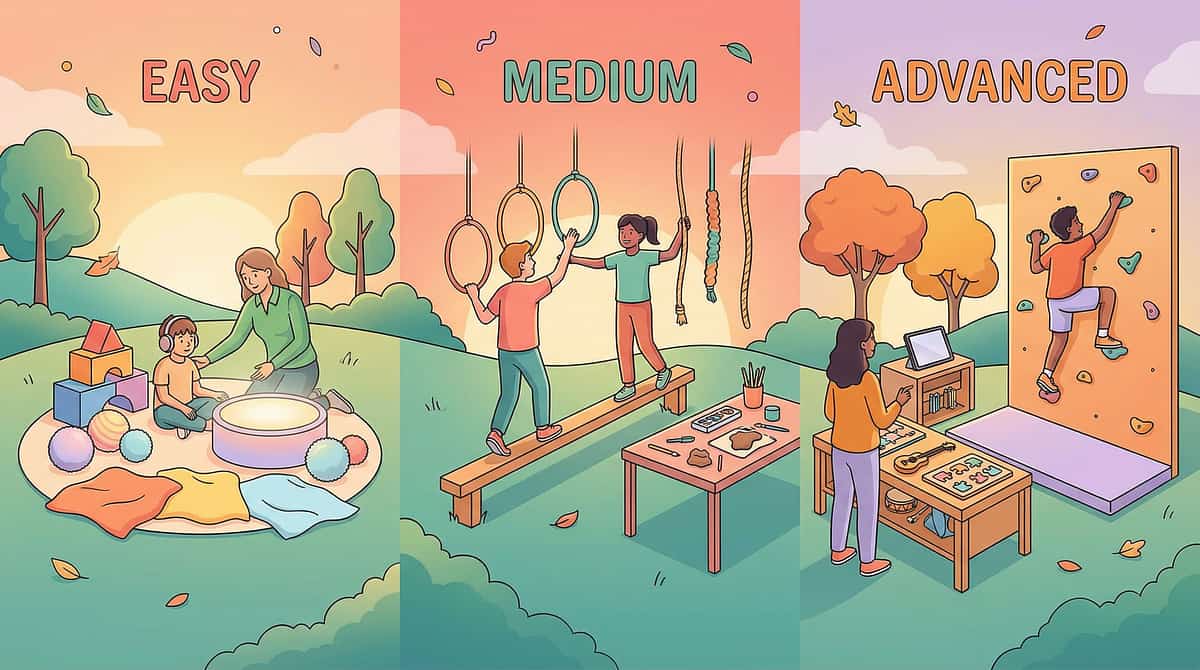
Adapt and Personalize — One Intervention, Calibrated to Your Child's Exact Profile
⬅ Easier Versions
For bad days, high anxiety, or early stages:
- Show variation card without actually doing the variation yet
- Child chooses which variation happens (from choice board)
- Only one element changes, everything else stays identical
- Parent does the variation first as model before child does
➡ Harder Versions
For good days and progress moments:
- Two elements vary in same routine
- Child introduces the variation themselves
- Variation in a second routine (not just the one practiced)
- Variation without pre-announcement (building tolerance for surprises)
Anxiety-Driven Rigidity
Priority: coping toolkit + social stories FIRST. Build distress tolerance before expanding variation intensity. Pair every variation with explicit coping tool use.
Sensory-Driven Rigidity
Do NOT challenge sensory elements as "rigidity." Get OT assessment first. Focus flexibility work on non-sensory routine elements only.
ADHD-Related Rigidity
Keep routines visual and predictable in structure even as content varies. Choice boards are particularly effective.
Age modifications: Ages 3–5: Single choice between 2 options, very small variations, emphasis on games. Ages 6–9: Full flexible schedule, goal-focused charts, social stories daily. Ages 10–12: Build self-advocacy — child identifies own flexibility goals and self-monitors.

Week 1–2: What to Expect
"In weeks 1–2, you're not looking for flexibility. You're looking for reduced surprise."
15%
Progress at Week 2
Early-phase indicators focus on tolerance and participation rather than skill mastery.
✅ What You MAY See
- Child acknowledges variation card without immediate meltdown (this is HUGE)
- Child looks at choice board even if they don't choose yet
- Distress starts 1 level lower than before
- Recovery time after variation is slightly shorter
❌ What You Will NOT See Yet (and that's fine)
- Easy compliance with variations
- Child choosing variation independently
- Flexibility in routines you haven't been practicing
- Generalization to school or other settings
"If your child tolerates the variation card for 30 seconds without melting down — that is real progress. Write it in the tracker."
Week 1–2 will feel slow. It will sometimes feel like you're making things worse. You are not. You are creating new neural experiences. The brain needs repetition before it accepts new patterns as safe.
Research calibration: Systematic review (Children, 2024) — PMC11506176

Week 3–4: Consolidation Signs
"In weeks 3–4, look for the moments between the distress."
40%
Progress at Week 4
Distress duration is shorter — child recovers within the routine rather than abandoning it.
✅ Child begins to look at variation card proactively (anticipating it)
✅ Distress duration is shorter — child recovers within the routine
✅ Child uses coping toolkit with prompting during variations
✅ Child makes first independent choice from choice board
✅ You notice you are less anxious about the variation too
Neural pathway formation: The child may begin asking "Is there a variation card today?" — this signals internalization. They're expecting that variation is PART of the routine, not a violation of it.
When to increase: Distress level ≤2 (on 1–5 scale) for 3 consecutive sessions → introduce next variation level.
When NOT to escalate: Distress ≥3 consistently | Coping tools only with heavy prompting | Less than 3 weeks at current variation level.
When to increase: Distress level ≤2 (on 1–5 scale) for 3 consecutive sessions → introduce next variation level.
When NOT to escalate: Distress ≥3 consistently | Coping tools only with heavy prompting | Less than 3 weeks at current variation level.
"You may notice you're more confident too. That's not a coincidence — your nervous system is co-regulating with your child's."
📞9100 181 181

Week 5–8: Mastery Indicators
"By week 8, flexibility begins to transfer — beyond the technique, into life."
70%
Progress at Week 8
Clinical improvements in adaptive behavior typically emerge at the 8–12 week mark for structured behavioral interventions.
Routine Mastery
Tolerates 2–3 variations per routine with manageable distress. Coping toolkit used independently (without prompting).
Generalization
First signs of flexibility in a SECOND routine not explicitly practiced. Child handles variations by secondary caregiver (Dad / grandparent / teacher).
Emerging Independence
Child spontaneously notes variations: "We're doing it differently today." Child problem-solves: "The blue towel isn't here, I'll use the green one."
Mastery = the child can navigate routine variations with manageable distress using their own coping strategies, without requiring you to maintain exact routines.
Research marker: PMC10955541 — Clinical improvements in adaptive behavior typically emerge at 8–12 week mark for structured behavioral interventions.

Celebrate the Milestone — Mark the Day Your Family Handles an Unexpected Change Without a Meltdown
"Did you notice what you just did? The [routine] changed and you handled it. By yourself. That's who you are now."
Milestone | Celebration |
First variation card accepted without meltdown | Sticker milestone reward |
First independent choice from choice board | Special preferred activity |
First use of coping toolkit without prompting | Family celebration |
First variation with different caregiver | Mark the date |
First spontaneous flexibility (unplanned change handled) | THE BIG CELEBRATION |
You did this. Every session you showed up for, every variation card you placed, every choice board you prepared — this is the compounded result of your consistency.
📥Download: D-374 Milestone Certificate for Your Child — "[Child's Name] handled a routine change today. That's flexibility. That's strength."
📞9100 181 181

Red Flags — When to Call a Professional
These signs mean the intervention needs a professional alongside you — not instead of you.
🚨 Seek Professional Evaluation If:
❗ Routine rigidity is accompanied by self-injurious behavior (head-banging, scratching, biting self)
❗ Routine rigidity is accompanied by aggression toward family members
❗ New onset of severe rigidity in a previously flexible child
❗ Rigidity involves magical thinking ("something bad will happen") — may indicate OCD requiring specialized ERP
❗ Rigidity causing significant harm: food restriction, refusing essential personal care
❗ No improvement after 8 weeks of consistent implementation
❗ Routine rigidity is accompanied by aggression toward family members
❗ New onset of severe rigidity in a previously flexible child
❗ Rigidity involves magical thinking ("something bad will happen") — may indicate OCD requiring specialized ERP
❗ Rigidity causing significant harm: food restriction, refusing essential personal care
❗ No improvement after 8 weeks of consistent implementation
Behavior Therapist (BCBA)
Functional behavior assessment — identifying WHY rigidity occurs. Designing the graduated variation protocol.
Occupational Therapist
Distinguishing sensory-driven elements from preference-driven. Designing sensory coping toolkit components.
Child Psychologist
Assessment for anxiety/OCD features requiring different treatment pathway.
AbilityScore®
Baselines and tracks your child's Routine Flexibility Readiness Index within the GPT-OS® framework.
📞9100 181 181 — Pinnacle FREE National Autism Helpline | Available 24x7 | 16+ languages | Assessment booking | Tele-consultation
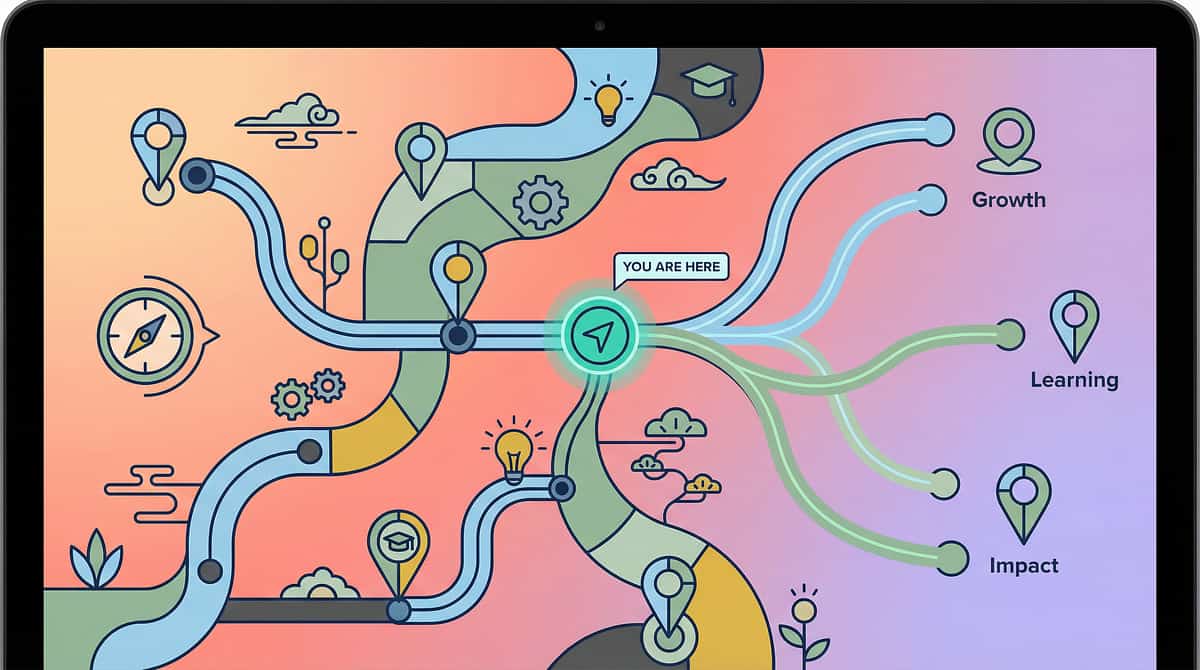
Your Progression Pathway — This Technique Is One Step in a Larger Journey Toward Independence
Lateral Links
You already have the visual schedules and choice boards from D-374. These same materials are used in D-372, D-375, D-376, and C-250 — you're already equipped.
Long-Term Developmental Goal
Routine flexibility feeds directly into: school participation (schedule changes, assemblies, substitutes) | community participation (restaurants, travel, relatives) | eventual occupational independence (workplace adaptability).
WHO CCD Framework: PMC9978394 — Functional independence as core outcome of nurturing care.
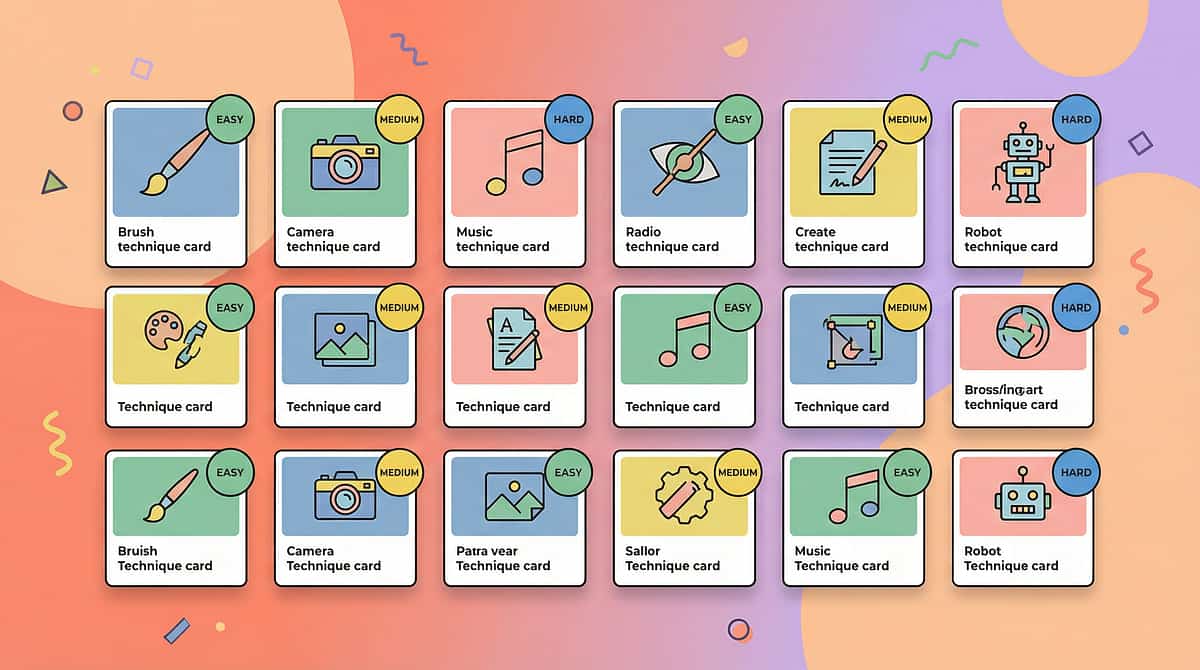
Related Techniques in Domain D — You've Started Domain D. Here's What's in the Neighborhood.
Technique | Code | Difficulty | Materials You Already Have |
Transition Difficulties | D-371 | Intro | Visual schedules ✅ |
Routine Dependence | D-372 | Intro-Core | Visual schedules ✅ Choice boards ✅ |
Sameness Insistence | D-373 | Core | Variation cards ✅ Social stories ✅ |
Routine Flexibility | D-374 | Core — YOU ARE HERE | All materials ✅ |
Adapting to New Situations | D-375 | Core-Advanced | Visual schedules ✅ Coping toolkit ✅ |
Problem-Solving Rigidity | D-376 | Advanced | Goal charts ✅ Games ✅ |
"You already own materials for techniques D-371, D-372, D-373, D-375, D-376."
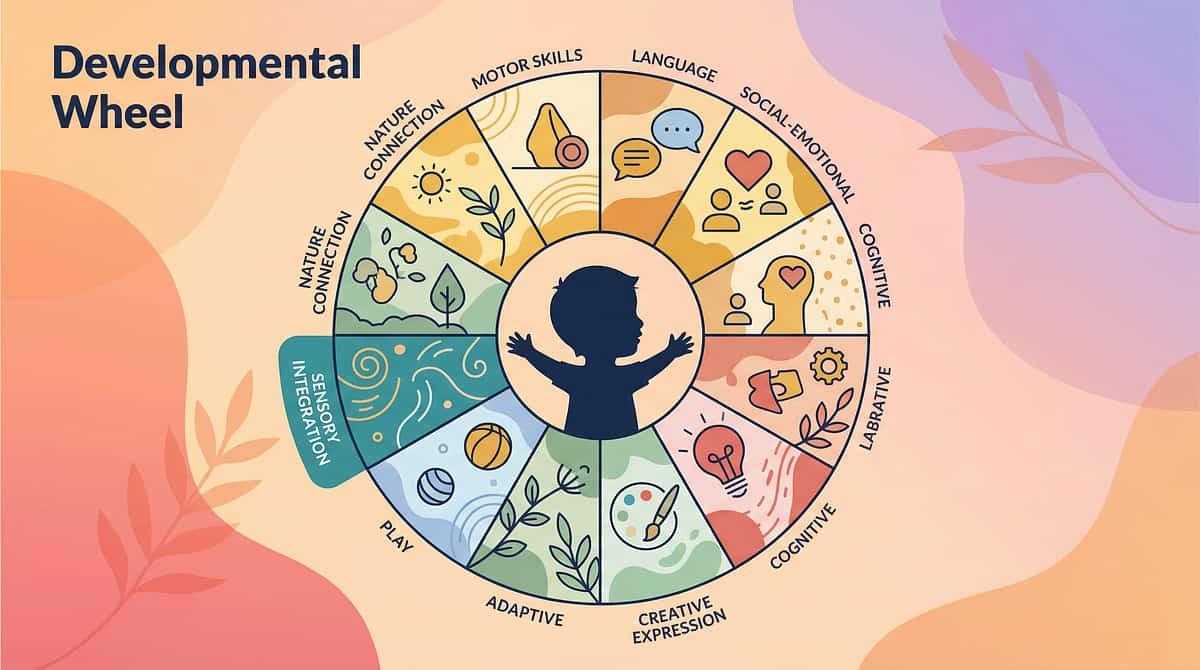
Your Child's Full Developmental Map — Routine Flexibility Is One Piece of a 12-Domain System
A child who builds routine flexibility in Domain D becomes more available for learning in Domain G, more socially confident in Domain B, and more emotionally regulated in Domain C. These domains reinforce each other.
When you track D-374 sessions via the GPT-OS® app, your child's Routine Flexibility Readiness Index updates automatically — informing the TherapeuticAI® sequence for the entire Domain D plan.
📞9100 181 181
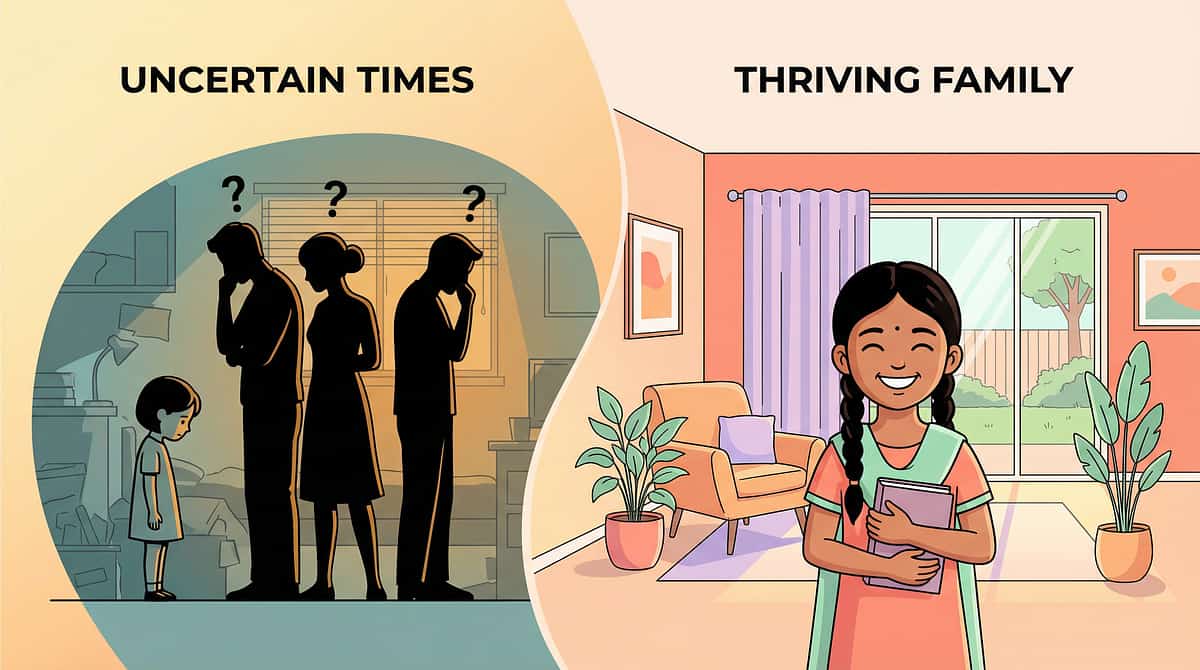
Family Stories — From Families Navigating the Same Routines
"Our daughter's routine rigidity ran our entire household. The same breakfast at the same time in the same bowl. The same 90-minute bedtime ritual. If anything was different — hours of meltdown. We started with flexible visual schedules. She could see that some steps could move. Choice boards let her pick. Social stories helped her understand different is okay. The coping toolkit gave her something to DO when changes felt hard. Now, eighteen months later, she handles school schedule changes. We took a real vacation. She still prefers structure — and that's fine. But she's not a prisoner of her routines anymore. We have our family life back."
— Mother of 8-year-old, Pinnacle Network
"The goal-focused chart changed everything. When my son could SEE that 'Ready for School' had three valid paths — not one exact sequence — something clicked. He started saying 'different path today' himself. That sentence still makes me cry."
— Father of 6-year-old, Hyderabad
Illustrative of clinical patterns. Individual outcomes vary by severity, consistency, and underlying cause.
76%
Measurable Improvement
of children with moderate routine rigidity receiving systematic visual support + graduated variation protocol demonstrated measurable improvement within 12 weeks across Pinnacle centers.

Join the Community — You Don't Have to Figure This Out Alone
📱 Pinnacle Parent Community
Families navigating the same routines. Daily support. Practical sharing. Join: pinnacleblooms.org/community →
📺 Domain D Video Series
See every material demonstrated in a real home setting. Watch: 9 Materials Reel D-374 →
📧 EverydayTherapyProgramme™ Newsletter
Weekly home practice suggestions calibrated to Domain D. Subscribe: pinnacleblooms.org/everyday-therapy →
🏫 Pinnacle Center Network
70+ centers across India. In-person assessment, therapy, and parent training. Find Your Center →
📲 Save 9100 181 181 — FREE National Autism Helpline (16 languages, 24x7). They can connect you to the parent community in your language and city.
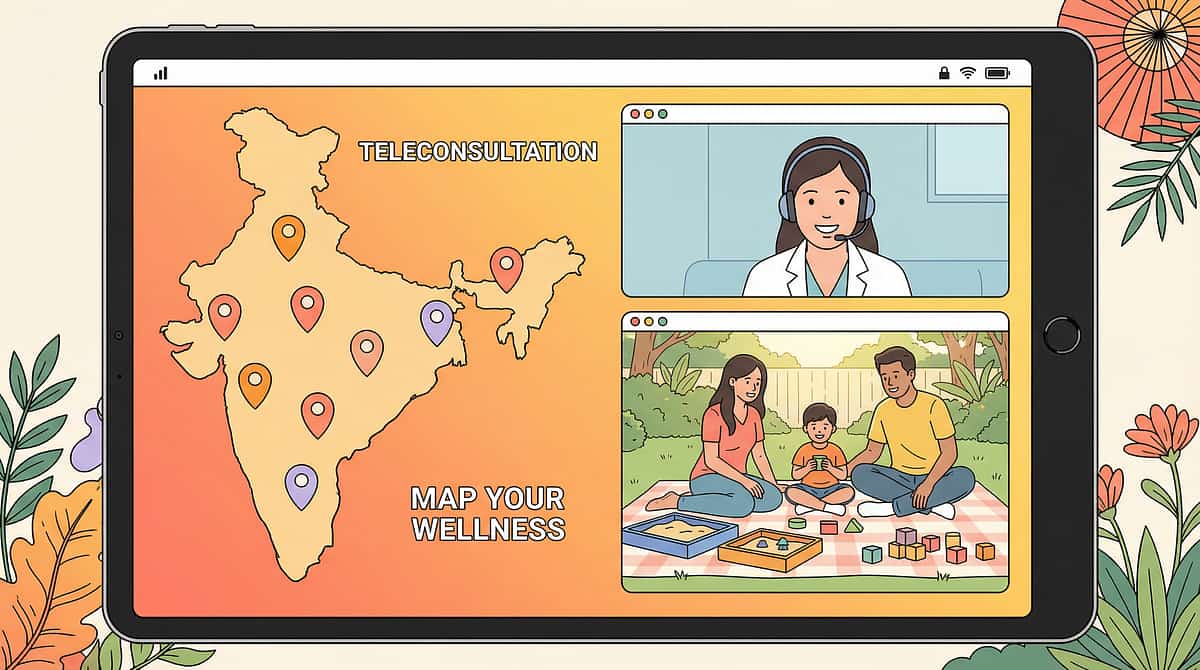
Find Professional Support Near You
When you need a team behind the technique — Pinnacle's network of 70+ centers across India is ready. Search by city or PIN code, or book teleconsultation from anywhere.
Behavior Therapist (BCBA)
Functional behavior assessment — identifying WHY the rigidity occurs. Designing the graduated variation protocol specific to your child.
Occupational Therapist
Distinguishing sensory-driven elements from preference-driven. Designing sensory components of coping toolkit.
Child Psychologist
Assessment for anxiety/OCD features requiring different treatment pathway. Cognitive-behavioral approaches for underlying anxiety.
SpEd
Coordinating flexibility tools across home and school. IEP goal alignment and generalization planning.
Teleconsultation available: Can't travel? Pinnacle offers video-based assessment and parent coaching across India. Book Teleconsultation →
📞9100 181 181 — FREE National Autism Helpline | 24x7 | 16+ languages
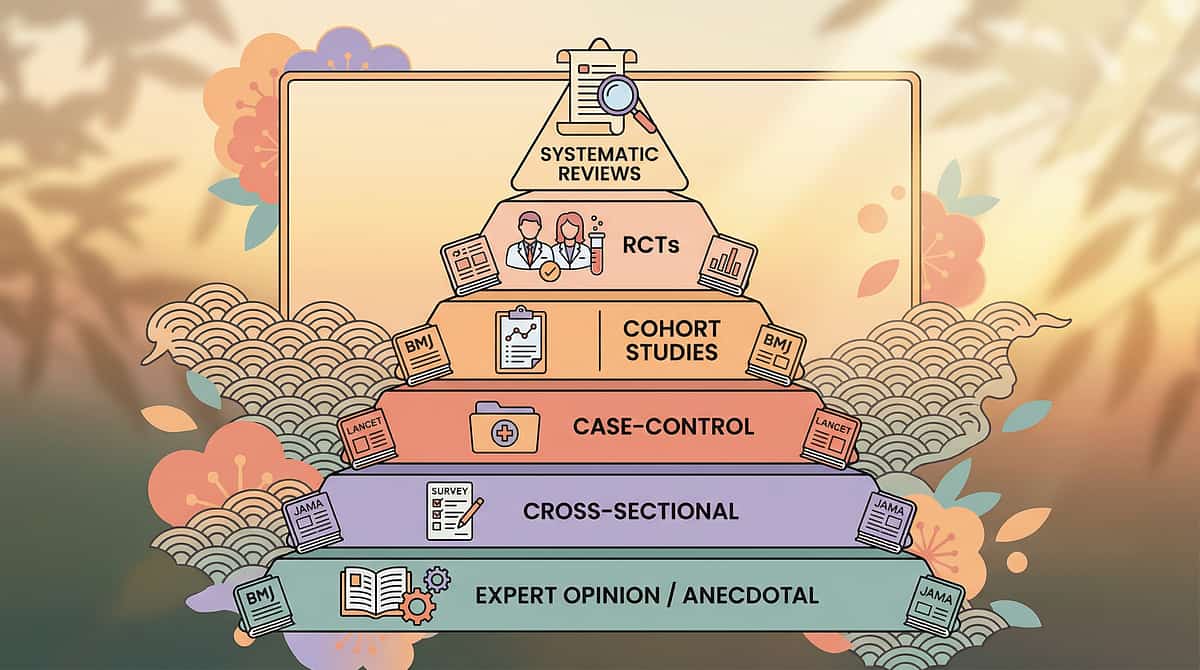
The Research Library — The Science Behind Every Card on This Page
📚 PMC11506176 — Systematic Review, Children (2024)
16 articles (2013–2023) confirming sensory integration and behavioral interventions meet criteria as evidence-based practices for ASD.
📚 PMC10955541 — Meta-analysis, World J Clin Cases (2024)
24 studies demonstrating sensory integration/behavioral therapy effectively promotes adaptive behavior, social skills, and functional outcomes.
📚 DOI: 10.1007/s12098-018-2747-4 — Padmanabha et al., Indian J Pediatr (2019)
RCT demonstrating home-based structured visual interventions in Indian pediatric ASD population. Significant outcomes with parent-administered protocol.
📚 NCAEP Evidence-Based Practices Report (2020)
Visual supports, social narratives, and reinforcement classified as evidence-based practices for autism with strong multi-study evidence base.
📚 WHO/UNICEF Nurturing Care Framework (2018)
Validates early, systematic, home-embedded intervention. nurturing-care.org/ncf-for-ecd | PMC9978394

How GPT-OS® Uses Your Data — Your 60 Seconds of Session Data Does More Than You Think
Variation Distress Mapping
Which variation types cause highest distress → avoids recommending those at current stage.
Coping Tool Optimization
Which coping tools the child uses most → emphasizes those in next protocol.
Escalation Readiness
Rate of distress reduction → predicts readiness for escalation to next variation level.
Caregiver Consistency
Caregiver patterns → alerts if sessions are irregular or inconsistent.
🔒Privacy assurance: All data is anonymized for population-level analysis. Your child's individual data is private, accessible only to your authorized care team. Data protection: Bharat Healthcare Laboratories Pvt. Ltd. | DPIIT DIPP8651 | GSTIN 36AAGCB9722P1Z2
"Your data helps every child like yours — by improving the intelligence that serves them all."
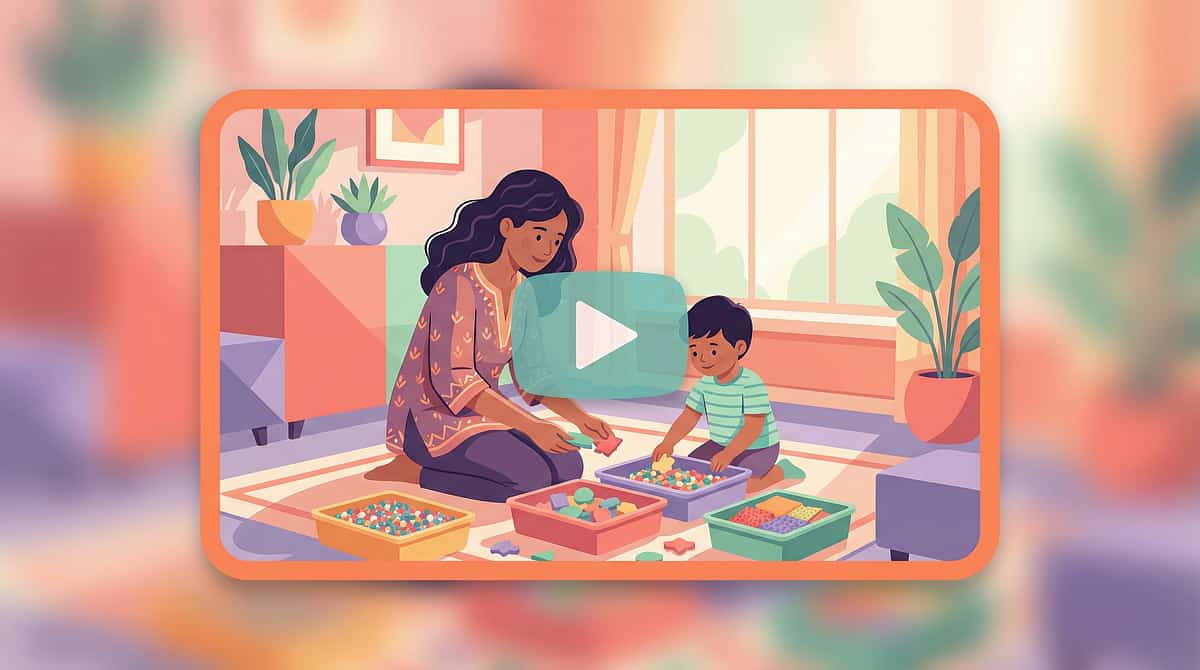
Watch the Reel — See Every Material in Action. 90 Seconds. Real Home Setting.
📹Pinnacle Reel D-374 — "9 Materials That Help Building Routine Flexibility"
Reel ID: D-374 | Domain D: Behavioral Flexibility | Series: Episode 374 of 999
Duration: 90 seconds | Therapist demonstrates all 9 materials in a real home morning-routine setting.
Reel ID: D-374 | Domain D: Behavioral Flexibility | Series: Episode 374 of 999
Duration: 90 seconds | Therapist demonstrates all 9 materials in a real home morning-routine setting.
Flexible visual schedule with moveable steps being rearranged by a child
Variation card placed calmly on schedule board
Child choosing from choice board with visible engagement
Goal-focused chart with multiple valid paths shown
Coping toolkit being accessed during routine variation
Flexibility tracking chart with stickers being added
Two caregivers using same approach — child calm with both
This reel is part of Pinnacle's 999-Reel content system — the world's largest evidence-based library of pediatric therapy materials content. Video modeling is classified as an evidence-based practice for autism (NCAEP 2020). Visual + text + demonstration = strongest parent skill acquisition pathway.
Related Reels: D-371 | D-372 | D-373 | D-375 | D-376
📞9100 181 181
Share This With Your Family — Consistency Across Caregivers Multiplies Impact
If one caregiver uses the flexible schedule and another doesn't — the child's brain experiences: "The approach itself is unpredictable." This increases rigidity. Every adult who does even one routine with your child needs the same tools and language.
📱 Share on WhatsApp
Send the page link directly to grandparents, teachers, relatives, and domestic help.
📧 Share via Email
Link: techniques.pinnacleblooms.org/behavioral-flexibility/building-routine-flexibility-d374
⬇ Family Guide PDF
D-374 One-Page Summary — simplified version for grandparents, teachers, relatives, and domestic help.
⬇ School Template
Teacher/School Communication Template — maintain consistency at school and home together.
WhatsApp-ready message:"We're using something called flexible visual schedules to help [name] handle routine changes better. The key things: use the variation card before any change, offer the choice board when possible, and use the coping toolkit if they're distressed. I'll share the guide. Call 9100 181 181 if you have questions — it's free."
WHO CCD source: PMC9978394 — Multi-caregiver training critical for intervention generalization.

Frequently Asked Questions — 8 Questions Families Ask About D-374
Q: My child already has a visual schedule. Why isn't it helping with flexibility?
Traditional visual schedules show ONE fixed sequence — they can actually reinforce rigidity by presenting routine as unchangeable. D-374 uses flexible visual schedules where individual steps are moveable. The format of the tool determines what the child learns from it.
Q: How do I know if my child's rigidity is OCD rather than autism?
Key indicators of OCD: the child expresses that something "bad" will happen if the routine isn't perfect; distress is about the "wrongness" of the change rather than the change itself; rituals have acquired magical meaning. If you observe these signs, consult a psychologist before implementing flexibility training — OCD requires ERP, not graduated variation.
Q: We've tried for 3 months and nothing has changed. What's wrong?
Three possibilities: (1) Variation level is still too large — return to smallest possible variation; (2) Caregiver inconsistency is undermining progress — check Card 9 fully; (3) There is an underlying factor (anxiety, sensory, OCD) requiring professional assessment. Call 9100 181 181 — book AbilityScore® assessment.
Q: My child is doing great at home but still falls apart at school when schedules change.
Generalization requires explicit teaching in each setting — it doesn't transfer automatically. Work with the school to implement the same visual supports and language. Download the teacher communication template from Card 37.
Q: Can a 3-year-old do this?
Yes, with modifications. Ages 3–5: focus on choice between 2 options, very brief sessions, and flexibility games rather than formal protocol. The flexible schedule should use photos, not abstract symbols. Keep it playful.
Q: My child has made progress but just had a week of regressions. Did we lose everything?
No. Regression is normal and expected — it typically signals increased overall stress (illness, school changes, life events). Return to easier variations temporarily. The neural pathways built don't disappear; they need re-activation. Regression followed by recovery actually builds stronger flexibility capacity.
Q: Do I need to buy all 9 materials?
Start with 3: flexible visual schedule (DIY with velcro strip + paper), variation card (orange paper), and flexibility tracking sticker chart. Total cost: under ₹200. All other materials can be built over time.
Q: Can I do this alongside clinic therapy or does it interfere?
It actively supports clinic therapy. Share Card 37's caregiver guide with your therapist and ask them to align language and tools. The EverydayTherapyProgramme™ is specifically designed to bridge clinic and home.

Your Next Step — The Routine Is Ready. The Material Is in Your Hands.
"The question is: which step do you take first?"
Start This Technique Today
Launch your personalized EverydayTherapyProgramme™ session for D-374 via GPT-OS®.
Book a Free Consultation
FREE National Autism Helpline | Assessment booking | 24x7 | 16 languages. Call 📞 9100 181 181.
Explore Next Technique — D-375
Adapting to New Situations — your next step in Domain D Behavioral Flexibility.
20M+
Therapy Sessions
Delivered across the Pinnacle Blooms Network
97%+
Measured Improvement
Across families using systematic visual support protocols
70+
Centers Across India
DPIIT DIPP8651 | CIN U74999TG2016PTC113063
"Validated by the Pinnacle Blooms Consortium" — OT • SLP • ABA • SpEd • NeuroDev • Pediatrics
📞9100 181 181
Preview of 9 materials that help building routine flexibility Therapy Material
Below is a visual preview of 9 materials that help building routine flexibility therapy material. The pages shown help educators, therapists, and caregivers understand the structure and content of the resource before use. Materials should be used under appropriate professional guidance.


Link copied!

The Pinnacle Promise — From Fear to Mastery. One Technique at a Time.
"Transforming every home into a proven, scientific, personalized, multi-disciplinary pediatric therapy environment — powered by GPT-OS®."
OT
Occupational Therapy
SLP
Speech-Language Pathology
ABA
Applied Behavior Analysis
SpEd
Special Education
NeuroDev
NeuroDevelopmental Pediatrics
Statutory Identifiers:
CIN: U74999TG2016PTC113063
DPIIT Recognition: DIPP8651 (Government of India)
MSME: Udyog Aadhaar TS20F0009606
GSTIN: 36AAGCB9722P1Z2
Registered: Bharat Healthcare Laboratories Pvt. Ltd.
CIN: U74999TG2016PTC113063
DPIIT Recognition: DIPP8651 (Government of India)
MSME: Udyog Aadhaar TS20F0009606
GSTIN: 36AAGCB9722P1Z2
Registered: Bharat Healthcare Laboratories Pvt. Ltd.
Medical Disclaimer: This content is educational and does not replace individualized assessment and intervention from licensed behavior analysts, psychologists, or developmental specialists. Routine rigidity may be associated with autism spectrum disorder, anxiety disorders, OCD, and other conditions requiring professional diagnosis. Severe rigidity or meltdowns significantly impairing functioning require professional evaluation. Individual outcomes vary. Statistics represent aggregate outcomes across the Pinnacle Blooms Network.
© 2025 Pinnacle Blooms Network®, a unit of Bharat Healthcare Laboratories Pvt. Ltd. All rights reserved.
WHO-aligned • UNICEF-aligned • NCAEP Evidence-Based