
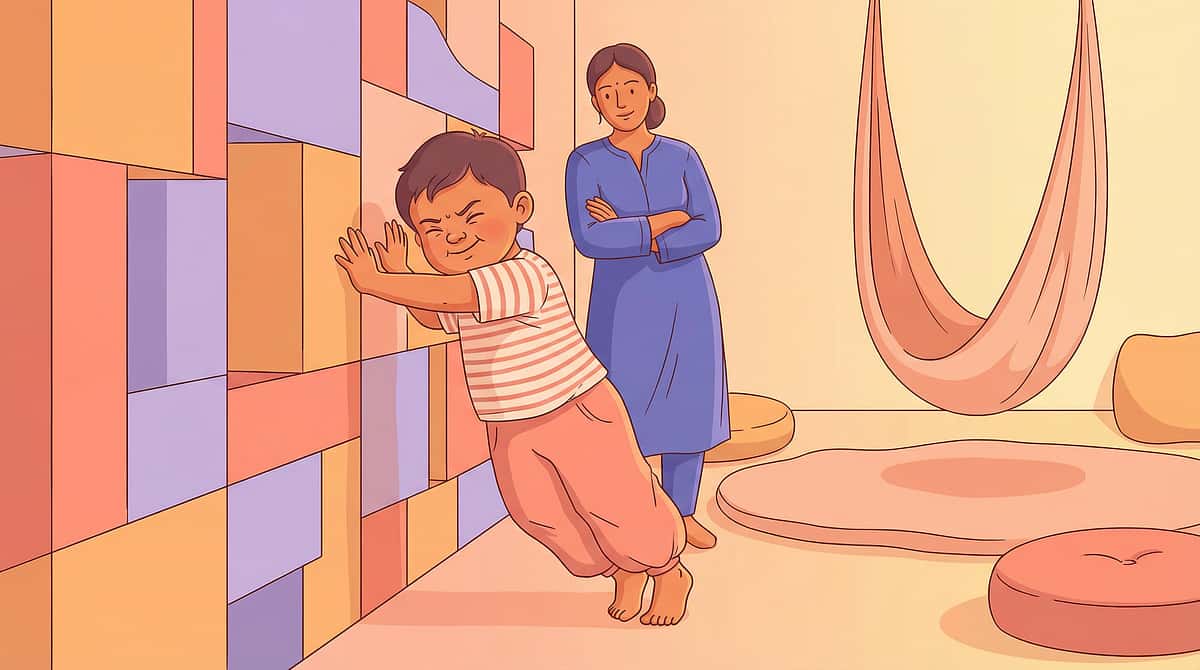
Subdomain A5 · Sensory Processing
Proprioceptive Challenges
15 evidence-based interventions for force modulation, body awareness, chewing, teeth grinding, clumsiness, self-hitting for input, and more — designed for children with autism ages 2–12. Pinnacle Blooms Network® | 21M+ sessions | GPT-OS®
Neuroscience Primer
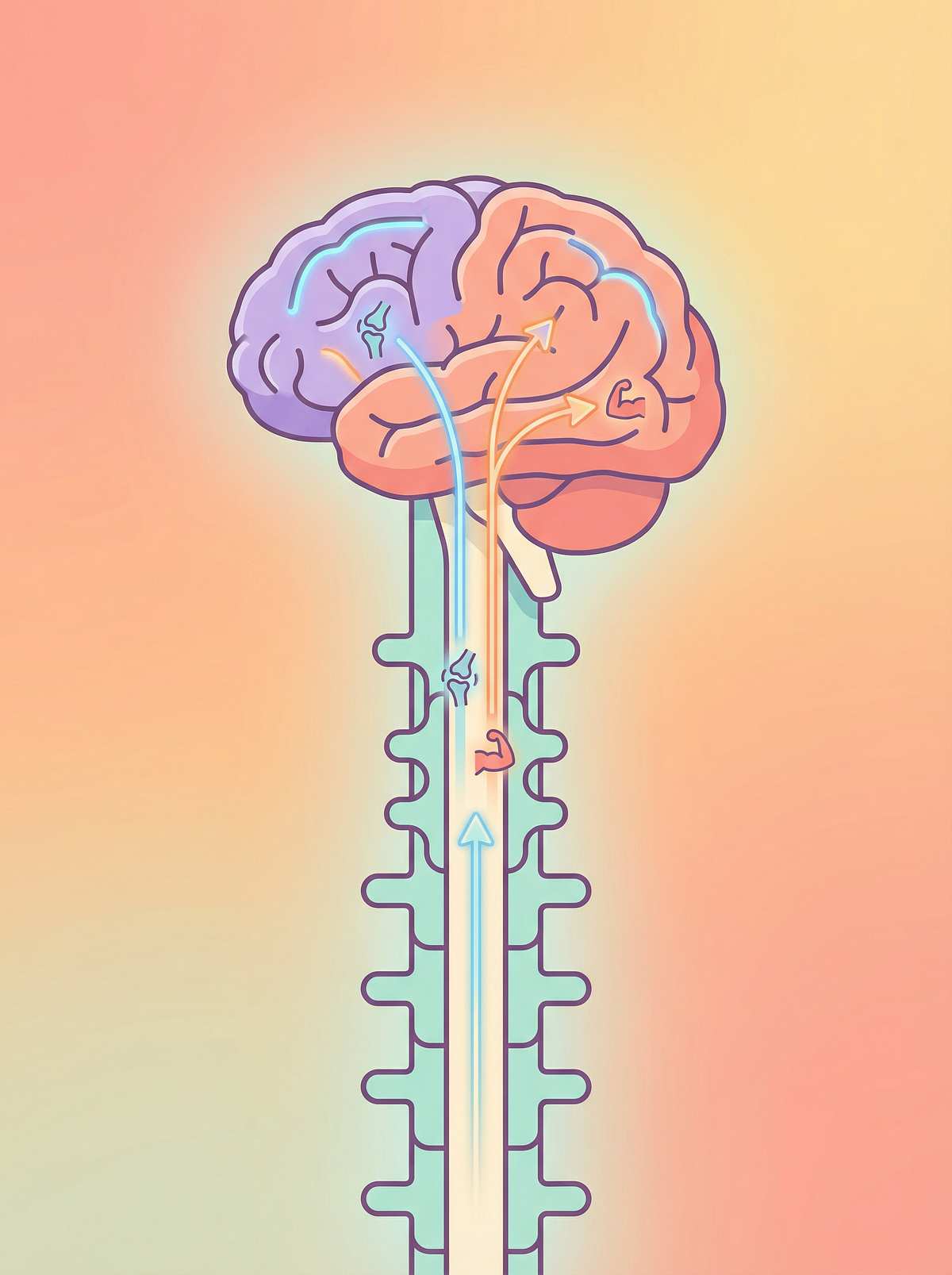
The Hidden Sixth Sense: How Proprioception Works
Proprioception is the body's internal GPS — a continuous, unconscious stream of information about where every limb is in space, how fast it's moving, and how much force is being applied. For neurotypical individuals, this sense operates effortlessly below conscious awareness. You don't think about where your hand is — you simply know.
For children with proprioceptive differences, this effortless knowing is disrupted. Every movement requires conscious effort. The proprioceptive pathway travels from receptors in muscles, tendons, and joints → through the spinal cord → to the brainstem → thalamus → somatosensory cortex → and in parallel to the cerebellum for coordination and error correction.
Hypo-Sensitivity (Seeking)
The brain under-registers muscle and joint input. The child craves deep pressure, heavy work, crashing, and intense physical input — not from aggression, but from neurological hunger for body-position data.
Processing Difficulty
The brain receives data but cannot calibrate it. Result: too much or too little force, poor body awareness, and apparent "clumsiness" — because the internal body map is unreliable.
A-096 · Force Modulation
9 Materials That Help With Force Modulation
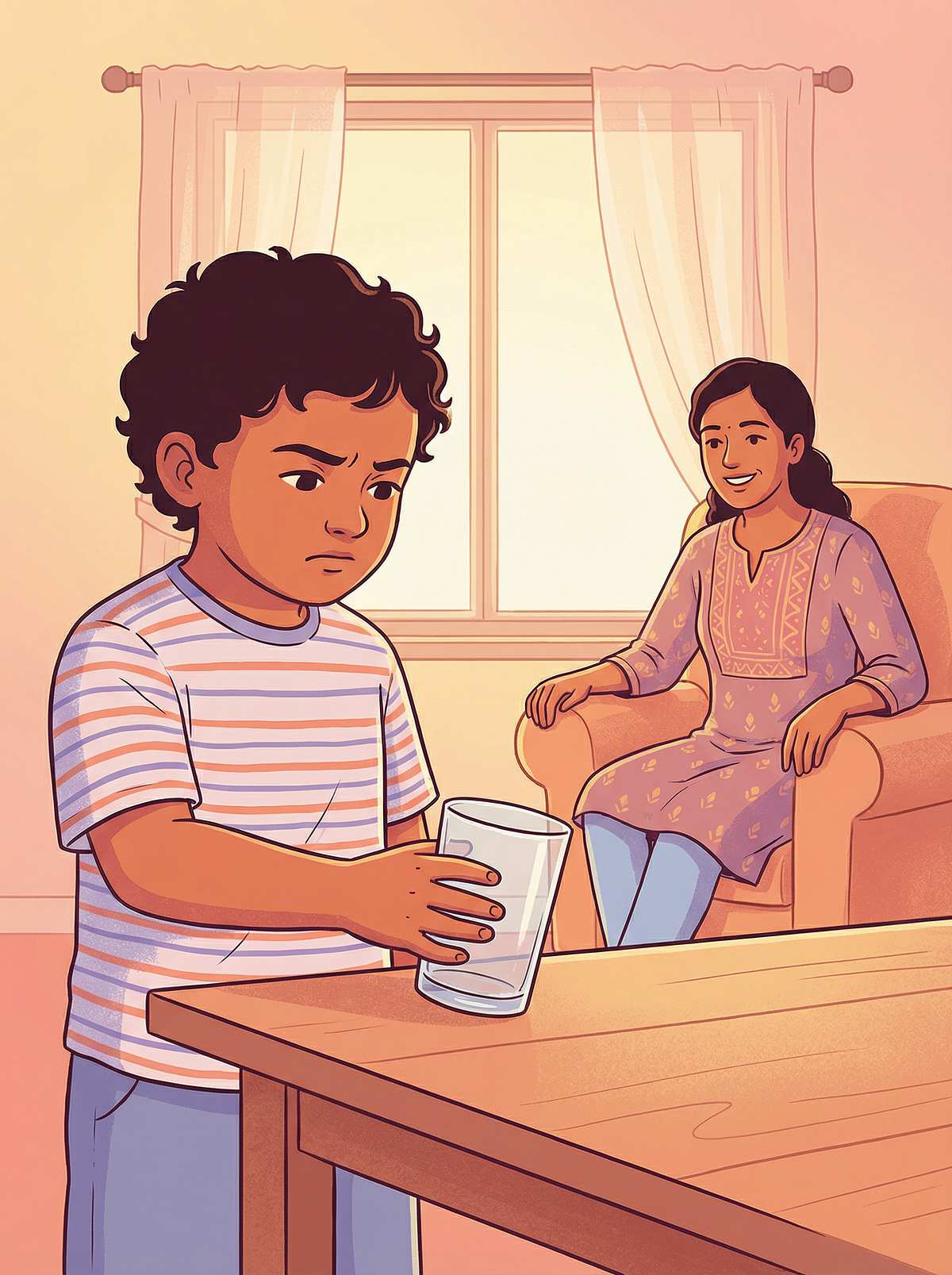
The Moment: They slam doors when they meant to close them gently. They break crayons every time they colour. They hug their baby sibling so hard the baby cries. They hand you a glass and it shatters because they released it too early. Every interaction with objects and people requires a force calibration their brain simply cannot perform automatically.
The Neuroscience: Force modulation requires real-time feedback from Golgi tendon organs (detecting force) and muscle spindles (detecting stretch). The brain must compare intended force with actual force and make millisecond corrections. When proprioceptive processing is inaccurate, this calibration loop fails — the child doesn't know they're pressing too hard. Their internal force meter is miscalibrated.
📊Level I Evidence — Proprioceptive-based interventions within sensory integration therapy demonstrate measurable improvement in force grading and motor calibration. PRISMA 2024 · NCAEP 2020 · PMC11506176 · DOI: 10.3389/fnint.2020.556660
What You'll Learn
Force Calibration Games
Grading pressure from "butterfly touch" to "elephant push" with tactile cues and graduated resistance tools.
Heavy Work Programme
10–15 minutes of resistive activity before fine-motor tasks to load the proprioceptive system and improve calibration accuracy.
Writing Pressure Calibration
Pencil grips, varied paper types, and carbon paper feedback methods to develop grip force awareness.
Peer Interaction Coaching
"Gentle hands" techniques with tactile cues, breakable-to-unbreakable object hierarchy for daily practice.
Lead Disciplines:🤲 OT (Sensory Integration) · ABA · Physiotherapy
A-097 · Too Much Force
9 Materials That Help When a Child Uses Too Much Force
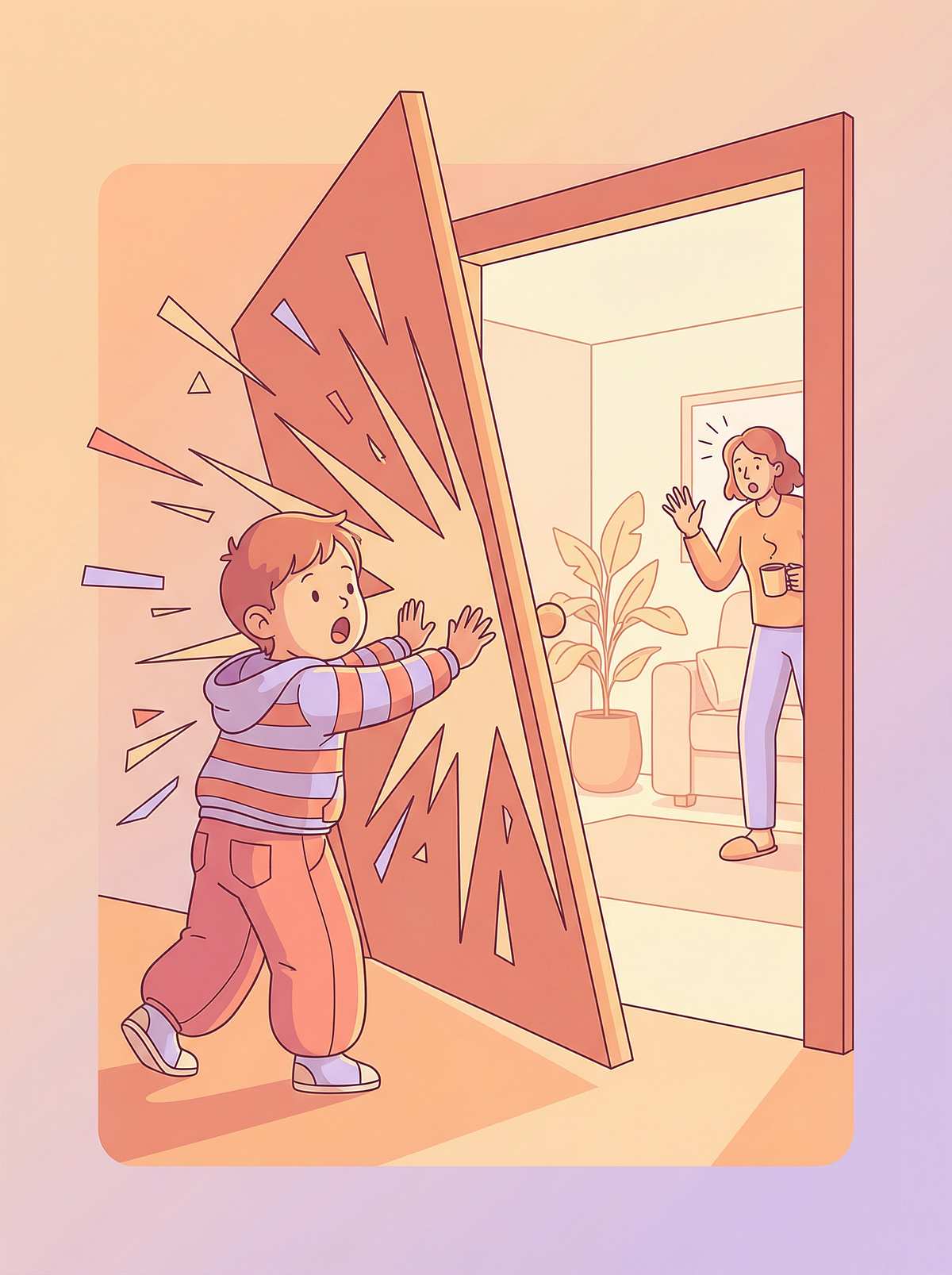
The Moment: They slam the iPad on the table when putting it down. They push open doors so hard they bang against the wall. They grab your arm and leave finger marks. Other children cry when they play together — not because your child is aggressive, but because every touch, push, and pull is calibrated at maximum intensity. Teachers say "they need to be gentler." They would — if they could.
The Neuroscience: The Golgi tendon organs are under-registering force feedback. The brain sends a motor command but doesn't receive accurate return data about how much force was delivered. Without this feedback loop, the default neurological strategy is to over-apply force — because too much force achieves the goal while too little fails. The brain has learned: more force = more reliable result.
Heavy Work First
Load the system with resistive input before fine-force tasks.
Force Grading Games
Visual and auditory feedback to teach force awareness in play.
Therapy Putty Grades
Soft → medium → firm → extra firm resistance progression.
"Robot Arms" Technique
Slow, controlled movement practice to build conscious calibration.
Evidence:📊 Level I — Force grading within proprioceptive programmes. PMC11506176 · NCAEP 2020

A-098 · Breaks Toys
9 Materials That Help When a Child Breaks Toys
The Moment: New toy — broken within hours. Not in anger. Not on purpose. Just… broken. The wheel pulled off. The button pushed through. The hinge snapped. They didn't mean to destroy it — they were exploring it the only way their hands know how: with too much force. Your house is a graveyard of dismantled toys, and relatives have stopped gifting expensive ones.
The Neuroscience: Same force modulation deficit as A-097, applied to object manipulation. The child's hands apply exploratory force calibrated for their proprioceptive threshold — not for the structural tolerance of the toy. They're not "destructive" — their hands speak a language of force that most toys aren't built to survive.
What You'll Learn
- Durable toy selection guide (Indian market, ₹ budget tiers)
- "Strong hands" activities BEFORE toy play
- Force calibration with varied-resistance objects
- Repair as learning: fix the toy together
- Rotating fragile and durable toy access
- Understanding breakage as proprioceptive data, not defiance
Core Principle
The intervention strategy centres on environmental scaffolding — choosing materials that can withstand the force level the child needs to apply, while simultaneously building proprioceptive calibration so that force gradually becomes more regulated over time.
Breakage is not failure. It's diagnostic data. Every broken toy tells you something important about where the child's force threshold currently sits.
Evidence:📊 Level I — Force grading + durable material selection. NCAEP 2020

A-099 · Pencil Pressure
9 Materials That Help With Pencil Pressure Problems
The Moment: Two extremes — they press so hard the pencil breaks and the paper tears, or they press so lightly the writing is invisible. Teachers say "press harder" or "press lighter" — but the child genuinely cannot feel how much pressure they're applying. Handwriting becomes the biggest daily battle of the school years. Homework takes hours because of pencil control alone.
The Neuroscience: Pencil control requires precision grip (thumb + index + middle finger), force grading (just enough for a visible mark), and proprioceptive feedback from the small hand muscles through fingertip mechanoreceptors. When proprioceptive input from the hand is unreliable, the brain cannot calibrate pencil pressure — and no amount of verbal instruction can replace missing sensory feedback.
📊Level I Evidence — Handwriting programmes within OT demonstrate significant improvement when proprioceptive loading precedes fine-motor tasks. NCAEP 2020 · AJOT handwriting research
Pencil Grip Selection
8+ grip types with images and ₹ pricing — matched to the child's specific grasp pattern and force profile.
Carbon Paper Method
Instant visual pressure feedback — too hard leaves a mark on the bottom sheet, too light leaves none. Real-time self-monitoring without adult prompting.
Pre-Writing Heavy Work
Resistive hand exercises (therapy putty, lacing, threading) before writing tasks to prime proprioceptive awareness in the small hand muscles.
Slant Board + Accommodations
Positioning adjustments and classroom accommodation letters under RPwD 2016 to reduce handwriting demands during the skill-building phase.
Lead Disciplines:🤲 OT · SpEd
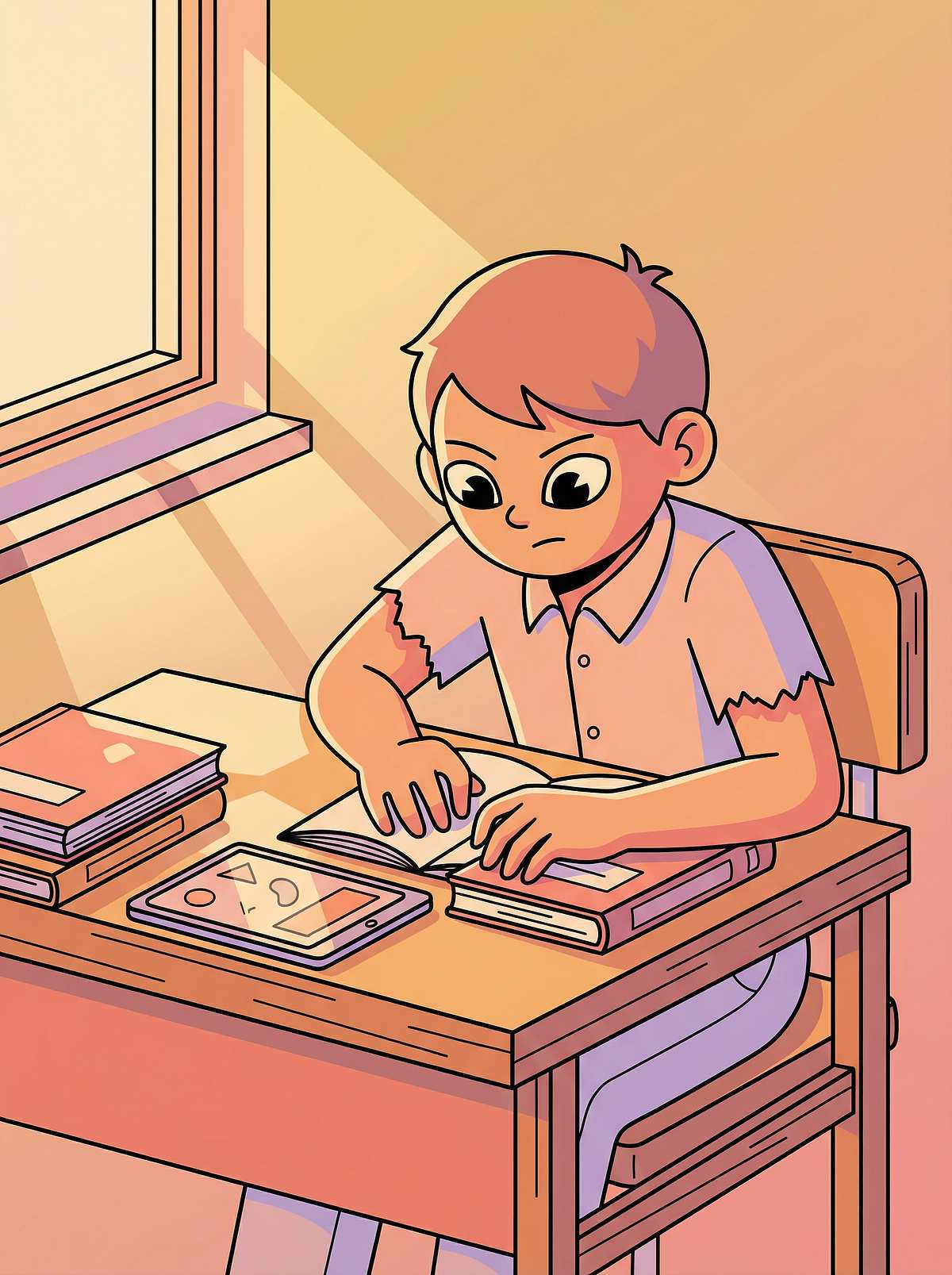
A-100 · Chews Everything
9 Materials That Help When a Child Chews Everything
The Moment: Shirt collars chewed through. Pencils destroyed. Toy edges gnawed. Book corners soggy. Their own fingers raw. They chew constantly — school, home, TV, homework, sleep. The school sent a note. Shirts get replaced monthly. You worry about choking on small pieces they bite off.
The Neuroscience: Chewing provides intense proprioceptive input to the temporomandibular joint (TMJ) through the masseter and temporalis muscles — two of the strongest muscles in the body. The jaw is the most proprioceptively rich joint. Oral proprioceptive input travels directly to the brainstem reticular formation, which modulates arousal and attention. This is why many children chew more during focused tasks — they're using jaw proprioception to regulate attention. Chewing is medicine, not misbehaviour.
The Right Approach
The goal is never to stop chewing — it's to redirect it to safe, appropriate tools. A food-grade silicone chew necklace provides the same proprioceptive input as a shirt collar, without the safety concerns or social stigma.
- Safe chew tool introduction (food-grade silicone, resistance levels)
- "Chewing is okay — let's choose WHAT to chew" approach
- Chew schedule aligned with attention demands
- Choking safety: eliminating unsafe chewing targets
Chew vs. Anxiety
Not all chewing is proprioceptive. Chewing that increases with stress or stops when the stressor is removed may indicate anxiety — requiring a different intervention pathway. Learning to distinguish the two is essential for effective support.
Oral motor exercises that satisfy proprioceptive hunger can reduce both types, but anxiety-driven chewing may need additional emotional regulation support.
Lead Disciplines:🗣️ SLP (oral motor) · 🤲 OT · ABA

A-101 · Seeks Bear Hugs
9 Materials That Help When a Child Seeks Bear Hugs
The Moment: They don't want a gentle hug — they want to be squeezed. As hard as you can. "Tighter, tighter!" They wrap themselves in blankets, burrow under cushions, press their body against yours with all their weight. The opposite of the touch-avoidant child — they're pressure-hungry, squeeze-hungry, compression-hungry.
The Neuroscience: Deep pressure activates joint proprioceptors and Ruffini endings simultaneously, triggering a parasympathetic cascade: reduced heart rate, decreased cortisol, increased serotonin. This is Temple Grandin's "squeeze machine" principle — sustained, firm, distributed pressure is one of the most powerful calming inputs available. The child seeks bear hugs because their body knows this is what it needs to regulate.
Compression Vest
Wearable deep pressure throughout the day — particularly useful during transitions and academic tasks.
Body Sock / Lycra
Full-body circumferential pressure — the "squeeze machine" for home use. Introduced gradually.
Weighted Blanket
10% body weight rule — deep pressure during rest, transitions, and bedtime regulation.
"Sandwich" Game
Pillow pressure play — a fun, child-led way to deliver deep pressure without relying solely on adult hugs.
Teaching the child to self-request deep pressure using words or PECS cards is a critical functional communication goal — reducing frustration when a caregiver isn't available for a hug.
Evidence:📊 Level I — Deep pressure research (Grandin, weighted vest studies, compression garment trials). PMC11506176 · NCAEP 2020
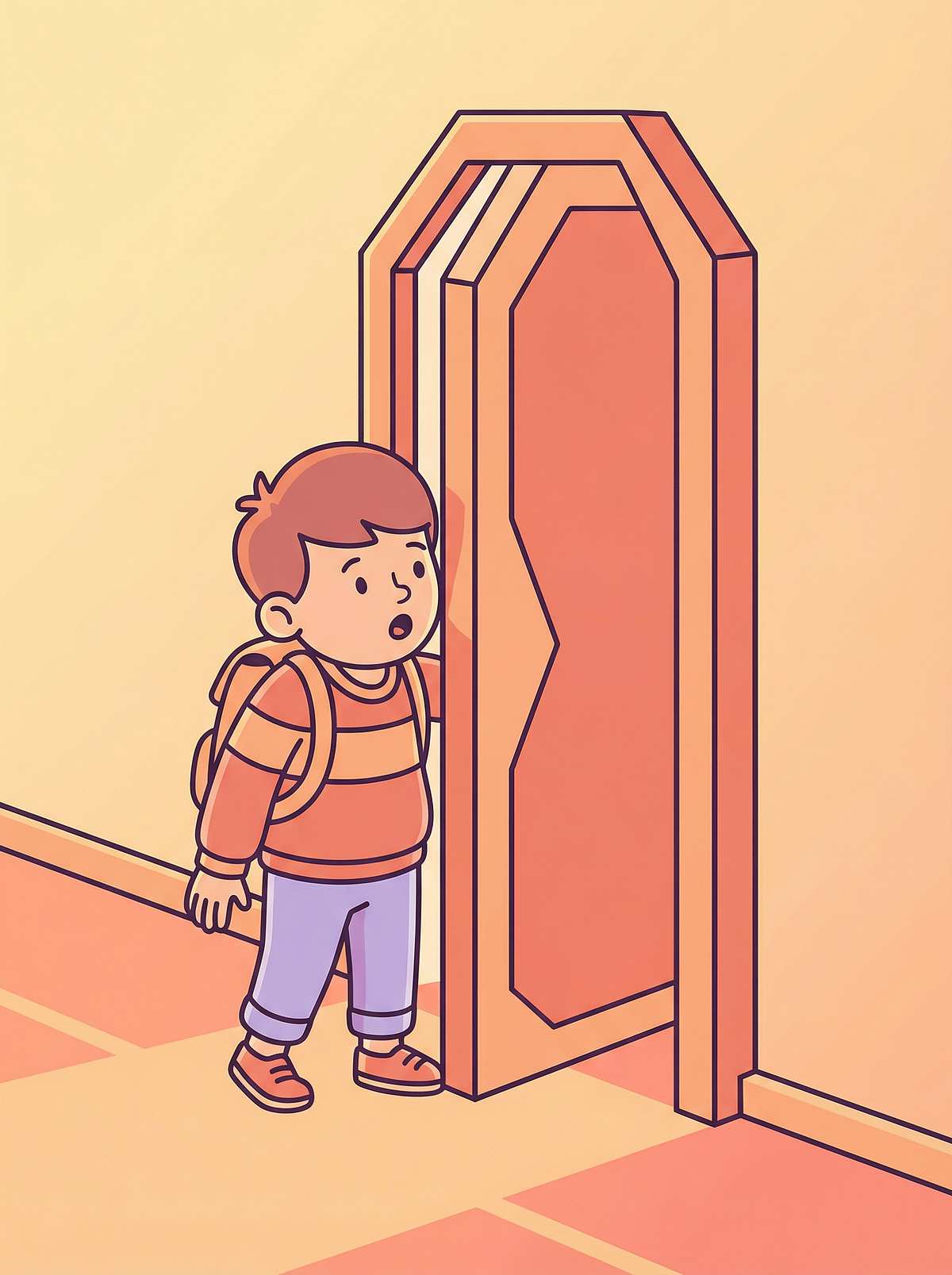
A-102 · Bumps Into Walls
9 Materials That Help When a Child Bumps Into Walls
The Moment: They walk into door frames. Misjudge gaps between furniture. Bump shoulders against walls in hallways. Knock things off tables with their elbows. Step on people's feet. Eyes work perfectly fine — they literally don't know where their body ends and the world begins.
The Neuroscience: This is impaired body schema — the brain's internal 3D map of body size, shape, and position in space. Proprioceptive input from joints and muscles continuously feeds this map. When the input is unreliable, the map is inaccurate. The child's brain thinks their body is a different size or shape than it actually is — miscalculating spatial clearances on every pass through a doorway, around furniture, and next to other people.
1
Body Awareness Activities
Obstacle courses, body-part identification games, and mirror play to build an accurate internal body map through repeated proprioceptive experience.
2
Proprioceptive Loading First
Heavy work before navigation tasks primes the system with accurate input, improving spatial calibration for the activity that follows.
3
Environmental Modification
Furniture padding, clear pathways, and visual markers help prevent injury while skills are being built — never a permanent substitute, but a critical safety bridge.
4
Vision Assessment
Rule out visual-spatial contributions — sometimes what looks like a proprioceptive-only problem has a visual processing component requiring co-treatment.
Teaching the child to self-request deep pressure using words or PECS cards is a critical functional communication goal — reducing frustration when a caregiver isn't available for a hug.
Evidence:📊 Level I — Body awareness training within OT proprioceptive protocols. PMC11506176 · NCAEP 2020

A-103 · Loves Tight Wrapping
9 Materials That Help When a Child Loves Tight Wrapping
The Moment: They wrap themselves in blankets like a burrito. Squeeze into tight spaces — between furniture, behind curtains, inside boxes. Pull shirt sleeves tight. Sleep under multiple heavy blankets even in summer heat. They want to feel contained, compressed, held by the environment itself.
The Neuroscience: Circumferential deep pressure (wrapping) activates proprioceptors across the entire body simultaneously — producing maximum proprioceptive input. This creates a full-body "location signal" telling the brain exactly where every body part is. Unwrapped, they're neurologically "lost." Wrapped, they're "found." Tight wrapping is the most complete body-awareness state their proprioceptive system can achieve.
Safe Wrapping Guidelines
- Face always uncovered — breathing continuously monitored
- Child can exit independently at all times
- 10% body weight rule for blankets
- Introduced gradually with positive association
- Never used as restraint or consequence
Using Wrapping as a Tool
The "burrito roll" game, body sock introduction, and compression garment options by age and discretion level allow wrapping to become a portable, socially appropriate regulation strategy — not just a home behaviour.
Used proactively before school, before bedtime, and after sensory overload, wrapping can dramatically reduce dysregulation in transitions.
Evidence:📊 Level I — Compression/wrapping within sensory diet. PMC11506176 · NCAEP 2020

A-104 · Stomps Feet
9 Materials That Help When a Child Stomps Feet
The Moment: Every step is a small earthquake. They stomp through the house, up stairs, across school corridors. Neighbours in the flat below have complained. Teachers say "disruptive." But they're not doing it on purpose — they cannot feel the floor unless they hit it.
The Neuroscience: Foot stomping generates high-intensity proprioceptive input through ankle, knee, and hip joints on each impact. Normal walking provides insufficient proprioceptive feedback for their joint receptors to register contact with the earth. Stomping is the force level required for the brain to feel "grounded." Light footsteps are neurologically silent to their system — the contact simply doesn't register.
Lower Body Heavy Work
Stair climbing, wagon pulling, marching — building proprioceptive saturation through structured movement before free navigation.
Proprioceptive Footwear
Weighted ankle activities and footwear options that increase ground-reaction force feedback during normal walking.
Force Grading Game
"Heavy feet, light feet" — a playful game that builds conscious awareness of foot force levels on varied surfaces.
Apartment Adaptations
Rugs, carpet tiles, and activity scheduling to reduce neighbour impact while skills develop — practical, Indian-context solutions.
Evidence:📊 Level I — Heavy work for lower extremities + footwear intervention. NCAEP 2020
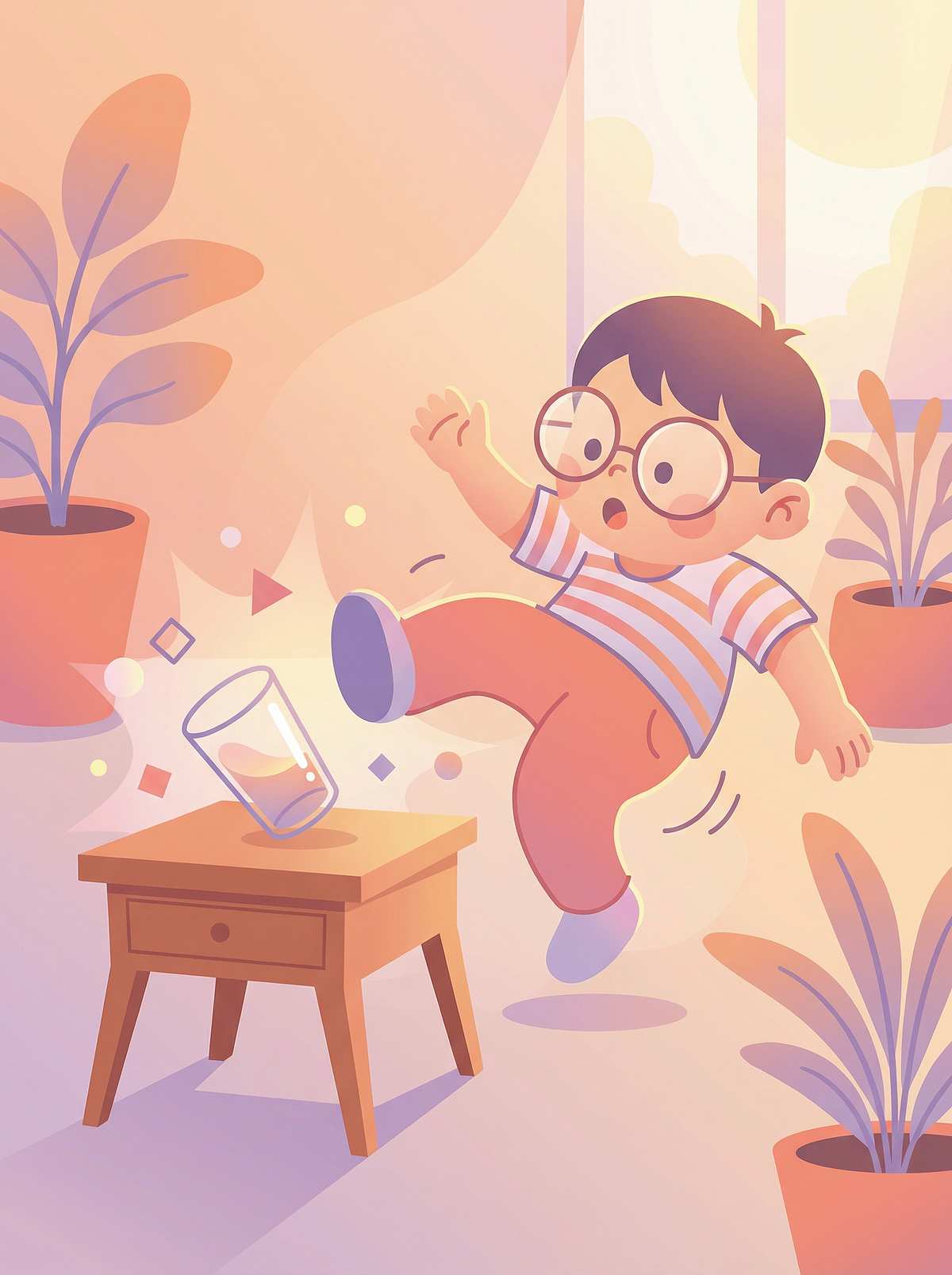
A-105 · Clumsiness
9 Materials That Help With Clumsiness
The Moment: They trip over their own feet. Knock over glasses at every meal. Miss when reaching for objects. Look uncoordinated in every physical activity. Sports day is humiliation. Relatives say "they'll grow out of it." They're 7 and it's getting worse, not better.
The Neuroscience: "Clumsiness" is a coordination failure at the proprioceptive-motor interface. Coordinated movement requires: knowing where your body IS (proprioception), knowing where you WANT it to go (motor planning), and calibrating force, speed, and trajectory (cerebellar fine-tuning). When proprioceptive input is unreliable, the entire motor chain operates on bad data — producing movements that are off-target, poorly timed, or incorrectly calibrated. This is not carelessness. It's a sensory information problem.
Intervention Strategy
- Body awareness foundation activities before coordination tasks
- Heavy work as proprioceptive "warm-up"
- Obstacle courses for spatial navigation practice
- Sport modification strategies for inclusion
- Assessment for DCD (Developmental Coordination Disorder)
Strengths-First Approach
Confidence is as important as coordination. Children with proprioceptive differences often develop deep strengths in activities that provide high proprioceptive input — swimming, martial arts, gymnastics, weight training. Finding these anchors and building identity around them is as therapeutic as any clinical protocol.
Evidence:📊 Level I — Proprioceptive-motor intervention. NCAEP 2020 · Dev Med Child Neurol

A-106 · Seeks Heavy Lifting
9 Materials That Help When a Child Seeks Heavy Lifting
The Moment: They push furniture across the room. Carry the heaviest bag they can find. Drag chairs, lift rocks, stack books in enormous piles — and they look calm while doing it. At the grocery store, they insist on carrying the rice bag. Heavy work isn't a chore for them — it's regulation. It's joy.
The Neuroscience: Heavy lifting maximally activates muscle spindles and Golgi tendon organs throughout the body. The intense proprioceptive input "floods" the system with body-position data, producing a neurological calming effect similar to deep pressure. The cerebellum and somatosensory cortex receive the highest-quality proprioceptive signal during heavy resistance work — giving the brain the body awareness data it's been starved of all day.
💡Cultural Context: In the Indian home, heavy work is everywhere — carrying water, grinding batter, kneading dough, stacking steel vessels. These everyday tasks are therapeutic gold. Build them into the daily routine before academic demands, and you'll see regulation outcomes that no clinic session can match.
Helpful Heavy Chores
Carrying groceries, pushing carts, stacking vessels — Indian home tasks that double as proprioceptive therapy without any special equipment.
Scheduled Loading
Proprioceptive loading built into the daily routine — not just when the child seeks it, but proactively before high-demand activities.
Work Before Learn
Heavy work before academic tasks produces measurably better attention, regulation, and output — the research consensus is consistent.
Evidence:📊 Level I — Heavy work / proprioceptive loading as core sensory diet component. PMC11506176 · NCAEP 2020
A-107 · Teeth Grinding
9 Materials That Help With Teeth Grinding
The Moment: The sound is unbearable — grinding, clenching, day and night. Teeth wearing down. The dentist alarmed. Mouth guards spat out. Grinding intensifies during stress but never fully stops, even in calm moments. You can hear it across the room.
The Neuroscience: Bruxism provides intense proprioceptive input to the TMJ — one of the most proprioceptively dense joints in the body. Grinding engages the masseter under maximum force, delivering a sustained proprioceptive signal the under-registering system craves. Night-time grinding occurs because the brain continues seeking regulatory input during sleep, when other proprioceptive sources (movement, heavy work) are entirely unavailable.
Daytime Strategy
- Chew tool as grinding replacement — same joint, safer force
- Oral motor exercises providing alternative jaw proprioception
- Awareness + replacement training during waking hours
- Chewing schedule aligned with high-demand periods
Night-Time Strategy
- Oral motor routine before bed (chew tool + blowing activities)
- Heavy work in the evening to pre-load the system
- Dental protection strategies — custom vs. over-the-counter guards
- Dental referral when grinding causes structural tooth damage
Evidence:📊 Level I–II — Oral proprioceptive replacement + dental protection. ASHA · NCAEP 2020 · Dental guidelines for ASD
A-108 · Hits Self for Input
9 Materials That Help When a Child Hits Self for Input
The Moment: They slap their own thighs. Hit themselves on the head — not in distress, but rhythmically, almost casually. Pound their chest. Bite their hand. Terrifying to watch. You rush to stop them, but they seek it again within minutes. This doesn't look like traditional self-harm — it looks like they need the impact.
⚠️Critical Distinction: Proprioceptive self-hitting looks similar to self-injurious behaviour (SIB) driven by emotional distress — but the function is completely different. Proprioceptive self-hitting is regulatory: the child generates intense joint/muscle input to fill a proprioceptive gap. If offering an alternative high-intensity proprioceptive activity reduces or stops the behaviour, the function is likely proprioceptive. If it doesn't, escalate to BCBA for a full functional behaviour assessment.
Indicators of proprioceptive function: Facial expression is calm or focused (not distressed), rhythm is regular and predictable, and behaviour reduces when proprioceptive alternatives are provided. Indicators of distress-driven SIB: escalating intensity, emotional expression, occurs in response to specific triggers or demands.
Proprioceptive Alternatives
Crash pad, body sock, deep pressure, wall push-ups — high-intensity proprioceptive input that fills the same neurological gap without impact to self.
Functional Analysis
ABC data collection basics — antecedent, behaviour, consequence — to identify function before choosing intervention pathway.
Replacement Behaviour Training
Teaching the child to access proprioceptive input through sanctioned activities using visual schedules, PECS, or AAC.
🚨 Red Flag Escalation
Self-hitting with emotional distress, escalation, or tissue injury → immediate BCBA / psychology referral. Call 9100 181 181.
Evidence:📊 Level I — Functional analysis + proprioceptive replacement. NCAEP 2020 · PMC11506176 · BACB FBA protocols
A-109 · Poor Body Awareness
9 Materials That Help With Poor Body Awareness
The Moment: They don't know where their body is without looking at it. Can't find their arm behind their back. Struggle with dressing because they can't feel which limb goes where. Can't imitate movements in dance or exercise. Look at their hands with fascination — as if meeting them for the first time. Touch their nose with eyes closed and miss.
The Neuroscience: Body awareness is the proprioceptive cortex's internal 3D body model. When proprioceptive input is unreliable, this map is blurry, incomplete, or delayed. The child must use vision to compensate — looking at their body to know where it is. Dressing requires visual checking of every step. Movement imitation requires watching themselves. Any eyes-closed activity becomes extremely difficult. This is not a cognitive deficit — it's a sensory information deficit.
Body Mapping Activities
Drawing around the body on paper, body-part identification in the mirror, and tactile exploration games to build an accurate, felt sense of body boundaries.
Yoga for Body-in-Space
Child-adapted yoga postures provide rich proprioceptive input in every position, building body awareness through slow, held, intentional movement.
Simon Says Positions
Proprioceptive-rich movement games using named body positions — building the vocabulary of body location through play and repetition.
Daily Body Scan
A 5-minute "where is my body?" morning practice — a brief, structured proprioceptive warm-up before the demands of the school day begin.
Evidence:📊 Level I — Body awareness programmes within OT. NCAEP 2020 · PMC11506176

A-110 · Mouths Objects
9 Materials That Help When a Child Mouths Objects
The Moment: Everything goes in their mouth. Toys, pencils, clothing, keys, jewellery, buttons, coins — anything within reach gets mouthed, licked, or chewed. At age 2 it's typical. At 6, 8, 10 — it's a safety hazard and a social challenge. You've removed every small object but they find something new to mouth every day.
The Neuroscience: The mouth is the most proprioceptively and tactilely sensitive body part — with higher receptor density than the fingertips. Mouthing provides oral proprioceptive input (jaw compression during biting), tactile exploration (texture, shape, temperature via tongue and lips), and calming brainstem activation (oral sensory → reticular formation → arousal regulation). Beyond typical mouthing age, this persists because the oral sensory-proprioceptive system remains the brain's preferred information-gathering and regulation channel.
⚠️When to Refer: If mouthing includes eating non-food items (dirt, paint, paper, fabric) with persistence and apparent compulsion, this may indicate pica — a medical condition requiring immediate paediatric and nutritional assessment. Call 9100 181 181 for guidance.
Safe Oral Sensory Diet
- Safe chew tool selection by age and oral motor profile
- Crunchy foods, chewy foods, blowing and whistling activities
- Vibrating oral tools for oral sensory input
- "Mouth is for food and chewies" boundary teaching
- Appropriate-context management: school vs. home strategies
Safety First
Before any intervention, conduct a full mouthing safety audit of the child's environments — home, classroom, vehicle, and outdoor play areas. Eliminate choking hazards, toxic materials (paint, varnish, certain plastics), and sharp edges from reach.
The goal is not to eliminate the oral seeking need, but to make every environment safe while skills are built through a structured oral sensory diet.
Lead Disciplines:🗣️ SLP (oral motor/feeding) · 🤲 OT · ABA · NeuroDev · Paediatrics (if pica suspected)
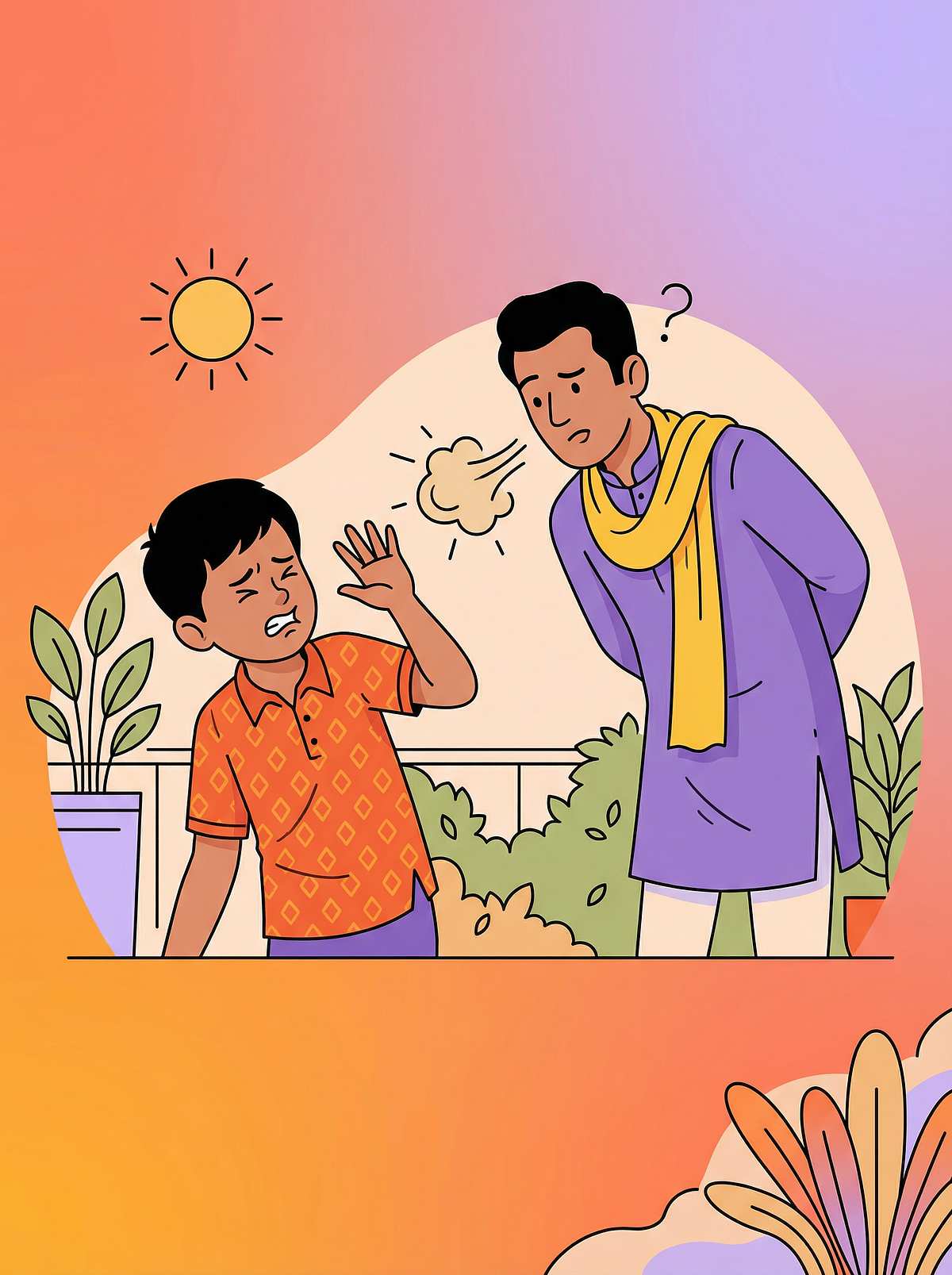
A-111 · Avoids Physical Contact
9 Materials That Help When a Child Avoids Physical Contact
The Moment: They flinch when someone brushes past them in the corridor. They refuse to join group activities where bodies might touch. They won't sit in circle time if another child is close. They pull away from hugs — even from parents they love. They can't tolerate the feeling of clothing tags, waistbands, or socks. Every unexpected touch feels like an alarm going off in their nervous system.
The Neuroscience: Tactile-proprioceptive integration is disrupted. The brain cannot accurately predict the sensory consequence of incoming touch, so it defaults to a threat response. Muscle spindles and skin mechanoreceptors send conflicting signals — the body doesn't know whether contact is safe or dangerous. This is tactile defensiveness with a proprioceptive underpinning: the body's position sense cannot contextualise touch as non-threatening.
📊 Level I Evidence — Deep pressure and proprioceptive input reduce tactile defensiveness by downregulating the amygdala's threat response. PRISMA 2024 · NCAEP 2020 · PMC11506176 · DOI: 10.3389/fnint.2020.556660
What You'll Learn
Desensitisation Hierarchy
Body-part-by-body-part graded touch exposure, starting with the child's own hands and progressing to peer contact.
Deep Pressure Protocol
Firm, predictable pressure before transitions to prime the proprioceptive system and reduce tactile alarm.
Clothing Adaptation Toolkit
Seamless socks, tagless shirts, compression underlayers — reducing the unpredictable tactile load.
Predictable Touch Cues
Teaching the child to request and prepare for touch, restoring a sense of control over sensory input.
Lead Disciplines:🤲 OT (Sensory Integration) · ABA · Psychology

A-112 · Seeks Spinning & Crashing
9 Materials That Help When a Child Seeks Spinning & Crashing
The Moment: They spin in circles until they fall — then get up and do it again. They throw themselves onto the sofa, crash into cushion piles, roll down hills, and launch themselves off furniture. They seek the biggest, most intense movement experiences available. Parents are exhausted trying to keep them safe. Teachers call it "reckless." It isn't. It's a nervous system screaming for input it cannot get any other way.
The Neuroscience: The vestibular-proprioceptive system is under-responsive. The brain requires extreme movement input to generate the same neural signal that a typical child gets from ordinary activity. Spinning activates the semicircular canals; crashing delivers intense joint compression and muscle activation. Together, they flood the proprioceptive system with the high-intensity input it craves for regulation. Without it, the child cannot achieve a calm-alert state.
📊 Level I Evidence — Vestibular-proprioceptive integration interventions show significant effects on arousal regulation and self-directed movement seeking. PRISMA 2024 · NCAEP 2020 · PMC11506176 · DOI: 10.3389/fnint.2020.556660
What You'll Learn
Controlled Crash Zones
Designated safe crashing environments — crash pads, foam pits, cushion corners — that satisfy the need without injury risk.
Spinning Protocols
Structured spinning with rest intervals to prevent over-stimulation while meeting vestibular-proprioceptive demand.
Heavy Work Substitutes
Resistive activities that deliver comparable proprioceptive input with less physical risk than crashing.
Arousal Regulation Ladder
Teaching the child to identify their arousal level and select appropriate input tools independently.
Lead Disciplines:🤲 OT (Sensory Integration) · Physiotherapy · ABA

A-113 · Difficulty With Stairs & Slopes
9 Materials That Help With Difficulty on Stairs & Slopes
The Moment: They grip the handrail with white knuckles going down three steps. They freeze at the top of a gentle slope. They watch their feet constantly — every step a conscious calculation. Other children run up and down without thinking. For this child, every change in surface height requires full visual attention and deliberate effort. Ramps, kerbs, and uneven ground are obstacles that slow them to a crawl.
The Neuroscience: Proprioceptive processing of ankle and knee joint angles is impaired. Typically, the brain uses continuous joint position feedback to automatically adjust muscle activation for inclines and steps — no visual input required. When this feedback is unreliable, the child must consciously substitute vision for proprioception. The result is slow, effortful, visually-dependent movement on any non-flat surface.
📊 Level I Evidence — Proprioceptive training on unstable surfaces improves automatic postural adjustment and reduces visual dependency for movement. PRISMA 2024 · NCAEP 2020 · PMC11506176 · DOI: 10.3389/fnint.2020.556660
What You'll Learn
Graded Surface Training
Progression from flat to slightly inclined to full stairs, building proprioceptive confidence at each level.
Balance Board Preparation
Wobble boards and rocker boards to train ankle proprioception before real-world incline challenges.
Stair Rhythm Techniques
Rhythmic counting and movement patterns to reduce cognitive load and build automatic stair navigation.
Footwear Optimisation
Firm-soled shoes with ankle support to enhance ground-contact proprioceptive feedback.
Lead Disciplines:🤲 OT (Sensory Integration) · Physiotherapy · SpEd
A-114 · Slumps & Poor Posture
9 Materials That Help With Slumping & Poor Posture
The Moment: They slide out of their chair within minutes of sitting down. They prop their head on their hand, lean against walls, drape themselves over desks. Teachers constantly remind them to sit up. They look exhausted — but they slept fine. It isn't laziness or attitude. Their postural muscles are not receiving the proprioceptive feedback needed to maintain upright position automatically. Sitting up straight requires conscious effort that depletes their cognitive resources.
The Neuroscience: Postural tone is regulated by continuous proprioceptive input from spinal extensors, hip flexors, and core muscles. When muscle spindle feedback is under-processed, the brain cannot maintain the low-level tonic activation needed for upright posture. The child must consciously recruit muscles that should work automatically. This is neurologically exhausting — and explains why they can't simultaneously maintain posture and attend to learning.
📊 Level I Evidence — Core proprioceptive loading and dynamic seating interventions improve postural endurance and classroom attention simultaneously. PRISMA 2024 · NCAEP 2020 · PMC11506176 · DOI: 10.3389/fnint.2020.556660
What You'll Learn
Dynamic Seating Solutions
Wobble cushions, therapy balls, and saddle stools that provide continuous proprioceptive input to maintain alertness and posture.
Core Activation Warm-Ups
5-minute proprioceptive loading routines before seated tasks to prime postural muscle tone.
Desk & Chair Ergonomics
Foot support, desk height, and chair depth adjustments that reduce the proprioceptive demand of sitting.
Movement Break Scheduling
Structured heavy-work breaks every 20 minutes to reset postural tone and sustain attention.
Lead Disciplines:🤲 OT (Sensory Integration) · Physiotherapy · SpEd
A-115 · Difficulty With Fine Motor Tasks
9 Materials That Help With Fine Motor Difficulties
The Moment: Buttons are impossible. Zips take five minutes. Scissors go in the wrong direction. Beads won't thread. Lego pieces won't connect. They avoid crafts, refuse to dress independently, and melt down over tasks that peers complete effortlessly. It isn't a lack of trying. Their fingers simply don't receive accurate enough proprioceptive feedback to make the tiny, precise adjustments that fine motor tasks demand.
The Neuroscience: Fine motor control requires millisecond-level proprioceptive feedback from finger joint receptors and intrinsic hand muscles. The brain must continuously compare intended finger position with actual position and make micro-corrections. When this feedback loop is imprecise, the child cannot reliably execute the small, graded movements required for manipulation tasks. They may press too hard, miss targets, or lose grip without warning.
📊 Level I Evidence — Proprioceptive hand-loading activities prior to fine motor tasks significantly improve precision and task completion rates. PRISMA 2024 · NCAEP 2020 · PMC11506176 · DOI: 10.3389/fnint.2020.556660
What You'll Learn
Hand Warm-Up Protocols
Resistive putty, finger push-ups, and hand-weight exercises to load proprioceptors before precision tasks.
Graded Manipulation Tools
Adapted scissors, chunky zips, and large-bead threading to scaffold success while building proprioceptive accuracy.
Tactile Feedback Surfaces
Textured mats and raised-line paper to supplement proprioceptive feedback with tactile cues during writing and drawing.
Task Decomposition
Breaking fine motor sequences into single-step proprioceptive challenges to build accuracy before combining movements.
Lead Disciplines:🤲 OT (Sensory Integration) · SpEd · ABA
A-116 · Difficulty Sitting Still
9 Materials That Help When a Child Can't Sit Still
The Moment: They rock in their chair. They tap their feet constantly. They fidget with everything within reach. They get up, sit down, get up again. They lean back until the chair tips. They can't watch a film without moving. Teachers say they're disruptive. Parents say they're exhausting. But the movement isn't defiance — it's the nervous system's attempt to generate the proprioceptive input it needs to stay regulated and alert.
The Neuroscience: The reticular activating system requires a baseline level of proprioceptive input to maintain a calm-alert state. When the proprioceptive system is under-responsive, the brain generates movement to self-supply the missing input. Rocking, tapping, and fidgeting are not distractions — they are self-regulation strategies. Stopping the movement without providing an alternative input source makes attention and regulation worse, not better.
📊 Level I Evidence — Providing proprioceptive input through movement tools during seated tasks improves on-task behaviour and reduces disruptive movement. PRISMA 2024 · NCAEP 2020 · PMC11506176 · DOI: 10.3389/fnint.2020.556660
What You'll Learn
Fidget Tool Hierarchy
Evidence-ranked fidget tools from resistance bands on chair legs to weighted lap pads — matched to the child's input needs.
Seating Alternatives
Wobble stools, floor seating, and standing desks that allow movement while maintaining learning posture.
Sensory Diet Scheduling
Timed proprioceptive input breaks that pre-empt the need for disruptive self-generated movement.
Classroom Accommodation Scripts
Ready-to-use language for teachers and parents to explain and implement movement accommodations.
Lead Disciplines:🤲 OT (Sensory Integration) · ABA · SpEd
A-117 · Difficulty With Ball Skills
9 Materials That Help With Ball Skill Difficulties
The Moment: They can't catch a ball — it hits their hands and drops. They throw wildly, with no accuracy. They kick and miss. They avoid PE, refuse team sports, and dread any activity involving a ball. Peers stop including them. They start calling themselves "bad at sport." But this isn't about athleticism. Their proprioceptive system cannot predict where their limbs are in space fast enough to intercept a moving object.
The Neuroscience: Ball skills require predictive proprioception — the brain must anticipate where the limb will be at the moment of contact, not just where it is now. This requires accurate, fast-processing muscle spindle feedback combined with visual-motor integration. When proprioceptive processing is slow or inaccurate, the child's motor commands arrive too late. They reach where the ball was, not where it is. No amount of practice helps if the underlying sensory processing isn't addressed first.
📊 Level I Evidence — Proprioceptive priming before ball skill practice significantly improves interception accuracy and motor learning rates. PRISMA 2024 · NCAEP 2020 · PMC11506176 · DOI: 10.3389/fnint.2020.556660
What You'll Learn
Predictive Motor Training
Slow-motion ball activities that allow the proprioceptive system to process and respond before speed is introduced.
Weighted Ball Progression
Heavier balls provide more proprioceptive feedback on contact, improving catch-and-throw calibration.
Stationary Target Practice
Building proprioceptive accuracy with fixed targets before introducing moving objects.
Joint Compression Pre-Loading
Upper limb heavy work before ball activities to prime proprioceptors for fast-response demands.
Lead Disciplines:🤲 OT (Sensory Integration) · Physiotherapy · SpEd
A-118 · Seeks Jumping & Bouncing
9 Materials That Help When a Child Seeks Jumping & Bouncing
The Moment: They jump on the sofa until it breaks. They bounce on their bed for an hour. They can't walk past a trampoline without getting on it. They jump in queues, in corridors, in classrooms. They bounce on their toes when standing still. Parents buy trampolines hoping it will satisfy the need — but the need comes back within minutes. The jumping isn't fun. It's fuel. Their nervous system runs on it.
The Neuroscience: Jumping and bouncing deliver intense, rhythmic joint compression through the ankles, knees, hips, and spine — one of the most efficient proprioceptive input delivery mechanisms available. Each landing sends a burst of Golgi tendon organ and muscle spindle activation through the entire lower body. For a child with an under-responsive proprioceptive system, this is the neurological equivalent of a full-body reset. The effect is real, measurable, and temporary — which is why they keep returning.
📊 Level I Evidence — Rhythmic joint compression through jumping activities produces measurable improvements in arousal regulation and sustained attention. PRISMA 2024 · NCAEP 2020 · PMC11506176 · DOI: 10.3389/fnint.2020.556660
What You'll Learn
Structured Trampoline Protocols
Timed, purposeful bouncing sessions with specific movement patterns to maximise proprioceptive benefit and reduce compulsive seeking.
Classroom Jump Breaks
Discrete, teacher-approved jumping activities that deliver input without disrupting the learning environment.
Jumping Alternatives
Stair climbing, jump rope, and resistance band activities that provide comparable input in settings where jumping isn't possible.
Sensory Diet Integration
Scheduling jumping input at predictable intervals to reduce spontaneous seeking throughout the day.
Lead Disciplines:🤲 OT (Sensory Integration) · Physiotherapy · ABA
A-119 · Difficulty With Handwriting
9 Materials That Help With Handwriting Difficulties
The Moment: Their letters are enormous, then tiny, then enormous again. Lines are ignored. Words run off the page. They hold the pencil in a fist grip. Their hand cramps after two sentences. They erase so hard the paper tears. They hate writing — not because they can't think of what to say, but because the physical act of writing is a proprioceptive obstacle course that exhausts them before the first sentence is finished.
The Neuroscience: Handwriting is one of the most proprioceptively demanding fine motor tasks a child performs. It requires simultaneous regulation of grip force, pencil angle, letter size, line tracking, and letter formation — all dependent on accurate, real-time proprioceptive feedback from the fingers, wrist, and forearm. When this feedback is imprecise, every letter requires conscious effort. The child cannot automate handwriting, so it competes directly with the cognitive resources needed for composing content.
📊 Level I Evidence — Proprioceptive hand-loading and adapted writing tools significantly improve handwriting legibility and endurance in children with sensory processing differences. PRISMA 2024 · NCAEP 2020 · PMC11506176 · DOI: 10.3389/fnint.2020.556660
What You'll Learn
Pencil Grip Adaptations
Triangular grips, weighted pens, and vibrating pencils that enhance proprioceptive feedback during writing.
Pre-Writing Warm-Ups
Resistive hand activities that load the proprioceptive system before writing tasks begin.
Paper & Surface Modifications
Raised-line paper, slant boards, and textured writing surfaces that provide additional sensory feedback.
Letter Formation Programmes
Multisensory handwriting curricula that build proprioceptive memory for letter shapes through whole-body movement.
Lead Disciplines:🤲 OT (Sensory Integration) · SpEd · SLP
A-120 · Difficulty With Dressing
9 Materials That Help With Dressing Difficulties
The Moment: Getting dressed takes 45 minutes. They can't find the armhole. They put both legs in one trouser leg. They can't feel whether their shirt is on backwards. They leave the house with shoes on the wrong feet — and don't notice. They melt down over socks that aren't perfectly smooth. Dressing is a daily battle that exhausts the whole family before the day has even started.
The Neuroscience: Dressing requires the brain to build and maintain an accurate real-time body map — knowing where each limb is without looking at it. This is entirely dependent on proprioceptive processing. When the body map is imprecise, the child cannot reliably guide a limb through a sleeve, feel whether clothing is correctly positioned, or detect that a sock is twisted. They must use vision to compensate for every step — making dressing slow, effortful, and frustrating.
📊 Level I Evidence — Proprioceptive body-awareness training and clothing adaptations significantly reduce dressing time and associated behavioural difficulties. PRISMA 2024 · NCAEP 2020 · PMC11506176 · DOI: 10.3389/fnint.2020.556660
What You'll Learn
Body Map Warm-Ups
Proprioceptive body-awareness activities before dressing to sharpen the internal body map and reduce errors.
Clothing Adaptations
Seamless socks, elastic waistbands, magnetic fastenings, and inside-out labels to reduce sensory obstacles.
Dressing Sequence Boards
Visual-proprioceptive step sequences that reduce cognitive load and build automatic dressing routines.
Tactile Orientation Cues
Tags, textures, and colour coding to help the child orient clothing correctly without visual checking.
Lead Disciplines:🤲 OT (Sensory Integration) · ABA · SpEd
A-121 · Difficulty With Transitions
9 Materials That Help When a Child Struggles With Transitions
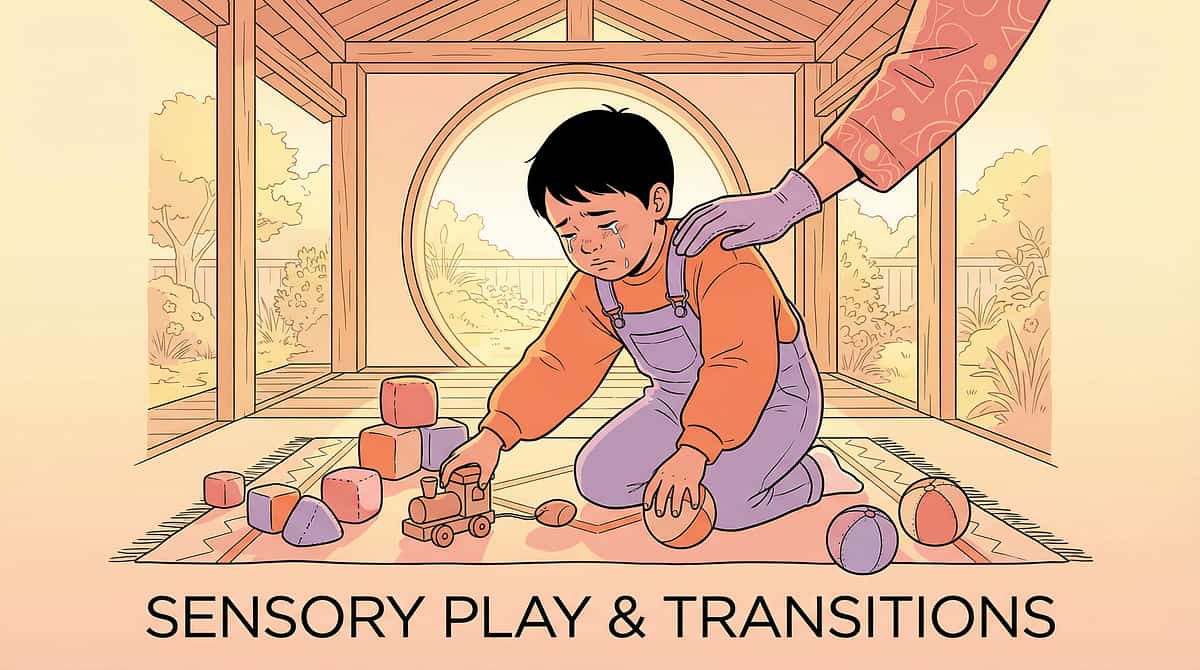
The Moment: Moving from one activity to the next triggers a meltdown every time. Leaving the playground. Stopping a game. Switching from free play to structured work. Even transitions they've done a hundred times before. The warning doesn't help. The countdown doesn't help. They know it's coming — and they still fall apart. What looks like inflexibility or defiance is often a proprioceptive regulation crisis: the new environment hasn't yet provided enough input for the nervous system to feel safe.
The Neuroscience: Transitions require the nervous system to rapidly recalibrate its arousal state for a new sensory environment. This recalibration depends on proprioceptive input — the body needs to "find itself" in the new context. When proprioceptive processing is unreliable, the nervous system cannot quickly establish a stable regulatory baseline in a new setting. The result is a prolonged dysregulation window during which the child is neurologically vulnerable to overwhelm.
📊 Level I Evidence — Proprioceptive input immediately before and during transitions significantly reduces transition-related behavioural difficulties. PRISMA 2024 · NCAEP 2020 · PMC11506176 · DOI: 10.3389/fnint.2020.556660
What You'll Learn
01
Pre-Transition Loading
2-minute proprioceptive input routines immediately before transitions to prime the nervous system for environmental change.
02
Transition Objects
Weighted items, fidget tools, and compression garments carried through transitions to maintain proprioceptive regulation.
03
Predictable Transition Rituals
Consistent sensory-motor sequences that signal transition and provide proprioceptive anchoring.
04
Environment Arrival Protocols
First-minute proprioceptive activities in the new setting to accelerate nervous system recalibration.
Lead Disciplines:🤲 OT (Sensory Integration) · ABA · Psychology
A-122 · Difficulty With Sleep
9 Materials That Help When Proprioception Disrupts Sleep
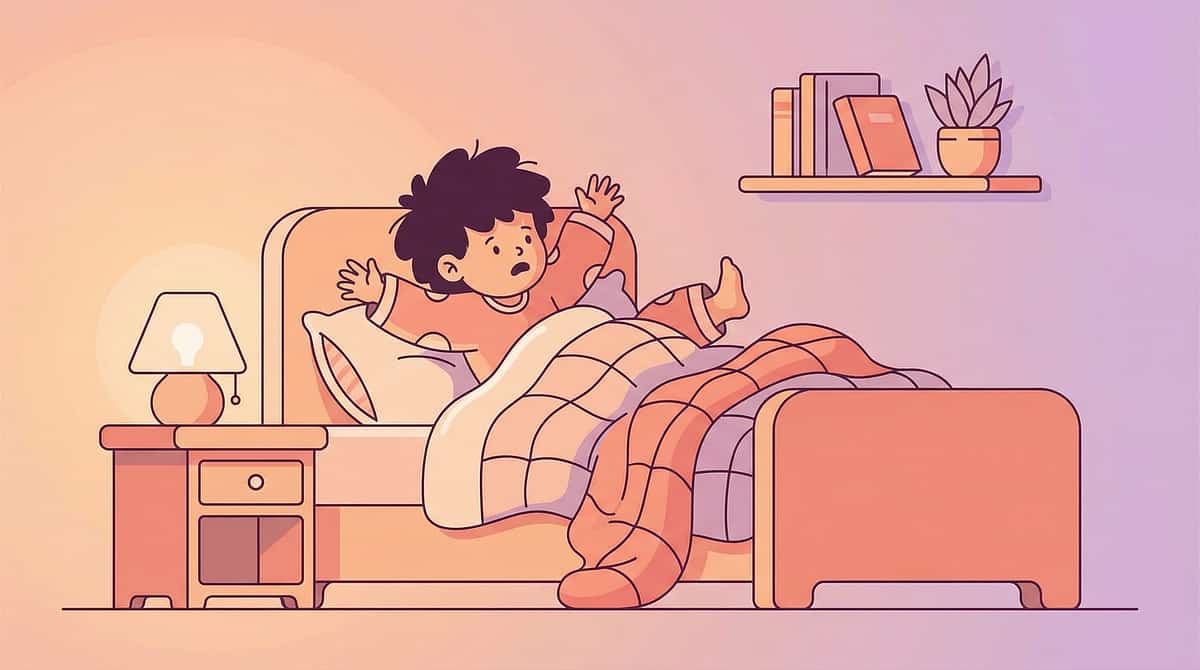
The Moment: They can't settle at bedtime. They toss and turn for hours. They need to be held tightly to fall asleep. They wake repeatedly through the night. They fall out of bed. They sleep in strange, contorted positions — wedged against the wall, curled into a ball, with heavy blankets piled on top. Morning comes and they're exhausted. So is everyone else. What looks like a sleep problem is often a proprioceptive regulation problem that happens to occur at night.
The Neuroscience: The proprioceptive system plays a critical role in sleep onset and maintenance. As the body transitions to sleep, proprioceptive input naturally decreases — and for children with under-responsive proprioceptive systems, this reduction in input triggers arousal rather than relaxation. The nervous system interprets the loss of proprioceptive feedback as a threat signal. The child seeks input (tossing, turning, pressing against surfaces) to restore the proprioceptive baseline needed for the nervous system to feel safe enough to sleep.
📊 Level I Evidence — Deep pressure and proprioceptive input at bedtime significantly improve sleep onset latency and night waking frequency. PRISMA 2024 · NCAEP 2020 · PMC11506176 · DOI: 10.3389/fnint.2020.556660
What You'll Learn
Bedtime Proprioceptive Routine
A structured 15-minute pre-sleep heavy work and deep pressure sequence to load the proprioceptive system before lights out.
Weighted Blanket Protocols
Evidence-based weight selection, introduction, and monitoring for proprioceptive sleep support.
Sleep Environment Design
Bed positioning, pillow arrangements, and mattress firmness to maximise proprioceptive input during sleep.
Night Waking Response Plans
Rapid proprioceptive re-regulation strategies for middle-of-the-night waking that minimise full arousal.
Lead Disciplines:🤲 OT (Sensory Integration) · Psychology · Paediatrics
Preview of proprioceptive challenges Therapy Material
Below is a visual preview of proprioceptive challenges therapy material. The pages shown help educators, therapists, and caregivers understand the structure and content of the resource before use. Materials should be used under appropriate professional guidance.
Link copied!