

"When you've answered the same question 47 times today"
The question isn't about the answer — it's about what your child's brain is searching for.
D-376
Communication & Behavioral Regulation
Ages 2–12
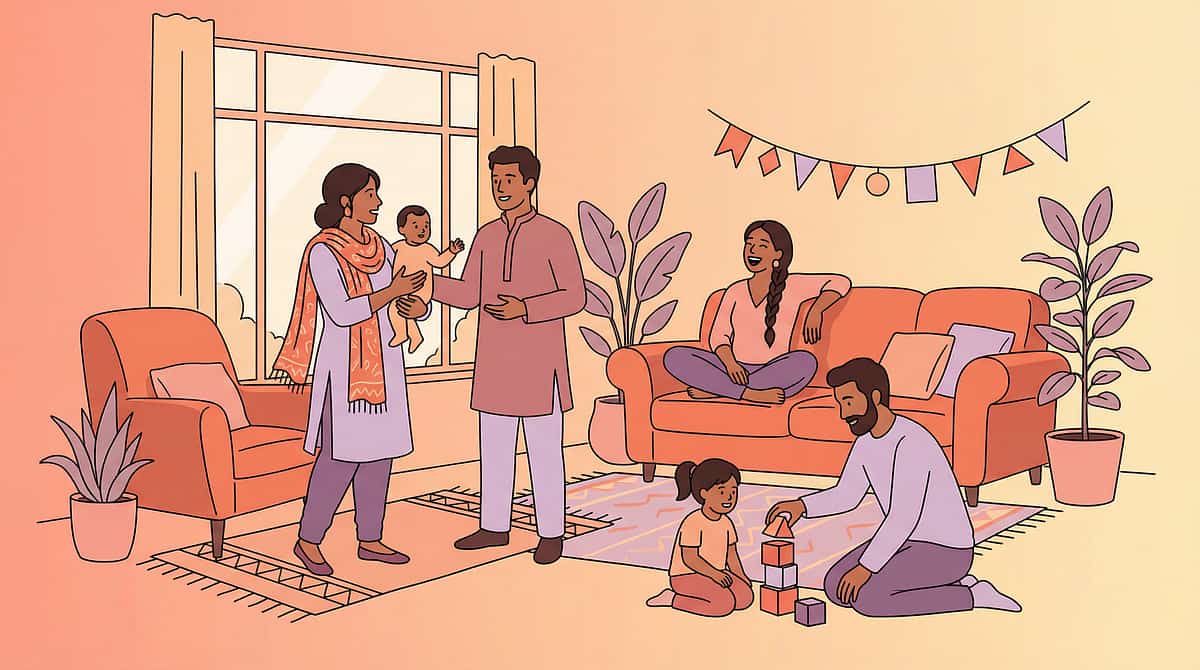
ACT I — THE EMOTIONAL ENTRY
You Are Not Alone — And These Numbers Prove It
Repetitive questioning is not a parenting failure. It is not stubbornness. It is a neurological pattern driven by anxiety, working memory differences, sensory needs, or communication gaps — and it is one of the most exhausting challenges families navigate.
80%
Repetitive Verbal Behaviors in Autism
Of children with autism experience repetitive verbal behaviors — PRISMA Systematic Review, 2024 (PMC11506176)
1in36
Children Diagnosed with ASD
Children diagnosed with ASD globally — WHO/CDC 2023
47×
Daily Question Repetitions
Average times a caregiver hears the same question in a single day — Pinnacle Network parent surveys
You are among millions of families navigating this exact challenge today. The science that explains WHY this happens — and WHAT actually helps — exists. That is this page.
📞 FREE National Autism Helpline: 9100 181 181 | pinnacleblooms.org

"'What are we doing today?' I'll answer. Thirty seconds later: 'What are we doing today?' I answer again. 'What are we doing today?' It's endless. I feel like I'm losing my mind. But I also see the anxiety in his eyes. He's not trying to annoy me — he genuinely needs something my answers aren't providing. What IS he actually looking for?"
— A mother, navigating this right now
This Is the Question Behind the Question
When a child with autism or anxiety asks the same question repeatedly, they are not testing your patience. Their brain is stuck in a loop — searching for relief that verbal answers simply cannot provide. Understanding what drives the loop is the first step to breaking it.
This page — D-376 of the Pinnacle Blooms Network® Communication & Behavioral Regulation Series — presents 9 clinically validated materials matched to the actual functions driving repetitive questioning. Each material targets a specific neurological need. Together, they give your child a way out of the loop.
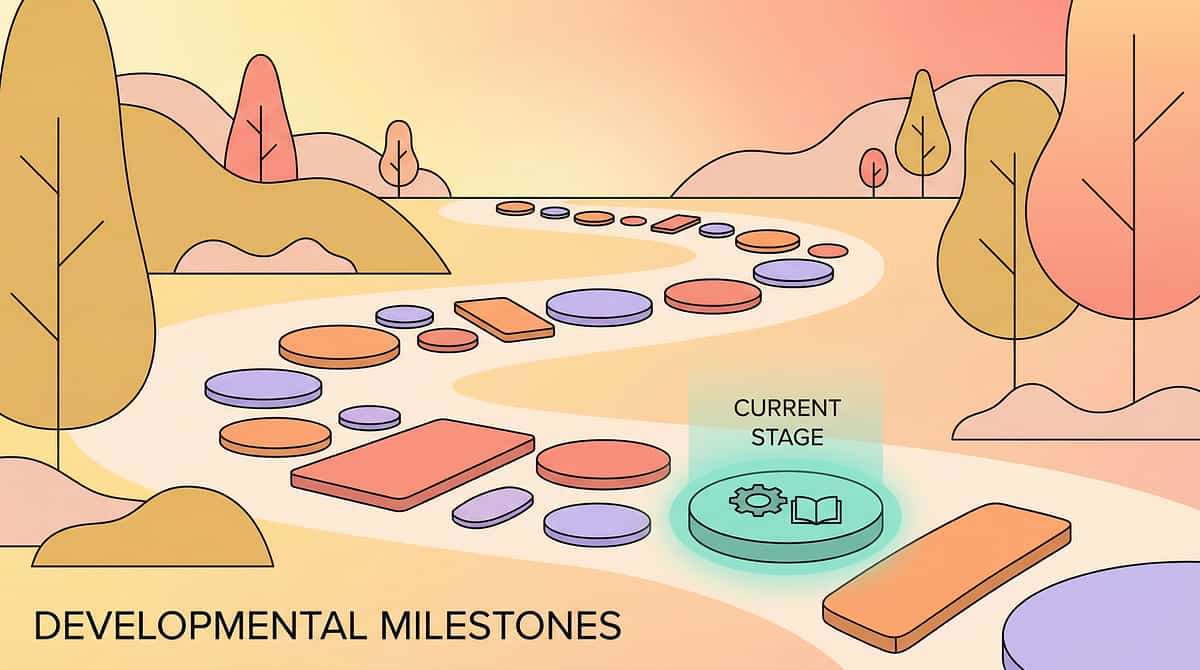
THE NEUROSCIENCE
What's Happening in Your Child's Brain
The Loop Your Child Is Trapped In
When anxiety activates the amygdala (the brain's threat detector), it sends an urgent signal: resolve this uncertainty NOW. The child asks. The answer provides brief relief. But the prefrontal cortex — responsible for inhibiting repetitive impulse — is still developing in children with autism and anxiety profiles. The relief fades in seconds. The amygdala fires again. The question returns.
For children with working memory differences, the verbal answer simply doesn't consolidate. The brain genuinely doesn't retain "we're going to the store at 3pm" because the auditory trace dissolves. So the child asks again — not from stubbornness, but because the information is genuinely gone.
For sensory-driven questioning, the verbal output itself provides proprioceptive and rhythmic stimulation. The question isn't looking for an answer — it's looking for sensation.
What This Means for You
A Wiring Difference
This is a neurological pattern, not a behavior choice
Answers Feed the Loop
More answers don't break the loop — for anxiety-driven questions, they reinforce it
Visual Information Stays
Visual information consolidates differently than verbal — it remains accessible
Function Must Match Tool
Anxiety → calm toolkit; memory → visual cards; sensory → fidgets

DEVELOPMENTAL CONTEXT
Your Child Is Here. Here Is Where We Are Heading.
Age 1–2
Pointing & Requesting Emerge
Age 2–4
Repetitive Questions Emerge — Normal development begins here
Age 4–6
← YOU ARE HERE → Functional Questioning Building
Age 6–8
Functional Communication & Independence
Age 8–12
Self-Regulation & Independence
All children ask repetitive questions during ages 2–4 as part of normal development. The challenge becomes clinical when it persists beyond developmentally expected ages, occurs with unusual frequency or intensity (50+ times per day), or significantly interferes with daily functioning and family relationships.
Comorbidity Awareness: Repetitive questioning commonly co-occurs with Autism Spectrum Disorder, Anxiety Disorders, OCD, Language Processing Differences, and ADHD. Each requires a function-matched approach — not generic behavior management. 📞9100 181 181

LEVEL I EVIDENCE
Systematic Review + RCT
The Evidence Behind This Technique
Study | Finding |
PRISMA Systematic Review, Children (2024 — PMC11506176) | Visual supports classified as evidence-based practice for ASD across 16 studies (2013–2023) |
NCAEP Evidence-Based Practices Report (2020) | Visual supports, social narratives, and function-based behavior interventions confirmed EBP for autism |
Meta-analysis, World J Clin Cases (2024 — PMC10955541) | Behavioral + communication interventions promote adaptive behavior across 24 studies |
Padmanabha et al., Indian J Pediatr (2019) | Home-based interventions demonstrate significant outcomes — DOI: 10.1007/s12098-018-2747-4 |
WHO/UNICEF CCD Package (PMC9978394) | Caregiver-delivered interventions effective across 54 LMICs |
"Clinically validated. Home-applicable. Parent-proven." Function-based intervention for repetitive questioning meets Level I evidence standards when matched to the underlying behavioral function. — Pinnacle Blooms Consortium | CRO Clinical Research Operations
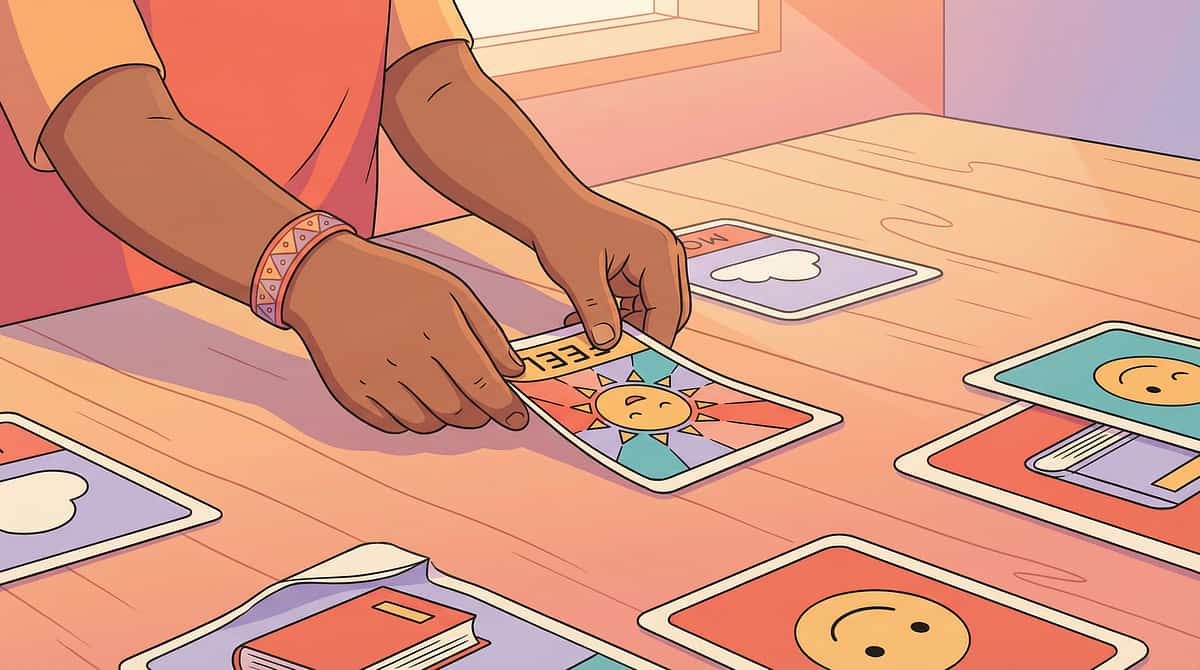
ACT II — THE KNOWLEDGE TRANSFER
The Technique: What It Is
Function-Based Repetitive Question Intervention (FBRQI)
"Breaking the Question Loop"
A multi-modal, function-matched intervention approach that addresses repetitive questioning in children by identifying the underlying reason the question recurs — and providing specific tools that meet that need through a more adaptive channel.
Rather than managing symptoms (endlessly answering or refusing to answer), this approach diagnoses WHY the child asks repeatedly — anxiety relief, information retention, predictability need, social connection, or sensory regulation — and deploys targeted materials matched to each function.
Technique Profile
🏷️ Domain
Communication + Behavioral Regulation
👶 Ages
2–12 years
⏱️ Session
10–20 min daily
📍 Setting
Home + School + Community
🗂️ Code
D-376
📅 Frequency
Daily, embedded in routines

Who Uses This Technique
This technique crosses therapy boundaries — because the brain doesn't organize by therapy type. The function determines the discipline lead.
SLP — Speech-Language Pathology
Functional communication assessment; working memory support; conversation skills expansion; language-based visual supports
PRIMARY
BCBA / ABA — Behavior Analysis
Functional behavior assessment (WHY is child asking?); reinforcement for alternative behaviors; token systems; data collection
PRIMARY
OT — Occupational Therapy
Sensory-driven questioning assessment; fidget + oral motor toolkit; calming toolkit design; sensory diet integration
SECONDARY
SpEd — Special Education
Social stories; classroom visual supports; school-home consistency; teacher communication templates
SECONDARY
NeuroDevelopmental Pediatrics
Differential diagnosis (ASD vs anxiety vs OCD); medication considerations; referral pathways for OCD
ADVISORY
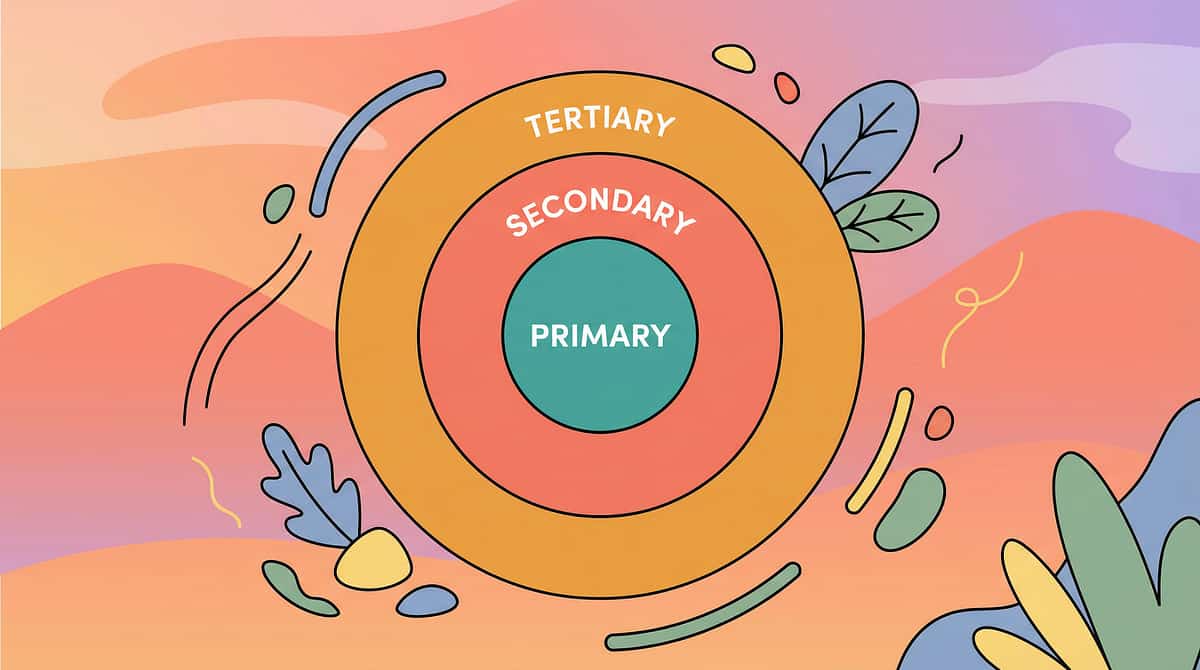
What This Technique Targets
✅ Child checks card independently
Goes to visual card instead of asking parent
✅ Worry box use
Child uses worry box independently without prompting
✅ Self-redirection
Child recognizes "I already know this" and self-redirects
✅ 50–80% Reduction
Family reports measurable reduction in question loops

ACT II — 9 MATERIALS
9 Materials That Match 9 Functions
Choose based on YOUR child's pattern. Each material addresses a specific underlying function — the key to breaking the loop is matching the right tool to the right need.
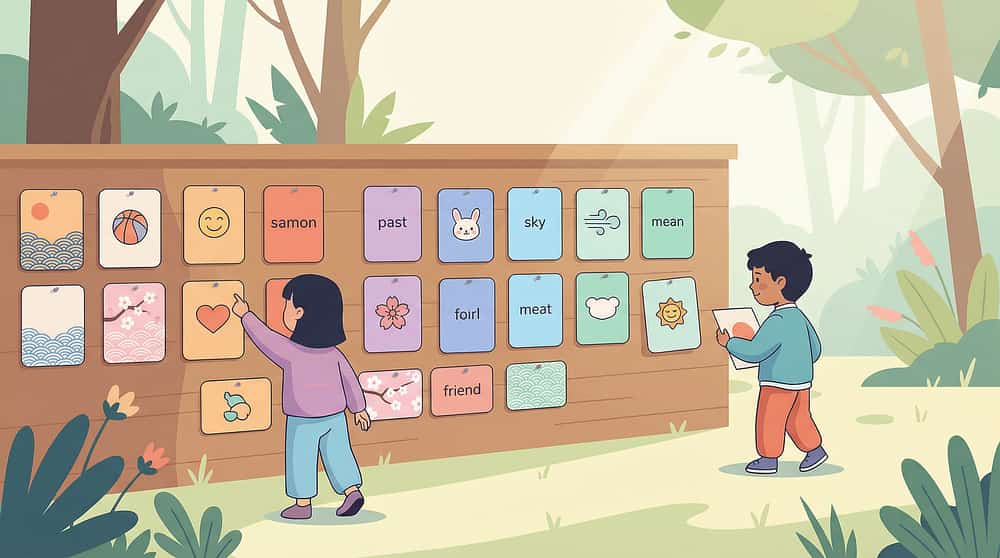
Material 1: Visual Answer Cards
Function: Information retention + predictability
What it does: Externalizes verbal answers into permanent visible format the child can check independently
Cost: ₹300–1,500 | DIY available
What it does: Externalizes verbal answers into permanent visible format the child can check independently
Cost: ₹300–1,500 | DIY available
"When the answer is always visible, asking becomes optional"

Material 2: Worry / Question Box
Function: Anxiety externalization + ritual-based relief
What it does: Creates physical container for anxious questions; breaks verbal loop through writing ritual
Cost: ₹200–800 | DIY: any decorated box
What it does: Creates physical container for anxious questions; breaks verbal loop through writing ritual
Cost: ₹200–800 | DIY: any decorated box
"Put the question somewhere so it doesn't have to keep coming out of your mouth"
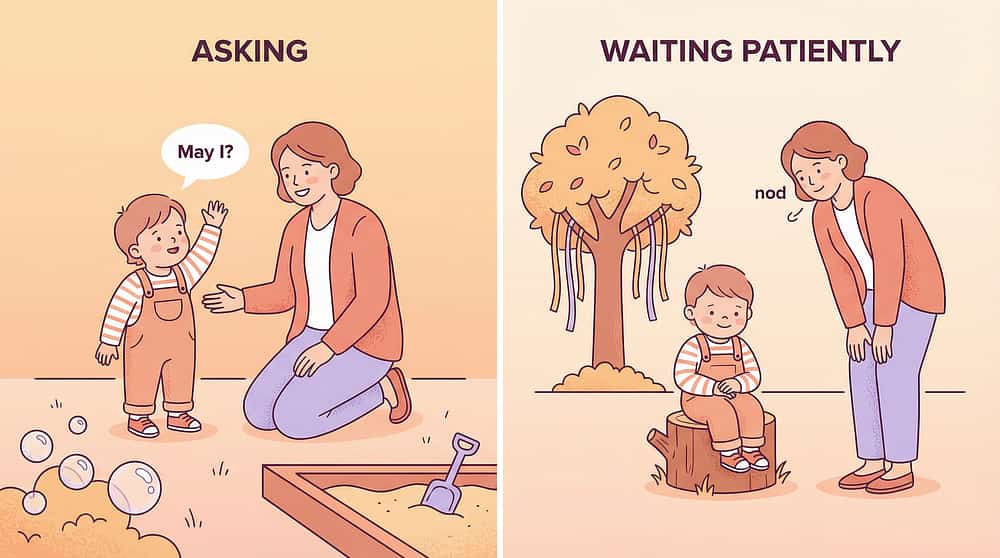
Material 3: Social Stories About Asking Questions
Function: Teaching unwritten social rules about questioning
What it does: Explicit instruction in when/how to ask, why one answer is enough, what to do instead
Cost: ₹300–1,500 | DIY: free
What it does: Explicit instruction in when/how to ask, why one answer is enough, what to do instead
Cost: ₹300–1,500 | DIY: free
"Once, wait, use your tools — it has to be taught explicitly"

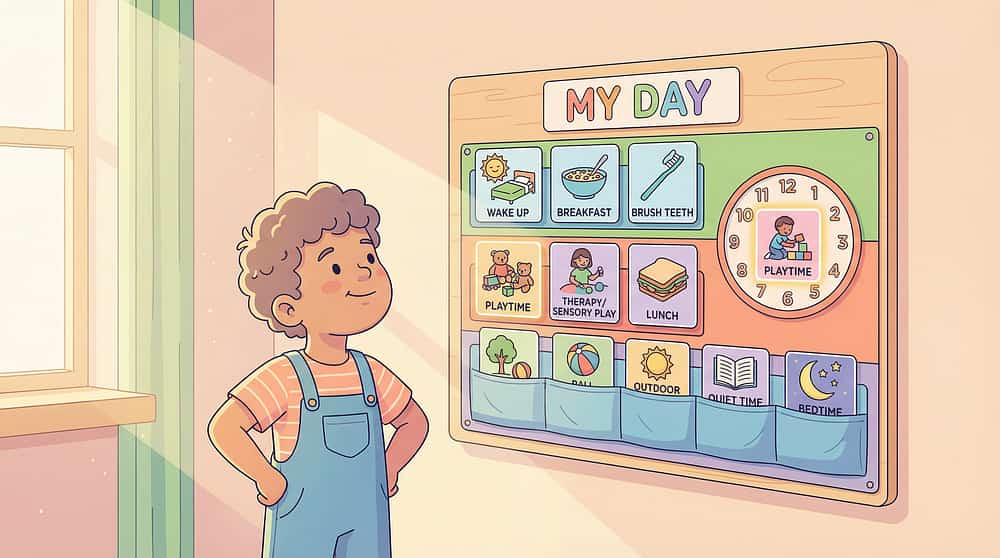
Material 4: Visual Schedules + Countdown Systems
Function: Time/sequence uncertainty (What's next? When?)
What it does: Makes future predictable and visible; child checks instead of asks
Cost: ₹500–2,000 | DIY: paper chains, handmade schedules
What it does: Makes future predictable and visible; child checks instead of asks
Cost: ₹500–2,000 | DIY: paper chains, handmade schedules
"The brain can check instead of ask"
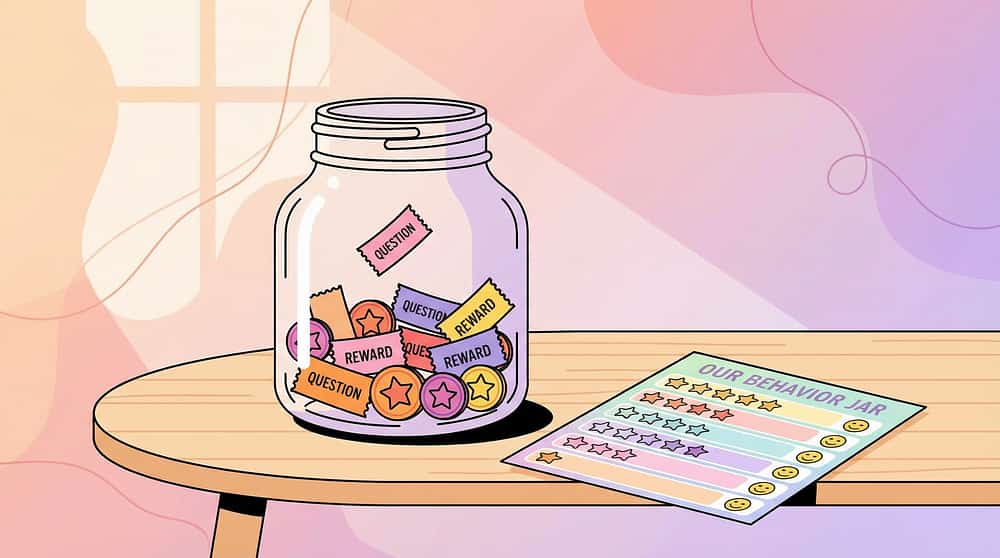
Material 5: Token / Ticket System for Question Limits
Function: Habitual questioning + self-monitoring building
What it does: Makes abstract "too many questions" concrete; builds agency and choice
Cost: ₹200–800 | DIY: paper tickets
What it does: Makes abstract "too many questions" concrete; builds agency and choice
Cost: ₹200–800 | DIY: paper tickets
"They learn to budget questions and find other ways to cope"
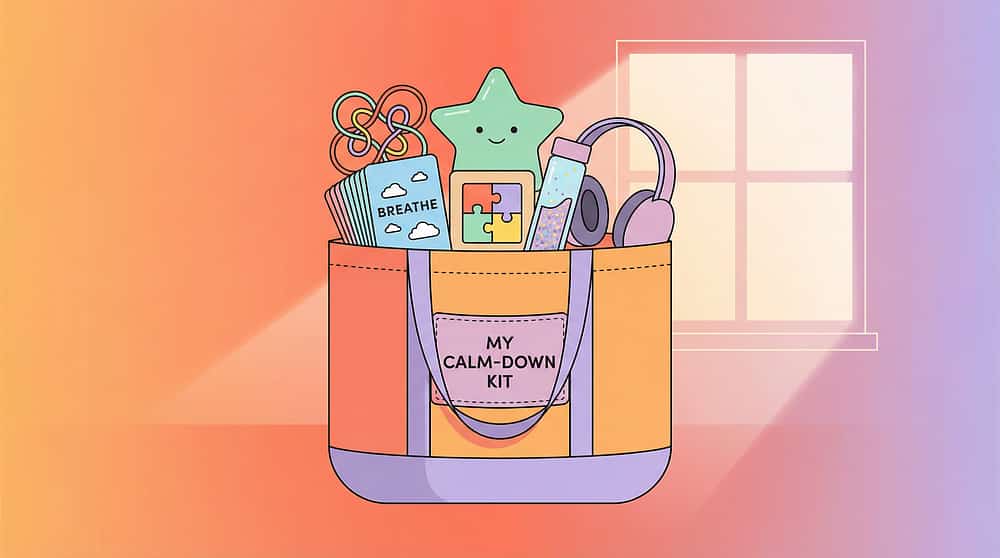
Material 6: Calm-Down Toolkit for Anxiety Breaks
Function: Anxiety-driven questioning (soothe the driver, not the symptom)
What it does: Addresses anxiety directly — the actual cause of anxious question loops
Cost: ₹800–3,000 | DIY: household items
What it does: Addresses anxiety directly — the actual cause of anxious question loops
Cost: ₹800–3,000 | DIY: household items
"When questions are driven by anxiety, answering feeds the loop"


Material 7: Recorded Answers (Audio / Video)
Function: Reassurance-seeking + information retention + parent relief
What it does: Consistent, parent-voiced answers available on demand without exhausting caregiver
Cost: ₹500–2,500 (recordable buttons / tablet)
What it does: Consistent, parent-voiced answers available on demand without exhausting caregiver
Cost: ₹500–2,500 (recordable buttons / tablet)
"Your child can hear it 50 times without you saying it 50 times"
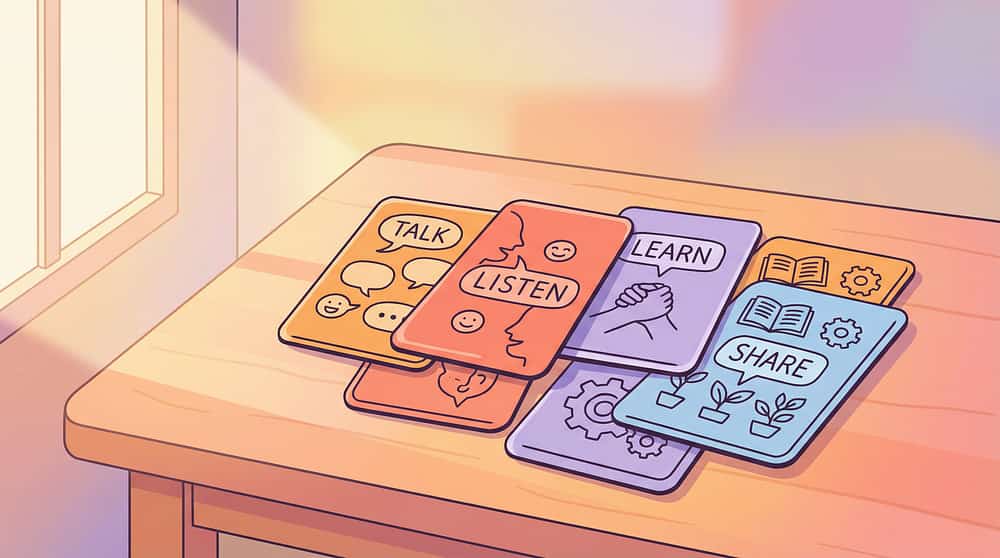
Material 8: Replacement Conversation Skills Cards
Function: Social initiation questioning (when questions are the ONLY conversation tool)
What it does: Expands conversational repertoire: comments, sharing statements, reciprocal questions
Cost: ₹400–1,500 | DIY available
What it does: Expands conversational repertoire: comments, sharing statements, reciprocal questions
Cost: ₹400–1,500 | DIY available
"Teaching alternatives gives them more ways to connect"

Material 9: Fidgets + Oral Motor Tools
Function: Sensory-driven verbal output (the behavior IS the sensory input)
What it does: Provides alternative sensory-motor channel so verbal loop has a replacement
Cost: ₹400–2,000
What it does: Provides alternative sensory-motor channel so verbal loop has a replacement
Cost: ₹400–2,000
"Sometimes repetitive questions aren't about answers — they're about sensory output"
Total Starter Kit Cost: ₹3,000–15,000 | Zero-cost DIY version available for all 9 materials. Validated by the Pinnacle Blooms Consortium | OT • SLP • ABA • SpEd • NeuroDev | 📞 9100 181 181

Safety First: Before You Begin
🔴 Do NOT Proceed If:
- Child is currently in acute distress or meltdown
- Repetitive questioning is accompanied by self-injury or aggression → Seek professional evaluation immediately
- You suspect OCD (compulsive quality, "must feel right" pattern) → Requires specialist ERP therapy, not home management alone
- Sudden onset of severe repetitive questioning — possible medical cause; consult pediatrician
🟡 Modify Before Proceeding If:
- Child is hungry, tired, or ill — reschedule; child's nervous system cannot learn
- Materials introduction is being done during a questioning episode — teach tools during calm time only
- Questions are escalating rapidly — start with visual supports only; hold ticket system for later
🟢 Safe to Proceed If:
- Child is calm and regulated
- You have identified the primary function (anxiety / information / social / sensory)
- You have at least ONE material from the 9 ready
- Chewable oral motor tools are designed for purpose; check durability weekly; no small parts
- You have read this full card
Emergency Protocol: If child becomes severely distressed — Stop. Provide physical comfort. Do not reintroduce materials that day. If questioning loop is accompanied by panic symptoms → 📞9100 181 181

Step 1: Identify the Function
The single most important step in this technique. Before selecting any material, identify WHY your child is asking repeatedly. Different functions require completely different interventions.
Use this parent script during your observation week: "When [child] asks the same question, I will notice: Does [he/she] look at me when I answer? Does asking seem to calm them briefly? Is this about the future or schedule? Do questions increase when anxious or during transitions?" Your answers point directly to the matched material.
📞9100 181 181 — Free guidance on function identification available from the Pinnacle Blooms clinical team

Step 2: Introduce Materials During Calm Time
The Cardinal Rule: Introduce ALL materials during calm time — NEVER during a questioning episode. The brain cannot learn new tools when it's in the middle of the behavior the tool is meant to replace.
For Visual Answer Cards
"I made a special card that answers your question about [topic]. Let's look at it together. See — [child's name]'s schedule is right here. You can check it any time you want to know what we're doing!"
For the Worry Box
"I have a special box for questions. When your brain has a question that keeps coming back, we can write it down and put it in the box. Then it's safe in the box and doesn't have to stay in your head."
For the Calm Toolkit
"I made a special bag of tools for when your brain feels worried. Let's practice when everything is good, so you'll know exactly what to do."
For Social Stories
Read during a quiet, connected time (bedtime, calm afternoon) — frame as "your story about how smart brains work." Keep it warm, not clinical.

Step 3: The Therapeutic Action — The Warm Redirect
When the repetitive question begins, follow this sequence. Do not answer again for anxiety/sensory functions. Do not ignore — this increases distress without providing a tool.
Validate + Redirect
"Your brain is asking that again. Let's use your [card/box/toolkit]."
Go WITH Them
Walk to the card together initially. Don't send them alone.
Point to the Tool
"See — the answer is right here on your card. What does it say?"
Reinforce Tool Use
"You checked your card! That's exactly what it's for."
Anxiety-Driven (Materials 2 + 6)
"Your brain is doing the worry thing. Let's put this question in the box / use your calm tools." Respond to the anxiety, not the content.
Information Questions (Materials 1 + 4)
"Let's check your schedule card — [child] can find out anytime they need to." Build independence systematically.
Social Function (Material 8)
"I love that you want to talk! Can you check your conversation card — can you tell me something instead of asking me something?"
Step 4: Consistency Is the Intervention
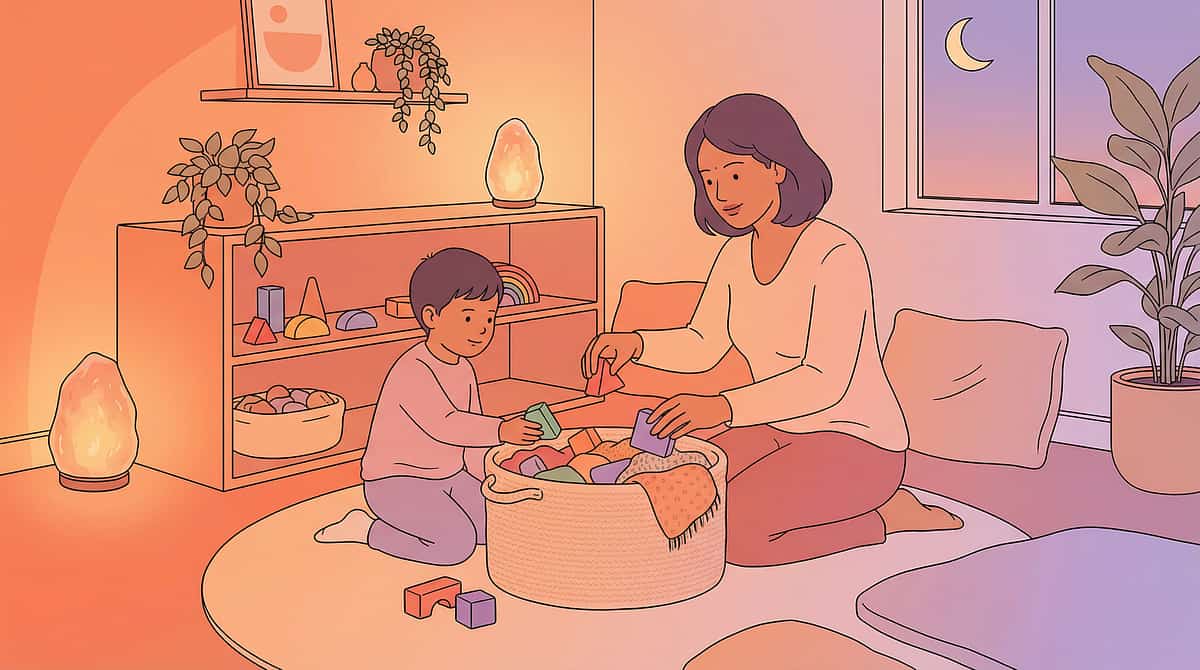
"Consistency is the intervention." The visual card works on Day 14, not Day 2. The worry box becomes self-regulating by Week 4, not Day 3. The brain needs repeated, predictable experiences to form new pathways. "3 consistent weeks > 30 inconsistent days."
⏱️ Every Episode
Use materials EVERY time the target question arises — no exceptions
📅 Daily Practice
Practice redirect during calm time at least once daily; read social story 3–5× per week
🗓️ Keep Schedule Live
Keep visual schedule updated daily without exception — stale schedules lose their power
🔄 Maintain Novelty
Change card design if child loses interest; let child help create new cards — builds ownership
Satiation Watch: If child is cooperating with redirect 70%+ of the time — you're on track. If child is distressed by all redirects — you may have the wrong function identified. Return to Step 1 (Function Identification). 📞9100 181 181

Step 5: Reinforce and Celebrate
Timing matters more than magnitude. Deliver reinforcement within 3 seconds of the desired behavior. Celebrate the attempt, not just the success.
For Checking Visual Card
"YES! You checked your card! That's exactly what it's for. You figured out the answer yourself — that is so powerful!"
For Using Worry Box
"You put your question in the box! How do you feel? Sometimes that really helps."
For Calm Toolkit Use
"You used your calm tools when your brain felt worried. I am so proud of how you're learning to help yourself."
For Conversation Card Use
"You told me something instead of asking! I love hearing what you think. Tell me more!"
Verbal Praise
Specific + enthusiastic — "You checked your card all by yourself!"
Sticker Chart
Sticker toward chart goal — reward stickers available 1800+
Token Reward Jar
Token toward reward jar — Rosette Imprint Reward Jar ₹589
Special Time
Child-chosen activity as natural, meaningful reinforcer

Step 6: The Cool-Down
2-Minute Session Close Protocol
"Great work today. Let's put our tools back together." Child participates in material put-away — builds ownership and routine.
Check in: "How does your brain feel now?"
Brief connection moment: 2 minutes of child-chosen, non-therapeutic play or connection.
Transition Cue: "All done with our practice. Your cards are ready for tomorrow."
If Child Resists Ending
"Two more minutes, then we're done for today." Use a visual timer. Follow through calmly — consistency here matters as much as anywhere.
Post-Session Parent Check
Ask yourself: Did the redirect work today? Did child seem more regulated after using the tool? Record this in 60 seconds — the data card is next.
Research: NCAEP (2020) — visual timer and transition support as evidence-based practice. Consortium Lead: OT + BCBA/ABA
Capture the Data: Right Now
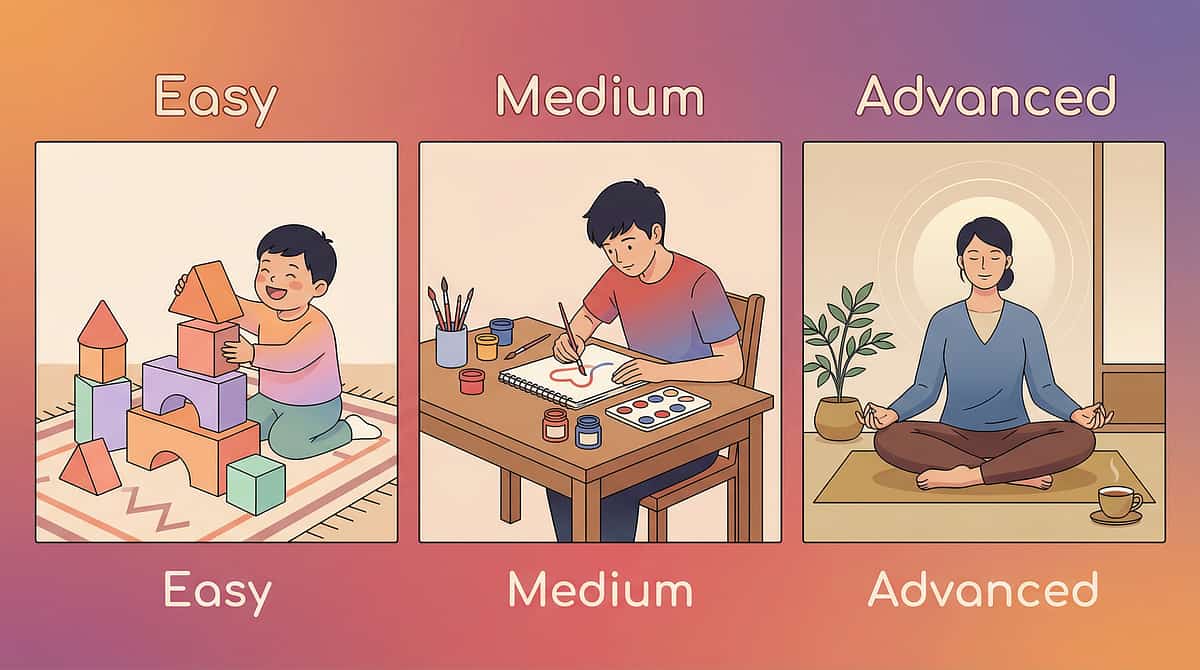
"60 seconds of data now saves hours of guessing later." After every session, record three simple data points. Over weeks, this data will show you exactly how much progress is happening — even when it feels invisible.
1
Question Frequency
Tally of same-question repetitions today. Even a drop from 47 to 32 is measurable, real progress.
2
Tool Use Success
Did child use tool Independently (I), with Prompting (P), or did they Refuse (R)?
3
Distress Level
Rate 1 (calm) to 5 (highly distressed). Tracks whether the session was supportive or overwhelming.
📊 GPT-OS® Tracker: View your progress dashboard → pinnacleblooms.org/gpt-os/tracker
📄 Downloadable PDF Tracker: techniques.pinnacleblooms.org/downloads/d-376-tracker.pdf
"If questions dropped from 47 to 20 this week — that IS progress. Your data makes it visible."
📞9100 181 181
📄 Downloadable PDF Tracker: techniques.pinnacleblooms.org/downloads/d-376-tracker.pdf
"If questions dropped from 47 to 20 this week — that IS progress. Your data makes it visible."
📞9100 181 181

What If It Didn't Go as Planned?
"Session abandonment is not failure — it is data." Every difficult session tells you something useful. Here are the most common challenges and their evidence-based fixes.

ACT IV — THE PROGRESS ARC
Week 1–2: What to Expect
You WILL See
- Increased curiosity about the card/box — novelty response; use it
- Some reduction in questioning when visual card is specifically targeted
- Resistance to the redirect — the new tool is unfamiliar; this is normal
- Temporary increase in distress when the old pattern is interrupted — expected
You Will NOT Yet See
- Spontaneous independent card checking
- Significant anxiety reduction
- Consistent tool acceptance across all contexts
Child looks at visual card when guided there
Even with some resistance — this counts
Worry box has been used at least once
First use is the hardest — celebrate it
Social story read 3+ times
Repetition builds familiarity and safety
At least 1 day below baseline frequency
One day is real evidence the loop can shift
"If your child tolerates the redirect for even 5 seconds longer than last week — that is real neural pathway work happening." 📞9100 181 181

Week 3–4: Consolidation Signs
The brain is forming new pathways. The consolidation phase brings your first clear signals that the intervention is working — don't miss these moments.
Child glances at visual schedule before asking
Anticipatory checking — moving toward the card without being prompted, even once or twice
"I know — it's on my card"
Child begins to say this even occasionally — a profound signal that the tool has been internalized
Child picks up calm toolkit item unprompted
During anxiety — without you suggesting it. The toolkit is becoming internal
Child asks to use the worry box
Initiating box use independently — the ritual has become a genuine coping tool
When to Increase Intensity: If child is accepting redirects 70%+ of the time → add a second material layer. If visual card is working well → create 2–3 more cards for other recurring questions. Research: Neuroplasticity — synaptic strengthening; pediatric intervention consolidation timelines.

Week 5–8: Mastery Indicators
By weeks 5–8 with consistent implementation, most families see the intervention become part of the child's own toolkit — not something done to them, but something they use for themselves.
✅ Independent Tool Use
Child checks visual card without any prompting from caregiver
✅ Self-Awareness
Child says "I think I already asked that" or "Let me check my card"
✅ Reduced Frequency
Question repetitions reduced 40–80% from your original baseline
✅ Anxiety Regulation
Child uses calm toolkit when they notice anxiety rising — not just after questions start
✅ Conversation Variety
Spontaneous comments and sharing statements appear alongside questions
This is NOT the end — this is the new baseline. Weeks 5–8 mastery means tools are working. It does NOT mean tools are no longer needed. Continue visual schedule updates daily. Continue calm toolkit availability. Continue reinforcing tool use. Maintain supports, then gradually fade prompts — not materials. 📞9100 181 181
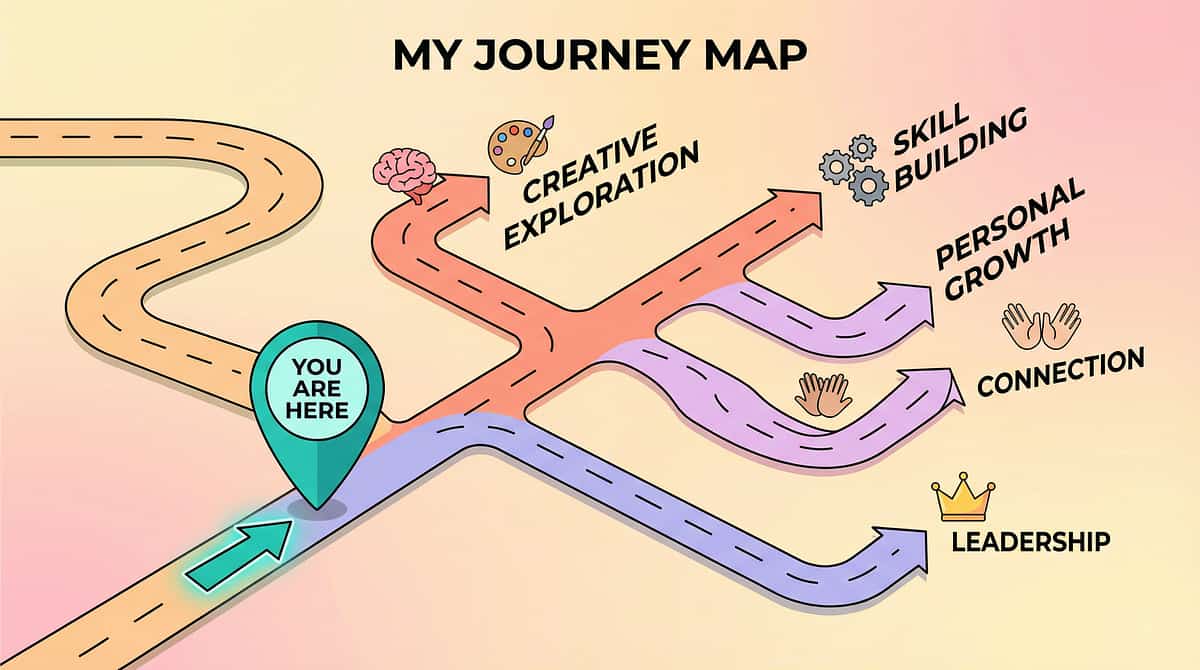
Celebrate: Your Child's Progress Is Real
When your child checks a visual card instead of asking the same question for the 47th time — that is a neurological achievement. The prefrontal cortex successfully inhibited the repetitive impulse. A new pathway fired. Your materials made it possible.
🌟 First day question frequency drops below previous average
🌟 First independent card check without prompting
🌟 First time child says "I know, let me check my card"
🌟 First week where worry box was used daily
🌟 First spontaneous comment instead of a repeated question
You answered 47 questions a day, every day, and you kept going. You built visual cards. You created a worry box. You stayed regulated when your child wasn't. That is not nothing. That is 20 million sessions worth of clinical learning, applied in your own home.
Red Flags: When to Seek Professional Support
🚨 Seek Professional Evaluation Immediately
- Repetitive questioning is accompanied by self-injury or aggression
- Questions have a compulsive, ritualistic quality — "must ask until it feels right" — possible OCD
- Sudden onset of severe repetitive questioning (possible medical or neurological cause)
- Child's functioning at school or socially is severely impaired
- Parent's mental health is significantly affected — caregiver support is also essential
⚠️ Seek Professional Guidance Within 2 Weeks
- No material has reduced questioning after 4 weeks of consistent implementation
- Cannot determine the function of questioning despite assessment
- Child's anxiety appears to be intensifying despite intervention
- Questioning has new themes or patterns that seem unusual
These are not failure. They are data directing you toward the right level of support.
📞9100 181 181 → Free triage → AbilityScore® assessment → FusionModule™ therapy plan
Relevant disciplines: SLP + BCBA/ABA + Psychology (anxiety/OCD) + OT (sensory)
✓ Professional triage available in 16+ languages
📞9100 181 181 → Free triage → AbilityScore® assessment → FusionModule™ therapy plan
Relevant disciplines: SLP + BCBA/ABA + Psychology (anxiety/OCD) + OT (sensory)
✓ Professional triage available in 16+ languages
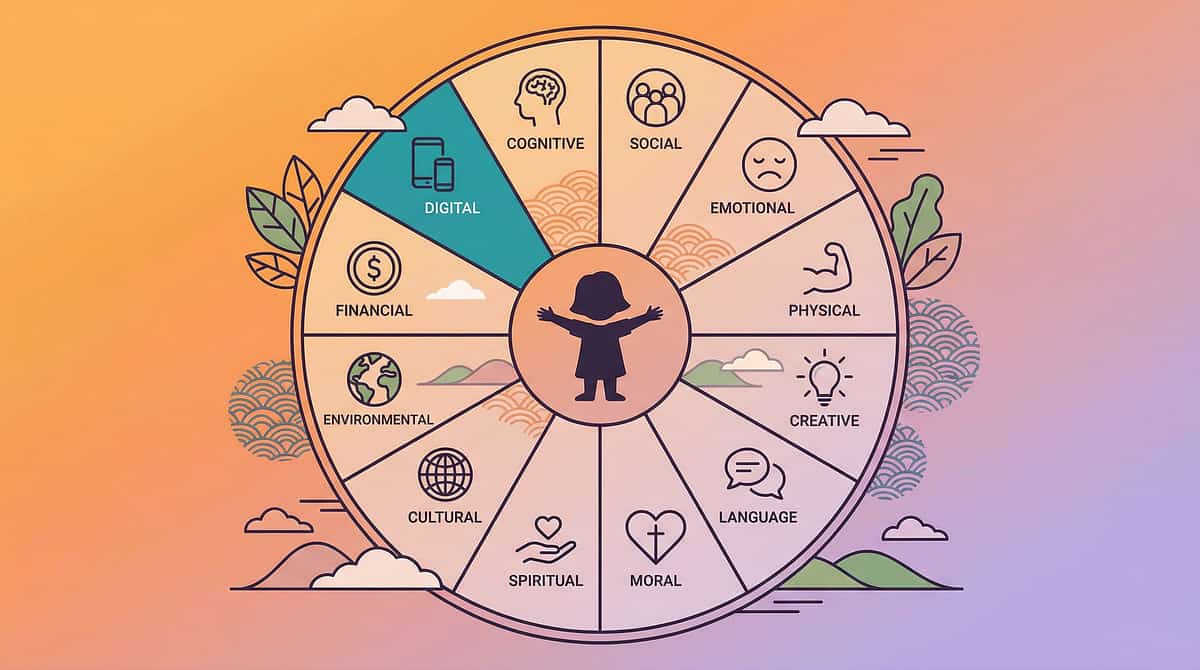
Your Pathway Map: What Comes Next
D-376 sits within a cluster of related communication and behavioral regulation techniques. Understanding where you are helps you plan where to go.
1
D-373
Sameness Insistence (Prerequisite)
2
D-374 / D-375
Echolalia, Scripting & Verbal Stimming (Related)
3
D-376
← YOU ARE HERE
Repetitive Questions
Repetitive Questions
4
D-377
Topic Perseveration (Next Level)
5
D-378
Conversation Turn-Taking (Advanced)
Long-Term Developmental Goal: This technique feeds into the Conversational Reciprocity Index and the Communication Regulation Readiness Index — both tracked in GPT-OS® as part of readiness for school inclusion and peer relationships.
Prerequisite Check: Have you established a daily visual schedule? This is the foundation before adding complexity. Has anxiety been identified and addressed? Anxiety management is prerequisite before introducing the ticket system. Research: WHO developmental milestones framework + domain-specific sequencing literature.
Related Techniques in Domain D
The materials you've already assembled for D-376 apply directly across these related techniques. You may already own more of the toolkit than you realize.
1
D-374 — Echolalia & Scripting
⚡ Foundational | You already have: Visual cards, Social stories
2
D-375 — Verbal Stimming
⚡ Foundational | You already have: Oral tools, Fidgets
3
D-377 — Topic Perseveration
⚡⚡ Core | You already have: Conversation cards, Timer
4
D-378 — Conversation Turn-Taking
⚡⚡ Core | You already have: Conversation cards
5
D-380 — Anxiety in Children
⚡⚡ Core | You already have: Calm toolkit
6
D-373 — Sameness Insistence
⚡ Foundational | You already have: Visual schedules

Your Child's Full Developmental Map
Repetitive questioning doesn't exist in isolation — it connects to anxiety management, social communication, and executive function. Your GPT-OS® profile shows how these domains interact for YOUR child.
Domain B: Social Communication
Conversation cards from D-376 directly build pragmatic language skills tracked here
Domain C: Emotional Regulation
Calm toolkit and anxiety management tools overlap directly with this domain
Domain G: Executive Function
Visual schedules and self-monitoring build the planning skills tracked here
📊 See your child's complete AbilityScore® profile → pinnacleblooms.org/ability-score | 📞9100 181 181 (free AbilityScore® assessment consultation)
ACT V — COMMUNITY & ECOSYSTEM
"From 100 Questions a Day to an 80% Reduction"
"Our daughter asked 'What are we doing today?' up to 100 times a day. We tried everything — answering every time, refusing to answer, getting frustrated. Nothing worked, and we were exhausted. When we finally understood her questions were anxiety-driven, everything changed. We made a visual schedule she could check herself, gave her a worry box for her questions, and built a calm toolkit for the anxiety underneath. The visual schedule was a revelation — she'd go check it instead of asking us. After three months, the asking dropped by about 80%. She still asks sometimes, but it's not constant anymore. And she knows how to help herself."
— Parent, Pinnacle Network | Communication Regulation Programme
23→84
Communication Regulation Index
AbilityScore® baseline to 16-week outcome
+42pts
Anxiety Management Index
Improvement over 16 weeks of consistent implementation
73%
Independent Tool Use
Up from 0% at baseline — child-initiated tool use in episodes
Illustrative case; outcomes vary by underlying cause, function, severity, and consistency of implementation. Statistics represent aggregate outcomes across the Pinnacle Blooms Network.

Connect With Your Community
You are not navigating this alone. The Pinnacle Parent Community brings together 10,000+ families across India and 70+ countries — navigating communication and behavioral challenges with their children, sharing strategies, supporting each other, and learning together.
Pinnacle Parent Community
Join our WhatsApp community of 10,000+ families → pinnacleblooms.org/community
Follow on Instagram
Daily techniques, reels, and evidence-based tips from the Pinnacle clinical team
Pinnacle Parent Academy
Structured learning for caregivers → pinnacleblooms.org/academy
For Educators
Classroom Visual Supports for Repetitive Questioning → techniques.pinnacleblooms.org/teachers/d-376
📞9100 181 181 | 16+ languages | 24×7 | Built by Mothers. Engineered as a System.
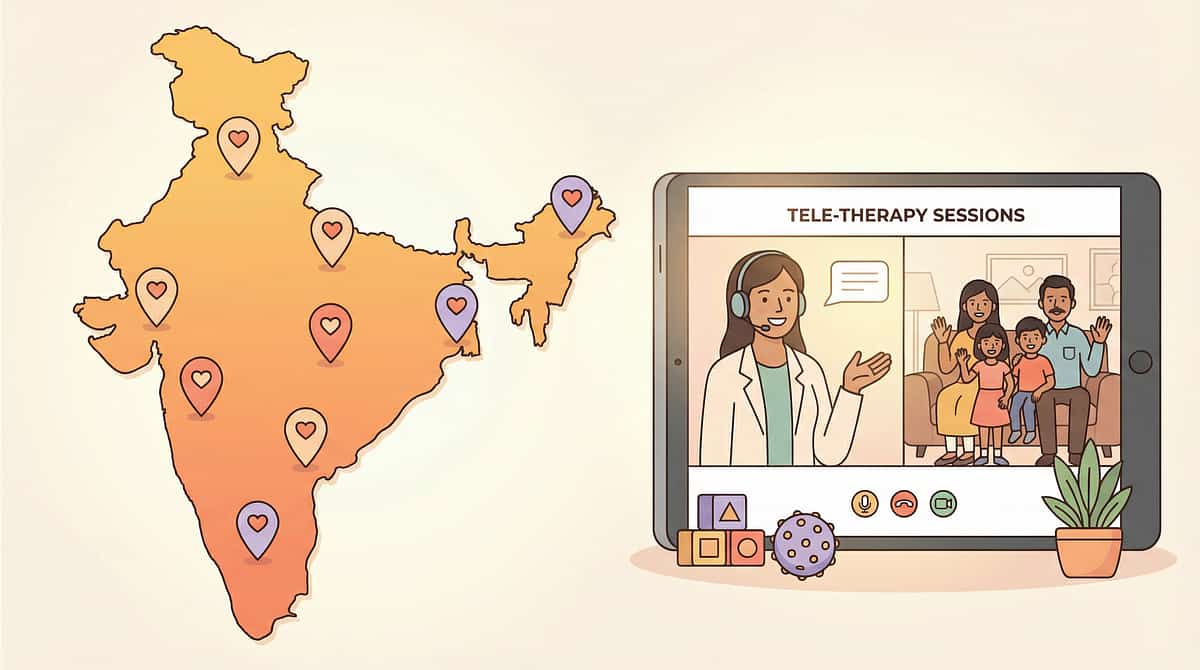
Find a Pinnacle Center Near You
These 9 materials provide a powerful home foundation. Professional support becomes essential when function identification requires formal Functional Behavior Assessment, anxiety requires psychological evaluation, OCD is suspected, or home implementation isn't achieving results after 6–8 weeks.
🗣️ SLP Assessment
Communication function assessment; visual support design
🧩 BCBA/ABA
Full functional behavior assessment; behavior support plan
🤲 OT
Sensory profile; calm toolkit design; oral motor assessment
🧠 Psychology
Anxiety evaluation; OCD screening; ERP therapy
🏥 NeuroDev Pediatrics
Comprehensive diagnostic evaluation; differential diagnosis
📞 Book Assessment
FREE — 16+ languages — 9100 181 181
🌐 Online Booking
pinnacleblooms.org/book-assessment
✉️ Email
CIN U74999TG2016PTC113063 | DPIIT DIPP8651 | MSME | GSTIN 36AAGCB9722P1Z2
The Research Library
Pinnacle's clinical protocols are synthesized from the preponderance of evidence across systematic reviews, RCTs, and 20M+ sessions of real-world outcome data. Evidence grade: Level I (Systematic Reviews) + Level II (RCTs) + Level III (Clinical Consensus) — graded by Oxford Centre for Evidence-Based Medicine (OCEBM).
Study | Finding | Link |
PRISMA Systematic Review, Children (2024 — PMC11506176) | 16 studies confirm visual supports + behavioral interventions as EBP for ASD | |
Meta-analysis, World J Clin Cases (2024 — PMC10955541) | 24 studies: behavioral interventions promote social + adaptive + communication outcomes | |
WHO/UNICEF CCD Package (PMC9978394) | Caregiver-delivered interventions across 54 LMICs | |
Padmanabha et al., Indian J Pediatr (2019) | Home-based interventions: Indian RCT evidence | |
NCAEP Evidence-Based Practices Report (2020) | Visual supports + social narratives confirmed EBP for ASD | |
WHO Nurturing Care Framework (2018) | Caregiver-delivered intervention framework, 54 countries | |
Frontiers in Integrative Neuroscience (2020) | Neurological basis for behavioral interventions in children |

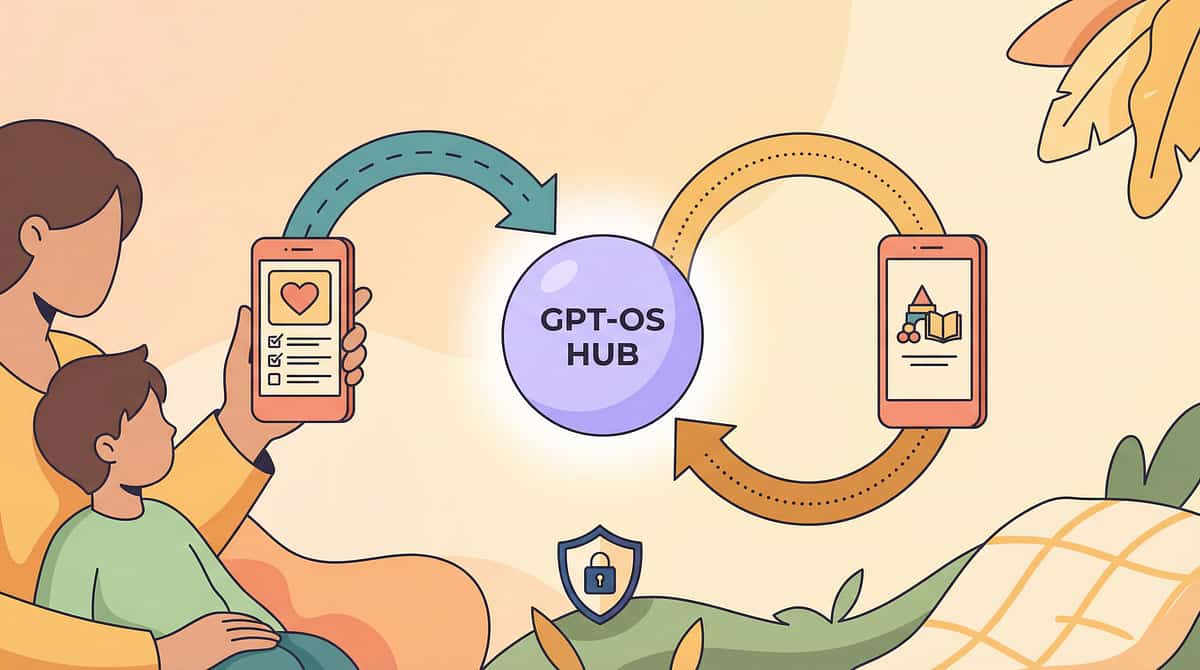
How GPT-OS® Uses Your Data
Every 60-second session log you submit flows into the GPT-OS® system — the therapeutic infrastructure that personalizes every aspect of your child's intervention plan.
🔐 Privacy
Data is encrypted and governed under India's DPDP Act 2023
📊 20M+ Sessions
Population-level intelligence driving individual-level care
97%+ Improvement
Measured improvement across 70+ centers and 160+ countries
"This is not software. This is therapeutic infrastructure."📞9100 181 181 | pinnacleblooms.org

ACT V — COMMUNITY & ECOSYSTEM
Watch the Reel: D-376
"When you've answered the same question 47 times today — the question isn't about the answer. It's about what your child's brain is searching for. Here are 9 materials that address what's actually driving the loop."
"Repetitive questions aren't about testing your patience — they're about something your child's brain is searching for. The answer you give disappears, the information doesn't stick, or the anxiety isn't actually about the content at all. Match the tool to the function, and the loop can finally stop." — Pinnacle Blooms Clinical Team
Hook (6 sec)
"When you've answered the same question 47 times today"
9 Materials (36–45 sec)
Rapid-sequence visual walkthrough of all 9 function-matched materials
CTA (4 sec)
Save | Share | Follow — share with every caregiver in your child's life
GPT-OS® + Outcomes (20 sec)
Platform overview, outcome data, Pinnacle Consortium credentials
Series: Communication and Behavioral Regulation | Domain D | Episode 376
Next Reel: D-377 — 9 Materials for Topic Perseveration
Research: NCAEP (2020) — video modeling as evidence-based practice
Next Reel: D-377 — 9 Materials for Topic Perseveration
Research: NCAEP (2020) — video modeling as evidence-based practice

ACT VI — THE CLOSE
Frequently Asked Questions
Q: My child asks about things that ALREADY HAPPENED — why?
This often indicates anxiety-driven reassurance-seeking. The child is seeking validation as emotional reassurance, not factual confirmation. A recorded answer in the parent's warm voice — available for child to replay — addresses this without caregiver exhaustion.
Q: At what age should I be concerned?
Some repetition is normal in ages 2–4. Clinical concern is appropriate when frequency exceeds 20–30 same-question repetitions per day, persists past age 5 without reduction, or accompanies other autism or anxiety features. 📞9100 181 181 for free triage.
Q: Should I answer the question or not?
Depends on function. Information/memory: answer once clearly + show visual card. Anxiety: answer once briefly + redirect to calm toolkit. Sensory: don't answer; offer sensory tool. The answer isn't the solution — the function-matched tool is.
Q: Can these materials be used in school?
Yes — all materials are school-applicable. The teacher letter template (Card 37) explains the approach. Visual schedules, answer cards, and calm toolkits are especially portable and school-ready. Request an IEP/accommodation meeting if needed.
Q: My child has both autism AND anxiety. Where do I start?
Start with visual answer cards + daily visual schedule (information/predictability) AND a calm-down toolkit (anxiety). These two together cover the most common combination. Add worry box in Week 3 if anxiety questions are prominent.
Q: How do I know if this is OCD and not just anxiety?
OCD questioning has a compulsive, ritualistic quality — the child feels compelled to ask until it "feels right," often a specific number of times. If you suspect OCD → this requires specialist ERP therapy, not home management alone. 📞9100 181 181.
Q: How long until I see results?
Function-matched visual supports: noticeable within 2–4 weeks. Anxiety management: 6–10 weeks for meaningful reduction. Full question loop breaking: 8–16 weeks. Progress is measured in gradual reduction, not sudden elimination.
Q: Is the ticket/question budget system safe for an anxious child?
No — the ticket system is NOT appropriate as a first-line approach for anxiety-driven questioning. Address anxiety first (calm toolkit + worry box + visual answers). The ticket system is for habitual questioning that persists after anxiety has been addressed.
💬 Didn't find your answer? Ask GPT-OS® → pinnacleblooms.org/ask-gpt-os | 📞 Book a teleconsultation: 9100 181 181

Share This With Every Caregiver in Your Child's Life
"Consistency Across Caregivers Multiplies Impact." If only one parent implements these tools, impact is limited. If the same redirect happens at home, at school, with grandparents — the child's brain receives consistent signals, and new pathways form faster. Research: PMC9978394 — WHO CCD Package emphasizes multi-caregiver training for generalization and maintenance.
📄 Family Guide
1-Page Summary of D-376 — PDF. Everything the family needs in a single printable sheet.
📄 Grandparent Version
Simplified 1-page: "What to do when [child] asks the same question" — warm, jargon-free language.
📄 Teacher Letter Template
"Our child uses visual answer cards at home; please support the same redirect at school." Ready to send.
📄 Session Tracker
D-376 Weekly PDF tracker — print and post on fridge. Data collection made as simple as a tally mark.
Join 10,000+ families → pinnacleblooms.org/whatsapp-community | 📞9100 181 181

Your Next Step: Start Now
You've read this far. Your child needs you to start. The question loop doesn't break by reading about it. It breaks when the visual card goes on the wall. When the worry box is created. When the calm toolkit is assembled. Start today.
🟢 Start This Technique Today
Access your GPT-OS® Session Guide — guided session, personalized to your child's profile
🔵 Book a Free Assessment
AbilityScore® assessment + function identification with a specialist. FREE — 16+ languages.
⚪ Explore the Next Technique
D-377: Topic Perseveration — the next step in the Communication & Behavioral Regulation journey
✓ Validated by the Pinnacle Blooms Consortium | OT • SLP • ABA • SpEd • NeuroDevelopmental Pediatrics | 20M+ sessions • 97%+ measured improvement • 70+ centers | 📞FREE National Autism Helpline: 9100 181 181 | 16+ languages | 24×7
Preview of 9 materials that help with repetitive questions Therapy Material
Below is a visual preview of 9 materials that help with repetitive questions therapy material. The pages shown help educators, therapists, and caregivers understand the structure and content of the resource before use. Materials should be used under appropriate professional guidance.


Link copied!

The Pinnacle Promise
Pinnacle Blooms Network® | Built by Mothers. Engineered as a System.
"From fear to mastery. One technique at a time."
Every page on techniques.pinnacleblooms.org is built from the intersection of peer-reviewed research, 20 million therapy sessions, and the lived experience of families who have walked this road. We do not guess. We measure. We do not promise. We prove.
🤲 Occupational Therapy
Sensory profiling, calming toolkit design, oral motor assessment
🗣️ Speech-Language Pathology
Communication function assessment, visual support design, language expansion
🧩 BCBA / ABA
Functional behavior assessment, reinforcement systems, data-driven outcomes
📚 Special Education
Classroom visual supports, IEP accommodation support, school-home consistency
🏥 NeuroDevelopmental Pediatrics
Diagnostic evaluation, differential diagnosis, referral pathways
Medical Disclaimer: This content is educational. It does not replace individualized assessment and intervention from speech-language pathologists, behavior analysts, or psychologists. Repetitive questioning can be associated with autism spectrum disorder, anxiety disorders, OCD, and other conditions requiring professional diagnosis. Effective intervention requires identifying the function of the behavior and matching strategies accordingly. Severe or distressing repetitive behaviors require professional evaluation. Individual results may vary. Statistics represent aggregate outcomes across the Pinnacle Blooms Network.
Statutory Identifiers: CIN: U74999TG2016PTC113063 | DPIIT: DIPP8651 (Govt. of India) | MSME: Udyog Aadhaar TS20F0009606 | GSTIN: 36AAGCB9722P1Z2
© 2025 Pinnacle Blooms Network®, unit of Bharath Healthcare Laboratories Pvt. Ltd. All rights reserved.