Subdomain C3 · Social Skills
Social Skills — 30 Evidence-Based Interventions for Peer Interaction, Play & Friendship
30 evidence-based social skills interventions for children with autism — peer interest, parallel play, joining groups, sharing, turn-taking, making friends, reading social cues, pretend play, bullying, empathy, perspective taking, sibling relationships, birthday parties, and social confidence. Every technique includes 9 therapy materials. Pinnacle Blooms Network® | GPT-OS® | 21M+ sessions.
Neuroscience Primer
The Social Brain Network
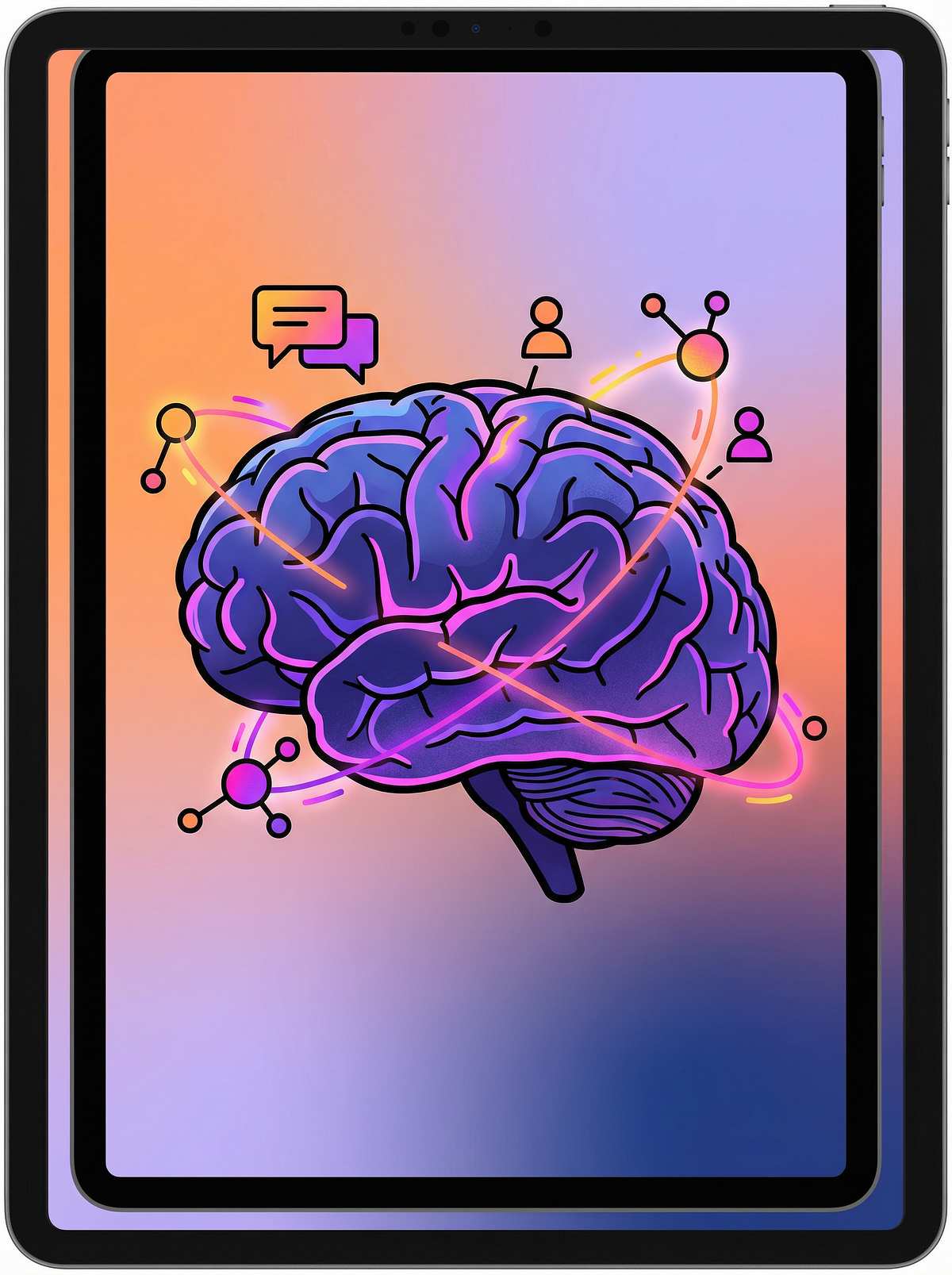
Social interaction is the most computationally demanding task the human brain performs. It requires the simultaneous activation of multiple specialized regions working together as an integrated whole. In autism, these regions may each function — but the connectivity between them is reduced, producing fragmented social experience rather than seamless understanding.
mPFC
Theory of Mind — modelling what others think, know, feel, and intend
STS
Detecting biological motion, eye gaze direction, and social intent from body language
Amygdala
Social salience — determining which social information matters most
Mirror Neurons
Action understanding, imitation, and emotional resonance with others
TPJ
Perspective-taking — distinguishing self from other
OFC
Social reward processing — finding social interaction intrinsically reinforcing
The Social Development Sequence
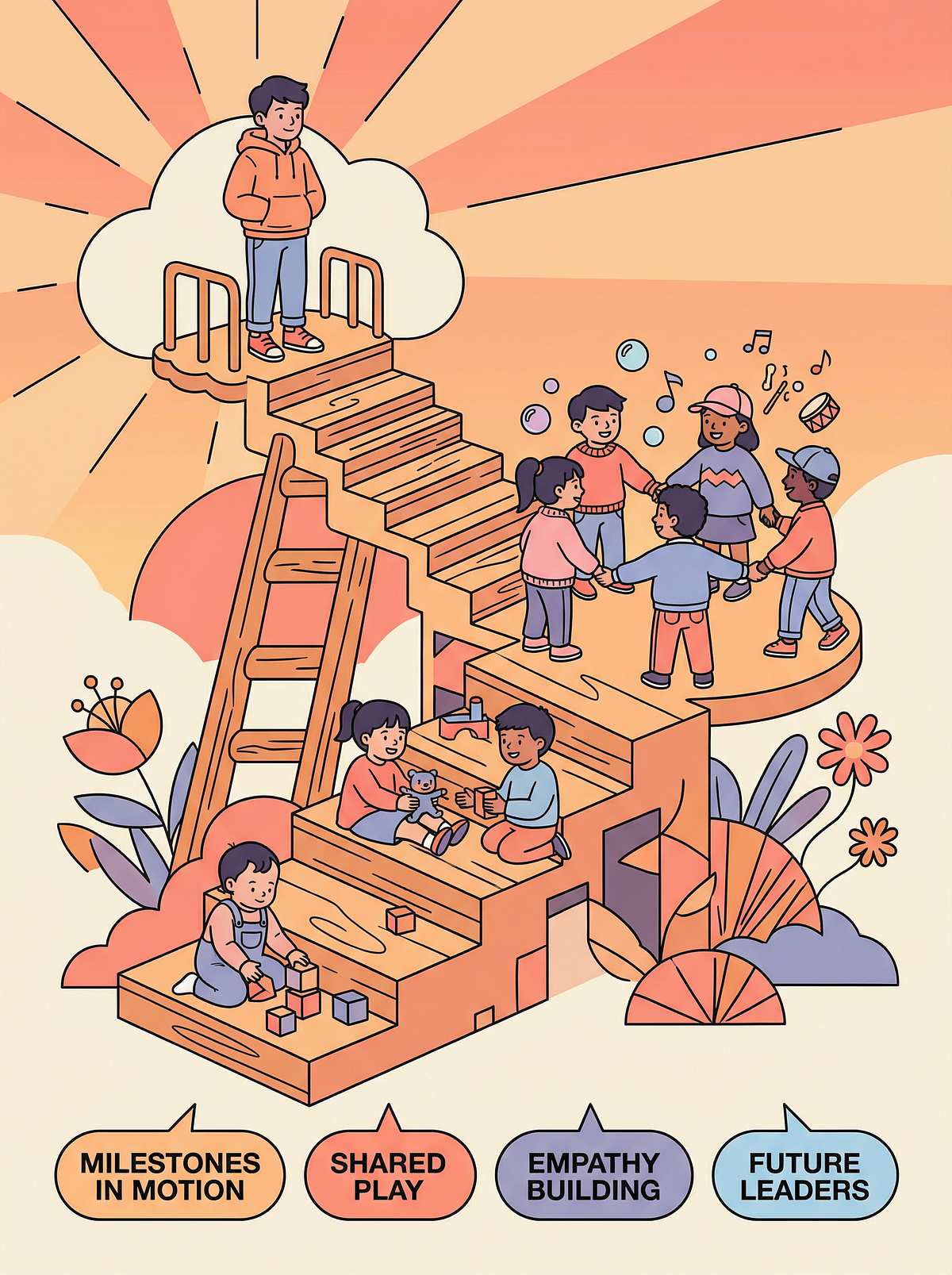
Every Stage Builds on the One Before
Social motivation theory (Chevallier et al.) shows that reduced social motivation in ASD is not an absence of desire for connection — it reflects reduced social orienting, reduced social reward, and difficulty sustaining social engagement. Many children with ASD desperately want friends but lack the neurological toolkit to navigate friendship.
Each of the 30 interventions in this subdomain targets a specific point on this sequence. Understanding where your child is — and what the next step looks like — is the foundation of every effective social skills program.
C-301
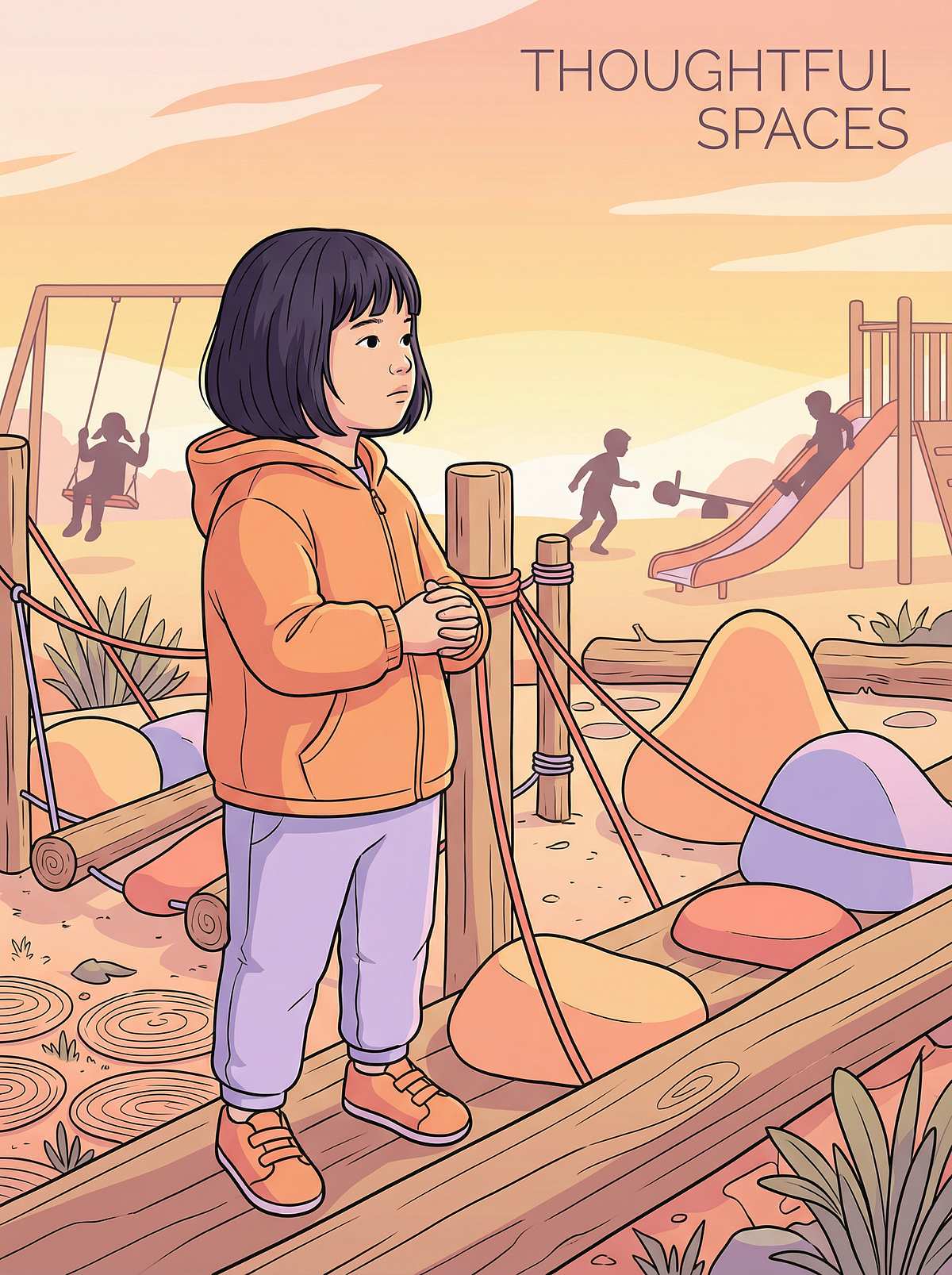
No Peer Interest
Other children walk into the room. Your child doesn't look up. At the park, they walk past peers as if they're invisible. At school, they exist in a parallel universe — physically present but socially absent. They don't seek, don't approach, don't acknowledge.
The Neuroscience
Social orienting — the automatic turning of attention toward social stimuli — is the first stage of social engagement. In ASD, this orienting response can be delayed or absent — not because the child dislikes peers, but because peer presence doesn't automatically register as salient.
What You'll Learn
- Differentiating "no interest" from "no ability to show interest"
- Building social awareness through structured proximity
- Shared interest activities — finding what the child loves, then finding a peer who loves it too
- Adult-mediated introduction: you as social bridge
- When "no peer interest" is actually social anxiety in disguise
- Celebrating looking at a peer as a genuine milestone
📊Evidence Level I — JASPER (Joint Attention, Symbolic Play, Engagement, and Regulation) specifically targets social engagement. Peer-mediated interventions show strong outcomes. NCAEP 2020 | PMC10955541 | JASPER RCTs
C-302
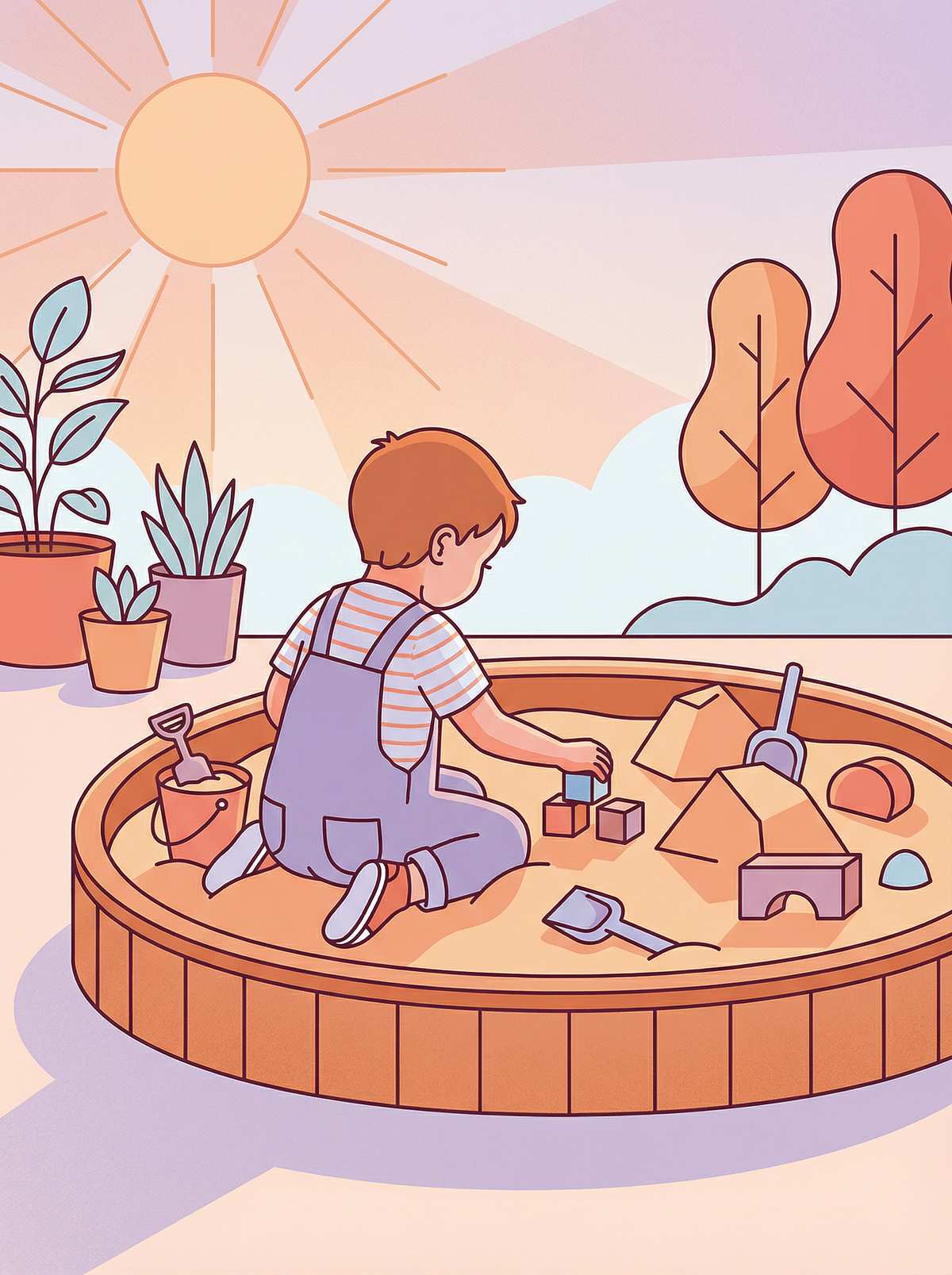
Plays Alone
At the park — alone in the corner with sand. At school — solitary play while peers interact. At home — only plays with objects, never invites siblings. They have a rich internal play world — but it's a world for one. Solitary play is not always a problem, but when it's the only option, it signals a skill gap worth addressing.
Alone by Choice
Introversion and preference for quiet play — a healthy personality trait that deserves respect
Alone by Inability
Wants connection but lacks the skills or confidence to initiate — the intervention target
Alone by Anxiety
Peer play is perceived as threatening — requires anxiety reduction alongside skill building
Alone by Preference
Sensory overload makes peer play uncomfortable — sensory support enables social proximity
The progression: Structured play dates with one peer, a preferred activity, and adult mediation are the gold-standard first step. Play proximity — being near peers while playing separately — counts as real progress.
C-303
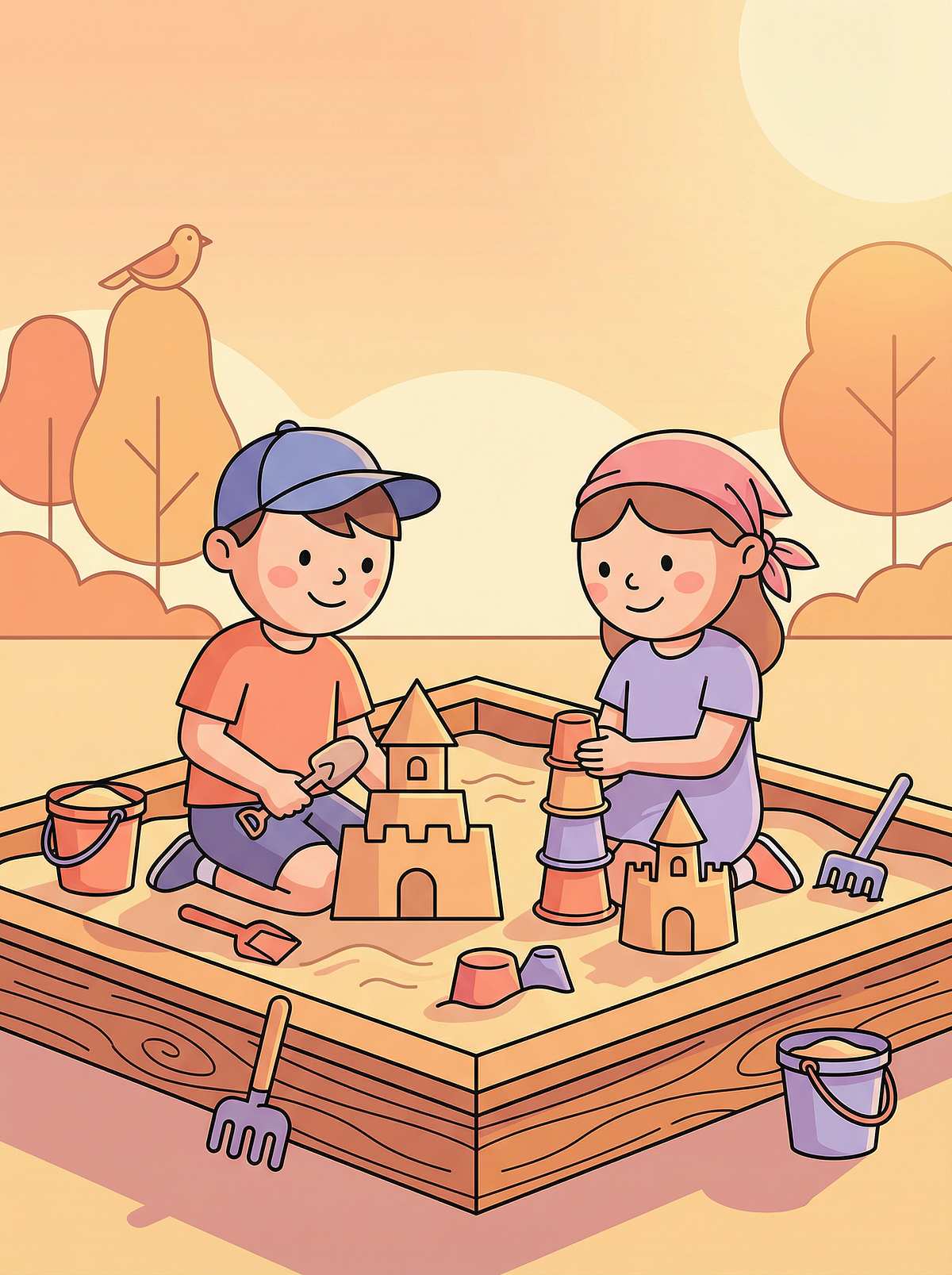
Parallel Play Only
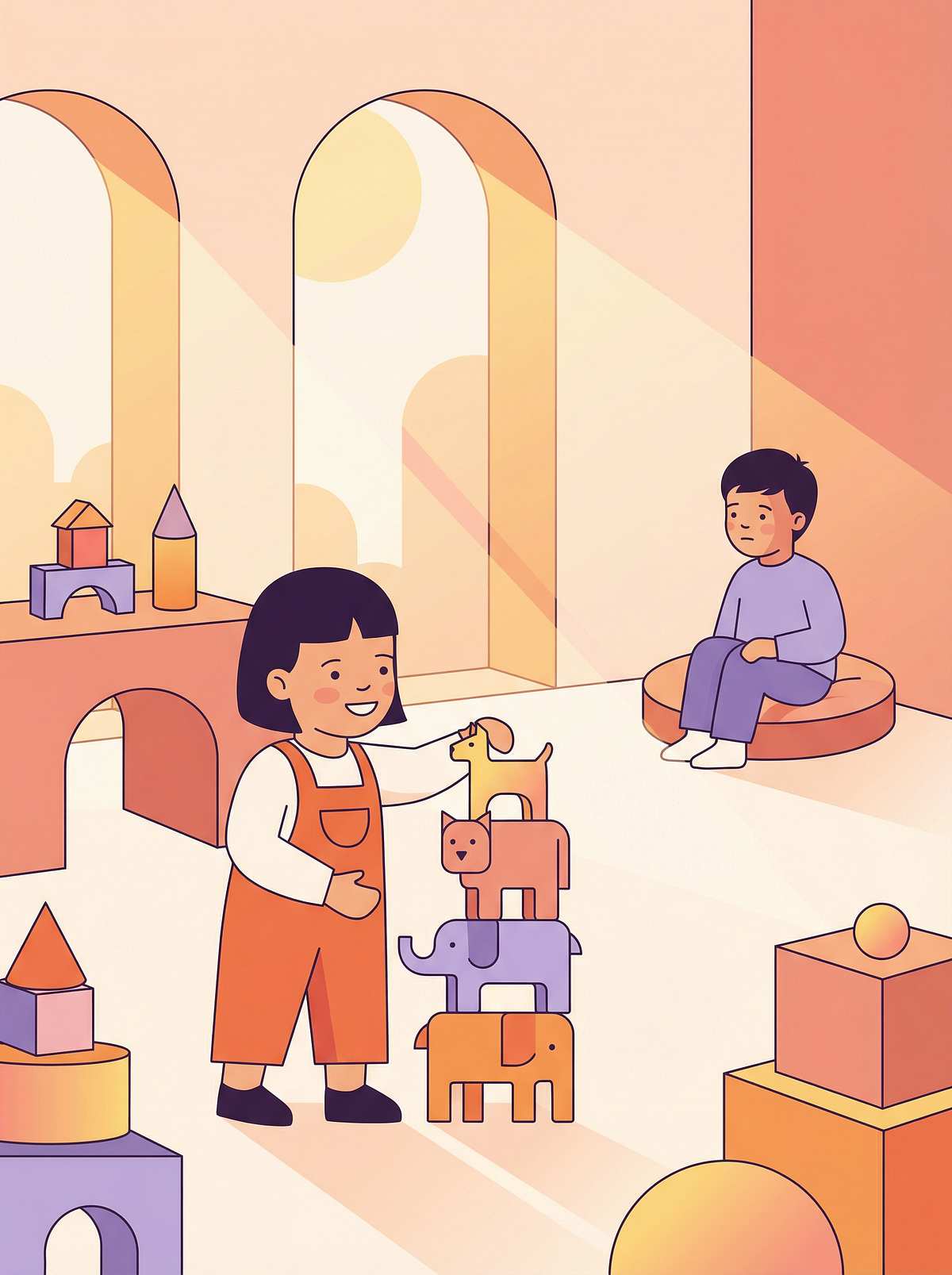
They play next to other children — but not with them. Same sandbox, separate sandcastles. Same table, separate drawings. They're aware of peers — they've moved past "no interest" — but the leap from parallel to interactive play hasn't happened yet. This is a developmental stage, not a failure.
Why This Matters
Parallel play is a normal developmental milestone at ages 2–3. In ASD, it may extend well beyond this window. The transition to associative and cooperative play requires joint attention to a shared activity, turn-taking, communication about the play, and flexibility to incorporate another person's ideas — each of which can be explicitly taught.
The Bridge Strategy
Use shared materials to create natural connection. An adult acting as "play commentator" — narrating both children's play aloud — creates an invisible bridge. Simple interactive games like ball rolling and tower building together are ideal first steps across that bridge.
📊Evidence Level I — Structured play intervention combined with peer-mediated strategies. NCAEP 2020
C-304
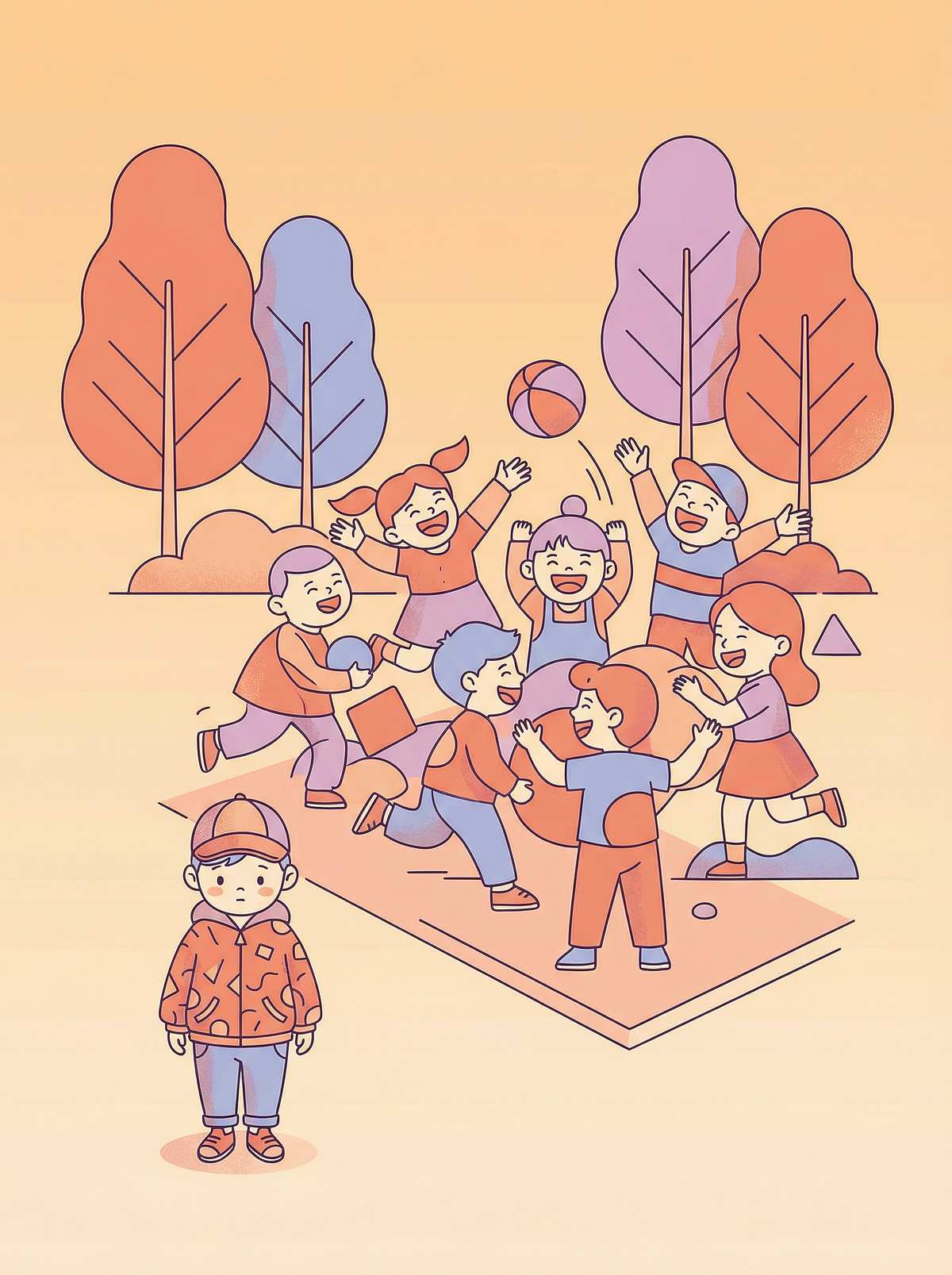
Joining Group Play
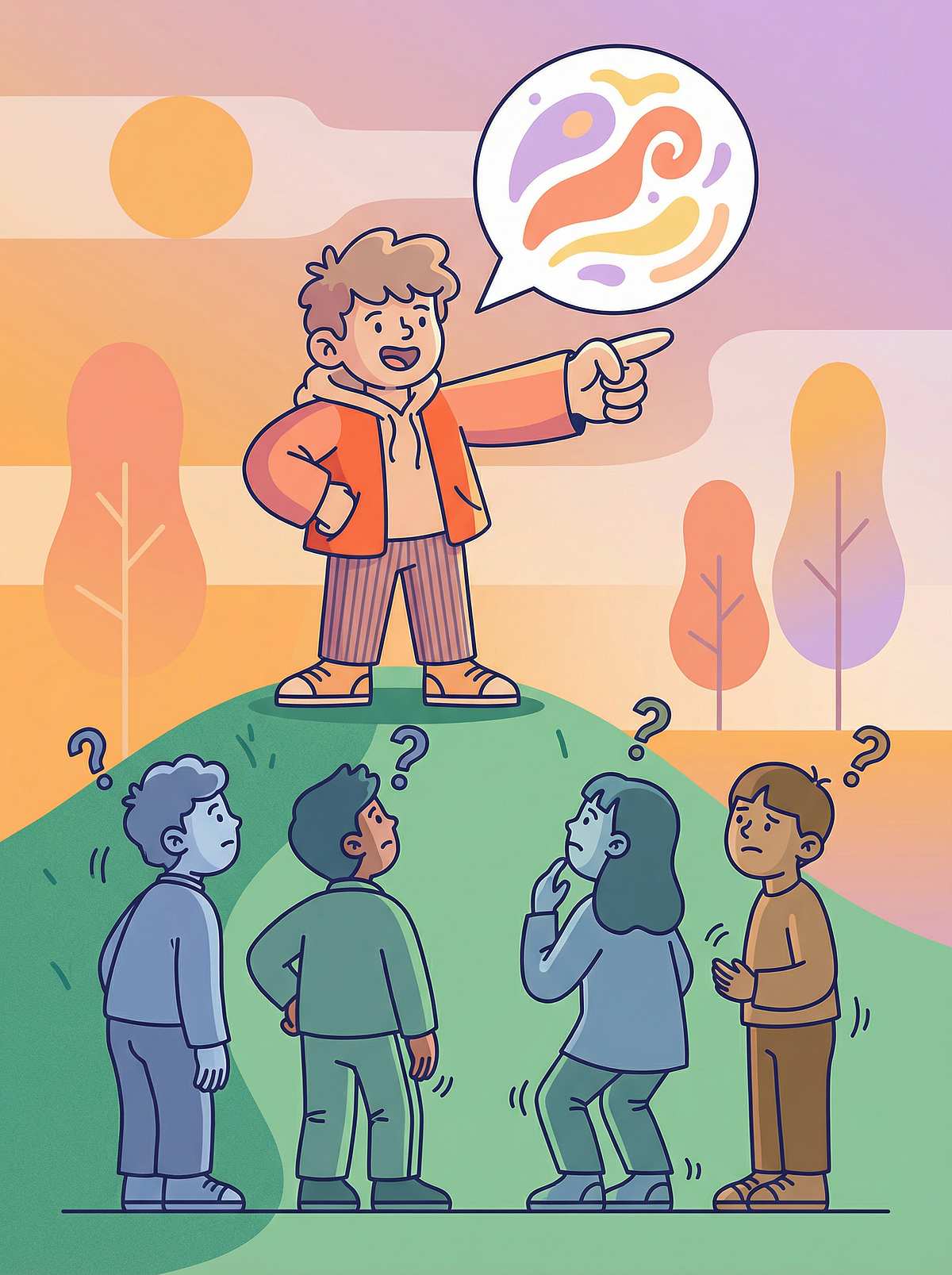
Children are playing. Your child wants to join. They stand at the edge, watching. They don't know how to enter. When they try, it goes wrong — grabbing a toy, standing in the middle, announcing their arrival out of context. Joining ongoing play is one of the hardest social skills a child can learn.
Hover & Watch
Observe the play from a comfortable distance — read what the group is doing before approaching
Find a Role
Identify what role is available — what could I add to this game right now?
Comment
Make a parallel comment about the play before attempting to join ("That tower is really tall!")
Make an Entry Bid
Use a simple scripted phrase: "Can I play?" or "What are you playing?"
Five simultaneous computations are required for group entry: social observation, timing assessment, role identification, approach behaviour, and the entry bid. Video modeling and teacher-facilitated entry are the strongest evidence-based supports.
C-305
Bossy in Play
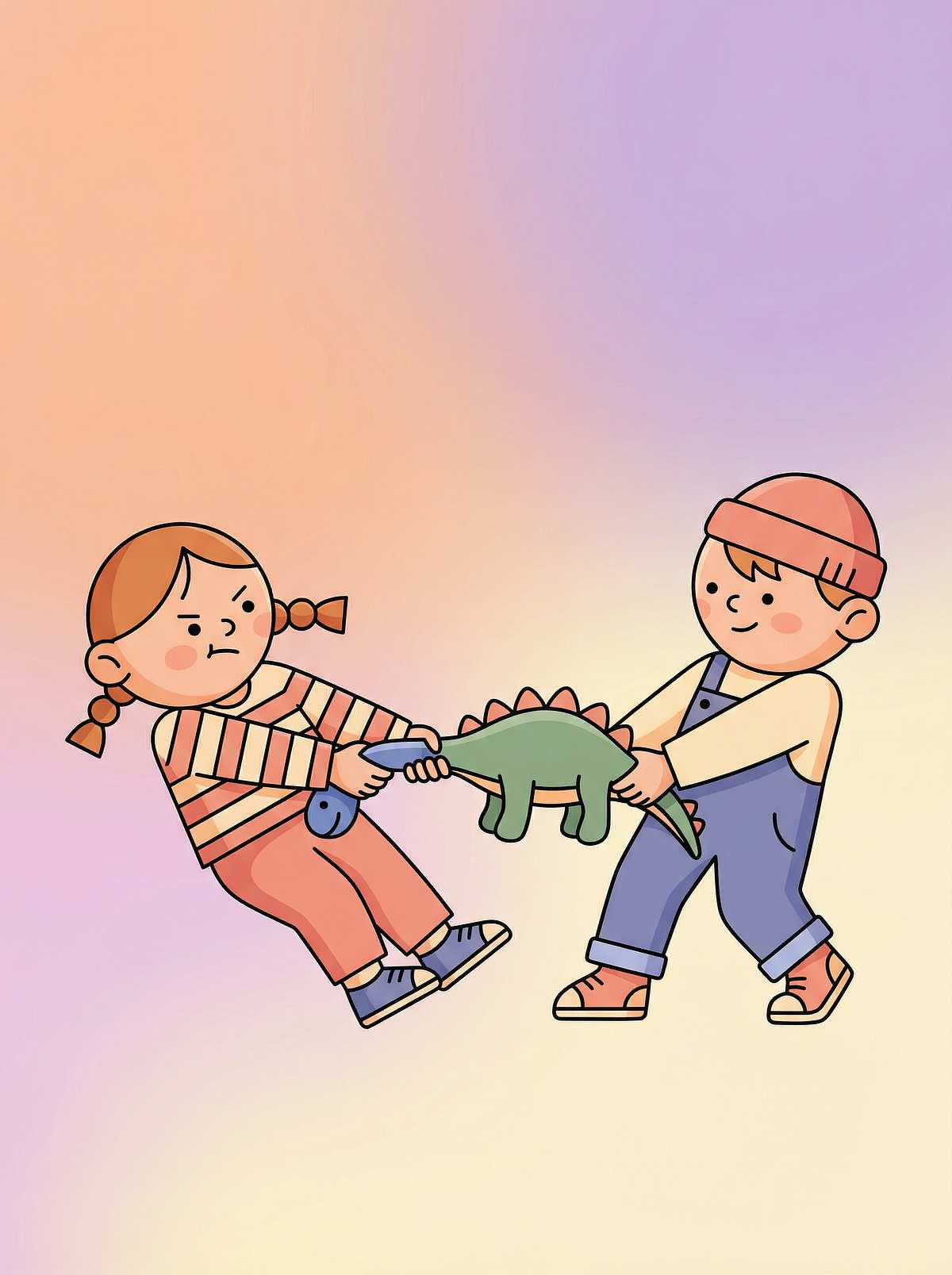
They want to play with peers — but only on their terms. They dictate the rules, assign roles, control every detail, and melt down when others don't comply. Peers leave. They're confused: "But I was playing with them!" They were managing, not playing. Understanding why matters enormously.
The Hidden Root
Bossiness in ASD often reflects anxiety management — not a power-hungry personality. Controlling others means controlling the environment. When the social world feels unpredictable and overwhelming, rigid control feels like the only safety strategy available. The intervention addresses the anxiety, not just the behavior.
What You'll Learn
- "Your idea, my idea, OUR idea" framework
- Taking turns being the leader
- Accepting others' play suggestions gracefully
- Social stories about flexible play
- When bossiness urgently drives peer rejection
C-306
Sharing Difficulty
"MINE!" The single word that ends every play date. They can't share toys, space, attention, or materials. In Indian joint families — where children share rooms, toys, and everything by default — this becomes a constant and exhausting source of conflict for the whole household.
Same Materials
Using identical or parallel materials simultaneously — lowest demand, highest success
Taking Turns
Visual timer: "Your turn for 2 minutes, then their turn" — makes the abstract concrete
Lending
Temporary transfer with expected return — builds trust that the item will come back
Collaborative Use
Both children use the same item toward a shared goal — the peak of sharing skill
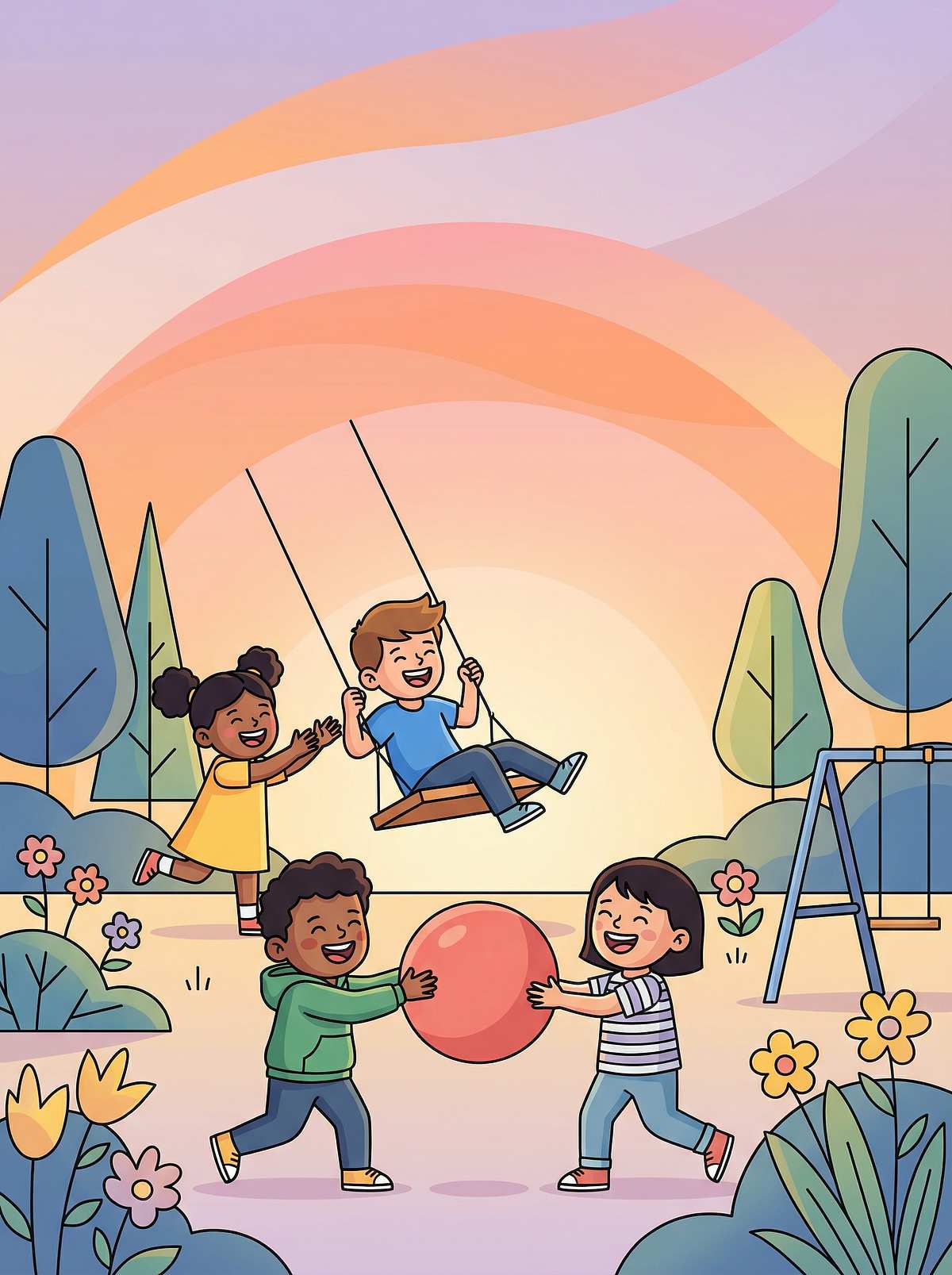
Sharing is a skill, not a character trait — and like every skill, it can be taught through a systematic progression. Celebrating sharing attempts, however imperfect, builds the intrinsic motivation to try again.
C-307
Turn-Taking in Play
Beyond conversational turn-taking — physical turn-taking in play. Waiting for your turn on the swing. Passing the ball. Taking turns in board games. The entire structure of cooperative play depends on my turn → your turn → my turn — and the ability to wait during "your turn" without grabbing, melting down, or quitting entirely.
Visual Turn Cues That Work
- Turn card passed between players
- Visual timer showing remaining wait time
- Object pass (holding the object = your turn)
- Simple two-player games before group settings
- Same-activity turns before different-activity turns
The Neuroscience
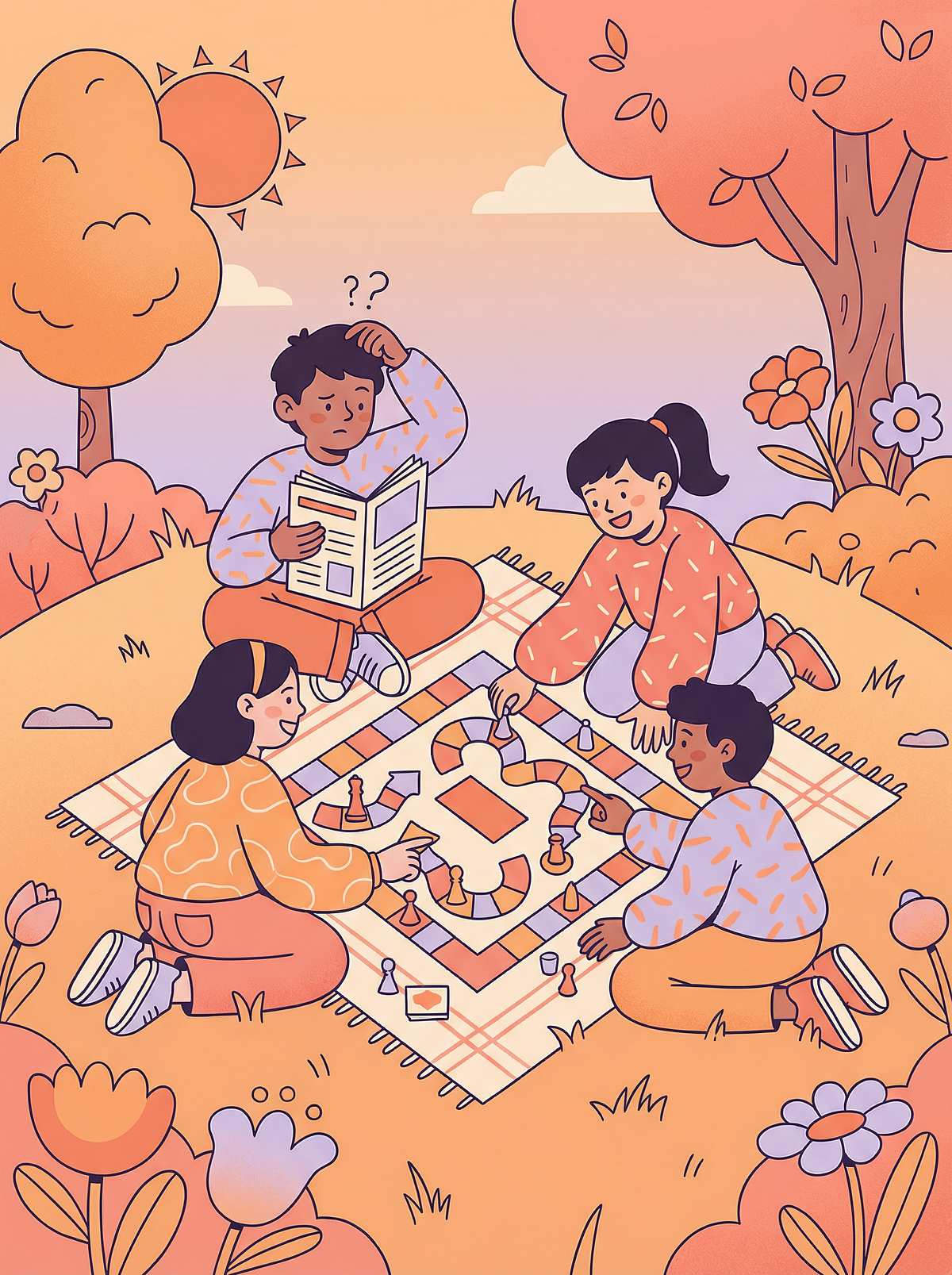
Play turn-taking adds motor inhibition — hands off during their turn — to conversational demands. The dorsolateral PFC must inhibit the prepotent motor response (reach for the toy) while simultaneously monitoring social timing. Physical games like ball rolling and tower building make this invisible skill visible and teachable.
C-308
Understanding Game Rules
They don't understand why rules exist. They don't understand that rules are fixed. They make up their own rules mid-game and expect everyone to follow. When corrected — meltdown. Games require comprehending abstract social contracts, and those contracts are invisible to many children with ASD.
Visual Game Rules
Replace word-only rule explanations with picture-based visual rule cards — one rule per card, with clear illustrations
Simple First
Start with games of 1–2 rules only, then progressively introduce games with multiple simultaneous rules
Practice Round
Always play a no-stakes practice round before the real game begins — removes punishment from learning
House Rules
Create simplified visual house-rule versions of popular games — familiarity reduces anxiety during transitions to standard rules
📊Evidence Level I — Rule comprehension within social skills and ABA. Board games are among the most powerful tools for building this skill. NCAEP 2020
C-309
Inflexible Play
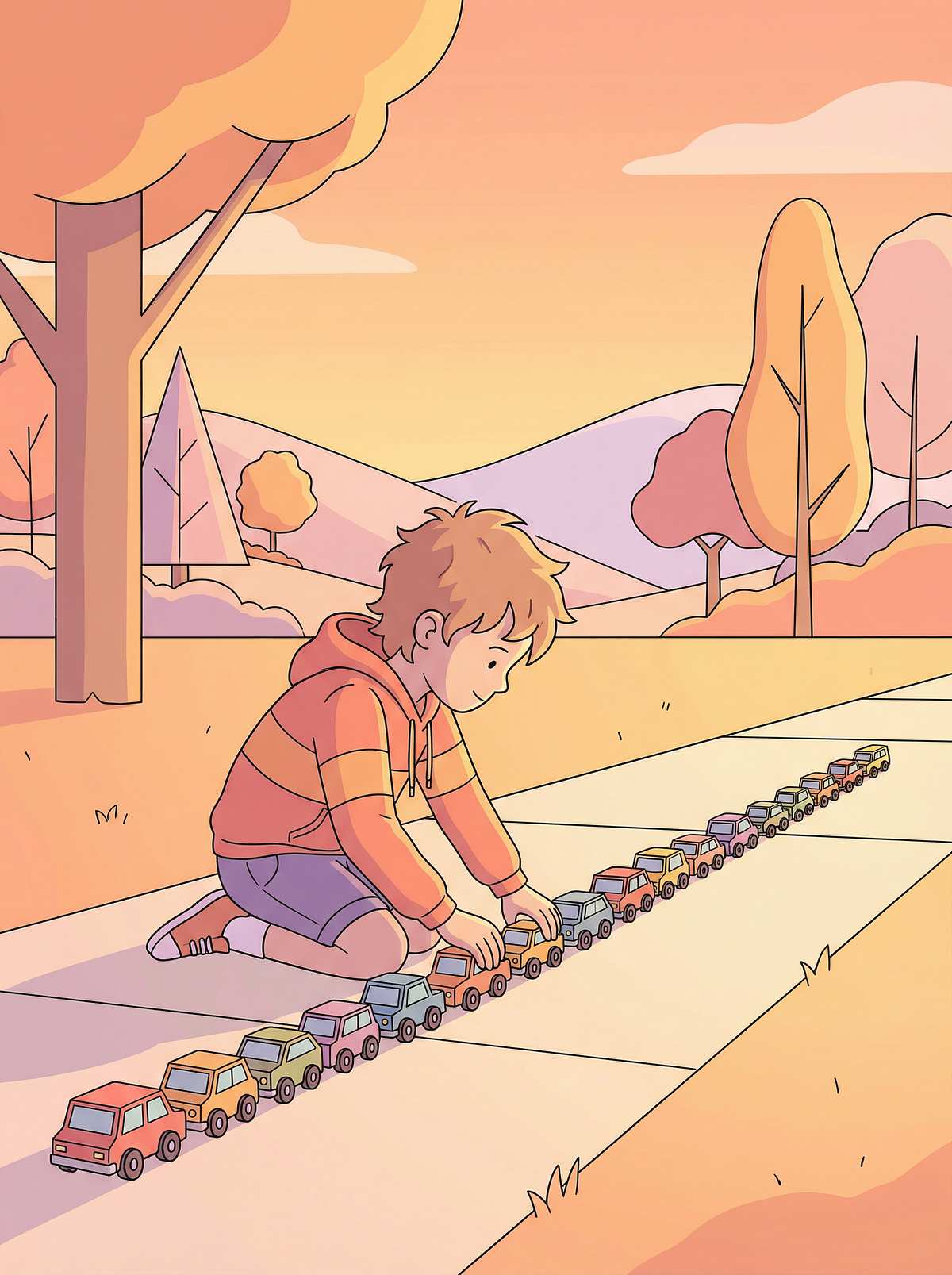
The cars must be lined up. The blocks must be sorted by color. The play must follow the same script every single time. Any peer who disrupts the pattern is an enemy. Play is rigid, repetitive, and resistant to variation — not creative exploration but controlled ritual. This pattern reflects cognitive rigidity made visible through play.
When to Respect It
Repetitive play often serves a regulatory function — providing predictability and calm in an overwhelming world. Before expanding play, identify whether it's serving a genuine coping need. Respect it, then gently stretch it. Removing a coping strategy before a replacement is in place creates distress, not growth.
The Expansion Sequence
- Add ONE new element to familiar play — nothing more
- "Same but different" — variation on the known script
- Adult as play model showing new possibilities
- Peer as play expander in a safe, low-stakes setting
- From rigid → flexible → creative play, one small step at a time
C-310
Making Friends
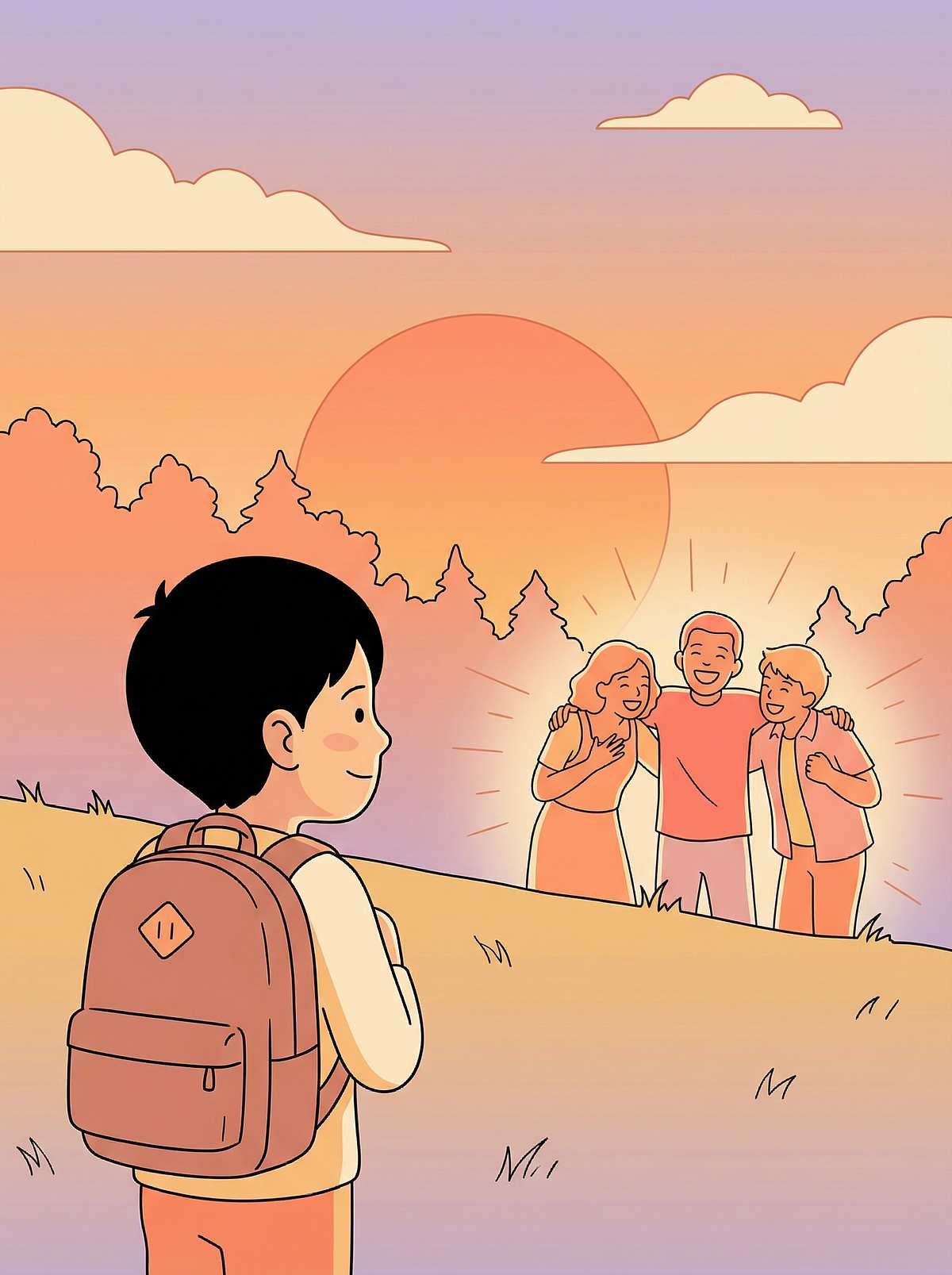
"I have no friends." The most painful sentence a parent can hear. They want friends. They see other children laughing together and ache to be included. But the social algorithm for friendship — finding common interest, initiating contact, reciprocating interaction, maintaining connection over time — is a multi-step process they can't yet decode.
01
Social Orienting
Noticing and attending to a potential friend — the first, often overlooked step
02
Approach
Moving toward the person with a friendly bid — overcoming the approach barrier
03
Mutual Interest
Finding shared ground — the topic, activity, or preference that creates initial bond
04
Reciprocal Exchange
Giving and receiving — the balanced conversation and play that builds connection
05
Positive Memory
The accumulation of enough good social memories with one person to create a preference for their company
📊Evidence Level I — PEERS® programme, specifically designed for friendship development in ASD, with strong RCT outcomes. NCAEP 2020 | PEERS® RCTs
C-311
Keeping Friends
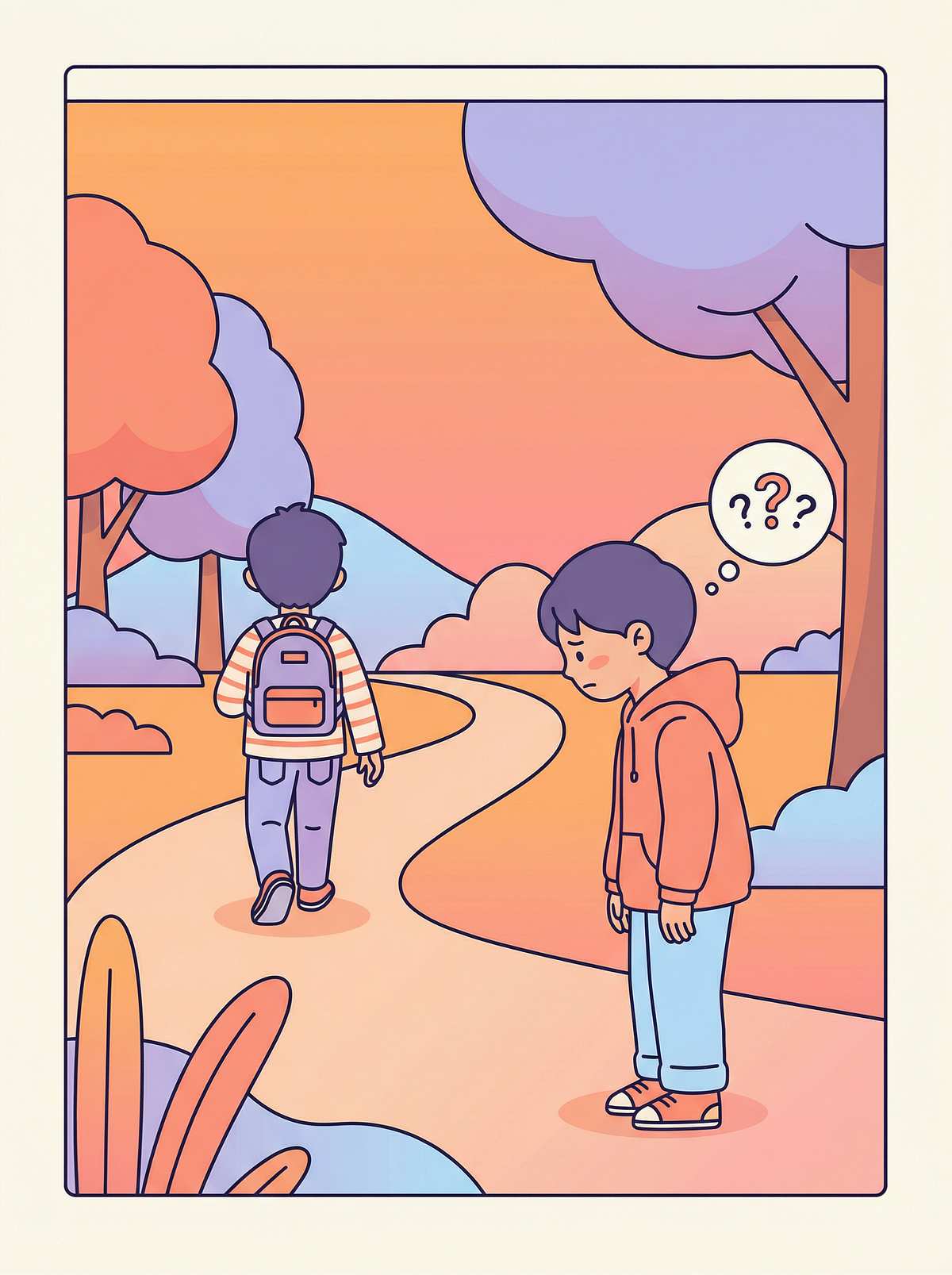
They make a friend — then lose them. Friendship maintenance requires checking in, reciprocating interest, adapting to changes, repairing conflicts, and sustaining connection over time. Making a friend is chapter one. Keeping them is the whole book. And it is a skill that can be explicitly taught, practiced, and built.
Friendship Maintenance Skills
- Asking about their day — genuine curiosity, not script recitation
- Remembering their interests and mentioning them unprompted
- Inviting them — being the one who reaches out
- Handling disagreements without losing the friendship
- Reciprocity balance — not always "my way"
- Digital friendship maintenance: messaging, video calls
The Neuroscience
Friendship maintenance requires the mPFC to continuously model the friend's evolving needs, the OFC to sustain social reward in the relationship, and the hippocampus to maintain positive relational memories while processing inevitable conflicts. Reciprocity — the balance of giving and receiving — must be monitored and adjusted continuously.
C-312
Prefers Adults
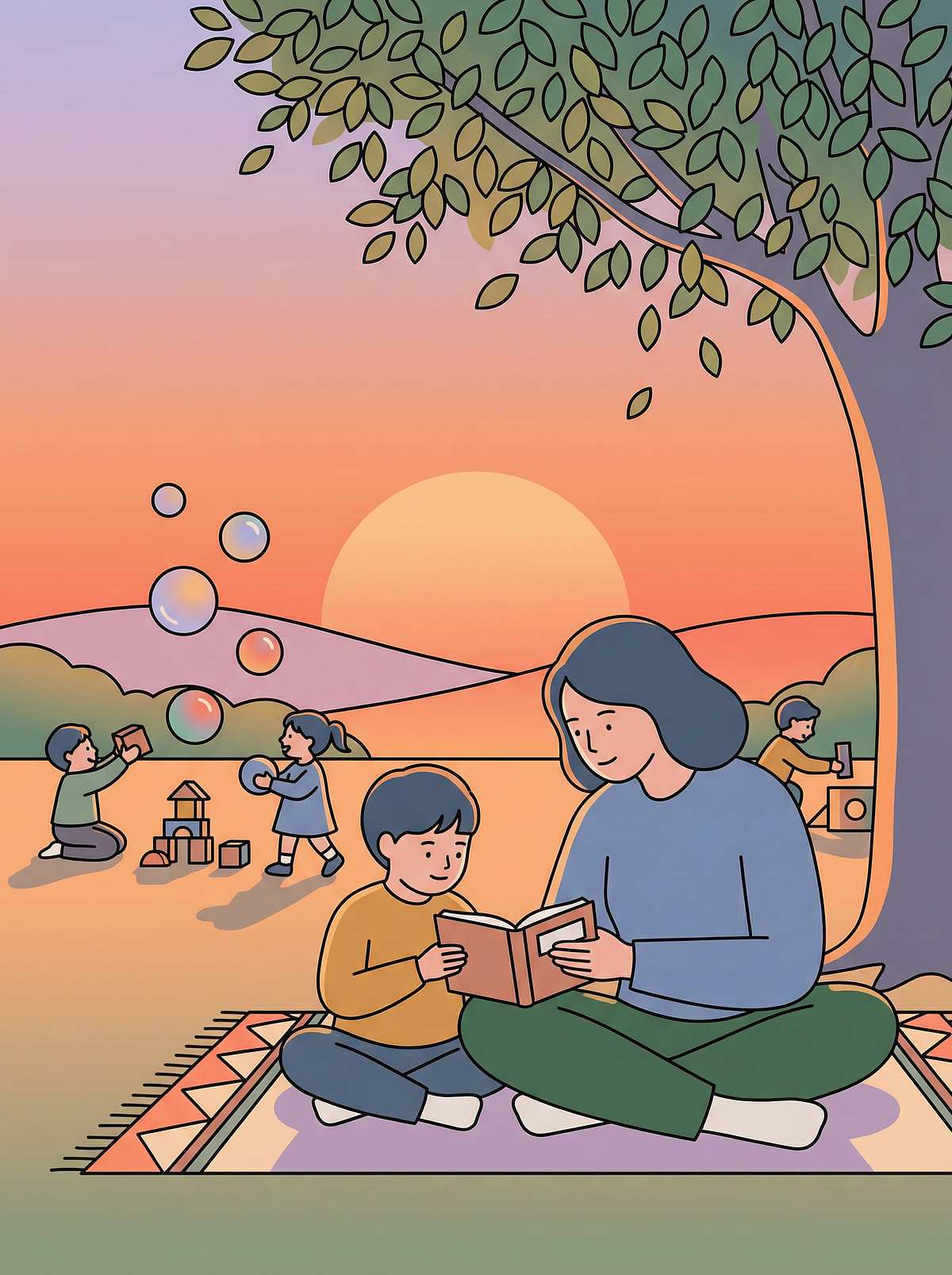
At every gathering, they gravitate to the adults. At school, they hover near the teacher. They find adult conversation more predictable, more structured, and more accommodating than peer interaction. Adults adjust to them; peers don't. This is not pathological — it is a rational social computation.
Why Adults Are Easier
Adults provide predictable interaction patterns, simplify language, follow the child's lead, and give consistent positive responses — everything that makes social interaction feel safe
Peer Training
Teaching selected peers to be more predictable and accommodating — making peer interaction feel more like adult interaction
Finding "Old Soul" Peers
Identifying calmer, more structured classmates whose interaction style is naturally closer to what the child finds rewarding
Using Adults as Bridges
Adults introduce peer activities, gradually step back, and transfer the relationship — the adult-preference becomes a scaffolding tool
C-313
Reading Social Cues
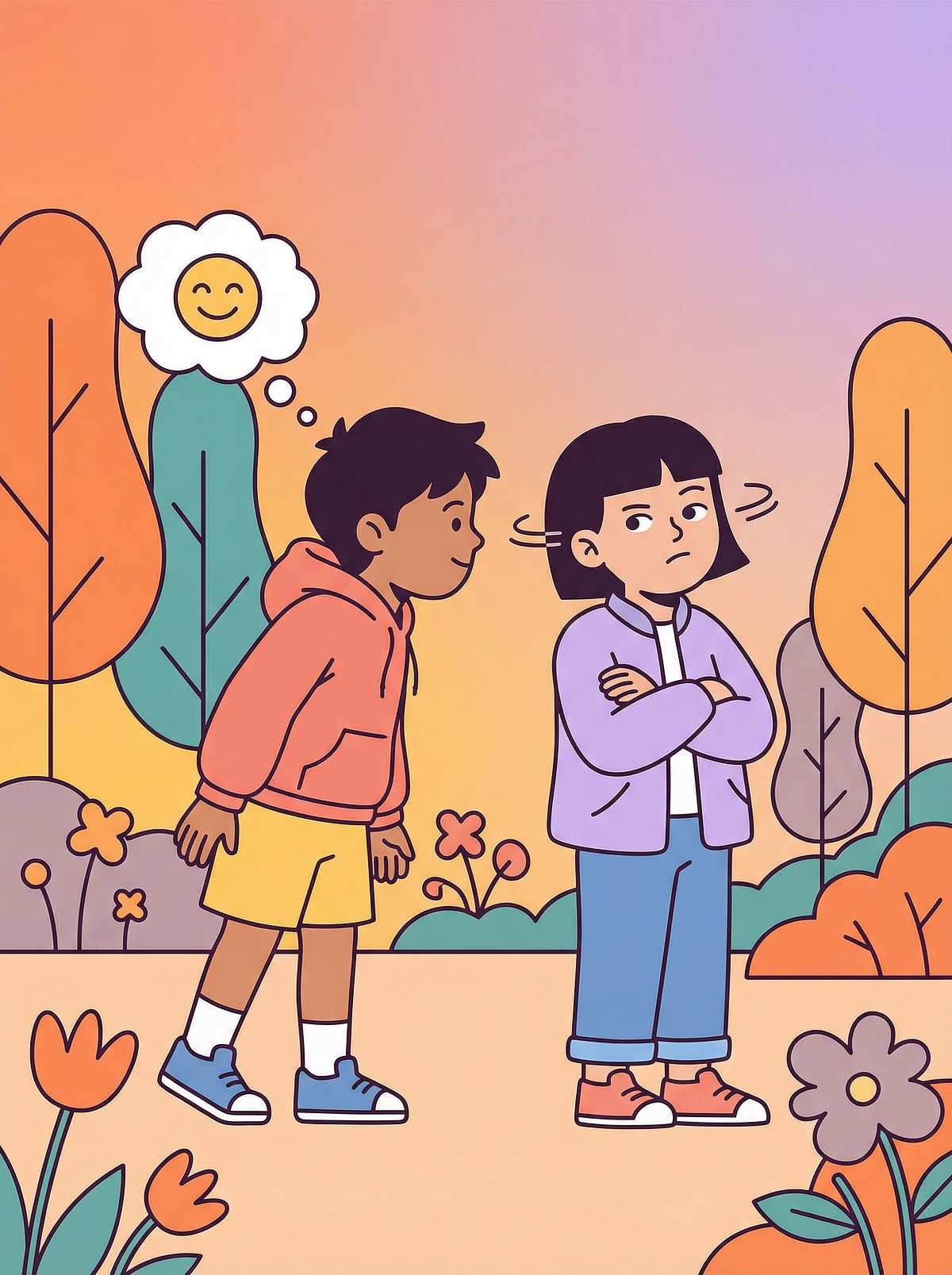
The eye roll they don't see. The sigh they don't hear. The turned back they don't interpret. The forced smile they read as genuine. Social cues — the non-verbal language that constitutes 70% of human communication — are invisible to many children with ASD. They're navigating a social world with 70% of the map missing.
The Integration Problem
In ASD, the STS, FFA, right hemisphere prosody areas, and mPFC may each process social information independently — but they don't integrate efficiently. The child captures fragments but misses the complete picture. Explicit, structured social cue training bridges this gap, providing the labeling and interpretation framework the brain hasn't built automatically.
What You'll Learn
- Common social cues catalogue with visual examples
- Video-based social cue training
- "Hidden curriculum" of unspoken social rules
- Body language reading practice in real contexts
- Tone of voice interpretation exercises
- Social detective activities (Michelle Garcia Winner)
C-314
Personal Boundaries
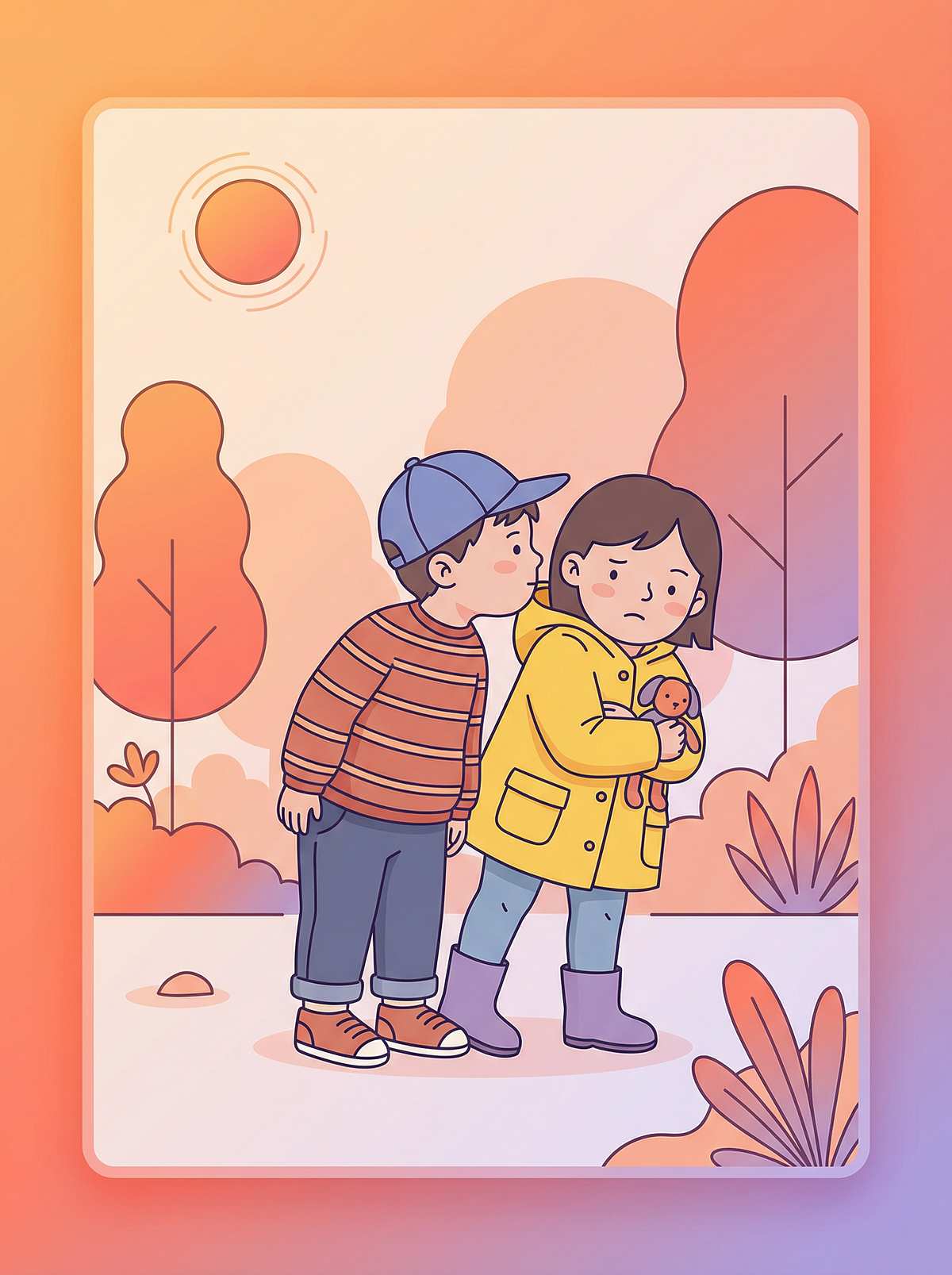
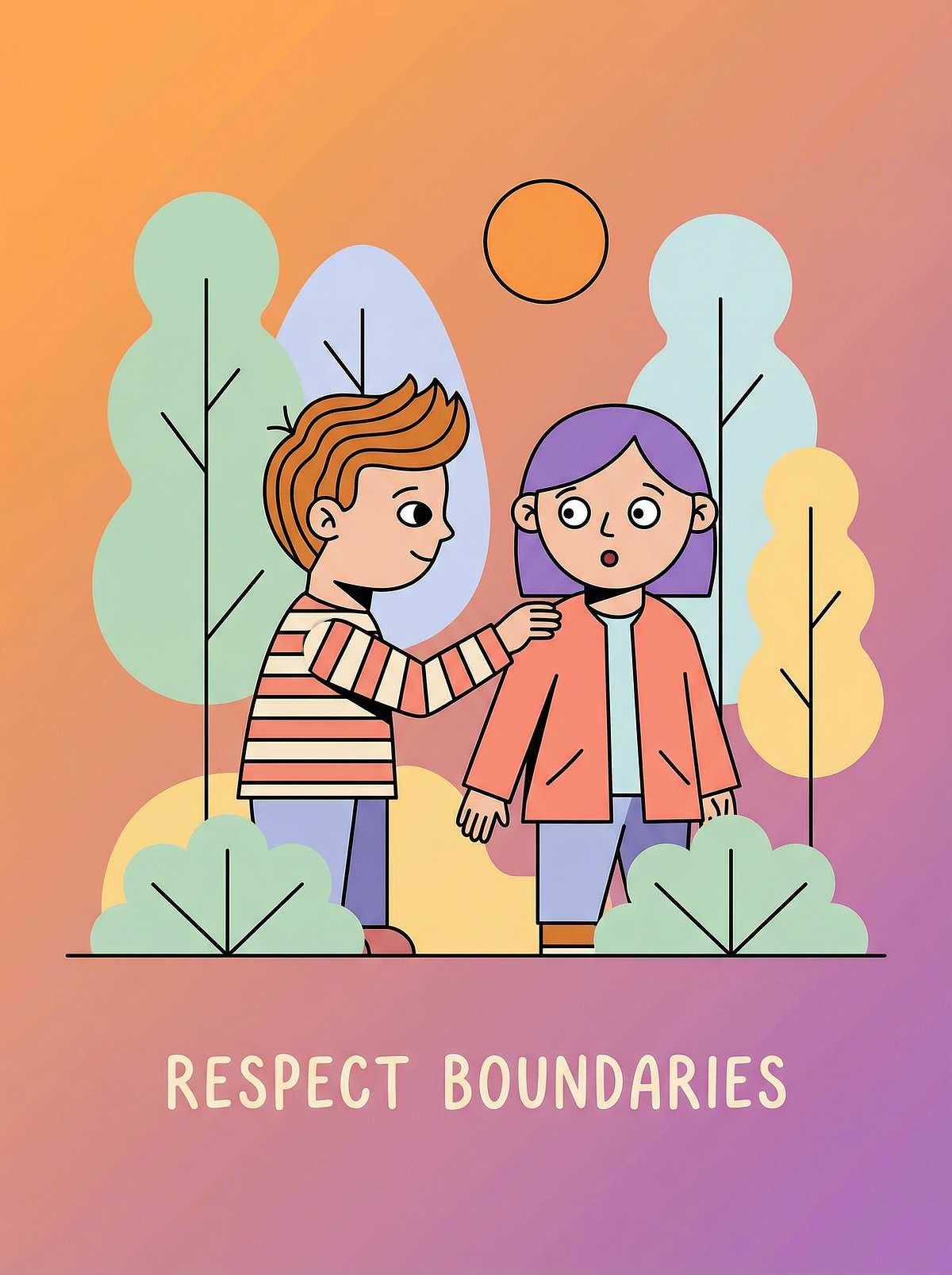
They hug strangers. They touch others' hair. They stand too close. Or the opposite — they can't tolerate anyone in their space. Personal boundaries — both respecting others' and asserting their own — are invisible social rules that must be explicitly and carefully taught. In Indian cultural contexts, where touch norms vary significantly by relationship, this teaching requires nuance.
Circles of Intimacy
Who can touch me, and how? Visual circles from closest (family) to strangers — concrete and memorable
"Ask First" Rule
A universal rule for physical contact that works across all social contexts and cultures
Own Boundary Recognition
Interoceptive awareness of when MY boundary is being crossed — body signals as information
Asserting "No"
Body safety — the right to say no to unwanted touch, even from familiar adults
C-315
Inappropriate Touching
They touch others' bodies without permission. They hug without checking if it's welcome. They touch faces, hair, clothing of strangers. It's not predatory — it's sensory-seeking, curiosity, or social-rule ignorance. But it creates serious social consequences. Critically, this card also teaches body safety — protecting the child from others' inappropriate touching.
What You'll Learn
- "Private body, public body" concept
- Consent language: "Can I hug you?"
- Sensory alternatives for touch-seeking behaviors
- Social stories about appropriate touching
- "Good touch / bad touch / confusing touch" framework
- Reporting skills for unsafe touch
⚠️ Body Safety Education
This technique includes explicit POCSO Act awareness for Indian families. Children with ASD are at elevated vulnerability to inappropriate touch from others precisely because they may not recognise it, may not report it, and may not be believed. Body safety education is a non-negotiable component of this intervention.
C-316
Cooperative Play
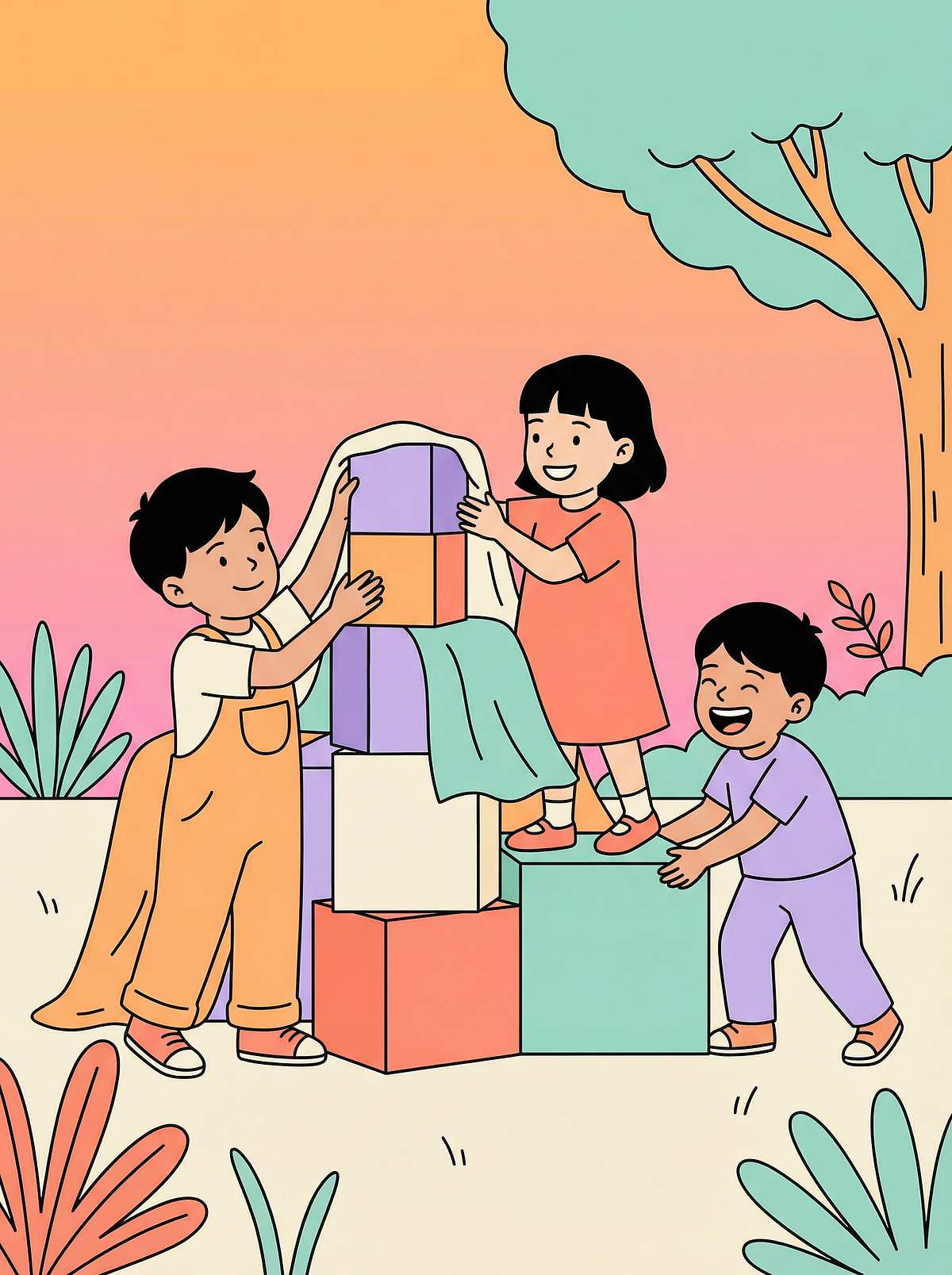
The pinnacle of play development — working together toward a shared goal. Building a fort together. Playing a team game. Creating a story together. Cooperative play requires shared goal understanding, role allocation, flexibility, communication, and mutual adjustment. It is the social arena where deep friendship is forged.
Cooperative Readiness
Turn-taking, sharing, and flexibility must all be in place as the prerequisite foundation
Simple Cooperative Tasks
Building together, carrying together — shared physical action toward a shared, visible outcome
Assigning Clear Roles
Explicit role allocation removes ambiguity — "You hold the blocks, I'll stack them"
Adult Scaffolding → Peer-Managed
Gradually transfer control from adult-scaffolded cooperative play to fully peer-managed interaction
📊Evidence Level I — Cooperative play intervention within JASPER and social skills groups activates the full social brain network in real-time. NCAEP 2020 | JASPER RCTs
C-317
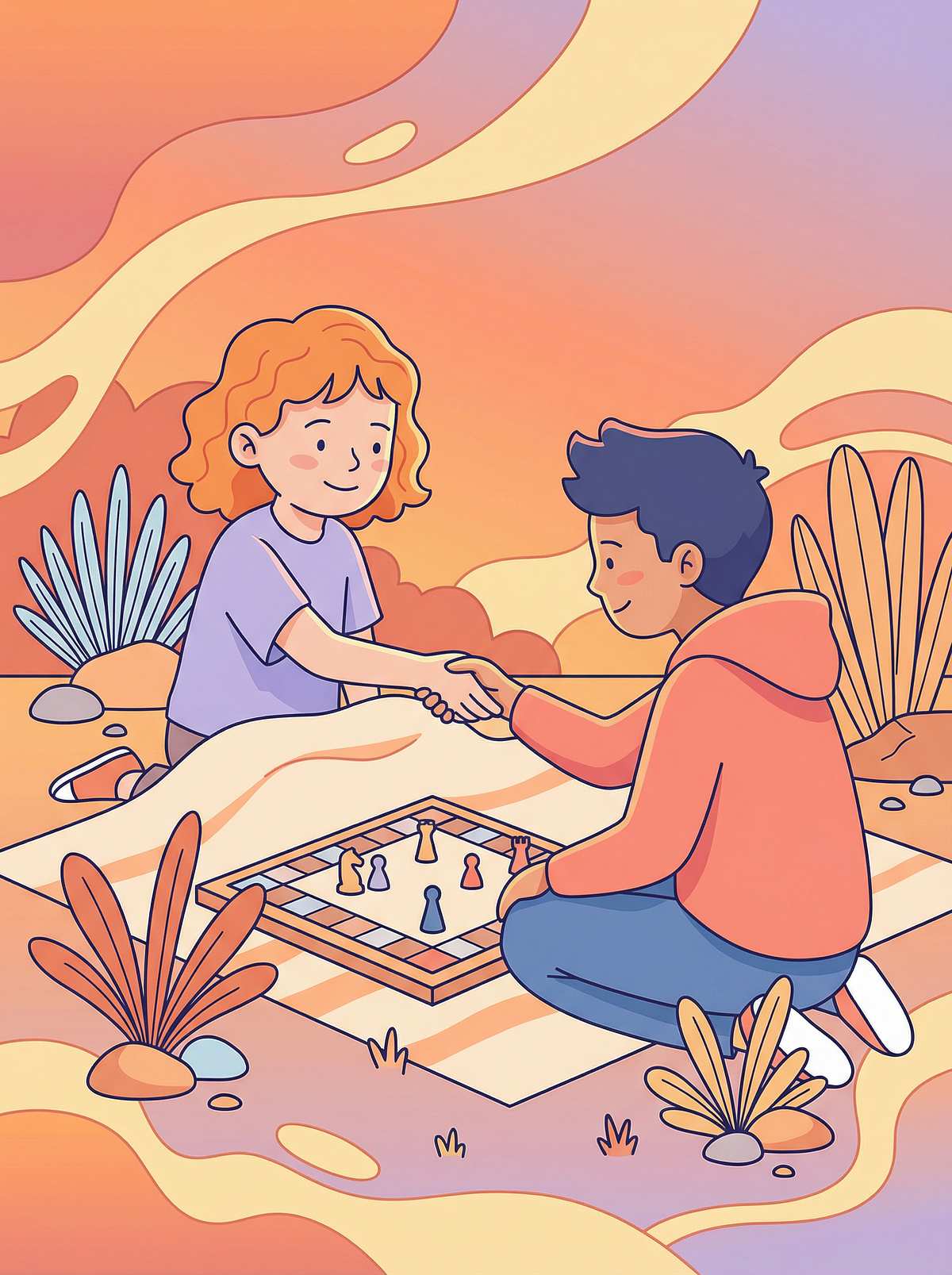
Winning and Losing
Winning graciously — without gloating. Losing graciously — without melting down. Understanding that competition is temporary: the game ends, and the friendship continues. Managing the emotion of both outcomes within the social context of play is a sophisticated skill that can and must be explicitly taught.
The Neuroscience of Competition
Winning generates a dopamine surge; losing triggers ACC mismatch and amygdala distress. The social skill is managing both emotional extremes within the game's social frame — neither alienating others with excessive celebration nor disrupting play with excessive distress. Both responses are neurologically driven and both are teachable.
Scripts That Work
- "Good game" + handshake — the universal sportsmanship ritual
- "Congratulations!" to the winner (even when you're not)
- "It's just a game" — not dismissive, but grounding
- Games where everyone wins as a stepping stone
- Practice with graduated stakes before competitive play
C-318
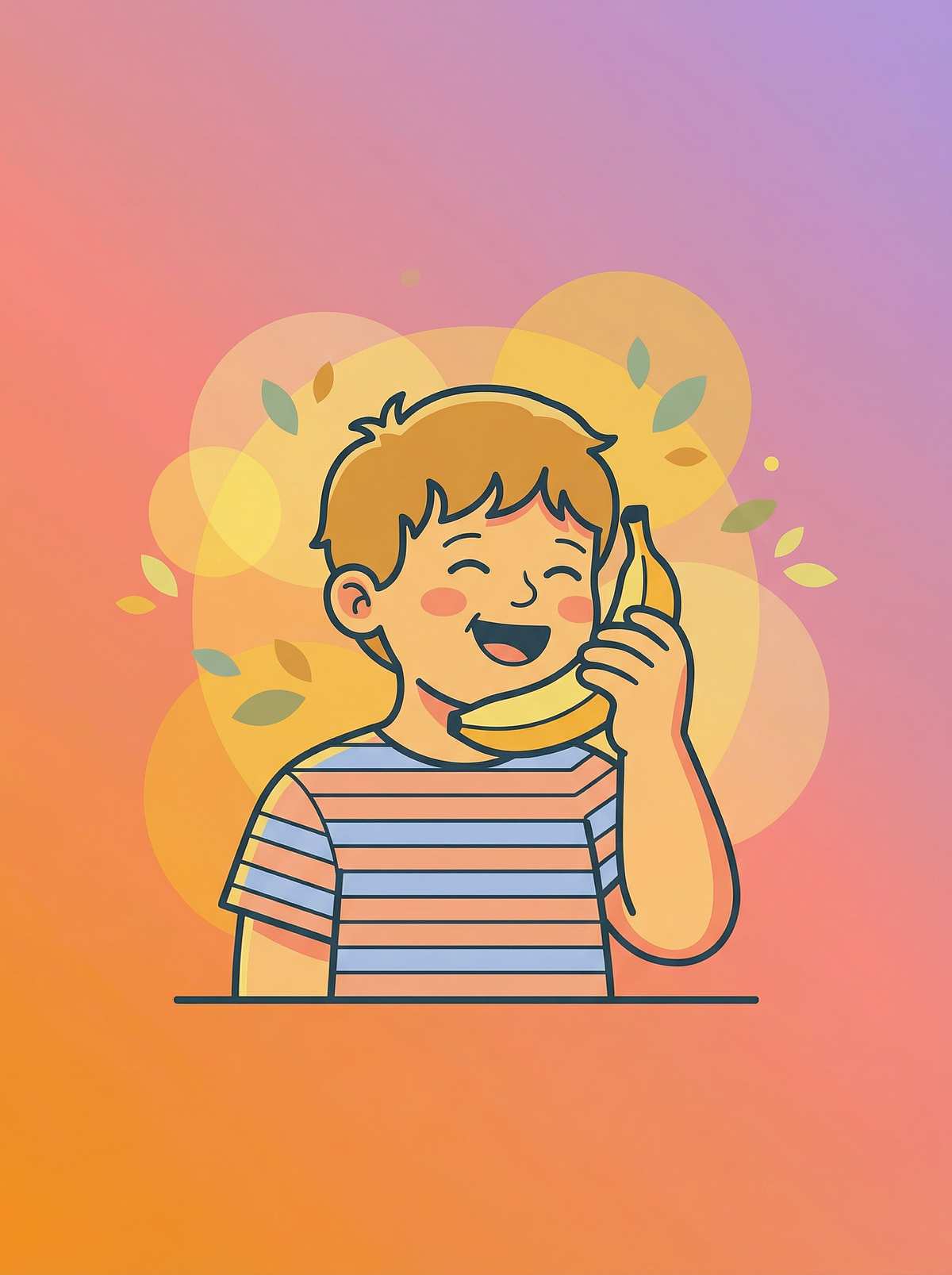
Pretend Play Skills
The banana isn't a phone. The box isn't a car. The doll doesn't "want" tea. Pretend play — imagination, symbolism, role-playing — is the cognitive laboratory where children practice social roles, emotional scenarios, and flexible thinking. Without it, a vast developmental landscape remains inaccessible.
1
Functional Play
Using objects as designed — spoon for stirring, cup for drinking. The starting point.
2
Symbolic Play
One object stands for another — banana = phone, block = car. The cognitive leap of representation.
3
Sociodramatic Play
Adopting roles with others — playing "doctor," "shop," "family." Social rehearsal in action.
4
Fantasy Play
Fully elaborated imaginary worlds and characters. The pinnacle of flexible, creative play.
Indian cultural pretend play — cooking play, puja play, shop play — provides deeply familiar, motivating contexts for this progression. JASPER specifically targets symbolic play development with Level I evidence.
C-319
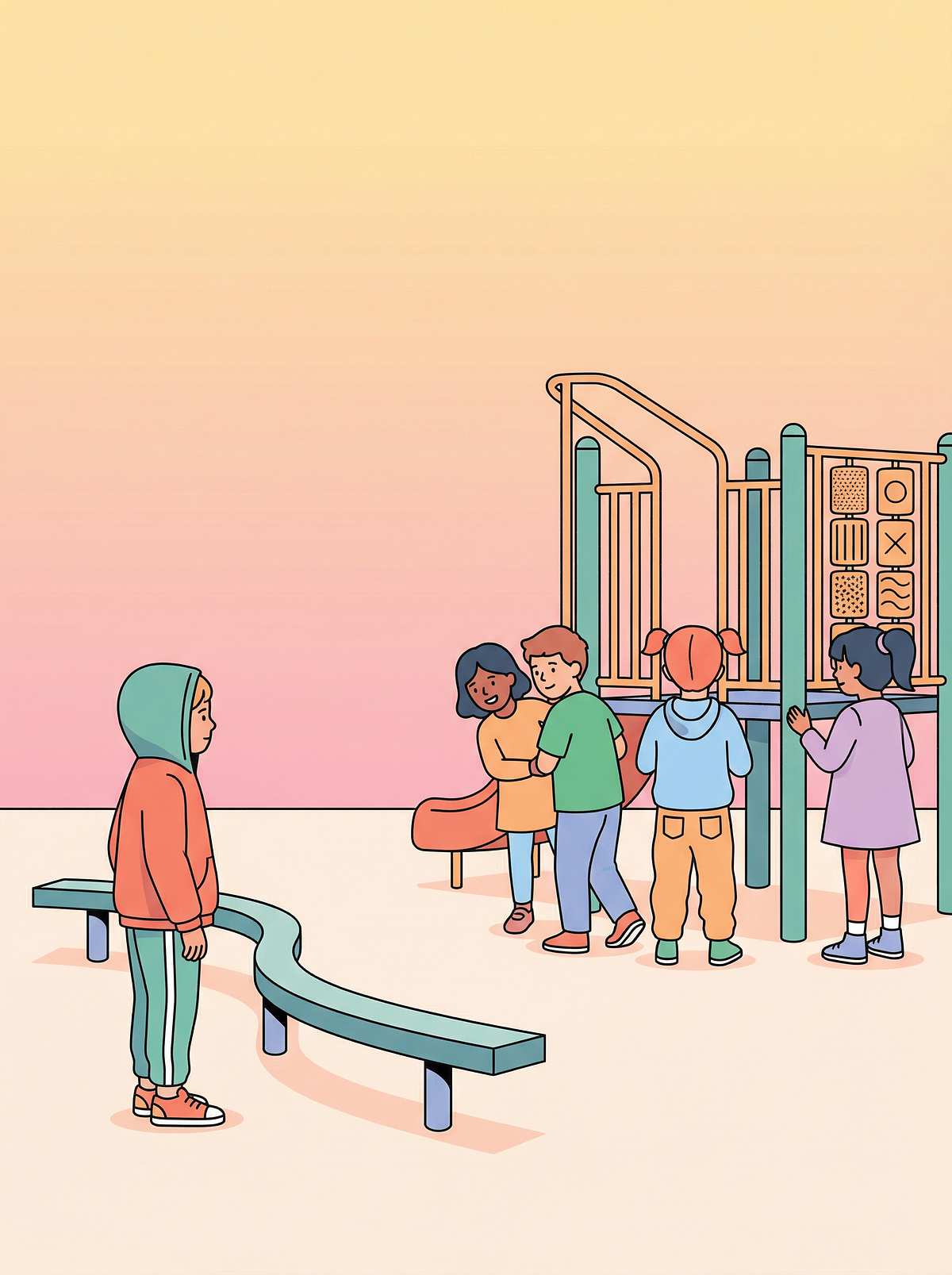
When a Child Is Excluded
"You can't play with us." "Go away." They're left out of the game, uninvited to the birthday party, ignored at recess. Exclusion happens — sometimes because peers don't know how to include them, sometimes intentionally. Your child may not even recognise it's happening. You do. And it breaks your heart.
The Pain Is Real
Social exclusion activates the dorsal ACC and anterior insula — the same brain regions activated by physical pain. Being excluded literally hurts. For children who do recognise exclusion, the pain is compounded by the inability to change it. Dismissing this pain is never the answer.
Multi-Level Strategies
- Identifying exclusion — the child may not report it
- Peer sensitisation programs in the classroom
- Teacher's active role in inclusion facilitation
- Alternative social opportunities: structured clubs and interest groups
- Building resilience without dismissing the pain
- Indian school inclusion advocacy under RPwD 2016
C-320
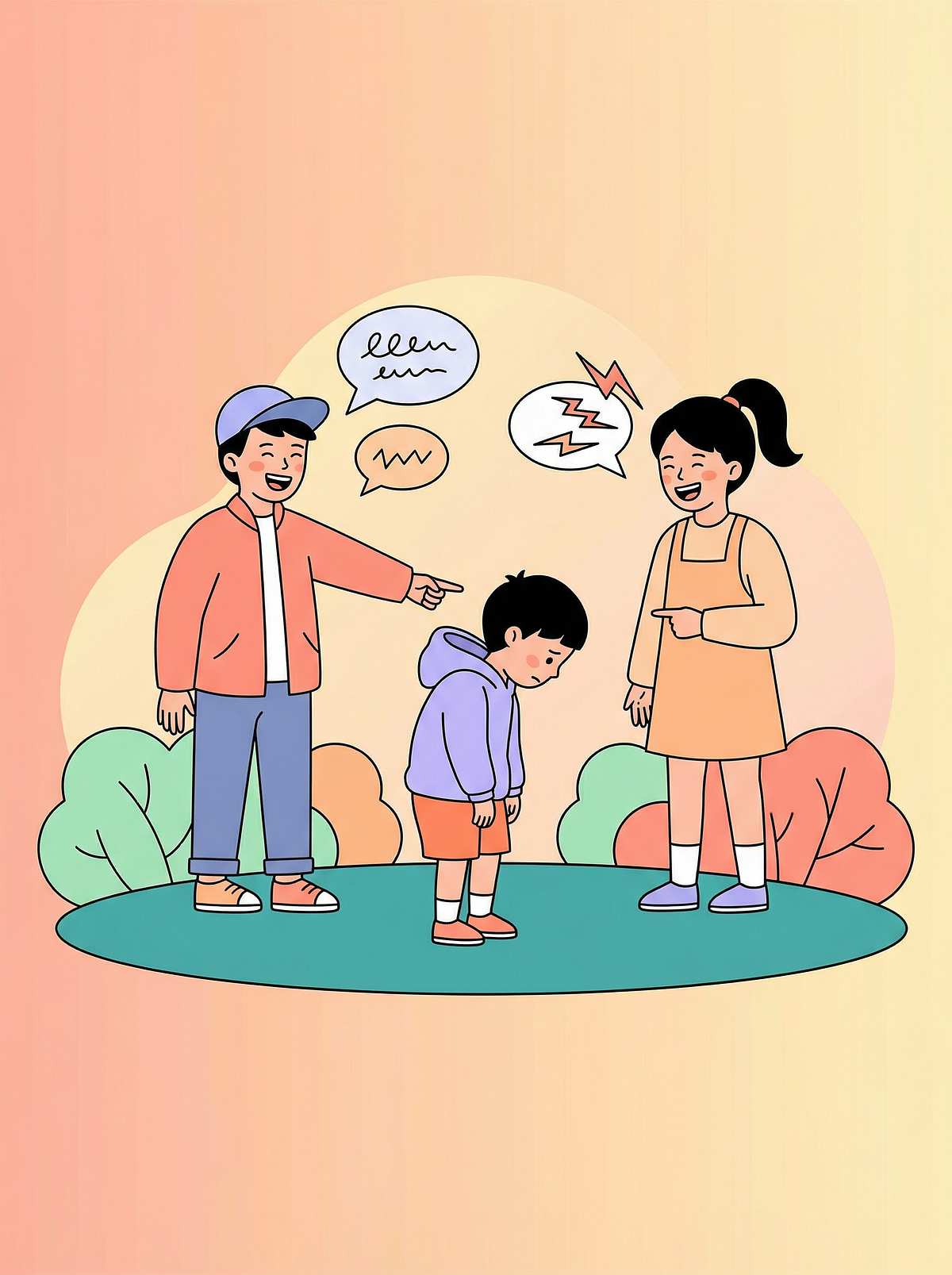
When a Child Is Bullied
Children with ASD are four times more likely to be bullied than neurotypical peers. They may not recognise manipulation, may not understand social hierarchies, and may not be able to report what happened. They're targeted because they're different — and they're the least equipped to defend themselves without explicit support.
⚠️Critical Stat: Bullying creates chronic stress with long-term consequences including increased anxiety, depression, PTSD symptoms, school avoidance, and self-harm risk. Early recognition and intervention is essential. When bullying causes a mental health crisis → immediate specialist referral.
Recognition
Explicit teaching: "This is bullying. This is not bullying." — because the distinction is genuinely unclear without instruction
Reporting Skills
"Tell a trusted adult" — identifying who those adults are before any incident occurs
Safety Strategies
Walk away, find a safe person, use a buddy system — practical tools for the moment
School Advocacy
RPwD 2016 rights, CBSE anti-bullying guidelines, teacher training, parent advocacy protocols
C-321
Recognizing Others' Emotions
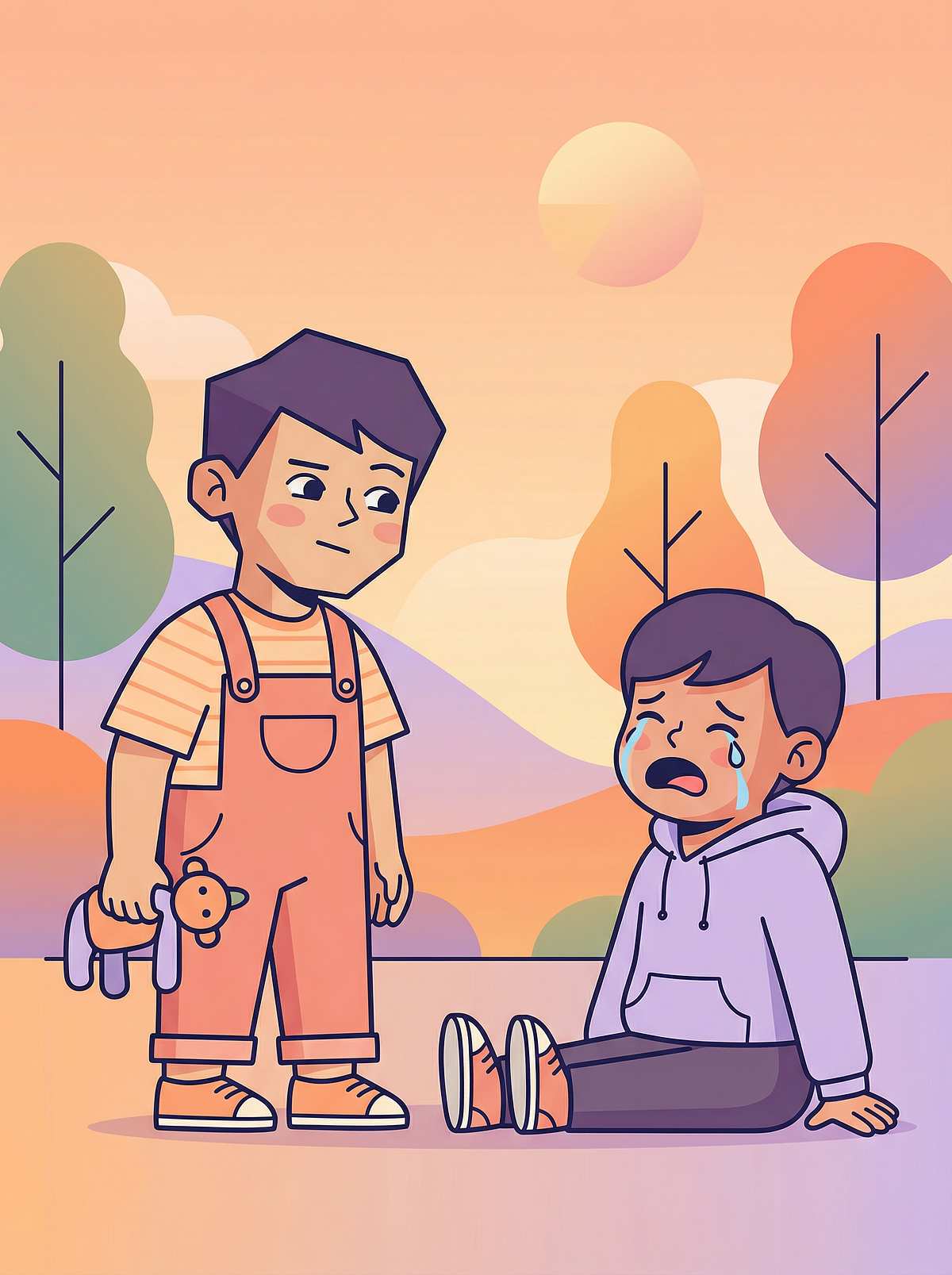
Another child is crying — they walk past. Amma is upset — they don't notice. A friend is excited — they don't share the excitement. Reading other people's emotions — the foundation of empathy and social connection — requires decoding facial expression, body language, vocal tone, and context all at the same time.
What You'll Learn
- Facial expression recognition through photos, videos, and real-time coaching
- Body language emotion cues: posture, movement, gesture
- Voice tone interpretation — the "how" behind the words
- Context-based emotion guessing — what would you feel in that situation?
- Real-time prompting: "Look at her face — she's crying — she's SAD"
- Apps and games designed for emotion recognition practice
The Cueing Strategy
In ASD, each processing system may function but integration is slower and less automatic. The child may need explicit cueing to direct attention to facial cues, and explicit labeling to connect expression to emotion. Real-time coaching — in natural moments, not only in therapy — accelerates this integration dramatically.
C-322
Building Empathy
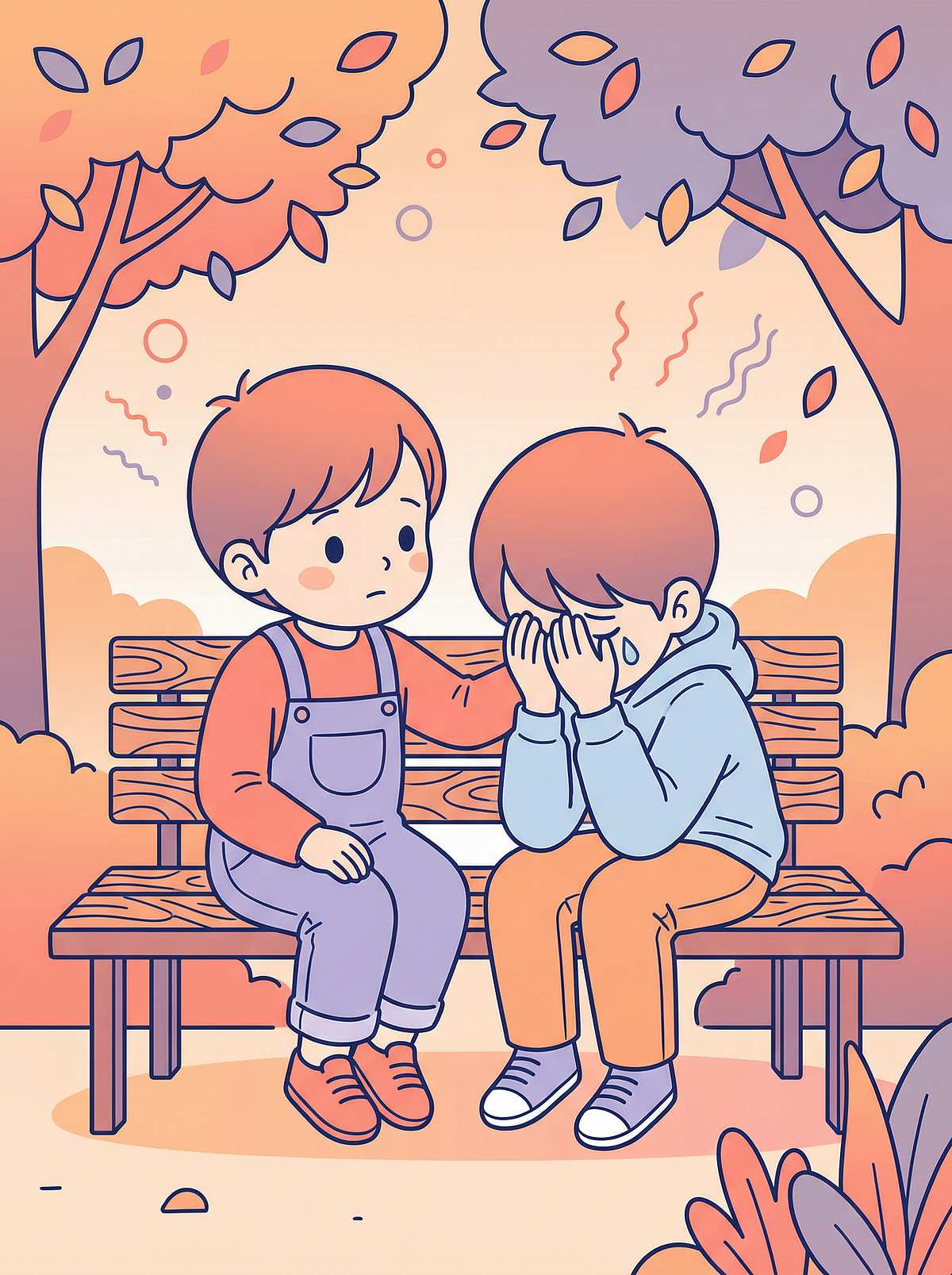
The myth: "Children with autism have no empathy." The reality: many feel deeply — but struggle to express empathy in socially recognizable ways, or to identify when empathy is needed. Cognitive empathy can be explicitly taught. Affective empathy is often present but unexpressed.
Cognitive Empathy
Understanding what others feel — mPFC + TPJ — can be explicitly taught through perspective-taking exercises, social stories, and direct instruction in empathic responses
Affective Empathy
Feeling what others feel — insula + mirror neuron system — is often intact or even heightened in ASD. They feel your pain; they just don't always know WHY you're in pain or WHAT to do about it
The empathy bridge connects feeling → recognising → responding. Teaching the response scripts ("I'm sorry you feel that way. Is there anything I can do?") provides the behavioral output the emotional system needs but cannot yet generate independently.
C-323
Perspective Taking
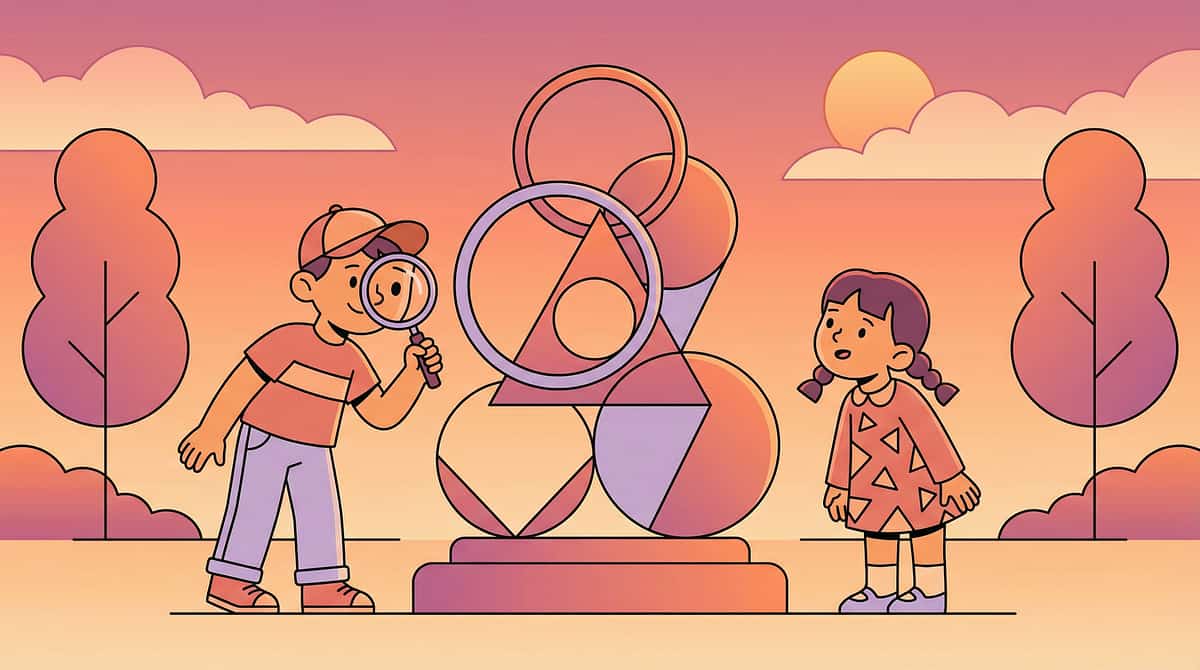
"Why doesn't she want to play MY game?" They can't step into another person's shoes — can't see the situation from someone else's point of view. This isn't selfishness; it's a neurological difference in the brain's perspective-computation system. Theory of Mind is not absent — it is delayed and effortful.
The Neuroscience
The TPJ computes: "What does this person see, know, think, feel that is different from what I see, know, think, feel?" Neurotypical children develop automatic perspective-taking by age 4–5. Children with ASD may develop it years later and will always find it more cognitively demanding — but it does develop with targeted support.
What You'll Learn
- "What do THEY think?" explicit teaching in daily moments
- Hidden objects task (Sally-Anne) adapted for real life
- "Thought bubbles" — visual representation of others' thoughts
- Social Thinking vocabulary: expected/unexpected behaviour
- Perspective-taking in daily situations, not just structured lessons
- Developmental readiness indicators before formal instruction
C-324
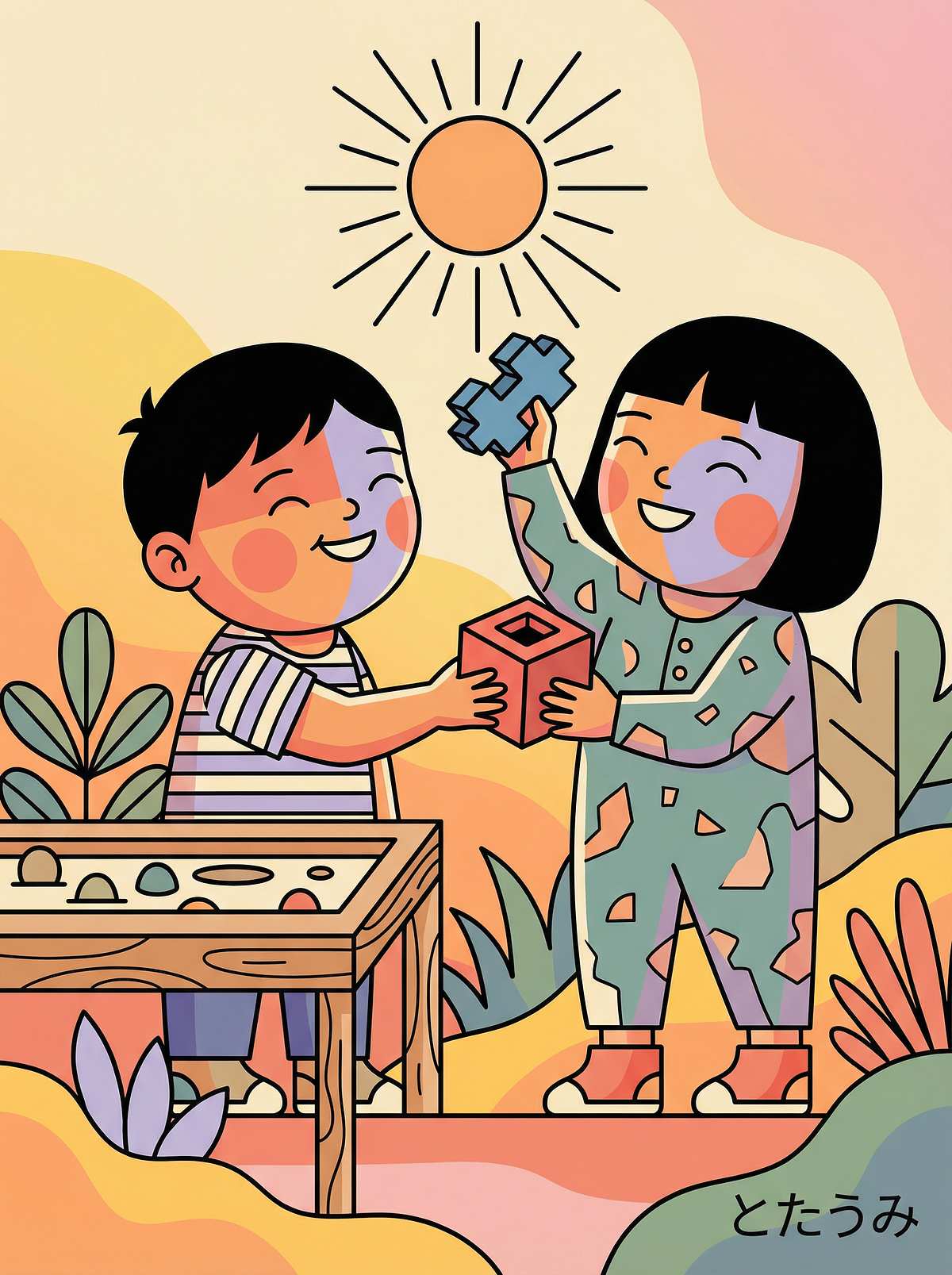
Teaching Apologizing
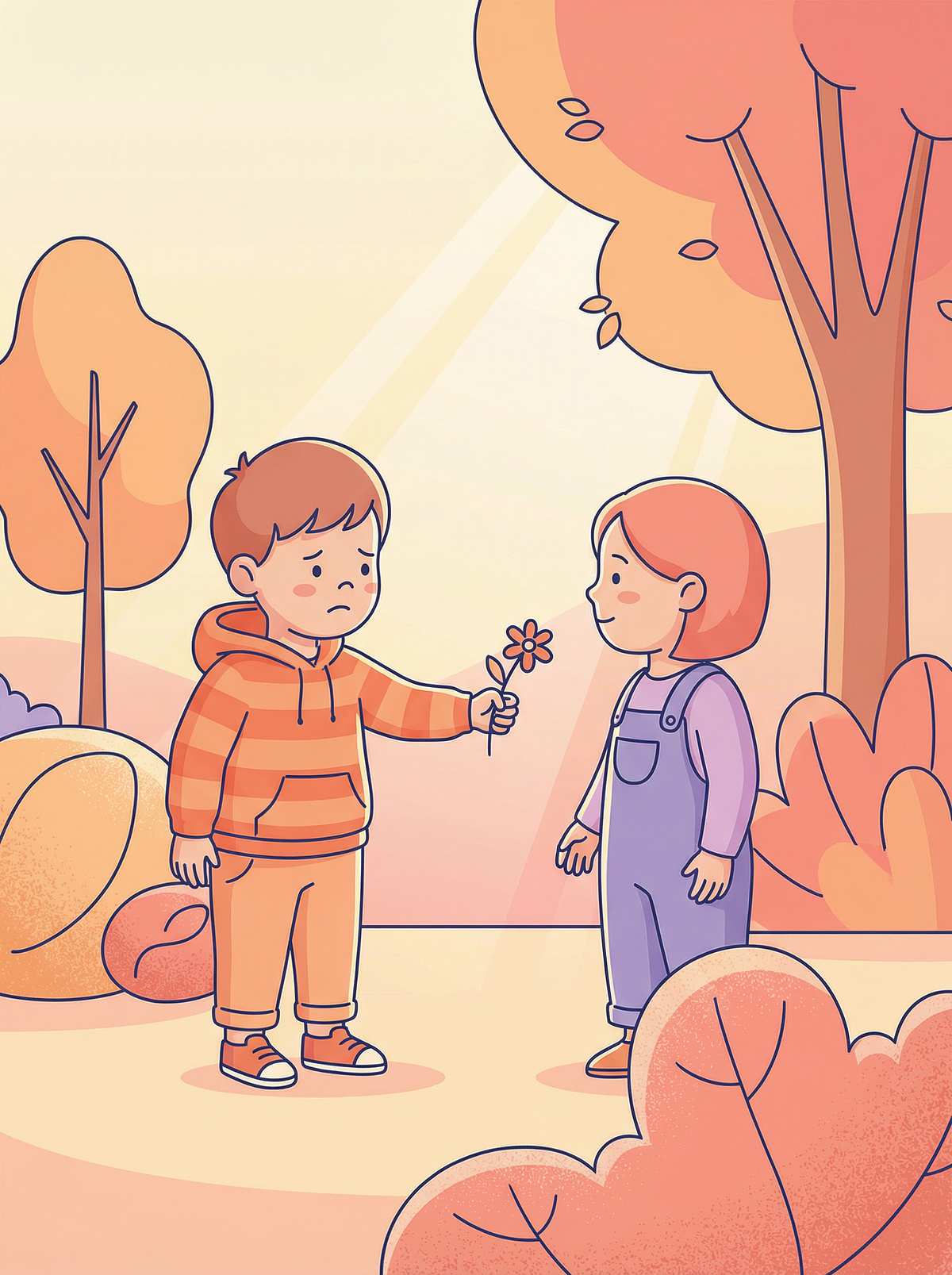
They hurt someone — accidentally or through meltdown. They don't apologize. Not because they don't care — because the apology script hasn't been installed. They may not recognise the harm caused, may not have the words, or may be too overwhelmed by their own distress to attend to someone else's pain in that moment.
Recognising Harm
Perspective-taking — understanding that my action caused someone else pain — is the prerequisite for genuine apology
The Apology Script
"I'm sorry I [what happened]. Are you okay?" — simple, sincere, and complete. Rehearsed before it's needed.
Timing Matters
During a meltdown is not the moment. Wait for regulation, then approach the repair — a forced apology is not meaningful
Cultural Context
Indian cultural apology norms — touching feet, saying sorry to elders — require their own explicit social story
C-325
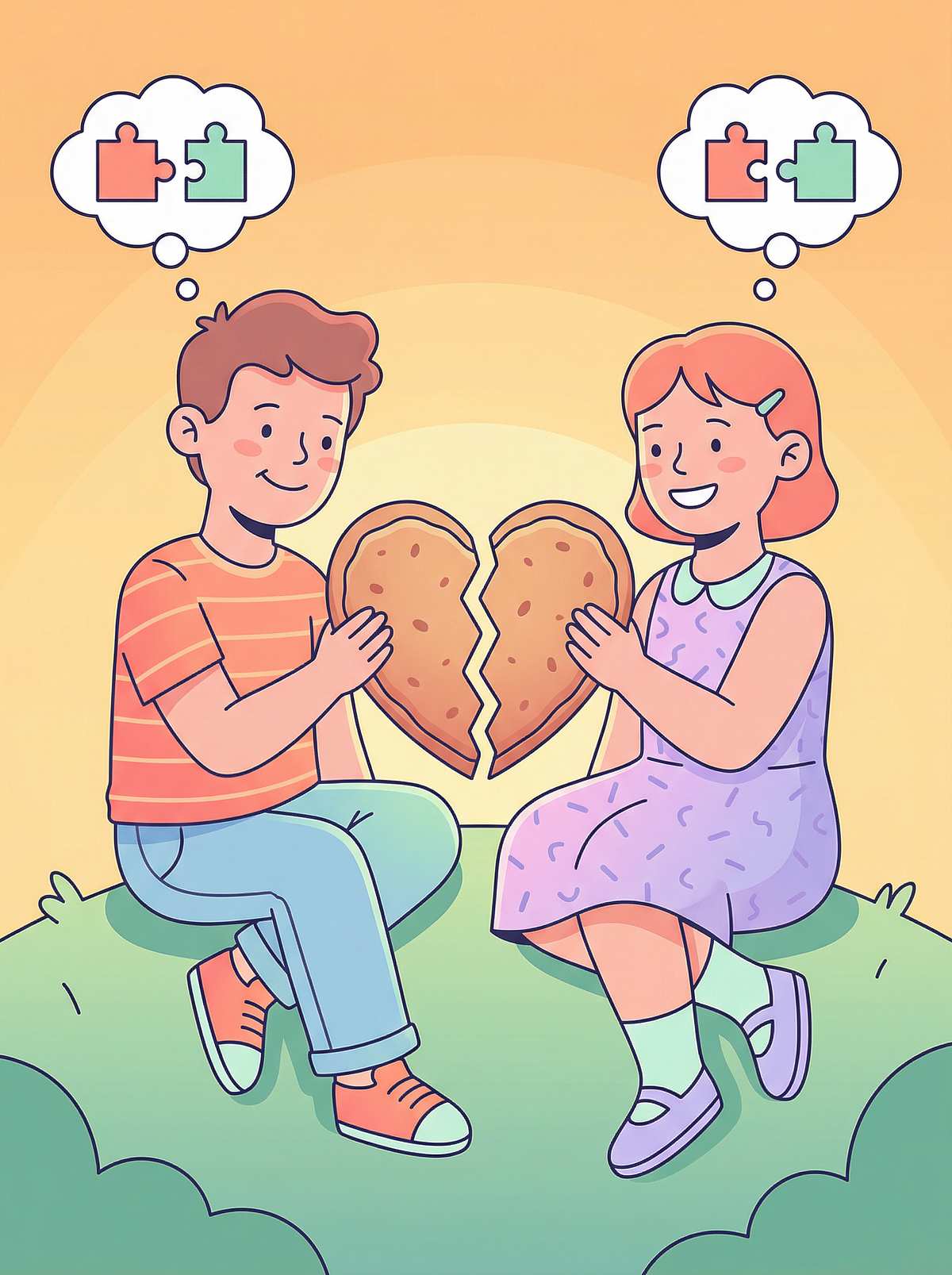
Negotiating
"I want the red one." "I want the red one too." Stalemate. They can't negotiate — can't propose alternatives, can't find middle ground, can't trade. Every conflict becomes all-or-nothing because the negotiation algorithm simply doesn't exist yet. It requires executive function, social cognition, and communication working in concert.
The Negotiation Algorithm
Negotiation requires four simultaneous capacities: perspective-taking (what does the other person want?), flexible thinking (what alternatives exist?), emotional regulation (managing frustration during the process), and language (expressing proposals clearly). Teaching each component separately, then combining them, is the most effective sequence.
Scripts That Build the Skill
- "How about we take turns?" — the starter negotiation
- "You can have the red; I'll take the blue" — flexible alternative-finding
- "Deal or no deal" — game-based practice with low stakes
- Win-win concept: both people get something good
- Adult-mediated negotiation first → then independent
C-326
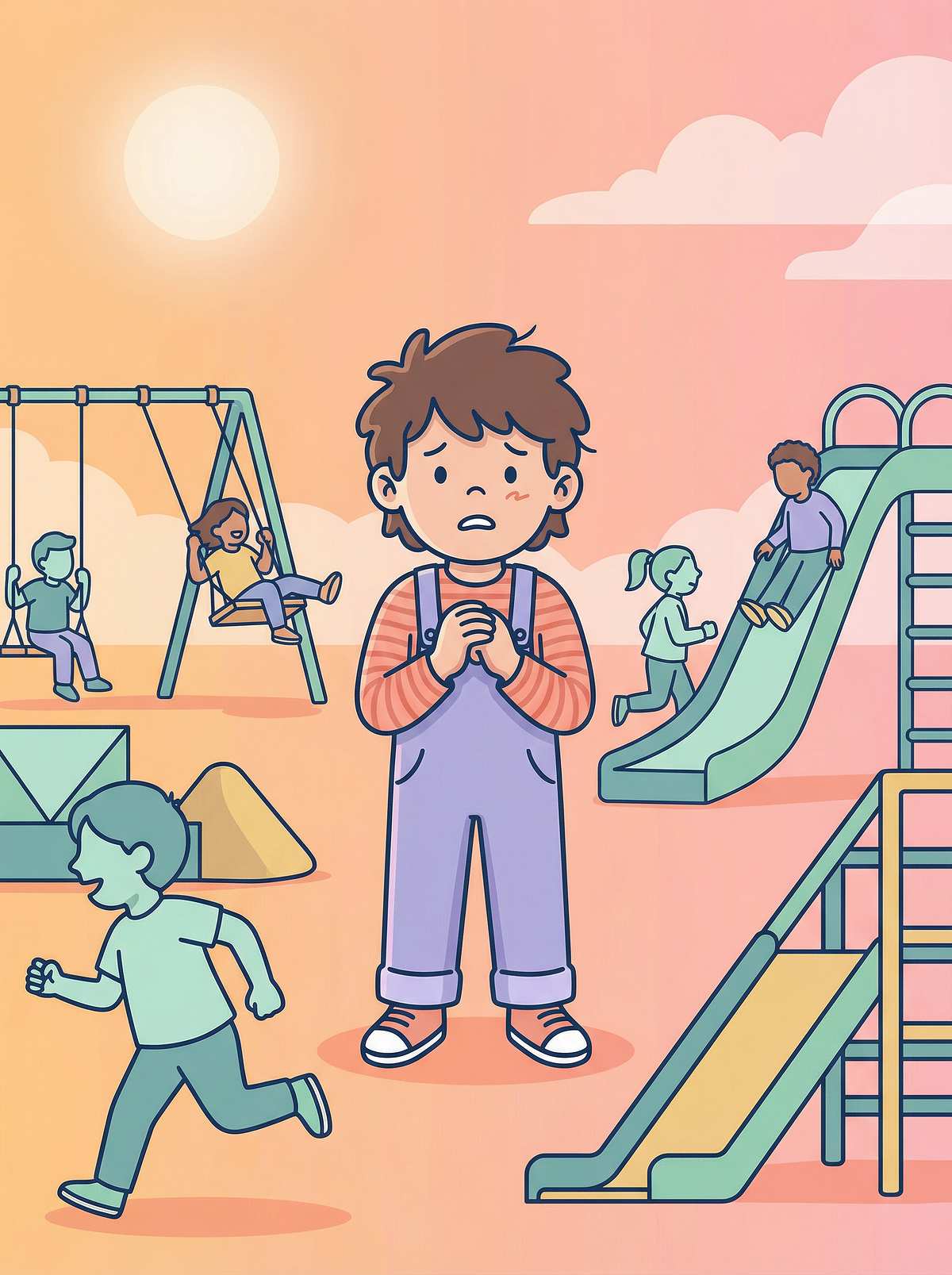
Compromising
Beyond negotiation — compromise. "Neither of us gets exactly what we want, but we both get something." For the rigid thinker, compromise is neurological kryptonite: the perfect outcome doesn't exist, only "good enough" — and "good enough" can feel like failure. But compromise is the foundation of every lasting relationship.
"Half and Half"
Concrete visual splitting of the desired outcome — each person gets a literal or metaphorical half
My Way / Your Way / OUR Way
A three-option visual framework that makes the compromise solution feel like a third, valid choice — not a defeat
Low Stakes First
Practice compromise with inconsequential choices before applying it to high-emotion situations
Celebrate Compromise
Explicitly frame compromise as strength and maturity — not weakness or loss
Building trust through reciprocal compromise over time — "last time we did it your way; this time mine" — creates a relational bank account that makes future compromise feel safe and worthwhile.
C-327
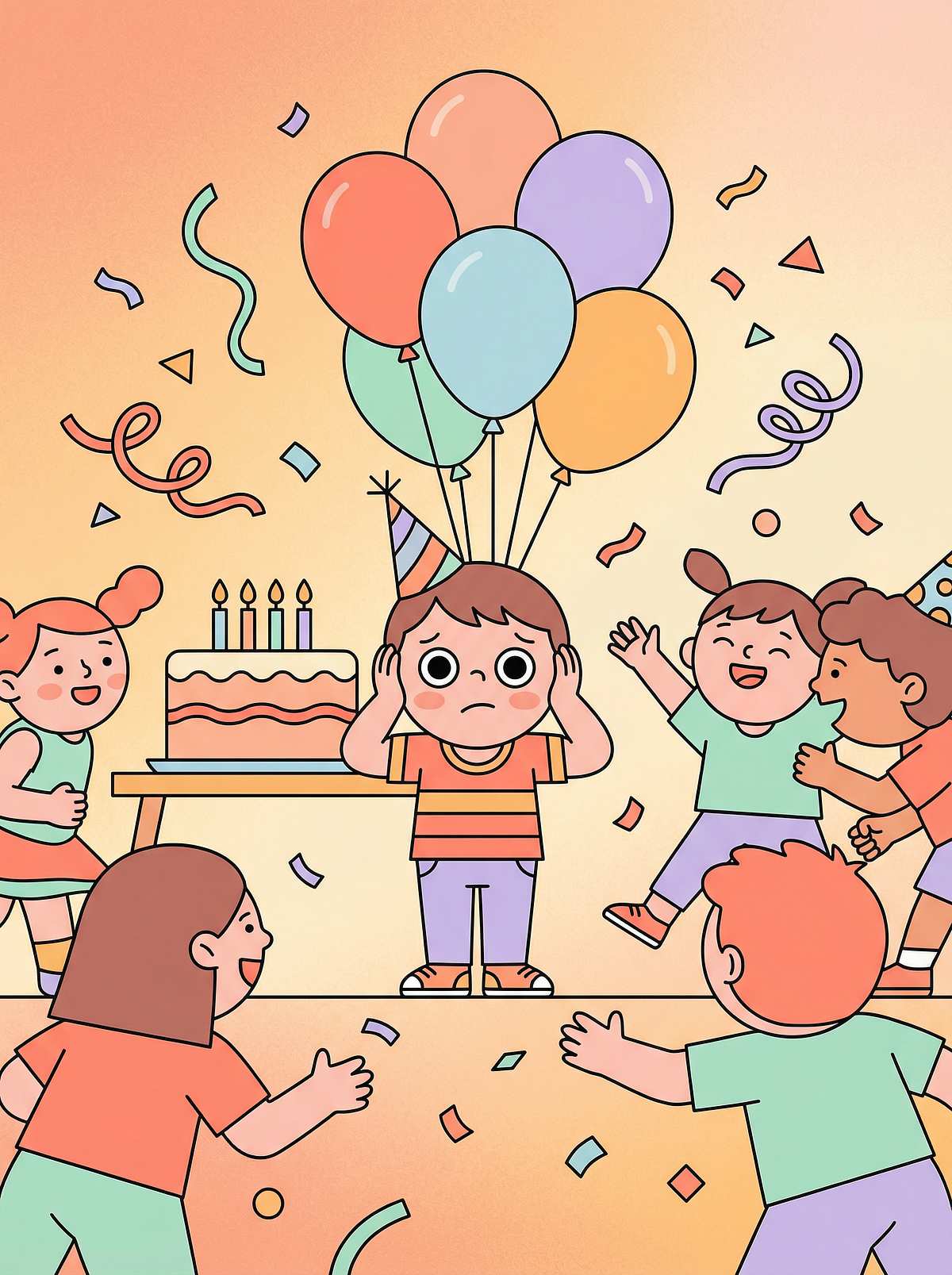
Unstructured Social Time
Recess. Free play. "Go play with your friends." The most terrifying words in many autistic children's day. Structured activities have rules that guide interaction. Unstructured time has no rules, no script, no predictability — just a playground full of children doing unpredictable things. They stand alone, walk the perimeter, or seek the nearest teacher.
Why It's So Hard
Unstructured social time removes all the scaffolding that makes social interaction manageable — no rules, no roles, no turn structure, no adult mediation. The child's social brain must generate behaviour from internal motivation alone, without external support. For many with ASD, this is like performing a complex piece of music without a score.
Strategies That Help
- Recess activity menu — pre-planned options chosen in advance
- Peer buddy for unstructured periods
- Structured recess alternatives with clear rules
- Quiet space as a fully acceptable recess option
- "What to do when I don't know what to do" script
- Teacher or aide support during unstructured time
C-328
Birthday Parties
The invitation arrives. Joy and dread in equal measure. Birthday parties are the ultimate multi-challenge social event: new environment, noise, crowds, unstructured play, unexpected events (games, clowns, costumes), sharing, waiting, group singing, and food that may not be acceptable. In Indian culture: loud music, bursting balloons, crowded venues, and return gift expectations compound the challenge.
Preparation
Birthday party social story specific to the venue and format — created before the event, reviewed multiple times
Sensory Kit
Ear defenders, fidget, familiar food backup, calming item — packed and ready before arrival
Arrival Strategy
Arrive early, before crowds form — acclimate to the space before sensory overload builds
Exit Plan
Pre-agreed signal to leave when needed — no guilt, no pressure. Partial attendance is full success.
Indian birthday party specifics — musical chairs, pass-the-parcel, return gifts — each receive their own social story template within this technique.
C-329
Sibling Relationships
The sibling who can't understand why their brother won't play. The sibling who must be quiet during meltdowns. The sibling who feels invisible because all attention flows toward therapy and appointments. Sibling relationships in autism families carry unique weight — and unique opportunity. In Indian joint families, sibling bonds are often the longest and most consequential of a lifetime.
The Sibling's Own Needs
Neurotypical siblings of children with ASD carry their own emotional burden: caregiver fatigue, jealousy, guilt, confusion, and grief. Their mental health requires active, intentional support — not just information about autism. Sibling support groups and age-appropriate autism education are essential, not optional.
What You'll Learn
- Sibling as natural play partner and social teacher
- Age-appropriate autism education for siblings
- Structured sibling play activities with clear success criteria
- Managing sibling conflict constructively
- Indian joint family sibling dynamics
- Celebrating the sibling relationship as a lifelong gift
Preview of social skills Therapy Material
Below is a visual preview of social skills therapy material. The pages shown help educators, therapists, and caregivers understand the structure and content of the resource before use. Materials should be used under appropriate professional guidance.
Link copied!
C-330 · Capstone
Building Social Confidence
The capstone of Subdomain C3. Social confidence isn't the absence of social difficulty — it's the presence of social agency. "I can approach. I can try. I can fail and try again. I have something to offer. People can enjoy my company." Social confidence transforms a child from social victim to social participant.
The Neuroscience of Confidence
Social confidence requires the accumulation of enough positive social memories (hippocampus) and social reward experiences (OFC / nucleus accumbens) to override the fear system (amygdala). Each successful social interaction — no matter how small — deposits a "social success" memory. Over time, the brain's prediction shifts: social interaction = probably okay → probably good → desirable.
What You'll Learn
- "My Social Wins" journal — tracking progress visibly
- Building on strengths: using special interests as social bridge
- Social competence areas — everyone is good at something social
- Positive social identity development
- Celebrating social bravery, not just social success
- The lifetime trajectory — it gets better with support
Narrative tools for social understanding
Structured cooperative play materials
Observational learning resources
Feelings recognition and empathy tools
Embodied social learning materials
Motivation and reinforcement systems
📋Lead Disciplines:🧠 Psychology · ABA (PEERS®) · 🗣️ SLP (Pragmatics) | Special Education
Evidence Level I — Comprehensive social skills + self-esteem programmes. NCAEP 2020 | PEERS® RCTs
Evidence Level I — Comprehensive social skills + self-esteem programmes. NCAEP 2020 | PEERS® RCTs