

"He wakes up talking about dinosaurs. He falls asleep talking about dinosaurs. If someone tries to talk about anything else — he shuts down completely."
The passion that seemed like a gift is becoming a prison. You are not failing — and you are not alone.
D-375
9 Materials for Obsessive Interests
Behavioral Flexibility
The Recognition Moment
Your child's encyclopedic knowledge about one topic — dinosaurs, trains, Minecraft, flags, vacuum cleaners — is extraordinary. Their passion runs deeper than any typical childhood interest. But when every conversation, every drawing, every meal, every moment circles back to that one thing — when other kids pull away, when teachers struggle, when family gatherings become endurance tests — the passion that should be a bridge to the world becomes a wall around them.
The Pinnacle Blooms Consortium — CROs, Pediatric SLPs, OTs, ABA Therapists, Special Educators, and NeuroDevelopmental Paediatricians — sees this pattern in thousands of families across 70+ countries. This is not a character flaw. It is a neurological difference — and it is addressable.
🔬 Consortium Validated
Multi-disciplinary clinical review across all 9 materials
🌍 WHO/UNICEF Aligned
Equity-first, strength-based protocols
📱 Home-Executable
Zero-cost DIY alternatives for every material
👨‍👩‍👧 Ages 3–14
Calibrated across the full developmental window

📞 FREE National Autism Helpline — 9100 181 181 — 16+ Languages — 24×7
You Are Among Millions of Families Navigating This Exact Challenge
Systematic reviews across 13 countries confirm that restricted interests serve critical functions: emotional regulation, predictability, sense of mastery, intrinsic cognitive reward. Contemporary clinical consensus — WHO, UNICEF, NCAEP, ASHA — has shifted decisively away from interest elimination toward flexibility-building and skill-scaffolding.
The isolation your child experiences is not inevitable. It is addressable. And the interest itself is the most powerful therapeutic tool you have.
1 in 36
Children with ASD
Diagnosed globally — a community of millions of families
~80%
Show Restricted Interests
As a core diagnostic feature of autism spectrum disorder
20M+
GPT-OS® Sessions
Tracking flexibility outcomes across 70+ countries
Globally, restricted interests are the #1 socially isolating feature of autism — yet research confirms they are NOT symptoms to extinguish but strengths to channel.


📖 Research: PMC11506176 (Children 2024) | PMC10955541 (World J Clin Cases 2024) | NCAEP Evidence-Based Practices Report 2020
Your Child's Developmental Trajectory — Where They Are, Where They're Going
WHO/UNICEF developmental milestones establish that ages 3–8 represent the primary window for social communication and cognitive flexibility development. Restricted interests that emerge in this window — if addressed with evidence-based strategies — have strong trajectories toward integration, social connection, academic engagement, and career potential.
Age 2–3
Parallel Play — Emerging individual preferences
Age 3–5
Restricted interests typically emerge/intensify here — Critical intervention window
Age 5–8
Cooperative Play + First Social Friendships emerging
Age 8–12
Peer Groups + Social Fluency development
Age 12+
Identity + Career direction — interest becomes expertise
Integration
Interest becomes expertise and identity, not isolation
Social Connection
Interest-based friendships and communities develop
Academic Engagement
Interest as a powerful motivational bridge to learning
Career Potential
Many autistic adults attribute success to childhood special interests

📖 WHO Care for Child Development (CCD) Package 2023 | UNICEF MICS developmental indicators | PMC9978394
The Technique: What It Is
D-375
OBS-INT Domain
Ages 3–14
15–20 min/session
Formal Name: Restricted Interest Flexibility & Social Skills Protocol
Parent-Friendly Name: "Using What They Love to Build What They Need"
Restricted/repetitive interests (RRIs) are a core diagnostic feature of autism, characterized by highly focused interests that are abnormal in intensity or focus — not in topic. The clinical challenge is not the interest itself but its all-consuming, connection-blocking intensity. This technique protocol employs 9 validated therapeutic materials across four strategic domains:
1. Structure & Balance
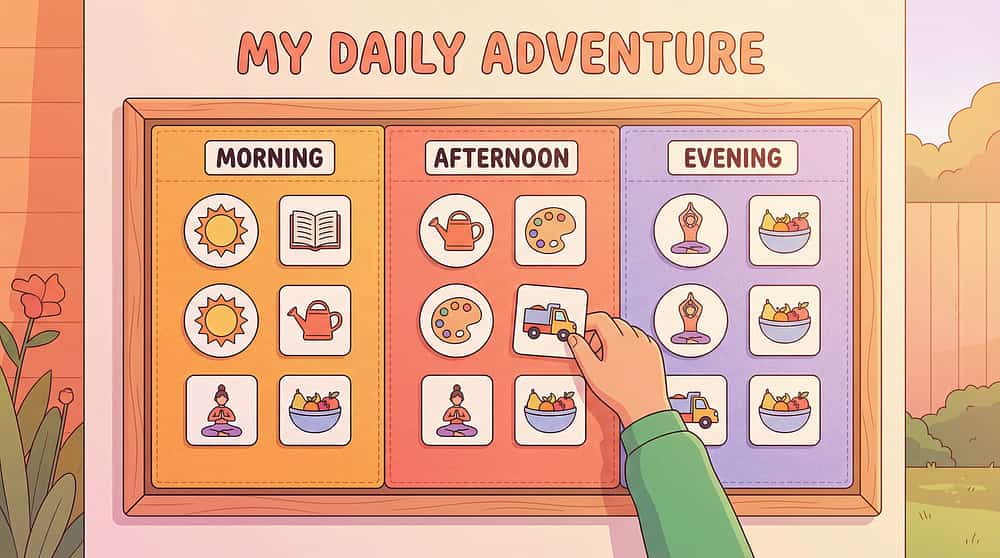
Making balance visible and predictable through visual schedules and timers
2. Conversation Skills
Making invisible social rules explicit through cards, stories, and cues
3. Bridging & Expansion
Using the interest as a doorway to broader learning and new topics
4. Appropriate Outlets
Channeling passion toward appreciative audiences and communities
The goal is never to eliminate the special interest. It is to build the skills and structures that allow the child to live in a world bigger than their interest — while keeping the interest as a source of joy, expertise, and connection.
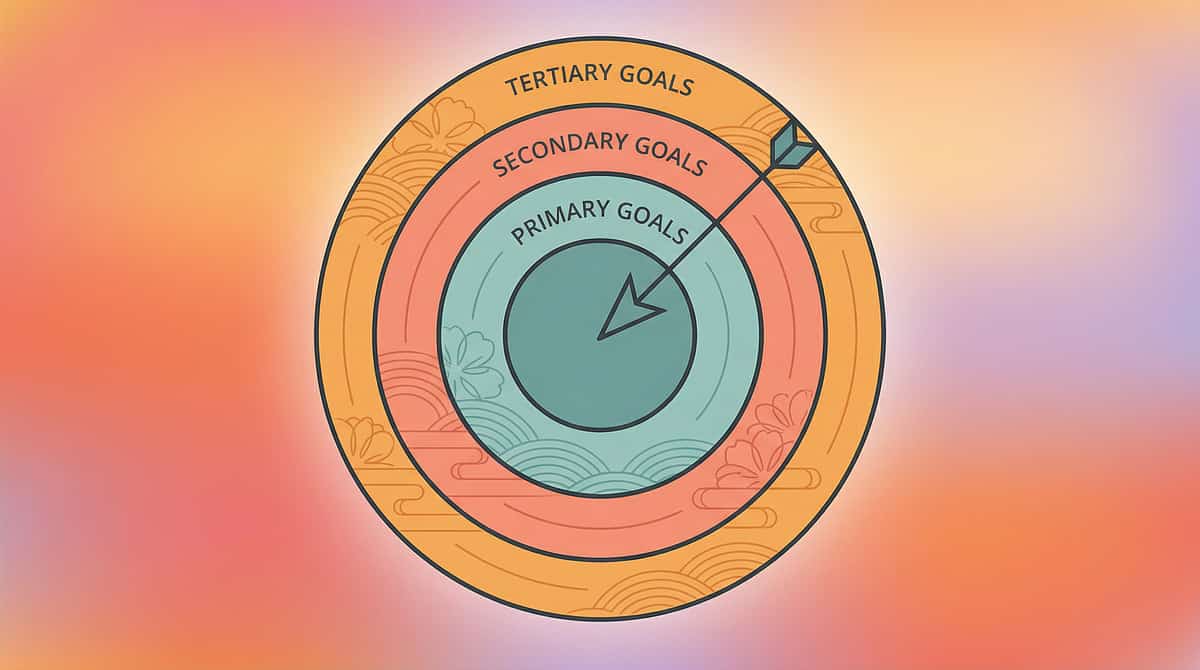
This Technique Crosses Therapy Boundaries Because the Brain Doesn't Organize by Therapy Type
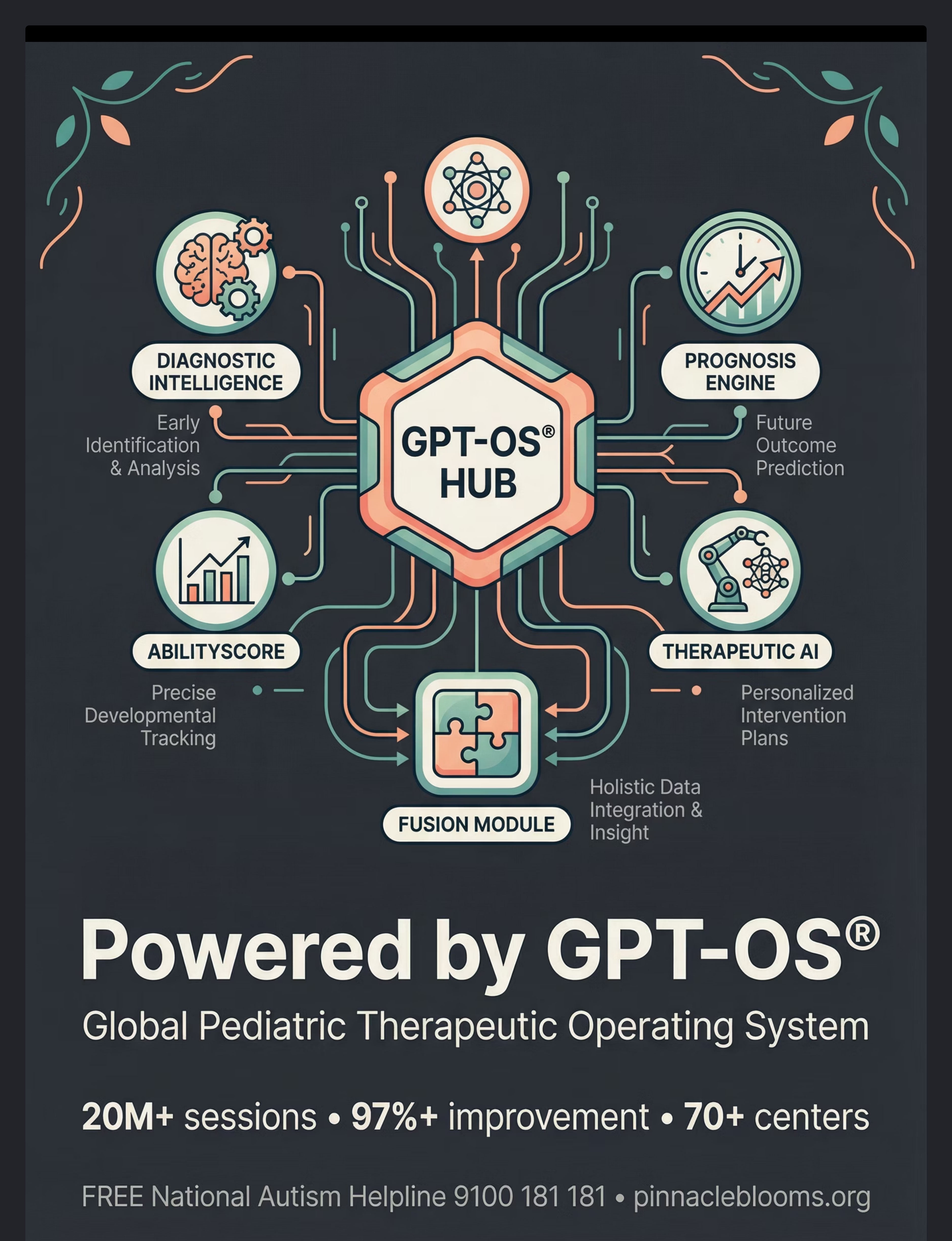
D-375 is inherently multi-disciplinary. Each professional brings a unique lens to the same child — and Pinnacle's FusionModule™ within GPT-OS® coordinates all five disciplines into a single converged pathway, so your child receives one coherent message across every context.
ABA / BCBA
Token systems, reinforcement schedules, interest-based contingency management, conversation skill shaping
Speech-Language Pathology
Conversational reciprocity training, pragmatic language development, turn-taking scripts, listener-cue awareness
Occupational Therapy
Sensory profiles of the interest, self-regulation via interest, flexibility-building through play
Special Educator
Interest-bridged academic planning, IEP goals around flexibility, classroom interest schedule implementation
NeuroDev Paediatrics
Differential diagnosis (ASD vs. OCD vs. giftedness), medication considerations, prognosis mapping
Parents / Caregivers
Daily home practice — you are the most important therapeutic agent in your child's life

📞 FREE Helpline: 9100 181 181 | Int J Speech-Lang Pathol (2022) DOI: 10.1080/17549507.2022.2141327
9 Clinically Validated Materials — Every One Home-Applicable Today
These 9 materials are drawn from the Pinnacle 128 Canon Materials System and mapped to the GPT-OS® intervention protocol for restricted interests. Each has a commercial option AND a zero-cost DIY alternative — because every family can start today.
1. Visual Interest Schedules
Balance Charts — ₹400–1,500 | DIY: ₹0
DIY: Print a balance chart showing "Dinosaur Time / School / Family / Outdoor / Rest" — laminate and use dry-erase markers.
Buy on Amazon.in →
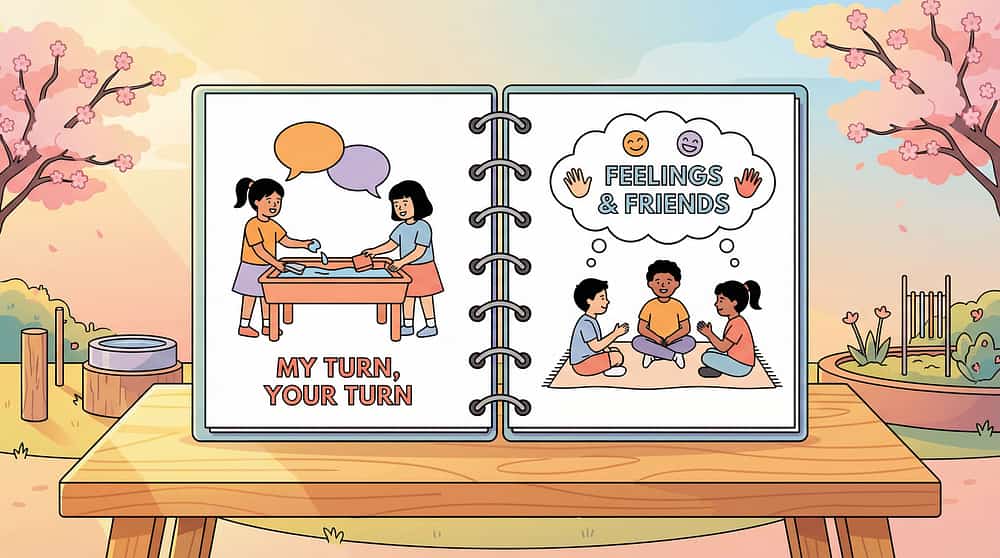
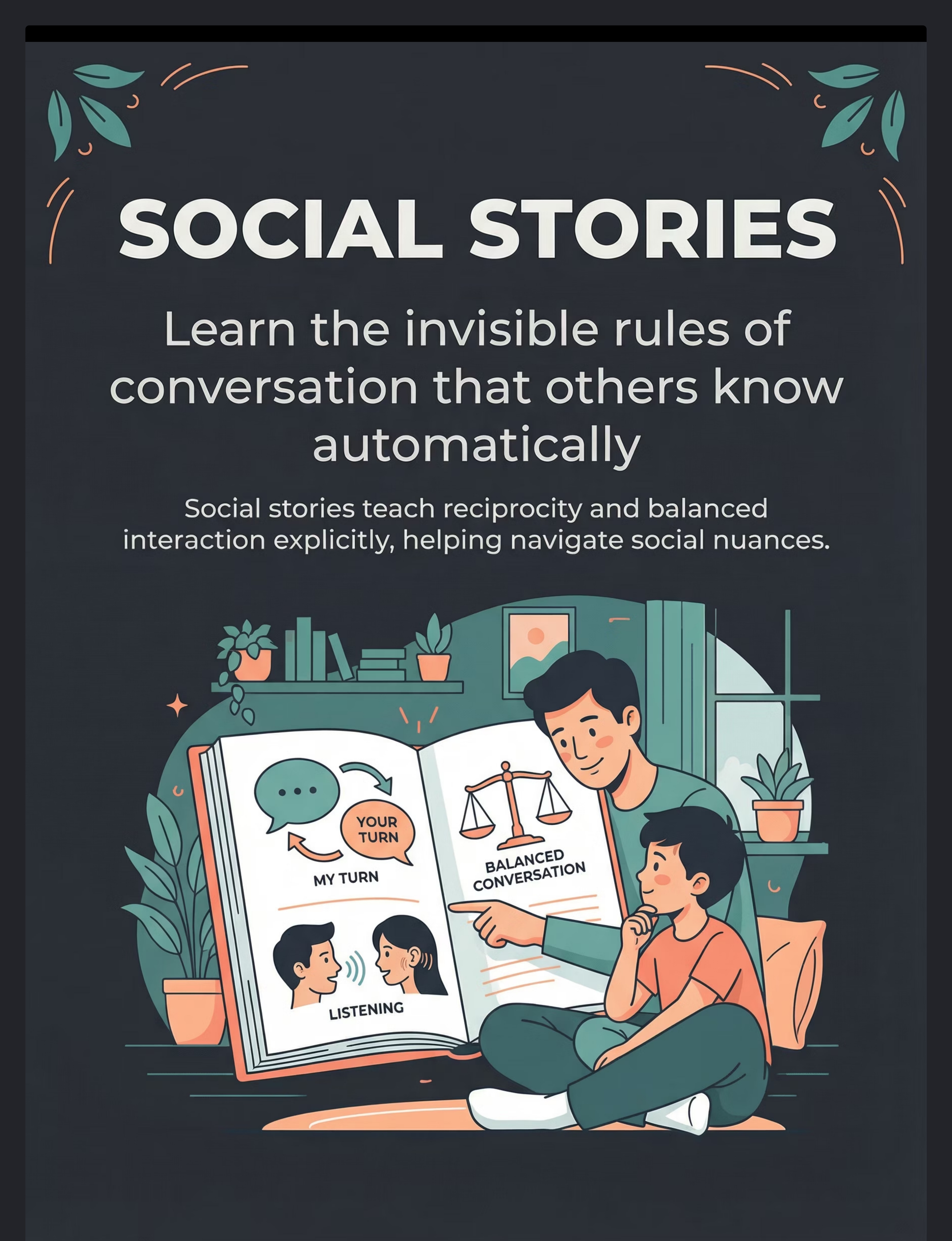
2. Social Stories
Conversation Balance — ₹300–1,500 | DIY: ₹0
DIY: Write 8-sentence story: "I love [topic]. Other people have topics they love too. Conversations have turns. I can share AND listen."
Browse Amazon.in →
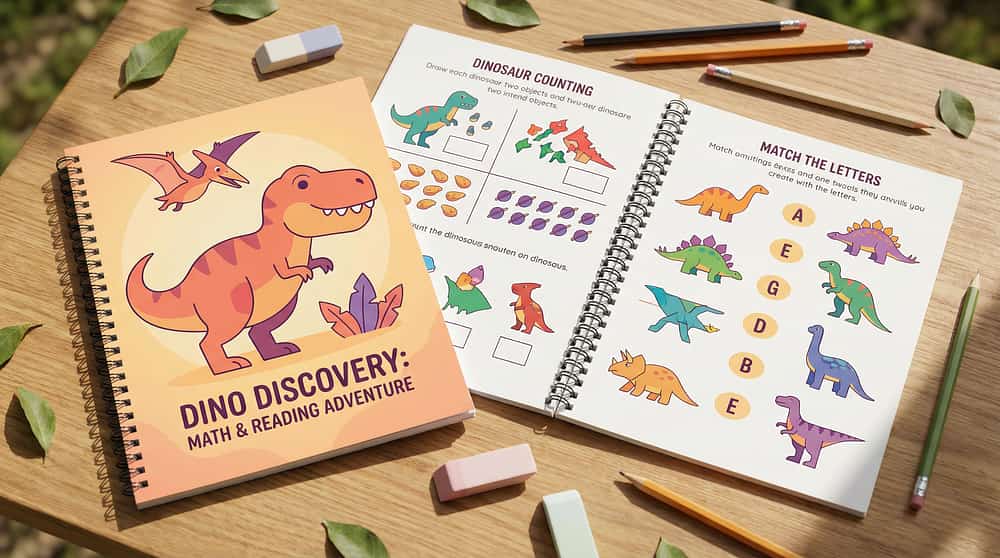
3. Interest-Based Bridging Materials
Learning Bridges — ₹500–3,000 | DIY: Library free
DIY: Create dinosaur-themed math worksheets, reading passages, geography activities using the child's interest as context.
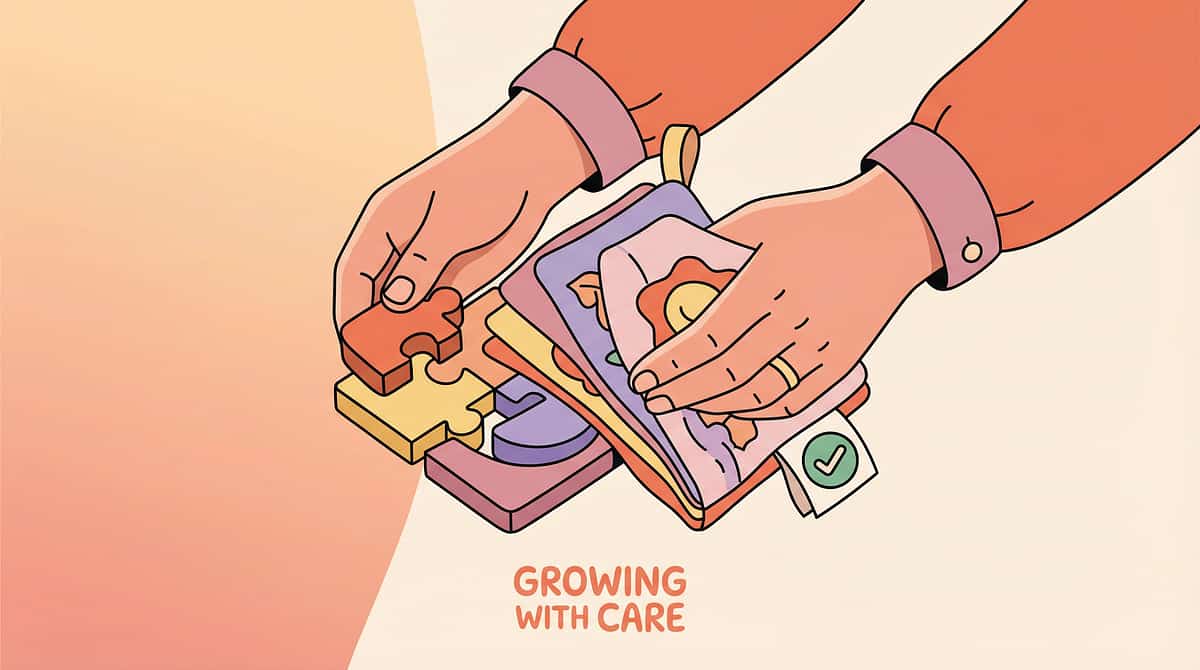
Materials 4 Through 6
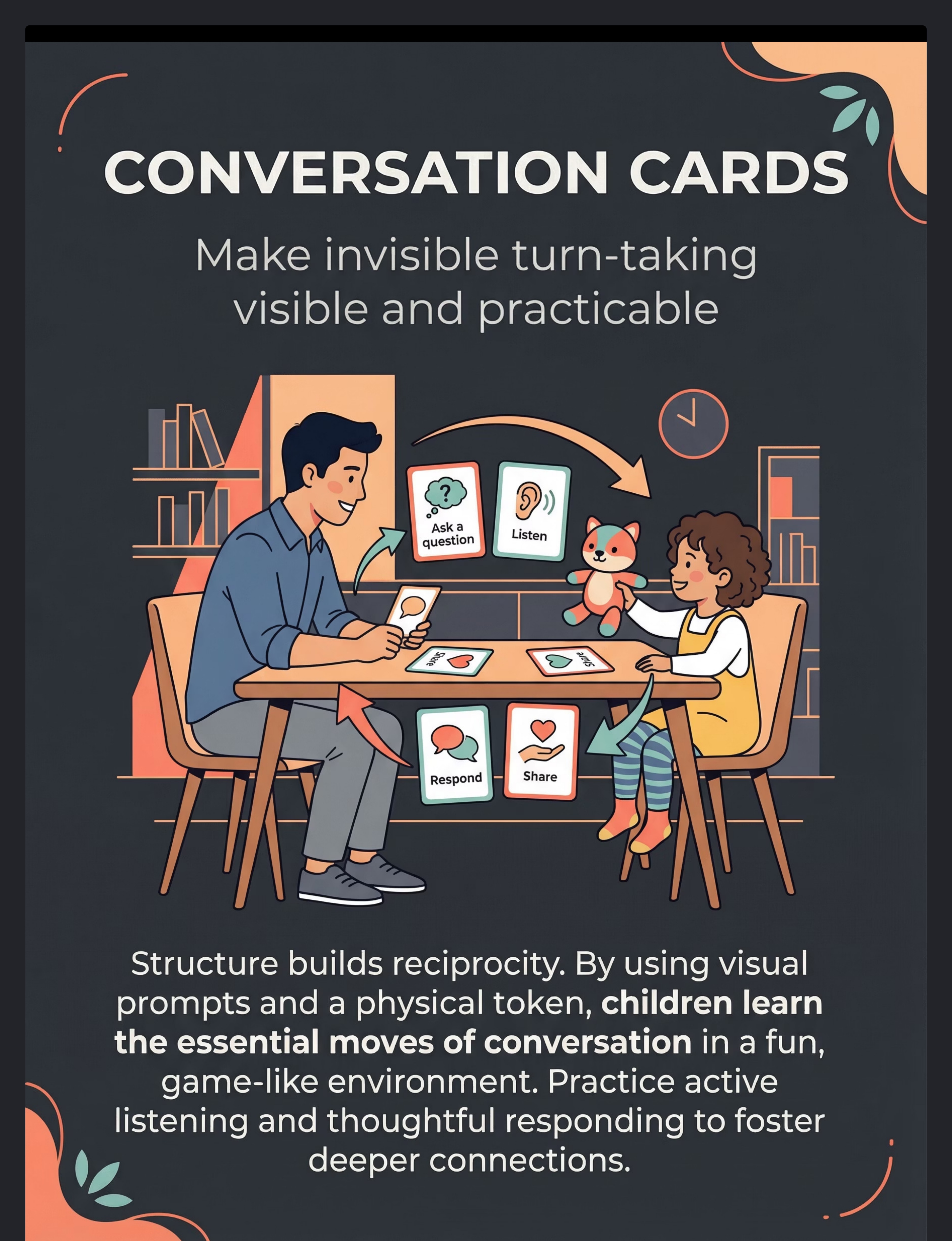
4. Conversation Cards
Turn-Taking Games — ₹400–1,200 | DIY: ₹0
DIY: 10 index cards: "Ask a question" / "Listen" / "Comment" / "Share your idea" / "Ask what they think"
Shut the Box Game, Amazon.in →
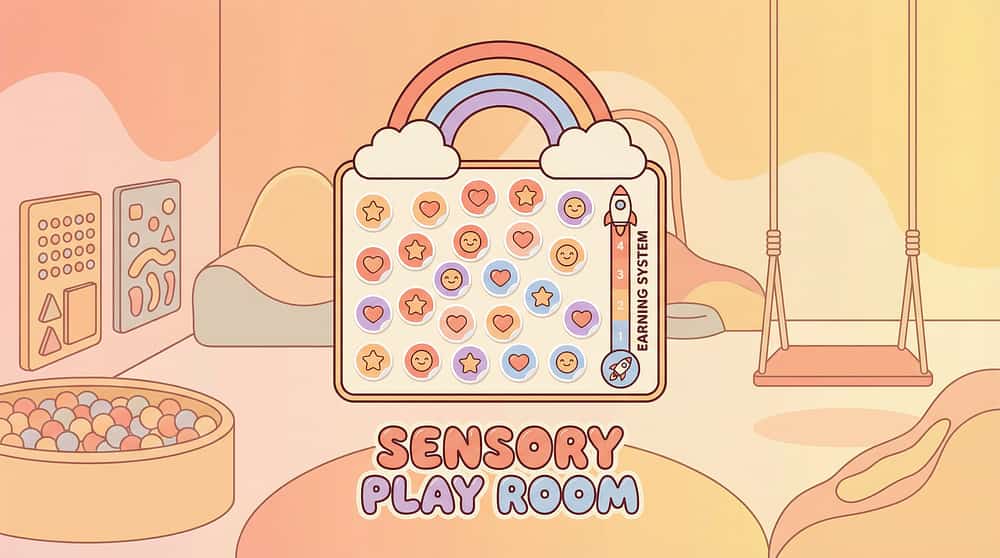
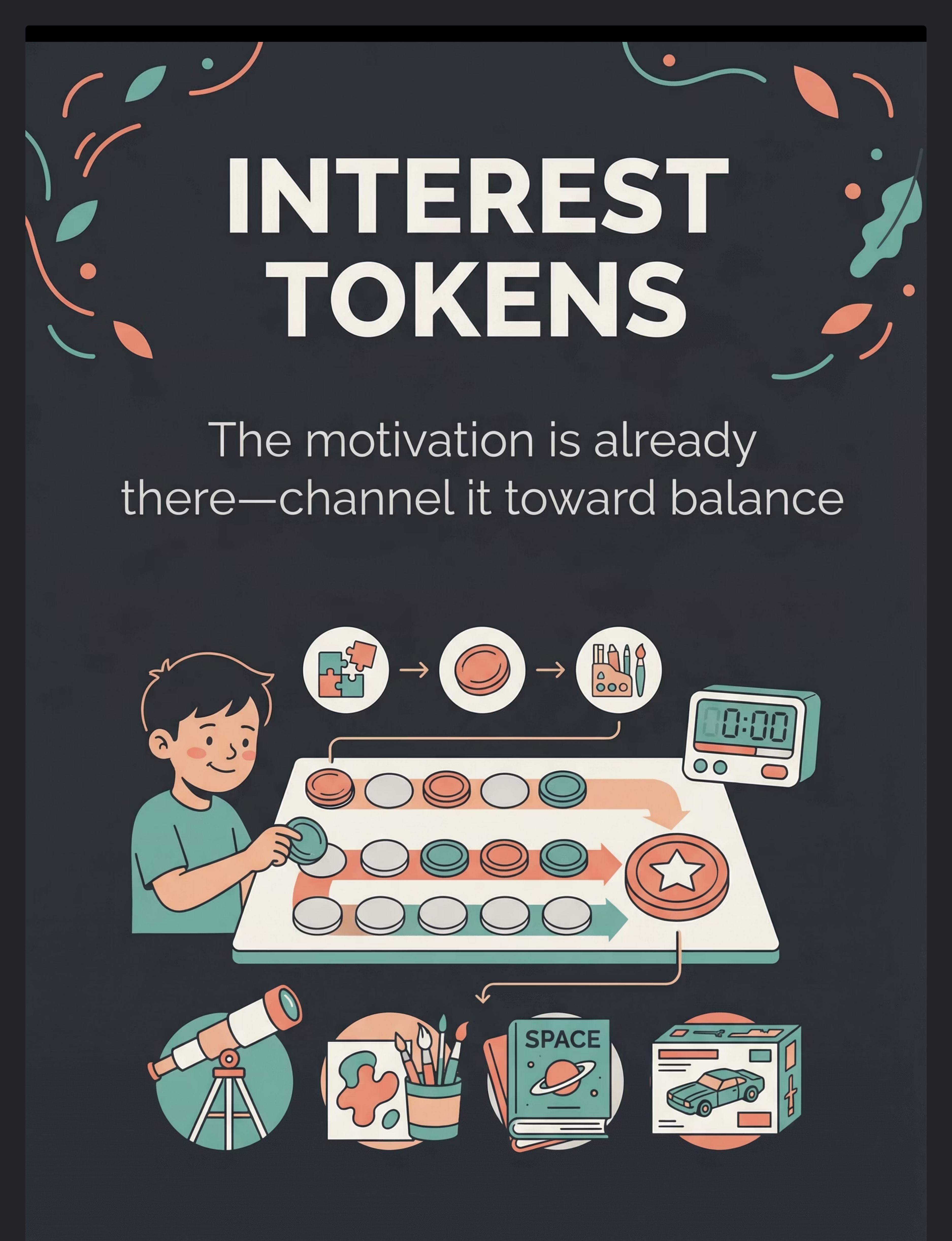
5. Interest Tokens
Earned Interest Time System — ₹300–1,000 | DIY: ₹0
DIY: Token board with paper circles; child earns tokens toward interest time by completing tasks.
Reward Stickers, Amazon.in →
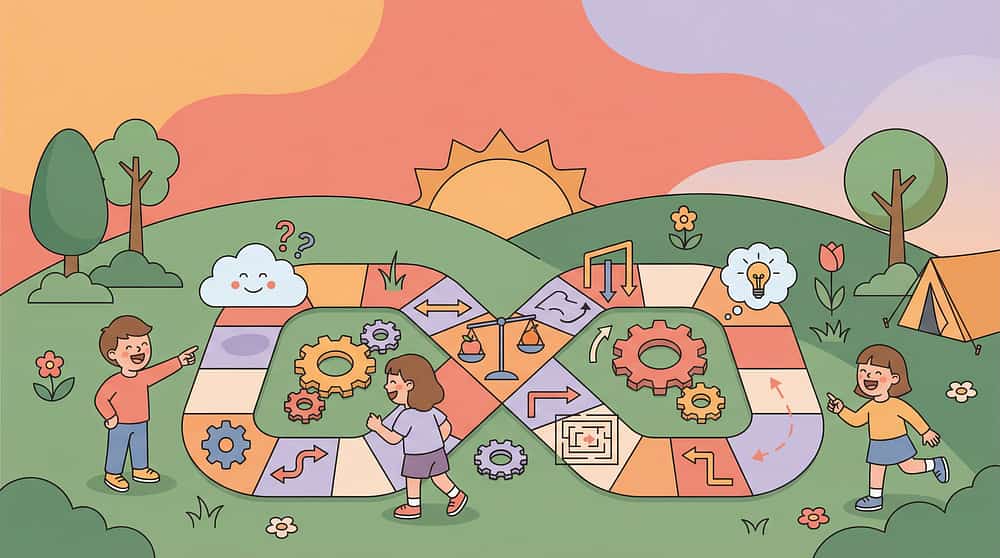
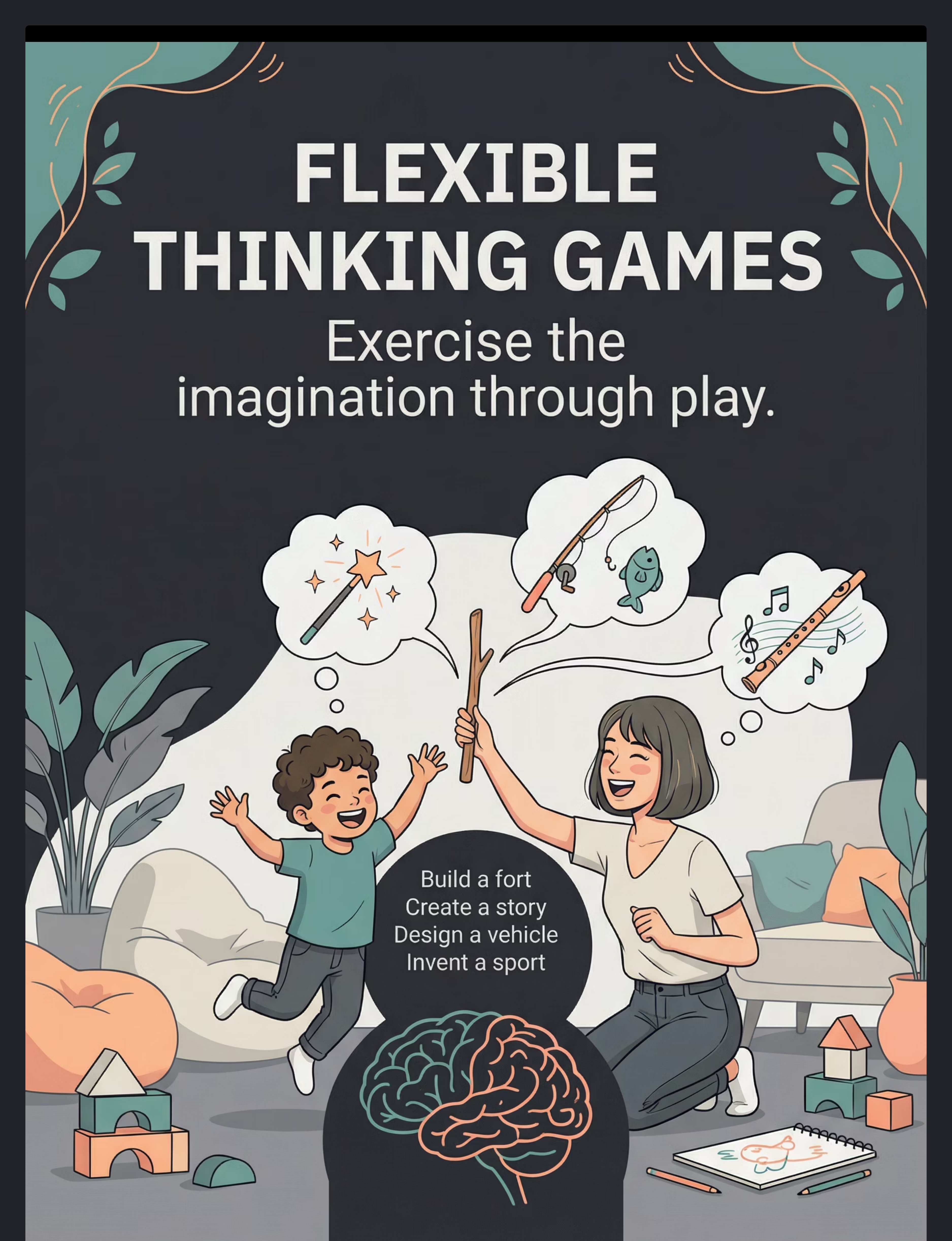
6. Flexible Thinking Games
'What Else' Activities — ₹400–2,000 | DIY: ₹0
DIY: "What else could this be?" game with household objects; Alternative Endings story game requires zero materials.
Problem-Solving Game, Amazon.in →
Materials 7 Through 9
7. Interest Exposure Materials
Expansion Resources — ₹500–3,000 | DIY: Library free
DIY: "Interest of the Week" — one library book or YouTube documentary on a connected topic, no pressure.
Educational Game, Amazon.in →
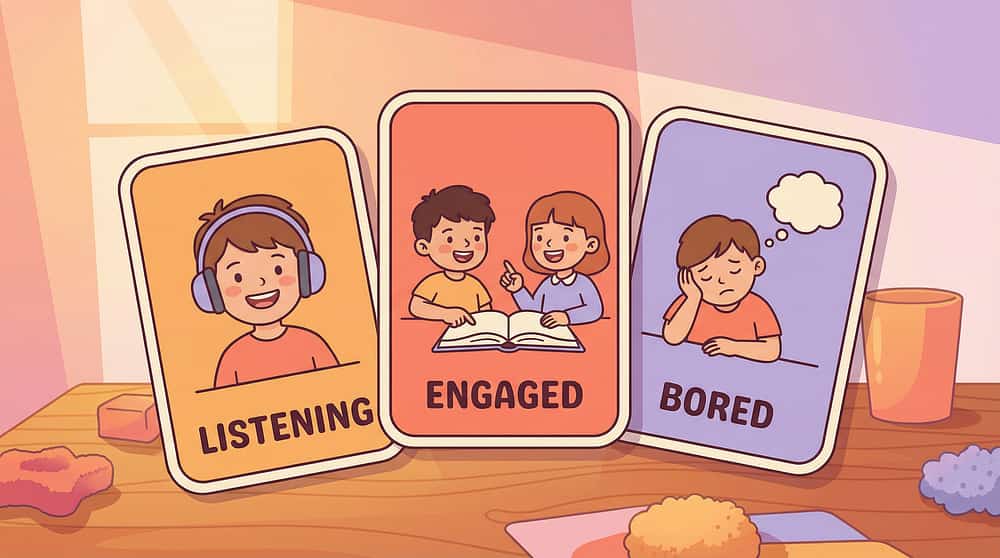
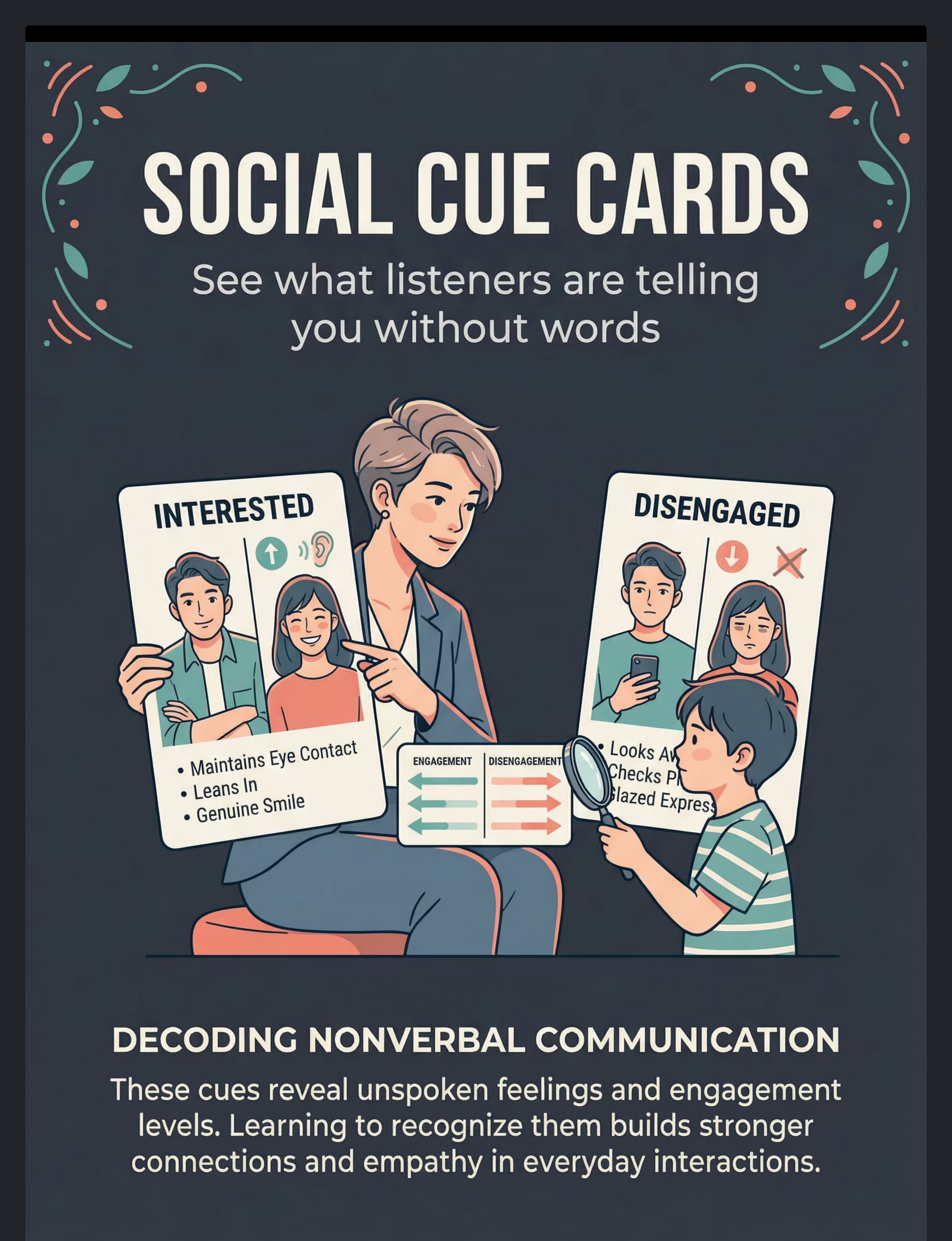
8. Social Cue Cards
Listener Response Guides — ₹400–1,500 | DIY: ₹0
DIY: 6 cards with drawn faces: Interested (eye contact, leaning in) | Bored (looking away, glazed) + response options.
Flashcards, Amazon.in →

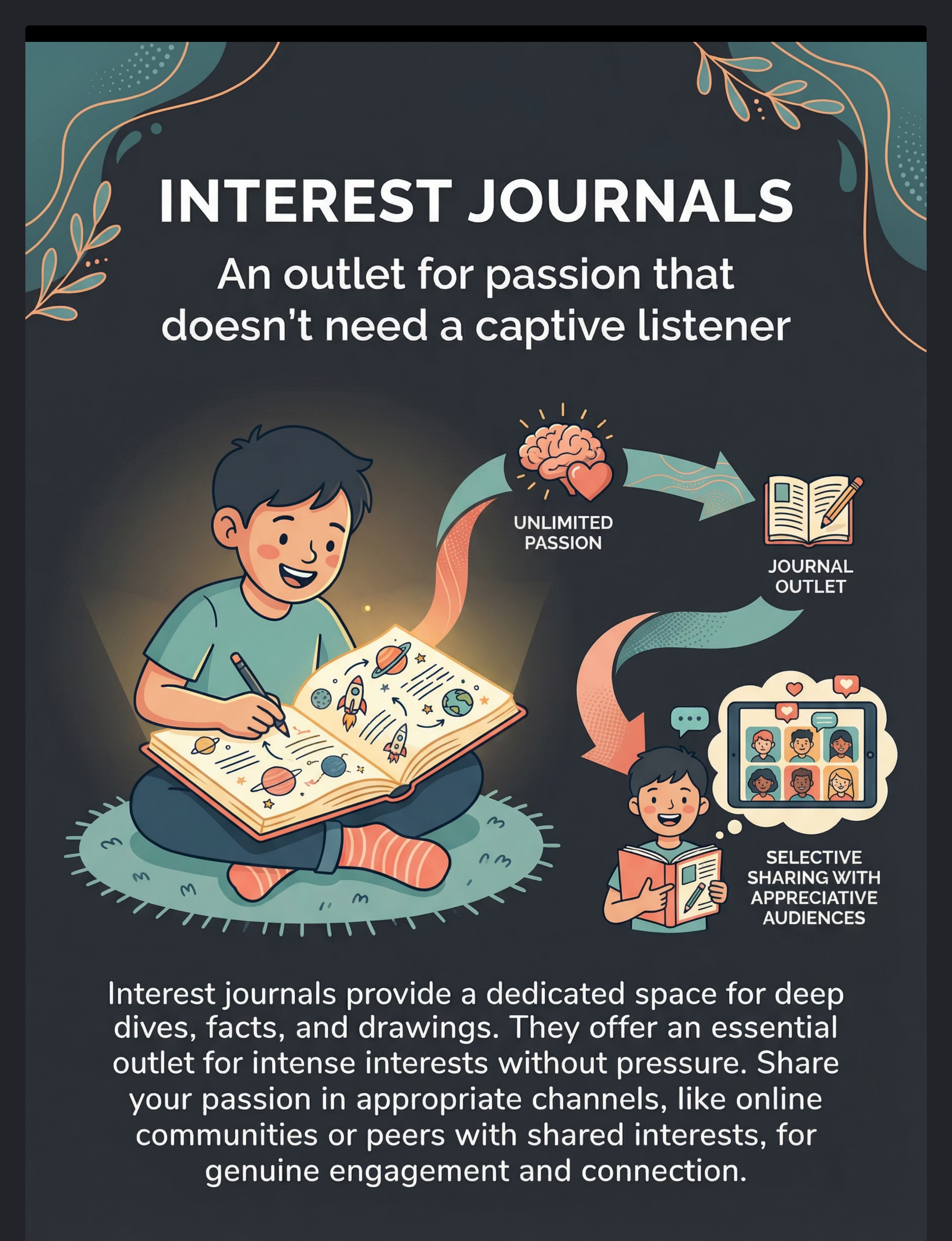
9. Interest Journals
Sharing Logs — ₹200–800 | DIY: ₹0 (any notebook)
DIY: Any blank notebook. Add a "Sharing Log" page: "Who I told about [topic] today / for how long."

💰 Starter Kit
₹1,800–5,000 for essentials
🧰 Complete Toolkit
₹3,500–15,000
Zero-Cost Option
All 9 fully executable with household items today
Every Family Can Start Today — Regardless of Budget
"The WHO/UNICEF equity principle is embedded in every technique we build: zero-cost access is not a compromise — it is a right."
Commercial Option
DIY / Zero-Cost Alternative
Visual Schedule Board with Velcro picture cards
Print on A4 paper, draw activities, laminate with sticky tape
Printed social story books
Write 8 sentences by hand, draw pictures, bind with a stapler
Interest-themed workbooks
Write 10 math problems using child's interest as the scenario
Conversation Cards deck
10 index cards with written conversation moves
Reward Jar with tokens
Paper clips / buttons / pebbles in a cup
Flexible thinking board game
"What Else?" oral game requires zero materials
Educational kits for exposure
Library visit — no cost, unlimited access
Printed emotion/cue cards
Draw 6 faces showing engaged vs. bored listeners
Branded journal
Any notebook from a ₹10 shop — it is what you write that matters

When clinical-grade materials become important, contact the Pinnacle Helpline: 📞9100 181 181 — FREE National Autism Helpline

The Right Environment Makes Every Session More Effective

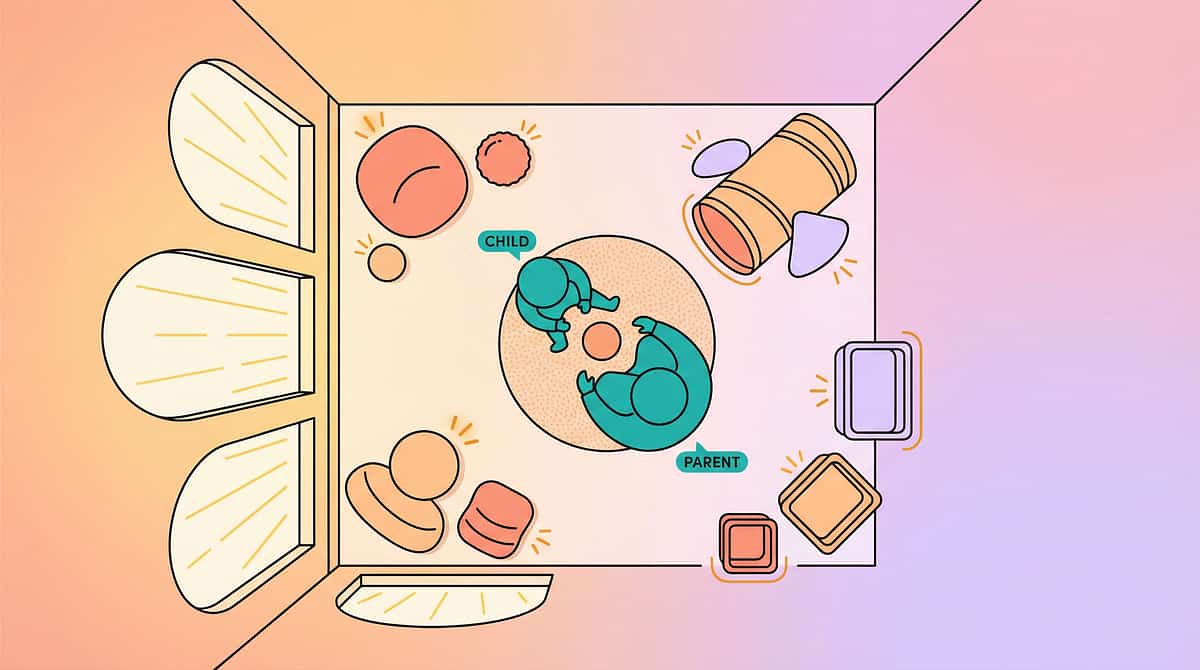
A well-prepared environment is not optional — it is a therapeutic variable. The physical setup of your session space directly affects a child's regulated state, their willingness to engage, and their ability to trust the structure. Environment Checklist Interest materials are visible (not hidden — hiding triggers anxiety) Interest materials are contained (in a box/shelf — scattered triggers seeking) Visual schedule mounted at child's eye level Token board is visible and accessible to child No competing screens or loud sounds Session time is protected — no interruptions, no phone calls Duration planned: 15–20 minutes maximum for younger children Setup Details Child Position: Seated comfortably at table or on floor. Never forced into a chair. Parent Position: Beside, not opposite. At child's level. Warm, open body language. Lighting: Natural light preferred. Avoid fluorescent flicker. Timing: After a transition (post-snack, post-arrival home) — not immediately pre-interest-time. Materials on table: Schedule + Tokens + Cards — organized and ready before child arrives.

Is Your Child Ready? The 60-Second Readiness Check
The best session is one that starts right. Pushing through when the child isn't ready doesn't build skills — it builds resistance. This readiness check protects both the child and your relationship.
Check
Yes
No
Child has eaten in the last 2 hours
Proceed
Snack first
No meltdown or major dysregulation in past 90 min
Proceed
Wait / offer calming
Child is in alert, available state (not sleepy/dissociated)
Proceed
Try after rest
Interest time is genuinely scheduled for after session
Proceed
Schedule it now
You are calm and have 20 uninterrupted minutes
Proceed
Reschedule
Child knows what to expect from this session
Proceed
Preview the plan
🟢 5–6 YES
Full session — proceed to Step 1
🟡 3–4 YES
Modified session — reduced demands, shorter duration, more interest inclusion
🔴 0–2 YES
Postpone — offer a genuine interest time, reconnect warmly
Step 1 of 6 — The Invitation
Step 1
30–60 seconds
Purpose: Every session begins with an invitation, not a command. The child is brought in through warm, low-demand engagement. You are sharing, not correcting.
"Hey, I've been thinking about dinosaurs. You know so much about them. I have something I want to show you today — it's a new way to think about when we get to talk about them. Want to look at it together?"
Body Language
  • Get to child's level physically
  • Open posture, no arms crossed
  • Genuine warmth — you are sharing, not correcting
  • Make eye contact briefly, then match child's gaze
Acceptance Cues
  • Child looks at you or the materials
  • Child responds verbally (even deflecting with interest topic)
  • Child moves toward the materials
  • Child reduces activity or pauses
Resistance Cues — How to Modify
Child ignores → Sit nearby and look at schedule yourself, narrate quietly
Child protests → Validate: "I know you want dinosaur time. This helps us make sure you get good dinosaur time."
Child starts interest monologue → "Yes! And your schedule shows when that happens. Want to see?"
Step 2 of 6 — The Engagement
Step 2
1–3 minutes
Purpose: Deepen the interaction by introducing the therapeutic material with interest-inclusive framing. Always show the interest component first — this triggers approach motivation.
For Visual Interest Schedule (First Sessions)
"Look — I made this for you. This shows dinosaur time right here [point]. And it shows other things too. This means you always know when dinosaur time is coming."
For Conversation Cards (Later Sessions)
"This is a game about talking. There's a dinosaur card in here [show it] — and some other cards too. We take turns picking. Want to try?"
Material Introduction Guidance
  • Show the interest component first — this triggers approach motivation
  • Present slowly, no sudden movements
  • Let child handle/examine the material before you explain it
  • Keep explanation to 1–2 sentences initially

Ideal Response
Child engages, asks questions, tries it independently
Acceptable
Child watches, tolerates, participates with prompts
Concerning
Child escalates or becomes dysregulated → Return to Readiness Check

First engagement, however small, gets immediate warm praise: "I love that you're looking at this with me." | PMC11506176 | ABA Reinforcement Scheduling
Step 3 of 6 — The Therapeutic Action
Step 3
5–10 minutes
Core Active Ingredient
Purpose: The specific therapeutic event — the active ingredient that drives skill-building. Each material type has its own action sequence.
Visual Interest Schedule
Complete one full walk-through of the day's schedule. Child places each activity card (including interest card). Point to the interest card: "That's yours. It's protected. It's happening." Help child check off completed sections.
Conversation Cards Session
Deal 5 cards each. Parent draws first card ("Ask a question") — asks about the child's interest. Child's turn: draw a card and follow it. Progress around the deck for 5–6 turns. Include interest topic every other turn.
Interest Bridging Session
Present dinosaur-themed math/reading/science activity. Child works through it — the interest is the context, the skill is the target. Keep it short (5–7 minutes). Celebrate both the skill AND the interest connection.
Token Session
Child completes one non-preferred task (2 minutes of non-dinosaur drawing). Immediately place token on board. Show progress toward interest time. Warm, specific praise for the effort.

Common Errors: Going too long | Excluding the interest entirely | Correcting mid-session | Breaking the interest-time promise (the whole system depends on this) | PMC10955541
Step 4 of 6 — Repeat & Vary
Step 4
3–5 minutes
Therapeutic Dosage
"3 good repetitions > 10 forced ones."
For Schedule Use
Daily review: 1 review per day minimum. Weekly update: change activities as routine shifts. Child adds/removes cards independently as skill builds.
For Conversation Cards
2–3 sessions/week. Each session: 5–8 card exchanges. Variation: add new cards as skills build ("Ask about their feeling" / "Give a compliment")
For Bridging Activities
Daily: one interest-bridged learning activity. Rotate subjects (Mon: math; Wed: reading; Fri: science). Gradually increase skill difficulty, not the interest requirement.
For Token System
Daily: 3–5 token-earning opportunities. Variation: alternate which tasks earn tokens to prevent predictability fatigue.
Satiation Indicators — When to Stop
  • Child becomes fidgety or distracted
  • Quality of engagement drops noticeably
  • Interest in the interest material itself decreases
  • Child asks to stop
When you see satiation: STOP. End on a positive note. Always.
Step 5 of 6 — Reinforce & Celebrate
Step 5
Immediate • Specific • Genuine
The ABA Principle: Reinforcement must be Immediate (within 3 seconds) | Specific (name what you're praising) | Genuine (not hollow). Celebrate the attempt, not just the success — shaping works on approximations.
When child checks the schedule independently
"You looked at your schedule yourself! That's exactly what we're practising. Amazing."
When child asks a question during conversation practice
"You just asked me a question about something I like. That is what friends do. I am so proud of you."
When child notices listener cue
"You noticed I was listening. You're reading me. That's a superpower most people take years to develop."
When child engages with bridged learning
"You just learned about the Mesozoic Era's climate AND connected it to dinosaurs. That's how scientists think."

Interest time is its own reward — when tokens are earned and interest time happens reliably, the system becomes self-reinforcing. 📞9100 181 181 — FREE National Autism Helpline
Step 6 of 6 — The Cool-Down
Step 6
2 minutes
No Session Ends Abruptly
Purpose: The cool-down transitions the child from therapeutic engagement back to baseline and prepares them for the guaranteed interest time. This transition is as important as any step in the session.
"Two more turns, then we're done for today." [After final turn] "Great work. Now let's put the cards away together." "And look — it's [interest] time. You earned it."
Transition Warning
Say “2 more” to signal ending.
Child Puts Away
Have child help tidy materials now.
Explicit Acknowledgment
State what was practiced today.
Transition Cue
Give cue toward interest time next.
If Child Resists Ending
  • Don't remove materials by force
  • Use visual timer: "When it hits zero, your [interest] time starts"
  • "Your [topic] isn't going anywhere. It'll be here in 5 minutes"
  • Use the schedule: show them where they are and what's next

Why This Step Matters
Consistent cool-downs build the child's trust that sessions have a predictable shape: beginning, middle, end — and always followed by interest time. This predictability reduces pre-session anxiety over time.
NCAEP 2020: Visual supports + transition cues = evidence-based for autism.
Capture the Data — Within 60 Seconds of Session End
This single minute of data entry weekly feeds the GPT-OS® algorithm that adjusts your child's TherapeuticAI® recommendations. 20 million sessions of data from 70+ centers informs what we recommend next. Your observation data makes every child's outcomes better.
1. Material Used Today
Visual Schedule | Social Story | Bridging Activity | Conversation Cards | Token System | Flexible Thinking Game | Interest Exposure | Social Cue Cards | Interest Journal
2. Engagement Level (1–5)
1 — Refused entirely | 2 — Tolerated with significant prompting | 3 — Participated with moderate prompting | 4 — Participated willingly | 5 — Initiated or exceeded expectations
3. One Specific Observable Behavior
Example: "Asked one question using conversation card"
Example: "Accepted token board without protest for first time"
Describe in 1 sentence exactly what you observed.
4. Parent Note (Optional)
What felt different today? One sentence — your intuition matters and feeds the TherapeuticAI® personalization layer.
When It's Not Working: Real Challenges, Real Solutions
These troubleshooting responses come from 20M+ sessions across the Pinnacle clinical network. Every challenge listed here has been encountered thousands of times — and every solution has been validated in practice.
Child melts down whenever schedule structures interest time
You may have reduced interest time too quickly. Start with a schedule that reflects current reality, then shift by 5 minutes per week. The schedule must first guarantee, then gradually balance.
Token system creates anxiety instead of motivation
Tokens earned must significantly outnumber tokens needed. Every small step earns. Exchange rate must feel achievable. Review: is the child currently getting enough interest time even without the system?
Conversation cards feel forced and awkward
Start with cards entirely within the interest topic. "Ask a question ABOUT DINOSAURS." "Share a fact ABOUT DINOSAURS." Only add non-interest cards once interest-cards work reliably.
Bridging materials are rejected ("That's not really about dinosaurs")
Make the connection more obvious. Use more interest images. Start with math problems using interest objects — 3 T-rexes plus 4 velociraptors. The connection must be unmistakable.
Progress is invisible — I can't see any change
Pull out your session log from week 1. Count: how many seconds of non-interest engagement then vs. now. Progress at this stage is measured in 3-second increments, not conversations.

📞 FREE Helpline for clinical guidance: 9100 181 181 | PMC11506176 | Pinnacle Clinical Troubleshooting Database
Every Child's Interest Profile Is Different — Here Is How to Adjust
D-375 is not a rigid script. It is a framework with intentional flexibility built in. The adaptation guidance below helps you calibrate based on your child's specific profile and primary driver of restricted interests.
Pure Interest
Start with activities the child loves
Balanced Mix
Combine interest and gentle challenge
Non-Interest Focus
Shift toward less preferred engagement
The Regulation-Seeker
(Interest primarily calms anxiety)
Prioritize: Interest schedule first. Add token system only after schedule is well-established. Avoid reducing interest time until alternative coping is in place.
The Social Connector
(Tries to connect through interest)
Prioritize: Conversation cards + social cue training. Find interest-based peer groups quickly. Leverage their existing desire for connection.
The Academic Avoider
(Interest dominates school refusal)
Prioritize: Bridging materials. Collaborate with teacher on interest-inclusive assignments. Track academic engagement as primary outcome.

For Younger Children (Ages 3–6)
Visual schedule is primary. Keep all sessions under 10 minutes. Interest token = sticker immediately. Keep language simple and concrete.
For Older Children (Ages 10–14)
Conversation cards can become metacognitive ("When did I notice my listener's attention shifting?"). Interest journals become expertise portfolios. Career bridging becomes possible.

📞9100 181 181 | Clinical OT/ABA/SLP practice guidelines | Pinnacle TherapeuticAI® profiles
Week 1–2: Calibrate Early — Progress Here Is Measured in Seconds, Not Conversations
ACT IV: Progress Arc
Week 1–2
15%
Progress at Week 2
Trust-building is the foundation — it comes before skill-building
Child tolerates the schedule being introduced
Even if initially resistant — tolerance is real progress
Interest time occurs reliably as promised
Critical — this builds the trust the entire system depends on
Child places even one non-interest activity card
A single card placed independently is a milestone worth celebrating
3–5 seconds of non-interest engagement
This is the real early measure — count seconds, not topics
"If your child tolerates the schedule being on the wall without tearing it down — that is real progress in week one."

Parent Emotional Preparation: Weeks 1–2 are the hardest. The child is testing whether you will reliably honor the interest. The structure feels foreign. You may feel like nothing is working. It is working — at the level of trust-building.

PMC11506176 | General intervention timeline literature

Week 3–4: Consolidation Signs

Week 3–4 40% Progress Progress at Week 4 Neural pathways beginning to consolidate — anticipation replaces anxiety ✅ Schedule Referenced Independently "Interest time is after lunch" — unprompted. First sign of a new neural pathway forming. ✅ Token Board Without Protest Accepts the system as part of the routine rather than fighting it. ✅ 2–3 Conversation Card Exchanges Even brief participation with prompts counts as real skill-building. ✅ Meltdown Intensity Decreasing Duration or intensity of dysregulation when interest is structured has reduced. Neural Pathway Signal: When the child starts anticipating the schedule — referencing it before you prompt — the prefrontal cortex is beginning to hold the map. This is the first structural change. Parent Milestone: By week 3–4, most parents report they feel "slightly less consumed" by the interest monologue. The schedule creates predictable interest time — which paradoxically reduces the child's perseverative anxiety about losing access.
Week 5–8: Functional Flexibility
Week 5–8
65% Progress
65%
Progress at Week 8
Functional flexibility emerging — the child can hold the interest alongside other things
3–5 Conversational Exchanges
Using cards or unprompted — real back-and-forth emerging
Asks One Question About Other's Interest
Per session — the most significant early social skills milestone
Bridges to Connected Topic
Without resistance — interest becomes a doorway, not just a destination
Interest Journal in Active Use
Healthy outlet established — expertise being channeled constructively
Secondary Interest Beginning to Emerge
Even small — an enormous signal of expanding cognitive flexibility
Most families report a single memorable moment around weeks 6–8: the child, unprompted, asks a question about something other than their interest. It may be brief. It may be awkward. It is enormous. Write it in the tracker. Celebrate it fully.

Honour Every Breakthrough — Because Every One Took Real Courage
Recognition of progress is not sentimentality — it is neurologically important. Positive emotional anchoring of skills strengthens the pathways. Your child needs to know: being able to do this is part of who I am now.
🏅 First Schedule Day
The first day the interest schedule was accepted without meltdown
🏅 First Question
The first time your child asked a question about someone else's interest
🏅 First Bridge
The first time the interest became a doorway to a different topic
🏅 First Token
The first completed task without protest
🏅 First Cue
The first time your child noticed a listener's disengagement
🏅 First Connection
The first interest-based friendship or community moment

📞9100 181 181 — Consortium Seal: OT • SLP • ABA/BCBA • SpEd • NeuroDev Paediatrics • CRO
Red Flags: Know When This Needs More Than Home Practice
D-375 is designed for home execution — but there are clear clinical signals that require professional evaluation beyond this protocol. Recognizing these signals early protects your child and prevents compounding difficulties.
🚨 Possible OCD Signal
The interest feels distressing to the child — not pleasurable. They seem tormented, perform rituals around it, are not happy when engaged. This requires ERP therapy, not these materials.
🚨 Physical Aggression
Child becomes physically aggressive (hitting, biting, throwing) when interest is structured or limited. This intensity requires clinical behavior support — do not continue home protocol alone.
🚨 Complete Functional Shutdown
After 8 weeks of consistent home practice, zero improvement in any domain — no schedule acceptance, no token tolerance, no conversation engagement. Professional assessment is needed.
🚨 Significant Depression or Isolation
Child has expressed hopelessness about friendships, shown persistent low mood, or withdrawn from all previously enjoyed activities outside the interest.
🚨 School Total Refusal
Interest rigidity causing complete school refusal or significant academic failure despite bridging attempts. Requires coordinated clinical-school response.

📞9100 181 181 — FREE National Autism Helpline — Clinical triage in 16+ languages | 🌐 pinnacleblooms.org/consultation — AbilityScore® Assessment booking
D-375 Is One Piece of a Larger Plan — Here Is Where It Fits
Behavioral flexibility in children is a developmental cluster — not a single skill. D-375 sits within the FLEX-01 cluster alongside closely related techniques that share materials, reinforce each other, and build toward the same long-term goal: a child who can navigate a world beyond their comfort zone with confidence and connection.
Schedule Mastered?
→ Move to D-376 Repetitive Movements protocol
Conversation Emerging?
→ B-205 Social Communication deep-dive
Bridging Working Well?
→ Academic engagement protocols (K-domain)
Still Struggling?
→ Return to D-373 Sameness Insistence for foundational work
Long-term developmental goal: Interest integration — the interest becomes expertise, connection, and potential career direction. Not a barrier. Not a prison. A bridge.
Related Techniques in This Domain — Materials You Already Own
One of the most powerful features of the Pinnacle 128 Canon Materials System is material overlap: the visual schedule you built for D-375 is the same one used in D-373. The token system transfers across multiple techniques. Starting one technique seeds the next.
Technique
Level
Materials You Own
Link
D-373: Sameness Insistence
🟢 Intro
Visual Schedule
D-374: Flexibility in Play
🟡 Core
Flexible Thinking Games
D-376: Repetitive Movements
🟡 Core
Token System
unknown link
D-377: Ritualistic Behaviors
🔴 Advanced
Visual Schedule + Social Stories
B-205: Social Communication
🟡 Core
Conversation Cards + Social Stories
C-320: Peer Relationships
🟡 Core
Interest Journals + Social Cues
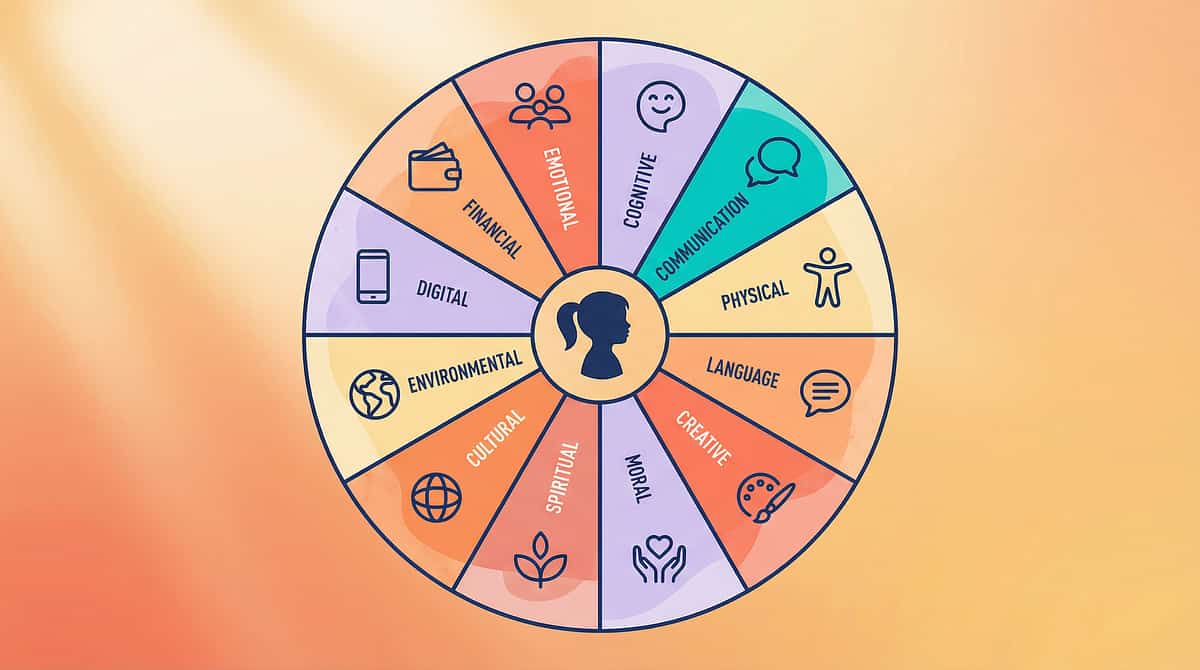
This Technique Is One Piece of Your Child's Complete Developmental Landscape
The GPT-OS® system tracks your child's AbilityScore® across all 12 developmental domains simultaneously. D-375 directly feeds domains D (Behavioral), B (Social Communication), and C (Emotional Regulation). Progress in obsessive interest flexibility typically cascades into improved peer interaction, reduced emotional dysregulation, academic engagement, and life skills independence.
12
Developmental Domains
Tracked simultaneously by GPT-OS® AbilityScore®
70+
Countries
Where Pinnacle families are applying this protocol
20M+
Sessions
Of real-world outcome data informing every recommendation

📞 To access full developmental mapping: 9100 181 181
From Isolation to Connection — A Journey From the Pinnacle Network
ACT V: Community
Family Story
"Our daughter's train obsession was destroying her social life. No one at school wanted to be her friend. We started with interest schedules so she knew train time was coming — that alone reduced the anxiety. We used bridging to connect trains to architecture and engineering. We found a model train club where she could talk trains with people who loved it too. Slowly, she started noticing when people looked bored. She learned to ask questions. She developed a secondary interest in city planning. She still loves trains — she always will. But now she has friends."
— Parent, Pinnacle Network
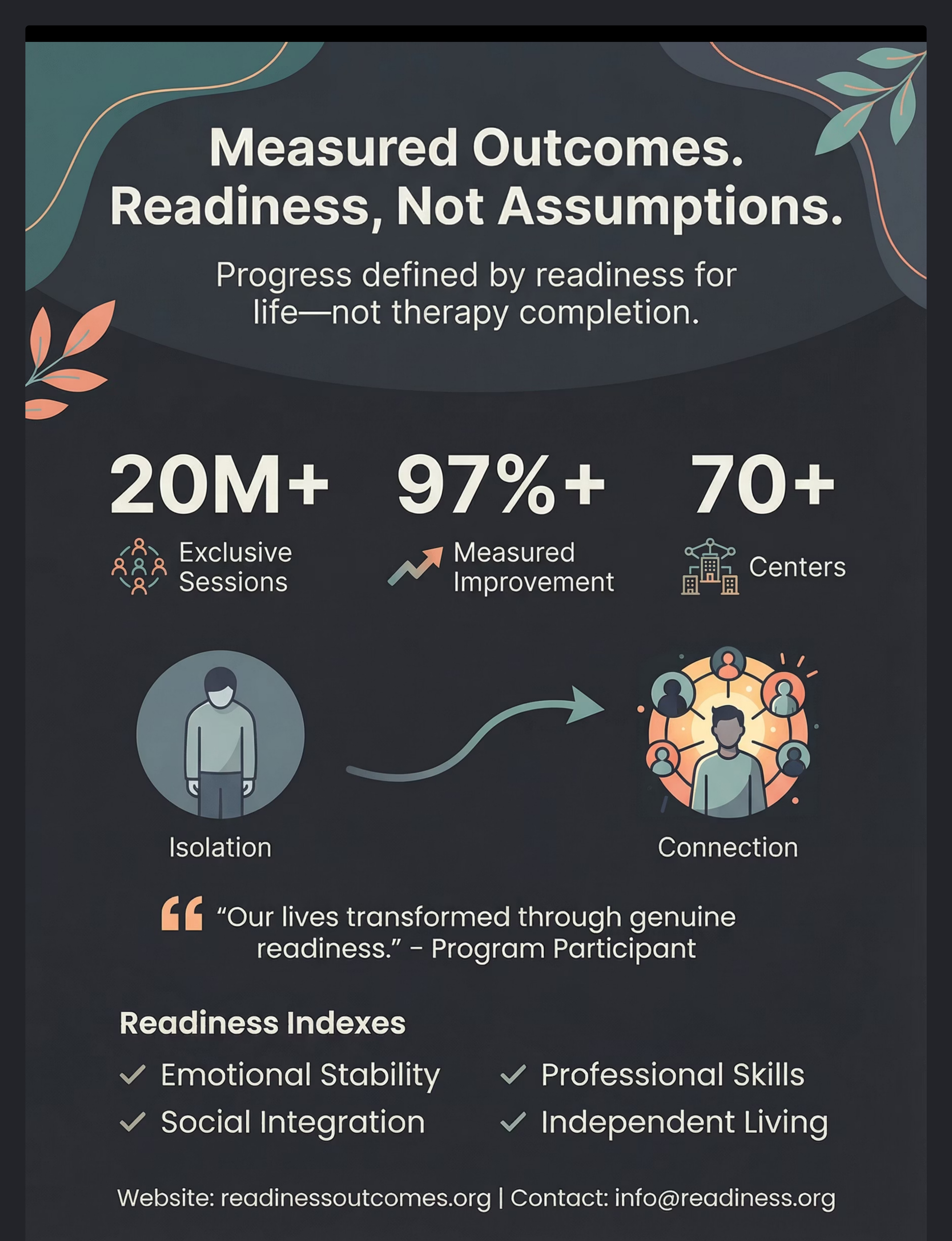
Isolation
No friends; meltdowns at limits
Structure
Schedule and token system at 2 weeks
Emerging
First question; bridge to architecture
Connection
Interest-based friendships at 8 months
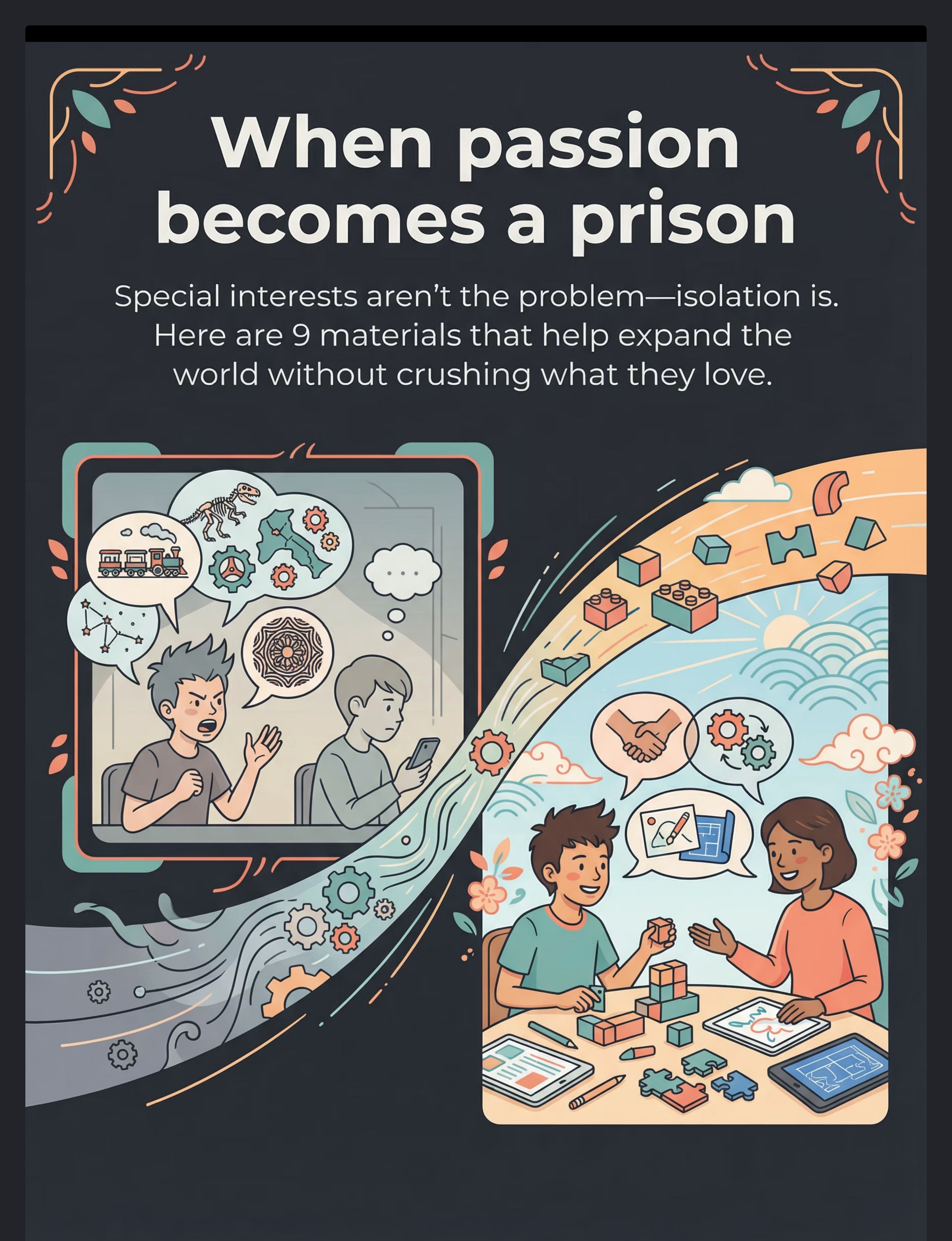
What made the difference: The parent's shift from "I need to stop this" to "I need to channel this." The interest was never the enemy. The isolation was.

Illustrative case composite from Pinnacle Network's clinical experience. Individual outcomes vary by underlying condition, severity, timing of intervention, and consistency of practice.
You Are Not Building This Alone — Your Community Is Here
Pinnacle Parent Community
Families navigating restricted interests across 70+ countries. WhatsApp groups in 16 languages. Join the Pinnacle Parents Network →
Find a Pinnacle Centre Near You
70+ centres across India. Expert BCBA, SLP, OT teams using GPT-OS® protocols. Centre Locator →
Global Special Interest Communities
Connect your child with appreciative audiences. Age-appropriate, supervised, interest-specific groups. The interest finds its people.
Pinnacle Resource Library
Visual schedule templates, social story frameworks, conversation card printables — all free. Access Free Resources →
FREE National Autism Helpline
9100 181 181 | 16+ Languages | 24×7 | First call is free. Assessment booking. Teleconsultation. Crisis support.
WHO Partnership
UNICEF Aligned
Consortium Validated
When Home Practice Needs Clinical Amplification
Home practice is the foundation. Clinical support is the amplifier. When your child's needs exceed what a structured home protocol can address, Pinnacle centres and teleconsultation provide the individualized, multi-disciplinary layer that accelerates outcomes.
Service
What It Adds to Home Practice
ABA / BCBA Therapy
Individualized token system design, functional behavior assessment, school consultation
Speech-Language Therapy
Conversational pragmatics, listener cue intervention, social communication groups
Occupational Therapy
Sensory profiling of the interest, self-regulation through interest, daily living skills
Special Education
IEP planning with interest-bridged academic goals, school advocacy
Psychology / NeuroDev
Differential diagnosis (ASD/OCD/giftedness), medication if needed, family therapy
GPT-OS® Assessment
AbilityScore® baseline, full 12-domain mapping, TherapeuticAI® personalized plan
Teleconsultation Available
Can't reach a centre? Pinnacle's clinical team serves families across 70+ countries via teleconsultation. No travel required.
🌐 pinnacleblooms.org/teleconsult
Contact the Helpline
📞9100 181 181
FREE | 24×7 | 16+ Languages
First call is free. Clinical triage, assessment booking, and teleconsultation guidance available immediately.
The Science That Powers This Protocol
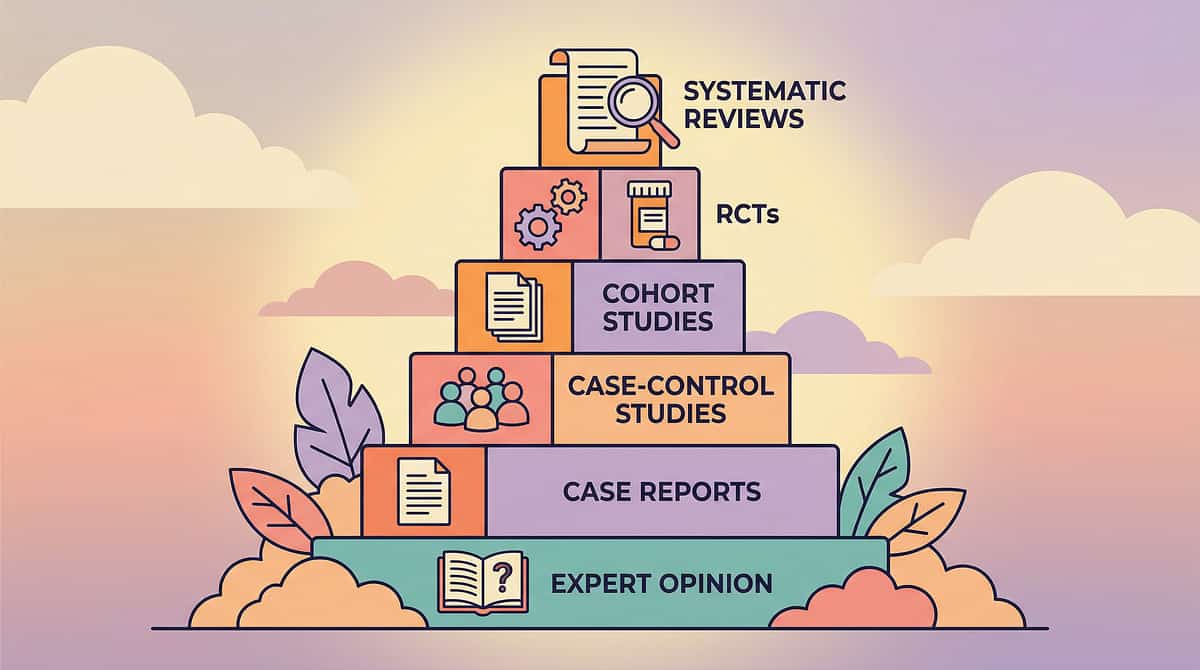
D-375 is grounded in a converging body of evidence spanning systematic reviews, randomized controlled trials, national clinical guidelines, and 20 million+ real-world sessions. This is not theoretical — it is validated and continuously refined by outcome data.
PMC11506176 — Children (2024)
PRISMA systematic review: strength-based interest interventions meet evidence-based practice criteria for ASD
PMC10955541 — World J Clin Cases (2024)
Meta-analysis of 24 studies: structured social interventions show significant social skills and flexibility improvement
DOI: 10.1007/s12098-018-2747-4 — Indian J Pediatr (2019)
RCT: home-based, parent-administered interventions show significant functional improvement in Indian pediatric population
NCAEP 2020 + WHO NCF 2018
Social stories, visual supports, token economies = classified evidence-based for autism | Equity-focused caregiver-delivered protocols
Your Session Data Powers Every Child Like Yours
GPT-OS® is not software. It is therapeutic infrastructure. Every session log you submit joins a continuously learning system that improves recommendations for every child in the network. Your observation — specific, contextual, human — is the data type that no algorithm can generate alone.
Population Learning
TherapeuticAI
AbilityScore
Submit Session
Schedule Acceptance Timeline
Typical vs. delayed patterns across thousands of profiles
Material Engagement Drivers
Which material slot drives most early engagement by age and profile
Token System Outcomes
Correlation between token system design and flexibility outcomes
Reciprocity Development
Age and severity patterns in conversational reciprocity development
"This is not software. This is therapeutic infrastructure." — GPT-OS® Architecture Statement

All data is anonymized, encrypted, and stored under Indian data protection standards. Your child's identity is never shared. | 📞9100 181 181 | Learn More About GPT-OS® →
Watch D-375 — 9 Materials That Help With Obsessive Interests
Reel D-375 | Behavioral Flexibility in Children — Episode 375
Domain: D | Duration: 75–85 seconds | Pinnacle Consortium SLP + ABA Lead

This reel was the entry point for millions of parents who searched "child obsessed with one topic" and found Pinnacle's evidence-based response. In 75 seconds it covers: the clinical framing (interest vs. isolation), all 9 materials (quick visual introduction), and the GPT-OS® therapeutic system.
Related Reels in This Cluster:

NCAEP 2020: Video modeling = evidence-based practice for autism | D-375 cross-referenced in the Pinnacle 999 Reels Master under Domain D — Behavioral Flexibility cluster
Share This With Your Family — Consistency Across All Caregivers Multiplies Impact
A child who gets interest schedule support at home but not at school — or from Mum but not Dad — receives mixed signals. Consistent implementation across all caregivers is the single biggest predictor of faster progress. Share this page with everyone in your child's life.
Share Buttons
📲WhatsApp Pre-Formatted Message:
"This technique helped us understand our child's special interests without fighting them. 9 practical materials you can start today. techniques.pinnacleblooms.org/behavioral-flexibility/obsessive-interests-d375"
Download Free Resources
📄1-Page Family Guide — D-375: Simple version for grandparents, teachers, babysitters — how to honor the interest while building flexibility. No clinical language.
📝School Communication Template: "Our child has been working on interest schedule acceptance and conversational turn-taking using D-375. Here is how you can support this at school..."
"Priya knows everything about trains. That's wonderful. We're helping her learn that conversations can include what others like too — not by taking away trains, but by teaching her to ask questions. When she starts talking about trains, you can say: 'I love that you know so much! Can you ask me one question now?' That's all."

PMC9978394 — WHO CCD Package: Multi-caregiver training = critical for generalization | 📞9100 181 181 — FREE National Autism Helpline
Your Questions, Answered by the Consortium
ACT VI: FAQ
8 Key Questions
Q: Should I try to stop my child's special interest?
No. The interest provides essential emotional regulation, joy, and competence. Attempting to eliminate it causes significant distress and removes the most powerful motivational tool available. Every technique on this page builds skills AROUND the interest, not instead of it. The goal is a child whose interest enriches their life — not a child without passion.
Q: My child's pediatrician says they'll grow out of it. Should I wait?
While some children naturally develop greater flexibility, research confirms that targeted early intervention produces significantly better outcomes than watchful waiting. The window of ages 3–8 is particularly responsive. Contact the helpline for an AbilityScore® assessment to understand your child's current profile and trajectory.
Q: How long will this take?
Schedule acceptance: 2–4 weeks. Early conversation skills: 6–12 weeks. Functional flexibility: 3–6 months of consistent practice. Full interest integration: 12–24 months. These are averages — some children progress faster, some require more time and professional support.
Q: My child's interest keeps changing — is that different?
The specific topic changing (dinosaurs → trains → flags) while the intensity pattern remains the same is characteristic of ASD-related restricted interests. The intervention targets the pattern, not the topic. Your visual schedule and token system work regardless of which specific interest is current.
More Questions Answered
Q: Can this make things worse?
Only if the intervention eliminates or shames the interest. All techniques on this page are designed to honor the interest first. The primary safety concern is maintaining the child's trust that the interest is valued. If you see increased distress, review the Troubleshoot card and call 9100 181 181.
Q: Is this the same as ABA therapy?
Token systems and reinforcement principles are drawn from ABA. Social stories are validated separately. Visual schedules, bridging, and flexible thinking games draw from OT and SpEd frameworks. This is a multi-disciplinary protocol — which is why it works across more children than any single-discipline approach.
Q: My child was just diagnosed. Is it too early to start?
The earlier, the better. These materials are safe and strength-based. Starting at age 3 with simple visual schedules and interest journals is entirely appropriate. The GPT-OS® AbilityScore® assessment will help calibrate which techniques to prioritize first.
Q: We're in a village with no therapy centre nearby. Can we really do this at home?
Yes. Every technique on this page has a zero-cost DIY version. The WHO/UNICEF equity principle is built into the design. A printed balance chart, handwritten conversation cards, and a notebook for an interest journal — that is the full toolkit. 9100 181 181 provides free guidance in 16+ languages for families in any location.
You Have Everything You Need. Your Child's World Is About to Get Bigger.
ACT VI: Start Now
The techniques on this page are clinically validated, home-executable, and designed with your child's passion — not despite it. Every material, every script, every step honors what your child loves while building the skills that will open their world. You are not fighting the interest. You are giving it wings.
🚀 Start Today with GPT-OS®
Launch a guided session. Log your first data point. Let TherapeuticAI® personalize your next step.
📅 Book AbilityScore® Assessment
Understand your child's complete developmental profile across 12 domains. First step toward a GPT-OS® guided plan.
📖 Explore Next Technique
D-376 Repetitive Movements — continue the Behavioral Flexibility cluster.
20M+
Sessions
Real-world outcome data
97%+
Measured Improvement
Across tracked families
70+
Countries
Families served globally

📞 FREE National Autism Helpline — 9100 181 181 | 16+ Languages | 24×7 | Consortium Validated: OT • SLP • ABA/BCBA • SpEd • NeuroDev Paediatrics • CRO

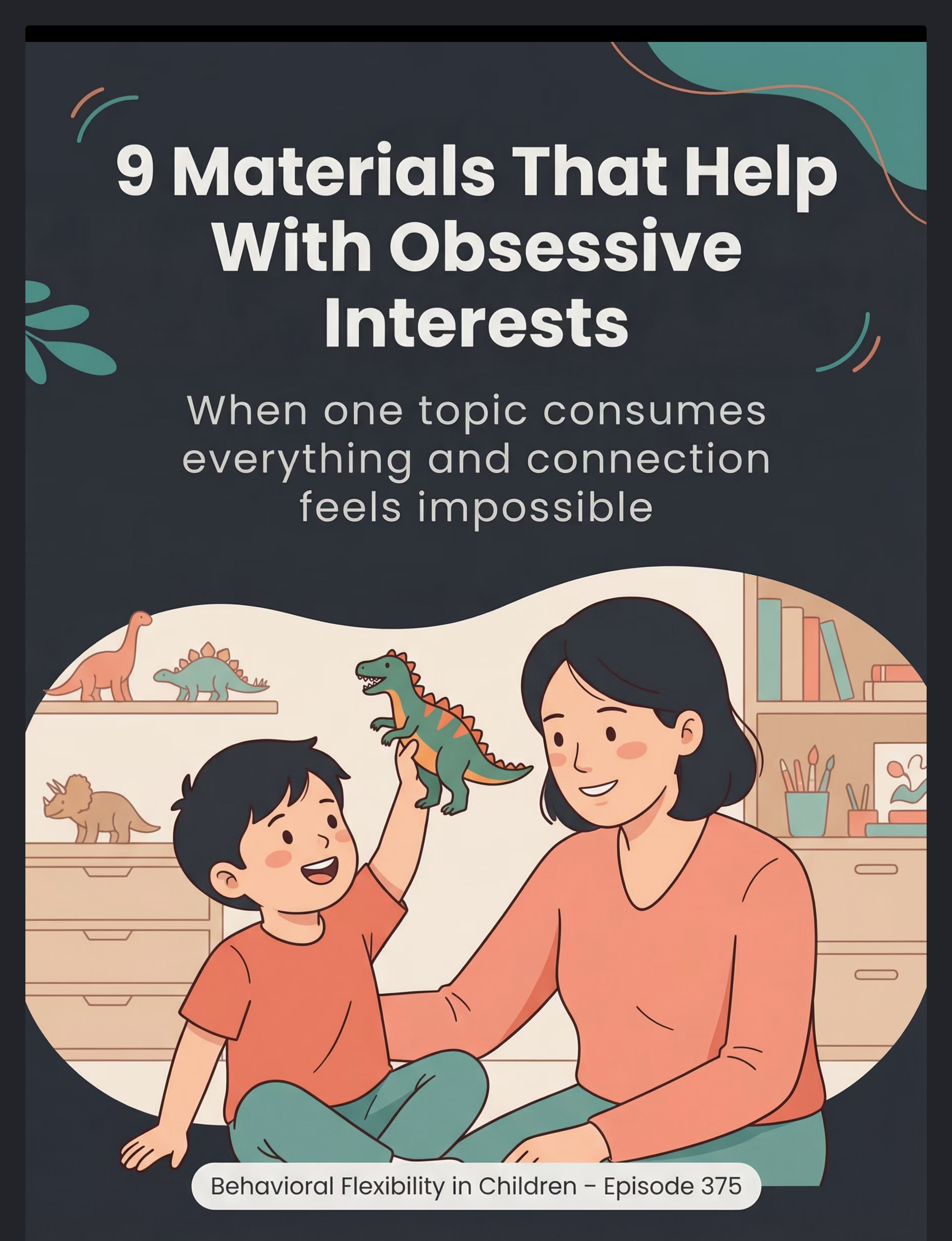
Preview of 9 materials that help with obsessive interests Therapy Material

Below is a visual preview of 9 materials that help with obsessive interests therapy material. The pages shown help educators, therapists, and caregivers understand the structure and content of the resource before use. Materials should be used under appropriate professional guidance.
Page 1
Page 2
Page 3
Page 4
Page 5
Page 6
Page 7
Page 8
Page 9
Page 10
Page 11
Page 12
Page 13
Page 14
Page 15
Page 16
Page 17
Page 18
Page 19
Page 20
Link copied!
The Pinnacle Promise
Pinnacle Blooms Network®
GPT-OS® Powered
"From fear to mastery. One technique at a time."
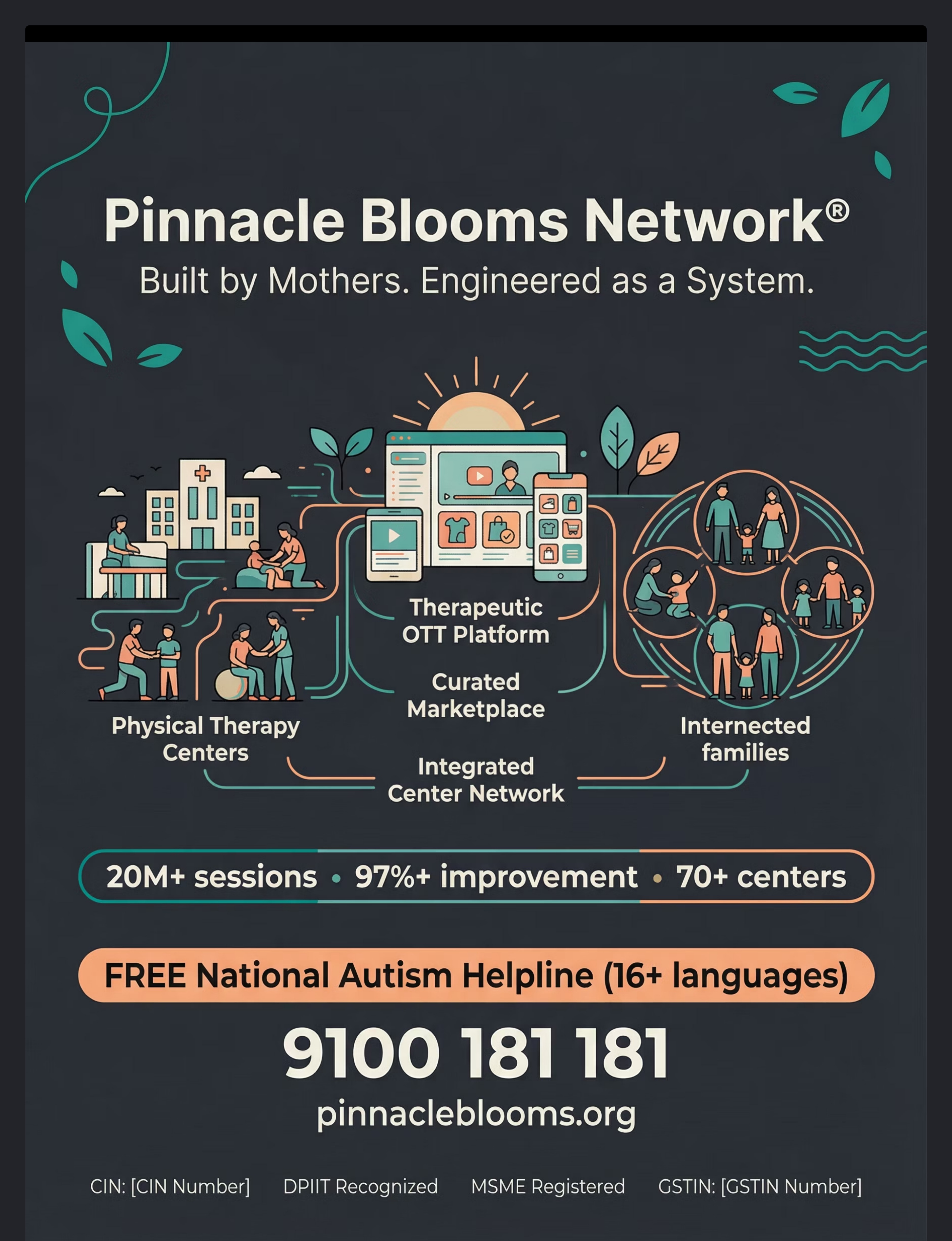
India's largest consortium-based pediatric therapy network. Built by mothers. Engineered as a system. Operating across 70+ centres, 70+ countries, 16+ languages — governed by GPT-OS®, the world's first Global Pediatric Therapeutic Operating System.

Medical Disclaimer: This content is educational and is intended to support, not replace, professional clinical assessment and intervention. Restricted interests can be associated with autism spectrum disorder and other conditions requiring professional diagnosis. The goal of all interventions described is to build flexibility and social skills alongside the special interest — not to eliminate it. Individual outcomes vary by underlying condition, severity, intervention timing, and consistency of practice. Always consult a licensed professional for diagnosis and individualized therapy planning.

Statutory Identifiers
CIN: U74999TG2016PTC113063 | DPIIT: DIPP8651 (Govt. of India)
MSME: TS20F0009606 | GSTIN: 36AAGCB9722P1Z2
© 2025 Pinnacle Blooms Network®, a unit of Bharath Healthcare Laboratories Pvt. Ltd. All rights reserved.
Navigate
🔄 Explore More Techniques →
unknown link
📞9100 181 181 | pinnacleblooms.org