

Your Home Is Now a Therapy Center. Here's How to Run It.
The most powerful therapy happens between sessions — in your home, on your schedule, with your child. Your child receives 2–4 hours of professional therapy per week. There are 112 waking hours in a week. That means 97% of your child's learning time happens outside the therapy room — at meals, during play, bath time, and every daily routine.
This domain teaches you HOW to transform every one of those hours into therapeutic moments, with clinical precision and parental intuition, powered by GPT-OS®. You are about to access 79+ clinically validated therapy implementation techniques — each designed for home implementation, evidence-graded, and developed by the world's largest pediatric therapy consortium.
🏥 70+ Centers
Across India — India's #1 Autism & Child Development Therapy Chain
🌍 21M+ Sessions
Documented therapy sessions with 97%+ measured improvement
👨👩👧 70+ Countries
Families worldwide trust Pinnacle Blooms Network®
You Are Not Alone — The Numbers Speak
Millions of families around the world are navigating the same journey you are. The research is clear: when parents are trained and empowered, children make measurably faster progress. You are not alone — and the data proves it.
97%
Learning Time at Home
Of a child's waking hours occur outside professional therapy sessions — 112 waking hours minus 2–4 therapy hours each week.
Equal
Parent vs. Clinician Outcomes
Parent-implemented therapy matches clinician-delivered results when caregivers are properly trained. (Systematic Review, 2023)
3–5x
Faster Generalization
Faster skill generalization when interventions are practiced across natural environments — home, community, and school. (Generalization Research, 2022)
The Learning Brain at Home — Decoded for Parents
Neuroplasticity Requires Repetition
The brain builds new neural pathways through repeated, structured practice. A skill practiced once per week in therapy needs daily reinforcement at home to consolidate. Without home practice, 80% of session gains are lost by the next appointment.
Context-Dependent Learning
Skills learned in one environment don't automatically transfer to another. A child who can request "juice" in the therapy room may not request it at home — unless the skill is explicitly practiced there. This is called generalization, and it requires deliberate cross-context practice.
Natural Environment Teaching
The brain learns fastest in contexts where skills are naturally needed. Requesting practice during actual mealtimes is neurologically more powerful than flashcard drills in a therapy room.
Parental Scaffolding
Children learn primarily through observation and imitation of their primary caregivers. Via mirror neurons and social learning, a parent who consistently models, prompts, and reinforces target skills becomes the most powerful intervention tool in the child's life.
You are not supplementing therapy. You ARE the primary therapy environment.
Clinically Validated. Globally Recognized. Home-Applicable.
Level I Evidence — Parent-Implemented Intervention
Parent-implemented intervention is classified as evidence-based by NCAEP 2020. Multiple systematic reviews confirm that trained parents achieve outcomes comparable to clinician-delivered therapy for most skill domains. Naturalistic Developmental Behavioral Interventions (NDBIs) are explicitly designed for parent implementation in natural environments.
WHO Caregiver Skills Training (CST)
The WHO CST program provides the global framework for parent-implemented therapy — with evidence from 30+ countries confirming effectiveness across cultures and resource levels. Your home is recognized as a primary intervention setting by the world's leading health authority.
GPT-OS® Everyday Therapy Program
Pinnacle's proprietary ETP generates personalized daily therapy activities based on your child's PDK profile, selecting from 90,000+ identified intervention techniques, each mapped to specific goals with measurable progress indicators.
References: NCAEP 2020 | Parent-implemented intervention systematic reviews | WHO CST | NDBIs evidence base
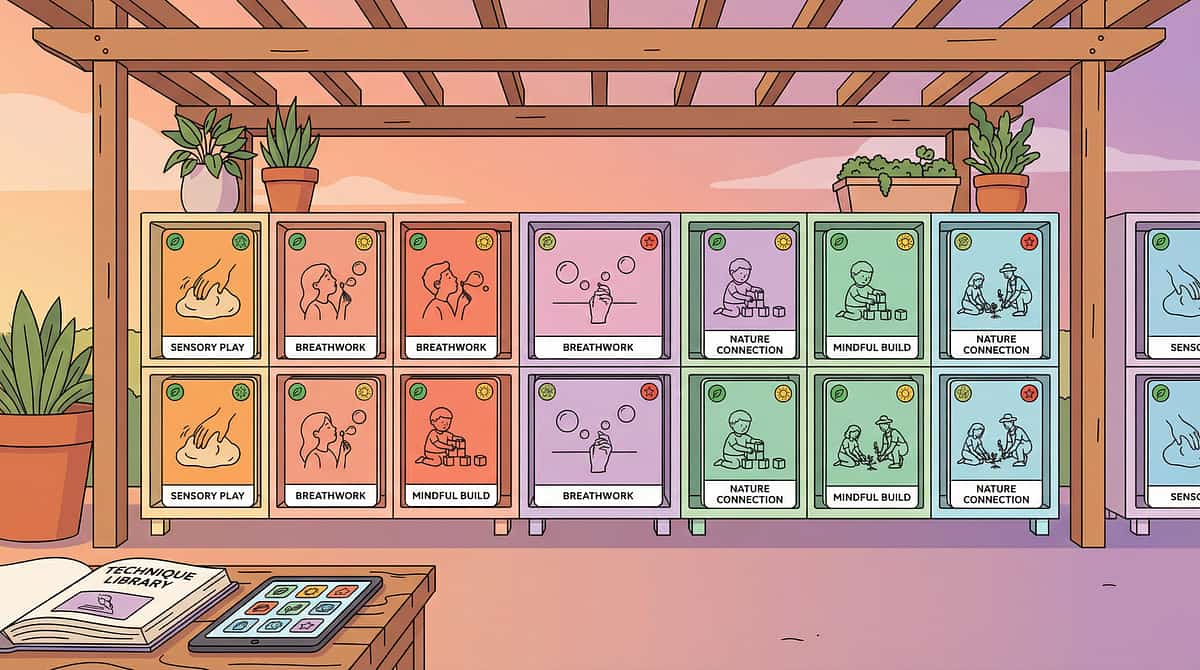
2 Subdomains. 79 Techniques. Evidence-Based. Home-Executable.
Domain L: Therapy Implementation is organized into two focused subdomains. Each subdomain contains carefully sequenced techniques — ordered from foundational to advanced — so you always know where to begin and how to progress.
🏠 Therapy Strategies at Home
40 Techniques | Reels L-921 to L-960
Structured approaches to embed therapy into your daily home routines — from morning wake-up to bedtime wind-down.
🎯 Specific Intervention Areas
39 Techniques | Reels L-961 to L-999
Targeted protocols for specific developmental challenge areas — precision tools for the exact skills your child is working on.

🏠 Therapy Strategies at Home
Subdomain L1 | 40 Techniques | Reels L-921 to L-960
You've watched the therapist do it — and it looks so natural in the clinic. But at home, your child melts down the moment you try the same activity. The materials are scattered, the routine is unpredictable, and by the time you've set everything up, your child has moved on. You love your child deeply, but some days you wonder if you're doing enough, doing it right, or doing it at all. That frustration is real — and it's neurologically predictable. The brain encodes skills in the context where they are learned; without structured, repeated home practice, therapy gains fade before the next session.
Techniques Covered in This Subdomain:
- Setting up a home therapy space with visual structure
- Creating and using visual schedules and daily routine boards
- Discrete Trial Training (DTT) at the kitchen table
- Natural Environment Teaching (NET) during play and chores
- Errorless learning and prompt hierarchies for caregivers
- Reinforcement systems: token boards, reward menus, praise shaping
- Data collection simplified — tracking progress in 60 seconds/day
- Embedding therapy into bath time, mealtimes, and transitions
- Sibling involvement strategies for generalization
- Managing your own caregiver stress to maintain consistency
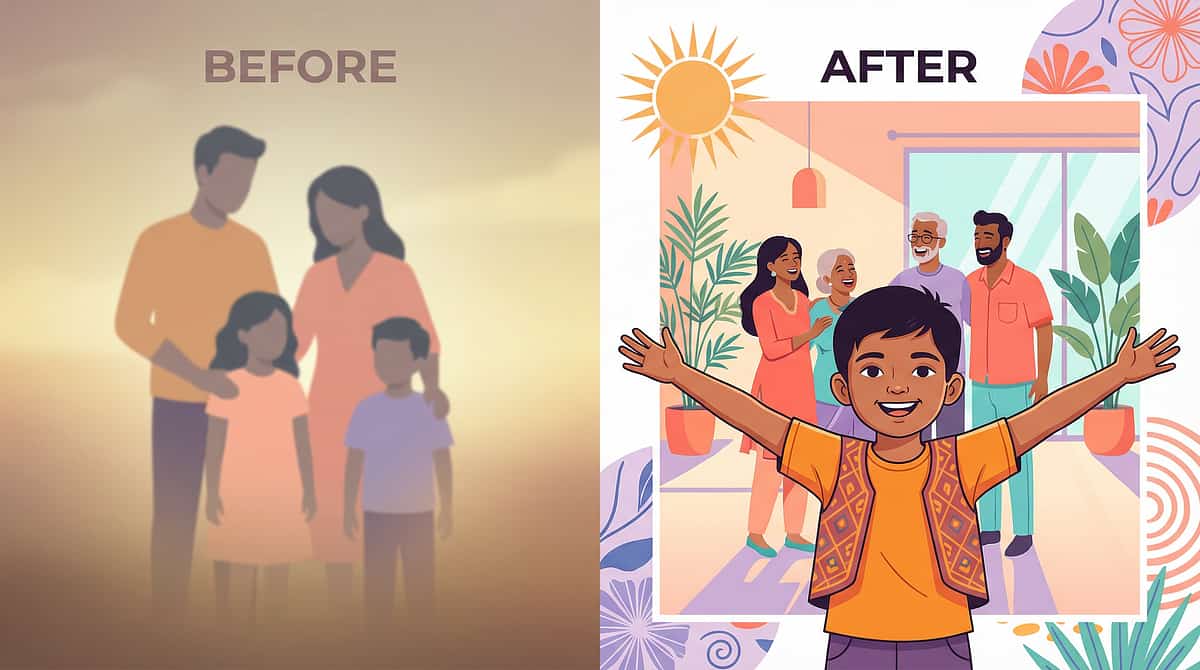
🎯 Specific Intervention Areas
Subdomain L2 | 39 Techniques | Reels L-961 to L-999
Your child has a specific diagnosis, a specific profile, and specific challenges that generic advice simply doesn't address. Maybe it's picture exchange, maybe it's joint attention, maybe it's reducing self-injurious behavior or building toilet training independence. You've searched online and found a flood of conflicting information — some of it overwhelming, some of it unproven. What you need is precision: the right technique, for your child's exact challenge, grounded in evidence. The nervous system responds to targeted, consistent intervention; diffuse or inconsistent approaches produce diffuse, inconsistent results.
Techniques Covered in This Subdomain:
- Picture Exchange Communication System (PECS) home implementation
- Joint attention training in natural play contexts
- Functional Communication Training (FCT) for behavior reduction
- Social stories and video modeling for social skills
- Toilet training protocols for children with autism
- Sleep hygiene and bedtime routine intervention
- Feeding therapy strategies for selective eaters
- Imitation training and turn-taking at home
- Self-regulation and emotional regulation tools for home
- Reducing repetitive behaviors through enriched environments
Domain L: Therapy Implementation — Complete Subdomain Index
Use this index to navigate directly to the subdomain most relevant to your child's current needs. Techniques within each subdomain are ordered foundational to advanced — start at the beginning and progress at your child's pace.
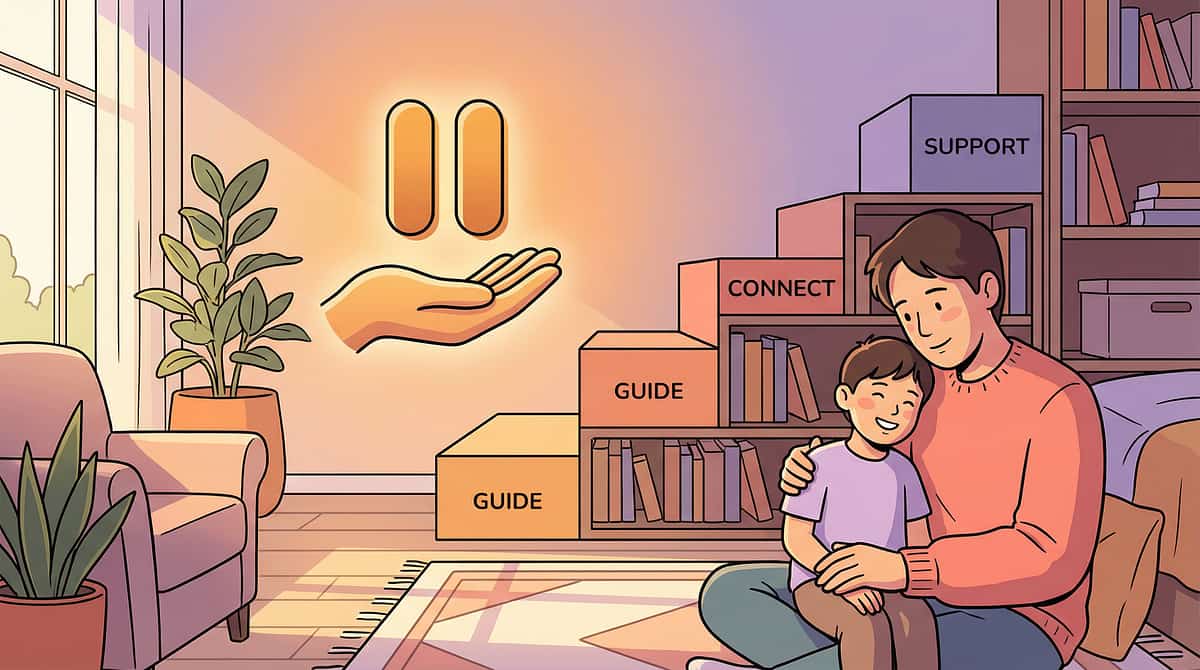
Therapy Implementation Connects Across the Developmental Spectrum
No domain exists in isolation. How well you implement therapy at home directly affects — and is affected by — your child's development across every area of life. Here's how Domain L connects to the broader developmental picture:
🎯 Sensory Processing (Domain A)
A child who is dysregulated due to sensory challenges cannot engage with home therapy activities. Sensory preparation routines are often the prerequisite step before any therapy implementation technique can succeed.
🗣️ Communication (Domain B)
The majority of home therapy techniques depend on communication exchange. Implementing communication strategies at home — PECS, FCT, verbal imitation — is the core of Domain L's specific intervention area.
💛 Social-Emotional Development (Domain C)
Emotional regulation is required for a child to participate in structured home sessions. Parent attunement and co-regulation strategies bridge social-emotional development with therapy implementation consistency.
🏠 Daily Living Skills (Domain E)
Mealtimes, bath routines, and dressing are ideal natural environments for embedding therapy. Domain L's naturalistic teaching techniques directly leverage daily living contexts as therapeutic opportunities.
👨👩👧 Family & Caregiver Support (Domain K)
Caregiver wellbeing, stress management, and co-parenting alignment determine the sustainability of home therapy implementation. Domain K provides the emotional infrastructure that Domain L requires to function.
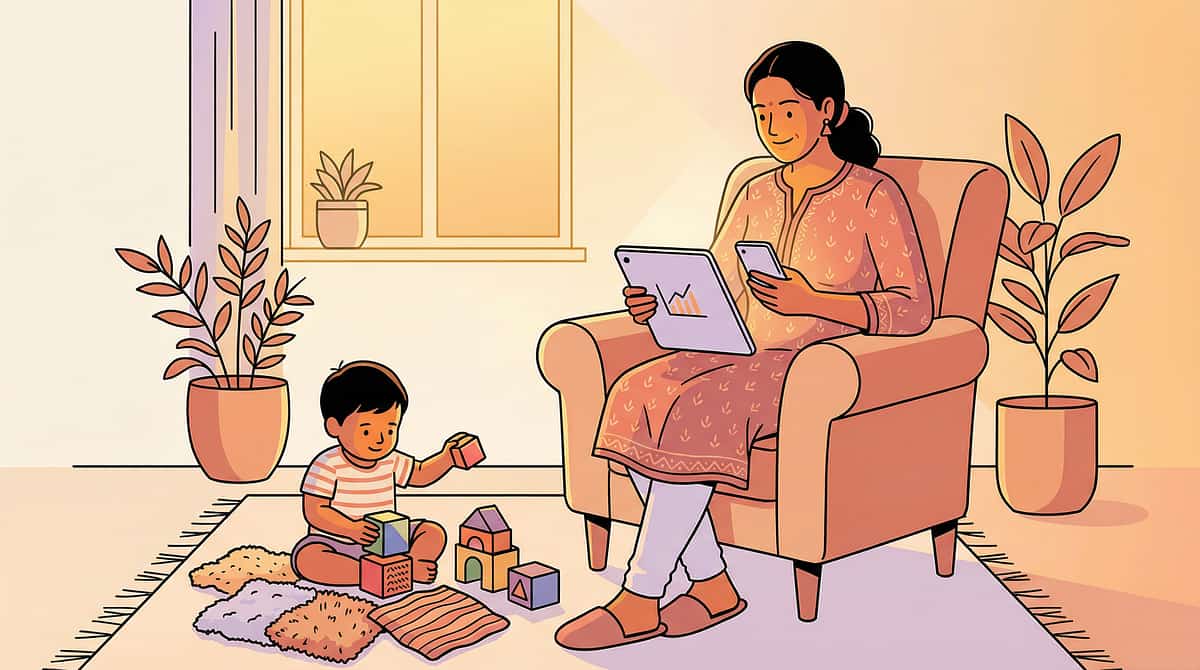
Drafted by a Multi-Disciplinary Consortium
Every technique in Domain L was developed, reviewed, and evidence-graded by a six-discipline consortium — ensuring that what you implement at home is held to the same standard as clinical practice. No single perspective. No single bias. Only integrated, cross-validated expertise.
🔬 Clinical Research Organization (CRO)
Evidence grading, systematic review analysis, PubMed citation mapping, and regulatory compliance for all 79 techniques.
🧠 NeuroDevelopmental Pediatricians
Neurological pathway validation, medical safety review, and comorbidity management across all intervention areas.
🤲 Occupational Therapists (OT)
Sensory-motor integration, daily living skill protocols, and home environment modification guidance.
🗣️ Speech-Language Pathologists (SLP)
Communication integration, feeding therapy protocols, and social communication strategy development.
📋 Board Certified Behavior Analysts (BCBA)
Functional analysis, data-driven programming, and reinforcement systems calibrated for home delivery.
📚 Special Educators (SpEd)
Academic integration, IEP mapping, structured teaching approaches, and inclusion strategy development.
About Pinnacle Blooms Network®
India's Largest Autism & Child Development Therapy Ecosystem
Founded by Dr. Koti Reddy Saripalli — technology pioneer (India's first Java Community Process member, Asia's first Microsoft Certified Solution Developer) who pivoted to healthcare after his own son's misdiagnosis. That personal journey became a national mission: to ensure no family faces the confusion, delay, and heartbreak that his family experienced.
70+
Therapy Centers
Across India with 500+ licensed therapists delivering evidence-based care every day.
21M+
Therapy Sessions
Documented sessions — approximately 70 clinical data points captured per session.
97%+
Measured Improvement
Via AbilityScore® — the world's first universal 0–1000 developmental metric.
1.47B+
Clinical Data Points
The world's largest pediatric therapy dataset, powering TherapeuticAI®.
Mission: Empowering 900 million kids, parents & families worldwide to be self-sufficient and part of the mainstream world.
GPT-OS® — The World's First Pediatric Therapeutic Operating System
SaMD under CDSCO
13+ Patents (IPO & WIPO)
ISO 13485:2016
ISO/IEC 27001:2022
Layer 1: AbilityScore®
Universal 0–1000 developmental metric built on 400+ data points and 25 gold-standard assessments — giving your child's development a precise, trackable number.
Layer 2: TherapeuticAI®
21M+ sessions and 1.47B clinical data points powering personalized intervention intelligence that adapts to your child's unique profile.
Layer 3: Personal Development Kernel (PDK)
A living developmental profile for your child — continuously updated as new assessment data and therapy progress is recorded.
Layer 4: Everyday Therapy Program (ETP)
9 personalized goals + 9 techniques per session — a complete daily therapy program delivered to your home, calibrated to your child's PDK profile.

Core Therapy Materials for Therapy Implementation Interventions
The right materials make the difference between a technique that works and one that doesn't. Every material listed below has been selected by the Pinnacle Consortium for evidence-based relevance to Domain L — sourced through the Canon Materials catalogue at materials.pinnacleblooms.org.
Material | Primary Use in Therapy Implementation | Link | |
Visual Schedule Board | Structuring daily home therapy routines, reducing transition resistance | ||
Token Board & Reward Cards | Reinforcement systems for DTT and structured home sessions | ||
PECS Communication Book | Picture Exchange Communication System home implementation | ||
Prompt Hierarchy Cue Cards | Parent reference tool for errorless learning and fading prompts | ||
Data Collection Sheet (Home Edition) | Simple 60-second daily progress tracking for caregivers | ||
Social Story Cards | Preparing children for new situations and teaching social rules | ||
Sensory Regulation Toolkit | Pre-session sensory preparation to optimize learning readiness | ||
First-Then Board | Visual contingency tool for motivation and compliance during home sessions | ||
Imitation & Turn-Taking Cards | Structured imitation training and reciprocal play at home |

⚠️ Safety First — Therapy Implementation Red Flags
If you observe any of the following warning signs, pause the intervention immediately and consult a licensed professional. These signs indicate that a higher level of clinical support is required before continuing.
🔴 Self-Injurious Behavior (SIB) During Sessions
Head banging, biting, scratching, or hitting self in response to therapy demands. This indicates the intervention may be too aversive or the child's sensory/emotional regulation needs professional reassessment before continuing.
🔴 Significant Regression in Previously Mastered Skills
Sudden loss of skills that were already consolidated — especially if accompanied by behavioral or health changes — warrants immediate medical and clinical review.
🔴 Extreme Distress or Panic Responses
Prolonged crying, screaming, or panic lasting more than 20 minutes that cannot be de-escalated using standard regulation tools suggests the intervention approach needs to be clinically re-evaluated.
🔴 No Progress After 8 Consistent Weeks
If a child shows zero measurable progress on any targeted skill after 8 weeks of consistent, protocol-adherent home implementation, a formal reassessment is required to re-examine goals and strategies.
🔴 Feeding or Sleep Deterioration
Worsening food refusal or significant sleep disruption coinciding with new intervention implementation may indicate sensory overload or anxiety responses requiring clinical support.
🔴 Caregiver Burnout Impacting Consistency
If caregiver stress, depression, or exhaustion is preventing consistent implementation, this is a clinical red flag — not a personal failure. Caregiver support services are part of the therapeutic plan.
Escalation Pathway:
1
Step 1: Self-Resolve
Pause intervention → ensure safety → provide regulation tools
2
Step 2: Teleconsult
Pinnacle National Helpline — 9100 181 181 (16+ languages, 24/7)
3
Step 3: In-Person
Find your nearest Pinnacle center for immediate clinical review

Your Therapy Implementation Journey — The 12-Week Arc
Change takes time — and knowing what to expect at each phase prevents discouragement and keeps you on track. This evidence-based timeline reflects the typical progression for caregivers implementing structured home therapy techniques with clinical guidance.
Weeks 1–2: Foundation
~15% progress — Initial awareness, baseline assessment, space setup, and material introduction. Your child is adapting to the new structure. Resistance is normal.
Weeks 3–4: Emerging
~35% progress — First signs of engagement appear. Brief skill attempts, increased compliance with structured sessions. The neural pathways are beginning to form.
Weeks 5–8: Consolidation
~65% progress — Skills practiced with increasing independence. Generalization beginning across rooms, people, and contexts. Data should show clear upward trends.
Weeks 8–12: Integration
~90% progress — Skills become functional in daily life. Maintained with reduced prompting and support. Ready to advance to the next technique level.
What Every Technique Page Delivers
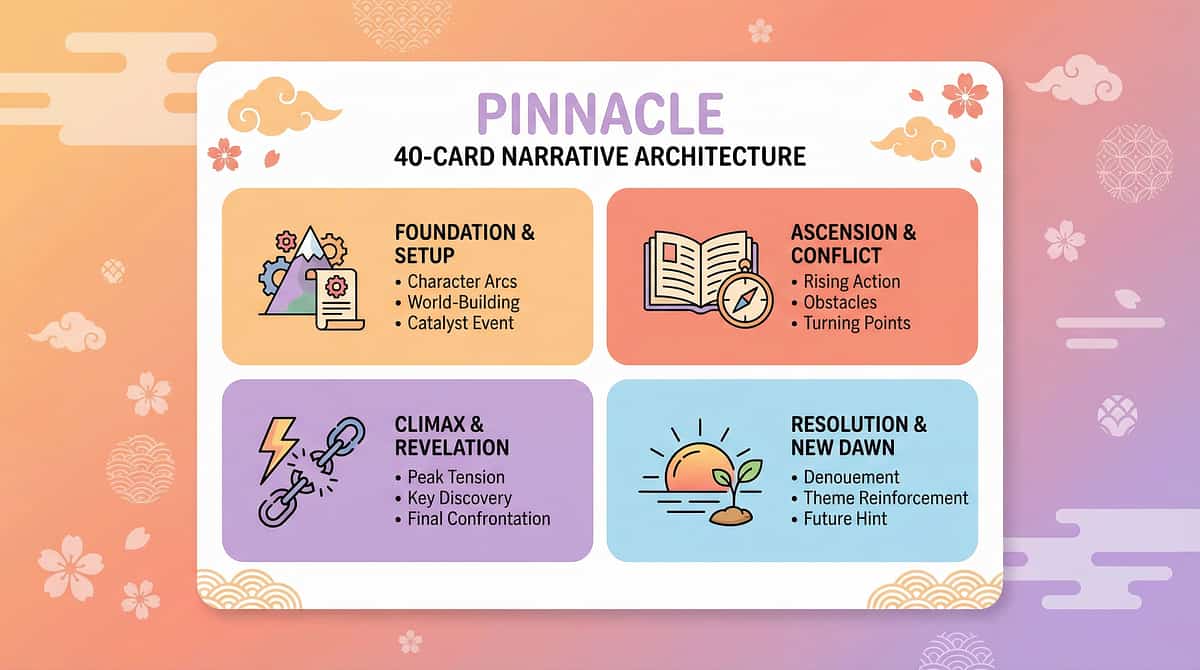
Every one of the 79 techniques in Domain L follows the same rigorous Pinnacle 40-Card Narrative Architecture — ensuring that whether you're reading technique L-921 or L-999, you receive the same standard of clinical depth and parental usability.
Recognition Moment
Your specific daily struggle, described in parent language — so you feel seen and understood before the clinical content begins.
Neuroscience — What's Happening in the Brain
A parent-accessible explanation of the neurological or developmental mechanism driving the challenge — so the technique makes intuitive sense.
Evidence Grade — Level I–IV with PubMed Citations
Every technique is graded on the evidence hierarchy with direct links to peer-reviewed research. You will always know how strong the science is.
Step-by-Step Protocol
10–15 minute daily sessions, written for caregivers — not clinicians. Materials list, setup instructions, session script, and troubleshooting guide included.
Progress Indicators & Progression Pathway
Clear measurable milestones to track weekly. Safety notes and a pathway to the next technique when your child is ready to advance.
Every page: PubMed-referenced · WHO/UNICEF-aligned · Consortium-drafted · GPT-OS®-integrated
Real Families, Real Outcomes
These are the voices of parents who committed to the process — who showed up every day, ran the protocols, tracked the data, and watched their children grow. Their stories are shared with gratitude and permission.
"When we started, my son Arjun couldn't sit for more than 2 minutes for any activity. By Week 6 of following the structured visual schedule from L-923, he was sitting through a full 15-minute session and initiating requests for his favorite activity. The visual schedule card was the game changer — he finally knew what was coming next."
— Parent, Pinnacle Blooms Network, Hyderabad
"I was terrified to do therapy at home. I thought I'd do it wrong and set my daughter back. The step-by-step protocol from the PECS home implementation technique (L-967) was so clear — even when she threw the picture cards on Day 1, the troubleshooting guide told me exactly what to do. By Week 10, she was independently handing me pictures for 12 different items. I cried every single time."
— Parent, Pinnacle Blooms Network, Bengaluru
"Our biggest struggle was meals. My son Rohan was eating only 3 foods and mealtimes were a daily crisis. The feeding therapy protocol (L-978) gave us a clear structure — no pressure, just exposure. At the 12-week mark, he tried 6 new foods. Our therapist said his progress in-clinic accelerated because we were consistent at home. These techniques actually work when you follow them."
— Parent, Pinnacle Blooms Network, Chennai
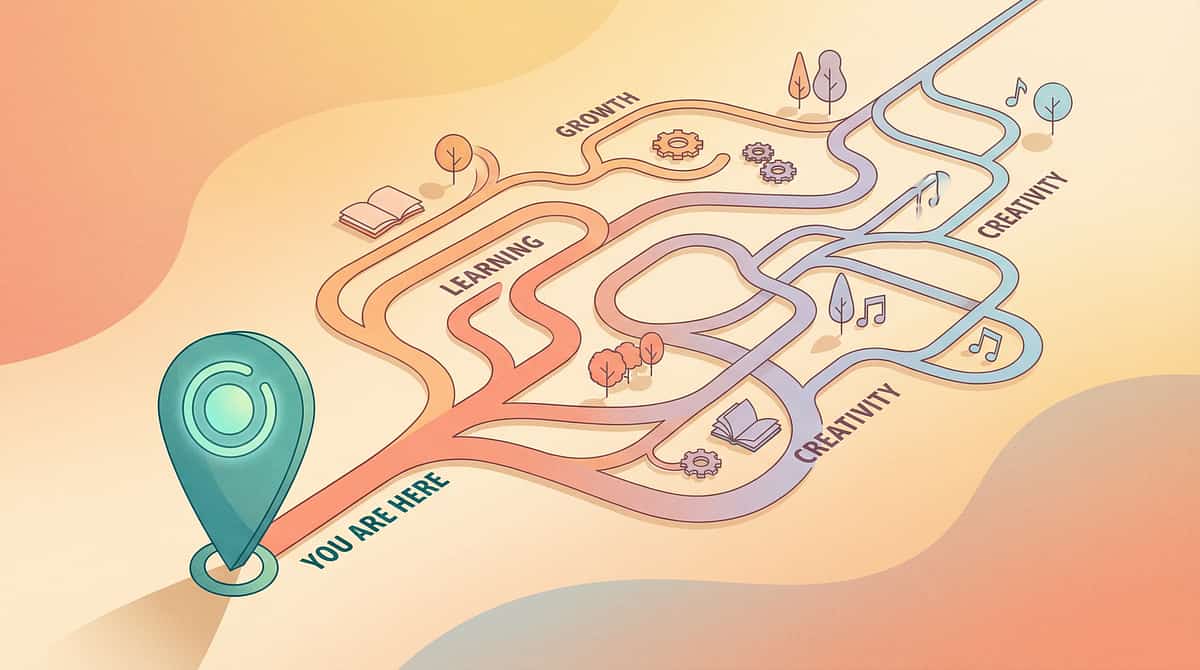
Domain L Research Index — Therapy Implementation Evidence Base
All 79 techniques in Domain L are grounded in peer-reviewed evidence. The citations below represent the foundational research backbone of this domain — accessible to both caregivers and clinical professionals.
NCAEP 2020 — National Clearinghouse on Autism Evidence and Practice
Comprehensive review identifying 28 evidence-based practices for autism, including parent-implemented intervention as a standalone Level I evidence-based practice.
WHO Caregiver Skills Training (CST) — PMC Evidence Review
Global evidence base confirming parent-implemented therapy effectiveness across 30+ countries and diverse cultural/resource contexts.
WHO CCD Package (PMC9978394)
WHO's Caring for Children with Developmental Difficulties package — the global clinical protocol for home-based caregiver intervention in low- and middle-income settings.
NDBIs Systematic Review — Naturalistic Developmental Behavioral Interventions
Meta-analysis confirming that NDBIs designed for natural environment delivery by caregivers produce outcomes equivalent to clinic-based intensive intervention.
Indian Research: NIMHANS & RCI Parent Training Studies
Indian evidence confirming culturally adapted parent-implemented intervention effectiveness across Hindi, Tamil, Telugu, and Bengali-speaking families.
ASHA Evidence Maps — Speech-Language Pathology Home Implementation
American Speech-Language-Hearing Association systematic evidence review supporting caregiver-delivered communication intervention in natural environments.
BACB Professional Standards — Parent Training Competencies
Behavior Analyst Certification Board guidelines defining standards for caregiver training in behavior-analytic intervention delivery at home.
Generalization Research Meta-Analysis (2022)
Confirming 3–5x faster skill generalization when interventions are practiced across multiple natural environments vs. clinic-only delivery.
RPwD 2016 — Rights of Persons with Disabilities Act, India
Indian legislative framework mandating early intervention, inclusive education, and family support for children with developmental disabilities.
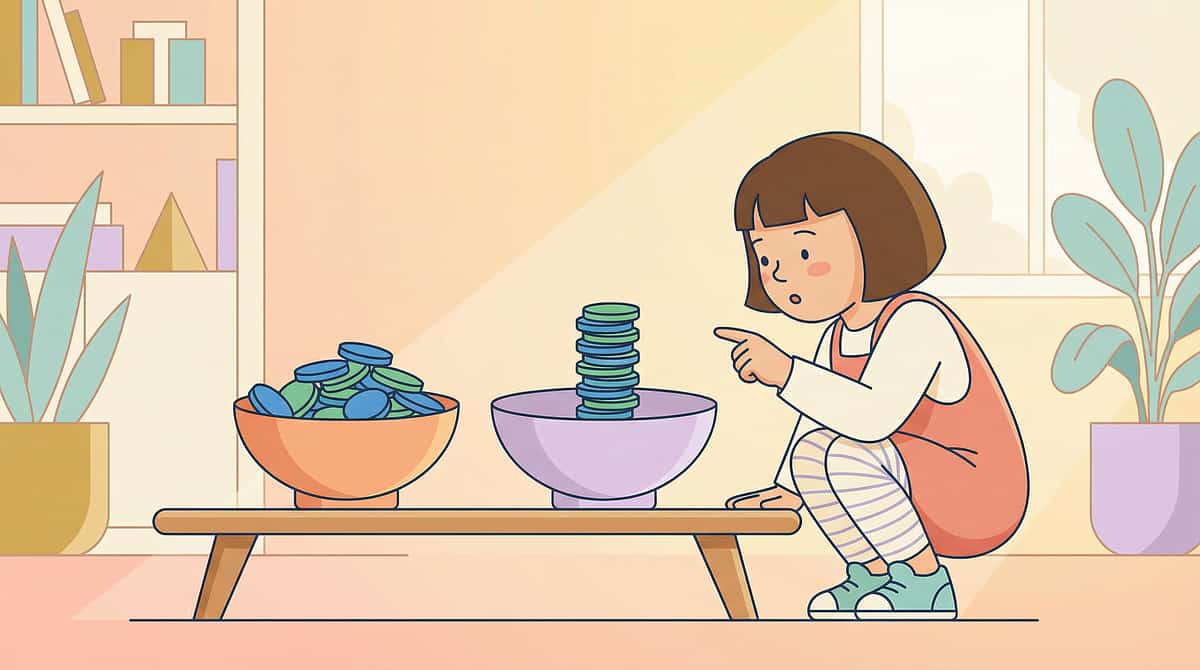
Explore All 12 Intervention Domains
Domain L: Therapy Implementation is one of 12 comprehensive intervention domains in the Pinnacle Blooms Network® intervention library. Each domain contains 30–80+ evidence-based techniques, designed for home implementation by caregivers.
Domain | Name | Link | |
A | 🎯 Sensory Processing | ||
B | 🗣️ Communication | ||
C | 💛 Social-Emotional Development | ||
D | 🧩 Behavior | ||
E | 🏠 Daily Living Skills | ||
F | 🏃 Motor Skills | ||
G | 🎮 Play & Cognitive Skills | ||
H | 📚 School & Academic | ||
I | 🔄 Transitions & Life Events | ||
J | 🌍 Community & Outings | ||
K | 👨👩👧 Family & Caregiver Support | ||
L | 🏥 Therapy Implementation |

Why Pinnacle GPT-OS® for Therapy Implementation?
There are many resources for autism therapy online. Here's what makes GPT-OS® fundamentally different — and why families from 70+ countries choose Pinnacle over all alternatives.
Dimension | Typical Approach | Pinnacle GPT-OS® | |
Evidence | Single therapist's training and experience | Consortium: CRO + OT + SLP + BCBA + SpEd + NeuroDev — all six disciplines | |
Personalization | AI-mapped profile across all 2 subdomains and 79 techniques | AI-mapped profile across all 2 subdomains and 79 techniques | |
Continuity | 1–2 hours/week in clinic only | 24/7 home protocols integrated with clinic sessions | |
Materials | Whatever happens to be available | Canon Materials catalogue with purchase links and protocols | |
Progress | Subjective therapist notes | Data-driven milestones via AbilityScore® (0–1000 metric) | |
Intelligence | Individual therapist's experience base | 1.47 billion data points via TherapeuticAI® | |
Outcomes | Variable, rarely measured | 97%+ measured improvement rate |

For Therapists, Educators & Pediatricians
Domain L is engineered for dual use — every technique page functions both as a parent handout and as a clinical reference document. Professionals can use the Research Index for documentation, map techniques directly to IEP/IFSP goals, and share specific technique pages as structured home program assignments for families.
🎓 Teacher Training
Certified training for educators on implementing therapy-aligned strategies in classroom and inclusion settings.
📋 Certified Courses
Professional development courses for therapists, BCBAs, SLPs, and OTs — CPD-credited and RCI-recognized.
👨👩👧 Parent Training
Structured parent training programs — group and individual — for families at all stages of their journey.
🏫 School Training
Whole-school capacity building programs for inclusion, autism awareness, and differentiated instruction.
Interested in joining the Pinnacle team? View Careers →

Therapy Implementation — Frequently Asked Questions
Can I really do therapy at home without clinical training?
Yes — and the evidence backs it up. NCAEP 2020 classifies parent-implemented intervention as a standalone Level I evidence-based practice. Multiple systematic reviews confirm that trained parents achieve outcomes comparable to clinician delivery for most skill domains. The key word is "trained" — which is exactly what these technique pages provide.
How long before I see results?
Most families see initial engagement within 1–2 weeks and measurable skill emergence by Weeks 3–4. Functional integration of skills typically occurs by the 8–12 week mark with consistent daily practice. Progress varies by child profile, technique, and consistency — but the 12-Week Arc timeline is an evidence-grounded expectation.
What age range do these techniques cover?
Domain L techniques are designed for children from 18 months through 14 years. Each technique page specifies the recommended age range and developmental prerequisite skills. GPT-OS® further filters technique recommendations by your child's age and AbilityScore® profile.
Where do I start if I'm completely new to home therapy?
Start with Subdomain L1 (Therapy Strategies at Home), Technique L-921 — the first technique in the foundational sequence. It covers home environment setup and visual scheduling, which are the structural prerequisites for nearly every other technique in the domain. You can also take the GPT-OS® assessment to get a personalized starting point.
Do I need to purchase special materials?
Most techniques can be implemented with low-cost or freely available materials. Each technique page includes a tiered materials list — basic (household items), standard (Canon Materials), and premium (specialist tools). The materials.pinnacleblooms.org catalogue provides direct purchase links for all recommended tools.
When should I call a professional instead of continuing home therapy?
See Card 14 (Safety Protocols) for the complete red flags list. As a general rule: if you see self-injurious behavior, prolonged extreme distress, regression in mastered skills, or zero progress after 8 consistent weeks — consult your therapy team. The Pinnacle helpline (9100 181 181) is available 24/7 in 16+ languages for immediate teleconsult guidance.
Internationally Aligned. Nationally Regulated. Globally Trusted.
Every technique, every protocol, and every platform layer at Pinnacle Blooms Network® is validated against the highest international and national standards — so you can implement with complete confidence in the evidence behind every recommendation.
🌍 Global Standards
- WHO Nurturing Care Framework (2018)
- WHO CCD Package
- UNICEF MICS
- NCAEP 2020
- NICE CG170
- SIGN Guidelines
🇮🇳 Indian Regulatory
- CDSCO SaMD (Software as a Medical Device)
- IAP (Indian Academy of Pediatrics)
- RCI (Rehabilitation Council of India)
- RPwD 2016 (Rights of Persons with Disabilities)
🏆 Quality & IP
- ISO 13485:2016 (Medical Devices)
- ISO/IEC 27001:2022 (Information Security)
- 13+ Patents (IPO & WIPO)
- CIN: U85110TG2019PTC132498
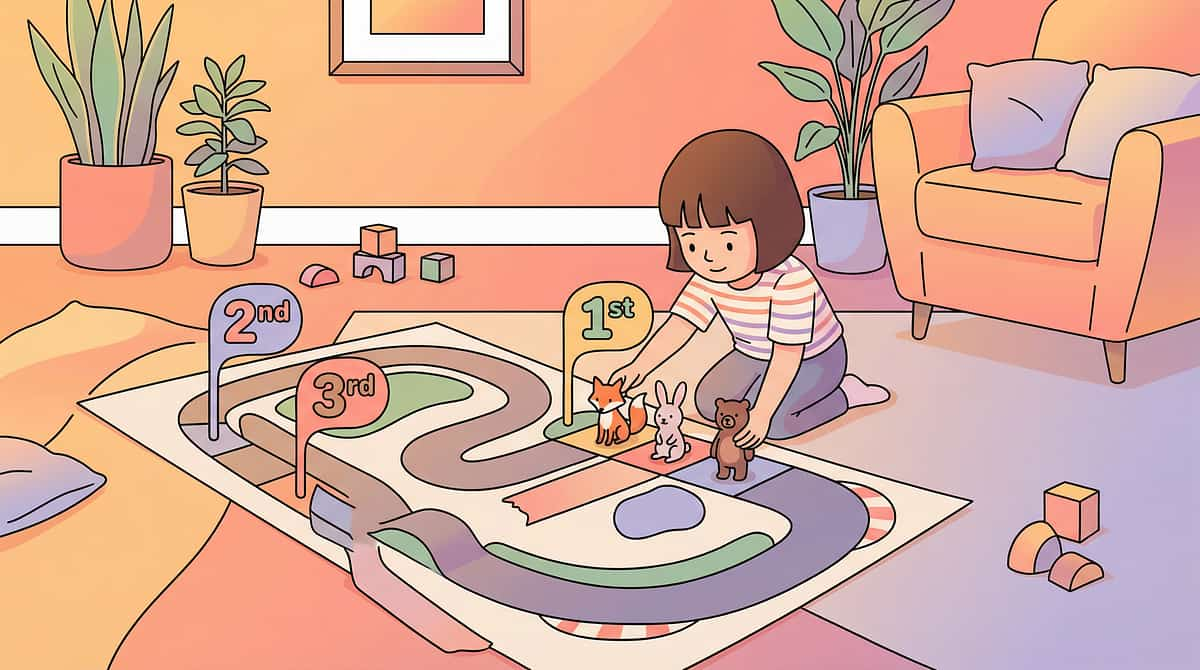
Start Your Child's Therapy Implementation Journey — Now
You don't need to be a clinician. You don't need a perfect setup. You need a clear starting point, the right technique, and the confidence that the science is on your side. Here's how to begin — today.
Step 1: Identify Your Primary Challenge
Scroll to the subdomain cards above. Does your child struggle most with the structure of home sessions? → Start with Subdomain L1. Do you have a specific skill area to target? → Start with Subdomain L2.
Step 2: Enter Your Subdomain
Choose the first technique in your selected subdomain. Techniques are ordered foundational to advanced — always begin at the beginning, even if the first technique seems simple. Foundations matter.
Step 3: Gather Materials & Follow Protocol
Review the materials list. Most are available at home or low-cost to purchase. Follow the step-by-step protocol and use the data collection sheet to track weekly progress.
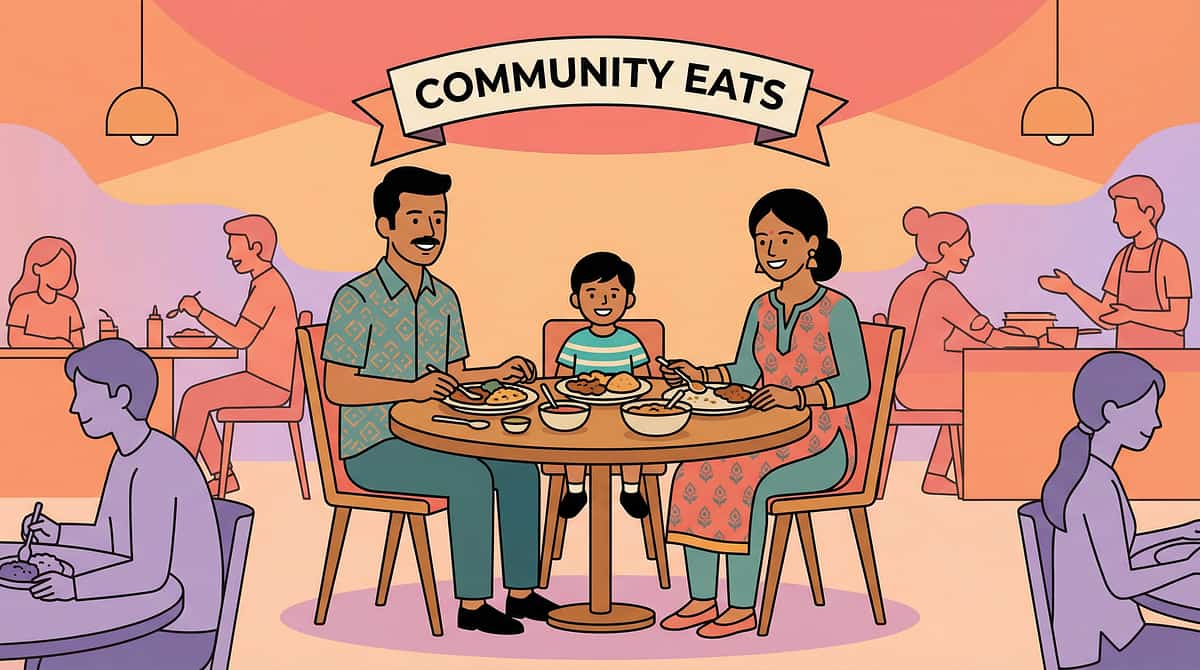
Join 2 Million+ Families on This Journey
You are not doing this alone. Two million families around the world — from villages in Telangana to cities in the UAE — are implementing these same techniques, tracking the same milestones, and celebrating the same breakthroughs. Join the community. Share what's working. Inspire someone who is exactly where you were six months ago.
Official Website
pinnacleblooms.org — Full resource hub, center locator, and family portal
News & Updates
Latest Research & Clinical News — Stay current with the evidence
Parent Resources
Parent & Family Resources — Guides, videos, and toolkits for every stage
24/7 National Helpline
9100 181 181 — Available in 16+ languages. Always a human. Never a bot.
From Fear to Mastery. One Technique at a Time.
Pinnacle Blooms Network® — Built by Mothers. Engineered as a System. Governed by Science.
70+ Centers
Across India, delivering evidence-based therapy every day
21M+ Sessions
Documented therapy sessions powering the world's largest pediatric AI
97%+ Improvement
Measured improvement rate — not claimed, not estimated. Documented.
Consortium: CRO · SLP · OT · BCBA · SpEd · NeuroDev Pediatricians
Powered by GPT-OS® — AbilityScore® · TherapeuticAI® · Everyday Therapy Program
Legal & Regulatory
Medical Disclaimer: This content is educational in nature. It does not replace evaluation, diagnosis, or treatment by a licensed healthcare professional. Always consult your child's therapy team before beginning any new intervention. Individual results may vary.
Bharath Healthcare Laboratories Pvt Ltd | CIN: U85110TG2019PTC132498 | © 2026 Pinnacle Blooms Network®
GPT-OS®, AbilityScore®, TherapeuticAI®, and Pinnacle Blooms® are registered trademarks of Bharath Healthcare Laboratories Pvt Ltd. 13+ Patents | ISO 13485:2016 | ISO/IEC 27001:2022 | CDSCO SaMD
Subdomain Links:Therapy Strategies at Home · Specific Intervention Areas

Continue Exploring the Pinnacle Intervention Library →
Domain L is one of 12 comprehensive domains in the Pinnacle Blooms Network® intervention library. Each domain contains 30–80+ evidence-based, home-executable techniques. Your child's development is a whole system — explore the domains that connect most closely to your current priorities.
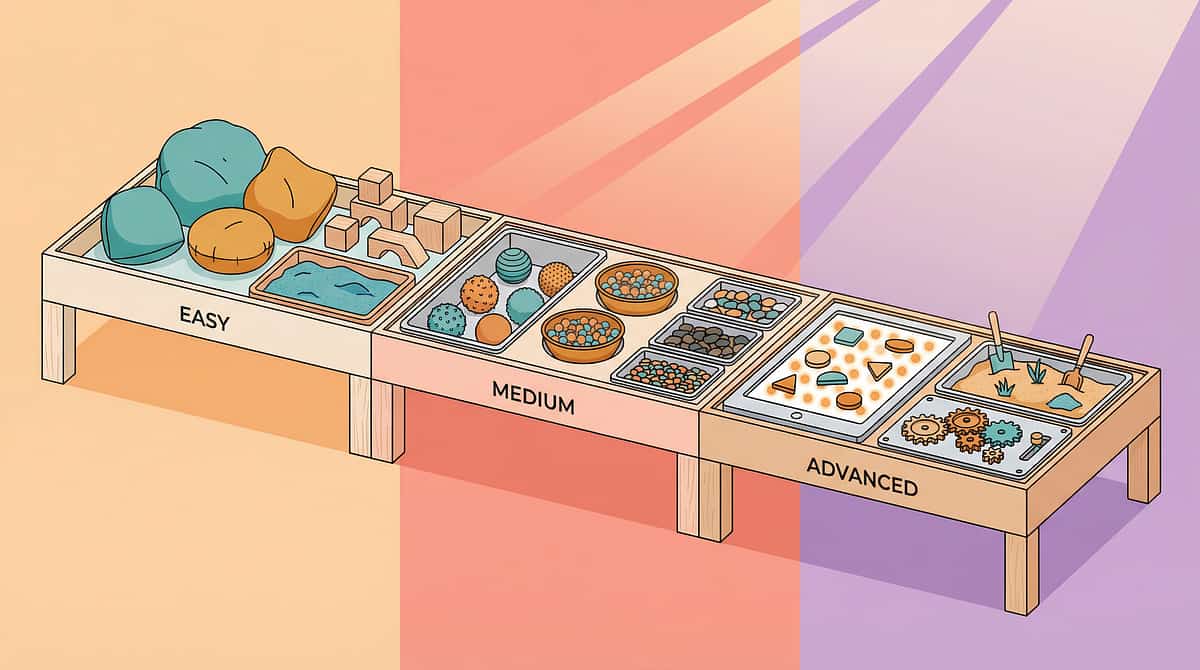
Every Expert Was Once a Beginner. You've Already Started.
The fact that you are here — reading this, learning this, planning this — means your child already has the most powerful therapeutic tool in the world: a parent who shows up. The 79 techniques in this domain are not a burden. They are a map. And every map is only useful when someone is brave enough to take the first step.
You are that someone. Your home is the therapy room. Your presence is the intervention.
Preview of therapy implementation Therapy Material
Below is a visual preview of therapy implementation therapy material. The pages shown help educators, therapists, and caregivers understand the structure and content of the resource before use. Materials should be used under appropriate professional guidance.
Link copied!
Pinnacle Blooms Network®
Domain L: Therapy Implementation
79+ Evidence-Based Home Techniques | 2 Subdomains | WHO/UNICEF-Aligned | GPT-OS®-Powered
interventions.pinnacleblooms.org/therapy-implementation | pinnacleblooms.org | 9100 181 181