
Selective Mutism: 9 Materials | C-293
Pinnacle Blooms Network® | Sticky navigation (always visible)
Published URL: techniques.pinnacleblooms.org/emotional-regulation/selective-mutism-c-293
Primary: #3D2B1F
Accent: #B8860B
Domain Accent: #D4E4D4
When words exist but won't come out.
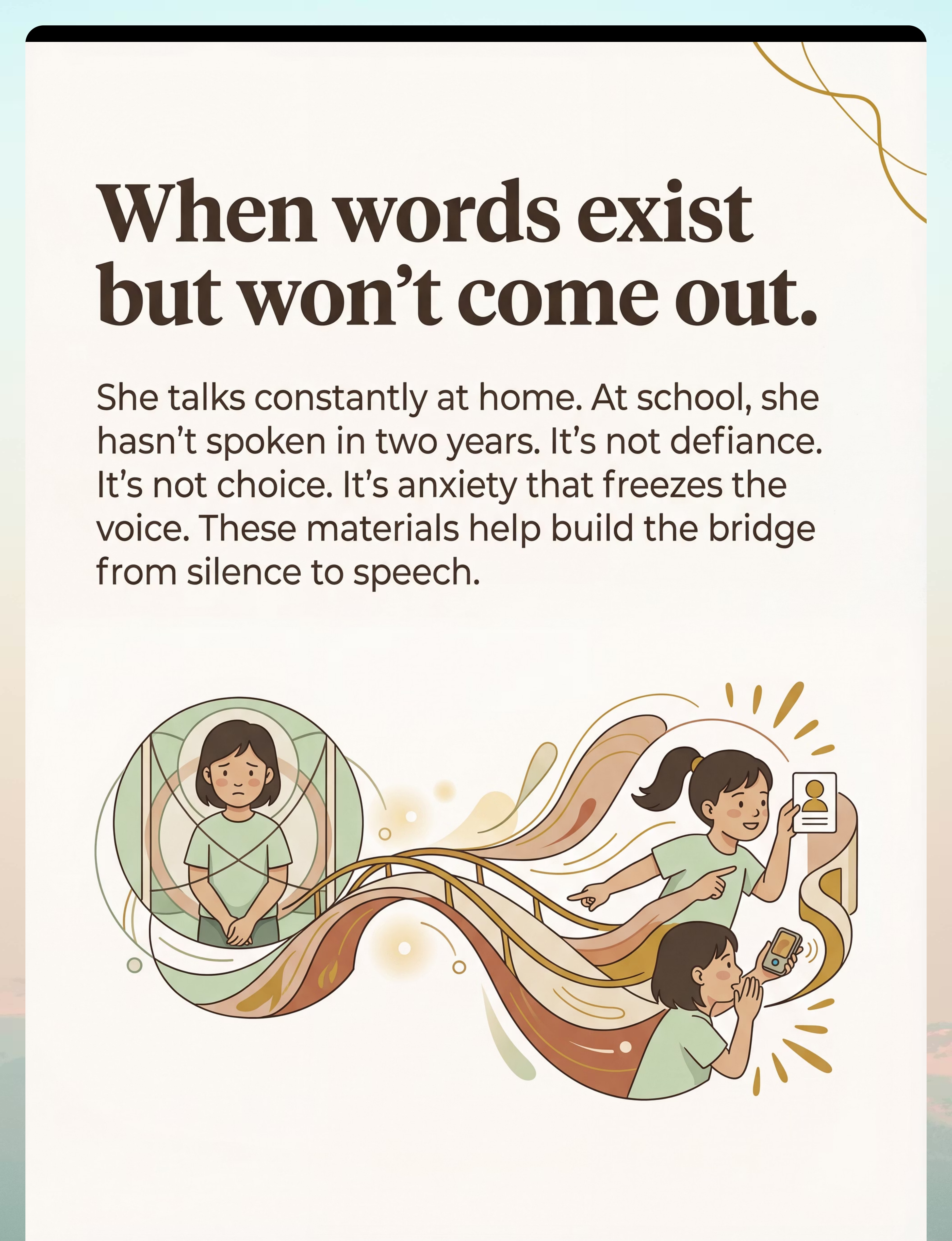
She talks constantly at home. At school, she hasn't spoken in two years. It's not defiance. It's not choice. It's anxiety that freezes the voice.
She narrates her games, invents stories, argues with her brother, asks a thousand questions. Outside, a light switches off — not one word to her teacher or the friend beside her. You can see it: she wants to speak. The words are there, trapped by an anxiety freeze.
You are not failing. Your child is not failing. This is an anxiety disorder — and it is treatable.
Communication & Emotional Regulation | Domain C | Technique C-293
Consortium Lead: SLP + Psychology
📞 9100 181 181
Research: WHO Nurturing Care Framework (2018) — nurturing-care.org/ncf-for-ecd/
You are among millions navigating this exact challenge.
1 in 140
Affected
Children with selective mutism
Ages 2–5
Onset
Earlier identification improves outcomes
85%+
Respond
Achieve comfortable communication with treatment
Selective mutism is often mistaken for shyness or defiance. It is an anxiety disorder: speech and language are intact, but anxiety triggers a freeze that blocks voice in specific settings. The silence is not a choice — it is protection mode. The good news: with patient, systematic intervention, most children find their voice.
"Most children with selective mutism are NOT shy at home — they may be the loudest, most talkative child in the house. The silence is situational, anxiety-driven, and treatable." — Pinnacle Blooms Consortium, SLP + Psychology Division
Helpline: 📞 FREE National Autism Helpline: 9100 181 181 | 16+ languages | 24×7
The freeze response is real. It is not a choice.
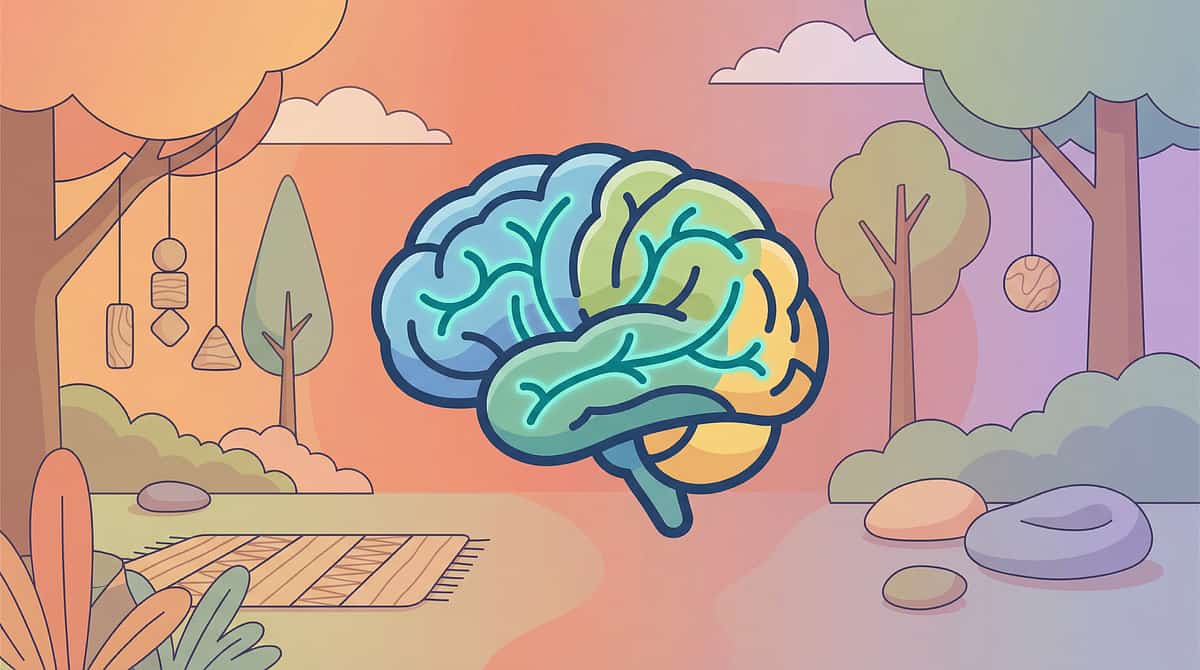
Selective mutism arises when expected-speaking contexts trigger the brain’s alarm. The amygdala flags “danger,” initiating a freeze: stillness, flat affect, and crucially, an inability to produce speech. The vocal system works; language is intact. Anxiety blocks the intention-to-voice pathway. Children describe: “The words are there but they won’t come out.” This is wiring, not willfulness — and wiring can change.
Research: DOI: 10.3389/fnint.2020.556660; WHO CCD — developmental anxiety and communication.

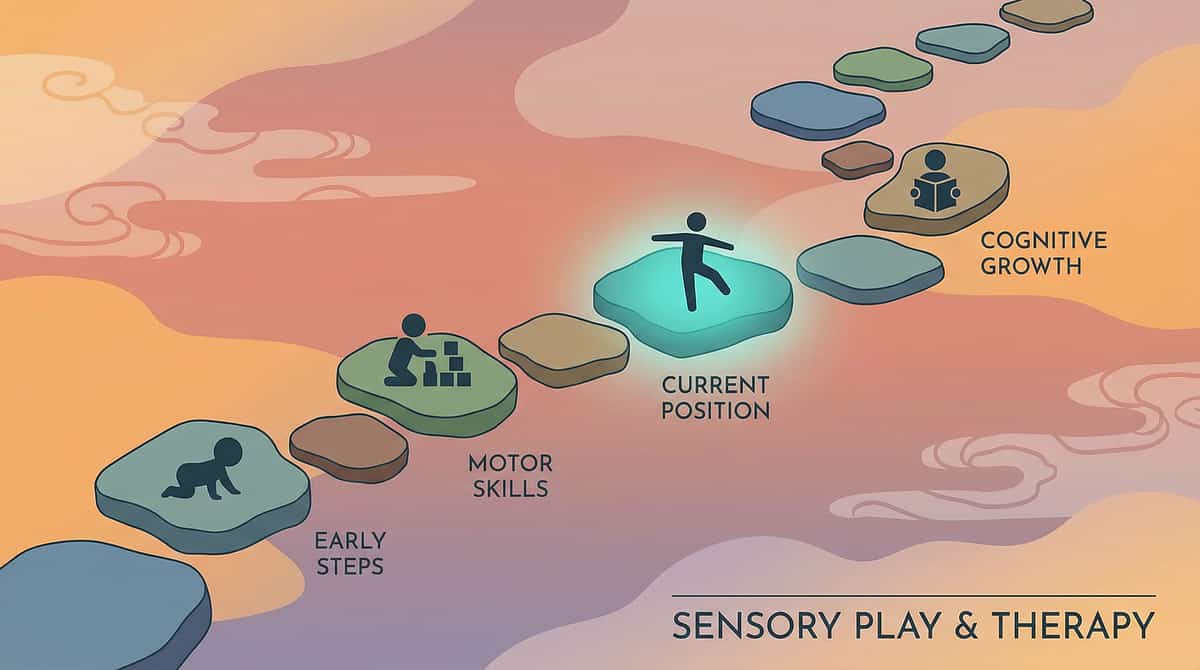
Not a phase. Not stubbornness. A developmental waypoint with a forward path.
Ages 2–3: language boom; 3–5: school entry, SM emerges; 5–8: without treatment, silence can deepen; 8–12: strong window for behavioral intervention; 12+: progress still possible with more support. SM is related to social anxiety; risk factors include behavioral inhibition, family anxiety, and multilingual contexts.
Without treatment, children rarely “grow out of it.” Avoidance strengthens. With graduated, anxiety-informed exposure, prognosis is hopeful. Watch for comorbidities: social anxiety, generalized anxiety, autism (when co-occurring), and school refusal if SM goes untreated.
Research: WHO Care for Child Development (CCD) Package | PMC9978394
Evidence Grade: LEVEL I — Systematic Review + RCT Evidence
PMC7447628 (2020)
Graduated exposure is the evidence-based standard; early intervention predicts better outcomes.
SMA & ASHA
Stimulus fading, desensitization validated; SLPs as primary providers for SM assessment/treatment.
WHO NCF (2018)
Early identification + multi-caregiver support for anxiety-based communication challenges.
NCAEP (2020)
Video modeling and visual supports are evidence-based in pediatric communication.
Padmanabha 2019
Home-based behavioral interventions effective in Indian pediatric populations.
"Selective mutism responds well to treatment. The evidence is clear: graduated exposure, anxiety reduction, and systematic bridge-building work. Your child's voice is not lost — it is waiting to be found." — Pinnacle Blooms Consortium, CRO + SLP Division
📞 9100 181 181
Anxiety-Based Communication Intervention for Selective Mutism
Parent-friendly alias: "Building Bridges from Silence to Voice"
This behavioral, anxiety-informed approach starts where speech already exists and transfers it, step by step, to settings where speech is blocked. We do not force speech or accept permanent silence; we reduce anxiety with graduated exposure, visual scaffolds, and bridge tools until confidence replaces fear.
Domains: Emotional Regulation · Communication · Anxiety Management
Age: 3–12 | Daily 5–15 min + 3×/week exposures
First breakthroughs: 4–12 weeks
Canon Material Domains: Reinforcement Menus · Transition Objects · Problem-Solving Toys · Visual Supports | Code: C-293 (COMM-03)
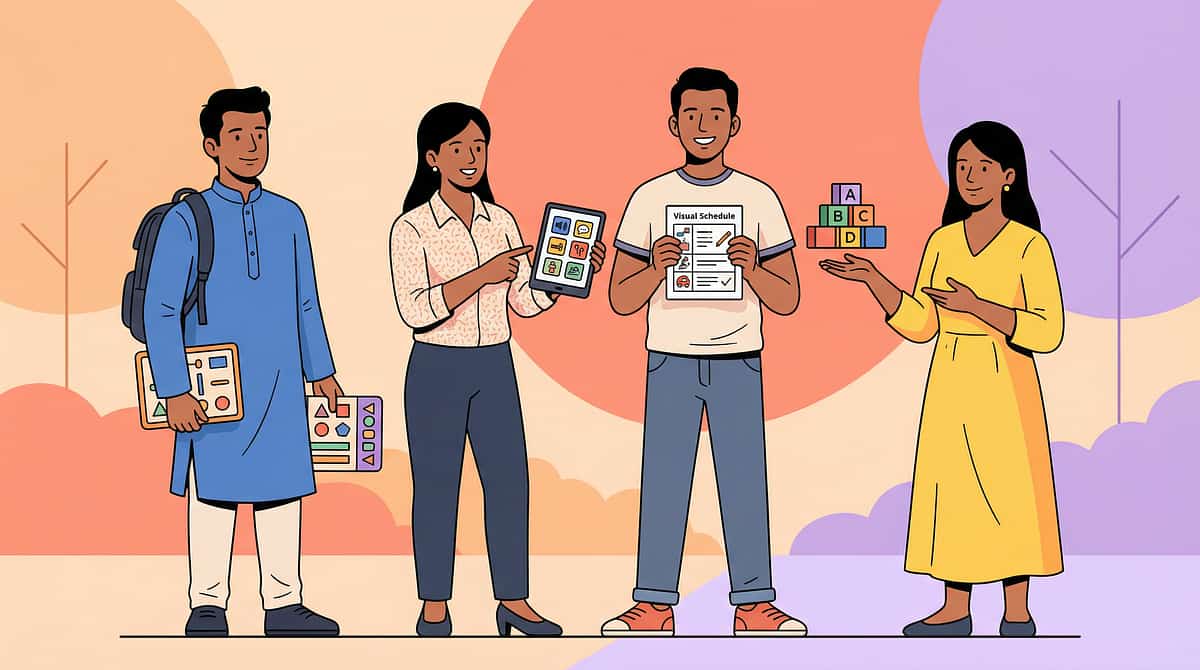
Five disciplines. One child. One voice.
Speech-Language Pathologist
Assessment, speech hierarchy, sliding-in, recording transfer, direct production support.
Psychologist
Anxiety assessment, CBT elements, exposure hierarchy, comorbidity management.
ABA Therapist (BCBA)
Reinforcement schedules, stimulus fading, data tracking.
Special Educator
Classroom accommodations, teacher education, participation supports.
Neurodevelopmental Pediatrician
Differential diagnosis, medical management as needed.
"Selective mutism lives at the intersection of speech, anxiety, and behavior. The Pinnacle FusionModule™ coordinates all five."
Research: Int J SLP (2022) multidisciplinary framework. 📞 9100 181 181
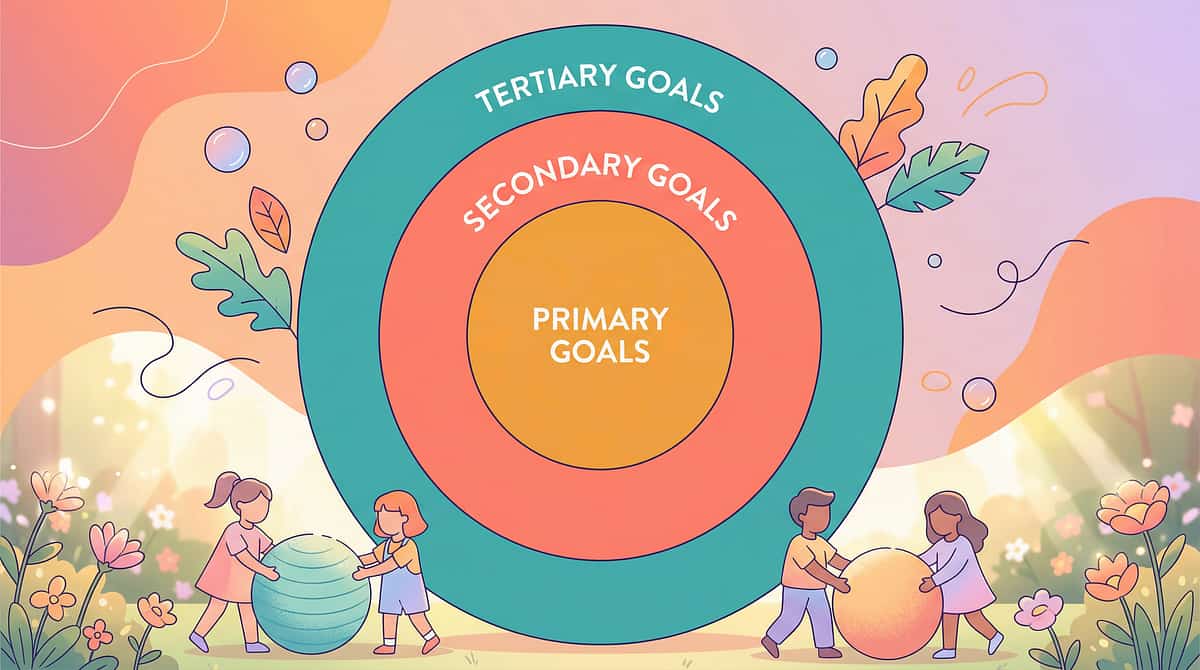
This is a precision intervention. Here is what it targets.
Primary: Situational verbal communication — reliable speech with specific partners/settings; indicator: any vocalization where silence existed.
- Secondary: Anxiety regulation; Nonverbal communication; Social participation
- Tertiary: Self-advocacy; Academic participation; Friendships; Long-term anxiety resilience
Research: PMC10955541; PMC11506176 — multi-domain impact of anxiety-informed behavioral intervention.
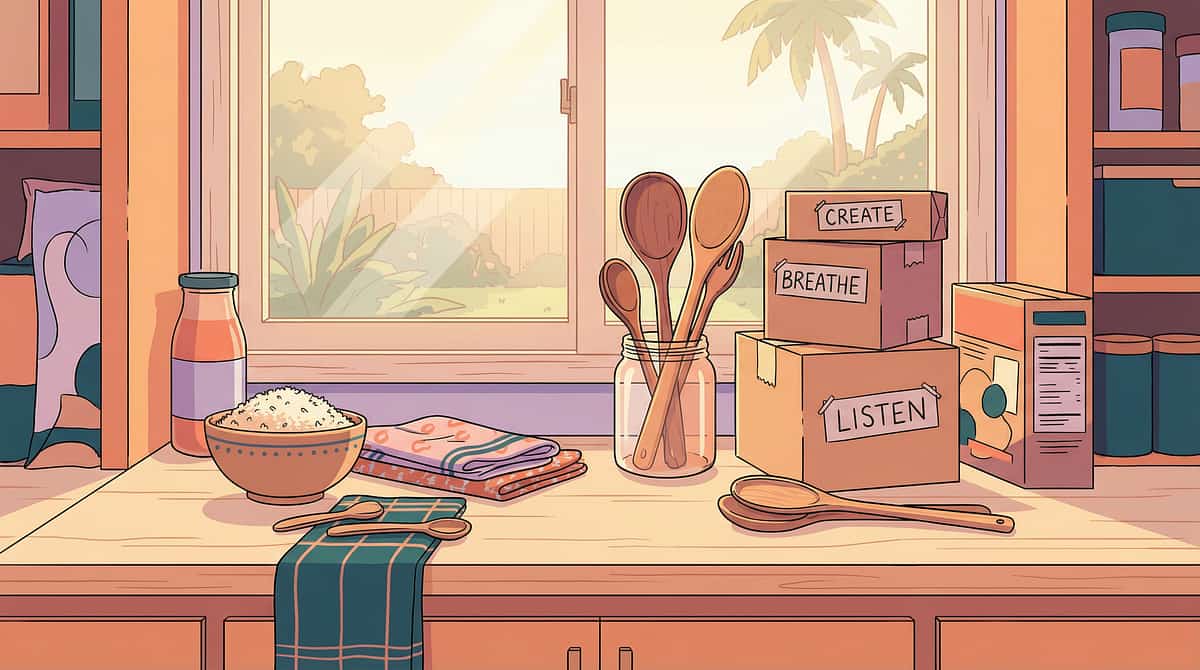
9 materials. Each one a bridge from silence to voice.
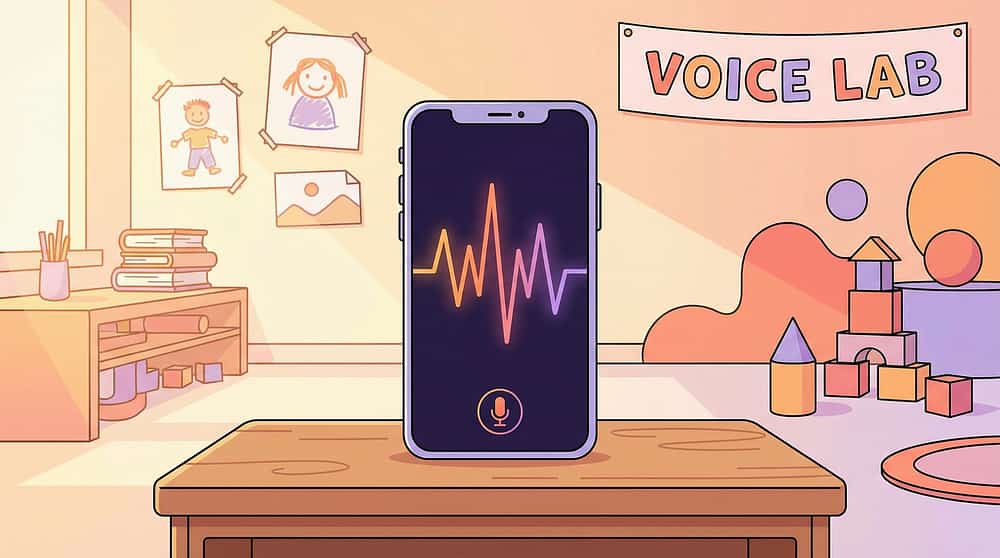
1. Sliding-In & Recording Transfer
Voice transfer tool · ₹0–500
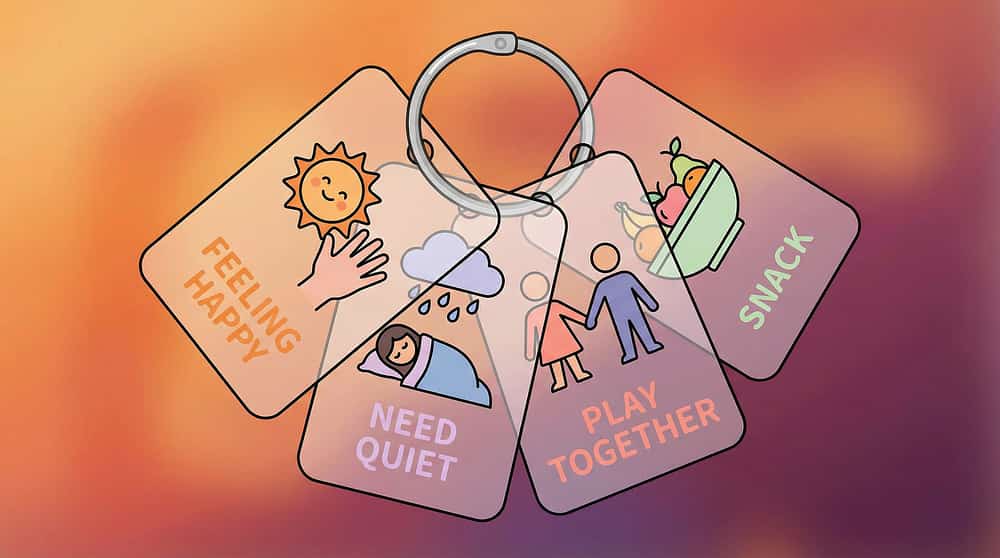
2. Visual Communication Cards
Nonverbal bridge · ₹200–800
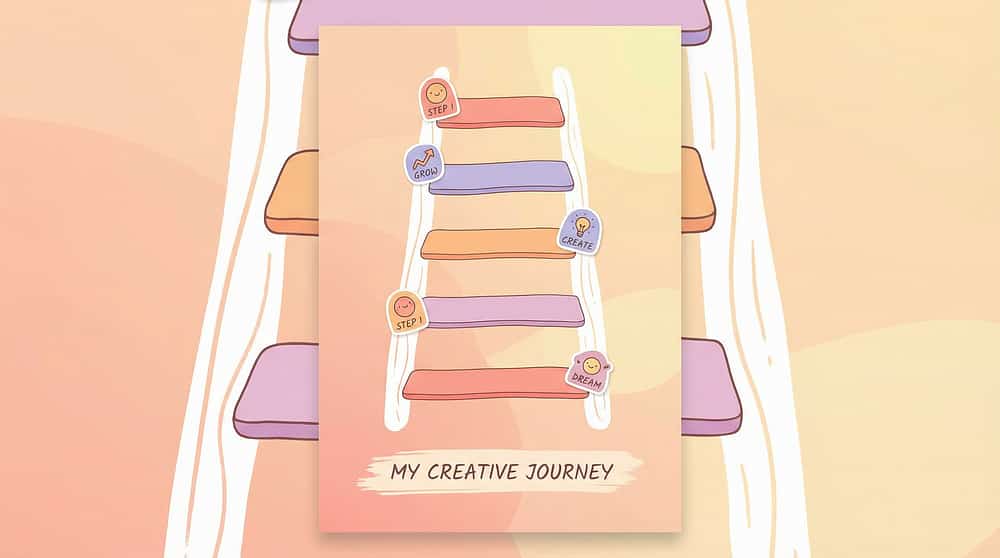
3. Brave Talking Ladder
Progress visualization · ₹100–500
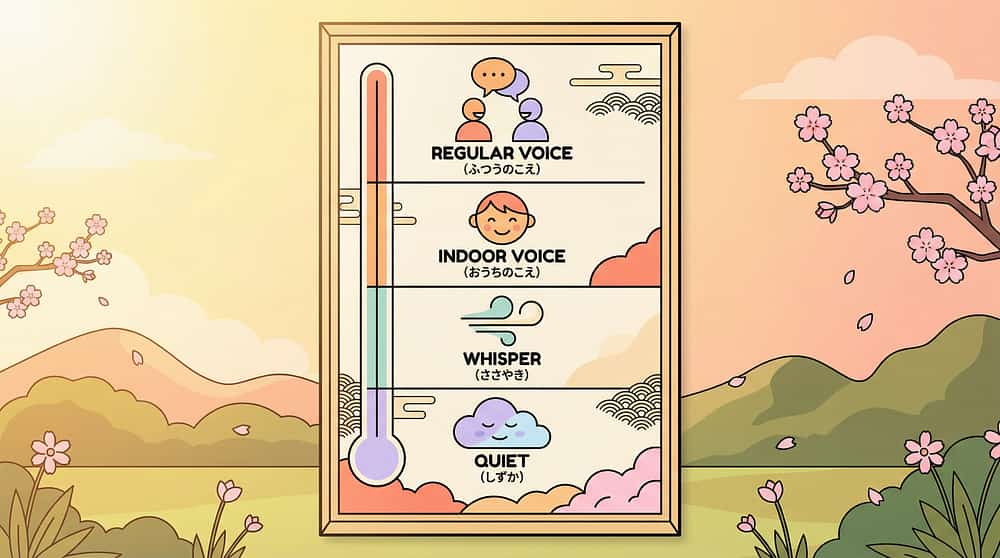
4. Voice Volume Continuum
Speech gradient tracker · ₹100–400
5. Social Stories & Prep
Anxiety preview tool · ₹200–600
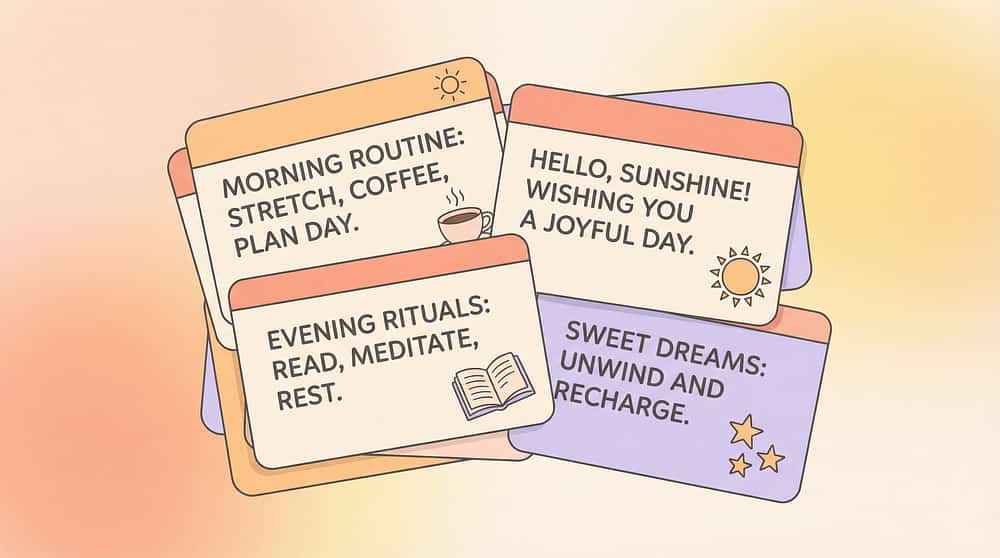
6. Rituals & Scripts
Safe harbor structures · ₹0–300
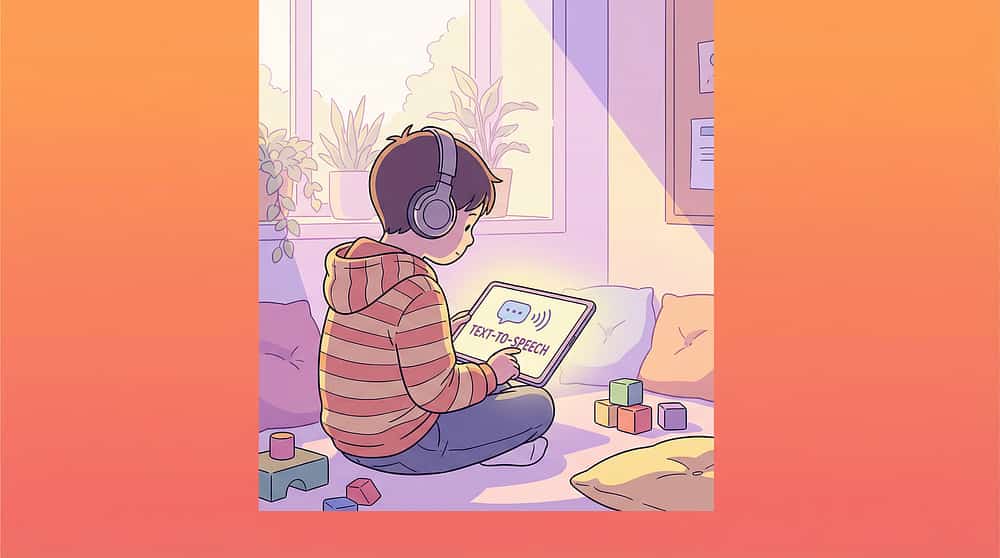
7. Voice & Talking Apps
Technology bridge · ₹0–2,000
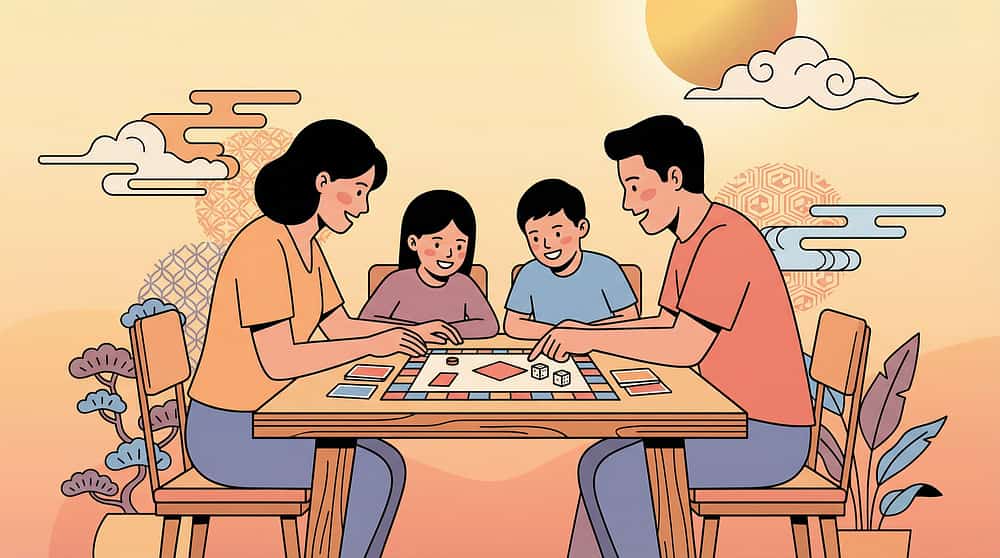
8. Brave Talking Games
Speech-in-play · ₹300–1,500
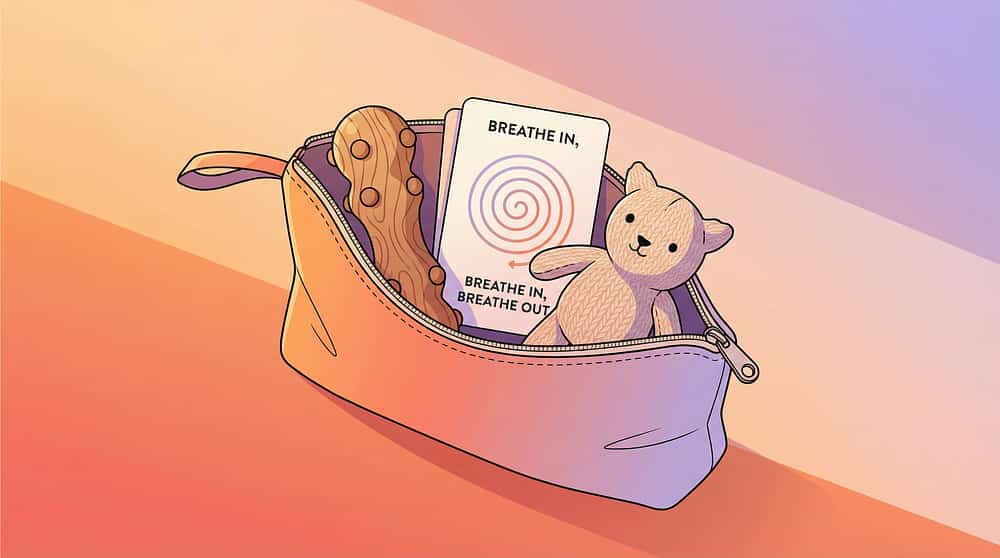
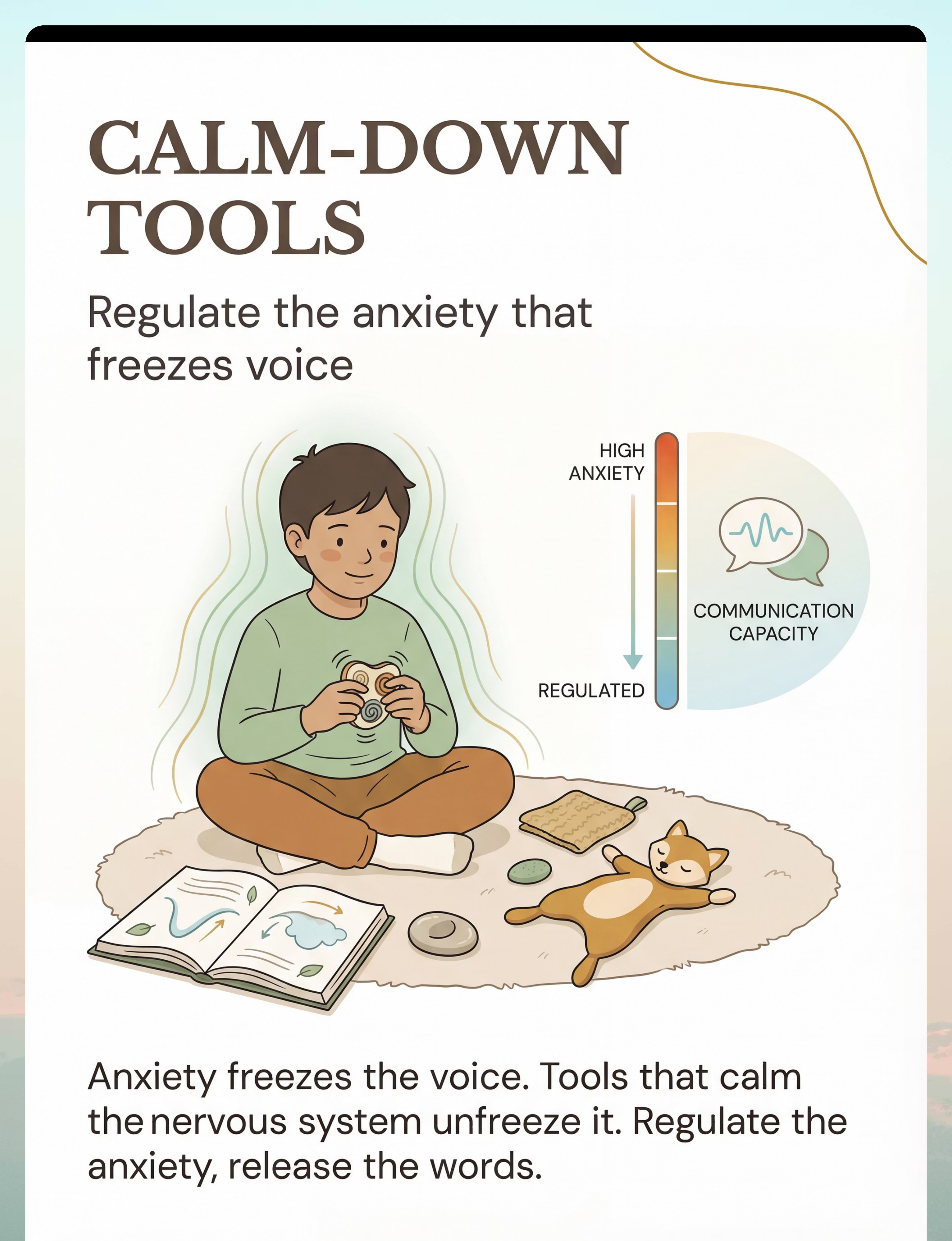
9. Calm-Down Tools
Nervous system regulation · ₹200–1,000
Total starter kit (DIY): ₹800–2,000 | Full kit: ₹1,400–7,600

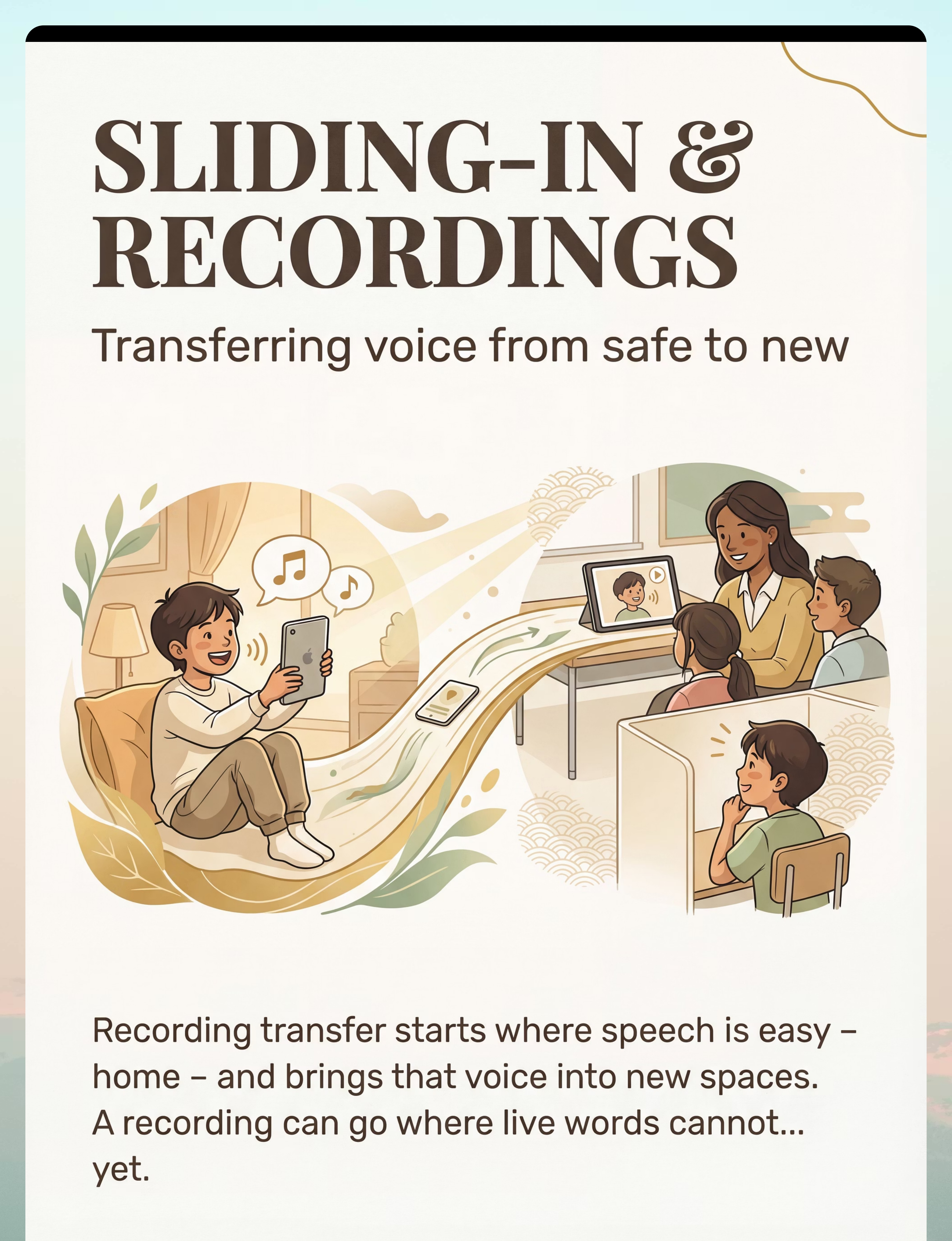
Material 1: Sliding-In & Recording Transfer
"The bridge voice needs before live speech can cross"
Why it works: Start where speech flows (home) and systematically transfer to new partners/settings. Recording allows the child’s voice to “enter” spaces before live speech. Sequence: record at home → share without child → with child nearby → in-room → fade to live.
- Record child talking at home (2–5 min)
- Prefer video to capture natural affect
- Share first without child present
- Progress proximity until live transition
Canon: The Rosette Imprint Reward Jar (₹589) — amazon.in/d/02C5R9Jn | DIY: phone recorder + simple “Recording Star” certificates. Safety: always get child permission; never public sharing.
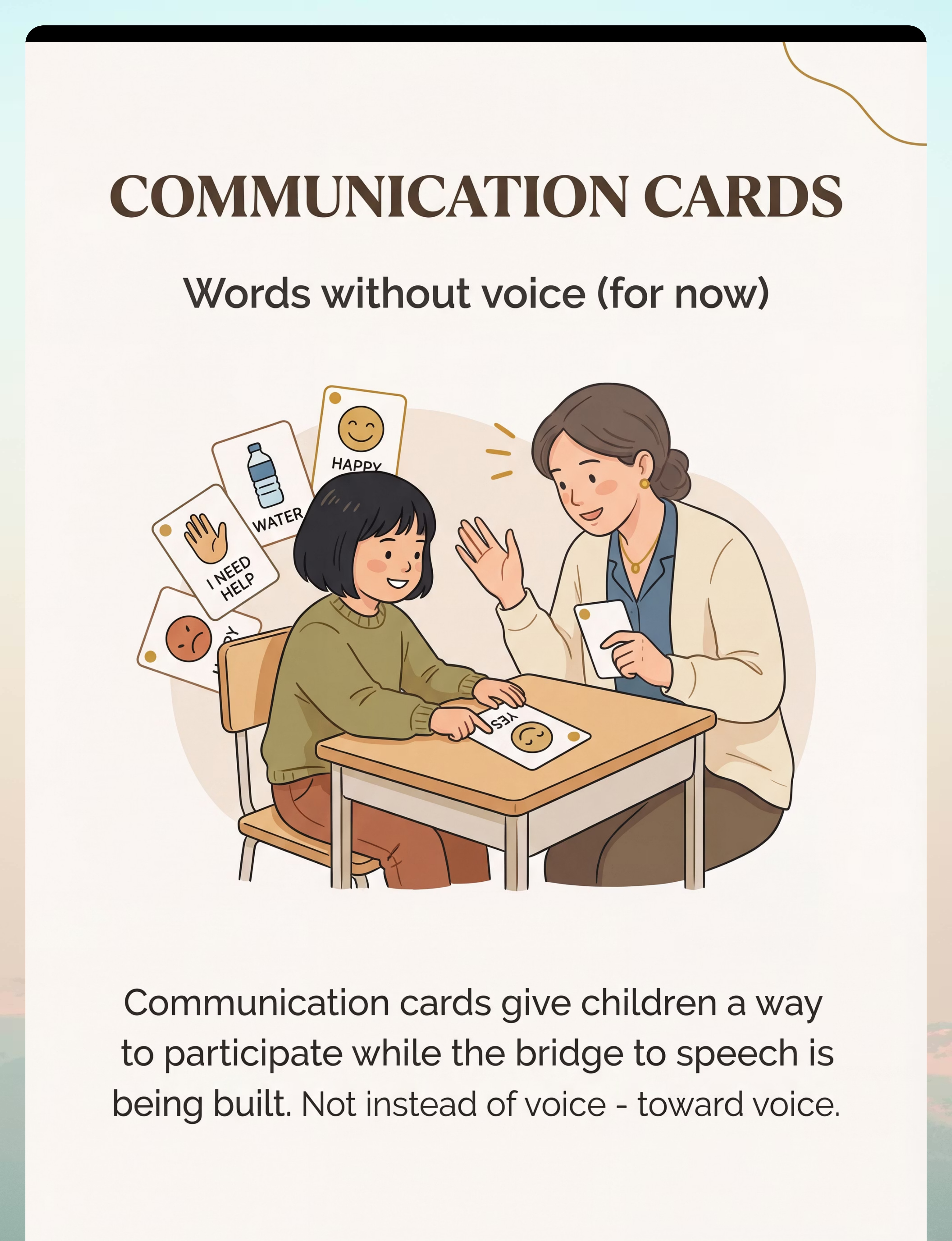
Material 2: Visual Communication Cards
"Words without voice — for now"
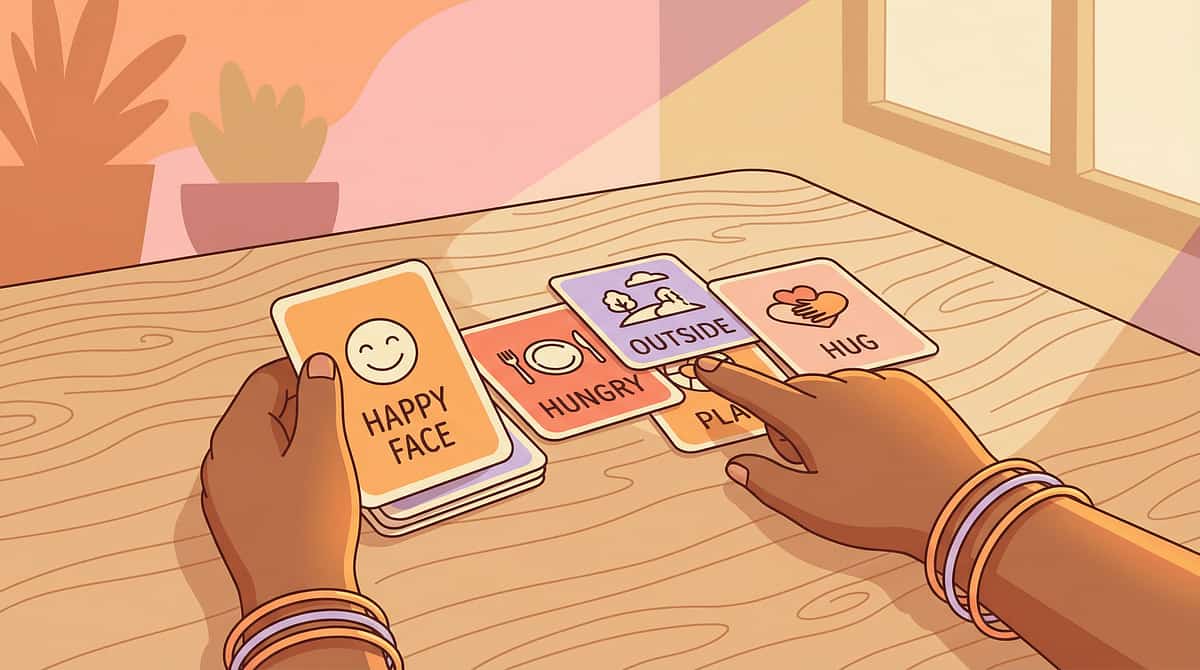
Why it works: Reduces pressure that blocks speech; enables participation and connection while verbal bridges are built. Include needs, feelings, responses, and academics. Frame as helper tools toward speech, not replacements.
- Print/draw 10 core cards; laminate or sleeve
- Add curriculum response cards
- Keep on a keyring for access
Canon: Brainy Bug Resources Flashcards (₹305) — amzn.in/d/07zQavEk | DIY: cardstock + tape lamination. Safety: introduce neutrally — “This helps” not “because you don’t talk.”
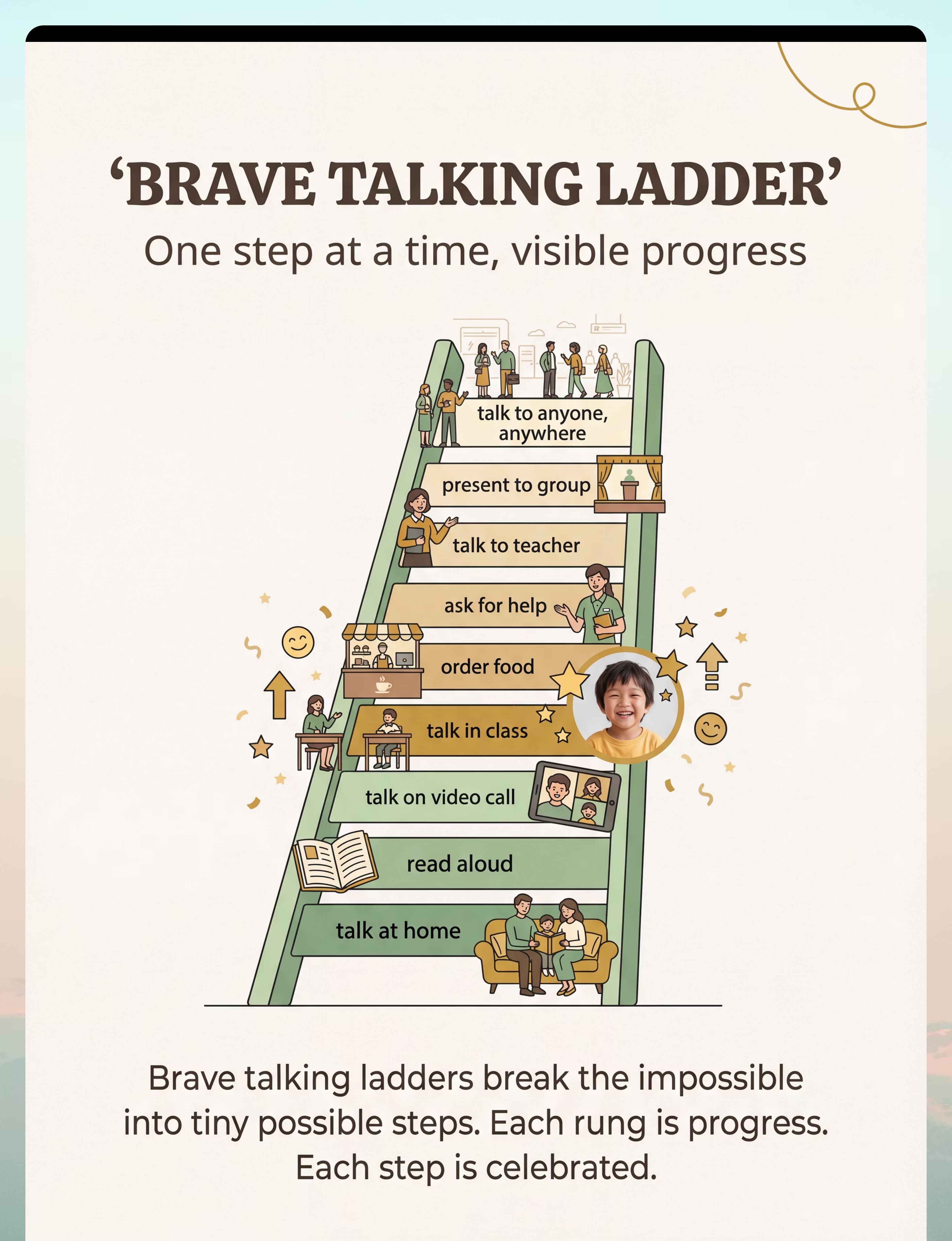
Material 3: Brave Talking Ladder / Hierarchy
"One step at a time — visible, achievable progress"
Why it works: Graduated exposure becomes concrete and motivating. Sample ladder: home talk → door open → car talk → whisper in new place → video call with target → read aloud with target listening → respond with parent present → 1:1 with target → small group → class.
- Co-create ladder poster with child
- Add photos/drawings for each step
- Use a movable marker to show current rung
Canon: 1800+ Reward Stickers (₹364) — amzn.in/d/01wrHJWX | DIY: paper + pencil. Celebrate every rung.
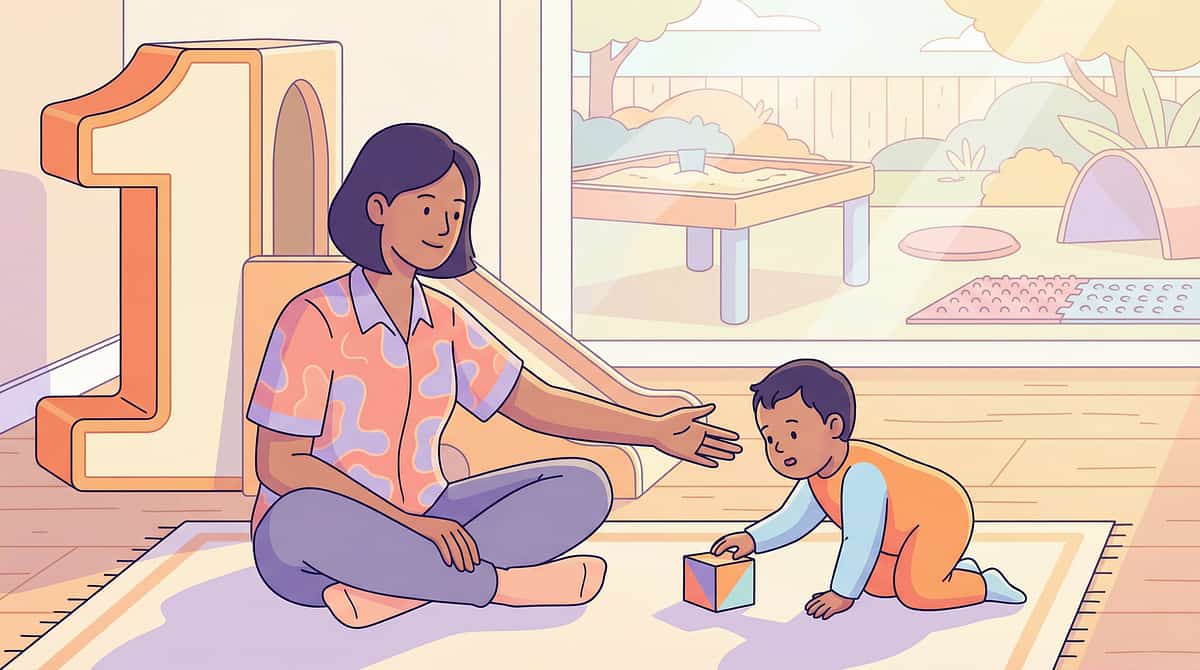
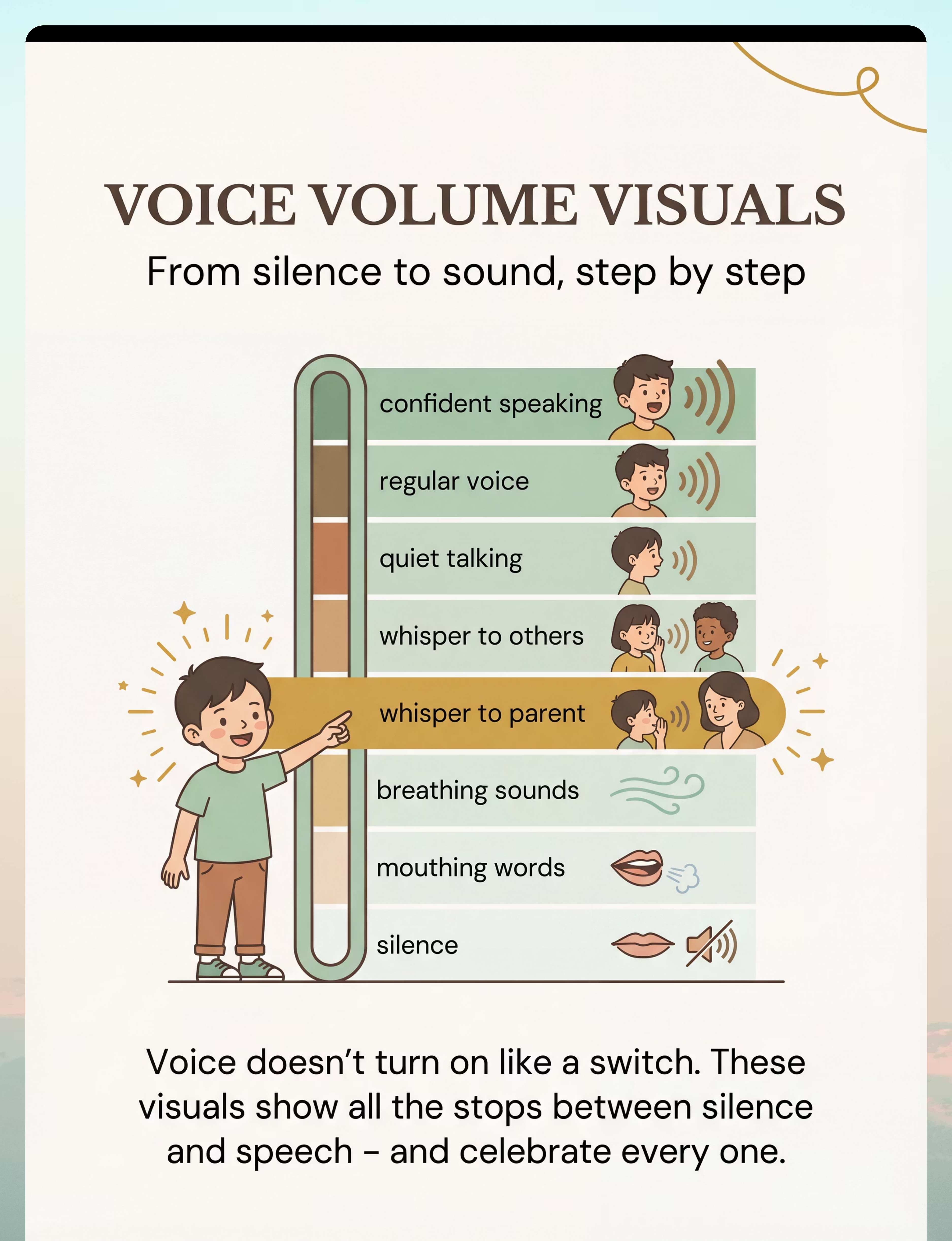
Material 4: Voice Volume Continuum Visual
"From silence to sound — every stop on the journey matters"
Why it works: Normalizes partial progress and builds meta-awareness. Levels might include: silence, mouthing, breathing sounds, whisper to parent, whisper to others, quiet talking, regular voice.
- Create 6–8 level meter; color-code
- Make portable card; set a daily level goal
DIY: cardstock + dry-erase. Celebrate movement between adjacent levels as true neurological gains.
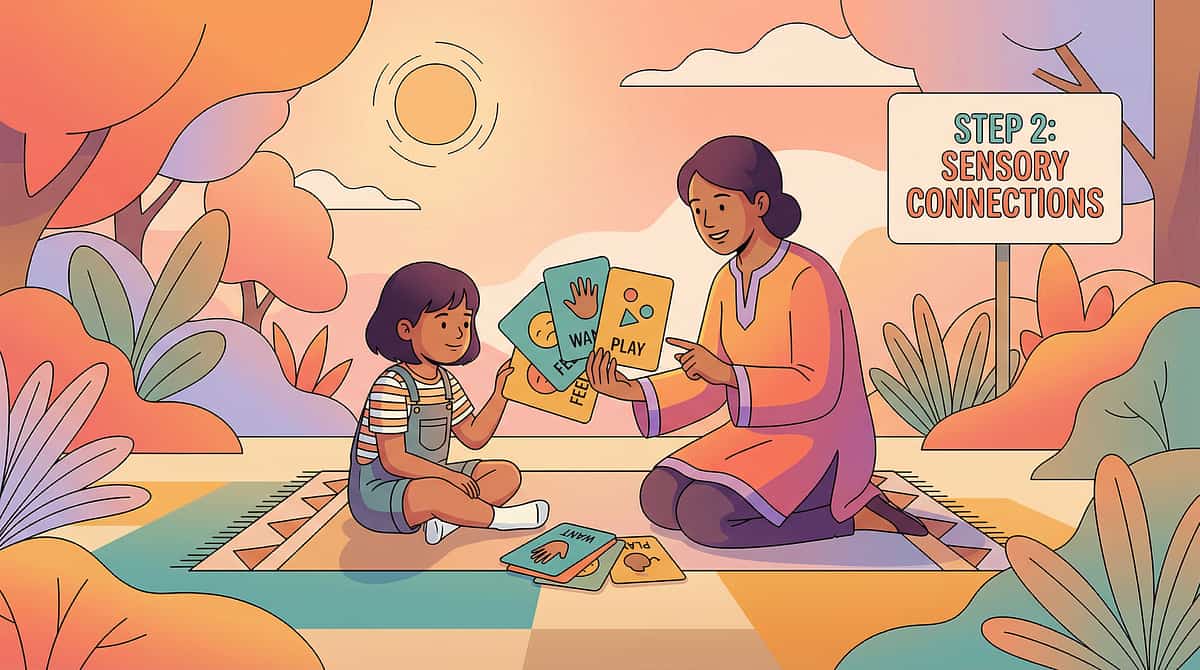
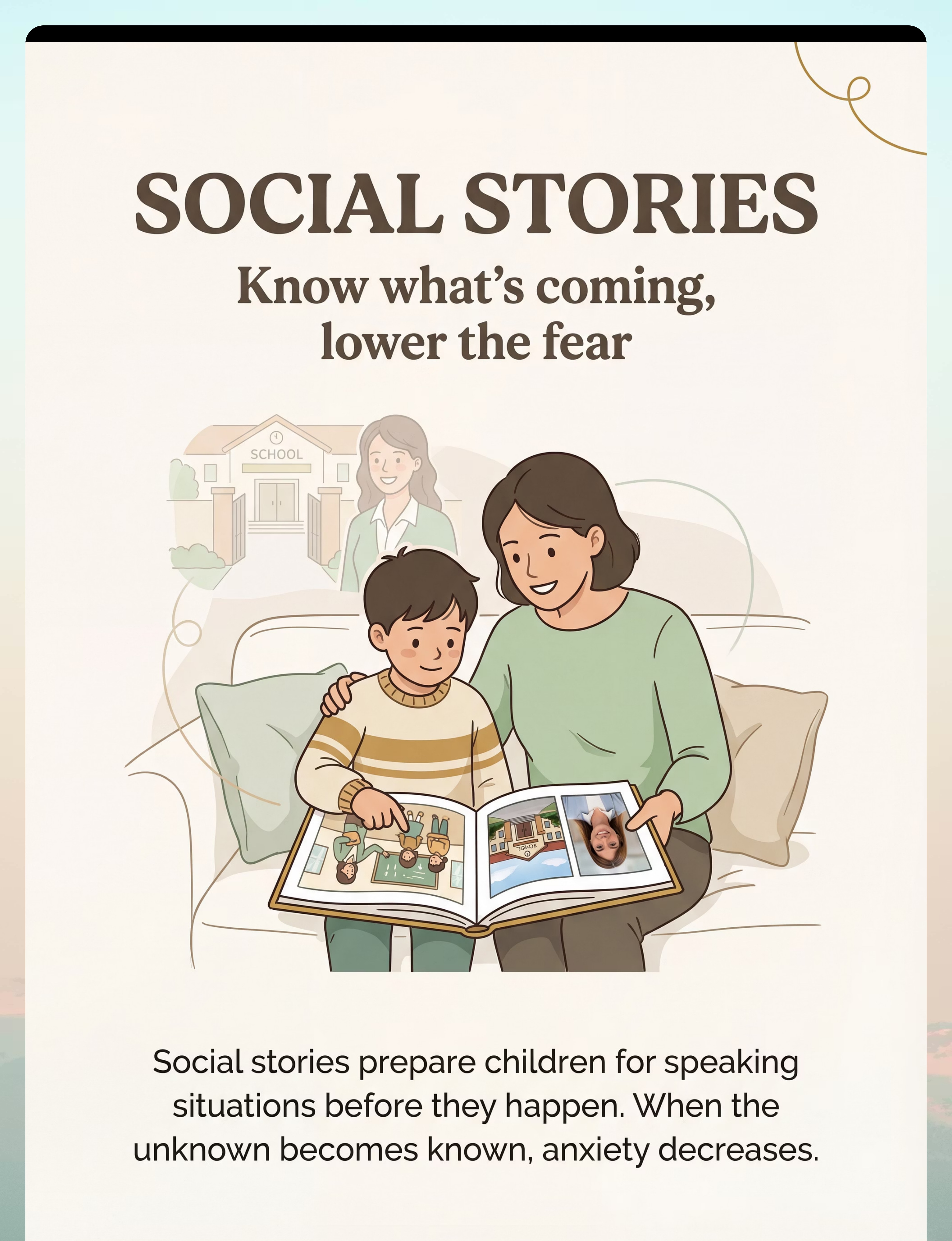
Material 5: Social Stories & Situation Prep
"Know what's coming — lower the fear"
Why it works: Predictability lowers anxiety. Social stories preview the place, people, sequence, feelings, and coping steps (verbal and nonverbal). Topics: being called on, parties, first therapy meet.
- Write 1 page for the next challenge
- Add real photos if possible
- Read daily 2–3 days before
Canon: A Visit to the Hospital Activity Book (₹199) — amzn.in/d/01KczBmp | DIY: word doc + printed photos. Keep tone supportive and specific.
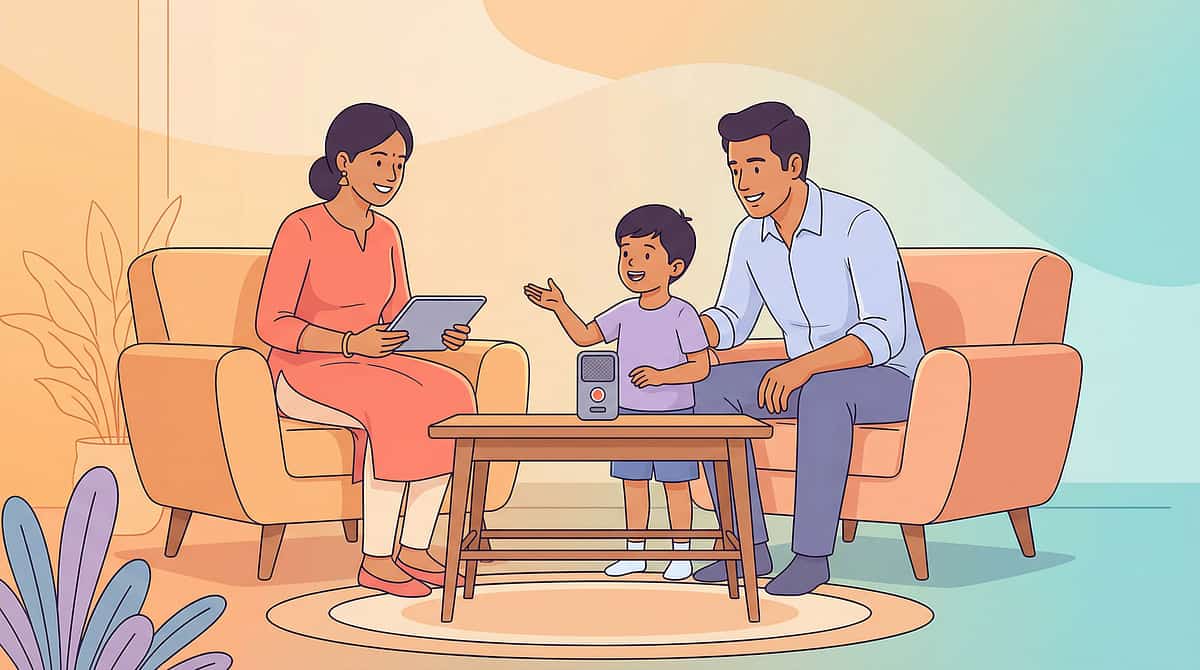
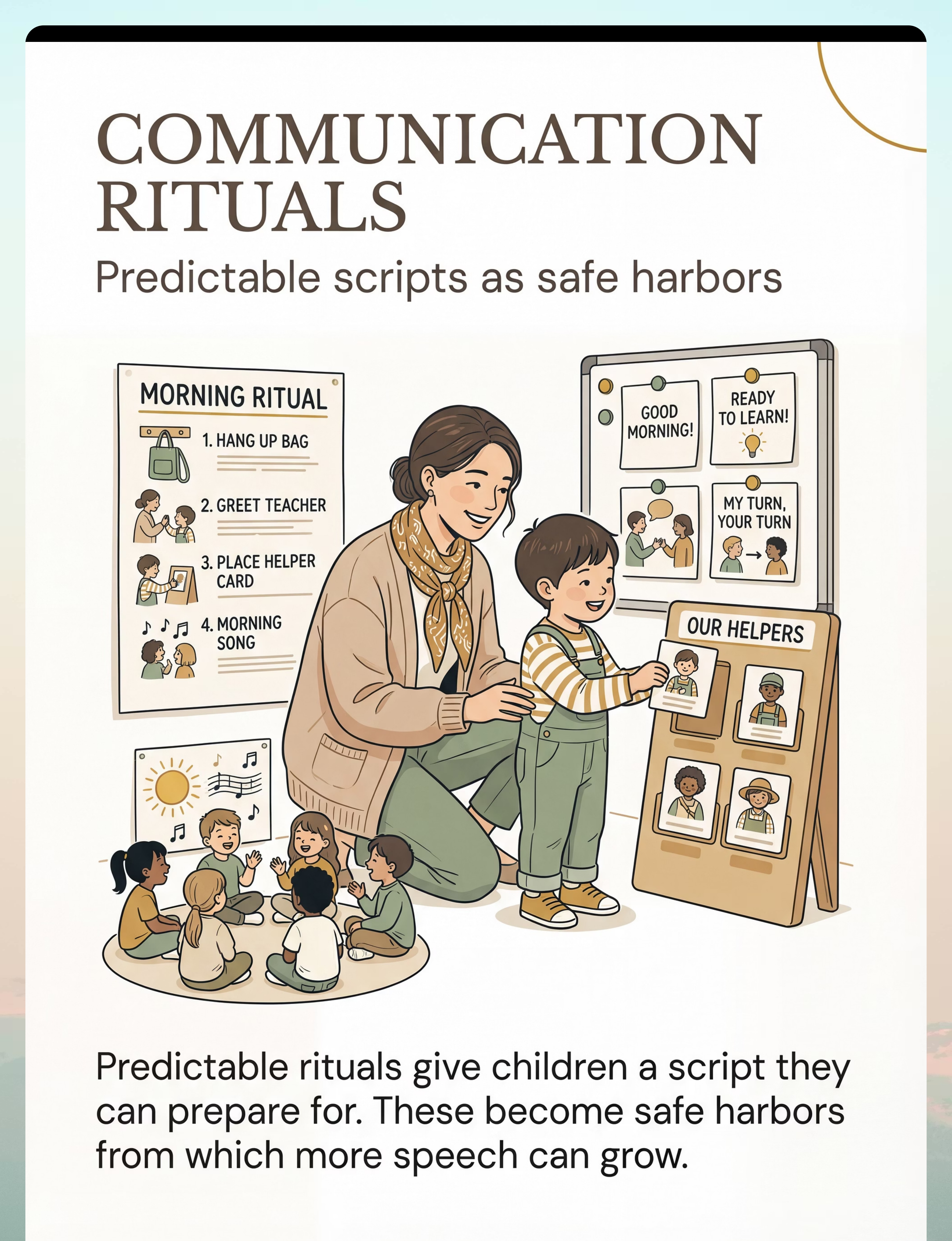
Material 6: Communication Rituals & Scripts
"Predictable scripts as safe harbors"
Why it works: Scripts reduce cognitive/affective load; spontaneous speech can extend from ritual anchors. Use morning greetings, check-ins, songs. Start with minimal verbal output; expand gradually.
- Choose 1–2 predictable moments
- Co-write exact words and sequence
- Practice at home; transfer when ready
DIY: pocket card; laminate. Keep scripts accessible and pressure-free.
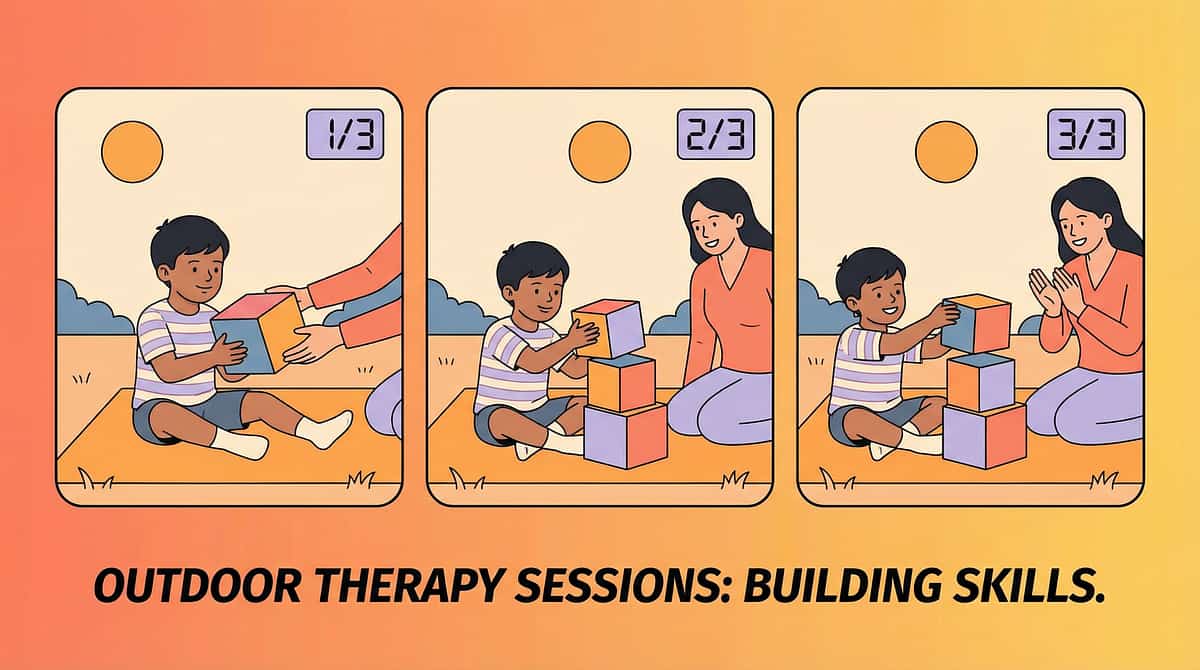
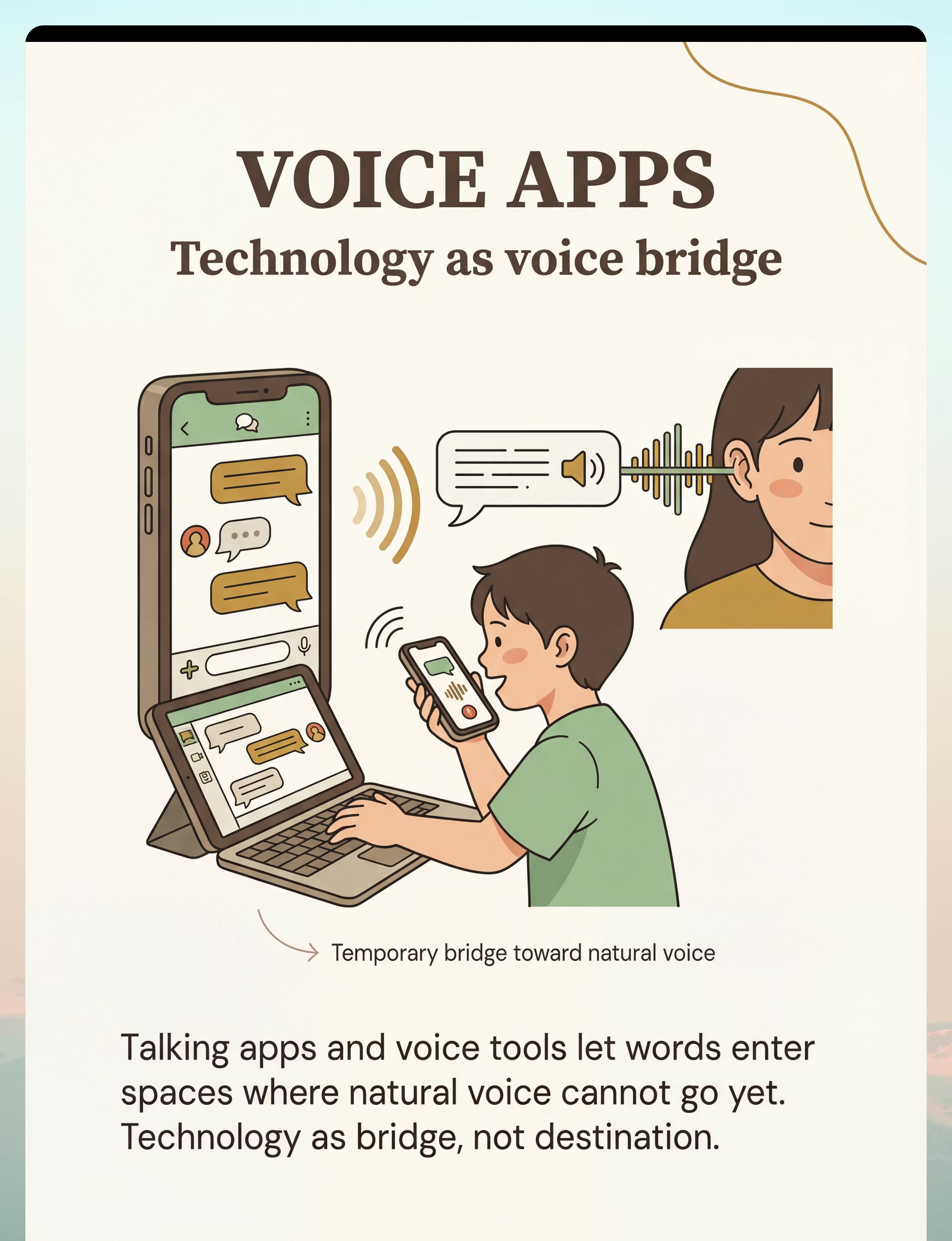
Material 7: Electronic Voice & Talking Apps
"Technology as voice bridge — not destination"
Why it works: Bypasses blocked brain-to-voice pathway initially. Use text-to-speech, voice modifiers, avatars, AAC; fade as natural speech emerges. Suggested: Google TTS, Natural Reader, Voicemod, LetMeTalk, Proloquo2Go, built-in Voice Memos.
Canon: COOLCOLD Laser Light USB (₹579) — amzn.in/d/0fpuL3N3 for nonverbal participation alongside devices. Safety: prevent over-reliance; set clear fade plans.

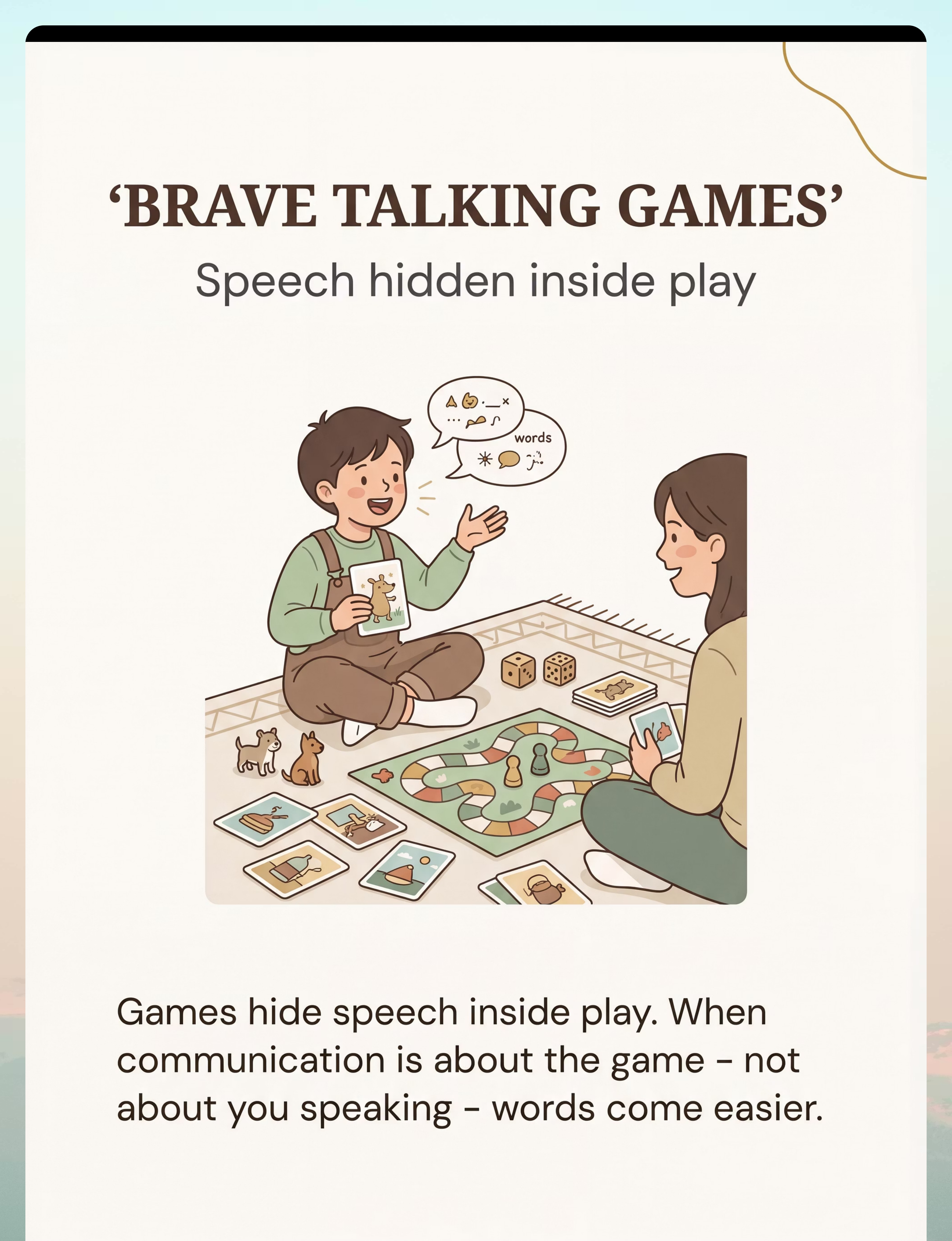
Material 8: Brave Talking Games
"Speech hidden inside play"
Why it works: Games shift focus from “speaking” to playing; spotlight lowers, speech can surface. Progression: sounds-only → single words → phrases → conversation. Start at home; invite target people into play.
- Guessing games, story cubes, role-play
- Board games with brief verbal turns
Canon: SHINETOY 8 Dice Shut The Box (₹428) — amzn.in/d/0flHweVf; map each number to a task at current ladder step. DIY: 20 Questions, I Spy. Never force speech; accept nonverbal participation.

Material 9: Calm-Down & Anxiety Regulation Tools
"Regulate the anxiety — release the words"
Why it works: SM is an anxiety disorder; widen the window for speech by regulating first. Kit: breathing card (box or 4-7-8), quiet fidget, comfort object, anxiety thermometer, micro-script (“I feel [number]. I can use my [tool].”).
Canon: Animal Soft Toys (₹425) — amzn.in/d/022Lj6Fr; Kidology Pull Out Spike Toy (₹380) — amzn.in/d/01aefj5R. DIY: worry stone, homemade breathing card. Teach tools during calm times; use proactively.
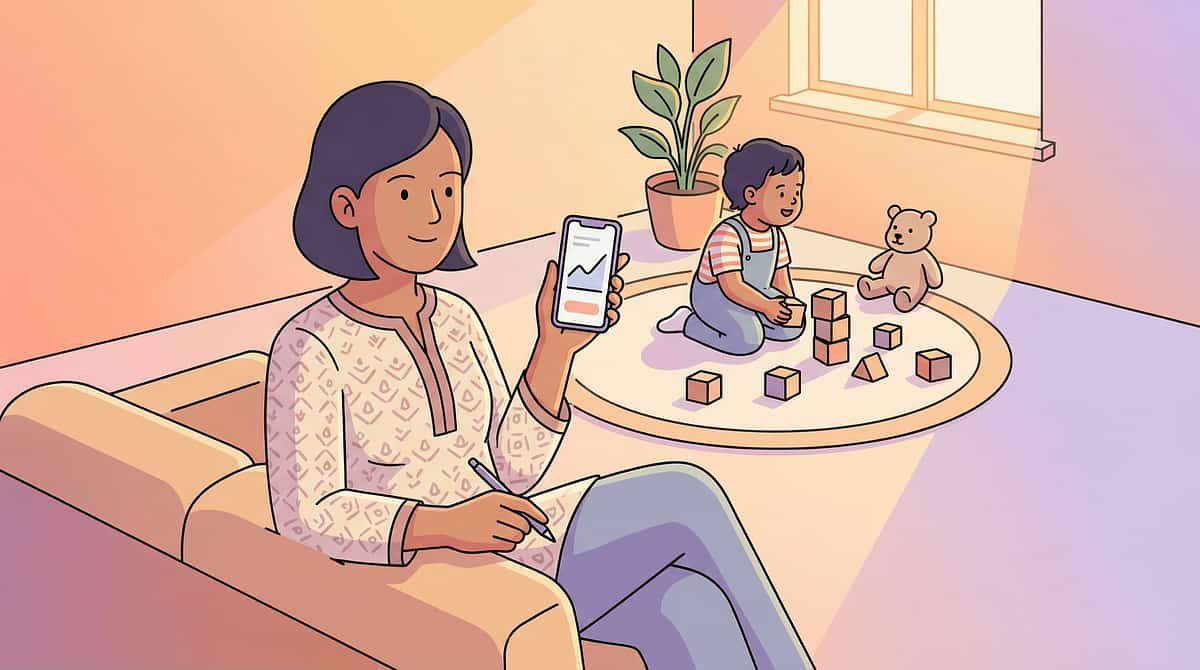
Safety First: Before You Begin
🔴 Do NOT proceed without professional input if: hearing concerns; never spoken anywhere; recent trauma/loss/abuse; unassessed autism signs; anxiety impairing eating/sleep; school refusal; severe distress/panic.
🟡 Modify if: unwell or recent upset; emerging school refusal; bilingual—allow strongest language; autism+SM—use autism strategies.
🟢 Proceed if: child calm, fed, rested; no acute stressors; materials ready; you’re regulated; child consents.
ABSOLUTE STOP: panic signs, dissociation, clear distress, or >15 minutes while dysregulated.
Educational content only. For assessment/support: 📞 9100 181 181. Research: Padmanabha 2019 (safety in home-based interventions).
Set Up Your Space
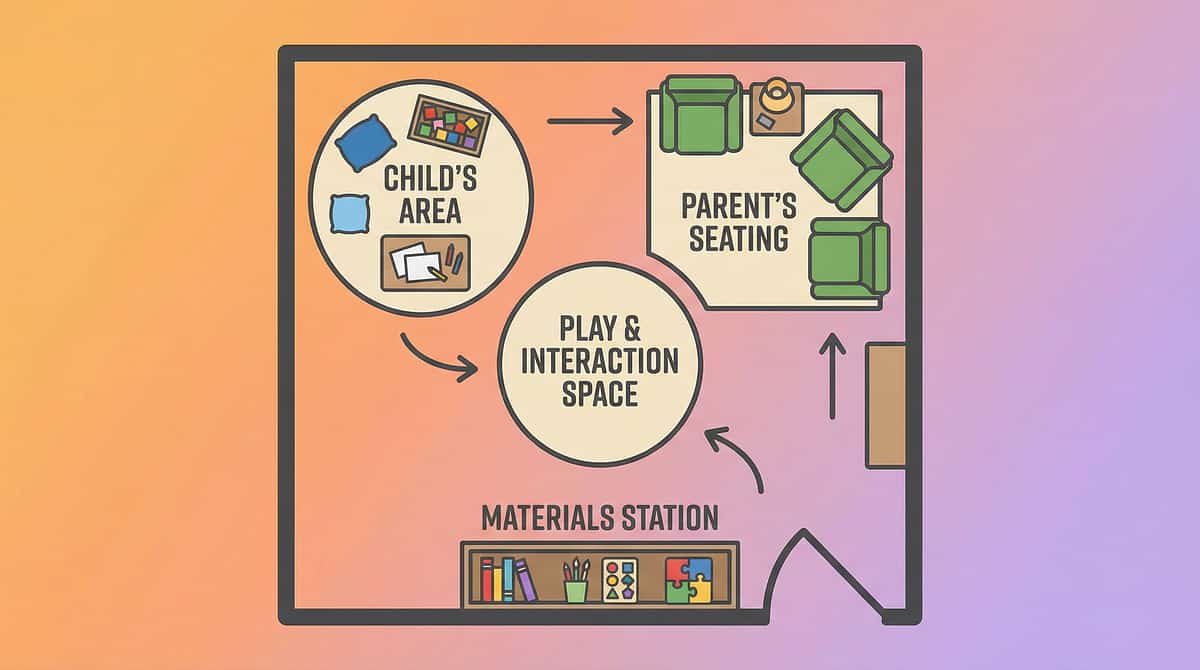
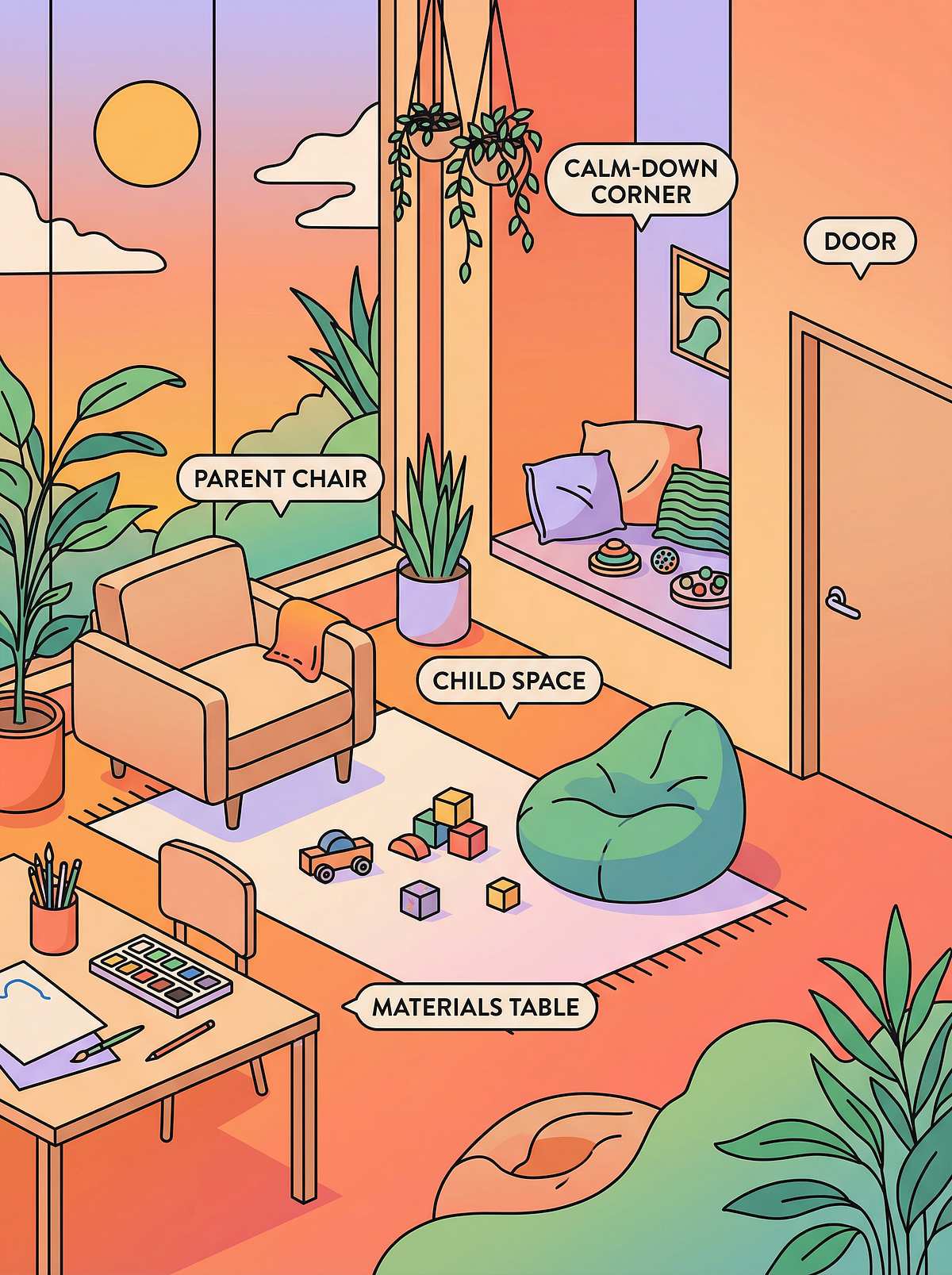
The environment is part of treatment. Arrange side-by-side seating (60–90°), familiar child-preferred spot, visible but non-overwhelming materials, calm-down corner, and a low-stimulation sound/light profile. Choose low-pressure school spaces for early exposures; move outward gradually.
- Screens off; others informed not to interrupt
- Recording device charged; timer visible
- Cards and calm kit within reach
- Parent regulated and unhurried
Research: PMC10955541 — structured 1:1 environments improve SM outcomes.
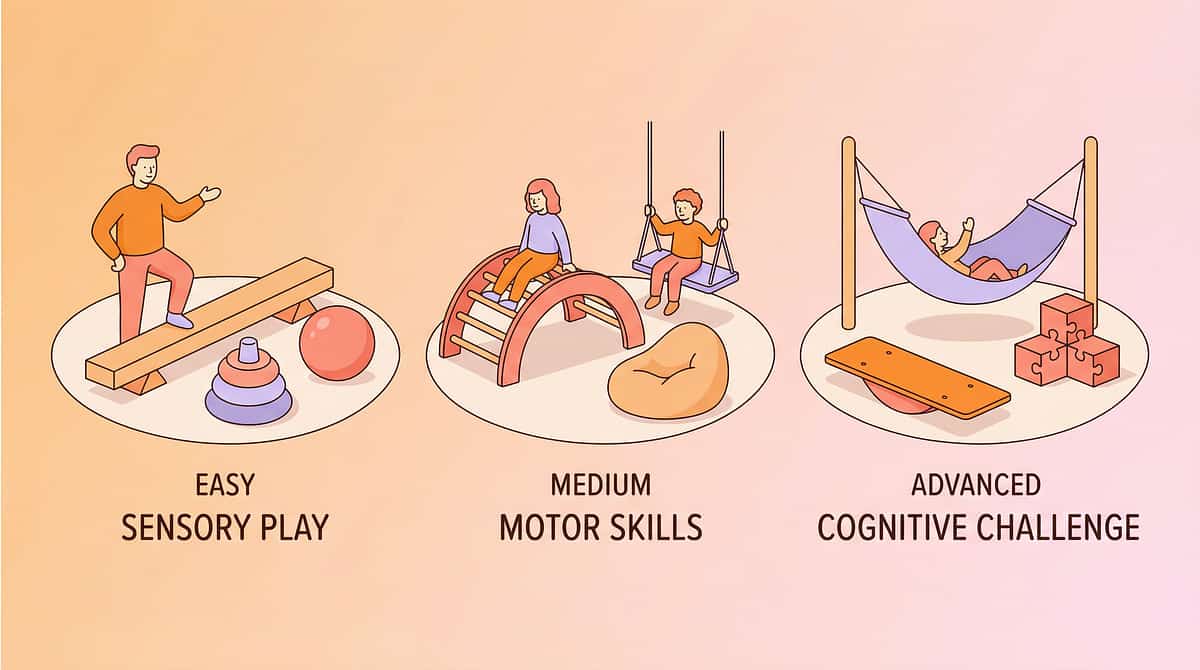
Is Your Child Ready? The Readiness Check
Quick screen every session:
- Fed/rested; no major stressors today
- Calm or neutral baseline
- Willing to engage (choice respected)
- Health okay; no big setting changes
Gate: 5+ green = proceed; 2+ amber = shorten/lower demand; any red = postpone. A postponed session is good clinical judgment.
Research: ABA antecedent manipulation—state predicts success.
Step 1: The Invitation
Golden rule: pressure raises anxiety; anxiety blocks speech. Keep it optional and shared.
- 3–6: “Hey love, want to do our [brave talking/recording/game]?”
- 7–10: “Ready for practice? Just [specific activity]. No big expectations.”
- 10–12: “Want to do our practice? I’ll be right here.”
Frame as “our activity,” offer real choices (now or in 10 minutes). If “no,” try later — never push. Research: positive affect + low demand supports engagement.
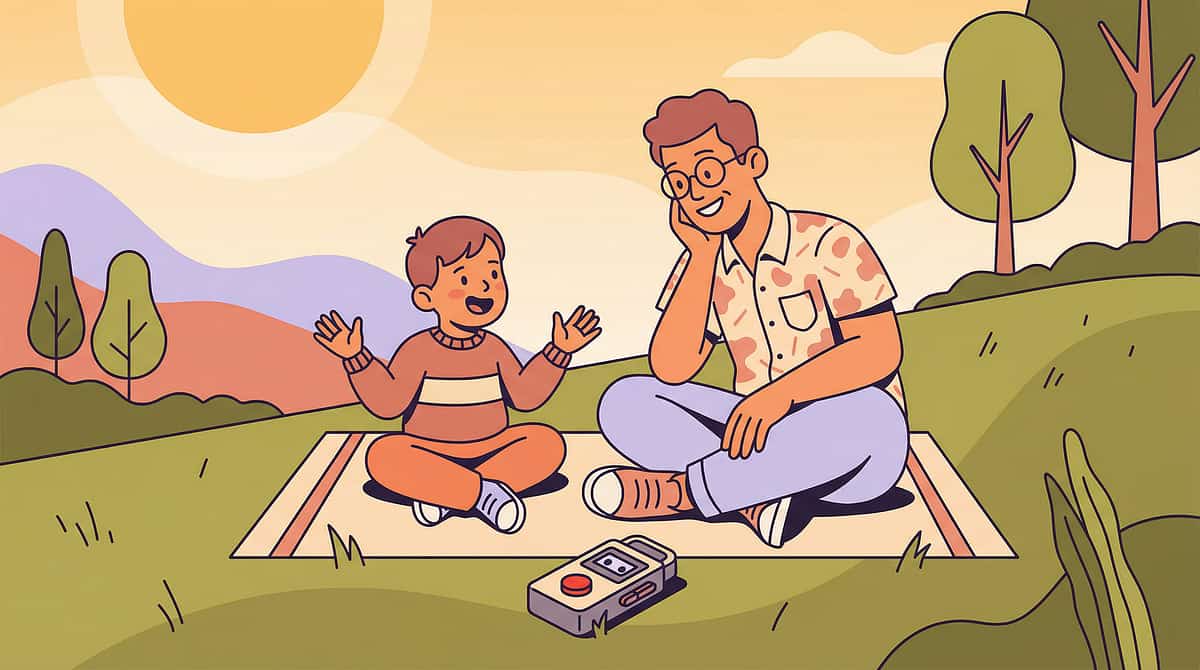
Step 2: Warm-Up Engagement
Begin in the speaking comfort zone to prime neural pathways.
- Recording sessions: chat about a favorite topic 60–90s, then ask to capture it
- Ladder sessions: review ladder, celebrate last win, pick today’s step
- Game sessions: set up play, child leads
Research: Establishing operations increase target behaviors; warm-ups reduce initial anxiety.
Step 3: The Therapeutic Action
- Recording transfer: record 2–4 min; review; plan sharing with child permission
- Cards: 5–7 exchanges in home → car → outside → school
- Ladder: set today’s scenario; execute at child pace; celebrate any attempt
- Games: keep the play frame; prompts embedded, never spotlight speaking
Response spectrum: ✅ target vocalization; 🟡 partial/nonverbal; 🔴 distress → cool-down. Research: graduated exposure is the active ingredient.
📞 9100 181 181

Step 4: Repeat and Vary
3 quality reps beat 15 forced ones.
- Recording: 1–2 clips (2–4 min)
- Ladder: 3–5 attempts at same step
- Cards: 5–10 exchanges
- Games: 1 round (10–15 min)
Stop when engagement drops or refusals stack. Vary topic/position/material while keeping demand constant. Add gentle sensory supports if needed.

Step 5: Reinforce and Celebrate
Reinforce within 3 seconds; be specific and calibrated.
- Social: quiet specific praise, thumbs up
- Visual: sticker on ladder; move marker
- Tangible: small token; 5 tokens = small reward
- Activity: brief preferred choice time
Canon: Rosette Imprint Reward Jar (₹589) — amzn.in/d/02C5R9Jn; Reward Stickers (₹364) — amzn.in/d/01wrHJWX. 📞 9100 181 181
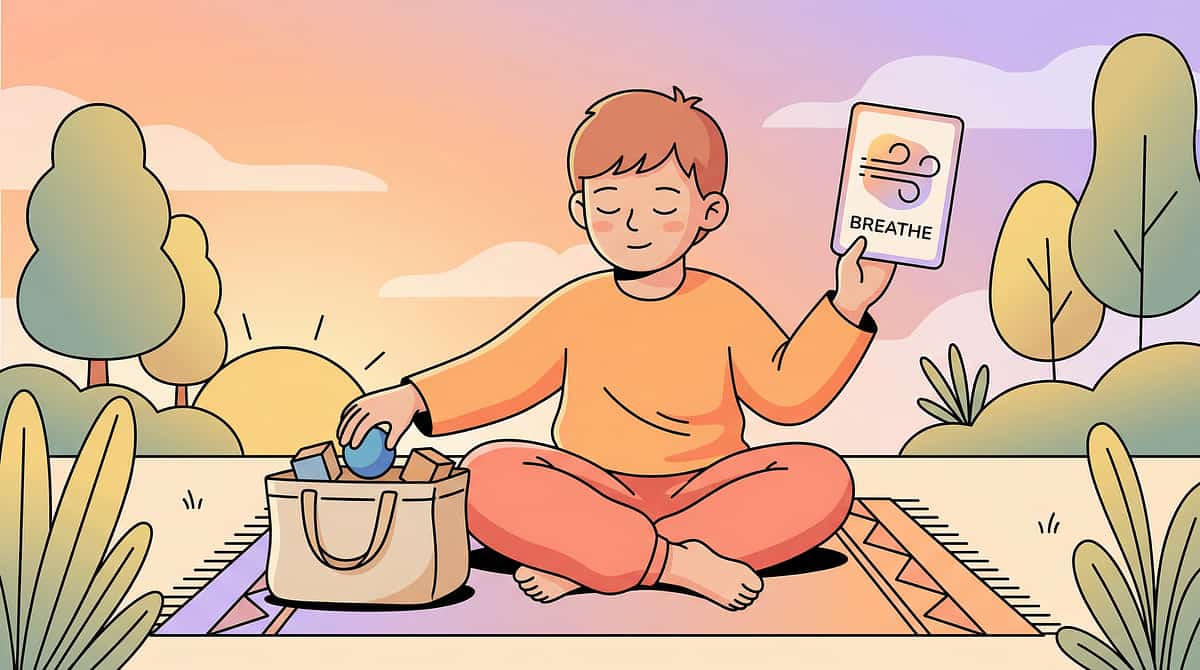
Step 6: The Cool-Down
Land smoothly: give two-turn and last-turn warnings; child helps put materials away; ask favorite part; preview next step lightly. If resisting end: “We finish on a win; more next time.” Use visual timers and brief co-regulating routines.
Research: NCAEP (2020) — transitions and visual supports aid regulation.
Capture the Data: Right Now
- Level (0–6): silence → conversation
- Setting/with whom/materials
- Emotion (before/during/after 0–10)
- Notes (what worked, breakthroughs)
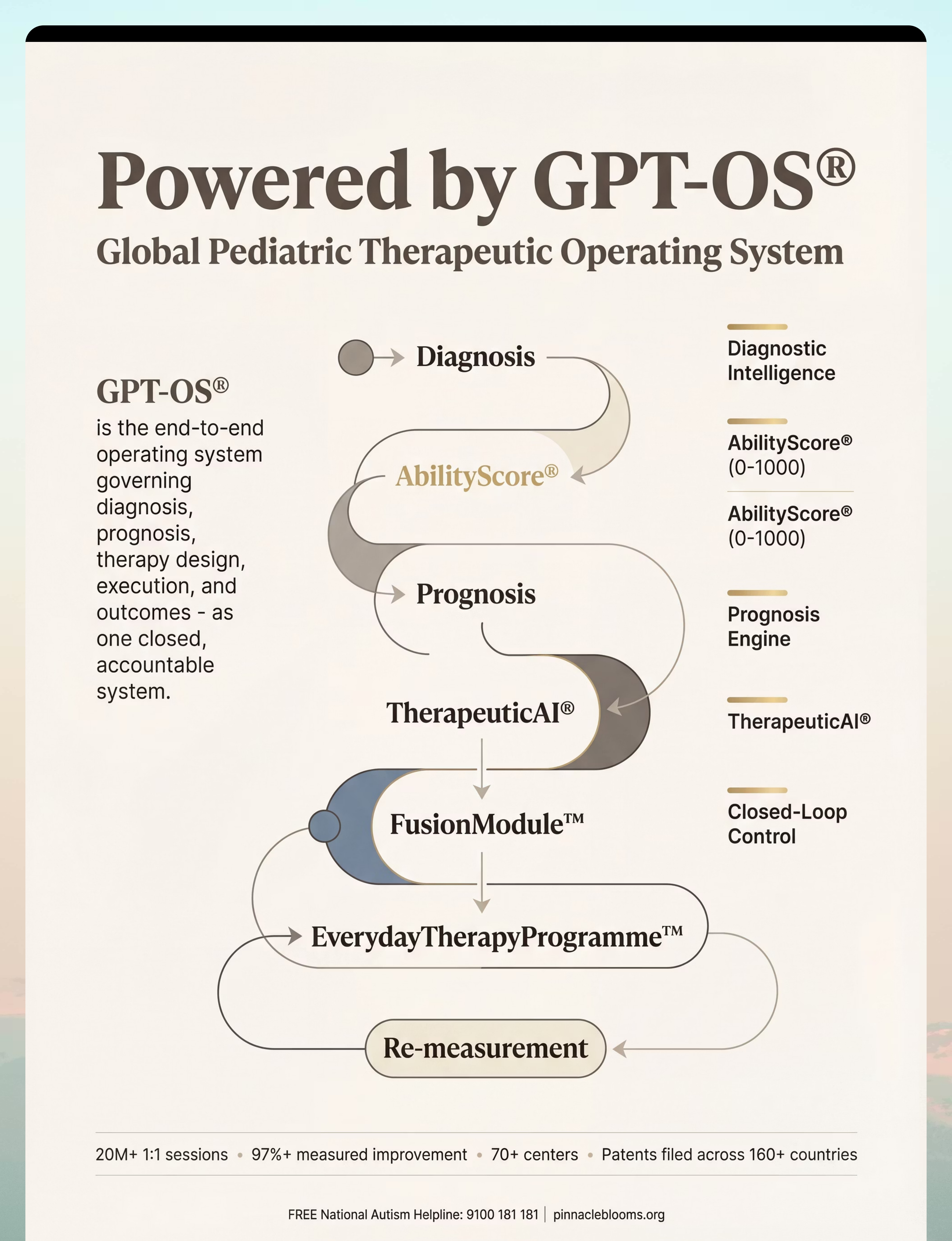
Tools: GPT-OS® AbilityScore® tracker; downloadable PDF; simple notebook. Track Verbal Across Settings, Partner Flexibility, Anxiety Management. Research: continuous measurement improves outcomes.
What If It Didn't Go as Planned?
Freeze
Back down a step; rebuild 3–5 sessions.
No speech
Celebrate nonverbal; do not push today.
No sharing
Honor control; suggest one trusted listener.
Distress
Stop, comfort, note trigger, consult therapist.
Plateau
Hold level 2 weeks; vary setting.
School gap
Plan sliding-in at school; parent as bridge.
Inconsistent adults
Share SM guide; align approaches.
Session abandonment is data, not failure.
Adapt and Personalize
Easier: step down; most familiar setting; full parent presence; 5-minute cap; recording only. Harder: one rung up; new partner; reduce parent presence; new setting same demand; mild natural time cues.
Sensory/age adaptations: 3–5 play-based, 5–7 min; 6–9 explicit ladder + charts; 10–12 co-plan hierarchy, peers earlier. Research across OT/ABA/SLP supports individualized plans.

Weeks 1–2: What to Expect
- Tolerates materials/structure
- Comfortable home recordings
- Knows current ladder step
- Uses calm tools without resistance
- No spike in SM-related distress
Not expected yet: new speech in hard settings or sharing recordings. “One new recording = real progress.” Research: outcomes emerge 8–16 weeks; early gains are anxiety reduction/participation.
Weeks 3–4: Consolidation Signs
- Anticipates sessions with some enthusiasm
- More natural recordings
- Proactive card use
- “I can do the next step” talk
- First whisper to parent in a silent setting
- Spontaneous calm-tool use
Neural pathways are forming when effortful becomes automatic. Your calm co-regulates. Research: neuroplasticity timelines.
Weeks 5–8: The Breakthrough Window
- First whisper in a previously-silent place
- Recording shared with target person
- Speech via tech bridge to target person
- Attempts at once-impossible ladder steps
- Emerging peer interactions
- Child can describe their experience
Breakthroughs are small but profound — honor them privately and warmly. If none yet, timelines vary; keep tracking and trusting the process.
Weeks 9–12: Mastery Building
- Reliable speech with at least one former silent partner
- Live speech replaces recording transfer
- Climbing steps with less support
- Academic participation improving
- Friendship talk emerging
- Self-advocacy for tools/pace
- Teacher notes change in presence
Mastery = functional verbal communication without major impairment. 📞 9100 181 181 to plan next phase.
Red Flags: When to Escalate
Immediate: school refusal; silence spreading; persistent physical symptoms; self-harm talk/extreme distress; deepening isolation; depression signs; home speech declining; 4+ weeks of reversal.
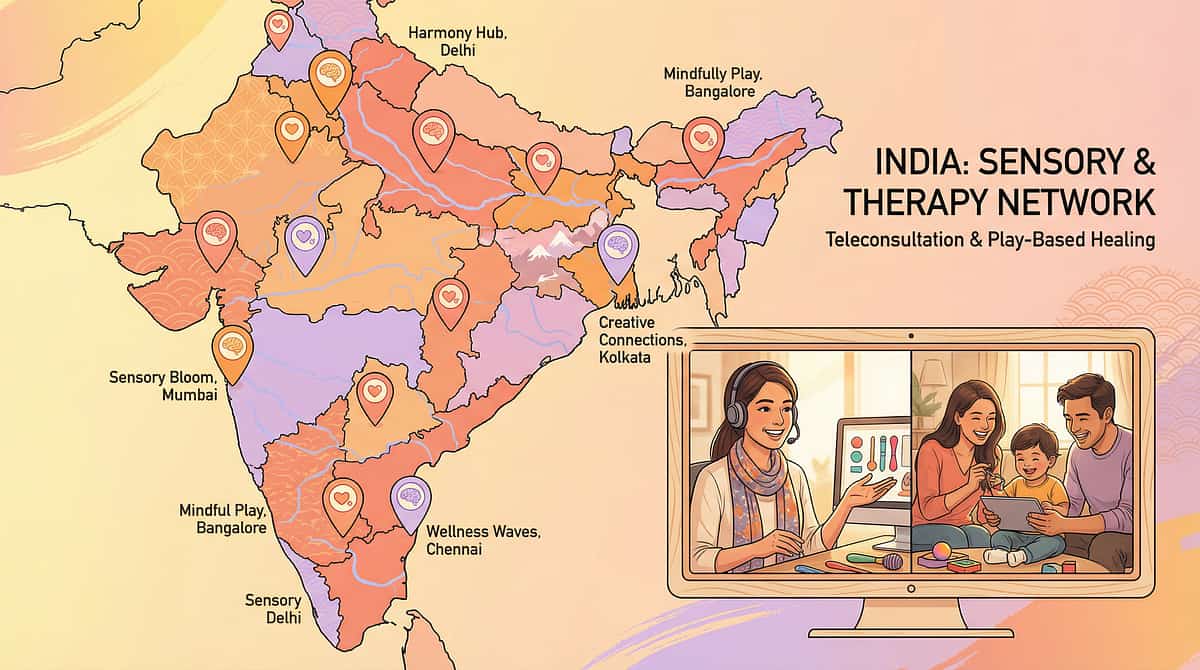
Within 2 weeks: 8+ weeks stalled; teacher using pressure; child anxious about SM; parent anxiety high. Pathway: 📞 9100 181 181 → AbilityScore® + SM specialist → 70+ centers or teleconsult.
Your Progression Pathway
COMM-03 Journey: C-291 → Understanding Communication Anxiety; C-292 → Recognizing SM; C-293 → Materials (you are here); C-294 → Communication Bridges; C-295 → School Support; C-300 → Social Anxiety.
Prereqs: C-291, C-292. Next: C-294, C-295. Lateral: C-296, C-299. Goal: flexible verbal communication across settings.
Related Techniques in This Domain
C-291
Understanding Communication Anxiety — Foundation
C-292
Recognizing Selective Mutism — Foundation

C-294
Building Communication Bridges — Intermediate
C-295
Supporting SM at School — Advanced
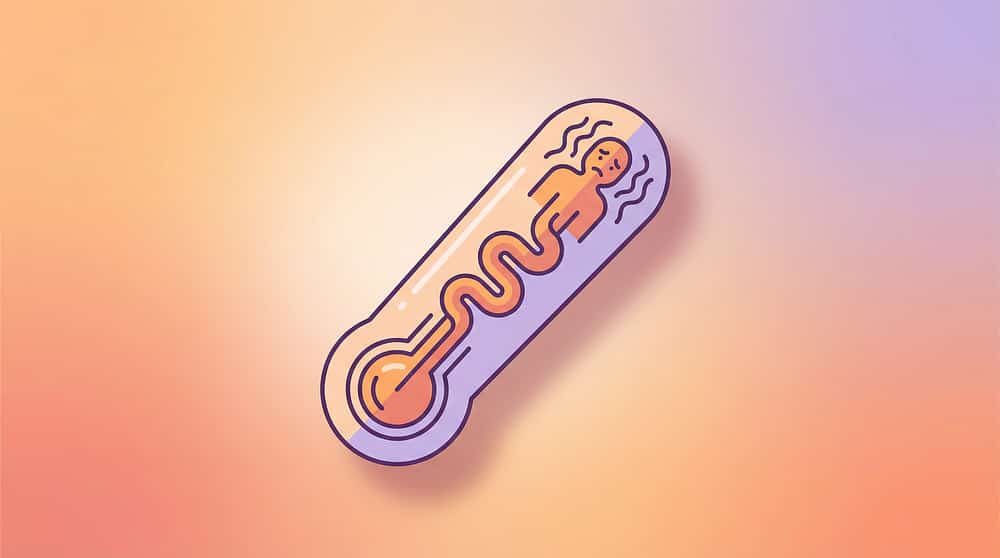
C-296
Physical Anxiety Symptoms — Foundation
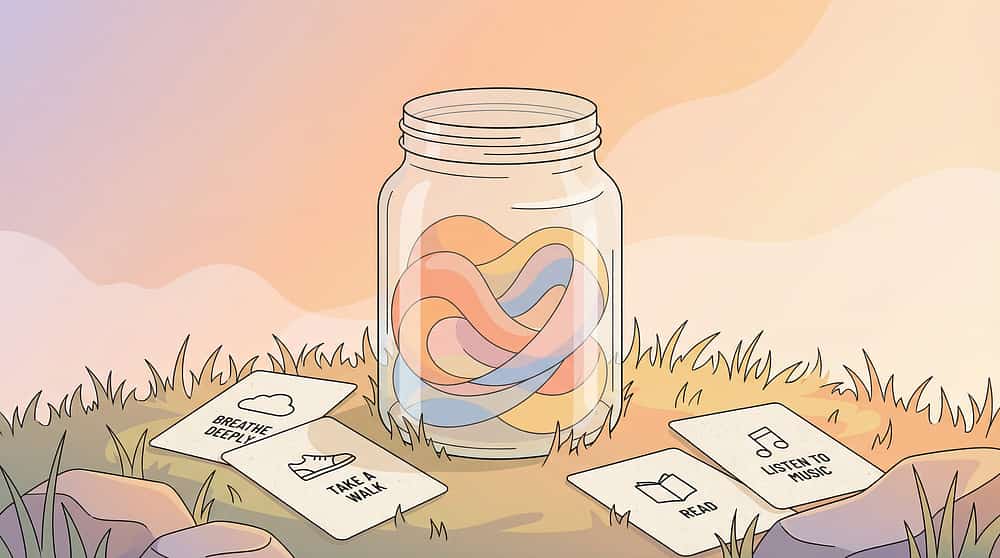
C-299
Worry Management — Intermediate
If you built C-293 materials, you’re ready for C-294, C-295, and C-296.
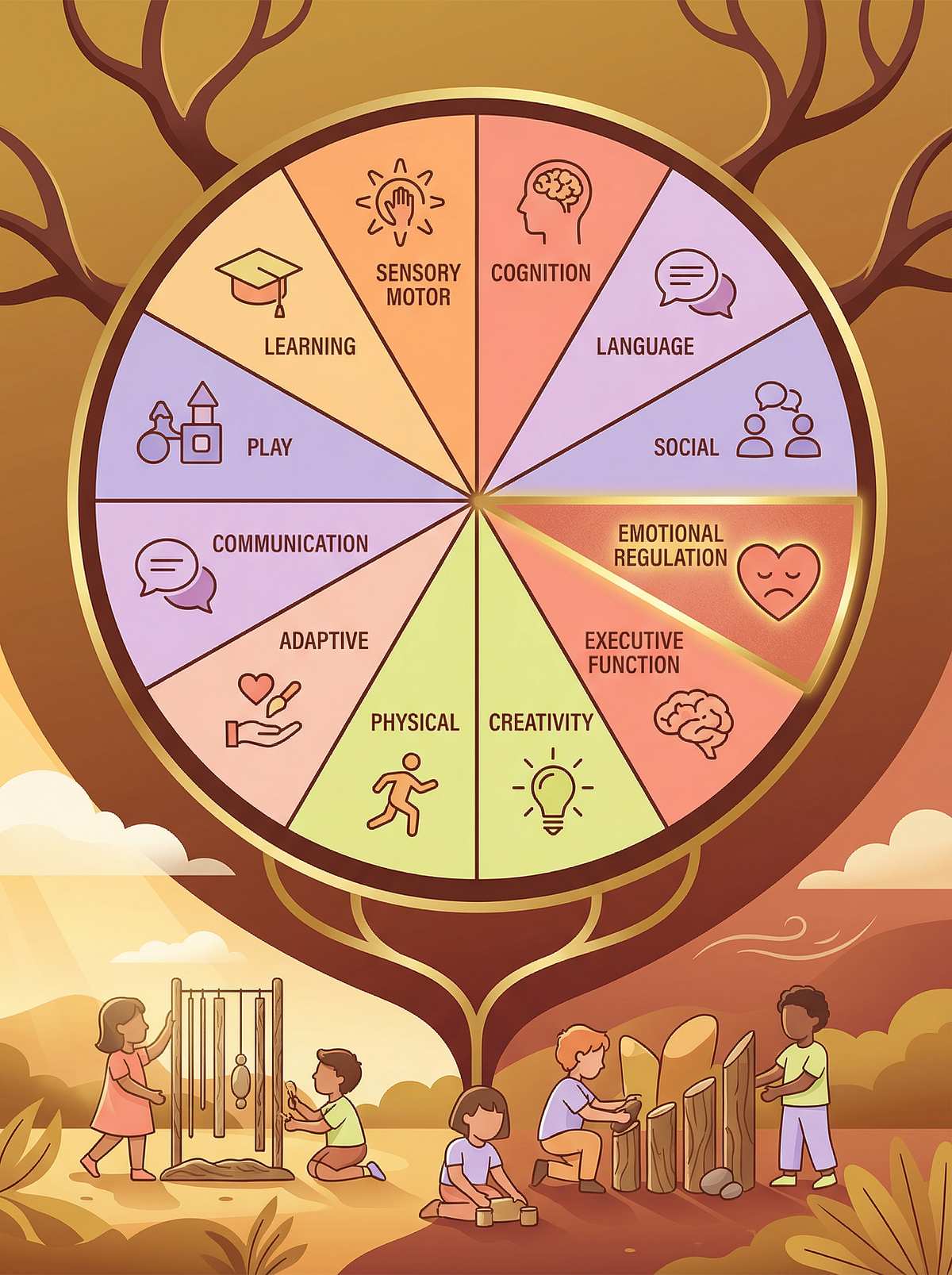
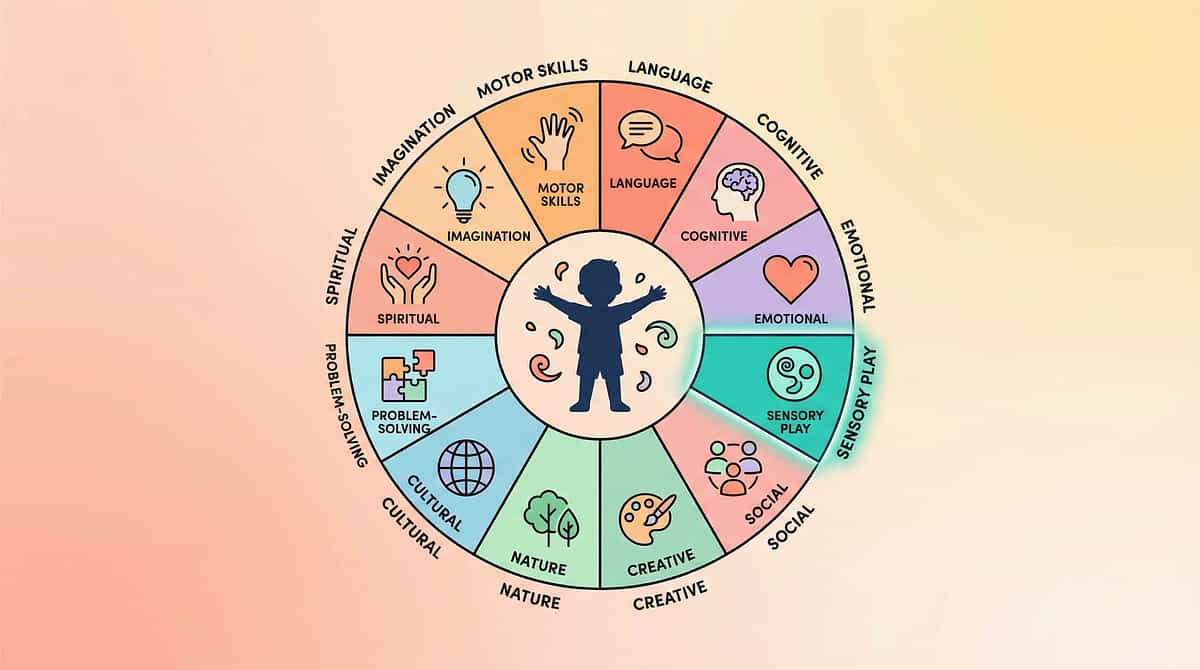
Your Child’s Full Developmental Map
12-Domain Wheel with Domain C highlighted. GPT-OS® integrates C-293 data into Communication, Social Communication, Anxiety Regulation, and Academic Participation Readiness.
"One technique strengthens a network." See AbilityScore® profile at pinnacleblooms.org. 📞 9100 181 181
Preview of 9 materials that help with selective mutism Therapy Material
Below is a visual preview of 9 materials that help with selective mutism therapy material. The pages shown help educators, therapists, and caregivers understand the structure and content of the resource before use. Materials should be used under appropriate professional guidance.



Link copied!
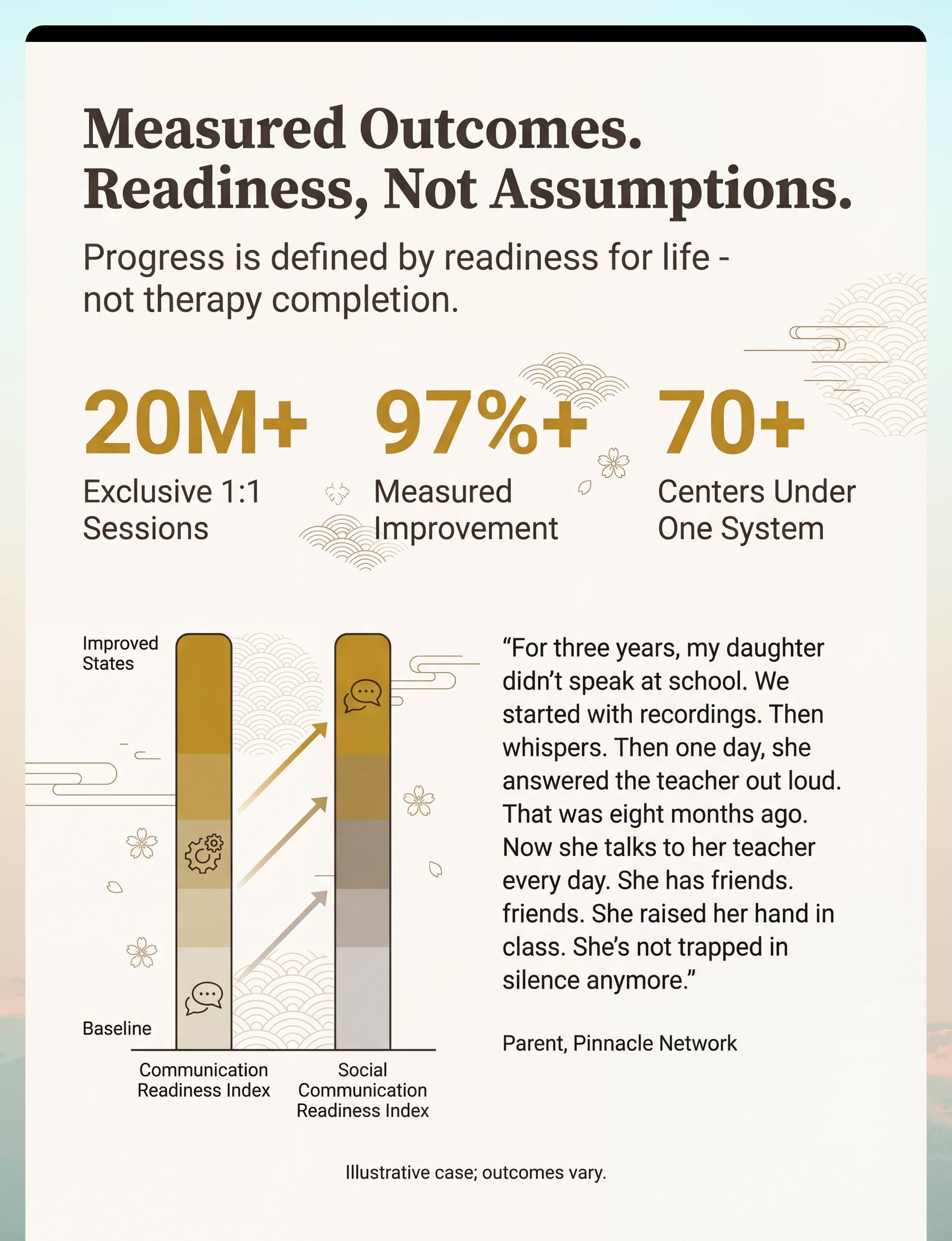
A Parent’s Story
"For three years, my daughter didn't speak a single word at school. Not one. ... Then one day — eight months into this work — she answered the teacher. Out loud. ... Now she talks to her teacher every day... She found her voice."
Outcome trajectory: Baseline silence → M2 whisper to parent at school → M4 whisper to therapist → M6 quiet 1:1 with teacher → M8 audible in class (breakthrough) → M10 regular participation and friendships.
Attribution: Parent, Pinnacle Network. Note: Illustrative case; outcomes vary.