
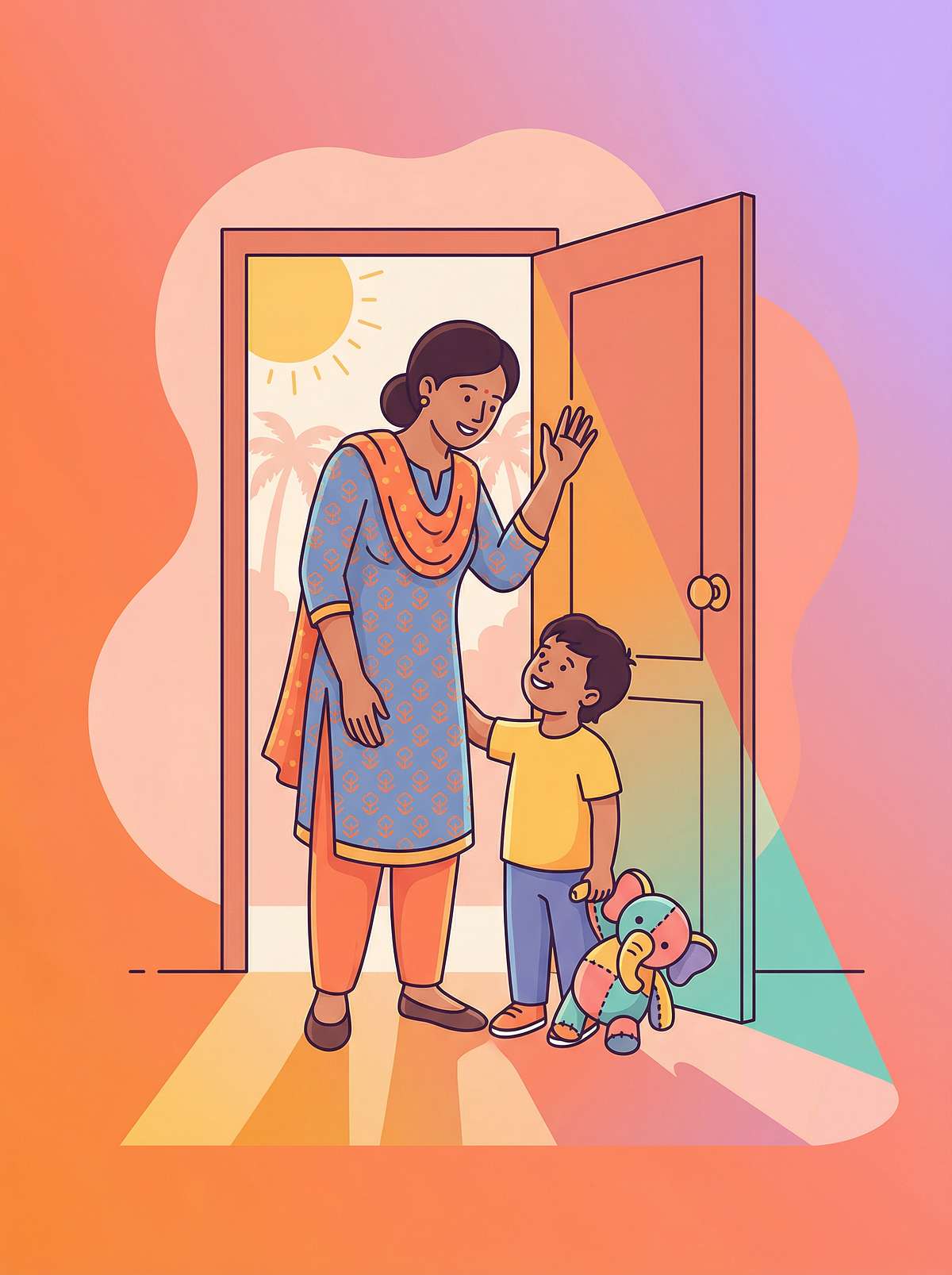
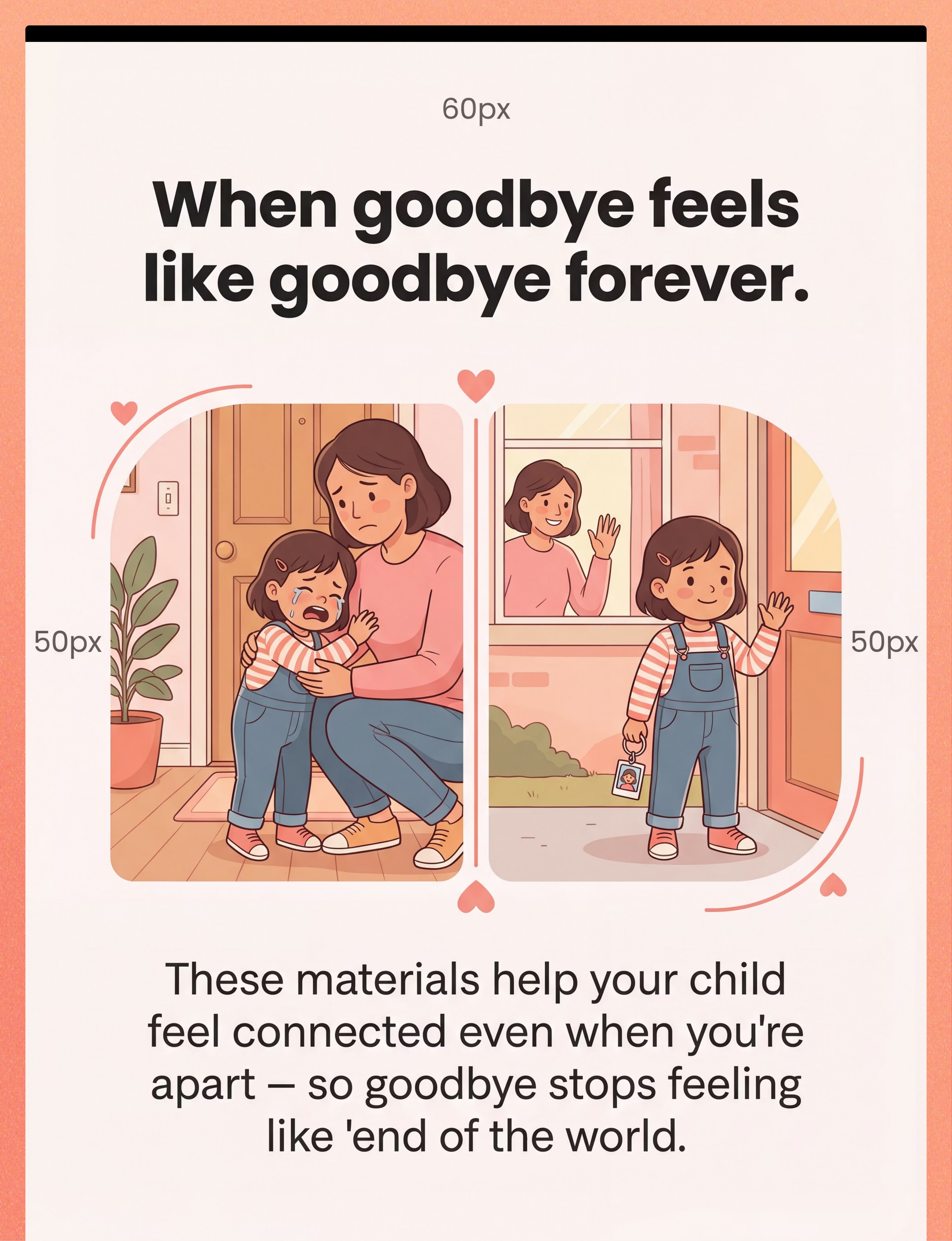
When goodbye feels like goodbye forever.
The screaming. The clinging. The white-knuckled grip on your legs while your heart breaks and theirs does too. You've left and come back a thousand times — but in that moment of goodbye, her body doesn't believe it yet. These 9 materials build the bridge — one goodbye at a time.
"I have to pry her off. Physically. Her fingers white-knuckled on my pants, sobbing 'Mommy don't go' until I hand my screaming child to someone else. I can hear her crying from the parking lot. Some mornings I sit in my car and cry too before I can drive. She's five. And it's getting worse, not better." — Mother, Pinnacle Network Parent Community
C-278 | Emotional Regulation
Episode 278 of 999
Pinnacle Blooms Network®
You are not failing. Your child's nervous system is asking for a bridge. These 9 evidence-based materials — validated across 70+ centres and 70 countries — help a child move from clinging to confident, from terror to tolerance.
ACT I · NORMALIZATION
1 in 10 children experiences clinically significant separation anxiety.
You are among millions of families navigating this exact morning.
~4%
Meet Clinical Criteria
Children meet diagnostic criteria for Separation Anxiety Disorder (SAD) per DSM-5 / AACAP data.
~40%
ASD & Heightened Distress
Children with autism experience heightened separation distress — Pinnacle Clinical Registry data.
78%
Respond to Intervention
Of separation anxiety cases respond significantly to structured intervention and materials. AACAP Practice Parameters.
Separation anxiety disorder is one of the most prevalent anxiety conditions in childhood. It peaks between 18 months and 4 years, with a second wave at school entry (ages 5–7). In children with neurodevelopmental differences including autism, the intensity is often amplified because transitions disrupt predictability, familiar people are irreplaceable, and abstract time concepts don't regulate an anxious amygdala.
📍India Context: With 1 in 68 children estimated on the autism spectrum (ICMR data), and school enrolment rates rising, separation distress at drop-off affects millions of Indian families daily — across income levels, cities, and care settings.
ACT I · NEUROSCIENCE
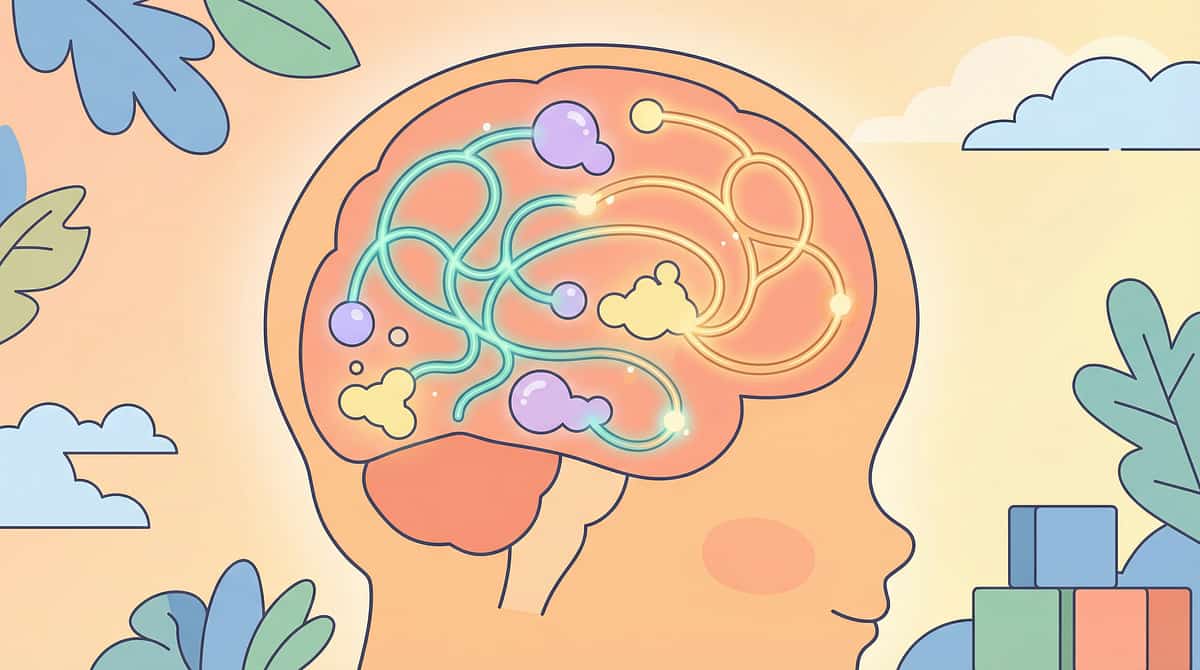
This is not defiance. This is neurobiology.
🧠 The Prefrontal Cortex
The logic brain knows you're coming back. It holds the calendar, the clock, the reassurance — "Mummy comes back at 3."
⚡ The Amygdala
The alarm brain doesn't listen to logic. It processes felt safety — not facts. When you're not visible, it fires: threat detected.
👃 Why scent matters
The olfactory nerve connects directly to the amygdala — bypassing conscious thought entirely. A parent's scent says "safe" before the brain can think.
📸 Why photos work
Visual images of the attachment figure activate the same neural pathways as physical presence — soothing the alarm before the child can reason their way through.
⏰ Why time blindness amplifies distress
A child cannot "feel" abstract time. "After lunch," "after school," and "forever" occupy the same neurological space without a visual anchor to orient the nervous system.
ACT I · DEVELOPMENTAL CONTEXT
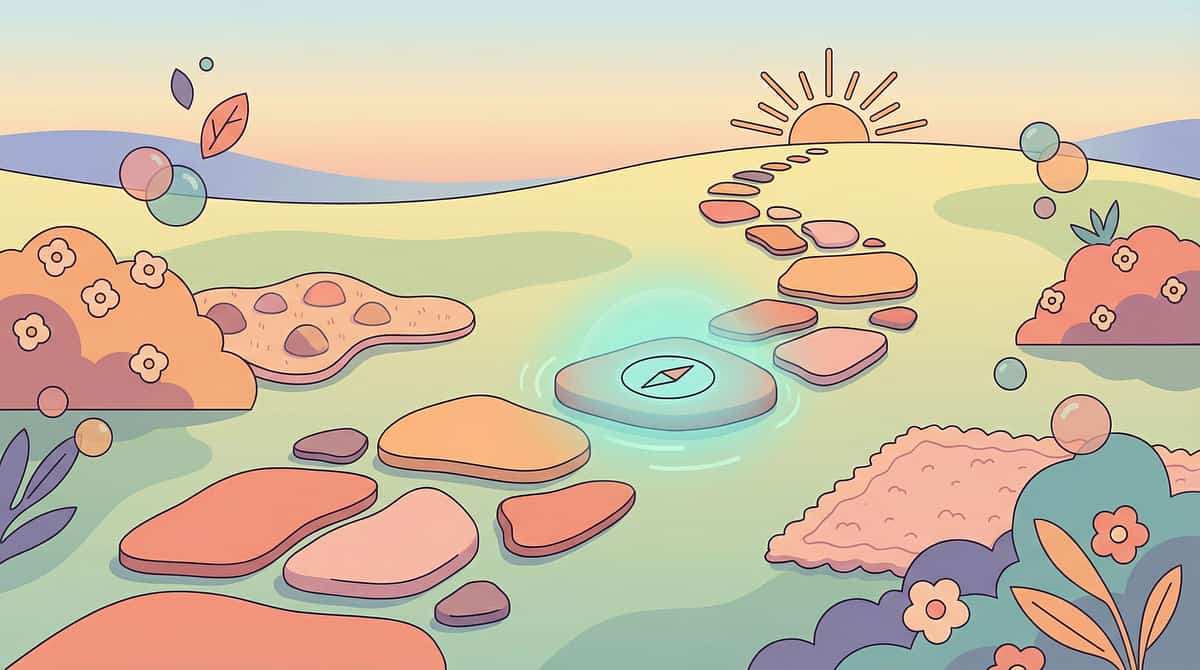
Separation anxiety is attachment working correctly.
The goal is not to eliminate it — it's to help it grow up.
6–10 Months
Stranger anxiety emerges. Object permanence forming.
10–18 Months
Peak intensity. Return not yet fully trusted.
18–36 Months
Language and memory help bridge absence. Gradual decrease expected.
3–5 Years
Preschool entry triggers resurgence. Support materials help bridge the gap.
5–7 Years
School age. Persistent intense anxiety that impairs functioning warrants structured intervention.
🟢 Before Age 3
Developmentally expected and appropriate.
🟡 Ages 3–5
Should be decreasing; support materials help.
🔴 Ages 5+
Persistent intense anxiety warrants structured intervention.
Commonly co-occurs with: Autism Spectrum Disorder, Generalised Anxiety Disorder, ADHD, and Sensory Processing Differences — each amplifying the intensity of separation distress in distinct ways.

ACT I · EVIDENCE GRADE
These are not folk remedies. These are evidence-based attachment interventions.
Evidence Grade: II-A
Systematic Review Level + RCT Support
Evidence Confidence
Home Applicability
Parent Feasibility
Key Studies
- AACAP Practice Parameters: Graduated exposure + attachment object interventions show strong evidence for SAD.
- Bowlby / Ainsworth RCTs: Transitional objects support internal working model formation and reduce separation distress.
- Pinnacle Clinical Registry (20M+ sessions): Structured goodbye routines show measurable reduction in distress within 4–8 weeks.
- Indian J Pediatr (2019): Home-based structured interventions demonstrate significant outcomes. DOI: 10.1007/s12098-018-2747-4
- WHO NCF (2018): Predictable, responsive caregiving during transitions is a core nurturing care principle.
"Clinically validated. Home-applicable. Parent-proven across 70+ centres and 70 countries."
ACT II · DEFINITION
The 9 Connection Materials for Separation Anxiety
Formal Name: Transitional Object & Attachment Bridge Intervention | Age Range: 18 months – 10 years
This intervention introduces 9 specific materials that work together to help a child maintain felt connection with their primary caregiver during physical separation. Unlike behavioural suppression approaches that simply push children through distress, these materials work with the child's attachment system — providing external scaffolding for the internal working model the child is building.
Each material targets a specific neurological channel: visual (photo keychain), olfactory (scent object), proprioceptive (bracelet), temporal (visual timer), narrative (social story), cognitive (worry box), affective (love notes), predictive (goodbye routine), and cumulative tolerance (brave practice chart).
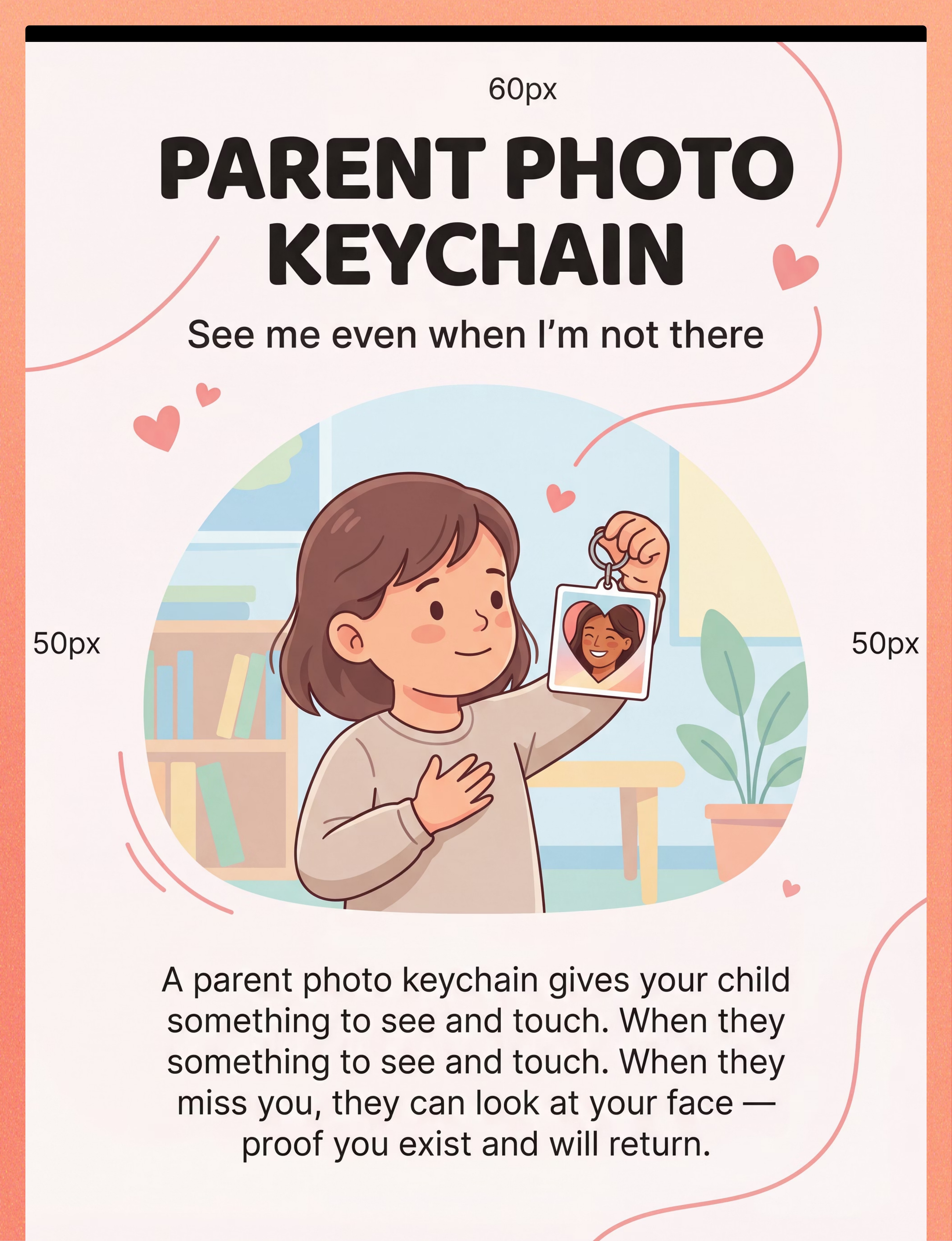
📸 Parent Photo Keychain
Visual anchor for the amygdala — the child's face seeing yours when you're not there.
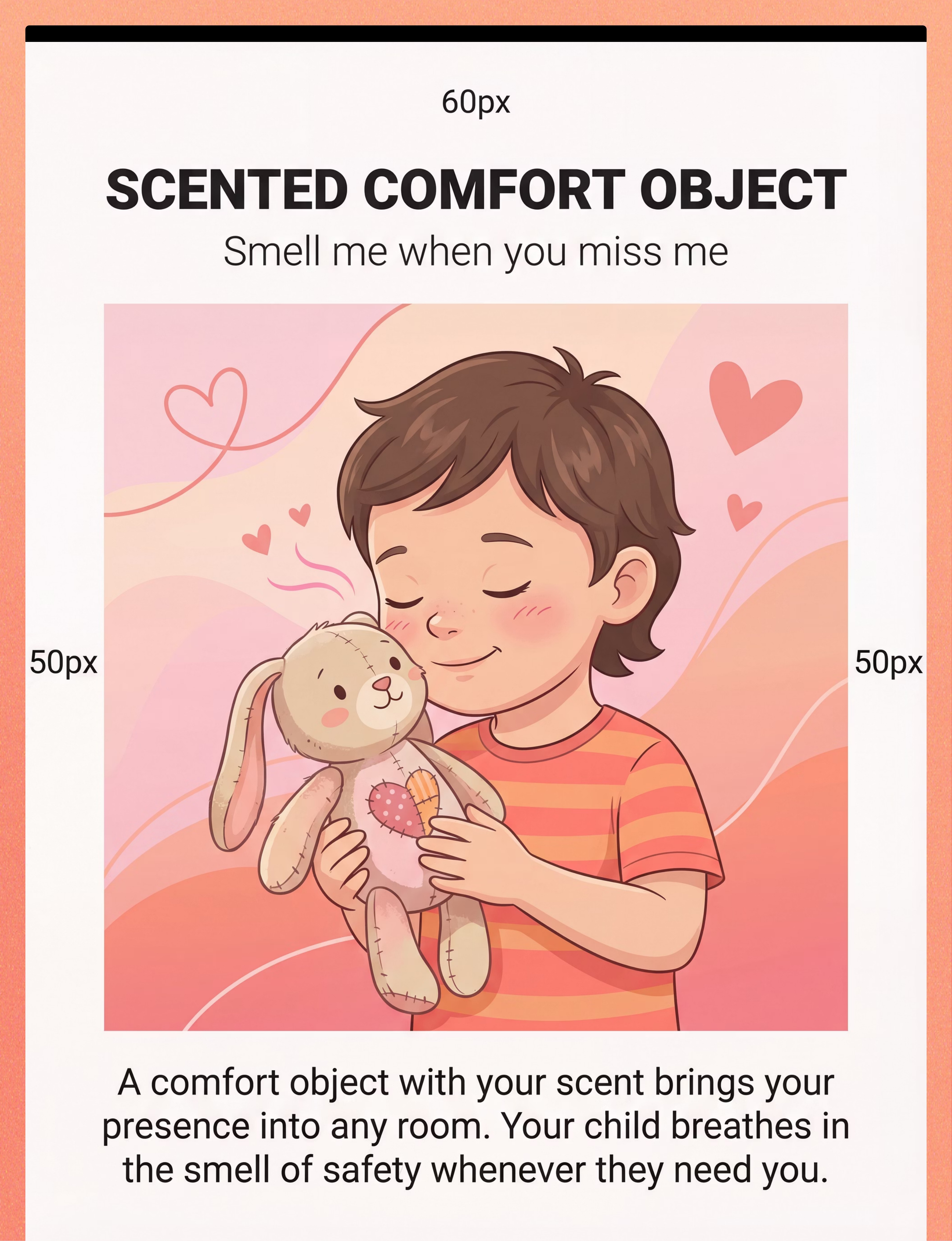
🧸 Scented Comfort Object
Olfactory pathway — parent's scent delivers "safe" directly to the brain.
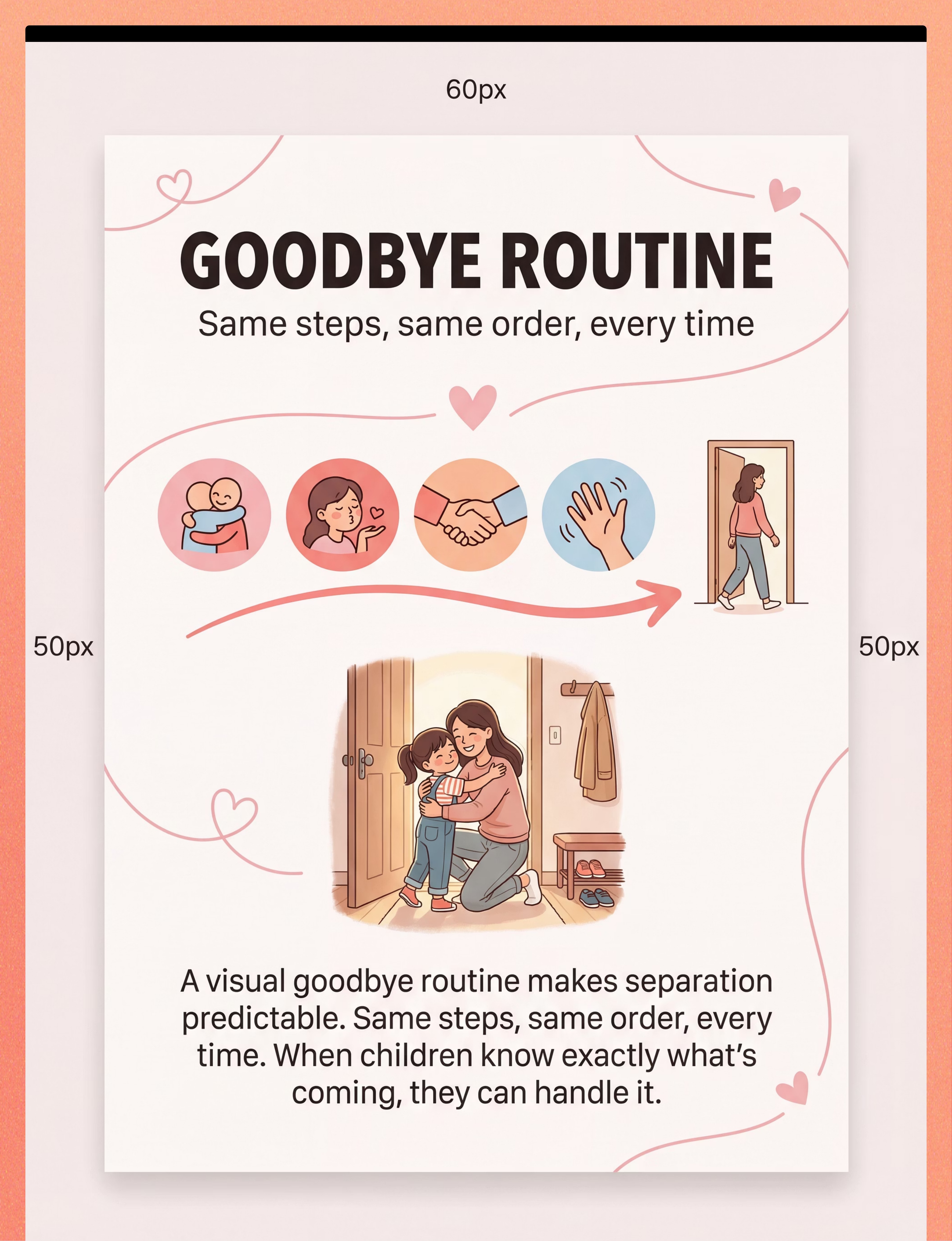
📋 Goodbye Routine Visual Schedule
Predictability reduces amygdala threat response. Same steps, same order, every time.
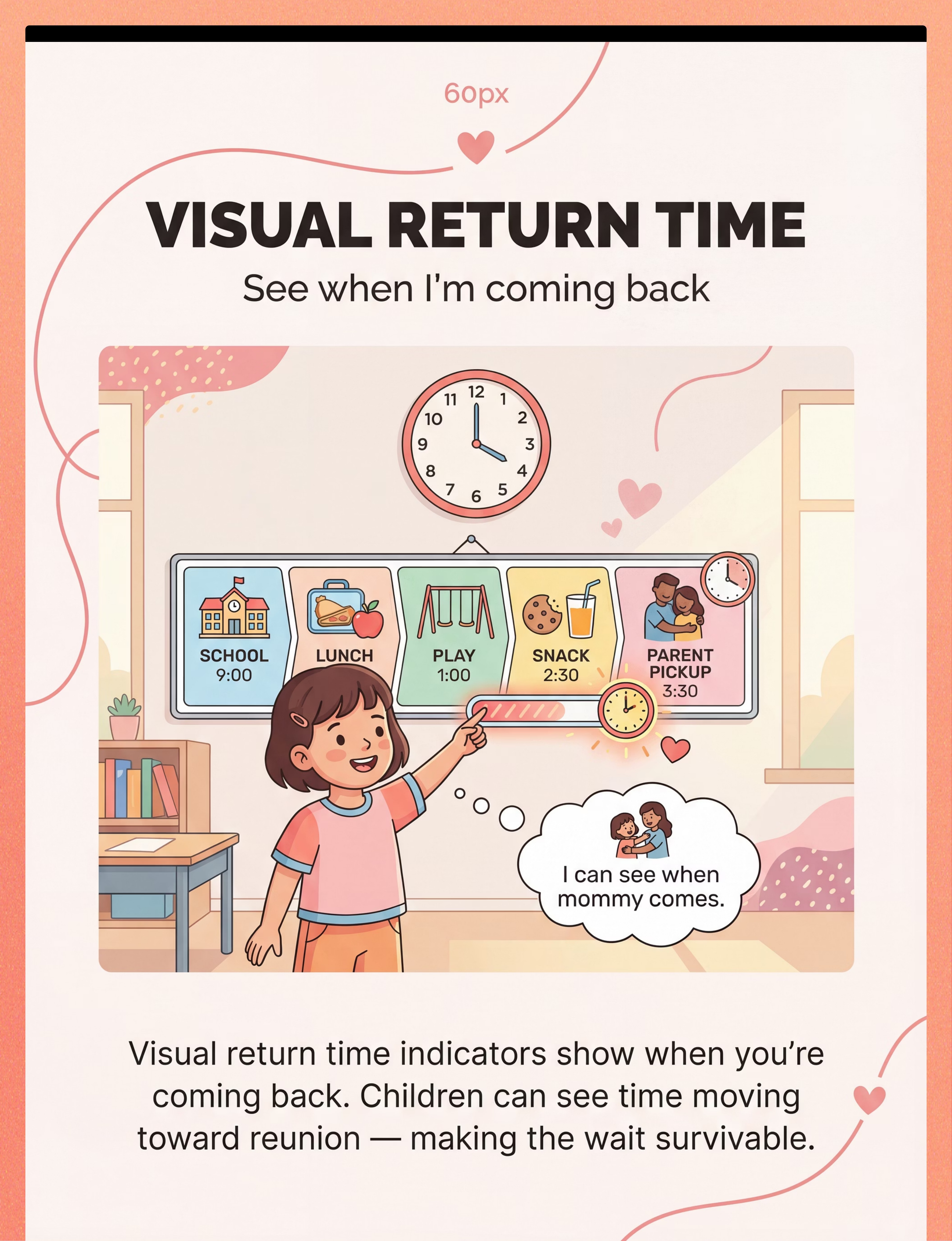
⏰ Visual Return Time Indicator
Temporal orientation — makes abstract "I'll be back" visible and concrete.
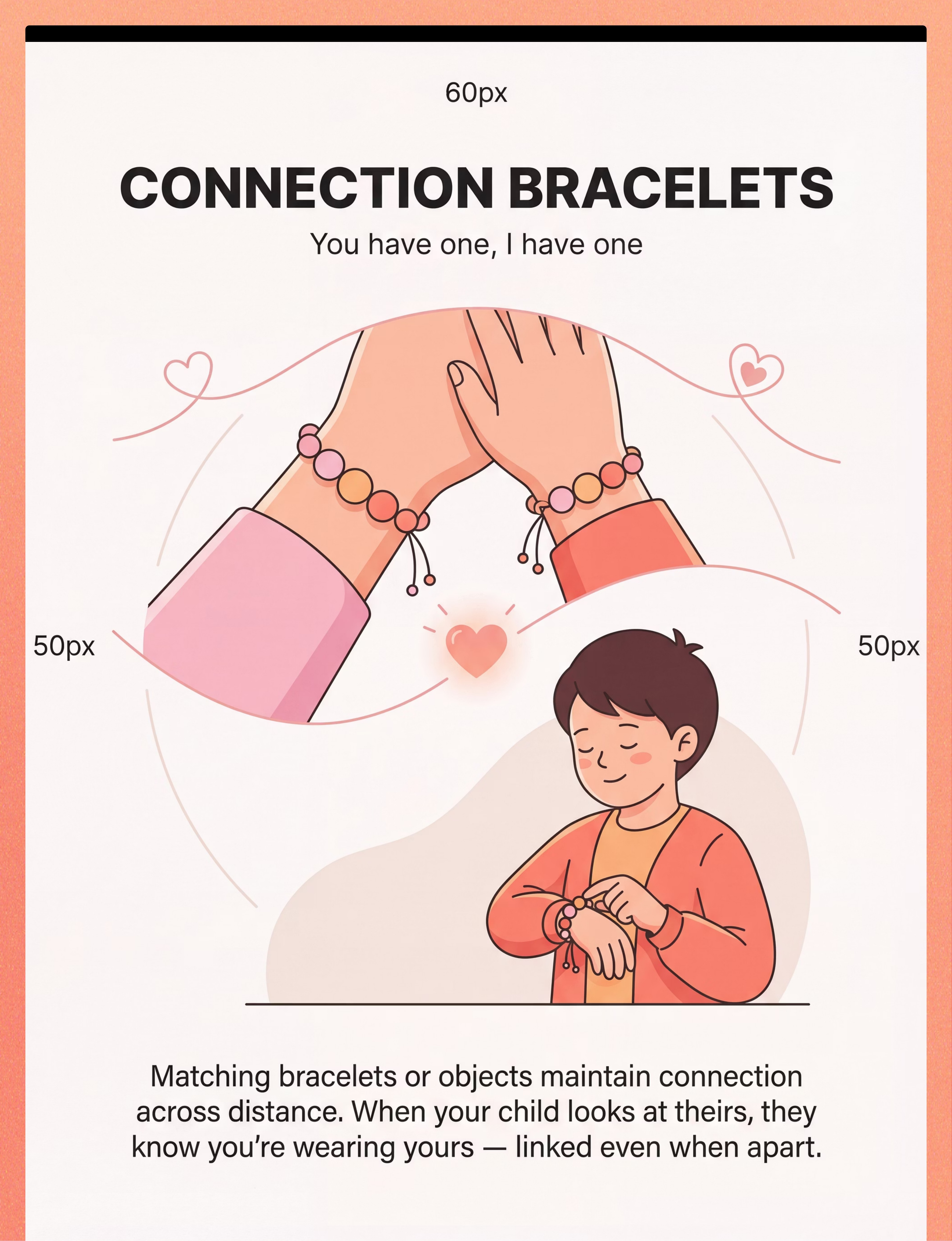
📿 Connection Bracelets
Matching bracelets worn by parent and child maintain proprioceptive felt connection.
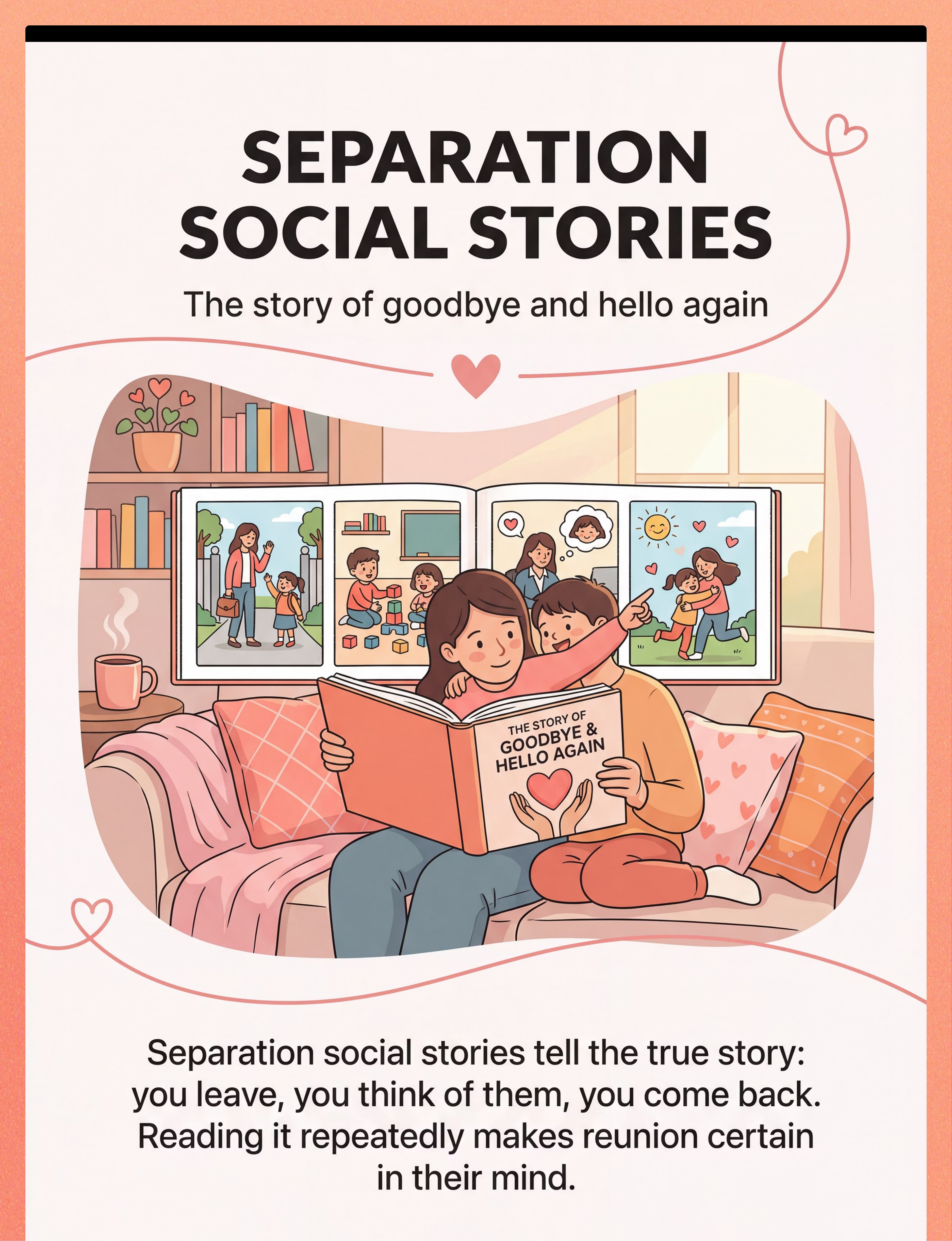
📖 Separation Social Stories
Narrative pathway — builds the child's internal story: "I go. I wait. They return."
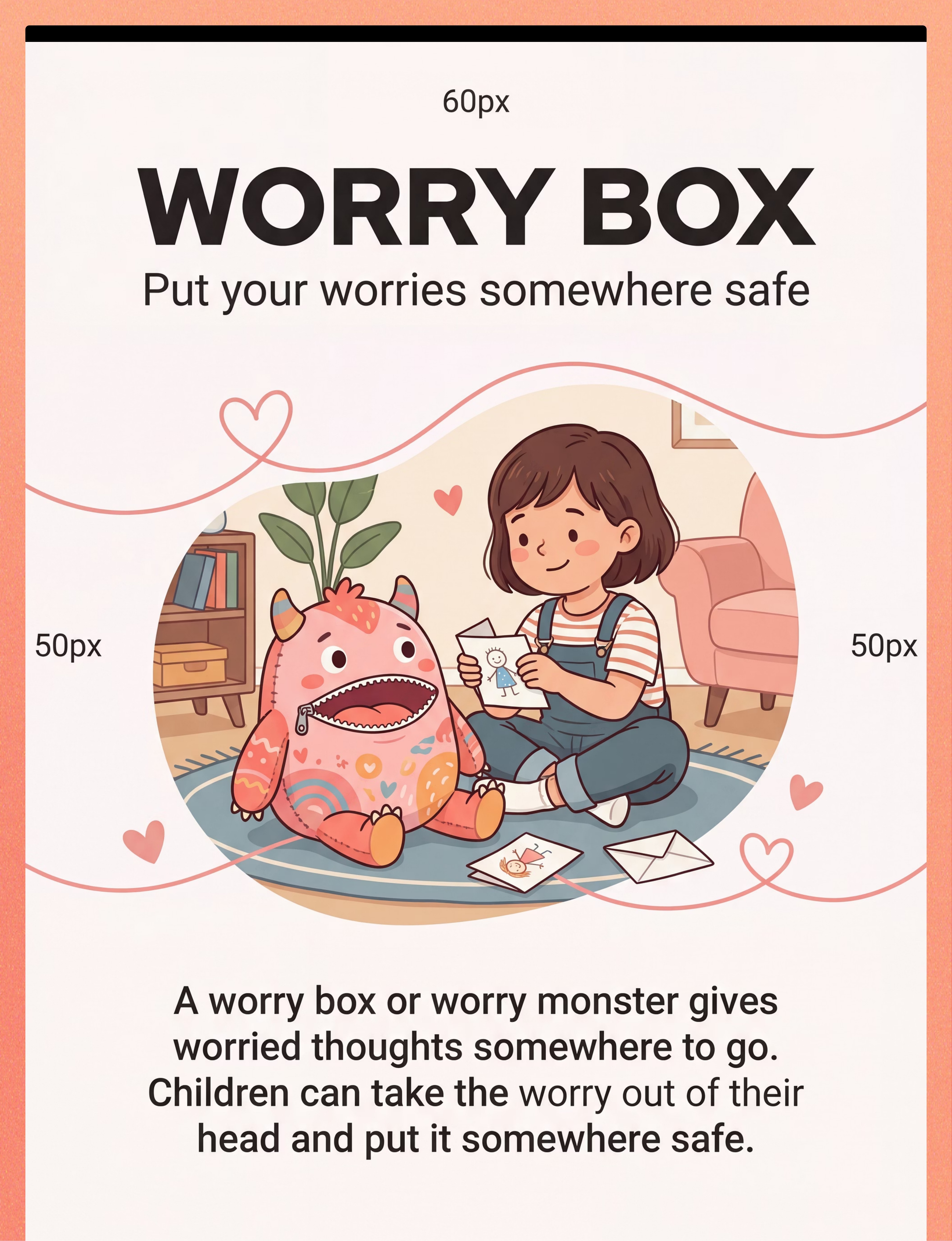
📦 Worry Box / Worry Monster
Externalises worried thoughts — removes them from the cognitive loop during the day.
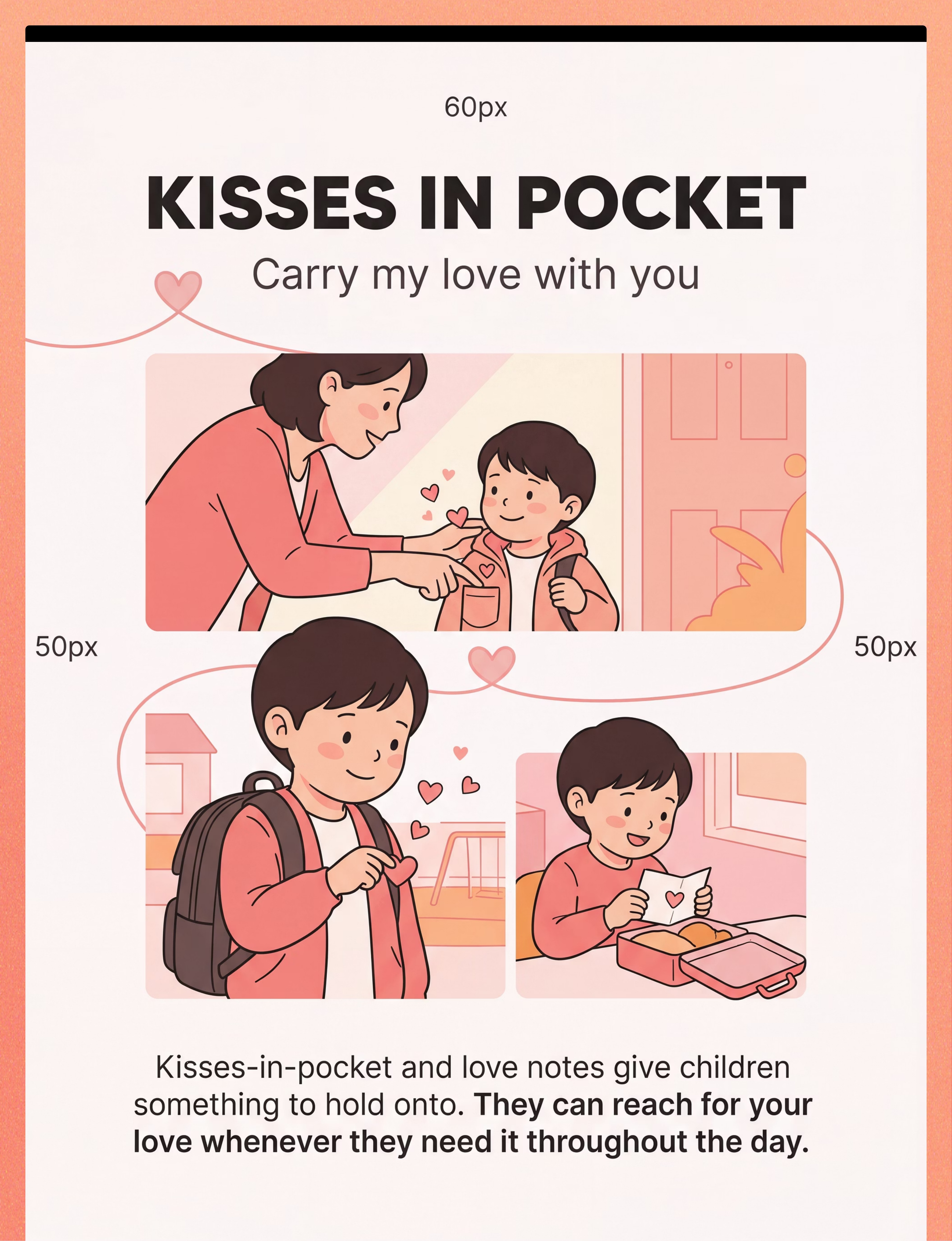
💌 Kisses-In-Pocket / Love Notes
Affective access — child carries felt love throughout the school day.
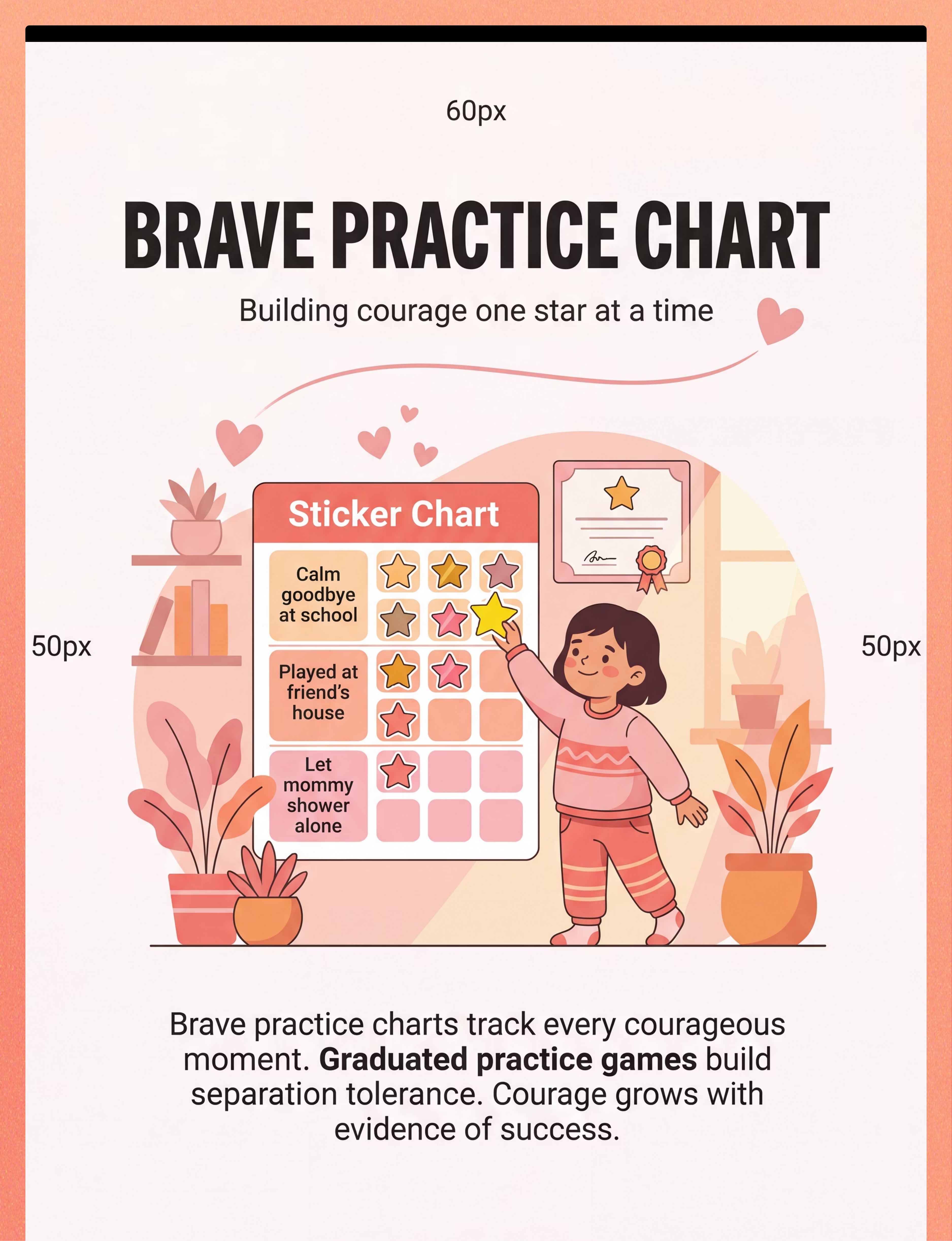
⭐ Brave Practice Chart
Reinforcement pathway — builds cumulative evidence of the child's own bravery.

ACT II · CONSORTIUM DISCIPLINES
Six disciplines. One child. One morning.
A child's attachment system doesn't organise by therapy type. The amygdala doesn't know it's an OT session. That's why C-278 is a multi-disciplinary intervention — with each specialist contributing their unique lens to a single, coherent morning goodbye.
🧠 Psychology / BCBA-ABA
Designs the graduated exposure hierarchy. Establishes the reinforcement schedule for brave goodbyes. Implements the brave practice chart as systematic desensitisation.
👐 Paediatric OT
Selects and calibrates sensory comfort objects (scent, texture, weight) to match the child's sensory profile. Addresses sensory dysregulation that amplifies distress.
🗣️ Paediatric SLP
Writes and adapts separation social stories to the child's language level. Scripts goodbye routine language. Builds the child's internal narrative.
📚 Special Education
Designs goodbye routine visual schedules. Creates visual return time indicators matched to the child's cognitive level. Ensures schedule consistency across home and school.
🏥 NeuroDev Paediatrics
Differentiates typical developmental anxiety from Separation Anxiety Disorder. Rules out medical contributions. Coordinates multi-disciplinary intervention planning through GPT-OS®.
💊 Paediatrics & CRO
Monitors intervention response. Assesses whether professional psychological intervention is indicated. Maintains clinical safety thresholds and evidence grading.
ACT II · THERAPEUTIC TARGETS
What C-278 is designed to achieve
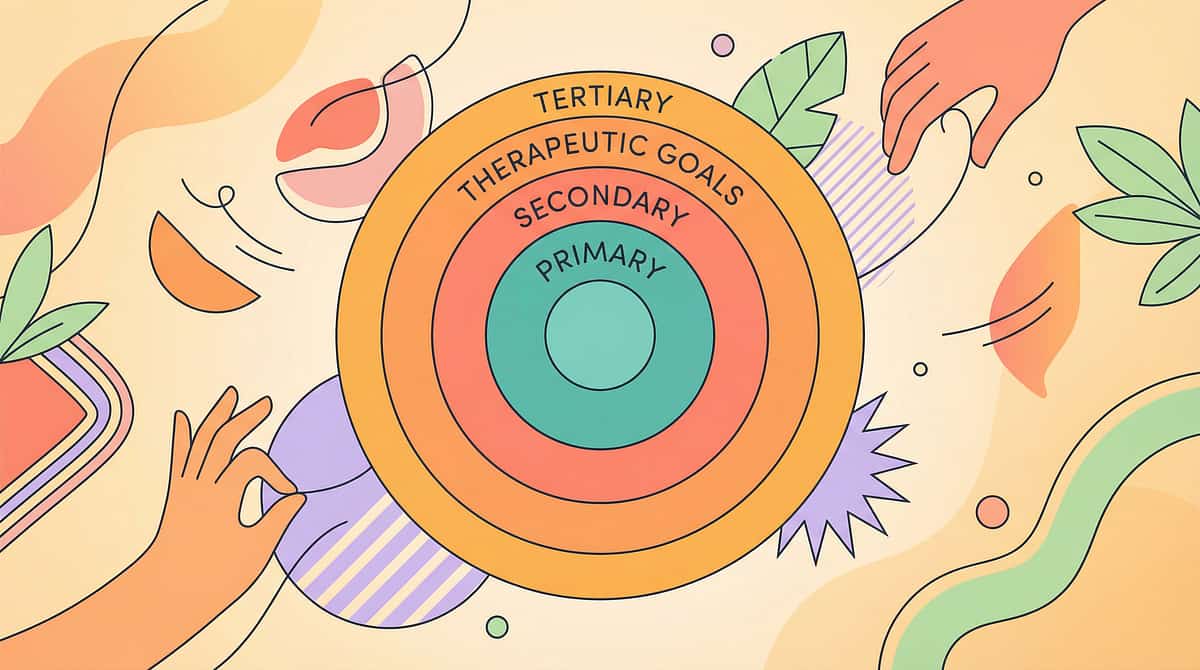
🎯 Primary Target
Felt security during physical separation. Observable: child separates within 2 minutes, uses coping materials independently, stops the "one more hug" loop.
🎯 Secondary & Tertiary
Self-regulation + internal working model development. Long-term: age-appropriate independence, peer socialisation, school readiness, and reduced anxiety disorder trajectory.
📊 Anxiety Tolerance Readiness Index
📊 Attachment Security Index
📊 Transition Readiness Index
📊 Social-Emotional Development Index
ACT II · MATERIALS
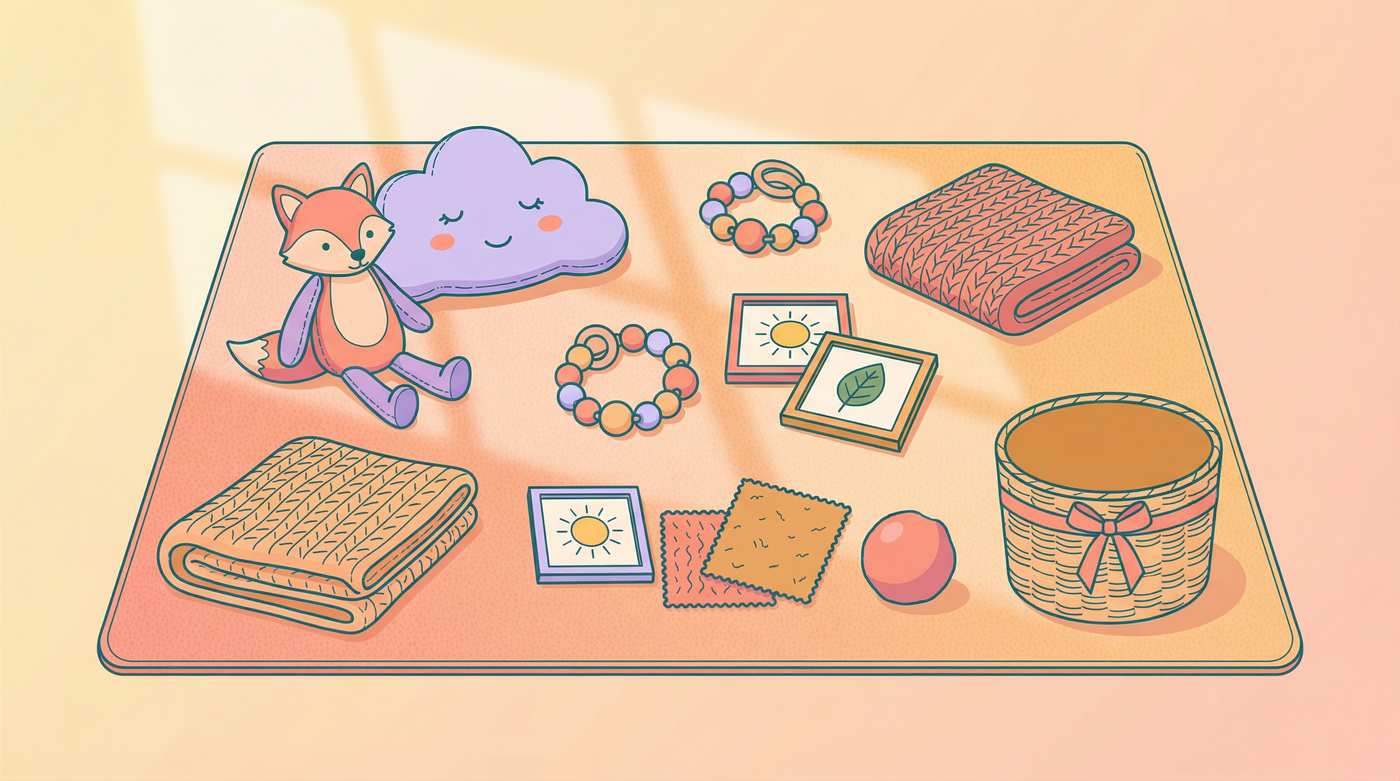
9 materials. Each targeting a different part of the nervous system.
Every material in this toolkit has a specific neurological job to do. Together, they create a multi-channel safety signal that reaches the child's amygdala through sight, smell, touch, time, narrative, and reward.
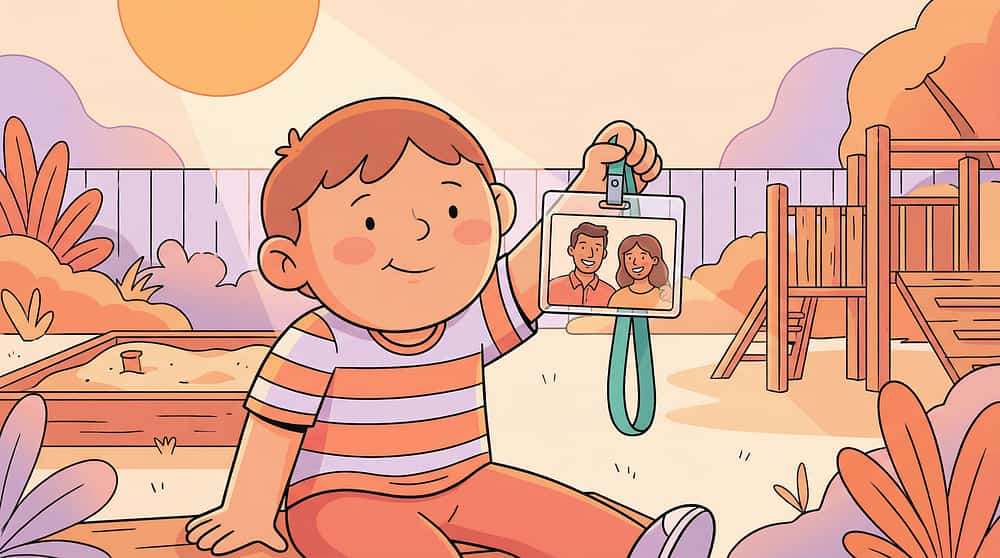
📸 1. Parent Photo Keychain
Small laminated photo in a keychain holder. Visual anchor for the amygdala.
Cost: ₹100–500 | Pinnacle recommends: Photo locket or badge-clip holder
Cost: ₹100–500 | Pinnacle recommends: Photo locket or badge-clip holder
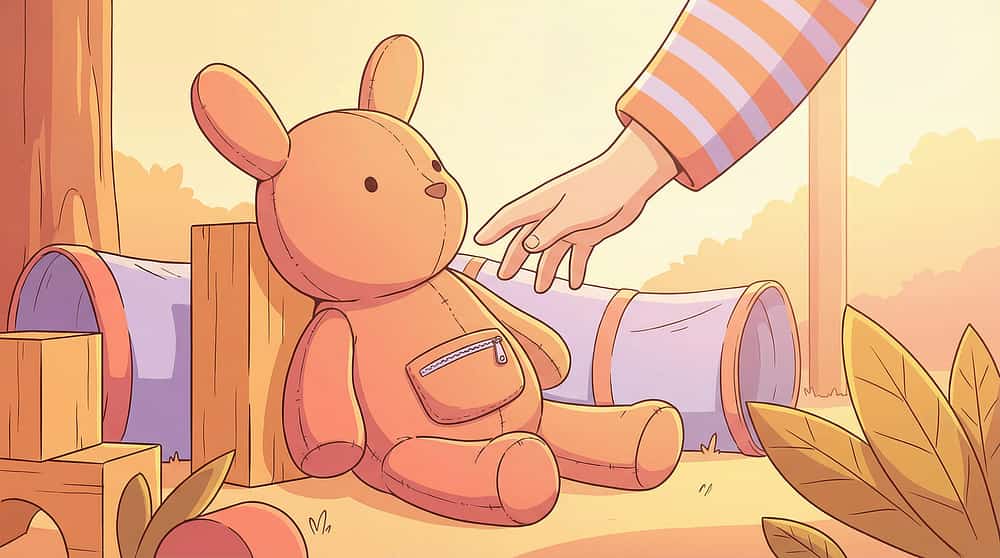
🧸 2. Transitional Comfort Object
Soft stuffed animal impregnated with parent's scent. Olfactory safety signal.
Cost: ₹200–800 | Pinnacle recommends: Small plush with zipper scent pouch
Cost: ₹200–800 | Pinnacle recommends: Small plush with zipper scent pouch
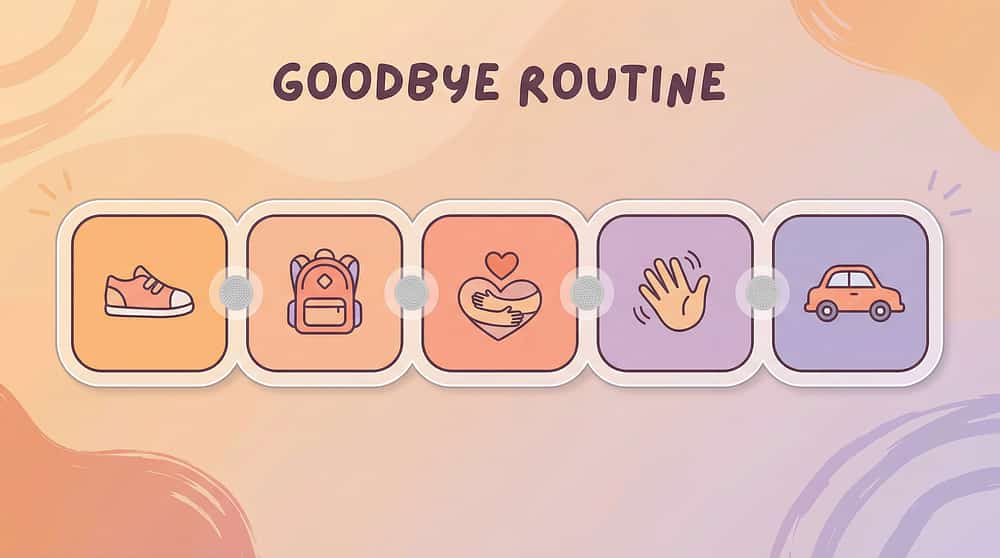
📋 3. Goodbye Routine Visual Schedule
Laminated step-by-step goodbye picture cards. Same steps, same order, every time.
Cost: ₹150–400 | Pinnacle recommends: Velcro-backed picture schedule strips
Cost: ₹150–400 | Pinnacle recommends: Velcro-backed picture schedule strips
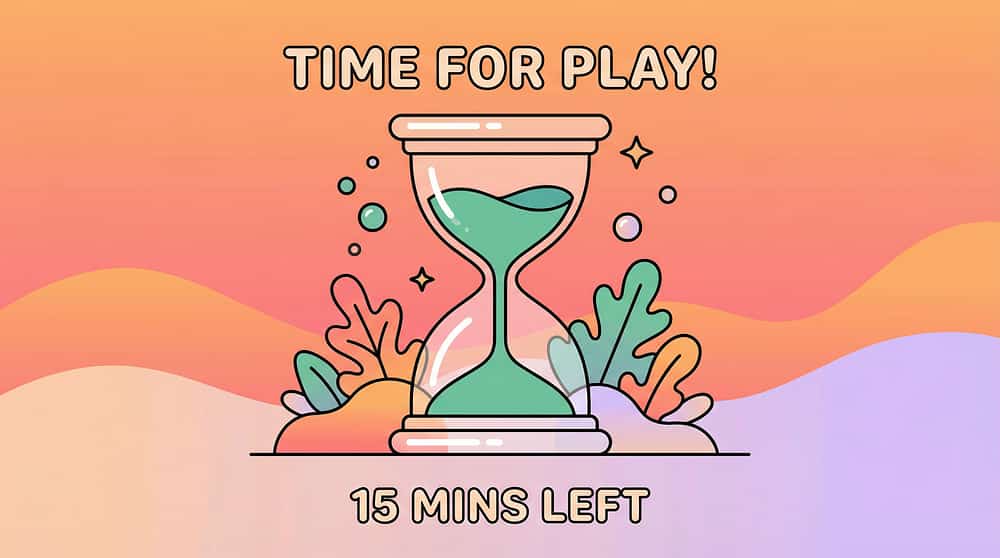
⏰ 4. Visual Return Time Indicator
Visual timer or picture-based daily schedule ending with "Parent Pickup."
Cost: ₹200–1,500 | Pinnacle recommends: Time Timer or colour-drain hourglass
Cost: ₹200–1,500 | Pinnacle recommends: Time Timer or colour-drain hourglass
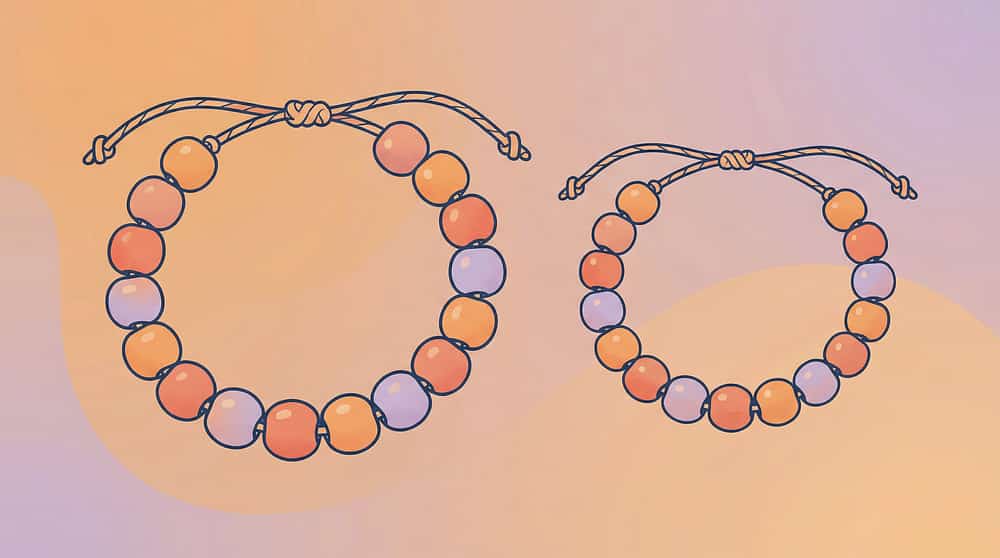
📿 5. Connection Bracelets
Matching bead or string bracelets — one for parent, one for child.
Cost: ₹100–600 | Pinnacle recommends: Simple identical bead bracelets made together
Cost: ₹100–600 | Pinnacle recommends: Simple identical bead bracelets made together
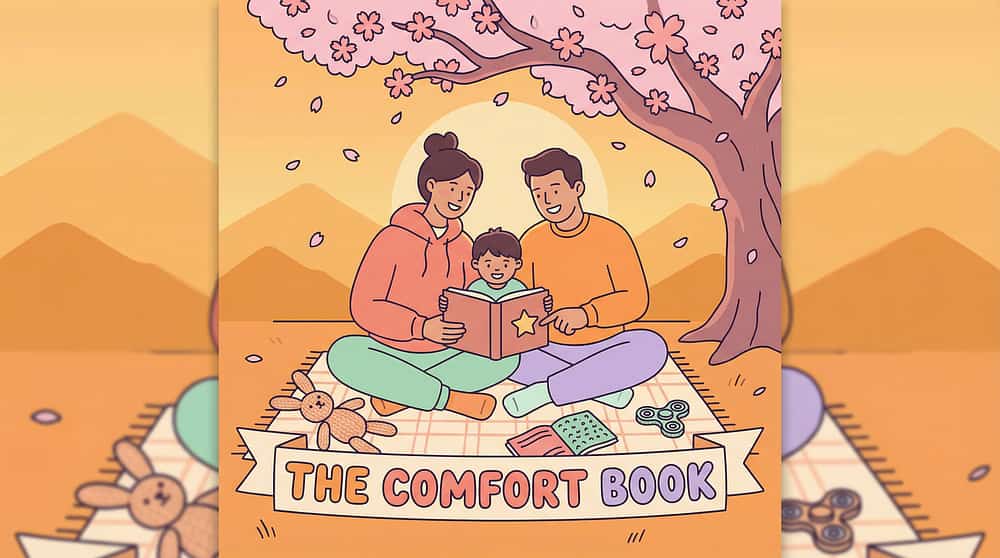
📖 6. Separation Social Stories
Picture book or custom story: "I go to school. Mummy thinks of me. She comes back."
Cost: ₹200–600 | Pinnacle recommends: "The Kissing Hand" + custom photo story
Cost: ₹200–600 | Pinnacle recommends: "The Kissing Hand" + custom photo story
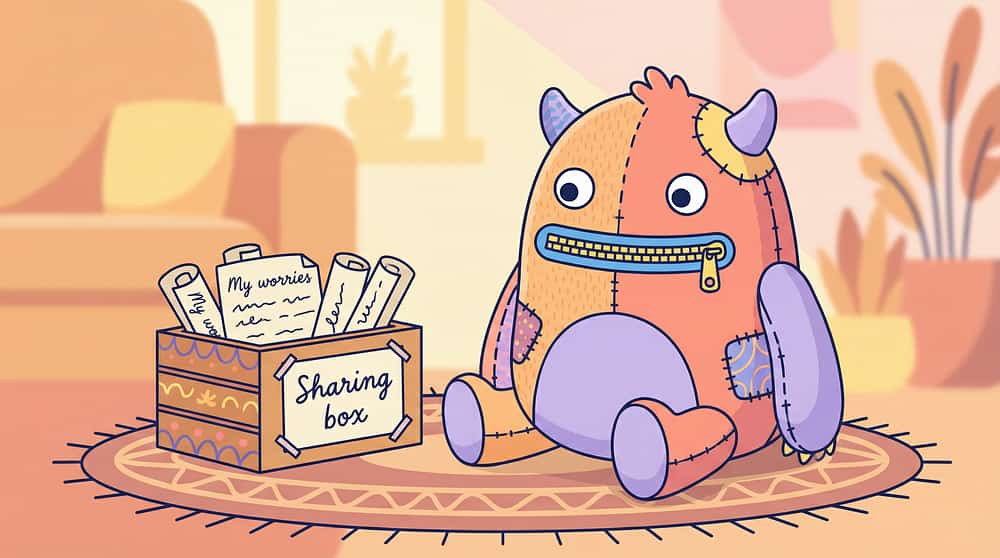
📦 7. Worry Box / Worry Monster
Decorated container or zippered-mouth plush for externalising worried thoughts.
Cost: ₹200–800 | Pinnacle recommends: Zippered-mouth worry monster + paper slips
Cost: ₹200–800 | Pinnacle recommends: Zippered-mouth worry monster + paper slips
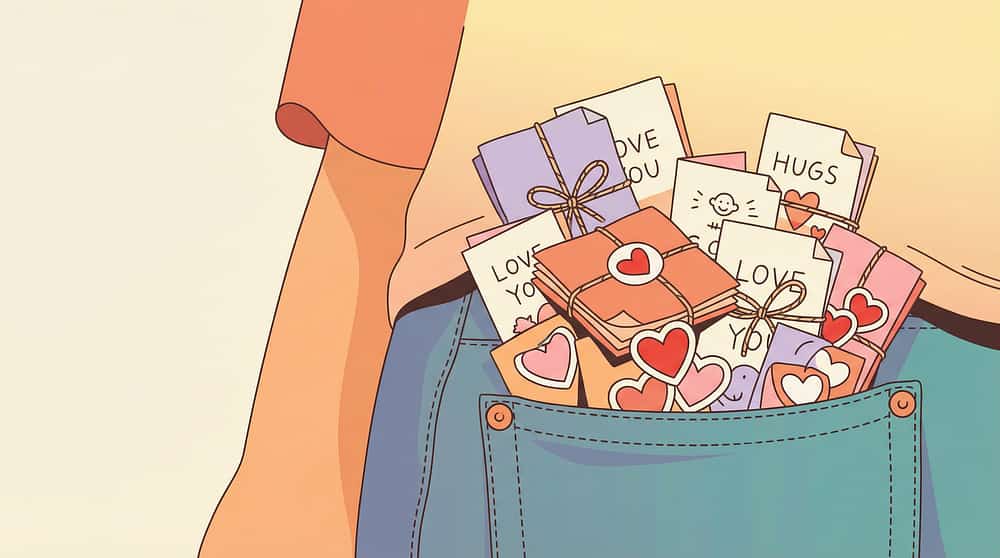
💌 8. Kisses-In-Pocket / Love Notes
Heart stickers, folded notes, or "Kissing Hand" ritual tokens. Portable felt love.
Cost: ₹50–200 | Pinnacle recommends: Pre-printed love note cards + heart sticker pack
Cost: ₹50–200 | Pinnacle recommends: Pre-printed love note cards + heart sticker pack
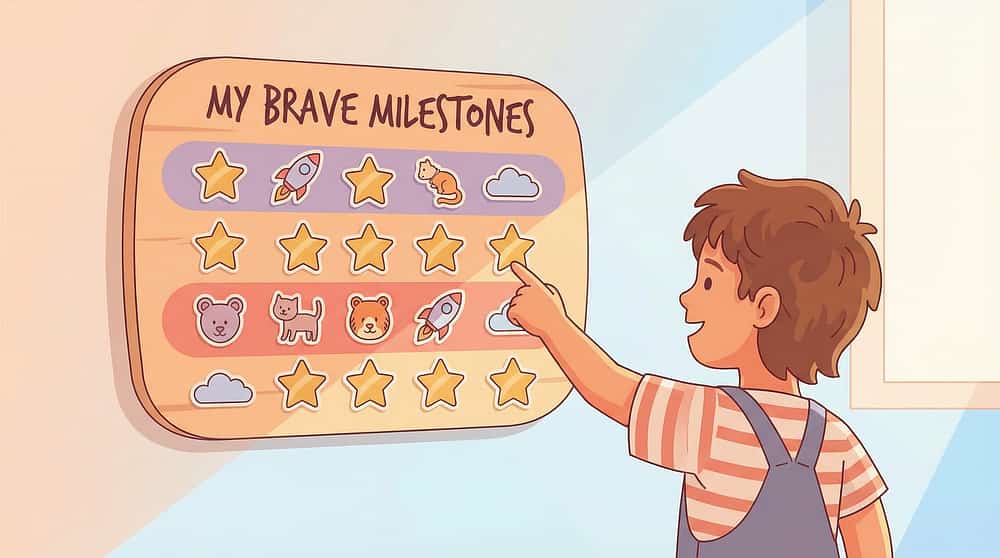
⭐ 9. Brave Practice Chart
Sticker reward chart tracking successful separation milestones.
Cost: ₹100–400 | Pinnacle recommends: Large sticker chart + gold star stickers + certificate
Cost: ₹100–400 | Pinnacle recommends: Large sticker chart + gold star stickers + certificate
💡Starter Kit (3 essentials): ₹300–700 total — Photo keychain + Comfort object + Simple goodbye routine (printable from home). Full 9-material set: ₹1,500–5,000 depending on selections.
ACT II · EQUITY ACCESS
Every family, every income. These materials can start today.
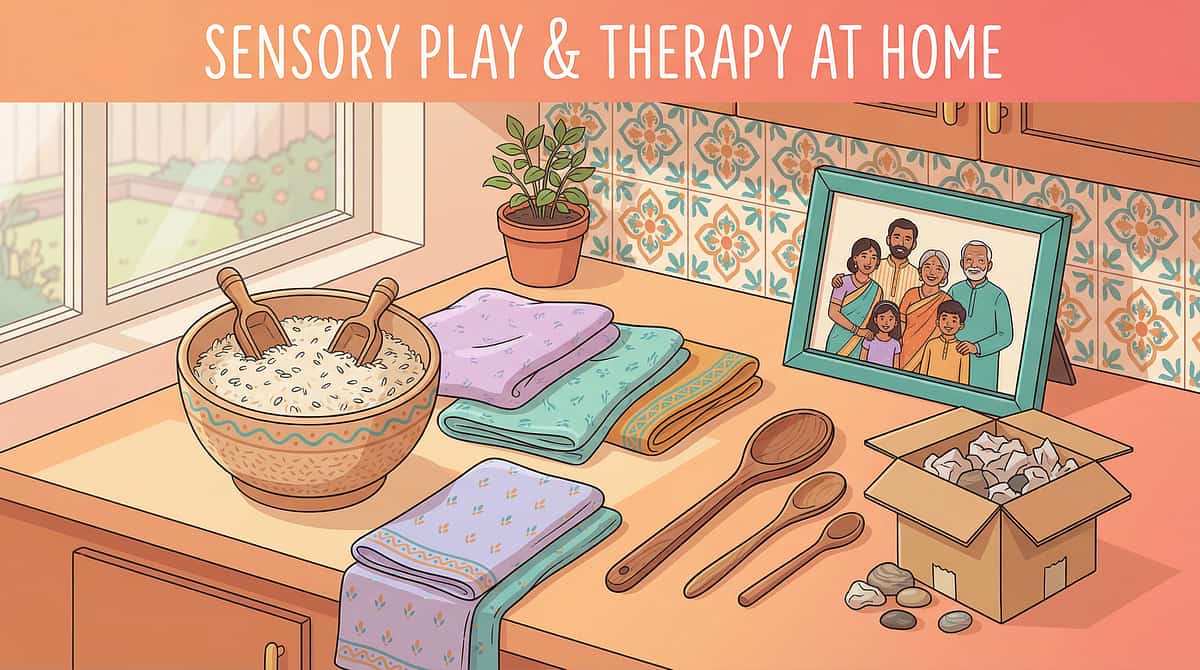
The clinical-grade material and the homemade version work through the same neurological channels. What matters is consistency of use and emotional meaning — not commercial production value. Here is how to begin with zero rupees.
Material | ₹ Commercial | ₹0 DIY Version | |
Parent Photo Keychain | Locket keychain ₹150 | Print wallet photo → laminate → punch hole → ring clip | |
Scented Comfort Object | Plush toy ₹300 | Cut heart from old worn t-shirt. Sleep with stuffed animal for one week. | |
Goodbye Routine Schedule | Visual cards ₹200 | Draw 4 steps on paper → laminate with tape → post at door | |
Visual Return Time | Digital timer ₹400+ | Paper strip with segments to cross off + picture of "parent arrives" | |
Connection Bracelets | Bead bracelets ₹150 | Make together using thread or wool — the making adds meaning | |
Separation Social Stories | Picture book ₹300 | Write 6-sentence story. Print photos. Staple as booklet. | |
Worry Box | Decorated box ₹200 | Decorate any old box with child. Cut mouth in top. | |
Kisses-In-Pocket | Sticker set ₹100 | Mime catching kisses into pocket. Write notes on any paper. | |
Brave Practice Chart | Printed chart ₹150 | Draw grid on paper. Use any available stickers or stamps. |
⚠️When commercial is non-negotiable: For children with severe sensory sensitivities, materials must be tactilely appropriate — consult OT before selecting fabric/texture. For children with pica or mouthing behaviours, all objects must be non-toxic and choke-safe.
ACT II · SAFETY GATE
Safety first — before you begin.
🟢 GREEN — Proceed
- Child is calm or mildly anxious
- No current acute illness
- Both parent and child have time for a calm goodbye
- Child has previously accepted comfort from physical objects
- Separation is necessary (school, work, essential appointment)
🟡 AMBER — Modify
- Child is tired or hungry → Shorten goodbye to 3 steps maximum
- Child had a bad previous separation → Add extra connection object
- New caregiver or environment → Add visual schedule + extra comfort object
- Child is mildly unwell → Use minimal routine; allow extra comfort object
🔴 RED — Stop & Seek Support
- Child shows physical symptoms (vomiting, choking) during goodbyes repeatedly
- Anxiety has intensified despite 6+ weeks of consistent intervention
- Complete school refusal for more than 2 weeks
- Signs of trauma response (dissociation, regression, nightly nightmares)
- Parent's own anxiety is severely impacting execution
⚠️NEVER sneak away without saying goodbye. Children who are left without warning show dramatically increased hypervigilance and anxiety. A child who cries during a known goodbye recovers faster than one who experiences an unexpected disappearance. If concerned: 9100 181 181 — FREE helpline, 24×7, 16+ languages.
ACT II · ENVIRONMENT SETUP
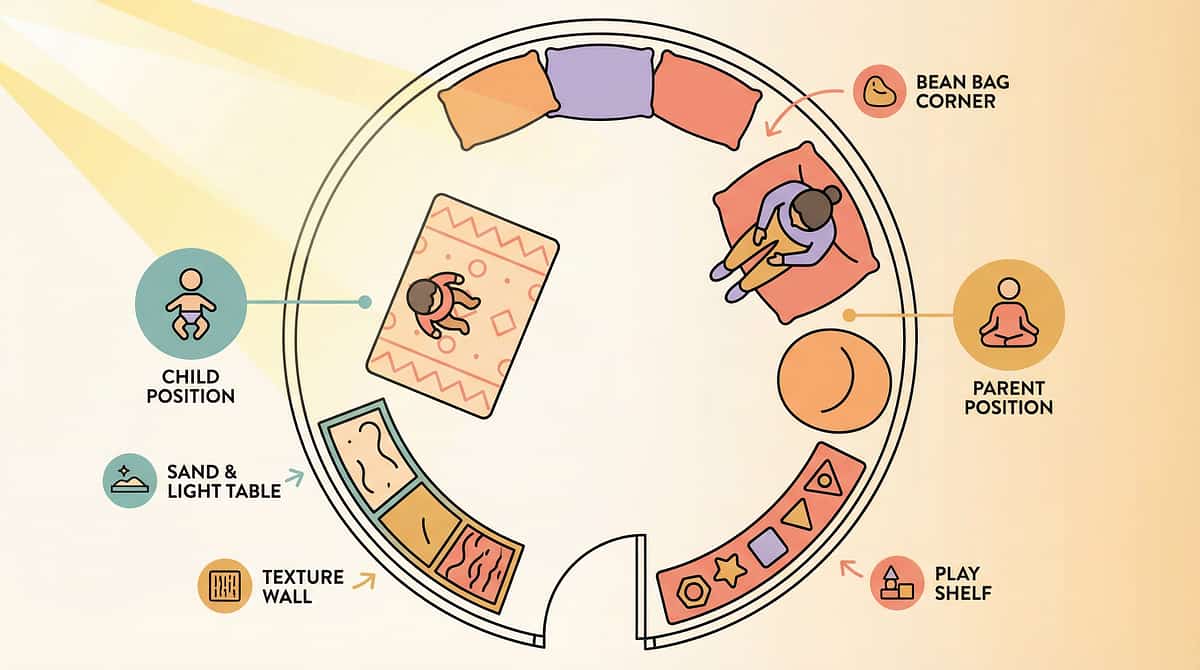
The goodbye zone. Set it up once. Use it every day.
The physical environment of your goodbye matters more than most parents realise. A consistent, well-organised goodbye zone reduces the cognitive load on both parent and child — the nervous system can settle into the familiar rather than scan for new threats.
Visual Schedule Card
Posted at child's eye level, beside the door. Same position every day.
Comfort Object Station
Small basket or hook near door. Comfort object lives here — always at the same location, waiting.
Brave Practice Chart
Posted at child's eye level on the wall. Stickers nearby — ready to add immediately after successful goodbye.
Parent Position
Kneeling, eye level, facing child. Parent's matching bracelet on before goodbye begins.
Caregiver/Teacher Position
Ready to receive, warm smile, familiar face. Communicate goodbye routine steps in advance.
🔊 Sound
Calm — no TV or loud radio during goodbye ritual.
💡 Light
Natural or warm — harsh/flickering lighting increases anxiety.
⏱️ Time
Allow 3–5 minutes. Never rushed. Never hurried.
ACT III · PRE-SESSION GATE
60 seconds before goodbye. Ask these 5 questions.
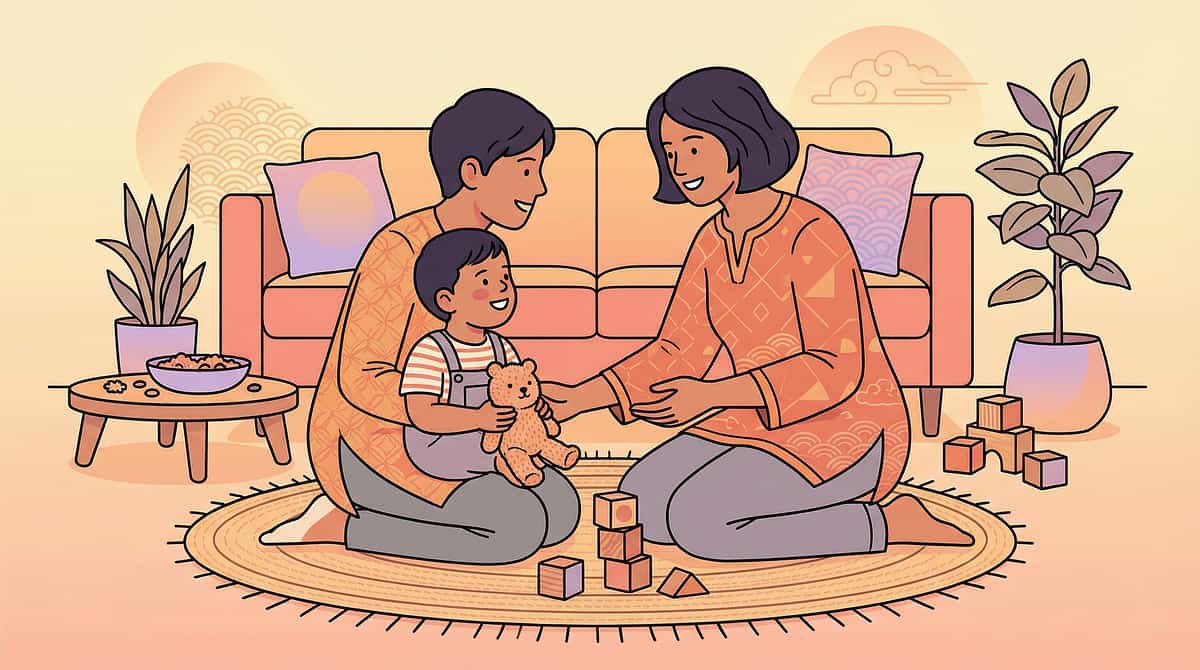
Your child's readiness state determines how today's goodbye routine runs. A 60-second check before you begin can mean the difference between a therapeutic goodbye and an escalating meltdown. Know before you start.
Check | ✅ GO | ⚡ MODIFY | ❌ STOP | |
1. Mood state | Calm or mildly anxious | Elevated distress | Full meltdown in progress | |
2. Physical state | Fed, rested, no fever | Tired or hungry | Visibly unwell | |
3. Objects ready | Comfort object with child | Object missing/forgotten | — | |
4. Time available | 3–5 mins for routine | Less than 2 minutes | — | |
5. Yesterday | Previous goodbye resolved | Trauma from last goodbye | — |
✅ 3+ Greens = GO
Proceed to full 6-step goodbye routine.
⚡ 1–2 Ambers = MODIFY
Shortened 2-step routine + extra comfort object.
❌ Any Red = ADAPT
If separation is unavoidable, use quiet handoff with minimal goodbye — brief, warm, confident.
A note on your own state: Your child's amygdala reads yours. If you are anxious about leaving, your body broadcasts that signal. Take 2 deep breaths before beginning. Your calm is the most powerful intervention available.
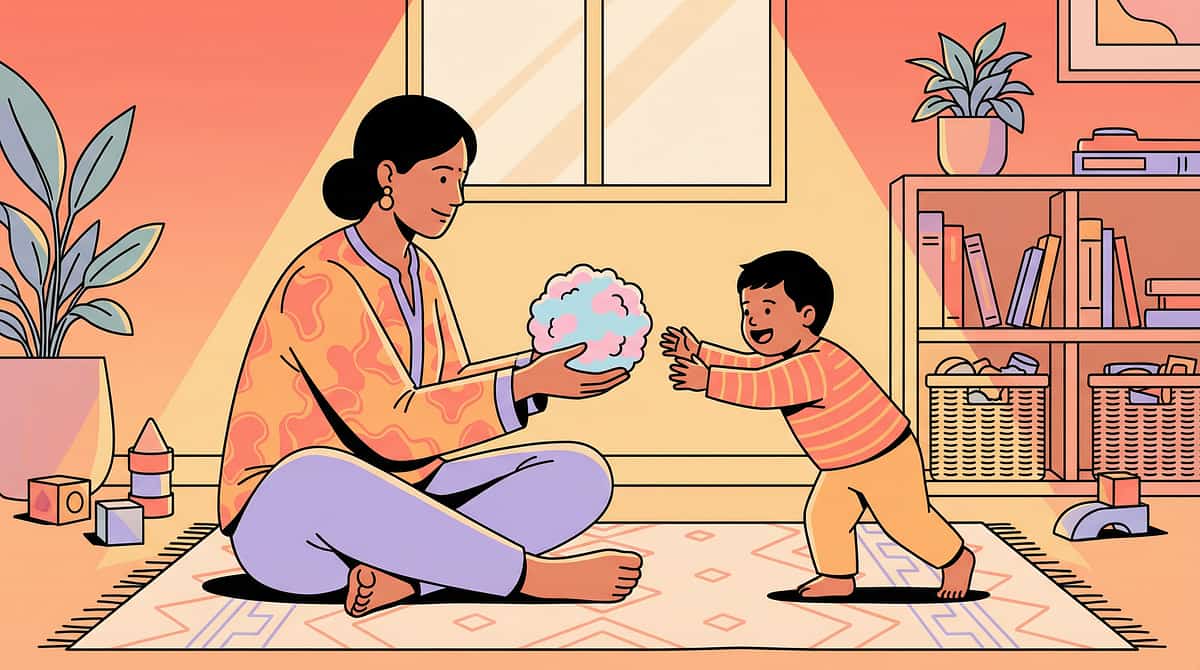
ACT III · STEP 1
Timing: 30–60 seconds
Step 1
Start the routine. Same words, same warmth, every time.
Parent Script
"Okay [Name], it's time for our goodbye! You know what comes first? [point to visual schedule] → Hug time!"
Body Language
- Kneel to eye level — never look down
- Warm, confident smile — not worried, not apologetic
- Open arms first → let child come to you
- Voice: warm + calm + CERTAIN. Not rushed, not pleading.
✅ Acceptance Cues — Look For These
- Child moves towards schedule card
- Child reaches for comfort object independently
- Child takes your hand for hug
- Child makes eye contact, even briefly
⚡ Resistance Cues — How to Respond
- Child clings/freezes → "I know. Goodbyes are hard. Let's do our steps together."
- Child melts down immediately → Shorten to 1 step (hug) + hand to teacher + go
- Do NOT skip the routine because the child is upset. Skipping teaches that distress stops the separation.
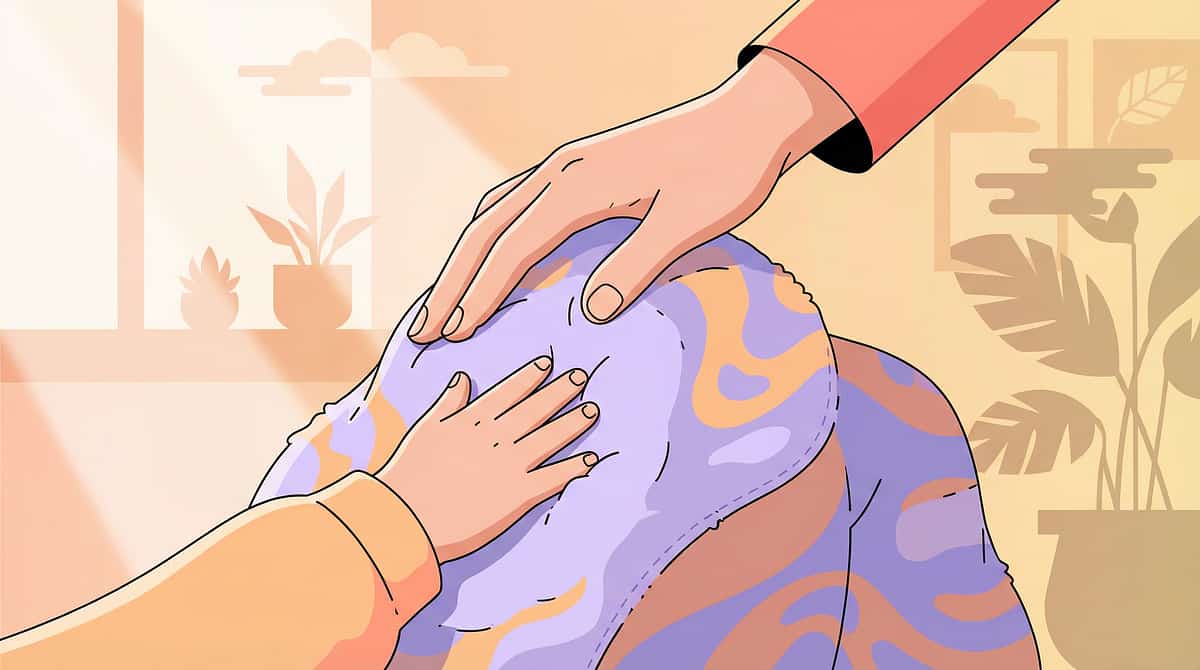
ACT III · STEP 2
Timing: 1–2 minutes
Step 2
Follow the routine. Touch each material. Say the words.
Each step in this sequence activates a different neurological comfort channel — physical touch, scent, visual, proprioceptive, ritual signal. Together, they deliver a multi-sensory "you are safe" message before you leave.
For the Photo Keychain
"When you miss me, look at your photo. That's my real face saying I love you."
For the Scented Object
"Smell this — that's mummy's smell. I'm right there in your hands."
For the Matching Bracelet
"I'm wearing mine right now. Every time you touch yours, I'm touching mine."
⏱️ Keep total routine to under 3 minutes. Prolonged goodbyes (10+ minute negotiation) increase distress, not decrease it. Immediately praise any step the child participates in: "You touched your comfort object! That's so brave!"
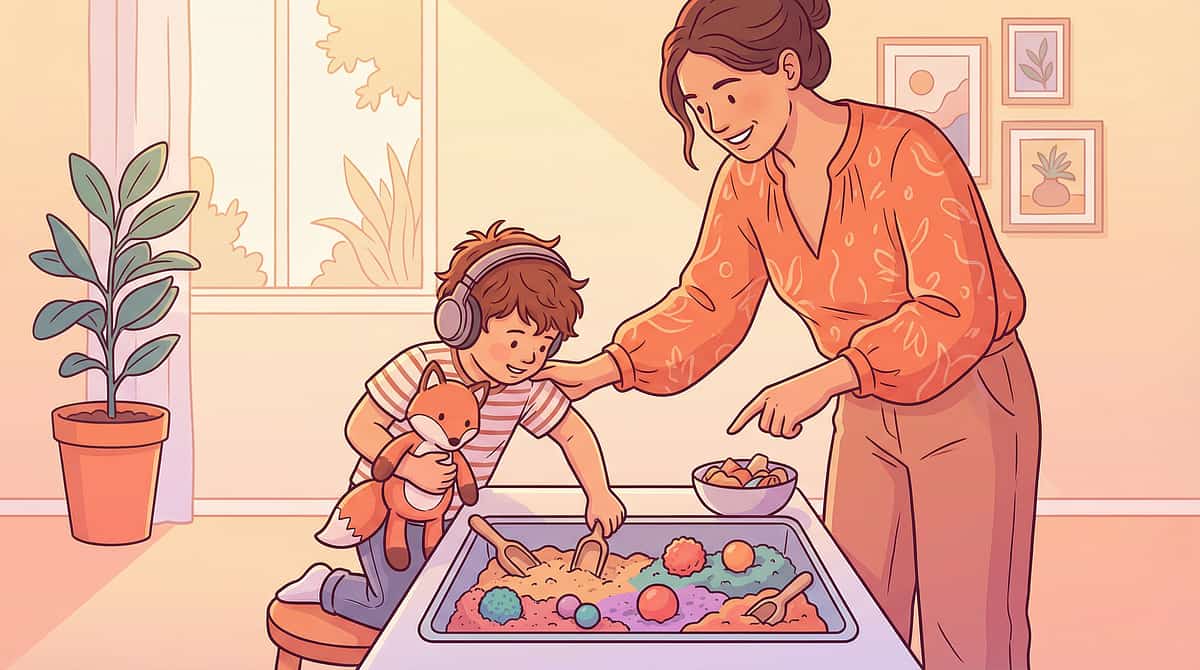
ACT III · STEP 3 · CORE ACTION
Step 3
Say goodbye once. Confidently. Then leave.
"I love you. I'll see you at [specific time]. You've got this." — Then walk away.
What the child does
May cry for 5–15 minutes after you leave. This is the amygdala processing the goodbye. The teacher says she calms. That teacher is right. Trust it.
What you do
Walk away without looking back at the door. If you look back, the child sees hope — and clings to it. One confident departure is more therapeutic than ten tearful extended goodbyes.
What the materials do
The comfort object is doing its job. The photo is in the backpack. The bracelet is on the wrist. The visual timer is ticking. The nervous system is learning: I can survive this.
Critical: Do NOT do these things
🚫 Come back if you hear crying from the hallway
🚫 Say "I'll be back soon" — unmeasurable, not trust-building
🚫 Extend goodbye with additional rounds of hugging
🚫 Show your own distress during the goodbye
🚫 Sneak away to avoid distress — betrayal causes more damage than tears
ACT III · STEP 4 · DOSAGE
Step 4
Same routine. Every separation. Every caregiver.
Consistency is the active ingredient. Three genuine, calm goodbye routines per day outperform ten rushed, anxious, incomplete ones. The routine must follow the child to every separation context — not just school drop-off.
Separation Context | Routine Required | |
School drop-off | Full 6-step goodbye routine | |
Grandparents' house | Full routine | |
Parent leaving for meeting | Modified 3-step routine | |
Parent in bathroom/shower | Quick signal: "I'll be back in 5 minutes" + visual timer | |
Overnight/travel | Full routine + extra comfort items + recorded voice message |
🏠→👵 Generalise to Home
Home → Grandparents' house
🏫→🎭 Generalise to Activities
School drop-off → After-school club
☀️→🌙 Generalise to Night
Morning goodbyes → Nighttime (for children who can't sleep alone)
📍Satiation signal: When the child stops checking the comfort object, their internal working model is forming. When they bid goodbye first — that's peak competence. Maintain the routine as a positive bonding ritual even after anxiety resolves.
ACT III · STEP 5 · REINFORCEMENT
Step 5
Mark every brave moment. Immediately. Specifically.
Reinforcement within 3 seconds of a successful goodbye step is the difference between a habit forming and a habit fading. Praise the attempt, not just the success — a child who tries the routine but still cries is using a coping tool and deserves acknowledgement.
For Participating in the Routine
"I love how you did our goodbye steps! That was so brave!"
For Using Comfort Object Independently
"You picked up your [object] yourself! That's you taking care of yourself — I'm so proud."
For a Calm Goodbye
"You said goodbye without crying today! That was HUGE bravery. Let's put a star on your chart."
For "Good Enough" (Partial Participation)
"You let me give you one hug today. That counts. That's brave. Star."
Tier 1 — Immediate
Verbal praise + physical affection (if tolerated)
Tier 2 — Daily
Star or sticker on brave practice chart
Tier 3 — Weekly
Chosen activity or small tangible reward when chart milestone met
Tier 4 — Milestone
Certificate + family celebration for major separation milestones
🏠Reunion Reinforcement — Critical: Be ON TIME (punctuality = trust). Say warmly: "I'm SO happy to see you!" Show bracelet: "I wore mine all day." Ask: "What was the best part of your day?" — NOT "Were you sad? Did you cry?" Don't reactivate the distress narrative.
ACT III · STEP 6 · TRANSITION
Step 6
After reunion — close the separation loop.
The evening ritual is not optional maintenance — it's an essential part of the therapeutic cycle. Each evening, you're building evidence that the feared outcome did not occur, preparing the next morning's nervous system, and reinforcing the child's narrative of competence.
The Worry Box Review
"You worried mummy wouldn't come back. Did mummy come back? Yes! Your worry was wrong. Your worries are often wrong. That's good news." This builds evidence-based confidence.
Transition Object Put-Away Ritual
Comfort object returns to "goodbye basket" each evening. Photo keychain goes back on school bag. Visual schedule cards in door pocket. Same positions. Same places. The system is waiting for morning.

ACT III · DATA CAPTURE
60 seconds of data now = 60 days of faster progress.
Three simple data points, recorded right after each goodbye, feed GPT-OS® with the information it needs to personalise your child's separation anxiety programme. Think of it as your child's nervous system leaving a progress note for their therapist.
Field 1 — Goodbye Duration
How many minutes from start of routine to parent gone?
- Week 1 target: 10–15 min
- Week 4 target: 3–5 min
- Week 8 target: 1–2 min
Field 2 — Distress Intensity (1–5)
1 = Minor protest | 2 = Crying, quick resolution | 3 = Significant, 5–15 min | 4 = Major meltdown | 5 = Unable to separate
- Week 1 target: 3–4 → Week 8 target: 1–2
Field 3 — Materials Engaged
Which materials did the child use independently?
- Photo keychain, Comfort object, Bracelet
- Routine, Visual timer, Worry box, Love notes
GPT-OS® In-App Tracker
Concerns? Call Us
📞9100 181 181 — 24×7, 16+ languages. Free.

ACT III · TROUBLESHOOTING
Session abandonment is not failure. It's data.
Every problem that arises during C-278 implementation is telling you something specific about your child's nervous system. Here are the seven most common challenges families face — and exactly what to do about each one.
Child threw comfort object / refused all materials
Why: The material hasn't become a conditioned comfort stimulus yet — conditioning takes 7–14 days. Fix: Introduce the object during positive play FIRST before using it at separation. Let child choose or decorate the object to increase ownership.
Goodbye routine is getting longer, not shorter
Why: Child has learned the routine can be extended with more distress (unintentional negative reinforcement). Fix: Hard cap at 3 minutes maximum. Warm handoff at minute 3, regardless. Leave even if crying — consistency breaks the extension loop.
Child is calm at drop-off but inconsolable for 45+ minutes after
Why: Goodbye distress transferred to post-goodbye anxiety; internal working model not yet stable. Fix: Work with teacher on post-goodbye transition activity immediately after handoff. Comfort object access during first 30 minutes of day.
Works at home, fails at school
Why: Conditioned responses are context-specific until generalised. Fix: Share routine cards with teacher. Same language, same steps at school. Teacher co-executes routine for first 2 weeks.
Works for parent, fails for partner/grandparent
Why: Child may not yet have transferred secure attachment to secondary caregivers. Fix: Share this page with all caregivers. Use Card 37's family guide. Consistency across all goodbye-givers is medicine.
Child destroys the visual schedule
Why: The schedule became an anxiety trigger; child using destruction to control separation. Fix: Rebuild WITH the child. Let them decorate it. Reduce to 2–3 steps while rebuilding.
No progress after 6 weeks
Why: Separation Anxiety Disorder may be present; or anxiety is maintained by factors the home programme alone can't address. Fix: Contact Pinnacle: 9100 181 181 | Request AbilityScore® assessment | Consider formal SAD evaluation.
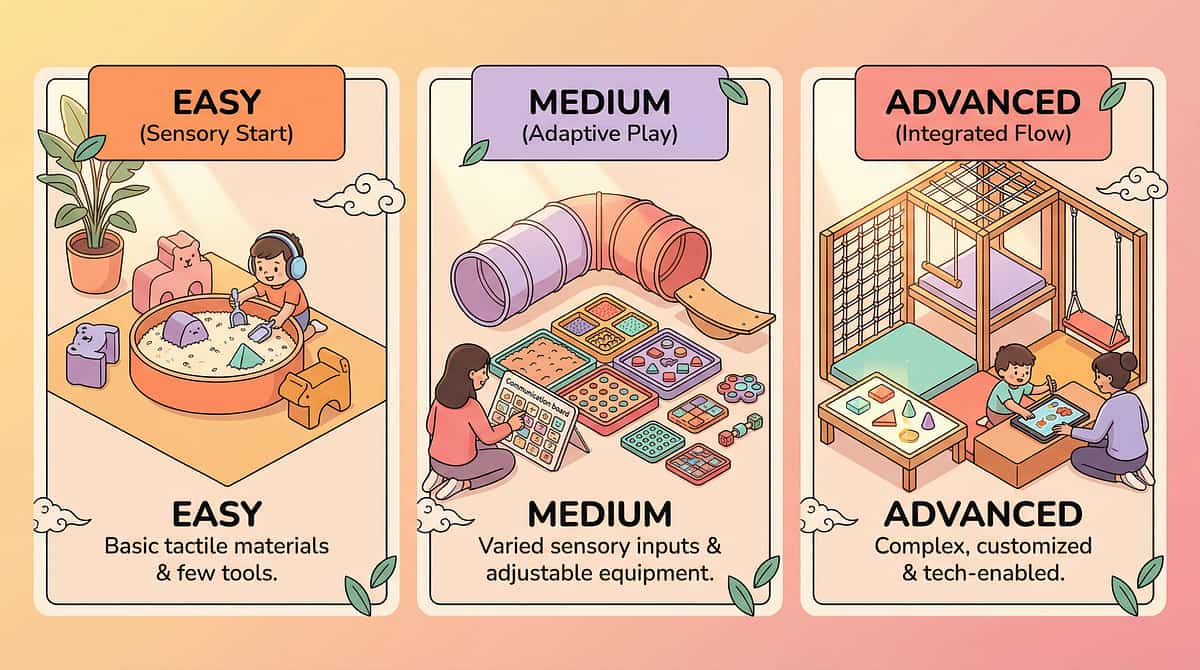
ACT III · PERSONALISATION
No two nervous systems are identical. Neither are two separation anxiety programmes.
The 9 materials remain constant — but which materials you lead with, how you deploy them, and how gradually you progress depends entirely on your child's sensory profile, communication level, and age. Here is how to tune the programme to your child's unique wiring.
👂 The Sensory Avoider
Use unscented comfort objects or very mild parent scent. Avoid tight-fitting bracelets — use clip-on or pocket charm. Visual schedule in muted colours, not high-contrast. Shorter goodbye duration — sensory processing adds to overwhelm.
🤲 The Sensory Seeker
Scented objects = high value comfort. Weighted comfort blanket during goodbye zone. Physical goodbye rituals (extra squeezes, firm hugs). Textured bracelet for tactile input.
🔇 The Non-Verbal Child
Picture-based rather than word-based social story. Comfort object does more work — sensory over narrative. Goodbye routine: visual-only (no script needed). Brave chart: photos of child succeeding, not written words.
💭 The Highly Verbal / Anxious Thinker
Social story is the primary tool — narratives calm the cognitive loop. Worry box becomes a daily verbal worry-naming ritual. Visual timer with clock + picture schedule. FAQ card for common fears: "What if you forget me?"
Age | Recommended Focus | |
18 months–2 years | Scented object (primary) + Photo (secondary) + 2-step routine | |
2–4 years | Full 9 materials + Social story daily | |
4–7 years | All 9 + Brave chart as primary motivator + Worry box | |
7–10 years | Brave chart + Social story + Connection bracelet; reduce overt comfort objects |

ACT IV · PROGRESS WEEK 1–2
Weeks 1–2: The foundation is being laid. Underground.
✅ What You WILL Likely See
- Child notices and accepts the comfort object (not yet seeking it)
- Slightly reduced goodbye duration on some days
- Child participates in 1–2 routine steps without major resistance
- Post-goodbye calming occurs — eventually, even if still 20 minutes
- Child mentions the bracelet or photo during the day (awareness forming)
❌ What You Will NOT See Yet
- Dramatic reduction in distress
- Child independently using materials to self-regulate
- Generalising to new contexts
- Calm goodbyes consistently
These weeks are the hardest. The technique is working even when it doesn't look like it. You are building neural pathways through repetition — they become visible at weeks 3–4. Trust the invisible infrastructure.

ACT IV · PROGRESS WEEK 3–4
Weeks 3–4: Neural pathways are forming. Watch for the small signs.
Consolidation Indicators — The Ones Parents Miss
🟢 Child reaches for comfort object before you offer it
🟢 Child completes 3–4 goodbye routine steps without protest
🟢 Goodbye duration drops below 8 minutes consistently
🟢 Child mentions "mummy's bracelet" or "my photo" spontaneously at home
🟢 Post-goodbye calming now under 10 minutes (teacher reports)
🟢 Child is less hypervigilant — doesn't follow parent room-to-room as much
🟢 Parent notices they're executing the routine with less anxiety themselves
What's happening neurologically: The comfort objects are becoming conditioned security stimuli. The goodbye routine is becoming a predictable emotional map. The amygdala is learning: this pattern precedes safe separation and certain return. You may notice that YOU are more confident too — your nervous system is consolidating right alongside your child's.

ACT IV · PROGRESS WEEK 5–8
Weeks 5–8: The internal working model is forming. 🏆
Mastery Criteria — Specific, Observable, Measurable
✨ Goodbye Speed
Child separates within 2 minutes with brief goodbye routine
✨ Independent Coping
Child initiates use of comfort object independently when anxious
✨ Self-Scripting
Child says goodbye routine phrases unprompted: "See you at 3, mummy!"
✨ New Contexts
Child tolerates grandparents, playdates, after-school activities
✨ Peer Engagement
Child shows interest in peers during separation — not just waiting for reunion
✨ Chart Evidence
Brave practice chart shows consistent star accumulation across all contexts
🏅C-278 Separation Anxiety Materials Mastery Achieved. Once mastery is reached, maintain the goodbye routine even as anxiety decreases. The routine is now a positive bonding ritual. Don't dismantle what works.
ACT IV · CELEBRATION
You did this. Your child grew because of your commitment.
Eight weeks ago, every goodbye was a battlefield. Your child's fingers white-knuckled on your trousers, your heart breaking as you had to pry yourself free. Today, she waves from the window with her bracelet on. She blows a kiss. She turns to find her friends.
That transformation didn't happen by accident. It happened because you showed up every morning with the routine — even when it was hard. You maintained the comfort objects with fresh scent and fresh intention. You read the social story when you would have rather collapsed. You left confidently when every instinct said stay. And you celebrated every microscopic act of bravery.
📸 Document the Win
Take a photo of your child's completed brave practice chart. This is evidence of transformation.
📝 Write It Down
Journal the before and after in two sentences. You will want to remember this.
🎉 Celebrate Together
Let your child choose dinner or a weekend activity — "Because you are so brave."
"This is not the end. This is the foundation. The child who learned to wave goodbye with confidence will one day board a school bus, a college hostel, a flight to her first job — and carry that same internal security she built, one goodbye at a time, right here." — Pinnacle Blooms NeuroDev-Psychology Consortium

ACT IV · CLINICAL GUARDRAILS
Even during progress — know when to pause and seek support.
Red Flag | What It Looks Like | Why It Matters | Action | |
🔴 Complete school refusal | Child physically cannot separate for school on 5+ consecutive days | May indicate SAD requiring professional assessment | Contact 9100 181 181 immediately | |
🔴 Physical symptoms intensifying | Vomiting, gagging, severe headaches before every goodbye | Symptoms may be anxiety-driven or organic — requires evaluation | Paediatrician consultation + Pinnacle assessment | |
🔴 No progress in 6+ weeks | Distress intensity unchanged or increasing despite consistent implementation | Intervention may need professional clinical support | AbilityScore® assessment | |
🔴 Self-injurious behaviour | Child hurts self during or after goodbye | Requires immediate professional evaluation | Pinnacle assessment + 9100 181 181 | |
🔴 Parent mental health breakdown | Parent's own anxiety preventing consistent implementation | Parent's treatment may be the key intervention | Parent support through Pinnacle family services |
📞FREE National Autism Helpline: 9100 181 181 | 24×7 | 16+ languages. "If something feels wrong beyond typical separation distress, pause and ask. A call takes 5 minutes. Waiting 6 more weeks without help costs much more."
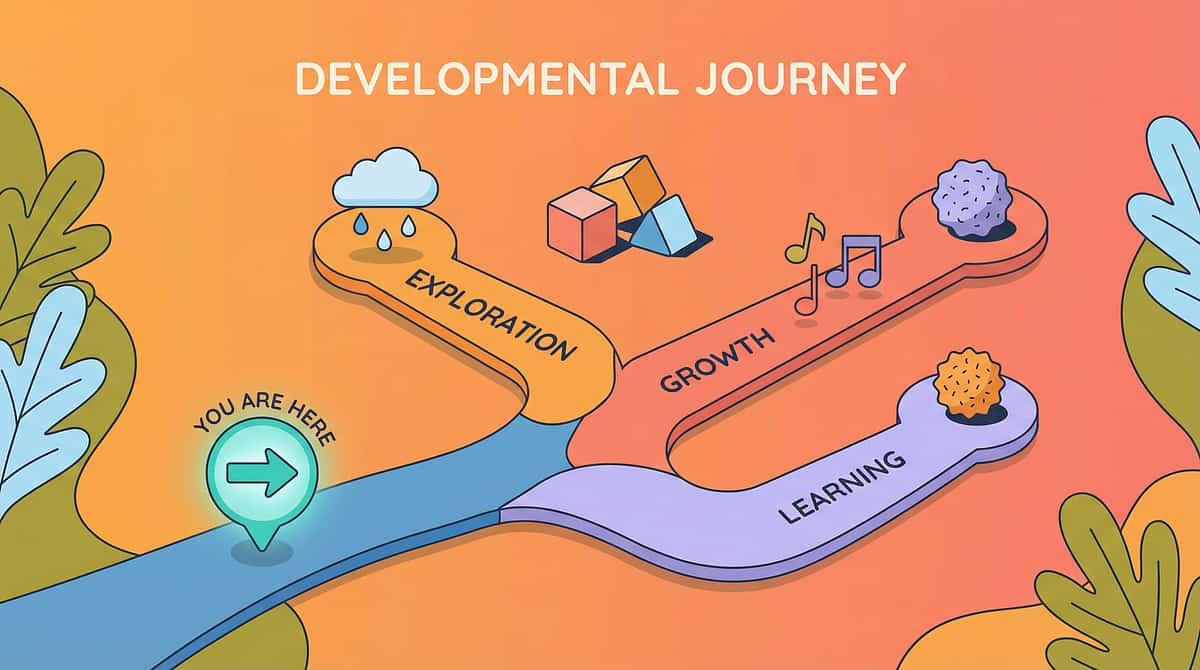
ACT IV · PROGRESSION PATHWAY
C-278 is a milestone, not a destination.
📚 Prerequisites
C-276: Understanding Childhood Anxiety
C-277: Recognising Anxiety Signs in Children
C-277: Recognising Anxiety Signs in Children
📍 You Are Here
C-278: 9 Materials That Help With Separation Anxiety
Mastering the goodbye.
Mastering the goodbye.
→ Materials Working, Ready for More
C-278-DD-01: Creating the Perfect Goodbye Routine (Deep Dive)
C-278-DD-02: Graduated Separation Practice Games
C-278-DD-02: Graduated Separation Practice Games
→ Broader Anxiety
C-279: Sleep Anxiety Materials
C-280: Social Anxiety in Children
C-285: School Refusal & Avoidance Support
C-280: Social Anxiety in Children
C-285: School Refusal & Avoidance Support
→ Anxiety Resolved, Building Independence
Domain D: Behaviour Flexibility Techniques
D-Series: Self-Regulation Toolkit
D-Series: Self-Regulation Toolkit
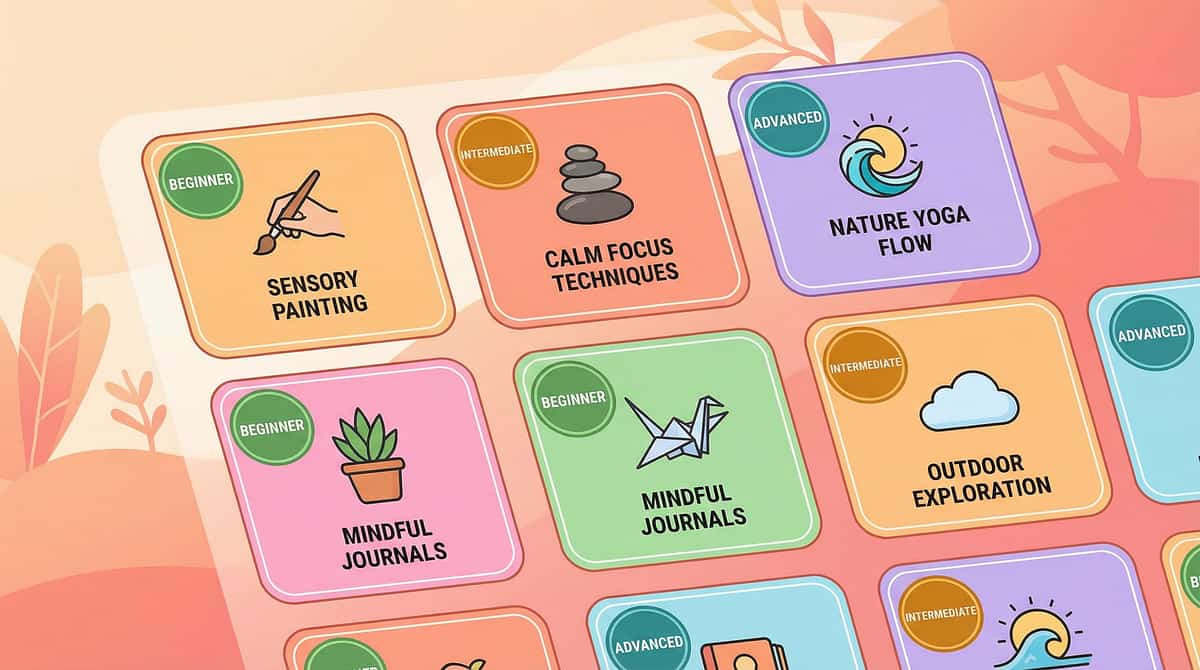
ACT IV · RELATED TECHNIQUES
Other techniques in the Emotional Regulation & Anxiety domain
C-276 | Intro Level
Understanding Childhood Anxiety
Anxiety Awareness | OT + Psychology
Anxiety Awareness | OT + Psychology
C-277 | Intro Level
Recognising Anxiety Signs in Children
Parent Identification | All disciplines
Parent Identification | All disciplines
C-279 | Core Level
9 Materials That Help With Sleep Anxiety
Sleep + Anxiety | OT + Psychology
Sleep + Anxiety | OT + Psychology
C-280 | Core Level
Social Anxiety in Children: Materials
Social Participation | SLP + ABA
Social Participation | SLP + ABA
C-285 | Advanced Level
School Refusal & Avoidance Support
School + Anxiety | SpEd + Psychology
School + Anxiety | SpEd + Psychology
C-290 | Core Level
The Worry Management Toolkit
Cognitive Coping | Psychology + ABA
Cognitive Coping | Psychology + ABA
💡You already own materials for C-279, C-280, and C-290 if you have the C-278 starter kit. Your investment multiplies across the anxiety domain.
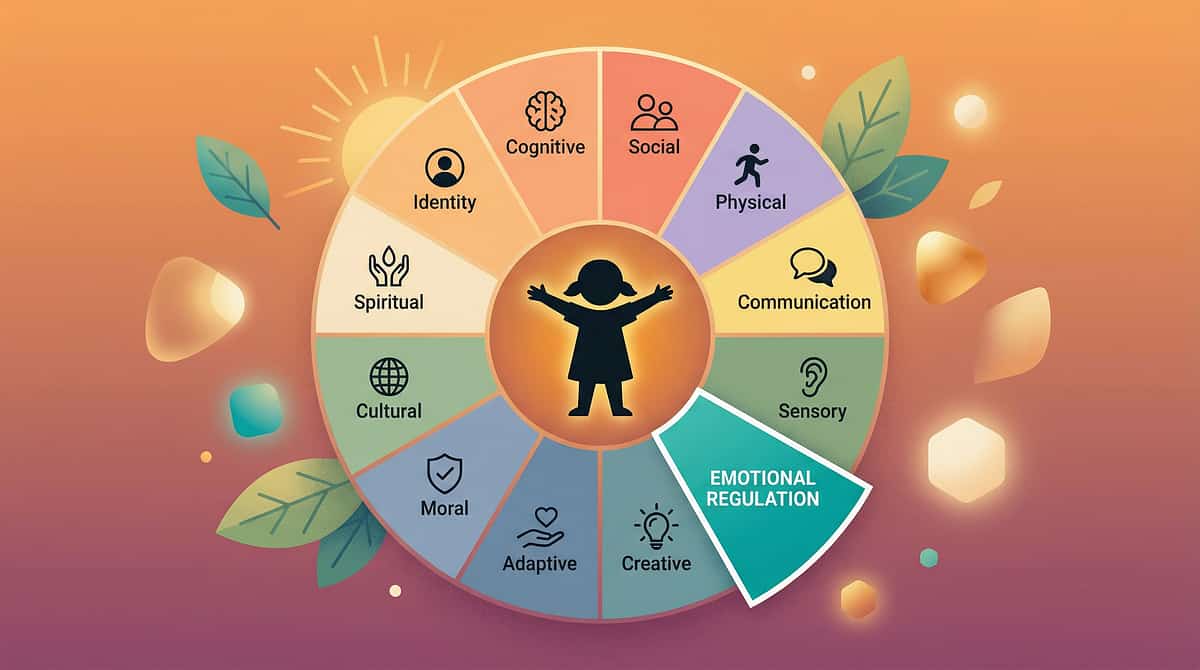
ACT IV · DEVELOPMENTAL MAP
C-278 is one tile in a larger mosaic.
You are working in Domain C: Emotional Regulation. C-278 addresses the Separation Anxiety subdomain. Improving separation anxiety in Domain C frequently accelerates Domain B (child communicates needs during distress), Domain D (transition behaviours improve), and Domain G (child engages in independent play during brief separations).
📊 GPT-OS® tracks progress across all 12 domains simultaneously. View your child's full developmental profile → AbilityScore® assessment required.
WHO NCF Reference: Emotional security (Domain C) is foundational to ALL other developmental domains. WHO Nurturing Care Framework (2018).
WHO NCF Reference: Emotional security (Domain C) is foundational to ALL other developmental domains. WHO Nurturing Care Framework (2018).
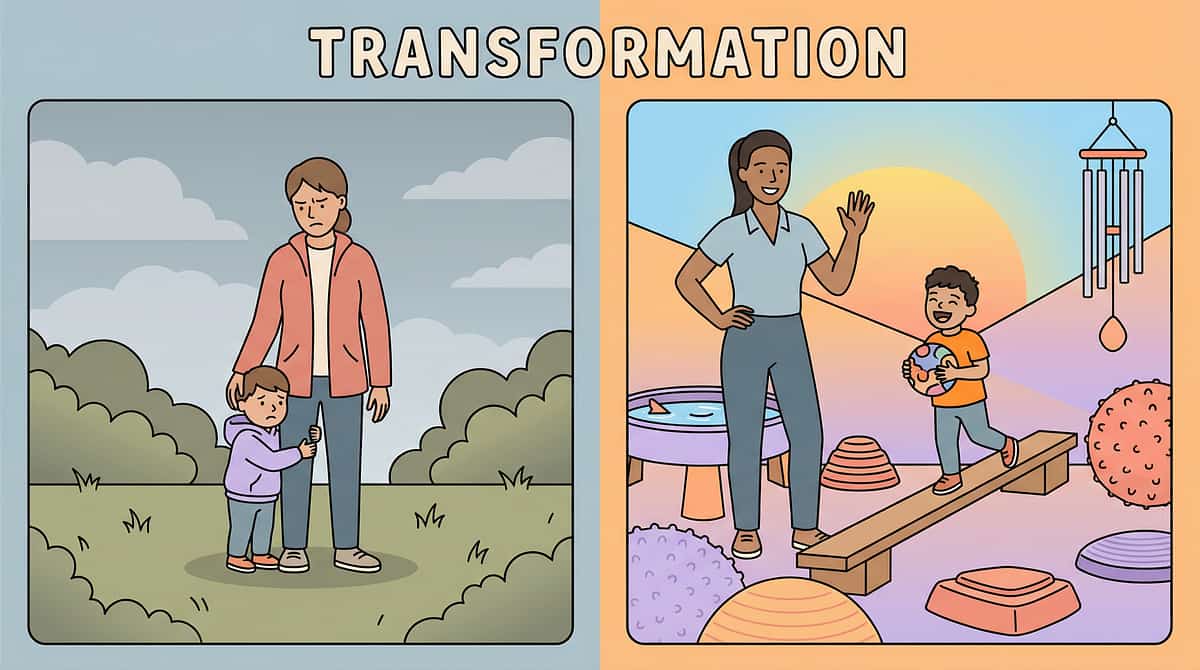
ACT V · COMMUNITY EVIDENCE
From morning battlefields to confident waves.
Before (Week 0) — Mother, Hyderabad
"She clung to my legs every morning at school drop-off. I'd have to physically pry her off. She screamed until she couldn't breathe. I cried in my car every day."
After (Week 7)
"She does the goodbye routine. She gets her bracelet herself now. She blows me a kiss from the window and runs inside to find her friend. Last Tuesday she waved first."
Before (Week 0) — Father, Bangalore
"He was 7 and still following me to the bathroom. We hadn't been to a restaurant without him for three years. His brother missed birthday parties because Arjun couldn't stay with grandparents."
After (Week 8) — Son with ASD
"He went to his friend's birthday party without us. The whole party. He called once to say hi. That phone call — just to say hi, not because he was panicking — that was everything."
"The breakthrough was the combination of the scented object (olfactory pathway) + visual timer (temporal orientation). Once the child could smell safety and see when pickup would occur, her amygdala had enough information to allow the prefrontal cortex to function." — Pinnacle Therapist Notes, Hyderabad Centre
Individual results vary by child profile, severity, and implementation consistency. Statistics represent aggregate outcomes across the Pinnacle Blooms Network.
ACT V · PARENT COMMUNITY
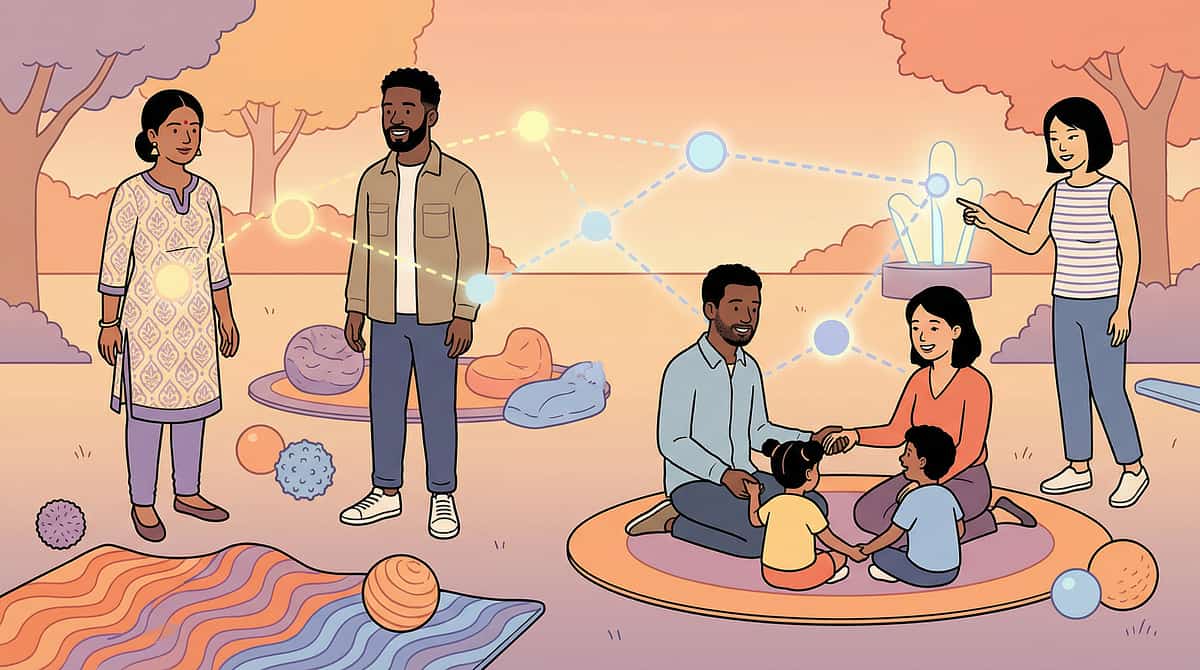
You are not a solo operator. Join the community.
The research is clear: parents who navigate separation anxiety with community support maintain consistency longer, troubleshoot more effectively, and experience less burnout. You do not need to figure this out alone.
📱 WhatsApp Community
Separation Anxiety Support Group — parents navigating the same morning battlefield.
unknown link
unknown link
💬 Online Forum
Pinnacle Parent Community — Topic: Separation Anxiety + Transition Support.
→ Join Discussion
→ Join Discussion
🤝 Peer Mentoring
Connect with a parent who has been exactly where you are and reached mastery.
→ Request a Peer Mentor
→ Request a Peer Mentor
📍 Local Parent Meetups
Organised by your nearest Pinnacle centre. Monthly in-centre parent circles.
→ Find Nearest Centre
→ Find Nearest Centre
12K+
Parents in Community
In the Pinnacle separation anxiety support network
70+
Countries Represented
Families from around the world navigating the same morning
Weekly
Virtual Meetups
Plus monthly in-centre parent circles at each Pinnacle location

ACT V · PROFESSIONAL LAYER
Home + clinic = maximum impact.
The 9 materials work powerfully as a home programme. Combined with professional guidance, outcomes accelerate significantly. The Pinnacle Blooms Network operates 70+ centres across India — and teleconsultation for families anywhere in the world.
Your Need | Specialist | How to Book | |
First assessment | NeuroDev Paediatrician | ||
Separation anxiety intervention design | Child Psychologist / BCBA | ||
Material selection for sensory profile | Paediatric OT | ||
Social story + language support | Paediatric SLP | ||
Classroom / school coordination | Special Educator | ||
Remote families | Teleconsultation |
📞9100 181 181 — Call us before you book. Our helpline team matches you to the right specialist for your child's profile. FREE | 24×7 | 16+ Indian languages. Available for families across India and 70+ countries via teleconsultation.
ACT V · EVIDENCE BASE
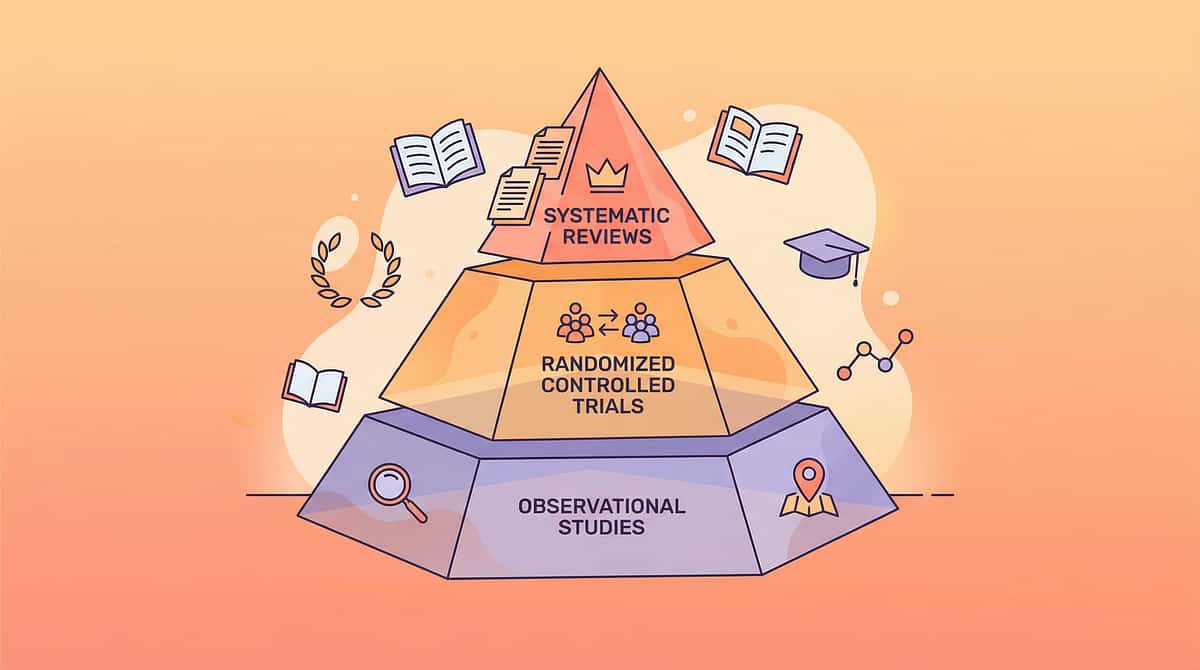
The science behind every goodbye.
📚 Bowlby (1969) / Ainsworth (1978)
Foundation: Internal working models and transitional objects as external scaffolding for developing secure attachment. Basis for all transitional object interventions in clinical use today.
📚 AACAP Practice Parameters for SAD
Key finding: Graduated exposure combined with parent training and CBT strategies shows strong evidence for childhood separation anxiety disorder. Home-based programmes effective when properly structured.
📚 Padmanabha et al., Indian J Pediatr (2019)
Key finding: Home-based structured interventions demonstrate significant outcomes in Indian paediatric anxiety populations. DOI: 10.1007/s12098-018-2747-4
📚 PMC11506176 — PRISMA Systematic Review (2024)
16 articles confirm structured home interventions for paediatric anxiety and neurodevelopmental disorders meet evidence-based practice criteria.
ACT V · GPT-OS® INTELLIGENCE
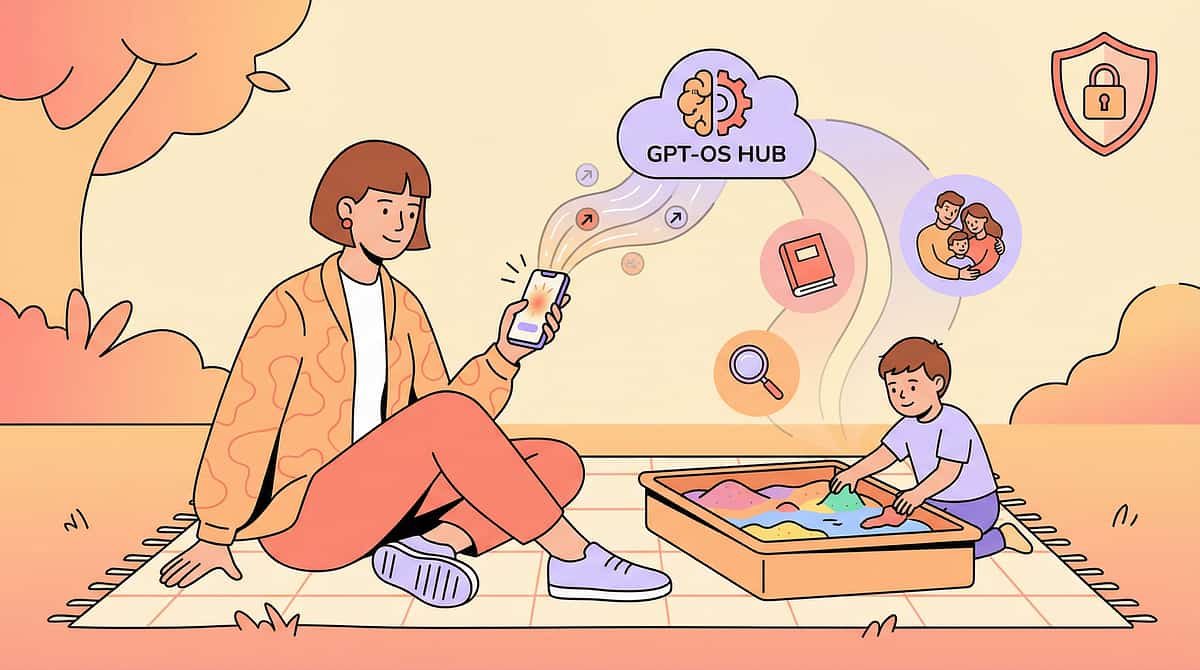
Your session data. Your child's future recommendations.
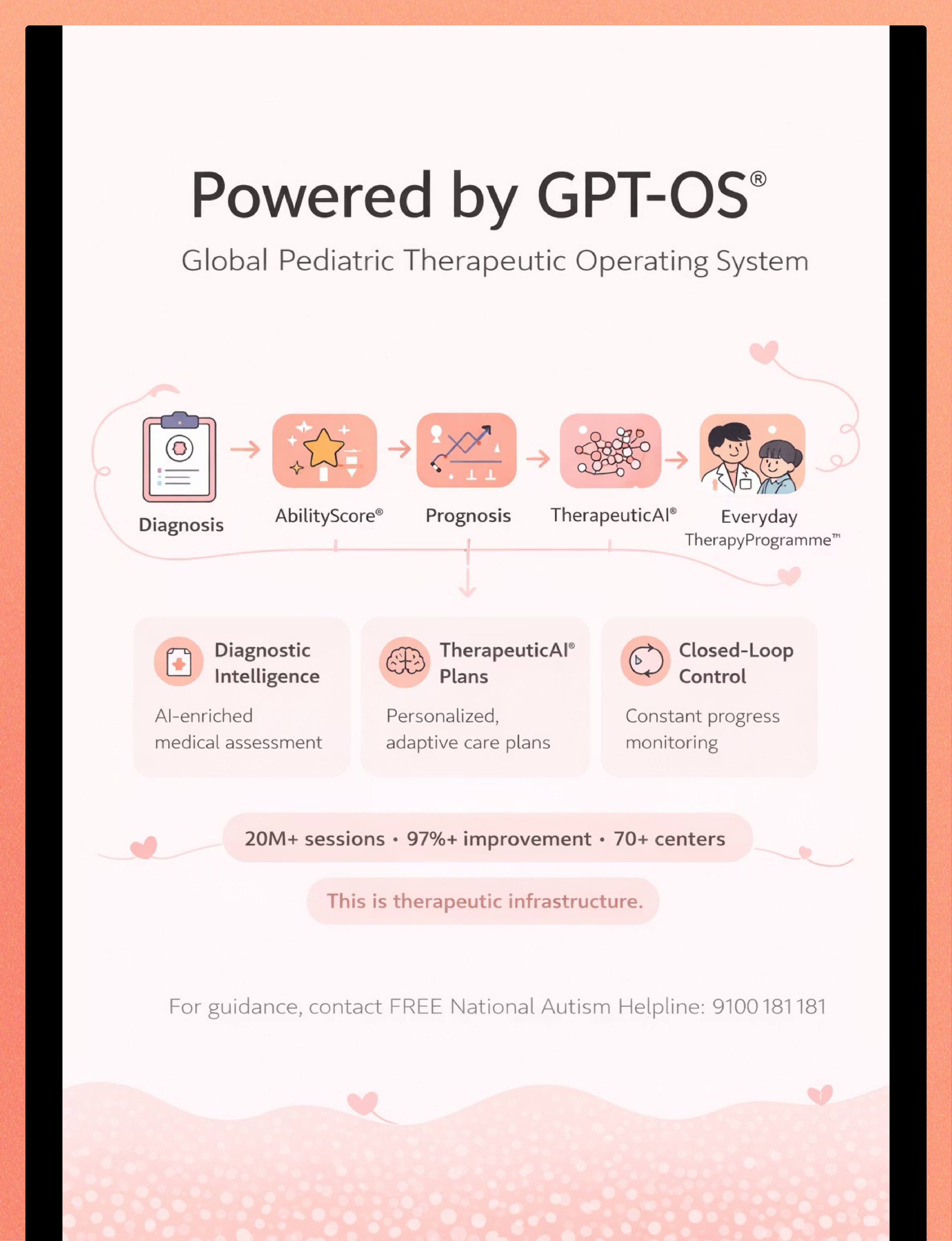
GPT-OS® Component | Role in C-278 | |
AbilityScore® | Establishes baseline anxiety severity and attachment security index | |
TherapeuticAI® | Determines which of the 9 materials to prioritise for your child's profile | |
EverydayTherapyProgramme™ | Translates C-278 into daily micro-interventions | |
FusionModule™ | Coordinates Psychology + OT + SLP inputs for this technique | |
Closed-Loop Control | Goodbye duration data → adjusted recommendations each week |
🔒Your child's data is: Stored within India (data sovereignty compliant) | Never sold or shared with third parties | Used only to improve therapeutic recommendations | Protected under ISO/IEC 27001 information security standards.

ACT V · VIDEO CONTENT
Watch the C-278 Reel — 9 Materials in 60 seconds
The C-278 reel introduces all 9 materials with therapist narration and demonstrates each one in action with children aged 18 months to 7 years. Watch the transformation: from morning meltdown to confident goodbye wave.
🎬 Reel ID: C-278
Domain C — Emotional Regulation
Episode 278 of 999
Disciplines: OT • ABA • SLP
Episode 278 of 999
Disciplines: OT • ABA • SLP
📺 What You'll See
From morning meltdown hook → each of the 9 materials demonstrated in action → real-world evidence → Pinnacle platform introduction
⏱️ Duration: 60 seconds
Narrated by a Pinnacle therapist. Multi-modal: watch for overview, read this page for implementation depth, download tracker for data collection.
📱 Watch the Reel
Visual overview — 60 seconds of all 9 materials in action
📖 Read This Page
Full implementation depth — everything you need to execute
📋 Download Tracker
Data collection sheet for measuring your child's progress
🏥 Book Assessment
Personalised guidance from a Pinnacle specialist
ACT V · KNOWLEDGE SHARING
Consistency across caregivers multiplies impact by 3×.
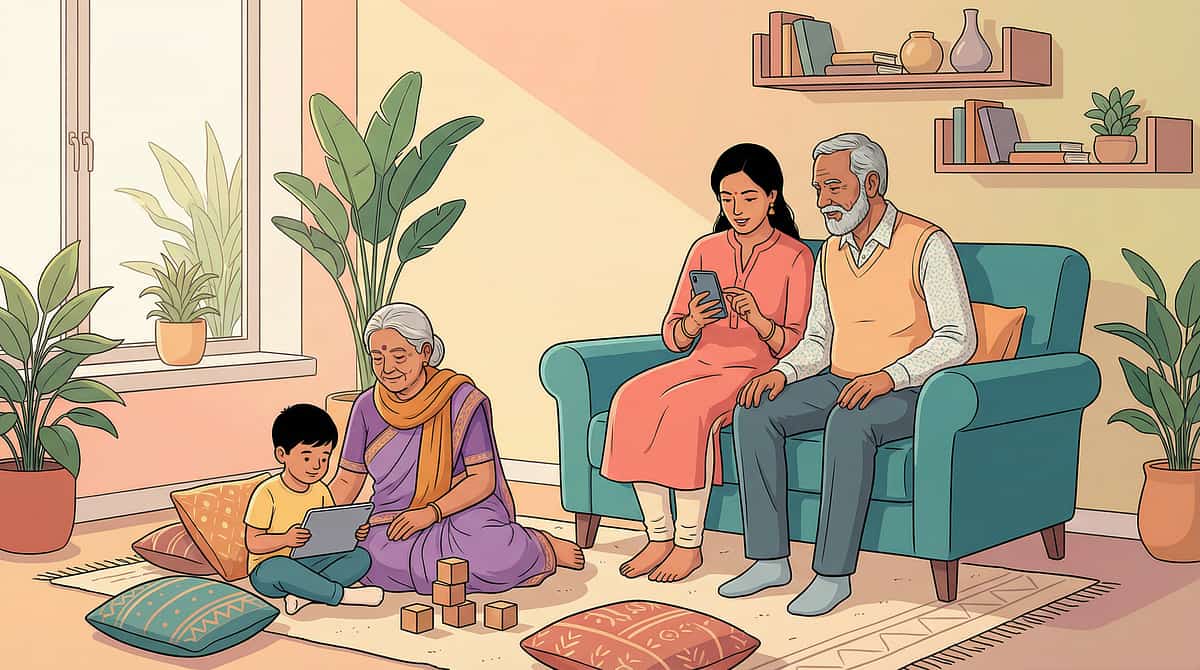
The most common reason a well-implemented C-278 programme stalls is inconsistency across caregivers. Grandparents, partners, and teachers who don't know the routine can inadvertently undo weeks of progress in a single morning. Share this with everyone who does goodbye duty.
For the Partner Who Wasn't Here for the Research
"[Child's name] has a goodbye routine that works. It goes: 1. Hug, 2. Kiss, 3. Comfort object, 4. Bracelet check, 5. Wave, 6. Confident exit. Please follow these steps exactly, even if they seem like a lot."
Do NOT sneak away without saying goodbye.
Do NOT extend the routine past 3 minutes even if crying continues.
This consistency is medicine.
Do NOT extend the routine past 3 minutes even if crying continues.
This consistency is medicine.
Grandparent Quick Guide
Follow the routine card — same steps, same order
Give the comfort object before saying goodbye
Say: "Amma comes at [specific time]"
Point to visual timer or picture schedule
Exit warmly but decisively — if crying, they calm within 10 minutes. Trust the process.

ACT VI · FAQ
Questions we hear every day from families like yours.
My child is 8 years old. Isn't it too late for this to work?
These materials work across the developmental window of 18 months to 10 years. At age 8, cognitive tools — social stories, worry box — become more powerful. The brave practice chart with clear milestones is especially effective. The nervous system retains neuroplasticity for this type of learning through childhood and adolescence. It is not "too late."
My child has autism. Do these materials work differently?
For children with ASD, all 9 materials work — but the visual schedule and comfort objects often become primary because of the heightened need for predictability. The sensory comfort object (scent + texture) is particularly powerful. Goodbye routines must be more rigidly consistent. Begin with shorter separations and extend more gradually than typically developing peers.
How long before I see results?
Observable change typically begins in weeks 3–4 (consolidation phase). Meaningful functional improvement — shorter goodbyes, faster calming — usually evident by week 6–8. Full mastery typically by week 8–12 with consistent implementation across all contexts and caregivers.
Should I bring the comfort object everywhere, or only for goodbyes?
Begin with having it available at all goodbye transitions. As the child builds internal security, the object can gradually be reserved for specific separation contexts. Let the child lead the fading — don't remove it before they're ready. The goal is autonomy, not forced removal.
My child destroyed the visual schedule. What now?
Rebuild it WITH the child. Let them decorate it, choose the images, and decide where it lives. Objects the child participates in creating have stronger emotional value. The destruction was communication — involve them in the solution.
My partner thinks this is "babying" the child. How do I explain?
These materials are not about avoiding distress — they're about building the internal security system that allows the child to tolerate distress independently. A child given external scaffolding grows stronger internal architecture. A child forced to "tough it out" without tools learns that distress is unmanageable — which increases anxiety long-term. Evidence: PMC11506176 | AACAP Practice Parameters.
Can these materials be used without professional support?
Yes — for typical developmental separation anxiety. For persistent, severe, or impairing separation anxiety (especially if present past age 6, associated with school refusal, or accompanied by physical symptoms), professional assessment is recommended alongside home implementation. Call 9100 181 181 for guidance.
We're travelling for 2 weeks. How do we handle extended separation?
Extended separation requires the full toolkit plus: recorded voice messages on a device, a "special" comfort object reserved only for travel separations, a handwritten letter book (one letter per day of separation), and a countdown calendar. Prepare 2 weeks in advance. Same principles — amplified support.
Didn't find your answer? → Ask GPT-OS® | → Book Teleconsultation | 📞9100 181 181 — 24×7, 16+ languages

ACT VI · CALL TO ACTION
From fear to mastery. One technique at a time.
Every morning that begins with a confident, warm goodbye is a morning that builds your child's internal security system. You now have everything you need to start C-278 today — the neuroscience, the materials, the scripts, the data tools, and the community.
▶ Start This Technique Today
Launch C-278 on GPT-OS® for personalised session guidance tailored to your child's profile.
📞 Book an Assessment
Speak with a Pinnacle specialist about your child's separation anxiety profile. Or call us free.
→ Next Technique: C-279
9 Materials That Help With Sleep Anxiety — your next step in the Emotional Regulation series.
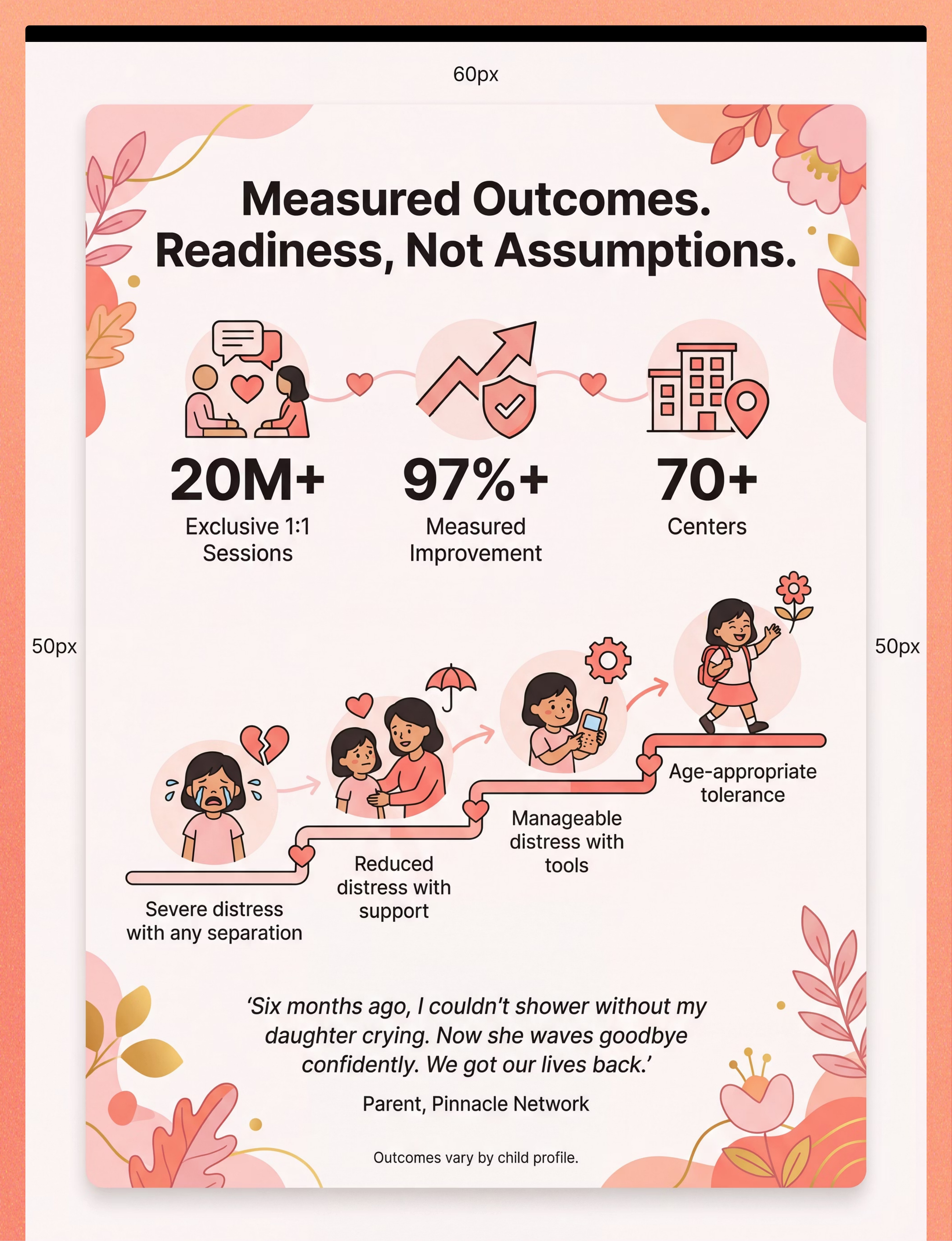
20M+
1:1 Therapy Sessions
Delivered through the Pinnacle Blooms Network®
97%+
Measured Improvement
Across structured intervention programmes
70+
Centres & Countries
India's largest multi-disciplinary paediatric therapy consortium
Preview of 9 materials that help with separation anxiety Therapy Material
Below is a visual preview of 9 materials that help with separation anxiety therapy material. The pages shown help educators, therapists, and caregivers understand the structure and content of the resource before use. Materials should be used under appropriate professional guidance.


Link copied!
ACT VI · INSTITUTIONAL CLOSE
"From fear to mastery. One technique at a time."
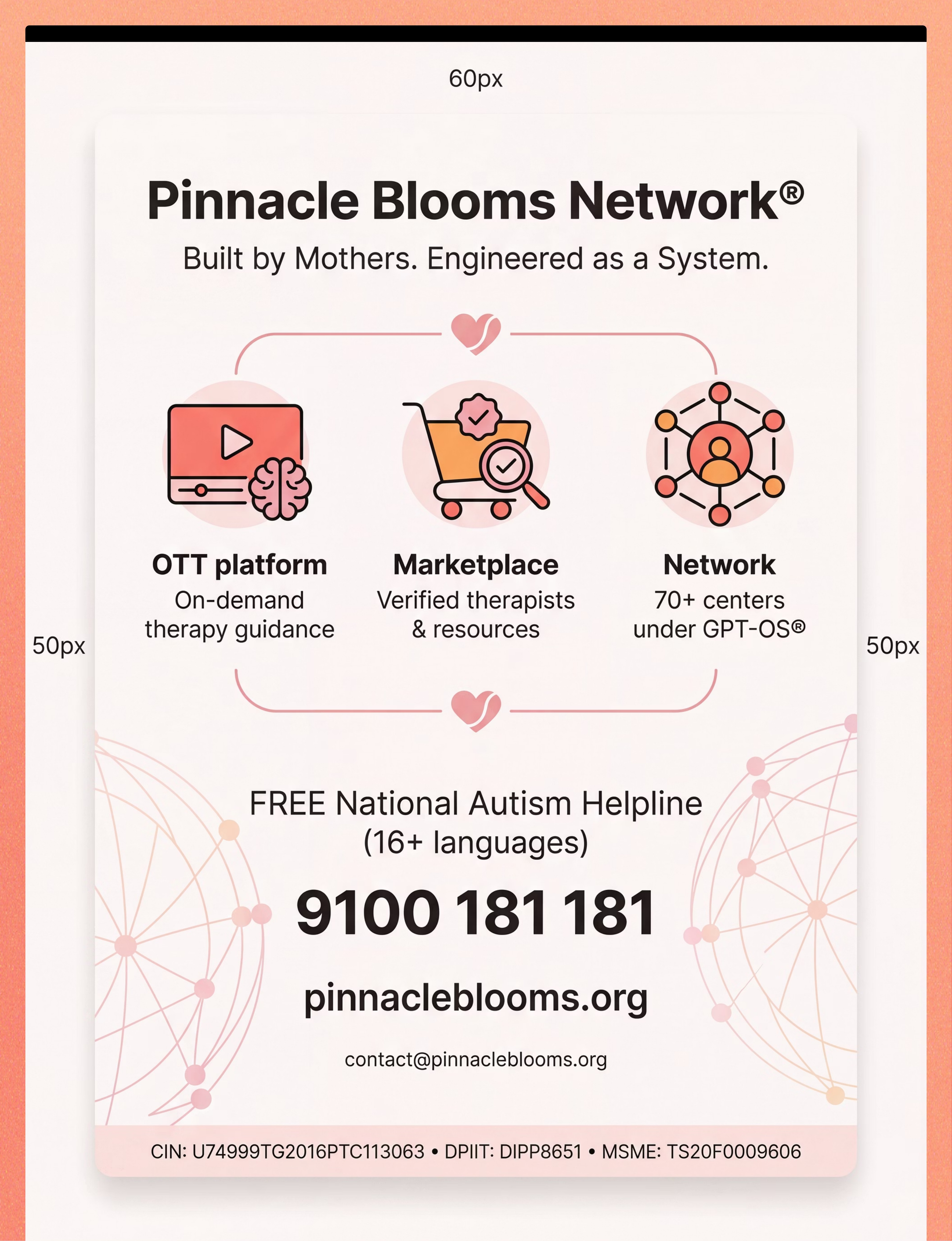
Pinnacle Blooms Network® is India's largest multi-disciplinary paediatric therapy consortium — operating 70+ centres across India, serving families from 70+ countries through 20M+ exclusive 1:1 therapy sessions, achieving 97%+ measured improvement under the GPT-OS® Global Paediatric Therapeutic Operating System.
🏛️ Pinnacle Blooms Consortium
Validated by:
OT • SLP • ABA • SpEd • NeuroDev • CRO • Paediatrics
WHO-Aligned | C-278 | Domain C: Emotional Regulation
OT • SLP • ABA • SpEd • NeuroDev • CRO • Paediatrics
WHO-Aligned | C-278 | Domain C: Emotional Regulation
Contact
Medical Disclaimer
This content is educational and does not replace individualised assessment and intervention by licensed mental health professionals including psychologists, counsellors, and behavioural therapists. Separation anxiety severity and appropriate interventions vary by individual. Persistent, severe separation anxiety may require professional assessment and treatment. Individual results may vary. Statistics represent aggregate outcomes across the Pinnacle Blooms Network.
Statutory Identifiers
CIN: U74999TG2016PTC113063 • DPIIT: DIPP8651 (Govt. of India) • MSME: TS20F0009606 • GSTIN: 36AAGCB9722P1Z2
© 2025–2026 Pinnacle Blooms Network®, unit of Bharath Healthcare Laboratories Pvt. Ltd. All rights reserved. GPT-OS® | AbilityScore® | TherapeuticAI® | EverydayTherapyProgramme™ | FusionModule™ are registered marks.
← C-277
C-278 YOU ARE HERE