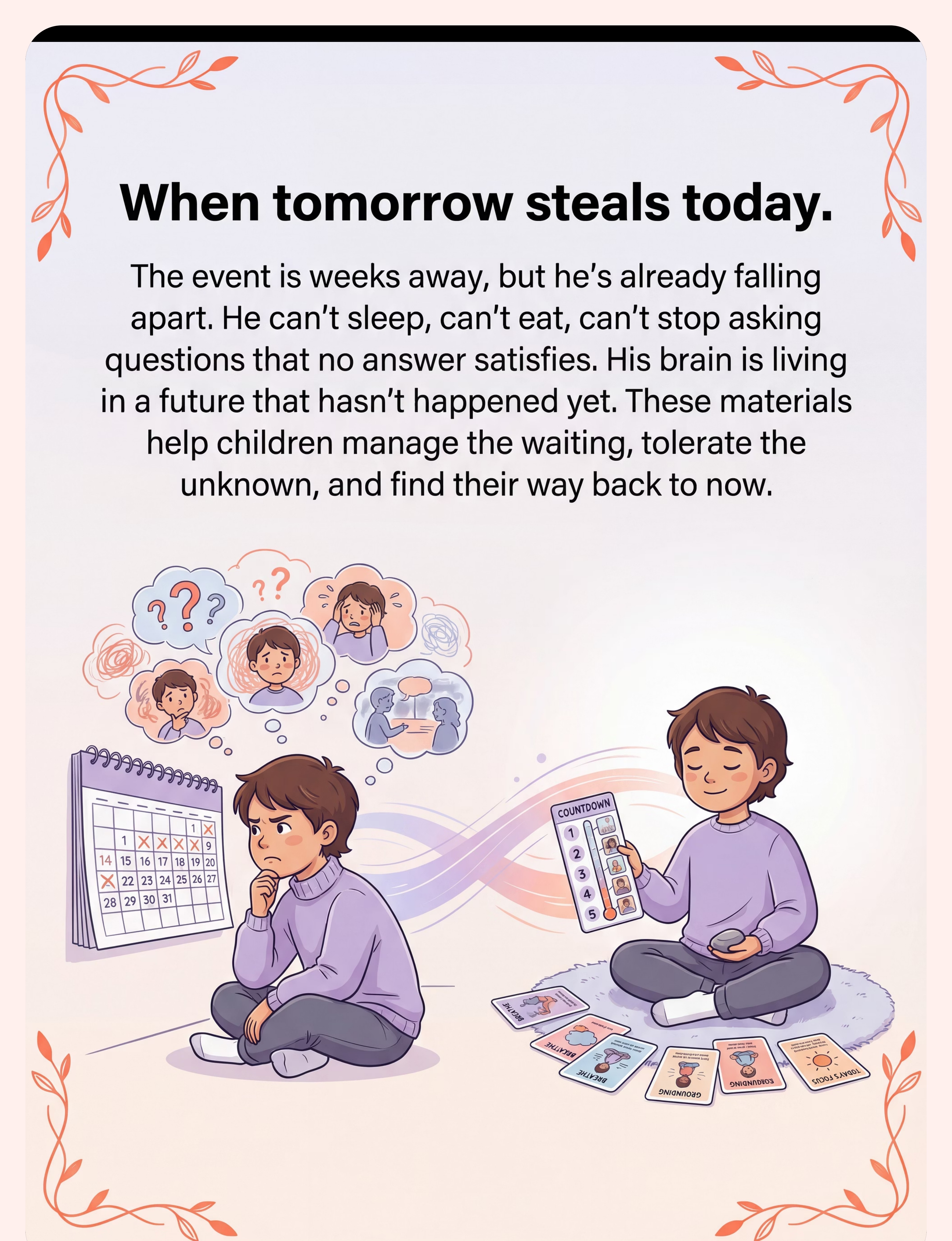


"The birthday party is three weeks away. He's asked me four hundred questions about it. Who will be there? What if the food is something he can't eat? What if no one talks to him? He can't sleep. He's stopped eating. He cries every morning. By the time the party arrives, he'll be exhausted. And the cruel irony? He usually ends up having fun. But all that suffering beforehand — that was real. That cost him something."— Parent, Pinnacle Network


The Anticipatory Anxiety Brain — A Wiring Difference, Not a Weakness
ACT I · Card 03 of 40 What's Happening Clinically The Amygdala Misfire Across Time: The amygdala — the brain's threat-detection system — responds to mental representations of future threat as if they're occurring right now. The brain cannot reliably distinguish between an imagined future danger and a present real one. The Prefrontal Cortex's Catastrophe Simulation: In anxious brains, the PFC projects forward and defaults to worst-case scenarios — then treats those predictions as certainties. Uncertainty = Threat Signal: The unknown itself registers as danger. This drives relentless "what if" questions — each answer provides 3 seconds of relief before the next question fires. What You See at Home What the Brain Does What You See Amygdala fires at imagined scenarios Physical symptoms weeks before events Prefrontal cortex catastrophizes "What if" spirals that never resolve Uncertainty = threat Endless questioning, no answer satisfies Stress response floods body Sleep disruption, stomach aches, appetite loss Nervous system stays activated Exhausted by the time the event arrives "Your child isn't choosing to suffer. Their brain's threat system is misfiring across time. Every 'what if' question is their brain desperately trying to prepare for danger that might never come." — Pinnacle Clinical Consortium

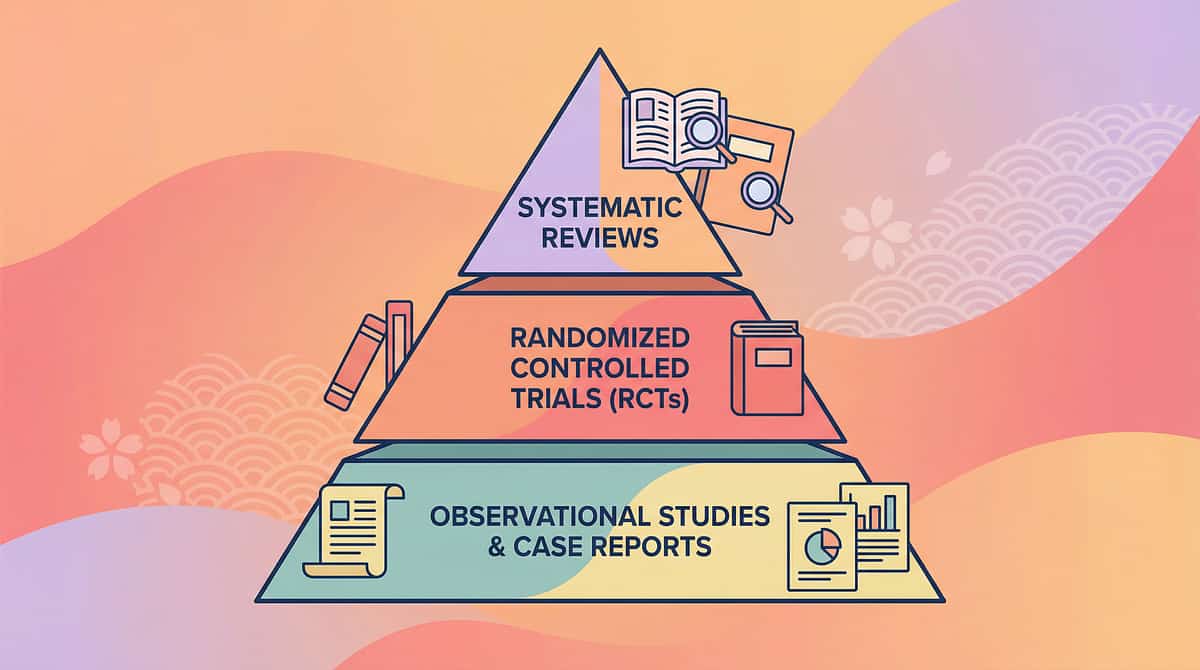
Study | Finding | Source | |
PRISMA Systematic Review (2024) | CBT interventions for anticipatory anxiety in children show significant reduction in pre-event distress across 16+ studies | PMC11506176 | |
Meta-Analysis (World J Clin Cases, 2024) | Tools targeting uncertainty tolerance and graduated exposure demonstrate measurable improvement in anxiety management readiness | PMC10955541 | |
Indian RCT (2019) | Home-based anxiety interventions administered by trained parents showed significant outcomes comparable to clinic delivery | DOI: 10.1007/s12098-018-2747-4 | |
WHO/UNICEF NCF (2018) | Caregiver-delivered emotional regulation interventions are evidence-based across all resource contexts | PMC9978394 | |
NCAEP Evidence-Based Practices (2020) | CBT-based anxiety interventions including graduated exposure and cognitive restructuring are classified as evidence-based for autism | NCAEP 2020 |
Anticipatory anxiety is intense worry, fear, or dread about future events — beginning days, weeks, or even months before the event occurs. The brain projects forward into imagined futures and generates the full physiological stress response (cortisol release, sympathetic activation, sleep disruption, appetite changes) as if those imagined disasters are currently happening.Parent-Friendly Alias: "Tomorrow brain" — when your child's mind lives in a future that hasn't arrived.
- Building tools to manage the waiting
- Learning to tolerate uncertainty without spiraling
- Developing coping confidence for difficult outcomes
- Returning attention to the present moment
- Not about eliminating worry (some anticipation is protective)
- Not about reassurance — answering the same question 400 times makes anxiety worse
- Not a quick fix — neural change takes consistent practice over weeks

Target | Before Intervention | After 8 Weeks | |
"What if" questions | 50+ per day in event run-up | 5–10 per day, self-redirecting | |
Sleep disruption | 3–4 nights/week pre-event | 0–1 nights/week | |
Event avoidance | Refuses to attend | Attends with coping plan | |
Reassurance-seeking | Constant, no lasting relief | Reduced, responds to coping redirects |
💳 Commercial Option | Cost | 🏠 DIY / Zero-Cost Version | |
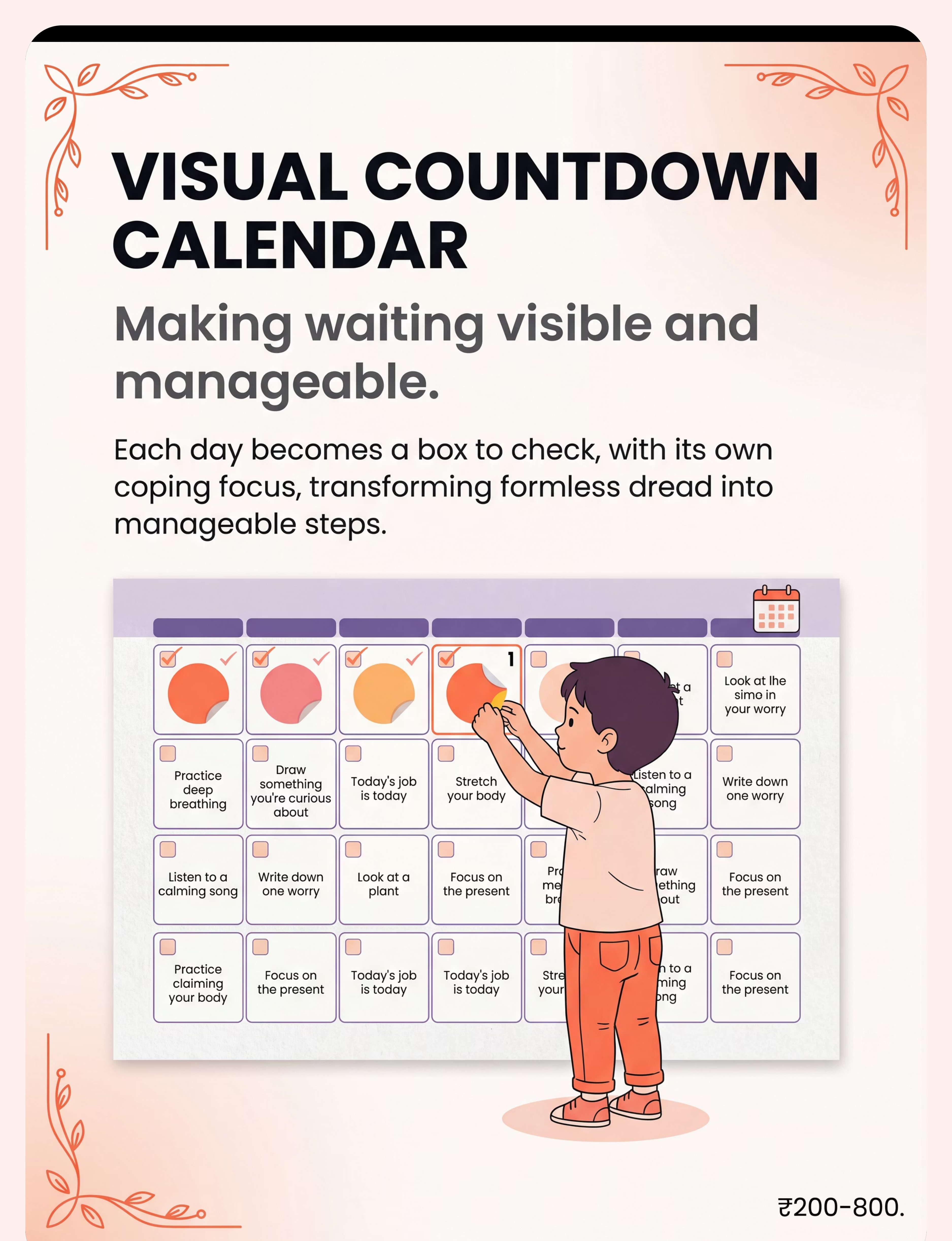
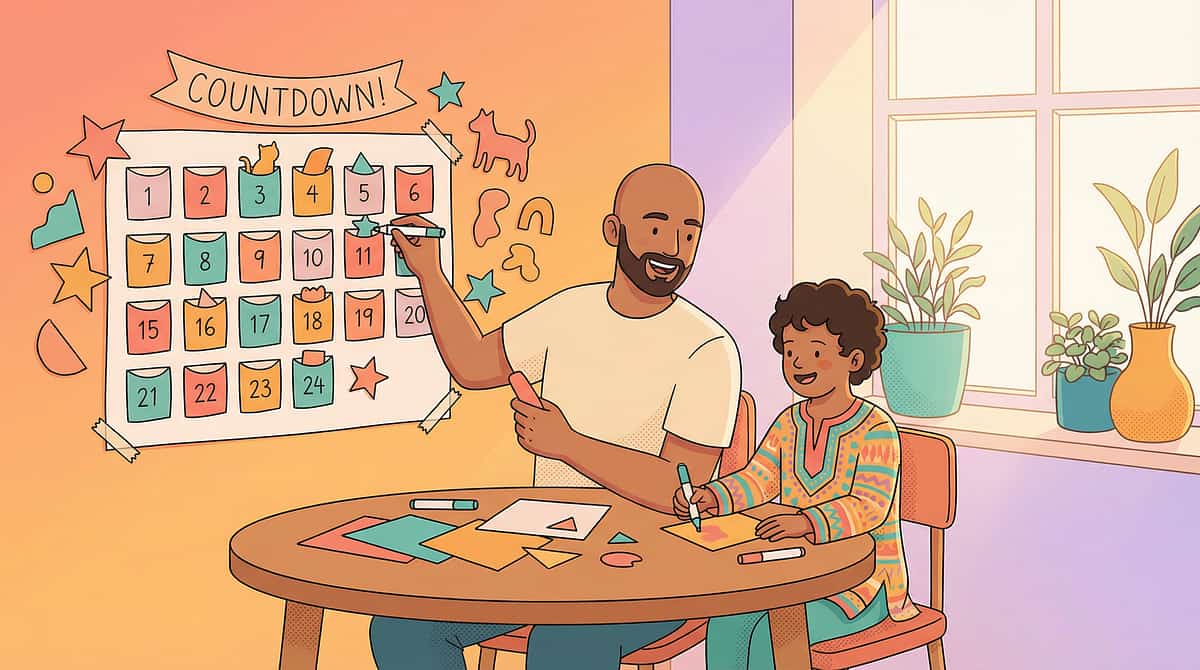
Visual Countdown Calendar | ₹200–800 | Paper chain — 1 link per day. Child removes a link each morning. Visible, tactile countdown. Total cost: ₹0–20 | |
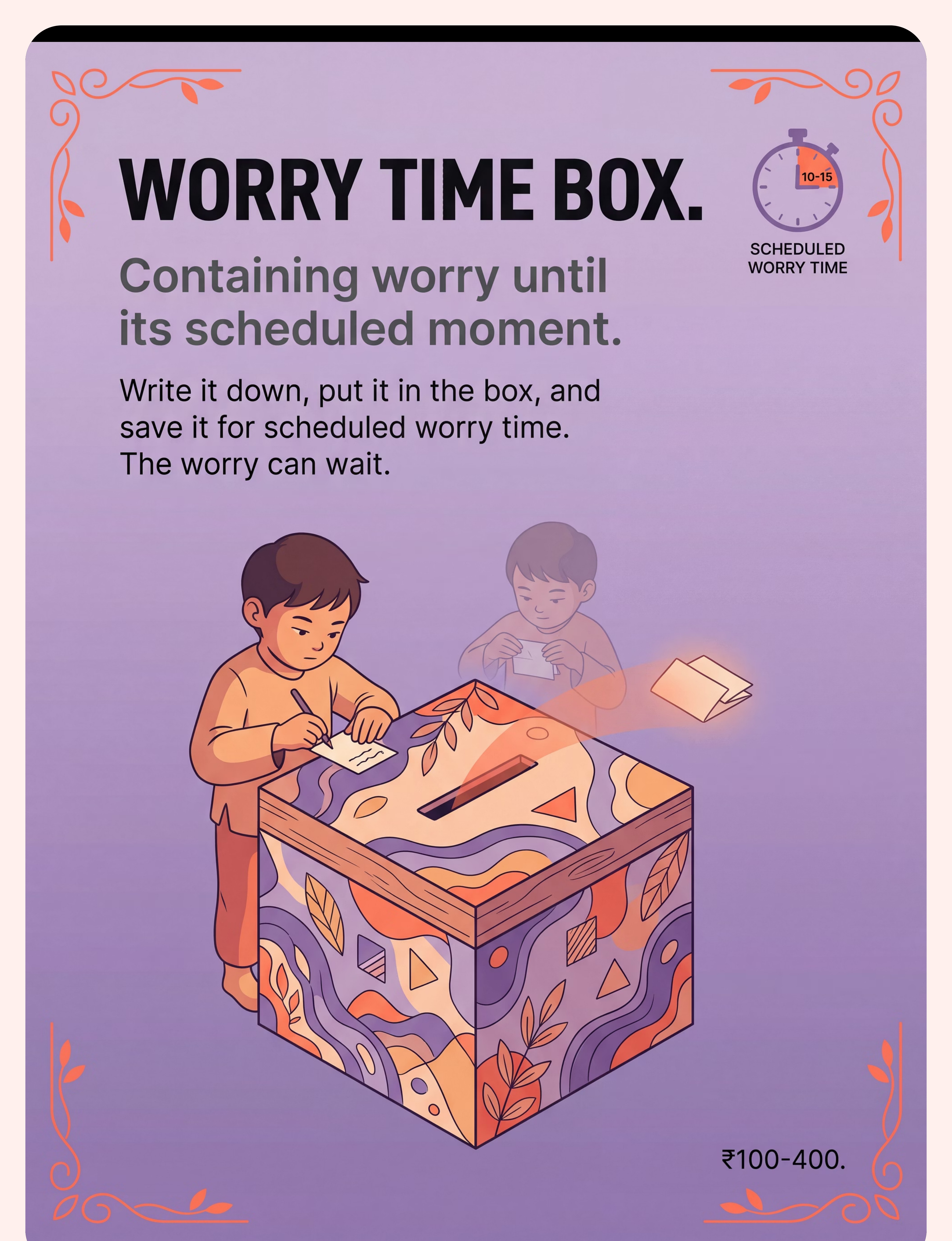
Worry Time Box | ₹100–400 | Any box with a slot in the lid. Decorate with child. Worry slips = torn paper. Total cost: ₹0 | |
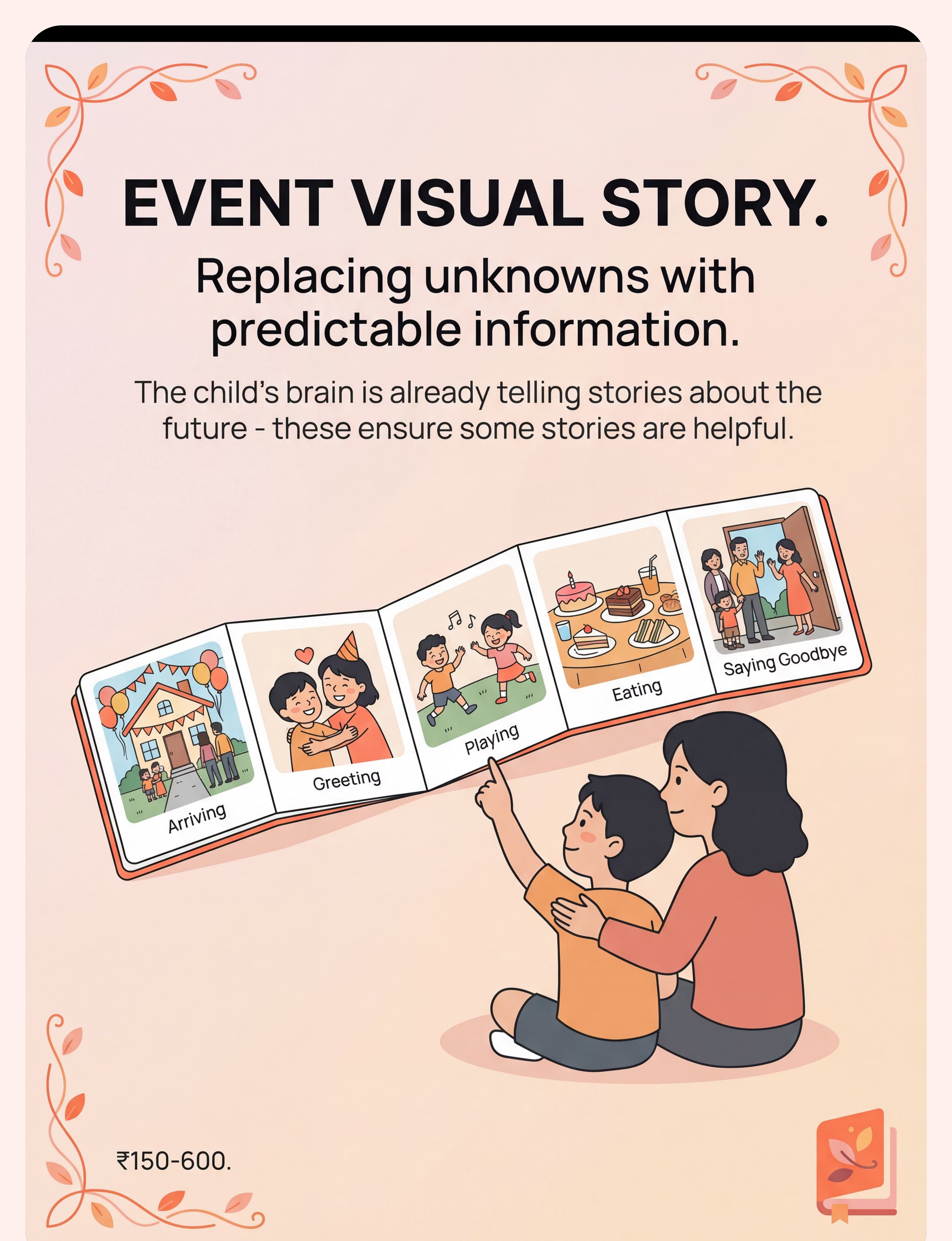
Social Story Materials | ₹150–600 | 8–12 hand-drawn pages in a stapled booklet. Photos from Google if location is known. Total cost: ₹0 | |
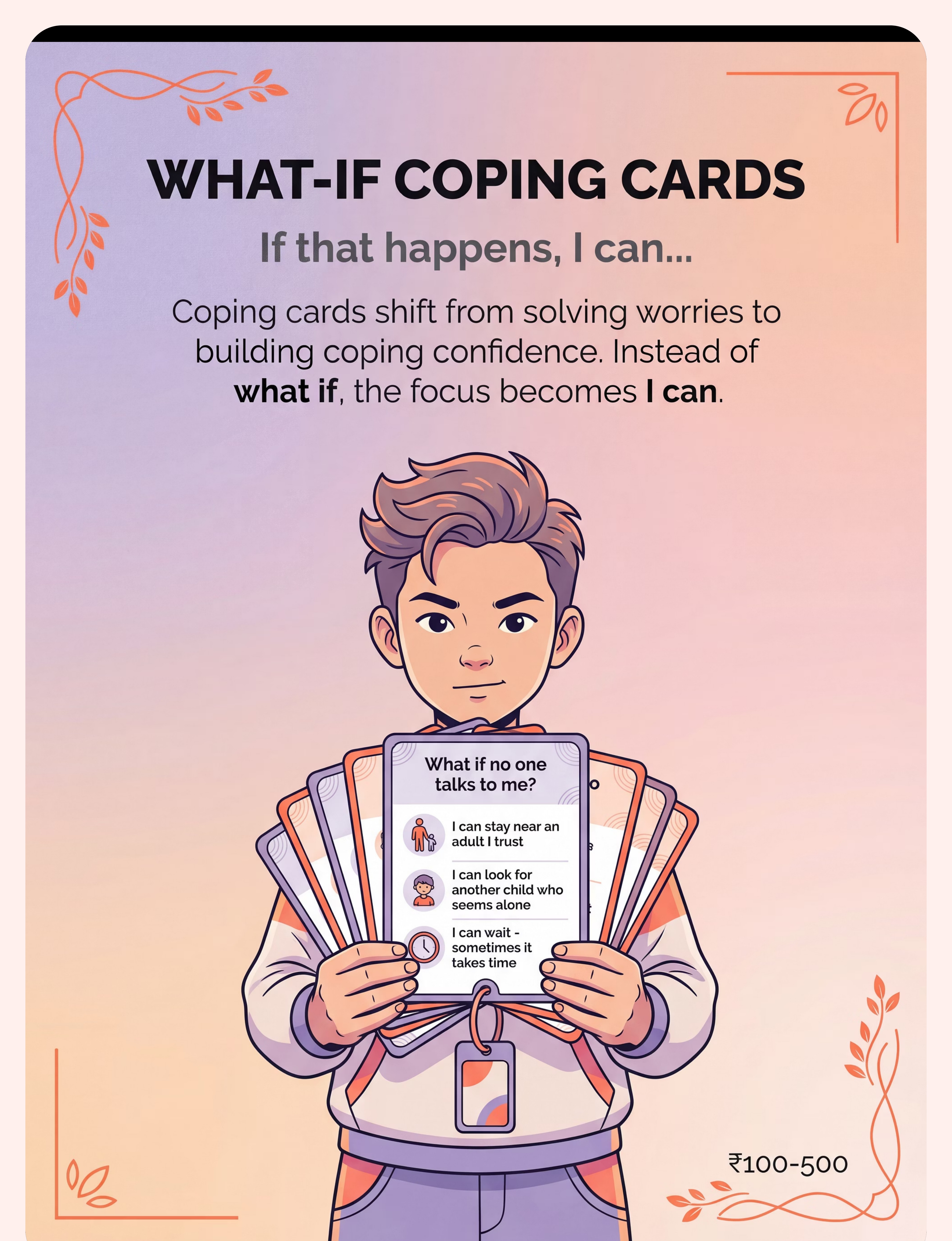
Coping Cards | ₹100–500 | Index cards or cut-up paper. Child writes/draws worries and coping strategies. Total cost: ₹5–20 | |
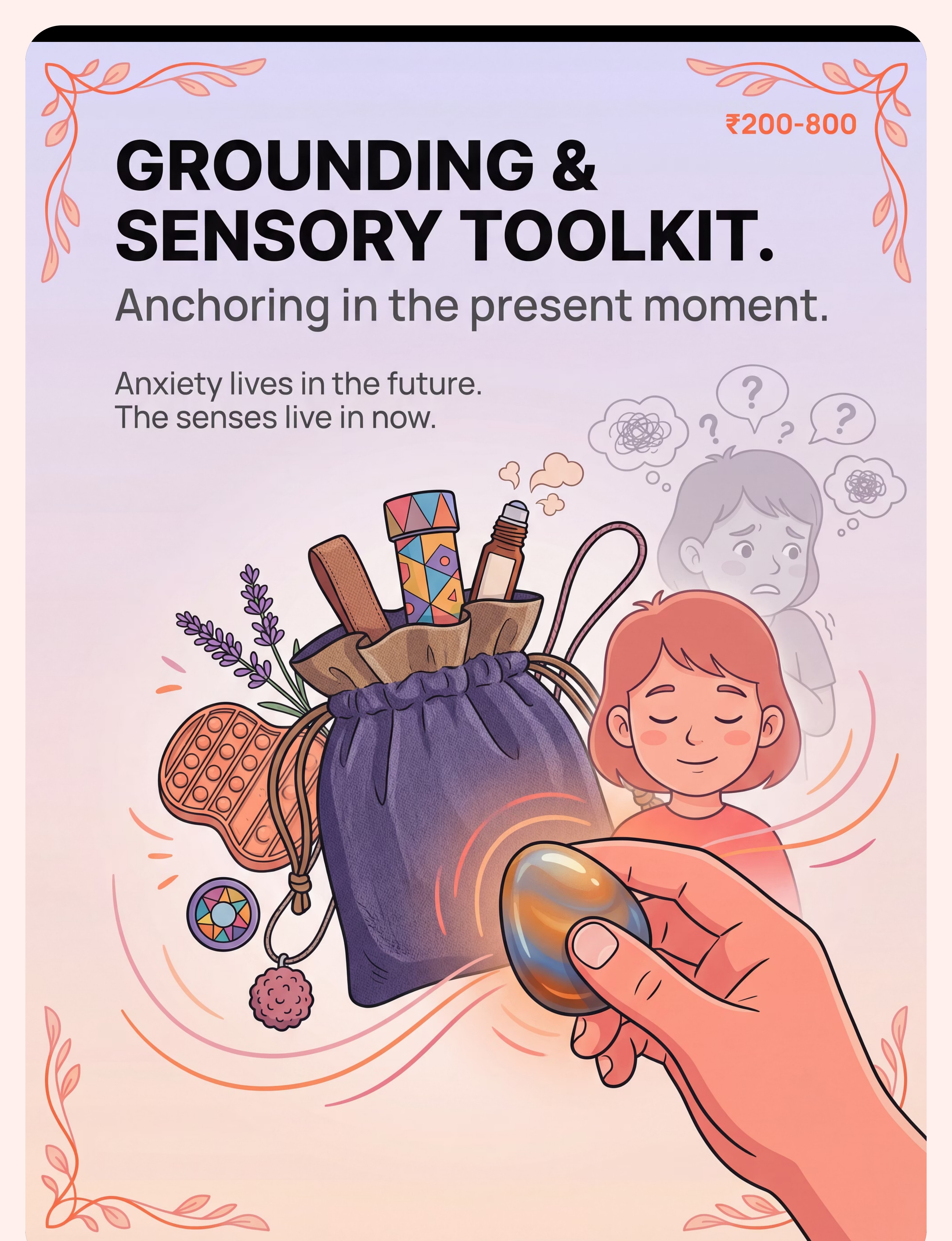
Grounding Toolkit | ₹200–800 | Smooth stone from outside, small fabric scrap, rice in a bag (tactile), scent from kitchen spices. Total cost: ₹0 | |
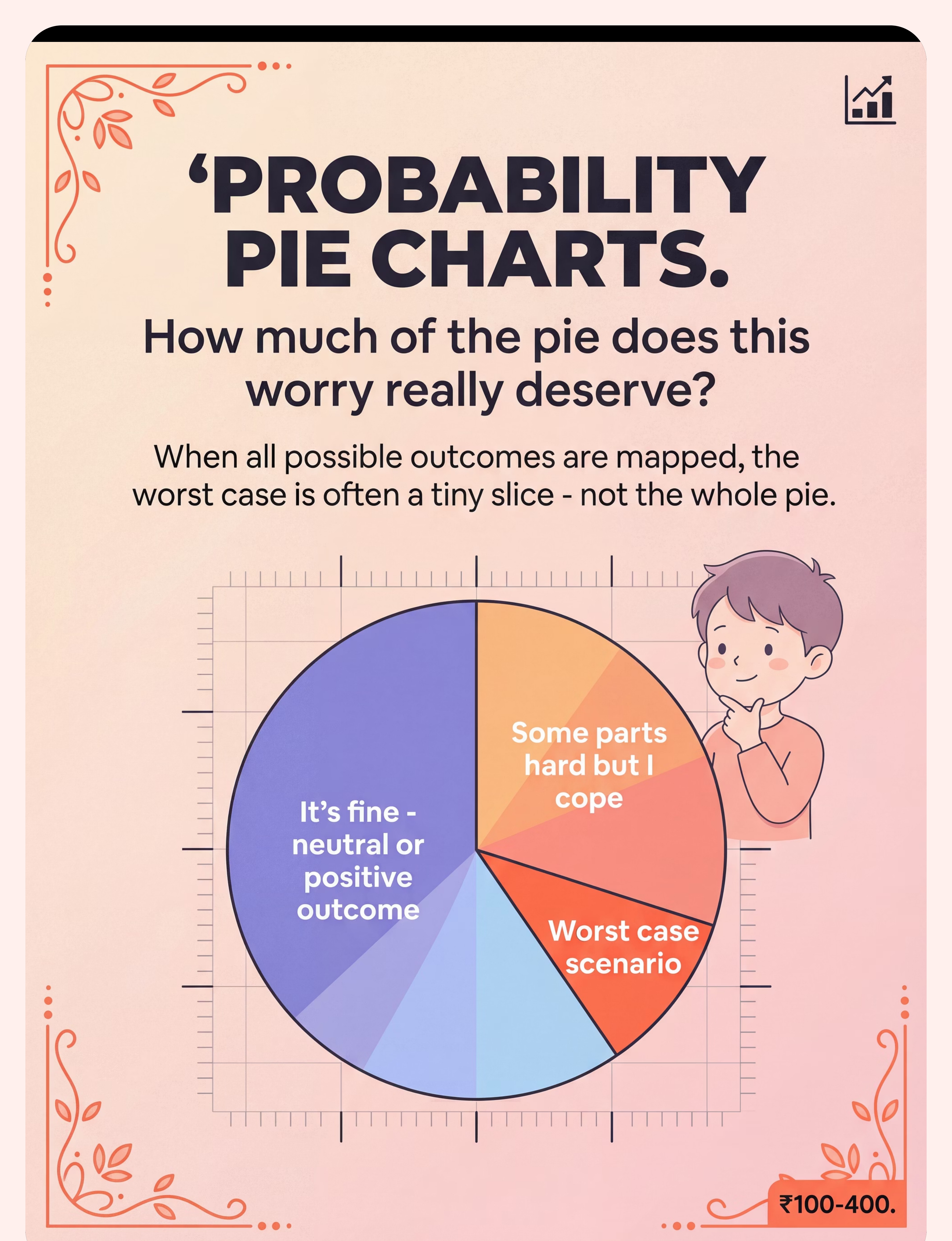
Probability Pie Chart | ₹100–400 | Draw a circle. Divide with pencil. Done. Total cost: ₹0 | |
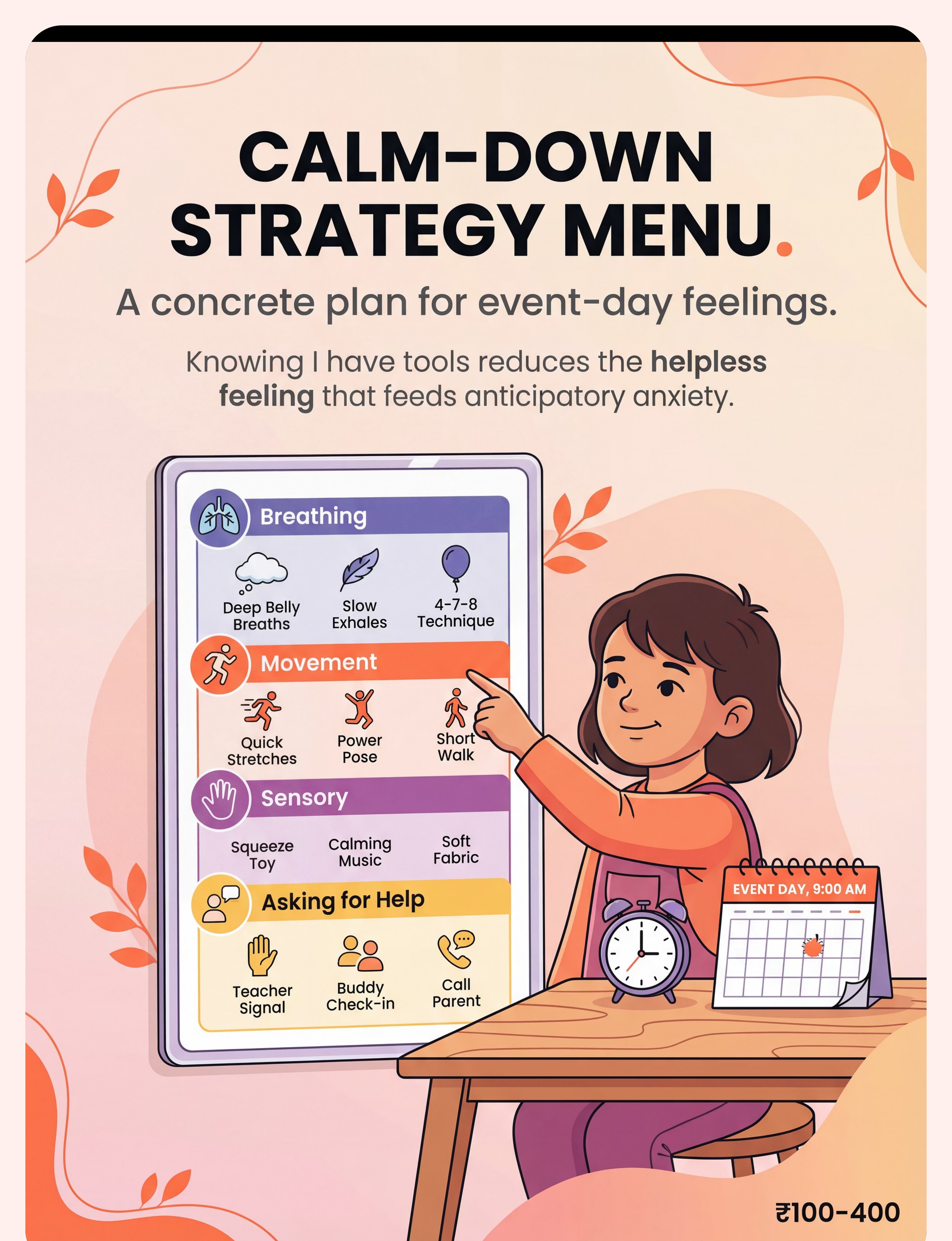
Calm-Down Menu | ₹100–400 | Write on paper, laminate with tape. Stick figure icons for each strategy. Total cost: ₹5 | |
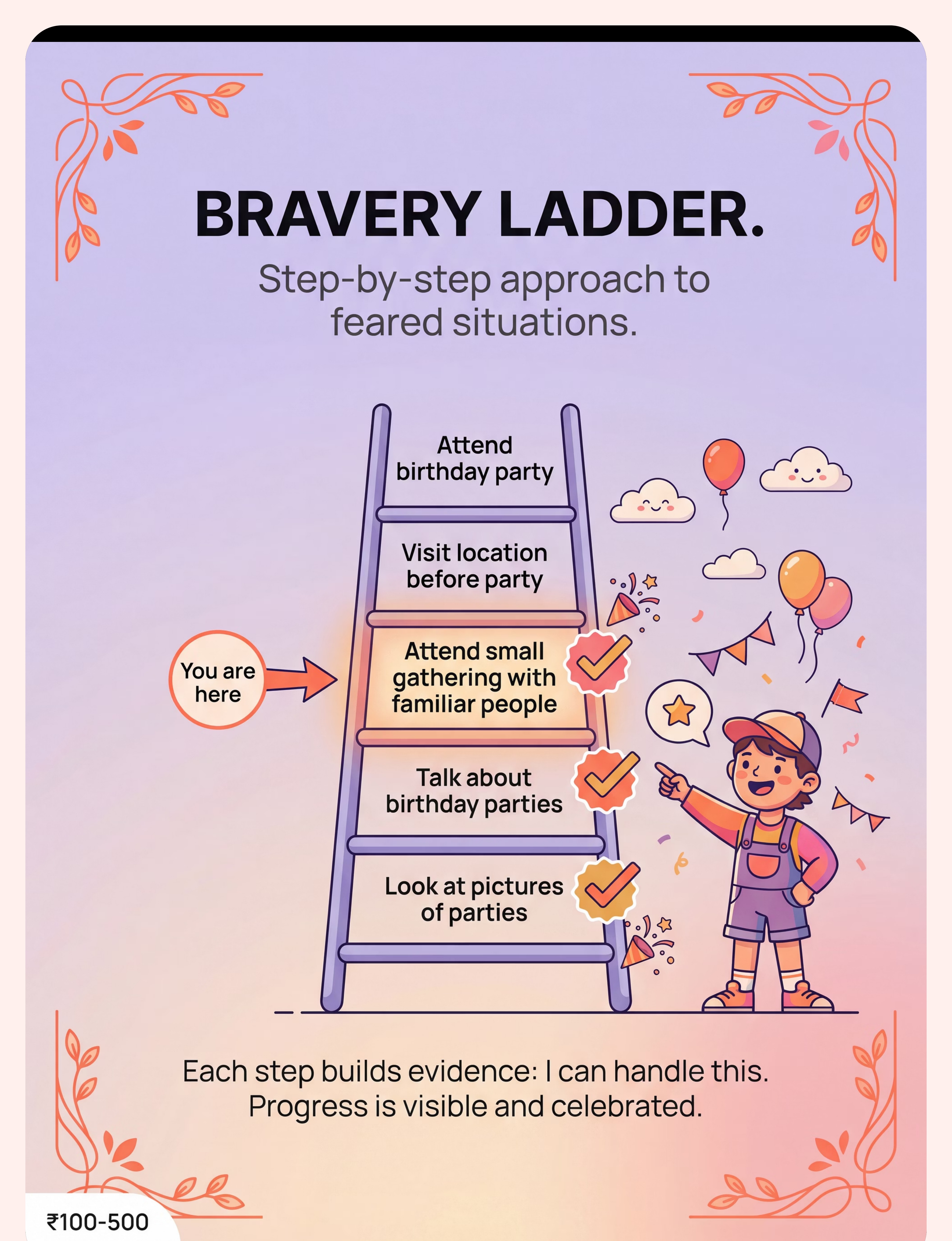
Bravery Ladder | ₹100–500 | Draw a ladder on paper. Child decorates each rung. Total cost: ₹0–10 | |
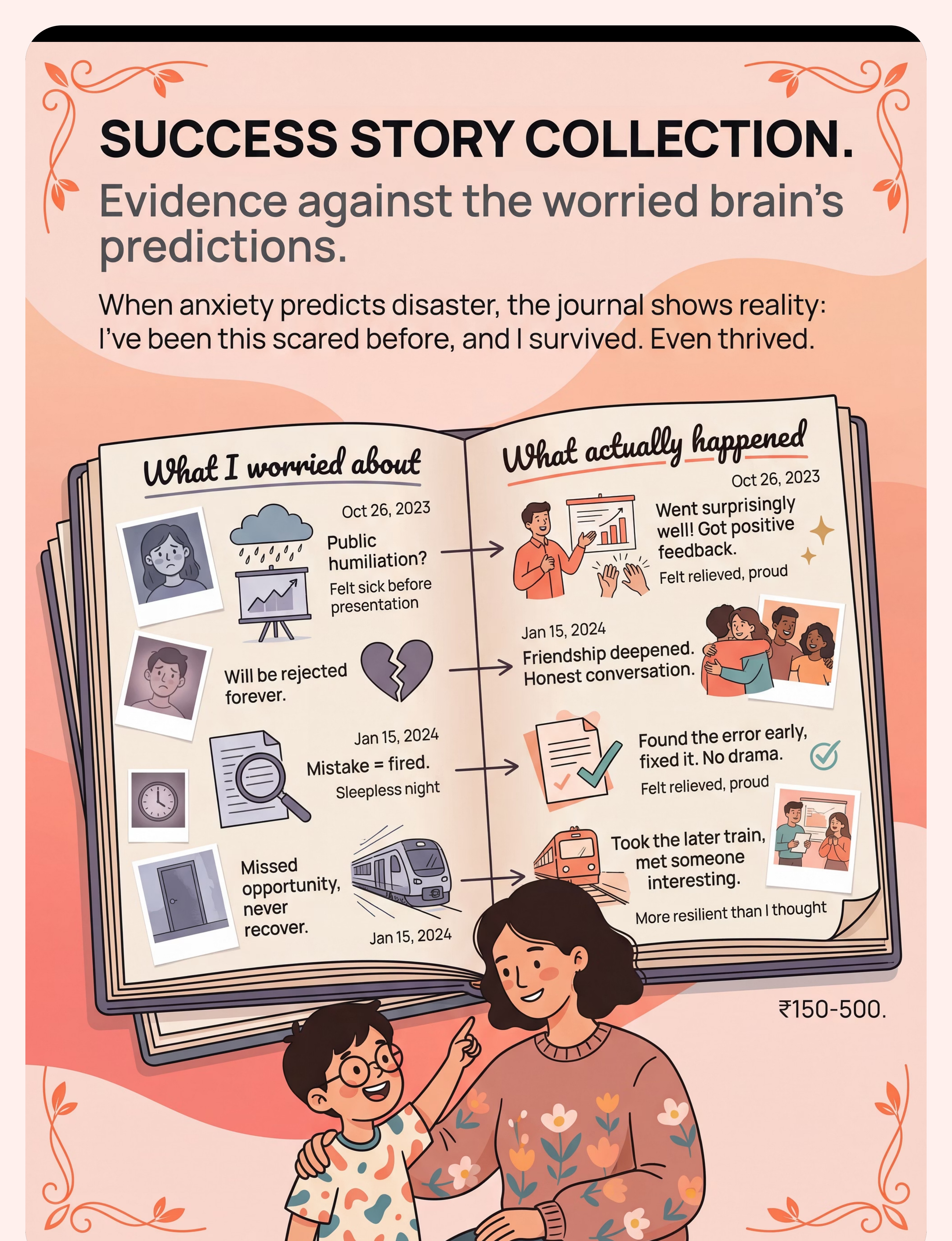
Success Journal | ₹150–500 | Any old notebook. Child decorates cover. Total cost: ₹0–30 |
- Child is in acute panic or meltdown state — wait for regulated baseline
- Anxiety prevents eating, sleeping, or school attendance for 3+ consecutive days → Professional intervention required first
- Child has experienced genuine trauma related to the feared situation → Trauma-informed assessment before exposure-based work
- Child is already in crisis state and the event cannot be modified
- Countdown calendar visibility increases anxiety → Remove it, focus only on today's coping prompt
- Worry time increases distress → Shorten to 5 minutes, adult co-regulates throughout
- Child refuses to engage → Start with sensory grounding toolkit only (no cognitive demand)
- Reassurance-seeking escalates → Step back, validate feelings, pause structured intervention
- Child is fed, rested, and in a regulated baseline state
- No acute illness or recent major transition/disruption
- Child shows willingness (even reluctant) to explore materials
- Caregiver is calm and regulated — children absorb parental anxiety

"We're going to do our worry toolkit time now. This is our time to check in on your worries and use our tools. You don't have to fix anything — you just have to be here with me."

7/7 ✅ | PROCEED with full session — all 9 materials available | |
5–6 ✅🟡 | MODIFY — Use grounding toolkit only, skip cognitive tools today | |
3–4 ✅🟡 | POSTPONE structured session — do co-regulation instead | |
<3 ✅🔴 | POSTPONE — Use comfort items + co-regulation only. Try again tomorrow. |
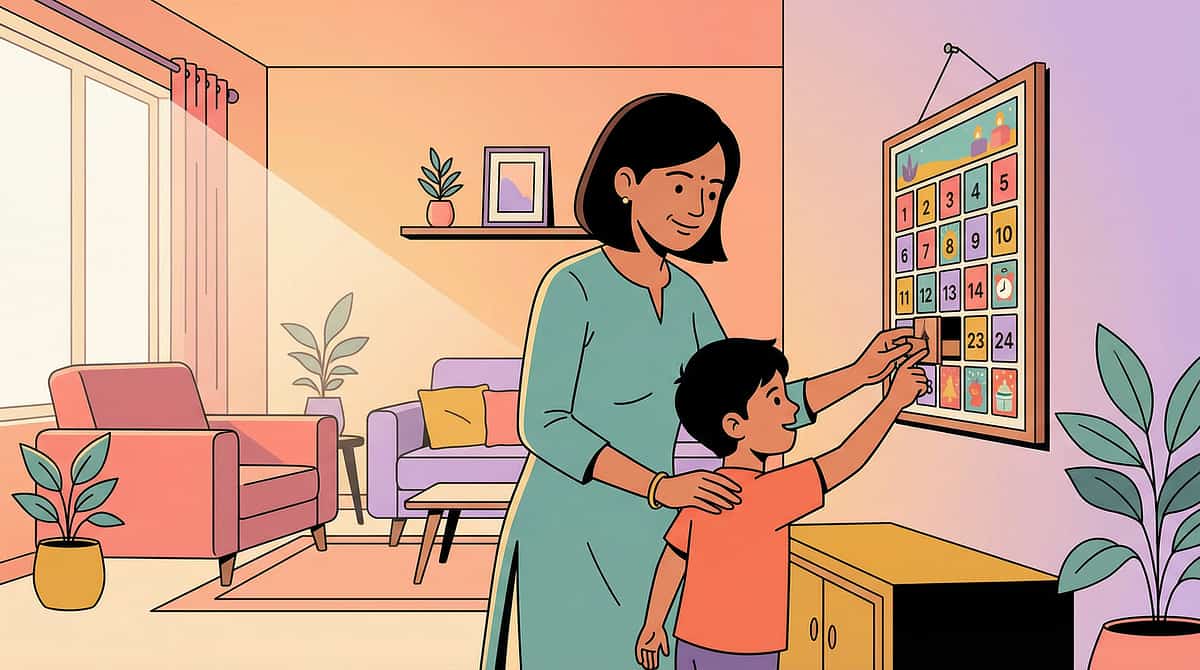
"Hey [name], it's our worry toolkit time. We're not going to solve anything today — we're just going to check in on how the [event] worry is doing. You're going to be the expert on your own worry, and I'm just going to be your helper."
- "Stop worrying — it'll be fine." (Dismisses the feeling)
- "You're being ridiculous — nothing bad will happen." (Shames + false promise)
- "We need to talk about your anxiety." (Pathologizes, creates resistance)
- "Are you worried again?" (Triggers anticipatory anxiety about having anticipatory anxiety)
- "Your worry brain is working hard today. Let's give it something useful to do."
- "We have tools. You don't have to figure this out alone."
- "Your job is just to notice. My job is to help."

"Your brain wants to worry about that right now. That's okay — let's put it in the box and save it. You can worry about it properly at worry time."
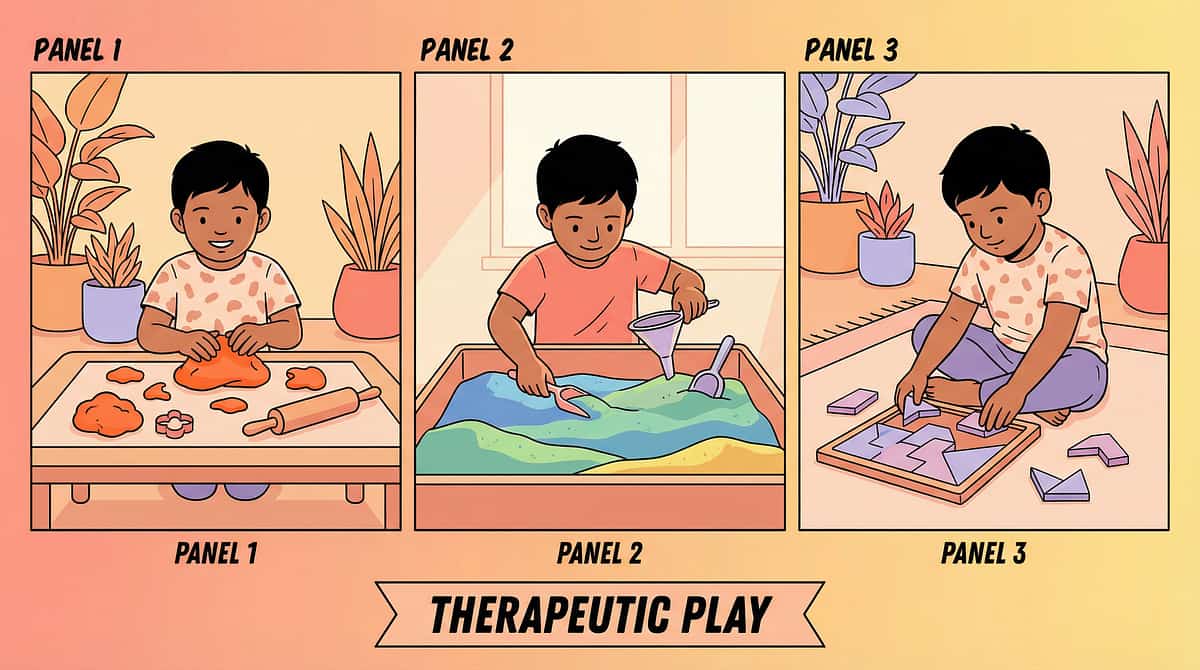

- Together, list the child's biggest "what if" worries for the specific event
- For each worry, brainstorm 3–4 genuine coping strategies — NOT false reassurances
- Write "What if..." on the front. "If that happens, I can..." with 3 strategies on the back
- Review the cards together every evening in the event run-up
- On the day, the child carries the cards — or a trusted adult holds them

"Anxiety lives in the future. Your senses live in NOW. When your brain goes to the future, your senses can bring it back."
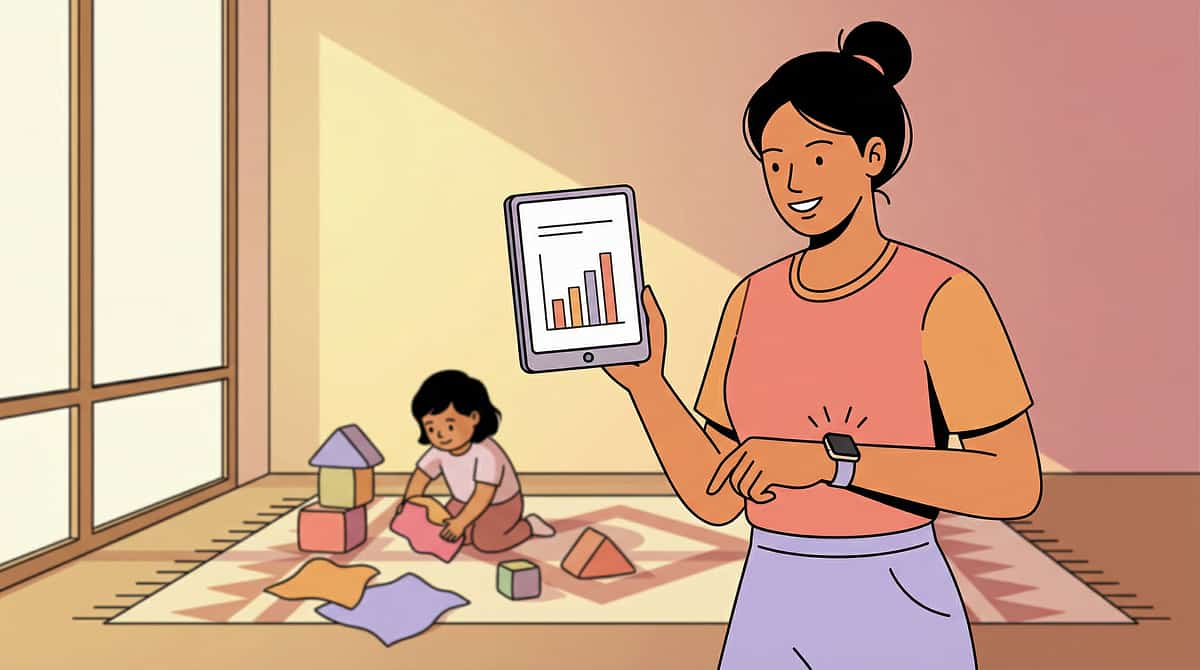
Field | What to Record | |
Date of Session | Today's date | |
Child's Age | Years and months | |
Upcoming Event Being Anticipated | Name of the specific event | |
Days Until Event | Number of days remaining | |
Anxiety Level Today (1–10) | 1 = barely noticeable, 10 = acute distress | |
Materials Used Today | Countdown Calendar / Worry Box / Visual Story / Coping Cards / Grounding Toolkit / Probability Pie / Calm-Down Menu / Bravery Ladder / Success Journal | |
Child's Engagement Level (1–5) | 1 = refused, 5 = enthusiastically engaged | |
Observations or Concerns | Anything unusual, promising, or concerning | |
Parent Wellbeing Score (1–5) | Your own regulated capacity today |
❓ Problem | 🔧 Solution | |
Countdown calendar INCREASES anxiety | Remove it. Focus only on today's coping prompt. Time isn't the tool — coping is. | |
Child won't put worries in the box | "You don't have to put it in. Can you tell me the worry while I write it?" Reduce demand, keep connection. | |
Child memorizes coping cards but still panics | Cards need to be PRACTICED in low-anxiety situations first. Run simulations when calm. | |
Reassurance-seeking escalates during sessions | Gently redirect: "You've asked that. Let's use the worry box instead of answering again." Hold the limit with warmth. | |
Child refuses all materials | Start only with grounding. No cognitive demand. Build safety first. | |
Visual story isn't reducing worry | Ensure it includes flexibility and coping strategies WITHIN the story, not just information. | |
Parent loses patience during sessions | Session must stop. Come back tomorrow. Your regulation is the most important tool. | |
Child attends event but is miserable throughout | Success is ATTENDING, not enjoying. Attendance is the therapeutic win. Note it in the Success Journal. |
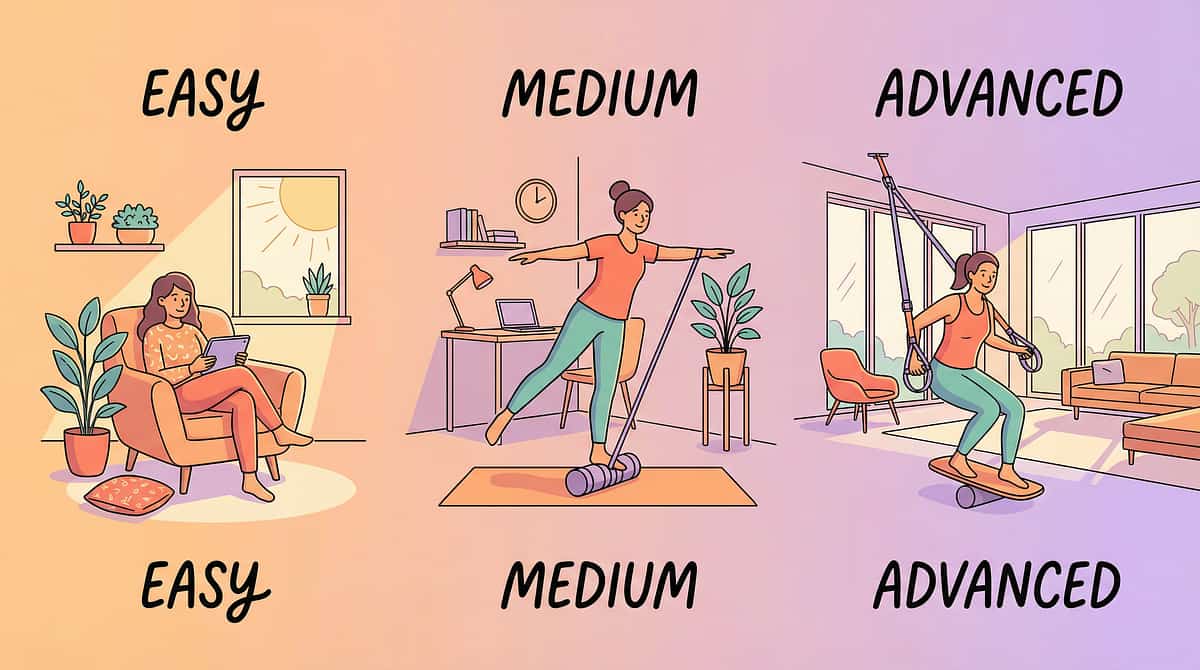
- Start with Grounding Toolkit only
- Delay countdown calendar if it backfires
- Adult does most of the cognitive work initially
- Focus on regulation before introducing coping cards
- Use all 9 materials simultaneously
- Child and adult work together as equal partners
- Introduce probability pie charts in Week 2
- Child begins leading sessions by Week 4
Tool | Ages 4–6 | Ages 7–10 | Ages 11–14 | |
Countdown | Paper chain | Full calendar | Digital / phone app | |
Visual Story | Drawn, simple | Photo + text | Written event prep notes | |
Coping Cards | Adult-generated | Co-created | Child-generated independently | |
Session Length | 5 minutes | 10–15 minutes | 15–20 minutes |

- Child accepts the worry box without major protest
- Child crosses off the countdown calendar with some engagement
- "What if" questions continue but child occasionally redirects to coping card
- Sleep may still be disrupted but child has language for what they're feeling
- Child can complete 5-4-3-2-1 grounding with adult support
- Spontaneous use of tools without adult prompting
- Significant reduction in "what if" questions
- Attending events without distress
- "I'm not worried about the party anymore"
"If your child tolerates the grounding toolkit for 3 sessions without refusing — that is real progress. If they put ONE worry in the box — that is real progress. Progress is measured in tolerance, not transformation."

"I realized he was checking the countdown calendar himself in the morning. I didn't ask him to. He was just... doing it."— Parent, Pinnacle Network

- Child independently uses grounding toolkit when anxiety spikes
- Child completes bravery ladder steps with minimal adult support
- Success journal has 3+ entries child can reference independently
- Child attends anticipated events with coping plan in place
- "What if" questions met with child's own coping redirects
- Child can explain to another person: "When I worry about things before they happen, I use..."

"You were scared AND you went. That's the bravest thing. The going while scared is what builds confidence. Not the going when you're not scared."


Technique | Code | Difficulty | Materials You Likely Own | |
General Anxiety Management | C-295 | 🟢 Introductory | Grounding toolkit | |
Physical Anxiety Symptoms | C-296 | 🟢 Introductory | Sensory kit | |
Anticipatory Anxiety (current) | C-297 | 🟡 Core | All 9 materials | |
Building Brave Behaviors | C-298 | 🟡 Core | Bravery Ladder | |
Worry Management | C-299 | 🟡 Core | Worry Box | |
Social Anxiety Materials | C-300 | 🔴 Advanced | Coping Cards |

"The families who see the most consistent improvement are those who shift from 'I need to fix my child's worry' to 'I'm building my child's coping confidence.' The goal is never zero anxiety. The goal is 'Whatever happens, I can handle it.'"— Pinnacle Consortium Clinical Psychologist

You Are Not Navigating This Alone
Card 32 of 40 The isolation of parenting a child with anticipatory anxiety is real — the sleepless nights, the 400 questions, the heartbreak of watching your child suffer before events that turn out to be fine. That experience has value. Another parent is where you were right now. Anticipatory Anxiety Parent Circle WhatsApp group for families using C-297. Join at pinnacleblooms.org/community/anxiety → Online Community Forum Share, ask, support — moderated by Pinnacle clinical staff. community.pinnacleblooms.org → Local Parent Meetups Pinnacle center-based parent groups. Find nearest center: pinnacleblooms.org/centers → Peer Mentoring Connect with an experienced Pinnacle parent who has navigated anticipatory anxiety. Request a mentor: 9100 181 181
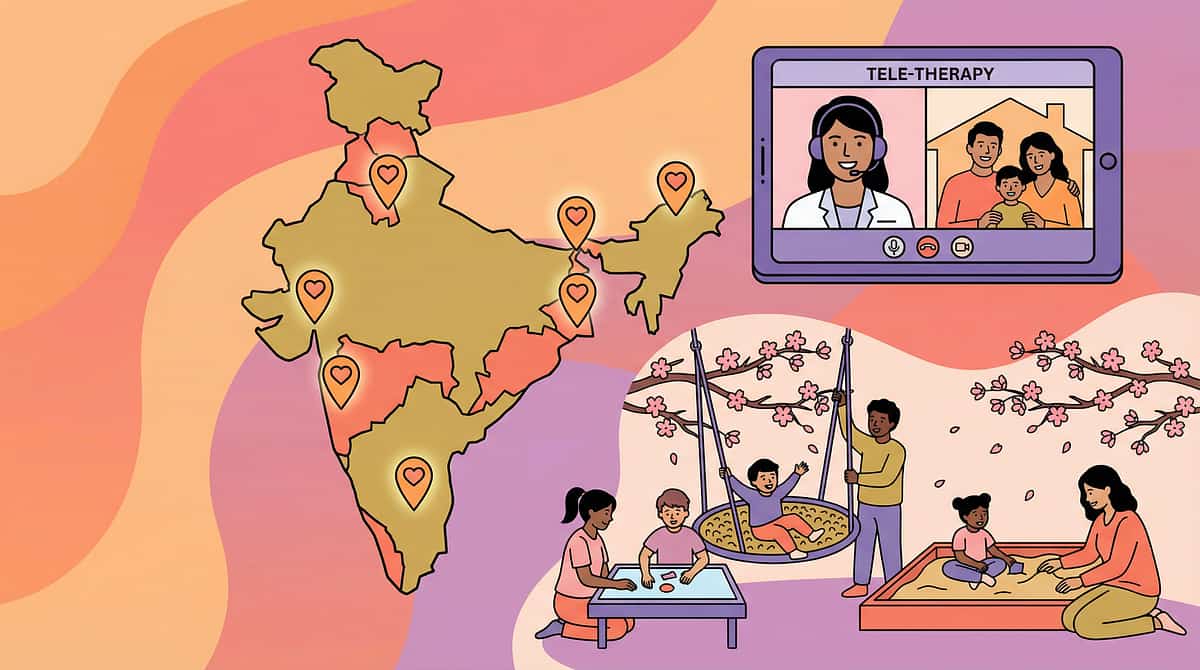
Service | What You Get | |
AbilityScore® Assessment | Standardized baseline across anxiety domains — your child's individual profile | |
CBT Anxiety Intervention | Protocol-based, GPT-OS® governed — fully aligned with C-297 materials | |
OT Grounding + Sensory | Professional toolkit construction + parent training for home delivery | |
Parent Coaching | How to deliver home intervention consistently and confidently | |
School Consultation | Anticipatory anxiety accommodation planning and teacher briefing |
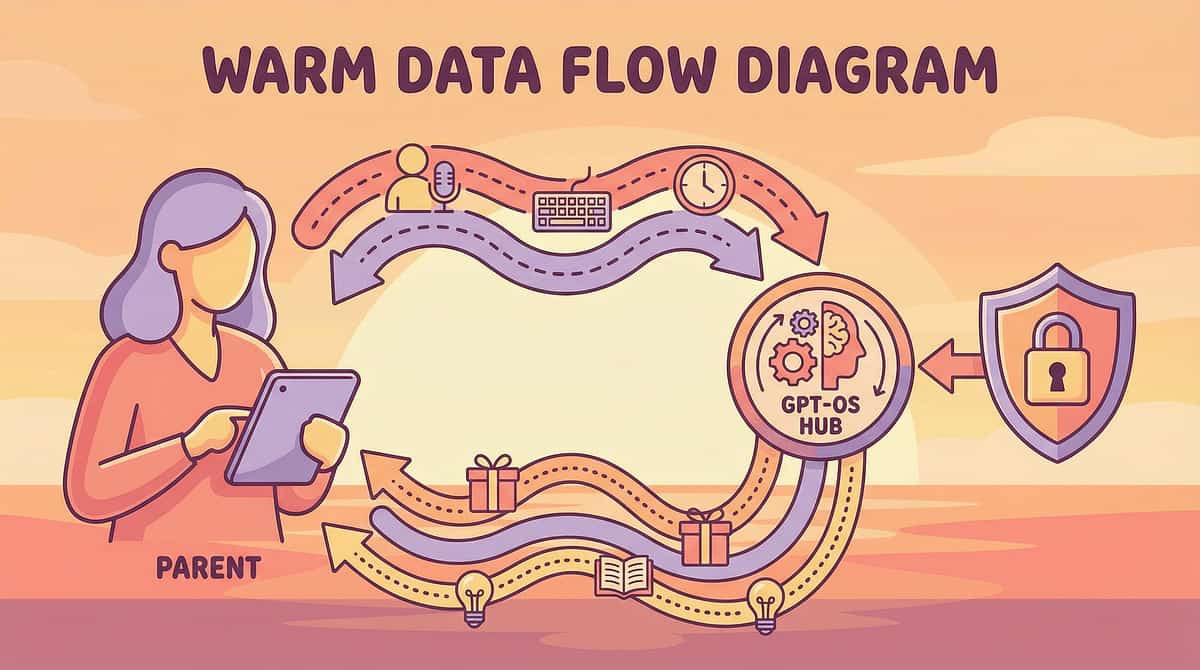
- Severity and trajectory of child's anticipatory anxiety
- Which of the 9 materials produce the strongest engagement
- Whether graduated exposure (bravery ladder) is appropriate or premature
- Whether anxiety is reducing, stable, or worsening over time



Preview of 9 materials that help with anticipatory anxiety Therapy Material
Below is a visual preview of 9 materials that help with anticipatory anxiety therapy material. The pages shown help educators, therapists, and caregivers understand the structure and content of the resource before use. Materials should be used under appropriate professional guidance.