



B-194-9 Materials That Help With Speech Rate Problems
9 Materials That Help With Speech Rate Problems
Fluency Solutions | Episode B-194 | Age 4–12
"He talks so fast I can't understand half of what he says."
Or she speaks so slowly that other children walk away before she finishes her sentence. You are not failing. Your child's speech rhythm is searching for its signal.
ACT I — RECOGNITION
You Are Among Millions of Families Navigating This Exact Challenge
Rate problems — speaking too fast, too slow, or with lurching unpredictable rhythm — affect communication even when every individual sound is correctly produced. This is a neurodevelopmental pattern, not a parenting failure.
1 in 12
Children Affected
Show speech fluency or rate challenges at some point in development
40–60%
Children with ASD
Display speech rate or prosody differences
2.8M+
Families in India
Managing pediatric speech challenges today
Per National Sample Survey data and Pinnacle Blooms Network® clinical intake records across 70+ centers: speech rate dysregulation is among the top 5 presenting speech concerns in children aged 4–12 seeking SLP evaluation.

"You are not alone. And this is addressable." — PRISMA systematic review (2024): 80% of children diagnosed with autism display speech and prosody processing differences.
ACT I — UNDERSTANDING
A Wiring Difference — Not a Behavior Problem
Your child's brain generates words faster than the motor system can precisely produce them — like a printer running out of ink mid-page. The thoughts are there. The words are there. The timing system just needs calibration.
The Brain's Speech Network
Motor Speech Cortex (Broca's Area): Coordinates speed and sequence of speech movements
Cerebellum: Regulates timing, rhythm, and pacing of motor output
Basal Ganglia: Controls automaticity — the "cruise control" of speech rate
Auditory Feedback Loop: Self-monitoring system — hears own speech and adjusts
Prefrontal Cortex: Conscious rate regulation and self-awareness
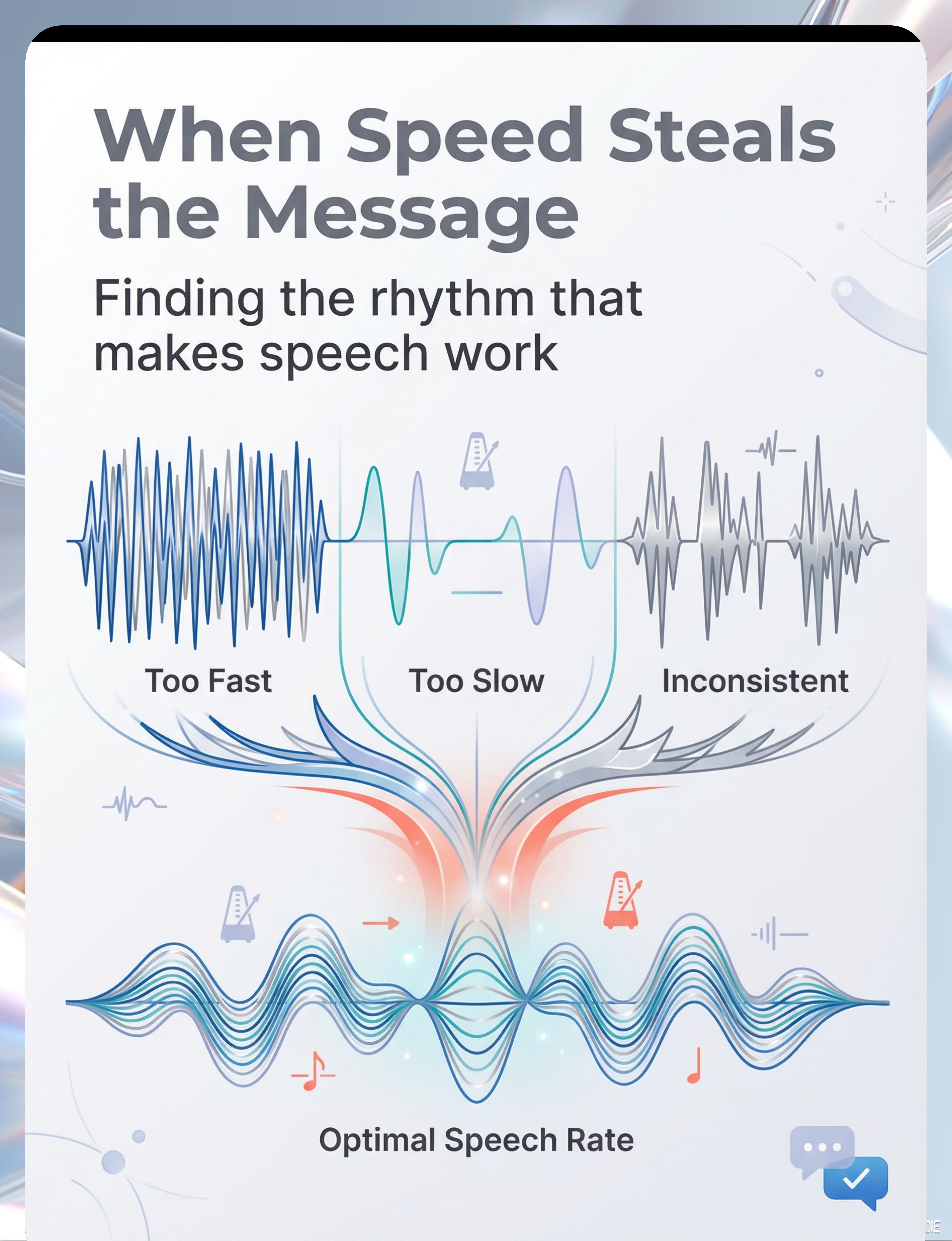
Three Types of Rate Dysregulation
🔴 TOO FAST — Tachylalia
Motor output racing ahead of self-monitoring. Words blur together; syllables collapse.
🔵 TOO SLOW — Bradylalia
Motor planning lag — each sound costs extra effort. Listeners disengage.
🟡 IRREGULAR — Cluttering
Feedback loop inconsistency — bursts and gaps. Unpredictable pacing.

Key Insight: Many children with rate problems cannot perceive their own rate accurately. They genuinely don't know they're speaking too fast. This is not defiance — it is a self-monitoring difference. External feedback tools are the bridge.
ACT I — DEVELOPMENTAL CONTEXT
Your Child's Speech Rate Journey — Where They Are, Where They're Going
Your child is in the critical window where speech rate patterns are actively forming and highly responsive to intervention. With consistent practice, they are heading toward spontaneous rate regulation across all contexts.
1
Ages 0–2
Pre-speech rhythm; babbling cadence; prosodic imitation
2
Ages 2–4
First connected speech; rate naturally variable; parents understand ~75%
3
Ages 4–6 ★
Rate awareness develops — self-monitoring begins; intelligibility expected >90%
4
Ages 6–10
Rate regulation in structured contexts; reading aloud calibrates rhythm; social communication demands grow
5
Ages 10–12+
Adult-like rate patterns expected; academic and peer communication demands peak; automatic regulation across all contexts
Commonly Co-Occurring Conditions
Cluttering
Rapid/irregular rate + collapsed syllables
Stuttering
Can co-occur — differential diagnosis important
ADHD
Impulse control affects speech pacing
Autism
Prosody and self-monitoring differences
Motor Speech
Apraxia, dysarthria
Anxiety
Rate increases with emotional arousal

Clinically Validated. Home-Applicable. Parent-Proven.

ACT I — THE EVIDENCE Evidence Grade: Level II–III Strong Clinical Consensus External rhythm tools — metronome, DAF, pacing boards — are established evidence-based approaches for speech rate dysregulation, with strongest effects when combined with self-monitoring training. Evidence Confidence: Strong (Level II–III, Multiple Studies) Three Pillars of Evidence Systematic Reviews Multiple peer-reviewed studies confirm external pacing tools reduce rapid speech rate in children with fluency disorders Clinical Consensus ASHA clinical guidelines for rate and fluency disorders in pediatric populations Real-World Evidence Pinnacle Blooms Network® 20M+ sessions: Rate intervention outcomes tracked across Communication Readiness Index Key Study Highlights Van Zaalen & Reichel (2015): Cluttering treatment with rate modification tools shows significant intelligibility gains NCAEP (2020): Visual supports and self-monitoring classified as evidence-based for autism — directly applicable to rate regulation Padmanabha et al. (2019): Home-based speech interventions demonstrate significant outcomes in Indian pediatric populations WHO NCF (2018): Early identification and parental awareness directly impact developmental outcomes

ACT II — KNOWLEDGE TRANSFER
Speech Rate Regulation Using Therapeutic Materials
"Finding Your Child's Speech Rhythm — The Materials That Help"

Speech rate regulation refers to the structured use of external and self-monitoring tools to help children establish and maintain an appropriate speech tempo — fast enough for efficient communication, slow enough for clear intelligibility, and consistent enough for listener comprehension.
🔴 Too Fast — Tachylalia
Words blur together; syllables collapse under racing motor output
🔵 Too Slow — Bradylalia
Production is labored; listeners disengage before sentence ends
🟡 Irregular — Cluttering
Burst-and-pause pattern; unpredictable pacing disrupts communication
📊 Domain
Speech-Language | SPL-FLU
👤 Age
4–12 years
⏱️ Duration
10–20 min/session
🔁 Frequency
Daily practice
🏠 Setting
Home-executable
Clinical terminology: Tachylalia (rapid) | Bradylalia (slow) | Cluttering (rapid/irregular) | ICD-10: F98.5 (Stuttering) | R47.81 (Cluttering) | F80.0 (Phonological disorder)

This Technique Crosses Every Therapy Boundary

The brain does not organize itself by therapy type. Speech rate involves motor systems, auditory processing, behavioral self-regulation, academic function, and neurological underpinning. This technique is genuinely multidisciplinary. Speech-Language Pathologist Lead Discipline. Designs rate modification protocol; selects and calibrates all 9 materials; monitors progress across fluency and intelligibility domains. Occupational Therapist Supporting. Addresses motor coordination aspects of speech motor control; integrates sensory processing profile into rate work. ABA / BCBA Behavioral Layer. Addresses the behavioral self-monitoring components of rate regulation through reinforcement of paced speech and extinction of rushing behaviors. Special Educator Academic Layer. Uses rate regulation for classroom participation and academic communication tasks requiring differential assessment. NeuroDev Pediatrician Medical Oversight. Screens for underlying conditions — ADHD, anxiety, motor speech disorders — and provides differential diagnosis. Pinnacle FusionModule™ coordinates all 5 disciplines into a single converged rate regulation pathway — ensuring your home practice aligns with every therapist's session plan. 📞 9100 181 181
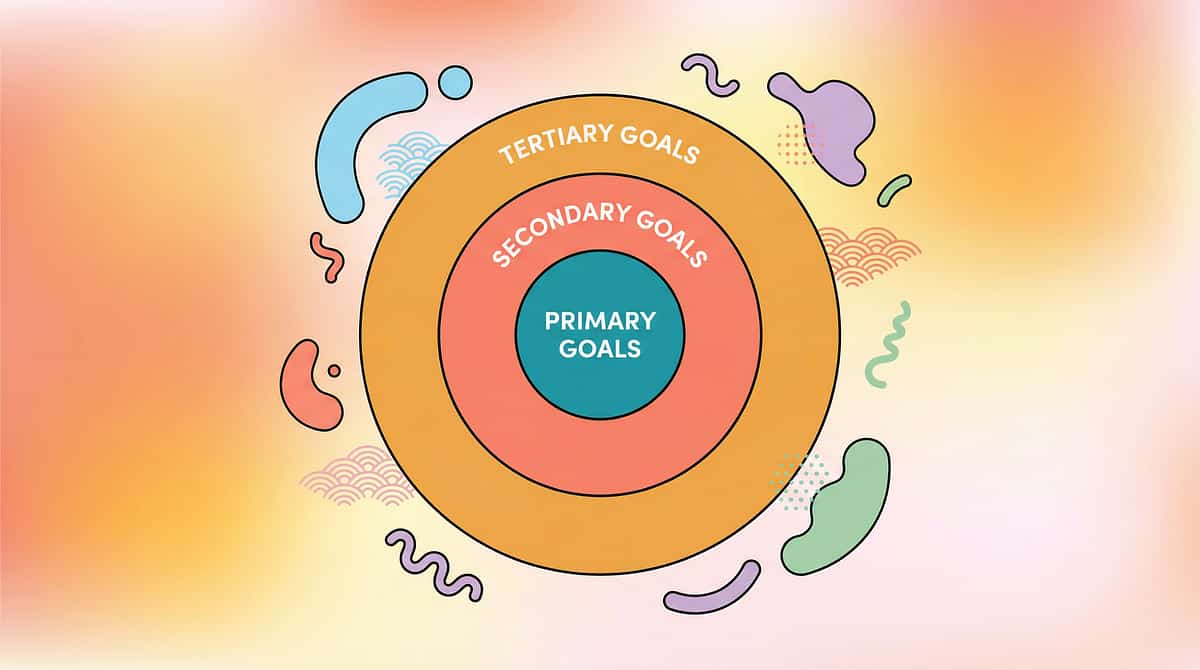

ACT II — TARGETS
Precision Targets — What Each Material Is Building
This technique doesn't just fix how fast your child speaks. It builds the entire self-monitoring architecture for communication.
Progression Stages
Stage 1: Rate AWARENESS
Recognizes own rate differences — the foundation everything else builds on
Stage 2: Controlled PRACTICE
Regulates rate with external support — pacing boards, metronome, recording
Stage 3: Structured CONVERSATION
Maintains rate in predictable, low-demand communication contexts
Stage 4: Spontaneous REGULATION
Self-monitors and adjusts in real-time without external cues
Stage 5: GENERALIZATION
Appropriate rate across all contexts and emotional states

9 Materials — Your Complete Speech Rate Toolkit

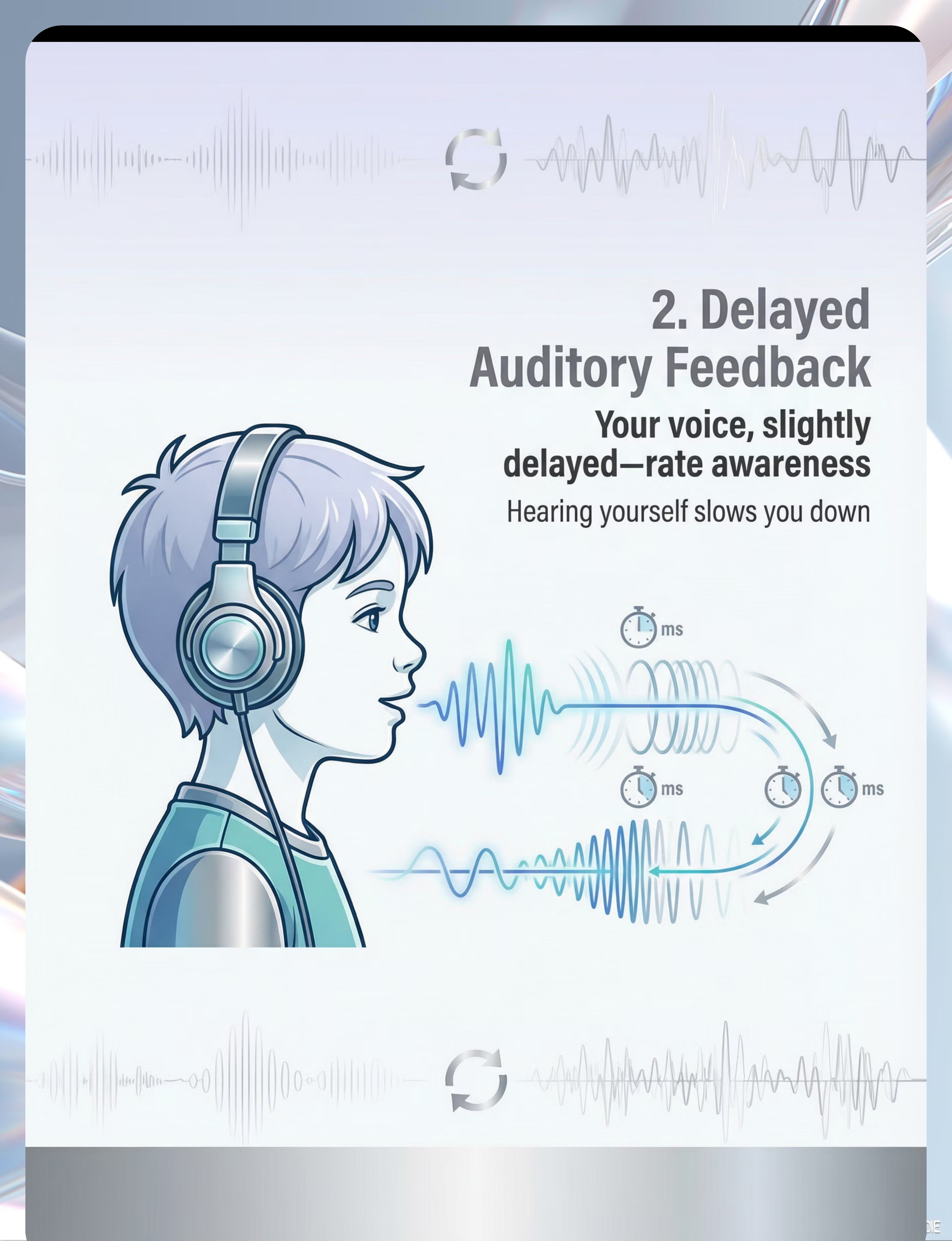
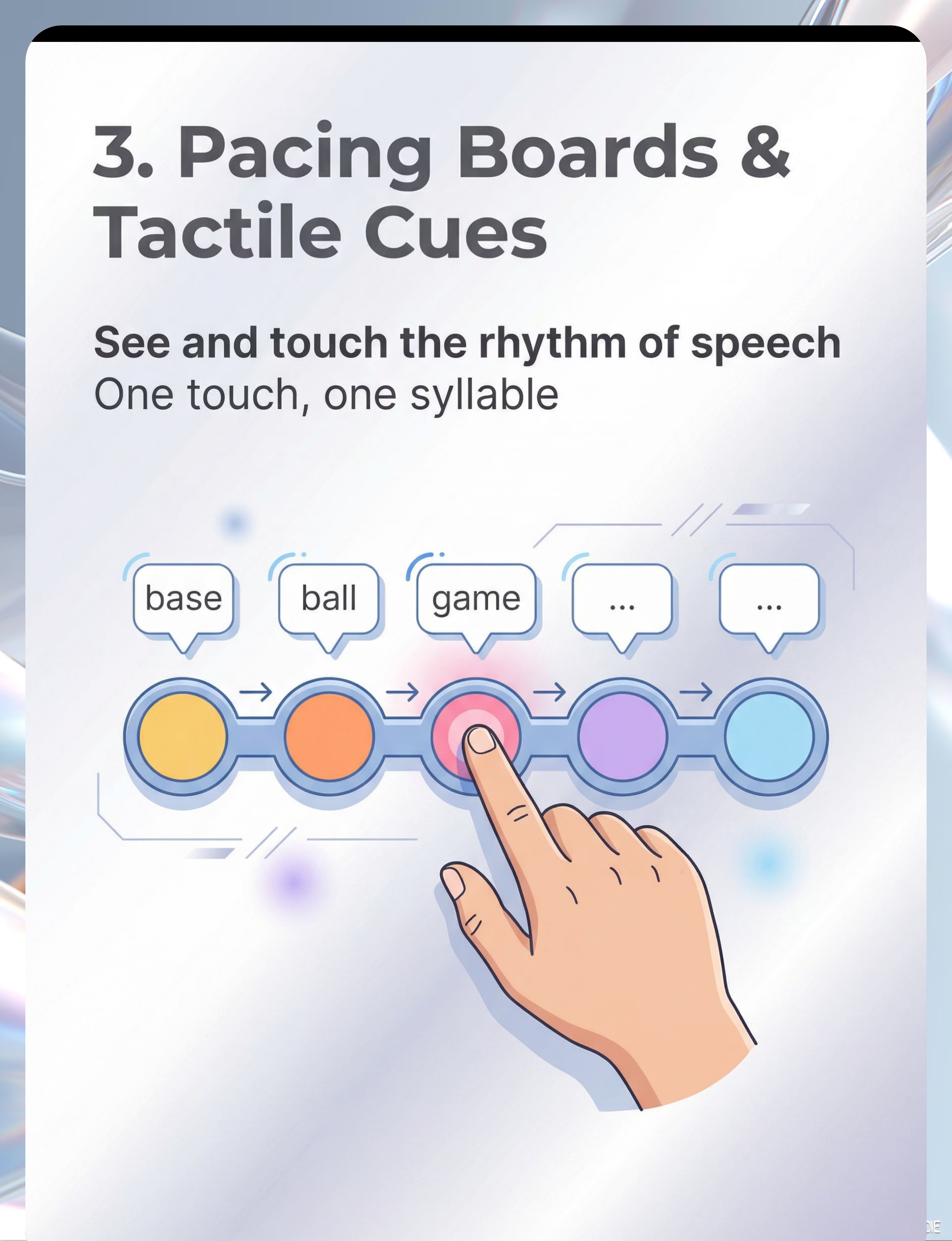
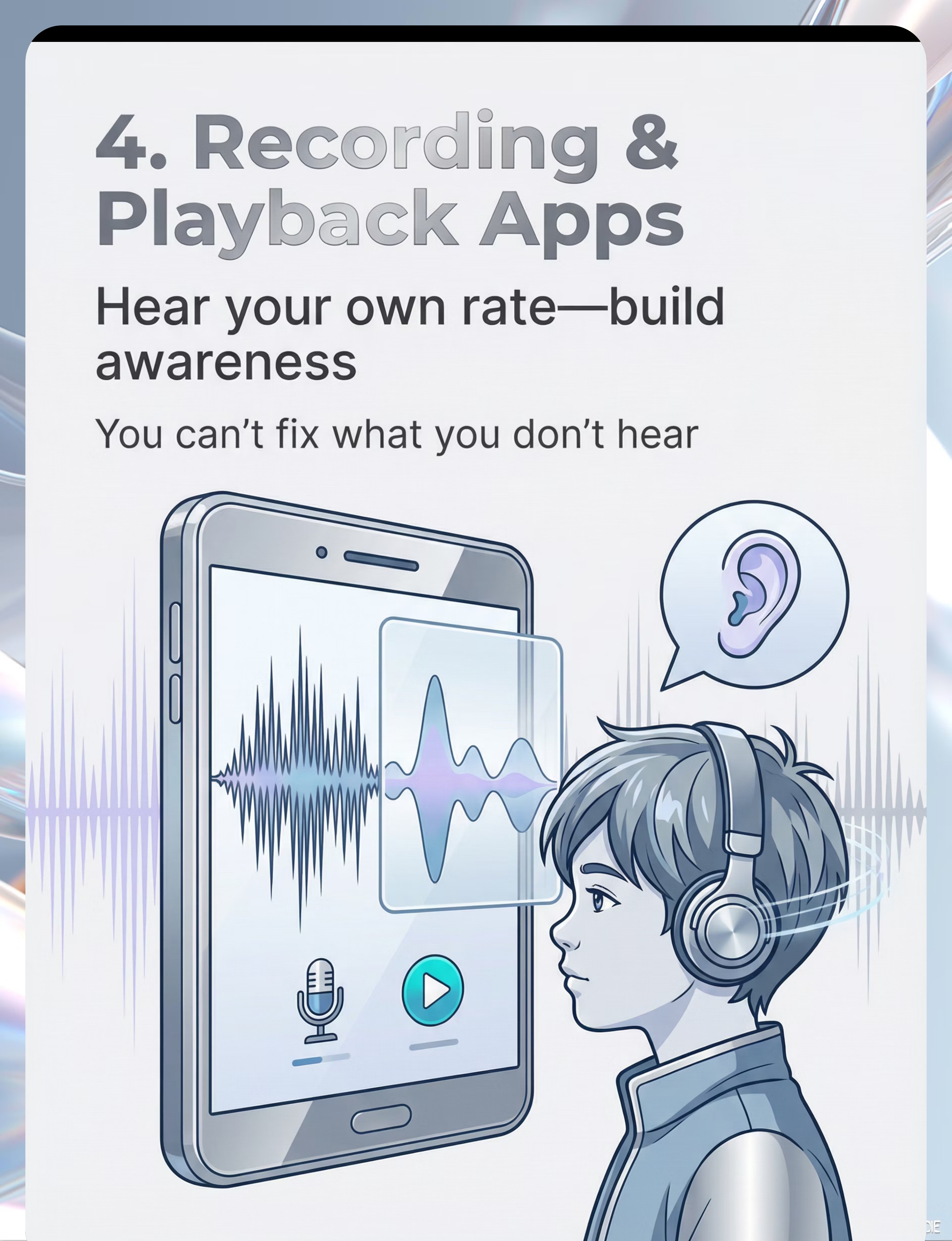
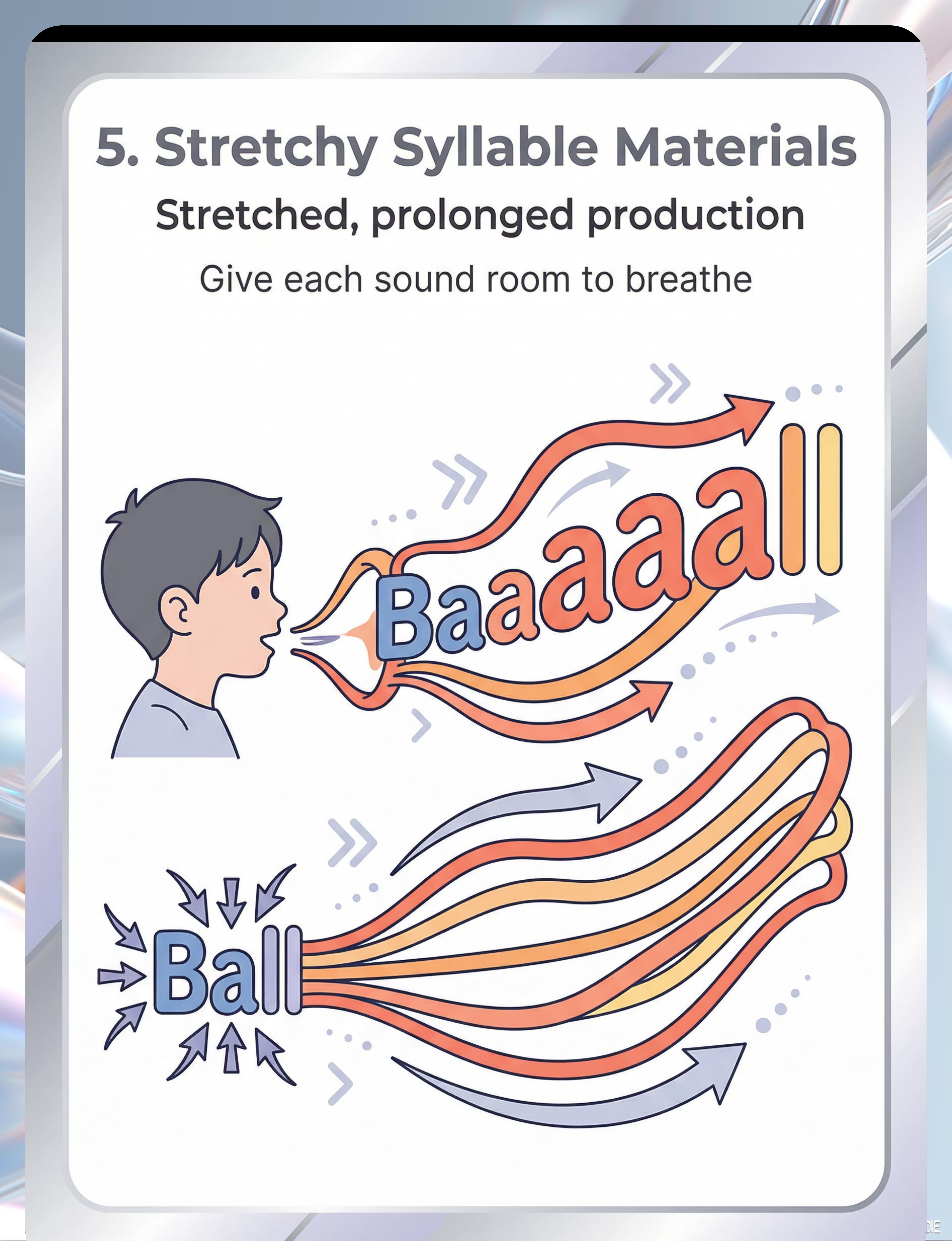
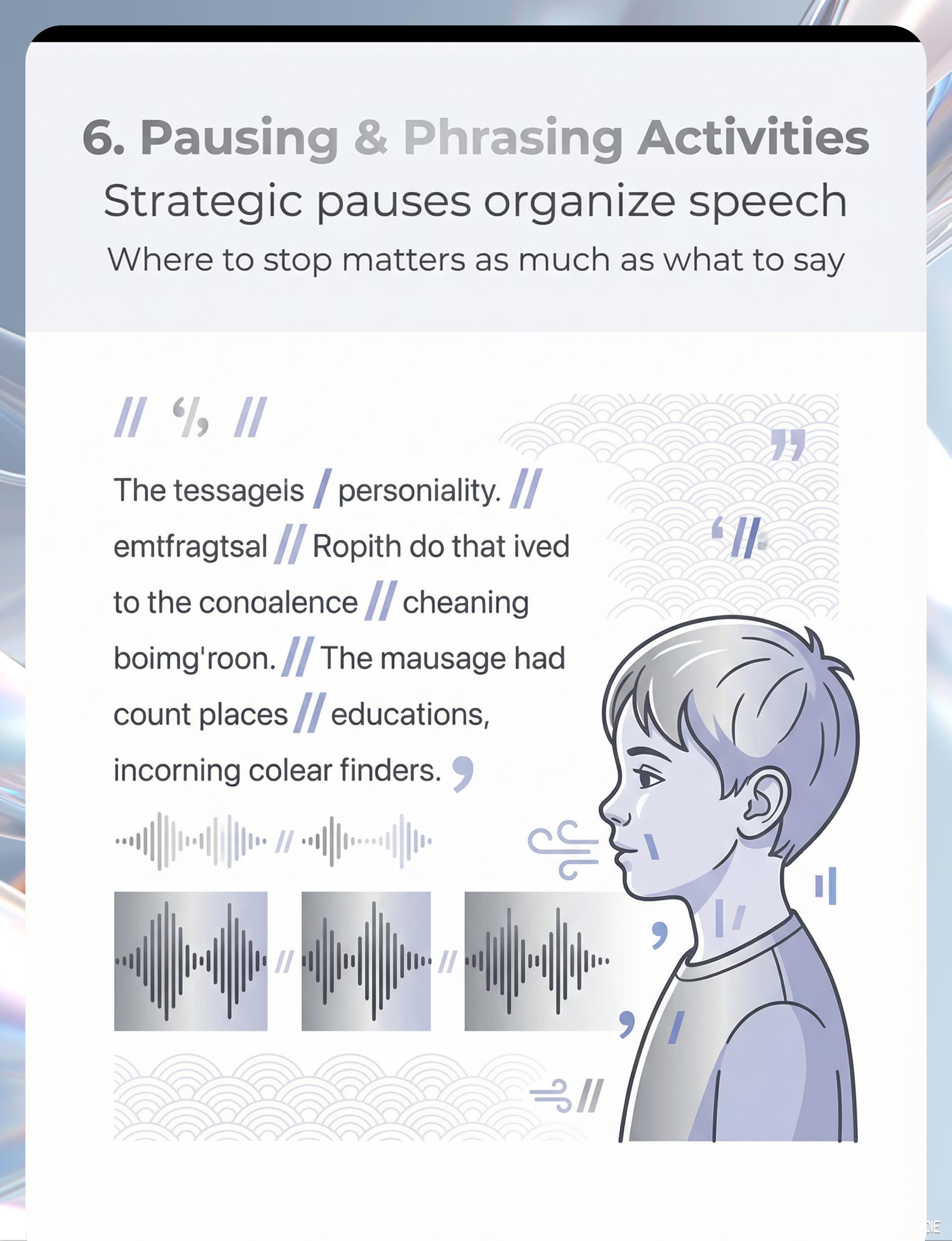
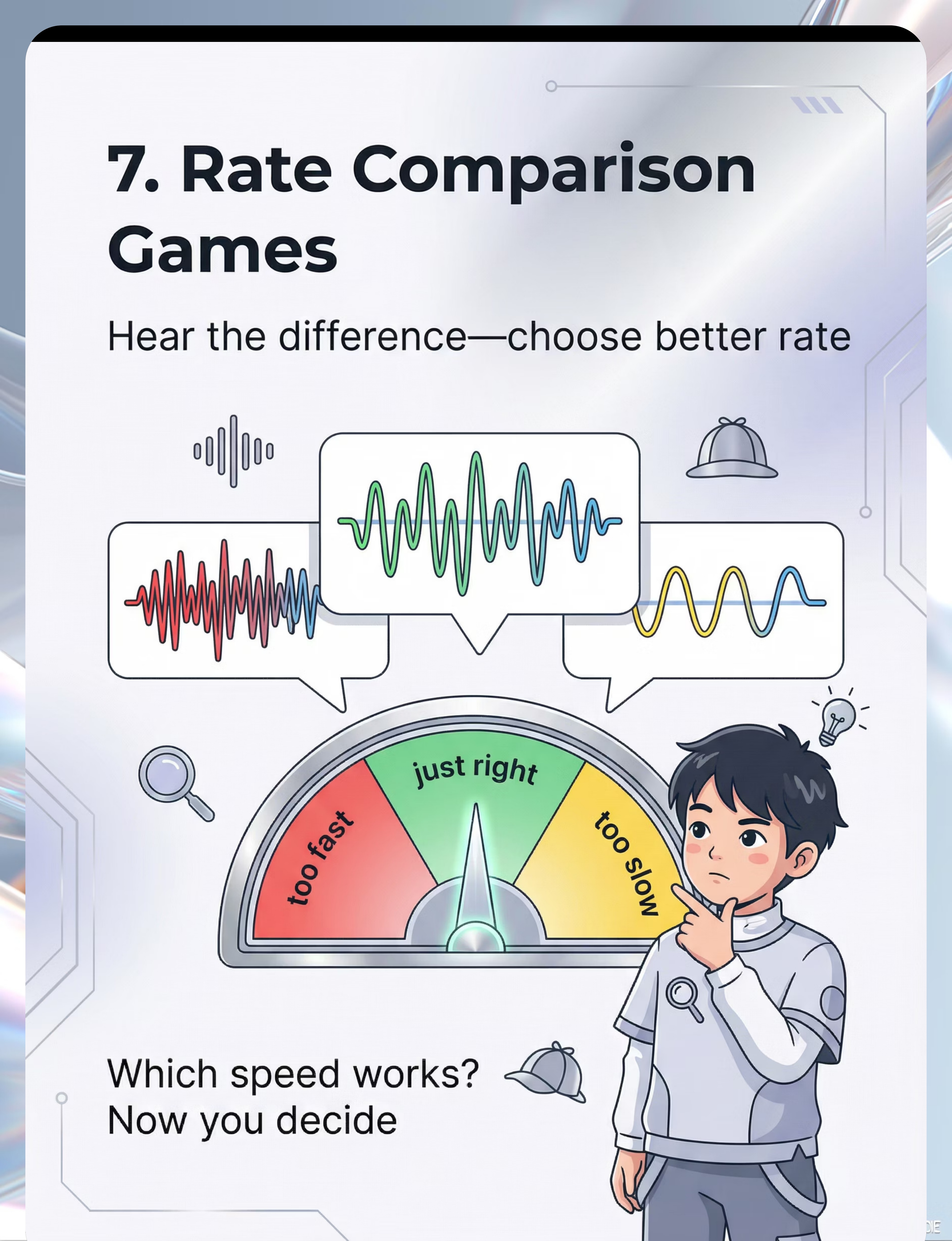
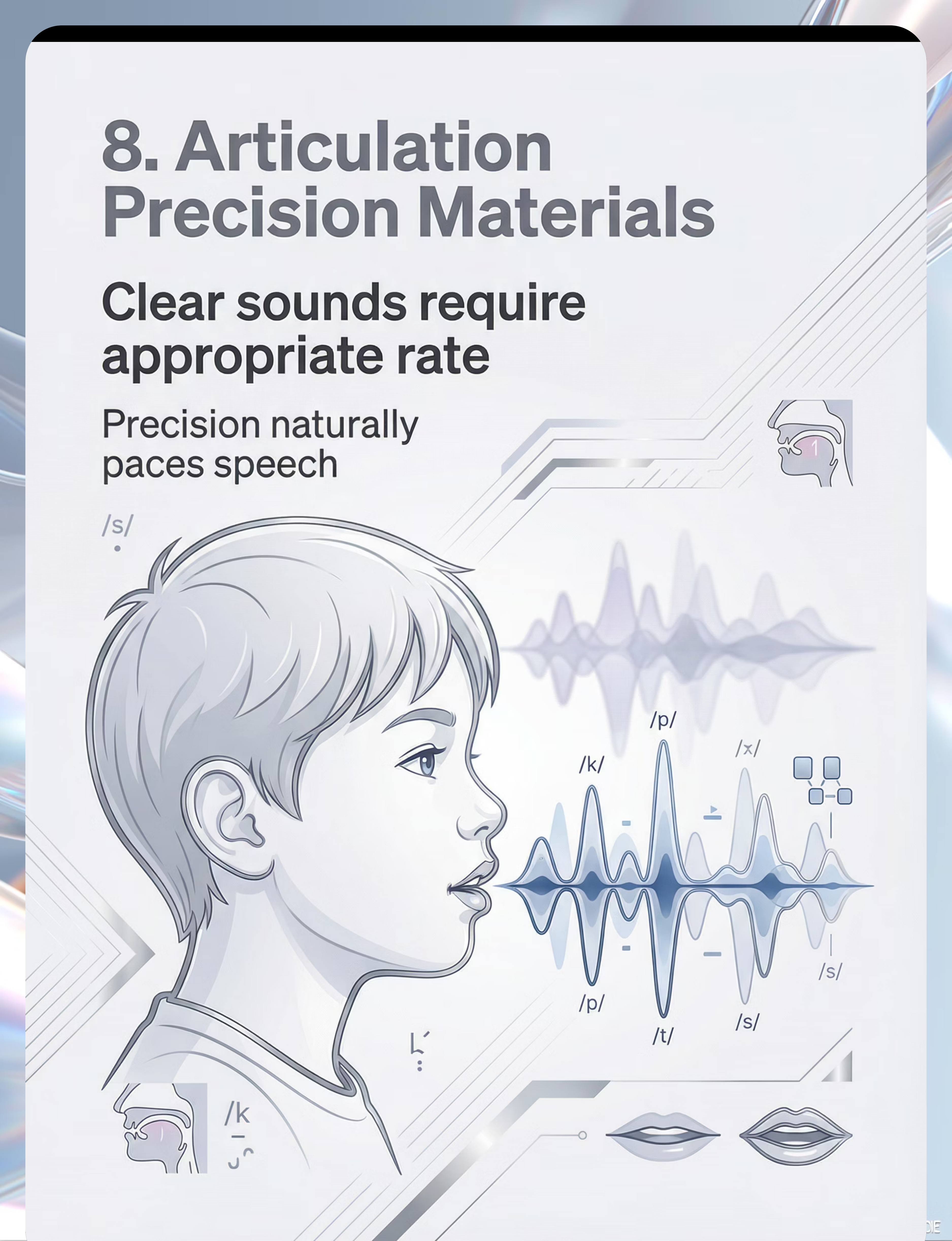
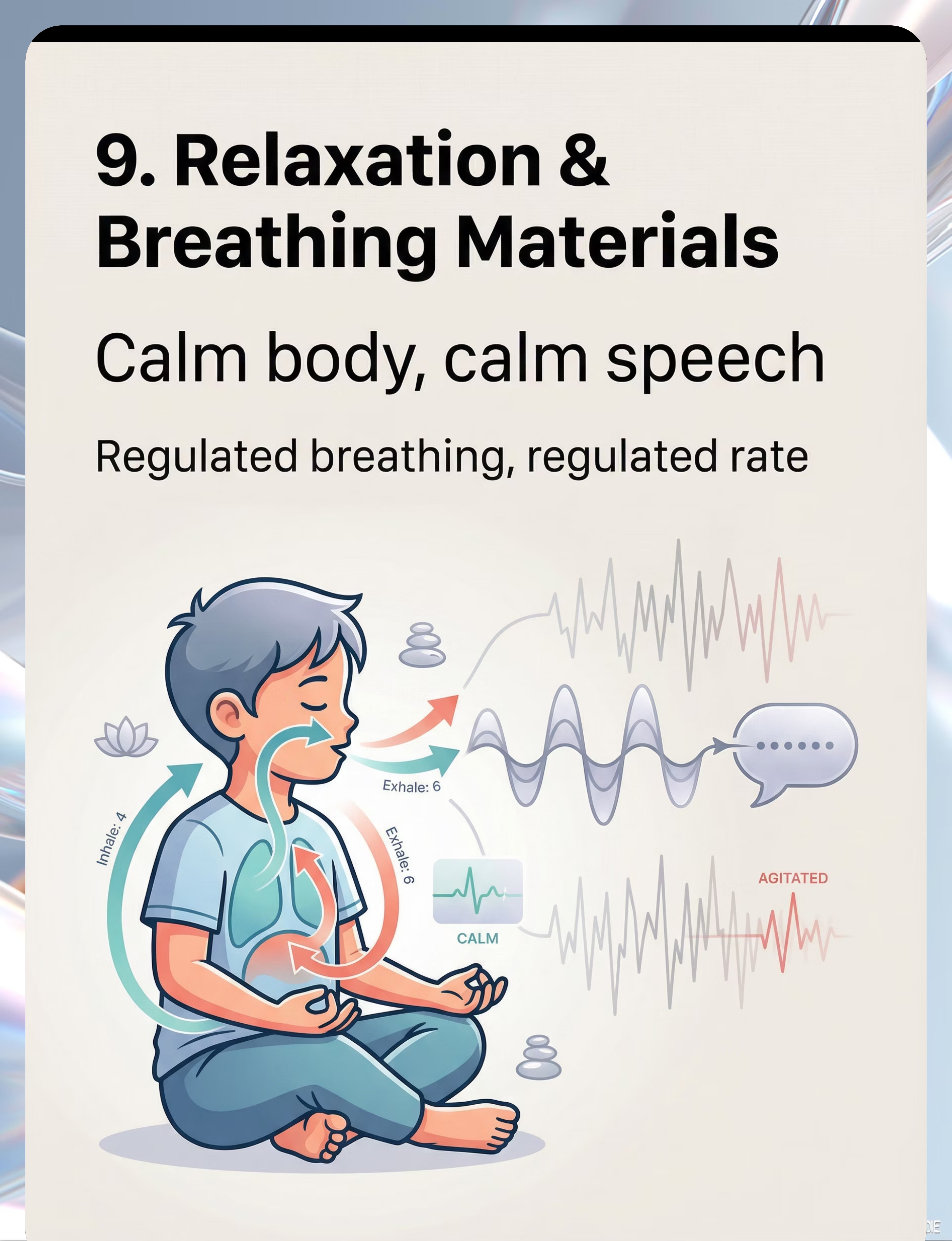
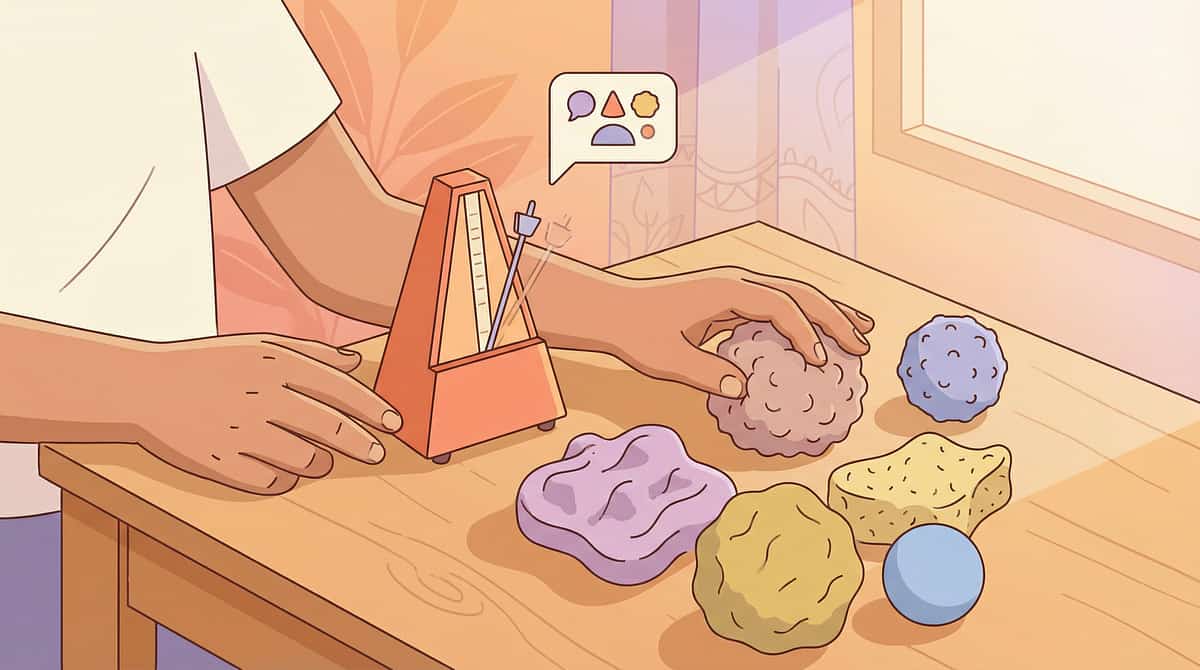
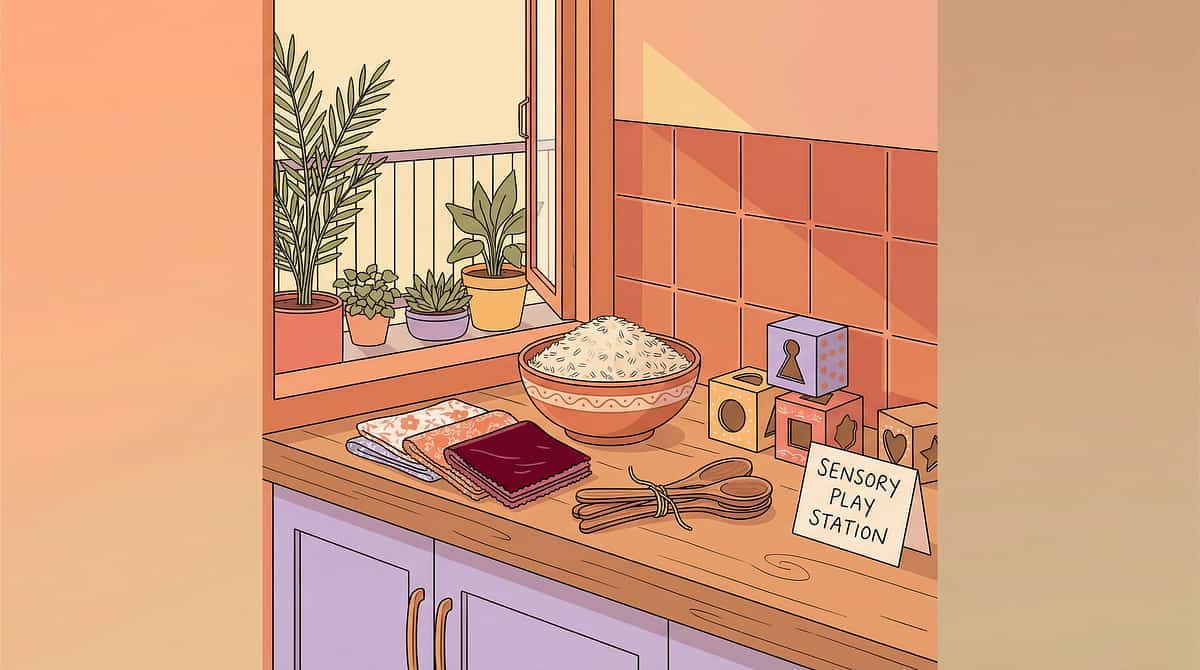
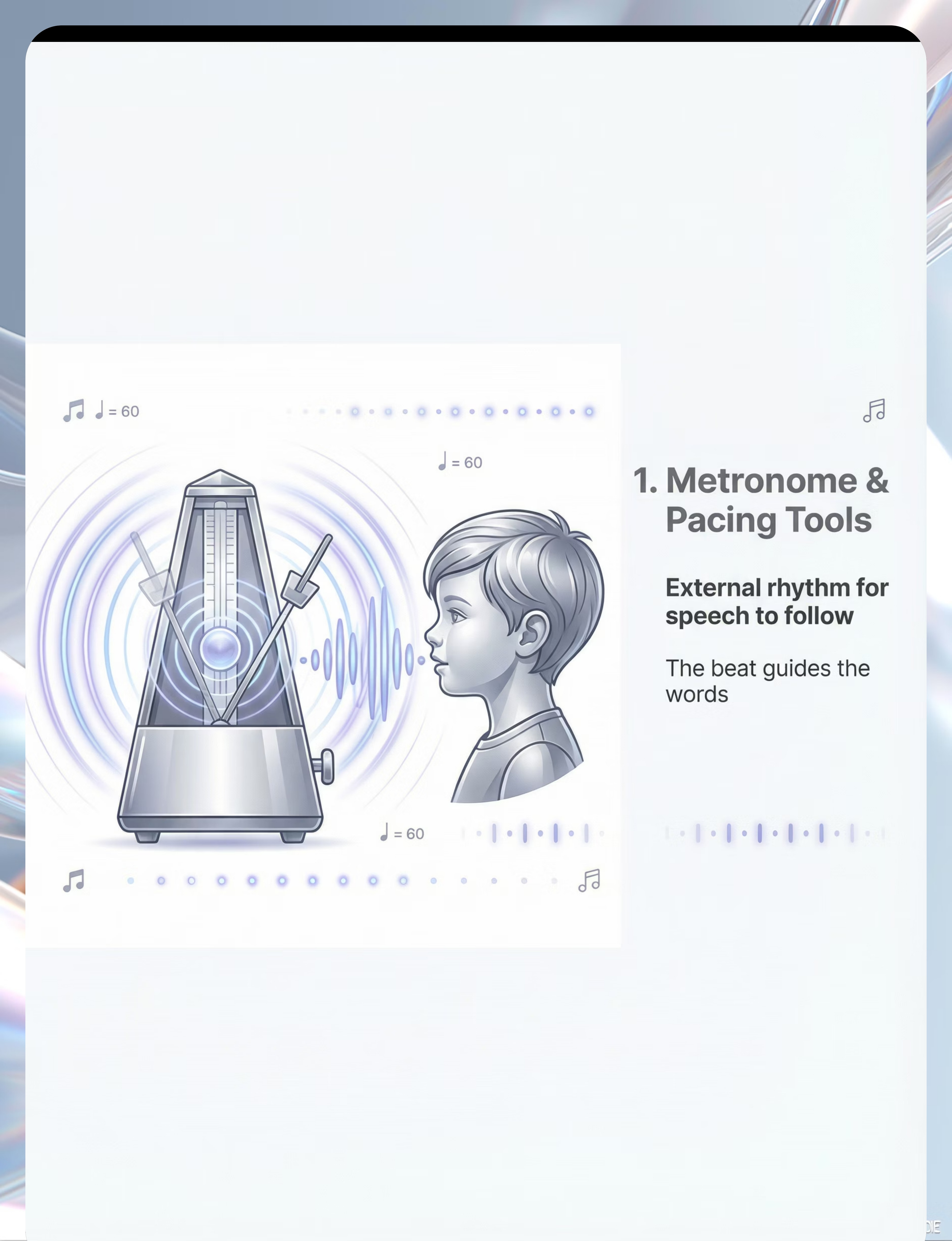
ACT II — MATERIALS OVERVIEW Each material targets a specific mechanism of speech rate dysregulation. Start with Materials 1, 3, and 4 — the highest-impact, lowest-cost trio. All 9 can be implemented at home. Most have ₹0 versions. 🎵 Material 1: Metronome & Rhythmic Pacing Tools External beat regulates racing or dragging speech. Price: ₹0 (free apps) — ₹500 (physical metronome). Free apps: Metronome Beats, Pro Metronome. Essential Starter Pinnacle Recommends 🎧 Material 2: Delayed Auditory Feedback (DAF) Devices Voice replayed with delay automatically slows rate. Price: ₹0 (DAF apps) — ₹2,000 (dedicated device). Free apps: Speech4Good, DAF Professional. 👆 Material 3: Visual Pacing Boards & Tactile Strips Makes rate visible and touchable — one dot per syllable. Price: ₹100–400 commercial | ₹0 DIY (stickers on cardboard). Essential Starter Pinnacle Recommends 📱 Material 4: Speech Recording & Playback Apps Builds rate awareness — hear what listeners hear. Price: ₹0 (voice memo) — ₹300 (speech analysis apps). Any smartphone voice memo is sufficient. Essential Starter Pinnacle Recommends 🧲 Material 5: Stretchy Syllable Materials Teaches prolonged production — syllables get space. Price: ₹100–350 | DIY: rubber band / taffy / stretchy fabric scraps (₹0). 📄 Material 6: Pausing & Phrase Boundary Activities Strategic pauses give speech natural rhythm. Price: ₹100–300 | DIY: slash-marked printed texts with colored highlighter (₹0). 🎮 Material 7: Rate Comparison & Speed Awareness Games Builds discrimination — hear faster vs. slower. Price: ₹150–500 | DIY: Record same sentence at 3 speeds — "Which one?" (₹0). 🗣️ Material 8: Articulation Precision Materials Precise production naturally regulates rate. Price: ₹150–450 | DIY: "Every sound counts" printed word lists (₹0). 🌬️ Material 9: Relaxation & Breathing Materials Calm body, calm speech — breathing regulates rate. Price: ₹0–300 | DIY: printable breathing exercise cards — box breathing is free. Total Cost Range: ₹0 (all DIY) — ₹5,000 (full clinical setup) | Essential Starter Kit: Materials 1 + 3 + 4 = ₹0 (all free apps + DIY board)
ACT II — DIY OPTIONS
Every Material Has a ₹0 Version
WHO/UNICEF Equity Principle: No family left behind. A child's access to speech therapy should not depend on their family's Amazon Prime status. Every technique on this page has been designed with a free, home-resourced alternative.
Material
Commercial Option
DIY / Free Version
1. Metronome
Physical metronome ₹400–500
Free app: Metronome Beats (iOS/Android) | Clap rhythm
2. DAF Device
Dedicated DAF unit ₹1,500–2,000
Free app: Speech4Good + any earphones
3. Pacing Board
Clinical pacing strip ₹250–400
5 colored stickers on cardboard strip — ready in 3 minutes
4. Recording App
Professional speech analysis app ₹300/mo
Voice Memo (pre-installed on all phones) — free
5. Stretchy Tools
Therapy elastic bands ₹200–350
Any rubber band or hair elastic | Pull while saying stretched syllables
6. Pause Cards
Commercial phrase boundary cards ₹300
Print a paragraph. Draw slash marks with pencil. Practice pausing at slashes.
7. Rate Games
Commercial card games ₹300–500
Record same sentence at 3 different speeds. Ask child: "Which one was just right?"
8. Artic Cards
SLP-grade artic cards ₹300–450
Print word lists from pinnacleblooms.org free resources
9. Breathing Kit
Sensory breathing tools ₹300
Draw a square on paper. Trace sides while breathing. Box breathing = free.

Zero-Cost Complete Setup: Day 1 — Download free metronome app + free DAF app + use any cardboard for pacing board. Cost: ₹0 | Time: 15 minutes | Ready to start immediately.
ACT II — SAFETY
⚠️ Read This Before You Begin Any Session
🔴 DO NOT PROCEED IF:
  • Child has active ear infection or hearing concern (affects DAF/recording)
  • Child is in active meltdown or post-meltdown recovery window (under 30 min)
  • Child has been ill in the last 24 hours
  • Child is hungry, overtired, or in obvious sensory overload
  • You (the parent) are frustrated, rushed, or emotionally depleted today
  • Child shows signs of severe anxiety around speaking (hyperventilation, tears)
🟡 MODIFY APPROACH IF:
  • Child seems restless or mildly resistant — shorten session to 5 minutes
  • DAF causes visible distress — skip Material 2 today, use metronome only
  • Stretching exercises feel frustrating — switch to recording + playback only
  • Rate dramatically worse than usual — note context (excitement? new environment?)
🟢 PROCEED WITH CONFIDENCE IF:
  • Child is fed, rested, regulated (calm/alert state)
  • Environment is prepared per the setup guide
  • Materials are ready before the session begins
  • Parent is calm and unhurried (minimum 20 minutes)
  • Child has had a positive interaction in the last hour
Material-Specific Safety Notes
  • DAF Devices: Start at 150–200ms delay — never begin at extreme delay
  • Metronome: Start at child's natural rate, adjust gradually by 10 BPM
  • Recording: Frame as fun, never as judgment — "Let's see how we sound!"
  • Breathing: If child has asthma, consult physician first

STOP IMMEDIATELY if: Visible distress or self-injurious behavior | Child becomes more disfluent after 3 sessions | Sudden onset of severe rate change | Session becomes a power struggle. "Session abandonment is not failure. It is data."📞 9100 181 181 | 24×7

The Perfect Speech Rate Practice Environment

ACT II — SETUP Position Guide Materials Station Phone with metronome app + recording app open. Pacing board laid flat. Breathing card visible. Child's Chair Stable chair, feet flat on floor, facing materials at comfortable arm's reach. Parent's Chair Beside child, slightly behind — not directly opposite. Face-to-face increases performance anxiety and rate. Noise & Lighting Close doors, switch off TV/radio, siblings in another room. Natural light preferred — avoid harsh fluorescents. Pre-Session Checklist Phone fully charged and apps open Pacing board ready on surface Recording app blank and ready to record Water available for child 20–30 minutes of uninterrupted time secured Parent state: calm, unhurried, positive Optimal Session Timing NOT immediately after school — decompression needed NOT before meals — hunger compromises regulation BEST: 30–60 minutes after a meal | Mid-morning or late afternoon Frequency: Daily 10–15 minute practice is better than 3× weekly 30-minute sessions

ACT III — EXECUTION
Is Your Child Ready? The 60-Second Readiness Assessment
"The best session is one that starts right."
Readiness Checklist
  • Child has eaten in the last 2 hours
  • Child slept reasonably well last night
  • No meltdown or distress in the last 30 minutes
  • Child is in a calm-alert state (not hyper, not shutdown)
  • No illness signs (fever, ear pain, congestion)
  • Environment is set up per the space guide
  • Parent is calm and has 20+ uninterrupted minutes

Decision Gate
7/7 Checked
🟢 GO — Begin Full Protocol
5–6/7
🟡 MODIFY — Shorten to 8 minutes, skip DAF, use metronome only
⚠️ 4 or Fewer
🔴 POSTPONE — Read a favorite book aloud together. No pressure. Just voices.
Step 1 of 6
Step 1: The Invitation (60–90 seconds)
"Every protocol begins with an invitation, never a command."
Exact Script — Fast Speakers
"Hey [child's name], I found something really cool on my phone. It makes a beat — and we're going to see if our talking can match the beat. Want to try? It's like a talking game."
For Slower-Rate Children
"I have a secret recording trick. We're going to record your voice and listen back — I bet it sounds amazing. Should we try?"
Acceptance Signals to Watch For
  • Child looks at the phone/material with interest
  • Leans toward material or reaches for it
  • Asks "what is that?" or makes a sound of curiosity
  • Makes eye contact and waits
Resistance Signals & Response
  • Child turns away → "No problem, I'll just play the beat myself. You can listen."
  • Child says "no" → "That's okay. Want to just hear it once?" (one exposure, no pressure)
  • Child leaves the space → Don't pursue. Put material away. Try again tomorrow.
Step 2 of 6
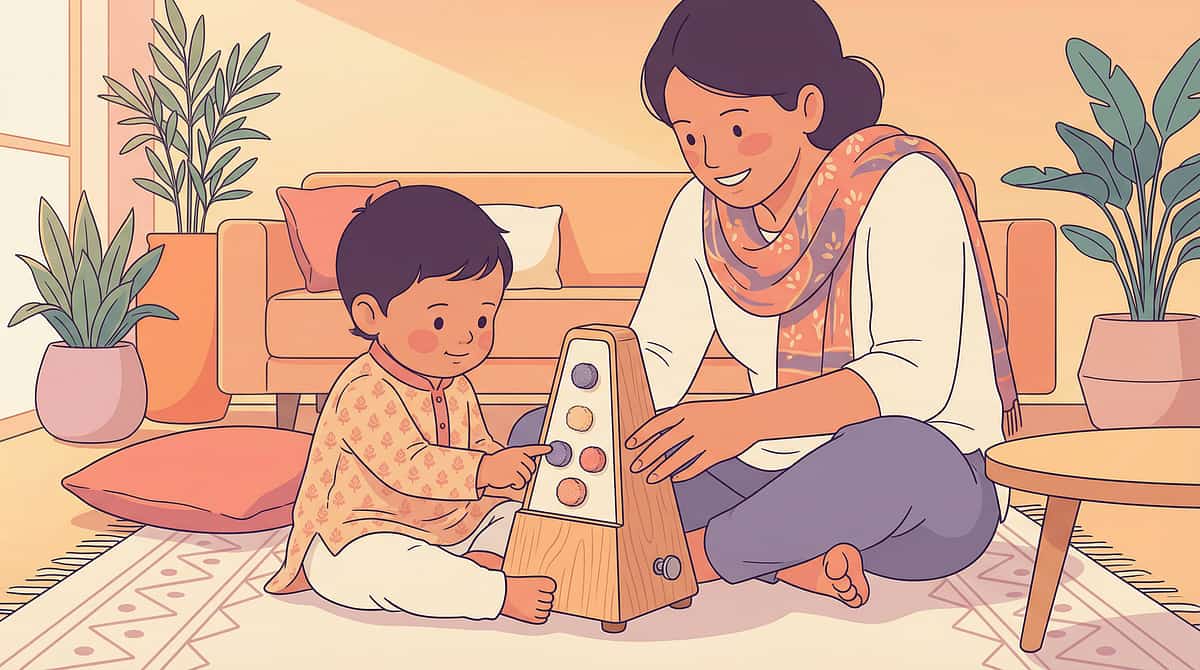
Step 2: Sync to the Beat (3–5 minutes)
"The metronome becomes the external brain for speech timing."
Introduction Script
"Hear that? [tap-tap-tap] That's the beat. Let's tap with it first — just tapping, no talking." [Tap together for 30 seconds] "Now let's try: each tap, we say one word. I'll go first: [tap] 'I' [tap] 'like' [tap] 'music'."
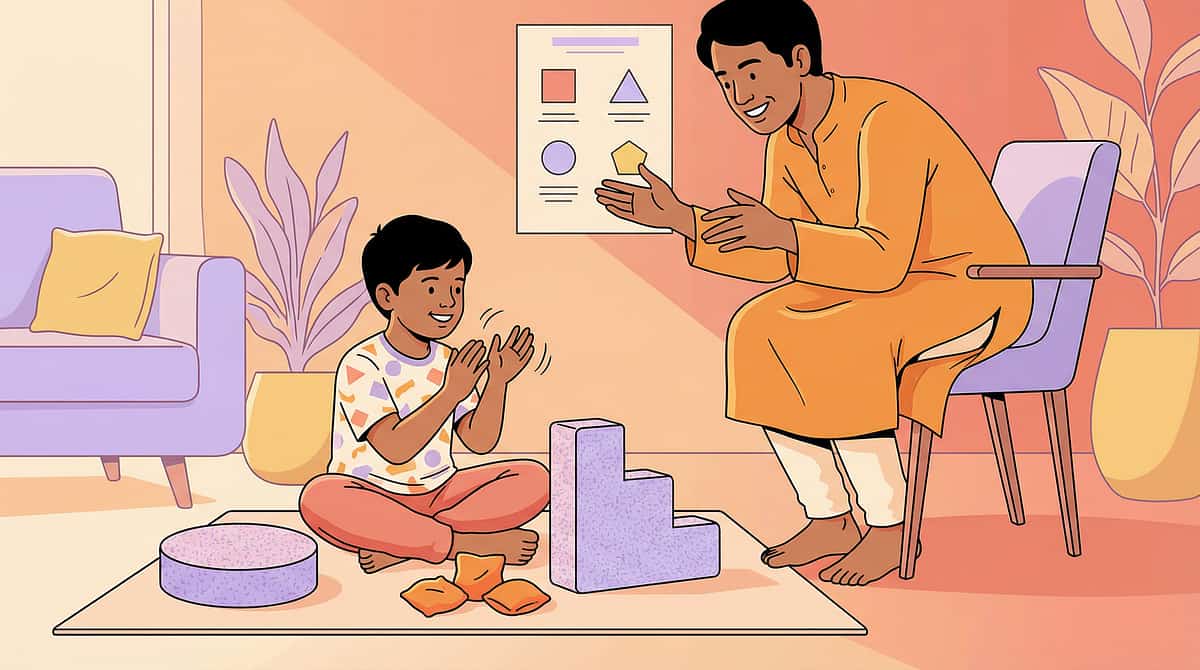
Material Introduction Steps
Open App
Open metronome app → Set to 80–100 BPM → Tap with finger first
Body Beat
Move to clapping → Move to syllable-by-syllable speech
Try Phrases
"This is a ball" (4 syllables, 4 beats) — one beat per syllable
Rate Calibration Guide
🔴 Fast Speakers (Tachylalia)
Start at child's current natural rate. Reduce by 10 BPM per session until clarity improves. Target: 100–120 BPM for single words; 80–100 BPM for sentences.
🔵 Slow Speakers (Bradylalia)
Start at child's natural rate. Gradually increase by 5–10 BPM per session. Target: conversational pace that maintains intelligibility.
🟡 Irregular Rate (Cluttering)
Focus on CONSISTENCY, not speed. Keep metronome steady; child learns to match regularity above all else.
Step 3 of 6
Step 3: The Core Rate Work (5–8 minutes)
"This is where the neural pathway is being built."

Core Therapeutic Action — Pacing Board + Recording Combination: The child places finger on pacing board dot 1. Says one syllable. Moves to dot 2. Says next syllable. Parent records the entire sequence. Together, listen back and compare.
Phase A — Pacing Board (2–3 min)
"Touch each dot as you say each syllable." Start with 2-syllable words: [Dot1] "Bas-" [Dot2] "-ket". Progress to 3-syllable words, then short phrases.
Phase B — Record + Listen (2–3 min)
Record child saying 3–5 short phrases. Play back immediately. Ask: "Did that sound clear? Could you understand yourself?" Celebrate improvement, not perfection.
Phase C — Rate Comparison (1–2 min)
Record same phrase at child's fast rate. Record same phrase at paced rate. Play both: "Which one was easier to understand?"
Common Execution Errors & Fixes
Child rushes through pacing board without touching each dot → Slow down with them. Touch together. "One touch, one syllable — like this."
Child laughs at own recording and refuses to continue → Laugh with them. Then: "OK, let's make a really clear version this time."
Child matches metronome beat but rate is still unclear → Rate may be correct but articulation still compressed. Move to Material 8.
Step 4 of 6
Step 4: Repetition with Variation (3–5 minutes)
"3 good repetitions are worth more than 10 forced ones." Target 3–5 quality repetitions per material. Total session: 12–18 paced utterances is clinically sufficient.
Variation A — Stretchy Syllable Practice
Take a phrase child said at correct rate. Say it in "turtle talk" — stretched out. "Baaaaaall" not "ball." Rubber band stretches while saying it. Then naturalize back to normal rate while maintaining clarity.
Variation B — Rate Detective Game
Parent models same phrase at 3 different speeds. Child holds up card: "TOO FAST" / "JUST RIGHT" / "TOO SLOW." Then child tries to speak at "JUST RIGHT" speed.
Variation C — Pause Marking
Take a 2-sentence text. Mark pause spots with a slash mark. Practice reading with exaggerated pauses at marks. Gradually naturalize the pauses.
Variation D — Breathing Reset
Between repetitions: "Reset breath." 4 counts in, 6 counts out. One "reset breath" before each new utterance. Connects physiological regulation to speech regulation.

Dosage Principle: "End while the child still wants more. Always leave them wanting one more repetition." Watch for satiation: child rushing through without care, attention drifting, yawning or physical restlessness.

Step 5: Reinforce & Celebrate (1–2 minutes)

Step 5 of 6 "Celebrate the attempt, not just the success." Reinforcement Timing Rule: Within 3 seconds of paced speech behavior → deliver reinforcement. Delayed praise loses its behavioral impact. For Rate Improvement "Did you hear that? Every word was clear! That's your best pacing yet!" | "That sounded EXACTLY like someone on TV — clear and perfect speed!" For Awareness "You noticed your fast voice! That noticing IS the skill. Brilliant." | "You caught yourself! That's the hardest part — you're doing it!" For Effort "You tried the pacing board the whole time. That was real work." | "I could see you concentrating. That concentration is building your brain." Reinforcement Menu Verbal Praise Specific, immediate — always first and non-negotiable High Five Physical connector — immediate and meaningful Sticker Chart Sticker on a visible progress chart on fridge Preferred Activity Extra 5 minutes of child's chosen activity Token Economy 10 tokens (1 per paced sentence) = reward of child's choice ABA Principle: Reinforcement increases the future probability of paced speech. You are not bribing your child. You are building a nervous system habit.

Step 6: The Cool-Down Transition (2 minutes)

Step 6 of 6 "No session ends abruptly. The brain needs a landing." Transition Scripts 2 minutes before close: "One more sentence with the pacing board, then we're done for today." After final repetition: "That was really good work. We're all done." If child resists ending: "I know you want more! That's a great sign. We'll do it again tomorrow." Never extend significantly — the desire to continue is the reward signal. Cool-Down Activities (choose one) A) Breathing Close 3 calm breaths together. In for 4... out for 6... B) Material Put-Away Ritual "Can you put the pacing board away for me?" Creates closure and sense of contribution. C) Positive Summary "Today you paced [X] sentences. That's [X] more than last time." D) Preferred Calm Activity 2 minutes of child's preferred calm activity as transition bridge. Visual Timer Note: Visual timers are classified as evidence-based practice for autism (NCAEP 2020). Recommended: Time Timer app (free) or physical sand timer for concrete close signals.

ACT III — DATA CAPTURE
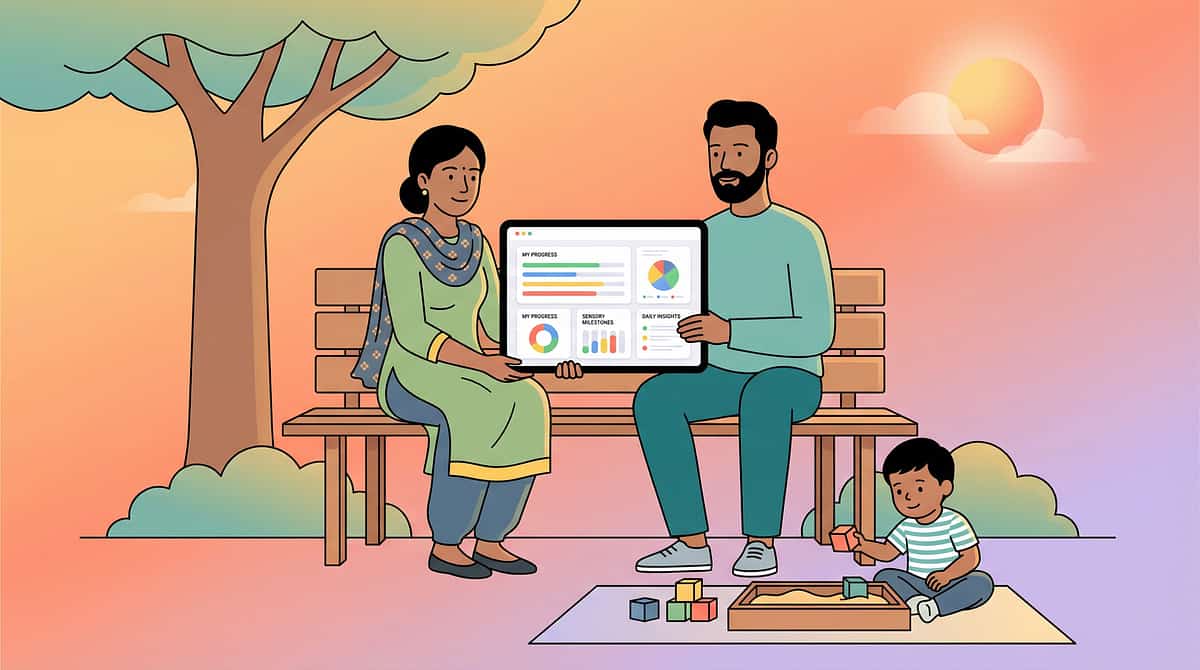
Capture the Data: Right Now
"60 seconds of data now saves hours of guessing later." Every session you log is a data point in your child's developmental story. The pattern across 20 sessions tells the SLP more than any single evaluation.
📊 Data Point 1 — Rate Rating
How did child's speech rate compare to last session?
○ Much worse ○ Slightly worse ○ Same ○ Slightly better ○ Much better
😊 Data Point 2 — Engagement
How engaged was the child during the session?
○ Active resistance ○ Passive tolerance ○ Neutral ○ Interested ○ Enthusiastic
Data Point 3 — Best Moment
What was the clearest/best-paced utterance today? Write the sentence they said well. What caused the best result?
Tracking Options
  • 📥 Download: B-194 Speech Rate Progress Log — 8 Week Tracker (print and stick on fridge)
  • 🔗 GPT-OS® App: Communication Readiness Index → Speech Rate → Log Session
  • Your therapist sees this data before your next session

Why Logging Matters
Daily change is invisible at short range. The pattern across 20 sessions reveals what single observations cannot. When you listen to Week 1 recordings vs. Week 4 recordings, the difference will be audible and deeply motivating.

The Reality Card — Most Sessions Don't Go Perfectly

ACT III — TROUBLESHOOTING "Session abandonment is not failure. It is data." Here are the 6 most common obstacles and exactly how to navigate them. Problem 1: Child refuses the metronome app entirely Why: Novel stimuli can trigger avoidance; auditory sensitivity; control preference.Fix: Start with clapping instead of app. Parent claps, child copies. No phone yet. Introduce app after 3–5 successful clapping sessions. Most children accept within 1–2 weeks. Problem 2: Rate gets worse, not better during sessions Why: Performance anxiety; increased monitoring of speech; normal initial paradox.Fix: Remove all explicit rate focus. Play Rate Detective with pre-recorded samples only. Do NOT ask child to change their rate in real-time initially. Initial worsening with heightened awareness is documented in cluttering literature. Problem 3: Child laughs at recordings but won't do it seriously Why: Protective humor; self-consciousness — but this IS engagement.Fix: Celebrate the laughter. "Let's make the funniest slow-motion recording!" Use humor as the hook. Serious rate work happens through the fun. Problem 4: Child speaks clearly in practice but reverts immediately after Why: Generalization gap — practice context ≠ real communication contexts.Fix: Normal and expected at this stage. Do NOT comment on reversion. Build practice consistency first. Generalization follows 4–8 weeks later. Problem 5: Rate only dysregulates when excited or anxious Why: Limbic-motor connection — emotional arousal accelerates motor output.Fix: Practice paced speech ABOUT exciting topics before the excitement happens. "We're going to the park today. [paced] 'I. Am. So. Excited. About. The. Park.'" Problem 6: Parent can't tell if rate is improving Why: Too close to the situation; daily change is invisible at short range.Fix: Listen to Week 1 recording vs. Week 4 recording. Stop relying on daily impression. Use the recording as your data. Emergency Protocol: If child becomes severely distressed — stop all activities, provide comfort, do not address speech for 30 minutes, note what triggered distress. If recurrent: contact 📞 9100 181 181 for SLP teleconsult.

No Two Children Are Identical — Personalize for Yours

Every child brings their own unique rhythm, communication style, and personality to the session. Rather than forcing a one-size-fits-all approach, focus on adapting the pace and activities to what resonates most with your child's specific temperament and interests.


Weeks 1–2: Building Awareness, Not Mastery Yet
During these first two weeks, our focus is on building foundational awareness and familiarity with the new materials. It is a period of gentle discovery rather than immediate performance, so please remember that we are not expecting perfection at this stage.
ACT IV — CONSOLIDATION
Weeks 3–4: Neural Pathways Forming — Watch Carefully
These are the consolidation signs most parents miss — because they're looking for big changes and missing the significant small ones.
Anticipation Behavior
Child asks about or prepares for practice without prompting: "Is it speech time today?" This signals neural reward pathway formation — the brain is seeking the practice.
Spontaneous Self-Reference
Child comments on own rate outside of practice: "I'm talking fast right now, aren't I?" Self-monitoring has generalized beyond the practice context.
Material Preference
Child shows preference for specific materials: "Can we do the recording one today?" Autonomy and ownership signals intrinsic motivation emerging.
Intelligibility Improvement
Family members report understanding child better during calm conversations. Not yet in excited or tired states — that comes in Weeks 5–8.

Parent Milestone This Week: "You have now delivered approximately 20 structured speech sessions. You are, by clinical definition, a trained speech practice partner. The research shows YOUR skill is now a therapeutic variable in your child's progress."
ACT IV — MASTERY
Weeks 5–8: Mastery Unlocking — The Badge Criteria
"Mastery in structured practice. Generalization across contexts. This is the arc."
Structured Context Mastery
Child maintains appropriate rate for 5+ consecutive sentences in structured practice without prompting or pacing board. Parent can have a 30-second conversation with child at appropriate rate.
Awareness Generalization
Child self-corrects rate in at least 1 out of 3 natural conversation contexts. Child slows down when they notice listener confusion — unprompted.
Material Independence
Child can use pacing board independently without parent prompting. Child reaches for board voluntarily when speaking feels rushed.
Recording Judgment
Child can accurately judge own rate from recordings. Identifies fast vs. slow vs. appropriate without parent guidance.
Generalization Indicators — Skill Appearing Beyond Practice
🏠 Home
Appropriate rate in calm conversations at home
🛍️ Community
Better intelligibility in 1-on-1 community interactions
📱 Media
Child notices rate differences in videos/cartoons
🎓 School
Teacher reports improvement in verbal participation
You Did This. Your Child Grew Because of Your Commitment.
Your dedication, patience, and consistency have been the foundation of this progress. By showing up every day, you haven't just helped your child build a skill—you've empowered them to find their own voice. This milestone is a testament to the powerful bond you share and the incredible work you've done together.
ACT IV — SAFETY
🚨 Red Flags — Even in the Mastery Zone, These Mean Pause
🔴 Flag 1: Sudden Rate Worsening After Mastery
What it looks like: Rate dramatically deteriorates after weeks of progress.
Why it matters: Can indicate neurological event, illness, or significant stress response.
What to do: Pause protocol. Medical evaluation if persists more than 1 week.
🔴 Flag 2: Rate Combined With New Physical Symptoms
What it looks like: Rate change accompanying facial weakness, drooling, or swallowing difficulty.
Why it matters: Motor speech deterioration can indicate neurological concern.
What to do: IMMEDIATE medical consultation. Do not delay.
🔴 Flag 3: No Progress After 8 Weeks of Consistent Practice
What it looks like: Rate unchanged despite daily practice with all 9 materials.
Why it matters: May require differential diagnosis — cluttering vs. stuttering vs. apraxia.
What to do: SLP evaluation for formal fluency assessment and protocol adjustment.
🔴 Flag 4: Increasing Anxiety Around Speaking
What it looks like: Child avoiding communication situations that were previously fine.
Why it matters: Rate awareness work can paradoxically increase speaking anxiety in some profiles.
What to do: Teleconsult with SLP — may need to shift to confidence work first.
🟡 Flag 5: Rate Only Regulating in Practice, Never Generalizing
What it looks like: Perfect rate in practice sessions; dysregulated everywhere else.
Why it matters: Generalization gap requiring structured transfer protocol.
What to do: Add personalization modifications from Card 22; consult SLP for transfer program.
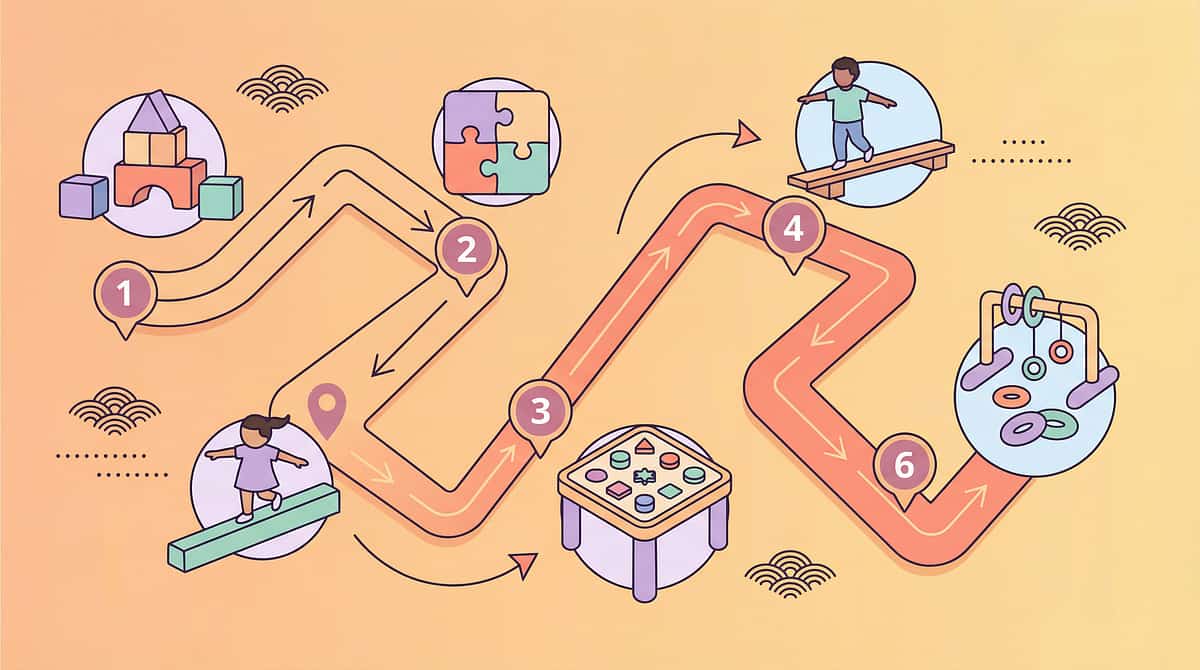
"Trust your instincts. If something feels wrong, pause and ask. Asking is never wrong." 📞9100 181 181 | 24×7 | Free | 18+ Languages — For any red flag listed above: call first, wait later.
ACT IV — PROGRESSION PATHWAY
Your Developmental GPS — Where You Are, Where You're Going
B-194 Speech Rate Problems
B-193 Scripted Speech
B-192 Describing Feelings
B-191 Monotone Speech
Next-Level Branching Guide
→ B-210: Intelligibility
If rate is improving but intelligibility still low — rate may be correct but articulation collapsed
→ B-196: Stuttering Basics
If stuttering behaviors emerging alongside rate work — differential diagnosis needed. Do NOT use metronome for stuttering without SLP guidance.
→ B-195: Following Directions
If comprehension is the new challenge — directions-following builds on clear expression
→ B-215: Cluttering Deep-Dive
If formal cluttering diagnosis confirmed — advanced rate + fluency protocol

Lateral Alternatives: Singing-based rate work (musical rate regulation — pitch activates rate circuits) | Choral reading (unison rate regulation — peer modulation) | Video modeling (watching self at correct rate — visual learning path)
ACT IV — RELATED TECHNIQUES
More Fluency Techniques in the Same Domain
If you have Materials 1 + 3 + 4 from this page, you're already equipped for B-191, B-193, and B-196. All techniques below sit within Domain B: Speech-Language | Fluency & Rate Sub-Domain.
B-191
Monotone Speech Materials
Intro Level 🎵
Canon: Pacing + Rhythm
B-193
Scripted-Only Speech Materials
Intro Level 💬
Canon: Language Expansion
B-196
Stuttering Basics Materials
Core Level 🔄
Canon: Fluency Materials
B-197
Word-Finding Difficulties
Core Level 💡
Canon: Language Processing
B-210
Intelligibility Problems
Advanced Level 🔊
Canon: Artic + Rate Materials
B-215
Cluttering Deep-Dive
Advanced Level
Canon: Rate + Fluency
One Technique. One Domain. One Part of Your Child's Complete Journey.
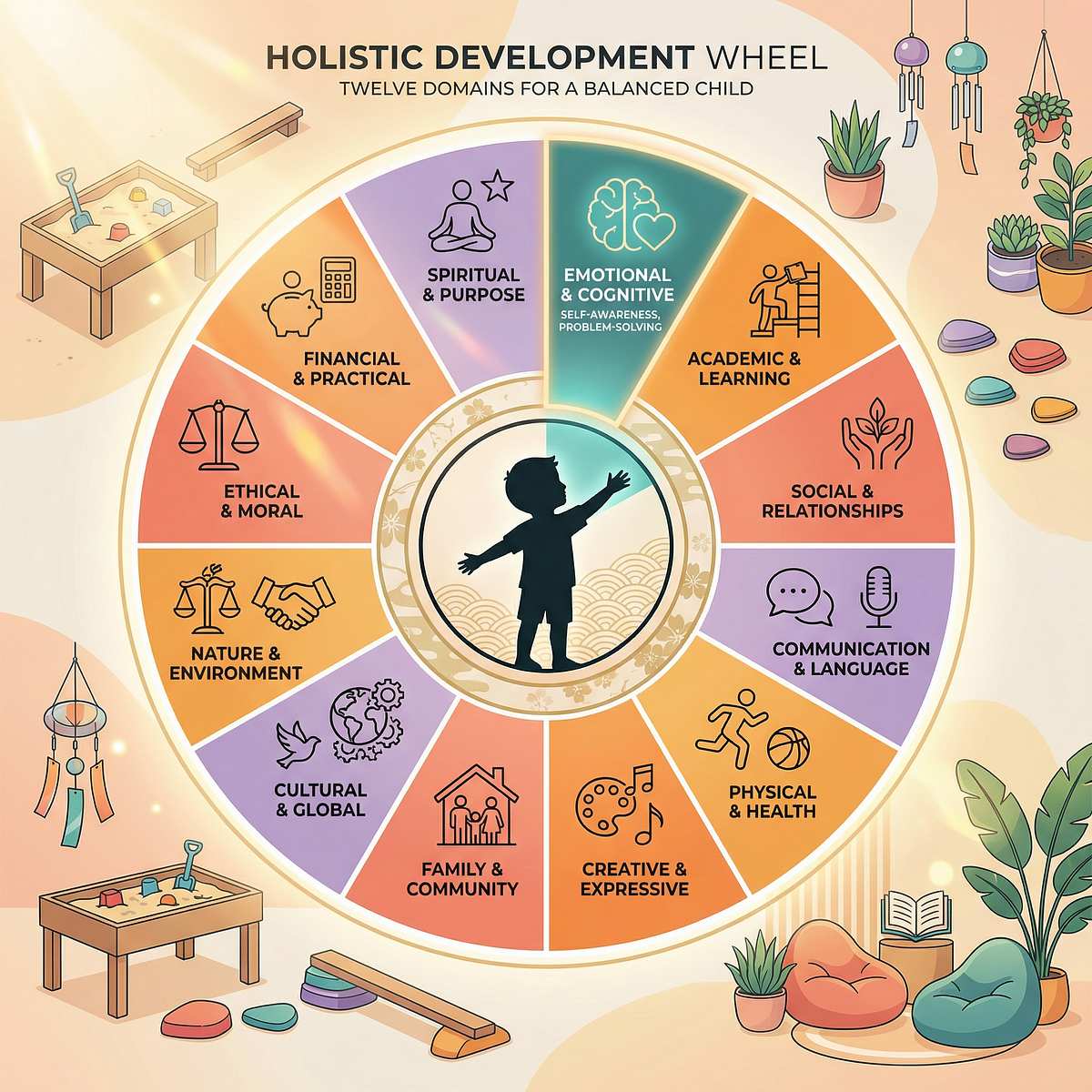
You are working in Domain B — Speech-Language. B-194 is one of approximately 250 techniques in this domain. Your child may have active challenges across 3–5 domains simultaneously. GPT-OS® holds the map for all of them.
GPT-OS® Integration
  • AbilityScore® tracks position across all 12 domains
  • B-194 progress feeds into the Communication Readiness Index
  • TherapeuticAI® adjusts intensity based on your session logs
  • EverydayTherapyProgramme™ suggests which domain to address tomorrow

ACT V — COMMUNITY & ECOSYSTEM
Real Families. Real Outcomes. Real Timelines.
Illustrative cases drawn from Pinnacle clinical experience. Individual outcomes vary.
The Racing Words — Arjun, Age 6
Before (Week 1): Arjun spoke so fast at home that even his parents could only understand about 60% of what he said. Teachers sent notes home saying other children were giving up trying to play with him. His ideas were brilliant. Nobody could access them.
After (Week 8): After 6 weeks of pacing board + recording practice, Arjun's classroom teacher said: "He seems like a different child — I can actually hear what he's saying now." His play dates increased within 2 months.
From 60% intelligibility to 85%+ in structured practice contexts. Timeline: 6 weeks daily practice + SLP sessions every 2 weeks.
"We can finally understand him when he's excited. He learned to slow down without losing his enthusiasm. That was the miracle we didn't expect." — Mother, Pinnacle Network, Hyderabad
The Slow Speaker — Priya, Age 8
Before (Week 1): Priya spoke so slowly in class that by the time she finished a sentence, the teacher had moved on. She stopped raising her hand. She stopped trying.
After (Week 7): With metronome pacing at gradually increasing tempos and rate comparison games, Priya found a speed that felt comfortable but was fast enough to hold listener attention. She raised her hand in class for the first time this year last Tuesday.
"That small thing — raising her hand — was everything." — Father, Pinnacle Network

From the therapist's notes: "Priya's case is typical of bradylalia with motor planning lag. Metronome pacing at gradually increasing tempos combined with rate comparison games creates both the scaffolding and the motivation."
You Are Not a Solo Operator — Join the Community
"The loneliest parents are those managing speech challenges alone. The most successful are those in community with others who understand." Three months from now, you will be the experienced parent. Your story will help the family who is on Week 1 right now — exactly where you were.
WhatsApp Support Group
Join "Speech Rate Parents" — parents managing tachylalia, bradylalia, and cluttering in children 4–12. Pinnacle SLP moderates weekly Q&A sessions. Share recordings for anonymous peer feedback.
Pinnacle Online Forum
Searchable discussion archive — Fluency Solutions Thread. "Week 3 and still no change?" Read 47 experiences just like yours. Technique adaptations shared by experienced parents.
Local Parent Meetups
Monthly parent support sessions at 70+ Pinnacle centers. Hands-on material demonstrations. Group practice sessions — children and parents together.
Peer Mentoring Program
Connect with a parent who successfully navigated speech rate challenges 12–18 months ago. They know this road and can walk it with you.

📞9100 181 181 | Free National Autism & Pediatric Therapy Helpline | 18+ Languages | 24×7
ACT V — PROFESSIONAL SUPPORT
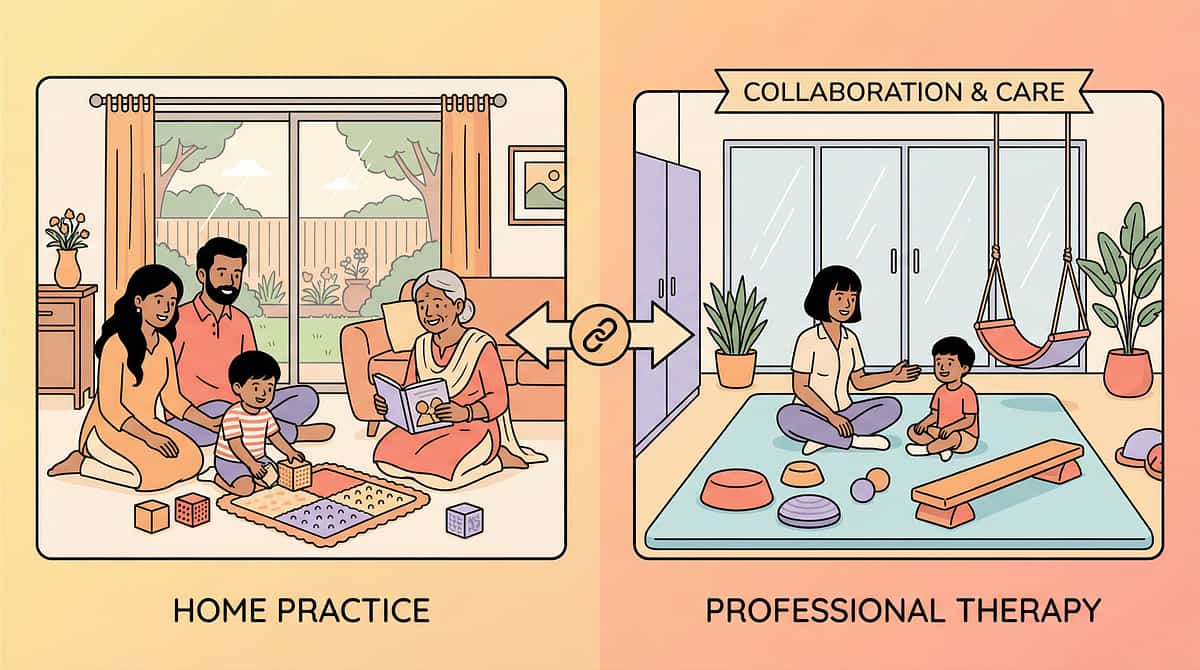
Home + Clinic = Maximum Impact
Professional guidance multiplies everything you are doing at home. The best outcomes happen when parent home practice and professional therapy move in the same direction — governed by the same data, toward the same goals.
What a Pinnacle SLP Can Do That This Page Cannot
Formal fluency evaluation — cluttering vs. stuttering differential diagnosis
Precise WPM measurement and target setting for your specific child
DAF calibration to exact delay parameters for your child's profile
Video analysis of rate across different communication contexts
School communication and IEP/EDP support documentation
Medical referral if neurological concerns emerge during therapy
Consultation Options
In-Center Evaluation: Full fluency assessment with Pinnacle SLP
Teleconsult: 45-minute SLP session, available anywhere in India
Free Triage Call: 9100 181 181 — determine your next step with no commitment

Therapist Matching for B-194
  • Primary: Pediatric SLP — Fluency & Rate Disorders | Cluttering subspecialty
  • Supporting: Pediatric OT (motor speech) | ABA/BCBA (self-monitoring)
  • Medical backup: NeuroDevelopmental Pediatrician

ACT V — RESEARCH LIBRARY
The Science Behind Every Material on This Page
"Deeper reading for the curious parent and the skeptical specialist." This technique's evidence base: Level II–III (Strong clinical consensus + systematic outcome data).
St. Louis & Schulte (2011) — Cluttering Framework
Rapid, irregular rate with collapsed syllables is a distinct disorder requiring specific rate modification tools including external pacing. Level: Expert consensus + clinical series.
Van Zaalen & Reichel (2015) — Fluency Intervention Outcomes
Pacing tools and DAF are first-line interventions for cluttering with significant intelligibility gains across clinical populations. Level: Clinical consensus + outcome data.
Padmanabha et al. (2019) — Indian RCT
Home-based speech interventions demonstrate significant outcomes in Indian pediatric populations when parent training is structured and consistent. DOI: 10.1007/s12098-018-2747-4.
NCAEP Evidence-Based Practices Report (2020)
Self-monitoring, video modeling, and visual supports — core components of B-194's toolkit — classified as evidence-based practices for autism.
WHO/UNICEF Nurturing Care Framework (2018, 2023)
Early language development and caregiver responsiveness are foundational for all outcomes. Parent-led home intervention is a WHO-endorsed delivery mechanism. PMC9978394.
PubMed References: PMC11506176 | PMC10955541 | PMC9978394 | DOI:10.1007/s12098-018-2747-4 | NCAEP 2020 Report | WHO NCF (2018). Pinnacle Blooms Network® clinical outcome data reflects aggregate from 20M+ sessions across 70+ centers. Individual outcomes vary.
Your Data. Your Child. Personalized Intelligence.
"This is not software. This is therapeutic infrastructure."
Therapeutic AI
AbilityScore Calc
Readiness Index
Session Log
GPT-OS® Stack for B-194
AbilityScore®
Tracks Communication Readiness Index for this child
Prognosis Engine
Predicts rate regulation timeline based on 20M+ session patterns
TherapeuticAI®
Determines when to advance from Material 1 to Materials 1+3+4+5
FusionModule™
Ensures SLP + OT + ABA work on same rate regulation target
🔒 Privacy Assurance
  • ISO/IEC 27001 Information Security certified
  • DPIIT DIPP8651 registered — Government of India startup
  • All data stored within India under DPDP Act provisions
  • Parent controls what is shared with clinical team
  • No commercial data use — therapeutic use only
"Your child's data, combined with 20M+ sessions, improves recommendations for every child who comes after. You are not just helping your child — you are advancing the science."
The Reel That Started This Journey
Reel ID: B-194 | Fluency Solutions Series | Episode 194 | Domain B — Speech-Language | 75–85 seconds

"Words rushing together in a blur. Speech dragging so slowly attention drifts. A rhythm that lurches between too fast and sudden stops. When rate goes wrong, even perfect words become hard to follow. Here are 9 materials that help children find their speech rhythm."
Materials Previewed in This Reel
🎵 Material 1
Metronome & Pacing Tools
🎧 Material 2
Delayed Auditory Feedback
👆 Material 3
Pacing Boards & Tactile Cues
📱 Material 4
Recording & Playback Apps
🧲 Material 5
Stretchy Syllable Materials
📄 Material 6
Pausing & Phrase Boundary
🎮 Material 7
Rate Comparison Games
🗣️ Material 8
Articulation Precision Materials
🌬️ Material 9
Relaxation & Breathing
Next in series: "How to Use Metronome Pacing for Speech Rate Regulation" → B-194-DD-01. Video modeling is classified as evidence-based practice for autism (NCAEP 2020). Multi-modal learning improves parent skill acquisition.
ACT V — SHARE
Consistency Across Caregivers Multiplies Impact
"If only one person in your child's life practices this technique, it works at 30% effectiveness. If every caregiver practices it consistently, the same technique works at 90%." — WHO CCD Package implementation evidence
Share This Page
Share with your co-parent, grandparents, class teacher, and therapist team.
"Explain to Grandparents" Version
[Child's name] speaks too fast/too slow sometimes. The therapist has given us 9 tools to help. The main thing you can do: don't say "slow down." Instead, say "Let's try the beat game" and tap your finger with them. One tap per word. That's it. You just did speech therapy.
Teacher/School Communication Template
Subject: Speech Rate Support at School — [Child's Name]

"Our child is working on speech rate regulation with Pinnacle Blooms Network. The key strategy is: one tap per syllable, pause at marked spots, no pressure to change rate in real-time. The attached guide has everything you need. We can discuss at your convenience."
Family Guide PDF Contents
  • What the problem is (2 sentences)
  • 3 key materials to use with photos
  • 5-minute daily practice script
  • What to celebrate
  • When to call 9100 181 181
ACT VI — THE CLOSE
Every Question You're Thinking But Haven't Asked Yet
Q1: My child speaks too fast only when excited. Is this still a problem?
Yes — and it's one of the most common presentations. Excitement-linked rate increase reflects the limbic-motor connection: emotional arousal accelerates motor output. This is exactly what Materials 1 and 9 (metronome + breathing) target together. Practice paced speech ABOUT exciting topics — before the excitement happens. Pre-regulation is easier than mid-excitement correction.
Q2: Should I tell my child to "slow down" when they rush?
No — and this is critical. "Slow down" without a strategy creates frustration without change. The child cannot comply if they can't perceive their own rate. Instead say: "Let's try the pacing board" or "One tap per word." Give them a tool, not an instruction they can't execute.
Q3: Is my child's rapid speech stuttering or cluttering?
Important differential. Cluttering: rapid, irregular rate; syllable collapse; child often unaware; rate IMPROVES with heightened attention to speech. Stuttering: repetitions/prolongations/blocks; child usually aware; rate often WORSENS with attention. They can co-occur. A Pinnacle SLP fluency evaluation will determine this definitively. Call 9100 181 181.
Q4: How long before I see real improvement?
Rate awareness: 2–4 weeks of consistent practice. Rate regulation in structured practice: 4–8 weeks. Generalization to conversation: 8–16 weeks. These are research-grounded timelines, not guarantees — individual profiles vary significantly.
Q5: Can I do this without a speech therapist?
This page equips you to start at home. For sustained progress, SLP guidance is strongly recommended — especially for formal cluttering diagnosis, DAF calibration, and school integration. This page is your home foundation. The SLP is your architect.
Q6: My child is 10. Is this too late?
No. Rate regulation benefits from intervention at any age during the developmental window. The 4–12 age range is optimal, but motivated adolescents respond to rate work — often faster because self-awareness is higher. The same 9 materials apply with age-appropriate adaptations.
Q7: The DAF app confuses my child. Should I keep trying?
Not immediately. DAF (Material 2) is not suitable for all children. Some find the delay disorienting rather than helpful. Skip it — Materials 1, 3, and 4 address the same goals without the confusion. DAF can be reintroduced later under SLP guidance with precise delay calibration.
Q8: Will speech rate issues affect my child's reading and writing?
Yes — and this is an underappreciated connection. Speech rate relates to phonological processing speed, which connects to reading fluency. Children with rapid/irregular speech rate often show parallel reading fluency challenges. Working on B-194 may positively impact reading pace. Consult your Special Educator for integrated planning.
Your Child's Clearest Voice Starts Today.
You now have 9 materials, a 6-step protocol, 8 weeks of progress markers, a professional network, a parent community, and the science. Everything you need is on this page. The next step is yours.

🏅Validated by the Pinnacle Blooms Consortium — OT • SLP • ABA/BCBA • SpEd • NeuroDev • CRO | Multi-disciplinary. Evidence-based. Home-executable.
📞FREE National Autism Helpline: 9100 181 181 | 18+ Languages | 24×7 | "Not sure where to start? Call first. Our team will guide you."
20M+ sessions • 97%+ measured improvement • 70+ centers • 70+ countries served

Preview of 9 materials that help with speech rate problems Therapy Material

Below is a visual preview of 9 materials that help with speech rate problems therapy material. The pages shown help educators, therapists, and caregivers understand the structure and content of the resource before use. Materials should be used under appropriate professional guidance.
Page 1
Page 2
Page 3
Page 4
Page 5
Page 6
Page 7
Page 8
Page 9
Page 10
Page 11
Page 12
Page 13
Page 14
Page 15
Page 16
Page 17
Page 18
Page 19
Page 20
Link copied!
The Pinnacle Promise
"From fear to mastery. One technique at a time."
This page is one of 70,000+ intervention technique pages being built by the Pinnacle Blooms Network® Consortium — the world's most comprehensive structured pediatric therapeutic knowledge system, engineered as infrastructure for the 21st-century family. B-194 is part of the Fluency Solutions Series within Domain B: Speech-Language.
🏥 OT
Occupational Therapy
🗣️ SLP
Speech-Language
🧠 ABA/BCBA
Behavioral Science
📚 SpEd
Special Education
🏥 NeuroDev
Neuro-Developmental
🌍 WHO/UNICEF
Globally Aligned
This content is educational only. It does not replace assessment or treatment by a licensed speech-language pathologist. Speech rate problems may reflect various underlying conditions requiring differential diagnosis by qualified professionals. If you are concerned about your child's speech rate or fluency, please consult a licensed SLP. Results vary based on individual factors. Statistics represent aggregate outcomes from Pinnacle Blooms Network® clinical data. Individual outcomes are not guaranteed.
Bharath Healthcare Laboratories Pvt. Ltd. | CIN: U74999TG2016PTC113063 | DPIIT: DIPP8651 (Govt. of India) | MSME Registered | GSTIN: 36AAGCB9722P1Z2 | ISO 13485: Medical Device QMS | ISO/IEC 27001: Information Security
© 2026 Pinnacle Blooms Network®, unit of Bharath Healthcare Laboratories Pvt. Ltd. All rights reserved. B-194 content produced under GPT-OS® Content Engine. techniques.pinnacleblooms.org | care@pinnacleblooms.org
"You arrived scared. You leave equipped. The loop restarts with B-195 — your next step in your child's journey."

📞9100 181 181 | pinnacleblooms.org | care@pinnacleblooms.org | Free National Helpline | 18+ Languages | 24×7