

The sticker chart lasted three days. The iPad reward didn't work. Your child's therapist gets cooperation in ten minutes. You've been trying for an hour.
You are not failing. Your child's behavior system is speaking a language that needs a different alphabet — one made of immediacy, individuality, and invisible science.
POSITIVE REINFORCEMENT — 9 Materials That Make It Actually Work
🏛️ Pinnacle Blooms Consortium
ABA • OT • SLP • SpEd • NeuroDev — Clinically Validated across 70+ centers and 20M+ sessions
📖 WHO Nurturing Care Framework
Early parental awareness and structured home environments directly determine developmental trajectories. nurturing-care.org/ncf-for-ecd/

ACT I — Understanding
You Are Among Millions of Families Navigating This Exact Challenge
60–80%
Different Reward Response
of children with autism show significantly different reward-response patterns compared to neurotypical peers
1 in 36
Autism Prevalence
children in India are on the autism spectrum, per CDC/INCLEN data
78%
Failed Home Systems
of failed home reward systems cite "inconsistency" or "wrong reinforcer" as the primary breakdown point
When a parent tells us "rewards don't work for my child," what our behavioral analysts consistently find is that the implementation broke down — not the child. The science of reinforcement is one of the most robustly validated bodies in behavioral psychology. With the right materials and the right system, it works. Every time. For every child profile.
Across Pinnacle's 70+ centers, behavioral therapists conduct over 20 million 1:1 sessions annually. The families who implement systematic reinforcement at home — with the right materials — show 97%+ measured improvement across skill acquisition metrics tracked by GPT-OS®. | Research: PMC11506176 | PMC10955541

ACT I — The Neuroscience
Why Your Child's Brain Responds Differently to Rewards
The Reward Circuit — Plain English
When a behavior occurs and something valuable immediately follows, the brain releases dopamine — a neurochemical signal that says "do that again." This is reinforcement at the biological level.
The dopaminergic pathway connects the nucleus accumbens, prefrontal cortex, and striatum. In autism and ADHD, this circuit is wired differently — creating the need for individualized, immediate reinforcement systems.
Three Key Neurological Differences
The dopamine system works differently
Social praise — the most common adult reward — may not trigger the same dopamine response as it does in neurotypical children.
Delay breaks the neural connection
If reinforcement comes even 30 seconds after the behavior, the neural link weakens dramatically. The brain cannot connect what it did with what it received.
Satiation is real and biological
The same reinforcer used repeatedly loses its signal power — the dopamine response habituates over time.
"This is a wiring difference, not a behavior choice." — Pinnacle Blooms Behavioral Consortium
Frontiers in Integrative Neuroscience (2020): Neurological framework for reinforcement sensitivity in ASD. DOI: 10.3389/fnint.2020.556660

ACT I — Development
Positive Reinforcement in the Developmental Arc: Where Your Child Is, Where You're Heading
Age 0–1
Social smile: responds to warm facial expressions
Age 1–3
Object permanence: consequences are felt
Age 2–5 ← HERE
Symbolic understanding: tokens, charts, choice boards. External scaffolding is developmentally appropriate and scientifically indicated.
Age 4–8
Rule-based motivation: delayed self-gratification
Age 6–12+
Internal motivation: self-monitoring emerges
External motivation systems — token boards, reinforcement menus, progress trackers — are not a crutch. They are developmental scaffolding. Just as a child learning to walk uses furniture for support before walking independently, children learning behavioral regulation use external reinforcement systems before internal motivation develops.
Commonly co-occurring profiles: Autism Spectrum Disorder (ASD) — atypical social reward processing • ADHD — executive function differences affecting delay of gratification • Intellectual disability — needs simpler, more immediate systems • Anxiety — needs low-pressure, predictable reinforcement structures

ACT I — Evidence
Clinically Validated. Home-Applicable. Parent-Proven.
⭐ EVIDENCE GRADE: LEVEL I
Systematic Review + RCT Supported. Multiple Meta-Analyses Confirmed. Applied Behavior Analysis (ABA) is designated an Evidence-Based Practice by WHO, NCAEP, and BACB.
Studies | Finding | Source | |
16+ systematic reviews (2013–2023) | Token economy and reinforcement systems meet highest criteria for evidence-based practice in ASD | PMC11506176 | |
Meta-analysis across 24 studies | Reinforcement-based therapy effectively promotes skill acquisition, adaptive behavior, social skills | PMC10955541 | |
Indian RCT, 2019 | Home-based behavioral interventions with structured reinforcement showed significant outcomes in Indian pediatric population | DOI: 10.1007/s12098-018-2747-4 | |
NCAEP Report, 2020 | Positive reinforcement, token economies, and differential reinforcement are classified as Evidence-Based Practices for autism | ncaep.fpg.unc.edu |
"The question is not whether positive reinforcement works. The scientific evidence settled that decades ago. The question is whether the right materials are in the right hands — yours." — Pinnacle Blooms ABA Consortium
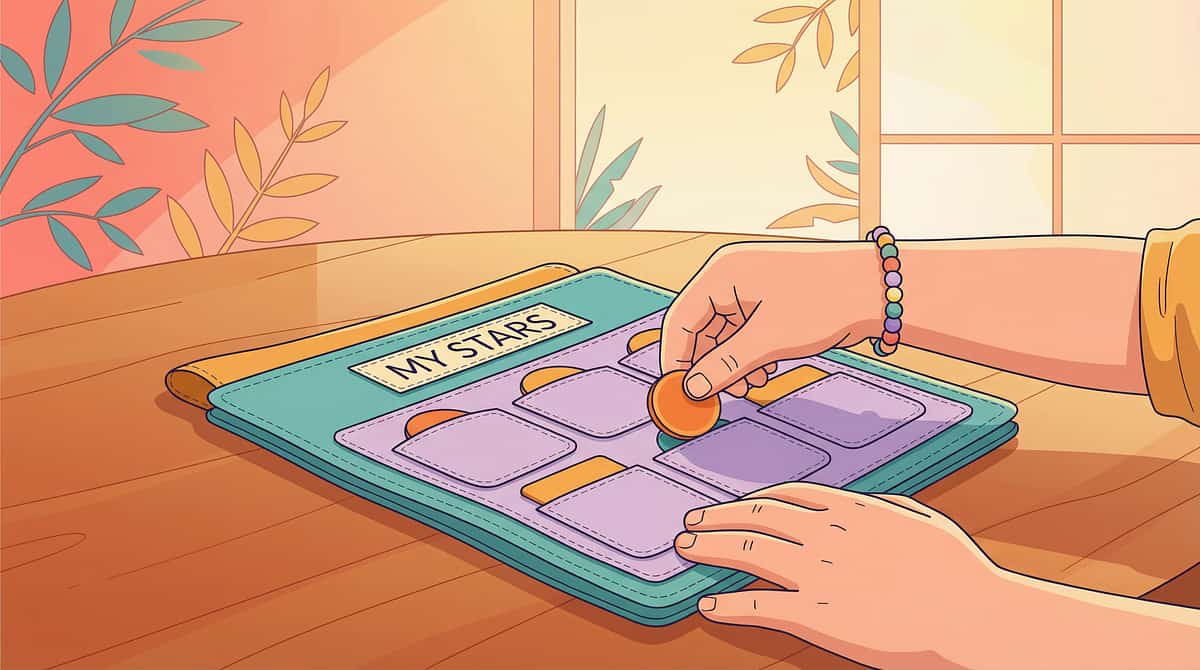
ACT II — Knowledge Transfer
Positive Reinforcement: The Formal Name and the Parent Alias
Formal Name: Positive Reinforcement / Token Economy Systems / Systematic Reinforcer Assessment
Parent-Friendly Alias: "Making Rewards Actually Work"
Parent-Friendly Alias: "Making Rewards Actually Work"
What it is: Positive reinforcement is the systematic process of increasing the likelihood of a desired behavior by immediately following it with something the child genuinely values. In clinical ABA, reinforcement is never guessed — it is assessed, individualized, timed precisely, and delivered consistently.
Critical distinction: Positive reinforcement follows desired behavior to strengthen it. Bribery precedes unwanted behavior to stop it. These are neurologically and clinically opposite processes.
🏷️ Domain
Behavior & Emotional Regulation (D)
👶 Age Range
2–12 years
⏱️ Duration
5–20 minutes daily
📋 Reel ID
D-358
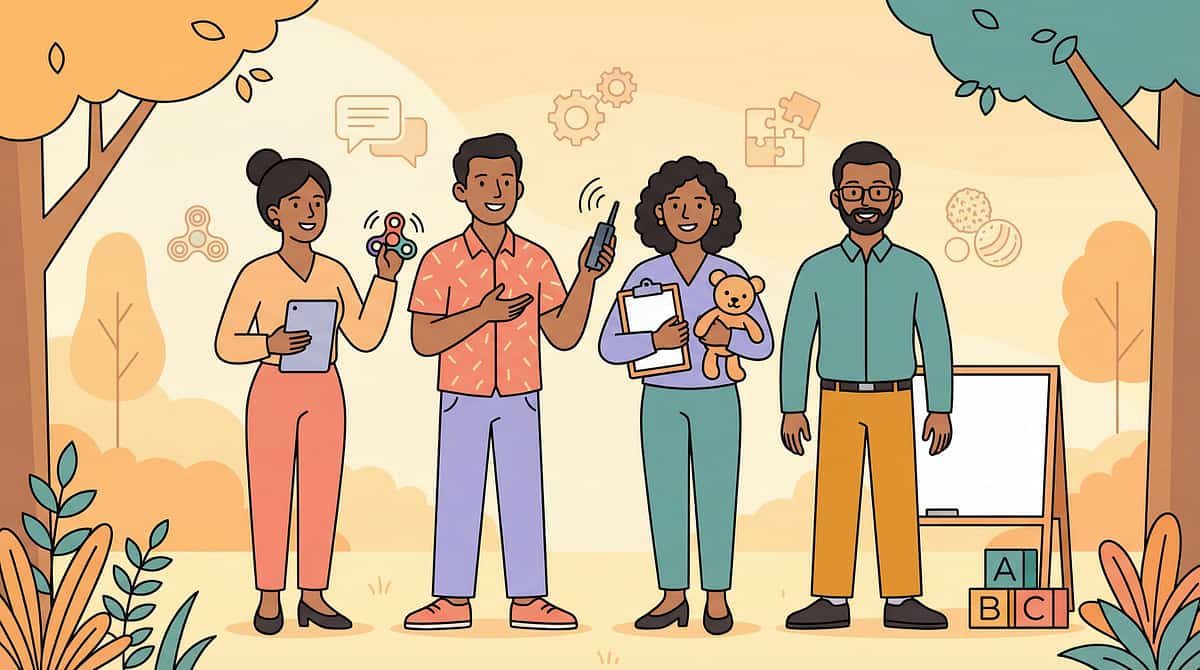
ACT II — Disciplines
This Technique Lives Across Every Discipline — Because Behavior Does Too
ABA / BCBA — Primary Lead
Designs the entire reinforcement architecture — preference assessment, token economy, schedule thinning, fading plan.
OT — Secondary
Identifies sensory reinforcers; ensures reinforcer delivery doesn't interfere with sensory regulation goals.
SLP — Secondary
Uses reinforcement to increase communicative attempts; speech approximations earn immediate reinforcement.
SpEd — Secondary
Integrates reinforcement systems into classroom IEP goals; trains educational staff on consistent delivery.
NeuroDev — Oversight
Validates reinforcement approach against medical profile; monitors for medication interactions with motivation.
"A child's brain doesn't organize its behavior by therapy type. When the ABA reinforcement system aligns with OT's sensory preferences, SLP's communication targets, and the teacher's classroom goals — the child experiences one integrated reinforcing world. That alignment is what GPT-OS® coordinates." — Pinnacle Blooms FusionModule™ Principle
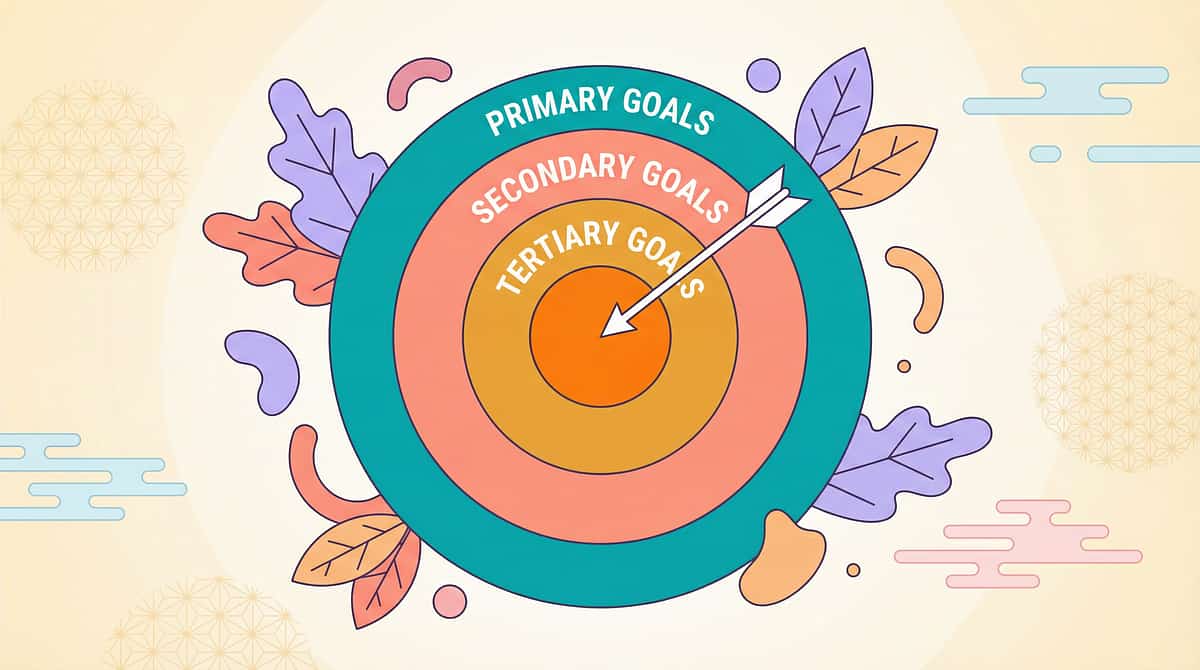
ACT II — Targets
What Positive Reinforcement Materials Actually Target: Primary, Secondary, and Long-Range
Target Level | Specific Skills | Observable Indicator | Timeline | |
Primary | Identifying genuine reinforcers; delivering within 1-3 seconds; behavior increasing consistently | Consistent, repeatable desired behavior when system is active | Weeks 1–4 | |
Secondary | Task completion rates; reduced protests; token board engagement; generalization | Child approaches board proactively; behaviors appear beyond training context | Weeks 3–8 | |
Tertiary | Internal motivation emerging; behavior maintained when reinforcement is faded; pride visible | Child completes tasks without token board; shows pride independent of external praise | Weeks 6–16+ |

ACT II — Materials 1–3
The 9 Materials — What to Get, Where to Get It, What It Costs
These materials form a complete positive reinforcement toolkit. Start with the 3-material Starter Kit (Material 1 + 2 + 5), then add as your system grows. You don't need all 9 immediately.
🎯 MATERIAL 1: Token Boards & Token Economy Systems
Canon Category: Reinforcement Menus | Price Range: ₹300–1,200
Visual Reward System Board — ₹589 | 🛒 BUY NOW — Amazon.in
Token Board Behavior Chart — ₹364 | 🛒 BUY NOW — Amazon.in
Token boards solve the timing problem. Each token is immediate, visible feedback — turning the distant reward into achievable steps the child's brain can connect to behavior.
🔍 MATERIAL 2: Reinforcer Assessment Tools
Canon Category: Assessment Supports | Price Range: ₹0–600 | DIY POSSIBLE
Preference Assessment Forms + Picture Cards — Printable template at techniques.pinnacleblooms.org/downloads | 🛒 AMAZON SEARCH
The most common reason reinforcement fails: you're using what you think motivates your child, not what actually does. Assessment is non-negotiable.
📋 MATERIAL 3: Visual Reinforcement Menus
Canon Category: Reinforcement Menus | Price Range: ₹200–500
Choice is itself reinforcing. When children select their own rewards, investment and effort increase. Menus also prevent satiation — boredom with the same reinforcer.

ACT II — Materials 4–6
Materials 4, 5 & 6 — Delivery, Visibility, and Progress
↔️ MATERIAL 4: First-Then Reinforcement Boards
Canon Category: Visual Schedule Supports | Price Range: ₹0–500
🛒 SEARCH: First-Then Board Autism | DIY: Two laminated cards labeled "FIRST" and "THEN" with picture slots — cost ₹0.
The reward stays visible while the child works. Seeing the "Then" keeps motivation alive through the entire "First" task.
⚡ MATERIAL 5: Immediate Delivery Systems
Canon Category: Behavior Supports | Price Range: ₹0–800
🛒 SEARCH: Therapy Token Pouch Wearable | DIY: Small zippered pouch clipped to belt — cost ₹0 to ₹50.
Reinforcement delayed even 30 seconds loses effectiveness. A wearable delivery system makes reinforcement happen within 1–3 seconds — the biological window where behavior-consequence connections form.
📈 MATERIAL 6: Visual Progress Trackers
Canon Category: Behavior Tracking | Price Range: ₹30–700
🛒 SEARCH: Marble Jar Progress Tracker Kids | DIY: Glass jar + marbles/pompoms — cost ₹30–80.
Visible accumulation is itself motivating. When children see their progress growing, motivation grows with every step added.

ACT II — Materials 7–9
Materials 7, 8 & 9 — Track, Praise, and Fade
📊 MATERIAL 7: Reinforcement Schedule Tracking Tools
Canon Category: Data Collection | Price Range: ₹0–400 | DOWNLOADABLE FREE
Download Pinnacle Reinforcement Tracking Sheet (PDF): techniques.pinnacleblooms.org/downloads/d358-tracking-sheet | 🛒 SEARCH: Behavior Tracking Clipboard
Reinforcement without data is guessing. Simple tracking reveals whether your system is working — and what to adjust.
👏 MATERIAL 8: Social Reinforcement Supports
Canon Category: Social Communication Supports | Price Range: ₹0–400 | DIY POSSIBLE
Visual Praise Cards + Specific Praise Prompt Card | DIY: Printed "thumbs up" cards, laminated — cost ₹0 to ₹30. | 🛒 SEARCH: Visual Praise Cards Children
Social praise is the ultimate goal — the most natural, sustainable reinforcement. These supports help pair social praise with tangible rewards until praise alone becomes motivating.
🔄 MATERIAL 9: Reinforcement Fading Tools
Canon Category: Behavior Planning | Price Range: ₹0–300 | DOWNLOADABLE FREE
Download Pinnacle Fading Plan Template: techniques.pinnacleblooms.org/downloads/d358-fading-plan | DIY: Written schedule showing reinforcement reduction steps — cost ₹0.
The ultimate goal is internal motivation. Without a fading plan, external systems become permanent dependencies. With one, they become temporary scaffolding that leads to genuine self-motivation.

ACT II — DIY Options
Every Family Can Begin Today — Zero Budget Required
WHO/UNICEF Principle: Effective pediatric intervention cannot be gatekept by economic status. Every technique on this platform has a ₹0 version. This is our commitment.
Material | Buy This | Make This (₹0) | Why DIY Works | |
Token Board | ₹364–589 commercial board | Laminated A4 paper with 5 circles + velcro stars | Same visual feedback principle; immediacy preserved | |
Reinforcer Assessment | ₹200–600 kit | Observe free-play 15 min; note what child gravitates to | Free operant observation is clinically valid | |
Reinforcement Menu | ₹200–500 picture board | 6 printed photos of what child loves, laminated | Pictures create same choice architecture | |
First-Then Board | ₹150–500 commercial | Two A5 cards: "FIRST" + picture, "THEN" + picture | Visual contract principle is preserved | |
Progress Tracker | ₹200–700 marble jar | Any jar + dried beans/pebbles/paper clips | Physical accumulation is the mechanism | |
Fading Plan | ₹100–300 template | Written schedule: "Week 1: 3 tokens → Week 4: 6 tokens" | The plan's existence matters more than medium |
Starter system for ₹0: (1) Paper token board — 5 circles on A4 paper (2) Preference assessment by observation (3) Photo reinforcement menu printed on phone (4) Paper First-Then cards (5) Tokens in pocket — any small object. This is clinically valid. Start today.
When commercial grade is non-negotiable: For children who mouth objects — commercial-grade tokens with rounded edges are essential (choking risk). For children with vision processing differences — high-contrast commercial boards are clinically superior.
When commercial grade is non-negotiable: For children who mouth objects — commercial-grade tokens with rounded edges are essential (choking risk). For children with vision processing differences — high-contrast commercial boards are clinically superior.

ACT II — Safety
The Pre-Session Safety Gate — Read Before Every Session
🔴 DO NOT PROCEED IF:
- Child is in active meltdown or severe dysregulation
- Child is physically unwell (fever, ear infection, stomach pain)
- Child has not eaten in 2+ hours
- Child is on medication adjustment in the first 72 hours (consult NeuroDev physician)
- Tokens or small materials are within reach of younger siblings under 3 (choking hazard)
🟡 MODIFY THE SESSION IF:
- Child had a difficult morning or sleep disruption — reduce token requirement by 50% today
- Child seems fatigued — shorter session (5 min vs. 15); easier behavior target
- Child is highly excited (post-outing, post-screen) — allow 10-minute decompression first
- A reinforcer the child expected isn't available — immediately substitute from menu
🟢 PROCEED WHEN:
- Child is fed, rested, regulated, and in familiar environment
- All tokens/materials are within the parent's reach (not the child's)
- Chosen reinforcer is available and accessible right now
- Parent has 10+ uninterrupted minutes available
- Tracking sheet is within reach
🔴 STOP IMMEDIATELY IF: Child becomes self-injurious • Child shows extreme aggression creating safety risk • Child's distress escalates despite modification • Any unexpected physical reaction to food reinforcer (hives, swelling) — seek emergency medical care immediately.
📞Pinnacle Clinical Support: 9100 181 181 (24x7, free, 16+ languages)
📞Pinnacle Clinical Support: 9100 181 181 (24x7, free, 16+ languages)
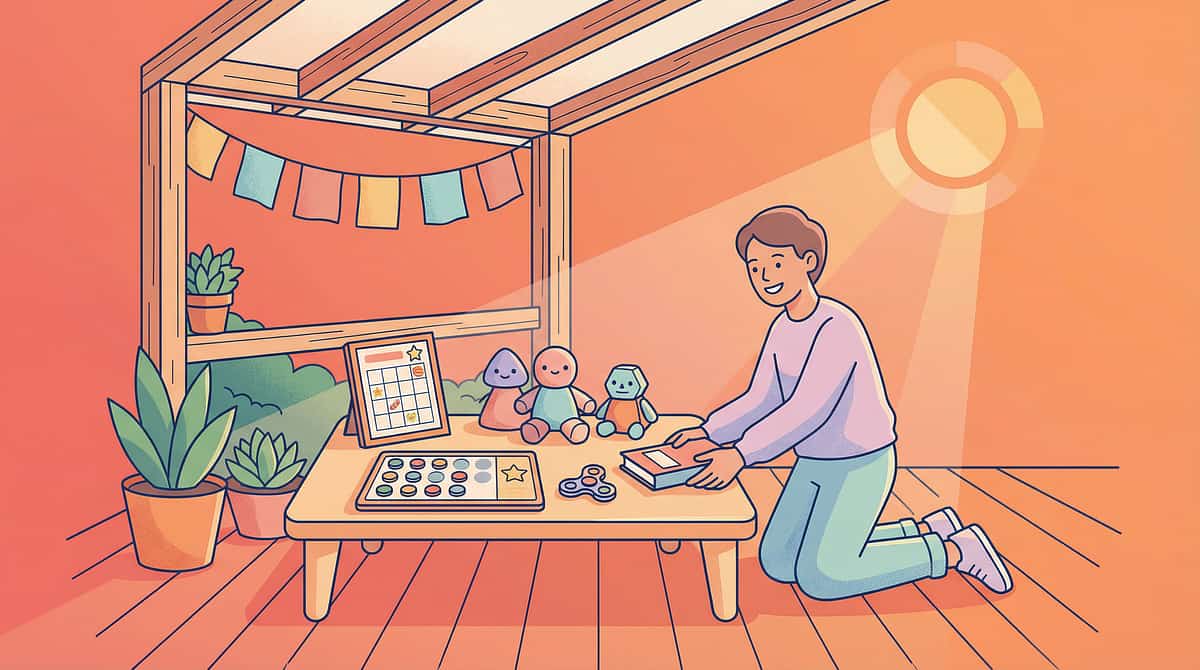
ACT II — Setup
The Reinforcement Environment: Set This Up in 3 Minutes
Each setup step takes under 30 seconds. A well-prepared environment eliminates the most common session failures before they begin. The physical architecture of the space directly determines whether behavior-consequence connections can form in the critical 1–3 second window.
Token Board Position
Child's eye level — they must see AND reach to place their own token. Ownership of token placement dramatically increases engagement.
Tokens: Parent's Side Only
Tokens come OUT of parent's container INTO the child's board. Never leave loose tokens accessible — prevents self-awarding.
Reinforcer Ready
Must be visible or accessible within 10 seconds of board completion. If it's in another room, the connection weakens. Set up in advance.
Setup time: under 3 minutes when routine is established. Sensory Integration Theory (Ayres) + PMC10955541: Environmental structure is a core predictor of intervention session effectiveness.
ACT III — Execution
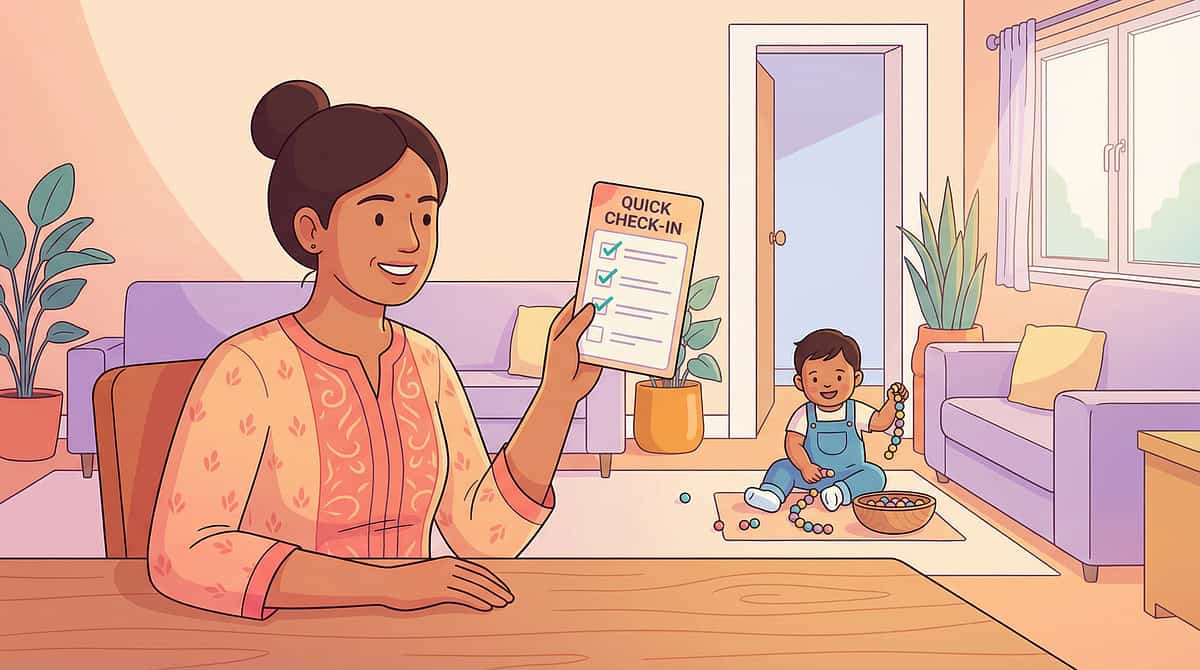
60-Second Pre-Session Assessment — Go / Modify / Postpone
Indicator | Check | If YES | If NO | |
Child is fed (within last 2 hours) | ☐ | ✅ Go | ❌ Feed first, wait 15 min | |
Child is rested (no missed nap/sleep) | ☐ | ✅ Go | 🔄 Modify: reduce session length | |
Child is in calm/alert state | ☐ | ✅ Go | ❌ Postpone: offer calming activity | |
At least 30 min since screen time | ☐ | ✅ Go | 🔄 Modify: use non-screen reinforcer | |
No fever or physical complaint | ☐ | ✅ Go | ❌ Postpone: health first | |
Chosen reinforcer available RIGHT NOW | ☐ | ✅ Go | ❌ Substitute or postpone | |
Parent has 10 uninterrupted minutes | ☐ | ✅ Go | 🔄 Modify: reduce to 5-min session |
🟢 ALL ✅ → GO
Proceed to Step 1: The Invitation
🟡 SOME 🔄 → MODIFY
Shorter, easier session with reduced token requirement
🔴 ANY ❌ → POSTPONE
Offer: joint puzzle • walk outside • favorite book. A postponed session is clinical wisdom, not failure.

STEP 1 of 6
Every Session Begins With an Invitation, Not a Command
⏱️ 30–60 seconds
Say exactly this (or your natural version):
"[Child's name], look — I have something for you." [Hold token board at child's eye level. Show the chosen reinforcer briefly.] "When you [specific behavior], you get a token. Five tokens — and you get [reinforcer]. Ready?"
Acceptance Cues — What "Yes" Looks Like
- Child looks at token board
- Child reaches for a token
- Child moves toward the activity
- Child makes any positive vocalization
Resistance Cues — What to Do
- Child turns away → Bring the REINFORCER into view briefly, then withdraw. "When you do X, you can have this."
- Child ignores → Wait 10 seconds. Repeat once. If no response after 2 invitations: Postpone.
- Child grabs reinforcer → Calmly retrieve. "After [behavior], then [reinforcer]." Repeat invitation.
Get physically at child's level. Calm, warm tone — not demanding, not pleading. Token board in front — let child touch it. Brief eye contact, don't force.

STEP 2 of 6
The Child Is In — Now Deepen the Connection Between Behavior and Reward
⏱️ 1–3 minutes | Progress: ●●○○○○
Present the target activity. Child should be oriented toward it. Watch for ANY approximation of the desired behavior — the bar is LOW at this stage. We want early, easy wins.
Present the target activity. Child should be oriented toward it. Watch for ANY approximation of the desired behavior — the bar is LOW at this stage. We want early, easy wins.
"[Child's name], first let's [specific behavior — e.g., 'sit here with me' / 'put this block in' / 'say the word' / 'stay quiet for 10 seconds']."
[The moment ANY desired behavior occurs:] "YES! [Child's name]! [Specific praise: 'You sat down!'/'You said it!'/'You tried!']" [IMMEDIATELY deliver one token.]
Reinforcement Timing: BEHAVIOR OCCURS → 1 second → Token delivered + specific praise. Every second of delay weakens the behavior-reward connection.
Child Response | What It Means | What to Do | |
Actively engages with enthusiasm | Optimal | Continue. Token after each target behavior. | |
Tolerates activity (no protest) | Acceptable | Continue. Lower your target slightly. | |
Passive — neither engaging nor refusing | Monitor | Simplify demand. Increase reinforcer visibility. | |
Actively avoiding or protesting | Stop | Return to readiness checklist (Card 15). |

STEP 3 of 6
The Core Reinforcement Session — Where Behavior Science Meets Your Home
⏱️ 3–10 minutes | Progress: ●●●○○○
Target Behavior Selection
Choose ONE specific, observable, achievable behavior: "Sits at table for 2 minutes" (not "is good") • "Puts shoes on when asked" (not "cooperates") • "Says one word during request" (not "communicates better")
Token Delivery Protocol
Behavior occurs → Token within 1–3 seconds → Specific praise simultaneously. Set token requirement achievably low: 3–5 tokens to start. Child should succeed 80%+ of the time initially. Let child place token themselves.
The Reinforcement Ratio Rule
New behavior: Reinforce EVERY instance (continuous). Established behavior: Begin moving to every 2nd, then 3rd instance. Never: Randomly reinforce or use a reinforcer the child doesn't actually want.
Common Execution Errors: "Target too demanding" → Simplify immediately. First token should be earned within 2 minutes. "Child lost interest in reinforcer" → Satiation — rotate using menu. "Child taking tokens" → Fully expected; calmly retrieve: "After behavior, then token." "Not sure about timing" → When in doubt, give it. Generous reinforcement early is always better than stingy.

STEP 4 of 6
Therapeutic Dosage: How Many Reps, How to Keep It Fresh
3 quality repetitions of a successful reinforcement cycle are worth more than 10 forced ones.
Child Profile | Reps Per Session | Session Length | |
2–3 years, new to reinforcement | 3–5 token earnings | 5–8 minutes | |
4–5 years, building system | 5–8 token earnings | 8–12 minutes | |
6–8 years, established system | 8–12 token earnings | 12–20 minutes | |
9–12 years, advanced system | Variable ratio | 15–30 minutes |
Vary the Target
Monday: shoe-putting-on. Tuesday: table-sitting. Wednesday: request-making. Same token system — different targets.
Vary the Reinforcer
Use the reinforcement menu — let child choose before each new board. Prevents satiation. Maintains motivation.
Vary the Location
Same protocol in kitchen, living room, child's room. Builds generalization — the system travels with the child.
Satiation Indicators — When to stop: Child stops moving tokens voluntarily • Decreased interest in reinforcer • Child becomes distracted or flops • Behavior rate drops below 50% of session opening rate.

STEP 5 of 6
The Board Is Full — This Is the Most Important 10 Seconds of the Session
⏱️ Immediate upon board completion | Progress: ●●●●●○
IMMEDIATE Delivery
Deliver the reinforcer within 5 seconds. No delay. No "just one moment." If it's in another room, the connection is already weakening.
SPECIFIC Praise
"You did it! You [specific behavior] FIVE times! That's amazing!" Not: "Good job." ALWAYS specific — the brain needs to know WHAT it did right.
LET THE CHILD ENJOY
2–3 minutes of uninterrupted reinforcer time. Do not redirect or add demands during reinforcement. This period is sacred.
CELEBRATE
A high-five, a small fist-pump, a genuine "I'm proud of you." Your excitement is itself reinforcing.
RESET
"Ready for another? What do you want to work for next?" Show reinforcement menu. Motivation for the next session is established before the current one ends.
The Timing Truth: Reinforcement delayed by 30 seconds is 40% less effective than immediate delivery. Reinforcement delayed by 2 minutes is effectively zero. Your timer: 3–5 seconds maximum.
STEP 6 of 6
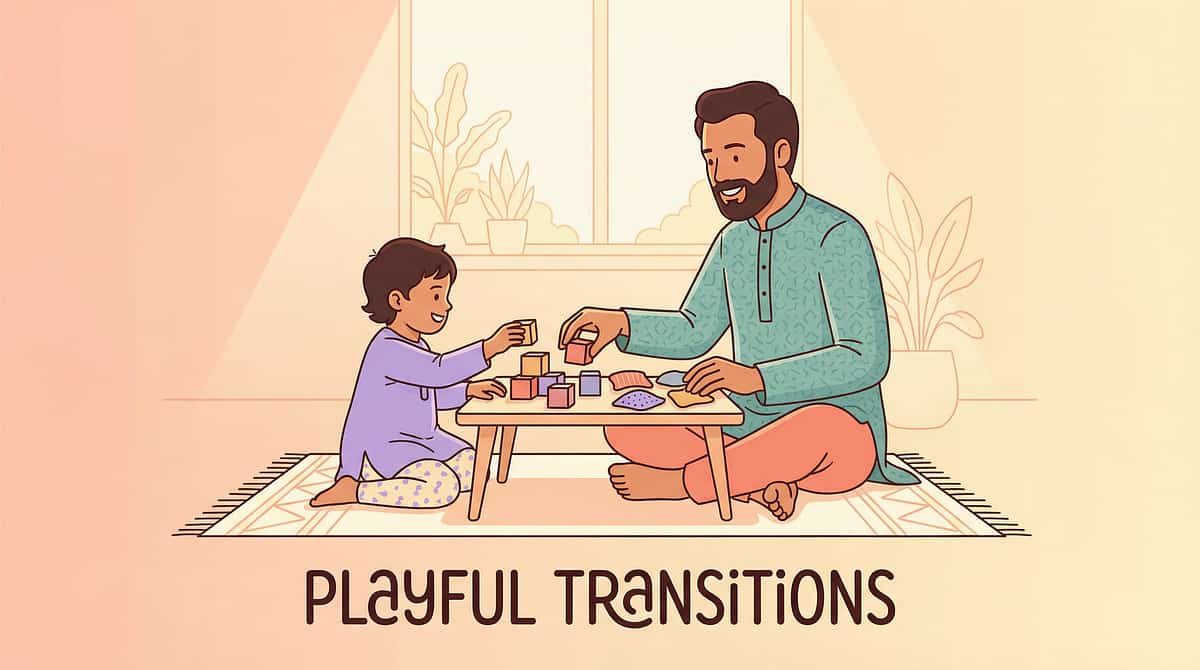
Every Session Ends Gently — No Abrupt Stops
⏱️ 2–3 minutes | Progress: ●●●●●●
2-Minute Warning
"Two more tokens, then we're all done for today." Visual timer showing 2 minutes if available — sand timer, phone timer, or hourglass.
1-Minute Warning
"One more, then all done." Begin putting materials within reach for put-away.
Session Closing
"All done! Great job today. [Child's name], can you help put the tokens away?" Child participates in clean-up — builds routine and ownership.
Transition Out
"Now let's [next activity — snack/play/bath]." Visual schedule card showing next activity if child uses visual supports.
If child resists ending — this is a very good sign (session was motivating!): Calmly: "All done for now. We'll do more tomorrow." Don't negotiate. If protest escalates: session is over. Do NOT re-open reinforcement to stop protest — that reinforces protesting. Offer a calming transition: favorite song, gentle movement, brief book.
Visual timers are an Evidence-Based Practice per NCAEP (2020).
Visual timers are an Evidence-Based Practice per NCAEP (2020).

ACT III — Data
60 Seconds of Data Now Saves Hours of Guessing Later
D-358 Session Tracker — 3 Fields
Date: ___________
Target Behavior: ___________________________
Tokens Earned (of possible): ___ / ___
Reinforcer Used: ___________________________
Child Engagement (1–5): ___
1=refused 2=tolerated 3=engaged 4=excited 5=led
1=refused 2=tolerated 3=engaged 4=excited 5=led
Notes (optional): ___________________________
What to Look For Across Sessions
- Tokens earned per session increasing over weeks → system is working ✅
- Same or decreasing tokens → adjust target difficulty or change reinforcer
- Engagement score consistently 4–5 → ready to begin schedule thinning
- Engagement score consistently 1–2 → reassess reinforcer preferences
GPT-OS® Integration
Data submitted feeds your child's Behavioral Regulation Readiness Index. Across 20M+ sessions, this drives personalized recommendation adjustments — what works for children like yours informs what we recommend to you.
📄Download PDF Tracking Sheet — D-358 Positive Reinforcement at techniques.pinnacleblooms.org/downloads/d358-tracking-sheet

ACT III — Troubleshoot
Most Sessions Don't Go Perfectly. Here's What to Do.
"Session abandonment is not failure — it's data. Every session that doesn't go right tells you something that improves the next one." — Pinnacle Blooms ABA Consortium
Child refused the token board entirely
Why: Board introduced during preferred activity; reinforcer wasn't enticing; system is new and unfamiliar.
Fix: Present board at natural transition points. Spend 3 days just associating the board with good things — show it, immediately deliver a preferred snack, put it away. Build pairing before adding demands.
Fix: Present board at natural transition points. Spend 3 days just associating the board with good things — show it, immediately deliver a preferred snack, put it away. Build pairing before adding demands.
Earned tokens but didn't care about the reinforcer
Why: Satiation — access to reinforcer earlier in the day, or over-used.
Fix: Restrict access to reinforcer OUTSIDE of sessions. Use the menu — let child choose before each board.
Fix: Restrict access to reinforcer OUTSIDE of sessions. Use the menu — let child choose before each board.
Behavior worked first time, then stopped
Why: Token requirement too high; reinforcer not delivered quickly enough; child didn't understand contingency.
Fix: Reduce to 3-token board. Deliver tokens MORE immediately. Physically walk through the process: "You do THIS → I give you THIS → You put it HERE → All five → You get THAT."
Fix: Reduce to 3-token board. Deliver tokens MORE immediately. Physically walk through the process: "You do THIS → I give you THIS → You put it HERE → All five → You get THAT."
System worked 3 days, then child lost interest
Why: Satiation with the reinforcer; novelty of token system faded; target became too easy.
Fix: Rotate reinforcers daily using menu. Consider upgrading the target slightly — a slightly harder challenge re-motivates many children.
Fix: Rotate reinforcers daily using menu. Consider upgrading the target slightly — a slightly harder challenge re-motivates many children.
Child melts down when board is complete and reinforcer is delivered
Why: The ENDING of reinforcement (extinction burst) is harder than the earning.
Fix: Give reinforcer with clear endpoint: "3 minutes of [reinforcer], then we start again." Set visual timer. Use First-Then: "First [reinforcer], then [next token board]."
Fix: Give reinforcer with clear endpoint: "3 minutes of [reinforcer], then we start again." Set visual timer. Use First-Then: "First [reinforcer], then [next token board]."
System works at home but not at school or grandparents'
Why: Reinforcer preferences differ by person; delivery timing varies; different caregiver energy changes the reinforcer landscape.
Fix: Train every caregiver in the same protocol. Use Card 37 to share this page. Consistency across environments is the entire point of a reinforcement SYSTEM.
Fix: Train every caregiver in the same protocol. Use Card 37 to share this page. Consistency across environments is the entire point of a reinforcement SYSTEM.

ACT III — Adapt
No Two Children Are Identical — Here's How to Calibrate This Technique
Age | Token Requirement | Reinforcer Types | Schedule | |
2–3 years | 1–3 tokens | Tangible/edible | Continuous | |
3–5 years | 3–5 tokens | Activity/tangible | FR2–FR3 | |
5–8 years | 5–10 tokens | Activity/privilege | FR3–VR5 | |
8–12 years | 10–20 points | Privilege/social | VR5–VR10 |
Sensory Seekers
Token = physical sensation: sticker to press, velcro token to tear, weighted coin to drop. Use sensory activities as reinforcers (swinging, deep pressure, music).
Sensory Avoiders
Quiet praise — no loud celebration. Token delivery: calm, gentle hand-to-hand. Reinforcers: calm activities (quiet story, gentle movement). No enthusiastic vocal celebration — it can be aversive.
Non-Verbal Children
Replace verbal praise with visual praise card. Token placement as communication: child points to token to request. Use picture-based reinforcement menu. First-Then board as primary communication tool.
Twice-Exceptional (High IQ)
Token systems may feel "babyish" — upgrade to point system. Let child help design the system. Use interest-based reinforcers. Reinforce QUALITY of output, not just compliance.

ACT IV — Progress Arc
Weeks 1–2: The Foundation Phase — What Real Progress Looks Like Here
Foundation Building
Week 1–2: Calibration and Connection. The neural pathways are forming even when you can't see behavioral evidence.
✅ You WILL see:
- Child tolerating the token board without protest
- Child showing some interest in the chosen reinforcer
- First instances of desired behavior occurring reliably
- Preference data emerging (what child prefers most)
🔄 You WON'T see yet:
- Behavior change in settings without board
- Child doing target behavior without being prompted
- Generalization to new environments
- Social praise becoming motivating
Parent Emotional Preparation: Weeks 1–2 are the hardest. Results are invisible. Trust the science — the neural pathways are forming even when you can't see behavioral evidence. Every session you run, especially the imperfect ones, is building the foundation. Research: PMC11506176 — Early-phase outcomes focus on tolerance and system familiarity, not mastery. Mastery data emerges at weeks 4–8.

ACT IV — Week 3–4
Weeks 3–4: Neural Pathways Are Forming — Watch for These Consolidation Signs
Consolidation Phase
Week 3–4: Pattern Recognition and Anticipation. The brain is beginning to predict the sequence.
The Anticipation Signal
Child looks toward the token board when entering the session space, before you've said anything. This is the neural pathway forming — the brain predicting the sequence.
The Preference Signal
Child begins choosing specific reinforcers with consistency — the same item multiple sessions in a row. Preference hierarchy is forming.
The Pride Signal
Child smiles or looks at parent when earning a token — seeking the social reinforcement alongside the tangible. Social reinforcement is beginning to pair.
The Generalization Seed
Child shows the target behavior (briefly, imperfectly) in a setting where there is no token board. The behavior is beginning to escape the training context.
"You may notice you're more confident too." The system is running smoothly. You're not second-guessing every token delivery. This parent confidence is a measurable predictor of long-term intervention success.

ACT IV — Week 5–8
Weeks 5–8: Mastery Phase — When You Know It's Working
Mastery Phase
Week 5–8: Skill Solidification and Schedule Thinning Readiness
🏆 MASTERY UNLOCKED ✅ — All of these must be true:
- Target behavior occurs during 80%+ of session opportunities
- Behavior appears in at least one setting where token board was NOT present
- Child maintains behavior for the full duration of the token sequence
- Child accepts schedule thinning (5 tokens → 7 tokens) without increased protest
- Social praise beginning to produce some positive child response
- Child can tolerate ONE session per week with reduced reinforcement without behavior collapse
🏆D-358 Positive Reinforcement — Behavioral Regulation Level 1
Mastery at this level means you're ready to begin the fading protocol (Material 9). This does NOT mean stop reinforcing — it means gradually thin the schedule while increasing behavior expectations.
Research: PMC10955541 + BACB — 80% correct across multiple sessions with generalization evidence is the standard clinical mastery criterion.
Mastery at this level means you're ready to begin the fading protocol (Material 9). This does NOT mean stop reinforcing — it means gradually thin the schedule while increasing behavior expectations.
Research: PMC10955541 + BACB — 80% correct across multiple sessions with generalization evidence is the standard clinical mastery criterion.
ACT IV — Celebrate
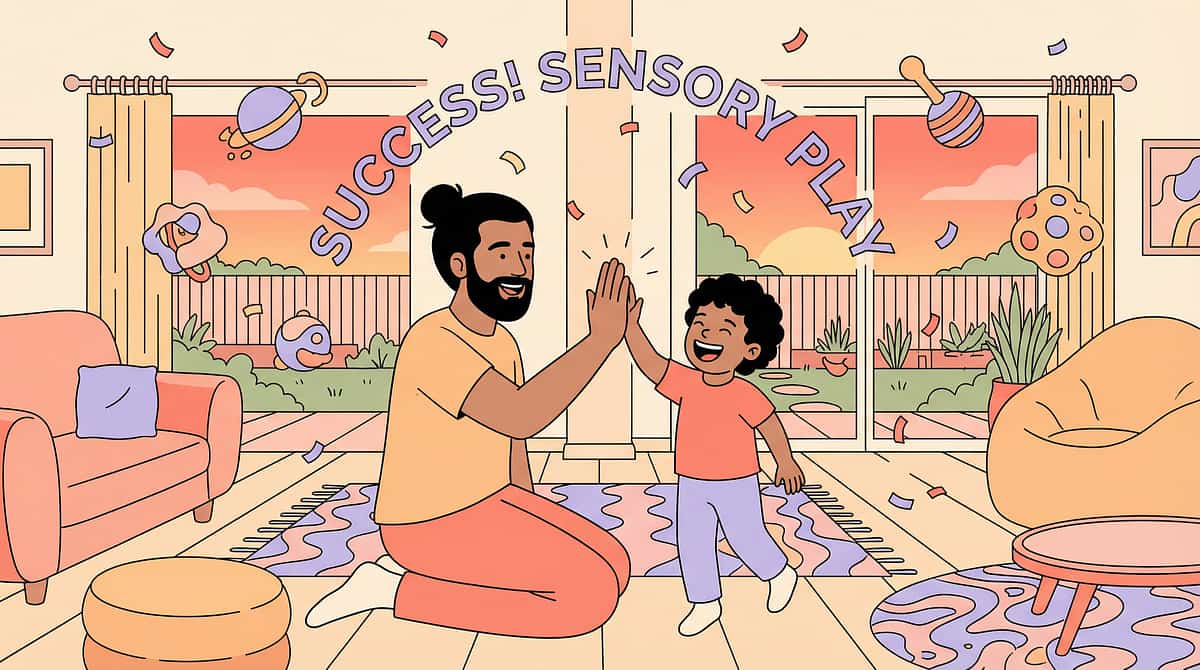
You Did This.
Six weeks ago, you sat at a table with a sticker chart that lasted three days and a child who seemed unmotivated by everything.
Today, your child anticipates sessions. Earns tokens. Chooses reinforcers from a menu they know. Shows the behavior — sometimes even when you haven't asked.
That is not magic. That is you. Your consistency. Your patience. Your willingness to learn the science and show up anyway.
You identified what actually motivates your child
You built a token system that fits their developmental level
You delivered reinforcement within the biological window — consistently
You created the foundation for internal motivation to grow from
Journal Prompt:"Before I started: ___________. After 6 weeks: ___________. What surprised me most: ___________."

ACT IV — Red Flags
⚠️ These Signs Mean Pause and Seek Professional Guidance
"Trusting your instincts IS clinical wisdom. If something feels wrong, pause and ask."
🔴 Self-injurious behavior during/after sessions
If your child begins head-banging, biting themselves, or causing physical harm in relation to the reinforcement system — stop all sessions and contact Pinnacle immediately. A functional behavior assessment is needed before continuing.
🔴 Reinforcement system increases aggression
If earning or being denied tokens consistently triggers physical violence or destruction, the function of behavior needs professional analysis. Do not continue a system producing dangerous behavior.
🔴 Complete behavioral regression
If your child's overall behavior at home significantly worsens after 2+ weeks of sessions — beyond expected initial adjustment — the current reinforcement approach is misaligned with the functional behavior profile.
🟡 Plateau at 3+ weeks without progress
Normal improvement should be visible within 3–4 weeks. If flat-line data beyond this, seek guidance on system adjustment.

ACT IV — Progression Pathway
Your Developmental GPS: Where You Were, Where You Are, Where You're Going
1
D-356
Proactive Strategies — Prerequisite. Behavior prevention foundations.
2
D-357
Emotional Identification — Entry point. Builds emotional vocabulary needed for reinforcement.
3
D-358 — YOU ARE HERE
Positive Reinforcement. 9 materials. The system you've just built.
4
D-359
Self-Regulation Building — Next: self-monitoring + internal motivation development.
5
D-360 / D-362
Advanced Data Collection / Skill Generalization — extending reinforced skills across all environments.
Child's Response Profile | Recommended Next | Why | |
System working; behavior generalizing | D-362 Skill Generalization | Move behavior into natural environments | |
Child starting to self-monitor | D-359 Self-Regulation | Begin transitioning to internal motivation | |
Want sophisticated data system | D-360 Data Collection | Upgrade home monitoring to clinical-grade | |
Related emotional regulation needs | D-357 Emotional Identification | Address emotional recognition to support regulation |
ACT IV — Domain Map
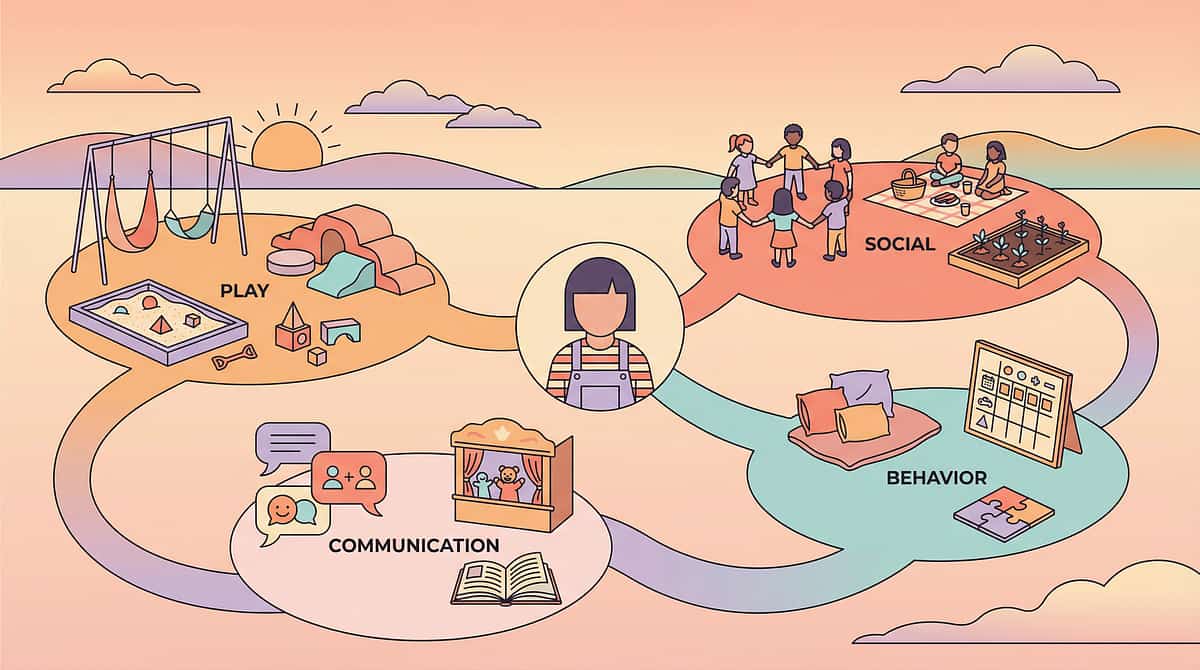
Zoom Out: This Technique Is One Piece of Your Child's Complete Developmental Journey
→ Domain C: Emotional Regulation
Behavior systems support emotional learning
→ Domain F: Executive Function
Schedule-following builds cognitive capacity
→ Domain G: Self-Care
Reinforcement systems teach self-care routines
→ Domain E: Social Skills
Social reinforcement builds peer interaction motivation

ACT V — Community
From Sticker Charts That Failed to Systems That Built Real Behavior — Real Family Journeys
Riya's Family, Hyderabad — 6-year-old with ASD, non-verbal
Before:"We felt like failures. Every other parent seemed to have a system that worked. We had a child who seemed to want nothing."
What changed: Structured preference assessment over 3 sessions discovered child was highly motivated by a specific musical toy. Token board with 3-token requirement. Velcro tokens (large-size, choking-safe).
After (Week 6): Completing 5-token boards consistently. Behavior: sitting at table for meals. New: requesting musical toy by reaching and pointing.
"The system didn't change my child. It changed how we were talking to his brain."
Arjun's Family, Pune — 8-year-old with ADHD
Before:"Every reward system became a negotiation or a battleground. He knew exactly how to work around anything we set up."
What changed: Tokens stored exclusively on parent's person. Board positioned away from child's reach. Immediate delivery within 2 seconds. Reinforcement menu introduced. Goal: one homework worksheet.
After (Week 4): Worksheet completion rate 85% when board active. Morning routine compliance increasing without token board — generalization beginning.
"We didn't fail at reinforcement. We were doing it wrong. Once we fixed the architecture, he worked harder than I'd ever seen."
📋From the Therapist's Notes (Riya's case): Preference assessment revealed this child's motivation was entirely sensory-auditory. Parent-assumed reinforcers (visual, social) had zero motivational value. Assessment before assumption — that's the first clinical principle that changed everything here.
ACT V — Connect
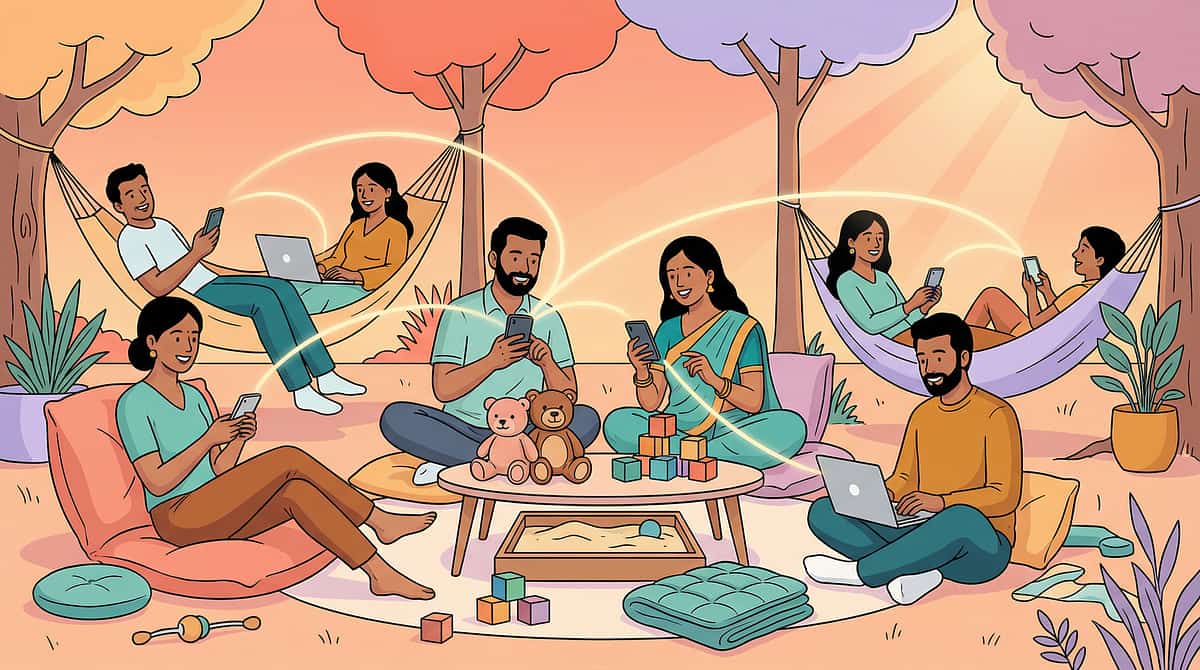
You Are Not Navigating This Alone — Join the Community
Community | Platform | Who's There | Join | |
Positive Reinforcement Parent Group | WhatsApp | Parents of children 2–12 implementing ABA systems at home | ||
Pinnacle Parent Forum | pinnacleblooms.org/forum | Moderated by Pinnacle therapists; topic threads by domain | ||
Local Pinnacle Parent Meetups | In-person | Nearest center organizes monthly parent circles | ||
Peer Mentoring: Experienced Parent Match | WhatsApp | 1:1 — connect with a parent 6+ months ahead on same journey | Request Match: 9100 181 181 |
Why Community Matters
Isolation is the number one predictor of intervention dropout. When a parent has ONE other parent who validates their experience and shares what worked, adherence rates double. Connect now — not later.
Your Experience Helps Others
If you're 6+ weeks in and seeing results — you have something no therapist can give: the lived experience of a parent who did this. Consider becoming a peer mentor.
ACT V — Professional Support
Home-Based Implementation Works Best With Professional Guidance Behind It
Service | What It Provides | Frequency | |
Behavior Therapy (ABA/BCBA) | Formal preference assessment; reinforcement system design; schedule thinning planning; FBA if needed | Weekly/bi-weekly | |
Parent Training Session | Live supervision of token board protocol; immediate feedback on delivery timing; system calibration | Monthly | |
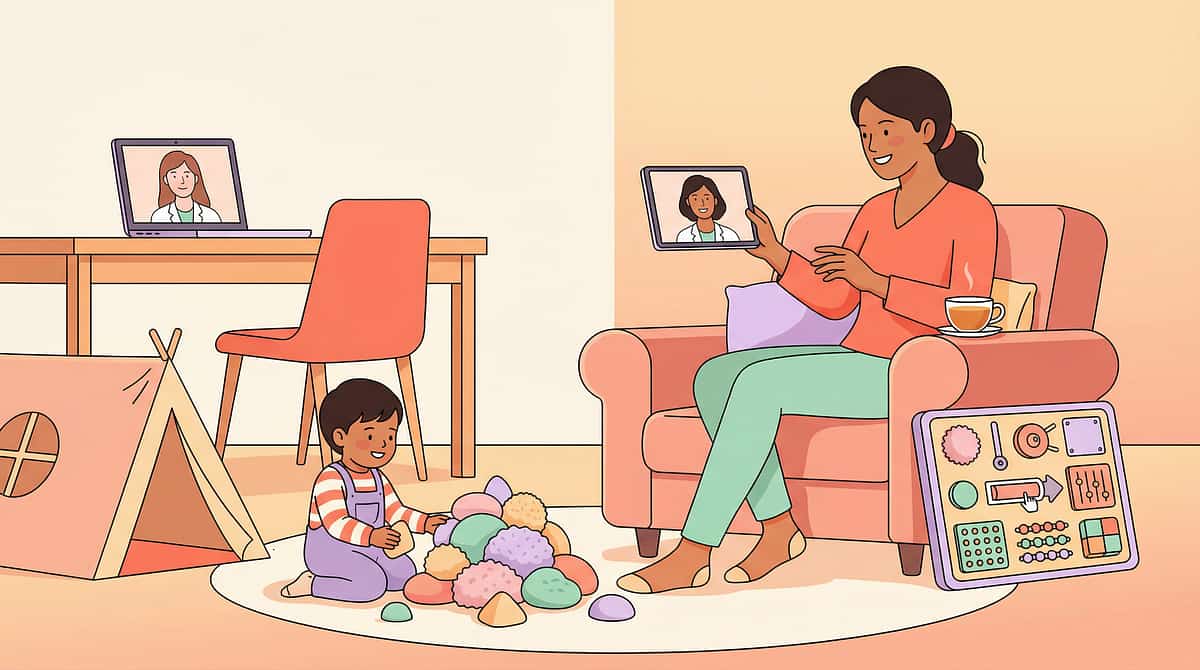
Teleconsultation | Remote guidance for home system troubleshooting without clinic visit | On-demand | |
EverydayTherapyProgramme™ | GPT-OS® generated daily reinforcement protocols specific to your child's profile | Daily, via app |
📞 Call: 9100 181 181
FREE, 24x7, 16+ languages
🌐 Book Online
💬 WhatsApp
"Home + clinic = maximum impact. Your daily sessions are 100x more powerful when calibrated by a professional monthly."

ACT V — Research Library
Deeper Reading for the Evidence-Curious Parent
LEVEL I — Systematic Reviews
PMC11506176 | 16 studies PRISMA model (2013–2023): ABA reinforcement systems and token economies meet highest criteria for evidence-based practice in children with ASD. Children, 2024.
LEVEL II — Meta-Analyses
PMC10955541 | 24 studies, World J Clin Cases (2024): Systematic reinforcement promoted social skills (primary), adaptive behavior (secondary), sensory processing, and motor skills. Effect sizes: moderate-to-large.
LEVEL III — Indian RCT (2019)
DOI: 10.1007/s12098-018-2747-4 | Padmanabha et al., Indian Journal of Pediatrics: Home-based behavioral interventions with structured reinforcement showed significant outcomes in Indian pediatric population. Validates applicability in Indian home contexts.
LEVEL IV — Clinical Guidelines
NCAEP (2020): Positive reinforcement, token economies, differential reinforcement, and visual supports are all classified as Evidence-Based Practices for autism. | WHO NCF (2018) — PMC9978394: Structured, responsive caregiving is a core component of the WHO framework for child development globally.

ACT V — Technology
Your Session Data. Personalized Guidance. Population Intelligence.
Reinforcement Response Index (RRI)
How consistently desired behavior occurs during reinforcement sessions
Skill Acquisition Rate
Behavioral targets met per week, tracked automatically
Motivation Maintenance Index
Reinforcer effectiveness stability over time
Motivation Transition Tracker
External-to-internal motivation fading readiness score
🔒Privacy Assurance: All child data is encrypted, anonymized for research purposes, and never sold or shared commercially. Full data rights remain with the family. DPIIT-registered, MSME-certified, CDSCO-compliant.
The 20M+ sessions in GPT-OS® mean recommendations are precision-calibrated to children with your child's specific profile — not generalized advice.
The 20M+ sessions in GPT-OS® mean recommendations are precision-calibrated to children with your child's specific profile — not generalized advice.

ACT V — The Reel
Watch the Reel That Brought This to You
▶ D-358 | 9 Materials That Help With Positive Reinforcement
Reel ID: D-358 | Domain D: Behavior & Emotional Regulation | Series Episode 358 of 999
Presented by Pinnacle Blooms Network's ABA/Behavior Therapy consortium — BCBAs and behavior analysts with combined experience across 20M+ therapy sessions.
D-358 is part of the Behavior & Emotional Regulation series (Domain D), one of 12 developmental domains in the Pinnacle 999 Reels Master collection. Each reel surfaces a specific parent challenge and connects to a full technique page like this one.
Multi-Modal Learning: Research confirms that combining video (this Reel) with detailed text (this page) with community support (Card 33) produces the highest parent skill acquisition rates. You've now accessed all three. NCAEP (2020): Video modeling is an evidence-based practice for autism.

ACT V — Share
Consistency Across Every Caregiver Multiplies Impact
A reinforcement system that works perfectly with one parent and is ignored or contradicted by grandparents, school teachers, or the other parent loses 60–80% of its effectiveness. The system must travel.
📄 The 3 Things Every Caregiver Must Know
- When [child's name] does [target behavior] → give a token immediately (within 3 seconds). Don't wait. Don't discuss. Immediate.
- When the board is full → give [specific reinforcer]. Every time. No exceptions.
- Do NOT give reinforcer unless the behavior happened. Offering it beforehand or to stop crying is the opposite of what we're building.
🏫 School/Teacher Communication Template
"[Child's name] is currently working on a positive reinforcement system designed by [BCBA name] at Pinnacle Blooms Network. The target behavior is [behavior]. The system uses [token board description]. Consistency between home and school will dramatically improve outcomes. Can we schedule 15 minutes to align on implementation?"
PMC9978394 | WHO CCD Package: Multi-caregiver training is critical for intervention generalization and maintenance.

ACT VI — FAQ
Questions Parents Ask Most — Answered Directly
Didn't find your answer? Book a teleconsultation: 9100 181 181
Q1: Is positive reinforcement the same as bribery?
Reinforcement follows desired behavior to strengthen it. Bribery is offered to stop unwanted behavior in the moment. They are neurologically opposite. Long-term, systematic fading (Material 9) transitions children from external to internal motivation. You are not building dependency — you are building the scaffold that leads to independence.
Q2: My child is 4 with autism. Is this age-appropriate?
Yes. Token economies are used with children as young as 18 months in clinical settings, with age-appropriate adjustments (1–3 tokens, immediate edible reinforcers). The developmental appropriateness comes from calibration — not avoidance. See Card 24 for age-specific adaptations.
Q3: We tried a sticker chart and it failed. How is this different?
Common failures: (1) The sticker wasn't actually reinforcing. (2) Too many stickers before reward. (3) Reinforcement was delayed. (4) Reinforcer wasn't appealing enough. Systematic reinforcement addresses all four: start with a preference assessment, use 3–5 tokens, deliver within 3 seconds, use a highly preferred reinforcer.
Q4: Should I stop using positive reinforcement in public?
No — and you don't need to be obvious about it. A portable First-Then board in your bag, tokens in your pocket, and clear advance communication maintains the system in community settings. Portable systems are essential for generalization.
Q5: My spouse thinks this is manipulation. How do I explain it?
Share this page — specifically Card 6 (reinforcement vs. bribery) and Card 3 (neuroscience). The research in Card 35 helps too. This is one of the most robustly validated behavioral science principles in history, used in schools, corporations, sports psychology, and medical rehabilitation worldwide.
Q6: How long before I can stop using the token board?
Fading begins at mastery (typically 5–8 weeks). Complete fading takes 2–6 months for most children. Some benefit from external support across certain domains indefinitely — this is appropriate accommodation, not failure.
Q7: Can I do this without a behavioral therapist?
The protocol on this page is designed for parent implementation. However, a BCBA consultation — even monthly — dramatically improves fidelity and outcomes. For children with significant behavioral challenges, professional assessment is strongly recommended before independent implementation.
Q8: My child only responds to screen time as a reinforcer. Is that okay?
Screen time is a valid reinforcer if it genuinely motivates. Clinical cautions: (1) Restrict access outside sessions to maintain motivating value. (2) Set clear time limits — visual timer is essential. (3) Gradually introduce other reinforcers alongside screens to build a broader reinforcer profile. Screen dependency as the ONLY reinforcer creates system fragility.
Preview of 9 materials that help with positive reinforcement Therapy Material
Below is a visual preview of 9 materials that help with positive reinforcement therapy material. The pages shown help educators, therapists, and caregivers understand the structure and content of the resource before use. Materials should be used under appropriate professional guidance.


Link copied!
ACT VI — Your Next Step
You Have Everything You Need. Start Today.
🎯 PRIMARY ACTION
START THIS TECHNIQUE TODAY
Launch GPT-OS® Guided Session
📞 SECONDARY ACTION
BOOK A CONSULTATION
Pinnacle Center or Teleconsultation
→ NEXT TECHNIQUE
EXPLORE D-359
Self-Regulation Building
🏛️VALIDATED BY THE PINNACLE BLOOMS CONSORTIUM
🧠 ABA • 🖐️ OT • 💬 SLP • 📚 SpEd • 👨⚕️ NeuroDev • 👩 CRO
20M+ Sessions | 97%+ Improvement | 70+ Centers | 70+ Countries
📞FREE National Autism Helpline: 9100 181 181 — Available 24x7 in 16+ languages
🧠 ABA • 🖐️ OT • 💬 SLP • 📚 SpEd • 👨⚕️ NeuroDev • 👩 CRO
20M+ Sessions | 97%+ Improvement | 70+ Centers | 70+ Countries
📞FREE National Autism Helpline: 9100 181 181 — Available 24x7 in 16+ languages
© 2025–2026 Pinnacle Blooms Network®, a unit of Bharath Healthcare Laboratories Pvt. Ltd. All rights reserved. | CIN: U74999TG2016PTC113063 | DPIIT: DIPP8651 | MSME: TS20F0009606 | GSTIN: 36AAGCB9722P1Z2
Medical Disclaimer: This content is educational and informational. It does not replace individualized behavioral assessment, formal diagnosis, or intervention planning by qualified professionals. Reinforcement systems should be designed with professional guidance based on individual child assessment. All clinical decisions should involve qualified professionals. Individual results may vary. Statistics represent aggregate outcomes across the Pinnacle Blooms Network.
← D-357: Emotional Identification | → D-359: Self-Regulation Building | Explore All Techniques →