
The Recognition Moment
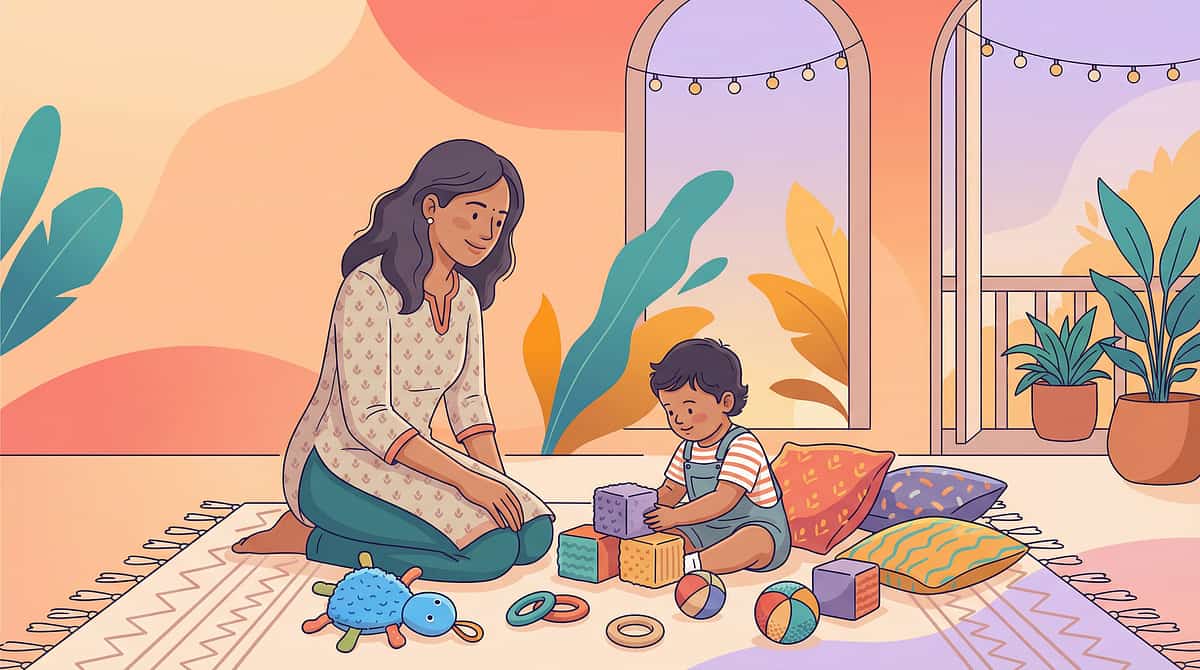
Your child's feelings ARE there. They're just not coming through the voice. Your child runs in from the garden and announces something incredible. But the voice — it's the same flat, even tone they use when asking for water. No rise. No excitement. No melody. Teachers say he seems "uninterested." Friends find her hard to connect with. And you know, in your heart, that the feelings ARE there — they're just not coming through the voice. You are not failing. Your child's voice is not broken. Prosody — the music of speech — can be taught when it doesn't develop naturally. This is a neurological pattern, not a character trait, not a parenting failure. 🎙️ B-191 Monotone Speech & Prosody 👶 Age Range 3–12 years 🏠 Setting Home-Applicable 🏥 Integrated SLP-Led, ABA + OT + SpEd WHO Nurturing Care Framework (2018): Early parental identification of communication differences directly impacts developmental outcomes.
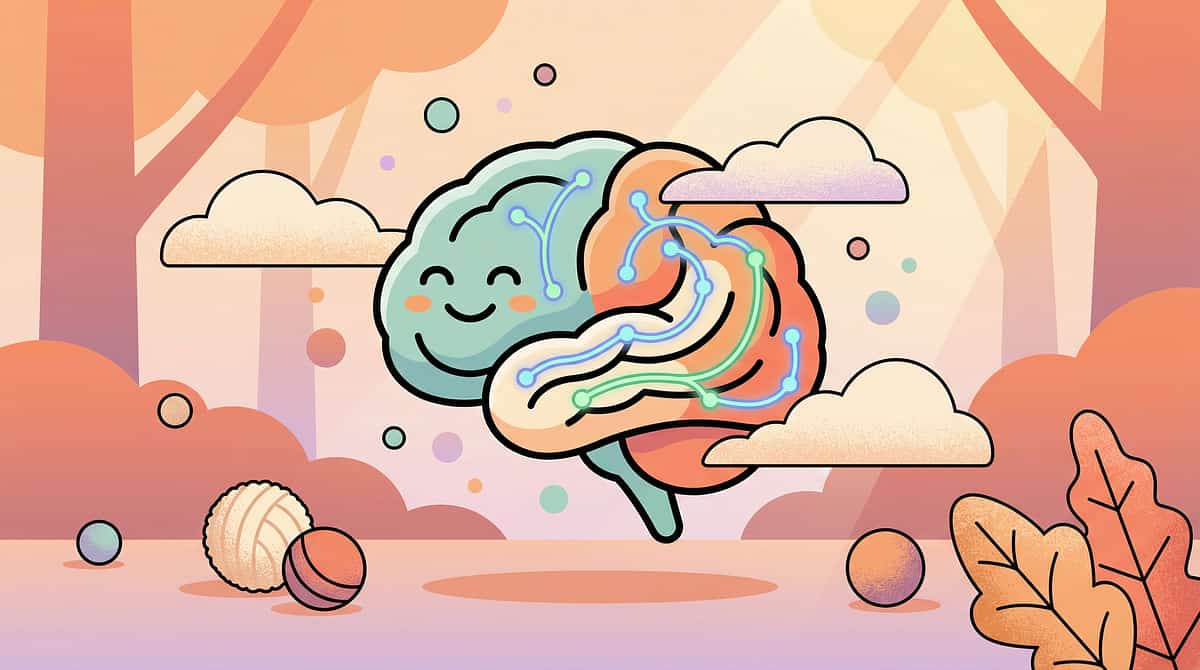
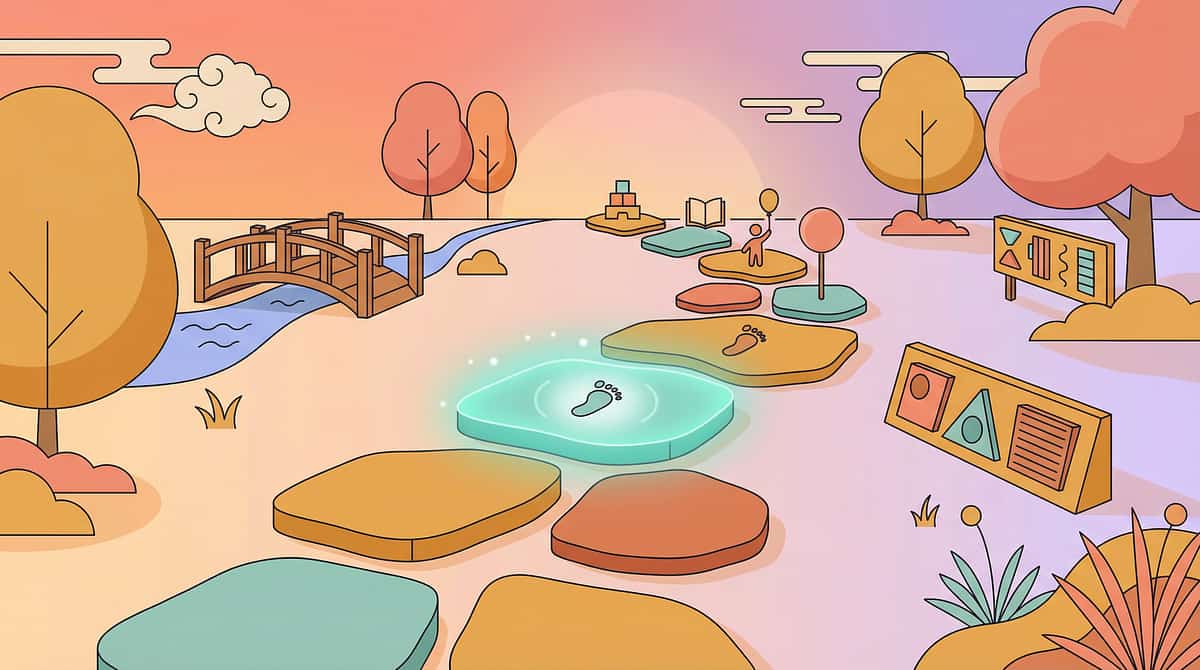
- Superior temporal gyrus — processes pitch patterns in incoming speech
- Right hemisphere — specializes in prosodic processing
- Supplementary motor area — coordinates motor commands for pitch variation
- Limbic-motor connection — links felt emotions to vocal expression
"This is a wiring difference, not a behaviour choice. Explicit prosody instruction makes the implicit visible. The brain can build these pathways with the right input — at any age in the developmental window."

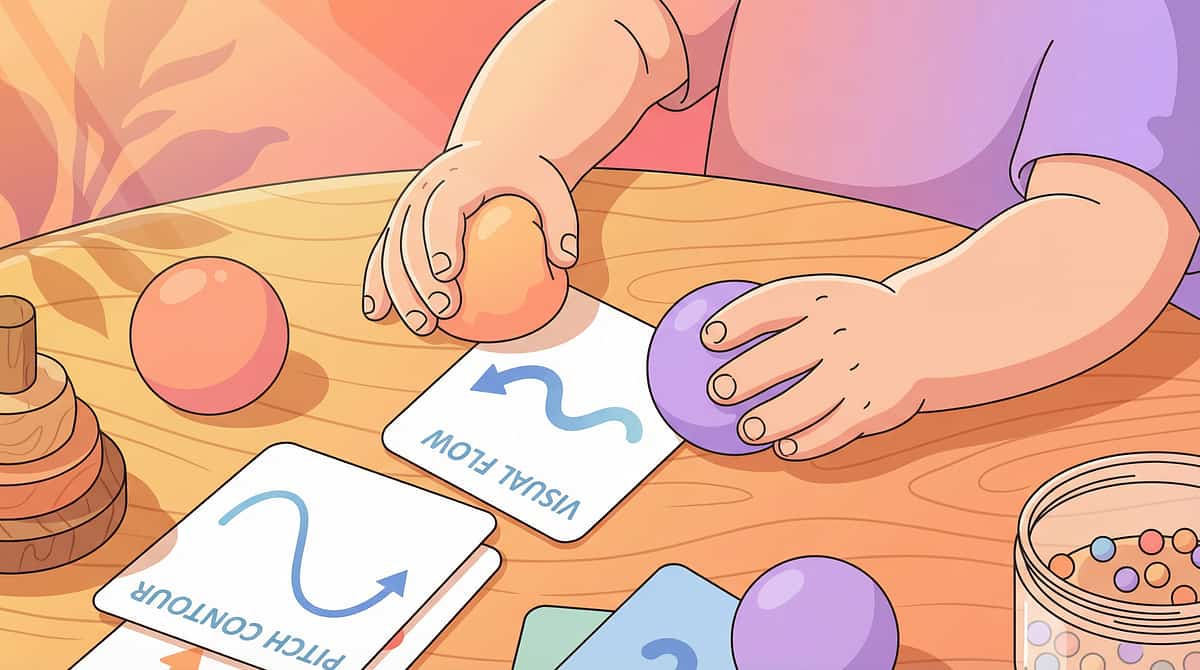

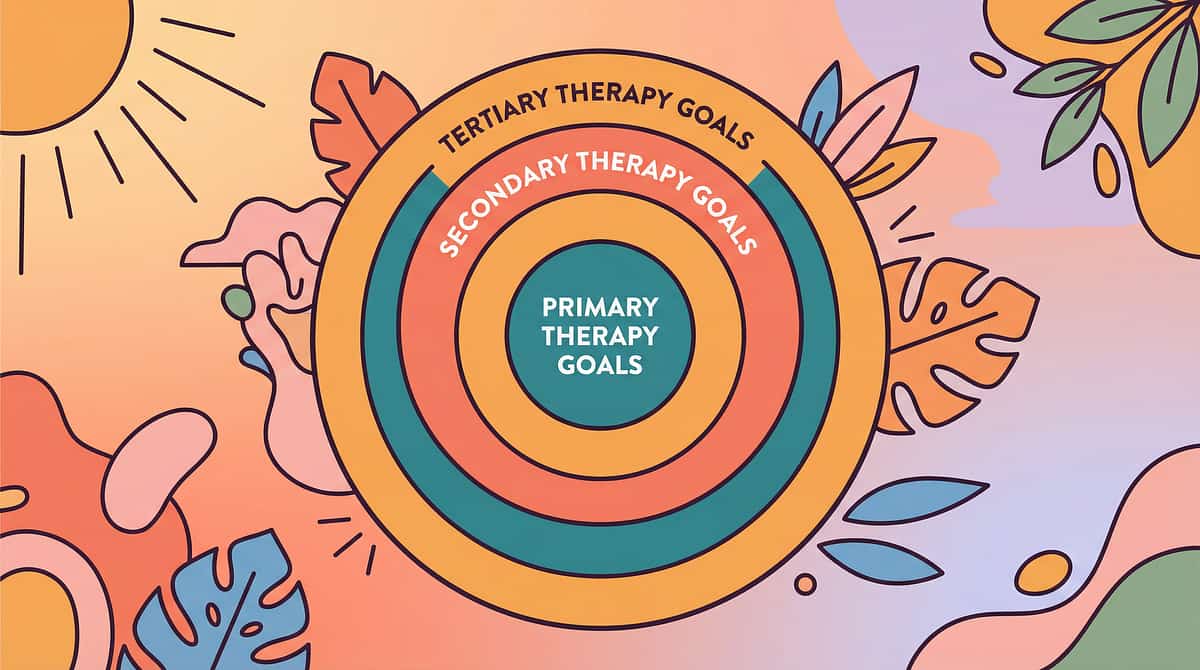
"Prosody doesn't live in one therapy room. When SLP, ABA, OT, and SpEd work from the same GPT-OS® prosody plan, progress is 3× faster than siloed intervention." — Pinnacle Blooms FusionModule™ Clinical Data

Material 2 of 9
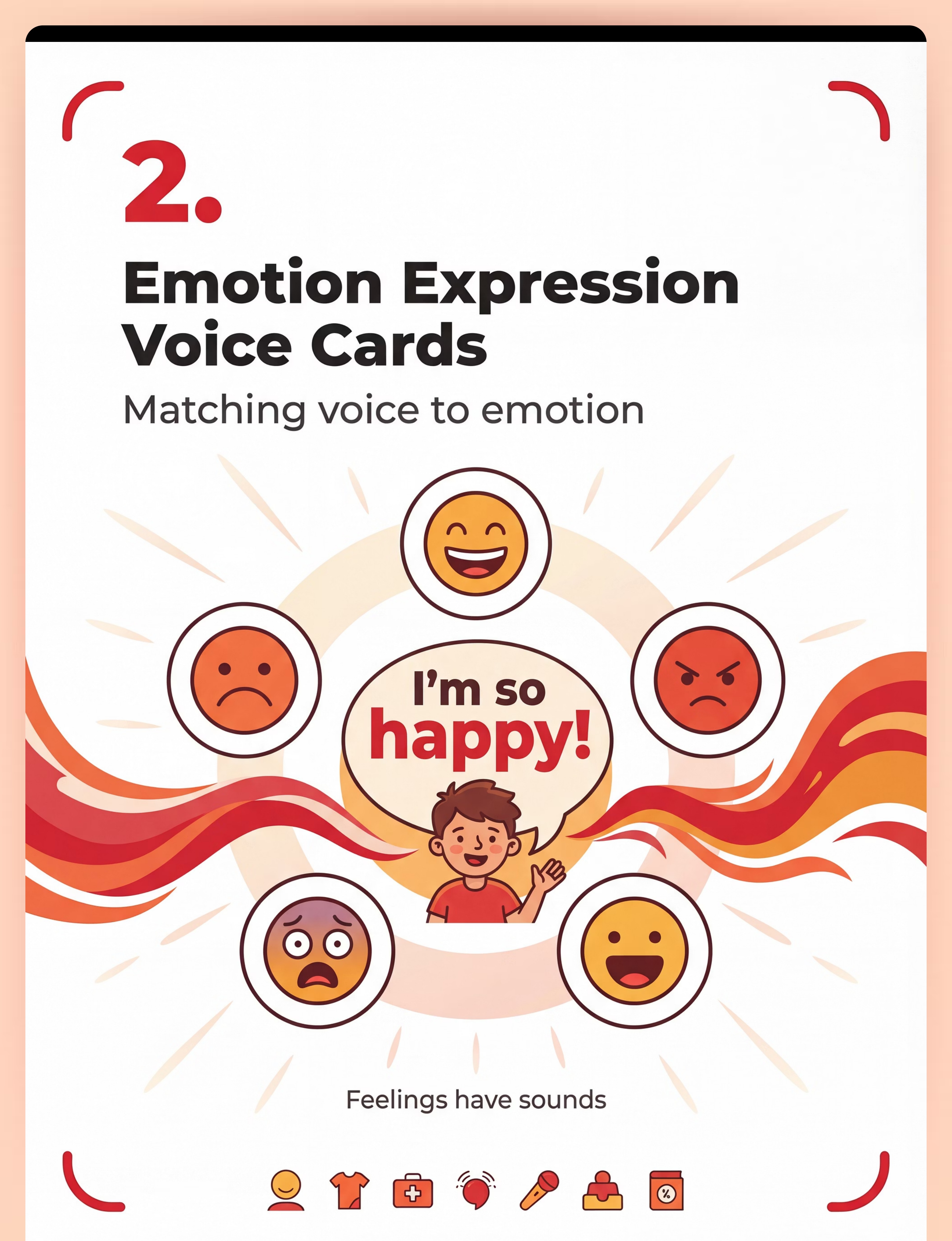
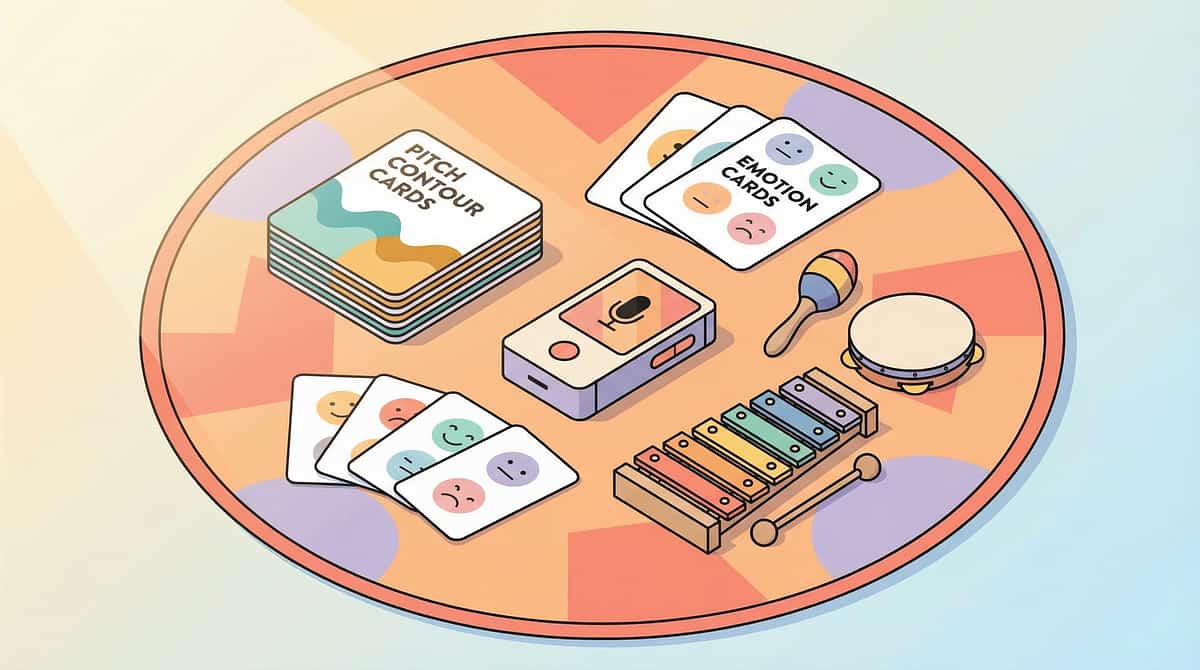
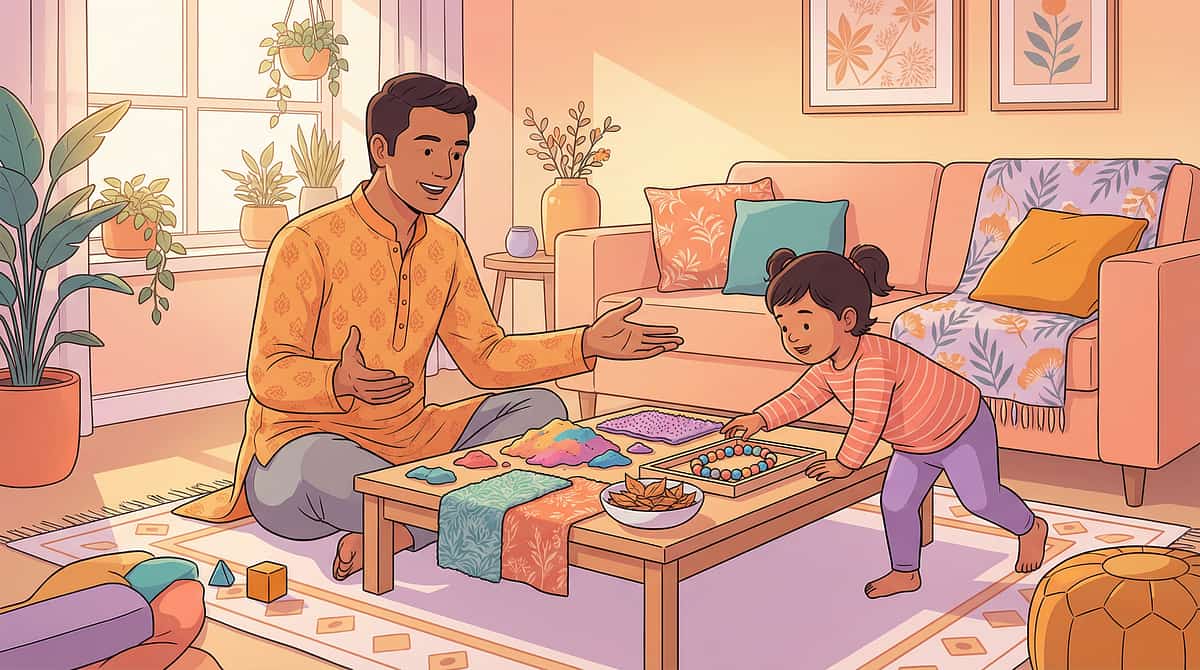
Emotion Expression Cards with Voice Practice Why It Works Connects feelings to sounds. Explicit emotion-voice pairing builds the missing link between what the child feels and how the voice expresses it — targeting the limbic-motor prosodic pathway directly. 💰 Price Range ₹150–400 Where to Get It 🛒 Search on Amazon.in: "emotion expression cards children speech" ✅ Pinnacle Recommends 🏠 DIY Option (₹0) Print emotion face circles (happy, sad, angry, excited, scared, surprised). Write a sample sentence on each. Practice: "Say 'I'm going to school' in each emotion's voice." This exact exercise targets the core deficit. Science Capsule Emotion-voice matching practice directly targets the limbic-motor prosodic pathway. Making the connection explicit compensates for the implicit learning deficit common in autism. Paul et al. (2005), Journal of Autism and Developmental Disorders Card Sets Visual Aids
Material 3 of 9
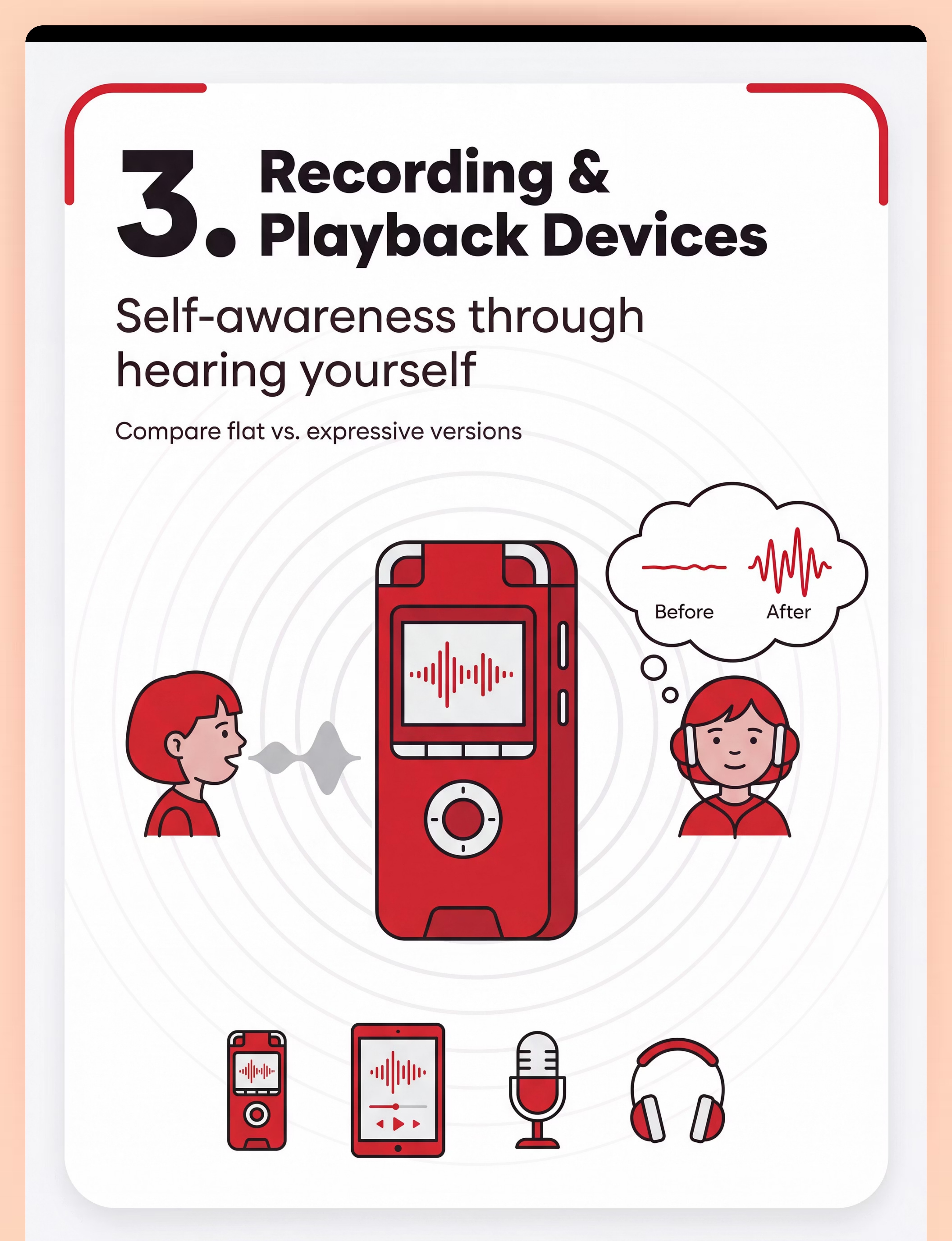
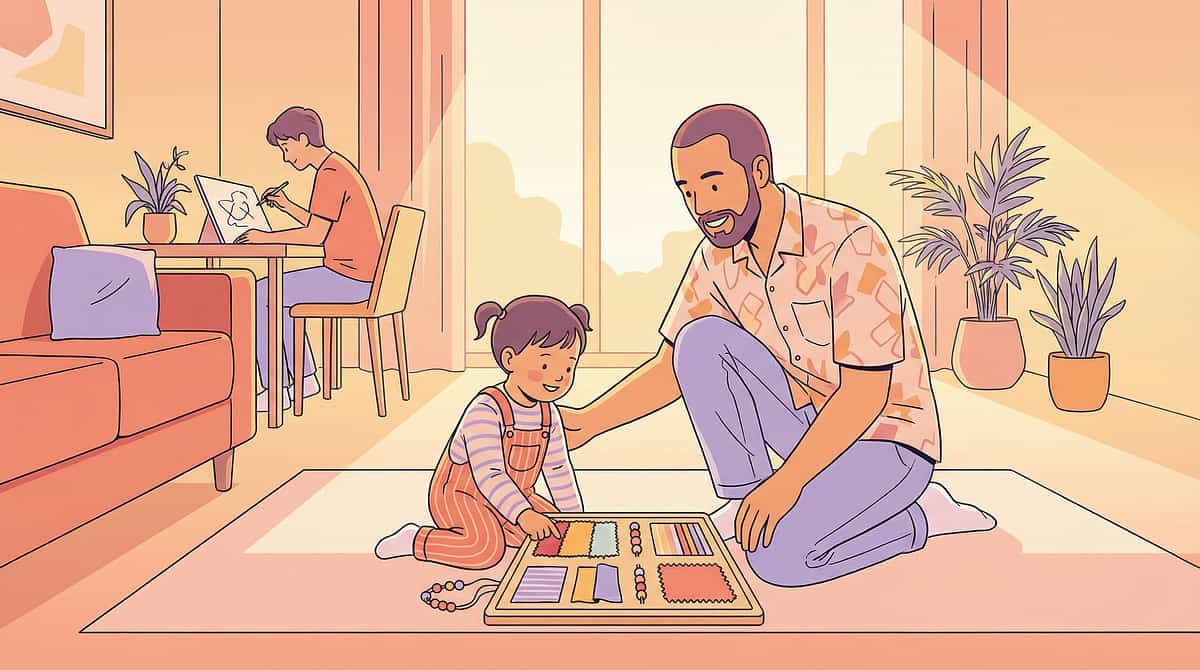
Recording & Playback Devices for Self-Monitoring Why It Works Children with autism often lack auditory self-monitoring. Hearing their own voice — flat vs. expressive — builds the meta-awareness that drives change. External recording substitutes for deficient internal auditory feedback loops. 💰 Price Range ₹500–2,000 Where to Get It 🛒 Search on Amazon.in: "digital voice recorder child" ✅ Pinnacle Recommends 🏠 DIY Option (₹0) Any smartphone with a voice memo app works perfectly. Record "boring voice" then "excited voice" of the same sentence. Listen together. Celebrate the difference. This is the most powerful single intervention in the entire set. ⚠️ Safety Note Introduce gently. Some children find hearing their own voice distressing. Reframe: "We're voice scientists — studying our own voice." Science Capsule Auditory feedback mechanisms are critical to speech motor learning (Guenther, 2016). NCAEP (2020) designates this as evidence-based practice. Recording Devices Auditory Feedback Tools
Material 4 of 9
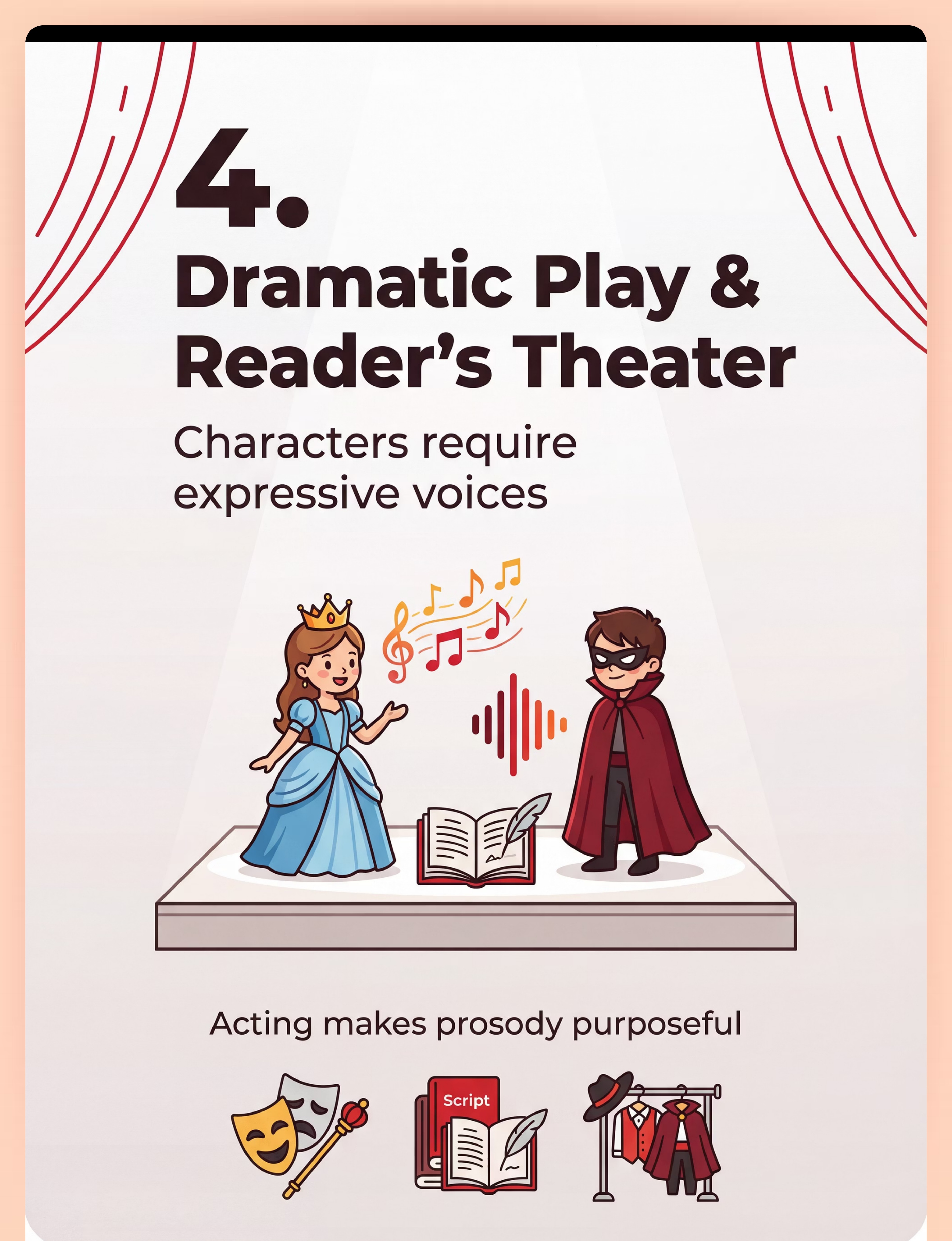
Dramatic Play Props & Reader's Theater Scripts Why It Works Characters require expressive voices. Drama gives purpose and permission for prosodic variation — and reduces the self-consciousness of direct voice practice. The "role" externalizes the behavior, making it safer to experiment. 💰 Price Range ₹300–800 Where to Get It 🛒 Search on Amazon.in: "reader's theater scripts children" ✅ Pinnacle Recommends 🏠 DIY Option (₹0) Use any household items as costume props: scarf = princess, paper crown = king, dark cloth = villain. Write 5-line two-character scripts. Practice "monster voice," "baby voice," "excited narrator." ⚠️ Science Capsule Drama-based prosody intervention reduces performance anxiety while maximizing prosodic variation exposure. Multiple SLP drama-therapy integration studies confirm this as the strongest generalization bridge available. Drama Props Performance Materials Scripts
Material 6 of 9
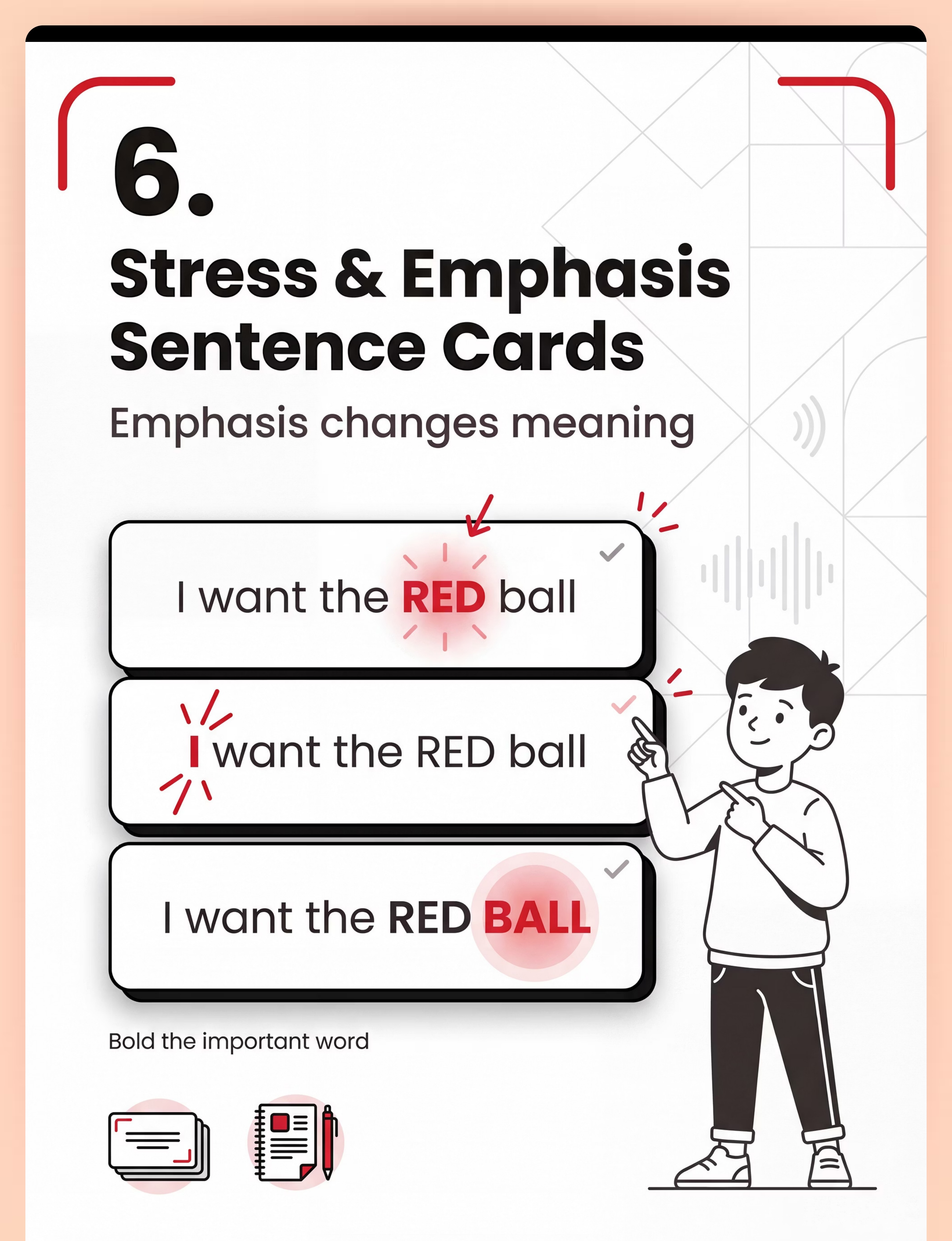
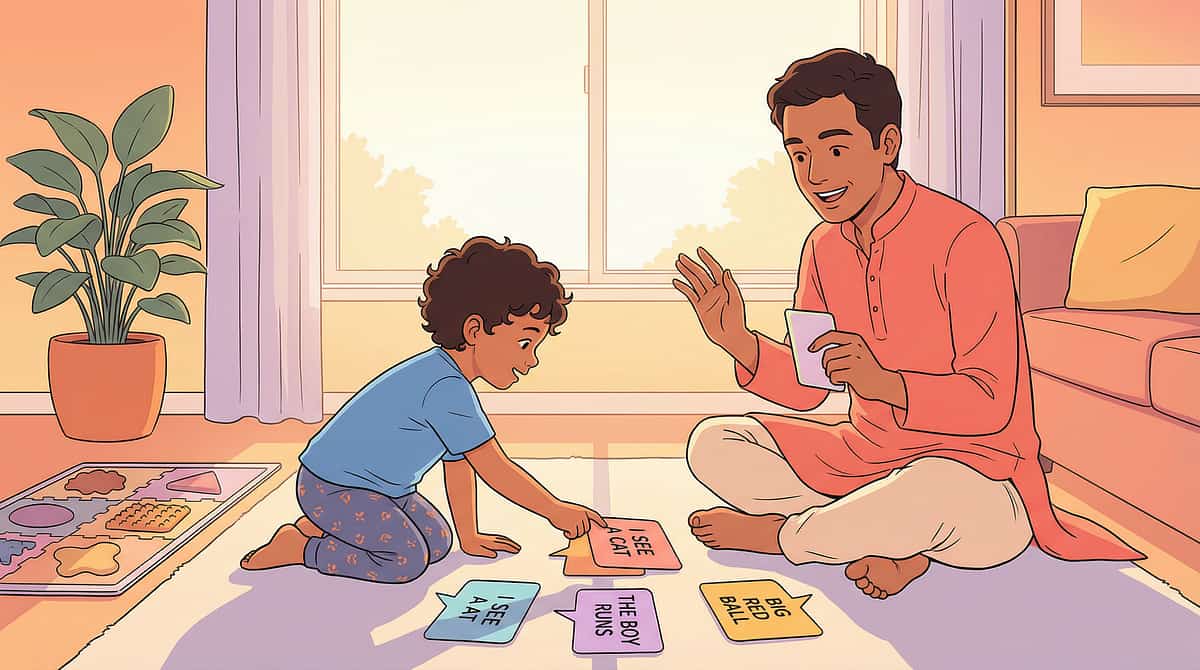
Stress & Emphasis Sentence Cards Why It Works Contrastive stress teaches that which word you emphasize changes meaning. This is the foundation of communicative precision — being clearly understood by others across all social and academic contexts. 💰 Price Range ₹150–350 Where to Get It 🛒 Search on Amazon.in: "sentence stress cards language arts" ✅ Pinnacle Recommends 🏠 DIY Option (₹0) Write the same sentence 3 times, bolding a different word each time: "I want the red ball" — who wants it "I want the red ball" — intensity of desire "I want the red ball" — which specific ball Practice all three. Discuss how meaning shifts. Science Capsule Contrastive stress is a metalinguistic skill. Explicit instruction in emphasis produces rapid prosodic gains when paired with meaning-mapping activities. Card Sets Teaching Charts
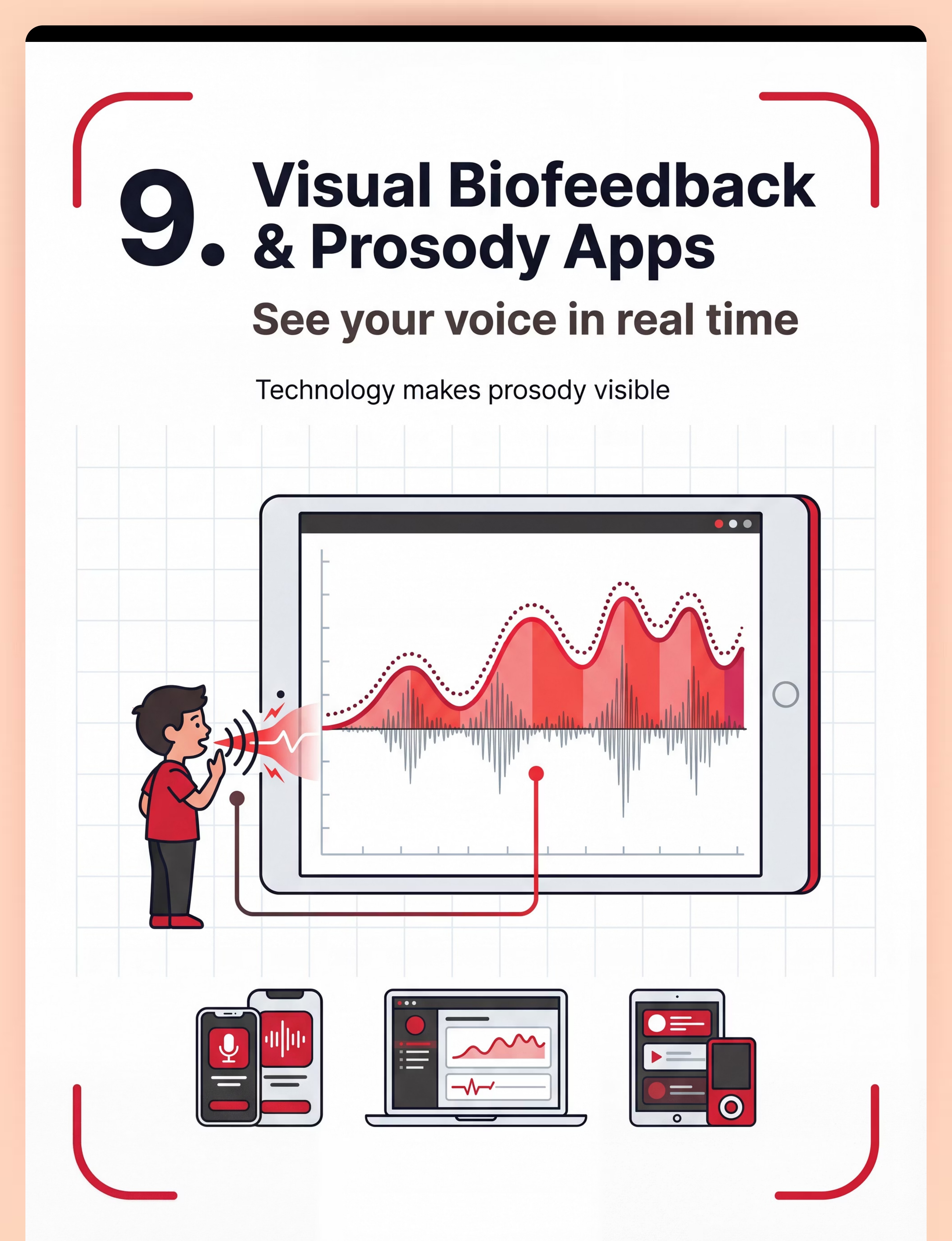
- Voice Analyst (iOS/Android) — real-time pitch display
- Vocal Pitch Monitor — pitch line with target zones
- SPEEKO — voice training gamified
Every Material in This Protocol Has a ₹0 Version. No Exceptions.
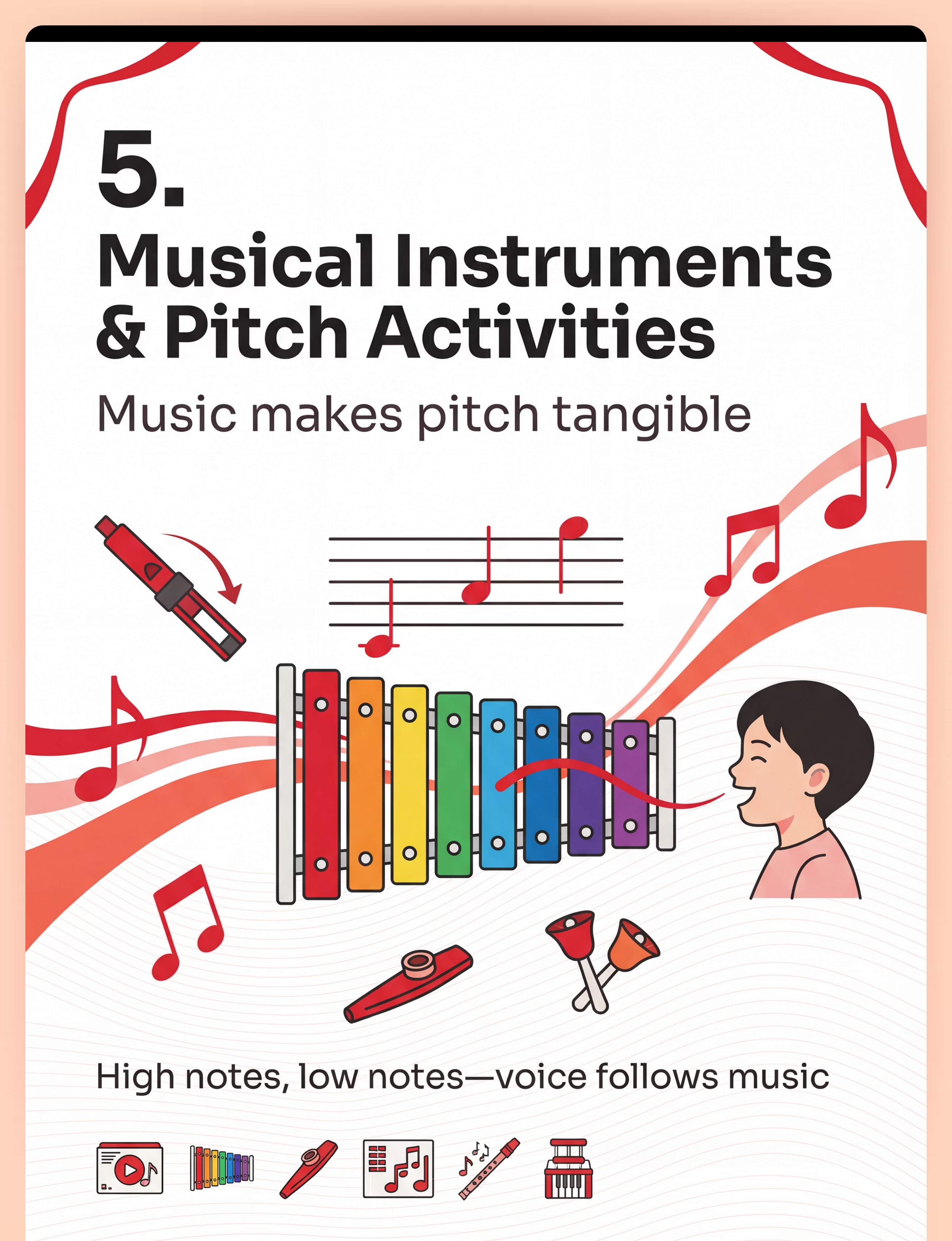
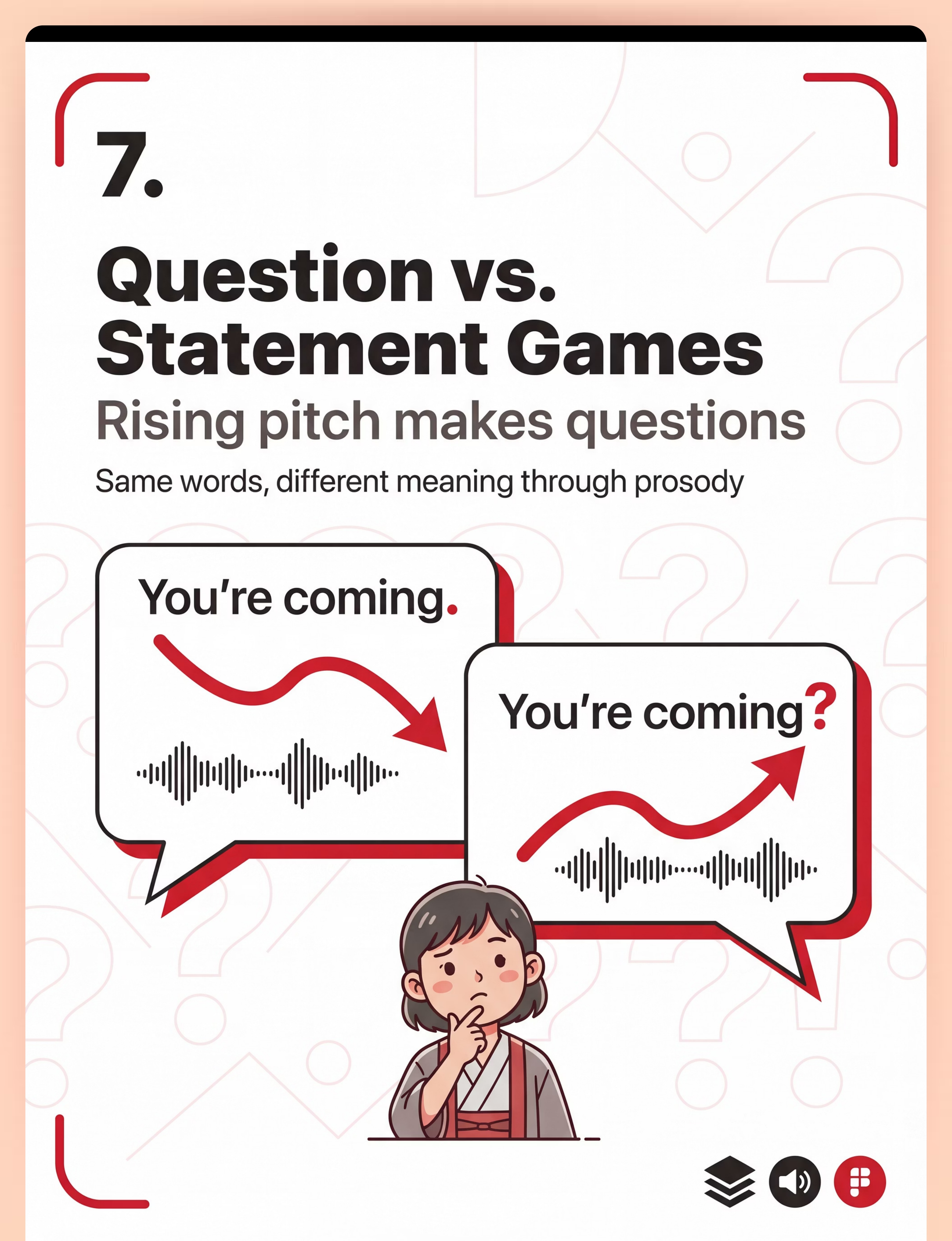
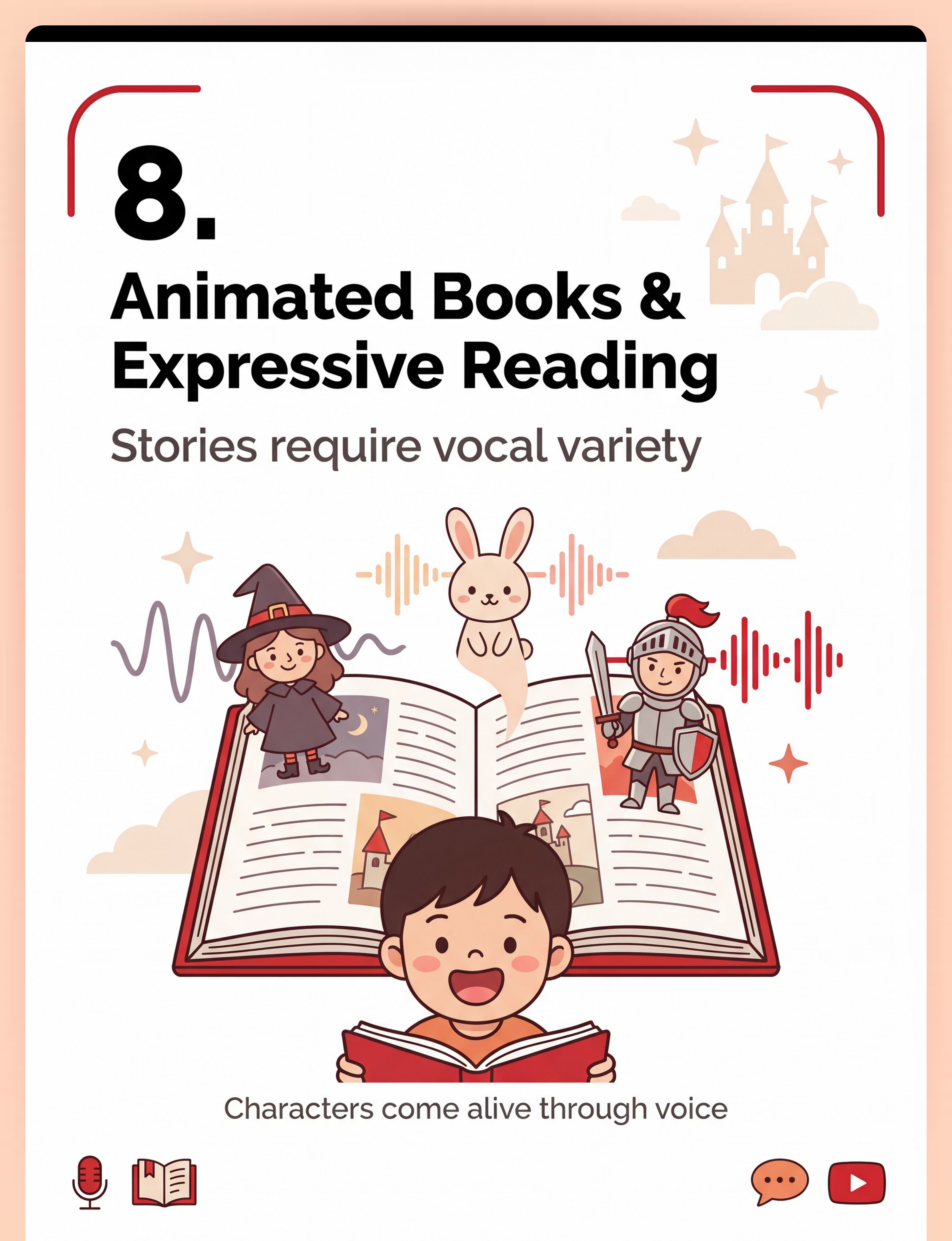
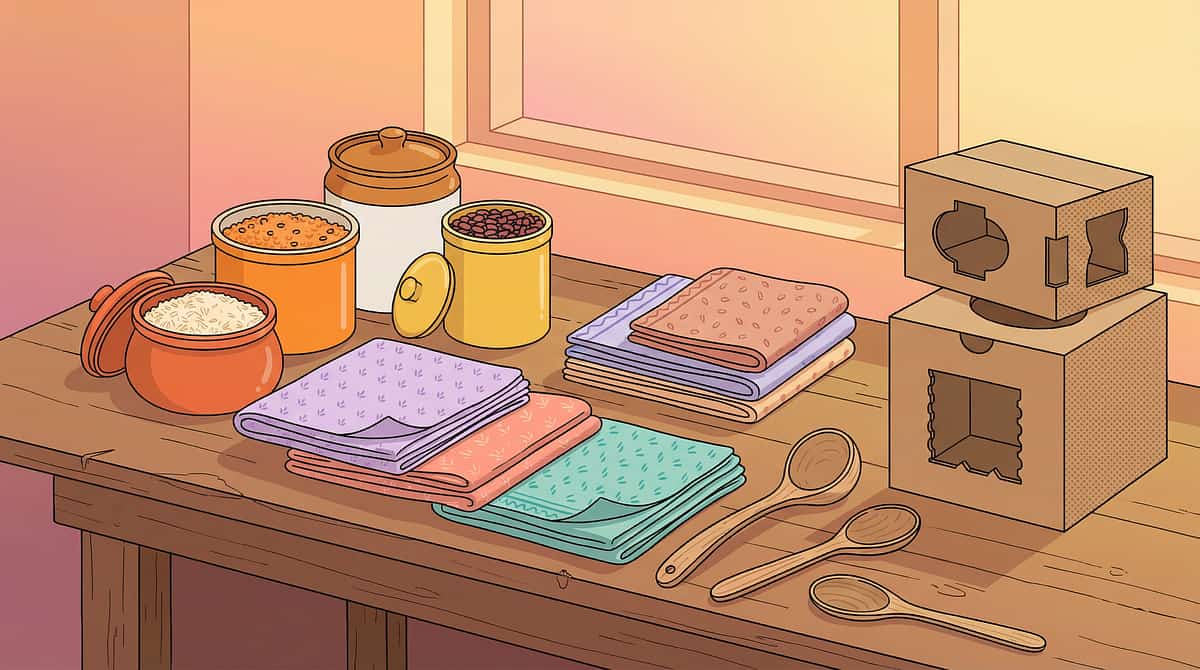
The Pinnacle Blooms Network® operates on the WHO Nurturing Care Framework principle: no child should be denied therapeutic intervention because of economic circumstance. Every technique in the GPT-OS® library has a zero-cost accessible version. Material DIY Version Why It Works Pitch Contour Cards Paper + marker: draw ↗ and ↘ arrows on sentence strips Same visual principle as commercial cards Emotion Cards Print free emotion faces online, cut and laminate with clear tape Identical function to commercial sets Recording Device Smartphone voice memo app (free on all phones) Full recording + playback capability Drama Props Household scarves, paper crowns, kitchen utensils Object triggers character-voice association Musical Instrument Water glasses + spoon = pitch ladder; hum scale up and down Same pitch-voice matching without cost Emphasis Cards Write sentences 3× on paper, bold different words Zero-cost contrastive stress practice Q vs Statement Games Index cards + pen: period on one, question mark on other Complete game set in 5 minutes Expressive Books Any book from home — children's, comics, any dialogue Stories are everywhere Biofeedback App Free apps: Voice Analyst, Vocal Pitch Monitor Full pitch visualization, no cost When the commercial version matters: A dedicated voice recorder (vs. phone) is valuable when the child needs a standalone, non-distracting device. Dedicated pitch contour card sets are laminated for repeated marking with dry-erase markers. These are worth the investment when the protocol is consistently running. WHO NCF (2018): Equity-focused interventions. CCD Package across 54 LMICs validates household-material efficacy. PMC9978394.
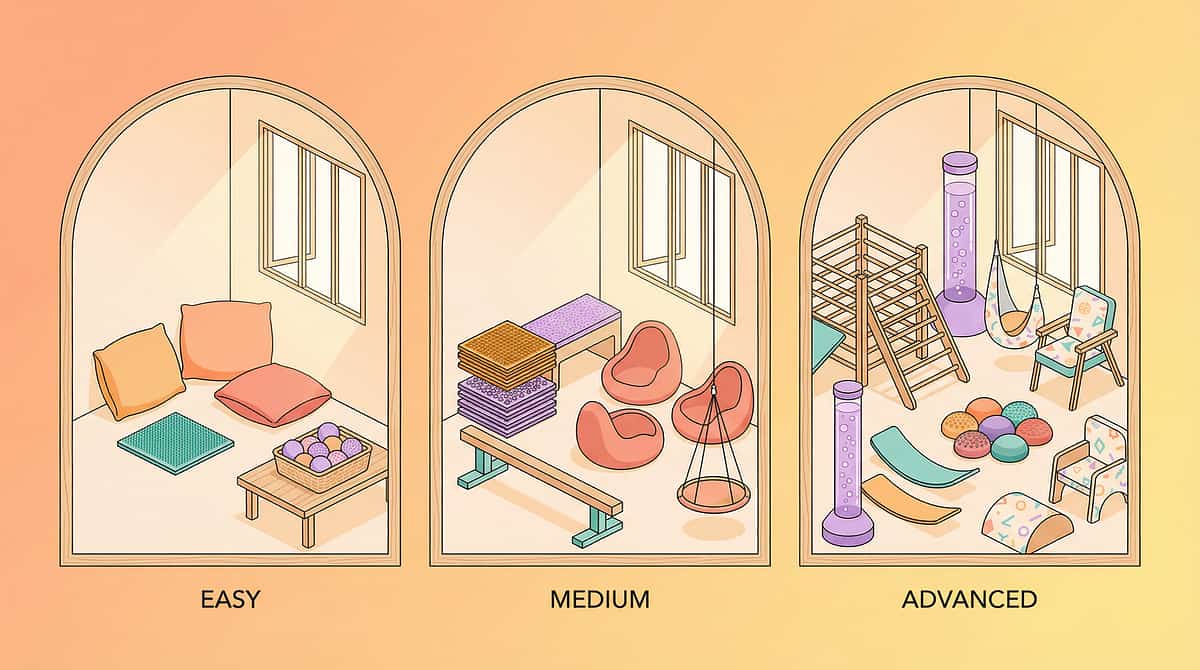
- ✅ Quiet space — TV and radio OFF
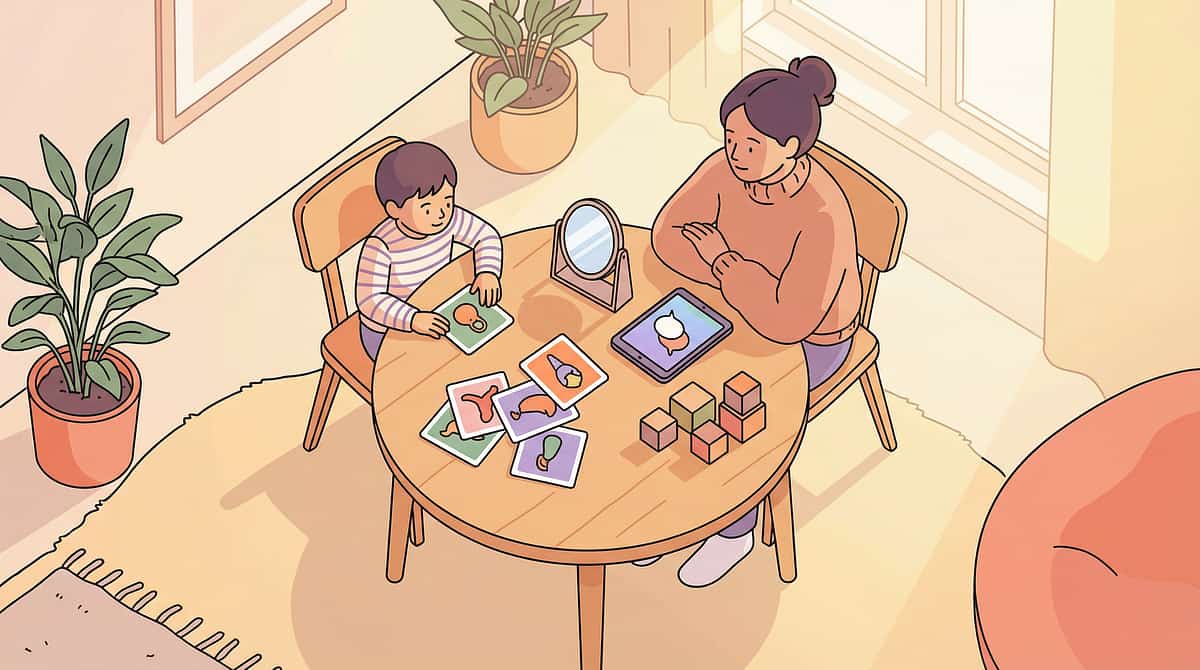
- ✅ Mirror accessible (child sees face while producing prosody)
- ✅ Materials laid out in sequence on a tray or table
- ✅ Recording device tested and ready
- ✅ Lighting bright enough to see expressions clearly
- ✅ Child's preferred comfort item nearby
- ✅ Visual timer set (10–15 min to start)
- ✅ Phone on silent
- Week 1–2: 8–10 minutes maximum
- Week 3–4: 12–15 minutes
- Week 5+: 15–20 minutes
Check | ✅ GO | 🔶 MODIFY | ⛔ POSTPONE | |
Fed? | Last meal <2 hours ago | Snack available | Visibly hungry/uncomfortable | |
Rested? | Normal sleep last night | Slightly tired but calm | Overtired, rubbing eyes | |
Regulated? | Calm baseline, able to attend | Mildly distracted | Mid-meltdown or dysregulated | |
Ill? | Healthy | Mild cold (voice may tire quickly) | Fever, earache, throat pain | |
Recent meltdown? | None in past 2 hours | One, child self-recovered | Recovery incomplete | |
Willing? | Showed interest in materials | Neutral — needs invitation | Active refusal |
A postponed session is a session that protected the therapeutic relationship. Trust is the substrate all prosody work is built on. Never push.

Step 1 of 6
STEP 1 — THE INVITATION 🗣️ "Hey [child's name], I have something cool to show you. Want to be a voice scientist with me today?" Alternative for younger/lower-verbal children: "[Child's name], look! [Hold up the pitch contour card or emotion card]. Should we play the voice game?" Body Language Guidance Get to the child's physical level (sit or kneel) Hold up ONE material with genuine curiosity Use your OWN most expressive voice — model prosody immediately No demands yet. This is a pure offer. Timing 30–60 seconds only. Acceptance Cues (What to Look For) ✅ Child looks at material ✅ Child moves toward the space ✅ Child says yes, nods, or reaches for material ✅ Child shows neutral compliance (acceptable — proceed) Resistance Response Child looks away → Do not pursue. Leave materials visible. Try again in 10 minutes with a different material. If second attempt fails → Postpone (readiness check applies). ABA pairing principle: The invitation establishes YOU as the signal for a positive event. A rushed or demand-heavy invitation undermines the entire session.

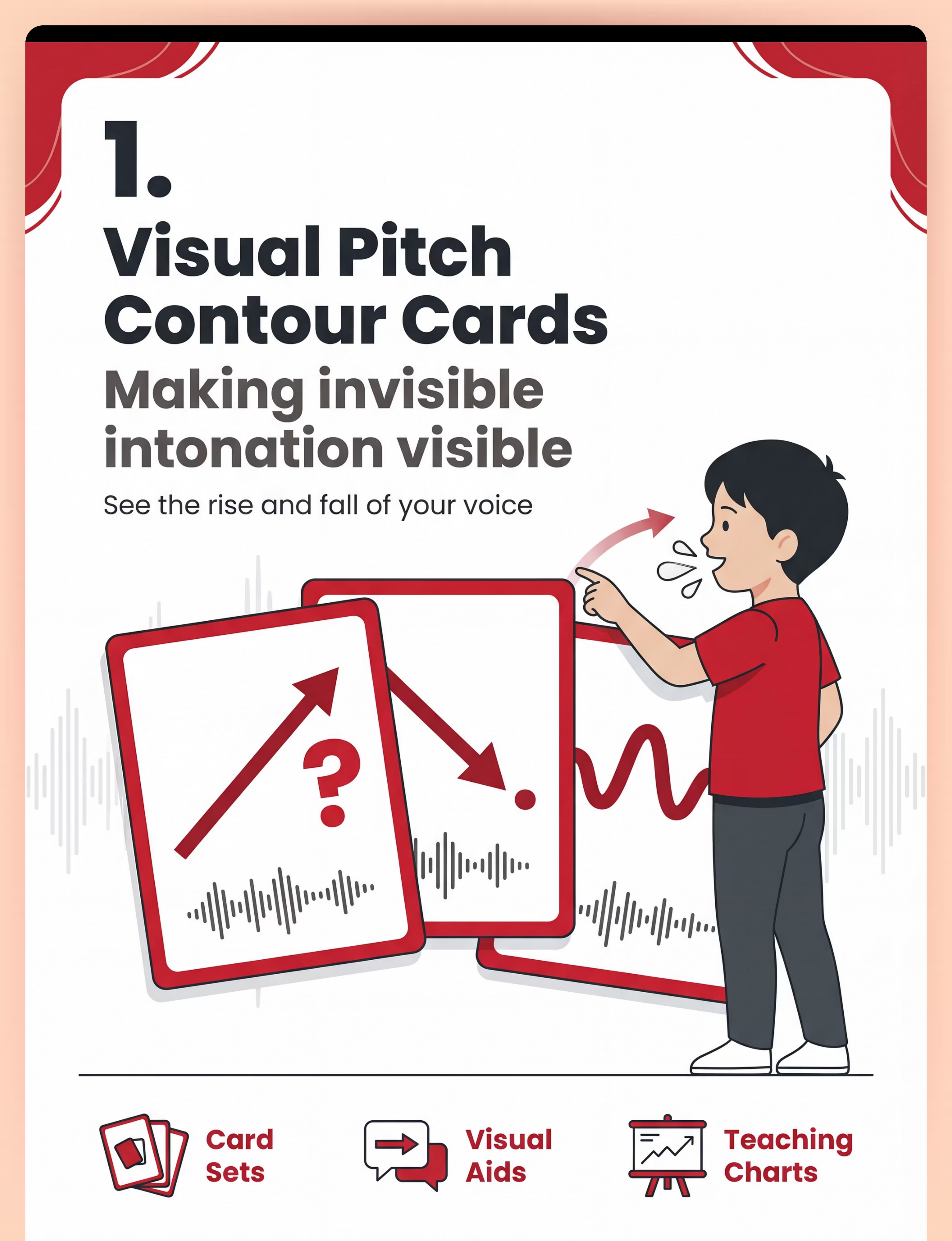
"Now see this arrow? It goes DOWN — [gesture down] — 'I am coming. ↘'"
"Can you show me an UP voice? Any words — doesn't have to be these!"

- Select 5 sentences (2 questions, 2 statements, 1 exclamation)
- Child traces the contour arrow with finger while producing the sentence
- Record all 5 attempts
- Play back — identify together which had the best pitch variation
- Repeat top 2 sentences with improved expression
- Select 3 emotion cards (happy, surprised, worried)
- Choose ONE sentence: "I'm going to school today."
- Child says sentence in each emotion's voice (3 versions)
- Parent models each version first with exaggerated expression
- Record best version — celebrate vocal range
- Write 5 sentences: once with period, once with question mark
- Parent holds up one card (child can't see which)
- Parent says sentence with appropriate intonation
- Child identifies: "Question or statement?"
- Switch — child produces, parent identifies. Target: 80% accuracy
- Child says "boring robot voice" version of a sentence
- Child says "excited/expressive" version of same sentence
- Play both back
- Child identifies which sounds more expressive
- Try to make "boring" version slightly more expressive — re-record
Step 4 of 6
STEP 4 — REPEAT & VARY "3 genuine prosodic attempts > 10 flat, forced ones." Target: 3–5 strong attempts per target. The brain learns from contrast: flat → expressive → flat → expressive. Variation IS the practice. If the child is engaged If the child is tiring If the child is bored Add a second material (emotion + recording together) Stay with current material but reduce sentences Switch to highest-motivation material (drama props, instrument) Increase sentence complexity Shorten to 2 attempts only Change to a game format (Q vs Statement sorting race) Try spontaneous application: "Now use excited voice to tell me what you want for dinner" Celebrate current performance and begin cool-down Introduce the biofeedback app (novelty resets engagement) Satiation Indicators — Begin Cool-Down Immediately Child stops looking at materials · Flat voice even on previously mastered targets · Increased fidgeting or movement · Reduced response speed Variation Principle Every session should use a DIFFERENT primary material. If Monday was pitch contour cards, Wednesday uses emotion cards. Variation prevents habituation and builds the full prosodic skill set.
[After 2 more]: "That's it — all done! Great voice work today."
- Hum a favorite song together (uses voice gently, maintains positive vocal association)
- Put materials away together in a specific order (ritual = predictability = safety)
- Draw a "voice wave" — child draws what their expressive voice looked like today
- Read one page of the expressive reading book together — parent models expression only, no demand on child
Name/number (1–9)
Example: "Material 2 — Emotion Cards"
1=no change, 5=clear expressive variation
Example: "3 — some pitch rise on question"
1=refused, 2=tolerated, 3=engaged
Example: "3 — asked to continue"
If engagement score stays at 1 (refused) → Try different material order; consult SLP.
If prosody rating stays at 1 (no change) → Modify to higher-exaggeration models; consider biofeedback app.
If prosody rating reaches 4–5 consistently → Time to increase complexity; advance to next technique.
Fix: Switch to non-vocal warm-up. Try musical instrument — match voice to high/low note only. Start with 1 word: "High!" vs "low!" No sentences yet.
Fix: Remove recording for 2 weeks. Build prosody through visual and musical routes first. Reintroduce at lowest volume, with headphones, using a toy voice changer as a bridge.
Fix: "When you ask me for dinner, use your QUESTION voice." Practice 3 target scenarios daily in natural settings. Dramatic play (Material 4) is the strongest generalization bridge.
Fix: Private practice space only. Establish "voice science hour" as protected time. Involve siblings positively — they become voice coaches, not audience.
Fix: USE your own expressive voice ALL day, not just in sessions. Monotone parent voice = monotone model. Exaggerate your own speech prosody consciously throughout the day.
Fix: Don't add new material. Deepen current material. Add biofeedback app to visualize the plateau. Review session data: is frequency consistent?
Fix: NEVER correct prosody in live conversation. Prosody work happens ONLY in designated practice sessions. Model expressive speech yourself in conversation and let it be.
Child Profile | Best Materials | Adaptations | |
Sensory seeker — loves audio | Recording device + biofeedback app first | High frequency; novelty every session | |
Sensory avoider — hates recording | Pitch contour cards + drama props | No recording for first 4 weeks | |
Visual learner — strong reader | Pitch contour + emphasis cards + expressive reading | Text-heavy prosody work; written scripts | |
Music lover | Musical instruments as FIRST bridge | 5 mins instrument before all speech work | |
Drama-averse | Skip drama props initially | Use animation apps, puppet shows first | |
High anxiety | Question/statement binary (lowest demand) | Two-choice only for first 2 weeks |
The child starts correcting themselves during practice. They notice when a sentence came out flat and re-try without being asked. This is the most significant consolidation sign of all — the brain's prosodic map is becoming functional.
"For five to eight weeks, you showed up. You made the space, held the cards, listened to the recordings, modeled the expressions, celebrated the attempts. Your child's voice is more expressive because of your commitment. This is not a small thing. This is developmental change — and you made it happen."
📸Photo/Journal Prompt: Record a "voice snapshot" today — child tells you about their favorite thing in their most expressive voice. This is the before/after comparison you'll treasure.
FAQ Continued
More Questions from Pinnacle Parent Communities Should I correct my child's flat voice in regular conversation? NO — never. Real-time conversation correction is experienced as criticism and damages the therapeutic relationship. Prosody work happens ONLY in dedicated sessions. In regular conversation: model expressive speech yourself, celebrate any expressive attempt you observe, and never draw attention to flatness. Progress is very slow. Am I doing something wrong? Slow progress can mean: sessions need higher frequency (4× vs 2×/week), session length is too long (fatigue), the specific materials need a switch, or there's an underlying motor speech component requiring SLP assessment. Check your session data log — what does the rating trend show? School therapist says my child doesn't have a "prosody problem" — they're just shy. Who's right? A prosody assessment by SLP includes audio recording analysis — a 5-minute recording can distinguish prosodic flatness from reduced speaking volume due to shyness. If in doubt, request a formal prosody evaluation. Pinnacle SLPs are available for this at 9100 181 181. I don't have time for 20-minute sessions every day. Can shorter sessions work? Yes. 8-minute sessions at 5×/week outperform 20-minute sessions at 2×/week. Frequency matters more than duration for prosody. The 9 materials are designed to be used in rotation — any single material for 8 minutes is a valid session. Didn't Find Your Answer? Ask GPT-OS® → Book Teleconsultation
Reading Is Complete. Now It's Time to Act. Your Child's Voice Is Waiting to Be Found.
🚀 Start B-191 Today Begin with Emotion Expression Cards (Material 2) — just 10 minutes, right now. Launch GPT-OS® Session 📅 Book a Consultation Get your child's prosody professionally assessed. First call free. 9100 181 181 | Free | 16 languages | 24×7 Book a Pinnacle SLP ➡️ Next Technique: B-192 Difficulty Following Directions — next in the Communication series Continue to B-192 ⚕️ Validated by the Pinnacle Blooms Consortium 🎙️ SLP · 🖐️ OT · 🧠 ABA · 📚 SpEd · 🏥 NeuroDev GPT-OS® Governed | 21M+ Sessions | 97%+ Measured Improvement
Preview of 9 materials that help with monotone speech Therapy Material
Below is a visual preview of 9 materials that help with monotone speech therapy material. The pages shown help educators, therapists, and caregivers understand the structure and content of the resource before use. Materials should be used under appropriate professional guidance.