
E-470-9-Materials-That-Help-With-Location-Specific-Eating
Location-Specific Eating
Feeding & Mealtime Independence · Episode E-470 · Pinnacle Blooms Network®
"We bring their favourite food. Their favourite plate. Their favourite everything. But if the room is wrong — they will not eat."
You are not failing. Your child's nervous system has built a rule — and today, we learn how to gently rewrite it.
You Are Among Millions of Families Navigating This
Location-specific eating is documented across millions of families worldwide. You are not alone — and this challenge is both known and addressable.
1 in 36
Children with ASD Globally
CDC 2023 prevalence data. In India alone: 1.8–2.3 million children on the autism spectrum.
80%+
Show Rigid Routines
Over 80% of autistic children display sameness behaviors and routine rigidity affecting daily life.
72–89%
Show Food Selectivity
Feeding rigidity affects 1 in 3 children at a clinically significant level requiring support.
"If your child will only eat in one specific place — you are among millions. This is known. This is documented. And this is addressable." — Pinnacle Blooms Consortium, Feeding & Mealtime Team

Research: PMC11506176 | PMC10955541 | DOI:10.1007/s12098-018-2747-4 (Padmanabha et al., Indian J Pediatr 2019)
What's Happening in Your Child's Brain
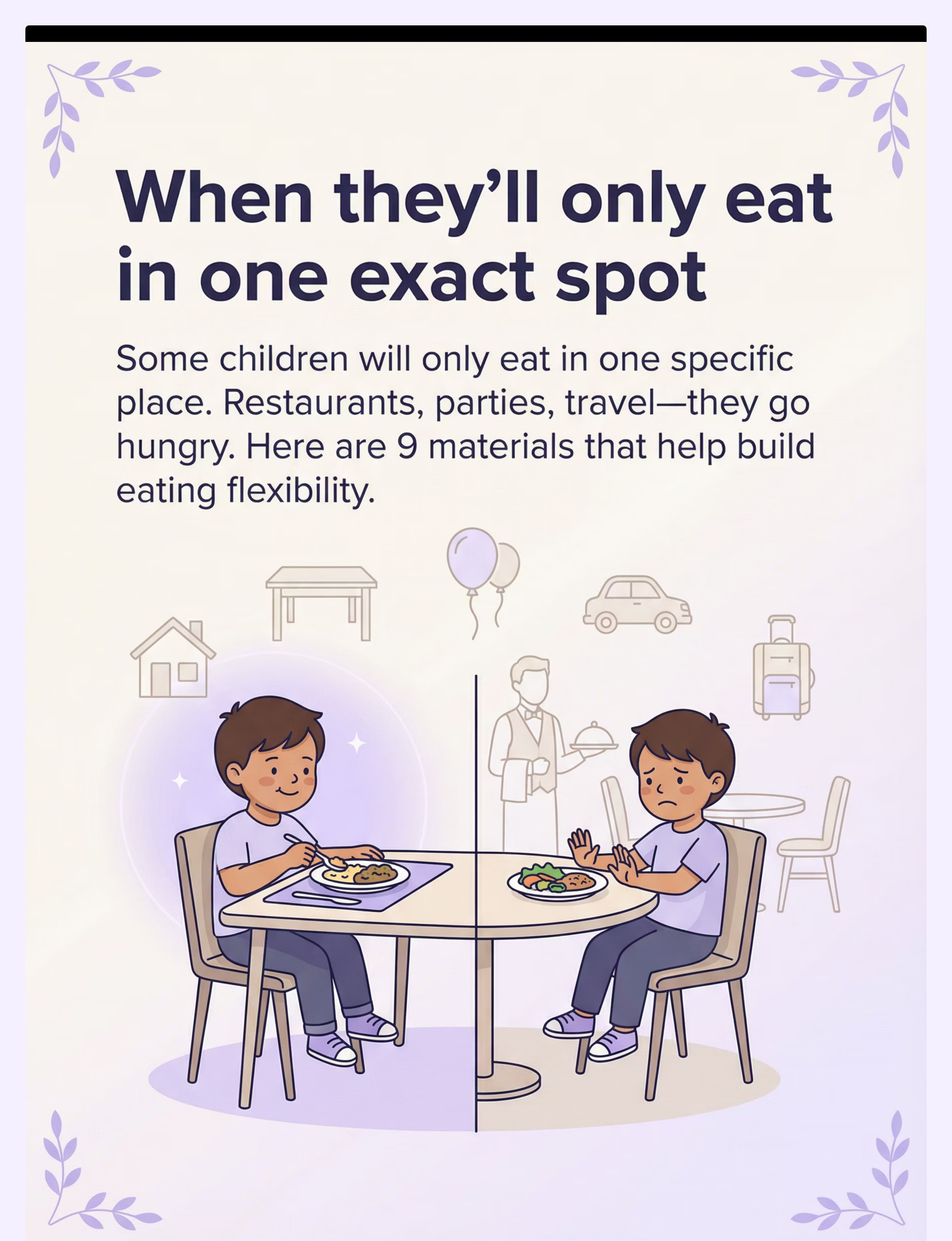
This is a wiring difference, not a behavior problem. Understanding the neuroscience transforms how we respond.
🔵 Need for Sameness
The prefrontal cortex develops more slowly in many autistic children. Consistent environments reduce the cognitive load required to function. Known location = manageable. New location = overwhelming.
🟡 Sensory Overwhelm
A new location means new sounds, lighting, smells, and visual patterns — all at once. When sensory processing is saturated, eating stops. This is not a choice — it is a system reaching its limit.
🔴 Anxiety-Suppressed Appetite
Fight/flight/freeze physiology suppresses hunger signals. When the nervous system is in threat mode, digestion and appetite are secondary. This is biology, not defiance.
Research: DOI:10.3389/fnint.2020.556660 (Frontiers Integrative Neuroscience 2020) | PMC11506176

Location-Specific Eating: A Developmental Map

Age Band: 2–12 years | Peak Presentation: 3–7 years 12–18 Months Routine attachment begins. Normal developmental stage — predictability feels safe. 2–3 Years Rigidity may solidify without early support. The "safe eating space" rule becomes established. 4–5 Years (Peak) Peak challenge zone. Mealtime location is a fixed requirement. Unfamiliar settings cause significant distress. 6–8 Years Generalisation window opens with support. Portable safety tools begin to transfer across settings. 9–12 Years Flexible eating across settings becomes achievable. Child can co-create their own exposure strategies. 📌 Where Your Child Is Now Mealtime location has become a fixed requirement. The "safe eating space" rule is established and consistent. 📍 Where We Are Heading Portable safety → familiar locations accepted → new locations tolerated → flexible eating across all settings. Common co-occurrences: food selectivity, mealtime routine rigidity, utensil/plate specificity, transition difficulties. Research: WHO CCD Package (2023): PMC9978394 | UNICEF MICS developmental monitoring

The Evidence Behind This Technique
Location-specific eating interventions are not experimental — they are grounded in systematic reviews, RCTs, and clinical consensus. Here is what the research says.
📘 Graduated Exposure (NCAEP 2020)
Significant reduction in location-dependent food refusal within 8–12 weeks. Classified as Evidence-Based Practice for ASD.
📗 Sensory Integration (PMC11506176)
PRISMA Systematic Review (2024): Strong outcomes for mealtime flexibility in children with ASD. Meets EBP criteria.
📙 Visual Schedules (PMC9978394)
Visual supports classified as EBP for ASD across feeding and transition contexts. WHO Care for Child Development Package — 54 LMICs.
📕 Indian RCT (Padmanabha 2019)
Home-based interventions demonstrate significant outcomes for Indian pediatric populations. DOI:10.1007/s12098-018-2747-4

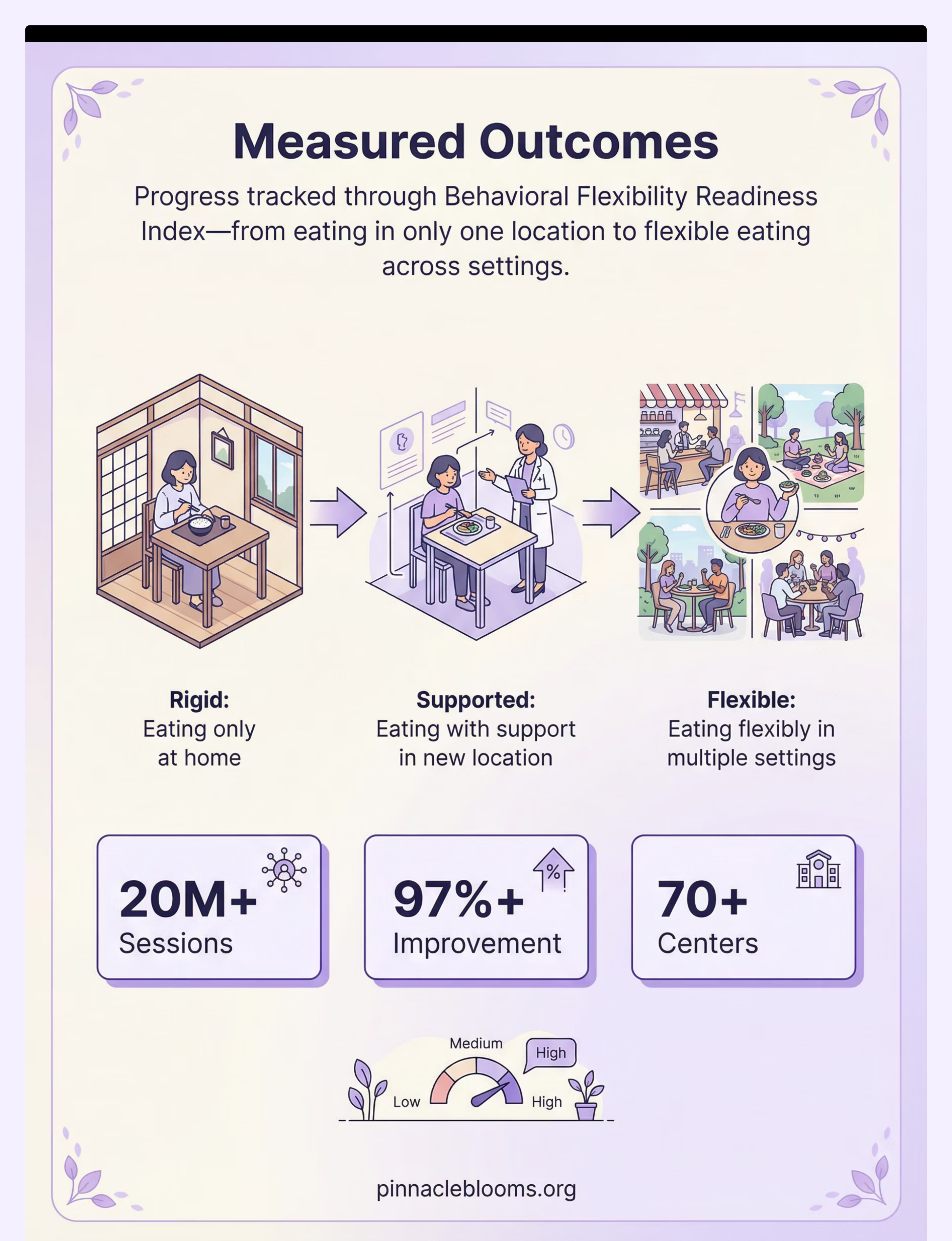
Evidence Grade: Level II — Strong. Clinically validated. Home-applicable. Parent-proven. Pinnacle GPT-OS®: 20M+ sessions | 97%+ measured improvement.

Location-Specific Eating: What This Technique Is

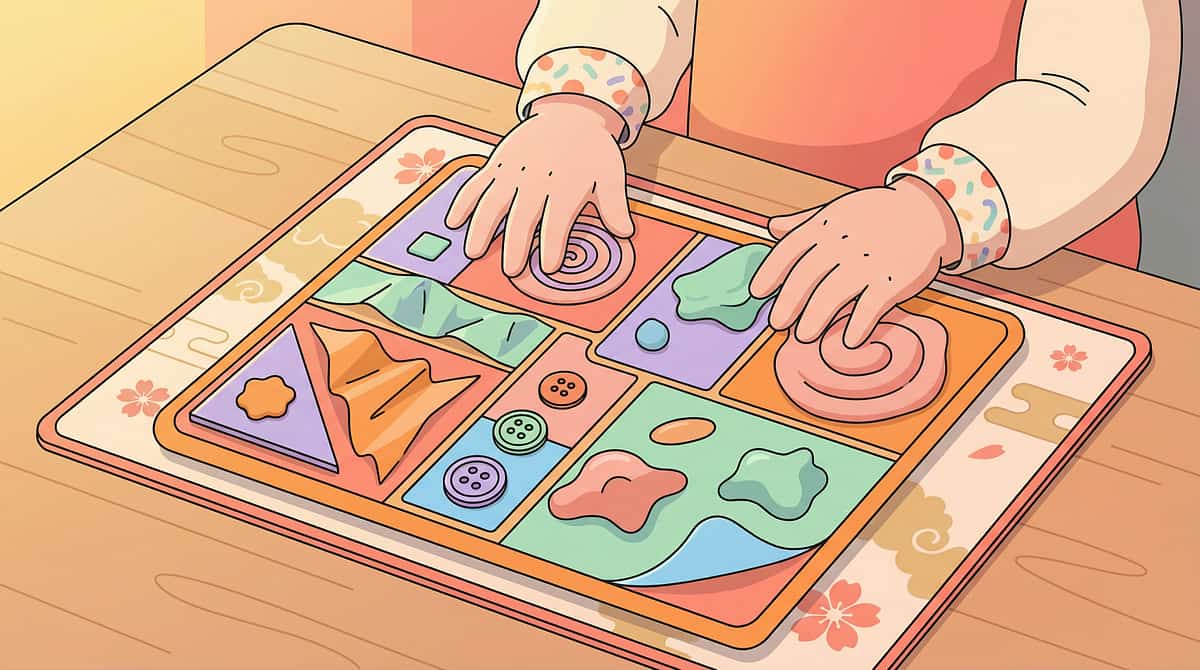
Parent-Friendly Alias: "Teaching Mealtime Anywhere" A structured set of 9 evidence-based materials and strategies that systematically expand a child's ability to eat in varied locations — from one fixed spot to anywhere the family needs to be. This approach works by bringing portable pieces of the "safe eating space" into new locations, using visual supports to make unfamiliar environments predictable, and building a graduated exposure hierarchy at a pace the child's nervous system can handle. Domain Feeding & Mealtime Independence · FEED-LOC-RIGID Age Range 2–12 years. Especially effective for ASD, anxiety, sensory differences. Setting Home + Community + School + Travel Frequency Daily practice. 3 successful meals at a location = location conquered. Canon approach: Portable Placemats | Visual Schedules | Transition Objects | Sensory Tools | Graduated Exposure

The Consortium Behind This Technique
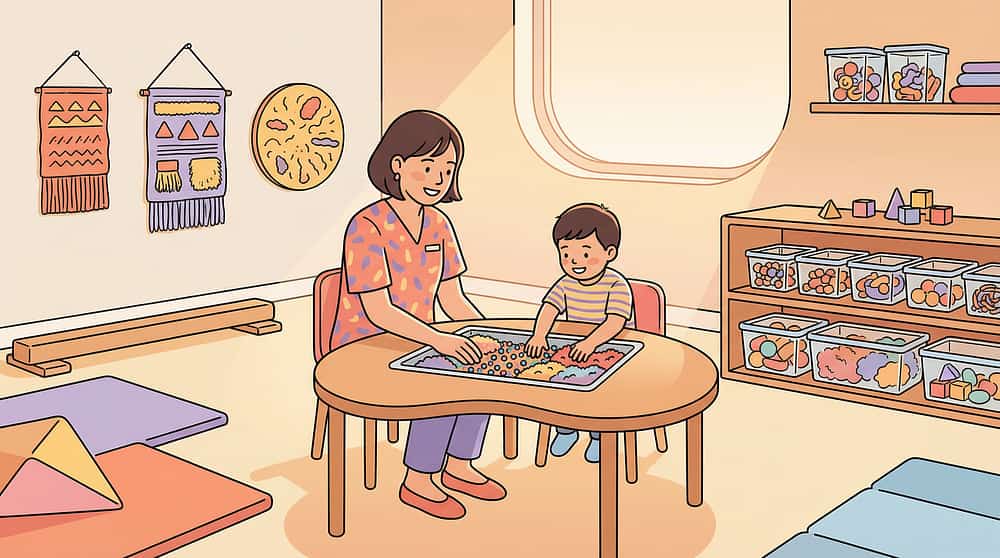
"The brain doesn't organise by therapy type. Neither does our approach." Location-specific eating is a multi-disciplinary challenge requiring coordinated expertise across professions.
Occupational Therapist — Primary Lead
Sensory processing assessment, environmental adaptation, portable predictability tools, placemat and utensil protocols.
ABA/BCBA Therapist — Co-Lead
Graduated exposure hierarchy, reinforcement scheduling, data collection, behavioral flexibility programming.
Special Educator — Support Role
Social stories, visual supports, school accommodation plans, IEP integration for cafeteria and outing contexts.
Neurodevelopmental Pediatrician — Oversight
Anxiety assessment, medical co-occurring factors, nutritional monitoring during location transitions.

FusionModule™ — All disciplines coordinated into one home protocol. Also includes CRO (Evidence), SLP (Oral-motor), and Parents (Execution).
Precision Targets: What This Technique Addresses
Understanding exactly what we are treating — and measuring — ensures every session moves in the right direction. GPT-OS® tracks readiness indexes across all five target areas.
🎯 Primary: Location Refusal
Observable: Child eats in new location with portable supports. Measured by Behavioral Flexibility Readiness Index.
Anxiety Regulation
Managing anxiety in novel environments. Reducing fight/flight/freeze responses at unfamiliar eating settings.
Sensory Tolerance
Building tolerance for unfamiliar sounds, lighting, smells, and visual patterns in new locations.
Community Participation
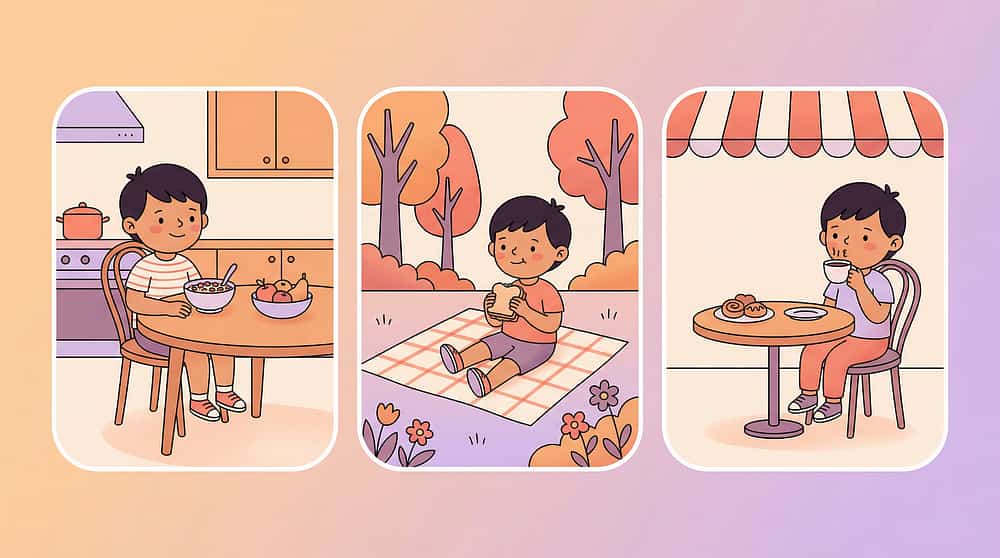
Restaurants, parties, travel, school cafeteria, family events. Nutritional adequacy during travel.
Cognitive Flexibility
Generalisation of flexible thinking skills. School lunchroom tolerance. Family social integration.
GPT-OS® Readiness Indexes Tracked: Behavioral Flexibility · Environmental Adaptation · Mealtime Independence · Transition Tolerance · Community Participation
9 Materials That Build Location Flexibility
"Every item has a ₹0 household alternative. Every item is backed by clinical evidence." These materials work together as a portable ecosystem — your child's eating space, made mobile.
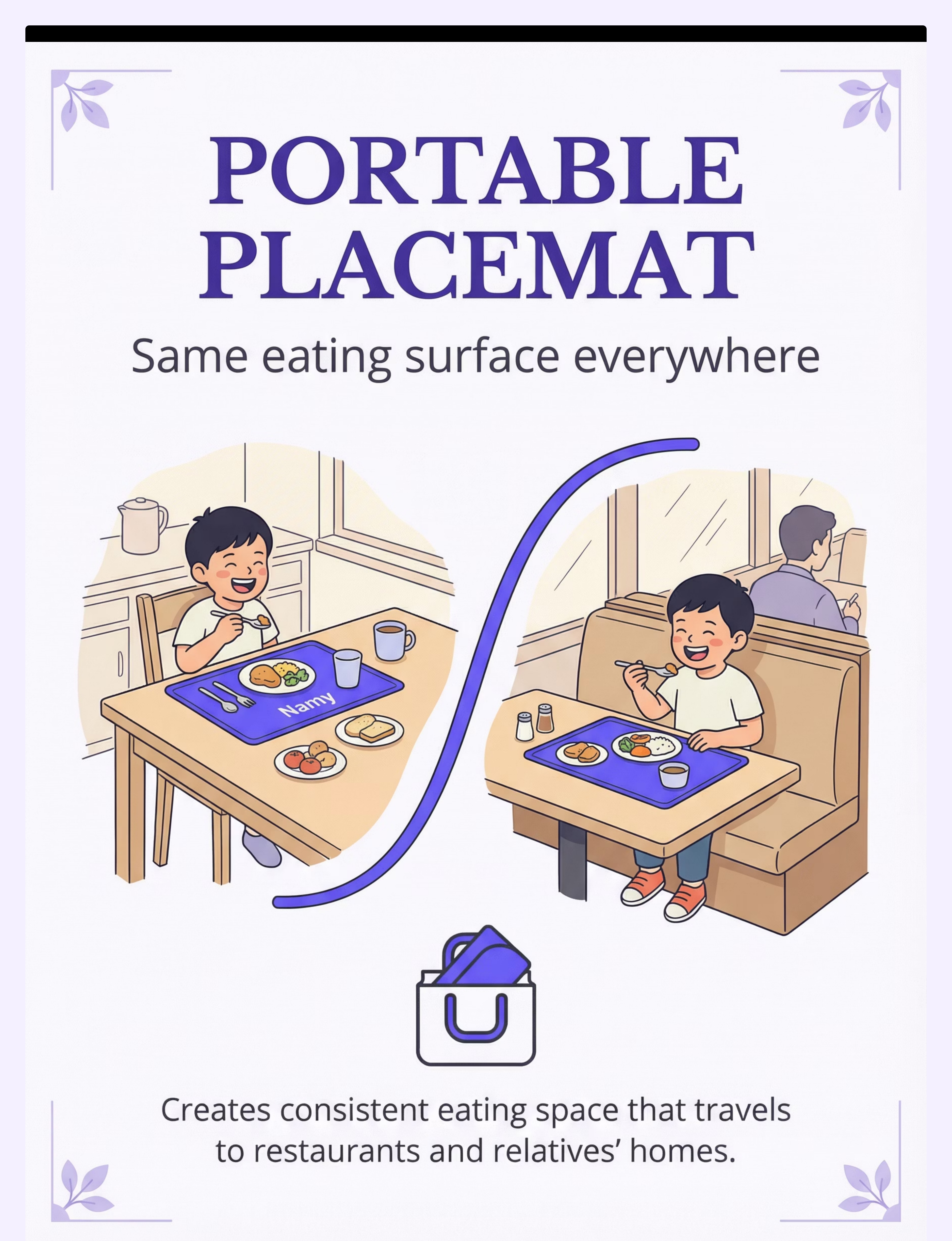
1. Portable Placemat
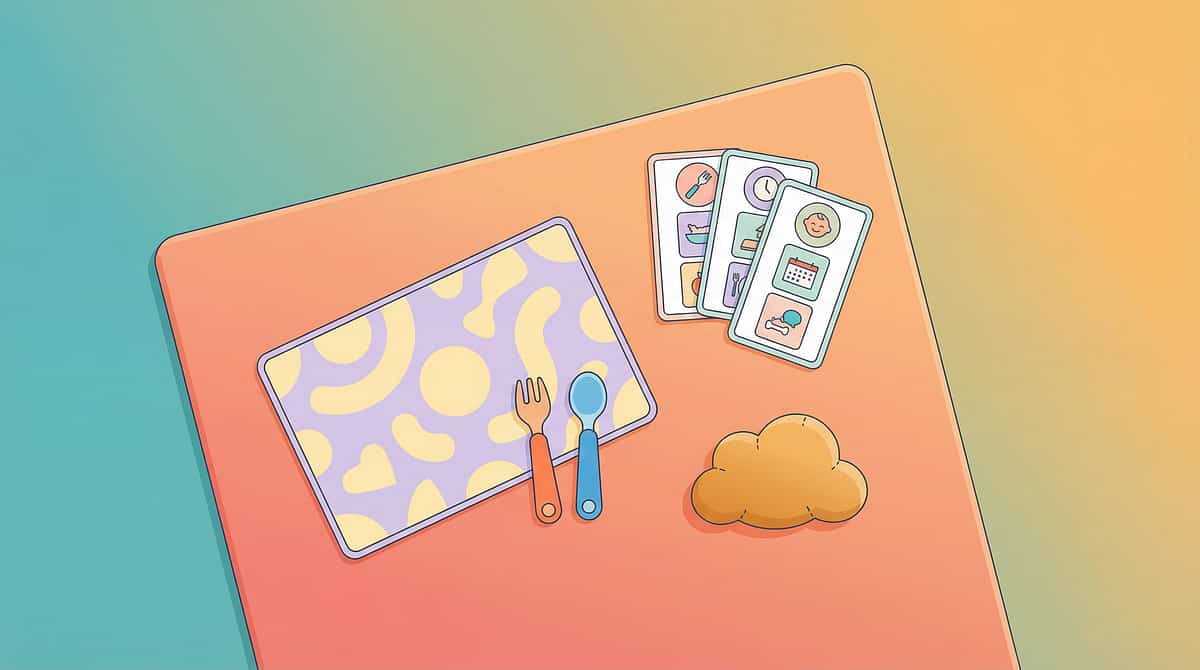
Same surface, everywhere. The placemat becomes the location — not the room. ₹200–800
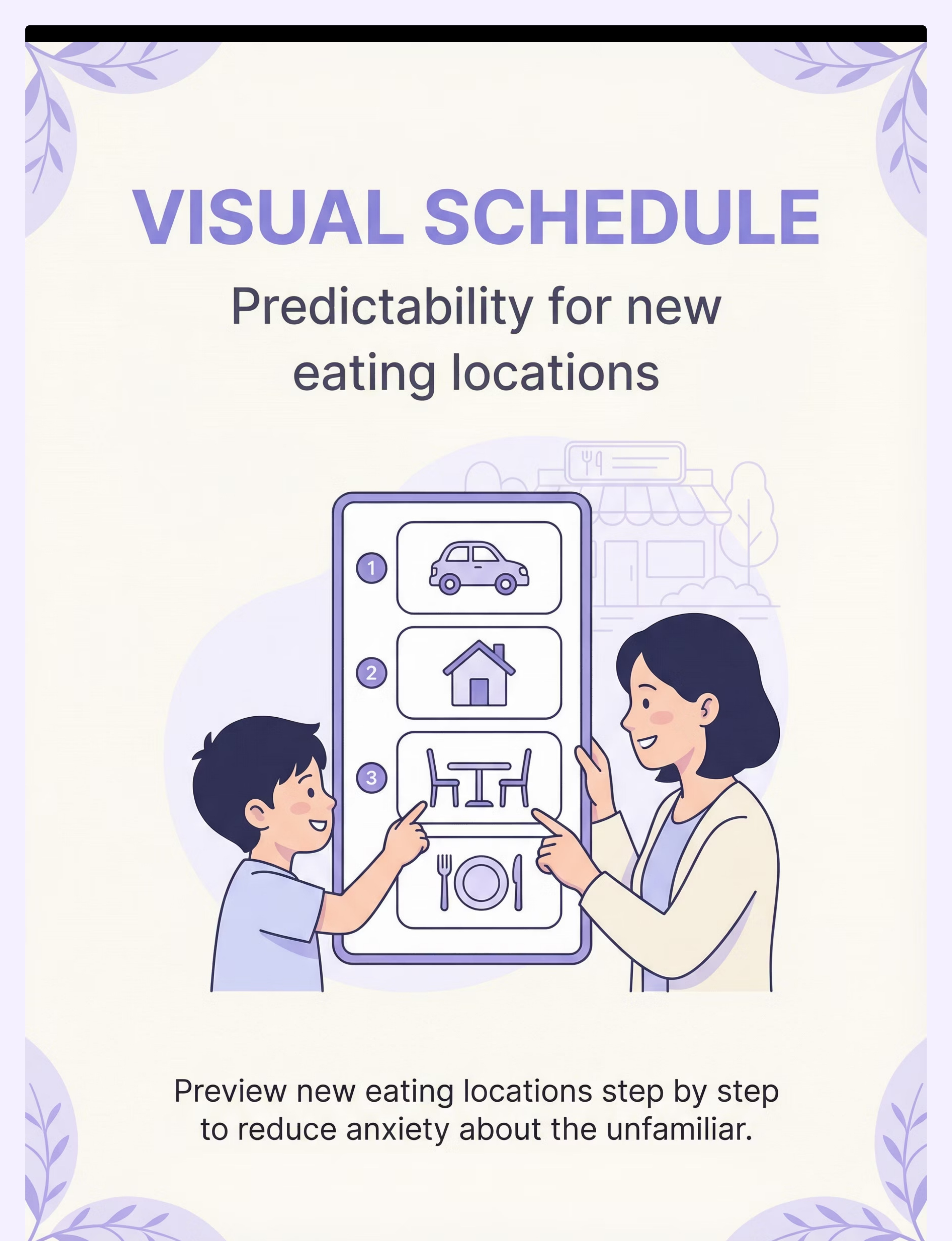
2. Visual Schedule
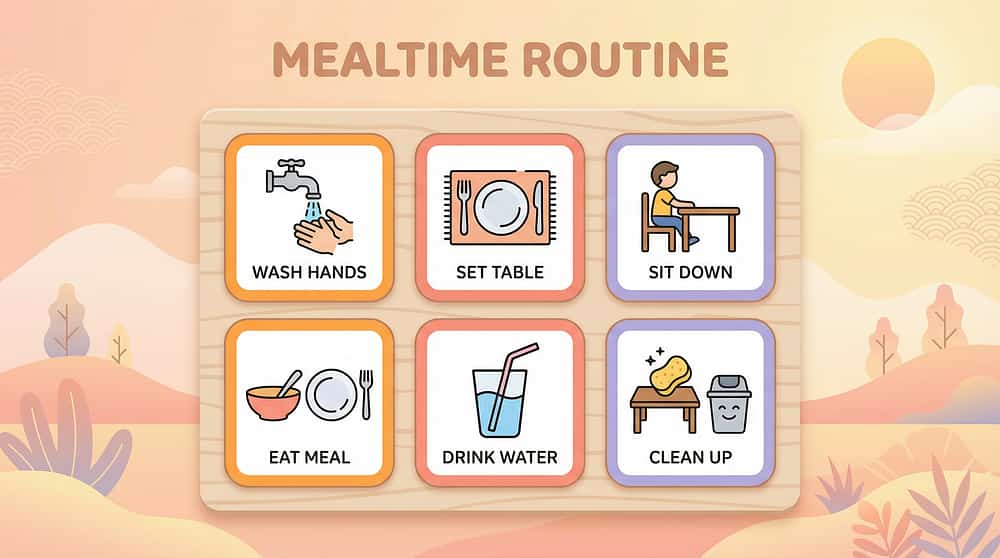
Predictability for new locations. Reviewed before leaving home. ₹100–500
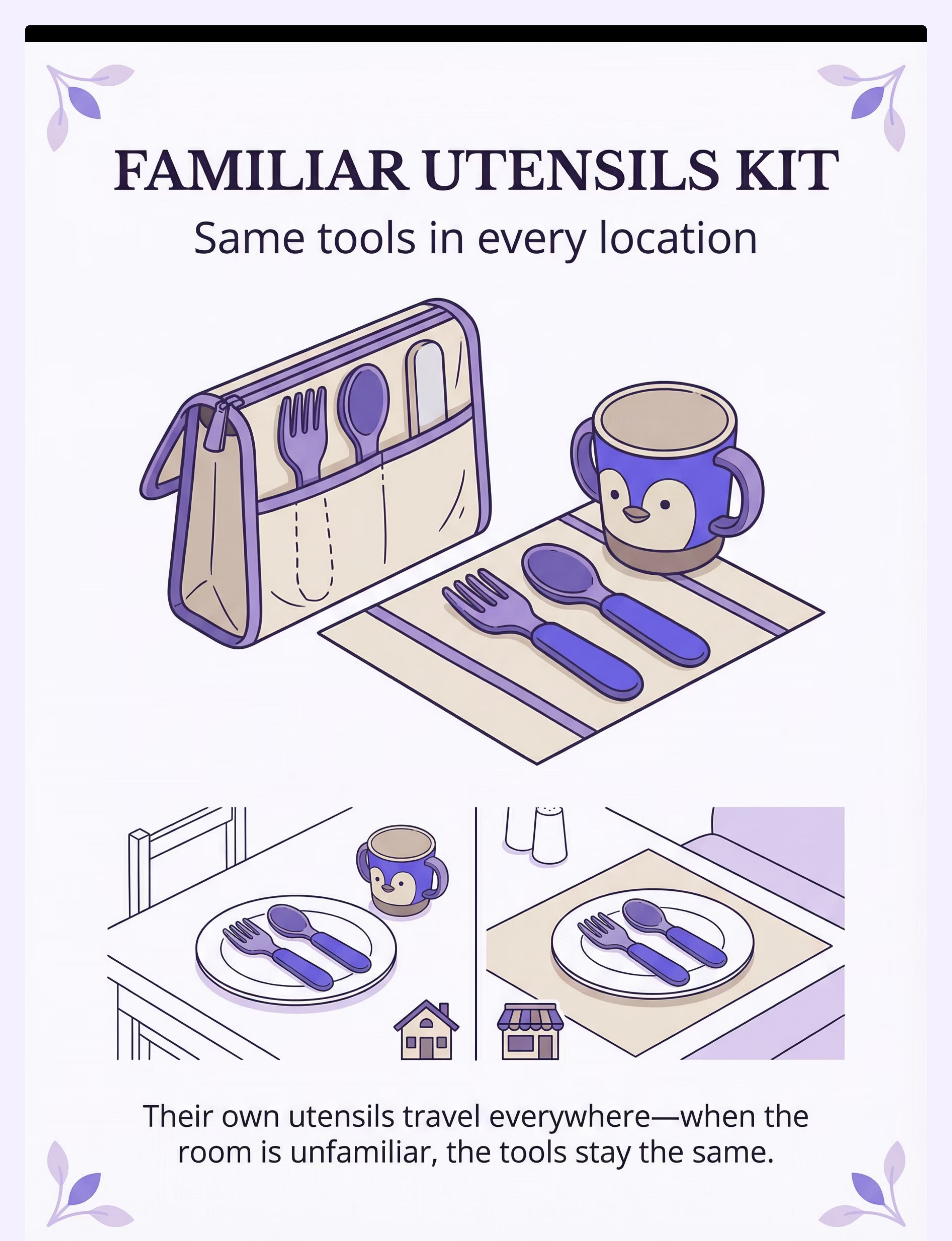
3. Familiar Utensils Kit
Same tools, every location. Consistency of the utensil signals safety. ₹200–600
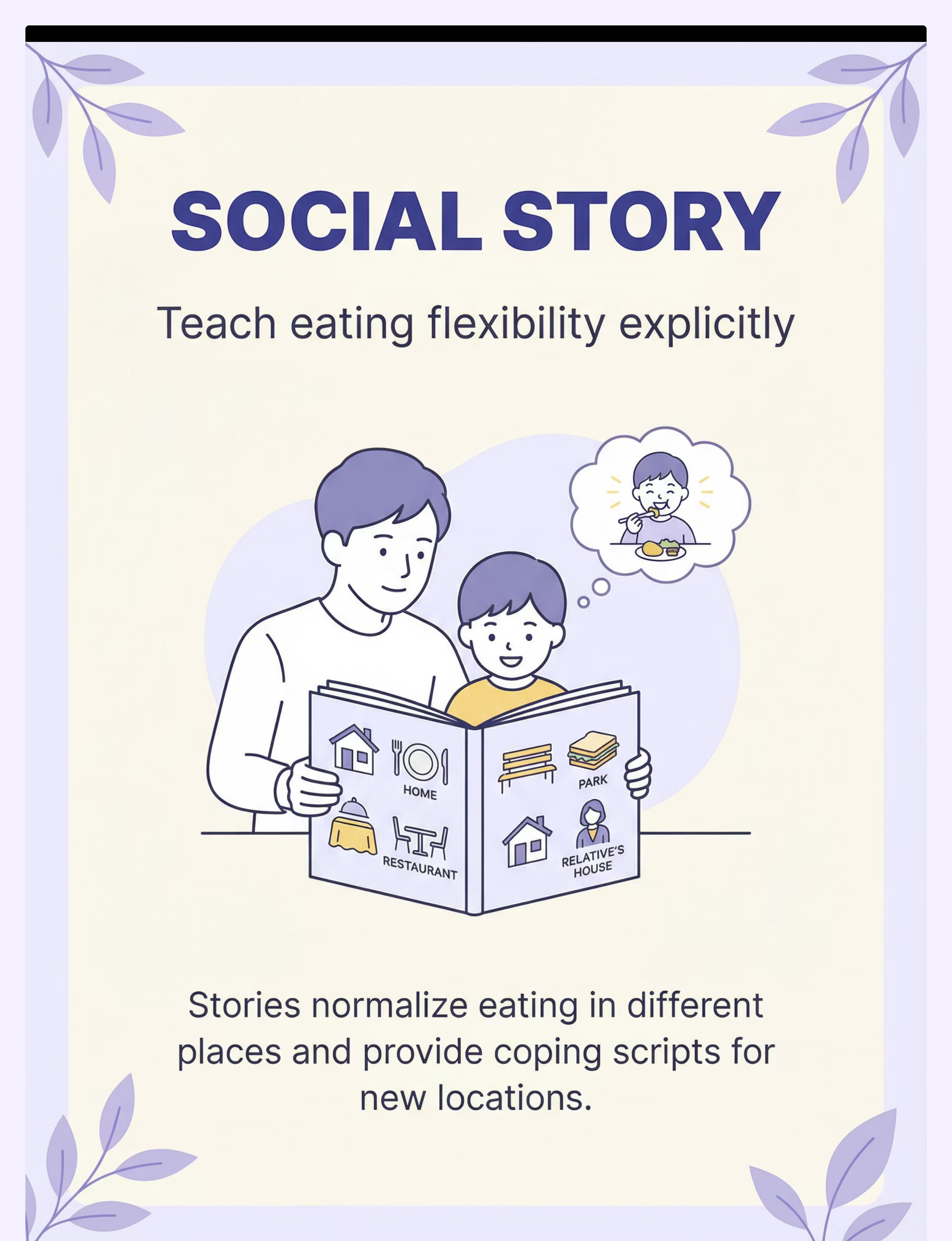
4. Social Story
Teaches flexibility explicitly. "I eat at home. I eat at Grandma's. I can eat anywhere." ₹100–400
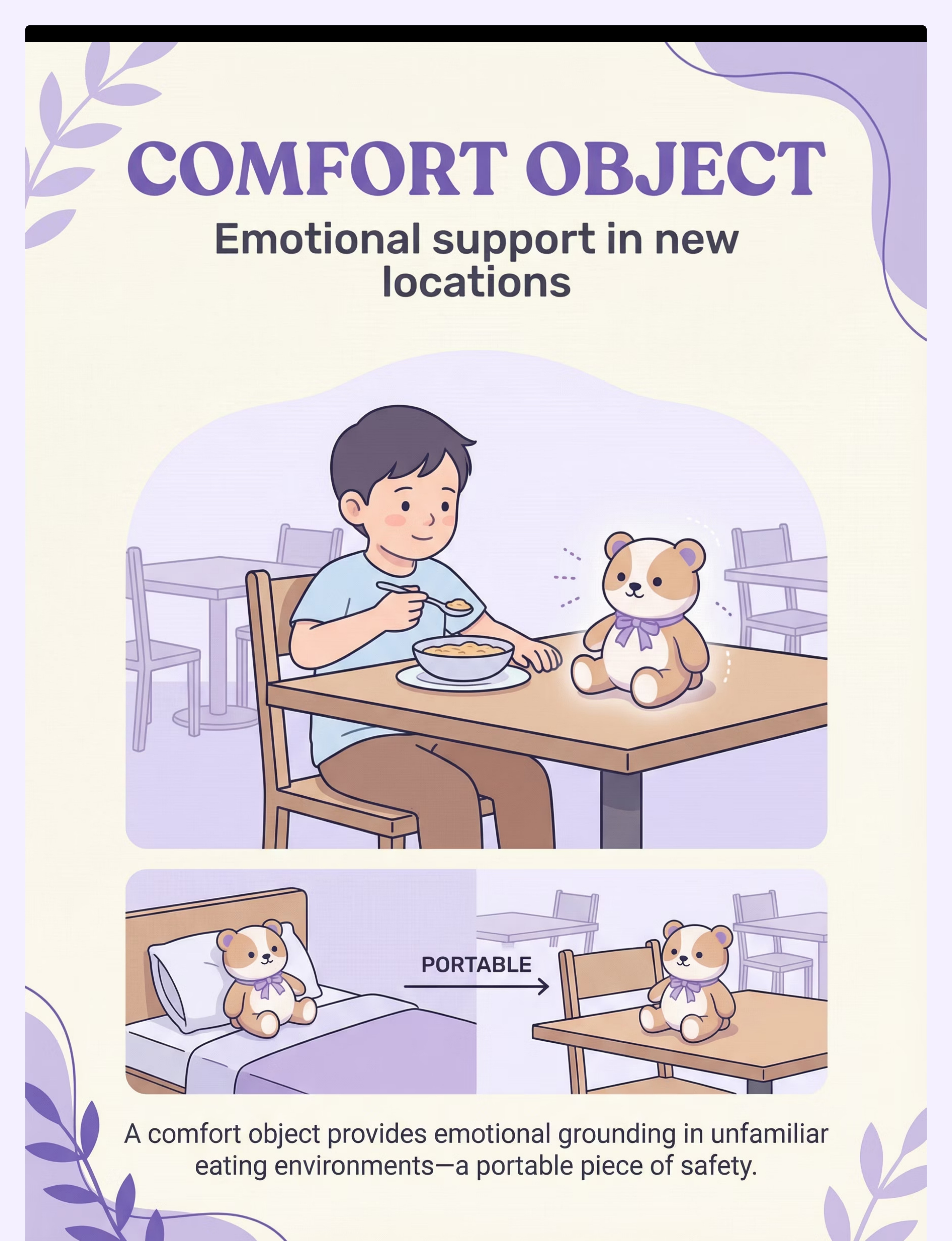
5. Comfort Object
Portable emotional safety. Present at every new location mealtime attempt. ₹100–500
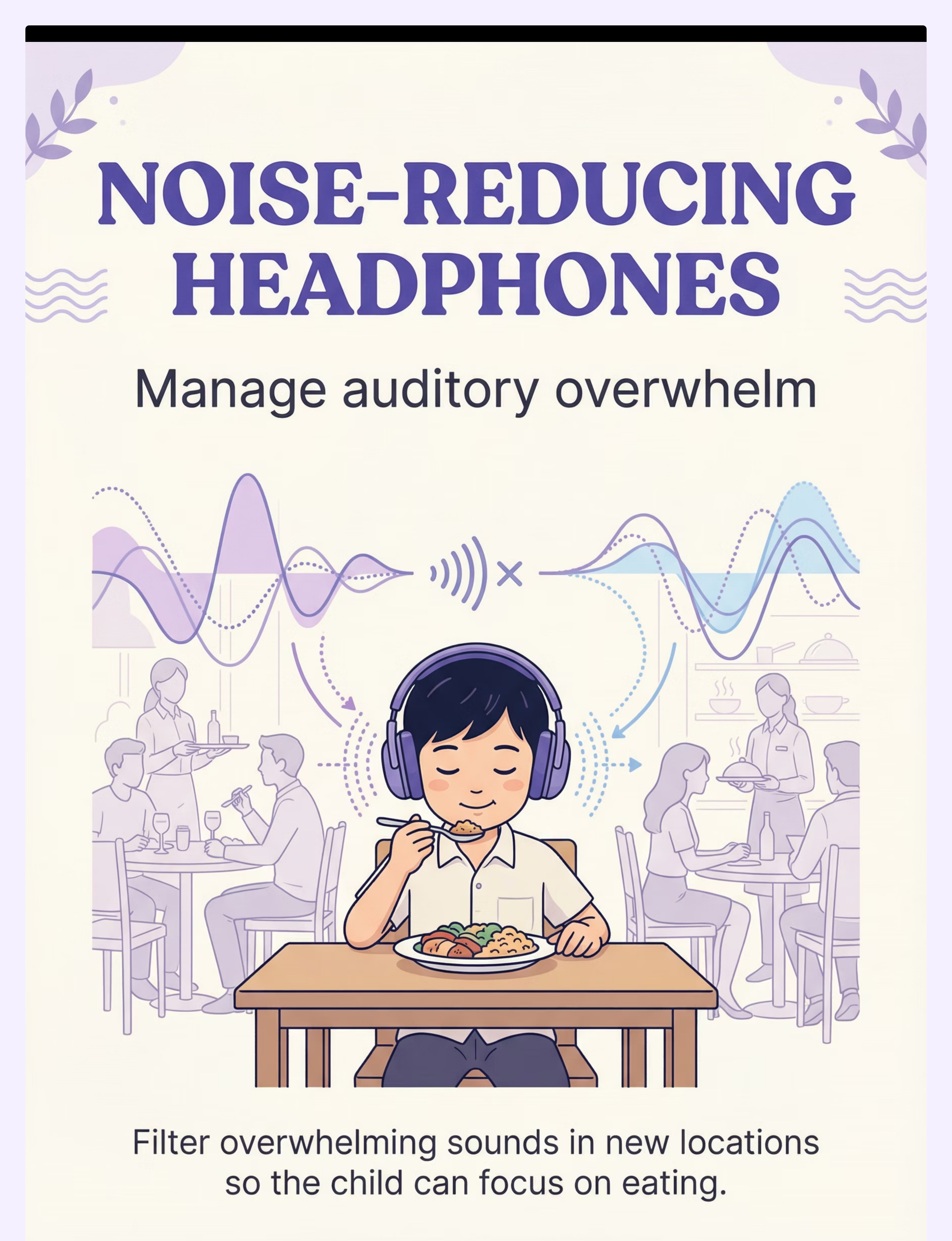
6. Noise-Reducing Headphones
Manages auditory overwhelm in new settings. Often the single most impactful tool. ₹500–3,000
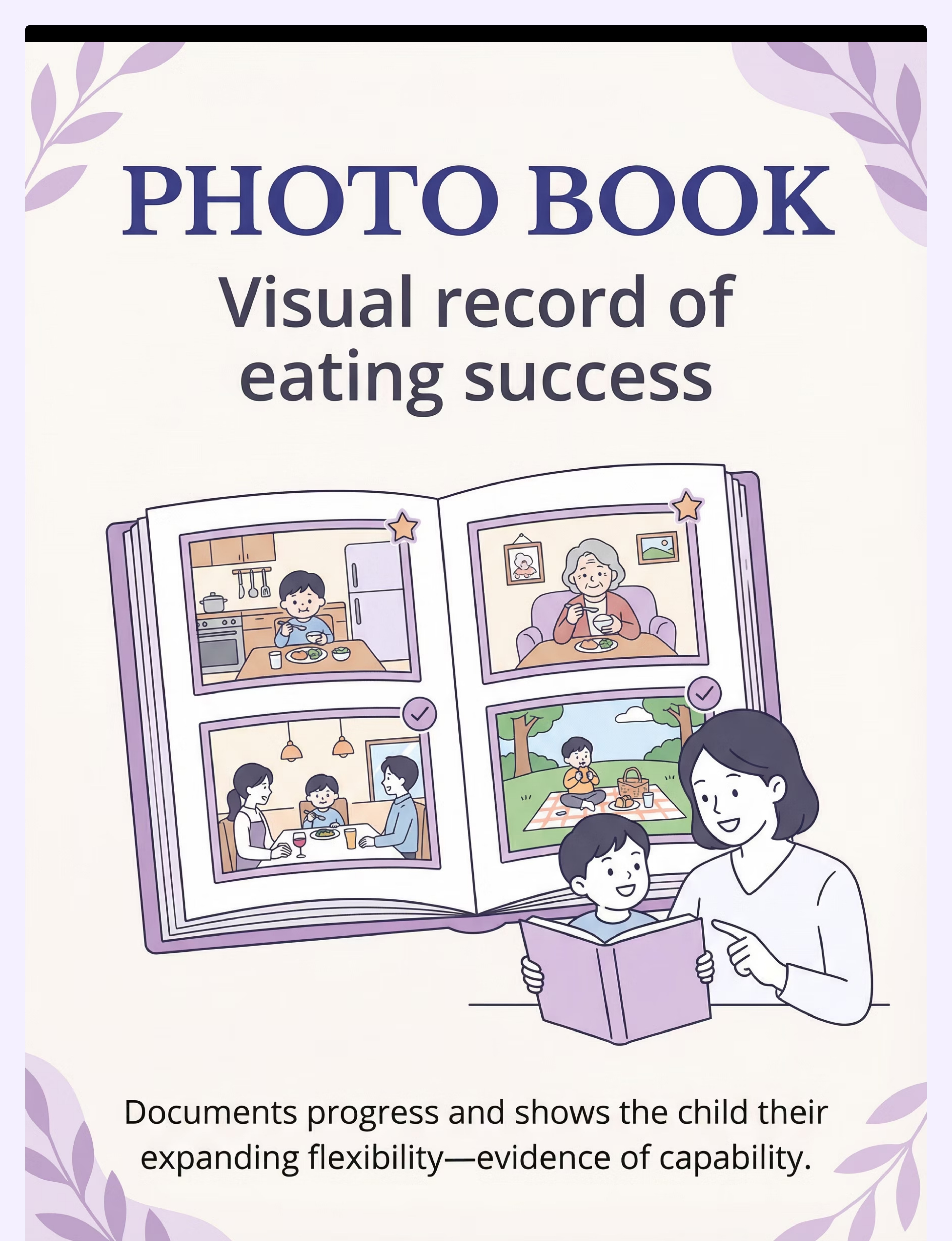
7. Photo Book of Eating Locations
Visual record of growing flexibility. "Look at all these places you eat!" ₹200–800
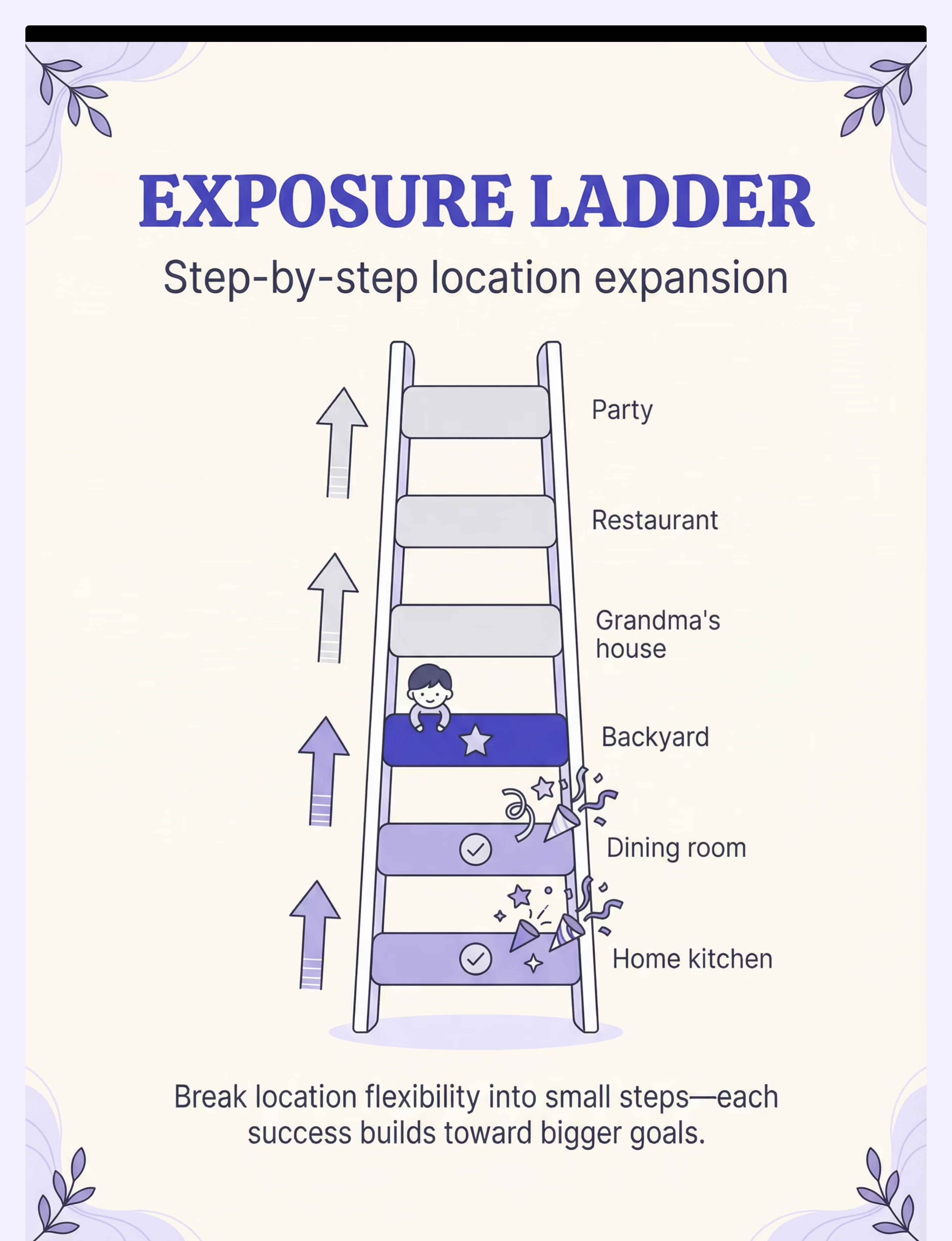
8. Gradual Exposure Ladder
Step-by-step location expansion. 3 successful meals = location conquered. ₹100–400
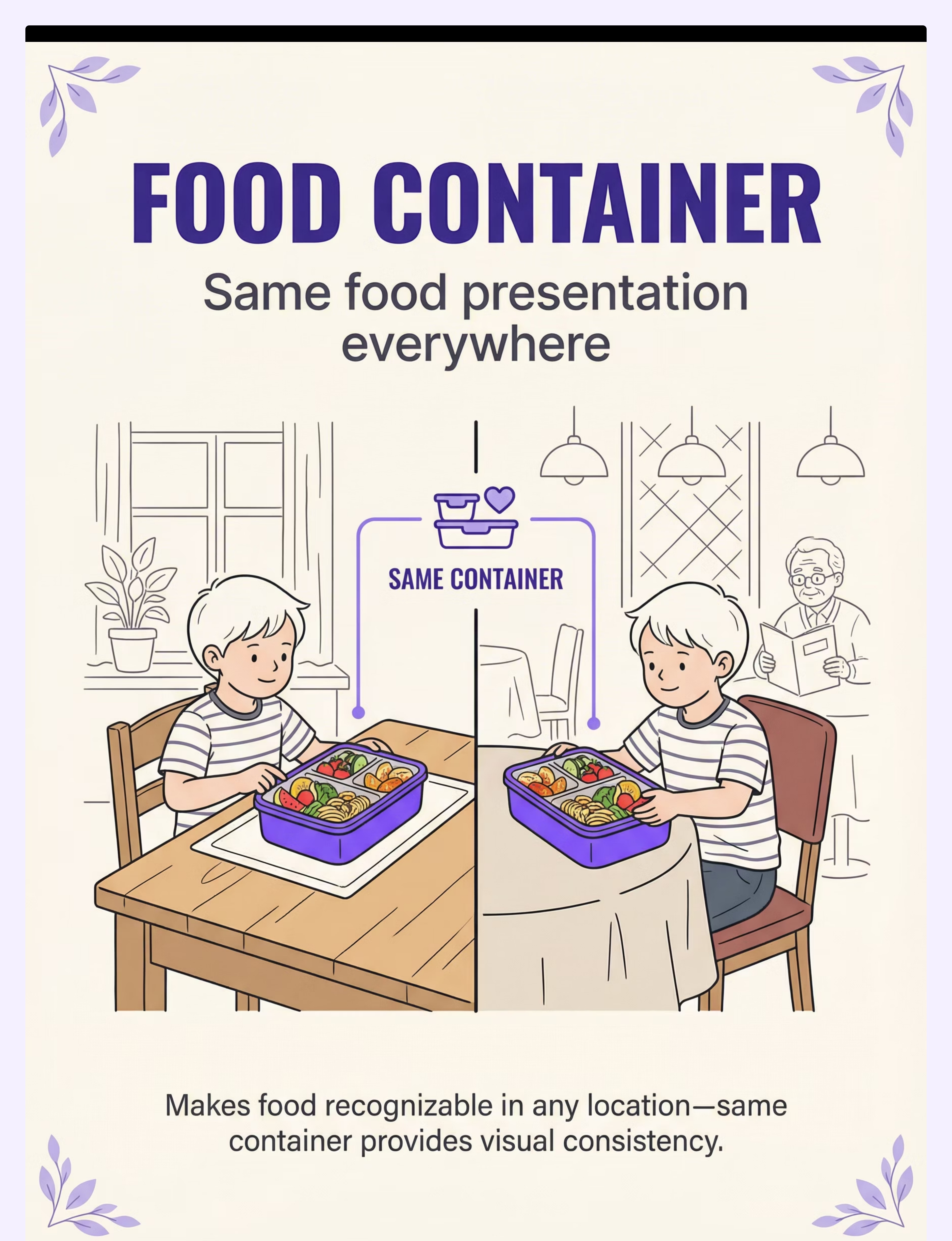
9. Preferred Food Container
Same food presentation, everywhere. Familiar container = familiar meal signal. ₹200–600
📞Free Helpline: 9100 181 181 | Pinnacle-Recommended: Animal Soft Toys ₹425 · 1800+ Reward Stickers ₹364 · Rosette Reward Jar ₹589
₹0 Versions That Work Just as Well
"WHO/UNICEF equity principle: every family starts today." You do not need to purchase anything before beginning. Here are household alternatives for every one of the 9 materials.
🛒 Buy This
🏠 Make / Use This Today
Silicone Placemat (₹200–800)
Any cloth, folded the same way every meal. Consistency of the item matters — not the material.
Visual Schedule Board (₹100–500)
4 phone photos printed: car, destination, table, food. Show before leaving home.
Travel Utensils Kit (₹200–600)
Child's regular spoon + cup in a cloth bag. That IS the travel kit. Zero cost.
Social Story (₹100–400)
5 drawn pictures on paper: "I eat at home. I eat at Grandma's. I can eat anywhere."
Comfort Object (₹100–500)
Child's favourite toy already owned. Start at home first — then bring it along.
Noise-Reducing Headphones (₹500–3,000)
Cotton balls or child's own earphones with calm music. Partial reduction helps significantly.
Photo Book (₹200–800)
Phone gallery organised by location. Swipe through together before outings.
Exposure Ladder (₹100)
8 paper slips on the wall. Move a sticker up with each success. Visible progress matters.
Food Container (₹200–600)
Any home container used daily becomes the travel container. Familiarity is the goal.

⚠️When clinical-grade is non-negotiable: For severe sensory processing differences, a properly fitted noise-reducing headphone makes the difference between eating and complete refusal. Consult your Pinnacle OT. 📞 9100 181 181
Safety First: Read This Card Before Starting
Knowing when to proceed, when to modify, and when to stop protects your child from feeding trauma and ensures every attempt builds — rather than breaks — trust.
🟢 GREEN — Proceed Safely
Child is NOT acutely hungry, sick, or distressed
Comfort object is clean and food-safe
New location is not a high-stakes occasion
Placemat is BPA-free and washable
Utensils are age-appropriate
Headphones fit properly — child can still hear you
🟡 AMBER — Modify
⚠️ Child is tired → attempt only easier locations
⚠️ Very noisy location → headphones + arrive before crowd
⚠️ First attempt → accept ANY eating as complete success
⚠️ Others pressuring child to eat → remove child from pressure immediately
🔴 RED LINE — Stop
🚫 Signs of severe anxiety or panic (hyperventilation, vomiting)
🚫 Food-refusing AND showing hunger signs → return to safe location first
🚫 Anyone forcing or pressuring → STOP. Pressure creates feeding trauma.
🚫 Acute GI illness present

Contraindications: Acute illness · Recent trauma · Major routine disruption · First 48 hours post-significant meltdown
📞FREE National Autism Helpline: 9100 181 181 | 24x7 | 16+ Languages
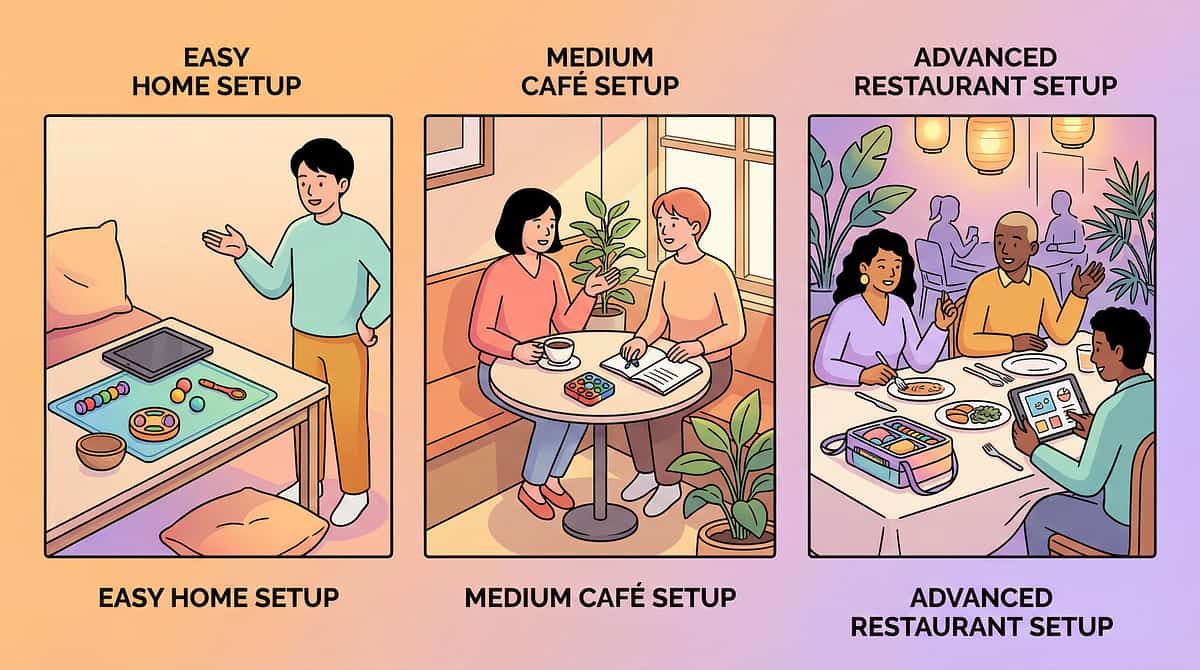
The Travel Setup: Pack Before Leaving Home
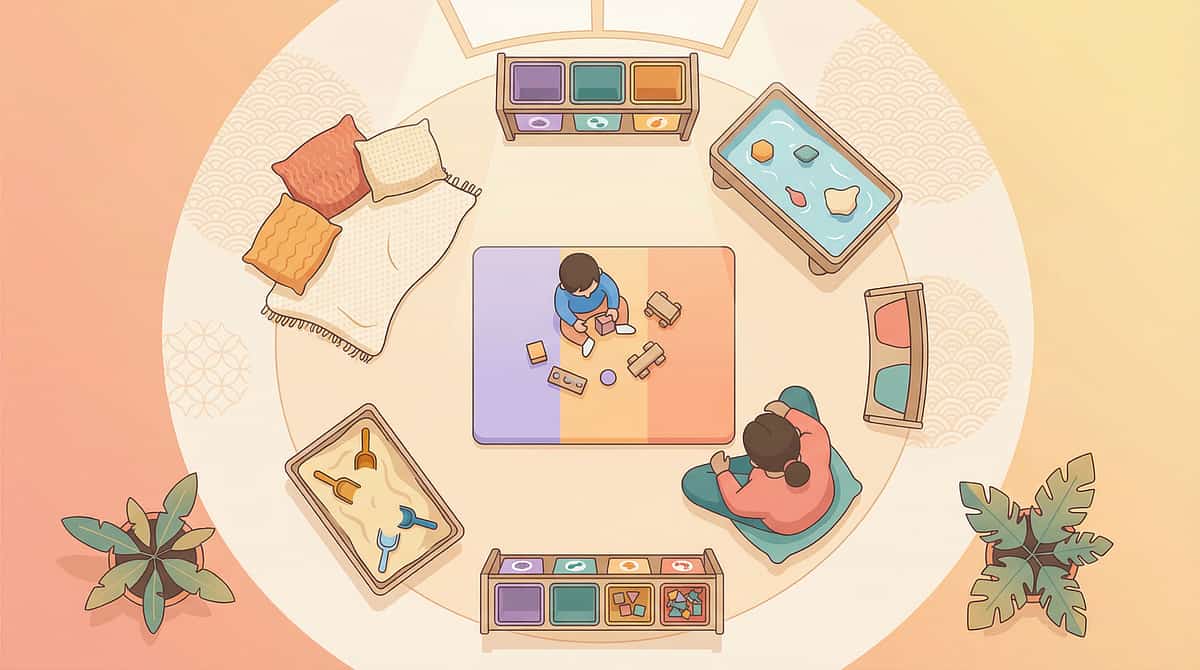
"Spatial precision prevents 80% of session failures." A consistent, practiced packing ritual activates the placemat as a safety signal before you ever leave the driveway.
Pre-Departure Checklist
□ Placemat packed
□ Utensils in travel kit
□ Comfort object accessible (top of bag)
□ Food in familiar container
□ Visual schedule reviewed at home
□ Headphones if noisy location
□ Reward stickers/jar packed
Your calm — the most important item in the bag
Setting Up at the Location
1. Seat child back to wall — least busy visual field
2. PLACEMAT FIRST — laid before child sits
3. Child's utensils on placemat in familiar positions
4. Comfort object to non-dominant side
5. Food in familiar container, on placemat
6. Visual schedule reviewed before sitting
Parent: seated at child's side, not opposite
Location Environment
✓ Choose quieter corner where possible
✓ Seat child facing least visually busy direction
✓ Avoid peak crowd times for first visits
✓ Remove strong fragrances if smell-sensitive

📞 Book a home visit assessment: 9100 181 181
60-Second Readiness Check Before Each Attempt
Not every day is a good session day — and that is completely normal. This simple check takes one minute and prevents unnecessary setbacks by ensuring your child has the regulatory resources available to stretch.
□ Fed within last 2–3 hours?
□ Rested? (Overtired = zero flexibility reserves)
□ Regulated? (Not mid- or post-meltdown)
□ No illness signs?
□ No recent major disruption?
□ Photos/schedule seen? Comfort object accessible?
5–7 YES → GO
Good session day. Proceed with confidence.
⚠️ 3–4 YES → MODIFY
Choose easier ladder step. Any eating = complete success today.
0–2 YES → POSTPONE
Child eats at home. Review Photo Book together. Plan next attempt in 2–3 days.
"The best session is one that starts right."

Step 1: The Invitation
At Home · 2–5 Minutes Before Leaving
The preparation ritual is not preamble — it is the therapy. By involving your child in packing their eating bag, you are activating the portable safety signal before any anxiety can build.
Show the Visual Schedule Together
"Look — today we're going to [LOCATION]. We will eat there with YOUR placemat and YOUR spoon."
Child Holds the Placemat
"This comes with us. YOUR eating space comes with us." Physical contact with the object activates familiarity.
Comfort Object Shown
"[Object name] comes too." Now every familiar anchor is visible and confirmed before departure.
💬Exact Words: "Today we're eating at [LOCATION]. You'll have YOUR placemat. YOUR spoon and cup. [Object] will be there. We eat, then we [fun next activity]. Ready? Let's pack your eating bag."

Resistance signal: Immediate distress at this stage means this location is one step too high. Drop to an easier step on the exposure ladder. ABA Principle: Pairing the new with the familiar before demand placement.
Step 2: The Engagement
Arriving · First 3 Minutes
The arrival ritual transforms an unfamiliar space into a familiar one — through the child's own hands. Agency reduces anxiety. Setting up the placemat is not a task; it is a declaration: "My eating space is here."
Child Carries the Eating Bag
Agency reduces anticipatory anxiety. The bag itself signals: "I have everything I need."
PLACEMAT FIRST — ALWAYS
"Let's set up YOUR eating space." Child (with help) places placemat. This is always the first physical action — without exception.
Utensils + Comfort Object in Place
Placed on or beside the placemat. The setup is complete. "There. YOUR eating space. Anywhere we go."
Food Container on Placemat
Familiar container last. The complete familiar context is now recreated in the new location.
💬 Reinforcement cue the moment child sits: "You did it. You set up YOUR space. That took courage." [Sticker IMMEDIATELY — sitting at a new location IS success]

Avoidance: Child moving away or showing distress → Sit nearby. Eat your own food. No pressure. Presence near the setup = partial success worth celebrating.
Step 3: The Therapeutic Action
The Eating Attempt · No Time Pressure
The simple act of eating in a new location — at their placemat, with familiar utensils, comfort object present — IS the therapeutic intervention. No special language. No therapy prompts. Just mealtime.
Parent DO List
Eat your own food. Normal conversation. Model that eating-here is completely ordinary.

Comment on the location, not the food: "This is a nice table." — builds positive associations.
Parent DON'T List
Don't monitor every bite or comment on amounts eaten.

Don't offer restaurant or host food. Unfamiliar food + unfamiliar location = double challenge — one variable at a time.
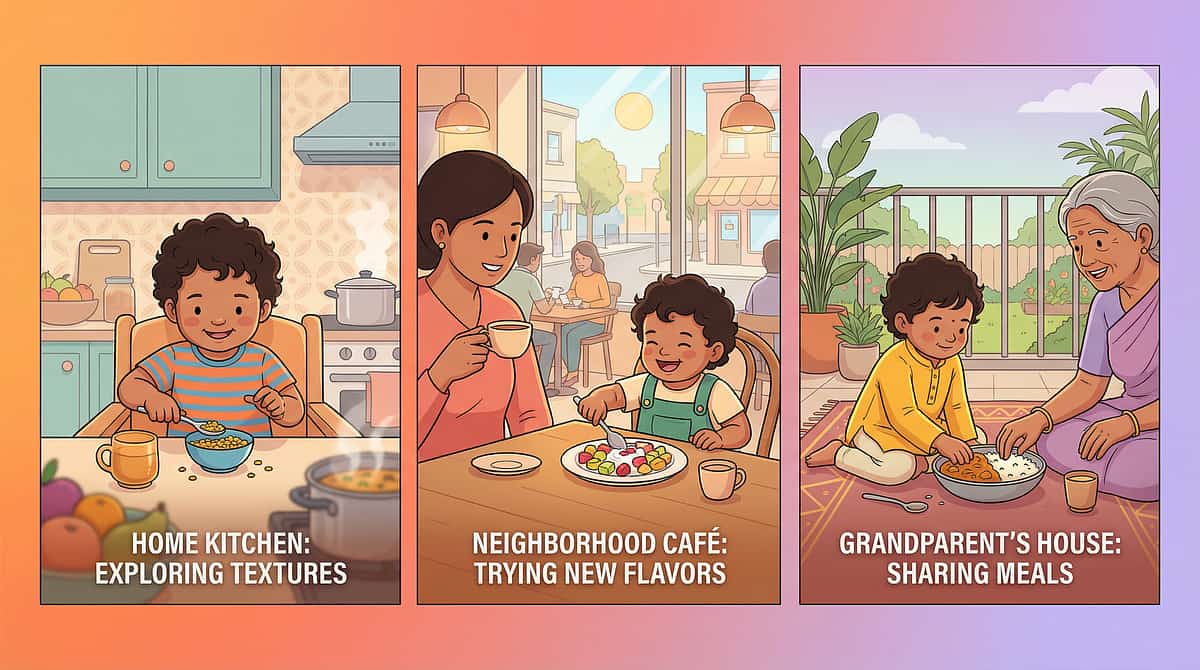
🌟 Ideal: Eats Normally
Relaxed, full meal. Location mastered. Move up the ladder.
Acceptable: Eats Some
Cautious eating. Repeat 2–3 times before moving up. This is success.
⚠️ Concerning: Won't Eat
Highly distressed. Pack up calmly. Child eats at home later. Location was one step too high.
Step 4: Repeat & Vary
Dosage & Progression Logic
"3 successful meals at a location = location conquered. Move one step up the ladder." Repetition builds the neural pathway. Variation prevents rigidity from simply relocating to a new rule.
Visits 1–2
Goal: Any eating. Even 2 bites. Full support kit deployed. Keep visit short if needed.
Visits 3–4
Goal: More relaxed eating. Closer to home quantity. Minimal reduction of supports begins.
Visits 5+
Goal: Normal eating. Add to Photo Book. Move up the ladder to the next location.
Variation Options (Introduce One at a Time)
  • Different time of day at the same mastered location
  • Different seat at the same table
  • Different family members present during the meal
  • Slightly different food presentation in the familiar container
"3 good meals > 30 forced miserable visits." Quality of experience determines neural pathway strength — not volume of exposure.
Step 5: Reinforce & Celebrate
Within 3 Seconds of Any Eating Attempt
The Reinforcement Rule: Celebrate the LOCATION, not the AMOUNT. One bite at a restaurant is a greater therapeutic victory than a full meal at home — for the purpose of building flexibility.
🌟 Verbal (Immediate, Specific)
"You ATE at [restaurant name]! I am SO proud of you!" Name the location. Make it concrete. "You ate here. That's a NEW place for your list!"
Sticker Reward
One sticker per new location meal attempt. Placed on the Exposure Ladder — visible, tangible progress. (1800+ Sticker Pack — ₹364)
🏆 Reward Jar
Token per new location meal. Full jar = family celebration chosen by the child. (Rosette Reward Jar — ₹589)
📸 Photo Book Ritual
ONE photo after eating at the new location. "This goes in your Brave Eater book." Add tonight. The child watches their own story of growth unfold.
"Celebrate the attempt, not just the success. Sitting at the placemat in a new location = neural victory."

9-materials-that-help-with-location-specific-eating therapy material
Step 6: The Cool-Down
2–3 Minutes Before Leaving
The exit ritual matters as much as the arrival ritual. A predictable, calm close signals that new-location meals end well — building positive memory encoding that carries forward to the next attempt.
2-Minute Warning
💬 "2 more minutes and then we pack up." (Visual timer on phone if helpful)
1-Minute Signal
💬 "One more minute. Time to pack your eating bag soon."
Pack-Away — Child Participates
Placemat in bag FIRST. Utensils in their pouch. Comfort object tucked in. Food container sealed. 💬 "YOU packed your eating space. You'll bring it next time too."
The Closing Statement
💬 "You ate at [LOCATION] today. That was brave. That was YOUR eating space. Let's go [next activity]."

Post-Visit Decompression: Dysregulation after new settings is normal and expected. Provide comfort object, familiar music, and a familiar snack in the car. Plan a quiet activity immediately following first new-location visits.
Capture the Data: Right Now
"60 seconds of data now saves hours of guessing later." Recording three data points before you drive home creates the evidence base your therapist needs to adjust the protocol precisely.
📍 Location
Name of location. New / Known / Ladder Step #. Note any environmental factors (noise level, crowd, lighting).
🍽️ Eating Score (0–5)
0 = No eating, severe distress · 1 = Sat at placemat, no eating · 2 = 1–3 bites, high support · 3 = Ate some, manageable anxiety · 4 = Ate normal amount, mild anxiety · 5 = Ate normally, relaxed
📊 Supports Used
Note which of the 9 materials were used: Placemat · Utensils · Comfort Object · Headphones · Schedule · Food Container · Social Story · Ladder · Photo Book
After 3 Visits — Review
Averaging 3+ → move up the ladder.
Averaging 1–2 → more visits needed OR drop one ladder step.

Share with Your Therapist
Data feeds GPT-OS® Location Flexibility Tracker. Your child's progress dashboard updates automatically with every recorded session.
📞 Data guidance: 9100 181 181
The Reality Card: When Sessions Don't Go as Planned
"Session abandonment is not failure — it's data." Every difficult session tells you something precise about where your child is and what they need next. Here are the most common scenarios and exactly what to do.
"Child refused to sit at the placemat at all"
Why: Location step too high. Novelty overwhelmed everything. Fix: Drop to easier location. Go back one ladder step.
"Child sat but had a meltdown before eating"
Why: Environmental input (noise/people/lighting) exceeded threshold before food. Fix: Visit this location WITHOUT eating intent first. Just sit, then leave. Then placemat visit. Then food visit.
"Child ate 2 bites then refused"
Why: This IS success in early stages. 2 bites = neural plasticity beginning. Fix: Celebrate loudly. Return. Build.
"Child ate but much less than at home"
Why: Expected pattern. Regulatory load is higher away from home. Fix: Continue. Expect 50–70% of home quantity for first 3–5 visits.
"Fine during meal but melted down after"
Why: Coping effort depleted. The aftermath is the regulatory bill. Fix: Plan quiet decompression after all new-location meals.
"10 tries, zero progress"
Why: Professional guidance needed. Underlying profile requires expert eyes. Fix: Contact Pinnacle. AbilityScore® assessment. 📞 9100 181 181

Adapt & Personalise: No Two Children Are Identical

The protocol is a framework, not a script. Use the difficulty slider and profile variations below to tailor every session to where your child actually is today — not where you wish they were. ● Harder Days / Regression Home location only. Photo book as alternative activity. Zero pressure. Zero forward movement required. ●● Building Days Next-door or familiar neighbour. Full support kit deployed. Any eating = complete success. ●●● Standard Days Current ladder level. Normal support kit. Follow the 6-step protocol as designed. ●●●● Strong Days One step up the ladder. Reduce one support element. Note which support was faded in your data. ●●●●● Breakthrough Days New location category. Celebrate extravagantly. Photo Book gets a new entry tonight. Sensory-Driven Rigidity → Headphones first→ Quiet locations early in the ladder→ Positioning priority (back to wall)→ Placemat as sensory anchor Anxiety-Driven Rigidity → Extensive preparation (schedule, preview, social story) first→ Comfort object central to every attempt→ Very gradual ladder progressionAge 8–12: Co-create exposure ladder — "I'm building my flexibility."

Weeks 1–2: The Foundation Phase

Progress: ~15% The first two weeks are about establishing one foundational truth in your child's nervous system: the placemat travels, and you are calm. New locations do not immediately mean catastrophe. ✅ Signs of Real Progress • Tolerates being near placemat in new location• Sits 1–2 minutes before requesting to leave• Does NOT escalate immediately upon arrival• Eats even 2–3 bites = MAJOR WIN• Shows curiosity rather than pure distress ⏳ Not Expected Yet • Full meals in new locations• Relaxed eating away from home• Requesting to eat at new locations• Reduced reliance on support materials• Multiple locations mastered "If your child tolerates the new location for 3 seconds longer than last week — that is real neural progress." Your Data Target: Eating score 1–2 on the tracker. Consistency of presence matters more than eating quantity right now. Research: PMC11506176: Outcomes emerge across 8–12 week timelines.

Weeks 3–4: The Consolidation Phase
Progress: ~40%
A neural pathway is forming. You will start to see small, unmistakable signs that the placemat protocol has been encoded — not just practiced. Watch carefully for these consolidation signals.
Neural Pathway Signals
Child begins anticipating the eating bag packing ritual — gets own placemat, points to bag. Shows preference for specific steps ("MY mat first, then MY spoon").
Reduced Anxiety
Recovery time shortening after difficult moments. Beginning to self-regulate during meals with fewer prompts. Anxiety at familiar mastered locations visibly reduced.
Early Generalisation Seeds
Mentions a mastered location spontaneously ("Grandma's is okay"). Accepts food at a known-but-not-mastered location. Brings comfort object to table independently.
Consolidating: Action This Week
Increase visits to mastered locations. Introduce ONE new location (next ladder step). Celebrate every consolidation signal explicitly.
Plateau: Action This Week
More repetitions at current level. Call 9100 181 181 if plateau persists 2+ weeks — professional guidance will identify the missing variable.
"You may notice YOU are more confident too. You pack the bag without thinking. That confidence communicates safety to your child."
Weeks 5–8: The Mastery Phase
Progress: ~75%
Mastery is observable and measurable. These criteria — not feelings, but behaviors — tell you that your child's nervous system has genuinely rewritten its location-eating rule.
□ Quantity Threshold
Eats average 60%+ of home meal quantity at 3+ different locations consistently.
□ Emotional Regulation
Score 4–5 consistently on the tracker. Maintained throughout the meal without significant intervention.
□ Natural Support Fading
Support kit elements being reduced naturally. Child initiates some elements independently.
□ Photo Book Evidence
4+ locations documented. Child can indicate "places I eat now" verbally or through photos.
Generalisation Indicators
  • Skill appearing without prompting in new locations
  • Child asks to eat at mastered locations
  • Restaurants on exposure ladder becoming accessible
  • School lunch room tolerance improving noticeably
  • Travel eating no longer a nutritional concern

Research: PMC10955541 | BACB mastery criteria standards

Celebrate This Win

🏆 YOU DID THIS. Your child eats in more than one place now. That is a neurological achievement. It happened because of YOU. 🗓️ What You Built Weeks of consistent packing of the eating bag. Neural pathways for "eating can happen anywhere." 📸 What Your Child Has A photo book that shows them who they're becoming. A world that has grown larger for your entire family. 🍽️ The Identity Shift A child who knows: my eating space travels with me. That knowledge changes everything downstream. Family Celebration Tonight: Go through the Photo Book together. "Look at all the places you eat now." Let the child see their own growth reflected through your eyes — this is how the new identity consolidates. 📝 Journal Prompt: "The day I knew we had turned a corner was when..." Document this moment. You will want to remember it — and it will carry you through harder days ahead.📞 Record your outcome: 9100 181 181 | Your data helps the next family.


Red Flags: When to Pause and Consult
"Trust your instincts — if something feels wrong, pause and ask." These signals indicate the intervention needs professional recalibration — not more parental effort.
🔴 Nutritional Risk
Child losing weight due to eating refusal away from home. Requires immediate paediatric + Pinnacle feeding team appointment.
🔴 Worsening Rigidity
Rigidity INCREASING despite consistent intervention. AbilityScore® assessment and BCBA review required.
🔴 Self-Injurious Behaviour
SIB when confronted with new eating locations. IMMEDIATE Pinnacle contact. ABA behavioural support required.
🔴 Severe Meltdowns
Meltdowns exceeding 30 minutes consistently. Pause all exposure. Stabilise. Professional guidance before resuming.
🟢 Minor Setback
Reduce ladder difficulty. Continue with adjusted expectations.
🟡 Plateau / Non-Standard
Pinnacle teleconsult within 1 week. Don't persist without guidance.
🔴 Any Red Flag
Same-week clinic appointment. Do not delay.
📞FREE HELPLINE: 9100 181 181 | 24x7 · 📍 Find Nearest Centre: pinnacleblooms.org/centers

Your Developmental GPS: The Progression Pathway

E-470 sits within a connected series of feeding and mealtime techniques. Understanding where you came from and where you are headed helps you see the full arc of your child's development — not just the current challenge. E-468: Utensil Specificity Prerequisite domain — utensil familiarity is foundational to portable eating kit success. E-469: Temperature Rigidity Prerequisite — food temperature tolerance builds flexibility that supports location work. ★ E-470: Location-Specific Eating YOU ARE HERE. Building portable mealtime safety across all environments. E-471: Mealtime Routine Rigidity Next if time/sequence rigidity also present. Natural next step for many families completing E-470. Path A — Feeding Flexibility → E-471: Mealtime Routine Rigidity (if time/sequence rigidity present) Path B — Sensory Expansion → Domain A: Environmental Sensory Tolerance (if sensory overwhelm is primary driver) Path C — Anxiety Reduction → Domain C: Emotional Regulation in Novel Settings (if anxiety is primary driver) Path D — Social Participation → Community participation protocols: restaurants, parties, travel structured programmes 📞 Path guidance: 9100 181 181 · Browse full feeding domain: techniques.pinnacleblooms.org/feeding

Related Techniques — Feeding & Mealtime (E-Series)
Location-specific eating rarely exists in isolation. These related techniques share the same canon materials — portable items, visual supports, sensory management, and reinforcement menus.
🥄 E-468: Utensil Specificity
Intro · Builds the familiar utensils foundation that the E-470 travel kit depends on.
🌡️ E-469: Temperature Rigidity
Core · Food temperature tolerance — a prerequisite flexibility skill for location work.
📍 E-470: Location-Specific Eating
Core · YOU ARE HERE · 9 materials. Full portable protocol. This page.
🕐 E-471: Mealtime Routine Rigidity
Core · Time and sequence rigidity during meals. Natural next step after E-470.
🏷️ E-472: Food Brand Specificity
Core · Brand and packaging rigidity layered on feeding challenges.
🍽️ E-474: Plate/Bowl Specificity
Intro · Utensil and container-specific rigidity — closely related to E-470 kit work.
📂 Browse Full Feeding & Mealtime Domain: techniques.pinnacleblooms.org/feeding
The Bigger Picture: All 12 Developmental Domains
"Location-specific eating is one card in a 70,000-card library. Your child's journey is bigger than one technique. GPT-OS® sees the whole picture." Understanding how this work connects to your child's full developmental profile prevents tunnel vision and reveals the most powerful next steps.
GPT-OS® Tracks Across All 12 Domains
AbilityScore® on a 0–1000 scale · 591+ structured observations → 349 skills → 79 abilities · Progress across every technique your child has worked on
Request AbilityScore® Assessment
See your child's full developmental profile. Understand which domains are ready for growth and which need stabilisation first.
🔗 pinnacleblooms.org/abilityscore
📞9100 181 181 | FREE | 16+ Languages | 24x7
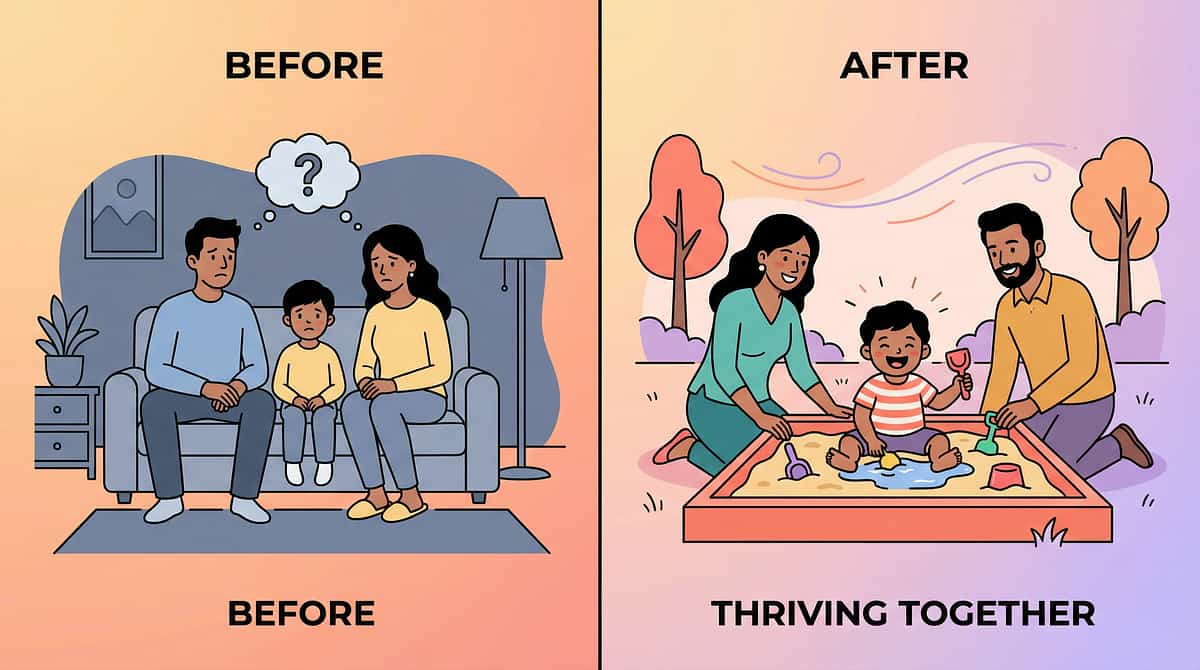
Real Families. Real Outcomes.
These are anonymised accounts from families within the Pinnacle Blooms Network. All outcomes vary. These stories are shared with permission to show what is possible — not to set expectations.
Hyderabad · 6-year-old boy, ASD · 14 weeks
Before: "Our son ate only in his specific chair at our kitchen table. Restaurants, relatives' homes, family events — he went hungry. We stopped attending weddings. Our world contracted to the size of one kitchen chair."

After: "He eats at both sets of grandparents now. We went to a restaurant for the first time in 18 months. He uses his placemat. It goes everywhere. He calls it 'my eating mat' and asks where it is before we leave."

📋 Therapist Note: Location rigidity dissolved as the portable routine took hold. The child's identity shifted from "I eat at home" to "I eat at my eating space." The placemat became the location.
Chennai · 4-year-old girl, sensory processing differences · 10 weeks
Before: "Birthday parties were a nightmare. She watched other children eat cake while she sat with nothing. The noise was too much. Even her favourite foods couldn't get through the sensory wall."

After: "Noise-reducing headphones changed everything. At her cousin's birthday last month, she sat at the table and ate some birthday cake. I have the photo. I have cried over that photo approximately 400 times."

📋 Therapist Note: Auditory overwhelm was the primary driver. Once managed, food acceptance transferred rapidly across locations. Sensory management was the missing piece.

⚠️ Illustrative cases. All outcomes vary. Families anonymised. Results represent individual experiences within the Pinnacle Blooms Network.
Connect With Other Parents
Isolation is the enemy of adherence. Right now, thousands of parents are packing portable eating bags before family events, reviewing visual schedules in car parks, and celebrating that their child ate 2 bites at grandma's. Join them.
WhatsApp: Mealtime Flexibility Group
Families working on E-470 and related techniques. Share wins. Ask questions. Real parents. Real journeys. Moderated for safety.
Pinnacle Parent Community Forum
pinnacleblooms.org/community · Evidence-guided, moderated, safe. For questions that need more than a quick message.
Parent Meetups Near You
pinnacleblooms.org/meetups · 70+ cities. In-person support from families who understand from the inside.
Peer Mentor Connection
A parent who has navigated E-470 before you. Matched by city, child age, and challenge profile. 📞 9100 181 181
"Your experience helps others — when ready, consider sharing your journey."
9-materials-that-help-with-location-specific-eating therapy material
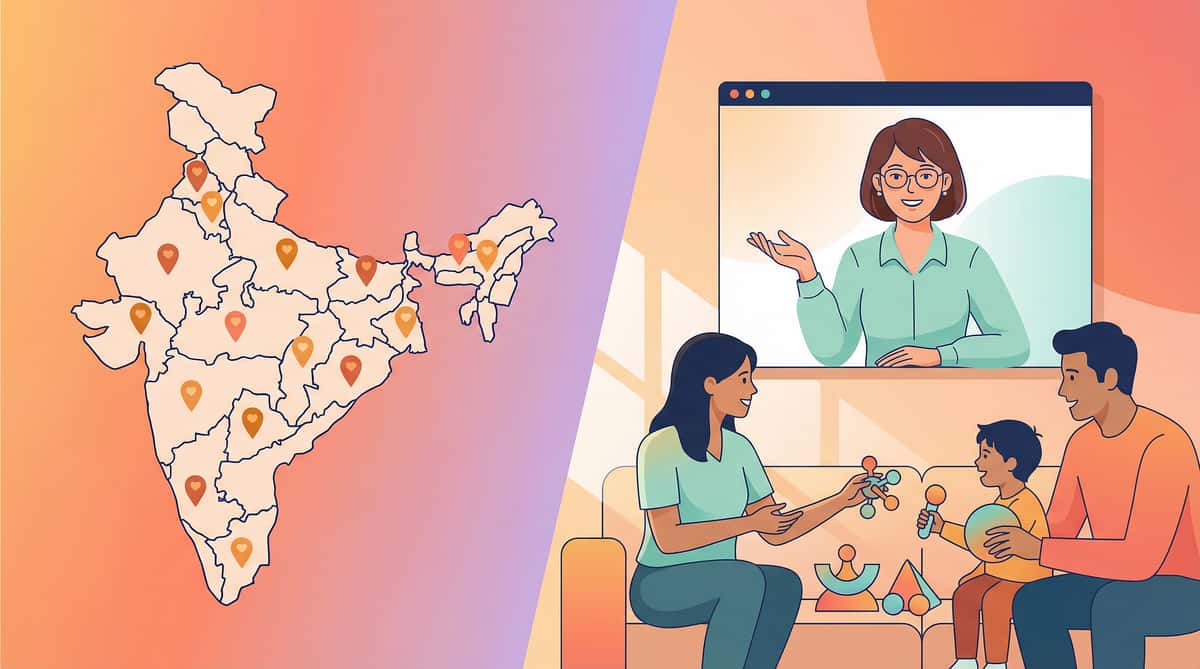
Pinnacle's 70+ Centres: Professional Support at Every Step
Home practice and professional support are not alternatives — they are multipliers. Your consistent home work amplifies clinic sessions. Your clinic sessions precisely guide home practice. Neither alone achieves what both together create.
🔵 Occupational Therapist
Sensory profile assessment, portable predictability tools, environmental adaptation, placemat and utensil programmes. Ask for E-470 OT protocol.
🟣 ABA/BCBA Therapist
Exposure hierarchy design, reinforcement scheduling, data-based progress tracking, behavioral flexibility programming.
🟢 Feeding Specialist
Comprehensive mealtime assessment, feeding-specific approaches, nutritional monitoring during location expansion.
📹 Book a Teleconsultation
For families outside 70+ city coverage. Video consultation with Pinnacle OT/ABA specialists from anywhere in India.
📍 pinnacleblooms.org/book
📞 FREE National Autism Helpline
9100 181 181
24x7 · 16+ languages · Free initial guidance · No obligation
📍 Find nearest centre: pinnacleblooms.org/centers
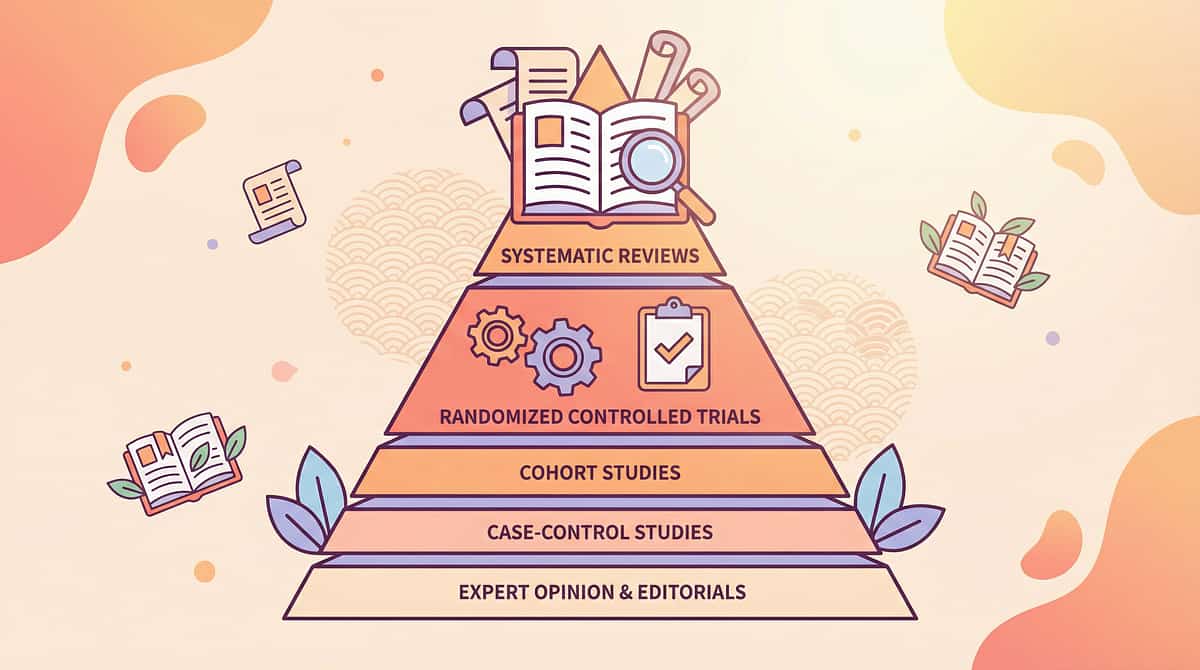
The Evidence Base: For the Curious Parent
"Deeper reading for the curious parent." Every technique in this protocol is grounded in published, peer-reviewed research. All studies below are publicly accessible.
📘 PMC11506176 — PRISMA Systematic Review (2024)
"Sensory integration intervention meets EBP criteria for ASD." pubmed.ncbi.nlm.nih.gov/PMC11506176
📗 PMC10955541 — Meta-Analysis (2024)
"SI therapy promotes social, adaptive, sensory, motor skills (24 studies)." DOI:10.12998/wjcc.v12.i7.1260
📙 PMC9978394 — WHO Care for Child Development (2023)
"CCD Package: EBP caregiver interventions, 54 LMICs." pubmed.ncbi.nlm.nih.gov/PMC9978394
📕 DOI:10.1007/s12098-018-2747-4 — Padmanabha et al. (2019)
"Home-based interventions for Indian pediatric populations." Indian Journal of Pediatrics.
📘 NCAEP Evidence-Based Practices Report (2020)
"Visual supports and video modelling confirmed EBP for ASD." ncaep.fpg.unc.edu
→ Full Reference List: pinnacleblooms.org/research/E-470
9-materials-that-help-with-location-specific-eating therapy material
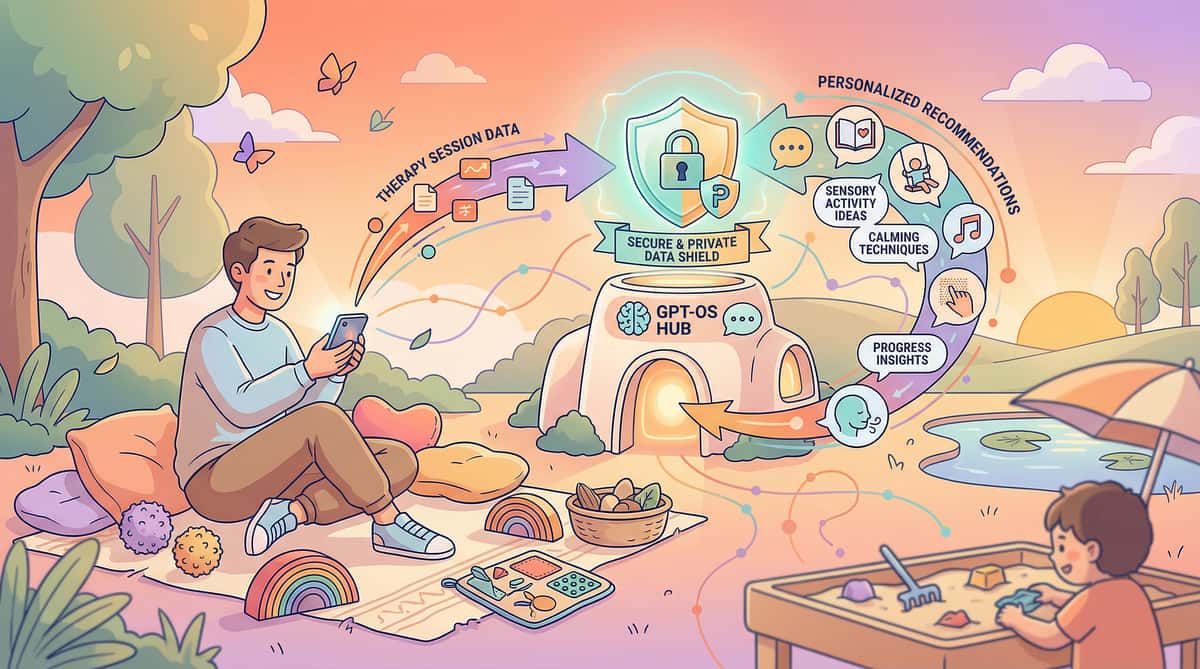
GPT-OS®: How Session Data Builds Better Outcomes
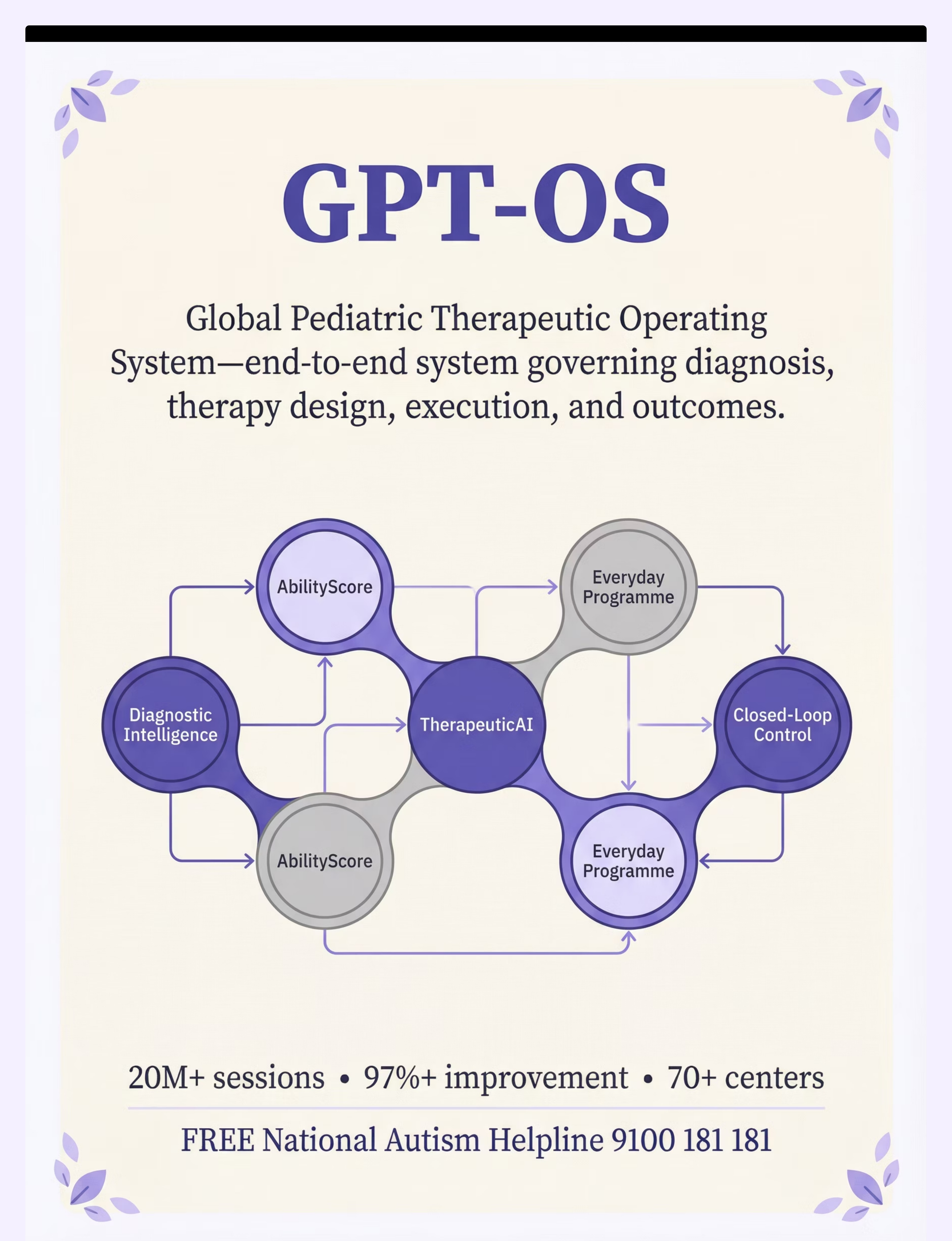
"Your data helps every child like yours. 20M+ sessions made the system smarter. Your child benefits from every family before them." Here is how the data loop works — and how your privacy is protected throughout.
Parent Records Session
GPT‑OS Processes Data
AbilityScore Updated
Therapy Plan Adjusted
What GPT-OS® Learns from E-470 Data
• At which ladder step each child plateaus
• Which support materials are most effective by sensory profile
• Optimal progression pace by age group
• Population patterns across 20M+ sessions
🔒 Your Privacy
All data de-identified before population analysis. Individual data accessible only to your family and authorised therapists. India data protection standards compliant.
DPIIT DIPP8651 · CIN U74999TG2016PTC113063
🔗 GPT-OS® Dashboard: pinnacleblooms.org/gpt-os · 📞 Setup assistance: 9100 181 181
9-materials-that-help-with-location-specific-eating therapy material
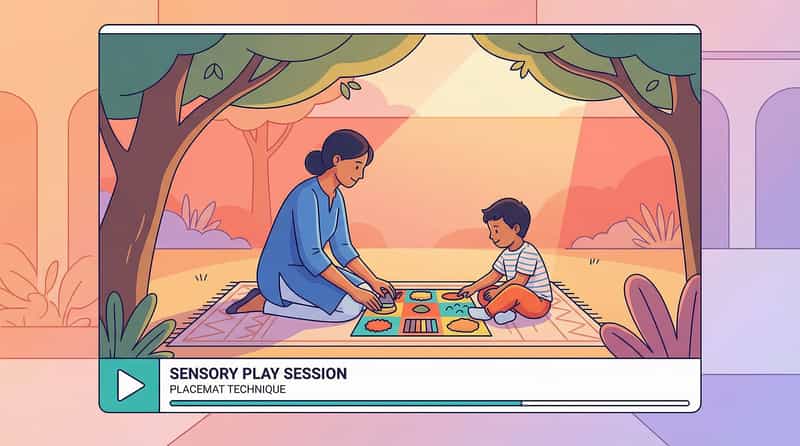
Watch: Reel E-470
9 Materials That Help With Location-Specific Eating
"When they'll only eat in one exact spot." Duration: ~75–85 seconds · Series: Feeding & Mealtime Independence in Children · Reel ID: E-470 | Domain E
Presented by Pinnacle Blooms Consortium Occupational Therapy + ABA/BCBA Lead. In this reel, all 9 materials are shown in action — from the portable placemat traveling to a restaurant, to the exposure ladder being built step by step. This page gives you the clinical depth behind the 60-second reel.
Portable Placemat
Home setting + new location — the same mat, the same ritual.
Visual Schedule
Preparation ritual before leaving — reviewing the schedule together.
Familiar Utensils Kit
Packed in the travel kit. Unpacked and placed first.
Social Story
Read together before outing. "I can eat anywhere."
Comfort Object + Headphones
At restaurant mealtime. At a party. Sensory management in action.
Photo Book + Exposure Ladder + Container
Adding a new location. Marking the current step. Same container in the new setting.
→ Next in Series: E-471 — Mealtime Routine Rigidity · ← Previous: E-469 — Temperature Rigidity with Food
📺 Full Series: pinnacleblooms.org/reels/feeding
9-materials-that-help-with-location-specific-eating therapy material
Share This — Multiply the Impact
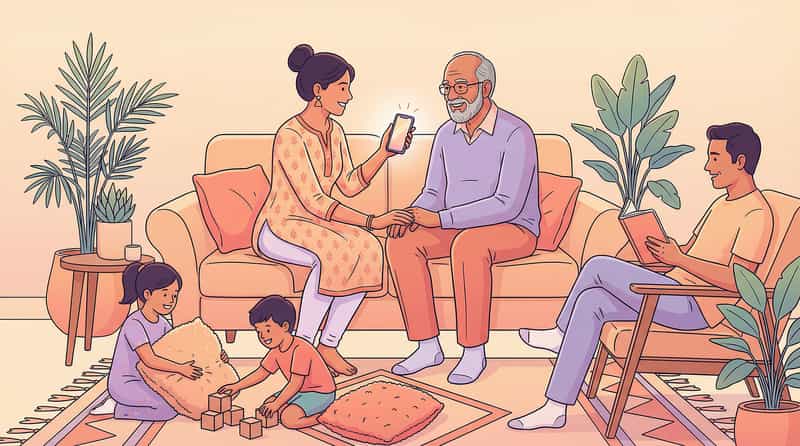
"Consistency across ALL caregivers multiplies impact." One parent practicing produces limited results. When the entire family, school, and support network is aligned — the child experiences consistency at every mealtime, in every setting, from every adult. That is when real generalisation happens.
Script for Grandparents
"[Child's name] is learning to eat in more places. They need their special placemat and their own spoon. Please do NOT pressure them to eat — just let them be. If they eat ANYTHING at your table, celebrate it loudly. The mat comes first, then the food. That's the system."
School Communication Template
"[Child's name] is working on mealtime flexibility as therapy. In the cafeteria: please allow their portable placemat, their own utensils, and noise-reducing headphones if used. Any eating — even 2 bites — is a win."
Contact: [Parent] · Therapist: Pinnacle 9100 181 181
📲 Share This Page
WhatsApp · Email · Copy Link
techniques.pinnacleblooms.org/feeding/location-specific-eating-E-470

⬇️ Download Family Guide PDF
One-page printable: 9 materials + the approach. For spouses, grandparents, teachers, and helpers.
📝 Editable School Letter
Download the school communication template. Customise with your child's name and therapist details.
9-materials-that-help-with-location-specific-eating therapy material
Frequently Asked Questions — E-470
These are the questions families ask most often. If you don't find your answer here, ask GPT-OS® directly or call the free helpline at 9100 181 181.
"How long will this take?"
8–14 weeks with consistent practice. Weeks 1–2: any eating at new location. Weeks 5–8: relaxed eating at multiple locations. Severe anxiety cases: 4–6 months. Professional support accelerates outcomes. → Cards 23–25.
"My child has a placemat at home already. Why doesn't it help elsewhere?"
The placemat must be established as the PRIMARY eating signal through consistent use AND explicit preparation language before it transfers. Review Steps 1–2 (Cards 14–15) for the activation ritual.
"Is it okay to let them go hungry to force the issue?"
Never use hunger coercively. Hunger increases anxiety and makes flexibility harder. If an attempt fails, return to the safe location and allow eating. → Card 11 for safety protocols.
"Relatives say my child is being manipulative. How do I respond?"
Location-specific eating is neurological, not behavioral choice. The child is managing anxiety through the only mechanism available. Share the brain science (Card 3) and the family communication guide (Card 37).
"Can I use all 9 materials at once?"
Yes. For early attempts, deploy all available supports. Goal is success, not minimalism. As confidence builds, supports are naturally faded. → Cards 17 and 22 for fading guidance.
"Child regressed — was eating at grandma's, now refusing again. Why?"
Regression under stress is expected. Common triggers: illness, routine change, anxiety escalation, school transitions. Reduce demands, return to easier steps, address the underlying stressor, then rebuild. → Card 21.
"Child eats at restaurants if we order their exact preferred food. Different issue?"
Yes — this may be food-brand specificity (E-472) or food-type rigidity layered on location. If they eat at restaurants with preferred food, location is not the primary barrier. → E-472 or food selectivity protocols.
"When should I seek professional help vs. continue at home?"
Professional guidance if: no progress after 6 weeks, nutritional risk, self-injurious behaviour, worsening rigidity. Home + professional = optimal. → Card 27 for red flags. 📞 9100 181 181.
9-materials-that-help-with-location-specific-eating therapy material

Your Child's Mealtime Freedom Begins With One Packed Bag

Pack the placemat. Pack the utensils. Show the schedule. Go one step up the ladder. That is the entire protocol — and it is enough to change everything. 🚀 Start This Technique Today GPT-OS® Session Launcherpinnacleblooms.org/start/E-470 📅 Book a Consultation Pinnacle OT or ABA specialistpinnacleblooms.org/book📞 FREE: 9100 181 181 → Explore Next: E-471 Mealtime Routine Rigiditytechniques.pinnacleblooms.org/feeding/mealtime-routine-rigidity-E-471 ✦ Validated by the Pinnacle Blooms Consortium ✦ OT · SLP · ABA/BCBA · SpEd · NeuroDev · CRO20M+ Sessions · 97%+ Improvement · 70+ Centres📞 FREE NATIONAL AUTISM HELPLINE: 9100 181 181 · Available 24x7 · 16+ Languages · No obligation

Preview of 9 materials that help with location specific eating Therapy Material

Below is a visual preview of 9 materials that help with location specific eating therapy material. The pages shown help educators, therapists, and caregivers understand the structure and content of the resource before use. Materials should be used under appropriate professional guidance.

Page 1
Page 2
Page 3
Page 4
Page 5
Page 6
Page 7
Page 8
Page 9
Page 10
Page 11
Page 12
Page 13
Page 14
Page 15
Page 16
Page 17
Page 18
Page 19
Page 20
Link copied!
The Pinnacle Promise
"From fear to mastery. One technique at a time."

Your home is a therapy centre. Your consistency is the protocol. Your child's nervous system is rewriting itself — because you showed up every day with the packed bag, the calm presence, and the placemat laid down first. This is what sovereign parenting looks like. This is Pinnacle.
↑ Return to Top
techniques.pinnacleblooms.org/feeding/location-specific-eating-E-470

→ Next: E-471
Mealtime Routine Rigidity — the natural next technique for most E-470 families.
📂 Browse All Feeding Techniques
techniques.pinnacleblooms.org/feeding
Medical Disclaimer: This content is educational and does not replace individualised assessment and intervention with licensed therapists. Location-specific eating may have multiple underlying causes including autism, anxiety, sensory processing differences, or other factors. Professional evaluation recommended for persistent rigidity affecting nutrition or quality of life. Individual outcomes vary. Statistics represent aggregate outcomes across the Pinnacle Blooms Network.

© 2025–2026 Pinnacle Blooms Network®, unit of Bharath Healthcare Laboratories Pvt. Ltd. All rights reserved.
CIN: U74999TG2016PTC113063 · DPIIT: DIPP8651 (Government of India) · MSME: Udyog Aadhaar TS20F0009606 · GSTIN: 36AAGCB9722P1Z2
GPT-OS® | AbilityScore® | TherapeuticAI® | EverydayTherapyProgramme™ | FusionModule™ — Registered trademarks / proprietary systems of Pinnacle Blooms Network®
📞FREE NATIONAL AUTISM HELPLINE: 9100 181 181 | 24x7 | 16+ Languages