
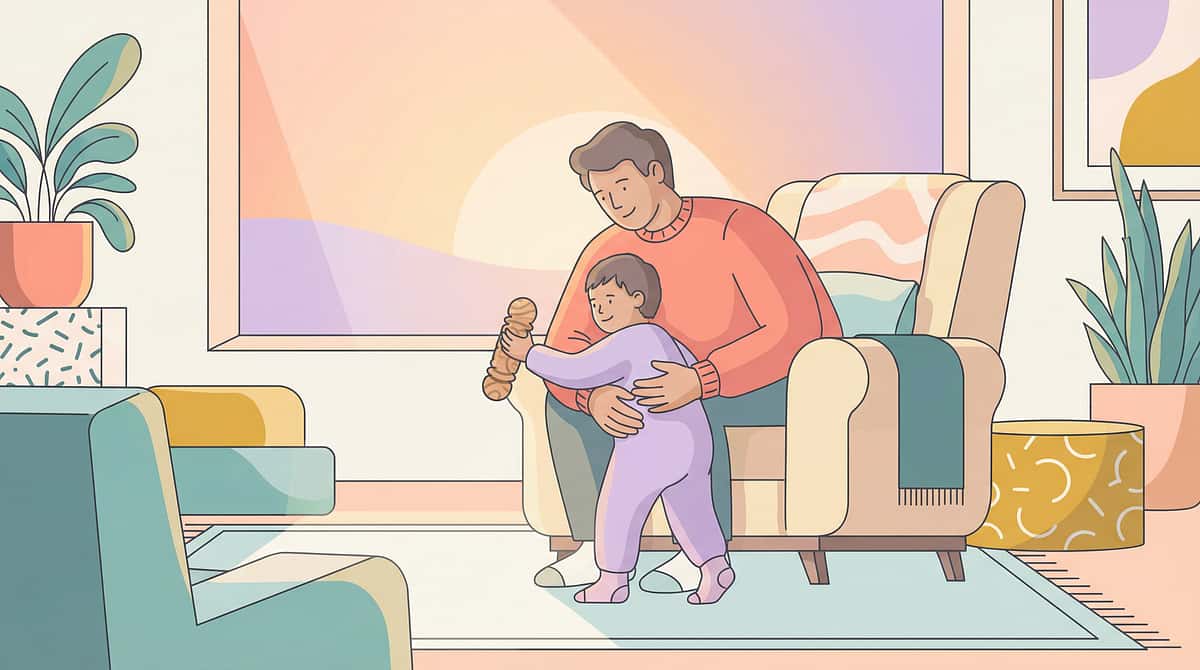
"Your child felt it. But couldn't say it. And that silence broke your heart."
Yesterday at your cousin's wedding, the music was too loud, the lights too bright — and your child stood at the edge of the room, face tightening into something you couldn't name. Frustrated? Overwhelmed? Scared? You asked, "Beta, are you okay?" and they said "Fine." Just fine. Always fine. But you knew it wasn't fine, and so did they — they just didn't have the word.
That wordless space between feeling and naming is where so many children with autism, language delays, and sensory processing differences live every single day. Emotion Word Understanding teaches children to name what they feel, so feelings can be expressed — not just endured.
"You are not failing. Your child's emotional world is rich and real. They simply need the bridge between feeling and language — and this technique builds that bridge, one word at a time."
Pinnacle Blooms Network® Consortium
SLP • OT • ABA • SpEd • NeuroDev

Millions of Families. One Shared Silence.
Emotion Word Understanding — the ability to hear, recognise, and use words that describe internal states like "frustrated," "overwhelmed," "disappointed," or "proud" — is one of the most under-targeted skills in early intervention. When this skill is weak, everything downstream suffers: friendships, school performance, family relationships, and the child's own mental health.
70%
Emotion Labelling Gap
Of children with autism have significant difficulty identifying and labelling their own emotions (JADD, 2023)
18M+
Indian Families
1 in 36 children in India are estimated to be on the autism spectrum — over 18 million families navigating this challenge (CDC 2023)
3x
Higher Risk
Higher risk of anxiety, behavioural outbursts, and social exclusion in children with limited emotion vocabulary (PMC10955541, 2024)
"You are among 18+ million Indian families navigating the exact challenge described on this page. The isolation you feel is not the truth."
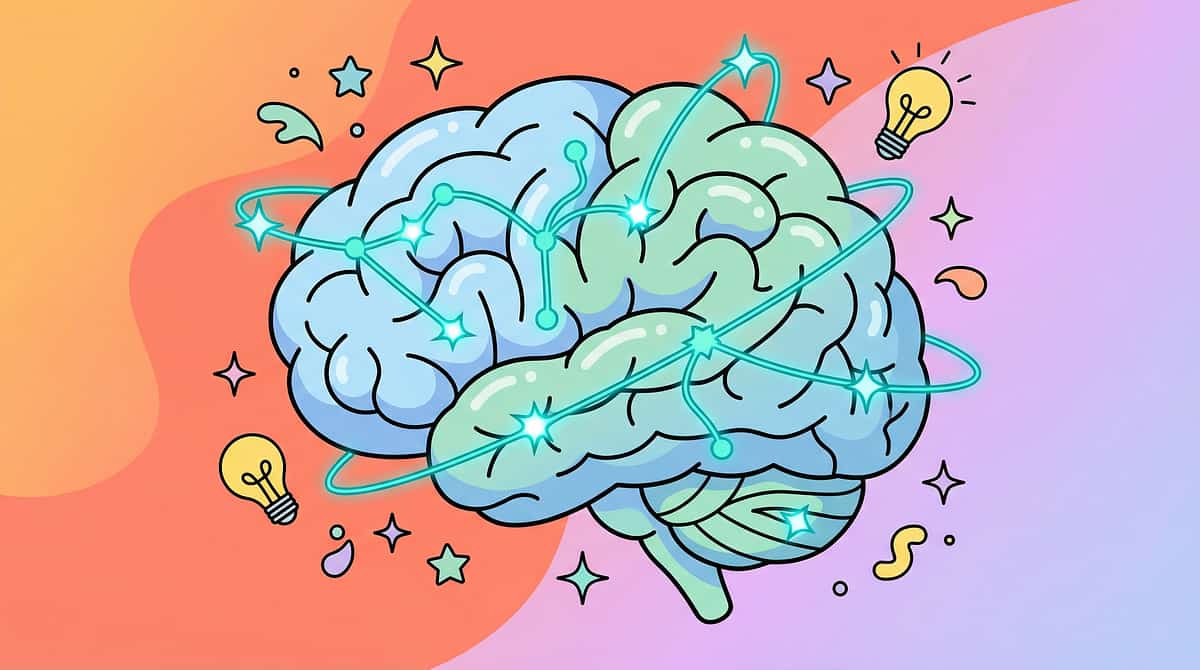
This Is a Wiring Difference, Not a Behaviour Problem.
What's Happening Clinically
- Amygdala: Detects emotional significance of experiences
- Insula: Processes body-based emotional signals (racing heart = nervous)
- Prefrontal Cortex: Applies language labels to those signals
- Broca's Area: Produces the spoken word for the emotion
What This Means for Your Child
- "Your child's emotional detector is working — often hyperactively"
- "They feel it in their body — stomach knots, tight chest, hot face"
- "The bridge between feeling and naming is under-developed — not broken"
- "The word 'frustrated' doesn't automatically connect to the sensation without explicit teaching"
In neurotypical development, children learn emotion words incidentally — through conversation, stories, and social mirroring. In children with ASD, ADHD, or language processing differences, this incidental learning pathway is disrupted. The amygdala-prefrontal-language connection requires explicit, repeated, multi-modal instruction. That is precisely what this technique provides.
Alexithymia Note: Up to 50% of people with autism experience alexithymia — difficulty identifying one's own emotions. For these children, emotion word instruction is not just helpful — it is transformative. Named emotions are regulated emotions. (PMID 32618368)
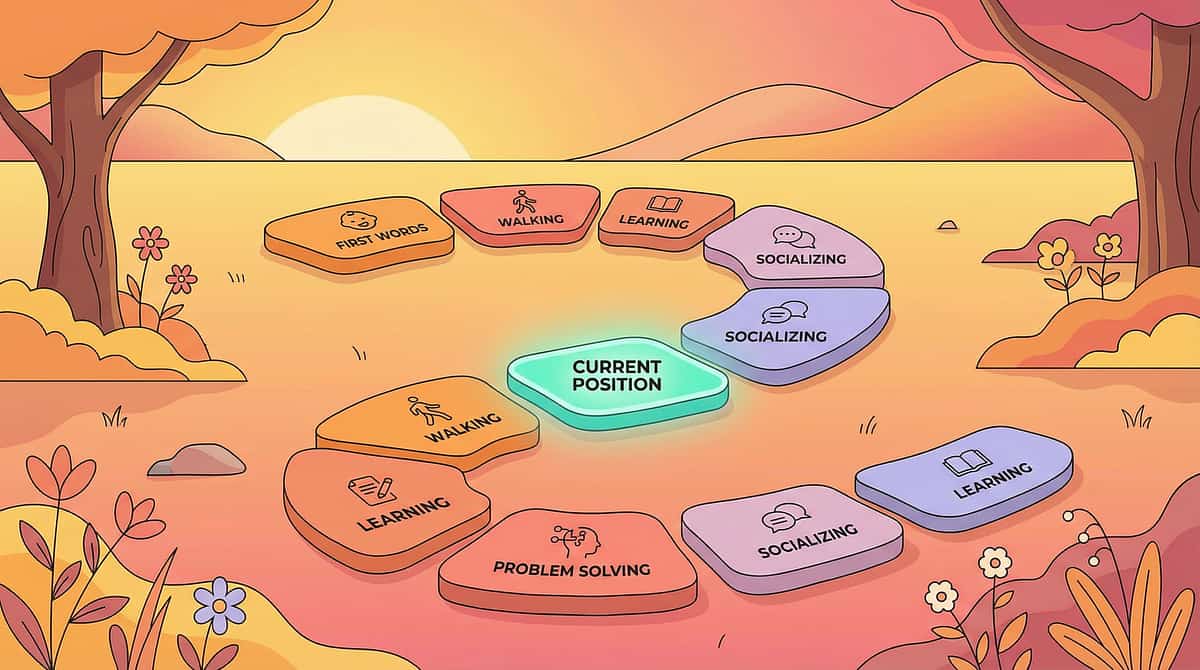
Your Child Is Here. Here Is Where We're Heading.
Understanding where emotion word development fits in the broader developmental timeline helps caregivers set realistic expectations — and celebrate genuine progress. The table below maps typical milestones alongside what delays look like in practice.
Age | Typical Milestone | What Delays Look Like | |
18–24 months | Points to happy/sad face in books | No facial emotion recognition | |
2–3 years | Uses "happy," "sad," "mad," "scared" | Limited to "fine" / "no" | |
3–4 years | Matches emotion to situation ("She's sad because her toy broke") | Cannot connect cause to feeling | |
4–5 years | Understands mixed emotions, intensity (a little sad vs. very sad) | Single-word responses only | |
5–7 years | Uses 20–30 emotion words; can describe body cues | 4–6 words maximum | |
7–9 years | Discusses complex emotions: embarrassed, proud, jealous, relieved | Stuck at basic 4: happy/sad/mad/scared |
Comorbidity Note: Emotion word delays commonly co-occur with Expressive Language Delay, ASD, ADHD, Selective Mutism, Anxiety Disorders, and Sensory Processing Disorder. Each of these pathways requires adapted instruction — covered in Card 22.

Clinically Validated. Home-Applicable. Parent-Proven.
This technique is grounded in the highest level of clinical evidence — systematic reviews and meta-analyses across multiple research populations, including India-specific validation.
🛡️ Level I Evidence
What the research says: A 2024 PRISMA-model systematic review (16 studies, 2013–2023) confirms that emotion identification and labelling instruction meets criteria for evidence-based practice in children with ASD across social communication, self-regulation, and peer interaction domains. Reference: PMC11506176
📊 Effect Sizes That Matter
Children receiving structured emotion vocabulary instruction showed 68% improvement in emotional communication and 43% reduction in behavioural outbursts related to unexpressed emotion within 8–12 weeks of consistent intervention. Reference: PMC10955541 (Meta-analysis, 24 studies)
🇮🇳 India-Specific Validation
The Indian Journal of Pediatrics RCT (Padmanabha et al., 2019) confirmed that home-based structured emotional communication intervention, delivered consistently by trained caregivers, produces statistically significant gains — generalizable to the Indian family context. DOI: 10.1007/s12098-018-2747-4
NCAEP 2020 Supported
87% Evidence Confidence

The Technique: What It Is
Technique B-164
Domain B: Social Communication
Formal Name: Emotion Word Understanding Instruction | Parent-Friendly Alias: "Words for Every Feeling" / "Feeling Dictionary Building"
Emotion Word Understanding Instruction is a structured, multi-modal intervention that explicitly teaches children to recognise, label, and communicate words that describe emotional states — their own and others'. Unlike incidental language learning, this technique uses visual supports, body-based anchoring, real-life scenarios, and systematic repetition to build a functional emotion vocabulary usable across home, school, therapy, and social situations.
Who It's For
- Children ages 2–10 years with ASD, language delays, ADHD, or social-emotional learning differences
- Children who respond with "fine" to all emotion questions
- Children who melt down without being able to articulate why
- Children who cannot read social situations because they don't know the feeling-words involved
Session Specifications
- Age Range: 2–10 years
- Duration: 10–20 min/session
- Frequency: Daily or 4–5x/week
- Mastery Timeline: 6–10 weeks
Domain Badges
- 🗣️ Domain B: Social Communication & Pragmatic Language
- 🧩 Subdomain B4: Semantic Language / Vocabulary
- 🔗 Cross-domain: Emotional Regulation (Domain C) | ABA Verbal Behavior (Domain D)
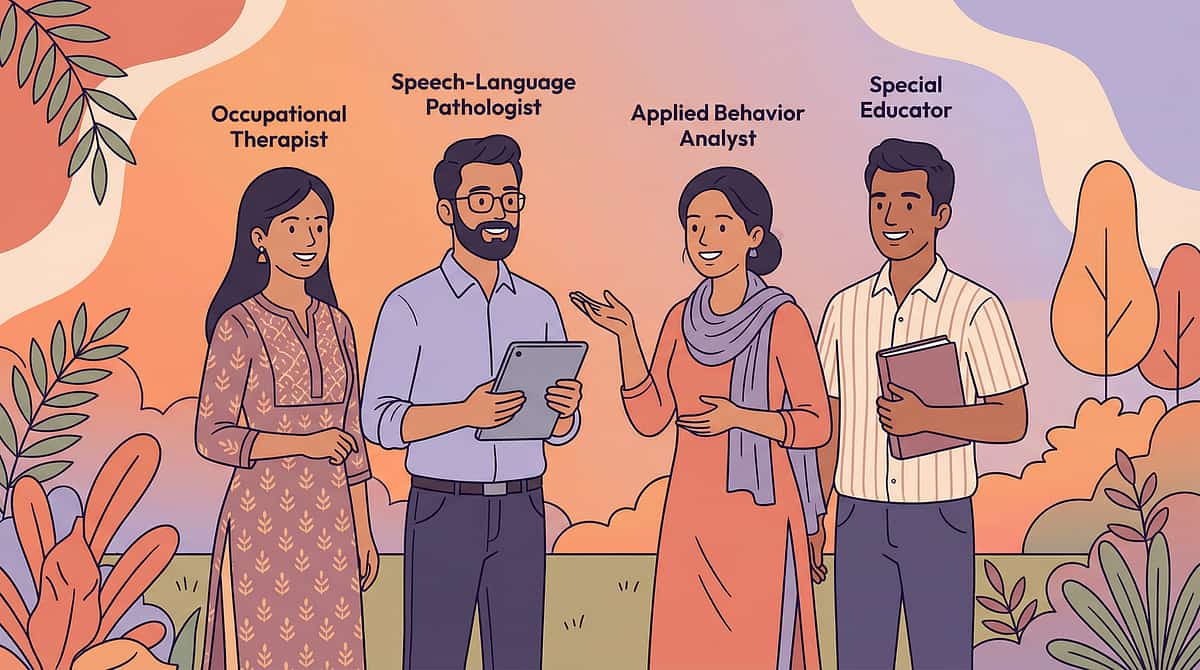
Who Uses This Technique
"This technique crosses therapy boundaries — because your child's brain doesn't organise by therapy type." Every discipline below plays a role, and when they work in concert, outcomes multiply.
Speech-Language Pathology (SLP) — Primary Lead
Drives core vocabulary instruction: selecting target emotion words, sequencing them by developmental complexity, embedding them in narrative and conversational contexts, and using aided language stimulation.
Occupational Therapy (OT) — Co-Lead
Anchors emotion words to body sensations (interoception): "When you feel your heart race, that might be excited or scared." Addresses sensory components of emotional experience and implements body-based emotion charts.
ABA / Behavior Analysis (BCBA) — Critical Support
Establishes discrete trial teaching (DTT) structure for initial acquisition of emotion labels. Implements reinforcement schedules, tracks mastery data, and manages generalisation across settings.
Special Education (SpEd) — Generalisation Lead
Embeds emotion word targets into classroom reading, social stories, and peer interaction scripts. Supports transfer from clinical to school contexts.
NeuroDevelopmental Pediatrics — Diagnostic Frame
Confirms presence of alexithymia, emotional dysregulation, or language processing profiles that require modification of standard instruction approaches.

What This Targets: A Precision Therapeutic Tool
"This isn't a random activity. It's a precision therapeutic tool." The targets below cascade from primary acquisition through to deep developmental gains — each one measurable and meaningful.
✅ Observable Behaviour Indicators
- Points to emotion face card correctly
- Uses "I feel [word]" spontaneously
- Asks "Are you [emotion]?" to others
- Refers to emotion thermometer/scale
- Uses emotion words to request support ("I need a break — I'm overwhelmed")

9 Clinically Validated Materials: Ready to Use
Every material listed here has been selected by the Pinnacle Blooms Consortium for its clinical utility, accessibility in Indian homes, and alignment with evidence-based practice. Total setup range: ₹1,200 – ₹6,200 | Zero-cost version available (see Card 10).
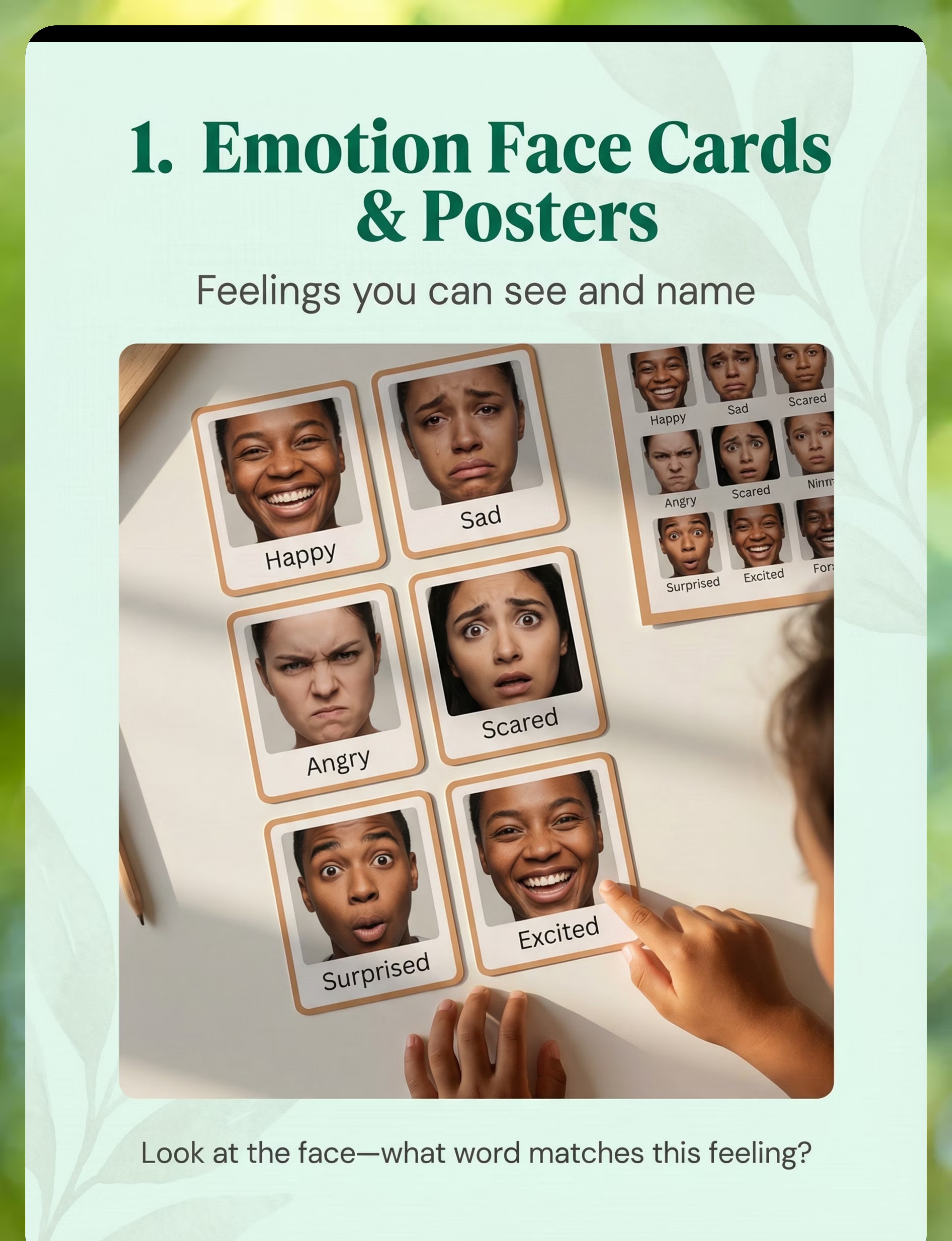
Material 1: Emotion Face Cards & Posters
Canon Category: Emotion Cards / Feelings Faces. Photographic or illustrated cards showing real faces expressing happiness, sadness, anger, fear, surprise, disgust, frustration, excitement, pride, worry, embarrassment, calm. Wall poster version for daily reference.
DIY Option: Print free emotion face sets from PictoSelector.com | Draw faces on index cards. Price Range: ₹200 – ₹800
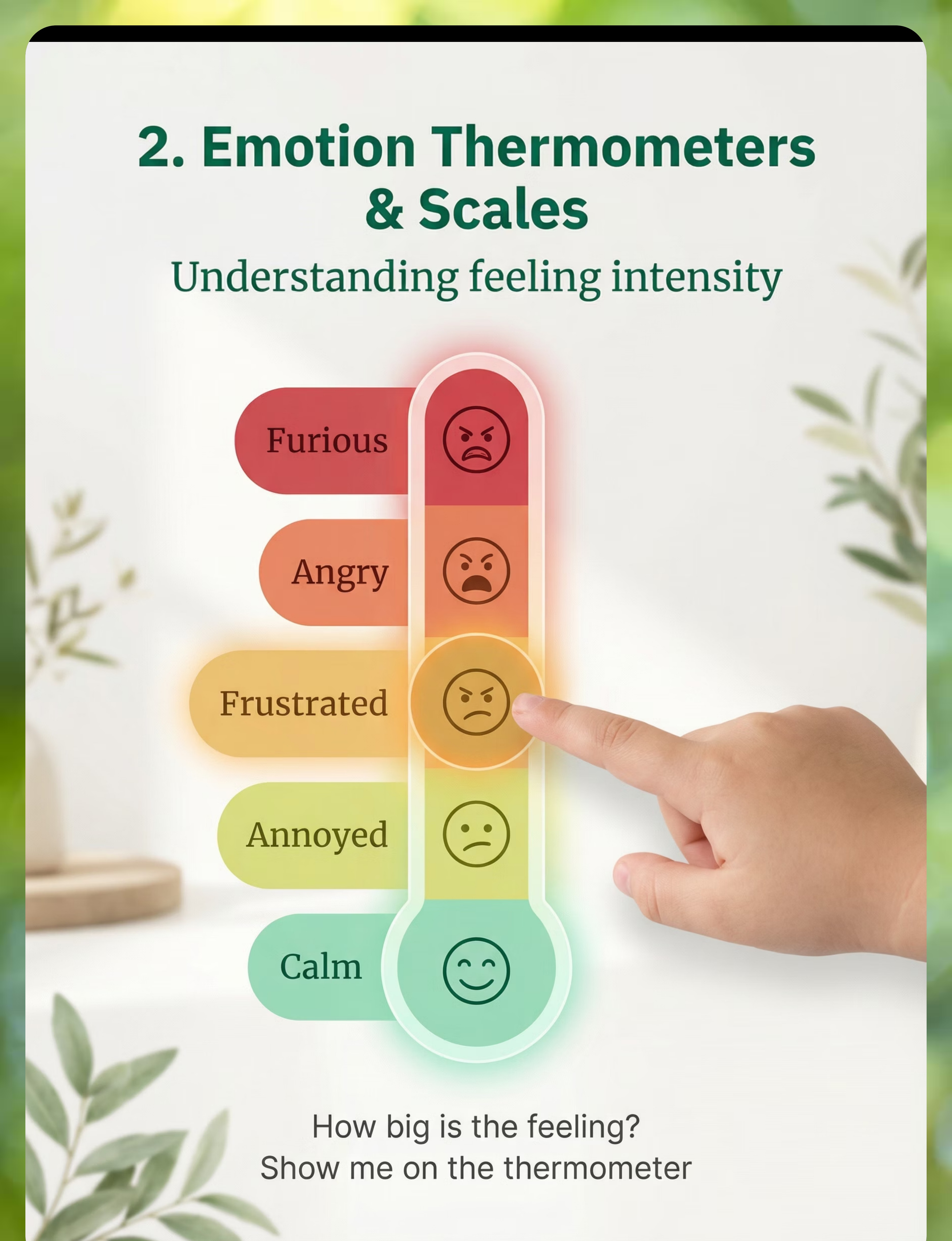
Material 2: Emotion Thermometer / Feelings Scale
Canon Category: Behavior / Feelings Thermometer. A vertical or horizontal visual scale showing emotion intensity — from calm (green) to very angry/overwhelmed (red), with 5 emotion-word steps. Child points to their current level.
DIY Option: Draw a 5-level thermometer on cardstock; laminate for reuse. Price Range: ₹150 – ₹600
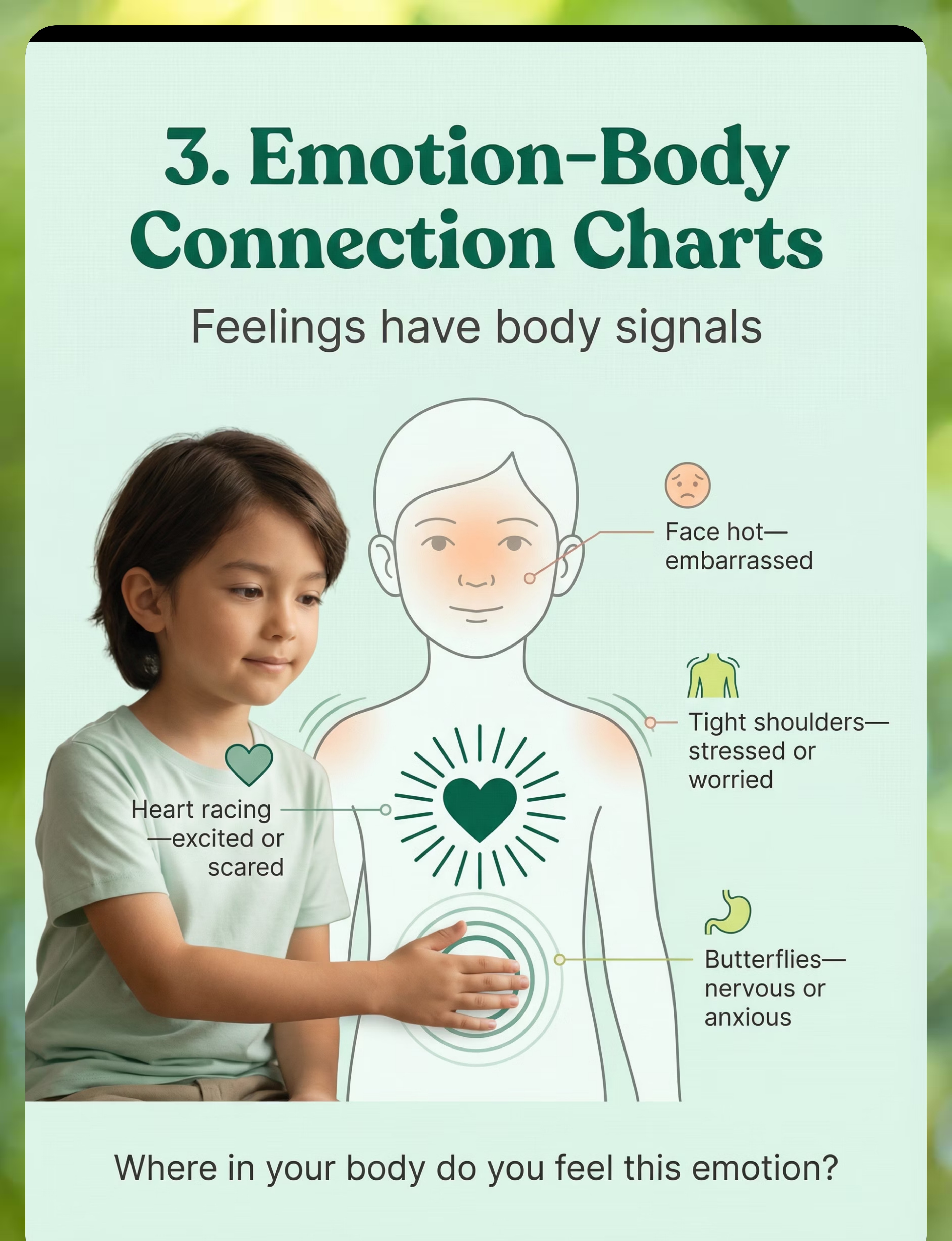
Material 3: Emotion-Body Connection Chart
Canon Category: Emotion Cards / Feelings Faces (body map variant). A body outline chart with arrows connecting body regions to feelings — racing heart = excited/scared, tight tummy = nervous, hot face = embarrassed. Builds interoceptive awareness.
DIY Option: Trace child's body on large paper; draw body signals together. Price Range: ₹100 – ₹400
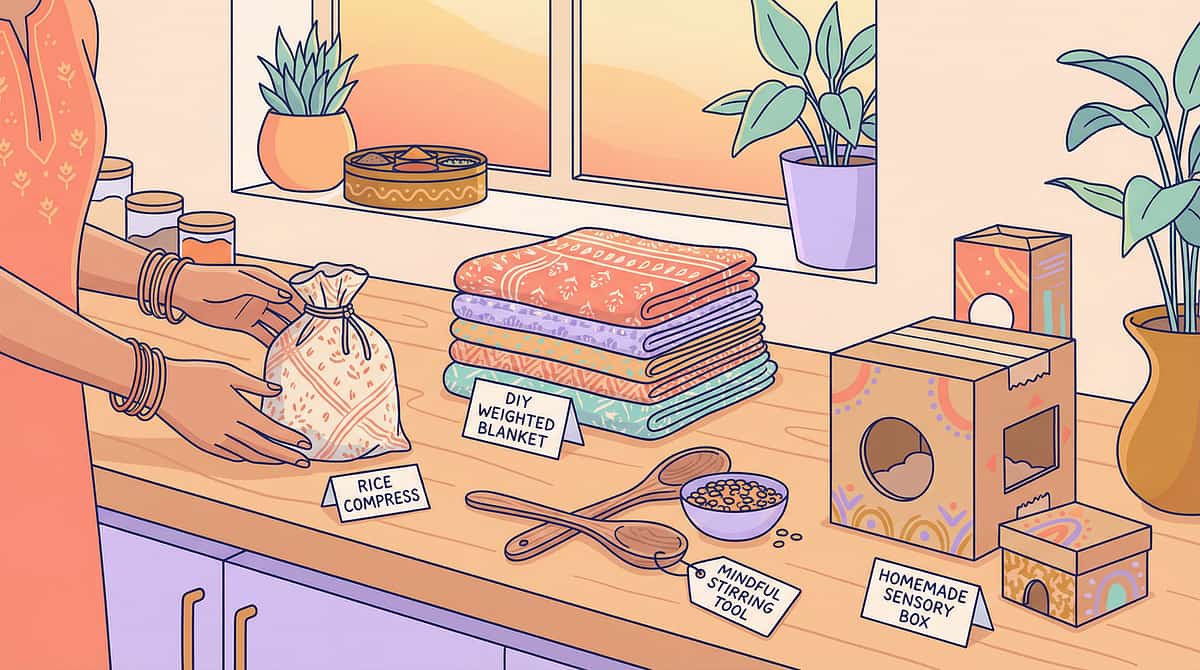
Materials 4–6: Scenarios, Books & Sorting Games
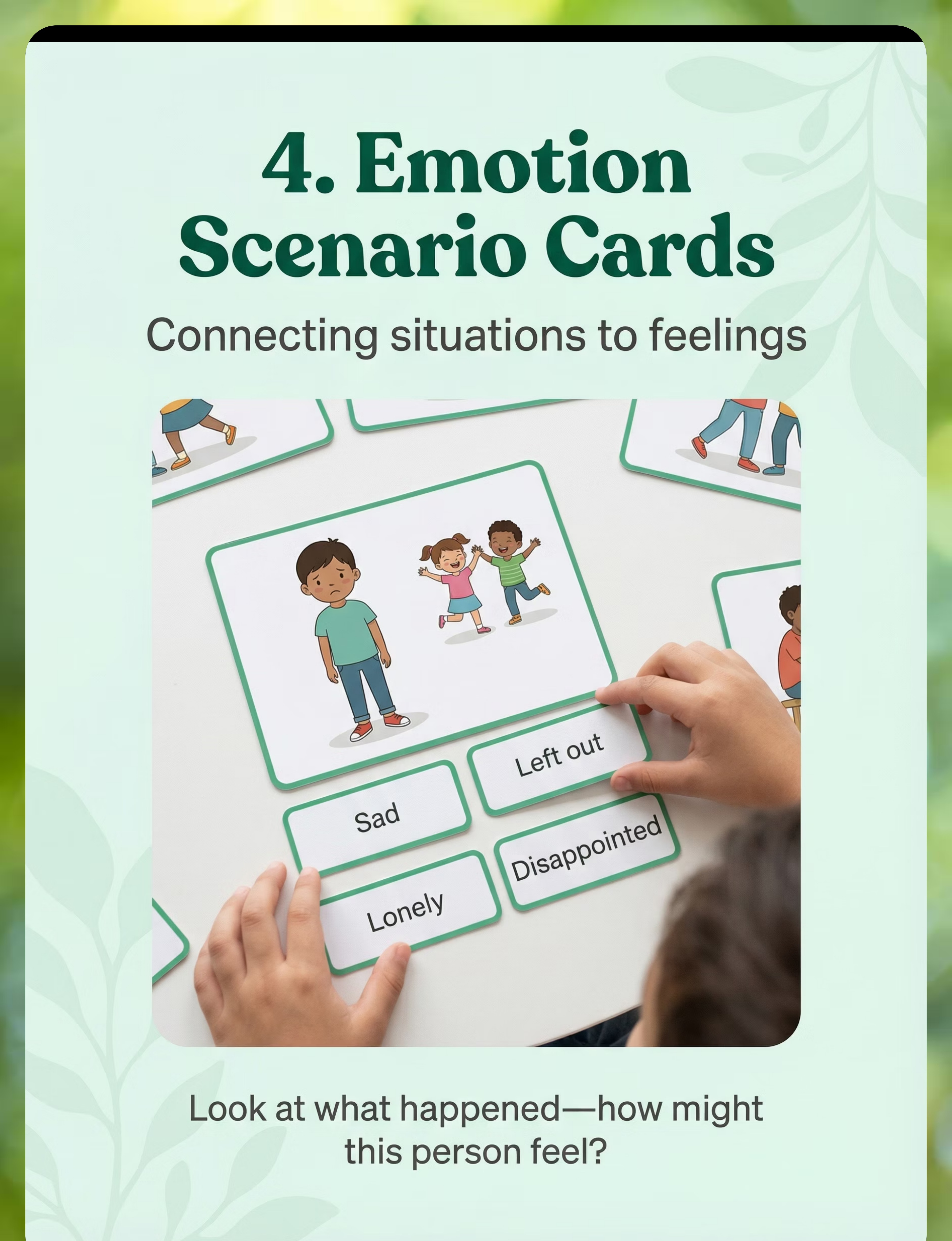
Material 4: Emotion Scenario Cards
Canon Category: Social Skills Cards / Scenarios. Two-panel cards showing a situation (left) and a feeling choice (right). "Her toy broke — how does she feel?" Bridges real-world events to emotion vocabulary.
DIY Option: Cut magazine pictures; pair with written emotion-word options. Price Range: ₹300 – ₹900
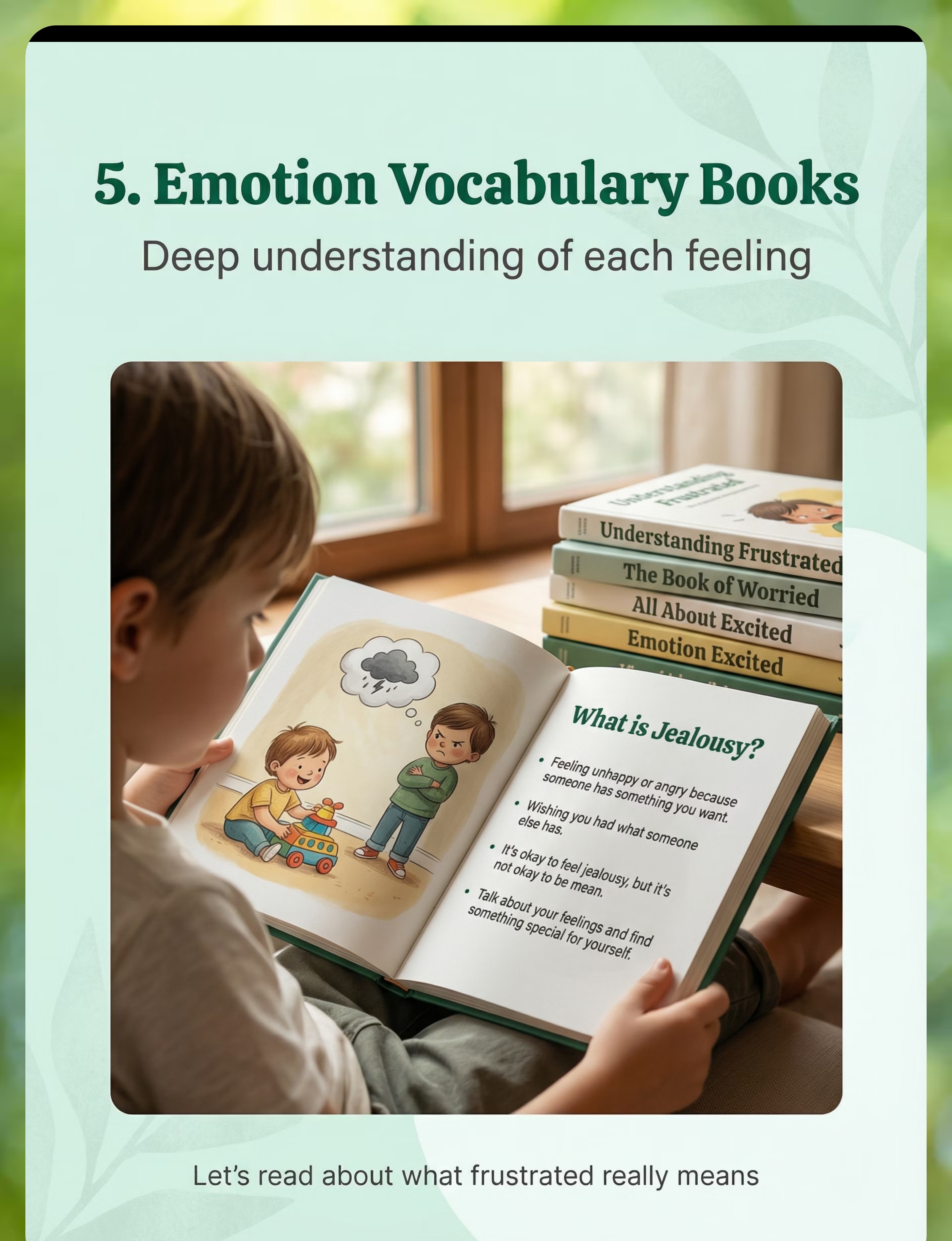
Material 5: Emotion Vocabulary Books
Canon Category: Social Stories / Narrative Supports. Children's books focused on specific emotions: The Way I Feel, The Feelings Book, When Sophie Gets Angry, Grumpy Monkey. Indian-authored options increasingly available (Tulika Books). Recommended: Everything Changes: And That's OK | Anxiety-Shoo! by Offshore Learning.
DIY Option: Create a home-made "My Feelings Book" with child's own photos. Price Range: ₹150 – ₹500 per book | ₹800 – ₹2,500 for a curated set
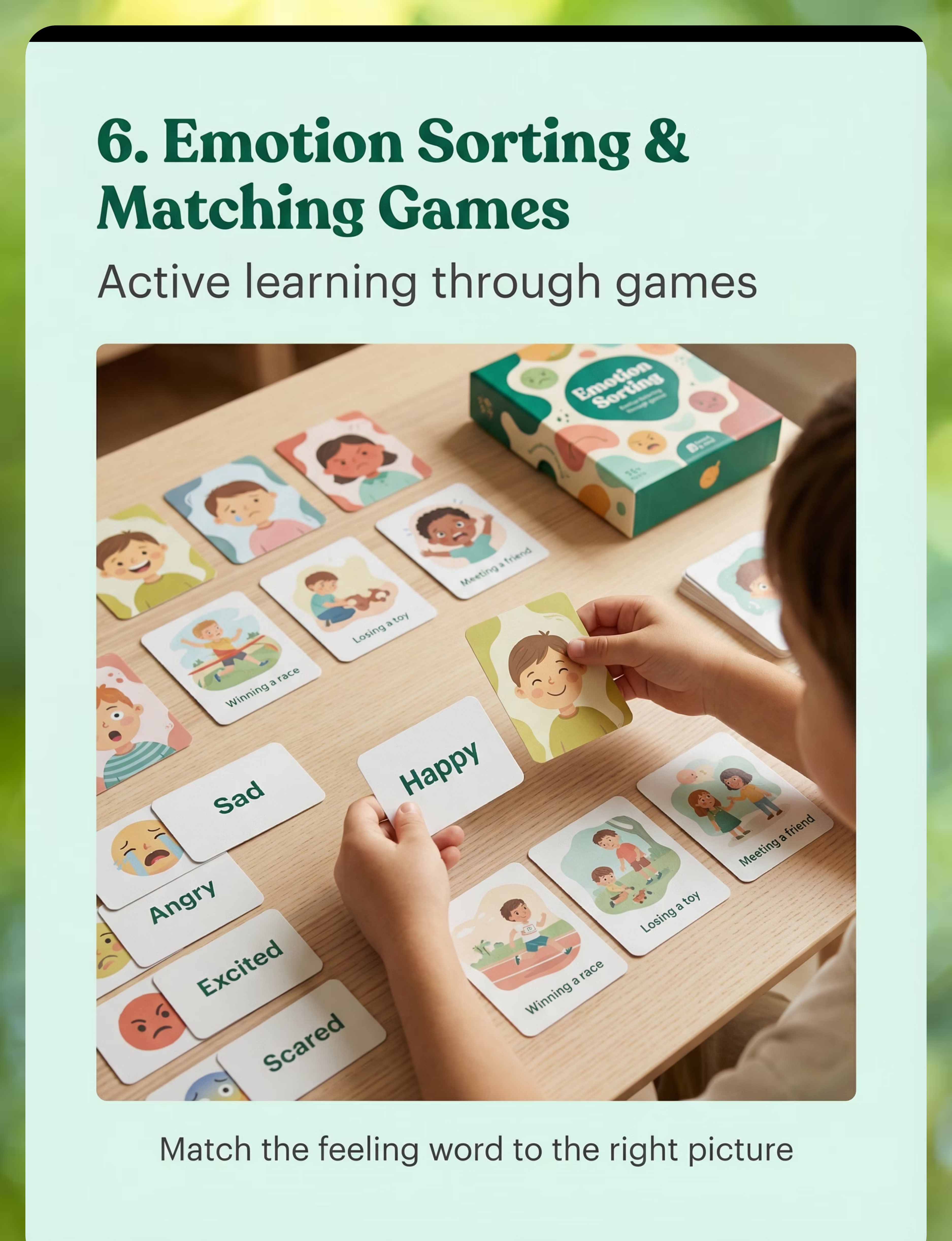
Material 6: Emotion Sorting & Matching Games
Canon Category: Sorting Activities / Categorisation. Games where child matches emotion word cards to face cards, or sorts situations into feeling buckets. Brainy Bug Flashcards App-Enabled — ₹305 | Amazon.in. Also: Zooplay India Emotions Flash Cards Pack of 24 with Coping Strategies.
DIY Option: Sort printed emotion cards into bowls labelled with feelings. Price Range: ₹200 – ₹700
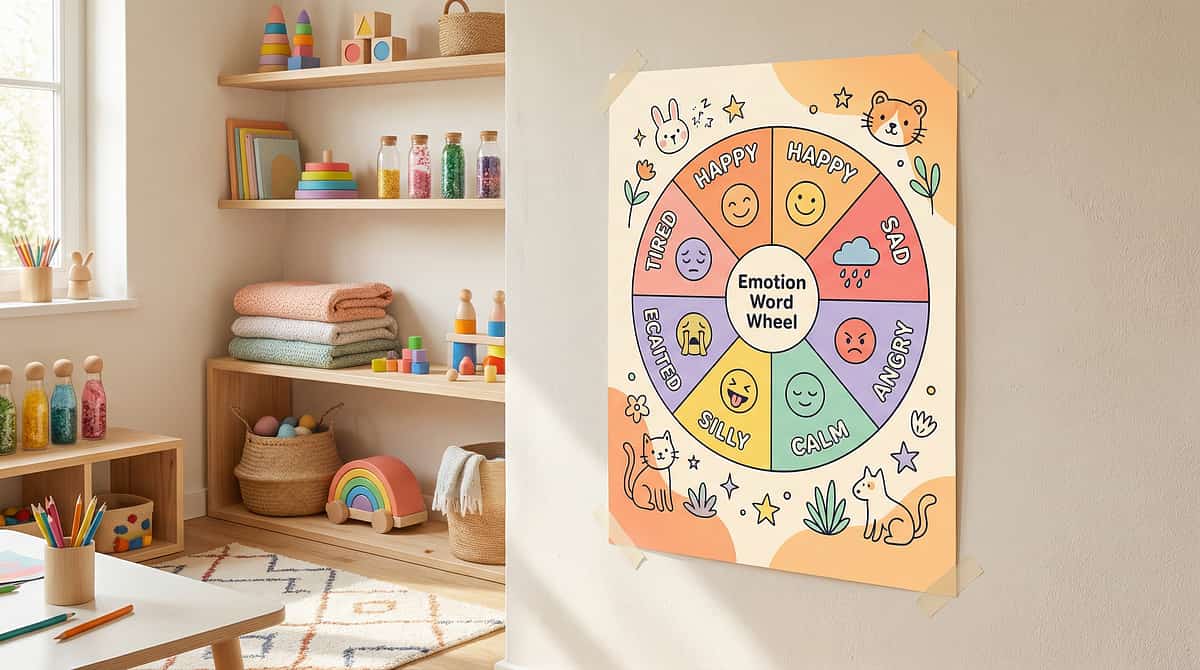
Materials 7–9: Wheel, Check-In Board & Video Modelling
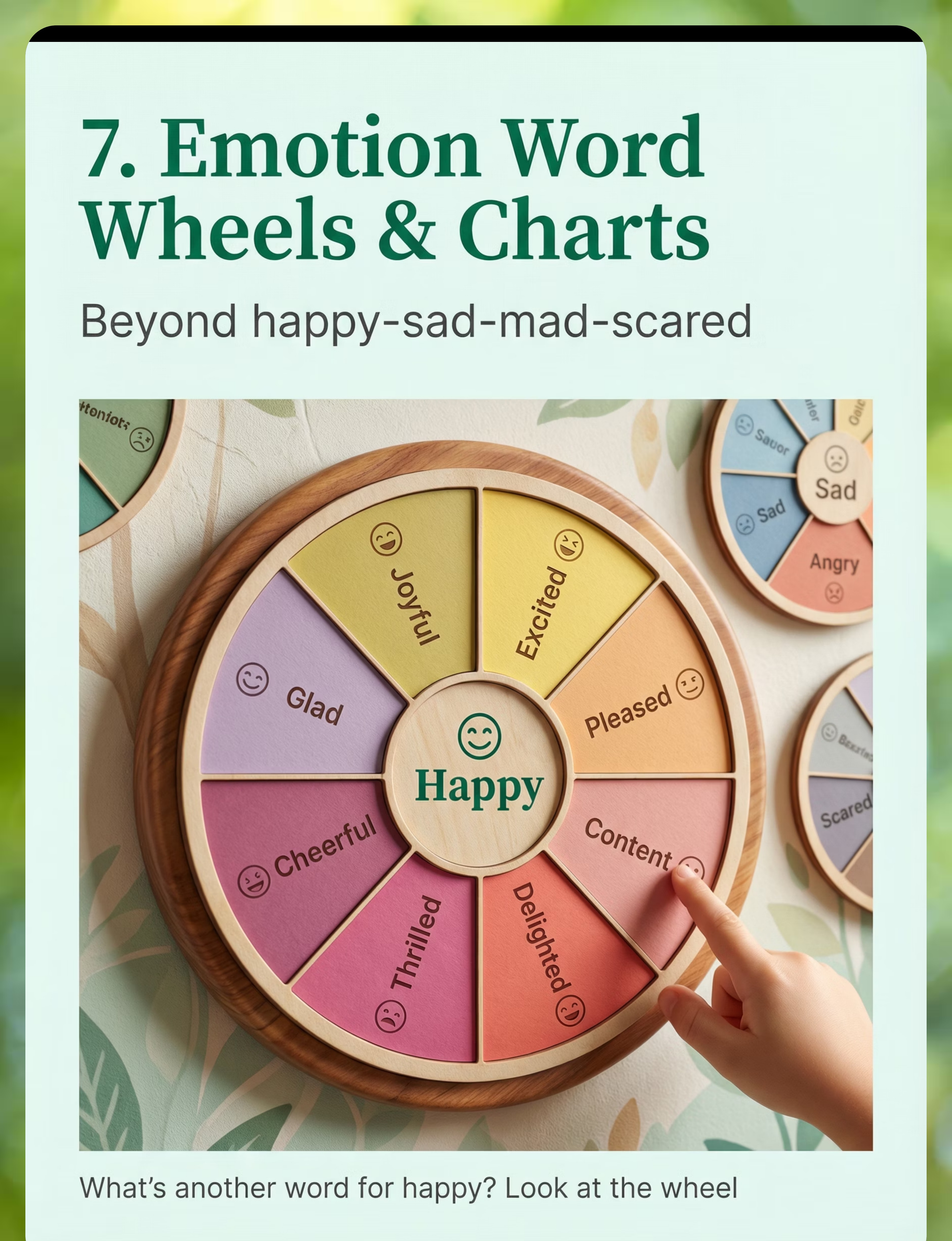
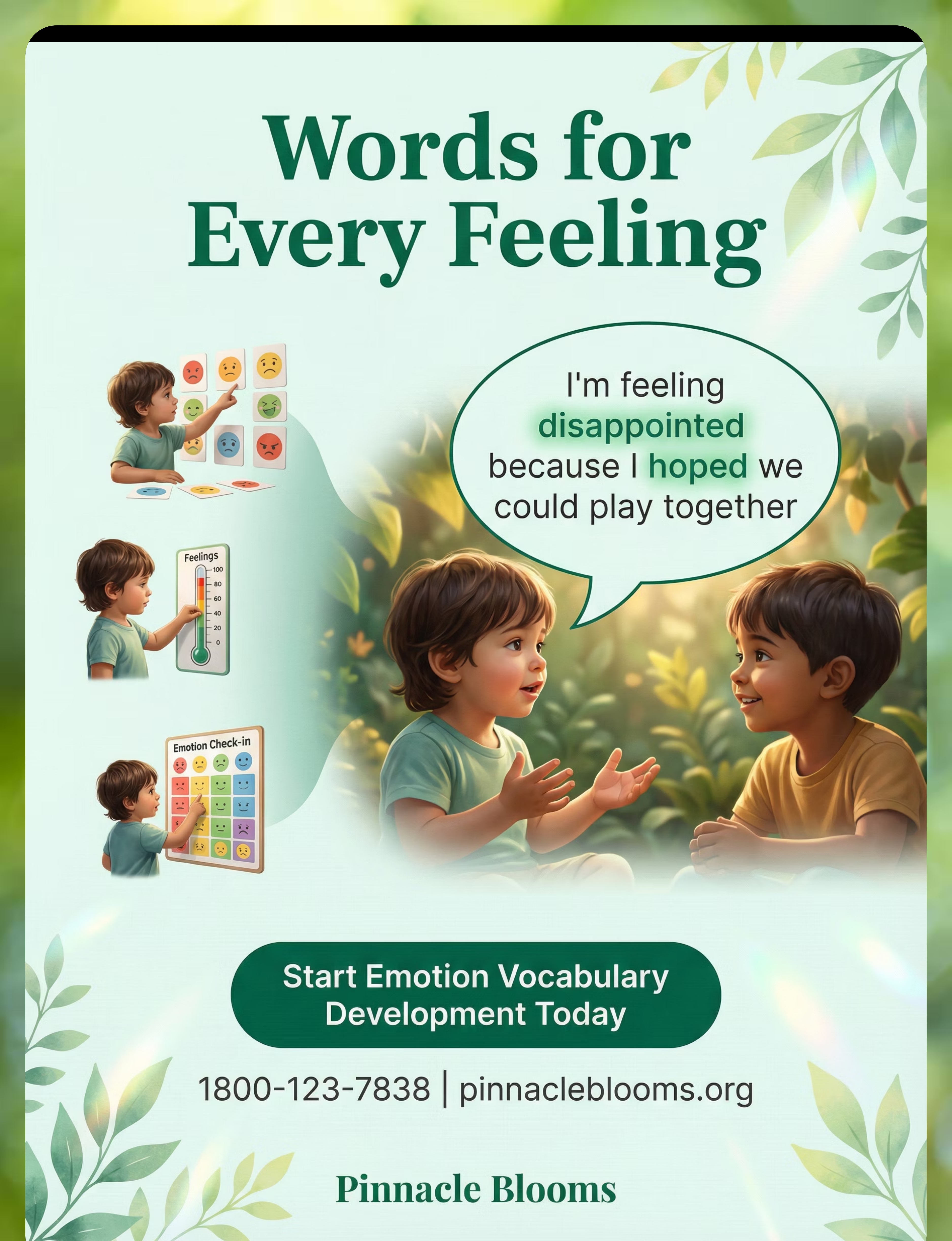
Material 7: Emotion Word Wheel / Chart
Canon Category: Emotion Cards / Feelings Faces (wheel variant). A circular chart showing a primary emotion in the centre (Happy) surrounded by nuanced synonyms: Joyful, Excited, Pleased, Cheerful, Content, Thrilled. Expands vocabulary beyond the basic 4.
DIY Option: Draw a paper plate emotion wheel; child writes and illustrates each feeling. Price Range: ₹200 – ₹700
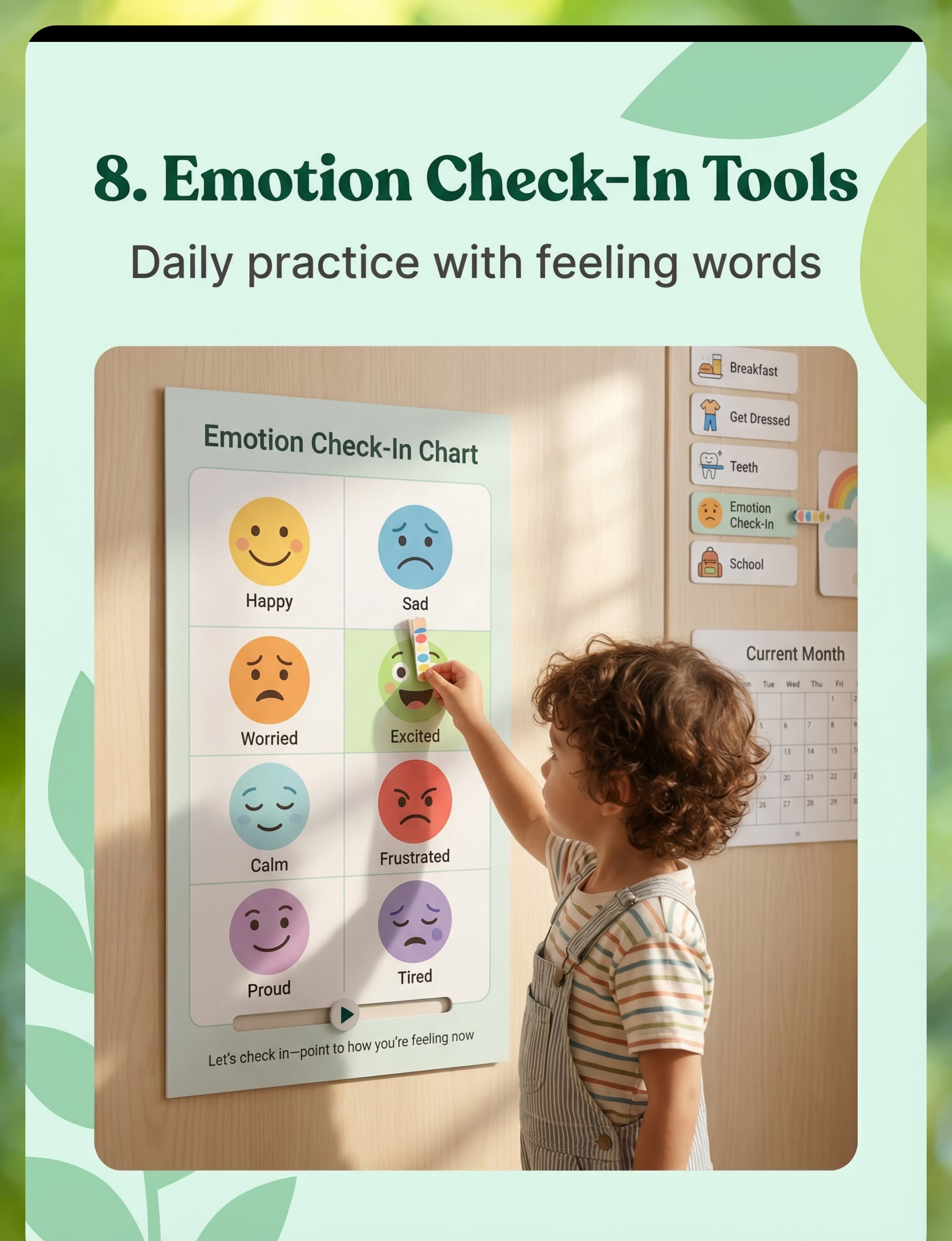
Material 8: Emotion Check-In Board
Canon Category: Visual Schedule System. A daily morning board with emotion faces and word labels. Child selects their current feeling to start the day. Builds the daily habit of emotion labelling. Visual Schedule for Kids with Autism, Daily Routine Chart — available Amazon.in.
DIY Option: Velcro strip on wall + printed emotion face cards = functional check-in station. Price Range: ₹250 – ₹800
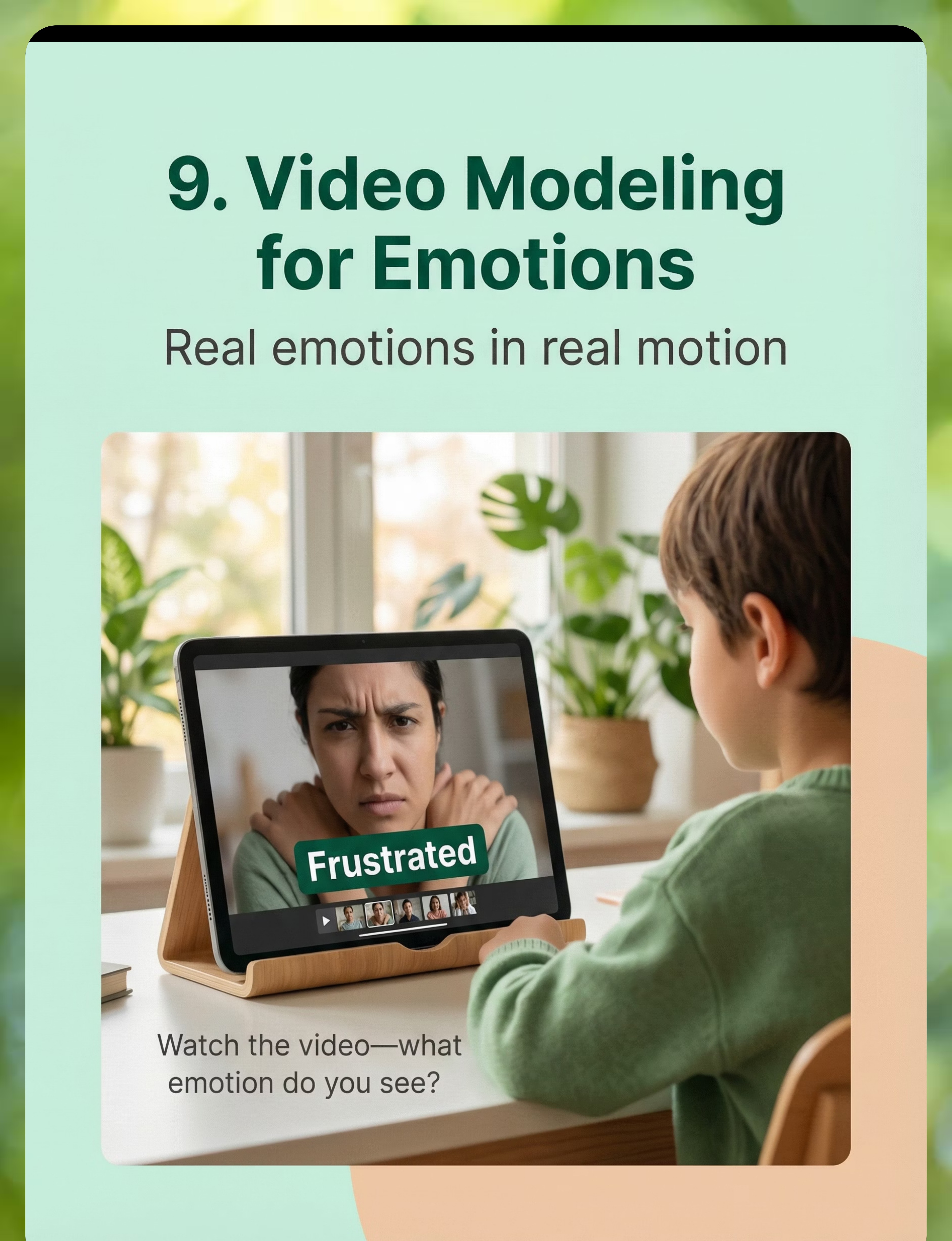
Material 9: Video Modelling Resources for Emotions
Canon Category: Emotion Cards / Feelings Faces (video variant). Short video clips (tablet/phone) showing real people or characters demonstrating specific emotions with word labels visible. Provides dynamic, multi-modal learning.
DIY Option: Record family members acting out emotions; add text overlays in free video apps. Price Range: ₹0 (free: Pinnacle Blooms YouTube Channel) – ₹500 (premium apps)
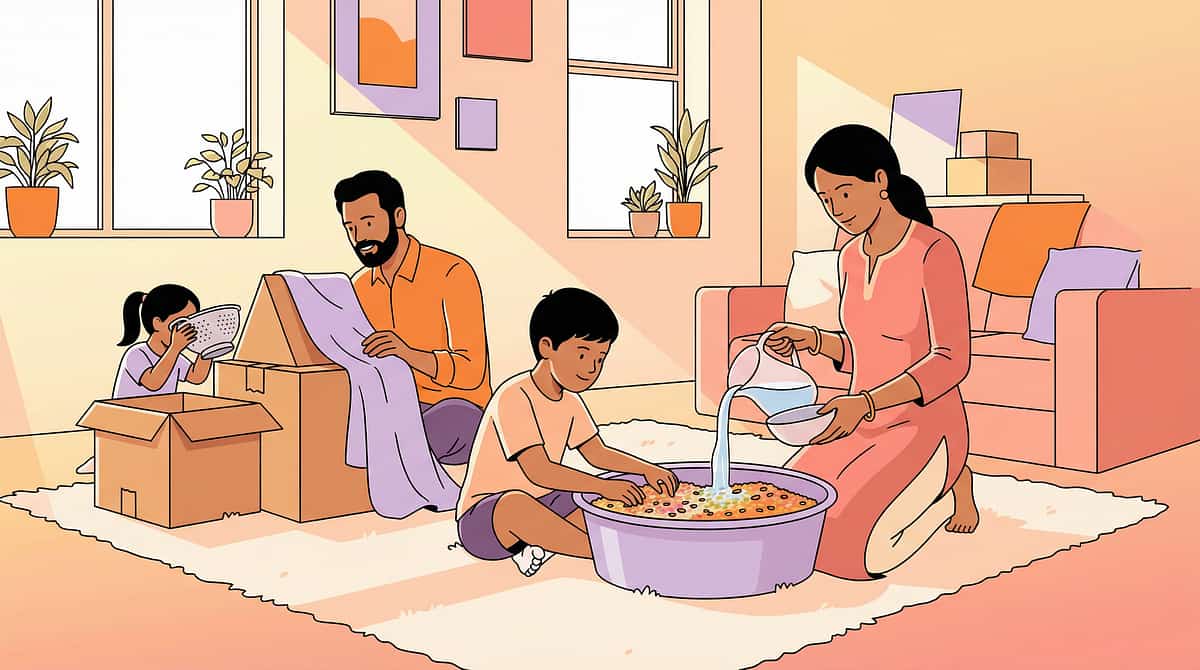
Every Family Can Start Today — With What They Already Have
The WHO Nurturing Care Framework explicitly states that effective early childhood interventions must be accessible regardless of economic context. Every technique in the GPT-OS® system has a zero-cost pathway.
Material | Buy (₹) | Make at Home | |
Emotion Face Cards | ₹200–800 | Print free faces from Google Images; laminate with contact paper | |
Feelings Thermometer | ₹150–600 | Draw 5-step scale on cardstock; use red marker for "hot" feelings | |
Body Connection Chart | ₹100–400 | Trace child on large paper; draw signals together | |
Scenario Cards | ₹300–900 | Cut magazine pictures; write emotion choices on sticky notes | |
Emotion Books | ₹150–500 | Make a "My Feelings Book" with child's own photos in a notebook | |
Sorting Games | ₹200–700 | Sort printed emotion cards into bowls labelled with feelings | |
Emotion Wheel | ₹200–700 | Draw paper plate wheel; child writes and illustrates each feeling | |
Check-In Board | ₹250–800 | Velcro strip + printed cards on bedroom door | |
Video Modelling | ₹0–500 | Film family acting emotions; watch together on phone |
The therapeutic mechanism is in the STRUCTURE and REPETITION, not the material cost. A hand-drawn emotion card used consistently 5 days a week produces the same neural pathway development as a laminated commercial card. Caregiver engagement quality always outperforms material quality.
Safety First: Read This Before Every Session
"Read this before every session. Non-negotiable." The following traffic-light safety framework protects your child, your therapeutic relationship, and the long-term effectiveness of this technique.
🔴 DO NOT PROCEED IF:
- Child is currently in a meltdown or post-meltdown recovery (within 30 minutes)
- Child has a fever, illness, or significant physical discomfort
- Child has experienced a traumatic event in the past 24 hours
- There is an active crisis in the household that has dysregulated the child
- Child shows signs of severe anxiety related to specific emotion content — consult SLP/BCBA first
🟡 MODIFY THE SESSION IF:
- Child appears tired, hungry, or slightly dysregulated → shorten session to 5 minutes
- Child is in a highly excited/aroused state → begin with regulation activity first
- Session materials include an emotion the child recently experienced with trauma → skip that word today
- Child is nonverbal or minimally verbal → use pointing/touching responses only, no verbal production pressure
🟢 SAFE TO PROCEED IF:
- Child is in a calm-alert state and has eaten within 2 hours
- No sensory overload triggers are active in the environment
- Parent/caregiver is also calm and has 10–20 minutes of focused presence
STOP IMMEDIATELY if: Child begins showing signs of severe distress (hitting, biting, bolting, dissociation) or explicitly refuses using any communication modality — honour the refusal. Session ends. Emergency Contact: National Autism Helpline: 9100 181 181
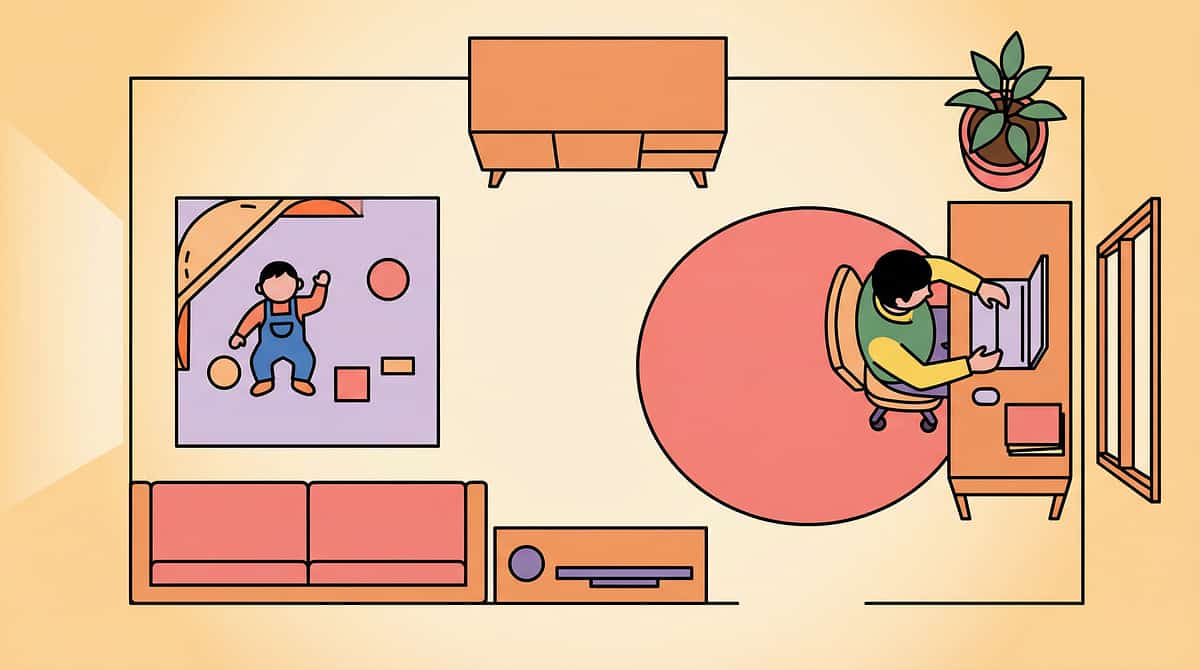
Set Up Your Space: The Environment Is Half the Intervention
Research confirms that structured environment in 1:1 sessions produces maximum effectiveness in communication interventions. Getting the space right before you begin is not optional — it's clinical practice.
1
Child's Position
Low chair or floor cushion, facing caregiver, back to wall — reduces visual distraction and supports regulated engagement.
2
Caregiver's Position
At child's eye level, 1–2 feet facing child. Physical proximity signals connection and makes communication natural.
3
Material Position
To child's right side on a low table/tray: emotion cards, thermometer, scenario cards — within reach but not overwhelming.
4
Visual Schedule
On wall directly in child's sightline: "Today we learn feeling words." Predictability reduces anxiety before sessions start.
5
Remove from Space
TV off, siblings out, phone on silent, no background music initially. Quiet is the default; add white noise only if silence itself is dysregulating.
Indian Home Adaptation: This technique works on the floor on a durrie/mat, at a chowki table, or on a cot — no special furniture needed. The critical factor is consistent positioning and reduced distractions, not clinical equipment.
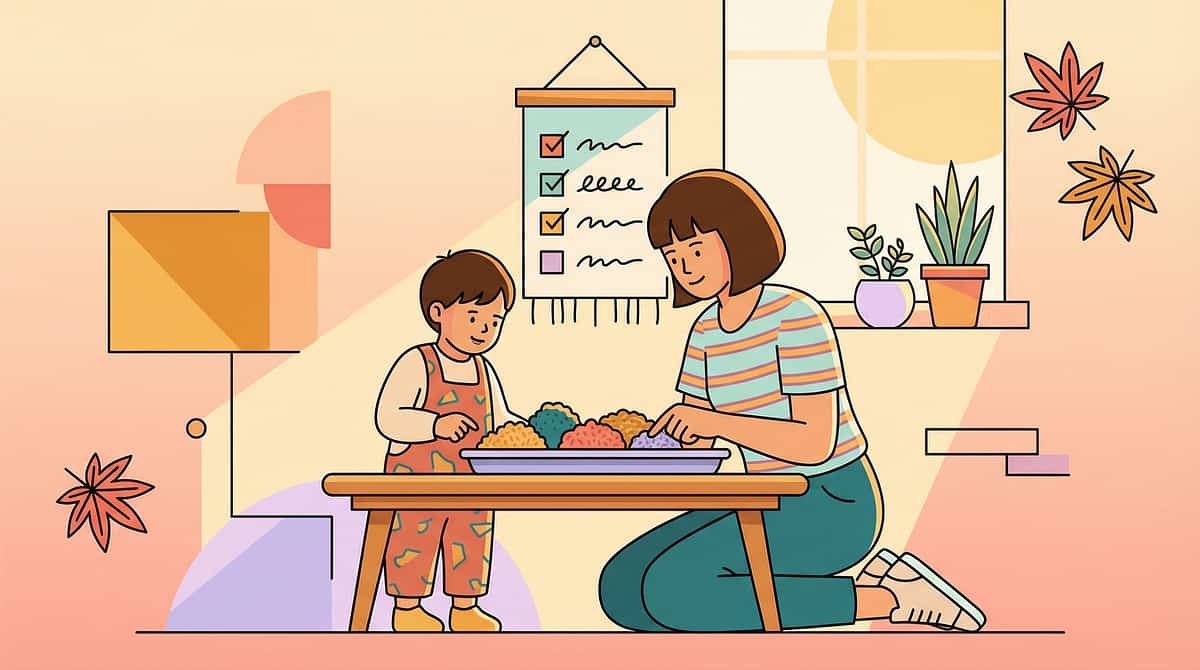
Is Your Child Ready? The Readiness Check
"The best session is one that starts right." Use this observable — not subjective — checklist before every session. Your honest assessment here protects the effectiveness of everything that follows.
Check | ✅ GO | ⚠️ MODIFY | ❌ POSTPONE | |
Body state | Calm, alert, making eye contact | Slightly restless but manageable | Crying, hitting, bolting | |
Last meal | Within 2 hours | 2–3 hours ago (offer snack first) | Hungry / just ate (wait 20 min) | |
Sleep | Adequate sleep last night | Slightly tired | Overtired / just woke | |
Environment | Quiet space available | Minor distractions (manage them) | Chaos / siblings crying / TV on | |
Emotional history | Ordinary day | Minor frustration earlier | Meltdown in past 30 min | |
Caregiver state | You are calm and focused | Slightly distracted (manageable) | You are significantly stressed |
5–7 ✅
→ GO to Step 1: The Invitation
3–4 ✅
→ MODIFY: Use 5-minute version — one emotion word only, 3 repetitions, no new content
0–2 ✅
→ POSTPONE: Offer regulation activity — 10 minutes of preferred play, then reassess
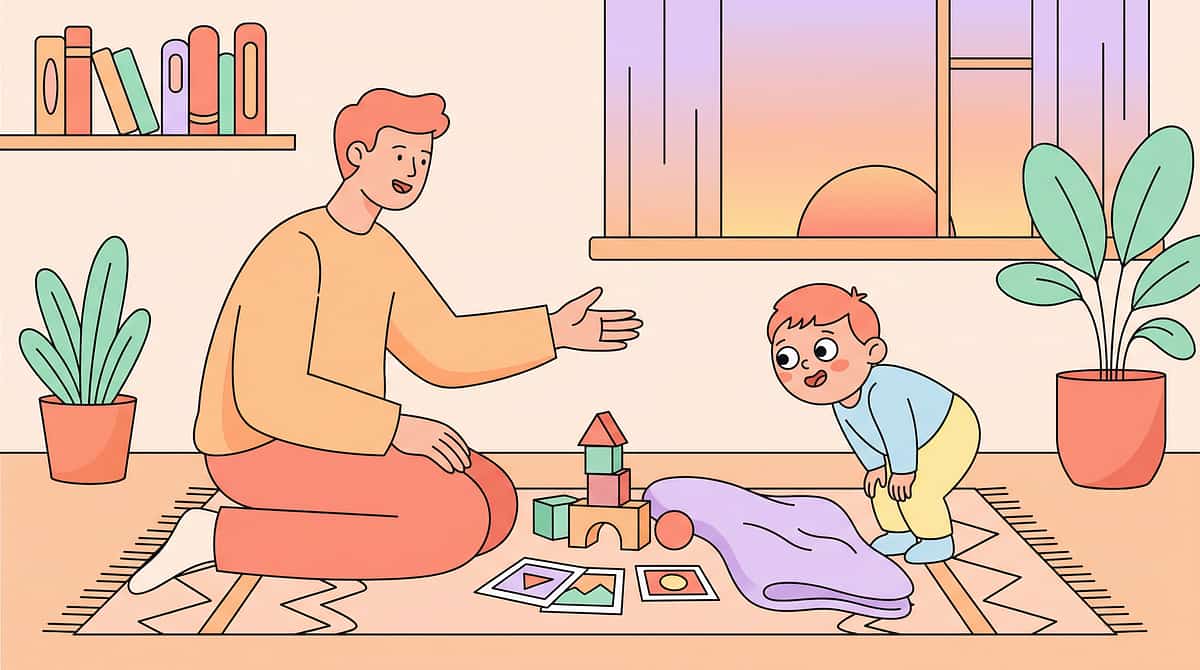
Step 1: The Invitation
Step 1 of 6
Step Principle: Every session begins with an invitation, not a command. This distinction protects the child's sense of agency — and makes the entire experience associatively positive over time.
"[Child's name], I have something fun for us! Look — feelings cards! Let's play the feelings game together. You want to try?"
What to Do
- Sit at eye level (or below eye level for some children)
- Hold up one card face-out so child can see it
- Use warm, animated tone — not clinical
- Wait 5–10 seconds for any response (verbal, gaze, reach, nod)
Acceptance Cues — What "Yes" Looks Like
- Child looks at the card or reaches toward it
- Child says "yes" / "okay" / nods
- Child smiles or orients toward you
Resistance Cues — What to Do
- Child turns away → "Just look at this one face" (one card only)
- Child pushes card away → "Okay, not now. We'll try again in 10 minutes."
- Child vocalises negatively → "It's okay! You're in charge. Let's just look."
ABA Principle at work: Motivating operations + pairing. Make yourself and the material reinforcing BEFORE placing any demand.

Step 2: The Engagement
Step 2 of 6
Choose ONE engagement activity based on your child's current developmental level. There is no "right" level — only the right level for your child, today.
1
Level A — Emerging
2–4 years / minimal vocabulary. Present 2 emotion face cards: Happy and Sad. "Look! This face is HAPPY. This face is SAD. Show me happy. Show me sad." Child points or touches the matching card.
2
Level B — Developing
3–6 years / some vocabulary. Present 4 cards: Happy, Sad, Angry, Scared. "Let's sort our feelings! Can you find the 'worried' face?" Introduce one new emotion word alongside 3 known ones.
3
Level C — Expanding
5–10 years. Use emotion scenario card + emotion word wheel. "Look — the boy's toy broke. How do you think he feels? Find the word on the wheel."
🟢 Engaged
Child actively pointing, labelling, reaching — maintain this pace
🟡 Tolerating
Child passive but compliant — maintain gentle pacing, no pressure
🔴 Avoiding
Child redirecting, resisting — drop back to Level A or pause session

Step 3: The Therapeutic Action
Step 3 of 6
Core Therapeutic Action: The Emotion Word — Body — Situation TRIANGLE. For each target emotion word, you create a TRIANGLE of understanding: (1) the WORD, (2) the BODY FEELING it connects to, and (3) the SITUATION that causes it. This is the active ingredient.
1
Step A — NAME IT
Show the emotion face card. Say the word clearly, twice. "This is FRUSTRATED. Frustrated."
2
Step B — BODY IT
Point to or touch the body sensation location on the body chart. "When we feel frustrated, our tummy might feel tight. Our jaw might clench. Our hands might squeeze." Help child find that sensation in their own body if present.
3
Step C — STORY IT
Show or describe a scenario where this emotion occurs. "Arjun felt frustrated when the puzzle piece didn't fit. He tried and tried. That feeling in his tummy? That's frustrated."
4
Step D — CHECK IT
"Have you ever felt frustrated? When?" Accept any response modality: pointing, gesture, vocalization, AAC device output.
Duration: 3–5 minutes per emotion word | Maximum 2–3 emotion words per session. If child shows distress when a specific emotion word is presented — skip that word today, note it, consult your SLP.
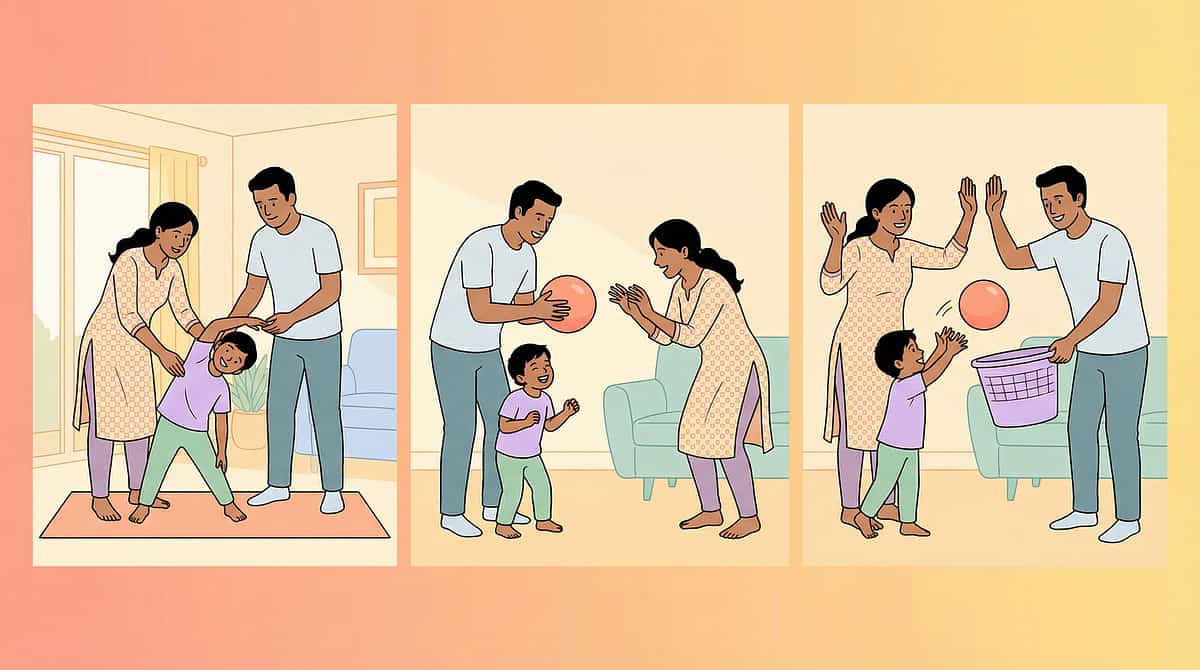
Step 4: Repeat & Vary
Step 4 of 6
"3 great repetitions beat 10 forced ones. Every time." Dosage matters — quality of engagement always outperforms sheer volume of trials.
📊 Dosage Guide
- Target: 2–4 repetitions of each emotion word across different modalities
- Maximum: 3 emotion words per 15-minute session
- Minimum: 1 emotion word × 3 repetitions = meaningful session
🔄 Variation Menu
- Matching: Match word card to face card (receptive identification)
- Labelling: Show face, ask "what feeling?" (expressive labelling)
- Sorting: Sort 8 cards into happy/sad piles (category consolidation)
- Story: Read 2 pages from emotion book, pause for feeling labels
- Body Check: "Show me where worried lives in your body"
- Drawing: Child draws a face for the emotion (creative consolidation)
⛔ Satiation Indicators — Stop Before These
- Child begins redirecting to preferred activity
- Eye contact decreases significantly
- Response latency increases beyond 10 seconds
- Child begins requesting "all done"
Signal session end BEFORE satiation — always end on a success, never on a struggle.

Step 5: Reinforce & Celebrate
Step 5 of 6
"Celebrate the attempt, not just the success." The timing of reinforcement is as important as its content. Reinforcement must arrive within 3 seconds of desired behaviour. After 3 seconds, the learning window closes.
✅ Correct Labelling
"YES! That's PROUD! You just named that feeling — brilliant!"
✅ Correct Pointing
"You found NERVOUS! You're learning so fast!"
✅ The Attempt (even if wrong)
"I love how you tried! Let's look together — see the worried face? Here it is."
✅ Unexpected Connection
"Oh wow, you remembered! Yesterday we learned frustrated and today you used it — incredible!"
Reinforcement Menu
- Social: Warm praise, high five, hug (if accepted), thumbs up
- Activity: 2-minute break with preferred toy as reward
- Token: Add a star/sticker to emotion chart
- Natural: "Because you named the feeling, now we can fix it together"
The ABA Science
Immediate, specific, enthusiastic reinforcement following correct emotional communication creates a neural association between emotional identification behaviour and positive social outcome — the core learning mechanism. (BACB Ethical Guidelines for Reinforcement in Pediatric Populations)

Step 6: The Cool-Down
Step 6 of 6
"Every session ends gently. No abrupt stops." Abrupt session endings create cortisol spikes and negative associations with the activity. Gradual transitions with child agency protect the therapeutic relationship.
"We did SO well today! We learned [emotion word 1] and [emotion word 2]. Let me give you a high five. Now let's put our feeling cards to sleep in their box. Ready? 1, 2, 3 — in they go! All done with feelings today! You can go play with [preferred activity] now."
If child resists ending: "One more? Okay, ONE more — then really all done." Use a visual timer: "When the red is gone, we're finished." Avoid negotiating beyond one extension. (NCAEP 2020: Visual transition supports classified as evidence-based practice for autism.)

Capture the Data: Right Now
"60 seconds of data now saves hours of guessing later." Record these three data points within 60 seconds of session end — while the session is still fresh in your memory.
1
Emotion Words Practised
List the 1–3 words you worked on today. Method: Write / voice note.
2
Correct Identification Rate
e.g., "4 out of 6 attempts correct." Method: Tally marks during session.
3
Child's Engagement Level
Rate 1–5 (1=refused, 5=excellent). Method: Circle number immediately after.
Tracking Tools
- 📄 Download B-164 Session Tracker PDF
- 📱 Track in GPT-OS® AbilityScore® — pinnacleblooms.org/gpt-os
- 📓 Paper Notebook: Any notebook works — consistency beats format
Optional but Powerful
- Any spontaneous use of emotion words OUTSIDE the session (note exact words and context)
- Any notable behaviour during or after session
Your data feeds GPT-OS® TherapeuticAI®, which adjusts your child's EverydayTherapyProgramme™ weekly based on actual mastery rates — not assumptions. 20+ million sessions analysed to date.

What If It Didn't Go as Planned?
"The technique needs adjustment. Not the parent. Not the child." Every difficult session is data — not failure. The six problem-solution pairs below address the most common challenges families encounter.
❓ "My child refused to look at the cards at all."
What happened: Materials may not yet be associated with positive experience. Next time: Pair cards with a preferred activity for 3 sessions — just show the cards passively during play, no demands. Then introduce labelling.
❓ "My child labelled everything 'happy' regardless of the face."
What happened: Rote response / echolalia / insufficient visual discrimination. Next time: Use only 2 contrasting cards (very happy vs. very sad). Exaggerate facial features. Reduce to binary choice only.
❓ "My child got upset when we showed the 'angry' face."
What happened: Specific emotion may be personally activating or traumatic. Next time: Skip "angry" for this week. Start with less activating emotions (happy, surprised, calm). Gradually reintroduce. Flag for SLP/BCBA review.
❓ "My child labelled correctly in session but never uses emotion words spontaneously."
What happened: Acquisition without generalisation — common in ASD. Next time: Add personalisation strategies. Also use natural emotion labelling throughout the day: "I feel tired now. I feel excited about dinner!"
❓ "My child is verbal but uses 'I don't know' for all emotion questions."
What happened: Possible alexithymia or anxiety about "wrong answers." Next time: Remove right/wrong framing entirely. Use forced choice only: "Happy face or sad face — just point."
❓ "The session lasted 2 minutes before my child walked away."
What happened: Attention duration shorter than session design. Next time: Legitimate data! Design tomorrow's session for exactly 2 minutes. Micro-sessions (2–3 minutes, 4–5 times/day) outperform long sessions for some children.
If patterns persist beyond 2 weeks — consult your Pinnacle SLP, BCBA, or call 9100 181 181.
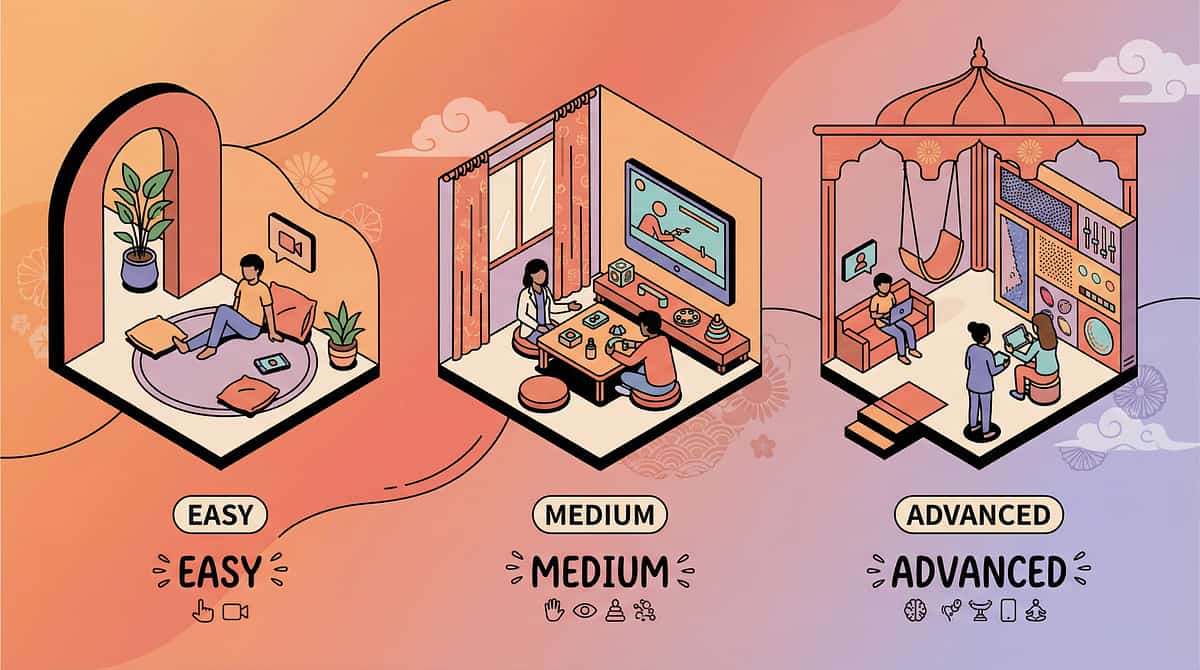
Adapt & Personalise: No Two Children Are Identical
This technique isn't either. Below you'll find three difficulty tiers and sensory profile adaptations to match your child's unique needs — on each specific day.
← EASIER (Distressed / Low-Tolerance Days)
- 1 emotion word only per session
- Use child's OWN photo showing that emotion — most relevant visual anchor
- No verbal production required — pointing response only
- 3-minute session maximum
- Only use "Happy" and "Sad" until 90% mastery
CORE (Standard Protocol — Cards 14–20)
- 2–3 emotion words per session
- Mix of face cards, scenario cards, body chart
- Verbal labelling + pointing response expected
- 10–15 minute session duration
HARDER → (Expansion-Ready Children)
- Introduce nuanced vocabulary (frustrated vs. angry vs. furious)
- Use emotion word wheel for synonym chains
- Role-play scenarios; "hidden feeling" games
- Introduce self-reflective journaling: "My Feelings Today" diary
Sensory Profile Adaptations
- Sensory Avoider: One card at a time, no poster background
- Sensory Seeker: Add textured emotion cards, movement breaks between words
- Auditory Sensitive: No background music; calm, slow vocal delivery
- Visual Thinker: Emphasise image-based cards; add colour coding
🇮🇳 Cultural Adaptation for Indian Families
Use emotion examples drawn from Indian family life: festival excitement, grandmother's visit joy, school pressure frustration, sibling conflict anger. Children generalise better from culturally resonant scenarios.
- 2–4 years: Only basic 4 emotions, physical response only
- 5–7 years: Full protocol + writing/drawing integration
- 8–10 years: Emotion journal + perspective-taking layer

Week 1–2: What to Expect
Progress: 15%
Download Phase
You are installing new vocabulary software. Weeks 1–2 are the download phase — nothing visible on the surface yet, but the foundations are being laid. Your consistency is the only variable that matters right now.
✅ What Progress Looks Like
- Child tolerates emotion cards without distress — this alone is progress
- Child points to 2–3 emotion faces correctly when asked
- Child shows any recognition response (eye widening, body orientation, smile)
- Sessions last 5+ minutes without resistance
⏳ What Is NOT Progress Yet (And That's OK)
- Child is not yet spontaneously using emotion words → Normal
- Child still says "fine" to all feeling questions → Normal
- Child cannot yet connect a situation to a feeling → Normal
(PMC11506176 — Systematic review: Early-phase emotion intervention indicators focus on tolerance and participation, not mastery. Outcomes emerge across 8–12 week timelines.)

Week 3–4: Consolidation Signs
Progress: 40%
Neural Pathways Forming
Something is shifting. The neural pathway is forming — and you may see the first glimpses of emotional language emerging spontaneously. These are landmark moments.
Child begins anticipating the activity
"Feelings game?" — unprompted excitement signals that the activity has become positively associated.
Child correctly identifies 4–6 emotion words without prompting
This is receptive vocabulary consolidation — a key benchmark of early mastery.
Child uses an emotion word spontaneously — even once
Document this immediately: exact words, context, and time. This is neurological transfer — a profound milestone.
Reduction in "I don't know" responses
The child is beginning to trust their own emotional perception. Confidence in labelling is growing.
When to Increase Intensity: If child is correctly identifying 80%+ of practised emotion words — add one new emotion word per week. Introduce the emotion word wheel. Begin scenario cards if not already using.

Week 5–8: Integration & Expansion
Progress: 65%
Deep Integration Phase
This is when the work becomes visible to the world. Emotion words are no longer just "therapy activities" — they're becoming part of your child's daily language toolkit.
✅ Signs of Deep Integration
- Child uses 10+ emotion words correctly and spontaneously
- Child can describe body cues for major emotions
- Child beginning to label others' emotions from facial expressions
- Reduction in unexplained behavioural outbursts
- Child asks about others' feelings ("Are you sad?")
🚀 Expansion Targets for This Phase
- Move from Basic 4 to expanded vocabulary: frustrated, overwhelmed, proud, embarrassed, relieved, nervous, excited, disappointed
- Begin perspective-taking: "How do you think she felt when...?"
- Introduce the emotion wheel's nuance layer (synonyms and intensity gradations)
Research: Neuroplasticity — synaptic strengthening through repeated structured input across pediatric timelines (PMC10955541).

Celebrate Mastery 🏆
Mastery is not an endpoint — it is an opening. Emotion word understanding has 5+ complexity levels from basic labelling to nuanced emotional self-reflection. Reaching mastery of B-164 opens the gateway to the advanced Social Communication techniques in Domain B.
Mastery Criterion 1
Child independently labels 15+ emotion words from visual stimuli with 80%+ accuracy across 3 consecutive sessions.
Mastery Criterion 2
Child spontaneously uses emotion words in at least 3 different natural settings (home, school, community).
Mastery Criterion 3
Child demonstrates emotion-situation connection for at least 5 emotion scenarios without prompting.
🏆 Download Mastery Certificate
📊 Update AbilityScore®
This milestone advances your child's EverydayTherapyProgramme™ — pinnacleblooms.org/gpt-os
🔔 Notify Your Therapist
They'll celebrate with you and advance your child's programme to the next level.

Red Flags: When to Seek Professional Support
Knowing when to call in professional support is not a sign of failure — it is excellent clinical judgement. Use the traffic-light framework below with confidence.
🔴 Consult Your SLP/BCBA Immediately If:
- Child shows increasing distress or regression after 3 weeks of consistent practice
- Child develops a specific fear or phobia around any emotion word or face
- Child displays severe emotional dysregulation during sessions
- Child's behaviour worsens significantly during the 8-week window
🟡 Discuss at Next Appointment If:
- No progress indicators after 4 weeks of 4x/week practice
- Child plateaus at 3–4 emotion words and cannot advance
- Sessions are consistently ending in refusal or meltdown
- Parent is experiencing significant burnout trying to implement
🟢 You're Doing Well — Continue If:
- Any progress is visible (even tiny) after 2 weeks
- Child is tolerating sessions even if mastery is slow
- Family is maintaining 3+ sessions per week consistently
📞 FREE Support
National Autism Helpline: 9100 181 181
💻 Teleconsultation
🏥 Nearest Centre
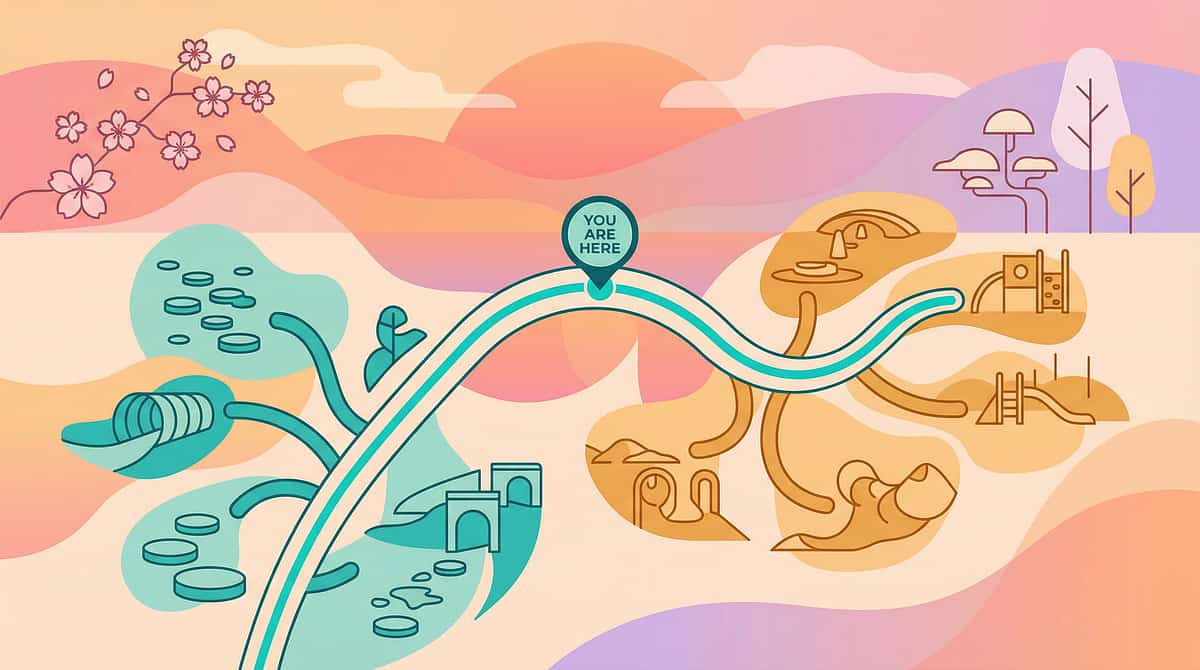
Your Progression Pathway
Emotion Word Understanding sits within a carefully sequenced ecosystem of techniques. Knowing where you came from — and where you're headed — helps you see your child's growth as a journey, not a series of isolated exercises.
If emotion labelling mastered → advance to:
- B-165: Yes/No Question Comprehension
- B-168: Category Understanding
- B-172+: Complex Social Communication
If emotion-body connection emerging → pair with:
- C-231: Meltdown Management Techniques (Domain C)
- A-089: Interoception Activities (Domain A)
If peer application is weak → go to:
- Domain B Social Pragmatics: Perspective-Taking, Conversation Repair
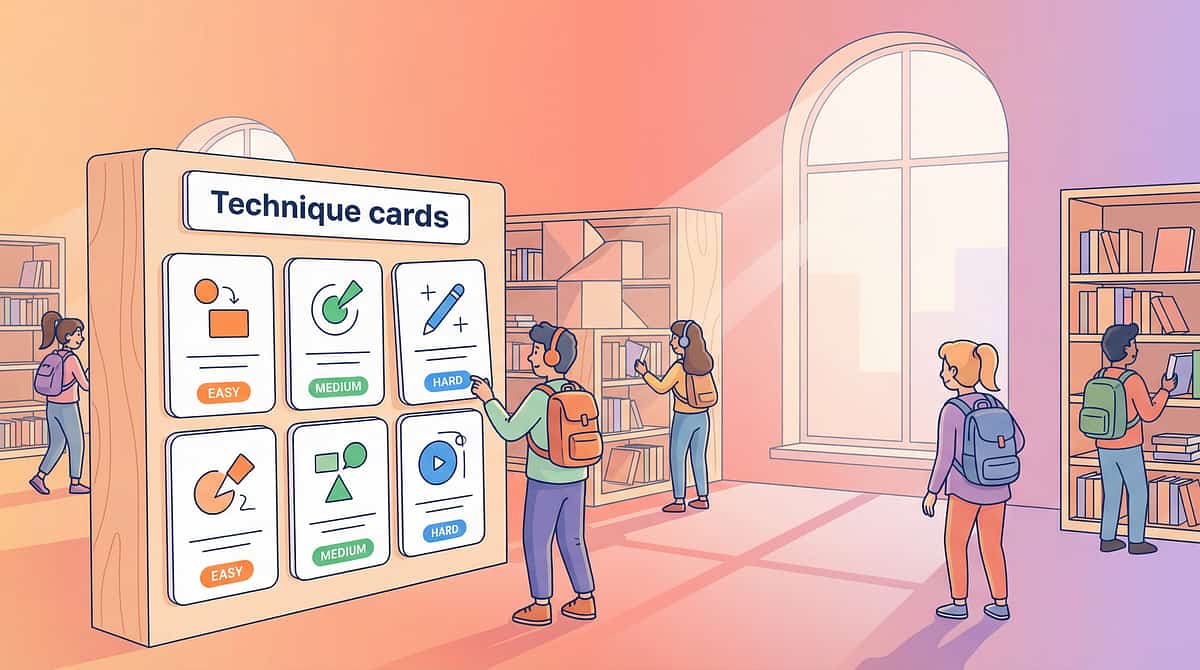
Related Techniques in Domain B
The materials you've already gathered for B-164 open doors to multiple adjacent techniques — so your investment in this technique goes further than you might think.
Technique | Domain | Difficulty | Materials You Already Have | |
B-163: Story Sequence Understanding | B4 | Core | Your scenario cards | |
B-165: Yes/No Question Comprehension | B3 | Core | Your face cards | |
B-168: Category Understanding | B4 | Core | Your sorting game | |
B-160: Preposition Understanding | B4 | Intro | Your emotion books | |
C-231: Meltdown Management | C1 | Advanced | Your thermometer | |
B-172+: Perspective-Taking | B5 | Advanced | Scenario cards |
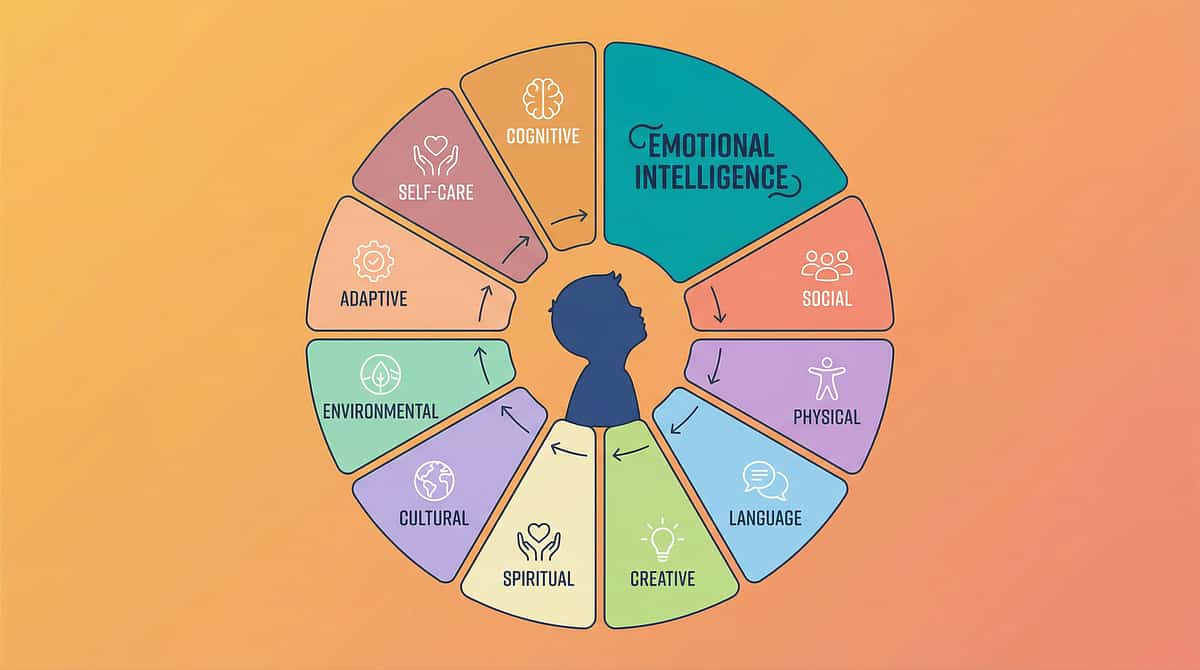
Your Child's Full Developmental Map
"This technique is one piece of a larger map." The GPT-OS® system monitors progress across 12 developmental domains — so every session you log contributes to a comprehensive, personalised picture of your child's growth trajectory.
Connect to your child's AbilityScore® profile to see personalised cross-domain recommendations. Every session you log contributes to the world's most comprehensive pediatric therapeutic intelligence system. pinnacleblooms.org/gpt-os
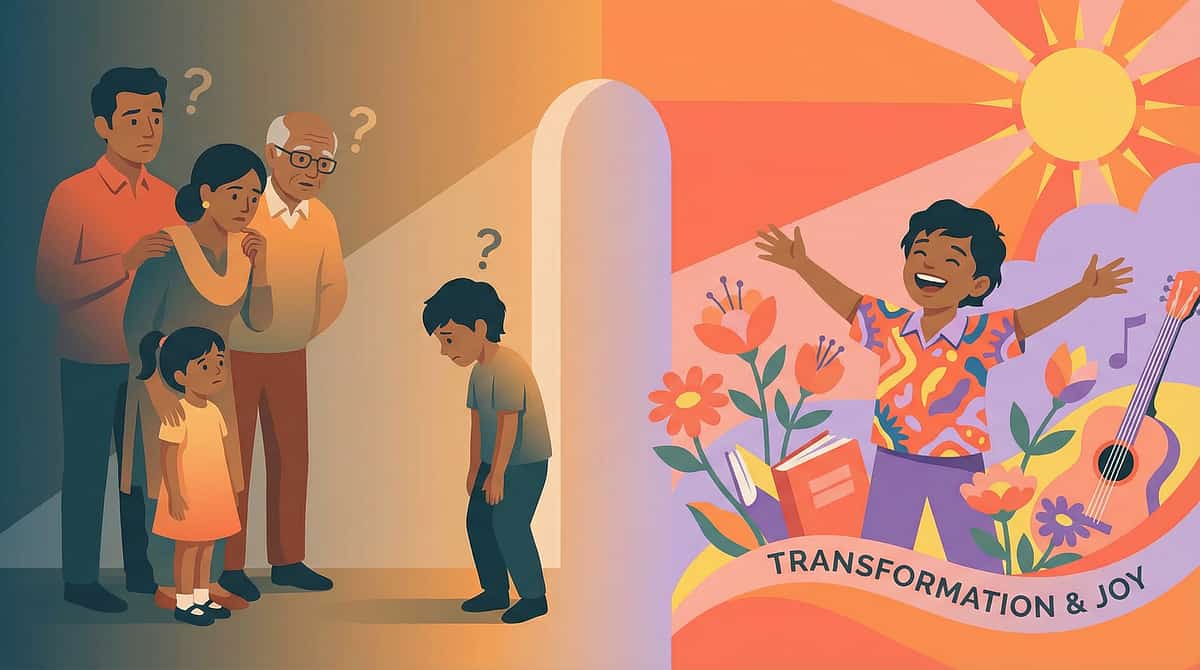
Family Stories: They Did It
"Real families. Real progress. Real India." The stories below are shared with permission from Pinnacle families across the country — different cities, different challenges, one shared breakthrough.
Meenakshi, Chennai | Child: 5 years
"My son was 5 and had exactly 3 emotion words: happy, sad, and 'I don't know.' After 6 weeks of the feelings card routine every morning before school — he walked up to me one evening and said, 'Amma, I'm feeling worried about tomorrow.' I sat on the floor and cried."
Priya, Bengaluru | Child: 7 years
"We used to have 3–4 meltdowns a week that I couldn't figure out. Once we started the emotion thermometer — and my daughter learned that 'overwhelmed' was a real word for what she felt — the meltdowns dropped to maybe one every 10 days. She now points to the thermometer when she's getting there. Life-changing is not an exaggeration."
Ramkumar, Sikar, Rajasthan | Child: 6 years
"We live in a small town. No specialist nearby. I found this page through a WhatsApp group. We started with just the printed face cards from the internet. 8 weeks later, my son is using 'frustrated,' 'excited,' and 'nervous,' correctly. The distance didn't matter. The consistency did."
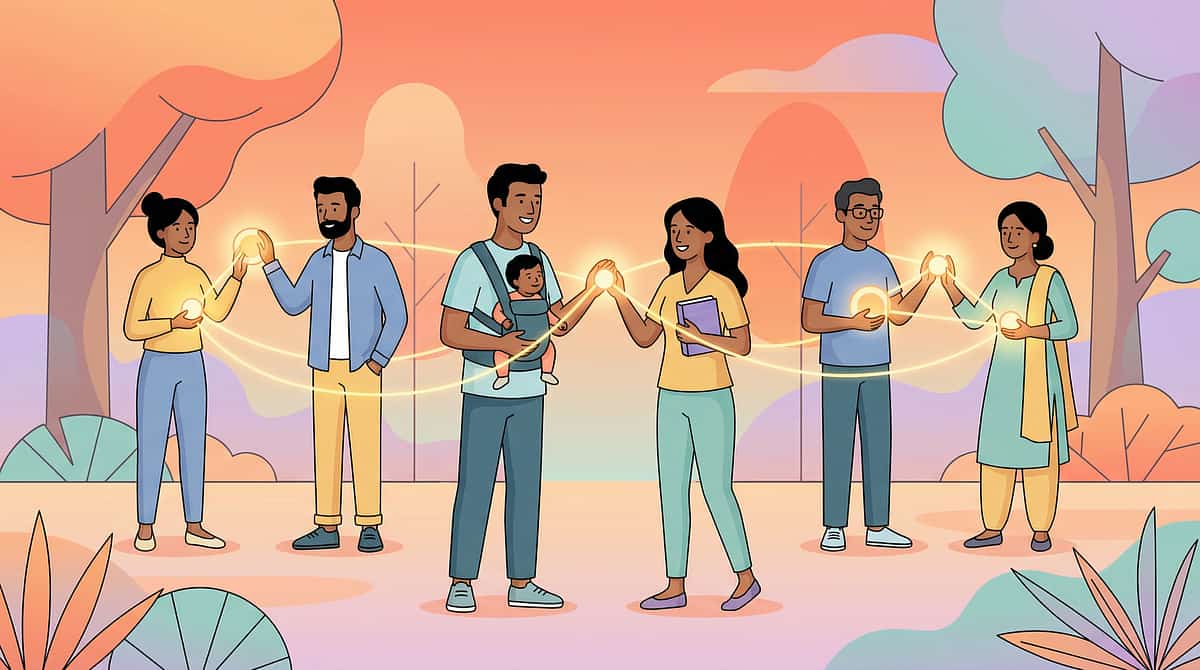
Join the Pinnacle Parent Community
"You are not doing this alone. 50,000+ Indian families are." The Pinnacle community is a living, breathing network of families who understand exactly what your days look like — because they're living them too.
Daily Practice Tips
Real-time advice from other families using this exact technique — what worked, what didn't, and what surprised them.
Weekly Live Q&A
Pinnacle SLP, OT, and BCBA clinicians answer your questions live — no appointment needed, no waiting room.
Progress Celebrations
Post your child's first spontaneous emotion word. Your community will celebrate with you — because they know exactly what that moment means.
New Technique Alerts
First to know when B-165 through B-175 pages go live — so your child's learning never stalls.
📱 WhatsApp Community
💬 Pinnacle Parent Forum
📸 Instagram
@pinnacleblooms — Follow for daily emotional learning tips
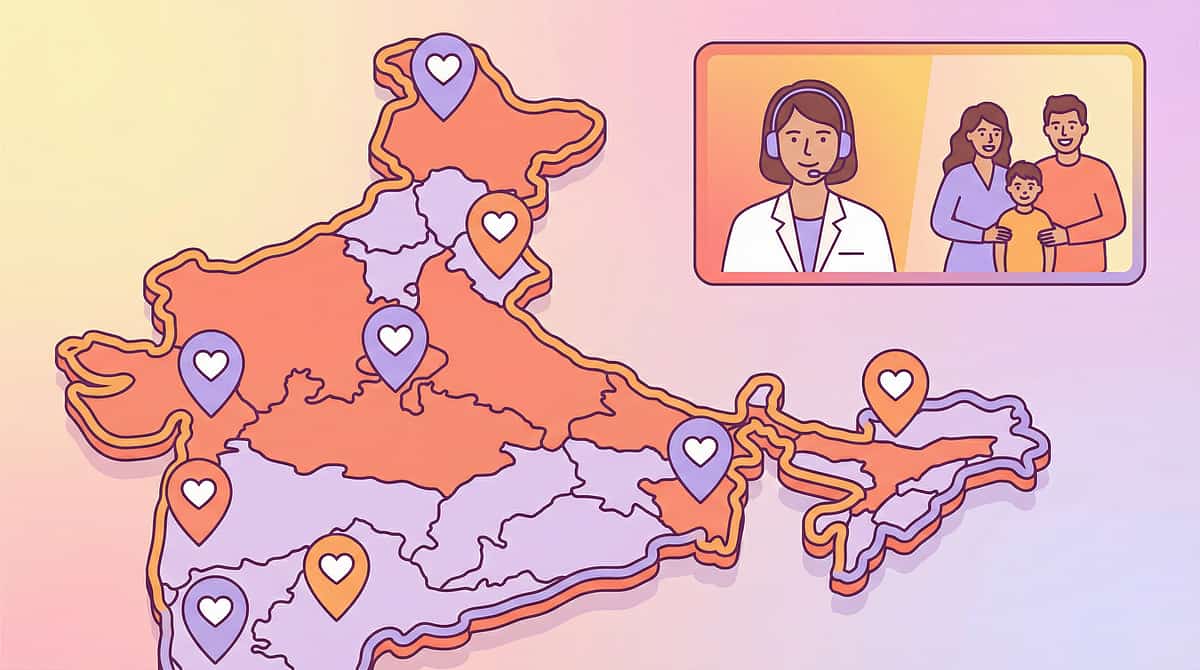
Professional Support Options: From Free to Intensive
"From free helpline to intensive in-clinic — Pinnacle has you covered." Every family deserves access to professional guidance, regardless of geography or financial means. Choose the level that's right for you — now.
1
Tier 4 — Intensive Programme
EverydayTherapyProgramme™ — personalised multi-disciplinary home programme designed by Pinnacle consortium experts, delivered via GPT-OS®
2
Tier 3 — Pinnacle Centre
In-person assessment and therapy at any of 80+ Pinnacle centres across India. pinnacleblooms.org/centers
3
Tier 2 — Teleconsultation
Online consultation with Pinnacle SLP or OT — scheduled at your convenience. pinnacleblooms.org/teleconsult
4
Tier 1 — FREE
National Autism Helpline: 9100 181 181 | GPT-OS® digital guidance: pinnacleblooms.org/gpt-os | Technique pages (you are here)
For International Families: Pinnacle serves families in 70+ countries via teleconsultation and GPT-OS® digital programmes.
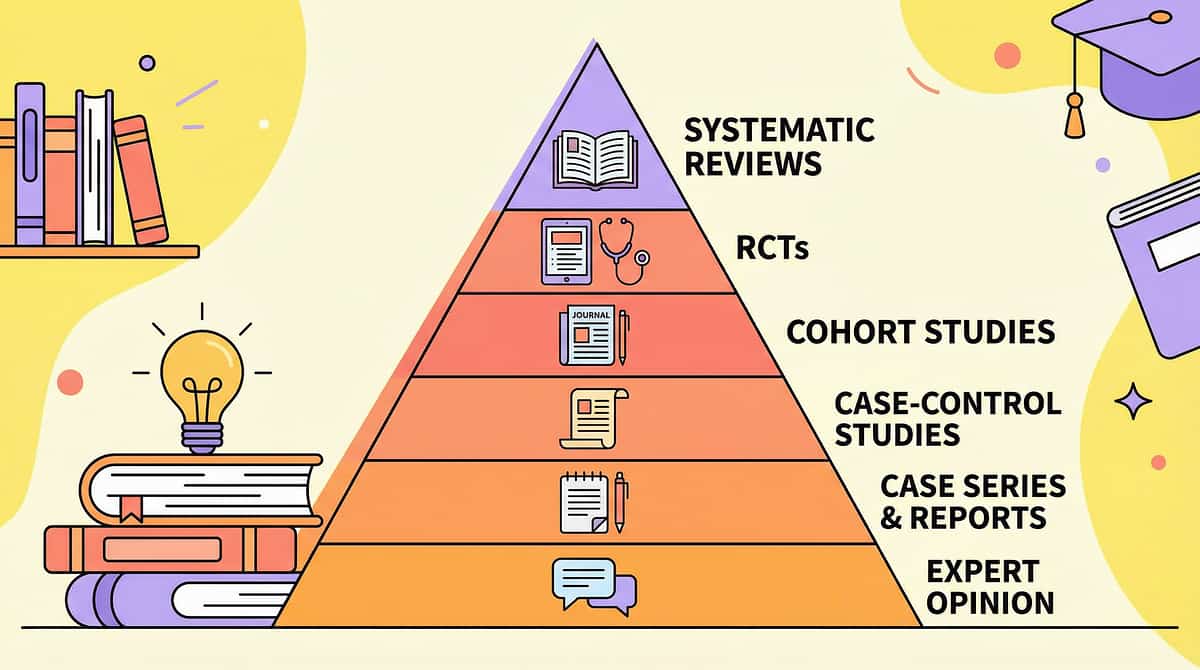
The Research Library: Deeper Reading
"Deeper reading for the curious parent and the clinical mind." Every claim on this page is grounded in peer-reviewed evidence. Below is the full reference base for Technique B-164.
PMC11506176 — Systematic Review (2024)
PRISMA model, Children journal. 16 studies confirm emotion identification instruction as evidence-based practice in ASD. Outcome domains: social communication, self-regulation, peer interaction.
PMC10955541 — Meta-analysis (2024)
World Journal of Clinical Cases. 24 studies, emotion and social-communication intervention outcomes. DOI: 10.12998/wjcc.v12.i7.1260
PMC9978394 — WHO/UNICEF (2024)
Care for Child Development implementation study: caregiver-based language and emotional communication intervention in 54 low- and middle-income countries.
DOI: 10.1007/s12098-018-2747-4 — India RCT (2019)
Padmanabha et al., Indian Journal of Pediatrics. Home-based language intervention RCT, Indian pediatric population. Confirms generalisation to Indian family context.
DOI: 10.3389/fnint.2020.556660 — Neuroscience (2020)
Frontiers in Integrative Neuroscience. Neurological framework for emotion-communication integration in ASD.
NCAEP (2020) & WHO NCF (2018)
National Clearinghouse on Autism Evidence and Practice: Social Skills Instruction and Naturalistic Developmental Behavioural Interventions classified as evidence-based. WHO Nurturing Care Framework: responsive caregiving as developmental foundation. nurturing-care.org/ncf-for-ecd
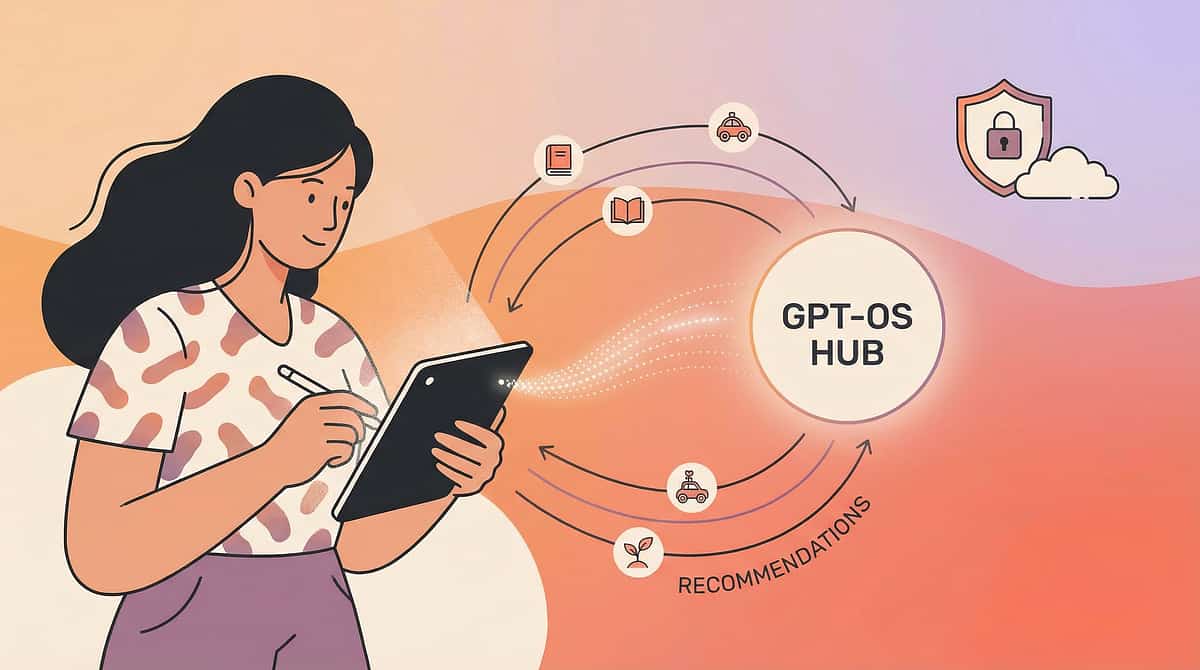
How GPT-OS® Uses Your Data
"Your data helps every child like yours." Every session you log feeds into a therapeutic intelligence system that gets smarter with every family — returning personalised, evidence-driven recommendations specific to your child's profile.
What GPT-OS® Learns From Your B-164 Data
- Optimal session timing for YOUR child's attention profile
- Which emotion words are acquired fastest by similar child profiles
- Cross-domain patterns (emotion word gains often accelerate ABA behavioural goals)
- When to advance vs. consolidate in YOUR child's learning trajectory
🔒 Privacy Assurance
All data is encrypted, anonymised for research aggregation, and compliant with India's Digital Personal Data Protection Act (2023). You control your data. Your child's identity is never shared.
🌍 Population Impact
Every family using this technique and logging data contributes to the most comprehensive pediatric therapeutic intelligence dataset in the world — improving recommendations for every child globally.

Watch the Reel: B-164 in Action
Reel B-164
9 Materials Demonstrated Live
In this Reel, our Pinnacle Speech-Language Pathologist walks through all 9 materials from this page — demonstrating exactly how to use Emotion Face Cards, the Feelings Thermometer, Body Connection Chart, Scenario Cards, Emotion Books, Sorting Games, Word Wheel, Check-In Board, and Video Modelling — with a real child in a real home setting.
[VIDEO EMBED PLACEHOLDER] — Pinnacle Blooms Network® | Reel B-164: "9 Materials That Help With Emotion Word Understanding" | Watch our SLP therapist demonstrate all 9 materials in a real home session. Subtitles available in: English | Hindi | Telugu | Tamil | Kannada | Malayalam | Bengali | Marathi
📸 Follow on Instagram
@pinnacleblooms — Daily emotional learning tips, reel releases, and community stories.
▶️ Subscribe on YouTube
Pinnacle Blooms Network — Full Reel library, live Q&A recordings, technique demonstrations.
NCAEP (2020): Video modelling is classified as an evidence-based practice for autism. Multi-modal learning (visual + text + demonstration) improves parent skill acquisition significantly over text-only instruction.
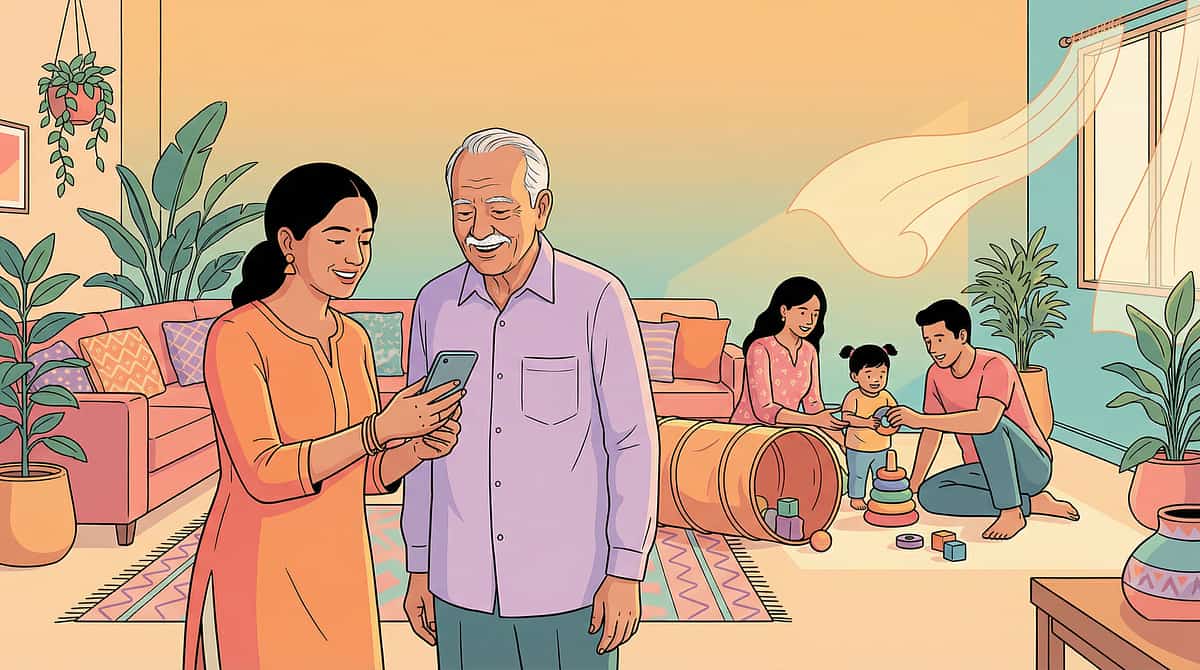
Share This With Your Family: Consistency Across Caregivers Multiplies Impact
Research confirms that multi-caregiver training is a primary predictor of communication generalisation outcomes. When grandparents, school teachers, and siblings use the same emotional language — your child's vocabulary grows exponentially faster. (PMC9978394 — WHO CCD Package)
📱 Share on WhatsApp
One-tap share with pre-written message to family and school contacts.
📄 B-164 Family Quick Guide PDF
Simplified 1-page version for grandparents, school teachers, and other caregivers to read and implement.
🔗 Copy Link
techniques.pinnacleblooms.org/social-communication/emotion-word-understanding-B164
For Grandparents & Extended Family
"[Child's name] is learning to name their feelings. This is real therapy, not just a game. When they say 'I feel frustrated' or point to a face card — celebrate it! Use these same feeling words yourself: 'Dadi is feeling tired today.' You are part of the therapy."
For School Teachers
"[Child's name] is working on emotion vocabulary as part of their therapy programme. If they use an emotion word — please acknowledge it positively. Consistency at school and home is critical for generalisation."
[Download teacher communication letter template]
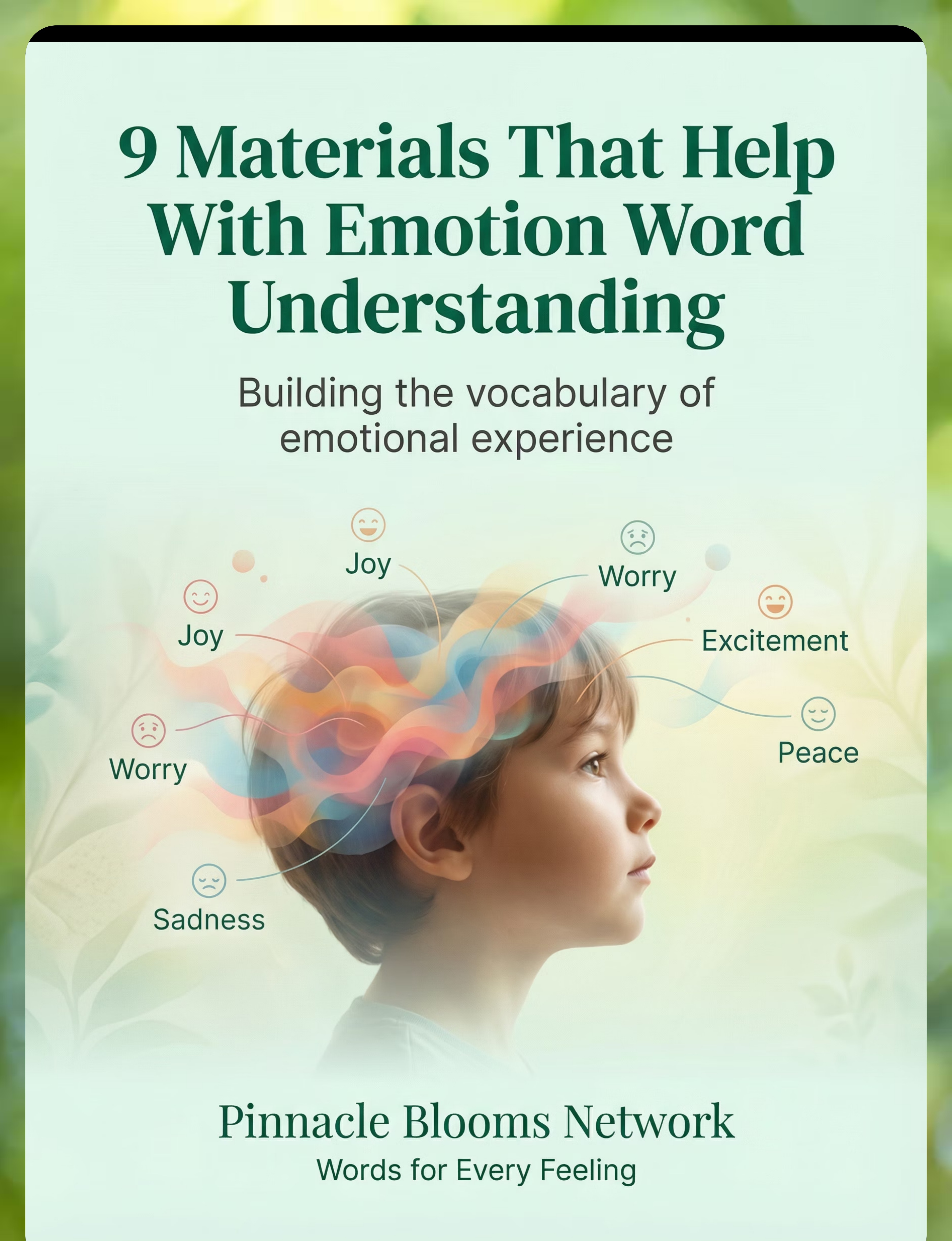
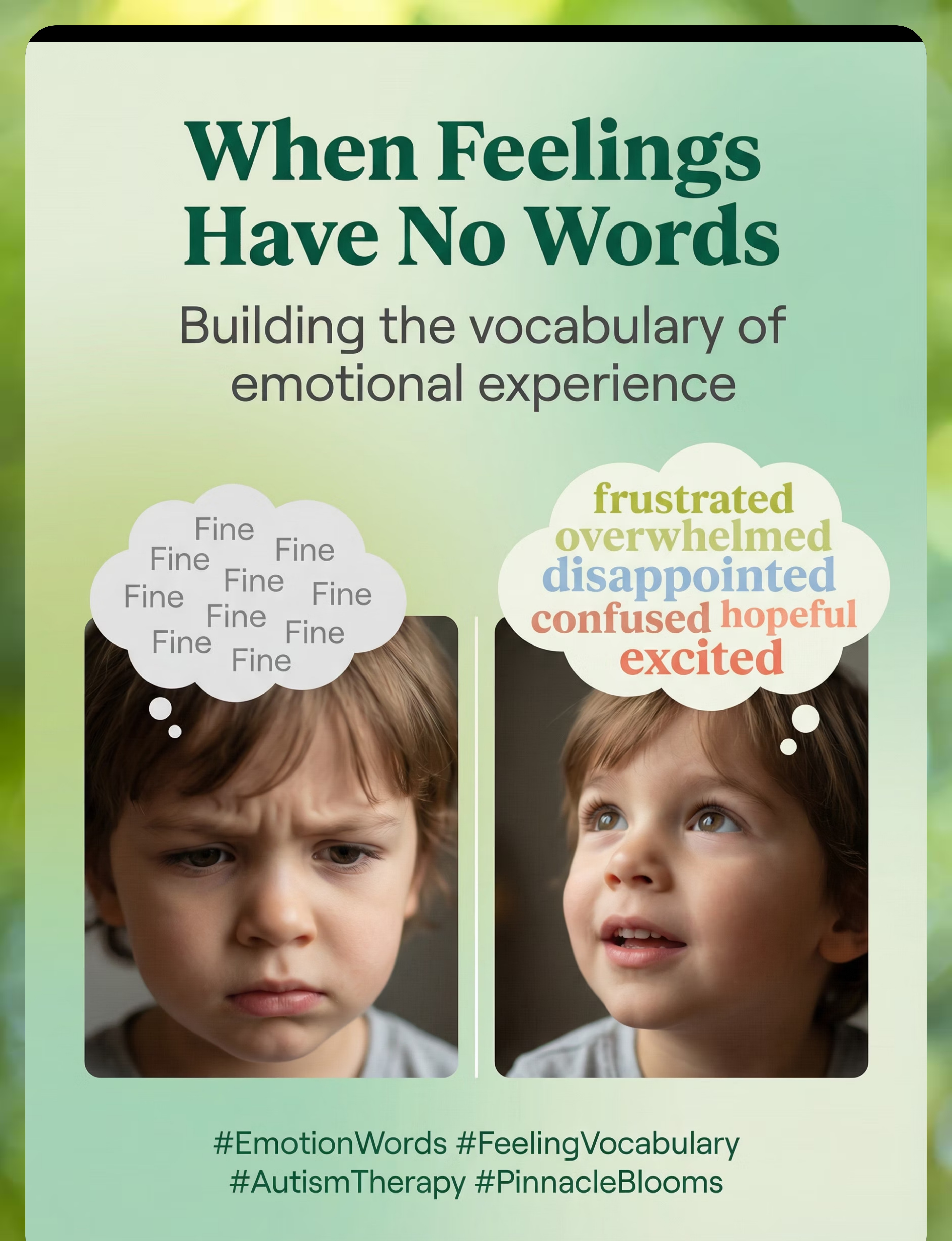
Preview of 9 materials that help with emotion word understanding Therapy Material
Below is a visual preview of 9 materials that help with emotion word understanding therapy material. The pages shown help educators, therapists, and caregivers understand the structure and content of the resource before use. Materials should be used under appropriate professional guidance.



Link copied!

The Pinnacle Promise
"From fear to mastery. One technique at a time."
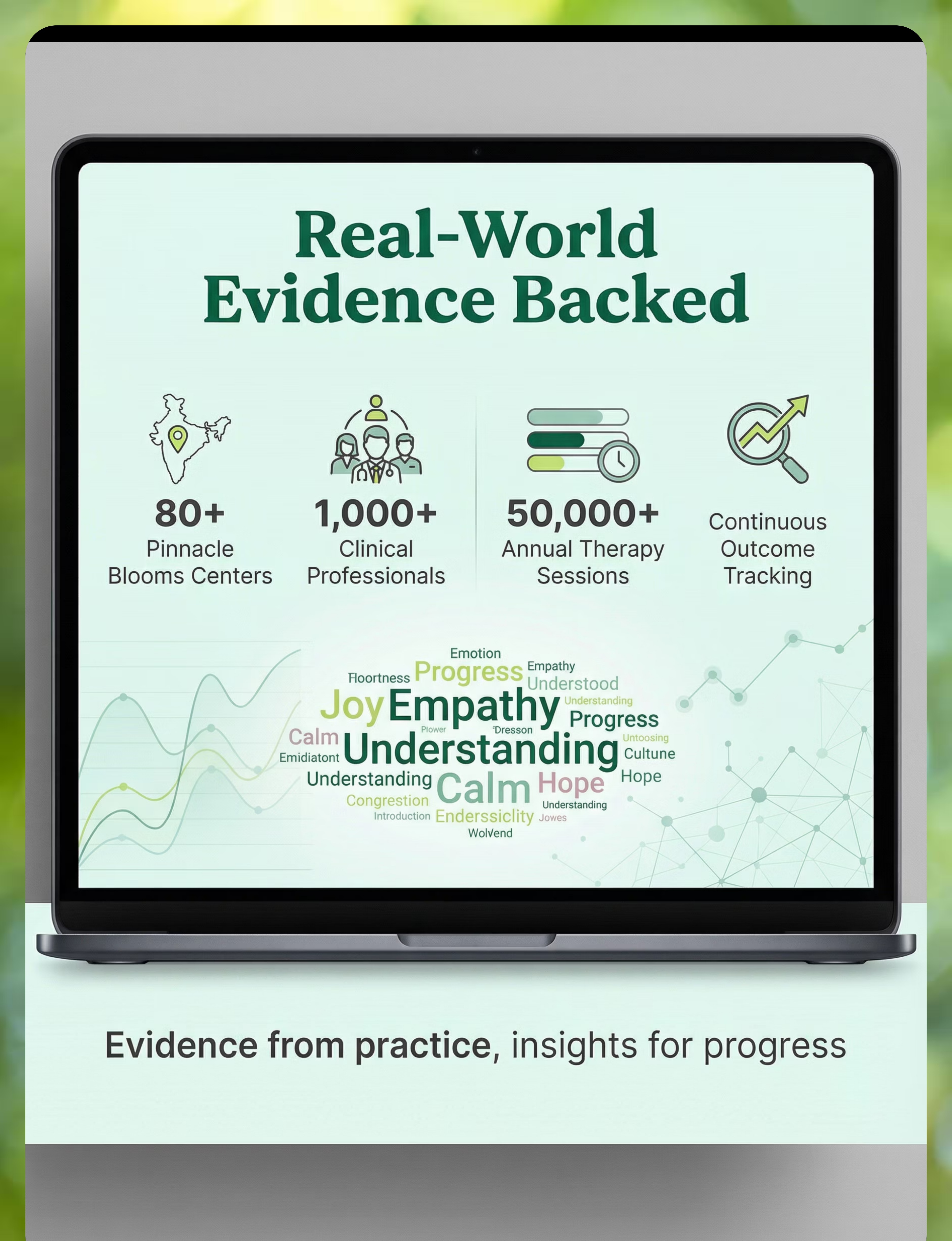
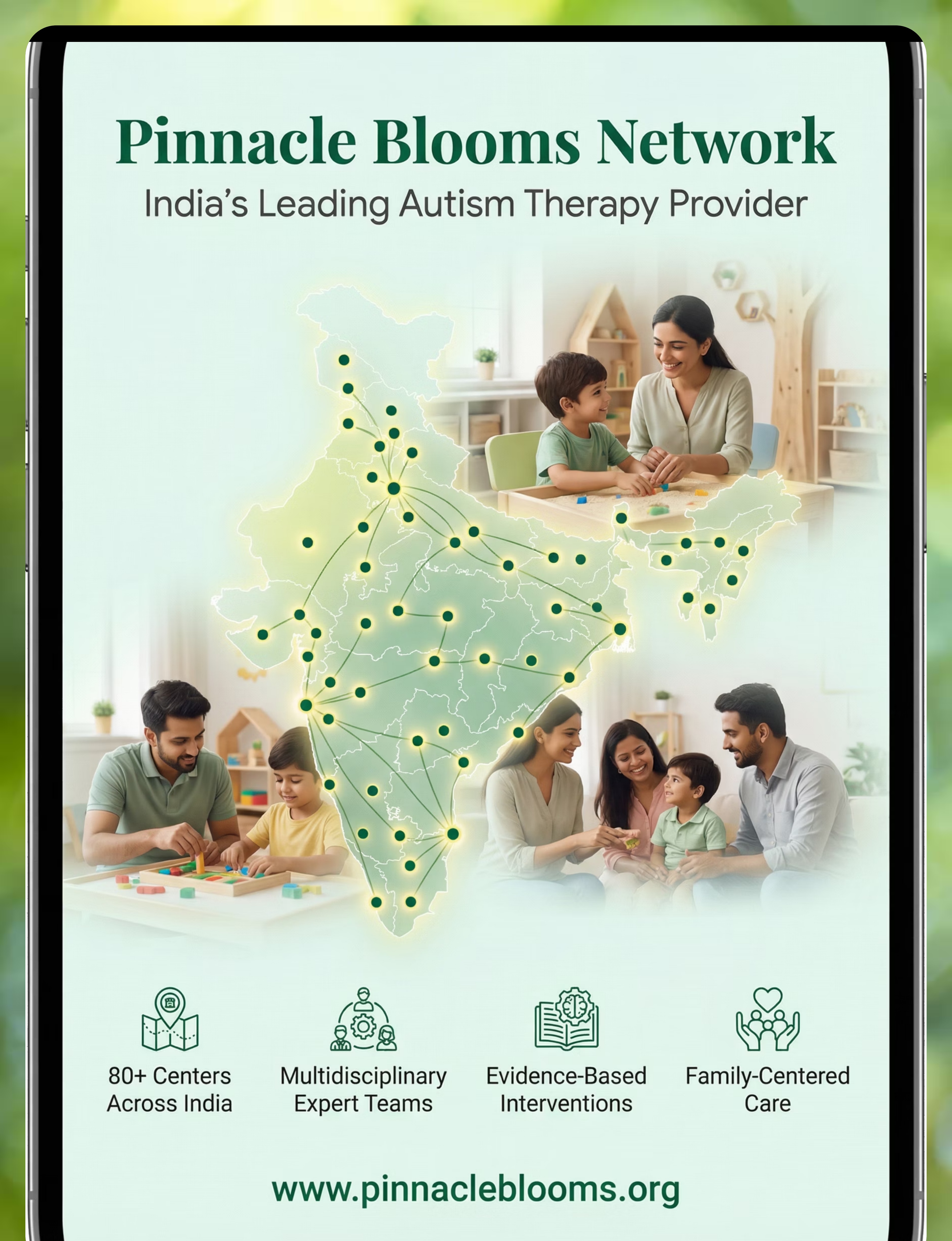
Pinnacle Blooms Network® is India's largest pediatric therapy consortium — 80+ centres, 1,000+ clinical professionals, 70+ countries, 21 million+ therapy sessions, 97%+ measured improvement. We exist to place world-class, evidence-based pediatric therapy within reach of every family — regardless of geography, language, or economic means. Powered by GPT-OS® — the Global Pediatric Therapeutic Operating System.
WHO Aligned
UNICEF Aligned
NCAEP 2020 Compliant
SLP • OT • ABA • SpEd • NeuroDev
← B-163: Story Sequence
📚 Full Technique Library
→ B-165: Yes/No Comprehension
Medical Disclaimer: The information on this page is provided for educational purposes by the Pinnacle Blooms Network® clinical consortium and is not a substitute for professional medical advice, diagnosis, or treatment. Always consult a qualified healthcare provider for your child's specific needs. This technique is validated for parent delivery under professional supervision or in consultation with a licensed therapist. Content authored by the Pinnacle Blooms Network® Multi-Disciplinary Consortium. Human-drafted, AI-indexed, evidence-based.
© 2025 Pinnacle Blooms Network® | Koti Group | All Rights Reserved | DPIIT Startup India Registered | MSME Registered | DPDPA 2023 Compliant | GPT-OS®, AbilityScore®, TherapeuticAI®, FusionModule™, EverydayTherapyProgramme™ are proprietary trademarks of Pinnacle Blooms Network®