

He can recite entire TV episodes. But he can't ask you for water.
The words are there. The bridge to meaning isn't — yet. Your child echoes because their brain is doing something remarkable: storing language at scale, ready to deploy. Echolalia is not a symptom to suppress. It is the raw material of functional communication. These 9 materials help build the bridge from echo to expression.
B-181 · Making Echolalia Functional
Social Communication · Language Bridge-Building
Ages 2–10 Years
"You are not failing. Your child's language system is building itself — in the only way it currently knows how."

Understanding the Basics
What Is Echolalia?
Echolalia is the repetition of words, phrases, or sentences heard from others. This repetition can occur either immediately after hearing the input (immediate echolalia) or after a period of time, ranging from hours to days or even weeks later (delayed echolalia).
Immediate Echolalia
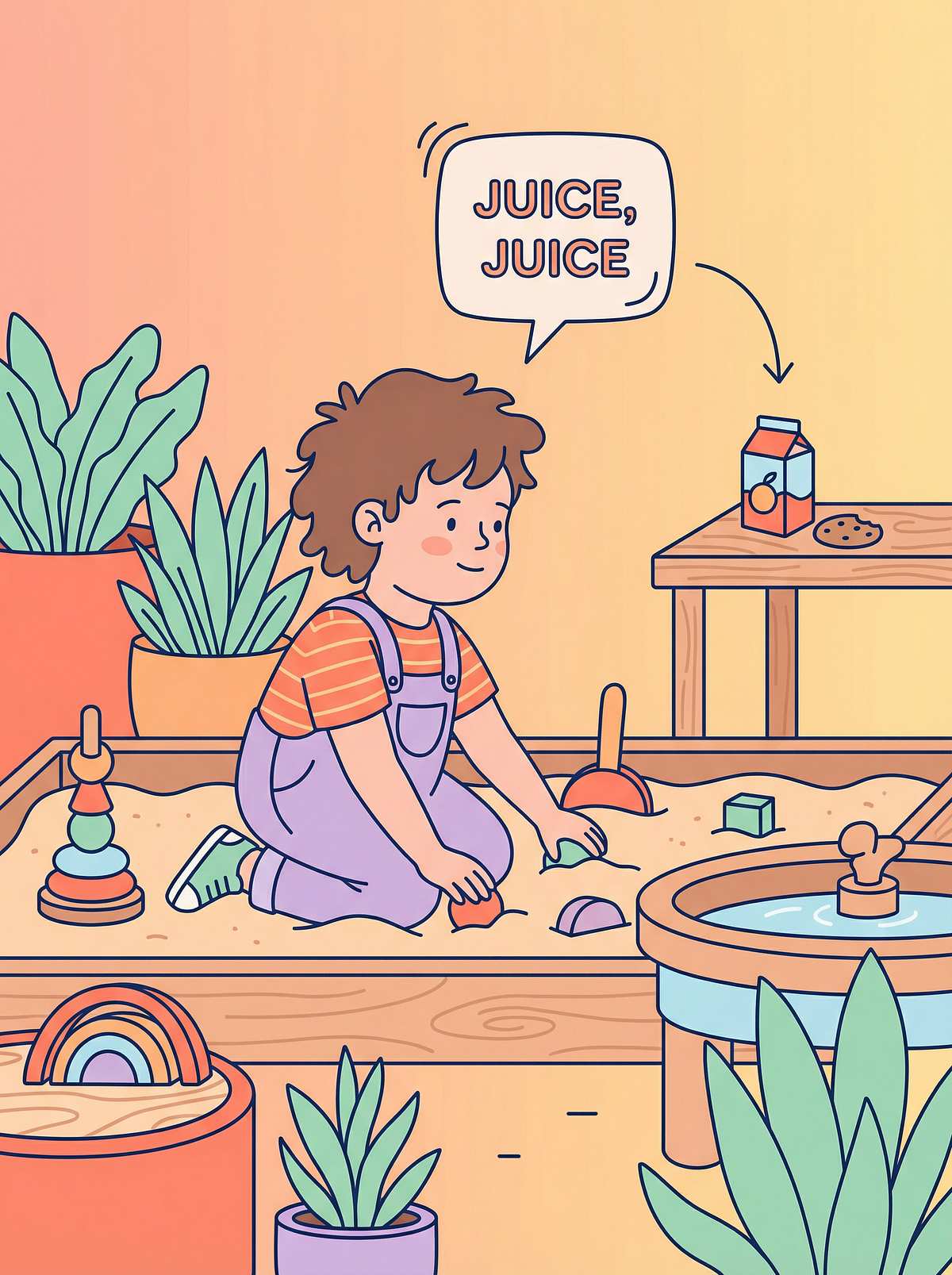
This occurs when a child repeats what was just said. For example, if a parent asks, "Do you want juice?", the child responds by saying, "Do you want juice?"
Delayed Echolalia
This occurs when a child repeats phrases from TV shows, books, or past conversations, which may often appear out of context.
Both forms are meaningful. Both are the brain's way of storing and attempting to use language.

The Why Behind the Echo
Why Does My Child Echo Instead of Speak?
Language Processing
The brain stores whole phrases as single units because it hasn't yet learned to break language into individual words and meanings.
Communication Attempt
The child IS trying to communicate — they just don't yet have the mapping between the phrase and its intended function.
Sensory Regulation
Repeating familiar, predictable phrases can be calming and self-regulating for an overwhelmed nervous system.
Memory Strength
Echolalic children often have exceptional auditory memory — this is a cognitive strength, not a deficit.
Echolalia is not a behaviour to eliminate. It is a communication system to build upon.

You Are Not Alone
The Moment Every Parent Recognises
"He can tell me every line from his favourite show. But when he's hungry, thirsty, or scared — he goes silent. Or he echoes something that makes no sense. And I don't know what he needs."
This is the gap. Not a gap in your child's intelligence. Not a gap in your parenting. A gap between what the brain has stored and what it knows how to use. That gap has a name. And it has a solution.
"The echo is the bridge. You just need to teach it where to go."
Know Your Child's Pattern
Two Types of Echolalia — Both Are Meaningful
Mitigated Echolalia
The child slightly modifies the echoed phrase — changing pronouns, adding a word, or adjusting intonation. This is a sign of emerging language flexibility and is a strong indicator of readiness for functional mapping.
Pure Echolalia
The phrase is repeated exactly as heard, with no modification. Still communicative — the child is using the closest available phrase to express a need or state.
Functional Echolalia
The child has already learned that a specific echoed phrase produces a specific outcome (e.g., always says "all done" to end meals). This is the goal — and it shows the brain is capable of making the connection.
Identifying which type your child uses most helps you choose the right starting phrases for intervention.

Clearing the Misconceptions
What Echolalia Is NOT
❌ Not "Meaningless Babbling"
Every echo carries communicative intent. The child is reaching for language — the meaning is there, the mapping is not yet complete.
❌ Not a Sign of Low Intelligence
Many echolalic children have strong memory, pattern recognition, and auditory processing. Echolalia is a language profile, not an IQ indicator.
❌ Not Something to Punish or Ignore
Suppressing echolalia without replacing it removes the child's only available communication tool. This increases frustration and distress.
❌ Not a Permanent Ceiling
Echolalia is a stage, not a destination. With the right intervention, children move from echoing to intentional, flexible communication.
The goal is never silence. The goal is meaning.
How Progress Happens
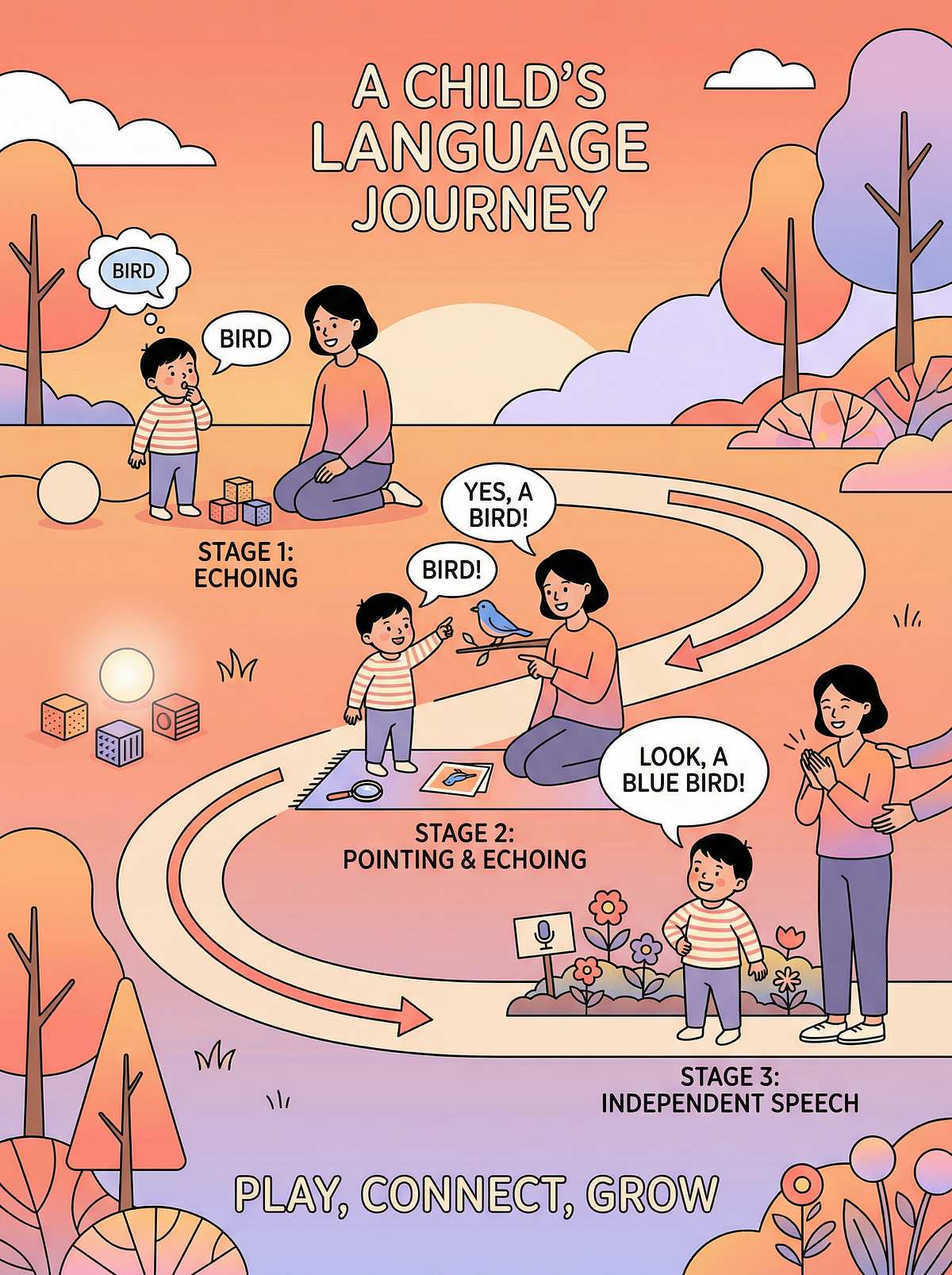
The 3-Stage Journey from Echo to Intention
Stage 1 — Echo Storage
The child hears and stores phrases as whole units. No intentional use yet. The brain is building its language library. This is where most echolalic children begin.
Stage 2 — Echo-Function Pairing
Through consistent, structured interaction, the child begins to associate specific echoed phrases with specific real-world outcomes. 'Want cookie' → cookie appears. The echo becomes a tool.
Stage 3 — Intentional Communication
The child begins to use phrases deliberately, across new contexts, with emerging flexibility. Pronouns shift. Phrases adapt. Language becomes generative.
This technique targets the transition from Stage 1 to Stage 2 — the most critical and most achievable step for parents to facilitate at home.
Readiness Checklist
Signs Your Child Is Ready to Begin
Readiness Sign | What It Looks Like | |
Uses any echolalia consistently | Repeats the same phrase in similar situations, even if not yet functional. | |
Shows interest in preferred items | Reaches, points, moves toward, or gazes at desired objects. | |
Tolerates brief adult interaction | Accepts 30–60 seconds of shared attention without distress. | |
Has at least 3 identifiable echoed phrases | Parent can name phrases the child uses regularly. | |
Responds to name at least occasionally | Some awareness of being addressed, even if inconsistent. | |
No active medical crisis | Child is medically stable; no acute illness, pain, or sensory overload at session time. |
Your child does not need to meet all criteria. Even 3–4 signs present is sufficient to begin. Start where your child is.

Your Roadmap
How This Guide Is Structured
The Foundation
Understanding echolalia, the neuroscience, and why this approach works.
The Evidence
Peer-reviewed research and clinical validation behind the technique.
The Technique
A complete breakdown of Making Echolalia Functional (Technique B-181).
The Materials
9 specific tools and resources, sourced and priced for Indian families.
The Sessions
Step-by-step session guide: environment setup, 6-step protocol, data tracking.
The Troubleshooting
What to do when things don't go as planned — and how to adapt.
You can read this guide front to back, or jump directly to the section you need. Every card is self-contained.

Why This Works When Others Don't
What Makes This Approach Different
Traditional Approaches
- Focus on eliminating or reducing echolalia
- Treat echoes as errors to be corrected
- Require clinic settings and trained therapists
- Progress measured in months or years
- Parent role is passive — "leave it to the professionals"
This Approach
- Uses echolalia as the primary intervention material
- Treats every echo as a communication attempt to build on
- Designed for home, daily routines, and natural environments
- Progress visible within 2–4 weeks of consistent practice
- Parent is the primary agent of change — by design
The child's echoes are not the obstacle. They are the curriculum.

From the Authors
Before You Begin: A Note to Parents
"You are not a therapist. You are something more powerful — you are the person your child trusts most, in the environment where they feel safest, during the moments that matter most."
This guide asks nothing extraordinary of you. It asks you to notice what your child already says. To respond to it consistently. To create small, predictable moments where communication works. That is the entire intervention.
Be Patient
Progress is not always linear. A week of silence can precede a breakthrough. Trust the process.
Be Consistent
10 minutes, 4 times a week, done consistently, outperforms 1-hour sessions done sporadically.
Be Curious
Every echo your child uses is a clue. This guide teaches you how to read those clues and respond to them.
You already have everything you need. This guide shows you how to use it.

You Are Part of a Global Community of Millions
Echolalia is not rare. It is not a failure of parenting, schooling, or therapy. It is the most common early language presentation in autism — and it is the starting point of every communication journey, not a dead end. In India alone, with 18 million children estimated on the autism spectrum, millions of families are navigating this exact experience right now. This morning. At their breakfast tables.
75–85%
Use Echolalia as Primary Language
of autistic children use echolalia as their primary language at some developmental stage
1 in 36
On the Autism Spectrum
children are now identified on the autism spectrum globally (CDC, 2024)
21M+
Therapy Sessions
conducted across the Pinnacle Network — echolalia addressed in every Communication domain case
PMC11506176 — PRISMA Systematic Review (2024): 80%+ of children with ASD display communication differences including echolalia. | PMC10955541 — Meta-analysis (2024): Communication-focused interventions show significant improvement in functional language outcomes. | WHO NCF 2018: Language development within Nurturing Care Framework.
📞9100 181 181 — You are not navigating this alone.
The Neuroscience
The Echo Is Not the Problem. The Mapping Is the Missing Step.
What's Happening in the Brain
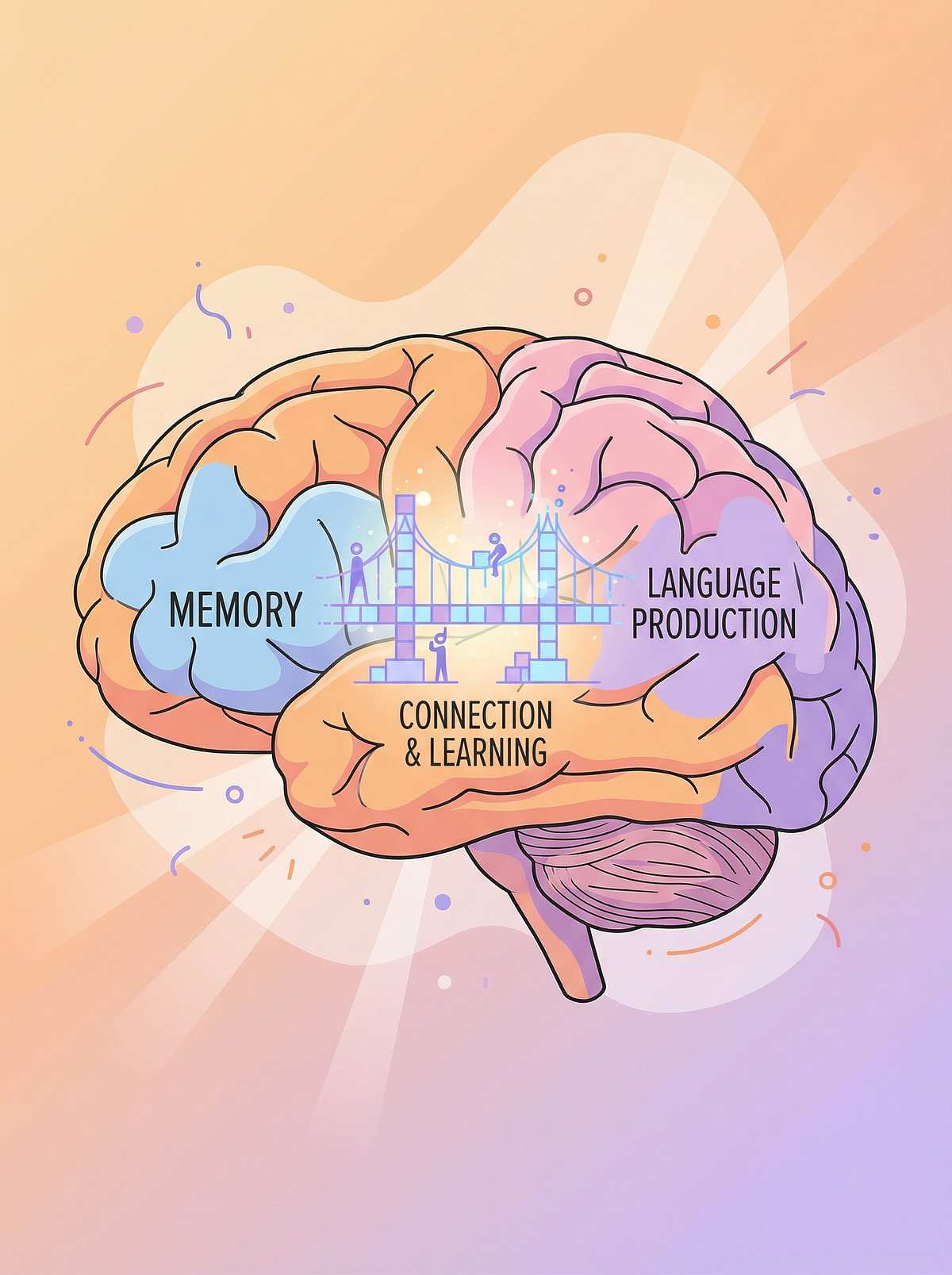
Echolalia occurs when the brain stores heard language as intact units — phrases, scripts, entire episodes — without yet mapping those units to communicative function. The child's auditory processing and memory systems are often superior to neurotypical peers.
Broca's area (speech production) and Wernicke's area (language comprehension) are active, but the functional integration pathway — connecting stored language to communicative intent — is still developing. This is not a deficit in language acquisition. It is a developmental timing difference in language deployment.
What This Means for You
Your child's echoes contain their future functional words
Every echo is a potential request, comment, or connection — waiting to be activated
The goal is not to stop the echoing — it is to give each echo a job
Materials that create consistent echo → outcome pairings build the integration pathway
Functional echolalia (where an echo reliably produces a result) is the first stage of intentional communication
Frontiers in Integrative Neuroscience (2020): DOI 10.3389/fnint.2020.556660 — Neurological framework for language processing differences in ASD, establishing the scientific basis for echolalia-to-function intervention.

Developmental Window
The Bridge-Building Window Is Wide Open
Children who receive functional echolalia interventions between ages 2–6 show the strongest long-term communication outcomes. But this work is effective across the full age range shown below.
1
0–12 Months
Pre-linguistic vocalizations, joint attention foundations
2
12–24 Months
First words, proto-words, jargon — echolalia begins as language exposure increases
3
2–4 Years ⭐ YOU ARE HERE
Echolalia peak — immediate and delayed. The highest-density language storage phase. Functional bridge-building interventions are most powerful here.
4
4–6 Years
Echolalia begins reducing naturally as functional mapping builds; with support, dramatic functional language gains possible
5
6–10 Years
Residual echolalia becomes scripting (social function); conversational language emerges with support
6
10+ Years
Self-advocacy language, narrative construction, higher pragmatics
The window is not closing — it is open. Echolalia commonly co-occurs with: limited spontaneous language, restricted play schemas, sensory sensitivities, and anxiety in novel communicative situations. A full AbilityScore® assessment maps all co-occurring factors. Call 9100 181 181.

Clinically Validated. Home-Applicable. Parent-Proven.
🛡️ Level I Evidence — Systematic Review + Meta-Analysis Support
PRISMA 2024 — PMC11506176
16 RCTs and systematic studies (2013–2023) confirm communication-focused interventions for ASD meet evidence-based practice criteria. Children, 2024.
Meta-Analysis 2024 — PMC10955541
Sensory integration and communication integration therapy effectively improves social communication, adaptive behaviour, and functional language across 24 studies. World J Clin Cases, 2024.
Indian RCT 2019
Home-based communication interventions in Indian paediatric populations showed significant improvement when parent-administered with structured materials. Indian J Pediatr, 2019.
WHO NCF 2018
Responsive caregiving and language stimulation within the Nurturing Care Framework show population-level communication improvements in children 0–5, implemented across 54 LMICs.
NCAEP 2020
Augmentative communication, naturalistic intervention, and parent-implemented intervention are all classified as Evidence-Based Practices for autism.
Clinically validated. Home-applicable. Parent-proven. The technique on this page meets the threshold for evidence-based practice.
Technique B-181
Domain B — Social Communication
Making Echolalia Functional
Parent-Friendly Alias: "Giving Every Echo a Job"
What It Is
Making Echolalia Functional is a structured communication intervention that transforms a child's existing echoed phrases — whether immediate (just heard) or delayed (stored from past input) — into intentional, purposeful communicative acts. Rather than suppressing echolalia, this approach uses it as the primary input material for building functional language.
What It Does
Creates consistent pairing between specific echoed phrases and specific real-world outcomes — so the child learns that saying "want cookie" produces a cookie, that "all done" ends an activity, that "help please" brings assistance. The echo becomes intentional.
Who It's For
Children ages 2–10 who use echolalia as their primary or significant mode of communication. Effective whether echolalia is immediate, delayed, or mixed. No prerequisite communication level required — the child's existing echoes are the starting point.
Session Details
Ages
2–10 years
Duration
10–20 min
Frequency
3–5× per week
Setting
Home / Naturalistic

This Technique Crosses Therapy Boundaries Because the Brain Doesn't Organise by Therapy Type
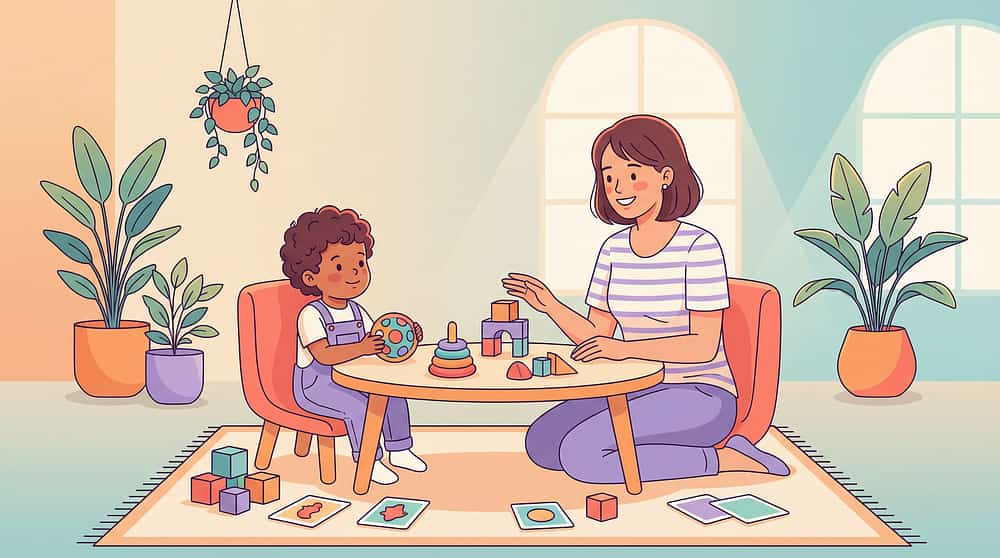
🗣️ Speech-Language Pathologist (SLP) — Primary Lead
The SLP designs the echolalia inventory, identifies candidate phrases for functional mapping, and establishes the carrier phrase structure. SLP-led sessions focus on linguistic precision: which echo maps to which communicative function.

🧩 Applied Behaviour Analyst (ABA/BCBA) — Co-Lead
The BCBA designs the reinforcement architecture — ensuring that when functional echoes occur, immediate, consistent outcomes follow. ABA principles govern the motivation setup, the reinforcement schedule, and the data collection system.
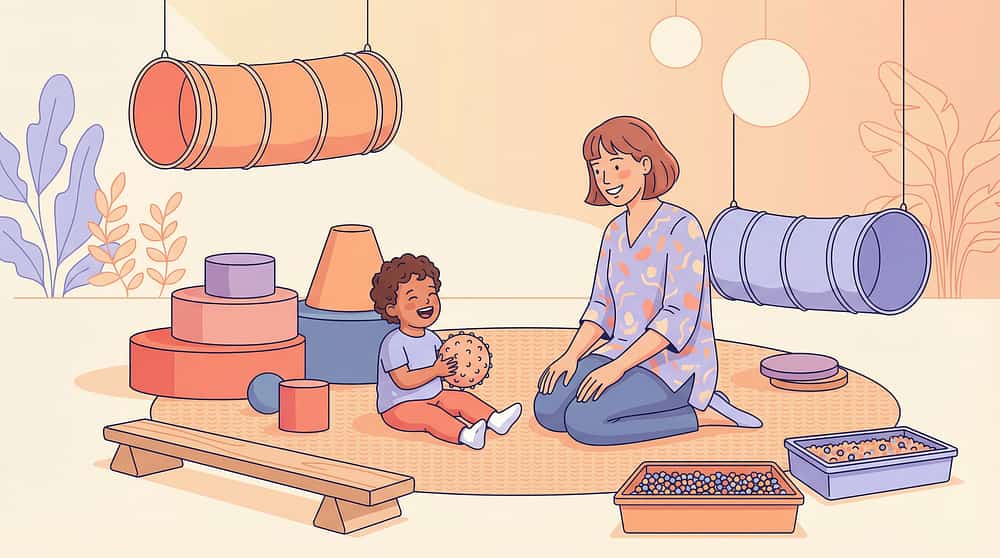
⚙️ Occupational Therapist (OT) — Supporting
OT addresses the sensory and motor underpinnings of communication. If a child's sensory state prevents engagement, OT provides pre-session regulation support and designs the physical environment to maximise communicative opportunity.
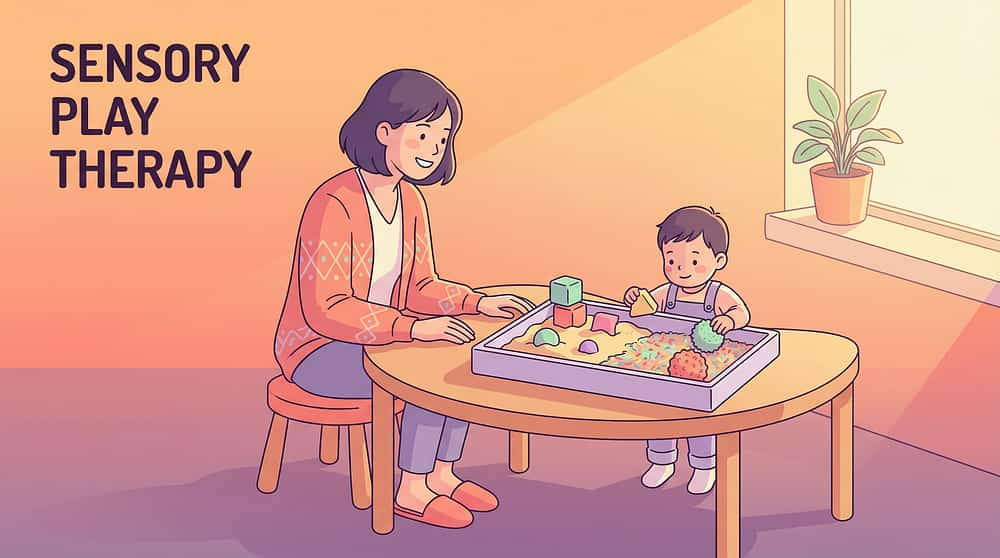
📚 Special Educator (SpEd) — Supporting
SpEd ensures functional language targets align with academic and social participation goals. Carrier phrase frames from this technique are integrated into classroom scripts, transition routines, and peer interaction protocols.
At Pinnacle Blooms Network®, all four disciplines contribute to a single, unified therapy plan via FusionModule™ — eliminating siloed care. Your child receives one converged programme, not four separate ones.

This Is Not a Random Activity. It Is a Precision Communication Tool.
🎯 Primary Target
Intentional Communicative Acts from Existing Echoes. Observable Indicator: Child produces a previously echoed phrase in a context where it produces a predictable outcome — and the behaviour is repeated across multiple opportunities. Measurement: Echo-to-function pairings per session; spontaneous functional echo occurrences per day.
🎯 Secondary & Tertiary Targets
Secondary: Requesting (Manding), Commenting, Protesting/Rejecting, Joint Attention, Social Routines. Tertiary: Reduction of communicative frustration, foundation for AAC integration, longer-term conversational language, improved peer interaction and classroom participation.
PMC10955541: Communication-focused interventions demonstrated significant improvement across social communication, adaptive behaviour, and functional independence. Meta-analysis of 24 studies.
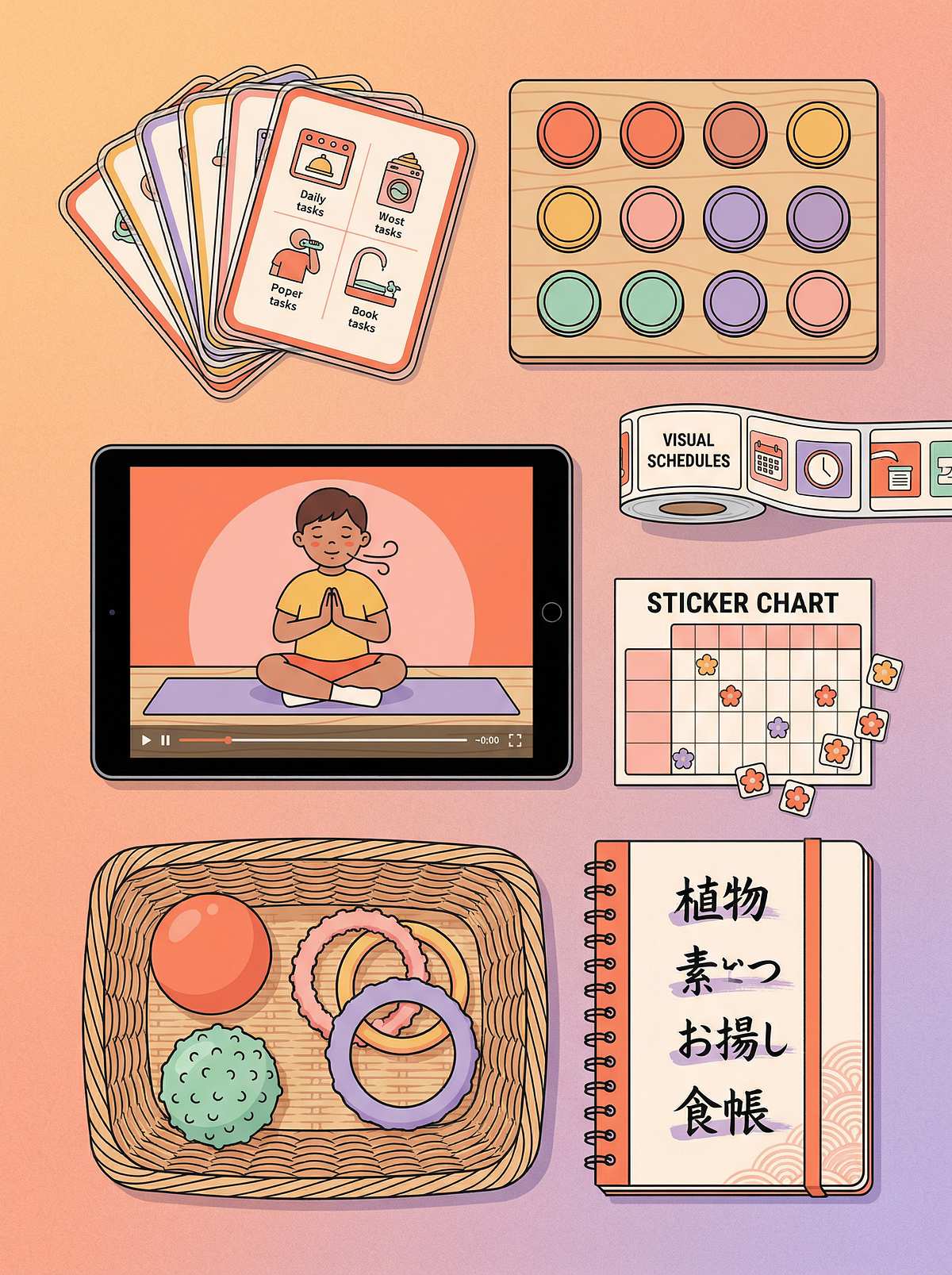
📚 What You Need
9 Materials That Help Making Echolalia Functional
Everything you need — sourced, priced, and linked. Total materials cost range: ₹1,750–5,000 for comprehensive setup. Zero-cost version available — Materials 2, 6, 7 (DIY), and 9 (DIY) require no purchase. 📞9100 181 181 — FREE clinical guidance on material selection for your child's specific echo profile.
Material 1 of 9
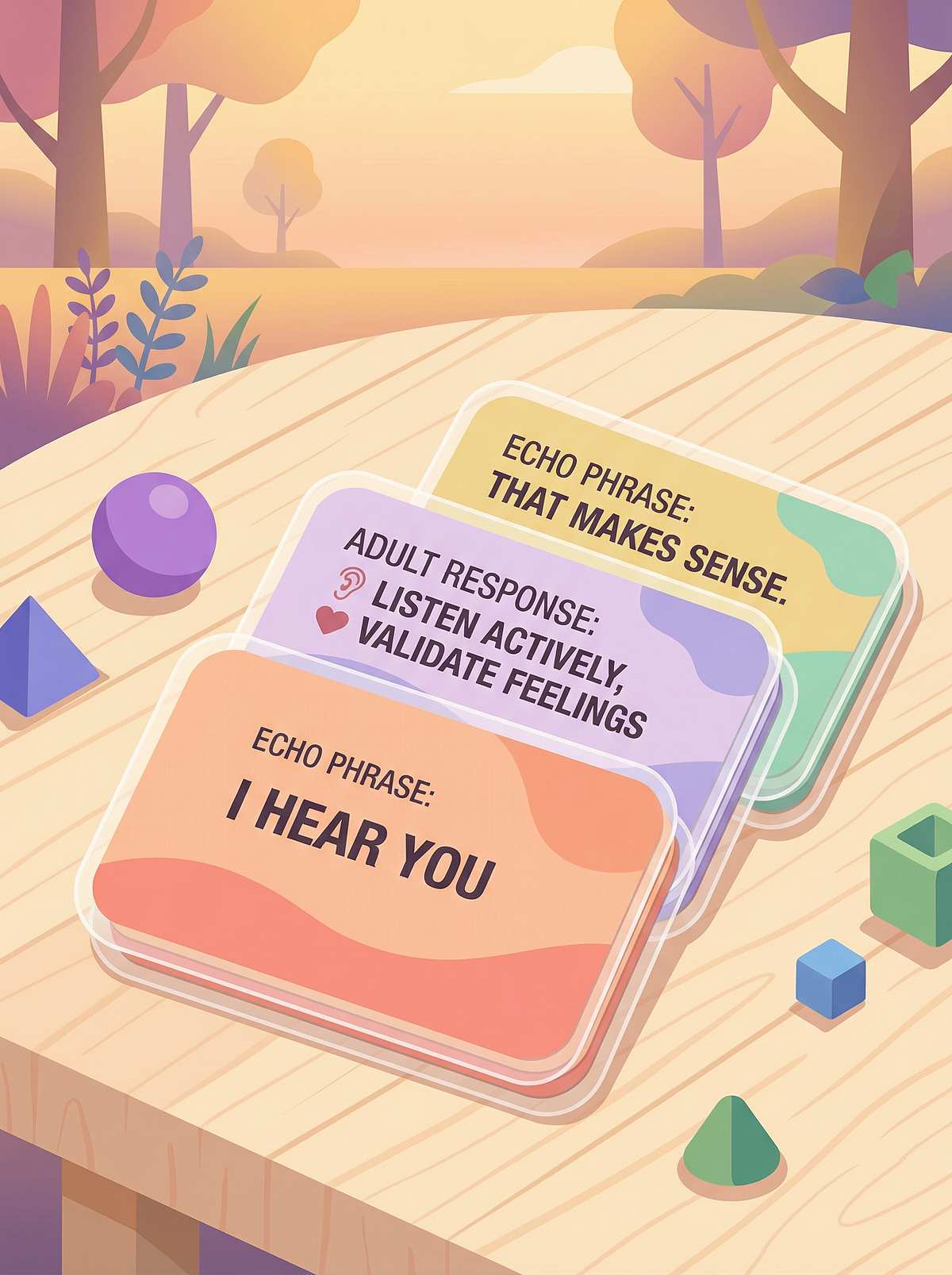
Function Assignment Response Guides
What It Is
Laminated card sets teaching adults to respond to every echo as intentional communication — giving it the outcome the child likely intended. These guides ensure every caregiver in the home responds consistently, which is the single most critical factor in functional echo development.
Canon Category
Communication Boards / Low-Tech AAC
Price Range
₹200–600 (printable/laminated)
🔧 DIY Version
Print the phrase → outcome mapping on card stock. Laminate. Place in every room. Write your child's top 5 echoes on one side, and the intended outcome on the other. Post on the refrigerator and beside every temptation station.
🛒 Buy
Search "communication response guides autism" → Amazon.in
🏷️Pinnacle Recommends: Custom-made for your child's actual echo inventory — consult SLP at 9100 181 181

Material 2 of 9
Highly Motivating Request Setups (Communicative Temptation Kits)
What It Is
Environmental arrangements where desired items are visible but inaccessible — creating authentic pressure to use any available communication, including echoes. The need creates the echo. This is the foundation of naturalistic communication intervention.
Canon Category
Natural Environment Teaching (NET) Setups
Price Range
₹0 — household items
🔧 DIY Version
- Place favourite snack in a transparent container with a lid
- Wind-up toy in a clear bag
- Bubbles: blow one, then hold the bottle and wait
- The need creates the echo — authentic need = authentic communication pressure
🏷️Pinnacle Recommends:✅Zero-cost, highest-impact material on this list. Already in your home — the arrangement IS the material.
Material 3 of 9
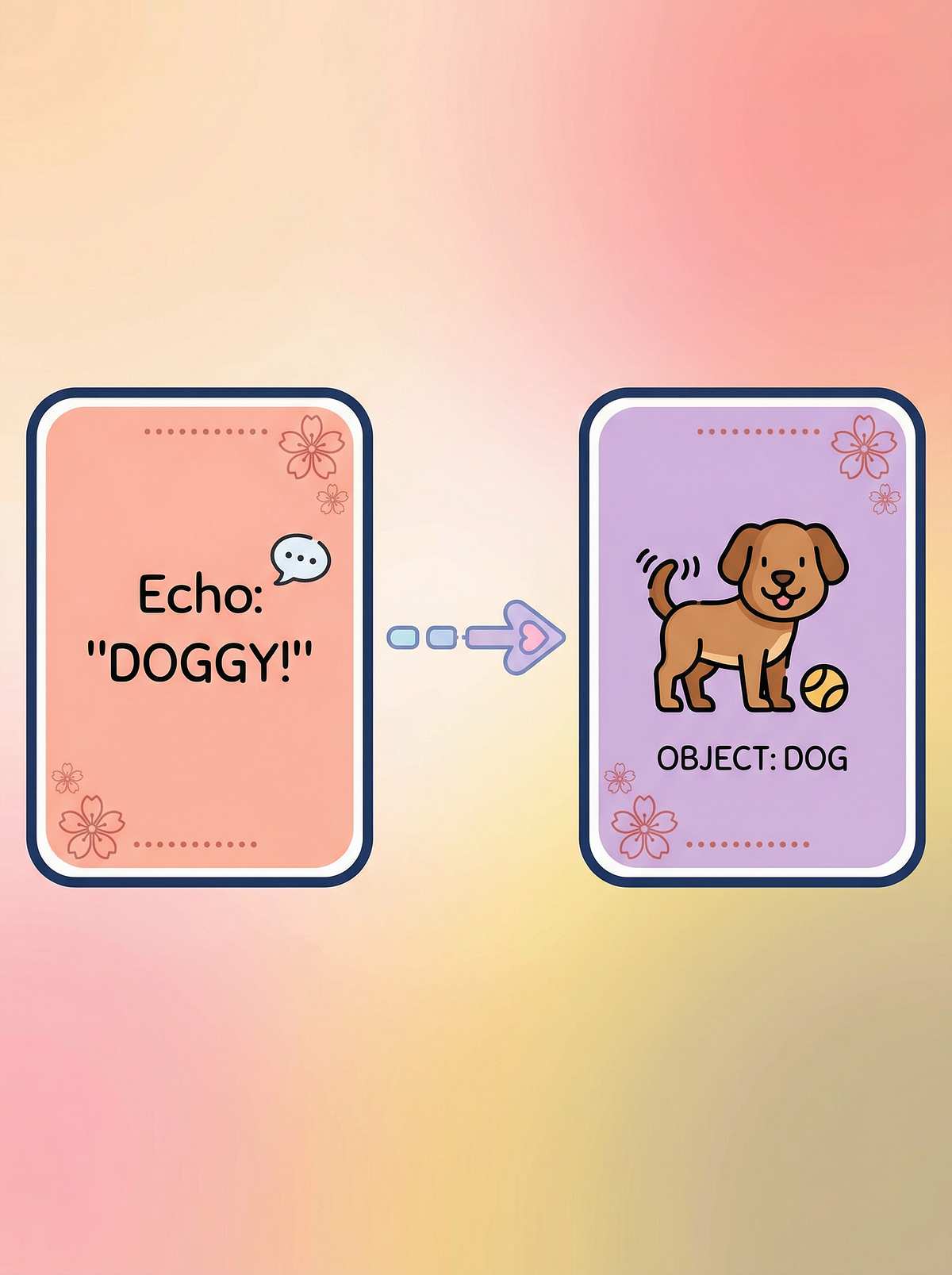
Echolalia-to-Function Mapping Visuals
What It Is
Paired visual cards showing: ECHO (text/photo of child saying the phrase) + OUTCOME (what the phrase produces). Posted at child eye-level throughout the home. These visuals reinforce the echo → outcome association in the child's environment 24/7, not just during structured sessions.
Canon Category
PECS / Picture Exchange Communication
Price Range
₹300–800 for symbol sets; ₹0 for photo-printed DIY
🔧 DIY Version
Photograph your child saying the echo → photograph the outcome → laminate → pair with velcro on wall chart. Use your child's actual face photos for maximum resonance — familiar images produce stronger learning associations than generic symbols.
🛒 Buy
🏷️Pinnacle Recommends: Use child's actual face photos for maximum resonance.
Material 4 of 9
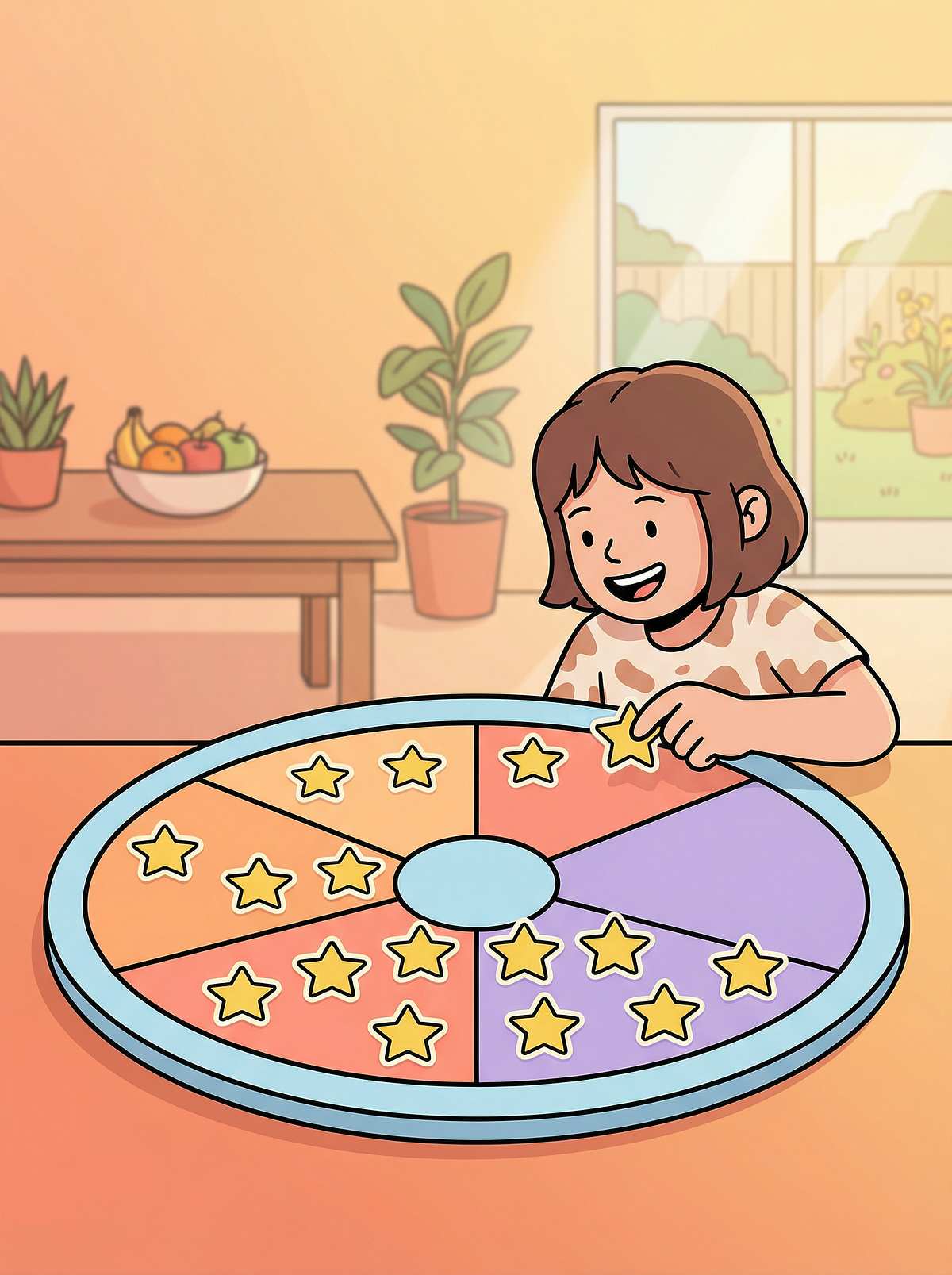
Immediate Reinforcement Systems
What It Is
Token boards, sticker charts, or tangible reinforcement menus ensuring zero delay between functional echo and positive outcome. The critical timing window is under 3 seconds. Every second beyond 3 weakens the association between echo and outcome — this is the most time-sensitive element of the entire protocol.
Canon Category
Reinforcement Menus
Price Range
₹200–500
🛒 Pinnacle Canon Products
- Rosette Imprint Reward Jar — Amazon.in✅ ACTIVE
- 1800+ Reward Stickers — Amazon.in✅ ACTIVE
🔧 DIY Version
Printed token board (5 tokens = preferred activity). Any sticker = immediate token reinforcement. Hand-draw a 5-box chart on paper — the sticker from any stationery shop is equally effective. Reinforcement timing matters more than material quality.
🏷️Pinnacle Recommends: Reward Sticker sets are most flexible for home use.
Material 5 of 9
Carrier Phrase Functional Frames
What It Is
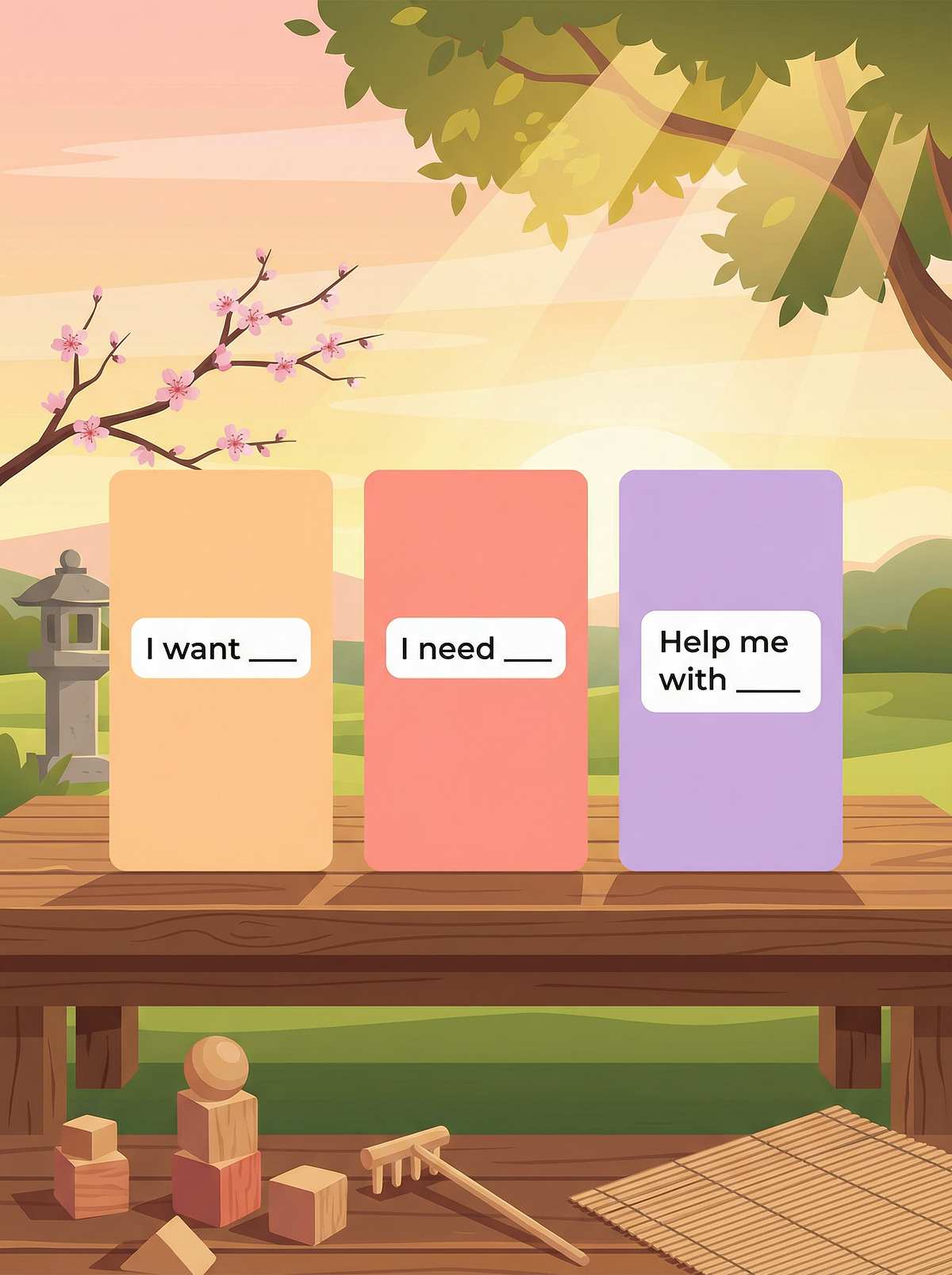
Structured sentence frames ("I want ____," "I need ____," "Help me ____") that allow an echoable stem to accommodate variable slot-filler words. This is the most powerful single structure for expanding functional echoes — it turns a fixed echo into a generative language template.
Canon Category
Communication Boards / Low-Tech AAC
Price Range
₹150–400 (laminated frame cards)
🔧 DIY Version
Write "I want ______" on a card. Below: velcro slots for noun pictures. Child touches picture → frame is spoken → outcome provided. This teaches the child that the echo-stem ("I want") is a flexible tool, not just a fixed string.
🛒 Buy
🏷️Pinnacle Recommends: Start with single-slot frames, expand to two-slot as mastery builds.

Material 6 of 9
Natural Environment Teaching (NET) Setups
What It Is
Deliberate arrangement of daily routines (mealtime, bath, swing, book time) to create predictable communication opportunities where specific echoes produce specific outcomes. The most powerful environmental modification you can make today — and it costs nothing.
Canon Category
Natural Environment Teaching Setups
Price Range
₹0 — reorganisation of existing routines
🔧 How to Apply It
- Mealtime: Pause before giving second serving, wait for any communicative act (echo → honour it)
- Bath: Pause the water mid-flow, wait
- Book: Stop mid-page turn, wait
- Swing: Push once, stop, wait
Every routine is a NET opportunity. The child is already motivated — you simply pause and wait for the communication.
🏷️Pinnacle Recommends:✅ The most powerful environmental modification you can make today — zero cost.
Material 7 of 9
Comprehension-Building Visual Supports
What It Is
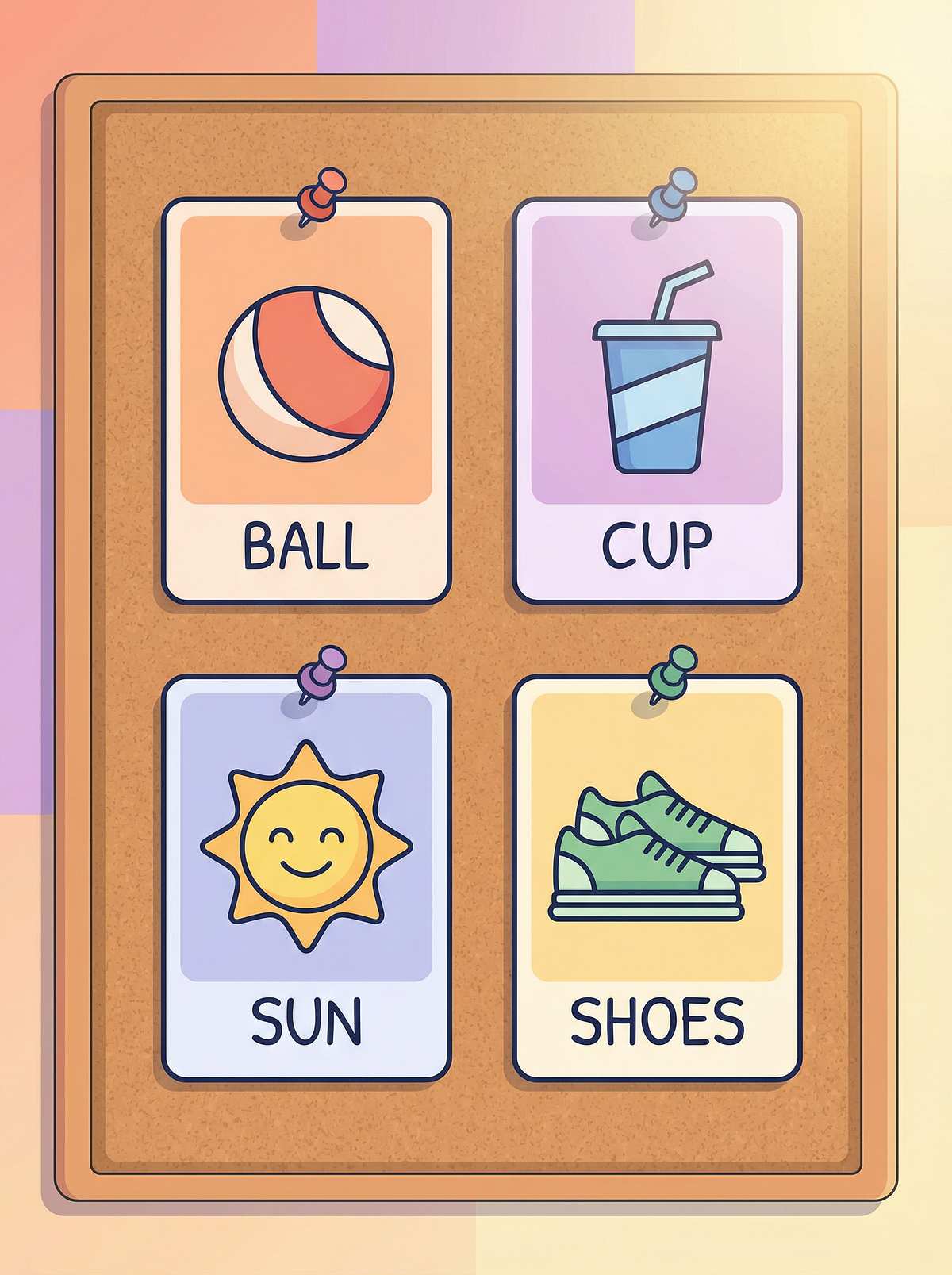
Visual associations between echoed phrases and their referents — building the understanding that words represent things, actions, and states in the world. These supports address the comprehension side of echolalia: the child may produce the echo without yet understanding that the word represents the object. These materials build that critical semantic bridge.
Canon Category
PECS / Picture Exchange Communication | Communication Boards
Price Range
₹400–1,200 for symbol libraries; ₹0 for photo-based
🔧 DIY Version
Create "word + picture + real object" trios. A "cookie" card + photo of cookie + real cookie, presented together consistently when the word is heard or produced. The child begins to map the echo to its real-world referent through repeated, consistent pairing.
🛒 Buy
🏷️Pinnacle Recommends: Begin with objects the child already echoes about — start where they already are.

Material 8 of 9
Communicative Temptation Kits
What It Is
A curated set of highly motivating objects arranged specifically to create communicative pressure — the child wants something, and the environment creates the need to communicate. Unlike Material 2 (household NET), this is a dedicated kit of the child's most preferred items, rotated deliberately to maintain novelty and motivation.
Canon Category
Transition Objects / Comfort Items (motivation anchors)
Price Range
₹500–1,500 (favourite toys, snacks, interactive toys)
🛒 Pinnacle Canon Product
Animal Soft Toys (comfort/motivational) — Amazon.in✅ ACTIVE
🔧 DIY Version
Use child's top 5 preferred items. Rotate them to maintain novelty — satiation reduces communicative pressure. Partial access creates communicative pressure more than total access. Keep 2–3 items in the kit at a time, rotating weekly.
🏷️Pinnacle Recommends: Identify your child's hierarchy of preferences first — SLP can assist via 9100 181 181.
Material 9 of 9
Functional Phrase Video Models
What It Is
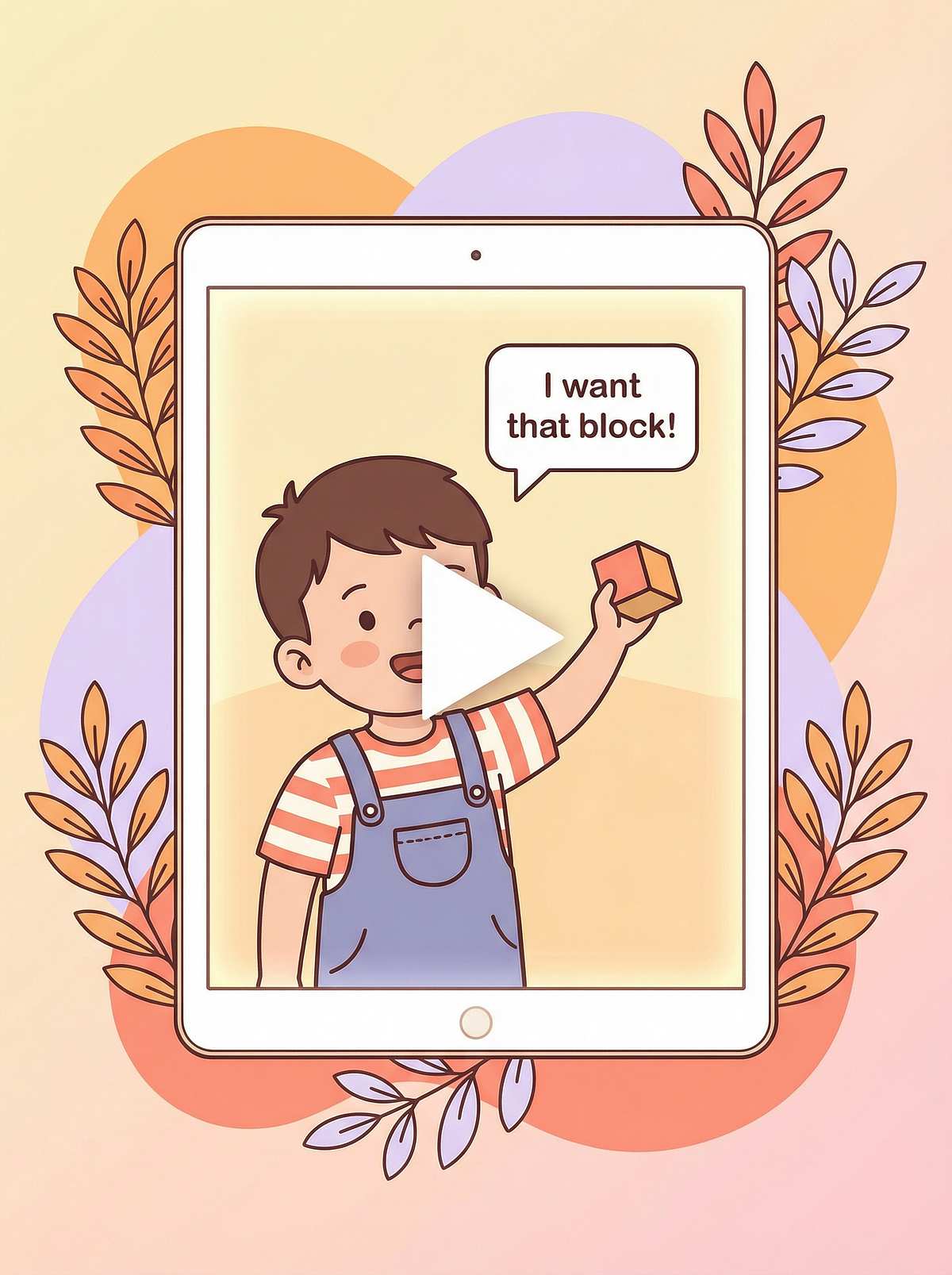
Short videos (10–30 seconds) showing same-age peers or familiar adults using the target functional phrases in real contexts. The child's tendency to echo video content is turned into a therapeutic asset — one of the most powerful and underutilised tools available to families at zero cost.
Canon Category
Video Modelling / Functional Phrase Libraries
Price Range
₹0 — filmed on phone
🔧 How to Create Your Own
- Film: parent asking for water → getting water
- Film: parent saying "all done" → activity ending
- Film: familiar sibling or peer using target phrase → outcome following
- Play on repeat as preferred viewing
The child echoes video content naturally — make the video therapeutic. Their tendency to memorise video is the delivery system.
🛒 Buy
🏷️Pinnacle Recommends: Use the child's own tendency to memorise video content as the delivery system — use it intentionally.

Every Family Can Start Today — Regardless of Budget
This technique is fully executable with zero purchased materials. The intervention is in the caregiving behaviour and the environmental arrangement — not in the products. WHO NCF 2018 and CCD Package evidence demonstrates household-based intervention efficacy across 54 LMICs.
Material | Buy (Clinical Grade) | Make (Zero-Cost Version) | |
Reinforcement System | Rosette Reward Jar — ₹299 (amzn.in) | Hand-drawn 5-box chart + star stickers from any stationery shop | |
Sticker Rewards | 1800+ Reward Stickers — ₹250 (amzn.in) | Any stickers from local stationery — reinforcement timing matters more than quality | |
Motivation Objects | Animal Soft Toys — ₹400 (amzn.in) | Child's top 5 preferred items already at home | |
PECS / Mapping Visuals | Standard PECS symbol set — ₹800 | Phone photos printed at ₹5/print at local shop | |
Carrier Phrase Cards | Laminated AAC frames — ₹350 | A4 paper: write "I want ____" + velcro noun pictures | |
Video Models | Social Story resources — ₹500+ | Phone camera + 30-second clip of familiar faces |
WHO NCF 2018 and CCD Package: PMC9978394 — household-based intervention efficacy demonstrated across 54 LMICs. The technique is in the behaviour, not the product.

⚠️ Safety First
Read This Before Your First Session
🔴 STOP — Do NOT Proceed If:
- Child is currently in a meltdown, tantrum, or highly dysregulated state
- Child has not eaten in more than 3 hours
- Child is showing signs of illness (fever, pain, fatigue)
- You are in a hurry, stressed, or unable to be fully present for 15 minutes
- You plan to physically prompt speech — NEVER physically prompt verbal output
🟡 MODIFY — Proceed with Caution If:
- Child is mildly tired — shorten session to 5 minutes
- Child has had a difficult morning — use only preferred items, no demands
- New materials being introduced — introduce one at a time
- Child shows initial resistance — honour it; try again in 20 minutes
🟢 GO — Optimal Conditions:
- Child is alert, calm, and recently fed
- Environment is quiet (TV off, distractions minimised)
- You have 15–20 uninterrupted minutes
- Preferred items are available and ready
- You feel patient and ready to wait silently for up to 10 seconds
ABSOLUTE RED LINE — STOP IMMEDIATELY IF: Child shows extended crying (3+ minutes unresponsive), self-injurious behaviour, vomiting, or complete withdrawal. End session calmly. Do not retry same day. 📞 Call 9100 181 181 if you are ever unsure whether to proceed.
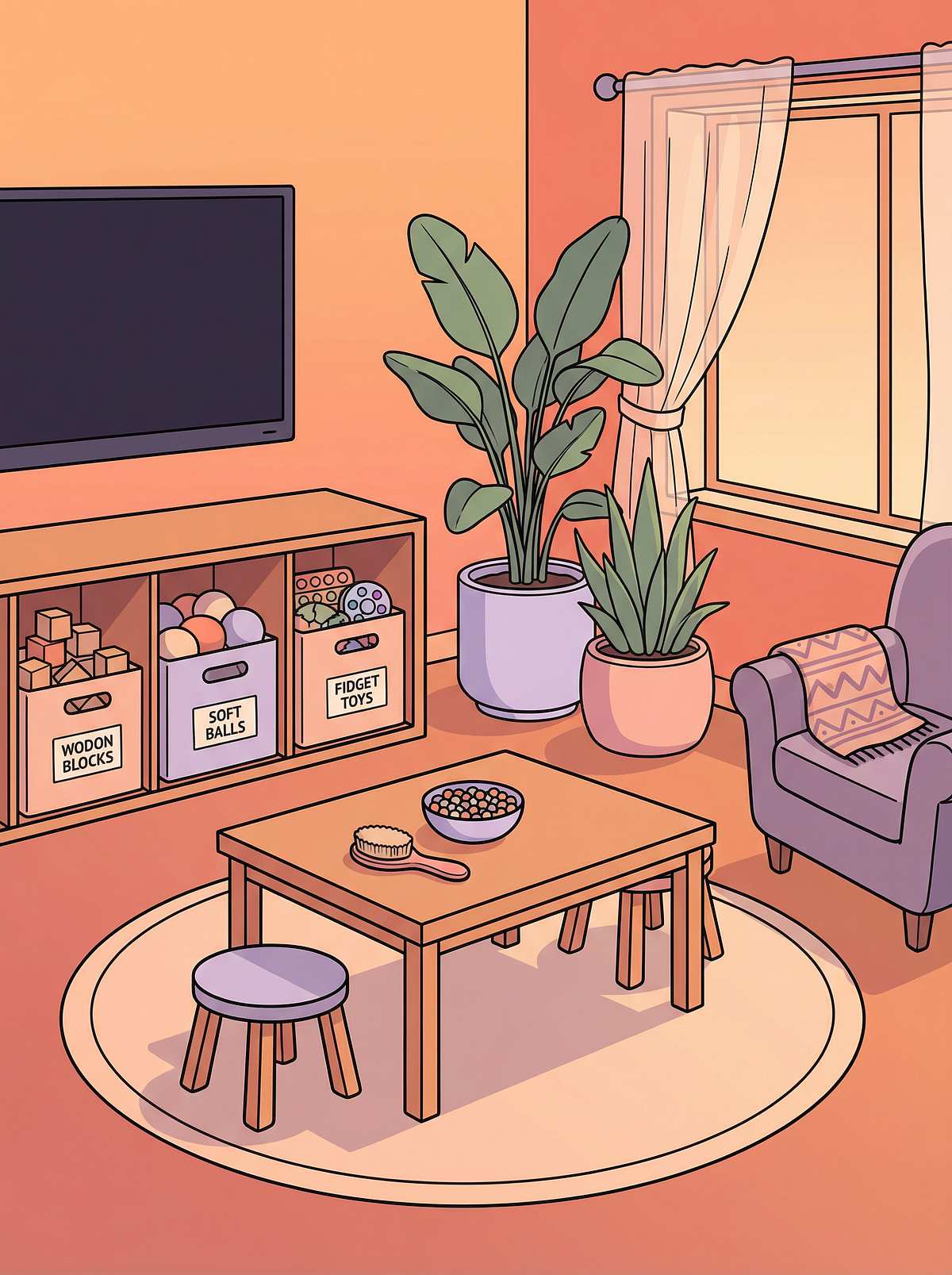
The Environment Is the Intervention — Set It Up Like a Therapist
Time required for setup: 5 minutes. Remove from space: ❌ TV (off) | ❌ Radio/music (off) | ❌ Phone notifications (silent) | ❌ Clutter that competes for attention.
01
Child's Space
Low-friction seating (floor, cushion, or child-sized chair). No high chair restraint. Child must be able to move freely and approach materials independently.
02
Your Position
At child's eye level. Not behind them. Not hovering. Side-by-side or slightly in front — so you can see their face and they can see yours. Distance: arm's length.
03
Temptation Station
Place top 3 preferred items on a shelf at child's eye level but requiring adult assistance to access. This creates the communicative opportunity.
04
Visual Wall
3–5 echo-to-function mapping visuals at child's eye level (60–80 cm from floor). Place near the temptation station so the visual and the need are in the same sightline.
05
Reinforcement Ready
Token board and sticker reinforcers in your pocket or within immediate reach. The 3-second reinforcement window requires this — there is no time to search.
06
Video Setup (Optional)
Pre-load the clip. Don't navigate during session. Place device so child can see it comfortably from their seated position.

60 Seconds. 7 Questions. The Best Session Is One That Starts Right.
# | Check | ✅ GO | ⚠️ MODIFY | ❌ POSTPONE | |
1 | Last meal | < 3 hours ago | 3–4 hours (give small snack first) | > 4 hours | |
2 | Sleep last night | Typical for child | Slightly disrupted | Very disrupted | |
3 | Last meltdown | > 2 hours ago | 1–2 hours ago | < 1 hour ago | |
4 | Child's current affect | Calm, alert, or slightly playful | Mildly tired or slightly clingy | Crying, agitated, or distressed | |
5 | Signs of illness | None | Mild congestion | Fever, vomiting, or clear pain | |
6 | Parent's state | Calm and present | Slightly rushed | Stressed or impatient | |
7 | Preferred items available | YES — child interested today | Need to refresh/rotate | Child indifferent to all available items |
7/7 ✅ → FULL SESSION
20 minutes, full protocol as written
4–6 ✅ → MODIFIED SESSION
10 minutes, preferred-only activities, reduced demand
<4 ✅ → POSTPONE
Alternative calming activity today — try again tomorrow. Relationship is the foundation of all communication learning.

▶ How To Do It
Step 1 of 6
The Invitation — An Offer, Not a Command
"[Child's name], look — I have your [favourite item]." Hold item up. Make eye contact. Wait silently up to 5 seconds. Do not repeat. Do not prompt speech. Just wait.
✅ Accept
Child reaches, vocalises, makes eye contact, or moves toward item → proceed to Step 2
⚠️ Tolerate
Child glances but doesn't engage → wait 3 more seconds, then gently move item closer
❌ Resist
Child moves away or shows distress → honour it. Put item away. Try again in 20 minutes.
Body language: Face warm and neutral-positive (not exaggerated). Voice: normal volume, not sing-song. Body: relaxed, not leaning in. Hands: item offered, not thrust forward. Timing: 30–60 seconds maximum.
Every session is a choice. The child who chooses to participate communicates more than the child who is guided through the motions.

Step 2 of 6
The Engagement — Introduce the Echo Opportunity
[Child shows interest in item → pause before giving it.] "Oh — you want the [item]?" [Model the carrier phrase clearly, once. Then wait 3–5 seconds in silence.] If child echoes any part of the phrase → immediately deliver the item. If child is silent → after 5 seconds, say "Here you go" and give item anyway. Do not withhold indefinitely.
✅ Strong Engagement
Child echoes the phrase (or part of it) and reaches → this is a functional echo emerging. CELEBRATE immediately. This is the highest-value moment of the entire session.
✅ Moderate Engagement
Child reaches but doesn't vocalise → honour the request (give item), narrate: "You want the [item]. Here it is." The reach itself is communication.
⚠️ Low Engagement
Child seems distracted → follow their lead; introduce a different preferred item. Never force the exchange.
⏱️Critical Timing: The gap between a functional echo and the outcome must be under 3 seconds. Every second beyond 3 weakens the association. Have the item in your hand, ready to deliver. PMC11506176 — Within-session timing is the most critical variable for initial skill acquisition.
Step 3 of 6
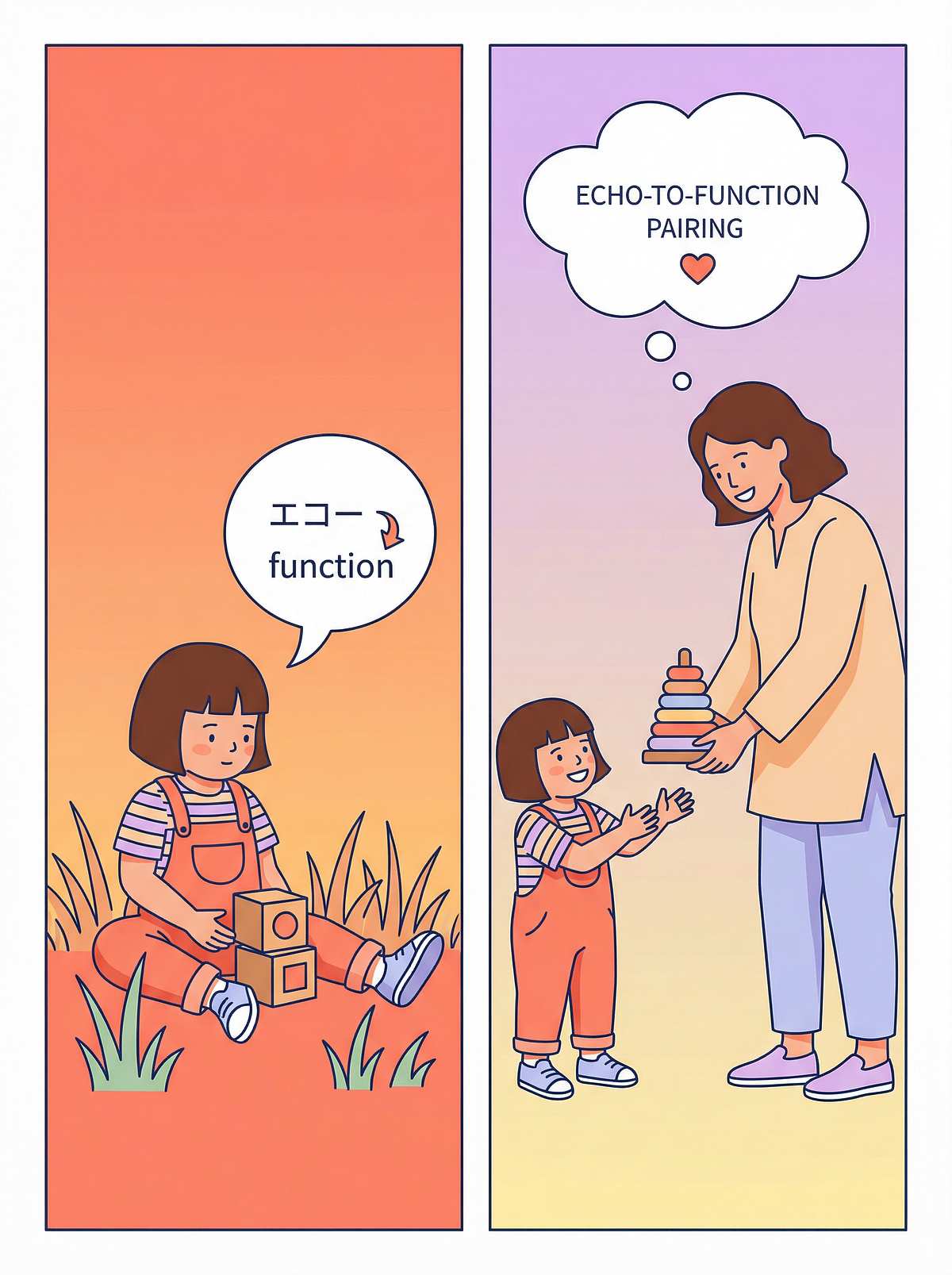
The Therapeutic Action — Echo → Function Pairing
Present a Communicative Temptation (desired item inaccessible, visible). Model the target functional phrase once, clearly. Wait. When any echo occurs — immediate, meaningful outcome. Repeat across 3–5 distinct communicative opportunities in the session, varying the desired item to build generalisation.
Child Echoes | Adult Response | Outcome | |
"Want cookie" / "want" | "Oh — you want a cookie!" | Give cookie immediately | |
"All done" | "All done! Great — we're done." | End activity immediately | |
"Push swing" / "swing" | "Push swing — yes!" | Push immediately | |
"Help please" / "help" | "You need help! Here I come." | Assist immediately | |
"Want juice" | "Want juice — here it is." | Give juice immediately |
Common Execution Errors ❌
- Waiting for a "perfect" echo before responding — honour any approximation
- Prompting or physically guiding the child to say the phrase
- Repeating your model more than once (one model, then wait)
- Long delay between echo and outcome (>3 seconds defeats the pairing)
Step 4 of 6
Repeat & Vary — 3 Good Opportunities Beat 10 Forced Ones
Session Dosage
Target: 3–5 distinct communicative opportunities per 15-minute session. Not: 15+ rapid-fire trials (this is naturalistic, not drill-based). Key: Each opportunity must arise from genuine motivation, not artificial demand.
Introduce Variation
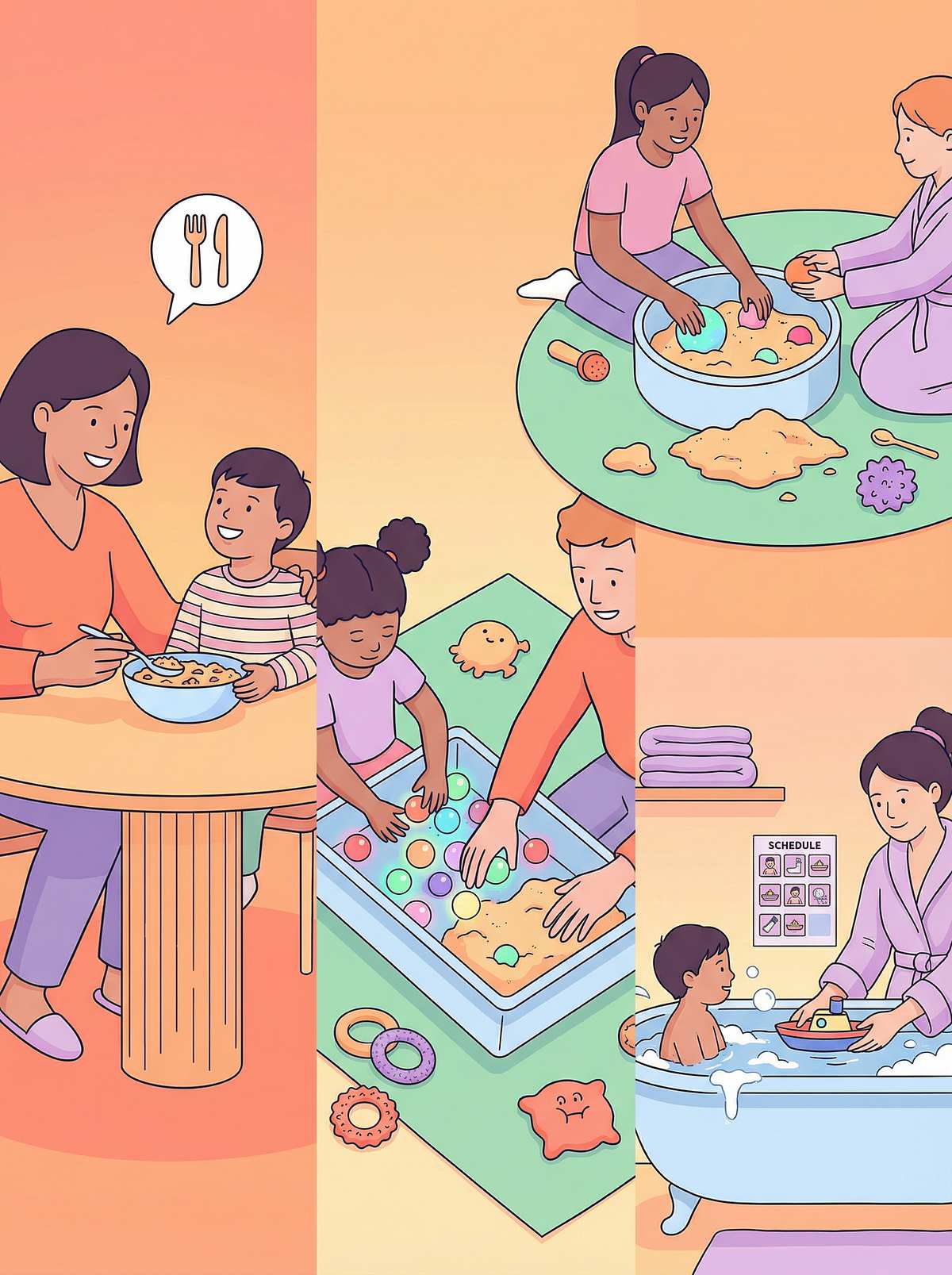
Same principle, different items: Cookie → Juice → Toy → Book → Swing. Different contexts: Mealtime → Bathtime → Play → Transition. Different settings: Living room → Kitchen → Bedroom → Outdoor.
Satiation Indicators
Child stops reaching for the item. Child walks away from Temptation Station. Child begins stimming or self-directing. Eye contact drops significantly. When this occurs: introduce a new item or end gracefully.
Sensory integration and communication therapy dosage literature: 2–3 sessions/week over 8–12 weeks for measurable communication gains. Session-level: 3–5 high-quality exchanges > 15 low-quality ones.

Step 5 of 6
Reinforce & Celebrate — The 3-Second Window Is Everything
Within 3 seconds of any functional echo: (1) Deliver the natural outcome (give the item / end the activity / provide help). (2) Deliver verbal praise — specific and genuine. (3) If using token system: add a token immediately.
"You asked for the cookie — and here it is! You did it!"
"All done — I heard you! Great communicating!"
"You wanted help — I'm right here. You told me!"
"Yes! Want swing — let's go!"
The Non-Negotiable: Celebrate the attempt, not just the perfect execution. A child who tries to echo "want" instead of "want cookie" gets 80% of the reinforcement of a perfect echo. The attempt must never go unreinforced. 🏷️1800+ Reward Stickers | 🏆Rosette Reward Jar

Step 6 of 6
The Cool-Down — No Session Ends Abruptly
01
Transition Warning (Minute 1)
"Two more, then all done." Do 2 more low-demand exchanges — simple, preferred, no waiting pressure. "One more, then all done." Last exchange: guaranteed success — give child's most preferred item with zero communicative demand.
02
The Close (Minute 2)
"All done with our practice! You were amazing." Child participates in material put-away if able — builds routine, signals session end. "Now let's do [preferred transition activity]."
Outdoor Play
Immediate physical release
Preferred Snack
Sensory closure + positive association
Screen Time
Familiar, predictable, preferred
Picture Books
Verbal richness for language building
If child resists ending: allow 1–2 additional minutes of free play with session materials. The child's desire to continue is itself a communication success. 📞9100 181 181 if transition difficulties are significant or recurring.

📈 Track Progress
60 Seconds of Data = Weeks of Insight
The parents who capture data consistently see progress earlier than those who rely on memory — because the data reveals trends invisible to daily perception. By week 4, you will see your child's functional echo count increasing. The data will show you before your heart believes it.
📋 3-Field Parent Tracker (B-181)
Date: _____________ Duration: _____ minutes
- Number of functional echoes (echo produced + outcome given): [ ]
- New phrases that appeared today (write them): _________________
- Child's engagement: LOW / MEDIUM / HIGH / EXCEPTIONAL
📱 Alternative Tracking Options
- GPT-OS® App tracker — download: pinnacleblooms.org/app
- Download printable B-181 Session Log PDF
- Notebook tally — even 3 marks per session is enough
Systematic outcome tracking is a core principle of ABA. Parent-collected data has been validated as reliable across multiple ABA studies when trained on specific observable behaviours.
📞9100 181 181 — Pinnacle clinicians can review your data and adjust the programme.
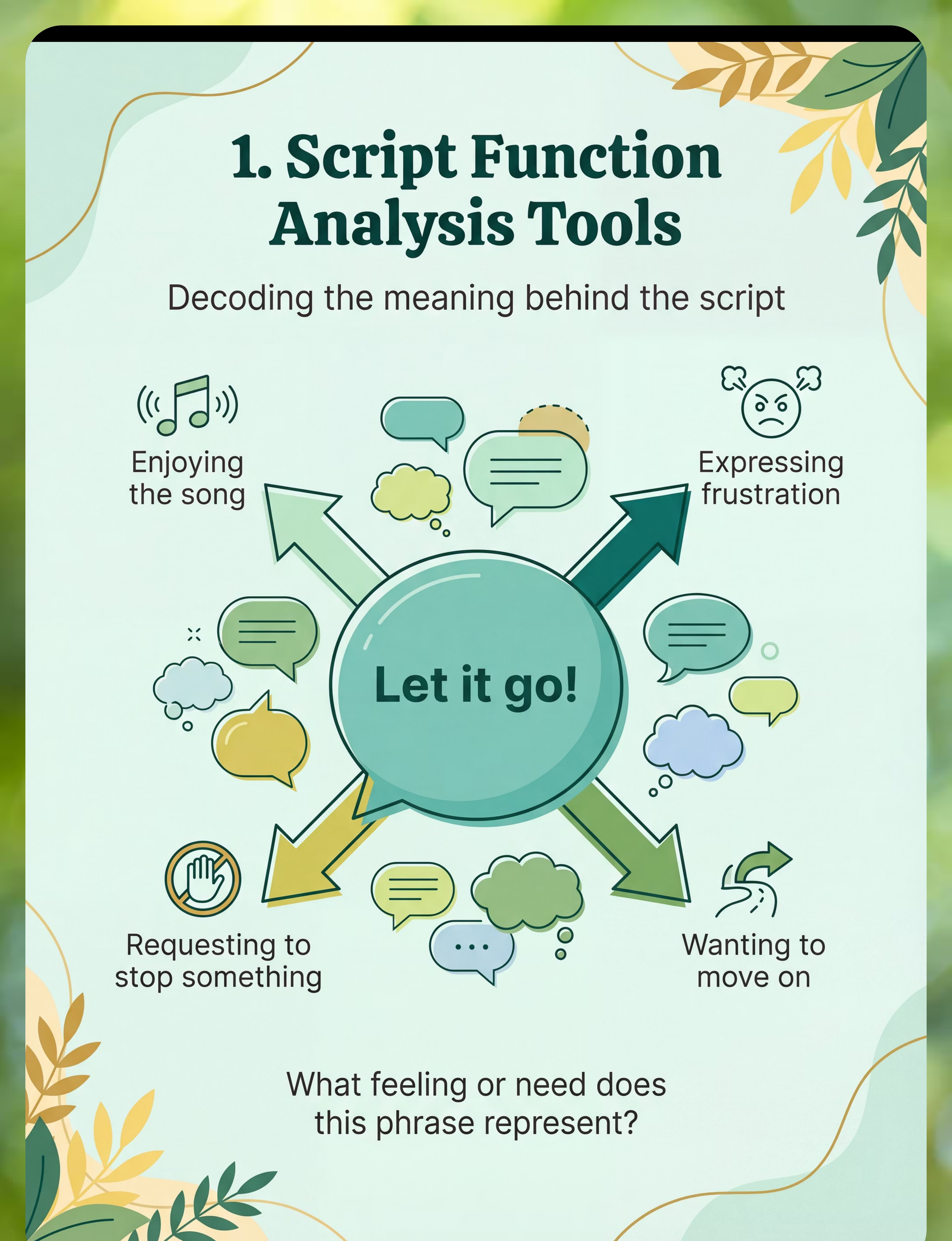
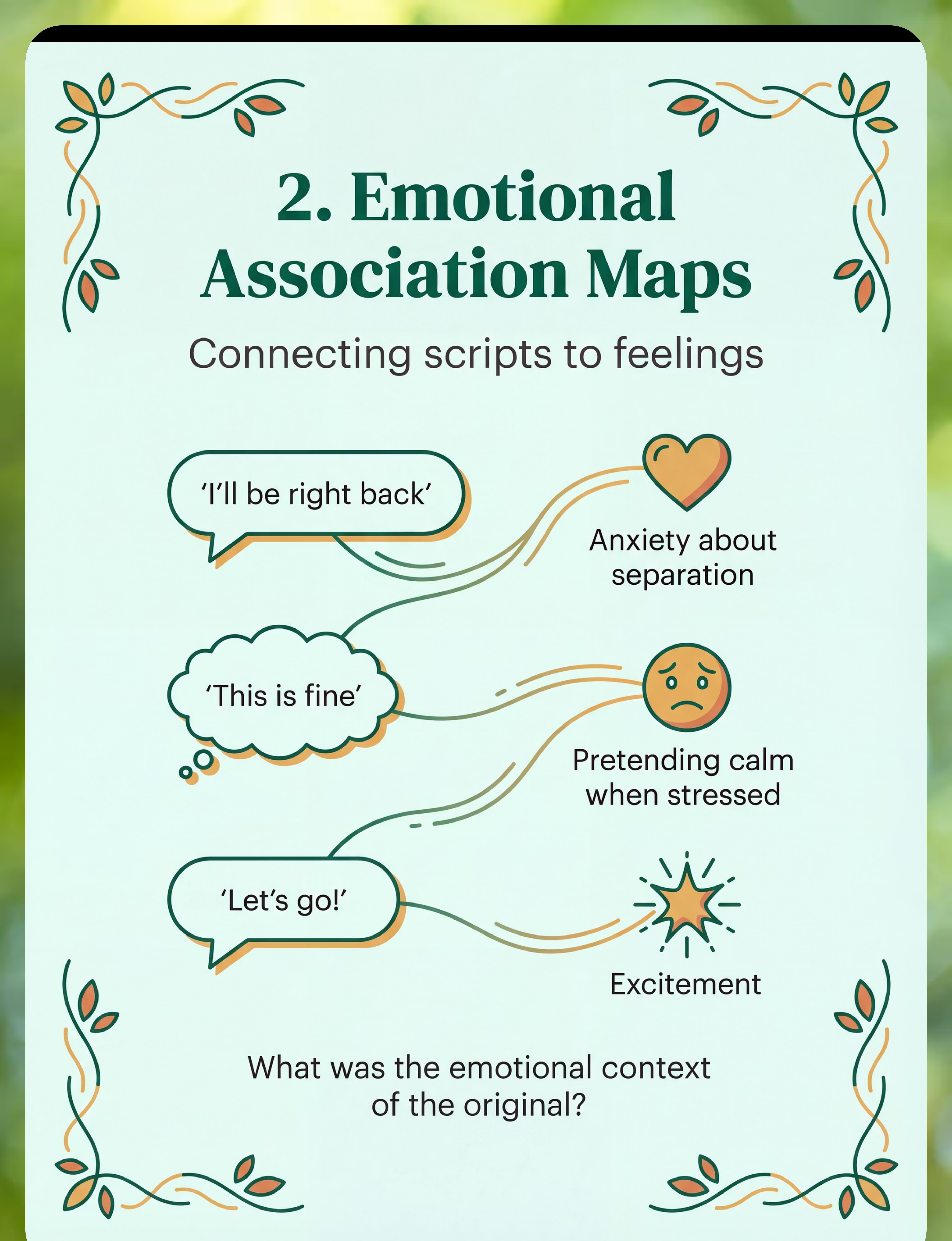
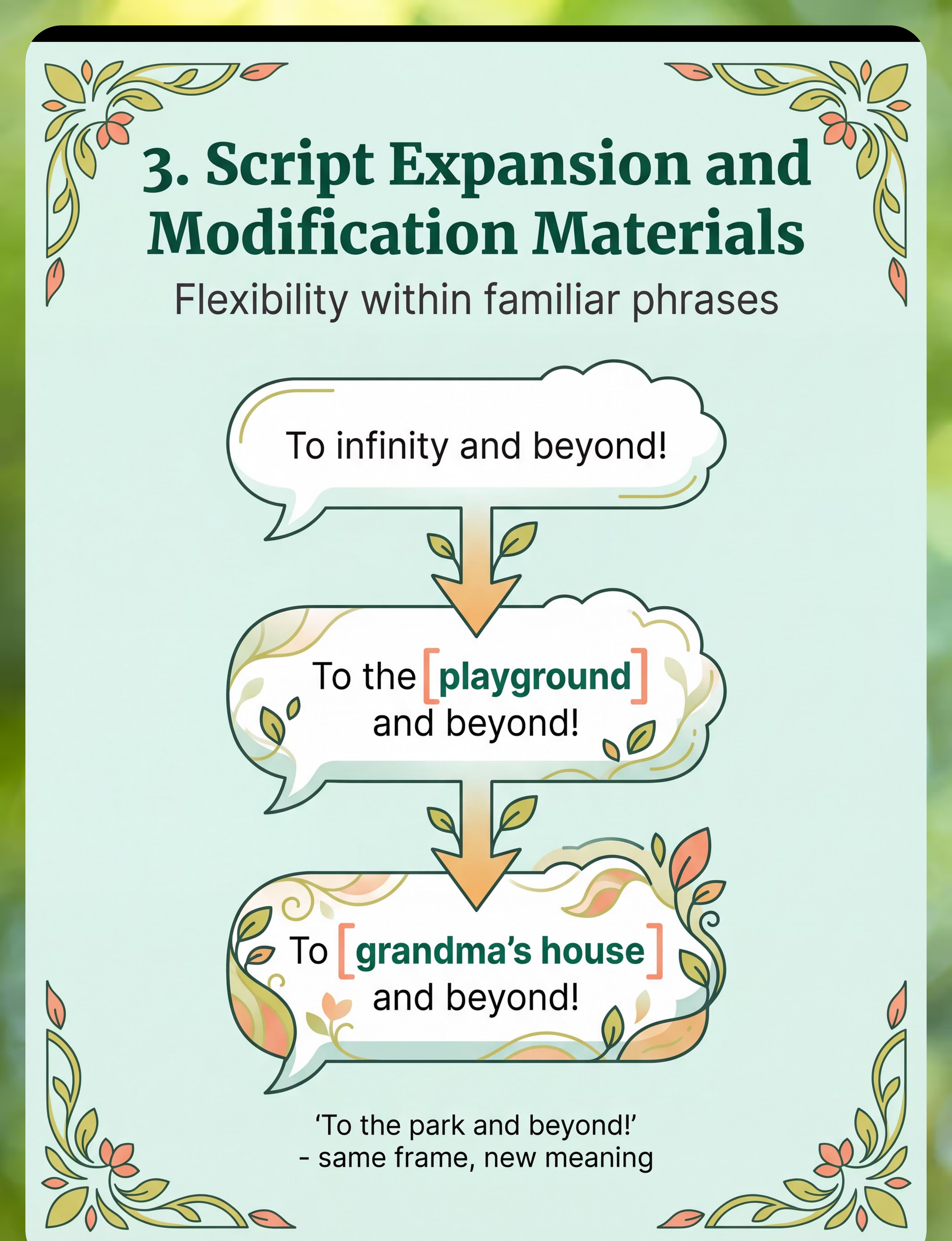
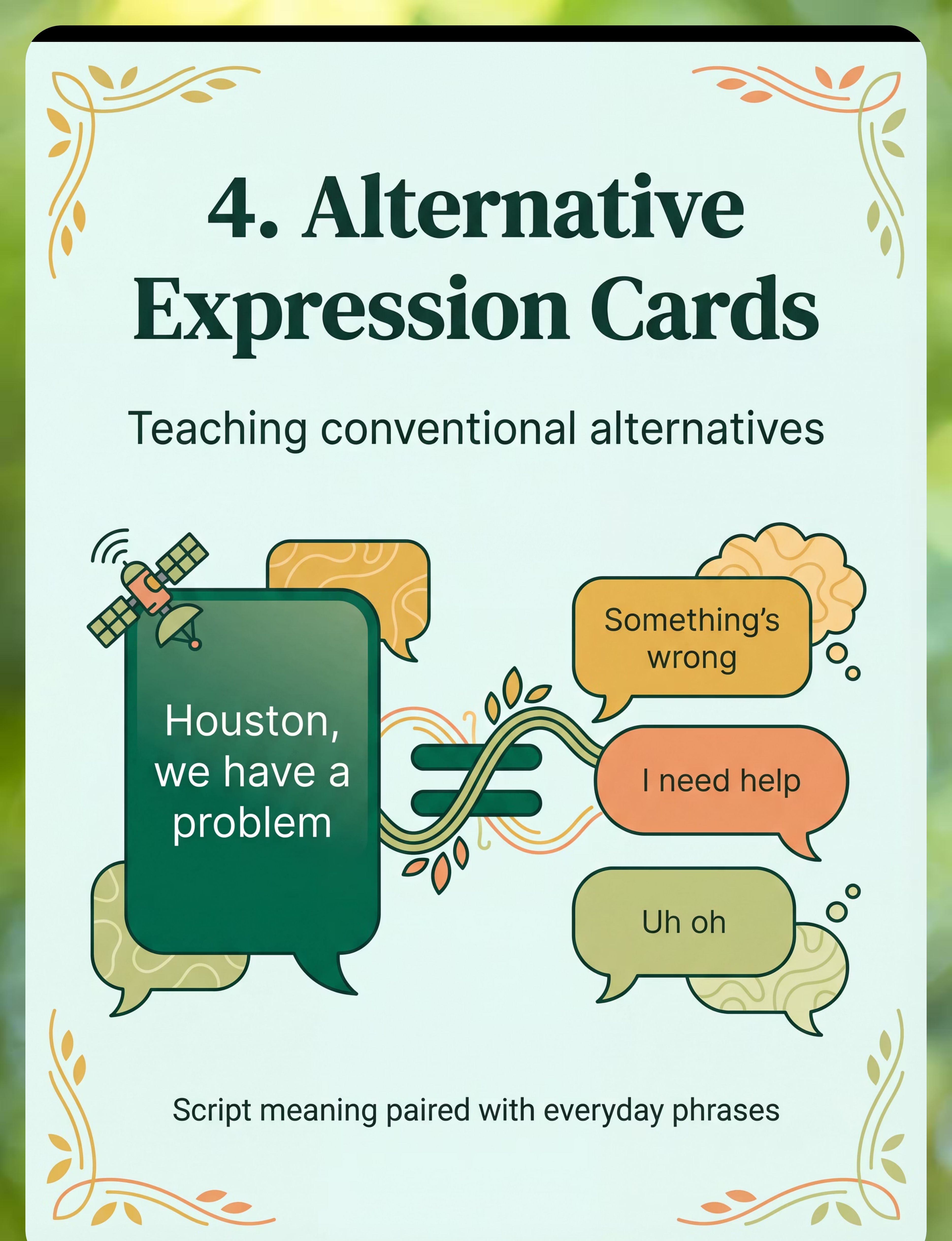
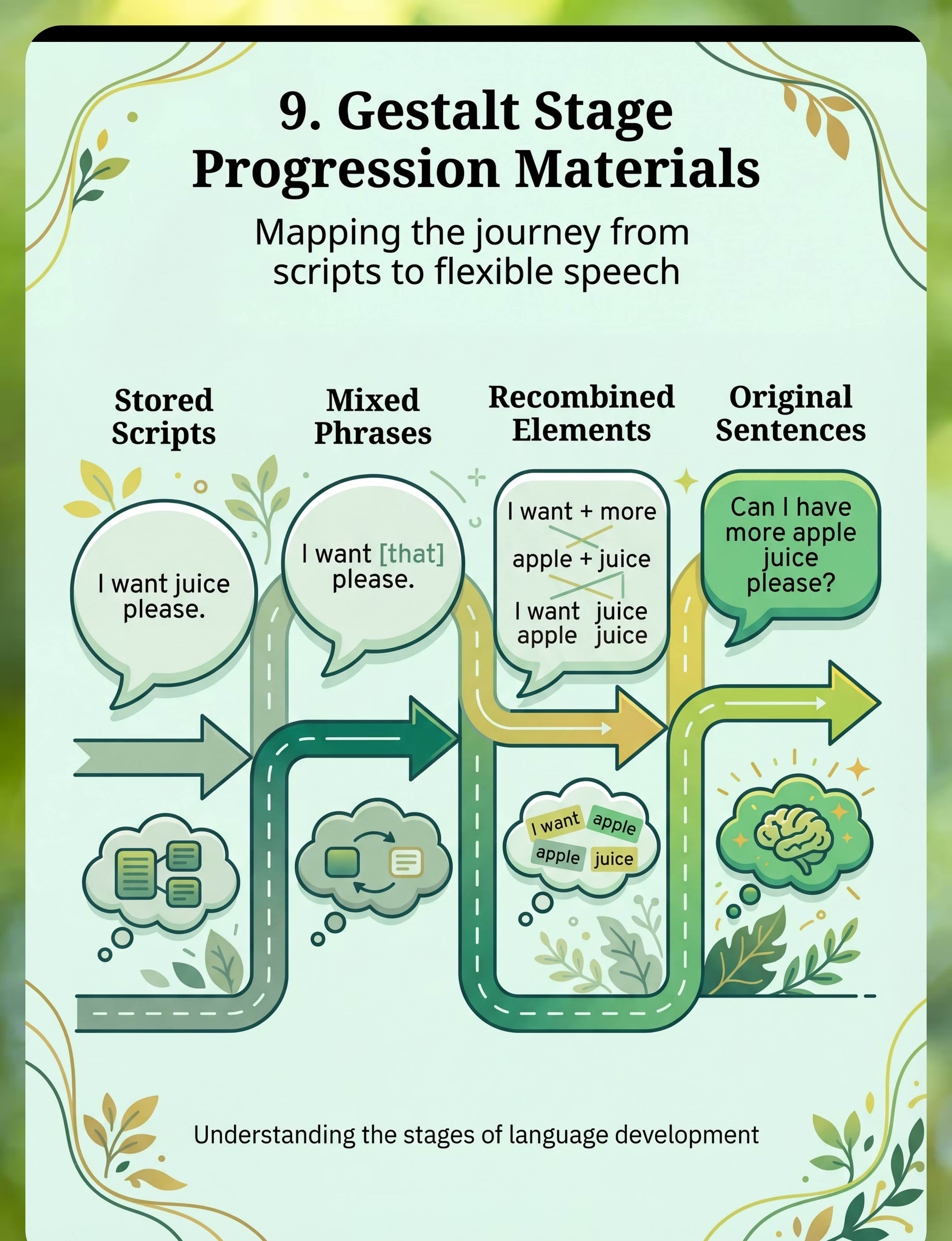
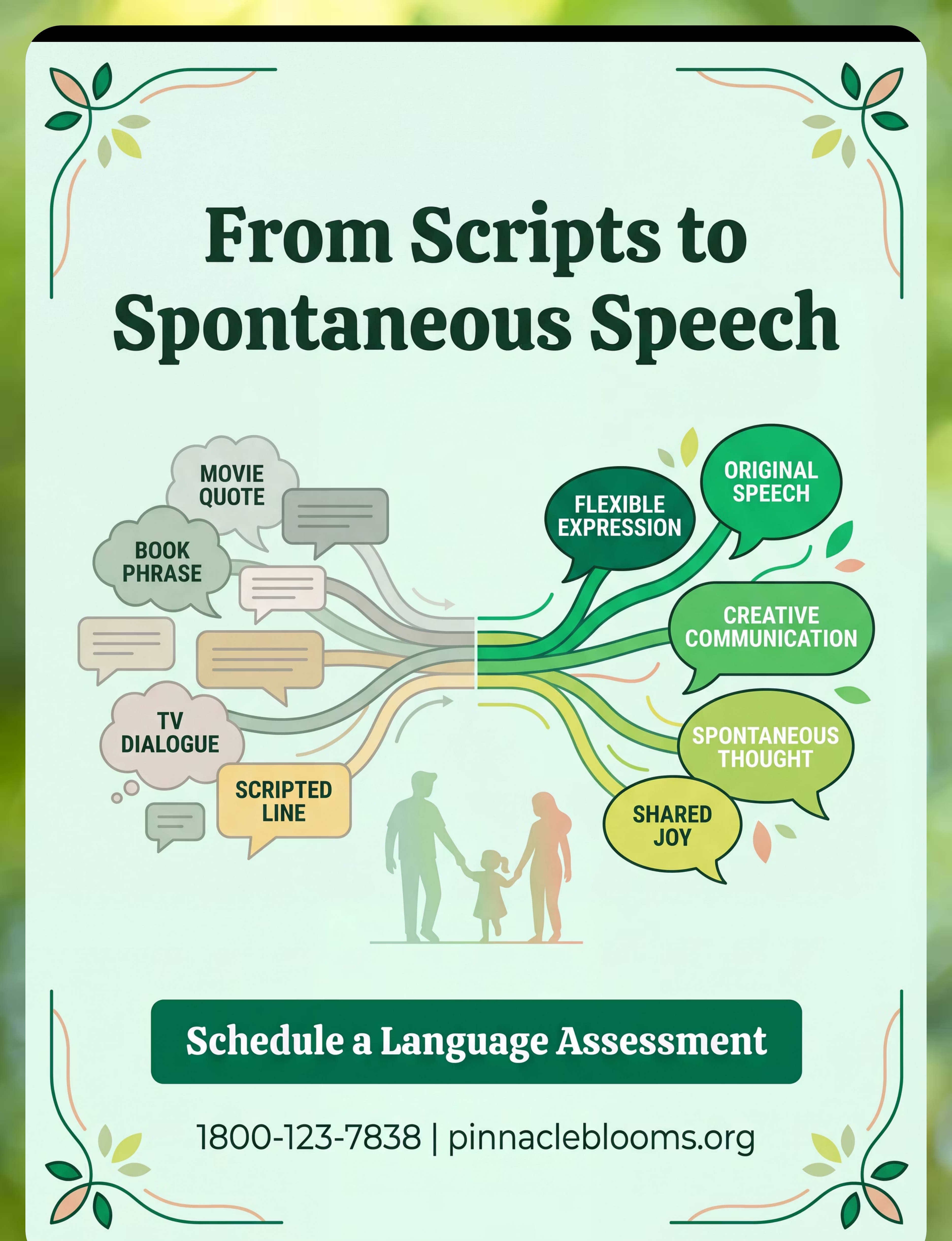
Preview of 9 materials that help with delayed echolalia Therapy Material
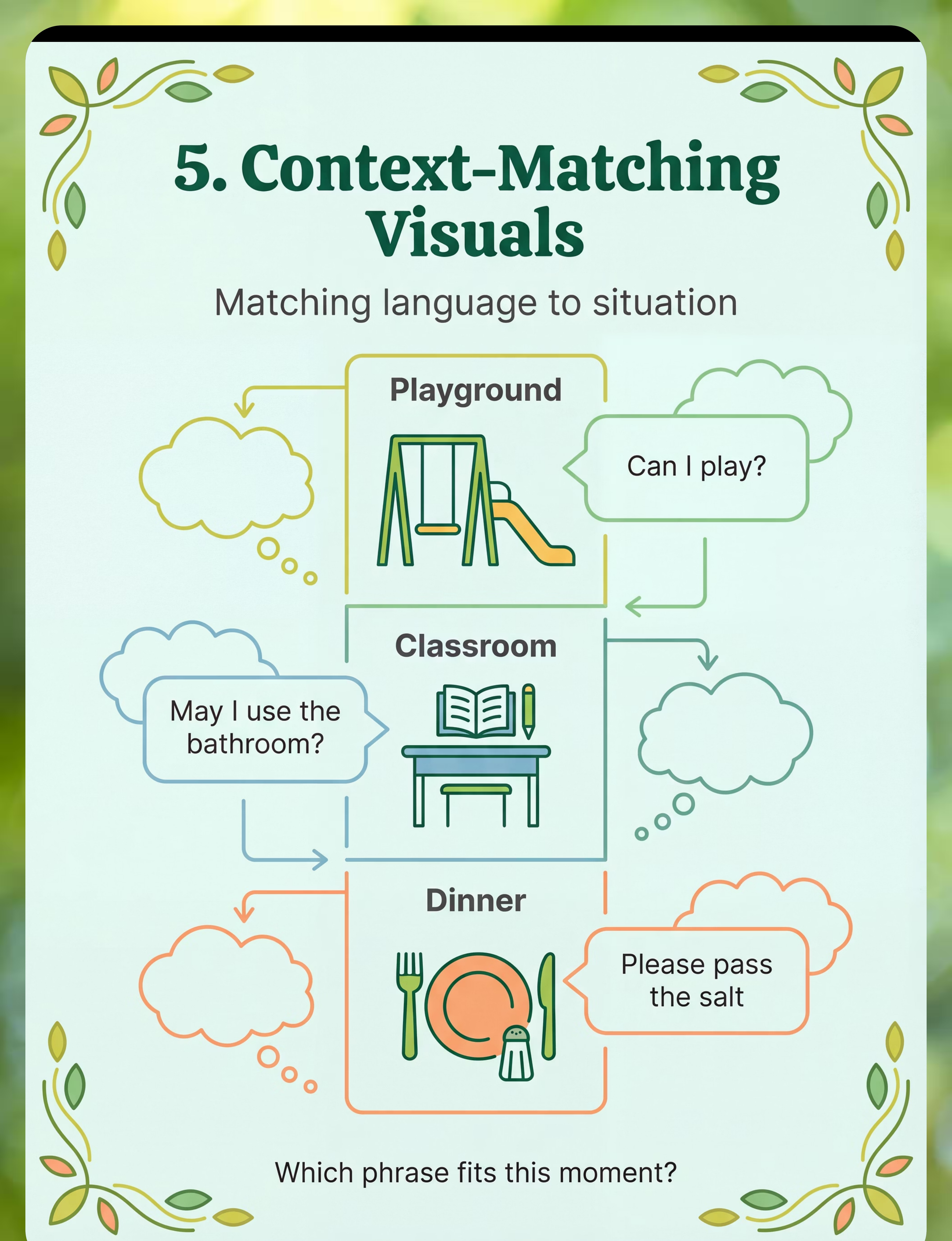
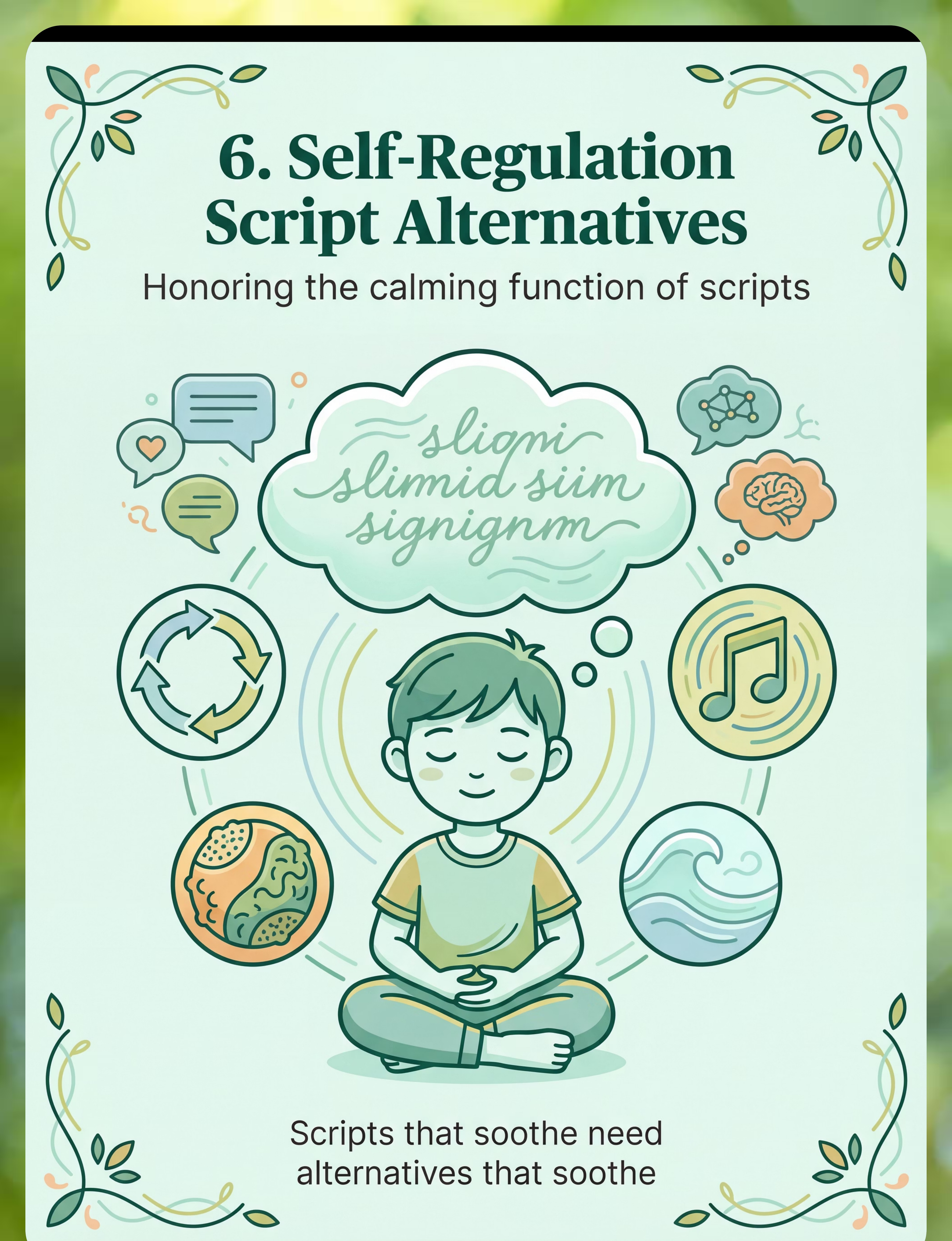
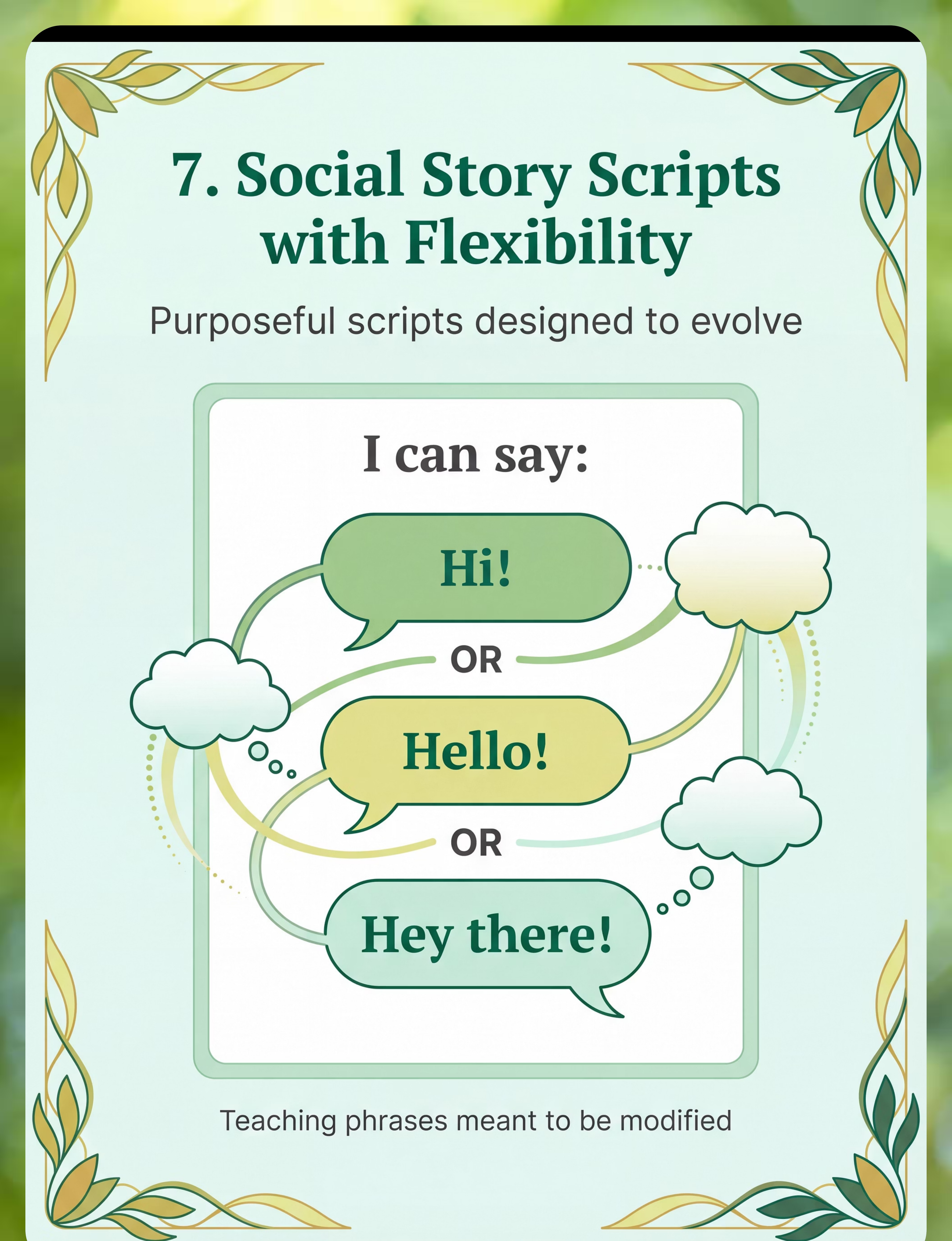
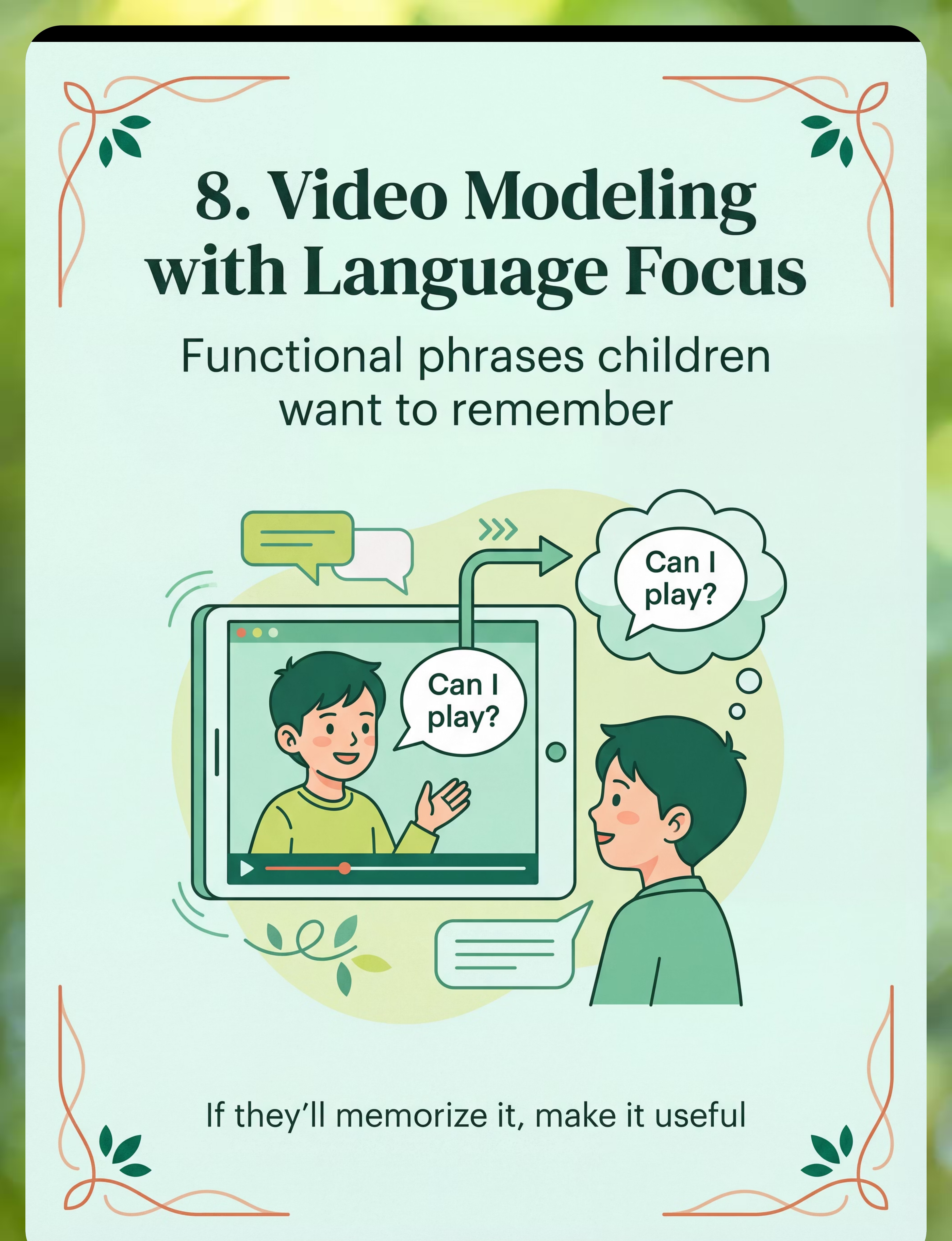
Below is a visual preview of 9 materials that help with delayed echolalia therapy material. The pages shown help educators, therapists, and caregivers understand the structure and content of the resource before use. Materials should be used under appropriate professional guidance.





Link copied!

Every Difficulty Has a Reason. Here's How to Find It.
🔴 Problem | 🟡 Most Likely Cause | 🟢 Solution | |
Child not echoing at all during sessions | Motivating items aren't motivating enough today | Refresh item hierarchy; try 3 different items in 2 minutes; if none work, postpone | |
Child echoes constantly but no specific functional phrase | Echo not yet mapped — adult response too slow | Tighten reinforcement timing to under 2 seconds; ensure item is already in hand | |
Child echoes then doesn't use it again | Single-trial learning hasn't generalised | Create 3–5 opportunities for the same echo in different contexts same day | |
Sessions end in meltdown | Session too long, too demanding, or satiation not caught | Shorten to 8 minutes; reduce to 2 communicative opportunities per session | |
No progress after 3 weeks | Programme needs clinical adjustment | Call 9100 181 181 — Pinnacle SLP review within 48 hours |
Parent Self-Check — Most Common Reasons for Stalled Progress
- Am I waiting long enough after modelling? (5 seconds minimum)
- Am I reinforcing within 3 seconds of any functional echo?
- Am I accepting partial echoes (approximations)?
- Am I running sessions 3+ times per week?
- Are the items I'm using genuinely motivating to my child today?
📞9100 181 181 — No fee, no appointment needed for a 10-minute guidance call.