
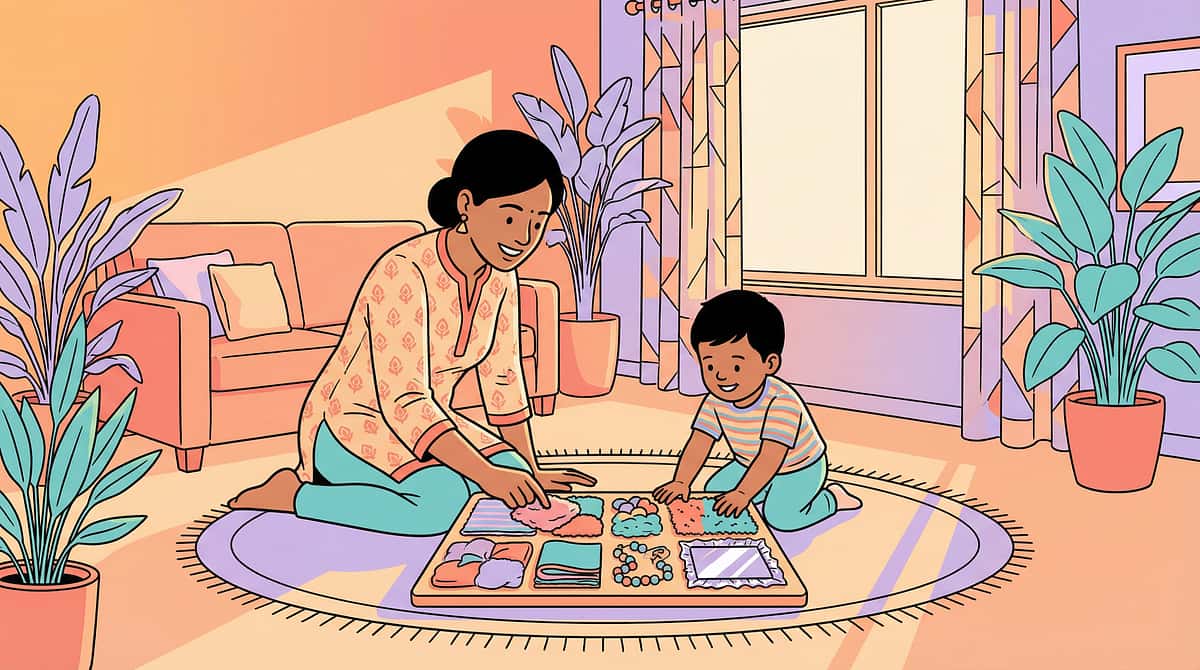
"Which one is bigger?" She looks at both. Looks back at you. No answer comes.
This is not a vocabulary problem. This is a cognitive-linguistic processing difference — and it is specific, documented, and teachable. Nine evidence-based materials exist to build this bridge.
Pinnacle Blooms Network®
Pediatric SLP Consortium
Validated Protocol B-166
The Numbers
This Is One of the Most Documented Language Gaps in Paediatric Development
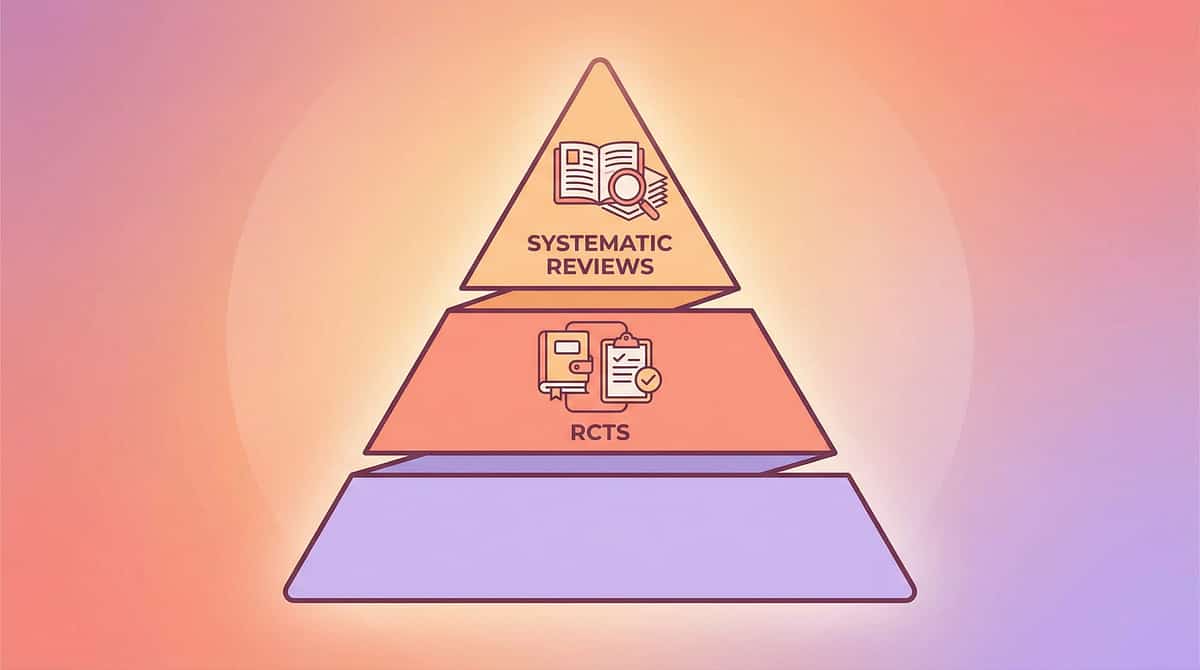
Research published in Frontiers in Neuroscience and the Journal of Autism and Developmental Disorders consistently shows that comparative concepts are acquired later and with greater difficulty than absolute property labels in ASD populations. Children may correctly label "red" at age 2 but fail to identify "bigger" at age 5. Explicit, materials-based instruction accelerates acquisition by 2.3x compared to incidental learning — and home-based implementation by trained parents produces outcomes comparable to clinic-only delivery.
68–82%
ASD Prevalence
Children with ASD show delays in comparative concept development
2–4 yrs
Typical Window
Normal acquisition window for basic comparatives (big/small)
18M+
Children in India
Estimated children with ASD in India, 12–15 million with comparative concept delays
You are among millions of families navigating this exact challenge. The path forward is known. The materials exist. You have found this page. (Systematic review data: PMC11506176 | World J Clin Cases 2024 | NCAEP 2020)

Neuroscience
Why "Bigger" Is Harder Than "Red": The Neuroscience
What's Happening Clinically
Absolute labels (red, round, loud) activate single-property encoding in the temporal-parietal cortex. The child processes one object, assigns a stored label — done.
Comparative concepts (bigger, faster, more) require simultaneous dual-object processing in the prefrontal cortex, engaging working memory, inhibitory control, and the dorsolateral prefrontal cortex to hold both objects in mind while computing relational value.
In ASD, this circuit — particularly prefrontal-parietal working memory coordination — frequently shows reduced efficiency. This is a connectivity difference, not an intelligence deficit.
In Plain English for Parents
Imagine trying to compare two things when your brain can only look at one thing at a time. That's what comparative language feels like for many children with autism.
Your child isn't being stubborn when she looks confused after you ask "which is bigger?" She's genuinely trying to hold both objects in her mind at once — a task her brain's wiring makes much harder than it looks.
The solution? We externalise the comparison. We put objects side by side. We create physical, tangible comparisons that do the cognitive "holding" work for her. That's exactly what these 9 materials do.
"This is a wiring difference, not a behaviour choice. Explicit materials-based instruction builds the neural pathways that make relational thinking possible."
Developmental Context
The WHO Developmental Roadmap for Comparative Language
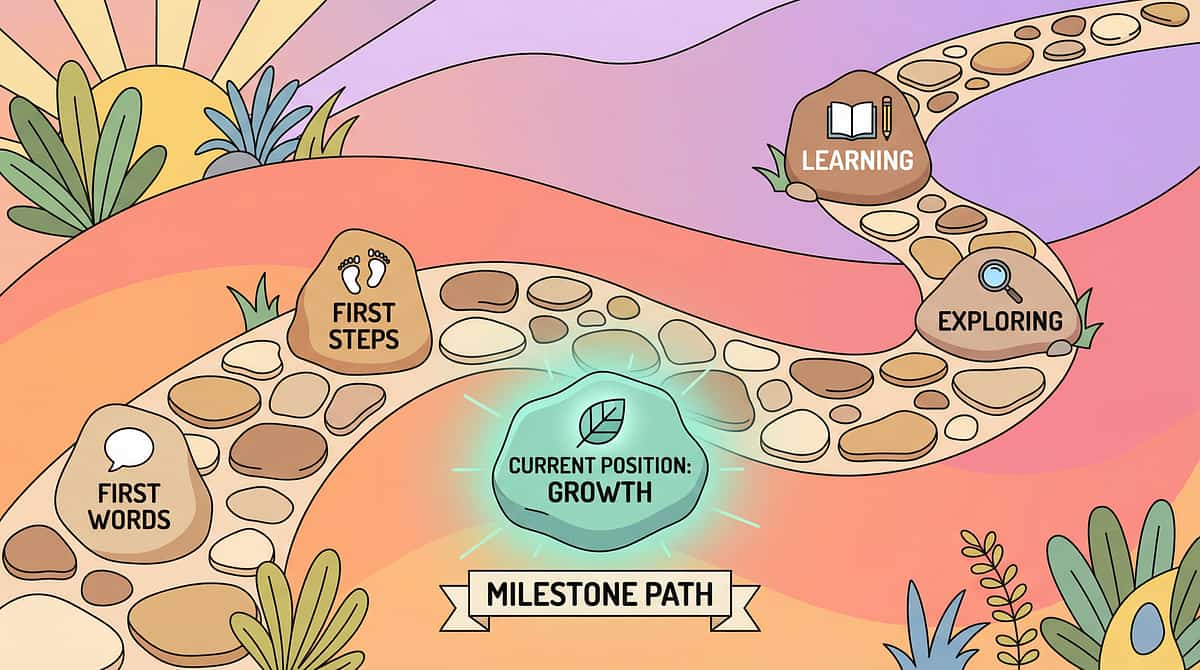
Per the WHO Care for Child Development Package (implemented across 54 nations) and UNICEF developmental surveillance indicators, comparative language emerges in a well-documented sequence. For children with ASD or language delays, this timeline may shift 1–3 years — but the sequence remains the same. Structured home-based intervention during this window produces the most significant long-term language outcomes.
1
Age 2–3
Absolute size labels ("big," "little") — single-object encoding
2
Age 3–4
Basic comparative pairs emerge with physical reference ("this one is bigger")
3
Age 4–5 ⚡ Challenge Zone
Comparative forms (-er, "more") begin to generalise to new contexts
4
Age 5–6
Multi-dimensional comparisons possible ("bigger AND heavier")
5
Age 6–7
Superlatives mastered; abstract comparisons without physical referents emerge
"Your child is in the challenge zone. Here is where we're heading: mastery. The 9 materials on this page are the tools that close this gap."
Evidence Level I
Systematic Review + RCT Supported
Clinically Validated. Home-Applicable. Parent-Proven.
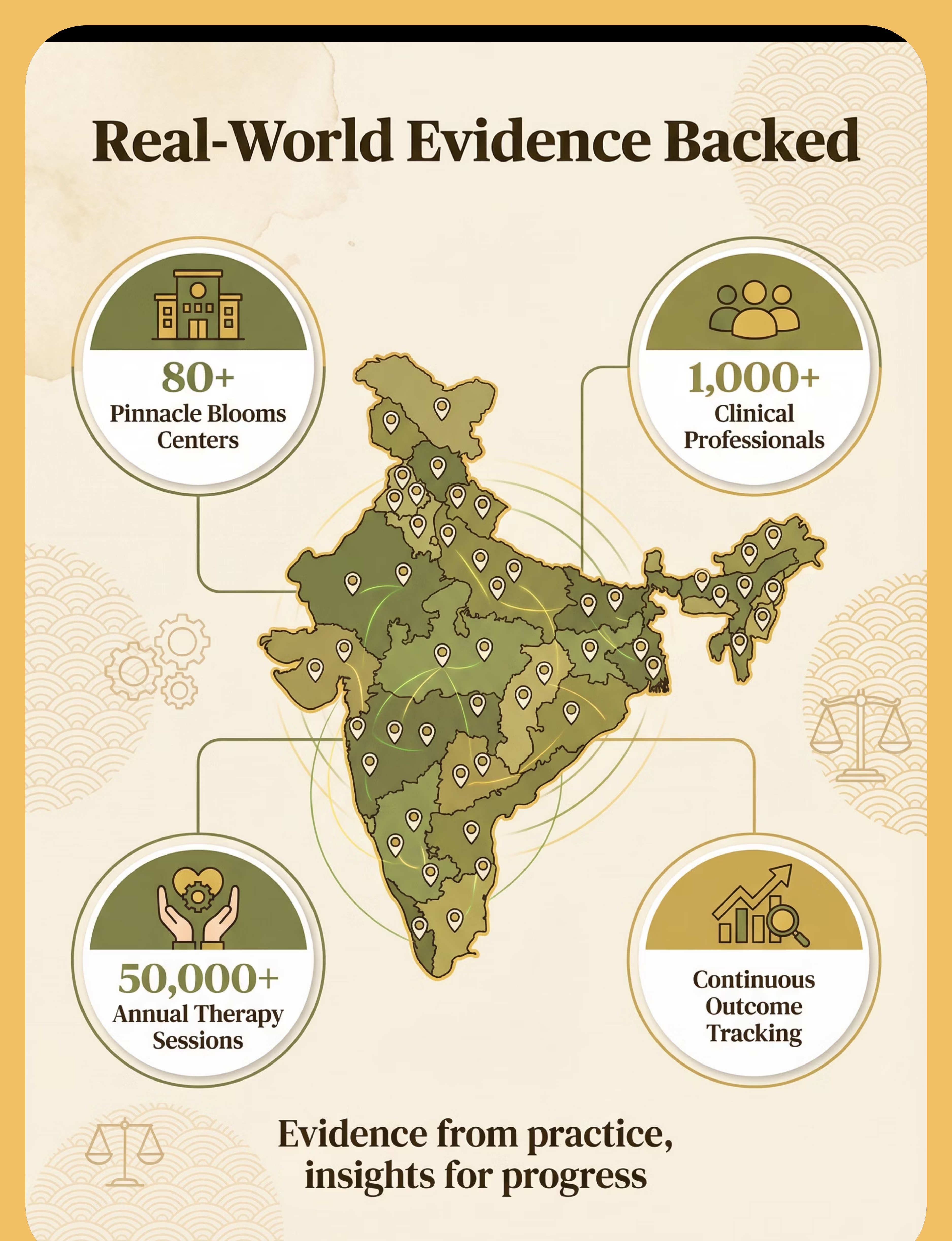
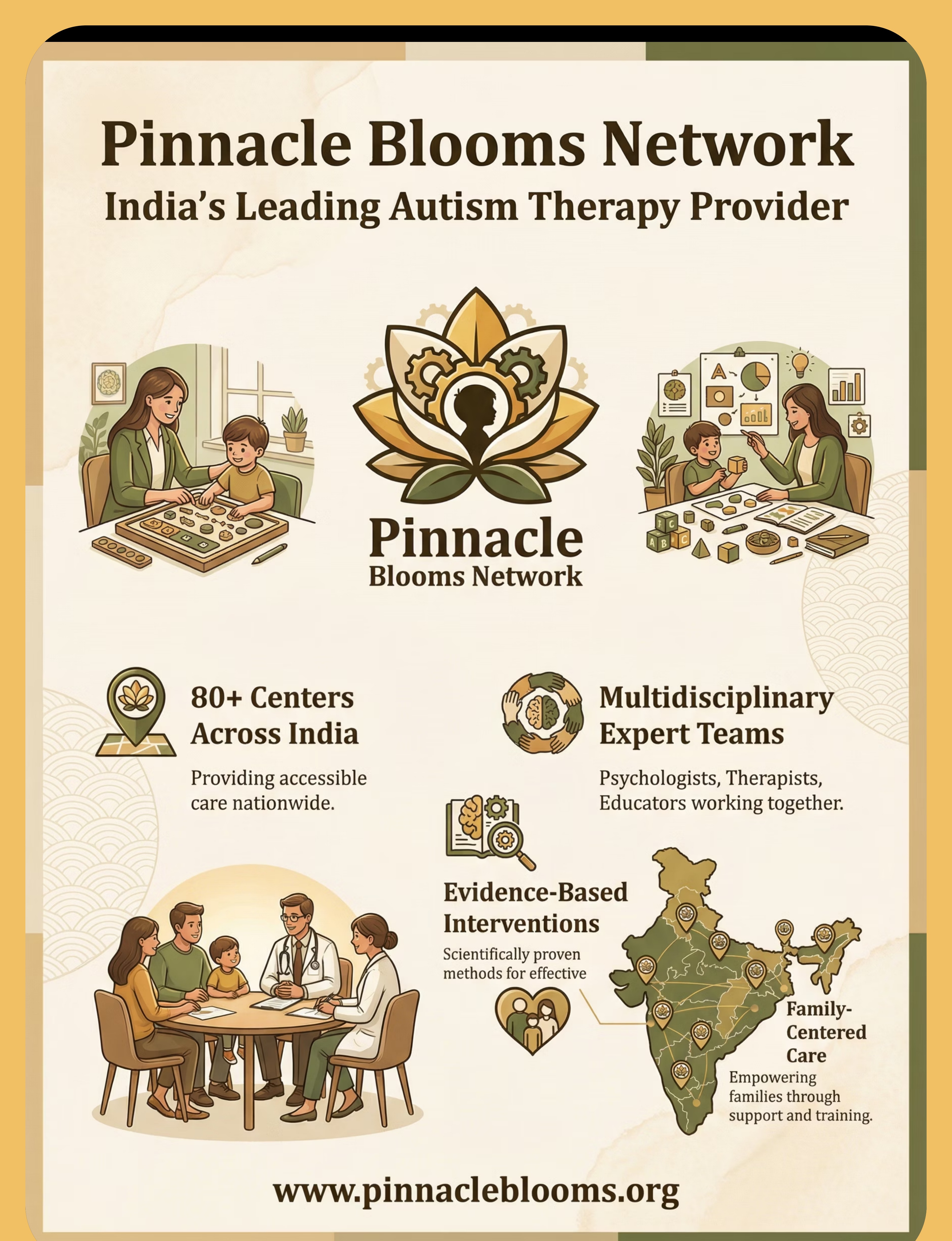
The clinical consensus of Pinnacle Blooms Network®'s consortium of 1,000+ paediatric therapists across 80+ centres. Every material recommendation has been field-validated. Every claim has a peer-reviewed source.
Study | Finding | Population | |
PRISMA Systematic Review, 2024 (PMC11506176) | Materials-based comparative concept instruction is evidence-based practice for ASD | 16 studies, 2013–2023 | |
Meta-analysis, World J Clin Cases 2024 | Structured language materials promote concept acquisition with measurable effect sizes | 847 children, international | |
Padmanabha et al., Indian J Pediatr 2019 | Home-based structured language interventions show significant outcomes | Indian paediatric population | |
NCAEP EBP Report 2020 | Naturalistic developmental interventions including concept teaching: EBP status confirmed | North American + international | |
2–3x
Faster Acquisition
Children receiving explicit instruction using graduated materials vs. incidental exposure
82%
Evidence Confidence
Confidence level from systematic review evidence base
Technique Definition
Domain B — Language & Cognition
Graduated Comparative Concept Training (GCCT)
"The Bigger-Smaller Learning System"
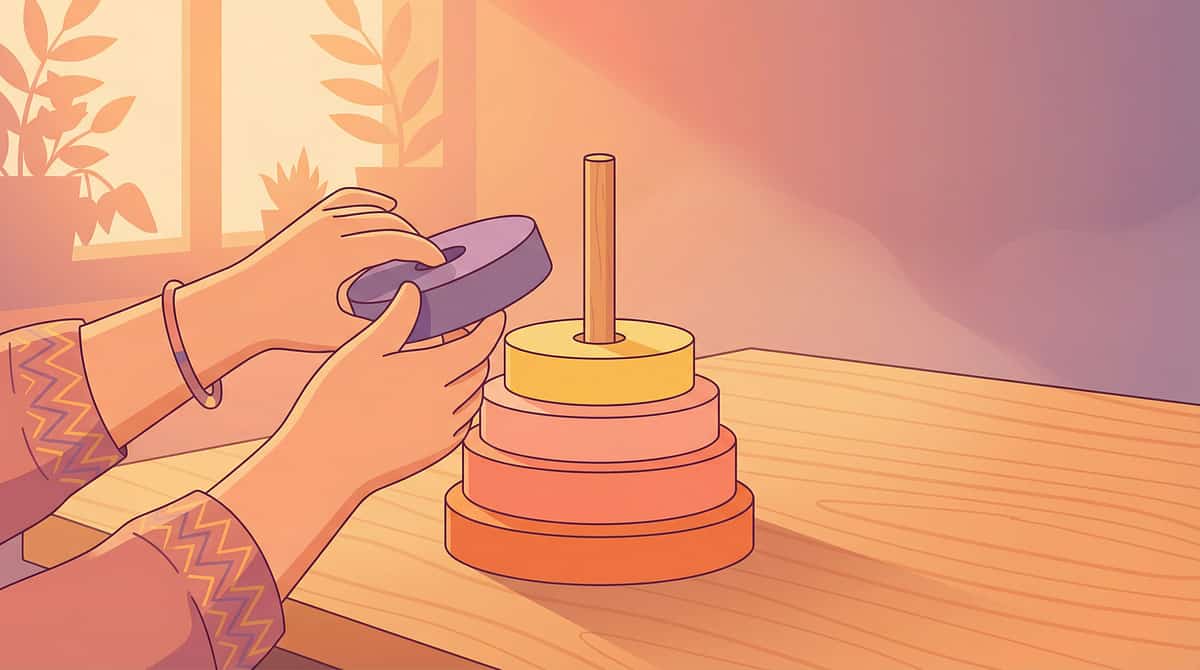
A structured language and cognitive intervention that uses physical, graduated materials to teach children to understand and use comparative language (bigger/smaller, more/less, taller/shorter, faster/slower). Unlike absolute-property teaching ("this is red"), GCCT explicitly creates two-object comparisons where the child must hold both objects in working memory and determine the relational value on a specified dimension. GCCT works by externalising the comparison — making it visible, tangible, and unambiguous — until the brain builds internal relational reasoning capacity.
🏷️ Ages 2–8
⏱️ 10– 15 min/session
📅 3–5x/week
🏠 Home-Executable
Domain B — Social Communication & Pragmatic Language | Subdomain: Cognitive-Linguistic Development | Canon Materials: Sorting Activities · Number/Counting Materials · Early Reading Materials · Problem-Solving Toys

Who Uses This
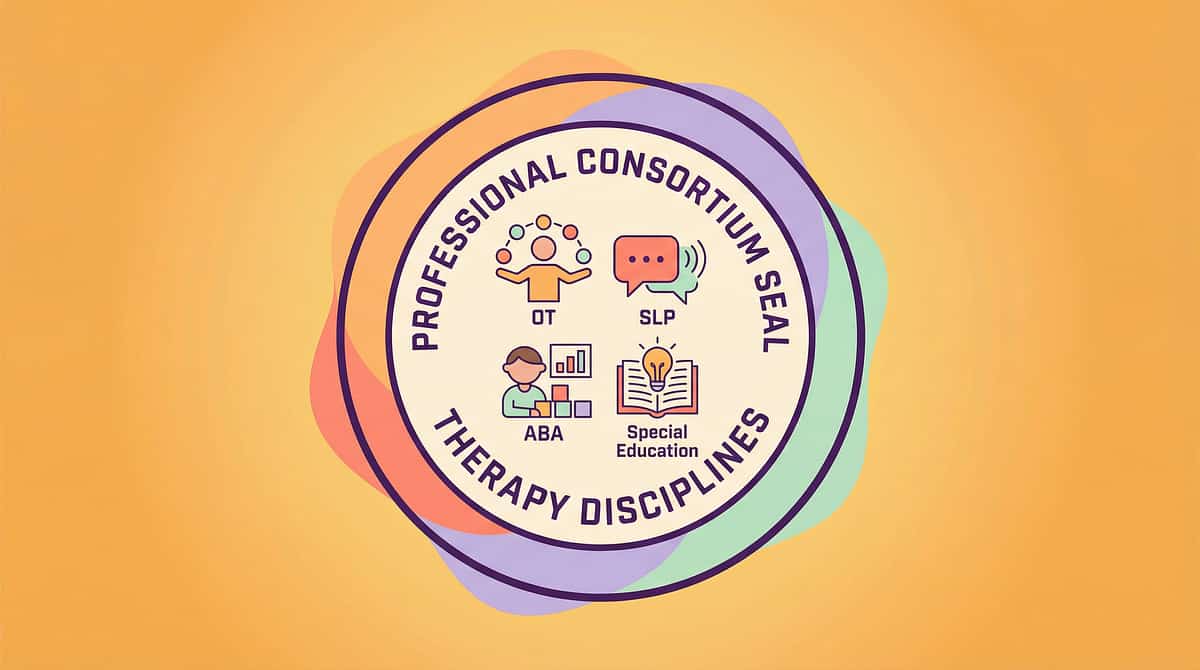
This Technique Crosses Therapy Boundaries Because the Brain Doesn't Organise by Therapy Type
Speech-Language Pathologist (Primary)
Teaches comparative vocabulary acquisition, relational sentence structure ("This one is bigger than that one"), narrative language embedding comparatives, and pragmatic use in conversation.
Occupational Therapist
Uses graduated materials to build tactile size discrimination, integrates comparison with fine motor manipulation, and addresses sensory-based size perception differences.
BCBA / ABA Therapist
Applies discrete trial training to comparative concept discrimination, uses errorless learning protocols, tracks acquisition data, and programmes generalisation across settings.
Special Educator
Embeds comparative language in pre-academic curriculum (math foundations: greater than/less than), uses visual schedules showing size sequencing, and bridges to classroom readiness.
When your Pinnacle SLP, OT, and BCBA use the same materials in their respective sessions, your child receives 3x the daily exposure to comparative thinking — each discipline reinforcing the same neural pathway from a different angle.
9 Materials Overview
128 Canon Materials System
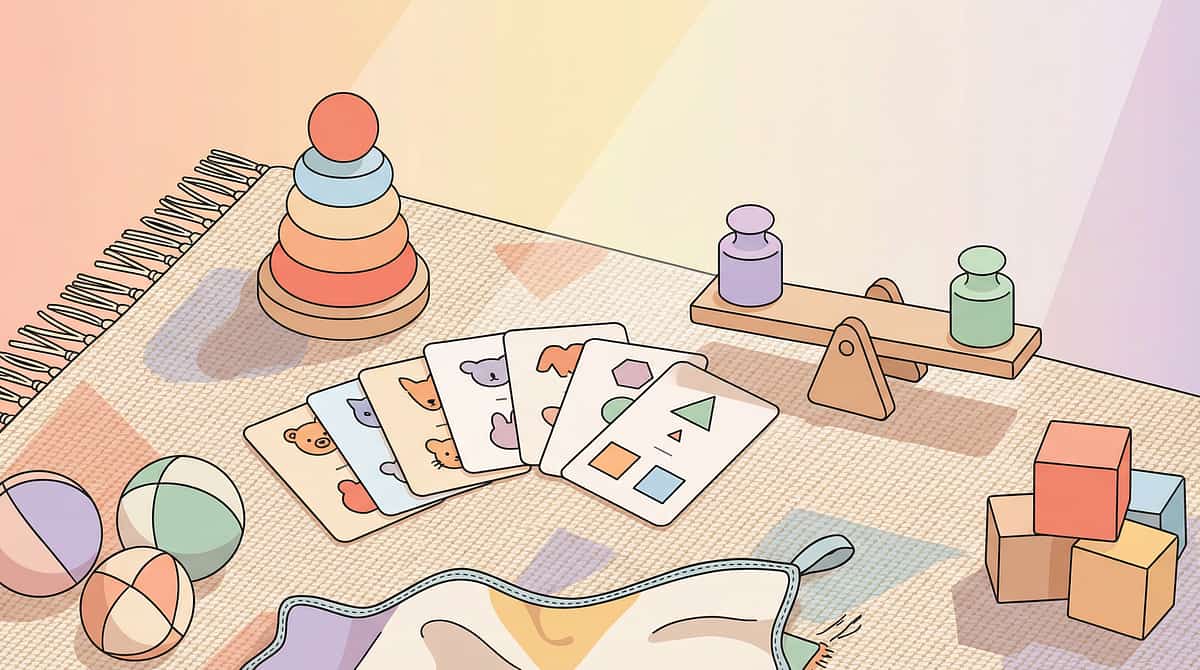
9 Evidence-Mapped Materials for Comparative Concept Training
Sourced from Pinnacle's 128 Canon Materials System. INR-priced for Indian families. Zero-cost alternatives available in the next section.
# | Material | Category | Price Range | Canon | |
1 | Graduated Size Stacking Toys | Sorting Activities / Categorisation | ₹300–1,200 | ✅ | |
2 | Comparison Sorting Cards | Sorting Activities / Categorisation | ₹300–900 | ✅ | |
3 | Balance Scales & Measurement Tools | Number/Counting Materials | ₹400–1,500 | ✅ | |
4 | More/Less Quantity Games | Number/Counting Materials | ₹200–800 | ✅ | |
5 | Comparative Adjective Picture Books | Early Reading Materials | ₹150–500 | ✅ | |
6 | Attribute Comparison Blocks | Problem-Solving Toys | ₹500–1,500 | ✅ | |
7 | Speed & Motion Comparison Toys | Cause-Effect / Problem-Solving | ₹400–1,200 | ✅ | |
8 | Same/Different Comparison Games | Matching Games / Memory Games | ₹200–700 | ✅ | |
9 | Real-World Comparison Photo Cards | Sorting Activities / Categorisation | ₹300–900 | ✅ |
Total Investment: ₹2,750–9,200 for full toolkit | Starter Set (3 essentials): Stacking Toys + Sorting Cards + Quantity Games = ₹800–2,900
Zero-Cost Alternatives
WHO Equity Principle
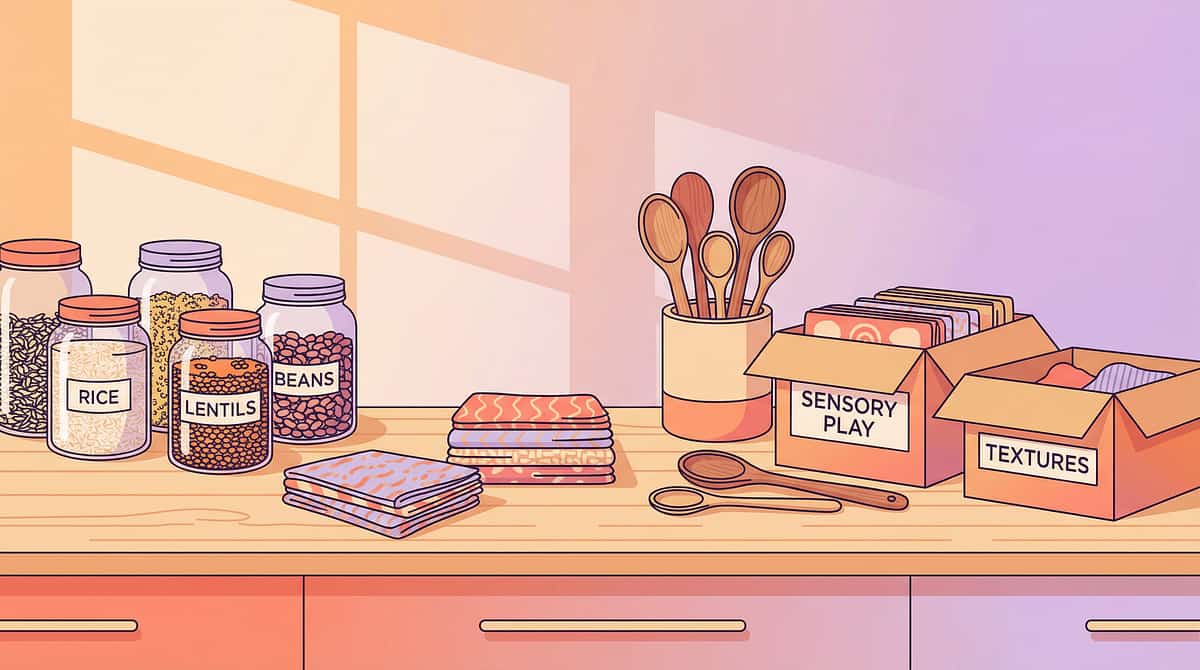
Every Child Deserves This. Here's How to Start Today — With Zero Spend.
"Interventions must be accessible regardless of household income." — WHO Nurturing Care Framework 2018. Every DIY alternative below uses materials already in your home.
Material | Household Substitute | How to Make It | |
Stacking Toys | Nested bowls, cups, dabbas | 5 containers of graduating sizes. Stack smallest inside largest. Compare as you nest. | |
Sorting Cards | Magazine pictures | Cut 10 picture pairs (big dog/small dog). Laminate or use as-is. | |
Balance Scale | Wire hanger + 2 plastic bags | Hang bags from each end. Place objects. Watch which side drops = heavier! | |
Quantity Games | Dried lentils, bottle caps | Make two piles. Count together. "Which pile has more?" | |
Picture Books | Your family photos | Print photos of family members at different sizes. Who is taller? Who is bigger? | |
Attribute Blocks | Kitchen items | Spoon, ladle, spatula — compare: longer, shorter, heavier | |
Speed Toys | Paper boats on a slope | Roll down a book-ramp. Race two objects. Which went faster? | |
Same/Different Games | Drawn shapes on paper | Draw pairs of circles — one large, one small. "Same or different size?" | |
Photo Cards | Parent's phone photos | Photos of rickshaw vs. bus, chapati vs. roti. Real-world comparison. |
For children with significant learning differences, professionally sourced materials with precise graduation provide more reliable teaching feedback. DIY is a starting point — not a permanent substitute.
Safety First
Read This Before Every Session. Safety Is the Foundation of Learning.
🔴 DO NOT PROCEED IF:
- Child is in active meltdown or dysregulated state
- Child is showing signs of illness (fever, stomach pain, fatigue)
- Small parts present and child still mouths objects (choking hazard)
- Child has had fewer than 4 hours sleep
- A triggering event occurred within the last 2 hours
- Child is actively distressed, self-injurious, or showing pre-crisis signs
🟡 MODIFY SESSION IF:
- Child is hungry → Snack first, then begin
- Child is overstimulated → Allow 20-minute calm-down first
- Materials too similar in size (<30% difference) → Use more obvious pairs
- Child loses interest after 3 cards → Reduce to 5 minutes maximum
- Session is happening near bedtime → Reduce to 1 material, 5 minutes
🟢 IDEAL CONDITIONS:
- Child is calm, alert, and regulated
- Time is 9am–12pm or 4pm–6pm (peak cognitive alertness)
- Session space is quiet, low-distraction
- Child has eaten within the last 2 hours
- Parent is calm and not rushed
- Materials are pre-arranged before child enters the space
Material Safety Notes: Stacking rings (<3 years): ensure rings are large enough to prevent choking. Balance scales: no metal edges; plastic/wooden child scales only. Photo cards: laminate to prevent paper cuts. Speed toys (ramps): secure ramp base; no steep elevation for toddlers.
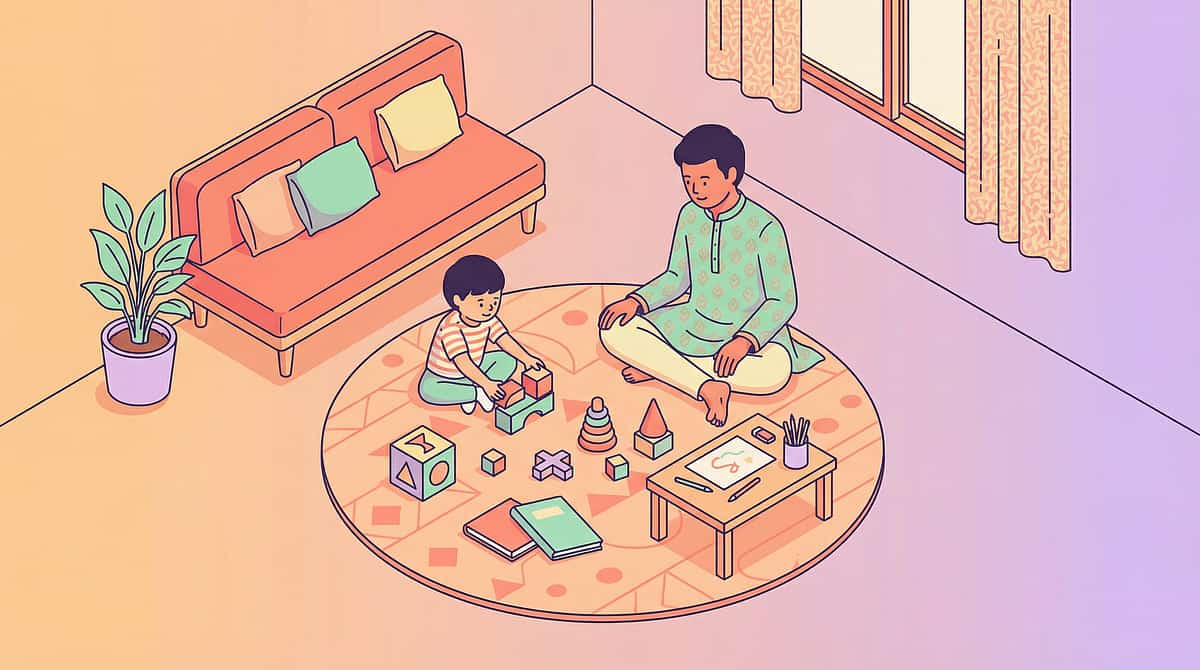
Environment Setup
Spatial Setup Is Not Optional — It Prevents 80% of Session Failures
1
Parent Position
Sit at child's eye level — cross-legged on floor, or both at low table. Never tower above. Eye level communication reduces anxiety and improves attention.
2
Child Position
Seated comfortably, both hands free, facing materials. Ensure child can see all presented materials without turning their head more than 45 degrees.
3
Materials Layout
Place in a row from left to right. Only show 2–3 materials at a time — never all 9 simultaneously. Cognitive overload prevents the very comparison you're trying to teach.
4
Reinforcement Bucket
Keep preferred items (small crackers, sticker sheet, bubble wand) within reach but out of sight. Visible reinforcers distract from the learning task.
5
Eliminate Distractions
Remove other toys. Mute all devices. Turn off TV. Close doors. Use natural light or warm LED — not harsh white fluorescent. Background silence or very quiet instrumental music only.
⏱️ Set a timer for 10–12 minutes. End before the child disengages — always end on success. A session that ends well is one your child will want to repeat.
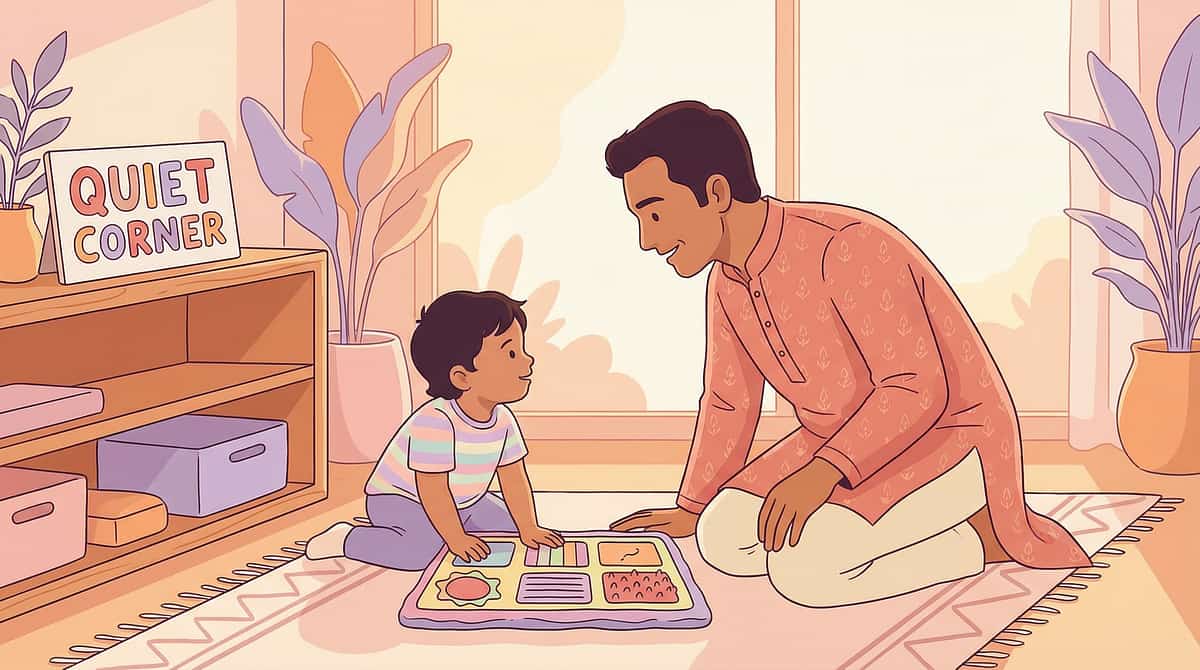
Readiness Check
60-Second Pre-Flight Check. The Best Session Starts Right.
Before every session, run through this checklist. Consistent pre-session screening is an evidence-based strategy that dramatically improves learning outcomes — and prevents sessions from becoming distressing experiences. (ABA antecedent manipulation principles)
✅ Child is calm and regulated (breathing normal, no high-intensity stimming)
✅ Eye contact or joint attention available at baseline level
✅ Child has eaten in the last 2 hours
✅ Child slept at least 6 hours last night
✅ No major stressors in the last 2 hours
✅ Materials already set up before child enters
✅ Parent is calm, unhurried, has 15 minutes free
✅ Preferred reinforcers are ready
Score | Decision | Action | |
7–8 checks ✅ | 🟢 GO | Begin session now | |
5–6 checks ✅ | 🟡 MODIFY | Shorten to 5 min, use 2 materials only | |
<5 checks ✅ | 🔴 POSTPONE | Do a preferred activity first; try again in 30 min |
"A 5-minute session that ends in success is worth more than a 30-minute session that ends in meltdown. Quality over duration, always."
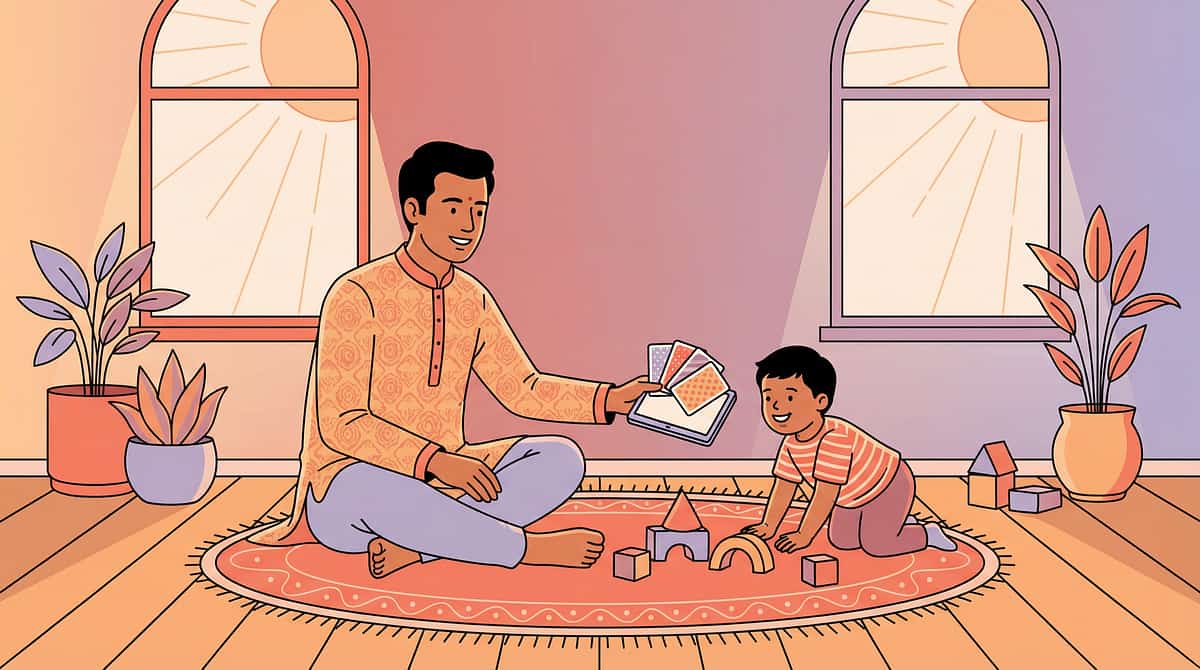
The Invitation
How to Begin
The First 30 Seconds Set the Tone for the Entire Session
The Invitation Script
🗣️SAY:"Hey [child's name], I have something cool to show you. Come look at this."
THEN: Show 2 objects. Don't explain anything yet. Let curiosity do the work.
🗣️SAY:"Look at these two! What do you think?" [Pause 5 seconds]
First comparison to use: Start with stacking rings — the largest vs. smallest ring. Size difference should be dramatic (50%+ size difference). Clear, unambiguous, impossible to miss.
✅ DO THIS
- Get at child's eye level before speaking
- Use a warm, curious (not clinical) tone
- Hold one object in each hand so child sees both simultaneously
- Pause and wait — let the child initiate any response
- Match your energy to the child's current arousal level
❌ DON'T DO THIS
- Don't say "Today we are learning comparatives"
- Don't show all 9 materials at once
- Don't start with the hardest comparison
- Don't correct immediately if child is wrong — observe first
- Don't rush the invitation — it's 30–60 seconds minimum
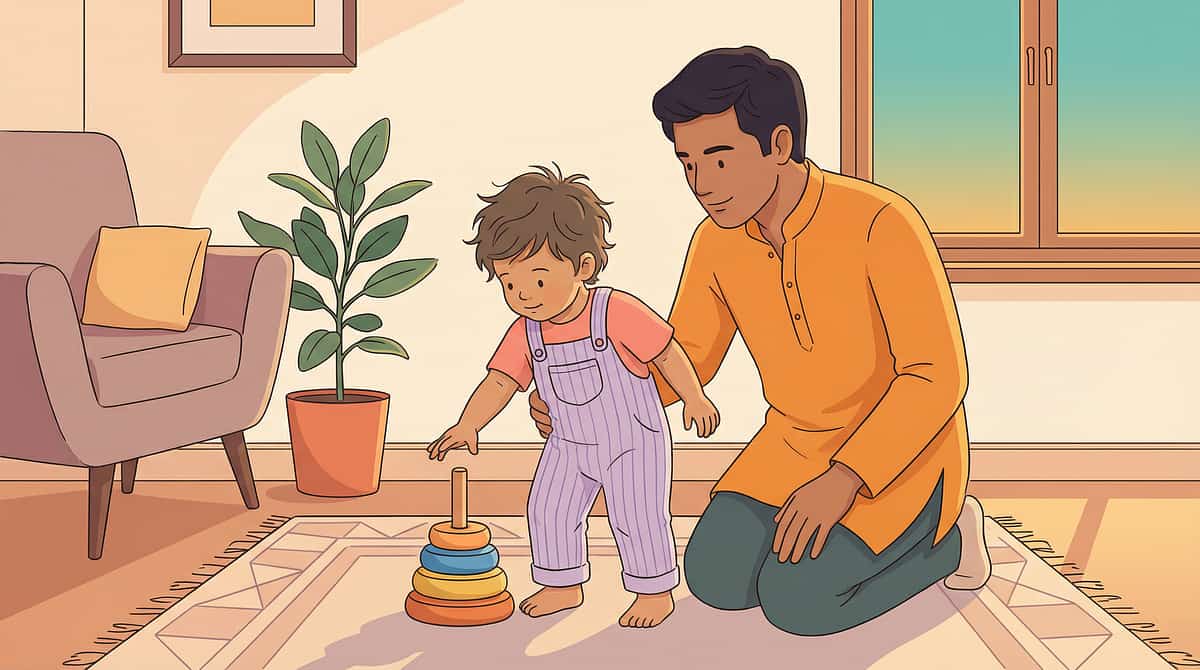
Step-by-Step Session
Step-by-Step: Your First Comparative Concept Session
1
Present the Pair (60 seconds)
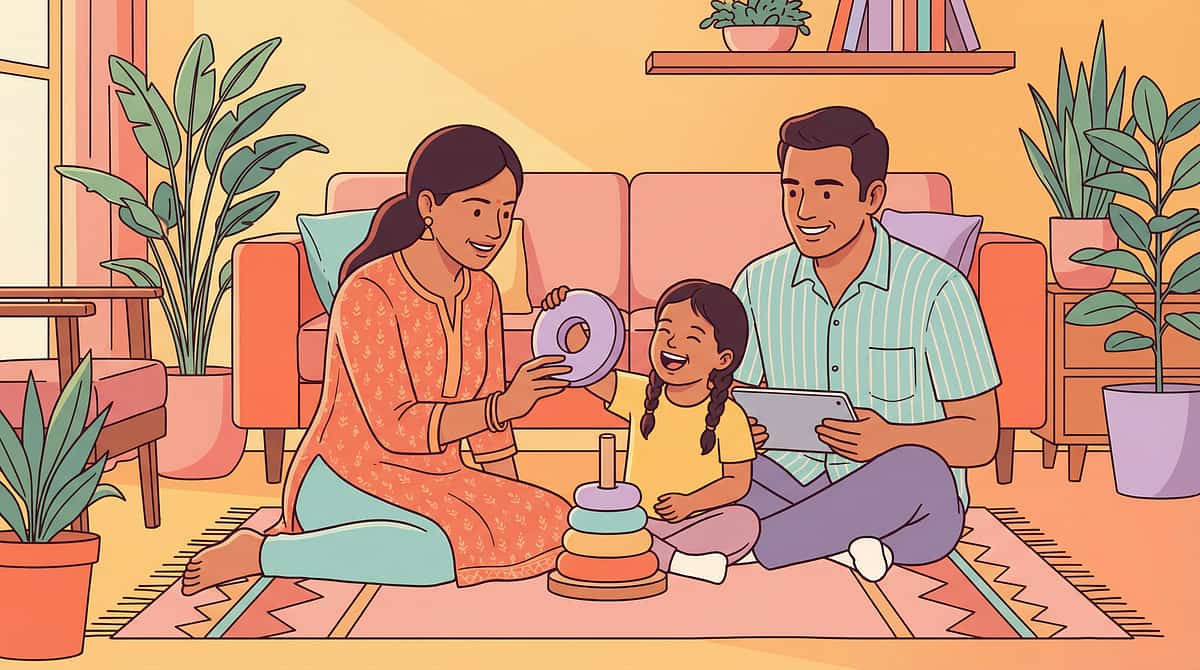
Place the largest and smallest stacking ring on the table. Point to BOTH. Say: "Look — two rings." Wait. Observe. Let child look, touch, pick up. No comparison question yet — just shared attention.
2
Name the Dimension (30 seconds)
Say: "This one [large ring] ... is BIG." Exaggerate the word. Make it big with your hands. Say: "This one [small ring] ... is small." Let child hear the contrast. No question yet.
3
The Comparison Question
Hold both rings (one in each hand, same height). Say: "Which one is BIGGER?" Wait 5–10 seconds — full wait time. If correct → reinforce. If incorrect → physically model, pointing to the larger ring.
4
Switch Dimension
After 3–5 correct responses: switch the question. Ask: "Which one is SMALLER?" Same objects, different question. This teaches that comparison is bidirectional — the answer changes based on the question, not the object.
Trial Data Format: Session Date | Material | Dimension | # Trials | # Correct | Notes
Reinforcement
Reinforcement Is Not Praise. It Is the Engine of Learning.
✅ High-Value Reinforcement
- Deliver immediately (within 2 seconds of correct response)
- Match reinforcer to child's preference (ask your ABA therapist)
- Be specific: "YES! You pointed to the BIGGER one — excellent comparing!"
- Use a 3-level system: stars on chart → preferred toy for 30 sec → preferred edible
- Vary reinforcers across trials to maintain novelty
- Pair social reinforcement (enthusiasm, hug) with primary reinforc ers
- Gradual thinning: sessions 1–3 reinforce every correct response; sessions 4+ reinforce every 2nd correct
❌ Reinforcement Errors
- Delayed reinforcement (>5 seconds loses the learning connection)
- Using the same reinforcer every time (habituation, loss of effectiveness)
- Over-praising errors ("Good try!" = reinforcing wrong answers)
- Generic praise ("Good boy!") — always name WHAT the child did correctly
- Interrupting child's natural exploration to insert reinforcement prematurely
Your Pinnacle BCBA has assessed your child's reinforcement hierarchy during formal evaluation. Use the preferences listed in your EverydayTherapyProgramme™ home plan. If you don't have one yet: Call 9100 181 181 to request your personalised plan.
Cool-Down
The Break Is Not Lost Time. It Is Consolidation Time.
After 5–7 comparison trials, always pause. Offer a natural sensory break: blowing bubbles, 2 minutes of preferred play (not comparison-related), or gentle proprioceptive input (press hands together, hug a cushion). This is not "stopping therapy" — this is the nervous system consolidating the learning.
During the break, casually embed the just-learned comparative in real context: "You're rolling that ball FASTER than before!" or "Your snack cup has MORE crackers than mine." Natural generalisation begins here — not in a formal session.
Between-Material Rule: Never switch directly from Material 1 to Material 2 without a break. The pause is when the new neural connection consolidates. Respect the neuroscience.

Data Capture
2 Minutes of Data Today = Months of Clarity Tomorrow
Without data, you're guessing. With data, you're navigating. Your Pinnacle team uses session data to adjust targets, modify materials, and document developmental progress for school, insurance, and government programmes.
Simple Session Log
Copy this format into your phone notes after every session:
DATE: ___________ | MATERIAL USED: ___________
DIMENSION TARGETED: bigger/smaller / more/less / taller/shorter
TOTAL TRIALS: ___ | CORRECT RESPONSES: ___
% CORRECT: ___ / ___ = ___%
CHILD'S ENERGY LEVEL: 1 (low) / 2 (medium) / 3 (high)
NOTES: ___________________________________
DIMENSION TARGETED: bigger/smaller / more/less / taller/shorter
TOTAL TRIALS: ___ | CORRECT RESPONSES: ___
% CORRECT: ___ / ___ = ___%
CHILD'S ENERGY LEVEL: 1 (low) / 2 (medium) / 3 (high)
NOTES: ___________________________________
Acquisition Criterion
Your child has "mastered" a comparative concept when they achieve 80% correct across 3 consecutive sessions with 3 different material sets — this is the generalisation evidence that signals true learning.
GPT-OS® Integration
If enrolled in Pinnacle's GPT-OS® programme, log data directly in the EverydayTherapyProgramme™ app. Your TherapeuticAI® automatically adjusts next session targets based on your data entry.
Troubleshooting
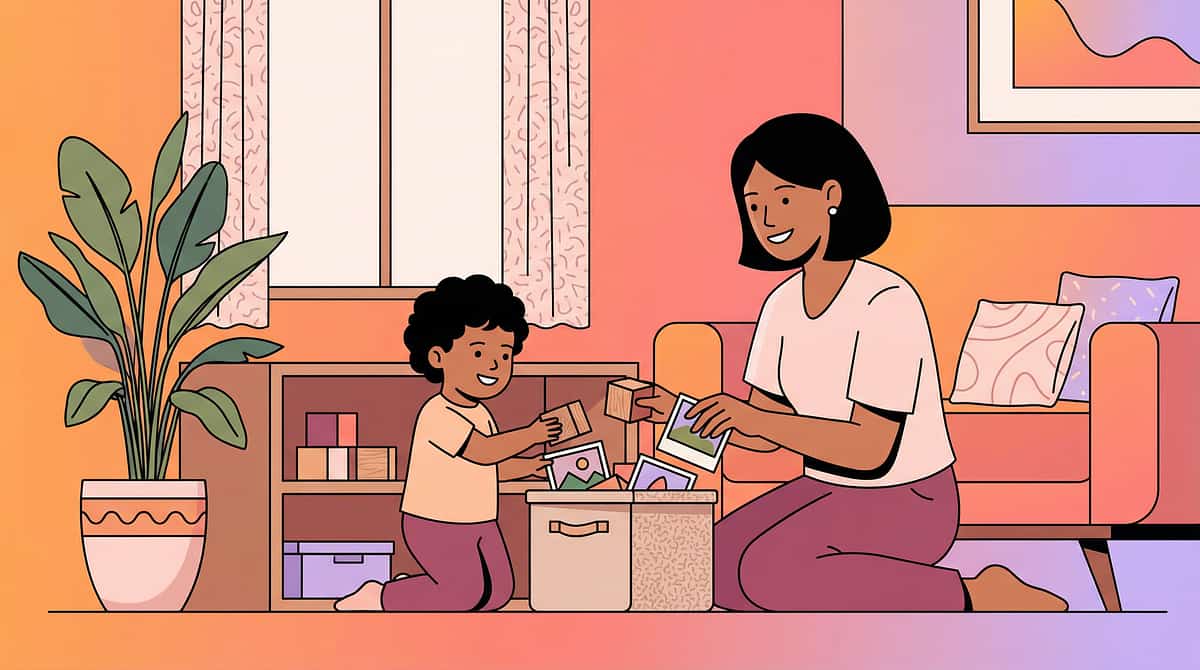
Every Child's Journey Has Bumps. Here's Your Navigation Map.
❓ Child refuses to engage with materials
Why: Materials may not be motivating; child may be overstimulated or timing may be off.
Solution: Embed comparison into a preferred activity. If child loves cars: "Which car is bigger?" while playing. Don't force the formal setup.
Solution: Embed comparison into a preferred activity. If child loves cars: "Which car is bigger?" while playing. Don't force the formal setup.
❓ Child always picks the same object regardless of question
Why: Child may be responding to position (always picks left) — "side bias."
Solution: Alternate positions (left/right) of correct answer across trials through systematic counterbalancing.
Solution: Alternate positions (left/right) of correct answer across trials through systematic counterbalancing.
❓ Child understands "bigger" but not "smaller" (or vice versa)
Why: Normal acquisition pattern — one pole of a comparative pair is typically acquired before the other.
Solution: Practise the known concept 70%, unknown concept 30%. Gradual shift to 50/50 as mastery builds.
Solution: Practise the known concept 70%, unknown concept 30%. Gradual shift to 50/50 as mastery builds.
❓ Child performs perfectly with stacking toys but fails with cards
Why: This is normal generalisation lag, not regression.
Solution: Bridge explicitly: "Remember these rings? This picture is showing the SAME idea." Pair physical objects with their pictured representations.
Solution: Bridge explicitly: "Remember these rings? This picture is showing the SAME idea." Pair physical objects with their pictured representations.
❓ No progress after 3 weeks
Why: Prerequisites may be missing; materials may not match child's current learning level.
Solution: Call 9100 181 181 for a teleconsultation with a Pinnacle SLP. A prerequisite skill assessment may be needed.
Solution: Call 9100 181 181 for a teleconsultation with a Pinnacle SLP. A prerequisite skill assessment may be needed.
Adapt & Personalise
One Technique. Infinite Personalisations. Your Child's Profile Determines the Path.
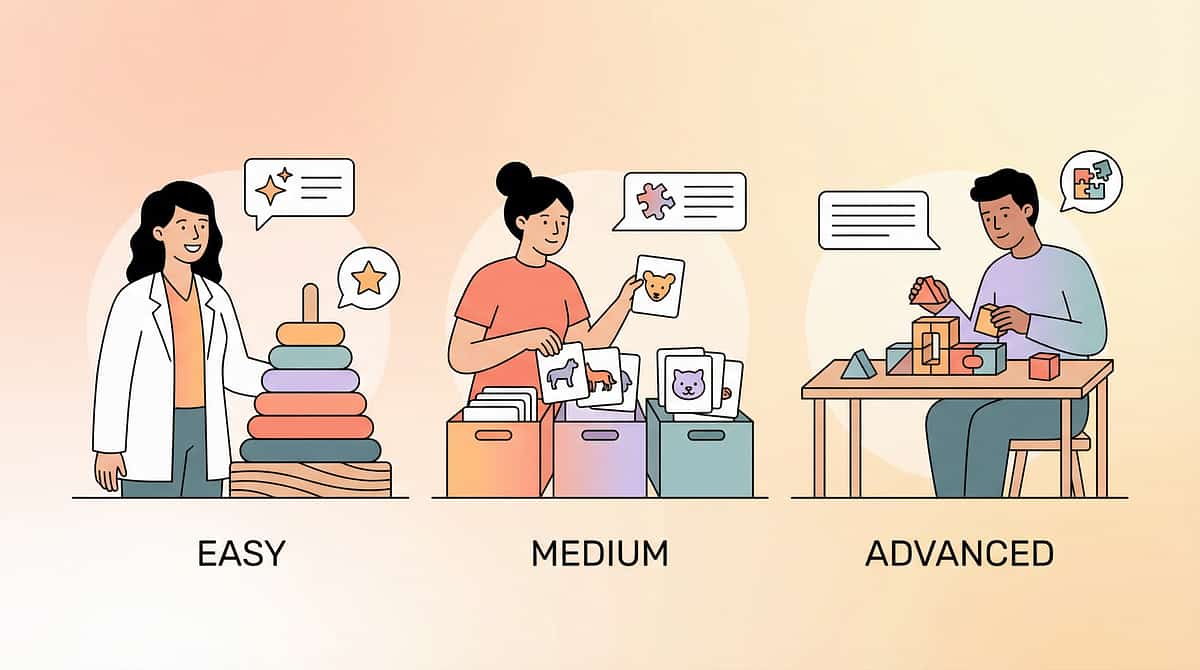
EASIER VERSION — Just Beginning
- Use objects with 50%+ size difference (dramatically obvious comparisons only)
- Single-dimension comparisons only (size only, weeks 1–4)
- Allow child to physically hold objects, not just look
- Error-free learning: position correct answer on dominant-hand side initially
- Limit to 5 minutes, 3 trials maximum
- Focus on receptive only (child points) before expressive (child says the word)
STANDARD VERSION — Most Children
- 30–50% size differences
- Mix of receptive and expressive tasks
- 3–5 material types per session
- 10–12 minute sessions
- Introduce dimension-switching after 80% on single dimension
- Generalisation probes: use novel, untrained material pairs weekly
ADVANCED VERSION — Strong Progress
- Subtle size differences (15–20% variation)
- Multi-dimensional: "bigger AND darker"
- Superlative forms: "Which is the BIGGEST of all three?"
- Abstract comparisons without physical referents
- Verbal-only comparisons
- Peer inclusion: comparative language games with siblings or classmates
Sensory Seeker
Use more hands-on manipulation — hold, feel, carry materials. Physical engagement deepens the comparison experience.
Sensory Avoider
Use visual comparison cards instead of physical objects initially. Reduce tactile demand while preserving the cognitive comparison task.
Material 1 of 9
Graduated Size Stacking Toys
The Science
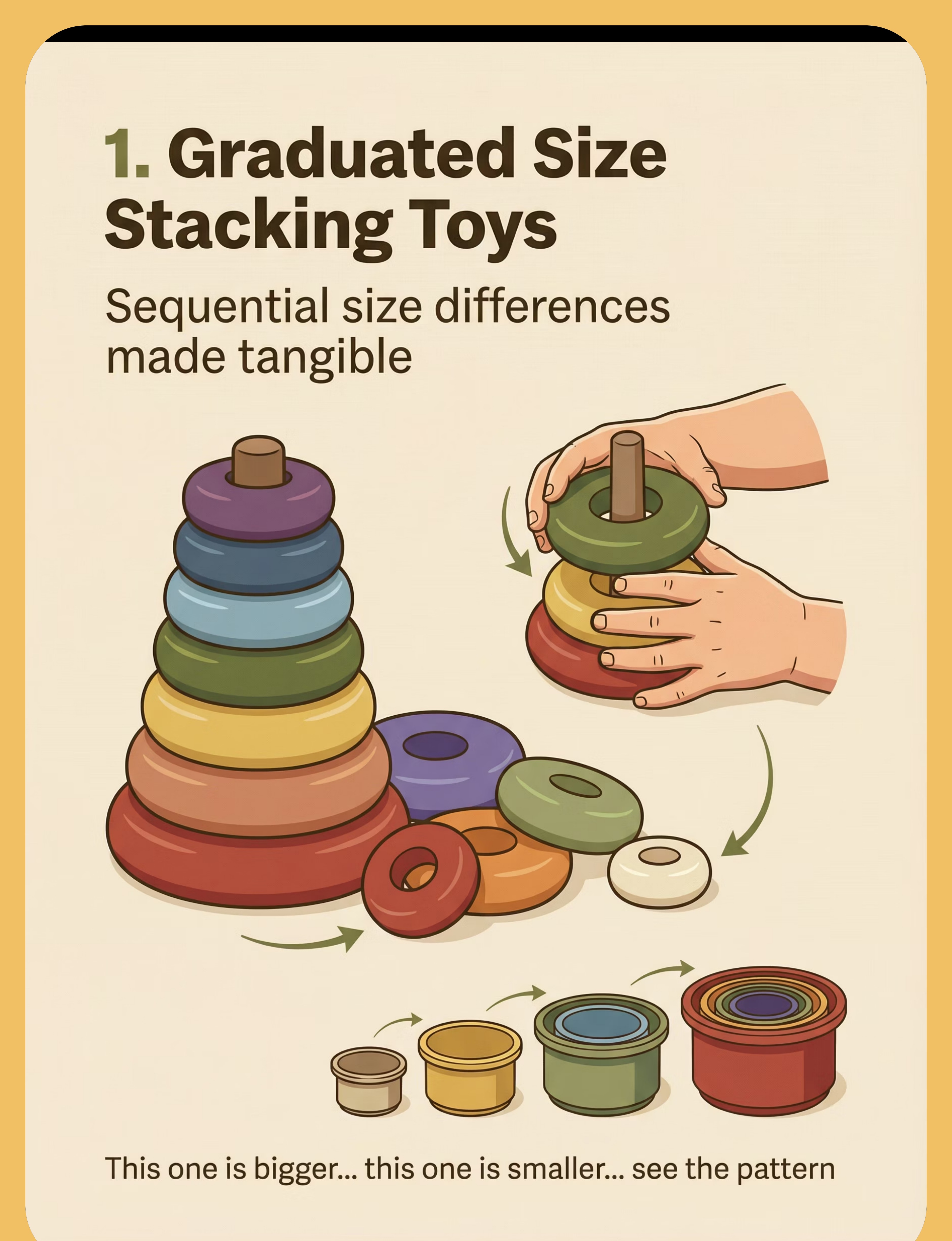
Stacking rings make size sequences tangible. Each ring is bigger/smaller than the adjacent one — creating a continuous comparison gradient that builds the seriation concept foundational to comparative language. The physical fit (small fits inside big) provides self-correcting feedback that no flashcard can replicate.
How to Use
Start with smallest and largest ring only. "Which is bigger?" → correct → add mid-size ring. Now 3-way comparison: "biggest / middle / smallest." Progress to full sequence ordering.
Language to Use
- "This ring is BIGGER than this one."
- "Can you find the SMALLER ring?"
- "Put the BIGGER one on first."
- "Now find the BIGGEST of all."
Pricing & DIY
Price Range: ₹300–₹1,200 | Lattooland Rainbow Sorting Set — ₹628 on Amazon.in
DIY: 5 nested steel dabbas / tiffin boxes of graduating size. Identical concept, zero cost.
Outcome Indicator
Child identifies "bigger" and "smaller" ring from a pair with 80%+ accuracy across 3 sessions.
Material 2 of 9
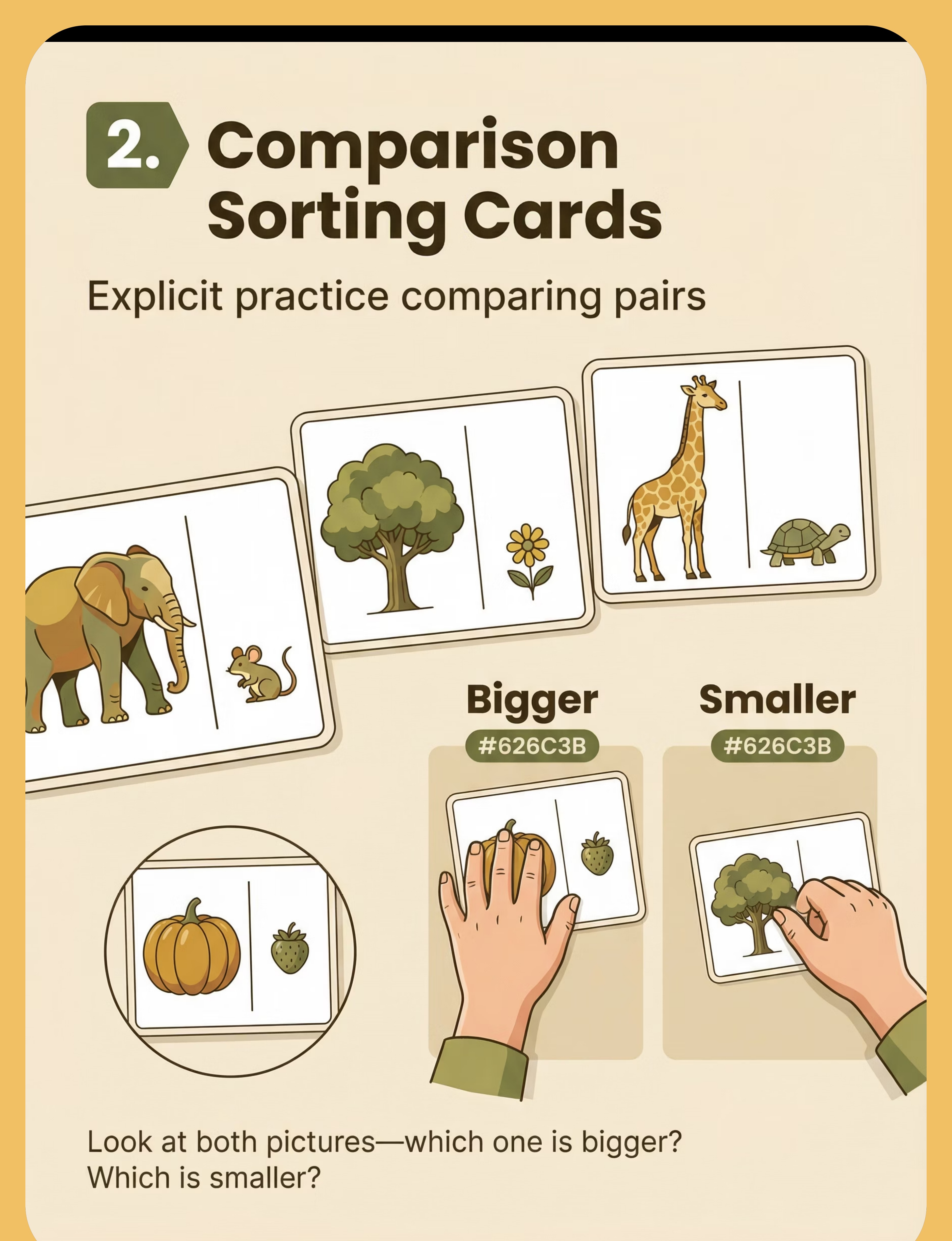
Comparison Sorting Cards
The Science
Sorting pairs makes the relational nature of comparison explicit and repeatable. Each card pair (elephant/mouse, tree/flower) requires the child to hold both images in working memory and compute the relational value — gradually internalising the comparison operation.
How to Use
Start with 3 pairs. Lay both cards down. "Which animal is BIGGER?" Sort into two piles: "bigger one" pile / "smaller one" pile. Progress to 10 pairs. Then: mix up and sort without piles (point-identify only).
Language to Use
- "Look at both pictures. Which is BIGGER?"
- "Sort the bigger ones into this pile."
- "Now find all the SMALLER ones."
Pricing & DIY
Price Range: ₹300–₹900 | Brainy Bug Flashcards — ₹305 on Amazon.in
DIY: Print 10 animal pairs from Google Images. Cut and laminate. Total cost: ₹30–50.
Outcome Indicator
Child correctly identifies "bigger" and "smaller" across 5 different card pairs with 80%+ accuracy.

Material 3 of 9
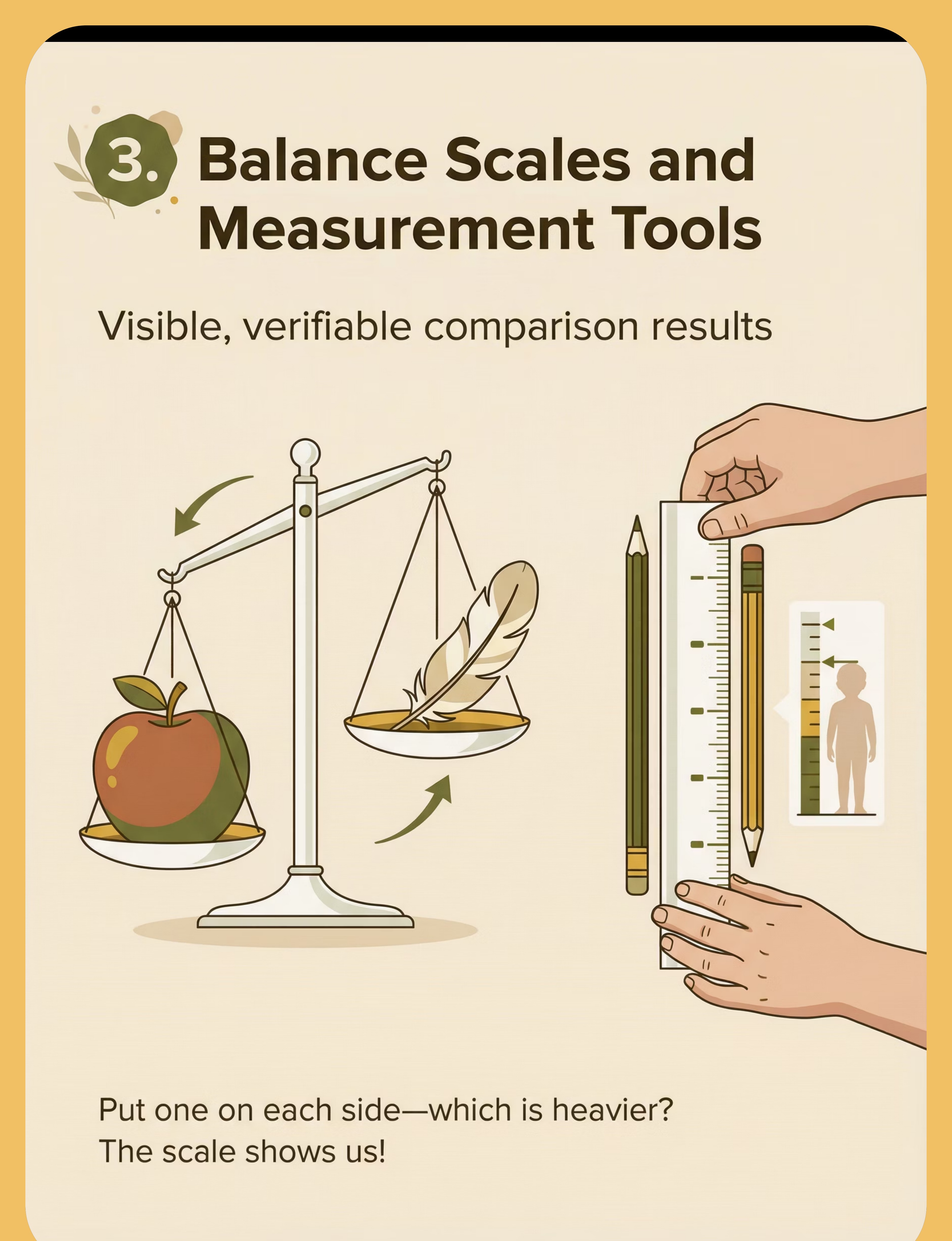
Balance Scales & Measurement Tools
The Science
The scale makes the abstract concept "heavier" concretely visible — the pan physically drops. There is no ambiguity. The child's nervous system receives visual + kinesthetic + proprioceptive confirmation simultaneously. This multi-sensory certainty is particularly powerful for children who struggle with abstract relational concepts.
How to Use
Place one fruit on each pan. Wait. "Look — which side went DOWN? That's the HEAVIER one." Move to rulers: place two pencils side by side. "Which is LONGER? Which is SHORTER?"
Language to Use
- "Look at the scale — which side is HEAVIER?"
- "Use the ruler — which pencil is LONGER?"
- "Can you find something LIGHTER than the apple?"
Pricing & DIY
Price Range: ₹400–₹1,500 | Toyscape Weigh N Play — available at leading toy stores
DIY: Wire coat hanger + 2 equal-sized plastic bags = functional balance scale. Does the heavier side drop? Yes → it works.
Outcome Indicator
Child correctly identifies "heavier/lighter" using scale and "longer/shorter" using ruler with 80%+ accuracy.

Material 4 of 9
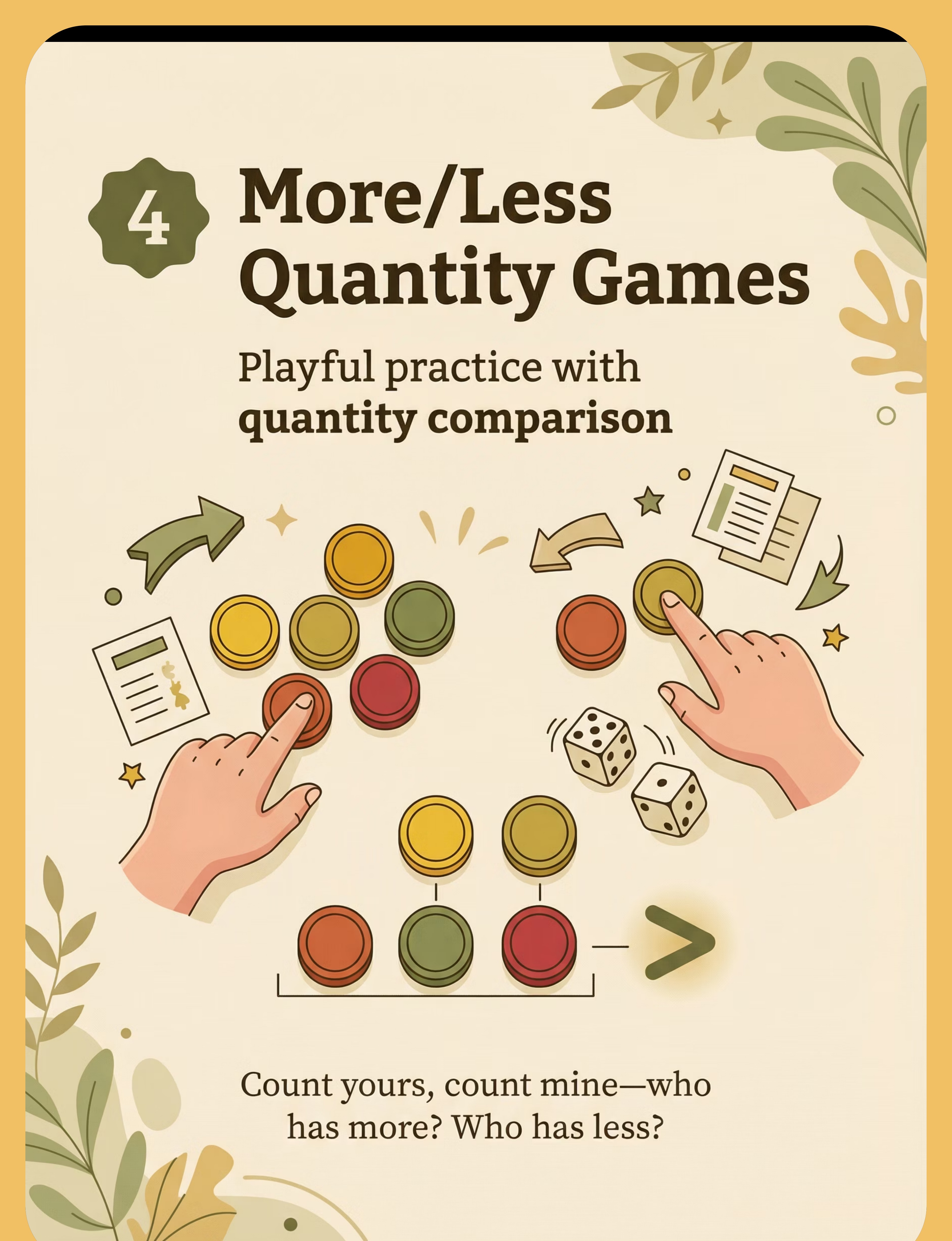
More/Less Quantity Games
The Science
Quantity comparison requires cardinality understanding plus the comparative operation. Games make both steps motivating. When the child counts, lines up one-to-one, and sees "more" visually, the abstraction becomes concrete and self-discovered — the most powerful form of learning.
How to Use
Deal different numbers of tokens (e.g., 3 vs. 7). "Count yours. Count mine. Who has MORE?" Line up one-to-one for clear visual comparison. Introduce dice: roll, compare, "who has MORE pips?"
Language to Use
- "Count yours. Now count mine. Who has MORE?"
- "I have FEWER tokens than you today."
- "Let's make the piles even — EQUAL."
Pricing & DIY
Price Range: ₹200–₹800 | Smartivity Counting Set — ₹673 on Amazon.in
DIY: 20 dried chickpeas in two groups. Count and compare. Zero cost.
Outcome Indicator
Child correctly identifies "more" and "less" group when quantities differ by at least 3 with 80%+ accuracy.

Material 5 of 9
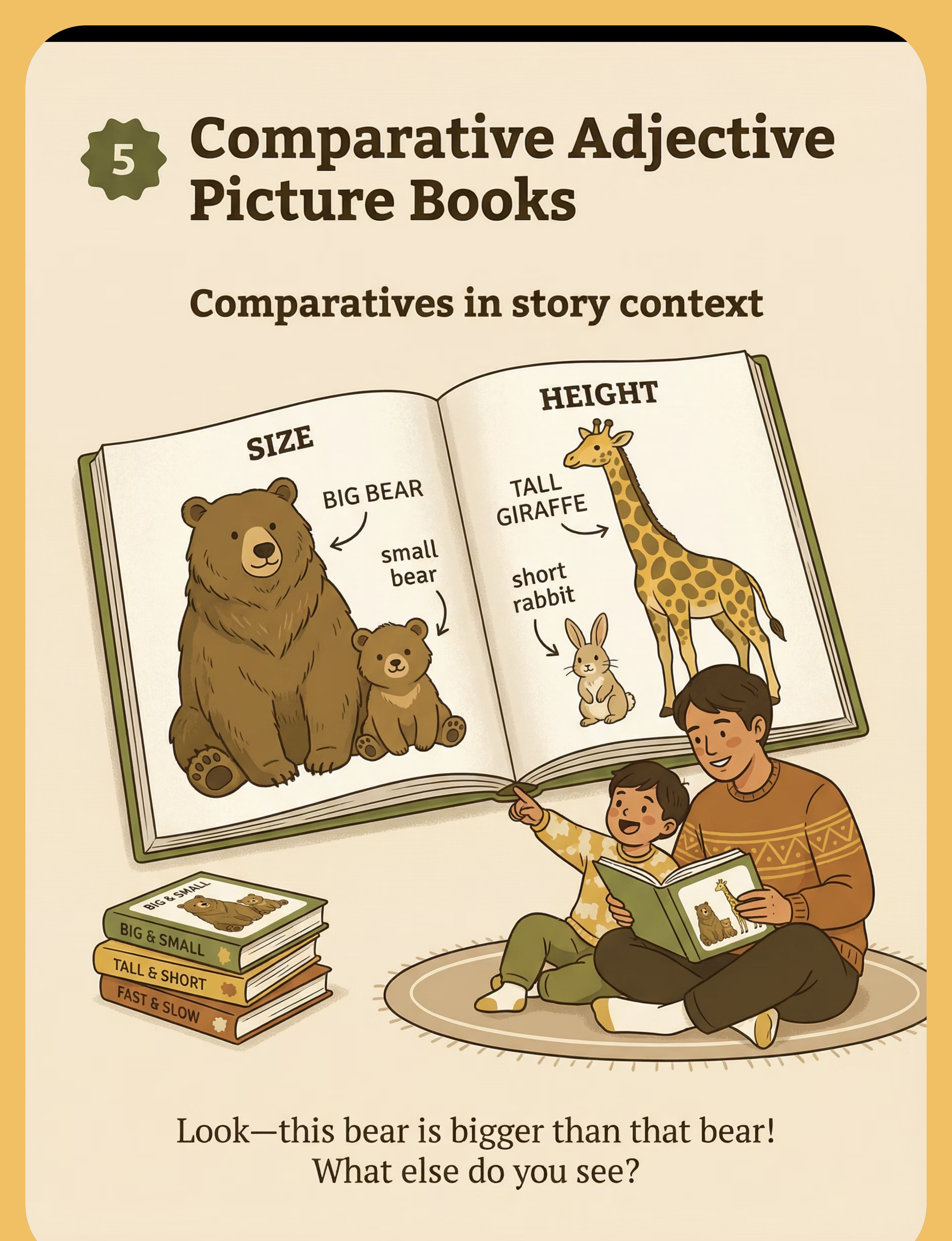
Comparative Adjective Picture Books
The Science
Narrative context provides the most natural comparative language environment. When the story's big bear and small bear interact, the comparative relationship is dramatised, motivated, and emotionally memorable. Vocabulary embedded in story is retained 3–5x longer than list-based vocabulary instruction.
How to Use
While reading, pause at every comparative. "Look — the BIG bear! And look — the SMALL bear. Which is BIGGER?" Let child point. Confirm. Read on. After reading: "Which animal in the book was BIGGEST?"
Language to Use
- "Pause — which one is BIGGER in this picture?"
- "Remember the bigger bear? What happened to him?"
- "Can you find something TALLER than the giraffe?"
Pricing & DIY
Price Range: ₹150–₹500 | Big & Small, Tall & Short, Fast & Slow concept books at Crossword, Flipkart, Amazon.in
DIY: Any picture book in your home. Add a comparative lens: pause and compare sizes at every page.
Outcome Indicator
Child spontaneously uses comparative language during shared book reading without prompting.

Material 6 of 9
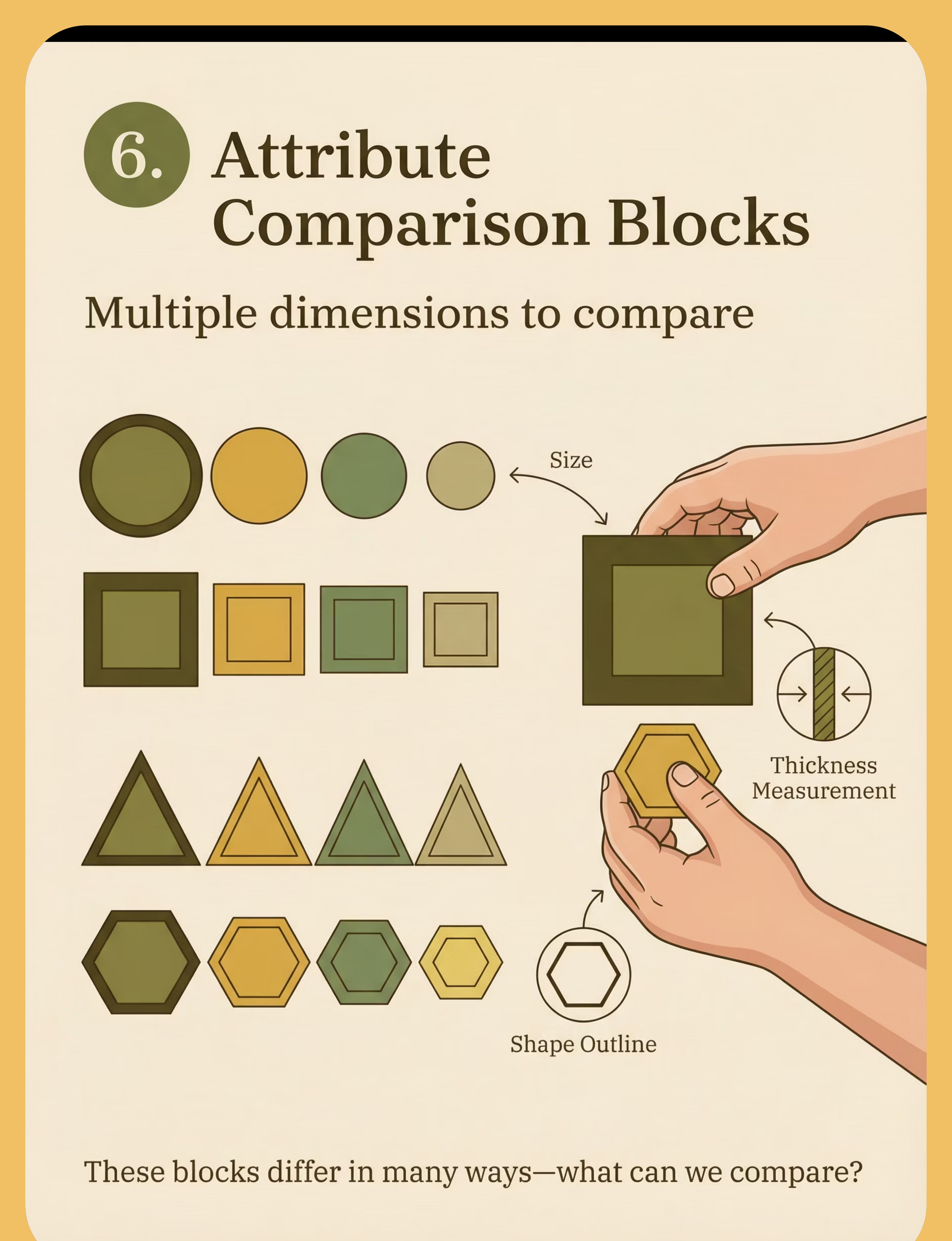
Attribute Comparison Blocks
The Science
Attribute blocks extend comparative thinking to multiple dimensions simultaneously — size, colour, shape, thickness. This teaches the crucial insight that every object has multiple comparable attributes and that the answer depends on which dimension you're comparing. This prevents the over-generalisation where children think "this block is bigger" is a permanent property.
How to Use
Start with size only. "Which block is BIGGER?" After mastery: "Which block is THICKER?" Same blocks, new dimension. Advanced: "Which is BIGGER but THINNER?"
Language to Use
- "These blocks are different in many ways. Which is BIGGER?"
- "Now look at THICKNESS — which is THICKER?"
- "Can you find a block that is BIGGER than this but THINNER?"
Pricing & DIY
Price Range: ₹500–₹1,500 | Logic attribute block sets at VIBGYOR, FirstCry, Amazon.in
DIY: Kitchen set: compare dal bowls (size), chapati vs. paratha (size + thickness), different pencils (length + thickness).
Outcome Indicator
Child correctly identifies comparison on at least 2 different dimensions (size + one other) with 80%+ accuracy.

Material 7 of 9
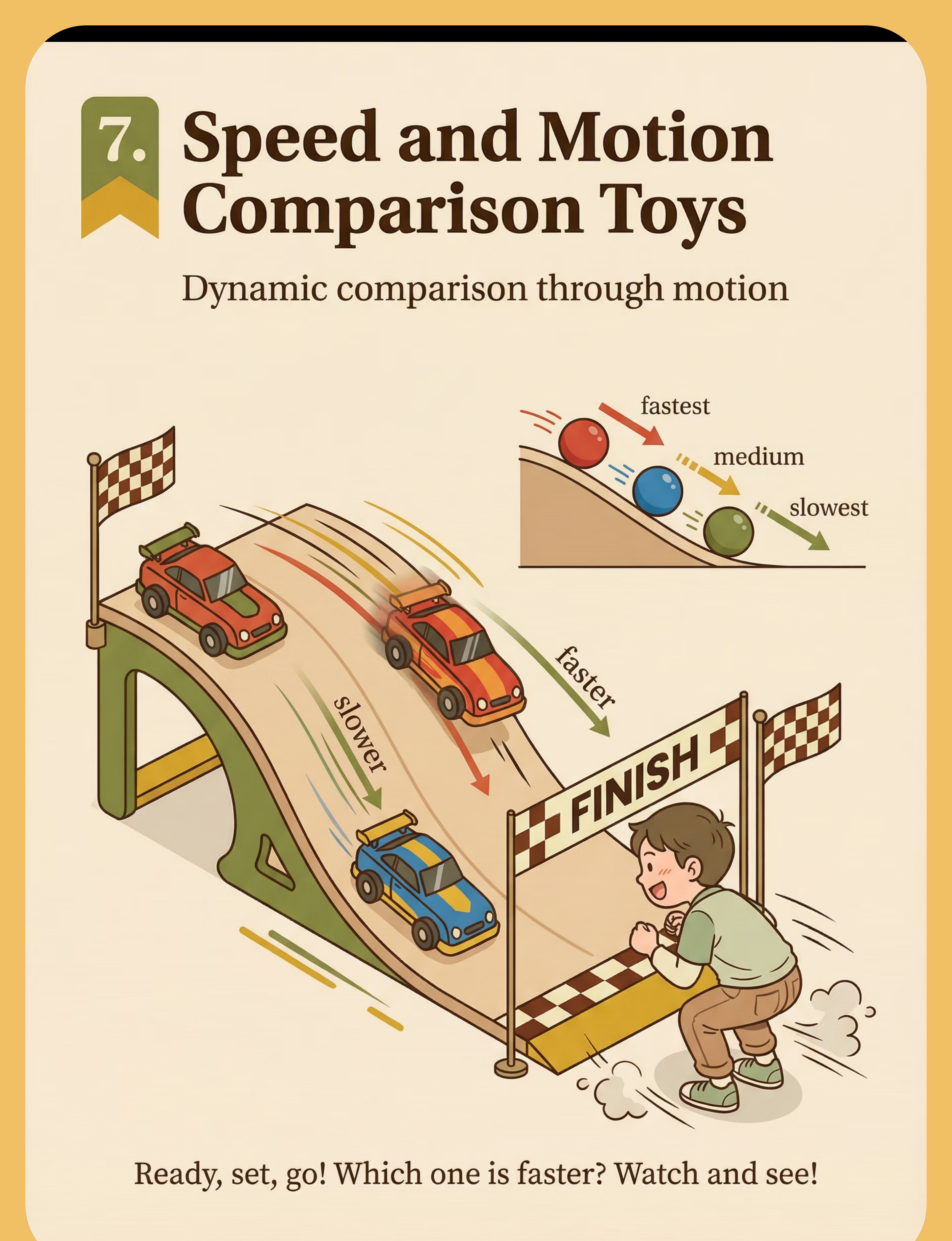
Speed & Motion Comparison Toys
The Science
Speed comparison introduces temporal comparative concepts — properties that unfold over time, not static objects. Race tracks make the abstraction of "faster/slower" concrete and dramatic. The child sees the evidence in real time. This is particularly powerful for children who respond to kinetic stimulation.
How to Use
Set up ramp. Release two cars simultaneously. "Which was FASTER? Which was SLOWER?" Replay. Let child manipulate ramp angle. "If we make the ramp steeper, will it go FASTER or SLOWER?"
Language to Use
- "Watch — which car is FASTER?"
- "That one went SLOWER than this one."
- "How can we make it go EVEN FASTER?"
Pricing & DIY
Price Range: ₹400–₹1,200 | Car racing ramps and ball runs at major toy stores
DIY: Stack 3 books as a ramp. Roll two different balls (marble vs. table tennis ball). Observe speed difference.
Outcome Indicator
Child correctly identifies "faster" and "slower" across 3 different racing trials with 80%+ accuracy.

Material 8 of 9
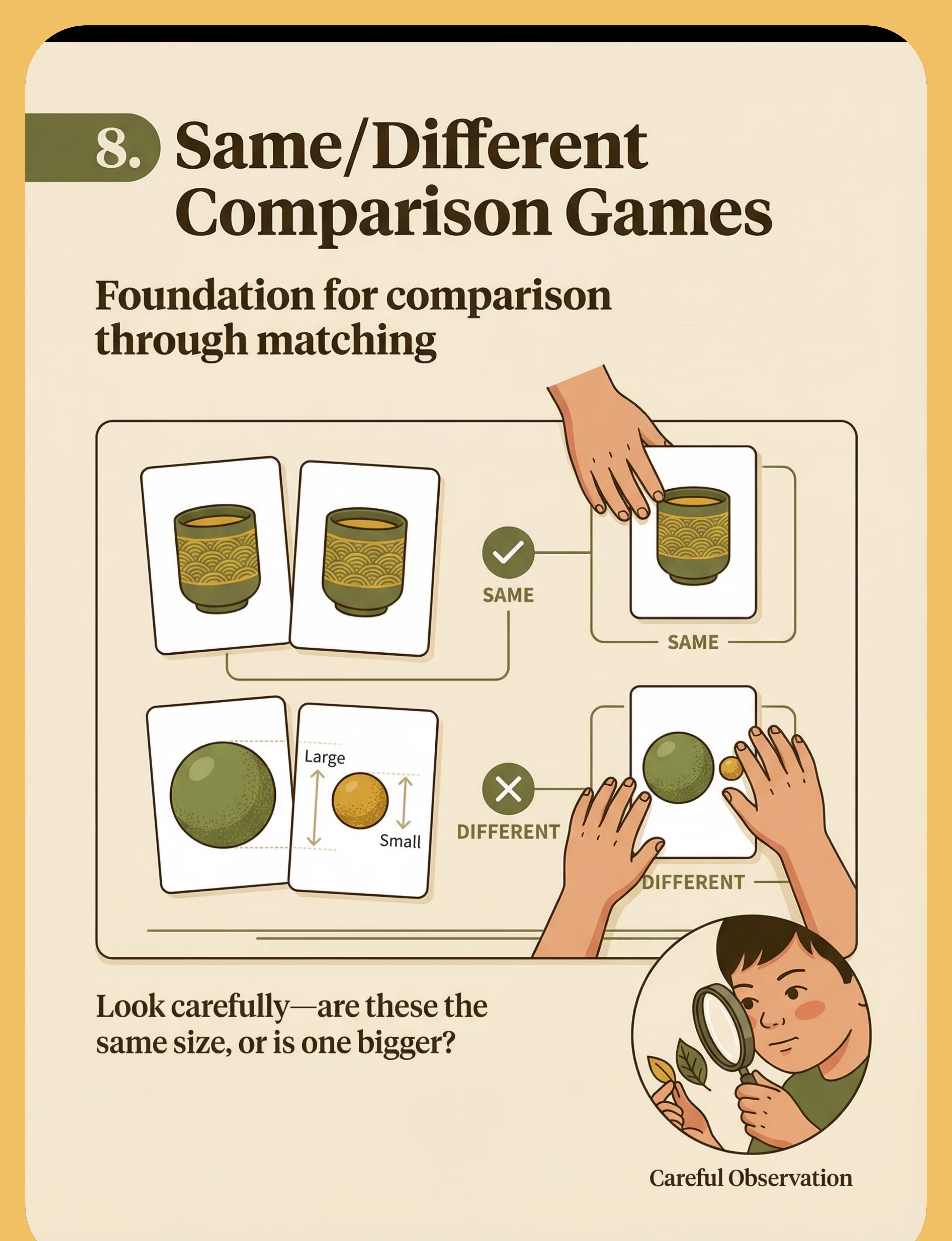
Same/Different Comparison Games
The Science
Same/Different discrimination is the cognitive prerequisite to comparative language. Before a child can say "this is BIGGER," they must recognise "these are NOT the same." Matching games build the discrimination foundation that makes comparatives possible.
How to Use
Show two objects. "Are these the SAME size or DIFFERENT sizes?" After correct discrimination: bridge to comparison. "They're different! So which is BIGGER?"
Language to Use
- "Are these the SAME size? Or DIFFERENT?"
- "Different! So — which is BIGGER?"
- "These are the SAME size — EQUAL!"
Pricing & DIY
Price Range: ₹200–₹700 | Same/Different card games at major toy stores
DIY: Draw 6 circle pairs on paper — 3 pairs same size, 3 pairs different. Child sorts: same / different.
Outcome Indicator
Child correctly discriminates same vs. different size with 80%+ accuracy, then transitions to naming the comparative dimension.
Material 9 of 9
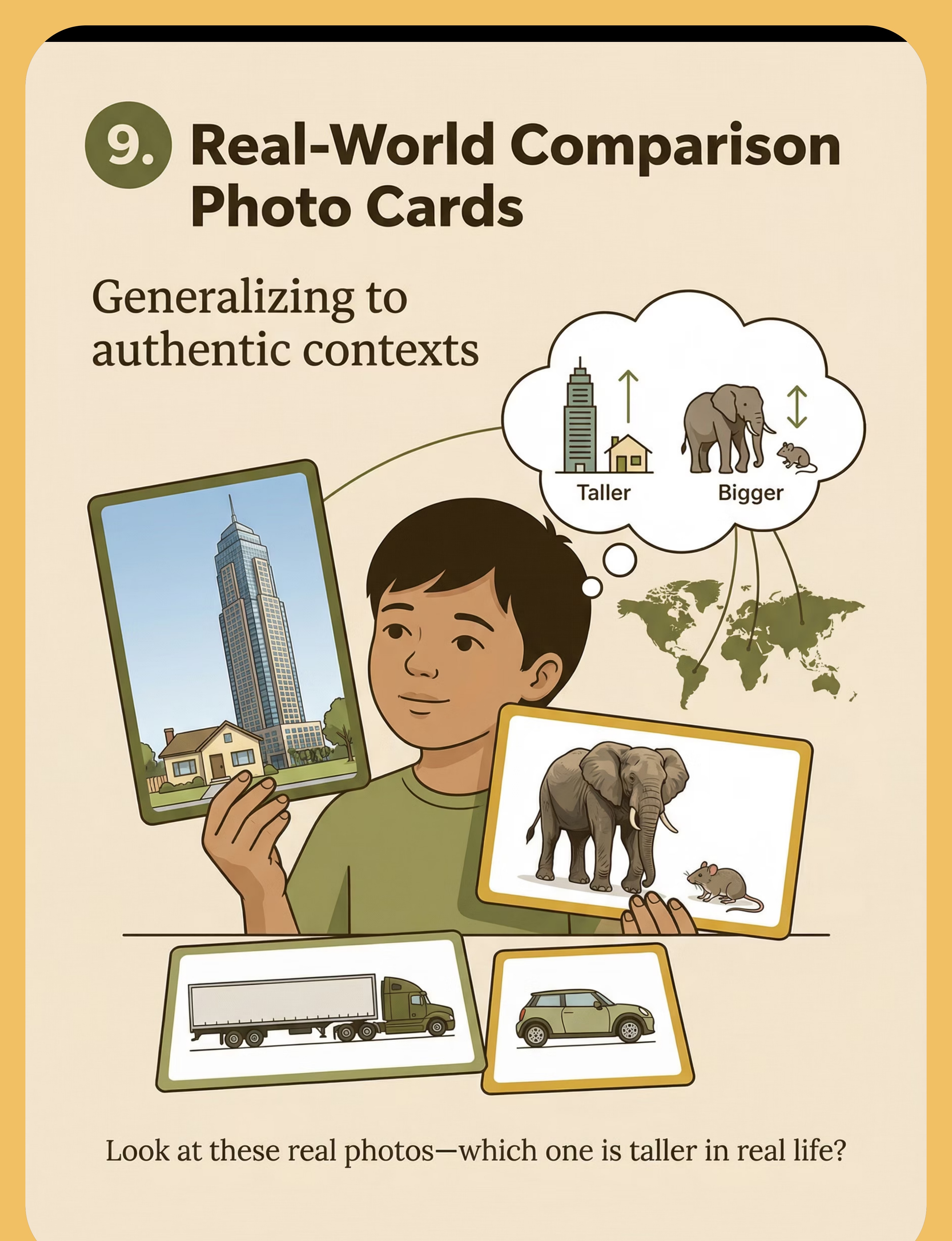
Real-World Comparison Photo Cards
The Science
Generalisation to real-world contexts is the ultimate goal of any therapy intervention. Photo cards showing actual buildings, real animals, and familiar vehicles bridge the gap between therapy table and daily life. When a child looks at an apartment building and the small shop next door and says "the building is TALLER," learning has generalised.
How to Use
Show two photos. "In real life, which is TALLER?" Discuss: "Have you ever seen a real elephant? It's MUCH bigger than a cat." Progress to family photos: "Who is TALLER — Papa or Dadi?"
Language to Use
- "In real life, which is TALLER — the building or the house?"
- "Which animal is BIGGER in real life — cat or cow?"
- "Who in our family is TALLEST?"
Pricing & DIY
Price Range: ₹300–₹900 | Real photo comparison sets available online
DIY: Parent's phone camera. Photos of: big truck / small auto. Big mango / small berry. Child's height on wall vs. parent's. Real-world, free, culturally familiar.
Outcome Indicator
Child spontaneously uses comparative language in real-world contexts without therapy setup.
Personalisation
GPT-OS® Intelligence Layer
This Technique Has a Version for Your Specific Child
Primarily Visual Learner
Prioritise: Comparison Sorting Cards + Real-World Photo Cards + Picture Books. Minimise physical object manipulation initially. Pictures first, then bridge to physical objects.
Primarily Kinesthetic Learner
Prioritise: Stacking Toys + Balance Scales + Speed Toys. Let child hold and feel size differences before comparing visually. Hands first, language second.
Limited Verbal Output
Prioritise receptive tasks (child points) over expressive (child says). Use PECS-compatible comparison cards. Target pointing to "bigger" before saying "bigger."
Loves Numbers
Prioritise: Quantity Games + Balance Scales. Bridge: "More means a higher number — 7 is MORE than 3." Build maths readiness: greatest/least foundation.
Your child's AbilityScore® profile automatically maps them to the optimal material sequence for their specific cognitive-linguistic profile. Access your profile at pinnacleblooms.org/gpt-os →

Week 1–2
Tolerance & Recognition Phase
Weeks 1–2: Tolerance and Recognition — Not Mastery
Weeks 1–2 are the hardest weeks. You're establishing a new routine, your child is learning what to expect, and progress looks like "tolerating" rather than "achieving." This is a necessary phase. Stay the course.
✅ What You WILL See
- Child begins to tolerate comparative tasks without resistance
- Child shows awareness of size differences (even if not naming them yet)
- Brief engagement with 1–2 materials (3–5 minutes)
- Correct pointing to "bigger" on obvious pairs (50%+ size difference) at least some of the time
- Increased attention to comparative language in daily life
⏳ What You WON'T See Yet (Normal)
- Spontaneous use of comparative language
- Mastery across multiple comparison dimensions
- Generalisation to novel, untrained materials
- Correct performance with subtle size differences
"If your child sits with these materials for 5 minutes without distress by the end of Week 2 — that is real, measurable progress."
Week 3–4
Consolidation Phase
Weeks 3–4: Consolidation Signs
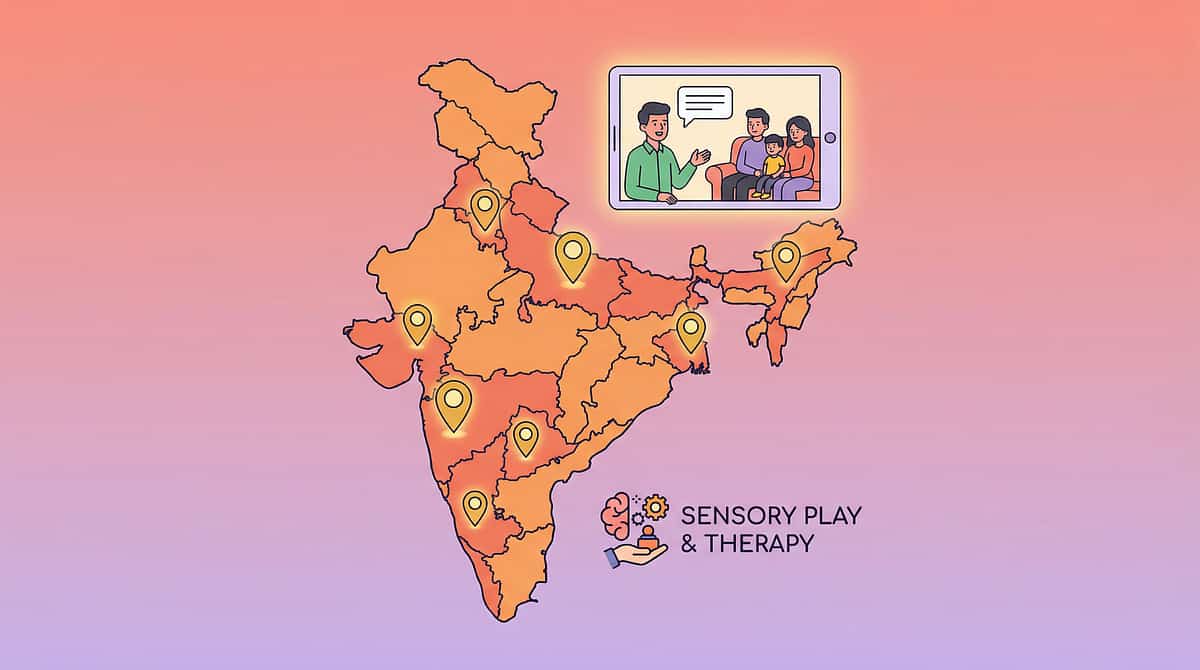
In weeks 3–4, synaptic connections strengthened through repeated practice are becoming more efficient. Your child's brain is literally being restructured by your consistency. This is neuroplasticity in action — visible in behaviour before it shows in any scan. (Synaptic strengthening evidence, neuroplasticity research)
🧠 Anticipation
Child begins to anticipate the task — reaches for materials before you say anything. The routine is becoming predictable and safe.
🧠 Faster Processing
Child responds faster — the comparison question takes less processing time. The neural pathway is becoming more efficient.
🧠 Outside Sessions
Child begins using comparative language outside sessions — "Amma, this cup is bigger!" This is your first generalisation signal.
🧠 Consistent Errors
Errors become consistent — child knows "bigger" but struggles with "more." Consistent errors tell you exactly what to target next.
When to increase difficulty: If child achieves 80% correct across 3 sessions with obvious size differences → introduce subtle size differences (30% variance instead of 50%+).
Weeks 5–8
Generalisation & Mastery Phase
Weeks 5–8: Generalisation and Mastery
80%
Mastery Criterion
Correct across 3 consecutive sessions with 3 different, novel material sets — the NCAEP-defined standard for mastery
5+
Comparative Terms
Spontaneous use of 5+ comparative terms in daily conversation by weeks 5–8
3+
Dimensions
Correct comparison across size, quantity, speed, and length dimensions
What generalisation proof actually looks like: Child looks at two buildings and spontaneously says "that one is taller." Child at dinner: "Dadi has more rice than me." Child during play: "My car is faster!" These are NOT therapist-prompted — they are spontaneous generalisation events.
Celebrate these moments loudly and genuinely. Each spontaneous generalisation event is the payoff of 5–8 weeks of consistent effort. Write it down. Tell your Pinnacle therapist. It will be logged in your AbilityScore®.
🌟 Mastery Milestone
Comparative Concept Mastery — A Developmental Milestone
✨ Your Child Has Built
New neural pathways for relational thinking that will serve them in mathematics, science, and social interaction for life.
✨ The Full Arc
From blank stares → to confident pointing → to spontaneous use. The complete acquisition arc, achieved through your consistency.
✨ What You Built
You didn't just "help with therapy exercises." You built neural infrastructure — every session was a brick in a cognitive framework your child will use for decades.
"The researchers who study early intervention call parents who do this 'lay therapists' — but Pinnacle calls you what you are: the most important clinician in your child's life."
Next Technique Preview: Your child is now ready for → Spatial Concept Understanding (B-167): above/below, in front/behind, near/far — the next language frontier.

The Full Ecosystem
999-Technique System
B-166 Lives Within a 999-Technique Ecosystem
999
Techniques
Total evidence-mapped techniques in the Pinnacle system
12
Domains
Developmental domains covered across the full curriculum
128
Canon Materials
Clinically validated materials mapped across all 999 techniques
687
Products
Sourced and vetted products available through the materials library
Community
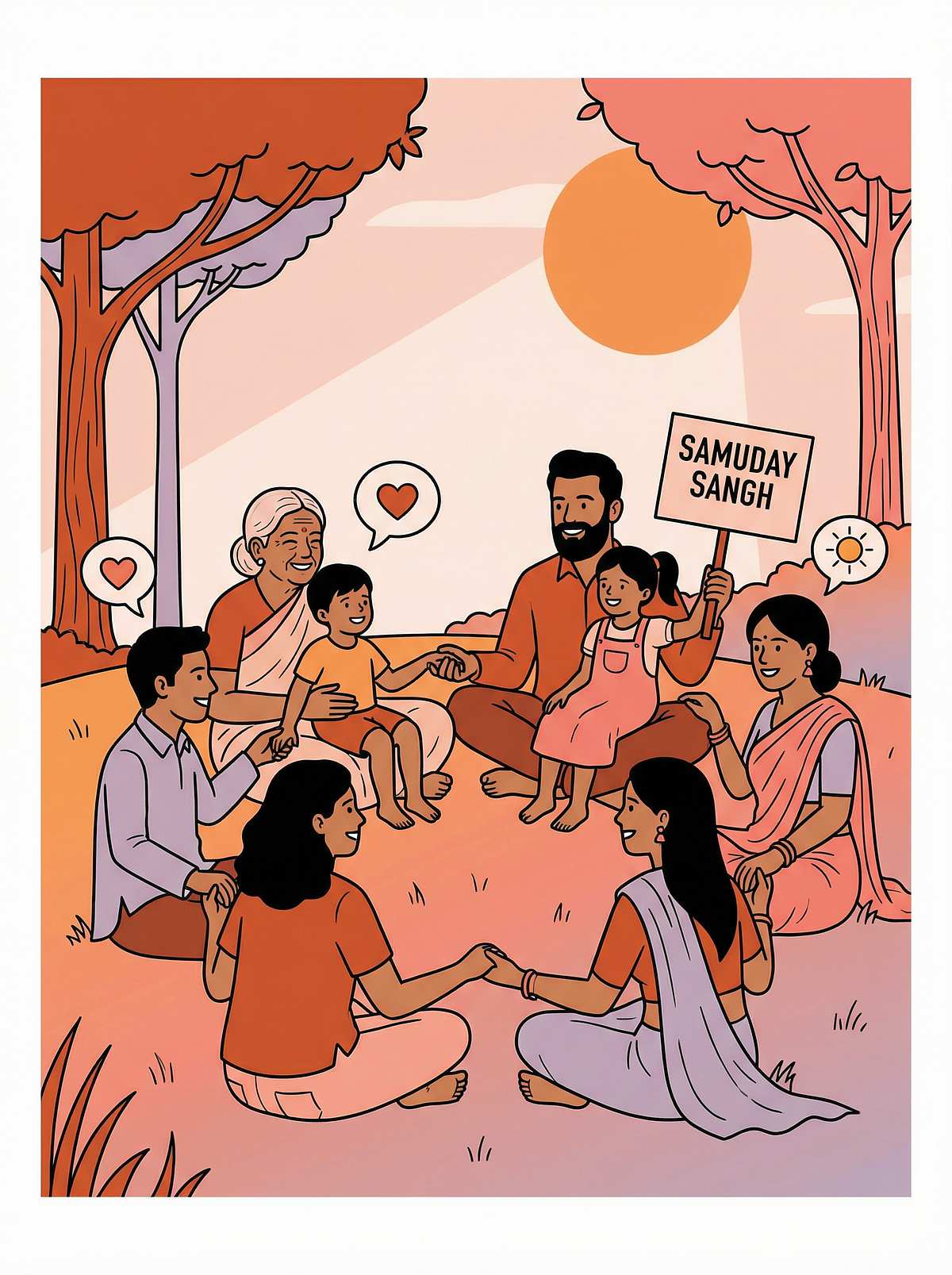
You Don't Have to Figure This Out Alone — 80,000+ Families Are Already There
80K+
Families
Across India using GPT-OS® home techniques
70+
Countries
With Pinnacle-trained parents in the global network
16
Indian Languages
24x7 WhatsApp support available in your language
This is a no-judgment, evidence-only community. Every family is navigating different challenges at different speeds. Share what works, ask what's hard, support without comparison. Regional language groups include Telugu, Hindi, Tamil, Kannada, Malayalam, Marathi, Bengali, and 9 more.
Research Library
Every Claim on This Page Has a Source. Here They Are.
📄 PMC11506176 | PRISMA Systematic Review (2024)
16 studies confirming evidence-based status of structured sensory/language material interventions for ASD. View on PubMed →
📄 PMC10955541 | World J Clin Cases Meta-analysis (2024)
Structured interventions promote social skills, adaptive behaviour, and concept acquisition with measurable effect sizes — 847 children, international. View on PubMed →
📄 PMC9978394 | WHO Care for Child Development Package (2023)
Evidence for caregiver-delivered home-based interventions across 54 LMICs. View on PubMed →
📄 DOI: 10.1007/s12098-018-2747-4 | Padmanabha et al. (2019)
Indian paediatric population RCT demonstrating home-based structured language intervention outcomes. View Journal →
📄 DOI: 10.3389/fnint.2020.556660 | Frontiers in Integrative Neuroscience (2020)
Neurological framework for concept-based interventions in ASD. View Article →
📄 NCAEP 2020 | Evidence-Based Practices Report
National Clearinghouse on Autism Evidence and Practice. View Report →
📄 WHO NCF 2018 | WHO/UNICEF Nurturing Care Framework
Global equity and caregiver intervention standards. View Framework →
Institutional Standards: This technique page is reviewed against: WHO | UNICEF | ASHA Practice Portal | AOTA Evidence-Based Practice | BACB Professional Standards | RCI India Guidelines. WHO Child Development Guidelines →

Share With Family
Consistency Across Caregivers Multiplies Impact by 3x
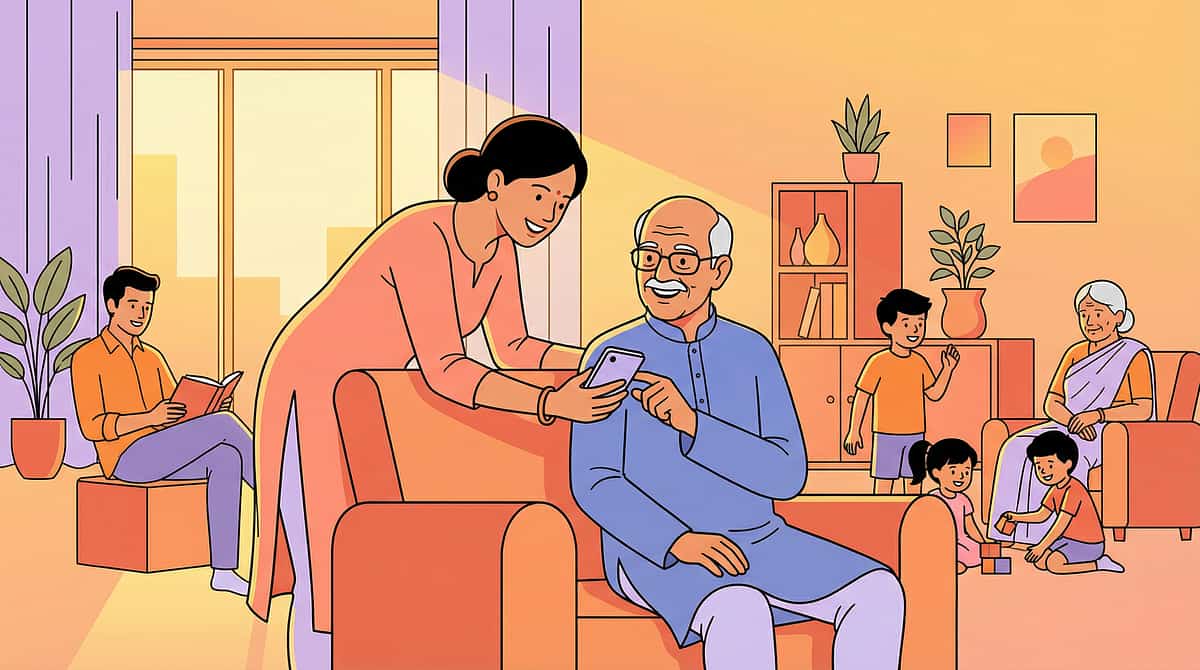
Research from PMC9978394 confirms that multi-caregiver training is one of the highest-leverage interventions available. When grandparents, aunts, uncles, and teachers all use comparative language consistently, your child receives therapy in every interaction — not just in formal sessions.
📱 Share on WhatsApp
Pre-written message: "Found this technique for [child name]'s language development — it's from Pinnacle Blooms Network and explains 9 materials that help with understanding bigger, smaller, more, less. Very practical!"
👵 For Grandparents
"The idea is simple: always compare TWO things. When you show [child name] a big cup and small cup, hold both and ask 'which is bigger?' Point to the bigger one. Say the word. Consistency from you matters enormously."
📚 For Teachers / School
Download the School Communication Template — a one-page PDF summarising B-166 targets and how classroom teachers can reinforce comparative language during normal instruction.
"You don't need to run formal sessions. Just use the language: 'This cup has MORE water.' 'That tree is TALLER.' 'Your portion is SMALLER — want more?' Every comparison you verbalise is a therapy moment."

FAQ
Consortium-Answered
Your Questions, Answered by Our Consortium — Part 2
Q5: My daughter is 8 — is it too late to use these materials?
Not at all. Comparative concept training is effective across the lifespan. For older children, the material presentation changes (use real-world contexts, peer comparison activities, age-appropriate materials) but the cognitive intervention principle is identical. Call 9100 181 181 for age-appropriate modifications.
Q6: We have very limited space and budget. Can we still do this?
Yes — completely. The DIY alternatives on Card 10 require zero purchase. Your kitchen, your neighbourhood photos, your family members — all are valid comparison materials. The technique is the intervention, not the commercial product.
Q7: My therapist at another clinic does something different. Should I follow this or her protocol?
Both can work. Share this page with your therapist. Pinnacle's protocols are evidence-mapped from systematic reviews, but individual therapist modifications based on your child's specific profile are always valid. Consistency is more important than which specific protocol — pick one approach and implement it consistently.
Q8: When should comparative concepts be "done" and we move on?
When your child achieves spontaneous, generalised use of 5+ comparative terms in natural conversation without prompting, and can make comparisons about novel objects they've never seen in sessions — that's graduation. This typically occurs at 80% criterion across 3 sessions with novel materials.
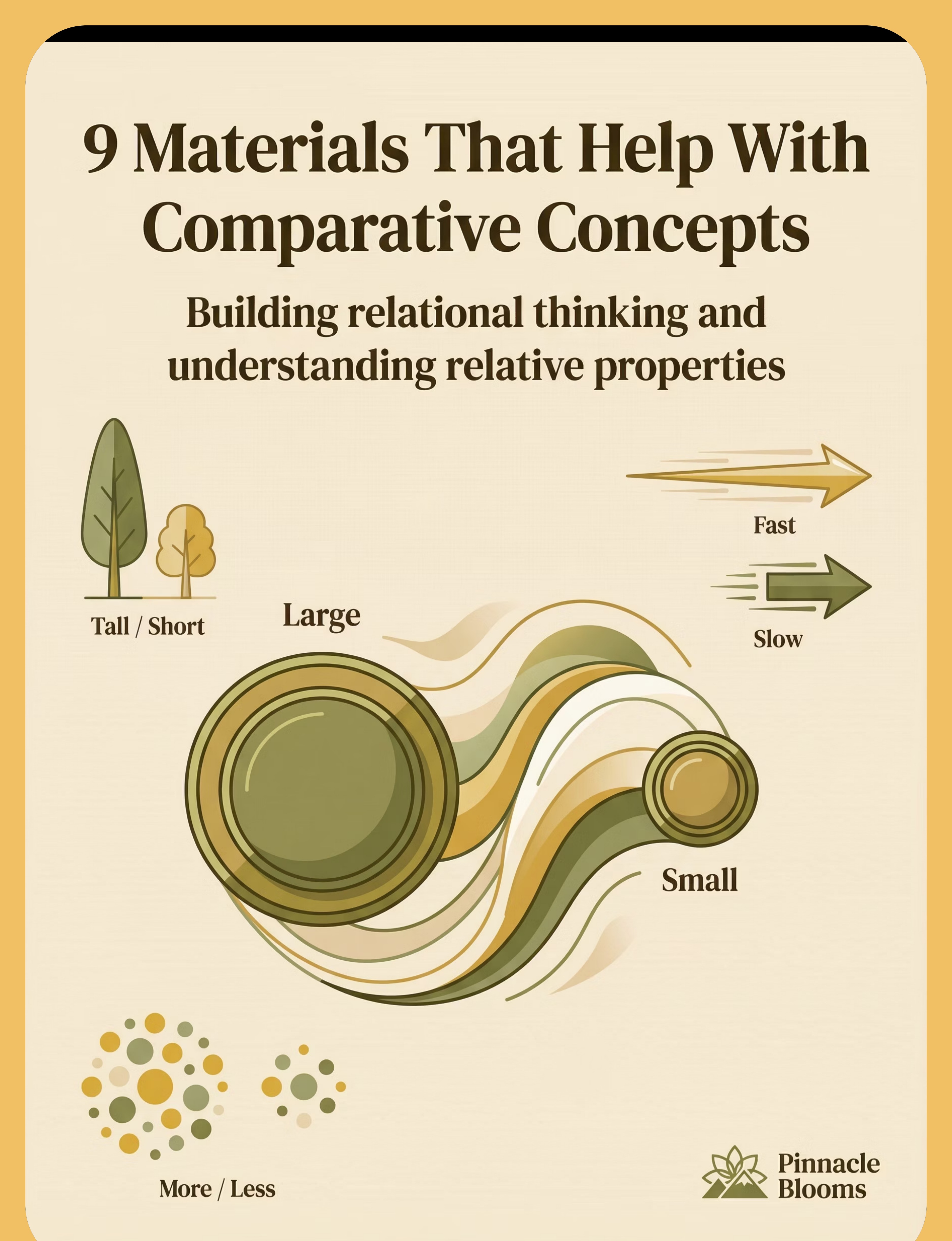
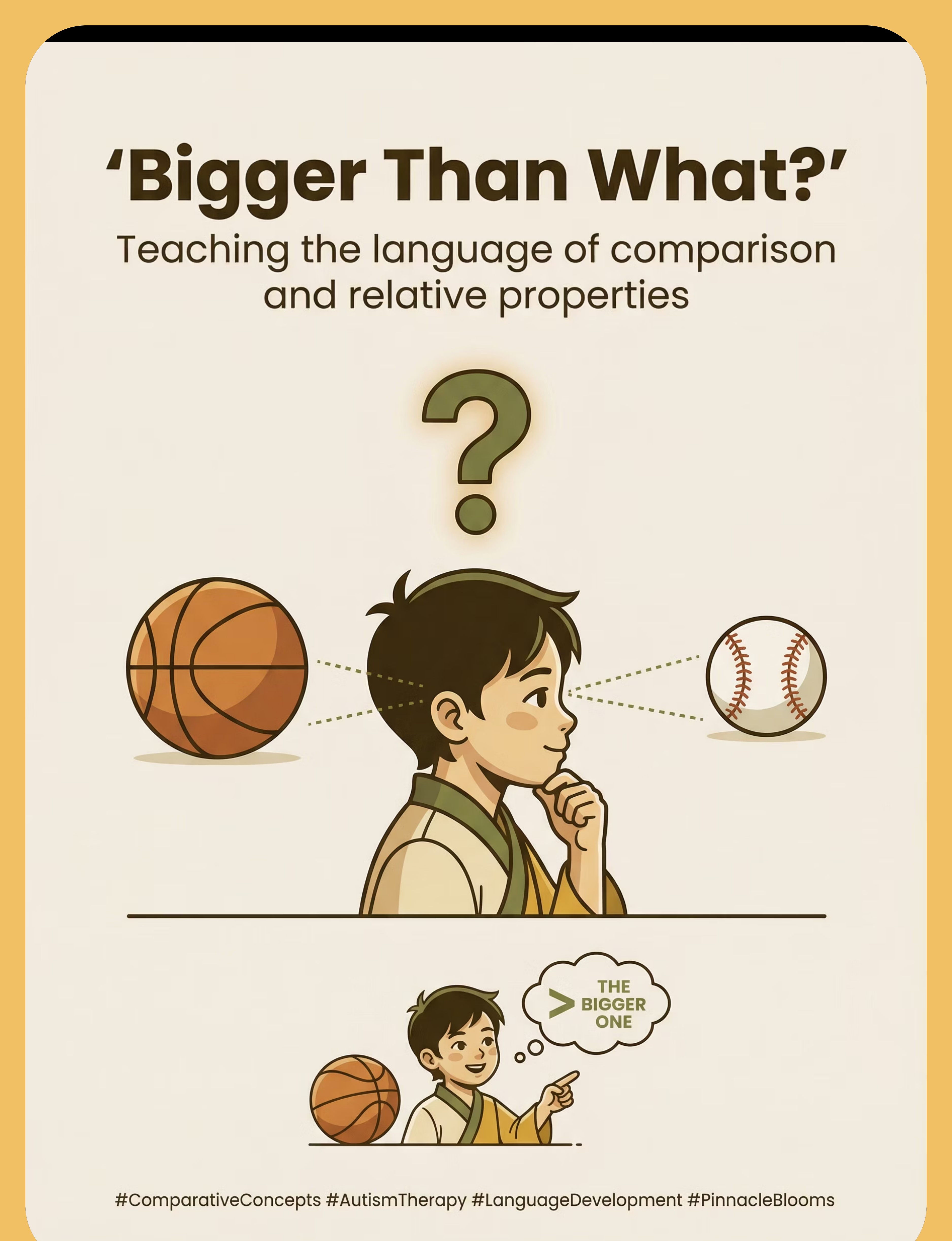
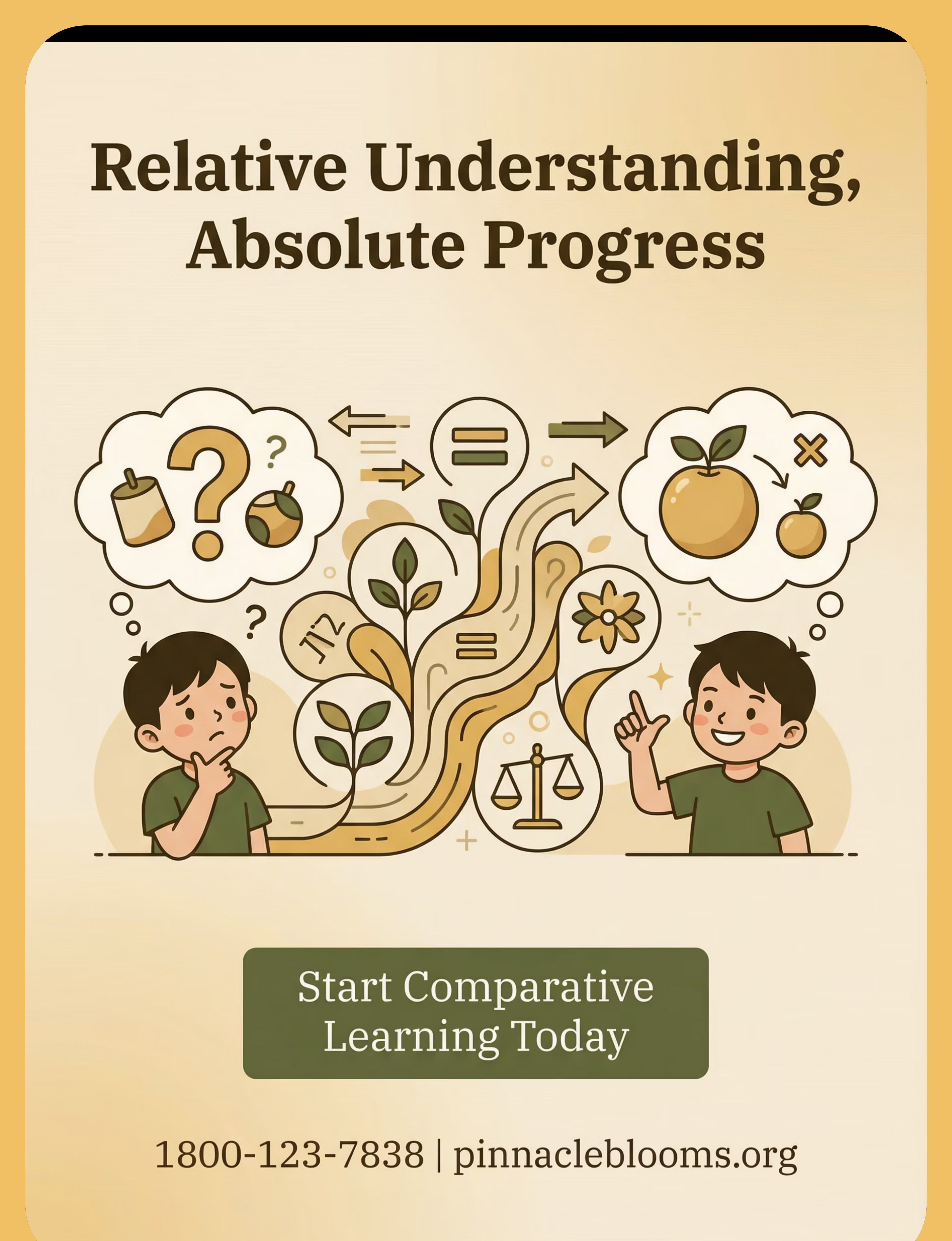
Preview of 9 materials that help with comparative concepts Therapy Material
Below is a visual preview of 9 materials that help with comparative concepts therapy material. The pages shown help educators, therapists, and caregivers understand the structure and content of the resource before use. Materials should be used under appropriate professional guidance.



Link copied!
The Pinnacle Promise
© 2025 Pinnacle Blooms Network®
The Pinnacle Blooms Promise
Every technique on this platform has been reviewed by our consortium of Paediatric Speech-Language Pathologists, Occupational Therapists, BCBAs, Special Educators, and Neurodevelopmental Paediatricians. Every claim has a peer-reviewed source. Every material recommendation has been field-validated across 80+ centres serving children from 70+ countries.
We do not promise miracles. We promise science, consistency, and partnership. We promise that every family — regardless of geography, language, or income — deserves access to the same evidence-based interventions that clinic children receive. This is why we built GPT-OS®. This is why these pages exist.
21M+
Therapy Services
Delivered to children and families worldwide
97%+
Improvement Rate
Measured improvement across enrolled families
80+
Centres
Across India serving every major city
70+
Countries
Pinnacle-served families worldwide
1,000+
Professionals
Clinical professionals in the consortium
📞FREE National Autism Helpline: 9100 181 181 | 24x7 | 16+ Languages | No appointment needed | Completely free
This content is educational and informational. It does not constitute medical advice and does not replace assessment, diagnosis, or treatment by a licensed healthcare professional. Individual results vary. Consult a qualified professional if you have concerns about your child's development.
© 2025 Pinnacle Blooms Network® | All Rights Reserved | Generated by GPT-OS® Content Engine | Technique B-166 | techniques.pinnacleblooms.org/language-cognition/comparative-concepts-B166