
🌸 Adjective Understanding | B-170
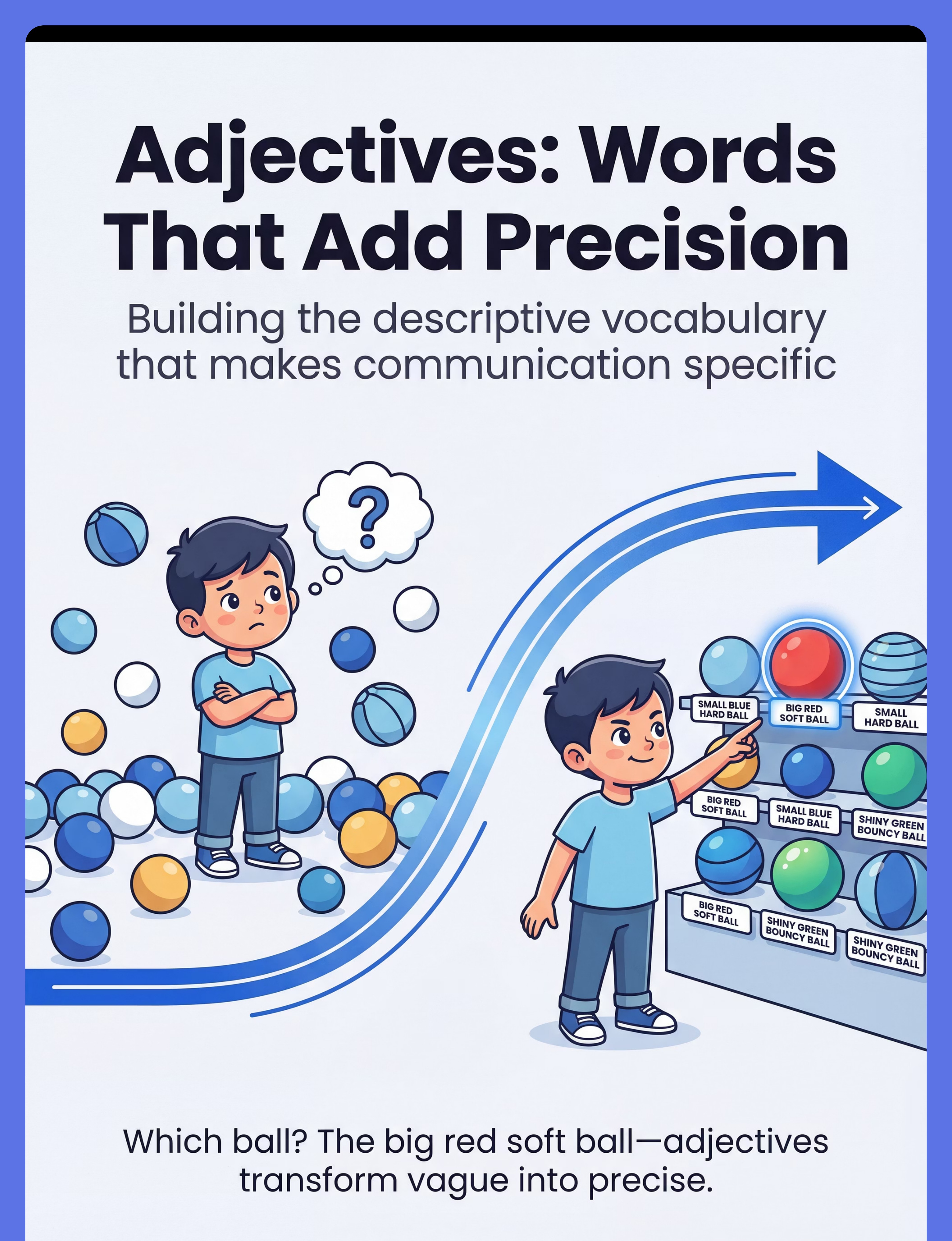
"Get the ball." Which ball? The big one? The red one? The small soft one? If your child knows "ball" but not "big red ball" — you're in exactly the right place.
Language & Communication
Domain B | Technique B-170
📞 FREE Helpline: 9100 181 181
ACT I — THE EMOTIONAL ENTRY
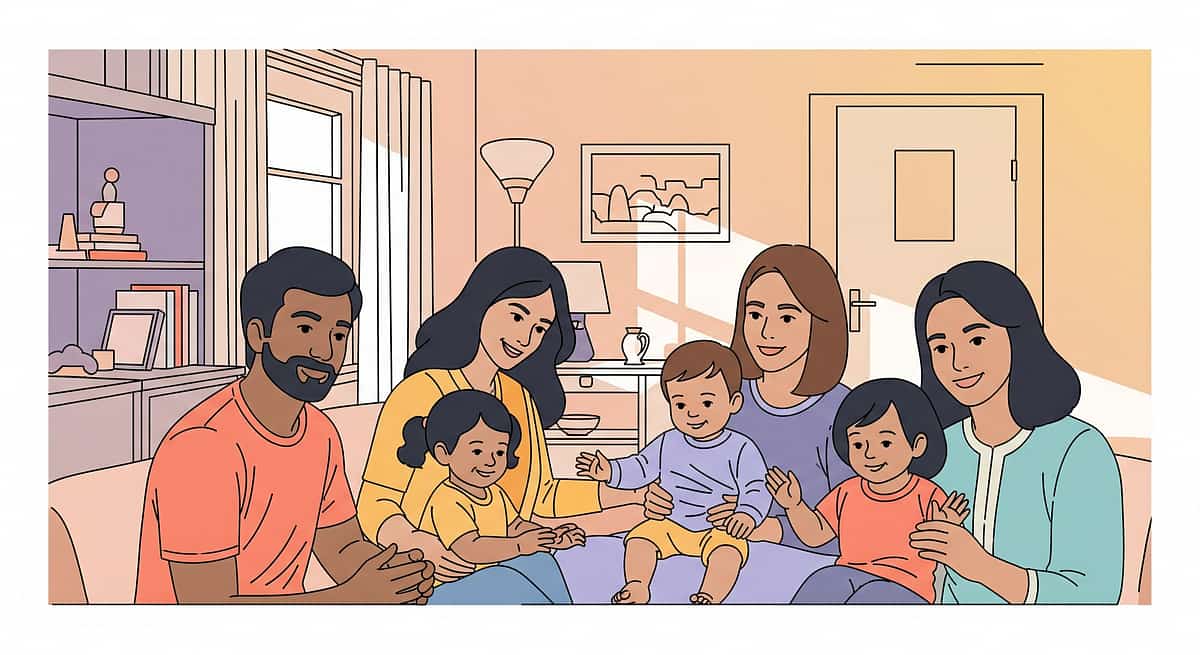
The Recognition Moment
A Parent's Truth
"He knows colours and sizes separately — but 'get the big red soft ball' overwhelms him completely."
— A parent navigating adjective challenges
You Are Not Failing
Your child's language system is still building the bridges between words and their properties. Adjective Understanding is the technique that transforms vague requests into precise, connected communication.
🏅Pinnacle Blooms Consortium — SLP Lead | OT • ABA • SpEd • NeuroDev
📞FREE National Autism Helpline: 9100 181 181 — 24×7, 16+ languages
You Are Not Alone — The Numbers
You are among millions of families worldwide navigating the gap between naming things and describing them. The child who says "ball" but not "big red ball" is not behind — they are at a well-documented waypoint in language development with a clear, proven path forward.
70–80%
Language Processing Differences
Of children with autism show language processing differences affecting adjective understanding and descriptive communication. (PMC10955541, World J Clin Cases, 2024)
1 in 36
Children Diagnosed with Autism
Globally (CDC 2023). In India, prevalence is estimated at 1 in 68 — making this a population-level communication challenge. (WHO Global Autism Data)
92%+
Improvement in Outcomes
Improvement in receptive vocabulary outcomes when adjective intervention starts before age 6, with structured daily practice. (Pinnacle GPT-OS® Real-World Evidence, 21M+ sessions)
📞9100 181 181 — FREE | 24×7 | 16+ languages
What's Happening in Your Child's Brain
Why Adjectives Are Neurologically Harder Than Nouns
The Clinical Picture
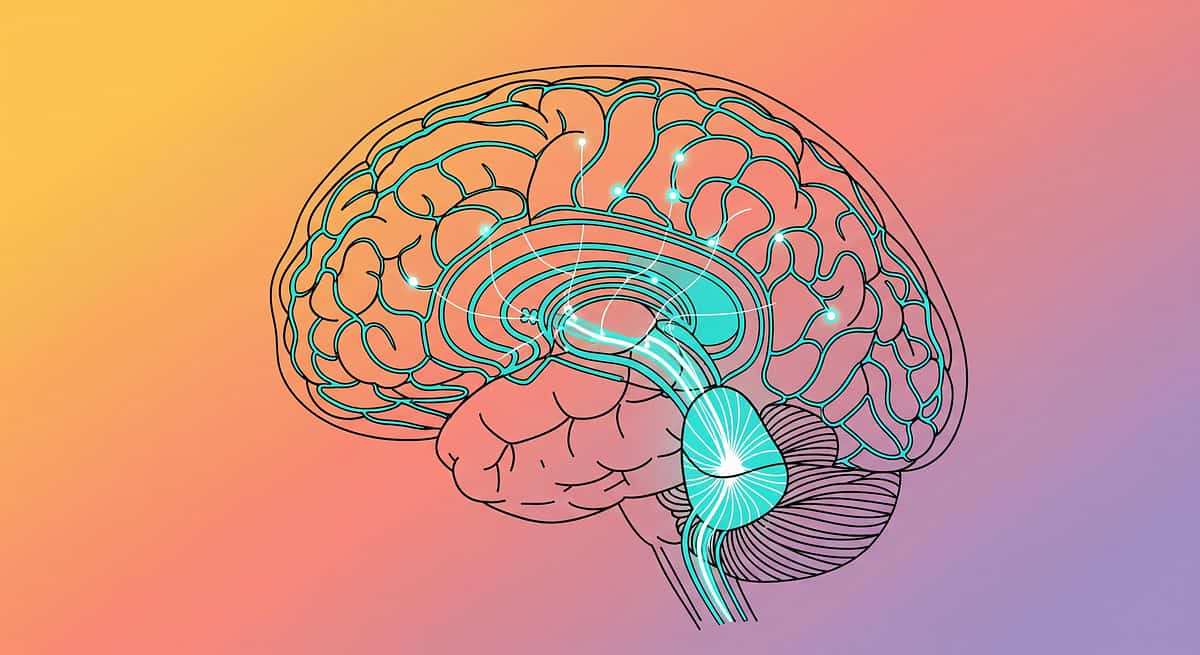
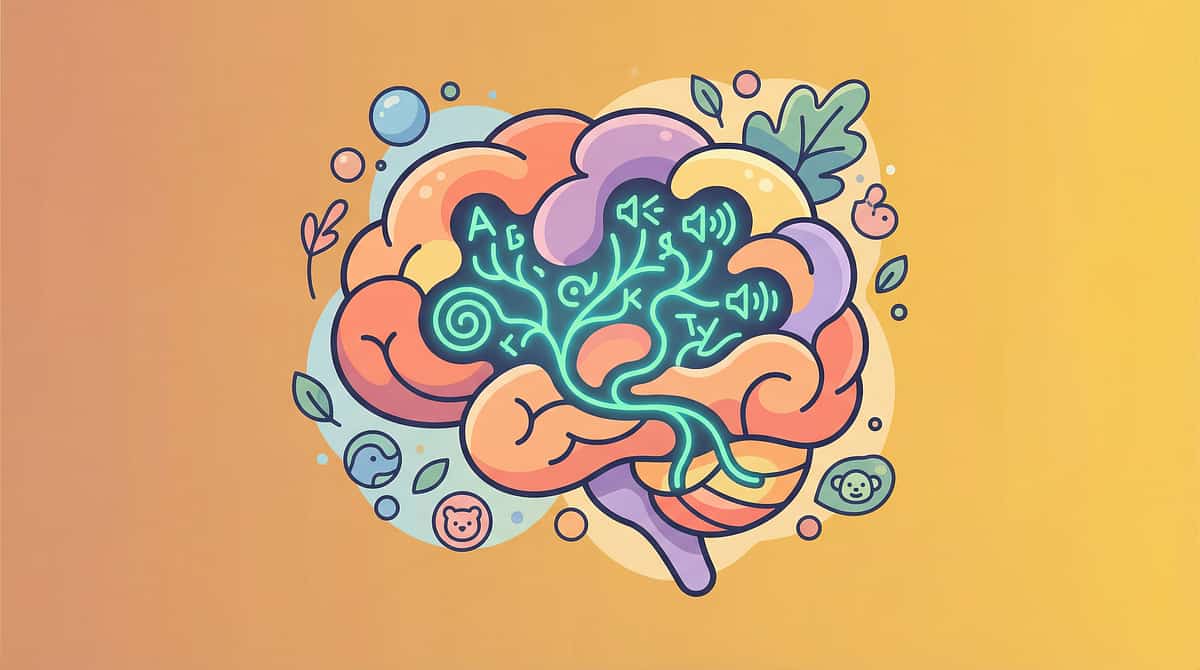
Nouns activate object-recognition circuits (ventral visual stream → object naming). Adjectives require attribute extraction — separating a property (redness, softness) from the object that holds it. Multi-adjective processing demands working memory in the prefrontal cortex to hold and sequence multiple attributes simultaneously. In ASD, temporal-parietal integration differences can affect how attributes attach to objects.
In Plain English
🔵"Ball" = recognise the object → say its name (one step)
🟣"Red ball" = recognise + extract colour + attach the word (three steps)
🔴"Big red soft ball" = four attributes + one noun + sequence them (seven cognitive operations)
This is a wiring pattern, not a learning failure. The circuits respond beautifully to targeted practice.
Frontiers in Integrative Neuroscience (2020) | DOI: 10.3389/fnint.2020.556660
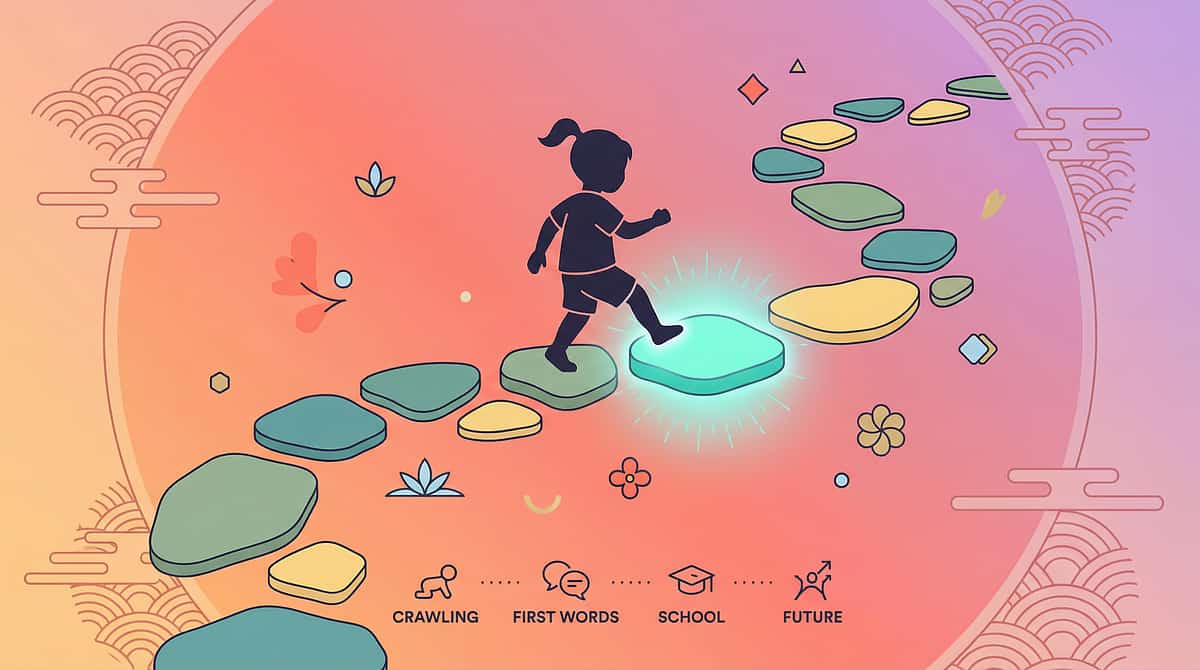
Where This Sits in Development
The Adjective Development Timeline — Where Is Your Child?
1
18–24 months
First adjectives emerge: big, hot, yucky, dirty
2
2–3 years
Basic colour terms (red, blue) and size (big, little)
3
3–4 years
Texture words (soft, hard), temperature (hot, cold), more colour variety
4
4–5 years
Dimensional adjectives: tall/short, thick/thin, heavy/light. Comparative forms: bigger, taller, smallest
5
5–7 years
Multi-adjective combinations: "the big red soft ball"
6
6–10 years
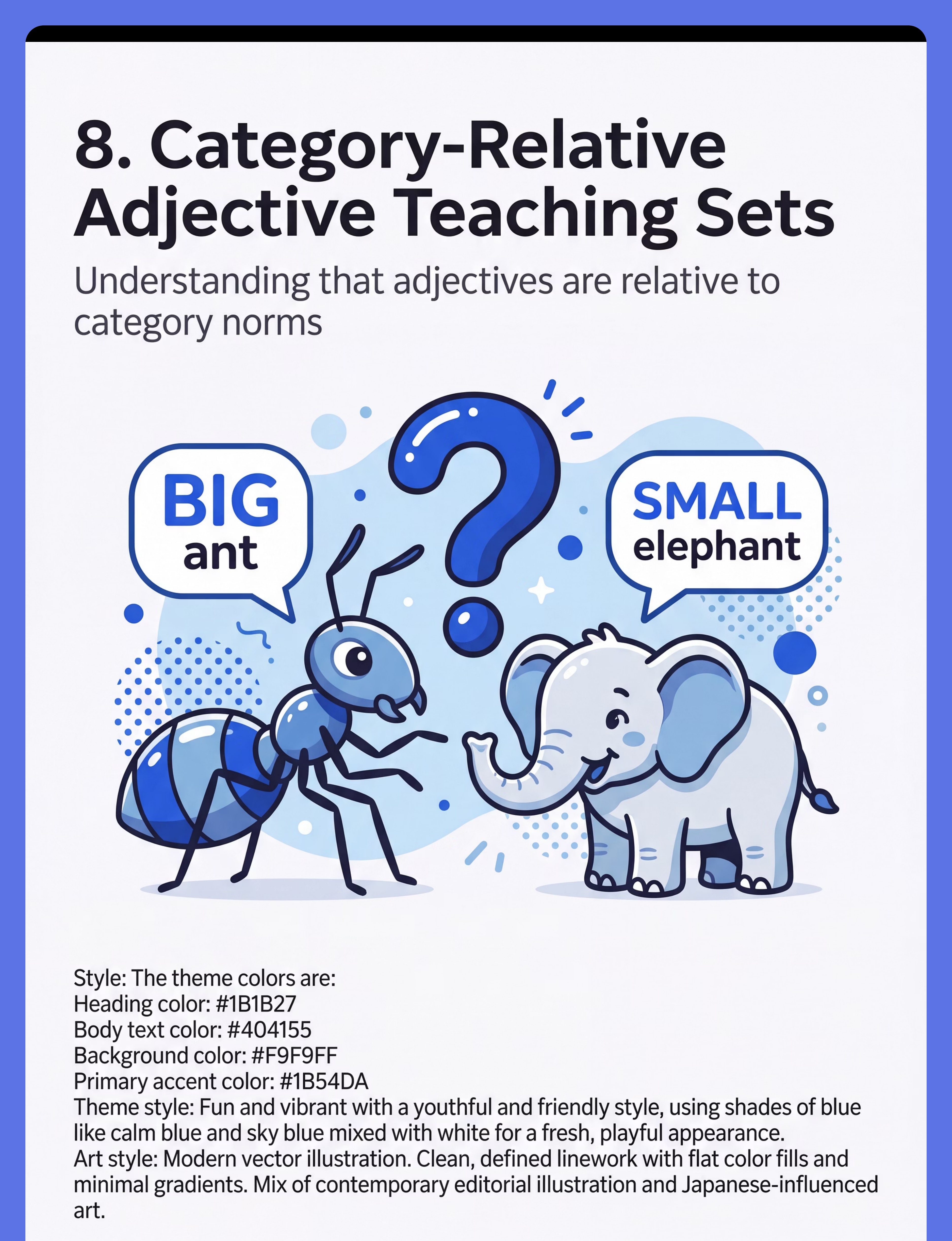
Category-relative adjectives and abstract descriptors: "a big ant vs. a small elephant"
Children with autism often show uneven profiles — strong in some adjective categories (often colours) but significantly delayed in others (comparative forms, relative adjectives, multi-attribute combinations). This is not global delay — it is a specific, targetable pattern. Citations: WHO Care for Child Development Package (2023) | PMC9978394 | UNICEF MICS Developmental Indicators

The Evidence Behind This Technique
Clinically Validated. Home-Applicable. Parent-Proven.
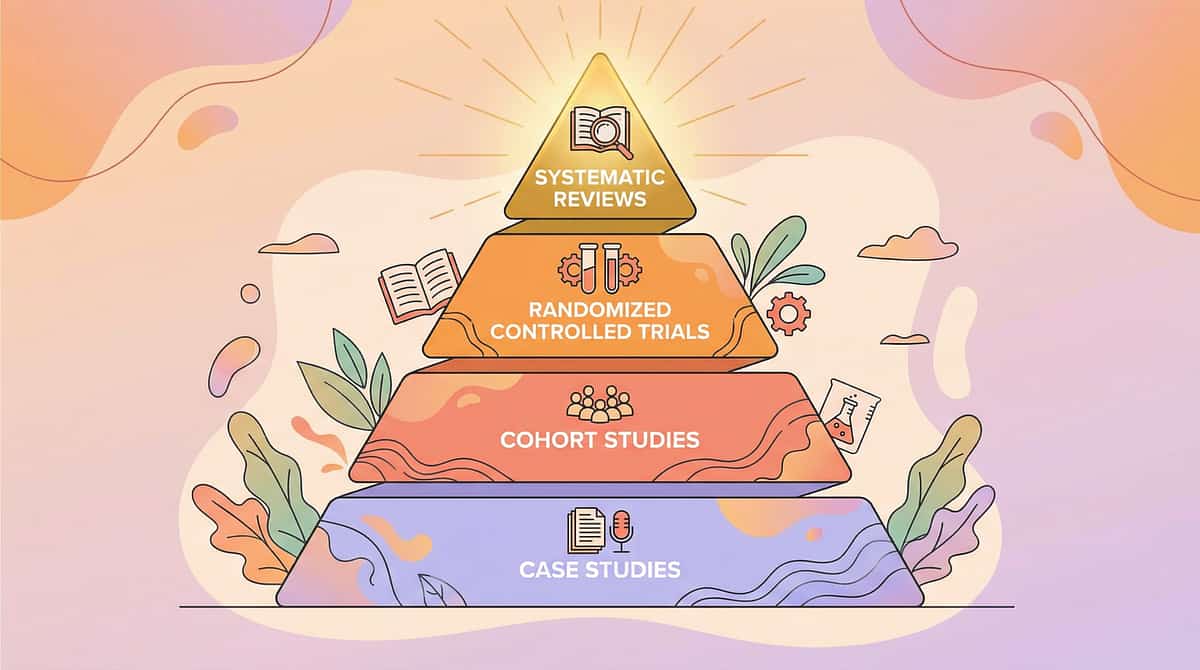
⭐ LEVEL I — Systematic Review + RCT Evidence
NCAEP 2020
Naturalistic developmental behavioural interventions targeting receptive vocabulary (including adjective categories) classified as Evidence-Based Practice for autism by the National Clearinghouse on Autism Evidence & Practice.
PMC10955541 (2024)
Meta-analysis of 24 studies confirms language therapy effectively promotes vocabulary acquisition, semantic understanding, and descriptor comprehension in autism. (World J Clin Cases)
PMC11506176 (2024)
Systematic review of 16 articles confirms structured language intervention meets EBP criteria with significant effect sizes for receptive language gains. (Children, 2024)
Padmanabha et al. (2019)
Indian RCT: home-based language interventions by trained parents demonstrated significant outcomes. DOI: 10.1007/s12098-018-2747-4 (Indian Journal of Pediatrics)
📞9100 181 181 — FREE Assessment Guidance
ACT II — THE KNOWLEDGE TRANSFER
Adjective Understanding Intervention
"The Descriptor Builder" | "Making Words Paint Pictures"
What It Is
A structured SLP-led, parent-implemented technique that systematically builds a child's ability to comprehend and use descriptive words — including physical attributes (size, colour, shape, texture), sensory properties (temperature, weight), comparative forms (-er/-est), and multi-adjective combinations — through multi-sensory, hands-on activities that ground abstract word meanings in direct experience.
Technique Details
🏷️Domain: Language & Communication (Domain B)
🏷️Code: B-170
🏷️Age Range: 2–10 years
🏷️Session Duration: 10–20 minutes
🏷️Frequency: 3–5× per week
🏷️Setting: Home, School & Therapy
🏷️Code: B-170
🏷️Age Range: 2–10 years
🏷️Session Duration: 10–20 minutes
🏷️Frequency: 3–5× per week
🏷️Setting: Home, School & Therapy
Before: Your child hears "big red ball" and gets stuck. After: They hear "the small blue fuzzy ball" and reach for exactly the right one — every time.

A Technique That Crosses Therapy Boundaries
"This technique crosses therapy boundaries because language doesn't organise by therapy type." Language is woven through everything — and so this approach brings together four disciplines united around one goal: precise, confident communication.
Speech-Language Pathologist (PRIMARY LEAD)
Designs the adjective curriculum sequence. Assesses current descriptor vocabulary. Targets receptive comprehension first, expressive use second. Uses structured elicitation and barrier games.
Occupational Therapist
Integrates sensory attributes into adjective learning — touching "soft" while saying it, holding "heavy" while labelling it. Ensures sensory processing doesn't interfere with tactile adjective learning.
BCBA / ABA Therapist
Applies discrete trial training and naturalistic language teaching for adjective acquisition. Designs reinforcement schedules around successful adjective identification. Uses errorless learning for multi-adjective directions.
Special Educator
Embeds adjective instruction into literacy, numerals, and science vocabulary. Connects descriptive language to classroom activities and academic language demands.
🏅 Validated by Pinnacle Blooms Consortium — All 5 Disciplines
📞9100 181 181 — FREE Assessment Guidance
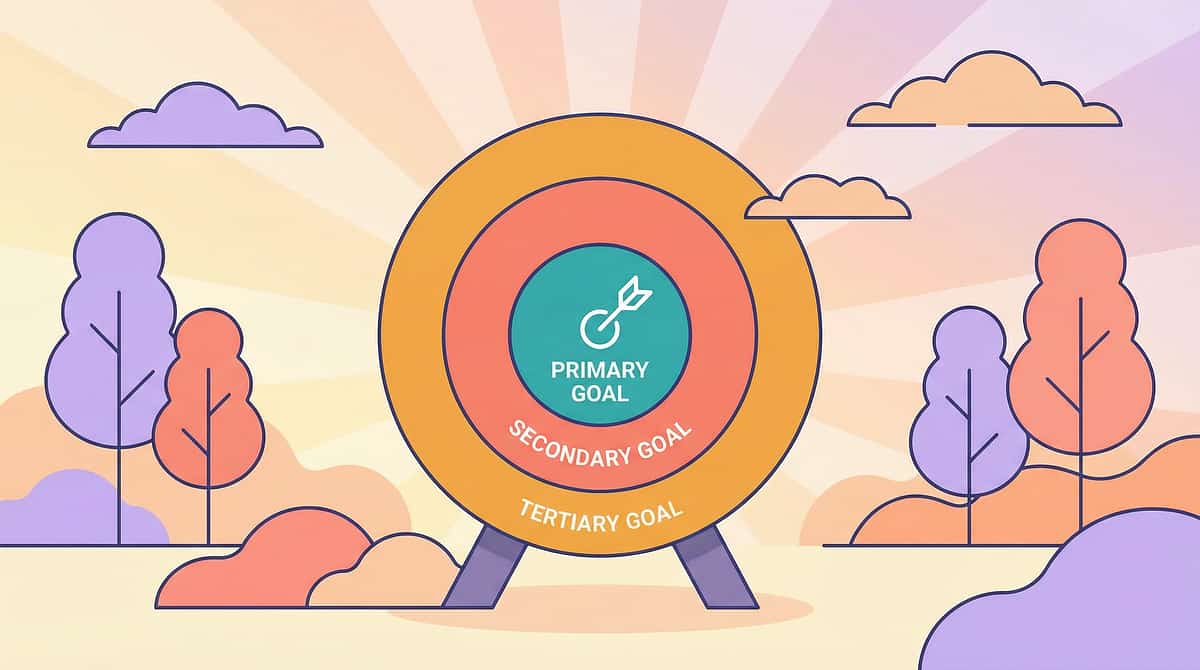
Precision Targets — What Adjective Intervention Is Actually Building
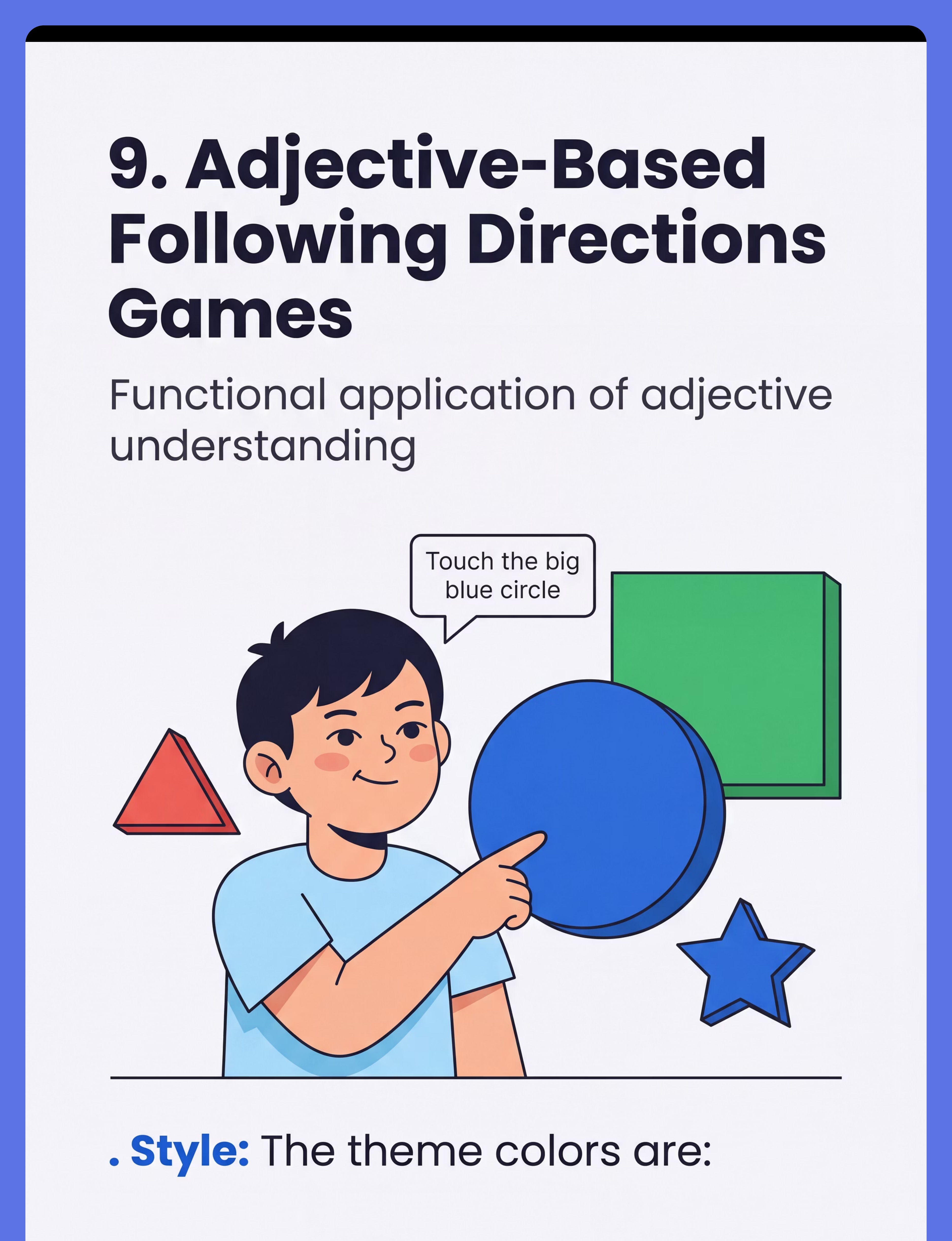
From the observable moment a child correctly touches the "big red circle" from four distractors, through to the long-term gains in academic language, social communication, and narrative ability — every level of this target hierarchy is measurable, trackable, and achievable. Citation: PMC10955541 — Meta-analysis confirms language therapy targets social communication, adaptive behaviour, and academic language simultaneously.
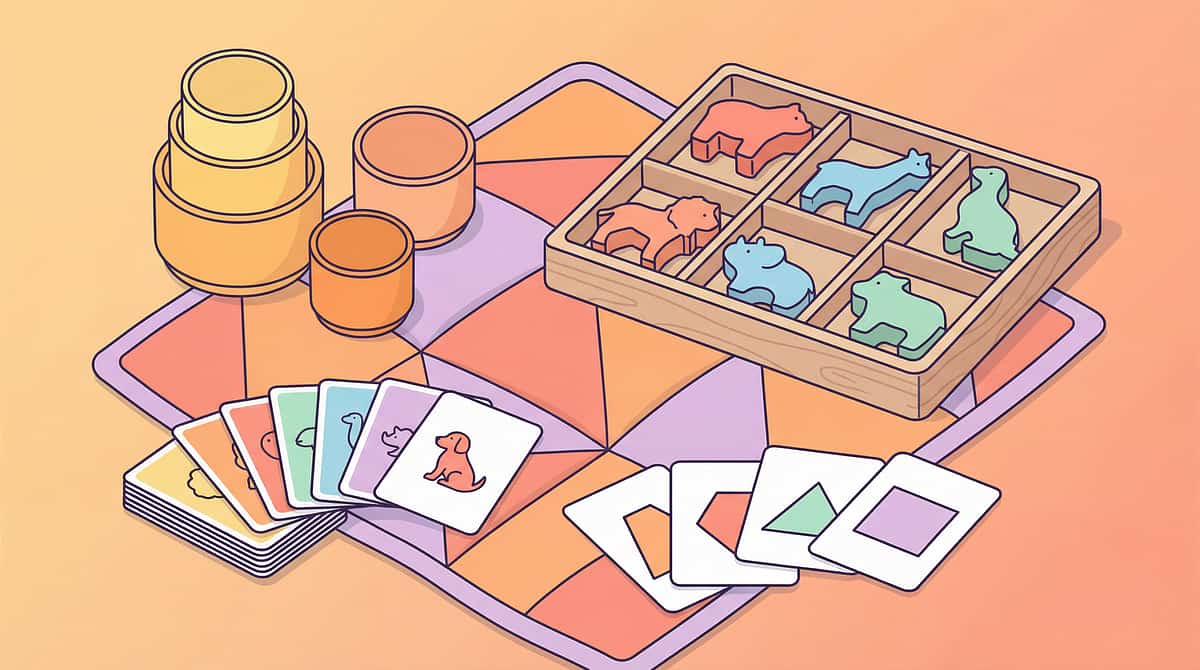
9 Clinical Materials That Build Descriptive Language Power
Every material below has a research basis and a zero-cost DIY alternative. Start with whatever you have available — the brain responds to the structured experience, not the price tag.
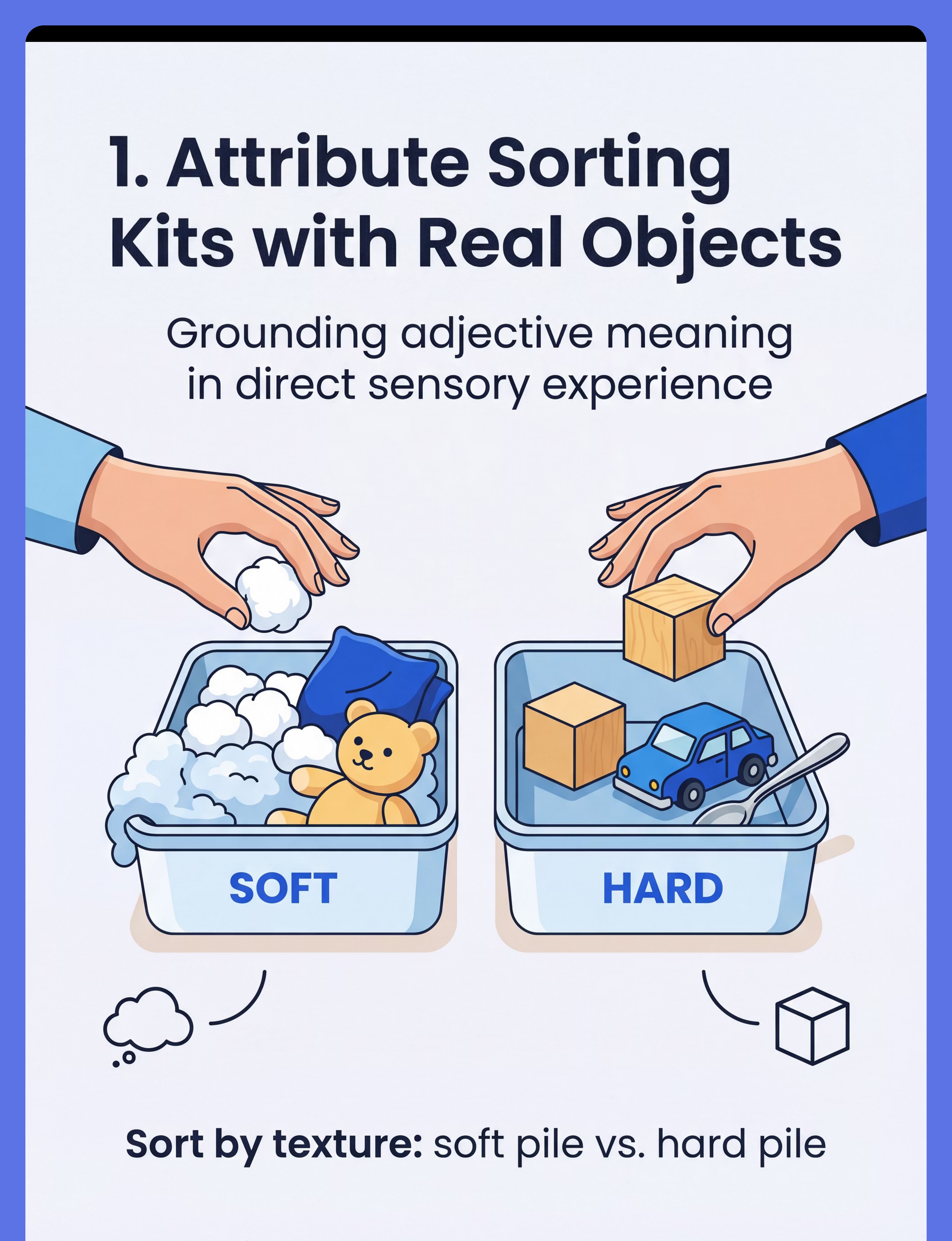
1️⃣ Attribute Sorting Kits
Grounding adjective meaning in direct sensory experience. Sort real objects by one attribute at a time — all soft here, all hard there. Touch the difference while learning the word.
💰 ₹628 | Lattooland Rainbow Sorting Set
DIY: ₹0 — cotton vs. wooden block, feather vs. spoon
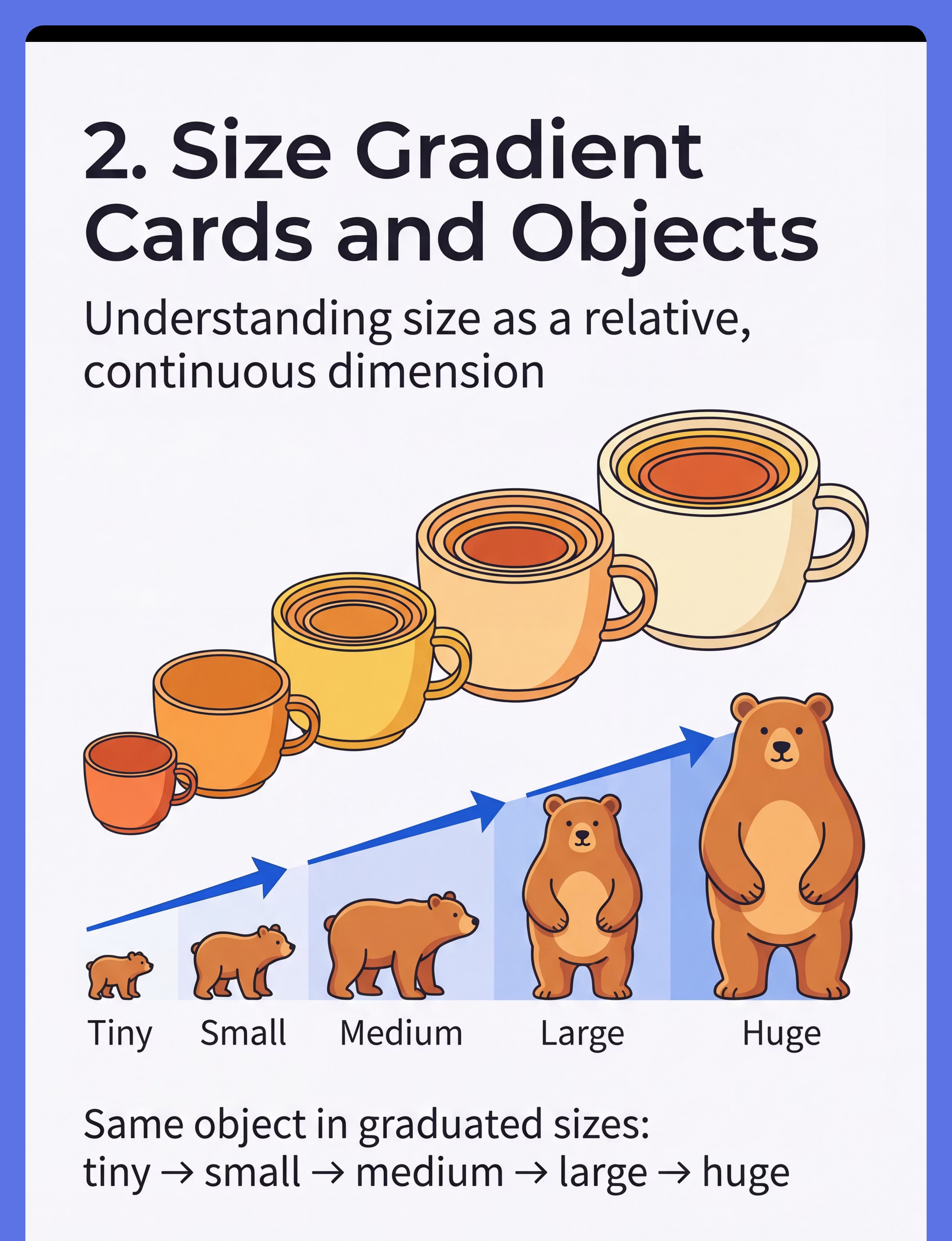
2️⃣ Size Gradient Cards and Objects
Understanding size as relative, not just two extremes. Nesting cups, graduated bear families, tiered circles — showing tiny→small→medium→large→huge as a continuum.
💰 ₹300–1,200 | Nesting cups or printed circles
DIY: ₹0 — stack pots/containers from kitchen
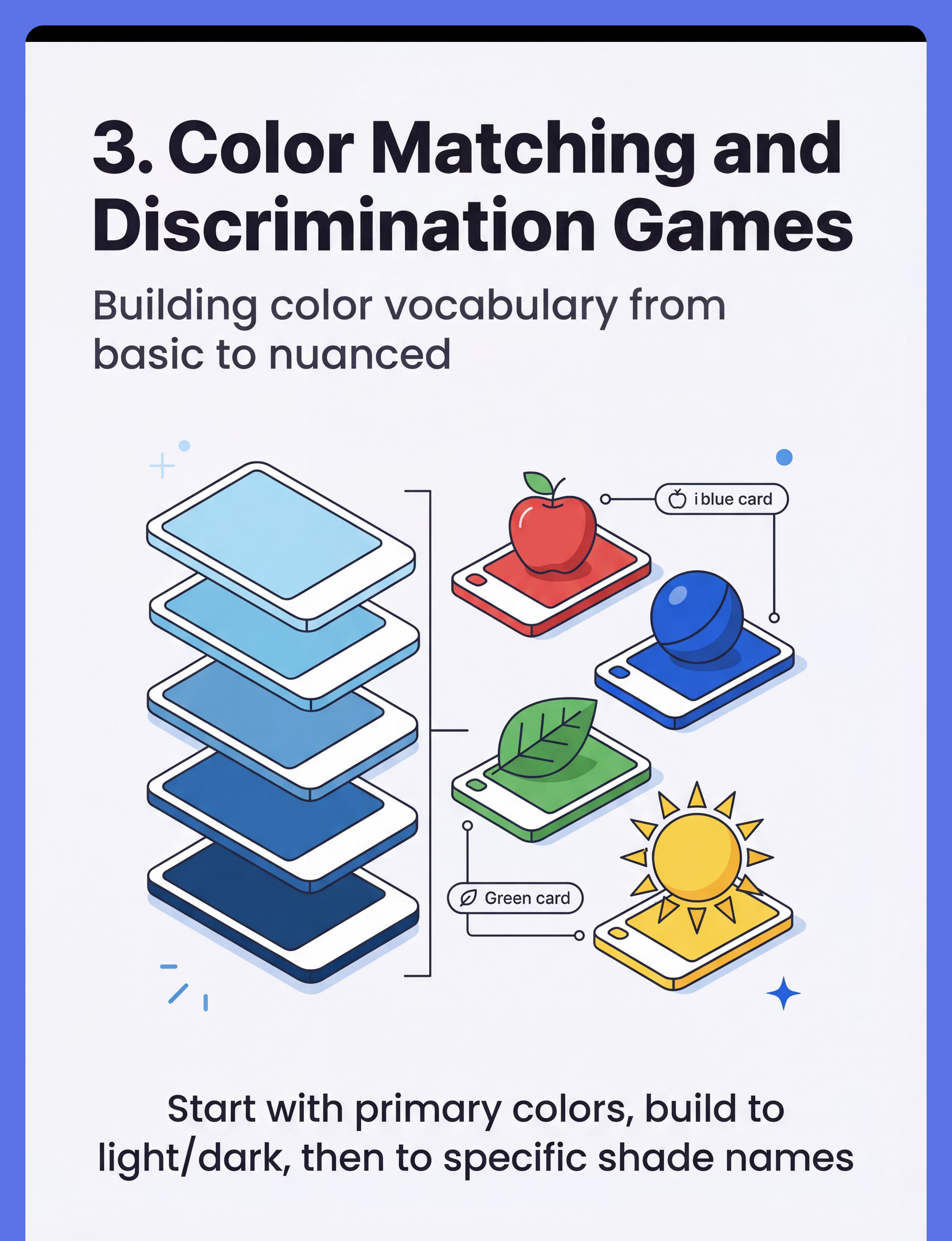
3️⃣ Colour Matching and Discrimination Games
Building nuanced colour vocabulary from basic to refined. Beyond red, blue, green — light blue vs. dark blue vs. navy blue. Paint chip cards free from any hardware store.
💰 ₹519 | Dyomnizy Educational Memory & Matching Game
DIY: ₹0 — free paint chips + household objects
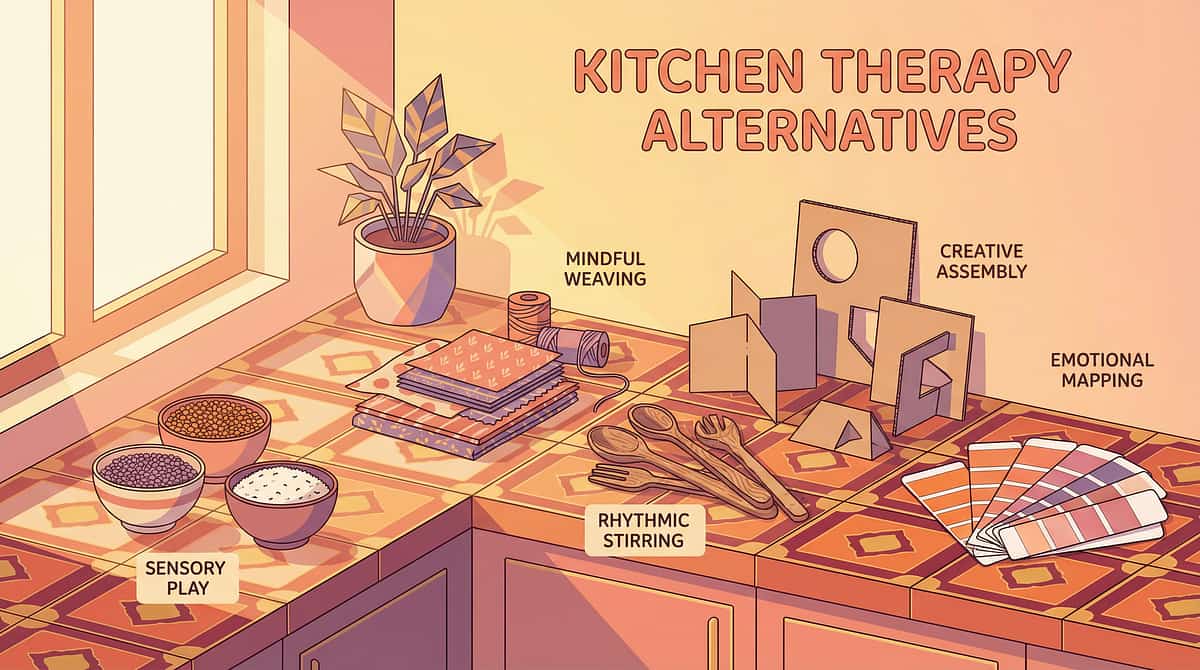
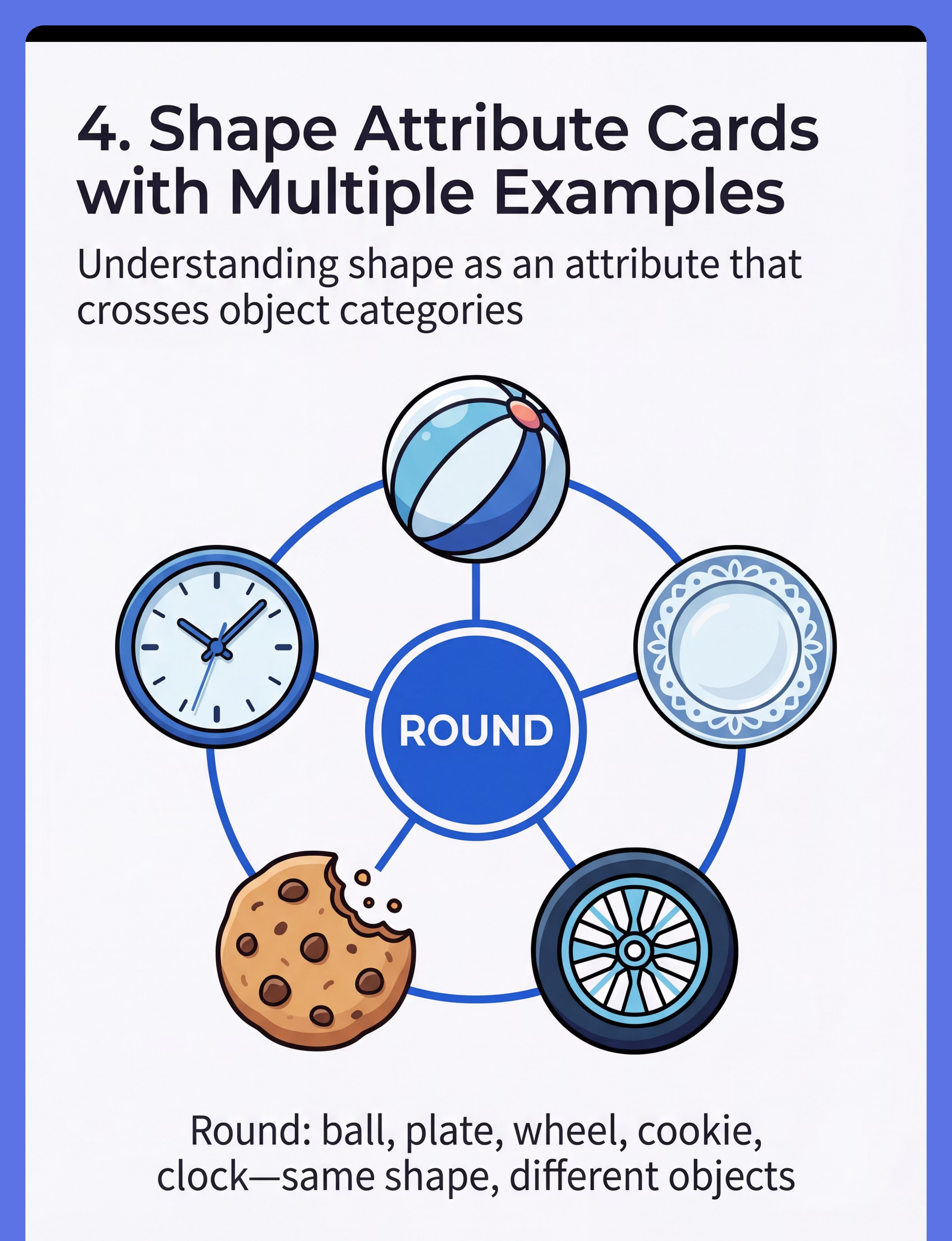
4️⃣ Shape Attribute Cards
Shape as a flexible descriptor crossing object categories. Round: ball, plate, wheel, cookie, clock — same property, completely different objects. Breaking the noun-shape fusion.
💰 ₹250–900 | DIY: photograph household objects by shape
DIY: ₹0 — photo search + print
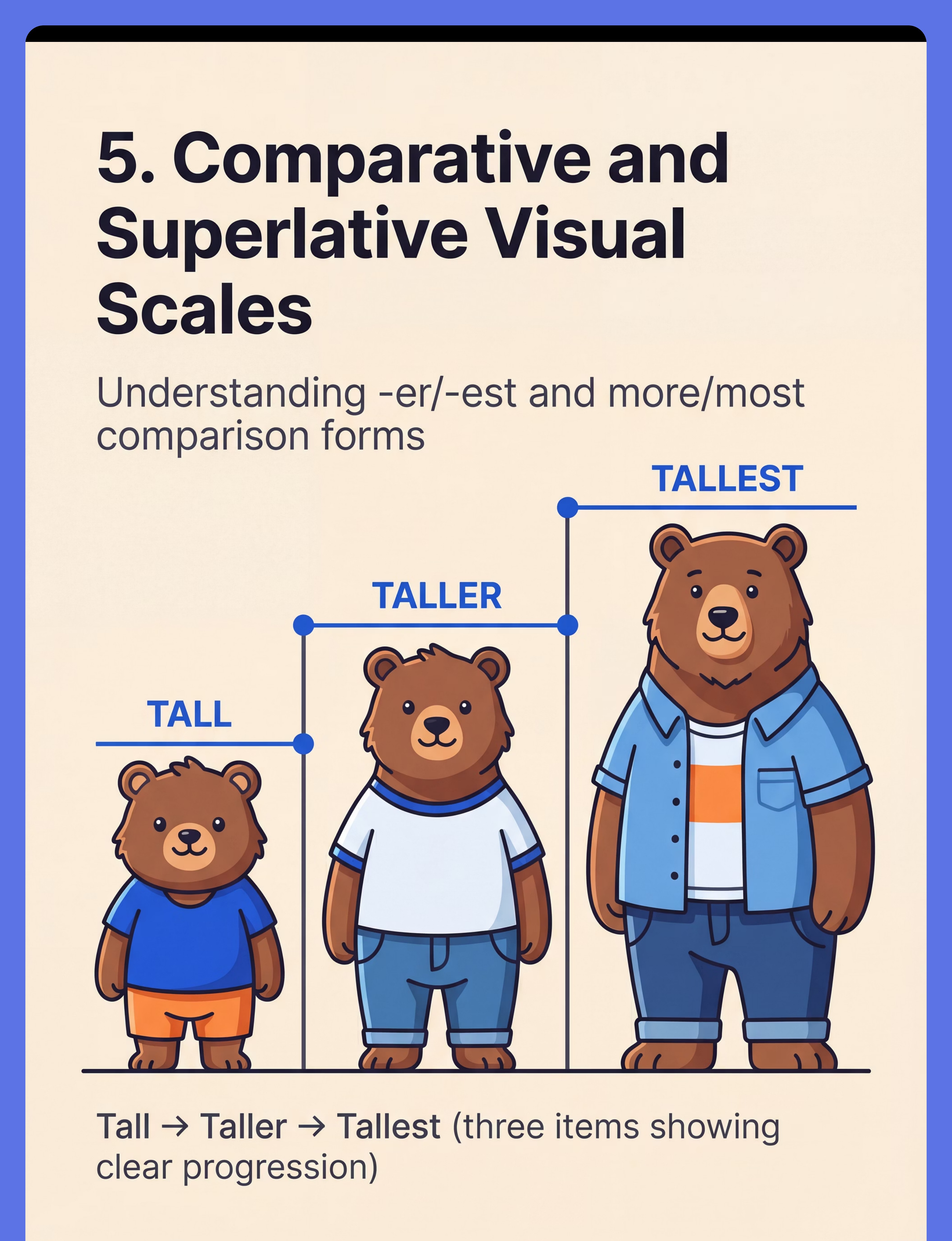
5️⃣ Comparative and Superlative Visual Scales
Building the grammar of comparison: -er/-est. Three bears: tall → taller → tallest. Visual progressions that make comparative grammar visible before it becomes verbal.
💰 ₹300–1,000 | 3 same objects of different sizes
DIY: ₹0 — 3 stuffed animals, 3 bottles, 3 books
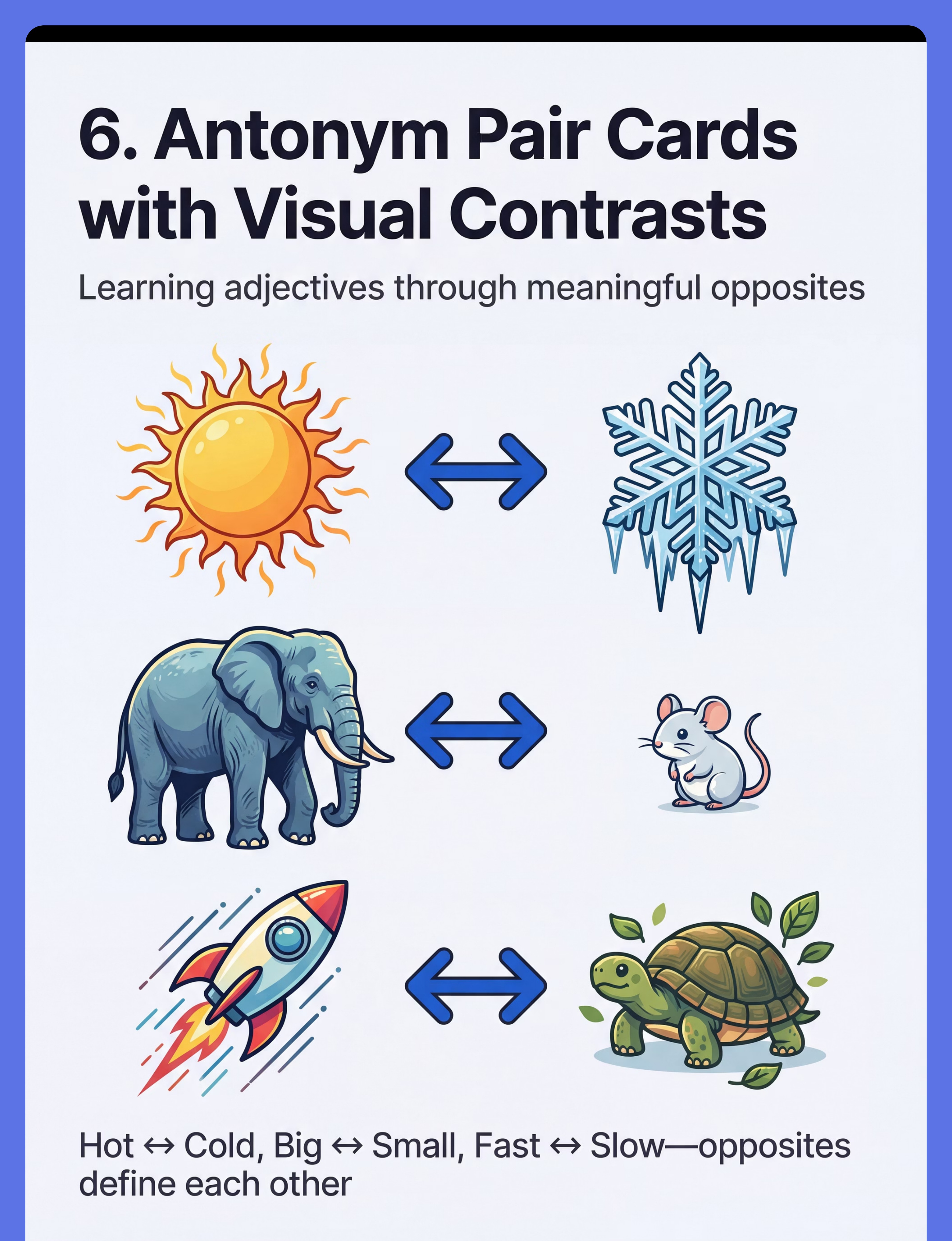
6️⃣ Antonym Pair Cards with Visual Contrasts
Learning adjectives through meaningful opposites. Hot ↔ Cold. Big ↔ Small. Fast ↔ Slow. Each word defines its partner — anchoring abstract descriptors in vivid contrast.
💰 ₹200–700 | DIY: magazine cutouts, hand-drawn contrast pairs
DIY: ₹0 — draw or print paired contrast cards
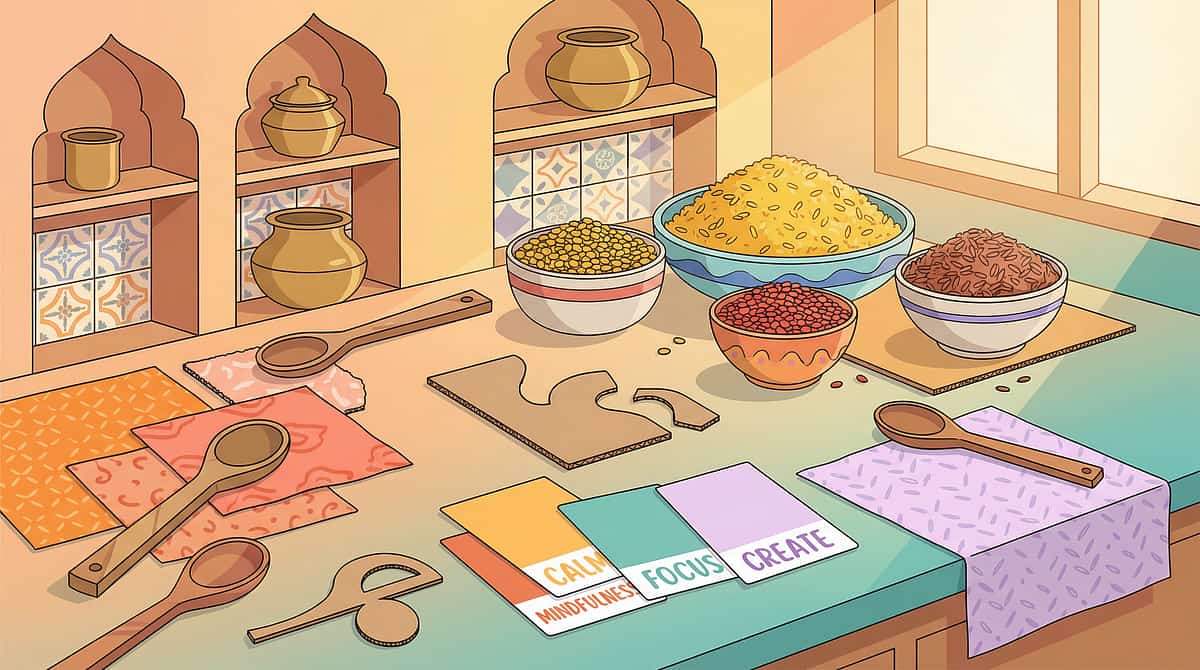
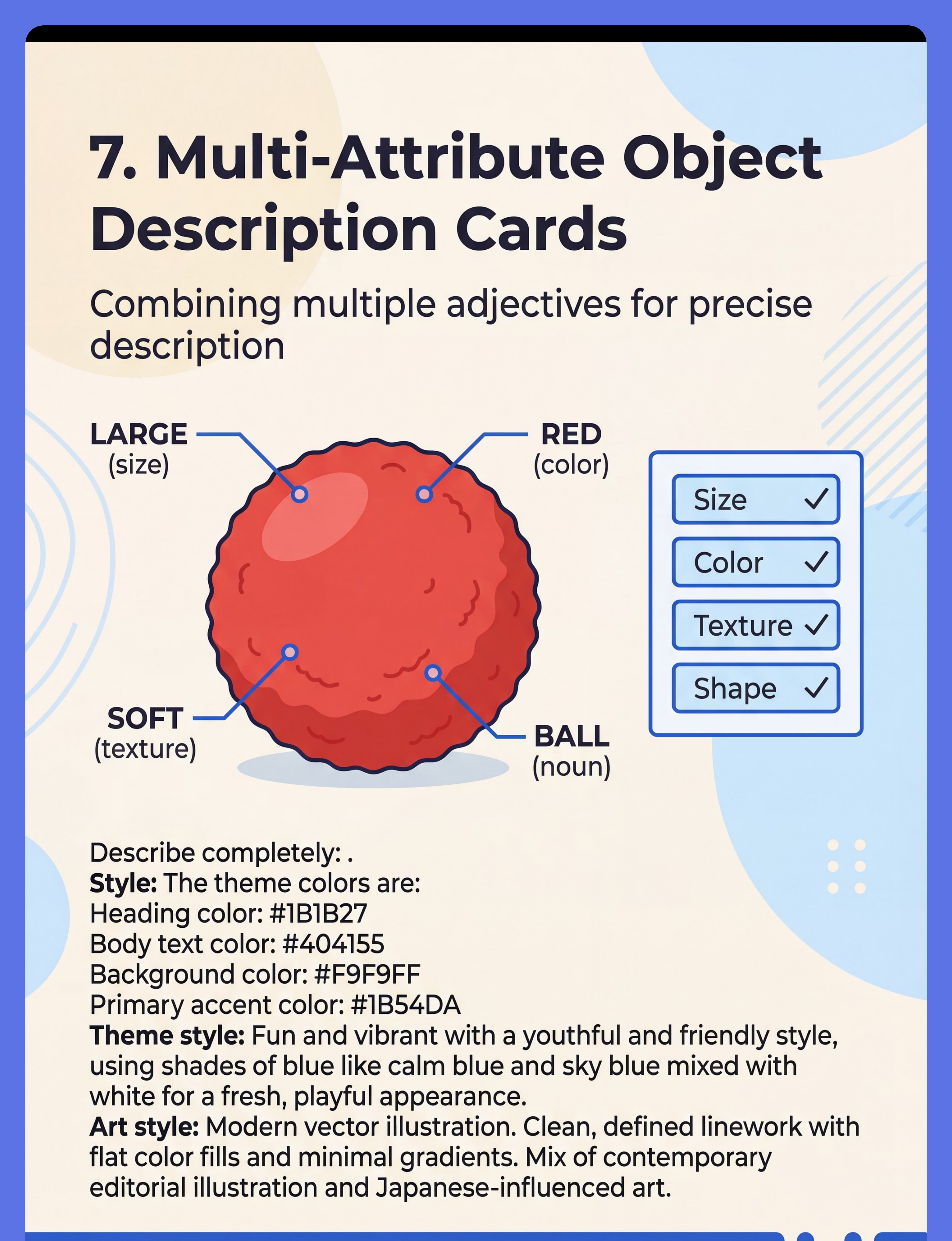
7️⃣ Multi-Attribute Object Description Cards
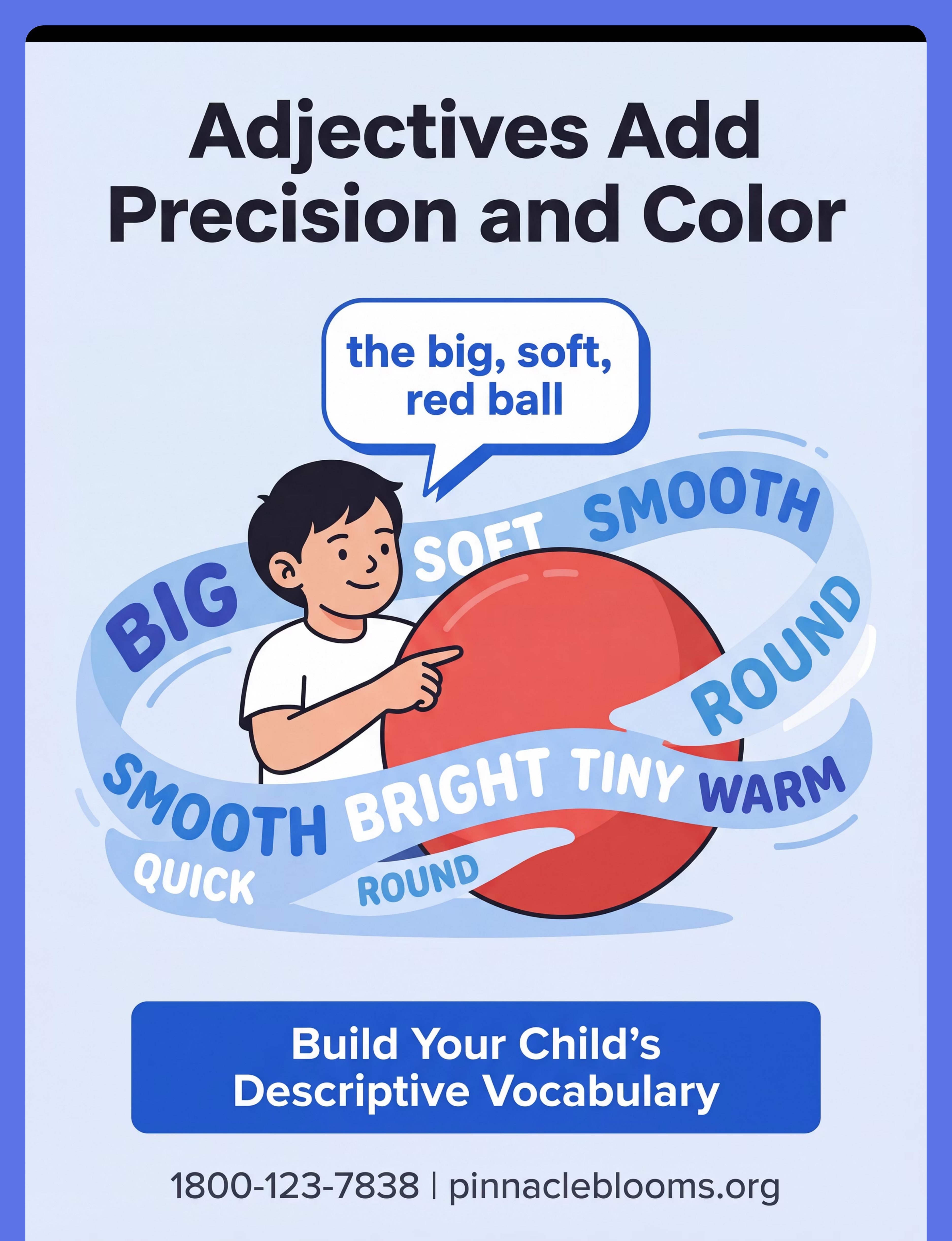
Combining multiple adjectives for precise description. Objects that demand multi-word descriptions: "the big, red, soft ball." Building the skill that turns vague into exact.
💰 ₹305 | Brainy Bug Flashcards with Audio Feature
DIY: ₹0 — gather 6 objects with obvious contrasting attributes
8️⃣ Category-Relative Adjective Teaching Sets
Understanding "big for a..." — the most advanced adjective concept. A BIG ant. A SMALL elephant. Which is actually bigger? Teaching the flexibility that makes adjectives powerful.
💰 ₹300–900 | Toy animal sets of varied sizes
DIY: ₹0 — toy animals from home + comparison discussion
9️⃣ Adjective-Based Direction-Following Games
Functional application — where adjective learning becomes communication power. "Touch the big blue circle!" Game-format activities that make adjective comprehension immediately functional and motivating.
💰 ₹250–900 | Print game boards with varied attribute arrays
DIY: ₹0 — draw 9 shapes on paper varying in size, colour, shape
Total estimated investment: ₹2,250–8,700 for comprehensive kit. Essential starters: Sorting Kit + Size Gradient + Antonym Pairs — can begin for ₹0 with DIY. All 9 materials clinically validated across Pinnacle's 70+ centres. 📞 9100 181 181
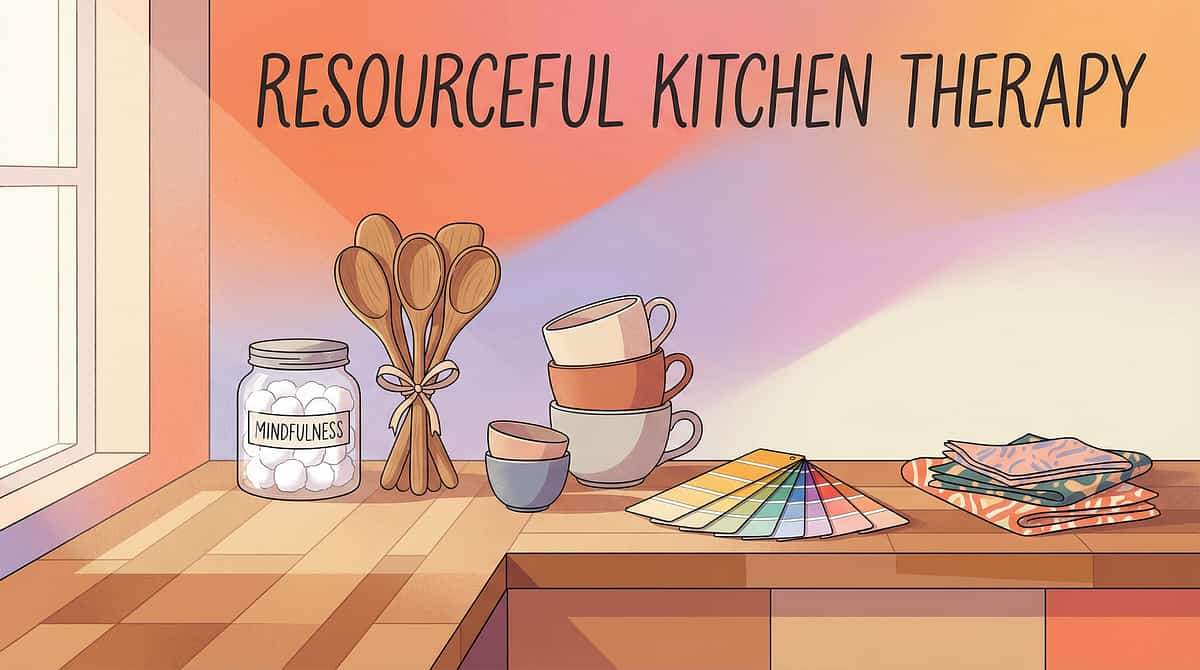
Every Material Has a Zero-Cost Version
WHO/UNICEF Equity Principle: The therapeutic principle matters, not the price tag. Every family, everywhere, deserves access.
Material | Commercial (₹) | DIY (₹0) | Why it still works | |
Attribute Sorting Kit | ₹628 | Cotton ball, wooden spoon, stone | Same sensory contrast, same attribute extraction | |
Size Gradient | ₹300–1,200 | Kitchen cups/bowls stacked | Relative size principle is identical | |
Colour Matching | ₹519 | Free paint chips from hardware store | Same hue discrimination task | |
Shape Cards | ₹250–900 | Photograph + print household shapes | Same cross-category shape generalisation | |
Comparative Scales | ₹300–1,000 | 3 stuffed animals / 3 bottles | Tall→taller→tallest works with anything | |
Antonym Pairs | ₹200–700 | Magazine cutouts + hand drawings | Visual contrast is the mechanism | |
Multi-Attribute Cards | ₹305 | 6 household objects with distinct attributes | Same multi-descriptor practice | |
Relative Adjective Sets | ₹300–900 | Toy animals from home | Category contrast is the key | |
Direction Games | ₹250–900 | Draw 9 shapes on paper | Adjective discrimination is the goal |
Pro tip from the Consortium: Begin today with your kitchen, living room, and a piece of paper. The brain doesn't know whether the learning object costs ₹1,000 or ₹0. It responds to the structured experience.
Safety First — Read Before Every Session
🔴 DO NOT PROCEED if:
- Child is in a highly dysregulated state (post-meltdown, extreme distress)
- Child is ill, feverish, or has significant sleep deprivation
- Child shows extreme tactile hypersensitivity to sorting materials — consult OT first
- Child has recent visual processing assessment concerns — verify colour vision before colour tasks
🟡 MODIFY if:
- Child is mildly tired — shorten to 5 minutes, use 2–3 materials
- Child shows resistance to sorting/touching — use verbal-only adjective activities first
- Child has limited attention today — use the direction-following game only (most motivating format)
- First session — start with ONE adjective category only (size OR colour, not both)
🟢 PROCEED when:
- Child has eaten within 2 hours
- Child is calm and alert
- Materials are prepared and within reach
- Distractions are minimised
- You have 10–20 uninterrupted minutes
🛑 STOP immediately if:
- Child shows signs of frustration, distress, or shutdown
- Child is engaging in self-injurious behaviour
- Repeated failures without progress across 10+ minutes
- Unusual difficulty that wasn't present before — document and consult SLP
📞9100 181 181 — Available 24×7 for guidance

Session Setup — Done Right in 3 Minutes
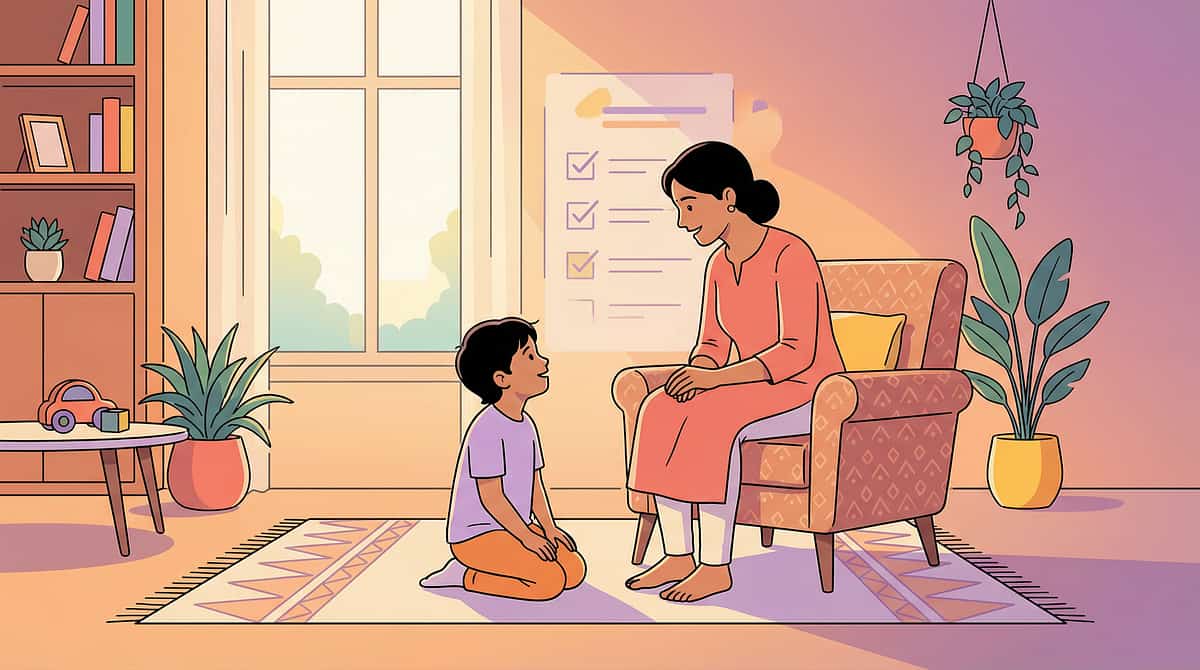
Room Layout
- Child seated at low table or on floor mat, facing parent
- Parent at same level — eye-level contact is critical (NOT standing above)
- Materials arranged in a semicircle in front of child (within reach, not overwhelming)
- One active material in play at a time; others face-down or in a bag
- Visual timer visible to child on table edge
Remove from Space
- ❌ Screens/tablets (unless used as a timer)
- ❌ Unrelated toys within reach
- ❌ Background TV or music (unless child uses music for regulation)
- ❌ Clutter that adds visual distraction
Lighting: Natural or warm light preferred. Sound: Quiet preferred. Temperature: Comfortable room temperature.
Quick Setup Checklist
- ☐ Materials selected and organised
- ☐ Visual timer ready
- ☐ Child's preferred reinforcement available
- ☐ Data tracking sheet/app ready
- ☐ Space cleared of distractions
- ☐ You are calm and ready
"The space teaches before the session begins."
Citation: PMC10955541 — Meta-analysis confirms structured 1:1 environments maximise language intervention effectiveness
ACT III — THE EXECUTION
Is Your Child Ready? — 60-Second Pre-Flight Check
Check | ✅ Green | ⚠️ Amber | 🔴 Red | |
Child's state | Calm, alert | Slightly restless | Dysregulated | |
Last meal | Within 2 hours | 3 hours ago | 4+ hours or hungry | |
Sleep | Well-rested | Slightly tired | Significantly sleep-deprived | |
Recent distress | No meltdown today | Mild frustration 1h ago | Meltdown in last 2 hours | |
Engagement | Making eye contact | Distracted but responsive | Completely avoidant | |
Sensory state | Regulated | Slightly heightened | Overwhelmed |
✅ All GREEN
GO — Full session (15–20 min)
⚠️ 1–2 AMBER
MODIFY — Shorten to 8–10 min, use favourite game format only
🔴 Any RED
POSTPONE — Offer preferred calming activity instead
"The best session is one that starts right. A 5-minute successful session outweighs a 20-minute forced one."
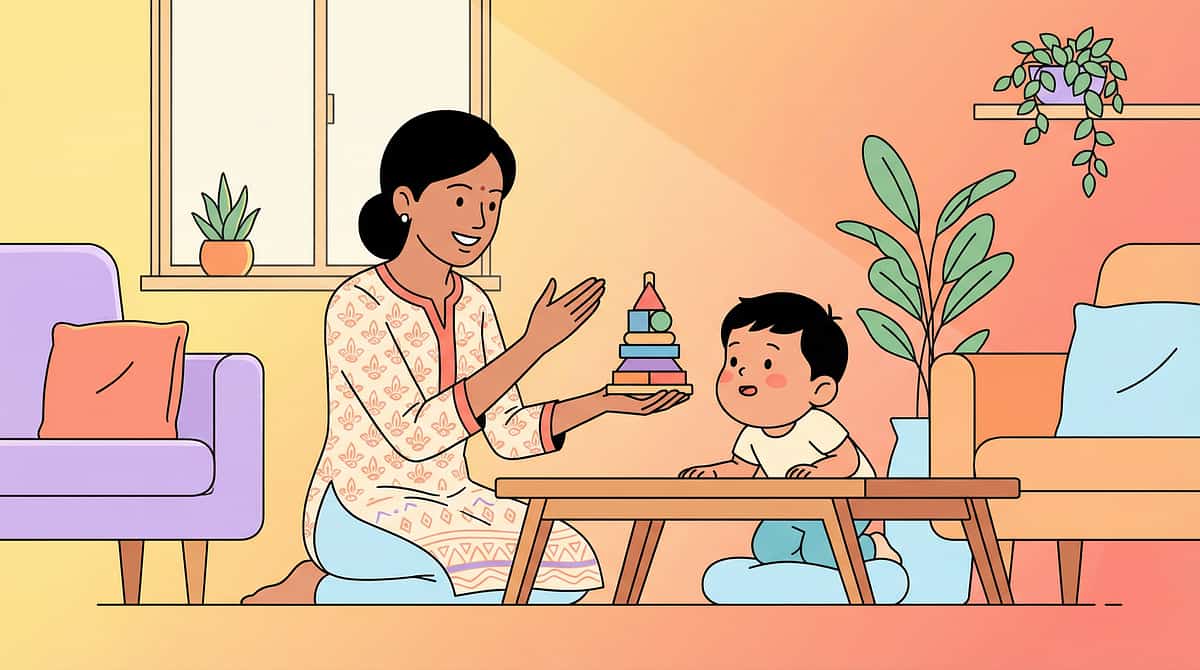
Step 1 of 6 — The Invitation
ABA Pairing + OT Just-Right Challenge
What to Say
"Hey [name], look what I have! [hold up one interesting sorting object or game piece] Want to play with me?"
OR: "It's our special game time! Look, I've got something fun."
Parent Body Language
- Get to child's eye level (sit on floor or pull chair to their level)
- Calm, warm, animated expression
- Hold material out as an offering, not a demand
- Leave 5–10 seconds of silent waiting after the invitation
What Acceptance Looks Like
- Child reaches for material or looks at it
- Body orients toward you
- Eye contact, even briefly
- Vocalises or approaches
What Resistance Looks Like + How to Respond
- Child ignores → Wait 5 more seconds, then try a different material
- Child moves away → Follow gently, offer from a distance
- Child protests → Acknowledge ("Okay, not right now") and try a playful approach: build something yourself until curiosity is ignited
Timing: 30–90 seconds
Step 2 of 6 — The Engagement
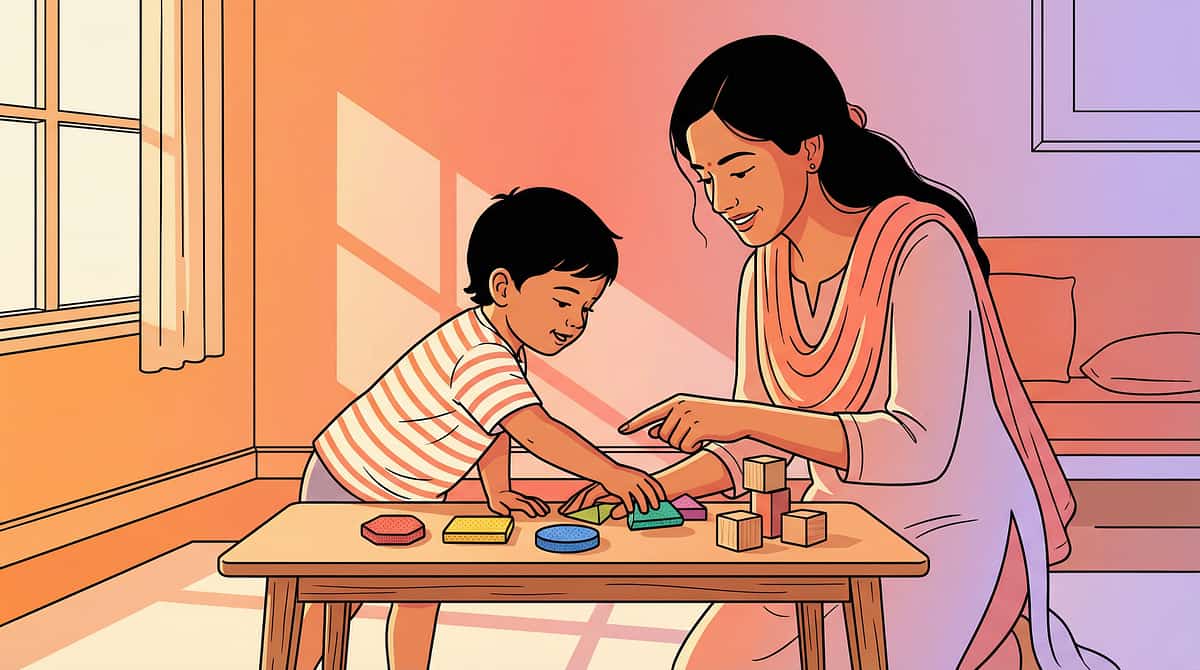
Child is now participating. Introduce the first adjective category — ONE type only.
Start With: Attribute Sorting (Easiest Entry)
- Place 4–6 objects: 2 soft + 2 hard
- Touch each yourself, say the adjective while touching: "Oh, this is SO soft. Feel it."
- Invite child: "Your turn — which ones feel soft?"
- Model the sort: soft pile / hard pile
How to Present
- Place objects at medium distance — child must reach slightly (increases engagement)
- Present one at a time if overwhelmed by array
- Slow, clear speech with emphasis on the adjective: "SOoooft"
Child Response Indicators
🟢Engagement: picks up object, sorts it, looks for confirmation
🟡Tolerance: watches, lets you do it, allows hand-over-hand
🔴Avoidance: pushes away, looks away → reduce to verbal-only ("which is soft, the cotton or the spoon?")
After First Correct Response
→ Warm, immediate praise
Timing: 1–3 minutes
Citation: PMC11506176 — Structured material introduction with explicit adjective labelling
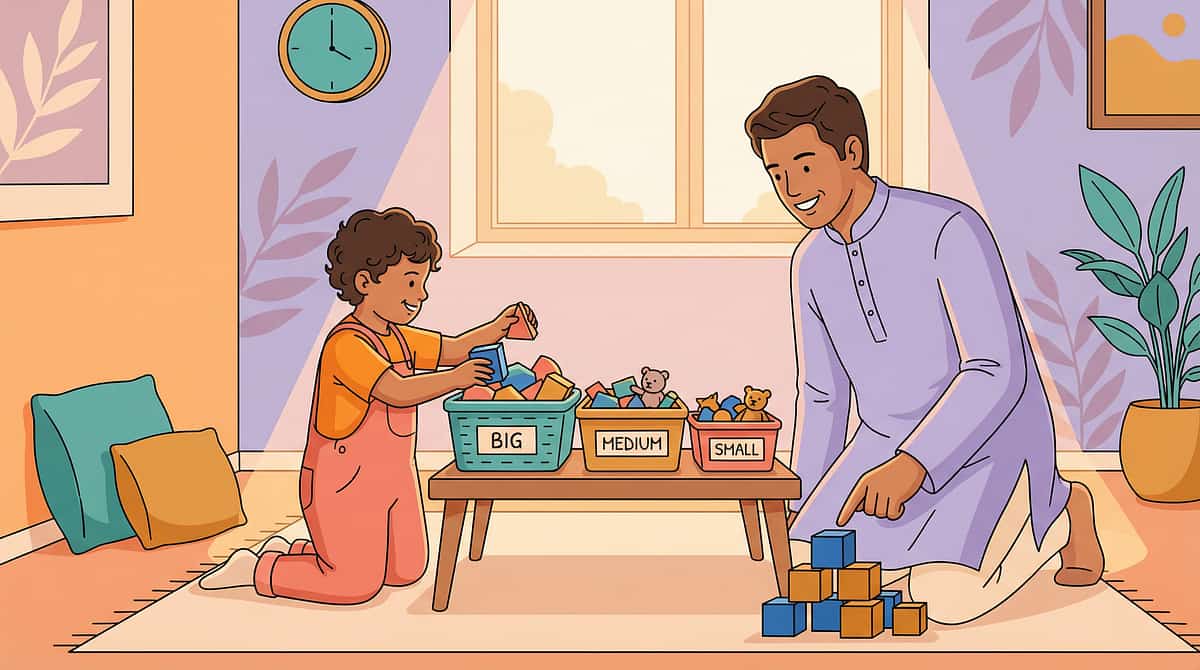
Step 3 of 6 — The Therapeutic Action
The Core Technique: Attribute Extraction + Language Pairing
The active ingredient of this intervention is the systematic pairing of physical sensory experience with precise adjective vocabulary — repeated across varied objects and contexts until the descriptor generalises.
1
LEVEL 1 — Single Adjective (Beginning)
Present 2 objects with ONE contrasting attribute (big ball vs. small ball). Name and contrast: "This one is BIG. This one is small." Request: "Give me the BIG one." Confirm: "Yes! The BIG ball." Repeat with 3 different object pairs using same adjective.
2
LEVEL 2 — Two Adjectives (Intermediate)
4 objects varying in 2 attributes (size + colour). Model: "The big RED circle" — touch object while labelling. Request: "Find the big red circle." → wait → confirm. Increase to: "Now find the small blue circle."
3
LEVEL 3 — Multi-Adjective (Advanced)
Array of 6+ objects varying in 3 attributes (size + colour + shape). Build descriptions: "I'm thinking of something... it's big... and red... and round." Child selects matching object. Reverse: child describes, parent selects.
Common execution errors:❌ Naming only without requesting — BOTH are needed. ❌ Too many adjectives too soon. ❌ Correcting errors with frustration — use errorless learning: guide hand to correct choice while saying adjective again. Timing: 5–12 minutes (core action). Citation: PMC10955541
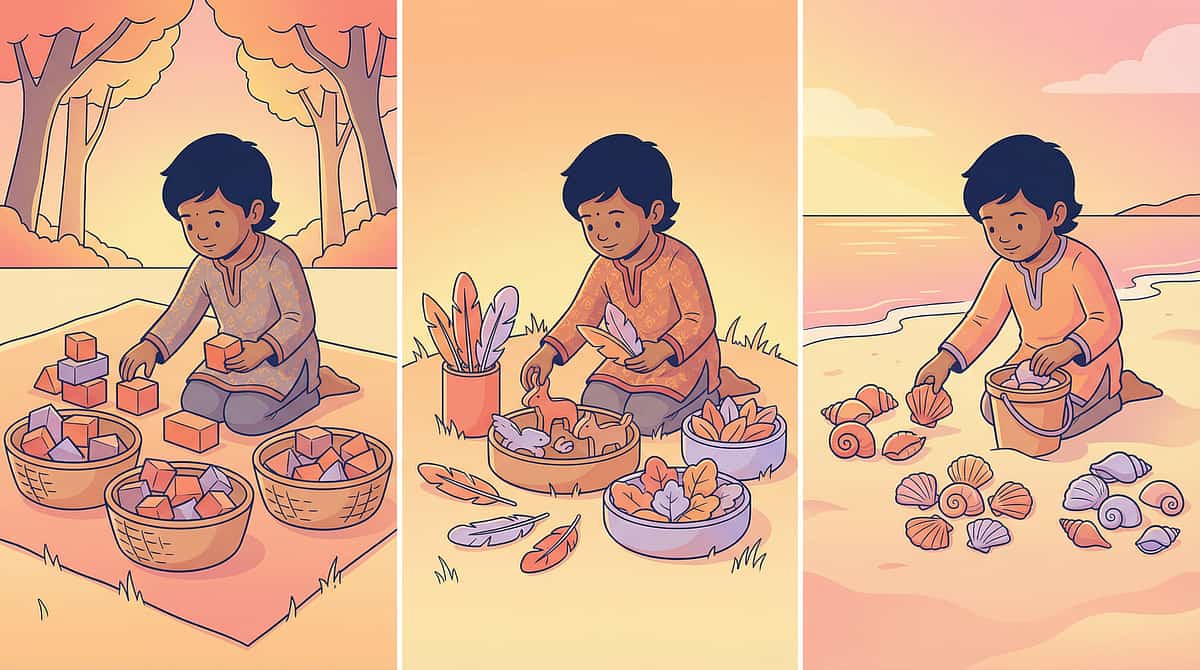
Step 4 of 6 — Repeat & Vary
Dosage Principle: 3 high-quality, engaged repetitions build more neural pathway than 10 forced, distressed ones.
Target Repetitions Per Session
- Level 1: 8–12 repetitions of target adjective
- Level 2: 5–8 repetitions per adjective combination
- Level 3: 3–5 repetitions of multi-adjective sequences
Variation Options (to maintain engagement)
- Rotate material type — sorting → matching → direction game
- Rotate adjective category — size → colour → texture (if child is ready)
- Change objects — same adjective, new objects (generalisation is the goal)
- Change role — child gives the directions, parent follows
- Add real-world application — "Go get the SMALL cup from the shelf"
Satiation Indicators
When your child has had enough of this activity, you'll see:
- Increased distraction
- Decreased response accuracy (despite earlier success)
- Physical restlessness increases
- Child spontaneously moves toward other materials
"When you see satiation → rotate, don't push."
"3 good reps > 10 forced reps. Always."
📞9100 181 181

Step 5 of 6 — Reinforce & Celebrate
Immediate, specific, enthusiastic feedback within 3 seconds of the correct response multiplies learning speed by 3–5× compared to delayed or vague praise.
🌟 Verbal + Enthusiastic
"YES! The BIG ball — you got it exactly right!"
🏆 Label + Praise
"Perfect! Big ball! You're a descriptor expert!"
🤝 Social Reinforcement
High five / fist bump immediately after correct response
🎯 Token Economy
Token on a chart (if child uses token economy system)
What to Reinforce
- Correct identification → Full praise
- Correct attempt with error → "Almost! The BIG one — this one." (partial + redirect)
- Attempt without correct answer → "Good trying! This is the big one — can you say 'big'?"
- Celebrate the ATTEMPT, not just the success.
"The brain learns what it celebrates. Make the right answer feel like the best moment."
Citation: ABA Reinforcement Literature | BACB Ethical Guidelines | Token Economy systematic reviews

Step 6 of 6 — The Cool-Down
Sessions that end abruptly create resistance to the next session. The cool-down teaches the child that ending is safe, predictable, and part of the routine.
Transition Warning (2 minutes before ending)
"Two more — we're almost done!"
"One more big one and then we're all done!"
"Last one — you pick which object!"
Cool-Down Activity (1–2 minutes)
- Child puts materials away (builds routine)
- OR: free play with one preferred object while you transition
- OR: one "just for fun" sort with no demands
Transition Phrase
"All done! Great adjective practice today. [Name one thing they did well.]"
If Child Resists Ending
- Honour the "one more" request once
- Use visual timer — "When the timer shows zero, we're done"
- Pre-announce the next activity: "After cleanup, we have [preferred activity]"
Post-Session
- Data capture within 60 seconds (→ next card)
- Brief parent self-reflection: What worked? What needs adjustment?
Citation: NCAEP (2020) — Visual supports and transition cues as Evidence-Based Practices for autism

60 Seconds of Data = Months of Progress Visibility
Capture the Data — Right Now
1
Date + Adjective Category Practiced
Example: "March 5 — Size + Colour"
2
Accuracy Score (Quick Tally)
Total trials: ___ | Correct responses: ___ | Accuracy %: ___
Example: "8 trials, 6 correct = 75%"
Example: "8 trials, 6 correct = 75%"
3
Notes (Optional — 10 words max)
Example: "Loved the game format. Struggled with 2-adjective directions"
Why This Data Matters
- It tells your therapist what to focus on next session
- It shows YOU the progress you can't see day-to-day
- It feeds into AbilityScore® — your child's personalised development profile
- At Pinnacle's scale, your data contributes to the 21M+ session evidence base that improves outcomes for all children
"Data captured now is the gift you give your child's future progress."
📄Adjective Tracking PDF — Free Download
📱Track in GPT-OS® — links to GPT-OS dashboard
📞9100 181 181
📱Track in GPT-OS® — links to GPT-OS dashboard
📞9100 181 181

Troubleshooting — When Things Don't Go as Planned
Common Challenges + Proven Fixes
Problem 1: Child understands single adjectives but falls apart with two at once
Fix: You moved too fast. Go back to one adjective per session for 1–2 weeks. Only add a second adjective when accuracy on single adjectives is 80%+ across 3 consecutive sessions.
Problem 2: Child memorises "big ball = this one" — not generalising
Fix: Vary the objects constantly. Never use the same 2 objects twice in a row for the same adjective pair. The adjective must transfer to new objects before moving forward.
Problem 3: Child refuses to sort or touch certain textures
Fix: Respect sensory boundaries. Consult OT first. Use visual-only or verbal-only adjective tasks for tactile-sensitive children. Size and colour don't require touching.
Problem 4: Strong on comprehension but won't SAY adjectives
Fix: Comprehension precedes production — this is developmentally correct. Keep building receptive understanding. Expressive use will follow. Don't demand production before comprehension is solid.
Problem 5: Child gets comparatives wrong ("bigger" confused with "biggest")
Fix: Use only 2-item comparisons for "bigger/smaller" first. Only add the third item (biggest/smallest) after 80% accuracy on 2-item comparisons.
Problem 6: Child loses interest after 5 minutes
Fix: 5 minutes is enough for this age range. Break into 2–3 mini-sessions per day rather than one long session. Use the direction-following game format which has highest engagement.
📞Helpline for complex issues: 9100 181 181
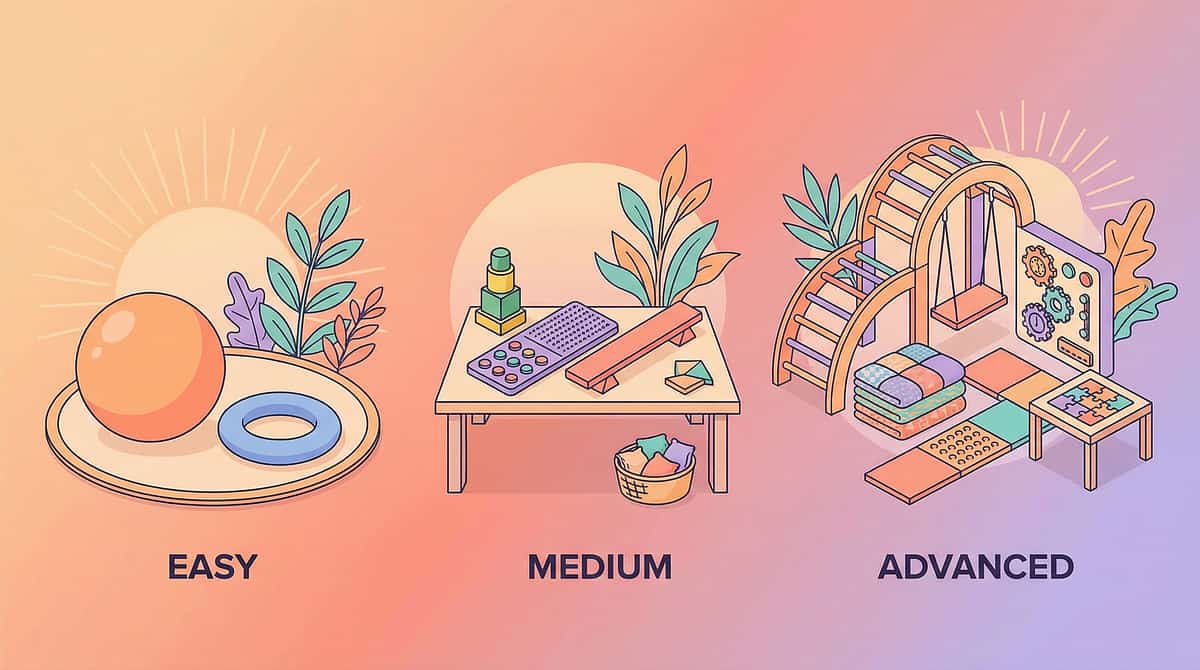
Make It Yours — Personalisation Guide
Adjust difficulty, duration, and sensory intensity to fit your child's unique profile.
⬅️ EASIER Versions
- 2 objects only (instead of 4+)
- One attribute at a time, always
- Match objects (place big ball next to big cup) before requesting
- Use identical objects differing only in target attribute
- Hand-over-hand guidance without verbal demands
Sensory Avoider Modifications
- Visual-only adjective tasks (no touching required)
- Verbal-only direction games
- Pictures of objects instead of real objects
- Gloves/tongs if direct touch is aversive
➡️ HARDER Versions
- 6+ object arrays
- Three-attribute descriptions required
- Child gives directions (parent follows)
- Real-world application: "Get the small red one from the shelf"
- Written descriptions: child reads adjective description to find object
- Category-relative adjectives: big for its type vs. small for its type
Sensory Seeker Modifications
- Use wet/dry texture sorts (tactile input-seeking)
- Heavy vs. light objects (proprioceptive engagement)
- Temperature contrasts if safe (warm vs. cool)
Ages 2–4
Size + Colour only. Real objects. 5-minute sessions.
Ages 5–7
All 9 material types. 10–15 minute sessions.
Ages 8–10
Abstract adjectives, category-relative, written descriptions. 15–20 min.

ACT IV — THE PROGRESS ARC
Weeks 1–2: The Foundation Phase
Progress: 15%
██░░░░░░░░
What You WILL See
- Child tolerates the sorting activity for longer than initial resistance
- Correct identification on familiar adjective+object combinations with high support
- Child begins to echo adjective labels after modelling ("big!" after your "this is BIG")
- Reduced resistance to the session routine
What You Will NOT See Yet (and that's okay)
- Spontaneous adjective use in conversation
- Multi-adjective direction following
- Generalisation to new objects
- Comparative forms
"Week 1–2 progress looks invisible from a distance but is significant at the neural level. If your child tolerates 3 more seconds of engagement than last week, that IS real progress."
Citations: PMC11506176 | PMC9978394
📞9100 181 181

Weeks 3–4: The Consolidation Phase
Progress: 40%
████░░░░░░
Consolidation Indicators
- Child anticipates the activity — begins reaching for materials before you set up
- Correct identification on familiar pairs with REDUCED support (needs less prompting)
- First signs of generalisation — uses learned adjective label for a NEW object
- The "big" response starts appearing in daily life — even once outside the session counts
- Child shows preference: "I want to do the sort!"
Behavioural Changes Signalling Neural Pathway Formation
- Pauses before answering (accessing the adjective-meaning connection, not guessing)
- Self-correction: starts to say one adjective then corrects to the right one
- Applies colour/size label in spontaneous communication (e.g., "want the red one" at mealtime)
When to Increase Complexity
- Accuracy 75%+ on current level across 3+ consecutive sessions → add one more adjective
- Spontaneous use of target adjective in play → begin two-adjective combination practice
"You are now a co-therapist, not just a caregiver."

Weeks 5–8: Fluency Builds, Language Unlocks
Progress: 70%
███████░░░
Fluency Indicators
- Consistent 80%+ accuracy on single-adjective identification with new objects
- Beginning multi-adjective comprehension: "the big red one" from a 4-object array
- Spontaneous adjective use in 3+ daily contexts
- First use of comparative forms ("the bigger one") without prompting
- Peer/sibling interactions using adjectives in play ("give me the small car")
Generalisation Markers
- Applies learned adjectives to objects never seen before in therapy
- Uses adjectives to request, not just identify: "I want the soft blanket"
- Beginning to reject incorrect adjective descriptions ("No, it's not big, it's small!")
Increase Challenge Now
- Introduce category-relative adjectives (big ant / small elephant)
- Begin written/drawn adjective descriptions if child is literate
- Add temporal adjectives (old/new), emotional adjectives (happy/sad face), and quantity adjectives (full/empty, many/few)
Citations: PMC11506176 | Pinnacle GPT-OS® longitudinal outcome data

Mastery Milestone — Celebrate This
✅ Single Adjective
Correctly identifies single-adjective descriptions across 10+ object types (90%+ accuracy)
✅ Two-Adjective Combinations
Correctly identifies 2-adjective combinations from 4-item arrays (80%+ accuracy)
✅ Spontaneous Use
Spontaneously uses 5+ adjective types in daily communication
✅ Comparative Forms
Understands and produces comparative forms (-er) accurately
✅ Generalisation
Adjectives transfer to new objects, new settings, new communication partners
"Ball" has become "the big soft red ball" — a transformation that expands social connection, academic readiness, and communication power.
What to Do Next
- Document this milestone in GPT-OS® AbilityScore® profile
- Share with your SLP / therapy team for review
- Advance to B-171: Preposition Understanding
- Consider: multi-adjective narrative building as next skill target
📞9100 181 181 — Request reassessment when mastery is achieved
These Signs Require Professional Review
Red Flags — When to Escalate
🚩 Consult Your SLP Within 2 Weeks if:
- No understanding of basic size/colour terms by age 3
- Can't follow single-adjective directions by age 3–4 despite 4+ weeks of structured practice
- Significant regression in adjective skills previously acquired
- Child uses adjectives but applies them inconsistently or randomly
🚩 Priority SLP Referral if:
- No comparative understanding (bigger/smaller) by age 5
- Can't combine two adjectives in comprehension by age 5–6 with structured intervention
- Adjective difficulties significantly impact daily following-of-directions
- Other language markers also showing concern
🚩 Medical Review if:
- Sudden unexplained regression in language including adjective use
- Adjective confusion accompanied by unusual behaviours
- Significant colour identification difficulties (rule out colour vision issues)
📞FREE assessment guidance: 9100 181 181 — Pinnacle's clinical team available 24×7. All red flag guidance reviewed by Pinnacle Blooms Multidisciplinary Consortium.
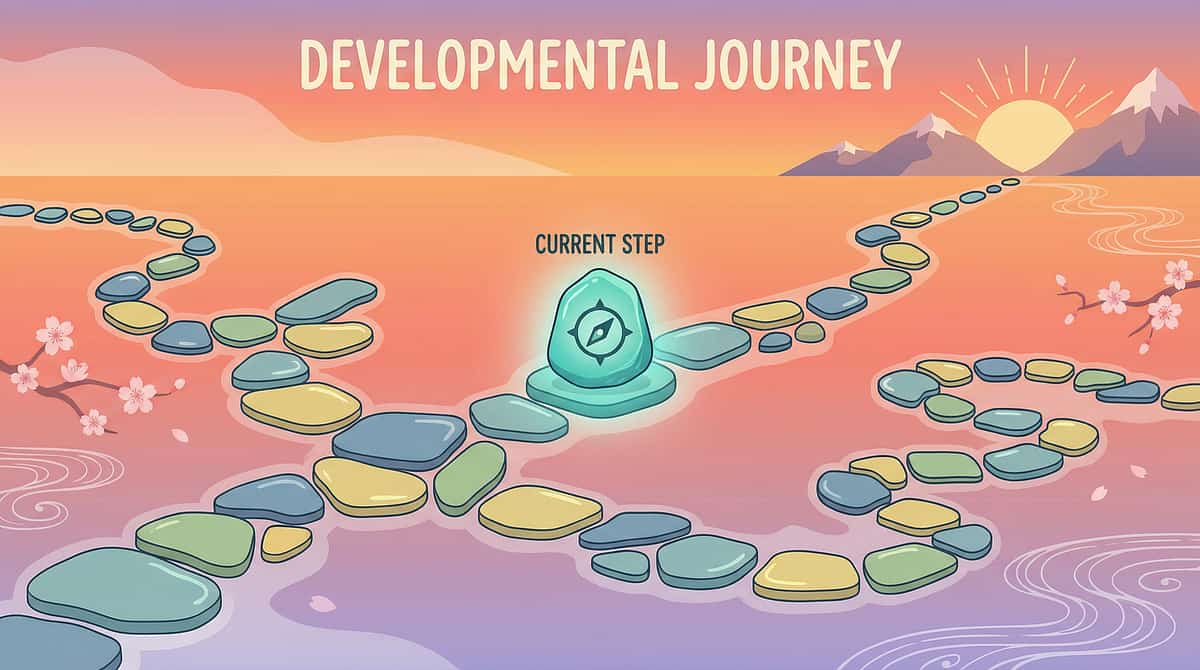
Your Progression Pathway
Where You Are. Where You're Going.
The Language & Communication Cluster builds sequentially. Each technique creates the vocabulary and comprehension foundation for the next. Lateral alternatives: try Preposition Understanding (B-171) first and return to adjectives, or work on Action Word Understanding (B-169) to strengthen the noun-verb base before adding adjectives.
1
Basic colour and size
Current target for most
2
Texture and temperature adjectives
Next after basics
3
Dimensional adjectives (tall/short, thick/thin)
Intermediate
4
Comparative forms (-er/-est)
Advanced
5
Multi-adjective combinations
Mastery target
6
Category-relative adjectives
Expert level
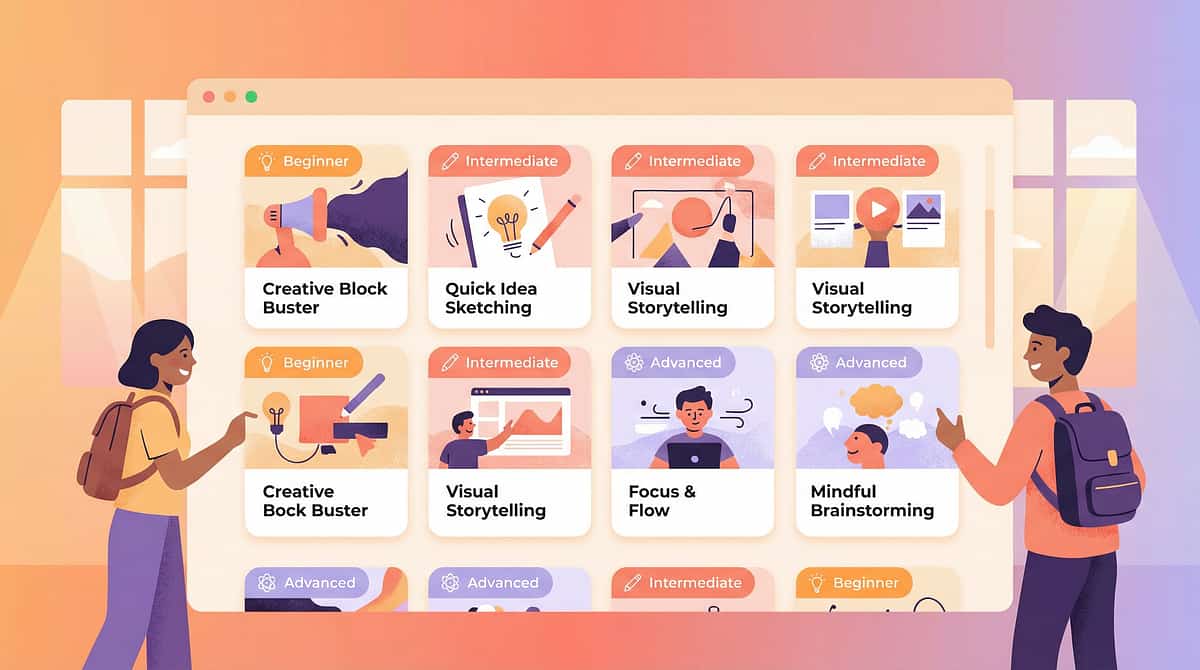
Other Techniques in the Language & Communication Domain
1
B-168 | Intro
Category Understanding
Prerequisite to adjective understanding — ensure category concepts are solid. Materials you likely own: Sorting bins.
2
B-169 | Intro
Action Word Understanding
Build verb vocabulary that combines with adjectives for full sentence comprehension. Materials: Gesture + movement.
3
B-171 | Core
Preposition Understanding
Where is the big red ball? Prepositions complete the descriptive sentence. Materials: Objects + containers.
4
B-172 | Core
Pronoun Understanding
He, she, they — the next grammar layer after adjectives. Materials: Photos + sorting.
5
B-150 | Advanced
Following Multi-Step Directions
Applies adjective understanding in complex, real-world direction sequences. Materials: Adjective game boards.
6
B-180 | Advanced
Describing and Narrative Language
Adjective mastery enables rich, detailed storytelling and description. Materials: Story cards.
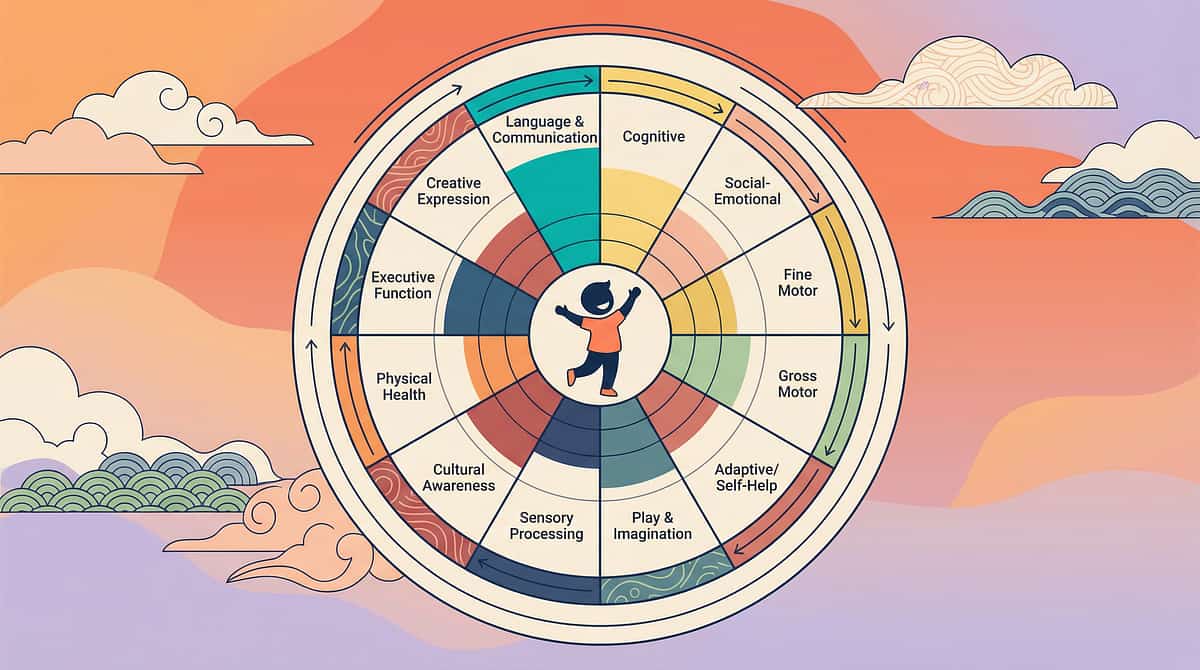
One Technique. Twelve Domains. One Complete Child.
This technique addresses Domain B: Language & Communication — one of 12 interconnected developmental domains that Pinnacle's GPT-OS® tracks, personalises, and optimises. When adjective understanding improves, the system simultaneously tracks improvements in academic language (J), social description skills (G), and classroom direction-following (J). These domains don't develop in isolation. "This technique is one piece of a larger plan. The plan is personalised to your child."
📞9100 181 181 | See your child's full GPT-OS® developmental profile →
ACT V — COMMUNITY & ECOSYSTEM
From Families Who've Been Exactly Here
"Priya couldn't tell us which cup she wanted. She just pointed and cried. Three months of the attribute sorting and direction games — now she says 'the big blue cup, please.' Every time." — Parent, Pinnacle Hyderabad Centre
"I thought teaching adjectives required a speech therapist. The instructions on this page were so clear I started the same afternoon with things from our kitchen. In 6 weeks, Arjun was identifying 'the small soft one' from a group of 5. I cried." — Parent, GPT-OS® Home Programme, Chennai
"My son confused 'bigger' and 'biggest' for months. The three-bear visual scale cracked it open in one week. Why didn't anyone show us this earlier?" — Father, Pinnacle Bangalore Network
21M+
1:1 Therapy Sessions
Across 70+ centres in India
97%+
Improvement Outcomes
Measured in structured language programmes
70+
Countries Served
Families served through GPT-OS® digital programme
📞9100 181 181
You Don't Have to Figure This Out Alone
Join the Pinnacle Parent Community
WhatsApp Parent Support Groups
Adjective & Language Development group — connect with parents navigating the same journey. Share what's working in real time.
Pinnacle Parents Forum
pinnacleblooms.org/community — therapist-hosted Q&A sessions, video demonstrations of adjective sessions in real homes.
YouTube Language Series
@PinnacleBlooms — see every material demonstrated by Pinnacle therapists. Watch before your first session.
Live Parent Training Webinars
Monthly, free for registered families. Become expert co-therapists alongside your child's clinical team.
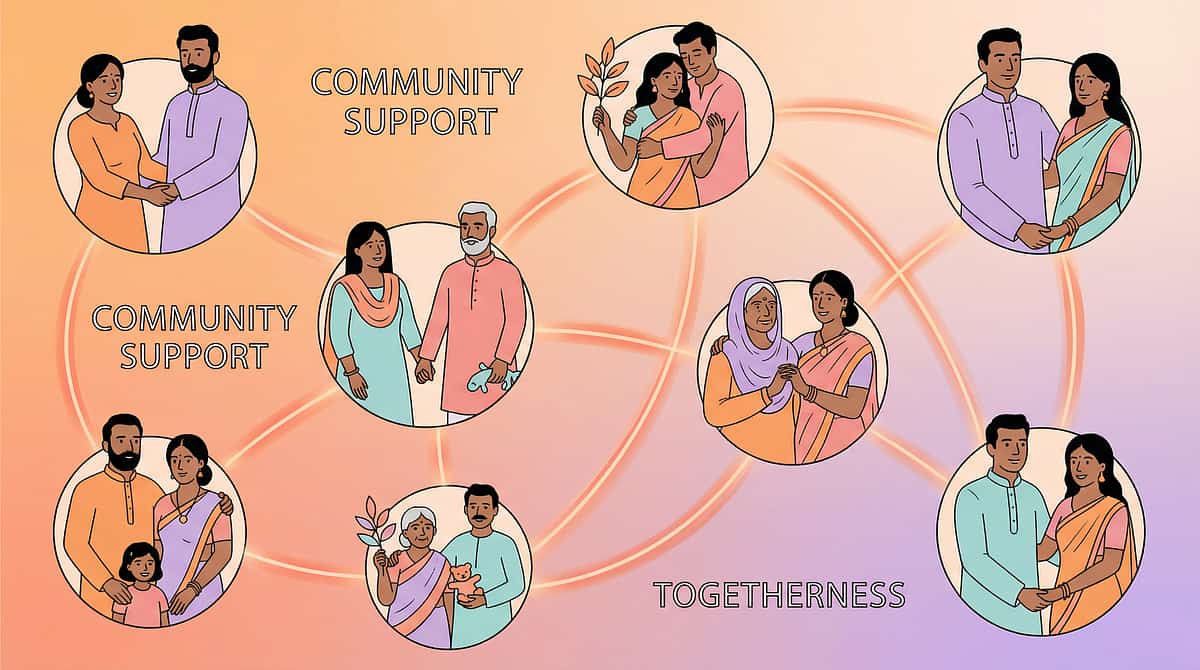
"Consistency across caregivers multiplies impact. When grandparents, teachers, and parents use the same adjective language — progress accelerates."
📞9100 181 181 — FREE | 24×7 | 16+ languages
When Home Practice Needs Clinical Backing
Connect With a Pinnacle Professional
Service | What it includes | How to access | |
🗣️ Speech-Language Therapy | Adjective curriculum design, structured sessions, SLP-led progression | Book assessment: 9100 181 181 | |
🧠 Occupational Therapy | Sensory integration component of adjective learning | Same booking | |
📋 ABA Therapy | Discrete trial adjective training, reinforcement programme design | Same booking | |
📚 Special Education | Classroom adjective vocabulary, academic language bridge | Same booking | |
👨👩👧 Parent Training | Intensive caregiver coaching — become expert co-therapist | Weekly / monthly programmes |
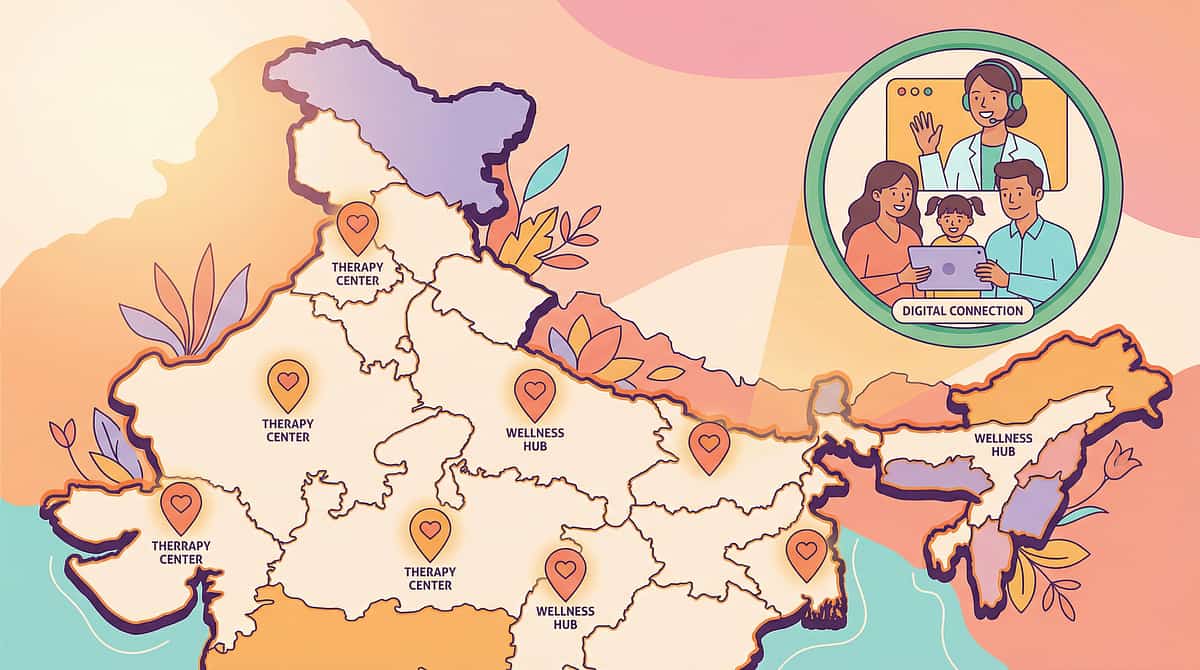
Find Your Nearest Centre
70+ locations across India. Teleconsultation available for families outside major cities and internationally.
FREE Helpline
📞9100 181 181
Assessment, guidance, referral — all in one call. FREE | 24×7 | 16+ languages
Assessment, guidance, referral — all in one call. FREE | 24×7 | 16+ languages
The Science Behind What You're Doing
Research Library — For the Curious Parent
PMC11506176 (Children, 2024)
PRISMA Systematic Review: 16 articles confirm structured language intervention as EBP for autism with significant effect sizes for receptive language gains.
PMC10955541 (World J Clin Cases, 2024)
Meta-analysis of 24 studies confirms language therapy improves vocabulary, comprehension, and social communication in autism.
PMC9978394 — WHO/UNICEF CCD Package
Responsive caregiving with intentional language modelling implemented across 54 countries.
DOI: 10.1007/s12098-018-2747-4 (2019)
Padmanabha et al., Indian Journal of Pediatrics: Indian RCT on home-based language interventions administered by trained parents.
NCAEP 2020 + WHO Nurturing Care Framework (2018)
Naturalistic Developmental Behavioural Interventions and vocabulary instruction classified as EBP. Five components of nurturing care validated globally.

Your Sessions Are Teaching the System to Help You Better
How GPT-OS® Uses Your Data
What the System Does With Your Data
- 📝You log — Adjective category practised, accuracy score, child response notes
- 🧠GPT-OS® analyses — Pattern recognition across your child's accuracy trends, compared with 21M+ sessions
- 📊AbilityScore® updates — Domain B Language score reflects adjective milestones
- 🎯TherapeuticAI® recommends — "Your child is 78% on size adjectives — introduce colour combinations this week"
- 🔄FusionModule™ integrates — Coordinates with your OT and ABA programmes to embed adjectives across all therapy types simultaneously
Privacy Assurances
- 🔒 Individual child data is never shared without consent
- All data is de-identified for population-level analysis
- DPIIT DIPP8651 registered | MSME certified | GSTIN compliant
- CIN: U74999TG2016PTC113063
"Your data helps every child like yours. Population-level learning drives individual-level outcomes."
📞9100 181 181
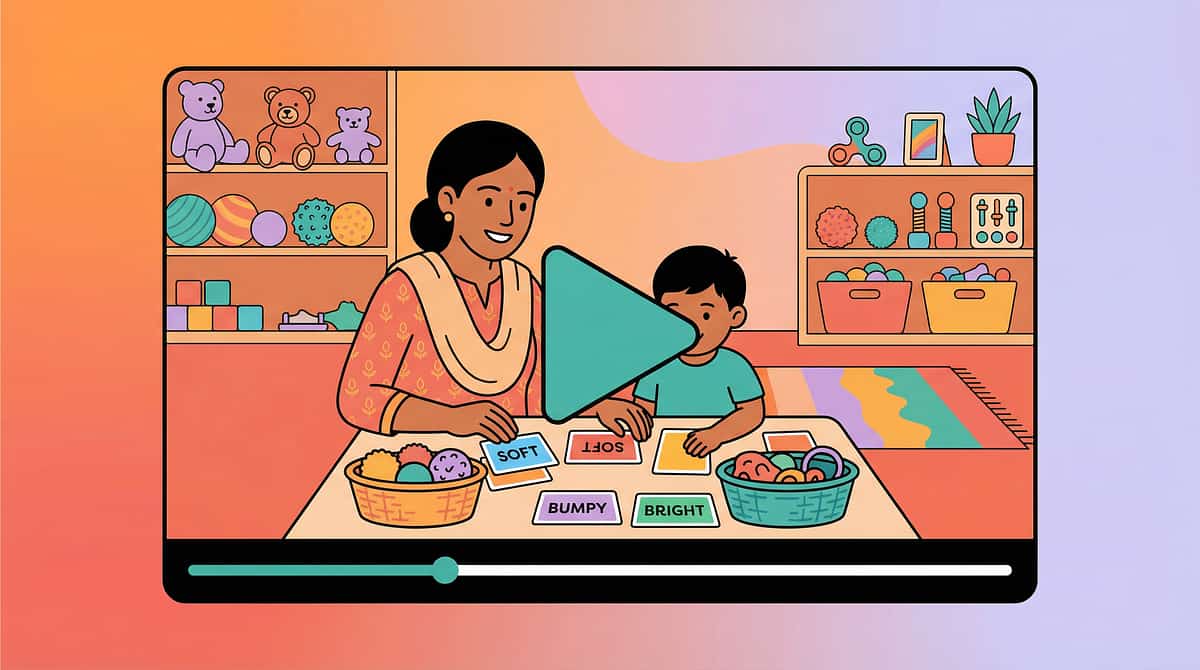
Watch: 9 Materials That Help With Adjective Understanding
Reel B-170 Details
- Title: 9 Materials That Help With Adjective Understanding
- Series: Language & Communication Development Solutions — Episode 170
- Reel ID: B-170
- Duration: 75–85 seconds
- Discipline: SLP-led | Consortium reviewed
This page is the full intervention guide that lives behind the Reel. The Reel introduced the 9 materials in 75 seconds. This page gives you everything you need to use them at home, right now, starting today.
Related Reels
- B-168: Category Understanding →
- B-169: Action Word Understanding →
- B-171: Preposition Understanding →
Citation: NCAEP (2020) — Video modelling as evidence-based practice for autism; multi-modal learning improves parent skill acquisition
▶️ Watch on YouTube
See the 9 materials in action: Attribute sorting, size gradients, colour games, antonym pairs — all demonstrated by Pinnacle therapists.
📞 9100 181 181
FREE | 24×7 | 16+ languages
Preview of 9 materials that help with adjective understanding Therapy Material
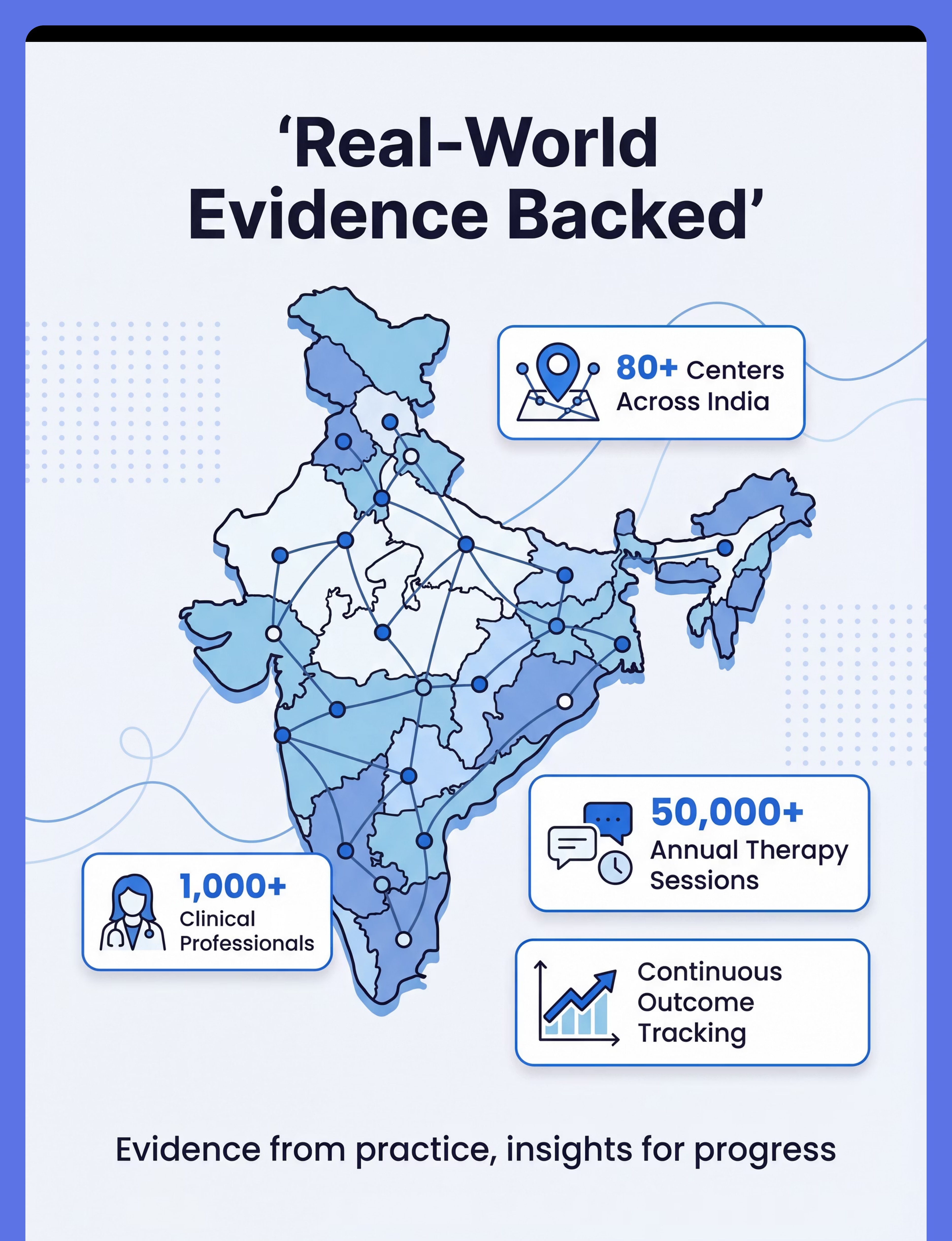
Below is a visual preview of 9 materials that help with adjective understanding therapy material. The pages shown help educators, therapists, and caregivers understand the structure and content of the resource before use. Materials should be used under appropriate professional guidance.


Link copied!

Consistency Across Caregivers Multiplies Impact
Share This With Your Family
For Grandparents
"When asking [child's name] for something, always describe it: 'the BIG red cup' instead of just 'the cup.' They're learning that words can describe things in detail."
For Teachers and Schools
"[Child's name] is working on understanding adjectives (size, colour, shape, texture). Please practise: 'Can you give me the [big/small/red/blue] one?' in daily activities."
Download Family Resources
📄 Adjective Quick Reference — 1-page PDF for grandparents and school
📋 Session Tracking Sheet — printable data capture form
📝 Teacher Communication Template
📋 Session Tracking Sheet — printable data capture form
📝 Teacher Communication Template
"When Amma, Nani, teacher, and therapist all use the same adjective language — the brain builds those pathways in every setting, not just one."
Citation: PMC9978394 — WHO CCD Package: multi-caregiver consistency is critical for intervention generalisation