

Your Child's "Bad Behaviour" Is Actually a Message You Haven't Decoded Yet
It is 6:47 PM. Dinner is almost ready. You ask your child to wash their hands. Within seconds, the screaming starts. The plate goes flying. You stand there — exhausted, frustrated, wondering for the hundredth time: "Why does he DO this?"
You are not failing. You are not a bad parent. Your child is not being "naughty." Every behaviour is a message. Every meltdown is a signal. Every outburst is your child's nervous system speaking the only language it has.
This technique — Functional Understanding of Behaviour — gives you the decoder ring. When you stop asking "How do I stop this?" and start asking "What is my child trying to tell me?" — everything changes. Not just for your child. For your entire family.
Validated by SLP • OT • ABA • SpEd • NeuroDev
BEH-FUN | Ages 2–12

You Are Among Millions
The frustration you feel tonight is shared by millions of parents across 70+ countries. The isolation dissolves when you realise: this is not your fault, this is not your child's fault, and most importantly — there is a science-backed way to understand what is happening.
50–80%
Challenging Behaviours
of children with autism display challenging behaviours that parents struggle to understand (Journal of Autism & Developmental Disorders, 2020–2024)
1/100
Children Worldwide
children worldwide live with autism — that's 78 million families navigating this exact moment you're in right now (WHO Global Autism Prevalence Estimate, 2023)
97%+
Measured Improvement
of families in the Pinnacle Blooms Network show measured improvement when they shift from reactive punishment to function-based understanding (Pinnacle Blooms Clinical Data, 20M+ sessions)
The difference between families who stay stuck and families who break through? Understanding the WHY.
Reference: Cooper JO, Heron TE, Heward WL. Applied Behavior Analysis, 3rd ed., 2020 | Greene RW. The Explosive Child, 5th ed., 2014 | WHO Global Status Report on Autism, 2023

The Neuroscience Behind the Behaviour
Your child is not being difficult. Their brain is being different. Understanding this distinction is the single most important shift a parent can make — and neuroscience now gives us the language to explain exactly why.
The Prefrontal Cortex Isn't Fully Online
The prefrontal cortex — the brain's "thinking, planning, and impulse control" centre — is not fully developed until age 25. In children with autism, this development follows a different timeline. When your child "explodes," they are not choosing defiance. Their brain literally cannot access the regulation circuitry needed to respond differently in that moment.
The Amygdala Is Running the Show
The amygdala is the brain's threat-detection alarm. In many autistic children, it is hypersensitive — firing in response to sensory input, unexpected changes, or social demands that feel overwhelming. When the amygdala fires, the thinking brain goes offline. Behaviour IS the alarm signal. It is not the problem — it is the message.
Every Behaviour Has a Function
This is the foundational principle of Applied Behaviour Analysis (ABA): no behaviour occurs in a vacuum. Every behaviour — hitting, screaming, shutting down, running away — is serving a purpose for the child. The four functions are: Attention, Escape/Avoidance, Access to Tangibles, and Sensory/Automatic regulation. Your job is to become a behaviour detective.
The Brain Learns Through Patterns, Not Punishments
Punishment suppresses behaviour temporarily but does not teach the brain an alternative. Neuroscience shows that the brain changes through consistent, repeated experiences of safety, success, and connection. When parents understand the WHY behind behaviour, they can respond in ways that actually rewire the pattern — not just silence it.
"The moment you stop asking 'How do I stop this behaviour?' and start asking 'What is this behaviour telling me?' — everything changes. That shift is what this entire technique is built on."
Reference: Siegel DJ & Bryson TP. The Whole-Brain Child, 2011 | Cooper JO, Heron TE, Heward WL. Applied Behavior Analysis, 3rd ed., 2020 | Porges SW. The Polyvagal Theory, 2011
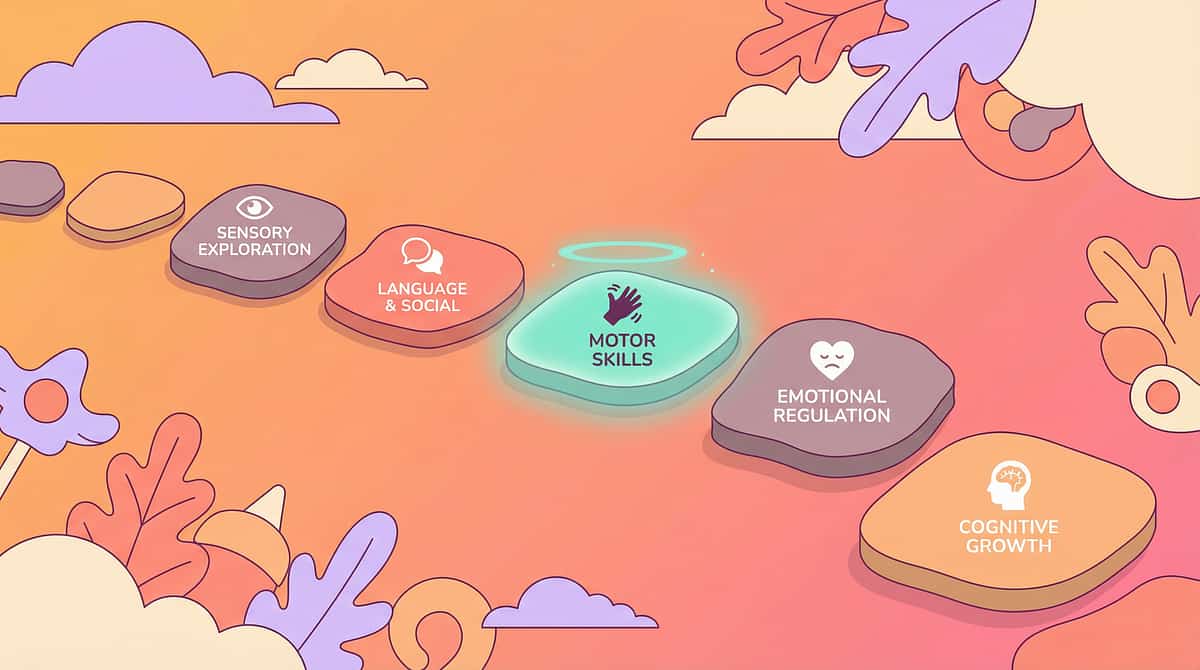
Where Your Child Is on the Journey
Every child with autism is on a developmental journey — but not all children are at the same point. Before you begin using this technique, it helps to understand where your child currently sits on the behaviour-understanding spectrum. This is not about labelling. It is about knowing your starting point so you can move forward with precision.
1
Stage 1 — Pre-Awareness (The Fog)
Your child's behaviour feels random, unpredictable, and overwhelming. You cannot yet see patterns. Every day feels like crisis management. You are reacting, not understanding. This is where most families begin — and it is completely normal. The technique starts here.
Indicator: Behaviour feels "out of nowhere." No consistent triggers identified yet.
2
Stage 2 — Pattern Recognition (The First Light)
You are beginning to notice that certain behaviours happen in specific situations — before transitions, during loud environments, when demands are placed. You can't yet explain WHY, but you can see WHEN. This is a significant breakthrough. ABC data collection begins here.
Indicator: Parent can predict at least 1–2 situations where behaviour is likely to occur.
3
Stage 3 — Function Identification (The Decode)
You now understand that your child's behaviour is communicating a specific need — escape, attention, access, or sensory regulation. You can look at a behaviour and say: "He's doing this because he wants to get out of that task." This is the core skill this technique builds.
Indicator: Parent correctly identifies the function of behaviour in 3 out of 4 observed incidents.
4
Stage 4 — Proactive Prevention (The Mastery)
You are no longer just reacting to behaviour — you are preventing it. You modify antecedents before the behaviour occurs. You teach your child alternative communication. You share function-based insights with teachers and therapists. Behaviour incidents have measurably decreased.
Indicator: Antecedent modifications in place for 3+ identified triggers. Behaviour frequency reduced by 40%+.
"Most families enter at Stage 1 and reach Stage 3 within 6–8 weeks of consistent practice. Stage 4 is the goal — and it is achievable. You do not need to rush. The stepping stones are there for a reason."
Use this map to locate yourself right now. Then begin at Step 1 of the technique — wherever you are is the right place to start.

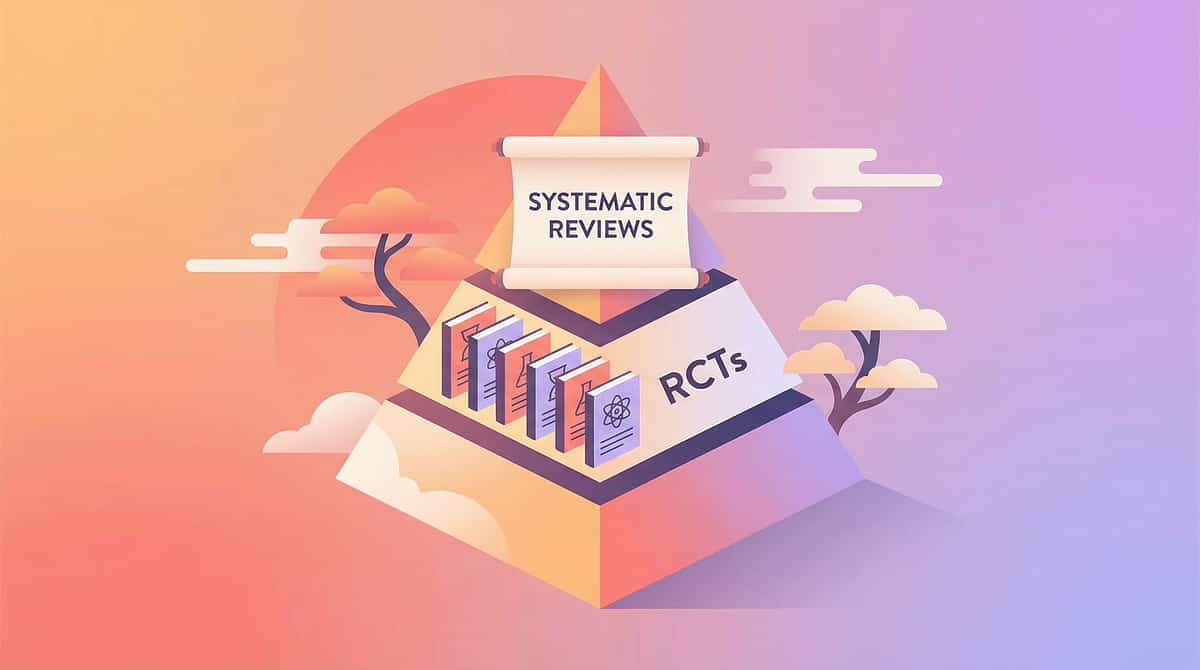
Evidence Grade: Level I — Systematic Review & Meta-Analysis Supported
Clinically Validated
Home-Applicable
Parent-Proven
Finding 1 — NCAEP Gold Standard
Functional Behaviour Assessment is classified as an evidence-based practice for autism by the National Clearinghouse on Autism Evidence and Practice (NCAEP, 2020) — the gold standard for autism intervention evidence.
Finding 2 — 50–80% Reduction
When parents shift from consequence-based approaches to function-based understanding, challenging behaviours decrease by 50–80% across multiple studies (Hanley GP, 2012; systematic reviews 2013–2024).
Finding 3 — Indian Populations
Home-based parent-implemented behaviour understanding interventions show significant outcomes in Indian pediatric populations (Padmanabha et al., Indian Journal of Pediatrics, 2019).
Finding 4 — Four Decades of Validation
The four-function model of behaviour (Escape, Attention, Access, Sensory) has been validated across thousands of functional behaviour assessments worldwide over four decades of research.
Key References: PMC11506176 — PRISMA Systematic Review (2024) | PMC10955541 — Meta-analysis (2024) | DOI: 10.1007/s12098-018-2747-4 — Indian RCT | NCAEP Evidence-Based Practices Report (2020) | Cooper, Heron & Heward — Applied Behavior Analysis, 3rd ed. (2020)
Functional Understanding of Behaviour
Parent-Friendly Name: "Decoding the Message Behind the Behaviour"
Functional Understanding of Behaviour is the evidence-based practice of identifying the PURPOSE behind your child's challenging behaviours — not what the behaviour looks like, but WHY it happens. Instead of viewing hitting, screaming, running away, or shutting down as "bad behaviour," this approach reveals that every behaviour serves one of four functions: escaping something overwhelming, getting attention or connection, accessing a desired item or activity, or meeting a sensory need. When you identify the function, you can meet the underlying need — and the behaviour becomes unnecessary.
Domain
Behaviour — Functional Understanding (BEH-FUN)
Age Range
2–12 years
Duration
Ongoing practice — initial learning 2–4 weeks
Frequency
Daily observation, weekly formal tracking
Setting
Home-based with professional guidance
Canon Materials: ABC Data Tools, Behaviour Function Guides, Iceberg Models, Sensory Checklists, Emotion-Behaviour Maps, Communication Guides, Lagging Skills Materials, Antecedent Tools, Parent Training Resources

A Whole Team Uses This — Here's How
Functional Understanding of Behaviour is not a single-discipline technique. It sits at the intersection of four therapy specialisms — and each one approaches it from a different, complementary angle. When your child's team is aligned around function-based thinking, the results multiply. Here is exactly how each discipline uses this technique.
BCBA — The Architect of Behaviour Understanding
The Board Certified Behaviour Analyst is the primary lead for this technique. The BCBA conducts formal Functional Behaviour Assessments (FBAs) using structured observation, ABC data analysis, and sometimes analogue conditions. They design function-based Behaviour Intervention Plans (BIPs) that specify exactly how every team member — including parents — should respond to each behaviour. BCBAs train parents in ABC data collection, function identification, and antecedent modification. In the Pinnacle Blooms Network, BCBAs review parent-collected data weekly and adjust the plan in real time.
Speech-Language Pathologist — The Communication Bridge
The SLP's role in behaviour understanding is often underestimated. Many challenging behaviours in autistic children are communication acts — the child is saying something they cannot yet say in words. The SLP identifies which behaviours are communicative in function and builds Functional Communication Training (FCT) programmes that teach the child to express the same need safely. "I need a break" replaces running away. "I want that" replaces grabbing. The SLP connects language gaps directly to behavioural expression.
Occupational Therapist — The Sensory Detective
The OT investigates the sensory layer beneath the behaviour. Many behaviours that appear attention-seeking or escape-motivated are actually sensory-driven — the child is overwhelmed by noise, touch, light, or proprioceptive input. The OT conducts a Sensory Profile assessment to map each child's sensory thresholds and designs a Sensory Diet — a scheduled programme of sensory input that regulates the nervous system before behaviour escalates. When the OT and BCBA collaborate, sensory triggers are removed from the antecedent environment before the behaviour even begins.
Special Educator — The Demand Architect
The Special Educator examines the academic and instructional antecedents of behaviour. Many challenging behaviours occur because the task demand exceeds the child's current skill level — what Ross Greene calls "lagging skills." The Special Educator uses the Collaborative Problem Solving framework to identify which skills the child hasn't yet developed (not won't, but can't), modifies instructional demands to match current ability, and builds frustration tolerance through scaffolded success experiences. They ensure that school-based behaviour data aligns with home-based ABC data.
Supporting Discipline — NeuroDevelopmental Paediatrician: Rules out medical causes of behaviour including pain, GI distress, sleep disorders, and seizure activity. Provides diagnostic clarity that informs the entire team's understanding. Always the first step when behaviour escalates suddenly without clear environmental cause.
When all four disciplines share a function-based language, your child stops receiving four different responses to the same behaviour — and starts receiving one consistent, effective one.
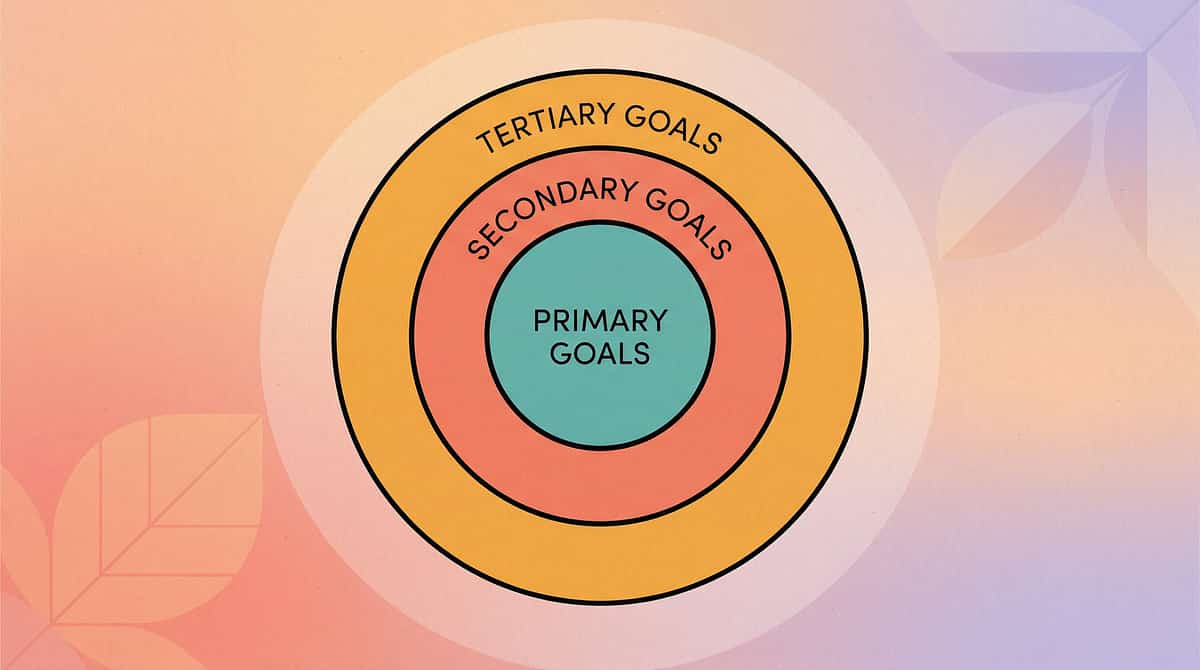
Precision Targeting — What This Technique Addresses
Most behaviour interventions try to stop the behaviour. This technique does something more powerful — it targets the understanding beneath the behaviour. The bullseye above is not decorative. It maps exactly what you are building, in what order, and how you will know when you have hit each ring.
Primary Goal (Teal — Core): Identify the FUNCTION — The Four-Function Model
Every challenging behaviour your child displays serves one of exactly four functions. This is not a theory — it is a four-decade-validated framework used in thousands of Functional Behaviour Assessments worldwide.
- Escape/Avoidance — The behaviour helps the child get away from something: a demand, a sensory input, a social situation, a transition. Example: Child throws materials when asked to write. Function: Escape from a non-preferred task.
- Attention — The behaviour gets the child connection, interaction, or a reaction from another person. Example: Child screams during quiet time. Function: Attention from parent or sibling.
- Access to Tangibles — The behaviour gets the child something they want: a toy, food, a screen, an activity. Example: Child hits when tablet is taken away. Function: Access to preferred item.
- Sensory/Automatic — The behaviour feels good to the child's nervous system regardless of what anyone else does. Example: Child rocks, hums, or spins. Function: Sensory regulation.
Observable indicator: Parent correctly identifies the function for 3 out of 4 observed behaviours within 4 weeks of consistent ABC data collection. BCBA verifies accuracy at Week 4 review.
Secondary Goal (Coral — Supporting): Modify Antecedents & Build Functional Communication
Once you know the function, you have two powerful tools: change what happens BEFORE the behaviour (antecedent modification), and teach your child to meet the same need in a safer way (Functional Communication Training).
Antecedent modifications by function:
- Escape-motivated: Offer choice, reduce demand length, build in breaks before the task
- Attention-motivated: Increase proactive attention during calm periods, use a visual schedule to predict parent availability
- Access-motivated: Use a First-Then board ("First shoes, then tablet"), teach requesting with words or PECS
- Sensory-motivated: Build a Sensory Diet with the OT, provide sensory input before the triggering situation
Observable indicator: At least 2 antecedent modifications are actively in place and documented by Week 3. Parent reports at least one behaviour incident prevented (not just managed) by Week 4.
Tertiary Goal (Amber — Generalisation): Generalise Understanding Across Every Setting
A behaviour plan that only works at home is not a behaviour plan — it is a home rule. For lasting change, function-based understanding must travel with your child to school, therapy, the supermarket, and the grandparents' house. This requires you to become the translator between your child's world and everyone in it.
Generalisation actions:
- Write a one-page "Behaviour Passport" summarising your child's top 3 behaviours, their functions, and the agreed responses — share with every caregiver
- Attend one school meeting per term to align the teacher's responses with the home plan
- Brief grandparents and extended family using the Iceberg Model visual (behaviour is the tip; the need is below the surface)
- Share weekly data summaries with the BCBA so the plan evolves as your child does
Observable indicator: Parent has shared function-based understanding with at least one other caregiver or professional by Week 6. Behaviour data shows consistency across at least 2 settings by Week 8.
The three rings are sequential, not optional. Families who skip to generalisation without mastering function identification find that the plan collapses under pressure. Start at the centre. Hit the teal ring first. Everything else follows.

Precision Targeting — What This Technique Addresses
Primary Target (Core)
Parent's ability to identify the FUNCTION of challenging behaviours — shifting from "What is my child doing?" to "WHY is my child doing this?"
Observable indicator: Parent correctly identifies function for 3 out of 4 observed behaviours within 4 weeks.
Observable Behaviour Indicators
- Parent uses "function language" spontaneously: "I think he's trying to escape this task"
- Data shows pattern recognition improving week over week
- Behaviour incidents decrease as antecedent modifications increase

Your 9 Essential Materials — Everything You Need
These nine evidence-based materials form the complete toolkit for functional behaviour understanding. Together they cost between ₹1,000–4,500 for a comprehensive setup. Start with Materials 1, 2, and 3. Five of the nine are fully DIY-friendly with household materials.
ABC Data Collection Tools & Behaviour Tracking Sheets
Canon Category: Data Collection & Tracking | Price: ₹0–300
Structured recording sheets where you track Antecedent (what happened before), Behaviour (what the child did), and Consequence (what happened after). The foundation of all behaviour understanding.
Behaviour Function Visual Guides & Charts
Canon Category: Visual Learning Aids | Price: ₹100–400
Four-quadrant posters and cards showing the four functions of behaviour — Escape, Attention, Access, Sensory — with real-world examples that help you categorise what you observe.
Iceberg Behaviour Models & Visual Metaphors
Canon Category: Conceptual Teaching Tools | Price: ₹100–350
Visual representations showing that visible behaviour (tip of the iceberg) is driven by hidden factors beneath the surface — emotions, sensory needs, unmet needs, skill gaps, and history.
Sensory Trigger Identification Tools & Checklists
Canon Category: Sensory Assessment Tools | Price: ₹100–400
Structured checklists for auditing which sensory inputs (sounds, lights, textures, smells, movement, crowds) precede challenging behaviours — revealing sensory survival strategies.
Emotion-Behaviour Connection Visual Tools
Canon Category: Emotional Development Aids | Price: ₹150–400
Charts and cards that make explicit connections between feelings (frustrated, scared, overwhelmed) and the behaviours they drive (throwing, running, shutting down).
Behaviour Communication Interpretation Guides
Canon Category: Communication Support Tools | Price: ₹100–350
"Translation cards" that reframe behaviour as language — showing what a child might say if they had the words: "This is too hard," "I need a break," "I'm overwhelmed."
Lagging Skills & Unsolved Problems Framework Materials
Canon Category: Assessment & Planning Tools | Price: ₹200–600
Based on the Collaborative & Proactive Solutions (CPS) model — materials that help identify which SKILLS your child is missing that make certain situations impossible, not which motivation is lacking.
Antecedent Modification Planning Tools
Canon Category: Environmental Design Tools | Price: ₹0–300
Planning worksheets that focus on changing what happens BEFORE a behaviour — modifying triggers, transitions, environments, and demands so the behaviour isn't needed.
Parent Behaviour Analysis Training Resources
Canon Category: Parent Education & Training | Price: ₹300–1,500
Books, courses, and structured training that teach foundational behaviour analysis concepts — empowering you with the same professional understanding your child's therapists use.
Material 1: ABC Data Collection Tools
Buy This
ABC Tracking Sheets (₹0–300)
Printed structured forms with dedicated columns for Antecedent, Behaviour, and Consequence. Some include built-in function identification prompts and behaviour frequency counters.
Make This at Home
A simple notebook with 4 columns: Date/Time, What Happened Before, The Behaviour, What Happened After. Track 1–2 behaviours for 1–2 weeks. A ruled school notebook works perfectly.
Why this works: The therapeutic principle is OBSERVATION + PATTERN RECOGNITION + UNDERSTANDING, not the physical material. A notebook works as well as a printed form for collecting ABC data.
When clinical-grade is non-negotiable: For formal Functional Behaviour Assessment conducted with a BCBA, standardised data collection tools ensure inter-rater reliability.

Material 2: Behaviour Function Visual Guides & Charts
Buy This
Behaviour Function Visual Guides (₹100–400)
Professionally designed four-quadrant posters with colour-coded functions, real-world example scenarios, and visual cues. Laminated versions are available for durability.
Make This at Home
Draw a simple four-quadrant poster on chart paper. Label each quadrant: Escape, Attention, Access, Sensory. Write 2–3 examples from YOUR child's life in each quadrant. Stick it on your fridge.
The personalised version using your child's actual behaviours is often MORE useful than a generic printed version — because the examples are immediately recognisable.

Material 3: Iceberg Behaviour Models & Visual Metaphors
Buy This
Iceberg Behaviour Models (₹100–350)
Printed visual metaphors — iceberg diagrams, underwater scene illustrations — that help parents and children visually grasp that visible behaviour is the smallest part of what's happening.
Conceptual Tool
Start Here
Make This at Home
Draw an iceberg on paper. Above the waterline: write your child's visible behaviours. Below: brainstorm together — what might be underneath? Emotions? Sensory overload? Hunger? Fatigue? Skill gaps? The act of drawing it together with your partner is itself therapeutic.

Material 4: Sensory Trigger Identification Tools & Checklists
Buy This
Sensory Trigger Checklists (₹100–400)
Structured assessment tools covering all sensory modalities: auditory, visual, tactile, olfactory, proprioceptive, vestibular, and interoceptive. Often includes scoring guidance and a sensory profile summary.
Sensory Assessment
Make This at Home
List all sensory categories (sounds, lights, textures, smells, movement, crowds, temperature) on paper. For one week, note which sensory conditions were present before each challenging behaviour. Look for patterns — they will appear.
🔊 Sound
Volume, suddenness, pitch, background noise levels
💡 Visual
Brightness, flickering, clutter, visual complexity
✋ Tactile
Clothing tags, food textures, unexpected touch
🌀 Movement
Too still for too long, moving too fast, transitions
👥 Crowds
Density, unpredictability, noise overlap in groups

Material 5: Emotion-Behaviour Connection Visual Tools
Most children with autism experience emotions at full intensity — but lack the internal vocabulary to name, locate, or communicate what they are feeling. This gap between emotional experience and emotional expression is one of the most common drivers of challenging behaviour. Emotion-Behaviour Connection Visual Tools bridge that gap by making the invisible visible.
Buy This
Emotion-Behaviour Visual Kits (₹150–500)
Professionally designed tools including: zones of regulation charts (Green/Yellow/Red/Blue), emotion thermometers, feelings faces cards, and behaviour-emotion link posters. Often laminated and wall-ready. Look for kits that include both the emotion AND the behaviour it commonly produces — not just feelings faces in isolation.
Emotional Literacy
Make This at Home
Draw a simple thermometer on A4 paper. Label 5 levels from bottom to top: Calm → Slightly Bothered → Upset → Very Upset → Exploding. Next to each level, draw or paste a face AND write the behaviour your child typically shows at that level. Laminate it. Place it at your child's eye level. Use it BEFORE behaviour escalates — not during.
Emotion: Anxiety (Yellow Zone)
Behaviour shown: Asking the same question repeatedly, pacing, refusing to start a task
What it means: "I don't know what's coming next. The uncertainty feels dangerous to my nervous system."
Parent response: Offer a visual schedule. Narrate the next 3 steps out loud. Reduce open-ended demands.
Emotion: Overwhelm (Red Zone)
Behaviour shown: Covering ears, dropping to the floor, running away, hitting
What it means: "My sensory or emotional input has exceeded my capacity. I am in survival mode."
Parent response: Do not add more language. Create physical space. Offer a sensory escape route. Wait.
Emotion: Frustration (Yellow-Red Border)
Behaviour shown: Throwing materials, tearing paper, saying "I can't" and shutting down
What it means: "The gap between what I want to do and what I can do right now feels unbearable."
Parent response: Reduce the demand immediately. Offer a partial success. Acknowledge the feeling before redirecting.
Emotion: Boredom / Under-stimulation (Blue Zone)
Behaviour shown: Seeking rough play, making loud noises, disrupting others, self-stimulatory behaviour increases
What it means: "My nervous system is under-aroused. I need more input to feel regulated."
Parent response: Offer proprioceptive input — jumping, pushing, carrying. Increase activity level before expecting seated compliance.
The goal is not to eliminate the emotion — it is to help your child recognise it early enough to choose a different behaviour. Regulation comes before communication. Communication comes before compliance. Never reverse this order.

Material 6: Behaviour Communication Interpretation Guides
Buy This
Behaviour Communication Guides (₹100–350)
"Translation cards" professionally designed with illustrations — showing the visible behaviour and its decoded message side by side. Often laminated and fridge-ready.
Communication Support
Make This at Home
Make translation cards on index cards. Write the behaviour on one side ("Pushes materials away") and the possible message on the other ("This is too hard. I need help."). Build a deck of 10–15 cards specific to YOUR child.
Behaviour: Runs from the dinner table
Translation: "The sounds/smells/textures are overwhelming. I need to escape."
Translation: "The sounds/smells/textures are overwhelming. I need to escape."
Behaviour: Hits when told "no"
Translation: "I don't understand why I can't have it. I'm frustrated and I don't have words for this."
Translation: "I don't understand why I can't have it. I'm frustrated and I don't have words for this."
Behaviour: Rocking / spinning repeatedly
Translation: "My body needs this input to feel regulated."
Translation: "My body needs this input to feel regulated."

Material 7: Lagging Skills & Unsolved Problems Framework Materials
Buy This
Lagging Skills Materials (₹200–600)
Based on the Collaborative & Proactive Solutions (CPS) model by Dr Ross Greene. Includes structured assessment forms, skill-mapping worksheets, and unsolved problems inventories. Most comprehensive investment of the 9.
Assessment & Planning
Make This at Home
List your child's most challenging situations. For each, ask: "What SKILL might my child be missing that makes this hard?" Write the skill gap next to each situation. The reframe is instant and profound.
Flexibility
Difficulty shifting plans or tolerating change
Frustration Tolerance
Cannot manage when things are hard or go wrong
Problem-Solving
Doesn't know what to do instead
Communication
Can't express the need verbally
Executive Function
Can't sequence, plan, or initiate
Critical Reframe: "Won't" becomes "Can't Yet." The child isn't refusing — they're missing the skill. This changes EVERYTHING about your response.
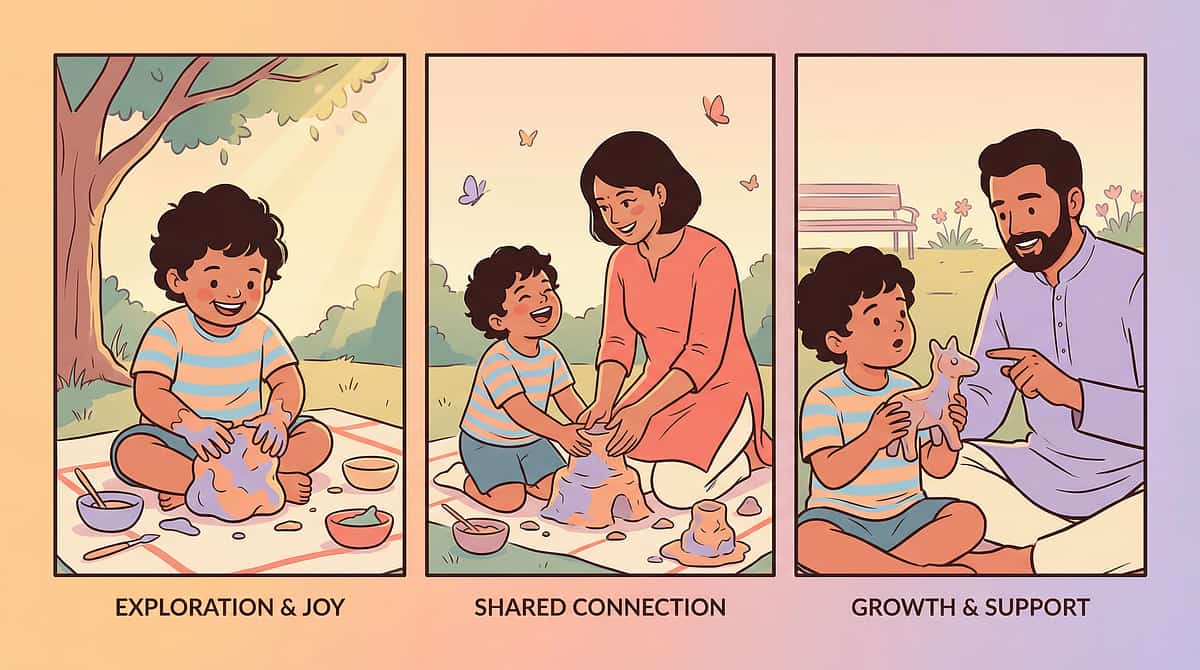
Material 8: Antecedent Modification Planning Tools
Buy This
Antecedent Modification Tools (₹0–300)
Planning worksheets, visual timer systems, "first-then" board templates, and environmental design guides. Focus entirely on changing what happens BEFORE a behaviour occurs.
Environmental Design
Make This at Home
For each trigger you've identified, write: "How could I change the setup to prevent this?" Brainstorm 3 modifications per trigger on paper. The principle: change the setup, change the behaviour.
Trigger | Antecedent Modification | |
Sudden transitions | Use visual timer + countdown: "5 more minutes, then we clean up" | |
Loud environments | Provide noise-cancelling headphones BEFORE entering | |
Difficult tasks | Break into smaller steps; offer choice of starting point | |
Demand overload | Reduce demands on high-stress days; use "first-then" boards | |
Sensory overload | Create a calm-down corner; offer sensory breaks proactively |

Material 9: Parent Behaviour Analysis Training Resources
Buy This
Parent Behaviour Analysis Training Resources (₹300–1,500)
Books, structured online courses, and professional training programmes that teach foundational behaviour analysis concepts. The highest-impact investment — because knowledge compounds every day.
Parent Education
Start for Free
YouTube channels on ABA basics, library books like The Explosive Child by Ross Greene, and Pinnacle Blooms' free parent education content at pinnacleblooms.org. The foundational concepts are accessible without cost.
Read
The Explosive Child — Ross Greene (Collaborative & Proactive Solutions)
Watch
Video modules on the Four Functions of Behaviour — Pinnacle Blooms parent education platform
Learn Professionally
Request a formal Functional Behaviour Assessment from a BCBA through Pinnacle Blooms
Safety Note: Training is foundational, not comprehensive. Complex behaviours need professional assessment. Partner with BCBAs for formal behaviour plans.

Zero-Cost Versions — Start Today With What You Have
Every parent, regardless of economic status, can execute this technique TODAY. The therapeutic principle is OBSERVATION + PATTERN RECOGNITION + UNDERSTANDING — not the physical material. The material is simply a structure for your thinking.
Material | Buy This | Make This at Home | |
ABC Tracking Sheets | ₹0–300 printed forms | Ruled school notebook with 4 columns: Date/Time, Before, Behaviour, After | |
Function Visual Guides | ₹100–400 laminated poster | Chart paper with four quadrants: Escape, Attention, Access, Sensory | |
Iceberg Models | ₹100–350 illustrated card | Draw iceberg on paper; above = visible behaviours, below = brainstorm causes | |
Sensory Checklists | ₹100–400 structured form | List all sensory categories; note which were present before each behaviour | |
Emotion-Behaviour Charts | ₹150–400 visual cards | "When I feel… I might…" cards with your child's specific emotions and behaviours | |
Communication Guides | ₹100–350 translation deck | Index cards: behaviour on one side, translation message on the other | |
Lagging Skills Materials | ₹200–600 CPS framework | List challenging situations; write the missing skill beside each | |
Antecedent Tools | ₹0–300 worksheets | Brainstorm 3 modifications per identified trigger on paper | |
Parent Training Resources | ₹300–1,500 books/courses | Free: YouTube ABA channels, library books, pinnacleblooms.org free content |
Reference: WHO Nurturing Care Framework (2018): Context-specific, equity-focused interventions | CCD Package — 54 LMICs

⚠️ Safety First — Read Before You Begin
1
🔴 DO NOT PROCEED IF:
- Your child is currently in crisis (active self-harm, severe aggression, property destruction that could cause injury)
- You suspect a MEDICAL cause — new onset, sudden change, fever/pain/GI distress/seizure activity — see a paediatrician FIRST
- You are in a state of extreme emotional distress yourself — your regulation comes first
- The behaviour involves elopement (running away to unsafe areas) — this requires immediate professional safety planning, not observation
2
🟡 PROCEED WITH MODIFICATION:
- Your child has a history of trauma — behaviour understanding must be trauma-informed; consult a professional before interpreting function
- Multiple functions appear to be at play simultaneously — track more data before concluding
- Your child is nonverbal or minimally verbal — work with your SLP
- Different caregivers report dramatically different behaviours — this IS data (suggests function varies by caregiver)
3
🟢 SAFE TO BEGIN:
- You are calm, rested, and emotionally regulated
- Your child is in their typical state (not ill, not post-meltdown)
- You have 15–30 minutes to begin learning the materials
- You have a notebook or tracking sheet ready
- You commit to observing WITHOUT intervening for the first tracking period
Critical: Understanding does NOT mean excusing harmful behaviour. You still need to keep everyone safe while you learn the WHY. Behaviour causing injury to self or others REQUIRES professional assessment. This guide empowers — it does not replace a BCBA or clinical evaluation.

Set Up Your Observation Space
Setup is different for this technique. Unlike a sensory activity or motor exercise, functional behaviour understanding happens during REAL LIFE — not during a special session. Your "setup" is about YOU, not the environment.
1
Your Tracking Station
Choose one spot where you naturally spend time near your child. Place your ABC tracking sheet and pen there permanently. This is your observation post.
2
Your Visual Reference Wall
Print or hand-draw the Four Functions poster and the Iceberg Model. Place them where you'll see them during stressful moments — the refrigerator, hallway, or above the changing table.
3
Your Data Capture System
Decide now: paper notebook, phone notes app, or printable tracking sheet? Choose ONE system and commit. The best system is the one you'll actually use at 6:47 PM when the plate goes flying.
4
What to Remove
Remove your ASSUMPTIONS. That's the only thing to clear from the space. Leave the environment exactly as it is. The triggers ARE the data.
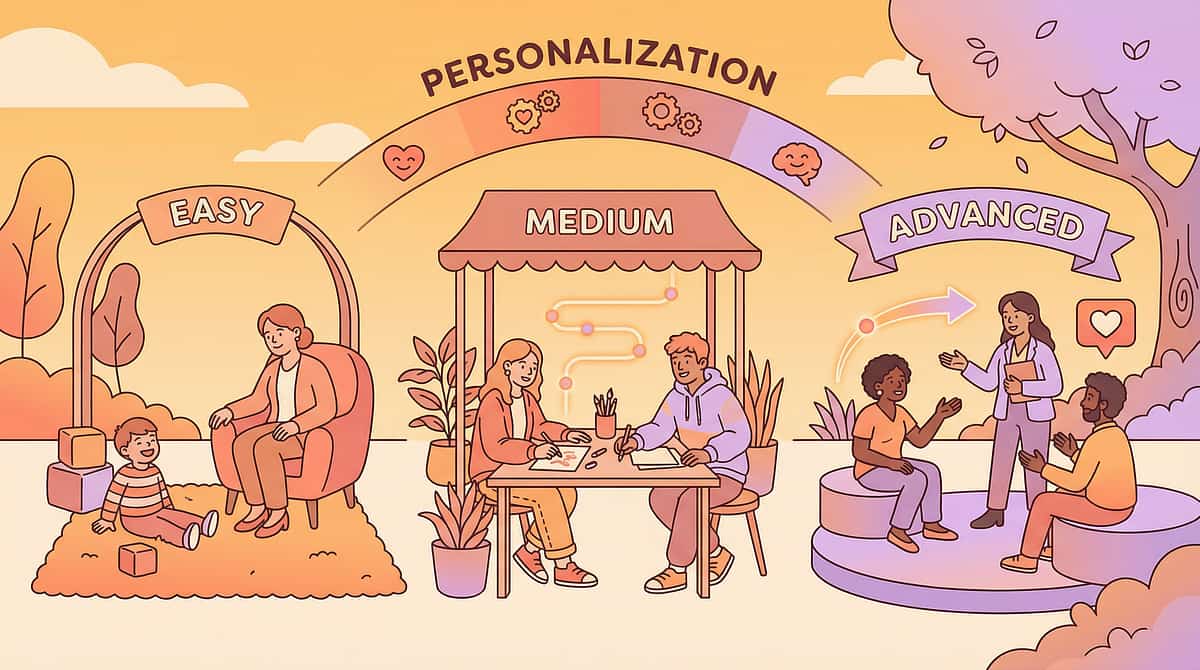
Readiness Check — Are YOU Ready?
For this technique, the readiness check is about YOU, the parent — not the child. Your child is always "ready" to be observed. The question is whether you are in the right state to observe without reacting.
I am emotionally regulated right now ✅
Not in the middle of my own stress response
I have my tracking sheet and pen accessible ✅
Ready at my observation station
I have reviewed the Four Functions ✅
Escape, Attention, Access, Sensory — I know these
I have identified 1–2 specific behaviours to track ✅
Not "everything" — just 1–2 specific, observable behaviours
I commit to observing first and interpreting later ✅
I will track for 1–2 weeks before drawing conclusions
🟢 GO
All checked? Begin observing during the next naturally occurring instance of the target behaviour.
🟡 MODIFY / 🔴 POSTPONE
Feeling overwhelmed? Start with just ONE behaviour and track only the Antecedent. Currently in crisis? Use today for self-care. The tracking will be more accurate when you are regulated.
"The best observation is one that starts from a place of curiosity, not desperation."

Step 1 — Begin Tracking: The ABC Data Collection
Step 1 of 6
You are not starting a "session." You are starting a practice of scientific observation of your own child. Here is how:
A = Antecedent (Before)
What was happening RIGHT BEFORE the behaviour? Environment, demands, transitions, sensory conditions, time of day, caregiver present.
B = Behaviour (What happened)
What EXACTLY did the child do? Observable, specific, measurable. "Screamed" not "melted down." "Threw toy at wall" not "acted out."
C = Consequence (After)
What happened IMMEDIATELY after? Did a demand get removed? Did you come closer? Did they get the item? Did they get sensory input?
"I am going to watch. I am going to write down what I see. I am not going to judge. I am not going to react differently than usual. I am just going to notice."
What Engagement Looks Like
You find yourself genuinely curious about the behaviour instead of frustrated. You write your first ABC entry and think "Hmm, I never noticed that before."
What Resistance Looks Like
You feel overwhelmed by the tracking sheet. This is NORMAL. Simplify: track just the Antecedent for the first 3 days. Add Behaviour and Consequence in week 2.
Safety Note: Keep tracking simple and sustainable. Don't let tracking replace responding to your child. If your child needs you — respond first, track later. 30–60 seconds per entry. Track 1–3 incidents per day. No more.

Step 2 — Decode the Function: Why Is This Happening?
Step 2 of 6
After 5–7 days of ABC tracking, you have data. Now introduce the Behaviour Function Visual Guide and the Iceberg Model. Present the Four Functions Framework to yourself:
ESCAPE
Is the behaviour getting your child OUT of something? Happens during demands, transitions, difficult tasks, overwhelming environments? Stops when demand is removed?
"This is too much. I need to get away from this."
ATTENTION
Is the behaviour getting your child interaction WITH someone? Increases when you're busy or attending to a sibling? Decreases with focused attention?
"I need you. I need connection. Look at me."
ACCESS
Is the behaviour getting your child something they want? Happens when a desired item is visible but unavailable? Stops when they get the item?
"I want that. I don't know how else to get it."
SENSORY
Happens regardless of context? Increases during under- or over-stimulation? Does the behaviour itself seem to feel good or provide relief?
"My body needs this input" or "I need to reduce this sensation."
Using the Iceberg Model: Take your TOP behaviour from the ABC tracking. Write it above the waterline. Brainstorm what might be underneath — emotions, sensory overload, hunger, fatigue, skill gaps, unmet needs. Write EVERYTHING below the waterline.

Step 3 — Go Deeper: Sensory Triggers, Emotions & Communication
Step 3 of 6
You have identified the function. Now go one layer deeper. Most challenging behaviours in autistic children have THREE contributing layers beneath the surface — sensory, emotional, and communicative. Step 3 uses your Sensory Trigger Identification Tools, Emotion-Behaviour Connection Visuals, and Behaviour Communication Guides to map all three layers for your child's top behaviour. This is where understanding becomes truly personalised.
Layer 1 — The Sensory Layer
Take your child's top behaviour from Step 2. Now ask: "Is there a sensory component driving or amplifying this?"
Use your Sensory Trigger Identification Checklist (Material 4) to investigate:
- Auditory: Does the behaviour increase in noisy environments — markets, family gatherings, school assemblies? Does it decrease in quiet spaces?
- Tactile: Does the behaviour increase when the child is touched unexpectedly, wears certain fabrics, or encounters specific textures in food or materials?
- Proprioceptive: Does the behaviour increase when the child has been sitting still for long periods? Does rough play, jumping, or carrying heavy objects reduce it?
- Visual: Does the behaviour increase under fluorescent lighting, in cluttered spaces, or when there is too much visual information on a page?
- Interoceptive: Is the behaviour more frequent when the child is hungry, tired, unwell, or needs the toilet but cannot communicate it?
Mark every "yes" on the checklist. Each yes is a potential antecedent to modify. Share the completed checklist with your OT at the next session.
Layer 2 — The Emotional Layer
Now map the emotion beneath the behaviour using your Emotion-Behaviour Connection Visual (Material 5).
For your child's top behaviour, identify:
- Which zone is the child in when the behaviour occurs? Green (calm), Yellow (anxious/agitated), Red (overwhelmed/explosive), or Blue (shut down/withdrawn)?
- What emotion is most likely present? Anxiety, frustration, overwhelm, boredom, loneliness, shame, or excitement that has tipped into dysregulation?
- What is the earliest warning sign — the yellow flag — before the behaviour escalates? Common early signs: increased stimming, voice pitch change, reduced eye contact, repetitive questioning, physical restlessness, food refusal.
Write the yellow flag on a sticky note and place it where you observe your child most. Your goal is to intervene at the yellow flag — not after the red explosion. Every time you catch the yellow flag and respond, you prevent the red behaviour.
What Is My Child Trying to SAY?
Every behaviour is a communication attempt. Using your Behaviour Communication Guide (Material 6), translate the behaviour into its most likely verbal message. Write it in first person from your child's perspective. "I am hitting because I am trying to say: 'This is too loud and I cannot tell you that in words yet.'" Pinning the verbal translation to the behaviour is the moment understanding becomes empathy.
What Communication Skill Is Missing?
Identify the specific communication skill your child has not yet developed that is causing them to use behaviour instead of words. Is it: requesting a break? Saying "I don't want to"? Indicating pain or discomfort? Asking for help? Saying "I'm scared"? This missing skill becomes the target for your SLP's Functional Communication Training programme. Write it down and share it at the next therapy session.
What Is My Response Teaching?
Your response to the behaviour is itself a communication lesson. If your child screams and you immediately remove the demand — you have taught: "Screaming works to escape demands." If your child hits and you give them the tablet to stop the hitting — you have taught: "Hitting gets me what I want." This is not blame. It is data. Knowing what your response is teaching allows you to change it deliberately and consistently.
Complete the three-layer map for your child's TOP behaviour before moving to Step 4. You do not need to map every behaviour — start with the one that is most frequent, most distressing, or most disruptive to daily life. One behaviour mapped deeply is worth more than ten behaviours mapped superficially.

Step 4 — Build Understanding: Skills Gaps & Prevention
Step 4 of 6
Now introduce the Lagging Skills Framework, Behaviour Communication Guides, and Antecedent Modification Tools.
Layer 1 — Lagging Skills Assessment
For each challenging situation, ask: "What SKILL might my child be missing that makes this situation impossible?"
- Flexibility/adaptability (difficulty shifting plans)
- Frustration tolerance (cannot manage when things are hard)
- Problem-solving (doesn't know what to do instead)
- Emotional regulation (feelings overwhelm coping capacity)
- Communication (can't express the need verbally)
- Sensory processing (can't filter/modulate input)
- Executive function (can't sequence, plan, or initiate)
Layer 2 — Antecedent Modification
For each trigger identified, brainstorm: "How could I change the SETUP to prevent this trigger?" The principle: Change the setup, change the behaviour.
Apply the framework to school settings, community outings, and family gatherings. Share with grandparents and teachers.
"3 good observations > 10 rushed assumptions." Patterns reveal themselves over weeks, not minutes.
Step 5 — Reinforce YOUR Understanding
Step 5 of 6
Understanding behaviour is not a one-time insight — it is a skill that must be practised, tested, and reinforced until it becomes automatic. Step 5 is about consolidating everything you have learned in Steps 1–4 and stress-testing your understanding against real, live situations. This is where parents move from "I think I understand" to "I know I understand."
The Function Fluency Test
Take your ABC data from the past 2 weeks. Cover the "Consequence" column. For each behaviour recorded, write down the function you believe it served — without looking at your notes. Then uncover and compare. If you correctly identify the function for 3 out of 4 incidents, you have achieved Function Fluency. This is the single most important milestone in this entire technique.
If you score below 3 out of 4: Return to your Behaviour Function Visual Guide (Material 2). Re-read the four functions. Collect 5 more ABC observations before retesting. Do not move to Step 6 until you pass this test.
The Compassion Recalibration
Reinforcing understanding is not only cognitive — it is emotional. Each week, complete this three-question reflection:
- "This week, which behaviour did I respond to with understanding rather than frustration?" Write it down.
- "What was the function? What was my child actually trying to communicate?" Write it down.
- "How did my response change when I understood the function?" Write it down.
This reflection practice rewires your automatic emotional response over time. Parents who complete it weekly report a measurable reduction in their own stress levels within 4 weeks. Keep a dedicated notebook — this becomes your evidence of growth.
Step 1 — Weekly ABC Review (Every Sunday, 10 minutes)
Sit with your data sheet. Identify the most frequent behaviour of the week. Confirm its function. Note whether your response was function-matched or function-mismatched. A function-mismatched response (e.g., giving attention to an escape-motivated behaviour) accidentally reinforces the wrong pattern. Catch it early.
Step 2 — The Behaviour Debrief (After every significant incident)
Within 2 hours of a major behaviour incident, complete a 3-line debrief: What happened (Antecedent)? What did my child do (Behaviour)? What did I do (Consequence)? Was my consequence function-matched? If not, what would I do differently? This 3-minute habit builds pattern recognition faster than any other practice.
Step 3 — The Team Alignment Check (Every 2 weeks)
Contact one member of your child's team — teacher, therapist, or co-parent. Share one behaviour observation and your function hypothesis. Ask: "Does this match what you're seeing?" Misalignment between home and school is one of the most common reasons behaviour plans fail. Catch it at Week 2, not Week 8.
Step 4 — The BCBA Data Upload (Weekly via GPT-OS®)
Upload your weekly ABC summary to the Pinnacle Blooms GPT-OS® platform. Your BCBA reviews the data within 48 hours and flags any function misidentifications, emerging patterns, or plan adjustments needed. This is your safety net — the professional layer that ensures your home practice is clinically accurate.
"The goal of Step 5 is not perfection — it is calibration. Every misidentification you catch and correct is a data point that makes your understanding sharper. The parents who progress fastest are not the ones who never get it wrong. They are the ones who review their data honestly every single week."

Step 6 — Integrate & Reflect
Step 6 of 6
After each day of observation and function-based responding, take 5 minutes for your end-of-day reflection. This is not extra work — it is what cements the learning.
1
Review
Look at today's ABC entries. Did any patterns confirm or challenge your hypotheses?
2
Reflect
Which function did you identify most today? Escape? Attention? Access? Sensory?
3
Reframe
Take your most frustrating moment. Rewrite it from your child's perspective: "When [antecedent happened], I felt [emotion] because [underlying need], so I [behaviour] to try to [function]."
4
Release
Put the notebook down. You are not a therapist 24/7. You are a parent who is learning something profound. The tracking can wait until tomorrow.
If the child had a particularly difficult day: This is DATA, not failure. The hardest days often reveal the clearest patterns. Record what you observed. Tomorrow, look for what was different about today's antecedents.
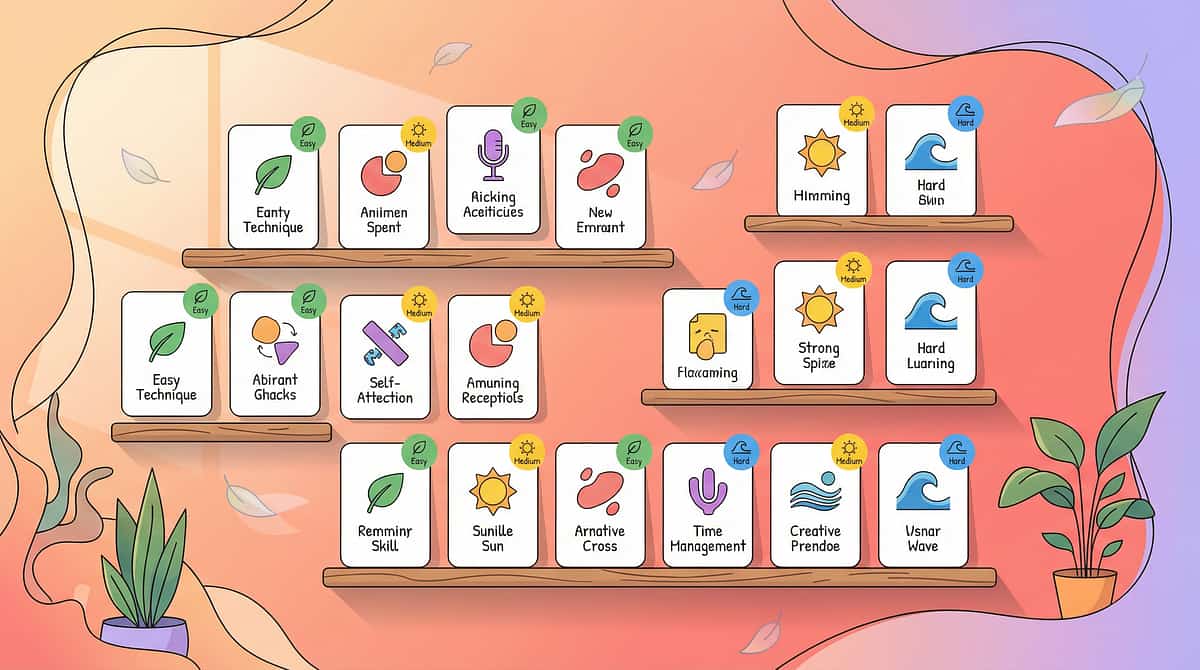
Quick-Capture: Your Weekly Data Summary
At the end of each WEEK, capture these 3 data points. It takes 60 seconds. Your weekly data feeds into your child's Behavioural Self-Regulation Index within GPT-OS®.
1. Total ABC entries this week
Target: 7–15 entries per week. Even 3–5 entries shows commitment and generates useful patterns over time.
2. Most common function identified
☐ Escape ☐ Attention ☐ Access ☐ Sensory ☐ Unclear — Your dominant function guides next steps.
3. One modification you tried
Write the antecedent modification you attempted and its result. One per week is excellent progress.
"60 seconds of data now saves hours of guessing later." Your progression through these five stages is the story of your child's transformation — and yours.
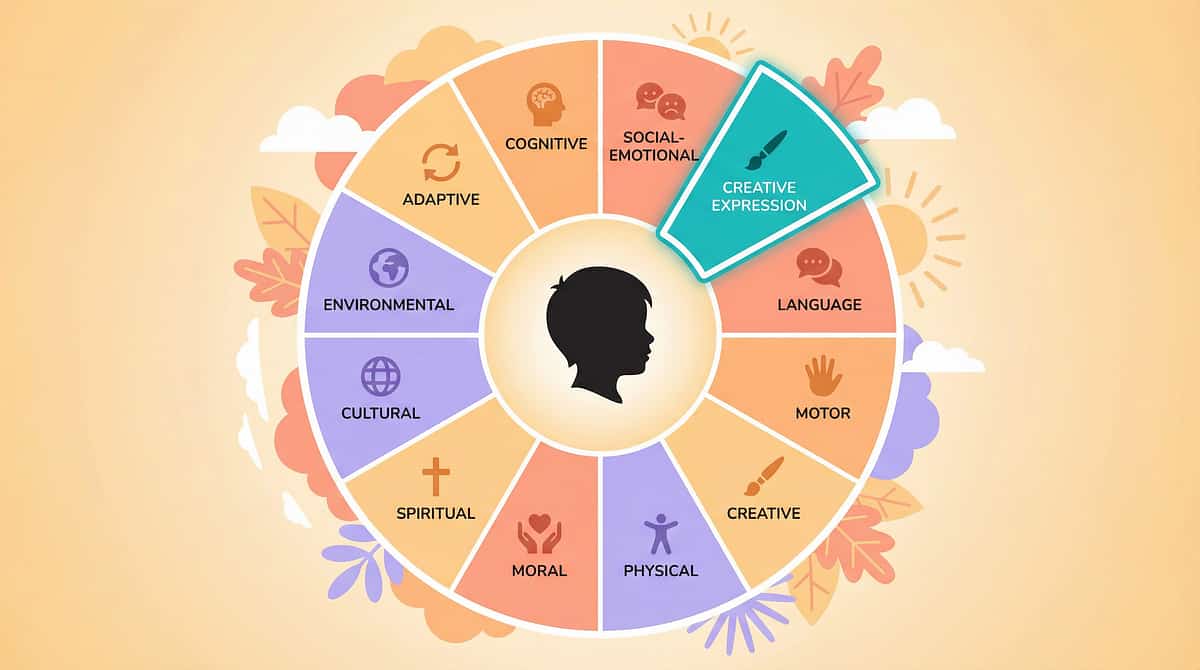
Troubleshooting — When Understanding Feels Impossible
Every parent hits a wall. Here are the most common obstacles — and exactly what to do about each one.
1
Problem 1: "I can't see any patterns after a week."
Why: 1 week may not be enough. Also, you may be tracking too many behaviours. Solution: Narrow to 1 behaviour. Track for 2 full weeks. Look specifically at the Antecedent column — are the same situations appearing repeatedly?
2
Problem 2: "The same behaviour seems to serve different functions."
Why: This is CORRECT and NORMAL. Hitting can be escape-maintained at homework time, attention-maintained when you're on the phone, and sensory-maintained during understimulation. Solution: Track the context. The function lives in the antecedent and consequence, not the behaviour itself.
3
Problem 3: "I know the function but I don't know what to do."
Why: Understanding is Step 1. Intervention is Step 2. Once you've identified the function: Escape → reduce demand or teach "break" requesting. Attention → teach appropriate attention-seeking. Access → teach requesting/waiting. Sensory → provide sensory diet. Explore D-342: Teaching Replacement Behaviours.
4
Problem 4: "My spouse/family doesn't believe in this approach."
Solution: Share the Iceberg Model. Ask: "What if I'm right that there's something underneath?" Track for 2 weeks and share the data. Numbers persuade where words fail.
5
Problem 5: "A huge meltdown happened and I forgot to track."
Why: During crisis, your own amygdala activates and tracking becomes impossible. Solution: NEVER track during a crisis. Respond to your child first. Track from memory within 30 minutes of the incident. Even partial data is valuable data.
6
Problem 6: "The behaviours got WORSE since I started tracking."
Why: Either (a) you're NOTICING more because you're paying attention, or (b) an "extinction burst" — behaviour temporarily intensifies before improving. Solution: Continue tracking. If truly escalating in severity, consult a professional.
7
Problem 7: "I can't do this on my own."
Solution: You shouldn't have to. Book a teleconsultation with a Pinnacle Blooms BCBA who can review your data and guide your interpretation. Call 9100 181 181 — FREE National Autism Helpline, 18+ languages, 24/7.
"Session abandonment is not failure — it's data."
Personalise Your Approach
Every child's profile is different. Every parent's capacity varies day to day. Here is how to adapt this technique to meet you exactly where you are.
🟢 Easier Version
- Track only Antecedents (skip Behaviour and Consequence columns)
- Focus on one behaviour, one time of day (e.g., just dinner time)
- Use a simple tally instead of detailed notes
- Ask yourself one question after each incident: "Escape, Attention, Access, or Sensory?"
- Use voice memos on your phone instead of writing
🔵 Standard Version
- Full ABC tracking for 1–2 target behaviours
- Weekly review against Four Functions framework
- Iceberg Model analysis for top behaviour
- Sensory Trigger Checklist application
- One antecedent modification per week
🔴 Advanced Version
- Track multiple behaviours simultaneously
- Calculate function percentages (e.g., "70% of hitting is escape-maintained")
- Cross-reference with sensory profile data from OT
- Develop formal antecedent modification plans for school AND home
- Begin pairing understanding with Functional Communication Training
By Age Adjustment
- Ages 2–4: Focus on sensory and escape functions. Use picture-based emotion mapping.
- Ages 4–8: Add attention and access functions. Begin introducing the iceberg model to the CHILD.
- Ages 8–12: Full four-function analysis. Include the child in the detective process: "Help me understand what was happening for you when…"
Sensory Seeker vs. Avoider
Seekers: Sensory function is often primary. Look for behaviours that PROVIDE input (spinning, crashing, mouthing).
Avoiders: Escape function from sensory overload is often primary. Look for behaviours that REMOVE input (covering ears, fleeing rooms, shutting down).

Weeks 1–2: The Awareness Phase
Progress
15%
Phase Progress
You are building the foundation of observation and pattern awareness
What "progress" looks like at this stage — specific and observable:
✦ You catch yourself mid-reaction and PAUSE to wonder "what's the function?" — even once
✦ You notice an antecedent you've never noticed before: "Oh — this always happens when I ask him to stop screen time"
✦ You fill out 5+ ABC entries (they don't have to be perfect)
✦ You feel a tiny shift from "Why does he DO this?" to "What is he TELLING me?"
Managing expectations: Behaviours will NOT decrease yet. You are in the understanding phase, not the intervention phase. Nothing external has changed. If behaviours decrease, that's a bonus — likely from YOUR calmer observation posture affecting the environment.
"If you paused before reacting — even once — that's real progress."

Weeks 3–4: The Pattern Phase
Progress
40%
Phase Progress
Consolidation: patterns are emerging and your response is beginning to change
Consolidation indicators:
✦ You can identify the most likely function of your child's top behaviour BEFORE consulting your data
✦ You've tried at least one antecedent modification and observed the result
✦ You shared the four functions with another caregiver — spouse, grandparent, teacher
✦ You notice you're using "function language" spontaneously: "I think she's trying to escape that"
✦ You experience a moment of compassion replacing frustration during a behavioural incident
What the Child May Start Doing
If your changed response includes meeting the underlying need, you may see early behaviour reduction — this is the child saying "You finally heard me."
When to Increase Intensity
If patterns are clear and you feel confident in function identification, begin pairing with D-342: Teaching Replacement Behaviours. Understanding + Replacement = Transformation.
Weeks 5–8: The Mastery Phase
Progress
75%
Phase Progress
Mastery: function-based thinking is now automatic — you are preventing behaviour, not just understanding it
Mastery indicators:
✦ You no longer need to consult your ABC sheets to identify the function — you know it in the moment
✦ You have successfully prevented at least 3 behaviour incidents through antecedent modification this week
✦ Your child has used a replacement behaviour (words, PECS, gesture) at least once instead of the challenging behaviour
✦ You have shared a written Behaviour Passport with at least one professional — teacher, therapist, or paediatrician
✦ Behaviour frequency data shows a measurable downward trend over the past 3 weeks
✦ You can explain the four functions of behaviour clearly to another parent or caregiver without referring to notes
✦ You feel the shift: from managing your child's behaviour to understanding your child's experience
The Mastery Milestone
Mastery in this technique does not mean your child never has a challenging behaviour again. It means YOU have permanently changed how you see, interpret, and respond to behaviour. That shift is irreversible. Once you understand that behaviour is communication, you cannot un-know it — and your child's world becomes safer because of it.
Your Next Move
Mastery of Functional Understanding unlocks the next tier of the Pinnacle Blooms Programme. You are now ready for D-342: Teaching Replacement Behaviours — where you take everything you have learned about WHY your child behaves and begin building WHAT they do instead. Book your BCBA review session to confirm readiness and receive your personalised next-step plan.
🏅 Mastery Badge Unlocked: Behaviour Detective. You have completed the foundational layer of the Pinnacle Blooms Behaviour Domain. Your BCBA will record this milestone in your child's GPT-OS® profile and update the developmental map accordingly.

🎉 You Did This.
Remember Card 01? You were standing at the kitchen counter at 6:47 PM, exhausted and confused, wondering "Why does he DO this?"
Look at you now. You can name the four functions of behaviour. You can track ABC data in your sleep. You understand that your child's "bad behaviour" was never bad — it was a message you hadn't learned to read yet.
You shifted from "How do I stop this?" to "What is my child trying to tell me?"
That shift didn't just change your approach. It changed your relationship with your child.
Write Your Letter
Journal entry: Write a letter to the "you" from 8 weeks ago. Tell yourself what you've learned and what has changed.
Share Your Insight
Share your biggest "aha moment" with your partner or a trusted friend. Your insight helps others find this path.
Photo Moment
Take a photo with your child doing an activity that used to be a trigger — and is now manageable. Mark this milestone.
Share your journey: #PinnacleBlooms #UnderstandingBehaviour #WhyNotWhat #BehaviourAsCommunication
⚠️ Red Flags — When to Seek Professional Support
Even in the mastery zone, watch for these signs. Your instincts matter — if something feels wrong, pause and ask.
🚩 Behaviour Causing Injury
Severity is increasing despite understanding the function — child, siblings, or adults are being hurt. What to do: Book an urgent BCBA consultation. A formal FBA and BIP are required.
🚩 Function Remains Unclear
After 4+ weeks of tracking, the behaviour still seems random. What to do: Request a professional Functional Behaviour Assessment. Some behaviours require structured analogue assessment conditions.
🚩 Medical Factors May Be Involved
Behaviour change coincided with illness, medication change, GI distress, sleep disruption, or puberty onset. What to do: See your NeuroDevelopmental Paediatrician BEFORE continuing behavioural interpretation.
🚩 Your Mental Health Is Suffering
Caregiver burnout, depression, anxiety, or relationship strain from behaviour challenges. What to do: You cannot pour from an empty cup. Seek support for YOURSELF. Pinnacle centres offer parent counselling alongside child therapy.
🚩 Behaviour Escalating Despite Modifications
You've changed the triggers but the behaviour finds new triggers. What to do: The behaviour may require professional extinction programming. Do not attempt extinction without BCBA guidance.
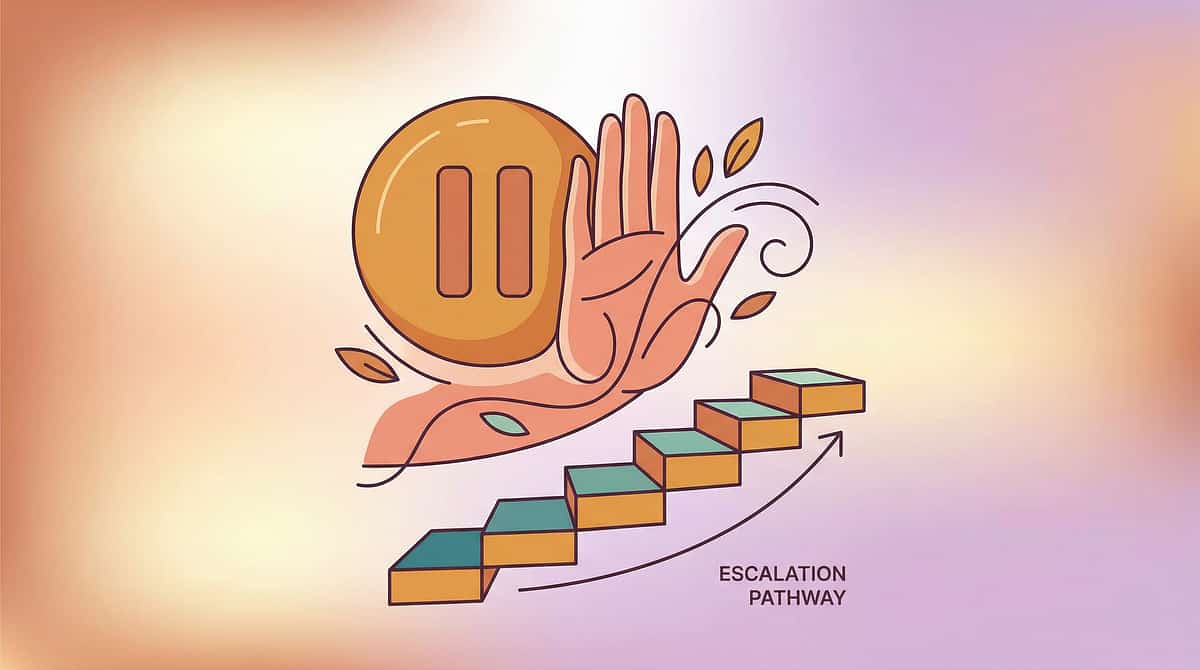
Escalation pathway: Self-resolve (within your comfort zone) → Teleconsultation (9100 181 181) → Clinic visit (pinnacleblooms.org/centres)
Your Developmental GPS — Where to Go Next
Where You Came From
- D-340: Celebrating Strengths
- D-338: Reducing Meltdowns (reactive approaches)
⭐ You Are Here
D-341: Understanding Why Behaviours Happen
Where You're Heading — Choose Your Path
- Path A → D-342: Teaching Replacement Behaviours — best if you've identified the function and need to teach your child WHAT to do instead
- Path B → D-343: Creating Behaviour Support Plans — ideal for school coordination
- Path C → D-344: Building Frustration Tolerance — best if escape-maintained behaviours are dominant
Related Techniques — Behaviour Domain
You already own materials for these — 7 of the 9 materials from this technique appear in related behaviour domain techniques. Your investment compounds.

D-338: Reducing Meltdowns
Difficulty: Intro | Materials overlap: Sensory Trigger Tools ✓

D-339: Managing Aggression
Difficulty: Core | Materials overlap: ABC Data Tools ✓, Function Guides ✓

D-342: Teaching Replacement Behaviours
Difficulty: Core | Materials overlap: Communication Guides ✓, Function Guides ✓

D-343: Behaviour Support Plans
Difficulty: Advanced | Materials overlap: ABC Data ✓, Antecedent Tools ✓

D-344: Frustration Tolerance
Difficulty: Core | Materials overlap: Emotion-Behaviour Tools ✓, Lagging Skills ✓

D-350: Building Self-Regulation
Difficulty: Advanced | Materials overlap: Sensory Tools ✓, Iceberg Model ✓
Preview of 9 materials that help understanding why behaviors happen Therapy Material
Below is a visual preview of 9 materials that help understanding why behaviors happen therapy material. The pages shown help educators, therapists, and caregivers understand the structure and content of the resource before use. Materials should be used under appropriate professional guidance.


Link copied!

This Technique Is One Piece of a Larger Plan
Understanding behaviour (Domain D) doesn't happen in isolation. It directly feeds and strengthens five other developmental domains simultaneously.
Domain D Directly Feeds:
- Domain I: Emotional Regulation — understanding emotions behind behaviour
- Domain F: Communication — behaviour as communication leads to communication training
- Domain E: Social Skills — function-based thinking improves social interactions
- Domain C: Sensory Processing — sensory-driven behaviours connect to sensory intervention
- Domain K: Parent/Caregiver Support — your competence reduces family stress
GPT-OS® FusionModule™
Your child's development is not one domain at a time — it's all domains simultaneously, interconnected. GPT-OS® coordinates all 12 domains through the FusionModule™ so your child receives converged, not siloed, therapeutic support.