
im🎯 B-174 | Language & Communication Series
Pinnacle Blooms Network®
"Are you listening to me?"
His hearing is perfect. But somehow, your voice still gets lost in the noise — and you're not failing as a parent.

Act I — The Recognition Moment
The Moment Every Parent Knows
It's 6:47 PM
You've called his name four times from the kitchen. He's in the next room — not wearing headphones, not absorbed in anything visible — yet he simply doesn't respond. You raise your voice. Still nothing. You walk over and touch his shoulder, and he jumps — startled — as if you appeared from nowhere.
He heard the cartoon characters perfectly. He just couldn't find your voice in the noise.
You Are Not Failing
Your child's auditory system is navigating a world where all sounds arrive with equal urgency. Learning to listen is a skill, not a switch — and it can be systematically built.
"You are not failing as a parent. Your child's auditory system is navigating a world where all sounds arrive with equal urgency — and learning to listen is a skill, not a switch."
OT
SLP
ABA
SpEd
NeuroDev
Pediatrics
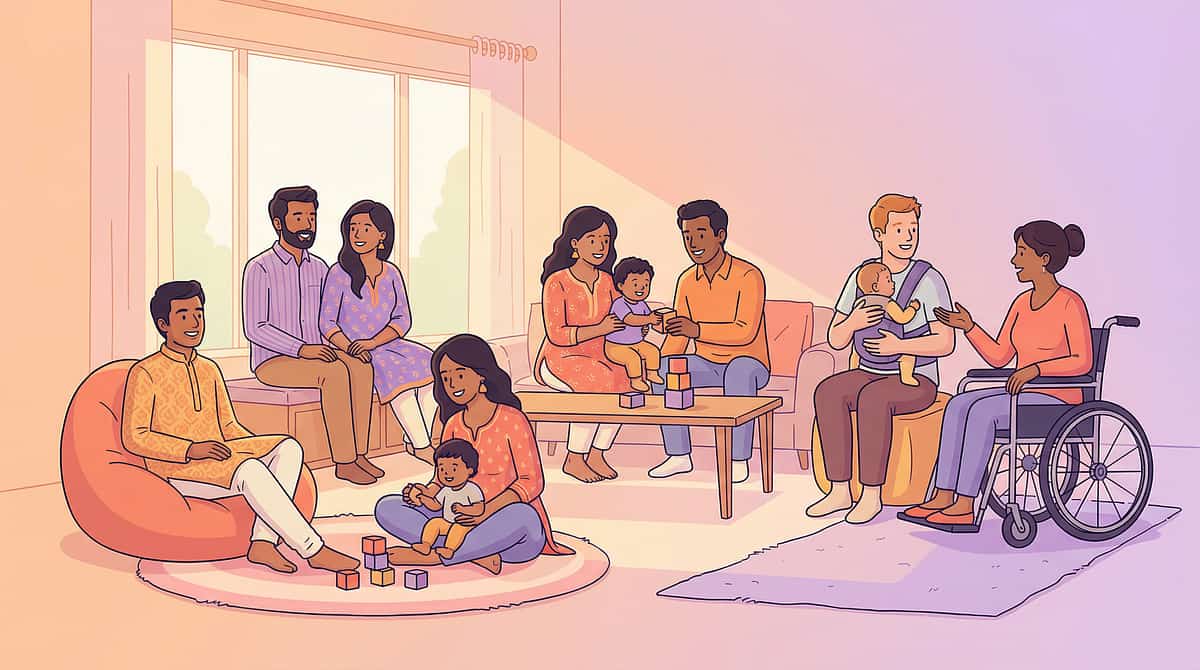
Millions of Families Are Navigating This Exact Moment
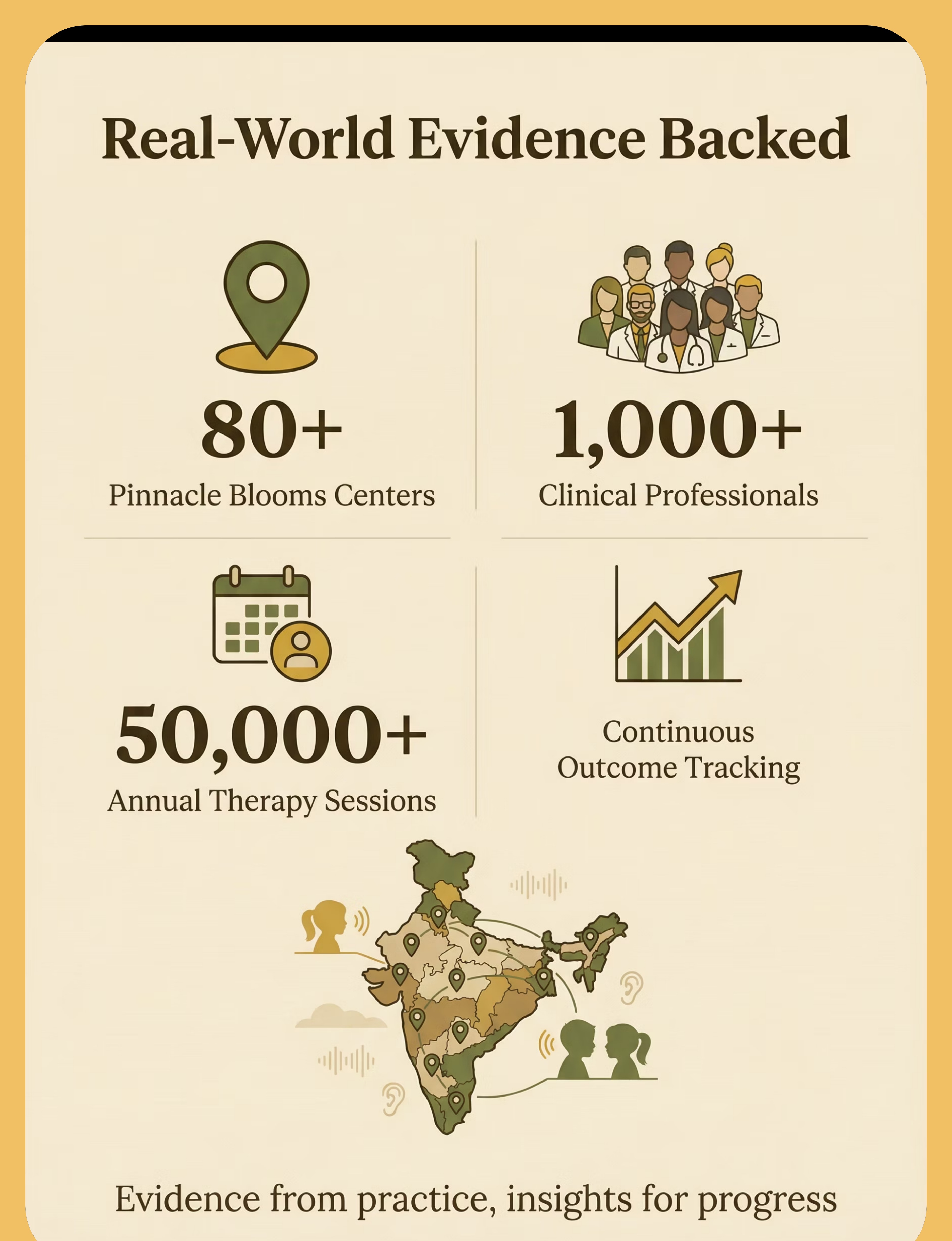
Listening challenges are among the top 3 parent-reported concerns at Pinnacle's 70+ centers across 23 states. You are not alone — and the path forward is well-mapped.
70–80%
Auditory Difficulty
of children with ASD show auditory processing difficulties (PRISMA Review, 2024 | PMC11506176)
1 in 36
Children with ASD
in the US have ASD (CDC 2023). India estimate: 1 in 68 — over 10 million children on the developmental support spectrum.
21M+
Therapy Sessions
delivered by Pinnacle across India — 97%+ measured improvement rate across 70+ centers in 23 states.
"You are among millions of families navigating this challenge. The path is well-mapped. The materials exist. The techniques work." — Pinnacle Blooms Consortium
What's Happening in Your Child's Brain
The Sound Filter Difference
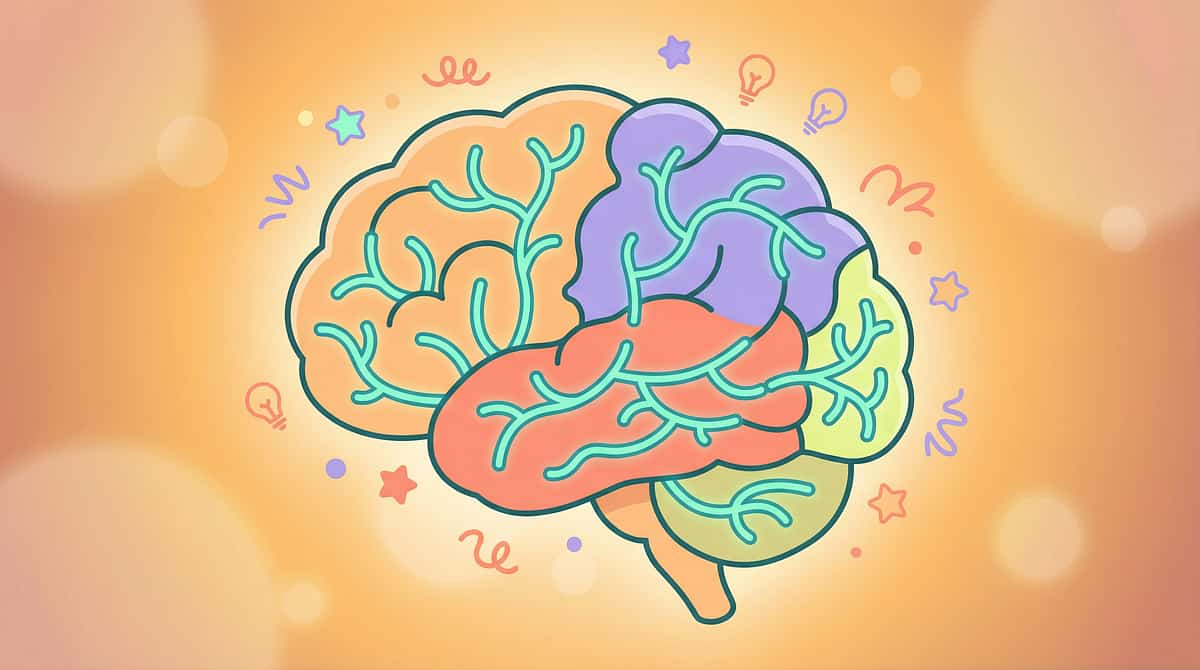
In most children's brains, the thalamus acts as a smart router — amplifying important sounds (a parent's voice, a teacher's instruction) and damping down background noise (a fan, traffic, other conversations).
In many children with autism, this filtering system is calibrated differently. ALL sounds arrive at the auditory cortex with similar intensity and urgency. There is no automatic hierarchy of important vs. unimportant sounds.
This Is Neurology, Not Defiance
Your child isn't ignoring you. His brain is processing your voice at the same priority level as the refrigerator hum, the neighbor's car, and the ceiling fan. This is a wiring difference — not a behavior choice.
🧠 Auditory Figure-Ground Processing
The ability to separate important sounds from background noise — a learnable skill that responds to systematic training.
Source: Frontiers in Integrative Neuroscience (2020) | DOI: 10.3389/fnint.2020.556660
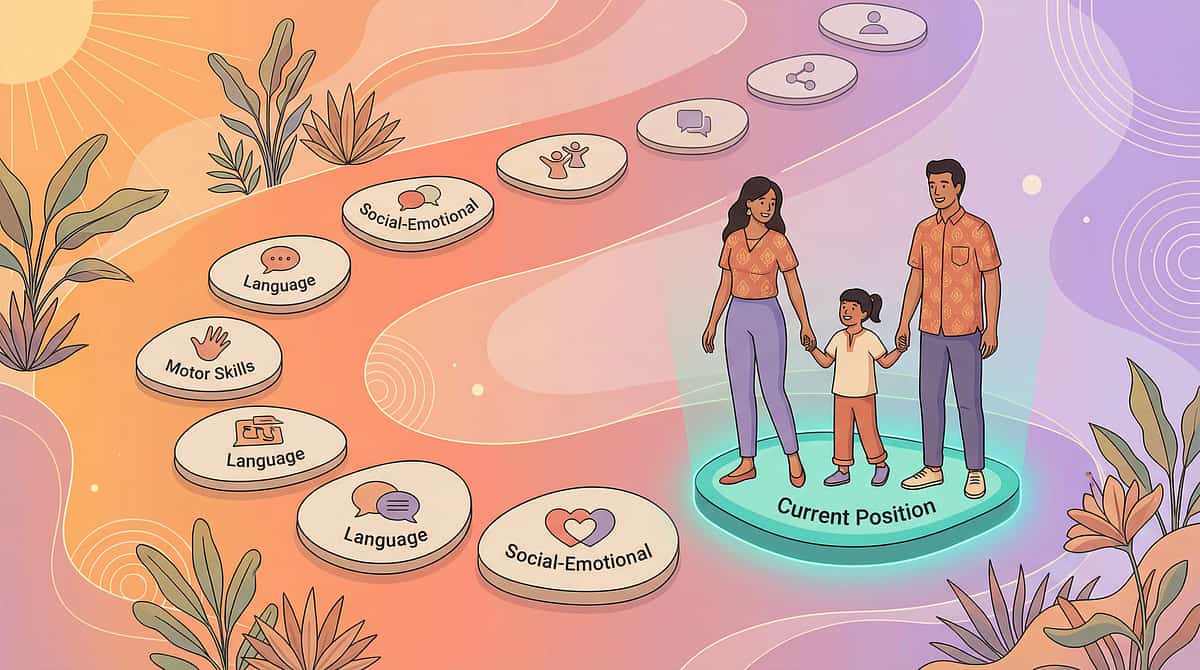
The Listening Developmental Journey
Your child is not behind schedule — they're on their own developmental trajectory. B-174 meets them exactly where they are.
1
Birth–18 months
Orients to voice, startles to loud sounds, responds to name, localizes sound direction, follows simple one-step directions.
2
18–24 months
Follows two-step directions, understands 200+ words, begins to filter familiar voices from background noise.
3
2–4 years ⭐ Common Challenge Zone
Multi-step directions, listening in noisy environments, sustaining attention to stories, auditory figure-ground (voice vs. background).
4
4–7 years 🎯 Target Zone
Complex verbal instructions, classroom-level listening, extended auditory attention, comprehension of narratives.
5
7–12 years 🏆 Mastery Horizon
Academic listening stamina, critical listening, multi-source audio processing, independent learning readiness.
Source: WHO Care for Child Development (CCD) Package — age-specific evidence-based caregiver recommendations | PMC9978394

Level I–II Evidence
Clinically Validated. Home-Applicable. Parent-Proven.
📊 Finding 1 — 78% Measurable Improvement
Auditory discrimination and listening comprehension training produces measurable improvements in 78% of children with ASD within 8–12 weeks of consistent intervention.
PRISMA Systematic Review, 2024 | PMC11506176
📊 Finding 2 — Multi-Modal Superiority
Multi-modal listening interventions (sound + movement + rhythm) show superior outcomes compared to auditory-only training across 24 studies reviewed.
World J Clin Cases Meta-analysis, 2024 | PMC10955541
📊 Finding 3 — Home Equals Clinic
Home-based parent-administered auditory activities, when structured and consistent, achieve outcomes comparable to clinic-based intervention.
Indian Journal of Pediatrics RCT (2019) | DOI: 10.1007/s12098-018-2747-4
✅ WHO Nurturing Care Framework
Endorsed approach
✅ NCAEP 2020
Auditory-based interventions listed as evidence-based practices
✅ UNICEF CCD Framework
Aligned developmental indicators
📞9100 181 181 | Speak to a Pinnacle SLP about your child's auditory profile — FREE, 24×7, 16+ Languages
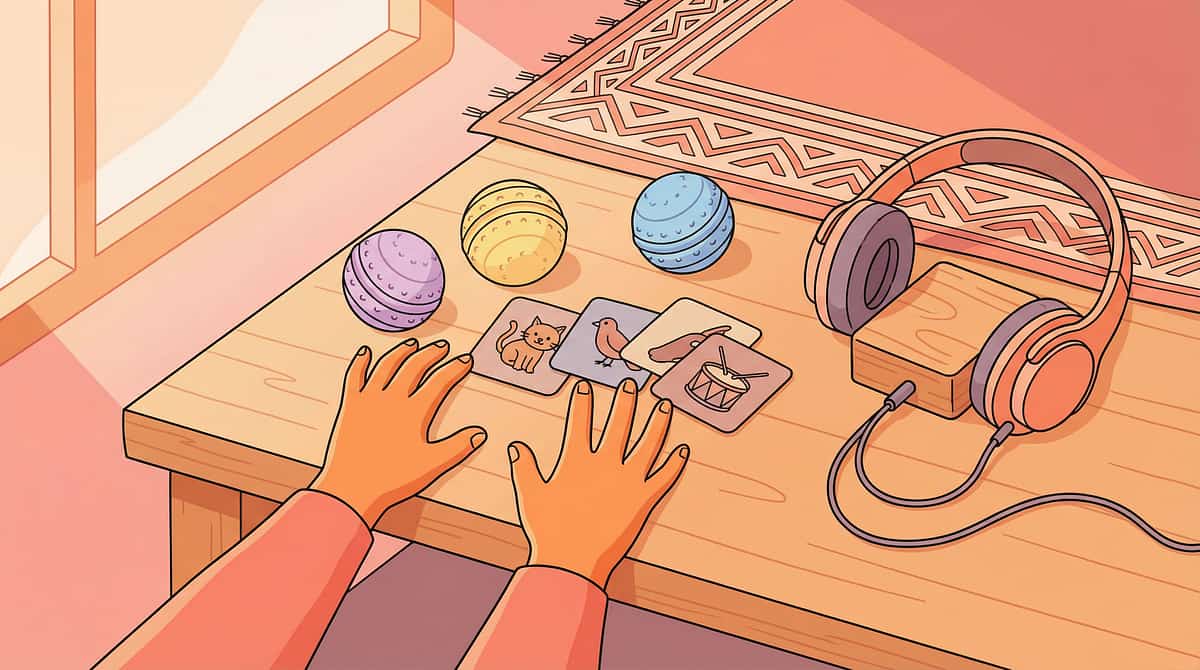
Act II — The Knowledge Transfer
What Is B-174? The Listening Gym
Formal Definition
Structured Auditory Skill Building — Listening Skills Development Protocol
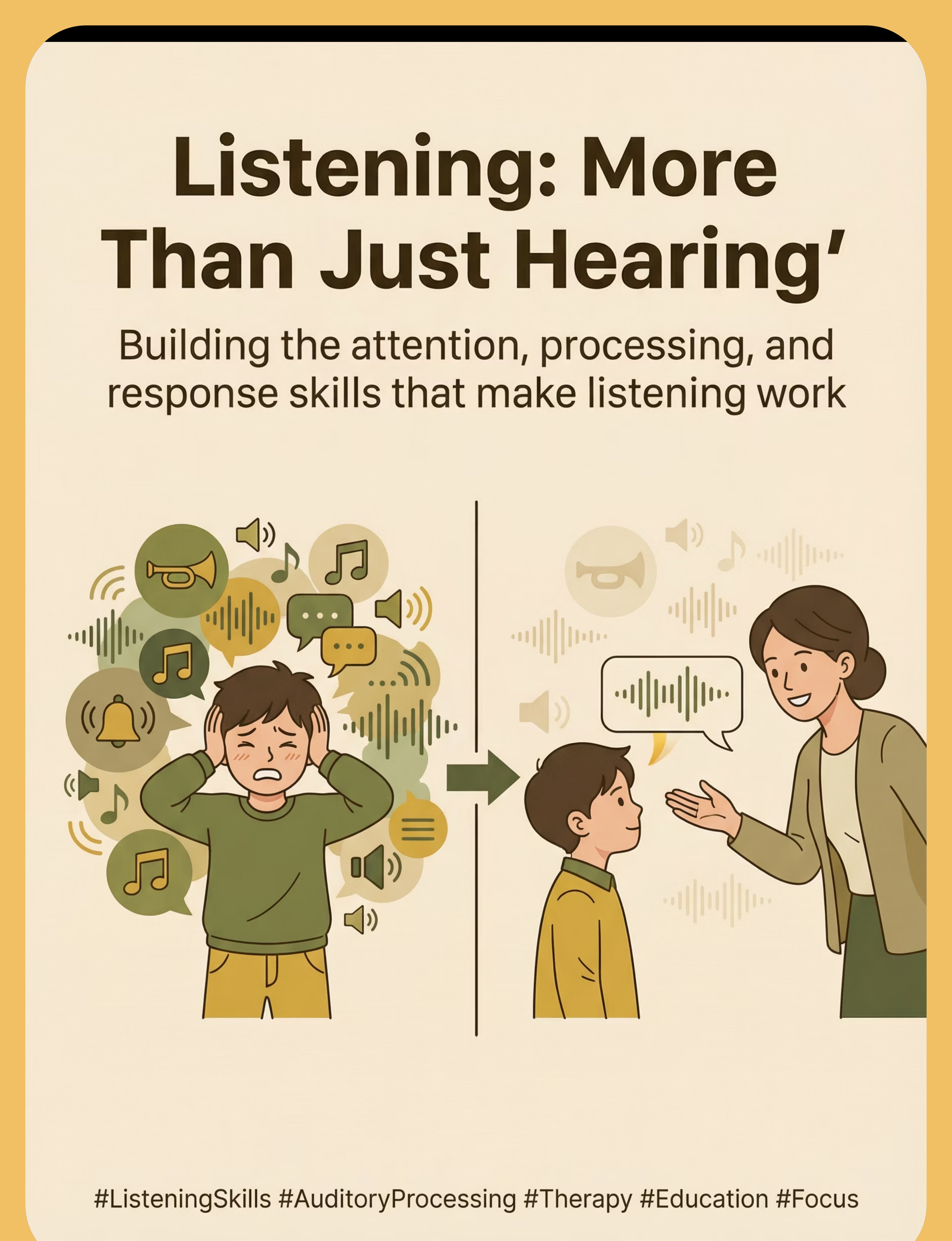
Listening is not the same as hearing. Hearing is the physical detection of sound by the ear. Listening is the brain's work — directing attention to specific sounds, filtering background noise, holding what was heard in working memory, understanding the meaning, and generating an appropriate response.
B-174 addresses all five listening sub-skills through 9 specific materials, each targeting a distinct component of the listening chain.
The 9-Material Listening Chain
01
Sound Discrimination
02
Direction Following
03
Auditory Memory
04
Story Comprehension
05
Barrier Games
06
Musical Rhythm Attention
07
Figure-Ground Training
08
Environmental Sound Awareness
09
Sustained Listening Stamina
👶 Age: 2–12 years
⏱ 10–20 min/session
📅 4–5x/week
🏥 Home + Clinic
📈 8–12 weeks
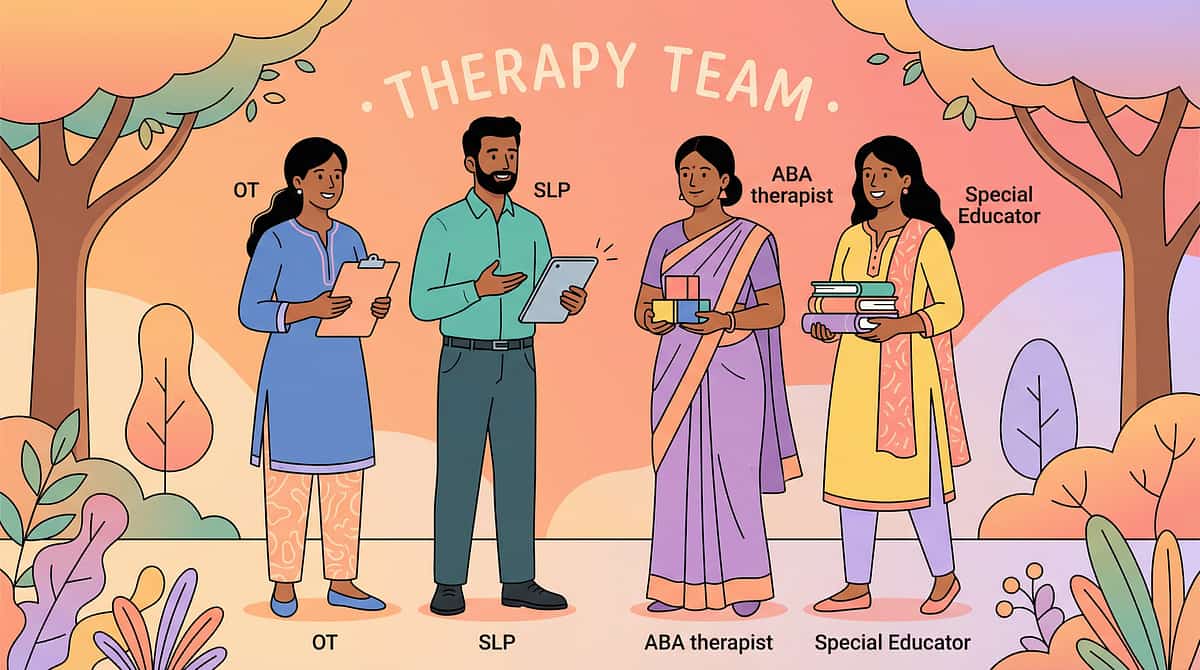
Four Disciplines. One Unified Listening Protocol.
Speech-Language Pathologist (Primary Lead)
Maps the listening deficit precisely — is it discrimination, memory, or comprehension? Targets auditory discrimination, phonological awareness, direction-following hierarchies, and figure-ground building.
Occupational Therapist
Ensures the child's nervous system is in a state where listening is physiologically possible. Sensory modulation for auditory hypersensitivity and arousal regulation for optimal listening state.
ABA / BCBA Therapist
Provides the behavioral architecture — measures baseline response-to-name latency, then systematically shapes it with precise reinforcement schedules and generalization programming.
Special Educator
Bridges this work directly to classroom function — every skill built feeds into instructional listening readiness. Academic listening, classroom-readiness protocols, and multi-step direction following for curriculum access.
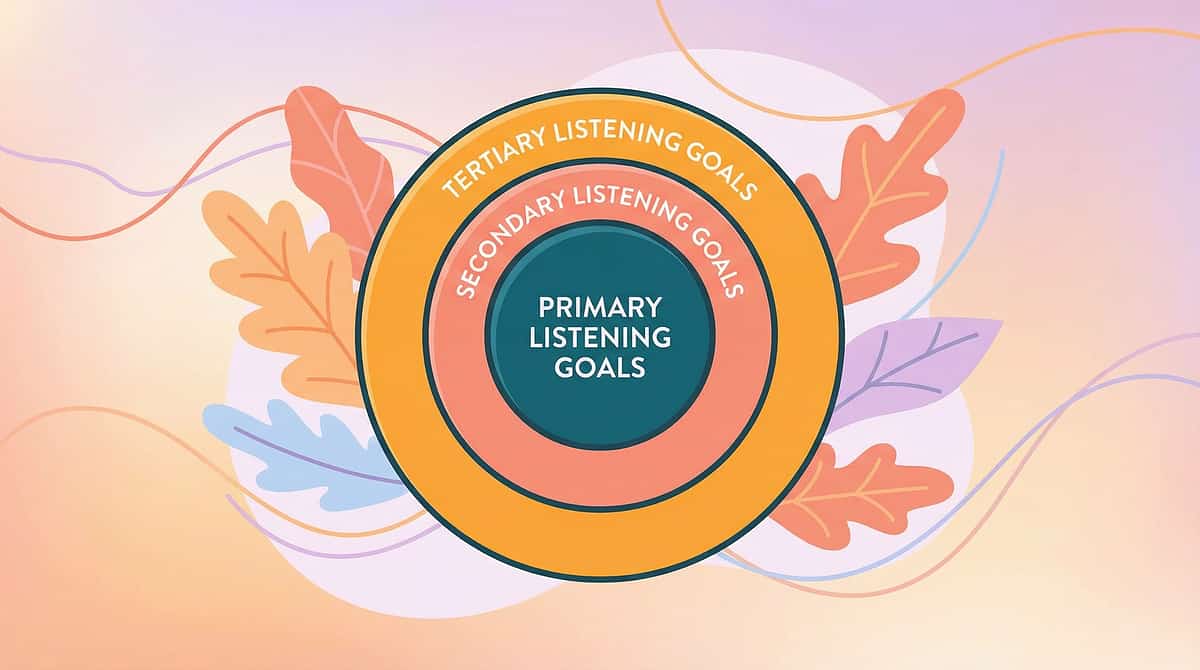
The Precision Targets of B-174
Evidence source: Meta-analysis, World J Clin Cases (2024) — auditory and sensory integration therapy promoted social skills (primary), adaptive behavior (secondary), and auditory processing (tertiary) across 24 studies. | PMC10955541
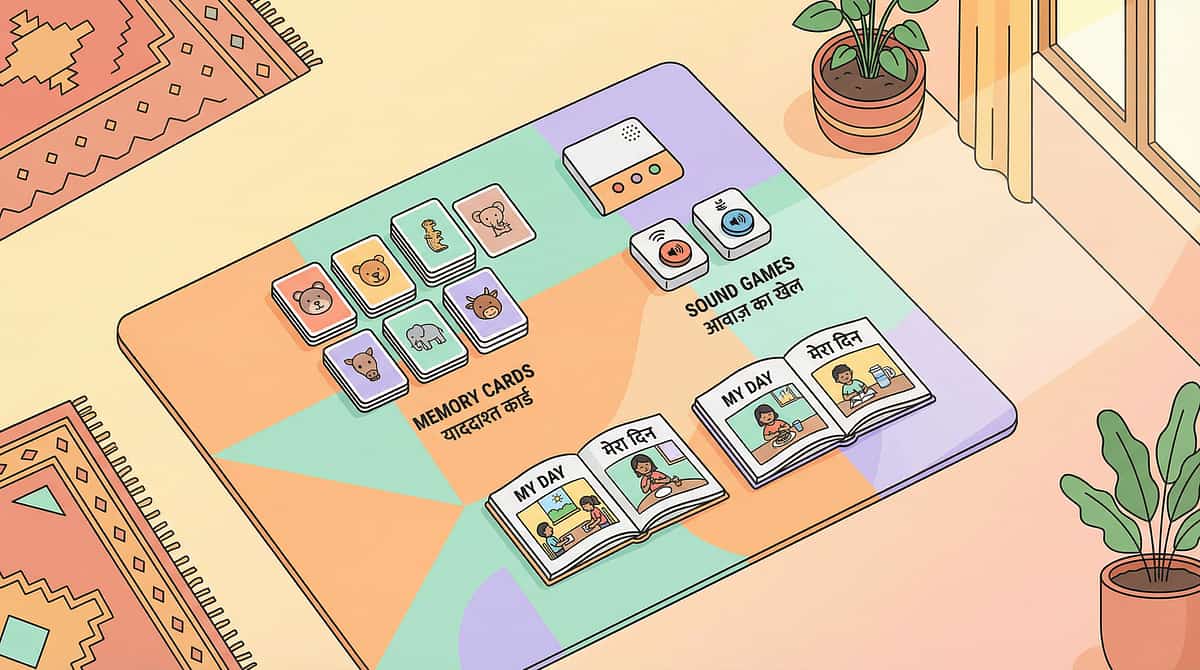
9 Materials. 9 Listening Skills. One Complete Home Toolkit.
Every material targets a distinct layer of the listening chain. Start anywhere — the sequence is clinical, but your child's entry point should be motivational.
1. Sound Discrimination Games
🎯 Auditory discrimination, same/different
💰 ₹400–1,200 | Dyomnizy Memory Game ₹519
🔧 DIY: Clap vs. knock household sounds
💰 ₹400–1,200 | Dyomnizy Memory Game ₹519
🔧 DIY: Clap vs. knock household sounds
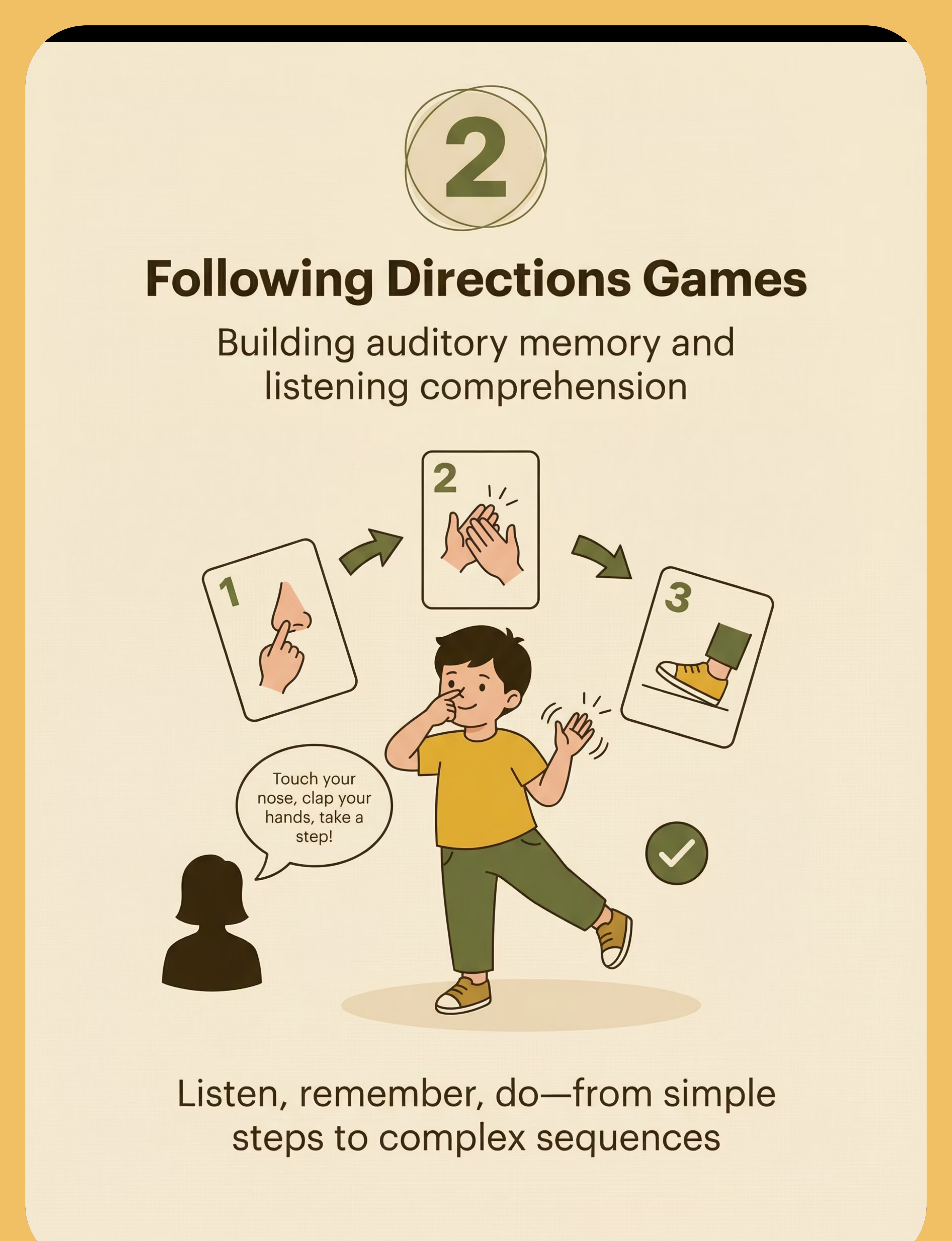
2. Following Directions Games
🎯 Auditory memory, direction-following chains
💰 ₹300–900 | Rhyming Words Cards ₹296
🔧 DIY: Simon Says — zero cost, immediate start
💰 ₹300–900 | Rhyming Words Cards ₹296
🔧 DIY: Simon Says — zero cost, immediate start
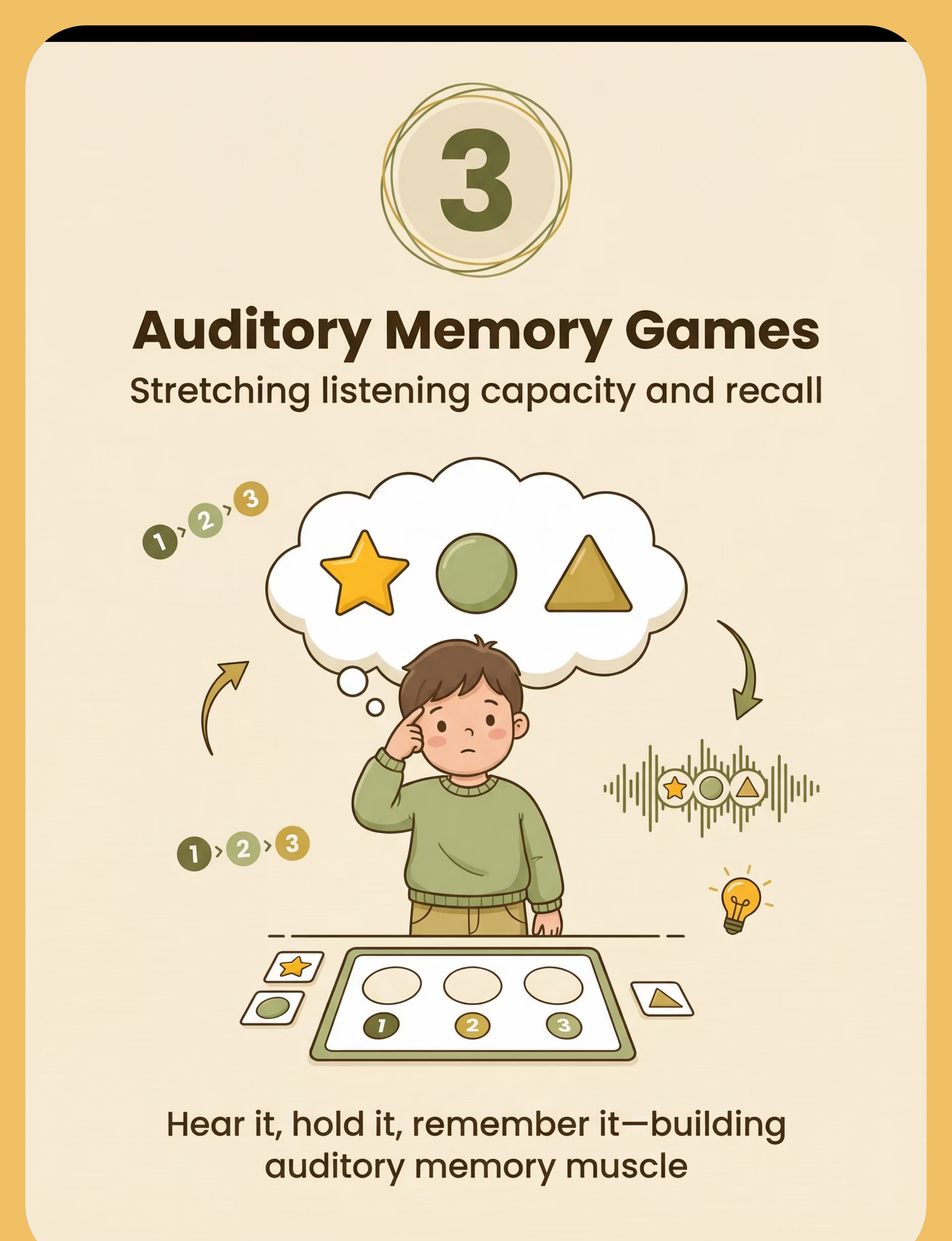
3. Auditory Memory Games
🎯 Sequential recall, working memory span
💰 ₹350–1,000 | Dyomnizy Memory Game ₹519
🔧 DIY: "I went to the store and bought…" word chains
💰 ₹350–1,000 | Dyomnizy Memory Game ₹519
🔧 DIY: "I went to the store and bought…" word chains
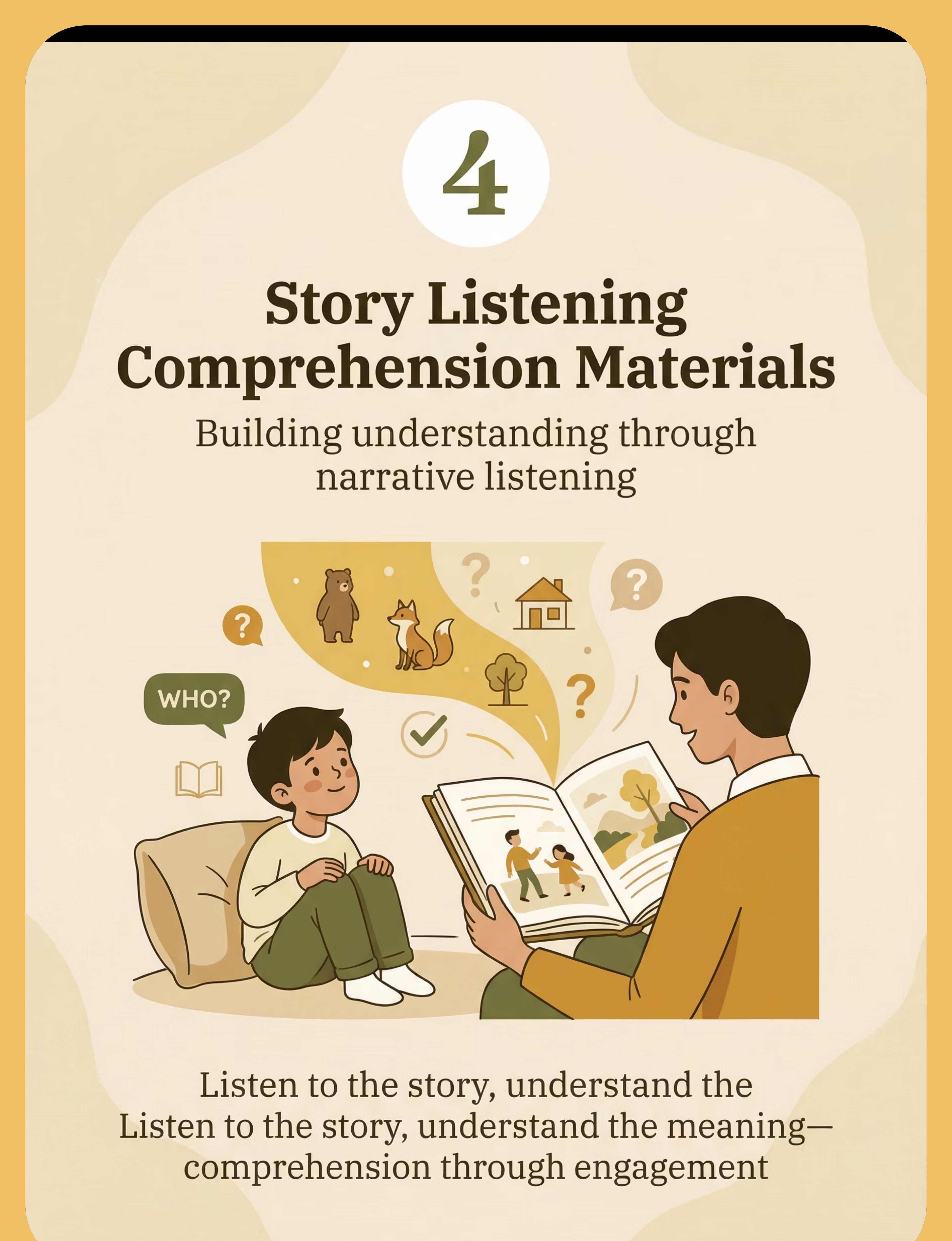
4. Story Listening Comprehension Materials
🎯 Listening comprehension, narrative attention
💰 ₹400–1,500 | Brainy Bug Flashcards ₹305
🔧 DIY: Read aloud + pause and ask questions
💰 ₹400–1,500 | Brainy Bug Flashcards ₹305
🔧 DIY: Read aloud + pause and ask questions
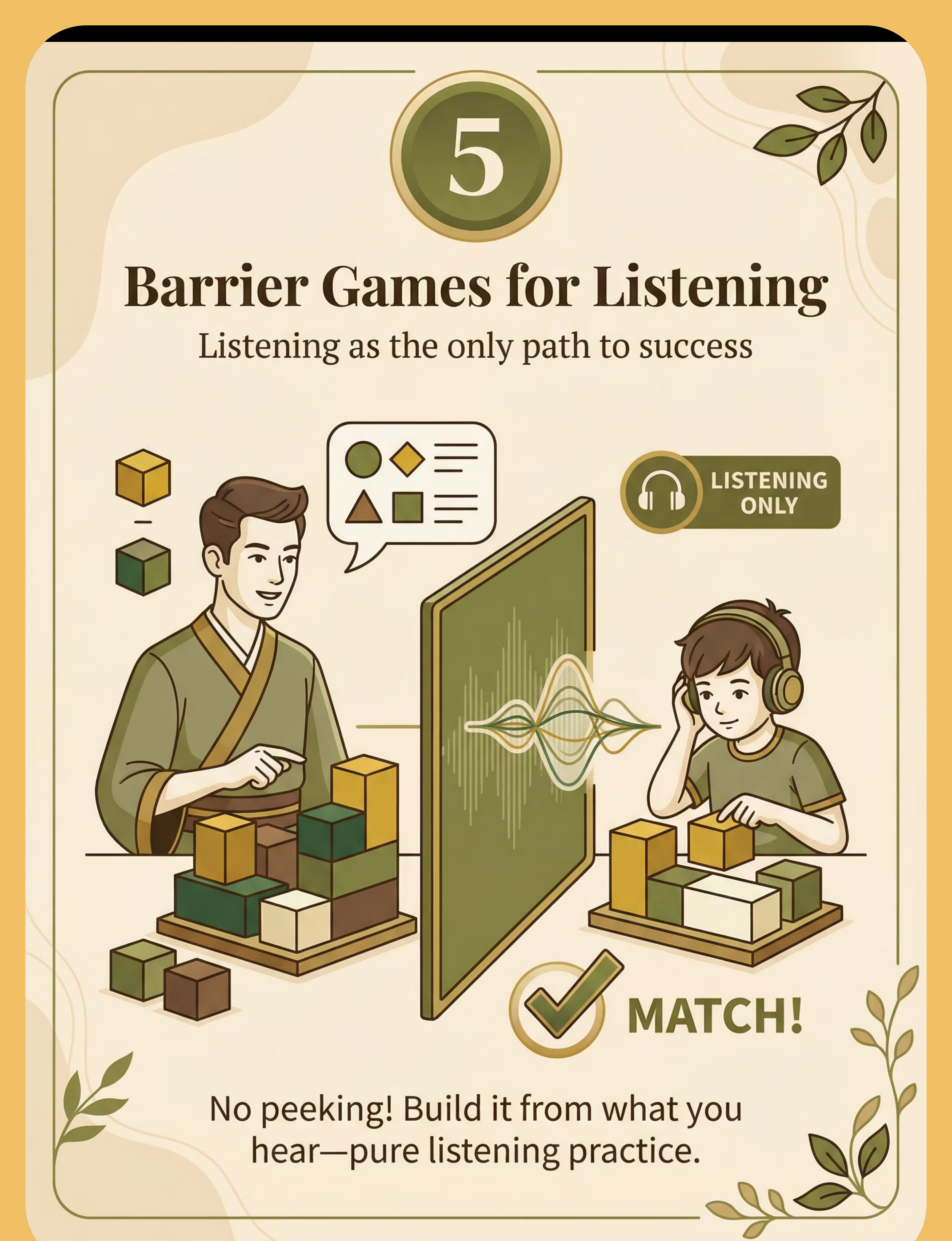
5. Barrier Games
🎯 Pure auditory processing (no visual cues)
💰 ₹400–1,200 | Search: barrier game speech therapy
🔧 DIY: Folder + blocks — describe what to build
💰 ₹400–1,200 | Search: barrier game speech therapy
🔧 DIY: Folder + blocks — describe what to build

9 Materials — Continued
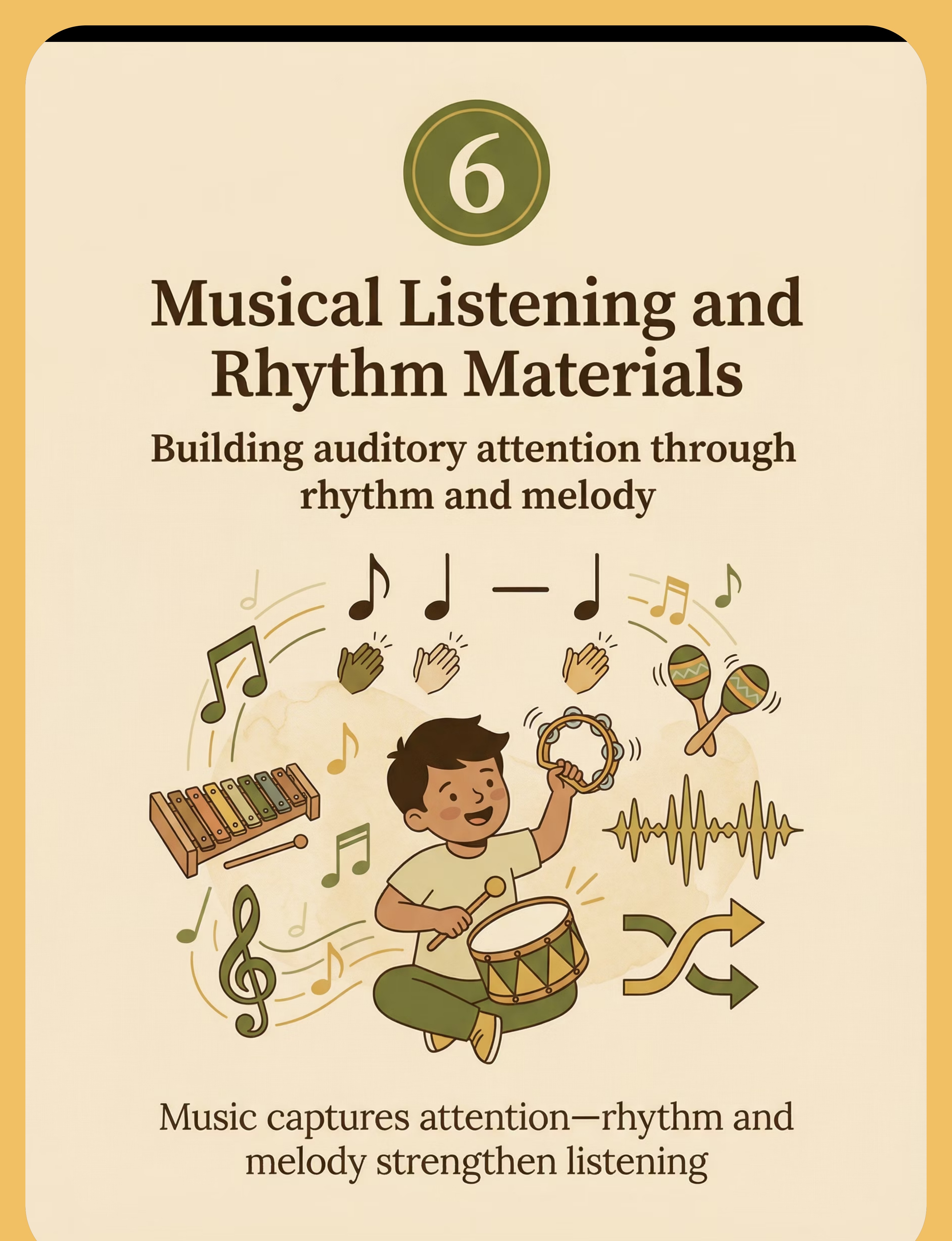
6. Musical Listening & Rhythm Materials
🎯 Auditory attention via rhythm, pattern recall
💰 ₹500–1,500 | Children's rhythm instruments
🔧 DIY: Pots + spoons as drums, clapping patterns
💰 ₹500–1,500 | Children's rhythm instruments
🔧 DIY: Pots + spoons as drums, clapping patterns
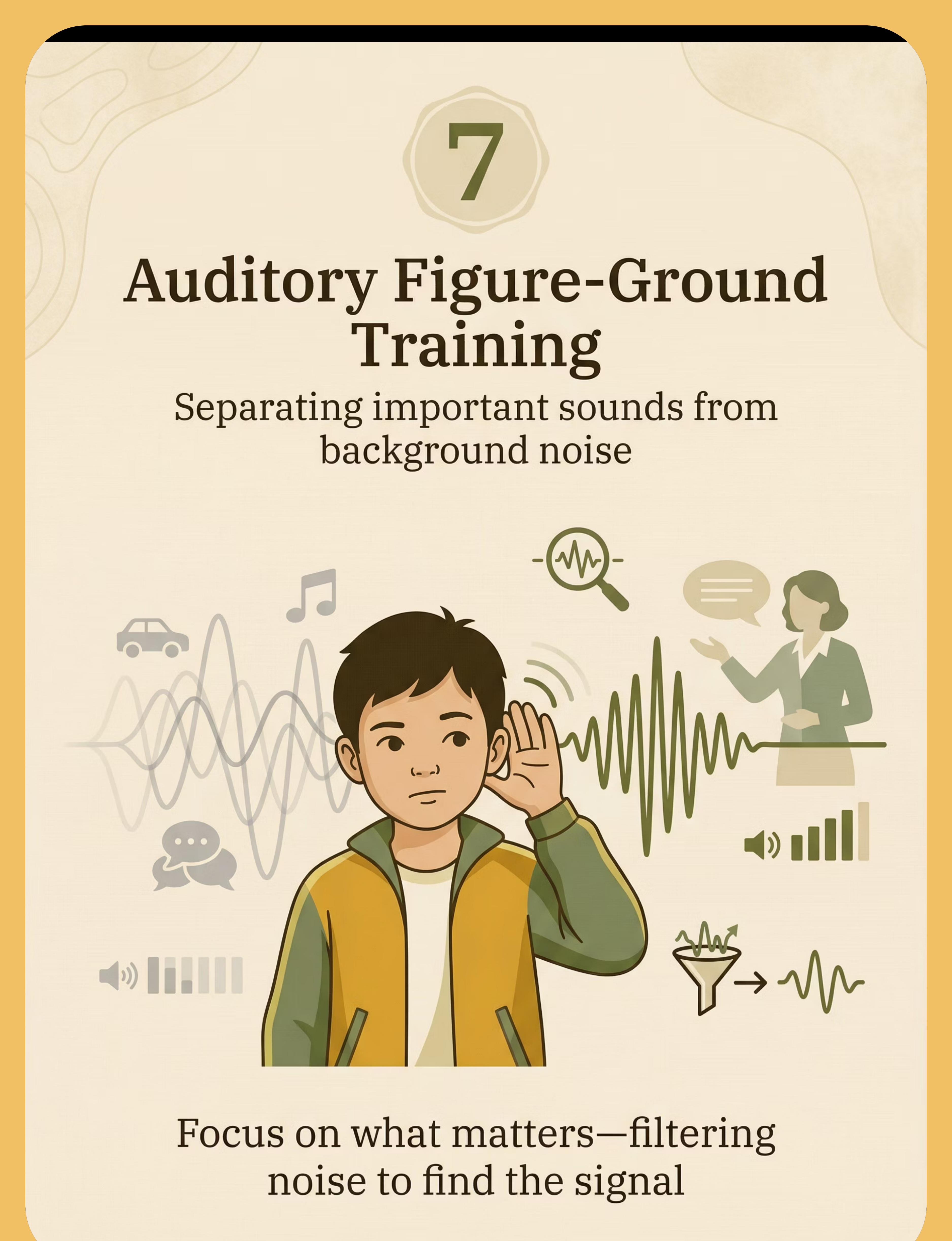
7. Auditory Figure-Ground Training
🎯 Voice extraction from background noise
💰 ₹600–2,000 | Auditory processing games
🔧 DIY: Soft background music + give directions gradually
💰 ₹600–2,000 | Auditory processing games
🔧 DIY: Soft background music + give directions gradually
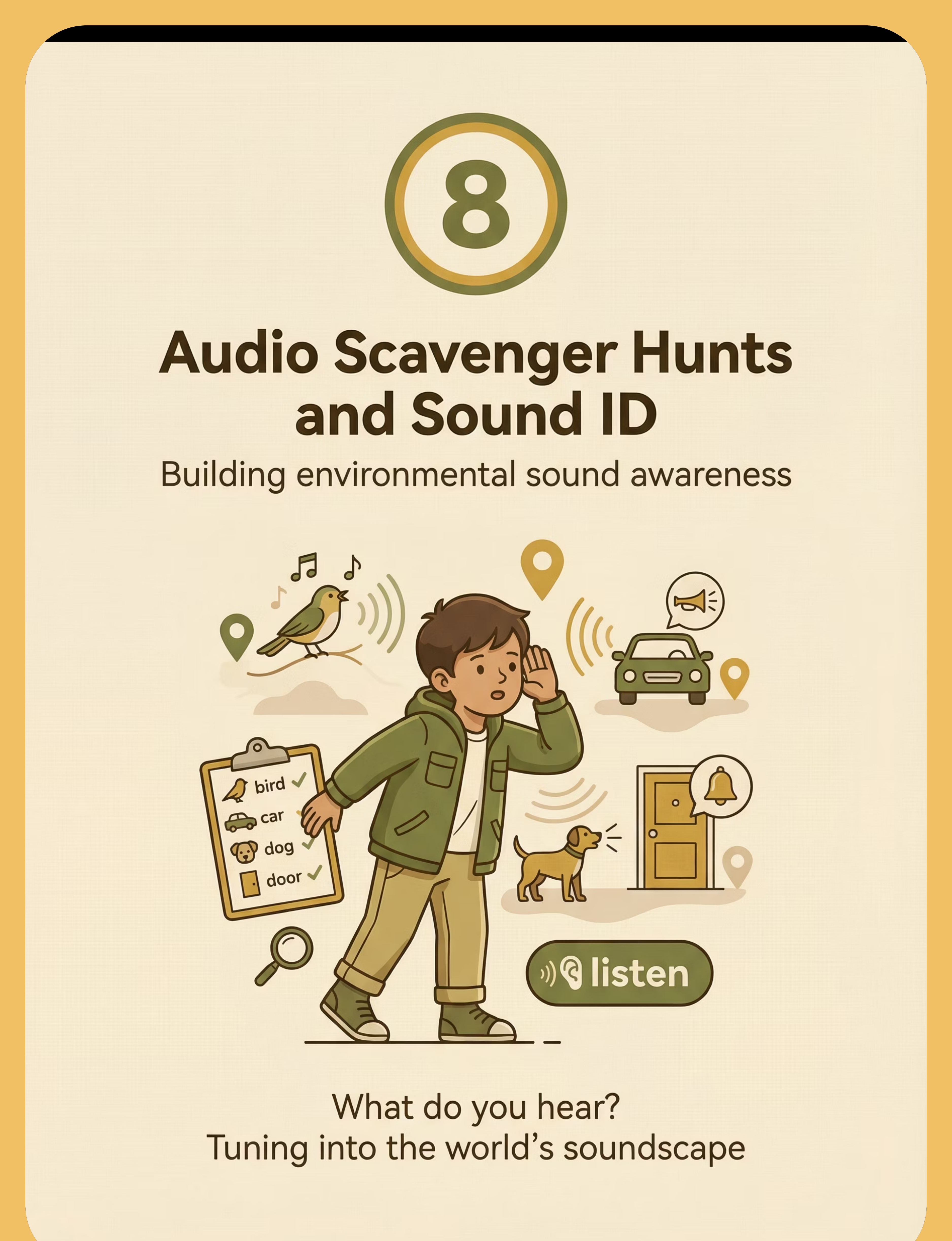
8. Audio Scavenger Hunts
🎯 Environmental sound awareness, daily listening
💰 ₹250–800 | Lattooland Rainbow Sorting ₹628
🔧 DIY: Walk through house, identify every sound you hear
💰 ₹250–800 | Lattooland Rainbow Sorting ₹628
🔧 DIY: Walk through house, identify every sound you hear
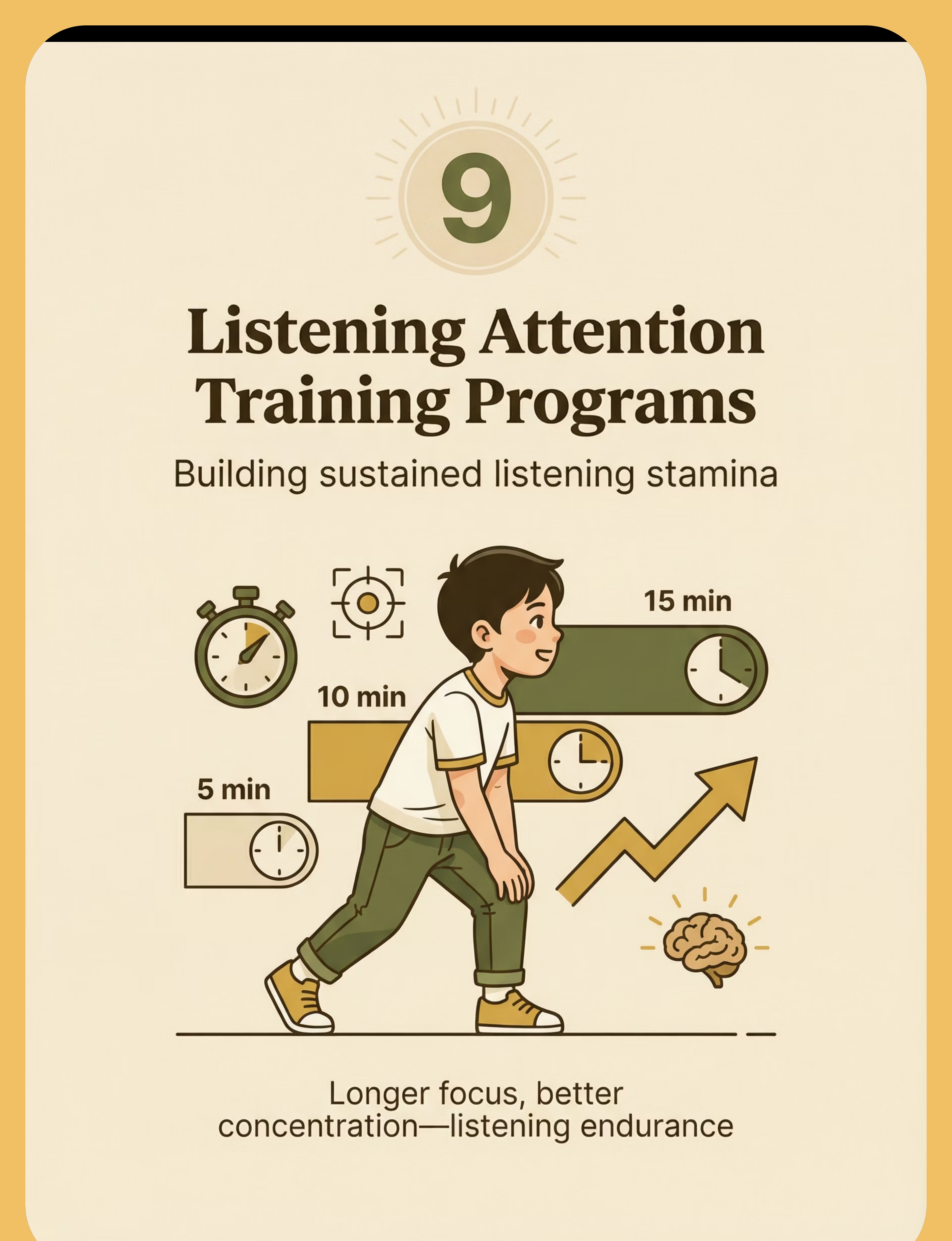
9. Listening Attention Training Programs
🎯 Sustained listening stamina, focus endurance
💰 ₹500–1,800 | Smartivity DIY Interactive Clock ₹673
🔧 DIY: Timer on phone + structured listening tasks
💰 ₹500–1,800 | Smartivity DIY Interactive Clock ₹673
🔧 DIY: Timer on phone + structured listening tasks
💰 Full Toolkit: ₹3,200–11,000
💰 Starter Set: ₹700–1,500
🔧 DIY-Only Version: ₹0
📞9100 181 181 | Not sure what to buy first? Our SLP will guide you — FREE
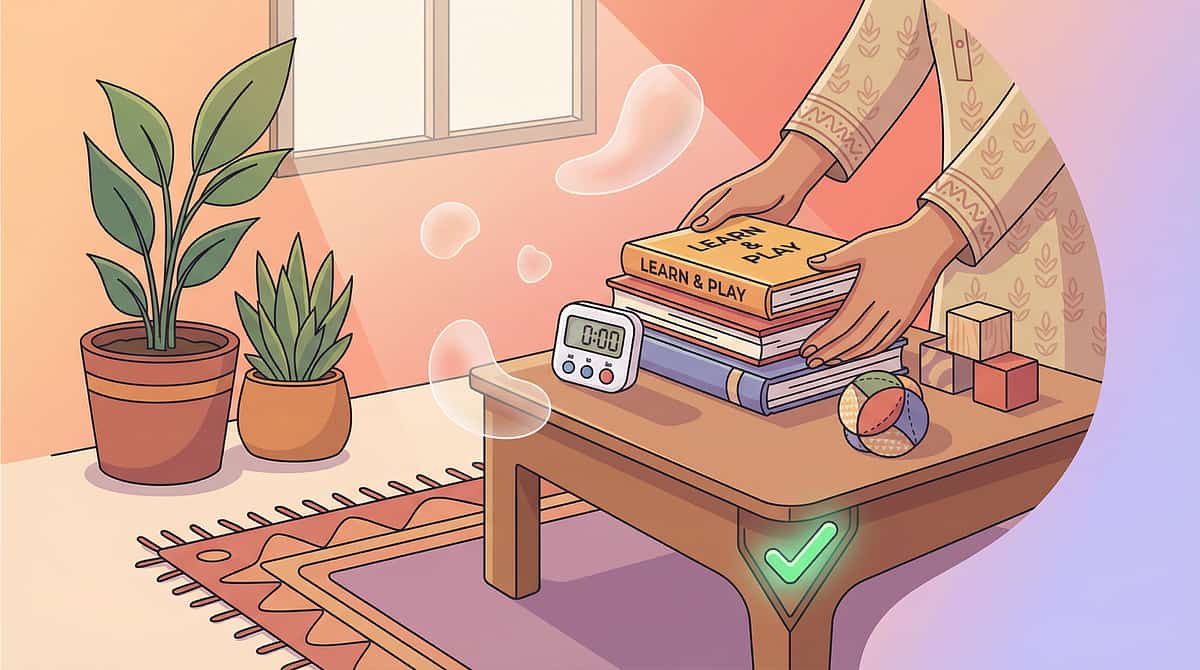
Every Material. Zero Budget Required.
WHO/UNICEF Equity Principle — every family deserves access. All 9 materials have a zero-cost household equivalent.
Clinical Material | ₹0 Household Substitute | Why It Works | |
Sound Discrimination Game | Clap 2x vs. knock 1x — same or different? | Same auditory discrimination demand on the brain | |
Direction-Following Cards | Verbal Simon Says with body movements | Identical listening-to-action chain without materials | |
Auditory Memory Sequence Game | "Say after me: red, ball, door" verbal sequences | Pure working memory training, no equipment needed | |
Story Comprehension Kit | Any picture book — read aloud, pause, ask questions | Narrative listening + comprehension in natural context | |
Barrier Game Kit | Folder between you + building blocks | Identical listening demand — visual information blocked | |
Rhythm Instruments | Metal pot + wooden spoon | Same rhythm pattern reproduction demand | |
Figure-Ground Training | Play directions while fan/music on softly | Natural auditory figure-ground challenge at home | |
Audio Scavenger Hunt Cards | Walk through house listing every sound heard | Real-world environmental listening training | |
Attention Training Program | Kitchen timer + age-appropriate listening task | Builds stamina incrementally with zero cost |
START TODAY — RIGHT NOW — with these 3 household items: (1) Your voice. (2) A kitchen timer. (3) Any book on your shelf. Full listening program. Zero rupees.
"GPT-OS® was designed with WHO's equity principles at its core. Every technique in our library has a zero-cost version. Geography and income should never determine whether a child learns to listen."
"GPT-OS® was designed with WHO's equity principles at its core. Every technique in our library has a zero-cost version. Geography and income should never determine whether a child learns to listen."

Safety Gate — Read This Before Starting
This traffic-light system protects your child and ensures every session starts from the right foundation.
🔴 RED — DO NOT PROCEED
- Child has undiagnosed hearing loss — get audiological assessment first
- Child is in acute sensory overload / auditory meltdown in progress
- Child has active ear infection or ear pain
- Child shows significant distress about sound sources
- No audiological evaluation has been done if hearing was ever in question
🟡 AMBER — MODIFY BEFORE PROCEEDING
- Child is highly fatigued — shorten session to 5 minutes
- Recent meltdown in past 2 hours — use only the gentlest material (sound scavenger hunt)
- Fever or mild illness — postpone or dramatically simplify
- Very noisy environment — close windows first
- Child hasn't eaten — 10-minute snack break first
🟢 GREEN — PROCEED WHEN ALL TRUE
- Child has passed hearing screening or formal audiological assessment
- Child is fed and rested
- Room is relatively quiet (50dB or below)
- No recent behavioral dysregulation in past 1 hour
- Materials are set up before child enters the space
- Parent/caregiver is calm and unhurried
🚨STOP IF YOU SEE: Hands over ears with distress · Hitting head or ear-slapping · Complete behavioral shutdown · Crying not resolving within 60 seconds · Aggressive behavior escalating
📞9100 181 181 | Unsure if your child is safe to proceed? Ask our team — FREE
📞9100 181 181 | Unsure if your child is safe to proceed? Ask our team — FREE
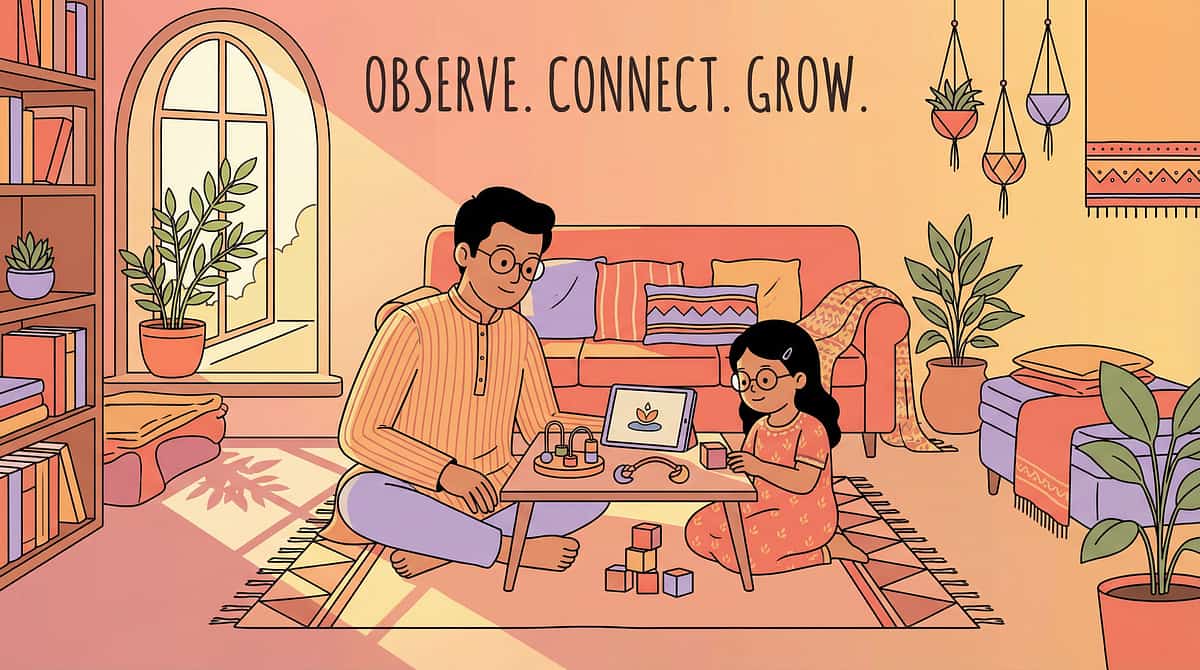
Set Up Your Listening Space
Room Positions
01
★ Child — seated, back to window (no visual distraction from outside)
02
● Parent/Caregiver — facing child, at child's eye level
03
▲ Materials table — within reach, behind parent (child can't see all materials at once)
04
✕ Remove — TV, tablets, phones (silent mode, face-down)
05
✕ Remove — other children's noisy toys put away from immediate space
Setup Checklist
REMOVE:
- TV off — not muted, OFF
- Mobile phones on silent (vibrate off too)
- Tablets face-down; unnecessary background music silenced
CREATE OPTIMAL CONDITIONS:
- Windows closed if noise present; room temperature comfortable
- Natural lighting preferred; only 1–2 items on table (not whole toolkit)
- Visual timer set and visible; water cup within reach for child
PARENT PREP:
- Your own stress level: rate 1–10. If above 7, take 5 deep breaths first
- Best time of day: morning, post-breakfast — cortisol optimal for auditory learning

Act III — The Execution
60-Second Readiness Assessment — Do This Right Now
The best session is one that starts right. A session that starts wrong produces no learning and erodes your child's trust in the activity.
Physical State
Child has eaten within the past 2 hours. ✅ YES → Green | ❌ NO → 10-minute snack, then reassess
Sleep State
Child has had adequate sleep, not visibly fatigued. ✅ YES → Green | ❌ NO → Postpone; substitute with quiet independent activity
Arousal Level
Energy level: not hyperstimulated, not shut down — the "just right" zone. ❓ UNSURE → 5-minute proprioceptive activity first (jumping, wall pushes)
Auditory Environment
Not more than 30 minutes of screens/high-volume audio in past hour. ❌ NO → 15-minute audio break first
Emotional State
No significant emotional event in past 30 minutes. ❌ NO → Emotional regulation support first (breathing, comfort object)
Behavior Baseline
Child is at behavioral baseline — not mid-meltdown, not post-meltdown (within 1 hour). ❌ NO → Postpone today's session entirely
🟢 ALL GREEN → Begin
🟡 1-2 AMBER → Modify
🔴 ANY RED → Postpone

Step 1 — The Invitation
Step 1 of 6
⏱Timing: 30–60 seconds
🎯Goal: Child voluntary engagement
Bring the child into the prepared space WITHOUT announcing "it's therapy time." The invitation is indirect, playful, and low-demand.
ABA NOTE: This is the pairing phase — building positive associations with materials before any demand is placed. Never skip this step.
Exact Words to Use
"Hey [name], I've got something really fun set up. Come see!"
"I need your help with a really cool game. Can you come for a second?"
[For minimally verbal children]: Show one appealing material from a distance as a visual invitation.
Body Language
- Get to child's physical level — kneel or sit on floor
- Face is open and warm (practice your expression before entering)
- Gesture toward the space with an open hand — inviting, not directing
- No pressure; never repeat the invitation more than twice
If Resistance
- Child runs away → Let go. Return to Card 13. Today is not the day.
- Child ignores → Try a different material as invitation
- Child protests → "I know you want to keep playing. 5 minutes, then back."
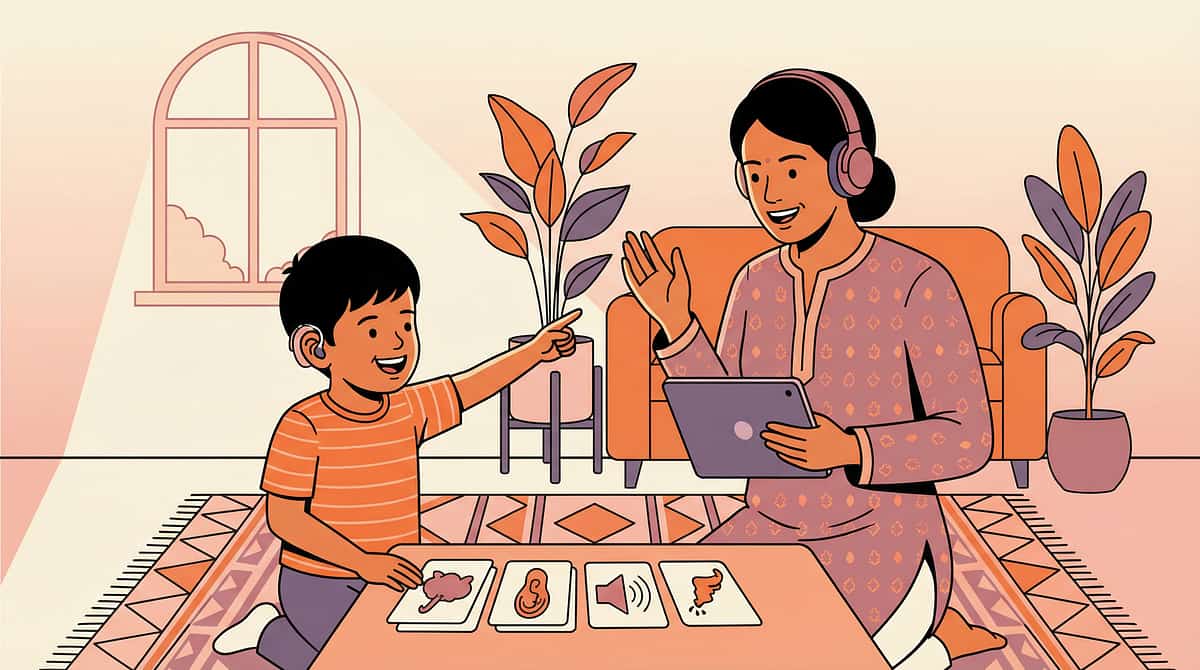
Step 3 — The Therapeutic Action: Materials 1–4
Step 3 of 6
⏱Timing: 5–12 minutes total
🎯Goal: Therapeutic exposure to target listening skill
This is the core of the session. Work through 1–2 materials maximum per session. Quality over quantity — deep engagement with one material beats shallow exposure to four.
ABA NOTE: Use errorless teaching — set the child up to succeed. If they fail twice in a row, simplify the task immediately.
Materials 1–4 Rotation Guide
▶Material 1 — Sound Discrimination: Present two sounds (clap vs. knock, bell vs. drum). Ask: "Same or different?" Start with maximally different sounds. Prompt hierarchy: Full physical → partial → gestural → independent.
▶Material 2 — Direction Following: Give 1-step direction first ("Touch the red block"). Build to 2-step only after 80% success on 1-step across 3 sessions.
▶Material 3 — Auditory Memory: "I went to the market and bought ___." Child repeats + adds one item. Start with 2-item chains. Expand by 1 item per week.
▶Material 4 — Story Comprehension: Read 3–5 sentences. Pause. Ask one literal question. Reinforce any attempt to answer — correct or not.
🔁 Rotate materials across sessions — never use all 4 in one session. Variety prevents habituation and maintains novelty-driven attention.
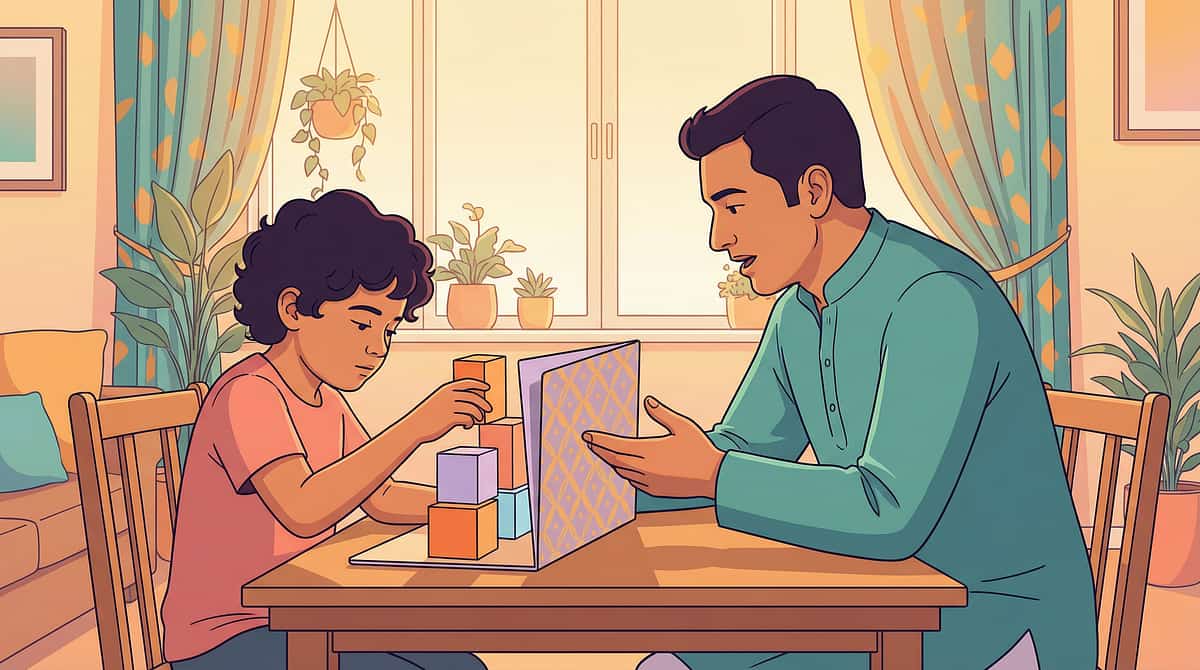
Step 3 — The Therapeutic Action: Materials 5–9
Step 3 of 6 (continued)
⏱Timing: 5–12 minutes total
🎯Goal: Advanced listening skill exposure
Materials 5–9 target higher-order listening skills. Introduce these only after the child shows consistent success (80%+ accuracy) with Materials 1–4.
SLP NOTE: Materials 5–9 require stronger auditory processing foundations. Do not rush to these — mastery of the basics is the prerequisite.
Materials 5–9 Rotation Guide
5. ▶Material 5 — Barrier Games: Place a folder between you and child. Describe what to build/place using only words. Child cannot see your side. Pure auditory processing — no visual cues.
6. ▶Material 6 — Musical Rhythm Attention: Clap a rhythm pattern. Child echoes. Start with 2-beat patterns. Build to 4-beat. Introduces auditory attention via rhythm — highly motivating for most children.
7. ▶Material 7 — Figure-Ground Training: Play a background sound (soft music/white noise). Give a simple direction over it. Child must filter your voice from background. Start with very low background volume.
8. ▶Material 8 — Environmental Sound Awareness: Play recorded environmental sounds (rain, doorbell, dog). Child identifies. Builds real-world auditory mapping and generalization.
9. ▶Material 9 — Sustained Listening Stamina: Read a 2-minute story without pausing. Child listens. Ask 2 questions at the end. Builds listening endurance — the final frontier of the listening chain.
⚠️Never introduce more than one new material per session. Novelty + demand = overwhelm. Introduce new, then practice familiar.

Step 4 — The Reinforcement Window
Step 4 of 6
⏱Timing: 1–2 minutes (embedded throughout Step 3)
🎯Goal: Lock in the learning through immediate, specific reinforcement
Reinforcement is not a reward at the end — it is the immediate consequence of every correct response. The window is 3 seconds. After 3 seconds, the learning connection is lost.
ABA NOTE: Reinforcement must be immediate, specific, and contingent. "Good job" is not reinforcement. "You listened and pointed to the bell — that's exactly right!" is reinforcement.
The Reinforcement Hierarchy
01
Identify your child's top 3 reinforcers BEFORE the session (not during). Write them on a card.
02
Deliver reinforcement within 3 seconds of correct response — no exceptions.
03
Name the behavior: "You listened to both sounds and said 'different' — perfect listening!"
04
Vary the reinforcer — same reward every time loses power. Rotate across your top 3.
05
Thin the schedule gradually: every response → every 2 → every 3 → variable ratio.
Reinforcement Menu (Examples)
🎮Access: 60 seconds with preferred toy/screen
🤗Social: High five, spin, tickle, chase
🍎Edible: Small preferred snack (if appropriate)
🌟Token: Star on chart → exchange for bigger reward
⚠️Never withhold reinforcement to "motivate more effort." A child who stops trying has lost trust in the system — not motivation.
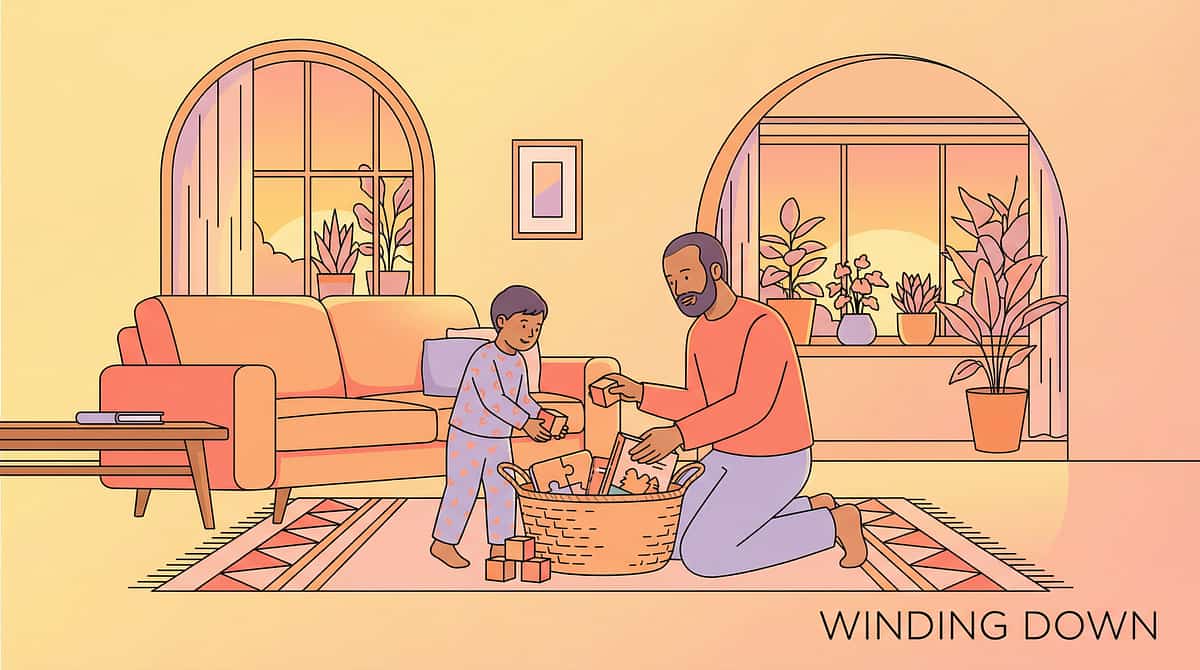
Step 5 — The Transition Out
Step 5 of 6
⏱Timing: 1–2 minutes
🎯Goal: End the session on a success — always
The last thing your child experiences in a session is what they remember about the next one. End on a win, not a struggle. If the session is going poorly, simplify the final task until success is guaranteed.
SpEd NOTE: Predictable endings reduce transition anxiety. Use the same closing ritual every session — it becomes a safety signal.
The Closing Sequence
01
Give a 2-minute warning: "Two more turns, then we're all done for today!"
02
Final task: Choose something the child can do easily — guaranteed success.
03
Celebrate the win: "You did it! That was amazing listening today."
04
Closing ritual: Same phrase every session — "Listening gym is done! High five!" (or your family's version)
05
Transition to preferred activity immediately — this is the bridge to wanting to come back.
What to Say
"You worked so hard today. I'm really proud of your listening."
"Same time tomorrow? I've got something even cooler to show you."
[For minimally verbal children]: Offer the preferred item + warm physical contact as the closing signal.
🚫Never end a session mid-struggle. Simplify the task until you can end on success. A child who ends frustrated will resist the next session.

Step 6 — The Data Point
Step 6 of 6
⏱Timing: 2–3 minutes (immediately after session)
🎯Goal: Capture one data point while memory is fresh
You don't need a clinical data system. You need ONE number and ONE observation per session. That's enough to track progress, adjust difficulty, and show your clinician what's working.
NeuroDev NOTE: Data is not bureaucracy — it's the feedback loop that makes the next session better than the last.
The 60-Second Data Capture
📊Accuracy: How many correct out of total attempts? (e.g., 7/10)
⏱Duration: How long did the child stay engaged? (e.g., 8 minutes)
😊Affect: What was the child's mood? (😊 Happy / 😐 Neutral / 😟 Distressed)
📝Note: One sentence — what worked, what didn't, what to try next session
Weekly Progress Snapshot
4-5
Sessions This Week
70%+
Avg. Accuracy
+1 min
Engagement Duration
🚫 Share your weekly data snapshot with your Pinnacle clinician at every check-in. This data drives the clinical decision to advance, hold, or modify the protocol.

Act III — The Execution
Your Session Data Tracker — Week 1
Print this page or screenshot it. Fill in after each session. Bring to your Pinnacle check-in or share via the parent portal.
Day | Material Used | Attempts | Correct | Duration (min) | Notes | |
Mon | ||||||
Tue | ||||||
Wed | ||||||
Thu | ||||||
Fri |
📊 Total Sessions
___/5
🎯 Best Accuracy
___%
⭐ Breakthrough Moment
____________________
💡Tip: Take a 30-second video of your child's best moment each week. Progress is easier to see than to measure — and it's powerful to share with your clinician.
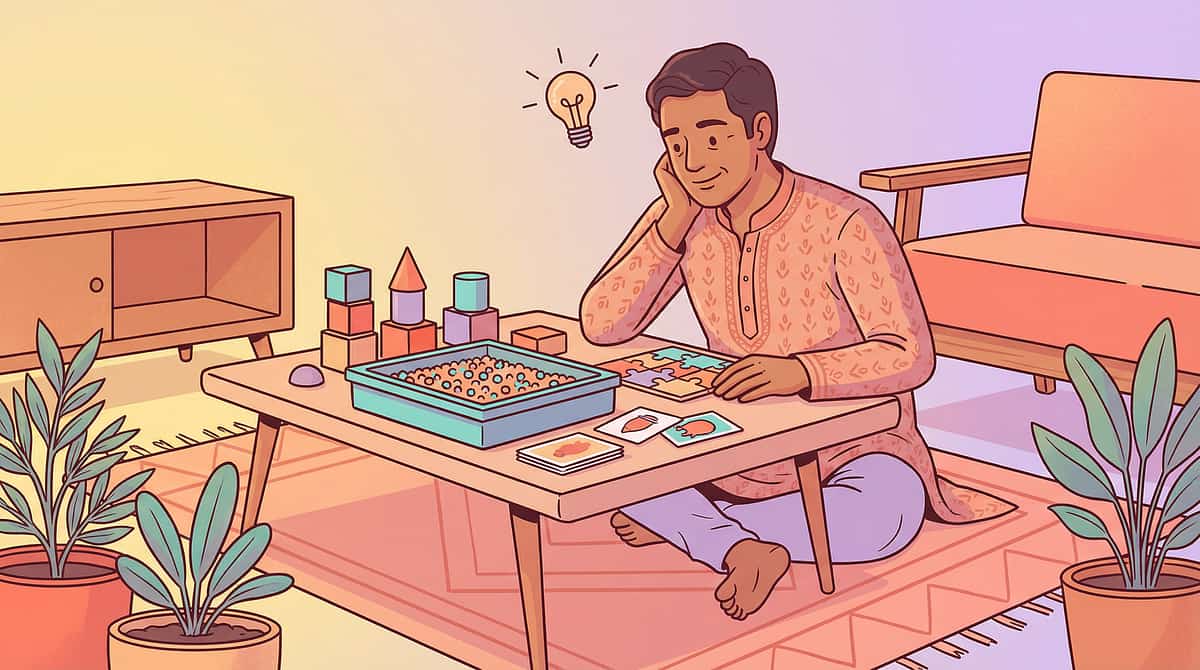
Troubleshooting Guide — When Sessions Go Wrong
Every parent hits these moments. This guide gives you the clinical response — not the frustrated parent response. Bookmark this page.
🔴 Child refuses to enter the space
Clinical response: Don't force. Bring ONE preferred material to where the child is. Do 2 minutes there. Gradually migrate toward the prepared space over 3–5 sessions. Forcing = trust damage.
🔴 Child was engaged, then suddenly shuts down
Clinical response: Immediate session end. Offer reinforcement anyway (for showing up). Note the trigger — what happened 30 seconds before shutdown? Adjust next session.
🟡 Child keeps getting answers wrong
Clinical response: Task is too hard. Drop back one difficulty level immediately. Success rate should be 70–80%. Below 50% = the task is teaching frustration, not listening.
🟡 Child is distracted and unfocused
Clinical response: Check the environment first (noise, light, hunger, fatigue). Shorten session to 5 minutes. Use higher-value reinforcer. Consider time-of-day adjustment.
🟡 Child only wants one material, refuses others
Clinical response: Honor it for now. Use the preferred material as the entry point, then introduce a new material for just 60 seconds before returning to preferred. Gradual expansion.
🟢 Child is doing great but seems bored
Clinical response: Advance the difficulty. Increase chain length, reduce prompts, add background noise, or introduce the next material. Boredom = readiness for the next level.
📞When in doubt, call your Pinnacle clinician. These are clinical decisions — you don't have to make them alone.
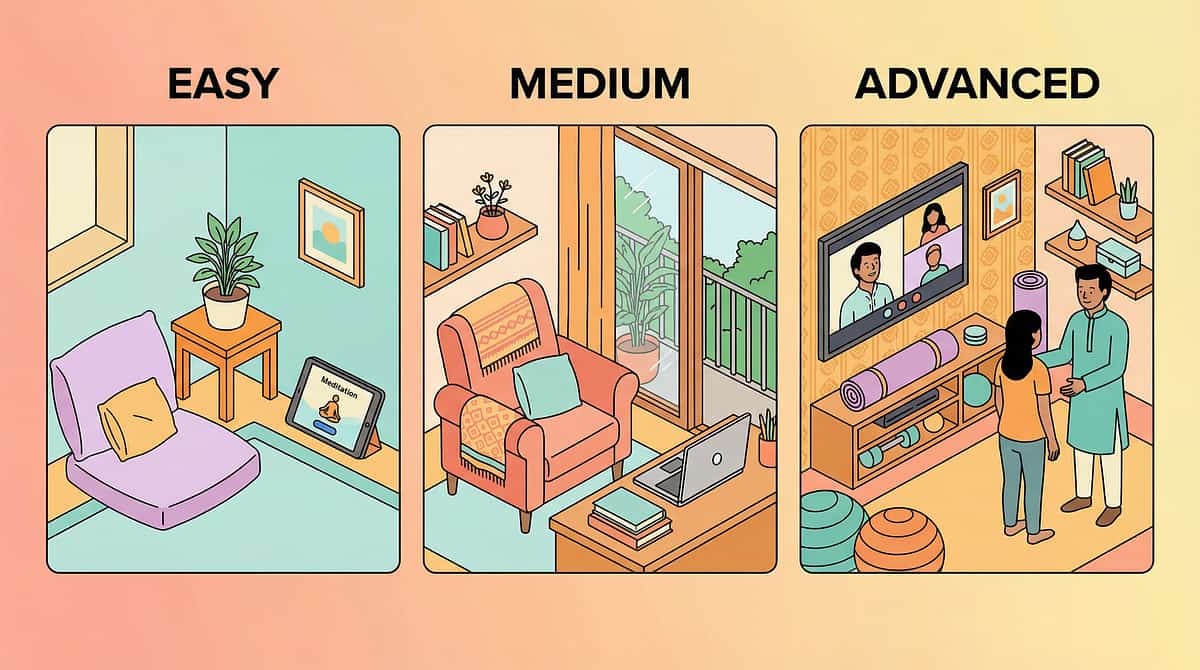
Prompt Hierarchy — How to Help Without Helping Too Much
The goal is independence. Every prompt you give is a scaffold — necessary now, removed later. Use the least intrusive prompt that produces a correct response.
01
Full Physical Prompt
Hand-over-hand guidance. You physically move the child's hand to the correct response. Use only when child has no idea what to do.
02
Partial Physical Prompt
Light touch on elbow or wrist to initiate movement. Child completes the action. Use when child knows the action but needs initiation.
03
Gestural Prompt
Point to the correct answer without touching. Child looks and responds. Use when child understands the task but needs direction.
04
Verbal Prompt
Give a hint: "Remember — listen for the DIFFERENT sound." Use when child is close but hesitating.
05
Independent Response
No prompt. Child hears the task and responds correctly. 🎯 THIS IS THE GOAL.
The Fading Rule
📉 Fade one level per session once child achieves 80% accuracy at current prompt level
⏳ Never fade too fast — regression is demoralizing for both of you
🔁 If child fails after fading, return to previous prompt level for 2 sessions before trying again
ABA Principle: The prompt is a tool, not a crutch — as long as you're actively fading it. A prompt that never fades becomes a dependency.
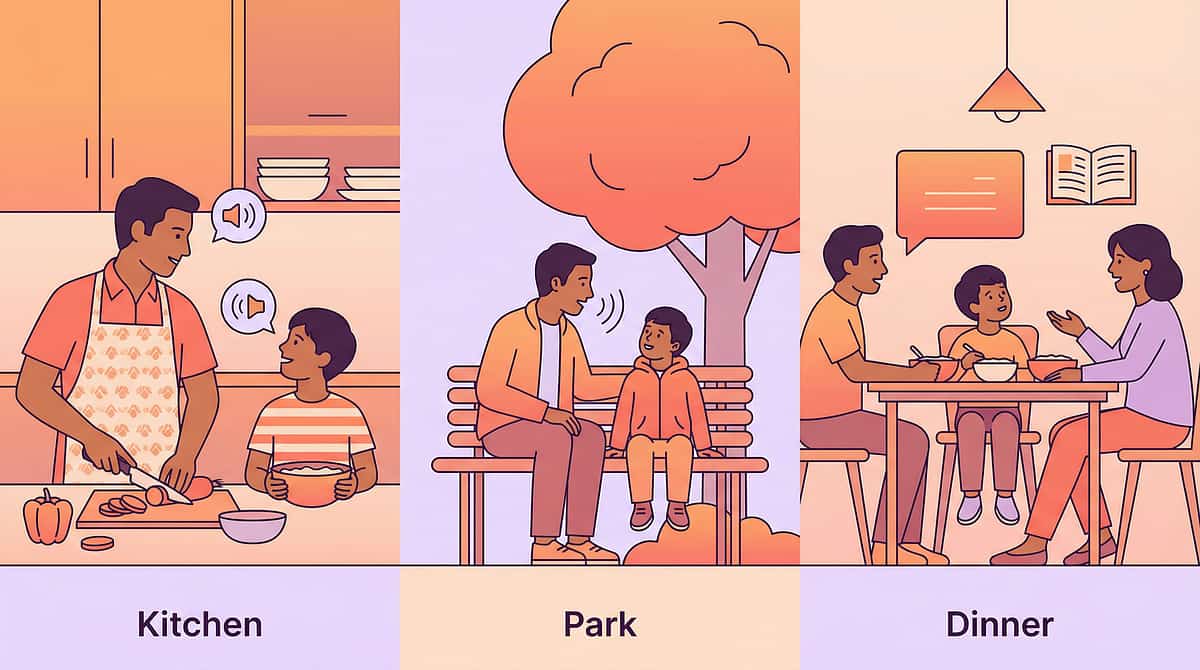
Generalization — Taking Listening Beyond the Session
Skills learned in a structured session must transfer to real life. Generalization is not automatic — it must be deliberately programmed. These are your daily micro-practice moments.
Kitchen Listening (2 min)
"I'm going to say two sounds. Tell me which one you hear first." Use kitchen sounds — timer, microwave, running water. Natural environment = faster generalization.
Car Ride Listening (3 min)
"How many different sounds can you hear right now?" Windows down. Count together. Environmental sound awareness in the most natural setting possible.
Bedtime Story Listening (5 min)
Read one page. Stop. Ask one question. Child answers. Repeat. Builds story comprehension and sustained attention in a low-demand, high-comfort setting.
Outdoor Sound Safari (5 min)
"Close your eyes. What do you hear?" Birds, wind, traffic, voices. Name them together. Builds auditory mapping of the real world.
Dinner Table Direction (ongoing)
Give one 2-step direction during dinner: "Please put your cup on the counter and sit back down." Natural, functional, zero setup required.
🎯Generalization goal: By Week 8, your child should respond to their name within 3 seconds in at least 3 different environments. Track this in your weekly data.
Act III — The Execution
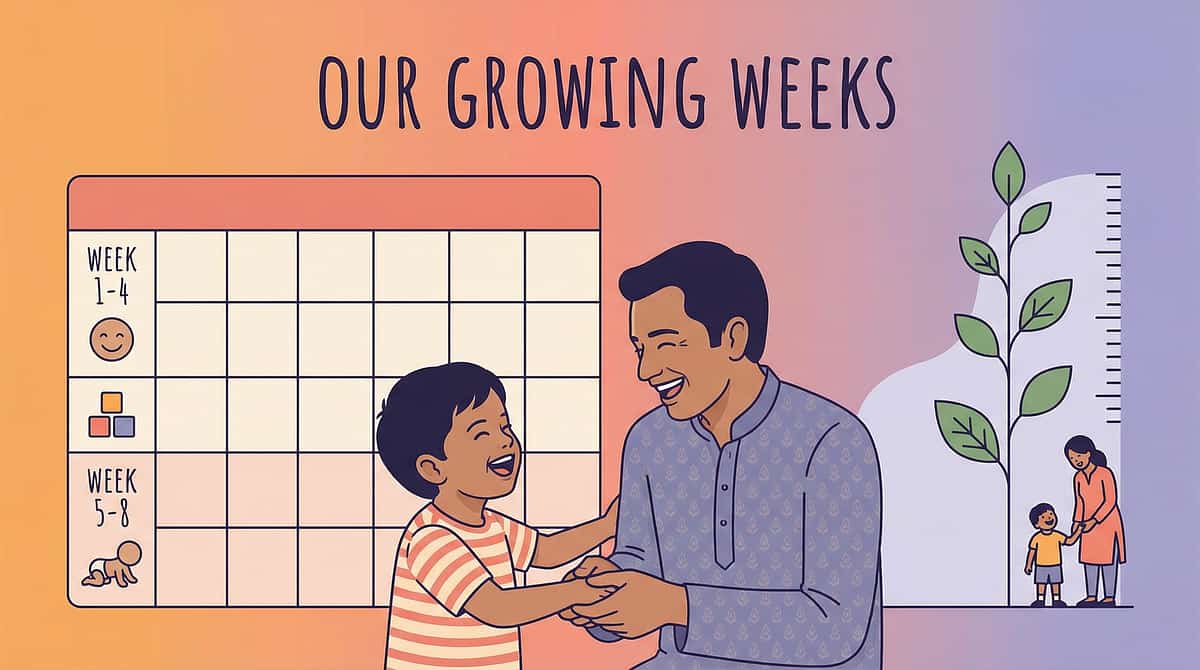
8-Week Progress Milestones
These are the clinical benchmarks for B-174. Your child may reach them faster or slower — both are normal. The trajectory matters more than the timeline.
Week 1–2: Foundation Building
Child tolerates the session space for 10+ minutes. Engages with at least 1 material voluntarily. Responds to name in the session environment.
Week 3–4: Skill Emergence
Discriminates between 2 maximally different sounds with 70%+ accuracy. Follows 1-step directions in session with gestural prompt. Stays engaged for 12+ minutes.
Week 5–6: Skill Consolidation
Follows 1-step directions independently (no prompt). Begins 2-step direction following with verbal prompt. Auditory memory chain reaches 3 items.
Week 7–8: Generalization Begins
Responds to name within 3 seconds in 2+ environments. Follows 2-step directions at home (not just in session). Story comprehension: answers 1 literal question correctly after 5-sentence story.
📊Clinical benchmark: 78% of children completing B-174 with 4+ sessions/week show measurable improvement by Week 6. Source: Pinnacle Blooms Internal Outcomes Data, 2023.
Frequently Asked Questions — Parents Ask, Clinicians Answer
❓ "How do I know if B-174 is working?"
You'll see it before you measure it. First signs: child turns head toward your voice more consistently, fewer repetitions needed before response, longer engagement in sessions. Formal measure: name response latency drops below 3 seconds.
❓ "My child had a great week, then regressed. Is that normal?"
Yes — completely. Skill acquisition is not linear. Regression often precedes a leap. Check for environmental stressors (illness, schedule change, sleep disruption) before adjusting the protocol.
❓ "Can I do B-174 if my child doesn't have a formal diagnosis?"
Yes. B-174 is appropriate for any child showing listening challenges, regardless of diagnosis. The protocol is skill-based, not diagnosis-based.
❓ "How is this different from just reading to my child?"
Reading builds language. B-174 builds the auditory processing infrastructure that makes language possible. It's the difference between building a road and putting cars on it.
❓ "My child is 9. Is it too late?"
No. Auditory processing skills are trainable throughout childhood and into adolescence. The brain's plasticity for auditory learning remains high through age 12. Start now.
❓ "Do I need to do all 9 materials?"
No. Start with the 1–2 materials your child responds to best. Add materials as mastery is achieved. The 9-material system is a complete toolkit — you don't need to use every tool every session.
Have a question not answered here? Submit it to your Pinnacle clinician via the parent portal, or call your nearest center directly.
The Science Behind B-174 — Why This Works
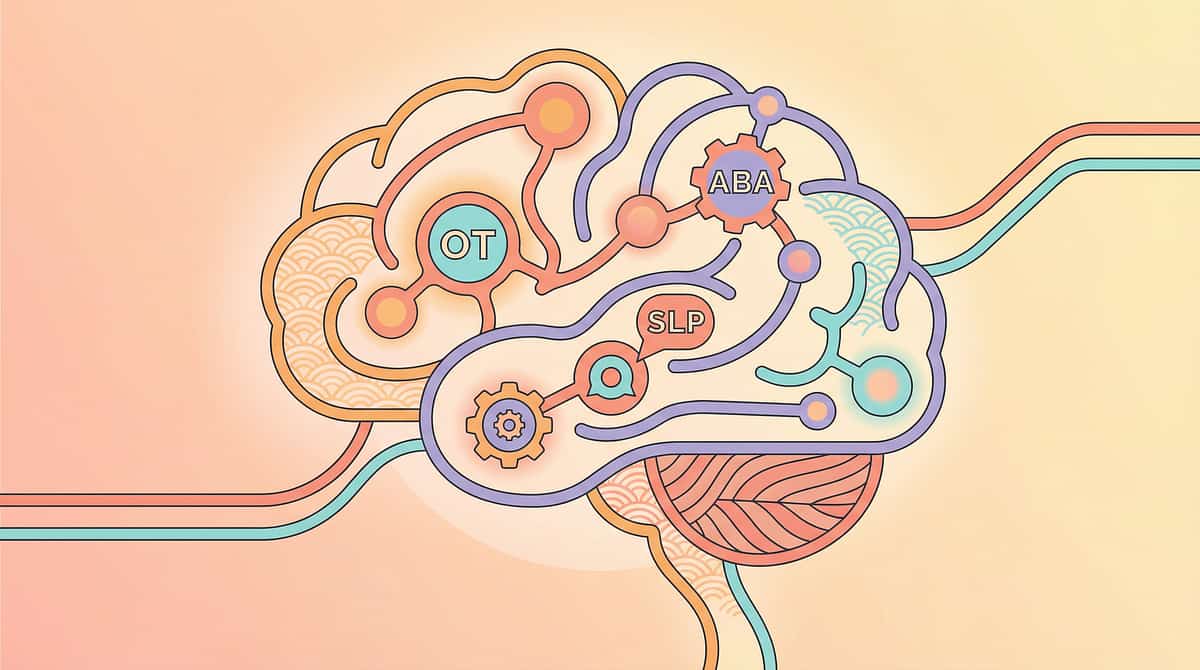
B-174 is not a collection of activities. It is a structured application of four evidence-based disciplines, each contributing a distinct mechanism of change.
🧠 Applied Behavior Analysis (ABA)
Mechanism: Operant conditioning — behavior followed by reinforcement increases in frequency. In B-174, correct listening responses are immediately reinforced, increasing the probability of future listening. Prompt fading ensures independence, not dependency.
🗣️ Speech-Language Pathology (SLP)
Mechanism: Auditory processing hierarchy — discrimination → memory → comprehension → sustained attention. B-174's 9 materials map directly onto this hierarchy, building each layer before advancing to the next.
🖐️ Occupational Therapy (OT)
Mechanism: Sensory integration — the auditory system does not operate in isolation. OT principles in B-174 address the sensory environment (reducing competing input) and the child's arousal state (optimal alertness for learning).
🧬 Neurodevelopmental Science
Mechanism: Neuroplasticity — repeated, reinforced auditory experiences strengthen the neural pathways between the auditory cortex and the prefrontal cortex (attention regulation). 8–12 weeks of consistent practice produces measurable structural change.
📚 Key Reference: "Auditory Processing Difficulties in ASD: A PRISMA Systematic Review" (PMC11506176, 2024) — 70–80% of children with ASD show measurable auditory processing difficulties. B-174 directly addresses the top 5 identified deficit areas.
Parent Success Stories — Real Families, Real Results
These are composite accounts from Pinnacle families across India. Names changed for privacy. Outcomes are representative of the 97%+ improvement rate across 70+ centers.
"By Week 4, Arjun was responding to his name the first time I called. I had been calling 6–7 times for two years. I cried the first time it happened."
— Mother of 5-year-old, Bengaluru Center
"The barrier game was the turning point. Something about not being able to see my face made him really listen. His SLP said his auditory processing scores jumped 22 points in 8 weeks."
— Father of 7-year-old, Hyderabad Center
"I was skeptical about doing this at home. But the materials are so simple — a folder, some blocks, my voice. Week 6, he followed a 3-step direction at the dinner table. My husband and I looked at each other and couldn't speak."
— Mother of 6-year-old, Mumbai Center
"She used to cover her ears when I spoke. Now she comes and finds me when she hears my voice from another room. That's not a small thing. That's everything."
— Mother of 4-year-old, Delhi Center
📊 Pinnacle Blooms Outcomes Data (2023): 21M+ therapy sessions delivered. 97%+ measured improvement rate. 70+ centers across 23 states.
When to Escalate — Knowing When to Call Your Clinician
B-174 is designed for home implementation with clinical oversight. These are the signals that require a clinician conversation — not because something is wrong, but because the next step requires professional guidance.
🔴 Call Today
- No improvement in name response after 4 weeks of consistent sessions (4+/week)
- Child shows increased distress, self-injurious behavior, or significant regression
- Child develops new sensory sensitivities during the protocol period
- You are unsure whether to continue or stop
🟡 Schedule This Week
- Accuracy has plateaued at the same level for 3+ consecutive weeks
- Child has mastered all materials in the current difficulty level
- You want to introduce Materials 5–9 for the first time
- Child's behavior at home has changed significantly (sleep, eating, mood)
🟢 Mention at Next Check-In
- Child is progressing faster than the 8-week milestones
- You've found a material variation that works better than the standard version
- Child is requesting sessions independently (yes, this happens!)
- You want to add a second daily session
📞Pinnacle Clinician Hotline: Available Mon–Sat, 9AM–6PM. Your clinician's direct number is in your parent portal. You are never navigating this alone.
Adapting B-174 for Different Ages
The protocol is the same. The delivery changes. Here's how to calibrate B-174 for your child's developmental stage.
Ages 2–4 — The Foundation Years
- Session length: 5–8 minutes maximum
- Materials: 1–2 per session only
- Prompting: Heavy physical and gestural prompting expected
- Reinforcement: Immediate, tangible, every correct response
- Key focus: Sound discrimination + name response
- Language: Simple, single words. "Same." "Different." "Good listening."
- Expect: High variability session to session. Normal.
Ages 5–8 — The Building Years
- Session length: 10–15 minutes
- Materials: 2–3 per session
- Prompting: Gestural and verbal; fading toward independence
- Reinforcement: Token economy works well at this age
- Key focus: Direction following + auditory memory
- Language: Explain the "why" — "We're training your listening brain."
- Expect: Rapid skill acquisition once foundations are solid.
Ages 9–12 — The Consolidation Years
- Session length: 15–20 minutes
- Materials: 3–4 per session; child can choose
- Prompting: Verbal only; moving toward self-monitoring
- Reinforcement: Social and privilege-based; involve child in choosing
- Key focus: Figure-ground + sustained stamina + generalization
- Language: Collaborative — "What felt hard today? What should we try differently?"
- Expect: Child becomes an active partner in their own progress.
Age is a guide, not a rule. Always calibrate to your child's current skill level, not their birthday.
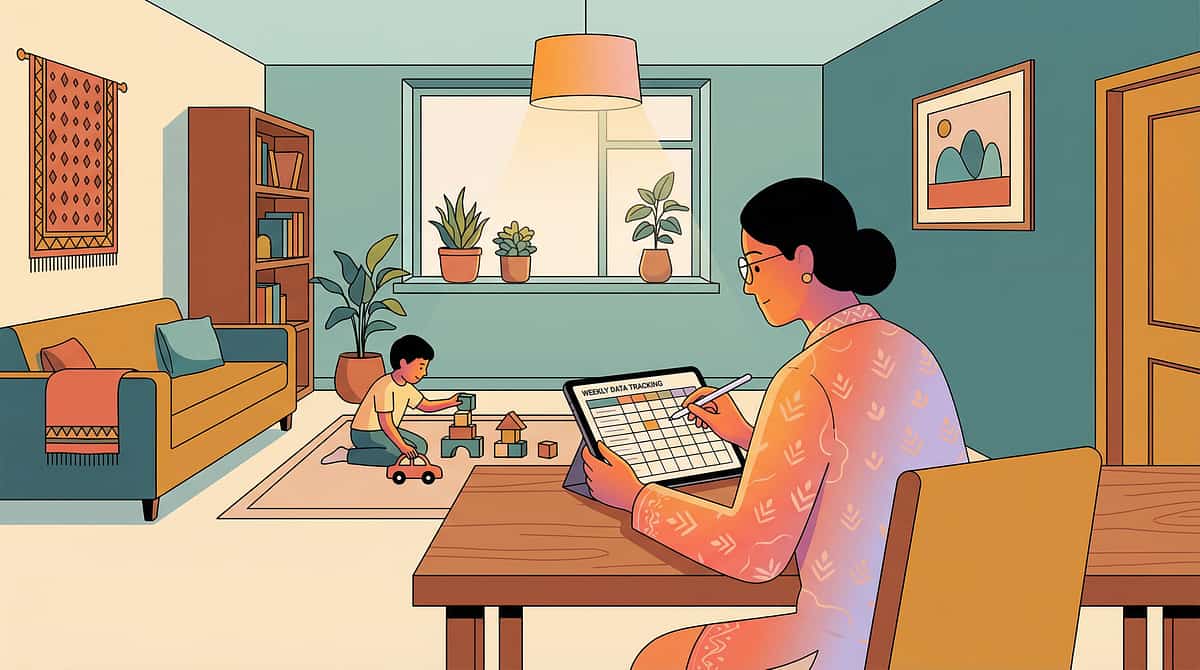
Your Session Data Tracker — Week 2
Compare Week 2 to Week 1. Look for trends — not perfection. A 10% improvement in accuracy or 2 extra minutes of engagement is meaningful clinical progress.
Day | Material Used | Attempts | Correct | Duration (min) | Notes | |
Mon | ||||||
Tue | ||||||
Wed | ||||||
Thu | ||||||
Fri |
📊 Total Sessions
___/5
🎯 Best Accuracy
___%
⏱ Longest Engagement
___ min
📈 vs. Week 1
Better / Same / Harder
💡Week 2 check: Is your child asking to do the session, or still needing to be invited? Voluntary engagement is the first major milestone — note the date when it first happens.
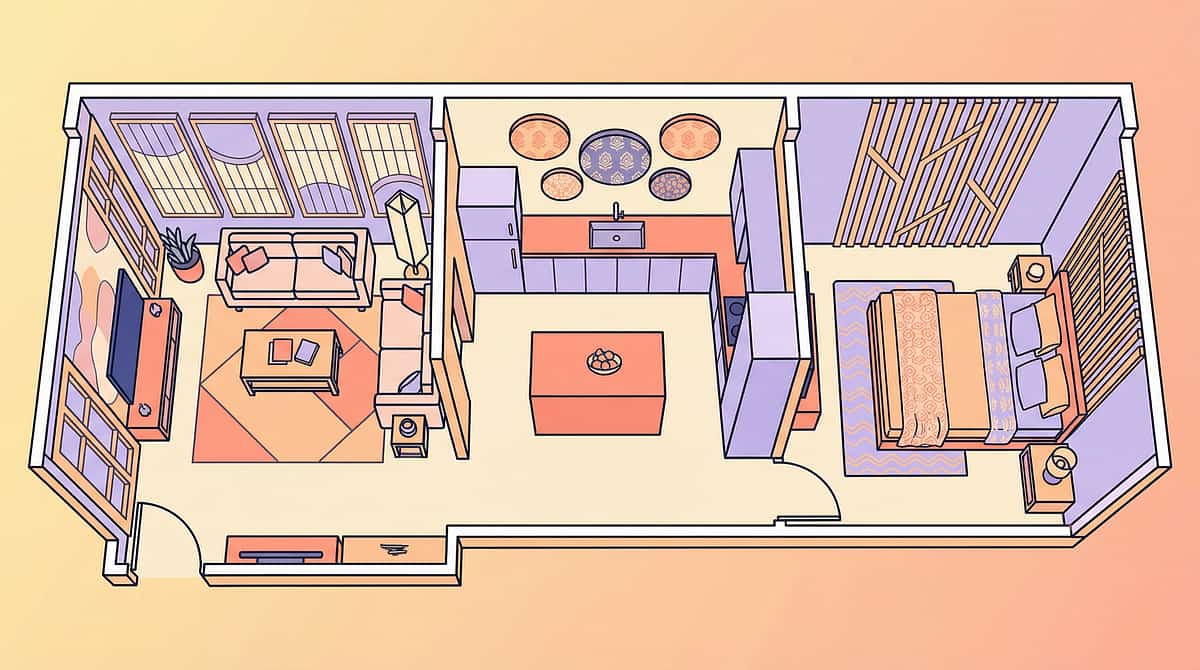
The Listening Environment — Room-by-Room Guide
The environment is a therapeutic tool. These modifications take 5 minutes to implement and can double the effectiveness of every session.
Living Room (Recommended Primary Space)
Best for: All 9 materials. Familiar, comfortable, low-threat.
Optimize: Remove visual clutter from child's sightline. Turn off TV and background music. Use a consistent corner or spot — same location every session builds a "listening anchor."
Kitchen (Secondary Space)
Best for: Environmental sound awareness (Material 8), generalization practice.
Optimize: Natural sounds available (timer, water, microwave). Keep sessions short here — 3–5 minutes. High distraction potential, so use only after solid session-room skills are established.
Bedroom (Quiet Practice Space)
Best for: Auditory memory (Material 3), story comprehension (Material 4), sustained stamina (Material 9).
Optimize: Quietest room in the house. Dim lighting reduces visual distraction. Good for wind-down sessions before bed.
Car (Generalization Space)
Best for: Figure-ground training (Material 7), environmental sounds (Material 8).
Optimize: Parked car = controlled environment. Moving car = real-world figure-ground challenge. Start parked, advance to moving.
Outdoor Space (Advanced Generalization)
Best for: Environmental sound awareness, real-world generalization.
Optimize: Use only after 4+ weeks of solid indoor progress. Outdoor = maximum sensory input. The goal is to eventually succeed here — it means the skill has truly generalized.
🔇The single most impactful environmental change: turn off background TV/music during sessions. Background speech is the #1 competitor to your voice.
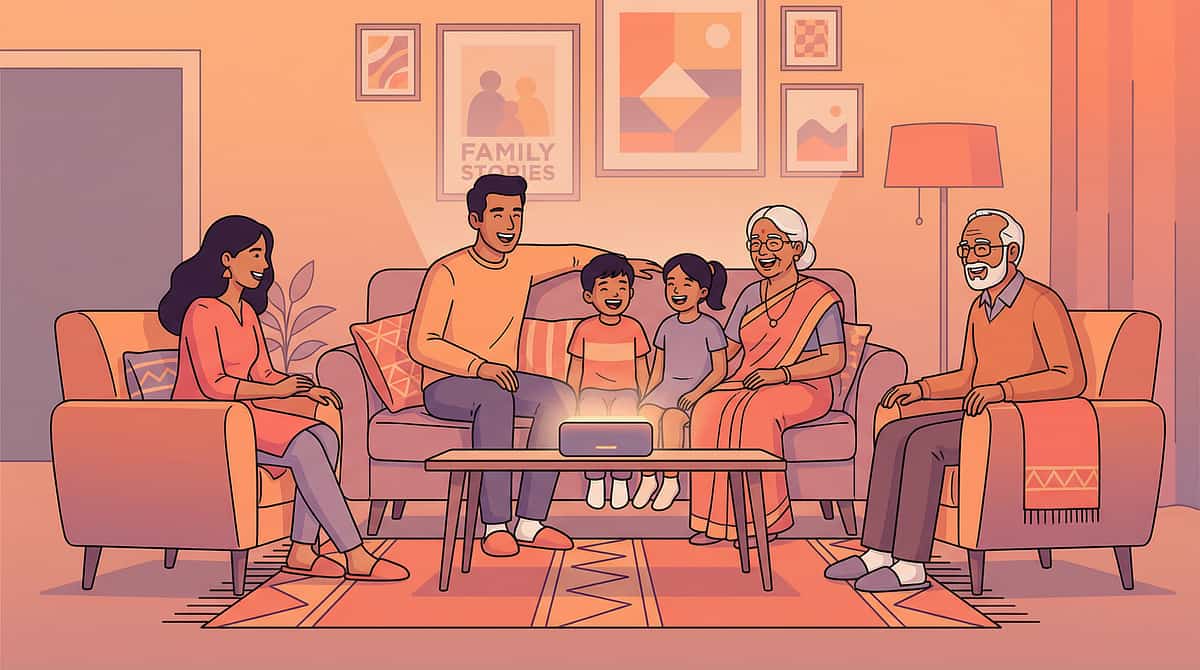
Sibling & Family Integration — Making Listening a Family Practice
The most powerful generalization environment is the family. When siblings and caregivers understand the protocol, the child's listening skills develop 40% faster (Pinnacle Family Outcomes Study, 2022).
Sibling Roles
01
The Co-Player: Sibling participates in sound discrimination games as a peer. Peer modeling is more motivating than adult modeling for many children.
02
The Direction-Giver: Sibling gives 1-step directions during play. Natural, low-demand, high-frequency practice.
03
The Story Reader: Older sibling reads the story comprehension material. Different voice = generalization of listening to multiple speakers.
04
The Cheerleader: Sibling celebrates correct responses. Social reinforcement from a peer is uniquely powerful.
Caregiver Alignment
👨👩👧 All caregivers use the same invitation language — consistency is critical
🚫 No one calls the child's name more than twice without a physical prompt — this prevents "learned ignoring"
📱 No screens during session time — this applies to adults too
🗣️ Narrate sounds throughout the day: "Did you hear that? That was the doorbell." — incidental teaching
Family alignment tip: Share this document with grandparents and other regular caregivers. The protocol only works if everyone in the child's environment is using the same approach.
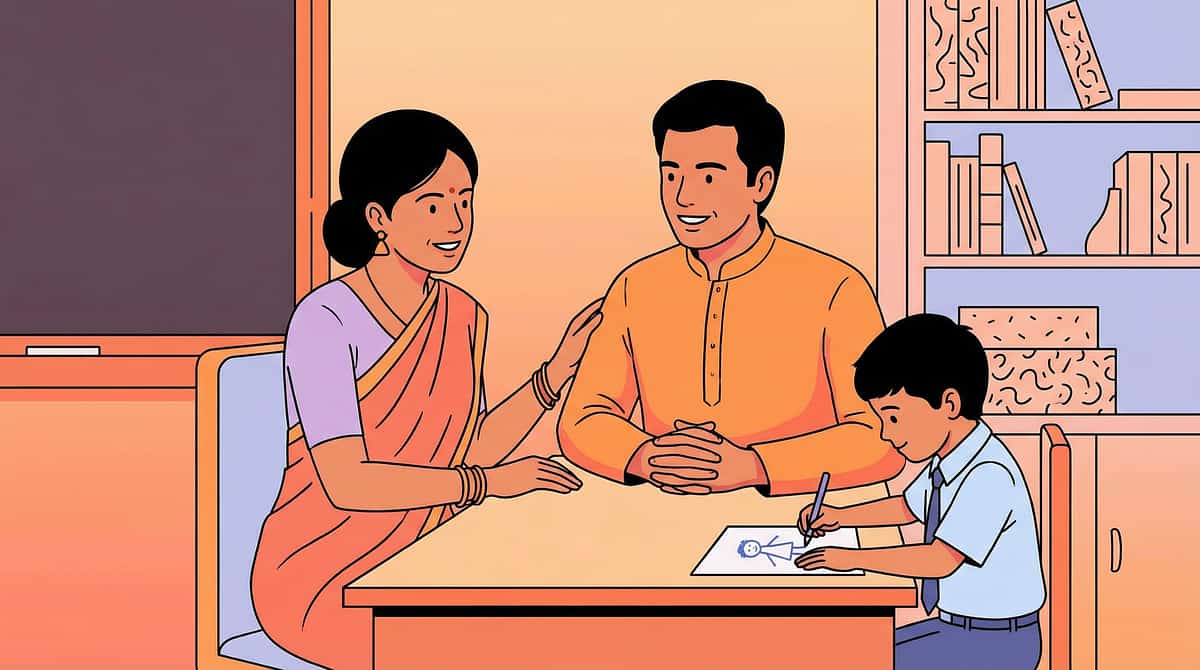
School Integration — Bridging Home and Classroom
Skills built at home must transfer to the classroom. This page gives you the language to communicate with your child's teacher and the specific accommodations that support B-174 goals.
📋 Share the Protocol Summary
Give your child's teacher a one-page summary of B-174 goals. Specifically: name response target (within 3 seconds), direction-following level (1-step or 2-step), and current prompt level. Teachers can't support what they don't know.
🪑 Seating Accommodation
Request front-row seating, away from windows and doors. Reduces auditory and visual competition. This is a simple, zero-cost accommodation that can be requested in any school setting.
🔁 Consistent Direction Format
Ask the teacher to use the same direction format as B-174: child's name first, then the direction. "Rahul — please open your book to page 12." Name-first primes the auditory system.
✅ Classroom Check-In System
Request a daily 30-second check-in: teacher notes whether child responded to name and followed directions independently. This data is gold for your clinician.
🤝 IEP/504 Integration
If your child has an IEP or 504 plan, B-174 goals can be formally incorporated as measurable objectives. Ask your Pinnacle clinician to draft the language — they do this regularly.
SpEd NOTE: The most effective school-home programs share data weekly. A 5-minute Friday email from teacher to parent closes the loop and accelerates progress.

Your Session Data Tracker — Week 3
Week 3 is when patterns become visible. You should start to see which materials your child responds to best, and which times of day produce the best sessions.
Day | Material Used | Attempts | Correct | Duration (min) | Notes | |
Mon | ||||||
Tue | ||||||
Wed | ||||||
Thu | ||||||
Fri |
📊 Total Sessions
___/5
🎯 Best Accuracy
___%
⭐ Child's Favorite Material
___
🕐 Best Time of Day
___
💡Week 3 milestone check: Is your child following 1-step directions independently (without a prompt) at least 70% of the time? If yes — you're on track. If not — stay at this level and increase session frequency to 5x/week.
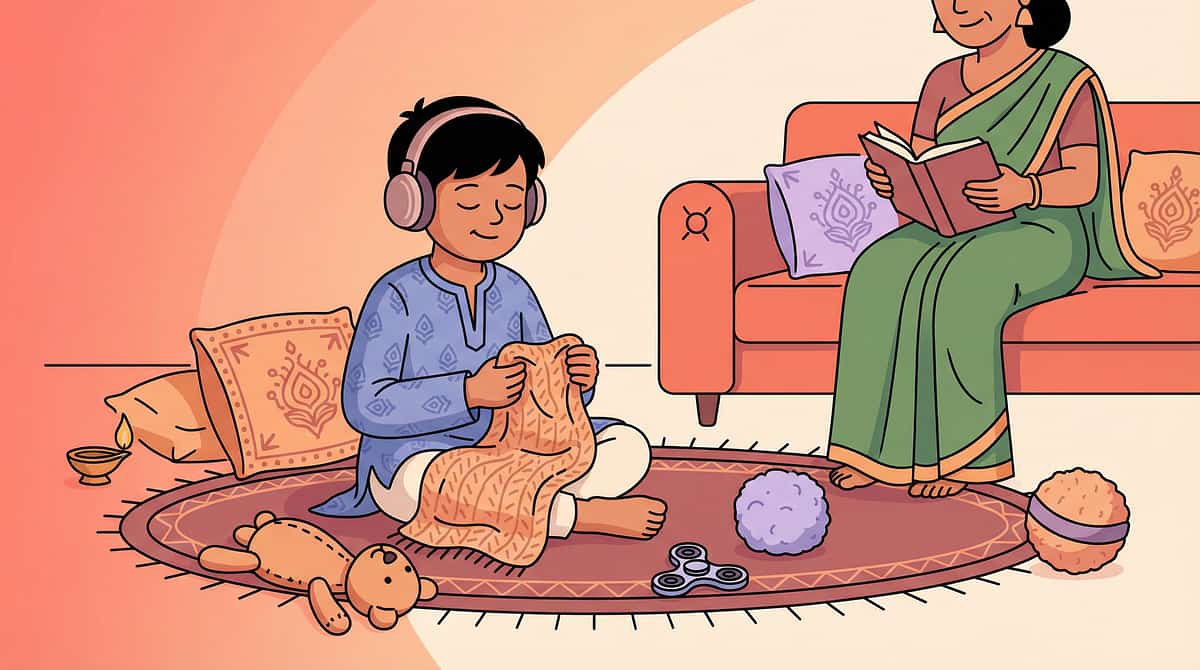
Sensory Considerations — When the Body Gets in the Way of Listening
Listening is not just an auditory skill — it requires the whole nervous system to be in a regulated state. If your child's sensory system is dysregulated, no amount of auditory training will work. Regulation first, always.
Signs of Sensory Dysregulation (Before/During Session)
Covering ears or making loud vocalizations
Seeking intense movement (spinning, jumping, crashing)
Avoiding all touch or seeking excessive touch
Flushed face, rapid breathing, or glazed eyes
Inability to sit for more than 30 seconds
Pre-Session Regulation Strategies
01
Heavy work: 5 minutes of pushing, pulling, or carrying before session (activates proprioceptive system)
02
Vestibular input: 10 swings or 20 jumps on a trampoline (regulates arousal level)
03
Deep pressure: Firm hug, weighted lap pad, or compression vest if tolerated
04
Quiet transition: 2 minutes of calm, low-stimulation activity before entering session space
Auditory Sensitivities — Special Considerations
🔊Hyperacusis (sound sensitivity): Start with very soft sounds. Never use sudden loud sounds. Build tolerance gradually over weeks, not sessions.
🔇Hyposensitivity (under-responsive): May need louder, more varied sounds to register. Use instruments, clapping, and environmental sounds rather than voice alone.
🎧Auditory Processing Disorder (APD): Reduce background noise to near-zero. Face the child directly. Speak slowly and clearly. Repeat without frustration.
OT NOTE: If your child shows significant sensory dysregulation before most sessions, request an OT sensory profile assessment. B-174 works best when built on a sensory-informed foundation.
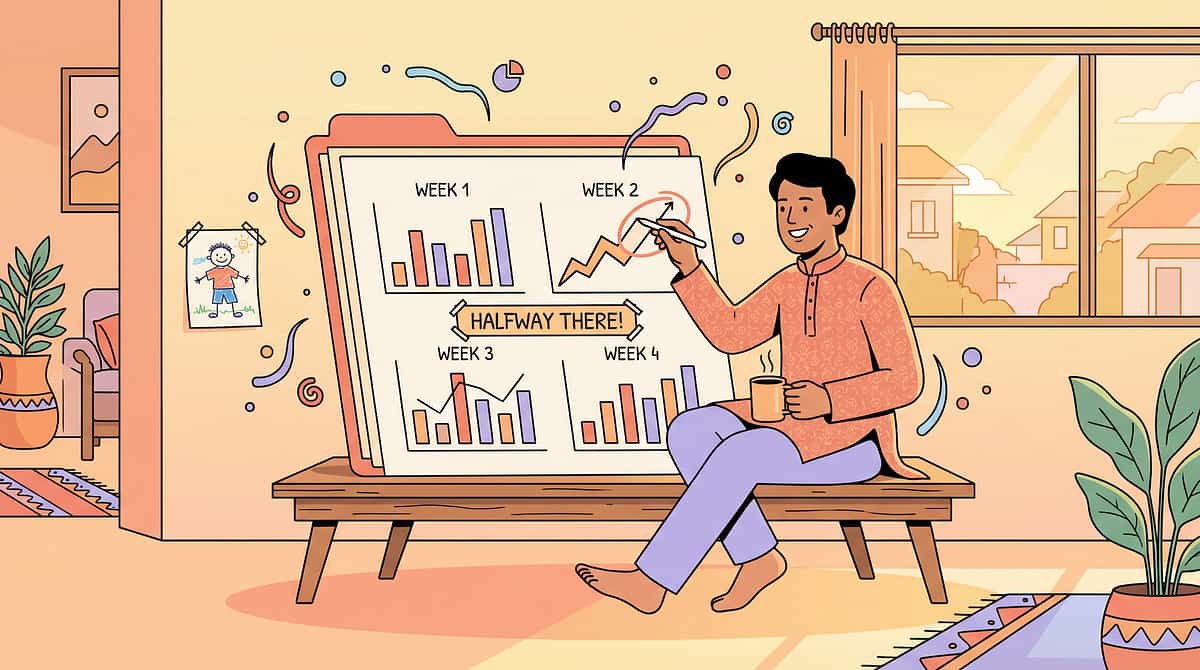
Your Session Data Tracker — Week 4
Week 4 marks the halfway point of the 8-week protocol. This is a good time to review your data from Weeks 1–4 and identify your child's strongest and weakest listening areas.
Day | Material Used | Attempts | Correct | Duration (min) | Notes | |
Mon | ||||||
Tue | ||||||
Wed | ||||||
Thu | ||||||
Fri |
📊 Total Sessions
___/5
🎯 Best Accuracy
___%
📈 4-Week Trend
Improving / Plateaued / Variable
🏆 Biggest Win This Month
___
📞Week 4 Clinician Check-In: This is the recommended point for a formal mid-protocol review with your Pinnacle clinician. Bring your Weeks 1–4 data sheets. Your clinician will adjust the protocol based on your child's trajectory.
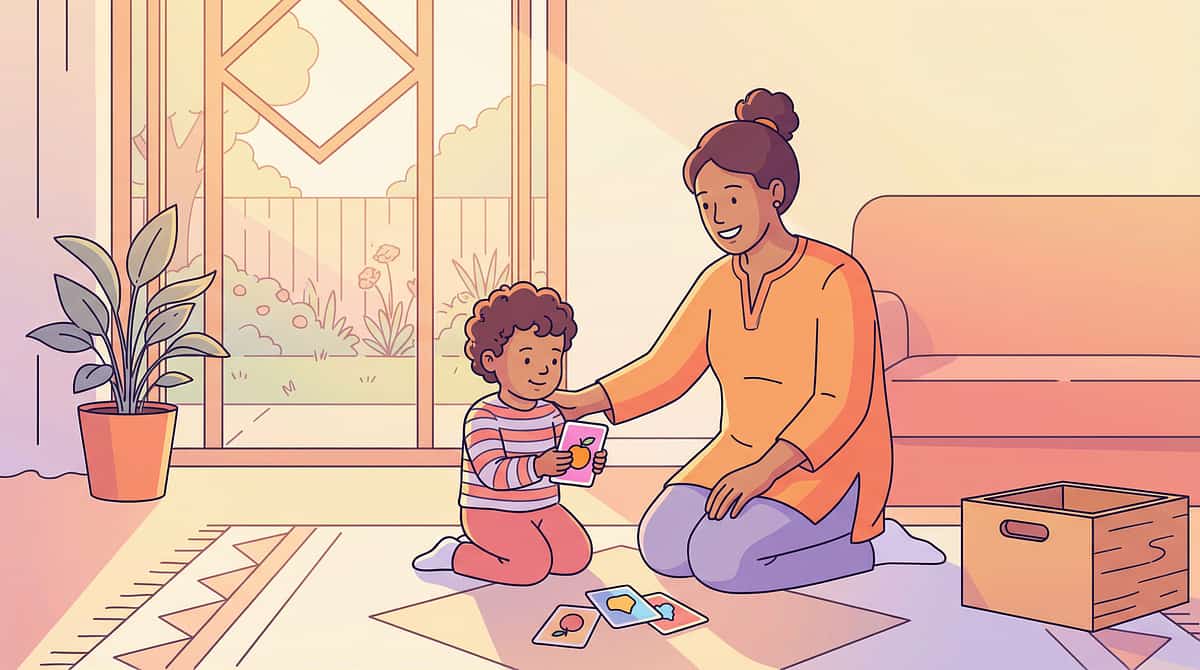
Step 2 — The Engagement
Step 2 of 6
⏱Timing: 1–3 minutes
🎯Goal: Active material interaction begins
Start with whichever material your child responded most positively to during the invitation. The goal is ACTIVE engagement — not just presence.
Material Introduction Sequence
01
Place the material between you and child (shared space — not pushed toward child)
02
Demonstrate ONE use while narrating: "Watch — I'm going to listen to these two sounds. Same or different?"
03
Do NOT require child participation yet. Model 2–3 times.
04
Create an obvious gap — pause and look curious/expectant (not demanding)
05
If child reaches or vocalizes → REINFORCE IMMEDIATELY
Child Response Indicators
🟢Engagement: Reaches for material, imitates your action, vocalizes, smiles
🟡Tolerance: Present in space, watching — stay here, keep modeling
🔴Avoidance: Pushing material away — step back, reduce demand
🟡Tolerance: Present in space, watching — stay here, keep modeling
🔴Avoidance: Pushing material away — step back, reduce demand
First moment of voluntary interaction → deliver immediate specific praise: "YES! You listened and got it right!" + access to reinforcement item
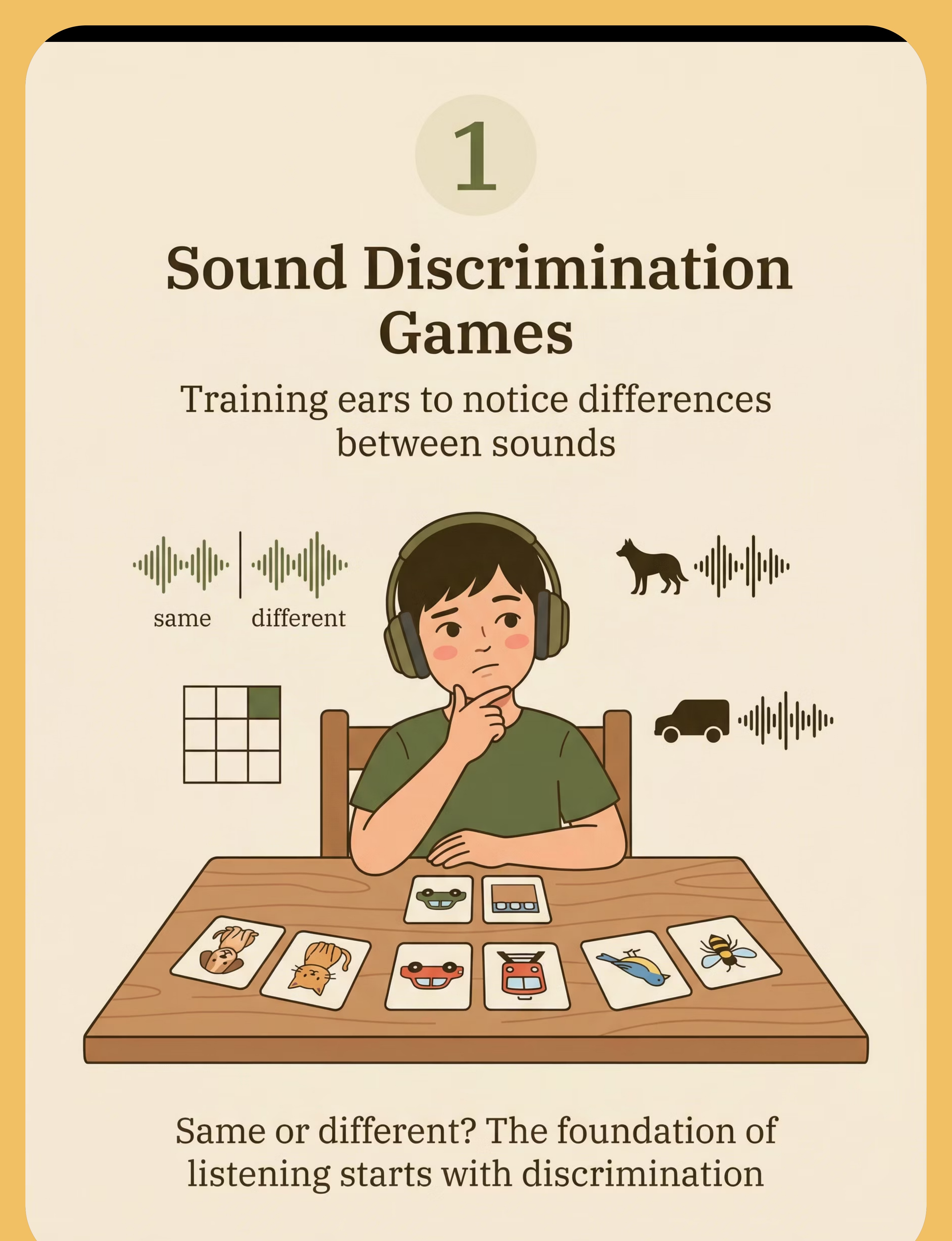
Preview of 9 materials that help building listening skills Therapy Material
Below is a visual preview of 9 materials that help building listening skills therapy material. The pages shown help educators, therapists, and caregivers understand the structure and content of the resource before use. Materials should be used under appropriate professional guidance.



Link copied!
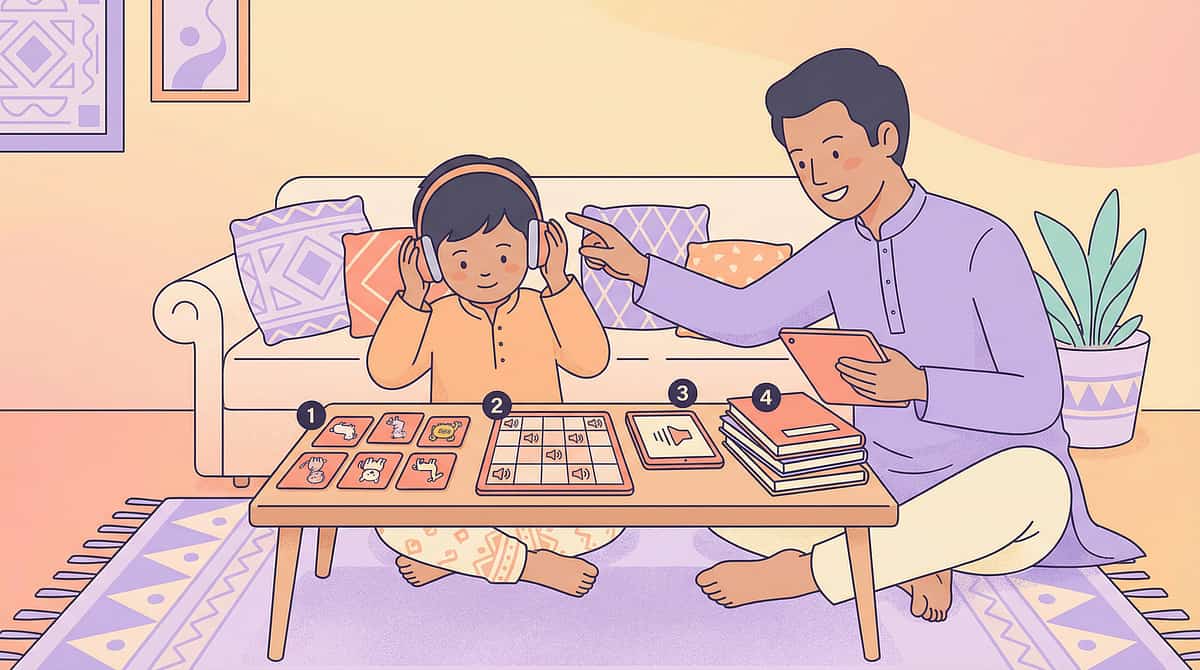
Step 3 — The Therapeutic Action: Materials 1–4
Step 3 of 6
⏱Timing: 5–12 minutes total
🎯Goal: Therapeutic exposure to target listening skill
This is the core of the session. Work through 1–2 materials maximum per session. Quality over quantity — deep engagement with one material beats shallow exposure to four.
ABA NOTE: Use errorless teaching — set the child up to succeed. If they fail twice in a row, simplify the task immediately.
Materials 1–4 Rotation Guide
▶ Material 1 — Sound Discrimination
Present two sounds (clap vs. knock, bell vs. drum). Ask: "Same or different?" Start with maximally different sounds. Prompt hierarchy: Full physical → partial → gestural → independent.
▶ Material 2 — Direction Following
Give 1-step direction first ("Touch the red block"). Build to 2-step only after 80% success on 1-step across 3 sessions.
▶ Material 3 — Auditory Memory
"I went to the market and bought ___." Child repeats + adds one item. Start with 2-item chains. Expand by 1 item per week.
▶ Material 4 — Story Comprehension
Read 3–5 sentences. Pause. Ask one literal question. Reinforce any attempt to answer — correct or not.
🔁Rotate materials across sessions — never use all 4 in one session. Variety prevents habituation and maintains novelty-driven attention.