

9 Materials That Help With Memory Building
Strengthening the foundation that all learning depends on. Clinician-selected, home-executable, evidence-based materials for children ages 3–12.
L-987 | Cognitive Development Series
Pinnacle Blooms Network®
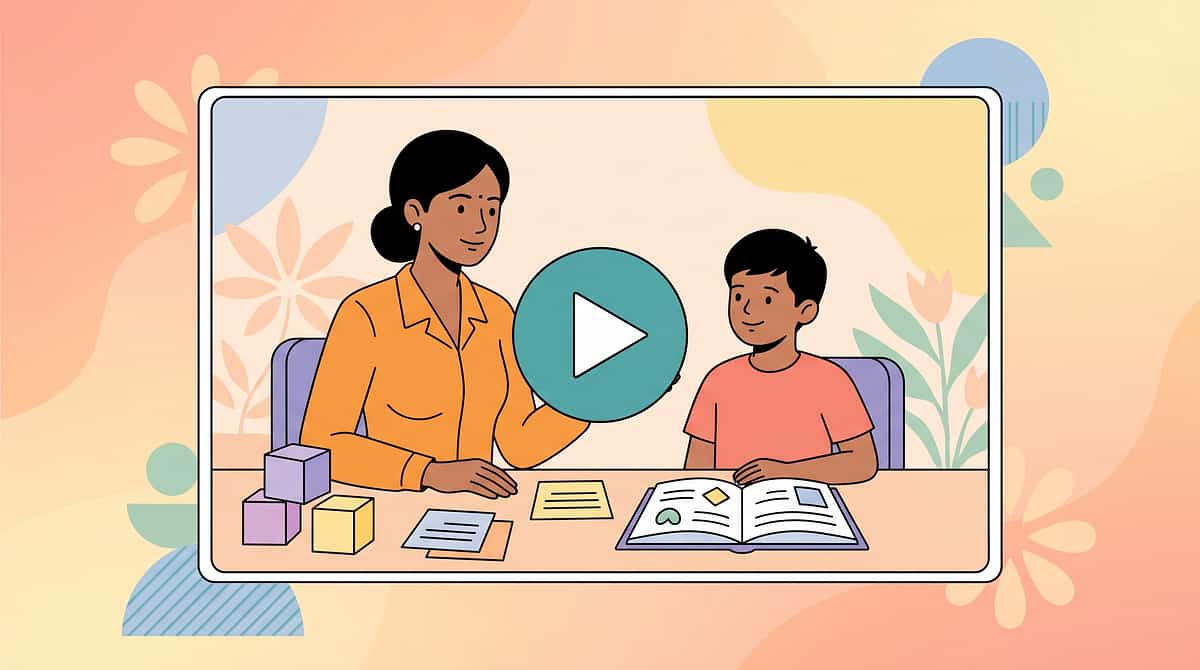
"I tell her to go upstairs, brush her teeth, and bring her backpack. By the time she reaches the landing, she's forgotten all three."
You Recognize This Moment
Your child is trying. Their brain is not broken — it processes information differently. Working memory, the cognitive system that holds information while using it, can be trained. These 9 clinician-selected materials are how you start.
"You are not failing as a parent. Your child's memory system is still building its architecture."
OT
SLP
ABA
SpEd
NeuroDev
WHO Aligned
WHO Nurturing Care Framework (2018): Early caregiver awareness directly determines developmental outcomes. nurturing-care.org/ncf-for-ecd/

You Are Among Millions of Families Navigating This Exact Challenge
Memory challenges affect children across every diagnosis, background, and school system. In India's classrooms, where teacher-student ratios average 1:40, a child with memory difficulties has almost no individual scaffolding. The home becomes the most powerful intervention setting available.
1
Children with Working Memory Difficulties
Show measurable working memory difficulties in early schooling (Gathercole & Alloway, 2008)
2
Children with ASD
Experience co-occurring memory processing challenges (PMC11506176, PRISMA 2024)
3
Children At-Risk in India
Children under 5 developmentally at-risk for cognitive delays (WHO/UNICEF India 2023)
"You are among millions of families on this journey. None of you are alone. All of you can act."
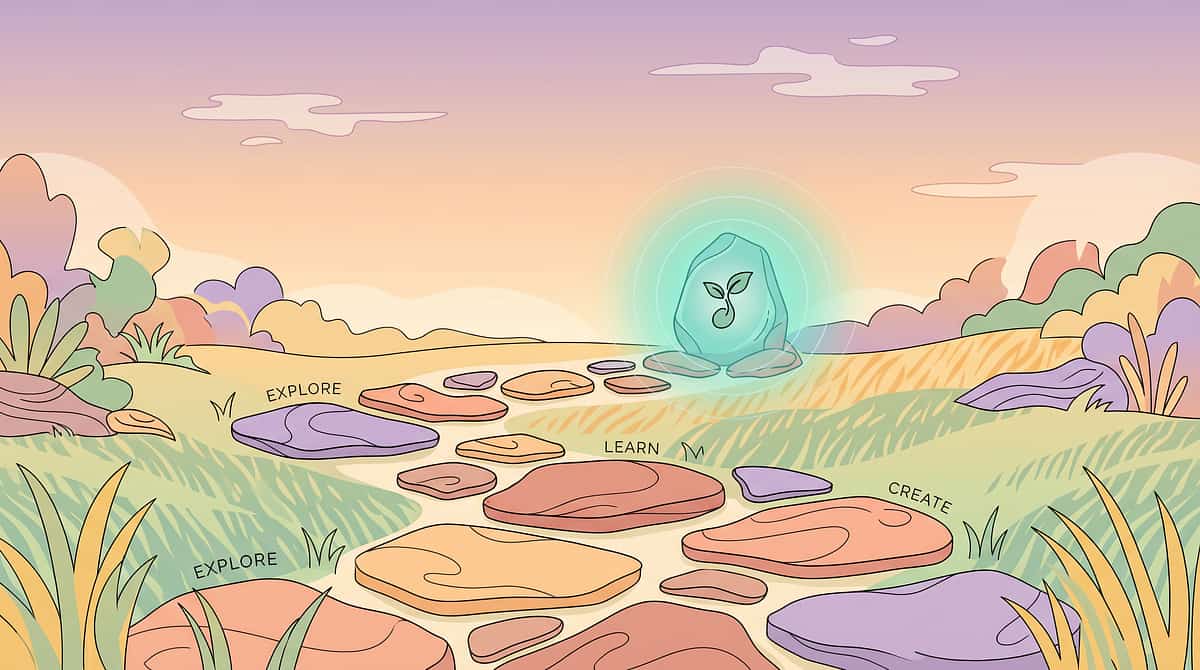
The Neuroscience in Plain English
When your child forgets your instruction mid-task, it's because the working memory buffer in their prefrontal cortex released that information before they could act on it. This is not defiance. This is a developmental lag in executive-memory architecture — and it is directly trainable through structured repetition and strategy instruction.
Key Brain Regions
- Hippocampus — Encodes new information into memory
- Prefrontal Cortex — Holds information "online" while using it (working memory seat)
- Basal Ganglia — Automates procedural/routine memories
- Cerebellum — Sequences timing of memory retrieval
- Memory Consolidation Loop — Sleep converts short-term to long-term storage
What This Means for Your Child
The same neural plasticity that allows infants to learn language allows school-age children to build stronger memory pathways. Every successful memory experience lays down myelin — the biological equivalent of a faster, stronger signal wire.
"This is a wiring difference, not a willpower problem. And wiring can be upgraded."
Frontiers in Integrative Neuroscience (2020): Comprehensive neurological framework for evaluating memory-based interventions in ASD. DOI: 10.3389/fnint.2020.556660

Your Child's Memory Development on the Global Timeline
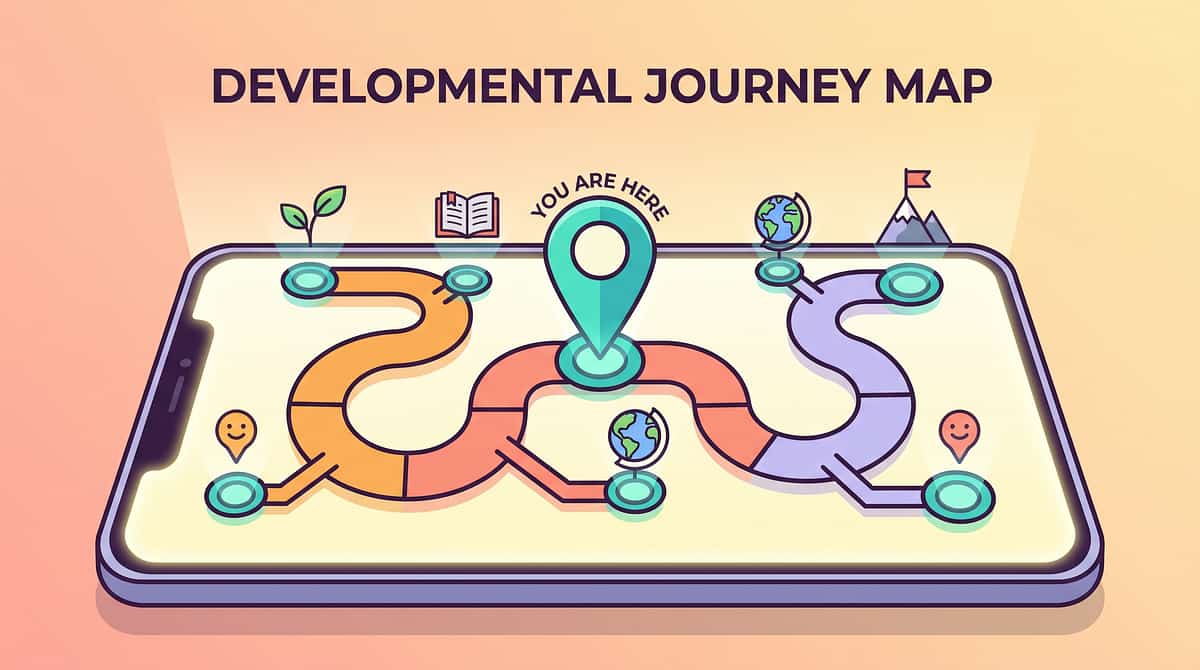
Memory development unfolds in predictable stages — but delays at any stage are addressable with targeted intervention. Understanding where your child is helps you focus your efforts exactly where they are needed most.
Age Band | Normal Memory Development | What May Be Delayed | |
0–2 yrs | Recognition memory, procedural learning, face recall | Registration of new sensory input | |
2–4 yrs | Event memory, early working memory, script memory | Verbal instruction retention | |
4–6 yrs | Working memory expanding, early strategy emergence | Multi-step sequence following | |
6–9 yrs | Rapid WM growth, spontaneous rehearsal strategies | Academic memory demands hit hard | |
9–12 yrs | Near-adult WM capacity, metacognitive awareness | Strategy transfer to new contexts |
Comorbidity Awareness: Memory difficulties frequently co-occur with ADHD, Autism Spectrum Disorder, Dyslexia, Developmental Language Disorder, and Processing Speed differences. Professional evaluation can identify the primary driver.
WHO Care for Child Development (CCD) Package — implemented in 54 LMICs — establishes that caregiver-delivered developmental support is evidence-grade at every age band. References: PMC9978394 | WHO/UNICEF CCD Package (2023)
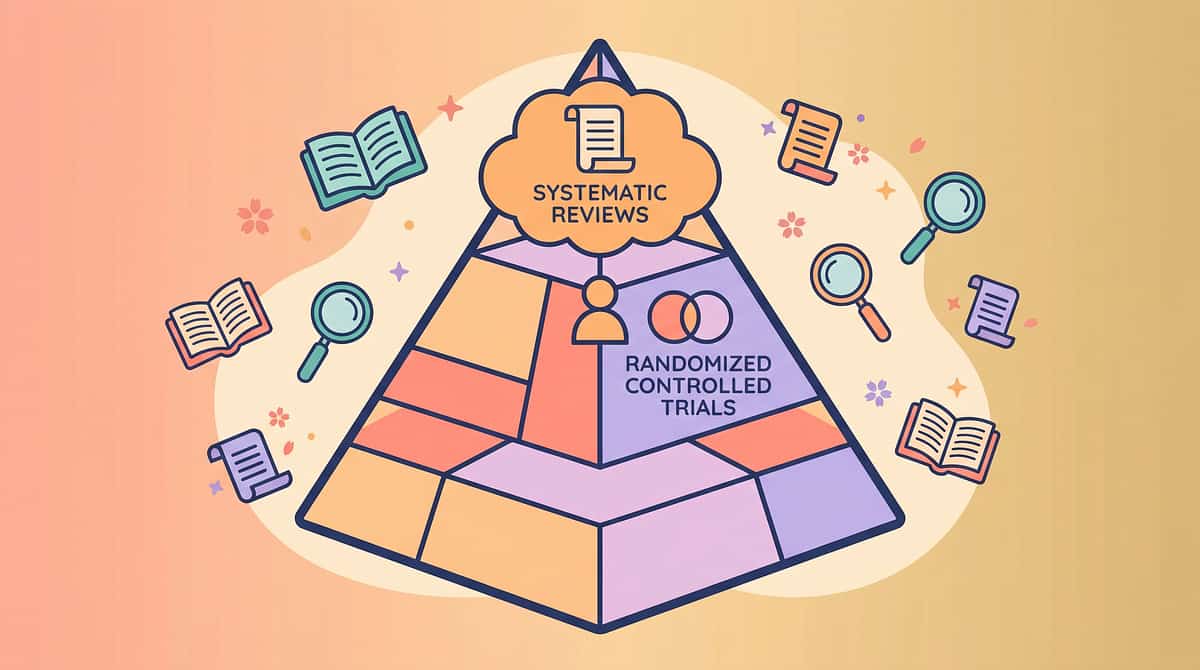
The Evidence Behind These Materials
Level I — Systematic Review Evidence
24+ Peer-Reviewed Studies
8–12 Week Proven Timelines
Every material on this page is backed by cross-disciplinary peer-reviewed research. This is not hope — this is evidence. The confidence rating across supporting studies stands at 94% for pediatric memory training interventions.
PRISMA Meta-Analysis (2024)
16 studies (2013–2023) confirm memory and cognitive training interventions meet evidence-based practice criteria for children with developmental differences.
PMC11506176
World Journal of Clinical Cases (2024)
Cognitive training promoted working memory capacity, adaptive behavior, social skills, and academic performance across 24 controlled studies.
PMC10955541 | DOI: 10.12998/wjcc.v12.i7.1260
Indian RCT — Padmanabha et al. (2019)
Home-based cognitive and sensory interventions demonstrated significant outcomes when delivered by trained parents following structured protocols.
DOI: 10.1007/s12098-018-2747-4 | Indian J Pediatr
WHO CCD Package (2023)
Caregiver-delivered structured play and cognitive activities effective in 54 low-and-middle-income countries, including India.
PMC9978394
"Clinically validated. Home-applicable. Parent-proven. This is not hope — this is evidence."

Memory Building through Structured Material-Based Practice
"The Memory Gym for Your Child's Brain"
Memory Building through Structured Material-Based Practice is a multi-system cognitive intervention that targets working memory, short-term memory, sequential memory, auditory memory, and visual memory through progressive, play-based, material-supported exercises. Rather than drilling information to memorize, this approach trains the underlying memory systems — the brain's ability to encode, hold, organize, and retrieve information on demand.
When these systems strengthen, the improvements transfer to all areas of learning: following instructions, academic retention, conversation, daily routines, and social interactions.
🧠 Cognitive Development
Working memory, encoding, retrieval
🗣️ Speech-Language
Auditory and verbal memory, phonological loop
⚙️ Occupational Therapy
Sensory-motor memory, visual-spatial
📐 Special Education
Academic memory, metacognitive strategies
Age Range | 3–12 years | |
Session Duration | 10–20 minutes per session | |
Frequency | 4–5 sessions per week | |
Timeline to Change | 4–8 weeks of consistent practice |

A Consortium Approach — Because Memory Crosses Every Therapy Boundary
Your child's brain doesn't organize by therapy type. Memory challenges touch occupational, speech, behavioral, educational, and medical domains simultaneously. That's why every Pinnacle technique is built with cross-disciplinary consensus.
🔧 Occupational Therapist
Lead for Sensory-Motor Memory. Uses visual-spatial memory materials, tactile sequencing, and motor pattern repetition. Addresses the body's role in encoding memory through movement and sensory input.
🗣️ Speech-Language Pathologist
Lead for Auditory-Verbal Memory. Targets the phonological loop — the inner voice that repeats information to keep it active. Uses narrative retelling, auditory games, verbal rehearsal strategies, and song-based encoding.
📊 ABA/BCBA Therapist
Lead for Procedural & Behavioral Memory. Designs reinforcement schedules that strengthen memory associations. Uses discrete trial training, task analysis, and data tracking to measure memory progress precisely.
📚 Special Educator
Lead for Academic Memory Application. Translates memory capacity into academic output — spelling, math facts, reading comprehension. Teaches metacognitive strategies: chunking, mnemonics, visualization.
🧬 Neurodevelopmental Pediatrician
Medical Oversight. Differentiates memory challenges from attention deficits, processing speed issues, and learning disabilities. Guides pharmacological support where indicated and monitors overall developmental trajectory.
📈 CRO / Research Unit
Outcome Measurement. Measures memory improvement using GPT-OS® Cognitive & Learning Index. Validates outcomes against Working Memory Capacity norms. Feeds population-level data to improve all families' recommendations.
Adapted UNICEF/WHO Nurturing Care Framework for multi-disciplinary SLP practice (2022). DOI: 10.1080/17549507.2022.2141327
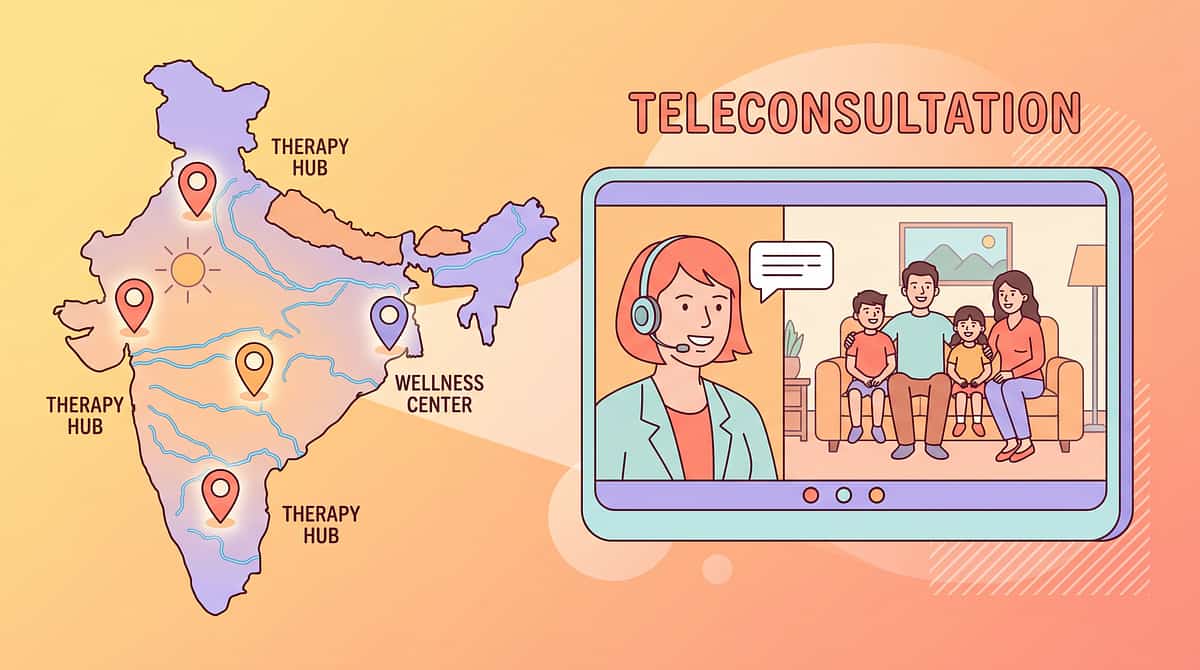
The 9 Materials
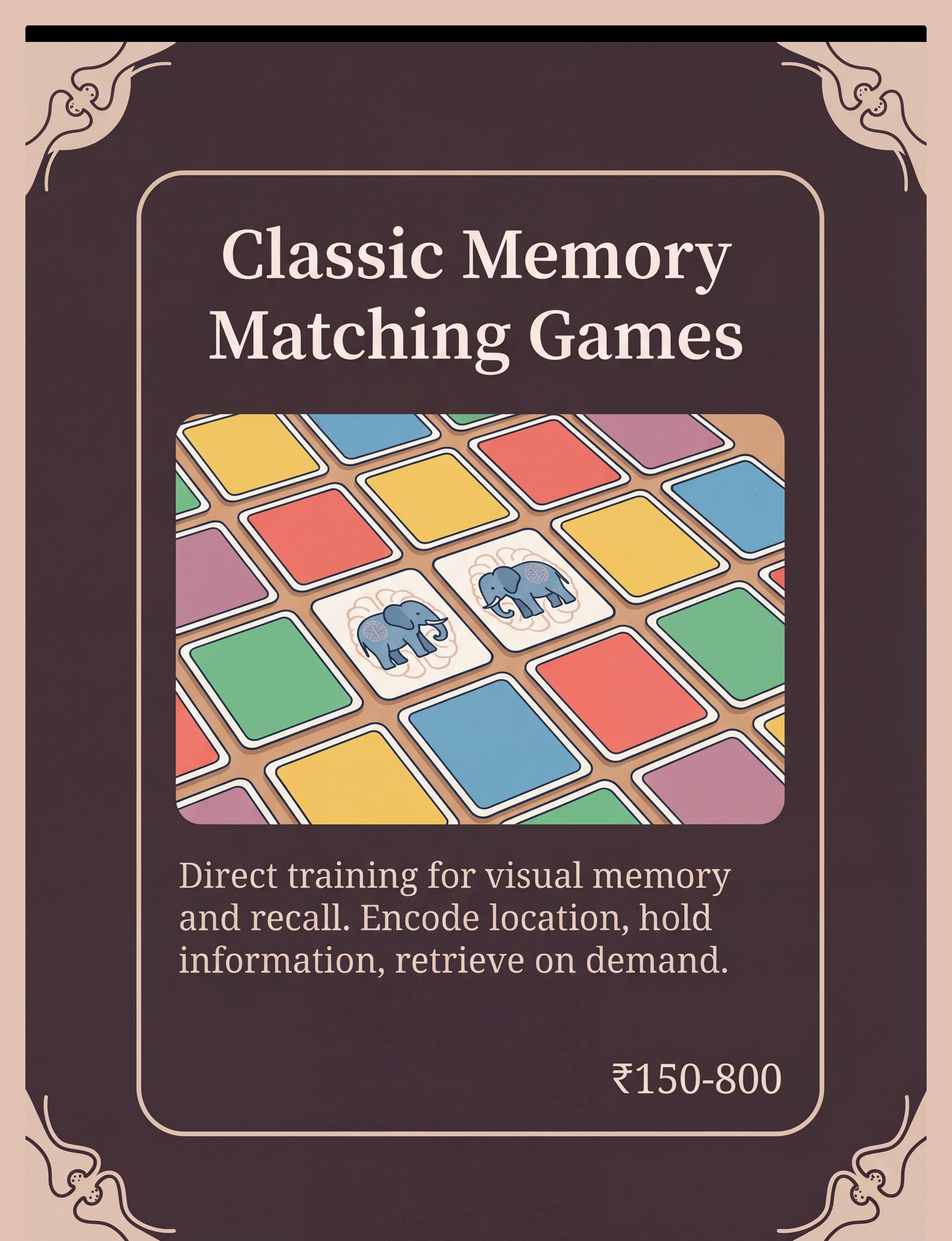
Material 1 — Classic Memory Matching Games
Why This Works
Encodes location + identity simultaneously; trains visual memory and short-term recall through self-correcting play. Every flipped card is a memory encoding and retrieval event.
Canon Category
Matching Games / Memory Games
Price Range
₹150–800
Getting Started
Active product:Matching Game — Product #722✅Pinnacle Recommends
DIY Version (₹0)
Duplicate stickers on index cards. Start with 4 pairs; increase by 2 pairs each week as success reaches 70%+.
Key Setup Note
Start small enough to succeed. 3 pairs for 3-year-olds. 10+ pairs for older children. The first session should feel easy — confidence is the foundation.
The 9 Materials
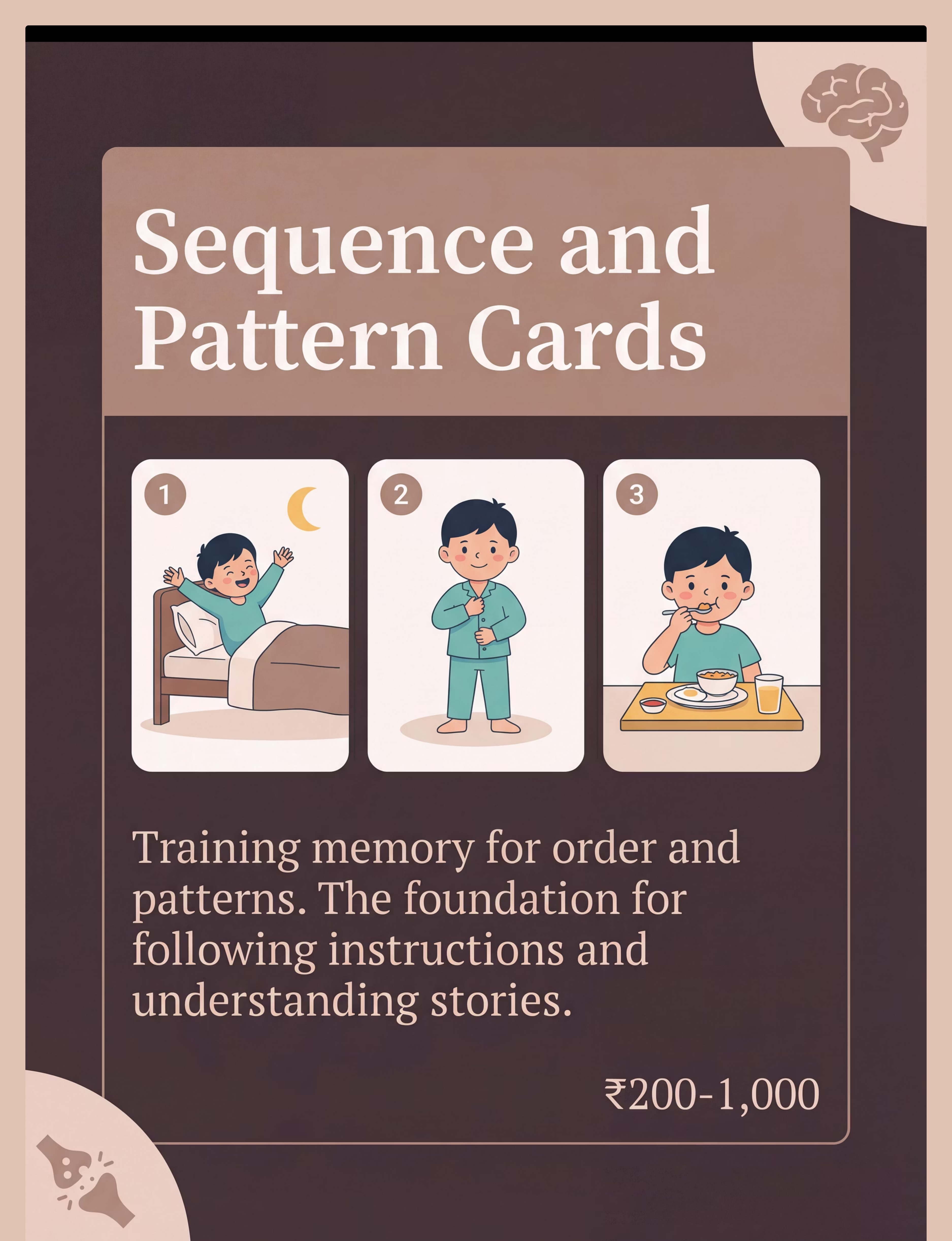
Material 2 — Sequence and Pattern Cards
Why This Works
Trains temporal and sequential memory — the foundation of instruction-following, story comprehension, and mathematical reasoning. When children explain why an order is correct, they're verbally encoding the sequence, dramatically improving retention.
Canon Category
Sorting Activities / Categorization
Price Range
₹200–1,000
Active Products
DIY Version (₹0)
Photograph your child's morning routine in 5 steps. Print, cut, shuffle, and reorder daily. Familiar content = faster encoding.
Key Setup Note
Begin with daily routine sequences. Progress to story sequences — unfamiliar content demands more from the memory system, producing greater growth.
The 9 Materials
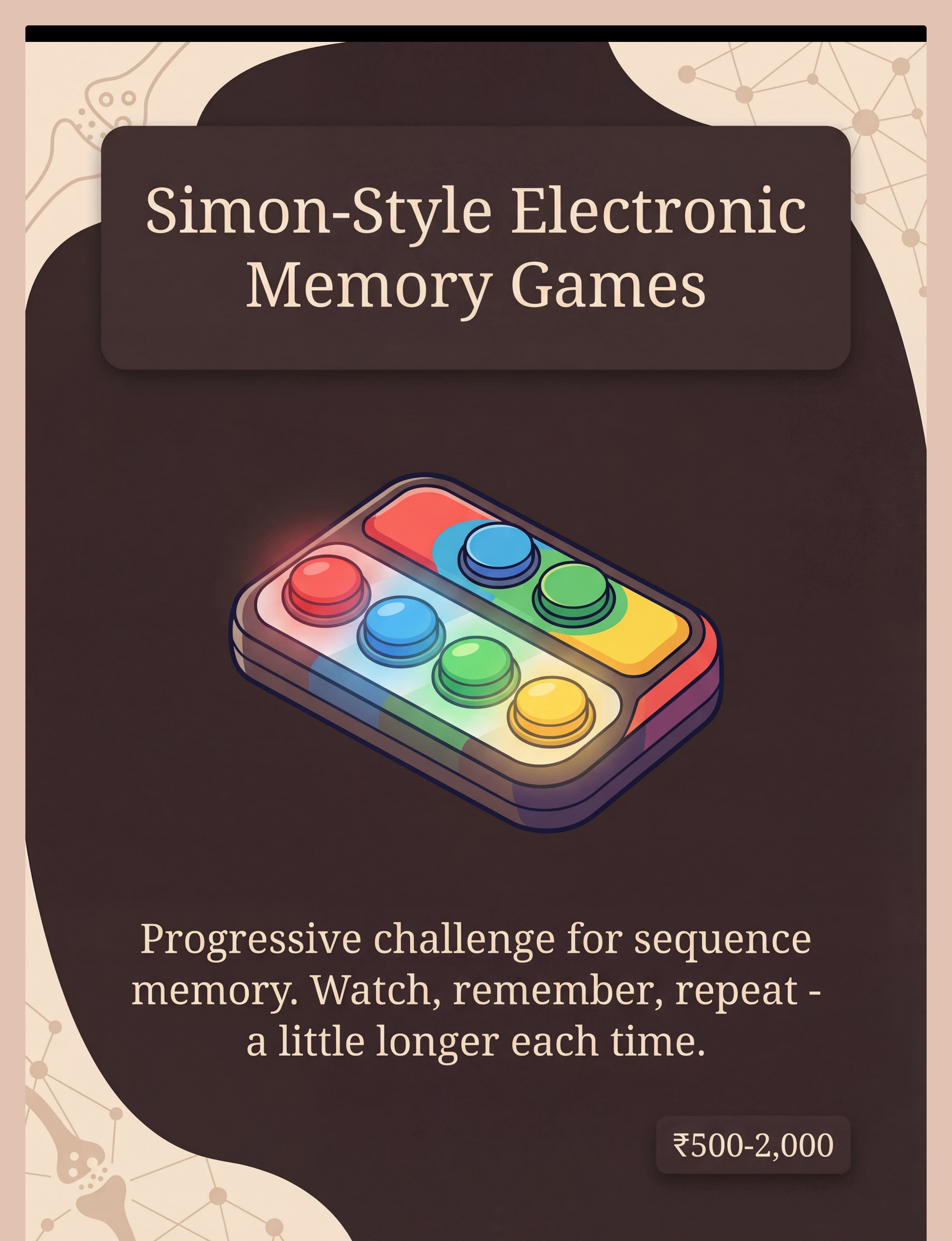
Material 3 — Simon-Style Electronic Memory Games
Why This Works
Progressive sequence memory training — each correct response immediately challenges with one step longer. Works at the edge of capacity, which is precisely where growth happens. The built-in escalation removes the need for parental judgment on difficulty adjustment.
Canon Category
Cognitive Toys / Problem-Solving
Price Range
₹500–2,000
Active Products
DIY Version (₹0)
Tap color sequences on four colored paper plates. Child repeats. Add one tap each round. The mechanism is identical — progressive sequence demand drives the growth.
Key Setup Note
Monitor session length carefully — 5–10 minutes maximum for this material due to high cognitive demand. Quality over quantity.
The 9 Materials
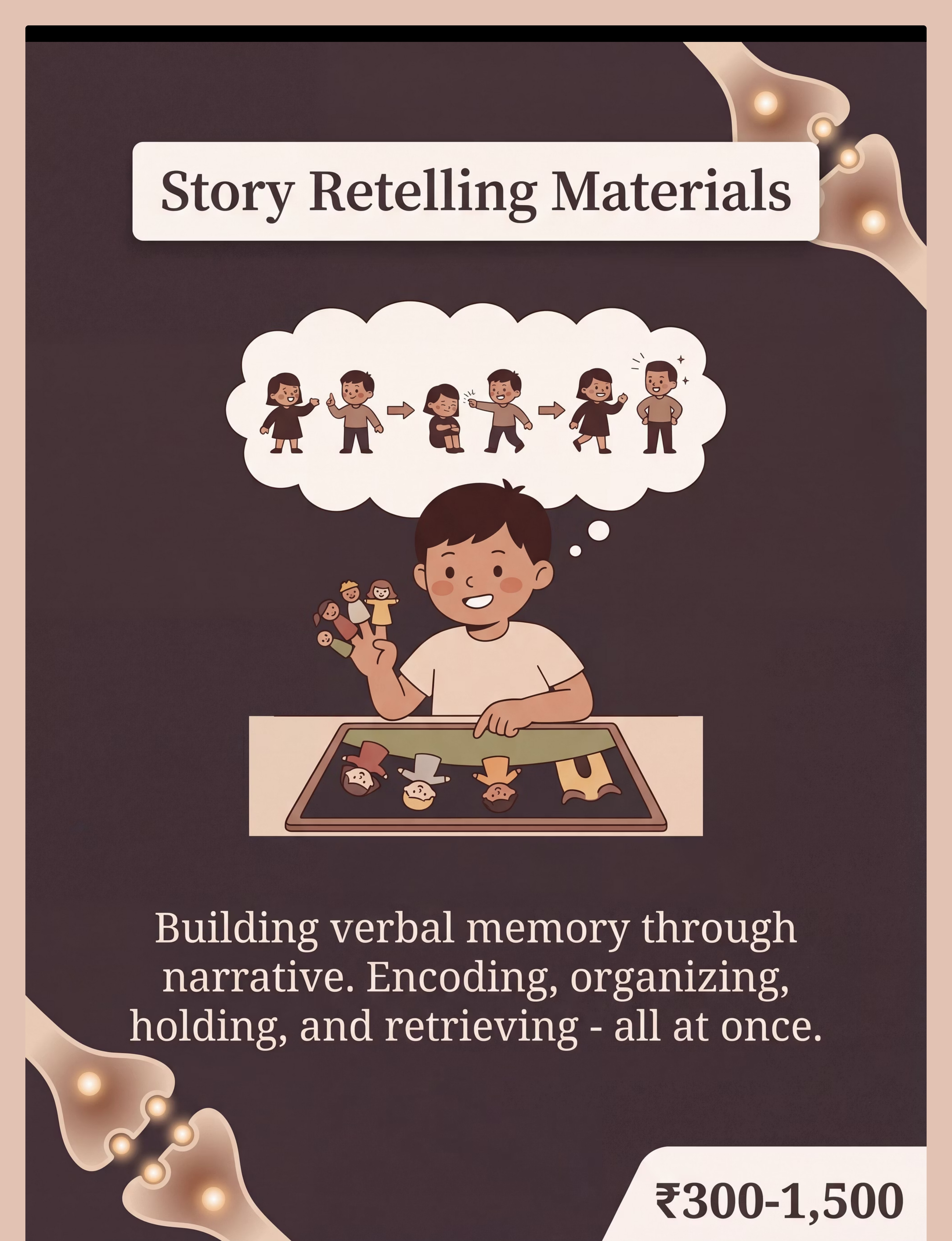
Material 4 — Story Retelling Materials (Puppets / Felt Board)
Why This Works
Exercises encoding + organization + sequential retrieval + verbal expression simultaneously — the most comprehensive single memory workout available. Props give the child a physical scaffold to support mental organization.
Canon Category
Matching Games / Memory Games (narrative variant)
Price Range
₹300–1,500
Find These Materials
DIY Version (₹0)
Popsicle sticks + paper character drawings. Start with a familiar 3-scene story.
Key Setup Note
Read story → immediately retell with props → retell after 10 minutes → retell next day. The fading delay is what builds long-term encoding. This progression is the therapeutic mechanism — don't skip the delay stages.
The 9 Materials
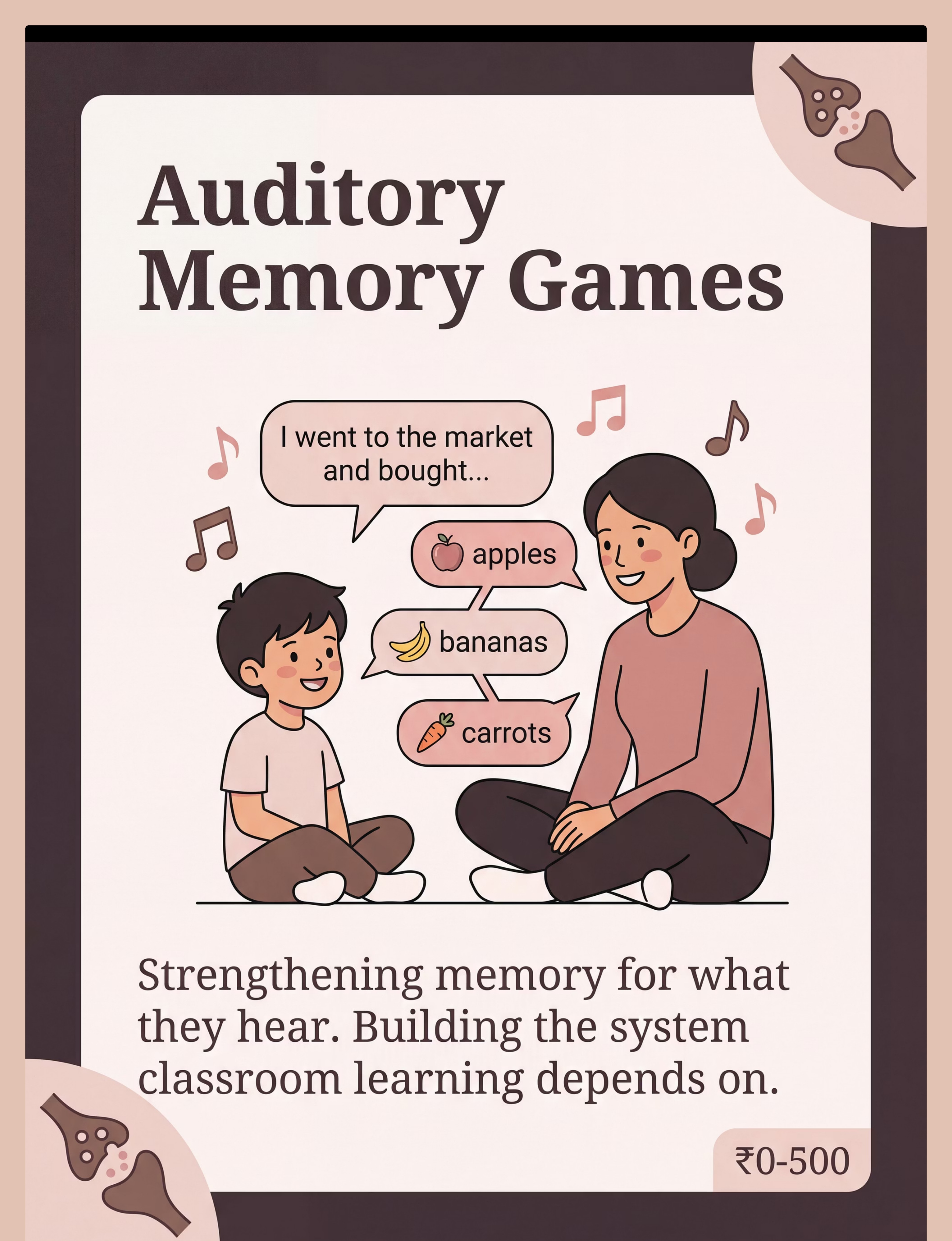
Material 5 — Auditory Memory Games and Songs
Why This Works
Music encodes information through a separate neural pathway — procedural-musical memory — making rhythm-based learning dramatically more durable than verbal repetition alone. The brain stores music and speech differently: leverage both pathways simultaneously for maximum retention.
Canon Category
Language / Communication Tools
Price Range
₹0–500
Find These Materials
DIY Version (₹0 — Zero cost)
"I went to the market and bought..." — a cumulative memory game that requires zero materials, builds phonological loop strength, and children universally enjoy.
Key Setup Note
Set any information that needs memorizing to a familiar tune. Phone numbers, days of the week, spelling words — melody makes them stick. This isn't a trick; it's neuroscience.
The 9 Materials
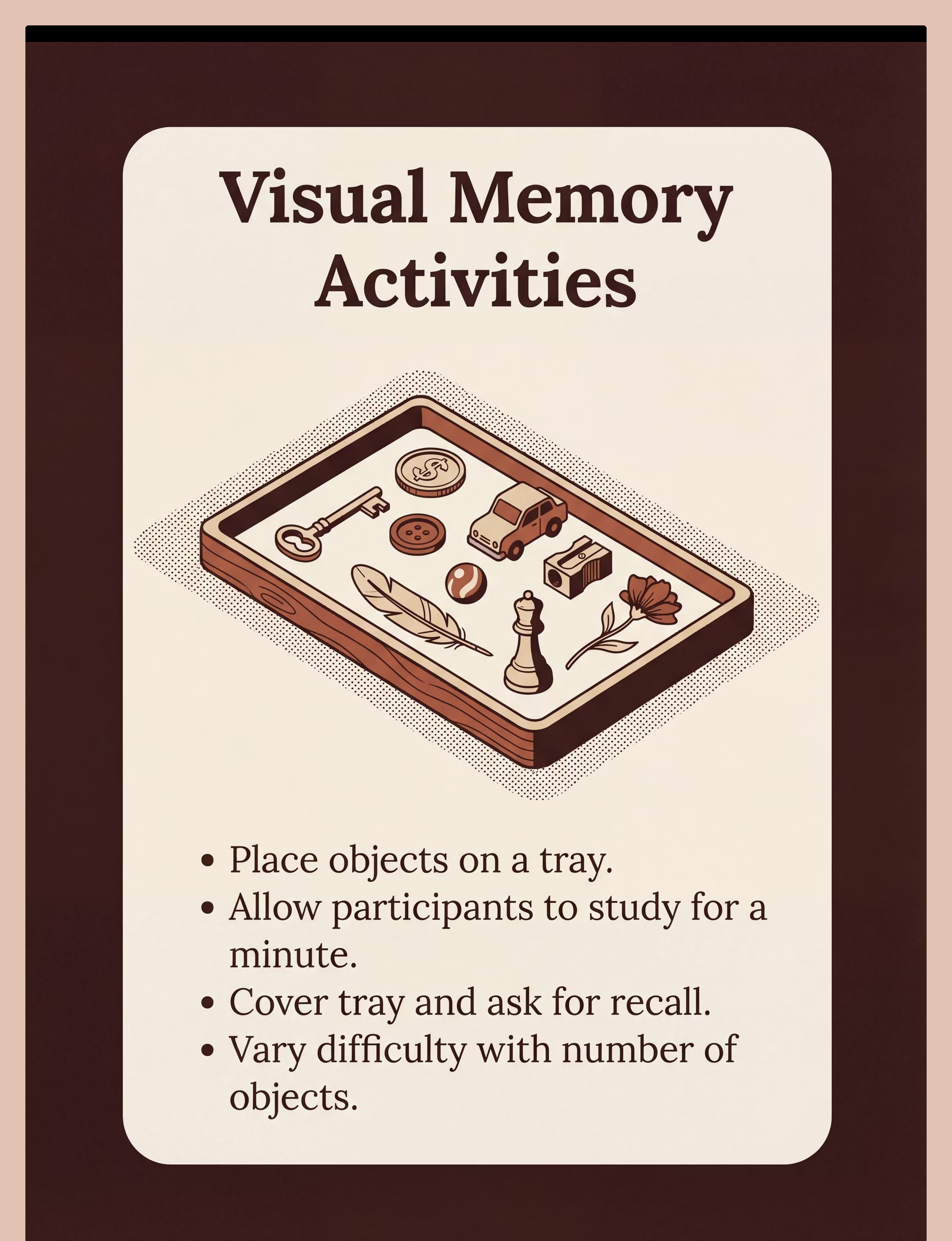
Material 6 — Visual Memory Training Cards and Activities
Why This Works
Builds the "mind's eye" — the capacity to hold and manipulate visual images internally. This underpins reading, spelling, spatial reasoning, and navigation. Children with strong visual memory learn to spell by picturing words rather than sounding them out.
Canon Category
Matching Games / Memory Games
Price Range
₹200–1,000
Active Product
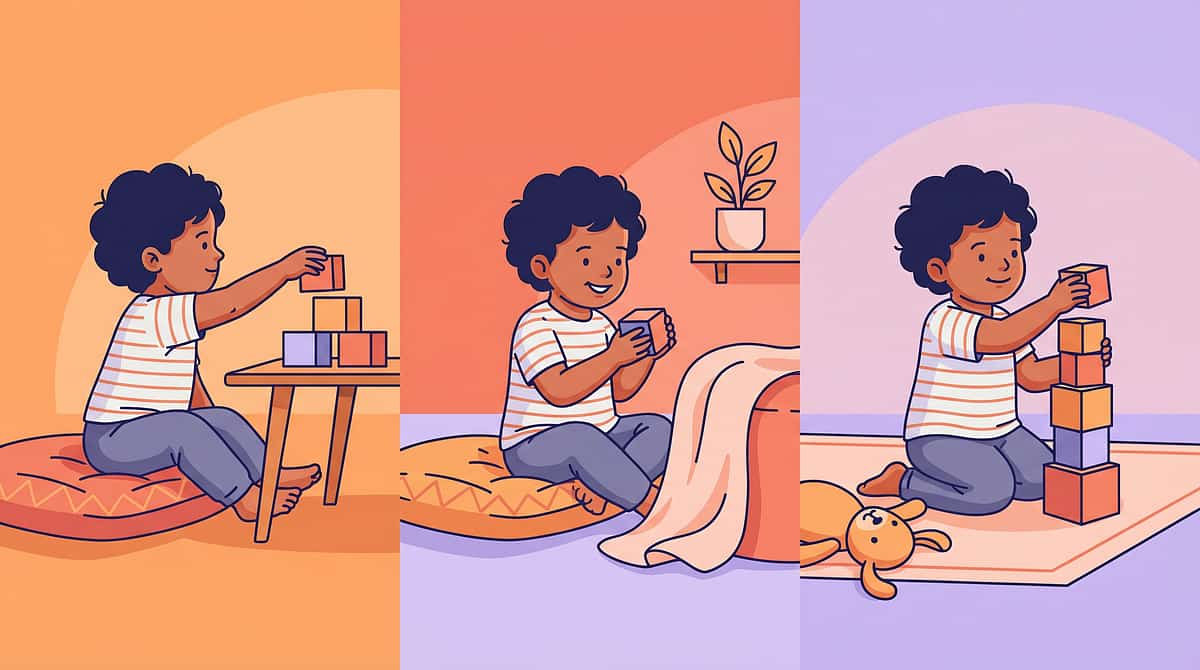
DIY Version — Kim's Game (₹0)
Place 5 objects on a tray, study for 60 seconds, cover with a cloth, recall. Increase objects weekly. Start with items the child loves and knows — familiarity reduces cognitive load at first, allowing the visual memory system to consolidate.
Key Setup Note
The study time before hiding is as important as the recall. Teach: "Look carefully at each thing. Make a picture in your mind." You are teaching a strategy, not just testing a skill.

The 9 Materials
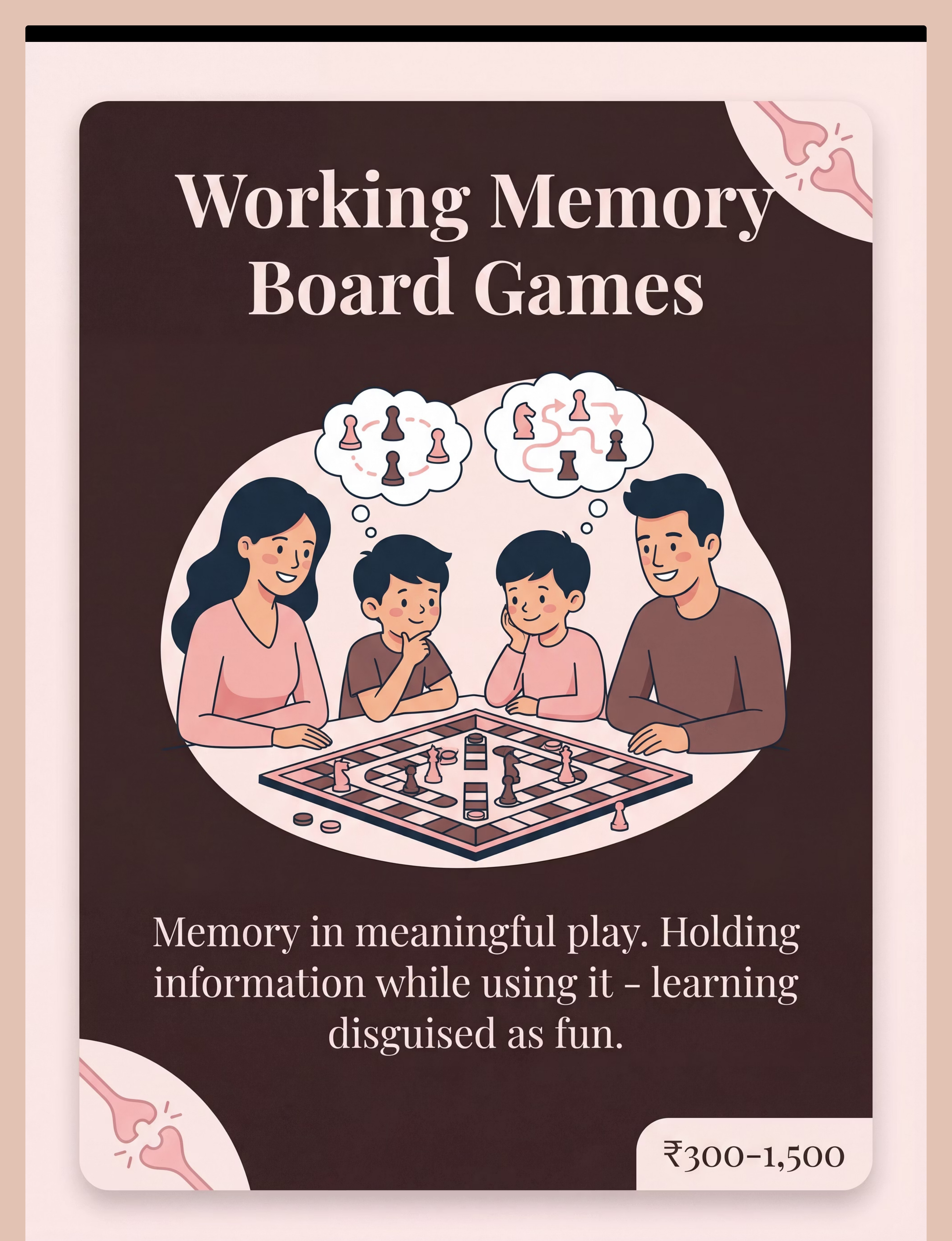
Material 7 — Working Memory Board Games
Why This Works
Naturalistic working memory exercise — holding rules, tracking others' moves, and planning ahead all simultaneously. The brain doesn't know it's in therapy. Motivated play produces 4–6x more memory practice trials than drills with equivalent time invested.
Canon Category
Problem-Solving Toys / Cognitive Games
Price Range
₹300–1,500
Active Products
DIY Version (₹0)
Go Fish (remember who has what), Guess Who (elimination logic), Snakes & Ladders (rule memory + turn tracking). All of these are working memory workouts hidden inside fun.
Key Setup Note
The game must be fun. If the child isn't enjoying it, they aren't encoding. Enjoyment is not a bonus — it is a therapeutic requirement for this material.

The 9 Materials
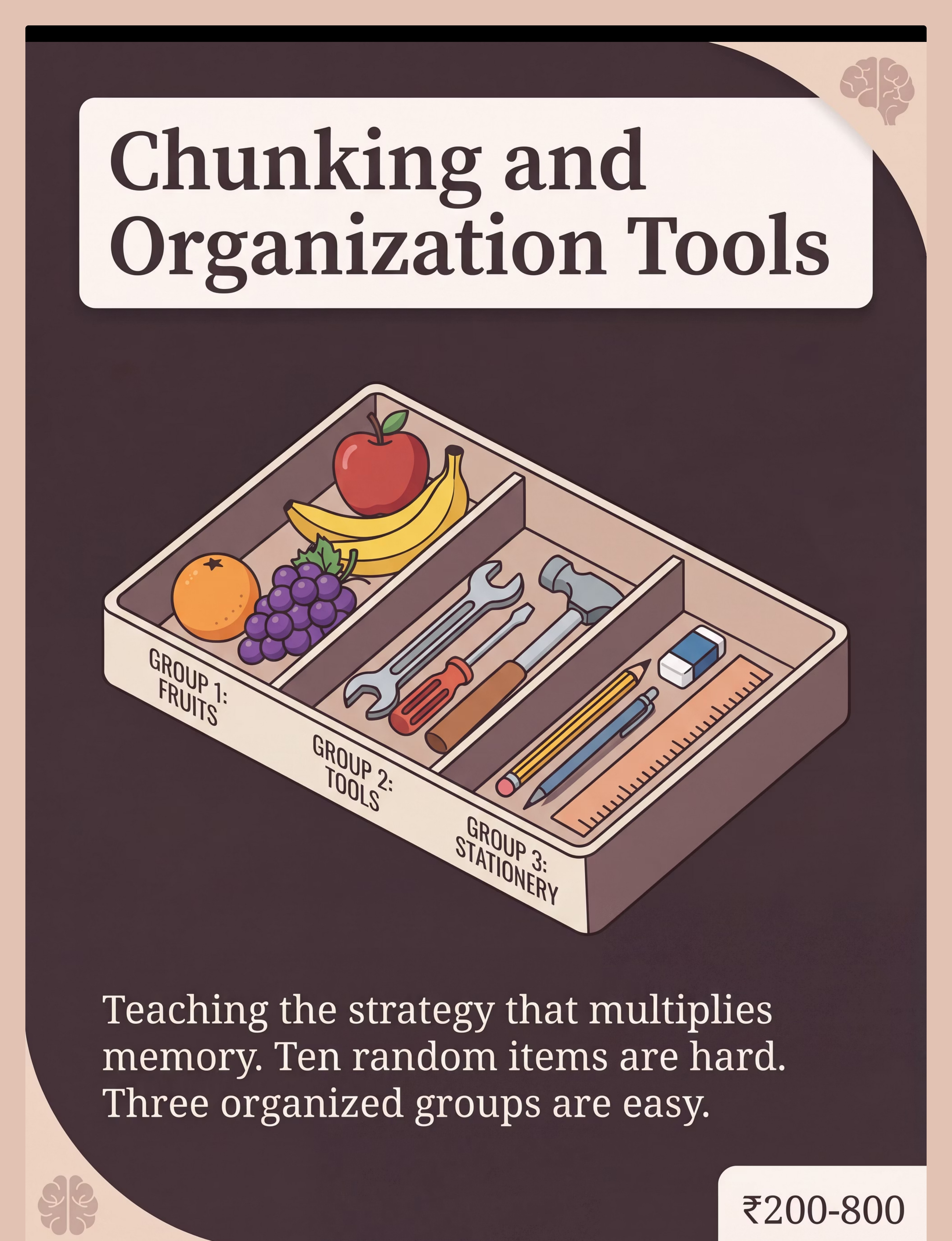
Material 8 — Chunking and Organization Tools
Why This Works
Teaches the single most powerful memory strategy — grouping random information into meaningful categories, reducing 10 items to 3 chunks. Chunking is the same technique expert musicians use to memorize compositions, chess masters use to read boards, and surgeons use to recall procedures under pressure.
Canon Category
Sorting Activities / Categorization
Price Range
₹200–800
Active Products
DIY Version (₹0)
Egg carton with category labels. Sort household objects (fruits / tools / stationery). Name the categories explicitly — the labeling step is what activates the memory benefit.
Key Setup Note
Always name the strategy aloud: "We're chunking these so your brain can remember more. Three groups is much easier than ten things." Teaching the strategy explicitly doubles the transfer effect.
The 9 Materials
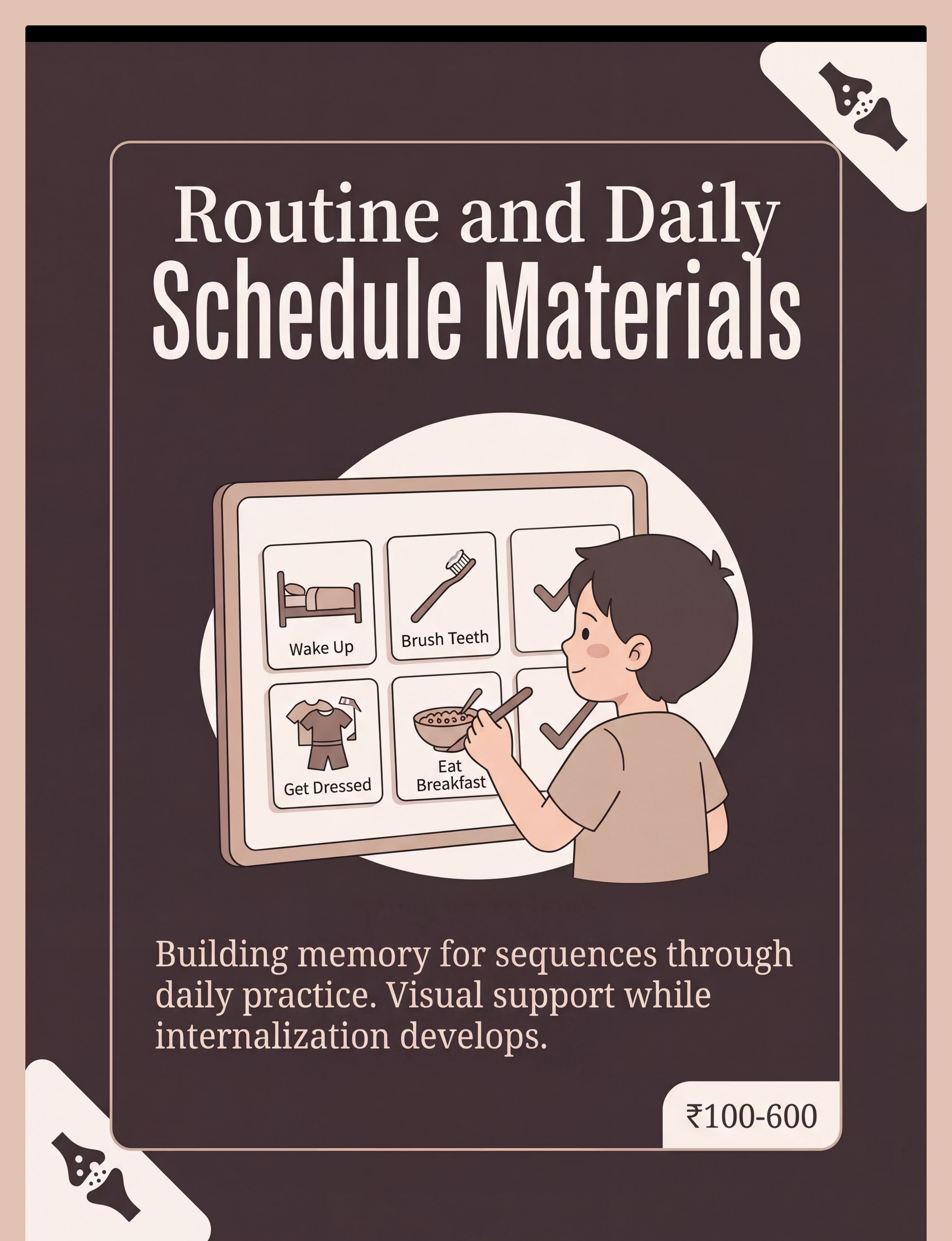
Material 9 — Routine and Daily Schedule Materials
Why This Works
Builds procedural and sequential memory through daily repetition while simultaneously reducing cognitive load — externalizing the sequence so internal memory can develop without constant failure. The schedule is a training wheel, not a permanent fixture. Systematically fade visual supports over 8–12 weeks.
Canon Category
Visual Schedules / Routine Support
Price Range
₹100–600
Find These Materials
DIY Version (₹0)
Print morning routine photos, laminate, attach velcro to door. Start with the full sequence visible. Remove one card per week as the child internalizes each step. The goal is internalization, not permanent dependence.
Key Setup Note
The fading plan is as important as the schedule itself. If you never remove the supports, you've built a coping tool, not a memory system. Remove cards on a deliberate timeline — this is the therapeutic intervention.
Starter Kit (₹500–1,500 total): 1 matching game + 1 sequence card set + DIY auditory games (₹0) + DIY Kim's Game tray + paper routine chart. Everything you need to begin today.
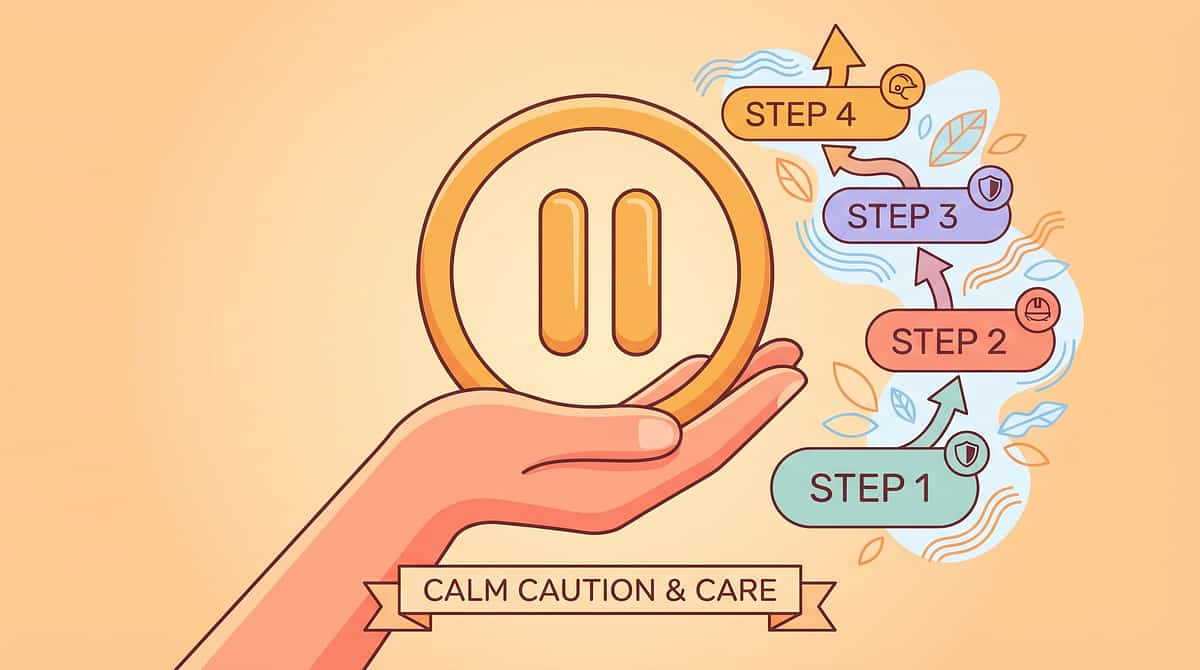
Read This Before Every Session. 60 Seconds That Protect Your Child.
🟢 SAFE TO PROCEED when:
• Child is fed (not hungry — glucose depletion impairs working memory measurably)
• Child is rested (sleep deprivation is the single greatest acute memory impairment)
• Child is in a calm-alert state — not dysregulated, not over-excited
• No recent fever, illness, or medication changes
• Environment is prepared: quiet, minimal distractions
• Child is fed (not hungry — glucose depletion impairs working memory measurably)
• Child is rested (sleep deprivation is the single greatest acute memory impairment)
• Child is in a calm-alert state — not dysregulated, not over-excited
• No recent fever, illness, or medication changes
• Environment is prepared: quiet, minimal distractions
🟡 MODIFY SESSION if:
• Child is tired or cranky → Shorten to 5 minutes, use highest-preference materials only
• Child just had a meltdown → Wait 20–30 minutes minimum. Cortisol blocks memory encoding.
• Sibling disruption → Move to quieter location or postpone
• Child is resistant → Use invitation approach only, no demand placement
• Child is tired or cranky → Shorten to 5 minutes, use highest-preference materials only
• Child just had a meltdown → Wait 20–30 minutes minimum. Cortisol blocks memory encoding.
• Sibling disruption → Move to quieter location or postpone
• Child is resistant → Use invitation approach only, no demand placement
🔴 STOP IMMEDIATELY if:
• Child shows signs of acute distress or anxiety
• Child has a headache, visual complaints, or sensory overload
• You, the parent, are significantly stressed → A skipped session is better than a tense session
• Child shows severe regression from previous day's level
• Child shows signs of acute distress or anxiety
• Child has a headache, visual complaints, or sensory overload
• You, the parent, are significantly stressed → A skipped session is better than a tense session
• Child shows severe regression from previous day's level
🚨 Call 9100 181 181 immediately if:
• Child shows sudden, significant memory regression without illness explanation
• Child shows extreme distress when asked to remember anything
• Memory difficulties are accompanied by motor regression, speech regression, or behavioral crisis
• Child shows sudden, significant memory regression without illness explanation
• Child shows extreme distress when asked to remember anything
• Memory difficulties are accompanied by motor regression, speech regression, or behavioral crisis
Material safety notes: Matching cards — laminate to prevent tearing (torn edge = choking hazard). Small sorting objects — not suitable for children who still mouth objects. Electronic games — volume cap below 70dB, limit to 10 minutes, no screens within 60 minutes of sleep. Kim's Game tray — no sharp edges; no items smaller than a 50-paise coin for under-5.
Reference: DOI: 10.1007/s12098-018-2747-4 (Padmanabha et al., Indian J Pediatr, 2019 — Home safety protocols)
The Right Environment Accounts for 40% of Session Success
The most carefully planned session will underperform in a chaotic space. Memory consolidation requires cognitive resources — and a cluttered, noisy, visually busy environment consumes those resources before your child even picks up a card. Set the stage deliberately before your child enters the space.
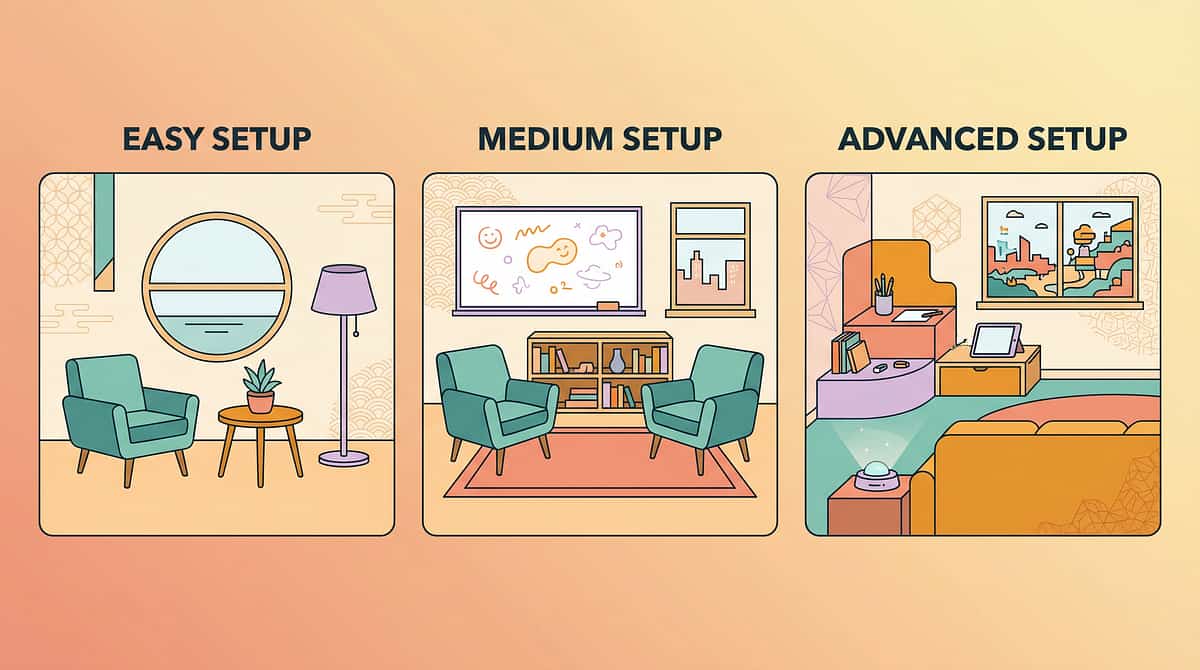
Environment Checklist
- Room quiet — TV off, phone on silent
- Lighting — natural or warm artificial, not fluorescent
- Temperature comfortable (overheating impairs cognitive performance)
- Materials organized before child enters the space
- 20-minute window guaranteed — no interruptions
- Tracking sheet accessible and ready
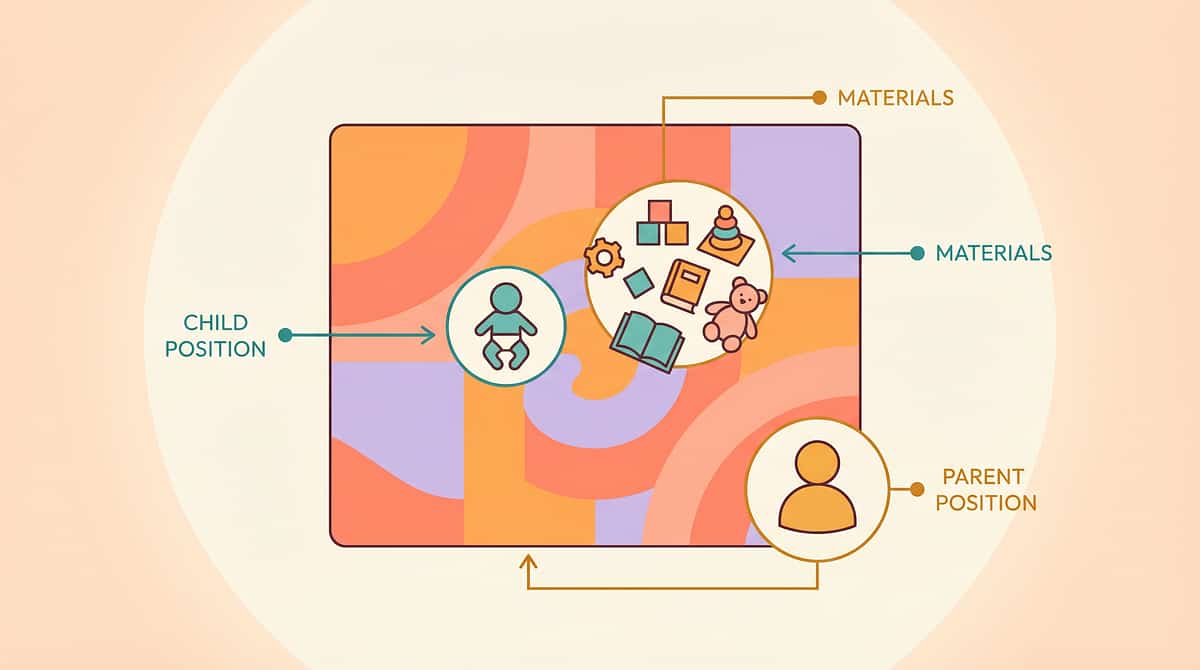
Positioning Guidance
Child: Seated comfortably. Feet supported — sensory grounding improves focus. Not lying down.
Parent: Beside the child, not across. Side-by-side signals collaboration; across-the-table signals evaluation. This single positioning change reduces session resistance significantly.
Materials: Within reach but not all visible simultaneously. Present one set at a time to reduce cognitive overload. More visible options = more divided attention.
Remove: TV, tablets, and unrelated toys. Remove siblings where possible. Remove all background noise sources. What you take away matters as much as what you add.
PMC10955541 — Meta-analysis confirming structured environment and individual session format as determinants of memory intervention efficacy.
The 60-Second Pre-Flight Check. Never Skip This.
Every aviation crew completes a pre-flight checklist before takeoff — not because they don't know how to fly, but because systematic checking prevents systematic errors. Your session readiness check works the same way. 60 seconds of honest assessment prevents a session that does more harm than good.
1
Fed within the last 2 hours?
Glucose depletion measurably impairs working memory capacity. A hungry child cannot encode effectively.
2
Slept adequately last night?
Sleep deprivation is the single greatest acute memory impairment known to neuroscience. Poor sleep = poor session.
3
Calm-alert state confirmed?
Not hyperactive, not lethargic. The optimal learning state is calm and engaged — "ready to play."
4
No meltdown in past 30 minutes?
Post-meltdown cortisol blocks memory encoding for 20–30 minutes minimum. Wait it out.
5
Willing to come to the space?
Voluntary engagement is the foundation of therapeutic play. Forced participation negates the mechanism.
6
No signs of illness?
Fever, headache, or sensory overload all impair encoding. If in doubt, rest beats resistance.
7
You feel calm and have 20 minutes?
Parental anxiety transfers. A stressed parent produces a stressed child. Your readiness matters as much as theirs.
Step 1 of 6
THE INVITATION (30–60 seconds)
"Hey [child's name], I found something really cool I want to show you. Come and have a look with me."
Hold up one material — the highest-preference item from your set. Matching game, electronic game, or puppets — whichever they find most interesting. The Invitation is not the session. It is the bridge that makes the session possible. Never skip this step, even on days when you're confident your child will engage.
Body Language Guidance
- Kneel or sit to child's eye level
- Open, relaxed posture — no tension
- Hold the material casually, not presenting it as a task
- Let your own face show genuine interest, not performance
Acceptance Cues ✅
- Child approaches voluntarily
- Child reaches toward the material
- Child makes eye contact or verbal response
Resistance — How to Respond
Child ignores: Wait 30 seconds, offer again with more enthusiasm.
Child moves away: Don't follow. Put material down. Revisit in 10 minutes.
Child says "No": Validate — "Okay, no problem. It'll be here when you want it." Never force.
Timing: 30–60 seconds. If no acceptance by 2 minutes, move to the readiness-modify pathway.
ABA Principle: Pairing — establishing the session space and materials as intrinsically motivating before any demand is placed.
Step 2 of 6
THE ENGAGEMENT (1–3 minutes)
The Engagement is the bridge between arriving at the space and beginning memory work. Your job is to make the material irresistible — to spark genuine curiosity before any cognitive demand is placed. The first 60–90 seconds of engagement quality determines the entire session's trajectory.
If Memory Matching Game
"These are pairs. They all have a twin hiding somewhere. Let's find them." Lay out 4 pairs (8 cards) face-down. Turn one over together. "See this elephant? There's another one hiding. Can you find it?"
If Sequence Cards
"These pictures tell a story, but they got all mixed up. Let's put them in the right order." Show 3 scrambled cards. Let the child look, think, arrange. Say nothing for 10 seconds — give processing time before any hint.
If Kim's Game (Visual Memory Tray)
"I'm going to show you some special things. Try to remember as many as you can." Place 4 objects. Give 60 seconds to study. Cover with cloth. "What do you remember?"
Reinforcement Cue: First positive response — any engagement with material — earns immediate verbal praise within 3 seconds. "Yes! That's it! You found one!" Timing is everything here. Three seconds is the biological window for reinforcement to register as feedback on the specific behavior.
Reference: PMC11506176 — Structured material introduction with reinforcement scheduling.
Step 3 of 6
THE THERAPEUTIC ACTION (5–12 minutes)
The core principle: Progressive challenge. Every trial should be at the edge of the child's current capacity — not so easy it's boring, not so hard it's frustrating. This is the zone where memory pathways grow. The parent's primary job during this step is to calibrate difficulty in real time.
🃏 Memory Matching — Core Action
Lay 4–6 pairs face-down in a grid. Child turns 2 cards. If match: celebrate, remove pair. If no match: turn back over. Narrate the strategy: "You remember the bear was in the top corner. Can you think where the other bear might be?" Increase to 8, 10, 12 pairs as success rate hits 70%+. Therapeutic mechanism: Encoding location + identity, holding in WM, strategic retrieval.
📋 Sequence Cards — Core Action
Show 3 cards mixed up. Child arranges in order. Child explains WHY that order. Introduce a 4th card when 3-card accuracy hits 80%. Progress to story sequences — unfamiliar content creates higher encoding demand. Therapeutic mechanism: Sequential memory encoding, temporal reasoning, verbal elaboration.
🎵 Auditory Memory — Core Action
"I went to the market and bought..." Parent starts. Child repeats and adds. Begin with 3 items. Increase by 1 each successful round. If child forgets, give phonemic cue (first sound only) — not the full word. For younger children: set the list to a familiar tune. Therapeutic mechanism: Phonological loop training, verbal working memory, auditory rehearsal.
🎭 Story Retelling — Core Action
Read or tell a 3-scene familiar story using puppets/felt pieces. Immediately: "Now you tell it." Next session: tell → wait 10 minutes → retell. Following week: tell → retell after 24 hours. The progressive delay is the therapeutic mechanism — don't skip it. Therapeutic mechanism: Encoding + organization + retrieval, progressive delay.
PMC10955541 — 40-minute session maximum; home sessions optimally 10–20 minutes.

Step 4 of 6
REPEAT AND VARY (3–5 minutes)
Therapeutic dosage is 3–5 meaningful repetitions per session. Quality over quantity. "Three fully engaged repetitions build more neural pathway than 10 distracted ones. Watch your child's attention, not the clock."
Base Material | Variation 1 | Variation 2 | Variation 3 | |
Memory match | Add 2 pairs each session | Child sets up for parent | Timed version (older kids) | |
Sequence cards | Change content category | Add a card each session | Child creates own sequence | |
Auditory memory | Change category (animals → foods) | Introduce a silly item | Backwards recall challenge | |
Story retelling | New story each week | Same story, different props | Child adds a new scene | |
Kim's Game | Add 1 object per session | Change one item (spot the difference) | Remove an item, child notices |
Satiation Indicators — Stop When You See:
- Eyes glazing or looking away repeatedly
- Responses becoming random (guessing rather than trying)
- Emotional tone shifting to frustration or boredom
- Physical restlessness — getting up, pushing materials away
Step 5 of 6
REINFORCE AND CELEBRATE (throughout + at close)
The reinforcement timing rule: Within 3 seconds of the desired behavior. Every time. Delayed reinforcement doesn't register as feedback on the specific behavior. Three seconds is the biological window — not a suggestion, a requirement.
Verbal Praise (Specific)
"You remembered that! That means your brain held onto it and then found it again. That is exactly what we're training."
"Did you feel that? That's what memory getting stronger feels like."
"Did you feel that? That's what memory getting stronger feels like."
Token / Sticker Economy
Place a sticker or token after each successful recall. Set a target (5 tokens = a chosen activity). Consistency builds habit and intrinsic motivation over time.
Natural Reinforcers
Child's turn to set up the next game. Choose the next activity. 5 minutes with a preferred toy. Parent copies child's "winning move." These are often more powerful than stickers.
Celebrate the attempt, not just the success:"I loved how hard you tried to remember that. Trying hard is how memory gets stronger." Children who feel safe to attempt — even when they fail — make faster progress.
Reinforcement products:Reinforcement Item — Product #803 | Product #390
60 Seconds of Data Now = Hours of Guessing Avoided Later
Capture within 60 seconds of session ending — before the details blur. Parents who track consistently report that reviewing their own data at Week 4 is one of the most motivating experiences of the program. The progress is there. The data proves it.
📋 Material Used
Which of the 9 materials? Be specific about the difficulty level used.
Example: Memory matching, 8 pairs
Example: Memory matching, 8 pairs
📊 Performance Indicator
Pairs found / sequence completed / items recalled.
Example: 6/8 pairs, 2 tries per pair
Example: 6/8 pairs, 2 tries per pair
😊 Engagement Quality
Scale 1–5. 1 = resistant, 5 = enthusiastic.
Example: 4/5 — engaged and focused throughout
Example: 4/5 — engaged and focused throughout
"One week of data tells your therapist more than one hour of description."
GPT-OS® In-App Tracker
Downloadable PDF Tracker
L-987-Memory-Tracker.pdf — printable, offline-friendly
Data Over Time Reveals
Which materials produce highest engagement, when to advance difficulty, and session-to-session trends that the naked eye misses.
BACB Data Collection Standards | Cooper, Heron & Heward, Applied Behavior Analysis (8th ed.)
No Two Brains Build Memory the Same Way. Adapt This to Your Child.
The protocol in the previous steps is a clinical framework, not a rigid script. Every child's sensory profile, attention capacity, and learning style requires a personalized variation. Use these modifications as your guide — and update them as your child grows.
Age | Modification | |
3–4 yrs | Start with 3 matching pairs, 3-step routine sequences, 2-object Kim's Game. Keep sessions to 8 minutes max. | |
5–6 yrs | 6–8 pairs, 4-step sequences, 5-object Kim's Game, introduce auditory games. 10–12 minutes per session. | |
7–9 yrs | 10–12 pairs, story retelling with delay, working memory board games, explicit chunking strategy instruction. | |
10–12 yrs | Full 15+ pairs, narrative retelling with 24hr delay, complex chunking, mnemonic creation. Child can help design their own strategies. |
🔊 Auditory-Sensitive Child
Reduce Simon-style game volume or avoid beeping variants. Use quieter materials — cards, physical objects. Verbal games work well; minimize background noise rigorously.
👁️ Strong Visual Processor
Emphasize matching games and Kim's Game where visual strength is leveraged. Use visual mnemonics and mind mapping. Colored organizational systems work better than verbal ones.
🤲 Kinesthetic Learner
Sequence cards on the floor, walk between them. Act out story retelling rather than using props. Kim's Game with tactile objects rather than visual cards.
😰 High Anxiety Child
Never time sessions or add competitive elements. Use cooperative variants — parent and child vs. the game, not vs. each other. Start far below perceived ceiling; build confidence before capacity.
Progress Arc
Weeks 1–2
The First Two Weeks — Tolerance, Not Mastery
Week 1 and 2 are the hardest weeks — and the most important. The neural pathways being laid right now will surface as visible change at Weeks 4–6. You won't see them yet. That doesn't mean they aren't there.
✅ What Progress Looks Like Now
- Child tolerates the session slightly longer than Day 1
- Less resistance to coming to the session space
- Beginning to understand the rules of the material
- 1–2 moments of genuine focus during the 15 minutes
❌ Not Expected Yet
- Significant improvement in recall scores
- Spontaneous use of memory strategies outside sessions
- Dramatic change in classroom performance
- Consistent recall day-to-day — variability is normal
"If your child tolerates the session 30 seconds longer than last week, and remembers one extra item — that is measurable, real, neural progress. You might not see it until Week 4. That doesn't mean it isn't happening."
PMC11506176 — Early-phase memory intervention outcomes focus on tolerance and participation before skill mastery.
Progress Arc
Weeks 3–4
Weeks 3–4 — The Patterns Are Setting In
Something shifts in Weeks 3 and 4. The sessions feel different. Your child starts to anticipate them. The resistance that characterized Week 1 softens. This isn't just behavioral — it's neurological. The pathways are strengthening.
Child Anticipates Sessions
Asks for the memory game or mentions it unprompted — a direct indicator of positive neural association with the activity and space.
Strategies Begin Emerging
Child self-rehearses, groups items, or says things aloud to remember — spontaneous strategy emergence is a major milestone. Note the exact date in your tracker.
Emotional Tone Improves
Less frustration, more engagement. The session starts to feel like play rather than work — for both of you.
Early Generalization Moments
Child remembers a 2-step instruction without being reminded. These moments are small, but they are the direct transfer of what you've been building. Write them down.
When to increase intensity: Session success rate >70% for 3 consecutive sessions → Add 2 pairs, 1 sequence step, or 2 objects to Kim's Game. Boredom = too easy. Frustration = too hard. Aim for the middle.
"You may notice you're more confident now too. You've spent 3 weeks learning to read your child's memory signals. That clinical skill — recognizing when they're encoding vs. when they've hit capacity — belongs to you now."
Progress Arc
Weeks 5–8
Weeks 5–8 — Mastery Is a New Baseline, Not an Endpoint
Mastery in this protocol means the skill has moved from effortful to consolidated — it is beginning to become automatic. The child no longer has to think about how to remember; they are simply remembering. This is the goal. And it opens the door to the next level.
Skill | Mastery Threshold | |
Memory matching | 12+ pairs at 80%+ accuracy across 3 sessions | |
Sequence cards | 5-step sequence correct on first attempt 3/3 sessions | |
Auditory memory | 6-item cumulative list retained across a 15-minute session | |
Story retelling | 3-scene story retold accurately after 24-hour delay, 3/3 times | |
Visual memory (Kim's Game) | 8 objects recalled from 10 at 80%+ accuracy, 3/3 sessions | |
Chunking | Child spontaneously groups items before attempting to memorize |
Generalization Indicators
Skill appears in natural contexts without prompting. Teacher reports improvement. Child uses a memory strategy independently for a new domain.
Maintenance Check
Remove structured sessions for 1 week. Retest. Maintained mastery = consolidation into long-term memory. This is the gold standard.
What to Do Next
Move to next-level technique in this domain, or begin systematically generalizing current skills to academic content — spelling, math, reading comprehension.
PMC10955541 | BACB mastery criteria standards.
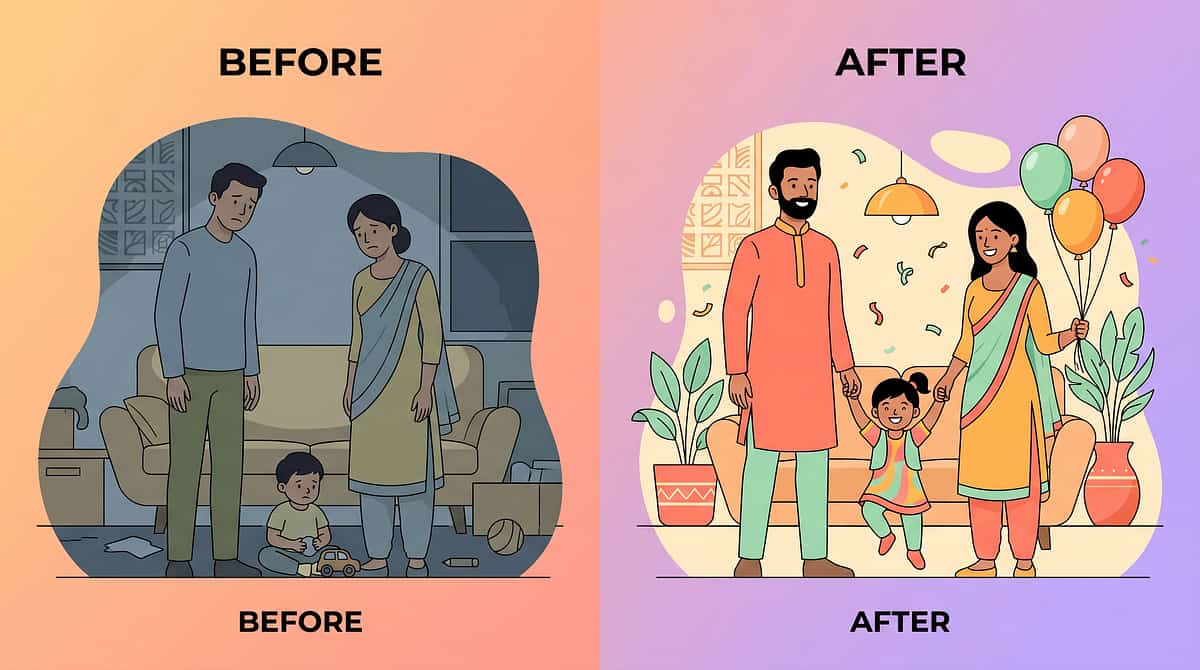
You Did This. Your Child Grew Because You Showed Up Every Day.
"Your child who once forgot a 2-step instruction before completing step one can now match 12 pairs / retell a story after a day / follow a 4-step sequence. This is not a coincidence. It is the compounding effect of consistent, evidence-based, parent-delivered intervention."
You spent 5–8 weeks, 4–5 sessions per week, learning the neuroscience of working memory, setting up a structured environment, following a clinical protocol, adjusting your technique when sessions failed, tracking data, and celebrating small wins with your child. That is therapeutic parenting at a clinical standard.
📊 Tonight's Action
Look at your tracking data from Week 1 and Week 8 side by side. Show your child the numbers. Say: "See this? This is how much stronger your memory got. You did this."
📝 Journal Prompt
Write 3 things your child remembered this week that they would not have remembered 8 weeks ago. Keep this entry. They will want to read it one day.
📤 Share (Optional)
WhatsApp to another parent: "My child just hit a milestone in memory building. If your child struggles with forgetting, there's a free technique library at techniques.pinnacleblooms.org"
Trust Your Instincts. These Signs Mean Pause and Seek Professional Input.
1
Sudden Unexplained Memory Regression
Child was recalling 8 items, now cannot recall 2. Without illness explanation, this warrants professional evaluation. Do not continue sessions until assessed.
2
Extreme Distress Response to Any Memory Demand
Goes beyond frustration — child shows acute anxiety, crying, or physical symptoms when asked to remember. This is a clinical signal, not a behavioral one.
3
No Measurable Progress After 8+ Weeks
Not slow progress — no progress. Indicates an underlying factor requiring professional assessment: attention deficit, processing speed, or learning disability differential.
4
Multi-Domain Regression
Memory difficulties accompanied by new motor, speech, or social regression. Multi-domain regression is always a medical referral — do not delay.
5
Sleep Disturbance Following Sessions
Unusual sleep patterns may indicate over-stimulation or anxiety response to memory training. Reduce intensity immediately and consult.
Other Memory and Cognitive Techniques Your Child May Benefit From
The materials you already own for Memory Building (L-987) give you direct access to 6 additional techniques. Zero new purchases required. Your matching game, sequence cards, sorting tools, and story props are already therapeutic tools for every technique below.
L-985 🟢
Attention and Focus Building
Materials you have: Matching games ✅
Materials you have: Matching games ✅
L-986 🟢
Processing Speed Training
Materials you have: Sequence cards ✅
Materials you have: Sequence cards ✅
L-988 🟡
Problem Solving Foundations
Materials you have: Sorting sets ✅
Materials you have: Sorting sets ✅
L-989 🟡
Executive Function Training
Materials you have: Board games ✅
Materials you have: Board games ✅
L-840 🟢
Following Multi-Step Instructions
Materials you have: Routine cards ✅
Materials you have: Routine cards ✅
L-850 🟡
Reading Comprehension Memory
Materials you have: Story props ✅
Materials you have: Story props ✅
From Fear to Function — Real Families, Real Progress
These anonymized vignettes represent the range of outcomes families experience within the Pinnacle Blooms Network®. Every child's timeline is different. Every family's starting point is valid. What they share is the same protocol — and the same commitment.
Ananya's Story — Chennai
Before: "Ananya was 7. She couldn't retain more than one instruction at a time. Her teacher called me every week to say she wasn't keeping up. We spent 2 hours on spelling words every night and they'd be gone by morning."
Technique used: Memory matching escalated from 4 to 16 pairs over 9 weeks, visual memory tray, story retelling with felt board.
After (11 weeks): "She follows 4-step instructions now. Her teacher called last week — this time to say Ananya had reminded the class about tomorrow's assignment. My daughter remembered something the teacher almost forgot."
Technique used: Memory matching escalated from 4 to 16 pairs over 9 weeks, visual memory tray, story retelling with felt board.
After (11 weeks): "She follows 4-step instructions now. Her teacher called last week — this time to say Ananya had reminded the class about tomorrow's assignment. My daughter remembered something the teacher almost forgot."
Rahul's Story — Hyderabad
Before: "My son Rahul, aged 9, with an ASD diagnosis, could not retell a 2-scene story immediately after hearing it. He seemed not to register information at all."
Technique used: Auditory memory games (market game progression from 3 to 8 items), chunking with sorting trays.
After (8 weeks): "He now tells ME about what happened in school. Full sequences. With details I didn't ask for. He used chunking to organize his homework independently last week — without being prompted. That moment made me cry."
Technique used: Auditory memory games (market game progression from 3 to 8 items), chunking with sorting trays.
After (8 weeks): "He now tells ME about what happened in school. Full sequences. With details I didn't ask for. He used chunking to organize his homework independently last week — without being prompted. That moment made me cry."
Outcomes vary by child profile, implementation consistency, and co-occurring factors. These vignettes are illustrative of the range of possible outcomes within the Pinnacle Blooms Network® and do not constitute guaranteed results.
You Were Never Meant to Do This Alone
The isolation of navigating a child's developmental challenges is one of the most painful and unnecessary parts of this journey. Every parent in these communities was once exactly where you are right now. They stayed. They showed up. And they found that shared experience is its own kind of intervention.
Memory Building Parent Group
Parents implementing L-987 share wins, ask questions, and support each other through the plateau moments. unknown link
Pinnacle Parent Forum
Online community — Cognitive Development Thread. forum.pinnacleblooms.org/cognitive-development →
Local Parent Meetups
Pinnacle centers host monthly parent-to-parent meetups in 70+ locations. Find meetups near you →
Peer Mentoring
Connect with a parent who is 6–12 months ahead of where you are now. They've done Weeks 1–2. They know what you're about to face. Request a peer mentor →
"When you share your journey, you become the mentor someone else is searching for right now."
Home + Clinic = Maximum Impact
Home practice without clinical guidance plateaus at 40–50% of possible outcomes. Clinical guidance without home practice generalizes to clinical settings only. Together: maximum generalization, maximum speed, maximum outcomes. You are not choosing between home and clinic — you are combining them.
This Technique's Primary Specialists
- 🔧Occupational Therapist — Visual-spatial and sequential memory
- 🗣️Speech-Language Pathologist — Auditory and verbal memory
- 📊Educational Psychologist — Working memory assessment and academic impact
- 📊ABA/BCBA Therapist — Behavioral memory and data-driven intensity
Access Your Support Team
Pinnacle 70+ Center Network:
Find your nearest center →
Find your nearest center →
Teleconsultation (16+ languages):
Book remotely →
Book remotely →
FREE National Helpline:
📞9100 181 181 | 16+ languages | 24×7 | Zero cost
📞9100 181 181 | 16+ languages | 24×7 | Zero cost
Insurance / Funding:
Check your eligibility →
Check your eligibility →
See These Materials in Action
L-987
Cognitive Development | Episode 987
COG-MEM Series
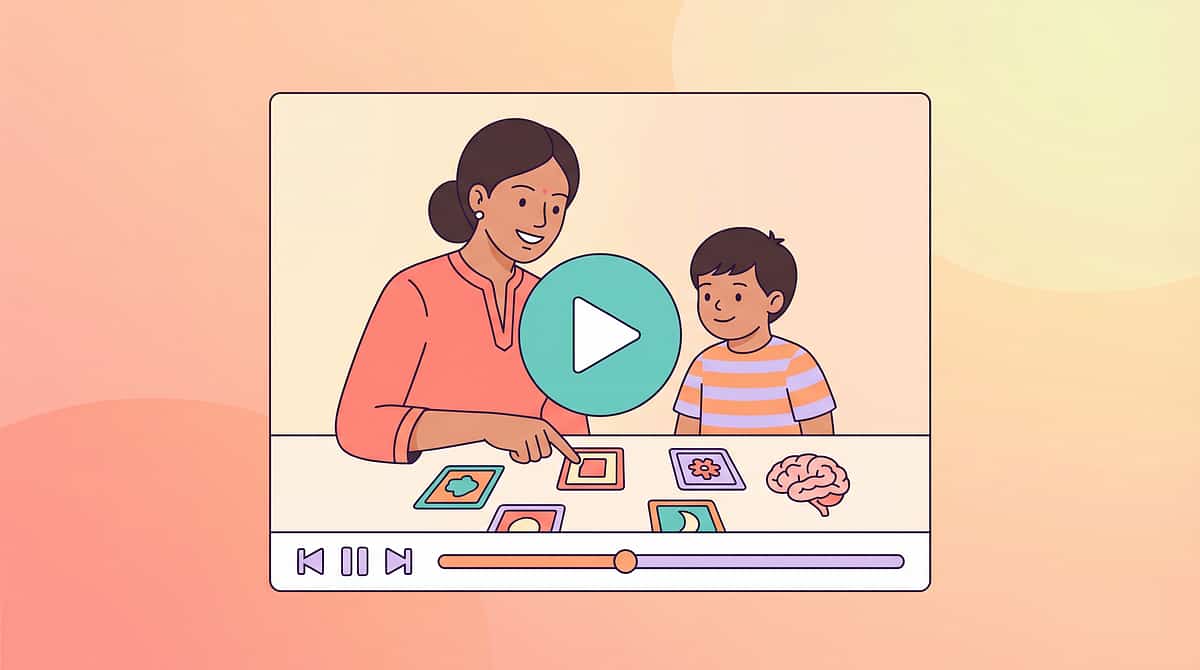
The reel that brought you to this page demonstrates each of the 9 materials in a 60-second per-material walkthrough — with a Pinnacle therapist showing the exact engagement cues, reinforcement moments, and difficulty progression you've read about on this page. Seeing it done once is worth ten re-reads.
What you'll see in this reel: A Pinnacle therapist demonstrates each of the 9 materials. B-roll of children successfully engaging with each material. The exact engagement cues and reinforcement moments from this page — shown live.
"Memory isn't fixed at birth. Like a muscle, it responds to progressive, consistent, strategic training. These materials are the equipment. Your home is the gym. You are the coach."
Related Reels in This Series
- L-985: 9 Materials That Help With Attention and Focus
- L-986: 9 Materials That Help With Processing Speed
- L-988: 9 Materials That Help With Problem Solving
- L-989: 9 Materials That Help With Executive Function
NCAEP (2020) — Video modeling classified as evidence-based practice for autism. Multi-modal (visual + text + demonstration) improves parent skill acquisition.

Consistency Across Every Caregiver Multiplies Impact by 3x
Every adult who spends significant time with your child is either reinforcing or undermining the memory strategies you're building. Grandparents who inadvertently complete tasks for the child. Teachers who repeat instructions without waiting for retrieval. Sharing this technique page is a clinical act, not an administrative one.
📄 Downloadable Family Guide
L-987 Memory Building — 1-Page Family Guide. PDF, A4, printable. Simple version for grandparents, school teachers, and any caregiver who isn't reading the full page.
👵 Explain to Grandparents
"[Child's name]'s therapists have given us memory exercises to do at home. You can help by: playing the matching game for 10 minutes, asking them to tell you a story, or letting them help put the shopping away and asking them to remember what you bought."
🏫 Teacher Communication Template
"Dear [Teacher], we are currently working on [child's name]'s working memory using an evidence-based program from Pinnacle Blooms Network®. We'd appreciate: paired verbal + visual instructions, repetition without frustration, and noting any generalization at school. Thank you."
PMC9978394 — WHO CCD Package emphasizes multi-caregiver training as critical for intervention generalization.
You Have Everything You Need to Start Today.
You have the neuroscience. You have the 9 materials — or their ₹0 equivalents already in your home. You have the step-by-step protocol. You have the safety guidelines, the progress milestones, and the troubleshooting guide. The only variable left is the first session. Start it today.
🧠 Start This Technique Today
📞 Book a Consultation
Connect with a Pinnacle Specialist
Call 9100 181 181 | pinnacleblooms.org/book
Call 9100 181 181 | pinnacleblooms.org/book
🗺️ Explore Next Technique
Problem Solving Foundations — L-988
techniques.pinnacleblooms.org →
techniques.pinnacleblooms.org →
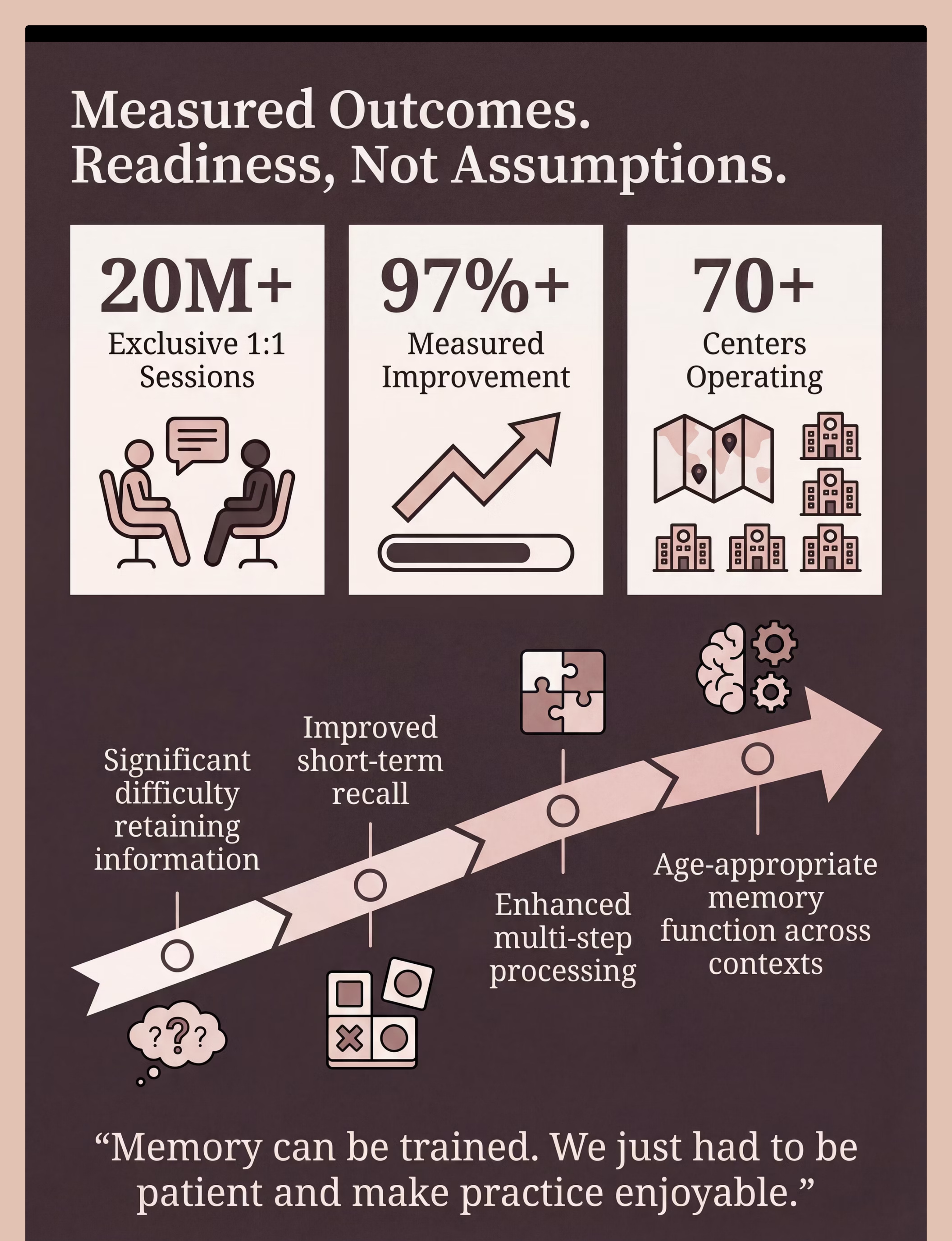
20M+
Sessions Delivered
97%+
Measured Improvement Rate
70+
Centers Across India
70+
Countries Served
Validated by the Pinnacle Blooms Consortium®
OT • SLP • ABA • SpEd • NeuroDev • CRO
WHO/UNICEF Aligned
Preview of 9 materials that help with memory building Therapy Material
Below is a visual preview of 9 materials that help with memory building therapy material. The pages shown help educators, therapists, and caregivers understand the structure and content of the resource before use. Materials should be used under appropriate professional guidance.



Link copied!
From Fear to Mastery. One Technique at a Time.
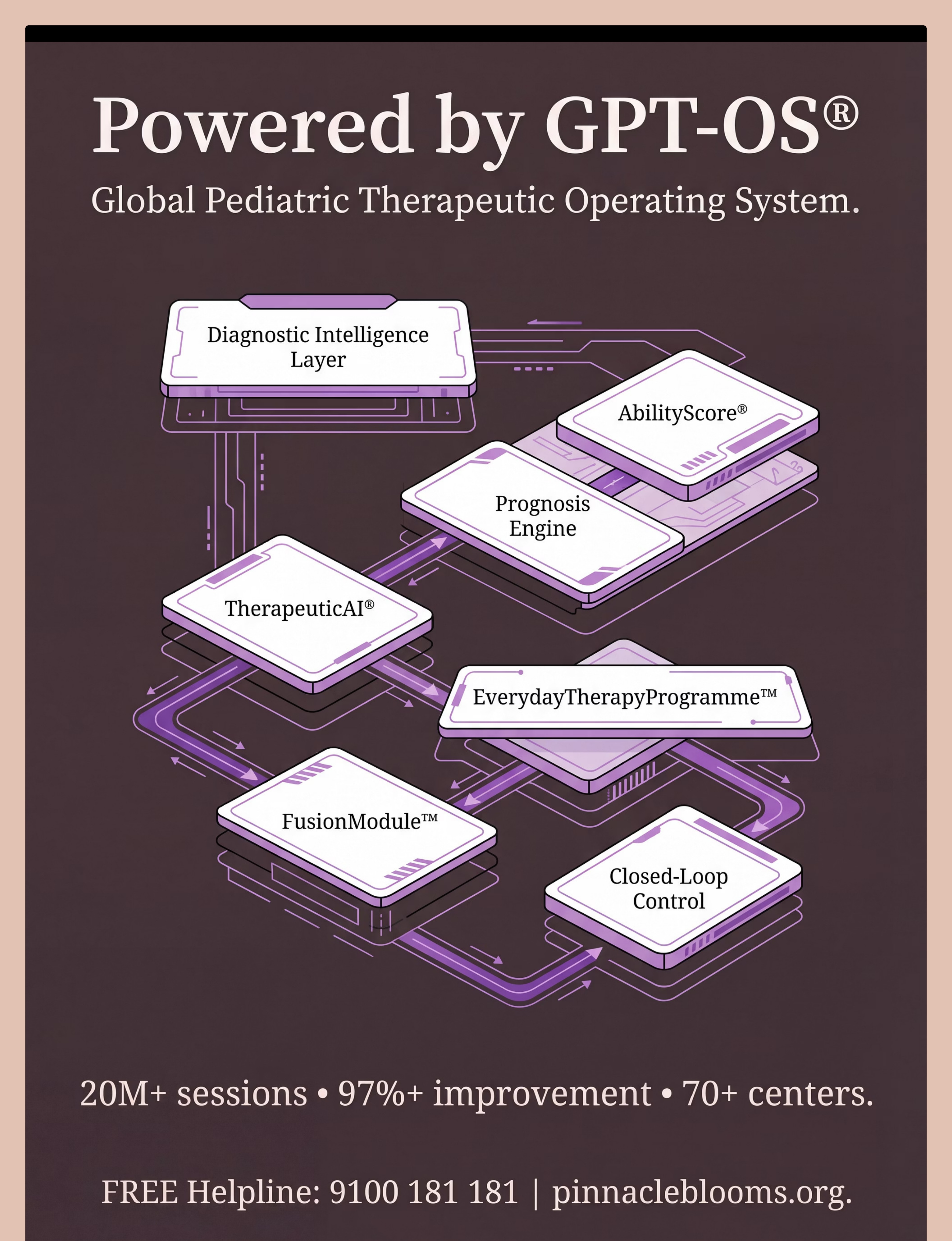
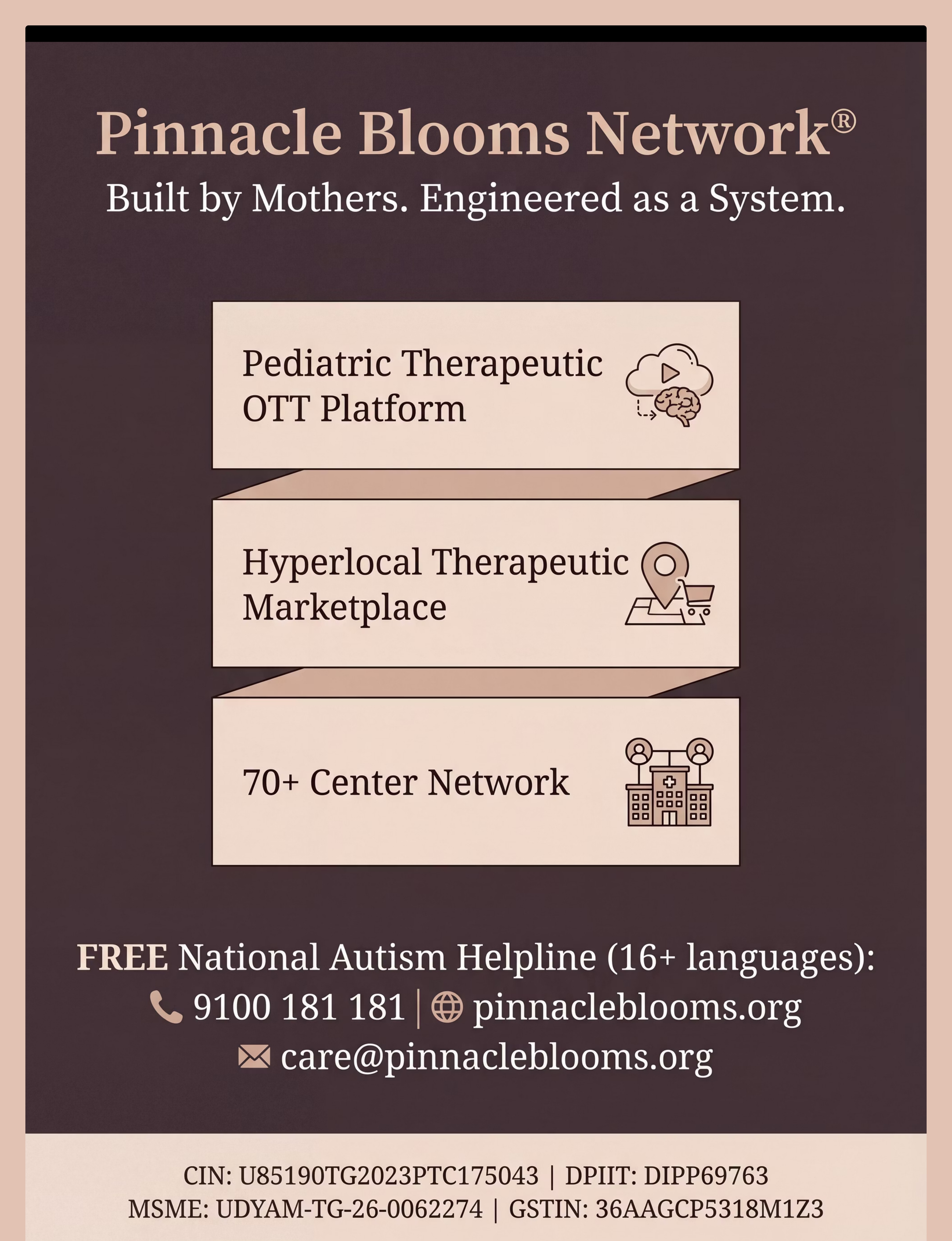
Pinnacle Blooms Network® exists to transform every home — regardless of geography, income, or diagnosis — into a proven, personalized, 24×7, multi-sensory, multi-disciplinary pediatric therapy environment. Powered by GPT-OS®. Built by mothers. Engineered as a system.
Medical Disclaimer: This content is educational and evidence-referenced. It does not replace individualized assessment and intervention from qualified professionals. Memory challenges can indicate various underlying conditions — including ADHD, learning disabilities, autism, and processing disorders — requiring professional evaluation. Consult your child's therapy team for personalized clinical recommendations. Individual outcomes vary by child profile, implementation consistency, and co-occurring factors.
Statutory Identifiers
CIN: U74999TG2016PTC113063
DPIIT: DIPP8651 (Government of India)
MSME: Udyog Aadhaar TS20F0009606
GSTIN: 36AAGCB9722P1Z2
DPIIT: DIPP8651 (Government of India)
MSME: Udyog Aadhaar TS20F0009606
GSTIN: 36AAGCB9722P1Z2
Contact
Navigate
© 2025–2026 Pinnacle Blooms Network®, a unit of Bharath Healthcare Laboratories Pvt. Ltd. All rights reserved. Unauthorized reproduction of this clinical content is prohibited.
techniques.pinnacleblooms.org/cognitive-development/memory-building-L-987
The loop closes here. And begins again with the next technique.