

9 Materials That Help With Coping Skills
From overwhelm to strategies that work — tangible tools that bridge the gap between knowing and doing.
Emotional Regulation & Mental Health – Episode 974
Series: Emotional Regulation & Mental Health
About This Resource
Age Band
3–15 years (strategies adapt across development)
Setting
Home • School • Therapy • Community
Audience
Parents • Therapists • Teachers • Children
Domain
Emotional Regulation / Mental Health / Self-Regulation / Stress Management / Resilience
Sub-Domain
Coping Strategies / Emotion Management / Self-Soothing / Problem-Solving / Adaptive Responses
Powered By
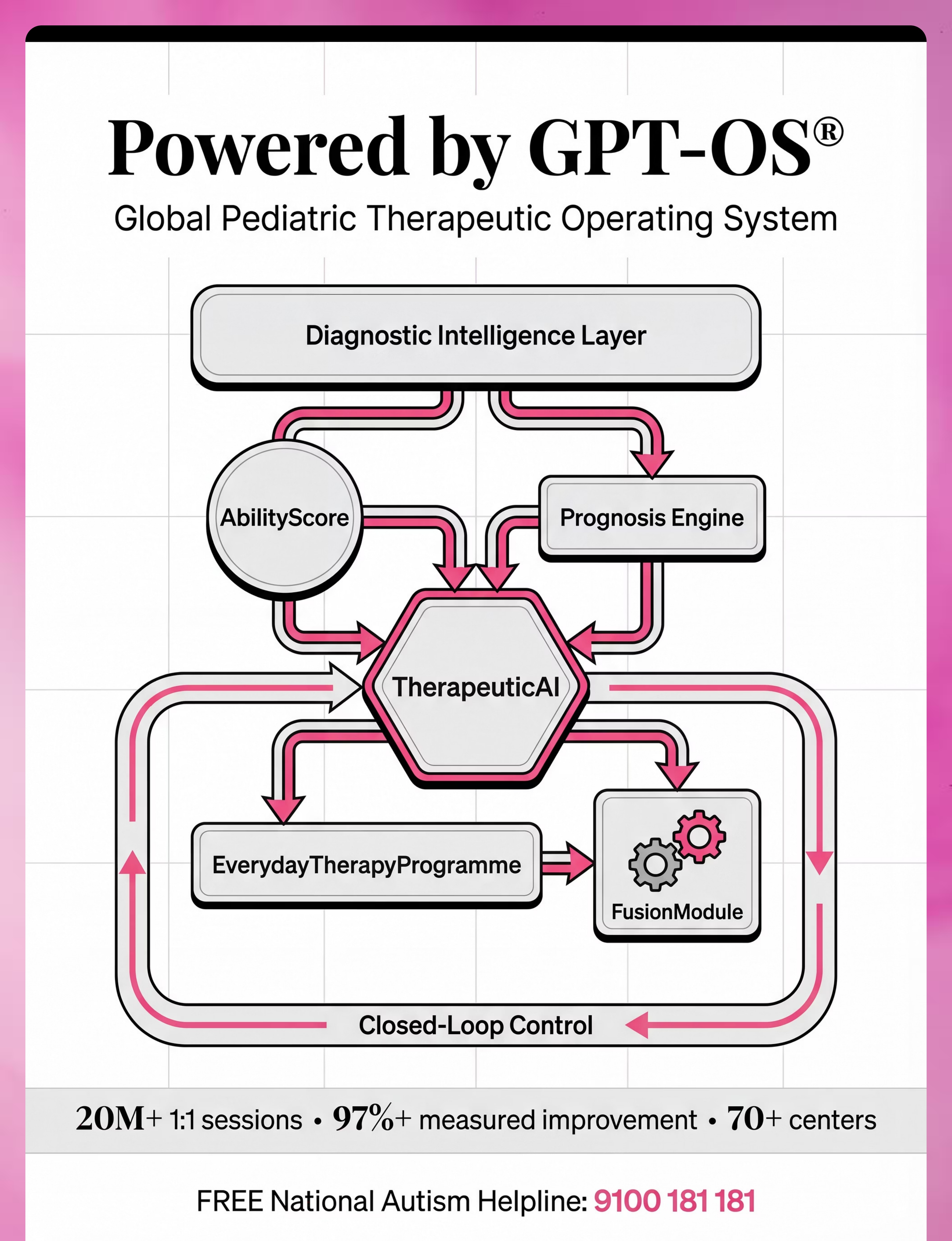
GPT-OS® Therapy Intelligence — Pinnacle Blooms Network®
Parent Voice
"She Genuinely Feels Things at a Ten"
"My daughter falls apart at the smallest thing. A cancelled playdate — screaming meltdown. Lost her favorite pencil — inconsolable for an hour. Someone looked at her 'the wrong way' at school — refuses to go back. It's not that she's dramatic or seeking attention. She genuinely feels things at a ten when other kids feel them at a three. Every disappointment is devastating. Every frustration is the end of the world. Every worry spirals into catastrophe."
I watch her suffer and I don't know how to help. I try to comfort her, but she pushes me away. I try to reason with her, but logic doesn't reach her when she's flooded. I try to distract her, but she can't shift focus. I've tried telling her to 'calm down' — that just makes it worse. She's eight years old and she says things like 'I wish I wasn't born this way' and 'my brain is broken.' It breaks my heart.

Parent Voice
"Zero to Explosion in Seconds"
"My son has autism and ADHD, and his emotional regulation is... non-existent. Zero to explosion in seconds. No warning signs I can catch in time. No pause between feeling and reaction. Something bothers him and he's already thrown his tablet across the room, already hit his sister, already said things he'll regret, already in crisis."
After Every Explosion
He's devastated. He knows he shouldn't have done it. He hates that he can't control himself. He apologizes over and over, genuinely remorseful, promising it won't happen again. But it does happen again — because he doesn't have any other way to handle the feelings.
The Gap That Matters
He can recite strategies perfectly when calm. "When I feel angry, I should take three deep breaths." But when he's actually angry, he's not taking breaths. He's exploding. The skills live in his thinking brain, and when he's dysregulated, his thinking brain is offline.

The Core Problem: Knowing ≠ Doing
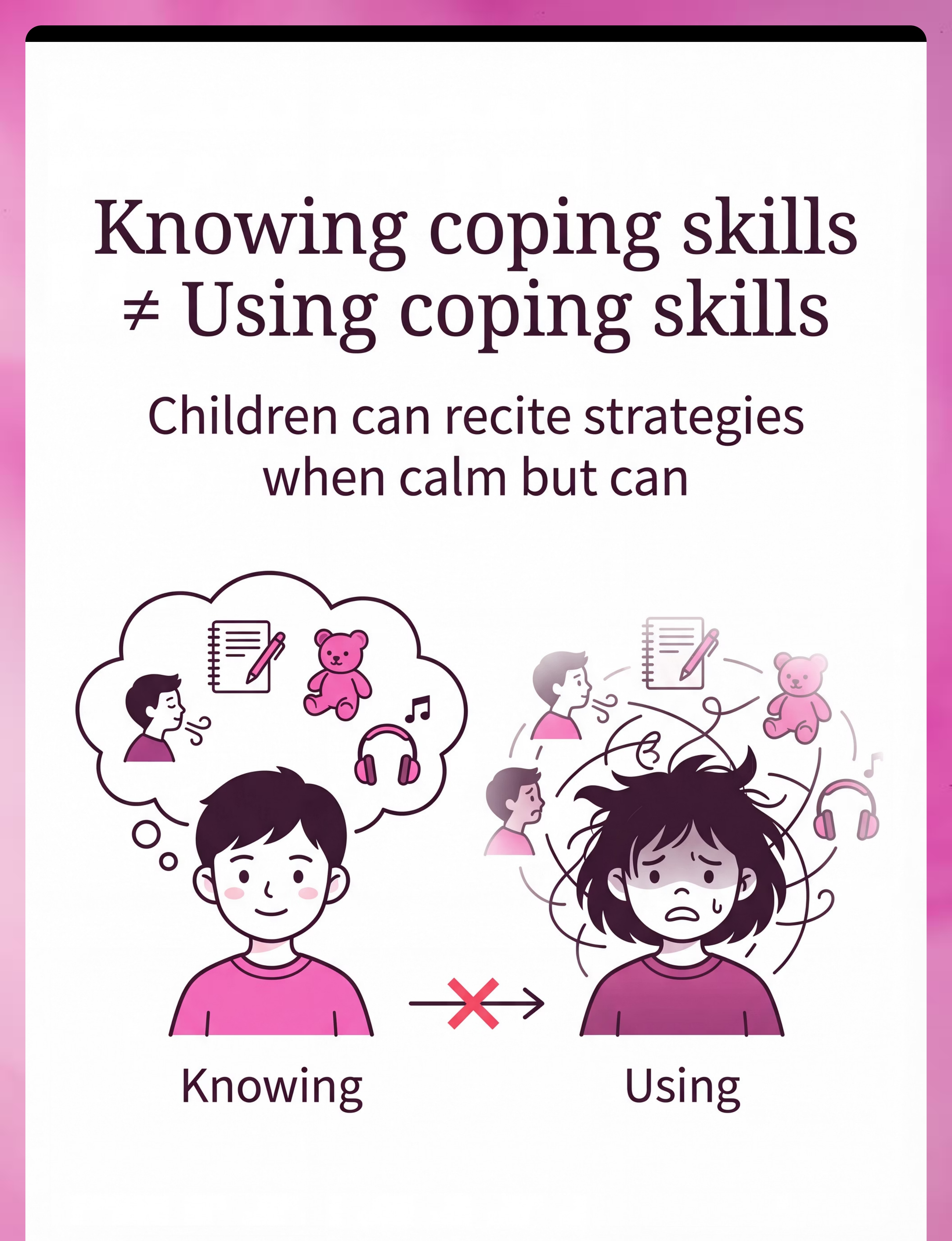
Knowing coping skills ≠ Using coping skills
Children can recite strategies when calm but cannot access them when overwhelmed. Here are 9 materials that make coping skills usable — concrete, tangible, and accessible even when the thinking brain is offline.
The Gap
Abstract strategies don't work for concrete thinkers in moments of high distress
The Problem
Big feelings + no tools = crisis every time, with shame spirals that compound distress
The Solution
Externalize, concretize, and scaffold coping so children can actually use it when overwhelmed
What Are Coping Skills? A Clinical Definition
Clinical Term
Coping Skills / Emotional Regulation / Self-Regulation / Stress Management / Adaptive Coping Strategies
Coping skills are the cognitive, behavioral, and emotional strategies individuals use to manage stress, regulate emotions, and adapt to challenging situations. Effective coping reduces the intensity and duration of negative emotional states, prevents maladaptive responses (aggression, withdrawal, self-harm), and supports recovery from distressing experiences.
In Child Development
Coping skills are learned, not innate — children develop their coping repertoire through modeling, explicit instruction, practice, and experience. Children with developmental differences (autism, ADHD, anxiety disorders, learning disabilities) often struggle with emotional regulation and may have limited, inflexible, or maladaptive coping strategies.
Effective coping for these children requires concrete, sensory-based, automatized strategies that can be accessed even when the prefrontal cortex is offline.
Common Signs a Child Needs Coping Skill Support
Emotional Intensity
Reactions disproportionate to triggers; rapid escalation from mild upset to full meltdown
Limited Strategies
Only avoidance or aggression as coping; inability to use known strategies when dysregulated
Recovery Difficulty
Trouble recovering from emotional disturbance; prolonged meltdowns or shutdown
Behavioral Outbursts
Hitting, throwing, screaming; withdrawal or shutdown in response to stress
Body Awareness
Physical symptoms of stress (stomachaches, headaches); difficulty identifying or naming emotions
Avoidance
Avoiding challenging situations; reliance on others for regulation; co-regulation dependency
Developmental Context: Why This Matters
Coping skill development follows a predictable trajectory, though timelines vary significantly. Children with developmental differences may be significantly delayed in this progression — a ten-year-old with autism might need the concrete, sensory-based coping tools more typical of a younger child. This is appropriate developmental matching, not babying. Always match strategies to the child's regulatory developmental level, not their chronological age.
The 9 Materials
Overview: 9 Materials That Make Coping Real
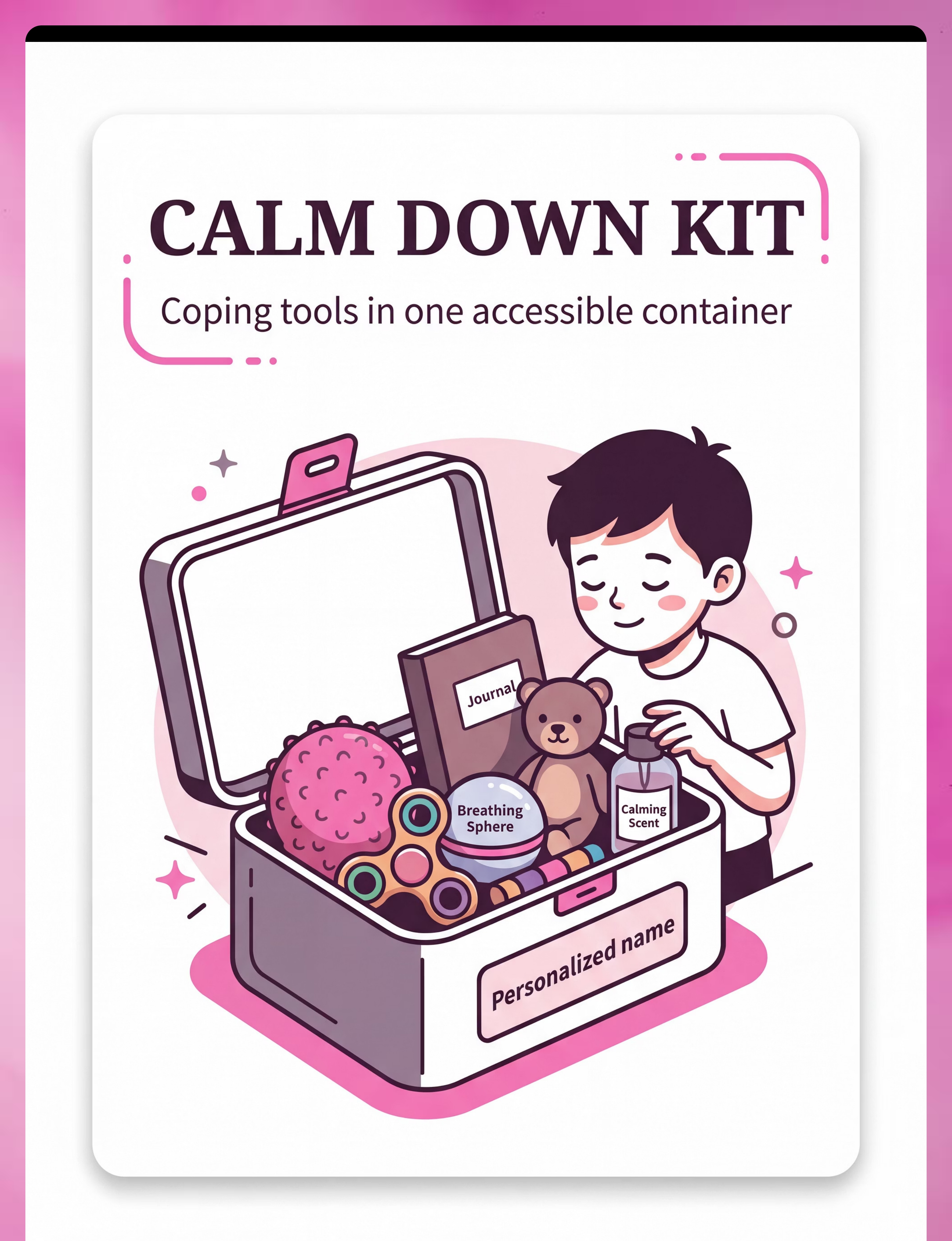
Calm Down Kit / Coping Toolbox
Coping tools in one accessible container
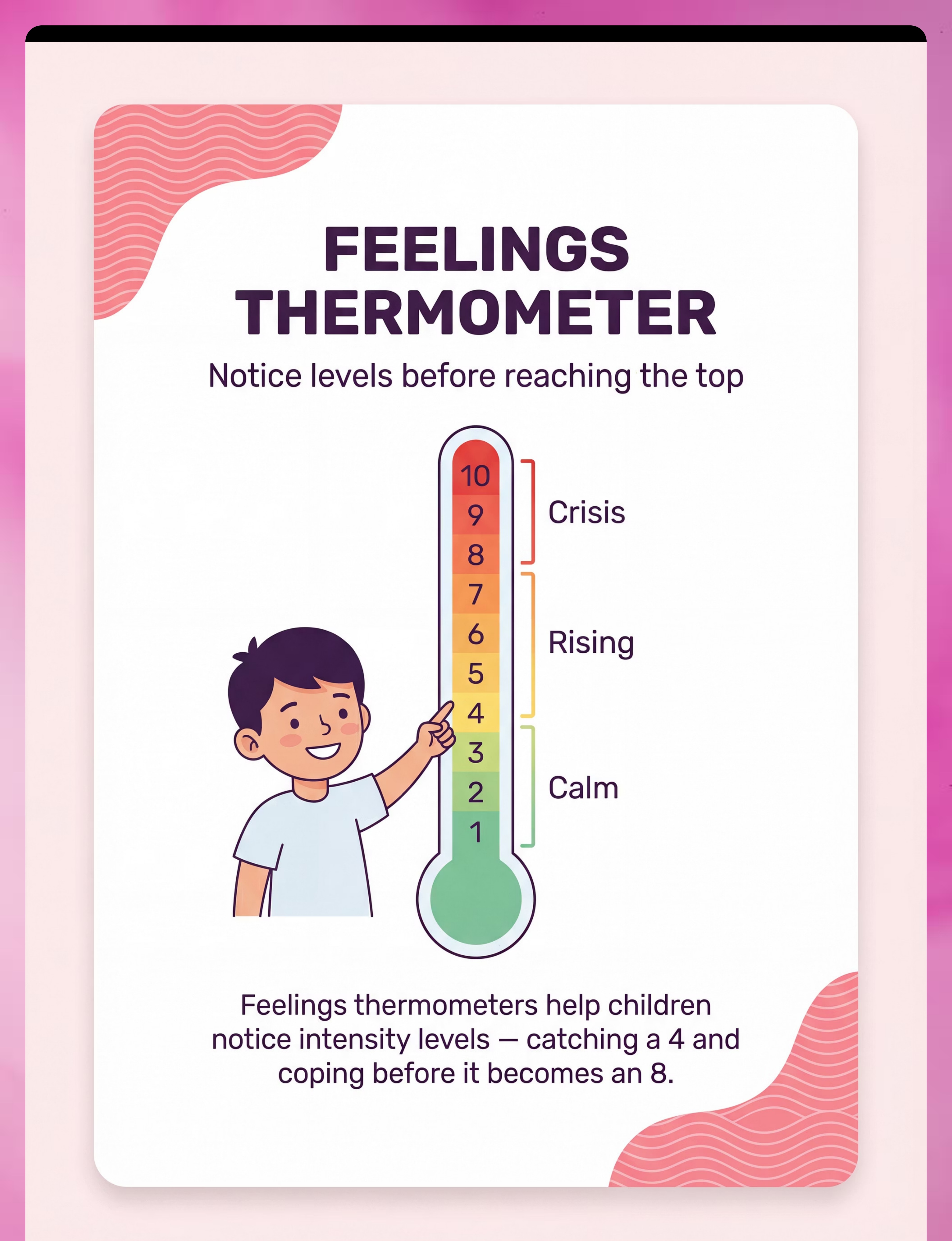
Feelings Thermometer
Notice levels before reaching the top
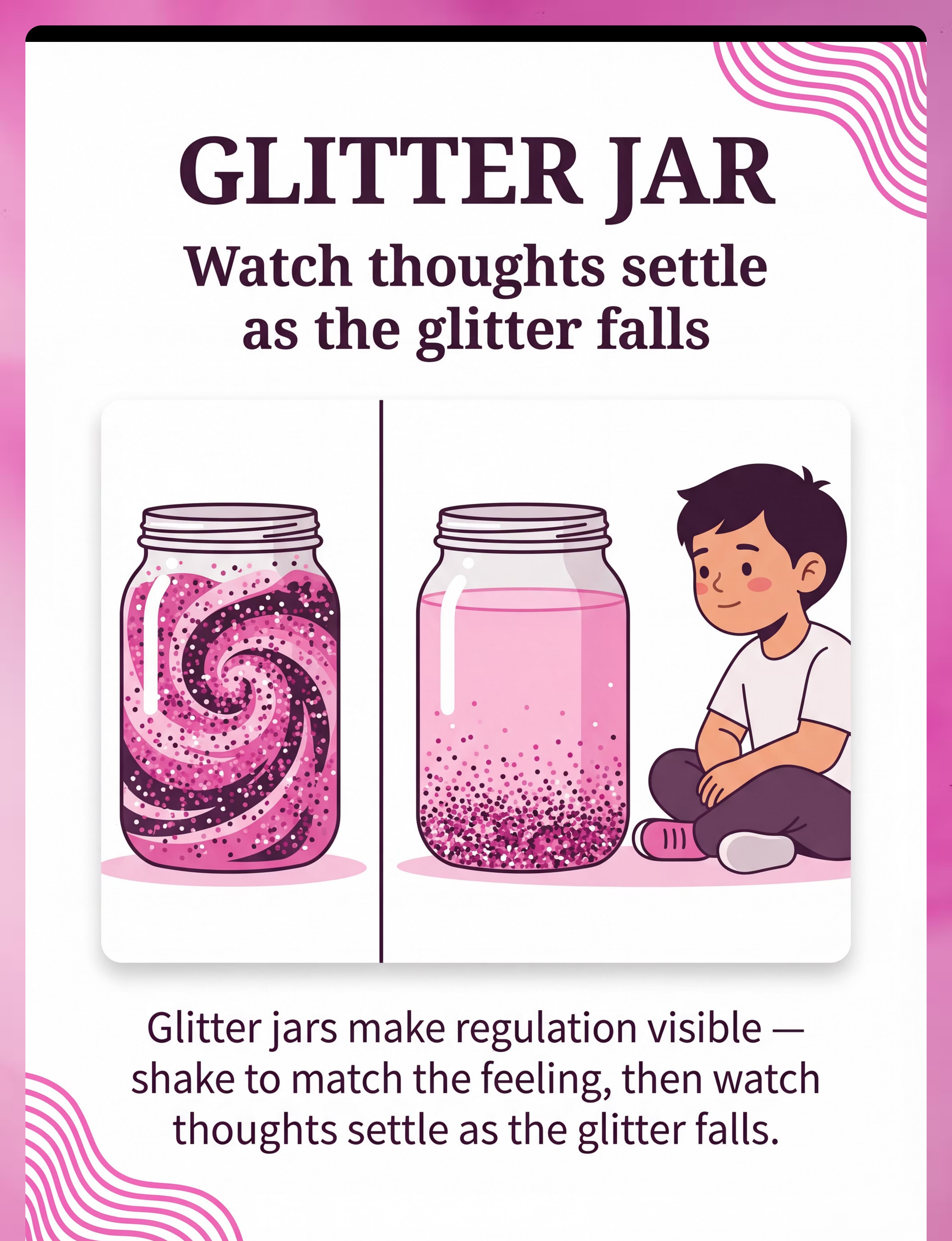
Glitter Jar / Calm Down Bottle
Watch thoughts settle as the glitter falls
Breathing Exercise Cards & Visual Tools
Guided breaths they can follow, not just "calm down"
Emotion Identification Cards
Name the feeling before trying to cope with it
Coping Strategy Choice Board
Point to what helps when you can't think of options
Social Stories & Coping Scripts
Scripts for situations they don't know how to handle
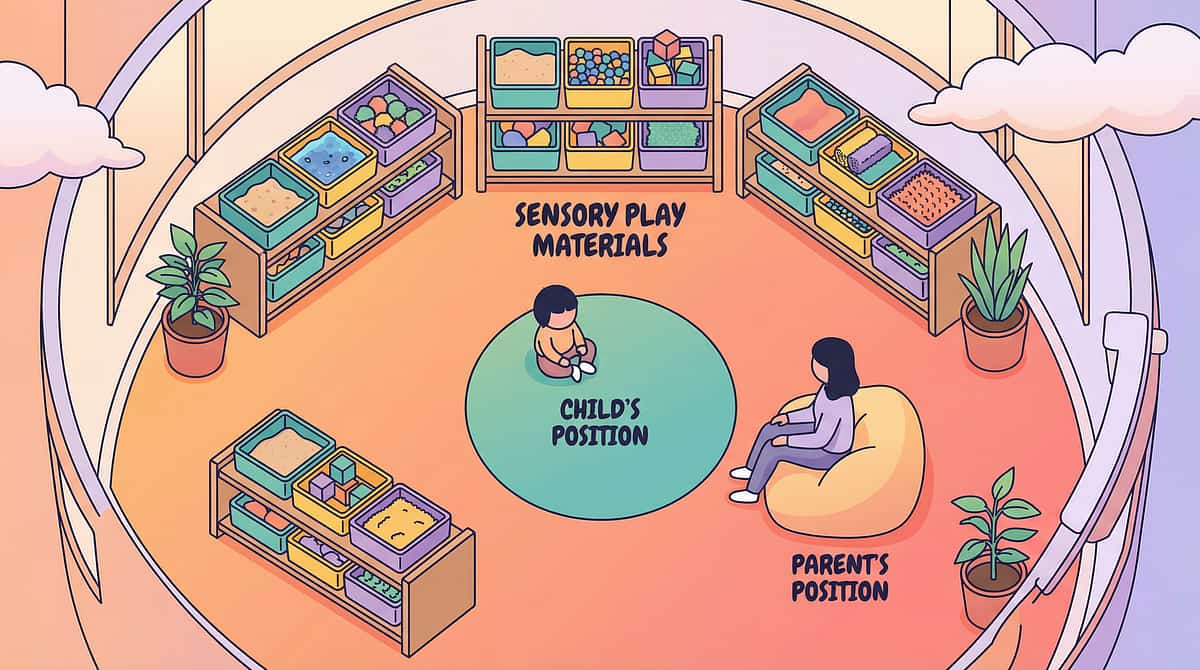
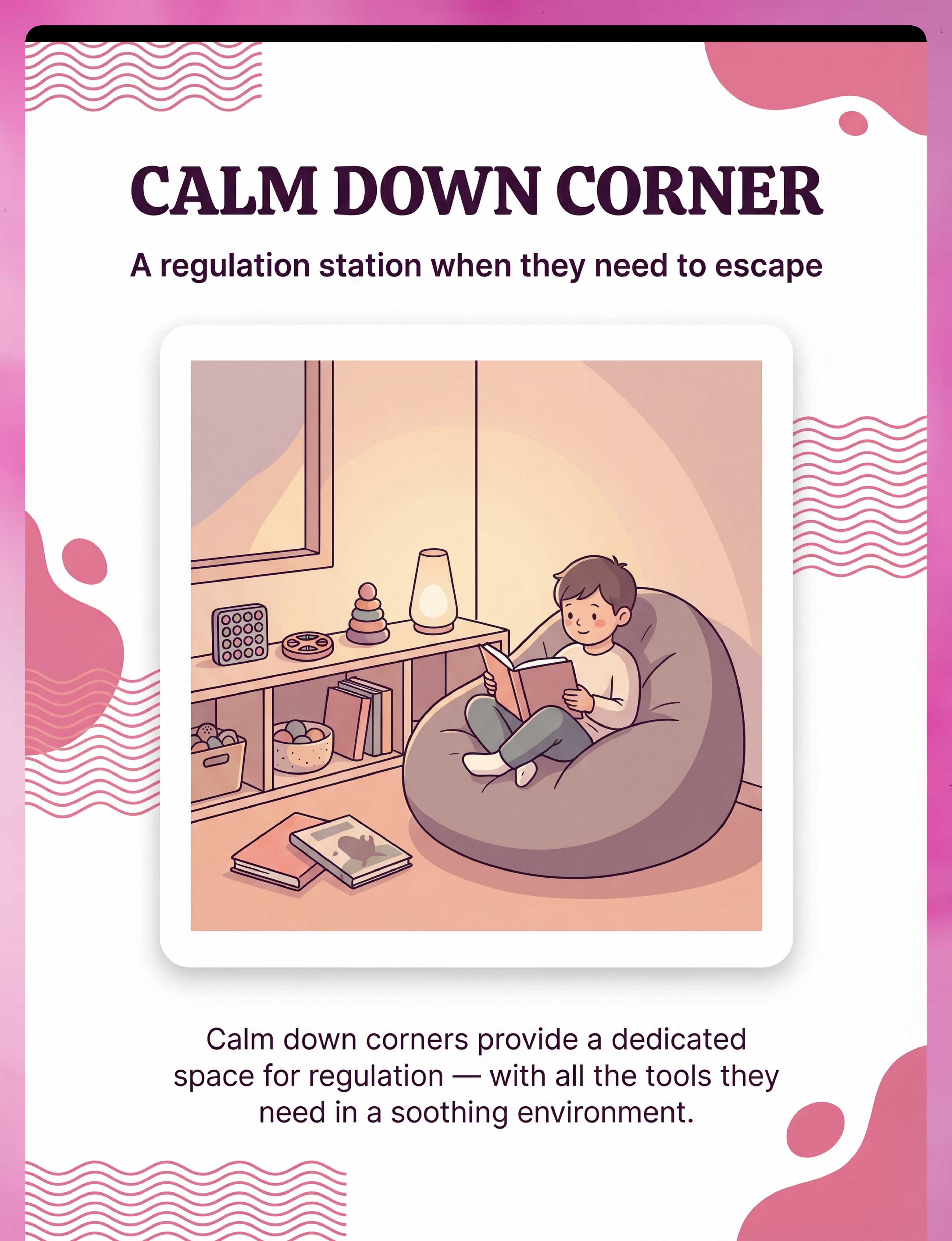
Calm Down Corner / Safe Space
A regulation station when they need to escape
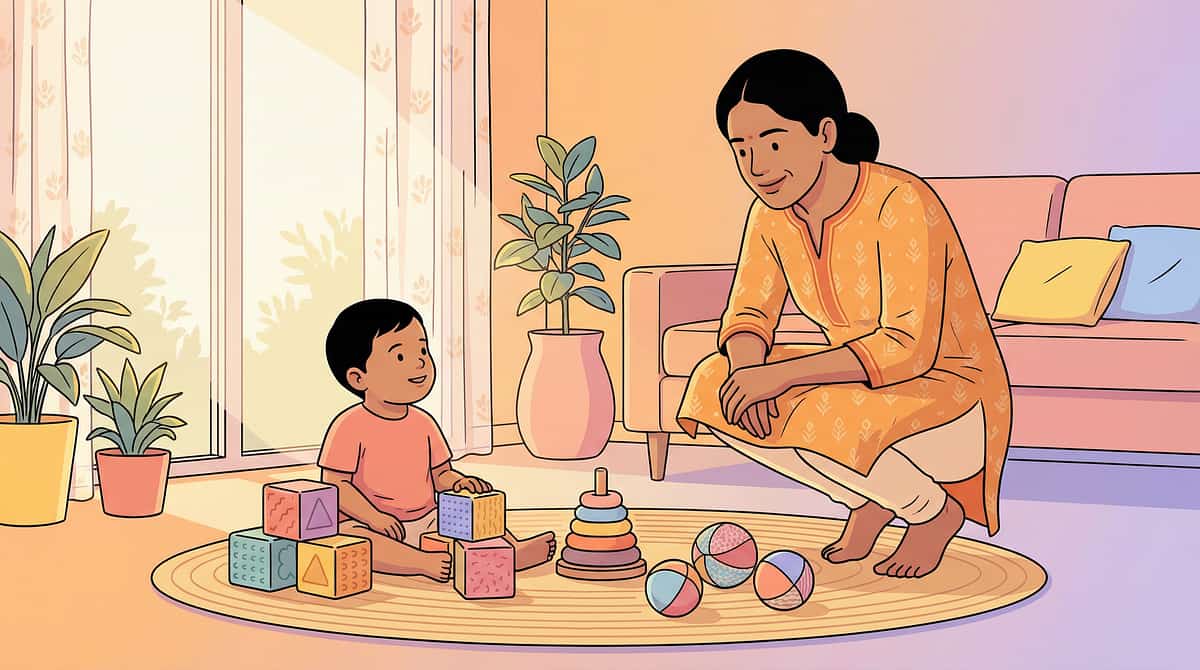
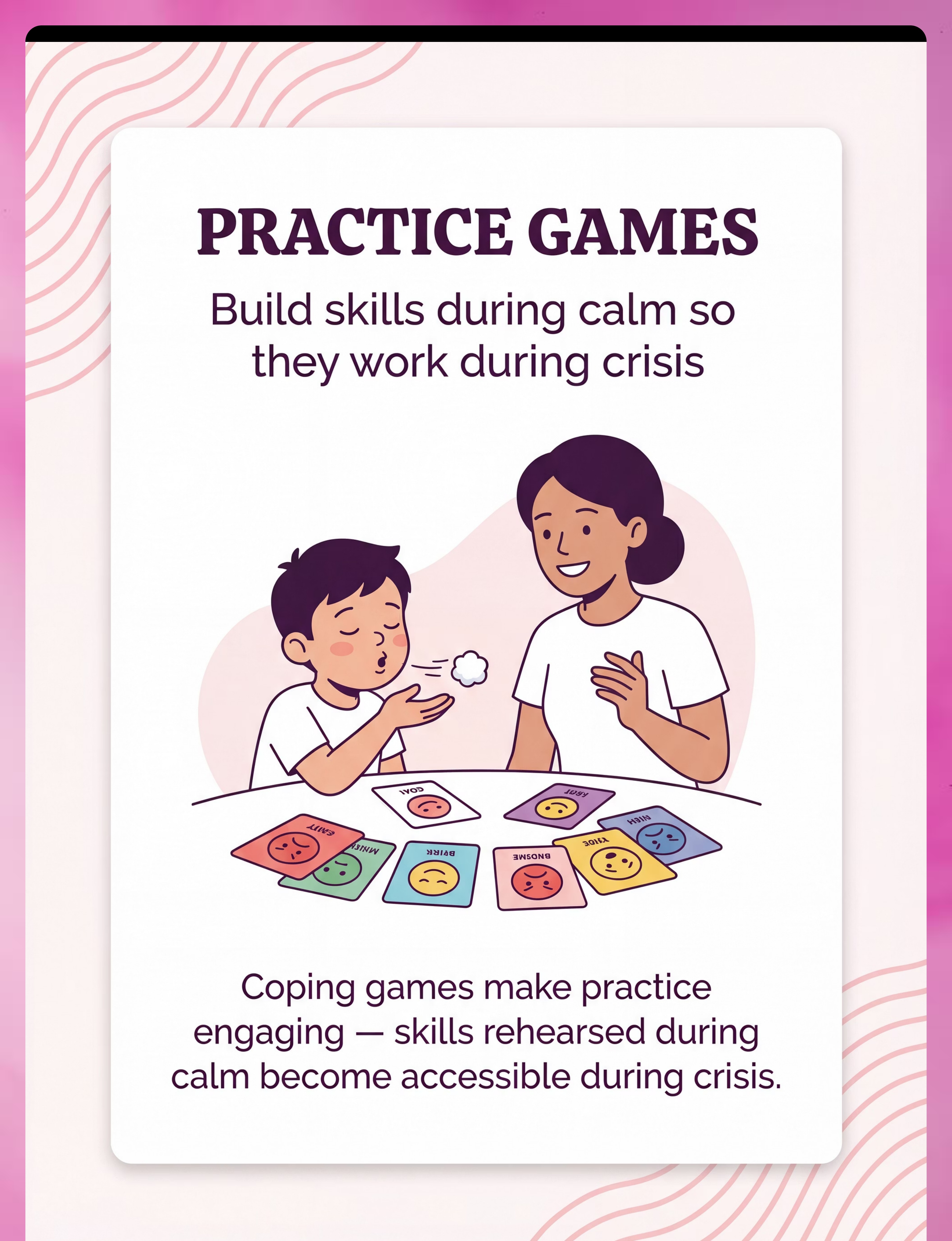
Coping Skills Practice Games
Build skills during calm so they work during crisis
Material 1 of 9
Calm Down Kit / Coping Toolbox
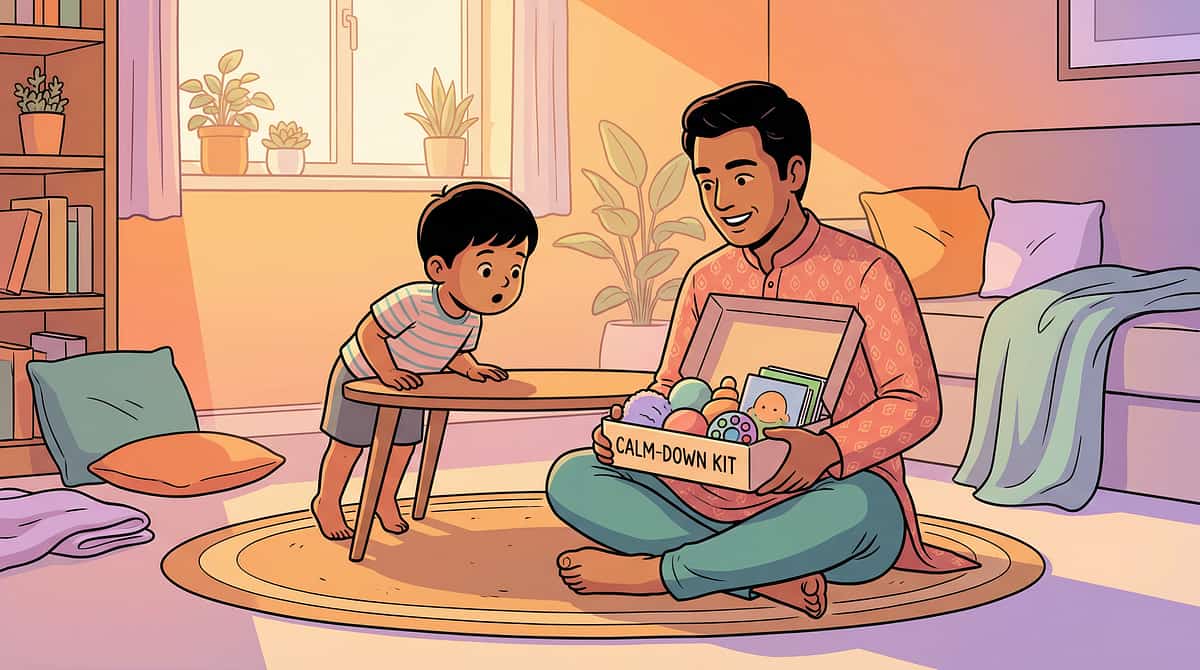
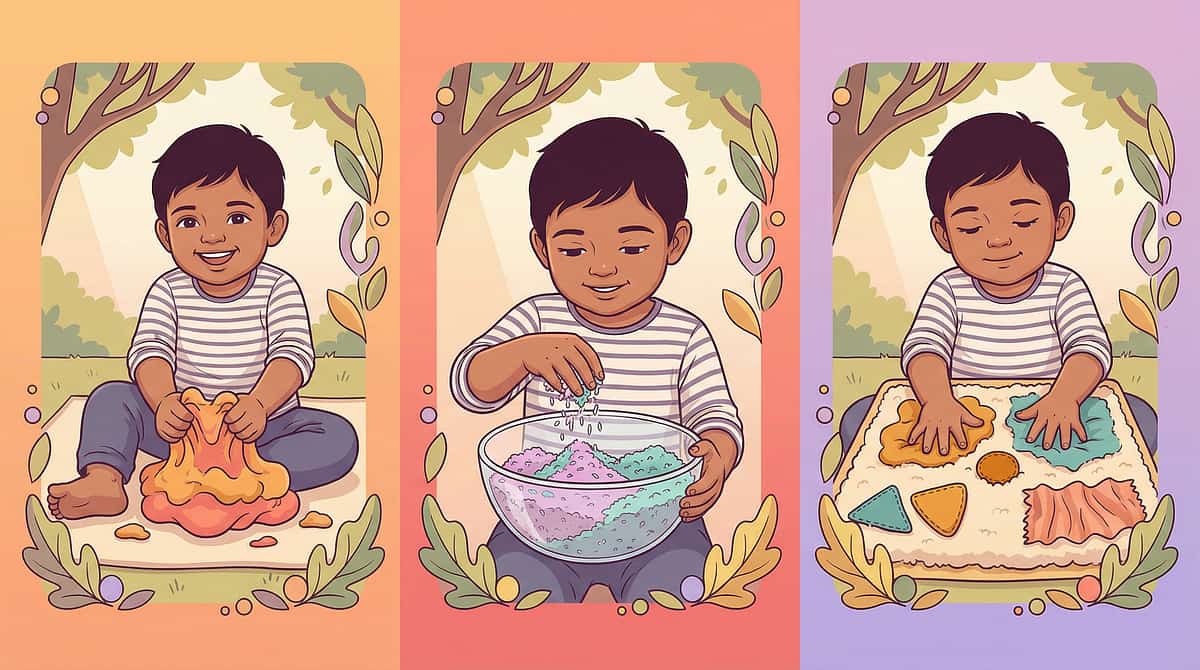
Coping tools in one accessible container. Abstract coping strategies become concrete and accessible when they live in a physical container. A calm down kit is a collection of sensory and coping tools housed in a dedicated box, bag, or container that the child can access when they need to regulate.
Material 1 — Why It Helps
Why the Calm Down Kit Works
Makes Coping Tangible
"Use your coping skills" becomes "get your calm down kit" — concrete and actionable
Accessible in the Moment
The child doesn't have to remember what to do — open the kit, options are right there
Externalizes Support
The kit is a visible, concrete reminder that the child has resources available
Builds Routine
Reaching for the kit becomes an automatized first response to distress over time
Key Insight: Concrete containers externalize coping — making invisible strategies visible and abstract concepts tangible.
Material 1 — Contents & DIY Guide
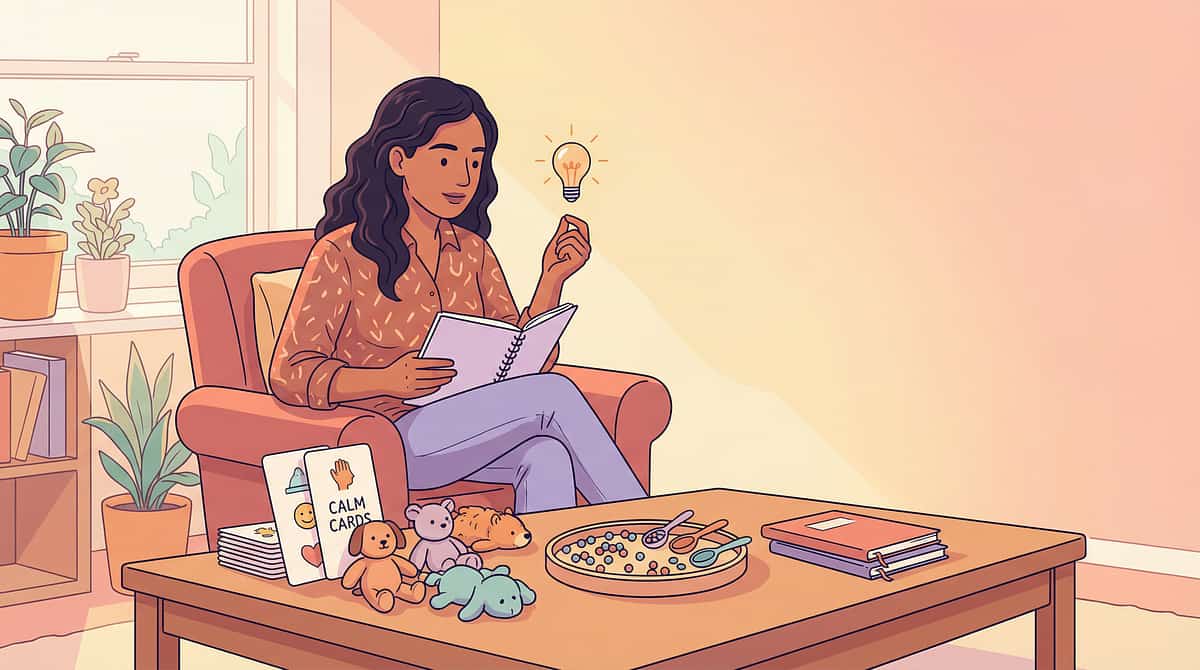
What Goes in a Calm Down Kit
Sensory Calming
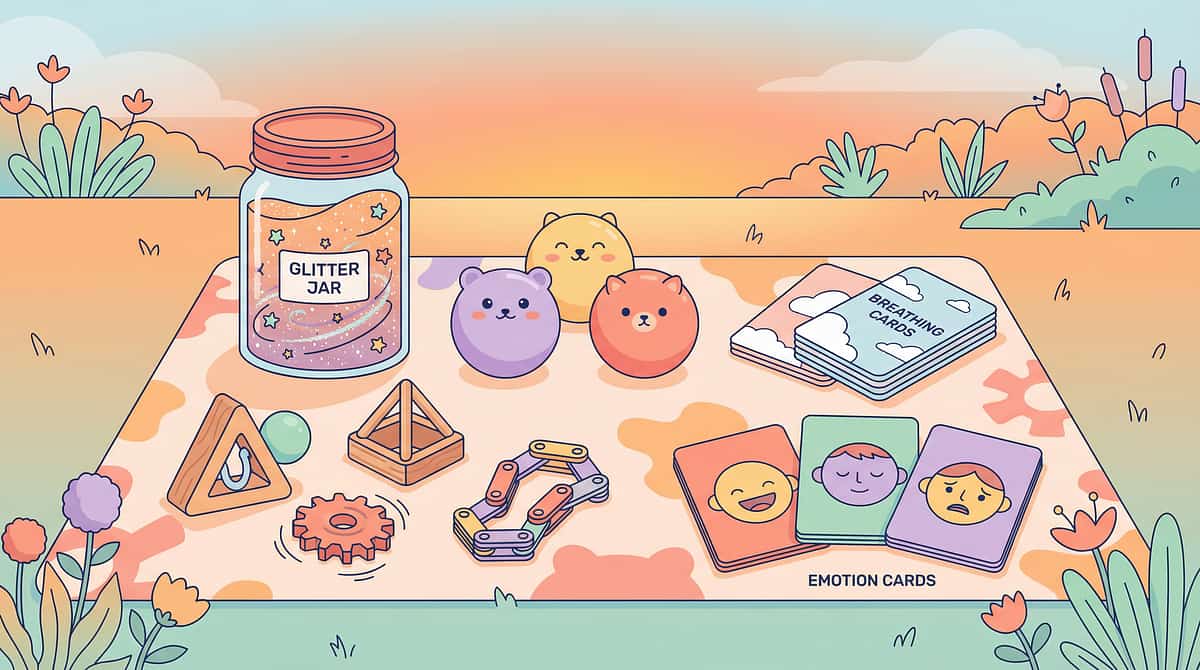
- Stress ball, putty/therapy dough, fidget spinner/cube
- Textured fabric, weighted lap pad
Breathing Support
- Pinwheel, bubbles, Hoberman sphere
- Breathing cards, cotton ball for "smell the flower"
Visual Grounding
- Glitter jar, calm-down visual sequence
- Photos of safe people/places, emotion cards
Auditory Calming
- Headphones, music playlist access
- Rain stick, white noise options
Comfort Items
- Small stuffed animal, favorite texture
- Encouraging note from parent, smooth stone
Pro Tips
- Keep one full home kit + a portable mini-kit for school/outings
- Involve the child in selecting contents — personalization is key
- Practice using the kit during calm times too, not just in crisis
Safety Note: Ensure all items are safe for the child's age and any mouthing behaviors. Avoid choking hazards or items that could be used for self-harm.
Material 2 of 9
Feelings Thermometer / Emotion Intensity Scale
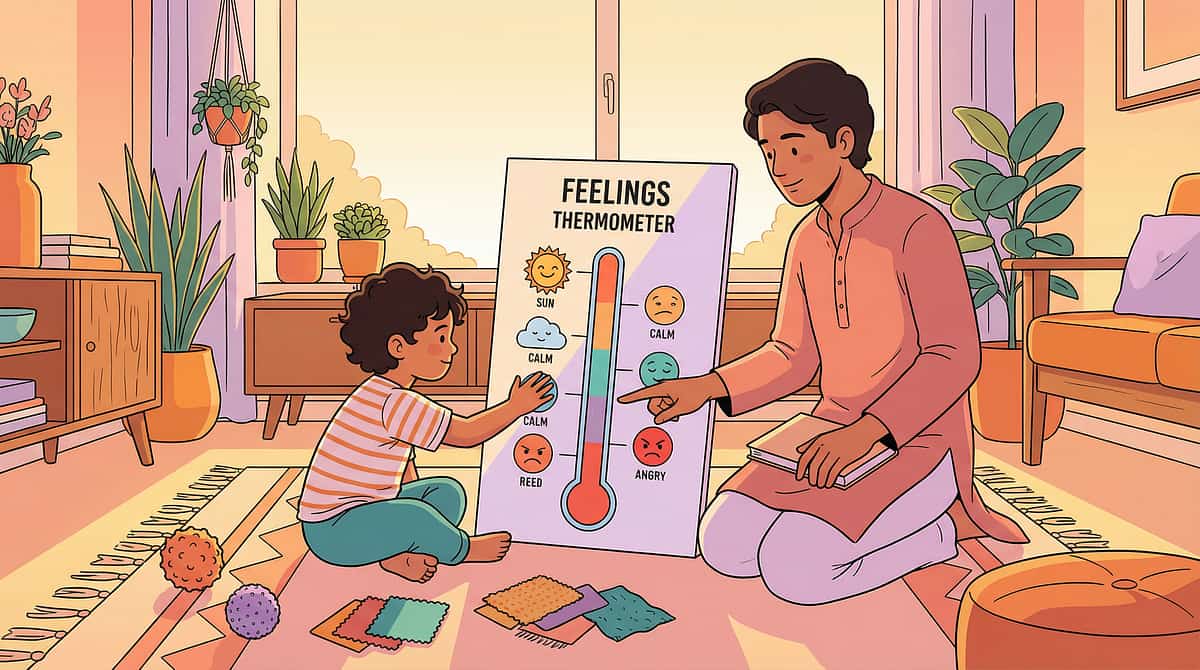
Notice levels before reaching the top. Many children experience emotions as binary — fine or terrible, with nothing in between. They can't catch dysregulation early because they don't notice the gradual escalation. A feelings thermometer gives children a way to identify and communicate emotion intensity on a continuum.
Material 2 — Why It Helps
Why the Feelings Thermometer Works
Creates Gradation
Instead of "fine" or "freaking out," children learn to recognize levels: "I'm at a 3 — a little frustrated" or "I'm at a 7 — really upset, need help." This gradation creates intervention points.
Enables Early Intervention
Noticing when you're at a 4 and intervening prevents reaching 8. Different strategies work at different intensity levels — a quick breathing exercise might work at a 4 but not at an 8.
Supports Communication
"I'm at a 6" communicates need for support without having to articulate complex feelings verbally. Adults can respond to the number even if they don't fully understand the underlying experience.
Makes Intensity Concrete
Visual representations make the abstract concept of emotion intensity measurable. Children who struggle with internal awareness benefit from external scales they can point to, manipulate, or mark.
Key Insight: Noticing escalation early enables intervention early. You can't catch what you can't see or name.
Material 2 — DIY Guide
Creating Your Feelings Thermometer
Visual Format
Vertical scale (like a thermometer) or horizontal scale (like a meter). Use numbers 1–5 or 1–10 depending on child's ability to differentiate.
Color Coding
Green (calm) → Yellow (starting to escalate) → Orange (significant distress) → Red (crisis). Visual gradient supports quick recognition.
Descriptors
Each level needs words or pictures: "5: Really upset, hard to think, need big help." Connect internal experience to external scale with body sensations.
Strategy Matching
Different strategies for different levels: "At 1–3: I can handle this myself. At 4–6: I need my calm down kit. At 7+: I need an adult."
Interactive Version
A moveable marker the child can adjust throughout the day. Regular check-ins: "Where are you on the thermometer right now?"
Multiple Copies
Keep a thermometer at home, at school, and in therapy. Consistent tool across settings maximizes generalization.
Safety Note: The thermometer is a communication tool, not a replacement for adult support. Children at high levels still need co-regulation, not just self-regulation.
Material 3 of 9
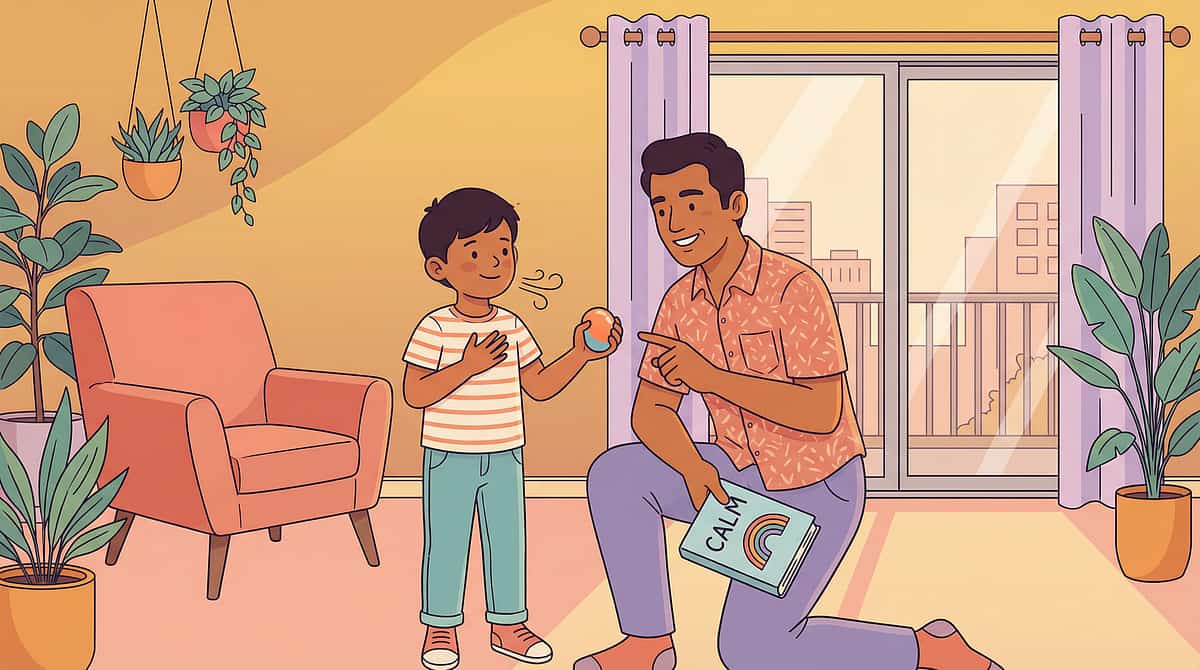
Glitter Jar / Calm Down Bottle
Watch thoughts settle as the glitter falls. A glitter jar is a simple but powerful tool: a sealed container with water, glitter, and glue that creates a swirling visual when shaken. When shaken, the glitter mirrors the child's internal experience of emotional turmoil. As the jar settles, the glitter slowly drifts to the bottom — modeling the settling that happens when we regulate.
Material 3 — Why It Helps
Five Reasons the Glitter Jar Works
1
Visual Focus
Watching glitter settle occupies attention, shifting focus away from the distressing situation
2
Powerful Metaphor
"Your brain is like the glitter jar — when upset, thoughts swirl; as you calm down, they settle"
3
Paces Breathing
The child can breathe slowly while watching glitter settle — natural breath pacing without instruction
4
Kinesthetic Release
Shaking the jar provides physical release for agitation before the settling begins
5
Natural Timer
Settling takes 30–60 seconds, providing a natural, visual timer for the calming process
Key Insight: Making the invisible visible helps children understand and participate in their own regulation process.

Material 3 — DIY Guide
Making a Glitter Jar
Key Materials
- Clear plastic jar or bottle with secure lid (never glass)
- Warm water + 1–2 tablespoons clear glue or glycerin
- Fine glitter in multiple colors
- Hot glue or super glue to seal the lid permanently
Critical Tips
- Fine glitter settles slowly; chunky glitter settles faster — adjust to preference
- Make multiple backup jars — jars get lost or damaged in distress
- Introduce when calm: first use should be exploration, not during crisis
- Add to the calm down kit for portable access
Safety Note: Seal lid completely and permanently. A child in distress may throw the jar. Use plastic, never glass.

Material 4 of 9
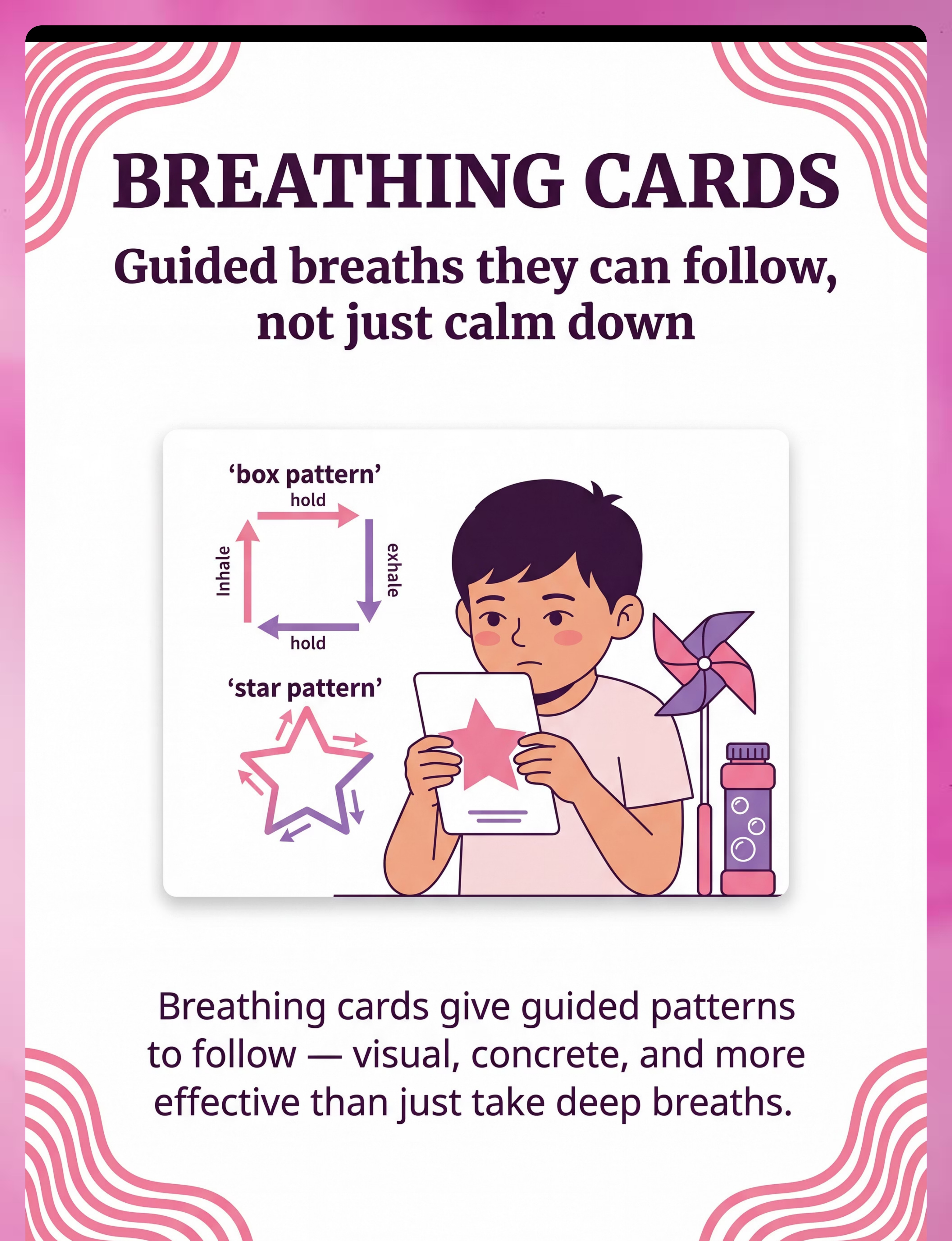
Breathing Exercise Cards & Visual Breathing Tools
Guided breaths they can follow — not just "calm down." Deep breathing activates the parasympathetic nervous system, directly counteracting the stress response. But "take deep breaths" is an abstract instruction that's easy to forget and hard to do correctly when dysregulated. Breathing cards make breathing concrete, guided, and followable.

Material 4 — Breathing Patterns
5 Breathing Patterns to Try
1
Box Breathing
In 4 → Hold 4 → Out 4 → Hold 4. Trace a square as you breathe.
2
Star Breathing
Breathe at each point while tracing a 5-point star. Tactile and visual together.
3
4-7-8 Breathing
In 4 → Hold 7 → Out 8. Count visualization for older children.
4
Belly Breathing
Hand on belly — feel it rise and fall like a balloon inflating and deflating.
5
Flower & Candle
Smell the flower (breathe in) — blow out the candle (breathe out). Simple and visual.
Key Insight: Abstract instructions become concrete tools. Following a visual pattern is easier than remembering a verbal instruction when dysregulated.
Material 4 — Physical Tools & DIY
Physical Breathing Tools & Implementation
Physical Breathing Tools
- Pinwheel: blow to make it spin
- Bubbles: blow slowly for big bubbles
- Feather or cotton ball: blow across a table
- Hoberman sphere: expand on inhale, contract on exhale
These tools require breath to operate — ensuring the child is actually breathing rather than just trying to.
For Younger Children
- Blow out birthday candles (fingers as candles)
- Smell pizza, blow on hot pizza
- Snake breath (hiss on exhale)
- Bunny breath (sniff sniff sniff)
Key Practices
- Practice daily during regulated states to build automaticity
- Laminate cards — they will be handled when child is upset
- Keep cards in calm down kit, posted on wall, and in backpack
Safety Note: Ensure bubble solution is non-toxic. Supervise use of small items with young children or those who mouth objects.
Material 5 of 9
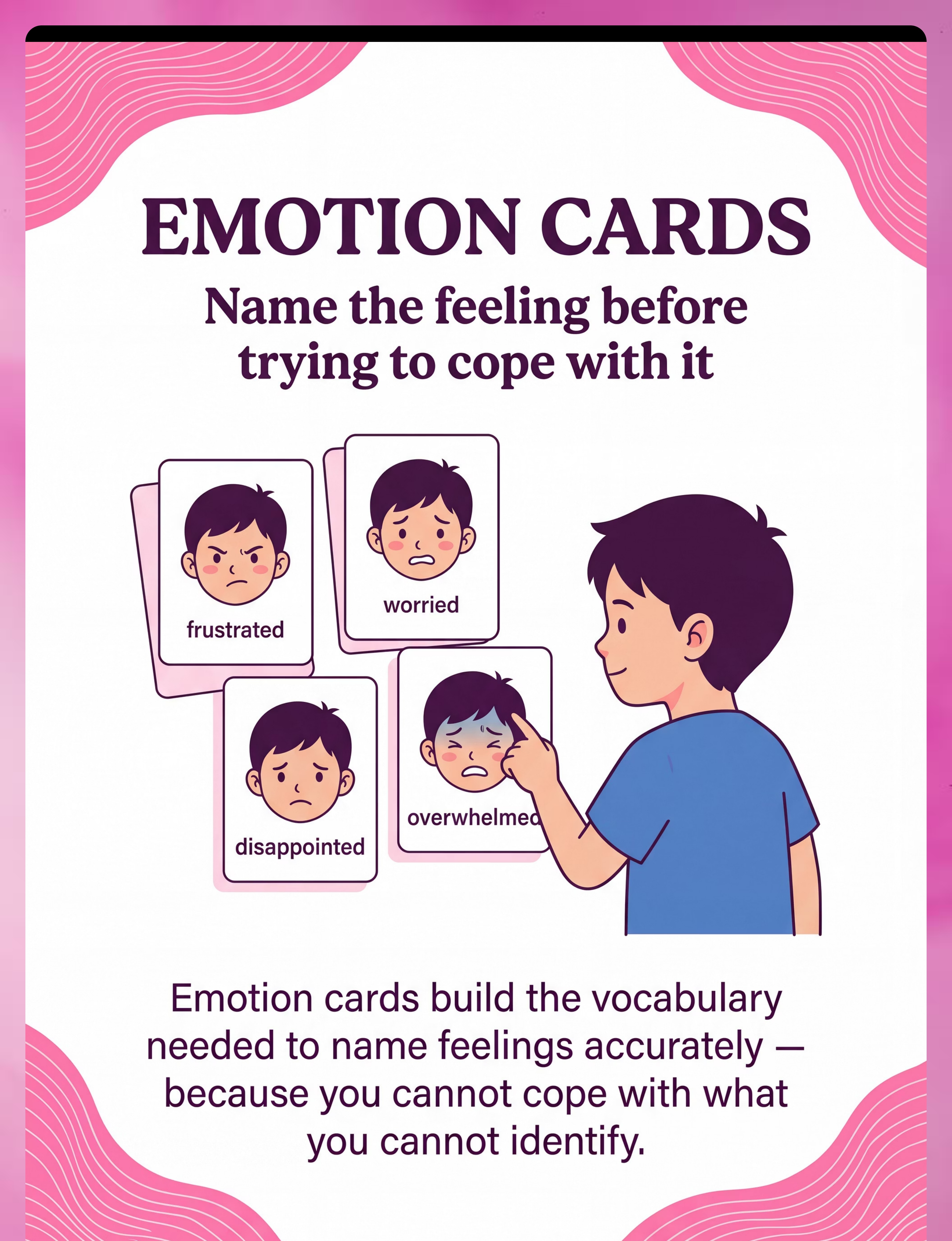
Emotion Identification Cards & Feelings Vocabulary Tools
Name the feeling before trying to cope with it. You can't cope with what you can't name. Many children have a limited emotional vocabulary — they might know "happy," "sad," "mad," and "scared," but lack words for frustrated, disappointed, overwhelmed, anxious, jealous, or embarrassed. This limited vocabulary directly limits coping effectiveness.

Material 5 — Why It Helps
Why Emotion Vocabulary Matters
The Vocabulary Gap
When all negative feelings are labeled "mad," the child can't differentiate between anger that needs physical release and disappointment that needs comfort. Accurate labeling enables specific coping.
Emotions to Include Beyond Basics
Frustrated, disappointed, worried, excited, nervous, embarrassed, jealous, overwhelmed, confused, lonely, proud, calm — and intensity variations: Annoyed → Frustrated → Angry → Furious.
Body Connections Are Key
Pair emotions with body sensations: "Nervous: butterflies in stomach, heart beats fast, palms sweaty." Connecting internal experience to external labels is foundational.
Context Clues Help
Include situations: "Disappointed: when something I wanted doesn't happen." Then connect to coping: "You're feeling frustrated. What helps when you're frustrated?"
Key Insight: Emotional vocabulary is the foundation of emotional intelligence. Naming accurately enables coping specifically. The affect labeling effect — naming emotions reduces amygdala reactivity.

Material 5 — DIY Guide
Creating Emotion Vocabulary Tools
Visual Representation
Photos of real faces (more relatable) or illustrated characters (less intense for some children) — match to the child's preference and what doesn't feel triggering.
Personal Photos
For some children, photos of their OWN facial expressions are most meaningful. Photograph emotions during calm times for later identification practice.
Regular Practice
Use cards during daily check-ins, when reading stories ("what does this character feel?"), and when discussing past events to build vocabulary continuously.
Expand Continuously
Introduce new emotion words as the child's understanding grows. Emotion vocabulary expands throughout development — the goal is always broader, more nuanced labeling.
Safety Note: Some children find images of distressed faces triggering. Use illustrated versions if real photos cause distress.

Material 6 of 9
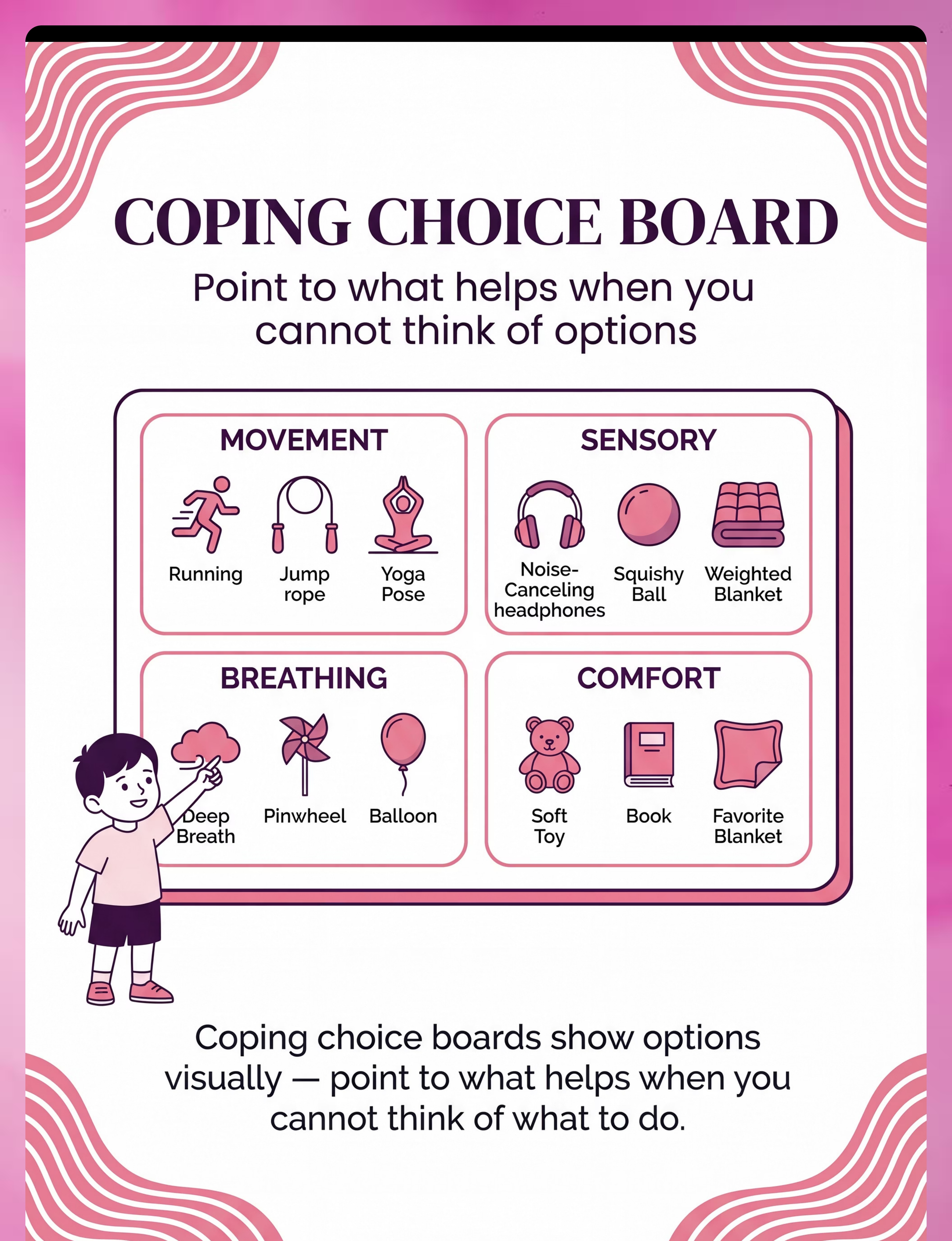
Coping Strategy Choice Board or Menu
Point to what helps when you can't think of options. When a child is dysregulated, their executive function is impaired — the thinking brain that could generate coping options is offline. Asking "what do you need?" requires exactly the cognitive resources that aren't available. A coping choice board provides options visually, eliminating the need to generate them from scratch.

Material 6 — Strategy Categories
Choice Board Categories
Movement
Jump, run, wall push-ups, squeezes, dance, shake it out
Sensory
Stress ball, weighted blanket, putty, swing, deep pressure, cold water on face
Breathing
Bubbles, pinwheel, box breathing, belly breathing, smell flower/blow candle
Distraction
Music, drawing, book, puzzle, count backwards, look for 5 blue things
Comfort
Hug, cozy corner, stuffed animal, blanket, photo of family, favorite spot
Help-Seeking
Talk to adult, take a break, ask for space, write it down, break card
Key Insight: When executive function is offline, recognition is easier than recall. Seeing options is easier than generating them.
Material 6 — DIY Guide
Building an Effective Choice Board
Design Principles
- Personalize: include strategies that actually work for THIS child — tested, proven options
- Limit options: 8–12 proven strategies better than 30 untested ones
- Visual format: pictures with words, clear layout, durable material
- Keep accessible: posted on wall, in calm down kit, photo on phone — not buried in a drawer
Implementation Tips
- Teach the board during calm — practice pointing to strategies before needing them in distress
- Check feasibility: every option must be actually available in the moment
- Don't include "go for a walk" if that's not allowed during class
- Involve the child in creating the board — ownership increases use
- Add new strategies as the child's repertoire grows
Safety Note: Ensure all strategies on the board are safe and appropriate for the child's age and context. Remove any that have led to problems.
Material 7 of 9
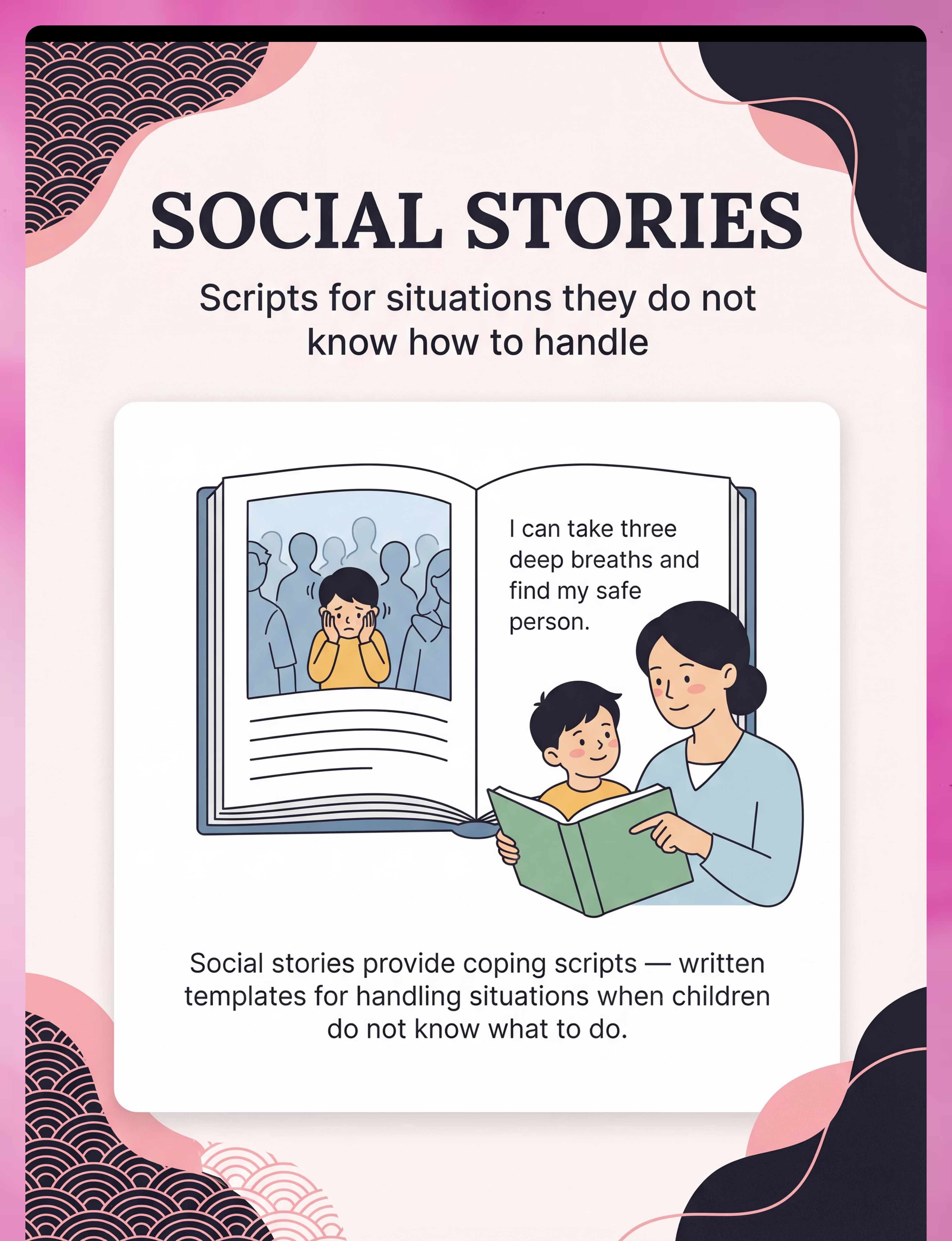
Social Stories & Coping Scripts
Scripts for situations they don't know how to handle. Social stories and coping scripts provide cognitive frameworks for handling challenging situations. They describe situations, feelings, and appropriate responses in simple, concrete terms. For children who struggle with flexible thinking and novel problem-solving, these scripts provide a template to follow when they don't know what to do.
Material 7 — Why It Helps
How Social Stories Work
A Coping Script Example
"Sometimes things don't go my way. This makes me feel frustrated. When I feel frustrated, my body gets tense. I can use my calm down strategies. I can take deep breaths. I can squeeze my stress ball. When I use my strategies, I feel better. I can try again or ask for help."
The story normalizes the emotion, connects it to body experience, provides specific strategies, and models successful resolution.
Why They Work for Autism & ADHD
For children with autism particularly, social stories reduce the cognitive load of figuring out how to respond. The script has already been written — they just need to follow it. Reading the stories repeatedly during calm times builds the mental template that can be accessed during distress.
Types of Stories
- Generic (how to handle frustration in general)
- Situation-specific (what to do when I lose a game)
- Transition-focused (how to handle when plans change)
- Social conflict (what to do when someone is mean to me)
Key Insight: Scripts reduce cognitive load. When you don't know what to do, having a template to follow enables action.
Material 7 — DIY Guide
Creating Coping Social Stories
Writing Principles
First person ("Sometimes I feel angry"), concrete language ("I might want to yell or hit" — not "I get upset"), and positive framing ("I can ask for help" rather than "I shouldn't scream").
Repetition Is the Mechanism
Stories work through repetition. Read daily during calm periods — not just when problems arise — to build the mental script that can be retrieved during distress.
Personalization Matters
Use the child's name, their specific triggers, and their actual coping tools. A personalized story referencing their stress ball is more effective than a generic one.
Safety Note: Social stories supplement, not replace, skill teaching. The child needs to have been taught the strategies mentioned in the story.

Material 8 of 9
Calm Down Corner / Safe Space Setup
A regulation station when they need to escape. Sometimes the most effective coping strategy is environmental — leaving the overwhelming situation and going to a space designed for regulation. A calm down corner is a designated area where the child can go to regulate, containing all the tools they need for calming. The space itself becomes a coping tool.

Material 8 — Why It Helps
Why a Calm Down Corner Works
Reduced Stimulation
Removing sensory triggers that may be contributing to dysregulation — a quieter, lower-stimulus environment supports the nervous system in settling
Sense of Safety
Contained space provides psychological security — there's always a place to go when overwhelmed, which reduces anxiety about future dysregulation
Calming Environment
Soft lighting, comfortable seating, calming visuals promote parasympathetic activation that supports the body's natural settling process
All Tools Within Reach
Everything from the calm down kit is available in one dedicated space — no searching, no remembering, no extra cognitive load required
Key Insight: Environment shapes emotion. A space designed for calming supports calming in ways that willpower alone cannot.

Material 8 — Setup Guide
Setting Up a Calm Down Space
Essential Elements
- Location: quiet, away from high-traffic zones, consistent spot
- Boundaries: tent, canopy, corner with cushions, or designated rug
- Seating: bean bag, floor cushions, nest chair, or crash pad
- Lighting: dim — fairy lights or lamp, not overhead fluorescents
- Coping tools: calm down kit, breathing tools, weighted blanket, fidgets
Critical Principles
- Not punitive: never send child as punishment — this is a resource, not a consequence
- Child-accessible: child should be able to get there independently when needed
- Personal touches: comfort objects, photos of safe people, encouraging notes
- School version: work with school to create a similar breakout option
- No technology (usually): screens can become avoidance rather than regulation
Safety Note: Ensure the space is safe for unsupervised use if child will be there alone. No hazards, secure furniture, appropriate supervision based on child's needs.
Material 9 of 9
Coping Skills Practice Games & Activities
Build skills during calm so they work during crisis. Coping skills only work in crisis if they've been practiced extensively during calm times. Just like physical skills become automatic through repetition, emotional regulation skills need practice to become accessible when the thinking brain is offline. Games make this practice engaging rather than tedious.
Material 9 — Why Practice Games Work
The Science Behind Practice
Automaticity Is the Goal
A child who has practiced box breathing 100 times while playing a game has a far better chance of accessing it during a meltdown than one who's only been told about it. Skills practiced during regulated states build the neural pathways accessible during dysregulated ones.
Graduated Practice
Start with low-stakes scenarios, build to more challenging ones. Role-playing difficult situations when calm builds the template for handling them when emotional. "Let's pretend you just lost a game — show me what you could do."
1
Cotton Ball Soccer
Skill: Controlled breathing
Blow cotton ball into goal using breath only
Blow cotton ball into goal using breath only
2
Feelings Charades
Skill: Emotion recognition
Act out emotions for others to guess
Act out emotions for others to guess
3
Coping Skill Memory
Skill: Strategy recall
Match feeling cards to strategy cards
Match feeling cards to strategy cards
4
What Would You Do?
Skill: Problem-solving
Scenario cards requiring a coping plan
Scenario cards requiring a coping plan
5
Freeze Dance Feelings
Skill: Emotion expression
Dance, freeze, show the called emotion
Dance, freeze, show the called emotion
6
Relaxation Race
Skill: Muscle relaxation
Who can get most relaxed (tension to release)
Who can get most relaxed (tension to release)
Key Insight: Automaticity requires repetition. Skills practiced 100 times while calm are accessible when practiced skills would otherwise be forgotten under stress.
Material 9 — More Activities
More Coping Practice Activities
Breathing Games
- Balloon keep-up: keep balloon aloft with breath
- Pinwheel races: whose spins longest with one breath
- Bubble contests: biggest bubble with slow controlled breath
Relaxation Practice
- Progressive muscle relaxation: squeeze and release as a game (robot/rag doll)
- Guided imagery adventures
- Body scan as "checking in on body friends"
Daily Integration
- Morning breathing practice
- Dinner-time emotion check-in
- Bedtime relaxation routine
Family Involvement
Whole-family practice normalizes coping skills and models that everyone — not just "the child with problems" — uses strategies. This removes stigma and increases engagement dramatically.
Safety Note: Keep practice positive and low-pressure. If practice creates anxiety or resistance, adjust the approach. The goal is building skills, not creating stress.

Implementation Framework
Where to Start: Priority Guide
Supportive Layer
Glitter Jar • Social Stories • Practice Games
Important Layer
Emotion Cards • Choice Board • Calm Down Corner
Essential Foundation
Calm Down Kit • Feelings Thermometer • Breathing Cards
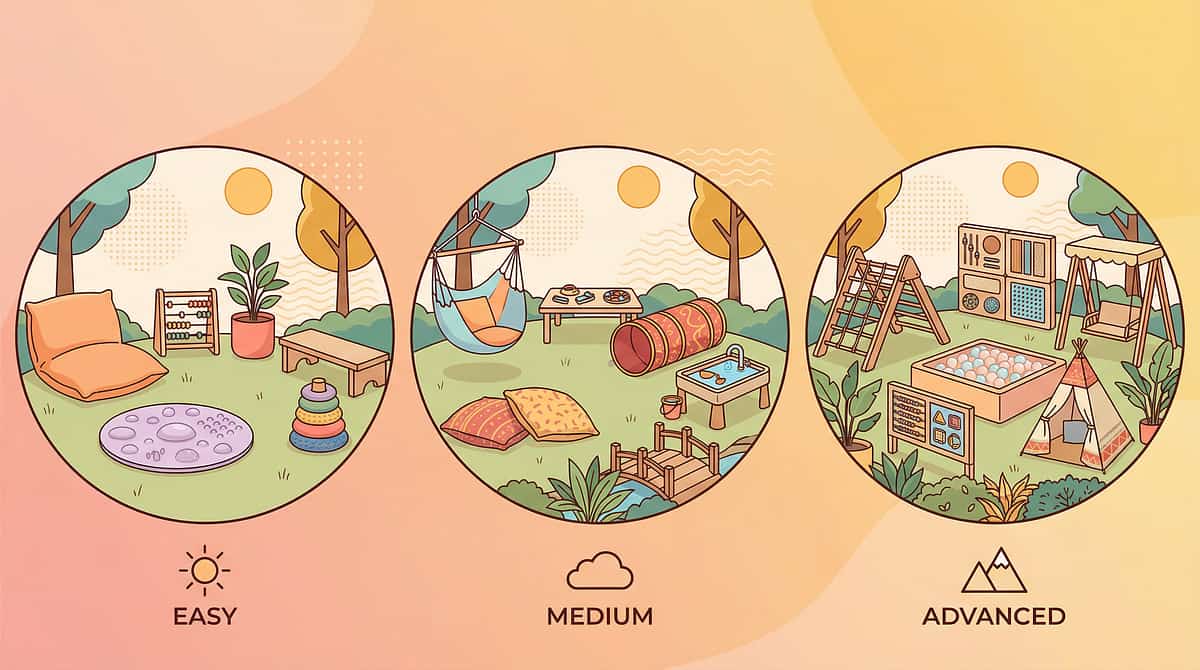
Start with the essential foundation: a simple calm down kit with 5–6 tools, a basic feelings thermometer, and 2–3 breathing supports. Build from there. A complete toolkit ranges from approximately ₹1,500–7,000, and budget DIY options are available for all nine materials.

Coping Skill Types: Matching Strategy to Need
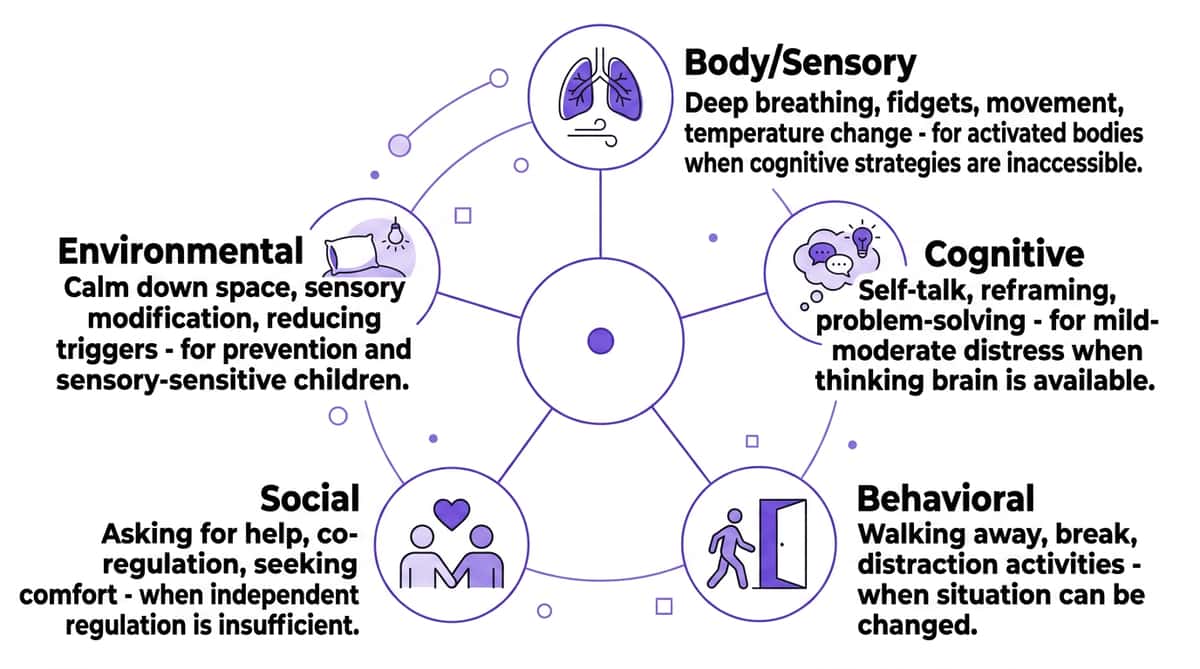
No single coping type works for all children in all situations. Build a toolkit that spans multiple categories — body/sensory strategies are most accessible when the child is highly dysregulated, while cognitive strategies require executive function and work better at lower arousal levels. Match the strategy to the child's current state, not just their preference.

Seven Implementation Principles
Teach
Explicitly teach strategies during calm times. Don't assume children will intuit coping — they need direct instruction.
Practice
Repetitive practice builds automaticity. Practice daily, during regulated states, and across settings.
Scaffold
Provide environmental supports that reduce cognitive load — visual cues, accessible tools, simplified choices.
Match
Match strategy complexity to developmental level and current regulatory state. Simple for young/dysregulated; complex for older/calm.
Personalize
Different strategies work for different children. Build a toolkit based on what actually helps this specific child.
Generalize
Practice strategies across settings. Skills learned in therapy need to transfer to home and school.
Maintain
Continue practice even after skills emerge. Maintenance practice prevents skill loss over time.
Preview of 9 materials that help with coping skills Therapy Material
Below is a visual preview of 9 materials that help with coping skills therapy material. The pages shown help educators, therapists, and caregivers understand the structure and content of the resource before use. Materials should be used under appropriate professional guidance.


Link copied!

Common Challenges & Solutions
Can't Access Strategies When Dysregulated
Solutions: More practice during calm to build automaticity; simpler strategies requiring less executive function; visible tools and choice boards; earlier intervention before peak dysregulation.
Limited Strategy Range
Solutions: Expand toolkit with variety of strategy types; practice different strategies for different feelings; build flexibility through varied practice over time.
Refuses to Use Strategies
Solutions: Involve child in selecting strategies; make practice fun and low-pressure; examine if strategies actually help or are adult-preferred; address underlying resistance (shame, rigid thinking).
Works at Home but Not School
Solutions: Portable versions of tools; collaborate with school on consistent approach; practice in challenging settings; environmental modifications at school.