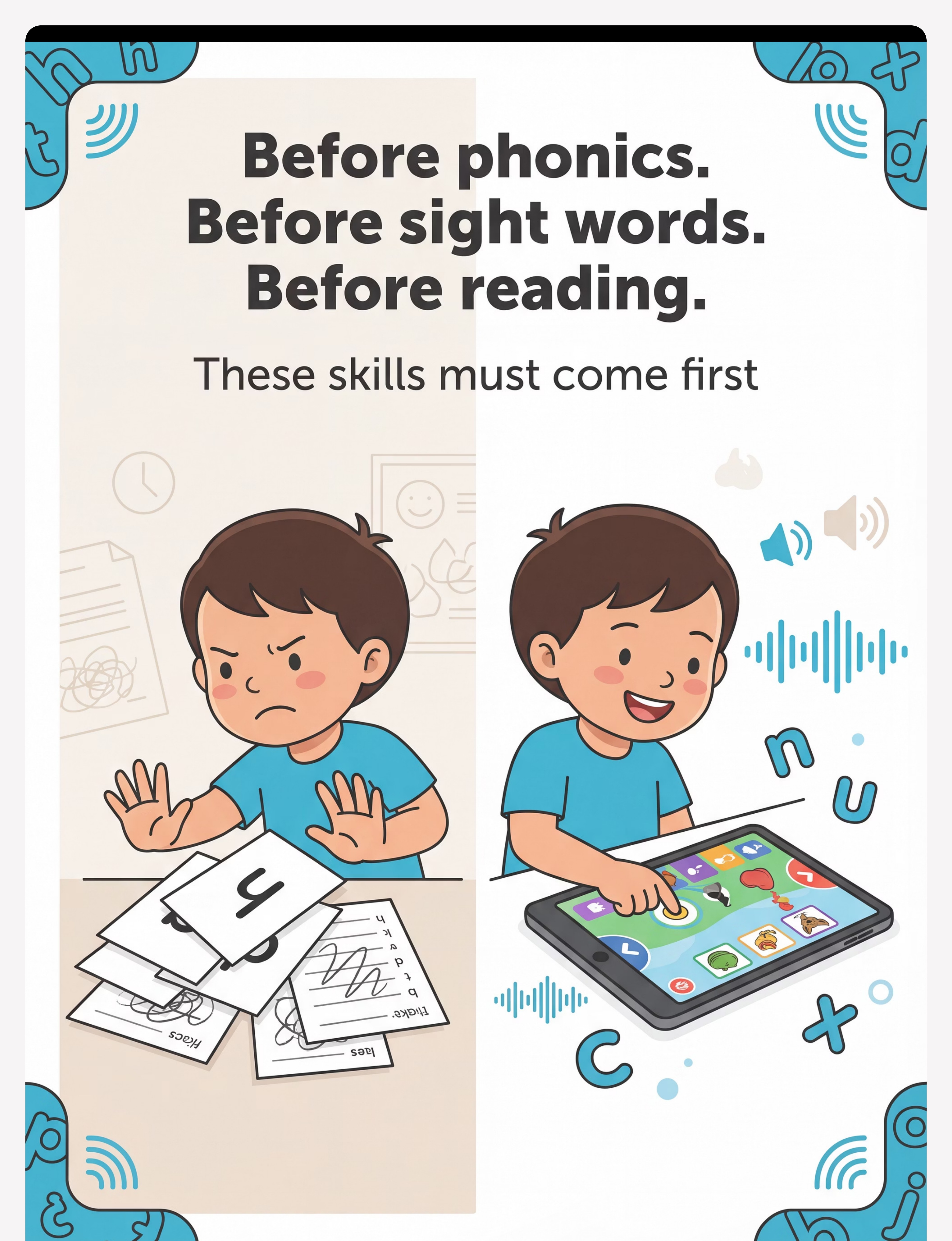
Before phonics. Before sight words. Before reading — these skills must come first.
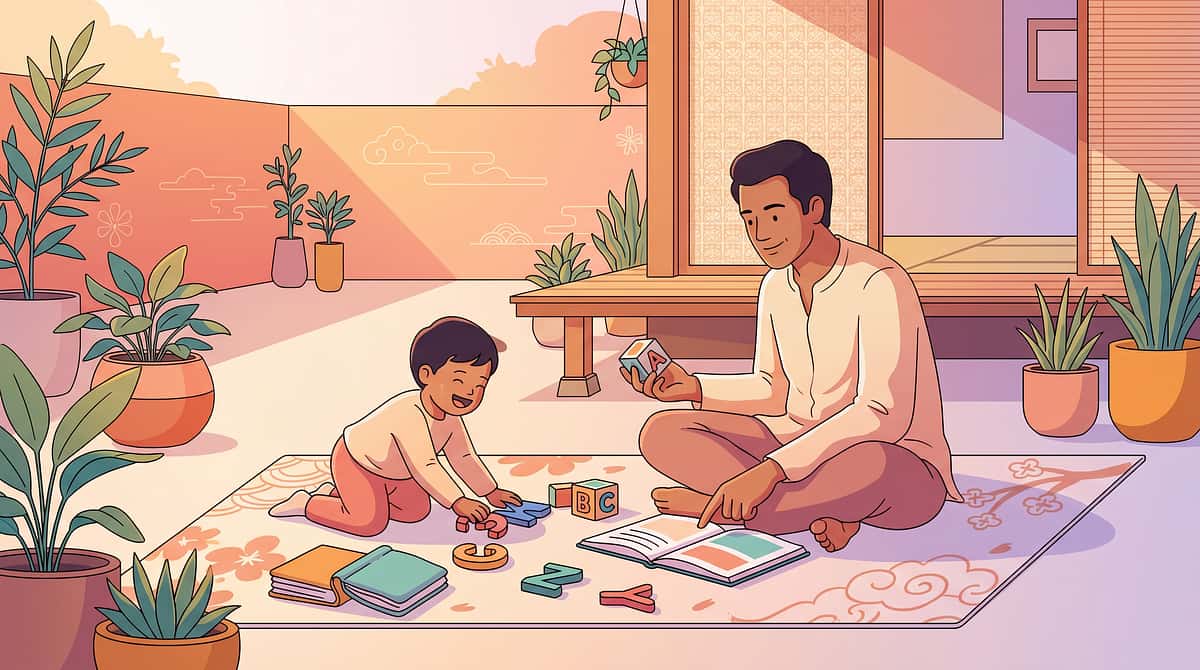
It's Sunday evening. You've spread the alphabet flashcards on the table — same cards you've tried every week for three months. Your four-year-old takes one look, says "No!" and runs for the Lego box. But your child knows every dinosaur name, every superhero ability, every train line in your city. The alphabet just... bounces off.
You haven't missed anything. Your child's brain is waiting for the right foundation — and now you're about to build it.
📚 Academic Foundations
🗣️ SLP + SpEd + OT
👶 Ages 3–7
🏠 Home-Executable
⭐ Pinnacle Blooms Consortium
Reading Readiness Challenges Affect Millions of Families. Yours Is One of Them.
1 in 5
Pre-Literacy Delays
Children experience significant pre-literacy delays before kindergarten entry
68%
Speech-Language Link
Of children with speech-language histories show co-occurring pre-literacy challenges
4–6
Critical Years
The window when phonological awareness intervention produces maximum impact
Globally, an estimated 250 million children under 5 are at risk of not reaching their developmental potential — with emergent literacy among the most critical predictors of long-term outcome. The research is unambiguous: children who struggle with reading almost always had unaddressed pre-literacy gaps — in phonological awareness, letter knowledge, or oral language — before formal reading instruction began.
"You are among millions of families building this foundation right now. You are not late. You are exactly on time."
What's Happening in Your Child's Brain
Reading is a learned skill. The brain has to be wired for it first.
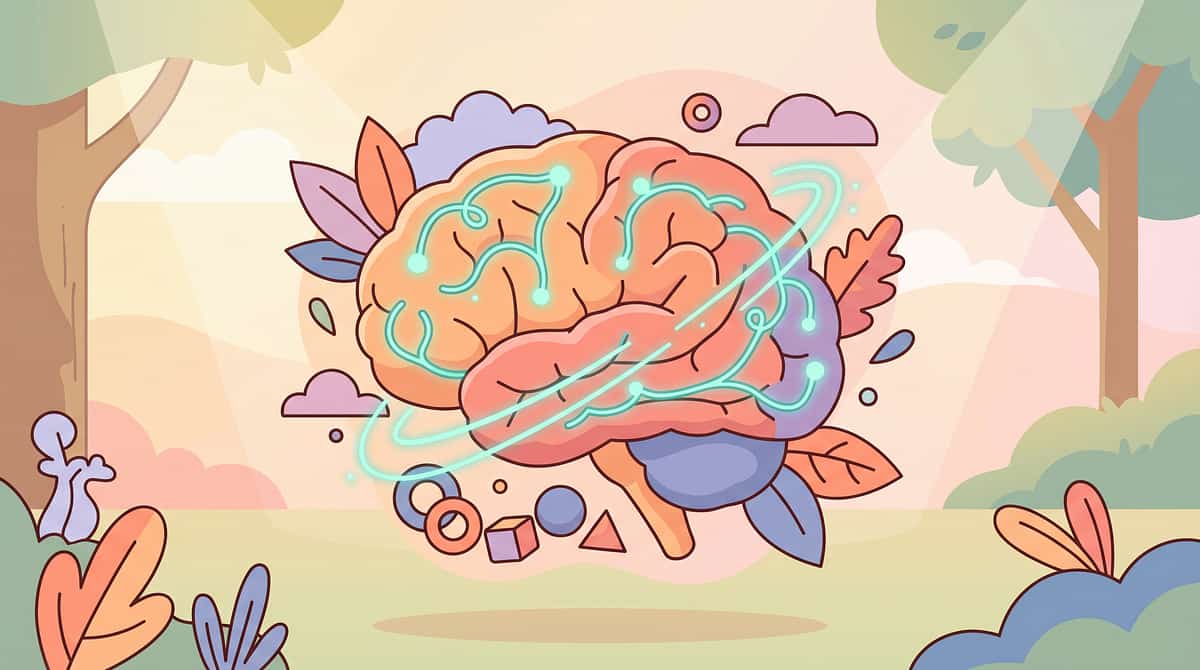
Three Systems Must Connect
🔊The Phonological Loop — hears and holds the sounds of words
👁️The Visual Word Form Area — recognizes letter patterns
🗣️Broca's Area — links sounds to meanings and produces language
For a child to read, these three regions must develop strong connections. Pre-literacy materials are the construction equipment.
Plain English Explanation
Unlike spoken language — which humans evolved for — reading is culturally invented and must be neurologically built. The brain regions involved in reading don't activate automatically.
Phonological awareness games train the phonological loop. Alphabet manipulatives train the visual word form area. Oral language builds the Broca's network.
This is not a behavior problem. This is brain development — and it responds to the right input.
"The reading brain is not born. It is built — one sound, one letter, one story at a time." — Maryanne Wolf, Neuroscientist & Reading Researcher

Where This Sits in Development
Reading readiness develops in a predictable sequence. Your child is on this path.
Age 2–3
Enjoys songs & nursery rhymes · Handles books (may be upside down) · Growing vocabulary
Age 3–4
Recognizes logos & own name · "Reads" favored books from memory · Hears beginning sounds in words
Age 4–5
Identifies rhyming words · Knows most uppercase letters · Rich narrative skills
Age 5–6
Writes name & some letters · Tracks print left-to-right · Reads for meaning
Age 6+
Reads simple CVC words · Blends sounds into words · Independent reading emerging
Your child is in the foundational window — the most neuroplastically receptive phase for pre-literacy development. Pre-literacy challenges frequently co-occur with: speech-language delays • attention difficulties (ADHD) • developmental coordination disorder • autism spectrum • family history of dyslexia. Early, targeted intervention is most effective when these factors are recognized and addressed simultaneously.

The Evidence Behind This Technique
This is not anecdote. This is one of the most evidence-rich areas in all of pediatric science.
★★★★★ LEVEL I EVIDENCE
Systematic Review + RCT Grade · National Reading Panel (2000) · Confirmed: 2024 PRISMA Review
Key Finding — National Reading Panel (USA, 2000): Phonological awareness instruction significantly improves reading and spelling. Effect sizes among the strongest ever recorded (d = 0.86 for phonological awareness, d = 0.67 for phonics).
Key Finding — National Early Literacy Panel (2008): Six skills predict later reading with highest confidence: alphabet knowledge, phonological awareness, rapid automatic naming, writing name, phonological memory, and oral language. All are buildable through intentional home activities.
Key Finding — PRISMA Review (2024): Converged SLP + special education + OT intervention for children with pre-literacy delays produces superior outcomes compared to single-discipline approaches.
Key Finding — Padmanabha et al., Indian J Pediatr (2019): Home-based literacy interventions in Indian multilingual contexts demonstrated significant outcomes when caregiver-led with therapeutic guidance.
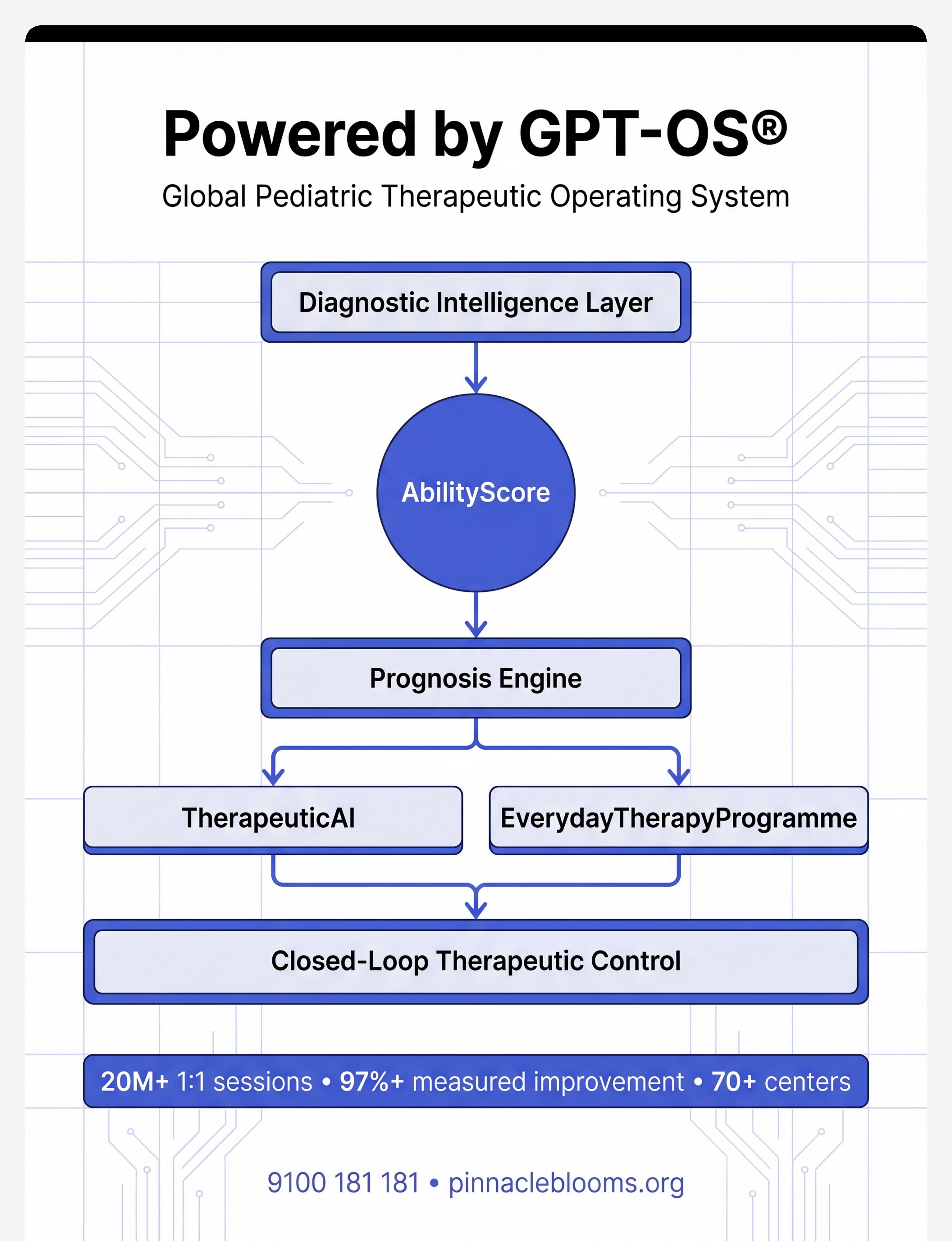
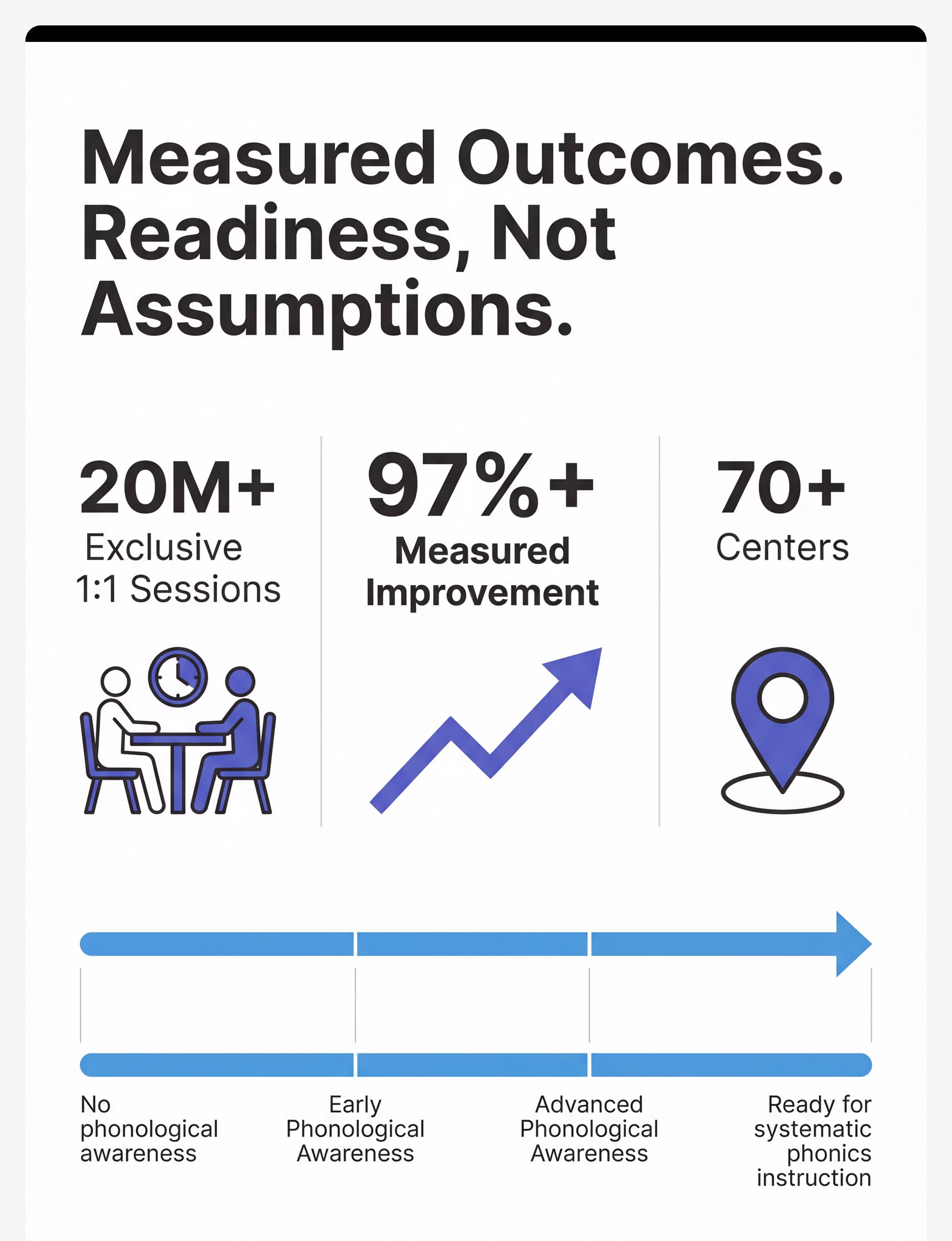
The Pinnacle Blooms Consortium has delivered reading readiness interventions across 70+ centers, 21 million+ therapy sessions, achieving 97%+ measured improvement in pre-literacy indices via AbilityScore®.
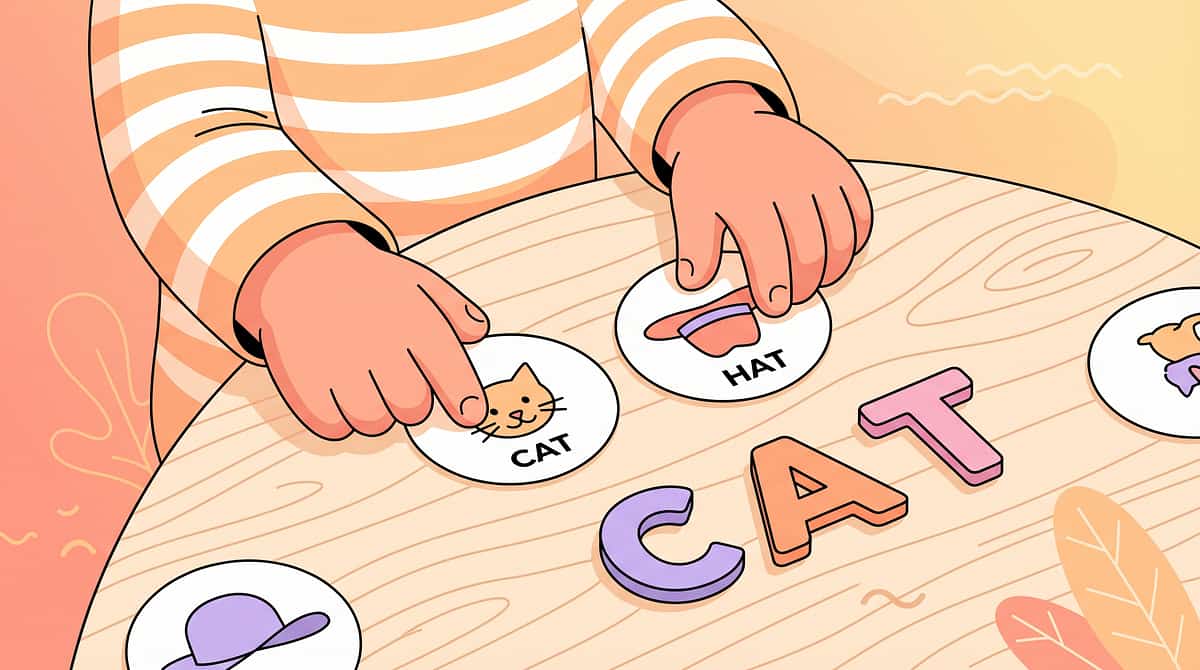
The Technique — What It Is
📚 Reading Readiness Materials Programme
Reel L-991 | Ages 3–7 | 15–20 min/session
Reading readiness is not a single milestone — it is a constellation of five interdependent skill clusters that must develop before a child can successfully decode written language.
Skill Cluster | What It Means | Why It Matters | |
Phonological Awareness | Hearing & manipulating sounds in words | Strongest single predictor of reading success | |
Alphabetic Knowledge | Knowing letters represent sounds | The code-cracking engine | |
Print Awareness | Understanding that text carries meaning | The conceptual framework for reading | |
Oral Language | Vocabulary, comprehension, narrative | Reading cannot exceed listening comprehension | |
Emergent Writing | Early mark-making and letter attempts | Writing reinforces reading |
⏱️ 15–20 min/session
📅 Daily or 5x/week
👶 Ages 3–7 years
🏠 Home, clinic, preschool
Who Uses This Technique
Reading readiness crosses every therapy boundary. Here's why.
Speech-Language Pathologist (PRIMARY LEAD)
Phonological awareness, oral language, vocabulary, narrative skills, and the critical speech-reading connection. SLP involvement in literacy is ASHA-endorsed and evidence-based, especially for children with speech-language histories.
Special Educator (CO-LEAD)
Alphabetic knowledge, print concepts, emergent writing, structured literacy approach, and IEP-linked literacy goals. Special educators design the sequencing architecture of pre-literacy instruction.
Occupational Therapist
Fine motor foundations for writing, visual-motor integration, sensory aspects of handling materials, pencil grip, and hand-eye coordination. Writing readiness is OT territory.
ABA / BCBA
Systematic instruction of letter-sound correspondences, reinforcement of phonological awareness tasks, data collection on skill acquisition, and generalization programming across settings.
NeuroDevelopmental Pediatrician
Rules out or addresses co-occurring conditions (ADHD, dyslexia risk, vision/hearing processing issues) that affect pre-literacy development. Coordinates medical and therapeutic inputs.
"The brain doesn't organize by therapy type. A child's phonological awareness challenges may require an SLP, an OT, and an ABA specialist — simultaneously." — Pinnacle Blooms FusionModule™ Clinical Principle
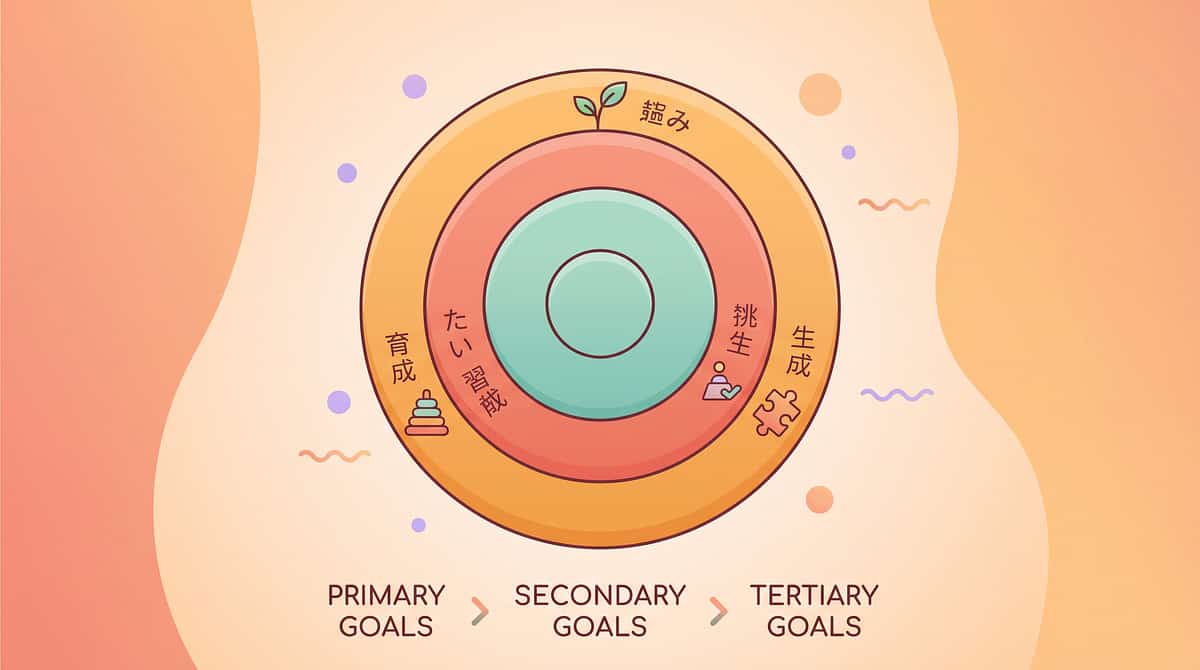
What This Targets
This isn't a random activity. It's a precision developmental tool.
Primary Targets (Observable)
- Child identifies rhyming word pairs (cat/hat, dog/log)
- Child claps syllables in 2–3 syllable words
- Child identifies the beginning sound of familiar words
- Child recognizes letters in their own name
- Child understands that print (not pictures) tells the story
Secondary & Tertiary Targets
- Sustained attention during book activities (5–20 min)
- Verbal working memory (holding sound sequences)
- Visual discrimination (b/d, p/q)
- Independent reading of simple CVC words (6–18 month horizon)
- Confident school participation and lifelong reading relationship
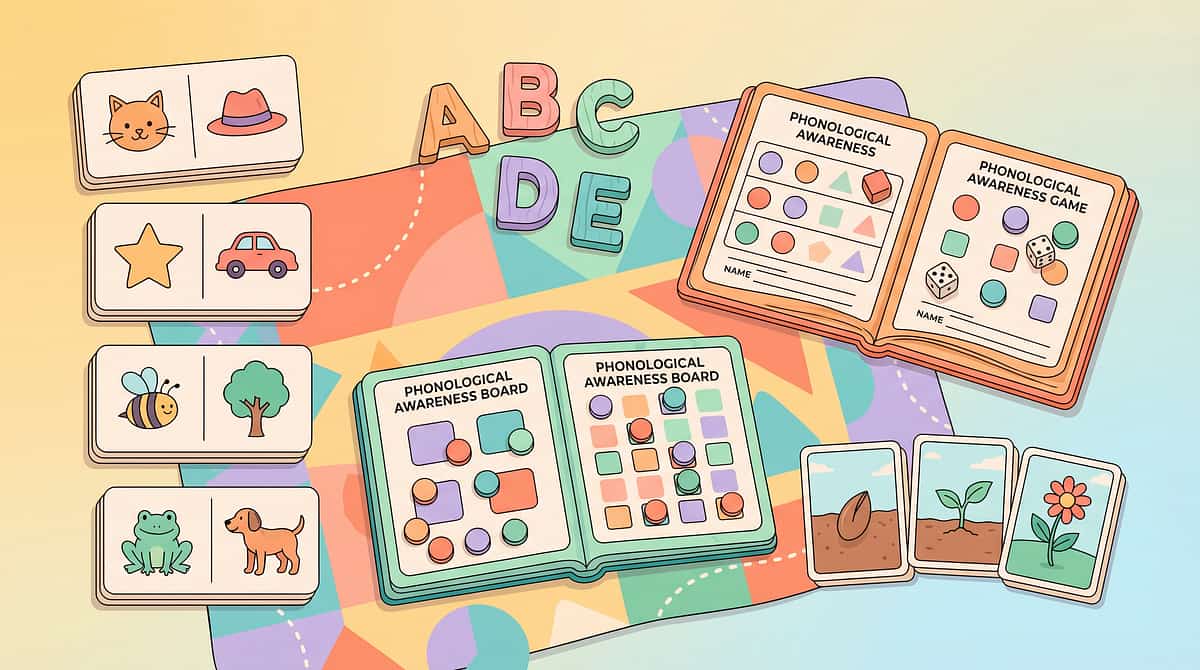
Your 9 Reading Readiness Materials — Clinically Selected, Home-Ready
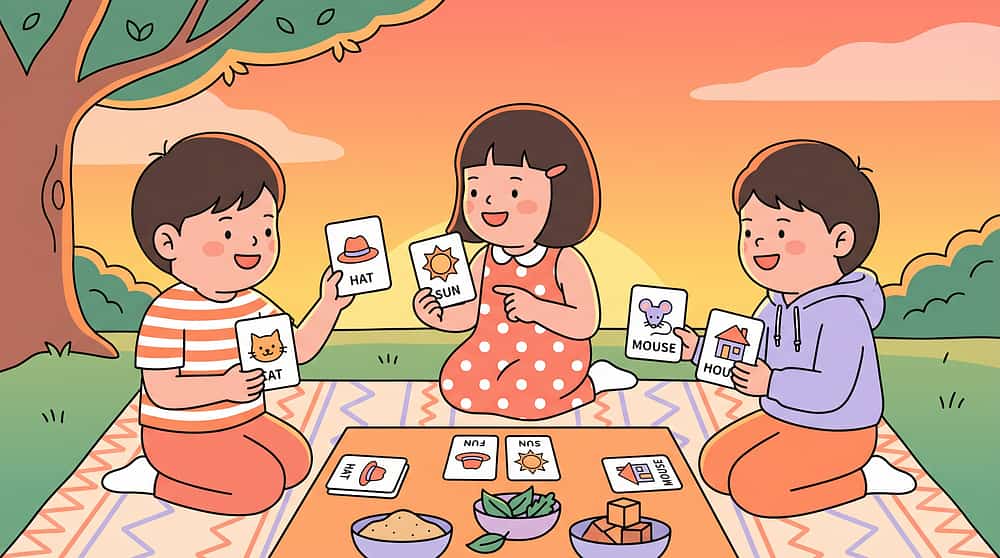
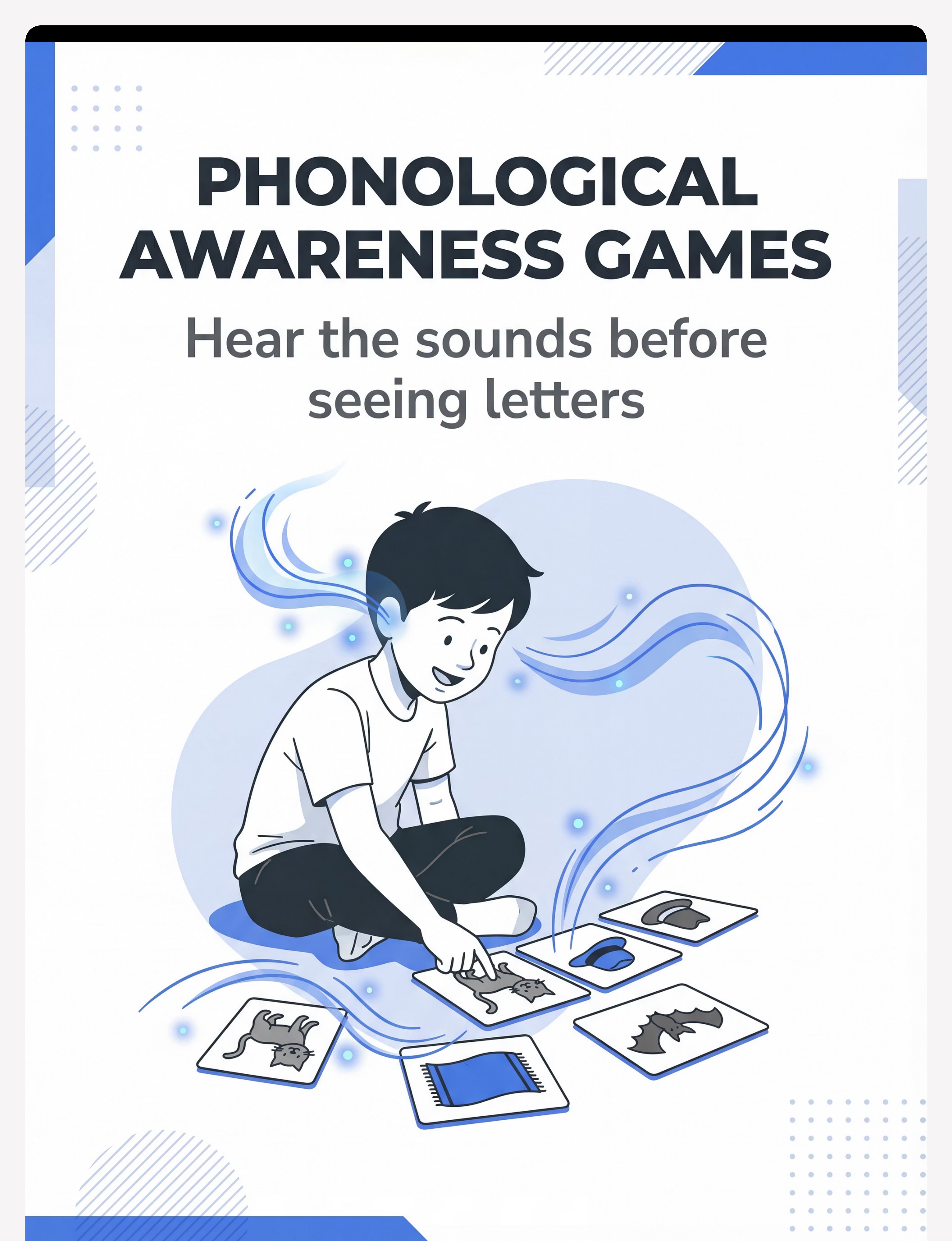
1. Phonological Awareness Games & Kits
Rhyme matching cards, sound sorting mats, syllable counting manipulatives — the auditory training toolkit that trains ears to hear sounds before eyes see letters.
💰 ₹800–3,500 | Monkey Minds Rhyming Words ₹296
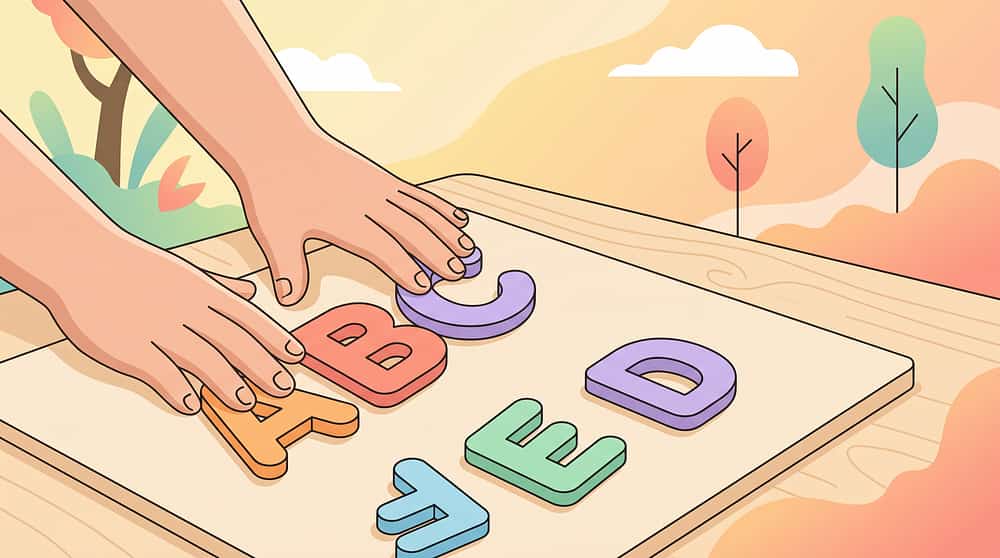
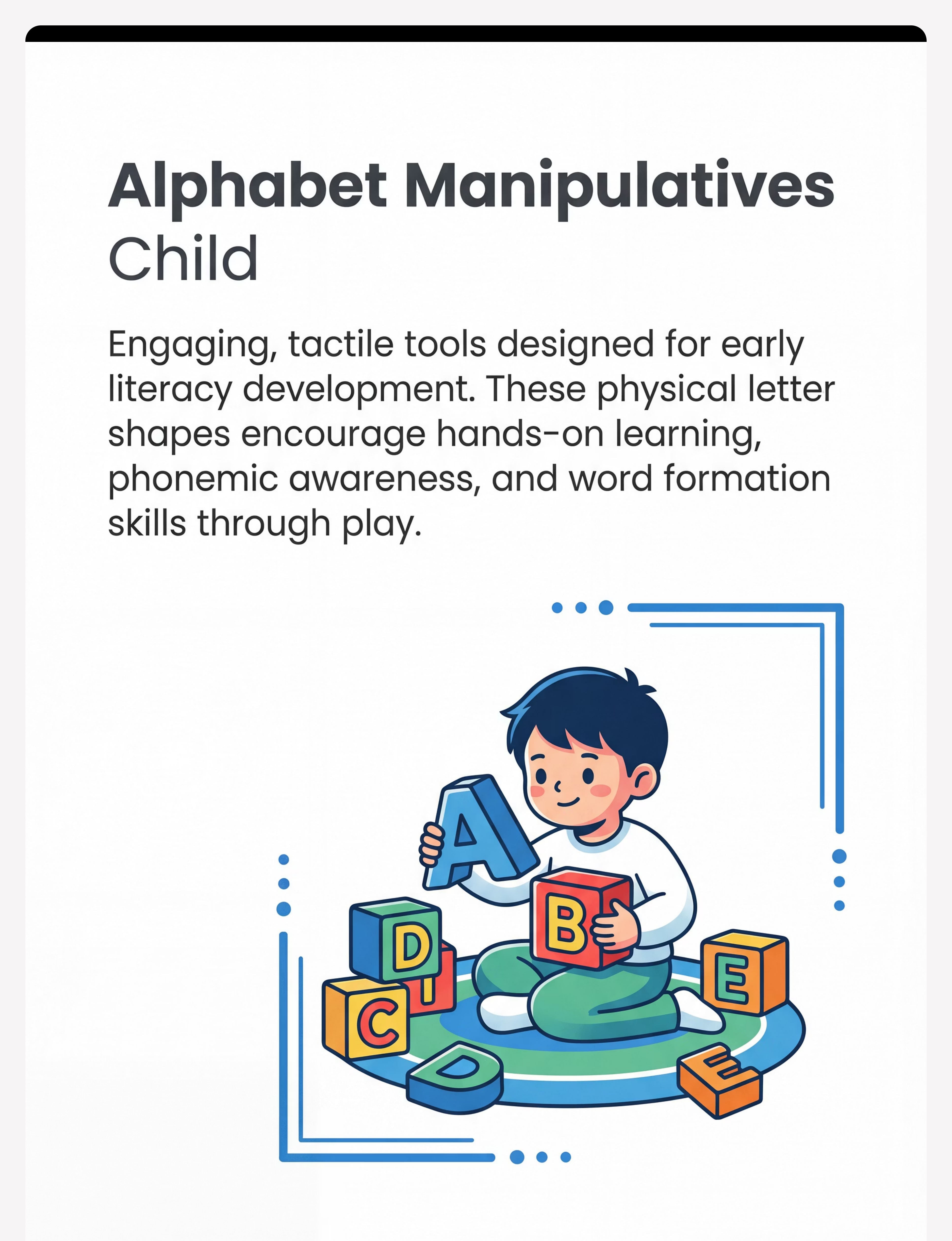
2. Alphabet Manipulatives
Magnetic letters, letter tiles, and tactile letters for multi-sensory letter learning through touch, movement, and arrangement. Learning sticks when the hands are involved.
💰 ₹400–2,000 | Brainy Bug Flashcards ₹305
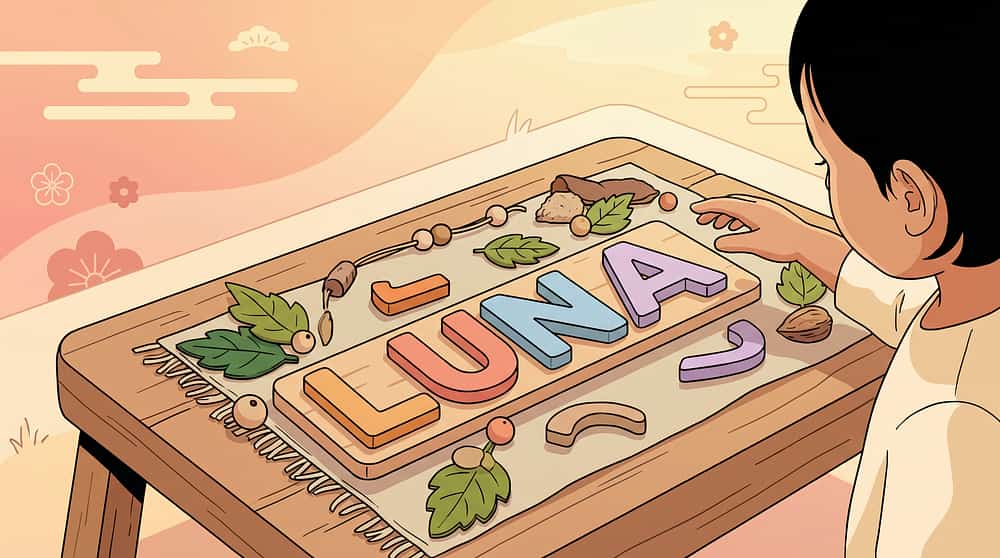
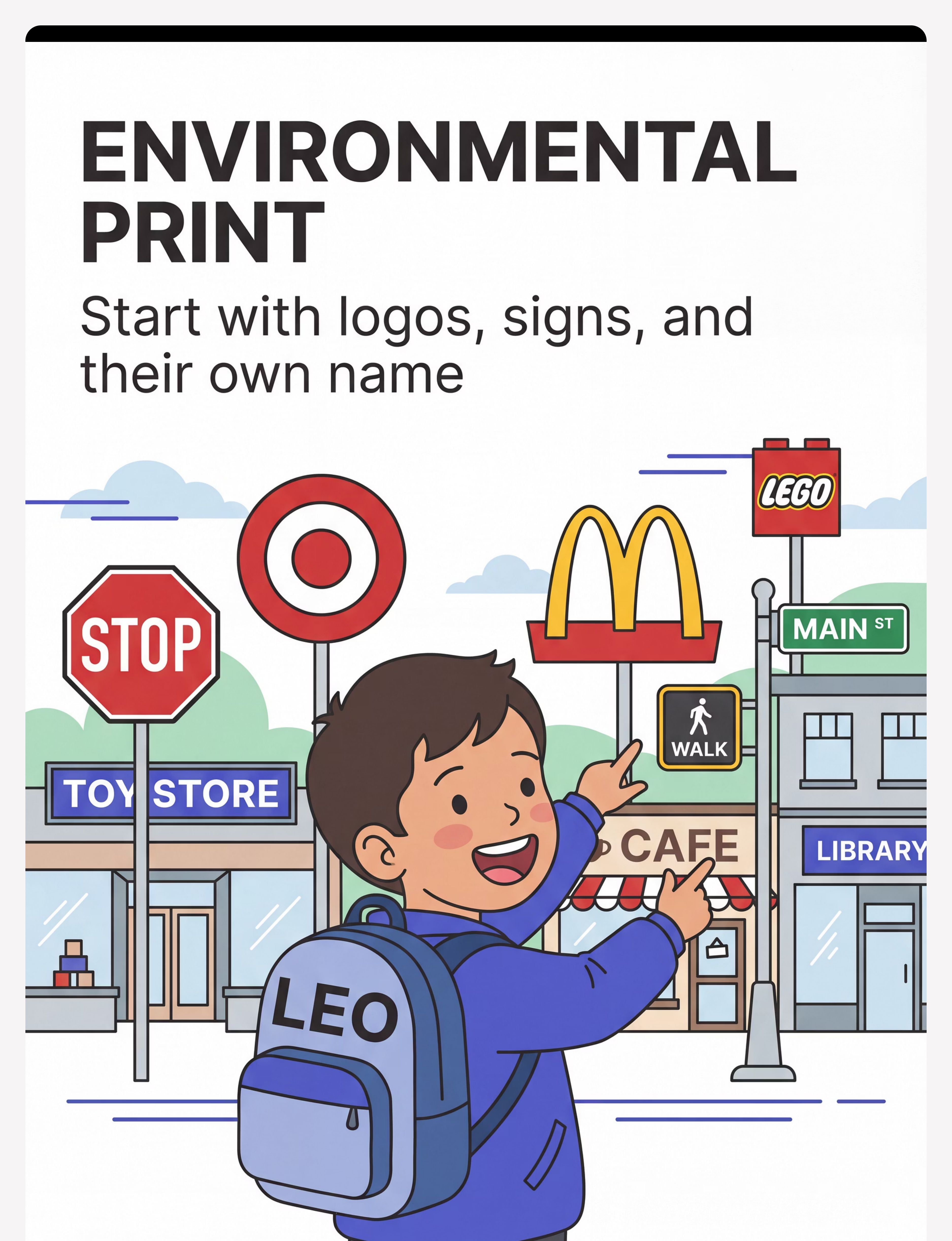
3. Environmental Print & Name Recognition
Familiar logos, signs, and the child's own name — the world's first reading primer is already on every cereal box and stop sign.
💰 ₹200–1,000 | Dyomnizy Memory Game ₹519

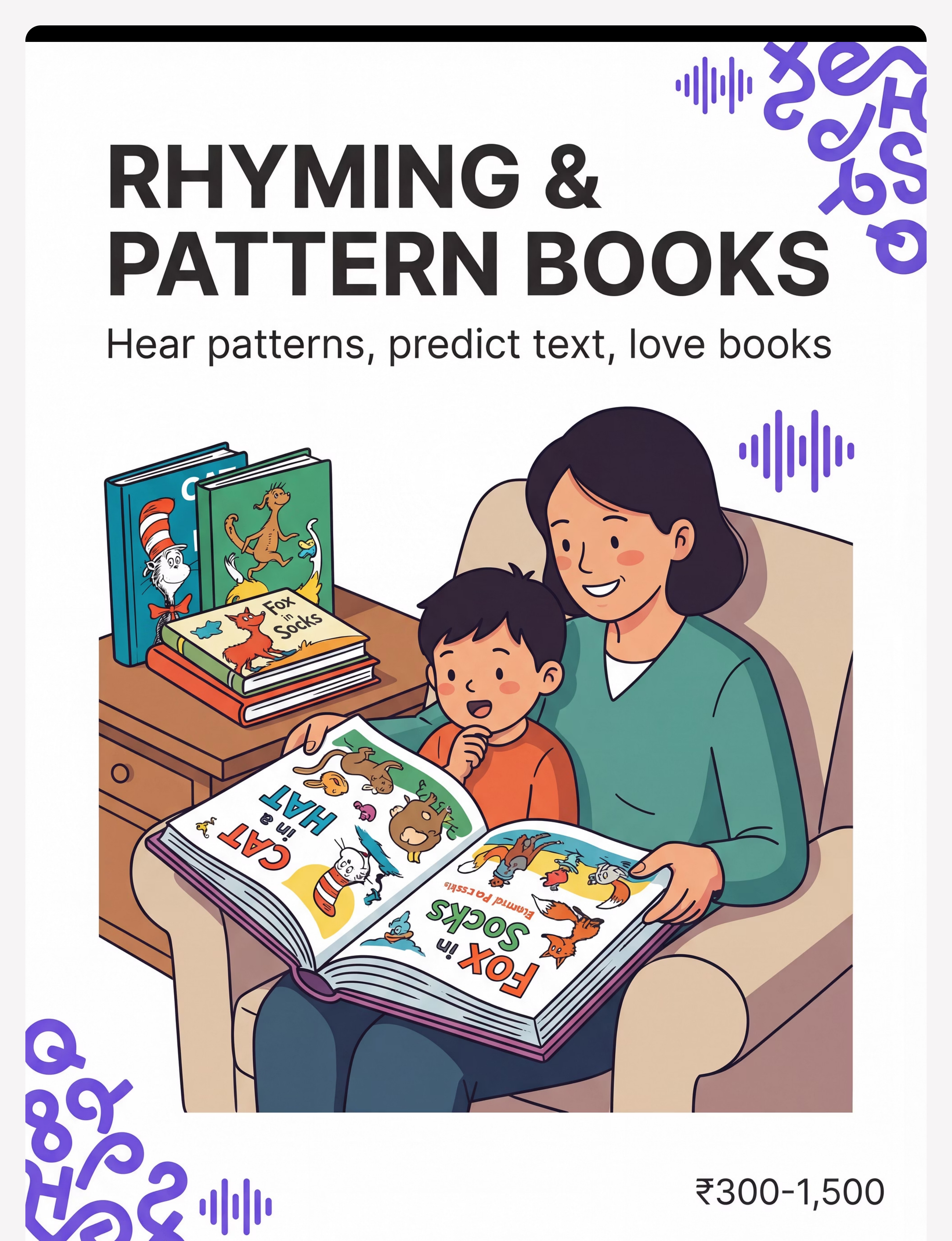
4. Rhyming Books & Pattern Books
Repeated rhyme patterns train ears for sounds while building deep love of books and print. Dr. Seuss knew something fundamental about phonological development.
💰 ₹300–1,500 | Search Amazon.in
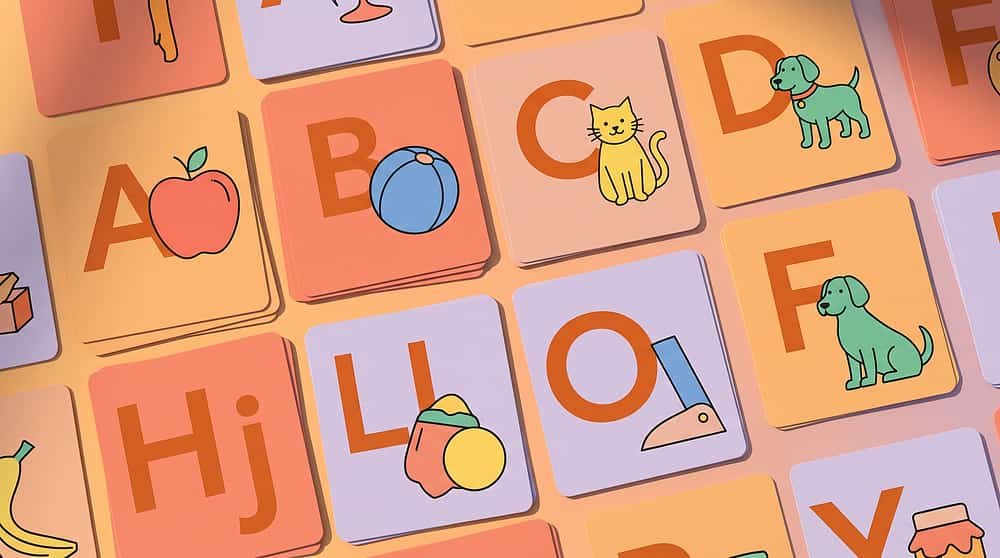
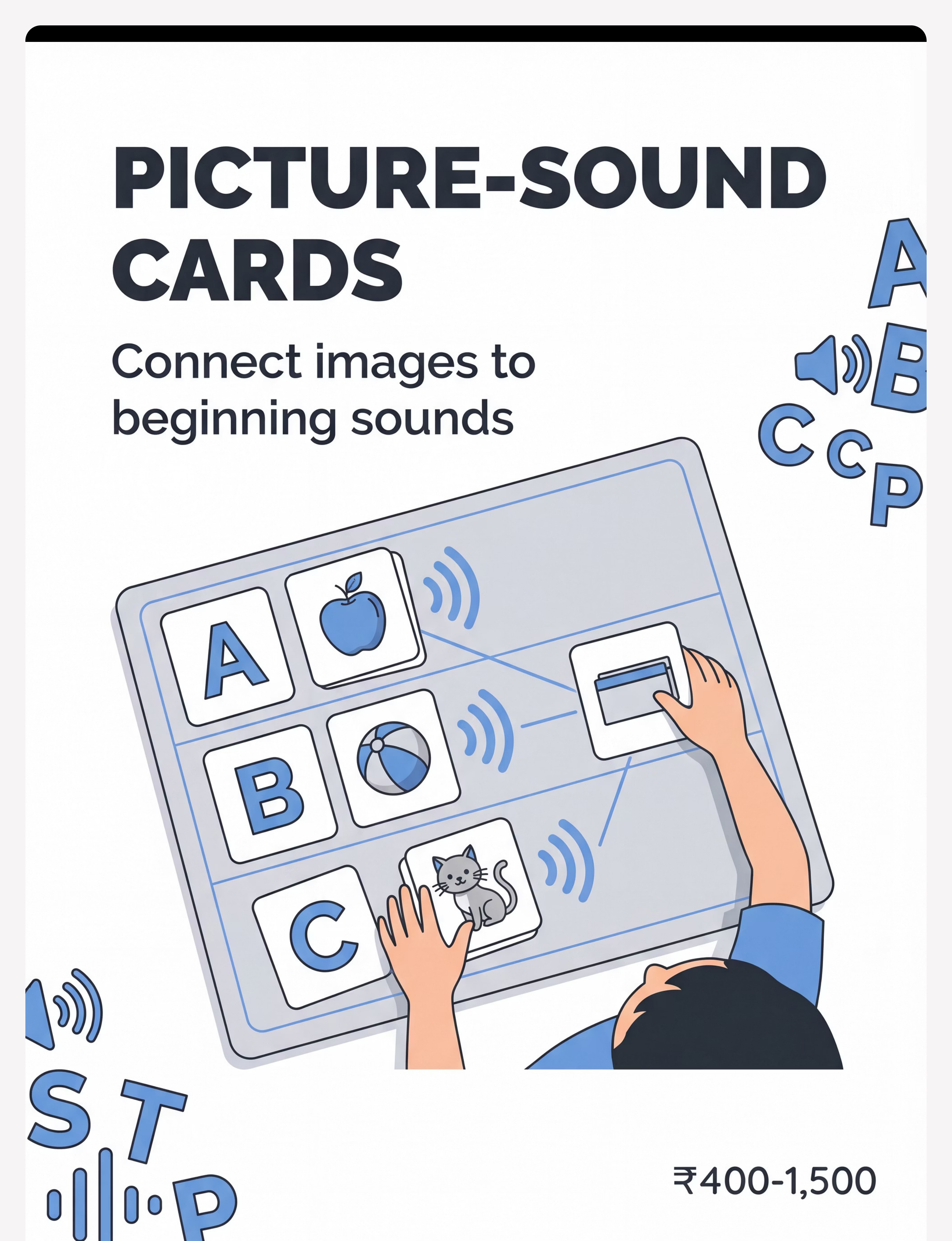
5. Picture-Sound Correspondence Cards
Apple = /a/. Ball = /b/. These cards make the invisible sound-letter connection visible and concrete for young learners.
💰 ₹400–1,500 | Lattooland Rainbow Sorting ₹628
Your 9 Reading Readiness Materials (Continued)
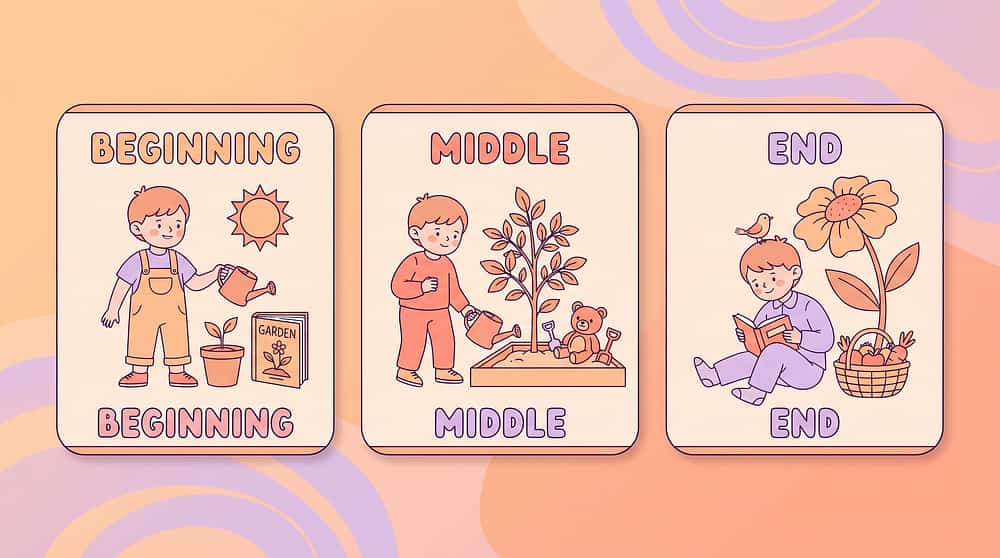
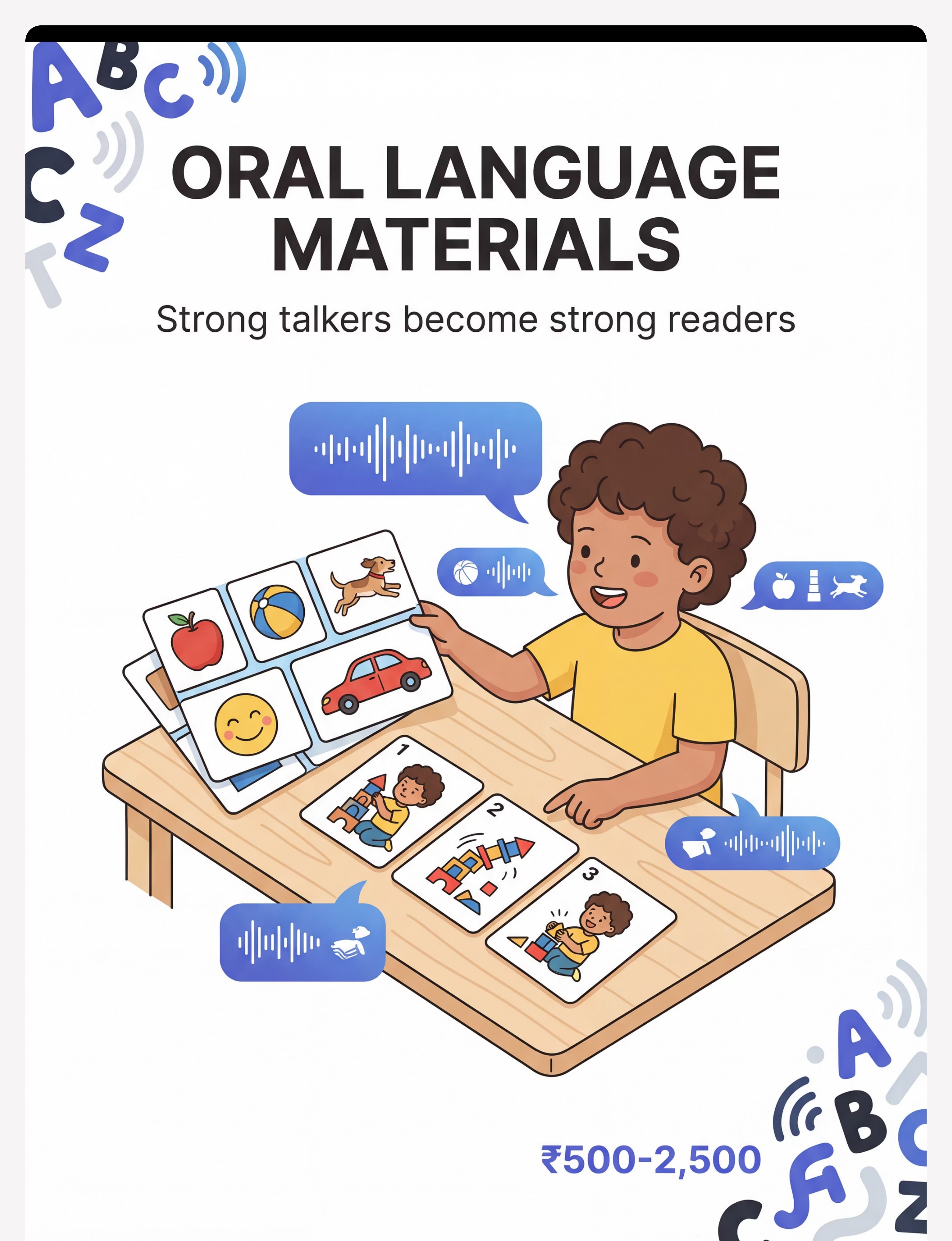
6. Oral Language & Vocabulary Materials
Story sequencing cards, vocabulary picture sets, conversation starters — strong talkers become strong readers. Oral language is the ceiling for reading comprehension.
💰 ₹500–2,500 | Search Amazon.in
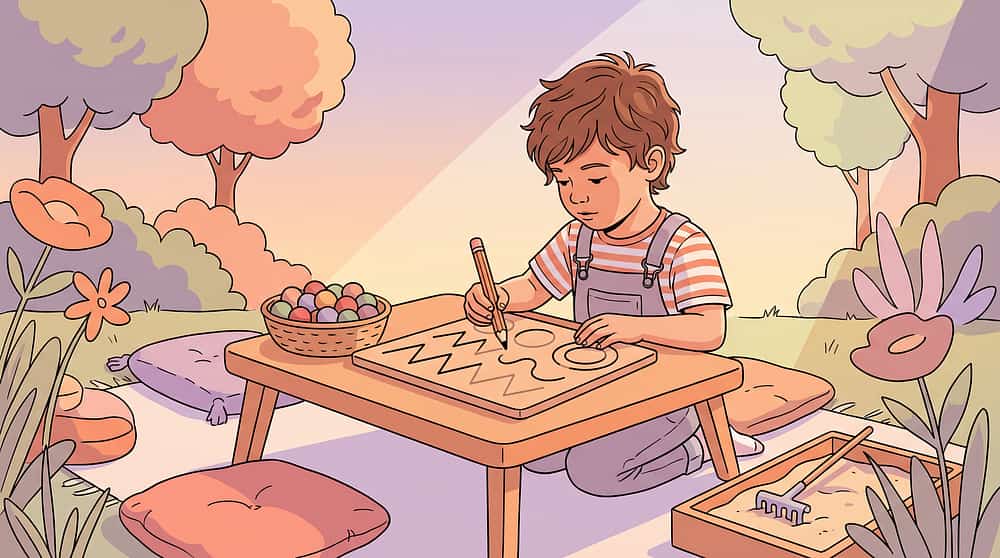
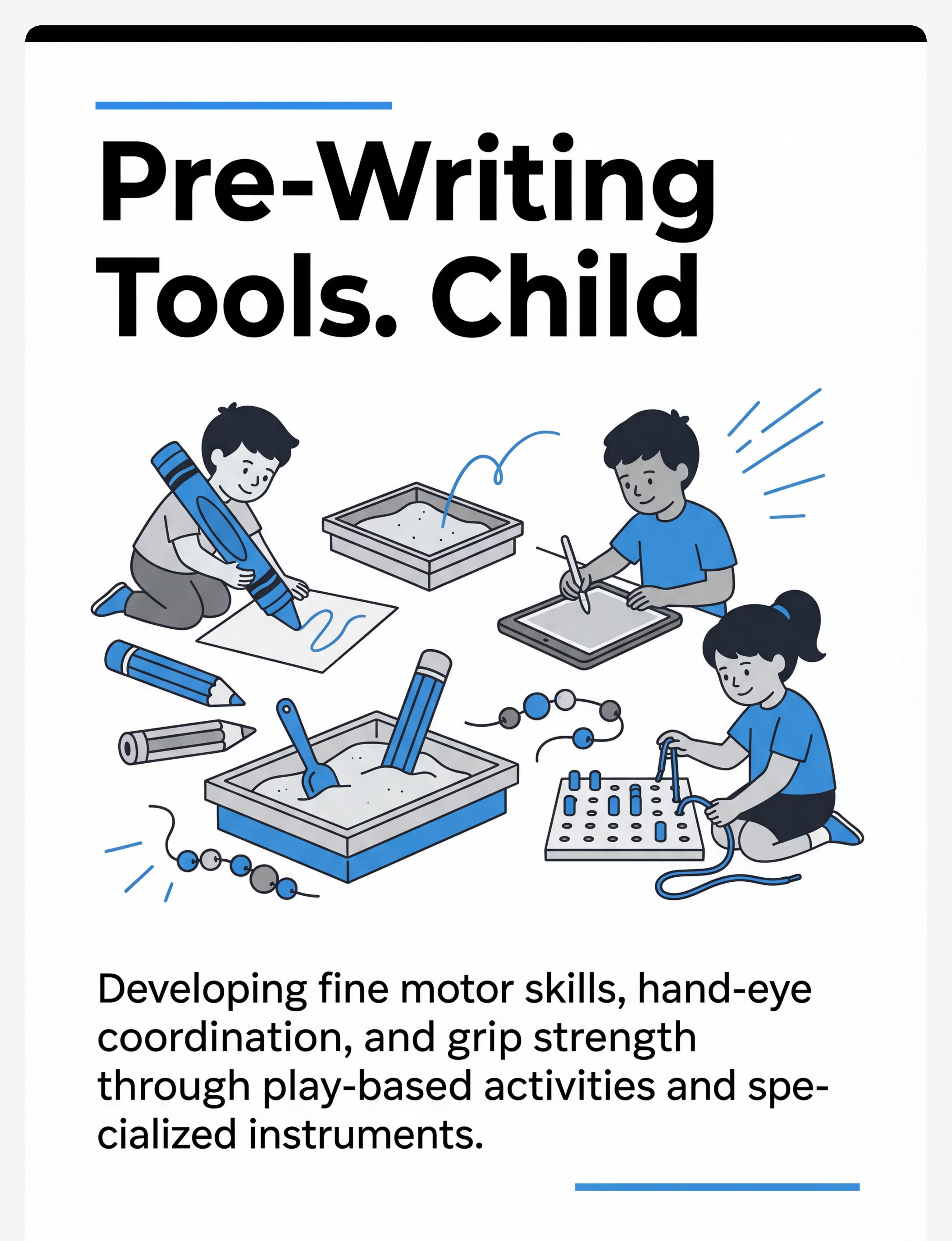
7. Fine Motor & Pre-Writing Tools
Tracing boards, pencil grips, playdough shape mats — the hands that will write the letters must be built first. OT-guided fine motor work is a prerequisite for emergent writing.
💰 ₹300–1,500 | Search Amazon.in
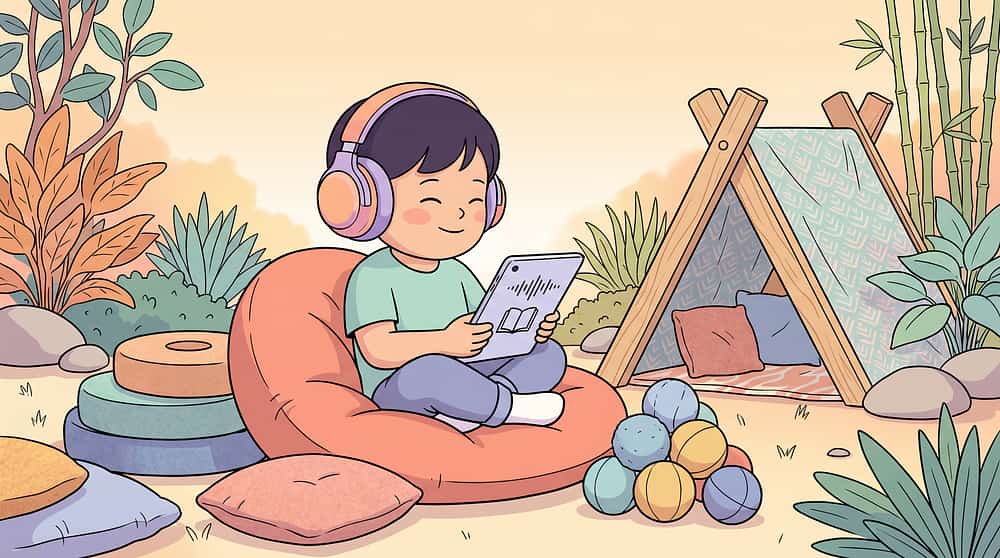
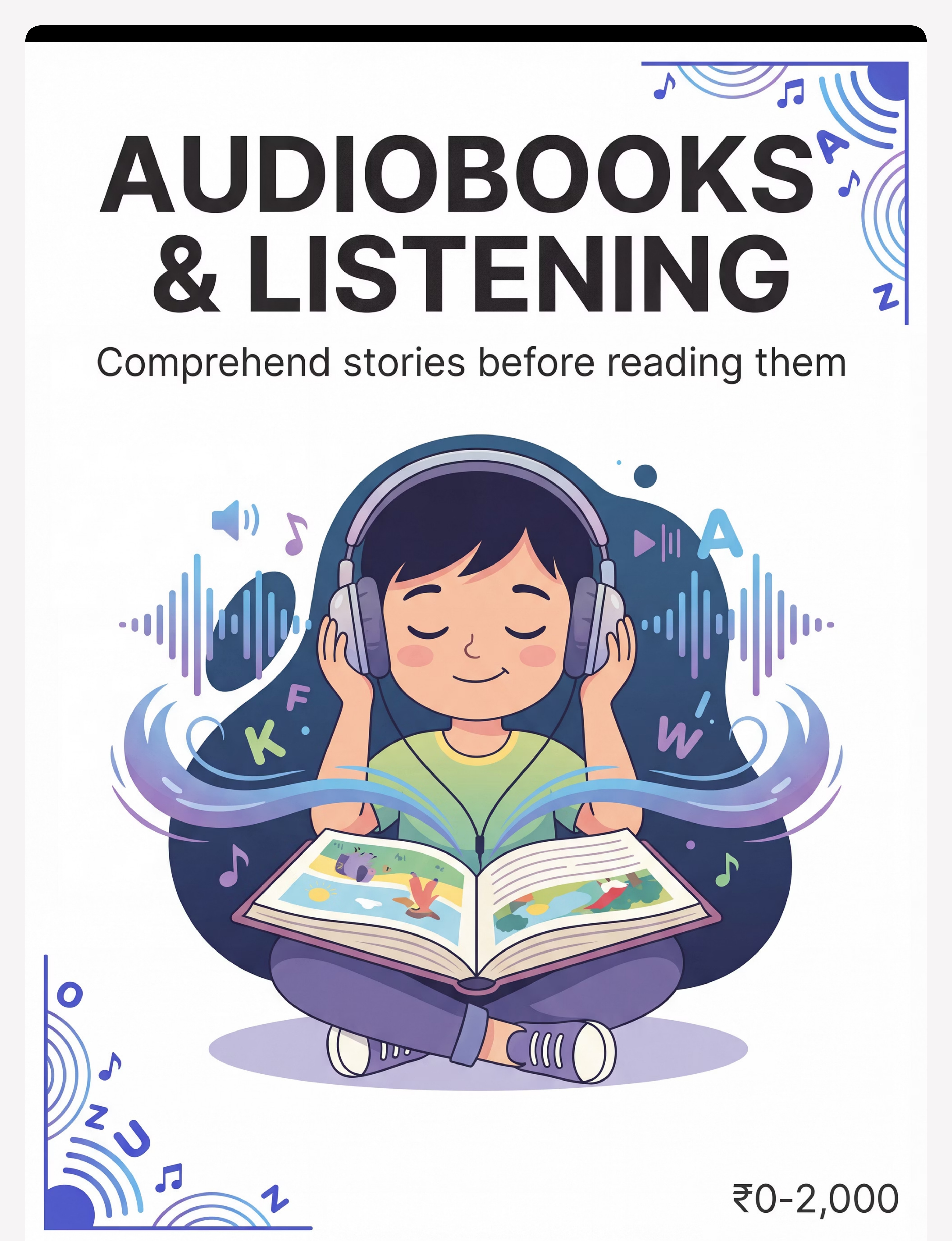
8. Listening Comprehension & Audiobooks
They'll understand in print what they understand in speech. Audiobooks build comprehension without the decoding demand — an essential bridge.
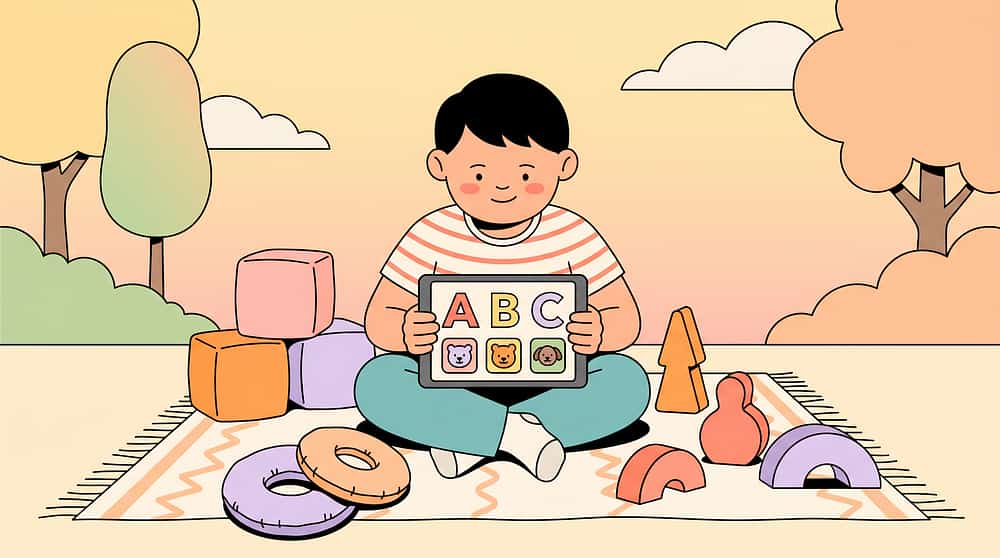
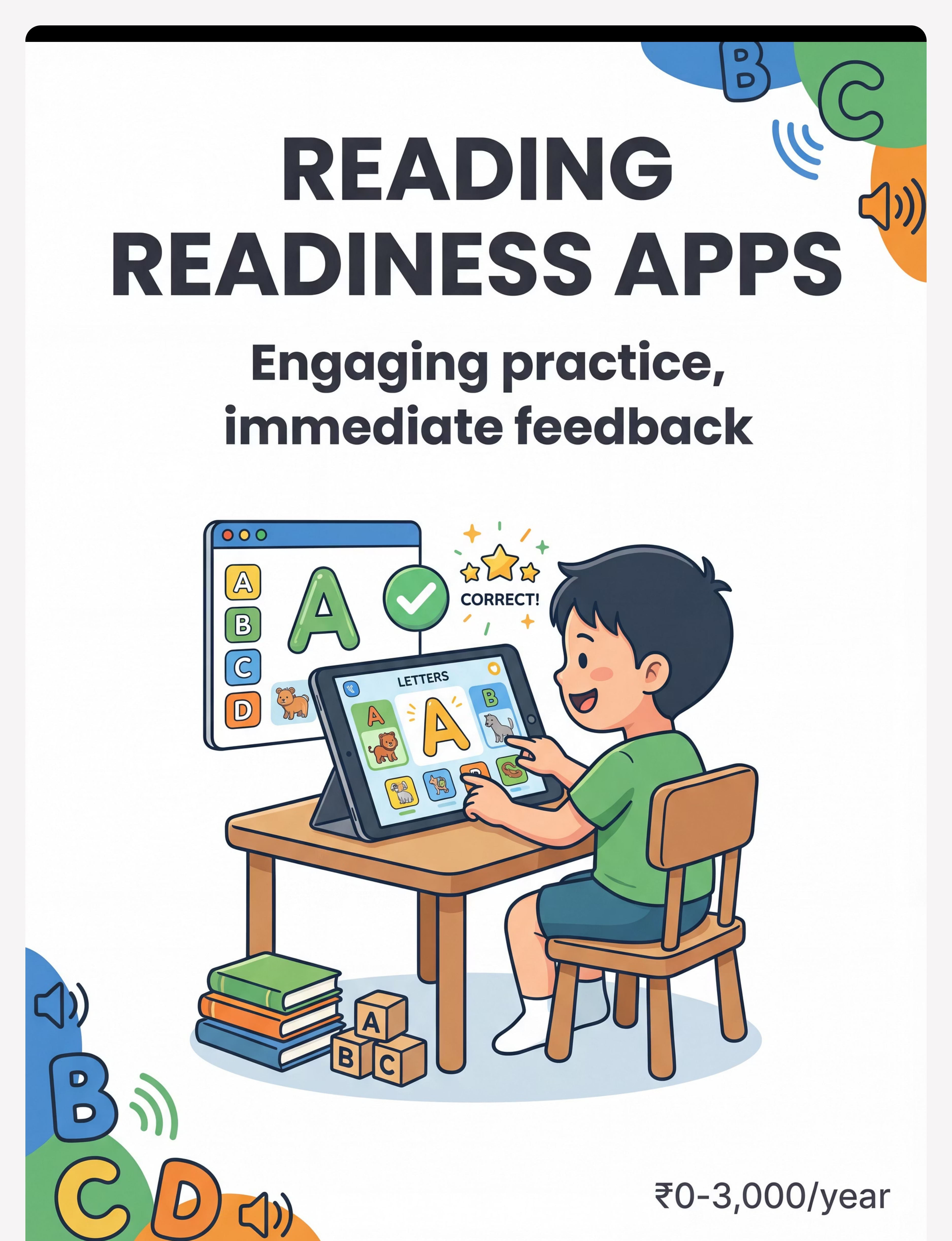
9. Reading Readiness Apps
Turn screen time into letter learning. Research-based apps offer immediate feedback and adaptive practice tailored to each child's level.
💰 ₹0–3,000/yr | Free: Starfall ABCs, Khan Academy Kids · Premium: HOMER ₹1,200/yr, Teach Your Monster to Read
Total Investment Range:💰 Budget Starter: ₹600–800 (3–4 essentials + free apps) | 💰 Full Kit: ₹3,000–8,000
DIY & Substitute Options
Every material has a ₹0 version. Access is not a barrier.
The WHO Nurturing Care Framework and UNICEF's global ECD implementation principle: No family should be excluded from evidence-based early childhood intervention due to economic barriers. Every technique in the Pinnacle GPT-OS® has a zero-cost execution path.
Material | Buy It | Make It (₹0) | |
Phonological Awareness Games | ₹296–3,500 | Rhyming car rides · Syllable clapping with names · I Spy sound games — no materials needed | |
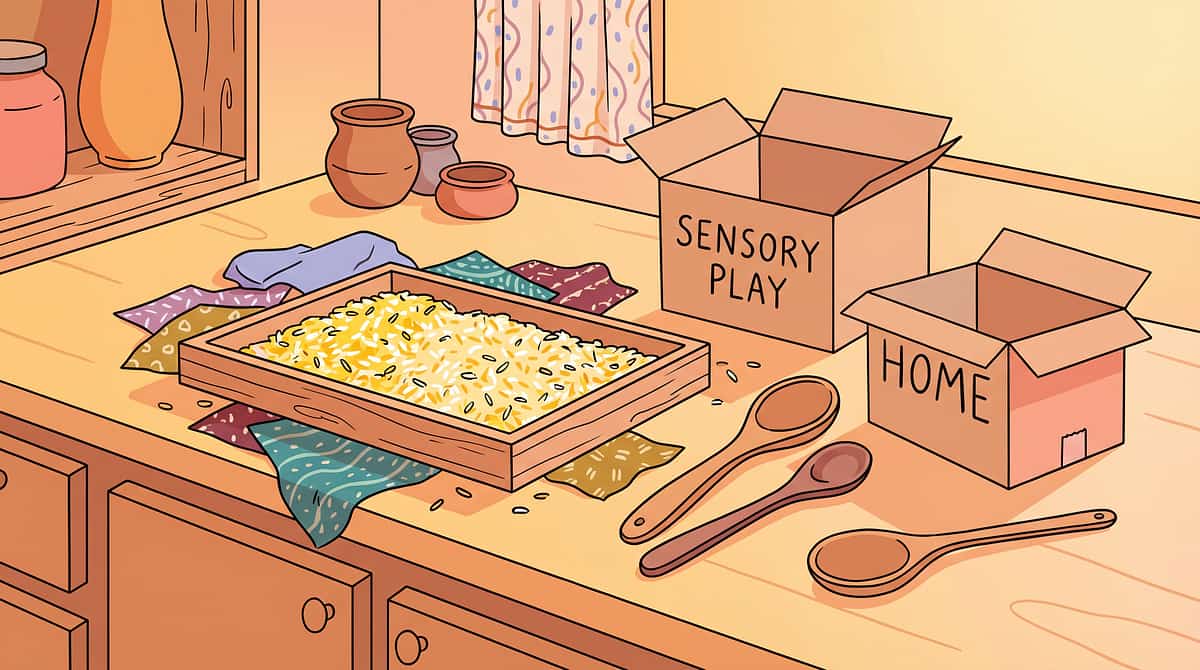
Alphabet Manipulatives | ₹400–2,000 | Sand/rice on tray for finger writing · Cardboard + sand for sandpaper letters · Playdough letter shapes | |
Environmental Print | ₹200–1,000 | Cereal box logo book · Name cards from old markers · Grocery label collage | |
Rhyming Books | ₹300–1,500 | FREE library access · Record yourself reading · Homemade rhyming book with photos | |
Picture-Sound Cards | ₹400–1,500 | Magazine cutouts sorted by beginning sound · Phone camera photo cards · Old catalogs | |
Oral Language Materials | ₹500–2,500 | Family photo story sequencing · "Tell me about..." prompts · Dinner vocabulary games | |
Pre-Writing Tools | ₹300–1,500 | Salt/sand in tray · Paper + crayon tracing · Playdough + stick for letter drawing | |
Audiobooks | ₹0–2,000 | YouTube read-alouds (Pratham Books) · Family recordings of favourite books · Podcast stories | |
Reading Apps | ₹0–3,000/yr | Starfall ABCs (free) · Khan Academy Kids (free) · YouTube educational channels |
"Phonological awareness requires nothing except your voice and intentional attention. Play rhyming games in the auto. Clap syllables in names at mealtimes. Do I-Spy with beginning sounds at the market. The most powerful pre-literacy tool is a caregiver who plays with sounds."
Safety First — Before You Begin
60 seconds of safety awareness. Every time. No exceptions.
🟢 GREEN — Safe to Proceed
- Child is fed, rested, and in a calm-alert state
- No signs of illness (fever, ear infection)
- You have 20 uninterrupted minutes
- Environment is set and distractions minimized
- Both you and child are emotionally regulated
🟡 AMBER — Modify Before Proceeding
- Child is tired: shorten to 5-minute mini-session
- Child is overstimulated: start with calming audiobook/story first
- Child had a difficult day: use purely playful rhyming games — no performance pressure
🔴 RED — Do Not Proceed Today
- Child is sick, in pain, or has active ear infection
- Child is in post-meltdown state — needs full recovery first
- You (caregiver) are in emotional distress
- Child has shown significant distress about literacy activities recently
🛑 RED LINE — Stop the Session If: Child becomes severely distressed or inconsolable · Aggressive behavior directed at you or the materials · Child goes non-verbal unexpectedly · Physical symptoms: headache, dizziness, eye strain complaints. Small game pieces: supervise children under 4 strictly — choking risk. Magnetic letters: not for children who mouth objects.
Set Up Your Space
The right environment turns a 10-minute session into a 20-minute session naturally.
Ideal Space Requirements
📖 Bookshelf visible (3–5 books in reach)
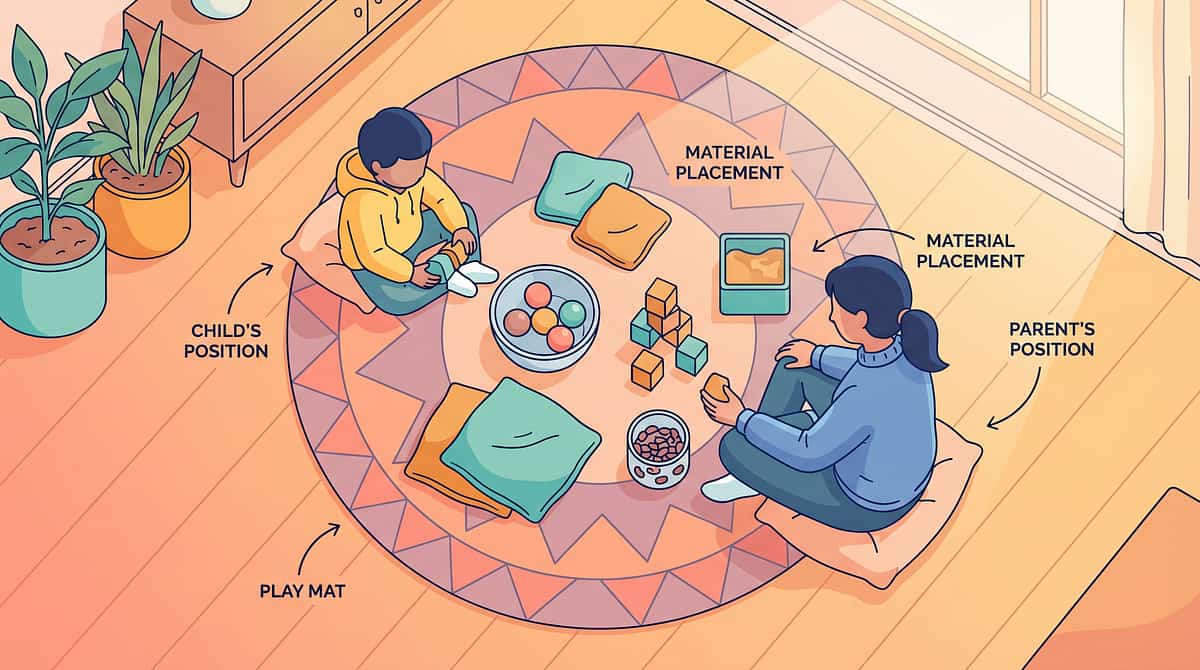
📐 Child at low table or floor · Parent at same level, side-by-side
➡️ Materials arranged LEFT to RIGHT (mirrors left-to-right reading direction — builds print awareness)
📵 Phone face-down (yours) · 📺 TV/screens OFF · 🔕 Notifications silenced
Setup Checklist
- Lighting: Bright, natural light. Avoid screen glare on letter materials.
- Noise level: Soft instrumental music acceptable. Avoid TV/competing speech.
- Temperature: Comfortable — sensory discomfort competes with learning attention.
- Materials arranged left to right. Only session materials visible.
- Distractions removed: Favourite toys stored out of sight.
- Timer visible: Visual sand timer or phone timer.
- Reward ready: Preferred reinforcer accessible but not yet visible.
- Your own state: Take 3 deep breaths before you begin.
"Conduct 80% of sessions in the same spot. Consistency of environment reduces transition time, reduces child resistance, and gradually builds positive associations with the space itself." — Pinnacle Consortium

Is Your Child Ready? — The Readiness Check
60 seconds now saves a failed session. The best session starts right.
Check | ✅ GO | 🔄 MODIFY | ⏸️ POSTPONE | |
State of alertness | Calm-alert, responsive, making eye contact | Slightly drowsy — try 5 min physical movement first | Hyper-aroused or dysregulated | |
Last meal | 1–2 hours ago | Over 3 hours — offer small snack first | Hungry or just finished large meal | |
Sleep | Adequate night sleep | One poor night — halve session length | Sleep-deprived — skip today | |
Recent difficulty | No recent meltdown | Minor difficulty 30+ min ago | Major meltdown within last hour | |
Physical health | No signs of illness | Mild cold, no fever — voice activities only | Fever, ear pain, significant illness | |
Motivation signal | Child shows interest when materials appear | Neutral — use preferred material first | Active avoidance or distress | |
Your state | You're calm and available | Slightly tired — shorter session | You're significantly stressed — not today |
7/7 ✅ → FULL SESSION
20 minutes
5–6 ✅ → MODIFIED
10 minutes, highest-engagement material only
3–4 ✅ → MICRO
5 minutes, purely playful rhyming game only
<3 ✅ → POSTPONE
Connection activity only — no literacy demands today
When you postpone: Spend the 20 minutes on rich oral language — read a favourite book, tell a story from your day, sing songs together. This builds the oral language foundation that underlies all reading. It's never wasted.
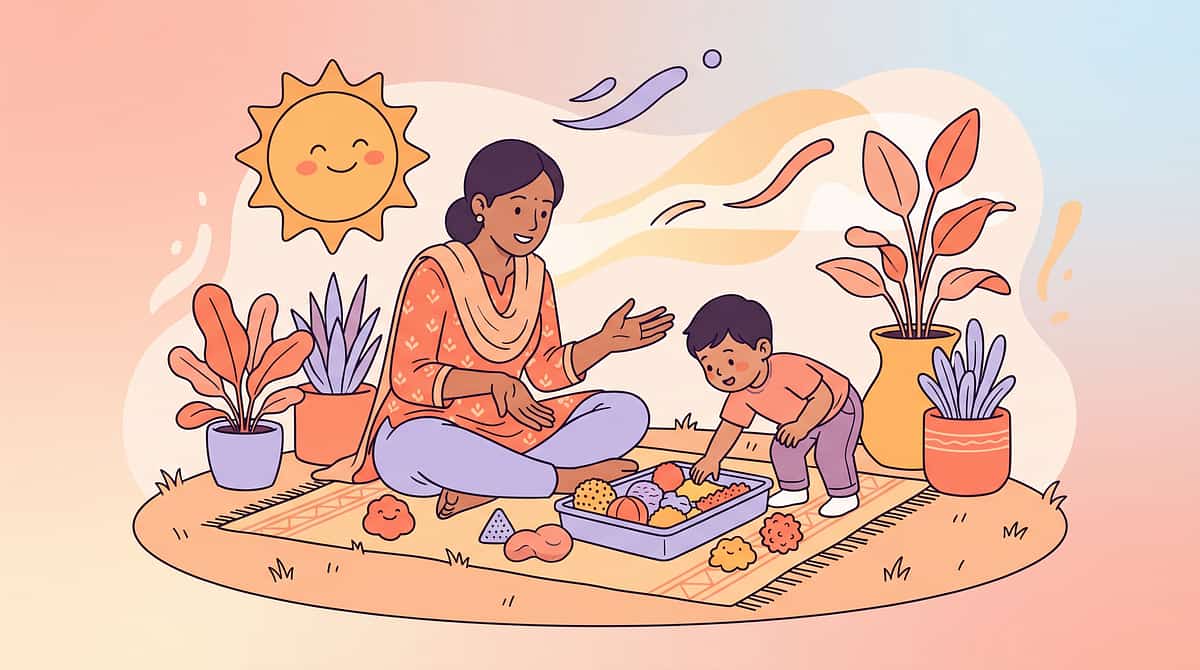
STEP 1 OF 6
⏱️ 60–90 seconds
The Invitation — Begin With Invitation, Never Command
The Opening (say this, or your version):
"Hey, I found something really cool. Want to check it out with me?"
Place one high-interest material in sight — a rhyming book with a favourite character, or magnetic letters spelling the child's name.
Body Language Cues:
- Sit at child's level. Side-by-side, not across from.
- Tone: Excited but calm. Invitation, not instruction.
- Eye contact: Soft, available — not demanding.
- After the invitation, wait 10 seconds. Silence = processing.
What Acceptance Looks Like:
- ✅ Child moves closer to the material
- ✅ Child makes eye contact with you or the material
- ✅ Child reaches toward the material
- ✅ Child says "yes" / "okay" / nods
- ✅ Child just watches you (passive attention = acceptance for first sessions)
What Resistance Looks Like (and what to do):
- 🔄 Child moves away → Bring the material to where the child is. Join their activity first.
- 🔄 Child says "no" → "That's okay! I'll just play with it here." Begin independently, let curiosity do its work.
- 🔄 Child ignores → Wait 30 seconds, then make the material more interesting.
For children who resist new activities: Use the identical opening for 3–5 days before expecting participation. Presence near the material IS progress. For non-verbal children: Use visual cue + first/then board.
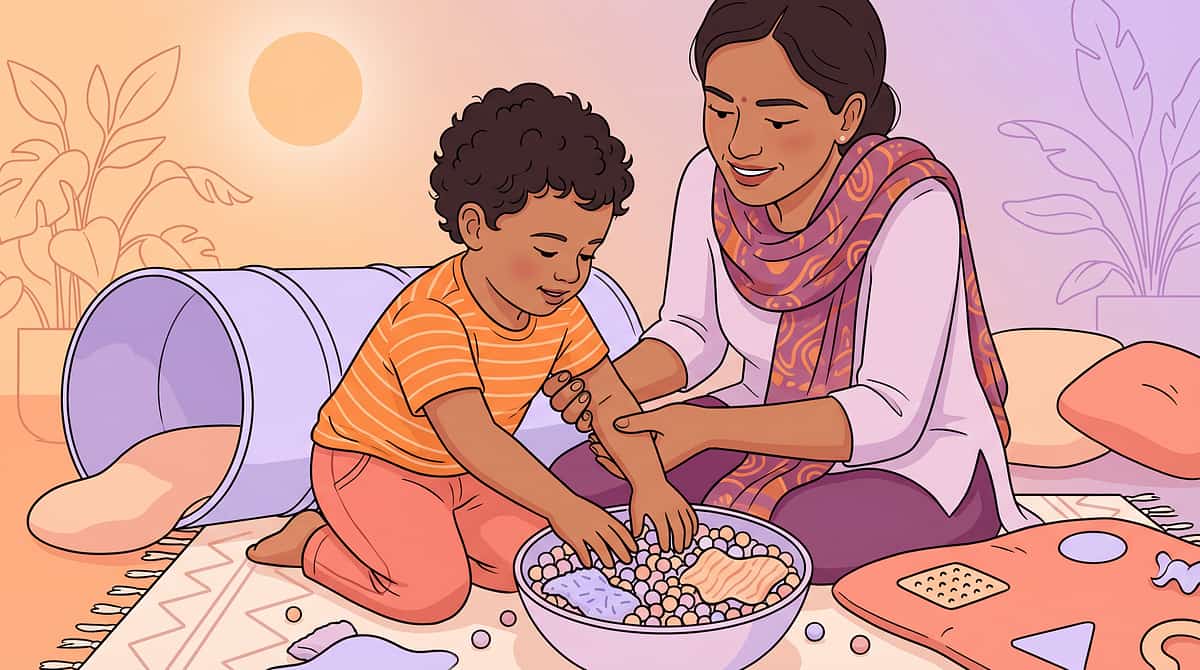
STEP 2 OF 6
⏱️ 1–3 minutes
The Engagement — Follow Their Lead
The child is in. Now introduce the material — and follow their lead.
If using Phonological Awareness Games:
"Listen to these words — cat... hat... mat! Do they sound the same at the end? Let's find the pictures that rhyme!" Present 2 picture cards. Demonstrate before expecting participation.
If using Alphabet Manipulatives:
"Look — these are the letters in YOUR name! This is [first letter]. Can you feel it? It's bumpy!" Spell child's name with magnetic letters. Child's name first, always.
If using Rhyming Books:
"This is one of my favorite books. Listen to what happens here..." Read the first page. Point to pictures. Don't point to words yet — just enjoy the story together.
If using Picture-Sound Cards:
"Apple... what sound does apple start with? /aaa/... apple! And BANANA — /bbb/... banana!" Model 2–3 examples. Never demand a correct answer yet — model and celebrate proximity.
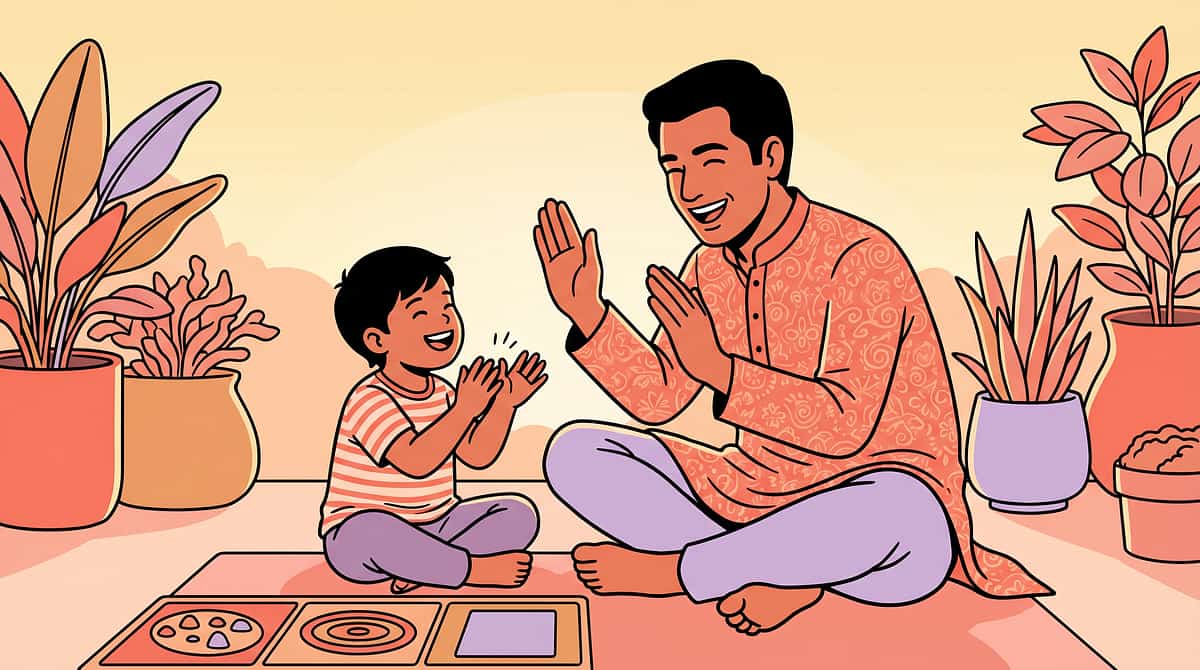
Reinforcement Cue — Begin Here: When you see engagement: immediate verbal praise ("Yes! You're listening so carefully!") + gestural celebration (thumbs up, high five) + optional sticker from Reward Stickers or token in Reward Jar.
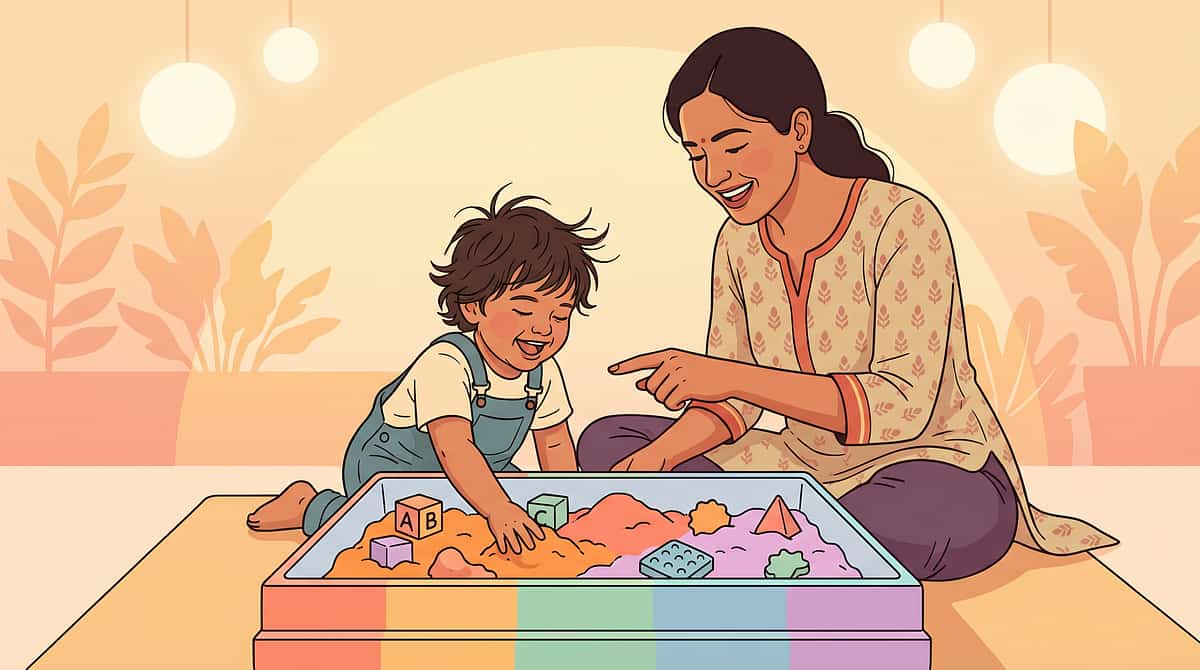
STEP 3 OF 6
⏱️ 5–10 minutes — the heart of the session
The Therapeutic Action — Do This With Full Presence
🔊 Phonological Awareness (Sessions 1, 4, 7...)
Rhyming (Ages 3–4): "Does CAT rhyme with HAT? cat... hat. Yes! They both end with -at!" Use picture cards. Child points to rhyming pairs.
Syllable Clapping (Ages 3–5): "RO-HAN — 2 claps! BA-NA-NA — 3 claps!" Clap together. Use objects to represent syllables.
Beginning Sound Isolation (Ages 4–6): "What sound does SUN start with? /sss/... sun! /sss/... snake — they all start with /s/!" Sort picture-sound cards by beginning sound.
🔤 Alphabet Knowledge (Sessions 2, 5, 8...)
Name Letters (Start here always): Arrange magnetic letters to spell child's name. Child traces each letter. "This is R — it's the first letter of YOUR name!"
Multi-Sensory Letter Formation: Write letter in sand/salt tray with finger. Say the sound as you write. Trace sandpaper letters. Form with playdough.
Environmental Letter Hunt: "Find the letter A anywhere in this room! On the cereal box! On the sign!"
📚 Print Awareness & Oral Language (Sessions 3, 6, 9...)
Shared Reading with Print Pointing: Read rhyming/pattern book. Occasionally point to print. "See these marks? Those are the words I'm saying."
Vocabulary Building: "What do you think ENORMOUS means? Look at this elephant — it's enormous! So big!"
Story Retelling: "What happened first? Then what? How did it end?"
Execution Precision: Your modeling : child's attempt = 1:1 · Maximum 10 repetitions of any single item before switching · If a child makes an error, model the correct response — do not repeat the question · Never drill.
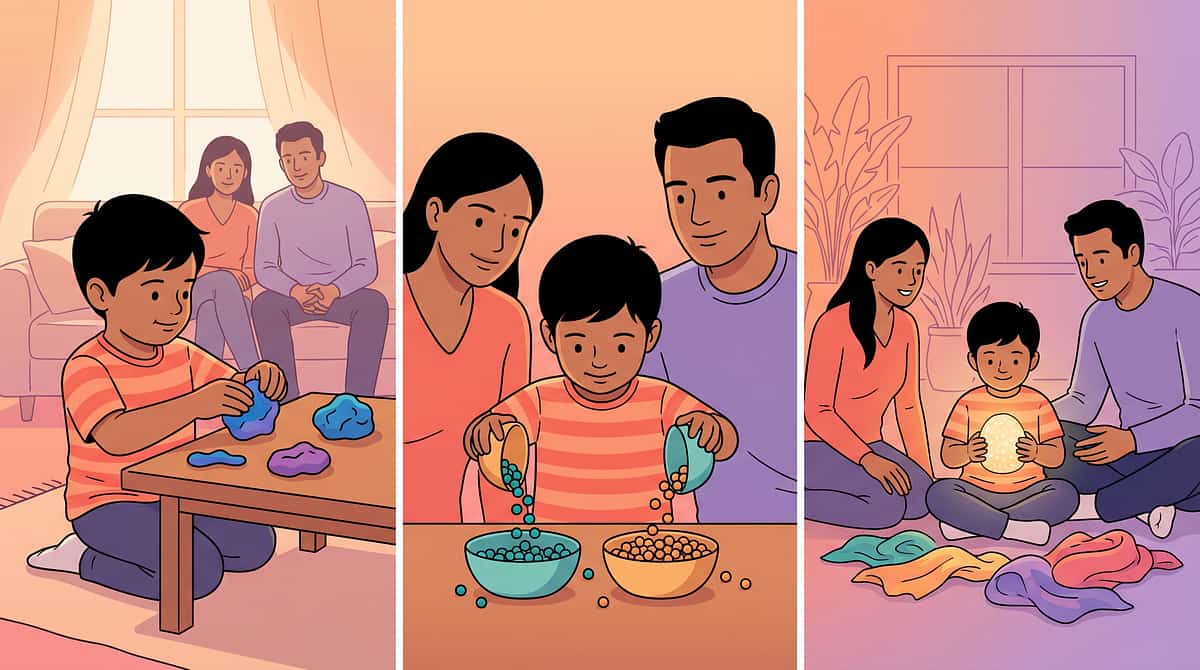
STEP 4 OF 6
⏱️ 3–5 minutes
Repeat & Vary — 3 Good Repetitions Beat 10 Forced Ones
Repetition Guidelines
- Target: 3–5 successful attempts (with support) per skill item per session
- Variation: After 2 repetitions of the same activity, introduce a variation (same skill, new material)
- Satiation signals: Child looks away consistently, becomes silly/non-compliant, increases movement → time to vary or end
"When a child's eyes drift away from the material for the third time, the session is giving you information: the dose for today is complete. A 7-minute engaged session beats a 20-minute forced one by every clinical measure."
Variation Menu (Same Skills, New Presentation)
Skill | Variation 1 | Variation 2 | Variation 3 | |
Rhyming | Picture card matching | Verbal rhyme completion | Silly rhyme creation | |
Beginning sounds | Card sorting | Object hunt | I Spy ("/t/ — I spy something starting with /t/!") | |
Letter recognition | Magnetic letter | Sand tray writing | Environmental print hunt | |
Vocabulary | Picture cards | Book reading | Real-world conversation |
STEP 5 OF 6
⏱️ Throughout session, with closing celebration
Reinforce & Celebrate — Timing Matters More Than Magnitude
Immediate, specific, enthusiastic — every time.
The Reinforcement Formula: BEHAVIOR → (within 3 seconds) → PRAISE + LABEL + [optional tangible]. Example: Child correctly sorts "sun" picture to /s/ sound → "YES! You heard the /s/ in sun — you're a SOUND DETECTIVE!" [immediate high five] + [sticker in Reward Jar if part of system]
1. Social Reinforcement (Most Preferred)
Specific verbal praise + physical celebration (high five, hug, dance) — always available, always powerful
2. Activity Reinforcement
"You worked so hard — 2 minutes of [favourite activity]!" Earned access to preferred play
3. Token Economy
Stickers on chart → earn preferred reward. Reward Stickers ₹364 | Reward Jar ₹589
4. Tangible Reinforcement
Small preferred item — limited, reserved for breakthrough moments only
Closing Session Celebration — say this every time: "You did reading readiness today. Your brain got stronger. I am so proud of you." [Follow with physical ritual: specific handshake, special word, family celebration phrase — make it repeatable]
STEP 6 OF 6
⏱️ 2–3 minutes
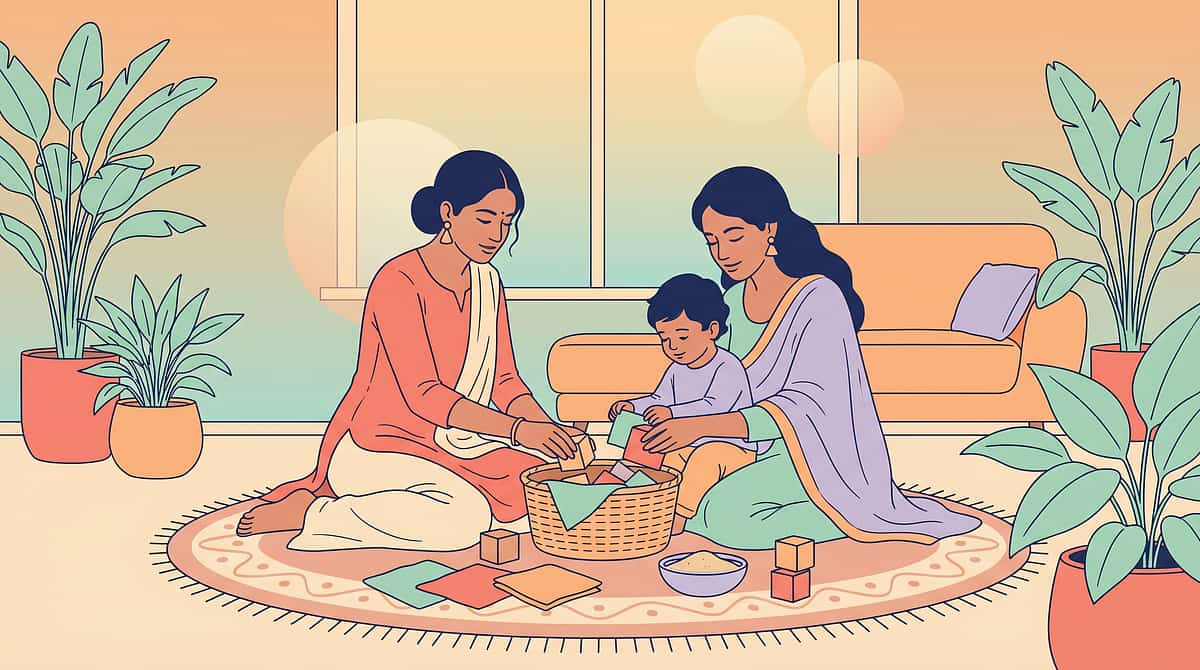
The Cool-Down — Every Session Ends Gently
No abrupt stops. The transition is part of the therapy.
Transition Activity (60 seconds)
- Take 3 slow breaths together
- Sing one familiar calming song
- Read one short page from a favourite book (different from session material)
- Sensory input: squeeze hands together, or slow joint compressions on shoulders (if sensory protocol active)
If Child Resists Ending:
"I know you want to keep going — that means your brain is LOVING this! We'll do more tomorrow. First [next preferred activity]."
Use First-Then board if available. Avoid extended negotiation. The child wanting more is a sign the programme is working.
Visual timers and transition supports are NCAEP evidence-based practice for autism and developmental delays — 30+ RCTs confirm their effectiveness.

Capture the Data — Right Now
60 seconds of data now saves hours of guessing later.
Record These 3 Things (before you put the kettle on):
1. Session Duration: _____ minutes (actual engagement time, not time in room)
2. Material Used Today:
- Phonological Games
- Alphabet Manipulatives
- Rhyming Books
- Picture-Sound Cards
- Oral Language
- Fine Motor
- Audiobook
- App
3. Best Moment Today: One sentence describing one thing the child did that was progress (however small)
Why Data Matters
The data you record becomes your child's AbilityScore® progress timeline. Over 8 weeks of sessions, these 60-second records reveal:
- Which materials produce the highest engagement
- Which skills are consolidating vs. needing more support
- When to escalate to professional assessment
- Evidence of progress to share with your child's therapy team
Quick Win Tracking (Milestones):
- Child identifies at least 1 rhyming pair with support
- Child claps syllables in their own name
- Child identifies beginning sound of 1–2 familiar words
- Child recognizes all letters in their own name
- Child sits for 10 minutes of literacy activity without distress
What If It Didn't Go as Planned?
Session abandonment is not failure. It's data. Here's what to do with it.
❌ Child refused to engage with any material
Why: Motivation mismatch, fatigue, or the material wasn't meaningful enough.
Fix: Next session, start with one item connected to the child's strongest current interest — if they love trucks, rhyme words with trucks, write "TRUCK" in sand. The content matters less than the engagement.
❌ Child sat passively and watched but never participated
Why: Observation is a valid pre-participation stage, especially for anxious or cautious children.
Fix: Celebrate the watching ("You watched the whole rhyming game — great job!"). Continue the same activity for 3–5 sessions. Passive observation precedes active participation.
❌ Child got every question wrong and seemed frustrated
Why: The demand level was above the child's current ability.
Fix: Return to the previous level (if doing beginning sounds → return to rhyming; if rhyming → return to syllable clapping). All correct answers, all celebration.
❌ Child became distressed when the session ended
Why: This is a GOOD sign — the child wanted more! But abrupt endings cause distress.
Fix: Implement the cool-down ritual (Step 6) more consistently. Give a visual timer. Create a "see you tomorrow" ritual: "We'll do this again tomorrow after [anchor event]."
❌ Child preferred naturalistic over structured sessions
Why: Some children respond better to embedded practice than formal sessions.
Fix: Move to naturalistic practice. Rhyme during bath time. Magnetic letters on the fridge at breakfast. Letter hunting during walks. Same skills, no formal session required.
❌ You got frustrated and raised your voice
Why: You're human. This is hard. No parent executes this perfectly.
Fix: Repair the moment: "I'm sorry I got frustrated. I love you. Let's do this differently." Then end the session and come back tomorrow. Guilt doesn't help. Return does.
Adapt & Personalize — No Two Children Are Identical
Here's how to customize this for yours.
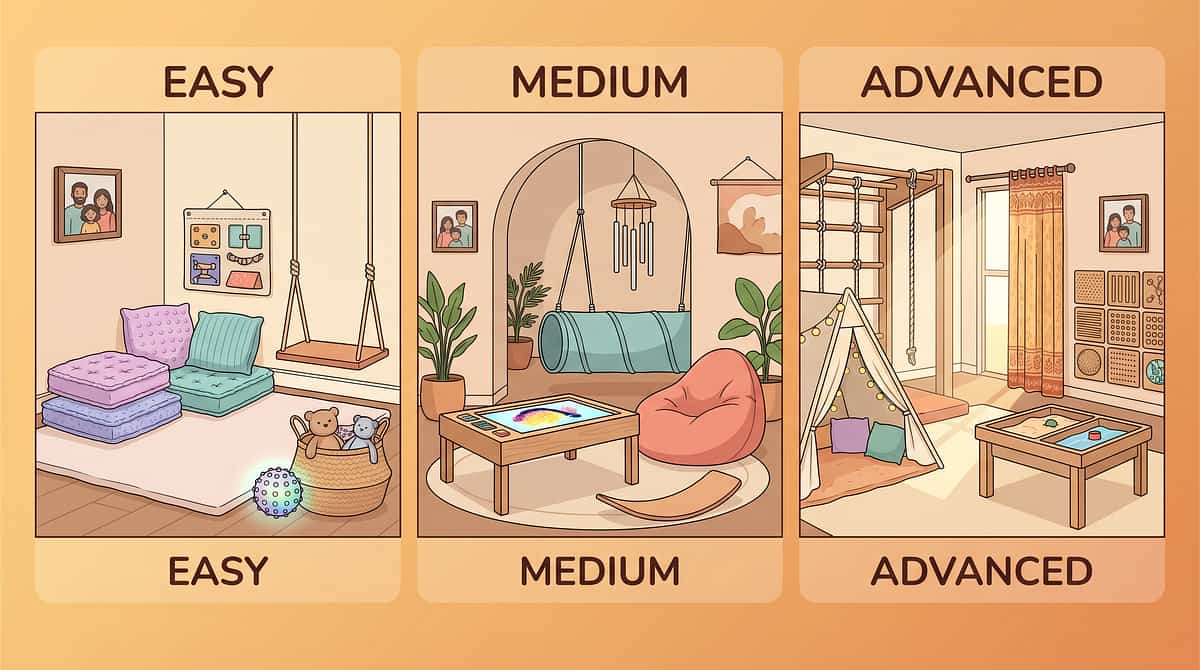
If child is at Level 1: Stay here until confident. Rhyme bombardment — sing, play, read rhymes daily for 4–6 weeks before moving to Level 2. If child is at Level 3–4: Introduce simple letter-sound correspondences. The connection phase has begun.
Child Profile | Adapt This Way | |
High sensory seeker | Integrate movement — clap syllables while jumping, trace letters in sand, sort cards on the floor | |
Sensory avoider | Use visual-first approaches — picture cards, books. Introduce sand/tactile slowly. | |
Verbal, low attention | Shorter sessions (5–10 min). Higher variation. Move between activities every 2–3 minutes. | |
Low verbal / AAC user | Focus on recognition over production. Child points/selects — caregiver speaks. Every pointing response counts. | |
Strong visual learner | Lead with environmental print, alphabet cards, name recognition. | |
Reluctant reader profile | Begin with audiobooks and oral language only — build book enjoyment before introducing letter demands. | |
Bilingual / multilingual home | Use home language for rhyming and oral vocabulary. Phonological awareness in home language transfers to second language reading. |

Week 1–2: Tolerance and Curiosity. Not Mastery. Not Yet.
📊 Progress: 15% — Laying the Foundation
What You Will See (Specific & Observable)
- ✅ Child tolerates session materials without active refusal
- ✅ Child sits or stays in the space for 5–10 minutes (previously shorter)
- ✅ Child looks at rhyming picture cards with interest
- ✅ Child makes any sound attempt during phonological games (even incorrect)
- ✅ Child touches or handles letter manipulatives with curiosity
What You Will NOT See Yet (And That's Normal)
- ❌ Consistent correct responses on phonological awareness tasks
- ❌ Spontaneous letter identification
- ❌ Independent rhyme generation
- ❌ Extended participation without support
You may feel: impatient • doubtful • comparing to other children. This is normal. Progress in pre-literacy is slow, non-linear, and often invisible in the early weeks. Stay consistent. The data you're collecting will show you the trend.
"If your child tolerates a rhyming book for 3 seconds longer than last week — that is real, measurable, clinically significant progress. Neural pathways don't form in days. They form across weeks of consistent, positive exposure."
📞Feeling unsure? Call the FREE National Autism Helpline: 9100 181 181

Week 3–4: Your Child Starts to Anticipate. That's a Neural Pathway Forming.
📊 Progress: 40% — Consolidating
Anticipation
Child moves to the reading readiness space without being prompted — the environment itself has become a cue
Familiarity
Child picks up familiar rhyming book and "reads" from memory — this IS reading behavior, and it's a major milestone
Spontaneous Sound Play
Child begins making rhyming sounds or syllable clapping during regular play — the skill is generalizing
Letter Recognition
Child identifies 2–4 letters from their own name reliably — the alphabetic system is beginning to stick
What to Do Now: Increase frequency (3x → 5x/week) · Increase variety — introduce a second material type · Reduce modeling — create more opportunities for child's independent attempt · Watch for "spillover" behaviors: spontaneous rhyming during car rides, pointing to letters in the environment, asking "what does that say?"
"By week 3–4, you will also notice something: you're more confident. You know when to prompt and when to wait. You have become your child's reading readiness therapist. That is extraordinary."

Week 5–8: Mastery Emerging. The Foundation Is Becoming Solid.
📊 Progress: 75% — Mastery Emerging
Phonological Awareness Mastery (Level 1 — Rhyme)
- Child identifies rhyming pairs in 8/10 picture card trials without support
- Child produces a rhyming word when given a prompt word on 6/10 attempts
- Child claps syllables in 3-syllable words with 80% accuracy
Alphabetic Knowledge Mastery (Starter)
- Child correctly names all letters in their own name without prompting
- Child identifies 10+ uppercase letters when shown randomly
- Child associates 5+ letters with their corresponding sounds
Print Awareness Mastery
- Child holds book correctly and turns pages front-to-back
- Child points to print (not pictures) when asked "where does it say that?"
- Child demonstrates left-to-right directionality with finger tracking
Oral Language Mastery
- Child retells a familiar story in correct sequence (beginning, middle, end)
- Child explains the meaning of 3+ vocabulary words from books
Badge Earned: Reading Readiness Foundation Complete ✅ Ready to begin: L-992 Writing Readiness AND systematic phonics instruction (consult your SLP/SpEd)
Celebrate This Win
You did this. Your child grew because you showed up — session after session.
Your Achievement
Showed up for 40+ sessions · Built a reading readiness environment in your home · Learned to read your child's engagement · Helped a brain build the neural pathways for literacy · Did this alongside work, family, and everything else life demands of you.
That is not small. That is extraordinary parenting.
Your Child's Achievement
From: "Can't identify rhymes, shows no interest in letters, resists all literacy activities"
To: "Identifies rhymes, knows name letters, sits for book time, beginning to hear sounds in words"
That is months of neural development compressed into weeks by intentional daily practice.
📸Document this milestone. Take a photo of your child with their favourite rhyming book. Write down the first time they produced a rhyme independently. Keep this record — in the hard seasons of parenting, you will want to remember this moment.
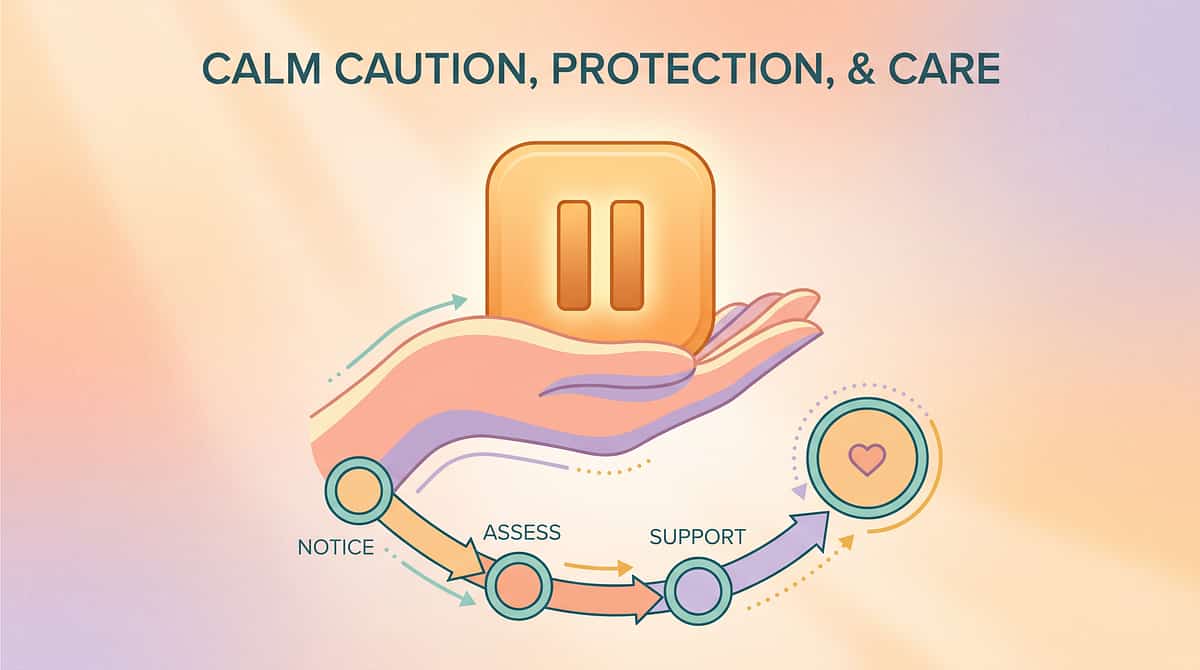
Red Flags — When to Pause
Even in the progress zone, these signs mean: pause and seek professional consultation.
🔴 Flag 1 — No Rhyme Awareness by Age 5 Despite 8+ Weeks
Persistent inability to identify or produce rhymes — especially with speech history — warrants formal phonological awareness assessment by an SLP. This may indicate phonological processing disorder requiring targeted clinical intervention.
🔴 Flag 2 — Complete Letter Amnesia Despite Multi-Sensory Exposure
If a child cannot retain any letter-name knowledge after consistent multi-sensory exposure across 8 weeks, a learning and memory evaluation is indicated.
🔴 Flag 3 — Significant Regression in Previously Established Skills
Any notable regression warrants prompt consultation. Rule out: illness, significant life stressor, or emerging neurological concern.
🔴 Flag 4 — Emotional Deterioration Around Literacy Activities
If the child has developed strong avoidance, anxiety, or distress responses that are worsening over time, the approach needs professional adjustment before the association deepens.
🔴 Flag 5 — Vision or Hearing Concerns
If child squints, holds materials very close, tilts head, or frequently mishears words — rule out uncorrected vision or hearing issues before attributing to phonological processing.
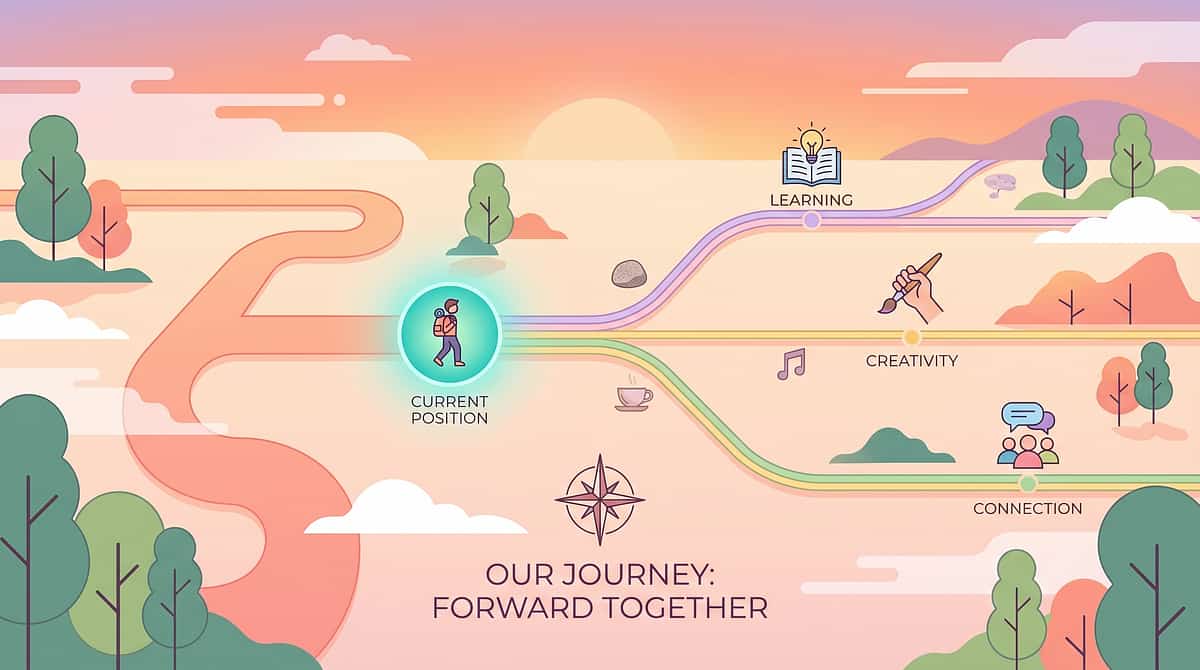
The Progression Pathway — Here's What Comes Next
You're not done. You're on a journey.
L-989 & L-990
Attention & Focus for Learning · Following Instructions in Learning Settings (Prerequisites)
L-991 ✅ YOU ARE HERE
Reading Readiness — 9 Materials Programme (Current Technique)
L-992
Writing Readiness (Next Step)
L-993
Math Readiness (Parallel Track)
Systematic Phonics
Clinic-based formal reading instruction (Long-Term Goal)
Path A — Strong Phonological, Weak Letter Knowledge
Prioritize alphabet manipulatives + picture-sound cards next 4 weeks. Begin L-992 Writing Readiness simultaneously.
Path B — Strong Letter Knowledge, Weak Phonological Awareness
Intensive phonological awareness games for next 4 weeks before moving to phonics. Hold on formal reading instruction until phonological base is solid.
Path C — Both Skills Emerging Slowly
Maintain current protocol. Increase frequency to daily. Add professional SLP consultation to accelerate specifically.
Related Techniques in This Domain
These techniques live in the same domain. You may already have the materials.
Technique | Level | Primary Material | You Own? | |
L-989: Attention & Focus for Learning | Foundational | Visual timers, fidgets | Likely | |
L-990: Following Instructions in Learning Settings | Foundational | Visual schedules | Likely | |
L-991: Reading Readiness (THIS PAGE) ★ | Core | Phonological kits, alphabet | ✅ | |
L-992: Writing Readiness | Core | Pre-writing tools, playdough | Partially | |
L-993: Math Readiness | Core | Counting manipulatives, puzzles | Partially | |
L-994: Classroom Participation Skills | Advanced | Social scripts, visual supports | May need |
Canon Material Cross-Reference — Materials you now own can be used across multiple techniques: Rhyming books → also used in L-990 · Picture cards → also used in L-993 (math vocabulary) · Reward stickers/jar → used across ALL technique pages
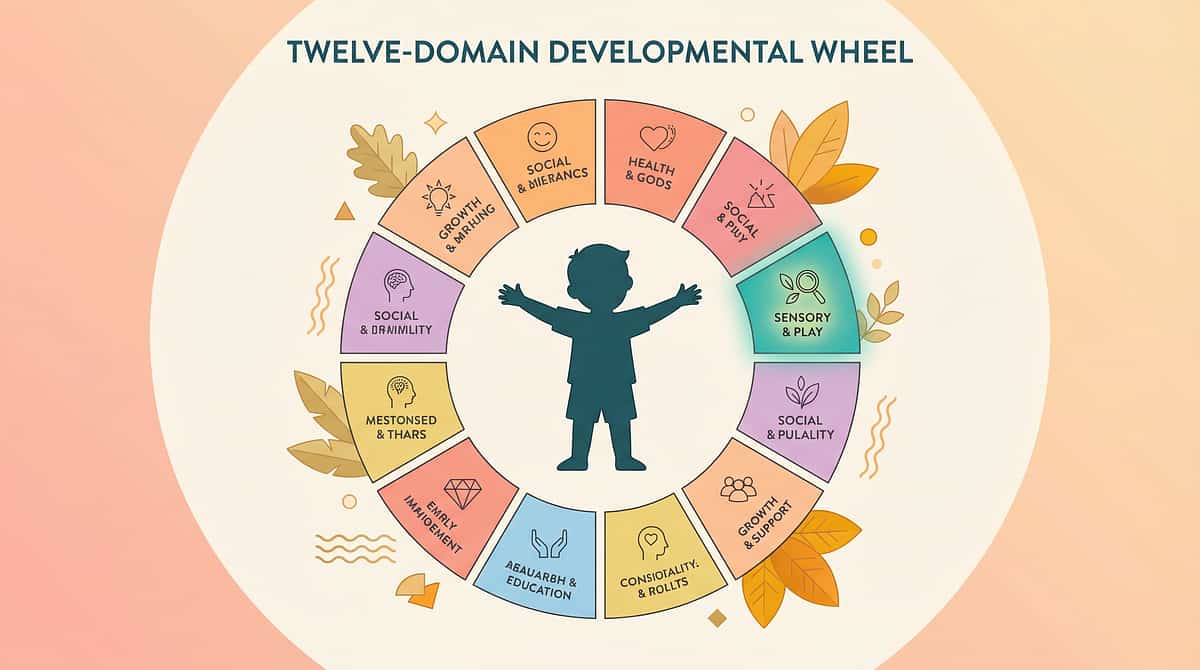
Your Child's Full Developmental Map
Reading readiness is one piece. Here is the whole picture.
This Technique Addresses Domain L: Academic Foundations
Reading readiness is deeply interconnected with:
- Domain B (Social Communication) — oral language, vocabulary, narrative skills
- Domain G (Fine Motor) — pre-writing, pencil grip, material handling
- Domain H (Cognitive & Play) — attention, working memory, symbolic play
"A child's reading journey is inseparable from their sensory regulation, social engagement, emotional availability, and motor development. This is why Pinnacle's GPT-OS® coordinates ALL 12 domains simultaneously — not as a checklist, but as a living developmental system."
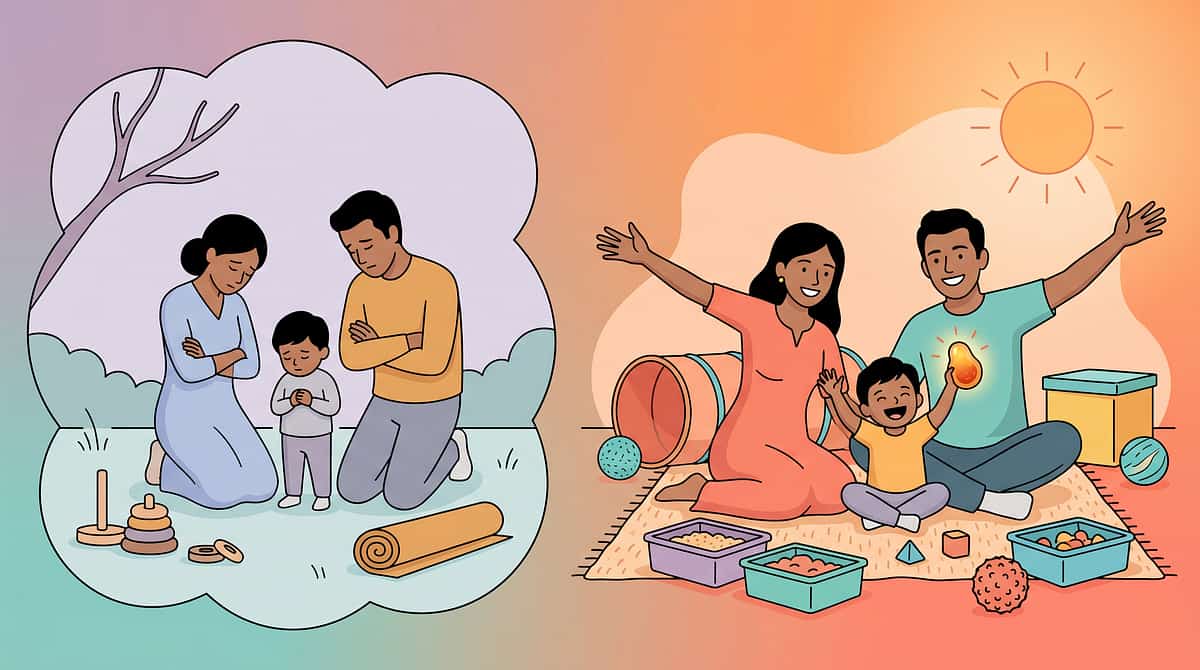
Families Who've Been Here
From the Pinnacle Network: families who started exactly where you are.
Priya, mother of Arjun (4 years, speech delay history)
Before (Week 0): Arjun could not identify any rhyming words. He pushed away letter flashcards. His SLP flagged "phonological processing delays." Priya was drilling alphabets with YouTube videos — Arjun endured it but never engaged.
What Changed: On the therapist's guidance, Priya stopped all flashcard drilling. She introduced rhyming games during Arjun's bath — no pressure, no correct/wrong. Just sound play.
After (Week 8): Arjun spontaneously rhymed during a car ride. He pointed to the letter 'A' on a sign and said "Arjun's A!" He now sits for 20 minutes of shared book reading. His SLP reports his phonological awareness has advanced two levels.
"I stopped teaching him to read. I started playing with sounds. The reading readiness came."
Rajesh and Meena, parents of Kavya (5.5 years, autism diagnosis)
Before: Kavya was hyperlexic — she could read words aloud but showed no comprehension. She knew all letter names but could not rhyme, could not hear beginning sounds, and vocabulary was severely limited.
What Changed: Converged therapy at Pinnacle. SLP for oral language + phonological awareness. SpEd for print awareness. OT for fine motor writing readiness. GPT-OS®-coordinated home programme.
After (3 months): Kavya now answers comprehension questions. Her vocabulary expanded from ~300 to ~800 words in active use. She identifies beginning sounds of 80% of tested words.
"She could decode. Now she reads. The difference is everything."
Illustrative cases from Pinnacle Network composite data. Individual outcomes vary by profile and intervention consistency.
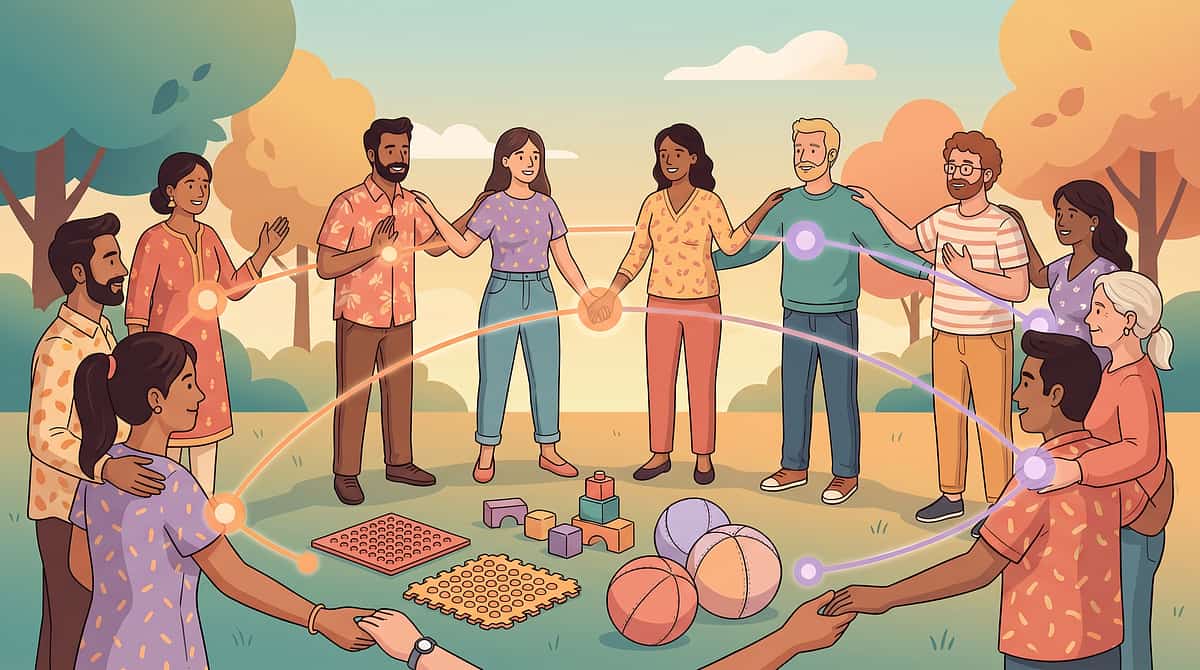
Connect With Other Parents
Isolation is the enemy of consistency. You need a community.
Join the Reading Readiness Parent Circle
📱 A moderated group of parents working on reading readiness. Share wins, ask questions, get peer support. Moderated by Pinnacle SLP and SpEd specialists.
Connect by City
Pinnacle centers host monthly parent meetups by therapeutic domain. Reading readiness groups available in: Hyderabad • Bengaluru • Mumbai • Delhi NCR • Chennai • Pune + 65 more center cities.
Peer Mentoring
"If you've been practicing for 8+ weeks and want to support a newer family — reach out to your center coordinator to join the Pinnacle Peer Mentor programme."
Your Experience Helps Others
"Every family who shares their honest journey — the hard weeks and the breakthroughs — creates a map for the family who starts tomorrow. Your story has value beyond your household."
WHO NCF: Community engagement is core — 1,000+ individuals from 111 countries contributed to framework development. Parent support networks improve intervention adherence and outcomes.
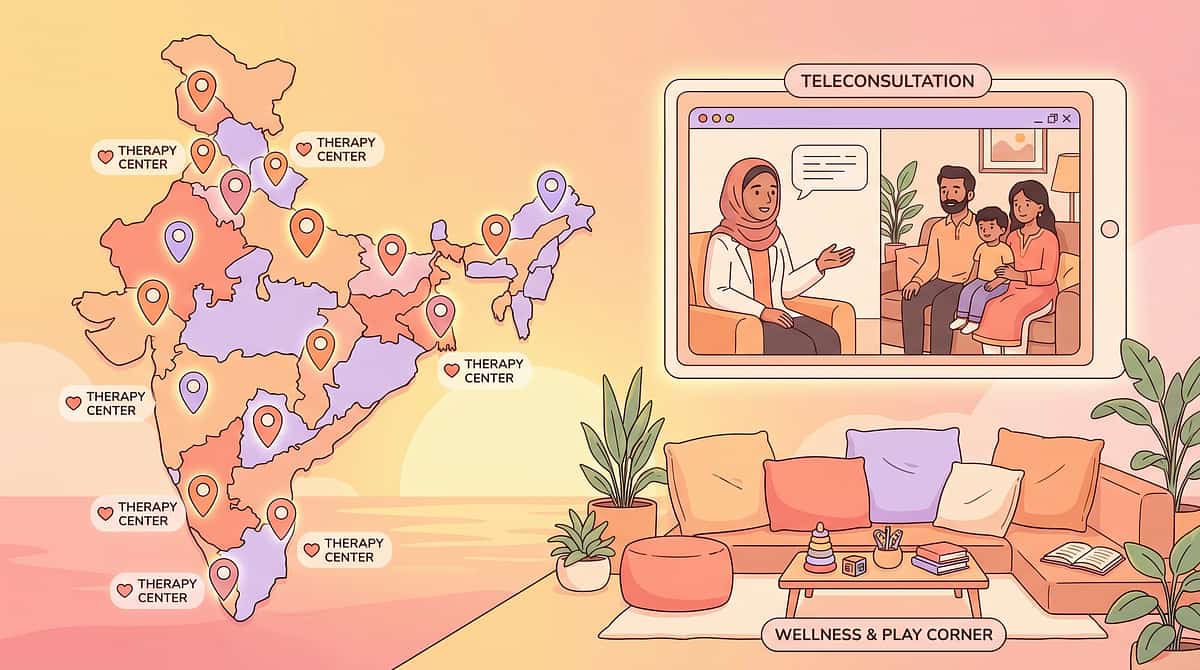
Your Professional Support Team
Home + clinic = maximum impact. You don't have to do this alone.
If your primary concern is... | Request a... | |
Phonological awareness delays | Pediatric Speech-Language Pathologist | |
Letter knowledge and print awareness | Special Educator / Literacy Specialist | |
Fine motor and writing readiness | Pediatric Occupational Therapist | |
Attention and session compliance | BCBA / ABA Specialist | |
Overall developmental evaluation | NeuroDevelopmental Pediatrician + AbilityScore® | |
All of the above (complex profile) | FusionModule™ Converged Assessment |
📞 In-Clinic Appointment
Call: 9100 181 181
💻 Teleconsultation
For remote families — same clinical quality, GPT-OS® guided
"For every 1 clinic session, there are 14 days of home life. GPT-OS® is designed to make those 14 days therapeutically active — not passive waiting for the next appointment."
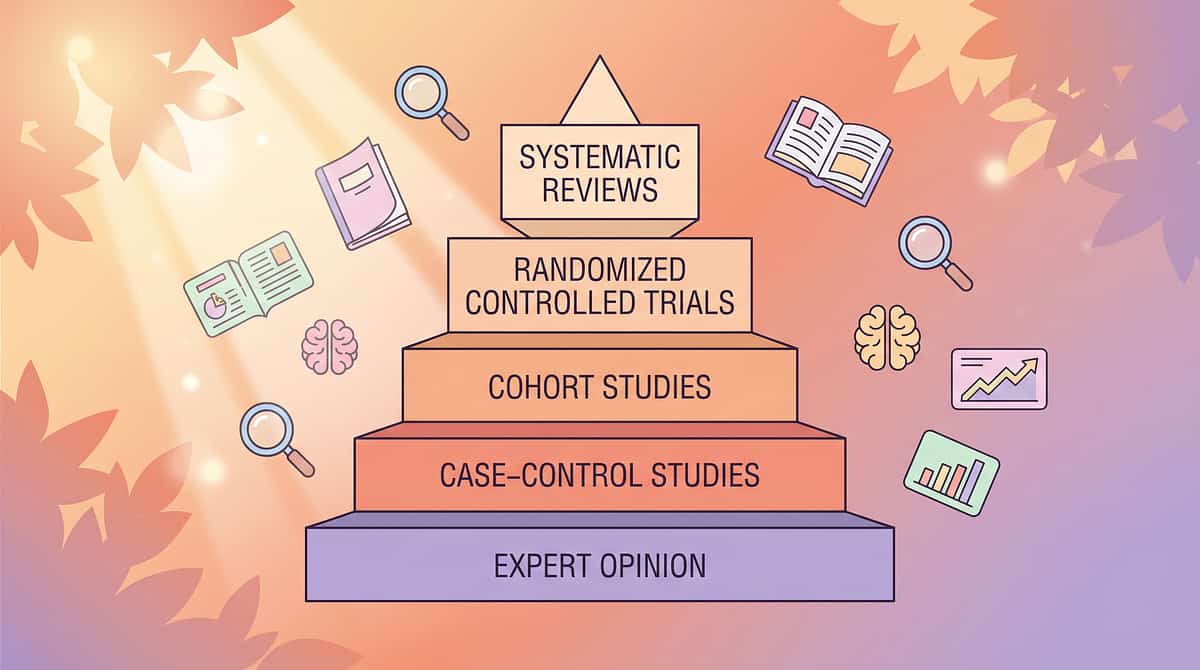
The Research Library
The science behind everything on this page — for the parent who wants to go deeper.
PMC11506176 (Children, 2024)
PRISMA systematic review of 16 studies confirming pre-literacy intervention meets evidence-based practice criteria for children with developmental delays and autism. → PubMed
PMC10955541 (World J Clin Cases, 2024)
Meta-analysis of 24 studies: early literacy and language intervention effectively promotes reading outcomes, adaptive behavior, and academic competence. → PubMed
PMC9978394 (WHO/UNICEF CCD Package)
Evidence for caregiver-delivered developmental interventions across 54 LMICs — household-material-based approaches are both feasible and effective. → PubMed
Padmanabha et al., Indian J Pediatr (2019)
Indian RCT: home-based language and literacy interventions with caregiver training demonstrate significant outcomes in Indian multilingual populations. → DOI
NICHD National Reading Panel (2000)
Foundational US government panel confirming phonological awareness instruction produces the highest effect sizes in early reading research. → NICHD
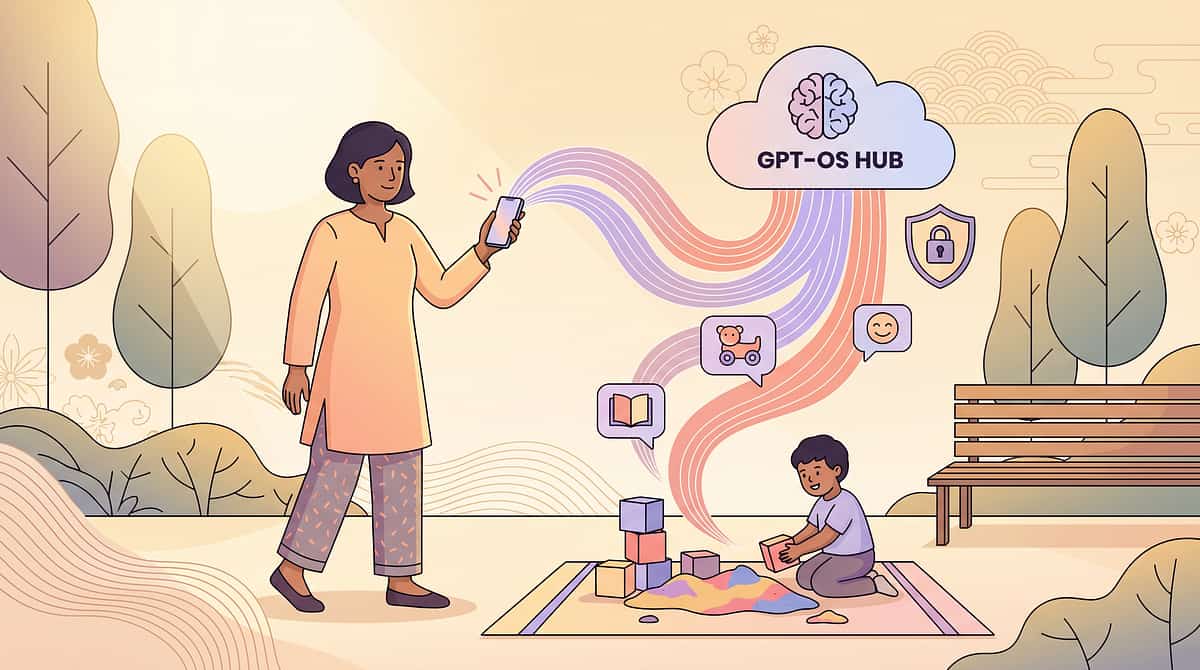
How GPT-OS® Uses Your Data
Your 60-second session record contributes to a living clinical intelligence system.
What GPT-OS® Learns From This Technique's Data
- Phonological awareness acquisition curves by age and profile
- Which materials produce highest engagement by child type
- Time-to-mastery distributions for each skill level
- Predictors of early reading success at population scale
Privacy Assurance
- All data encrypted and anonymized at source
- No individual child data shared without consent
- Complies with Indian IT Act + DPDP Bill requirements
- Pinnacle is MSME registered, DPIIT recognized, CIN verified
"Your data helps every child like yours — across India and 70+ countries."

Watch the Reel — L-991
The original reel that brought you here — watch a therapist demonstrate these 9 materials.
🎬 Reel: L-991
Title: "9 Materials That Help With Reading Readiness"
Series: Academic Foundations | Episode 991
Domain: ACAD-READ | Pre-Literacy Skills
Duration: 75–85 seconds
What You'll See in the Reel:
- Therapist demonstrates each of the 9 materials with a child (live demonstration)
- Before/after engagement contrast
- 4–5 second per material — fast, visual, mobile-native format
Video Coming Soon
Subscribe to Pinnacle Blooms on YouTube for early access to the L-991 demonstration reel. All demonstrations are validated by the Pinnacle GPT-OS® clinical protocol and presented by the Pinnacle Blooms Speech-Language + Special Education team.
Multi-Modal Principle: Video modeling is an NCAEP-classified evidence-based practice. Watching a demonstration before attempting a technique increases parent confidence and execution quality. Text + video + demonstration produces stronger parent skill acquisition than either alone. (NCAEP 2020: 30+ studies)
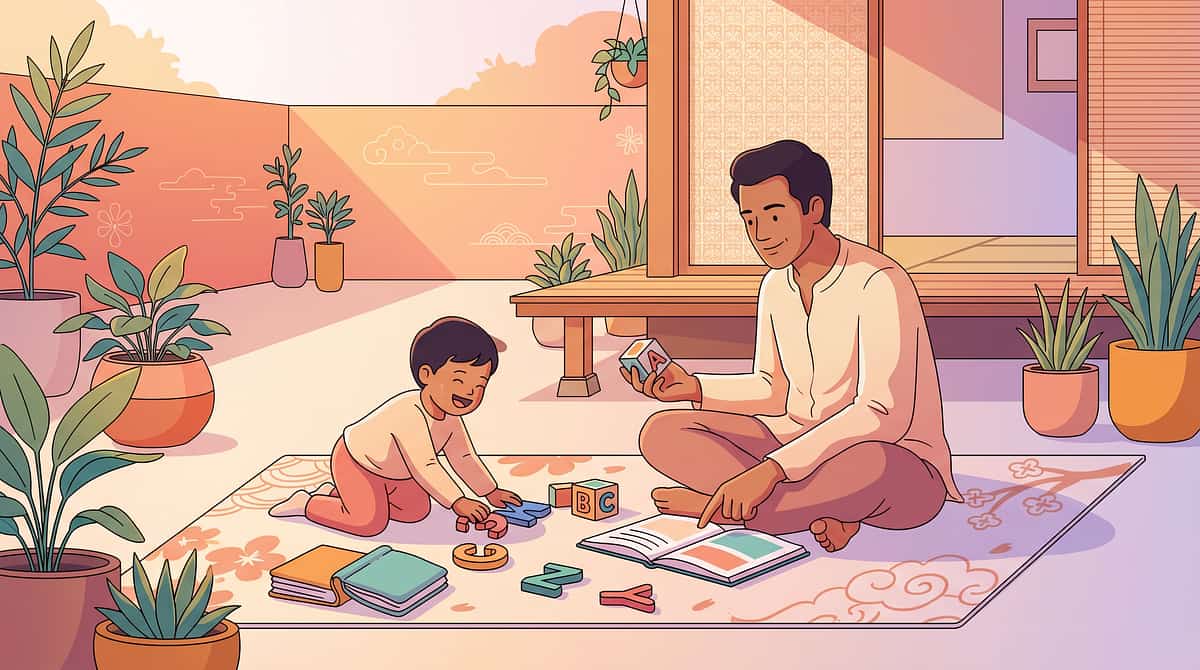
Share This With Your Family
Consistency across caregivers multiplies impact. Share this with everyone who matters.
For Your Spouse / Co-Parent
"I've been doing reading readiness practice with [child's name]. Here's the full guide I'm using — it takes 15 minutes a day and it's actually working. The most important thing: start with rhyming games, not flashcards. No pressure. Read this when you have 10 minutes."
For Grandparents (Simplified)
- Rhyme songs together — any rhyming song builds the brain for reading
- Read the same book over and over — repetition is how the brain learns
- Play I Spy with sounds — "I spy something that starts with /b/... ball!"
- Don't correct, celebrate — any attempt is a success
- Call the Pinnacle helpline with questions: 9100 181 181
For School / Preschool Teacher
"Dear [Teacher], we are working on reading readiness at home using Pinnacle Blooms Network's evidence-based programme. We're focusing on: phonological awareness (rhyming + beginning sounds), letter knowledge (starting with name letters), and oral language. If you could reinforce these in class, we'd be grateful."
Frequently Asked Questions
Your questions, answered by the Pinnacle Blooms clinical consortium.
Q: My child is 6 years old. Is it too late?
It is never too late. While the optimal window is 3–5 years, phonological awareness instruction produces significant reading gains at any age, including in adults. If your 6-year-old is not yet reading, intensive pre-literacy intervention now will produce faster progress than waiting. Consult an SLP for formal assessment.
Q: My child has autism and is non-verbal. Can this programme work for them?
Yes, with adaptations. Focus on recognition over production (pointing, selecting). Use high-visual materials. Rhyming songs and audiobooks build phonological awareness passively even without verbal responses. Connect with a Pinnacle SLP for an AAC-integrated reading readiness plan.
Q: How do I know if my child needs professional evaluation rather than home practice?
If your child: (a) has a history of speech-language delays, (b) cannot identify rhymes by age 5 despite home practice, (c) shows significant emotional distress around literacy activities, or (d) has a family history of reading difficulties — professional evaluation is indicated. These are not reasons to stop home practice, but to ADD professional support to it.
Q: My child can already read some words. Do they still need phonological awareness work?
If your child reads words but cannot rhyme, cannot hear beginning sounds, or reads without comprehension (hyperlexia) — yes. Many children with autism can decode without comprehension. Both components need direct attention.
Q: We are a bilingual/multilingual family. Which language should I do this in?
Do phonological awareness games in your strongest home language first. Rhyming in Telugu, clapping syllables in Hindi, playing sound games in your mother tongue — this builds the phonological processing skill that TRANSFERS to reading in any language. Then add English/Hindi print awareness alongside. Bilingualism is an asset, not a barrier.
Q: My child's school uses a specific phonics programme. Should I align?
Yes — if you know which programme (Jolly Phonics, Letterland, etc.), align letter-sound teaching. But phonological awareness (the auditory skill) is universal — all programmes build on it. This home programme prepares the foundation that ANY phonics programme can then build on.
Q: How many sessions per week is effective?
Research consensus: 5 sessions/week of 15–20 minutes each produces faster progress than 3 sessions/week. However, 3 high-quality sessions/week is significantly better than 5 forced or distressed sessions. Quality > quantity. Start with 3 and increase as child tolerance grows.
Q: I'm consistent but seeing no progress after 4 weeks. What should I do?
First: review your data (Card 20). Progress at this stage is measured in seconds and attempts. Second: ensure the activity level matches the child's current ability (Difficulty Scale). Third: book a teleconsultation — 9100 181 181. Four weeks without observable progress of ANY kind warrants clinical review.
Preview of 9 materials that help with reading readiness Therapy Material
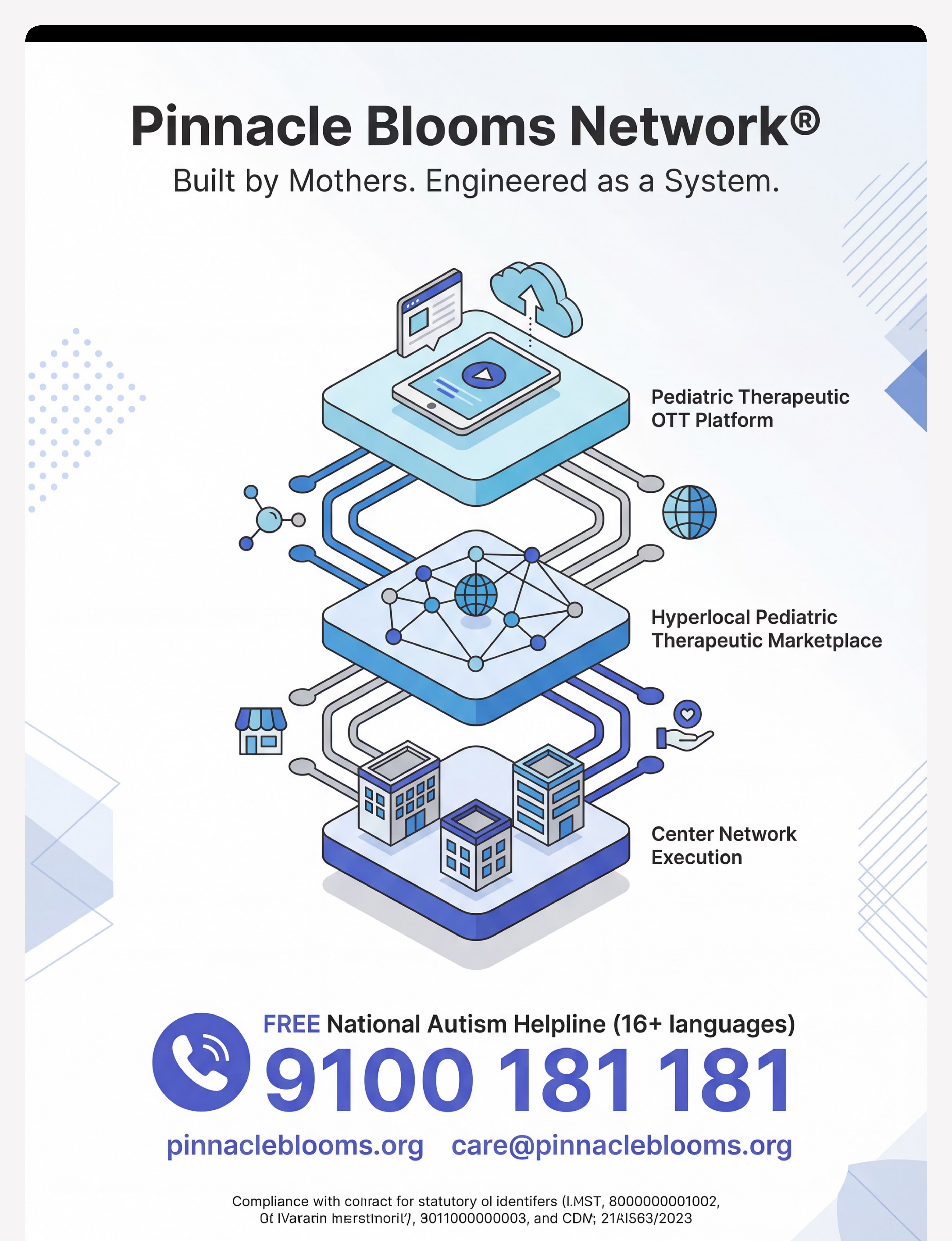
Below is a visual preview of 9 materials that help with reading readiness therapy material. The pages shown help educators, therapists, and caregivers understand the structure and content of the resource before use. Materials should be used under appropriate professional guidance.


Link copied!

Your Child's Reading Journey Starts With One Decision: Begin Today.
You now have the science, the materials list, the step-by-step protocol, and the professional backup. The only remaining variable is the first session.
🗣️ SLP
🤲 OT
🧩 ABA
📚 SpEd
🧠 NeuroDev
✅ Validated by the Pinnacle Blooms Consortium · 20M+ Sessions · 97%+ Measured Improvement · 70+ Centers · India's Largest Network
© 2025–2026 Pinnacle Blooms Network®, a unit of Bharath Healthcare Laboratories Pvt. Ltd. All rights reserved. Content produced under GPT-OS® Therapeutic Intelligence. Technique code L-991.
CIN U74999TG2016PTC113063 | DPIIT DIPP8651 | MSME TS20F0009606 | GSTIN 36AAGCB9722P1Z2
This content is educational and informational. It does not replace individualized assessment, diagnosis, or intervention from qualified speech-language pathologists, special educators, occupational therapists, or developmental pediatricians. Individual results may vary.
"From fear to mastery. One technique at a time." — The Pinnacle Blooms Consortium