

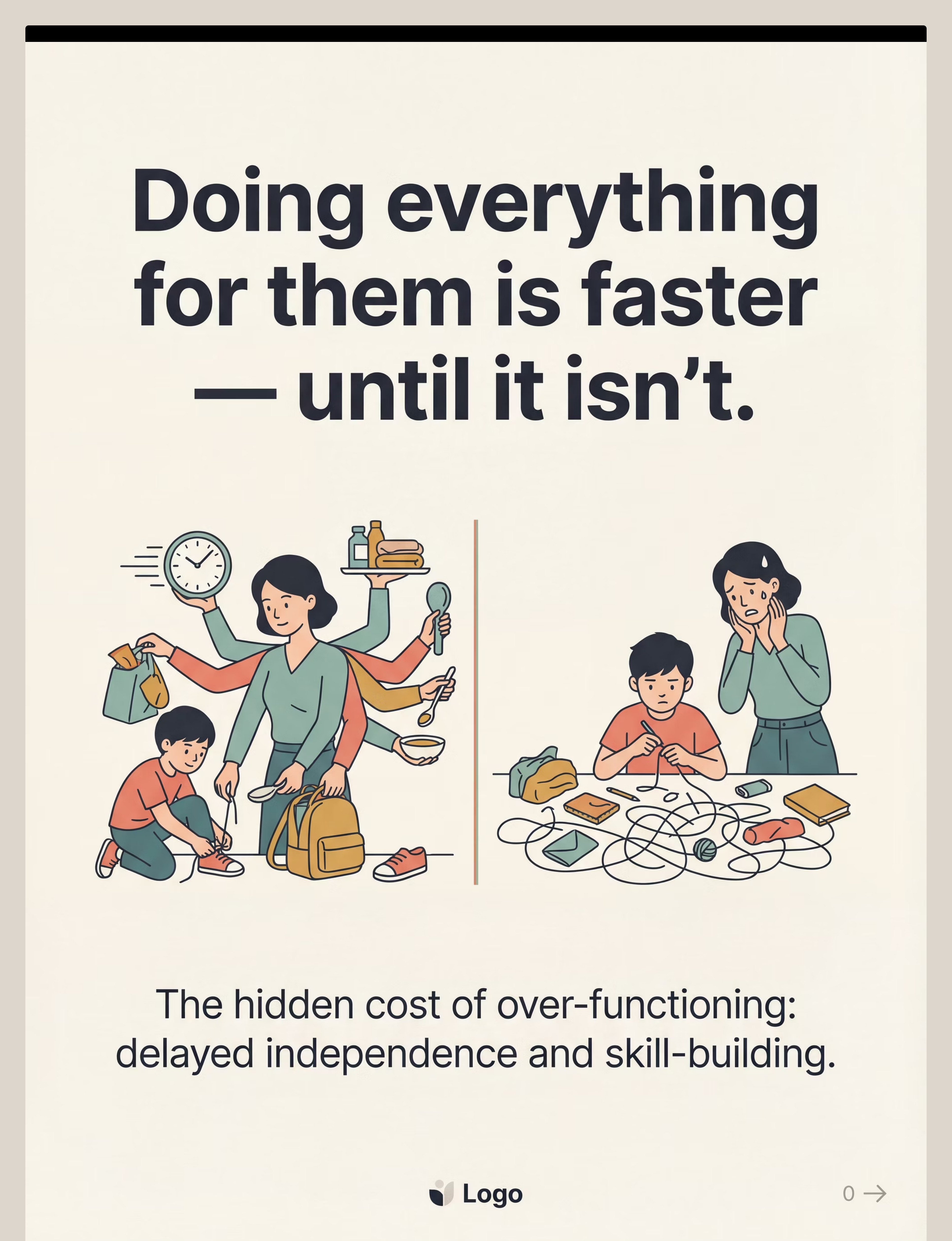
"Doing everything for them is faster — until it isn't."
Your son is twelve years old and can recite every dinosaur in the Mesozoic era, but he's never made himself a sandwich. Every morning you lay out his clothes, squeeze his toothpaste, pour his cereal. You do it because it's faster. But a thought arrives at 3am — quiet, terrifying: what happens when I'm not here?
Independence Building — the technique that closes the gap between dependence and capability, one visible step at a time. You are not failing your child. You are about to get the right tools.
WHO Nurturing Care Framework (2018): Parent-delivered structured intervention is the most scalable pathway to adaptive skill development globally.

ACT I · RECOGNITION
The independence gap is real. The struggle you feel is shared by millions.
1 in 36
Children with autism in the US
The majority face significant adaptive skill delays alongside their diagnosis.
68%
Adaptive behavior gap
Of individuals with intellectual disabilities have adaptive behavior scores significantly below their chronological age.
21M+
Pinnacle therapy sessions
1:1 sessions delivered — adaptive skill building is our most requested domain.
The gap between a child's cognitive potential and their functional daily living skills is one of the most painful realities in developmental disability — and one of the most fixable. Adaptive behavior research consistently shows that daily living skills respond to intervention more than almost any other developmental domain. Your child can become more independent than they are today. This is not hope. This is evidence.
PRISMA systematic review (2024) | CDC ASD Prevalence Report (2023) | PMC11506176 | PMC10955541

ACT I · NEUROSCIENCE
This isn't laziness. This isn't stubbornness. This is neurology.
The Adaptive Behavior Neural Circuit
The prefrontal cortex (executive planning), basal ganglia (habit formation), and cerebellum (motor sequencing) must coordinate to execute multi-step independence skills. In autism and intellectual disability, this circuit shows reduced connectivity — not absence of ability, but reduced automatic routing of complex behavioral sequences.
A child who knows how to brush their teeth may still fail to execute the sequence independently, because the automatic neural routing that makes it effortless for neurotypical individuals doesn't fire reliably.
What This Means for Your Child
- 🧩 Skills that seem "simple" have 15–30 invisible neural steps your child hasn't automated yet.
- 🔁 Repetition with the right scaffolding literally builds new neural pathways — this is neuroplasticity, not hope.
- 🎯 Visual task analysis works because it externalizes the sequencing that the prefrontal cortex usually handles internally.
- ⏱️ Skills take 3–10x longer to acquire than typical peers — but they DO acquire. The research is unambiguous.
Frontiers in Integrative Neuroscience (2020): DOI: 10.3389/fnint.2020.556660 | AAIDD 12th Edition (2021): Adaptive behavior as distinct from intelligence — neurologically separable and independently treatable.
ACT I · DEVELOPMENTAL CONTEXT
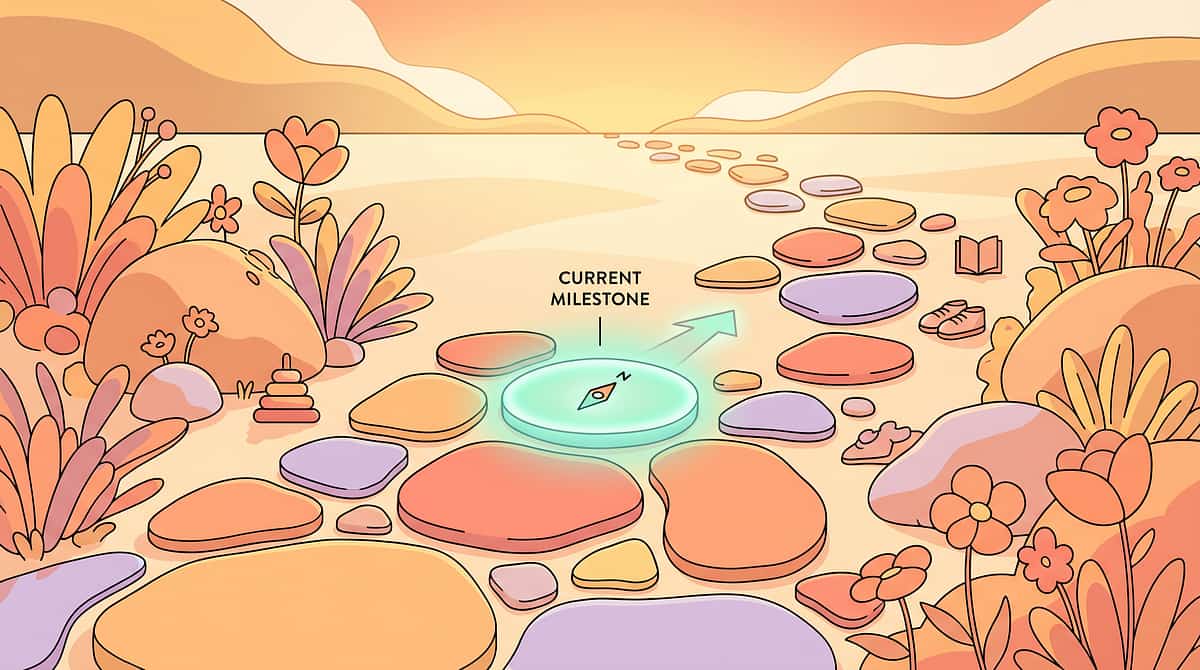
Your child is not behind. They are at a waypoint on a journey that has a clear forward path.
1
Age 2–4
Basic self-care foundations: dressing, feeding, toilet training
2
Age 5–8
Household participation: bed-making, laundry basics, safety skills
3
Age 9–12
Community skills: shopping, transport, self-management
4
Age 13–18
Transition skills: cooking, money management, independence
5
Age 18+
Adult living: vocational readiness, community navigation
"It is never too late to build independence. Earlier is more efficient — but gains are documented across the lifespan, including in adults. The window is not closed." — Pinnacle Blooms Consortium, OT + ABA + SpEd Clinical Panel
WHO Care for Child Development Package: Implemented in 54 LMICs. | UNICEF MICS Developmental Indicators. | PMC9978394

ACT I · EVIDENCE GRADE
Independence building is one of the most evidence-supported domains in all of pediatric rehabilitation.
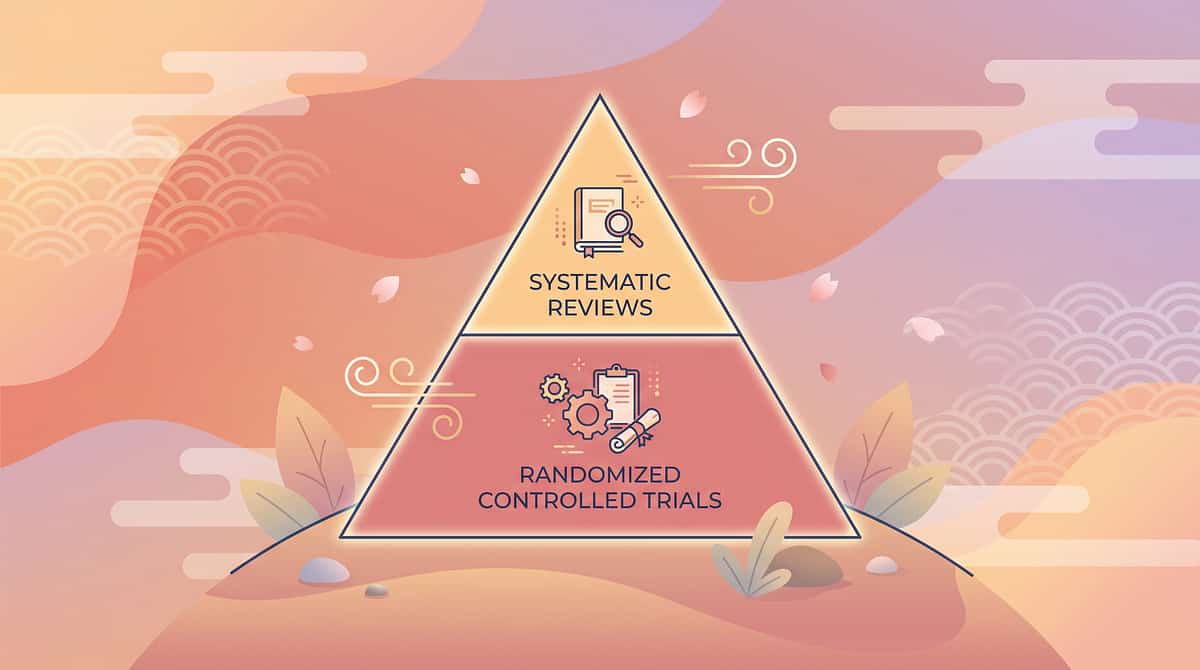
Evidence Grade: Level I
Systematic Review + RCT Supported
92%
Clinical Confidence Score
"Clinically validated. Home-applicable. Parent-proven." — Pinnacle Blooms CRO Division | DPIIT DIPP8651
Key Evidence Summary
Study | Key Finding | |
AAIDD Meta-Analysis (2023) | Systematic skill instruction produces significant adaptive behavior gains across IQ ranges | |
Cochrane Review: Life Skills ASD | Task analysis + prompting = strongest evidence base for independence skills | |
Padmanabha et al. (2019) | Home-based structured skill instruction showed significant outcomes in Indian pediatric population | |
NCAEP EBP Report (2020) | Visual supports, task analysis, video modeling: all classified as Evidence-Based Practices | |
PMC10955541 Meta-analysis | Adaptive behavior outcomes effective across OT/ABA/SpEd interventions (24 studies) |
PMC11506176 | PMC10955541 | PMC9978394 | NCAEP 2020 | DOI:10.1007/s12098-018-2747-4
ACT II · KNOWLEDGE TRANSFER
🎯 Independence Building — Materials-Based Skill Instruction
Parent-Friendly Alias: "The Tools That Teach Themselves"
Definition: Independence Building is the systematic, materials-supported process of developing adaptive behaviors and functional daily living skills in children with autism, intellectual disability, or developmental differences — enabling them to care for themselves, manage daily activities, and participate in community life with progressively less support. It is not a single technique but an architecture: 9 evidence-based materials form a complete system that works together.
👶 All Ages
Skill-level dependent, not age-restricted
⏱️ 10–20 Min
Per session — home-implementable
📅 Daily
Or 3–5× per week for optimal results
Independence
Adaptive Behavior
Daily Living Skills
Self-Care
Task Completion
Community Participation
AAIDD Definition of Adaptive Behavior (12th Ed.): Conceptual + Social + Practical adaptive skills. | BACB Task Analysis and Prompting Standards.
ACT II · CONSORTIUM DISCIPLINES
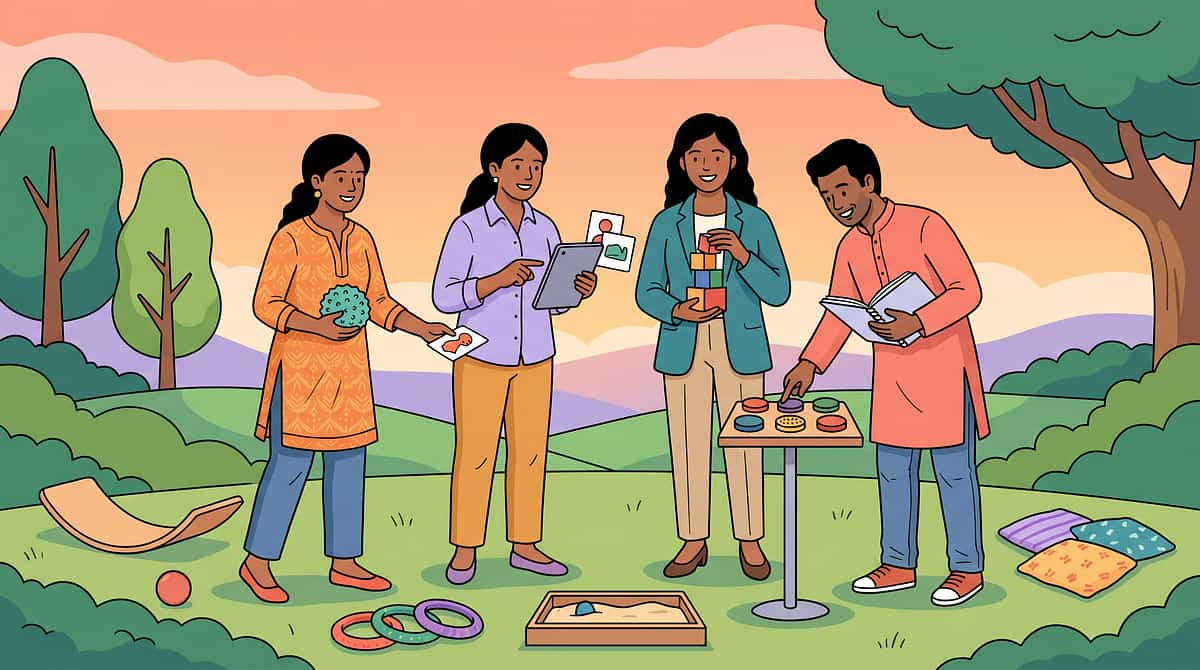
Five disciplines. One converged system. Maximum impact.
🔧 Occupational Therapy — PRIMARY LEAD
Task analysis, adaptive equipment, daily living skills curriculum, fine motor adaptations
🗣️ Speech-Language Pathology
Communication supports for multi-step instructions, social stories, AAC integration
🧩 ABA / BCBA
Prompting hierarchy, reinforcement systems, First-Then boards, data collection, behavior support
📚 Special Education
Life skills curriculum design, IEP goal alignment, self-monitoring systems, generalization planning
🧬 NeuroDev Pediatrics
Medical review of adaptive profiles, comorbidity management, medication review when applicable
"Independence doesn't respect therapy type boundaries. A child dressing themselves is simultaneously an OT target, an ABA target, an SLP target, and an SpEd target. This is why GPT-OS® coordinates all five disciplines as a single pathway — not five separate appointments." — Pinnacle Blooms Consortium Clinical Panel

ACT II · THERAPEUTIC TARGETS
This is a precision system. Every material targets something specific.
Primary Targets — Observable Behaviors
- Child completes self-care routines with reduced prompting
- Child prepares simple meals/snacks independently
- Child follows multi-step routines using visual supports
- Child manages personal belongings and living space
- Child self-monitors task completion without external checking
Secondary & Tertiary Gains
- Reduced caregiver burden and anxiety about the child's future
- Increased child confidence and self-efficacy
- Fewer meltdowns and improved family dynamics
- Community participation (shopping, transportation, dining)
- Pre-vocational readiness and social inclusion
PMC10955541 | AAIDD Adaptive Behavior domains: Conceptual + Social + Practical | Vineland Adaptive Behavior Scales

ACT II · MATERIALS — THE 9 TOOLS
9 materials. One complete independence-building system.
From making invisible steps visible to tracking real progress — these tools work as an integrated architecture. Total system investment: ₹1,500–7,000. Starter kit to begin today: ₹600–1,500.
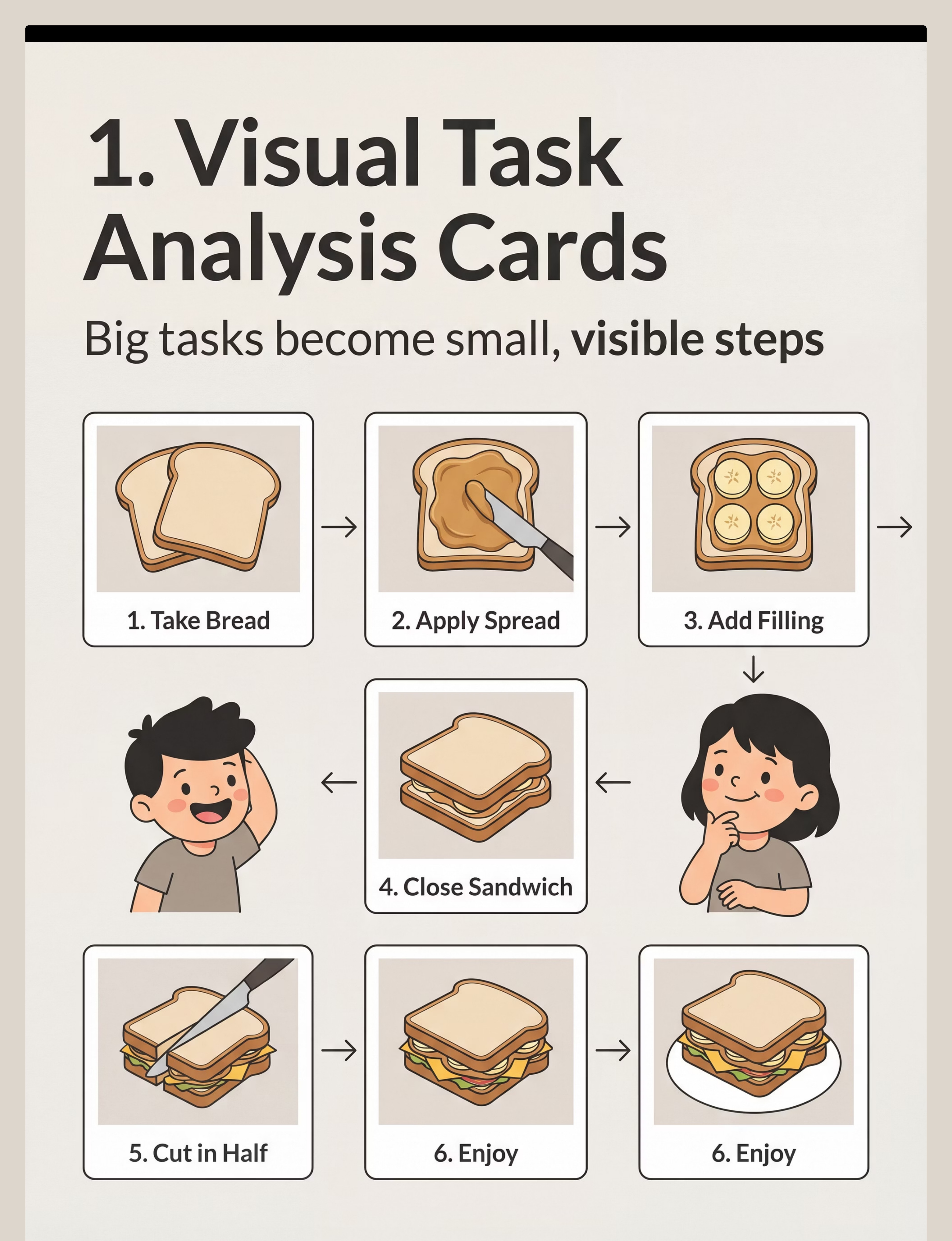
🃏 Material 1 — Visual Task Analysis Cards
Breaks multi-step tasks into single photographed steps. Makes the invisible visible.
₹300–1,200 · Search Amazon.in →
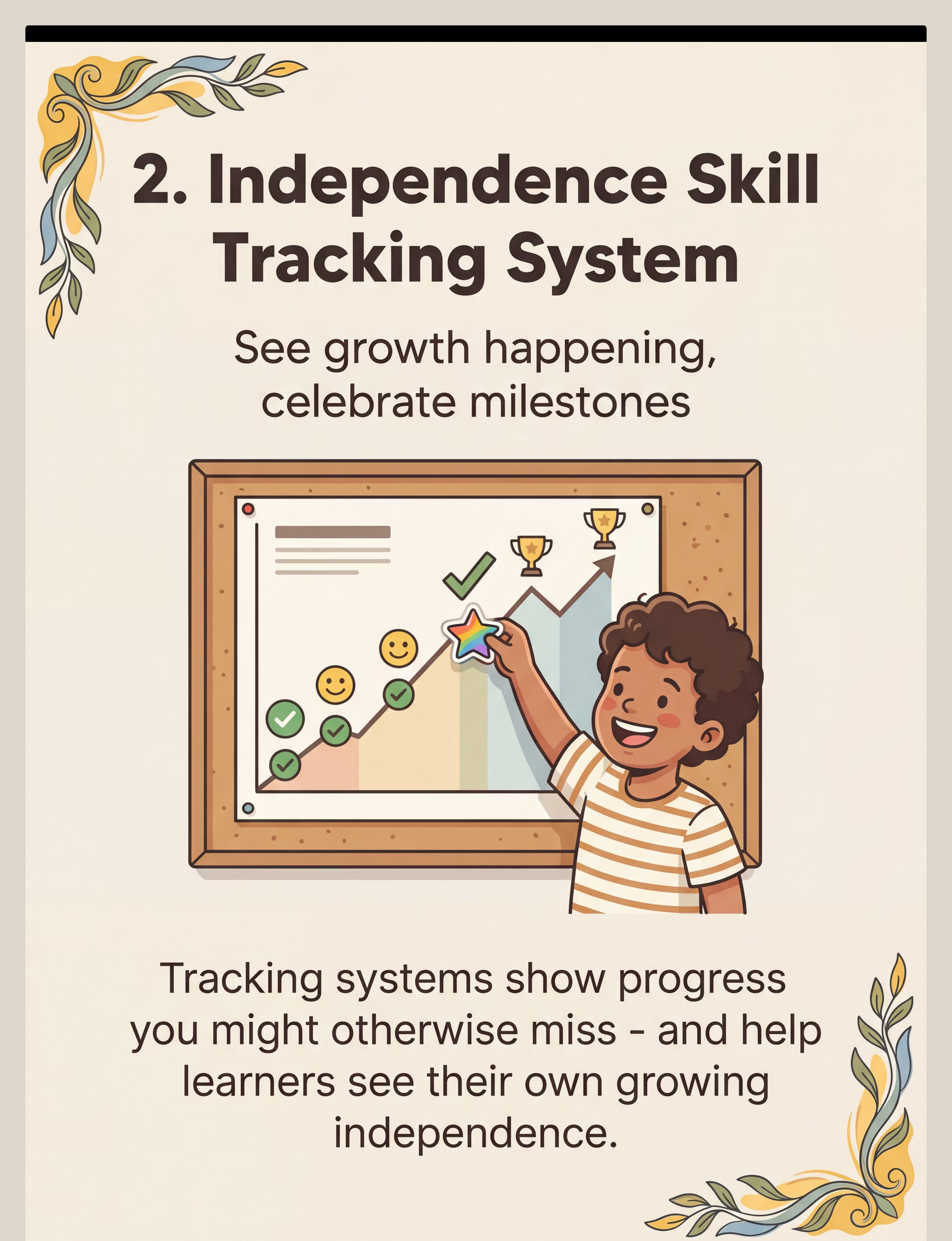
📊 Material 2 — Independence Skill Tracking System
Makes progress visible. Prevents "we've been working forever." Drives data-based decisions.
₹200–800 · Search Amazon.in →
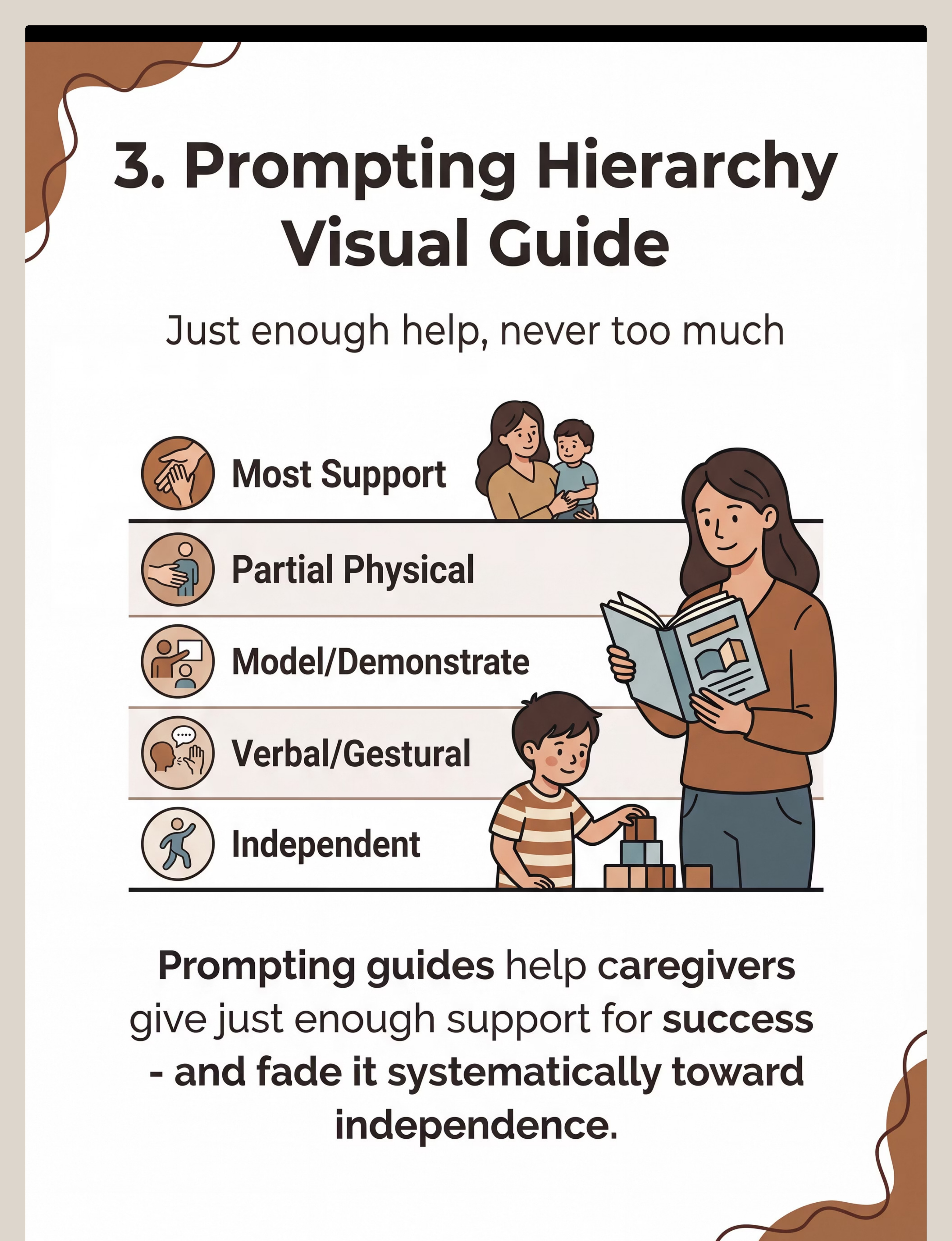
📋 Material 3 — Prompting Hierarchy Visual Guide
Teaches caregivers to give exactly the right level of support — enough for success, no more.
₹100–400 · Search Amazon.in →
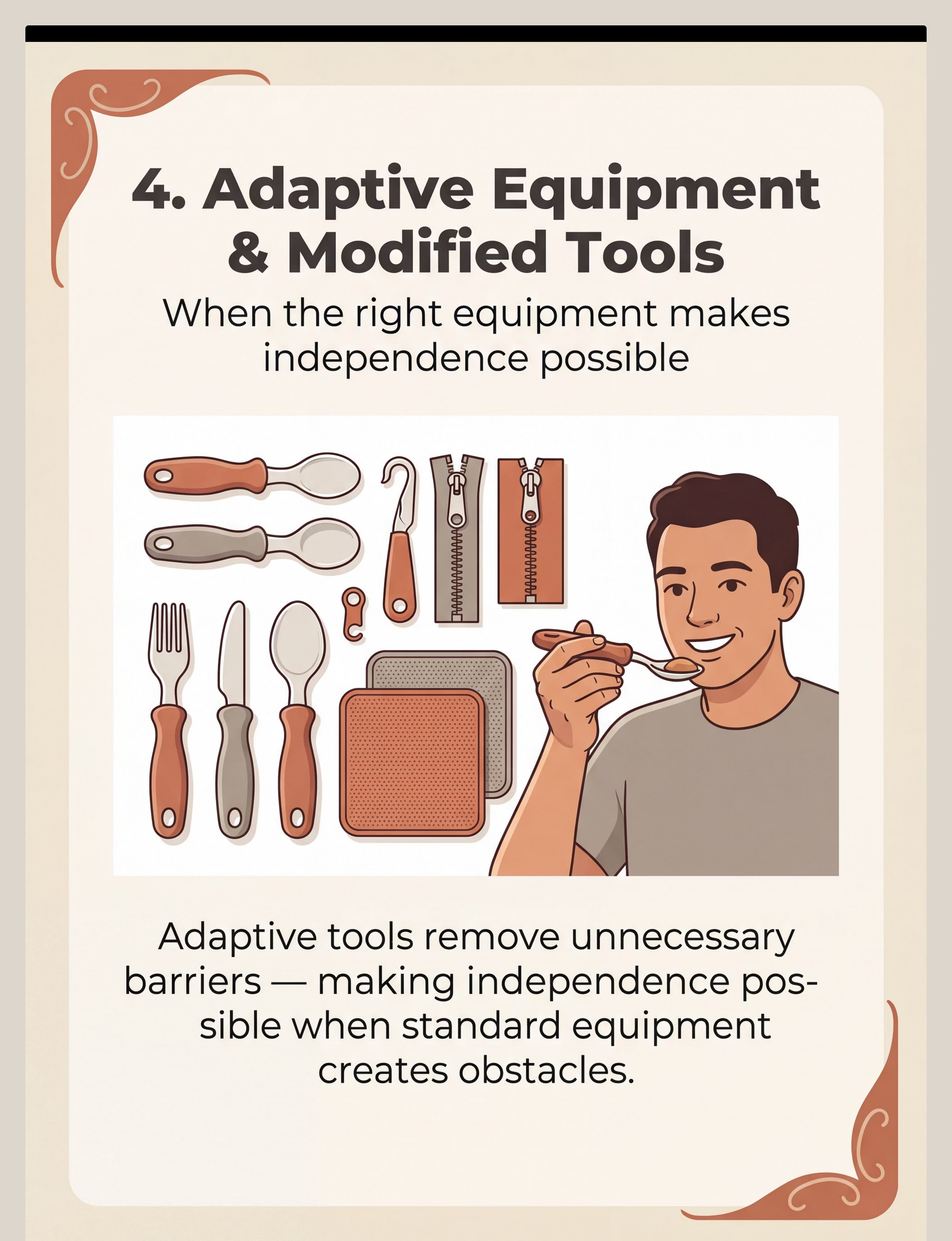
🔧 Material 4 — Adaptive Equipment & Modified Tools
Removes physical barriers — the right tool makes independence possible when standard equipment creates obstacles.
₹200–2,000 · Search Amazon.in →
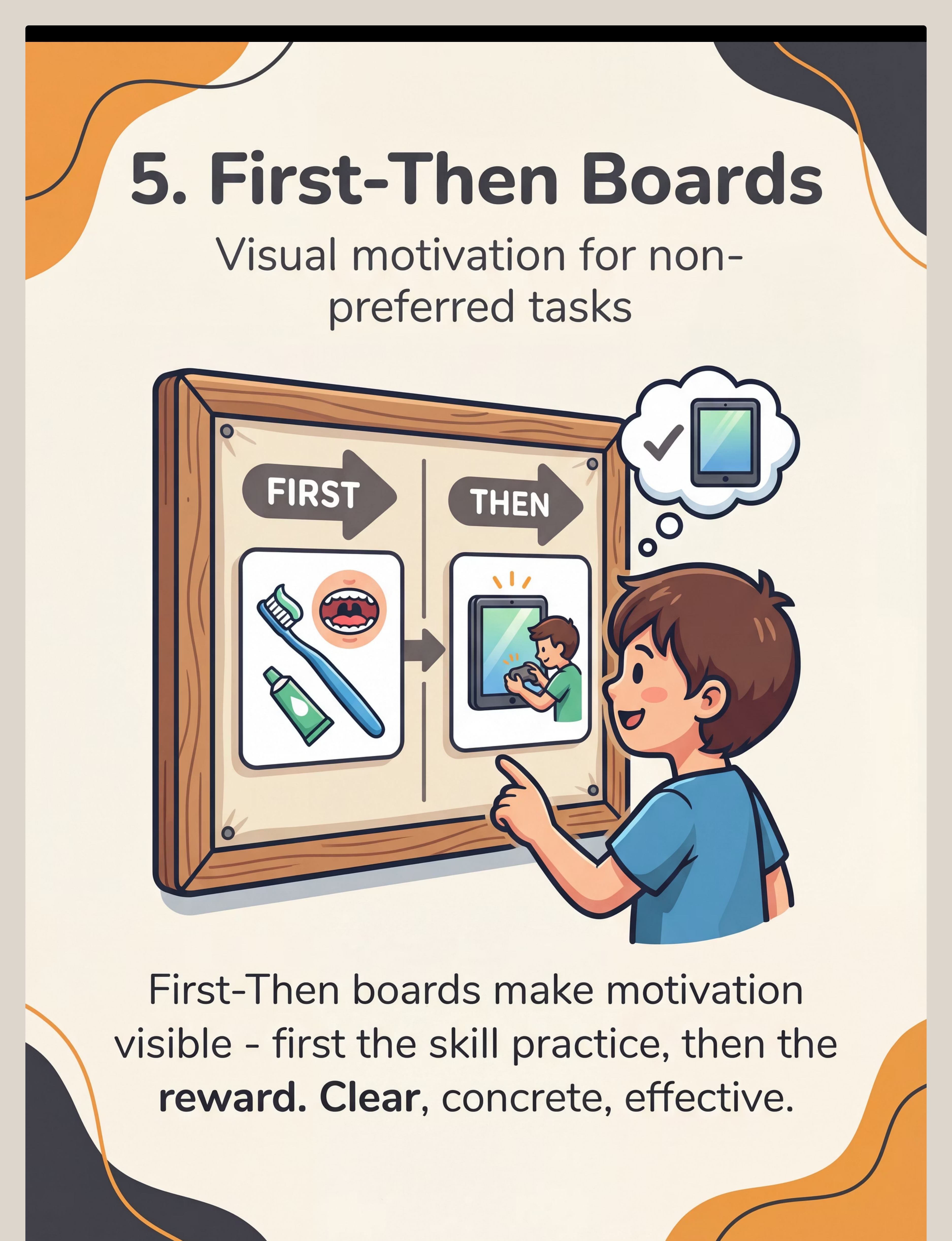
🎯 Material 5 — First-Then Boards & Visual Motivation
Makes motivation visible — FIRST the skill, THEN the reward. Concrete, predictable, effective.
₹100–400 · Search Amazon.in →
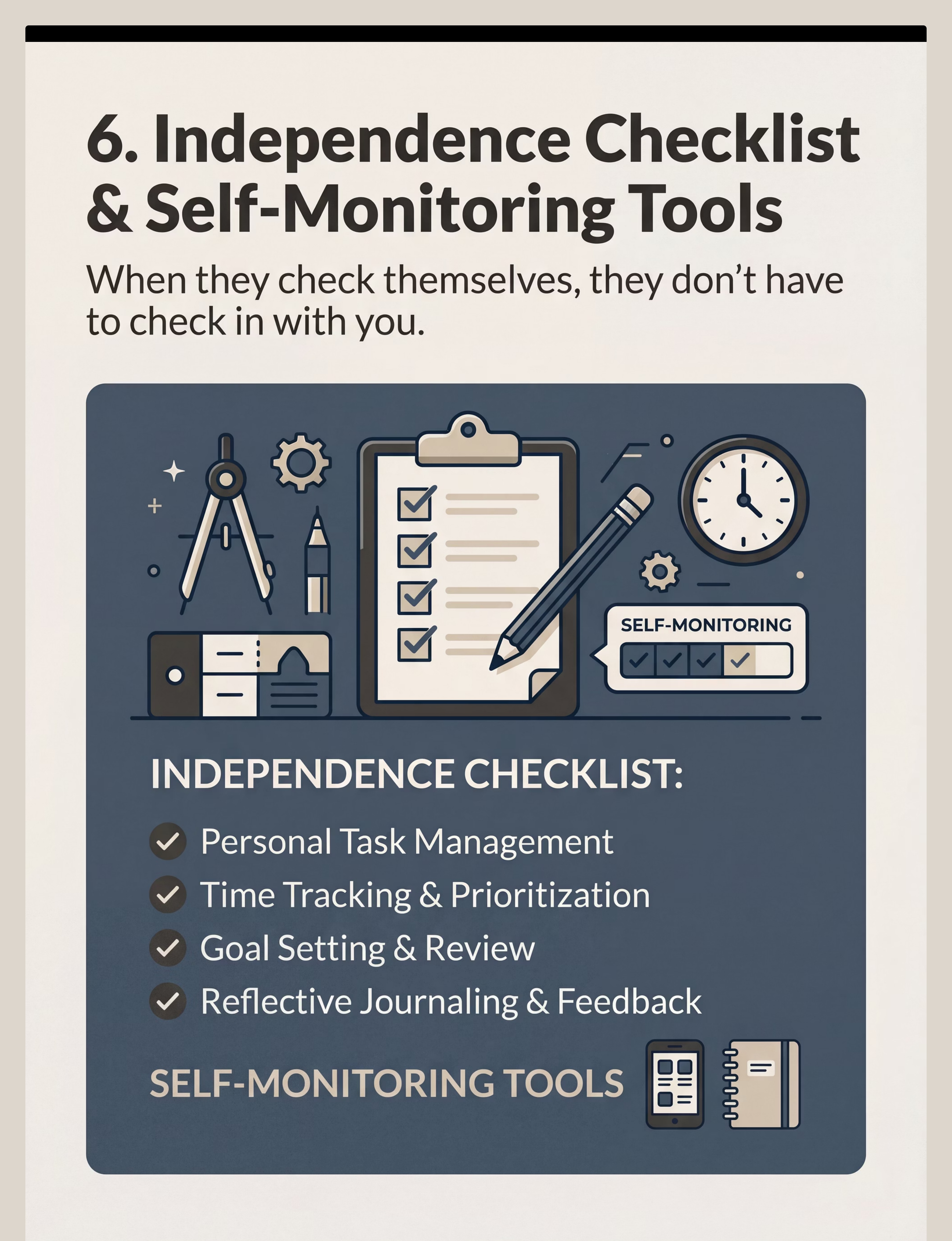
✅ Material 6 — Independence Checklist & Self-Monitoring
Transfers monitoring from caregiver to child — the bridge between dependence and self-directed independence.
₹100–500 · Search Amazon.in →
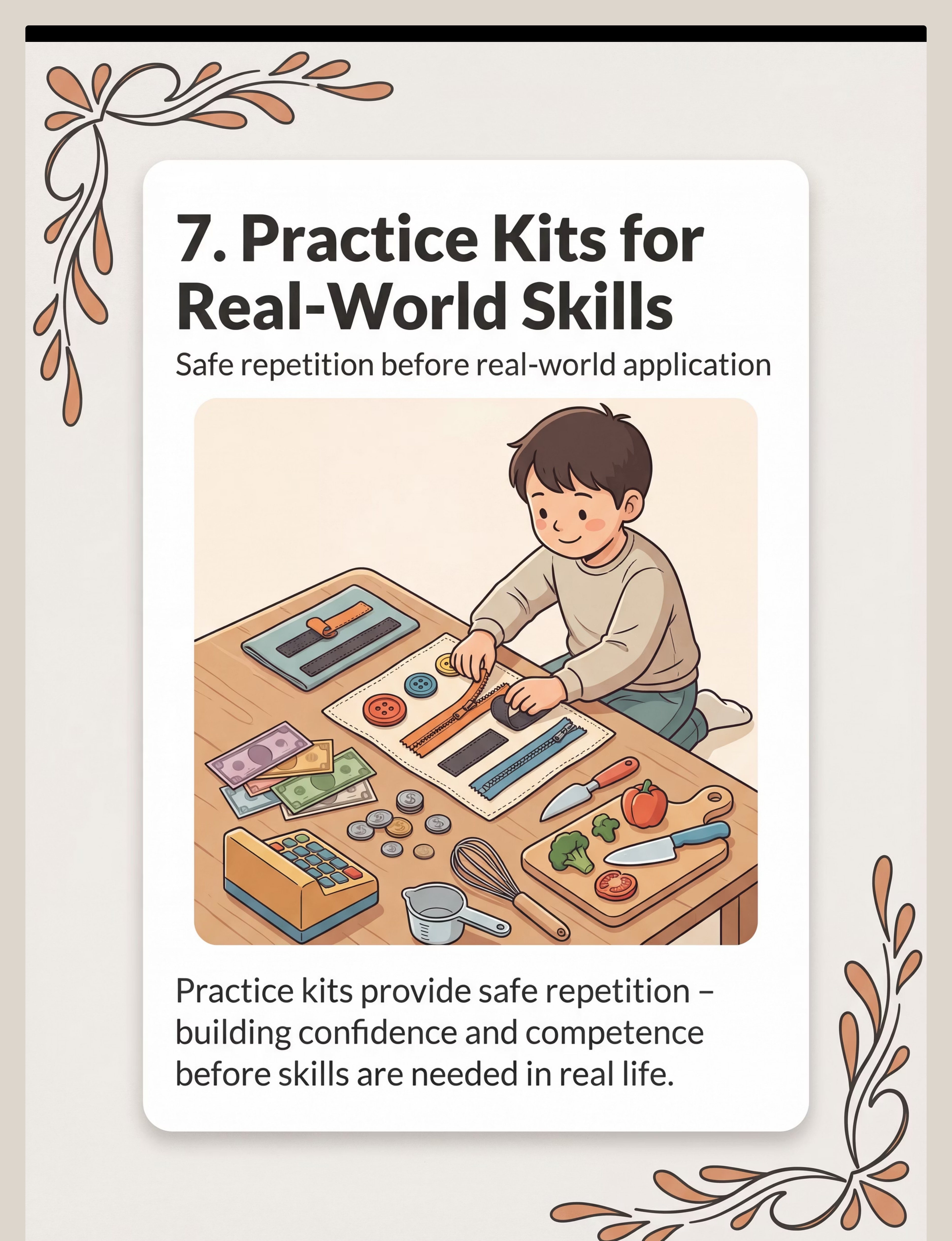
🧰 Material 7 — Practice Kits for Real-World Skills
Safe, dedicated materials for skill repetition — 50 practice attempts before the real moment.
₹300–1,500 · Search Amazon.in →
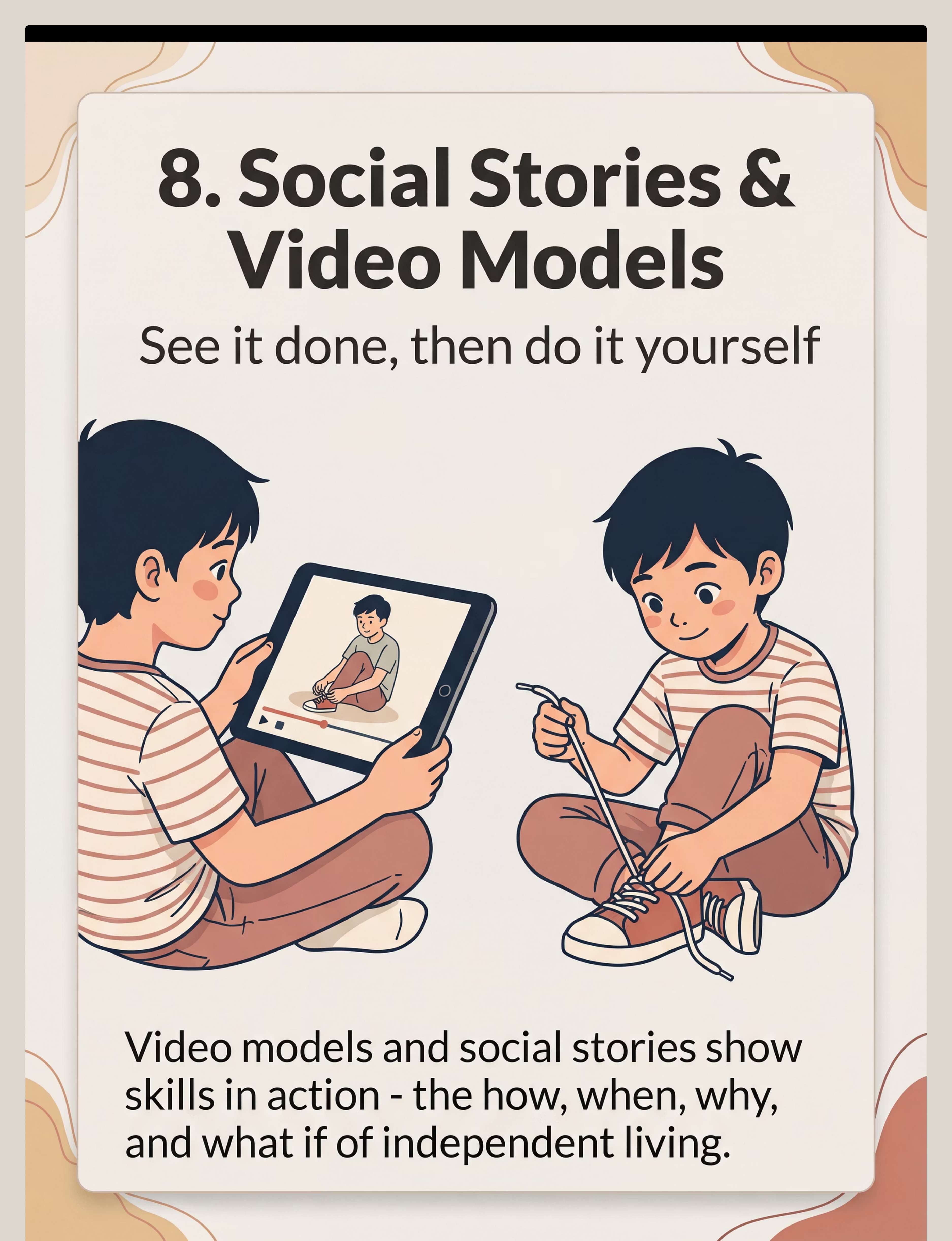
📱 Material 8 — Social Stories & Video Models
Shows skills in action — the how, when, why through the most powerful learning modality for autism.
₹100–600 · Search Amazon.in →
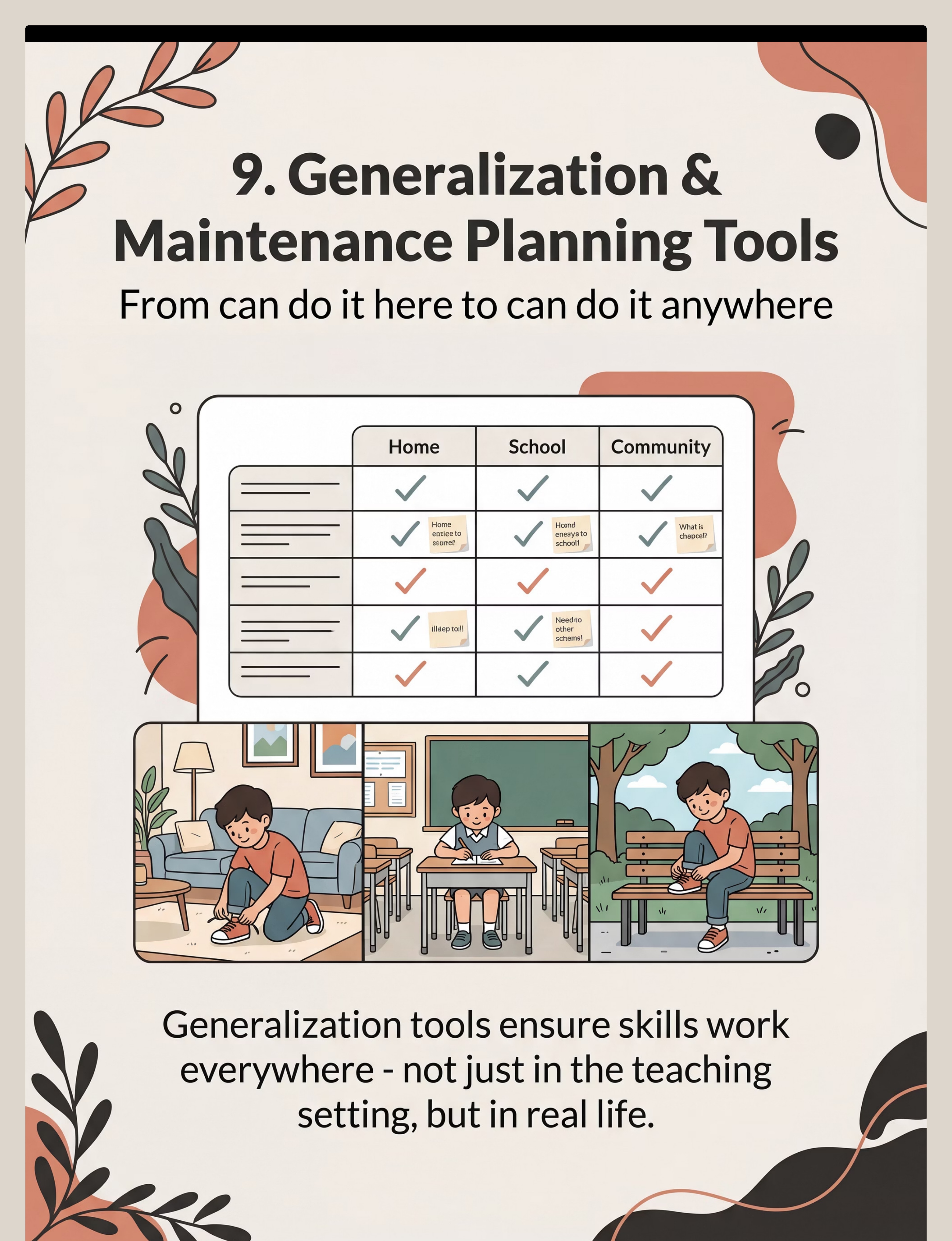
🌍 Material 9 — Generalization & Maintenance Planning
Ensures skills transfer beyond the teaching setting — from "can do at home" to "can do anywhere."
₹100–400 · Search Amazon.in →
Material 1 — Deep Dive
🃏 Visual Task Analysis Cards with Photo Sequences
Canon Category: Visual Schedules / Task Analysis · Price: ₹300–1,200 · Search Amazon.in for Task Analysis Cards →
What It Does
Breaks overwhelming multi-step tasks into single, photographed, visible steps. Makes the invisible visible. The prefrontal cortex handles sequencing automatically for neurotypical individuals — task analysis cards externalize that sequencing for children whose brains need the support.
💡 Pinnacle DIY Option — ₹50–80 per skill
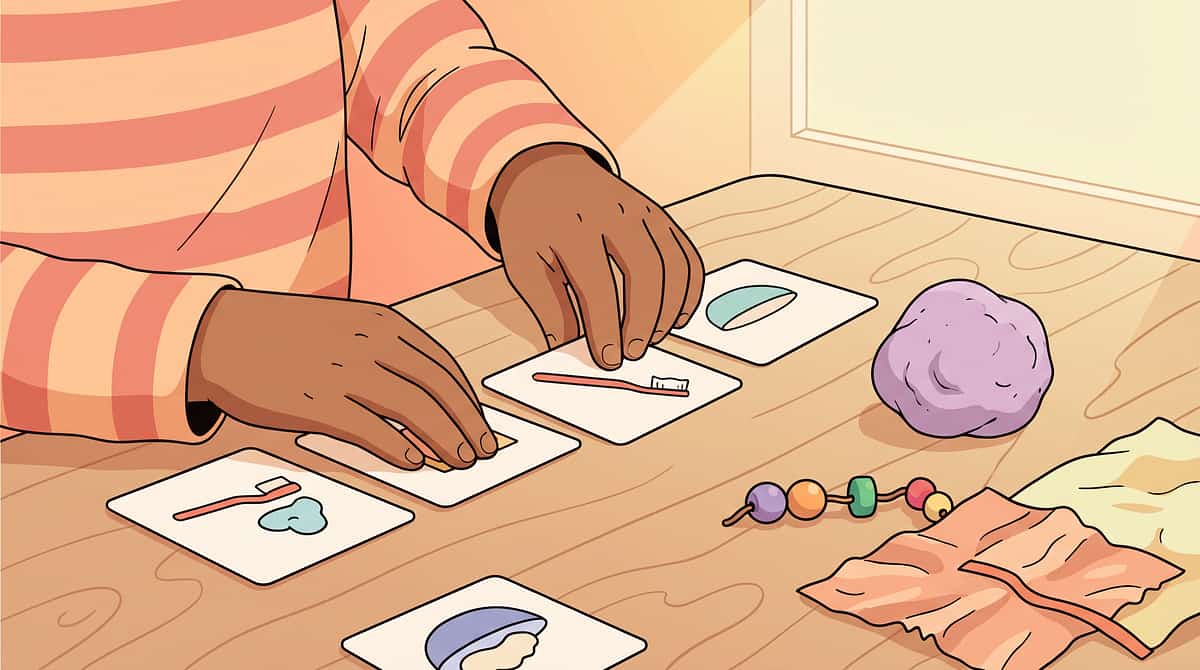
📸 Use your phone to photograph each step using your actual home, your actual items, your child's actual hands. Print at ₹3/page. Laminate at any stationery shop for ₹5/sheet. Ring-bind with a ₹20 ring.
Why it works: Your home photos are more effective than generic stock images — your child's brain processes familiar environments faster.
💡Pinnacle Recommends: Laminated photo cards for your actual home setting are most effective. Real environments, real objects, real hands — not stock illustrations.
Material 2 — Deep Dive
📊 Independence Skill Tracking System & Progress Charts
Canon Category: Data / Progress Tracking · Price: ₹200–800 · Search Amazon.in for Skill Tracking Charts →
What It Does
Makes progress visible. Prevents the "we've been working forever with nothing to show" feeling. Drives data-based decisions about when to advance, when to simplify, and when to celebrate. Without data, you're navigating blind.
💡 Pinnacle DIY Option — Free
📝 A ruled notebook. Three columns: Date, Skill, Prompt Level. That's it. Or download the free GPT-OS® tracking PDF at pinnacleblooms.org/resources.
Prompt Level Legend: FP = Full Physical | PP = Partial Physical | M = Model | FV = Full Verbal | G = Gesture | V = Visual Card | I = Independent
Material 3 — Deep Dive
📋 Prompting Hierarchy Visual Guide for Caregivers
Canon Category: Caregiver Training Materials · Price: ₹100–400 · Search Amazon.in for Prompting Guide ABA →
Wait
5 full seconds of silence before any support
Gesture
Point to the card or task material
Verbal
"Look at the card" — one clear direction
Model
Demonstrate the step yourself
Physical Guidance
Partial → Full — last resort only
What It Does
Teaches caregivers to give exactly the right level of support — enough for success, no more. Over-prompting is the #1 teaching error. This guide prevents it.
💡 Pinnacle DIY Option — Free
🖊️ Write on paper: WAIT → GESTURE → VISUAL → VERBAL → PARTIAL PHYSICAL → FULL PHYSICAL. Post it where you teach. That one card saves you from the most common teaching error.
Material 4 — Deep Dive
🔧 Adaptive Equipment & Modified Tools
Canon Category: Adaptive Daily Living Equipment · Price: ₹200–2,000 · Search Amazon.in for Adaptive Equipment OT →
What It Does
Removes physical barriers — the right tool makes independence possible when standard equipment creates obstacles. A child who cannot button a shirt is not being stubborn; the tool may simply not be designed for their motor profile. Adaptive equipment solves at the interface level.
💡 Pinnacle DIY Options — ₹0–50
- Wrap foam pipe insulation around utensil handles for a built-up grip
- Replace shirt buttons with velcro
- Add elastic laces to shoes
- Use a pump soap dispenser instead of screw-top
- Loop a rubber band through a zipper pull
💡Pinnacle Recommends: OT assessment first to identify specific equipment needs. For children with significant fine motor impairments, OT-prescribed adaptive equipment may be medically necessary. Contact FREE helpline: 9100 181 181

Material 5 — Deep Dive
🎯 First-Then Boards & Visual Motivation Systems
Canon Category: Visual Schedules / Motivation · Price: ₹100–400 · Search Amazon.in for First Then Board →
What It Does
Makes motivation visible — FIRST the skill, THEN the reward. Concrete, predictable, effective. For many children with autism, abstract promises ("you can watch TV later") don't motivate. A visible, immediate visual contract does. The First-Then board makes the deal tangible.
💡 Pinnacle DIY Option — ₹0–20
📌 Any surface + two photos (task + reward). A whiteboard with two stick drawings. Two sections of a cardboard box. A split page in a plastic sleeve. The visual concept is what works — not the product.
Also Available via Pinnacle
Reward Sticker System

Material 6 — Deep Dive
✅ Independence Checklist & Self-Monitoring Tools
Canon Category: Self-Monitoring / Executive Function Tools · Price: ₹100–500 · Search Amazon.in for Children's Routine Checklist →
What It Does
Transfers the monitoring role from caregiver to child — this is the bridge between dependence and self-directed independence. When a child monitors their own task completion, they are no longer being managed. They are managing themselves. That is the goal.
💡 Pinnacle DIY Option — Free
✍️ Draw boxes on paper. Or use a clipboard with a handwritten list. Or use stickers on a printed routine card. The check-action itself builds the self-monitoring habit — regardless of the medium.
💡Pinnacle Recommends: Dry-erase format for daily reset — one board used every morning creates a powerful, consistent routine ritual. The child sees their own completion. That visual ownership is motivating.
Material 7 — Deep Dive
🧰 Practice Kits for Real-World Skills
Canon Category: Life Skills Practice Materials · Price: ₹300–1,500 · Search Amazon.in for Life Skills Practice Kit →
What It Does
Provides safe, dedicated materials for skill repetition without real-world consequences — 50 practice attempts before the real moment. A child who has buttoned 50 practice shirts is ready to button their school uniform. Simulation precedes performance.
💡 Pinnacle DIY Options — ₹10–100
- Collect clothes with various fasteners from a thrift shop (₹10–20/item)
- Use play coins from any toy shop for money practice
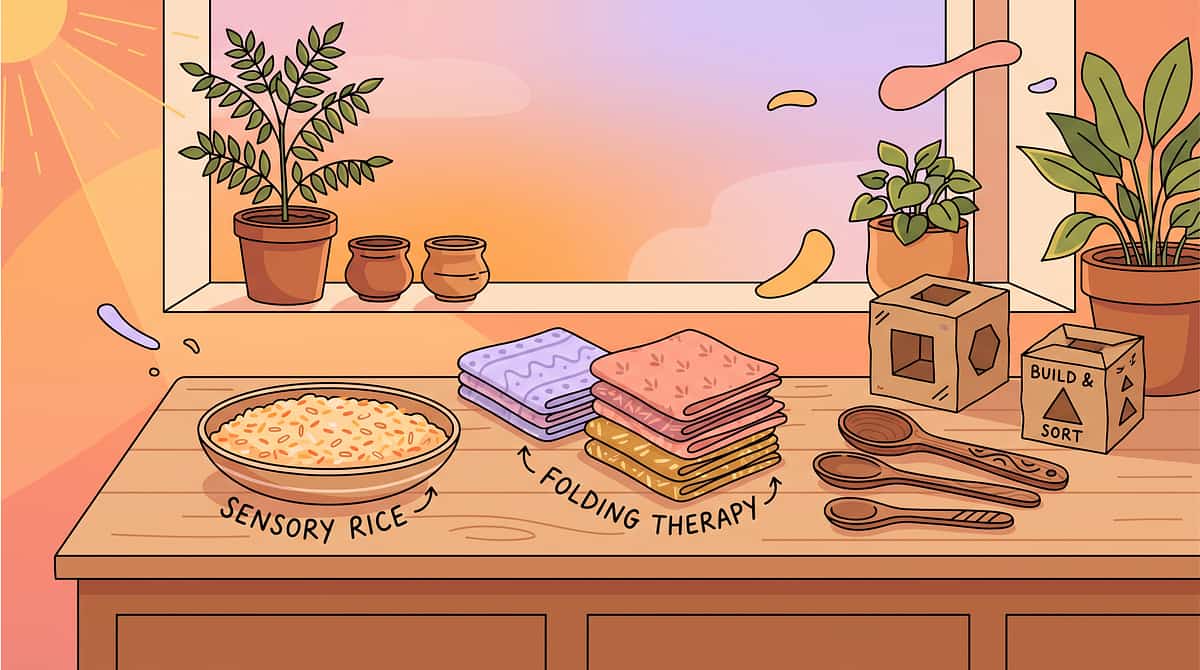
- Use a measuring cup and dry rice for cooking practice
- The kit is whatever materials let you practice the skill safely and repeatedly
💡Pinnacle Recommends: Build one dressing board + one money practice kit to start. Two high-frequency skills practiced daily delivers rapid results.
Material 8 — Deep Dive
📱 Social Stories & Video Models for Independence
Canon Category: Social Stories / Video Modeling · Price: ₹100–600 · Search Amazon.in for Social Story Books Independence →
What It Does
Shows skills in action — the how, when, why, and "what if" of independent living through the most powerful learning modality for autism. Video modeling is classified as an evidence-based practice by NCAEP 2020. Seeing yourself doing it successfully is the strongest possible motivator.
💡 Pinnacle DIY Option — Free
📖 Write a simple 5-sentence social story about your child completing the skill successfully. Use their name. Use their home. Print and illustrate with your phone photos.
Video model: Film them doing it with support, then watch it together before the next attempt. Self-video modeling is the most powerful form — your child, succeeding, before they believe they can.
💡Free option: Film your child successfully completing the skill (with support, edited out). Self-video modeling with familiar faces in familiar environments is the most powerful application.
Material 9 — Deep Dive
🌍 Generalization & Maintenance Planning Tools
Canon Category: Generalization Planning / Maintenance · Price: ₹100–400 · Search Amazon.in for Generalization Tracking Sheet →
What It Does
Ensures skills transfer beyond the teaching setting — from "can do it at home" to "can do it anywhere, with anyone." A skill that only works in one room with one parent is not yet a true independence skill. Generalization is not automatic — it must be explicitly planned and practiced.
💡 Pinnacle DIY Option — Free
📋 A simple grid: rows = skills, columns = settings (Home / School / Grandma's / Community). Check when the skill works in each setting. This map reveals exactly where to focus generalization practice next.
Use the GPT-OS® tracking dashboard for cross-setting documentation at app.pinnacleblooms.org
💡Pinnacle Recommends: Use the GPT-OS® tracking dashboard for cross-setting documentation — population data helps refine recommendations for your child specifically.
ACT II · EQUITY & ACCESS
Every family can start today — with zero budget.
WHO/UNICEF Equity Principle: No child's access to evidence-based intervention should depend on purchasing power. Every material in this system has a free or near-free DIY equivalent that works.
Total System Investment
₹1,500–7,000 for a comprehensive independence-building toolkit
Starter Kit
₹600–1,500 minimum to begin today with core materials
Zero Budget Option
DIY equivalents for all 9 materials using household items and free downloads
The WHO Care for Child Development Package has been implemented across 54 low- and middle-income countries — demonstrating that household-material efficacy is not a compromise. The evidence supports the approach regardless of material cost. What matters is the structure, consistency, and prompting hierarchy — not the price tag.
WHO NCF (2018): Context-specific, equity-focused interventions. CCD Package across 54 LMICs demonstrates household-material efficacy. PMC9978394

ACT II · SAFETY GATE
Read this before you begin. Every session.
🔴 RED — Do Not Proceed If:
- Child is in active meltdown or crisis state
- Child is unwell, in pain, or showing signs of illness
- Child has not had adequate sleep
- Caregiver is in significant emotional distress
- Task involves tools that create safety risk without supervision
🟡 AMBER — Modify Before Proceeding If:
- Child is mildly agitated — simplify and shorten the session
- Child had a difficult school day — begin with the easiest skill
- New material being introduced — reduce all other demands
- Child showing low motivation — deploy First-Then board first
🟢 GREEN — Proceed When:
- Child is calm, fed, rested, and regulated
- Environment is set up correctly
- Materials are prepared and accessible
- Parent is regulated and has 10+ focused minutes
Indian J Pediatr RCT (2019): DOI:10.1007/s12098-018-2747-4 | BACB Ethical Guidelines for behavior-analytic intervention
ACT II · ENVIRONMENT SETUP
The right environment prevents 80% of session failures.
Numbered Position Guide
- Primary task materials — within child's easy reach, pre-positioned in starting state
- Adaptive equipment (if required) — already configured before the session begins
- Task analysis card sequence — at eye level, visible from child's position
- Child position — seated/standing comfortably, facing task materials
- Caregiver position — beside (not behind, not hovering over)
- First-Then board — visible from child's seated position, FIRST card placed
- Tracking sheet + pen — within caregiver reach for immediate post-session entry
What to REMOVE From the Space
- Screens and devices (unless part of video model)
- Distracting objects or sensory triggers
- Other family members (unless training multiple caregivers)
- Time pressure — never start 5 minutes before school
Lighting & Sensory
- Natural light preferred over fluorescent
- Quiet background — no TV, no music with lyrics
- Comfortable temperature — overheating increases dysregulation
Sensory Integration Theory (Ayres): Environmental setup as core therapeutic principle. | PMC10955541
ACT III · EXECUTION — PRE-FLIGHT
60 seconds of checking saves 20 minutes of struggling.
Check | Indicator | ✅ GO | ⚠️ MODIFY | ❌ POSTPONE | |
🍽️ Fed | Meal within 2 hours | Proceed | Snack first | Not fed | |
😴 Rested | No fatigue signs | Proceed | Shorter session | After sleep | |
🧘 Regulated | Calm or neutral affect | Proceed | Simplify task | Meltdown/crisis | |
💊 Medication | Taken as prescribed (if applicable) | Proceed | Note timing | Note timing | |
⏰ Time | 10+ uninterrupted minutes | Proceed | Mini-session | Not available |
"The best session is one that starts right. A 10-minute session on a green day is worth more than a 30-minute session on a red day." — Pinnacle Blooms OT + ABA Consortium Panel

ACT III · EXECUTION · STEP 1 OF 6
Step 1: The Invitation — Begin with an invitation. Never a command.
🗣️"[Child's name], I have something to show you. Come see what we're doing today."
[Lead them to the prepared space. Let them see the materials. Give 15 seconds of quiet observation.]
"Today we're going to practice [specific skill]. I'm going to show you how. Then you get to try."
[Lead them to the prepared space. Let them see the materials. Give 15 seconds of quiet observation.]
"Today we're going to practice [specific skill]. I'm going to show you how. Then you get to try."
Body Language Guidance
- Get to the child's physical level (kneel or sit beside them)
- Relaxed, open posture — no hovering, no crossed arms
- Warm, calm voice — not excited/pressured, not monotone
- Brief eye contact if the child is comfortable with this
Acceptance Cues — Child Is Ready ✅
- Approaches or orients toward materials
- Maintains position (doesn't immediately leave)
- Looks at the task analysis card
- Reaches for a material
Resistance Cues — Modify ⚠️
- Turns away or leaves — follow calmly, try again: "Come try just one thing, then [preferred activity]"
- Verbal refusal — deploy First-Then board immediately
- Motor avoidance — reduce the demand: "Just come and look"
Timing: 30–60 seconds
ABA Pairing Procedures: Establishing motivating operations before demand placement. | OT "Just-Right Challenge" principle.

ACT III · EXECUTION · STEP 2 OF 6
Step 2: The Engagement — Introduce the material. Read the response. Begin the teaching.
🗣️"Look at these cards. [Hold up first task analysis card.] This shows you exactly what to do. First we look at the card. Then we try it. You can do this."
[Point to each photo step: "First this. Then this. Then this."]
"Ready? You try step one." → [Wait 5 seconds before any prompt]
[Point to each photo step: "First this. Then this. Then this."]
"Ready? You try step one." → [Wait 5 seconds before any prompt]
How to Present Materials
- Hold task analysis card at child's eye level
- Point with one finger to the current step only
- Present adaptive tools in the starting position (not assembled)
- First-Then board visible: FIRST [task visual] THEN [reward visual]
Child Response Indicators
🟢Engagement: Looks at card, reaches for materials, attempts step
🟡Tolerance: Stays in space, watches, doesn't participate yet → continue modeling
🔴Avoidance: Pushes materials away, vocalizes protest → check First-Then board, reduce demand to single touch
As soon as any engagement occurs: "Yes! That's it. You looked at the card." Reinforce the attempt — not just the success. Timing: 1–3 minutes.
PMC11506176 (structured material introduction in evidence-based practice)

ACT III · EXECUTION · STEP 3 OF 6
Step 3: The Therapeutic Action — This is the moment. The skill is being built right now.
Phase A — Model First (2 minutes)
Complete the first 1–2 steps yourself, narrating aloud: "I'm looking at the card. Step one says: pick up the shirt." Exaggerate the card-checking behavior. This is the most important habit to install.
Phase B — Supported Independent Attempt (3–5 minutes)
Hand control to the child. Point to Card step 1. Wait 5 full seconds before prompting (count silently). Use the prompting hierarchy: independent attempt → gesture → verbal → model → physical guidance (last resort only).
Phase C — Reinforcement Loop
After each completed step: immediate, specific praise. "You did step three! You checked the card and did it yourself." Keep the First-Then reward visible and motivating throughout.
Common Execution Errors:❌ Prompting before waiting the full 5 seconds — the wait IS the teaching. ❌ Doing the step for the child instead of guiding. ❌ Rushing through steps — learning happens in the pause between steps.
Timing: 5–10 minutes (core session) | PMC10955541 | NCAEP 2020 (task analysis + prompting = evidence-based practice)

ACT III · EXECUTION · STEP 4 OF 6
Step 4: Repeat & Vary — 3 good repetitions are worth more than 10 forced ones.
Repetition Guidance
Target per session: 3–5 complete passes through the task sequence
Quality metric: Each repetition should use the same or less prompting than the previous
Progression signal: If child completes full sequence with only visual card reference for 3 consecutive sessions → ready to fade card support
Variation Options
- 🔄 Switch which caregiver gives the instruction (Mom → Dad → grandparent)
- 🔄 Use slightly different materials (different shirt → different button size)
- 🔄 Change the room after mastery (bedroom → bathroom)
- 🔄 Remove one visual cue when child demonstrates confidence without it
Satiation Indicators — The Child Has Had Enough: Quality of attempts begins declining · Motivation for reward is decreasing · Child is looking/moving away, vocalizing distress. → 2 more repetitions, then session end. Do not push through satiation.
Minimum Effective Dose
3×/week for new skills
Optimal Dosage
Daily for acquisition; 3×/week for maintenance
Full Acquisition Timeline
8–12 weeks for new independence skills in most children
Dosage research: 2–3 sessions/week for 8–12 weeks. | BACB session quality standards.
ACT III · EXECUTION · STEP 5 OF 6
Step 5: Reinforce & Celebrate — Timing matters more than magnitude. Celebrate within 3 seconds.
🗣️ Immediately after skill step: "Yes! You did that yourself!"
🗣️ After full sequence: "[Child's name]! You did the WHOLE THING. That was [name the skill]."
🗣️ First-Then delivery: "You did FIRST! Now you get THEN. Here's [reward]."
🗣️ After full sequence: "[Child's name]! You did the WHOLE THING. That was [name the skill]."
🗣️ First-Then delivery: "You did FIRST! Now you get THEN. Here's [reward]."
Pinnacle Canon — Active Reinforcement Products
🏆The Rosette Imprint Reward Jar — ₹589 — fill with tokens/prizes for completed skill sequences
⭐1800+ Reward Stickers — ₹364 — sticker chart: one sticker per completed session. 10 stickers = special reward.
Token Economy Integration
Create a visual board with 5 boxes. Each successful session earns one token. 5 tokens = larger preferred reward. This builds delay of gratification alongside the independence skill.
Reinforcement Menu Principles
- Tangible: Preferred snack or object access (5 minutes)
- Social: Enthusiastic praise + physical affirmation if accepted
- Activity: 5 minutes of preferred activity follows skill completion
- Sensory: Preferred sensory input if applicable
"Celebrate the attempt, not just the success": If the child tries and gets it wrong — praise the try. "You tried! Let's look at the card together." Learning lives in the attempt.
ABA Reinforcement Principles: Immediate reinforcement + token economy systematic reviews. | BACB reinforcement guidelines.

ACT III · EXECUTION · STEP 6 OF 6
Step 6: The Cool-Down — No session ends abruptly. Every session ends well.
🗣️"Two more, then we're all done." [Hold up 2 fingers]
🗣️"Last one. You're doing it!"
🗣️"All done! You practiced [skill name] today. High five."
🗣️"Let's put everything away." [Child participates in material put-away if able]
🗣️"Last one. You're doing it!"
🗣️"All done! You practiced [skill name] today. High five."
🗣️"Let's put everything away." [Child participates in material put-away if able]
1
2-More Warning
Visual signal with fingers or countdown card — no surprise endings
2
Final Step Completion
Full reinforcement delivery — the THEN reward is given now
3
Material Put-Away
With or without child participation — this is itself an independence skill
4
Preferred Transition Activity
5 minutes of free choice — the ending boundary teaches routine structure
5
Parent Records Data
Log prompt level and session quality immediately — 60 seconds now saves hours of guessing later
If Child Resists Ending: Deploy transition object · Use visual timer showing zero · Do NOT extend the session — the ending boundary teaches the routine structure itself.
NCAEP 2020: Visual supports for transitions classified as evidence-based practice. | ABA transition protocols.
ACT III · DATA CAPTURE
60 seconds of data now saves hours of guessing later.
Field | What to Record | Example | |
📅 Date & Skill | Which skill was practiced | 14 Mar · Morning Routine - Brushing Teeth | |
📊 Prompt Level Used | Lowest level needed for success | Gestural (I pointed to card) | |
⭐ Session Quality | 1–5 rating | 4/5 — completed 4 of 5 steps independently |
📋 Log Today's Session
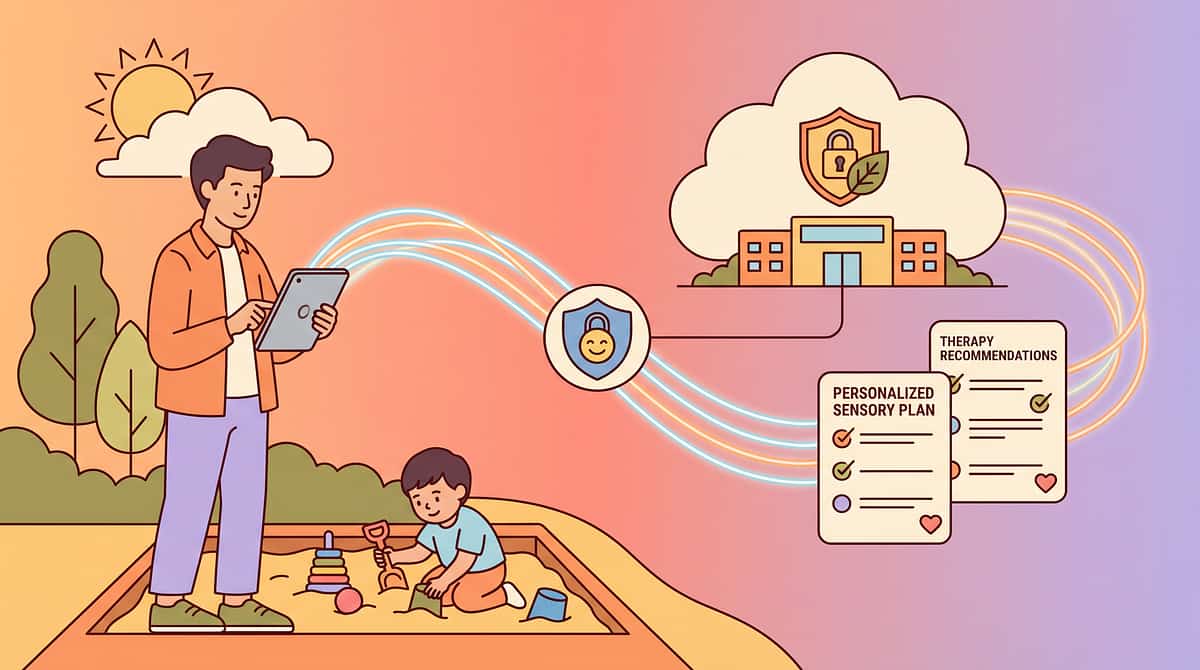
Data logged here flows into your child's developmental profile and shapes personalized recommendations.
📥 Free Tracking PDF
Printable, ready to use, zero cost.
Prompt Level Legend: FP = Full Physical | PP = Partial Physical | M = Model | FV = Full Verbal | G = Gesture | V = Visual Card | I = Independent
BACB Data Collection Standards. Cooper, Heron & Heward (ABA 8th Ed.)
ACT III · TROUBLESHOOTING
Session abandonment is not failure. It is data.
Every difficult session tells you something specific about what to change. Here are the seven most common problems — and exactly what to do next.
Problem 1: Child refused to engage at all
Why: Wrong time of day, low motivation, competing demand. Fix: Deploy First-Then board before the next attempt. Try a different time of day. Begin with the single most preferred step of the task.
Problem 2: Child engaged but became frustrated mid-task
Why: Task demand exceeded current ability — steps too big. Fix: Break the failing step into smaller sub-steps. Start with just 2–3 steps per session. Success at any step is the goal.
Problem 3: Task analysis cards aren't being used
Why: Card-checking is itself a skill to be taught. Fix: Before attempting the task, practice pointing to each card and saying the step aloud. Reinforce card-checking as a behavior before linking it to the task.
Problem 4: Child can do it with me but not alone
Why: Prompt dependence — child has learned to wait for your cue. Fix: Increase wait time to 10 seconds. Introduce indirect verbal: "What's next?" Physically step back (distance = independence signal).
Problem 5: Child can do it at home but not at school
Why: Skill has not generalized — it's a "one-setting" skill. Fix: Deliberately practice in the school setting with support, then fade. Provide the teacher with the same task analysis cards.
Problem 6: Skills mastered previously are now disappearing
Why: Maintenance not programmed. Fix: Add "maintenance sessions" — 1×/week, brief practice of mastered skills to maintain neural pathways. Mastered is not permanent without maintenance.
Problem 7: Child becomes severely distressed
Why: Could be task-specific anxiety, sensory trigger, or external stressor. Fix: Remove demand immediately. Do not retry today. Document exactly what happened. Contact Pinnacle helpline: 9100 181 181
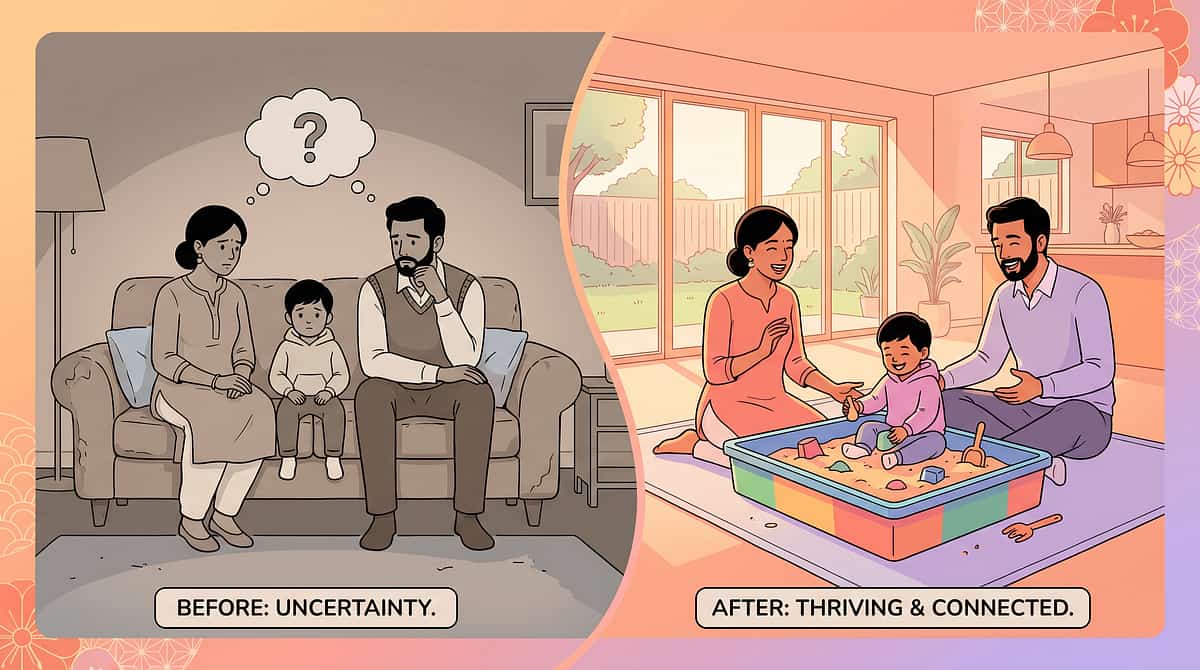
ACT III · PERSONALIZATION
No two children are identical. Here is how to make this system work for YOUR child.
For Sensory Avoiders (tasks feel aversive)
- Start with shorter exposure (1 step only, massive reinforcement)
- Use adaptive equipment to reduce sensory demand
- Allow sensory break between steps
- Signal task end clearly and early
For Sensory Seekers (impulse control challenges)
- Build in proprioceptive input BEFORE the task (jumping, heavy work)
- Use weighted equipment where appropriate
- Channel seeking behavior as reinforcement after step completion
Age Group | Key Modification | |
Early childhood (2–6) | 2–3 step maximum, photo cards only, massive praise ratio | |
Middle childhood (7–12) | Full sequence, written + photo cards, token economy | |
Adolescence (13–18) | Written checklists, self-video modeling, peer modeling, real-world contexts | |
Adult learners | Natural environment focus, community skills, vocational applications |
OT sensory profile (Dunn), ABA function-based modification, SLP communication profile. Clinical practice guidelines.
ACT IV · PROGRESS ARC
Week 1–2: Foundation Phase — What to expect in the beginning.
15%
Foundation Phase Progress
Weeks 1–2: establishing tolerance, participation, and initial prompt reduction
What Progress Looks Like in Weeks 1–2 ✅
- Child tolerates the task analysis cards being present (doesn't push them away)
- Child remains in the skill-practice area for the full session
- Prompting level required has decreased by at least one level (full physical → partial)
- First-Then board is understood — child engages with the FIRST component
- Session resistance has decreased (less protest, shorter recovery time)
What Is NOT Progress Yet (Managing Expectations) ❌
- Complete independent task completion — that comes much later
- Generalization to other settings — too early
- Zero resistance — tolerance is the goal, not enthusiasm
- Remembering all steps without the card — that's the card's job for now
"If your child tolerates the material for 3 seconds longer than last week — that is real neurological progress. You are reshaping neural pathways. The visible behavior change follows the invisible brain change, not the other way around." — Pinnacle Blooms Consortium
PMC11506176 | Neuroplasticity literature: behavioral change follows neural consolidation.

ACT IV · PROGRESS ARC
Week 3–4: Consolidation Phase — Signs that learning is taking hold.
40%
Consolidation Phase Progress
Weeks 3–4: internal routines forming, prompting stabilizing, motivation engaging
Child independently gets the task analysis card before the adult prompts
Child references the card between steps without being reminded
Prompting level has stabilized at gestural or visual (reduced from physical/verbal)
Child self-corrects mid-task — looks at card, adjusts, continues
Tracking data shows consistent improvement in prompt level across sessions
Generalization seeds — watch for this: "Child attempts parts of the skill in a different context without being asked." Example: Child picks up their own shoes to put them on before you've mentioned it. This is the first sign of true independence emerging. Document it. Celebrate it.
If child is performing at 80%+ independence on current skill level → increase session frequency, add next step, or begin practicing in a second setting. By week 4, most parents report they are less exhausted by sessions — because they've stopped fighting resistance and started reading readiness cues.
ACT IV · PROGRESS ARC
Week 5–8: Mastery Phase — The skill is becoming real independence.
75%
Mastery Phase Progress
Weeks 5–8: true independence emerging, generalization beginning, self-monitoring active
Mastery Criteria — Specific, Observable, Measurable 🏆
- Child completes full skill sequence with visual card only (no verbal or physical prompts) across 3 consecutive sessions
- Performance is consistent across 2+ caregivers (Mom and Dad, or parent and teacher)
- Child initiates the task at the natural cue (morning → goes to bathroom, meal ready → sets the table)
- Child uses the self-monitoring checklist independently — marks completion without being told
- Skill is beginning to appear in at least one other setting beyond where it was taught
🏆 MASTERY ACHIEVED
L-978 · Progress to next level
STAY — Strengthen
If skill is mastered in home setting only → generalize to 2 more settings before moving on
MOVE — Next Skill
If skill generalizes across 3+ settings and 2+ caregivers → ready for next-level skill
PMC10955541 | BACB mastery criteria standards: 80%+ across 3 consecutive sessions with 2 therapists
ACT IV · CELEBRATE
🌟 You did this. Your child grew because of your commitment.
Over 5–8 weeks, you created materials that made invisible steps visible. You ran daily or near-daily teaching sessions, through resistance and setbacks. You used a prompting hierarchy instead of doing things for your child. You tracked progress when you couldn't see it with the naked eye. You adjusted, personalized, and persisted.
And your child completed an independence skill they couldn't before. This is not small. This is a change in the trajectory of their life.
Family Celebration Suggestion
Let your child choose a family activity to celebrate their milestone. Frame it as: "You practiced [skill] for 8 weeks and now you can do it yourself. Tonight, we celebrate. You choose."
📸 Photo/Journal Prompt
Take a "before and after" photo — child attempting the skill on Day 1 vs. doing it independently today. This photo is worth keeping. It is evidence of neurological change.
Documentation
Mark this skill as "Mastered" in your tracking system. It is now a maintenance skill — check it monthly to keep the neural pathway strong.

ACT IV · CLINICAL GUARDRAILS
Trust your instincts. If something feels wrong, pause and ask.
Red Flag | What It Looks Like | Action | |
Escalating self-injury | SIB increasing in frequency or intensity alongside skill practice | Stop sessions. Contact clinic immediately. | |
Regression across domains | Not just this skill — multiple skills deteriorating | Medical/clinical review needed | |
Severe anxiety response | Panic-level response to routine task demands | Anxiety-specific protocol needed before skill building | |
Zero progress across 8 weeks | Prompt level has not reduced despite consistent practice | Clinical reassessment — task analysis may need revision | |
Caregiver burnout | Unable to maintain consistent, regulated sessions | Parent support and respite — contact helpline |
🏛️ Find a Pinnacle Center
📞 FREE National Autism Helpline
9100 181 181
16+ languages · 24×7 · No appointment needed
16+ languages · 24×7 · No appointment needed
WHO NCF Progress Report (2023): Referral pathways integrated into service delivery. | Pinnacle clinical escalation protocols.
ACT IV · DEVELOPMENTAL GPS
You're not done. You're on a journey with a clear forward path.
1
L-976
Self-Care Foundations: Dressing, Hygiene, Grooming
2
L-977
Household Skills: Bed-making, Laundry, Cleaning
3
★ L-978
INDEPENDENCE BUILDING — YOU ARE HERE
4
L-979
Community Participation: Shopping, Transport, Safety
5
L-980
Vocational Readiness: Job Skills, Interviews, Workplace
Long-Term Developmental Goal: Maximum appropriate independence in adult life — the strongest single predictor of quality of life for individuals with developmental disabilities (AAIDD 2021).

ACT IV · RELATED TECHNIQUES
Building independence is a system, not a single technique.
Self-Care · 🟡 Core · Uses: Task Analysis Cards ✅
Self-Care · 🟡 Core · Uses: Task Analysis Cards ✅ Checklist ✅
Community · 🔴 Advanced · Uses: Practice Kit ✅
Domestic · 🔴 Advanced · Uses: Adaptive Equipment ✅
Community · 🔴 Advanced · Uses: Video Models ✅
Self-Care · 🟢 Intro · Uses: Visual Schedule ✅
✅ All techniques in this cluster can use your existing task analysis cards, tracking system, and First-Then boards from L-978. Your investment multiplies across every related technique.
ACT IV · THE BIG PICTURE
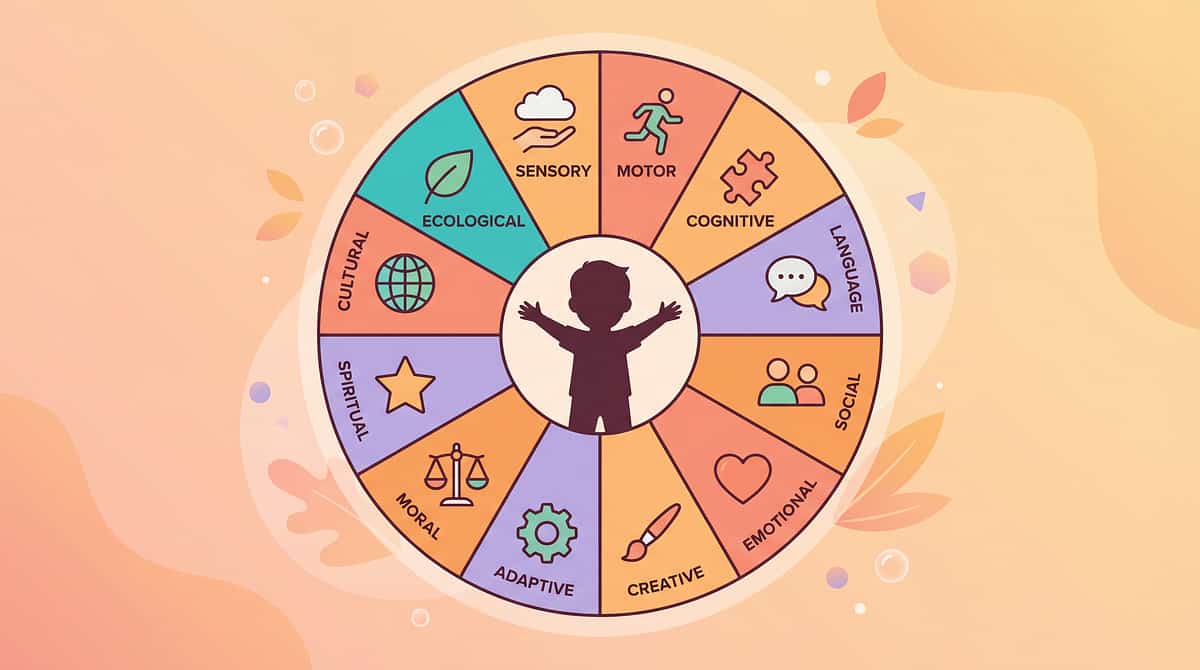
This technique is one tile in a 12-domain mosaic. Here is the whole picture.
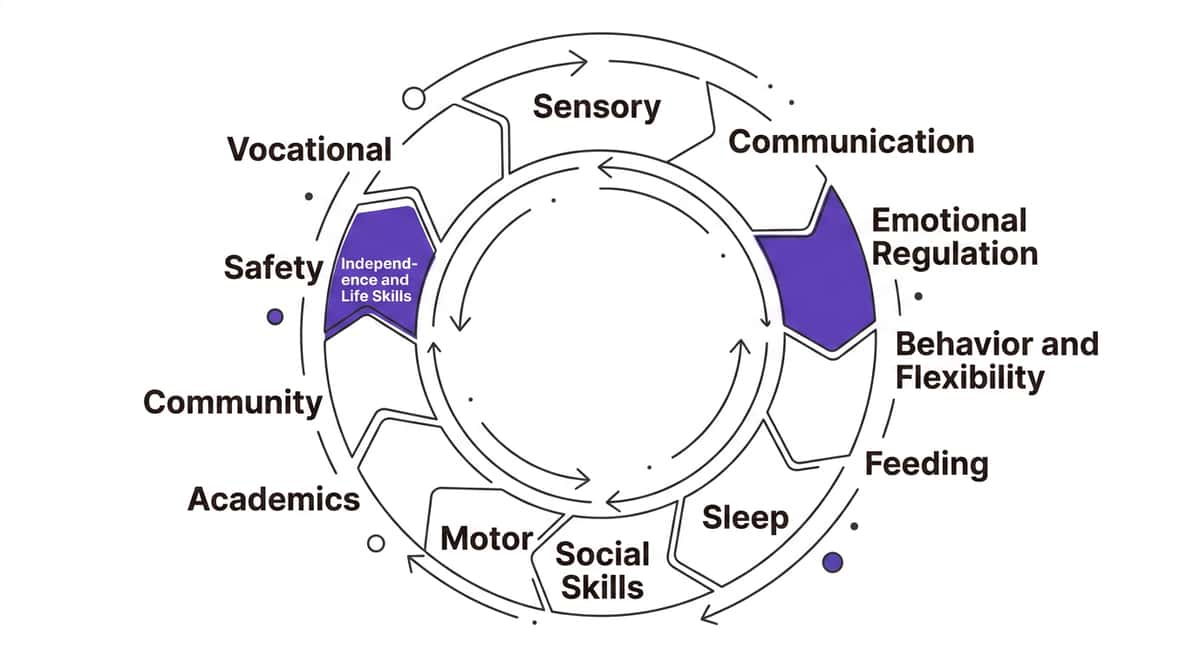
GPT-OS® Connection
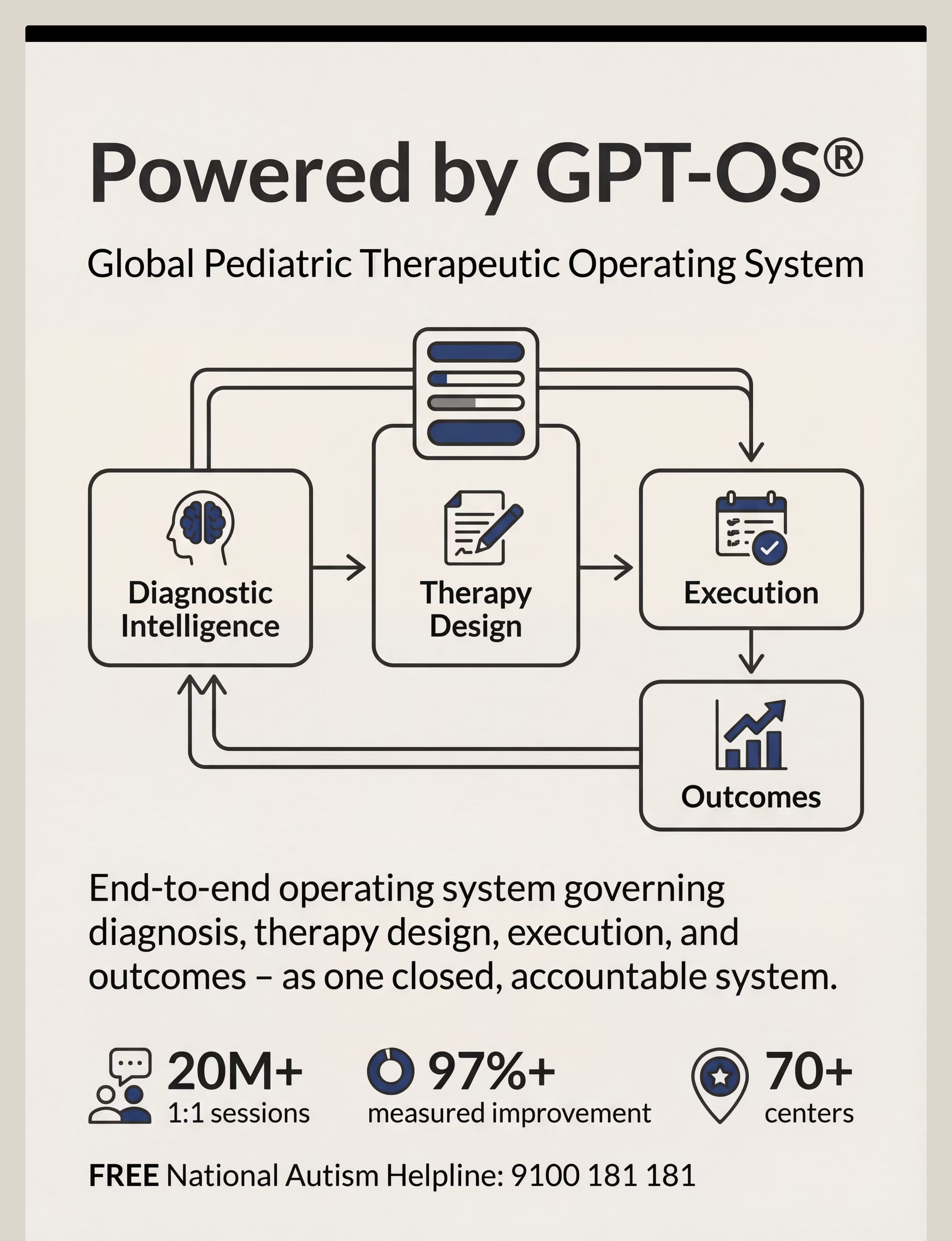
This technique feeds your child's Daily Living Readiness Index and Adaptive Behavior Index within GPT-OS® — two of the 20 real-time indexes tracking your child's developmental progress across all domains.
The Holistic Framework
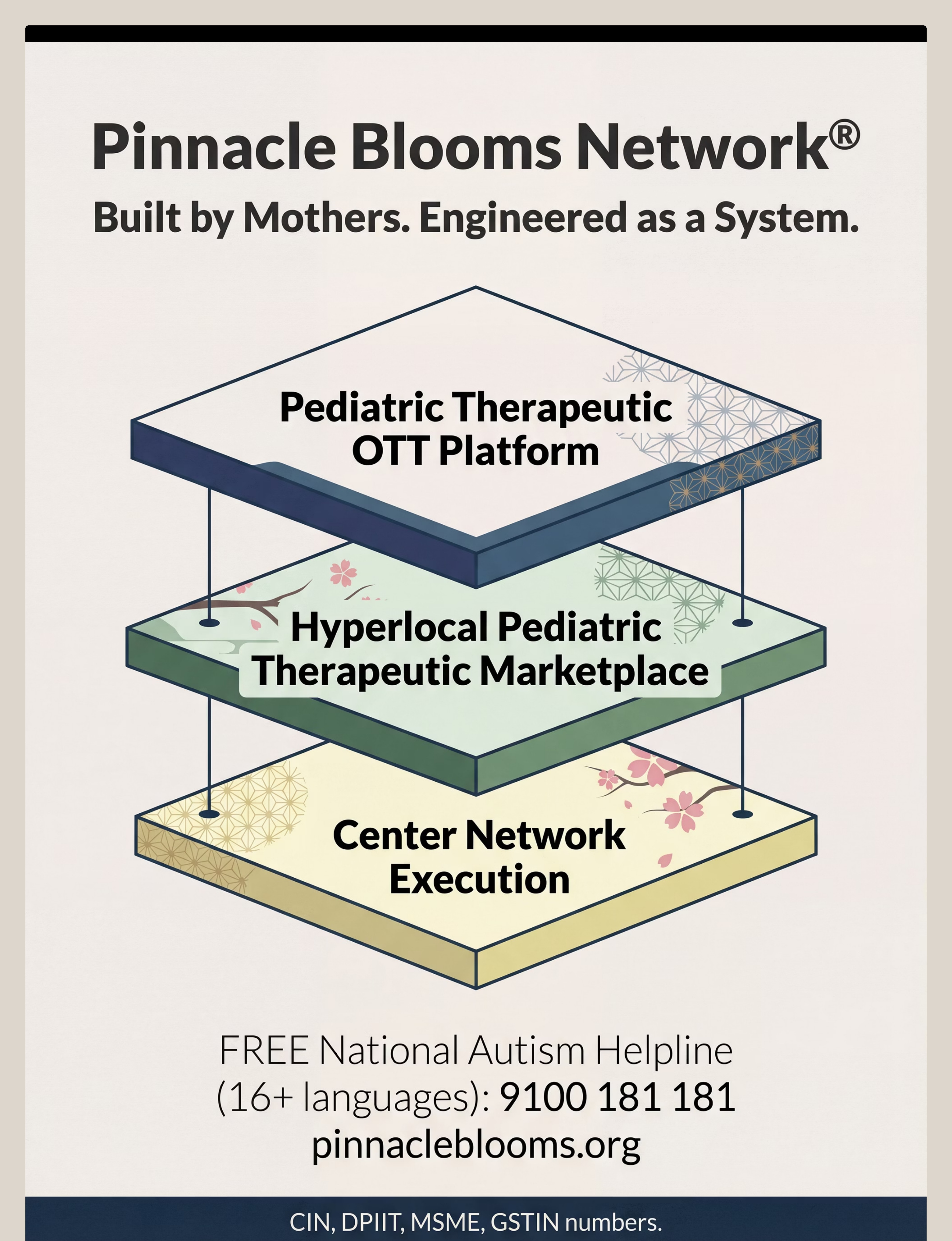
No domain exists in isolation. A child's independence skills interact with their sensory profile, communication, emotional regulation, and motor skills. This is why the Pinnacle Consortium coordinates all five disciplines — every domain is addressed as part of a whole-child system.
WHO/UNICEF Nurturing Care Framework: Five components requiring holistic developmental monitoring. | UNICEF 2025 Country Profiles: 42 indicators per country.
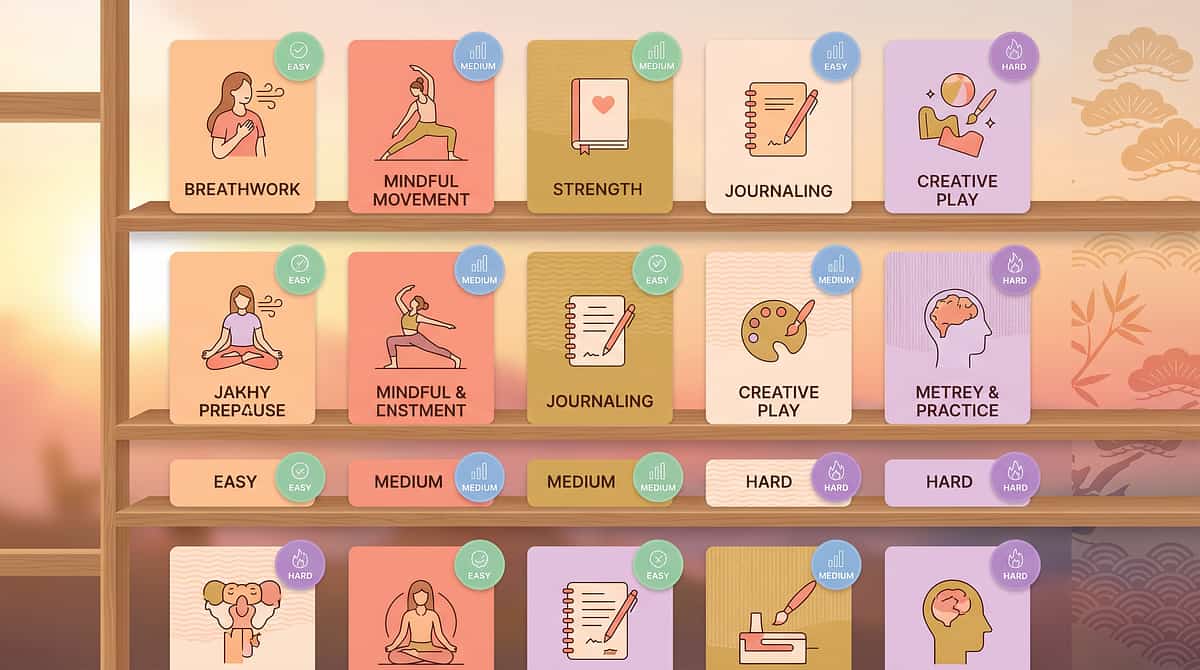
Preview of 9 materials that help with independence building Therapy Material
Below is a visual preview of 9 materials that help with independence building therapy material. The pages shown help educators, therapists, and caregivers understand the structure and content of the resource before use. Materials should be used under appropriate professional guidance.


Link copied!

ACT V · COMMUNITY
Real families. Real skills. Real independence.
Before — Parent, Hyderabad Center
"My daughter was 10 years old and couldn't brush her teeth without me doing it for her. Every morning was a battle — me late, her crying, both of us exhausted."
After (Week 9)
"She completes her entire morning routine independently. Teeth, face, hair, dressed, bag packed. She checks her own list and comes to me when she's done. 'I'm ready,' she says. We never thought we'd hear those words."
Before — Parent, Chennai Center
"Our son is 14. Intellectually capable, but couldn't make a sandwich, couldn't navigate the bus alone. We'd done 4 years of 'life skills' at school with almost nothing to show for it."
After (3 months of GPT-OS® structured program)
"He was making his own breakfast every morning — cereal, toast, juice. He announced it at dinner: 'I made breakfast today.' My wife cried."
"The families who make the fastest progress are not the ones who have the most time or the best materials. They're the ones who learn to wait — who resist the urge to step in before the child has tried. The hardest skill to teach is not to the child. It's to the parent." — Senior OT, Pinnacle Blooms Network®
Note: Illustrative cases. Individual results vary.