

When "I Don't Want To" Runs Everything
9 Clinically Validated Materials That Break the Avoidance Cycle — Starting Today, At Home

F-581 | Behavioral Regulation
The Scale of This Struggle Is Larger Than You Know
You are among millions of families navigating this exact challenge — globally and across India.
1 in 36
ASD Prevalence
Children diagnosed with autism spectrum disorder globally (CDC 2023)
80%
Sensory Avoidance
Children with ASD who experience significant activity avoidance driven by sensory processing differences (PMC11506176)
72%
Anxiety-Driven
Children with anxiety disorders who display consistent activity and participation avoidance as a primary symptom
India has an estimated 18 million children on the autism spectrum alone — the world's largest such population. Across Pinnacle's 70+ centers, activity avoidance ranks as the #2 most reported daily challenge by families, cutting across autism, ADHD, anxiety disorders, sensory processing differences, and pathological demand avoidance (PDA) profiles. You are not an outlier. You are the majority.
Activity avoidance appears in clinical literature under multiple labels: Task Avoidance, Demand Avoidance, Pathological Demand Avoidance (PDA), Participation Difficulties, Behavioral Inflexibility. Different names. Same daily struggle.

The Neuroscience
This Is Not Defiance. This Is Neuroscience.
The Brain Science
The Amygdala Threat Response: When a child with activity avoidance encounters a new or demanded activity, the amygdala — the brain's threat detection center — fires as if the activity were physically dangerous. Neuroimaging studies show identical threat-response signatures in anxiety-driven avoidance and physical danger.
The Prefrontal Bypass: In children with heightened threat sensitivity, the amygdala signal is so intense it bypasses prefrontal reasoning entirely. "I don't want to" is not a reasoned decision — it's a survival reflex.
The Sensory Cortex Amplification: In children with sensory processing differences, the somatosensory cortex over-amplifies input — noise becomes deafening, touch becomes painful, visual chaos becomes blinding. The activity feels genuinely intolerable, not just unpleasant.
Plain English for Parents
When your child says "my stomach hurts" before the party — it probably does. Anxiety produces real physical sensations. When they say "I can't" — their nervous system genuinely believes that.
You are not dealing with a child who is choosing to be difficult. You are dealing with a nervous system that has learned: "activities = threat."
The solution is not tougher boundaries. The solution is teaching the nervous system: "activities = safe, manageable, survivable."
This is rewiring. It takes tools, not willpower.
"Activity avoidance is a wiring difference, not a character flaw. The child who says 'no' to everything is often the child who desperately wants to say 'yes' — but doesn't yet know how to survive it." — Pinnacle Blooms Consortium | OT + ABA + Child Psychology Team

Developmental Context
Your Child Is Not Behind. They Are At a Waypoint With a Clear Forward Path.
Ages 2–3
Normal wariness of new things — developmentally expected
Ages 3–5 ▲ You Are Here
Activity avoidance peak emergence — THIS IS WHERE MOST FAMILIES IDENTIFY THE CHALLENGE. Early intervention is critical.
Ages 5–7
Avoidance pattern entrenchment risk — intervention window is still open but urgency increases
Ages 7–10
Social and educational cost of unaddressed avoidance becomes visible in peer relationships and school performance
Ages 10–12+
Independence and participation mastery — the goal state that these materials are building toward
Common Co-Occurring Profiles
Autism Spectrum Disorder
Preference for sameness + sensory sensitivities
Anxiety Disorders
Fear of failure, social evaluation, uncertainty
ADHD
Task initiation difficulties, non-preferred activity resistance
PDA Profile
Anxiety-driven resistance to all demands
Sensory Processing Disorder
Activities feel physically intolerable
"Your child is here. The materials in this guide are the bridge to where you're both heading."

Evidence Grade
Not Advice. Evidence. Here Is the Clinical Proof.
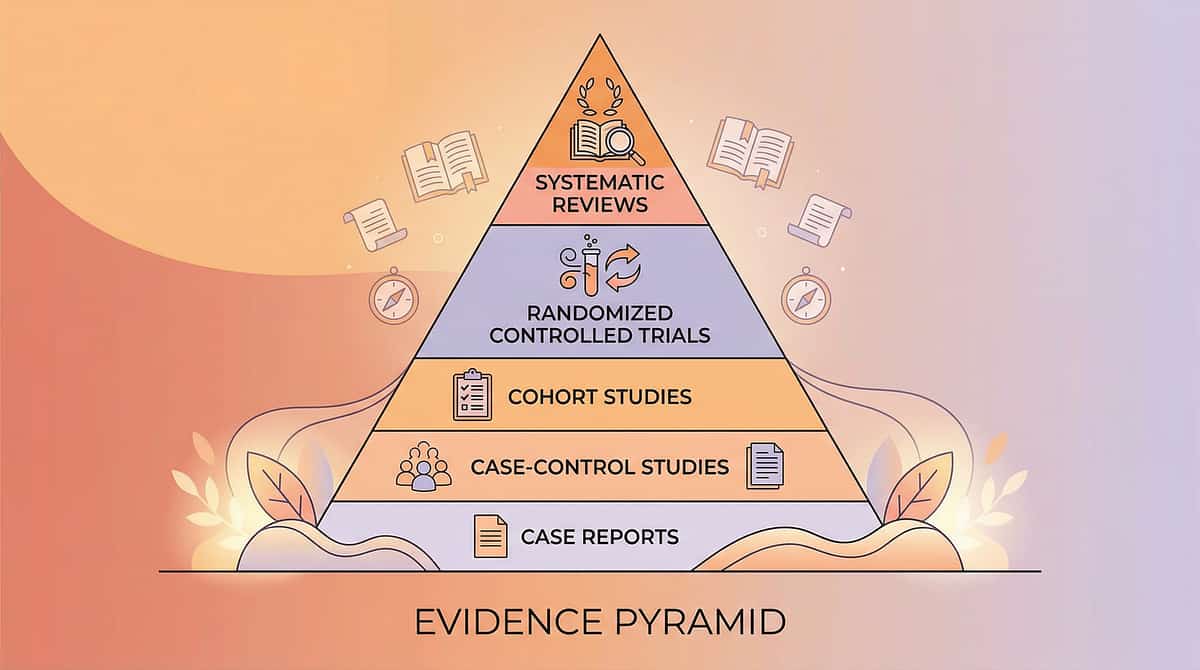
Level I Evidence
Systematic Review + Multiple RCTs
Pinnacle Blooms Network® Evidence Grade: STRONG
Clinically validated. Home-applicable. Parent-proven. 21 million sessions confirm what the studies predict.
Key Studies
Study | Finding | Source | |
PRISMA Systematic Review (2024) | 16 studies confirm behavioral participation interventions as evidence-based practice for ASD | PMC11506176 | |
Meta-analysis (2024) | Sensory-behavioral integration across 24 studies: significant improvement in participation and adaptive behavior | PMC10955541 | |
Indian RCT (2019) | Home-based structured interventions with parental training: significant measurable outcomes in Indian pediatric population | DOI: 10.1007/s12098-018-2747-4 | |
WHO Nurturing Care Framework (2018) | Parent-implemented home interventions in 54 countries demonstrate population-level behavioral improvement | PMC9978394 |
📞FREE National Autism Helpline: 9100 181 181 | 16+ Languages | 24×7 | Ask our clinical team about F-581 | pinnacleblooms.org
Technique Definition | F-581
Activity Avoidance Intervention — What This Page Teaches
TECHNIQUE: Activity Avoidance Intervention | ALIAS: "Opening the Door" | DOMAIN: Behavioral Regulation / Sensory Processing / Anxiety Management | CODE: F-581
Activity avoidance intervention is a structured, evidence-based approach that uses specific therapeutic materials and strategies to reduce a child's persistent pattern of refusing, escaping, or resisting engagement in activities and tasks. Unlike simple behavioral compliance techniques, effective activity avoidance intervention addresses the root cause of refusal — whether anxiety, sensory overwhelm, demand sensitivity, or skill deficits. The 9 materials described on this page address all four drivers, giving families a complete toolkit rather than a single strategy.
Domain F
Behavioral Regulation
Domain A
Sensory Processing
Domain C
Anxiety Management
Ages 3–12
Home Setting
10–30 min
Per Session | Daily
⚠️This is NOT about forcing compliance. Activity avoidance intervention is about understanding WHY avoidance happens and systematically reducing the underlying threat — until participation becomes possible, then natural, then independent.
The Clinical Team
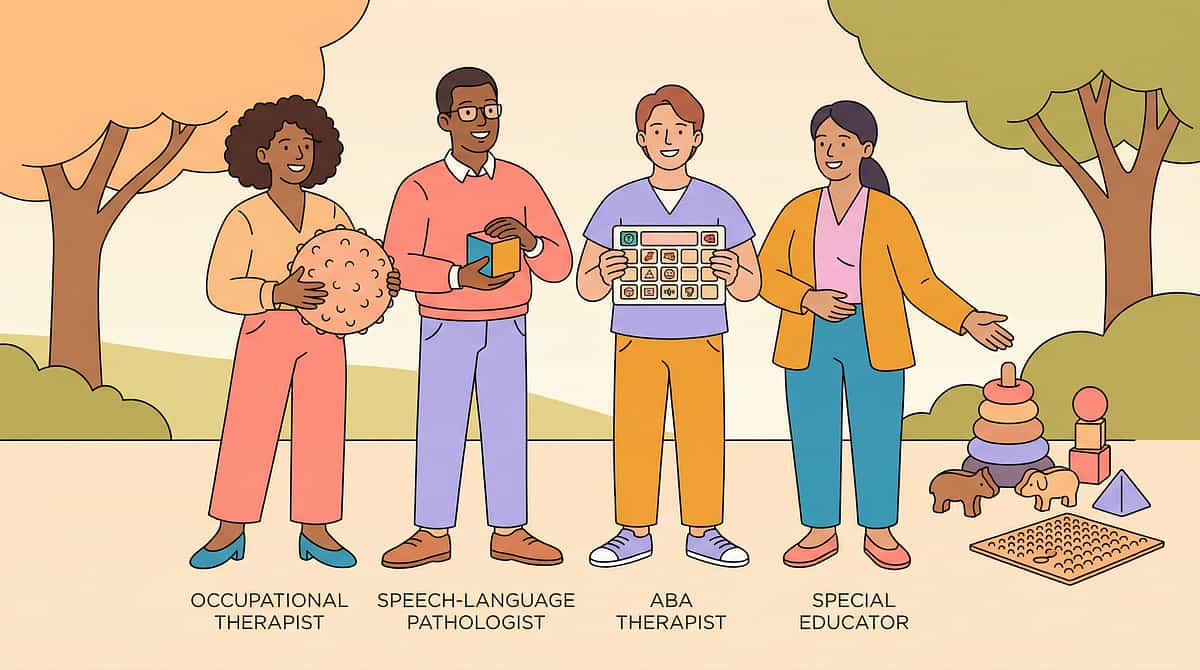
Four Therapy Disciplines. One Unified Goal. Your Home.
Occupational Therapy (Primary)
OTs lead activity avoidance intervention through sensory processing assessment and sensory regulation toolkit design. They identify specific sensory triggers driving avoidance — noise, texture, visual chaos, proprioceptive demands — and build graduated exposure hierarchies matched to the child's sensory profile.
ABA / BCBA (Secondary)
Behavioral analysts conduct functional behavior assessments to determine what avoidance is achieving. ABA delivers the reinforcement architecture: token economies timed to brave attempts, choice board systems that reduce demand aversion, and the data collection framework that tracks progress objectively.
Special Education (Tertiary)
Special educators apply these materials in school settings — creating classroom versions of visual schedules, choice boards, and proximity participation systems. They design social stories that address school-specific avoidance (PE, art class, group activities) and coordinate with teachers on participation scaffolding.
Child Psychology (Specialist)
Psychologists address anxiety-driven avoidance through cognitive-behavioral frameworks: graded exposure hierarchies, cognitive restructuring, and brave board self-efficacy building work. For PDA profiles, psychologists guide the low-demand collaborative approach that differs fundamentally from behavioral compliance strategies.
"Your child's avoidance doesn't organize itself by therapy discipline. That's why our FusionModule™ converges OT, ABA, SpEd, and Psychology into one home-executable plan — not four separate strategies." — Pinnacle Blooms Consortium | FusionModule™ Team

Therapeutic Targets
Precision Tools. These Are the Exact Skills Being Built.
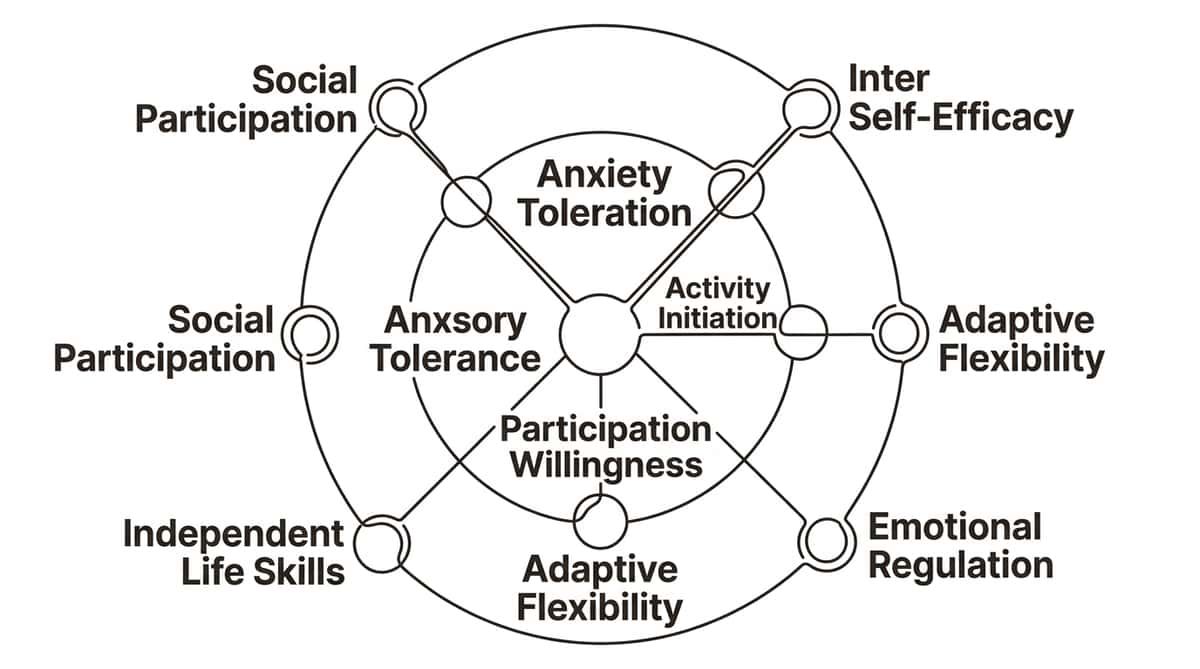
Observable Behavior Indicators
Target | "Before" Behavior | "After" Indicator | |
Activity Initiation | Immediate "no" before knowing what it is | Asks "what is it?" before deciding | |
Anxiety Tolerance | Meltdown at any activity demand | Visible discomfort but willingness to try for 5 minutes | |
Sensory Regulation | Covers ears, refuses environments | Uses headphones, stays 15 minutes longer | |
Demand Flexibility | Refuses all adult-initiated activities | Accepts activity if they choose from 3 options | |
Social Participation | Sits out of all group activities | Accepts helper/observer role, occasionally joins |

Materials 1–3 of 9
9 Materials. One Toolkit. Completely Home-Executable.
Sourced from Pinnacle's 128 Canon Materials system — clinically validated, parent-tested, India-available.

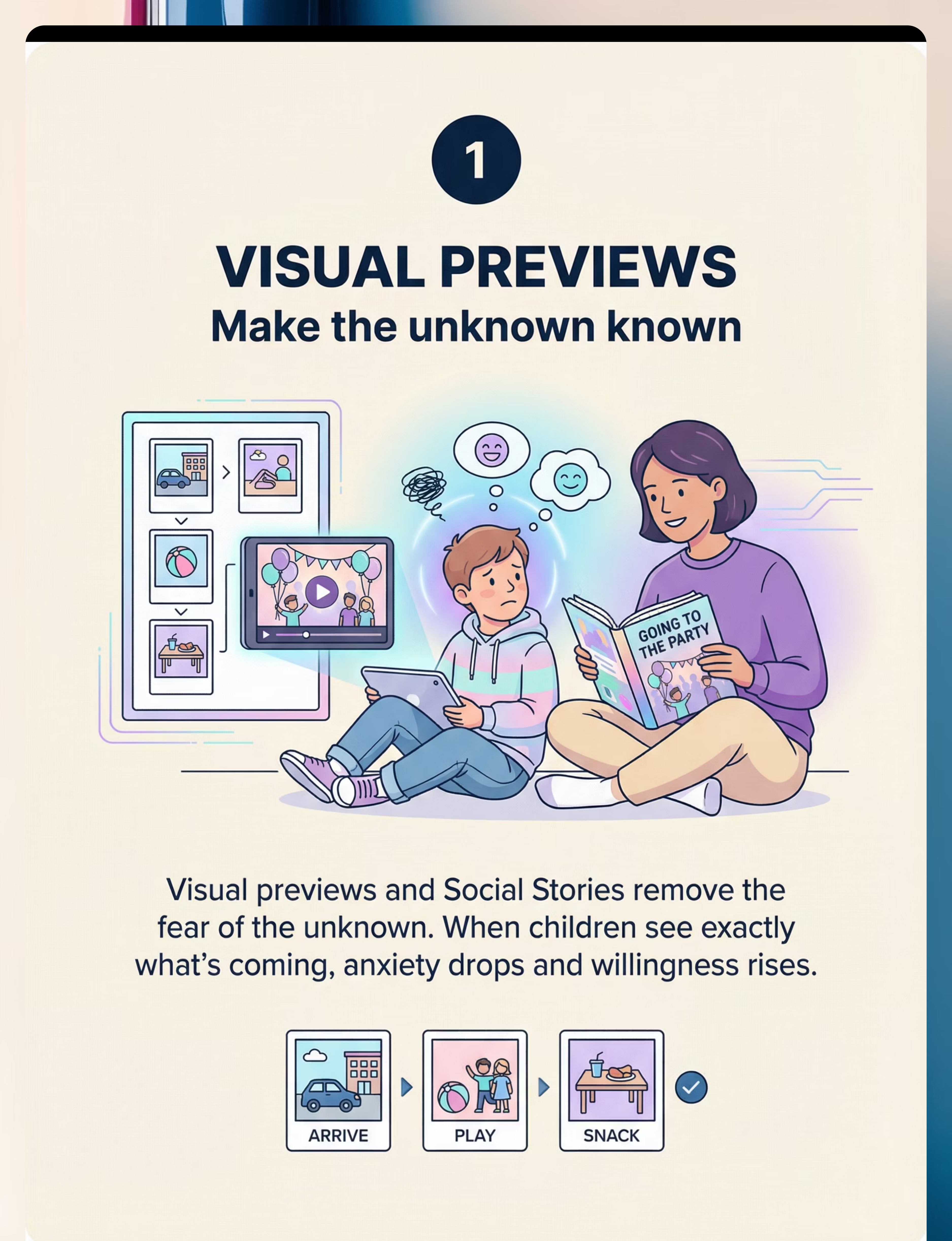
1. Visual Activity Previews / Social Stories
Canon Category: Social Stories / Narrative Supports | Visual Schedule System
What you need: Photo board, printed activity preview cards, or Social Story book; tablet/phone for video previews
Price range: ₹0 (DIY) – ₹800
🏷️Pinnacle Recommends: Any laminated photo-sequence board showing activity steps in order. Search Amazon.in →

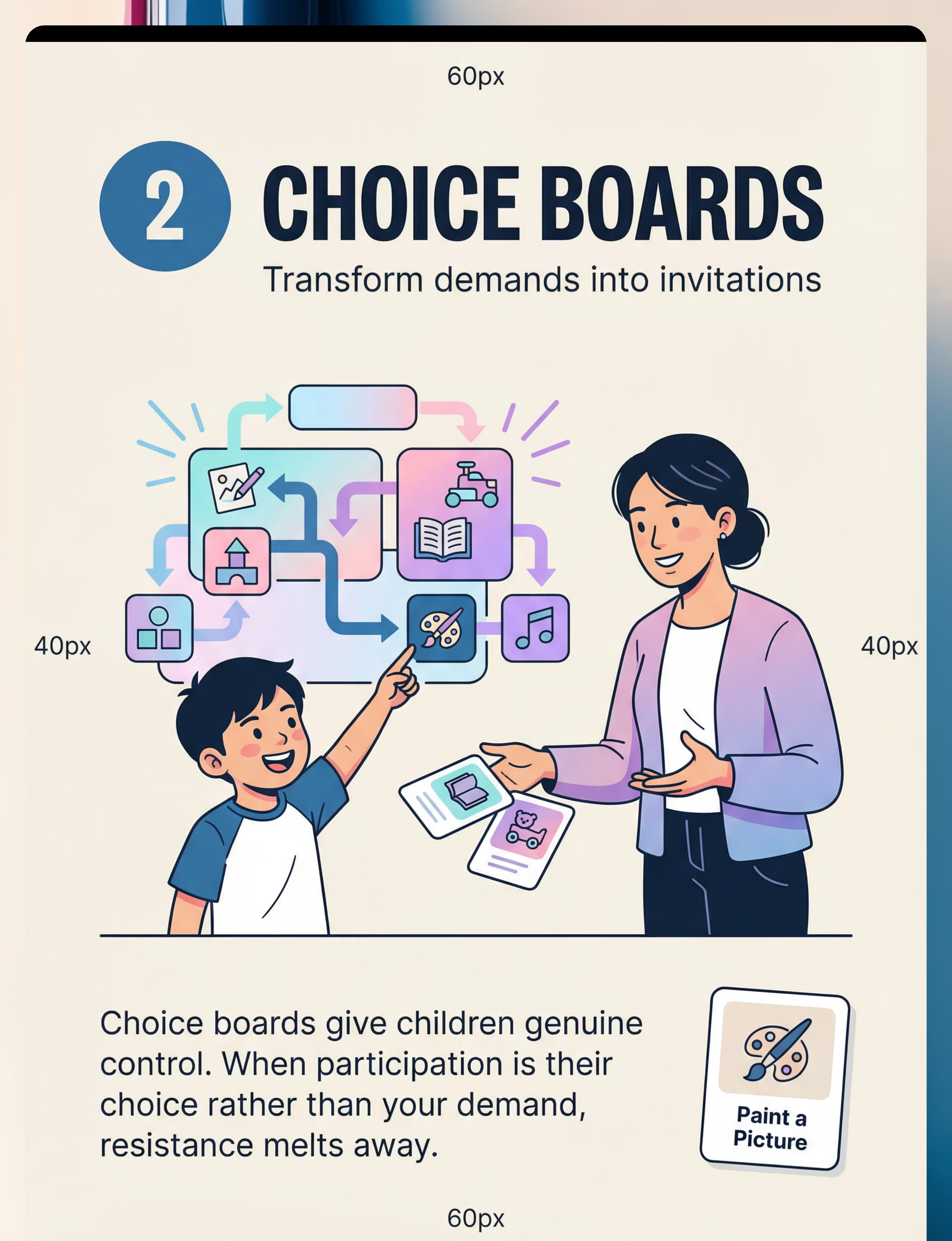
2. Choice Boards
Canon Category: Visual Schedule System | Visual Rules / Expectations Cards
What you need: Velcro board or laminated sheet, picture/word cards for activity options
Price range: ₹0 (paper + laminate) – ₹500
🏷️Pinnacle Recommends: Laminated A4 board with 3–5 picture activity options and Velcro backing. Search Amazon.in →
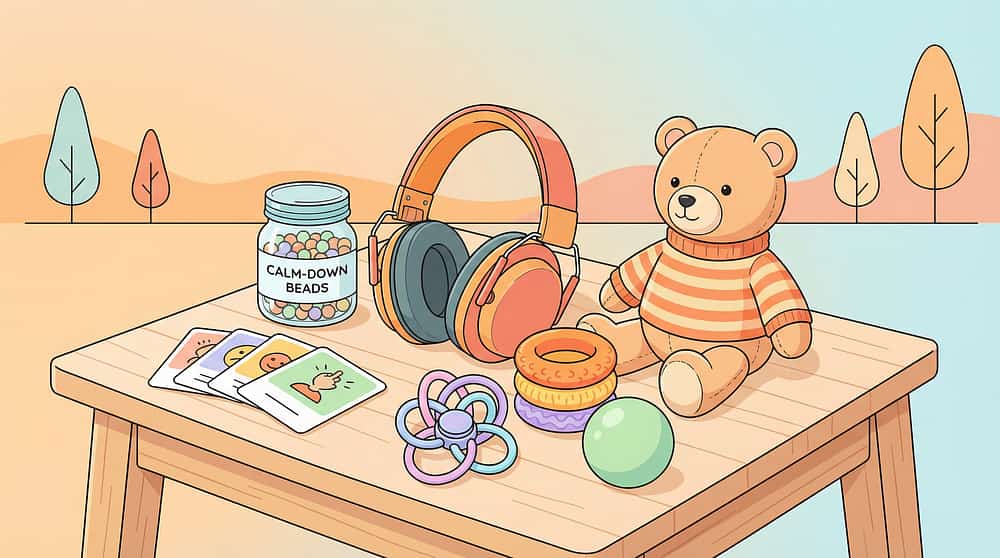
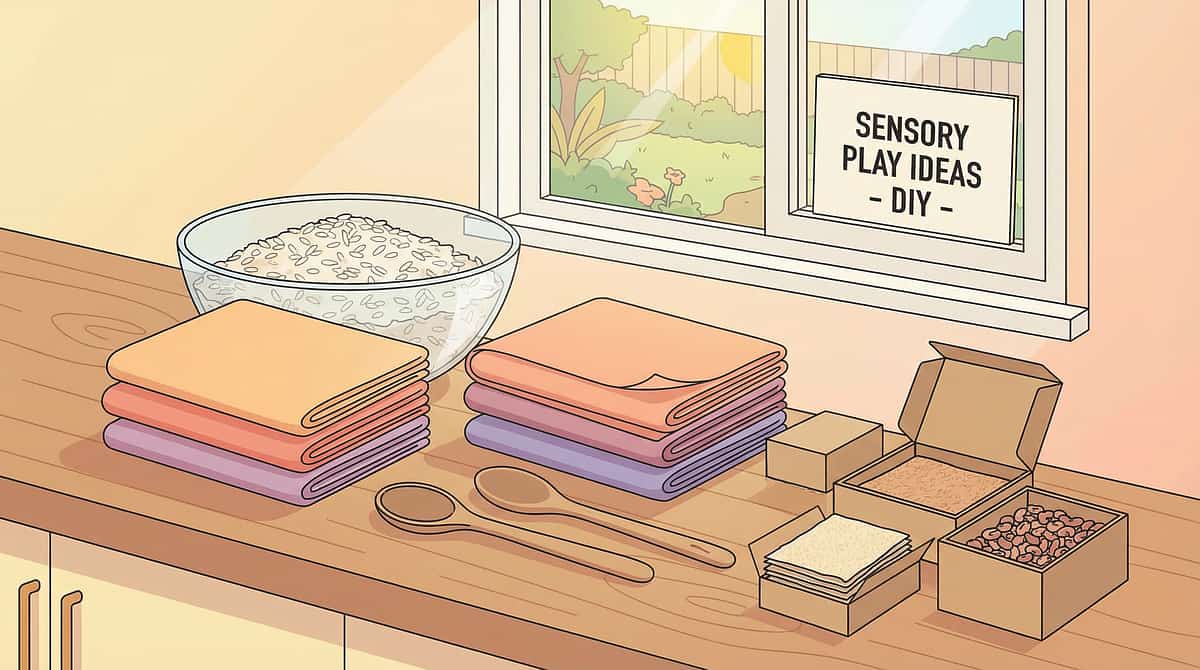
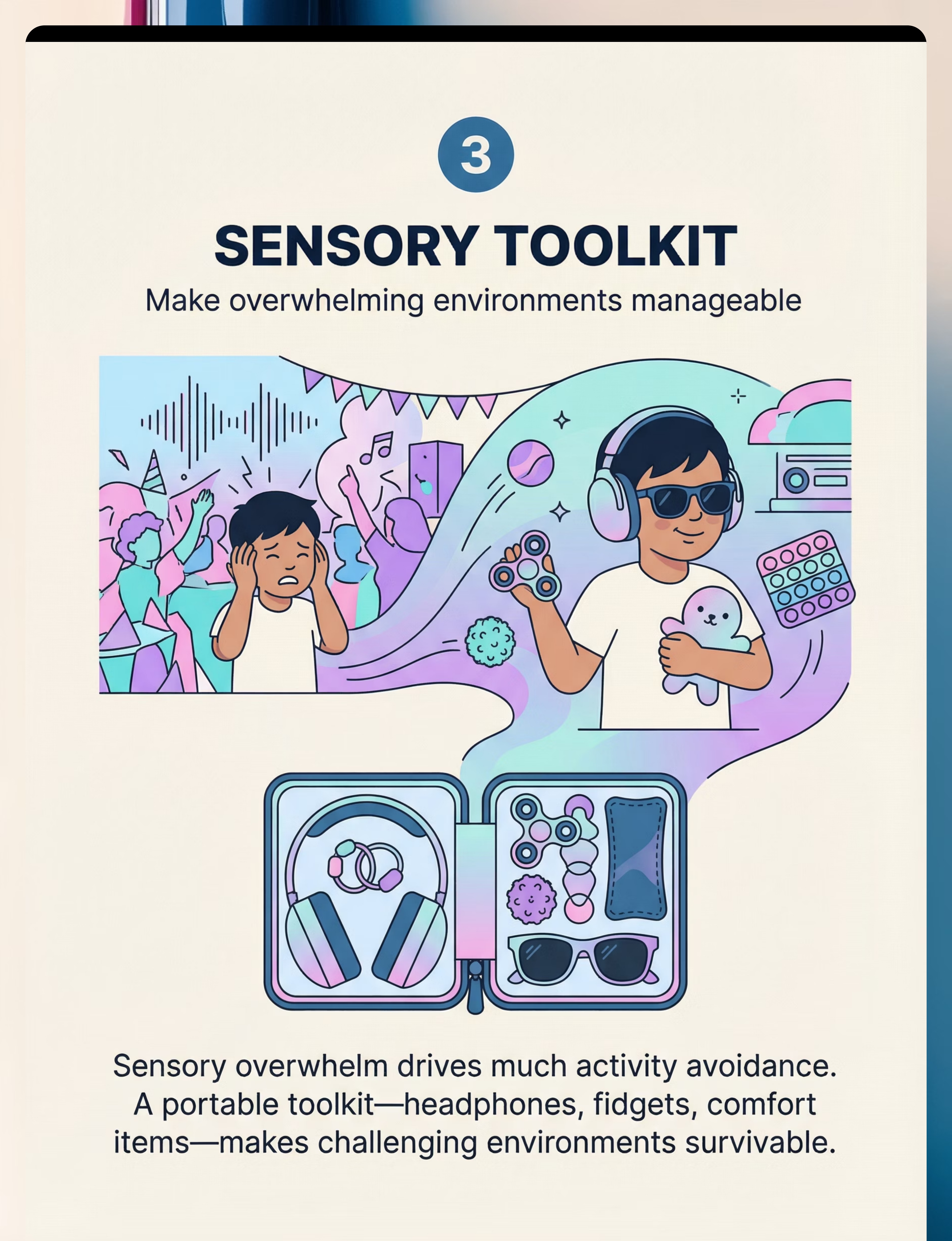
3. Sensory Regulation Toolkit
Canon Category: Noise-Reducing Headphones | Fidget Tool Set | Transition Objects
Price range: ₹1,000 – ₹5,000 (full kit)
🏷️Pinnacle Recommends: Start with noise-reducing headphones + one fidget tool + one comfort object. Search Amazon.in →
Materials 4–6 of 9
Materials 4–6: Ladder, Reinforcement & Timer
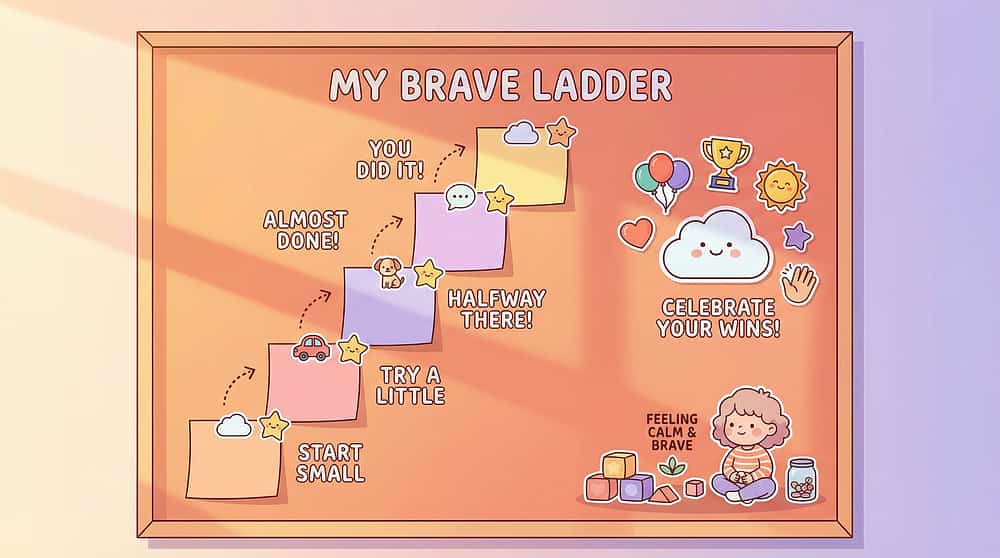
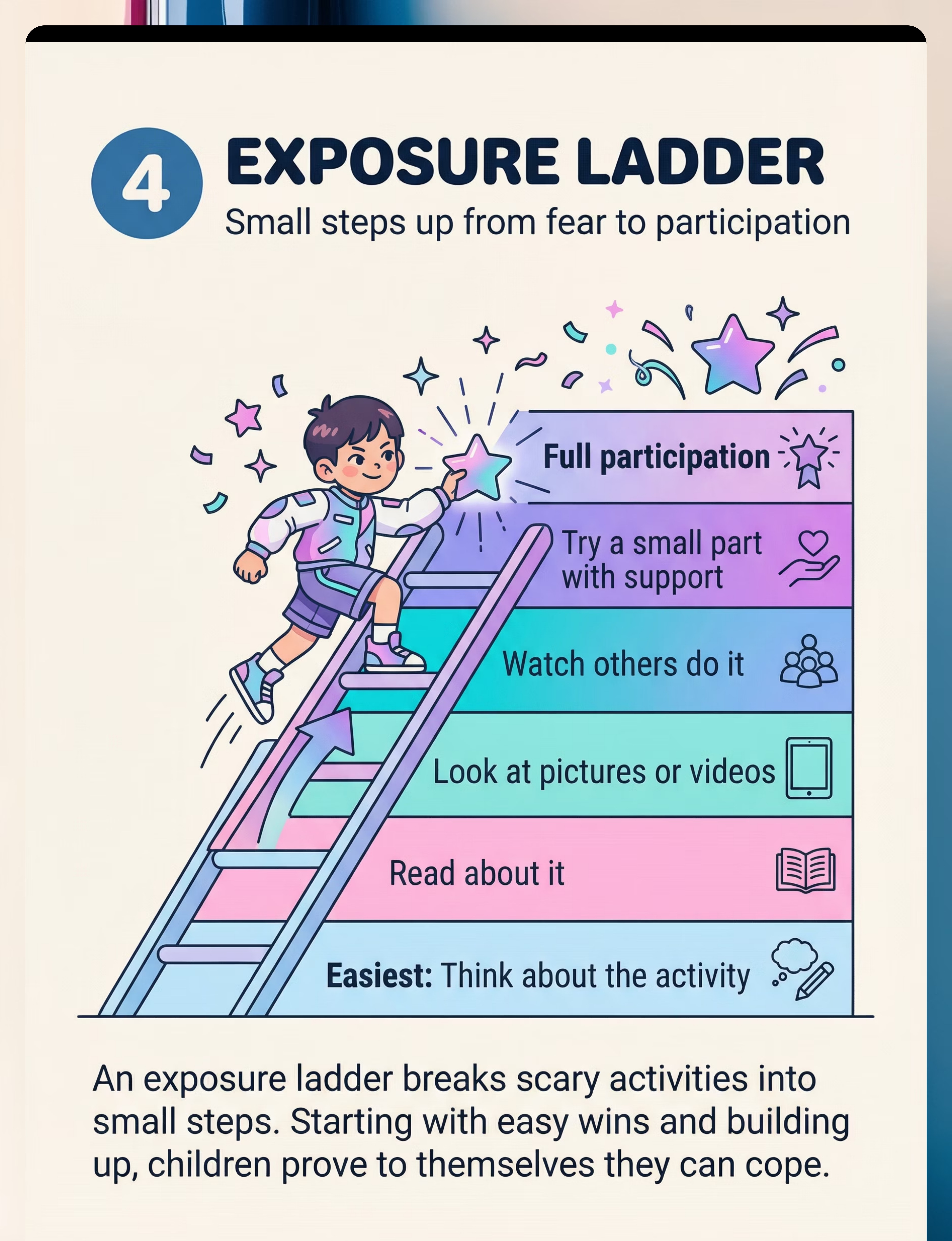
4. Graded Exposure Ladder
Canon Category: Visual Schedule System | Sequencing Cards
What you need: Poster board, sticky notes, sticker rewards, rating scale (0–10)
Price range: ₹0 (DIY paper) – ₹1,000
🏷️Pinnacle Recommends: Hand-drawn ladder on A3 paper with sticky-note steps is completely effective. Search Amazon.in →

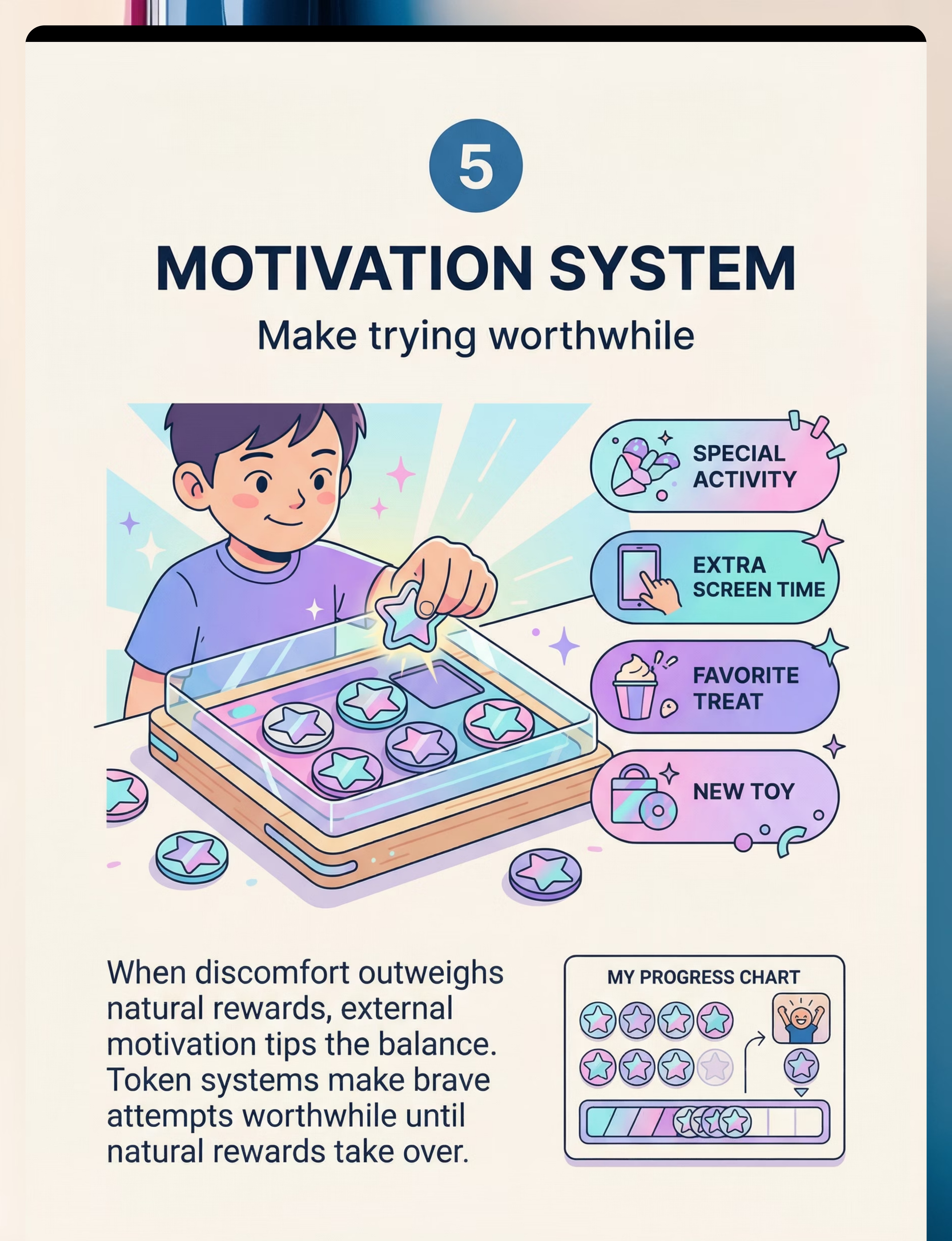
5. Motivational Reinforcement System
Canon Category: Reinforcement Menus
Price range: ₹200 – ₹1,000
🏷️Pinnacle Recommends: Token jar (any clear container) + stickers + child-selected reward menu. Tokens earned for BRAVE ATTEMPTS, not just success.
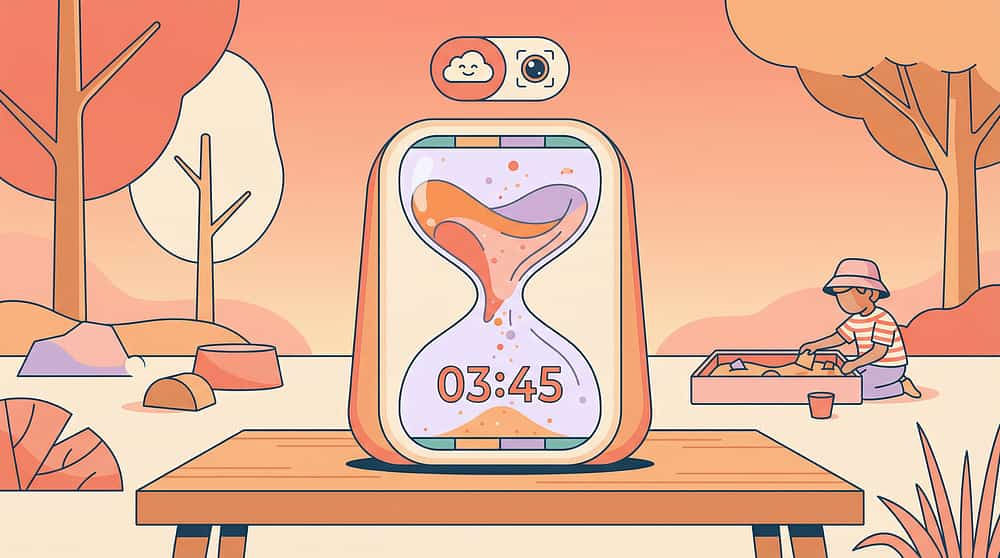
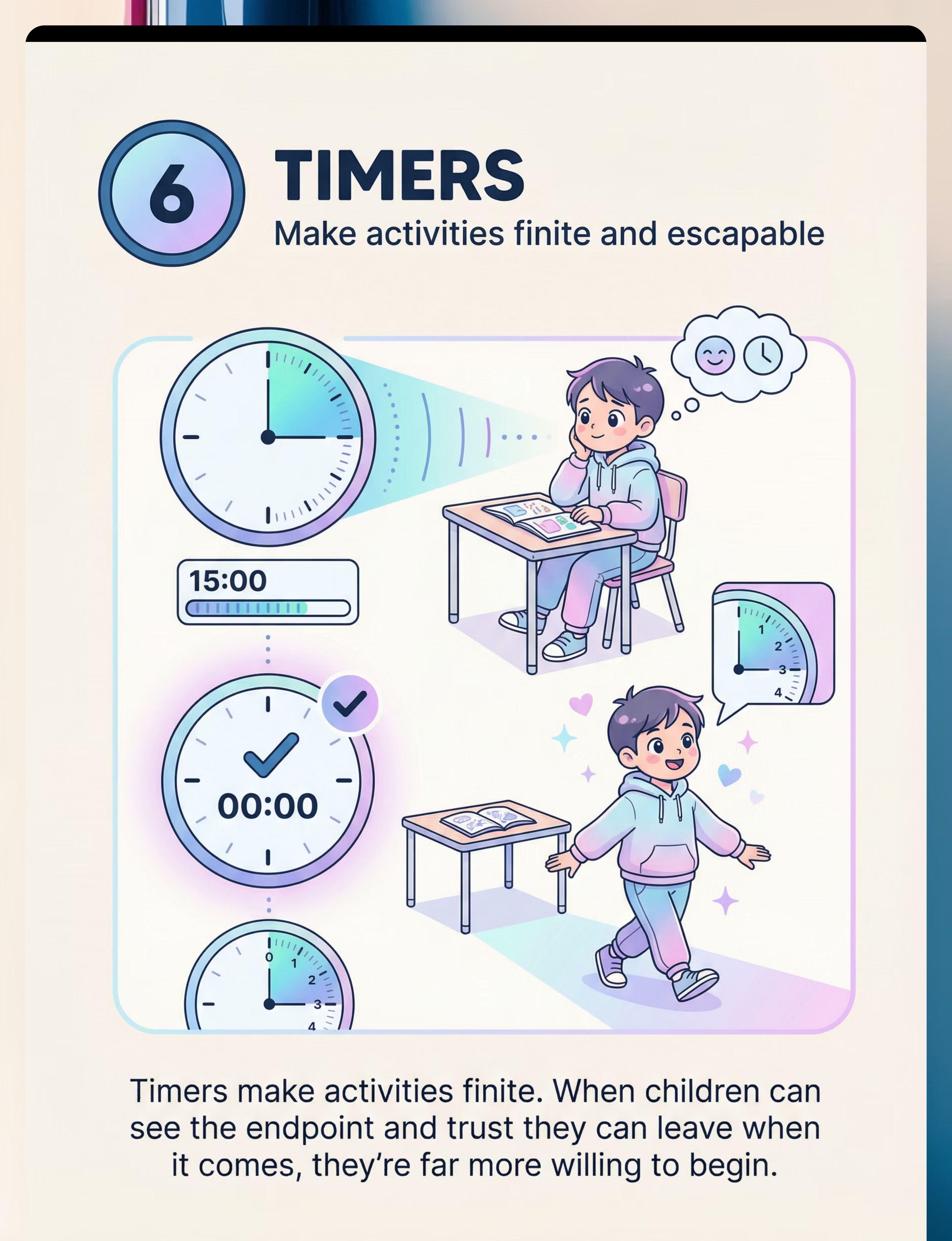
6. Visual Timer
Canon Category: Visual Timer
Price range: ₹300 – ₹1,500
🏷️Pinnacle Recommends: Time Timer-style visual timer where child sees colored segment shrink. Sand timers work well for younger children. Search Amazon.in →

Materials 7–9 of 9
Materials 7–9: Calm Space, Proximity Kit & Brave Board
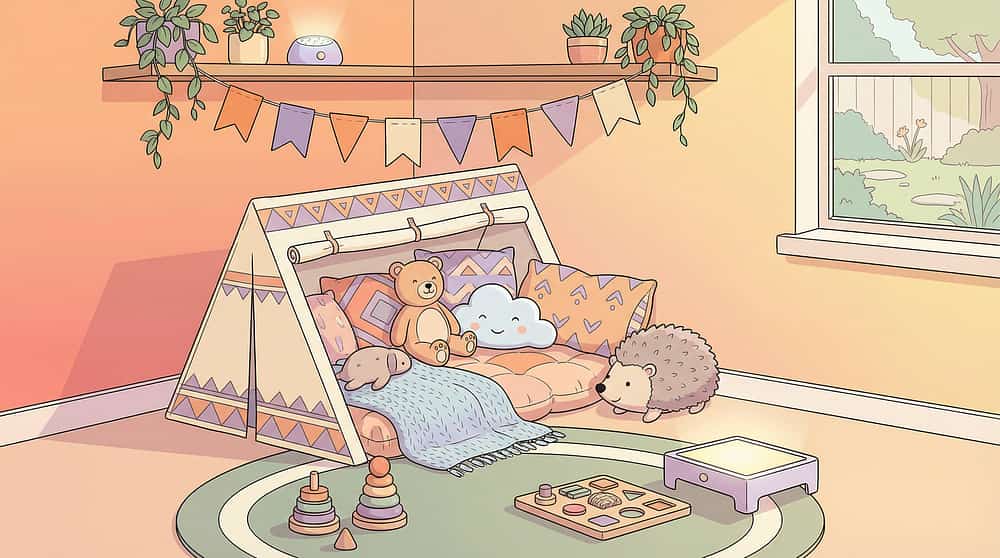
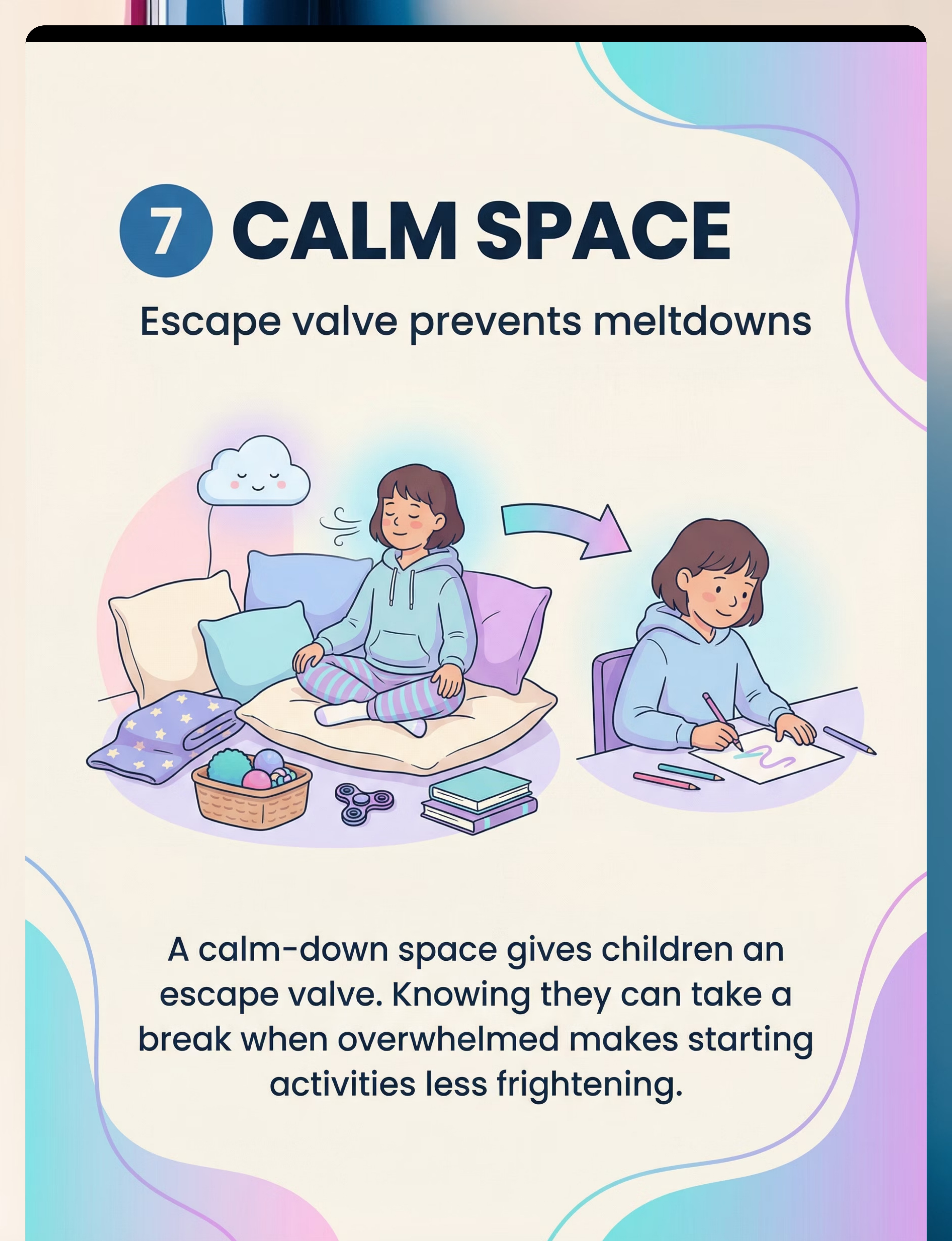
7. Calm-Down / Regulation Break Space
Canon Category: Sensory Tent / Hideaway | Calm-Down Kit
Price range: ₹500 – ₹3,000
🏷️Pinnacle Recommends: Any corner with soft items (cushion, blanket, stuffed animal) + dim light + break signal card. A tent creates clear physical boundaries. Search Amazon.in →
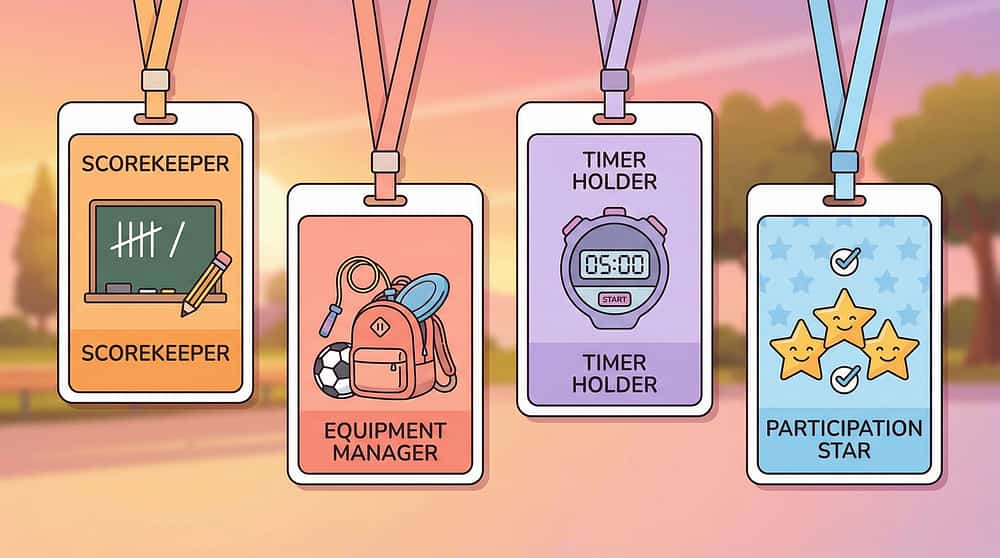
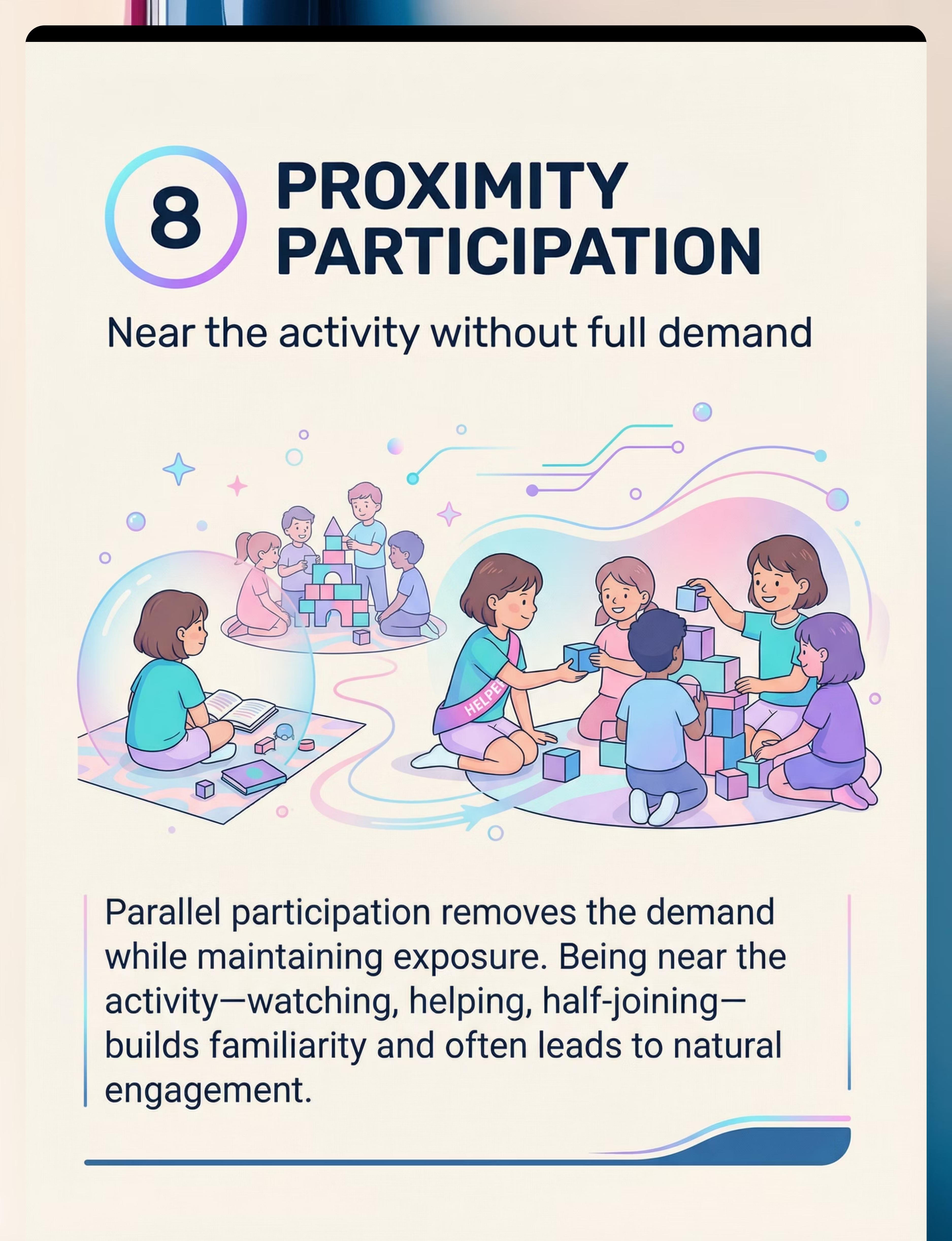
8. Proximity Participation Kit
Canon Category: Role-Play / Pretend Play Props | Visual Rules / Expectations Cards
What you need: "Helper role" cards, alternative activity for child nearby, non-demanding seating
Price range: ₹0 – ₹500
🏷️Pinnacle Recommends: Laminated "I am the Helper" cards with specific roles: Scorekeeper, Equipment Manager, Timer Holder, Materials Organizer
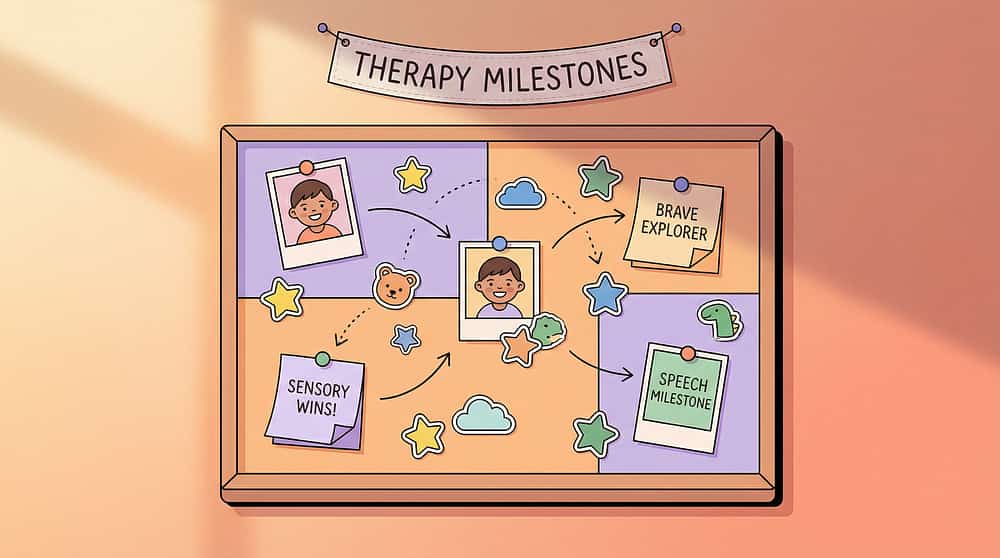
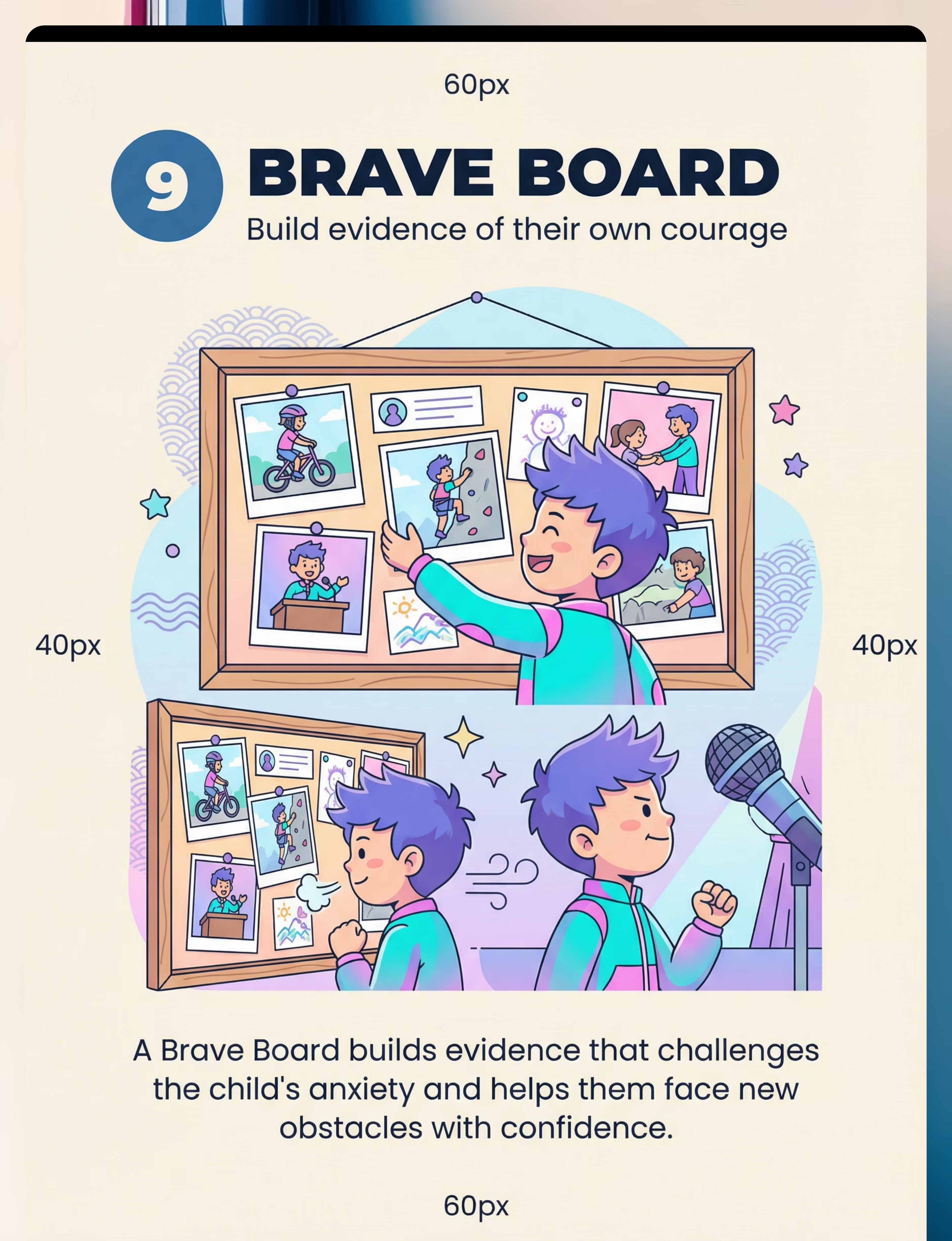
9. Brave Board / Success Documentation
Canon Category: Calm-Down Kit / Self-Regulation Toolbox | Social Stories / Narrative Supports
What you need: Bulletin board or scrapbook, camera for photos, stickers, decorative elements
Price range: ₹200 – ₹800
🏷️Pinnacle Recommends: Any A3 poster board on child's bedroom wall. Child participates in adding photos and notes. This board is theirs.
📞FREE National Autism Helpline: 9100 181 181 — Not sure which materials to start with? Our clinical team helps you prioritize — free, 24×7. Available in 16+ languages | pinnacleblooms.org
Zero-Cost Alternatives
Zero Rupees, Full Impact: Every Material Has a Free Version
WHO/UNICEF equity principle: No family should be excluded by cost. Every intervention on this page can be executed today with household items.
Material | Clinical Version | Free DIY Alternative | Why It Works | |
Visual Previews | Laminated photo board (₹200–500) | Printed/hand-drawn pictures in sequence on paper | Same uncertainty-reduction mechanism — brain responds to visual sequence, not print quality | |
Choice Boards | Velcro board with picture cards (₹300–500) | Three written options on sticky notes | Genuine choice is the mechanism — the board is just the delivery vehicle | |
Sensory Toolkit | Noise-cancelling headphones (₹800–1500) | Cotton balls in ears; baseball cap for visual overwhelm | Sensory input reduction is the mechanism — medical-grade vs. functional is a spectrum | |
Exposure Ladder | Printed/laminated poster (₹200) | Hand-drawn ladder on A3 paper with pencil marks | Child's brain responds to the visual representation, not the material quality | |
Token System | Reward jar + sticker set (₹364–589) | Any small jar + torn paper "coins" | Token economy mechanics function identically regardless of token aesthetic | |
Visual Timer | Sand timer or digital (₹300–1500) | Phone countdown timer with display visible to child | The mechanism is seeing time pass — digital is fine | |
Calm-Down Space | Sensory tent (₹800–2000) | Corner behind a chair with a blanket draped over | Enclosed, low-stimulation space is the mechanism — no tent required | |
Proximity Kit | Printed role cards (₹100–200) | Verbal role assignment ("you're our timer keeper today") | The role assignment is what matters, not the card | |
Brave Board | Bulletin board + photos (₹200–500) | A4 paper on wall + phone photos + marker captions | Documentation and review are the mechanism — not the display format |
FREE STARTER KIT — START TODAY WITH WHAT YOU HAVE: ✓ Paper + pen = Visual Preview ✓ Three verbal options = Choice Board ✓ Cotton balls = Sensory Ear Protection ✓ Phone countdown = Visual Timer ✓ Any jar + torn paper = Token System ✓ One quiet corner + cushion = Calm Space ✓ Any wall space + phone photos = Brave Board Total cost: ₹0 | Can start in: 15 minutes

Safety First
Read This Before Starting Any Session
🔴 Red Zone — Absolute Stop
DO NOT PROCEED if: child had a significant meltdown in the last 2 hours; child is showing signs of illness; child experienced a traumatic event in the last 24 hours; you (the parent) are in a highly stressed state; the avoided activity involves water/height/physical risk without professional supervision; child shows self-injurious behavior when activities are introduced.
🟡 Amber Zone — Modify
MODIFY THE SESSION if: child is tired but not exhausted (shorten session, lower demands); child had a minor upset in the last hour (start with calm-down space first); you're attempting high-anxiety exposure (ensure escape route is clear); sensory toolkit is not assembled yet; child does not yet understand the timer system.
🟢 Green Zone — Proceed
OPTIMAL CONDITIONS: Child is fed, rested, and in a calm baseline state; parent is regulated; calm-down space is accessible; materials are set up before calling the child; timer is visible and session duration is pre-agreed; choice has been offered.
⛔Never use force, physical restraint, or punishment to compel activity participation. Force increases amygdala threat response, worsens avoidance long-term, and can create trauma associations. Tokens must NEVER be removed as punishment — earning only, never loss.

Environment Setup
The Right Environment Prevents 80% of Session Failures
Setup Checklist
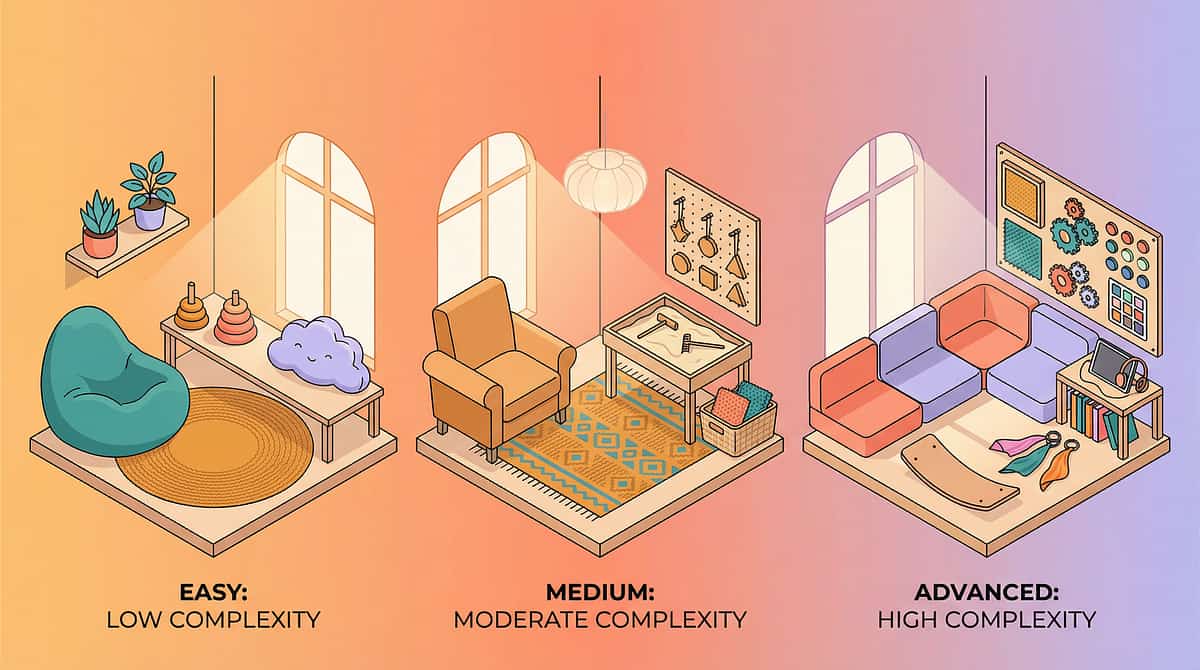
- Calm-down space accessible (exit always clear, never locked)
- Timer visible from child's seated position
- Choice board/options at child's eye level
- Materials within child's reach (not forced upon them)
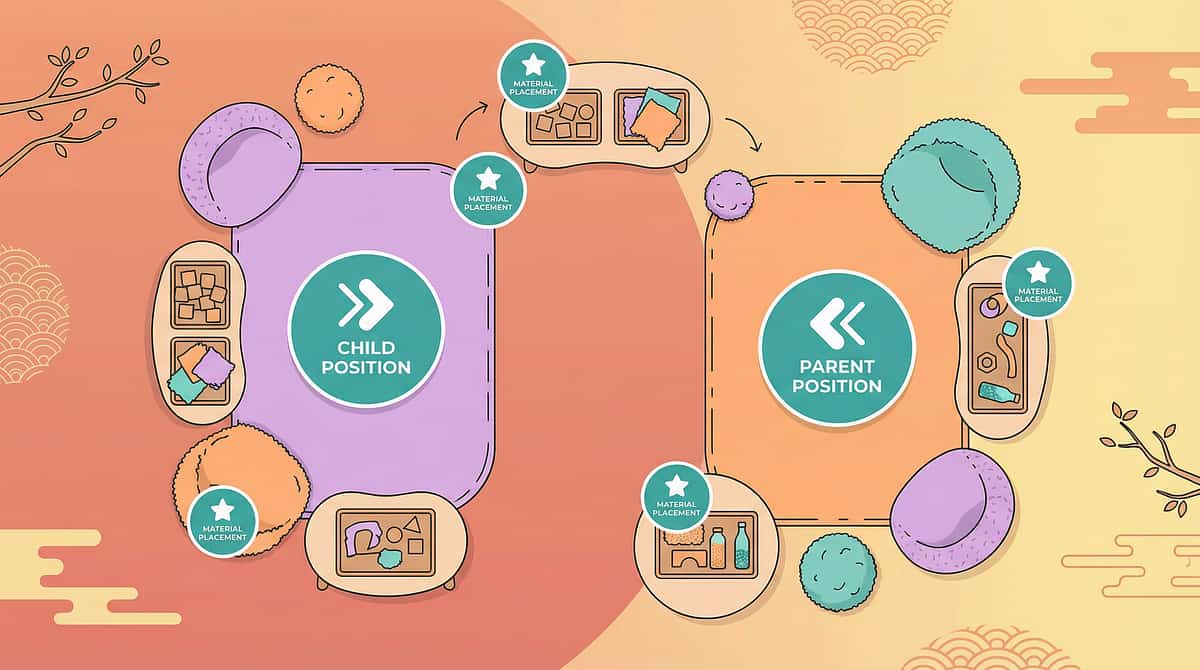
- Parent positioned beside child, not in front or above
- TV off, other children not present during initial sessions
- Background noise: low; white noise or gentle music acceptable
- Lighting: natural preferred; avoid harsh overhead fluorescents
- Session length agreed in advance with child
What to Remove
- Any demands unrelated to this session
- Siblings who might crowd or create competition pressure
- Objects that typically trigger the child's preferred avoidance (e.g., iPad visible during activity)
- Clothing items the child finds uncomfortable — sensory clothing sensitivity is real
Parent Position
Position yourself beside the child, not in front of or above them. Open body posture with arms uncrossed. The exit must always be clearly visible and unobstructed. The child's seat should never feel like a trap.
Set up all materials before calling the child into the space. Arriving to find things already set up reduces the demand load immediately.

Readiness Check | Before Every Session
60-Second Assessment Before Every Session
The best session is one that starts right. A session abandoned after 2 minutes because the child wasn't ready teaches the nervous system nothing. A 5-minute session executed well builds a neural pathway.
Child is fed and hydrated
Child had adequate sleep
Disrupted sleep increases sensory sensitivity by 40%
Child is in a calm or neutral state
Not post-meltdown, not over-excited
No significant upset in last 2 hours
Child knows what today's session involves
No surprise activities
Calm-down space is set up and available
You (parent) are regulated and not rushed
Score | Decision | Action | |
All 7 checked | 🟢 GREEN: PROCEED | Move to Step 1: The Invitation | |
5–6 checked | 🟡 AMBER: MODIFY | Shorter session, lower demands, start with calm-down space | |
4 or fewer | 🔴 RED: POSTPONE | Try a completely preferred activity today — "Not the day" is data, not failure |

Step 1 of 6
Start With an Invitation, Never a Command
The Exact Words to Say
"Hey [child's name], I've got something set up for us. Want to see what it is? You don't have to do anything — just come look."
For demand-sensitive children:
"I'm going to do something over here. You can join if you feel like it. Or you can just watch. Or do your own thing nearby. Totally up to you."
Body Language
- Kneel or sit to child's level — no towering
- Open body posture — arms not crossed, not blocking
- Relaxed face — no anxious anticipation
- Move toward the activity yourself first
What Acceptance Looks Like (any of these is a YES)
- Child looks toward the activity
- Child moves toward the space (even slowly)
- Child asks a question about it
- Child says "maybe" or "I don't know" instead of "no"
- Child continues current activity but in closer proximity
What Resistance Looks Like — How to Modify
- Firm "no" → "That's okay. I'll be here. Come find me if you change your mind." — DO NOT ESCALATE
- Body turn away → Move the activity closer to them without comment
- Physical exit → Follow the calm-down protocol; no session today
Timing: 30–60 seconds
Step 2 of 6
Child Is Near. Now Deepen the Connection — Without Pressure.
Place the material in front of child at their eye level, not into their hands. Demonstrate with your own hands first — make it look easy and fun. Keep explanation to 1–2 sentences maximum.
"Look — I've got this [choice board / visual preview / timer]. So what you'd do is [simple one-sentence explanation]. You'd pick from these three options. That's it."
Response Type | What It Looks Like | Your Action | |
Engagement | Child reaches for material, asks question, moves closer | Say "Great!" and follow their lead | |
Tolerance | Child accepts proximity but doesn't reach; watches | Continue demonstrating; narrate quietly | |
Avoidance Signal | Child leans back, arms cross, breaks eye contact | Slow down; reduce demand further; offer choice to just watch |
Any Approach
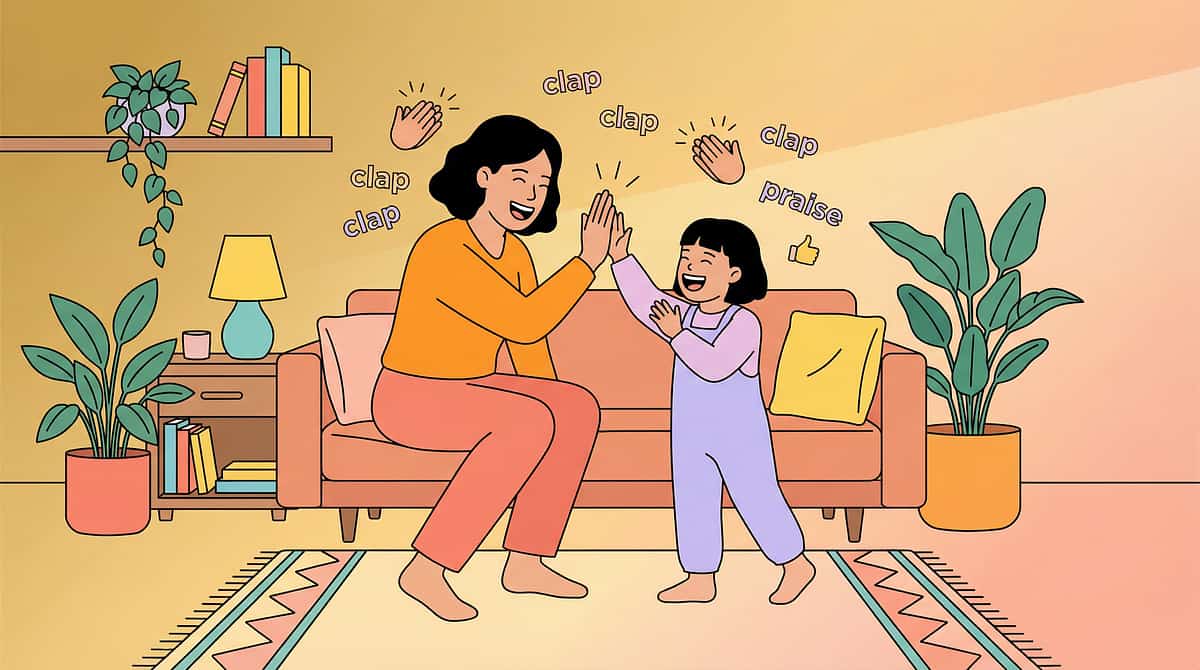
Warm verbal praise: "Nice, you're checking it out!" + immediate token if system is running
Any Tolerance
No praise required; don't highlight it; let it be natural. Low-key acceptance is progress.
Any Attempt
Immediate, enthusiastic specific praise + token. "You TRIED it — that goes on the board!"
Timing: 1–3 minutes
Step 3 of 6
The Core Work Begins. Follow These Precise Steps for Each Material.
Visual Previews
Show the activity sequence in order. Go through each image/step slowly. Child points to or names what they see. Say: "And when it gets to THIS part — if you feel like it's too much — that's when you use your break card."
Choice Boards
Present the board: "Here are three things we could do. You choose one." Wait up to 60 seconds. If no choice: "Do you want me to choose, or do you want to point?" The therapeutic action is the child exercising autonomous decision-making.
Sensory Toolkit
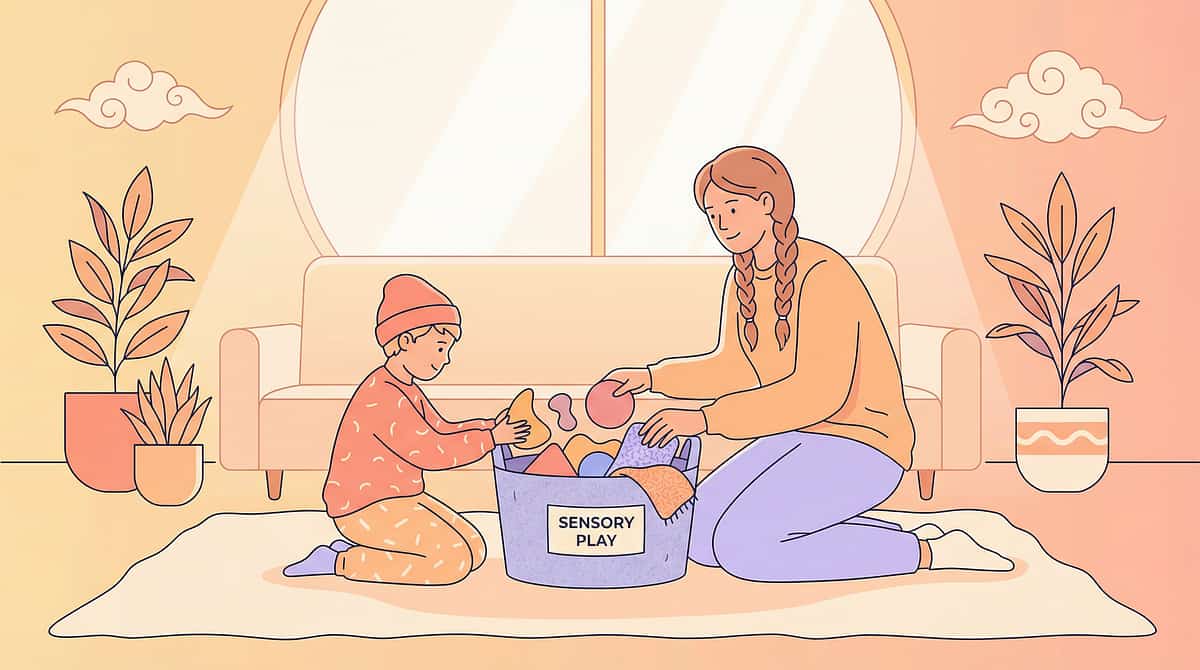
Let child select items. Practice using headphones, fidgets, and comfort items in a low-stress context first. Then approach the avoided sensory environment WITH the toolkit available.
Exposure Ladder
Identify today's step (rated 2–3 out of 10 anxiety). Child engages with that step only. Do NOT move up. Celebrate completion. "You did step 3. Step 4 waits until this feels easy."
Motivational System
Child earns a token the moment they attempt (not complete) an avoided activity. Tokens are placed in the reward jar visibly. The therapeutic action is the brave approach — not successful participation.
Visual Timer
Set timer to agreed duration (start with 3–5 minutes for high-avoidance activities). Show child the timer. Say: "When it beeps, you can stop. I promise." When timer sounds — honor it immediately. No "just 2 more minutes."
Calm-Down Space
Child uses break card or signal to access calm space. They enter, use regulation tools, and return when ready. Parent does not follow unless safety concern. Celebrate successful self-regulation and voluntary return.
Proximity Participation
Child accepts a nearby role (observer, helper, scorekeeper). Parent does not comment on the child's level of participation or encourage joining. Natural curiosity does the work. Celebrate proximity, not participation.
Brave Board
After ANY brave attempt, child and parent photograph the moment (or draw it, or write it). Child adds it to the board. "Look at what you did today. That goes on the Brave Board."
Duration: 10–20 minutes (core action occupies 40–60% of session time)
Step 4 of 6
3 Good Repetitions Beat 10 Forced Ones. Every Time.
Session Type | Target Reps | Variation Principle | |
First attempt at avoided activity | 1 genuine attempt | No variation — just the one brave step | |
Building tolerance | 2–3 repetitions | Vary the specific activity within the same category | |
Consolidation phase | 3–5 repetitions | Increase duration, not difficulty | |
Mastery approach | 5–7 repetitions | Generalize to new settings (home → school → community) |
Variation Options by Material
Visual Previews: Change the activity being previewed; use video one day, photos next
Choice Boards: Vary the activity options; gradually include more "stretch" activities
Exposure Ladder: Same step repeated until anxiety rating drops below 3; then advance
Timer: Gradually extend duration by 1–2 minutes each week — never abruptly
Satiation Indicators — Stop Before These: Child begins to re-avoid within the session; quality of engagement drops significantly; child starts asking repeatedly when it will end; physical signs of regulation breakdown: flushing, restlessness, vocal protests increasing. Always end on a success.

Step 5 of 6
The Exact Words. The Exact Timing. The Exact Reward. It Matters.
"[Child's name], you did something HARD today. You [specific behavior description — 'went up step 3 of your exposure ladder' / 'chose an activity from the board' / 'stayed at the party for 5 more minutes']. That was brave. You earned your token."
Timing Rule: Brave behavior → 3 seconds → Token + specific verbal praise. DO NOT use: vague praise ("good job"), delayed praise, or conditional praise ("you did well BUT...").
Reinforcement Menu Options (child-selected, parent-agreed in advance)
Token Cost | Reward Option | |
3 tokens | Extra 10 minutes screen time | |
5 tokens | Special snack of choice | |
8 tokens | Parent plays their favorite game (child chooses) | |
10 tokens | Small new toy/book (under ₹200) | |
15 tokens | Special outing of child's choice |
Every reinforcement session ends with the Brave Board addition: "This goes on the board. This is proof you can do hard things."
⚠️Never remove earned tokens. Token loss as punishment erases the reinforcement effect and adds threat to the participation process. Tokens are earned, never taken.

Step 6 of 6
No Session Ends Abruptly. The Cool-Down Is the Seal on the Work.
Transition Warning (say 2 minutes before session end):"Two more [throws / turns / minutes], and then we're all done for today. You're doing great."
"One more" signal
30 seconds before: "Last one!"
Completion acknowledgment
At timer end: "That's it! You finished your brave work today."
Material put-away ritual
1–2 minutes: Child participates in putting materials away — this creates closure and signals session end clearly
Transition to preferred activity
Immediate: Move directly to something the child enjoys. No gap where anxiety can re-establish.
Brief debrief (optional)
Only if child is in good state: "That felt hard. What helped? What can we do different next time?"
If child resists ending — this is a positive sign! Honor it but still end: "I'm so glad you want to keep going! Let's write that down and tomorrow we can do even more." The timer's integrity is the foundation for future participation.
Data Capture
60 Seconds of Data Now Saves Hours of Guessing Later
Session Log — F-581 Activity Avoidance
Record within 60 seconds of session end:
- APPROACH: Did child come to the activity? YES / MODIFIED / NO
- DURATION: How many minutes did child participate? ___ min
- AVOIDANCE SIGNAL: Immediate refusal / Physical symptoms / Emotional escalation / Escape / Negotiated compromise / Accepted with modification / Full participation
- MATERIAL USED: Which of the 9 materials was primary today?
- BRAVE BOARD ENTRY: Was a new entry added? YES / NO
- NEXT SESSION NOTE: What to try differently or escalate?
The Data Principle
"60 seconds of data now saves hours of guessing later. Three sessions of data reveal a pattern. Eight weeks of data become your child's personalized participation profile in GPT-OS®."
📊 Need help interpreting your session data? Our clinical team reviews your F-581 logs. FREE National Autism Helpline: 9100 181 181

Troubleshooting
The Reality Card. Most Sessions Don't Go Perfectly. Here's Your Fix.
"Session abandonment is not failure — it's data. It tells you exactly what adjustment to make tomorrow."
"Child refused from the moment I mentioned it"
Root cause: The demand itself (even the mention) triggers avoidance. Solution: Stop announcing the session. Set up materials silently and let child discover them. Use proximity participation model — no verbal demand at all.
"Child agreed but melted down once we started"
Root cause: Anxiety estimated incorrectly; the step was too high on the exposure ladder. Solution: Move down one step on the ladder. The activity child melted at is now Step N; today we're doing Step N-2.
"Timer worked once but child doesn't trust it anymore"
Root cause: Timer was violated at some point (session extended past agreed time). Solution: Re-establish trust with 2–3 sessions where the timer is honored perfectly, even if child wants to continue.
"Child earned tokens but doesn't care about rewards anymore"
Root cause: Satiation of current reinforcers. Solution: Refresh the reward menu with child's input. Ask: "What would you REALLY want to earn?" Rotate reinforcers regularly.
"Other parent/grandparent is undermining the system"
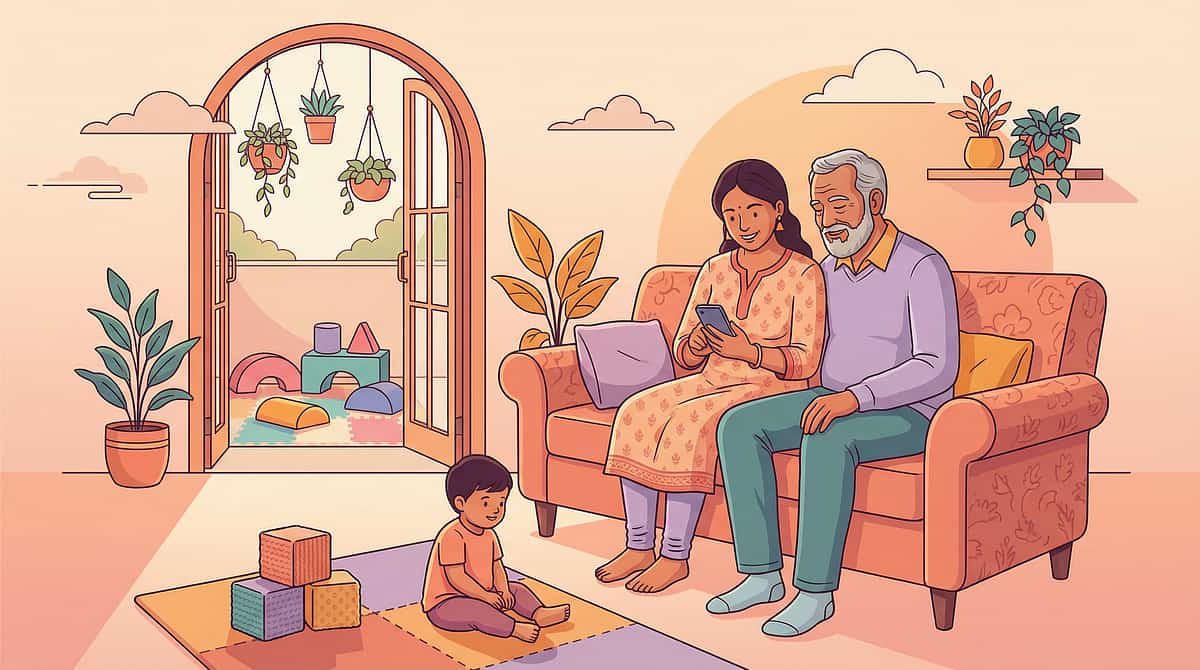
Root cause: Caregiver inconsistency. Solution: Share this page directly. Use the "Explain to Grandparents" simplified version. Consistency across caregivers is a clinical requirement, not a preference.
"We were doing well for 2 weeks, then regressed dramatically"
Root cause: Normal — regression is part of behavioral change. Not a failure. Solution: Return to the previous working step on the exposure ladder. Regression confirms avoidance, not defeat. Document and continue.
🚨Emergency Protocol: If child becomes severely distressed (safety risk): Stop the session immediately. Access calm-down space. Do not debrief until child is fully regulated (minimum 20 minutes). Call Pinnacle clinical team: 9100 181 181

Personalization
No Two Children Are Identical. Here Is How to Tune These Materials to YOUR Child.
Anxiety Profile
Primary Drive: Fear of failure/unknown
Recommended: Visual Previews + Exposure Ladder + Brave Board
Settings: Start ladder at Step 1–2 maximum; previews 48 hours in advance
Sensory Profile
Primary Drive: Activity feels intolerable
Recommended: Sensory Toolkit + Modified Environment + Proximity Participation
Settings: Sensory accommodations FIRST; exposure gradual; sensory preparation before every session
Demand-Sensitive (PDA)
Primary Drive: Being told = threat
Recommended: Choice Boards + Proximity + Indirect Language
Settings: ELIMINATE direct demands; all participation framed as child's idea; no compliance-based token system
Mixed Profile (Most Common)
Primary Drive: Multiple drivers
Recommended: Full 9-material toolkit
Settings: Prioritize based on functional behavior assessment; address most dominant driver first
Age-Based Modifications
Ages 3–5 | Emphasize sensory toolkit, choice boards, proximity participation. Sessions 5–8 minutes. Immediate small rewards only. | |
Ages 6–8 | Exposure ladder becomes central. Brave Board gains self-efficacy power. Sessions 10–15 minutes. Social dimensions of avoidance now relevant. | |
Ages 9–12 | Child can self-identify avoidance type. Collaborative ladder construction. Brave Board becomes personal achievement journal. Sessions 15–25 minutes. |

Progress Arc | Week 1–2
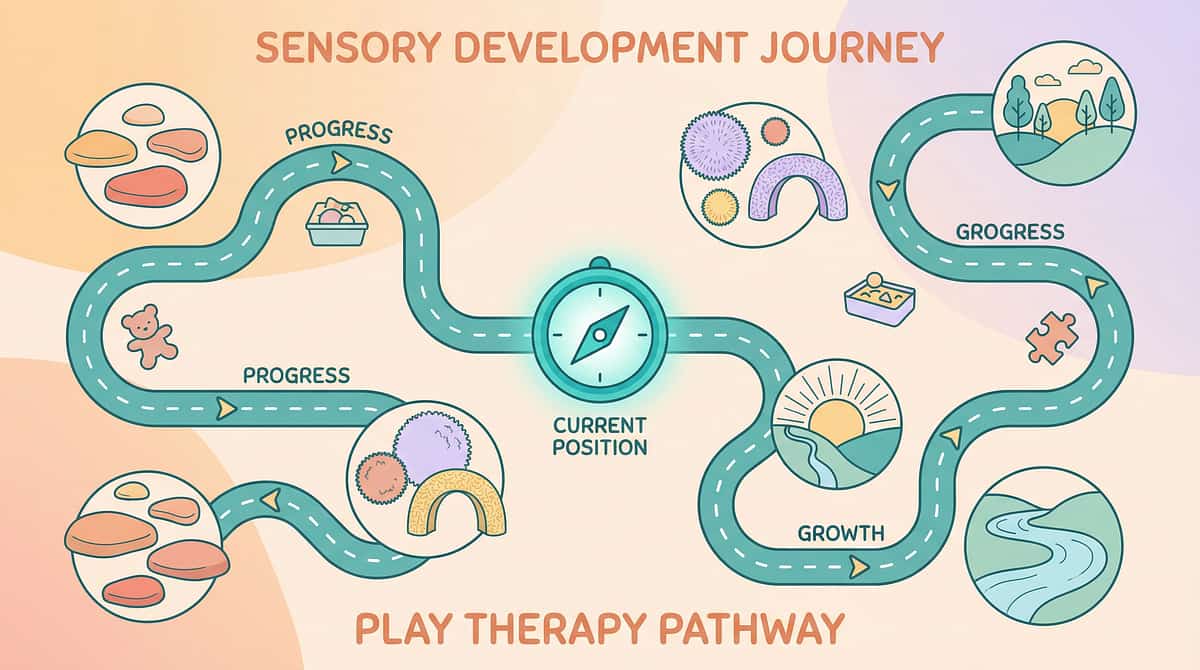
Week 1–2: You Are Planting Seeds, Not Harvesting Fruit
15%
Tolerance Phase
Week 1–2 progress indicator — neural adaptation is happening even when you can't see it
What "Progress" Looks Like at This Stage
- Child comes to look at activity materials without entering (proximity acceptance)
- Session duration increases from 0 to 2–3 minutes of genuine engagement
- "No" changes to "maybe" or "I don't know" instead of immediate hard refusal
- Child asks questions about the activity before refusing
- Meltdown intensity reduces even if frequency is unchanged
- Child uses calm-down space and returns (even once) — huge milestone
What Is NOT Progress Yet
- Full voluntary participation in avoided activities
- Generalization to new settings (school, parties)
- Spontaneous activity initiation
- Reduced need for the toolkit
Patience Metric
If avoidance has been present for 1 year → expect 8–12 weeks for meaningful shift
If avoidance has been present for 3+ years → expect 16–24 weeks; professional support recommended
"A child who stays for 3 seconds longer than last week — that is real, measurable neural adaptation. The brain is changing. You just can't see it yet."

Progress Arc | Week 3–4
Week 3–4: Neural Pathways Are Forming. Here's What to Look For.
40%
Consolidation Phase
Week 3–4 progress indicator — behavioral consolidation is underway
Child anticipates sessions positively
Asks "are we doing our brave practice today?" — engagement replacing avoidance
Choice board selection becomes faster
Decision anxiety is reducing — child trusts the choice structure
Timer is trusted
Child stops asking "is it really 5 minutes?" — your consistency built this
Spontaneous generalization seeds
Child tries a NEW avoided activity without prompting, or uses toolkit at school without parent suggestion
When to Increase Intensity: If sessions are consistently at 100% completion rate for 5 days → Add 2 minutes to timer sessions → Advance one step on the exposure ladder → Introduce one new setting (home activity → friend's home → public setting)

Progress Arc | Week 5–8
Week 5–8: The Mastery Horizon. These Are the Signs You're Arriving.
75%
Mastery Approach
Week 5–8 progress indicator — the goal is within reach
Criterion | Observable Evidence | |
Independent initiation | Child requests or initiates previously avoided activity without adult prompting | |
Toolkit independence | Child selects and deploys sensory/regulation tools without prompting | |
Generalization | Skill appears in 2+ settings without specific preparation | |
Reduced prep time | Activity preview and lengthy negotiation no longer necessary | |
Duration expansion | Session duration has naturally extended beyond agreed timer limit | |
Peer engagement | Child joins activity with same-age peers without isolation request |
🏆F-581 MASTERY UNLOCKED — When all 6 criteria above are checked, your child is ready to advance to F-582 (Transition Difficulties) or deepen with specialized anxiety intervention.
When to Stay and Strengthen: Mastery present in home but not school → maintain until generalization completes. Progress inconsistent (good weeks, bad weeks) → maintain current level 2 more weeks before advancing.
Celebrate This Win
You Did This. Your Child Grew Because of Your Commitment.
"You spent weeks showing up. When your child said 'no' — you didn't give up. You got smarter. You prepared the space. You offered choices instead of commands. You honored the timer even when you wanted to keep going. You built the Brave Board one brave moment at a time. And look where you are now."
Your child's world has expanded
Activities that were closed are now open. The nervous system that fired "THREAT" at every new demand has learned: "This is survivable. This is safe."
The Brave Board holds the evidence
That evidence belongs to your child forever. Let your child choose a special activity this week — as a celebration of who they are becoming.
Write a letter to your future self
Describe what your child can do now that they couldn't 8 weeks ago. Keep it. Read it again in 12 months.
🎉Ready to plan your child's next technique? FREE National Autism Helpline: 9100 181 181 — Our clinical team maps your next steps in GPT-OS®
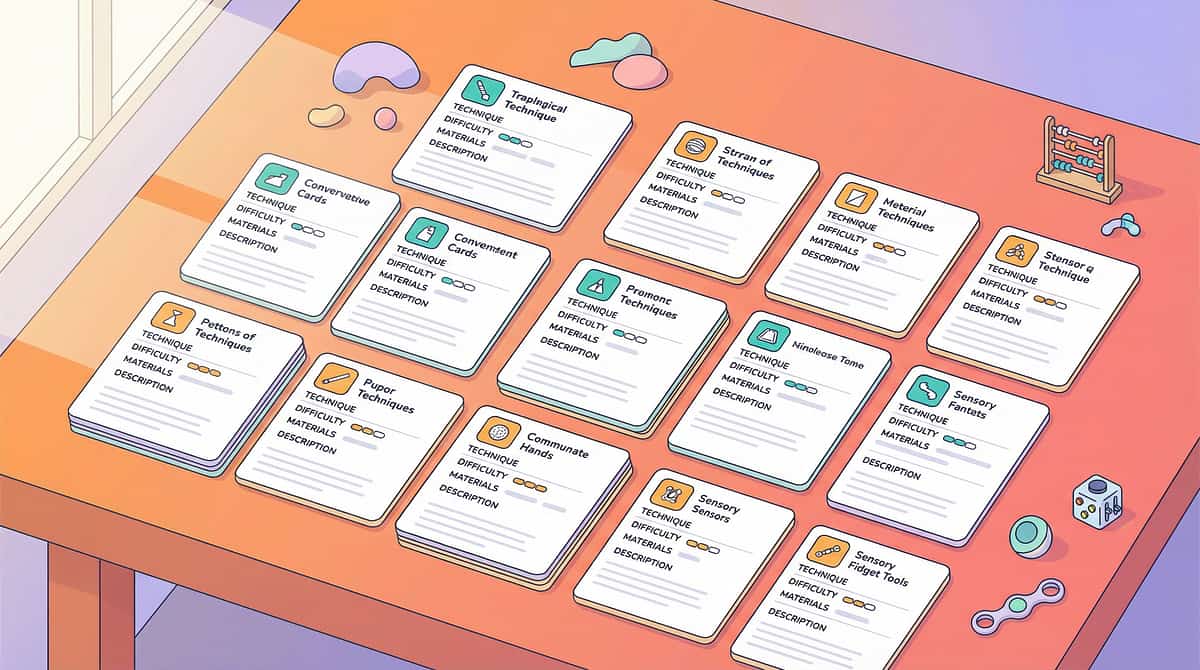
Red Flags
Even In the Success Zone: Know When to Pause and Ask for Help
🚨 Avoidance worsening despite 4+ weeks of consistent application
What it looks like: Meltdown frequency or intensity increasing, not decreasing. Why it matters: May indicate underlying anxiety disorder, trauma, or PDA profile requiring specialist intervention. Action: Book assessment at nearest Pinnacle center | Call: 9100 181 181
🚨 Child shows signs of anxiety disorder beyond activity avoidance
What it looks like: Generalized worry, sleep disruption, school refusal, somatic complaints daily. Why it matters: Anxiety disorder requires clinical intervention, not home management alone. Action: Psychological assessment referral
🚨 Self-injurious behavior appears when activities are introduced
What it looks like: Head banging, self-hitting, severe skin picking triggered by activity demands. Why it matters: Safety concern; current intervention approach may be too demanding. Action: Stop activity avoidance protocol; contact clinical team immediately
🚨 Extreme demand avoidance across ALL contexts (PDA profile)
What it looks like: ALL demands resisted regardless of activity; avoidance of even preferred activities when "made" to do them; elaborate avoidance strategies. Why it matters: PDA profile requires radically different approach; standard ABA/exposure approaches can worsen PDA. Action: Request PDA profile assessment; specialized approach required
🚨 Significant regression after apparent mastery (>2 weeks)
What it looks like: Previously manageable activities suddenly completely refused. Why it matters: May signal a new stressor, trauma, or life change. Action: Assess for environmental changes; consider teleconsultation
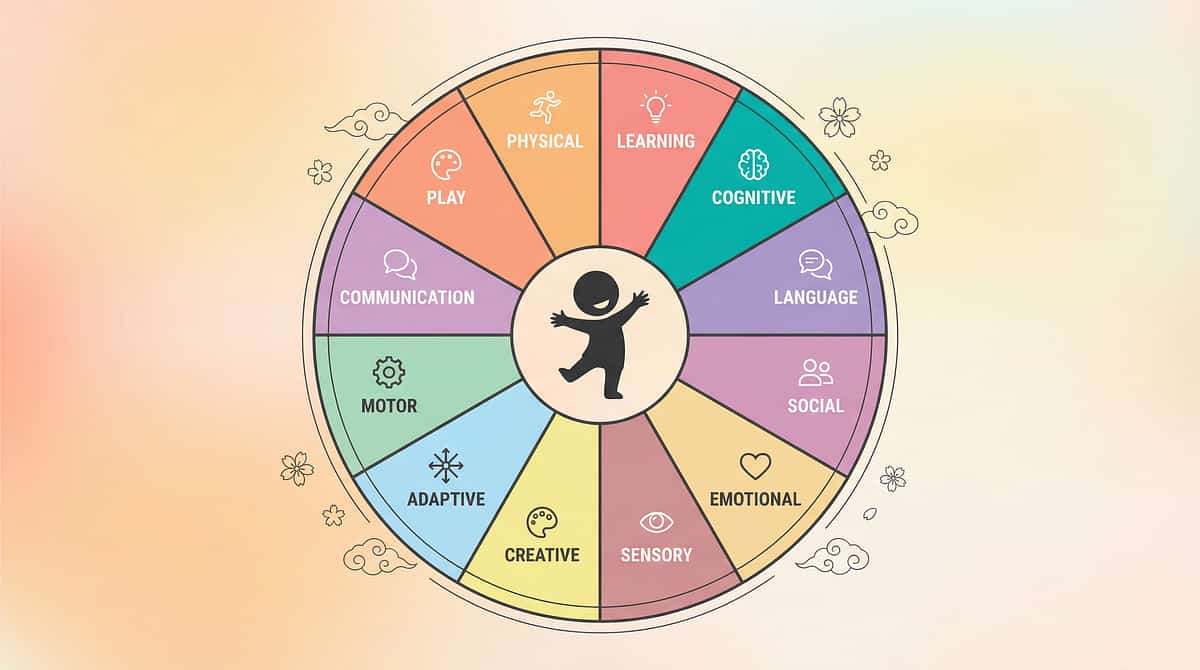
The Progression Pathway
You Are Not Done. You Are on a Journey. Here Is the Map.
F-579
Meltdowns & Emotional Dysregulation
F-580
Rigidity & Inflexibility
F-581 ◄ You Are Here
Activity Avoidance — You have built the foundational toolkit
F-582
Transition Difficulties (Natural next step)
F-590
Anxiety in Children (If anxiety is primary driver)
If child responded best to… | Recommended next technique | |
Exposure Ladder (anxiety-driven avoidance) | F-590: Anxiety in Children + CBT-informed exposure deepening | |
Choice Boards (demand-sensitive) | F-582: Transition Difficulties (same control-sharing principles) | |
Sensory Toolkit (sensory-driven) | Domain A techniques: Sensory Processing (targeted desensitization) | |
Brave Board (self-efficacy building) | F-583: Refusal at School (same confidence-building architecture) |
Activity flexibility and independent participation in age-appropriate activities → prerequisite for social integration → prerequisite for educational success → prerequisite for adult independence
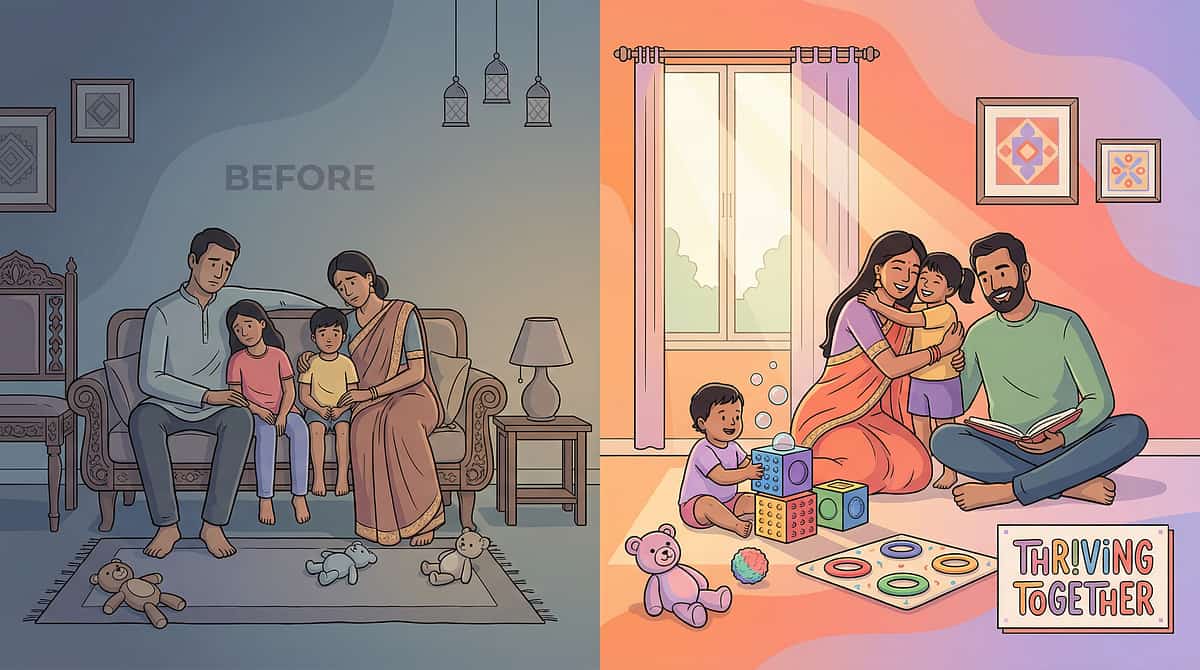
Related Techniques
Already Using These Materials? Explore What Works Together.
F-580 — Rigidity & Inflexibility
🟡 Core Difficulty | Canon Materials: Visual Schedule + Choice Boards
F-582 — Transition Difficulties
🟡 Core Difficulty | Canon Materials: Visual Timer + Transition Objects
F-583 — Refusal at School
🔴 Advanced | Canon Materials: Social Stories + Proximity Participation
F-579 — Meltdowns & Dysregulation
🟡 Core Difficulty | Canon Materials: Calm-Down Kit + Sensory Toolkit
F-590 — Anxiety in Children
🔴 Advanced | Canon Materials: Exposure Ladder + Brave Board
F-101 — Visual Schedule Introduction
🟢 Intro Level | Canon Material: Visual Schedule System
✅You Already Own Materials For These: F-582 uses same Visual Timer + Transition Objects | F-579 uses same Calm-Down Kit + Sensory Toolkit | F-583 uses same Social Stories + Proximity Participation approach
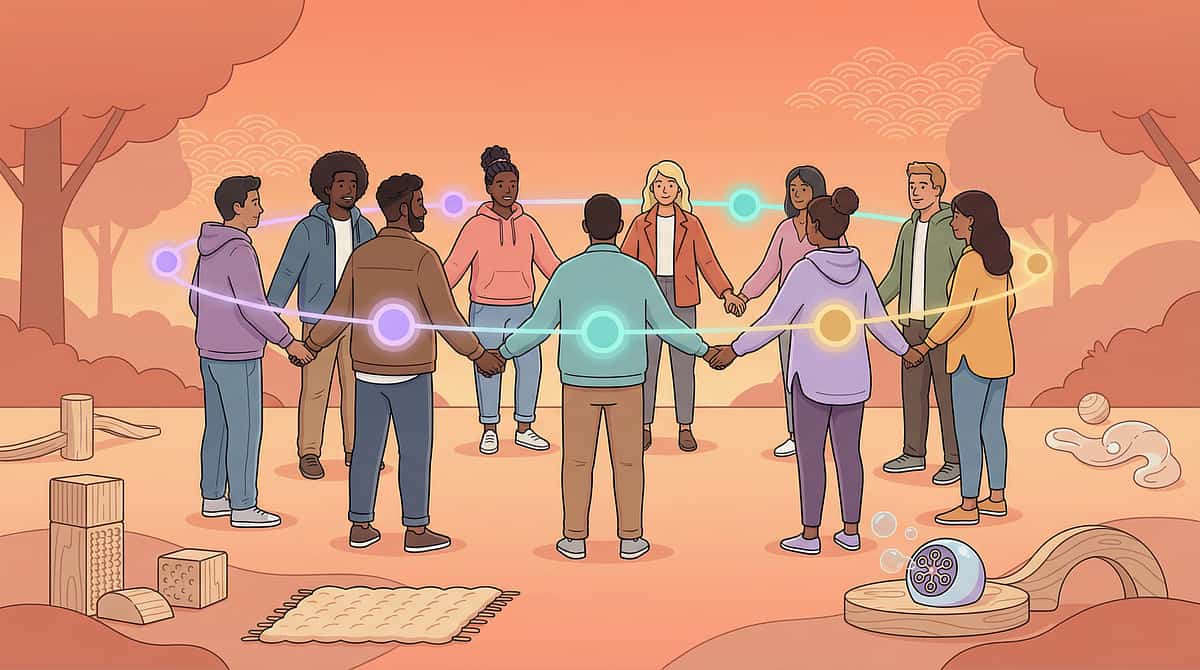
Whole-Child Developmental Map
F-581 Is One Piece of Your Child's Entire Development
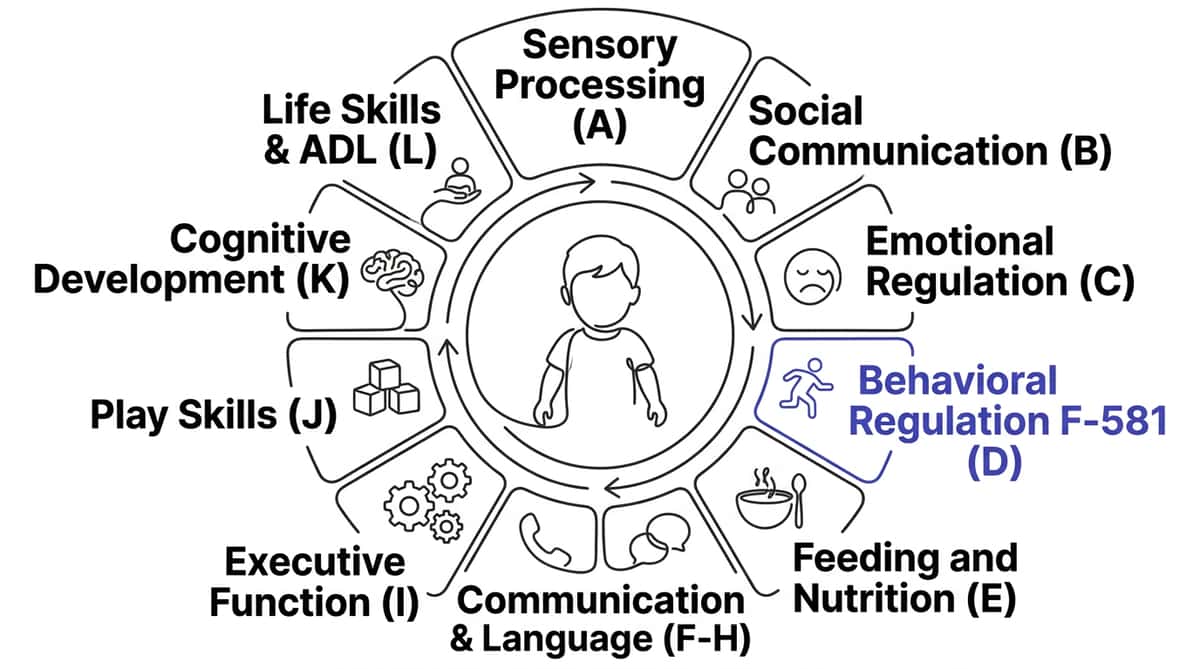
F-581's Role in the Full Profile
Domain F — Behavioral Regulation — is the foundation for school readiness and academic participation, social integration and peer engagement, emotional regulation and self-management, and life skills and adaptive independence.
GPT-OS® Integration
If your child is being supported at a Pinnacle center, your therapist uses GPT-OS® to track progress across all 12 domains simultaneously. F-581 data feeds directly into the Participation Readiness Index, Emotional Regulation Readiness Index, and Adaptive Flexibility Readiness Index.

Family Stories
These Families Started Where You Are. Here Is Where They Arrived.
Aryan, 6 — Pinnacle Delhi Center
Before: Refused every activity outside his three "safe" games. Birthday parties, art class, PE — all refused with meltdowns. Family avoided social occasions entirely.
After (12 weeks): Using visual previews and the exposure ladder, Aryan attended his first birthday party at week 8 — for 25 minutes, with headphones, using his helper role. At week 12, he stayed the full party.
"The visual preview changed everything. He stopped refusing once he knew exactly what was going to happen. The unknown was the enemy — not the party." — Parent, Pinnacle Delhi Center (anonymized)
Priya, 8 — Pinnacle Hyderabad Center
Before: Showed extreme demand avoidance across all settings. Standard approaches worsened resistance. Teachers and family were exhausted.
After (16 weeks — PDA-informed): Using choice boards and a completely demand-free invitation approach, Priya began self-initiating one activity per day by week 10. By week 16, she was attending school PE — because she chose to.
"Priya didn't need tougher management — she needed genuine autonomy." — BCBA Lead, Pinnacle Hyderabad Center (anonymized)
Rahul, 5 — Pinnacle Chennai Center
Before: Refused all sensory-challenging activities — painting, outdoor play, swimming — due to tactile and auditory hypersensitivity. Participated in approximately 4 activities in total.
After (8 weeks): Sensory toolkit + environment modification + sensory preparation before activities. Rahul is now enrolled in swimming lessons. The Brave Board on his bedroom wall has 23 entries.
"Rahul looks at it every morning before school. It's his proof that he is brave. He believes it now — because the board says so." — Parent, Pinnacle Chennai Center (anonymized)
Outcomes are illustrative. Individual results vary based on child profile, underlying cause, intervention consistency, and professional support level.
Community
You Are Not Doing This Alone. 18 Million Families Are On This Journey.
Activity Avoidance Parents WhatsApp Group
Join families specifically navigating F-581 territory — sharing what works, what doesn't, and cheering each other's Brave Board additions.
unknown link
Pinnacle Online Community
Forum discussions on activity avoidance, demand sensitivity, PDA, sensory toolkit building, and all F-domain challenges.
Local Parent Meetups
Pinnacle centers host monthly parent support groups organized by challenge domain. Meet families in your city who are using the same techniques.
Peer Mentoring
Connect with a parent who has successfully navigated F-581 and is willing to mentor. "Someone like me who got through it" is often more powerful than any clinical content.
"Your 12 weeks of experience with activity avoidance is clinical wisdom for another parent just starting week 1. Consider sharing your journey."

Professional Support
Home Intervention + Professional Guidance = Maximum Impact
Support Type | What It Includes | How to Access | |
In-Center Assessment | AbilityScore® + Functional Behavior Assessment + Sensory Profile + PDA screening | ||
Teleconsultation | Clinical review of your F-581 session data + personalized protocol adjustment | Available 7 days/week | |
Therapist Matching | OT + BCBA + Child Psychologist matched to activity avoidance profile | Helpline: 9100 181 181 | |
Parent Training Program | Group and individual training in all 9 F-581 materials by certified therapist | At 70+ centers across India | |
School Coordination | Therapist communicates with school to align home and classroom strategies | Included in center support |
📞FREE National Autism Helpline: 9100 181 181 For clinical guidance on your child's specific profile: Activity Avoidance | Sensory | PDA | Anxiety 16+ languages | 24×7 | Zero cost | pinnacleblooms.org
Home implementation 5–7 days/week provides dosage no clinic schedule can match. Professional guidance ensures the home protocol is correctly calibrated to your child's specific avoidance profile. Combined: the child receives clinical-grade intervention at therapeutic frequency.
The Research Library
The Science Behind These 9 Materials — For the Curious Parent
Study | Finding | Level | |
PRISMA Review (Children, 2024) | 16 studies confirm participation intervention meets evidence-based practice criteria for ASD | ||
Meta-analysis (World J Clin Cases, 2024) | 24 studies: sensory-behavioral intervention significantly promotes social skills, adaptive behavior, and participation | ||
Indian RCT (Indian J Pediatr, 2019) | Indian-population RCT confirms home-based parent-administered sensory interventions produce significant outcomes | ||
WHO CCD Package (2023) | Parent-implemented home interventions across 54 LMICs demonstrate population-level behavioral improvement | ||
NCAEP Evidence Report (2020) | Visual supports, behavioral momentum, social narratives, reinforcement: all evidence-based practice for autism | ||
Frontiers in Integrative Neuroscience (2020) | Neurological basis for sensory-behavioral intervention established — brain-level mechanism confirmed |
GPT-OS® Technology
Powered by GPT-OS® — The Operating System Behind These 9 Materials
GPT-OS® (Global Pediatric Therapeutic Operating System) is the end-to-end clinical infrastructure that governs diagnosis, prognosis, therapy design, execution, monitoring, and readiness outcomes in child development — as one closed, accountable system.
What GPT-OS® Learns From F-581 Data
- Which of the 9 materials produces the fastest tolerance increase for each child profile
- Optimal session duration for anxiety-driven vs. sensory-driven vs. demand-driven avoidance
- Predictive indicators: which children respond to exposure ladder vs. choice board as primary tool
- Population-level pattern: activity avoidance severity correlation with domain progression velocity
Privacy Assurance
- All session data encrypted and de-identified for research use
- Individual child data never shared without consent
- DPIIT-registered, MSME-recognized, GSTIN-compliant data handling
- Parent retains full control of data deletion
"Your child's session data helps every child like yours. Every brave attempt recorded in GPT-OS® makes the recommendation engine smarter — for 18 million families."

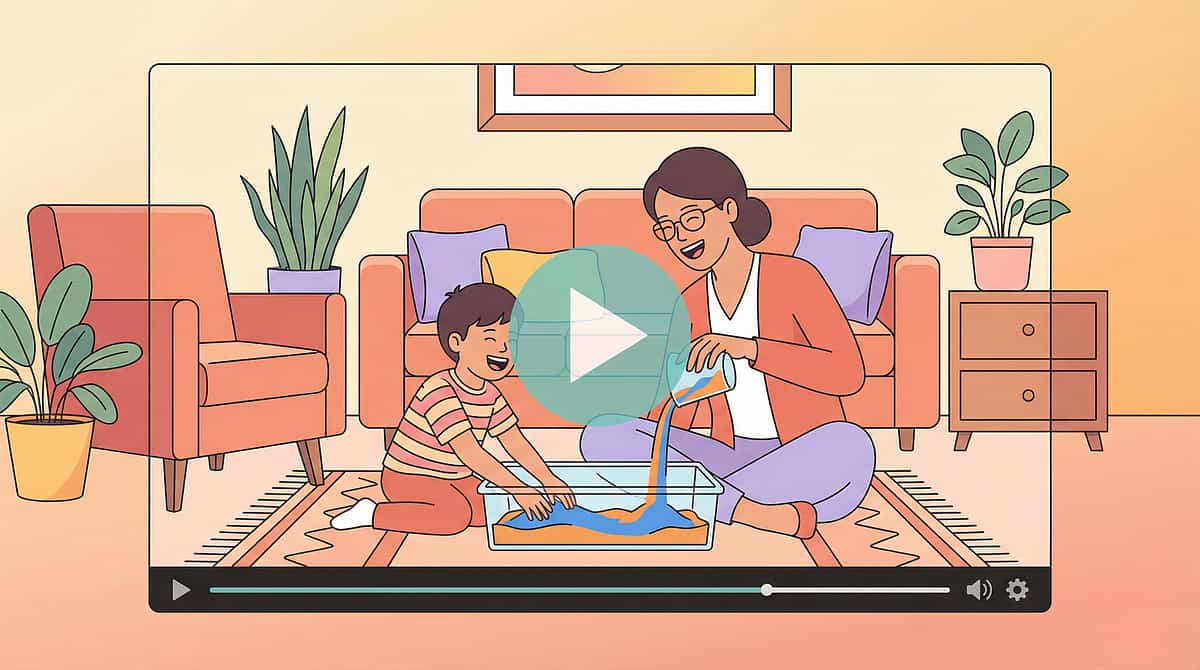
Watch the Reel
F-581: 9 Materials That Help With Activity Avoidance — Watch the Clinical Reel
Reel ID | F-581 | |
Title | 9 Materials That Help With Activity Avoidance | |
Series | Behavioral Regulation & Participation in Children | |
Episode | 581 of 999 | |
Domain | F | Behavioral Regulation | |
Duration | 75–85 seconds |
"In this reel, our clinical consortium presents all 9 materials — you'll see what each one looks like in practice, how to use it in a real home environment, and the behavioral mechanism that makes each material work. Watch once before starting sessions, and revisit after difficult sessions to recalibrate." — Pinnacle Blooms Consortium | OT + ABA + Child Psychology Team

FAQ
Every Question You're Probably Thinking Right Now — Answered
Is my child's activity avoidance autism-related or anxiety-related?
Both are possible, and they frequently coexist. The key distinction: does your child avoid specific sensory experiences (sensory-driven), the uncertainty and social evaluation of activities (anxiety-driven), or activities specifically when demanded (demand-driven/PDA)? All three respond to different primary materials. Call 9100 181 181 for a free functional profile conversation.
How long before we see results?
First meaningful indicators (tolerance, reduced meltdown intensity, any approach behavior) typically emerge in weeks 1–2. Participation gains emerge weeks 3–6. Generalization to new settings weeks 6–12. If no indicators appear by week 4 despite consistent daily implementation, professional assessment is recommended.
Is the choice board really different from giving in to the child?
Yes — fundamentally. Giving in eliminates the expectation. Choice boards maintain the expectation (child will participate in an activity) while transferring the selection power. The child is still doing an activity — they simply chose which one. This is not accommodation of avoidance; it is the mechanism for reducing it.
Can I use multiple materials simultaneously?
Yes — and you should. A typical session: Visual Preview (day before) + Choice Board (activity selection) + Visual Timer (session limit) + Sensory Toolkit (during activity) + Token (for brave attempt) + Brave Board (after session). All six in one session is correct practice.
What about severe avoidance — child won't even enter the room?
This is Proximity Participation territory. Set up materials in shared space and go about your day near them. Don't comment. Don't invite. Let curiosity work. This can take days or weeks — it is the correct starting point for severe avoidance.
Is this approach safe for a child with a PDA profile?
Standard behavioral approaches are contraindicated for PDA profiles. The F-581 approach — choice boards, indirect language, proximity participation, demand elimination — is PDA-informed. However, PDA-profile children benefit significantly from specialist consultation. Contact our team for PDA-specific guidance: 9100 181 181.
Can grandparents and teachers use these same materials?
Yes — and they should. Use Card 37's Family Guide and Teacher Template. Consistency across settings is a clinical requirement for generalization. Materials should be identical or closely matched across home, school, and family contexts.
My child says they're bored by all the choices. What do I do?
Refresh the choice menu with child input. Ask: "What would you want to choose between?" Include at least one option that is always a "yes" (their highest-preference activity) alongside stretch activities. The goal is to make at least one choice genuinely appealing.
Preview of 9 materials that help with activity avoidance Therapy Material
Below is a visual preview of 9 materials that help with activity avoidance therapy material. The pages shown help educators, therapists, and caregivers understand the structure and content of the resource before use. Materials should be used under appropriate professional guidance.




Link copied!

From Fear to Mastery. One Technique at a Time.
Pinnacle Blooms Network® exists to transform every home into a proven, scientific, 24×7, personalized, multi-sensory, multi-disciplinary therapy environment — removing all barriers of geography, economics, and access that stand between a child and their developmental potential.
🔵 Occupational Therapy
🟢 Applied Behavior Analysis / BCBA
🟣 Speech-Language Pathology
🔴 Special Education
⚫ NeuroDevelopmental Pediatrics
🟡 Clinical Research Organization
CIN | U74999TG2016PTC113063 | |
DPIIT | DIPP8651 (Govt. of India Startup Recognition) | |
MSME | Udyog Aadhaar TS20F0009606 | |
GSTIN | 36AAGCB9722P1Z2 | |
Copyright | © 2026 Pinnacle Blooms Network®, a unit of Bharath Healthcare Laboratories Pvt. Ltd. |
Medical Disclaimer: This content is educational and does not replace individualized assessment and intervention from licensed psychologists, occupational therapists, behavioral specialists, or medical professionals. Activity avoidance can stem from anxiety, sensory processing differences, demand sensitivity, trauma, or other factors requiring professional evaluation. Severe avoidance that significantly limits daily functioning warrants comprehensive assessment. Never use force or punishment to address avoidance. Individual results may vary. Statistics represent aggregate outcomes across the Pinnacle Blooms Network®. GPT-OS®, AbilityScore®, TherapeuticAI®, FusionModule™, EverydayTherapyProgramme™ are registered trademarks / proprietary systems of Bharath Healthcare Laboratories Pvt. Ltd.