
9 Materials That Help With Core Strength
F-578 | Pinnacle Blooms Network® | techniques.pinnacleblooms.org/gross-motor/core-strength-materials-F578
Clinically validated. Home-applicable. OT-designed, parent-executable — for every child who works too hard just to stay in their chair.

"When they can't hold their own body up."
It is 7:45 AM and homework has barely begun. Your child is already slumped sideways, chin nearly on the desk, one arm propping up their head, the other dangling loose. Their pencil moves slowly — not because they don't know the answer, but because every cell in their body is working just to stay in that chair.
"You are not failing as a parent. Your child's core muscles are genuinely working too hard just to resist gravity — and there is not enough left over for anything else. This is real. And this is solvable." — Pinnacle Blooms Consortium, Occupational Therapy Division
Core Strength
Trunk Stability
Postural Control
Gross Motor
OT Ages 2–12
Reviewed by: Pediatric OT • PT • ABA • SLP • NeuroDev • SpEd | F-578 | GM-CORE-STR | WHO Nurturing Care Framework (2018)
You Are Among Millions of Families Navigating This Exact Challenge.
Core weakness is one of the most consistently under-identified challenges in pediatric development. It masquerades as "laziness," "poor posture habits," or "inattention" — when in reality, the child's trunk muscles are simply not yet strong enough to hold them upright for extended periods. When a child W-sits, slumps, or leans on every available surface, they are solving a real muscular problem with the most efficient compensations their body knows.
1 in 3
ASD Postural Challenges
Children with ASD show significant postural control challenges — Systematic review, 2024
68%
Core Insufficiency
Children with low tone show core insufficiency affecting school function — Meta-analysis, World J Clin Cases, 2024
80%
OT Program Improvement
Improvement in postural endurance observed with structured OT programs — Pinnacle GPT-OS® outcomes, 20M+ sessions
Across Pinnacle's 70+ centers and 20M+ therapy sessions, core weakness is in the top 5 gross motor referral reasons for children aged 3–10. References: PMC11506176 | PMC10955541 | DOI:10.12998/wjcc.v12.i7.1260
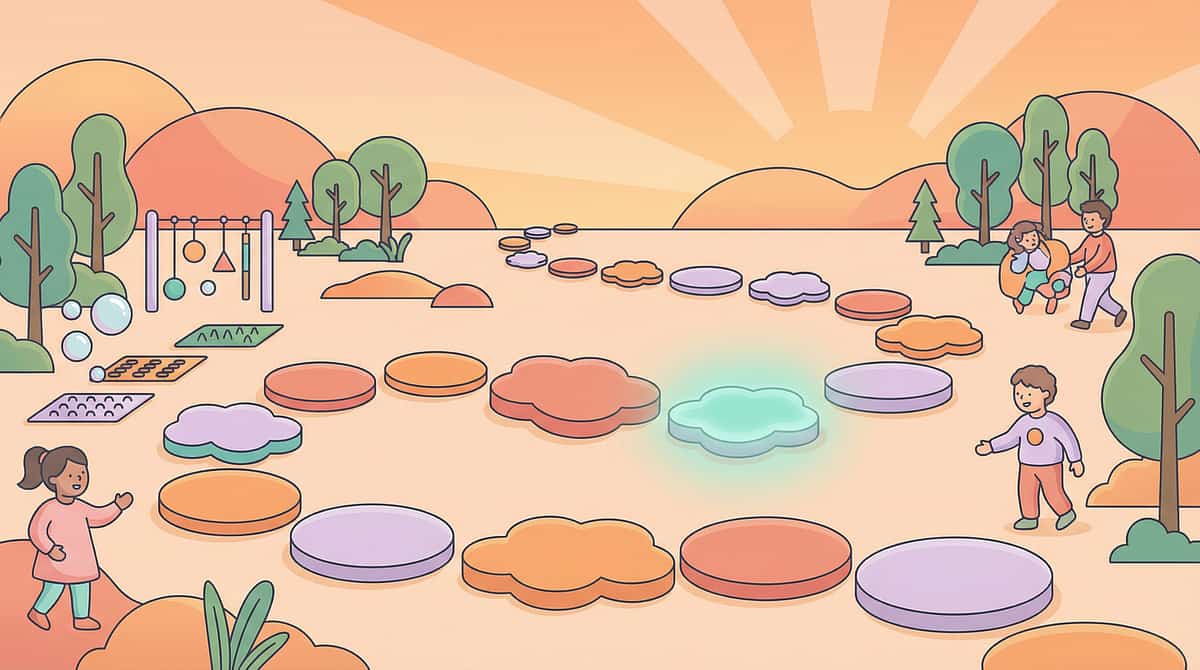
What's Happening in Your Child's Body
What the Core Actually Is
The "core" is not the stomach muscles you see on fitness posters. It is a 360-degree muscular cylinder — front, back, sides, top (diaphragm), and bottom (pelvic floor) — that creates internal pressure to keep the spine stable against gravity. Key muscle groups: Rectus Abdominis, Obliques, Transverse Abdominis, Erector Spinae, Multifidus, Diaphragm, and Pelvic Floor.
What Happens When It's Weak
When these muscles cannot generate sufficient anti-gravity force, the child borrows stability from wherever they can find it: furniture edges, walls, their own hands propping their head. The brain is spending enormous resources just on staying upright — leaving less bandwidth for learning, attention, writing, or play.
The Neurological Connection
Postural muscle activation is governed by the cerebellum and brainstem — regions that also process sensory input, coordinate movement, and modulate arousal. Children with sensory processing differences, hypotonia, or DCD often have reduced proprioceptive feedback from trunk muscles, making automatic postural adjustments harder to achieve.
"This is a wiring and muscle development challenge — not a behavior choice." — Pinnacle NeuroDev Pediatrics Division
Reference: DOI:10.3389/fnint.2020.556660 | Frontiers in Integrative Neuroscience (2020)

Core Strength Develops Step by Step — Here Is Where Your Child Is, and Where the Path Leads.
Understanding your child's place on the developmental timeline helps you meet them exactly where they are — and builds confidence in the path forward.
Birth–6 Months
Tummy time activates back extensors. Rolling builds obliques.
6–12 Months
Sitting develops bilateral trunk muscles. Crawling integrates core + limb coordination.
12–24 Months
Walking challenges postural stability continuously. Balance refines daily.
2–4 Years ★ HERE
Core strength expected to support sustained sitting, floor play, and playground activities.
4–7 Years
Core supports fine motor, handwriting, and sports participation.
7–12 Years
Core strength underpins classroom endurance and athletic development.
The Evidence Behind These Materials
🏆 LEVEL I — SYSTEMATIC REVIEW + META-ANALYSIS SUPPORTED
Core strengthening through play-based OT materials meets criteria for evidence-based practice in pediatric populations. Here are the landmark studies underpinning F-578.
PRISMA Systematic Review (2024)
16 studies (2013–2023) confirm structured gross motor and sensory-motor intervention is evidence-based practice for children with ASD and developmental delays.
→ PubMed: PMC11506176
Meta-Analysis, World J Clin Cases (2024)
Sensory integration and motor intervention across 24 studies effectively promoted gross motor skills, postural control, and adaptive behavior.
→ PMC10955541 | DOI:10.12998/wjcc.v12.i7.1260
Indian RCT — Padmanabha et al. (2019)
Home-based sensory-motor interventions demonstrated significant functional outcomes in Indian pediatric populations — validating this approach for home execution.
→ Indian J Pediatr | DOI:10.1007/s12098-018-2747-4
82%
Evidence Confidence
Level I–II aggregate across systematic reviews, meta-analyses, and RCTs
"Clinically validated. Home-applicable. Parent-proven across 21 million Pinnacle therapy services." | Helpline: 9100 181 181
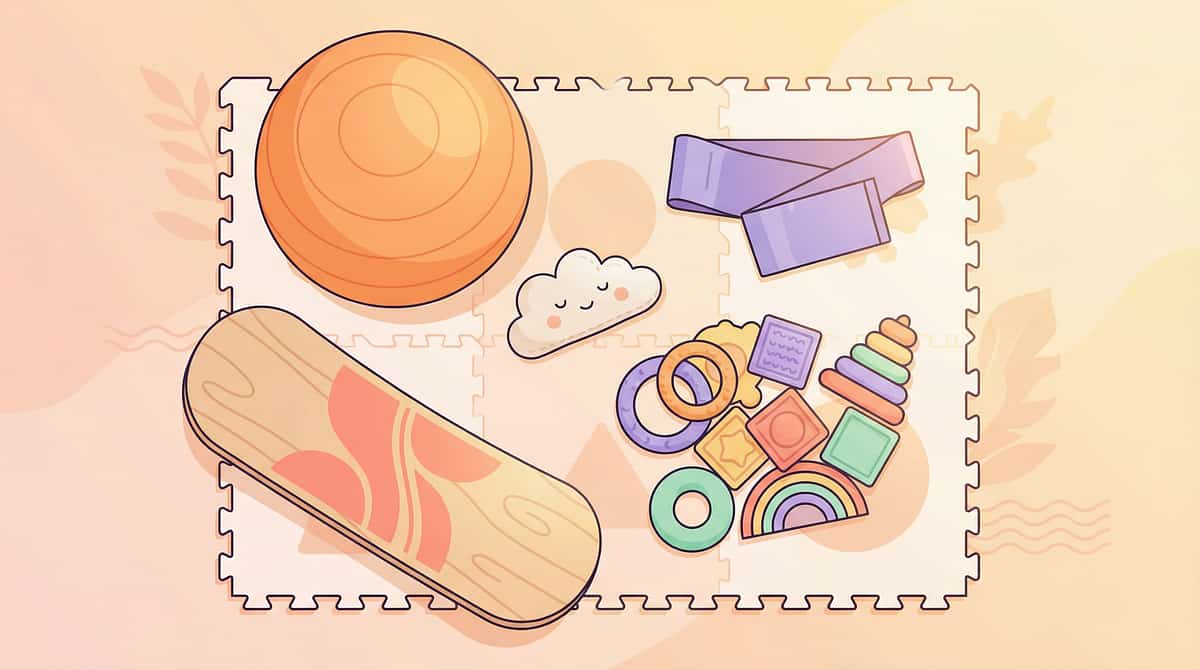
What These 9 Materials Are
Core Strength Building Through Play-Based Material Intervention — "The 9 Tools That Strengthen Your Child's Foundation." Core strength materials are play equipment and exercise tools specifically selected because they demand that the trunk muscles work against gravity during enjoyable activities. Rather than asking a child to "do exercises," these materials make the core work automatically. This is the principle of embedded therapeutic dosage — the strengthening happens through play that the child wants to repeat.
Therapy Ball (Swiss Ball)
Scooter Board
Crawling Tunnel
Wobble Board / Balance Board
Climbing Structure / Climbing Wall
Swing (Platform or Standard)
Peanut Ball (Therapy Peanut)
Yoga / Animal Walk Cards
Resistance Band (TheraBand)
Domain: GM-CORE-STR | Reel ID: F-578 | Ages: 2–12 years | Session: 15–30 min | Frequency: Daily / Near-Daily
Who Uses These Materials — These Materials Cross Every Therapy Boundary
Because the core supports everything, every pediatric therapy discipline incorporates these materials. Here is how each specialty contributes to your child's program.
Occupational Therapist (OT) — Primary Lead
Builds the postural foundation for fine motor tasks, self-care, classroom sitting, and handwriting. Prescribes specific progressions based on muscle strength assessment.
Physical Therapist (PT) — Co-Lead
Addresses trunk strength, anti-gravity muscle development, balance, coordination, and postural alignment. Designs home programs integrating these materials into daily movement.
ABA / BCBA — Behavioral Integration
Uses core strengthening sessions as structured reinforcement opportunities. Builds motivation to engage with materials through pairing procedures. Tracks session compliance and progress data.
Special Educator (SpEd) — Classroom Bridge
Implements core-supportive seating (therapy balls, seat wedges) and movement breaks using these materials to support classroom attention and academic endurance.
NeuroDev Pediatrics — Medical Oversight
Assesses neurological underpinnings (hypotonia, DCD, neuromuscular conditions). Clears medical contraindications. Integrates core strengthening into overall developmental management plan.
"When we address core strength through OT, PT, ABA, and SpEd simultaneously — via GPT-OS® FusionModule™ — the child progresses 3× faster than single-discipline intervention." — Pinnacle Blooms Consortium Clinical Intelligence Report
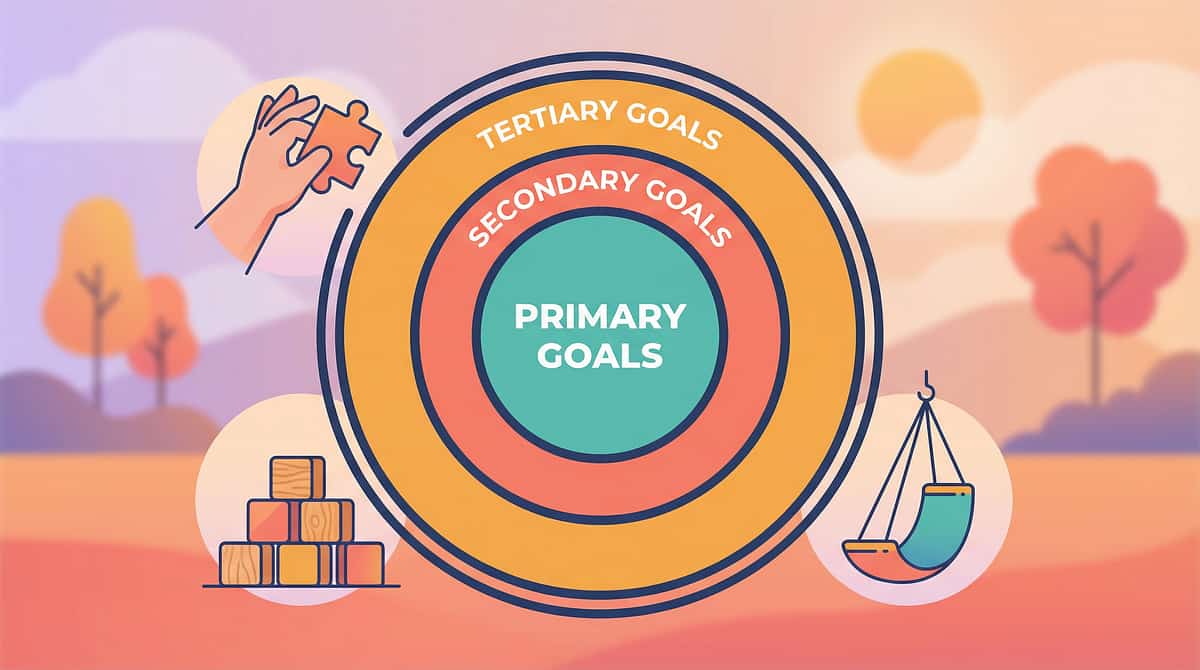
What These Materials Target
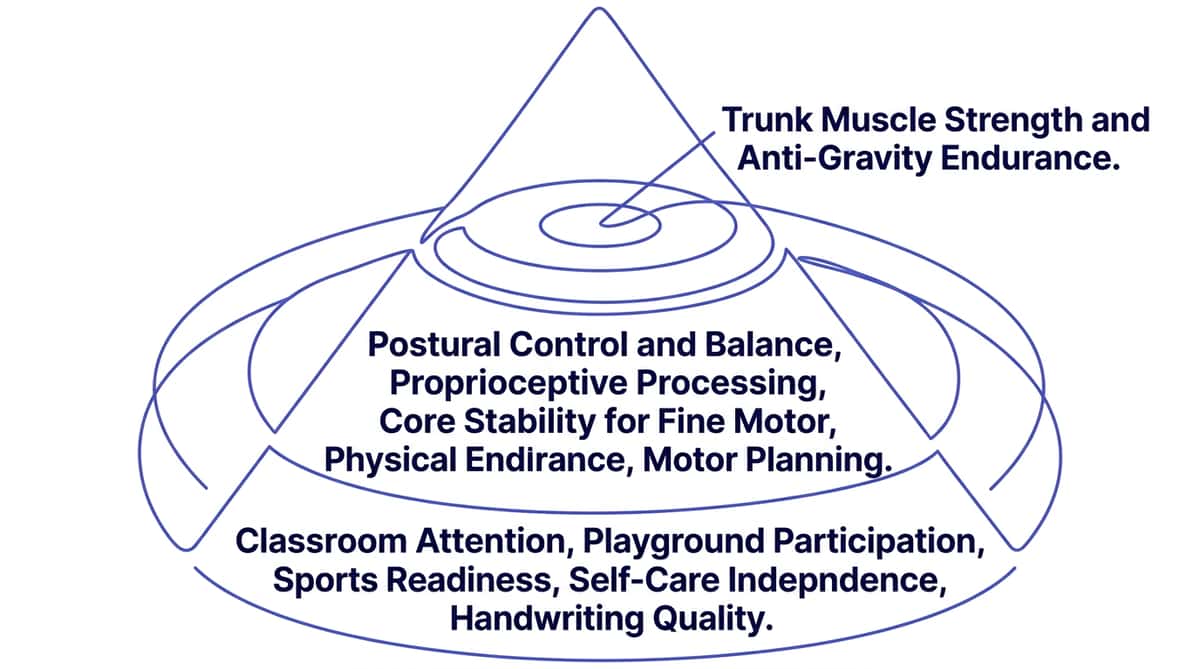
Target Area | "Before" Behavior | "After" Progress Indicator | |
Core Strength | Slumps/slides in every chair | Can sit upright for 15+ minutes | |
Postural Control | W-sits, leans on furniture | Ring-sits or cross-sits independently | |
Fine Motor Foundation | Messy handwriting, tires quickly | Cleaner writing, extended writing periods | |
Playground | Avoids climbing, lies down | Attempts climbing structures | |
Endurance | Fatigues after 5 min of activity | Sustains 20+ min active play |
References: PMC10955541 | PMC11506176 | Pinnacle AbilityScore® Domain Data
What You Need: The 9 Primary Materials
OT + PT Material Prescription
Pinnacle 128 Canon Materials System

1. Therapy Ball (Swiss Ball)
Child sits with feet flat, knees + hips at 90°. Anti-burst, 45–55cm for ages 4–8.
₹400–1,500 | 🛒 Search on Amazon.in
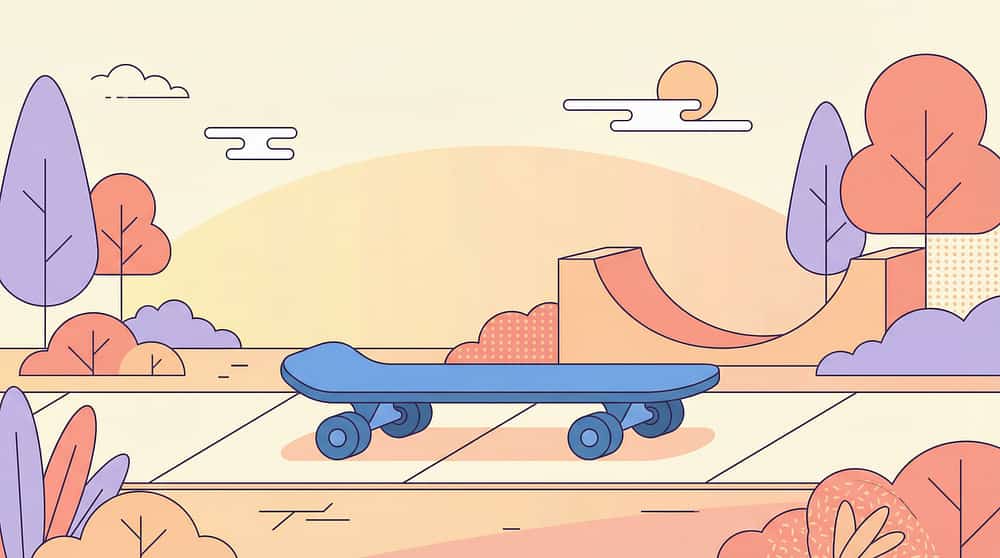
2. Scooter Board
Smooth-rolling wheels, flat platform, durable. Weight capacity appropriate for child.
₹600–2,000 | 🛒 Search on Amazon.in
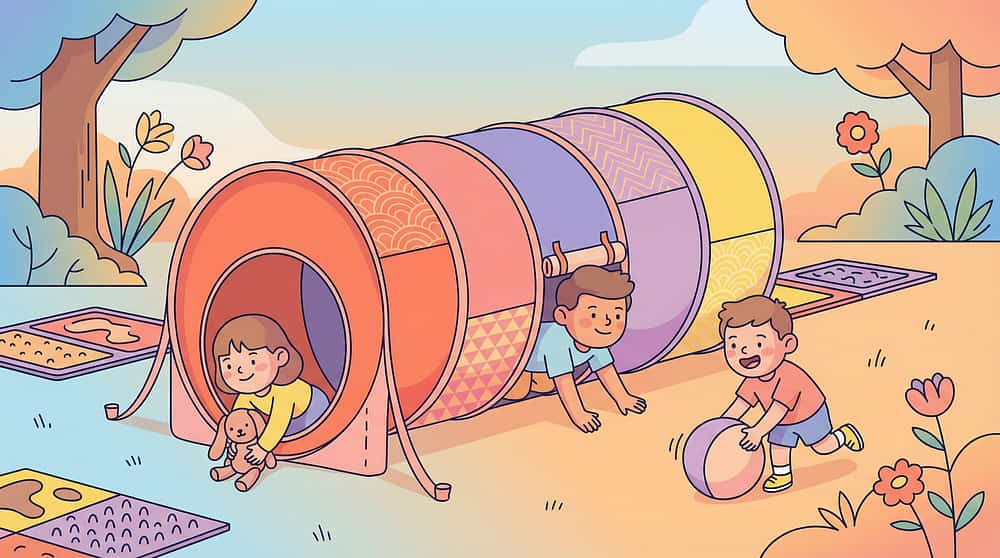
3. Crawling Tunnel
Collapsible, stable when extended. 60–70cm diameter for full crawling.
₹500–2,500 | 🛒 Search on Amazon.in
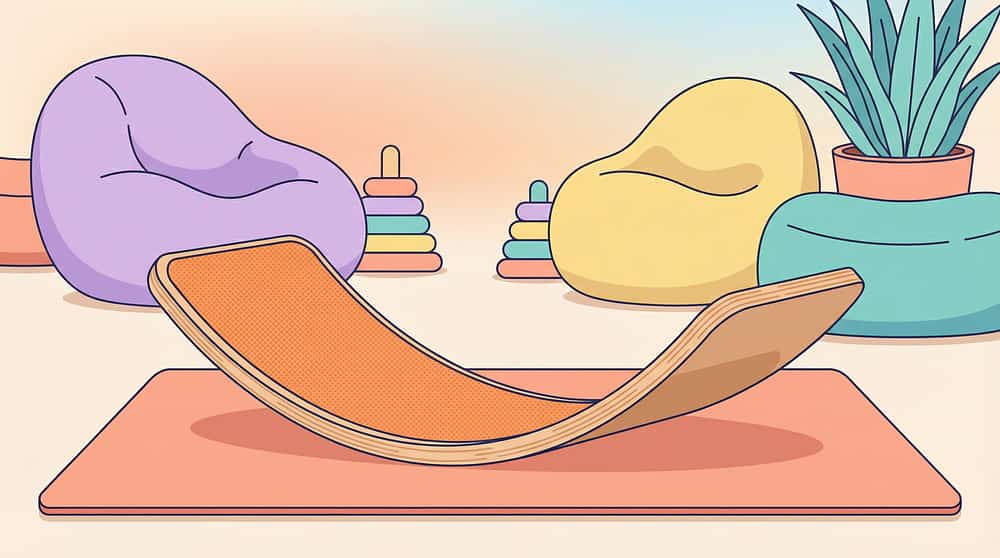
4. Wobble Board / Balance Board
Non-slip surface, appropriate wobble range for age.
₹400–1,800 | 🛒 Search on Amazon.in
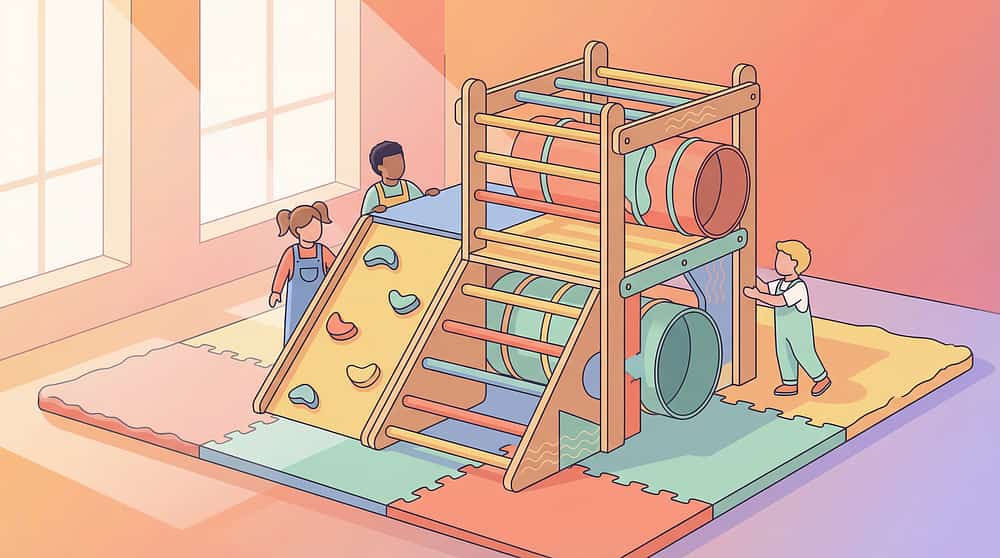
5. Climbing Structure / Climbing Wall
Secure installation, age-appropriate height, safe surface below.
₹2,000–15,000+ | Playground = ₹0 | 🛒 Search on Amazon.in
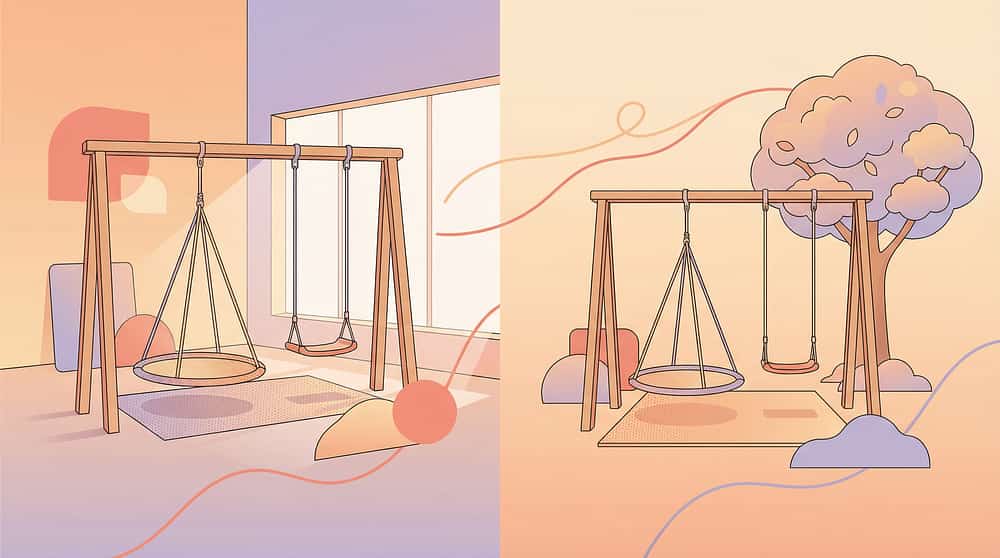
6. Swing (Platform or Standard)
Secure installation, ceiling/frame rated for child weight.
₹1,000–5,000 | Park swing = ₹0 | 🛒 Search on Amazon.in
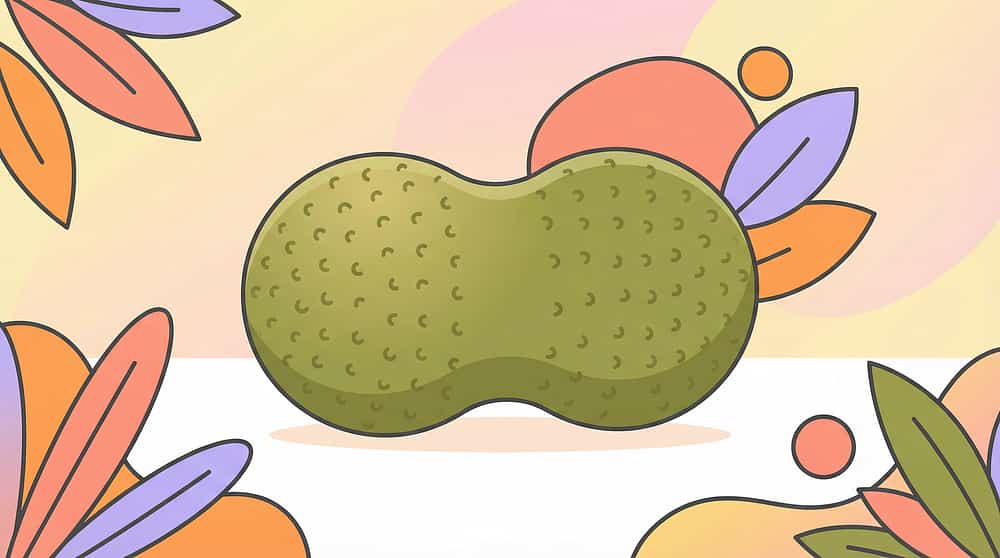
7. Peanut Ball (Therapy Peanut)
Double-sphere shape, anti-burst. Start more deflated for beginners.
₹600–2,000 | 🛒 Search on Amazon.in
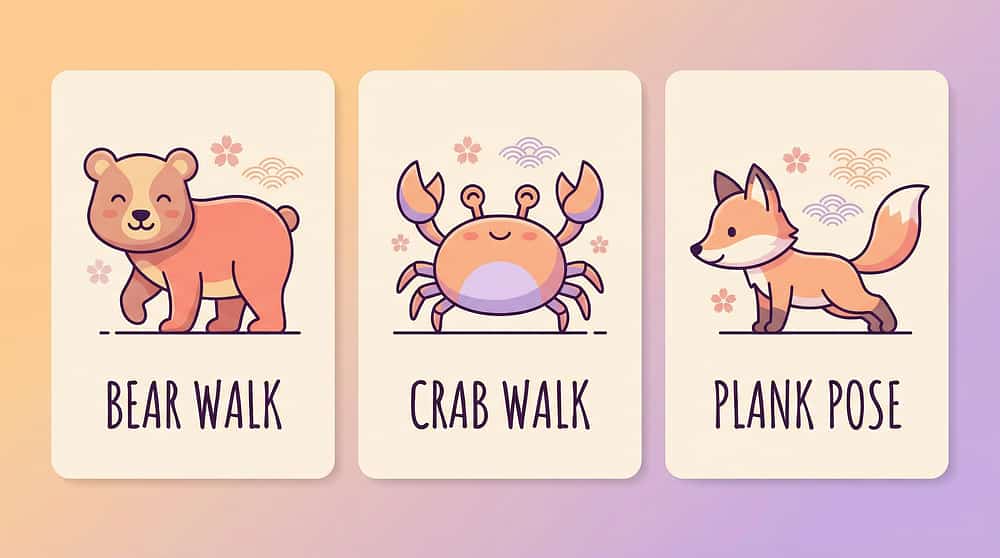
8. Yoga / Animal Walk Cards
Clear pictures at child eye level, laminated for durability.
₹200–800 | 🛒 Search on Amazon.in
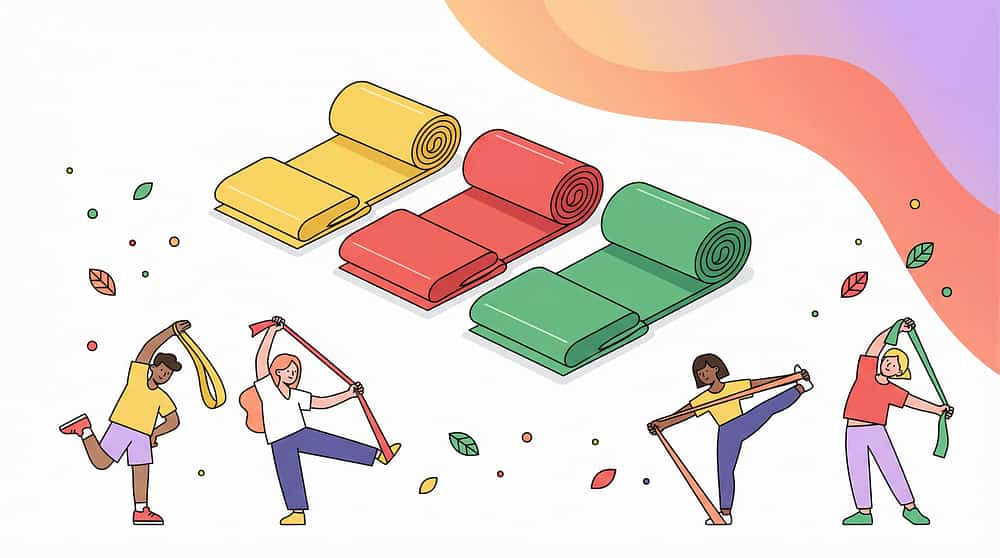
9. Resistance Band (TheraBand)
Start with lightest resistance (yellow), color-coded progression. TheraBand brand or clinical equivalent.
₹200–600 | 🛒 Search on Amazon.in
Essential Starter Kit (Budget < ₹2,000): Therapy Ball + Tunnel + Yoga Cards = complete home core program
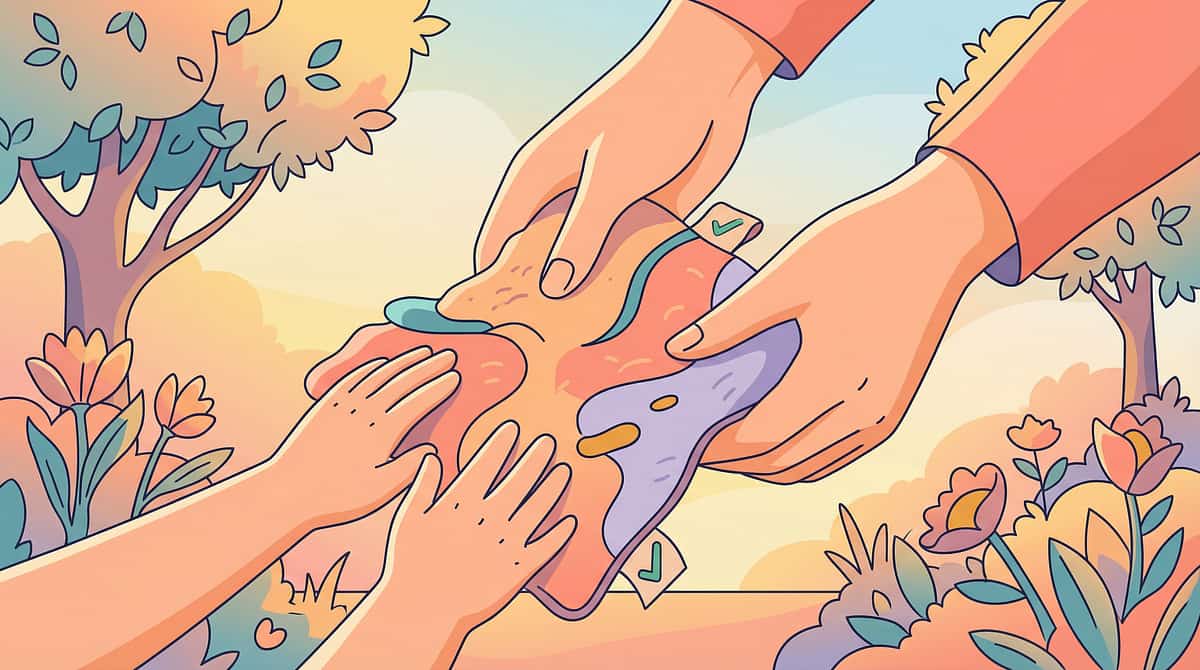
DIY & Substitute Options — Every Child Deserves Core Strengthening, Regardless of Budget.
WHO/UNICEF Inclusion Principle: No family left behind. The science works through movement mechanics — not the brand. The principle is unstable surface + gravity + child motivation. The material enables the principle — it is not the principle itself.
Material | Buy This | Make This Today (₹0) | |
Therapy Ball | ₹400–1,500 Swiss ball | Rolled mattress for prone activities; sit on firm foam roll | |
Scooter Board | ₹600–2,000 | Wooden cutting board + furniture sliders (₹50 at hardware store) | |
Crawling Tunnel | ₹500–2,500 | Blankets draped over 4 chairs in a row — instant tunnel | |
Wobble Board | ₹400–1,800 | 30cm wooden board on a tennis ball, taped; or folded foam | |
Climbing Structure | ₹2,000–15,000 | Public playground daily — free access, maximum equipment | |
Swing | ₹1,000–5,000 | Doorframe swing (₹300 kit); park swing — free | |
Peanut Ball | ₹600–2,000 | Firmly rolled bath towel child sits on for controlled instability | |
Yoga/Animal Cards | ₹200–800 | Print free cards from Pinterest; draw your own | |
Resistance Band | ₹200–600 | Bicycle inner tube (₹50 cycle shop); thick rubber band for light resistance |
When Clinical-Grade Equipment IS Necessary: Certain children with severe hypotonia, significant sensory sensitivities, or specific neurological conditions require professional-grade equipment for safety and precision. Call 9100 181 181 for guidance.
References: PMC9978394 | WHO NCF Handbook 2022 | UNICEF CCD Package | Pinnacle Equity Framework
Safety First: Before You Begin
🔴 ABSOLUTE STOP — Do NOT use these materials if:
- Child has uncontrolled epilepsy without medical clearance
- Recent spinal injury, orthopedic surgery, or fracture (within 3 months)
- Diagnosis of atlantoaxial instability (Down syndrome — requires specialist clearance)
- Child is actively unwell (fever, illness, acute pain)
- Significant behavior crisis within last 2 hours — reschedule
🟡 AMBER — MODIFY: Use with extra caution if:
- Child has significant low muscle tone (hypotonia) — start with more supported versions
- Child has balance/fall risk history — padded environment, adult within arm's reach
- Child demonstrates sensory aversion to vestibular input — reduce movement amplitude
- First session with any equipment — always begin supervised at low challenge
🟢 GREEN — SAFE TO PROCEED when:
- Child is alert, engaged, and not in distress
- Environment is clear of sharp edges and fall hazards
- Parent or caregiver is present and within reach
- Materials are checked: balls inflated, swing hardware inspected
Material | Key Safety Rule | |
Therapy Ball | Anti-burst only; adequate clear space; adult supervision | |
Scooter Board | Flat surface ONLY; fingers away from wheels; no slopes | |
Tunnel | Stable when extended; check for sharp wire frames; soft landing | |
Wobble Board | Support available for early sessions; non-slip surface | |
Climbing | Age-appropriate height; soft fall surface; inspect equipment | |
Swing | Secure installation; weight-rated hardware; clearance height | |
Resistance Band | Inspect for nicks/tears; secure anchor; start light resistance |
🛑 STOP THE SESSION IMMEDIATELY if: Child becomes severely distressed | Reports or shows pain | Loses bodily control | Equipment shows damage during use. Helpline: 9100 181 181
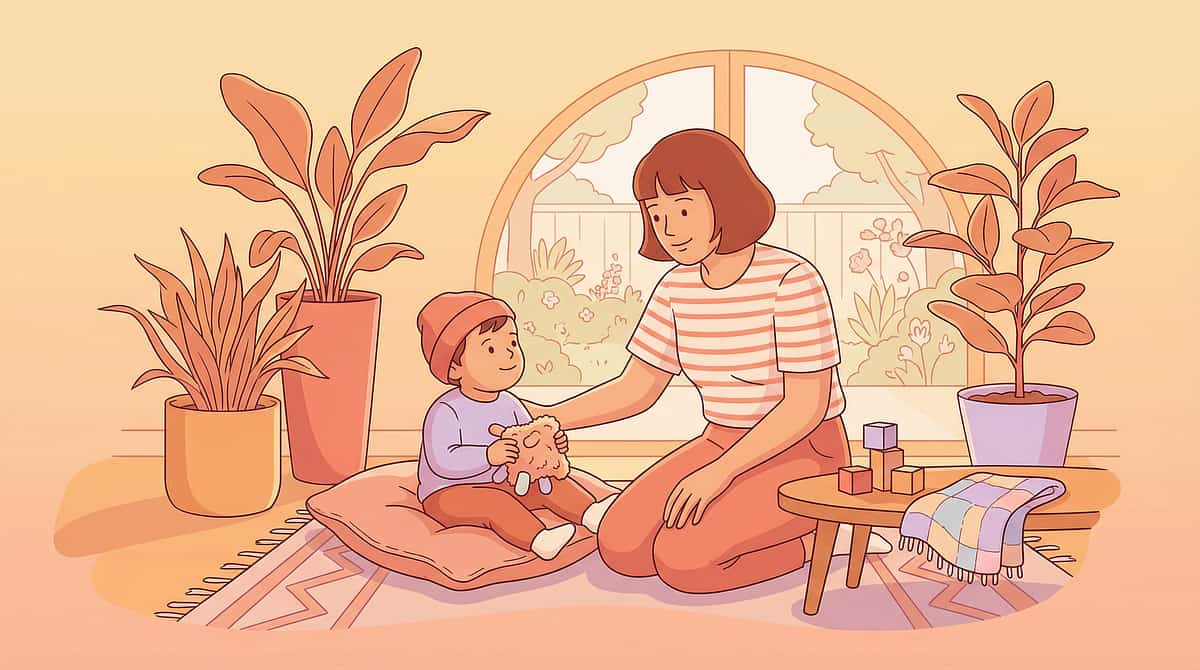
Set Up Your Space in 5 Minutes
A ready environment determines 80% of session success. Taking five minutes to prepare the space before your child enters is one of the highest-leverage actions you can take as a therapeutic partner.
5-Step Setup Checklist
- Clear minimum 3m × 3m open floor space
- Place soft mat or gym mat as central play surface
- Position materials at child's reach level, not adult height
- Remove distracting toys from view (out of sight, not the room)
- Prepare 2–3 reinforcers the child loves (small toys, stickers, snacks)
Material Positions
- Therapy Ball / Peanut Ball → center floor
- Scooter Board → along wall
- Tunnel → diagonal path across floor
- Wobble Board → corner with soft mat
- Parent position → beside and behind child
Environment Settings
- Lighting: Bright natural light preferred; no harsh fluorescent if child is light-sensitive
- Sound: Calm instrumental background music optional; mute TV and notifications
- Temperature: Comfortable — child will be active and generating body heat
- Sensory Load: Reduce competing sensory input BEFORE the session begins
"The space is ready. Now check if the child is ready." — Pinnacle OT Protocol | References: PMC10955541 | Sensory Integration Theory (Ayres) | Helpline: 9100 181 181
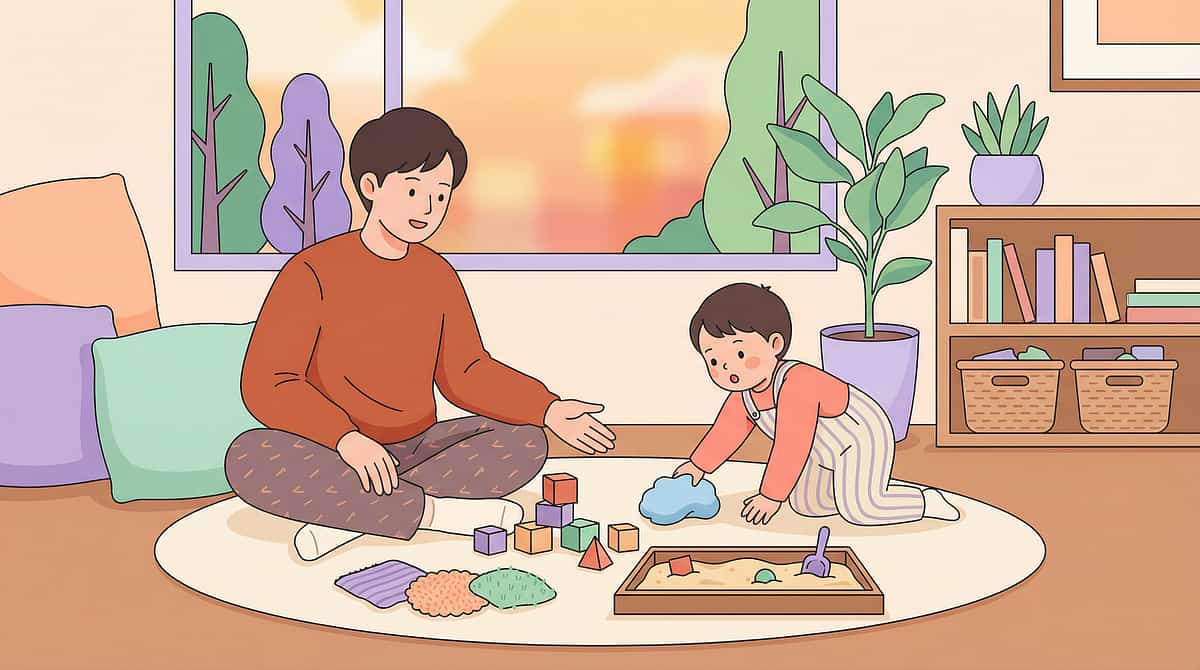
Is Your Child Ready? Pre-Flight Readiness Check
Run this 60-second checklist before every session. Starting right is more important than starting on time.
✅ Physical Readiness
- Child is fed (not hungry, not overly full)
- Child is rested (not overtired; post-nap if nap-age)
- No signs of illness (temperature, mood)
- No recent injury to joints, muscles, or skin
✅ Emotional Readiness
- Child is in a regulated state (calm-to-alert; not distressed)
- No major meltdown in the past 2 hours
- Child responds to your greeting (eye contact, vocalization, or gesture)
✅ Environmental Readiness
- Space is prepared (Card 12 setup completed)
- Materials are ready and within reach
- Reinforcers are prepared (ABA pairing principle)
Decision | Criteria | Action | |
🟢 GO | All 7 items checked | Proceed to Step 1 — The Invitation | |
🟡 MODIFY | 4–6 items checked | Shorten to 10 minutes; use 1 material; increase reinforcement density | |
🔴 POSTPONE | Fewer than 4 items | Do a calming activity instead. Reschedule for later today or tomorrow. |
"The best session is one that starts right. A postponed session is not a failed session — it is a wise clinical decision."
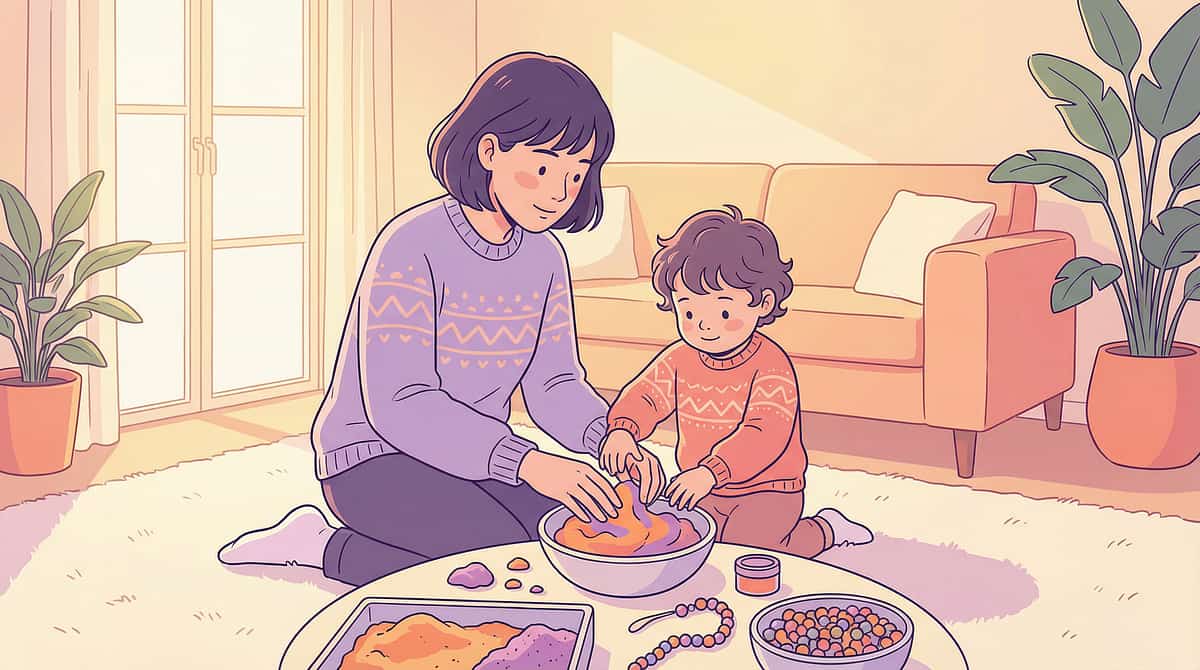
Step 1: The Invitation
STEP 1 of 6
Duration: 30–60 seconds
ABA + OT
What You're Doing: Bring the child into the activity through playful, low-demand engagement. No commands. No demands. Pure motivation building. You are building the motivating operation — do not skip this step. Pairing takes 30 seconds and saves the entire session.
"Hey, look what I found! This big bouncy ball is just sitting here waiting. Want to see something cool?"
Body Language Guidance
- Get to the child's level — sit or crouch, not tower over
- Hold material at child's eye level, not chest height
- Smile genuinely — not a performance smile
- Move slowly and predictably
Child Acceptance Cues — Watch for:
- ✅ Child moves toward material
- ✅ Child reaches for material
- ✅ Child makes eye contact with material or you
- ✅ Child's body relaxes (shoulders drop, face opens)
Child Resistance Cues — Respond with:
- ⚠️ Moves away: "That's okay, let me show you — you don't have to touch it yet."
- ⚠️ Ignores: Interact with the material yourself first — demonstrate the fun
- ⚠️ Protests: Pair with preferred item first; try again in 5 minutes
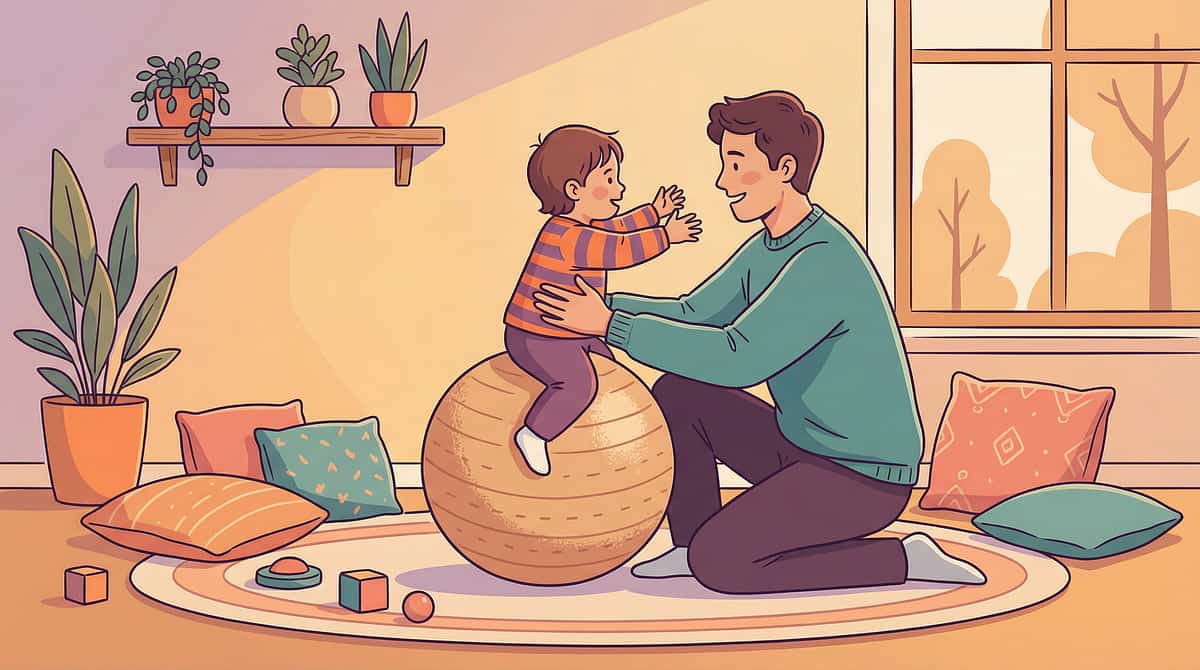
Step 2: The Engagement
STEP 2 of 6
Duration: 1–3 minutes
OT + ABA
What You're Doing: Child is now engaged. Introduce the therapeutic material and begin the core-strengthening activity. Reinforcement schedule begins NOW. Praise the ATTEMPT, not the result: "Amazing — you held yourself up!" not "Good job" (too vague).
🟢 Therapy Ball
"Sit right here on the ball — just like a throne! Can you bounce? Slowly, slowly... your tummy is working!" → Child sits → parent stabilizes ball lightly → allow natural bouncing → praise every 15 seconds
🛹 Scooter Board
"Lie down on your tummy, like Superman flying! Put your hands down and PUSH — where can you go?" → Prone position → arms propel → parent creates target → head and chest MUST lift
🌀 Tunnel
"Something is hiding at the other end — can you crawl through and find it?" → Place preferred toy at tunnel exit → hands and knees, not shuffling
⚖️ Wobble Board
"Can you stand on this magic board and NOT fall off? I don't think you can..." → Challenge framing works with most children → parent hands available for early sessions
🧗 Climbing
"How high can you get? I'll count how many steps..." → Natural motivation → parent spots from below → no pushing, only catching
✅Engagement | Child continues activity independently for 10+ seconds | |
✅Tolerance | Child participates without distress (even if not fully enthusiastic) | |
⚠️Avoidance | Child attempts to leave after <10 seconds → reduce demand, add reinforcer |
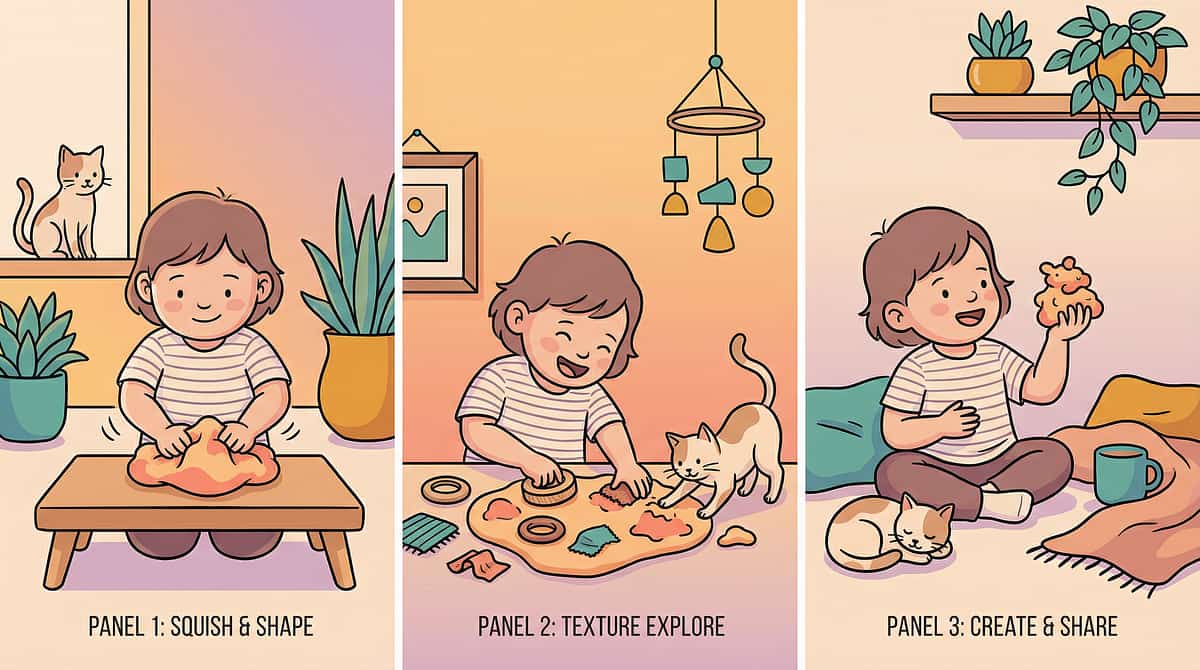
Step 3: The Therapeutic Action — The Core Dose
STEP 3 of 6
Duration: 5–15 minutes
OT + PT
The Active Ingredient: The child is now engaged with the material and performing the movement pattern that directly builds core strength. Your job: sustain engagement, maintain correct form, and provide appropriate challenge. Core therapeutic action = 40–60% of session time.
🟢 Therapy Ball — Seated Bouncing + Reaching
Sit on ball, feet flat, bouncing gently. Progress to: reach for objects in different directions; roll the ball side to side; lean forward to pick up objects. Core activation: Abdominals + back extensors + pelvic stabilizers firing continuously.
🛹 Scooter Board — Prone Propulsion
Child lies FACE DOWN. Uses hands/arms to push along floor. HEAD AND CHEST MUST BE LIFTED at all times. ⚠️ Most common error: Child lets chest rest on board. Fix: Place target toy slightly higher than floor level. Core activation: Erector spinae + gluteals + back extensors.
🌀 Tunnel — Crawling Course
Crawl through tunnel repeatedly. Ensure cross-pattern crawling (right arm + left leg together). Create a course: in tunnel → crawl to scooter board → back through tunnel. Core activation: Quadratus lumborum + obliques + deep stabilizers.
⚖️ Wobble Board — Standing Balance
Stand on wobble board. Progress: stand + catch a ball; stand + reach to touch targets; stand + bounce a balloon. Core activation: Reactive trunk stability — rapid co-contraction responding to balance demands.
🧗 Climbing — Vertical Movement
Climb to designated height, touch target, climb down. Repeat. Core activation: Sustained anti-gravity trunk stabilization throughout entire climb.
🌊 Swing — Prone Hold / Seated Pumping
Platform swing prone: lie on tummy, hold sides, parent pushes gently — must hold head and chest up. Standard swing: pump legs — core stabilizes trunk against the arc. Core activation: Back extensors (prone) or abdominal + back co-contraction (seated pumping).
🥜 Peanut Ball — Seated Reaching
Sit in the middle indent of peanut ball. Reach left, right, forward, backward to pick up objects. Core activation: Abdominals + back extensors in all planes of movement.
🧘 Yoga / Animal Walk Cards
Pull a card. Prioritize: plank, boat, bridge, bear walk, crab walk, snake. Core activation: Isometric for holds; dynamic for animal walks. Full core engagement.
💪 Resistance Band — Seated Rows
Sit or stand. Pull band toward chest. The TRUNK must stay still — only arms move. Core activation: The core functions as the anchor against the pull direction.
References: PMC10955541 | SI Theory (Ayres) | PT Motor Intervention Literature | Reel ID: F-578
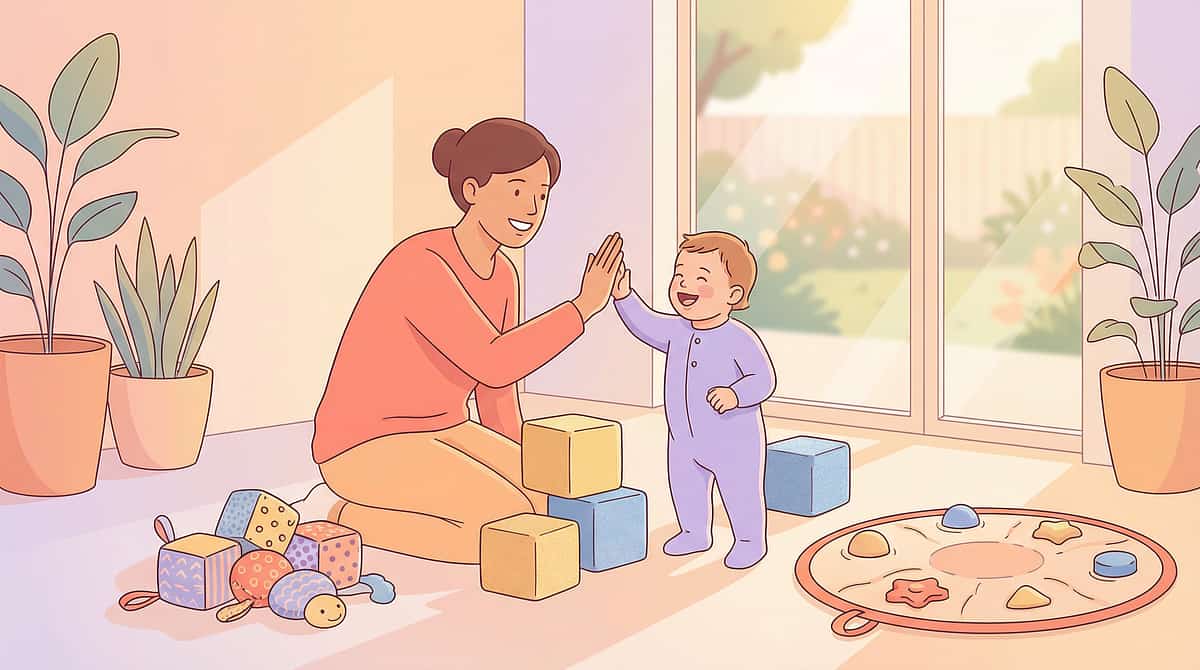
Step 4: Repeat and Vary
STEP 4 of 6
Duration: 3–5 min per material
"3 GOOD repetitions > 10 forced repetitions." Quality of engagement matters more than quantity of movement. A fully engaged child with correct form gets 3× the therapeutic benefit of mechanical repetition.
Material | Target Reps | Satiation Signs | |
Therapy Ball | 2–3 min continuous + 15 reach reps | Child gets off ball, lying down | |
Scooter Board | 6–8 floor lengths | Child rolls over, sits up | |
Tunnel | 4–6 crawl-throughs | Child sits at entrance and doesn't enter | |
Wobble Board | 2–3 minutes standing | Child steps off repeatedly | |
Climbing | 3–5 climbs to height | Child stops climbing after mounting | |
Swing | 3–4 minute session | Child requests to stop or becomes passive | |
Peanut Ball | 2–3 minutes reaching | Child slides off, loses postural engagement | |
Yoga Cards | 3–5 poses per session | Child refuses next card | |
Resistance Band | 8–10 pull reps × 2 sets | Child drops band, loses trunk stability |
Variation Options to Maintain Engagement
- Change the target (different toy, different location)
- Change the position (seated → prone → standing for same material)
- Add a partner element (throw and catch, parent and child together)
- Add challenge (close eyes, add movement, timed challenge)
- Reduce challenge on difficult days (more support, shorter duration)
"Satiation is not failure. It is data. Note when satiation occurred and use it to plan next session duration."
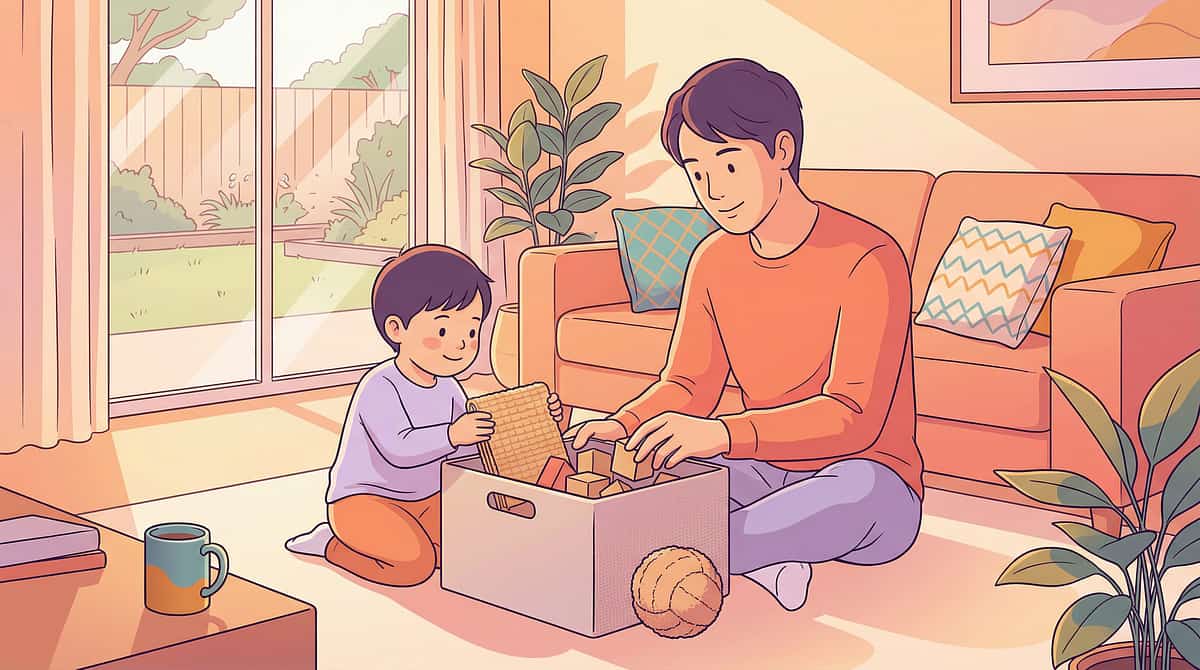
Step 5: Reinforce and Celebrate
STEP 5 of 6
Timing: Within 3 seconds
ABA / BCBA
The Reinforcement Science: Immediate, specific reinforcement is 10× more effective than delayed, generic praise. "You held your head up the whole time you were on the scooter board — I could see your back muscles working!" activates learning circuits that "good job" simply cannot reach.
For Core Engagement
"I can SEE your back muscles holding you up! That is REAL strength!"
For the Attempt
"You tried! That was hard and you tried anyway — that is what building strength looks like."
For Persistence
"You didn't give up when it got hard. Your core is getting stronger right now."
For Generalization
"Did you notice you just sat up straight while eating? That's your core strength showing!"
Pinnacle Reinforcement Menu Options
- ⭐ Social praise (high enthusiasm verbal + physical celebration)
- 🏆 Token/sticker (token economy integration)
- 🎮 Brief preferred activity (30-second access to preferred toy/screen)
- 🍎 Edible reinforcer (small, always paired with verbal praise)
- 📸 Photo of achievement (child sees themselves succeeding)
Active Reinforcers via Pinnacle Canon: Reinforcement Menu #803 — ₹589 | Reinforcement Menu #390 — ₹364
"Celebrate the attempt, not just the success. The attempt IS the success." | Helpline: 9100 181 181
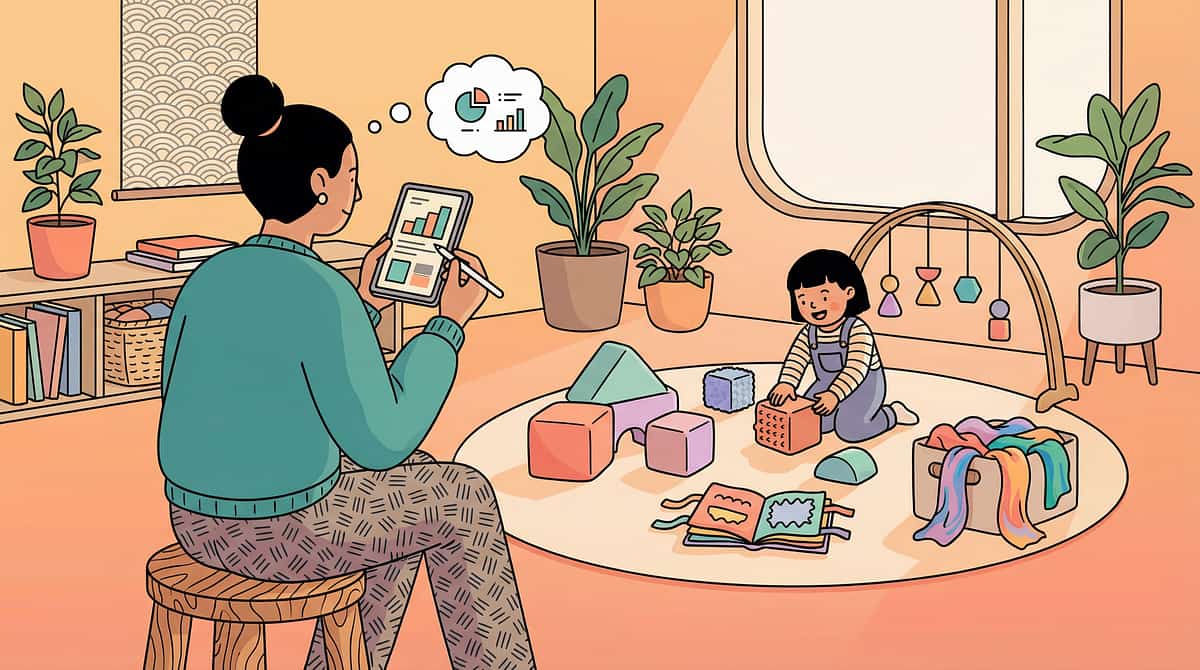
Step 6: The Cool-Down
STEP 6 of 6
Duration: 2–3 minutes
OT + ABA
Why This Matters: No session ends abruptly. The transition from high-engagement therapeutic activity back to baseline requires a structured cool-down to prevent post-session dysregulation, meltdowns triggered by activity ending, and sensory overload accumulation.
"Two more times, then we're all done! Two... one... all done! Time to put the [ball] away — can you help me?"
High Arousal After Session
2 minutes deep pressure — firm hand massage to arms + legs, or bear hug if accepted
Moderate Arousal
Slow rocking or gentle vestibular (chair rocking, slow swing)
Low Arousal
Brief sensory play — tactile bin, weighted blanket
Material Put-Away Ritual — 3 Functions
- Provides additional proprioceptive input (carrying ball to corner)
- Creates a clear visual end to the session
- Teaches responsibility and routine
If Child Resists Ending: Use first-then: "First all done with ball, THEN [preferred activity]." Never abruptly remove material — always use the 2-minute warning + countdown. References: NCAEP Evidence-Based Practices Report (2020)
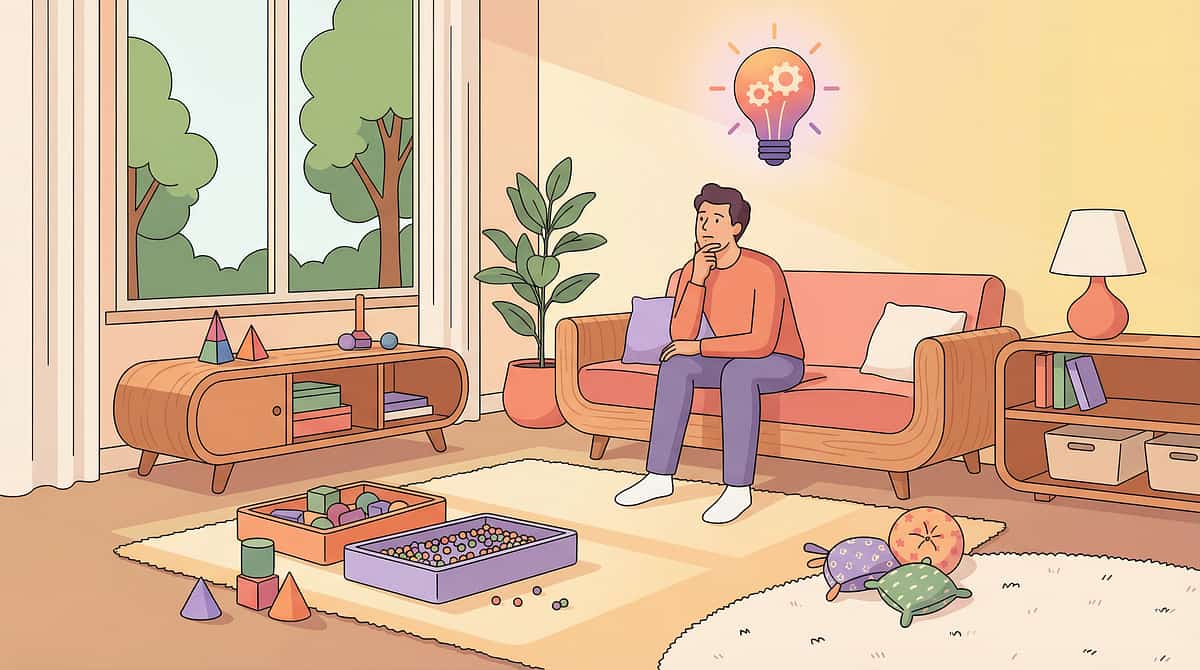
Capture the Data: Right Now
"60 seconds of data now saves hours of guessing later." Record these 3 data points within 60 seconds of session end. Your session data contributes to your child's AbilityScore® Gross Motor Readiness Index, Pinnacle's 20M+ session intelligence base, and population-level program optimization.
Engagement Level
Circle 1–5 (1 = refused / 5 = fully engaged throughout)
Postural Quality
Circle 1–5 (1 = constant compensation / 5 = good form maintained)
Duration
Record total active minutes. Note materials used and any key observations.
📋 Download Tracking Sheet — PDF
Pinnacle F-578 Core Strength Session Tracker | 8-week log format — print and post near your therapy space
📱 Track in GPT-OS® App
Log this session in your GPT-OS® child profile → Core Strength Module → F-578. Data feeds into Gross Motor Readiness Index + Postural Control Readiness Index.
🔗 Connect to Intelligence Layer
Your data contributes to population-level program optimization that helps every family like yours. Connect to GPT-OS® →
References: BACB Guidelines | Cooper, Heron & Heward ABA 8th Edition | GPT-OS® Data Intelligence Layer
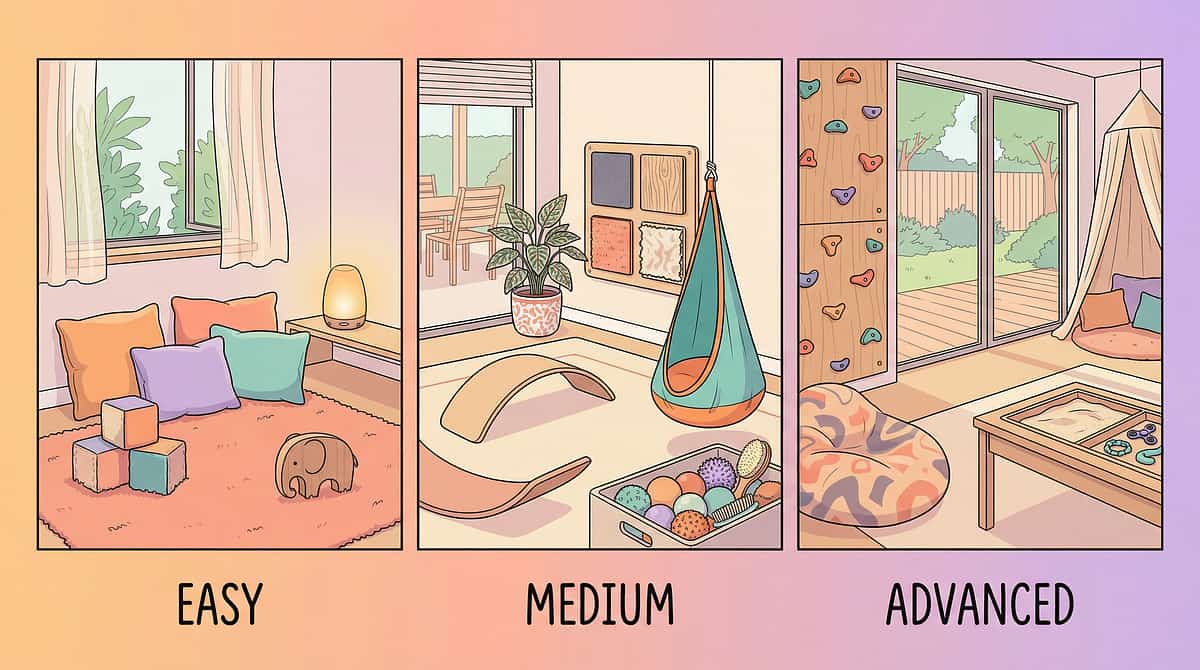
What If It Didn't Go As Planned?
"Session abandonment is not failure. It is data. Adjust and retry." Here are the 7 most common problems and their immediate fixes — drawn from Pinnacle's center query database.
❌ Child refused all materials from the start
Why: Motivating operation not established; material is aversive; child not in ready state. Fix: Return to readiness check. Pair materials with high-value reinforcers. Let child observe parent playing with material first.
❌ Child could only tolerate 2–3 minutes before dysregulation
Why: Session too long; reinforcement too sparse; environment too stimulating. Fix: Shorten to 5-minute sessions. Increase reinforcement to every 30 seconds. Return to environment setup.
❌ Child uses compensations instead of true core activation
Why: Activity is too challenging for current strength level. Fix: Reduce challenge immediately. A child using compensations is not strengthening — they are surviving. The task must match the capacity.
❌ Therapy ball keeps rolling away
Why: Inflation level; floor surface; child's position. Fix: Partially deflate the ball. Place ball in a bowl or ring base. Move to carpet surface. Stabilize with your legs.
❌ Child won't stay prone on scooter board
Why: Prone extension is genuinely hard for weak core. Fix: Start prone over a rolled towel on the floor. Progress to scooter board only when floor-level prone is easy for 2+ minutes.
❌ Sibling interference derails the session
Fix: Schedule during sibling school time, nap, or assign sibling a different activity in another room.
❌ No improvement visible after 2 weeks of daily sessions
Fix: Review session data. Consult via teleconsultation. Call 9100 181 181 for GPT-OS®-guided program adjustment.

Adapt and Personalize
"No two children are identical. The technique is a framework — your child's response profile is the map." Use these modifications to match the session to where your child is on any given day.
← MAKE IT EASIER (Bad Days / New Learner)
- More adult hand support during balance activities
- Shorter sessions (5–10 minutes)
- Start with only the 2 most preferred materials
- More inflation in ball = more stable surface
- Start prone activities on floor before scooter board
- Use wobble disc (seated) before full wobble board
SENSORY AVOIDER VARIATIONS
- Slow, rhythmic bouncing (predictable input)
- Provide warning before movement ("Ready, set, bounce!")
- Start with peanut ball before full therapy ball
- Slower swing arc; child controls speed
MAKE IT HARDER → (Breakthrough Days / Progressing Child)
- Remove adult hand support
- Eyes closed during balance activities
- Dual task: balance + catch ball simultaneously
- Longer sessions (20–30 minutes)
- Resistance band with heavier resistance color
- Climbing to greater height with less spotting
SENSORY SEEKER VARIATIONS
- Faster bouncing on therapy ball
- Spinning before wobble board (add vestibular input)
- Tunnel with fun textures inside
- Faster scooter board movement
Age Modifications
- Ages 2–4: Focus on tunnel crawling, simple therapy ball bouncing, playground climbing
- Ages 4–8: Full material range; yoga cards work well; 15–20 min sessions
- Ages 8–12: Resistance bands, wobble board progressions, timed challenges; 25–30 min

Week 1–2: What to Expect — The Tolerance Phase
Progress: ~15%
Tolerance Phase
In weeks 1–2, you are looking for tolerance indicators — not mastery. Core strength itself has not changed yet in two weeks — the neural pathways are forming. This is completely normal and expected.
Observable Indicator | Week 1 | Week 2 | |
Therapy ball tolerance | <30 seconds | 1–2 minutes | |
Prone on scooter board | With active protest | With passive acceptance | |
Tunnel crawling | Only with strong enticement | With some self-motivation | |
Posture during other activities | No change expected yet | Possibly 5–10% less slumping | |
Session duration tolerance | 5–8 minutes | 8–12 minutes |
What is NOT progress yet (and that's normal): Core strength itself has not changed in 2 weeks — the neural pathways are forming. You will not see posture improvements at school or dinner table yet. Child may still resist or need significant coaxing.
"If your child tolerated the therapy ball for 3 seconds longer today than last week — that IS real, measurable progress. The nervous system is learning to trust the input. Keep going." — Pinnacle Blooms Consortium
References: PMC11506176 | SI Intervention Timeline Research | Pinnacle Progress Tracking Data

Week 3–4: Consolidation Signs
Progress: ~40%
Consolidation Phase
Neural pathway formation is underway. Look for these specific changes — they are the first signs that the work is taking root in your child's nervous system.
Anticipation
Child begins to look for or ask about materials before sessions
Reduced Resistance
Transition into session takes <2 minutes (was 5+ minutes in week 1)
Spontaneous Engagement
Child occasionally gets on therapy ball without being prompted
Posture Glimpses
Brief moments of better posture during meals or homework — seconds, not minutes
Improved Session Duration
12–18 minutes of engaged activity (up from 8–12 min in weeks 1–2)
W-Sitting Reduction
Child tries cross-sitting occasionally — even if they revert. This is a meaningful milestone.
"You may notice you are moving through the setup faster, reading your child's cues more accurately, and delivering reinforcement more naturally. You are becoming a skilled therapeutic partner. This confidence is a real clinical variable." — Pinnacle Blooms Consortium
References: Neuroplasticity of pediatric motor learning | Pinnacle 4-week outcome data
Week 5–8: Mastery Indicators
Progress: ~75%
🏆 Mastery Phase
Mastery in F-578 means the core is now strong enough to support the child's life — not just the therapy session. All three core criteria must be met.
Core Criterion 1
Child maintains upright sitting WITHOUT external support for 15+ minutes during functional activity (homework, meals, play)
Core Criterion 2
Child can complete 2+ minutes of prone extension (head/chest lifted) during scooter board or yoga card activities
Core Criterion 3
W-sitting has reduced to <20% of observed floor sitting time (was primary position)
Secondary Progress Indicators
- Handwriting endurance improved — 10+ minutes without postural fatigue
- Playground participation increased — child attempts climbing structures
- Physical activity tolerance: 20+ minutes active play without trunk giving out
- Teacher comment or parent observation on improved school posture
Generalization Signs
- Child spontaneously sits cross-legged for floor activities
- Child climbs playground equipment without prompting
- Child runs longer before lying down
Next Level: → F-579: Upper Body Strength | References: PMC10955541 | BACB Mastery Criteria | Pinnacle AbilityScore®
Celebrate This Win
"You did this. You set up the space, learned the materials, stayed consistent through the hard weeks, and your child grew because of your commitment. This is not small. This is a child who can now sit at a desk without fighting their own body. A child who can play on the playground. A child who approaches the day with more energy because less of it is going to just staying upright. You changed their trajectory. Remember this moment." — Pinnacle Blooms Consortium
✅ 9 Materials Mastered
Core-strengthening material set — fully implemented at home
✅ 5–8 Weeks Complete
Consistent home intervention — documented and progressing
✅ Foundation Laid
Upper body strength → fine motor → handwriting → classroom independence
Family Celebration Suggestion: Do something physical together — a park climb, a family swimming session, an outdoor adventure where your child's stronger core is on display. Let them feel their progress in their body.
Photo/Journal Prompt: Take a video of your child sitting upright during homework today. Compare it with the slumping from week 1. Document the milestone. Share it with your Pinnacle therapist.
Red Flags: When to Pause
Even in the progress zone — these signs mean stop and consult. Your instincts matter: if something feels wrong, pause and ask. The helpline is free.
🔴 Neurological Red Flags — Seek Medical Evaluation
- Sudden regression in core strength without illness
- Child reports pain in spine, hip, or pelvis during activities
- Unusual fatigue patterns inconsistent with effort level
- Muscle fasciculations (small involuntary twitching) in trunk muscles
- Balance deterioration despite consistent intervention
🟠 Developmental Red Flags — Teleconsult This Week
- No measurable progress after 8 weeks of consistent daily practice
- Increasing resistance to all core activities (possible underlying sensory/anxiety issue)
- W-sitting rigidity — child shows distress when asked to change floor sitting position
- New compensatory patterns appearing (neck or jaw tension to stabilize trunk)
🟡 Session-Level Flags — Modify Immediately
- Child holds breath consistently during core activities (signals over-effort or fear)
- Child reports dizziness after vestibular activities (swinging, rolling)
- Skin changes at contact points (blistering from scooter board friction)
- Significant emotional distress lasting >20 minutes post-session
Escalation Pathway
- Self-resolve (environmental adjustment)
- Pinnacle Teleconsultation (within 72 hours)
- Pinnacle Center OT/PT evaluation
- Pediatric NeuroDev referral
The Progression Pathway — Where You Were, Where You Are, Where You're Going
Where You Were: F-577 (Postural Control) established the balance foundation. Core strength is the muscular layer built on that foundation. Where You're Going (choose based on child's response profile):
→ F-581: Coordination & Motor Planning
If child has adequate strength but motor sequencing is the gap
References: WHO Developmental Milestones Framework | Pinnacle Domain Sequencing Architecture
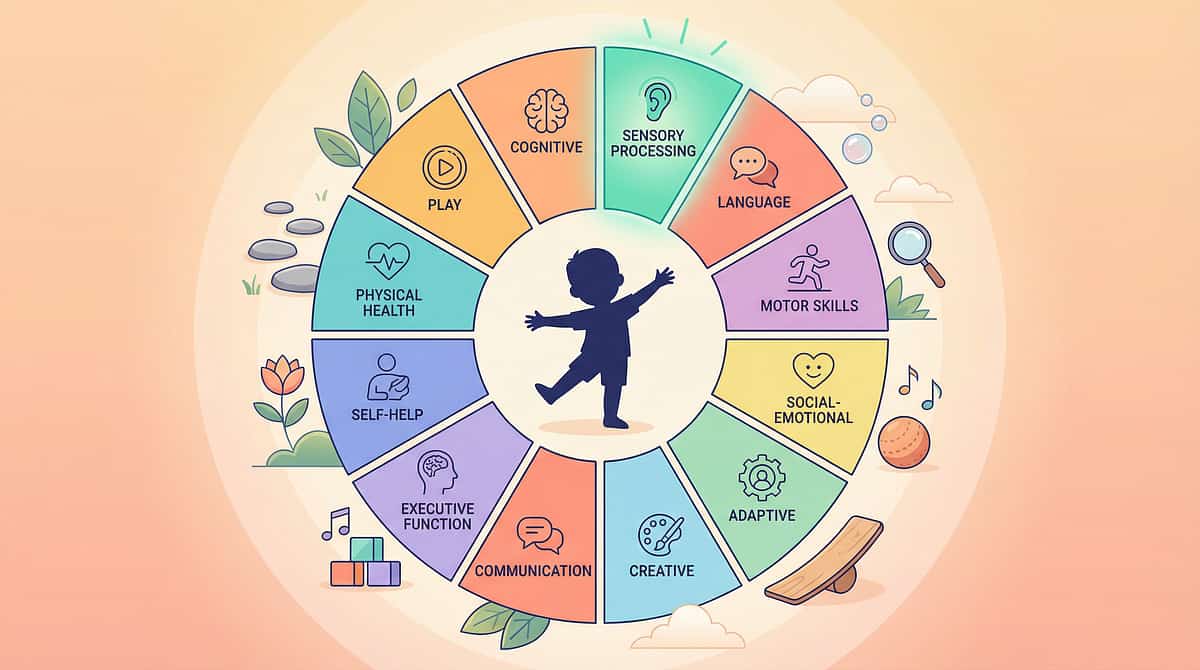
Related Techniques in the Gross Motor Domain
You already own materials for F-577 and F-579 if you purchased the Starter Kit. Explore the full domain to build a complete gross motor program for your child.
Technique | Difficulty | Canon Material | Link | |
F-577: Postural Control & Balance | 🟡 Intermediate | Balance/Vestibular Tools | ||
F-576: Low Muscle Tone | 🟢 Beginner | Intro Multi-material | ||
F-579: Upper Body Strength | 🟡 Intermediate | Resistance/Climbing Tools | ||
F-580: Lower Body Strength | 🟡 Intermediate | Core Movement Tools | ||
F-581: Motor Coordination | 🟠 Advanced | Advanced Multi-material | ||
F-582: Endurance & Stamina | 🟠 Advanced | Advanced Active Play Tools |
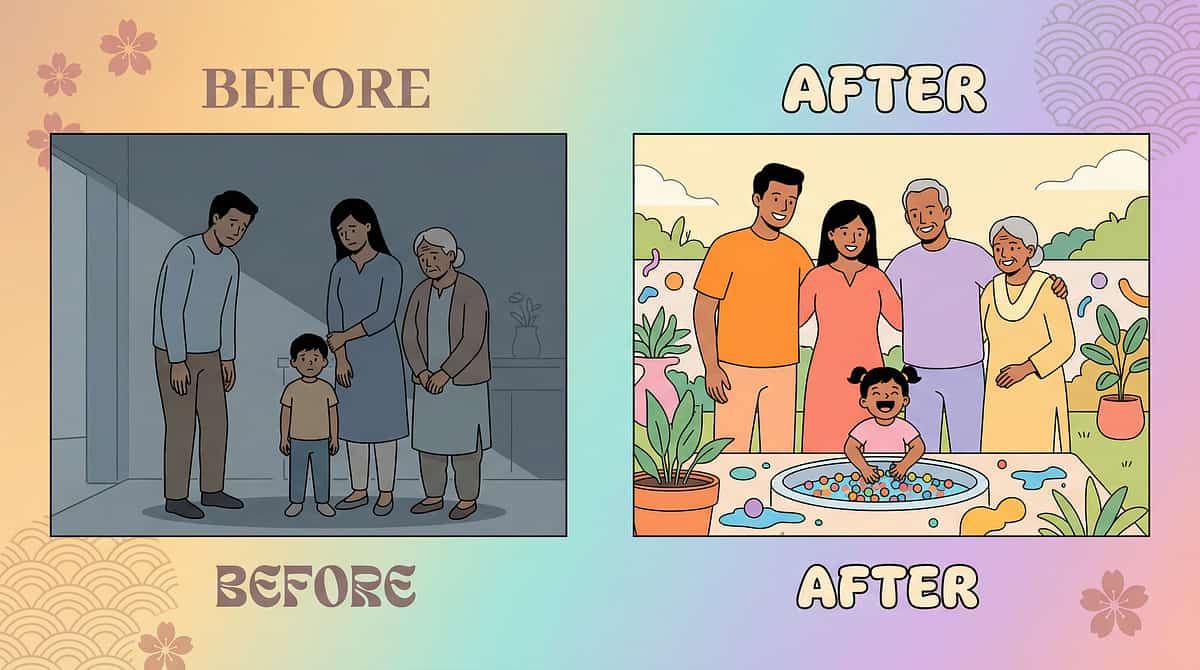
Your Child's Full Developmental Map
Core strength is one piece of a larger plan. F-578 addresses the Core Strength sub-domain within Gross Motor — and its gains ripple across your child's entire developmental profile.
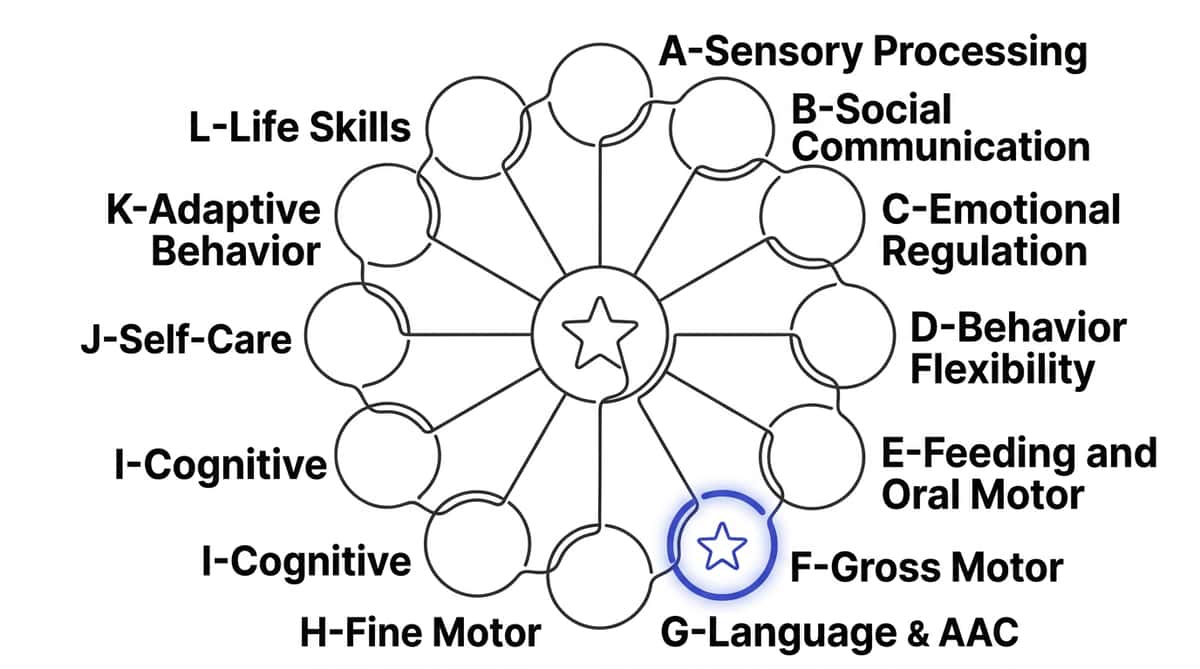
Cross-Domain Impact of Core Strength
[H] Fine Motor
Handwriting posture support — core stability underpins pencil control and writing endurance
[I] Cognitive
More attention available when not fighting gravity — direct gain in classroom learning capacity
[B] Social Communication
Better playground participation enables peer interaction and cooperative play
[J] Self-Care
Feeding posture, dressing, and bathroom independence all depend on core stability
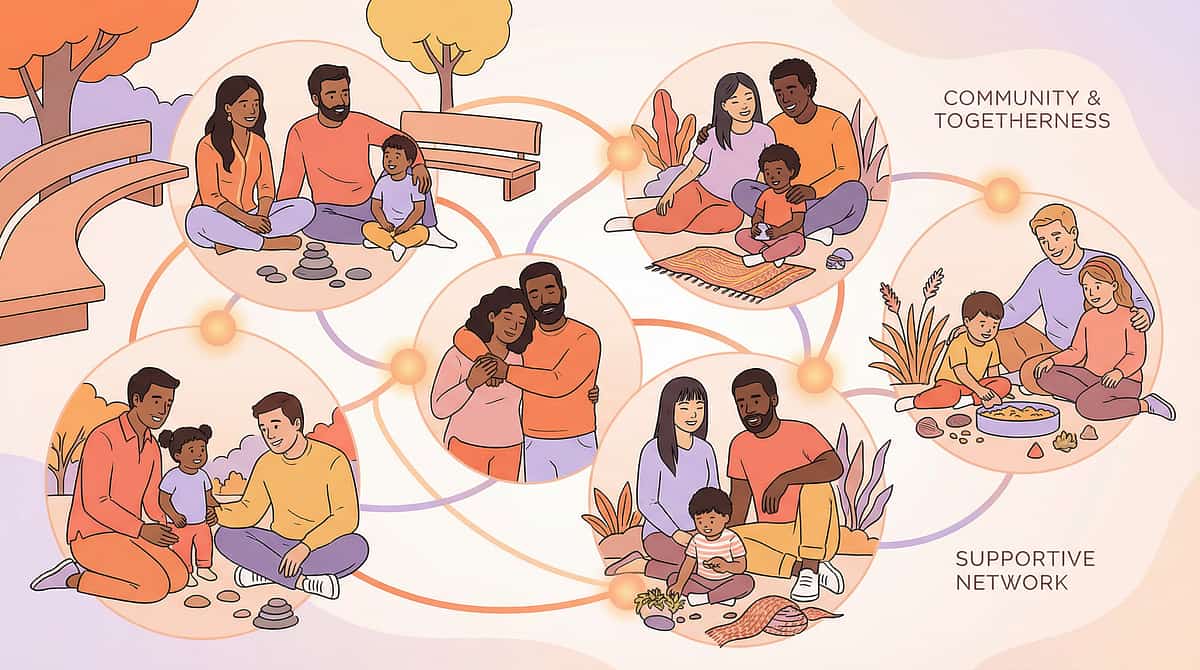
Families Who've Been Here
Three anonymized family vignettes based on aggregated clinical outcomes across Pinnacle Blooms Network® centers. Individual results vary.
Mumbai — Son, age 6, ASD + Sensory Processing Differences
Before: "His teacher called every week. He couldn't sit still, kept sliding out of his chair, lay on the floor during circle time. His handwriting was illegible — not because of his hands but because his entire body was shaking just to stay upright."
Intervention: Therapy ball at homework desk + scooter board 3× weekly + park climbing daily
After (5 months): "He sits through his homework now. 20 minutes of actual sitting. His handwriting improved dramatically. His teacher noticed before we told her about the therapy." — Parent, Pinnacle Blooms Mumbai Center
Hyderabad — Daughter, age 4.5, Hypotonia + Developmental Delay
Before: "She W-sat for everything. The OT said her core was like a wet noodle. We felt helpless."
Intervention: GPT-OS® EverydayTherapyProgramme™ with F-578 as primary home protocol
After (8 weeks): "She ring-sits now. Not always. But she can. I actually cried the first time I saw her sitting cross-legged on the floor watching TV." — Parent, Pinnacle Blooms Hyderabad Center
Bengaluru — Son, age 8, DCD (Developmental Coordination Disorder)
Before: "Playground was a nightmare. He'd stand at the bottom of the climbing frame watching other kids while he held onto the pole. He was embarrassed. We were heartbroken."
Intervention: Progressive climbing + resistance band program + weekly OT
After (3 months): "He climbed to the top last week. He came down and said 'Did you see that, Amma?' I had been filming. Yes, I saw it. I will always see it." — Parent, Pinnacle Blooms Bengaluru Center
"Core weakness is one of the most common and under-addressed challenges in pediatric therapy. When we address it systematically — through play-based home programs supported by clinic sessions — the gains cascade through every other domain." — Senior Occupational Therapist, Pinnacle Blooms Network®
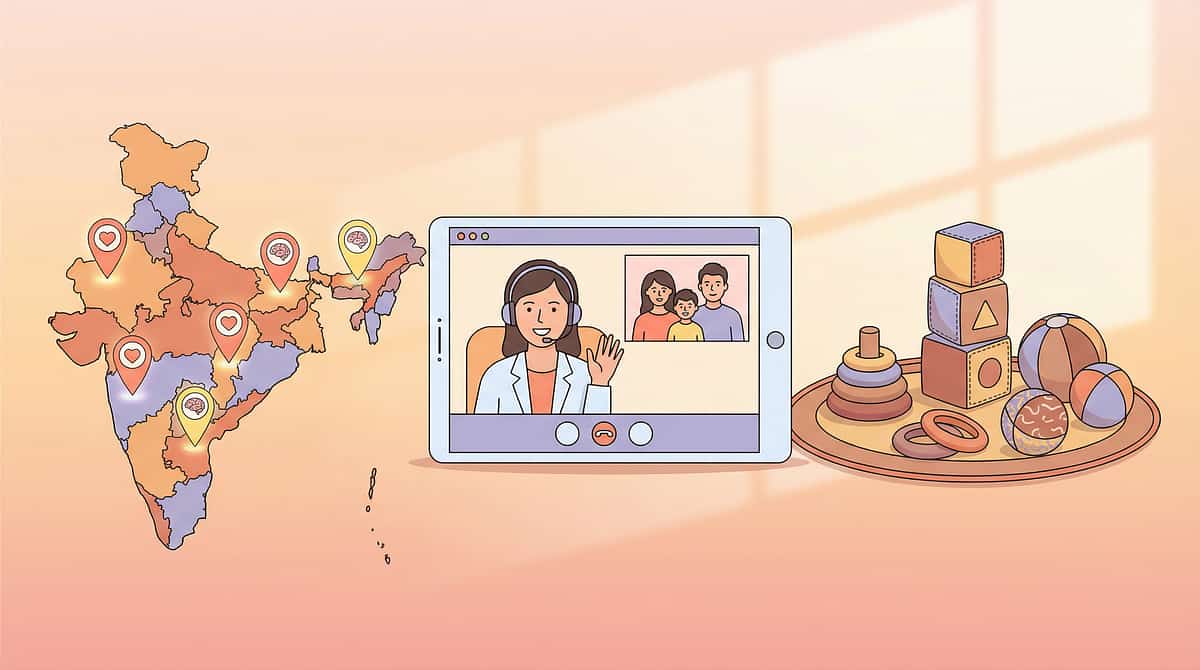
Connect With Other Parents — Isolation is the Enemy of Consistency
Community is where therapy journeys survive. When you share your experience, you give the next exhausted parent permission to keep going. Every one of these families found their way through with the right materials, the right guidance, and each other.
📱 WhatsApp Community — "Core Strength & Gross Motor Parents"
Parents navigating the same journey. Share wins, troubleshoot sessions, and access Pinnacle therapist support in real time.
💻 Pinnacle Parent Forum — Gross Motor Domain
Searchable threads organized by technique, age group, and material. Find answers from families who have already walked this road.
👥 Peer Mentoring — Connect with an Experienced Parent
Speak with a parent who has completed F-578 and progressed to F-579+. Pinnacle's peer mentor program connects families at the same stage.
🏢 Local Pinnacle Center Parent Groups
70+ centers run monthly parent connection sessions. Meet local families, watch live demonstrations, and share resources.
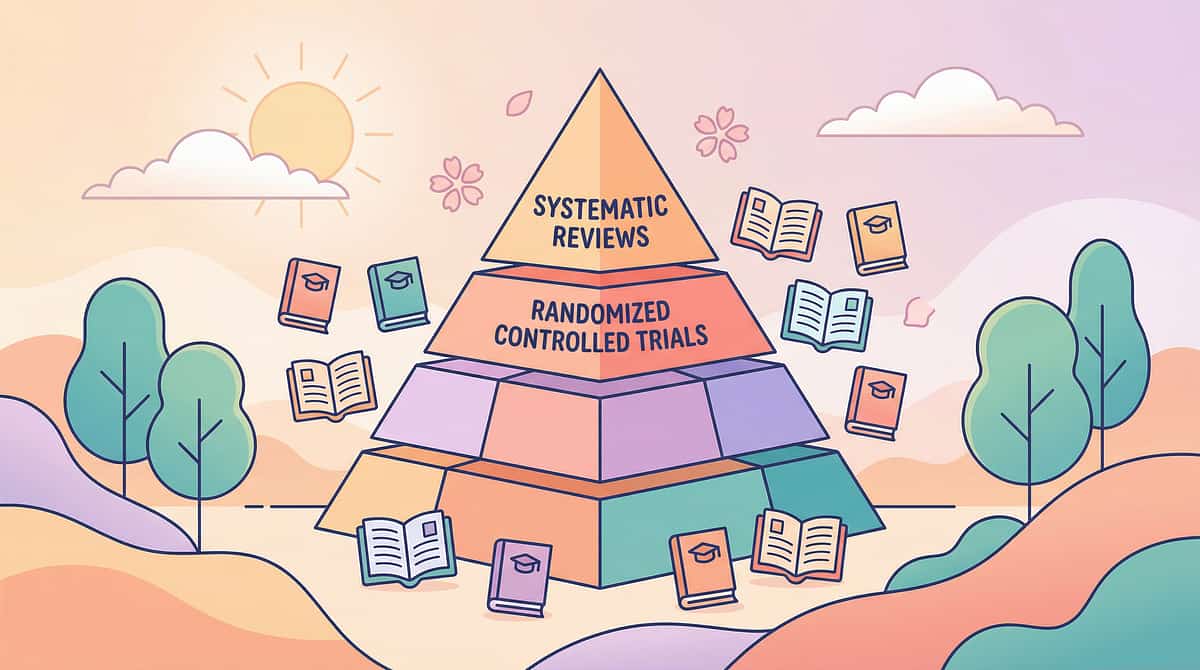
Your Professional Support Team — Home + Clinic = Maximum Impact
Professional support multiplies everything you do at home. A Pinnacle therapist doesn't replace your home sessions — they make every home session more effective, more targeted, and more efficient.
AbilityScore® Assessment
Establishes your child's baseline across all gross motor sub-domains. Tracks progress with precision. Guides material selection and session intensity.
FusionModule™ Sessions
OT + PT + ABA + SLP integrated in one session. Multi-disciplinary intervention in a single visit — 3× the progress of single-discipline sessions.
EverydayTherapyProgramme™
Home extension of clinic work. Your F-578 home sessions are designed to complement and reinforce exactly what your therapist does in clinic.
GPT-OS® Parent Dashboard
Real-time visibility into your child's progress across all domains. Session data, milestone tracking, and therapist communication — all in one place.
Therapist Matching for Core Strength
- Primary: Pediatric Occupational Therapist
- Co-lead: Pediatric Physical Therapist
- Support: ABA/BCBA for reinforcement programming
Insurance / Funding
CGHS coverage available at select centers | Ayushman Bharat applicable | Check your policy for OT/PT coverage
Book Your Consultation
FREE National Autism Helpline | 16+ languages | 24x7
Remote families — full OT/PT assessment via video with home program prescription. 70+ centers across India.
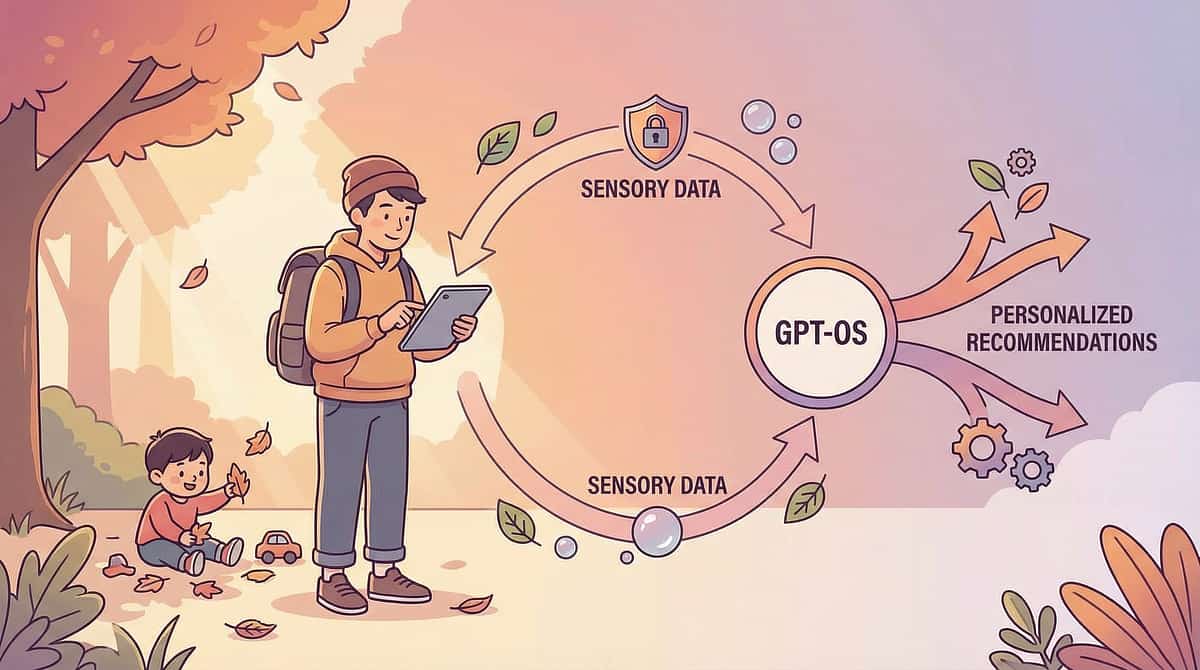
The Research Library — Evidence That Powers F-578
F-578 is grounded in the highest levels of clinical evidence. Here is the research base that validates every technique, material, and protocol on this page.
📄 Study 1 — PRISMA Systematic Review (2024)
"Sensory integration intervention meets evidence-based practice criteria for children with ASD." 16 studies, 2013–2023. Confirms gross motor and postural interventions are effective.
→ PubMed: PMC11506176
📄 Study 2 — Meta-Analysis, World J Clin Cases (2024)
"Sensory integration therapy effectively promotes motor skills, postural control, and adaptive behavior." 24 studies analyzed with effect sizes across the gross motor domain.
→ PMC10955541 | DOI:10.12998/wjcc.v12.i7.1260
📄 Study 3 — WHO Care for Child Development Package (2023)
Evidence-based caregiver training implemented in 54 LMICs. Movement-based home interventions validated at population scale.
📄 Study 4 — Indian RCT: Padmanabha et al., Indian J Pediatr (2019)
"Home-based sensory-motor interventions demonstrated significant outcomes in the Indian pediatric population." Direct India-context validation of the home-execution model.
→ DOI: 10.1007/s12098-018-2747-4
📄 Study 5 — NCAEP Evidence-Based Practices Report (2020)
Video modeling and movement-based interventions classified as evidence-based practice for ASD. Underpins the reel-supported delivery model of F-578.
→ National Clearinghouse on Autism Evidence and Practice (2020)
How GPT-OS® Uses Your Data
Every session you log makes your child's next session smarter. The GPT-OS® intelligence layer processes your real-world data against 20M+ therapy sessions to continuously optimize your child's personalized program.
What GPT-OS® learns from F-578 data specifically: rate of engagement improvement curve (predicts mastery timeline), material preference patterns (optimizes reinforcement selection), session duration trends (identifies optimal therapeutic dosage), and plateau detection (triggers protocol modification recommendations).
Your Privacy — Our Commitment
- All data encrypted at rest and in transit
- Personally identifiable information de-identified for population analytics
- You own your child's data — export or delete at any time
- DPDP Act (India) compliant + GDPR aligned for international families
"Your data helps every child like yours."
When 20M+ sessions contribute to GPT-OS®, the system becomes the most intelligent pediatric therapy platform on Earth. Every family that participates improves outcomes for families who come after.
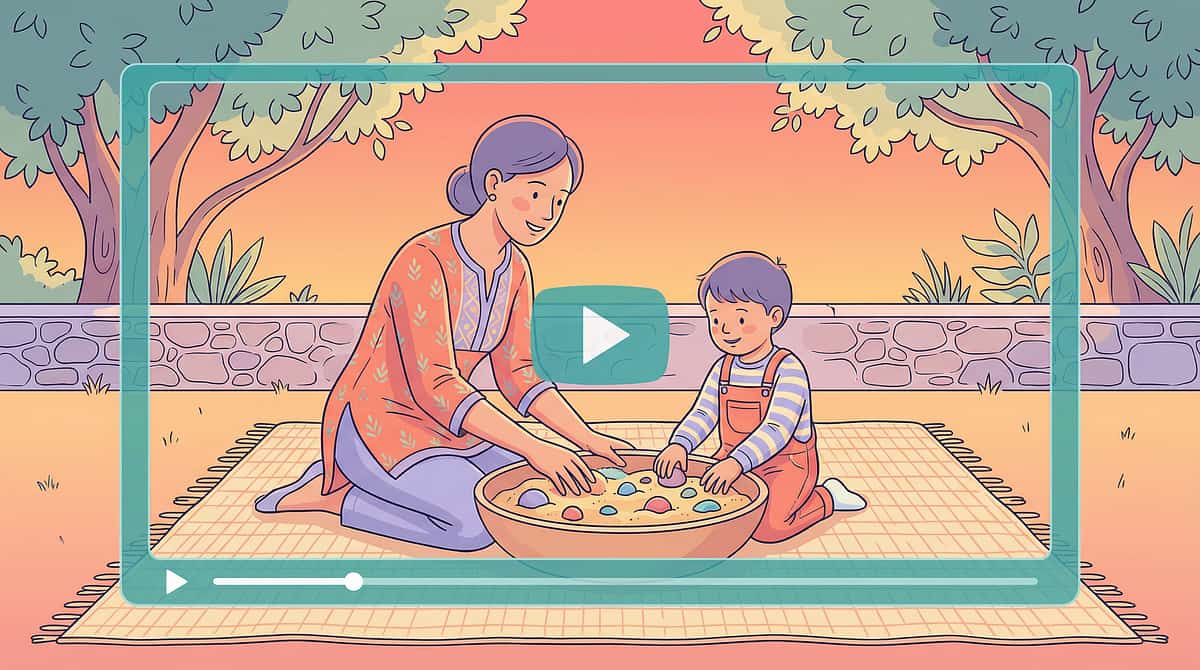
Watch the Reel — F-578 in 60 Seconds
Reel ID: F-578
Duration: 60 seconds
NCAEP 2020 — Video Modeling Evidence-Based Practice
Title: 9 Materials That Help With Core Strength | Series: Gross Motor & Physical Development in Children — Episode 578 | Domain: GM-CORE-STR
The reel shows a Pinnacle Occupational Therapist presenting all 9 core-strengthening materials with demonstration of correct positioning. Visual text overlays show material names and one-line benefits. Closes with GPT-OS® information and Helpline 9100 181 181.
Watch For: Scooter Board Form
Correct prone position — head and chest must lift off board throughout the entire movement
Watch For: Ball Size Guide
Feet flat on floor, knees + hips at 90° — the correct sizing test demonstrated live
Watch For: Peanut vs. Round Ball
Comparison for beginners — when to start with peanut ball and how to progress to round
Watch For: Animal Walk Cards
Bear, crab, plank, and boat demonstrated at child pace with correct core engagement cues
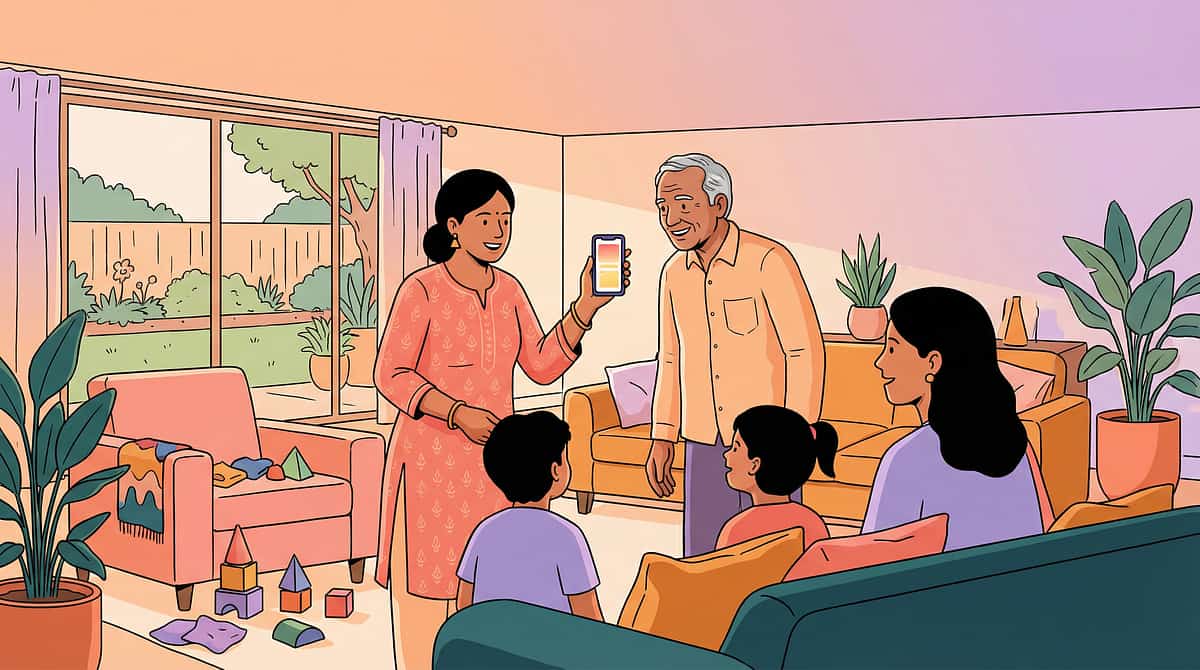
Share With Your Family — Consistency Across All Caregivers Multiplies Impact
One parent doing this is good. All caregivers doing this is transformative. Pinnacle's EverydayTherapyProgramme™ is designed to work across every setting where the child spends time — home, school, grandparents' house, and after-school care.
"Explain to Grandparents" — WhatsApp Card
"The therapist says [child's name] has weak core muscles — the muscles that hold their body upright. They are not lazy. It is like asking someone to hold a heavy weight all day — eventually they give out. We are doing special activities every day to build these muscles.
Please: don't let them W-sit on the floor (it hurts their hip development). Encourage them to sit cross-legged instead. Support them on the therapy ball at homework time. Thank you for helping."
Teacher Communication Template
"Dear [Teacher], we are working with an Occupational Therapist on [child]'s core strength and postural endurance. At home we are doing daily sessions with therapy balls and movement activities.
At school: please encourage proper sitting posture (feet flat, hips back in seat). A seat wedge or therapy disc has been recommended — we will bring one in. Please note that slumping and sliding is not defiance — it is muscular fatigue. Thank you for your partnership."
Family Guide PDF — Who Gets a Copy
Second Parent / Partner
Grandparents
School Teacher
Regular Caregiver
After-School Care Provider
Frequently Asked Questions
These questions come directly from the Pinnacle center query database — the most common things parents ask about F-578 core strength materials.
Q1: How quickly will I see results?
Tolerance improvements in weeks 1–2; consolidation in weeks 3–4; measurable postural improvement in weeks 5–8. Consistency matters more than any single session. Daily practice produces results; twice-weekly practice does not.
Q2: My child absolutely refuses the therapy ball. Do I have to use it?
No. Start with materials the child gravitates toward — tunnels and climbing are often more motivating for active children. Build from preferred materials and introduce the ball later through observation (watch parent use it first, then try together).
Q3: Can we use these materials at school?
Yes. A therapy disc placed on a standard school chair provides ongoing core activation during class. Communicate with the teacher using the template in Card 37. Yoga card movement breaks can be incorporated into classroom transitions.
Q4: My child has hypotonia — are these materials appropriate?
Yes, with modifications. Start with more supported versions (partially deflated ball, peanut ball before round ball, floor-level prone before scooter board). An OT assessment at Pinnacle will specify appropriate challenge level. Call 9100 181 181 for guidance specific to hypotonia.
Q5: We don't have space for a climbing structure — what do we do?
Public playgrounds are the best climbing resource available — and they're free. Daily 20-minute playground sessions provide excellent whole-body core work. For indoor alternatives: a doorframe pull-up bar (₹300–600) or a rope ladder fixed to a door frame provides partial climbing benefit in minimal space.
Q6: Should we do all 9 materials in every session?
No. Select 2–3 materials per session based on the child's current engagement and what they responded to well previously. Rotate through all 9 across the week to ensure balanced core development — prone, balance, crawling, and resistance all target different muscle groups.
Q7: How is core strengthening different from general exercise?
General exercise builds cardiovascular fitness and overall strength. Therapeutic core strengthening specifically targets the postural muscle system — the deep stabilizers and anti-gravity muscles that hold the trunk upright. These muscles respond to specific challenges: instability, proprioceptive feedback, and anti-gravity positions.
Q8: We've been doing this for 2 months and I see no improvement. What now?
Two months with no progress signals: insufficient frequency/duration (daily sessions needed), challenge level too low (plateau), or an underlying factor requiring assessment. Call 9100 181 181 for a GPT-OS®-guided program review. Sometimes a single teleconsultation session completely reorients the home program.
Didn't find your answer?Ask GPT-OS® → | Book Teleconsultation → | Call 9100 181 181
Preview of 9 materials that help with core strength Therapy Material
Below is a visual preview of 9 materials that help with core strength therapy material. The pages shown help educators, therapists, and caregivers understand the structure and content of the resource before use. Materials should be used under appropriate professional guidance.


Link copied!
Your Next Step: Start Now
You've read the science. You have the materials. You know the steps. The only thing left is to begin.
✦ Reviewed and Validated by the Pinnacle Blooms Therapeutic Consortium ✦ OT • PT • ABA/BCBA • SLP • SpEd • NeuroDev Pediatrics • CRO | 📞 FREE National Autism Helpline: 9100 181 181 | Available 24x7 | 16+ languages | India's largest pediatric therapy helpline
The Pinnacle Promise
"From fear to mastery. One technique at a time." — Pinnacle Blooms Consortium
Pinnacle Blooms Network® is the execution infrastructure of GPT-OS® — the Global Pediatric Therapeutic Operating System. Built by mothers. Engineered as a system. Serving children across 70+ countries through 70+ centers, 20M+ exclusive 1:1 therapy sessions, and 97%+ measured improvement across developmental readiness indexes.
Contact
📞FREE National Autism Helpline (16+ languages): 9100 181 181🌐pinnacleblooms.org📧care@pinnacleblooms.org
Navigation
Statutory Identifiers
CIN | U74999TG2016PTC113063 | |
DPIIT | DIPP8651 | |
MSME | TS20F0009606 | |
GSTIN | 36AAGCB9722P1Z2 |
Medical Disclaimer: This content is educational and does not replace individualized assessment and intervention with licensed occupational therapists or physical therapists. Core weakness can have multiple underlying causes including hypotonia, developmental coordination disorder, or neuromuscular conditions. Professional evaluation is recommended for persistent postural difficulties affecting function. Individual results may vary. Statistics represent aggregate outcomes across the Pinnacle Blooms Network®.
© 2025 Pinnacle Blooms Network®, unit of Bharath Healthcare Laboratories Pvt. Ltd. All rights reserved. GPT-OS®, AbilityScore®, TherapeuticAI®, FusionModule™, and EverydayTherapyProgramme™ are proprietary systems of Bharath Healthcare Laboratories Pvt. Ltd. Patents filed in 160+ countries.