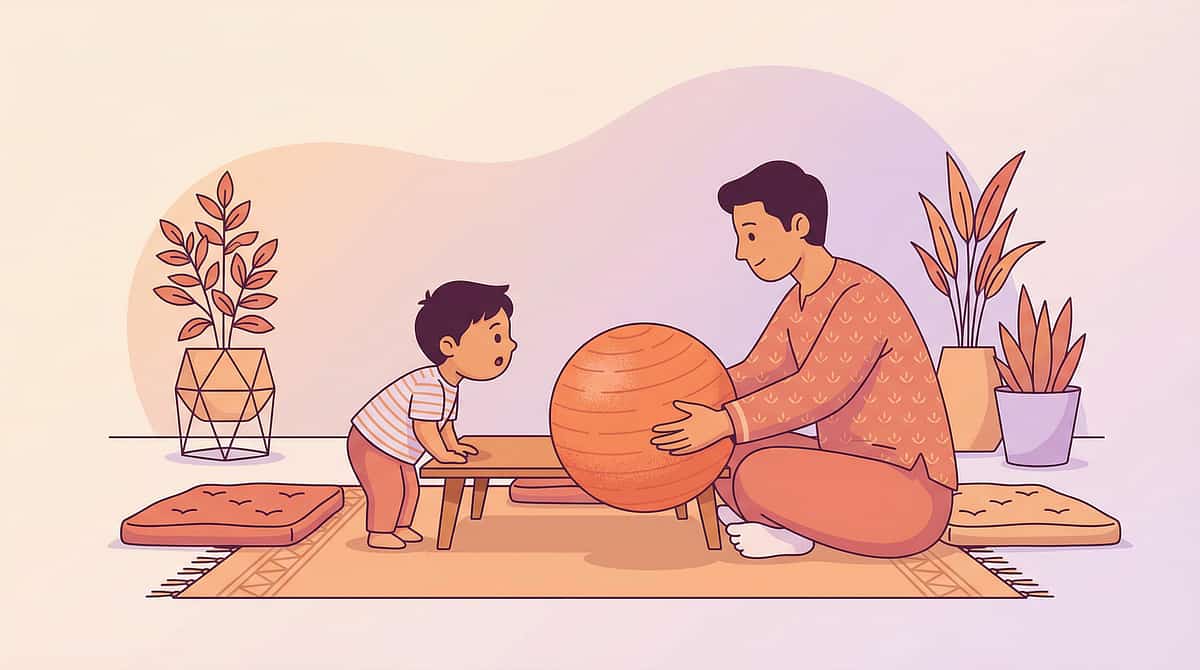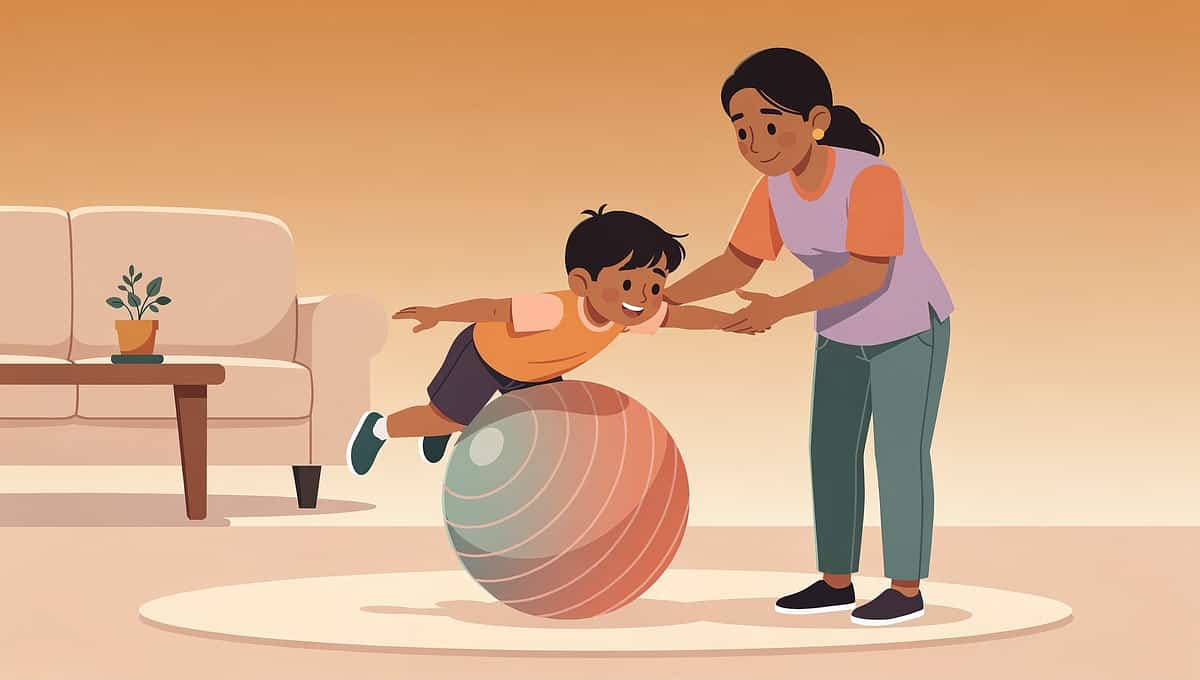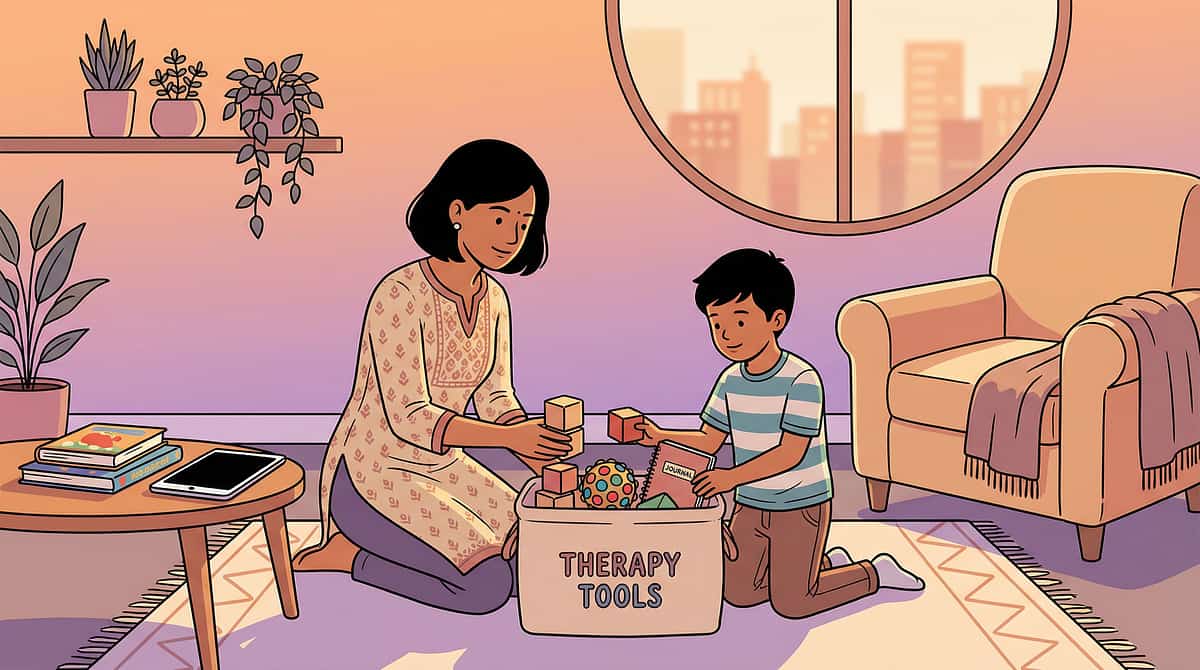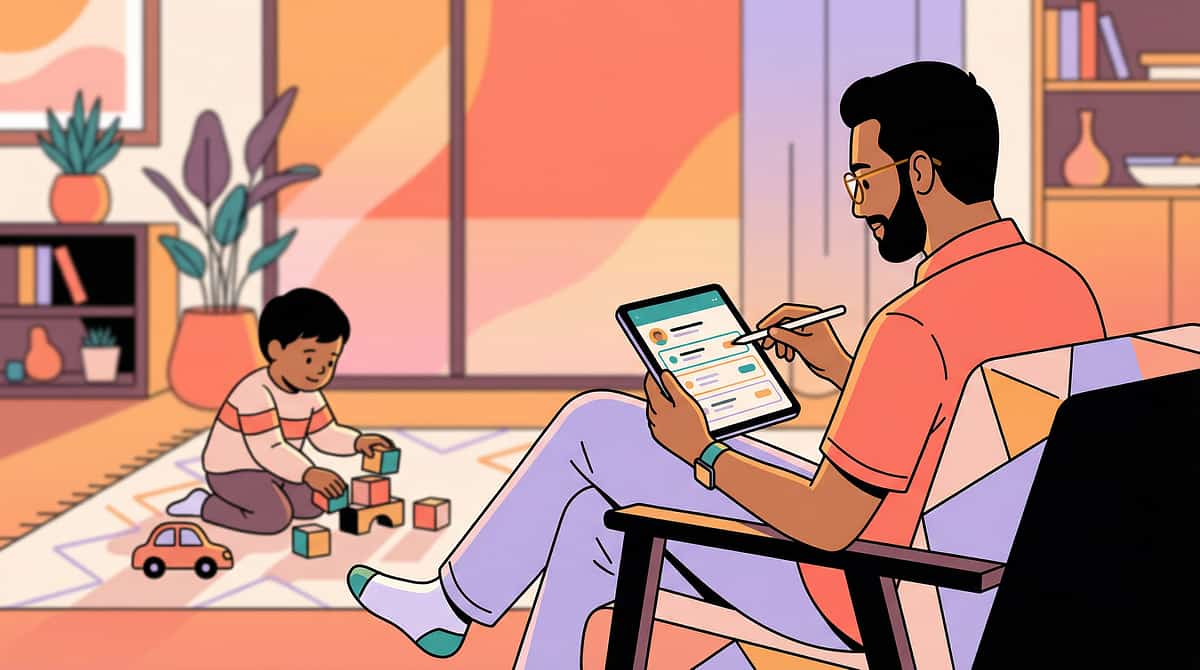
When Their Body Works Harder Than Everyone Else's
"Not lazy. Not difficult. Their muscles are running a marathon while everyone else walks."

When Their Body Works Harder Than Everyone Else's

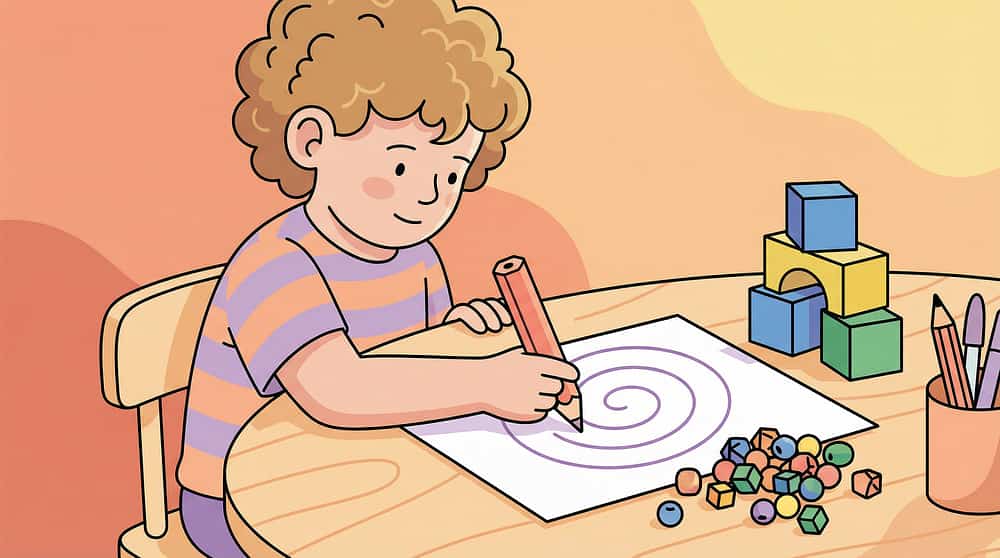
It is 9:15 AM. The school bell rang twelve minutes ago. While their classmates write in their notebooks without a second thought, your child is already slumped — shoulders rounded, spine curved into a question mark, head drifting toward the desk. The pencil feels like a ten-kilogram weight. By afternoon, they will be draped over the table, not because they are bored, but because their body has spent everything it has just staying upright. You have been told it is "just low muscle tone." You have been told they might grow out of it. They haven't. And you are watching them fight for every physical task that other children execute without a thought. Low muscle tone is not a life sentence. Strength can be built. Endurance can be developed. Your child can close the gap — and these 9 materials are where that journey begins. "You are not failing as a parent. Your child's nervous system is working at a different baseline — and that baseline can be trained upward. You are in the right place." — Pinnacle Blooms Consortium | OT • PT • ABA • SpEd • NeuroDev 📖 WHO Nurturing Care Framework (2018): Early caregiver awareness and targeted intervention directly shapes developmental trajectories.
You Are Among Millions of Families Navigating This
5–10%
All Children
have clinically significant low muscle tone (hypotonia)
1 in 3
Children with Autism
present with co-occurring low muscle tone affecting daily function
20M+
Sessions Tracked
by GPT-OS® with 97%+ measured improvement across readiness indexes
Hypotonia is not rare or exotic — it is among the most commonly encountered presentations in pediatric occupational therapy and physical therapy globally. In children diagnosed with autism spectrum disorder, low muscle tone is a frequent co-occurring feature. In Down syndrome, it is nearly universal. In premature infants, it often persists into childhood.

🇮🇳 Across Pinnacle Blooms Network's 70+ centers, motor development presentations including low muscle tone are among the top 5 reasons families seek occupational therapy consultation. This responds to intervention.
📖 PRISMA systematic review (PMC11506176, 2024): 80% of children with ASD display sensory-motor processing difficulties including low postural tone. | 📖 Meta-analysis (PMC10955541, World J Clin Cases 2024): OT-based motor interventions show significant effects across gross motor, fine motor, and postural domains.
Muscle Tone Is Neurological — Not a Motivation Problem
The Science: What Is Muscle Tone?
Muscle tone is the baseline tension in muscles at rest — the "readiness" state that allows muscles to activate quickly when movement is needed. It is a neurological property, governed by continuous low-level signals from the brain and spinal cord to motor neurons.
Children with low muscle tone have a lower baseline signal. Every physical task — sitting upright, holding a pencil, climbing stairs — requires more active, conscious muscular effort than it does for children with typical tone. Clinically, this is called hypotonia, and it affects:
  • Postural control: Holding the body upright against gravity
  • Gross motor endurance: Running, climbing, playground activities
  • Fine motor endurance: Writing, drawing, cutting, buttoning
  • Oral motor function: Speech clarity, mealtimes

Plain English for Parents
Think of it like this: a typical car engine idles at a comfortable baseline — ready to accelerate the moment you press the gas. Your child's "engine" idles lower. It still works. It can still go fast. But pressing the gas pedal requires more effort every single time, and the engine tires more quickly.
The key insight: You cannot change the idle setting directly. But you CAN build a stronger engine — through targeted strengthening, proprioceptive training, and environmental supports.

"This is a wiring difference, not a behavior choice. Your child is not being difficult — they are working harder than you can see."
Clinical Term: Hypotonia / Low Muscle Tone / Decreased Postural Tone ICD-10: P94.2 | Assessment: PDMS-2, BOT-2
📖 Frontiers in Integrative Neuroscience (2020, DOI: 10.3389/fnint.2020.556660): Neurological basis for sensory-motor integration dysfunction establishes why proprioceptive and strengthening interventions address the underlying mechanism.
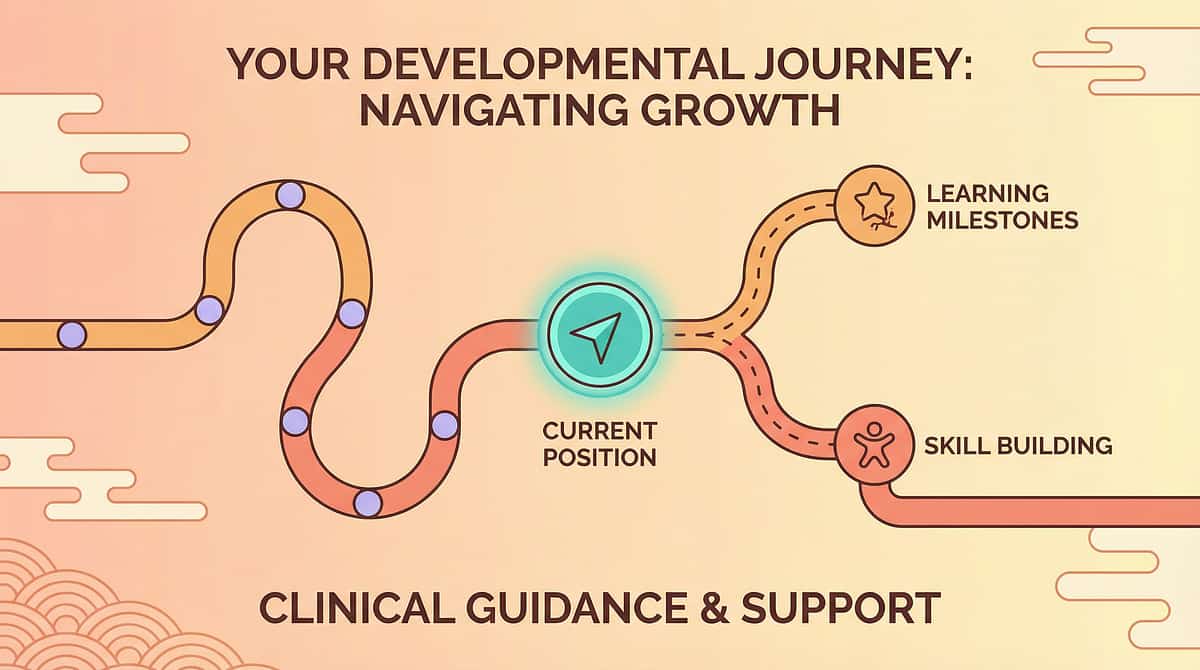
Your Child's Developmental Journey — And Where We Are Now
0–6 Months
Head control, rolling Low tone: Floppy infant, delayed head control
6–18 Months
Sitting, crawling, standing Low tone: Late crawling, W-sitting emerges
18m–3 Years
Walking, running, climbing Low tone: Tires quickly, avoids climbing
3–6 Years
Postural stability, playground skills Low tone: Slumping, avoids PE
6–12 Years
Endurance, fine motor precision Low tone: Writing fatigue, postural exhaustion by afternoon

⚠️Co-occurrence Awareness: Low muscle tone commonly co-occurs with Autism Spectrum Disorder (ASD), Sensory Processing Difficulties, Fine Motor Delays, Speech and Language delays, and Handwriting difficulties. If low tone is identified, request full motor assessment and sensory processing evaluation.
"Your child is here on this timeline. The work ahead is not about fixing something broken — it is about building the strength and endurance to participate fully in everything childhood offers."
📖 WHO Care for Child Development (CCD) Package: Age-specific caregiver guidance implemented in 54 LMICs (PMC9978394). | 📖 UNICEF MICS indicators: Developmental monitoring framework across 197 countries.
Clinically Validated. Home-Applicable. Parent-Proven.
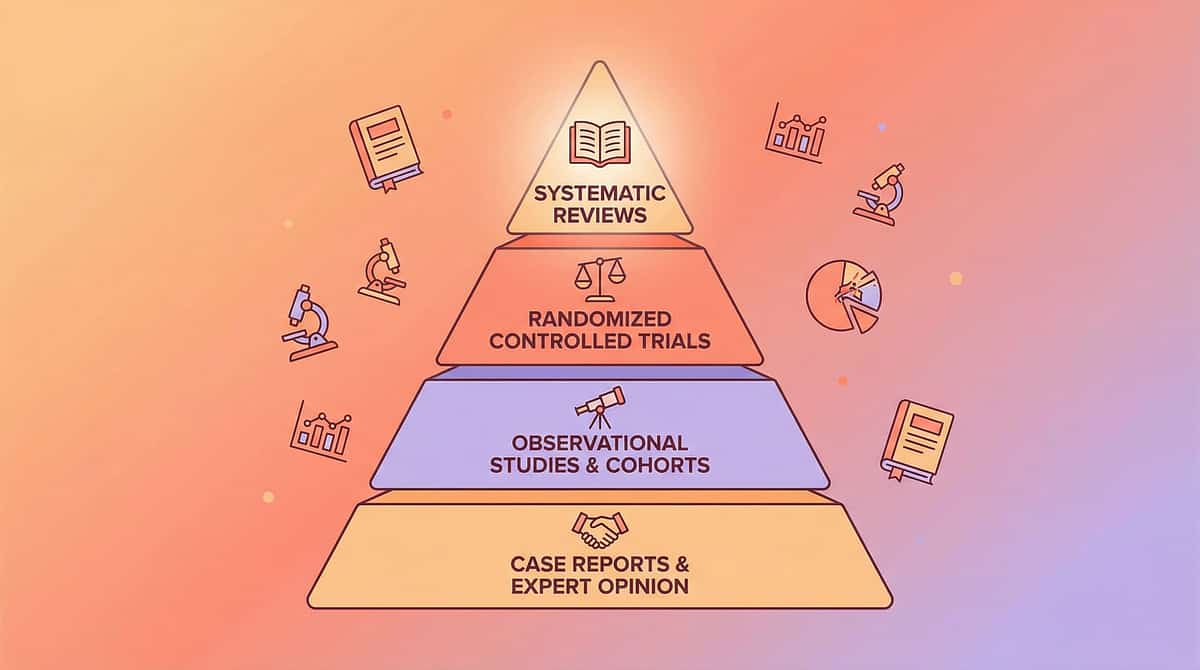
🏛️ Evidence Grade: Level II–III
Multiple systematic reviews + RCTs + Clinical consensus across OT, PT, and ABA disciplines underpin every material recommended in F-572.
1. OT for Motor Development — Level I (Systematic Review)
A 2024 PRISMA systematic review of 16 studies (PMC11506176) confirms sensory integration and motor intervention meets criteria for evidence-based practice, with significant outcomes in motor function, postural control, and daily living skills.
2. Strength Training in Pediatric Hypotonia — Level II (Multiple RCTs)
Graduated strengthening via resistance bands, weight-bearing activities, and proprioceptive input consistently improves functional strength, postural endurance, and daily participation.
3. Adaptive Equipment — Level III (Clinical Consensus)
AOTA and COTEC international consensus supports wedge cushions, foot rests, and adapted writing tools as evidence-based accommodations that improve school participation and reduce fatigue.
4. Home-Based Programs — Indian Context (Level II RCT)
Padmanabha et al., Indian Journal of Pediatrics (2019): Home-based sensory-motor interventions in Indian pediatric populations demonstrate significant functional outcomes when parent-administered with professional guidance.
5. GPT-OS® Real-World Evidence — Level III (Outcome Registry)
Across 20M+ sessions in Pinnacle Blooms Network's 70+ centers: Motor Strength Readiness Index and Postural Control Readiness Index show 97%+ measured improvement in structured intervention programs.
📖 PMC11506176 | PMC10955541 | PMC9978394 | WHO NCF 2018 | NCAEP 2020 | DOI:10.1007/s12098-018-2747-4
F-572: 9 Materials That Help With Low Muscle Tone
Domain: Motor Development / OT / PT / Hypotonia
Ages: 2–12 years
Daily Integration
💰 ₹100–4,000
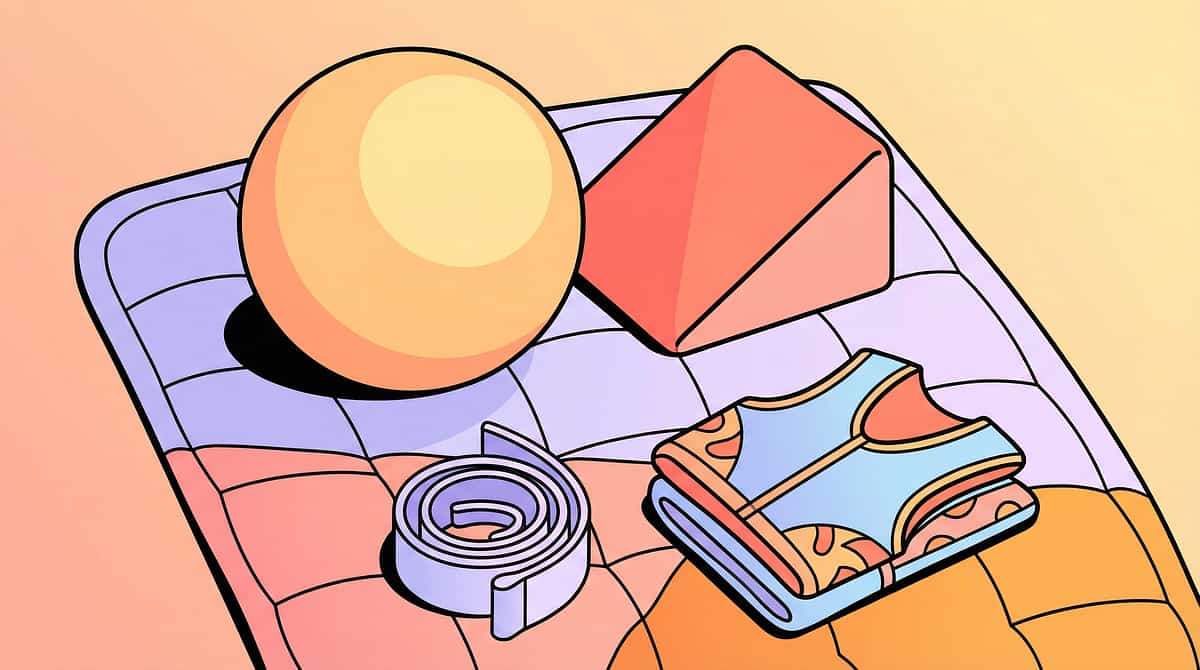
This technique page introduces 9 clinically selected therapeutic materials that address the core challenges of low muscle tone (hypotonia) in children aged 2–12 years. These materials work through two parallel mechanisms: Active Strengthening — building muscle capacity through targeted, play-based physical activity — and Passive Support — providing environmental modifications that reduce unnecessary effort demands, freeing the child's limited energy reserves for learning and participating.
🟢 Active Strengthening
Therapy Ball · Peanut Ball · Resistance Bands · Scooter Board · Crawling Tunnel
🟦 Passive Support
Wedge Cushion · Foot Rest · Compression Vest · Pencil Grips
Used together, consistently, these materials transform the home environment into a 24-hour motor development laboratory — every meal, every homework session, every play period becomes a therapeutic opportunity.
A Multi-Disciplinary Arsenal
Low muscle tone is not owned by a single therapy discipline. The most powerful outcomes emerge when OT, PT, ABA, and Special Education work from a shared framework — which is exactly what F-572 provides.
🦾 Primary Lead: Occupational Therapy (OT)
The central discipline. OT addresses fine motor function, postural seating (wedge cushions, foot rests), sensory-proprioceptive input (compression vests, therapy balls), and daily living skill adaptation. The OT designs the home program and monitors progress.
🏃 Co-Lead: Physical Therapy (PT)
PT leads the gross motor strengthening track — scooter boards, crawling tunnels, resistance bands, peanut balls. PT assesses functional mobility, endurance, and strength baselines, and designs the progressive exercise protocol.
🧠 Supporting: ABA / BCBA
Reinforcement systems that motivate consistent participation. Token economies for completing daily strength circuits. Behavioral strategies to reduce avoidance of effortful physical activities — which children with low tone naturally resist because everything is tiring.
📚 Supporting: Special Education
School accommodation planning — requesting wedge cushions, foot rests, and adapted writing tools as formal accommodations. IEP goal alignment with motor development targets and coordination with school PT/OT services.

"The brain does not organize development by therapy type. A child using a therapy ball is simultaneously receiving OT, PT, and ABA. These materials are powerful precisely because they work across therapeutic boundaries." — Pinnacle Blooms Consortium
Precision Targets: What Changes When You Use These Materials
9-materials-that-help-with-low-muscle-tone therapy material
Motor Strength RI
●●●●● Primary Target
Postural Control RI
●●●●● Primary Target
Physical Endurance RI
●●●●○ Secondary Target
Fine Motor RI
●●●○○ Secondary Target
Daily Living Motor RI
●●●○○ Tertiary Target
📖 Meta-analysis (PMC10955541, World J Clin Cases 2024): Motor-based interventions effectively promote social participation (tertiary), adaptive behavior (secondary), and motor function (primary) across 24 studies.
The Complete Materials List — Clinically Selected, Home-Ready
Every material below maps to a specific therapeutic mechanism. Nothing is decorative.
🟢 Material 1: Therapy Ball (Exercise / Stability Ball)
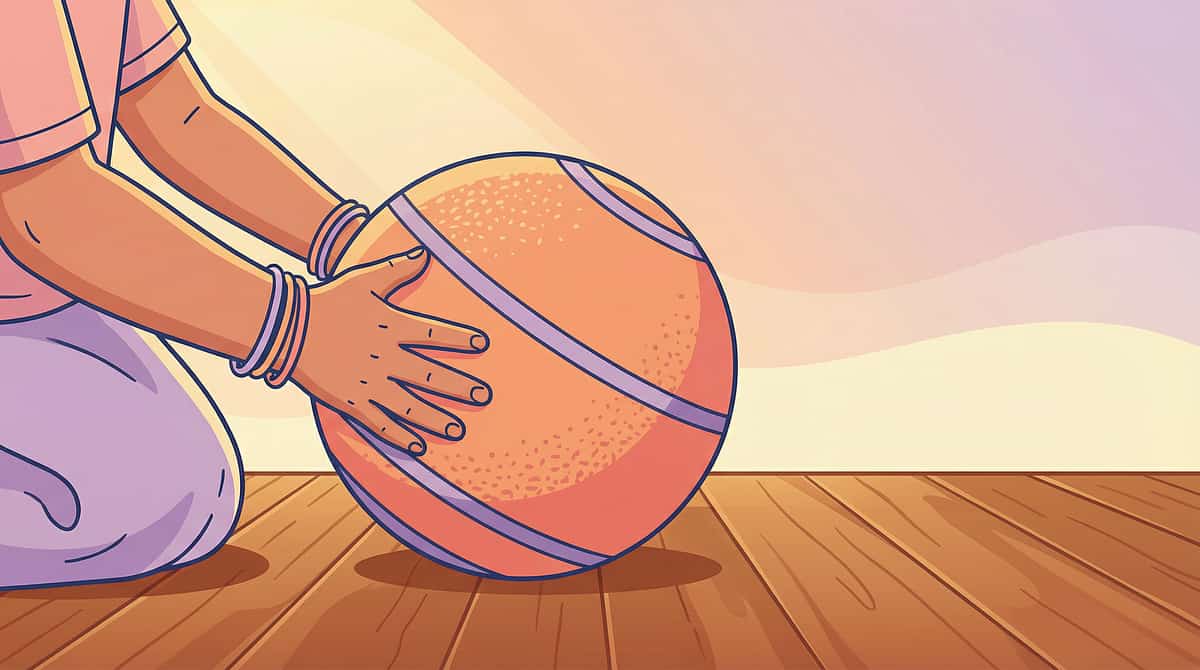
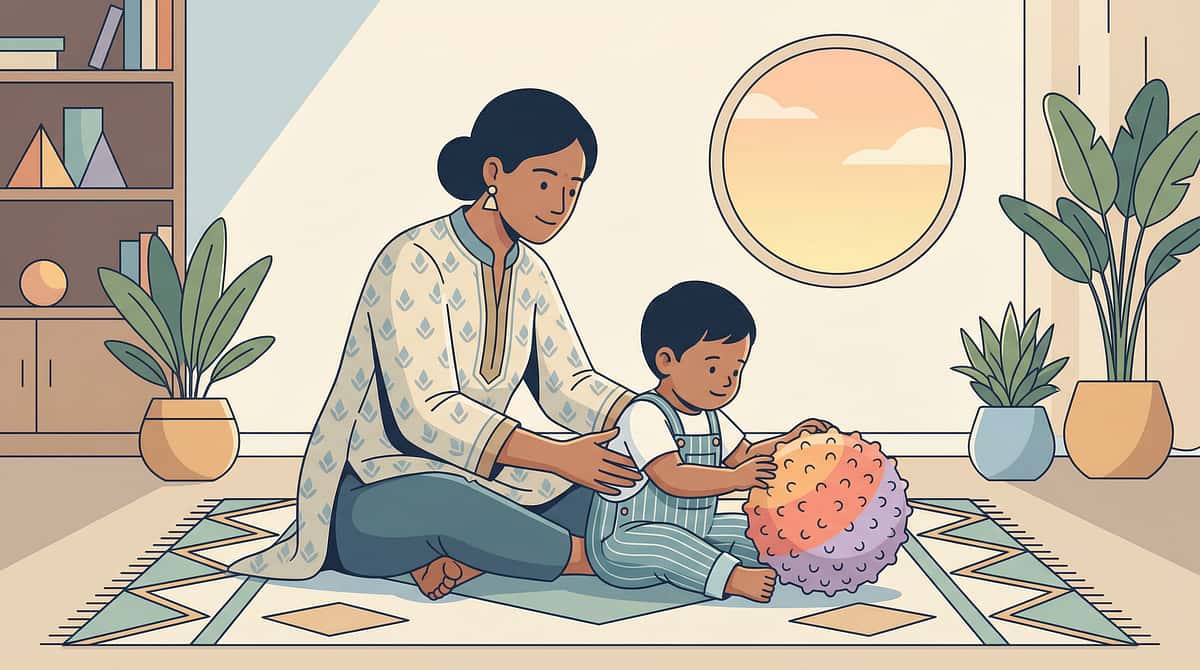
Therapeutic Role: Active Strengthening → Core Activation Sitting on an unstable surface activates core and postural muscles continuously — "automatic strengthening" during any seated activity. Converts passive sitting time into therapeutic strengthening time.
Primary Use: Seated at desk/homework/meals (replaces chair), prone activities, gentle bouncing Size Guide: 45cm for children under 4'10" | 55cm for children 4'10"–5'5" Price Range: ₹400–1,200
Anti-burst, textured surface, with pump
🟢 Material 2: Peanut Ball (Physio Roll)
Therapeutic Role: Active Strengthening → Graduated Core Challenge The peanut/figure-8 shape prevents rolling, providing proprioceptive benefits with significantly reduced fall risk — ideal for children who find round balls intimidating.
Primary Use: Prone positioning (child lies in the "valley"), early-stage seated strengthening, prone reaching activities Price Range: ₹800–2,000
40–50cm length for 3–8 year olds. A bridge between stable seating and full ball challenge.
Materials 3–5: Postural Support & Progressive Strength
🟦 Material 3: Wedge Cushion (Seat Wedge)
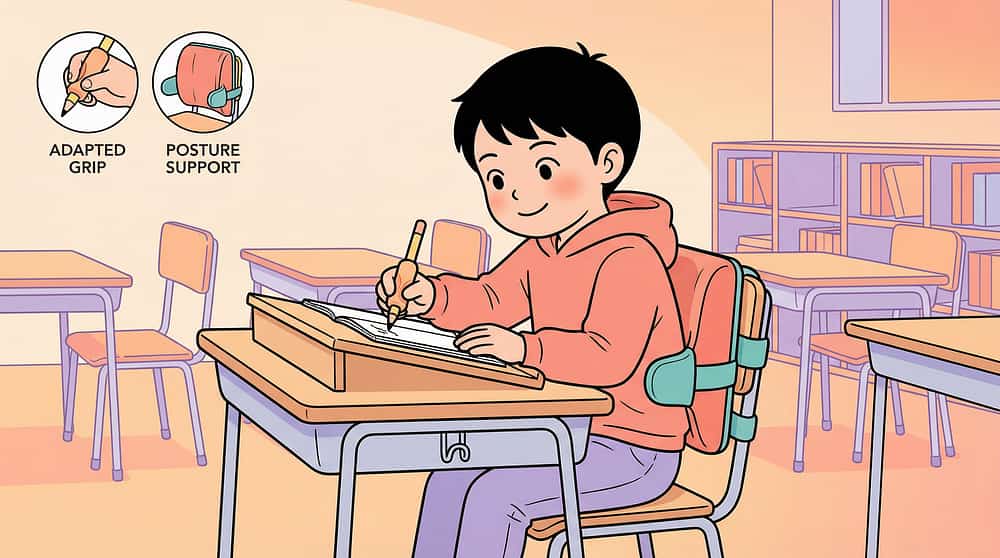
Therapeutic Role: Passive Support → Postural Efficiency. Tilts the pelvis 8–15° forward, automatically improving spinal alignment. Reduces the muscular effort required to sit upright — freeing cognitive and physical energy for the actual task.
Key Insight: Not a crutch — a mechanical efficiency tool that allows the child to function while strength builds. Primary Use: School desk chair, homework table, any sustained seated activity. Price Range: ₹500–1,500
Firm foam (not memory foam), 8–10° angle, non-slip base
🟡 Material 4: Resistance Bands (Therabands)
Therapeutic Role: Active Strengthening → Progressive Resistance Training. Unlike weights (fixed resistance), bands allow precise calibration of challenge level — starting at minimal resistance and progressing systematically as strength develops.
Color progression: Yellow (lightest) → Red → Green → Blue (heaviest) Primary Use: Arm/shoulder exercises, leg strengthening, "superhero" exercises Price Range: ₹200–800
Set of 3–4 resistance levels, latex or latex-free depending on sensitivities
🚀 Material 5: Scooter Board
Therapeutic Role: Active Strengthening → Upper Body + Core via Play. Prone propulsion simultaneously strengthens neck extensors, shoulder girdle, arms, and core — while the child experiences it as racing and adventure, not exercise.
Primary Use: Prone racing on smooth floors, seated paddle propulsion, obstacle course element Price Range: ₹600–1,500
Smooth-rolling casters, lip edge to prevent hand/finger entrapment, weight-appropriate
Materials 6–9: Body Awareness, Support & Fine Motor
🦺 Material 6: Compression Vest / Weighted Vest
Therapeutic Role: Body Awareness + Postural Activation. Deep pressure enhances proprioceptive body awareness — helping the child feel their body position. Usage Protocol: 20–30 minute wearing windows during challenging seated activities. NOT continuous wear. Weight for weighted vest: 5–10% of body weight (consult OT). Price Range: ₹1,000–4,000
OT assessment required before purchasing weighted vest. Compression vest can be used independently.
🦶 Material 7: Foot Rest / Foot Support
Therapeutic Role: Passive Support → Postural Chain Completion. Dangling feet create an unstable base, forcing core muscles to compensate and wasting energy. Grounded feet → stable legs → stable pelvis → effortless spinal alignment. The most underutilized, highest-impact, lowest-cost intervention. Price Range: ₹300–1,000
Adjustable height (child grows), non-slip surface, stable base
🌀 Material 8: Crawling Tunnel / Obstacle Course Materials
Therapeutic Role: Active Strengthening → Full-Body Weight-Bearing Play. Crawling activates core, shoulders, arms, and legs simultaneously — one of the highest-yield strengthening activities. A tunnel removes the social stigma for older children who "don't crawl anymore." Price Range: ₹500–2,500
Collapsible/portable, sufficient diameter (50–60cm) for comfortable crawling
✏️ Material 9: Pencil Grips & Adapted Writing Tools
Therapeutic Role: Passive Support → Fine Motor Efficiency. Standard pencils require sustained pincer grip force that small hypotonic hand muscles cannot maintain. Adapted grips increase pencil diameter and reduce grip force requirements. Types to trial: Triangular grips, foam barrel grips, weighted pen holders, short/thick crayons. Price Range: ₹100–500
Trial pack of 3–4 different types — different children prefer different grips

💡Essential Starter Kit: Wedge cushion (₹500–1,000) + Foot rest (₹300–600) + Therapy ball (₹400–800) = Total: ₹1,200–2,400 | Highest-impact, lowest-cost foundation. 📞9100 181 181 — FREE guidance on material selection.
Every Family Can Start Today — With What's Already At Home
WHO/UNICEF Equity Principle
No child should wait for therapy because a material is unaffordable.
Clinical Material
₹0 Household Alternative
Why It Works
Therapy Ball
Large, firm beach ball (₹80–150 at local markets)
Same unstable surface principle — use for short periods, monitor stability
Peanut Ball
Firm sofa cushion folded around child's waist for prone positioning
Supports the prone position while requiring some core engagement
Wedge Cushion
Firmly folded blanket/towel roll (2–3 inches high) placed under front edge of sitting surface
Creates the same anterior pelvic tilt — replace when it compresses flat
Resistance Bands
Old nylon stockings (tied in loop) or cut bicycle inner tube
Provides resistance for simple pulling exercises — functional for starting
Scooter Board
Smooth wooden board (30×45cm) with 4 furniture casters
Identical function if built correctly — requires adult construction and supervision
Compression Vest
Snug-fitting lycra/compression undershirt under clothes
Provides gentle trunk compression and body awareness
Foot Rest
Stack of firm textbooks or a shoebox filled with sand
Any stable surface at correct height — must not wobble
Crawling Tunnel
Blanket over dining chairs in a row
Creates crawling motivation — modify height for different challenge levels
Pencil Grips
Rubber bands wrapped around pencil barrel (3–4 layers) OR triangular crayon pieces
Increases diameter, reduces grip force requirement

⚠️When Clinical-Grade Is Non-Negotiable: For weighted vests — the weight calculation must be professionally prescribed. For children with significant joint hypermobility — professional assessment before resistance exercises.
Read Before Your First Session
Green
Amber
Red
🔴 Red Light — Do Not Proceed If:
  • Child shows signs of illness, fever, or unusual fatigue today
  • Child has had a significant fall or injury in the past 24 hours
  • Undiagnosed or worsening motor condition with progressive symptoms
  • Resistance bands are torn, frayed, or show wear marks
  • Child is in acute emotional distress or meltdown state
🟡 Amber Light — Modify if Child Has:
  • Joint hypermobility — reduce band intensity, ensure joint support
  • High sensory sensitivity — introduce compression vest gradually
  • Down syndrome — follow specific Down syndrome exercise guidelines
  • Oral motor low tone — coordinate with SLP before oral motor exercises
🟢 Green Light — 5-Second Pre-Session Scan:
  • Floor cleared of tripping hazards within 2 metres
  • Ball properly inflated (firm, not rock-hard)
  • Resistance bands inspected — no tears, proper anchoring
  • Child's shoes/socks: non-slip for ball activities
  • Foot rest positioned and stable before child sits
🛑 Stop Signs — Pause Session If:
  • Unusual joint pain or clicking during exercises
  • Sudden pallor, excessive sweating, or shortness of breath
  • Falls from therapy ball (reassess sizing and stability)
  • Skin irritation under compression vest
📞FREE National Helpline: 9100 181 181 Available 24×7 · 16+ languages · For safety questions and professional guidance
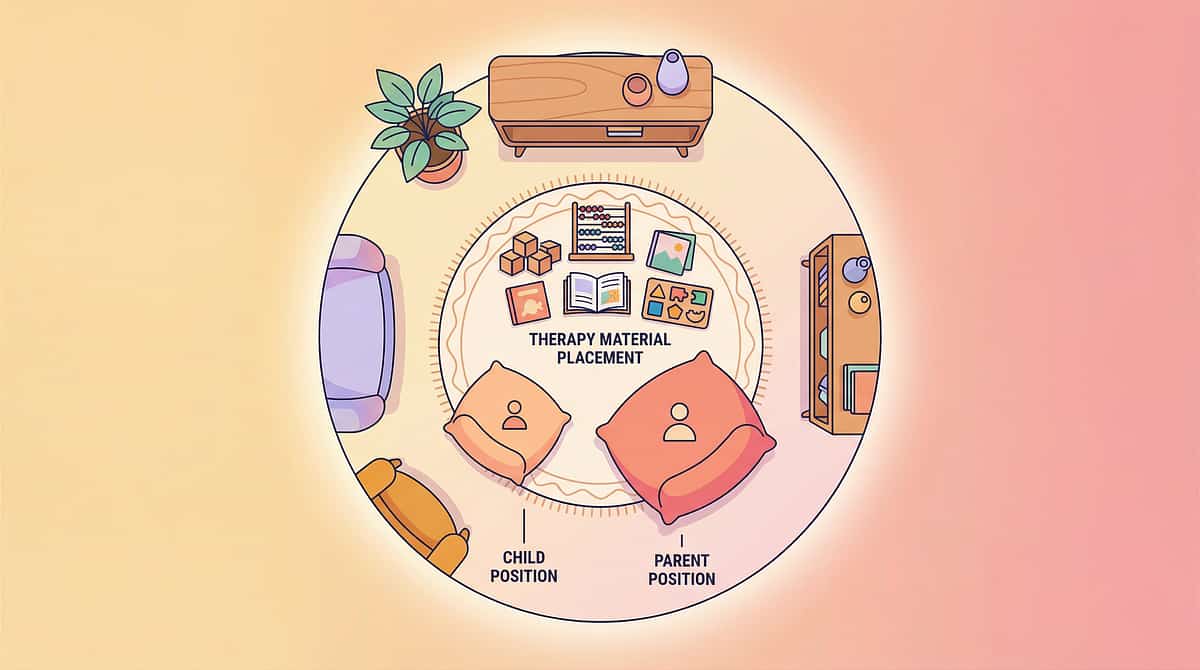
Your Therapy Space: Ready in 3 Minutes
Spatial precision prevents 80% of session failures.
For Ball Sitting (Daily Seated Work)
  • Ball at homework desk — remove chair
  • Wall within arm's reach for safety reference (not leaning, just reassurance)
  • Feet touch ground (correct ball size confirmed)
  • Parent seated nearby for first 2 weeks
For Obstacle Course / Scooter Board
  • 4m × 2m clear smooth floor area minimum
  • All furniture edges padded or cleared from path
  • Obstacles pre-arranged before child enters
  • Parent at start/finish — let child work independently
For Resistance Bands
  • Chair secured (band looped under chair leg for seated exercises)
  • Or parent holds band ends for facing exercises
  • Standing space clear — 1m in all directions
For Compression Vest
  • Applied during dressing routine or at desk
  • Timer set for 20–30 minute wear windows
  • Child has chosen preferred activity during wear
Lighting
Bright natural light — task clarity critical for motor feedback
Sound
Moderate — avoid sensory overload that drains cognitive resources
Duration
Start: 10–15 min. Build to 20–30 min over 4 weeks.
Distractions
TV off. Siblings in separate space for focused sessions.
The 60-Second Readiness Assessment
"The best session is one that starts right."
Fed
Child has eaten within the last 1.5 hours (not immediately before — not hungry)
Rested
Child is alert and not showing sleep fatigue signs
Regulated
Emotional state is calm to mildly alert — not in meltdown, not over-excited
Well
No fever, no injury, no signs of illness today
Transitioned
If coming from a challenging activity, allow 10 minutes of quiet before starting
Motivated Access
Preferred activity or reward established and ready
🟢 GO: 5–6 Checkmarks
Proceed with full protocol as planned
🟡 MODIFY: 3–4 Checkmarks
Shorter duration, lower intensity, more rest breaks. Reduce duration by 50% and increase reinforcement frequency.
🔴 POSTPONE: 0–2 Checkmarks
Skip today. Brief alternative calming activity instead. No guilt — this is a data point.
Parent Script:"Hey [name], I set up something fun for us! Want to see? It's your [therapy ball / scooter board / obstacle course]..." (Keep the language positive, inviting, never obligatory)
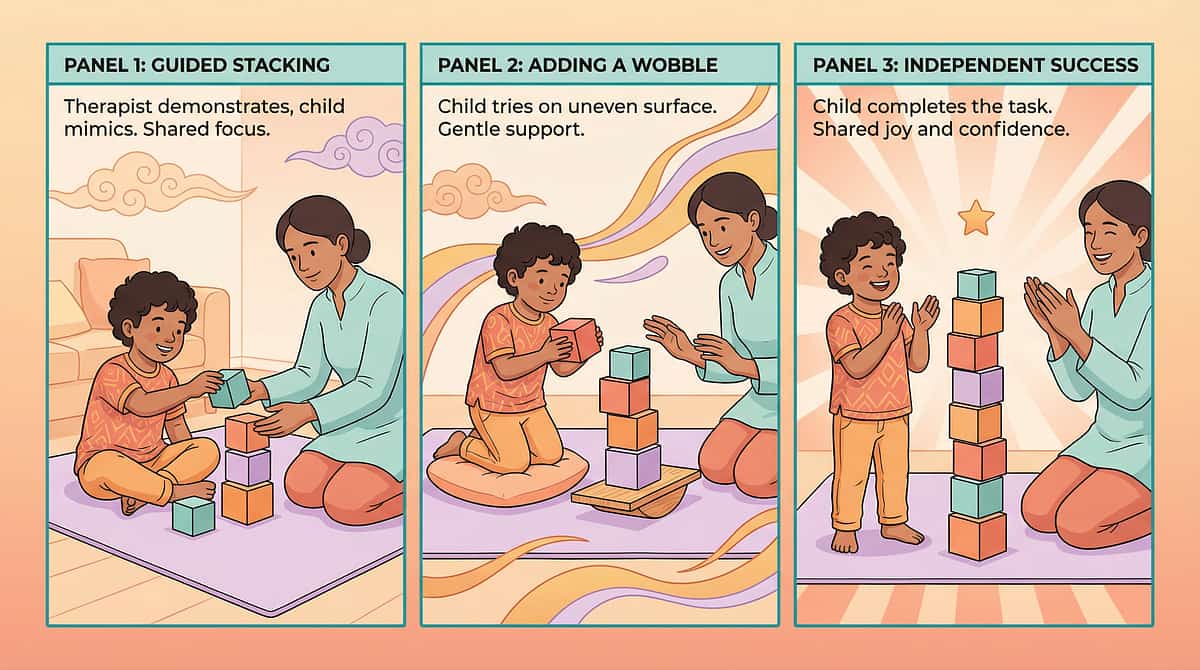
Step 1: Begin With Invitation, Never Command
●○○○○○ Step 1 of 6
"I got the [therapy ball/scooter board] out! Want to try something? You don't have to — I just thought it looked fun."
For more resistant children: "I'm going to do the obstacle course. Want to watch first? You can join any time."
Body Language Guidance
  • Position: At child's level, not towering above
  • Expression: Enthusiastic but relaxed — not anxious about whether they'll cooperate
  • Distance: Within arm's reach but not blocking
  • Body: Open posture, facing the equipment, not the child
Acceptance Cues (What to Look For)
  • Child moves toward the equipment
  • Child watches with interest
  • Child asks a question about it
  • Child picks up or touches the material
Resistance Cues and Responses
  • Child turns away → Narrate what you're doing: "I'm bouncing on the ball. It's bumpy!"
  • Child says "no" → "Okay! I'll just do it myself for a bit." (Continue without pressure)
  • Child becomes distressed → Postpone. Come back tomorrow with lower demand presentation.
Timing
30–60 seconds. Do not extend the invitation phase beyond 90 seconds.

ABA Pairing Principle: Every forced interaction damages the child's positive association with these materials and makes future sessions harder. This step is about building trust.
Step 2: Deepen the Engagement
●●○○○○ Step 2 of 6
Therapy Ball / Peanut Ball
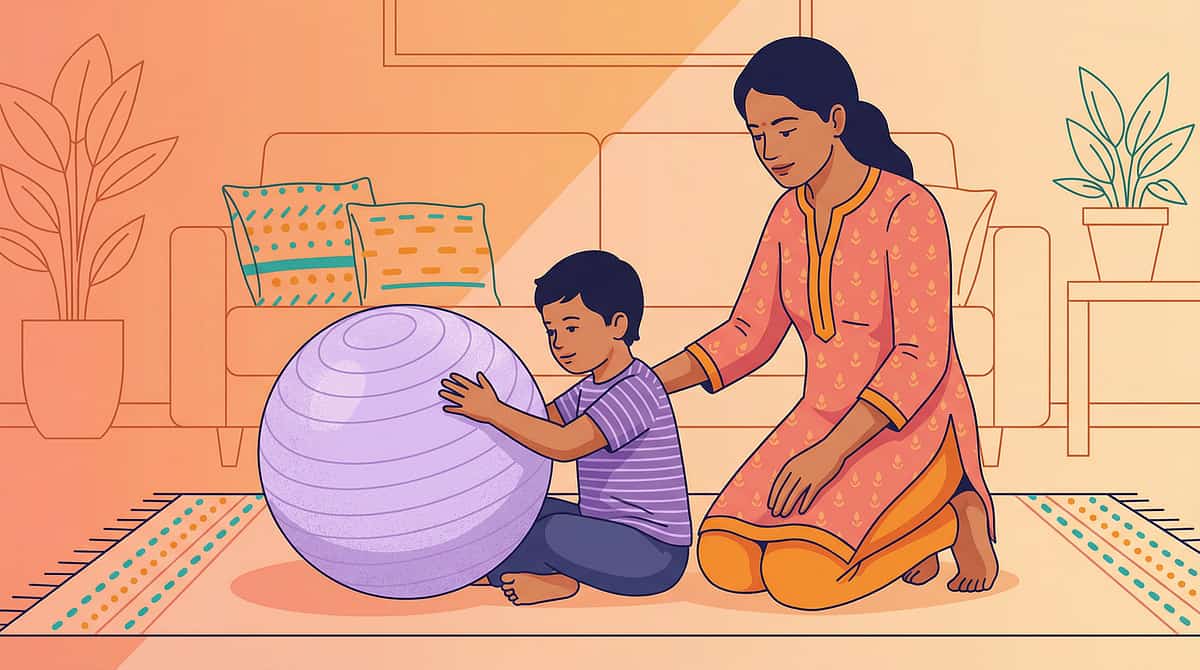
Gently demonstrate bouncing yourself first. Then offer: "Try bouncing. Your feet stay on the floor." Support at waist if needed. Comment on the sensation: "It's wobbly! Your tummy has to work hard to keep you on!"
Resistance Bands
Show the color: "This is your superhero power band. Let's see how far it stretches!" Demonstrate one repetition. Use the child's language for the motion.
Scooter Board
Lie prone yourself first: "Watch me be a penguin!" Then invite: "Your turn — race to the wall and back!"
Wedge Cushion / Foot Rest
Simply place: "This is your special sitting cushion. It helps your back feel better." No fanfare needed — these are background supports.
Response
What It Means
Action
Active engagement
Optimal — proceed
Reinforce, continue
Passive tolerance
Acceptable — build slowly
Maintain, don't push further yet
Mild avoidance
Needs adjustment
Simplify, reduce demand
Active refusal
Session not working
Modify or postpone
First sign of engagement → immediate verbal reinforcement within 3 seconds: "Yes! You're doing it!"Timing: 1–3 minutes.
Step 3: The Therapeutic Work
●●●○○○ Step 3 of 6
🟢 Therapy Ball Sitting
10–20 min during activity. Hips at ball height = knee angle ~90°. Feet flat on floor. Small bouncing acceptable. Allow forward/backward weight shifting. Back naturally upright, not rigidly forced. Begin 5 minutes, build to 20 minutes over 4 weeks.
🟢 Peanut Ball — Prone Reaching
Child lies tummy-down in the valley, chest and arms extending beyond front curve. Reach for toys placed on floor in front. Hold 10–30 seconds per reach. Reps: 5–10.
🟡 Resistance Band — Seated Row
Band looped around chair legs. Child holds band at chest height with both hands. Pull elbows back slowly (2 counts out, 3 counts return). Keep shoulders down. Reps: 8–12, start light.
🚀 Scooter Board — Prone Propulsion
Child lies flat, chin lifted. Arms propel — hands push back along floor. Core braced. No dragging — active push. Races of 3–5 metres. Rest 30 seconds between. 5–8 runs per session.
🌀 Obstacle Course — Full Circuit
Complete circuit as designed. Emphasize bear walks (hands + feet, bottom up) and crawling quality. 2–3 full circuits per session, timed.
✏️ Pencil Grip — Writing Practice
Place grip on pencil before session begins. Child uses for ALL writing in session. Monitor: relaxed shoulder, not hunched. Pen angle ~45°. Allow 30 seconds rest for every 2 minutes of writing.
Session Structure: 5 min warm-up → 10–15 min core action → 3–5 min cool-down | 📖 PMC10955541: Structured therapeutic action (10–20 minutes home) is most effective dosage format.
Step 4: Dosage and Variation
●●●●○○ Step 4 of 6
"3 quality repetitions beat 10 forced ones every time."
Material
Target Reps
Rest Between
Sessions/Week
Therapy ball sitting
1 session (duration)
N/A
Daily
Prone peanut ball reaches
5–10 reps
20s between
5×/week
Resistance band rows
8–12 reps × 2 sets
30s between sets
4–5×/week
Scooter board runs
5–8 runs
30s between
4–5×/week
Obstacle course circuits
2–3 circuits
1 min between
Daily
Therapy Ball Variations
  • Ball sitting → Ball sitting while catching/throwing
  • Prone over ball → Prone reaching for named objects
  • Prone over ball → "Row the boat" rocking
Resistance Band Variations
  • Seated rows → Overhead press → Bicep curls
  • Bilateral → Unilateral (more core demand)
  • "Superhero training" narrative framing
Scooter Board Variations
  • Straight runs → Cone slalom
  • Prone → Supine (lying on back, legs push)
  • Individual → Parent-child (parent gently pulls rope)
⚠️Satiation Indicators — Stop Adding Reps When: Form breaks down (shoulders rising, hips sagging) · Child stops initiating or slows dramatically · Facial expression shifts from effort to distress · Child requests break verbally or with gesture
Step 5: Reinforce — Timing Is Everything
●●●●●○ Step 5 of 6
"Celebrate the attempt, not just the success."
"YES! Did you feel your tummy muscles working? That's your body getting STRONGER!""You did 8 pulls! Last week was 5! You are BUILDING strength!""Your posture looked great on the ball today — your back was so straight!"
Social Reinforcers (Free, Powerful)
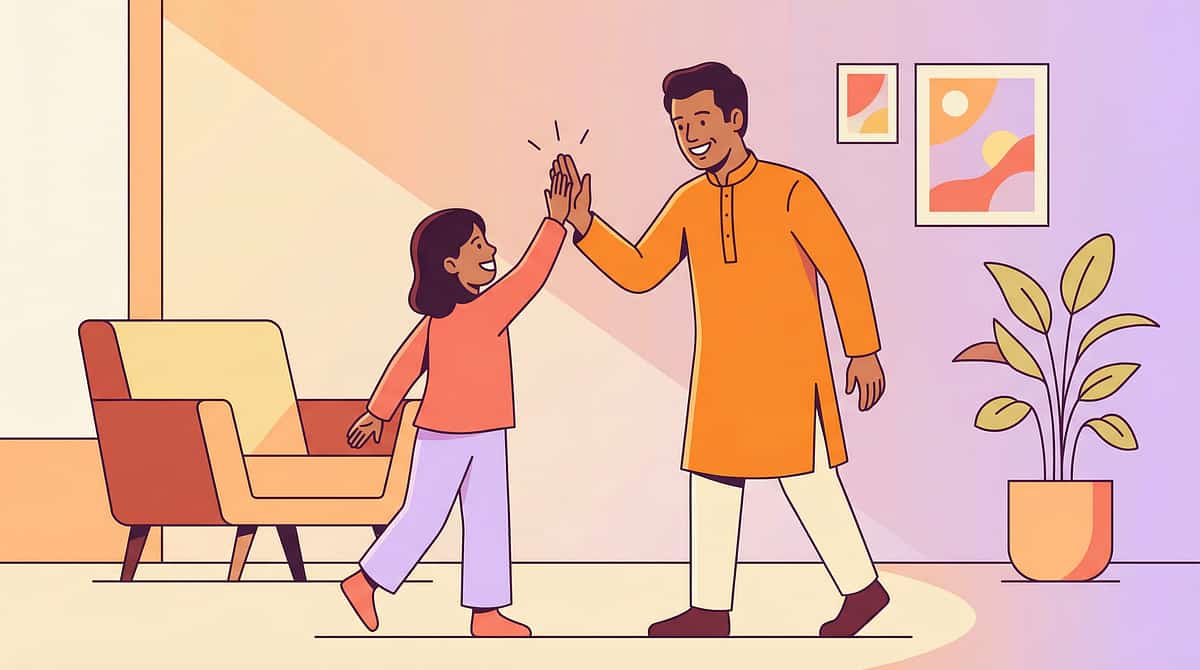
  • High-five + specific verbal praise
  • "Therapist's record book" — child writes/stamps their reps
  • Parent physically demonstrating excitement
Token Economy Integration
  • Sticker chart: 1 sticker per session → 10 stickers = agreed reward
  • "Strength points" visual tracker on wall
  • Progress photo: same activity, weeks apart — visible growth
Natural Reinforcers
  • "You did your circuits — now 15 minutes of your choice activity"
  • Preferred snack immediately after session
  • Sibling/parent competition element
Immediate
Within 3 seconds of the desired behavior
Specific
Names what they did, not just "good job"
Genuine
Child must detect authentic enthusiasm
Calibrated
Something the child actually values — always individualize
📞9100 181 181 — FREE consultation on designing the right reinforcement system for your child's profile
Step 6: The Transition
●●●●●● Step 6 of 6 — Complete!
No session ends abruptly. The cool-down protects the next session.
"Two more scoots, then we're all done!""One more circuit — make it your best one — then rest time.""Last pull — strong finish!" (Always pre-warn transitions. Abrupt endings cause resistance to starting next time.)
1 Minute: Child-Led Movement
Child-led low-demand movement — free bouncing on ball, gentle rolling
1 Minute: Materials Put-Away Ritual
Child participates in putting away materials — fine motor + responsibility practice
30 Seconds: Transition Phrase
"Great work. Now we're going to [snack/reading/rest]"
Optional: Proprioceptive Landing
1-minute wall push or chair push for proprioceptive landing input

If child resists ending: "You can have 2 more minutes, then we're done. I'll set the timer." Use a visual timer (phone countdown visible to child). Pre-establish "how many" before session starts so ending isn't a surprise.
📖 NCAEP Evidence-Based Practices Report (2020): Visual supports and transition preparation are classified as evidence-based practice. Abrupt session endings increase behavioral resistance to next sessions.
60 Seconds of Data Now Saves Hours of Guessing Later
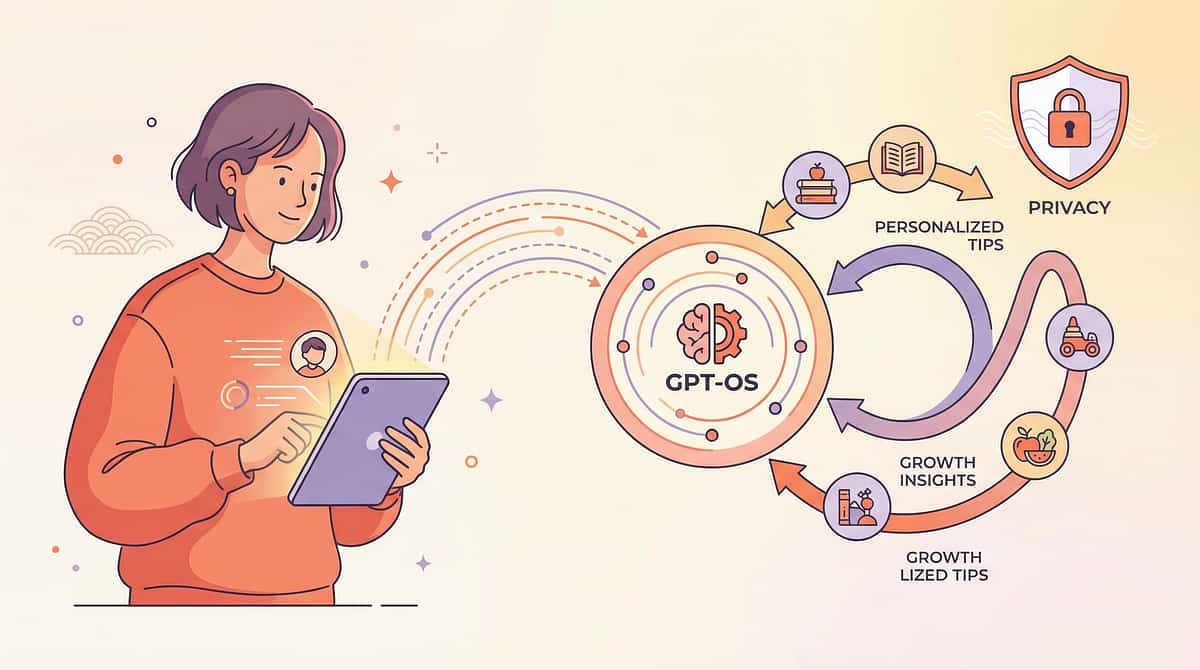
Session data shows you progress over days and weeks, identifies patterns (which days and times work best), feeds GPT-OS® personalized recommendations, provides evidence for school accommodation requests, and can be shared with your OT/PT for session calibration.
Field 1: Duration
Record the number of minutes completed today. This baseline is your evidence of progress when weeks 5–8 arrive.
Field 2: Materials Used
Circle which materials were used: Ball / Peanut Ball / Bands / Scooter / Tunnel / Vest / Foot Rest / Grips
Field 3: Session Quality
Excellent · Good · 🔶 Difficult · Abandoned Plus one optional observation note.

📥DOWNLOAD: F-572 4-Week Tracking Sheet (PDF) Track at: app.pinnacleblooms.org/track/F572 📖 Cooper, Heron and Heward (Applied Behavior Analysis): Continuous measurement is the standard for behavior-analytic and motor intervention tracking.
Troubleshooting: Common Challenges
"Session abandonment is not failure — it's data."
Problem 1: Child Refuses to Sit on Therapy Ball
Why: The instability feels frightening with poor proprioceptive awareness. Fix: Start with ball slightly deflated for more stability. Sit behind child on ball together. Try peanut ball first. Let child decorate the ball with stickers for ownership.
Problem 2: Child Falls Off Therapy Ball Repeatedly
Why: Ball is too large, or core strength insufficient for current challenge level. Fix: Check ball sizing (feet MUST be flat on floor). Deflate ball slightly for more contact area. Move to peanut ball or wedge cushion first.
Problem 3: Resistance Band Snaps / Scares Child
Why: Band was stretched beyond range or had undetected wear. Fix: Inspect all bands before every session. Replace any showing wear. Start with shorter range of motion. Use lighter resistance level.
Problem 4: Wedge Cushion Shows No Improvement
Why: Wedge cushion orientation incorrect or too soft to provide support. Fix: Confirm high end is at back, low end at front. Firm foam only. Combine with foot rest for complete postural chain.
Problem 5: Child Refuses Obstacle Course After 1–2 Circuits
Why: Course became predictable, or child reached fatigue limit. Fix: Change 2 elements each session. Add timer/challenge element. Shorten circuit. Add preferred motivator at end station.
Problem 6: Pencil Grip Makes Writing Worse
Why: Wrong grip type for this child's grip pattern or sensory preferences. Fix: Trial 3 different types. Ask school OT for assessment. Start with plain foam barrel — least intrusive type.
Problem 7: Sessions Can't Last More Than 5 Minutes
Why: Starting intensity too high for current endurance level. Fix: 5 minutes IS the baseline. Build by 1–2 minutes per week. Celebrate the 5 minutes, not the target 20. Consistency beats duration at the start.

📞 If a child becomes severely distressed: Immediately reduce all demands → move to preferred calming input → do not resume today → note what preceded the distress → call 9100 181 181 if pattern persists across sessions.
Calibrate to Your Child's Exact Profile
Ages 2–4: Early Intervention
  • Focus on peanut ball and floor activities
  • Obstacle courses are the primary vehicle (not "exercises")
  • 5–10 minute maximum per session
  • Parent modelling is the primary teaching tool
Ages 4–7: Early School Age
  • Introduce therapy ball sitting for homework
  • Resistance bands in game format
  • Scooter board racing with siblings/parent
  • Pencil grips for all school writing
Ages 8–12: School Age
  • Longer strengthening circuits (15–25 minutes)
  • Resistance band "workout" framing (older children respond well)
  • Self-monitoring with personal tracking chart
  • School accommodation package as standard
Sensory Seeker (Craves Input)
  • Increase intensity: heavier band, faster scooter board, more bouncing
  • Add crash pad at end of obstacle course
  • Weighted vest more beneficial
  • More proprioceptive input in warm-up
Sensory Avoider (Overwhelmed by Input)
  • Introduce materials more slowly — days of exploration before use
  • Less bouncing, more static ball sitting
  • Compression vest over weighted vest
  • Quieter environment, predictable routine

📖 OT Sensory Profile assessment (Dunn): Sensory processing patterns determine material selection and intensity. Individualized planning is the evidence-based standard.
Weeks 1–2: Foundations Being Laid
Progress: 15%
What You Will Likely See
  • Child tolerates ball sitting for 3–7 minutes (from less or zero)
  • Slight reduction in slumping speed — slightly longer before posture collapses
  • Child begins to anticipate and accept the session routine
  • First resistance band repetitions possible (even if only 3–5 reps)
  • Obstacle course completed once (even if slowly)
What You Will NOT See Yet (Normal!)
  • Sustained independent postural control (comes at weeks 5–8)
  • Obvious strength gains visually
  • Spontaneous use of correct posture without cueing
"If your child tolerates the ball for 4 seconds longer than Day 1, that is measurable neurological progress. The muscle fiber recruitment patterns are changing. The proprioceptive map is being drawn. You may not see it yet — but it is happening."
📊Data Focus This Week: Log duration (minutes on ball, circuits completed, reps of bands). This baseline data is your evidence of progress when weeks 5–8 arrive.
Weeks 3–4: The Neural Pathways Are Forming
Progress: 40%
Ball Sitting Duration Increases
Ball sitting duration increases to 8–15 minutes consistently
Session Anticipation Begins
Child anticipates the session — may ask for it or go to the materials unprompted
Spontaneous Carryover Begins
Slightly improved resting posture at other times — generalization is starting
Strength Gains Emerge
Resistance band reps increase: 8–12 reps achievable. Scooter board becoming a preferred play activity.
Teacher May Notice
Teacher may report slightly better seated posture at school — external confirmation of progress
"You will notice your child starting to use slightly better posture even outside the therapy time. This is generalization — the neural pathway activated during structured sessions starting to fire in other contexts. This is THE sign that intervention is working."
When to Increase Intensity: Ball sitting → Add arm activities while seated · Resistance bands → Move to next color resistance · Obstacle course → Add one new, harder element
Weeks 5–8: Mastery Is Visible Now
🏅 Progress: 75% — Mastery Unlocking!
Postural Mastery
Sustained seated posture on therapy ball 20+ minutes without significant slumping
Strength Mastery
Resistance band exercises at medium resistance for 2 full sets
Gross Motor Mastery
Completes full obstacle course (3 circuits) with sustained energy
Generalization
Improved posture observed at school, meals, and screen time without prompting
Fine Motor Mastery
Writing sessions 10+ minutes with pencil grip before fatigue
GPT-OS® Readiness Index
Before F-572
At Mastery
Postural Control RI
Level 1–2
Level 3–4
Motor Strength RI
Level 1–2
Level 3–4
Physical Endurance RI
Level 1–2
Level 3

Ready to Advance to: F-573 — Core Weakness (Next Level Protocol)📖 PMC10955541: Meta-analysis across 24 studies — measurable motor outcomes emerge at the 5–8 week mark with consistent intervention.
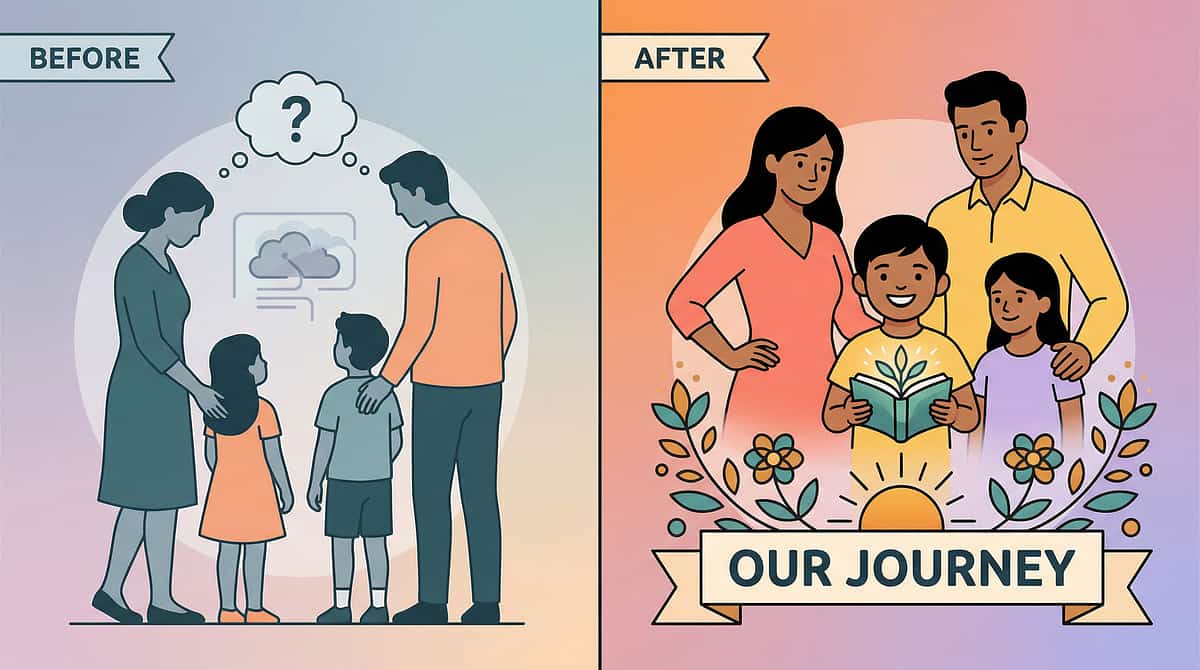
You Did This.
From the parent who didn't know where to start, to the parent whose child sat through an entire school day.
"Eight weeks ago, your child was slumping through every seated activity, avoiding playgrounds, and coming home exhausted from simply existing in a school. You chose to understand rather than accept. You chose to act rather than wait. You set up the space, you did the sessions on the hard days, you captured the data, you adapted when things didn't work — and you kept going.
Your child's muscles did not change. Their tone is the same. But their STRENGTH is different now. Their endurance is different. Their confidence in their own body is different. And that happened because of you."Pinnacle Blooms Consortium
🎉 Take a "Then vs. Now" Posture Photo
Visual proof of your child's progress — one image speaks louder than weeks of data logs.
📝 Write One Sentence in Your Tracking Log
Capture the biggest single change you've seen in your child over these 8 weeks.
📞 Share With Your Pinnacle Therapist
Our clinical team celebrates with you. Call 9100 181 181 to share your win and get recognized in the system.
🌟 Start F-573 — The Next Level Awaits
The foundation built in F-572 is the launchpad for core weakness work. Your investment extends forward.
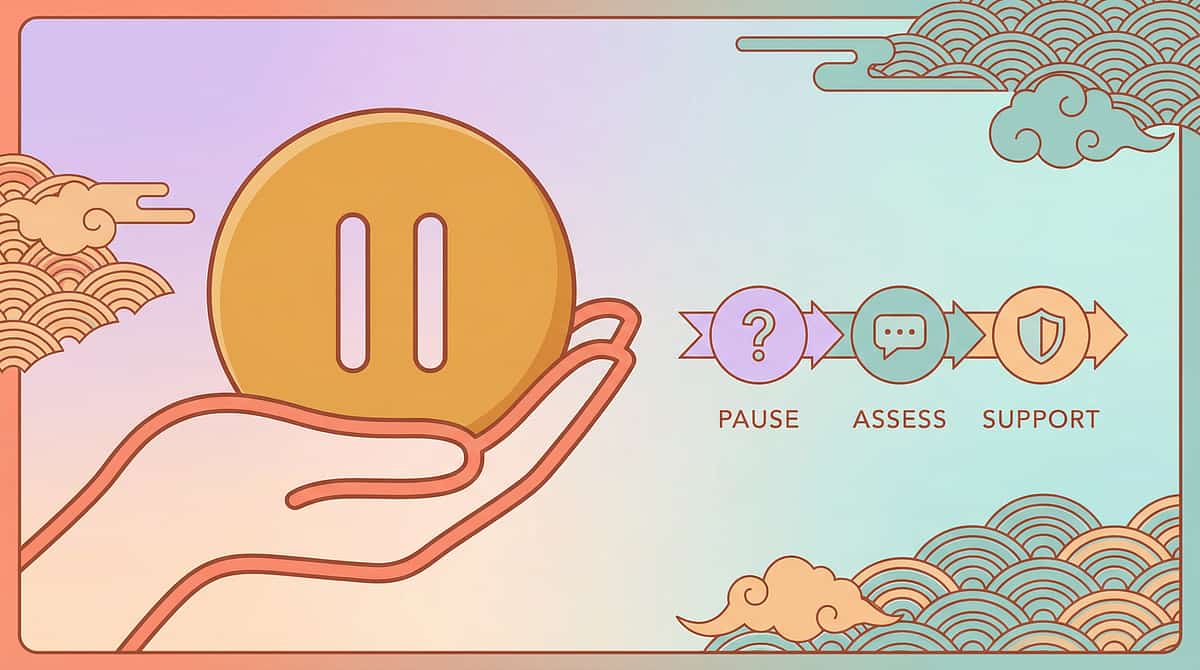
Even in the Win Zone — Know When to Pause
"Trust your instincts. If something feels wrong, pause and ask."
🚨 Progressive Weakness
Child's strength or posture is worsening despite consistent intervention → Urgent medical evaluation (rule out neuromuscular condition)
🚨 Developmental Regression
Skills being lost (child who was walking now toe-walking more, or speech declining alongside motor changes) → Pediatric neurology referral
🚨 Joint Pain During / After Exercises
→ PT consultation; review for hypermobility complications. Stop exercises until assessed.
🚨 Endurance Declining After 4+ Weeks
Worse fatigue, not better, may indicate an underlying medical issue → Developmental pediatrician evaluation
🚨 Oral Motor Worsening
Increased drooling or new feeding difficulties → SLP evaluation specifically for oral hypotonia
Visit Urgent Care
Call Teleconsult
Self‑Monitor
Parent Notices

🗺️ Find Nearest Pinnacle Center → pinnacleblooms.org/centers | 📞9100 181 181
Your Developmental GPS: Where to Go Next
F-570
Delayed Motor Milestones — Foundational
F-571
Gross Motor Coordination Difficulties — Core
F-572
Low Muscle Tone — YOU ARE HERE (MASTERED)
F-573
Core Weakness — Primary Next Step. Build on the foundation laid in F-572.
F-574 / F-576 / F-577
Balance + Vestibular · Fine Motor Delays · Handwriting Difficulties — Choose based on your child's profile
Strong Gross Motor Response
→ Advance to F-573 (Core Weakness)
Balance Still a Challenge
→ F-574 (Vestibular Processing)
Writing Still Labored
→ F-576 or F-577 (Fine Motor / Handwriting)
Explore More Motor Development Techniques
After completing F-572, you already own materials for 5 of the 6 related techniques listed below. Your investment in the F-572 toolkit extends across the entire motor domain.
🟢 Foundational
F-570: Delayed Motor Milestones
Materials you own: Therapy ball. The foundational awareness technique for parents beginning their motor development journey.
🟡 Core
F-571: Gross Motor Coordination
Materials you own: Scooter board. Builds on motor foundations to address coordination challenges.
🟡 Core
F-573: Core Weakness
Materials you own: All F-572 materials plus more. The natural next step after mastering F-572.
🟡 Core
F-574: Balance + Vestibular
Materials you own: Ball, tunnel. Addresses postural control and spatial orientation challenges.
🟡 Core
F-576: Fine Motor Delays
Materials you own: Pencil grips. Hand strength and precision for detailed tasks.
🔴 Advanced
F-577: Handwriting Difficulties
Materials you own: Pencil grips, slant board. Fine motor application to academic demands.
One Technique. The Bigger Picture.
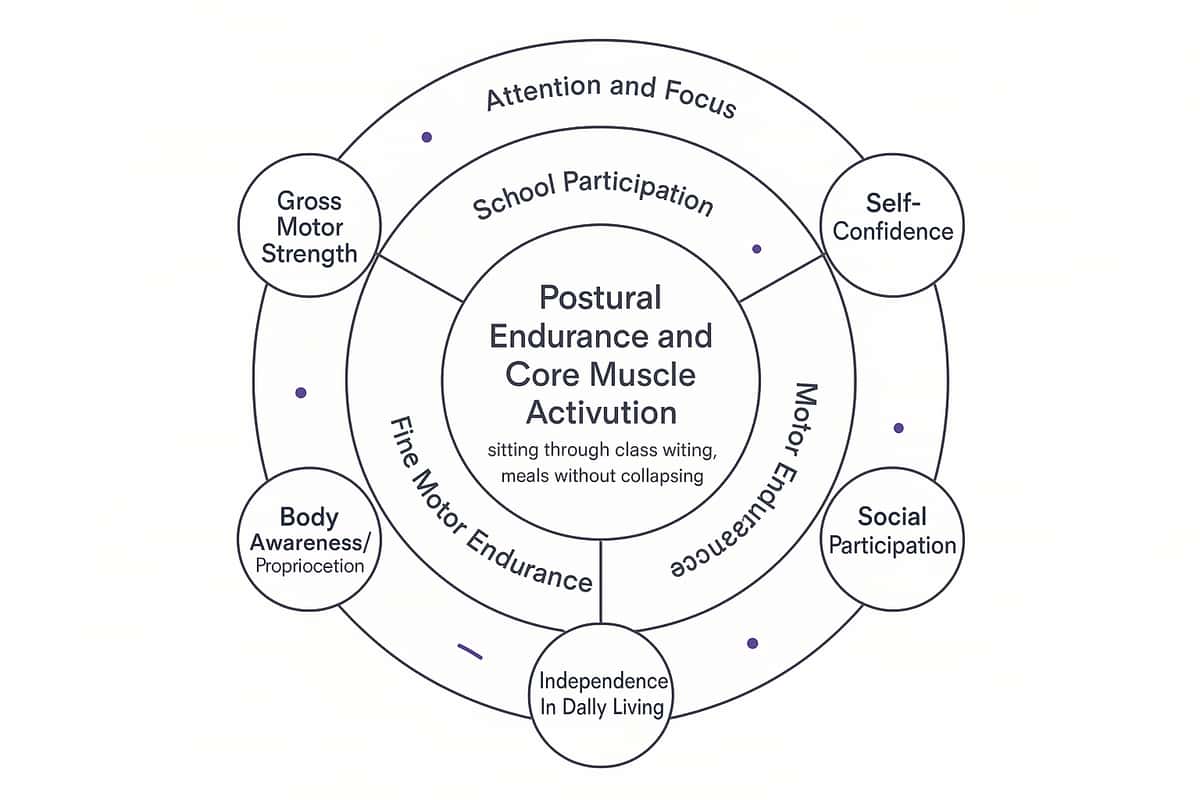
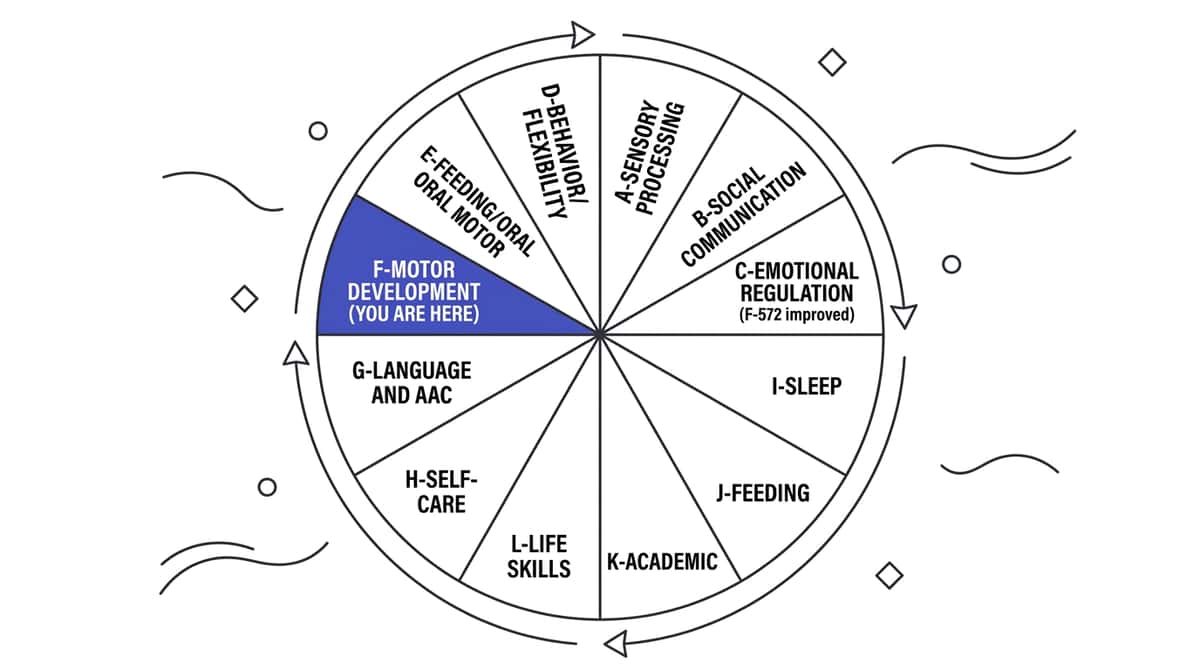
Low muscle tone doesn't exist in isolation. Building motor strength through F-572 directly improves multiple developmental domains simultaneously — this is the power of the GPT-OS® integrated approach.
9-materials-that-help-with-low-muscle-tone therapy material
→ Domain C: Emotional Regulation
Reduced physical fatigue → improved emotional regulation bandwidth
→ Domain B: Social Communication
More energy for social play → more peer interaction and playground participation
→ Domain A: Sensory Processing
Proprioceptive input from strengthening activities supports sensory regulation throughout the day
"This is one piece of your child's personalized developmental plan. GPT-OS® sees all 12 domains, all 349 skills, and your child's unique profile across all of them."
From the Pinnacle Family Archive
Behaviorally specific. Outcome-honest. Clinically reviewed.
Arjun's Story — Hyderabad, Age 6
Before: Always the "floppy" kid in class. By 10 AM he was slumped across his desk. His teacher thought he was lazy. Handwriting was impossible — 3 words and his hand gave out. Playground was avoided because climbing exhausted him.
What They Did: Therapy ball for all homework. Wedge cushion at school desk. Daily scooter board racing (he thought it was a game). 3×/week resistance band "superhero training."
After 8 Weeks: Arjun can sit through a full school day. Handwriting legibility improved — his teacher noticed without being told. He now joins classmates at the climbing frame. OT noted measurable improvement on core strength assessment.
"He didn't change overnight. But every week there was one thing he could do that he couldn't the week before. That kept us going." — Arjun's mother
Priya's Story — Bengaluru, Age 4
Before: Autism diagnosis, low muscle tone identified at 18 months. W-sitting exclusively. Refused tummy time since infancy. Mouth often open, some drooling. Could not complete more than 5 minutes of any physical activity before seeking lying down.
What They Did: Peanut ball prone activities (disguised as playing with toys on the floor). Obstacle course through blanket tunnels (5 minutes, built to 20 over 6 weeks). Compression undershirt for school. Foot rest under dining table.
After 12 Weeks: Priya now crawls through the play tunnel spontaneously for fun. W-sitting has reduced significantly. School report notes improved seated duration. OT confirmed progression to cross-legged sitting for brief periods.
"The peanut ball was the breakthrough. She stopped fighting tummy time when it was 'playing in the valley'." — Priya's mother

"The most important thing parents must understand: they are not trying to change the muscle tone itself — they are building the STRENGTH and ENDURANCE to work effectively with that tone." — Senior Occupational Therapist, Pinnacle Blooms Network® Note: Illustrative cases reflecting composite outcomes from Pinnacle center data. Individual results vary. Outcomes measured via GPT-OS® Motor Strength Readiness Index and Postural Control Readiness Index.

You Don't Have to Do This Alone

Isolation is the enemy of adherence. Community multiplies outcomes. 📱 WhatsApp: Motor Development Parent Circle Parents navigating low muscle tone, hypotonia, and motor delays — sharing strategies, celebrating wins, asking questions. → Request to Join via 9100 181 181 🌐 Online Forum pinnacleblooms.org/community — Domain F (Motor Development) parent section. Moderated by Pinnacle therapists. Evidence-based discussions. 🤝 Peer Mentoring Connect with a parent who has completed F-572–F-580 with their child. Real experience, practical guidance. → Request a Peer Mentor via 9100 181 181 📍 Local Parent Meetups Monthly in-person gatherings at 70+ Pinnacle centers across India. → Find Your Nearest Center: pinnacleblooms.org/centers "Your 8 weeks of experience is priceless to the parent starting Week 1 today. Consider sharing your journey — your child's progress story becomes someone else's hope." 📖 WHO NCF: Parent support networks improve adherence and outcomes across pediatric intervention programs. 📞 9100 181 181 | 16+ languages | 24×7

Home + Clinic = Maximum Impact
🏥 Nearest Pinnacle Center
70+ centers across India, all operating under GPT-OS® standards. Every center offers motor development OT, PT, multi-disciplinary evaluation, and AbilityScore® assessment. → pinnacleblooms.org/centers
📱 Teleconsultation
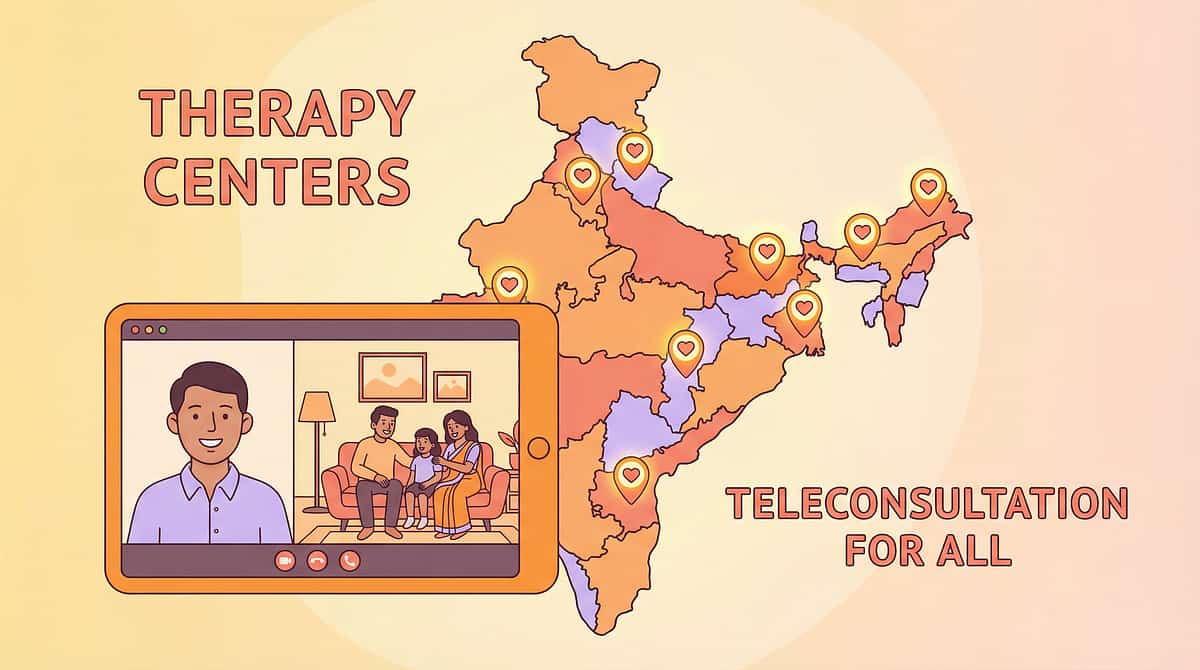
Remote families: our OTs and PTs offer video consultation for home program design and review. → pinnacleblooms.org/book
🎯 Therapist Matching
Match with an OT or PT specializing in hypotonia and motor development. → Request Match: 9100 181 181
📋 AbilityScore® Assessment
The GPT-OS® standardized assessment establishes your child's baseline across all 12 domains, enabling precision-guided technique sequencing. → pinnacleblooms.org/abilityscore

School Accommodation Support: Pinnacle therapists provide formal accommodation letters for wedge cushion and foot rest approval, modified PE requirements, writing tool accommodations, and flexible seating arrangements. Contact 9100 181 181.
The Evidence Behind F-572
For the parent who wants to go deeper. For the clinician who needs the citations.
PMC11506176 | Children (2024) — PRISMA Systematic Review
16 studies (2013–2023) confirm sensory-motor intervention for children with ASD is evidence-based practice across motor function, postural control, and daily living skills. Level I Evidence.
PMC10955541 | World J Clin Cases (2024) — Meta-Analysis
24 studies confirm motor integration therapy promotes gross motor, fine motor, social participation, and adaptive behavior in pediatric populations. Effect sizes significant across domains. Level I Evidence.
PMC9978394 | WHO/UNICEF Care for Child Development (2023)
Home-based, caregiver-administered developmental interventions across 54 countries demonstrate efficacy. Foundation for the GPT-OS® EverydayTherapyProgramme™. Level II Evidence.
DOI: 10.1007/s12098-018-2747-4 | Indian Journal of Pediatrics (2019) — RCT
Padmanabha et al.: Home-based sensory-motor programs in Indian pediatric populations — significant functional outcomes with parent-administered protocols and professional guidance. Level II Evidence — Indian Context.
NCAEP Evidence-Based Practices Report (2020)
Visual supports, video modeling, reinforcement systems classified as evidence-based practices. Foundation for session structure in F-572. Supports multi-modal learning approach for parent skill acquisition.
Your Data Builds Your Child's Future
FusionModule coordinates care
Programme updates
TherapeuticAI recalibrates
GPT-OS® updates MSRI
Parent logs session
What GPT-OS® Learns From Your F-572 Data
  • Your child's motor strengthening response rate vs. age-matched norms
  • Which materials yield the best engagement/outcomes ratio
  • Optimal session timing and duration for this child's profile
  • Readiness triggers for F-573 progression
The GPT-OS® Stack: Diagnostic Intelligence → AbilityScore® → Prognosis Engine → TherapeuticAI® → EverydayTherapyProgramme™ → FusionModule™ → Closed-Loop Therapeutic Control
🔒 Privacy Assurance
  • All data de-identified at source
  • Stored under ISO 27001-equivalent standards
  • Never sold to third parties
  • Parent controls data access and deletion
  • Governed under India IT Act compliance framework
"When your child's data enters GPT-OS®, it joins 20 million+ session records. The patterns from those 20 million sessions make the recommendation for your child more precise. Your data helps every child like yours."

Consistency Across Caregivers Multiplies Impact
If only one person runs the sessions, the impact is limited. When everyone in the child's environment understands — impact multiplies.

Explain to Grandparents (Simplified Version):"The child's body muscles need more effort for everything — sitting, writing, playing. We're doing special exercises and giving them special cushions/tools to help them get stronger. Please: Always use the special cushion at the dining table Encourage the ball time (it looks like play — it IS therapy) Don't carry them up stairs — let them walk (they need the exercise) When they slump, gently cue: 'Sit up, let's see your strong back'"
📱 Share via WhatsApp
Share this page with all family caregivers and extended family members involved in daily care
📥 Download: F-572 Family Guide (PDF)
Plain-language guide for grandparents, school teachers, and other caregivers. Available in English · Hindi · Telugu · Tamil · Kannada · Malayalam
📧 School Teacher Template
One-click copy template for email to class teacher regarding accommodations — wedge cushion, foot rest, adapted writing tools
URL to share: techniques.pinnacleblooms.org/motor-development/9-materials-low-muscle-tone-F572
📖 PMC9978394 (WHO CCD Package): Multi-caregiver training is critical for intervention generalization and maintenance across contexts.

Preview of 9 materials that help with low muscle tone Therapy Material

Below is a visual preview of 9 materials that help with low muscle tone therapy material. The pages shown help educators, therapists, and caregivers understand the structure and content of the resource before use. Materials should be used under appropriate professional guidance.

Page 1
Page 2
Page 3
Page 4
Page 5
Page 6
Page 7
Page 8
Page 9
Page 10
Page 11
Page 12
Page 13
Page 14
Page 15
Page 16
Page 17
Page 18
Page 19
Page 20
Link copied!
Your Questions, Answered
Will my child always have low muscle tone? Can it be cured?
Muscle tone itself — the neurological baseline — generally cannot be directly changed through therapy. However, strength and endurance absolutely respond to training, and many children with low tone develop sufficient compensatory strength to function at peer level. The goal is not to "cure" the tone but to build a body that works brilliantly with it.
How long before I see results?
Most parents notice first changes at Week 2–3 (tolerance of activities improves). Measurable strength gains typically appear at Week 5–8. Full functional impact for school participation and daily living: 3–6 months of consistent daily integration. Progress varies by severity and consistency.
Do I need a doctor's referral to start these materials?
No prescription or referral is required to purchase and begin using these materials. However, professional OT/PT assessment is recommended to ensure correct sizing, intensity, and program design — especially for the compression/weighted vest and resistance band programs. Call 9100 181 181 for guidance.
My child's school won't allow the therapy ball. What can I do?
Request a formal accommodation letter from your OT (Pinnacle therapists provide these). The wedge cushion and foot rest are less visually prominent alternatives typically easier to gain school approval for. Scooter board and obstacle course work at home compensates for what school cannot provide.
My child has autism AND low muscle tone. Which do I address first?
They are addressed simultaneously in the Pinnacle GPT-OS® model through FusionModule™. The motor strengthening activities in F-572 also provide proprioceptive input that supports sensory regulation (Domain A) — one set of activities serves multiple therapeutic goals. Domain prioritization should be guided by your child's AbilityScore® profile.
These exercises tire my child out. Is that normal?
Yes — initially. Children with low tone expend more energy for every physical task. Session fatigue in Weeks 1–2 is expected. By Weeks 3–4, endurance builds and sessions become less exhausting. This is the physiological process of strengthening — brief controlled fatigue followed by recovery and adaptation. Monitor: if fatigue is excessive or worsening after 4 weeks, consult professionally.

You Have Everything You Need.
Start today. Not next week. Today.

✦ Pinnacle Blooms Network® ✦
OT · PT · ABA/BCBA · SLP · SpEd · NeuroDev Pediatrics · CRO WHO/UNICEF-Aligned · DPIIT-Recognised 20M+ Sessions | 97%+ Improvement | 70+ Centers India's Largest Autism and Pediatric Therapy Consortium
From Fear to Mastery. One Technique at a Time.
Pinnacle Blooms Network® exists to transform every home in the world into a proven, scientific, 24×7, personalized, multi-sensory, multi-disciplinary pediatric therapy environment — powered by GPT-OS®, guided by our consortium, and driven by the love of families who refuse to accept anything less than their child's fullest potential.
Medical Disclaimer:This content is educational and informational. It does not replace individualized assessment and intervention with licensed occupational therapists, physical therapists, or pediatric specialists. Low muscle tone can have various underlying causes. Professional evaluation is recommended for proper diagnosis and comprehensive intervention planning. Individual outcomes vary.
© 2025–2026 Pinnacle Blooms Network® | A unit of Bharath Healthcare Laboratories Pvt. Ltd. | GPT-OS® | AbilityScore® | TherapeuticAI® | EverydayTherapyProgramme™ | FusionModule™ are registered/proprietary marks. | CIN: U74999TG2016PTC113063 | DPIIT Recognition: DIPP8651 | GSTIN: 36AAGCB9722P1Z2 | Patents filed across 160+ countries. | pinnacleblooms.org | care@pinnacleblooms.org | 📞 FREE Helpline: 9100 181 181 | 16+ languages | 24×7