

PECS System: 9 Materials That Help With Picture Exchange Communication
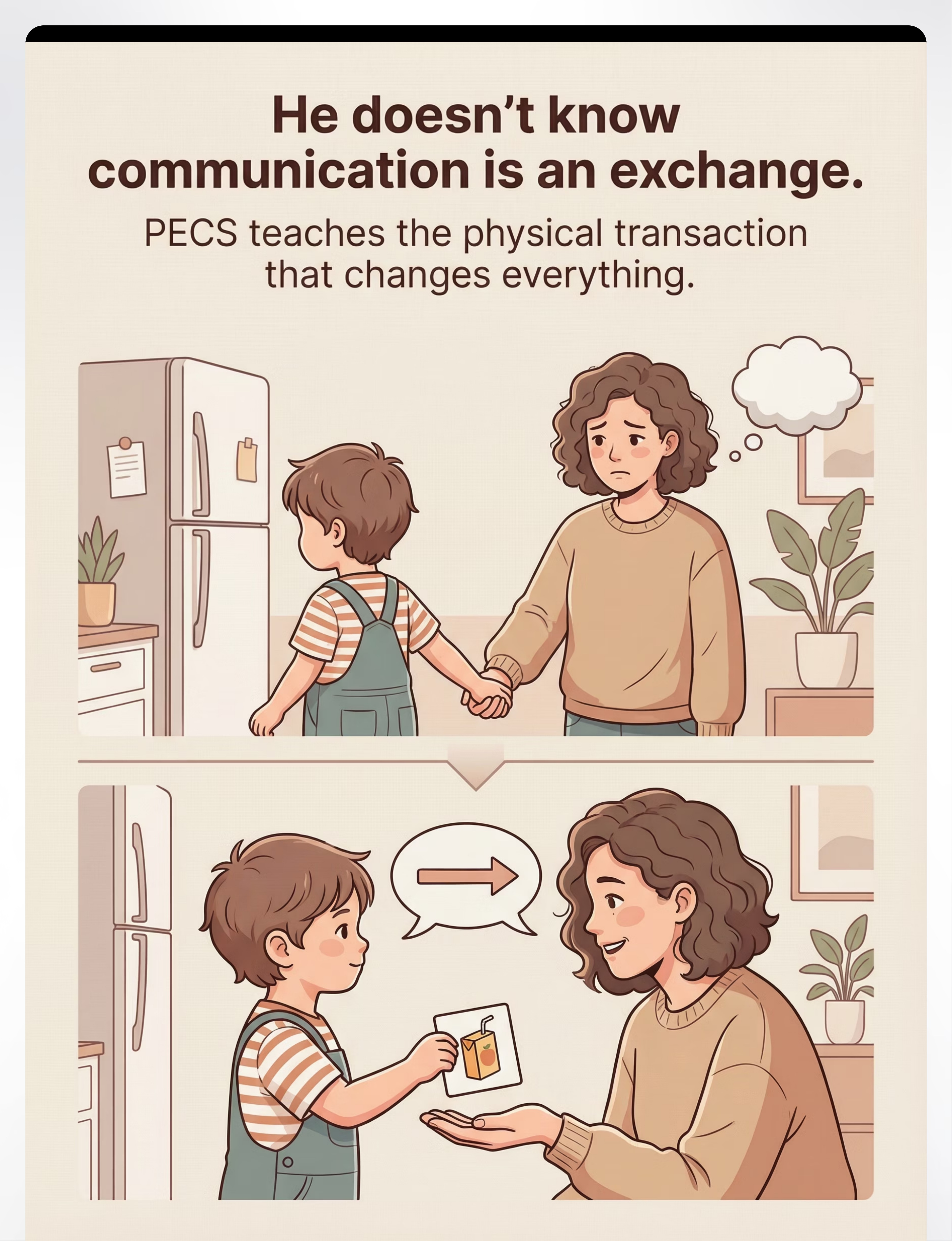
He doesn't know communication is an exchange. PECS teaches the physical transaction that changes everything. A complete, consortium-validated home guide from Pinnacle Blooms Network® — reviewed by Pediatric SLPs, BCBAs, OTs, and Special Educators across 20M+ therapy sessions.
B-223 · PECS System
Domain B — Social Communication & AAC
You Are Not Alone: The Numbers
When a child uses your hand as a tool, screams near the refrigerator instead of asking, or touches pictures without understanding exchange — this is not unusual. This is a documented, well-understood, and highly treatable aspect of autism. PECS was designed specifically for this exact profile.
~80%
Communication Initiation Difficulty
of children with ASD experience communication initiation difficulties
1 in 36
US Autism Prevalence
children in the US diagnosed with autism (CDC 2023); India: est. 1 in 66
20M+
Sessions Analysed
therapy sessions in Pinnacle's GPT-OS® system — your child's pattern has been seen before
India Context: In a country of 1.4 billion, there are an estimated 1.8–2.5 million children living with autism — and the majority have never received a single structured AAC intervention. If you are reading this, you are already ahead. — Pinnacle Blooms Network® Clinical Consortium
📞9100 181 181 | FREE | 16 languages | No appointment needed

Act I — The Emotional Entry
The Recognition Moment
"My son is three and a half, and he doesn't understand that communication is something you do with another person. He'll stand in front of the refrigerator and scream. He'll pull me toward what he wants without looking at me, like I'm a tool rather than a person. He touches the picture cards — and then just stands there waiting for the thing to magically appear. He doesn't get it. He doesn't understand that you have to give something to someone. His therapist recommended PECS — the Picture Exchange Communication System. The physical act of giving creates the understanding that was missing. But I look at the materials and I'm overwhelmed. How do we set this up so it actually works?"
Consortium Badge: Pinnacle Blooms Network® — Reviewed by Pediatric SLP, BCBA, OT, and SpEd Consortium. Validated across 20M+ therapy sessions.
📞 FREE National Autism Helpline: 9100 181 181 | 16+ languages | Available 24×7

The Science
What's Happening in Your Child's Brain
This Is a Wiring Difference, Not a Behaviour Choice. In typical development, children naturally understand that communication is directed toward another person — a social-transactional understanding wired through early joint attention, imitation, and theory-of-mind development.
The Neuroscience
The neurological circuits connecting desire → social initiation → expectation of response → exchange are not automatically established in ASD profiles. The child experiences the WANT without the wiring for the SOCIAL TRANSACTION.
Brain Regions Involved:
- Anterior cingulate cortex (social initiation)
- Mirror neuron systems (understanding exchange)
- Prefrontal cortex (intentional communication)
Why PECS Works Neurologically
The physical act of handing an object to another person and receiving a response creates the missing circuit through consistent, behaviourally reinforced experience. The exchange IS the neural training event.
"Your child is not ignoring you. They are not being manipulative. Their brain has not yet learned to route 'I want something' through 'I need to communicate with a PERSON to get it.' PECS creates this route through thousands of repetitions of physical exchange."
"As paediatric SLPs, we see children who have excellent vocabulary knowledge but have no functional communication because they don't understand the social transaction. PECS specifically targets that gap." — Consortium SLP Lead

Where PECS Sits in Development
Your Child Is Here. Here Is Where We're Going. The WHO Care for Child Development Package — implemented in 54 countries — establishes that responsive communication between caregiver and child is the single most critical driver of developmental outcomes. PECS creates the structure for this responsiveness when it doesn't emerge naturally.
1
18m–3yr
Establishing that communication is a social transaction; building first intentional requests
2
3yr–5yr
Expanding vocabulary, discrimination, sentence construction; bridging to spoken language
3
5yr–12yr+
Advanced phases — commenting, responding, generalisation; potential transition to high-tech AAC
PECS Target Zone: 18 months – 12+ years — any child who doesn't have functional communication directed toward people. Also appropriate for: Global Developmental Delay, Apraxia of Speech, Intellectual Disability, Down Syndrome, and other conditions affecting communication initiation.
"Your child is not behind a finish line. They are on a path. PECS gives them the next step."
The Evidence Behind PECS
🏆 LEVEL I — EVIDENCE-BASED PRACTICE
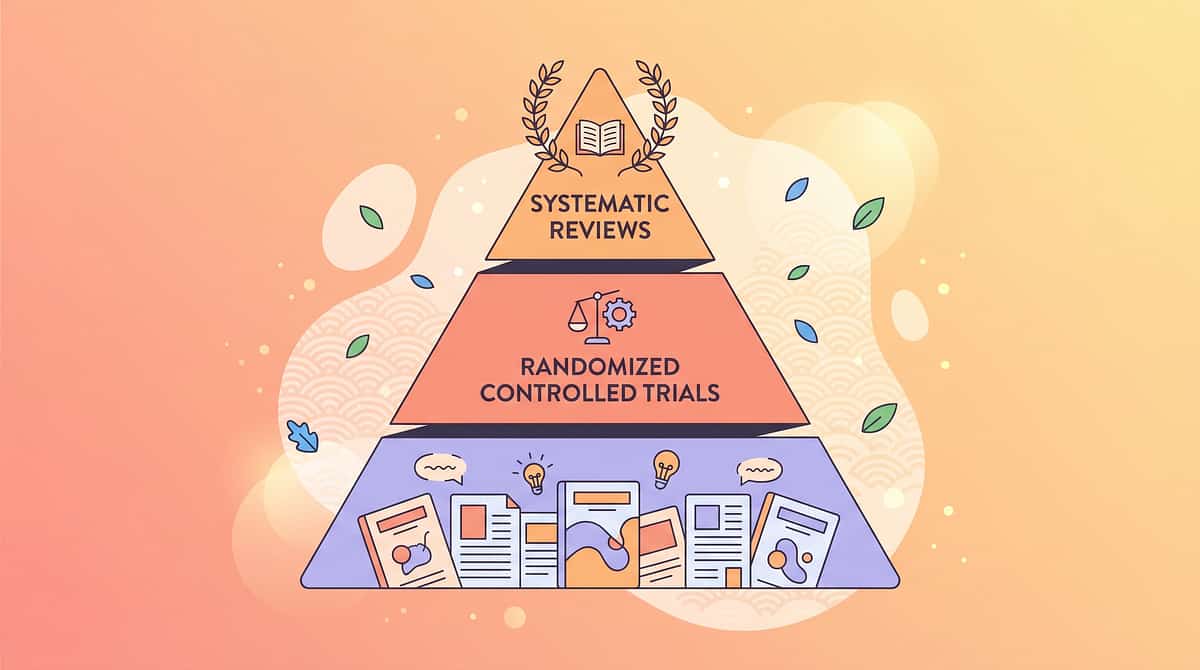
PECS is classified as an Established Intervention by the National Autism Center National Standards Project, recognised as evidence-based by ASHA's AAC Practice Portal, and confirmed as an evidence-based practice for autism by NCAEP 2020.
Frost & Bondy (2002) + Decades of Replication
Children who learn PECS often develop spoken language alongside or after PECS training
Meta-Analysis (Communication Disorders Quarterly, 2012)
95% of participants showed improvement in functional communication
Systematic Review (ASHA, 2020)
PECS effective across ages, settings, and implementation contexts
Pinnacle Blooms Clinical Data
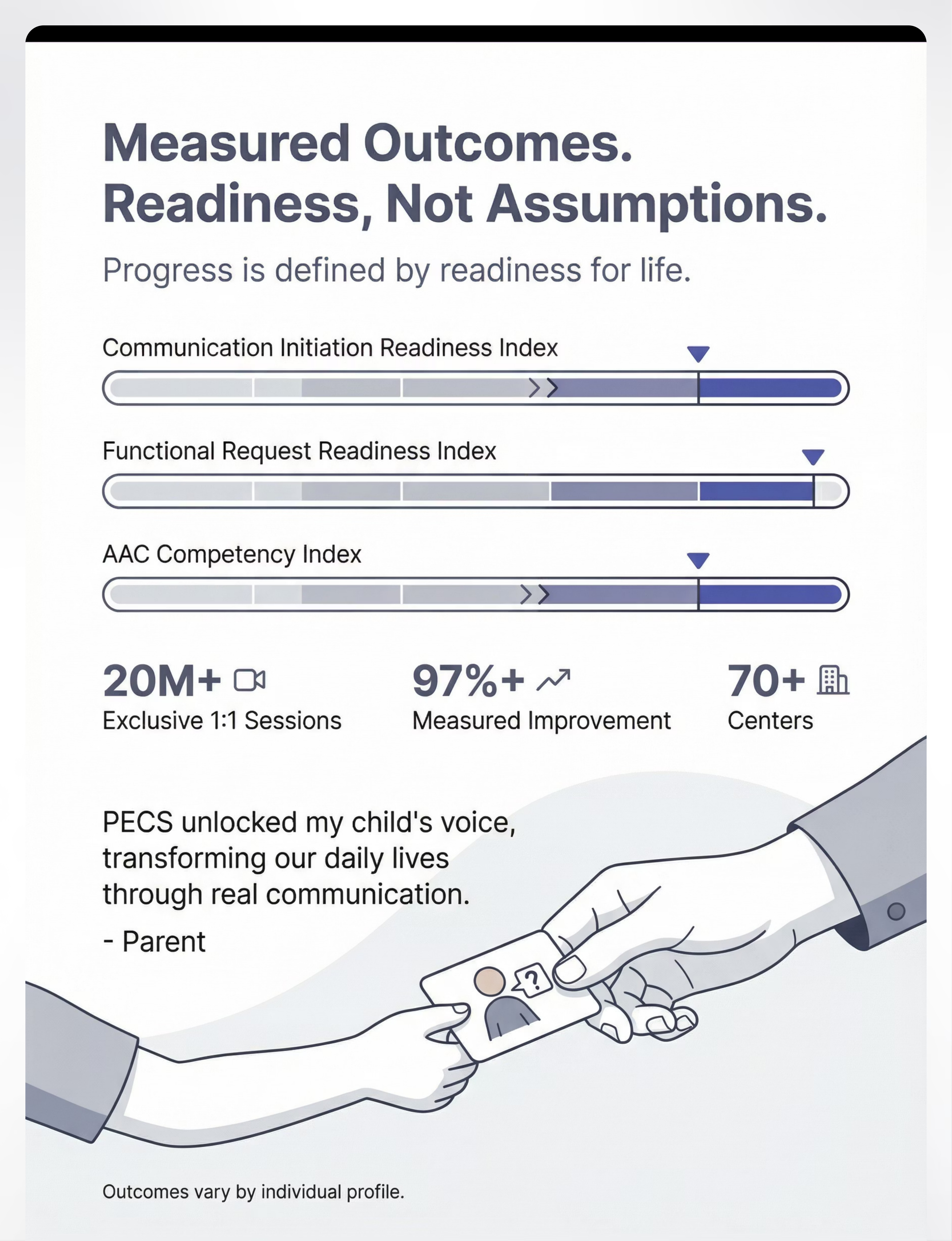
20M+ sessions: Communication Initiation Readiness Index — 97%+ measured improvement
Evidence Confidence: Maximum — 12/12 criteria met across all major evidence frameworks. 📞9100 181 181 — Request your FREE AbilityScore® assessment
Act II — Knowledge Transfer
PECS: What It Is
Formal Definition
Picture Exchange Communication System (PECS) is a systematic, evidence-based augmentative and alternative communication (AAC) approach developed by Lori Frost, MS, CCC-SLP and Andrew Bondy, PhD.
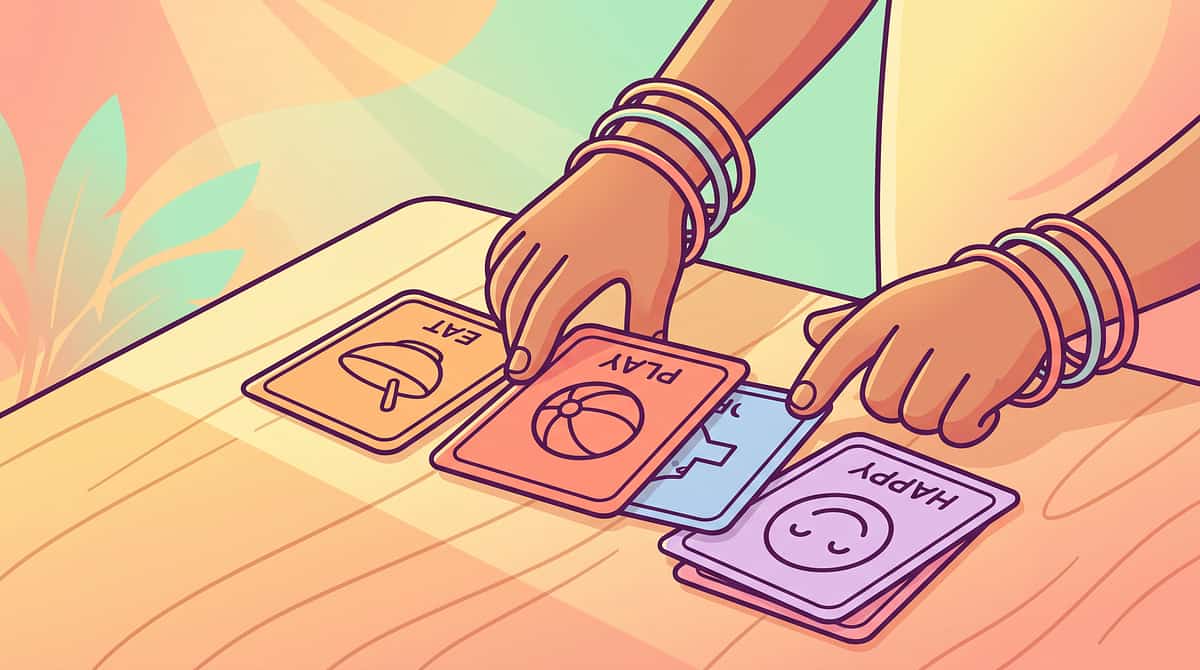
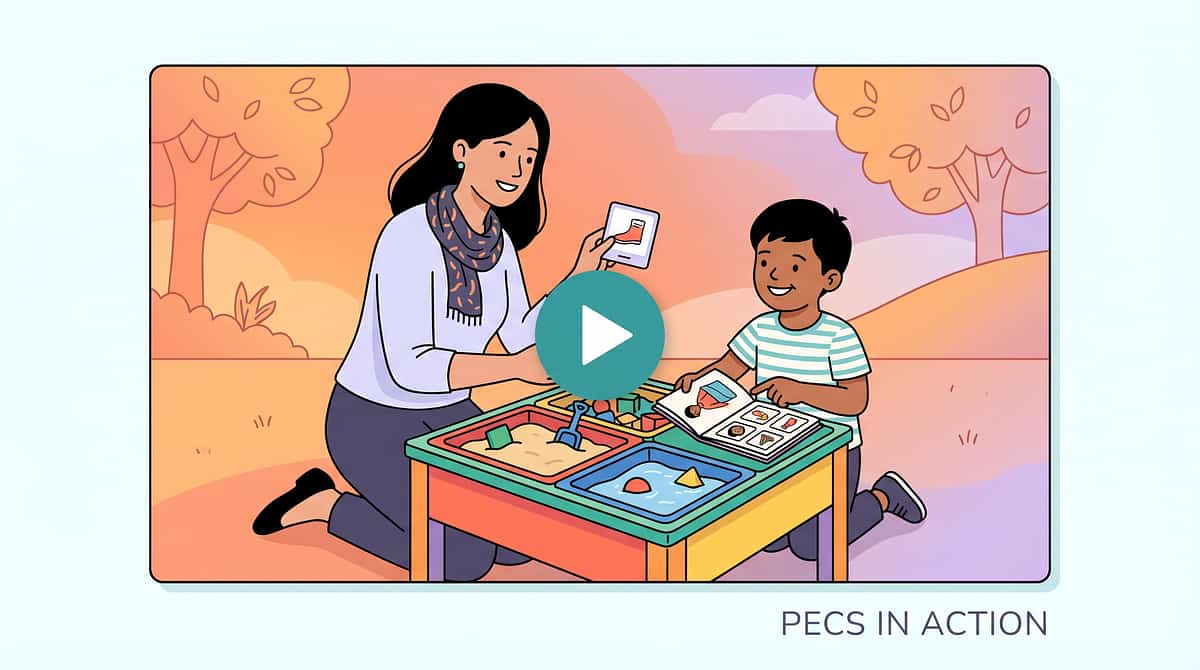
Unlike pointing systems, PECS requires the child to physically hand a picture to a communication partner — teaching that communication is a social exchange between two people. The child learns: "If I give you this message, you will respond."
Parent-Friendly Alias
"The Give-Me-a-Message System" / "Communication Trading"
The Critical Distinction
Pointing/Touching Pictures: Child touches card → waits (passive, no directed action)
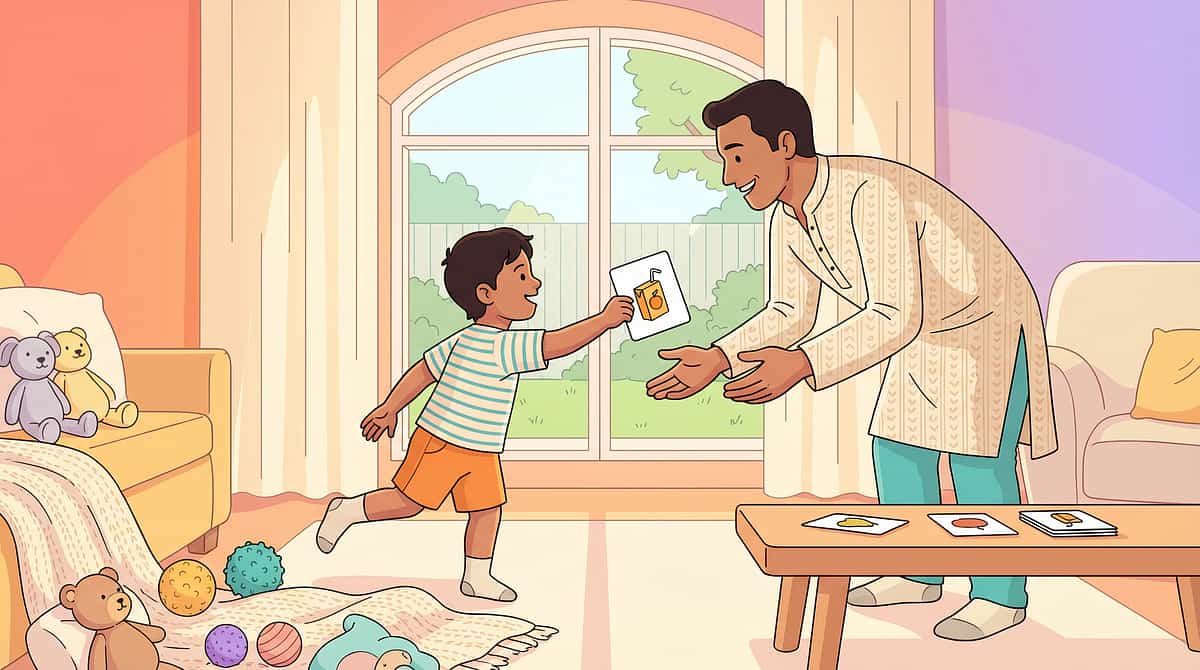
PECS Exchange: Child picks up card → walks to person → places card in hand → WAITS for response (active, directed, social)
The 6 Phases
- Phase I: Physical exchange
- Phase II: Distance and persistence
- Phase III: Picture discrimination
- Phase IV: Sentence construction
- Phase V: Responding to "What do you want?"
- Phase VI: Spontaneous commenting
👶 Age Range
18 months – 12+ years
⏱ Session Duration
10–20 min home sessions
📅 Frequency
3–5 times daily, embedded in natural routines
🎯 Phase Range
6 phases; weeks to months per phase
Who Uses PECS: The Consortium
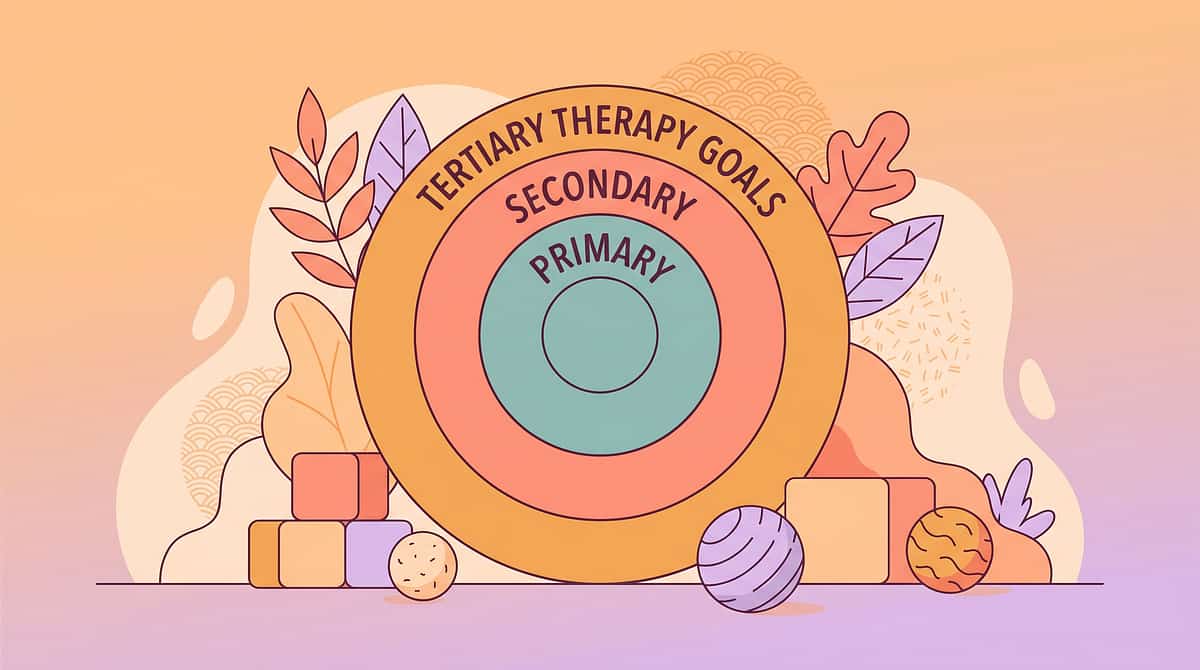
PECS Is Deployed Across Every Discipline — Because the Brain Doesn't Organise by Therapy Type. Every professional in your child's care plays a distinct, defined role in implementing PECS successfully.
Speech-Language Pathologist (SLP) — PRIMARY LEAD
Designs PECS vocabulary, implements phases, monitors language development, coordinates transition to higher AAC systems. Confirms PECS is the right entry point.
Board-Certified Behaviour Analyst (BCBA) — PRIMARY LEAD
Designs reinforcement systems, implements prompting hierarchies, conducts preference assessments, monitors data, implements error correction procedures.
Occupational Therapist (OT)
Addresses fine motor skills for card manipulation, page-turning, and exchange. Evaluates sensory considerations. Recommends card sizes and book configurations.
Special Educator (SpEd)
Implements PECS in classroom settings, coordinates IEP goals, trains classroom staff, ensures consistency across educational environments.
Family / Caregiver — CRITICAL
The child communicates 90% of the time with family — not therapists. Family implementation of PECS determines outcomes more than clinic sessions.
📞9100 181 181 | All content reviewed by the Pinnacle Blooms Network® multi-disciplinary consortium
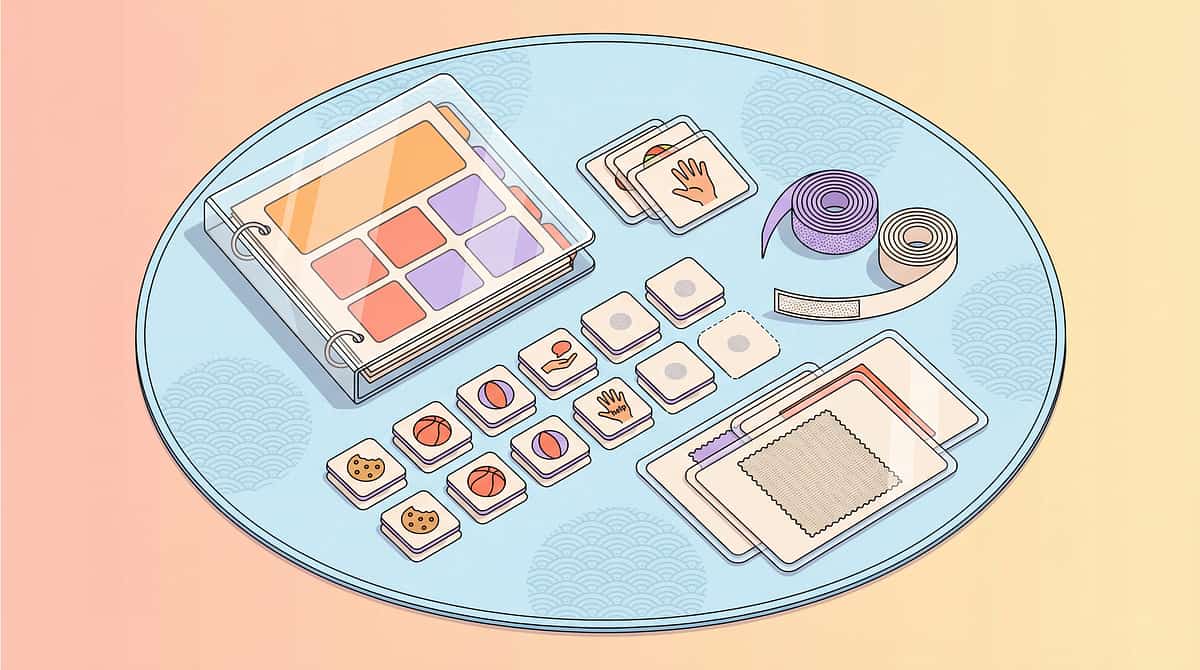
🛠 9 Materials Overview
9 Materials That Make PECS Work
From the Pinnacle Blooms Consortium — clinician-selected, parent-tested, evidence-aligned. Zero-Cost Starter: One picture printed free + strong Velcro + the item the child wants = PECS Phase I can begin today.
# | Material | Price Range | |
1 | 📘 PECS Communication Book | ₹800–3,000 | |
2 | 🃏 Picture Symbol Cards | ₹300–2,000 | |
3 | 📏 Sentence Strips | ₹200–800 | |
4 | 🔗 Industrial Velcro Supplies | ₹200–600 | |
5 | 🖨 Laminator & Supplies | ₹1,500–5,000 | |
6 | 🎁 Highly Motivating Reinforcers | ₹200–1,000 | |
7 | 📦 Storage & Organisation System | ₹300–1,000 | |
8 | 📚 PECS Training Manual | ₹500–5,000 | |
9 | 📊 Data Collection Sheets | ₹100–400 |
Total Investment Range: ₹3,500–20,000+ (complete system). 📞9100 181 181 — Ask our SLP team which materials to prioritise for YOUR child's phase.
Material 1 of 9
CORE SYSTEM
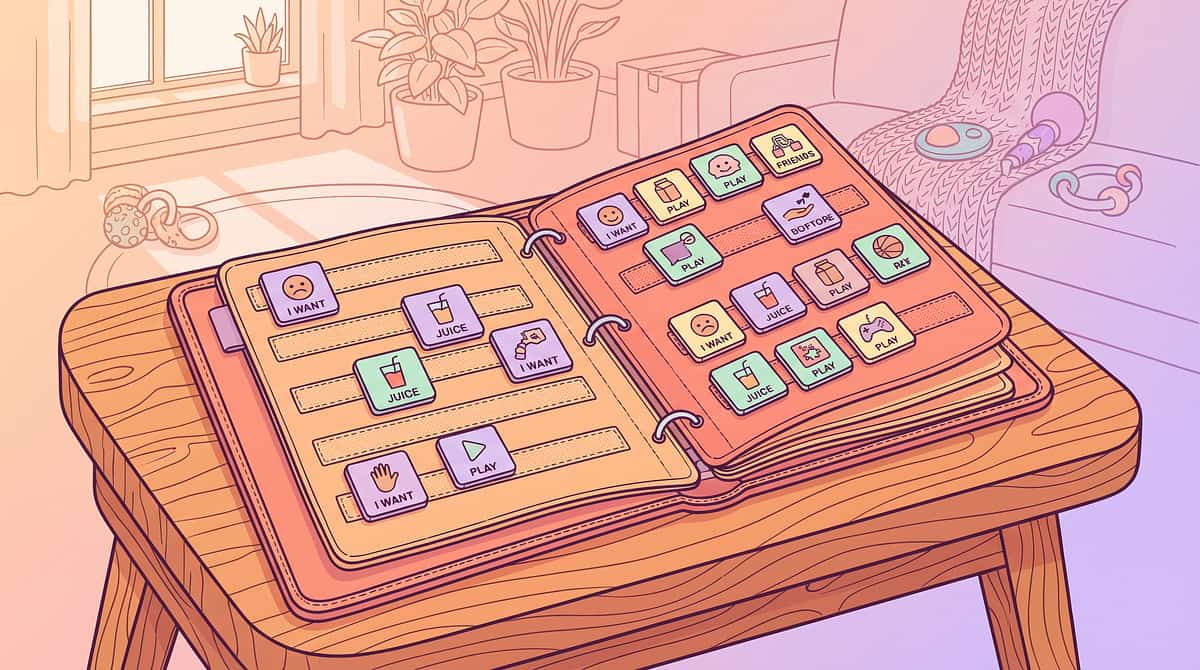
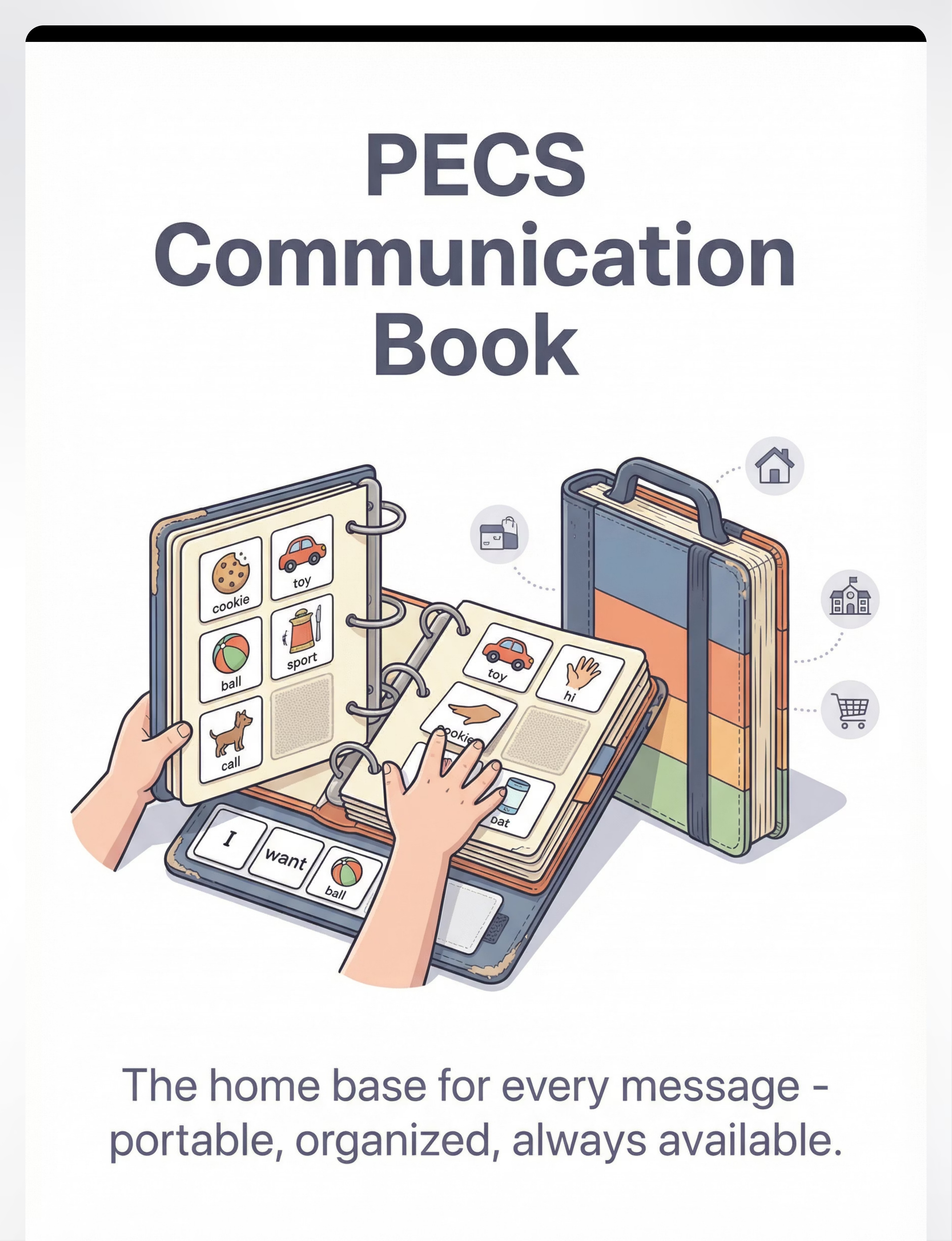
📘 PECS Communication Book
The home base for every message — portable, organised, always available. A sturdy, portable binder with Velcro-compatible pages where all picture cards attach securely. A removable sentence strip on the front cover allows message construction. The book travels with the child everywhere — school, therapy, home, grocery store. This IS the child's voice.
The Clinical Imperative
The communication book must NEVER be taken away as punishment or kept out of reach. It is the child's voice. Restricting it is equivalent to silencing a speaking child.
Phase Relevance
- Phase II+: Book becomes essential (child must travel to get it)
- Phase III+: Organisation within book becomes critical
Consortium SLP Voice
"The communication book must survive constant use, be sized for the child's motor skills, and be organised so the child can independently find and retrieve pictures. A well-designed book prevents the frustration of cards falling off, pages tearing, and vocabulary becoming inaccessible mid-session. Quality here is not optional."
Commercial Option
🛒 Official PECS Communication Book (Pyramid Educational Consultants) | 💰 ₹800–3,000 | Search Amazon.in: "PECS communication book"
DIY Alternative (Consortium-Approved): Small A5 3-ring binder (₹80–200) + plastic page protectors + industrial Velcro strips inside each pocket + removable sentence strip on front cover. Total cost: ₹150–400.

Material 2 of 9
CORE SYSTEM
🃏 High-Quality Picture Symbol Cards
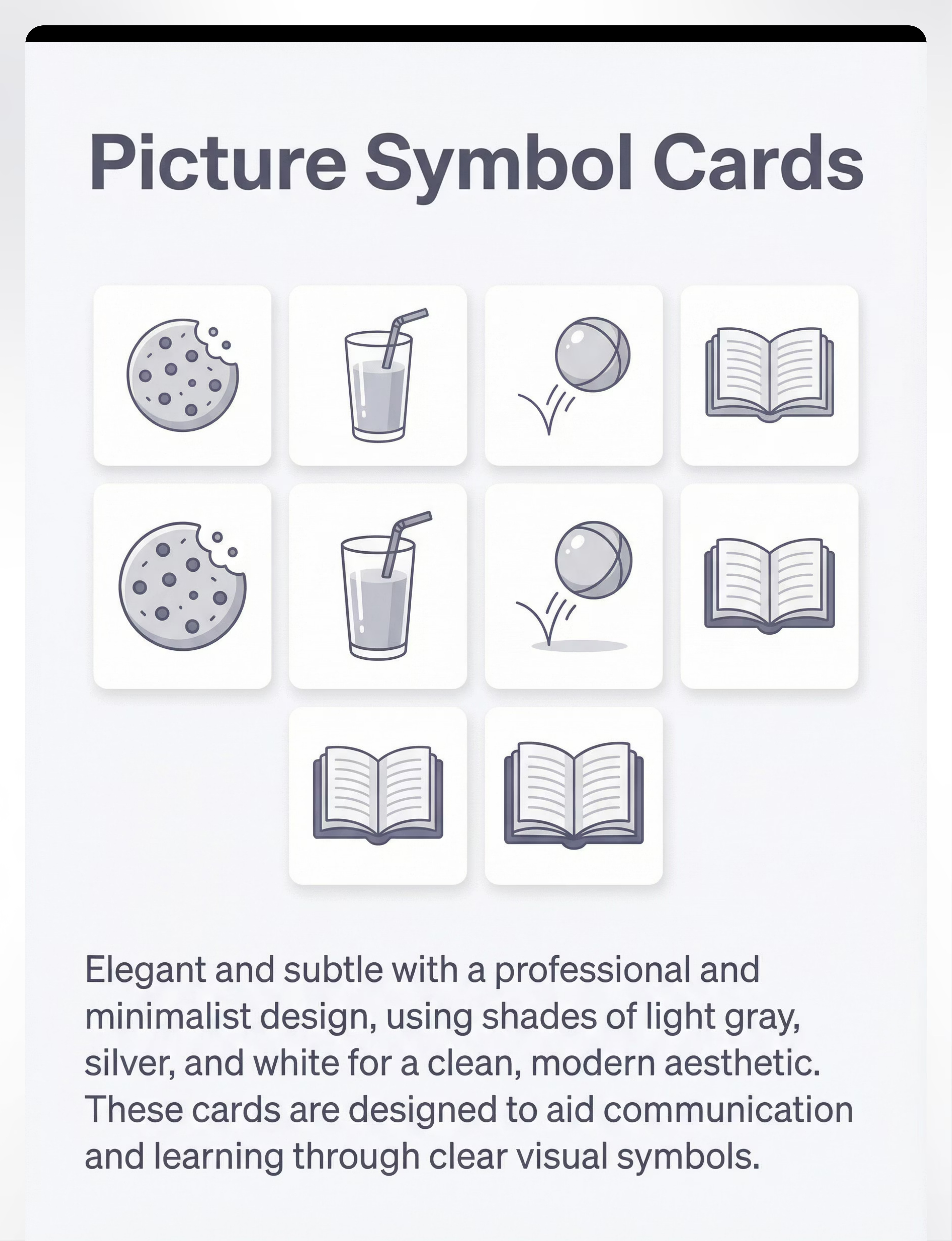
Words the child can hold — durable, clear, sized for small hands. Each picture card represents a request, comment, or response. Picture cards are the vocabulary of PECS. They must survive thousands of exchanges — picked up, placed in hands, put back, carried everywhere.
Starting Vocabulary Selection
Begin with 3–5 highly preferred items the child desperately wants. NOT educational items — real motivators:
- Favourite snack (cookie, chips, juice)
- Beloved toy (specific car, bubbles, fidget)
- Preferred activity (swing, music, iPad)
Card Specifications
- Size: 2"×2" (early phases), progressively smaller
- Material: Laminated cardstock (5–7 mil) or PVC
- Velcro: Hook side on back of each card
- Symbol type: Consistent style (PCS, ARASAAC, photos)
Free Symbol Resources
- ARASAAC: arasaac.org (free, 30,000+ symbols)
- Mulberry Symbols: mulberrysymbols.arasaac.org
- Photos of child's actual items (most motivating for Phase I)
Consortium OT Voice
"Cards that tear within a week undermine the entire system. Laminated cards with quality Velcro backing and consistent sizing are not a luxury; they are clinical infrastructure."
Commercial Option
🛒 Brainy Bug Resources Flashcards with App-Enabled Audio | 💰 ₹305
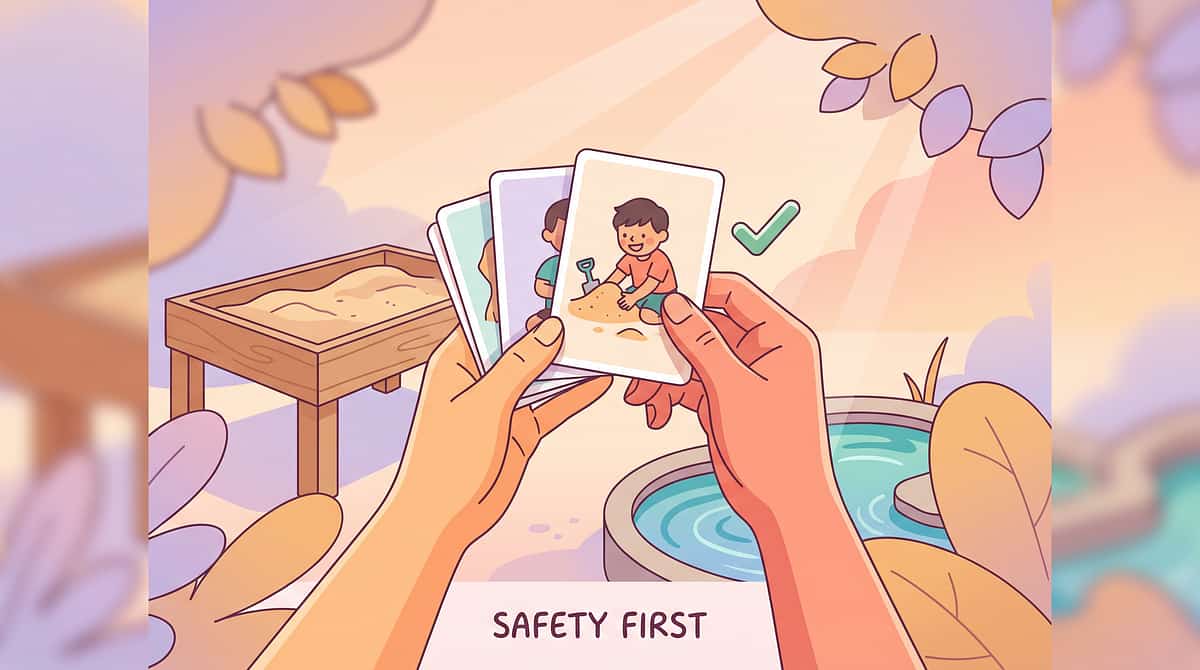
Safety Note: Cards must be 2"×2" or larger to prevent choking hazard for children who mouth objects.
Material 3 of 9
CORE SYSTEM
📏 Sentence Strips for Multi-Word Messages
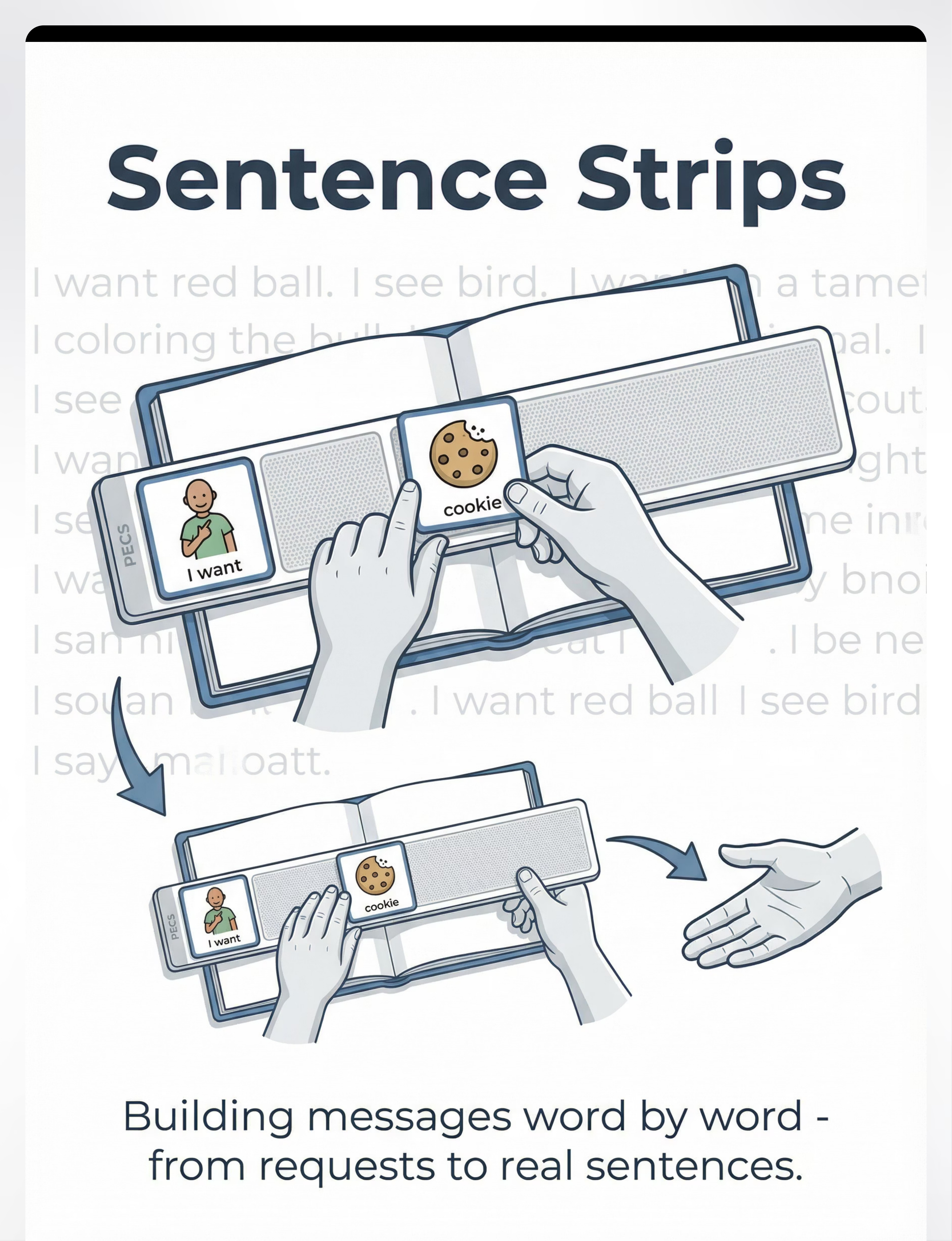
Building messages word by word — from requests to real sentences. A rigid strip with Velcro surface that attaches to the front cover of the PECS communication book. In Phase IV, the child places "I want" card + item picture onto the strip, then removes the ENTIRE strip and hands it to the communication partner.
The sentence strip transforms PECS from single-word requesting to multi-word communication — the bridge from requesting to language.
Consortium SLP Voice
"The sentence strip is the bridge from requesting to language. When a child exchanges an entire sentence strip, they are demonstrating knowledge of sentence structure, sequencing, and multi-symbol communication. For children with complex communication needs, this is often the most significant communication milestone their families have witnessed."
Commercial Option
🛒 PECS Sentence Strip Sets (Pyramid Educational Consultants / TeachersPayTeachers) | 💰 ₹200–800
DIY Alternative
Heavy cardstock strip (25cm × 5cm) + Velcro strip along the length + "I want" starter card permanently secured at left position. Make 3 duplicates — one for home, one for school, one spare.
Safety Note
Sentence strip must detach easily from book front — the child needs to hand the whole strip smoothly.
Material 4 of 9
INFRASTRUCTURE
🔗 Industrial-Strength Velcro Supplies
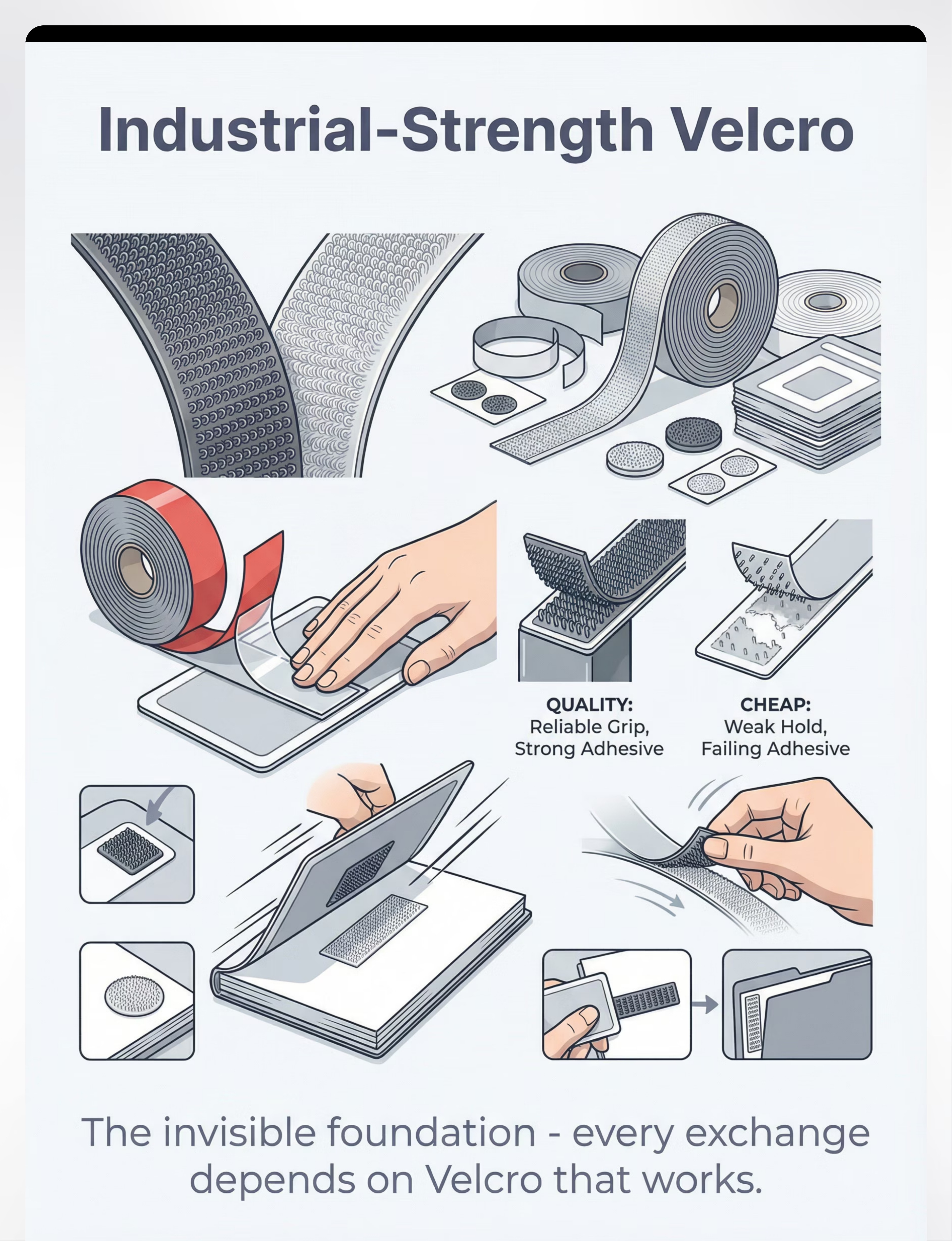
The invisible foundation — every exchange depends on Velcro that works.
Consortium OT Voice: "When PECS falls apart, it is most often the Velcro. Cards that fall off pages mid-session, pictures that won't stay where placed, exchanges that fail because the card won't release smoothly — cheap Velcro creates a system that fails the child at exactly the moment it should be building their confidence. Industrial-strength Velcro is therapeutic infrastructure."
Velcro Application Guide
- Cards: HOOK side (rough) → card back
- Book Pages: LOOP side (soft) → page surface
- Sentence Strip: LOOP side → strip surface
- Book Cover: LOOP side → for sentence strip attachment
Bulk Stocking Recommendation
- 2 metres hook Velcro strip
- 2 metres loop Velcro strip
- 50–100 Velcro dots for individual cards
Commercial Option
🛒 Industrial-strength adhesive Velcro rolls (hook + loop, 25mm width) | 💰 ₹200–600 | Search Amazon.in: "industrial velcro adhesive roll"
Recommended brands: 3M Scotch, Velcro Brand, Command strips
The Maintenance Rule
Never let the system degrade. Inspect Velcro weekly. Replace immediately when grip fails. Purchase quality Velcro — adhesive must cure 24 hours before heavy use.
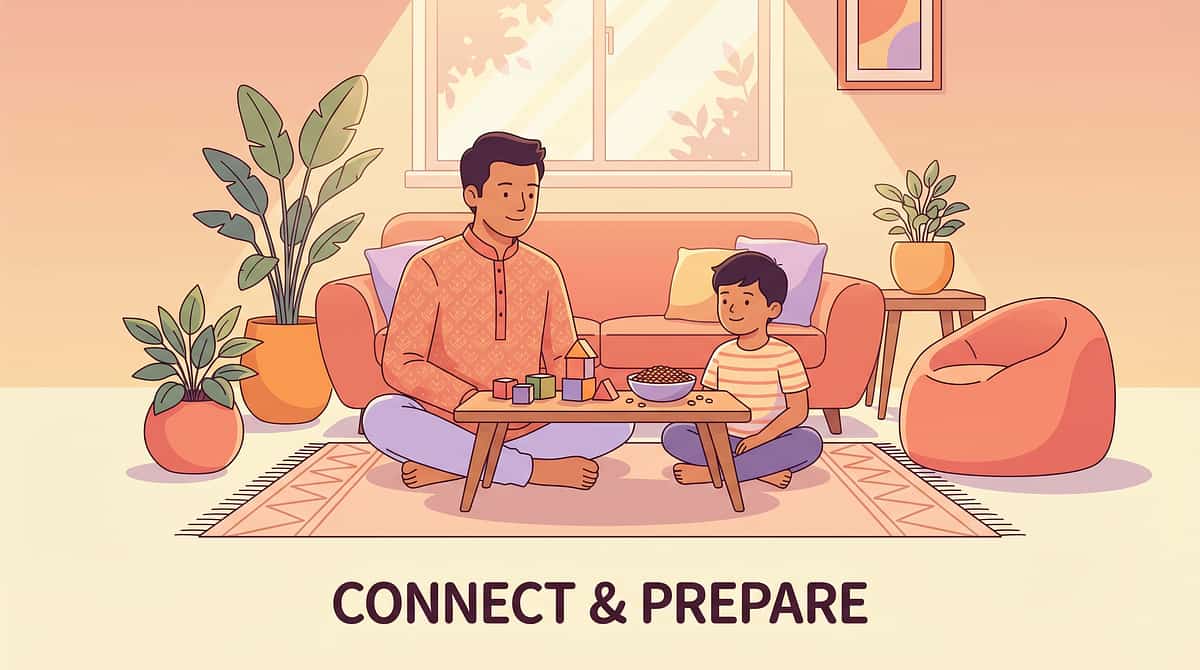
Material 5 of 9
INFRASTRUCTURE
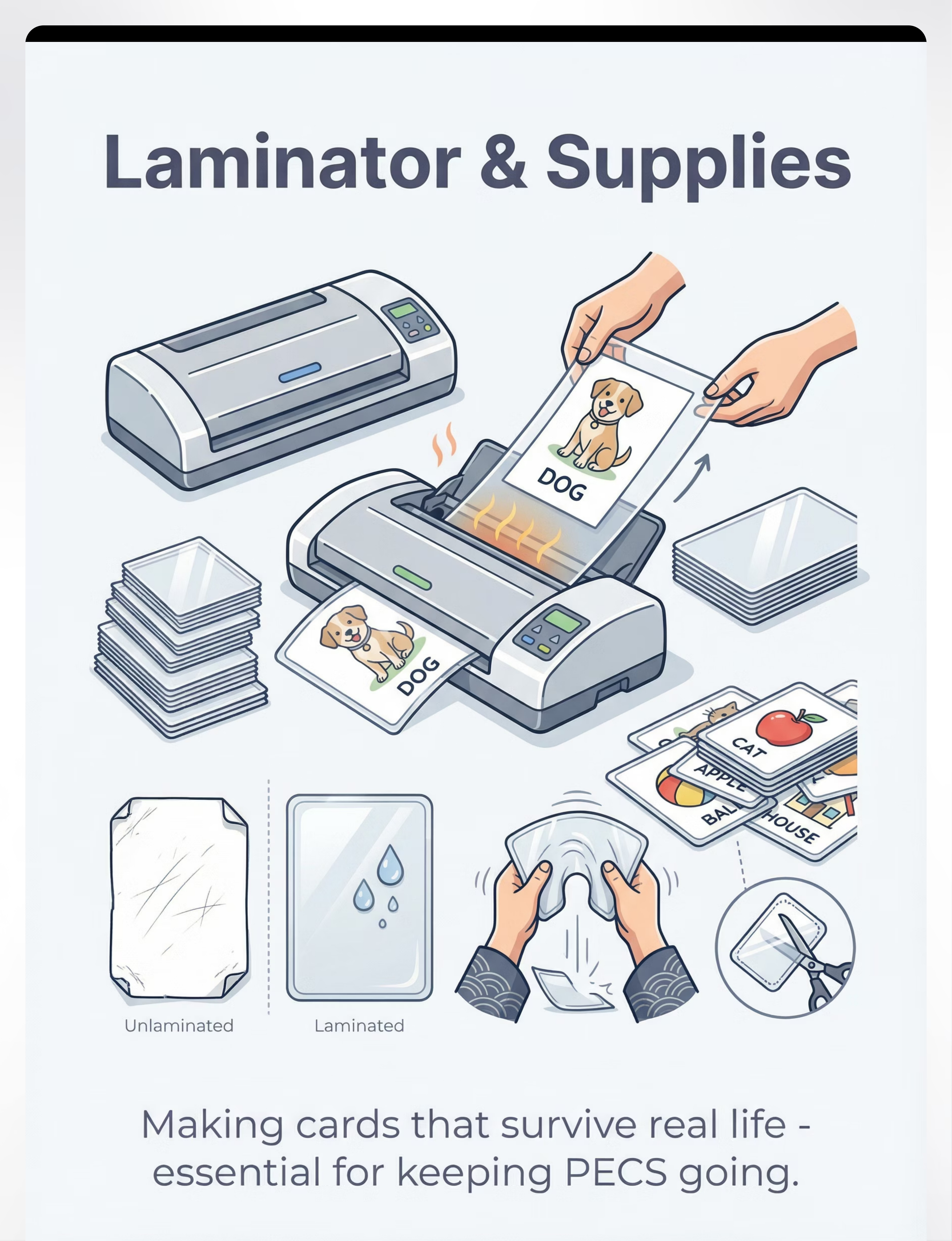
🖨 Laminator and Laminating Supplies
Making cards that survive real life — essential for keeping PECS going. PECS picture cards are handled constantly — picked up, exchanged, dropped, mouthed, carried. Unlaminated cards survive days, not months. A laminator transforms paper pictures into durable tools that survive thousands of exchanges.
Consortium Voice
"The laminator pays for itself in the first week. Without it, you're constantly replacing damaged cards, which means communication gaps every time a card isn't available. The laminator makes the system self-sustaining."
Commercial Option
🛒 Thermal Laminator (A4, 9" or 12") with laminating pouches | 💰 ₹1,500–5,000 | Recommended: Fellowes, GBC, or any 80-micron+ laminator
Laminating Pouch Specifications
- Thickness: 5–7 mil (80–125 micron) — thicker = more durable
- Size: A4 sheets (cut after laminating) or pre-cut card size
- Quantity: Buy in bulk (100–200 pouches)
DIY Without Laminator
Self-adhesive laminating sheets (no heat required) from stationery shops — ₹150–300 per pack. Adequate for testing before purchasing laminator.
Safety Note: Heating element reaches 200°C — supervise use, allow cards to cool before cutting, round corners to prevent sharp edges.

Material 6 of 9
MOTIVATION ENGINE
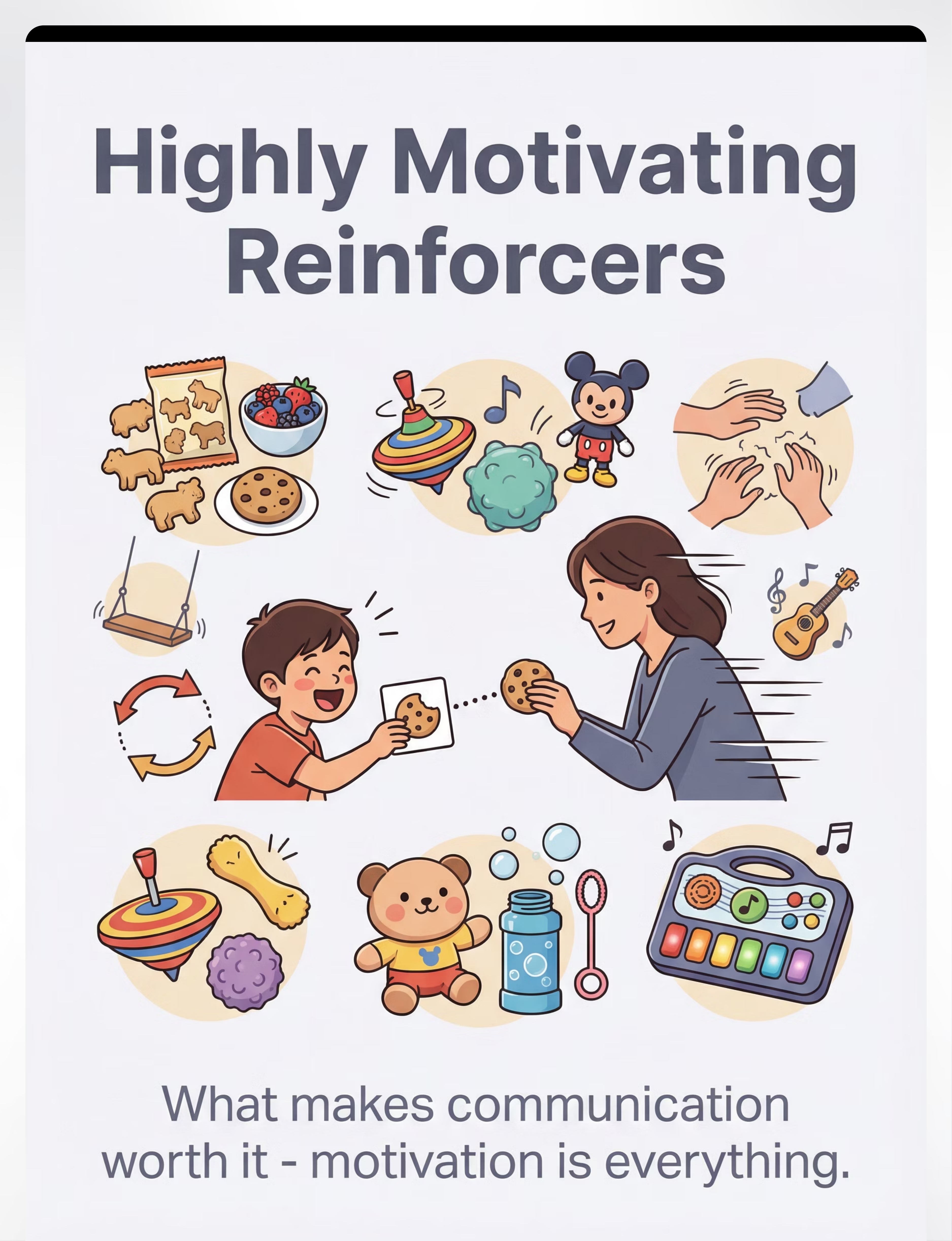
🎁 Highly Motivating Reinforcers
What makes communication worth it — motivation is everything.
BCBA Voice: "PECS has no engine without reinforcement. The child must want what they're requesting badly enough to approach a person, find a picture, and complete an exchange. If the reinforcer isn't compelling, there is no behaviour. This is not optional — it is the mechanism."
The Reinforcement Rule
Exchange happens → Reinforcer delivered within 0.5 SECONDS
Not 1 second. Not 3 seconds. 0.5 seconds. Delay weakens the connection between exchange and outcome.
How to Conduct a Home Preference Assessment
- Place 5–6 items in front of child and observe first reach
- Note items child fights to keep when taken away
- Observe what triggers visible excitement (bouncing, vocalising)
- Start PECS with the TOP 1–2 preferences only
Reinforcer Categories for PECS
- Edible: Small pieces of favourite snack (delivered in pieces to allow multiple trials)
- Object: Beloved toy, fidget, specific item (brief access, then prompt next exchange)
- Sensory: Bubbles, spinning top, music, gentle tickle/squeeze
- Activity: 30 seconds of swing, brief iPad time, song
Canon Products
🛒 The Rosette Imprint Reward Jar — ₹589 | Amazon.in
🛒 1800+ Reward Stickers Sticker Book — ₹364
🛒 Animal Soft Toys — ₹425 | Amazon.in
Safety: Consider dietary restrictions and allergies. Non-food reinforcers are always appropriate.
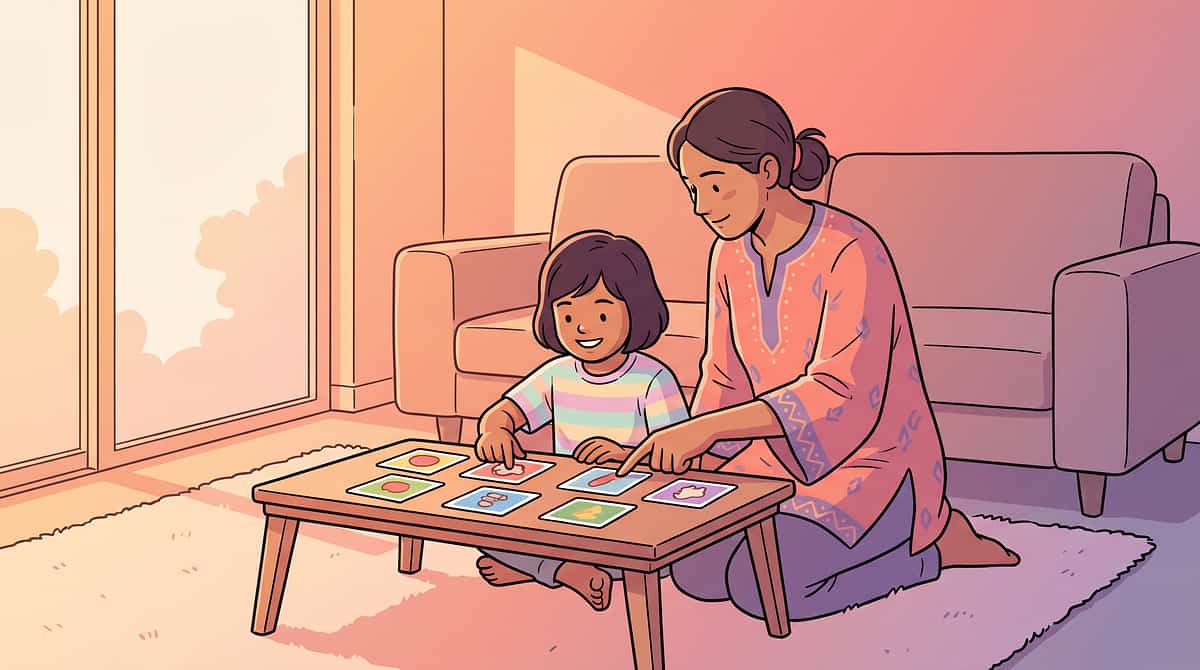
Material 7 of 9
ORGANISATION
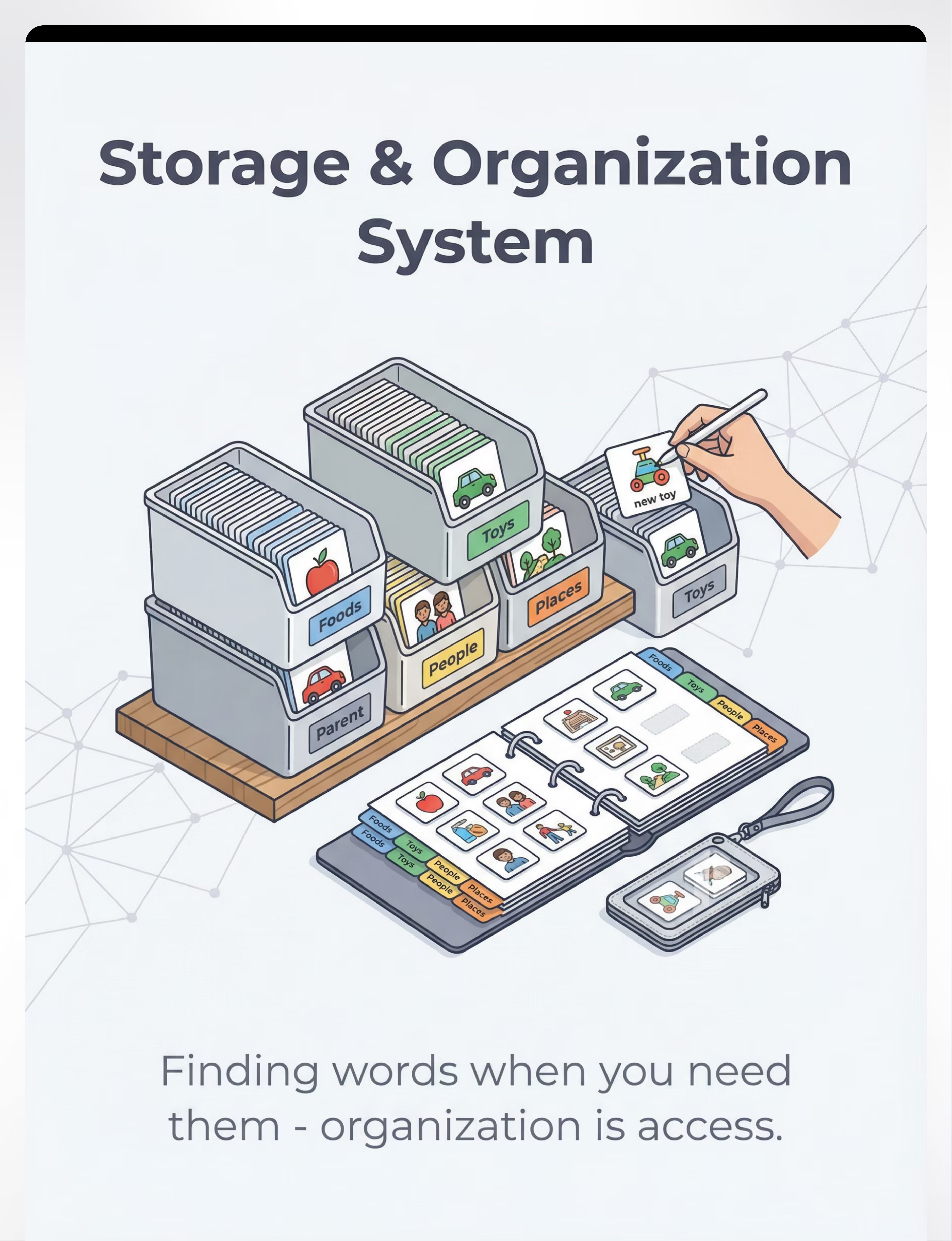
📦 Storage and Organisation System
Finding words when you need them — organisation is access.
Consortium SpEd Voice: "You cannot communicate with a word you cannot find. As PECS vocabulary grows from 5 pictures to 50 to 200+, a system for organising and storing cards becomes as important as the cards themselves. Organisation is not housekeeping — it is clinical infrastructure."
Level 1 — Communication Book
- Categorised pages with tabs (Foods, Toys, People, Places, Actions, Attributes)
- High-frequency items on first page
- New vocabulary added systematically, not randomly
Level 2 — Storage for Extra Cards
- Labelled bins or photo-box dividers by category
- Duplicates for different locations (home, school, grandparents)
- "New Vocabulary" holding box for recently created cards
Level 3 — Portable Mini-System
- Key ring or small wallet for 5–10 most-used cards
- Use in grocery store, car, restaurant
- The Home Base Rule: ONE designated location the book always returns to
🛒 Canon Product: Lattooland Rainbow Sorting Activity Set — ₹628 | Amazon.in | Sorting containers double as PECS vocabulary storage bins — label by category
DIY Alternative: Photo storage boxes from stationery shop (₹80–150 each) + printed labels by category. 3–5 boxes cover most vocabulary organisation needs.
Material 8 of 9
KNOWLEDGE
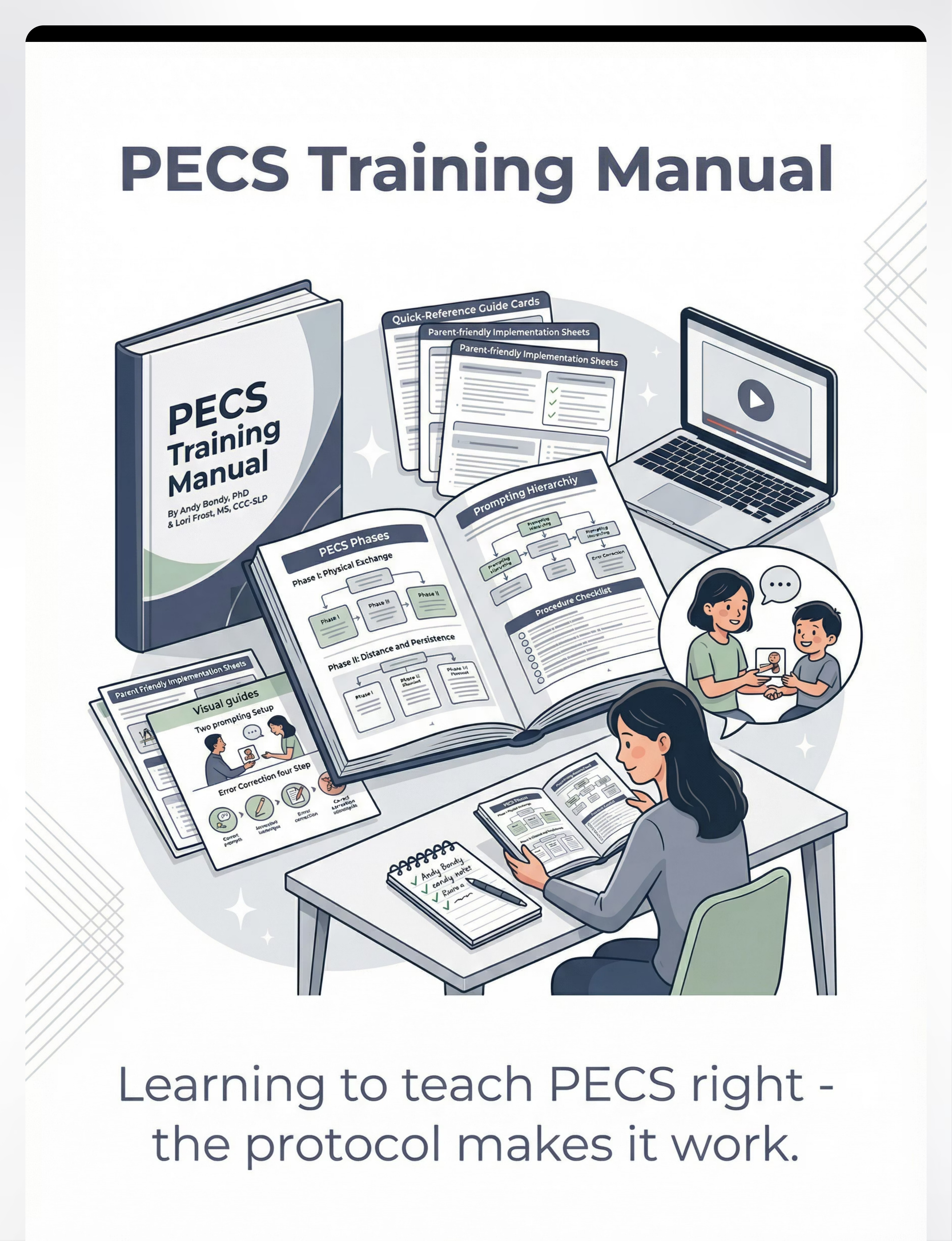
📚 PECS Training Manual and Protocol Materials
Learning to teach PECS right — the protocol makes it work.
Consortium BCBA Voice: "PECS looks simple. It is not. The specific two-person prompting setup in Phase I, the prohibition on verbal prompts before the exchange, the error correction procedure, the mastery criteria for advancing phases — these are not optional embellishments. They are the mechanism. PECS implemented incorrectly teaches prompt dependency instead of initiation."
What the Protocol Requires
- Two-person setup in Phase I: Communication partner (front) + physical prompter (behind child, guides silently)
- No verbal prompts before exchange: Partner is silent until after exchange completes
- Immediate reinforcement: Within 0.5 seconds of picture placement
- Error correction (4-step): Show → Tap → Hand-over-hand → Retry independently
- Mastery criteria: 80%+ independent exchanges across 2 consecutive sessions before advancing phases
Official Resources
- PECS Training Manual, 2nd Edition (Frost & Bondy) — pecsusa.com
- Pinnacle Blooms PECS Parent Guide — pinnacleblooms.org/resources
- FREE National Autism Helpline SLP consultation: 📞9100 181 181
Commercial Option
💰 ₹500–5,000 (PECS Training Manual + workshop access)
Minimum Knowledge for Home Implementation
- Understand all 6 phases before beginning Phase I
- Know the two-person prompting setup
- Know the no-verbal-prompts rule
- Identify mastery criteria for each phase
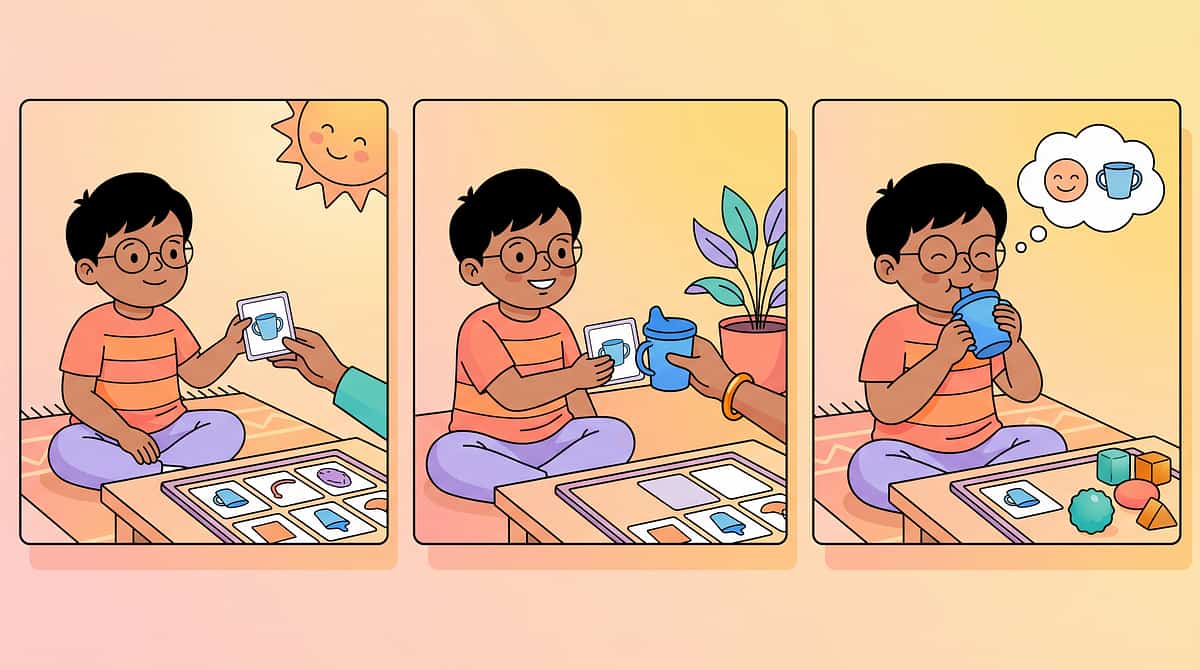
Material 9 of 9
PROGRESS TRACKING
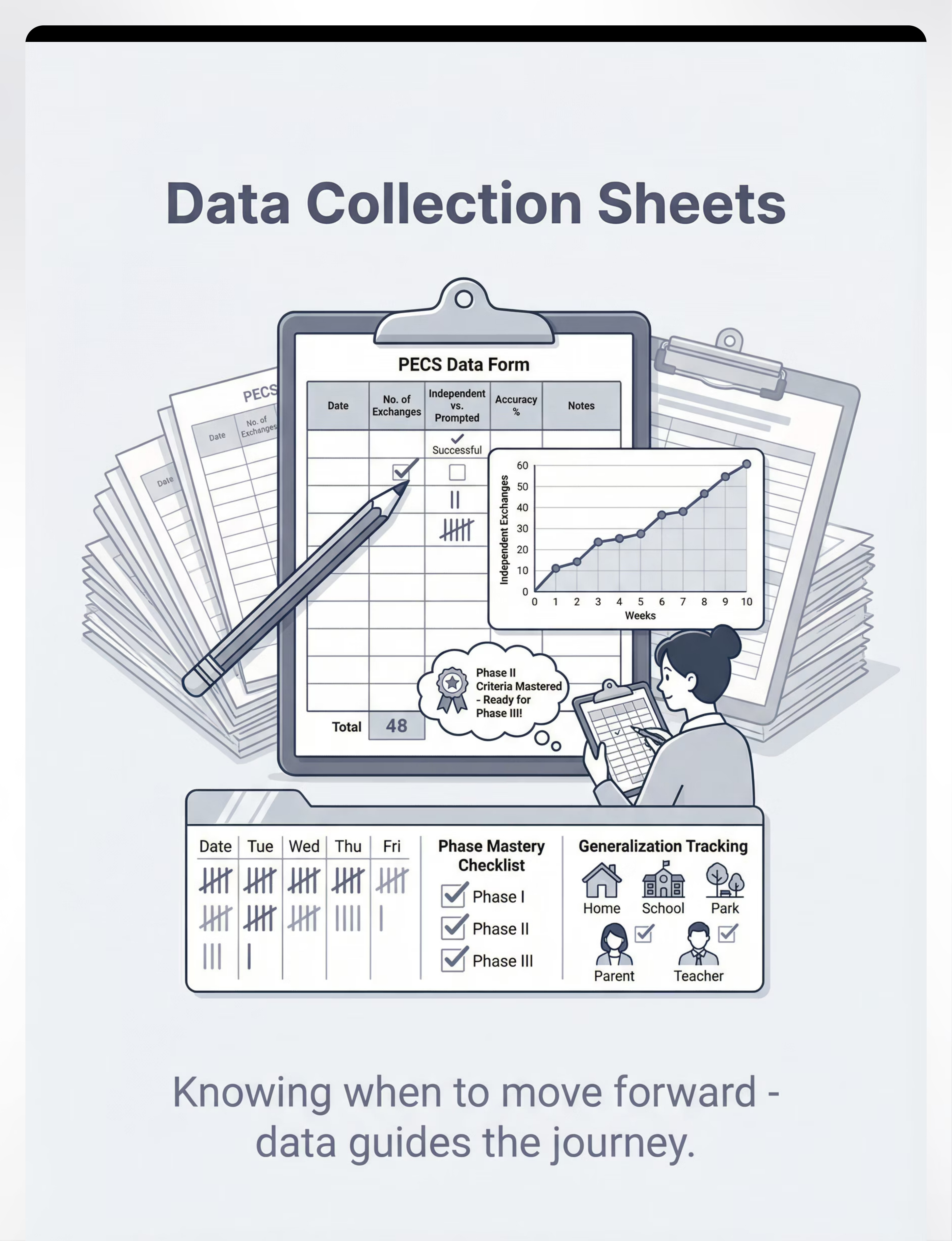
📊 Data Collection and Progress Tracking Sheets
Knowing when to move forward — data guides the journey.
Consortium CRO Voice: "PECS has clear mastery criteria for each phase. Without data, decisions become guesses. You might stay in Phase I for months when the child is ready for Phase II, or advance to Phase II before Phase I is mastered. 60 seconds of data collection per session transforms hope into science."
Data Point | How to Record | |
Number of exchanges | Tally marks per session | |
Independent vs. prompted | I (independent) or P (prompted) per exchange | |
Correct picture selected | ✓ or ✗ (Phase III onwards) | |
Partner generalisation | Home / School / Other | |
Phase current | Record which phase at session start |
Phase I Mastery
80%+ independent exchanges across 2 consecutive sessions, with 2+ partners, 2+ items
Phase II Mastery
Child travels 1.5m+ to find partner AND 1.5m+ to find book independently
Phase III Mastery
80%+ correct discrimination across 2 sessions with distractor pictures
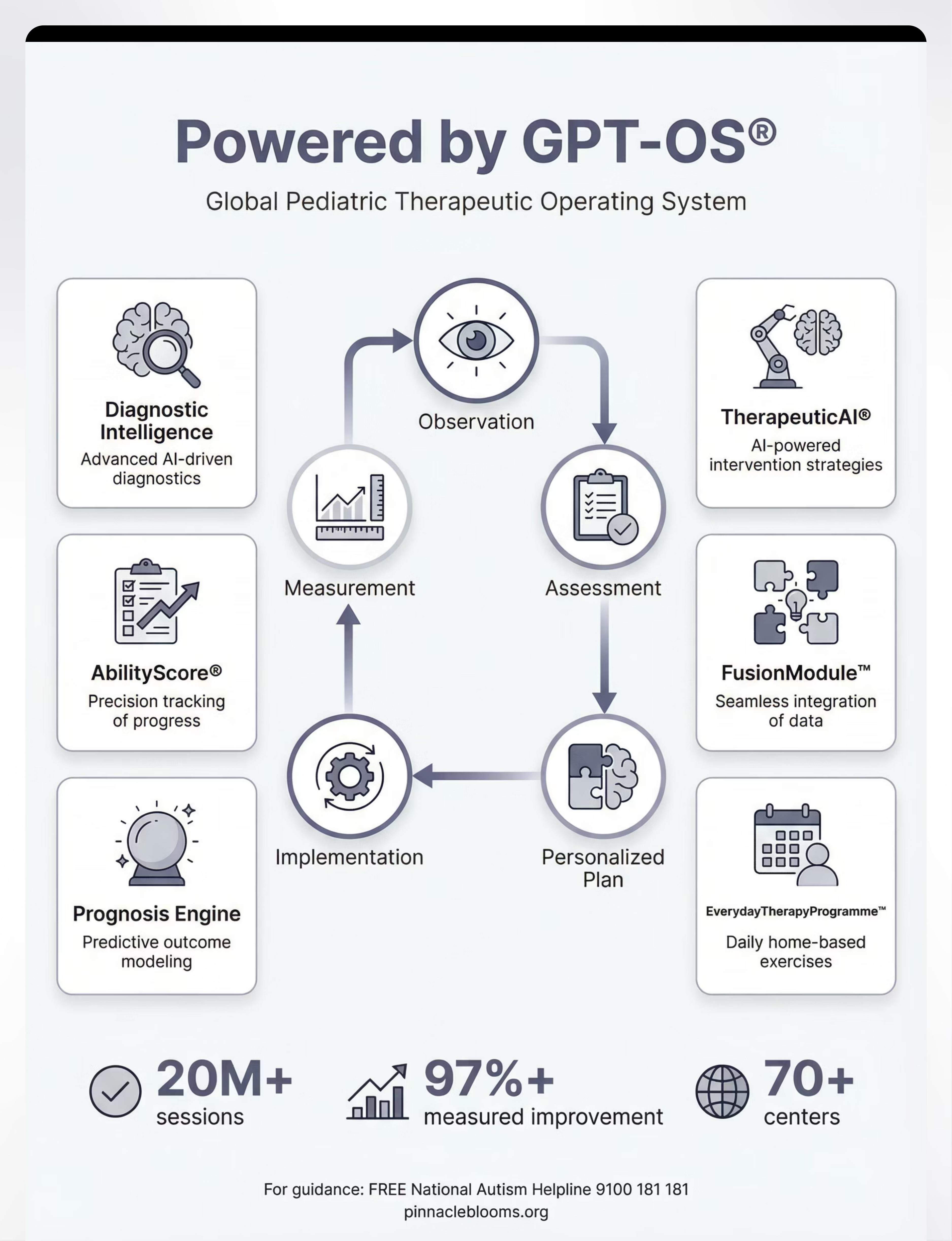
GPT-OS® Integration: Data entered into Pinnacle's GPT-OS® system feeds the AbilityScore® Communication Initiation Readiness Index — enabling precise phase advancement recommendations.
📄Free Download: Pinnacle PECS Data Collection Template — pinnacleblooms.org/pecs-data-forms

⚠ Safety First
Pre-Session Safety Gate
Read Before Every PECS Session. PECS IS THE CHILD'S VOICE — IT MUST ALWAYS BE AVAILABLE.
🔴 DO NOT PROCEED if:
- Child has a fever, illness, or acute physical distress
- Child is in a meltdown or severely dysregulated state
- Child has not eaten in 3+ hours
- Materials show signs of damage — fix first
- Communication book is not accessible at all times
- You plan to use PECS book restriction as a consequence
🟡 MODIFY before proceeding if:
- Child has had a difficult morning (simplify to Phase I-only)
- New environment or significant schedule disruption
- Child shows low motivation for usual reinforcers
- Staff change (new partner) — return to fully prompted Phase I
🟢 PROCEED when:
- Child is calm, alert, and in a regulated state
- Communication book is present and accessible
- Reinforcers are prepared and immediately accessible
- Both partners are ready (Phase I requires two people)
- Environment is set up correctly
Absolute Red Lines — Stop the session immediately if: Child becomes severely distressed (crying, self-injurious, or aggressive behaviour) | Materials fail during exchange | Child actively attempts to avoid the communication situation
📞9100 181 181 — Clinical guidance for session safety concerns
Act III — The Execution
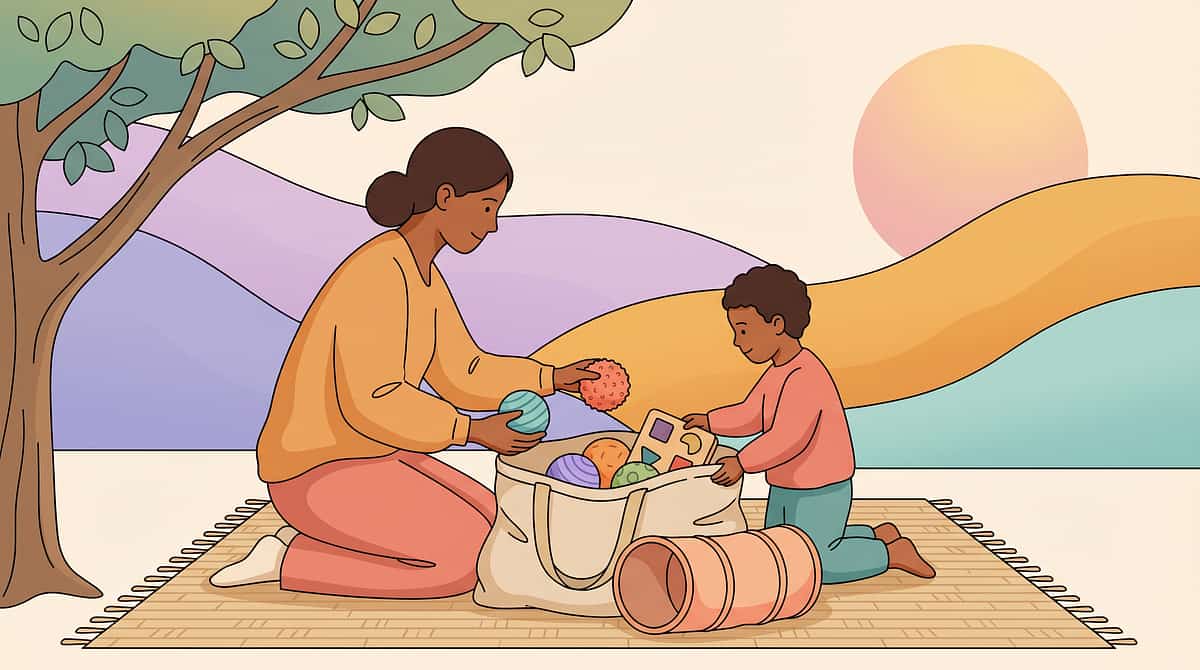
Is Your Child Ready? Readiness Check
60-Second Pre-Flight Check. The Best Session Is One That Starts Right. Check all indicators before starting.
☑ PHYSICAL READINESS
- Child is fed (within 2–3 hours) — hunger disrupts focus
- Child is rested — fatigue reduces learning capacity
- No signs of illness (fever, congestion, stomach distress)
- Child has had any needed sensory regulation input
☑ BEHAVIOURAL READINESS
- No active meltdown or post-meltdown recovery state
- Child's arousal level is "calm-alert" (not over-aroused, not sleepy)
- No significant behavioural event in last 30 minutes
☑ MATERIAL READINESS
- Communication book present, correct pictures accessible
- Reinforcers confirmed preferred TODAY (preferences shift — recheck)
- Velcro holding on all active cards
- Both partners in position (Phase I)
✅ GO (all green)
Proceed to Step 1: The Invitation
🟡 MODIFY (1–2 amber)
Simplify to Phase I only; reduce session to 5 minutes; increase reinforcer value
🔴 POSTPONE (any red)
Offer alternative calming activity; attempt session in 30–60 minutes
"Session abandonment is not failure. It is data. It tells you what needs to change before next session."
Step 1
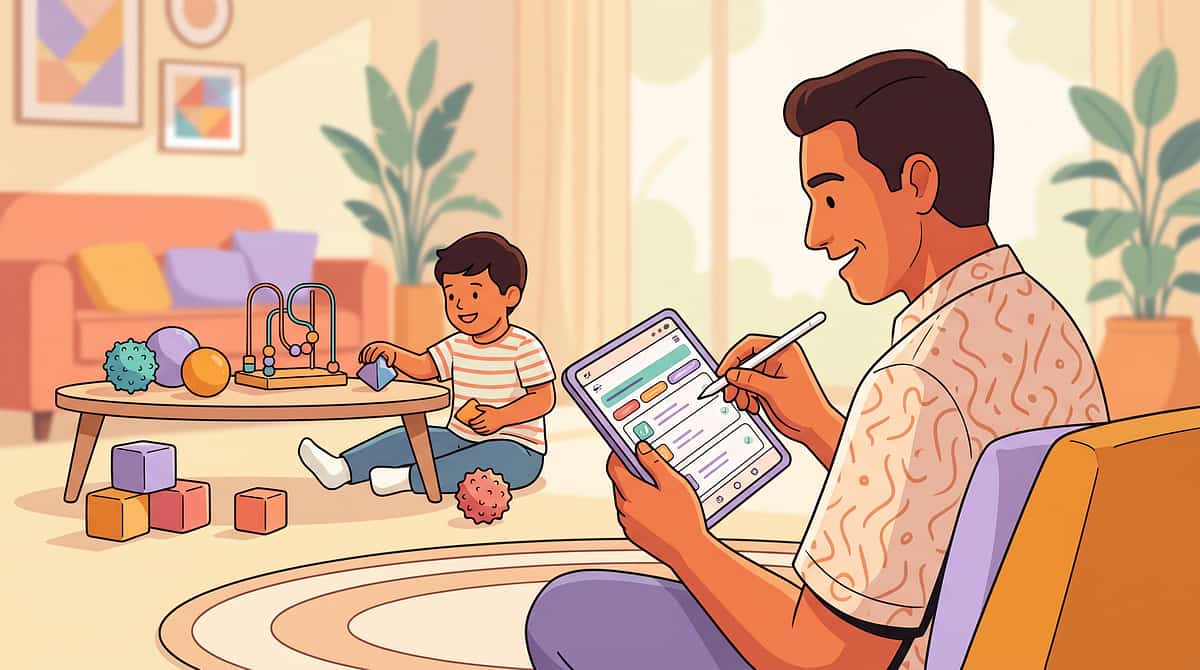
The Invitation (Phase I Protocol)
Create the Opportunity — Not the Prompt.
The PECS Golden Rule: The communication partner DOES NOT ask "What do you want?" before the exchange. The partner creates opportunity through temptation, not verbal prompting.
The Temptation Strategy
- Partner holds up cookie (or blows bubble, or shows preferred toy)
- Partner SAYS NOTHING — open hand held slightly toward child
- Child sees the item AND the picture card
- If child does not reach: Prompter guides child's hand from BEHIND (never from front)
- Child picks up picture → extends toward partner
- Partner opens hand to receive
- Child places picture in partner's palm
- Partner immediately (0.5 sec): delivers reinforcer + labels it: "Cookie!"
What NOT to Do
- ❌ "Do you want a cookie?"
- ❌ "Give me the picture"
- ❌ "Point to cookie"
- ❌ Waiting more than 3 seconds before physical prompter assists
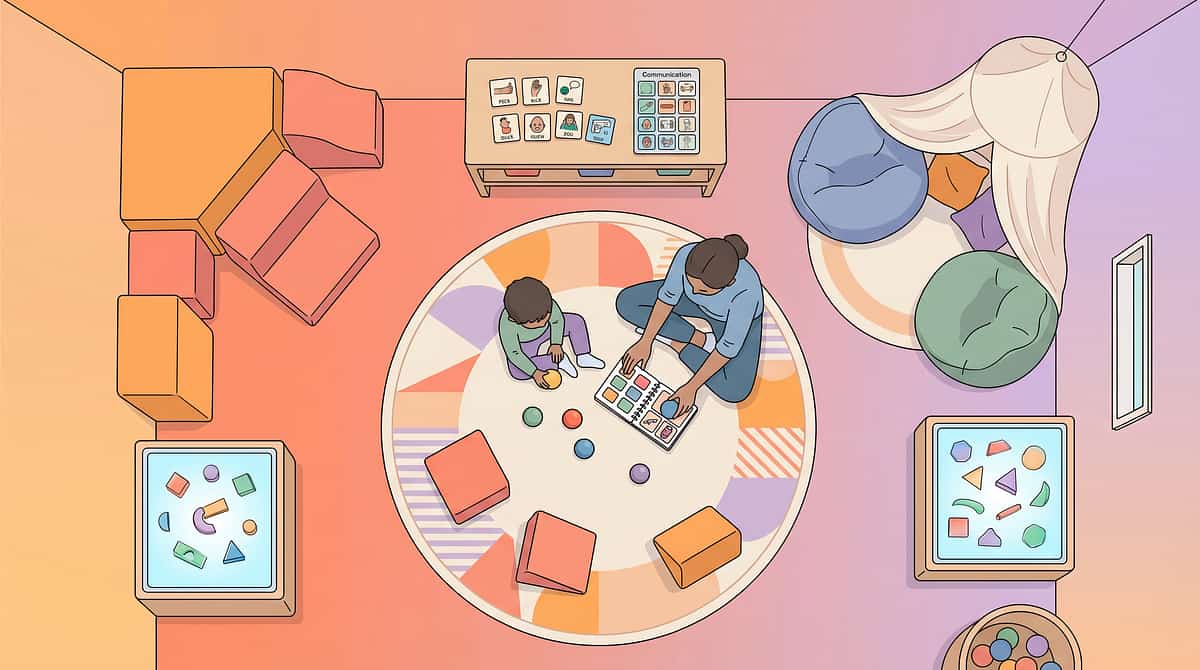
Setup Reminder
Communication partner sits facing child, ONE picture visible (the reinforcer picture). Physical prompter stands behind child, hands ready but NOT touching yet. Reinforcer visible and enticing.
📞9100 181 181 — Live SLP guidance for Phase I setup

Step 2
Building Distance & Persistence (Phase II)
Teach the Child to Travel to Communicate. Phase I teaches the exchange. Phase II teaches that communication requires effort — the child must travel to find their book, then travel to find a communication partner. This is the foundation of independent communication initiation.
Week 1
Exchange with partner 30cm away, book at arm's reach
Week 2
Partner moves to 1m; child must take 2 steps to exchange
Week 3
Partner moves to 2m (other side of room)
Week 4
Book moves to different location; child finds book, then finds partner
Week 5
Child in different room; partner in different room — full travel required
Observable Indicator of Phase II Mastery: Child spontaneously gets up, crosses room to find communication book, returns to partner with picture, and completes exchange — entirely without prompting.
Persistence Training: Partner turns away briefly after child approaches — child must tap or get attention. Partner delays response 1–2 seconds to teach persistence. Child learns: "I must keep communicating until the partner responds."
Step 5
Reinforce & Celebrate Every Exchange
Timing Is Everything. The ABA reinforcement rule is non-negotiable: exchange completes → reinforcer delivered within 0.5 SECONDS. Delay weakens the neural connection between exchange and outcome.
After Phase I–II Exchange
"Cookie!" [deliver cookie immediately] [warm, enthusiastic tone]
After Phase III Exchange
"Oh, you want the cookie! [deliver cookie] Great exchange!"
After Phase IV Sentence
"You want a cookie! [deliver cookie] You said 'I want cookie'! Excellent!"
Reinforcement Menu (rotate to prevent satiation)
Primary
The requested item itself (always the first reinforcer)
Secondary
Verbal praise ("Great communicating!")
Tertiary
Social celebration (high five, thumbs up, brief hug)
System
Token economy — star chart leading to preferred activity (after Phase III)
"Celebrate the attempt, not just the success. Any movement toward the communication partner deserves acknowledgment."
🛒 Canon Products: The Rosette Imprint Reward Jar — ₹589 | 1800+ Reward Stickers Book — ₹364

Step 6
The Cool-Down Transition
No Session Ends Abruptly. The Cool-Down Is Therapeutic. Abrupt session endings create dysregulation. A structured cool-down teaches that communication sessions have a beginning, middle, and end — and that endings are safe and predictable.
2 Minutes Before Ending
Partner says: "Two more exchanges, then all done." Visual timer set to 2 minutes (visible to child).
Final Exchange
Complete the planned number of exchanges. Do not add more.
Put-Away Ritual
"Let's put the book away." → Child closes book (or partner closes with child watching) → Book placed in designated home base location.
Transition Activity
1–2 minutes of low-demand calming activity (bubbles, gentle music, preferred sensory input).
Verbal Close
"Great work today. We'll use PECS again at [snack time / dinner / tomorrow morning]."
If Child Resists Ending: Offer one final exchange, then complete the put-away ritual with physical guidance if needed. Never leave a session mid-exchange.
🛒 Animal Soft Toys — ₹425 | Amazon.in | Transition comfort object signals session end and provides calming sensory input

Capture the Data: Right Now
60 Seconds of Data Now Saves Hours of Guessing Later. Record immediately after every session — while it's fresh.
What to Record After Every Session
- Session date and duration (minutes)
- Phase working on
- Independent exchanges: tally marks
- Prompted exchanges: tally marks
- Independent %: I / (I + P) × 100
- Unusual behaviour? Reinforcer preference shift? Error pattern? New partner generalisation?
The 3 Numbers That Matter
- Total exchanges: Is the child willing to communicate today?
- % Independent: Is prompt dependency decreasing?
- Phase criterion: Are we approaching 80% for 2 sessions to advance?
GPT-OS® Integration
Enter data at pinnacleblooms.org/gpt-os-tracker or call 📞9100 181 181 to have your SLP team enter and interpret your data.
📄 FREE Download: Pinnacle PECS Data Collection Forms (7 forms, all phases) — pinnacleblooms.org/pecs-data
"Every tally mark is a communication attempt. Count them. They matter."

What If It Didn't Go as Planned?
Most Sessions Don't Go Perfectly. Here's What to Do.
❓ Child refuses to pick up the picture card
Why: Reinforcer not compelling enough; child not regulated; prompting too intrusive
Fix: Upgrade reinforcer; conduct preference assessment; check child state; reduce prompt pressure
❓ Child grabs the reinforcer without exchanging
Why: Reinforcer too accessible; exchange requirement not clear yet
Fix: Keep reinforcer fully hidden until exchange; prompter should guide hand to picture before child can grab item
❓ Child exchanges any picture hoping for any result
Why: Phase III discrimination not taught; child learned "handing ANY card gets something"
Fix: Run Phase III discrimination trials with non-preferred items; child learns picture selection is meaningful
❓ PECS works at home but not at school
Why: Staff not trained in two-person setup; verbal prompts used at school; different symbols
Fix: Share this page with school staff; call 📞9100 181 181 for school coordination guidance
❓ Child was making progress then regressed
Why: Reinforcer satiation; illness; major schedule change; system fell into disrepair
Fix: Restart with Phase I using new high-value reinforcers; recommit to materials quality; rebuild from success
"Session abandonment is not failure — it is data." If a session must stop: note what happened, identify one change for next session, move on without guilt.

Adapt & Personalise Your PECS System
No Two Children Are Identical. Adapt PECS for Your Child's Exact Profile.
← EASIER (Bad Days / New Settings)
- Return to previous phase temporarily
- Use only 1 highest-value reinforcer
- Reduce number of trials (5 instead of 20)
- Both partners close together
- Single picture only
→ HARDER (Breakthrough Days)
- Introduce new discriminations
- Increase distance to partner or book
- Introduce new communication partner (grandparent, sibling)
- New setting (grocery store, park)
- New vocabulary category
Profile-Based Modifications
High Sensory Sensitivity: Matte lamination; soft Velcro; avoid stiff books
Fine Motor Challenges (OT input): Larger cards (3"×3"); thicker cardstock; larger ring binders; wrist support positioning
High Motivation / Active Profile: Embed PECS in movement; reinforcers that involve movement (ball roll, jump)
Lower Motivation / Passive Profile: Preference assessment more frequently; edible reinforcers initially; shorter sessions (5 minutes)
Age-Based Modifications
- 18m–3yr: Larger cards, 2–3 photos initially, parent-heavy support
- 4–7yr: Standard PECS; sentence phase emphasis; peer integration
- 8yr+: Complex sentence structures; commenting phases; SGD consideration
Act IV — The Progress Arc
Weeks 1–2: Building the Neural Blueprint for Exchange
▓░░░░░░░░░░░ 15% | Phase I Foundation
What Progress Looks Like at This Stage
- Child begins to reach toward the picture card with decreasing prompt pressure
- Physical prompter can reduce from full hand-over-hand to light touch at wrist
- Child looks toward communication partner briefly during exchange
- Exchanges become slightly faster and more fluid
What Is NOT Progress Yet
- Spontaneous initiation without prompting
- Picture discrimination (Phase III)
- Travelling to find a partner (Phase II)
- Any spoken words related to PECS
"In weeks 1–2, you may see increased tolerance of the exchange procedure (not mastery), reduced resistance (not elimination), and emerging awareness of the partner (not consistent eye contact). If your child allows the exchange 5 times without resistance where before they refused entirely — that IS real progress."
Caregiver Milestone: Many parents report feeling awkward with the two-person setup and the silence rule. This discomfort is temporary. By Week 2, the protocol becomes more natural.
📞9100 181 181 — Weekly SLP check-in available for PECS implementation support

Weeks 3–4: Consolidation Signs
▓▓▓▓░░░░░░░░ 40% | Phase I Mastery → Phase II Entry. The neural pathway is forming.
Consolidation Indicators
- Child picks up picture card with minimal or no physical prompting
- Child extends hand/arm toward communication partner independently
- Exchange speed increases — smoother, less effortful
- Child may begin to approach partner spontaneously
- Data showing 60%+ independent exchanges
The "Click Moment"
Many families report a distinct moment around Weeks 3–4 when the child suddenly "gets it" — the understanding that giving the picture TO the person results in the item. This is the most reported milestone by Pinnacle families. Document it when it happens.
Behavioural Changes Signalling Pathway Formation
- Child moves toward communication partner from farther distances
- Child picks up picture card without adult modelling it first
- Child protests appropriately when reinforcer is delayed
- Child begins using communication book in new environments
Data Milestone: 80%+ independent exchanges across 2 consecutive sessions with 2+ partners and 2+ items → Phase II can begin.
"You may notice you feel more confident in the sessions too. You've learned the protocol. You're implementing correctly. That confidence is therapeutic — children read it."
Weeks 5–8: Acceleration & Phase Advancement
▓▓▓▓▓▓▓░░░░░ 65% | Phase II–III Active. Communication Is Becoming a Habit.
Acceleration Indicators
- Child independently travels to find communication book
- Child crosses rooms to find communication partner
- Child persists when partner doesn't immediately respond (taps, vocalises)
- Phase III discrimination: Child selects correct picture from 5–10 options
Spoken Language Watch
Research shows 30–40% of children who begin PECS develop spoken words during or after PECS training. Watch for:
- Approximations of the item word during or after exchange
- Spontaneous vocalisations while holding picture card
- Increased vocalisation during communication attempts
Phase IV Readiness Indicators: Child is ready for sentence strip introduction when Phase III mastery is solid, child exchanges with book reliably, and child's fine motor skills allow strip manipulation.
Communication Generalising to New Contexts: Child uses PECS at breakfast without prompting | Child initiates with new partner (grandparent, sibling) | Child uses PECS in new environment (car, park)
Mastery Indicators: What Does Success Look Like?
Measured Outcomes. Readiness for Life, Not Just Therapy.
Baseline
No directed communication toward people; screams, tantrums, pulls adult to get wants met
Milestone 1
Physical exchange with prompting (Phase I emerging); uses picture to request preferred items
Milestone 2
Independent exchange, single picture, 2+ partners (Phase I mastered); requests from multiple people
Milestone 3
Travels to communicate, discriminates pictures (Phase II–III mastered); constructs sentences to specify wants
Full Readiness
Spontaneous commenting across environments and partners (Phase VI); flexible, spontaneous requesting in all daily contexts
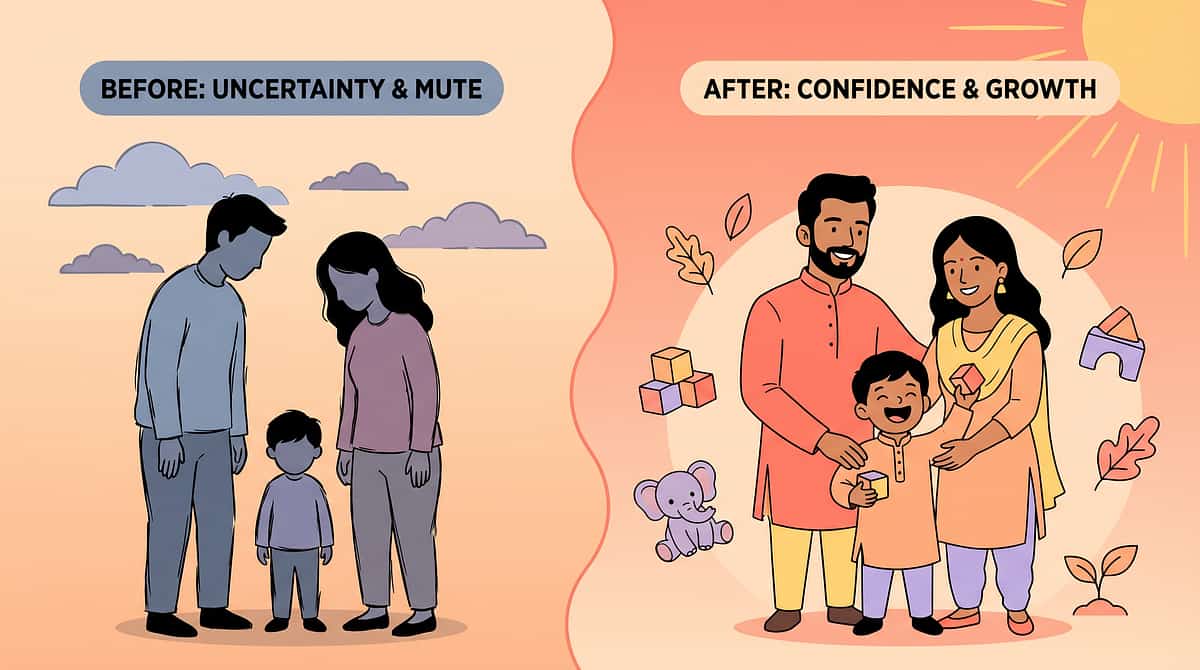
"The first time she walked across the room, put a picture in my hand, and waited for me to respond — I cried. She looked at me. She gave me something. She waited. She understood I was there. PECS taught her that I'm not furniture. I'm her person. And she can reach me." — Parent, Pinnacle Network
Illustrative case; outcomes vary by child profile, implementation fidelity, and therapy support.
20M+ sessions · 97%+ measured improvement · 70+ centres | 📞9100 181 181 — Request AbilityScore® baseline assessment
⚠ Red Flags
When to Escalate Support
Know When to Seek Professional Support — Act on These Signals.
🔴 RED FLAGS — Call 9100 181 181 Within 24 Hours
- Child shows increased self-injurious behaviour during PECS sessions
- Significant regression after 2+ weeks of clear progress
- Child shows new behavioural challenges attributed to PECS frustration
- Child is in Phase I after 6+ weeks with no movement toward independence
🟡 AMBER FLAGS — Schedule SLP Consultation
- Phase II mastery not achieved after 8 weeks of consistent implementation
- Reinforcers losing effectiveness rapidly (satiation cycling too fast)
- Communication book consistently unavailable at school
- Parent/caregiver finding protocol too difficult to maintain consistently
🟢 GREEN LIGHTS — Continue With Confidence
- Slow but steady progress on data sheets
- Child resistant some days but compliant others (normal variation)
- Some sessions better than others (normal)
- Progress rate slower than expected but direction is correct
📞9100 181 181 | 24×7 | 16 languages | No appointment needed
Related Techniques in Domain B
You're Working on Domain B — Social Communication & AAC. Explore the Full Library. The good news: you already own materials for most of these techniques.
Technique | Difficulty | Your Materials? | |
B-218: Functional Communication Training | 🔵 Core | ✓ Same cards | |
B-220: AAC Starting Point | 🟢 Intro | ✓ Same book | |
B-224: When PECS Isn't Working | 🔵 Core | ✓ Same system | |
B-225: AAC + Speech Together | 🔵 Core | ✓ Same materials | |
B-226: PECS to SGD Transition | 🔴 Advanced | Requires device | |
B-215: Hand-Leading & Joint Attention | 🟢 Intro | ✓ Zero cost |
"You already own materials for 5 of these techniques."
Browse Full Domain B Library: → techniques.pinnacleblooms.org/social-communication/
📞9100 181 181 — Ask which technique to work on ALONGSIDE PECS
Act V — Community & Ecosystem
Families Who've Been Here
These Families Started Exactly Where You Are.
Family Story 1 — Chennai, India
Before: "My 4-year-old son would stand at the kitchen door and scream until someone figured out what he wanted. He never looked at us. He'd grab our hand and drag us somewhere like we were objects. We had tried picture boards — he'd touch pictures and stand there waiting for magic."
After (8 weeks PECS): "He walks across the house to find me. He opens his communication book, picks the cookie picture, and puts it in my hand while LOOKING at me. When I respond, he understands I'm a person. The screaming is almost gone. He communicates."
Timeline: 8 weeks from Phase I to Phase II mastery
Family Story 2 — Hyderabad, India
Before: "We were told she would never communicate. She was 7, nonverbal, and showed no interest in picture cards. Every professional we saw seemed uncertain."
After (4 months PECS + Pinnacle consortium support): "She constructs sentences on her sentence strip. 'I want music.' 'I see dog.' She commented spontaneously for the first time last week. Phase V — responding to questions. We didn't know this was possible."
"PECS succeeds most reliably when the family understands WHY the protocol is designed the way it is. Parents who understand the two-person setup and the no-verbal-prompts rule implement with fidelity. Fidelity drives outcomes." — Pinnacle SLP
Illustrative cases. Individual outcomes vary by child profile, implementation fidelity, and therapy support.
📞9100 181 181 — Speak with a family who has been through PECS
Connect With Other Parents
Isolation Is the Enemy of Adherence. Join the Community.
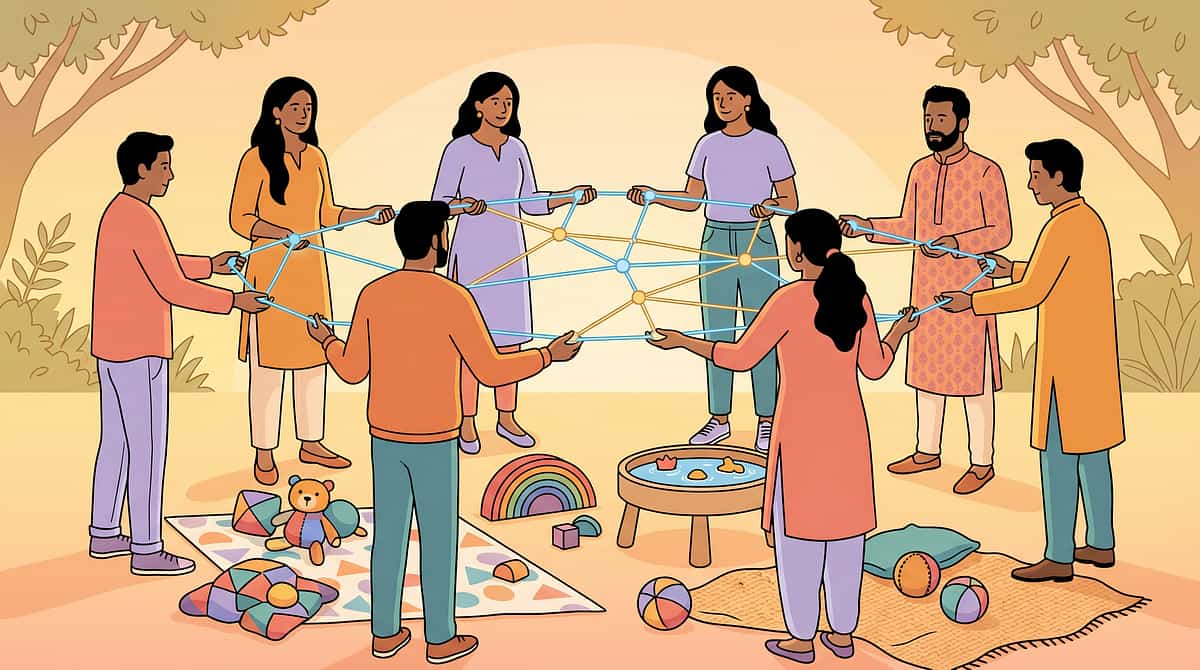
"Parents implementing PECS at home consistently report that connecting with other families doing the same thing dramatically improves their implementation consistency and confidence. You don't have to figure this out alone."
PECS Parent WhatsApp Group (India)
Connect with parents implementing PECS right now. Ask for the link at 📞 9100 181 181. Real guidance from lived experience.
Pinnacle Online Parent Forum
pinnacleblooms.org/community — share questions, victories, and implementation tips with families across India.
Local Parent Meetup
Organised at 70+ Pinnacle centres — ask at your nearest centre. Face-to-face connection with families on the same journey.
Peer Mentoring Programme
Connect with a parent who has completed PECS Phases I–IV. Request via 📞 9100 181 181.
"Your experience, once gained, helps other families. Consider sharing your PECS journey."

Your Professional Support Team
Home + Clinic = Maximum Impact. Home implementation of PECS achieves better outcomes when supported by professional SLP/BCBA guidance.
The Pinnacle Integrated Model
- Weekly SLP session: Protocol review, phase advancement decisions, vocabulary planning
- BCBA consultation: Reinforcement system design, data interpretation, error analysis
- Monthly team review: Phase progress, IEP goal alignment, family coaching
Pinnacle Centre Network
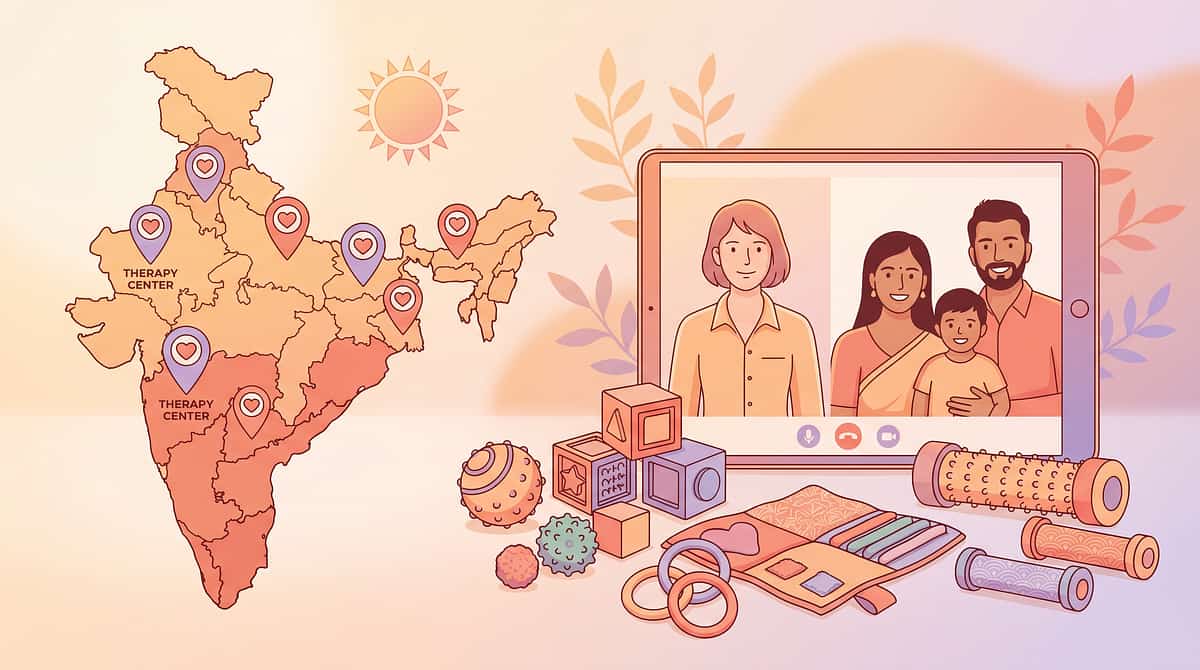
📍 70+ centres across India | All operating under GPT-OS® standards
🔍 Find your nearest centre: pinnacleblooms.org/centers
Teleconsultation (Remote Families)
Not near a Pinnacle centre? Book online consultation with certified SLP or BCBA for PECS guidance.
→ pinnacleblooms.org/teleconsult
FREE National Autism Helpline
📞9100 181 181 | 16+ languages | 24×7 | No appointment needed
First call: FREE SLP triage + PECS readiness assessment
AbilityScore® Assessment
"You cannot improve what you cannot measure." Request your child's full developmental baseline at your nearest centre.
Share With Your Family
Consistency Across Caregivers Multiplies Impact. If only one caregiver implements PECS, the child learns that communication works with ONE person in ONE setting. PECS must be consistent across ALL caregivers — both parents, grandparents, siblings (with guidance), and school staff.
Clinical Evidence (WHO CCD Package): Multi-caregiver training is critical for intervention generalisation. Every additional consistent caregiver multiplies the number of daily communication opportunities.
Explain to Grandparents (Simplified Version)
"When [child] brings you a picture card and puts it in your hand — give them what the picture shows IMMEDIATELY. This is how [he/she] communicates. Don't ask 'what do you want?' first. Just wait with your hand open. When [he/she] hands you the picture, respond right away. This is very important."
Downloadable Resources
- 📄 PECS Family Guide — 1-Page Summary (simplified for grandparents)
- 📊 PECS Data Collection Forms — All 6 Phases — pinnacleblooms.org/pecs-data
- 📋 School Communication Template — inform teacher about PECS implementation
Share Buttons
📱 Share on WhatsApp — pre-formatted message with protocol summary
📧 Share by Email | 🔗 Copy Page Link

Act VI — The Close & Loop
Frequently Asked Questions
Questions from families exactly like yours — answered by the Pinnacle Blooms consortium of SLPs, BCBAs, and OTs.
❓ My child is 8 years old — is PECS still appropriate?
Yes. PECS is appropriate across the lifespan for anyone who lacks functional communication directed toward people. Phase and vocabulary targets are adjusted for age, but the core teaching mechanism is equally effective. Many older children make rapid progress because their cognitive capacity supports faster phase advancement.
❓ We started PECS 2 months ago but haven't progressed past Phase I. Is this normal?
Phase I mastery criteria typically take 2–6 weeks of consistent implementation. If Phase I mastery is not achieved after 8 weeks, call 📞9100 181 181 for a protocol review — a small implementation detail may be affecting progress.
❓ Will PECS prevent my child from developing speech?
The research shows the opposite: children who complete PECS training often develop spoken words during or after the process. ASHA, NCAEP, and decades of PECS research confirm: PECS facilitates, not prevents, spoken language.
❓ My child's school uses a different AAC system. Should I still do PECS at home?
Coordinate with the school first. Consistency across settings is the priority. Call 📞9100 181 181 — our SLPs routinely coordinate home-school AAC alignment.
❓ Can PECS work alongside a speech-generating device (SGD/AAC app)?
Yes — and it often should. PECS teaches the exchange concept; devices expand vocabulary and voice output. Many children use both simultaneously or transition from PECS to devices when Phase III–IV is solid. Technique B-226 covers this transition.
❓ We can't afford the official PECS materials. Can we DIY everything?
Yes — Phase I can begin with one printed photo + quality Velcro + the preferred item. Total cost: under ₹50. The most critical investment is knowledge of the protocol. Read the PECS Training Manual before beginning. Our helpline SLPs can guide you through a zero-cost PECS setup.

Your Next Step: Start Today
Your child is ready to learn that communication is a transaction. You have everything you need. The first exchange can happen today — with one picture, one item they love, and two people ready to meet them halfway.
📞 Call the FREE Helpline: 9100 181 181
Speak with an SLP who will confirm your child's PECS readiness, identify your Phase I reinforcers, and walk you through the first session setup. Free. Available now. 16 languages.
📍 Find Your Nearest Pinnacle Centre
70+ centres. Book a PECS readiness assessment and get your child's AbilityScore® baseline today. → pinnacleblooms.org/centers
💻 Begin Your GPT-OS® Profile
Start tracking your child's communication development. The AbilityScore® dashboard gives you real-time guidance across all 12 developmental domains. → pinnacleblooms.org/gpt-os
20M+
Sessions Validated
97%+
Measured Improvement
70+
Centres Nationwide
16
Languages Supported
📞 9100 181 181
24×7 · 16+ languages · No appointment needed · FREE National Autism Helpline
Preview of 9 materials that help with pecs system Therapy Material
Below is a visual preview of 9 materials that help with pecs system therapy material. The pages shown help educators, therapists, and caregivers understand the structure and content of the resource before use. Materials should be used under appropriate professional guidance.


Link copied!

The Pinnacle Promise
Pinnacle Blooms Network® — Built by Mothers. Engineered as a System.
"Every technique on this platform has been validated across 20M+ therapy sessions, reviewed by our consortium of CROs, SLPs, OTs, BCBAs, Special Educators, and NeuroDevelopmental Paediatricians, and aligned with WHO, UNICEF, ASHA, and NCAEP evidence standards. We do not publish what we cannot defend scientifically. We do not recommend what we have not implemented at scale. This is the Pinnacle standard."
📺 Paediatric Therapeutic OTT Platform
On-demand therapy guidance for home use — evidence-based, consortium-reviewed, accessible 24×7
🏪 Hyperlocal Therapeutic Marketplace
Verified therapists, mapped to your child's AbilityScore® — the right specialist, matched to your child's exact profile
🏢 Centre Network Execution
70+ centres under GPT-OS® standards — consistent, measurable, accountable outcomes across India
📞 FREE National Autism Helpline: 9100 181 181 | 16+ languages | pinnacleblooms.org
CIN: U74999TG2016PTC113063 | DPIIT: DIPP8651 | MSME: TS20F0009606 | GSTIN: 36AAGCB9722P1Z2
Legal Compliance: This content is educational. It does not replace assessment and training by professionals experienced in PECS implementation. Individual results may vary. Statistics represent aggregate outcomes across the Pinnacle Blooms Network. PECS is a registered trademark of Pyramid Educational Consultants, Inc. © 2025 Pinnacle Blooms Network®, unit of Bharath Healthcare Laboratories Pvt. Ltd. All rights reserved.