
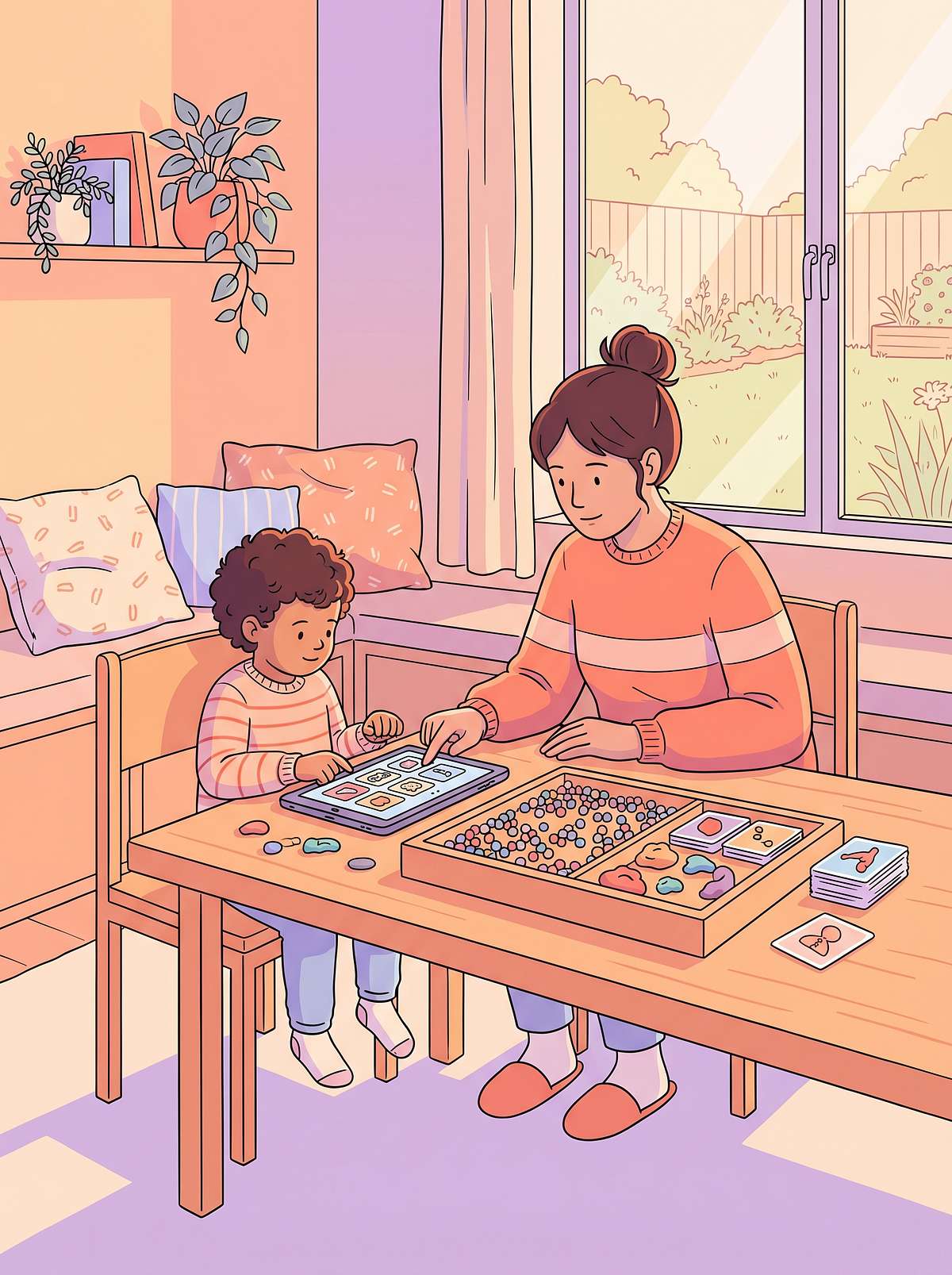
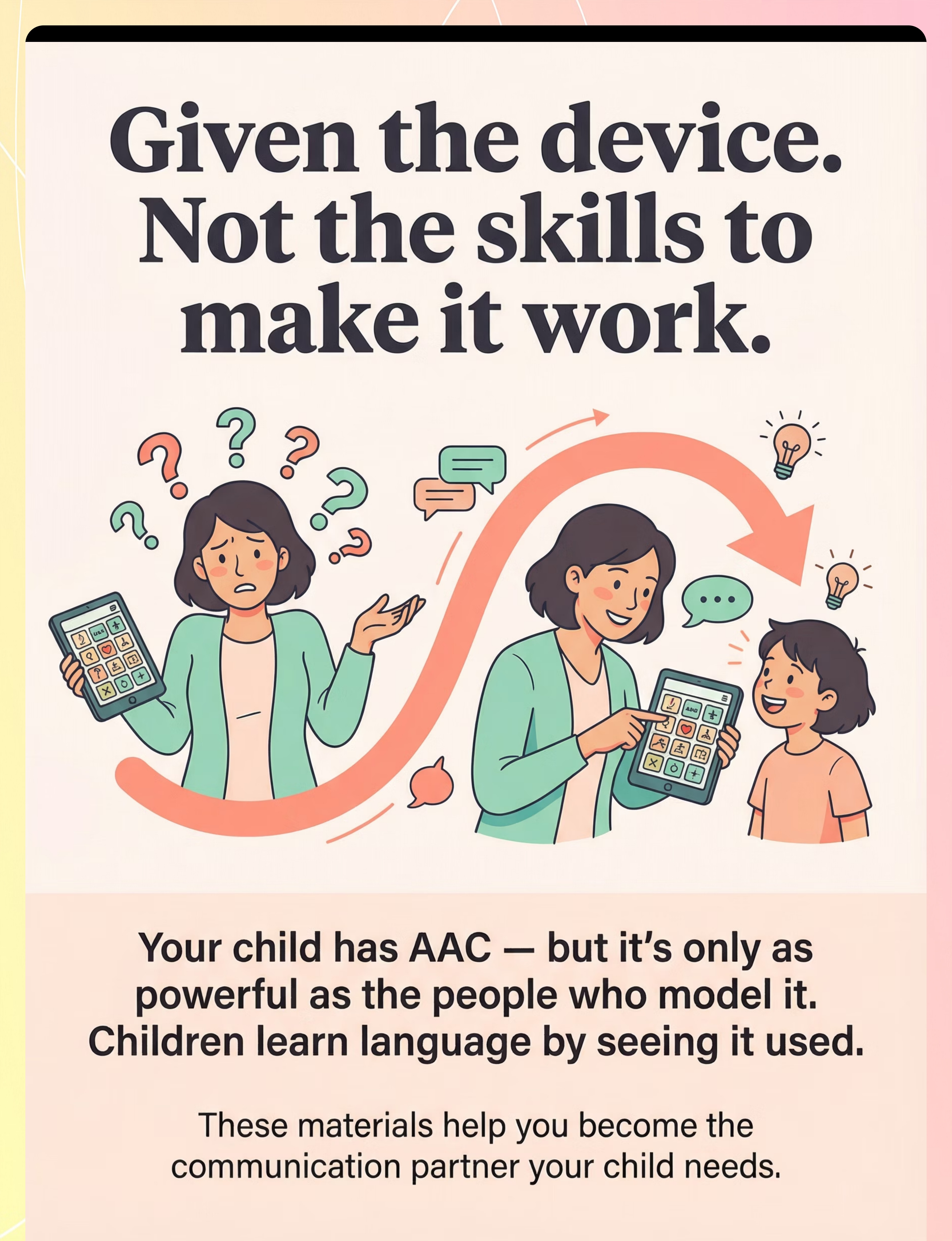
"We bought the device. Six months later — he still only uses three words."
You saved for it. You set it up. You programmed his favourite foods. You showed him the buttons. And then… nothing changed. His speech therapist says: "You need to model." But no one taught you how. You are not failing. Your child's voice is waiting. This page is the instruction manual no one gave you.
Pinnacle Blooms Network®
FREE Helpline: 9100 181 181
Domain B: Social Communication

You Are Among Millions of Families Navigating This Exact Challenge
The gap is not the device. The gap is modeling. Research is unambiguous: the single strongest predictor of AAC success is not the device chosen, the vocabulary system used, or the child's diagnosis. It is the quality and frequency of communication partner modeling.
1 in 36
Children with Autism
Diagnosed globally (CDC 2023)
80%
AAC Users
Make minimal gains without partner modeling
30M
Words Heard by Age 3
AAC users need equivalent symbol exposure
"AAC is only as powerful as the people who use it alongside the child." — ASHA (American Speech-Language-Hearing Association)
Research Citations: PMC11506176 | PMC10955541 | Binger & Light, 2007 | Kent-Walsh & McNaughton, 2001

AAC Modeling Works Because of How Language Actually Develops
The Science
Language acquisition is not taught — it is absorbed. The brain builds language through:
- Statistical learning — detecting patterns across thousands of exposures
- Social referencing — learning from trusted communication partners
- Motor memory — internalising the physical pathways to produce words
- Semantic mapping — connecting symbols to meaning through repeated context
Plain English for Parents
When your child hears you say "want" and sees you touch WANT on the AAC board simultaneously — their brain registers: "That symbol means that word, used in that context, by someone I trust."
After seeing WANT modeled 500 times across meals, play, and requests — they don't have to think anymore. They know. They reach.
This is not magic. This is neuroscience. The wiring difference in autism affects output, not input capacity. Your child is absorbing every model you provide.
Research Citations: DOI: 10.3389/fnint.2020.556660 | Sennott, Light & McNaughton, 2016

Clinically Validated. Home-Applicable. Parent-Proven.
Level I Evidence — Systematic Review + Multiple RCTs
ASHA Systematic Review
Partner modeling is the #1 predictor of AAC success — above device type or diagnosis.
Kent-Walsh & McNaughton (2001)
Communication partner instruction programs produce significant gains in child AAC use.
Binger & Light (2007)
Aided language input increases vocabulary use in AAC users — effect sizes consistently positive.
NCAEP (2020)
Video modeling + partner training classified as Evidence-Based Practice for ASD.
Pinnacle Network
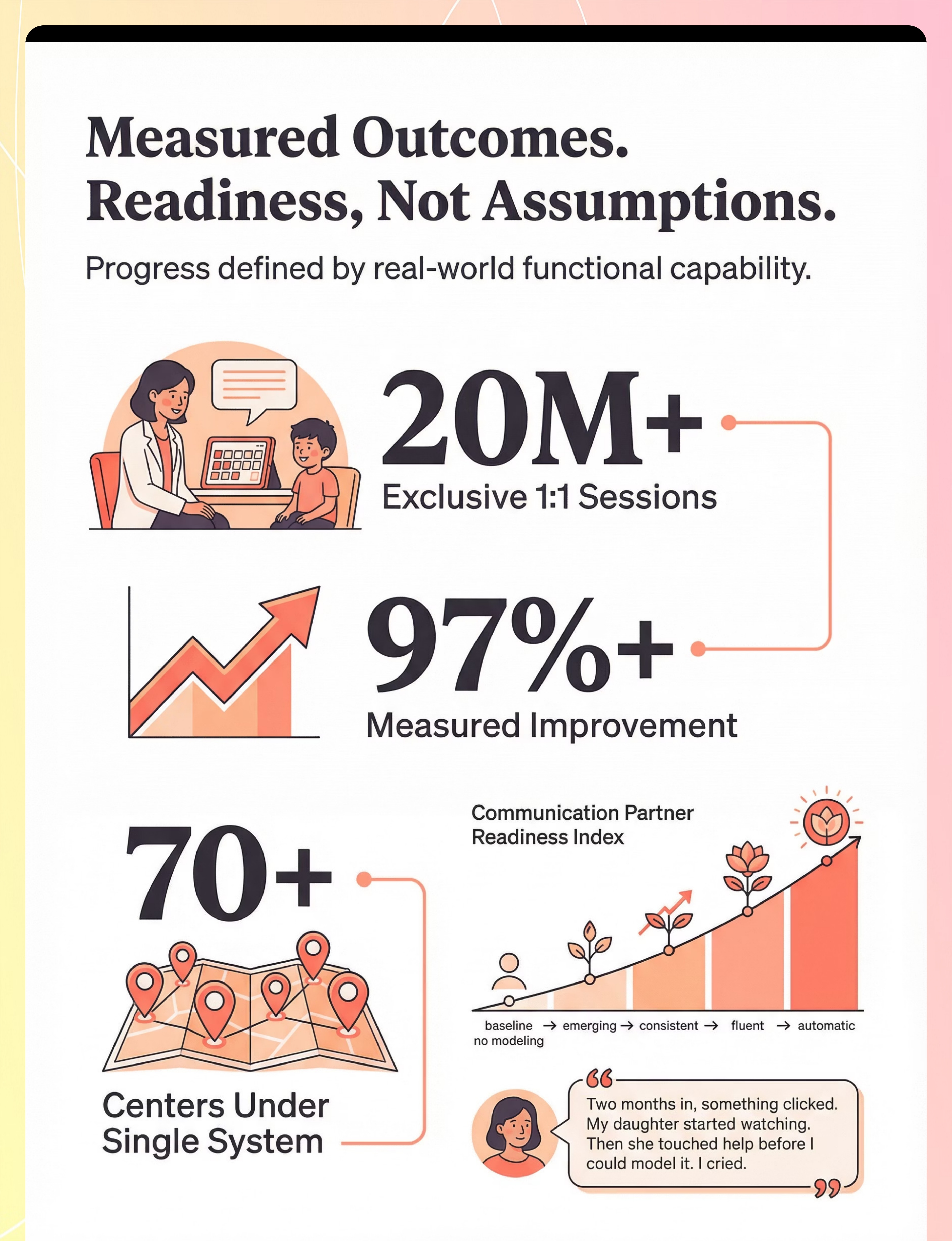
20M+ sessions — 97%+ measured improvement via Communication Partner Readiness Index.
"Modeling is not a therapy technique. It is how all human language learning works. The evidence is not emerging — it is established."
📞FREE National Autism Helpline: 9100 181 181 (16+ languages, 24×7)
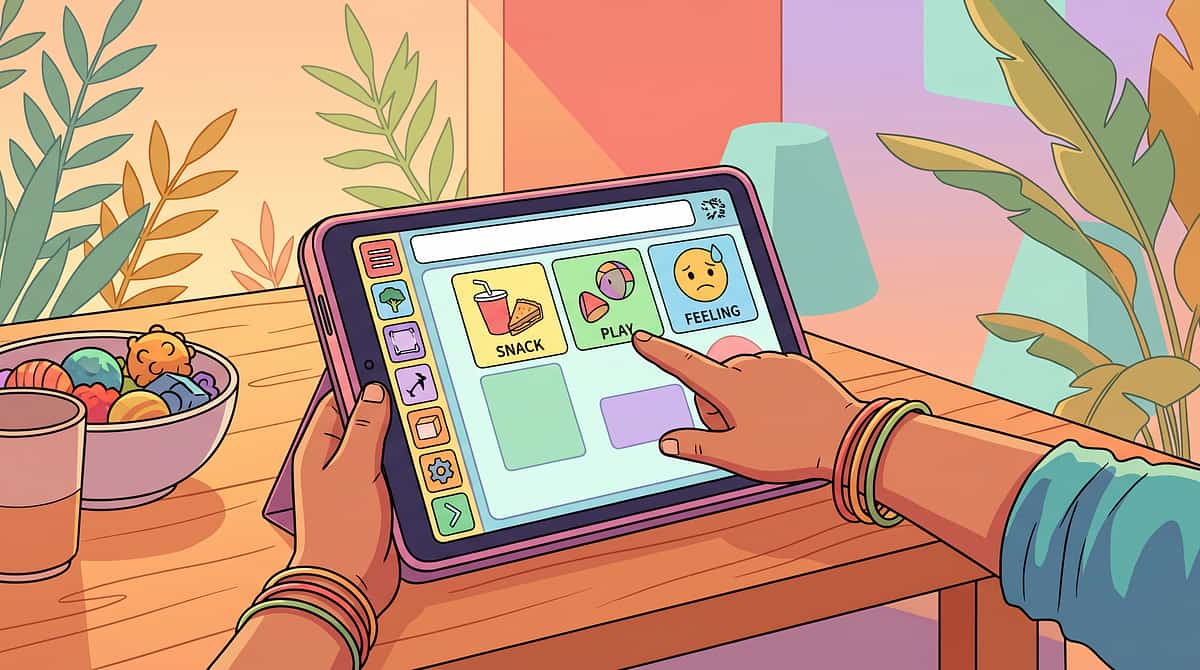
The Technique: What Is AAC Modeling?
Aided Language Stimulation (ALS)
AAC Modeling — "Talk With It While They Watch"
AAC Modeling is the practice of pointing to or activating symbols on an AAC system while speaking to the AAC user during natural, everyday interactions. Just as hearing children need to hear thousands of words before speaking — AAC users need to see thousands of symbol uses before communicating independently. Modeling provides that input. It is not teaching. It is not drilling. It is using the language alongside the child, constantly and naturally, until their brain builds the map.
Modeling IS
- Touching WANT while saying "Do you want milk?"
- Pointing to HELP naturally during a task
- Using STOP when the game ends
- Touching MORE during a fun activity
Modeling is NOT
- Asking "Where is WANT?" (that is testing)
- Requiring the child to repeat what you modeled
- Isolated drilling of vocabulary
- Only modeling during therapy sessions
Age
All ages
Duration
Throughout the day, all routines
Frequency
30–100+ models per day
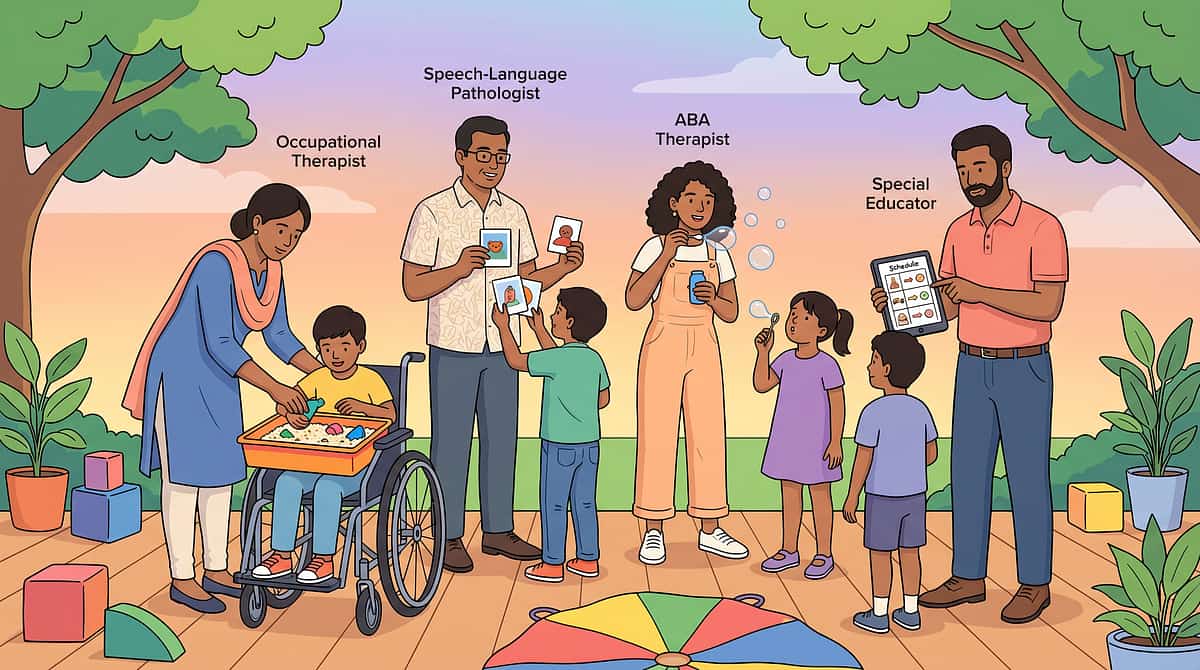
This Technique Crosses All Therapy Boundaries
Speech-Language Pathology (SLP)
Primary architect of AAC modeling programmes — selecting vocabulary targets, teaching partner strategies, monitoring progress via Communication Partner Readiness Index.
ABA / BCBA
Uses reinforcement to increase modeling frequency; shapes child's response to modeled input through natural environment teaching.
Special Education
Carries modeling into classroom routines; coordinates vocabulary targets across school environments.
Occupational Therapy
Addresses motor access to AAC systems; ensures physical setup supports both child use and partner modeling.
NeuroDevelopmental Pediatrics
Confirms diagnosis, rules out motor/visual barriers; ensures AAC system matches the child's full profile.
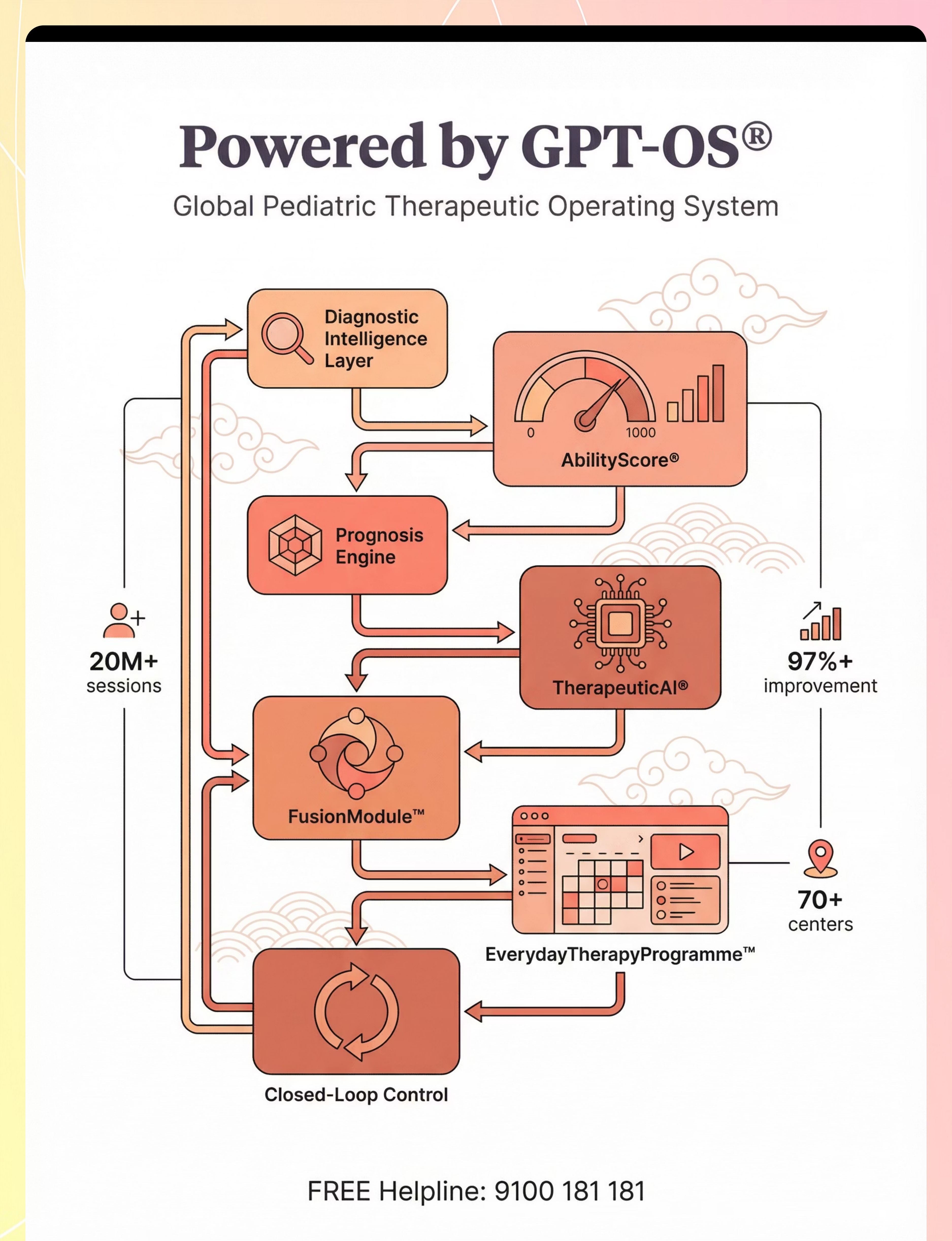
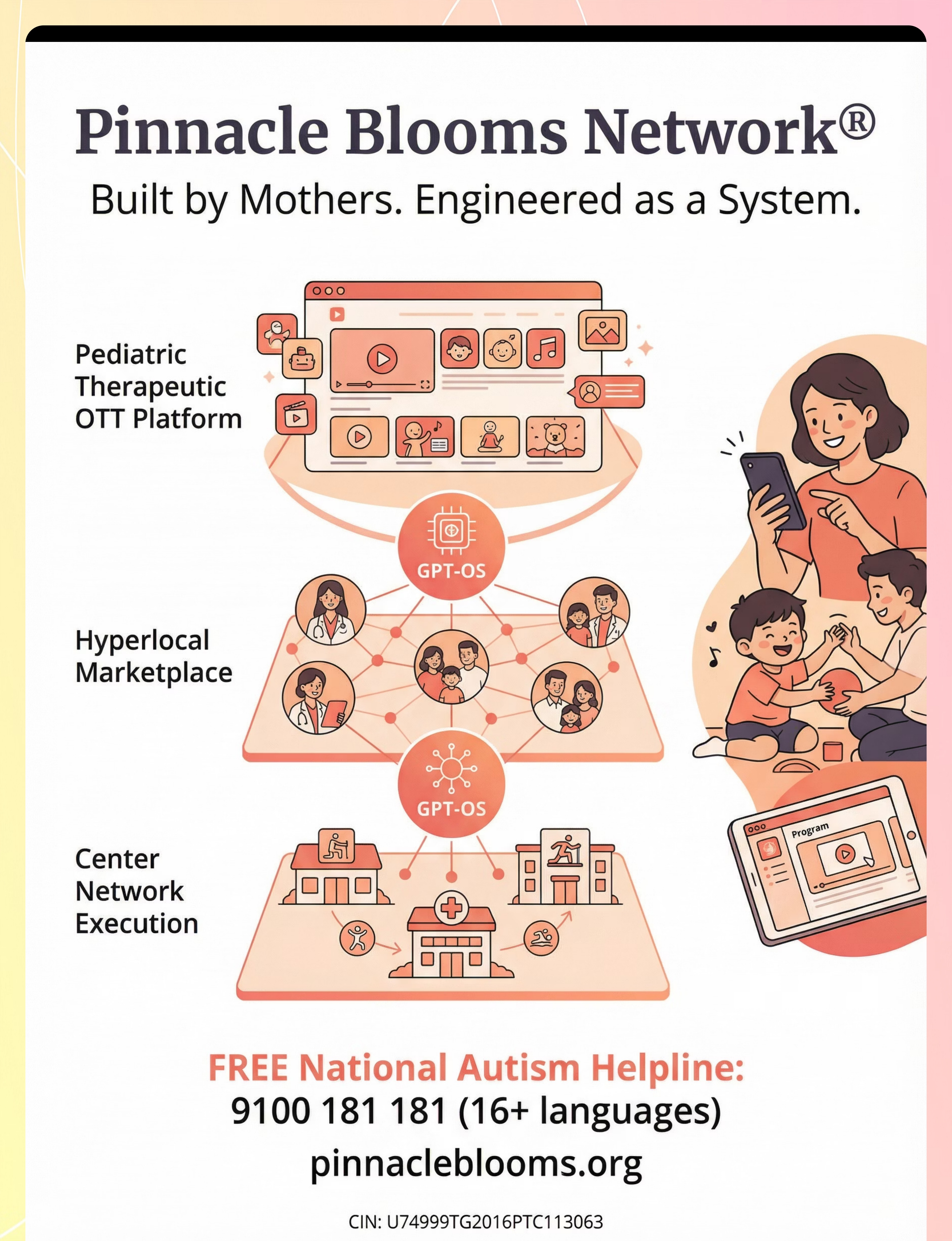
At Pinnacle, the FusionModule™ coordinates all five disciplines into a unified plan — so modeling targets from the SLP session are reinforced in ABA, embedded in SpEd, and tracked by GPT-OS® in real time.
📞 Helpline: 9100 181 181 | DOI: 10.1080/17549507.2022.2141327
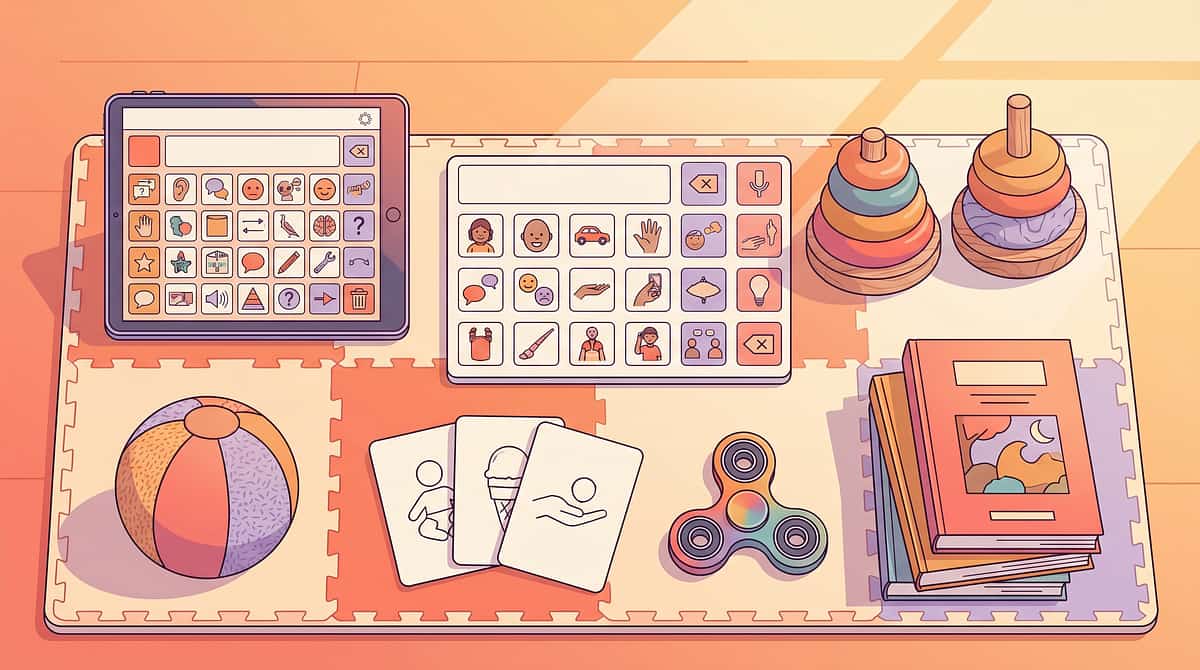
The Complete Toolkit for AAC Communication Partners
9 Materials
B-224 Core Toolkit
"You were given the device but not the skills. These 9 materials are the skills."
# | Material | Function | Cost Range | |
1 | Partner Modeling Boards | Your own AAC copy to model with | ₹0–2,000 | |
2 | Core Word Modeling Maps | Know exactly where words live | ₹100–500 | |
3 | Modeling Prompt Cards & Scripts | What to model, when | ₹100–800 | |
4 | Video Models & Demo Libraries | Watch how it's done | ₹0–2,000 | |
5 | Frequency Trackers & Goal Sheets | Count it to build it | ₹0–300 | |
6 | Aided Language Stimulation Courses | Learn to model effectively | ₹0–10,000 | |
7 | Modeling Reminder Cues | Prompts to model in the moment | ₹0–500 | |
8 | Coaching from AAC Specialists | Personalised feedback | ₹500–3,000/session | |
9 | Peer & Family Support Communities | Learn from families who've done it | ₹0 (free) |
📞FREE National Autism Helpline: 9100 181 181 — "Not sure where to start? Our SLP team will guide you through your first AAC modeling plan — at no cost."
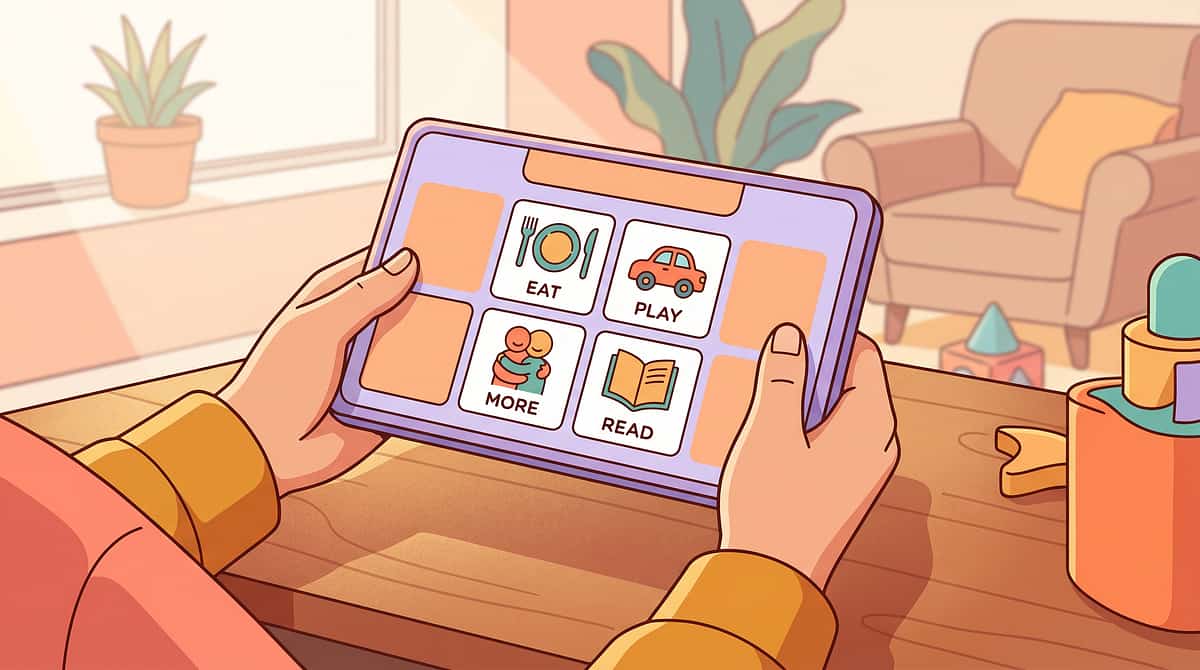
Material 1: Partner Modeling Boards
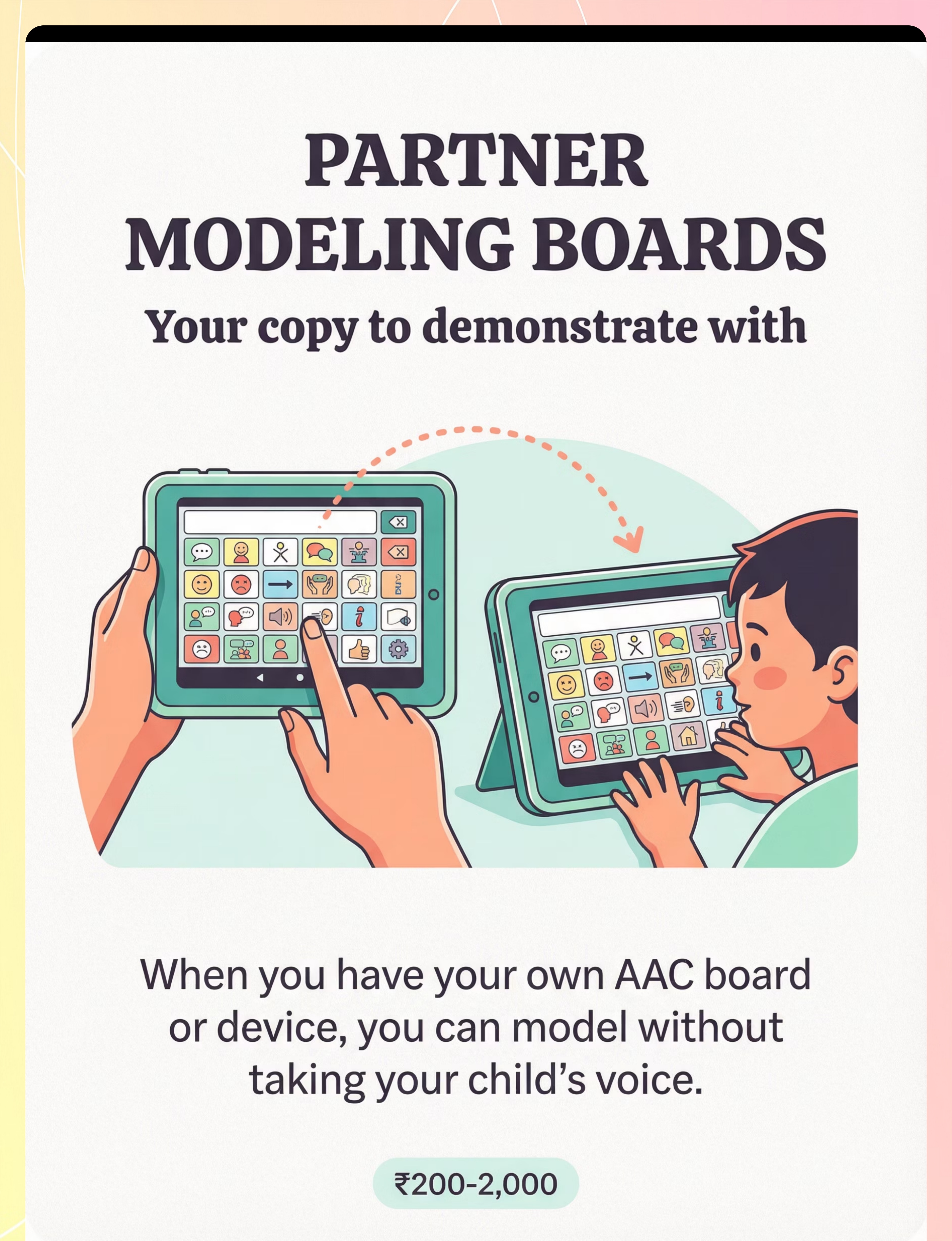
A Partner Modeling Board is your own personal copy of the child's AAC display. It exists so you can model words without ever taking the child's voice away from them. This is the single most important material in the entire toolkit — and it can cost nothing at all.
What It Is
A duplicate of the child's AAC vocabulary layout — whether that's a printed paper board, a second device running the same app, or a laminated card set. It mirrors exactly what the child has access to.
How to Get One
- Print a duplicate from your AAC app (most allow free export)
- Ask your SLP for a printed partner copy
- Install the same app on a second phone or tablet
- Laminate with packing tape for durability
ABSOLUTE RULE: Never use the child's own device to model. Their AAC system is their voice. Your partner board is yours.
Cost: ₹0–2,000 | DIY option: Print and laminate at home — ₹0
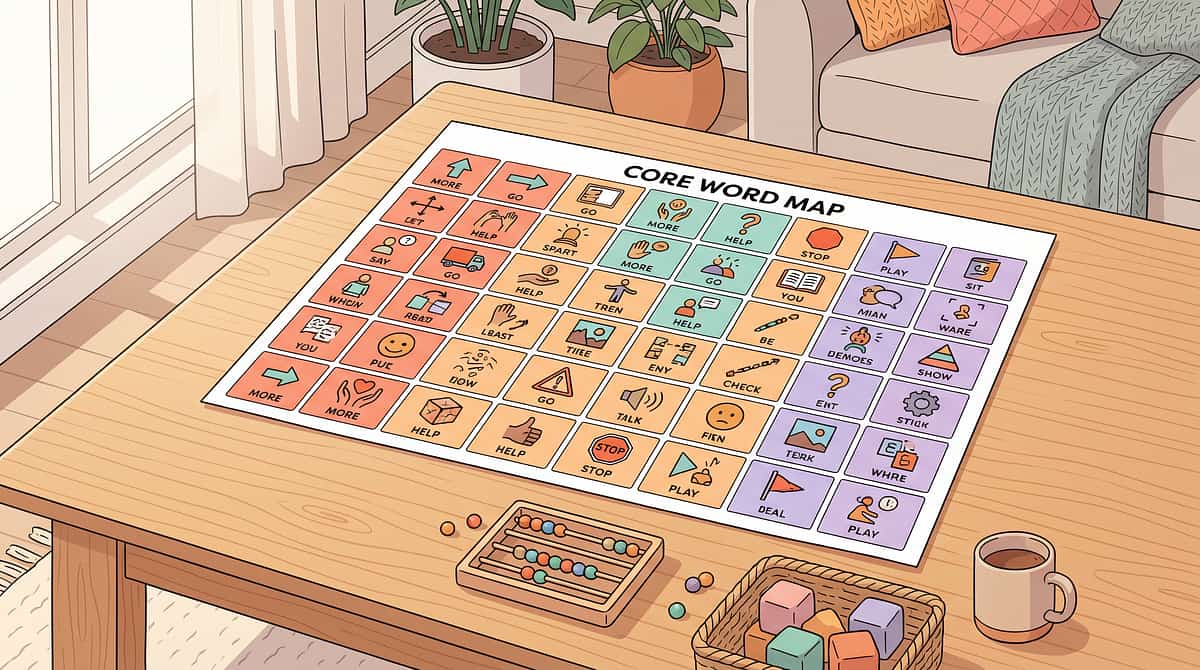
Material 2: Core Word Modeling Maps
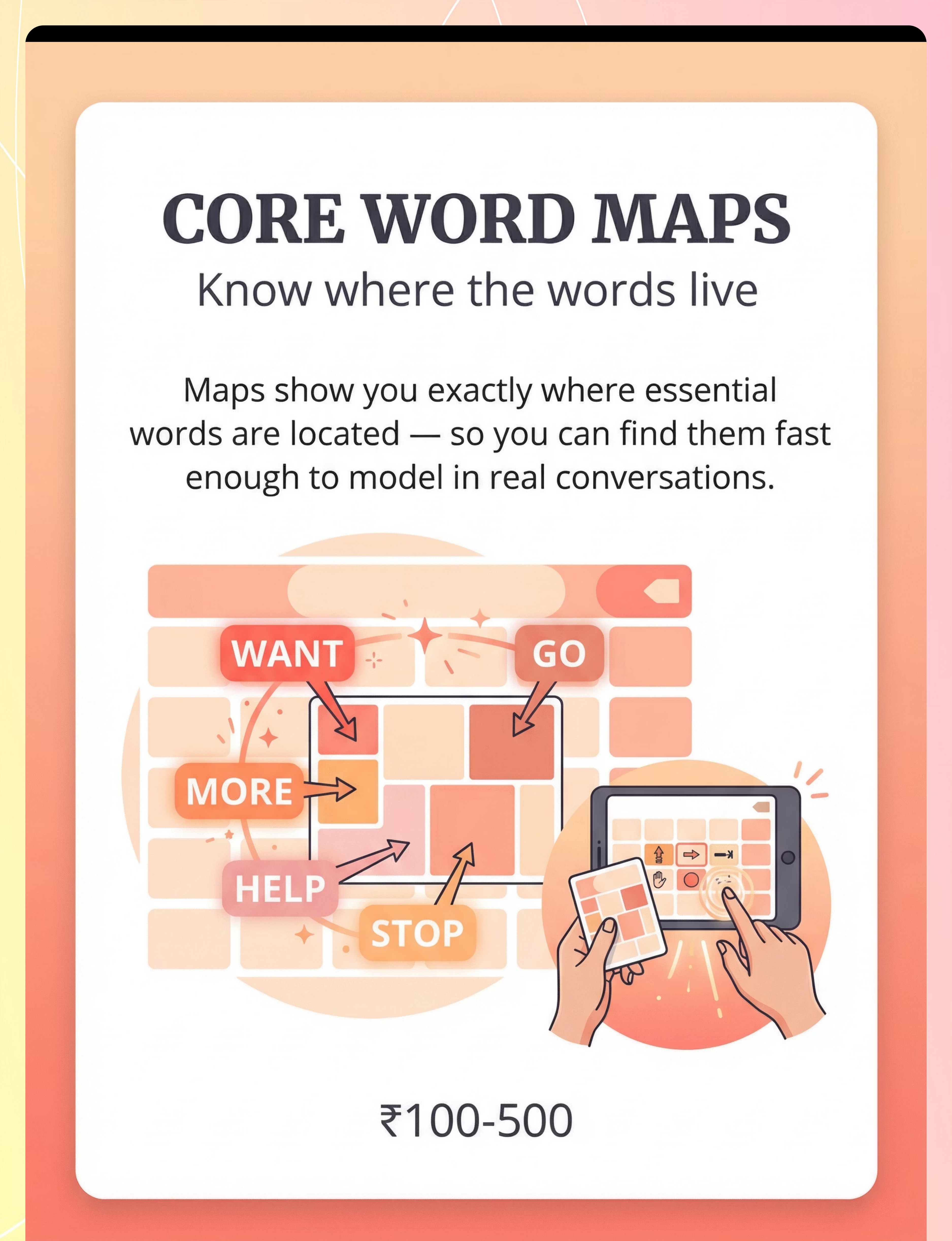
A Core Word Modeling Map is a reference guide that shows you exactly where the 25–50 most essential words live on the AAC system. Most parents fumble during modeling not because they don't want to point — but because they can't find the word fast enough. The map solves this.
Why Core Words?
Core words — WANT, MORE, HELP, GO, STOP, ALL DONE, LIKE, NO, YES, DO — appear in almost every interaction, every day. Mastering their locations before fringe vocabulary is the fastest route to fluent modeling.
- 80% of language use comes from ~200 core words
- Core words are functional across all contexts and routines
- They are the foundation before expansion
Building Motor Memory
Practice touching core words on your partner board without the child present. Touch WANT, MORE, HELP, GO, STOP 20 times while watching TV. Within a week, your hand finds the word before your brain needs to search.
Start here: WANT · MORE · HELP · GO · STOP · ALL DONE. These 6 words, mastered first, enable you to model meaningfully in every routine from day one.
Cost: ₹100–500 | DIY: Write word locations on an index card — ₹0
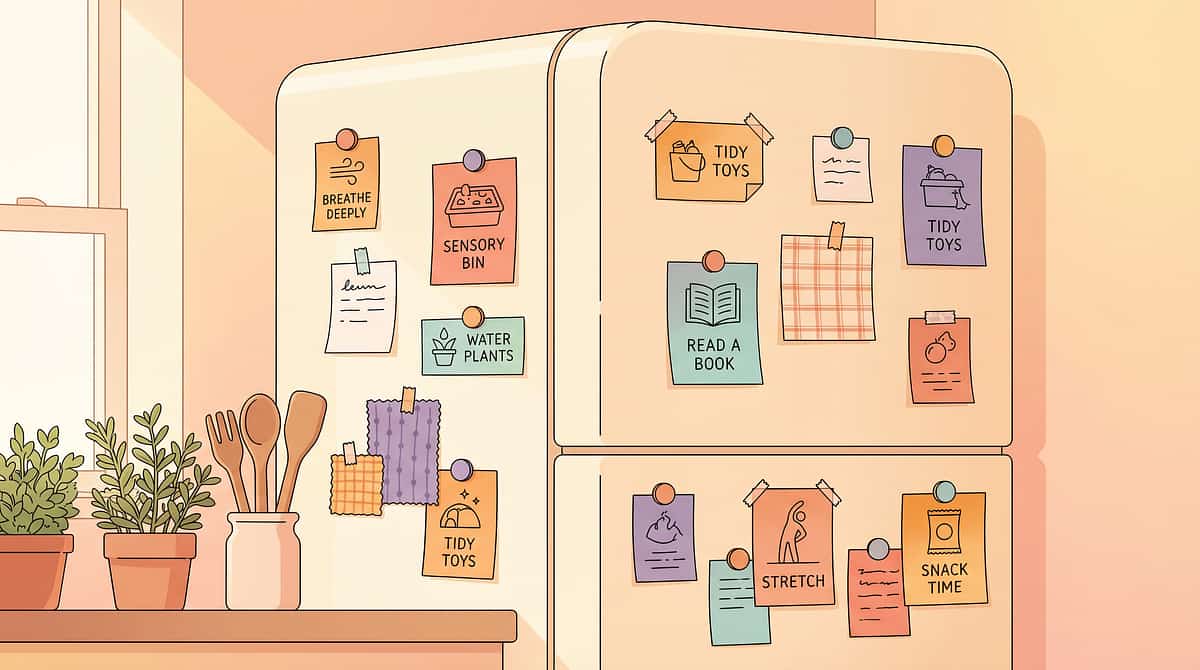
Material 3: Modeling Prompt Cards & Scripts
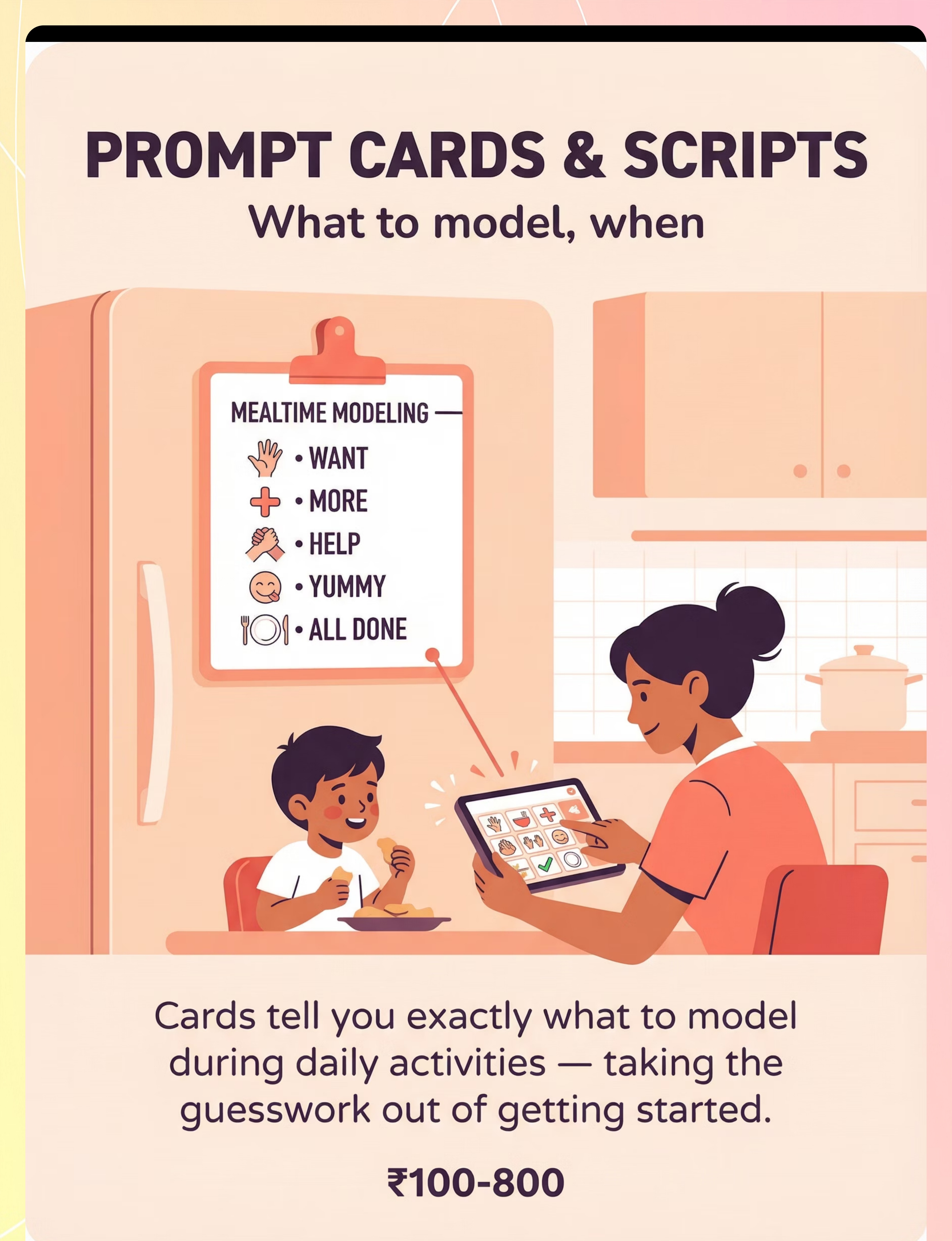
Prompt Cards are small, routine-specific reference cards that tell you exactly which words to model and when — posted right where each routine happens. They answer the most common new-modeler question: "What am I supposed to say?"
🍽️ Mealtime Card
WANT · EAT · MORE · HOT · HELP · ALL DONE · DRINK · YUMMY · FINISHED
🧩 Play Card
MORE · GO · STOP · WANT · HELP · TURN · DIFFERENT · COME · AGAIN
🛁 Bath Card
WATER · HOT · COLD · HELP · MORE · FINISHED · DRY · CLEAN · STOP
🌙 Bedtime Card
TIRED · STOP · ALL DONE · WANT · READ · SLEEP · FINISHED · LOVE
Post each card where the routine happens — on the refrigerator for mealtime, the bathroom wall for bath, the toy shelf for play. Laminate with packing tape or write on masking tape for a zero-cost version.
Cost: ₹100–800 | DIY: Handwrite 5 words per routine on sticky notes — ₹0
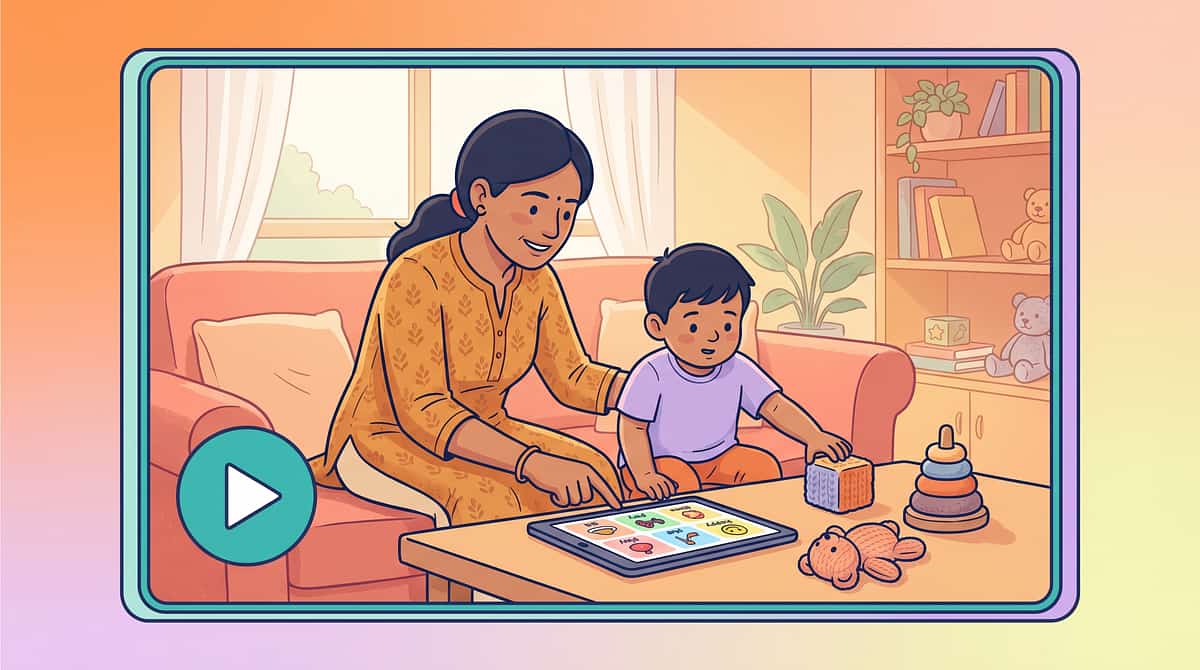
Material 4: Video Models & Demo Libraries
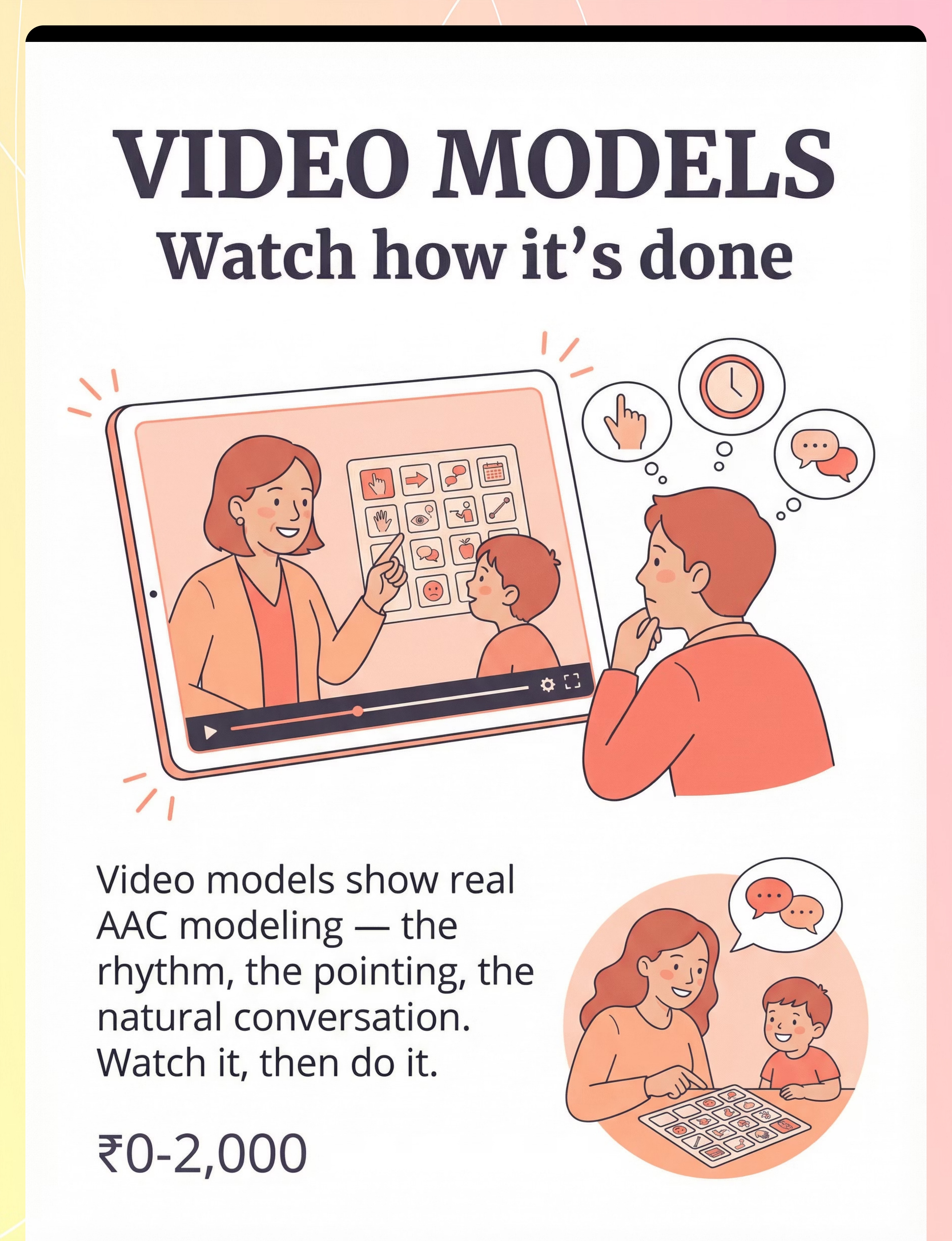
Video Models show you what fluent AAC modeling actually looks like in real life — the rhythm, the pacing, the natural integration of symbol-pointing into conversation. Reading about modeling helps. Watching modeling happen teaches everything reading cannot. Most new modelers report that a single 5-minute video of a skilled partner modeling changed their practice more than weeks of reading.
Free Resources
- AssistiveWare YouTube channel
- PrAACtical AAC (praacticalaac.net)
- Tobii Dynavox webinar library
- ASHA Practice Portal: AAC videos
- Pinnacle B-224 Reel (Card 36)
What to Watch For
- How the partner points without interrupting their speech
- The 5–10 second wait after modeling
- How the partner responds warmly to any child attempt
- The naturalness — it looks like conversation, not therapy
NCAEP (2020): Video modeling is classified as an Evidence-Based Practice for ASD. Multi-modal learning improves caregiver skill acquisition significantly.
Cost: ₹0–2,000 | Free options: AssistiveWare, PrAACtical AAC, Tobii Dynavox webinars
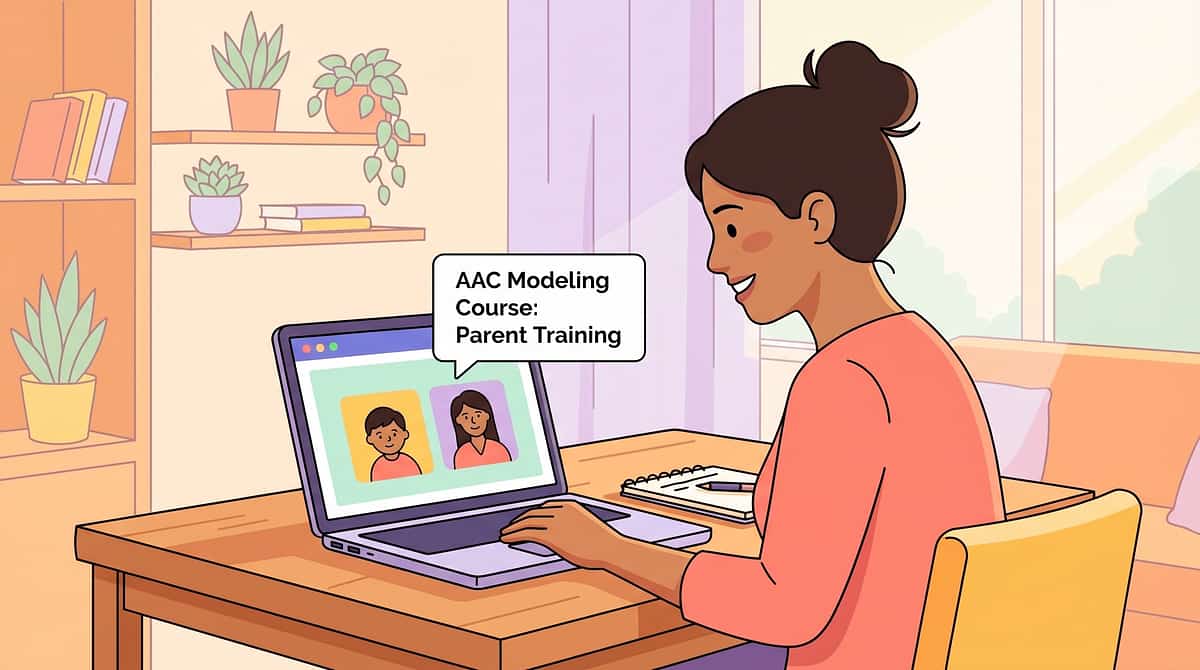
Material 6: Aided Language Stimulation Courses
An ALS (Aided Language Stimulation) Training Course gives you the complete theoretical and practical foundation to model with confidence, expand language beyond single words, and troubleshoot when progress stalls. Even one structured course accelerates partner skill development by months compared to self-study alone.
What You Learn
- ALS principles and evidence base
- Modeling strategies for different routines
- Language expansion techniques (recasting, extending)
- How to troubleshoot when progress stalls
Free Options
- AssistiveWare AAC Academy (free online)
- ASHA Practice Portal resources
- Pinnacle FREE Helpline SLP guidance: 9100 181 181
Paid Options
- Pinnacle Communication Partner Training (₹2,000–10,000)
- AssistiveWare certified courses
- University professional development modules
Studies consistently show that communication partner training delivered with direct coaching (vs. self-study alone) produces superior modeling outcomes.
Cost: ₹0–10,000 | Free: AssistiveWare AAC Academy, ASHA practice portal
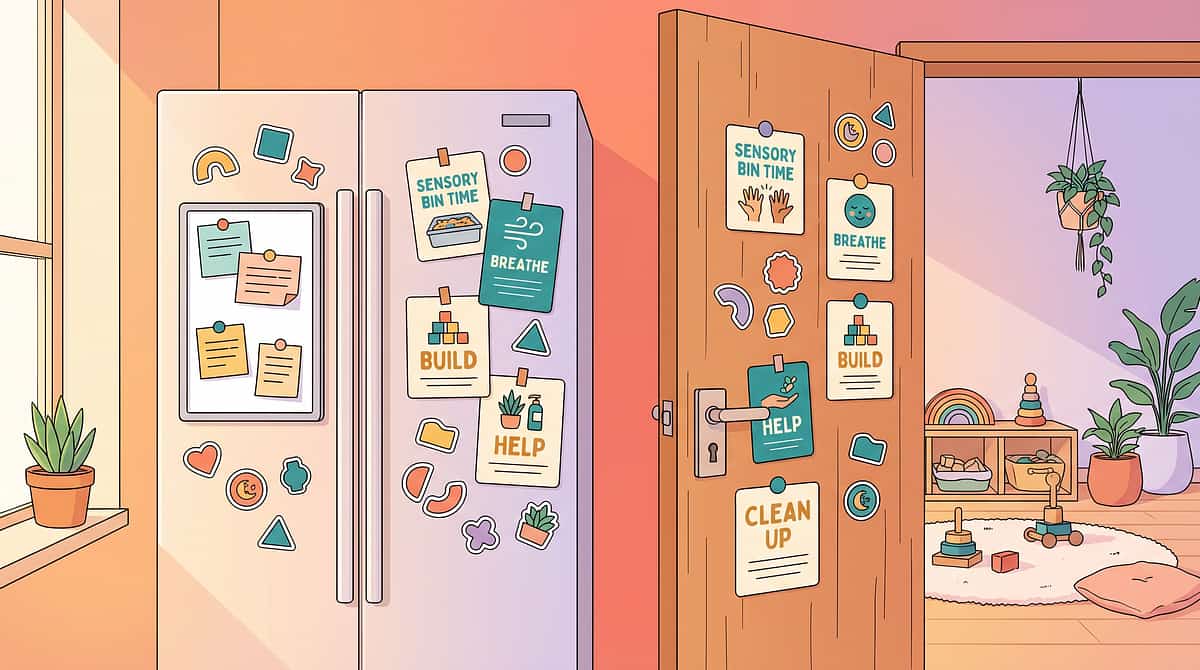
Material 7: Modeling Reminder Cues
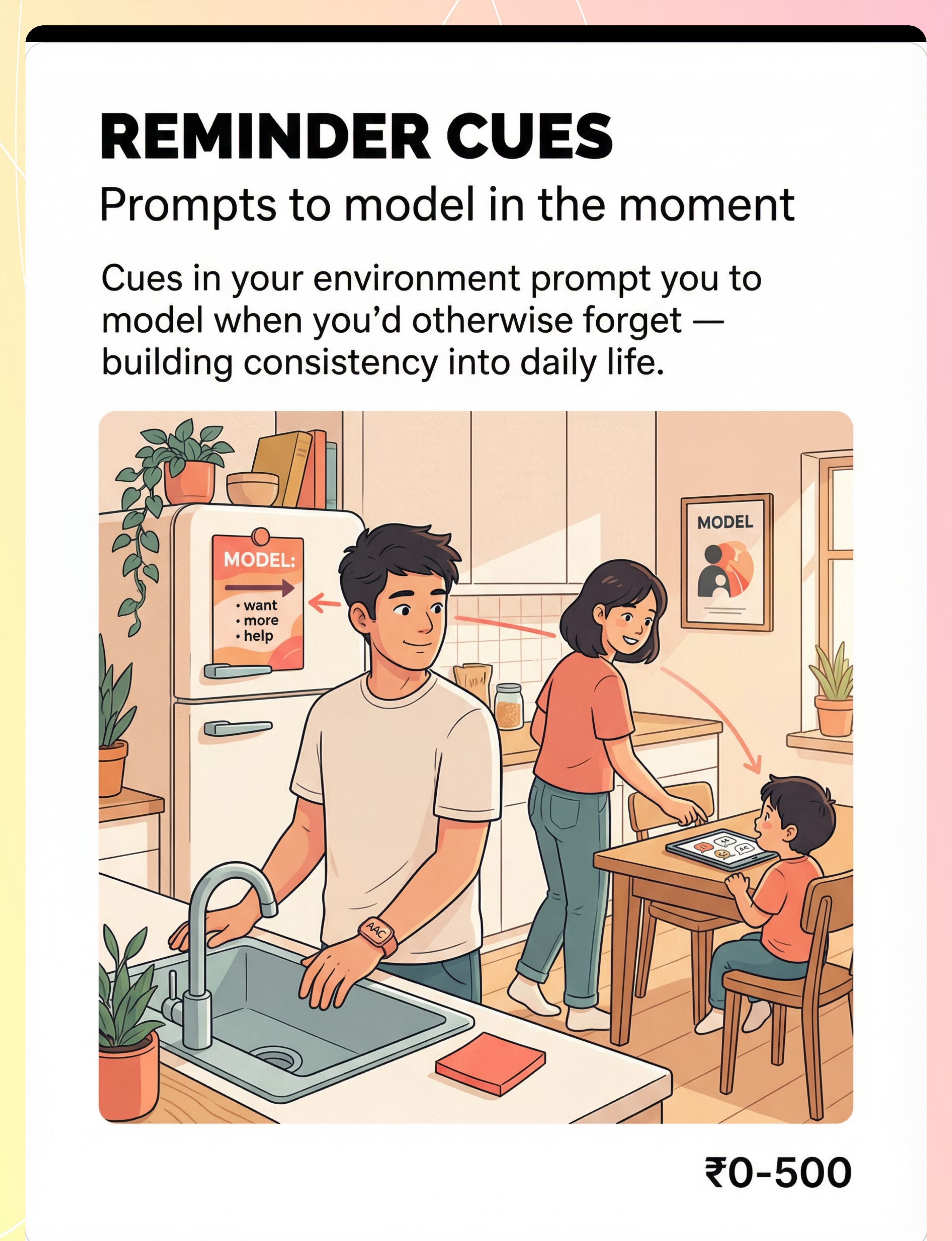
Reminder Cues are visual prompts placed strategically around the home to trigger you to model in the moment — before the routine slips by unmodeled. The biggest obstacle to modeling frequency is not unwillingness. It is simply forgetting. Reminder cues solve this by making the environment work for you.
Where to Place Them
- Refrigerator: "MODEL: want, more, help, eat"
- Bathroom mirror: "MODEL: water, hot, help, finished"
- Toy shelf: "MODEL: more, go, stop, want, turn"
- Car dashboard: "MODEL: go, stop, want, look, finished"
- Bedroom door: "MODEL: tired, sleep, want, all done"
What to Write
Write "MODEL:" followed by 4–6 core words relevant to that location. Use masking tape or sticky notes. Replace as vocabulary targets expand. The act of writing them also reinforces your own memory of word locations.
As modeling becomes habitual (Stage 4), the cues become optional — but many experienced modelers keep them up anyway as a prompt to expand into new vocabulary.
You can also set a phone alarm labeled "MODEL NOW" to fire at mealtimes, bathtime, and bedtime for the first four weeks of practice.
Cost: ₹0–500 | DIY: Masking tape + marker on existing surfaces — ₹0
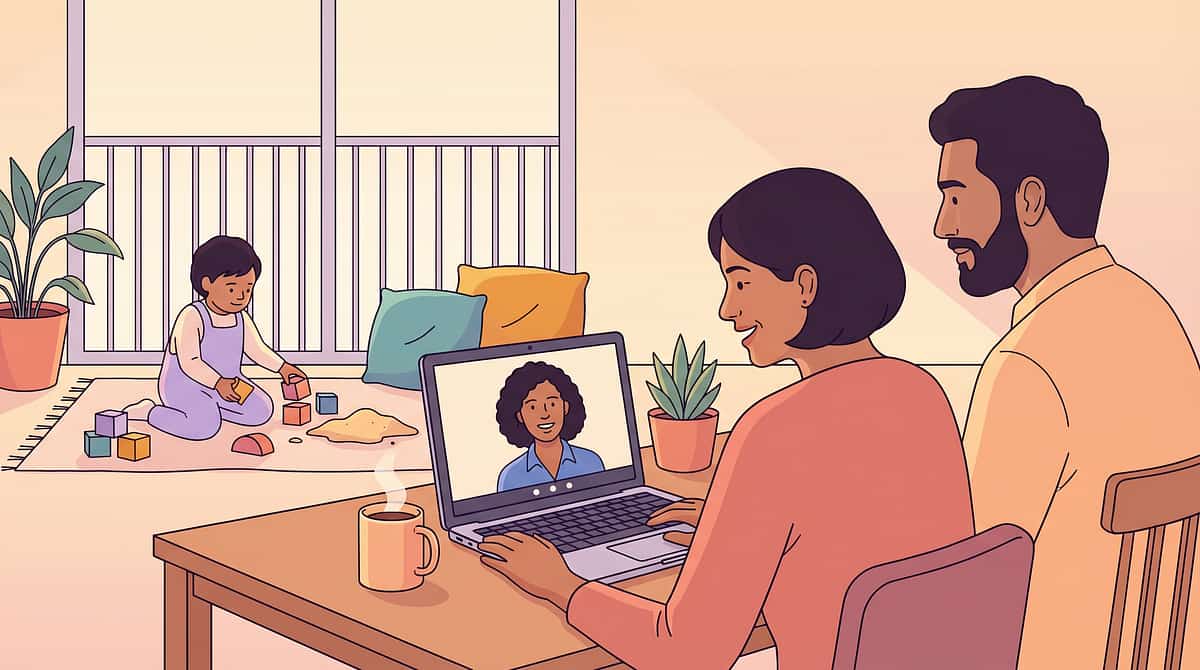
Material 8: Coaching from AAC Specialists
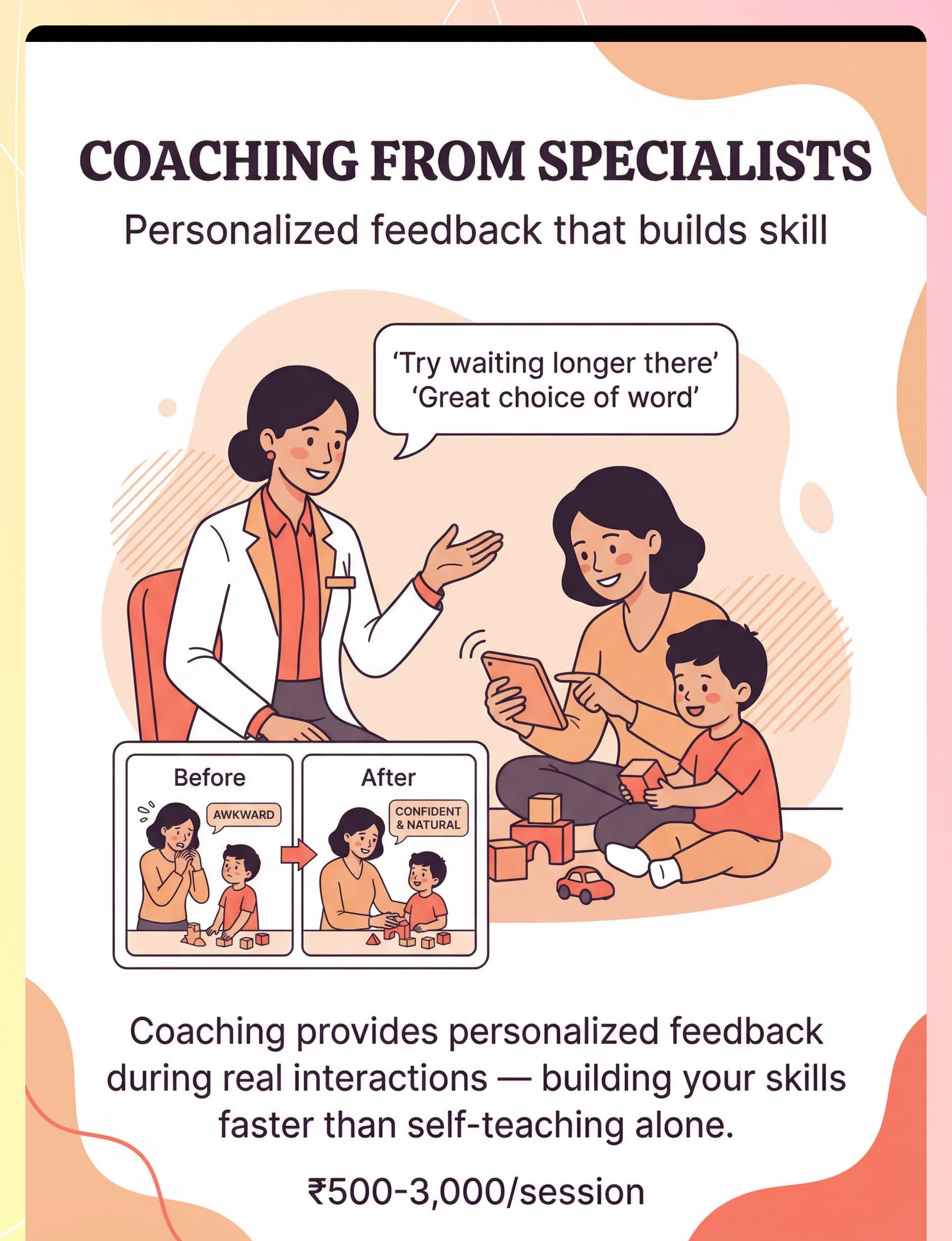
Specialist coaching is the highest-leverage investment in your AAC modeling toolkit. A trained SLP who watches you model — even once — can identify errors invisible to you, refine your technique in real time, and accelerate your progression by months. Even 2–3 coaching sessions dramatically improve modeling outcomes compared to self-study alone.
In-Person Coaching
Pinnacle center-based AAC partner coaching. SLP observes live modeling session, provides immediate feedback, adapts approach to your family's specific profile. 70+ centers across India.
Teleconsultation
Remote AAC coaching via video — SLP watches you model, provides real-time feedback, adapts your approach. Available nationally. Book at pinnacleblooms.org/tele
FREE Helpline Access
📞9100 181 181 — immediate access to trained SLPs. No appointment, no cost, 16+ languages, 24×7. Your first AAC modeling questions answered today.
Cost: ₹500–3,000/session | FREE: Pinnacle National Autism Helpline 9100 181 181
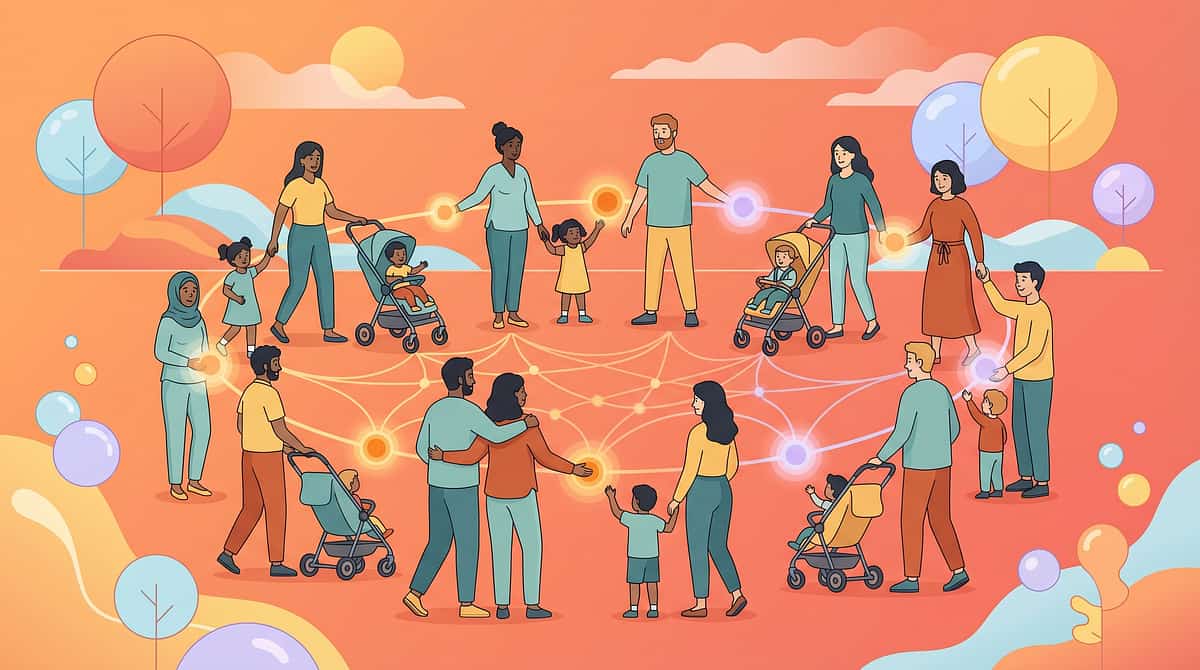
Material 9: Peer & Family Support Communities
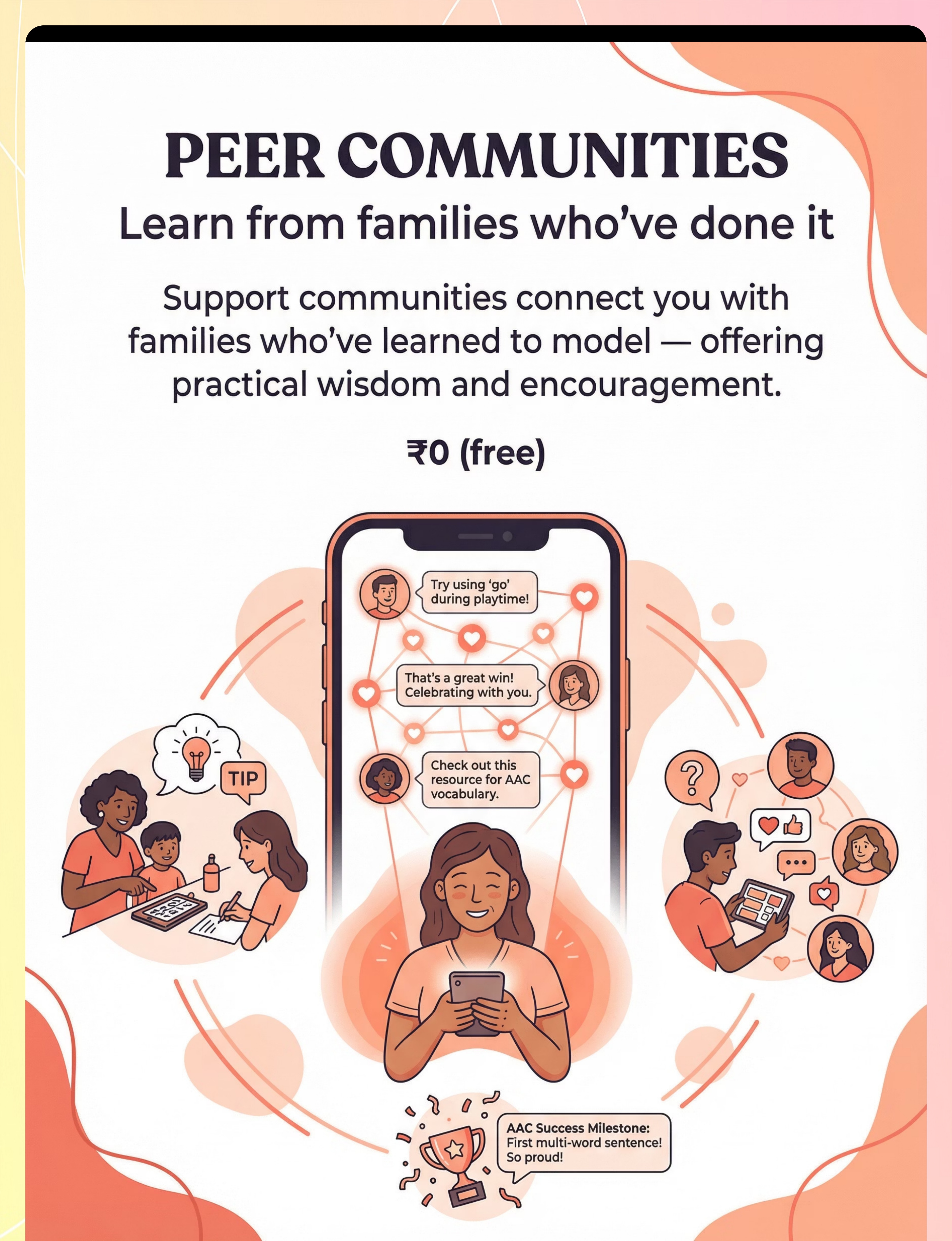
Peer communities are the material that costs nothing and gives everything. Parents who have been modeling for six months know things that no textbook contains — the moment their child first reached, the technique that finally clicked, the week they nearly gave up and why they didn't. This lived knowledge is irreplaceable.
Pinnacle Parent Network
Connect with families across India and globally who are learning to model AAC. Share wins, troubleshoot challenges, find modeling partners. Join via pinnacleblooms.org/community
WhatsApp Community
Dedicated AAC modeling support group — daily tips, peer troubleshooting, expert SLP availability. Join via WhatsApp: 9100 181 181
Online Forum
Pinnacle Blooms Techniques Forum — comment on this page, share your modeling journey, ask the consortium. techniques.pinnacleblooms.org/forum
Peer Mentoring
Request a mentor connection with an experienced AAC parent who has completed the B-224 journey. Available through the FREE Helpline.
Cost: ₹0 (free) | WHO NCF: Peer support networks improve caregiver intervention implementation
Every Family Can Model AAC — Regardless of Budget
WHO/UNICEF Principle
Zero-Cost Options Available for Every Material
Material | Commercial Option | Zero-Cost DIY | |
Partner Modeling Board | Printed board from SLP (₹200–500) | Print from FREE AAC apps; laminate with packing tape | |
Core Word Map | Pre-made reference guide (₹100–300) | Write core word locations on index card | |
Prompt Cards | Printed card sets (₹200–500) | Handwrite 5 words per routine on sticky notes; post where routine happens | |
Video Models | Paid course (₹500–2,000) | FREE: AssistiveWare YouTube, PrAACtical AAC, Tobii Dynavox webinars | |
Frequency Tracker | Printed sheet (₹50–100) | Five tally marks on any paper; phone notes app | |
Training Course | Paid certification (₹2,000–10,000) | FREE: AssistiveWare AAC Academy, ASHA practice portal | |
Reminder Cues | Printed cue cards (₹200–500) | Write "MODEL: want, more, help" on masking tape; stick on refrigerator | |
Specialist Coaching | Private SLP session (₹500–3,000) | Pinnacle FREE Helpline: 9100 181 181 | |
Community Support | Paid parent groups | FREE: Facebook AAC groups, Pinnacle parent network |
"The most expensive AAC setup fails without modeling. The cheapest setup succeeds with it. The tool that costs nothing is the most important one: your attention, pointing, and presence."
What Every Communication Partner Must Know Before Modeling
🟢 GREEN — Safe to Proceed
- Child has access to their own AAC at all times
- Modeling happens during natural routines (not forced drills)
- Partner uses their own board — NOT the child's
- Environment is calm and familiar
- Child is fed, rested, and regulated
🟡 AMBER — Proceed with Modification
- Child appears dysregulated → reduce to 1–2 key words; prioritise connection
- Partner feels overwhelmed → start with ONE routine, ONE word
- Child resists or pushes device → never force AAC; honor refusal; continue modeling yourself
- New vocabulary being introduced → introduce gradually
🔴 RED — STOP — Do Not Proceed
- You are about to take the child's AAC device to model on it
- Child is in crisis, meltdown, or severe distress
- The child has expressed "NO" or "STOP" via AAC or gesture
ABSOLUTE NON-NEGOTIABLE: The child's AAC system is their VOICE. It must never be taken away — even briefly — for partner modeling purposes. A partner board exists for exactly this reason.
Research Citations: DOI: 10.1007/s12098-018-2747-4 (Padmanabha et al., Indian J Pediatr, 2019)
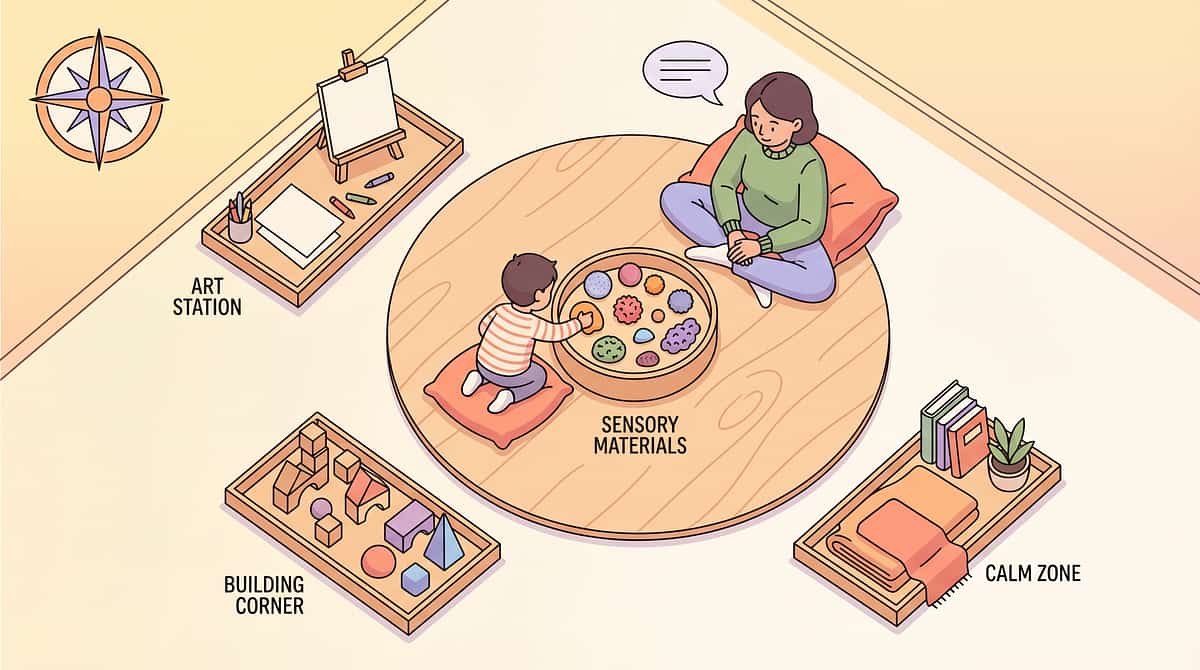
Spatial Setup Prevents 80% of Session Failures
Setup Checklist
- ✅ Child's AAC: within their reach at ALL times
- ✅ Your partner board: in your hands, visible to child
- ✅ Prompt card: nearby for reference (first weeks)
- ✅ Remove: screens, loud toys, non-activity items
- ✅ Lighting: sufficient to see symbols clearly
- ✅ Sound: quiet enough to hear AAC output
- ✅ Position: face-to-face or side-by-side depending on activity
Per-Routine Setup Notes
Routine | Partner Position | Key Material Placement | |
Mealtime | Seated across or beside | Prompt card on table edge; partner board on lap | |
Play | Floor-level, same height | Partner board on floor; child's AAC in front of them | |
Reading | Side-by-side | Partner board in free hand; book on lap | |
Bath | Beside tub | Laminated prompt card on wall; waterproof partner board |
The physical arrangement of the room directly determines how naturally modeling flows. When your partner board is in hand and the child's AAC is within reach before the routine begins — modeling happens automatically. When setup is skipped — modeling is forgotten.
Research Citations: PMC10955541 — meta-analysis confirming structured environment maximises modeling effectiveness
60-Second Pre-Modeling Readiness Check
ACT III: THE EXECUTION
Indicator | Go ✅ | Modify ⚠️ | Postpone ❌ | |
Child is calm and regulated | ✅ | — | — | |
Child is fed and not overtired | ✅ | — | — | |
No major distress in past 30 mins | ✅ | Reduce intensity | If recent | |
Routine is natural and familiar | ✅ | — | New routines: introduce gradually | |
Your partner board is ready | ✅ | — | — | |
You have 5+ uninterrupted minutes | ✅ | Shorter session | Skip if impossible | |
Child's AAC is charged and accessible | ✅ | — | Charge first |
5–7 Checks: GO
Begin the routine naturally; model as conversation unfolds.
3–4 Checks: MODIFY
Simplify to 1–2 core words; shorten duration; prioritise connection over goals.
0–2 Checks: POSTPONE
Choose a calming activity; attempt modeling at the next natural routine.
"The best modeling session is one that starts right. A 2-minute successful routine beats a 20-minute forced one every time."

Step 1: Enter the Routine Naturally
Step 1 of 6
The Principle: Never "start a modeling session." Simply enter a routine that is already happening and bring your partner board with you. The child's brain links symbol use to natural communication only when modeling happens inside real interaction.
1
🍽️ Mealtime
Sit down. Put food on the table. Pick up your partner board. Begin eating together. When it feels natural — touch WANT while saying "Do you WANT some rice?"
2
🧩 Play
Sit beside them. Join what they're already doing. Pick up a block. Touch MORE while saying "Should we do MORE blocks?"
3
🛁 Bath
Start the bath. Model WATER as you turn on the tap. Model HOT/COLD as you test the temperature.
ALS Principle #1: Model WITH the routine. Not AT the child.
📞 FREE Helpline: 9100 181 181 | PMC11506176 | Sennott, Light & McNaughton (2016)

Step 2: Build Connection Before You Model
Step 2 of 6
Modeling is a communication act. It requires a communication relationship. 30 seconds of genuine connection before beginning modeling increases its effectiveness dramatically.
Engagement Checklist
- ✅ Make eye contact or follow the child's gaze
- ✅ Comment on what they're doing ("You're stacking the blocks — so tall!")
- ✅ Join their activity at their level
- ✅ Signal communicative intent with warm tone and appropriate proximity
- ✅ Ensure they can see both your face AND your partner board
Engagement Signals to Watch For
- Child looks at you briefly → available for interaction
- Child continues activity without distress → environmental readiness met
- Child vocalises or reaches → they are communicating; respond AND model
If Child Is Not Engaging
Don't force it. Continue the routine alongside them. Model briefly without requiring response. Engagement often builds during the activity, not before it.
ALS Principle #2: Follow the child's lead. Model what is relevant to THEIR interest, not your agenda.
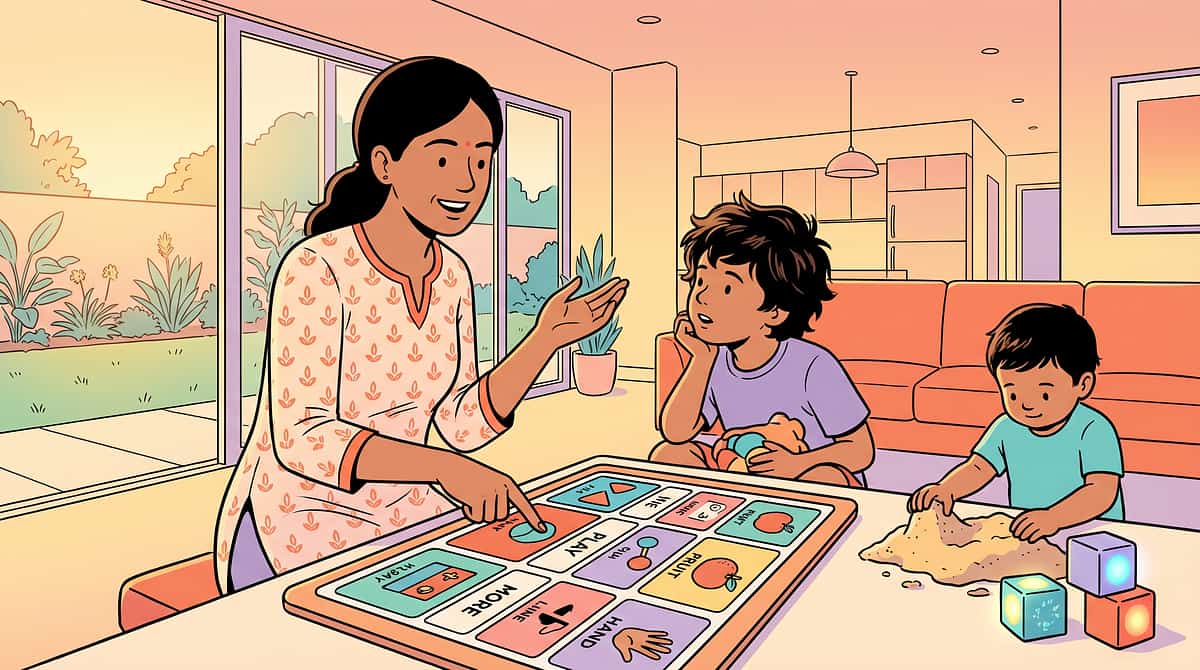
Step 3: Touch the Symbol. Say the Word. That's It.
Step 3 of 6
While speaking naturally during the routine, touch 1–3 key words on your partner board as you say them. That is modeling. The entire technique.
Common Error | Why It's a Problem | Correction | |
Pointing to every word | Overwhelming; slows conversation | Focus on 1–3 core words maximum per sentence | |
Not waiting after modeling | Child has no time to process | Wait 5–10 seconds. Trust the silence. | |
Modeling on child's device | Takes their voice away | Use your partner board always | |
Demanding child imitate | Creates pressure; disrupts learning | Model, wait, accept whatever happens | |
Only modeling at meals | Insufficient total exposure | Model across ALL routines throughout the day |
📞 FREE Helpline: 9100 181 181 | PMC10955541
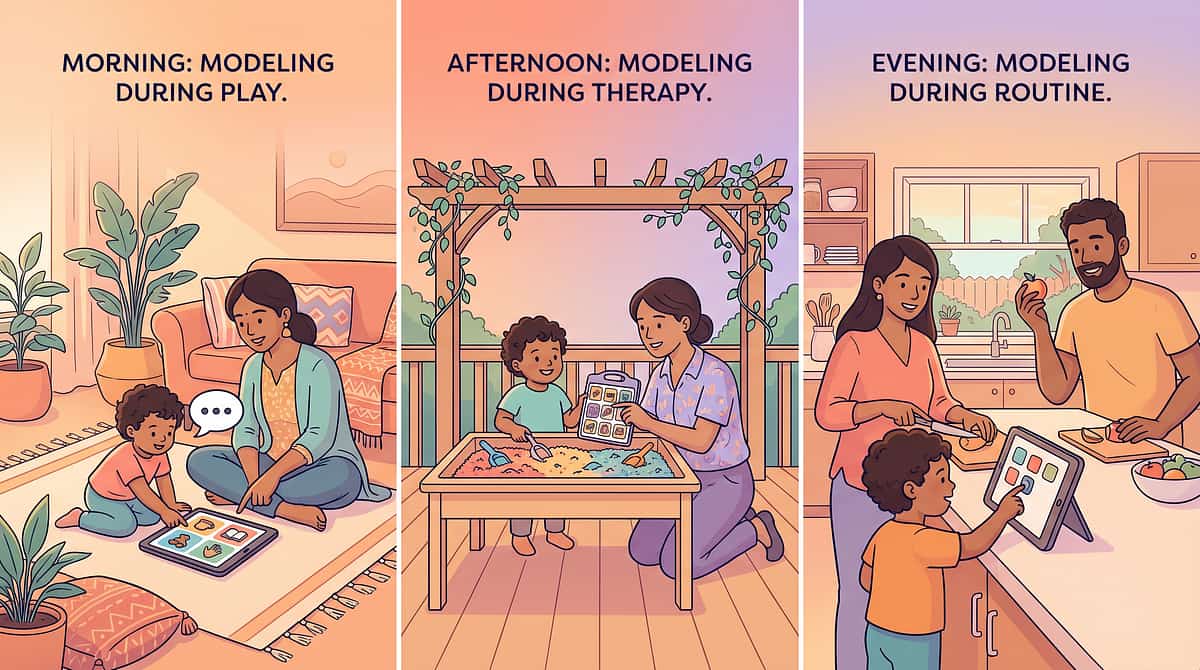
Step 4: Keep Modeling Throughout the Routine — Not Just Once
Step 4 of 6
Target: 10–20 models per routine. Most parents start at 2–5. This is fine. Build from here. Unlike sensory techniques with prescribed "sets," AAC modeling has no upper limit — more is always better, up to natural conversational density.
Mealtime — 10 Modeling Opportunities
- "Do you WANT rice?" → WANT
- "I'm going to EAT." → EAT
- "Is it HOT?" → HOT
- "Should I HELP you?" → HELP
- "MORE rice?" → MORE
- "YUMMY!" → YUMMY
- "ALL DONE?" → ALL DONE
- "DIFFERENT food?" → DIFFERENT
- "Let's DRINK." → DRINK
- "FINISHED." → FINISHED
Satiation Indicators — When to Ease Back
- Child begins avoiding eye contact with your board
- Child leaves the activity
- Child begins self-stimulatory behaviours suggesting overstimulation
"3 natural, engaged models beat 10 forced ones. Always."
ALS dosage research: 30–40 minimum models per day for progress; 100+ for fluent outcomes (Binger & Light, 2007)

Step 5: Celebrate the Attempt — Not Just the Success
Step 5 of 6
The moment a child LOOKS at a symbol, REACHES toward the board, or TOUCHES any symbol — respond immediately and enthusiastically. Their attempt is the behaviour. Reinforce it now. Timing Rule: Within 3 seconds of any communicative attempt.
Child Does | You Say + Do | |
Watches your modeling | "You're watching! You're learning how!" + warm smile | |
Touches any symbol | "YES! You said [word]! I heard you!" + deliver what they communicated | |
Touches modeled symbol | "You said MORE! Let's get MORE!" + immediate fulfillment | |
Vocalises near board | "I hear you! Let's find the word!" + support to find symbol | |
Pushes board away | "All done for now — that's okay." + honor the refusal |
Natural Reinforcement
Deliver exactly what was communicated. Most powerful reinforcer available.
Social Reinforcement
Enthusiastic verbal praise, high-five, warm physical connection.
Token System
Star on chart for 5 symbols used independently — builds toward preferred activity.
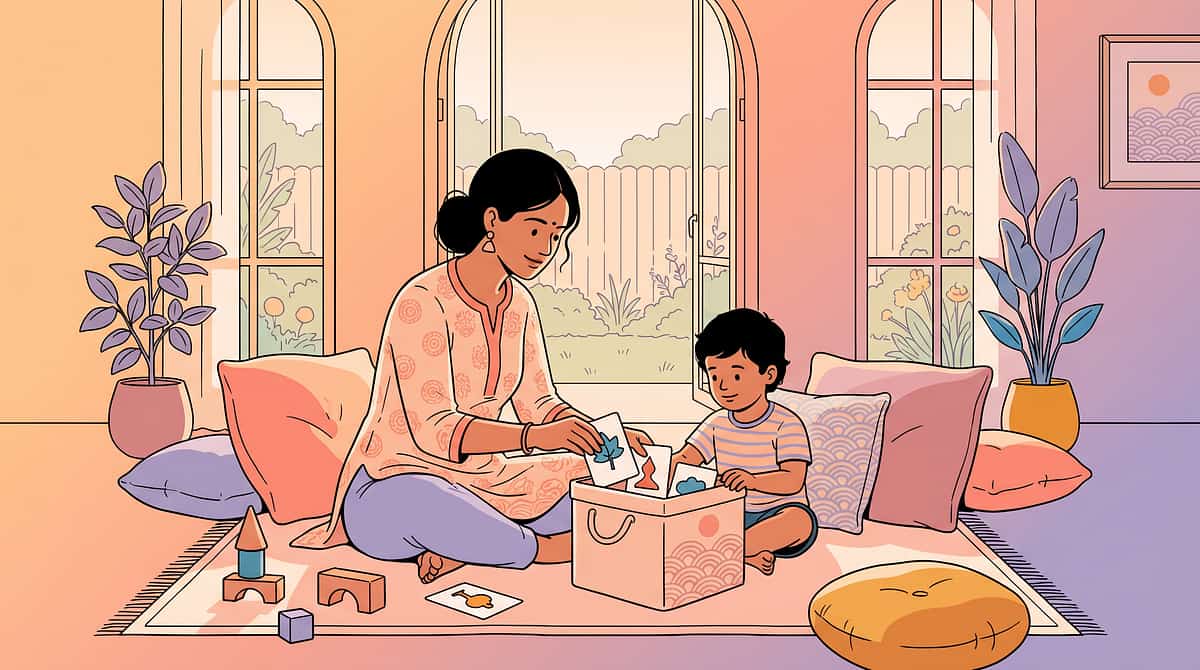
Step 6: End the Routine Naturally — Never Abruptly
Step 6 of 6
Routines end on their own schedule, not a therapy clock. Model the end as naturally as you modeled throughout. Transition modeling teaches: ALL DONE, STOP, FINISHED, WAIT, COME BACK — functional regulatory vocabulary that reduces frustration.
🍽️ Mealtime Ending
"ALL DONE? ALL DONE eating. Let's CLEAN UP." → Model ALL DONE, CLEAN UP
🧩 Play Ending
"STOP! All done playing with blocks for now. We'll COME BACK." → Model STOP, ALL DONE, COME BACK
🛁 Bath Ending
"FINISHED bath! Time to get DRY." → Model FINISHED, DRY
If Child Resists Transition
- Honor their communication if they protest with AAC
- Give 2-minute warning: "2 MORE minutes" → Model MORE + hold up 2 fingers
- Use visual timer as support
- Follow through calmly and consistently
Why It Matters
Language is not just for getting things. Transitions are where some of the most functional regulatory vocabulary lives — and modeling it consistently builds the communication tools children need to manage daily life with less distress.

60 Seconds of Data Now Saves Hours of Guessing Later
After each routine, record these three things. This data feeds directly into your child's Communication Partner Readiness Index and AAC Competency Index within the GPT-OS® therapeutic platform.
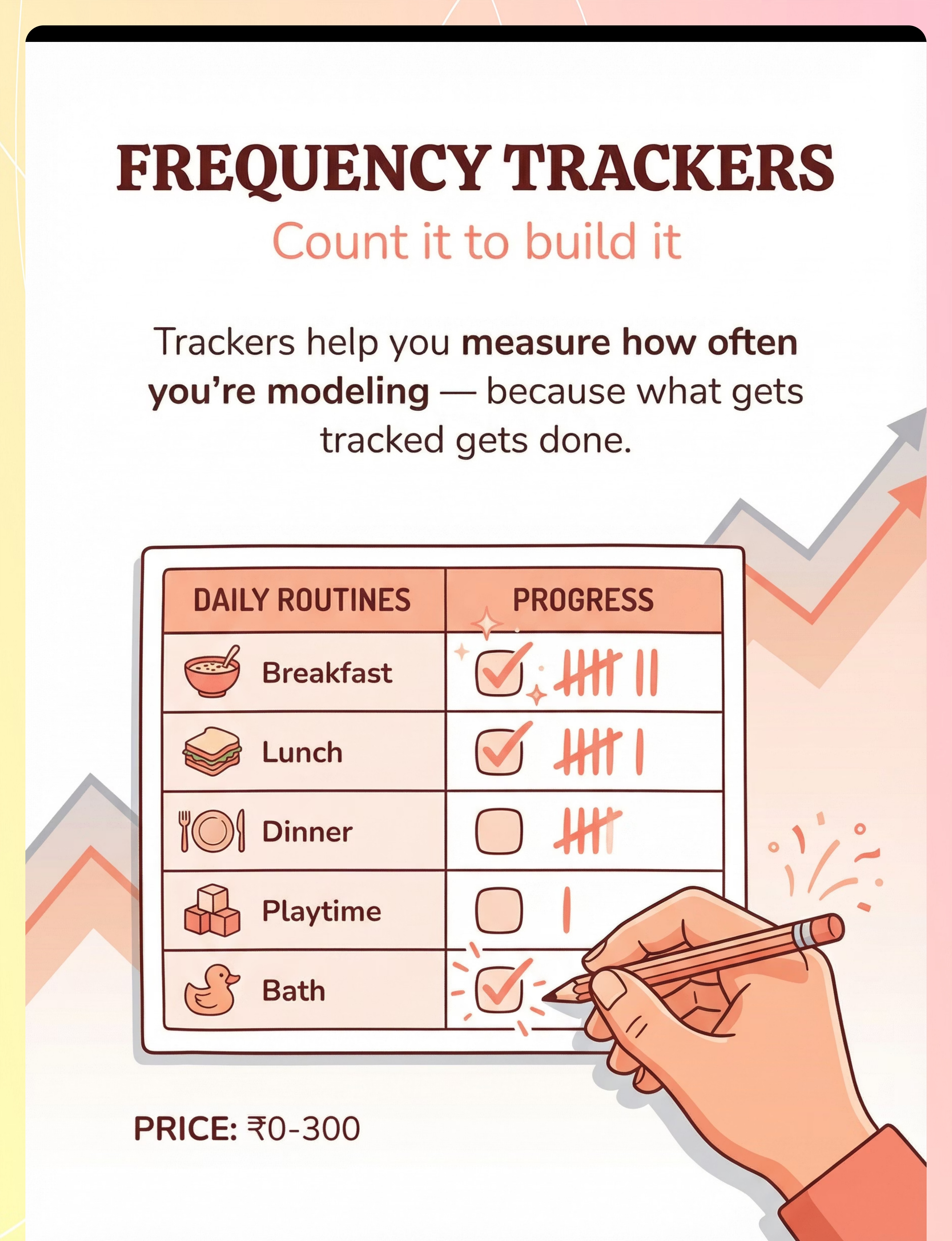
Post-Routine Data — Record These 3 Things
- How many times did I model? [Tally: |||| ]
- Did child make any symbol attempt? [YES / NO / APPROXIMATE]
- Which core words did I model today? [List: want, more, help…]
Partner Progression Scale
- Stage 1: No modeling or uncertain [Baseline]
- Stage 2: Emerging (select routines) [Developing]
- Stage 3: Consistent (daily, multiple) [Consolidating]
- Stage 4: Fluent (natural, automatic) [Mastery]
- Stage 5: Models + trains others [Expert]
GPT-OS® Integration: Log your data at pinnacleblooms.org to generate adaptive daily modeling targets via the EverydayTherapyProgramme™. Download the printable AAC Modeling Daily Tracker PDF at pinnacleblooms.org/tracker
"You think you're modeling more than you are. Numbers reveal reality. Reality drives improvement."
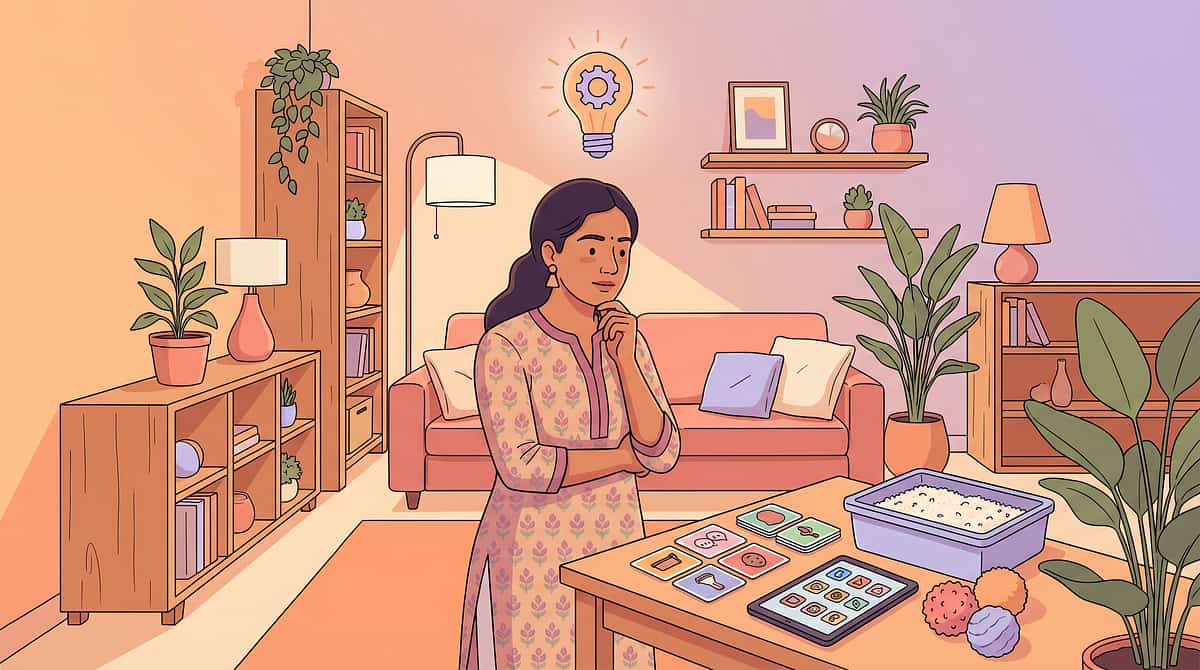
Most Modeling Attempts Don't Go Perfectly — Here Is What to Do
"I couldn't find the word fast enough and the moment was gone."
Solution: Practice core word location WITHOUT the child first. Open your partner board and touch WANT, MORE, HELP, GO, STOP 20 times. Build motor memory. Within a week, fumbling stops.
"My child walked away when I started modeling."
Solution: Reduce intensity. Follow them. Model 1 word from a distance. Modeling works even when the child appears inattentive.
"I modeled for 2 weeks and nothing changed."
Solution: 2 weeks is early. Most children need 3–6 months before independent use emerges. Track your frequency — are you truly hitting 30+ per day?
"I feel ridiculous talking and pointing at the same time."
Solution: This awkwardness is universal. It fades within 2–4 weeks. Watch video models (Card 13). Seeing skilled modelers normalises the behaviour.
"My child grabbed my partner board and threw it."
Solution: Use a smaller, more portable format — laminated mini-board, phone display, or wristband. Reduce prominence.
"My spouse won't model."
Solution: Share this page. Video-record a 2-minute modeling moment and show them. Focus on ONE word — "WANT" at mealtime. Start there.
"I don't know which words to model first."
Solution: Start with WANT, MORE, HELP, GO, STOP, ALL DONE. Master these six before expanding.
📞 Helpline: 9100 181 181
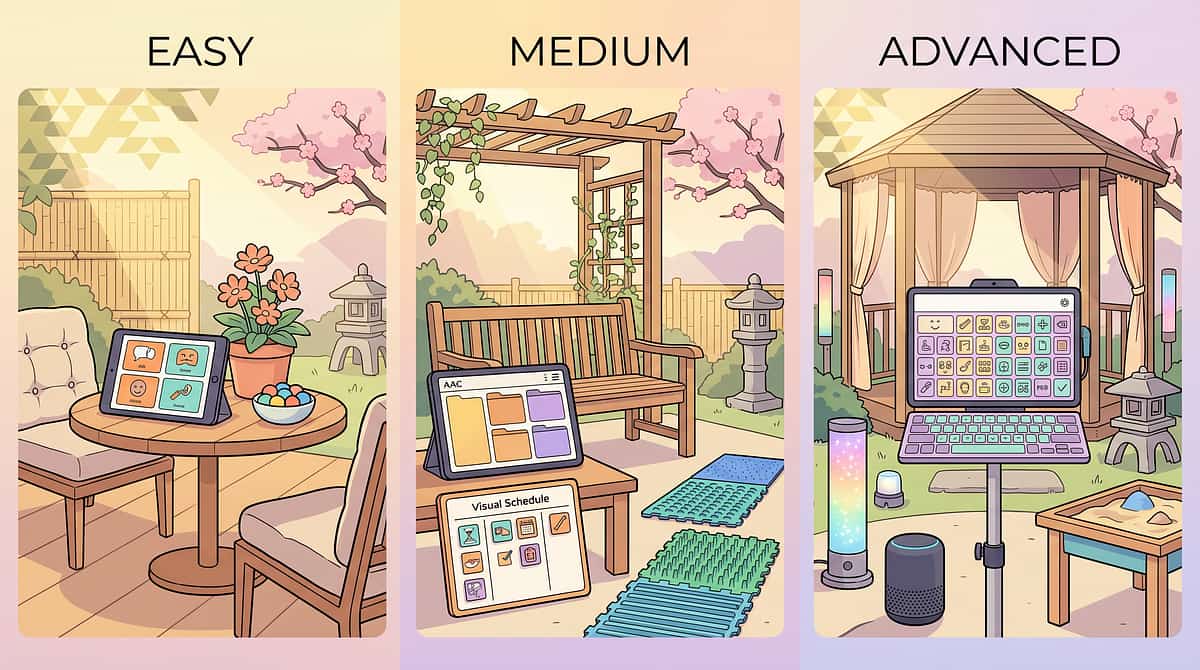
Adapt & Personalise Your Modeling
No two children — and no two communication partners — are identical. Your modeling practice should evolve to match your family's specific profile.
Partner Profile Variations
- Visual Learner Partner: Use core word maps prominently. Post prompt cards in every room.
- Verbal/Social Partner: Your words come naturally — now add the pointing. Narrate your own actions on the board.
- Analytical Partner: Track frequency obsessively. Set modeling goals per routine. Review weekly data.
Child Profile Adaptations
- Motor challenges: Ensure partner board positioning matches child's optimal access angle
- Visual processing differences: Use high-contrast symbols; model more slowly
- High sensory sensitivity: Keep modeling quiet and calm; avoid multiple simultaneous inputs
- High AAC interest: Model extensively; expand to fringe vocabulary faster

Week 1–2: You Are Building a Habit. The Child Is Absorbing Input.
ACT IV: THE PROGRESS ARC
Progress: 15%
What You (Partner) May Experience
- Feeling awkward and slow finding words
- Forgetting to model during routines
- Frustration at child's apparent non-response
- Beginning to find core words slightly faster
What Your Child May Show
- Looking at your partner board briefly
- No change in their own AAC use yet (this is normal and expected)
- Possible increased interest in the activity as you become more engaged
- Watching your hand
What IS Progress at Week 1–2
If you modeled 20+ times today and your child tolerated the routine — that IS progress. The neural pathway building is invisible. It is happening.
What Is NOT Progress Yet
Independent symbol use, multi-word combinations, and spontaneous AAC communication are all too early to expect. Don't measure these yet.
The hardest part of AAC modeling is the early stage when you can't yet see the child's learning. Trust the input principle. Every model matters.
Research Citations: PMC11506176 (systematic review): Early-phase indicators focus on partner skill, not child output

Week 3–4: The Routine Becomes Habit. The Child Begins to Look.
Progress: 40%
Partner Consolidation Indicators
- Modeling feels slightly less awkward
- Forgetting to model happens less
- Partner reaches for partner board automatically
- Core words feel more familiar — finding them faster
Child Consolidation Indicators
- Consistent visual attention to your partner board during modeling
- Increased looking between your face and the AAC system
- Occasional reaching toward or touching their own AAC during or after your modeling
- Possible increase in vocalization during routines where you model
"Neural Pathway Forming" Signals — Watch for These:
Child glances at the symbol you just modeled on their own device. Child positions themselves closer to their own AAC. Child touches a symbol they've seen modeled — even once. These are the signals most parents miss because they're looking for full words.
Child glances at the symbol you just modeled on their own device. Child positions themselves closer to their own AAC. Child touches a symbol they've seen modeled — even once. These are the signals most parents miss because they're looking for full words.
"If your child looks at their device after you model MORE — that is the beginning of everything. They are mapping the word. Notice it. Celebrate it."
Research Citations: Neuroplasticity research: Synaptic strengthening through repeated structured input | PMC10955541

Weeks 5–8: First Independent Symbol Use. This Is What We Were Building Toward.
Progress: 65%
What Typically Emerges
- First independent symbol touch (the moment everything changes)
- Recognition of core words without modeling cue
- Reaching for device before you have a chance to model
- Increased AAC use during preferred routines
- Possible combining of 2 symbols
Partner Milestones
- Modeling feels more natural than awkward
- Finding core words without consulting the map
- Modeling happening in multiple routines daily
- Beginning to model fringe vocabulary (names, specific objects)
If Week 5–8 Arrives Without Change: Audit your modeling frequency honestly for 3 days. Review whether you're modeling during preferred activities. Contact the Pinnacle SLP team: FREE Helpline 9100 181 181. Consider an AAC assessment via AbilityScore® evaluation.
📞 FREE Helpline: 9100 181 181 | PMC11506176 — 8–12 week outcome emergence timeline
Every Symbol Your Child Uses Is a Victory That Required Thousands of Your Models to Make Possible
1
Child Watches Partner Board
Active neural processing beginning. Note the date. This is the start.
2
Child Reaches Toward Their Own AAC
Motor connection forming. Clap, celebrate, call your support community.
3
First Independent Symbol Use
Thousands of your models just paid off. This is the moment. Document it.
4
First 2-Symbol Combination
Phrase-level language emerging. Share with the Pinnacle community.
5
Using AAC Beyond Requesting
Commenting, joking, greeting — full language. This is communication. Not a device.
"The parent who modeled hundreds of times before seeing results — who stayed present and consistent when the device sat unused — that parent built their child's first words. Every symbol your child uses forever carries your fingerprints. You are the reason."
These Signs Mean It Is Time to Contact a Professional Immediately
🚩 After 12 Weeks of Consistent Modeling
- No visual attention to the AAC system at all
- No motor approach or reaching toward symbols
- Apparent pain or distress when AAC is present
🚩 Communication Regression
- Child was using AAC and suddenly stops
- Child begins refusing all communication attempts
- Unexplained increase in distress during communication routines
🚩 System Fit or Partner Capacity Concerns
- Child consistently avoids AAC in ways suggesting physical discomfort
- Parent suspects vocabulary doesn't match child's interests or cognitive level
- Partner is experiencing burnout or inability to continue
These are not failures. They are clinical signals that require professional assessment.
📞FREE National Autism Helpline: 9100 181 181 (16+ languages, 24×7) — A Pinnacle SLP is available to review your situation and provide next steps at no cost.
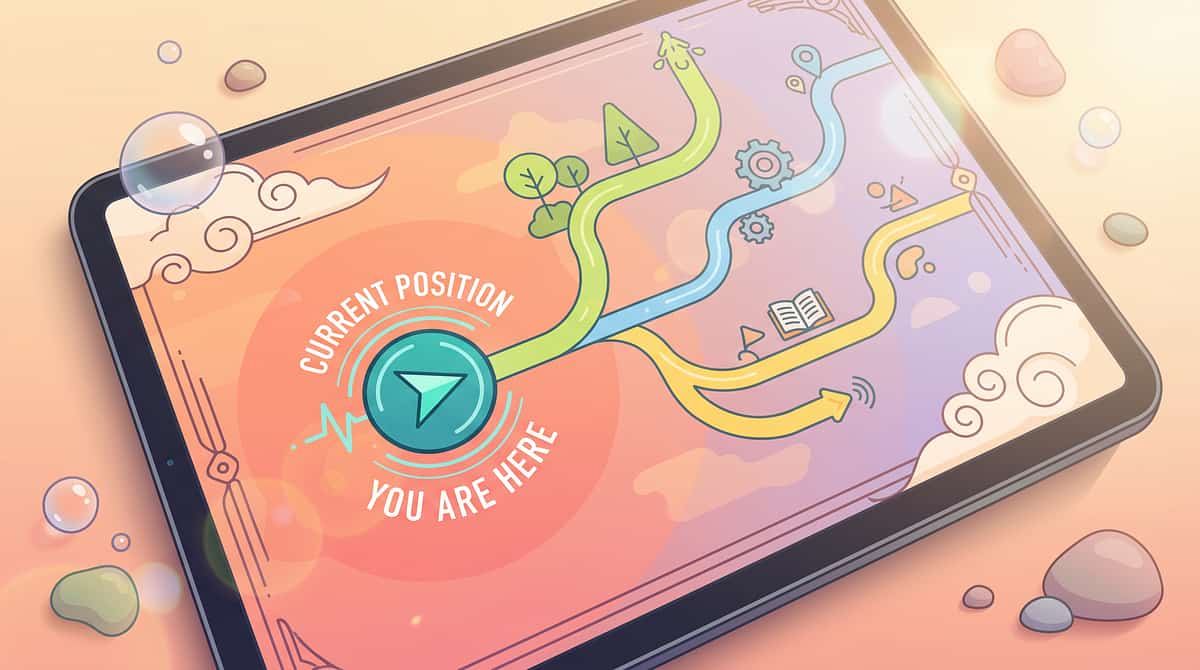
You Are Here. Here Is Where the Pathway Goes.
[B-224] Modeling AAC ← YOU ARE HERE
Communication partner modeling — the foundation of all AAC success
[B-225] AAC and Speech Development Together
How modeling AAC supports — and accelerates — verbal speech development
[B-226] Expanding Beyond Requesting with AAC
Moving from requesting to commenting, protesting, and conversational language
[B-227] AAC for Commenting and Conversation
Full communicative participation — language beyond functional needs
Lateral Techniques
- B-222: AAC in the Classroom — generalising modeling to school partners
- B-223: AAC for Children with Motor Challenges — adapting the partner board
- B-220: Getting Started with AAC — if needed as prerequisite
What Mastery of B-224 Unlocks
When communication partner modeling is fluent and habitual, every subsequent AAC technique in the B-domain works exponentially faster. Your partner board, core word maps, and prompt cards are foundational materials that work across ALL B-domain AAC techniques. This investment multiplies.

"Modeling Is Teaching. And I Finally Know How to Teach."
ACT V: COMMUNITY & ECOSYSTEM
"I felt ridiculous at first — talking and pointing at a screen at the same time. It was awkward. I fumbled. I forgot which words were where. I wondered constantly if any of it was making a difference.
But I used the prompt cards. I watched the videos. I tracked my modeling every day — even the days I only managed ten. I kept going.
Two months in, something clicked. I stopped needing the map. I knew where WANT and MORE and HELP were without thinking. And then my daughter started watching. Really watching — not just glancing, but tracking my hand with her eyes.
One day at breakfast, she reached over and touched HELP before I could model it. I cried right there at the table.
Six months later, she's combining words I never explicitly taught her — because she watched me model them, and her brain built the connections."
— Parent, Pinnacle Network, South India. Illustrative case. Individual outcomes vary by child profile, AAC system, and modeling consistency.
Consortium Comment (SLP): "This parent's experience is clinically representative. The awkwardness phase is universal. The breakthrough at weeks 6–10 follows a consistent pattern. And the moment the child leads — before the parent models — is the signal that the language map has been internalised. Every family who commits to modeling reaches this moment."
Communication Partner Readiness Index data, Pinnacle Network | PMC11506176
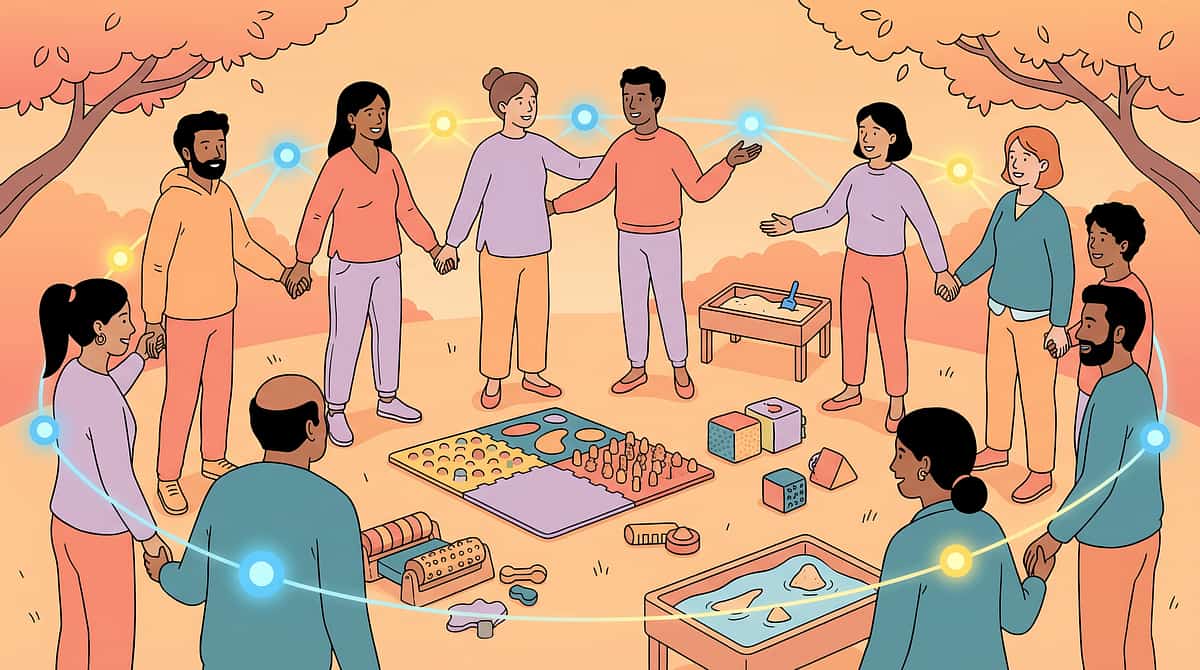
You Are Not Alone on This Journey
Pinnacle Parent Network
Connect with families across India (and globally) learning to model AAC. Share wins, troubleshoot challenges, find modeling partners. → pinnacleblooms.org/community
WhatsApp Community
Dedicated AAC modeling support group — daily tips, peer troubleshooting, expert SLP availability. → Join Group: 9100 181 181
Online Forum
Pinnacle Blooms Techniques Forum — comment on this page, share your modeling journey, ask the consortium. → techniques.pinnacleblooms.org/forum
Peer Mentoring
Request a mentor connection with an experienced AAC parent who has completed the B-224 journey. Available through the FREE Helpline.
"Your experience becomes someone else's hope. When you've modeled for 6 months and seen your child's first independent symbol — consider sharing your story. The parent just starting out needs to know what you now know."
📞FREE National Autism Helpline: 9100 181 181 (16+ languages, 24×7)
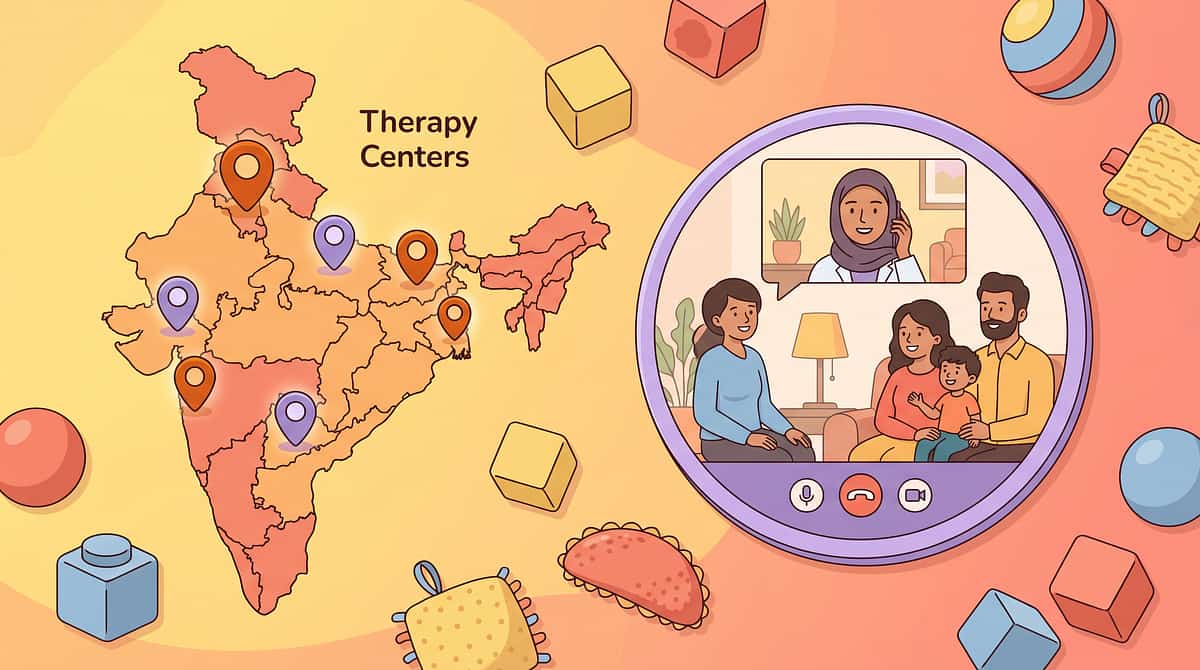
Home-Based Modeling Works Best When Backed by Professional Guidance
📞 FREE National Autism Helpline
Immediate access to trained SLPs for AAC modeling questions — no appointment, no cost.
9100 181 181 | 16+ languages | 24×7
9100 181 181 | 16+ languages | 24×7
🗓️ AAC Specialist Consultation
Book a dedicated AAC modeling assessment with a Pinnacle SLP who specialises in communication partner training and ALS implementation. → pinnacleblooms.org/book-consultation
🏥 Nearest Pinnacle Centre
70+ centres across India operating under GPT-OS® protocols. Find your nearest centre for in-person AAC partner coaching. → pinnacleblooms.org/centers
💻 Teleconsultation
Remote AAC coaching via video — SLP watches you model, provides real-time feedback, adapts your approach. Available nationally. → pinnacleblooms.org/tele
Studies consistently show that communication partner training delivered with direct coaching — vs. self-study alone — produces superior modeling outcomes. Even 2–3 coaching sessions accelerate partner skill development by months. Pinnacle works with multiple insurance providers. Enquire via helpline for eligibility.
📞9100 181 181 | WHO NCF Progress Report (2023): Professional guidance with parent training as optimal intervention model
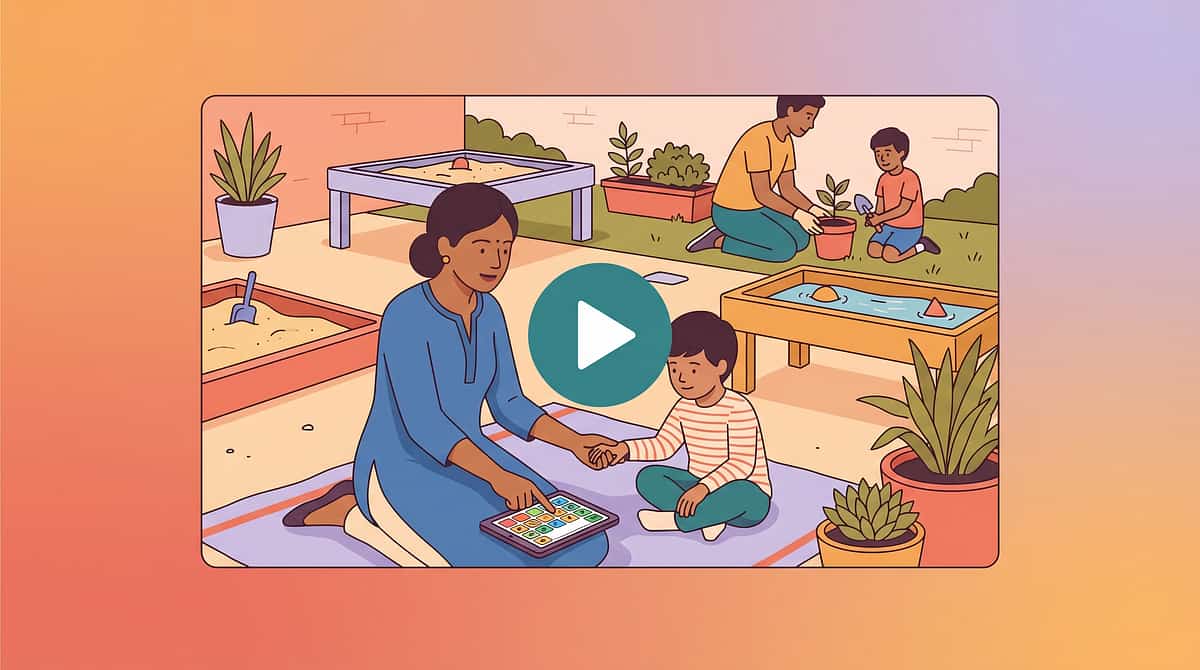
Watch: 9 Materials That Help Modeling AAC
Reel B-224
Series: Communication Access & AAC Solutions
A Pinnacle SLP presents all 9 materials visually — showing real AAC modeling in action, the partner board in use, the awkward-to-fluent transformation, and the child's first independent responses. "Reading about modeling helps. Watching modeling happen teaches everything reading cannot."
NCAEP (2020): Video modeling is Evidence-Based Practice for ASD — multi-modal learning improves caregiver skill acquisition.
Related Reels
B-220
Getting Started with AAC
B-221
Building Vocabulary on AAC
B-225
AAC and Speech Development Together
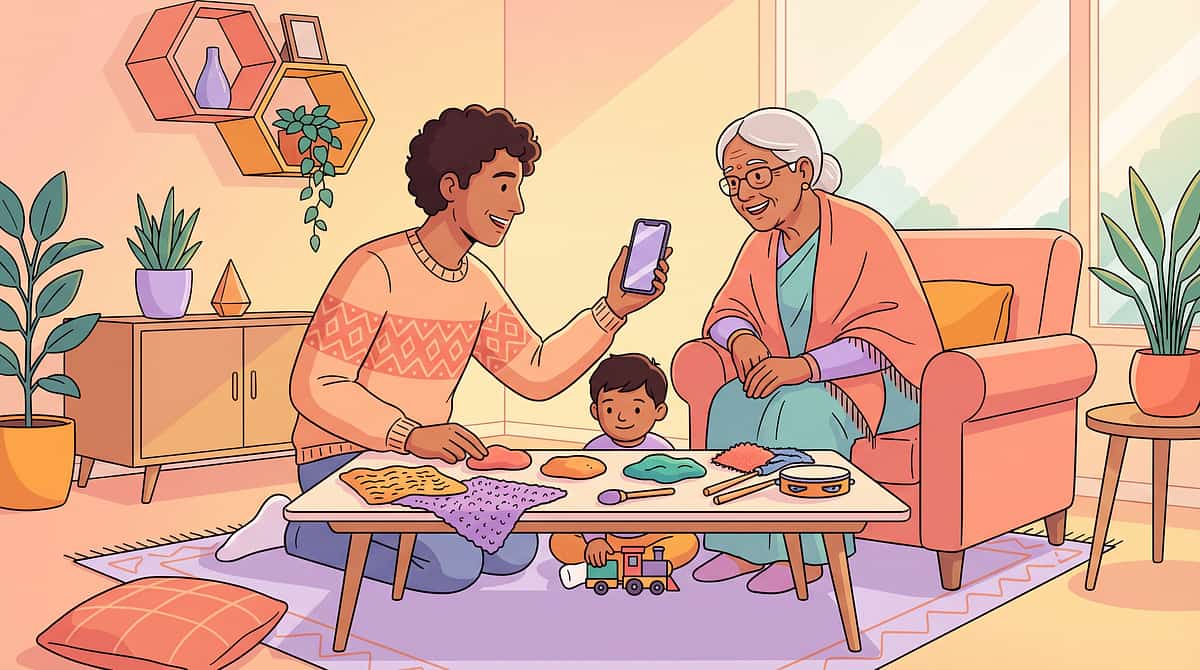
Consistency Across Caregivers Multiplies Impact by 400%
Every adult who communicates regularly with your child is a potential communication partner. When all caregivers model — parents, grandparents, siblings, teachers, paraprofessionals — the total daily modeling dose multiplies and language exposure becomes truly immersive.
"Explain to Grandparents" Version
"When you talk to [child's name], point to the pictures on their communication device at the same time. If you say 'more,' touch the MORE picture. If you say 'all done,' touch ALL DONE. You don't need to understand technology — you just need to point. Your pointing teaches them language. It takes one minute to learn. Please try it."
Teacher/School Communication Template
"We are implementing Aided Language Stimulation for [child's name] at home. To support generalisation, we would appreciate all communication partners at school also using partner modeling boards during [specific activities]. We can provide duplicate materials and a brief orientation. Please contact us to coordinate."
📱 Share on WhatsApp
Pre-formatted message ready to send to your family network
📧 Share by Email
Send this page to your child's school team or extended family
📥 Download Family Guide
1-page printable PDF — one for every caregiver in your child's life
📞 Helpline: 9100 181 181 | WHO CCD Package: Multi-caregiver consistency is critical for intervention generalisation
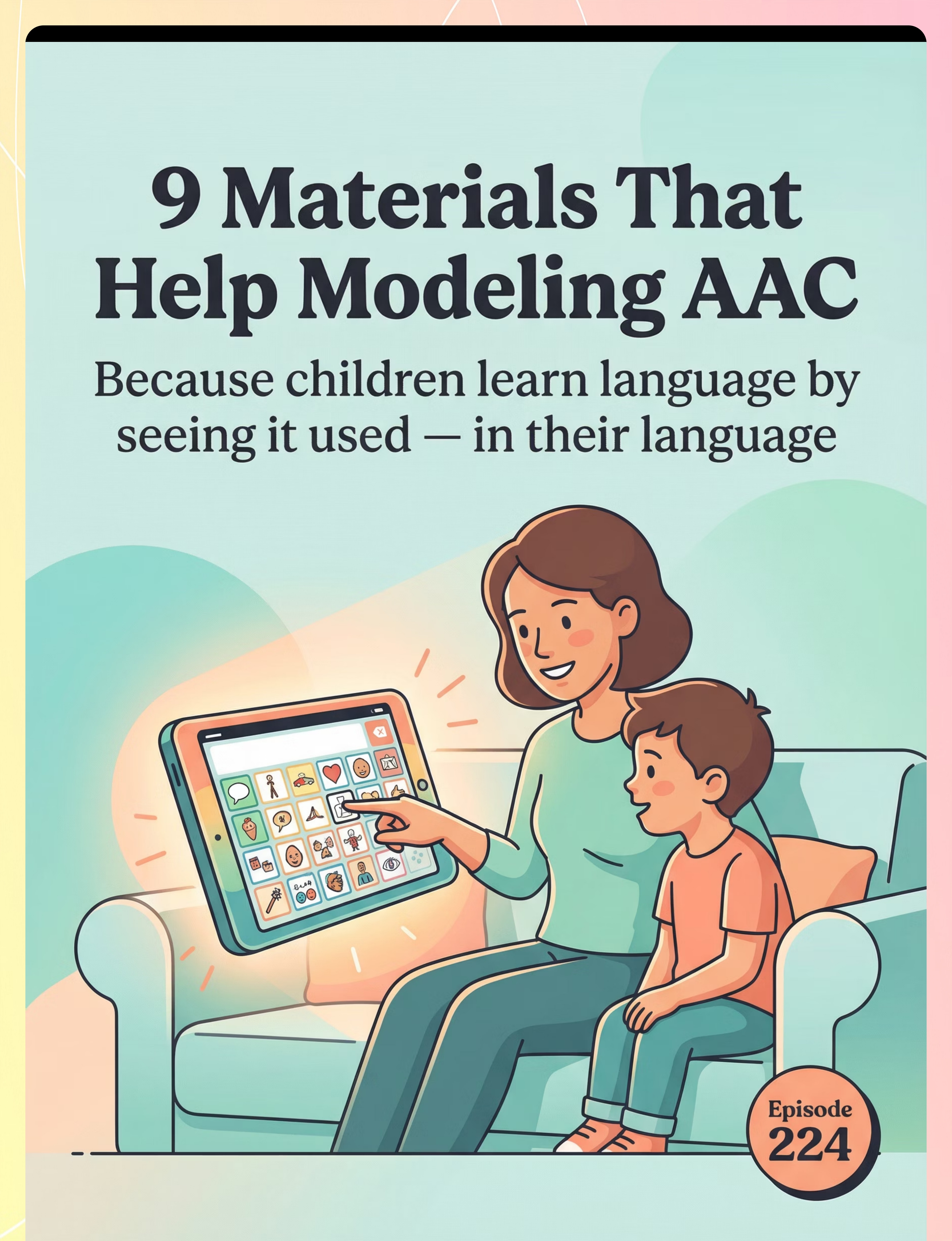
Preview of 9 materials that help modeling aac Therapy Material
Below is a visual preview of 9 materials that help modeling aac therapy material. The pages shown help educators, therapists, and caregivers understand the structure and content of the resource before use. Materials should be used under appropriate professional guidance.



Link copied!

Every Question Parents Ask About AAC Modeling — Answered
ACT VI: THE CLOSE & LOOP
Will modeling AAC prevent my child from talking?
Extensive research — multiple systematic reviews — confirm that AAC modeling does not suppress speech development. In most children, it accelerates it. Using AAC and developing speech are not in competition. They are complementary pathways.
My child's SLP only works with them directly — shouldn't they be doing the modeling?
An SLP sees your child 1–3 hours per week. You are with them 12–16 waking hours per day. Research consistently shows that parent modeling frequency has greater impact on AAC outcomes than clinic-based therapy alone. The SLP's role is to teach YOU to model.
My child uses an expensive AAC app — do I need the same one?
For partner modeling boards, you need to use the SAME vocabulary system as the child. Many AAC apps allow the same vocab on multiple devices. For low-tech users, print duplicates. Contact your SLP or the Pinnacle helpline for guidance.
How do I model in public without feeling embarrassed?
This is reported by most new modelers. It fades. Carry a small, discreet partner board. Focus on the child, not observers. Over time, modeling in public becomes completely natural — and occasionally inspires other parents.