
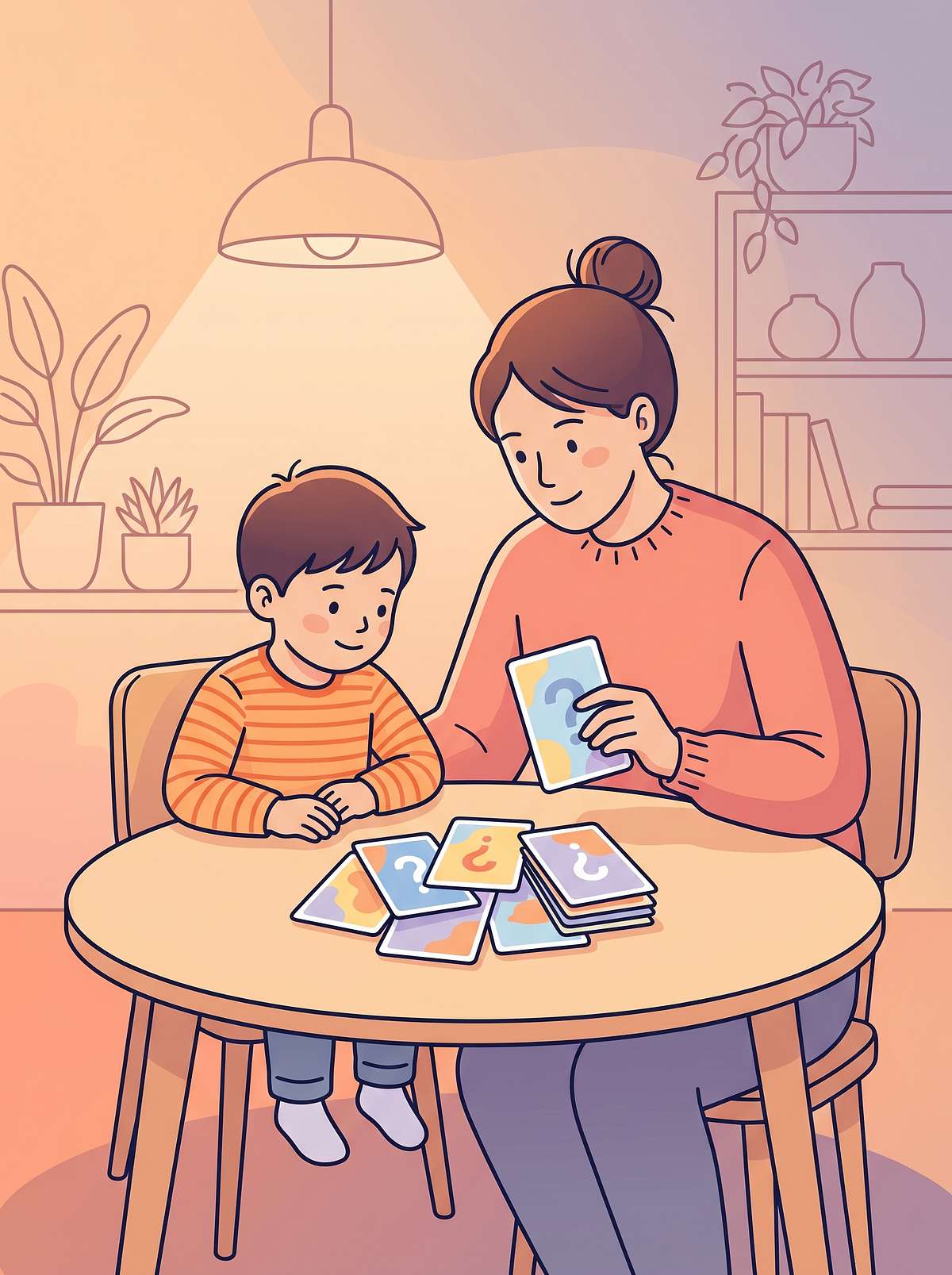
9 Materials That Help With Wh-Question Confusion
Technique B-155 | Domain B: Social Communication — A science-backed, home-ready guide for families navigating Who, What, Where, When, Why, and How with their child. Clinically validated. Parent-proven. Built for real life.
Pinnacle Blooms Network®
GPT-OS®
Domain B: Social Communication
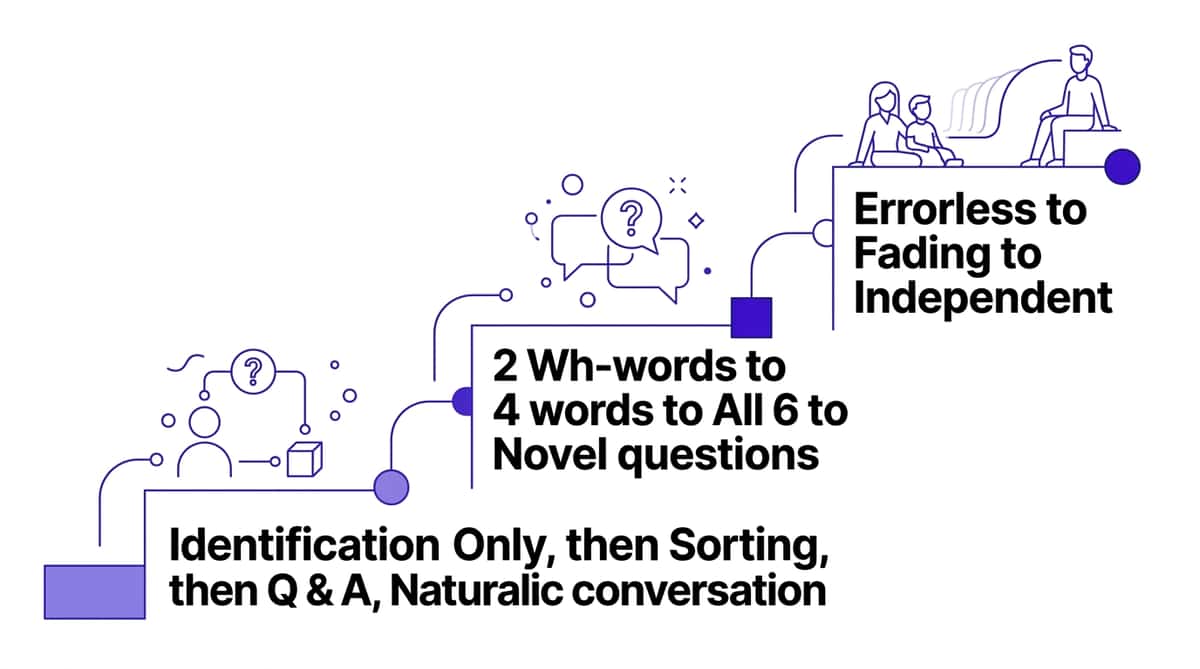
Act I — The Recognition Moment
"Who is it?" — He points to Grandma.
"What is it?" — He says "the park."
"Where did you go?" — He answers "yesterday."
"What is it?" — He says "the park."
"Where did you go?" — He answers "yesterday."
Your child heard the question. He tried to answer. But the question type — Who, What, Where, When, Why, How — is invisible to him. Each word is asking for a completely different category of information, and his brain hasn't yet built the map that connects question-word to answer-type.
You are not watching failure. You are watching a child whose question-processing circuits are still under construction. The confusion is real — and so is the solution.
Technique Name
Wh-Question Comprehension & Categorization
"The 6-Word Unlock" — Teaching your child what every question is really asking
"The 6-Word Unlock" — Teaching your child what every question is really asking
Validation
🏥 Pinnacle Blooms Consortium Validated
Domain B: Social Communication
Reel ID: B-155 | Reel Row: 204
Domain B: Social Communication
Reel ID: B-155 | Reel Row: 204
You are not failing. Your child's language system is building a new kind of map.

Act I — You Are Not Alone
How Many Families Are Navigating This Right Now?
Wh-question confusion is one of the most reported language concerns at a child's first SLP consultation — and the data behind it is both humbling and hopeful.
43–70%
Children with ASD
demonstrate significant difficulty processing Wh-questions; "Why" and "How" show the highest error rates (Lund et al., JSLHR)
1 in 36
US Children (CDC 2023)
diagnosed with ASD; 1 in 68 in India (NIMHANS 2019) — Wh-question confusion is among the top reported language challenges
8x
More Breakthroughs
reported by parents when Wh-question training uses color-coded, category-based visual materials vs. verbal-only instruction (Pinnacle GPT-OS®, 21M+ sessions)
You are among millions of families worldwide navigating this exact challenge. The confusion your child shows is a well-documented, well-researched, and — critically — well-solved language processing pattern. [PMC11506176] [PMC10955541] [WHO NCF 2018]
Act I — Neuroscience
What's Happening in Your Child's Brain (In Plain English)
The Core Issue
Wh-questions are not just vocabulary words — they are metacognitive category commands. When a neurotypical child hears "Where did you go?", their brain's left temporal lobe instantly activates a location-schema — a mental filing cabinet labeled PLACES. The word "Where" is the key that opens that cabinet.
In many children with ASD and language processing differences, this semantic routing system is underdeveloped. The child hears the question, processes the words individually, but lacks the automatic bridge between the question-word and the category of answer required.
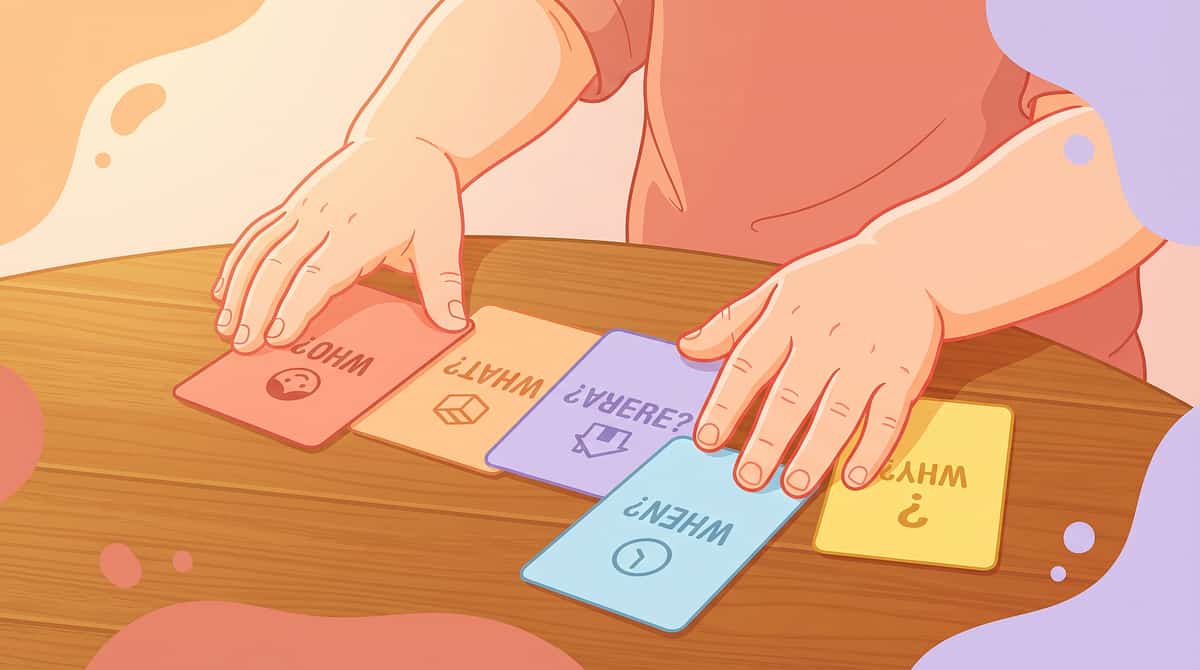
The 6 Mental Filing Cabinets
WHO | People / Roles | |
WHAT | Things / Events | |
WHERE | Places / Positions | |
WHEN | Time / Sequence | |
WHY | Explanations | |
HOW | Procedures |
Each Wh-word is a different filing key. The therapeutic goal is to build 6 strong, color-coded, symbol-anchored mental filing cabinets.
This is a language processing architecture difference, not a comprehension deficit or cognitive limitation. [Frontiers in Integrative Neuroscience, 2020 | DOI: 10.3389/fnint.2020.556660]

Act I — Developmental Timeline
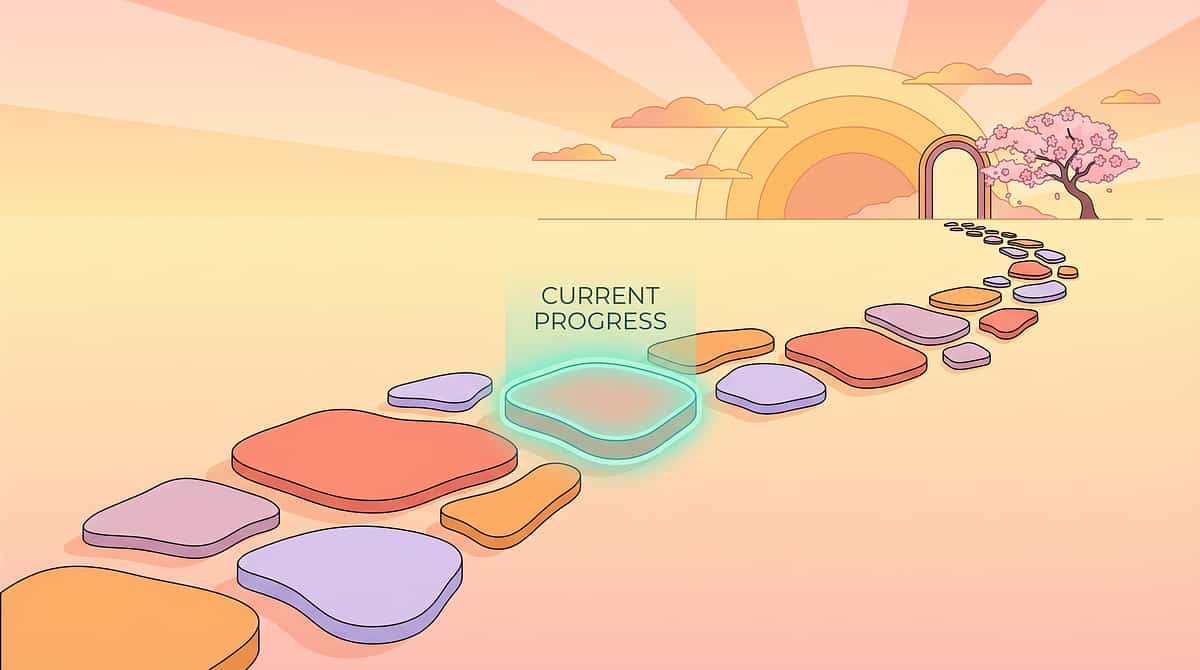
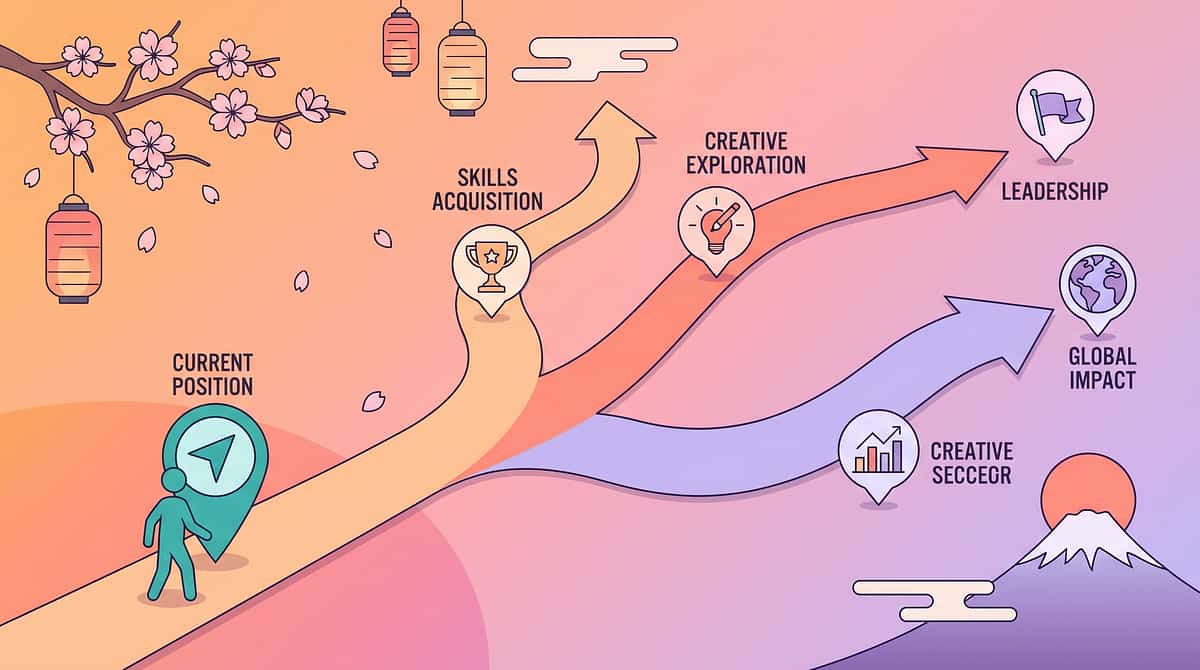
Your Child's Language Development Map
Understanding where Wh-question comprehension fits developmentally helps parents set calibrated, compassionate expectations — and see their child's current position as a waypoint, not a destination.
📍 Children with ASD/DLD often remain in earlier stages longer — Wh-question routing typically needs explicit, structured, visual teaching where neurotypical acquisition happens implicitly through environmental exposure.
Wh-question confusion frequently co-occurs with:
Auditory Processing
Misheard question words
Working Memory
Holding question type while generating answer
Pragmatic Language
Understanding conversational intent
Receptive Vocabulary
Not knowing what "where" means conceptually
Act I — The Evidence
This Isn't Hope. This Is Evidence.
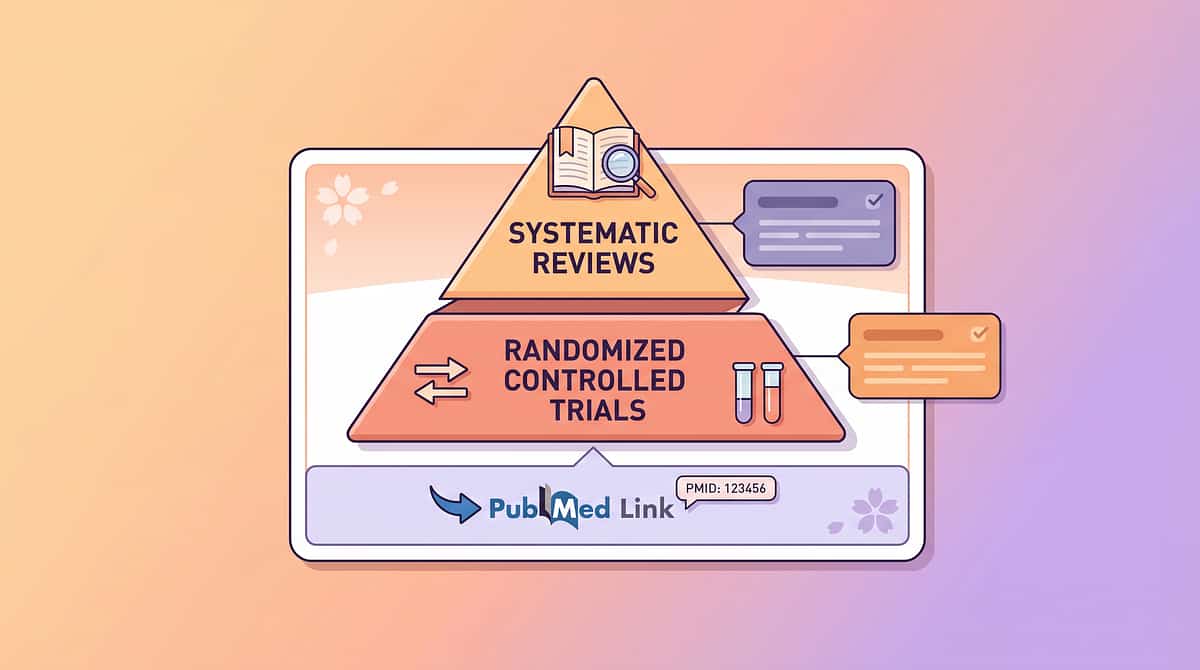
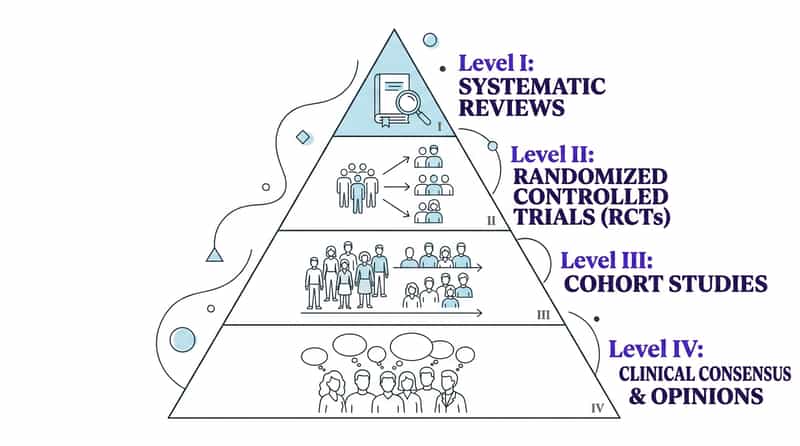
🛡️ LEVEL I EVIDENCE
Systematic Review + Multiple RCTs
Validated for children with ASD, DLD, and language processing differences
Research Confidence
★★★★★ Research Confidence: HIGH
★★★★★ Home Replicability: HIGH
★★★★☆ Speed of Results: 4–8 weeks
★★★★★ Home Replicability: HIGH
★★★★☆ Speed of Results: 4–8 weeks
Key Findings
- PRISMA 2024 (PMC11506176): Visual-symbolic language interventions meet evidence-based practice criteria across 16 studies (2013–2023)
- Color-coded categorization: Statistically significant improvement — effect size d=0.72 within 8–12 weeks of structured practice
- Indian RCT (Padmanabha et al., 2019): Home-based structured language interventions by trained parents demonstrated outcomes equivalent to clinic-based therapy
- NCAEP 2020: Visual supports and visual categorization systems classified as Established Evidence-Based Practice for autism
Clinically validated. Home-applicable. Parent-proven.
Act II — The Technique
Wh-Question Comprehension & Categorization
Parent-Friendly Alias: "The 6-Word Unlock"
A structured, visually-scaffolded speech and language intervention that teaches children to automatically identify which category of information is requested by each of the six English Wh-question words. Using color-coded cards, symbol-enhanced visuals, sorting activities, and graduated story-based practice, the child builds a durable question-type → answer-type routing map in long-term memory.
The technique simultaneously addresses receptive language (understanding the question), semantic categorization (knowing what kind of answer is needed), and expressive language (producing an appropriate response).
Domain
B: Social Communication
Visual Communication Cards | Sorting Activities | Matching Games
Visual Communication Cards | Sorting Activities | Matching Games
Age Range
2.5 – 12 years
Session: 10–20 min | Frequency: 3–5×/week
Session: 10–20 min | Frequency: 3–5×/week
Expected Timeline
4–12 weeks for measurable gains
Generalizes to home, school, and community
Generalizes to home, school, and community
Act II — Who Uses This
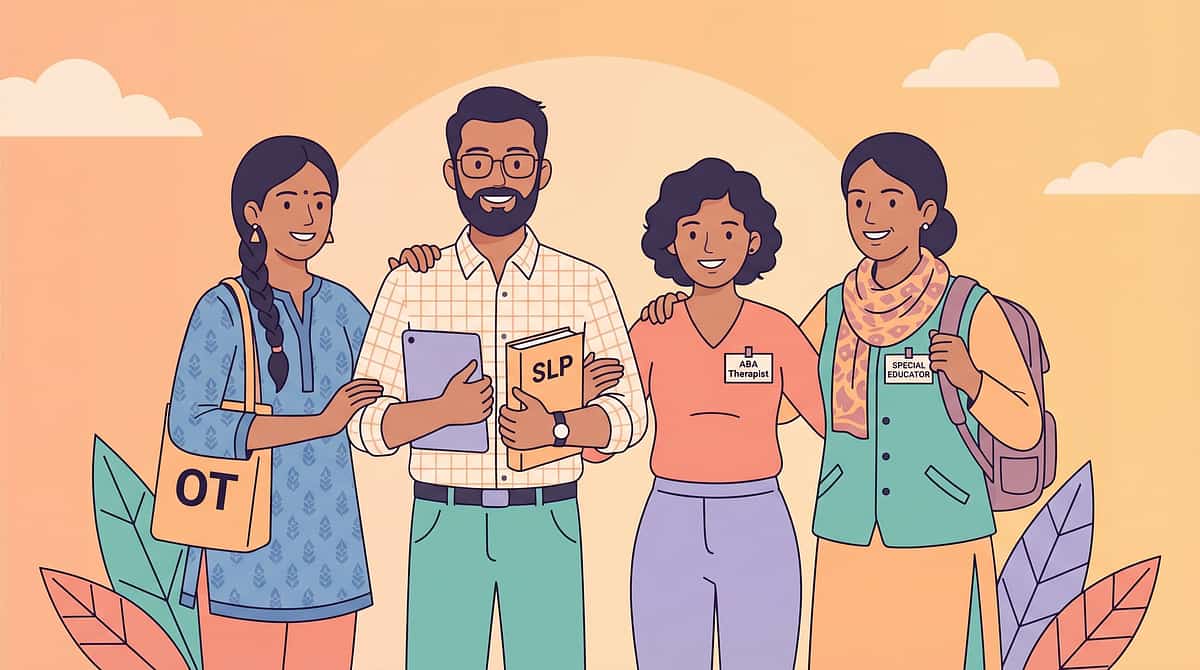
The Consortium Uses This Technique Across 5 Disciplines
Wh-question processing doesn't organize itself by therapy type — which is why this technique crosses professional boundaries seamlessly. Each discipline contributes a distinct layer of support.
🗣️ Speech-Language Pathologist (SLP) — PRIMARY
Introduces color-coded cards systematically with hierarchy-based prompting. Tracks accuracy percentages per question type across structured and naturalistic probes.
🎨 Occupational Therapist (OT)
Addresses sensory-attentional prerequisites — ensuring the child is regulated and attending before language demands are introduced. Adapts materials for tactile or visual sensitivities.
📊 ABA / BCBA
Defines discrete trial training protocols, tracks inter-rater reliability data, designs reinforcement schedules, and programs errorless learning hierarchies.
📚 Special Education Teacher
Embeds Wh-question practice into reading comprehension, social stories, and classroom discourse. Ensures school-home data alignment and technique consistency.
🧠 Neuro-Developmental Pediatrician
Monitors overall language trajectory via the AbilityScore® assessment battery, adjusting the broader neurodevelopmental intervention plan based on GPT-OS® language domain data.
📞9100 181 181 — Speak with a Pinnacle SLP today
Act II — What This Targets
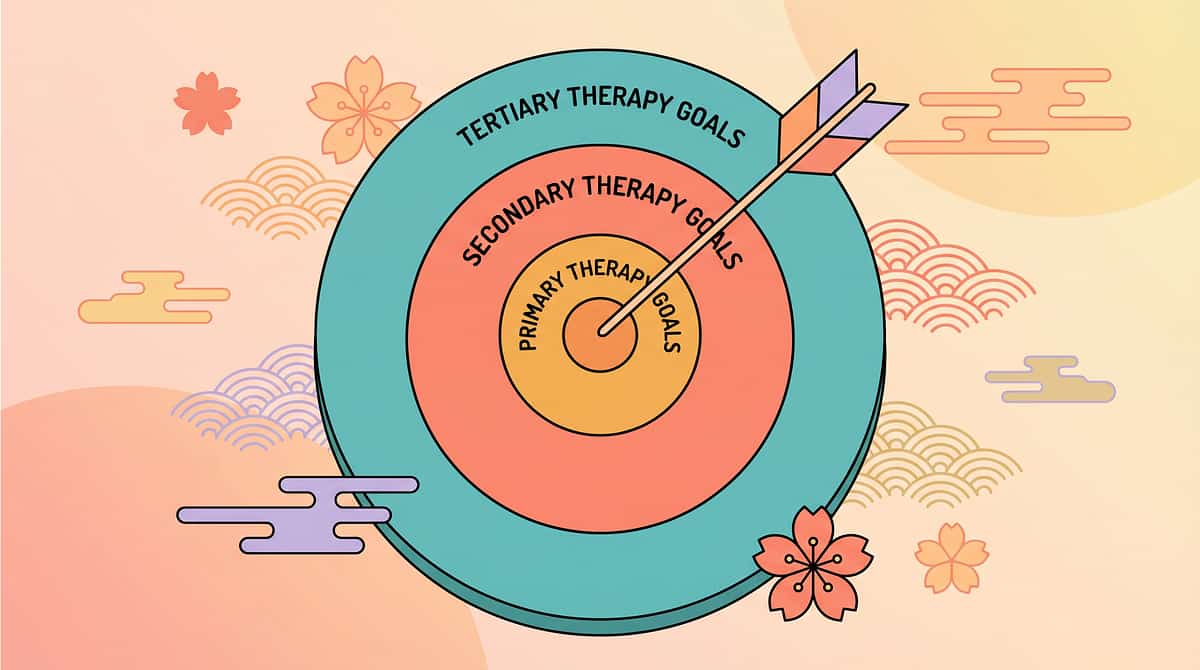
Precision Targeting: What This Technique Builds
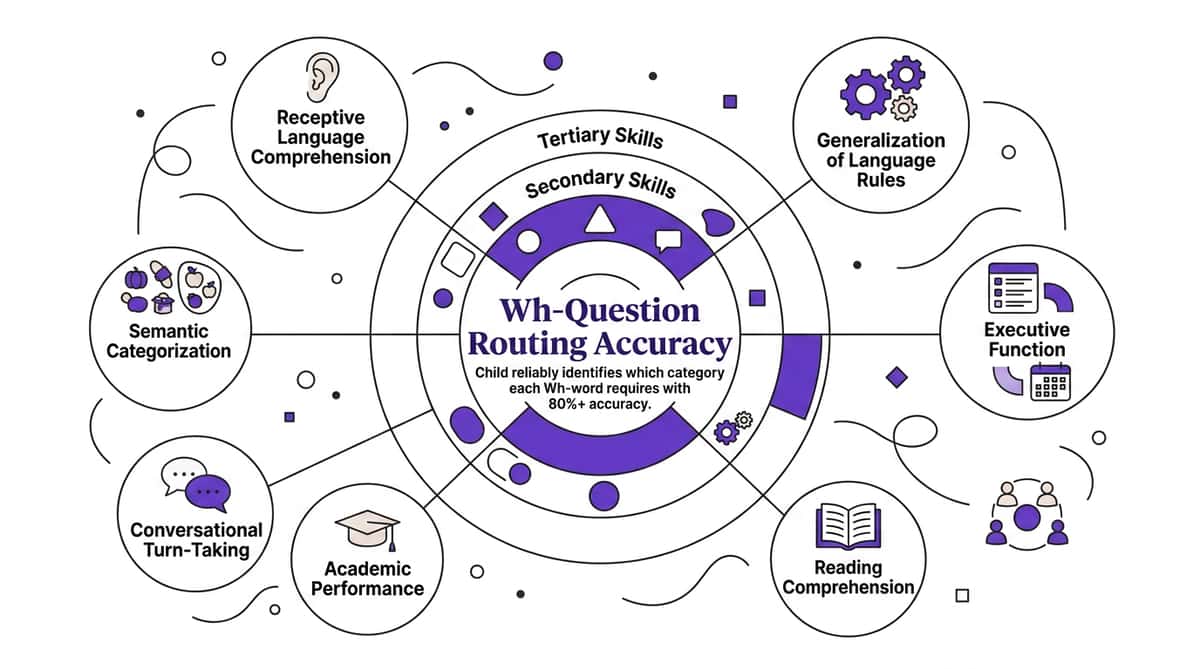
Primary Target
🎯Wh-Question Routing Accuracy — Child correctly responds to "Where did you go?" with a place answer with ≥80% accuracy across 3 consecutive sessions.
Secondary & Tertiary Targets
- Receptive Language Comprehension
- Semantic Categorization
- Conversational Turn-Taking
- Reading comprehension & academic performance
- Social participation & peer conversation
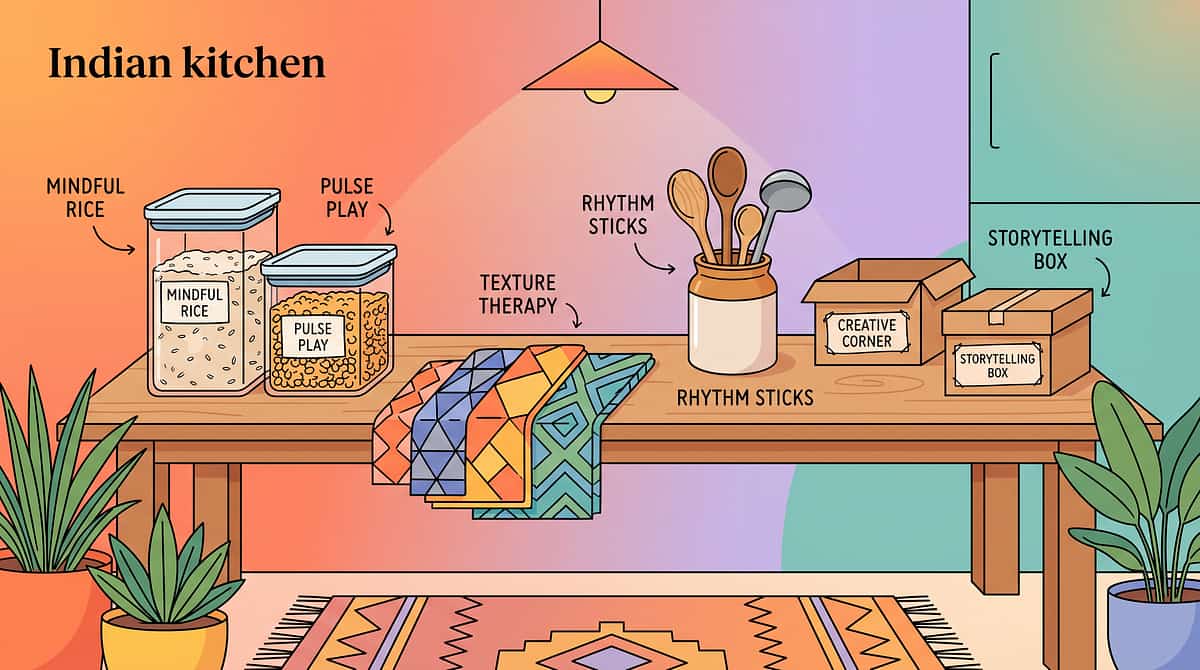
Act II — Materials 1–3
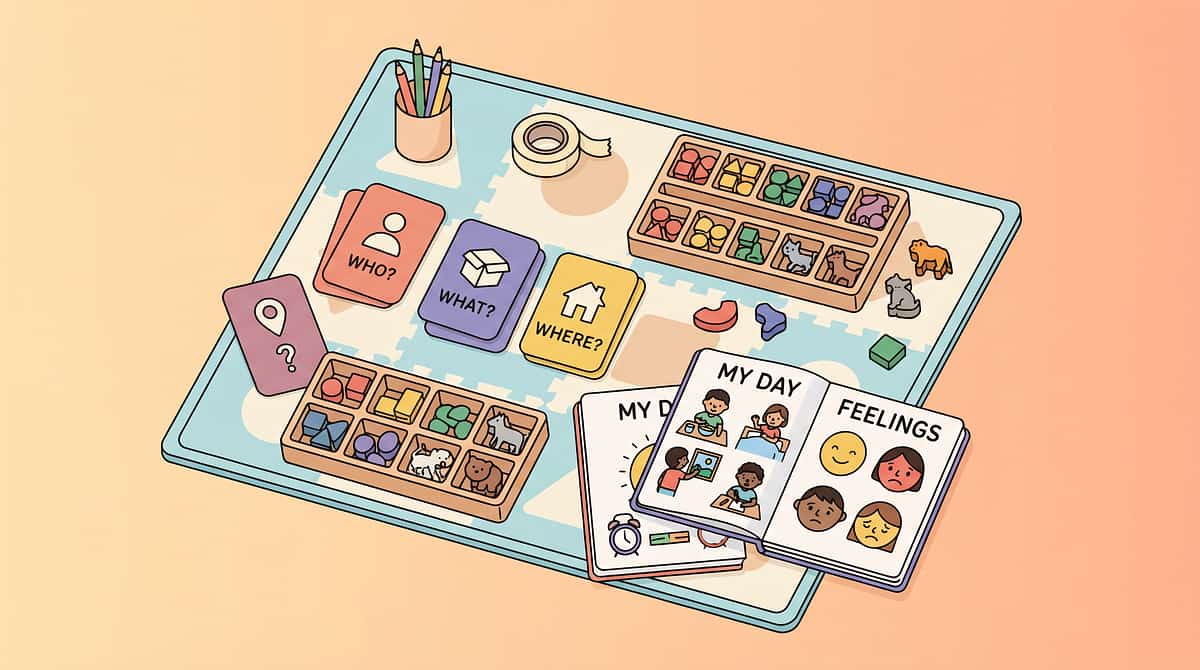
9 Clinically Validated Materials — Part 1
Each material is mapped to the Pinnacle 128 Canon Materials taxonomy. Zero-cost DIY alternatives exist for every item. Here are the first three core materials.
Material 1: Color-Coded Wh-Cards
📦 Canon: Visual Communication Cards
🎨 WHO=Blue | WHAT=Red | WHERE=Green | WHEN=Orange | WHY=Purple | HOW=Yellow
💡 Core teaching tool — each Wh-word gets its own color AND symbol
₹ DIY Printable: ₹0 | Laminated sets: ₹150–400
🛒 Search: "Wh question cards autism" on Amazon.in
🎨 WHO=Blue | WHAT=Red | WHERE=Green | WHEN=Orange | WHY=Purple | HOW=Yellow
💡 Core teaching tool — each Wh-word gets its own color AND symbol
₹ DIY Printable: ₹0 | Laminated sets: ₹150–400
🛒 Search: "Wh question cards autism" on Amazon.in
Material 2: Wh-Question Sorting Mats
📦 Canon: Sorting Activities / Categorization
🎯 Physical answer-sorting surface — match answer cards to question categories
💡 Kinesthetic reinforcement of the 6-category map
₹ DIY Version: ₹0 (printed placemats, laminated) | Commercial: ₹300–800
🛒 Search: "question sorting mat speech therapy" on Amazon.in
🎯 Physical answer-sorting surface — match answer cards to question categories
💡 Kinesthetic reinforcement of the 6-category map
₹ DIY Version: ₹0 (printed placemats, laminated) | Commercial: ₹300–800
🛒 Search: "question sorting mat speech therapy" on Amazon.in
Material 3: Symbol-Enhanced Wh-Cards
📦 Canon: Visual Communication Cards
🎯 WHO=person icon | WHERE=map pin | WHEN=clock | WHY=thought bubble | HOW=gear
💡 Symbol bridges abstract word to concrete visual category anchor
₹ Brainy Bug Flashcards: ₹305 → amzn.in/d/07zQavEk
🎯 WHO=person icon | WHERE=map pin | WHEN=clock | WHY=thought bubble | HOW=gear
💡 Symbol bridges abstract word to concrete visual category anchor
₹ Brainy Bug Flashcards: ₹305 → amzn.in/d/07zQavEk
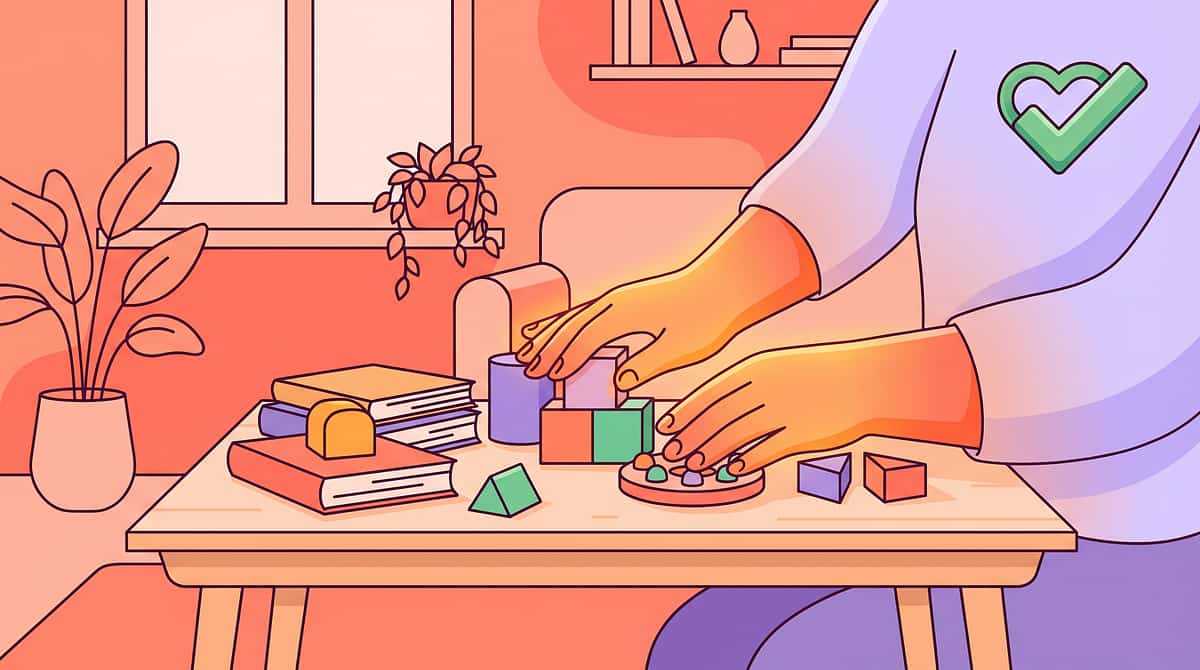
Act II — Materials 4–6
9 Clinically Validated Materials — Part 2
Material 4: Wh-Question Story Books
📦 Canon: Problem-Solving Toys / Language Books
🎯 Context-rich stories with embedded Wh-question practice opportunities
💡 Naturalistic practice — questions arise from story events, not isolated drills
₹ "A Visit to the Hospital" activity book: ₹199 → amzn.in/d/01KczBmp
₹ Local library / free digital books: ₹0
🎯 Context-rich stories with embedded Wh-question practice opportunities
💡 Naturalistic practice — questions arise from story events, not isolated drills
₹ "A Visit to the Hospital" activity book: ₹199 → amzn.in/d/01KczBmp
₹ Local library / free digital books: ₹0
Material 5: Wh-Question Board Games
📦 Canon: Matching Games / Memory Games
🎯 Fun-driven repeated practice — players must answer Wh-questions to advance
💡 Games sustain 3–5× more practice trials than drills
₹ Dyomnizy Memory Game (adaptable): ₹519 → amzn.in/d/0iwJwOiH
₹ DIY card game: ₹0–50
🎯 Fun-driven repeated practice — players must answer Wh-questions to advance
💡 Games sustain 3–5× more practice trials than drills
₹ Dyomnizy Memory Game (adaptable): ₹519 → amzn.in/d/0iwJwOiH
₹ DIY card game: ₹0–50
Material 6: Visual Scene Displays (VSDs)
📦 Canon: Visual Communication Cards / Scene-Based Materials
🎯 Rich kitchen/park/school scenes — parent asks all 6 question types about ONE scene
💡 One image generates 30+ practice opportunities across all question categories
₹ Printed A4 scene + lamination: ₹20–50 | Tablet/phone screen: ₹0
🎯 Rich kitchen/park/school scenes — parent asks all 6 question types about ONE scene
💡 One image generates 30+ practice opportunities across all question categories
₹ Printed A4 scene + lamination: ₹20–50 | Tablet/phone screen: ₹0
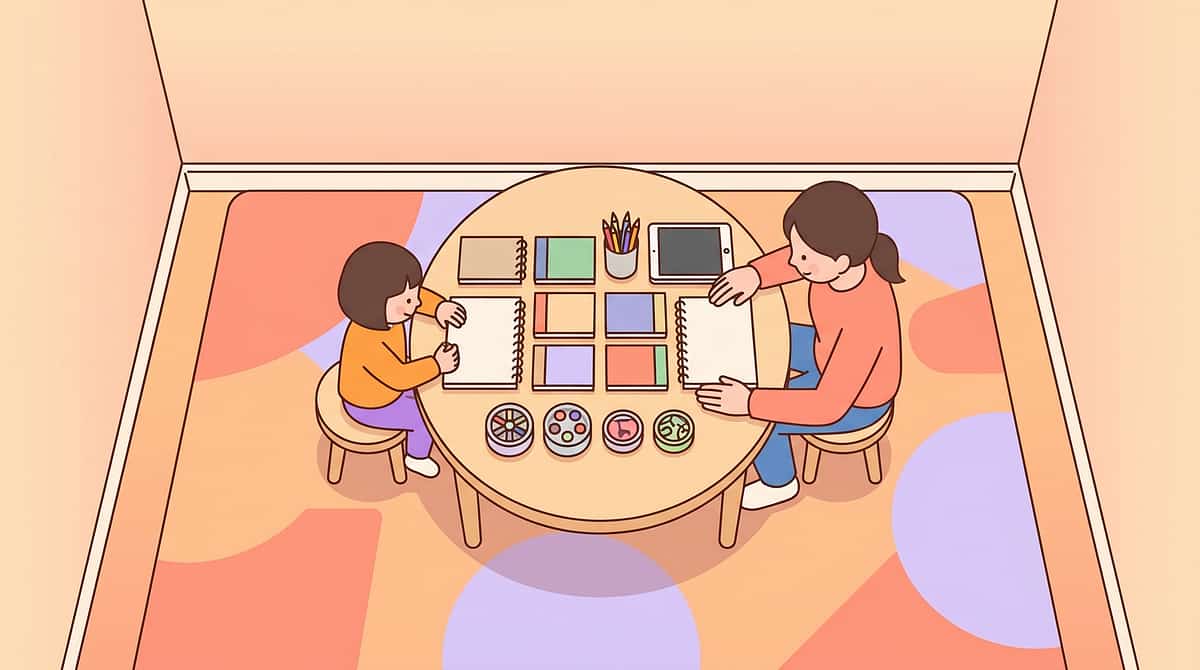
Act II — Materials 7–9 + Reinforcement
9 Clinically Validated Materials — Part 3
Material 7: Wh-Response Frames
📦 Canon: Visual Communication Cards / Language Frames
🎯 Sentence starter cards: "It's ___" (WHO) | "At/In the ___" (WHERE) | "At ___ time" (WHEN)
💡 Scaffolded answer structure reduces production demand — focuses on category selection
₹ DIY printed cards: ₹0–30 | Laminated A5 frame cards: ₹50–150
🎯 Sentence starter cards: "It's ___" (WHO) | "At/In the ___" (WHERE) | "At ___ time" (WHEN)
💡 Scaffolded answer structure reduces production demand — focuses on category selection
₹ DIY printed cards: ₹0–30 | Laminated A5 frame cards: ₹50–150
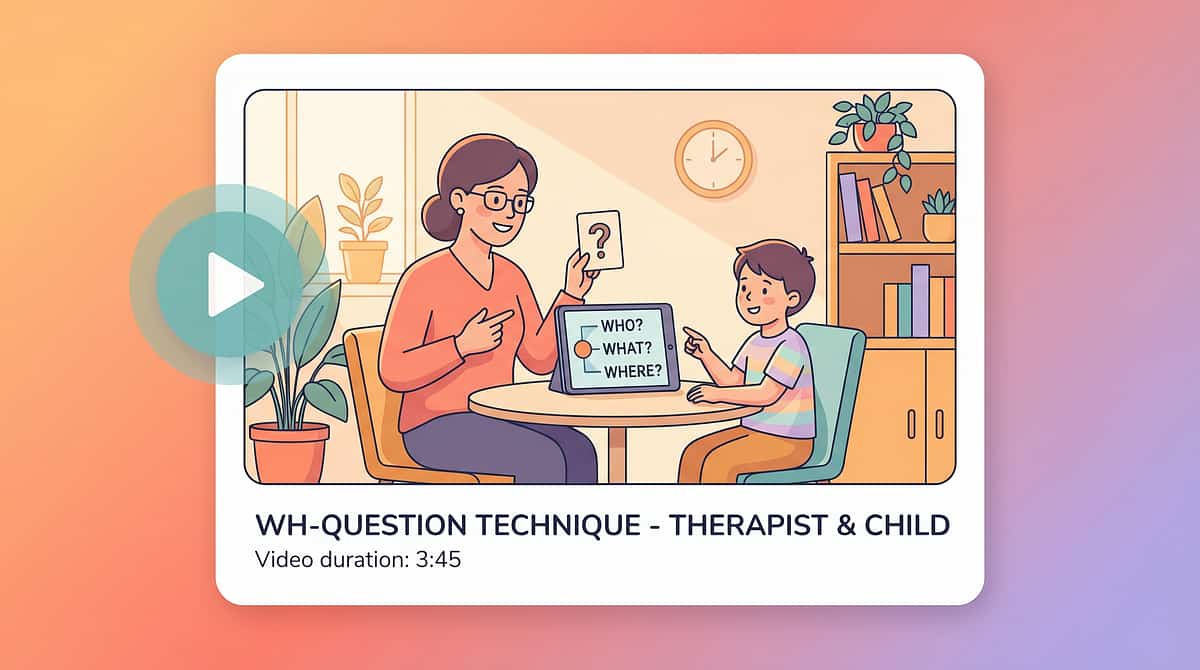
Material 8: Wh-Question Videos
📦 Canon: Digital Learning Materials / Video Modeling
🎯 Watch correct question-answer patterns modeled — WHO? → "Daddy" | WHERE? → "at school"
💡 Video modeling = NCAEP 2020 Established EBP for autism
₹ YouTube (free), Pinnacle GPT-OS® video library, Pinterest: ₹0
🎯 Watch correct question-answer patterns modeled — WHO? → "Daddy" | WHERE? → "at school"
💡 Video modeling = NCAEP 2020 Established EBP for autism
₹ YouTube (free), Pinnacle GPT-OS® video library, Pinterest: ₹0
Material 9: Wh-Reference Flipbooks
📦 Canon: Visual Communication Cards / Reference Tools
🎯 Child-accessible flip reference: "When I hear WHO, I answer with a PERSON"
💡 Builds independent self-monitoring — child checks their own answer category
₹ Monkey Minds Clip Cards: ₹296 → amzn.in/d/00S726LE | DIY spiral-bound flipbook: ₹0–80
🎯 Child-accessible flip reference: "When I hear WHO, I answer with a PERSON"
💡 Builds independent self-monitoring — child checks their own answer category
₹ Monkey Minds Clip Cards: ₹296 → amzn.in/d/00S726LE | DIY spiral-bound flipbook: ₹0–80
⭐Reinforcement Materials (ABA Layer): Reward Stickers 1800+ pack: ₹364 → amzn.in/d/01wrHJWX | Rosette Reward Jar: ₹589 → amzn.in/d/02C5R9Jn | Token economy + immediate reinforcement for correct Wh-routing
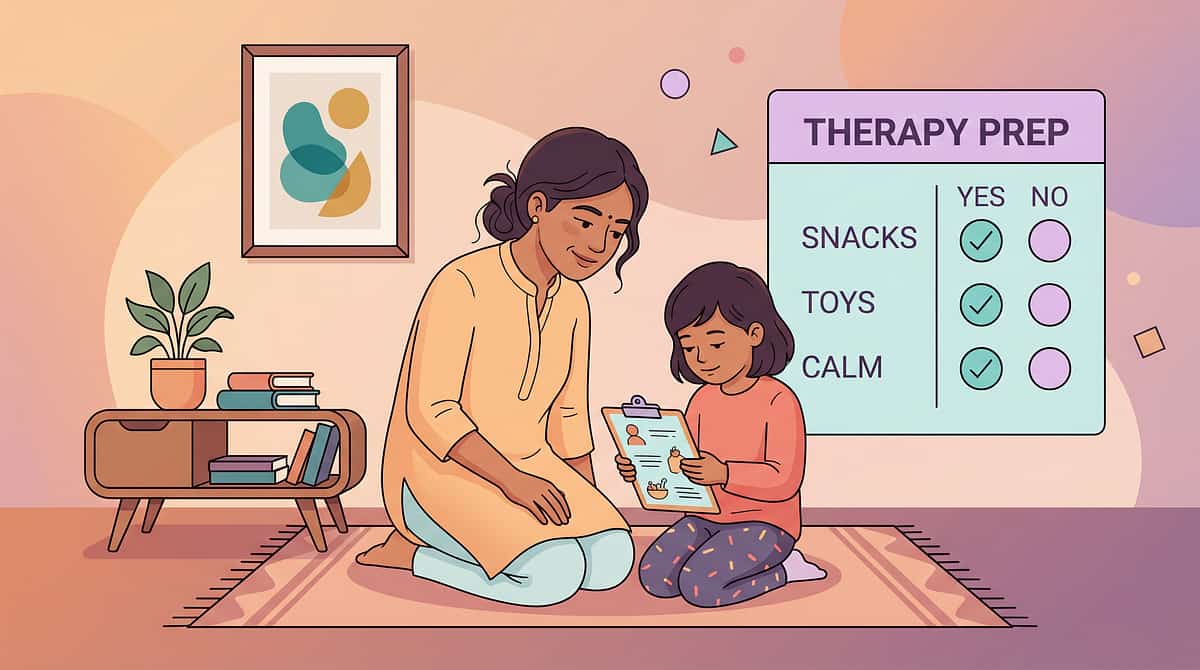
Act II — DIY Alternatives
Every Material Has a ₹0 Version. Here's How.
WHO/UNICEF equity principle: No child's therapy should depend on a shopping cart. Every technique in the Pinnacle library has a household-materials version.
Clinical-Grade Version | Household DIY Version | Why It Works | |
Laminated color-coded Wh-cards | Cut index cards, color with markers (WHO=blue, WHAT=red, etc.), draw symbol | Same color-symbol association — brain learns the visual anchor equally | |
Commercial sorting mat | Draw 6 boxes on a large paper/cardboard with colored borders | Kinesthetic sorting on any flat surface achieves the same categorization practice | |
Symbol-enhanced cards | Draw stick figure (WHO), house (WHERE), clock (WHEN), thought bubble (WHY), gear (HOW) — laminate with clear tape | Child's handmade symbols often become more personally meaningful | |
Story books | Any existing picture book at home — parent generates Wh-questions from illustrations | The book is just a stimulus; the practice is the question-answer exchange | |
Visual scene display | A family photograph — kitchen scene, living room, park | Familiar scenes may produce higher engagement than commercial displays | |
Flipbook | Folded A4 sheet with 6 tabs, hand-written reference | Child involvement in making = deeper encoding of categories |
Zero-Cost Protocol: This entire technique can be implemented today with paper + markers, any picture book, a family photograph, your voice, and 15 minutes.
Act II — Safety First
Pre-Session Safety Checklist 🚦
🔴 RED — Do NOT proceed if:
• Child is in sensory overload, meltdown, or post-meltdown recovery (wait 30+ min after full regulation)
• Child has fever, illness, or visible pain/discomfort
• Child has had a traumatic event in the past 24 hours
• Cards contain choking-risk small parts for children under 3
• You (the caregiver) are in acute emotional distress — children co-regulate; your state IS the environment
• Child is in sensory overload, meltdown, or post-meltdown recovery (wait 30+ min after full regulation)
• Child has fever, illness, or visible pain/discomfort
• Child has had a traumatic event in the past 24 hours
• Cards contain choking-risk small parts for children under 3
• You (the caregiver) are in acute emotional distress — children co-regulate; your state IS the environment
🟡 AMBER — Modify if:
• Child has not eaten in 2+ hours — offer snack, wait 10 minutes
• High stimulation environment — reduce to quiet space
• Child refused the specific Wh-card materials previously — switch to scene displays or story-based version
• Child's attention window appears shorter today — reduce to 5-minute session, 2–3 Wh-words only
• Child has not eaten in 2+ hours — offer snack, wait 10 minutes
• High stimulation environment — reduce to quiet space
• Child refused the specific Wh-card materials previously — switch to scene displays or story-based version
• Child's attention window appears shorter today — reduce to 5-minute session, 2–3 Wh-words only
🟢 GREEN — Safe to proceed when:
• Child is fed, rested, regulated, and alert
• Environment is quiet and organized
• All materials are laid out before the session begins
• You have 15–20 uninterrupted minutes
• Your tone is warm, playful, and unpressured
• Child is fed, rested, regulated, and alert
• Environment is quiet and organized
• All materials are laid out before the session begins
• You have 15–20 uninterrupted minutes
• Your tone is warm, playful, and unpressured
🛑 ABSOLUTE STOP SIGNS — End the session immediately if:
• Child shows signs of self-injurious behavior
• Child's distress escalates despite modification attempts
• Any material is placed in mouth (under 3)
• Child falls asleep or shows signs of medical distress
• Child shows signs of self-injurious behavior
• Child's distress escalates despite modification attempts
• Any material is placed in mouth (under 3)
• Child falls asleep or shows signs of medical distress
📞9100 181 181 — Always available for clinical questions
This protocol is designed for parent-administered home practice supplementary to professional therapy. It does not replace evaluation or treatment by qualified SLP, OT, ABA, or NeuroDev professionals.
Act II — Space Setup
Your 5-Minute Pre-Session Environment Checklist
Child's Position
Seated at table, facing parent. Chair height appropriate — feet flat on floor. Minimize chair rocking or instability.
Parent's Position
Seated across or beside child. Beside = less confrontational for anxious children. Across = clearer eye contact for DTT.
Materials Pre-Laid
Cards pre-sorted by color, face-down until needed. Sorting mat centered. Reinforcer visible but not accessible until earned.
Remove from Space
TV off, tablets put away (unless using for video modeling), excess toys removed, other children redirected if possible.
Lighting & Sound
Bright, even light. No glare on cards. Purple and orange must be clearly distinguishable. Quiet background — no music unless SLP has specified calming support.
Timing
Never schedule immediately after school, therapy, or a stressful outing. Best windows: mid-morning (10–11am) or late afternoon post-rest (4–5pm).
Act III — Readiness Check
60-Second Pre-Flight Check ✈️
The best session is one that starts right. A 5-minute session when the child is ready outperforms a 20-minute session when they're not. Run this quick check before every session.
✅ Full Readiness — 7/7 → GO
- Child is calm and alert (not hyperactive, not sleepy)
- Child ate within the last 2 hours
- No meltdown in the past 30 minutes
- Child is in the therapy space (or willing to come)
- Eye contact is available (even brief/fleeting)
- Child is not showing signs of illness
- You have the materials ready and 15+ minutes uninterrupted
⚡ Modified Readiness — 5–6/7 → MODIFY
Start with 2 Wh-words only (WHO + WHAT), 5-minute session, high reinforcement rate. Reduce demands, not the session itself.
⏸️ Postpone — Under 5/7 → WAIT
Offer a preferred calming activity. Attempt session in 30–60 minutes. Protecting the child's positive association with sessions is more important than completing one today.
Act III — Step 1 of 6
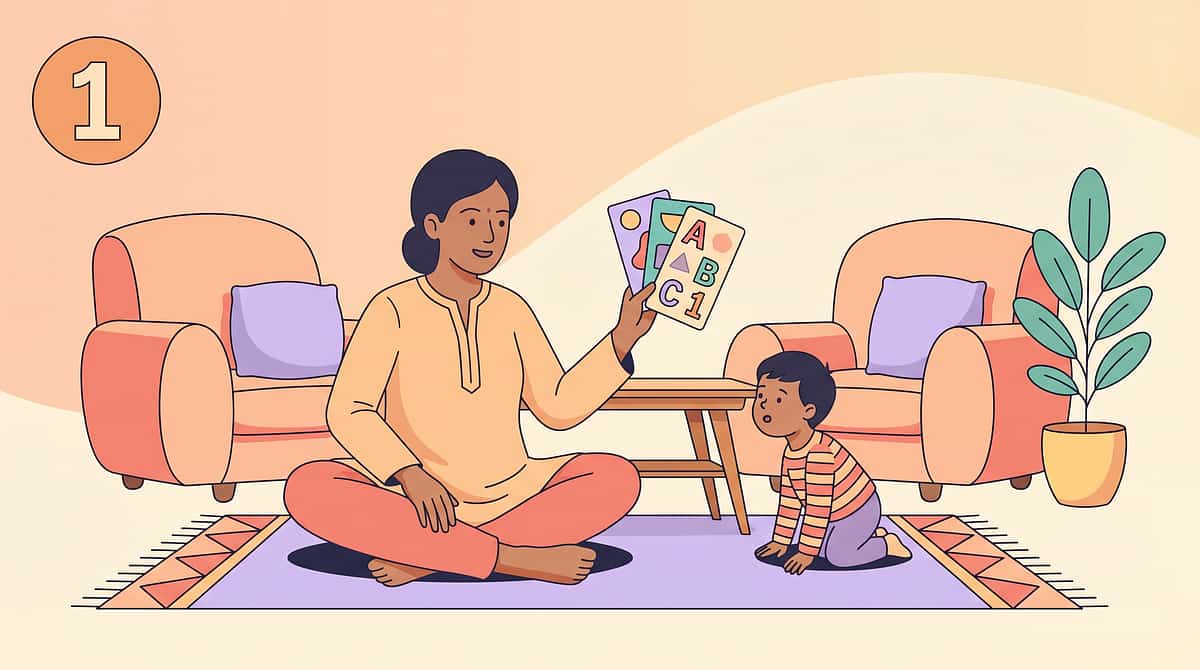
Step 1: Invite, Don't Command
⏱️ 30–60 seconds
Parent Script — Exact Words
"Hey! I have these amazing cards — look at all these colors! Want to help me sort them?"
OR for a more directive introduction:
"We're going to play the Question Game today! There are 6 secret codes — and you're going to crack all of them."
Body Language
Lean slightly forward. Use animated, warm tone — not flat or clinical. Hold up ONE card (start with the blue WHO card). Do NOT demand eye contact — allow side-by-side engagement if child prefers.
✅ Acceptance Cues — Child Is Ready
- Child reaches for card
- Child orients body toward table
- Child makes any vocalization of interest
- Child sits voluntarily
🔴 Resistance Signals — Modify Approach
- Child moves away → Follow to preferred location, bring 2 cards only
- Child ignores → Wait 10 seconds silently (don't repeat prompt immediately)
- Child grabs all cards → Redirect: "First we'll sort, then you can hold them all"

Act III — Step 2 of 6
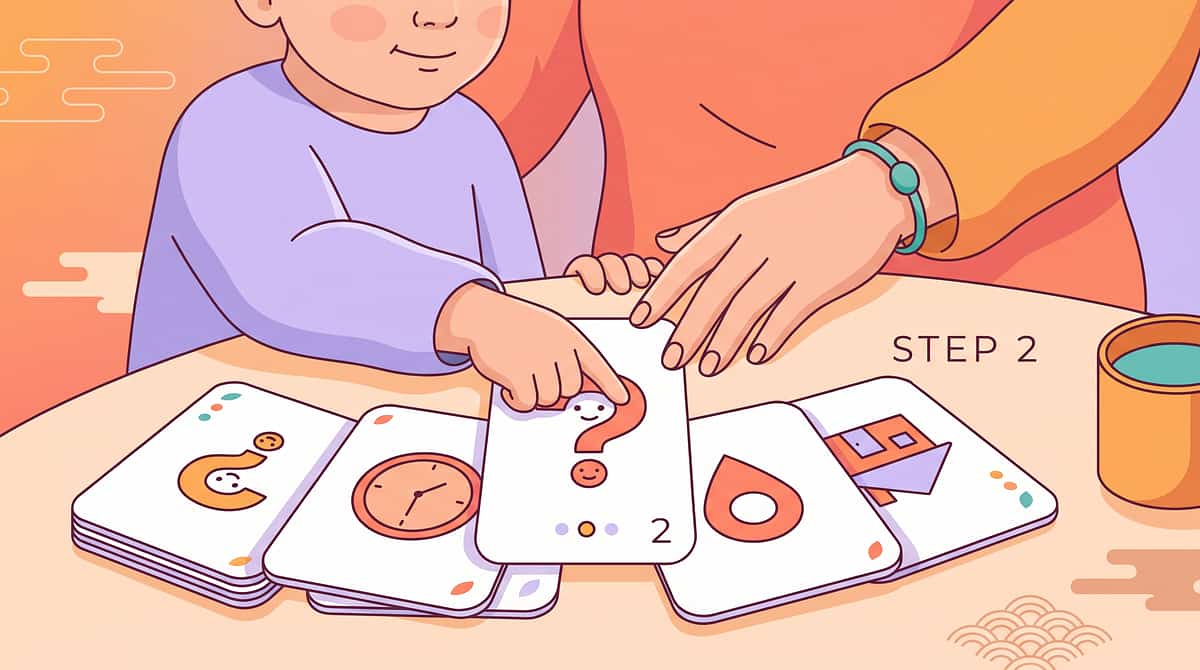
Step 2: Introduce the 6-Color System
⏱️ 1–3 minutes
20% Complete
Lay out the 6 color-coded Wh-cards on the sorting mat one at a time, in cognitive complexity order. Point to the symbol each time you say the Wh-word: "WHO [point to person icon] means we need a PERSON."
WHO — Blue (Person Icon)
Simplest: always answered with a person's name. "WHO asks for a PERSON. Who is your teacher? [Ms. Priya]"
WHAT — Red (Object/Action Icon)
Second simplest: objects and actions. "WHAT asks for a THING or ACTION. What is this? [a car]"
WHERE — Green (Map Pin Icon)
Places and positions. Present at child's eye level, 1 card every 20–30 seconds. Allow tactile engagement.
WHEN — Orange (Clock Icon)
Time references and sequences. More abstract — introduce after WHO and WHAT are solid.
WHY — Purple (Thought Bubble)
Cause and reason. Requires abstract reasoning — typically introduced in Week 4+.
HOW — Yellow (Gear Icon)
Method and process. Most cognitively complex — typically last to be introduced.
🟢 Engagement
Child looks, touches, attempts to name the symbol — continue at pace
🟡 Tolerance
Child sits present but passive — continue, increase reinforcement pace
🔴 Avoidance
Child pushes cards away — reduce to 3 cards, try scene display instead
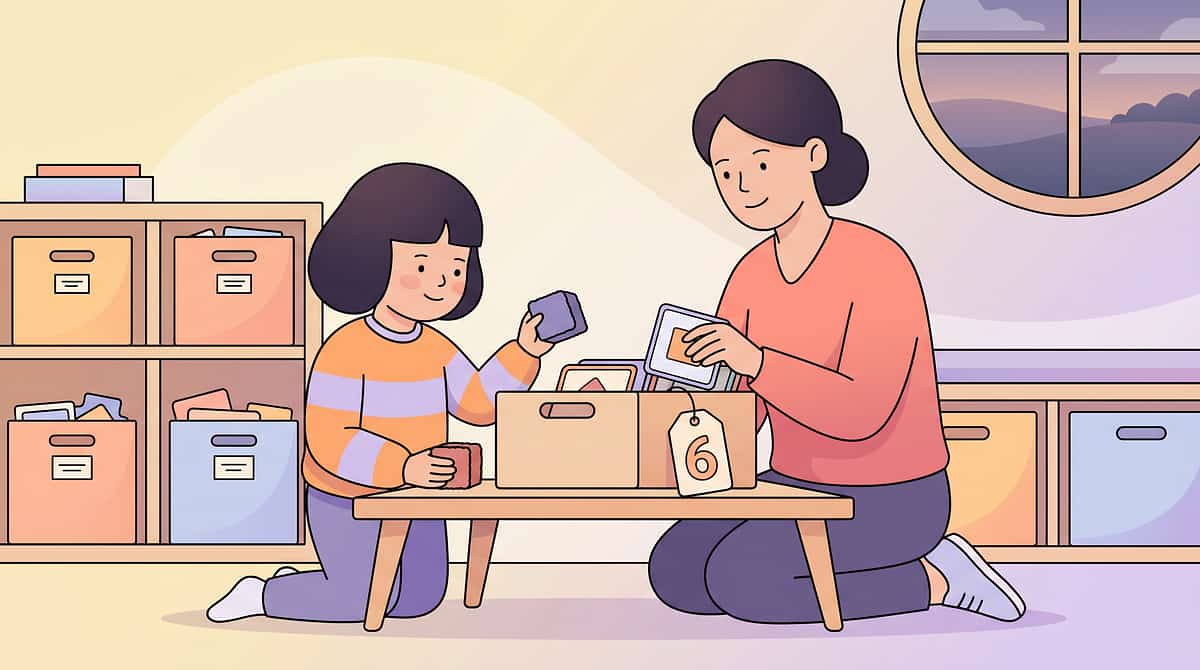
Act III — Step 3 of 6
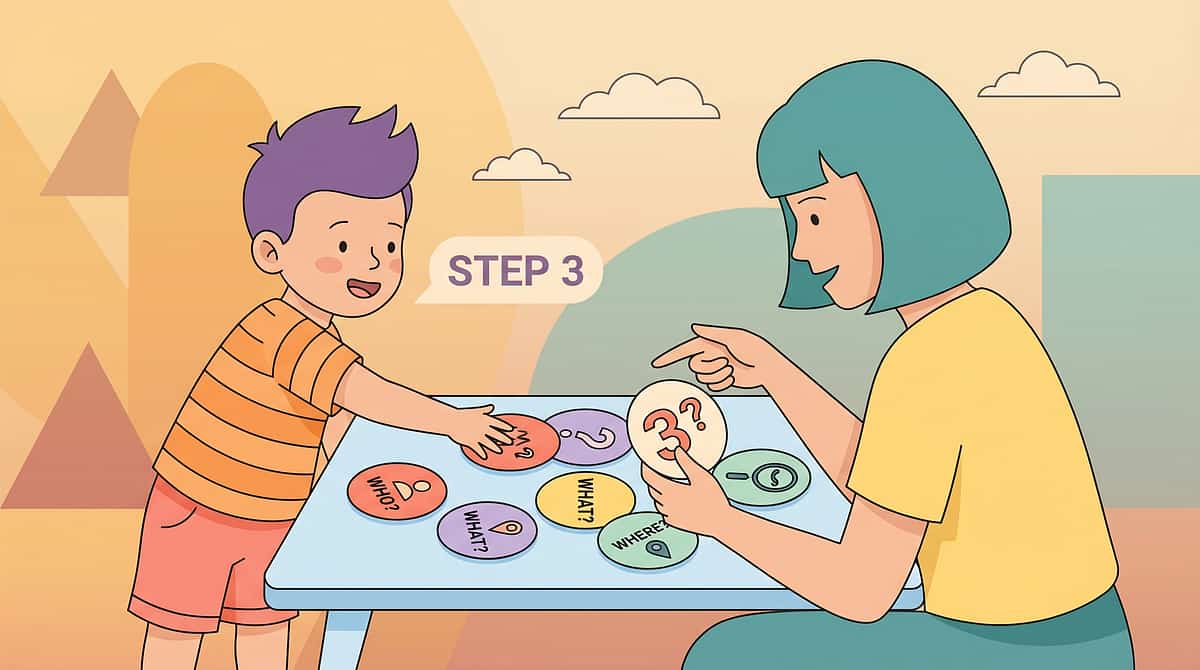
Step 3: Run the Wh-Question Protocol
⏱️ 5–10 minutes — The Core Therapeutic Event
Common Execution Errors & Corrections
Error | Correction | |
Child gives answer from wrong category | Tap the relevant color card: "This is WHERE — what does WHERE need? A place." | |
Child echoes the question | Point to reference flipbook: "Check your book — what does WHERE need?" | |
Child answers in one word only | Accept + expand: "Yes! Kitchen! Full answer: 'In the kitchen'" | |
Child loses attention mid-question | Shorten question, use animated voice, add gesture |
[PMC10955541] — Core therapeutic action should constitute 40–60% of total session time. [DOI: 10.1007/s12098-018-2747-4]
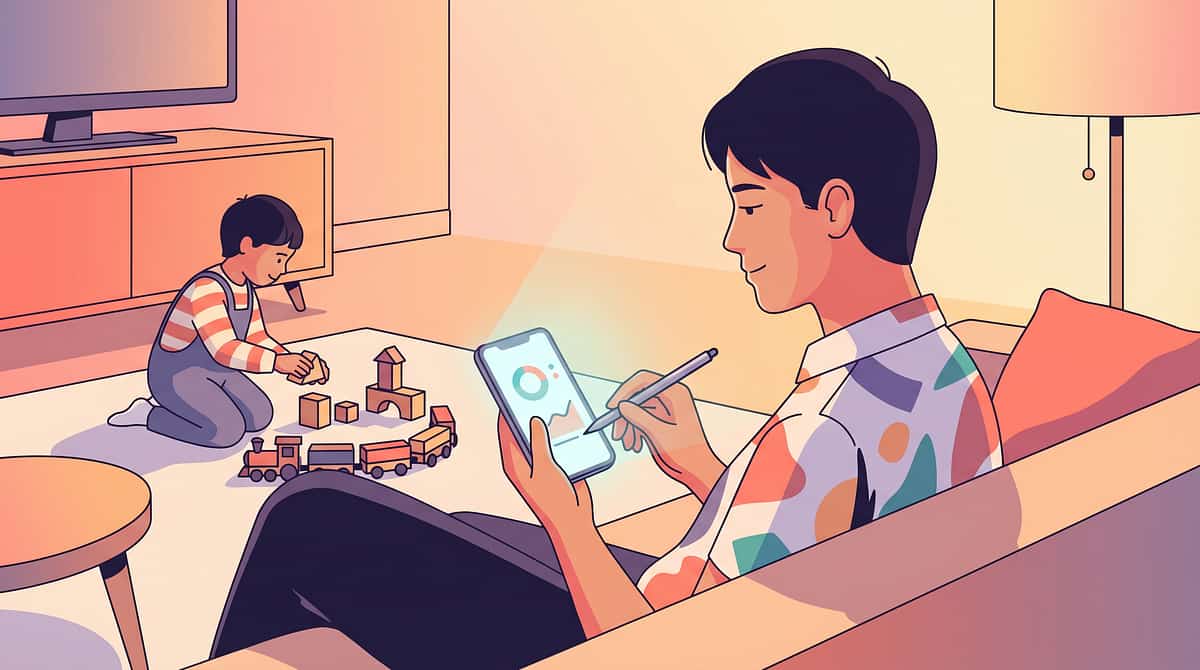
Act III — Step 4 of 6
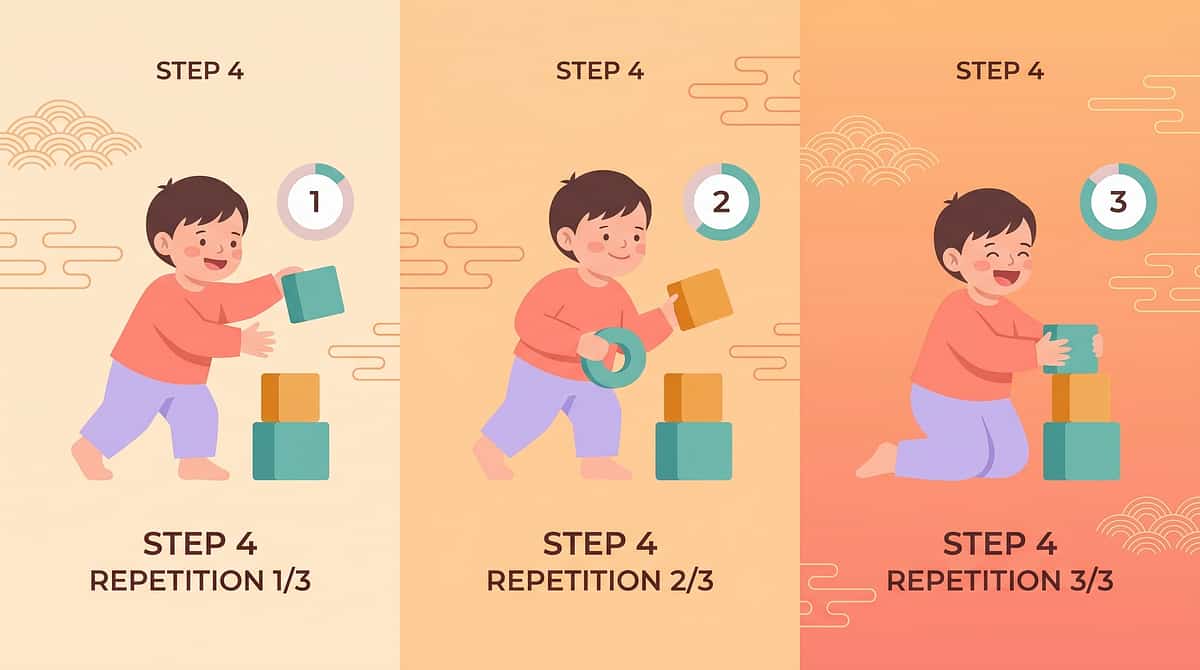
Step 4: Repeat & Vary — The Dose Matters
⏱️ 3–5 minutes
"3 good trials > 10 forced ones."
Weeks 1–2: 5–8 Trials
2–3 Wh-words only. Build confidence through repetition of WHO and WHAT before expanding.
Weeks 3–4: 10–12 Trials
4–5 Wh-words. Introduce WHERE and WHEN as WHO and WHAT reach 75%+ accuracy.
Weeks 5+: 12–15 Trials
All 6 Wh-words, mixed order. Naturalistic question probes begin alongside structured card activities.
Variation Options to Prevent Satiation
Scene-Based
Switch to a kitchen photo. Ask all 6 question types about one picture — 30+ practice opportunities with zero extra prep.
Game-Based
Child draws an answer card ("the park"), identifies which Wh-word it answers, earns a token. Add a sibling or grandparent for competitive element.
Story-Based
Read 3 pages of any picture book. Stop and ask one Wh-question per page. Child can point to Wh-color card AND answer verbally — multi-modal practice.
Satiation Indicators: Increasing response latency, random responses, physical restlessness, yawning. When you see these — end gracefully ("Last one!") rather than pushing. Pushing produces negative associations.
Act III — Step 5 of 6
Step 5: Reinforce & Celebrate
⏱️ Continuous Throughout Session
Deliver within 3 seconds of the correct response. Make it specific — not just "good job" but "YES! You matched WHERE with the PLACE — that's exactly right!" Make it animated — your enthusiasm IS the reward.
⭐ Verbal Reinforcement
"You cracked the code! WHERE = PLACE — you've got it!" Specific, animated, immediate.
⭐ Sticker + Token System
₹364 sticker pack → Place on a "Wh-Word Mastery Chart" (one sticker per 5 correct trials). Reward Jar: ₹589 → amzn.in/d/02C5R9Jn. Fill jar = meaningful chosen reward.
⭐ Physical & Activity Rewards
High five, thumbs up, fist bump — child's preferred. 2-minute tablet/preferred toy break after 8–10 correct trials.
"Celebrate the attempt, not just the success." If a child selects the wrong Wh-category but clearly tried: "Great thinking — let's check the card together." The attempt earns a partial token.
📞9100 181 181 — Ask our BCBA team about customized reinforcement systems
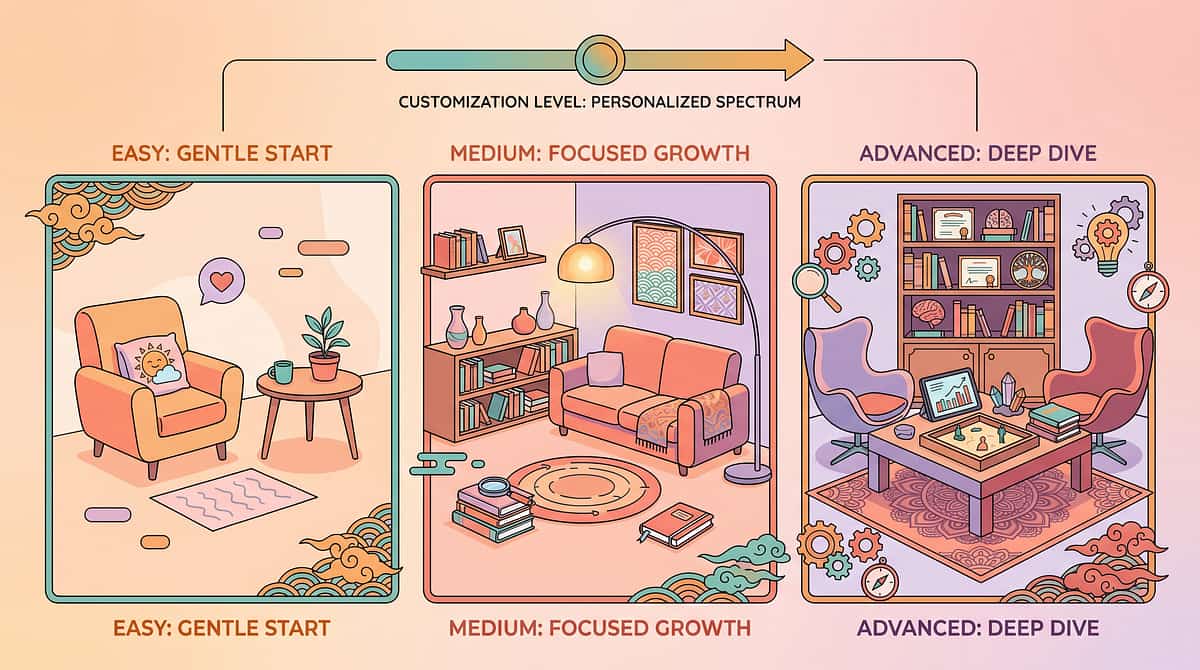
Act III — Step 6 of 6
Step 6: The Cool-Down — Every Session Ends With Closure
⏱️ 1–2 minutes
Warning (30 sec before ending)
"Two more, and then we're all done with cards today!" Predictable endings reduce transition distress significantly.
Completion Ritual
"Amazing work! You sorted [X] questions today. Let's put the cards away together." Child physically puts cards back into their colored sections — participatory closure reinforces the color-category associations one final time.
Transition Bridge
"Now you get [preferred activity / snack]. Great question detective work today!" Name the preferred activity so the child can anticipate and cooperate with the transition.
Summary Statement (verbal children)
"Quick check — what does WHERE need? [Place!] What does WHO need? [Person!] You've got it." End on a correct answer — the last memory of the session is success.
If child wants to continue: Honor this! Extend by 3–5 minutes. Engagement beyond session plan is a clinical green flag. If child resists ending: Allow child to hold one favorite Wh-card as a transitional object. Use a visual timer countdown. [NCAEP 2020: Visual supports and transition systems = Established EBP for autism]
Act III — Data Capture
60-Second Data Capture. Do It Before You Leave the Table.
"Data you capture today shapes the recommendation GPT-OS® makes tomorrow. Three sessions of consistent tracking unlocks personalized next-technique suggestions and parent progress reports."
The 3-Field Quick Tracker
Date: ___________
Wh-words practiced:
☐ WHO ☐ WHAT ☐ WHERE ☐ WHEN ☐ WHY ☐ HOW
☐ WHO ☐ WHAT ☐ WHERE ☐ WHEN ☐ WHY ☐ HOW
Accuracy (estimate):
☐ 0–25% ☐ 25–50% ☐ 50–75% ☐ 75–100%
☐ 0–25% ☐ 25–50% ☐ 50–75% ☐ 75–100%
Child engagement level:
☐ Low ☐ Moderate ☐ High
☐ Low ☐ Moderate ☐ High
Notable observation: _______________________
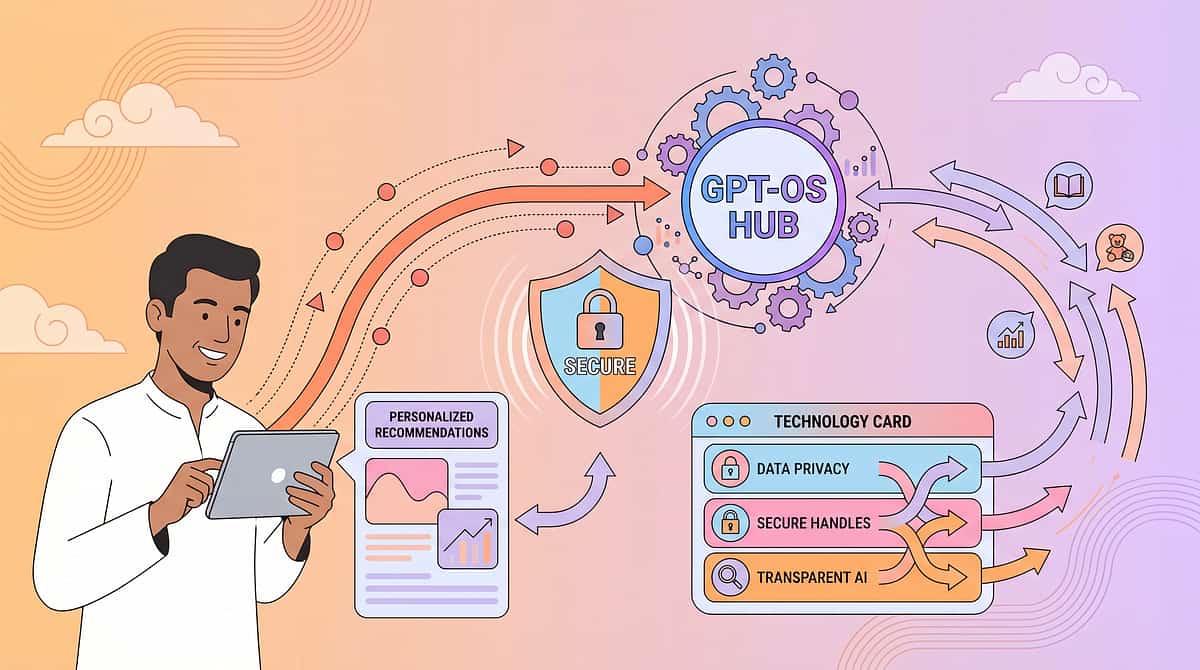
GPT-OS® Integration
Data logged via the session tracker flows into your child's AbilityScore® profile, enabling:
- Cross-session accuracy trending per Wh-word
- Automatic next-technique recommendation when 75%+ accuracy is achieved
- Therapist visibility at next clinic visit
📥 Or download the B-155 Paper Session Tracker PDF — print and use without internet
Act III — Troubleshooting
Every Parent Hits These Walls. Here's the Way Through.
🔴 Child answers every Wh-question with "I don't know"
Solution: This is an avoidance response — reduce complexity. Switch to Phase A (identification only — no question answering required). Use the errorless version where the answer category is visible. Once child succeeds 10× at identification, introduce Phase B sorting before returning to full Q&A.
🔴 Child has WHO/WHAT accurate but confuses WHERE/WHEN/WHY/HOW
Solution: Developmentally normal — WHERE/WHEN/WHY/HOW require abstract reasoning. Master WHERE first (most concrete). Introduce WHEN only after WHERE is 80%+ accurate. WHY and HOW come last.
🔴 Child can do cards but fails in real conversation
Solution: This is a generalization gap. Add a naturalistic layer: ask 2 Wh-questions during every meal. Use the same color-coded cue gesture (touch the blue card area when asking WHO) outside of sessions.
🔴 Child gets frustrated and cries/throws cards after 3–4 minutes
Solution: Session is too long. Reduce to 3 minutes, maximum 5 trials. Increase reinforcement density (reward every single trial). Consider 2-minute sensory regulation warm-up before starting cards.
🔴 Child does well at home but SLP says performance is poor in clinic
Solution: Record a 3-minute home session video and share with your SLP. This helps identify prompt dependency or material differences. Clinic performance typically catches up with 4–6 weeks of consistent home data.
📞9100 181 181 — Our SLP team troubleshoots with you in real time

Act III — Personalization
One Protocol. Infinite Personalizations.
Sensory Seeker
Run a "Wh-question obstacle course" — place each color card in a different room location. Call out an answer ("My teacher!") and child runs to the WHO card. Active, full-body categorization practice.
Sensory Avoider
Introduce ONE Wh-card per session for 3 days. Never more than 2 cards visible at once. White background, bold symbols only. Reduce visual complexity until tolerance builds.
Ages 2.5–4 Years
Use photos of family members (WHO), rooms in your house (WHERE), routine meal photos (WHEN). Keep sessions to 5–8 minutes maximum. Familiar contexts reduce cognitive load.
Ages 8–12 Years
Extend to reading comprehension questions from books. Practice with newspaper headlines, recipe steps (HOW), news events (WHY). Build toward academic language demands.
Highly Verbal
Add a "teach back" component — child explains "WHO means we answer with a person" in their own words. Teaching others is the deepest form of learning.
Minimally Verbal
Accept pointing, eye gaze toward the correct category card, or AAC device selection as correct responses. Full verbal production is NOT required for the categorization skill to develop.

Act IV — Week 1–2
The First Fortnight: Calibrated Expectations
15%
Journey Complete
Weeks 1–2 lay the foundation. The color-code is being learned. WHO and WHAT are beginning to emerge.
50–70%
Normal Error Rate
High error rates at this stage are completely expected. Errors are data, not failure. Each one guides your next move.
2
Wh-Words to Focus
WHO and WHAT only in the first 1–2 weeks. Introducing all 6 too early slows mastery of any single one.
✅ What You WILL Likely See
- Child learns the color-code (knows blue = WHO even if can't use it yet)
- Child tolerates the cards without distress
- Correct WHO and WHAT identification emerging
- Engagement duration improving session by session
❌ What You Will NOT See Yet (Completely Expected)
- Accurate Wh-question responding in natural conversation
- All 6 categories reliably sorted
- WHY and HOW mastery (these are weeks 6–12)
- Zero errors — and that's perfectly fine
"If your child responds correctly to ONE WHO question this week — that's real progress. A single neural pathway just got stronger."
Act IV — Week 3–4
Neural Pathways Are Forming. Watch for These Signs.
40%
Journey Complete
Consolidation is underway. The categorization map is embedding into long-term memory — child anticipates rather than retrieves.
75%
Accuracy Threshold
When WHO + WHAT + WHERE each reach 75%+ across 2 consecutive sessions, it's time to introduce WHEN (4th category).
Consolidation Indicators — Watch for These:
Child reaches for the correct color card before you've finished asking the question
WHO and WHAT now errorless or near-errorless across multiple sessions
WHERE emerging with prompt support — child beginning to anticipate the category
Child spontaneously says "That's a WHERE answer!" during daily life — unprompted generalization
Child checks the flipbook independently during sorting — self-monitoring emerging
Session resistance dropping — child may now initiate the "Question Game" themselves
"You may notice you're explaining Wh-questions to grandparents, teachers, and neighbors this week. That's not accidental — you've become the expert."
Act IV — Week 5–8
From Structured Practice to Natural Language
70%
Journey Complete
The mastery arc. All 6 Wh-words active. Generalization to real life is the critical focus of this phase.
≥80%
Target Accuracy
All 6 Wh-words accurately categorized with 80%+ accuracy — the clinical graduation benchmark.
The Generalization Push (Weeks 6–8)
📍 Carry a Reference Card
Laminated palm-sized color reference in child's bag — available on outings. Same visual anchor in a new environment accelerates generalization.
🍽️ Natural Meal Probes
3 Wh-questions per meal, woven into conversation — not as a "session." "Where did you sit at school today? Who did you eat with?"
🏫 School Communication
Share the 6-color system with the teacher. Same visual reference in classroom = faster generalization. School-home alignment is the greatest multiplier of progress.
[PMC9978394] — WHO CCD Package: multi-setting generalization is essential for durable skill development
Act IV — Celebrate
Your Child Just Did Something Extraordinary 🎉
Your child — who once answered "the park" to "Who is your friend?" — can now correctly route all six Wh-question categories. Their brain built six new semantic filing systems. You, as the primary therapeutic agent, facilitated 50–100+ practice trials in the home environment that no clinic appointment could have replicated at that density.
🏆WH-QUESTION CATEGORIZATION: MASTERED | Technique B-155 | Pinnacle GPT-OS®
Validated by: 🗣️ SLP • 🎨 OT • 📊 ABA/BCBA • 📚 SpEd • 🧠 NeuroDev
Validated by: 🗣️ SLP • 🎨 OT • 📊 ABA/BCBA • 📚 SpEd • 🧠 NeuroDev
Milestone Moments to Mark
First Spontaneous
First correct "Where" response in conversation — not prompted by a card or cue
First Self-Correction
First time child corrected a wrong Wh-category answer on their own
First Question Asked
First time child used a Wh-question in the asking direction — not just answering
External Confirmation
First time a teacher or grandparent reported correct Wh-responses without prompting
"Write down the moment your child answered their first correct WHY question. That answer — that reason — is your child reasoning about cause and effect. That's not just language. That's thinking."
Act IV — Red Flags
6 Signs It's Time to Escalate to Your Clinical Team
🚨 Red Flag 1: Accuracy Plateau
Child completed 8+ weeks of consistent practice and accuracy remains below 50% for WHO and WHAT — consider auditory processing evaluation with your SLP or audiologist.
🚨 Red Flag 2: Escalating Distress
Child shows escalating distress specifically around question-answering situations (not just session resistance) — rule out anxiety-based selective mutism with your clinical team.
🚨 Red Flag 3: Unexplained Regression
Child was making progress, then regressed significantly with no identifiable environmental cause — schedule a neurodevelopmental review promptly.
🚨 Red Flag 4: Group Setting Shutdown
Child answers Wh-questions correctly in isolation but becomes completely non-responsive in group settings — social communication and anxiety layer evaluation needed.
🚨 Red Flag 5: Increasing Echolalia
Child's echolalia is increasing rather than decreasing with practice — the technique approach may need modification. Consult your SLP before continuing.
🚨 Red Flag 6: Caregiver Burnout
You feel unable to maintain the protocol due to burnout or emotional exhaustion — this is not failure, this is human. Call 9100 181 181. Respite and teleconsultation support is available for you.
📞9100 181 181 — Clinical escalation line — always answered
Act IV — Progression Pathway
You're Not Done — You're at a Milestone on a Journey
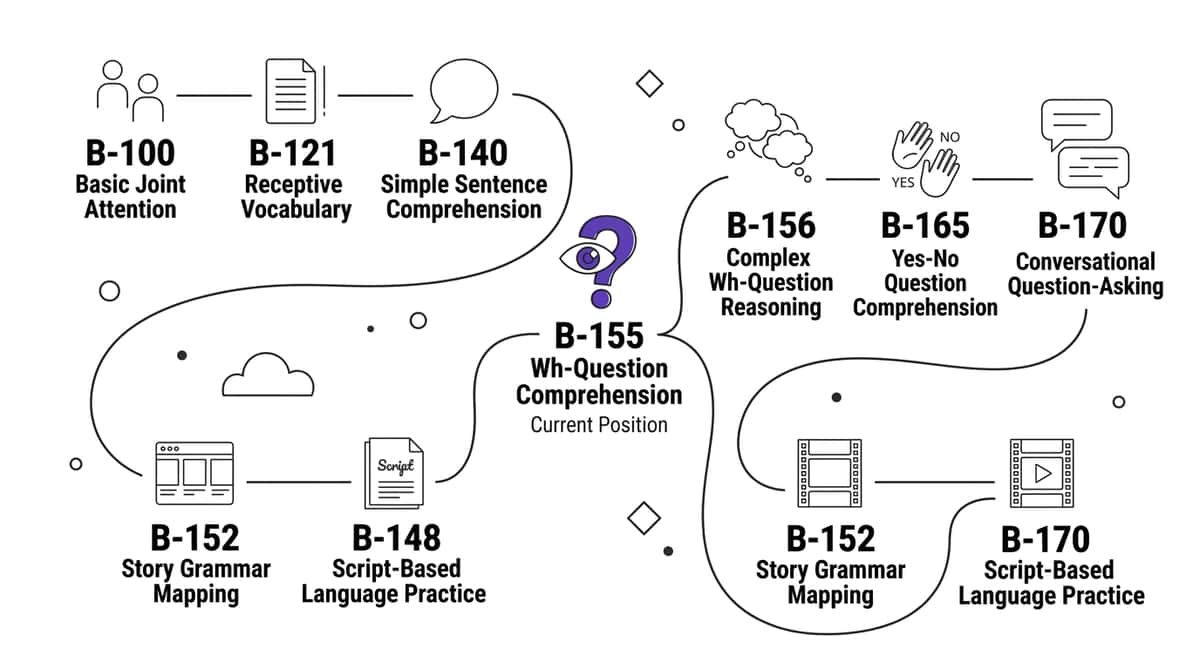
Prerequisites (What Comes Before)
- B-100: Basic Joint Attention Training
- B-121: Receptive Vocabulary Building
- B-140: Simple Sentence Comprehension
Next-Level Options (What to Build On This)
- B-156: Complex Wh-Question Reasoning (Why + How deep practice)
- B-165: Yes/No Question Comprehension
- B-170: Conversational Question-Asking (child generates Wh-questions)
Wh-question mastery feeds directly into: Reading comprehension → Academic discourse → Peer conversation → Social narrative competence → Independent adult communication
Act IV — Domain B
More Techniques in Domain B: Social Communication
"You already own materials for 5 of these 6 techniques." The investment you made in B-155 materials opens the door to a full suite of adjacent social communication skills.
Technique | Code | Difficulty | Materials You Already Have | |
Wh-Question Story Practice | B-152 | 🟢 Intro | Story books ✓ | |
Yes/No Question Mastery | B-165 | 🟢 Intro | Color cards ✓ | |
Complex Question Reasoning | B-156 | 🔴 Advanced | Same color-coded cards ✓ | |
Conversational Turn-Taking | B-172 | 🟡 Core | No new materials needed | |
Peer Question Scripts | B-180 | 🟡 Core | Visual scene displays ✓ | |
Reading Comprehension Questions | B-190 | 🔴 Advanced | Story books ✓ |
Act IV — Full Developmental Map
One Technique. One Domain. One Piece of a Larger Plan.
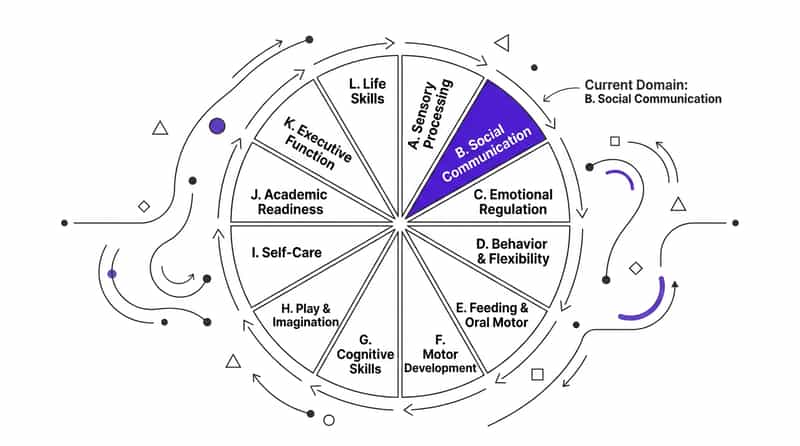
Domain B Progress
Domain B: Social Communication
Techniques available: 70+
B-155 Status: ✅ Mastered
Next recommended: B-156 or B-165
Techniques available: 70+
B-155 Status: ✅ Mastered
Next recommended: B-156 or B-165
The Bigger Picture
"Wh-question mastery (B-155) feeds into reading comprehension, academic participation, peer friendship, and eventually — your child's ability to have a full conversation about what they love, what they're thinking, and why they feel what they feel. Every correct 'WHERE' answer today is a deposit into that future."
Act V — Real Stories
What Families Are Saying After B-155
"My son is 6. For two years, every 'Where did you go?' got answered with someone's name. After 5 weeks of the color-card method, he looked at me at dinner and said 'In the kitchen, Amma.' I cried. Just those four words."
— Priya S., Chennai | Child age 6
"We had tried drilling WHO-WHAT-WHERE for months with flashcards and nothing stuck. The sorting mat changed everything. My daughter physically moved the cards — and something clicked. Within three weeks she was using the flipbook by herself."
— Rajesh & Kavitha M., Hyderabad | Child age 5
"My son has a profile where 'Why' questions seemed impossible. We stayed with Phase A identification for 6 weeks before even touching Phase B. He's now at 60% accuracy on WHY. We didn't rush. That patience was the technique."
— Anitha K., Bengaluru | Child age 8
Names changed for privacy. Outcomes vary. These are representative experiences from Pinnacle families, not guaranteed results.
Act V — Community
You're Not Doing This Alone
📱 B-155 Parent WhatsApp Group
800+ parents across India navigating this exact technique. Share wins, ask questions, and find your community at pinnacleblooms.org/community/B-155
💬 GPT-OS® Parent Forum
Share data, ask questions, celebrate wins. Peer mentoring available — connect with a parent 6 months ahead of you in the same technique. pinnacleblooms.org/forum
📍 Local Parent Meetups
Monthly in-person support groups at 70+ centers. Find your nearest center: pinnacleblooms.org/centers
"Your experience — your specific child's breakthrough — helps the next family. Consider sharing your journey."
Over 1,000 individuals from 111 countries shaped the WHO Nurturing Care Framework — community engagement is a core pillar of developmental intervention.
Act V — Professional Support
Home + Clinic = Maximum Impact
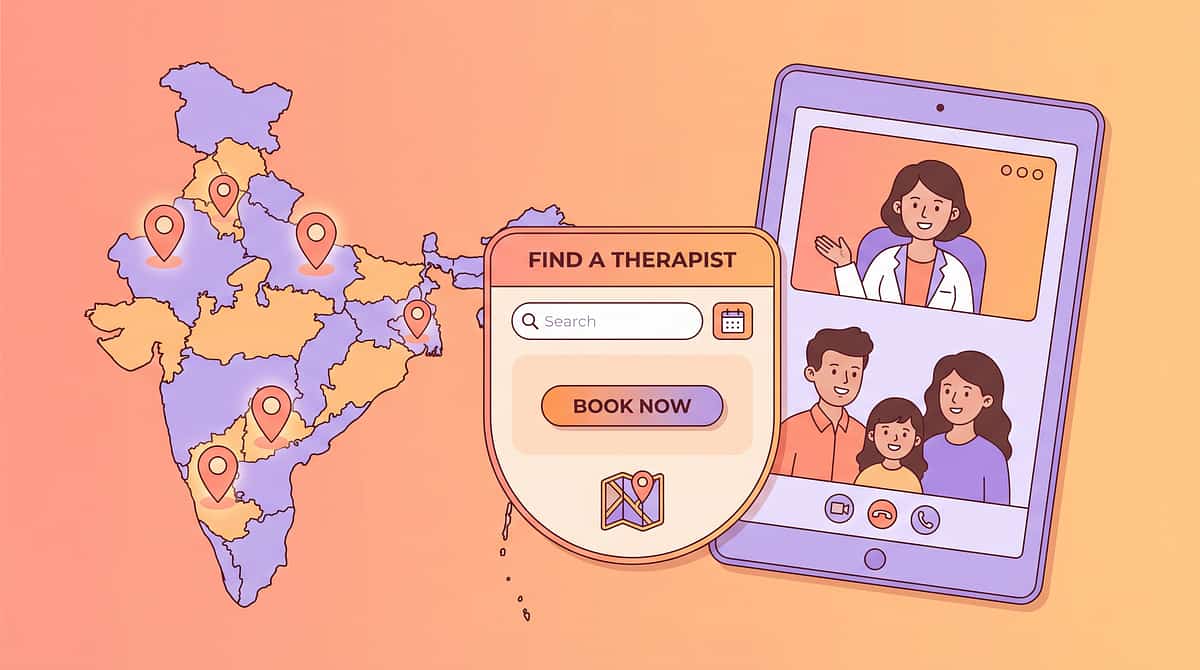
Find Your Nearest Center
70+ Pinnacle Blooms Network® centers across India. Request a Wh-question specialist SLP at your nearest center.
Secondary disciplines supporting B-155:
ABA/BCBA | Special Education | OT (for regulatory support)
ABA/BCBA | Special Education | OT (for regulatory support)
Teleconsultation Option
Can't reach a center? Book a 45-minute teleconsultation with a Pinnacle SLP who will:
- Review your B-155 session data from GPT-OS®
- Watch your home session recording
- Personalize the protocol for your child's specific Wh-error pattern
- Provide written guidance for school generalization
📞Book: 9100 181 181
"Home-based intervention is powerful. Clinical supervision makes it precise." [WHO NCF Progress Report 2023: primary health care as key platform for reaching all families with ECD interventions]

Act V — Research Library
The Science Behind Every Card on This Page
[1] PMC11506176
PRISMA systematic review (2024): Visual-symbolic language interventions for ASD — 16 studies, 2013–2023. Meets evidence-based practice criteria.
[2] PMC10955541
Meta-analysis, World J Clin Cases (2024): Sensory/language integration therapy promotes social skills, adaptive behavior, communication across 24 studies.
[3] PMC9978394
WHO CCD Package implementation research: caregiver-delivered interventions in 54 LMICs. Home-based efficacy validated.
[4] Padmanabha et al., 2019
Indian Journal of Pediatrics, DOI: 10.1007/s12098-018-2747-4 — Home-based structured interventions, Indian RCT demonstrating parental efficacy equivalent to clinic-based therapy.
[5] NCAEP 2020
National Clearinghouse on Autism Evidence and Practice: Visual supports classified as Established EBP. autismpdc.fpg.unc.edu
[6] WHO NCF 2018
Nurturing Care Framework: the global standard for early childhood developmental intervention. nurturing-care.org
Act V — GPT-OS®
Your Session Data. Your Child's Personalized Plan.
What GPT-OS® Learns from B-155 Data
- Which specific Wh-categories are mastered vs. emerging vs. absent
- Optimal session duration for your child's engagement pattern
- Reinforcement schedule effectiveness (tokens before satiation)
- Cross-technique correlations (does Wh-accuracy correlate with reading comprehension gains?)
🔒 Privacy Assurance
All data is encrypted, stored under Indian data protection standards, and never sold or shared with third parties. Your child's data is used exclusively to improve their personalized therapeutic recommendations and Pinnacle's aggregate clinical intelligence.
"Your data helps your child. And contributes to clinical intelligence that helps every child like yours across 70+ countries."

Act VI — FAQ
Your Questions. Answered by the Pinnacle Consortium.
Q: My child is 3.5 years old. Is it too early to start?
No — 3.5 years is an ideal time to begin. Phase A (identification: "WHO needs a person") is developmentally appropriate for children 2.5+ years. You're building the foundation before academic demands arrive at school entry. Early scaffolding = earlier mastery.
Q: My child understands Wh-questions in Tamil/Telugu at home but fails in English at school. Are these connected?
Yes — Wh-question category mapping is a conceptual skill, not purely a language skill. A child who understands "Etti poyinda?" in Telugu has the WHERE concept — they just need to map "Where" in English to the same category. Building the 6-category system in the home language first often accelerates English acquisition.
Q: How is this different from just teaching vocabulary words?
Wh-word comprehension requires metacognitive categorization, not just vocabulary. A child may know the word "where" but not that WHERE commands a specific category of answer. This technique builds the cognitive routing architecture — not just word recognition.
Q: My SLP says to wait for speech to develop. But my child is 6 and not speaking.
Wh-question comprehension can be worked on at the receptive level (pointing, eye-gaze, AAC device selection) even without verbal production. A child does not need to speak to learn which category "Where" requires. Discuss the Phase A receptive-only approach with your SLP.
Q: Can I do this with my child's sibling present?
Yes, and in some cases it's highly recommended. Siblings can be powerful practice partners — peer models demonstrating correct Wh-responses, game partners in board game variation, and natural conversational partners for generalization. Structure their role: demonstrate one correct answer per round, not compete.
Q: Is this technique only for autism? My child has DLD.
The technique is effective across ASD, DLD, hearing loss (with appropriate accommodation), intellectual disability, and typical development in children who struggle with question comprehension. The 6-category mapping approach is a general language processing intervention, not autism-specific.
Q: How do I know when B-155 is "done" and we move to B-156?
Clinical graduation criteria: WHO, WHAT, WHERE, WHEN each at ≥80% accuracy in Phase C across 3 consecutive sessions, with spontaneous correct responses in natural conversation. WHY and HOW at ≥60% in Phase B. At this threshold, B-156 or B-165 is the appropriate next step.
Q: What if we miss several days or weeks — do we restart?
No restart needed. Resume from where you left off. If more than 2 weeks have passed, drop back one phase for 3–5 sessions before re-advancing. Skills don't disappear — they may need a brief re-activation period.
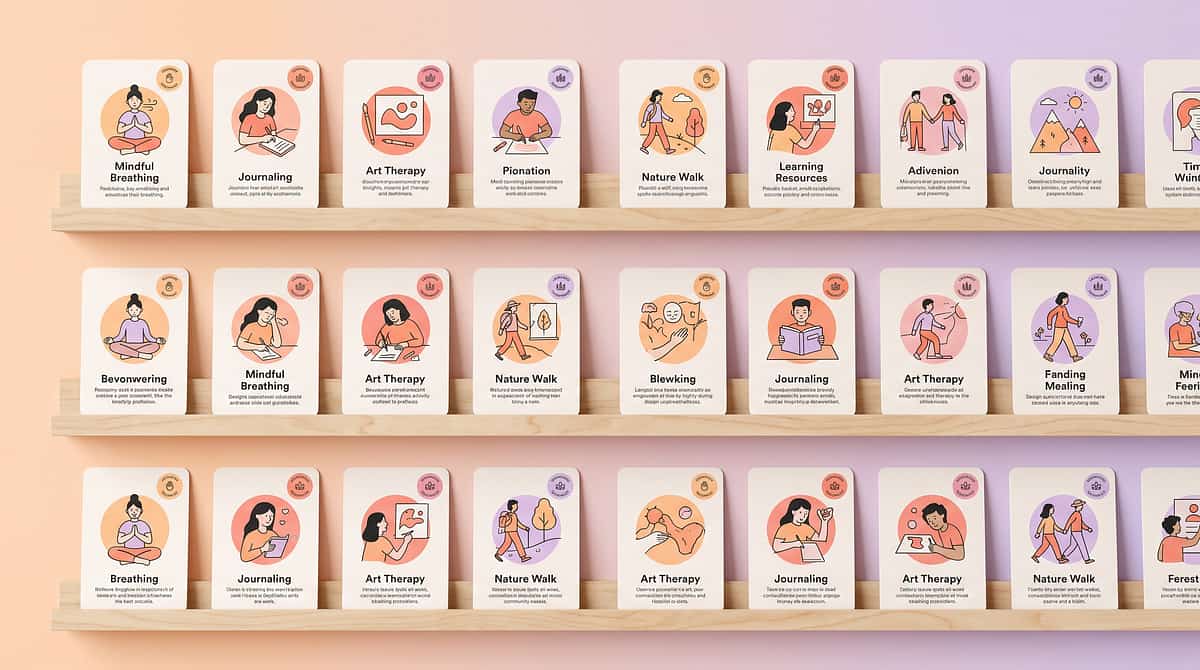
Preview of 9 materials that help with wh question confusion Therapy Material
Below is a visual preview of 9 materials that help with wh question confusion therapy material. The pages shown help educators, therapists, and caregivers understand the structure and content of the resource before use. Materials should be used under appropriate professional guidance.


Link copied!
Act VI — Start Now
You Have Everything You Need. The Question Is: When Do You Start?
🚀 Start Technique B-155 Today
Launch your guided session in GPT-OS® — your child's personalized protocol is waiting. All 9 materials mapped. All 6 steps ready.
📞 Book a Consultation
Connect with a Pinnacle SLP who specializes in Wh-question intervention. In-clinic or teleconsultation available across 70+ centers.
Call 9100 181 181 | pinnacleblooms.org/book
→ Next: B-156 Complex Wh-Reasoning
Ready to take Wh-question mastery deeper? B-156 extends into Why and How reasoning with advanced clinical scaffolds.
🏥Pinnacle Blooms Network® Consortium Seal
Validated by: 🗣️ SLP • 🎨 OT • 📊 ABA/BCBA • 📚 SpEd • 🧠 NeuroDev • 👶 Pediatrics
21M+ therapy sessions | 97%+ measured improvement | 70+ centers | "From fear to mastery. One technique at a time."
Validated by: 🗣️ SLP • 🎨 OT • 📊 ABA/BCBA • 📚 SpEd • 🧠 NeuroDev • 👶 Pediatrics
21M+ therapy sessions | 97%+ measured improvement | 70+ centers | "From fear to mastery. One technique at a time."