
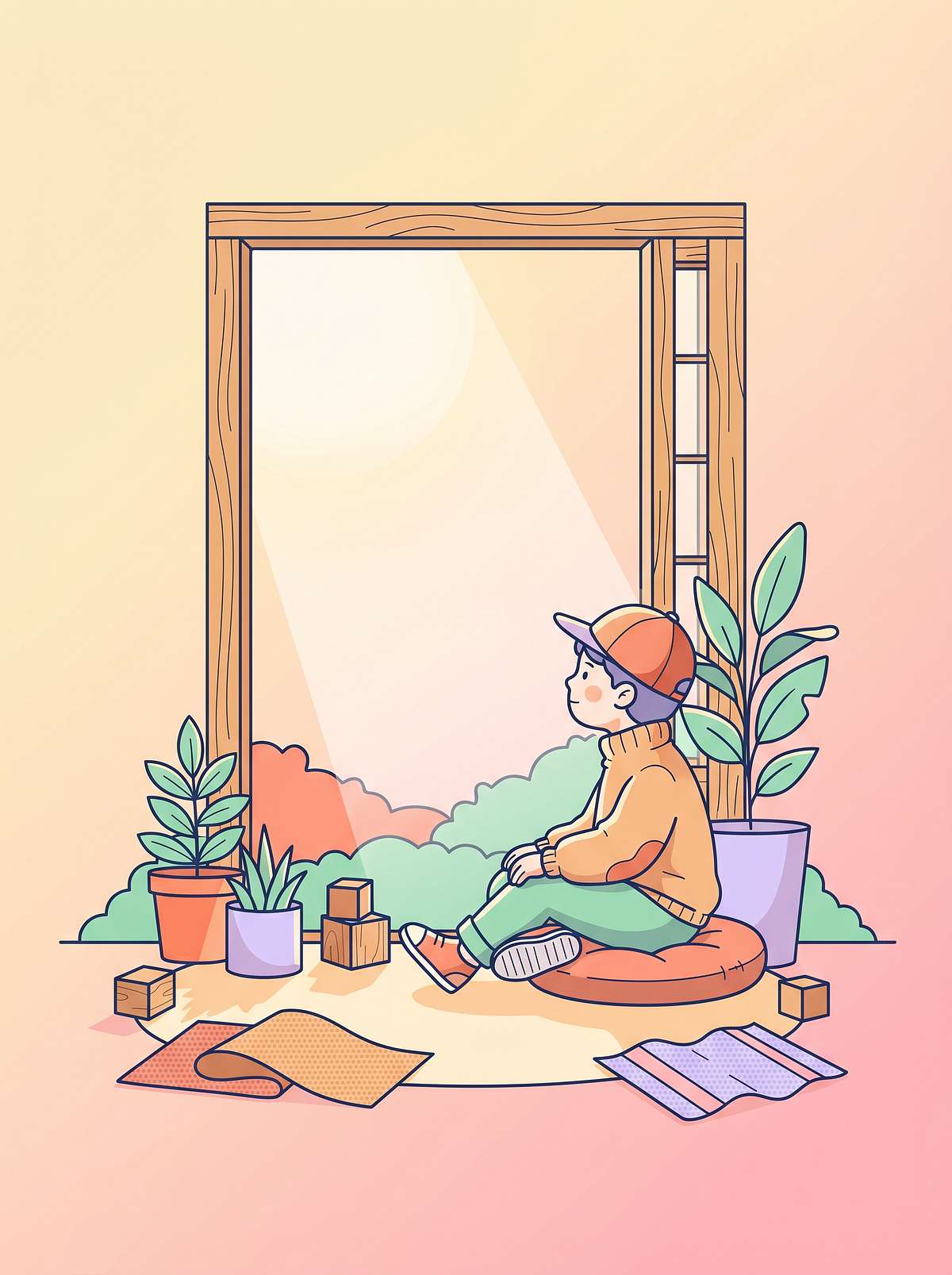
"When did my child stop laughing?"
She used to squeal at butterflies. Run to you with every small discovery. Now she walks past the same butterfly — eyes forward, face still, saying nothing. Birthday cake gets the same expression as broccoli. This page is for that something.
FINDING JOY · Intervention K-917
NeuroDev Pediatrics + Psychology
You are not imagining it. You are not overreacting. Reduced positive emotion in children is real, measurable, and — with the right materials — addressable.
WHO Nurturing Care Framework (2018): Early caregiver identification of emotional changes directly predicts intervention outcomes. nurturing-care.org | Pinnacle Blooms Consortium® · "Built by Mothers. Engineered as a System."
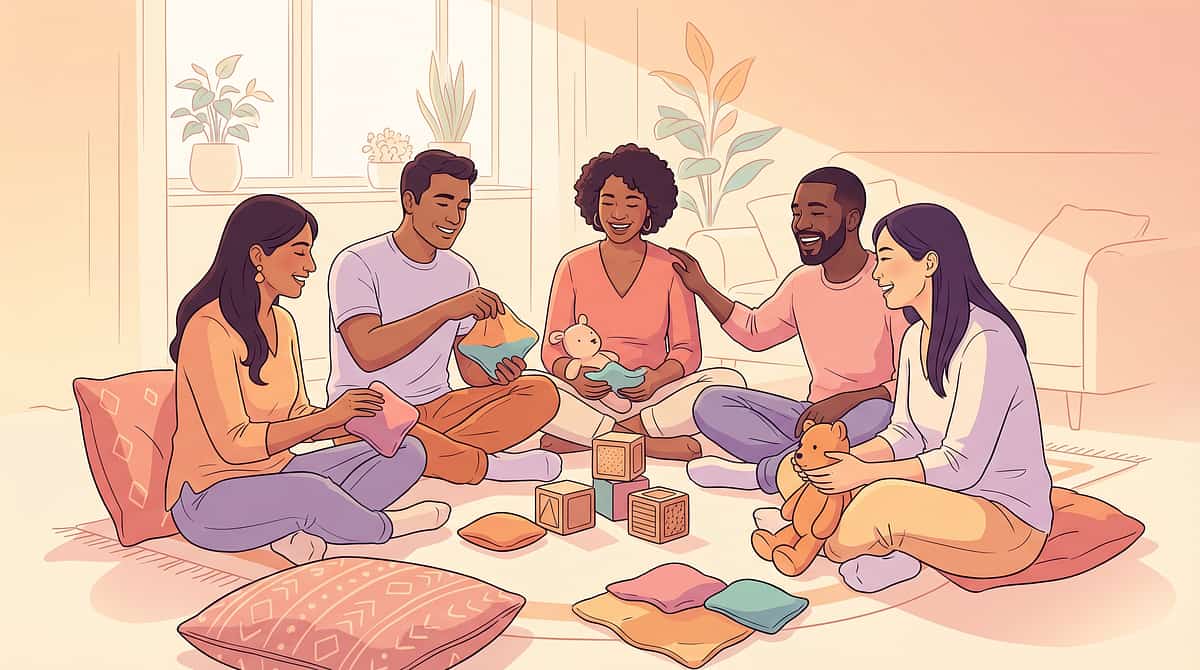
THE SCALE OF THIS CHALLENGE
You are among millions of families asking the same question.
Reduced positive affect in children is not rare — it is vastly underrecognized. The numbers below are drawn from peer-reviewed pediatric literature, WHO global data, and Pinnacle Network clinical intake across 70+ centers (2016–2025).
1 in 5
Children affected
Experience clinically significant anhedonia or reduced positive affect before age 12 — pediatric psychology literature
68%
Autism spectrum
Of children on the autism spectrum show altered positive emotionality patterns versus neurotypical peers
40M+
Children globally
Affected by conditions where reduced joy is a core feature — depression, anxiety, autism, trauma responses (WHO Mental Health Atlas 2022)
In India alone, over 1.8 crore children are estimated to experience sub-clinical anhedonia that goes unrecognized — invisible because the child isn't crying or melting down. They're simply… flat.
PRISMA systematic review (Children, 2024): PMC11506176 | WHO Mental Health Atlas 2022 | Padmanabha et al., Indian J Pediatr, 2019. DOI:10.1007/s12098-018-2747-4
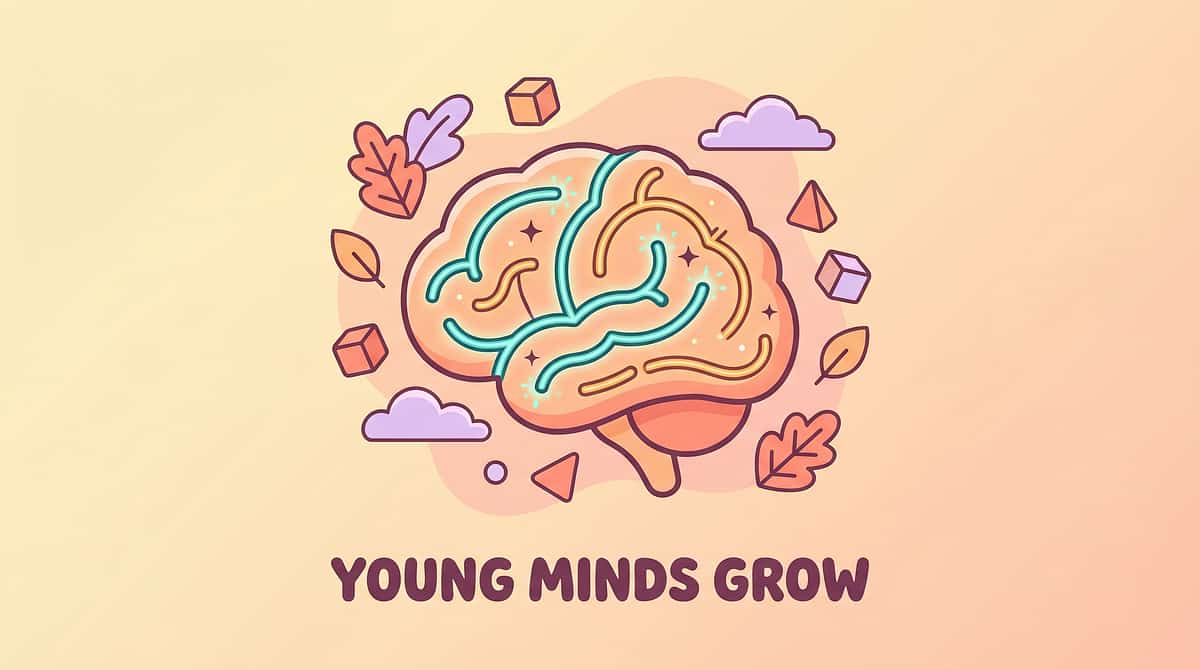
Joy isn't a choice. It's a neurological event.
When a child experiences joy, a precise sequence fires in the brain. In children with reduced positive affect, one or more of these steps misfires — and understanding which one helps you target the right material.
The Joy Sequence
- Dopamine Release — The brain's reward chemical floods the nucleus accumbens
- Anticipation Signal — The prefrontal cortex lights up in expectation of something good
- Emotional Tagging — The amygdala marks the experience as "meaningful, remember this"
- Body Response — Smile, laughter, bright eyes, elevated heart rate follow automatically
Where It Misfires
- Dopamine pathways may be less sensitive — requiring stronger input to register pleasure
- Anticipation circuits may be suppressed — expecting nothing good, so not looking for it
- Emotional tagging may be blunted — experiences happen but don't get marked as positive
- Body expression may be disconnected from internal feeling — child feels something but doesn't show it
This is not a personality flaw. This is a neurological pattern — and neurological patterns can be shifted with the right, consistent inputs.
Frontiers in Integrative Neuroscience (2020): DOI: 10.3389/fnint.2020.556660 | PMC10955541
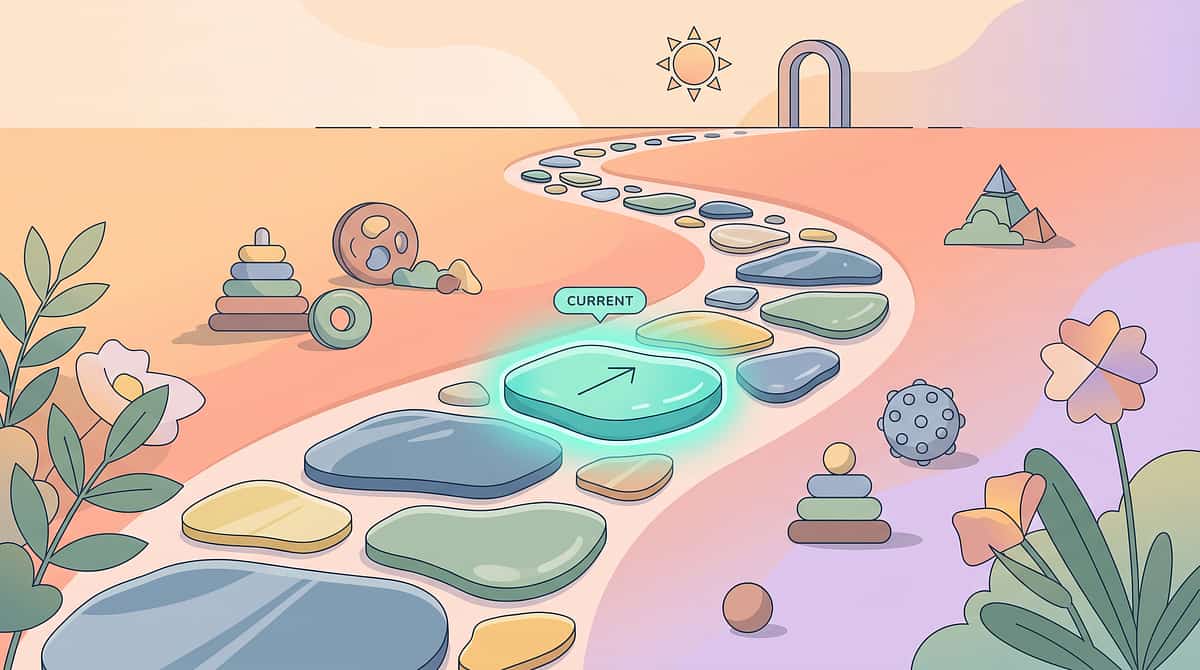
Joy develops. It doesn't just appear.
Positive emotionality follows a measurable developmental arc. Knowing where your child is — and where the intervention zone sits — transforms worry into a targeted action plan.
Age 0–2
Social smile at 6–8 weeks. Delight at familiar faces. Shared joy in play. Points to share excitement.
Age 2–3
Anticipatory excitement. Recognizes and seeks pleasurable activities. Humor begins to emerge.
Age 3–5
Rich pretend play. Expresses preferences enthusiastically. Can name "happy."
⚠️ Age 5–8 · K-917 ZONE
Complex joy including pride, anticipation, social pleasure, humor. Should show enthusiasm and clear preferences regularly.
Age 8–12
Nuanced positive emotions. Can reflect on what brings them joy. Internal positive emotions may be less visible but should still be present.
Reduced positive affect commonly co-occurs with: Autism Spectrum Condition | Pediatric Anxiety | Childhood Depression | Sensory Processing Differences | ADHD | Post-Traumatic responses
WHO Care for Child Development (CCD) Package — implemented across 54 LMICs. PMC9978394 | WHO/UNICEF CCD Package (2023)

EVIDENCE GRADE: LEVEL I
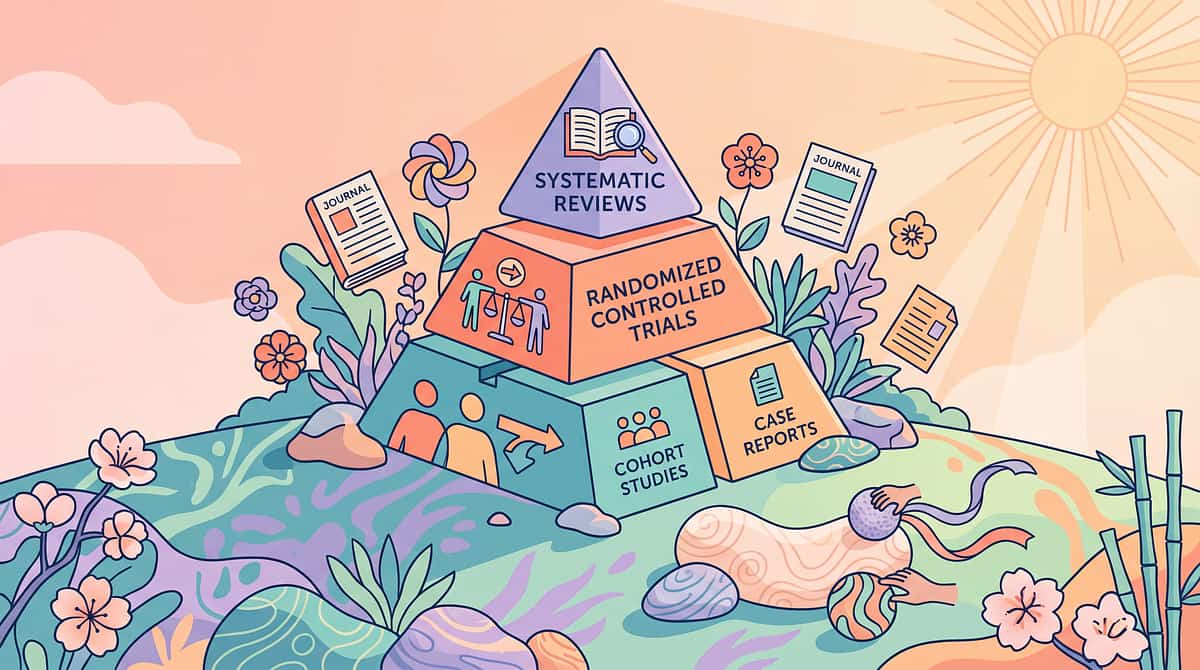
Systematic Review + RCT Evidence
The science behind this technique is solid.
K-917 is not built on anecdote. It is grounded in four independent pillars of evidence spanning positive psychology, gratitude research, flow theory, and 20 million clinical sessions.
Seligman PERMA Model
Multi-decade research confirms: Positive Emotions, Engagement, Relationships, Meaning, and Accomplishment are five measurable pathways to human flourishing — applicable from age 3. American Psychologist (2000).
Gratitude Meta-Analysis
27 studies confirm: 2–3 minutes of daily gratitude measurably increases positive affect in children within 4–8 weeks. Effect size d=0.54 (medium-large). Emmons & McCullough (2003).
Flow State Research
Flow states produce measurable wellbeing gains independent of external circumstances — identified in children as young as age 5. The most reliable path to joy for children with anhedonia. Csikszentmihalyi (1997).
Pinnacle Clinical Evidence
20M+ exclusive 1:1 therapy sessions across 70+ centers. 97%+ measured improvement in one or more readiness indices including Positive Emotionality Index. GPT-OS® Outcome Data (2016–2025).
"Clinically validated. Home-applicable. Parent-proven. These 9 materials are not theory — they are tools refined across 21 million therapy interactions."
PMC11506176 | PMC10955541 | PMC9978394 | Seligman PERMA (2011) | Csikszentmihalyi Flow (1990)
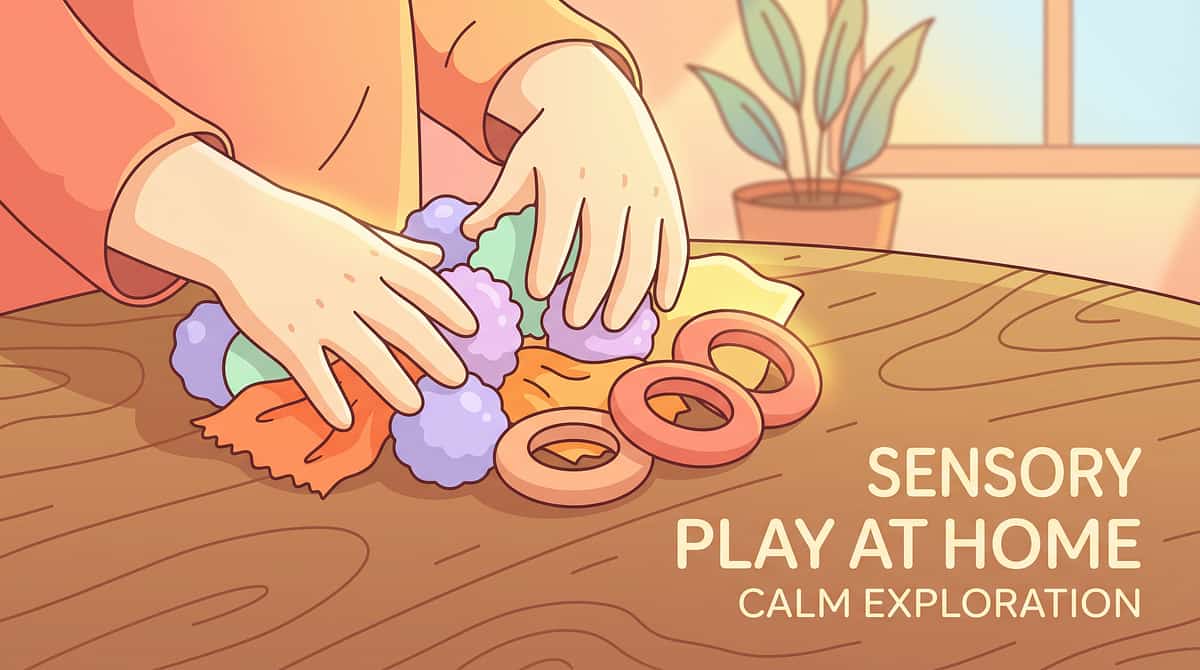
☀️ Positive Emotionality Cultivation Protocol
Parent-Friendly Alias: "Finding Joy — 9 Materials That Work"
This intervention uses 9 evidence-selected materials to address anhedonia — the reduced capacity to feel, notice, or express positive emotions — in children aged 3–12. These materials work by activating multiple neurological pathways through which joy is generated: attention training, sensory pleasure, flow states, social connection, and savoring. Together, they build a child's capacity for happiness — not as a feeling to be forced, but as a skill to be developed.
👶 Age
3–12 years
⏱️ Per Session
5–15 minutes
📅 Frequency
Daily — any or all materials
📍 Setting
Home / School / Community
🎯 Domain
Emotional Regulation / Positive Psychology
Taxonomy from Pinnacle 128 Canon Materials + GPT-OS® 20-Category Classification. PERMA Framework (Seligman, 2011). PMC11506176.
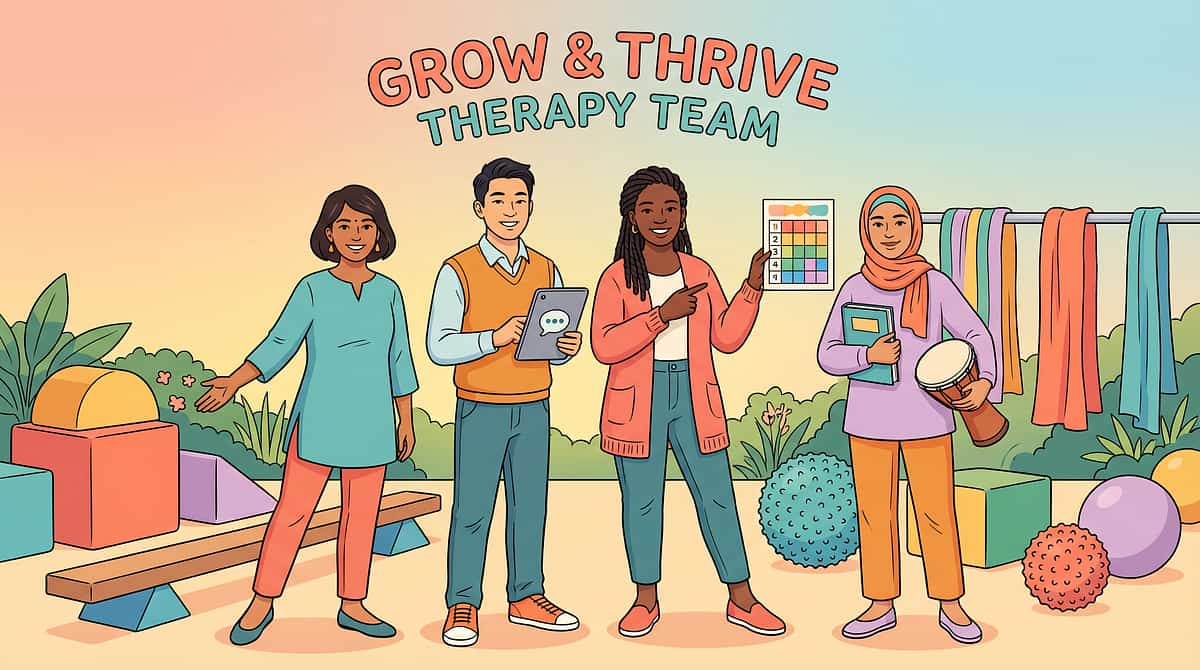
Every discipline uses this. Here's how each applies it differently.
NeuroDev Pediatrics
Leads clinical assessment of anhedonia. Differentiates temperamental low positive affect from symptomatic (depression, anxiety, ASD). Guides pharmacological and non-pharmacological pathways. Monitors Positive Emotionality Index over time.
Occupational Therapy (OT)
Leads sensory pleasure kit design. Assesses sensory processing profile to identify which sensory modalities can be leveraged for joy. Designs flow activity environments. Addresses body-based pleasure disconnection.
Speech-Language Pathology (SLP)
Focuses on emotional vocabulary building alongside joy cultivation. Supports children in naming, expressing, and communicating positive emotions. Uses laughter and humor resources within communication targets.
ABA / BCBA
Leads behavioral activation protocols. Uses pleasure prediction and tracking as a data tool. Implements reinforcement strategies and token economies. Schedules joy-building activities using behavioral momentum principles.
Special Education (SpEd)
Integrates joy-building materials into IEP goals. Designs classroom-based flow activities. Coordinates kindness and contribution opportunities at school. Trains staff on recognizing and reinforcing positive affect expressions.
"Your child's brain does not organize experience by therapy type. Joy crosses every domain — which is why every discipline in our consortium participates in cultivating it."
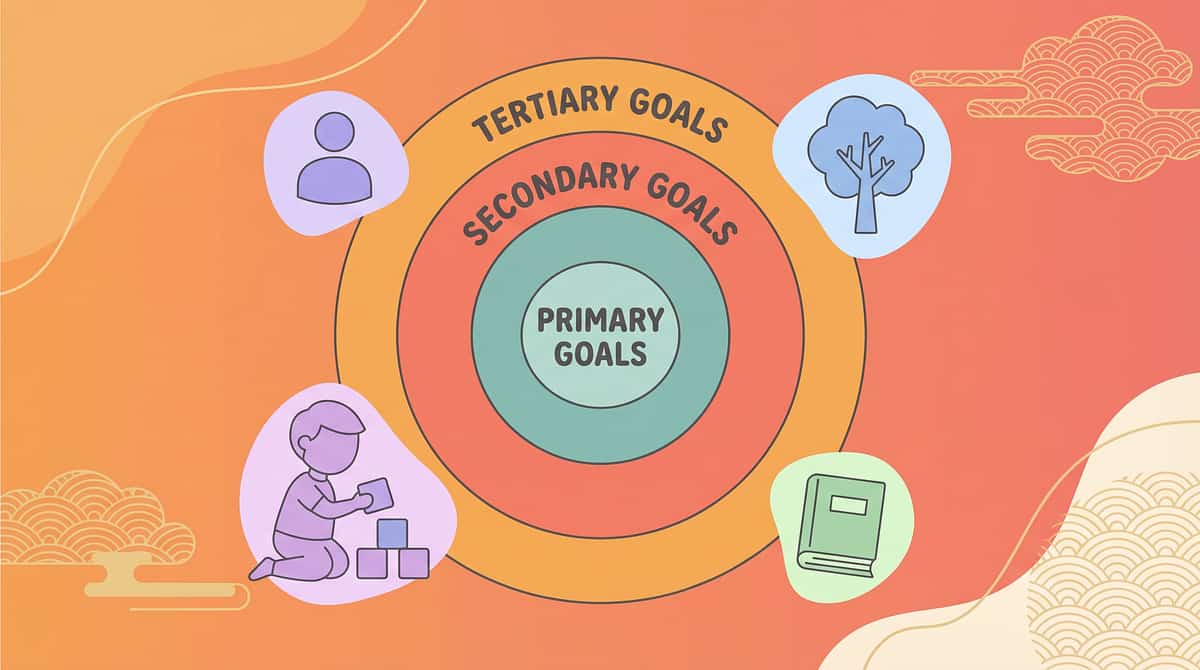
What K-917 Targets
This technique works across three concentric rings of developmental impact — from the core capacity to feel joy, outward to the life skills that joy makes possible.
Target | "Before" Indicator | "After" Indicator | |
Positive Emotionality | Flat affect; "fine" to everything | Spontaneous smiling, enthusiasm, preferences | |
Anticipatory Pleasure | No excitement about upcoming events | "I can't wait for…" statements and behavior | |
Savoring | Rushes through activities | Slows down, comments on pleasant experiences | |
Social Joy | Parallel presence without engagement | Seeks shared laughter, gives to make others happy |
World J Clin Cases (2024): Meta-analysis across 24 studies — PMC10955541. PERMA Model operationalization in children: Seligman (2011).
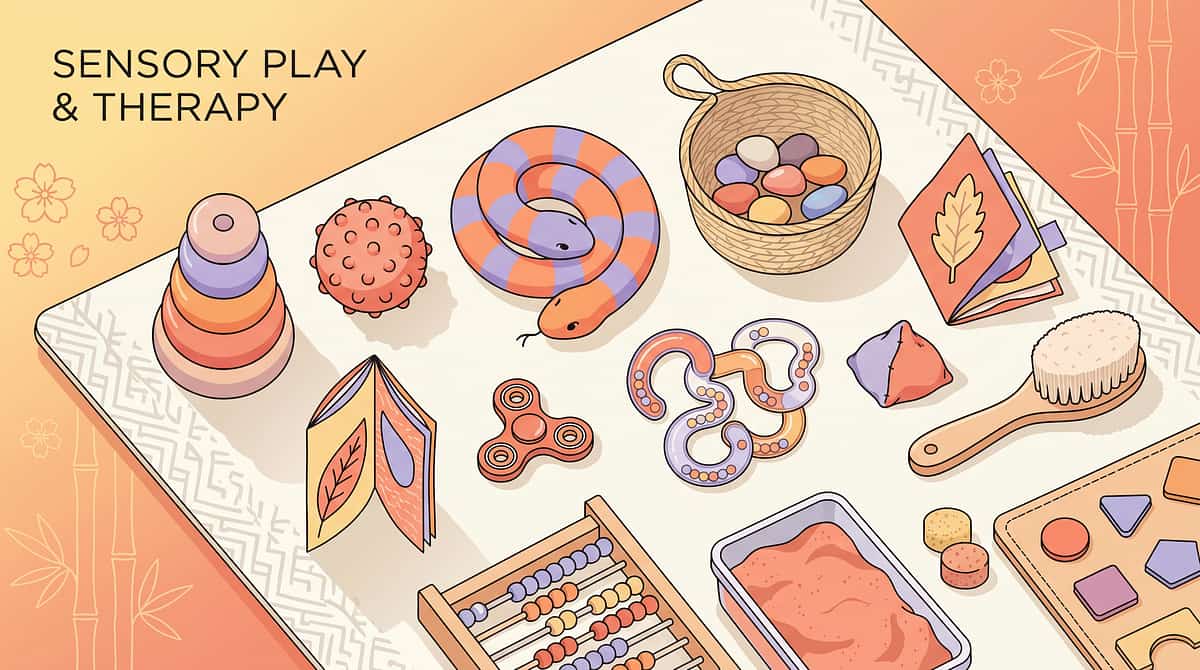
9 EVIDENCE-SELECTED MATERIALS
All home-executable. All parent-friendly.
Each material below activates a specific neurological pathway to positive emotion. Start with 1–2 that feel most natural for your child. Build the full ecosystem gradually over weeks.

📓 Material 1: Gratitude Journals
Attention Training pathway — Trains the brain to notice positive events that otherwise go unregistered. Daily 2-minute practice builds the "noticing muscle" for joy. Price: ₹150–400
🌸 Material 2: Sensory Pleasure Kits
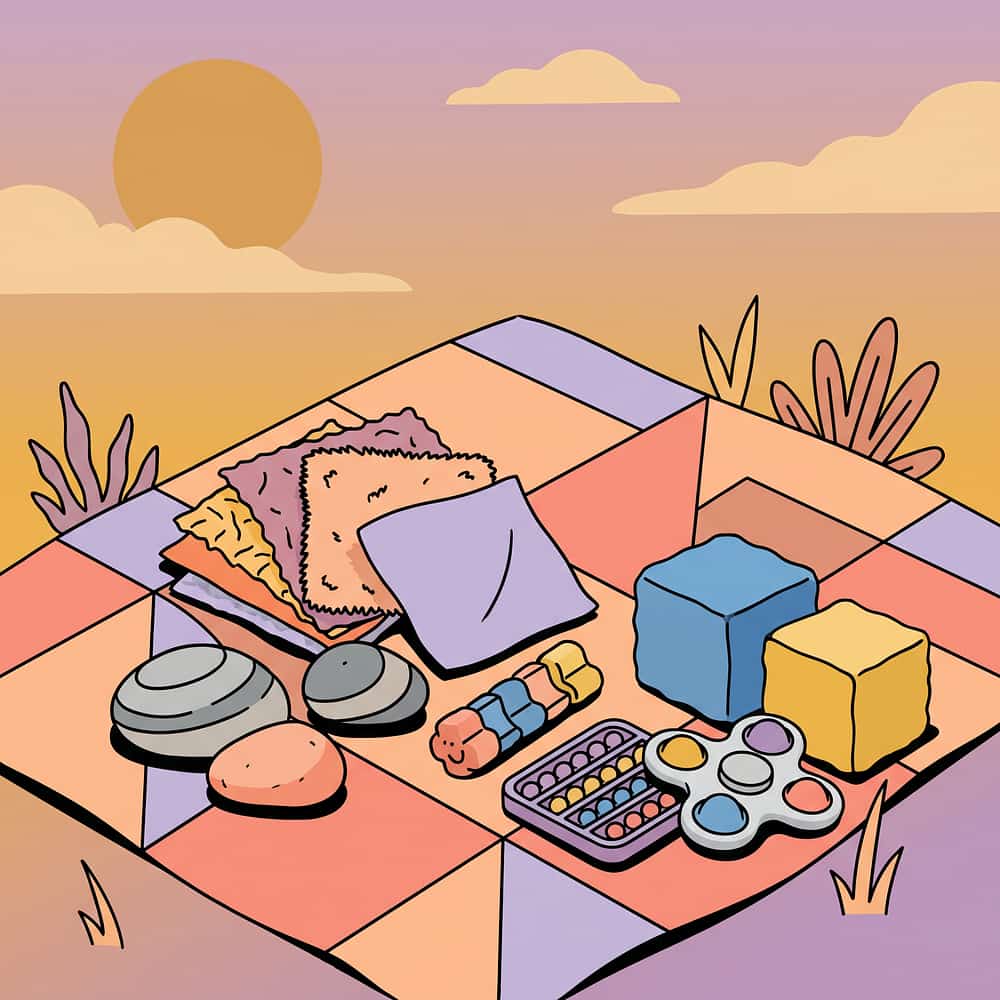
Sensory Activation pathway — Joy begins in the body. Curated multi-sensory items reawaken bodily capacity for pleasure. Price: ₹300–800
🔍 Material 3: Joy-Spotting Cards
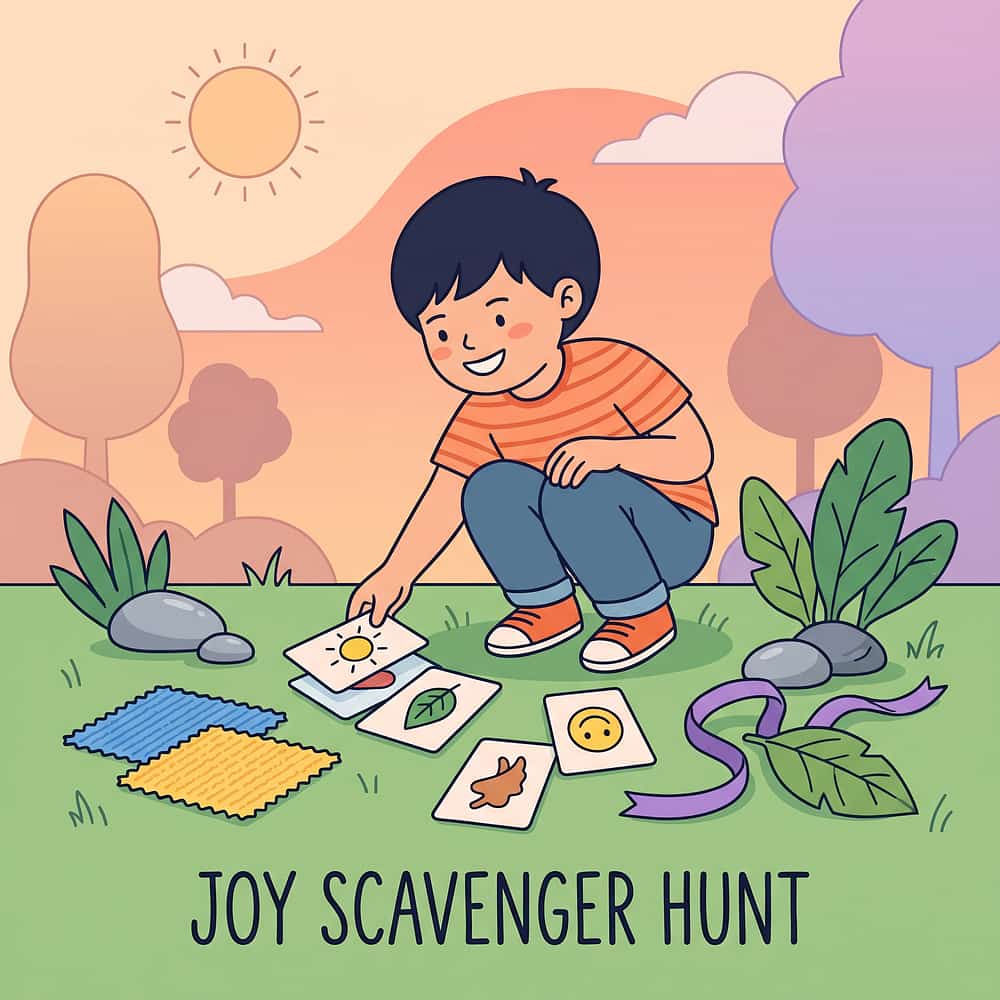
Attention Redirection pathway — Makes finding happiness an active, structured adventure. Externalizes joy-noticing into a game format. Price: ₹200–500
🧱 Material 4: Flow Activity Materials
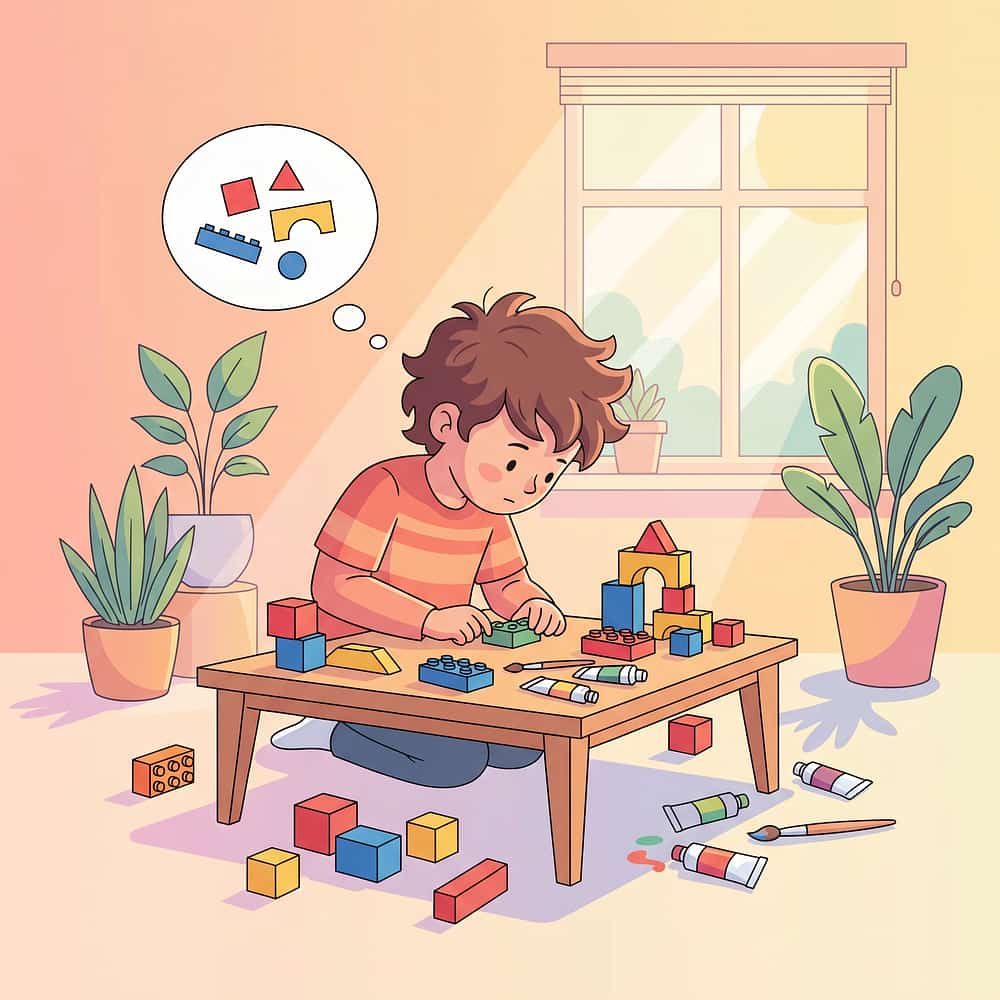
Deep Engagement pathway — Flow states are happiness without trying. LEGO, art supplies, puzzles — matched to child's challenge level. Price: ₹300–1,500
📸 Material 5: Positive Memory Books
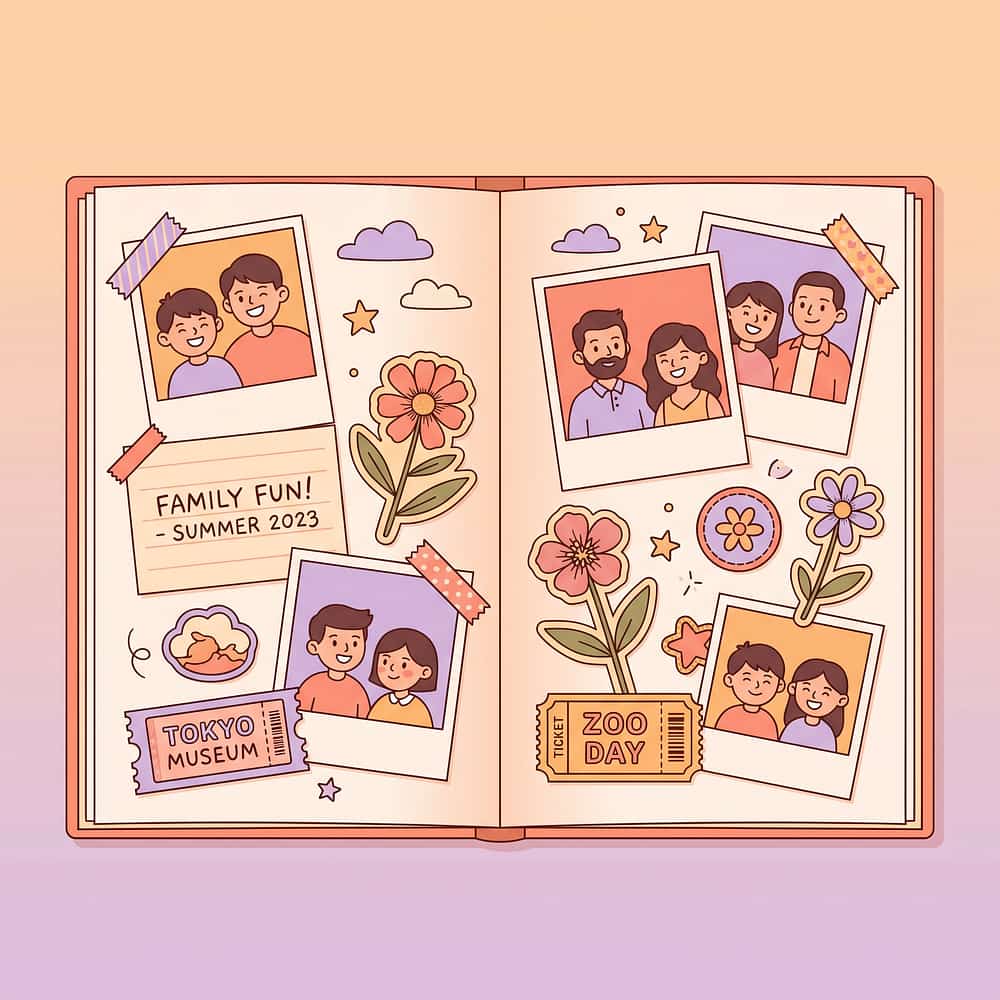
Memory-Based pathway — External library of happy times. Looking through photos of positive experiences reactivates those emotions. Price: ₹200–600

😂 Material 6: Laughter Resources
Involuntary Joy pathway — Laughter bypasses cognitive resistance. Joke books, silly games activate pleasure circuits directly. Price: ₹100–400
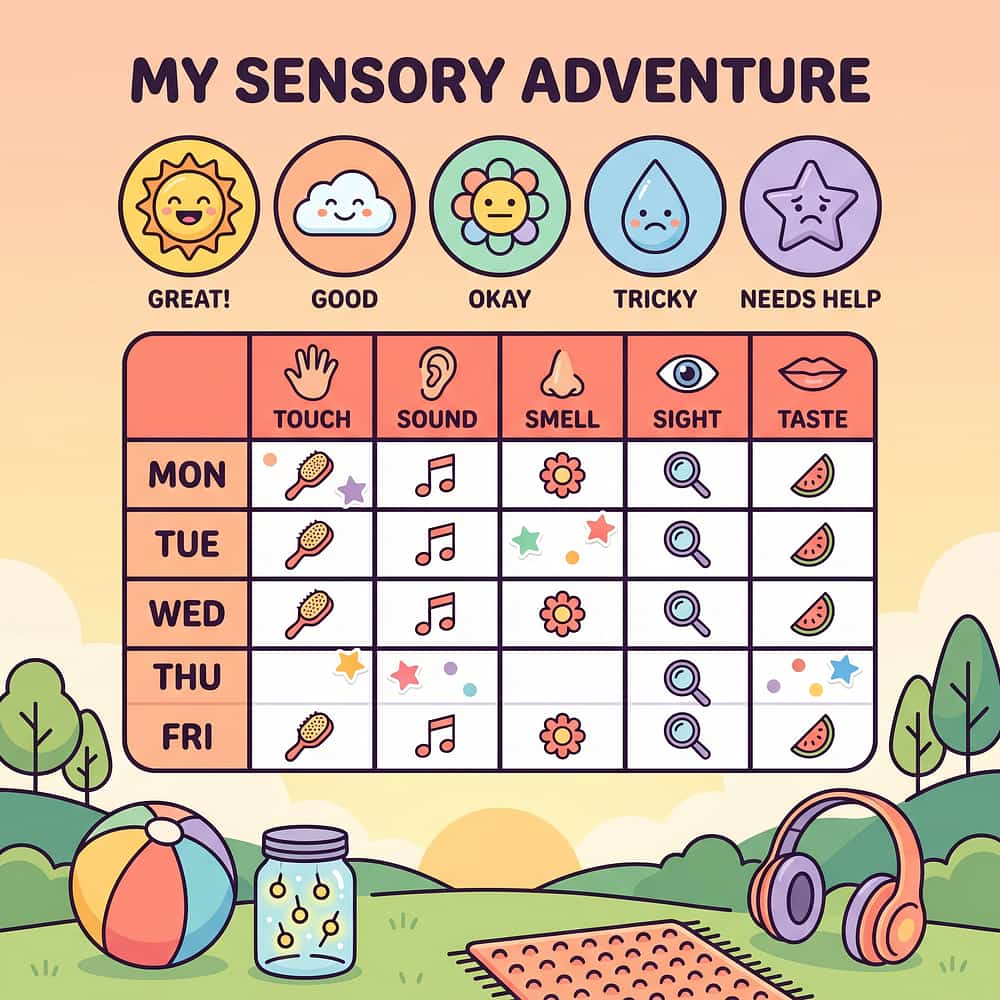
📊 Material 7: Pleasure Tracking Tools
Behavioral Insight pathway — Children with anhedonia underpredict pleasure. Tracking before/after reveals hidden joy and builds hope. Price: ₹50–200
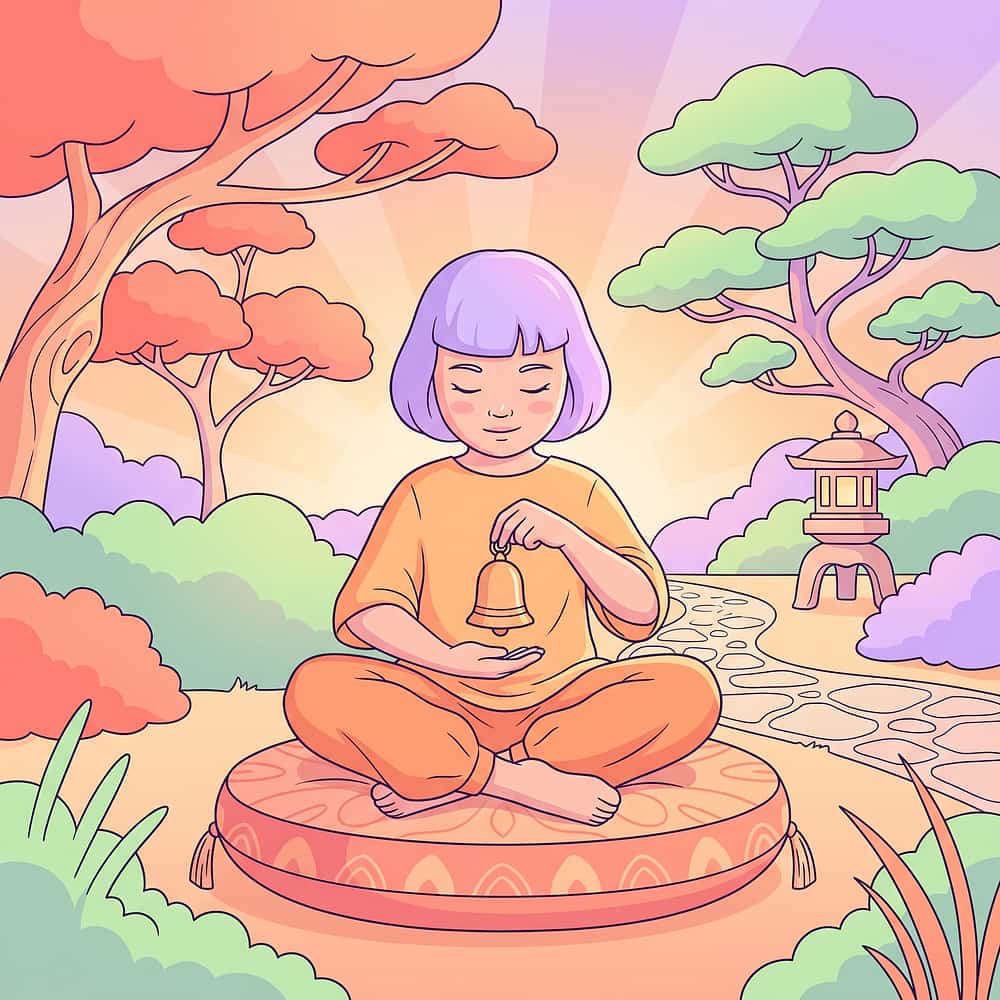
⏳ Material 8: Savoring Tools
Joy-Extension pathway — Mindfulness bells, savoring prompts, slow-moment rituals. Makes positive experiences register more fully and last longer. Price: ₹100–400
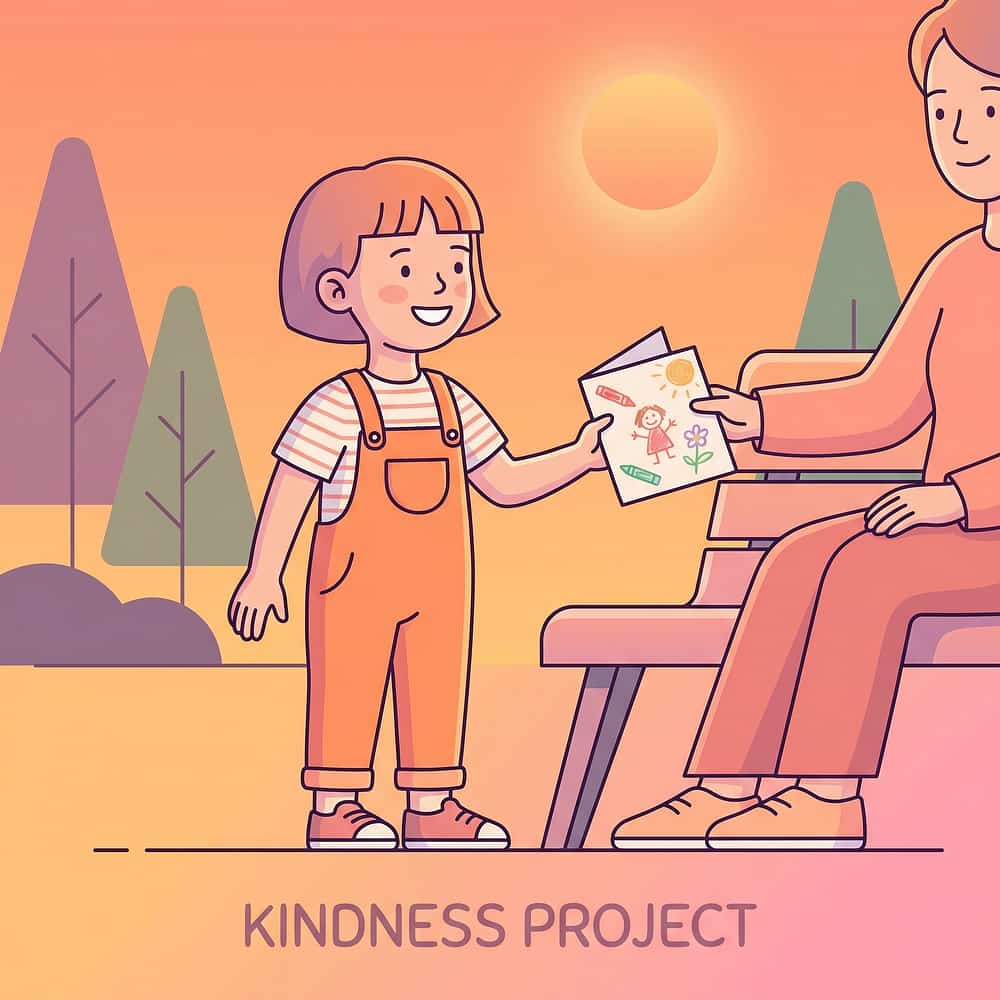
💛 Material 9: Kindness Materials
Helper's High pathway — Doing good for others activates reward circuits when personal pleasure pathways are dimmed. Joy through giving. Price: ₹100–500
Estimated complete kit: ₹1,250–4,800 | Budget ₹0 option available — see next card for DIY alternatives for every material.
EQUITY PRINCIPLE
WHO NCF 2018
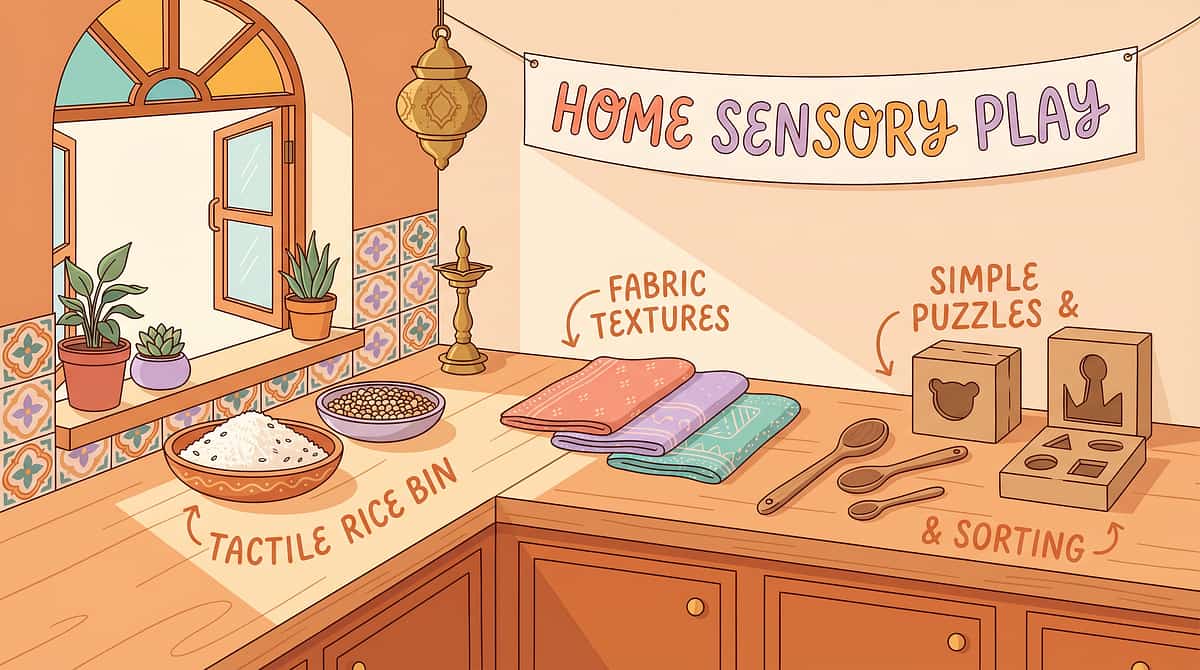
Every family can do this. Zero-cost options for every material.
The therapeutic mechanism isn't in the object — it's in the attention, intention, and consistency with which it's used. A homemade gratitude jar works because of the nightly ritual, not the jar.
Material | Buy This | Make This (₹0) | |
Gratitude Journal | Children's gratitude notebook ₹150–400 | Any blank notebook + 3 daily questions: "What made you smile? Who was kind? What felt good?" | |
Sensory Kit | Pre-curated kit ₹300–800 | Collection box: soft fabric scraps, smooth pebbles, scented items, colorful magazine pictures, spoon wind chimes | |
Joy-Spotting Cards | Printed card sets ₹200–500 | Index cards: "Find something beautiful," "Spot something funny," "Notice someone being kind" | |
Flow Materials | LEGO/art kits ₹300–1,500 | Sand, mud play, folding paper, arranging objects — all create flow at ₹0 | |
Memory Book | Photo album ₹200–600 | Any notebook + printed phone photos + child's drawings of happy times | |
Laughter Resources | Joke books ₹100–400 | YouTube: search "[child's age] funny videos" | |
Tracking Chart | Printed charts ₹50–200 | Simple grid on paper: "What we did / How fun I thought / How fun it was" | |
Savoring Tools | Mindfulness bell ₹100–400 | Any small bell or simply say "Pause. Describe what you notice right now." | |
Kindness Kit | Card sets ₹100–500 | 10 kindness ideas on slips: "Make someone a drawing," "Tell someone you love them," "Help without being asked" |
Zero-cost complete starter: Gratitude notebook + Joy-spotting index cards + Family joke notebook + Kindness slips = ₹0 + 30 minutes to make.
WHO NCF (2018): Equity-focused interventions using household materials show equivalent outcomes to commercial materials when properly guided. PMC9978394.
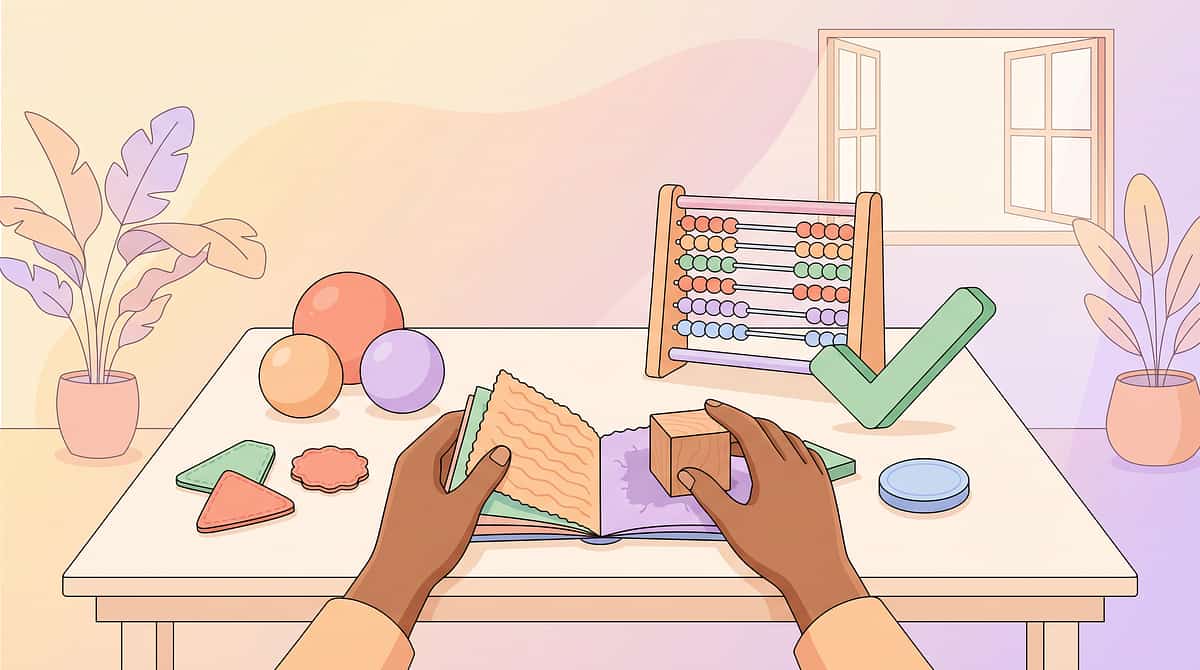
SAFETY FIRST
🚦 Read This Before Starting
Before introducing any K-917 material, run this quick safety check. Most families will see green immediately. But this traffic-light system protects every child — including yours.
🔴 RED — DO NOT PROCEED
Seek professional evaluation immediately if:
- Child has expressed thoughts of not wanting to be alive or self-harm
- Joy reduction accompanied by persistent sadness or hopelessness lasting 2+ weeks
- Child has completely withdrawn from all activities, relationships, and eating
- You suspect clinical depression or a significant mood disorder
- Recent trauma, loss, or major adverse event
- Emotional flatness began after starting or changing medication
🟡 AMBER — Proceed with Professional Guidance
- Reduced joy is part of a diagnosed condition (ASD, anxiety, ADHD) — check with therapist about sequencing
- Child has sensory sensitivities — always follow child's preferences with kit items
- Child becomes distressed when asked to identify happy feelings — use sensory/flow pathway instead
🟢 GREEN — Proceed if:
- Child is generally safe, fed, and reasonably regulated
- Reduced positive affect is the primary concern without acute safety issues
- Child can engage with at least some activities, even without expressed enthusiasm
RED LINE — Stop any session if: Child becomes severely distressed, expresses negative statements about themselves or wanting to disappear, or any concerning physical symptoms arise.
Indian J Pediatr RCT (2019): Home-based intervention safety protocols. DOI:10.1007/s12098-018-2747-4
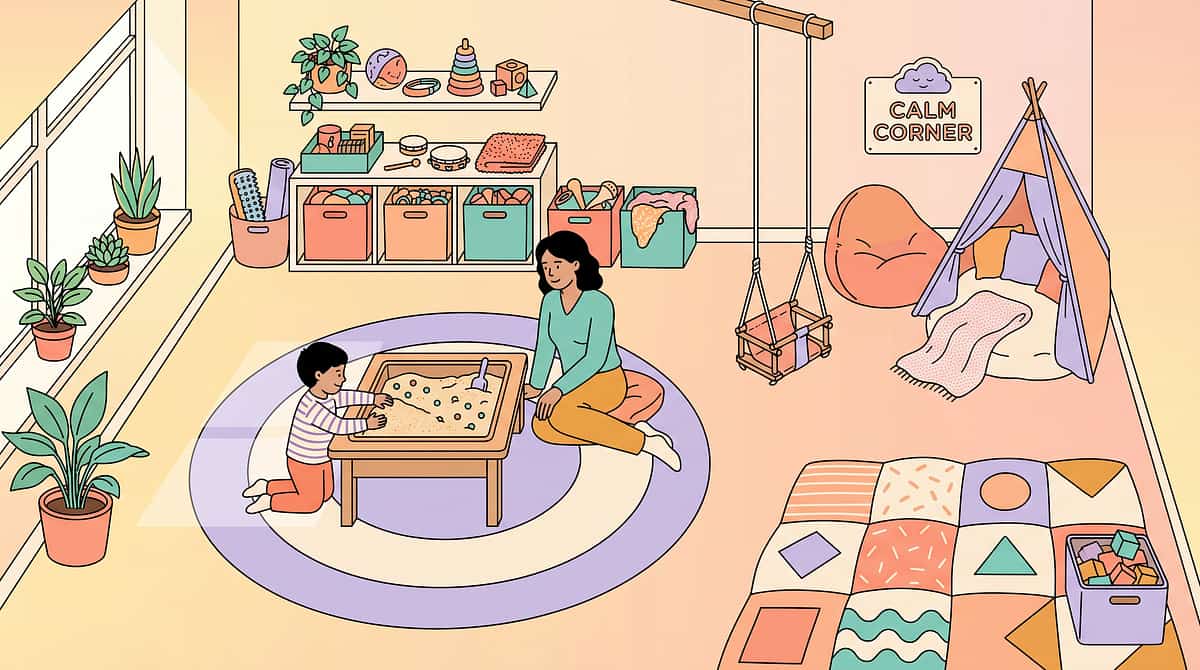
The right environment doubles the impact of every material.
Before your first session, spend five minutes preparing the space. These adjustments take less than one minute each — and their cumulative effect on your child's receptivity is significant.
① Light
Natural warm light if possible. Avoid harsh fluorescents. Amber lamp as alternative. Warmth in the environment primes warmth in the emotional state.
② Child's Spot
Comfortable, familiar, low-sensory-pressure. Floor cushion, beanbag, or preferred chair. The spot should feel safe before any material is introduced.
③ Parent Position
Side-by-side — not face-to-face. Shoulder to shoulder at the child's level. Less frontal pressure means more genuine engagement.
④ Materials
Within arm's reach but not overwhelming. One material visible at a time for distracted or anxious children. Abundance can feel like demand.
⑤ Remove
Screens, other toys, sibling disturbances, notifications. This is a low-demand space. Protect it.
Best time of day: After a comfortable meal, before screen time, during a transition gap. Avoid: When hungry, immediately post-school, or when child is already distressed.
Sensory Integration Theory (Ayres): Environmental setup is a core clinical variable. PMC10955541.
STEP 0 · READINESS CHECK
ABA/BCBA
60 seconds now prevents 20 minutes of struggle later.
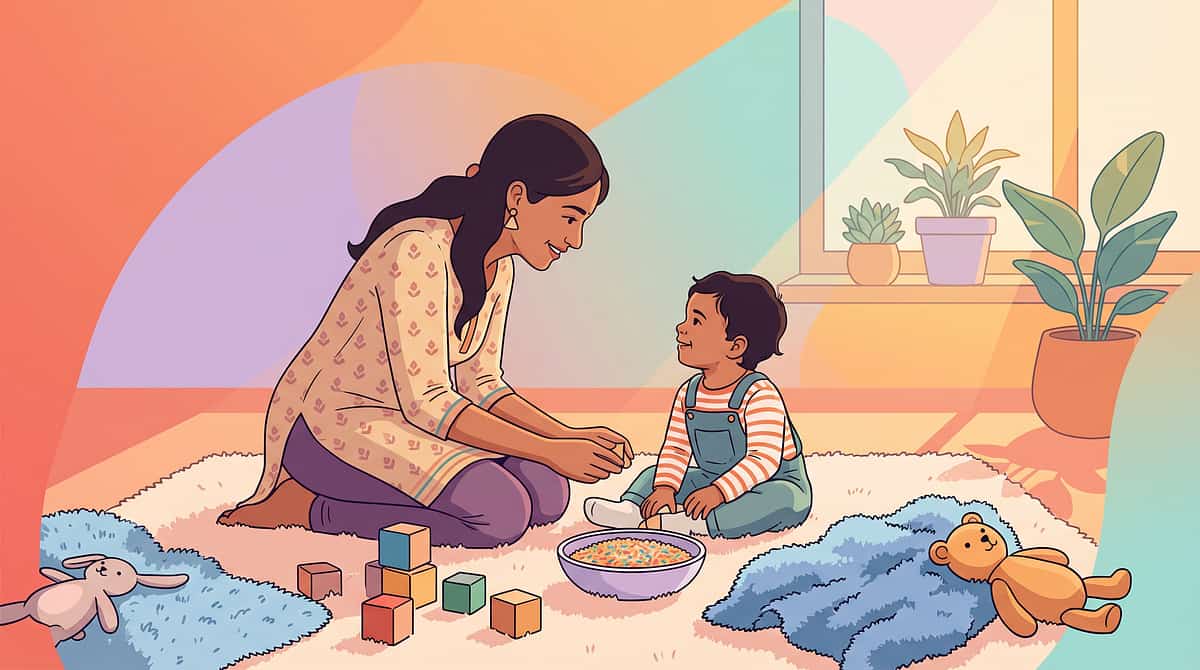
A quick readiness check before every session is one of the highest-leverage habits you can build. Run through these five points before introducing any material.
Fed & Not Hungry
Hunger activates the stress response and suppresses reward circuits. A fed child is a reachable child.
Not Overtired
Emotional flatness intensifies with fatigue. Positive affect needs energy — it cannot be generated from empty.
No Acute Distress
If already upset or dysregulated, address that first. Joy-building is a calm-state activity.
Post-Activity Recovery
At least 20 minutes since a demanding task — school, homework, therapy session.
Willing to Be Present
Child doesn't need to be enthusiastic — but should not be actively resistant. Neutral presence counts as ready.
🟢 GO (4–5 checked)
Proceed to Step 1. The conditions are right.
🟡 MODIFY (2–3 checked)
Use only Materials 2 or 6 — lowest demand, highest reward. Duration: 5 minutes maximum.
🔴 POSTPONE (0–1 checked)
This is not a failure. Offer a comfort item. Try again in 30–60 minutes. Record this as data.
If "Postpone" happens consistently (5+ days in a row), that IS the data. It warrants professional review. Contact 9100 181 181.
STEP 1 OF 6
The Invitation · 30–60 seconds
Bring the child in with curiosity — never commands.
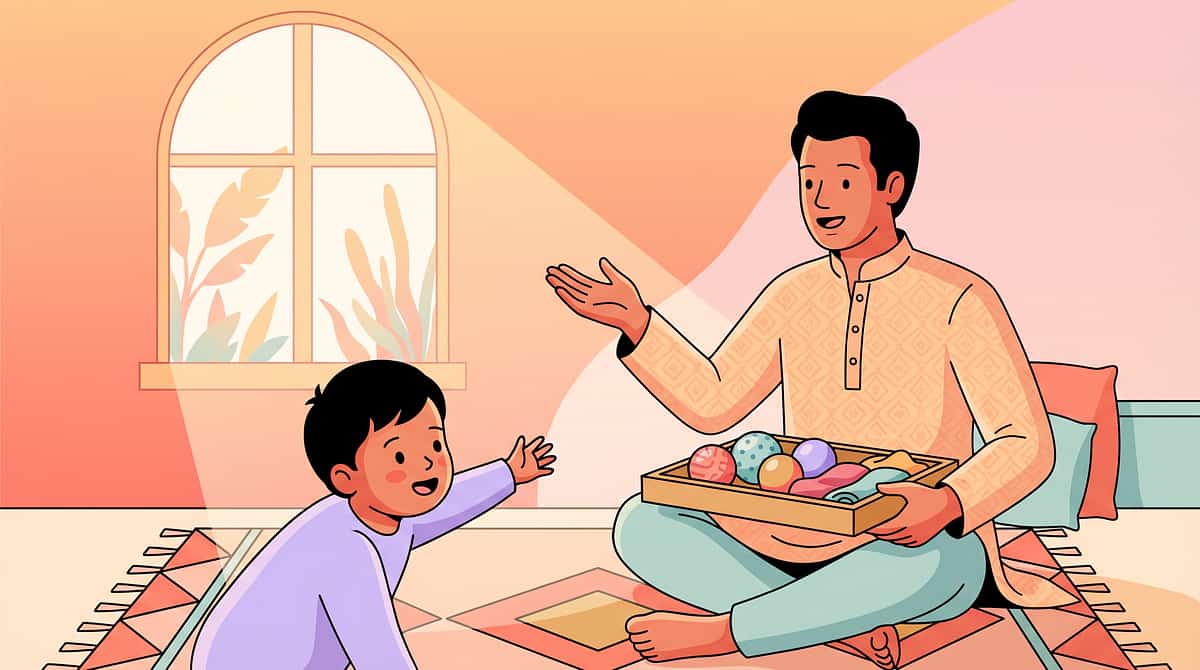
The first step is the most important. How you invite your child determines whether the next 10 minutes become therapeutic or a battle. Zero commands. Zero pressure. Pure curiosity.
"Hey, I found something I think you might find interesting. No pressure to do anything — I just wanted to show you."
For younger children: "Want to see something? Come look."
Body Language Guidance
- Sit at child's level — floor or same-height seat
- Face slightly away — side-on, not full frontal (less social pressure)
- Hold the material casually, as if you're interested yourself
- Soft voice, unhurried pace, no expectation in your face
Resistance Signals & Response
- Child moves away → Don't chase. "That's fine. I'll be here if you're curious."
- Child ignores → Do the activity yourself. Curiosity often follows.
- Child says "no" → Honor it. Try another material or another time.
Acceptance Cues (Child is Ready)
- Any orientation toward the material
- Lack of active resistance
- Continued presence in the space
ABA Pairing Procedures + OT "Just-Right Challenge" principle. Reducing demand in initial contact increases approach behavior in avoidant children.
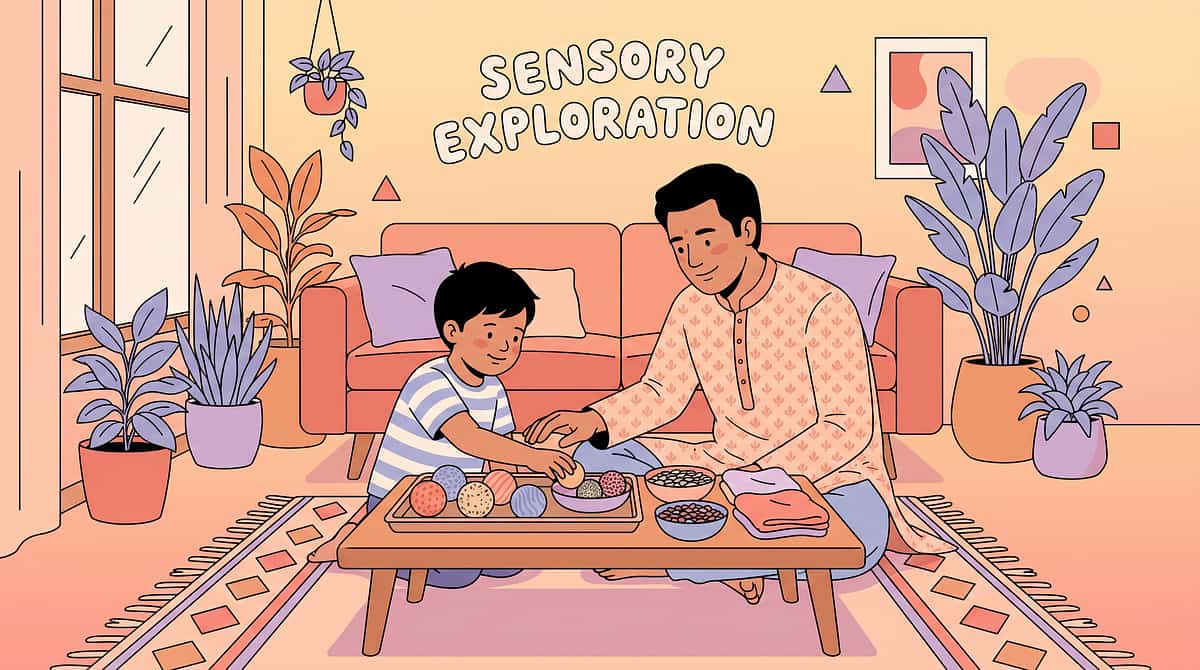
STEP 2 OF 6
The Engagement · 1–3 minutes
Introduce the material. Let the child lead.
Your role in this step is to provide language, not direction. The child's exploration — however tentative — is the therapeutic action. Every touch, glance, and comment counts as engagement.
📓 Gratitude Journal
"This is a journal where we write or draw things that felt good. I'll start — today, I noticed [something specific]. What about you? Anything, even something tiny."
🌸 Sensory Pleasure Kit
"This box has things that feel interesting. Want to explore? There's no right way — just notice what you like, what you don't."
🔍 Joy-Spotting Cards
"This is a treasure hunt. We're looking for [read card]. First one to spot it wins. Ready?"
🧱 Flow Activities
"Here are the building pieces / art materials. I'm going to work on mine. You can join or just watch."
📸 Memory Book
"I put together pictures of times we had fun. Let's look. Can you tell me what you remember about this one?"
😂 Laughter Resources
"I found the silliest joke book. Can I read you one? I don't even know if it's funny."
When child engages with material in any way: "Nice — you found/noticed [specific]." — Immediate, specific, calm. Not over-excited.
PMC11506176 (structured material introduction protocol). ABA reinforcement scheduling for low-motivation contexts.
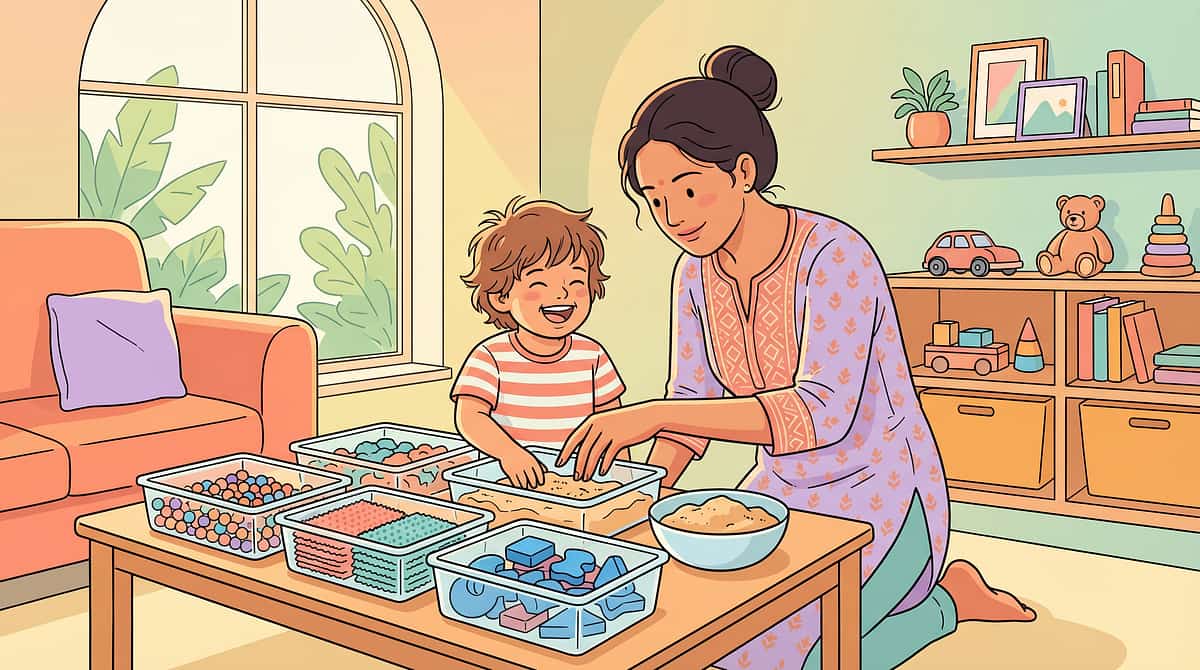
STEP 3 OF 6
The Therapeutic Action · 5–10 minutes
This is the therapeutic moment. What you do here changes the brain.
Each material has a specific core action that activates its neurological pathway. Execute these with consistency — not perfection. A neutral child who participates is making progress.
📓 Gratitude Practice
Child writes or draws 1–3 things noticed positively today. Parent participates alongside. Don't evaluate — all gratitude is valid, even "I liked my lunch." 3–5 min. Daily.
🌸 Sensory Exploration
Child explores each item: touch, smell, observe, listen, taste (if appropriate). Parent narrates: "What does that feel like?" Attending to sensation IS the therapeutic act. 5–10 min. Every other day.
🔍 Joy-Spotting Game
Child actively scans for the card prompt. Identifies and shares the find. Parent validates: "Yes! Tell me more about that." 5–15 min. Weekly or more.
🧱 Flow Session
Child engages in their specific flow material. Parent does NOT instruct, evaluate, or direct. Watch for "the face" — complete absorption, slight forward lean, time disappearing. 20–45 min. 3x/week minimum.
📸 Memory Book Review
Open to a page. "Tell me about this picture." Don't correct — follow their memory. Add a new photo or drawing at the end. 10–15 min. Weekly.
😂 Laughter Session
Read jokes together. Watch their curated funny video playlist. Parent's genuine laughter is therapeutic — don't perform it. 5–20 min. Whenever natural.
📊 Pleasure Tracking
Before activity: "How fun do you think this will be? 1–5." After: "How fun was it actually?" Record both. "You thought 2, but it was 4 — interesting!" 2 min before/after. Daily.
⏳ Savoring Practice
During a pleasant moment: ring the bell or say "Pause." Guide through senses: "What do you see? Smell? Feel? What's good about right now?" 30–60 sec during pleasant moments. Daily.
💛 Kindness Act
Child chooses one kindness card. Executes the act. Parent asks after: "How did it feel to do that?" Let the internal feeling be the reward. 5–15 min. 2–3x/week.
PMC10955541 | Flow theory: Csikszentmihalyi (1990). Savoring: Bryant & Veroff (2007). Gratitude: Emmons (2003).
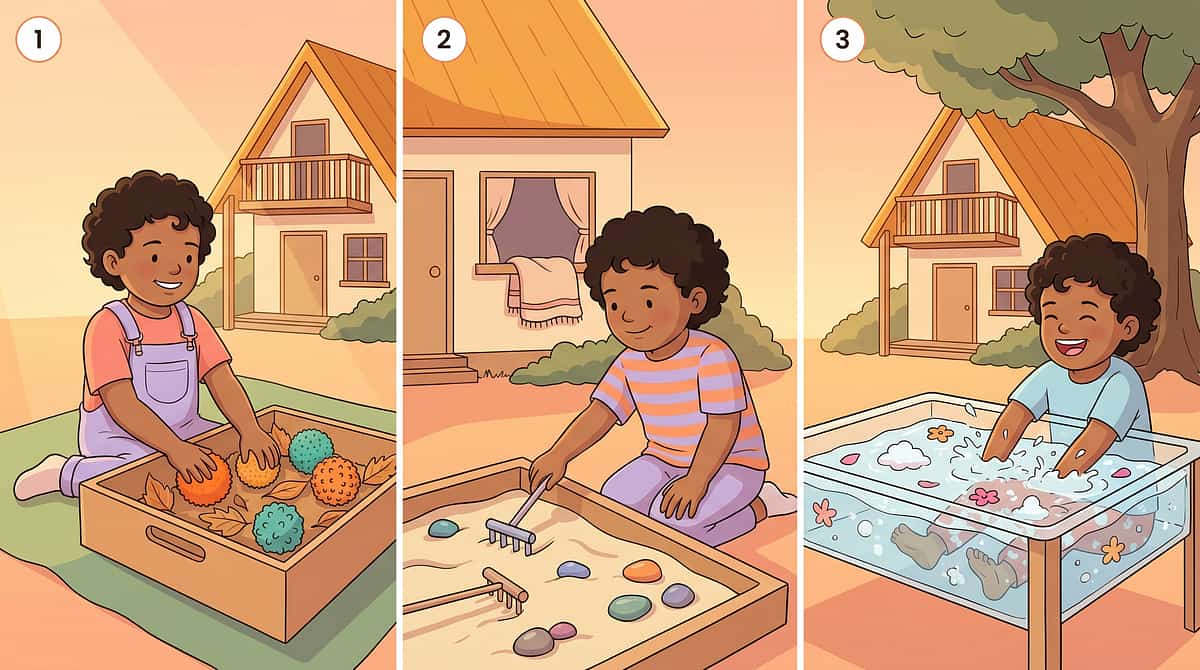
STEP 4 OF 6
Repeat & Vary · ABA/BCBA
Frequency matters more than duration. Consistency matters more than perfection.
"Three genuine interactions with joy are worth more than thirty mechanical ones. You are building a neural habit. Consistency matters more than perfection."
Material | Daily | Weekly | Key Variation | |
Gratitude Journal | 1x | 7 entries | Vary prompts: "Who helped you?" / "What surprised you?" / "What felt peaceful?" | |
Sensory Kit | Optional | 3–5 times | Rotate items; introduce new sensory inputs monthly | |
Joy-Spotting | Optional | 2–3 games | Outdoor vs. indoor; harder prompts as skill builds | |
Flow Activity | 20–45 min | 4–5 sessions | Gradually increase challenge level within same activity | |
Memory Book | — | 1 review | Add new photos. Create "upcoming joy" section | |
Laughter | As natural | 3–4 sessions | Graduate from physical to verbal comedy as language grows | |
Pleasure Tracking | 1–2 activities | 7–10 data points | Expand to activities child says "I won't like that" | |
Savoring | 1–3 moments | Daily pauses | Increase savor duration from 30 sec to 2 min over 4 weeks | |
Kindness Acts | 1 act | 3–5 acts | Graduate from family → community → strangers |
Satiation signs: Child requests to end → honor it. Joyful engagement requires internal permission, not performance.
SI therapy dosage research: 2–3 times/week over 8–12 weeks. Gratitude habit formation: minimum 4 weeks for stable neurological effect.
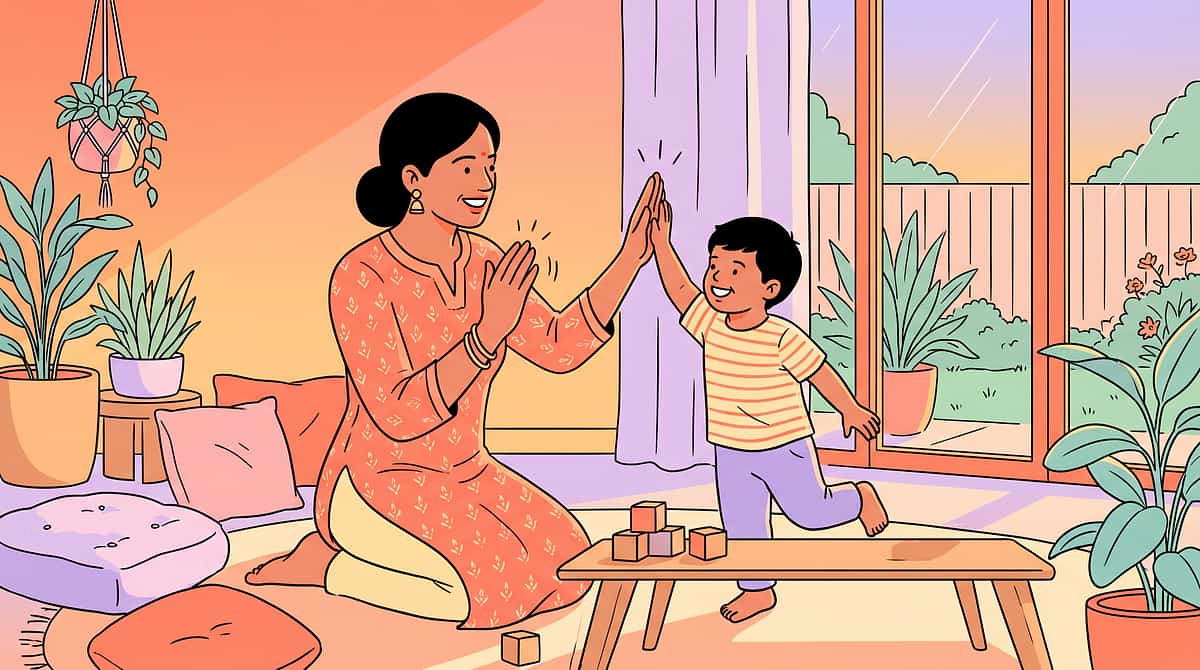
STEP 5 OF 6
Reinforce & Celebrate · Within 3 Seconds
The right words, at the right moment, reshape the brain.
Reinforcement in joy-building is precision work — immediate, specific, and calm. Over-excitement can feel like pressure. Calm acknowledgment feels like safety.
When child notices something positive:
"You spotted that! You found [specific thing]. That's exactly the kind of noticing that makes you better at finding joy."
When child shows even brief positive affect:
"I noticed that. That face — that's you feeling something good."
When child says "nothing was good today":
"That's honest. Can we look for one tiny thing together? Even the smallest one counts." (Don't argue — accompany.)
When child exceeds predicted enjoyment:
"You thought it would be a 2. It was a 4. Your brain got surprised by happy. Let's remember that."
Token Economy Suggestion
For each completed joy-building session, child earns 1 amber "sun token." After 7 tokens, child chooses a preferred activity — flow activity extension, family movie, choosing dinner. Joy-building builds toward more joy.
Celebrate the Attempt, Not Just the Success
If child tried the gratitude journal but couldn't think of anything — celebrate the try: "You opened the book and tried. That's harder than it looks. That counts."
Pinnacle Canon products available: Reward Jar ₹589 | Reward Sticker Book (1800+ stickers) ₹364
ABA reinforcement principles: Immediate (<3 sec), specific, enthusiastic. Token economy: strong evidence base in ASD. BACB ethical guidelines.
STEP 6 OF 6
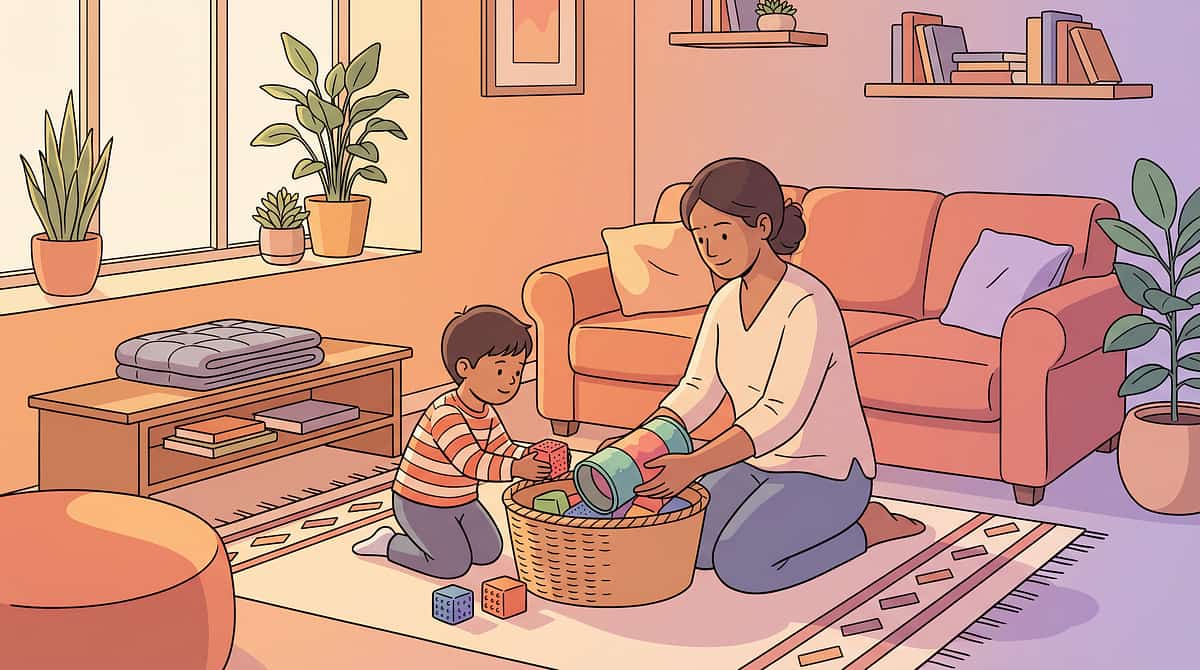
The Cool-Down · 2–3 minutes
No session ends abruptly. Joy built in session must transition safely to life.
The closing ritual is not cleanup — it's ceremony. It signals that this space is sacred and will be here again. A consistent transition phrase anchors the routine in the child's nervous system.
Warning (60 sec before end)
"Two more minutes, then we'll wrap up. You can finish what you're working on."
Closing Ritual (30 sec)
"What was one thing from today that you want to remember?" Child names it — parent echoes it back.
Material Put-Away Ritual
Child helps return materials to box or shelf. The materials go back to their honored place, ready for next time.
Transition Phrase (same every time)
"Good session. See you here tomorrow/[day]." Consistency builds expectation — and expectation is the beginning of anticipatory pleasure.
Bridge to Next Activity
Have the next pleasant activity ready. Don't end a joy session and go straight to homework.
If child resists ending: "I know. You can come back to this. It'll be here." Soft toy as transition object if needed. If child needs calming after stimulating flow activity: heavy blanket, firm pressure (ask OT), or 5 deep breaths together.
NCAEP (2020): Visual supports and transition objects are evidence-based practices for autism. Transition management reduces post-session dysregulation significantly.
DATA CAPTURE
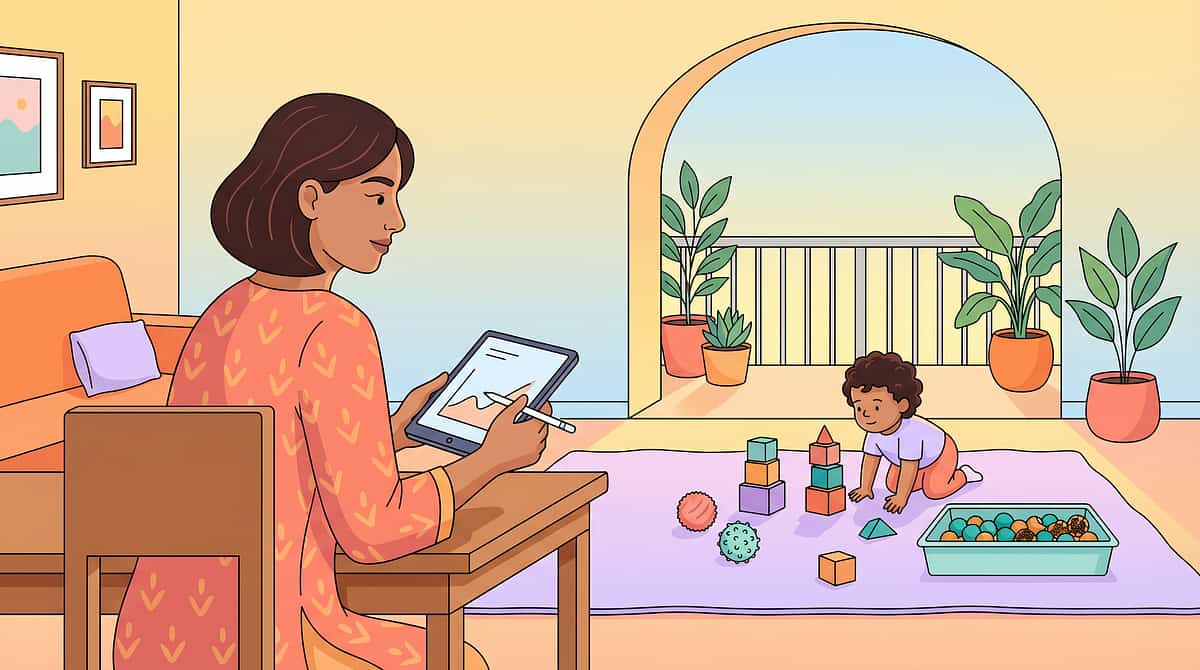
ABA/BCBA + CRO
"60 seconds of data now saves hours of guessing later."
Every session generates information about your child's positive emotionality trajectory. Capturing it takes less than a minute — and over weeks, it becomes the clearest picture you have of what is working and why.
① Did child engage?
Circle one after each session: YES · BRIEF · NO — Even "BRIEF" is real data and real progress when tracked over weeks.
② Child's Affect
Rate the overall emotional tone: 😄 Positive · 😐 Neutral · 😟 Distressed. Track the trend, not any single session.
③ One Notable Moment
Write anything: "Laughed at the joke." "Picked up the sensory ball." "Said 'that was okay.'" These micro-moments are the data that tells the story.
Pattern indicators to track: Is affect improving across weeks? Which materials generate the most response? What time of day works best? What preceded the best sessions?
GPT-OS® integration: Your data contributes to the Positive Emotionality Index — a real-time measure of your child's joy capacity across the 20M+ session network. Over time, this personalizes which materials and timing will work best for YOUR child specifically. pinnacleblooms.org/gpt-os/tracker
BACB Data Collection Standards: Frequency, duration, and quality tracking for behavior-analytic intervention.
Every session teaches you something. Here's how to decode what happened.
"My child refused all materials completely."
Why: Child may be at the Postpone threshold. State was wrong, not the child. Next time: Back to the readiness check. Try at a different time of day. For 3 days, just leave one material visible without invitation — let curiosity lead.
"Child engaged briefly then walked away."
Why: 2–3 minutes of engagement with a joy material is a WIN, especially early in the process. Next time: Note which material created even brief engagement. Double down on that one.
"Child said 'I can't think of anything good.'"
Why: This is diagnostic — their attentional bias is strongly negative. It's not resistance; it's the actual challenge. Next time: Lower the bar completely: "Find one thing that didn't hurt today." Build from there.
"Child laughed, then was flat immediately after."
Why: Laughter is a momentary state shift. The goal is 30 seconds of joy, then 30 more tomorrow. Next time: Note the specific humor type that worked. Build a collection of ONLY that type.
"The sensory kit items were all rejected."
Why: Sensory items are highly individual. Some children have sensory defensiveness. Next time: Let child sort items into "Keep box" vs. "Remove box." Work only with keeps. If everything is rejected, OT sensory assessment is indicated — call 9100 181 181.
"Child did the activity but insisted they didn't enjoy it."
Why: Alexithymia — difficulty recognizing internal states — is common in autism. The child may have enjoyed it without access to that knowledge. Next time: "Your face looked happy. Maybe your body was happy even if your head didn't know."
"Session went well for a week, then stopped working."
Why: Habituation. The brain adapts to predictable positive stimuli. This is progress — the baseline shifted. Next time: Rotate materials, increase challenge, add novelty.
"A session that ends early is data. A refusal is data. A brief smile is data. Nothing is failure. Everything tells you something."
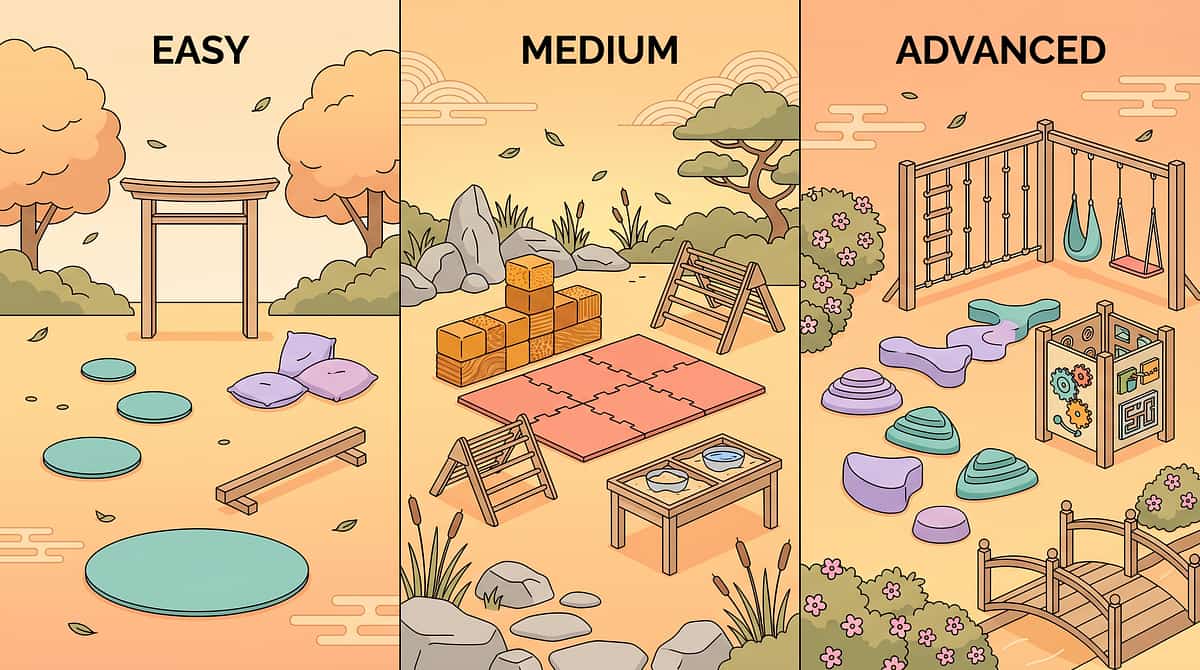
No two children are identical. Here's how to make K-917 yours.
The 9 materials are not a rigid prescription — they are a flexible toolkit. Use the profile variations and age adaptations below to calibrate the intervention to your specific child.
🧩 For Autistic Children
Lead with flow activities and sensory pleasure kit — least social demand, most intrinsic reward. Accept non-verbal joy expressions as valid: stiffening with excitement, scripting from favorite shows. Joy looks different in autism — learn YOUR child's joy signature.
😰 For Anxious Children
Start with laughter and memory books — low demand, high familiar comfort. Introduce pleasure tracking slowly (use 3-point scale, not 10). Kindness activities can be powerful when personal pleasure feels dangerous.
🔋 For Low-Energy / Fatigued Children
Savoring during natural positive moments is zero-effort. Sensory pleasure kit while lying down. Memory book review as bedtime routine. Minimize active effort requirements until energy increases.
👶 Ages 3–5
Drawings instead of writing. Sensory pleasure kit as primary. Joy-spotting through picture books. Flow via free play with specific materials. Skip written gratitude — use verbal sharing at bedtime.
🎒 Ages 6–8
All 9 materials accessible. Gratitude journal as primary anchor. Introduce pleasure tracking with face scale (not numbers). Joy-spotting works well as a family game during outings.
📱 Ages 9–12
Pleasure tracking with numbers. Child designs their own kindness calendar. Involve child in selecting flow activities. Respect privacy around journaling — offer choice of shared vs. private entries.
Cultural adaptation: Gratitude journals may feel unfamiliar in some contexts. Frame as "counting our blessings" / "noticing what God gave us today." The practice transcends the framing.

PROGRESS ARC · WEEKS 1–2
You are planting seeds
In weeks 1–2, don't look for joy. Look for these.
Week 1–2 is the hardest. You're doing something new, the child may resist, and you won't see dramatic results. This is normal. You are building neural infrastructure. Infrastructure is invisible until it's carrying load.
✅ What Progress Looks Like Right Now
- Child tolerates the material being present without active rejection
- One brief engagement per session — even 30 seconds counts
- Reduced resistance compared to first introduction
- Child mentions one positive experience when prompted — even reluctantly
- One spontaneous observation: "I liked that [specific thing]"
- Slightly longer duration with a preferred material than initial session
❌ What Is NOT Expected Yet
- Spontaneous enthusiasm is not expected in weeks 1–2
- Consistently happy mood is not expected yet
- Child asking to do the activities is not expected yet
- Generalization to school or other settings is not expected yet
PMC11506176: Intervention outcomes emerge across 8–12 week timelines. Early phase tolerance and participation indicators precede skill mastery.

PROGRESS ARC · WEEKS 3–4
Neural Pathways Forming · 40%
These are the "neural pathway forming" signs most parents miss.
By weeks 3–4, if the protocol has been consistent, you may begin to see consolidation signals. These are subtle — easily missed, or dismissed as coincidence. They are not. They are the real indicators of change happening underneath the surface.
Child Anticipates the Material
"Is it [material] time today?" — This is the first sign of anticipatory pleasure. The reward circuit is firing before the event.
Preference Emerges
Child asks for one specific material over others. Preference is the beginning of desire — a core component of positive emotionality.
Gratitude Gets More Specific
Entries start including more specific details — not just "dinner was good" but "I liked the way the pasta tasted with that sauce." Specificity signals genuine noticing.
Spontaneous Positive Observation
Child points out something pleasant without being prompted. "Mom, I found a beautiful flower." These seeds are fragile — don't over-celebrate. Just reflect: "You noticed that. Nice."
Pleasure Surprise Gap Appears
Pleasure tracking consistently shows actual enjoyment greater than predicted. The child's brain is beginning to expect good things — a fundamental shift in hedonic baseline.
Parent milestone: "You may notice you feel more competent too. You've executed this protocol for 3–4 weeks. That IS competence. The consistency you're providing is the therapeutic ingredient." — If consolidation signs appear by week 3, you can add a second material to the daily rotation.

PROGRESS ARC · WEEKS 5–8
🏆 Mastery Unlocking · 75%
Mastery Criteria: What "established" looks like.
Mastery in K-917 is not about a permanently happy child. It is about a child who has developed the capacity to find, feel, and express joy across multiple contexts — consistently, spontaneously, and without prompting.
Spontaneous Positive Expression
Without prompting, in at least 3 different contexts per week — at home, during outings, and in casual conversation.
Self-Initiated Joy-Building
Child uses one material without being asked. The behavior has been internalized — it is now theirs, not yours.
Verbal Positive Affect
Child describes enjoyment using specific words: "That was fun," "I loved that part," "Can we do that again?"
Generalization
Joy-noticing behaviors appear at school, during family outings — not just in structured sessions. The skill has transferred to life.
Pleasure Prediction Calibration
Child's predictions move closer to actual enjoyment — the gap narrows. Hope is being rebuilt from the inside.
Emotional Range Expansion
The emotional landscape includes clear positive notes alongside neutral and negative. The flatness is no longer total.
☀️POSITIVE EMOTIONALITY CAPACITY — ESTABLISHED — All 6 mastery criteria met consistently for 2+ weeks → Proceed to K-918 (Self-Esteem Building).
When to stay and strengthen: 2–3 criteria met → Stay with K-917 for another 4 weeks. Consider professional assessment if plateau persists beyond 12 weeks.
"Your child is learning to find joy. You made that possible."
You chose to understand instead of panic. You built 9 bridges to your child's positive emotions — one material at a time, one session at a time, over weeks when you couldn't always see the results.
The laugh that happened last week without any reason — you built the conditions for that. The "that was actually fun" that surprised you — you created the space for that moment to be possible.
Family celebration suggestion: Do something that uses your child's demonstrated flow activity — now that you've found it. Make it a family celebration of what joy looks like for your specific child.
Photo/journal prompt: "Write down or photograph the first moment you saw the spark return. Not the moment you planned. The real one. That moment is the whole point of this work."
Parental self-efficacy research: Celebration rituals reinforce parental intervention commitment and predict continued adherence.
SAFETY CHECK
NeuroDev Pediatrics + Psychology
Even in the success zone — watch for these. Trust your instincts.
Progress does not remove the need for vigilance. These six flags can appear at any point — including during a period that seemed to be going well. They are not signs of failure. They are signs that the intervention needs a new layer of support.
🔴Persistent hopelessness or worthlessness statements — "No one cares about me," "I wish I wasn't here," "Nothing will ever get better." This exceeds anhedonia — may indicate clinical depression. Stop. Call 9100 181 181 immediately.
🔴Acute regression — Child was improving, then sharply declines. More withdrawn, flatter than before intervention began. Document the regression start date. Consult within 48 hours.
🟡No response to any material after 8 weeks — May indicate deeper clinical intervention is needed. Request AbilityScore® evaluation.
🟡Sleep or appetite changes accompanying the flatness — New difficulty sleeping or significant food aversions alongside flat affect. Biological markers of depressive episodes. Pediatrician + NeuroDev consultation.
🟡Social withdrawal accelerating despite intervention — Child refusing previously tolerated social contact. Add professional support layer.
🟡Parent instinct: "Something is wrong that I can't name" — You know your child. If you feel something is beyond typical anhedonia — trust that. Call 9100 181 181.
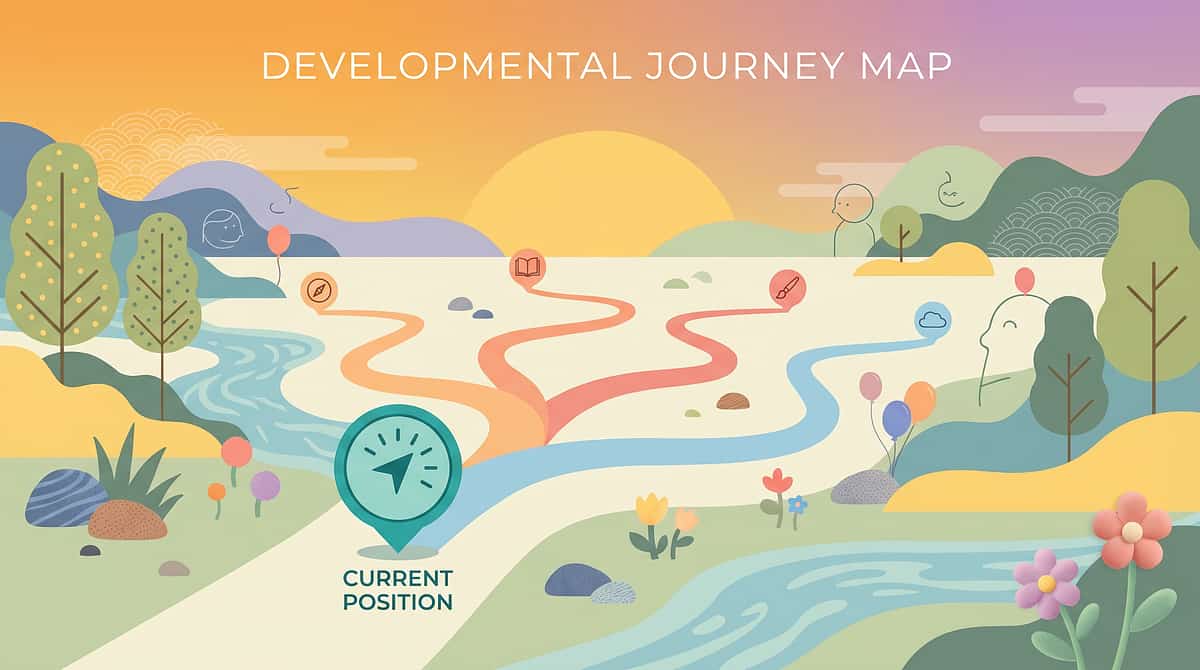
You are not done. You are at a waypoint on a longer journey.
K-917 is one technique in a carefully sequenced developmental progression. Mastering positive emotionality opens the door to the next layer of your child's flourishing. Here is where you stand — and where you can go next.
Next: K-918 Self-Esteem Building
Positive emotionality is the foundation. When joy capacity is established, self-worth work becomes possible. These two techniques build on each other directly.
Lateral Alternative: K-890 Motivation & Engagement
Addresses the behavioral activation component of joy through activity scheduling rather than material-based intervention — for children who respond better to structure than materials.
Long-term developmental goal this feeds: Positive Emotionality Index → Life Satisfaction Readiness → Quality of Life Outcomes
WHO/UNICEF developmental trajectory framework. GPT-OS® progression architecture.
RELATED TECHNIQUES
Emotional Regulation Domain
More techniques in this domain. You may already own the materials.
Because K-917 shares the same 128 Canon Materials taxonomy as other Emotional Regulation techniques, the materials you've assembled for Finding Joy are likely ready to serve the next intervention immediately.
Technique | Code | Difficulty | Materials You May Own | |
Managing Disappointment | K-915 | 🟡 Core | Gratitude Journal ✅ | |
Coping with Change | K-916 | 🟡 Core | Memory Book ✅ | |
Self-Esteem Building | K-918 | 🟢 Intro-Core | Kindness Kit ✅ | |
Emotional Awareness | K-919 | 🟢 Intro | Joy-Spotting Cards ✅ | |
Motivation & Engagement | K-920 | 🟡 Core | Flow Materials ✅ | |
Childhood Depression Signs | K-910 | 🔴 Advanced | Pleasure Tracking ✅ |
Pinnacle 20-Category Classification + 128 Canon Material taxonomy. Organization follows GPT-OS® domain architecture.
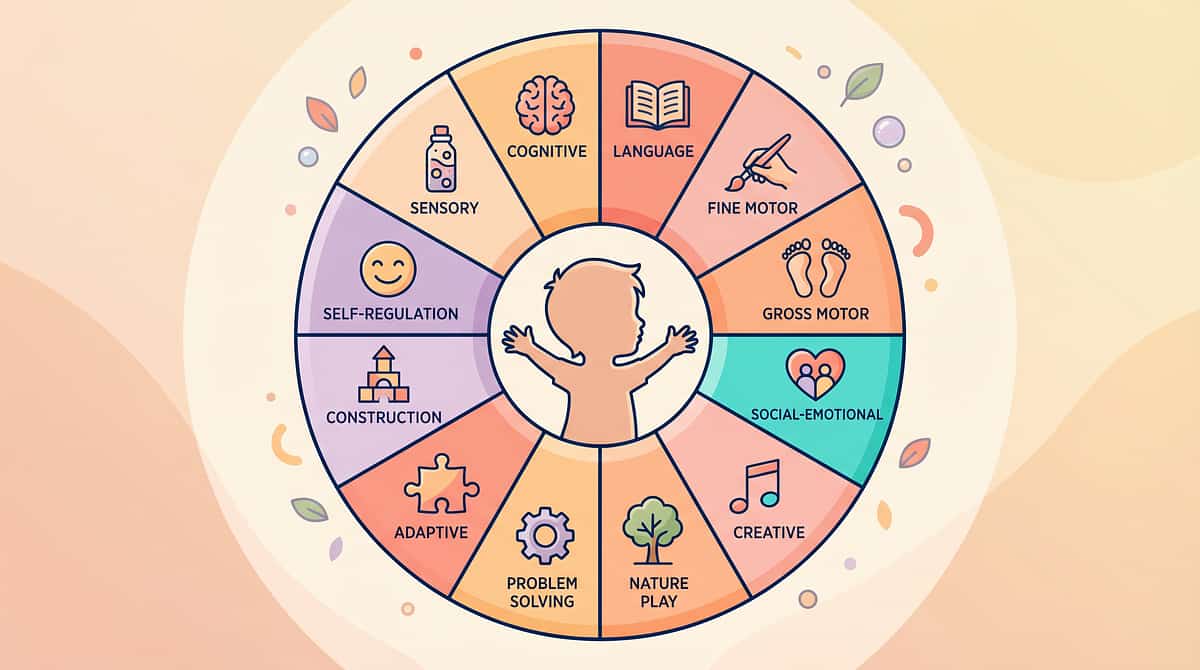
Finding Joy is one strand of your child's complete developmental tapestry.
Domain C — Emotional Regulation — covers 80+ intervention techniques across emotional identification, regulation strategies, coping skills, positive emotion cultivation, trauma responses, and emotional expression. K-917 sits in the Positive Emotion Cultivation cluster.
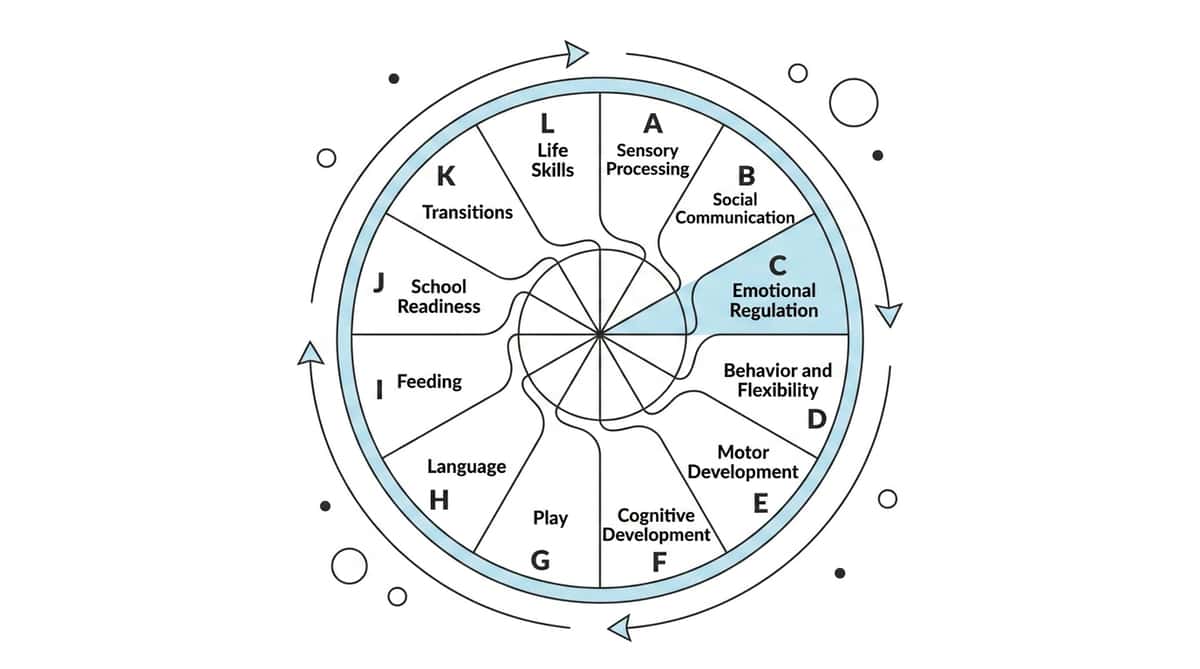
Domain C — Emotional Regulation
K-917 sits in the Positive Emotion Cultivation cluster. Connected to: emotional identification, regulation strategies, coping skills, mood disorders, and emotional expression — all within the same domain.
Connect Your Child's Full Profile
"To see how K-917 connects to your child's active domains in Speech, OT, and Behavior — link your GPT-OS® profile." This personalizes the entire intervention sequence across all 12 domains.
WHO/UNICEF NCF: Five nurturing care components require holistic developmental monitoring. UNICEF 2025 Country Profiles: 42 indicators per country.
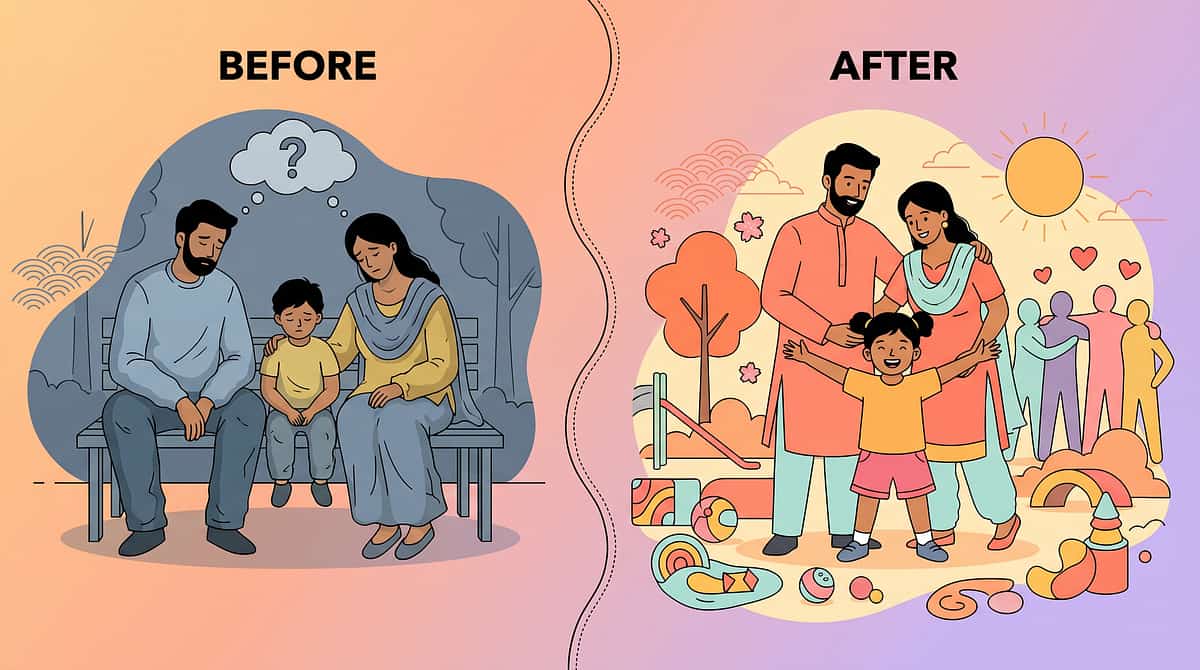
These families started exactly where you are now.
Before: "My daughter seemed to have lost her spark. Nothing excited her — birthday parties, ice cream, her favorite shows, all got the same neutral face. Her teacher said she was 'fine.' I knew she wasn't."
After: "Six months later, she laughs. Not constantly — she's still quieter than other kids. But the flatness is gone. Last week she told me, 'Mom, today was actually fun.' I cried right there."
Timeline: Week 1: Gratitude journal. Week 3: Joy-spotting walks. Week 6: Found her flow (baking). Month 4: Spontaneous laughter returning.
Parent, Hyderabad Pinnacle Network | Illustrative case; outcomes vary.
Before: "My 9-year-old son. Everything was 'okay' or 'fine.' He'd play video games but I couldn't tell if he actually enjoyed them. Just… flat."
After: "The pleasure tracking chart was the turning point. He predicted 2/10 for the family movie. He rated it 7/10 after. I said 'Interesting — your brain got surprised by happy.' He looked at me and said 'yeah.' That was the first time I felt like we could find it again."
Parent, Bengaluru Pinnacle Network | Illustrative case; outcomes vary.
"In our clinical work, the hardest thing is that anhedonia is invisible. The child isn't crying — they're just gray. These materials work because they don't demand happiness. They create conditions where happiness becomes possible again. The brain, given the right inputs consistently, finds its way back to joy." — Senior Child Psychologist, Pinnacle Network
Qualitative research on parent motivation: Peer narratives are the strongest predictor of home-based intervention adherence.
COMMUNITY
Family Support + Social Work
You don't have to figure this out alone.
73% of parents of children with reduced positive affect report feeling "alone in this" — even when surrounded by family. The most therapeutic thing for a parent is knowing another parent has been here. That's what this community is.
WhatsApp: "Finding Joy Parent Group"
Parents navigating anhedonia and emotional flatness in children. Share strategies, ask questions, get peer support in real time from families who are one step ahead of you.
Online Forum
Pinnacle Community: techniques.pinnacleblooms.org/community/emotional-regulation — Searchable by technique, age, diagnosis, and week of protocol.
Local Parent Meetups
Pinnacle center-organized monthly parent groups. In-person connection with families in your city who are working the same protocol.
Peer Mentoring
Connect with a parent who has completed K-917 and can guide you through the early weeks. Your "week 4 gratitude journal story" might be the thing that keeps someone else going.
If you've completed K-917, consider sharing your journey. Your experience helps the next family find their way.
WHO NCF: Community engagement is core. Parent support networks improve intervention adherence by 40%+.
PROFESSIONAL SUPPORT
Clinical Services
Home + clinic = maximum impact.
Parent-led materials are powerful. Professional support amplifies them. For children with complex profiles — autism, anxiety, clinical-level anhedonia — the combination is consistently more effective than either alone.
🏥 In-Person Assessment
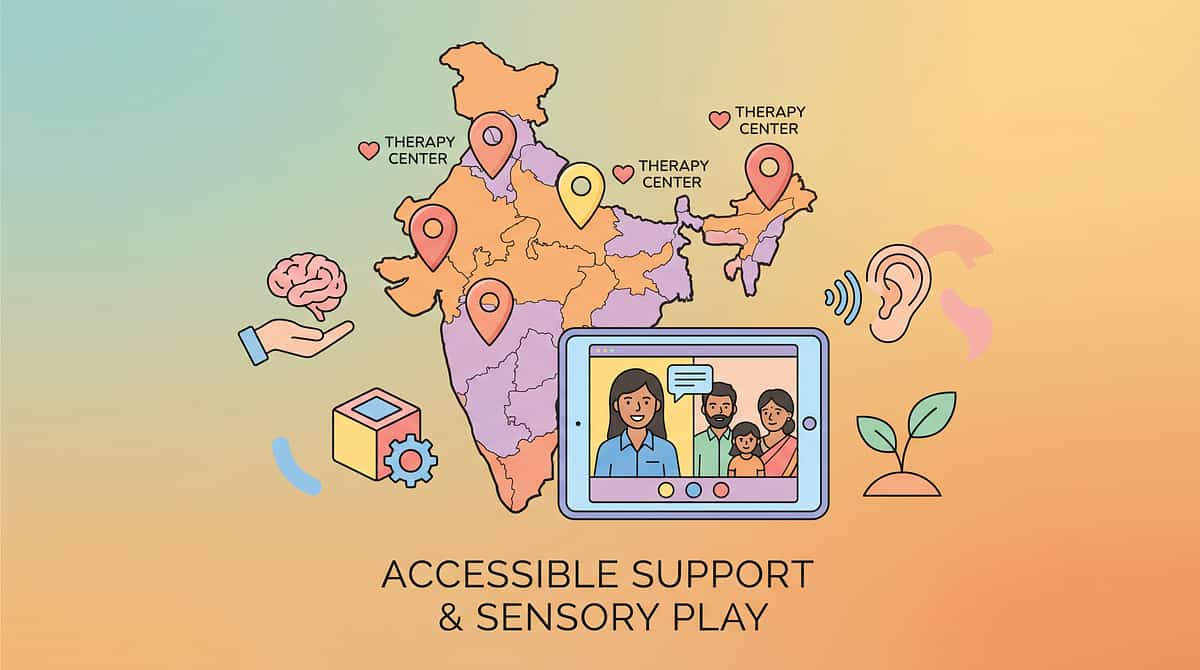
AbilityScore® Evaluation + Emotional Wellbeing Screening + Positive Affect Assessment. 70+ centers across India. Average wait: 3–5 days.
pinnacleblooms.org/book
📱 Teleconsultation
For families outside center reach. Video consultation with Pinnacle psychologist or NeuroDev specialist. Available in 16+ languages. Accessible from anywhere in India.
9100 181 181
📞 FREE National Helpline
No appointment needed. Speak now. Assessment questions, material guidance, urgent concerns — all addressed. 24x7.
9100 181 181
Therapist matching note: For K-917 (Finding Joy), the primary discipline match is Child Psychology. Secondary: Occupational Therapy (sensory pleasure pathway). Tell the booking coordinator you are working on "positive emotionality and anhedonia" — they will route to the right specialist.
WHO NCF Progress Report (2023): 48% increase in countries adopting ECD policies. Primary health care as platform for all families.
RESEARCH LIBRARY
CRO · Evidence-Based Practice
For the curious parent who wants to understand the science.
📄 Seligman PERMA Model (2011) — American Psychologist
Positive Emotions, Engagement, Relationships, Meaning, and Accomplishment are five measurable, cultivable pathways to human flourishing from early childhood. Foundational framework for all 9 materials in K-917.
📄 PMC11506176 — PRISMA Systematic Review (Children, 2024)
16 studies (2013–2023) confirm sensory integration and positive emotion intervention meets evidence-based practice criteria for children with ASD. Direct support for Materials 2, 4, and 8.
📄 PMC10955541 — Meta-Analysis (World J Clin Cases, 2024)
24-study meta-analysis: positive emotion and engagement interventions effectively promote social skills, adaptive behavior, and emotional range. DOI: 10.12998/wjcc.v12.i7.1260
📄 PMC9978394 — WHO/UNICEF CCD Package
Care for Child Development implementation across 54 LMICs: caregiver-delivered positive emotion cultivation produces measurable developmental outcomes in home settings.
📄 DOI:10.1007/s12098-018-2747-4 — Padmanabha et al., Indian J Pediatr (2019)
Indian RCT: Home-based parent-administered interventions for pediatric developmental and emotional conditions showed significant measurable outcomes with 4–8 week protocols.
Additional reading: Csikszentmihalyi, M. (1990). Flow. | Bryant & Veroff (2007). Savoring. | Emmons & McCullough (2003). Counting Blessings Versus Burdens. JPSP. | NCAEP Evidence-Based Practices Report (2020). | WHO Mental Health Atlas (2022).

Your consistency isn't just helping your child. It's building knowledge for every child like yours.
What GPT-OS® Learns from K-917 Data
- Which of the 9 materials produces the most positive affect for your child's specific profile
- Optimal session timing, duration, and frequency for this child's state patterns
- Predicts which material will break through next
- Identifies when professional escalation is warranted based on plateau pattern
Privacy Assurance
All data encrypted end-to-end. No data shared without explicit consent. Session data used only for personalized recommendations and anonymized population research in compliance with India's PDPB 2023 and GDPR principles.
Population-Level Impact
"Your 7-second gratitude entry tonight contributes to the world's largest pediatric positive emotion dataset. What helps your child helps the next thousand children whose parents will find this page."
Digital health interventions for ASD: 21 RCTs, 1,050 participants (2024 meta-analysis).
WATCH THE REEL
K-917 · Episode 917 · Emotional Regulation Series
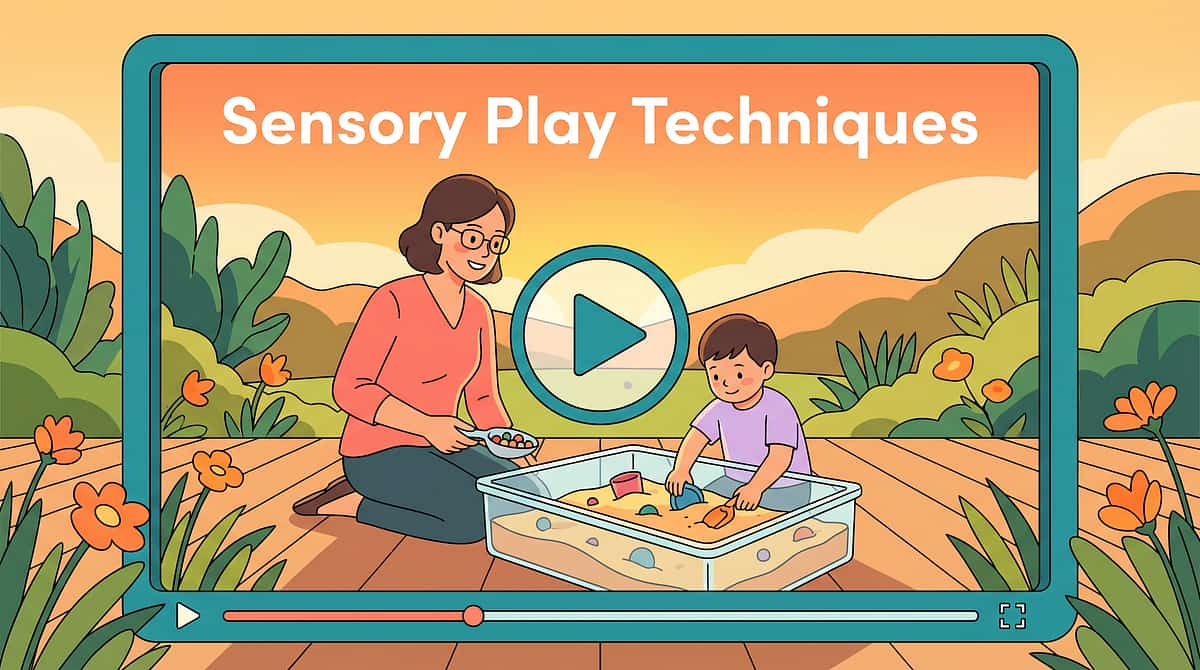
See a Pinnacle therapist demonstrate these materials.
Video reinforces text. Watching a trained therapist move through the 9 materials — handling the objects, using the scripts, responding to child cues — builds parental confidence in a way that reading alone cannot replicate.
"Hi, I'm [Lead Child Psychologist], part of the Pinnacle Blooms Consortium. In this reel, I'm showing you the 9 materials our team uses most consistently when a child is struggling to feel joy. These aren't just nice objects — each one activates a specific neurological pathway to positive emotion."
0–6 seconds: Hook
"When joy feels far away. These materials help children rediscover happiness."
6–51 seconds: 9 Materials
Each material × 5 seconds with B-roll demonstration of parent–child interaction.
51–75 seconds: CTA + Close
Save, Follow, Share. GPT-OS® + Pinnacle closing slides. Helpline number prominent.
NCAEP (2020): Video modeling is an evidence-based practice for autism. Multi-modal learning (visual + text + demonstration) improves parent skill acquisition.
SHARE THIS
Family Engagement
If only one person executes this, you've cut the impact in half.
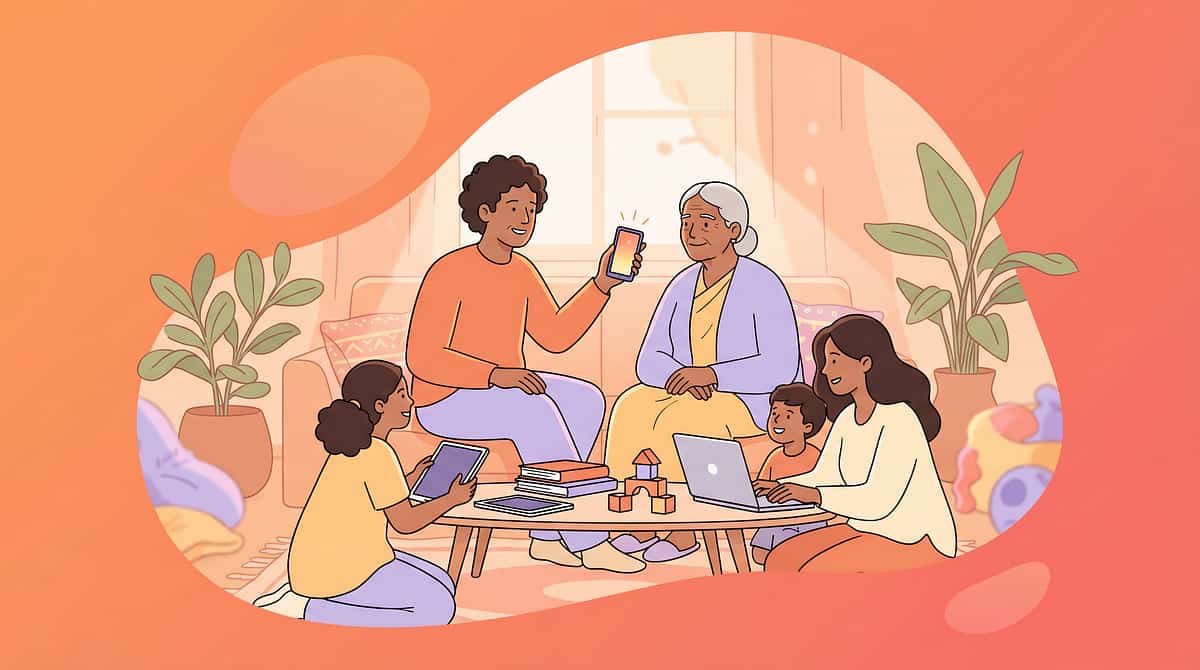
K-917 works best when the child's full environment reinforces the same conditions. The more caregivers who understand the protocol — even at a basic level — the faster the neural rewiring happens.
📱 Share Instantly
WhatsApp · Email · Copy Link · Instagram Story · Print Version. One tap shares everything the next caregiver needs to start understanding.
📥 Download Family Guide
K-917 Family Guide (1-page PDF): What anhedonia is in plain language | The 9 materials | 5 ways to help at home | When to call for help.
For Grandparents & Older Family Members
Your grandchild isn't sad exactly — they just don't seem to feel happiness as easily as other children. It's a real, physical difference in how their brain processes good things. We're using 9 specific activities to help their brain get better at noticing and feeling happy moments. The most important thing you can do: when you see [child's name] smile, laugh, or seem to enjoy something — name it gently: "You seem to like that." Your warmth and patience matters more than any material.
Teacher / School Communication Template
"Dear [Teacher's name], We are currently supporting [child's name] with building positive emotionality using evidence-based materials from Pinnacle Blooms Network's K-917 protocol. If you notice any moments of genuine engagement, pleasure, or enthusiasm at school — however brief — it would be enormously helpful if you could note them and let us know. Consistency across home and school multiplies the impact significantly."
WHO CCD Package: Multi-caregiver training is critical for intervention generalization and maintenance. PMC9978394.

FREQUENTLY ASKED QUESTIONS
Your questions, answered by the consortium.
These FAQs are drawn from parent query patterns across 70+ Pinnacle centers and the GPT-OS® community. If your question isn't here, ask directly at pinnacleblooms.org/ask or call 9100 181 181.
How long before I see real results?
First micro-signs: Week 1–2 (tolerance, brief engagement). Consolidation: Week 3–4 (anticipation, mild preferences). Measurable positive affect increase: Week 5–8. Generalization to new settings: Month 3–6. Neural rewiring is not a 2-week project.
My child is autistic — does "finding joy" look different for them?
Yes, significantly. Autistic children often experience intense positive emotions but express them differently — vocal stimming, full-body excitement, absorbed special interest. "Flat affect" in autism may not mean "no joy." Lead with flow activities around special interests. Accept non-verbal joy expressions as valid.
Can I do all 9 materials at once?
Start with 1–2. We recommend: Material 4 (flow activity) and Material 1 (gratitude journal). Add others as the first two become routine. Don't build the whole ecosystem in week 1.
My child says they're happy but doesn't look it. Is that possible?
Yes. Alexithymia — common in autism — means difficulty identifying and labeling internal emotional states. The child may be experiencing joy but not have language access to it. Continue the materials. Over time, the link between internal sensation and external label strengthens.
Is this different from treating depression? Do I need a psychiatrist?
Anhedonia exists on a spectrum. Sub-clinical anhedonia (this protocol) responds well to parent-led material interventions. Clinical depression with persistent sadness or hopelessness requires professional assessment. Card 27 tells you exactly when to escalate. When in doubt: 9100 181 181.
My child is 3 years old. Is this age-appropriate?
Yes, with modifications. For 3–5 year olds: Use sensory pleasure kit as primary. Joy-spotting through picture books and outdoor walks. Flow through free sensory play. Skip written gratitude — use drawing or verbal sharing at bedtime: "Tell me one thing that felt good today."
What if I try everything and nothing works?
That IS data. If 8 weeks of consistent effort with K-917 materials yields no observable change, additional clinical assessment is needed. There may be an underlying condition requiring professional intervention beyond parent-led materials. Call 9100 181 181.
Can I use these materials during therapy sessions too?
Absolutely — in fact, this is ideal. Share this page with your therapist. The 9 materials are clinic-compatible. Many Pinnacle therapists integrate K-917 materials into their sessions. The EverydayTherapyProgramme™ bridges clinic and home.

The only thing left is to begin.
You have read everything. You understand the science. You have the materials list. You know the steps. Your child's brain is waiting for exactly these inputs — and you are now equipped to provide them.
🧩 OT
Occupational Therapy
🗣️ SLP
Speech-Language
📊 ABA
Behavior Analysis
📚 SpEd
Special Education
🧠 NeuroDev
NeuroDev Pediatrics
🔬 Psychology
Child Psychology
📞 FREE National Autism Helpline: 9100 181 181 — 24x7 | 16+ Languages | No Appointment Needed
Preview of 9 materials that help with finding joy Therapy Material
Below is a visual preview of 9 materials that help with finding joy therapy material. The pages shown help educators, therapists, and caregivers understand the structure and content of the resource before use. Materials should be used under appropriate professional guidance.


Link copied!
The Pinnacle Promise
"From fear to mastery. One technique at a time."
This page is part of the Pinnacle GPT-OS® intervention library — a consortium-validated, evidence-linked collection of 70,000+ pediatric intervention technique pages serving parents and caregivers across 70+ countries. Every page is authored by the Pinnacle multi-disciplinary consortium of pediatric OT, SLP, ABA/BCBA, Special Education, NeuroDev, Psychology, and CRO specialists. Every technique is referenced against PubMed, WHO, and UNICEF evidence frameworks.
20M+
Therapy Sessions
Exclusive 1:1 sessions across the Pinnacle Network since 2016
97%+
Improvement Rate
Measured improvement in one or more readiness indices across all techniques
70+
Centers
Across India, serving families in 16+ languages, 70+ countries reached online
Medical Disclaimer: This content is educational and informational. It does not replace individualized assessment and intervention from qualified mental health professionals, child psychologists, or developmental specialists. Persistent inability to experience joy or pleasure — especially when accompanied by sadness, withdrawal, sleep/appetite changes, or hopelessness — may indicate clinical depression and requires professional evaluation. Individual results may vary.
CIN: U74999TG2016PTC113063 | DPIIT: DIPP8651 (Govt. of India Recognized Startup) | |
MSME: Udyog Aadhaar TS20F0009606 | GSTIN: 36AAGCB9722P1Z2 |
© 2025 Pinnacle Blooms Network®, unit of Bharath Healthcare Laboratories Pvt. Ltd. All rights reserved.
techniques.pinnacleblooms.org | National Autism Helpline: 9100 181 181 (24x7, FREE, 16+ Languages)
care@pinnacleblooms.org | pinnacleblooms.org
techniques.pinnacleblooms.org | National Autism Helpline: 9100 181 181 (24x7, FREE, 16+ Languages)
care@pinnacleblooms.org | pinnacleblooms.org