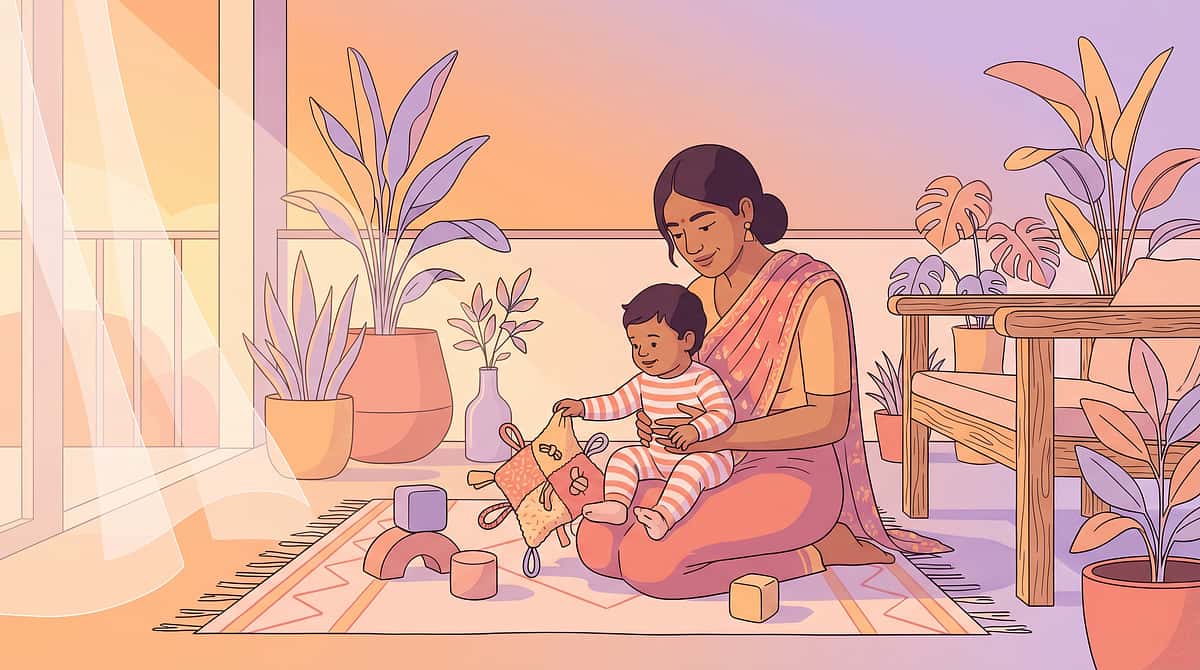
She said three words today. Her first three-word sentence. At five years old. I cried in my car.
And I still don't know how to celebrate it properly.
K-916 · Celebrating Small Wins · Motivation & Reinforcement Series
"A sticker chart feels childish. 'Good job' feels hollow after the thousandth time. She works harder for one skill than her classmates do for ten — and I want her to feel that. I want our whole family to recognize these moments. How do I make small wins feel big enough to matter, without making them patronizing or overwhelming?" — A Pinnacle Parent, Chennai
You are not failing. Your child's progress is real. It needs the right container to shine.
Reviewed by: OT · ABA · SLP · SpEd · NeuroDev · CRO · Pinnacle Blooms Consortium®
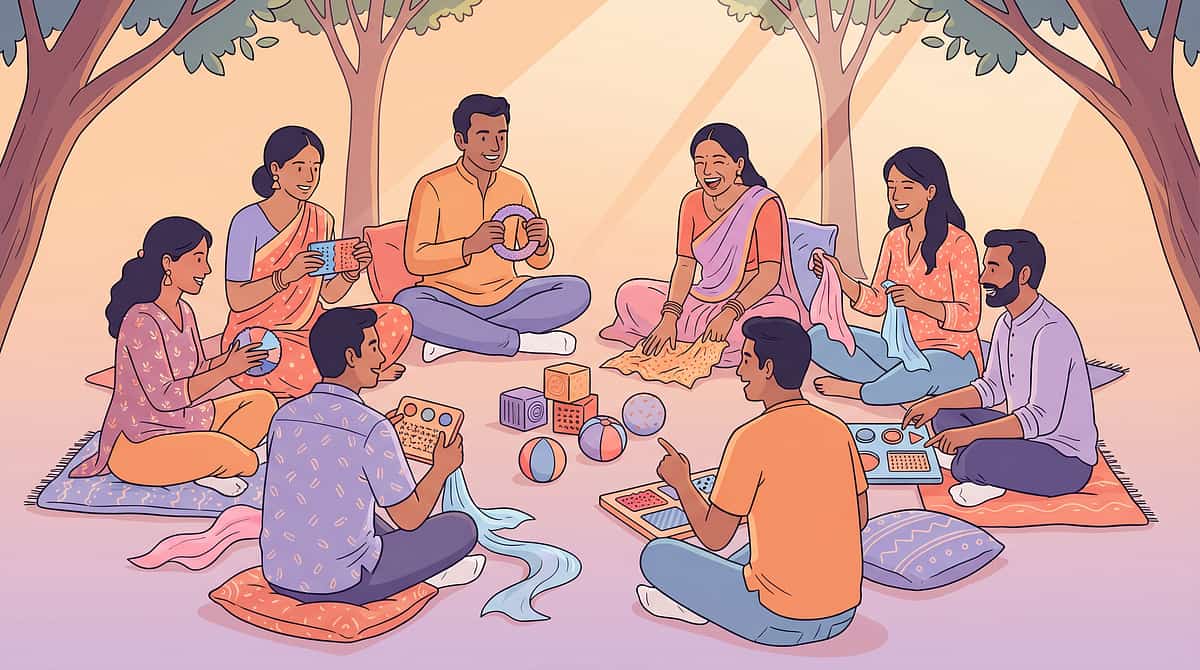
Every family navigating developmental therapy knows this exhaustion. You are one of millions.
1 in 36
Children with ASD
Diagnosed with autism spectrum disorder in the US (CDC, 2023)
78%
Celebration Fatigue
Of parents report praise becomes mechanical over months of therapy
3–5x
More Effort Required
For children with developmental differences to achieve the same milestone as neurotypical peers
🇮🇳India: 1 in 68 children diagnosed with ASD (NIMHANS 2021) · 10–13 million children with developmental disabilities · 70+ countries served by Pinnacle GPT-OS®
When progress is measured in millimeters — a second longer of eye contact, one more word, one tolerated texture — the celebration systems designed for typical development simply don't fit. Your child needs recognition that honors what those millimeters actually cost. So do you.
"You are among 10+ million Indian families navigating the daily mathematics of developmental progress. The isolation you feel is the most common experience in this room." — Pinnacle Blooms Clinical Team
📞 FREE Helpline: 9100 181 181 · 16+ languages · 24×7
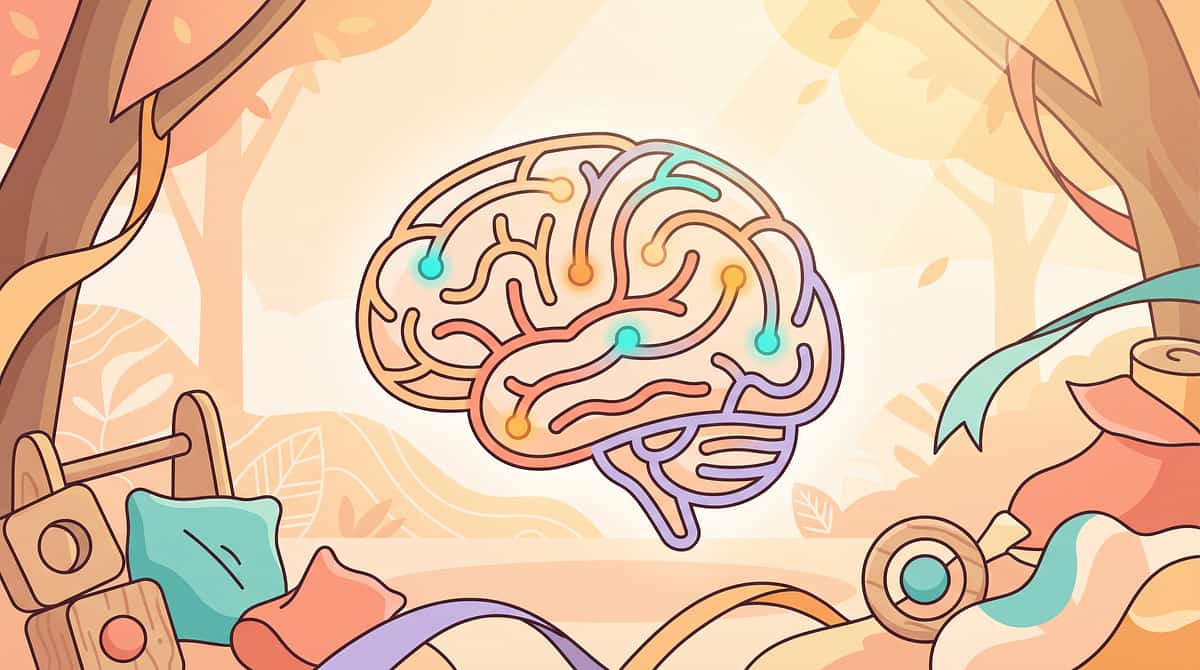
What's Happening in Your Child's Brain
Neuroscience
What happens when a child with autism succeeds at something hard
The dopamine signal is weaker
Reward prediction pathways in autism often process reinforcement differently. External recognition amplifies the neurological reward signal the child's brain may not self-generate robustly enough.
Memory consolidation needs an anchor
The hippocampus stores achievements more durably when an emotional marker — celebration, pride, recognition — accompanies the event. Without it, the achievement fades neurologically.
Self-efficacy is built through witnessed progress
The prefrontal cortex's ability to predict future success depends on memory of past success. If past success isn't celebrated and encoded, the brain cannot build the "I can do this" template.
This is NOT about spoiling or over-praising. This is neurological scaffolding. Celebration is therapeutic input.
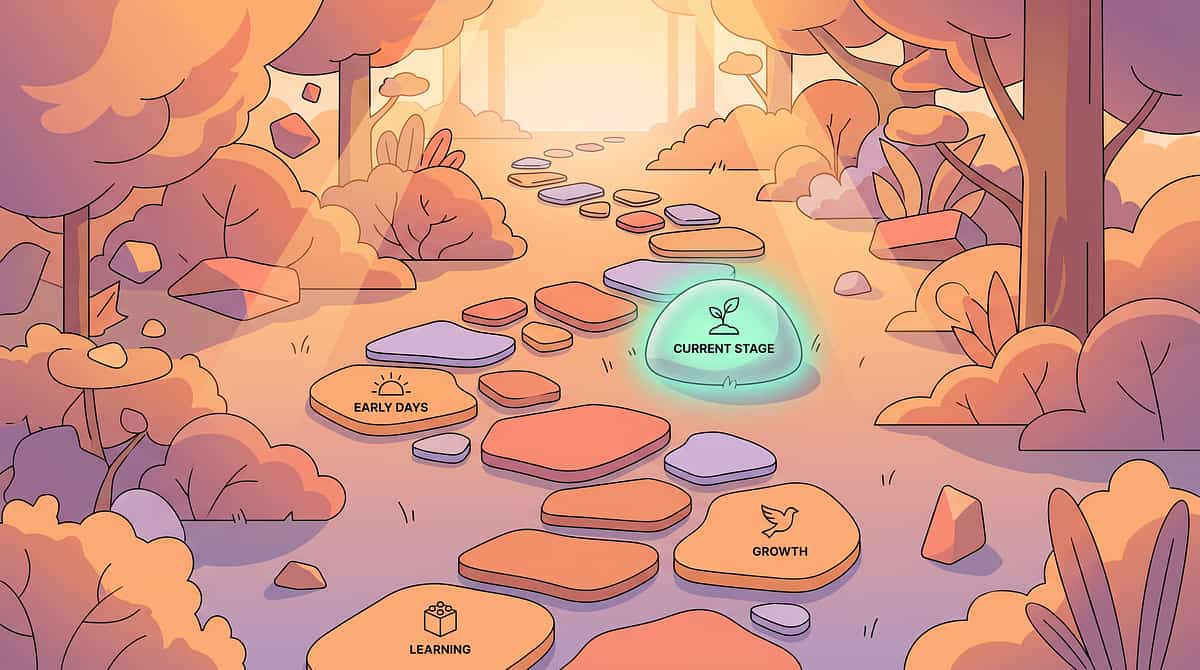
Where This Sits in Development
Celebration systems evolve with your child. Here is where K-916 techniques apply across the developmental arc.
🟠 Ages 2–4: Immediate
Sensory-rich celebrations are primary. The child needs the celebration within seconds of the achievement. Clapping, hugs, simple visual trackers.
🟠 Ages 4–7: Accumulative
Ceremony becomes possible. The child can wait, understand tokens, and experience pride in collections. Goal ladders and certificates work here.
🟠 Ages 7–12: Internalization
Self-recognition and narrative become the goal. The child begins to notice and name their own progress. Story of Me and Pride Journals lead.

The Evidence Behind This Technique
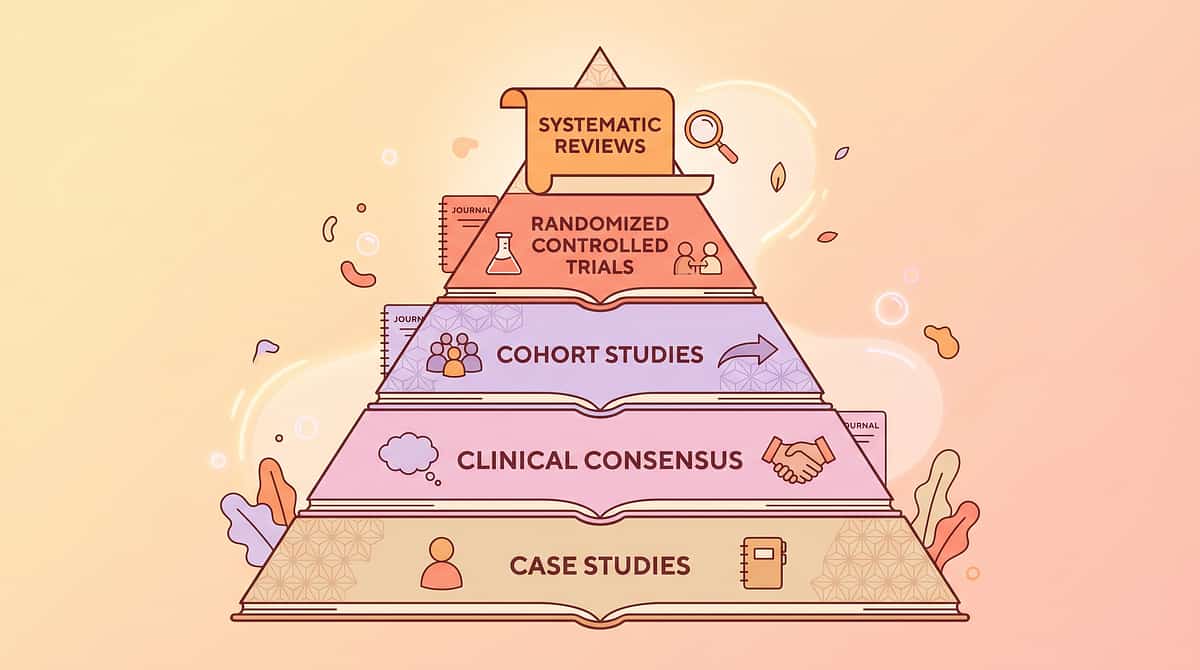
Evidence Grade: Level II–III
Multi-disciplinary consensus + Randomized Controlled Trials + Systematic Reviews
Study Type | Finding | Source | |
Systematic Review (2024) | Positive reinforcement meets evidence-based practice criteria for ASD across 16 studies, 2013–2023 | ||
Meta-analysis (2024) | Token economy & reinforcement systems: strong effect sizes for engagement and behavior change across 24 studies | ||
RCT — India (2019) | Home-based reinforcement interventions showed significant outcomes when parent-administered with structured guidance | ||
NCAEP (2020) | Positive reinforcement classified as definitively evidence-based for autism across all ages | ||
Self-Determination Theory | Competence + relatedness + autonomy are the three pillars of intrinsic motivation development | Deci & Ryan / APA |
88%
Clinical Confidence
High — multi-study convergence across systematic reviews, RCTs, and meta-analyses
"Clinically validated. Home-applicable. Pinnacle-implemented across 20M+ sessions."
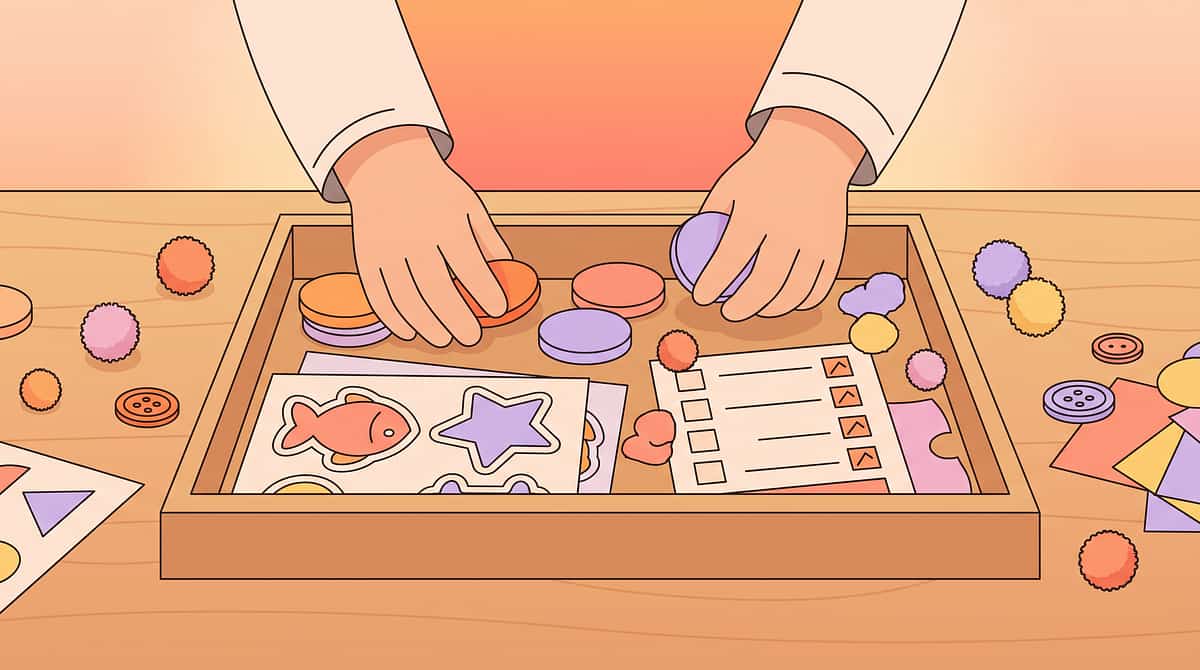
The Technique: What It Is
🏆 Celebrating Small Wins
Parent Alias: The Progress Recognition System
Formal Definition: Celebrating Small Wins is a structured, multi-modal reinforcement practice that transforms ordinary developmental moments into meaningful milestones through materials-based recognition, ritual celebration, progress documentation, and systematic scaffolding from external reward toward intrinsic motivation. For children with developmental differences — where every skill requires significantly more repetition, effort, and time than typical development — the recognition system IS therapeutic intervention, not supplementary encouragement.
Domain | Canon Category | Age Range | Frequency | Session Duration | |
Motivation & Reinforcement Systems | Reinforcement Menus | 2–12 years | Daily micro + Weekly structured | Ongoing, embedded in daily life |
Think of it this way: your child's brain needs celebration to encode the fact that they succeeded. Without it, the win evaporates. With it, the brain says: "That effort led to recognition. I'll do that again." That's not reward — that's learning.
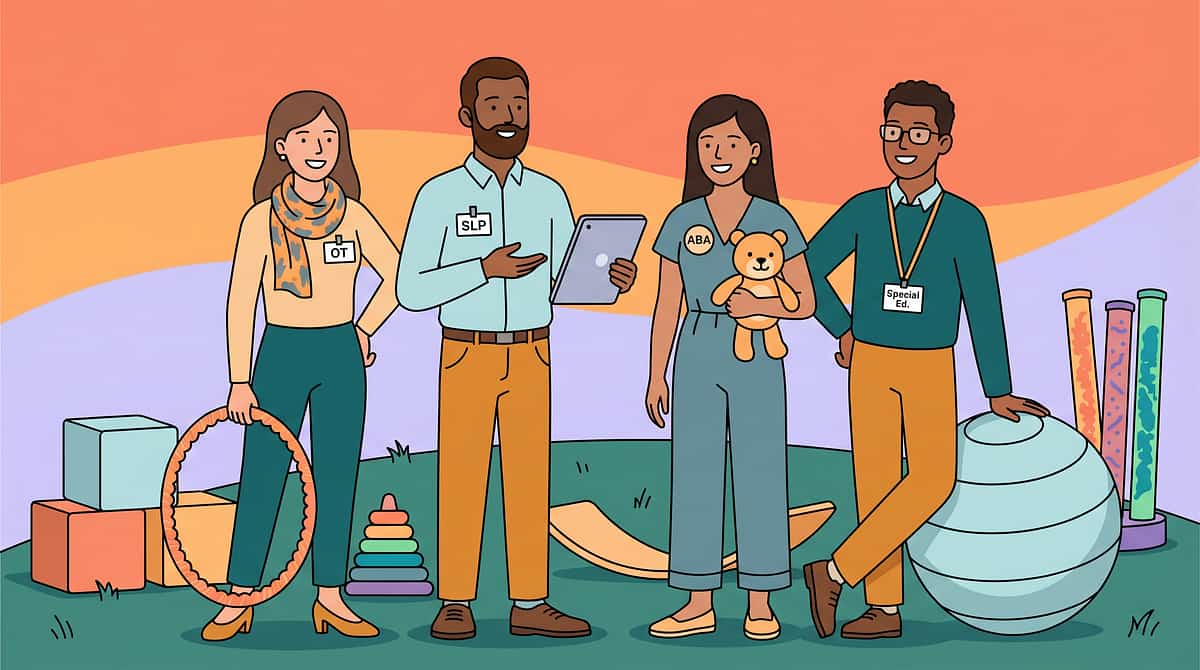
Who Uses This Technique
This technique crosses every therapy boundary — because motivation powers every domain.
ABA / BCBA — Primary Lead
Designs reinforcement schedules, token economies, and shaping programs. Monitors reinforcement efficacy and fades external rewards systematically.
Occupational Therapy
Embeds celebration within sensory and motor skill sessions. Ensures celebration materials are sensory-appropriate. Monitors for sensory overwhelm during celebration.
Speech-Language Pathology
Celebrates communication milestones with specific precision — first word, first phrase, first spontaneous comment. Uses verbal praise scripts calibrated to language level.
Special Education
Tracks academic and functional skill milestones. Creates certificates and portfolio documentation. Integrates achievement displays into IEP goal tracking.
NeuroDev
Guides developmental appropriateness of celebration intensity. Monitors for anxiety around performance. Integrates dopaminergic understanding into family education.
"This technique crosses therapy boundaries because the brain doesn't organize by therapy type. Pride is neurological. Motivation is biological. Celebration is clinical." — Pinnacle Blooms Consortium
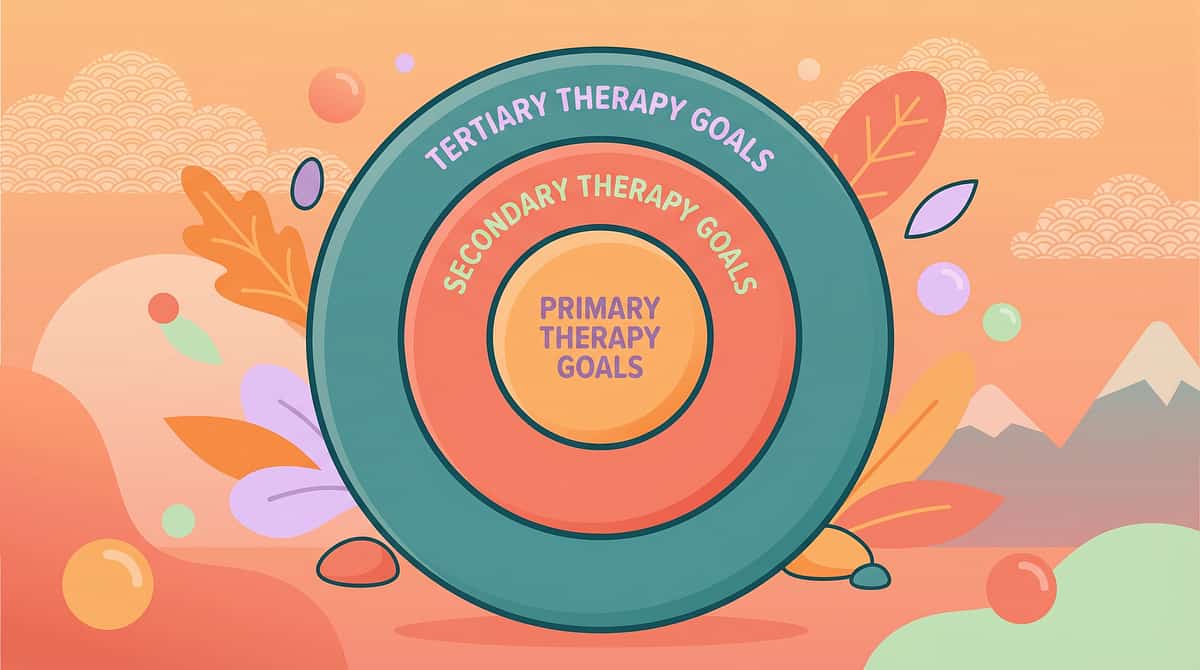
What This Technique Targets
Primary · Secondary · Tertiary Outcomes
Target Level | What Changes | Observable Indicator | |
PRIMARY — Intrinsic Motivation | Child begins working for the satisfaction of achievement, not just the reward | "I want to try that again" without prompting | |
PRIMARY — Self-Efficacy | Child develops internal belief: "I can do hard things" | Child attempts new challenges without total avoidance | |
PRIMARY — Therapy Engagement | Child remains engaged in therapeutic activities over months | Reduced session refusal, increased participation | |
SECONDARY — Parent-Child Connection | Celebration rituals deepen relationship through shared joy | Parent and child create traditions around progress | |
SECONDARY — Family Culture | Siblings and extended family become part of the recognition system | Everyone celebrates — no one is left out | |
TERTIARY — Learner Identity | Child internalizes "I am someone who grows" as core self-concept | Verbal self-reference to growth: "I couldn't do that before" |
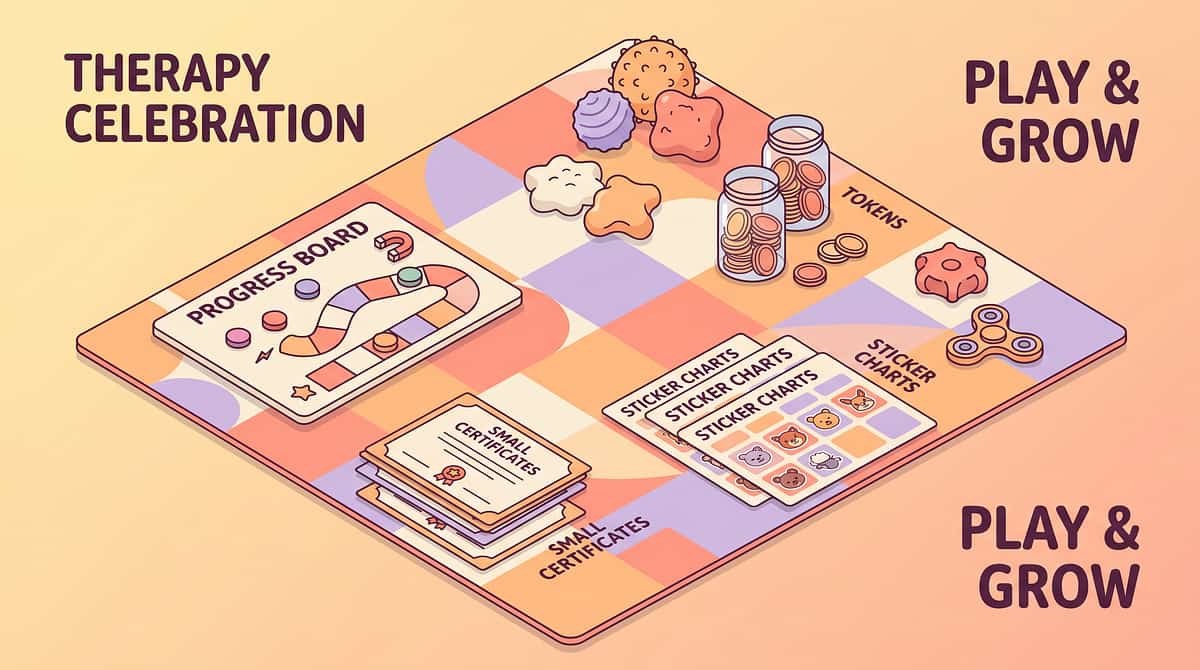
The 9 Primary Materials: What You Need
Materials Overview
These 9 materials have been identified by Pinnacle's cross-disciplinary consortium as the highest-impact tools for celebrating progress in children with developmental differences.
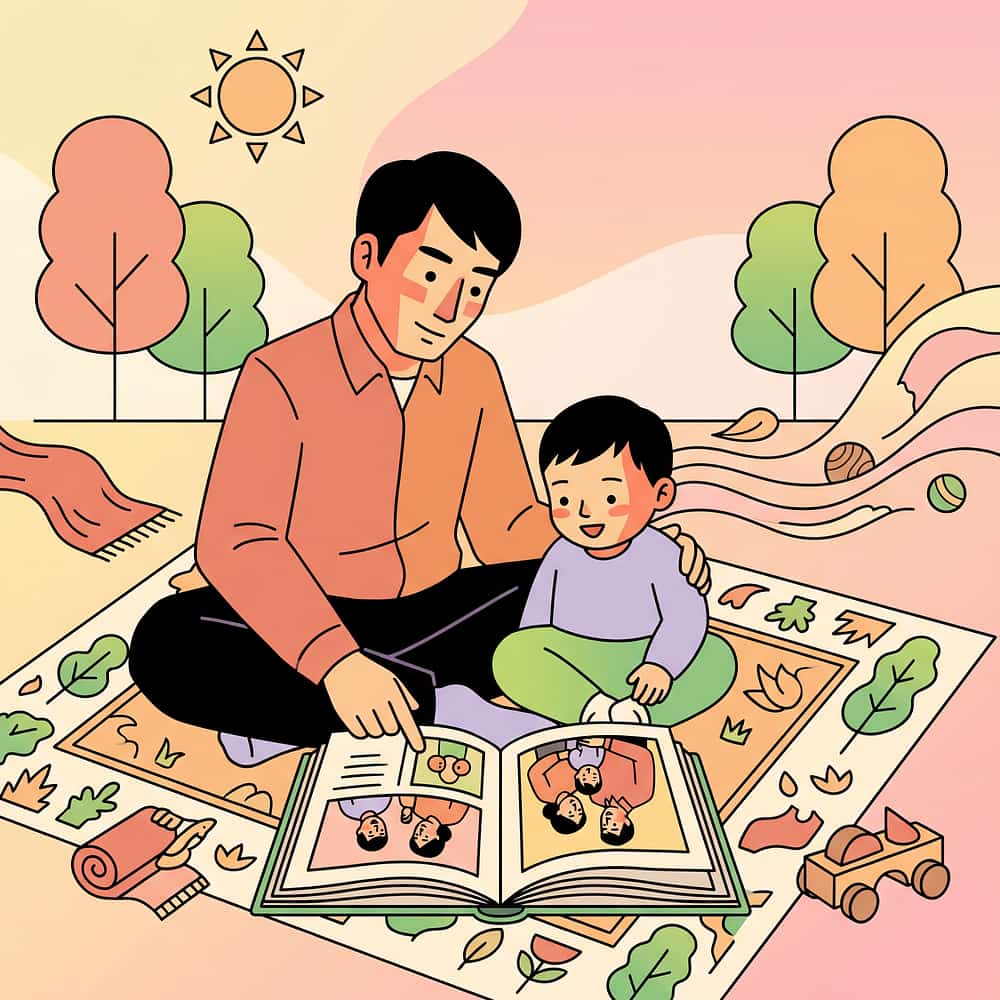
📹 Material 1: Progress Photo/Video Journal
Canon Category: Documentation & Progress Tracking
Create tangible, visual evidence of growth. Children with autism often cannot perceive their own progress — this makes it visible.
DIY Cost: ₹0 | Premium Option: ₹500–1,500
Search Amazon.in: Photo Memory Book for Kids
⭐Pinnacle Recommends: Start here. Highest impact per rupee.
Create tangible, visual evidence of growth. Children with autism often cannot perceive their own progress — this makes it visible.
DIY Cost: ₹0 | Premium Option: ₹500–1,500
Search Amazon.in: Photo Memory Book for Kids
⭐Pinnacle Recommends: Start here. Highest impact per rupee.
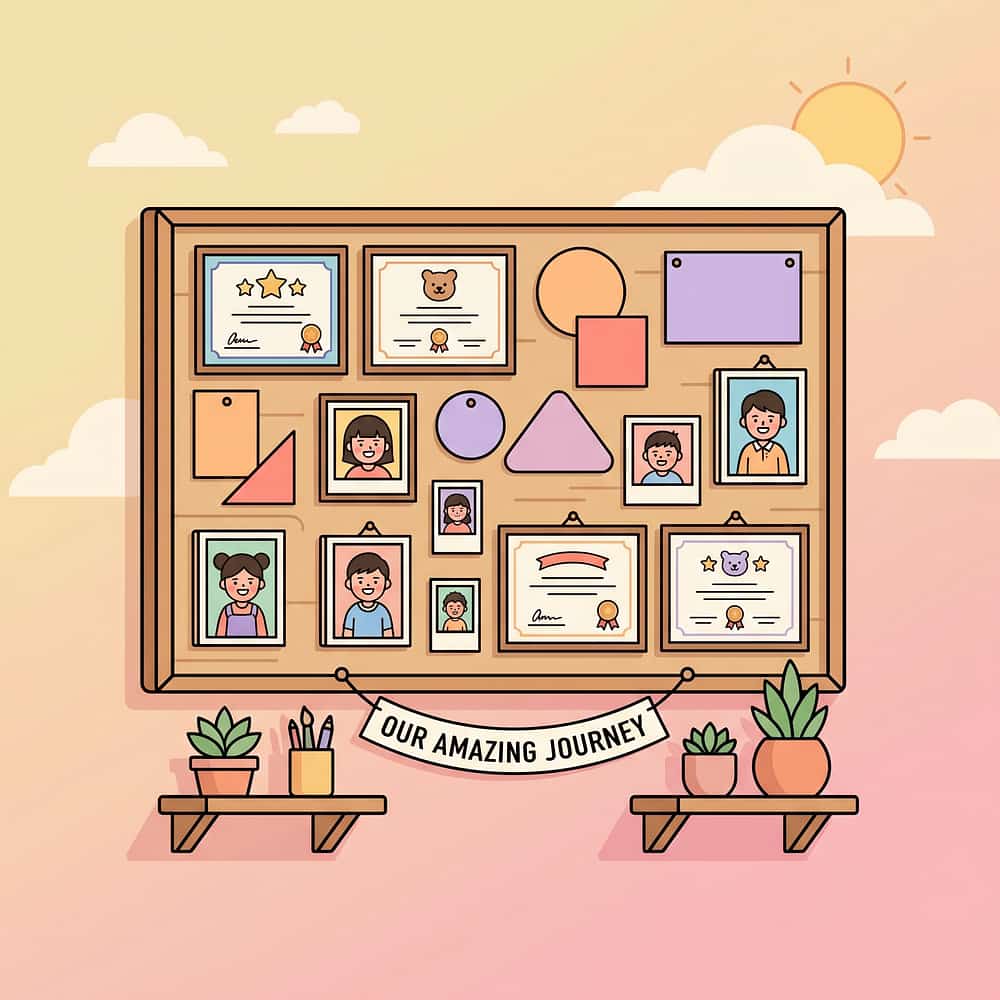
🏆 Material 2: Achievement Display System
Canon Category: Visual Recognition / Environmental Design
A permanent, accumulating display where accomplishments live visibly — on the wall, every day. Not a chart that gets replaced.
DIY Cost: ₹200 | Premium Option: ₹800–2,000
Search Amazon.in: Bulletin Board Kids Achievement Display
A permanent, accumulating display where accomplishments live visibly — on the wall, every day. Not a chart that gets replaced.
DIY Cost: ₹200 | Premium Option: ₹800–2,000
Search Amazon.in: Bulletin Board Kids Achievement Display

🎁 Material 3: Celebration Ritual Box
Canon Category: Reinforcement Menus
A decorated box containing sensory-appropriate celebration items used ONLY for genuine milestones — making the ritual itself the signal.
DIY Cost: ₹300 | Premium Option: ₹500–1,200
Reinforcement Menu Set (₹589) → | Alternate Set (₹364) →
A decorated box containing sensory-appropriate celebration items used ONLY for genuine milestones — making the ritual itself the signal.
DIY Cost: ₹300 | Premium Option: ₹500–1,200
Reinforcement Menu Set (₹589) → | Alternate Set (₹364) →
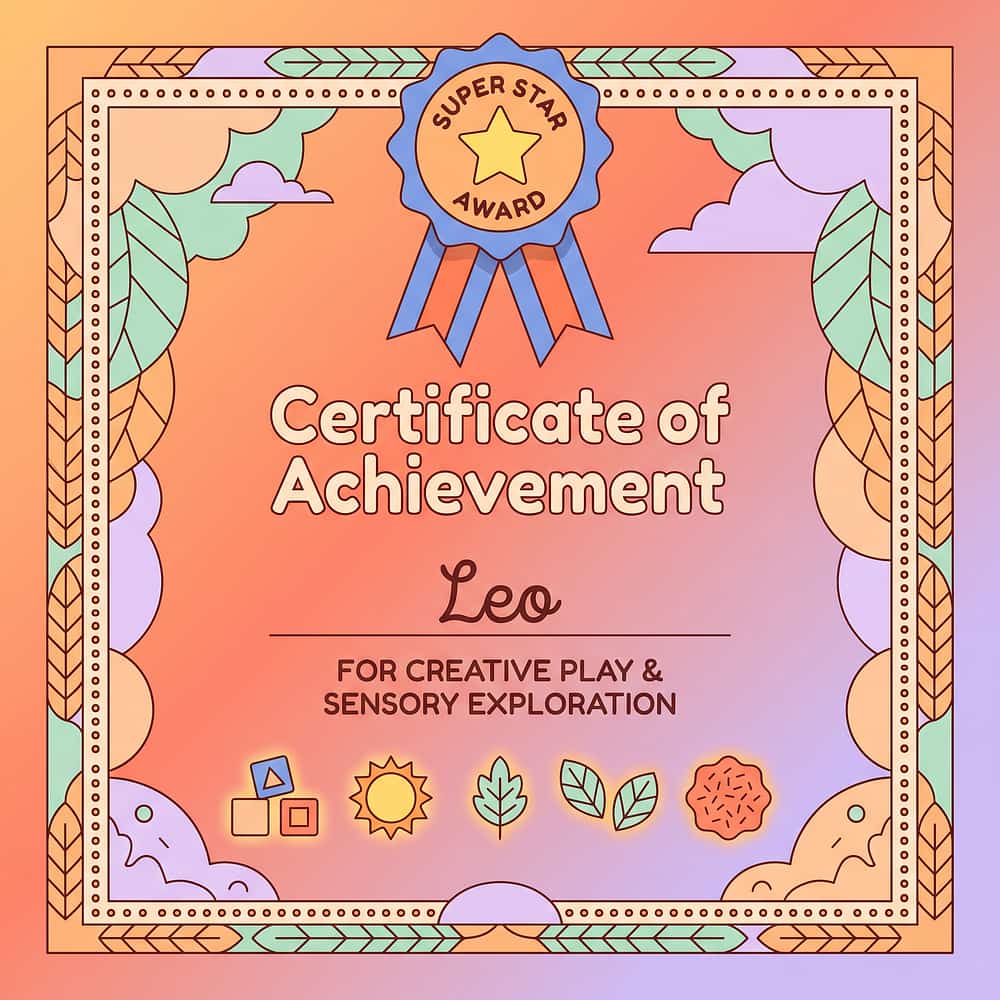
📜 Material 4: Personalized Certificate System
Canon Category: Formal Achievement Recognition
Certificates that name the specific accomplishment, honoring the effort — not generic "Good Job" stickers. Permanent records of growth.
DIY Cost: ₹50 | Premium Option: ₹300–600
Search Amazon.in: Blank Award Certificates Kids
Certificates that name the specific accomplishment, honoring the effort — not generic "Good Job" stickers. Permanent records of growth.
DIY Cost: ₹50 | Premium Option: ₹300–600
Search Amazon.in: Blank Award Certificates Kids
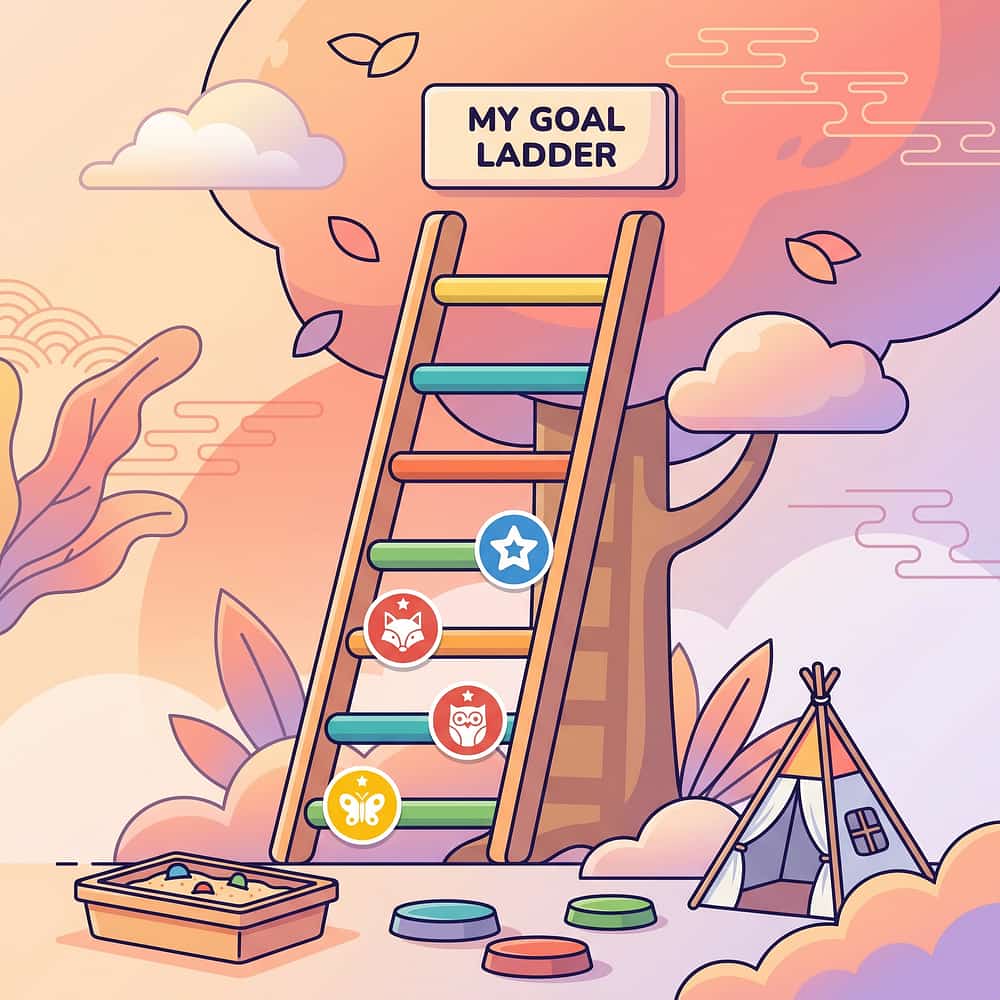
🪜 Material 5: Goal Ladder / Progress Mountain
Canon Category: Visual Goal Tracking
A visual journey from start to mastery — broken into achievable rungs. Each step up is celebrated, and the entire climb is visible when the top is reached.
DIY Cost: ₹0–100 | Premium Option: ₹300–600
Search Amazon.in: Kids Goal Tracker Chart Visual
A visual journey from start to mastery — broken into achievable rungs. Each step up is celebrated, and the entire climb is visible when the top is reached.
DIY Cost: ₹0–100 | Premium Option: ₹300–600
Search Amazon.in: Kids Goal Tracker Chart Visual
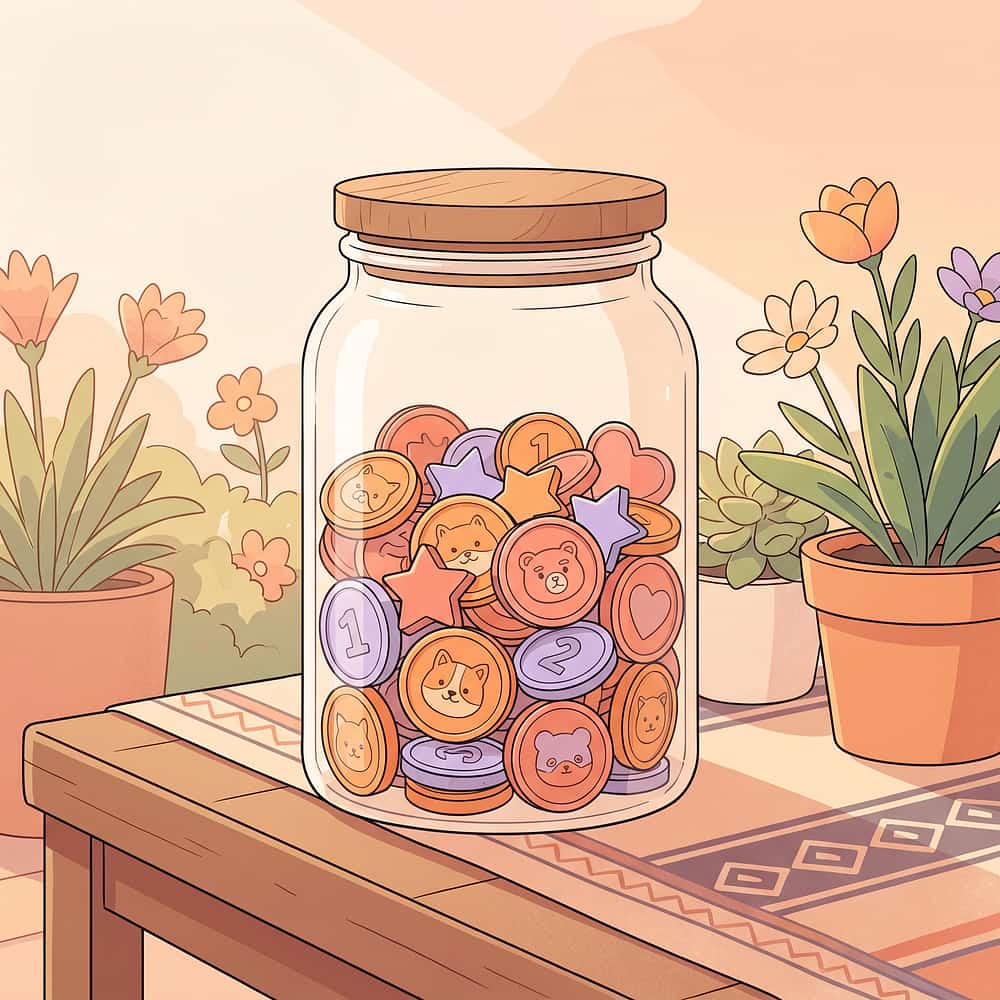
🪙 Material 6: Special Experience Tokens
Canon Category: Reinforcement Menus
Tokens exchanged for experiences, not objects. 2 tokens = choose dinner. 5 tokens = ice cream outing. 10 tokens = special adventure with a parent.
DIY Cost: ₹50 | Premium Option: ₹200–500
Reinforcement Token Set (₹364) →
Tokens exchanged for experiences, not objects. 2 tokens = choose dinner. 5 tokens = ice cream outing. 10 tokens = special adventure with a parent.
DIY Cost: ₹50 | Premium Option: ₹200–500
Reinforcement Token Set (₹364) →
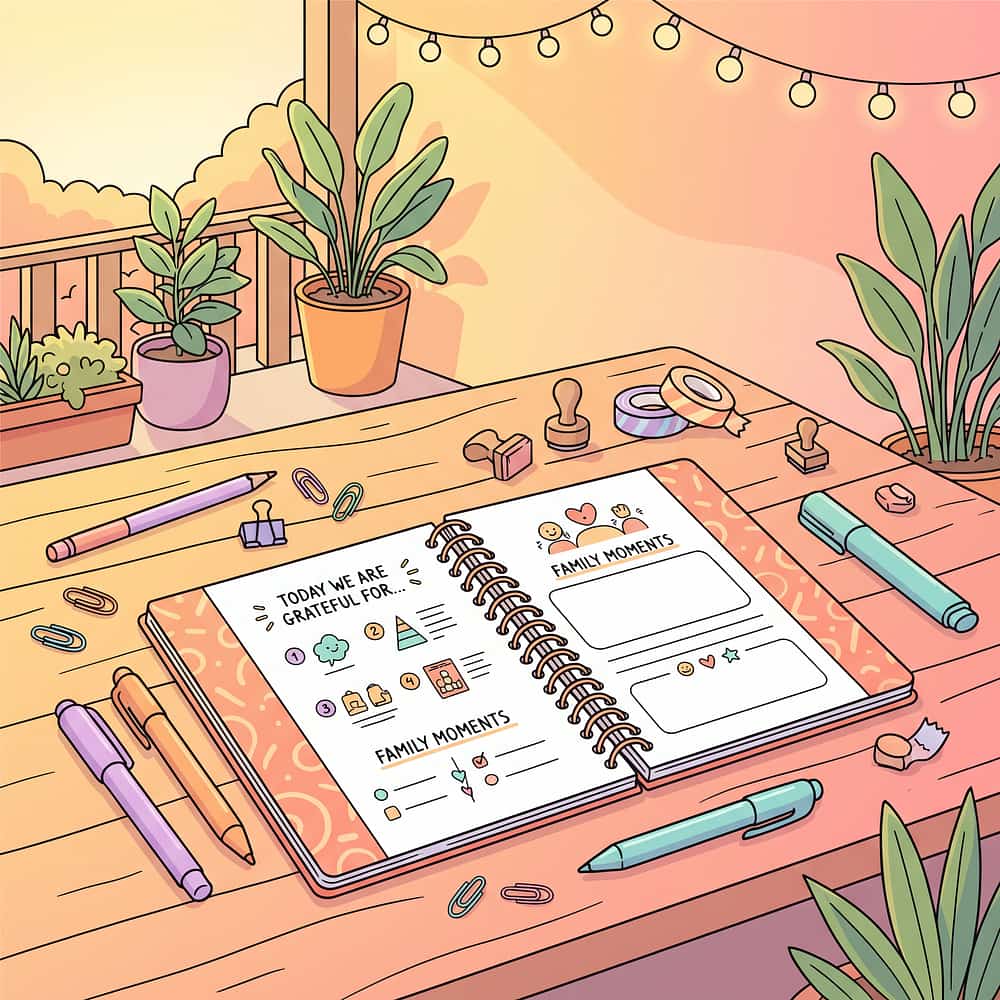
📓 Material 7: Gratitude & Pride Journal
Canon Category: Family Reflective Practice
A shared family journal where EVERYONE documents what they're proud of. Builds the habit of noticing wins across the whole family.
DIY Cost: ₹50 | Premium Option: ₹200–400
Search Amazon.in: Family Gratitude Journal Children
A shared family journal where EVERYONE documents what they're proud of. Builds the habit of noticing wins across the whole family.
DIY Cost: ₹50 | Premium Option: ₹200–400
Search Amazon.in: Family Gratitude Journal Children
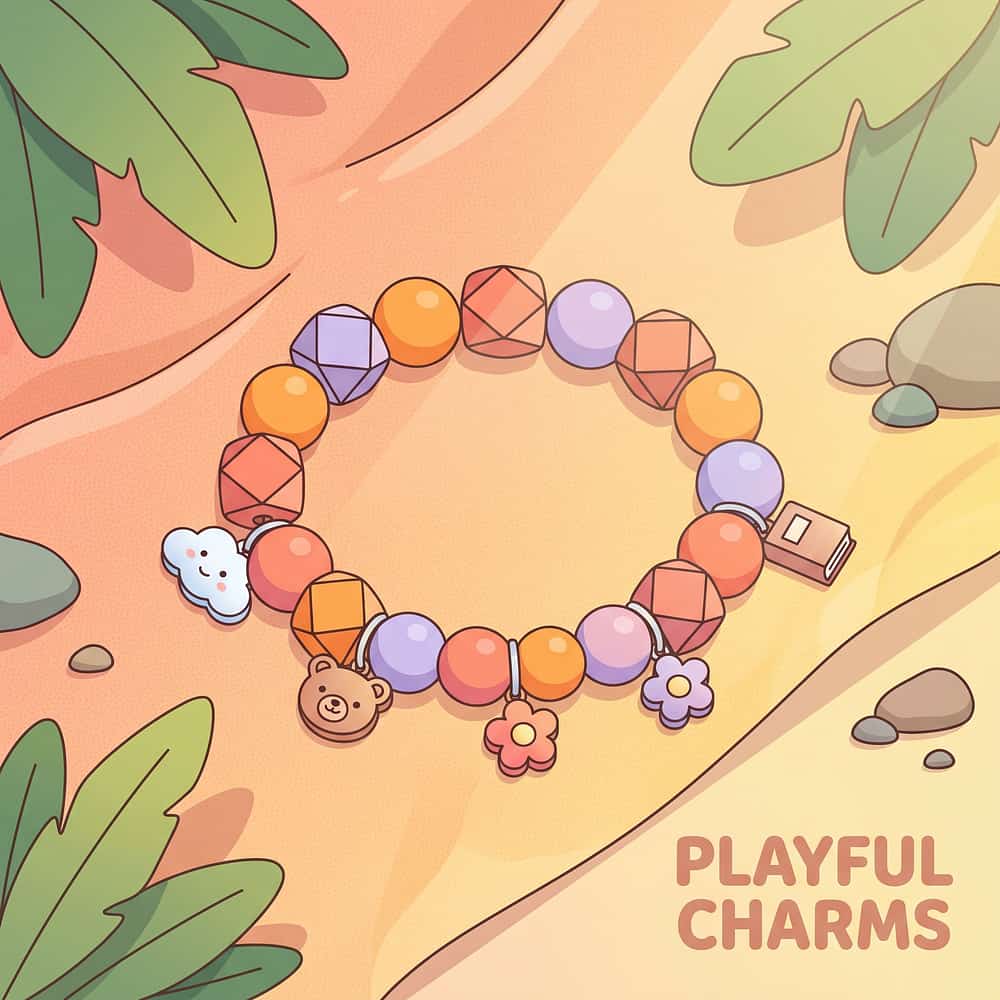
📿 Material 8: Skill Mastery Tokens / Charms
Canon Category: Tactile Achievement Markers
Physical, collectible objects representing specific mastered skills — a charm bracelet, bead string, or badge collection that grows visibly over time.
DIY Cost: ₹100 | Premium Option: ₹500–1,200
Search Amazon.in: DIY Charm Bracelet Kit Kids
Physical, collectible objects representing specific mastered skills — a charm bracelet, bead string, or badge collection that grows visibly over time.
DIY Cost: ₹100 | Premium Option: ₹500–1,200
Search Amazon.in: DIY Charm Bracelet Kit Kids
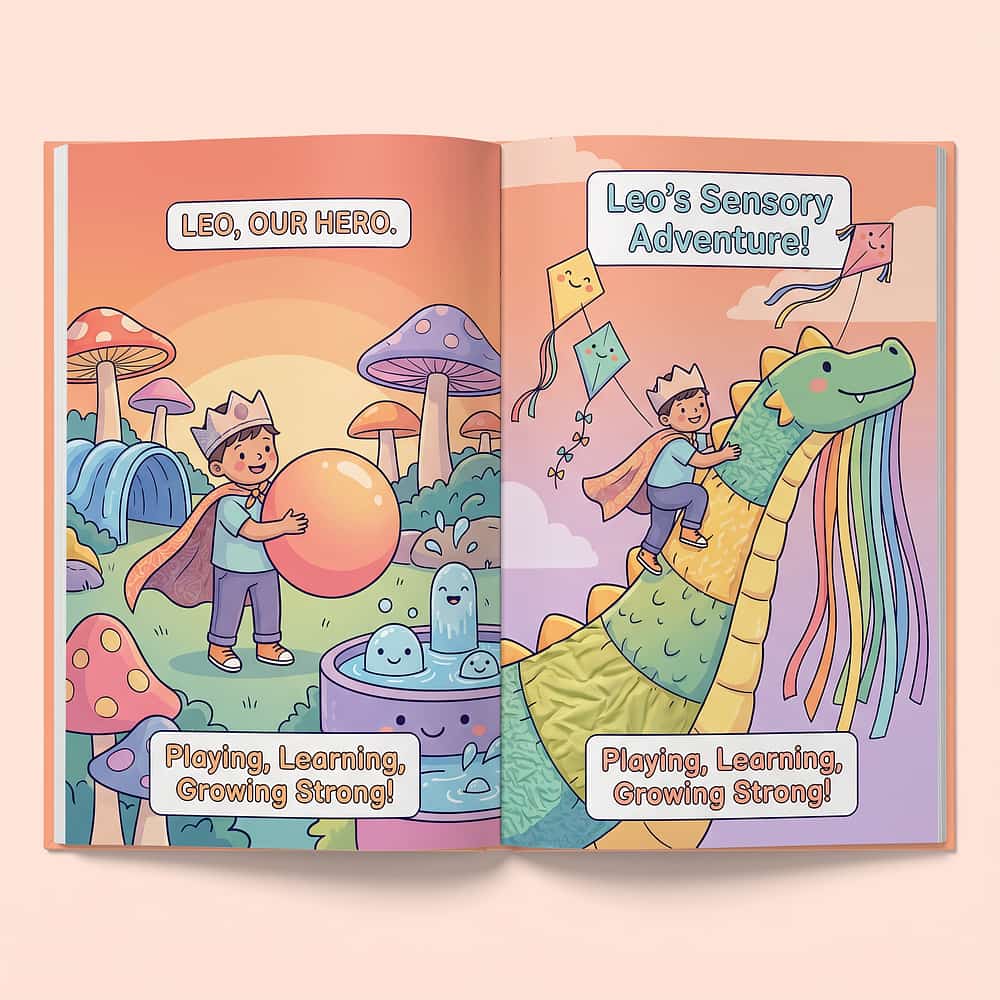
📖 Material 9: Story of Me Book
Canon Category: Narrative Identity Tools
A personalized book where the child is the hero of their own developmental journey — their challenges, their effort, their victories.
DIY Cost: ₹200 | Premium Option: ₹800–2,000
Search Amazon.in: Personalized Story Book for Kids
A personalized book where the child is the hero of their own developmental journey — their challenges, their effort, their victories.
DIY Cost: ₹200 | Premium Option: ₹800–2,000
Search Amazon.in: Personalized Story Book for Kids
🟢 Budget Starter Kit
₹0–300
Smartphone + notebook + shoebox
Smartphone + notebook + shoebox
🟡 Core System
₹1,000–2,500
Essential materials for daily use
Essential materials for daily use
🟠 Full Ecosystem
₹2,500–6,000
Complete celebration environment
Complete celebration environment
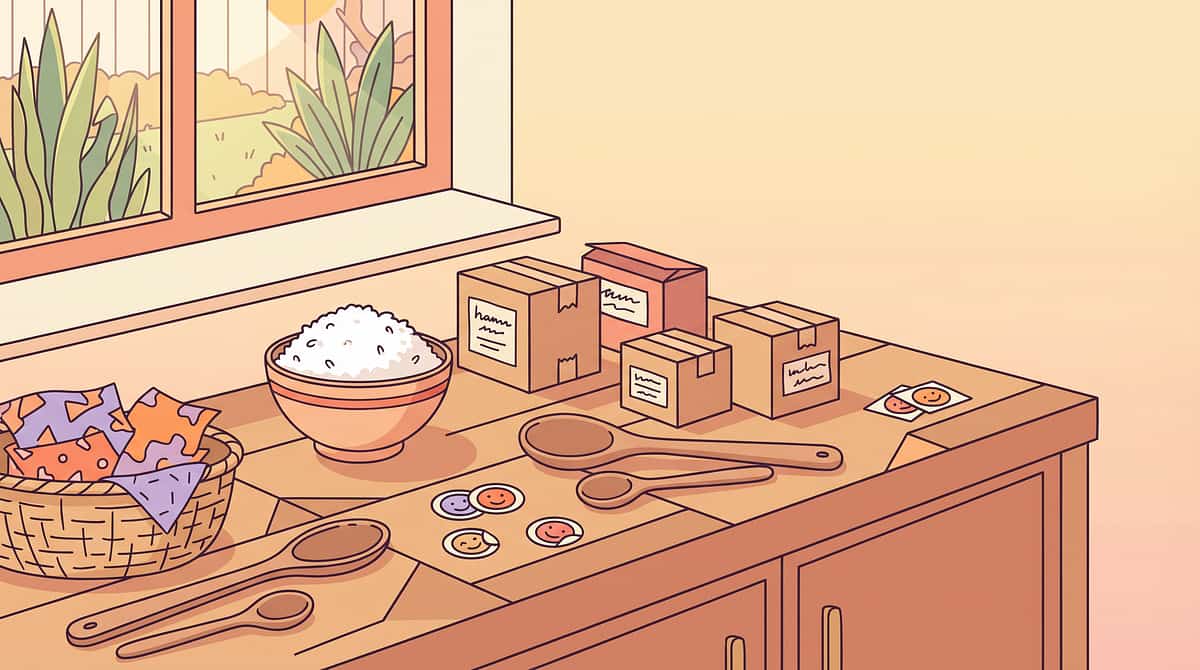
DIY & Zero-Cost Substitutes
Every technique can start TODAY. Zero rupees required. These substitutes use the same therapeutic principles.
Material | 🛒 Commercial Option | 🏠 Zero-Cost DIY | |
Progress Journal | Photo book ₹500–1,500 | Smartphone camera + free Google Photos album (monthly "then and now" video review) | |
Achievement Display | Bulletin board ₹400–800 | Any wall corner + printed photos + blu-tack | |
Celebration Box | Decorated storage ₹300–600 | Shoebox + ribbon + 3 favorite items reserved only for milestones | |
Certificates | Printed cardstock ₹200–400 | Handwritten on A4 paper in colored pen — specificity matters more than production quality | |
Goal Ladder | Printed poster ₹150–400 | Hand-drawn on chart paper with moveable post-it note marker | |
Experience Tokens | Token sets ₹200–400 | Bottle caps / cardboard circles / painted stones labeled with experiences | |
Pride Journal | Commercial notebook ₹200–400 | Any notebook — one page per family member per week | |
Mastery Charms | Charm bracelet kit ₹500–1,200 | String + buttons + beads — each button = one specific mastered skill | |
Story of Me | Professional photo book ₹800–2,000 | Stapled A4 pages with printed/drawn content — update monthly |
Why Substitutes Work: The therapeutic mechanism is not in the material's quality — it's in the ritual, specificity, and consistency of the recognition practice. A handwritten certificate that names "You learned to button your shirt after trying for four months" creates more neural impact than a printed generic award.
In alignment with WHO Nurturing Care Framework (2018) and UNICEF's universal access principles: all techniques in the Pinnacle system are designed to be executable at zero cost. The household substitute is not an inferior version — it is the original version.
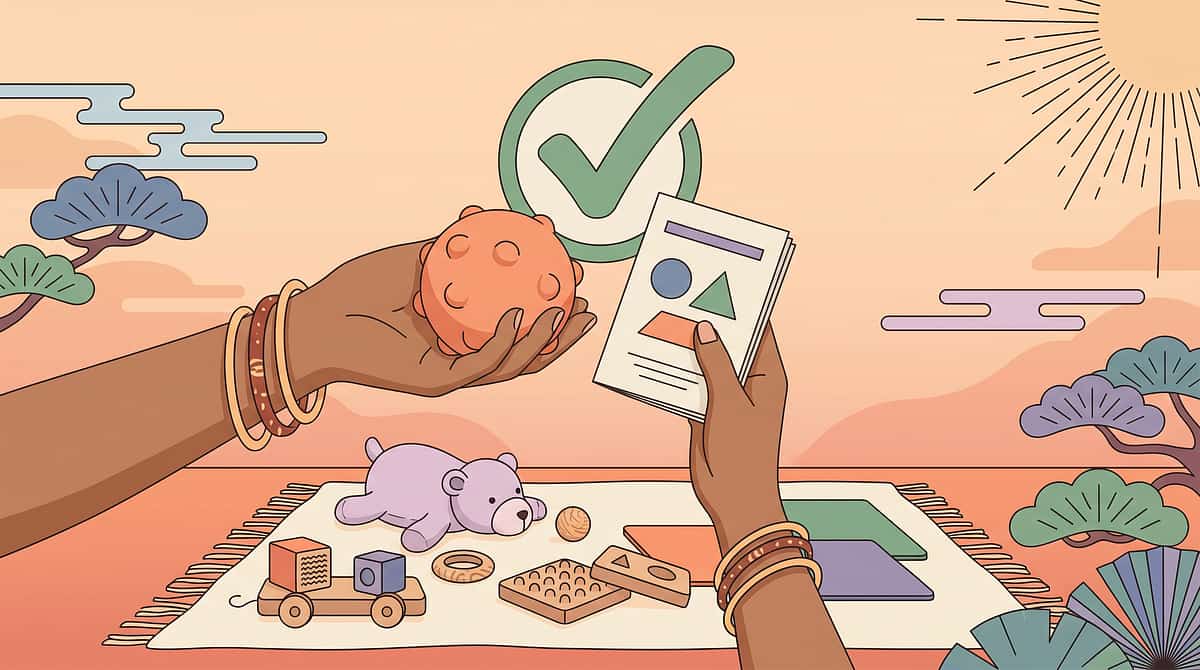
Safety First: Before You Begin
Traffic Light Safety System
🔴 STOP — Do NOT proceed if:
- Child is in active meltdown or severely dysregulated state
- Recent trauma, hospitalization, or major disruption within 48 hours
- Child has demonstrated extreme aversion to any proposed celebration item
- Parent is in crisis state — do not facilitate celebration while depleted
🟡 CAUTION — Modify if:
- Child is mildly agitated or tired — simplify to micro-celebration
- Siblings are present and may escalate competitiveness — ensure inclusion
- Child is in a public setting and may be overwhelmed by celebration
- Progress is plateau phase — celebration needs adjustment, not abandonment
🟢 GO — Proceed when:
- Child is calm, fed, rested
- Parent has energy to be present and genuine
- The achievement being celebrated is real and specific
- The celebration form is sensory-appropriate and tested
Material Safety Notes
- Small tokens/charms: choking hazard for children under 3 — use larger items
- Food-based celebration items: check dietary restrictions and sensory food preferences
- Celebration box items: verify no allergies (bubbles, specific scents, materials)
- Photographs/videos: digital privacy protocols — never share publicly without consent
Stop Immediately If: Child becomes distressed, dissociates, or shows behavioral escalation in response to recognition. Some children find praise highly aversive — this requires professional assessment. 📞 Pinnacle: 9100 181 181
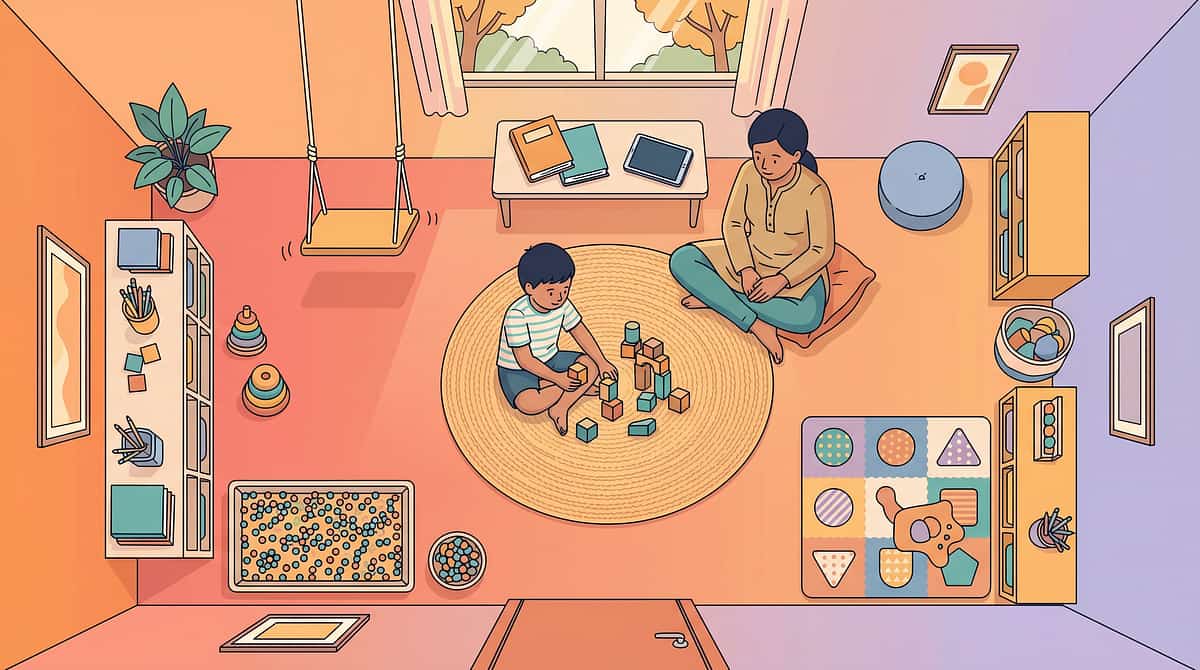
Set Up Your Space
The environment sets the tone before a single word is spoken. Strategic placement of each material transforms your home into a living celebration system.
Setup Checklist — 8 Steps to a Ready Environment
- Achievement display space identified and cleared (permanent spot)
- Celebration box assembled with 3–5 sensory-appropriate items (sealed, stored)
- Goal ladder created for current active therapy goal (posted at child's eye height)
- Progress journal started — first dated photo/video already captured
- Pride journal notebook set out with first prompt written
- Experience token menu created — child input included
- All family members briefed on the system (spouse, grandparents, siblings)
- Celebration box rules established: "This comes out for real milestones. Not every good day."
Lighting
Warm lighting preferred during celebration moments. Avoid fluorescent or flickering overhead lights.
Sound
Child's preferred music available but not mandatory. Check for auditory sensitivities first.
Siblings
Include siblings in celebration culture from the start to prevent resentment and build family cohesion.
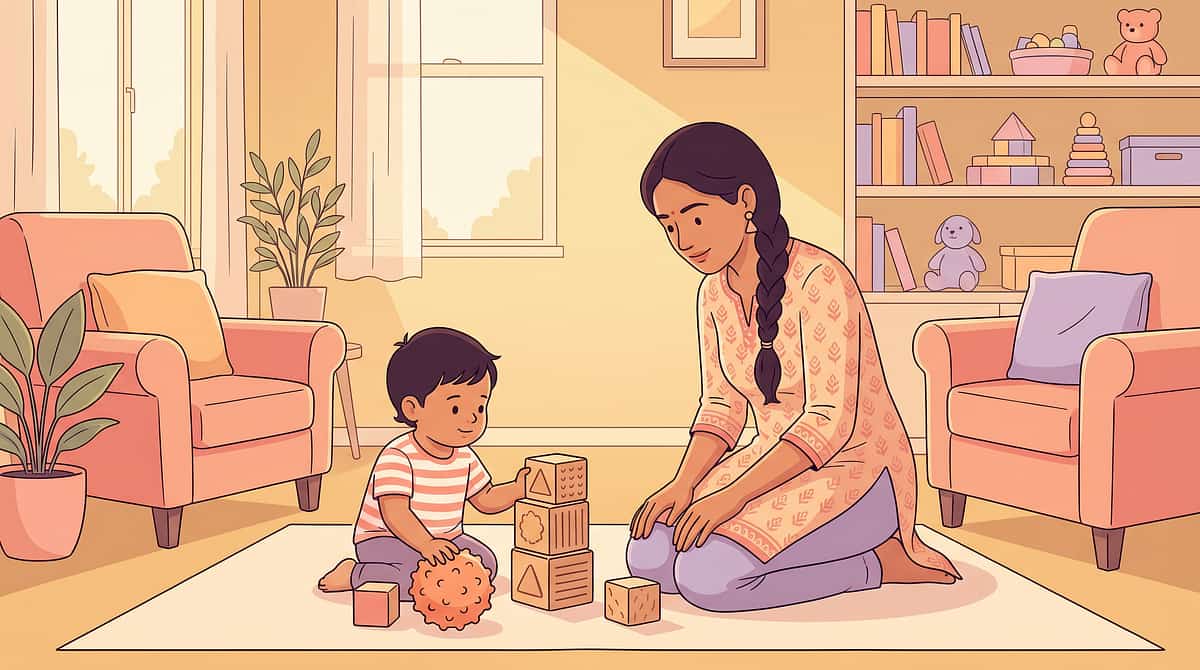
"The system only works if YOU believe the win matters. Before you celebrate with your child, take 10 seconds to actually feel the magnitude of what they just did. Your genuine reaction is the most powerful therapeutic tool in this toolkit."
Is Your Child Ready? The Readiness Check
Pre-Session Assessment
Indicator | Check | Note | |
Fed and hydrated within last 90 minutes | ✅ / ❌ | Hungry children cannot engage with celebration | |
Rested — no signs of extreme fatigue | ✅ / ❌ | Fatigue produces emotional volatility during recognition | |
No active illness or physical discomfort | ✅ / ❌ | Discomfort overwhelms reward processing | |
Emotionally regulated (baseline, not elevated) | ✅ / ❌ | Not post-meltdown within 2 hours | |
The achievement to celebrate is specific and recent | ✅ / ❌ | Vague or distant achievements lose impact | |
Parent is emotionally present and genuine | ✅ / ❌ | Distracted celebration can feel invalidating | |
Chosen celebration form is sensory-appropriate today | ✅ / ❌ | Some days require quieter recognition |
🟢 7/7 YES
FULL CELEBRATION
Proceed to Step 1: The Invitation
Proceed to Step 1: The Invitation
🟡 4–6 YES
MICRO-CELEBRATION
Brief, warm acknowledgment without the full ritual
Brief, warm acknowledgment without the full ritual
🔴 Under 4 YES
POSTPONE
"I see what you did. Tomorrow we celebrate properly."
"I see what you did. Tomorrow we celebrate properly."
"Postponing a celebration is not abandoning it. Tell your child: 'What you did deserves a real celebration. Let's do it when we can give it the moment it deserves.' That statement IS recognition."
Step 1 of 6
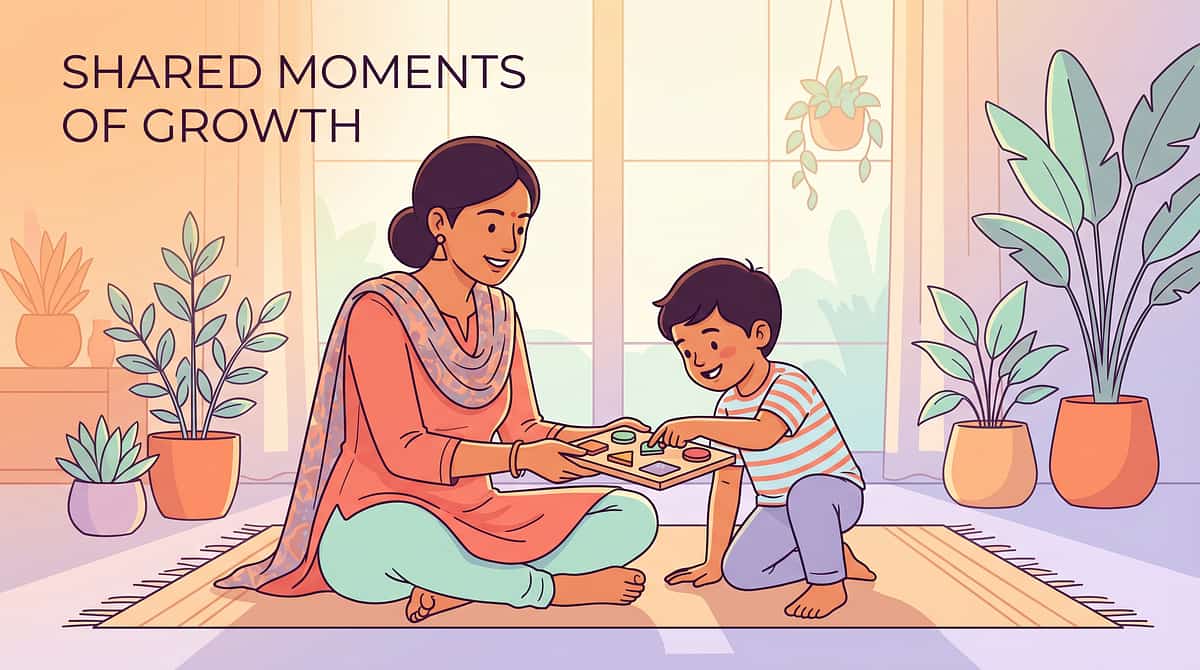
The Invitation
⏱30–60 seconds · Get down to child's eye level and lead them toward the evidence of their progress.
"I want to show you something. Come with me for a minute."
(Lead child to achievement display, photo journal, or goal ladder — whichever is most relevant)
"Do you see this? Do you know what that is?"
Body Language Guidance
- Get down to child's eye level
- Speak at calm, warm pace — not excited yet
- Allow 10–15 seconds of silence for processing
- Watch for recognition: still body, directed gaze, any facial change
What Acceptance Looks Like
- Child looks at the item you're pointing to
- Child produces any sound, word, or movement in response
- Child moves toward the display/item (approach behavior)
- Child asks "what?" (verbal engagement)
What Resistance Looks Like — and How to Modify
- Child moves away: Do not chase. Say "It'll be here when you're ready" and wait.
- Child ignores: Try a different modality — show the video instead of the display.
- Child covers ears: Reduce your vocal intensity. This recognition can be silent.
Step 2 of 6
The Engagement
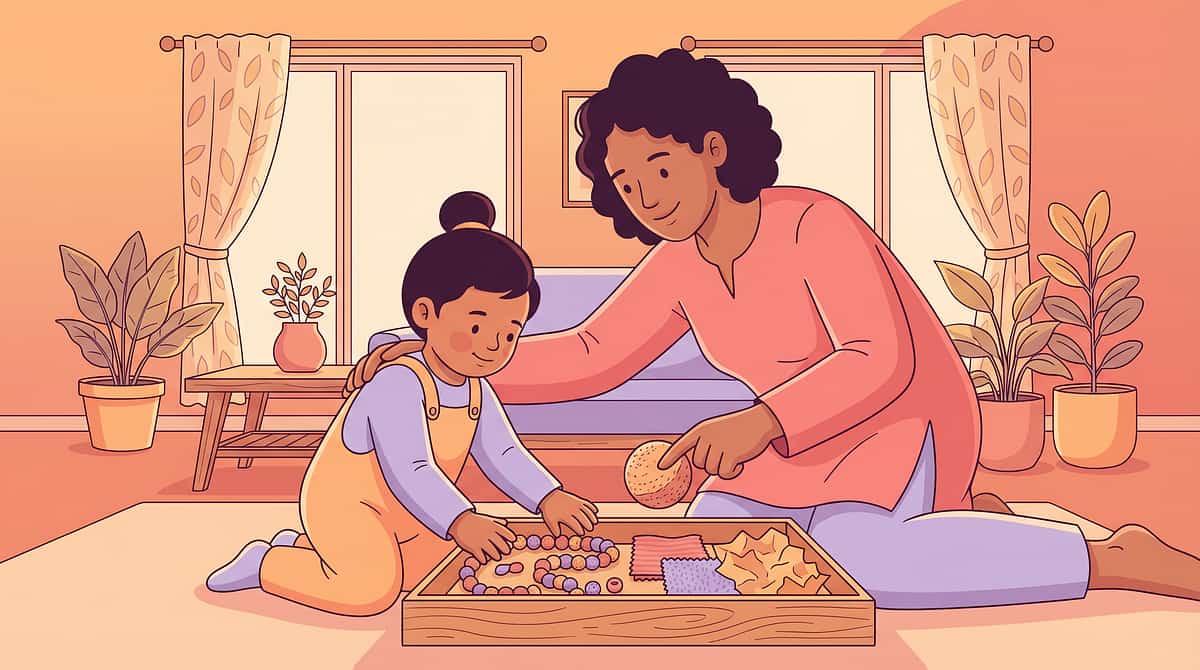
⏱1–3 minutes · Introduce the specific achievement to be recognized. Be precise. Vague praise is white noise.
"Do you remember [specific date/moment]? You [specific action]. You tried [X times]. You didn't give up."
(If using progress video journal:) "Let's watch this video from [date]. Look at you then. Now look at you today."
🟠 WEAK Praise
"You did a great job today."
🟢 STRONG Praise
"You put on your shoes by yourself. It took you four months of trying every morning. Today you did it — alone. That is one of the hardest things you've ever done."
Child Response Indicators
Engagement
Child listens, watches, points at the evidence of progress — full participation.
Tolerance
Child is present but not visibly moved. Still valid — keep going. The seed is being planted.
Avoidance
Child tries to change subject — gently redirect once, then allow topic shift. The seed was planted regardless.
At any spontaneous positive response (smile, word, movement): immediately mirror and amplify — "Yes! THAT. That's what we're celebrating."
Step 3 of 6
The Therapeutic Action
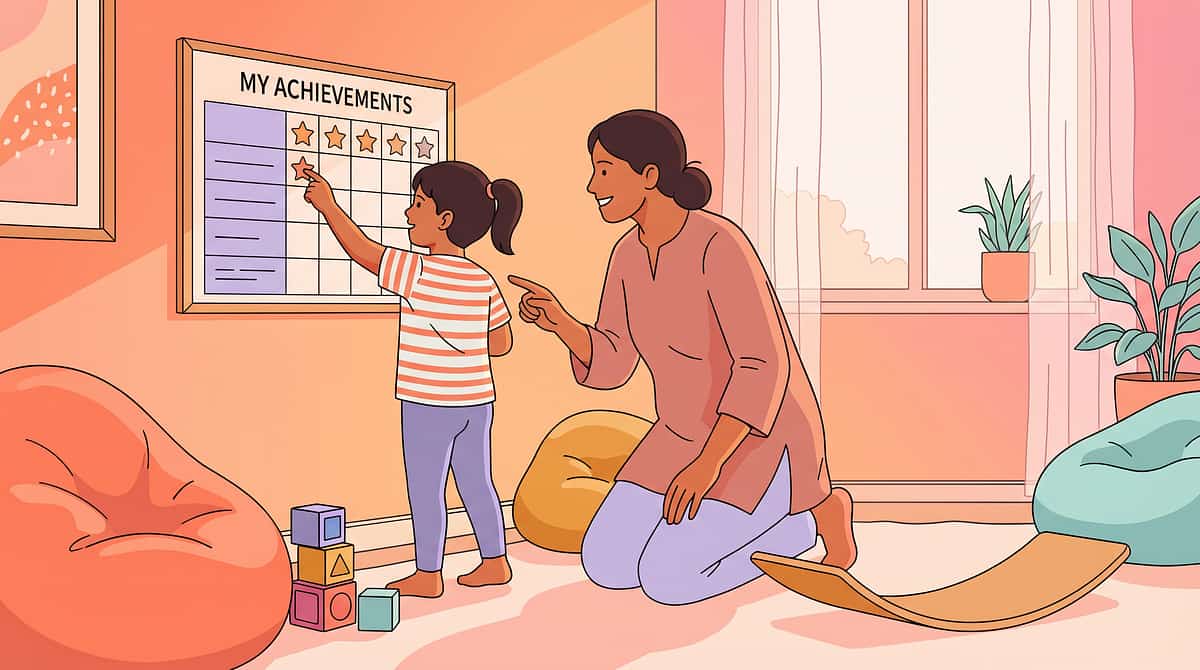
⏱3–10 minutes · Deploy the appropriate material from your Celebration System. This is the core therapeutic moment.
Execution Guidance
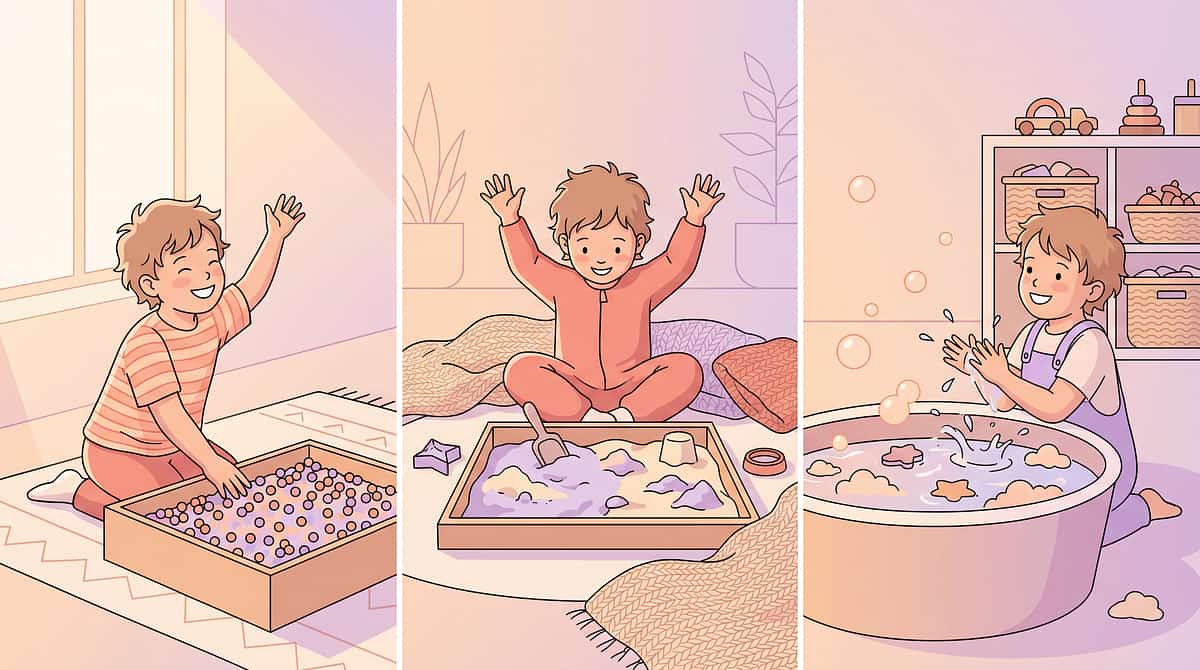
Touch the Material
Let the child TOUCH the physical material — charm, certificate, token. Tactile engagement strengthens memory encoding significantly.
Involve the Child in the Action
They put the marker up the ladder, they drop the token in the jar. Active participation deepens ownership of the achievement.
Narrate What You Are Doing
"I'm putting this charm on your bracelet because you learned [specific skill]. Now you can hold your learning."
✅ Ideal Response
Child shows visible pride, excitement, or engagement with the material.
✔️ Acceptable Response
Child is present, handles the material, shows no negative response.
⚠️ Concerning Response
Child becomes distressed, withdraws, or escalates → move immediately to cool-down.
Step 4 of 6
Repeat & Vary
⏱2–5 minutes · Consistency builds the system. Variation keeps it alive. Use this frequency guide to sustain momentum without satiation.
Recognition Type | Daily | Weekly | Monthly | |
Micro-recognition (verbal, specific) | ✅ Every session | — | — | |
Progress journal update | When skill occurs | Full review | Compilation | |
Goal ladder movement | Each step completed | — | — | |
Certificate + Display update | — | Incremental gains | Major milestones | |
Celebration box | — | — | Mastery moments only | |
Story of Me update | — | — | New chapter quarterly |
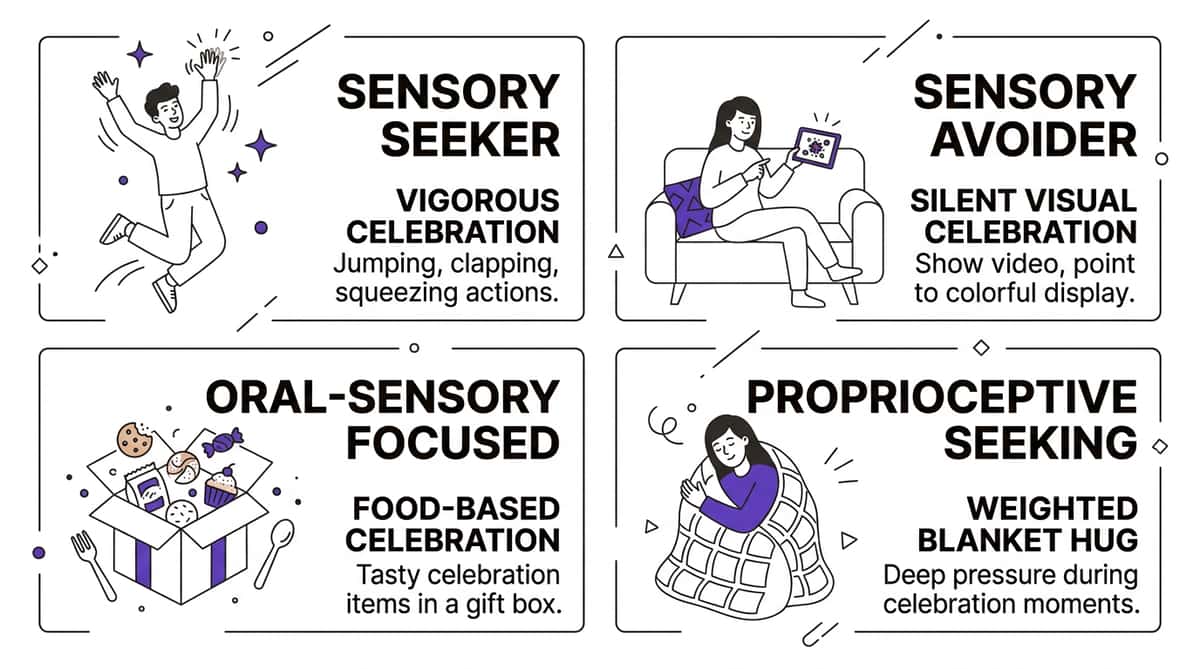
Variation Options by Sensory Profile
Sensory Seekers
Add physical celebration — high-five, special handshake, jump together. The body needs to feel the win.
Sensory Avoiders
Keep celebration quiet, visual-only. No sudden sounds or movement. Silent recognition is still powerful recognition.
Verbal Children
Invite the child to narrate their own win: "Can you tell me what you learned?" Self-narration deepens encoding.
Pre-Verbal Children
Use the video journal to show them — their smile at watching themselves IS the recognition. No words needed.
🛑Satiation Principle: If the child shows disengagement, covers materials, or becomes irritable — the recognition session is complete. Do not force more. 3 genuine engaged minutes > 15 forced minutes.

Step 5 of 6
Reinforce & Celebrate
⏱1–3 minutes · Deliver the full reinforcement. This is the payoff the child's nervous system has been waiting for.
Timing Rule — Critical: Within 3 seconds of the desired behavior: verbal reinforcement. Within 60 seconds: material reinforcement. Delayed reinforcement loses power exponentially.
Reinforcement Scripts — Choose One
For Effort (not just achievement)
"I saw you try. Even when it was hard. Even when you didn't want to. That is what champions are made of."
For the Achievement Itself
"[Child's name], you learned [specific skill]. Do you know how many times you practiced to get there? Every single one of those tries led to this moment."
For the Child's Own Recognition
"Can you feel that? That feeling in your chest right now — that's called pride. You made that. Nobody can take it away from you."
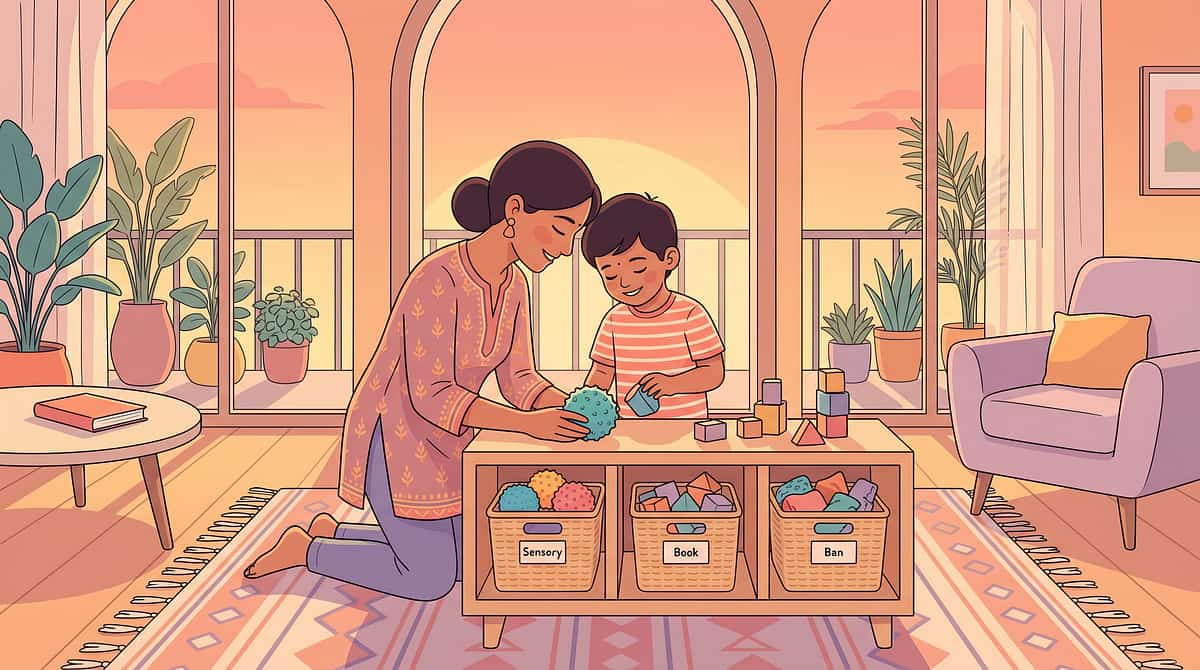
Reinforcement Menu — From Pinnacle Canon
Social Reinforcers | Tangible | Activity-Based | Internal | |
Specific verbal praise | Token/charm | Experience choice | "I'm proud of myself" practice | |
Celebratory gesture | Certificate | Celebration box opening | Pride journal entry by child | |
Telling extended family | Achievement display update | Special time with parent | Story of Me narration |
Step 6 of 6
The Cool-Down
⏱2–3 minutes · Every celebration needs a gentle, intentional close. The transition is part of the therapeutic experience.
"We've celebrated your win. Now let's close it properly."
(For children who use visual timers:) "2 more minutes of celebrating, then we put the celebration box away until the next big win."
What to Do If Child Resists Ending
Do Not End Abruptly
Abrupt endings after emotional peaks cause dysregulation. Build in a natural winding-down cue.
Use a Countdown
"One more look, then we close it." Give the child agency in the final moment of the ritual.
If Persistent Distress
Open the pride journal together and add one entry. Writing is a calmer close than putting materials away.
Validate the Feeling
"You love this feeling. Remember it. It's yours." The feeling is theirs to keep even after the materials are away.
Post-Celebration Monitoring — 10 Minutes: Some children experience post-excitement dysregulation. Watch for escalating behaviors and offer quiet sensory input proactively before it is needed.
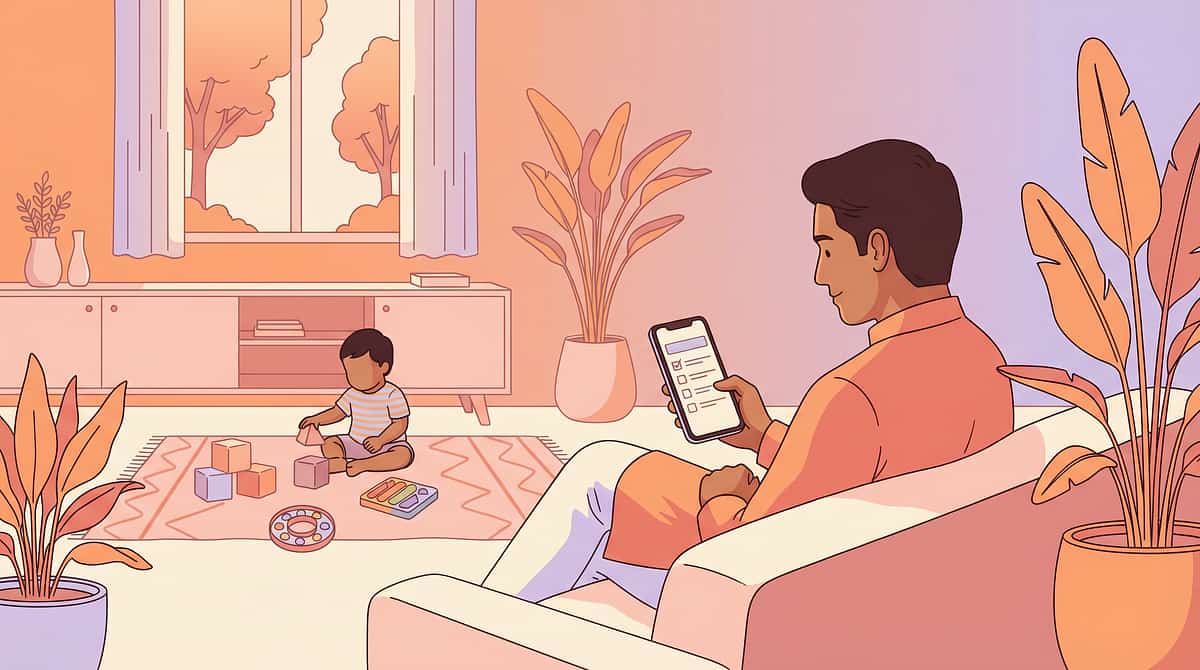
Capture the Data — Right Now
60 seconds of data now = months of evidence later
Complete within 60 seconds of session end. This simple practice builds the longitudinal picture that transforms your child's therapeutic pathway.
What Was Celebrated?
☐ Skill mastery · ☐ Effort/persistence · ☐ Incremental progress · ☐ Behavioral achievement · ☐ Communication milestone
Child's Response to Celebration?
☐ Engaged and visibly pleased · ☐ Present but neutral · ☐ Tolerated with minor resistance · ☐ Avoided/rejected recognition · ☐ Escalated
Material Used + Duration
Material: _______________ · Duration: _____ minutes · Notes: ___________________________
Why This Data Matters
Your session data feeds the GPT-OS® Motivation & Engagement Index — tracking your child's progression from external reinforcement toward intrinsic motivation across weeks and months. You are generating the evidence that personalizes your child's entire therapeutic pathway.
What If It Didn't Go As Planned?
Most sessions have at least one moment that doesn't follow the script. Here are the 7 most common issues and exactly how to fix them.
Problem 1: Child Actively Rejected the Praise
Why: Some children with ASD have praise aversion — verbal recognition activates anxiety or discomfort.
Fix: Switch to silent recognition (show the video, point to the display without commentary). The material evidence speaks without the performance pressure. Consider professional assessment to rule out praise-aversion profile.
Fix: Switch to silent recognition (show the video, point to the display without commentary). The material evidence speaks without the performance pressure. Consider professional assessment to rule out praise-aversion profile.
Problem 2: Sticker Chart Has Lost All Power
Why: Satiation — the reward has been over-used and the child has developed tolerance.
Fix: Transition away from sticker charts entirely. Move to experience tokens (Material 6) or mastery charms — novelty restores power immediately.
Fix: Transition away from sticker charts entirely. Move to experience tokens (Material 6) or mastery charms — novelty restores power immediately.
Problem 3: "That's Not a Big Deal" — Child Dismisses Own Achievement
Why: Comparison to typically developing peers is causing self-deprecation.
Fix: Deploy the progress journal immediately — show them where they WERE. "For you, with your brain, what you just did IS a big deal." Comparison to self, not others — always.
Fix: Deploy the progress journal immediately — show them where they WERE. "For you, with your brain, what you just did IS a big deal." Comparison to self, not others — always.
Problem 4: Sibling Is Jealous or Acting Out
Why: Sibling feels the celebration culture is exclusive.
Fix: Immediately involve the sibling. "You're part of this family's win. What do YOU want to celebrate this week?" Move to whole-family pride journal practice.
Fix: Immediately involve the sibling. "You're part of this family's win. What do YOU want to celebrate this week?" Move to whole-family pride journal practice.
Problem 5: Parent Feels Celebration Is Forced or Hollow
Why: Parent burnout — the emotional bandwidth isn't there.
Fix: Use the progress video journal for YOURSELF first. Watch the evidence of your child's growth. Let it land in you before you attempt to deliver it. You cannot pour from an empty cup.
Fix: Use the progress video journal for YOURSELF first. Watch the evidence of your child's growth. Let it land in you before you attempt to deliver it. You cannot pour from an empty cup.
Problem 6: Child Only Works for the Reward
Why: External reinforcement has not been scaffolded toward intrinsic motivation.
Fix: Begin the fade — gradually increase the effort-to-reward ratio and introduce self-recognition prompts: "Before I give you the token — what did YOU feel about what you just did?"
Fix: Begin the fade — gradually increase the effort-to-reward ratio and introduce self-recognition prompts: "Before I give you the token — what did YOU feel about what you just did?"
Problem 7: Celebration Box Has Become Mundane
Why: Used too frequently — its specialness has been diluted.
Fix: Put the box away for 2 weeks. Reset its meaning by reserving it exclusively for genuine mastery moments. Create a new "everyday wins" ritual that is clearly different in scale and ceremony.
Fix: Put the box away for 2 weeks. Reset its meaning by reserving it exclusively for genuine mastery moments. Create a new "everyday wins" ritual that is clearly different in scale and ceremony.
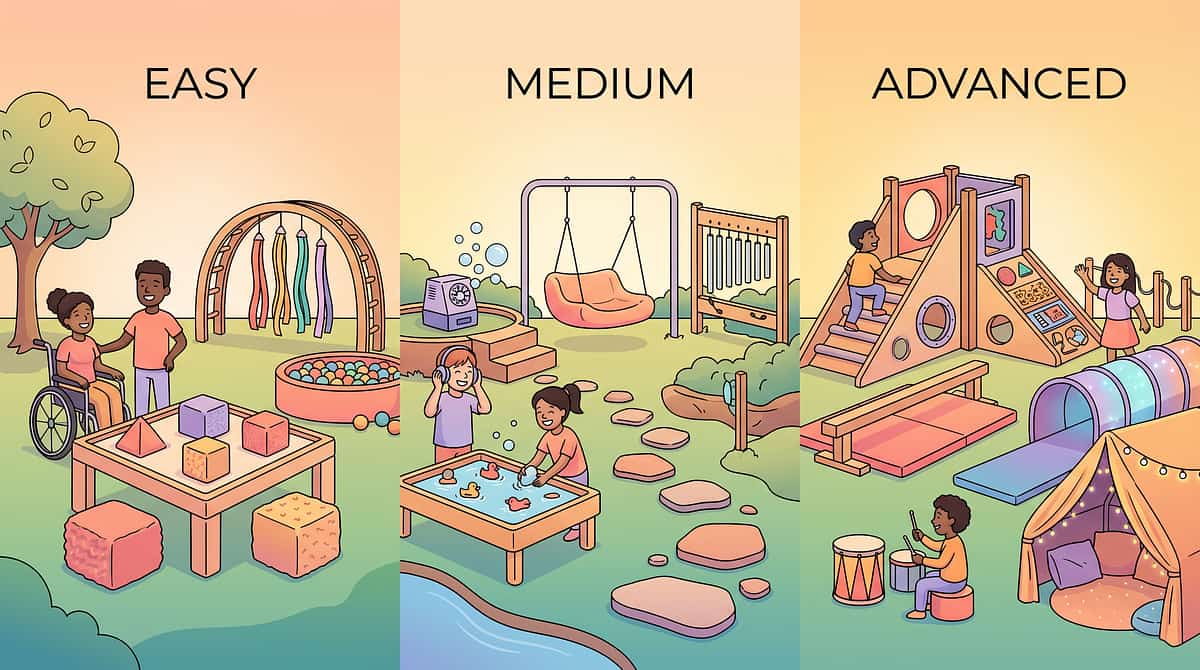
Adapt & Personalize
Every child's celebration profile is unique. These adaptations prevent the most common system failures and ensure the recognition practice fits your specific child — not a generic developmental template.
Ages 2–4
Immediate. Sensory-rich. Within seconds. Simple. The child cannot hold a delayed celebration — bring it to them now.
Ages 4–7
Accumulative systems work. Token jars, goal ladders. Ceremony matters. The child can wait and anticipate.
Ages 7–12
Involve the child in designing their own system. Self-assessment prompts. Their ownership removes any sense of patronization.
Developmental Level Adaptations
Pre-verbal child | Video journal is your primary tool. Physical tokens and charms provide tangible, wordless recognition. | |
Emerging language | Use simple, repeated phrases. Avoid praise overload — one specific sentence is more powerful than five generic ones. | |
Verbal child | Invite self-narration. "Tell me what you did." Their own words encode the achievement most durably. | |
High verbal/self-aware child | Narrative tools (Story of Me, Pride Journal). Intellectual engagement with the evidence of their growth. |

Week 1–2: What to Expect
Progress Arc
Infrastructure Phase
15%
Progress Milestone
Weeks 1–2: Building the infrastructure of recognition. Impact is being planted, not yet fully visible.
You May See…
- Child glances at achievement display when walking past
- Mild increase in task persistence (1–2 minutes longer)
- Child asks "Is this good?" (seeking recognition)
- Reduction in "I can't do it" statements
- Parent beginning to notice wins they previously missed
You Will NOT Yet See…
- Child independently narrating their own progress
- Fully internalized intrinsic motivation
- Spontaneous self-celebration without prompting
- Accurate self-assessment
- Parent effortlessly celebrating consistently
"In weeks 1–2, the most important progress is YOUR consistency, not your child's response. The system needs to be in place before it can be felt."
What to Track
- Frequency of child approaching achievement display spontaneously
- Parent data capture rate — did you record today's session?
- Any verbal response to recognition, however minimal

Week 3–4: Consolidation Signs
Progress Arc
Consolidation Phase
40%
Progress Milestone
Weeks 3–4: The child's nervous system is beginning to anticipate the celebration structure. Watch for these signals.
Self-Initiated Milestone
Child moves their own marker up the goal ladder without being prompted.
Token Exchange Request
Child brings the experience token jar to a parent, signaling desire to exchange.
Social Sharing
Child mentions a past achievement to a sibling or visitor: "I have a certificate for that."
Spontaneous Display Showing
Child shows the achievement display to someone without being asked — true ownership.
Parent Habit Formation
Parent notices they're celebrating without thinking about it — the system is becoming automatic.
Generalization Seeds: At this stage, look for the skill appearing in new settings — the child mentioning their accomplishment to a teacher, or attempting the celebrated skill spontaneously outside of practice sessions. These are neural generalization signals.

Week 5–8: Mastery Indicators
Progress Arc
Mastery Phase
75%
Progress Milestone
Weeks 5–8: Functional mastery of the Celebrating Small Wins system. The child's internal engine is firing.
K-916 Mastery Criteria — You Have Arrived When:
- Child demonstrates self-initiated recognition of their own progress ("I did that!" without prompting)
- Child can articulate what they are proud of when asked ("I'm good at trying even when it's hard")
- Child maintains motivation through challenge without external reinforcement for 15+ minutes
- Child's intrinsic motivation indicators outweigh external reinforcement dependency
- Family celebration culture is self-sustaining — multiple family members participating without reminders
- Parent can watch a progress video and feel genuine pride without exhaustion dominating
🏆K-916 Mastery Achieved: Your family has built a functional progress recognition ecosystem. This is not a small thing.
Generalization Check
- Is the child using self-encouragement language in non-therapy contexts?
- Does the child refer to their collection/display when facing new challenges?
- Can the child identify what they were proud of last week without a prompt?
Mastery unlocked → Proceed to K-917: Maintaining Motivation Long-Term. The skills built here become the foundation for the next stage.
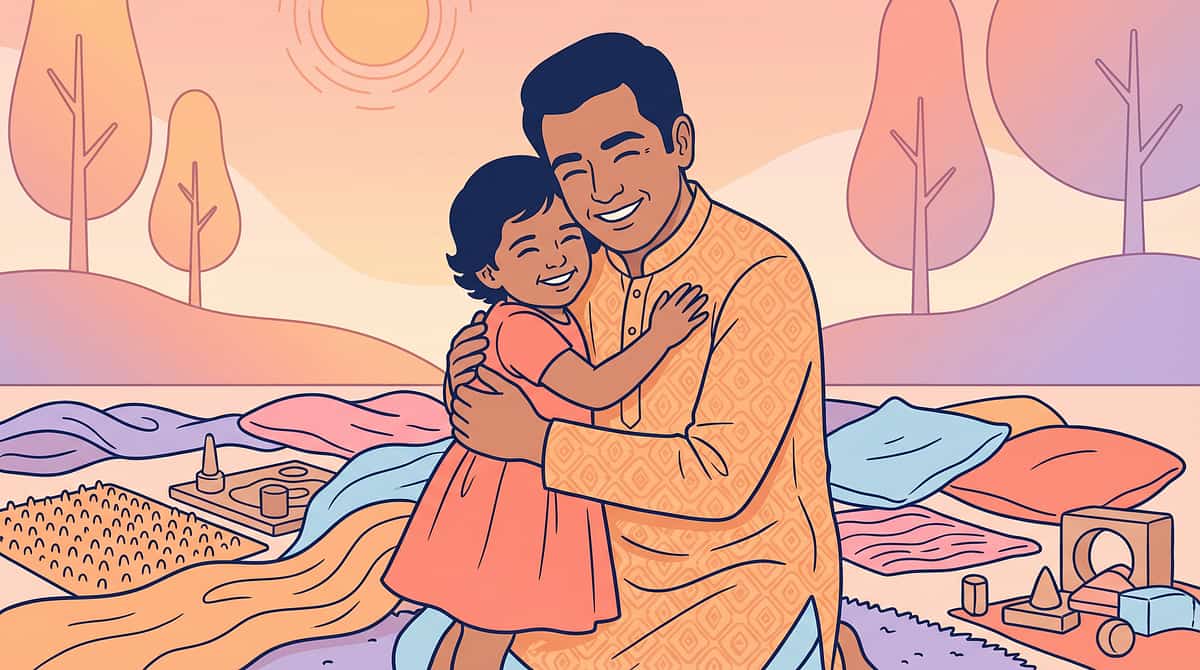
You Did This.
Every morning you showed up when you didn't want to. Every time praise felt hollow, you found another way. Every video you recorded, every charm you added, every certificate you wrote by hand —
that was therapy.
Your child grew because you refused to let the small wins go unwitnessed.
📸 A Progress Journal
Documenting the journey from the very first session to today
🏆 An Achievement Display
That honors effort publicly, every single day
🎁 A Celebration System
That made milestones memorable and meaningful
📿 Mastery Evidence
Your child can hold in their hands — and show the world
This week: Look through the first entry in your progress journal together. Then look at today. Read the distance out loud. That distance is yours.
📸Document this milestone: First entry vs. today. Date both. Share with your Pinnacle care team.
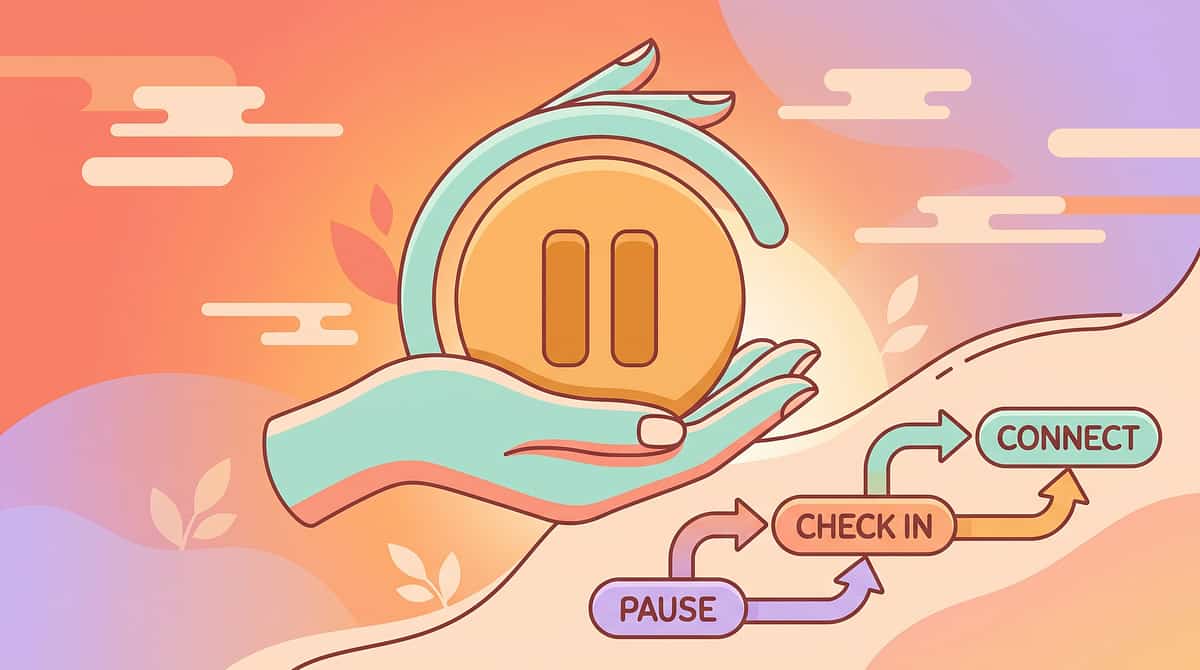
Red Flags: When to Pause and Seek Support
Safety Alert
Even a working celebration system warrants awareness. These specific signs indicate that professional consultation is needed — not as a failure, but as the next right step.
Sign | What It Looks Like | Why It Matters | Action | |
Praise aversion escalating | Child increasingly distressed when praised, covering ears, fleeing recognition | May indicate social anxiety around performance or misaligned expectation | Teleconsult with Pinnacle ABA: 📞 9100 181 181 | |
Total loss of motivation (>2 weeks) | Child no longer responds to any reinforcement, complete therapy disengagement | May signal burnout, health issue, or environmental stressor | Clinical review — not a celebration system problem | |
Self-harm linked to failure | Child hurts themselves when not achieving expected outcomes | Perfectionistic anxiety requiring psychological intervention | Immediate clinical consultation | |
Family conflict escalating | Siblings significantly dysregulated, marital tension around the system | System design needs a family therapy lens | Pinnacle Family Therapy referral | |
Regression despite consistent celebration | Skills deteriorating while recognition is actively in place | May indicate neurological, medical, or environmental factor | Medical review + ABA reassessment |
Self-resolve → 📞9100 181 181 (teleconsult) → Nearest Pinnacle center for in-person evaluation
"Trust your instincts. If something feels wrong in your child's motivation landscape, it probably is. The helpline is free. Use it."
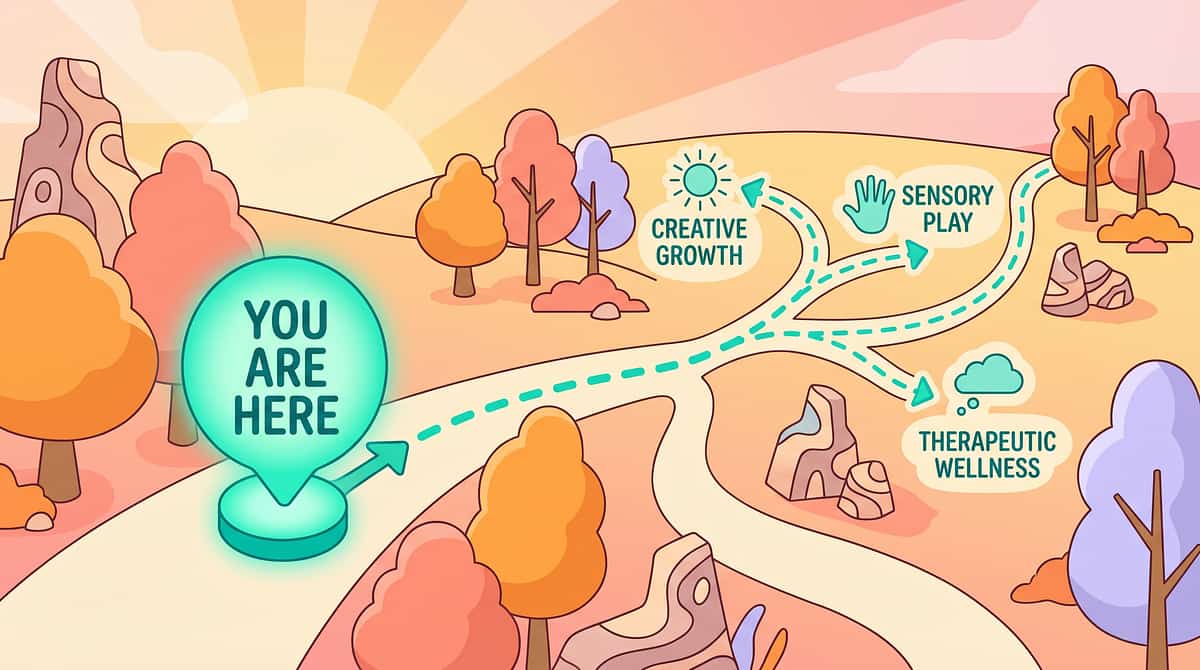
The Progression Pathway
K-916 sits within a carefully sequenced therapeutic arc. Here is where you are, where you've been, and where this mastery takes you next.
Domain K: Motivation & Engagement
K-916 sits within Pinnacle's 70,000+ technique library. Motivation is not one domain among twelve — it is the engine that powers all twelve.
Related domains: Domain C (Emotional Regulation) · Domain B (Social Communication) · Domain D (Behavior & Flexibility)
Prerequisite Techniques
- K-914: Maintaining Engagement in Therapy
- K-915: Building Intrinsic Motivation
Next Techniques
- K-917: Maintaining Motivation Long-Term
- K-918: Involving Siblings in Celebration
Related Techniques in This Domain
Techniques you can use alongside or after K-916 — and the good news: if you've built your K-916 system, you already own the materials for most of them.
Technique | Code | Level | Canon Material | |
Building Intrinsic Motivation | K-915 | 🟡 Core | Reinforcement Menus | |
Maintaining Engagement in Therapy | K-914 | 🟡 Core | Reinforcement Menus | |
Maintaining Motivation Long-Term | K-917 | 🟠 Advanced | Reinforcement Menus | |
Involving Siblings in Celebration | K-918 | 🟡 Core | Family Practice Tools | |
Positive Reinforcement Systems | D-358 | 🟢 Intro | Reinforcement Menus | |
Celebrating Academic Wins | H-760 | 🟡 Core | Achievement Documentation |
✅Already Own These Materials? If you've built your K-916 Celebration System, you already have the materials for K-915, K-917, K-918, and D-358. Zero additional investment required.
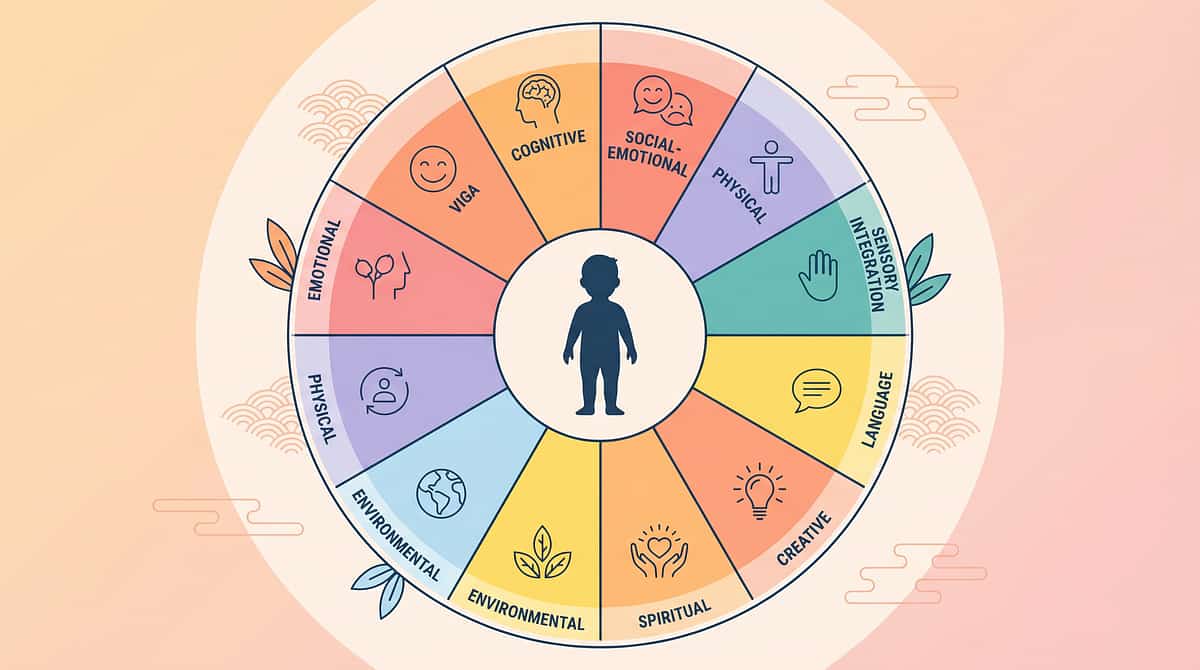
Your Child's Full Developmental Map
12-Domain Framework
★ K-916 Active Here
K-916 is not just one technique in the motivation domain. It is the engine that powers every other domain. A child who has internalized self-efficacy and progress recognition will engage more deeply with sensory work, push harder in language sessions, and tolerate behavioral challenges with greater resilience.
GPT-OS® Integration — What K-916 Data Feeds
Motivation & Engagement Index
Tracking progression from external to intrinsic reinforcement across weeks
Self-Efficacy Development Score
Monitoring "I can do this" language and behavior over time
Family Celebration Practices Index
Measuring sustainability and family system health across months
AbilityScore® Baseline
All other domains updated as motivation capacity grows
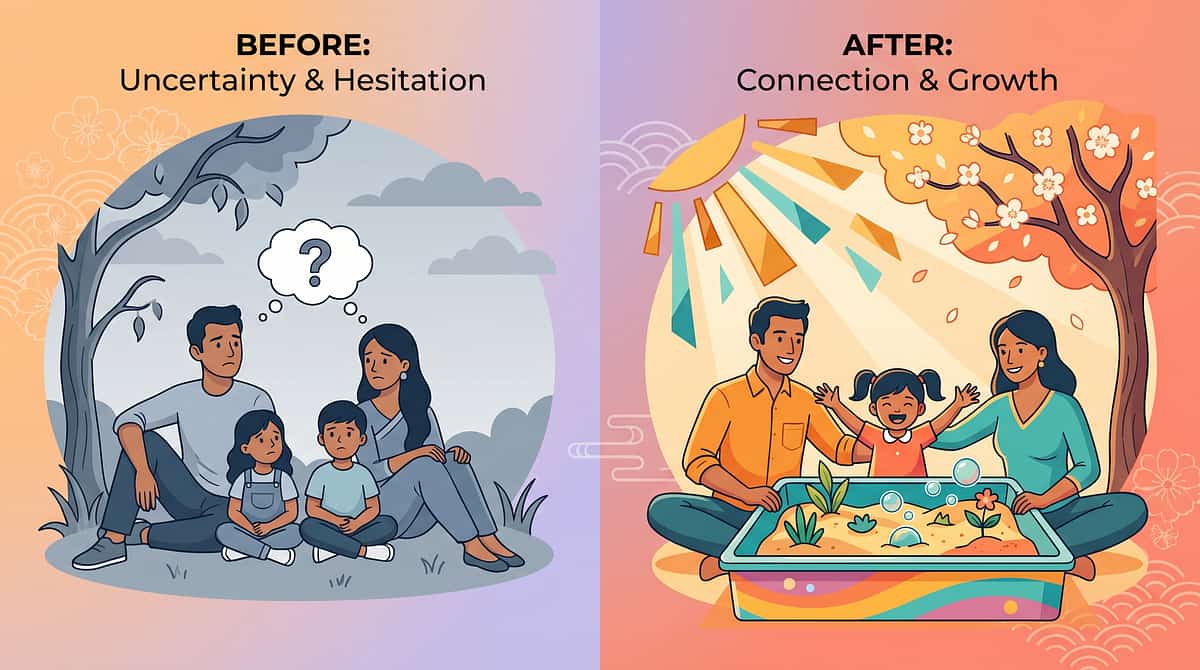
Families Who've Been Here
Illustrative Cases · Behavioral Outcomes Vary
From Sticker Chart Purgatory to Self-Recognition — Hyderabad
Before: "My son had earned 400 stars and showed no sign that any of them meant anything. He was going through motions — completing tasks, getting stickers, total disconnection."
After: "The first time he watched himself from 14 months earlier — unable to do what he now does automatically — he stopped. He looked at the screen. He looked at me. He said, 'I got so much better.' Four words that changed everything. That self-recognition — that was what we had been trying to manufacture with 400 stickers."
— Parent, Pinnacle Network Hyderabad
After: "The first time he watched himself from 14 months earlier — unable to do what he now does automatically — he stopped. He looked at the screen. He looked at me. He said, 'I got so much better.' Four words that changed everything. That self-recognition — that was what we had been trying to manufacture with 400 stickers."
— Parent, Pinnacle Network Hyderabad
The Charm Bracelet That Changed Everything — Bangalore
Before: "My daughter is 9. Every time I praised her, I could see in her eyes: she knew the praise was calibrated down. 'Great job putting on your shoes!' felt patronizing — she knows her 7-year-old cousin has been doing it for years."
After: "We shifted entirely to effort-specific, comparison-free language combined with mastery charms. When a classmate made a comment about her learning differences, she held up her bracelet and said 'I have 14 things I mastered this year. How many do you have?' That self-advocacy came from the physical evidence she could carry."
— Parent, Pinnacle Network Bangalore
After: "We shifted entirely to effort-specific, comparison-free language combined with mastery charms. When a classmate made a comment about her learning differences, she held up her bracelet and said 'I have 14 things I mastered this year. How many do you have?' That self-advocacy came from the physical evidence she could carry."
— Parent, Pinnacle Network Bangalore
Therapist's Note:"This case illustrates the fundamental limitation of disconnected external reinforcement. The video journal works because it bypasses the need for external validation entirely — it provides self-evidence. The child doesn't need us to tell them they've grown. They can see it." — Pinnacle ABA Supervisor
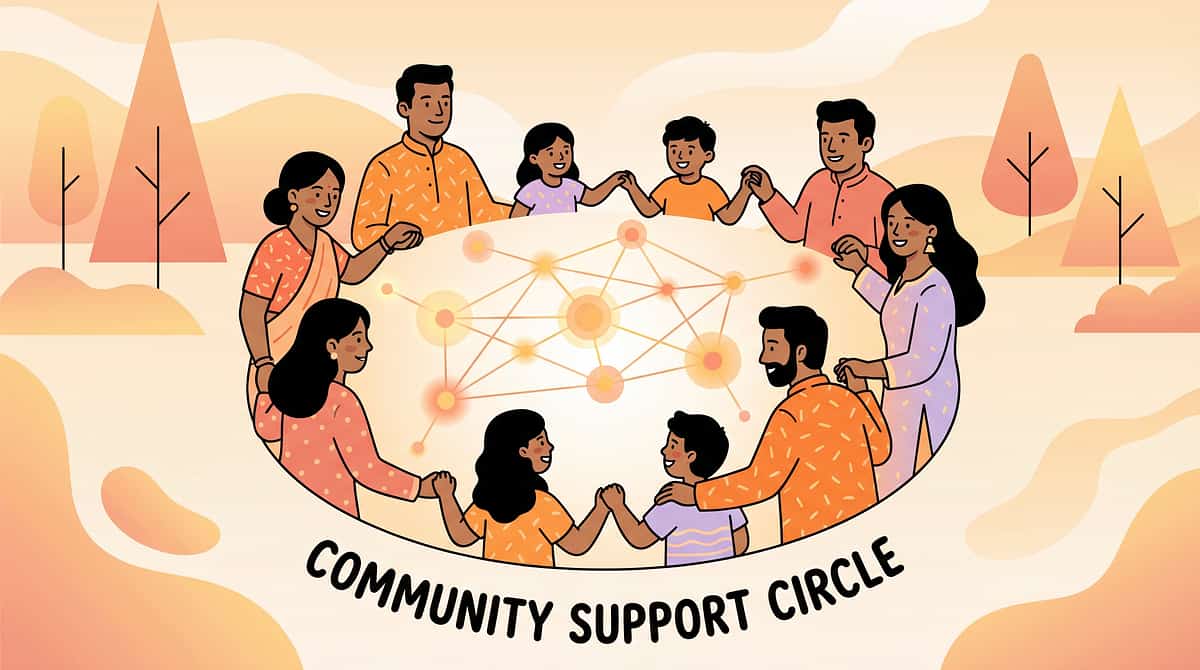
Connect With Other Parents
You don't have to figure out celebration systems alone. 150,000+ families across India are navigating the same daily mathematics of developmental progress.
WhatsApp Community: Celebrating Progress Together
Join 12,000+ parents sharing celebration wins, troubleshooting motivation valleys, and exchanging ideas for what actually works in real homes.
Join Group →
Join Group →
Pinnacle Parent Forum — Motivation & Reinforcement Thread
Searchable discussions: what worked when sticker charts failed, experience token systems from real families, and progress journal templates you can use tonight.
Visit Forum →
Visit Forum →
Peer Mentoring Programme
Connect with a parent who has been exactly where you are — with a child profile similar to yours. Real experience, no theory.
Request a Mentor →
Request a Mentor →
Local Parent Meetups
Pinnacle centers in 70+ locations run monthly parent circles. Find yours and meet the families walking the same road.
Find Your Center →
Find Your Center →
"Your experience isn't just for your family. The family you share this with might be the one that finally turns their corner."
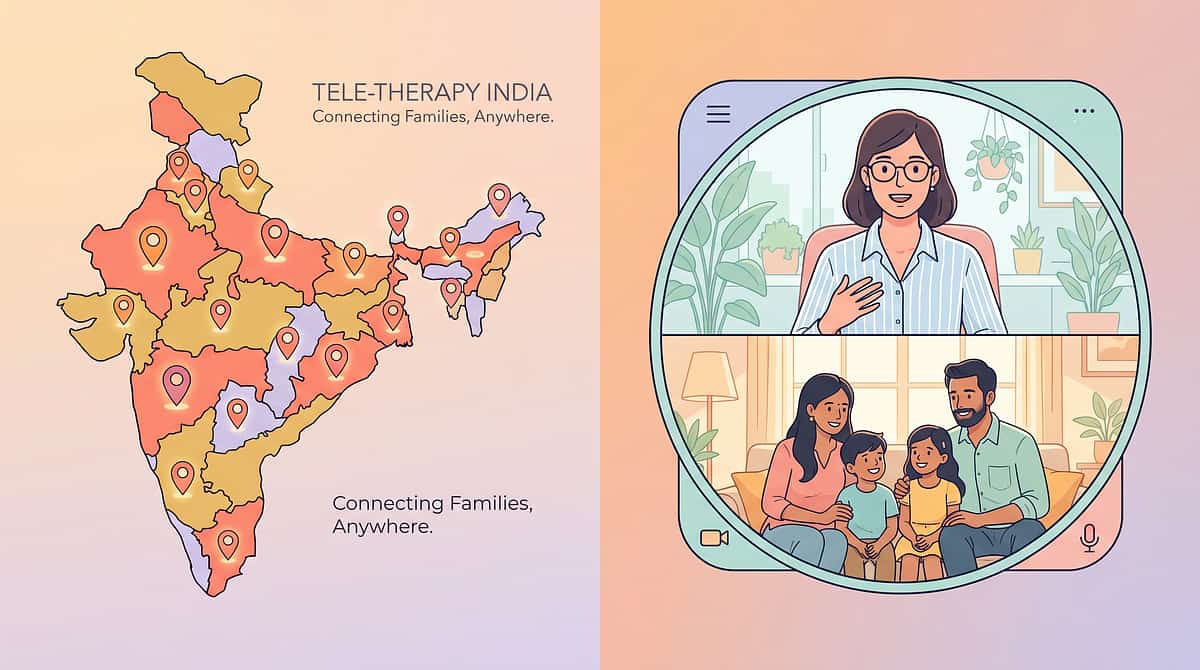
Your Professional Support Team
Home-based implementation is powerful. Professional clinical backing makes it transformative. These are the Pinnacle services specifically matched to K-916.
Service | Pinnacle Discipline | What They Do | |
Reinforcement Assessment | ABA / BCBA | Identifies what reinforcers actually work for YOUR child. Designs individualized reinforcement schedule calibrated to their unique profile. | |
Motivation & Engagement Evaluation | NeuroDev + ABA | Rules out neurological factors in motivation deficit. Establishes baseline Motivation Index score for longitudinal tracking. | |
Parent Coaching: Celebration Systems | All Disciplines | 3-session parent training on implementation, troubleshooting, and systematically fading external reinforcement toward intrinsic motivation. | |
AbilityScore® Assessment | Multi-disciplinary | Comprehensive 591-observation baseline across all 12 developmental domains. The foundation for your child's personalized pathway. |
📞 FREE National Autism Helpline
9100 181 181
16+ languages · 24×7 · No appointment needed · Free for every family
Book a Teleconsultation
Speak with a Pinnacle specialist about your child's motivation profile from the comfort of your home.
"Home + clinic = maximum impact. These techniques are designed for home. The clinic calibrates, measures, and escalates when needed."
The Research Library
Evidence Base
# | Study | Finding | Link | |
1 | PRISMA Systematic Review, Children (2024) | Positive reinforcement: evidence-based practice for ASD across 16 studies, 2013–2023. Effect sizes confirmed. | ||
2 | Meta-analysis, World J Clin Cases (2024) | Token economy and structured celebration: strong measurable effects across 24 studies — social skills and engagement as primary outcomes. | ||
3 | Padmanabha et al., Indian J Pediatr (2019) | Home-based behavioral interventions with parent implementation: significant outcomes in Indian pediatric population. | ||
4 | WHO Nurturing Care Framework (2018) | Responsive caregiving and recognition of child effort: direct impact on developmental outcomes across the 0–8 age window. | ||
5 | NCAEP Evidence-Based Practices Report (2020) | Positive reinforcement classified as definitively evidence-based for autism across all ages and settings. |
Further Reading
- Deci & Ryan: Self-Determination Theory — intrinsic motivation foundations
- Bandura (1997): Self-Efficacy: The Exercise of Control — self-efficacy development
- Cooper, Heron & Heward: Applied Behavior Analysis, 8th ed. — reinforcement principles
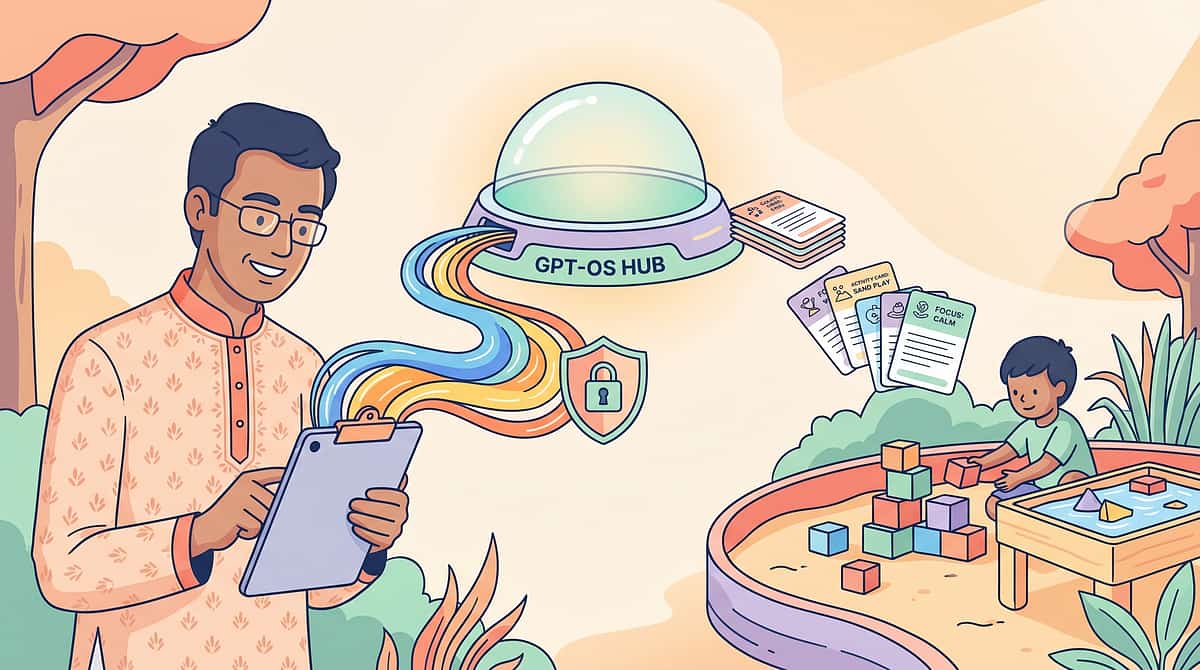
How GPT-OS® Uses Your Data
Technology · Privacy · Population Impact
What GPT-OS® Learns From K-916 Sessions
Which Reinforcement Types Work
Identifies the most effective reinforcement modalities for your specific child's profile across sessions.
Progression Rate
Tracks the rate of movement from external reinforcement to self-initiated recognition over time.
Family System Health
Monitors whether the celebration culture is being maintained consistently across caregivers and settings.
Plateau Detection
Identifies when the current celebration system needs adjustment before motivation loss becomes visible.
Readiness Signal
Alerts when your child is developmentally ready to progress to K-917: Maintaining Motivation Long-Term.
"Your data helps every child like yours." When your session data combines with 20M+ other sessions in GPT-OS®, it improves reinforcement recommendations for every future family with a similar child profile. You are not just a recipient of this system — you are a contributor to it.
🔒 All data is encrypted, de-identified, and family-controlled. DPDP Act compliant. Never sold. Never shared without consent. View Privacy Policy →
Watch the Reel
K-916 · Motivation & Reinforcement Series · Episode 916
"What you're about to see isn't about making therapy feel like a party. It's about understanding that celebration is neurological infrastructure. For a child who works three times as hard for every skill, the recognition system IS the intervention. Let me show you what that looks like at home." — Pinnacle Blooms Clinical Team
Related Reels in the Series
🎬 C-340
9 Materials That Help Celebrating Strengths
🎬 D-358
9 Materials That Help With Positive Reinforcement
🎬 K-914
9 Materials That Help Maintaining Engagement in Therapy
🎬 H-760
9 Materials That Help With Celebrating Academic Wins
Share This With Your Family
If only one caregiver knows this system, its power is cut in half. Consistency across caregivers multiplies impact exponentially — grandparents, teachers, and siblings all play a role.
📱 Share on WhatsApp
Pre-filled message: "This helped us with celebrating progress in therapy — thought you should see it."
Share Link →
Share Link →
📧 Share by Email
Send the full K-916 page to your spouse, grandparents, or school teacher with one tap.
📥 Download Family Guide PDF
1-page summary of K-916 for grandparents, school teachers, and extended family members who need the essentials.
Simplified Version for Grandparents:
"[Child's name]'s brain works differently. Things that came easily to us take enormous effort for them. When we celebrate what looks like a 'small' thing — like putting on shoes or saying a three-word sentence — we are doing it because for [child's name], that is NOT a small thing. That took months of work. Please join us in celebrating these moments, even if they seem minor. Your recognition matters tremendously to their development."
"[Child's name]'s brain works differently. Things that came easily to us take enormous effort for them. When we celebrate what looks like a 'small' thing — like putting on shoes or saying a three-word sentence — we are doing it because for [child's name], that is NOT a small thing. That took months of work. Please join us in celebrating these moments, even if they seem minor. Your recognition matters tremendously to their development."
Teacher/School Communication: A downloadable 3-paragraph letter is available explaining your child's celebration system and requesting classroom reinforcement consistency. unknown link
Frequently Asked Questions
8 Technique-Specific FAQs
Q1: My child is 10 and will reject any celebration that seems "babyish." How do I adapt?
Completely replace ceremony with sophistication. The pride journal becomes a personal notebook they own. The mastery charms become a collection they explain to others. The progress journal becomes a video they help edit. Involve them entirely in designing the system — "What would make YOU feel proud?" Their ownership of the design removes the patronizing element entirely.
Q2: We've been doing sticker charts for 3 years. How do we transition?
Don't withdraw suddenly — pivot. The sticker chart becomes a Goal Ladder (stickers now represent rungs on a journey). The full jar becomes the EVIDENCE you show them. Introduce experience tokens alongside rather than replacing. The transition takes 2–4 weeks when done gradually and with the child's understanding.
Q3: My son says "I don't care about that" when I celebrate anything. Is this normal?
Yes — and it's often self-protective rather than genuine indifference. Children who have experienced repeated failure often pre-emptively dismiss success to avoid disappointment. The video journal bypasses this verbal defense with visual evidence. Keep celebrating quietly and consistently. The "I don't care" usually becomes "I can't believe I did that" within 4–6 weeks.
Q4: The celebration system is creating competition and resentment among siblings.
The solution is whole-family culture, not individual celebration. Every family member has their own column in the pride journal and a section of the achievement display. Ask weekly: "What did everyone in this family do that was hard this week?" The sibling learns they are celebrated too — not less, differently.
Q5: My daughter's therapist uses one reinforcement system and I use another. Who wins?
Neither — you both need to use the same system. Inconsistent reinforcement is one of the most common causes of celebration system failure. Share this page with your child's therapist and ask for a unified reinforcement protocol. Pinnacle teleconsult can facilitate alignment: 📞 9100 181 181.
Q6: How do I celebrate progress when I can barely see any?
The progress video journal is specifically designed for this moment. On days when you cannot see forward progress: watch a video from 6 months ago. The growth is not visible day-to-day — it is visible year-to-year. Also expand your definition: 2 fewer minutes of session resistance IS progress. 30 seconds longer seated IS progress. Data makes the invisible visible.
Q7: Is it harmful to celebrate too much? Will my child become dependent on external praise?
The concern is valid and research addresses it directly. The risk is not celebration — it's generic, non-contingent celebration. Specific, effort-focused, proportionate recognition does not create dependence. K-916 is specifically designed to scaffold from external to intrinsic — you will naturally shift toward self-recognition prompts and narrative tools as mastery builds.
Q8: My child has praise aversion — any kind of recognition causes distress. What do I do?
This is a documented profile requiring clinical management, not just material modification. Please contact Pinnacle immediately: 📞 9100 181 181. In the interim: use completely silent recognition (the video journal, the physical collection) with zero verbal commentary. Let the evidence speak without the performance pressure of adult recognition.
Your Child's Small Win Today Is Waiting to Be Celebrated Properly.
Three ways to start — right now.
🚀 Start This Technique Today
Open the GPT-OS® Session Launcher and begin your first K-916 session with guided support.
📞 Book a Consultation
Speak with a Pinnacle specialist about your child's motivation profile. In-person or teleconsult available.
pinnacleblooms.org/book → · 9100 181 181
📖 Explore Next Technique
K-917: Maintaining Motivation Long-Term — the natural next step after K-916 mastery.
20M+
1:1 Sessions
Delivered across the Pinnacle Blooms Network
97%+
Measured Improvement
Across children in the Pinnacle consortium
70+
Countries Served
By the Pinnacle GPT-OS® platform globally
⭐ Validated by the Pinnacle Blooms Consortium® · OT · SLP · ABA · SpEd · NeuroDev · CRO · Pediatricians · Families
Preview of 9 materials that help with celebrating small wins Therapy Material
Below is a visual preview of 9 materials that help with celebrating small wins therapy material. The pages shown help educators, therapists, and caregivers understand the structure and content of the resource before use. Materials should be used under appropriate professional guidance.


Link copied!
The Pinnacle Promise
Pinnacle Blooms Network®
Built by Mothers. Engineered as a System.
Built by Mothers. Engineered as a System.
🏥 70+ Therapy Centers
Across India, with in-person multidisciplinary support for every family
🌐 Pediatric Therapeutic OTT
India's largest therapeutic digital platform, available wherever you are
🛒 Hyperlocal Marketplace
Canon therapeutic materials, locally sourced and clinically validated
OT 🔵
SLP 🔴
ABA ✅
SpEd 🟡
NeuroDev 🟣
CRO ⚙️
"From fear to mastery. One technique at a time."
📞FREE National Autism Helpline: 9100 181 181 · 16+ languages · 24×7 · care@pinnacleblooms.org · pinnacleblooms.org
Statutory Identifiers: CIN: U74999TG2016PTC113063 · DPIIT: DIPP8651 (Govt. of India) · MSME: TS20F0009606 · GSTIN: 36AAGCB9722P1Z2
Medical Disclaimer: This content is educational and does not replace individualized assessment and intervention from qualified developmental therapists, behavioral specialists, or psychologists. Children with persistent motivational difficulties, significant behavioral challenges, or developmental conditions may benefit from professional assessment and individualized reinforcement planning. Consult your child's therapist or developmental specialist for personalized motivation and celebration strategies. Individual results may vary. Statistics represent aggregate outcomes across the Pinnacle Blooms Network.
© 2025 Pinnacle Blooms Network®, unit of Bharath Healthcare Laboratories Pvt. Ltd. All rights reserved.