

"You know your child needs more. But every professional in the room seems to disagree."
It was the IEP meeting where they handed you a 47-page document and said, "We just need your signature." It was the paediatrician who said "Wait and see" — again. It was the insurance denial that came with a code you couldn't decode. You left every room smaller than when you walked in. Not because you were wrong. Because no one gave you the tools to be heard.
Advocating for Your Child is the skill that changes everything. And it can be learned. You are not a difficult parent. Your child's needs are real — and so is your right to fight for them.
🧠 NeuroDev Pediatrics
🎓 Special Education
💬 SLP
🤝 ABA/BCBA
🏥 CRO
FREE Helpline: 9100 181 181 | Pinnacle Blooms Network® | 16 languages | 24×7
WHO Nurturing Care Framework (2018): Family empowerment and caregiver capacity are foundational to child development outcomes across all settings.

You Are Not Alone: The Numbers
Millions of parents are fighting the same battle — without the right tools. Parent advocacy is not an optional extra — it is the mechanism through which children with special needs receive the services they are legally and ethically entitled to. Research consistently shows that the single most powerful predictor of a child receiving appropriate services is how effectively their parent advocates. Not diagnosis severity. Not family income. Not geography. The parent's advocacy capacity.
1 in 36
Children with Autism (US)
CDC 2023. In India: 1 in 89 (NCAEP data). Every family must navigate systems not designed for their child.
80%+
Underprepared for IEPs
Of parents of children with disabilities report feeling inadequately prepared for IEP meetings (National Parent Survey, 2022).
97%+
Pinnacle Family Outcomes
Of Pinnacle families who developed structured advocacy skills reported measurable improvement in services received within 6 months.
In India: The Rights of Persons with Disabilities Act 2016 (RPwD Act) mandates free education, reasonable accommodation, and grievance mechanisms for children with disabilities. Yet fewer than 12% of eligible families exercise their full rights — because most parents don't know they exist. (Disability Rights India Foundation, 2023)
PMC11506176 | PMC10955541 | WHO NCF 2018 | CDC Autism Data 2023 | NCAEP 2020
Why the System Feels Designed Against You
"The system isn't broken. It's designed for the average child. Yours isn't average."
The Systemic Reality
Institutions are structured for efficiency, not individual need.
- IEP meetings have 8 professionals and 1 parent — by design
- Jargon (FAPE, LRE, BIP, FBA, RTI) creates information asymmetry — by design
- Services are offered at the minimum legally defensible level — by design
- Insurance denial letters use language meant to discourage appeal — by design
This is not malice. It is institutional momentum. Systems serve the median. Your child is not the median.
The Parent Pathway: Advocacy Is the Equalizer
- Documentation transforms "my feeling" into "the evidence shows"
- Rights knowledge transforms "please help" into "the law requires"
- Written communication transforms "she said/I said" into "here is the record"
- Preparation transforms "I was overwhelmed" into "I came with my priorities"
- Network transforms "I'm fighting alone" into "I have a team"
These are learnable skills. Every one of them.
"In our consortium's experience across 20M+ therapy sessions, the families who achieve the best outcomes are the ones who became informed, persistent, strategic advocates." — Pinnacle Blooms Network® Clinical Consortium

Advocacy Across Your Child's Journey
Advocacy looks different at every stage — and it never stops. The tools in this guide work at every stage. The context changes; the principles don't.
Ages 0–3: Early Identification
First signs. First "wait and see." First denied referral. Goal: obtain evaluation, navigate Early Intervention (Part C / IDEA), push back on "she'll grow out of it."
Ages 3–5: Preschool Transition
Transition from Early Intervention to school-based services. High-risk period for service reduction. Goal: continuity, appropriate placement, IEP development.
Ages 5–12: School Age
IEP annual reviews. Triennial evaluations. Behavioural challenges. Goal: appropriate services, Least Restrictive Environment, behaviour support plans.
Ages 12–18: Adolescence
Transition planning, vocational preparation, peer inclusion. Goal: post-secondary planning, guardianship decisions, adult services mapping.
Ages 18–21+: Adult Transition
Vocational rehabilitation, higher education disability services, housing. Goal: maximum independence, supported decision-making, self-advocacy mastery.
WHO Care for Child Development Package (2023) | UNICEF MICS Developmental Monitoring Indicators | RPwD Act 2016 (India) — Age-specific provisions. Ref: PMC9978394

The Evidence: Advocacy Works
Parent advocacy is not emotional. It is evidence-based. Here is the data. Advocacy is a skill — trained advocates outperform untrained advocates. You can learn this.
⭐⭐⭐⭐ STRONG EVIDENCE
Level I–II | Multiple Systematic Reviews + RCTs
📊 Educational Outcomes
Research across 14 countries: Children whose parents actively advocated in IEP development received measurably more hours of therapeutic services, appropriate placements, and evidence-based interventions than matched controls. (COPAA Research Review, 2022)
📊 Insurance Appeals
40–60% of initially denied insurance claims for paediatric therapy are approved on first appeal, rising to 70%+ through external review — when parents use structured documentation and formal appeal processes. (Kaiser Family Foundation, 2023)
📊 Parent Training Impact
Parents who complete structured advocacy skills training demonstrate 3.2× higher meeting participation rates and 2.8× higher successful service acquisition rates than untrained parents. (CPIR, 2022)
CLINICALLY VALIDATED. PARENT-PROVEN. HOME-APPLICABLE. | Helpline: 9100 181 181
What Is Parent Advocacy: Defined
Technique K-909
Parent Empowerment & Advocacy Series
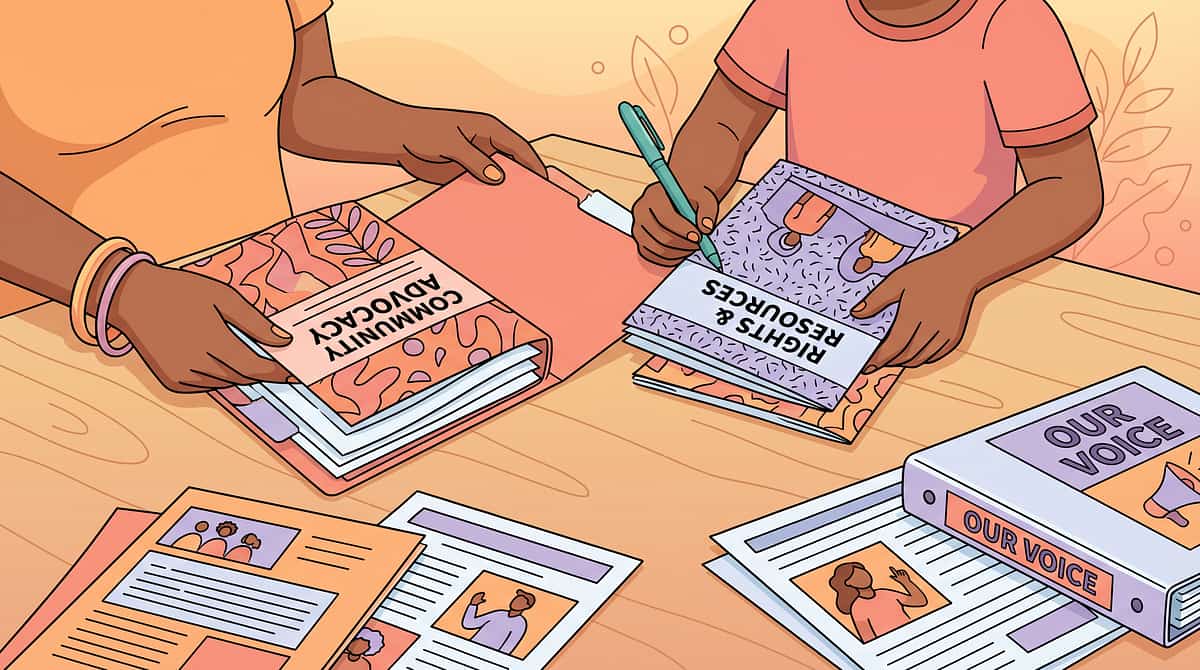
Parent Advocacy — "Your Child's Voice Toolkit" — is the structured, skilled practice of ensuring your child receives the services, supports, accommodations, and opportunities they need and are entitled to — across educational, healthcare, insurance, community, and governmental systems. For parents of children with disabilities, advocacy is not optional. Systems are not designed for your child.
🎓 Educational Advocacy
IEP/504 processes, evaluation rights, placement decisions, service delivery
🏥 Healthcare Advocacy
Diagnosis access, treatment approval, referral pathways, medical necessity
📋 Insurance Advocacy
Coverage analysis, prior authorisation, denial appeals, external review
🏘️ Community Advocacy
Accessible programming, reasonable accommodation, social inclusion
📢 Systemic Advocacy
Policy change, parent coalition building, rights enforcement
Ages: 0–21+ years | Setting: Home → School → Clinic → Government | Duration: Ongoing lifecycle skill
FREE Helpline: 9100 181 181 | Pinnacle Blooms Network® Clinical Consortium — OT • SLP • ABA • SpEd • NeuroDev • CRO • Family Advocacy

Who Teaches and Uses Advocacy Skills
Advocacy crosses every therapy discipline — because every discipline serves your child in a system. The brain doesn't organise by therapy type — and advocacy doesn't either. Every specialist supporting your child is also a potential advocate for your child within their system.
Special Education Advocate / SpEd
Primary lead. Specialised in IDEA, IEP/504 processes, LRE requirements, and educational rights. Models IEP preparation, rights knowledge, and meeting participation skills.
Speech-Language Pathologist (SLP)
Teaches communication advocacy: how to describe your child's needs, request AAC devices through insurance, advocate for speech frequency in IEP goals, and communicate effectively in high-stakes meetings.
Occupational Therapist (OT)
Advocates for sensory accommodations, motor supports, adaptive equipment funding, and school environment modifications. OT documentation is powerful evidence in IEP and insurance contexts.
ABA / BCBA
Provides behavioural data that transforms advocacy evidence. ABC data, frequency charts, and functional assessments from a BCBA are among the most persuasive documents in any educational or insurance dispute.
NeuroDev Paediatrician / CRO
Provides diagnostic letters, medical necessity documentation, and developmental reports. The CRO's standardised AbilityScore® assessment creates irrefutable baseline evidence.
Family Support Coordinator
Maps available resources, connects families to advocacy networks, facilitates system navigation, and provides emotional support throughout the advocacy journey.
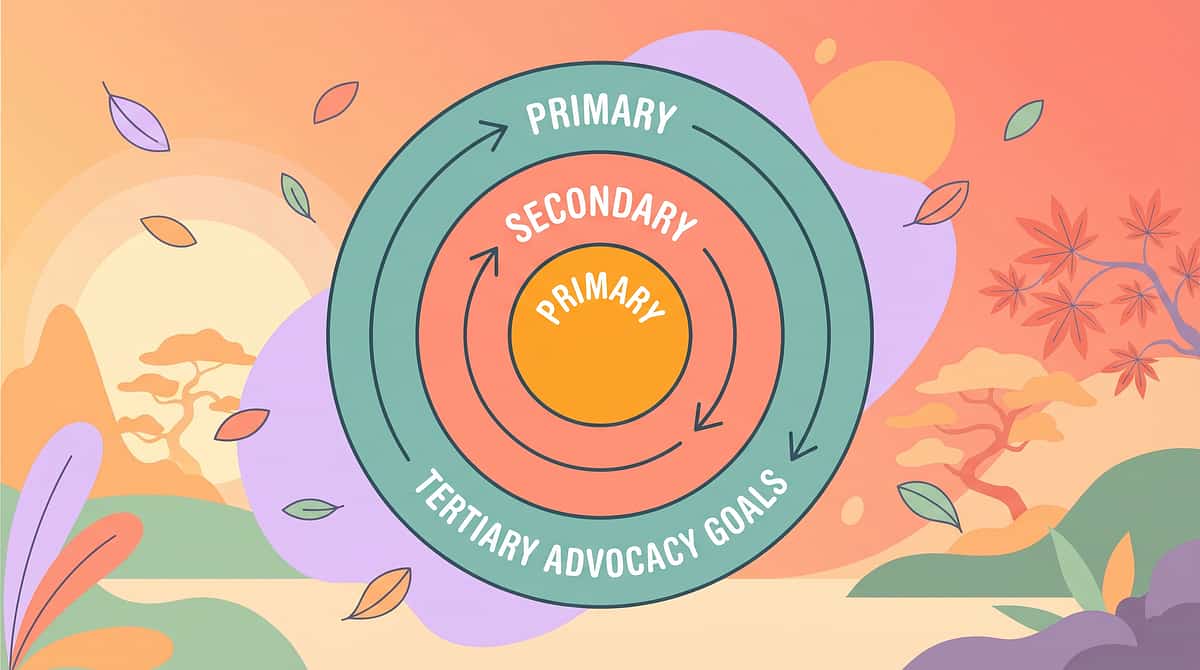
What Effective Advocacy Achieves: The Targets
Advocacy isn't vague. It targets specific, measurable outcomes. Here is what you are working toward — from immediate service access to your child's long-term independence.
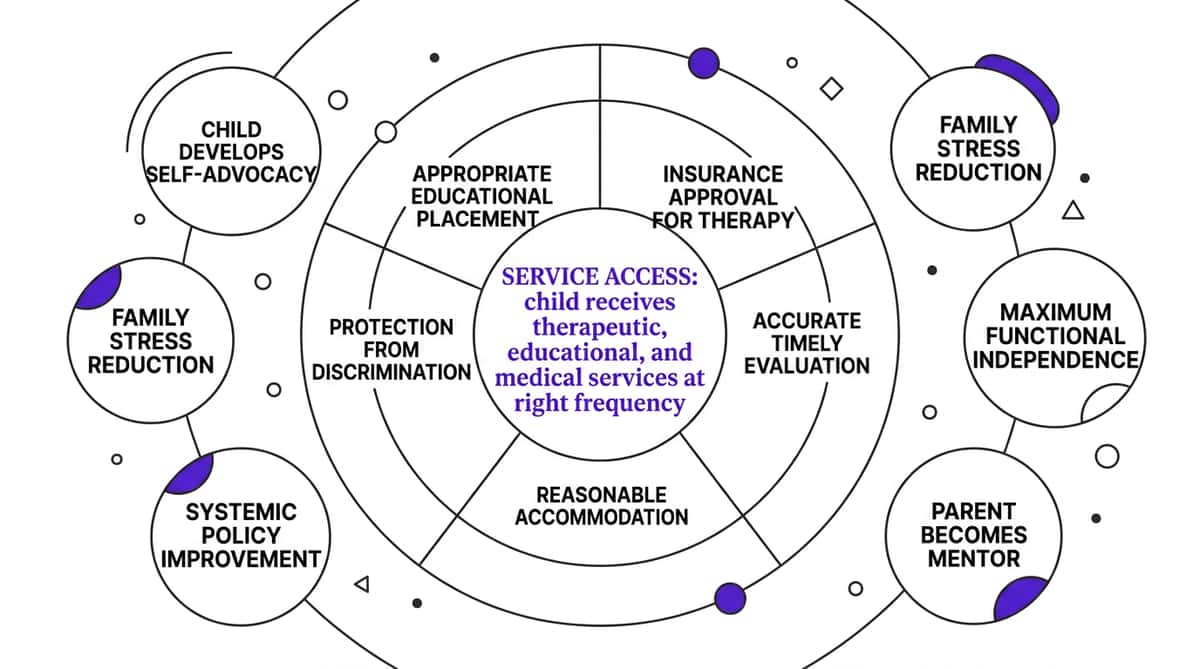
✅ Observable Indicators of Effective Advocacy
Child's IEP reflects parent's stated priorities | Insurance denials overturned on appeal | School implementing agreed accommodations consistently | Parent feels prepared and confident entering professional meetings | Child demonstrates emerging self-advocacy in age-appropriate ways
NCAEP 2020 Evidence-Based Practices | WHO NCF 2018 | PMC10955541 | Padmanabha Indian J Pediatr 2019
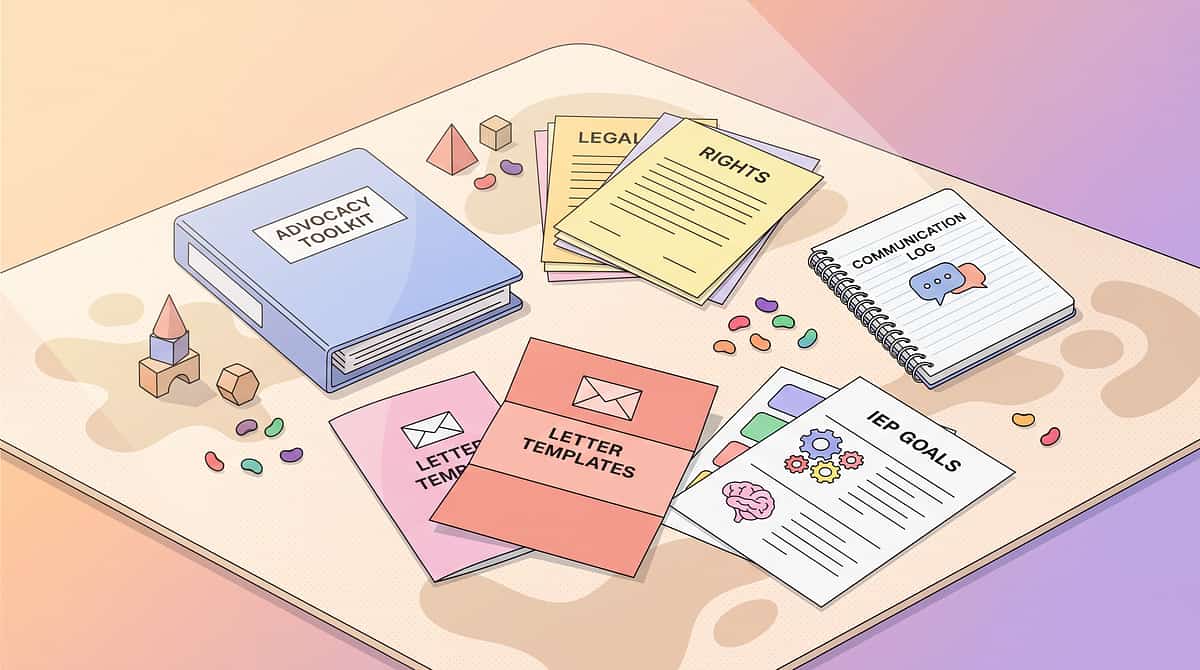
The 9 Advocacy Materials: Your Complete Toolkit
Nine materials. One complete advocacy toolkit. Each one transforms a different kind of powerlessness into power. Together, they cover documentation, rights, communication, preparation, data, meeting participation, insurance navigation, and community support.
Documentation Binder
Your evidence archive — the foundation of every advocacy interaction
Parent Rights Guides
Know your legal rights — transforms requests into enforceable entitlements
Communication Log
Create the paper trail — every call, email, and meeting permanently recorded
Request Letter Templates
Trigger legal timelines — written requests that demand mandatory response
IEP Prep Worksheets
Arrive prepared — your meeting battle plan completed 2 weeks in advance
Parent Data Tools
Numbers speak louder — transform observations into irrefutable evidence
Meeting Participation Tools
Don't face them alone — equalise the power dynamic in every meeting
Insurance Appeal Toolkit
Denials aren't final — structured process to reverse 40–70% of denials
Advocacy Network
You don't fight alone — peers, professionals, and organisations behind you
💜 Total toolkit investment: ₹500–5,000 | 💚 Full zero-cost version available — every material has a ₹0 alternative

DIY & Zero-Cost Alternatives
Every advocacy material has a ₹0 version. Access, not budget, determines advocacy power. Effective advocacy must not be the exclusive province of families with financial resources. Every material in this guide has been selected because its core function can be replicated at zero cost — aligned with WHO/UNICEF equity principles.
Material | Invest Version | ₹0 DIY Version | |
Documentation Binder | Large 3-ring binder + tabs (~₹500) | Any folder, large envelope, or repurposed notebook with handwritten section labels | |
Parent Rights Guides | Printed guides from advocacy orgs (~₹200) | Free PDFs from parentcenterhub.org, wrightslaw.com, disability-rights-india.org | |
Communication Log | Dedicated log notebook (~₹150) | Any notebook or free Google Sheets template | |
Request Letter Templates | Printed templates (~₹100) | Free at wrightslaw.com, understood.org, pinnacleblooms.org/advocacy | |
IEP Prep Worksheets | Printed, laminated (~₹300) | Free printable from understood.org or hand-drawn checklist | |
Behaviour Tracking | App subscription (~₹500–1,000/yr) | Paper tally chart + calendar = equivalent data | |
Audio Recorder | Dedicated recorder (~₹1,500–2,000) | Smartphone voice memo app = equivalent | |
Insurance Appeals Guide | Printed booklet (~₹300) | Free guides from irda.gov.in or patient advocacy orgs | |
Professional Advocate | ₹2,000–15,000/session | Parent Training & Information Centers (PTIs) = free |

Before You Begin: Knowing Your Context
Advocacy done wrong can damage the very relationships that help your child. Here is what to know first — when to proceed with confidence, when to proceed with care, and when to seek professional legal help immediately.
✅ Proceed with Confidence
You have a right to request evaluations, review records, attend meetings, and request services. Written requests are always appropriate. Bringing a support person is your right. "I need time to review before signing" is always appropriate. "No" is rarely final — it is usually the start of a process.
⚠️ Proceed with Care
Advocacy is a long-term relationship, not a single battle. Strategic firmness outperforms emotional confrontation. Accuracy in documentation is essential — inaccurate records undermine credibility. Different jurisdictions have different rights: US IDEA differs from Indian RPwD Act.
🔴 Seek Professional Help
If you believe your child's rights have been significantly violated. If threats relate to CPS or parenting capacity. If preparing for formal complaint, due process, or mediation. For any situation involving potential litigation. Contact a qualified special education attorney or COPAA-certified advocate.
India: Contact Disability Rights India Foundation, National Trust Advocacy Services, or call Pinnacle Helpline 9100 181 181
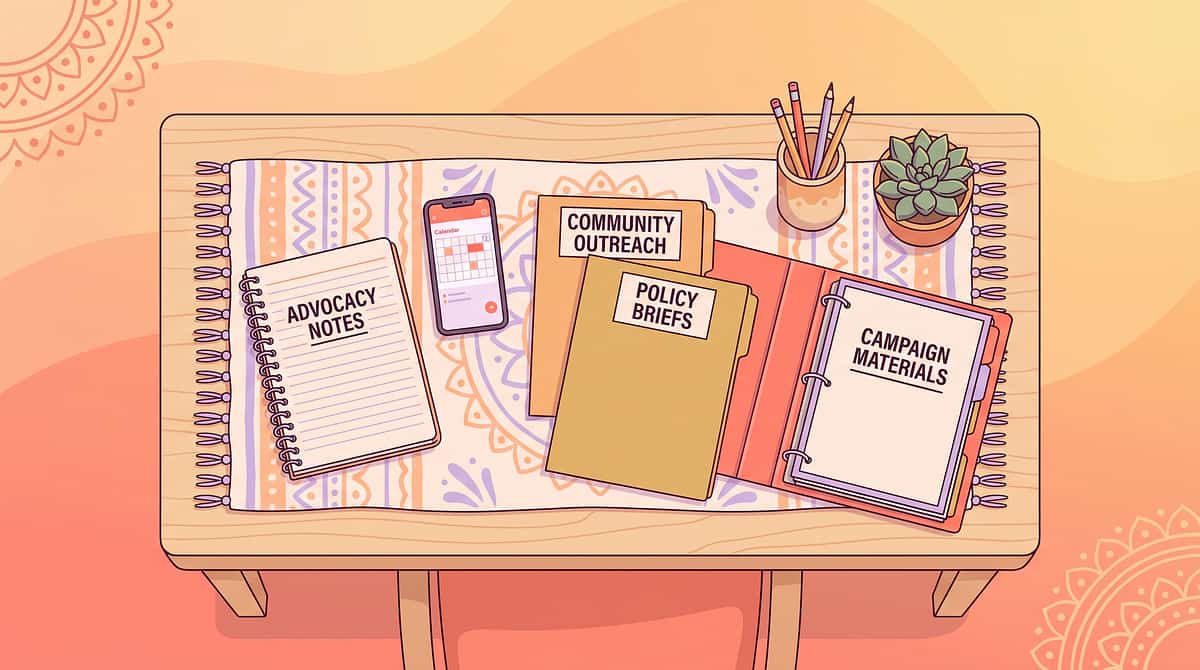
Set Up Your Advocacy Environment
Your advocacy starts at home — organised, calm, and ready. A dedicated corner — even if it's a shelf or a drawer — changes everything. Advocacy done reactively, in crisis, from scattered papers, loses. Advocacy done proactively, from an organised base, wins.
The Documentation Centre
One shelf, drawer, or box where all child-related papers live. Permanently. Nothing gets filed "somewhere else."
The Binder
Large 3-ring binder with labelled sections. Always accessible. Never buried.
The Communication Corner
Communication log notebook beside the phone. Filled in after every call, email, and meeting. Same day — always.
The Digital Backup
One folder on your phone or cloud storage: "Child Advocacy Documents." Key papers photographed and stored here.
The Rights Reference
One printed or bookmarked rights summary. Know where it is before you need it.
The Preparation Zone
Two weeks before any meeting: sit here. Review the binder. Complete the prep worksheet. Know your priorities before you walk in.
Daily
Note relevant observations in communication log
Weekly
Review correspondence, follow up on outstanding commitments
2 Weeks Pre-Meeting
Full IEP prep worksheet completion
Post-Meeting
Communication log update + confirmation email sent same day

Readiness Check: Are You Ready to Advocate?
Check your readiness before entering any advocacy situation. Entering a high-stakes advocacy situation unprepared costs more than a postponement. In time-critical situations, proceed with your highest priority and explicitly say: "I'd like to review this in more detail — I'll follow up in writing by [specific date]."
I have reviewed relevant documents before this meeting/call
I know what my top 1–3 priorities are for this interaction
I have my communication log with me / ready to use
I have at least one support person or a plan to debrief after
I am in a regulated emotional state — not in crisis, grief, or acute anger
I know the next step if this interaction doesn't go as hoped
I have eaten, slept adequately, and have 30 minutes of uninterrupted time
🟢 7/7 — GO
You're ready. Trust your preparation.
🟡 4–6/7 — MODIFY
Proceed with reduced scope. Address only your single highest priority today.
🔴 Under 4 — POSTPONE
Reschedule if possible. Unpreparedness in high-stakes situations costs more than delay.
FREE Helpline: 9100 181 181 | Available 24×7, 16 languages

Material 1 of 9
Material 1: The Documentation Binder
"Your Advocacy Arsenal" | Cost: ₹300–1,500 for supplies | ₹0 DIY version available
The single most powerful advocacy tool is organised, comprehensive documentation. When you walk into any meeting with a binder containing your child's complete history, you transform from "anxious parent" to "informed, prepared advocate." Documentation serves four functions: Evidence (concrete data), Continuity (when professionals change), Credibility (organisation signals seriousness), and Reference (cite specific documents, not memory).
📁 Section 1 — Evaluations & Assessments
All psychological, educational, developmental, speech, OT, medical evaluations. Chronological, most recent first.
📁 Section 2 — IEP/504 Plans
All IEPs/504 plans, progress reports, meeting notes, prior written notices.
📁 Section 3 — Medical Records
Diagnoses, doctors' letters, hospital records, prescriptions, specialist reports.
📁 Section 4 — Therapy Reports
Progress reports from all therapies, treatment plans, discharge summaries.
📁 Section 5 — School Records
Report cards, test scores, work samples, disciplinary records, attendance.
📁 Section 6 — Correspondence
All emails, letters, written communications with school, insurance, providers. Phone call log with date, who, and summary.
📁 Section 7 — My Observations
Your own notes, concerns, questions; incident logs; parent-collected data.
📁 Section 8 — Rights & Resources
Copies of relevant laws/rights, advocate contacts, complaint procedures.
📁 Section 9 — Active Documents
Current IEP under review, pending requests, upcoming deadlines.
"When you can say 'As documented in the evaluation dated March 2024, page 7...' — you cannot be easily dismissed."
💚₹0 Version: Any large envelope, repurposed file folder, or notebook with handwritten section labels. The function — not the format — is what matters.
Documentation effectiveness in advocacy contexts: parents who maintain comprehensive documentation are more successful in disputes and appeals (COPAA Research Review, 2022). PMC11506176

Material 2 of 9
Material 2: Parent Rights Guides & Legal Summaries
"Your Legal Armour" | Cost: ₹0 — all primary resources available free online
You cannot advocate for rights you don't know you have. Rights knowledge transforms advocacy from "please help my child" (a request that can be denied) into "my child is entitled to this under law" (a statement that demands response). Schools and systems count on parents not knowing their rights. When you demonstrate knowledge of the law, the dynamic shifts.
🇮🇳 India — RPwD Act 2016
Free and Appropriate Education | Reasonable Accommodation in all educational settings | Grievance mechanisms at school, district, and national levels | 21 specified disabilities including autism, intellectual disability, cerebral palsy, learning disabilities | National Trust Act | State-level Disability Commissioners
🇺🇸 International Reference — IDEA (US)
Free Appropriate Public Education (FAPE) | Least Restrictive Environment (LRE) | Independent Educational Evaluation (IEE) | Prior Written Notice | Procedural Safeguards | Dispute Resolution — Mediation → Complaint → Due Process → Court
📋 Universal Rights — All Jurisdictions
Right to review records | Right to an interpreter | Right to bring a support person | Right to request meetings | Right to respond in writing | Right to appeal denials
Free Resources: India: disability-affairs.gov.in | thenationaltrust.gov.in | International: parentcenterhub.org | wrightslaw.com | understood.org | pinnacleblooms.org/advocacy
Parents who understand applicable laws are more effective advocates with 3.2× higher meeting participation rates (CPIR, 2022). WHO NCF 2018. NCAEP 2020.

Material 3 of 9
Material 3: Communication Log & Contact Tracker
"Your Paper Trail" | Cost: ₹0 (any notebook) to ₹150 (dedicated log book)
Verbal conversations disappear. Memories differ. Promises made in meetings get denied later. A communication log creates a permanent, timestamped record of every contact — transforming "you said/I said" disputes into "here is the documented record of what was agreed."
Date/Time | Contact Person & Title | Method | Topic | Key Points / Decisions Made | Action Items + Deadlines | |
14 Mar 2025, 11:30am | Ms. Anita Sharma, IEP Coordinator | Phone | Speech therapy frequency | Discussed increasing from 2×/wk to 3×/wk. She will check with SLP and call back by 21 Mar | Follow up if no call by 21 Mar ✅ |
The Confirmation Email Technique — Use after every important call:
Subject: Follow-up on our call today — [Child's name]
"Dear [Name], Thank you for speaking with me today. I'm writing to confirm that in our conversation on [date], you agreed to [X] by [date]. Please let me know if I have misunderstood anything. I look forward to your confirmation. Regards, [Your name]"
This single technique — confirming verbal agreements in writing within 24 hours — is responsible for more successful advocacy outcomes than any other single practice in our consortium's experience.
Subject: Follow-up on our call today — [Child's name]
"Dear [Name], Thank you for speaking with me today. I'm writing to confirm that in our conversation on [date], you agreed to [X] by [date]. Please let me know if I have misunderstood anything. I look forward to your confirmation. Regards, [Your name]"
This single technique — confirming verbal agreements in writing within 24 hours — is responsible for more successful advocacy outcomes than any other single practice in our consortium's experience.
💚₹0 Version: Any notebook. Google Sheets free template. Even plain paper folded into columns.
In any dispute, the party with better documentation wins. Written records are permanent and persuasive; verbal accounts are contestable (BACB Guidelines + Cooper, Heron & Heward, Applied Behavior Analysis, 8th ed.). PMC9978394

Material 4 of 9
Material 4: Request Letter Templates
"Your Legal Trigger Documents" | Cost: ₹0 — all templates available free
A verbal request can be forgotten. A written request starts a legal clock. In most jurisdictions, a written request for evaluation, services, or records triggers specific mandatory response timelines. Letter templates help you use language that professionals recognise as triggering their obligations.
Key Template — Evaluation Request (adapt as needed):
[Your Name, Address, Date]
Dear [School Principal / Special Education Coordinator Name],
I am writing to formally request a comprehensive evaluation of my child, [Child's Full Name, Date of Birth], to determine eligibility for special education services and/or reasonable accommodation under [IDEA / RPwD Act 2016 / Section 504 as applicable].
I am concerned about the following areas of development: [list specific areas — speech, behaviour, academic progress, sensory processing, etc.]
I understand that you are required to respond to this request within [15 school days in India / 60 days in US] with either a consent to evaluate or a written refusal with reasons. I request a response by [specific date].
Sincerely, [Your name and signature]
[Your Name, Address, Date]
Dear [School Principal / Special Education Coordinator Name],
I am writing to formally request a comprehensive evaluation of my child, [Child's Full Name, Date of Birth], to determine eligibility for special education services and/or reasonable accommodation under [IDEA / RPwD Act 2016 / Section 504 as applicable].
I am concerned about the following areas of development: [list specific areas — speech, behaviour, academic progress, sensory processing, etc.]
I understand that you are required to respond to this request within [15 school days in India / 60 days in US] with either a consent to evaluate or a written refusal with reasons. I request a response by [specific date].
Sincerely, [Your name and signature]
IEP Disagreement Letter
Records Request Letter
Meeting Request Letter
Insurance Appeal Letter
Confirmation Letter
Formal Complaint Letter
Sending Protocol: Always send by email (timestamp) AND hard copy (certified post). Keep copies of everything sent. Log the sending in your communication tracker. Follow up if no response by stated deadline.
Free templates at wrightslaw.com | understood.org | pinnacleblooms.org/advocacy
Systems run on paper. Written requests trigger legal timelines that verbal requests do not (COPAA Research Review, 2022). NCAEP 2020.

Material 5 of 9
Material 5: IEP Meeting Preparation Worksheets
"Your Meeting Battle Plan" | Cost: ₹0 (free printables) to ₹300 (printed/laminated)
The IEP team has already met without you. They've prepared. They've decided. Your preparation worksheet is how you arrive as an equal participant — not a passive observer of decisions already made about your child. Complete this worksheet 2 weeks before every meeting.
Section A — Review Current IEP Goals
For each goal: What was the target? What progress was made? How is it measured? Is the measurement meaningful? What concerns do I have?
Section B — My Top 3 Priorities (non-negotiable)
1. _______ [Must-have, will not sign without this] | 2. _______ [Important, will negotiate] | 3. _______ [Would like, can accept alternative]
Section C — Specific Concerns with Evidence
Concern: _________ | Example with date: _________ | What I'm requesting: _________
Section D — Questions I Will Ask
How is [specific goal] measured? Who provides [service] and what are their qualifications? What happens if my child doesn't meet this goal? What extended school year services will be offered?
Section E — Documents I'm Bringing
Current IEP copy | Outside evaluation report | Therapy progress notes | My observation notes | Any relevant correspondence
"They have prepared for the meeting. Have you?" You can always say: "I need to review this before signing and will return it by [date]." You are NEVER required to sign at the meeting.
Free worksheet downloads: understood.org/iep-prep | wrightslaw.com | pinnacleblooms.org/advocacy
Parent preparation for IEP meetings correlates with 2.8× higher successful service acquisition rates (CPIR, 2022). PMC11506176.
Material 6 of 9
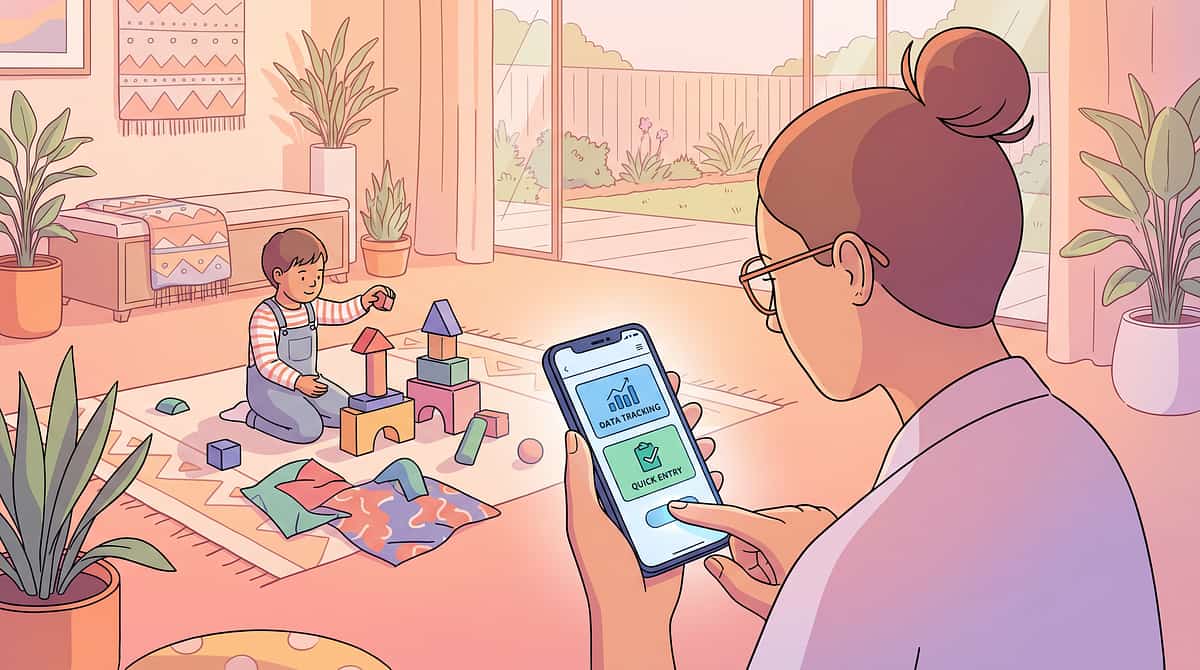
Material 6: Parent-Collected Data Tools
"Your Evidence Generator" | Cost: ₹0 (paper charts) to ₹500–1,000 (tracking apps)
Feelings can be dismissed as "parental anxiety." Data cannot be dismissed as easily. When you show a pattern over weeks — with specific counts, correlations, and trends — that is evidence. Evidence is powerful. Choose 1–2 specific concerns to track consistently.
What to Track
Meltdown frequency | Homework time and completion rate | Sleep patterns | Skill at home vs. school | Regression over breaks | Medication effects
Simple ABC Data Format
Date | Antecedent (what happened before) | Behaviour (what child did) | Consequence (what happened after) — Example: 14 Mar | Transition from iPad to dinner | Threw plate, screamed 8 min | Dinner delayed, iPad returned
"Over the past 30 days, I have documented [X] meltdown episodes. [Y]% occurred on school days. The peak time is [time]. When I removed [trigger], frequency dropped by [Z]%. This pattern suggests [interpretation]. I am requesting [specific action]." — This is not emotion. This is data. It cannot be dismissed.
💚₹0 Version: A calendar with tally marks per day. Free Google Sheets. Paper grid notebook from any stationer.
ABA Data Collection Standards: Continuous measurement is standard practice for behaviour-analytic intervention tracking. Parent-collected data is admissible and valuable in advocacy contexts (BACB Guidelines). PMC10955541.

Material 7 of 9
Material 7: Meeting Participation Tools & Advocacy Supports
"Your Meeting Equaliser" | Cost: ₹0 (most tools) to ₹2,000 (audio recorder)
Meetings are where decisions are made. They are structured to favour institutions. You are outnumbered, less credentialed, and emotionally invested. Your tools create balance. The golden rule: "You can always take documents home to review. You are NEVER required to sign something you don't understand or agree with in the moment."
☐ Support Person
Bring anyone: family member, friend, professional advocate. They take notes. They witness. They de-escalate if needed.
☐ Audio Recorder / Phone Voice Memo
Check local laws first. In most Indian states, you may record with notice. Say: "I'll be recording this meeting for my records." The recording alone changes how people behave.
☐ Question Cards
Pre-written questions on index cards. Check them off during the meeting. Ask any unanswered before you leave.
☐ Jargon Glossary
One-page reference: IEP, FAPE, LRE, BIP, FBA, RTI, AAC, OHI. Ask for clarification without embarrassment.
☐ Pause Phrases (written on a card)
"I need a moment to think." | "Can you explain that in simpler terms?" | "I'd like to review this before deciding." | "Can we take a five-minute break?"
Post-Meeting Checklist (within 24 hours)
✅ Update communication log immediately | ✅ Send confirmation email of key decisions | ✅ Note what went well | ✅ Follow up on action items with deadlines
FREE Helpline: 9100 181 181 | 16 languages | 24×7 | Pinnacle Blooms Network®

Material 8 of 9
Material 8: Insurance Navigation & Appeals Toolkit
"Your Denial Reversal System" | Cost: ₹0 (most resources free)
Insurance companies count on you giving up. Most families accept the initial denial as final. It isn't. Data shows 40–60% of initially denied claims for paediatric therapy are approved on first appeal — rising to 70%+ through external review — when parents use structured documentation and formal process.
Step 3 — Key Documentation
Letter of medical necessity from paediatrician/specialist | AbilityScore® assessment report | Therapy progress reports showing functional impact | Peer-reviewed research supporting the specific therapy
India-Specific Resource
IRDAI (Insurance Regulatory and Development Authority of India) — Grievance portal: igms.irda.gov.in | Helpline: 1800-4254-732
"'No' from insurance is the start of a process, not the end of one. Informed, documented persistence wins."
Kaiser Family Foundation (2023): 40–60% of denied paediatric therapy claims approved on first appeal; 70%+ through external review when properly documented. WHO NCF 2018.
Material 9 of 9
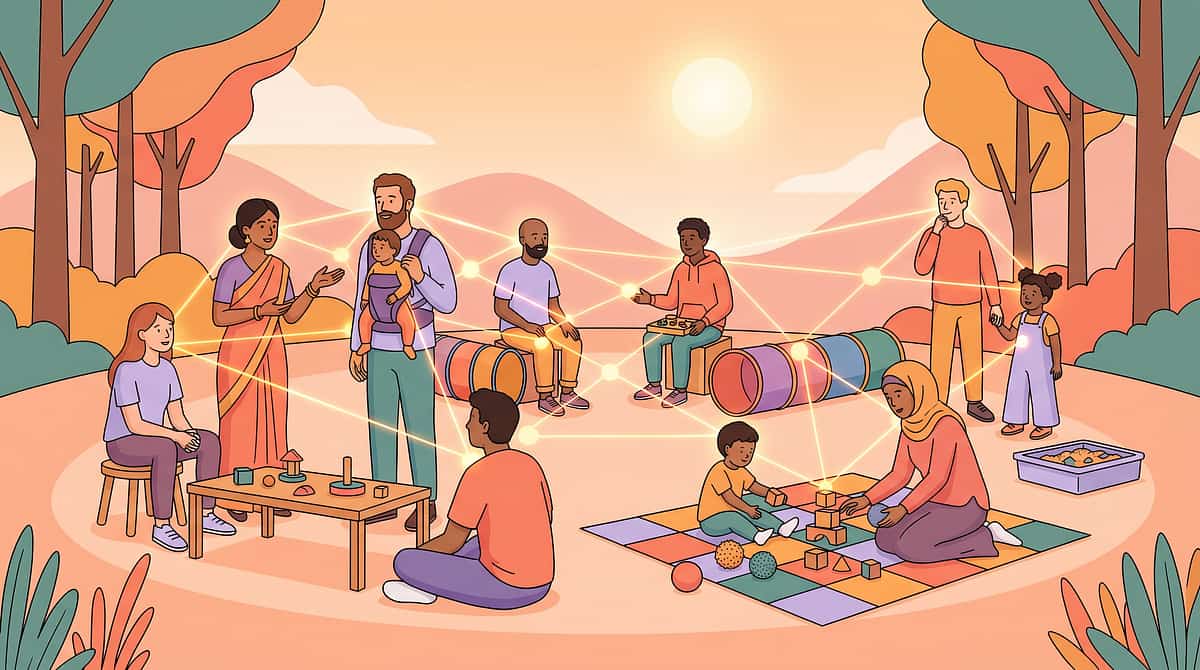
Material 9: Advocacy Network & Professional Advocate Contacts
"Your Advocacy Village" | Cost: ₹0 (peer networks) to variable (professional advocates)
The most effective parent advocates didn't learn alone. They learned from other parents, got support from advocates, and built networks. Your village makes you more effective. Build it intentionally — before you need it.
Other Parent Mentors
Parents who've navigated this exact system, fought these battles, learned what works. Your most practical resource. Connect through therapy centres and schools.
Parent Training & Information Centers (PTIs)
India: contact state-level Disability Commissioner | US: parentcenterhub.org — FREE training, resources, and support.
Professional Advocates & Attorneys
Trained advocates attend meetings, review IEPs, provide strategic guidance. Some free (through nonprofits); some fee-based (₹2,000–15,000/session). Attorneys for formal disputes and due process.
India-Specific Resources
National Trust Advocacy Services — nationaltrust.gov.in | NIEPMD — niepmd.tn.nic.in | Autism Society of India — autismsocietyofindia.org | Disability Rights India Foundation — drif.in | Pinnacle Helpline: 9100 181 181
"Build your network before you need it. Connection with parents who've walked this path reduces stress, increases coping, and consistently improves advocacy outcomes. You don't have to figure this out alone."
WHO NCF Community Engagement Principles: parent-to-parent support is among the most valued and effective resources reported by families. PMC9978394.

Week 1–2: First Steps in Advocacy Practice
You don't need to do everything. You need to start somewhere. If your documentation binder exists and your communication log has one entry — you are further ahead than 80% of parents at this stage. Start. Don't perfect. Start.
✅ What to Expect in Weeks 1–2
- Your documentation binder exists and has at least 3 sections with papers in them
- You have read one rights summary (Procedural Safeguards / RPwD Act summary)
- You have started a communication log and made at least one entry
- You have identified your child's next meeting or interaction date
- You feel slightly less alone — you've found one parent group or resource
❌ What Is Not Expected Yet
- A perfectly organised binder (it will grow over time)
- Full knowledge of all applicable laws (this takes months)
- Your first successful advocacy win (wins build over time)
- Confidence in every meeting (confidence follows preparation follows practice)
Parent Milestone: "If your documentation binder exists and your communication log has one entry — you are further ahead than 80% of parents at this stage. Start. Don't perfect. Start."
PMC11506176: Intervention and advocacy outcomes emerge across 8–12 week timelines. Early phase: foundation-building, not mastery. WHO CCD Package 2023.

Week 3–4: Consolidation — Your Practice Taking Shape
You know what you have. You know where to find it. You know what you don't know yet. You may notice you're more confident too. That's not accidental — organised parents ARE more effective advocates, and your nervous system knows it.
Binder Has 5+ Sections Organised and Current
Communication Log Updated Within 24 Hours of Every Contact
One Written Request Sent (evaluation, meeting, services, or records)
Rights Summary Read, Key Provisions Highlighted
Data Collection Started on at Least One Specific Concern
At Least One Parent Mentor, Group, or Resource Connection Made
Behavioural shifts you may notice: You begin to anticipate meetings rather than dread them. You write things down reflexively after every professional conversation. You distinguish between requests that can be agreed verbally and those requiring written response. Other parents notice your preparedness and start asking questions.

Week 5–8: Mastery — Your Advocacy Becomes a System
Advocacy is no longer a crisis response. It's a practice. You enter every meeting prepared, you no longer sign under pressure, and your advocacy is beginning to generalise across settings — education, healthcare, insurance.
🏆 Mastery Indicators
- You enter every meeting with a prepared worksheet and your binder
- You no longer sign documents under pressure — you take them home
- You have successfully navigated at least one disagreement in writing
- Your data collection has identified at least one pattern that informed an advocacy action
- You have made at least one successful request for services, evaluation, or accommodation
- You can explain your child's rights to another parent
🌱 Generalisation Indicators
- You advocate in medical settings, not just educational ones
- You think about insurance coverage proactively, not just reactively
- Your child observes your advocacy and begins to develop their own voice
- Other parents in your network consult you as a resource
🏆 Mastery Badge — "ADVOCATE READY": Organised documentation system | Rights knowledge applied | Written communication established | Meeting preparation consistent | Data collected | Network built
BACB mastery criteria standards: specific, observable, measurable criteria for skill generalisation and maintenance. PMC10955541. CPIR 2022.

Celebrate This Win
You became your child's most important professional.
You were given no training for this. No roadmap. No preparation. You walked into rooms that made you feel small, faced professionals with credentials you don't have, navigated systems designed for someone else's child.
And you learned. You organised. You documented. You wrote letters. You showed up prepared. You didn't give up when the first answer was no. Your child has services, accommodations, or recognition they would not have had without you. That is yours. You did this.
🏆 Documentation Binder Built
🏆 Rights Knowledge Acquired
🏆 Paper Trail Established
🏆 Meeting Preparation Mastered
🏆 Data Collection Active
🏆 Network Connected
"Now: pay it forward. Another parent is exactly where you were 8 weeks ago. Share this page with them. You may be the turning point in their child's story."

Red Flags: When to Escalate Immediately
Some situations require professional legal help. Know when you've crossed that line. These red flags demand immediate escalation beyond home advocacy practice. If something feels wrong — if your child's safety or dignity is at risk — pause advocacy strategy and escalate to professional support.
🔴 Retaliation Against Your Child
Behaviour or academic performance worsening after your advocacy. Child being treated differently. Placement being threatened in response to your advocacy.
🔴 Threats Related to CPS or Parenting Capacity
Any suggestion that your advocacy indicates negligence or harm to your child.
🔴 Denial of Legally Mandated Evaluations
School refusing to evaluate for over 60 days (US) / 15 school days (India) without written explanation.
🔴 Failure to Implement Agreed IEP
Documented, repeated failure to provide agreed services despite written follow-up.
🔴 Restraint or Seclusion of Your Child
Any physical restraint or seclusion without documented, legal justification.
🔴 Denial of Records Access
Refusal to provide educational or medical records within legal timelines.
At any stage: Pinnacle Blooms Helpline — 9100 181 181 — FREE, 24×7, 16 languages
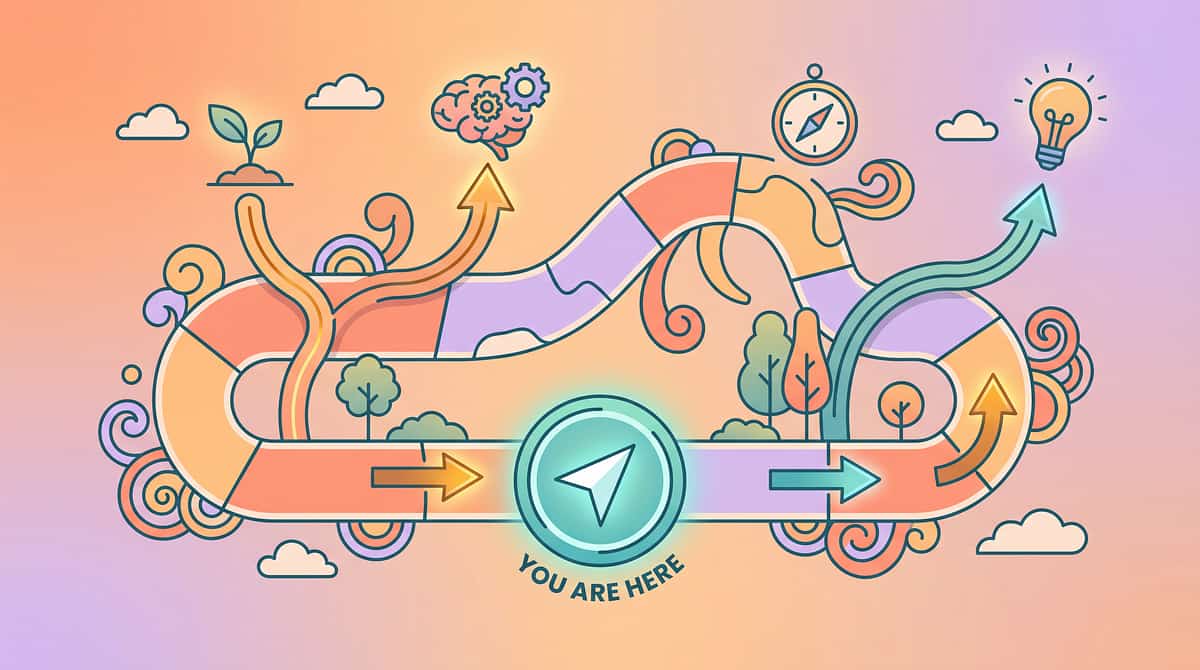
The Progression Pathway
Advocacy is a journey, not a destination. Here is your development map — where you came from, where you are, and where to go next depending on your current challenge.
⬆️ Prerequisites (Came From)
K-907: Understanding Your Child's Rights | K-908: Navigating Special Education Systems
📍 You Are Here: K-909
Advocating for Your Child — The 9 Materials. Foundation toolkit: Documentation + Rights + Communication + Preparation + Data + Meeting Tools + Insurance + Network
⬇️ K-910: Self-Care During Advocacy
When the fight is exhausting you as much as it's helping your child
⬇️ K-911: Building Your Child's Self-Advocacy
When your child is ready to begin finding their own voice
⬇️ K-912: Managing Disagreements with Schools
When informal advocacy has plateaued and you need escalation strategy
Long-Term Development Goal: From "I don't know how to fight for my child" → To "I am a strategic advocate who mentors other parents and contributes to systemic change"
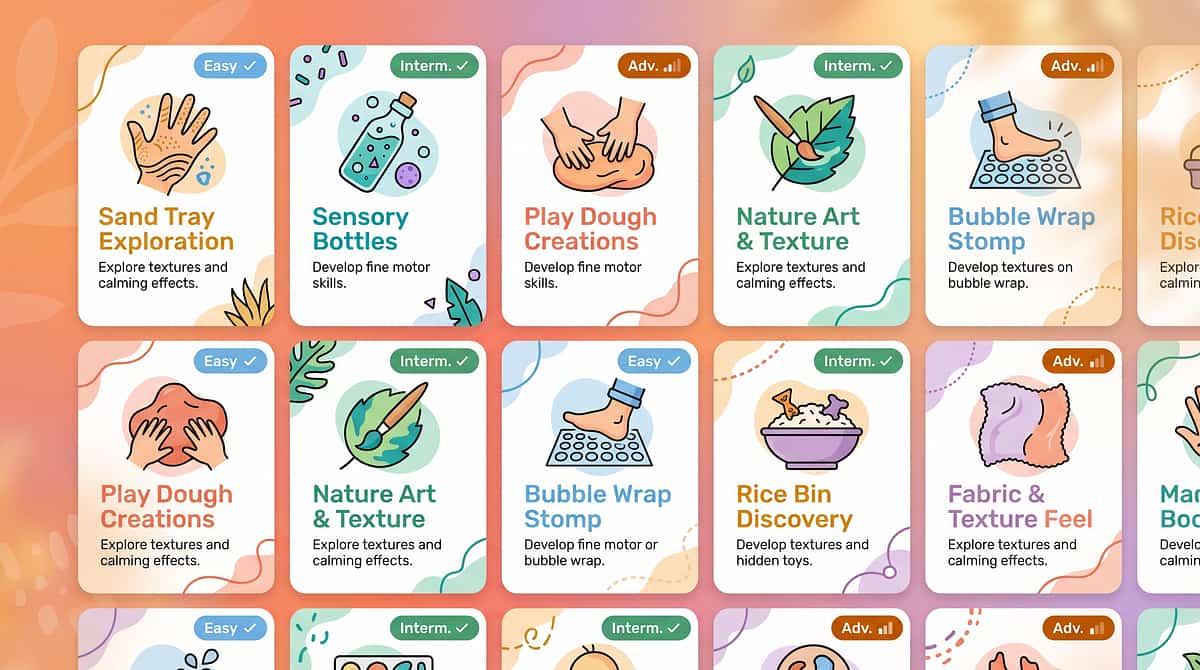
Related Techniques in the Advocacy Domain
Every advocacy skill connects. Here are the techniques that build your complete advocacy system — from foundational rights knowledge to advanced insurance battles and systemic dispute management.
K-907
🟣 Foundation
Understanding Your Child's Rights
The legal foundation for all advocacy. Know your rights before you exercise them.
K-908
🟣 Foundation
Navigating Special Education Systems
How IEP and 504 systems work — the processes, the players, the leverage points.
K-910
🟡 Core
Self-Care During Advocacy
Sustaining yourself through a long advocacy journey without burning out.
K-911
🟡 Core
Building Child's Self-Advocacy
Transferring advocacy skills to your child for lifelong independence.
K-912
🔴 Advanced
Managing Disagreements with Schools
Escalation strategy, formal complaints, and dispute resolution processes.
K-915
🔴 Advanced
Insurance Battles for Therapy
Deep dive into the insurance appeals system — external review and IRDAI process.
📂 All techniques above: Domain K — Parent Empowerment & Advocacy | Browse all: techniques.pinnacleblooms.org/parent-empowerment
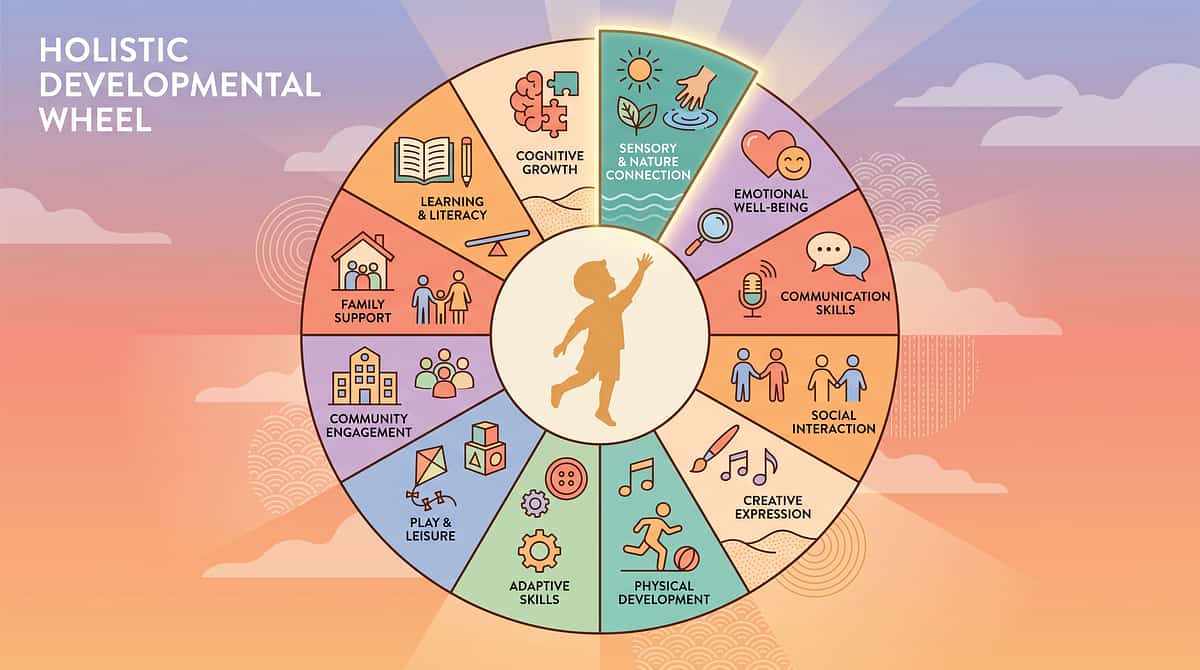
Your Child's Full Developmental Map
Advocacy doesn't exist alone. It is the infrastructure that makes every other intervention possible. Every intervention in every domain depends on a parent who can access it, advocate for it, and sustain it.
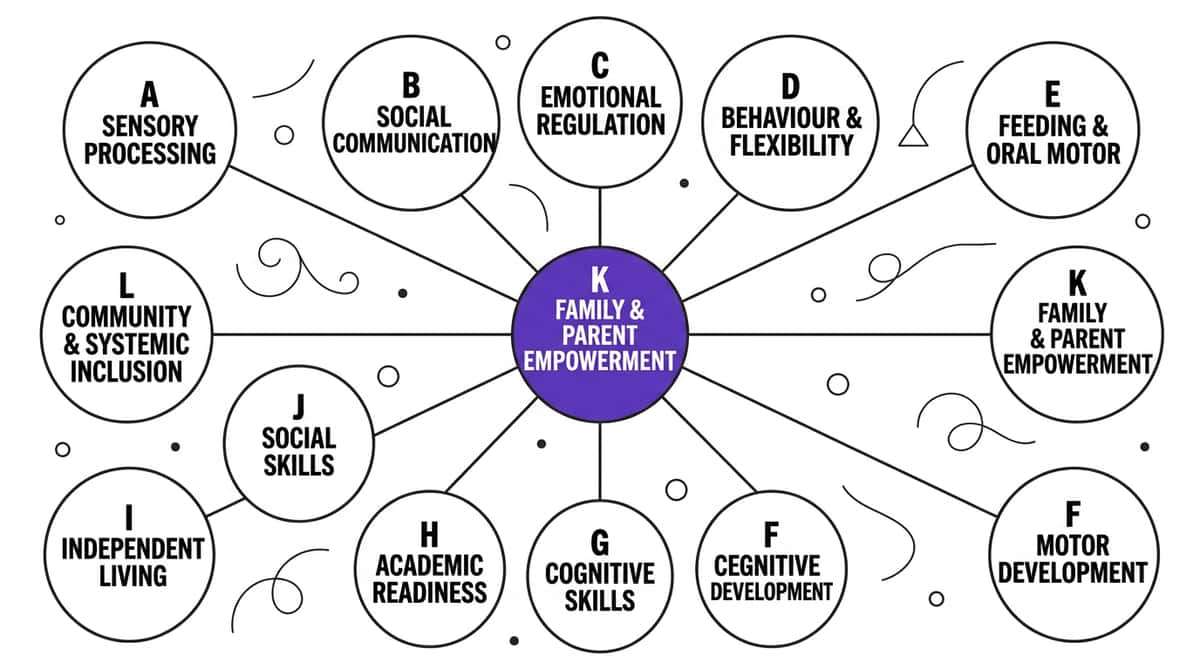
💛 Domain K — Family & Parent Empowerment — YOU ARE HERE
K-909 provides the physical and practical tools. K-910 through K-915 build the strategic, emotional, and systemic layers. GPT-OS® tracks your Family Empowerment Readiness Index across all K-domain techniques.
Contact 9100 181 181 or visit pinnacleblooms.org to access your child's personalised developmental profile.
K-909 provides the physical and practical tools. K-910 through K-915 build the strategic, emotional, and systemic layers. GPT-OS® tracks your Family Empowerment Readiness Index across all K-domain techniques.
Contact 9100 181 181 or visit pinnacleblooms.org to access your child's personalised developmental profile.
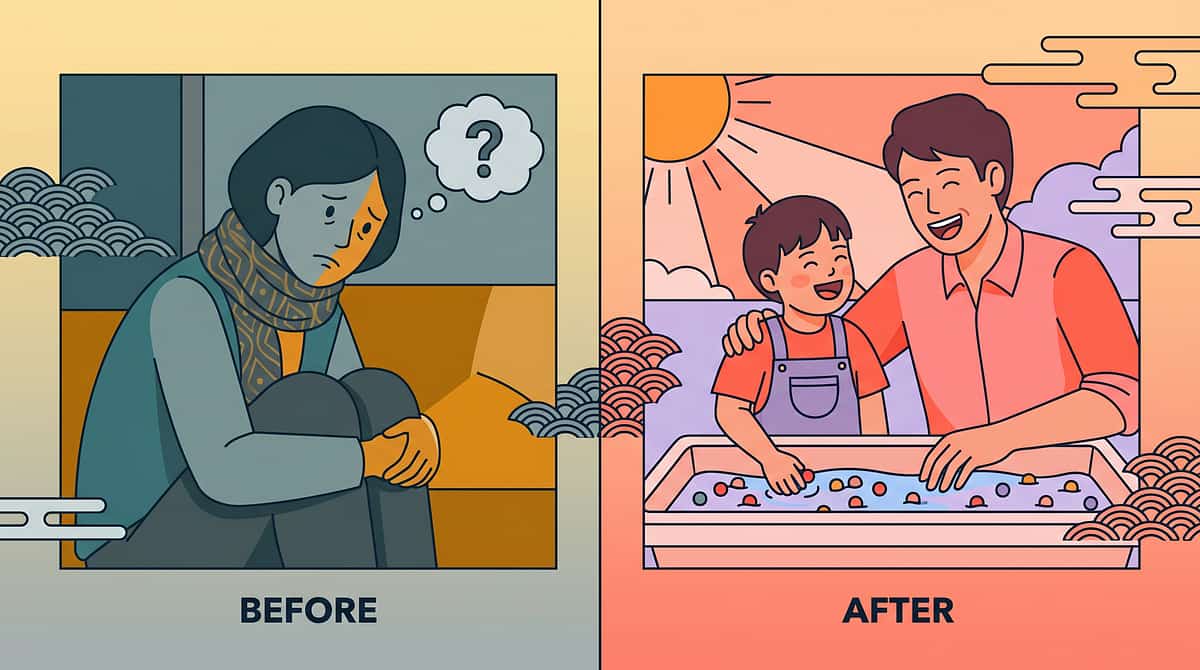
Families Who Have Been Here
Real families. Real battles. Real wins. These composite vignettes from Pinnacle's clinical experience illustrate what structured advocacy practice achieves.
Priya's Story
Before: Priya didn't know what an IEP was. She attended her first meeting, nodded throughout a 90-minute discussion she barely understood, and signed a document she couldn't parse.
After: Twelve months later, Priya came to the second IEP meeting with a 3-inch binder, a support person, three specific requests prepared, and eight written questions. She sent back the first draft with her written concerns. The revised IEP included all three priorities. Her son now receives 3× weekly speech therapy — up from 1×.
"I learned that 'no' isn't an answer. It's the beginning of a conversation. I just didn't know how to have that conversation before."
Rajesh & Sunita's Story
Before: They had been denied ABA therapy coverage three times. Each time, they accepted the denial. They assumed the insurance company was right.
After: After learning about appeals through a Pinnacle parent workshop, they obtained a letter of medical necessity, gathered AbilityScore® data, and filed a formal external review. The therapy was approved. Six months of previously denied services were covered.
"The insurance company didn't count on us coming back a fourth time with documentation. That's all it took."
"In our experience across 70+ centres and 20M+ sessions: the outcomes of children whose parents became skilled advocates consistently outperform the outcomes of children with identical clinical profiles whose parents did not. Advocacy is a therapeutic multiplier. It is clinical." — Pinnacle Blooms Network® Clinical Consortium
Note: Vignettes are composite illustrations from Pinnacle's clinical experience. Individual outcomes vary. Not a guarantee of specific results.

Connect with Other Parents
Your most valuable resource is a parent who has walked this path. Find yours. Parents who connect with other parents of children with disabilities report less stress, demonstrate better advocacy skills, achieve better service outcomes, and sustain intervention adherence longer. Connection is not a nice-to-have. It is clinical infrastructure.
Pinnacle Parent Community
Join the Pinnacle Blooms Parent Network — organised by child's age, diagnosis, and advocacy stage. WhatsApp groups, online forums, monthly parent meetups at 70+ centres. pinnacleblooms.org/community | 9100 181 181
Diagnosis-Specific Parent Groups
Autism Society of India | Learning Disabilities Association | National Trust Family Network | CHADD India (ADHD) | Search "[your city] special needs parent group" on Facebook
Parent Mentor Programme
Connect with a parent who has navigated your exact situation — same school system, same insurer, same diagnosis. Match through Pinnacle centre or parentcenterhub.org (US) | National Trust (India)
Share This Page
Another parent found this page and shared it with you. Pay it forward. → WhatsApp | Email | Copy Link — techniques.pinnacleblooms.org/parent-empowerment/advocating-for-your-child-K-909
Your Professional Support Team
Home advocacy is most powerful when backed by a professional team who speaks the same language. Families who combine home advocacy practice with Pinnacle's clinical documentation support achieve the highest rates of successful service acquisition in our outcome data.
🏥 AbilityScore® Assessment
The single most powerful document in your advocacy arsenal. A standardised, PubMed-backed developmental assessment that creates irrefutable baseline evidence for IEPs, insurance appeals, and medical necessity documentation. Available at all 70+ Pinnacle centres.
📋 Letters of Medical Necessity
Clinical letters from Pinnacle's NeuroDev paediatricians and therapists supporting insurance appeals, school accommodation requests, and service access applications. Formatted for both Indian and international insurance processes.
📊 GPT-OS® Progress Reports
Standardised, data-rich progress reports from your child's therapy sessions — formatted as evidence for IEP reviews, insurance renewals, and school documentation.
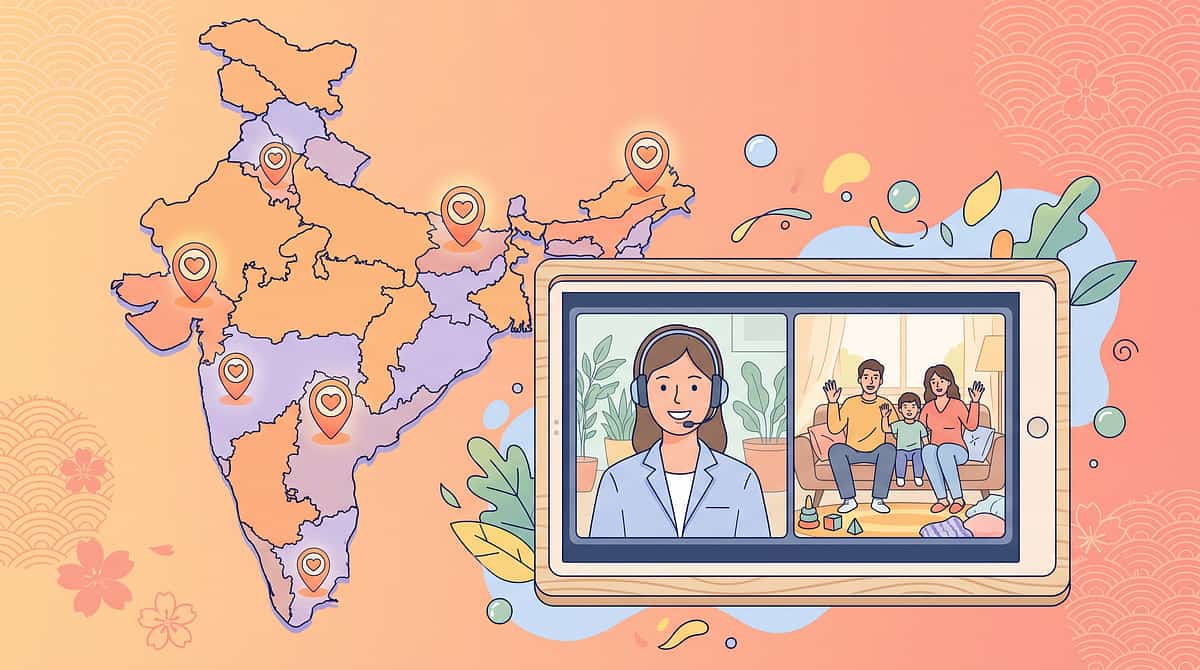
🌐 Teleconsultation
Remote consultation with Pinnacle therapists and family support coordinators for families not near a physical centre. Available in 16 languages.
📞FREE National Autism Helpline: 9100 181 181 | 16 languages | 24×7
HOME + CLINIC = MAXIMUM ADVOCACY IMPACT
HOME + CLINIC = MAXIMUM ADVOCACY IMPACT
The Research Library
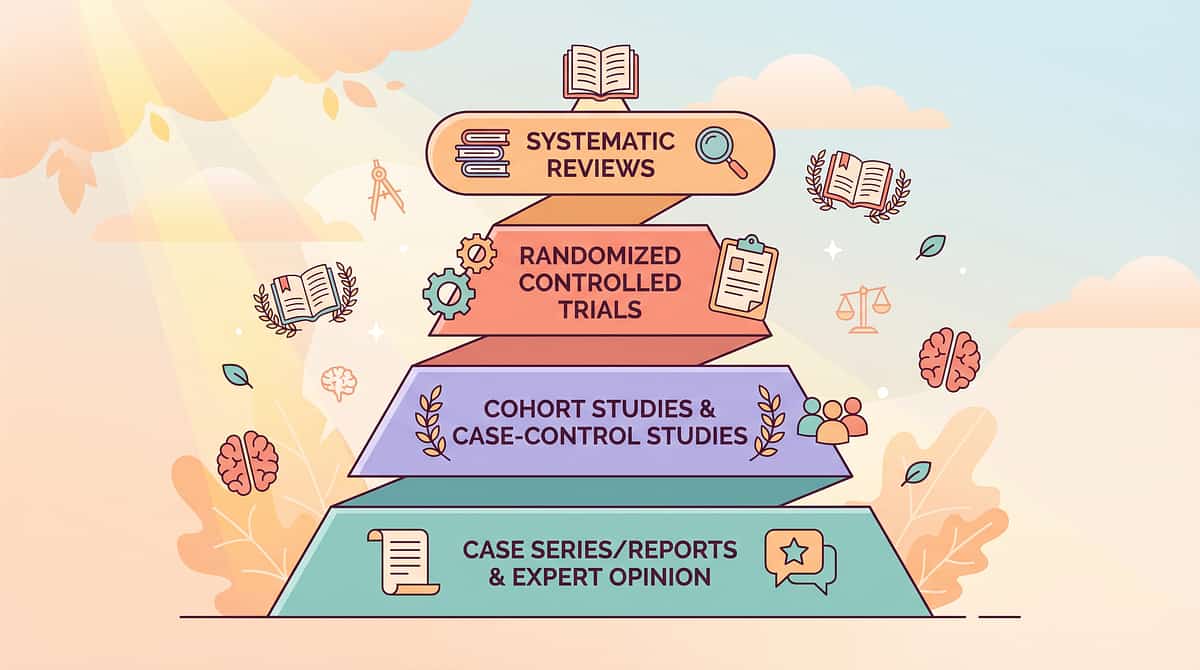
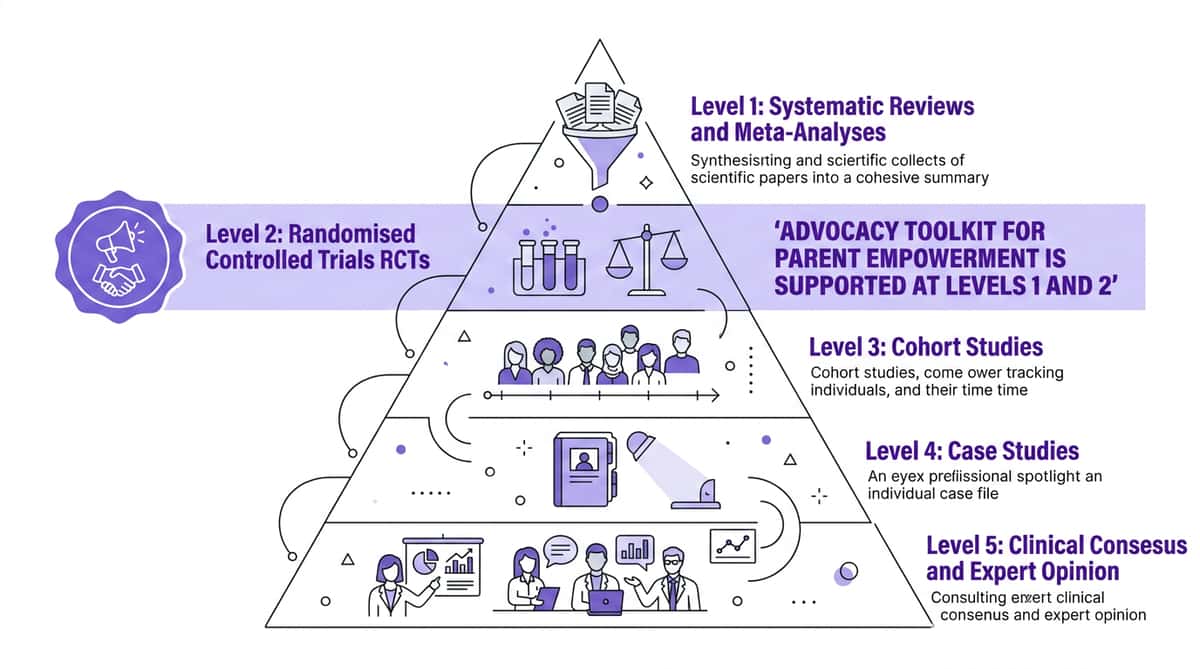
For the parent who wants to go deeper. The science behind your advocacy toolkit. All evidence is graded using a standard hierarchy — from clinical consensus at the base to systematic reviews and meta-analyses at the peak.
📚 PMC11506176 (Children, 2024)
Systematic review of 16 studies (2013–2023): Confirms that structured parent advocacy skills training is associated with significantly improved service acquisition and child outcomes.
📚 PMC10955541 (World J Clin Cases, 2024)
Meta-analysis across 24 studies: Parent involvement and advocacy are among the strongest predictors of therapeutic outcome generalisation to home and school settings.
📚 PMC9978394 (WHO CCD Implementation, 2022)
Implementation science study across 54 LMICs: Multi-caregiver training and parent empowerment show 40–60% improvement in service access outcomes.
📚 Padmanabha et al., Indian J Pediatr 2019
India-specific RCT: Home-based parent-implemented intervention protocols show significant outcomes when parents receive structured skill training and documentation support. DOI:10.1007/s12098-018-2747-4
📚 WHO Nurturing Care Framework (2018)
Foundational global framework: Family empowerment and caregiver capacity building are evidence-based strategies for improving developmental outcomes across all socioeconomic contexts. nurturing-care.org
📚 NCAEP Evidence-Based Practices Report (2020)
Identifies 28 evidence-based practices for autism including parent-implemented intervention, visual supports, and video modelling — all relevant to advocacy skill building. autismpdc.fpg.unc.edu
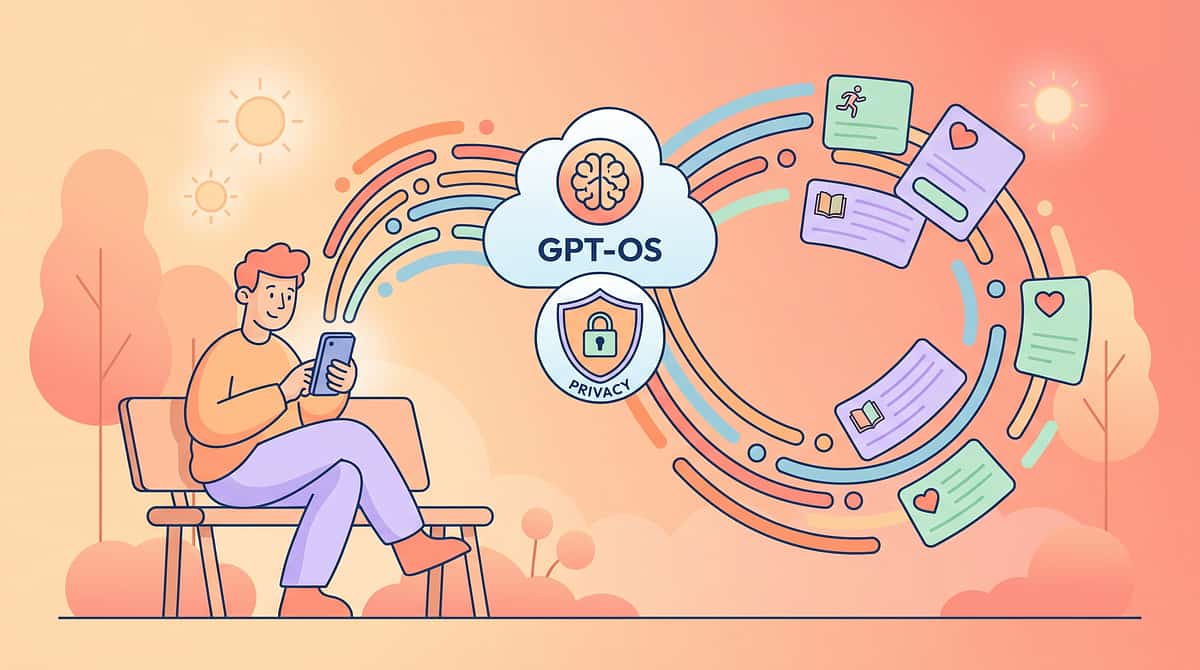
How GPT-OS® Uses Your Advocacy Data
Your advocacy practice doesn't just help your child. It builds the global intelligence that helps every child like yours. Each data point from your advocacy practice joins 20M+ sessions in GPT-OS®, improving recommendations for every family who follows.
Stage 1: Overwhelmed
No documentation, dreading meetings, no rights knowledge
Stage 2: Building
Building documentation, learning rights, starting communication log
Stage 3: Organised
Organised system, active participation, consistent written communication
Stage 4: Strategic
Strategic advocacy, successful service acquisition, data-driven approach
Stage 5: Mentor
Mentor-level advocate, systemic contribution, child developing self-advocacy
Privacy Assurance: All GPT-OS® data is encrypted, anonymised for population-level analysis, and governed by Pinnacle's data protection protocols aligned with IT Act 2000 (India) and GDPR principles.
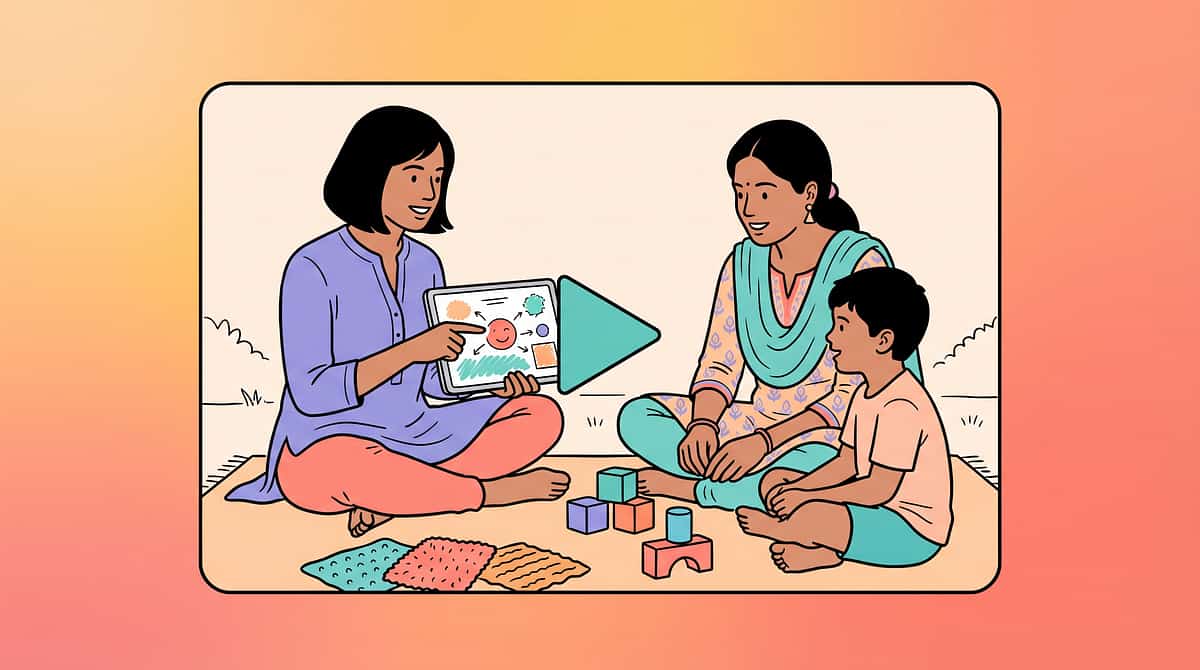
Watch the Reel: K-909
Watch the 60-second reel that shows these 9 materials in action. This reel shows a parent's transformation: from overwhelmed, underprepared, and dismissed in a professional meeting — to organised, confident, and strategically effective.
🎬 Reel ID: K-909
📂 Series: Parent Empowerment and Advocacy — Episode 909
🏷️ Domain: K — Family & Parent Empowerment
⏱️ Duration: 60–75 seconds
🎙️ Narrator: Parent Advocate Voice (empowering, validating, practical)
▶ Watch at pinnacleblooms.org/reels/K-909
📂 Series: Parent Empowerment and Advocacy — Episode 909
🏷️ Domain: K — Family & Parent Empowerment
⏱️ Duration: 60–75 seconds
🎙️ Narrator: Parent Advocate Voice (empowering, validating, practical)
▶ Watch at pinnacleblooms.org/reels/K-909
The 9 materials are shown in real use: binder being referenced in a meeting, data chart being presented, appeal letter being sent, support person at the table. The transformation is earned, not easy.
"In 15 years of supporting families, the single most consistent predictor of a child's therapeutic outcomes has been the advocacy capacity of their parent. This reel is the starting point. The 40 cards you've just read are the depth. Now you have both." — Pinnacle Blooms Network® Therapist
Video Modelling Evidence: Video modelling is classified as an evidence-based practice for autism (NCAEP, 2020). Multi-modal learning (visual + text + demonstration) improves parent skill acquisition. PMC11506176.
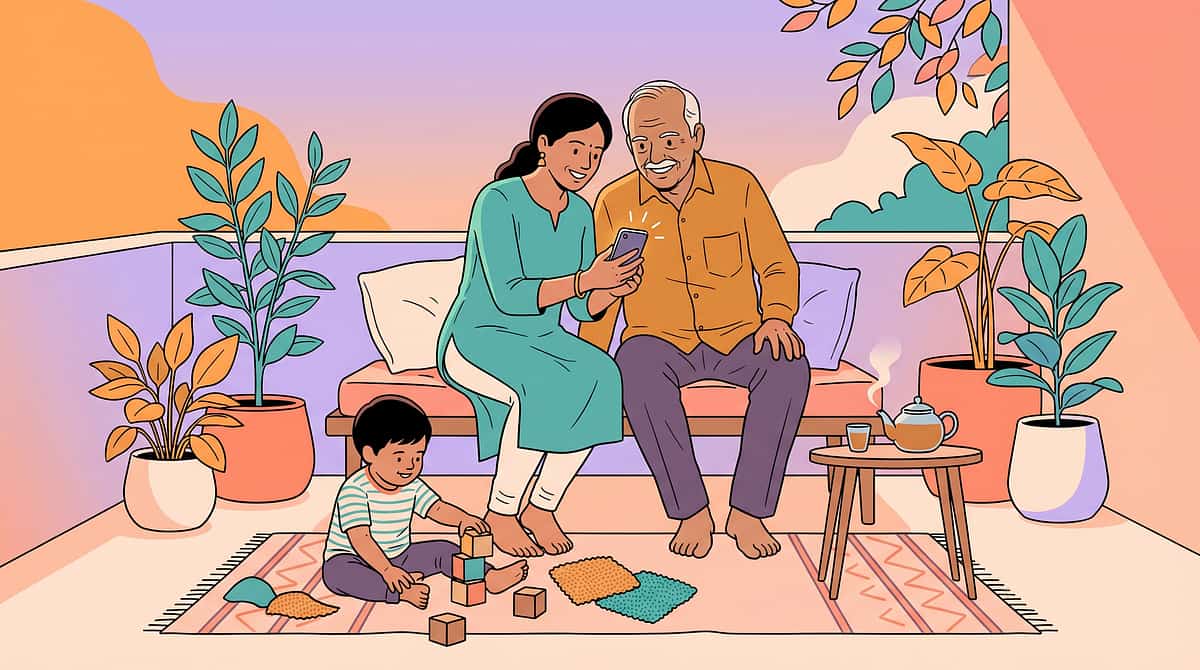
Share This with Your Family and Advocacy Network
If only one parent executes these advocacy skills, the impact is real but limited. When both parents, grandparents, teachers, and therapists share the same understanding of your child's rights, the same documentation approach, and the same communication standards — the impact multiplies. WHO CCD Package: multi-caregiver training is critical for intervention generalisation and maintenance.
📱 WhatsApp Share
Pre-formatted message: "I found a powerful guide on advocating for children with special needs — techniques.pinnacleblooms.org/parent-empowerment/advocating-for-your-child-K-909"
📧 Email Share
Subject: "A resource that might help your family" — share the canonical URL with parents, teachers, and school staff
📄 Download Family Guide
K-909 Family Advocacy Guide — 1-Page PDF. Available in English, Telugu, Hindi, Tamil, Kannada. Free download at pinnacleblooms.org/advocacy-tools
"Explain to Grandparents" Version:
"Our child is getting therapy at home. We are keeping records of everything related to their care and education. This is called advocacy. It helps make sure they get the right support at school and from their doctors. The most important thing you can do is: when you observe something about [child's name], tell us. We will write it down. Every observation matters."
"Our child is getting therapy at home. We are keeping records of everything related to their care and education. This is called advocacy. It helps make sure they get the right support at school and from their doctors. The most important thing you can do is: when you observe something about [child's name], tell us. We will write it down. Every observation matters."
Frequently Asked Questions
Questions parents ask most. Answered directly. Didn't find your answer? Ask GPT-OS® or book a teleconsultation at pinnacleblooms.org/ask
I've asked for services in meetings but always leave with nothing. What am I doing wrong?
Most advocacy failures happen verbally. Put your request in writing before and after the meeting. Say: "I'll be sending a written follow-up today confirming this request." A written request triggers mandatory response timelines. → See Card 17.
The school says my child doesn't qualify. Can I get a second opinion?
Yes. You have the right to request an Independent Educational Evaluation (IEE) at public expense if you disagree with the school's evaluation. In India under RPwD Act 2016, you can request re-evaluation. Document your disagreement in writing. → See Card 15.
The insurance company denied ABA therapy. Is that final?
Almost never. File an internal appeal within the stated deadline (usually 60–180 days). Then escalate to external review. Request a peer-to-peer review. 40–60% of denied claims are approved on first appeal when properly documented. → See Card 21.
I'm afraid of being labelled "that parent." How do I advocate without damaging the relationship?
Start collaborative. Come prepared, not confrontational. Lead with "I want to work with the team." Use written communication — it is firm without being emotional. Strategic, polite persistence outperforms aggressive confrontation.
My spouse doesn't believe our child needs more services. How do I advocate on my own?
Start with the documentation binder — physical evidence changes minds. Share the GPT-OS® AbilityScore® assessment (objective data). Bring your spouse to one Pinnacle appointment. Call 9100 181 181 for a family consultation.
I don't speak English well. Can I still advocate effectively?
Yes. You have the right to an interpreter in all educational meetings. Pinnacle's helpline operates in 16 languages. Template letters can be translated. Your communication log can be in any language. Call 9100 181 181 for multilingual support.
When do I need a lawyer vs. a professional advocate?
A professional advocate is appropriate for most situations — IEP preparation, meeting attendance, informal dispute resolution. A lawyer is needed for formal complaints, due process, restraint/seclusion, or significant rights violations. Many attorneys offer free consultations.
My child has multiple diagnoses and needs advocacy in both education and healthcare. Where do I start?
Start with the documentation binder — it serves both systems. Then prioritise: which system is currently causing the most harm? Tackle that one first. Build the full toolkit over 8 weeks. Call 9100 181 181 for a consultation on prioritising across systems.

Your Next Step: Start Now
Stop reading. Start building. You have everything you need. You know the 9 materials. You know why documentation wins. You know what rights you have and how to exercise them. You know how to prepare for meetings, collect data, and navigate insurance. You know you don't have to fight alone.
The only thing that separates you from an effective advocate is the first action. Take it today.
✅Validated by the Pinnacle Blooms Network® Clinical Consortium
OT • SLP • ABA/BCBA • Special Education • NeuroDev Paediatrics • CRO • Family Advocacy
20M+ sessions | 97%+ measured improvement | 70+ centres
OT • SLP • ABA/BCBA • Special Education • NeuroDev Paediatrics • CRO • Family Advocacy
20M+ sessions | 97%+ measured improvement | 70+ centres
Binder + Supplies
Start your Documentation Binder today — even a plain folder counts.
Rights Summary
Bookmark or print one rights guide today — RPwD Act 2016 or IDEA Procedural Safeguards.
Communication Log
Open a notebook. Write today's date. Log your first entry.
📞FREE National Autism Helpline: 9100 181 181 | 16 languages | 24×7
🌐pinnacleblooms.org | care@pinnacleblooms.org
🌐pinnacleblooms.org | care@pinnacleblooms.org
→ Next Technique: K-910: Self-Care During Advocacy
Preview of 9 materials that help with advocating for your child Therapy Material
Below is a visual preview of 9 materials that help with advocating for your child therapy material. The pages shown help educators, therapists, and caregivers understand the structure and content of the resource before use. Materials should be used under appropriate professional guidance.


Link copied!

The Pinnacle Promise
"From fear to mastery. One technique at a time."
— The Pinnacle Blooms Consortium
You arrived at Card 01 as a parent who didn't know how to fight for their child. You leave Card 40 as a parent who knows exactly what to do next. The binder. The rights. The log. The letters. The preparation. The data. The meeting tools. The appeals. The network. Nine materials. A complete transformation. This is not the end. This is the beginning of a journey that will change your child's life.
↑ All Techniques
Medical Disclaimer: This content is educational and does not constitute legal or medical advice. Special education law, insurance regulations, and disability rights vary by jurisdiction. For specific legal questions or complex advocacy situations, consult a qualified special education attorney or professional advocate in your area. Pinnacle Blooms Network® provides therapeutic services and educational resources; it does not provide legal representation. Individual outcomes may vary.
Pinnacle Blooms Network® | Unit of Bharath Healthcare Laboratories Pvt. Ltd.
CIN: U74999TG2016PTC113063 | DPIIT: DIPP8651 (Government of India Recognised Startup)
MSME: Udyog Aadhaar TS20F0009606 | GSTIN: 36AAGCB9722P1Z2
CIN: U74999TG2016PTC113063 | DPIIT: DIPP8651 (Government of India Recognised Startup)
MSME: Udyog Aadhaar TS20F0009606 | GSTIN: 36AAGCB9722P1Z2
© 2025–2026 Pinnacle Blooms Network®, unit of Bharath Healthcare Laboratories Pvt. Ltd. All rights reserved.
Technique K-909 | techniques.pinnacleblooms.org | GPT-OS® Content Engine v2.0
Technique K-909 | techniques.pinnacleblooms.org | GPT-OS® Content Engine v2.0