

Too Hard. Too Light. Never Just Right.
When finding "just right" pressure feels impossible — for both of you. A complete OT-validated guide to pencil pressure calibration using 9 therapeutic materials.
Pinnacle Blooms Consortium®
Fine Motor Series · Episode A-099
Age 4–12 Years
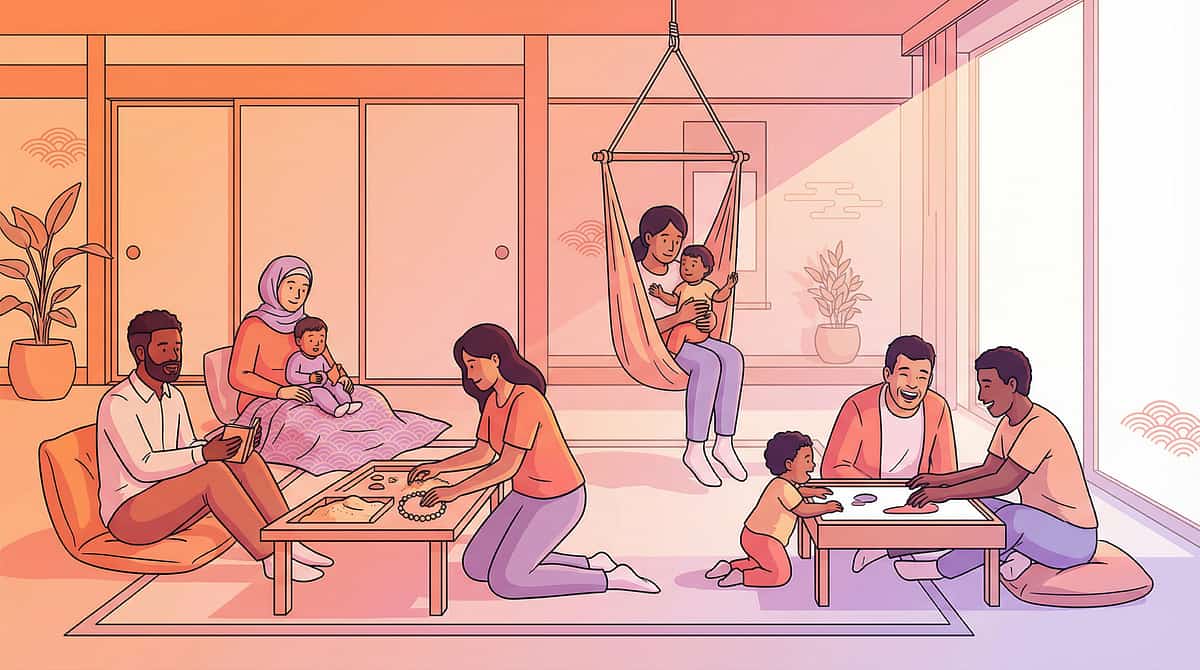
ACT I · THE EMOTIONAL ENTRY
The Recognition Moment
"My daughter presses so hard she tears holes through the paper — literally rips through worksheets. Her hand cramps after three sentences. Pencil points break constantly. Her younger brother is the opposite. He presses so lightly you can barely see what he's written. Two children. Same problem. Completely opposite directions. Why can't they feel how hard they're pressing?"
You are not failing. Your child's proprioceptive system is speaking. This has a name. This has a solution.
🆓 FREE National Autism Helpline — 9100 181 181 — 16+ languages — 24×7

ACT I · THE NUMBERS
You Are Among Millions of Families Navigating This
Pencil pressure dysregulation is not a behaviour problem. It is not caused by laziness, carelessness, or poor teaching. It is a proprioceptive processing difference — the nervous system's ability to sense and calibrate force is working differently.
80%
Sensory Differences
of children with autism experience sensory processing difficulties including proprioceptive differences
1 in 36
Global Prevalence
children globally receive autism diagnosis — India: approximately 1 in 40
68%
Handwriting Factor
of handwriting difficulties in school-age children involve proprioceptive or force modulation factors
Sources: PMC11506176 | PMC10955541 | WHO Global Autism Report 2023 | Padmanabha et al., Indian J Pediatr, 2019 (DOI: 10.1007/s12098-018-2747-4) | Questions right now? 9100 181 181 — free, 16+ languages.
What's Happening in Your Child's Brain
The neuroscience of pencil pressure — in plain English.
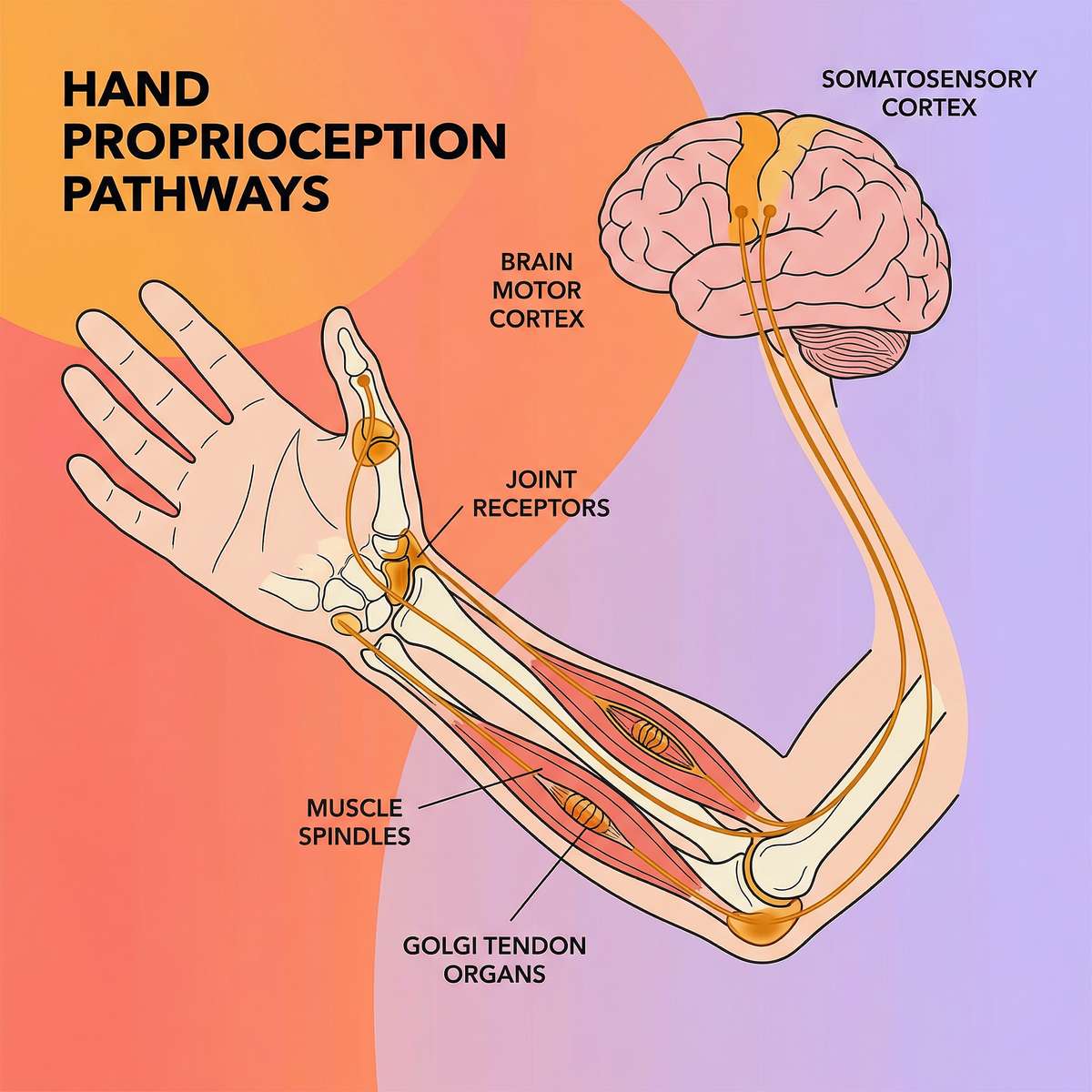
What Proprioception Is
Every joint and muscle in your child's hand contains specialised receptors — mechanoreceptors — that constantly send force signals to the brain. "How hard am I pressing right now?" This is proprioception: the body's internal force-sensing system.
Too-Hard Pressers — Proprioceptive Seeking
The brain isn't receiving enough force signal feedback through normal writing. So the child presses harder — unconsciously seeking the sensory input their system craves. The paper tears. Not because of defiance. Because the brain is hungry for feedback it isn't getting.
Too-Light Pressers — Under-Registration
The brain doesn't register that the current force is insufficient. The child genuinely believes they are pressing "normally." The signal that says "press harder" isn't arriving clearly. The writing is invisible — but to them, it feels fine.
"This is not a behaviour choice. This is a wiring difference — and wiring can be trained."
Frontiers in Integrative Neuroscience (2020): Proprioceptive processing differences are neurologically grounded. | DOI: 10.3389/fnint.2020.556660

ACT I · DEVELOPMENTAL CONTEXT
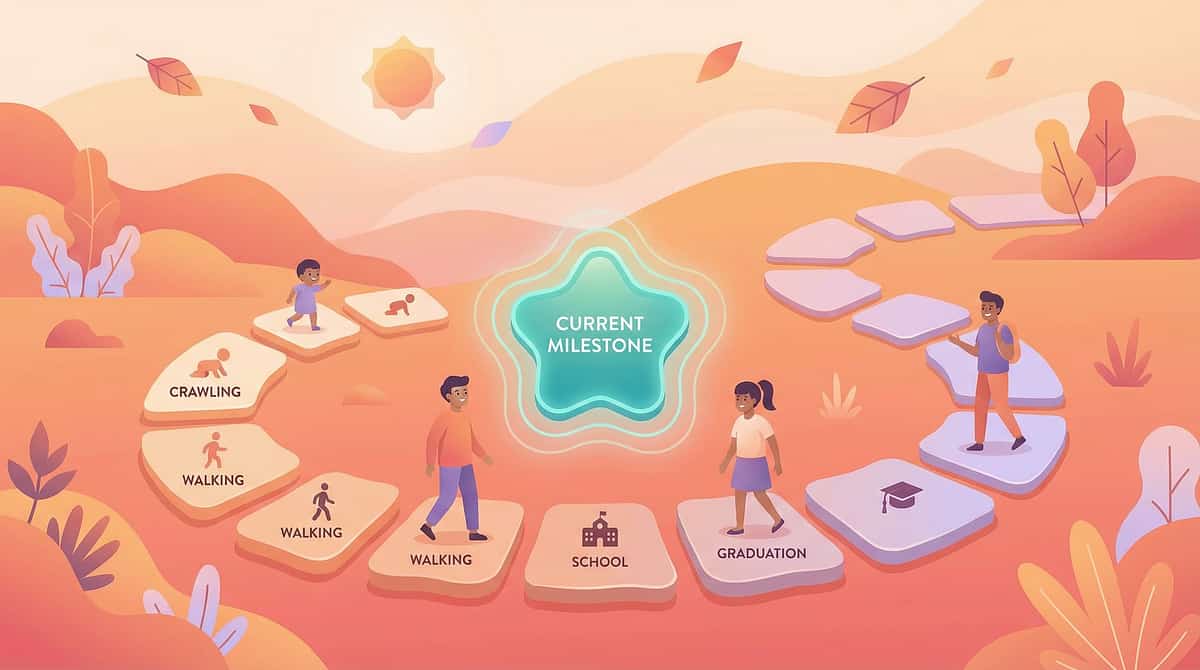
Where This Sits in Development — A WHO-Aligned Map
Pencil pressure regulation typically emerges as a distinct challenge when children enter formal writing tasks — ages 4 to 7. This is when the gap between the proprioceptive demands of writing and the child's current sensory-motor capacity becomes visible. It is developmentally appropriate for this to be hard at this age. It is not an indicator of intelligence, learning ability, or parental effectiveness.
Age 2–3
Basic grip emerges
Age 3–4
Controlled mark-making begins
Age 4–5
Letter tracing begins
Age 5–7
Writing speed develops — CHALLENGE ZONE
Age 7–10
Sustained academic endurance — MASTERY TARGET
Age 10–12
Academic fluency
What commonly co-occurs: pencil grip difficulties (A-100), letter formation challenges (A-101), handwriting fatigue (A-102), general fine motor delays, and sensory processing differences across domains.
WHO Care for Child Development Package (2023) | UNICEF MICS Developmental Indicators | PMC9978394

ACT I · EVIDENCE GRADE
Clinically Validated. Home-Applicable. Parent-Proven.
Study | Finding | Level | |
PRISMA Systematic Review, Children (2024) · PMC11506176 | 16 studies confirm sensory integration intervention is evidence-based practice for ASD including fine motor | Level I — Systematic Review | |
Meta-analysis, World J Clin Cases (2024) · PMC10955541 | Sensory integration therapy effectively promotes fine & gross motor skills across 24 studies | Level I — Meta-analysis | |
Padmanabha et al., Indian J Pediatr (2019) | Indian RCT: home-based sensory interventions demonstrated significant outcomes for motor skills | Level II — RCT | |
WHO CCD Package (2023) · PMC9978394 | Home-based caregiver-administered intervention validated across 54 LMICs | Level I — Multi-country RCT | |
NCAEP Evidence-Based Practices Report (2020) | Sensory integration, visual feedback, and reinforcement identified as evidence-based practices for autism | Level I — National Consensus |
"The science is clear. The question is only execution."
Ready to begin with professional guidance? 9100 181 181 — Free · 24×7

ACT II · THE KNOWLEDGE TRANSFER
Pencil Pressure Calibration Through Sensory-Motor Material Intervention
"Teaching Hands to Feel Just-Right Pressure"
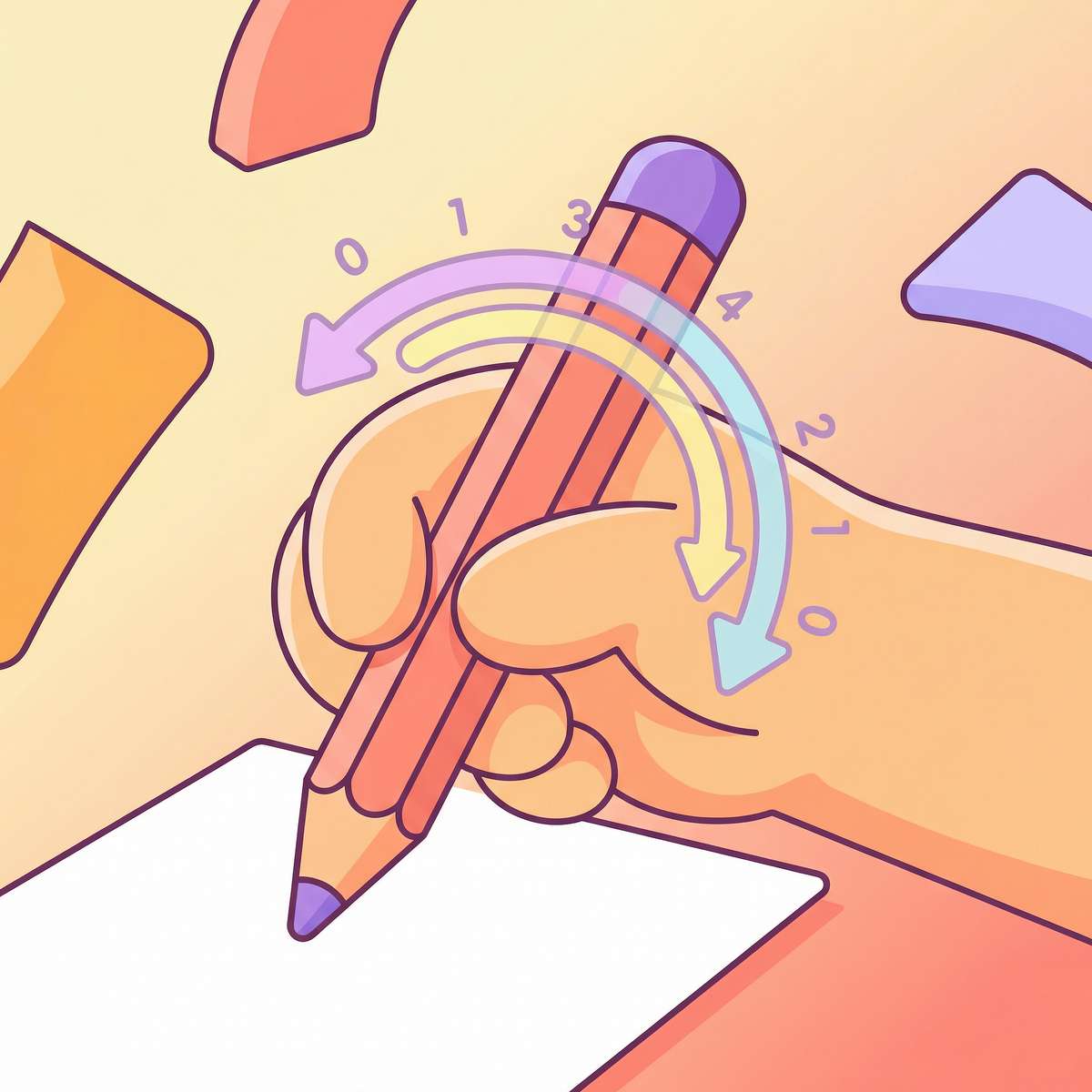
Pencil Pressure Calibration is a structured occupational therapy intervention approach that uses 9 categories of therapeutic materials to build proprioceptive awareness, provide enhanced sensory feedback during writing, and progressively teach children to modulate the force they apply when holding and moving a writing instrument.
This is not handwriting practice. It is sensory-motor training — building the neurological foundation that makes correct handwriting pressure possible.
Domain
Fine Motor Skills
Age Range
4–12 years
Duration
10–20 min/session
Frequency
Daily
Series context: Episode 99 in the Fine Motor & Handwriting Solutions Series. Previous: A-098 (Finger Dexterity) | Next: A-100 (Pencil Grip Problems) | Lead Discipline: Occupational Therapy | GPT-OS® Tracked
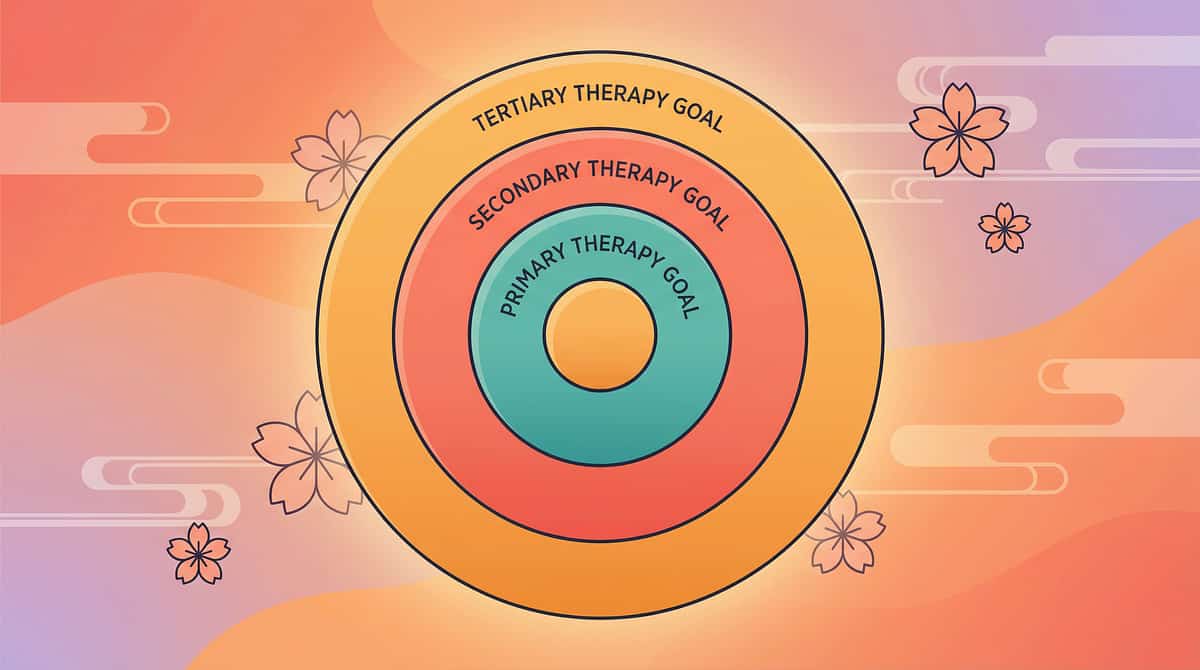
This Technique Crosses Every Therapy Boundary
🟢 Occupational Therapy
Primary lead. Designs the sensory-motor protocol, selects and sequences materials, assesses proprioceptive profile, tracks Fine Motor Readiness Index progress.
🔵 ABA / Behaviour Analysis
Reinforcement architecture. Designs reward systems around pressure achievements, tracks data, troubleshoots avoidance behaviours, generalises skills to classroom setting.
🟣 Special Education
Academic integration. Adapts classroom writing demands, coordinates with school OT, ensures accommodations, integrates pressure tools into curriculum tasks.
🟠 NeuroDev / Paediatric Medicine
Medical oversight. Rules out hypermobility, hypotonia, neurological differentials; coordinates with OT on sensory-motor profile; monitors developmental trajectory.
"The brain doesn't organise itself by therapy type. Neither should your child's intervention." — Pinnacle Blooms Consortium
Reference: DOI: 10.1080/17549507.2022.2141327 — Multi-discipline convergence in nurturing care frameworks.
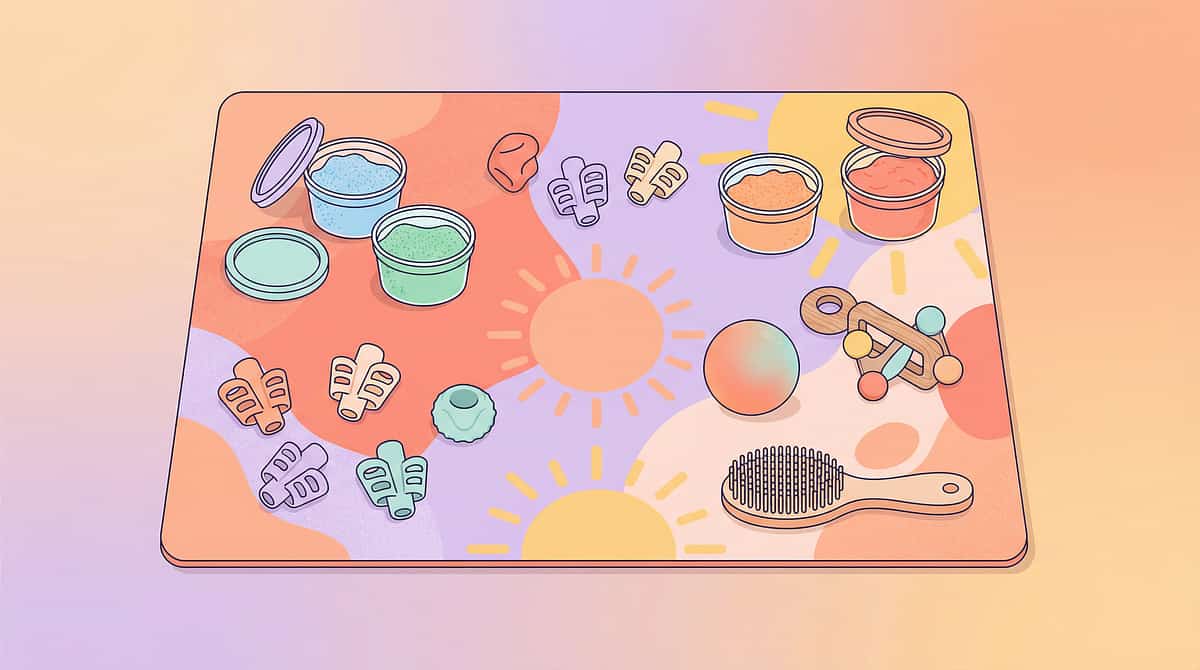
Precision Targets — What Each Session Builds
Each session builds outward — starting with the core skill of pressure regulation and rippling into broader developmental gains across academic participation, self-efficacy, and sensory processing integration.
No more torn paper or holes in worksheets
Writing visible and legible without effort
Hand not cramping after 3 sentences
Child writing without shaking out hand between sentences
Reference: PMC10955541 — Meta-analysis across 24 studies confirming motor skill targets.
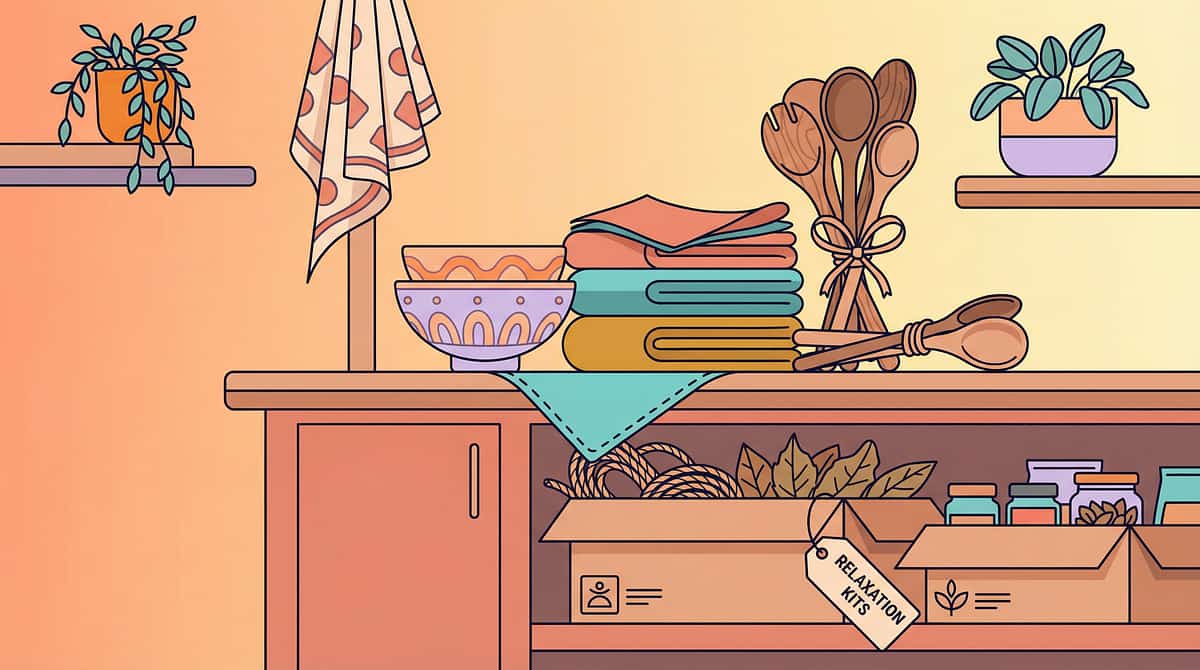
THE 9 MATERIALS · CLINICALLY VALIDATED
9 Materials. Every Pressure Pattern. Every Budget.
These 9 material categories address pencil pressure dysregulation through different sensory-motor mechanisms. Select based on your child's pressure pattern — heavy presser, light presser, or inconsistent. Most can be started today. Total toolkit cost range: ₹50 (DIY only) to ₹8,400 (full commercial toolkit).
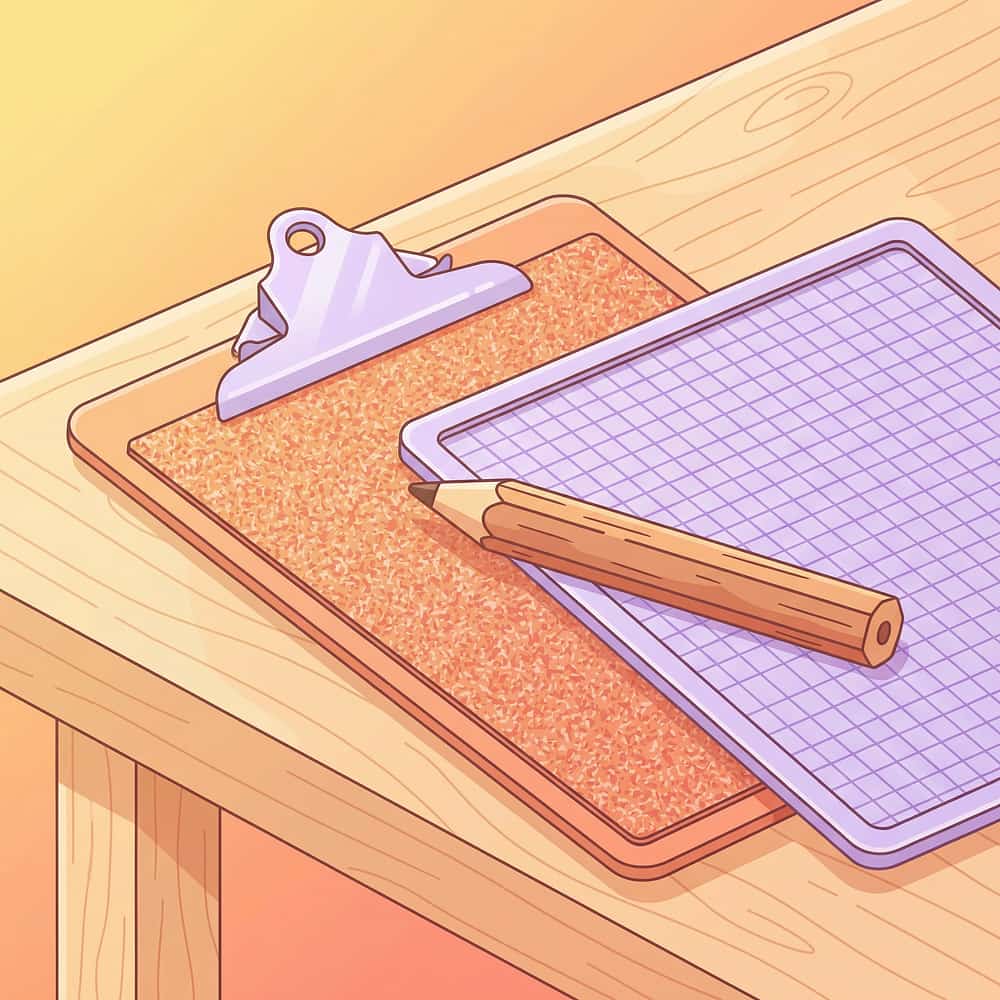
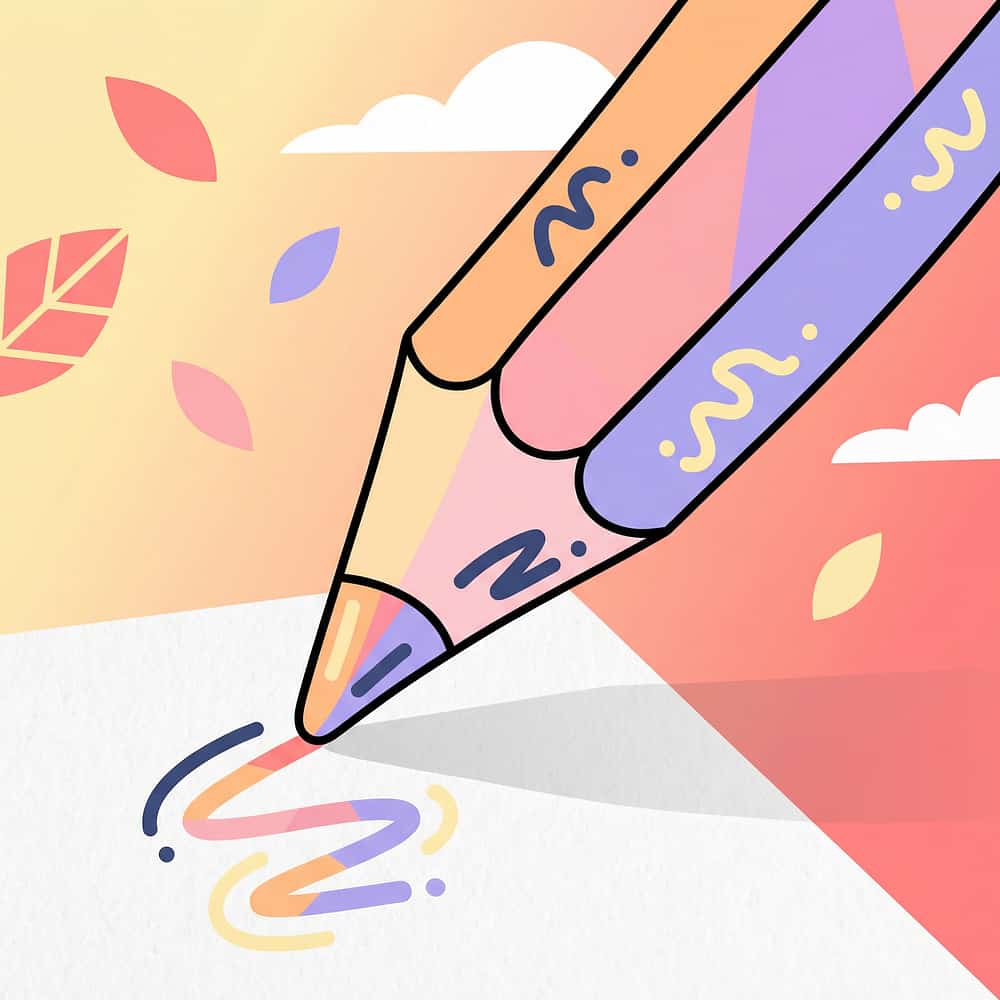
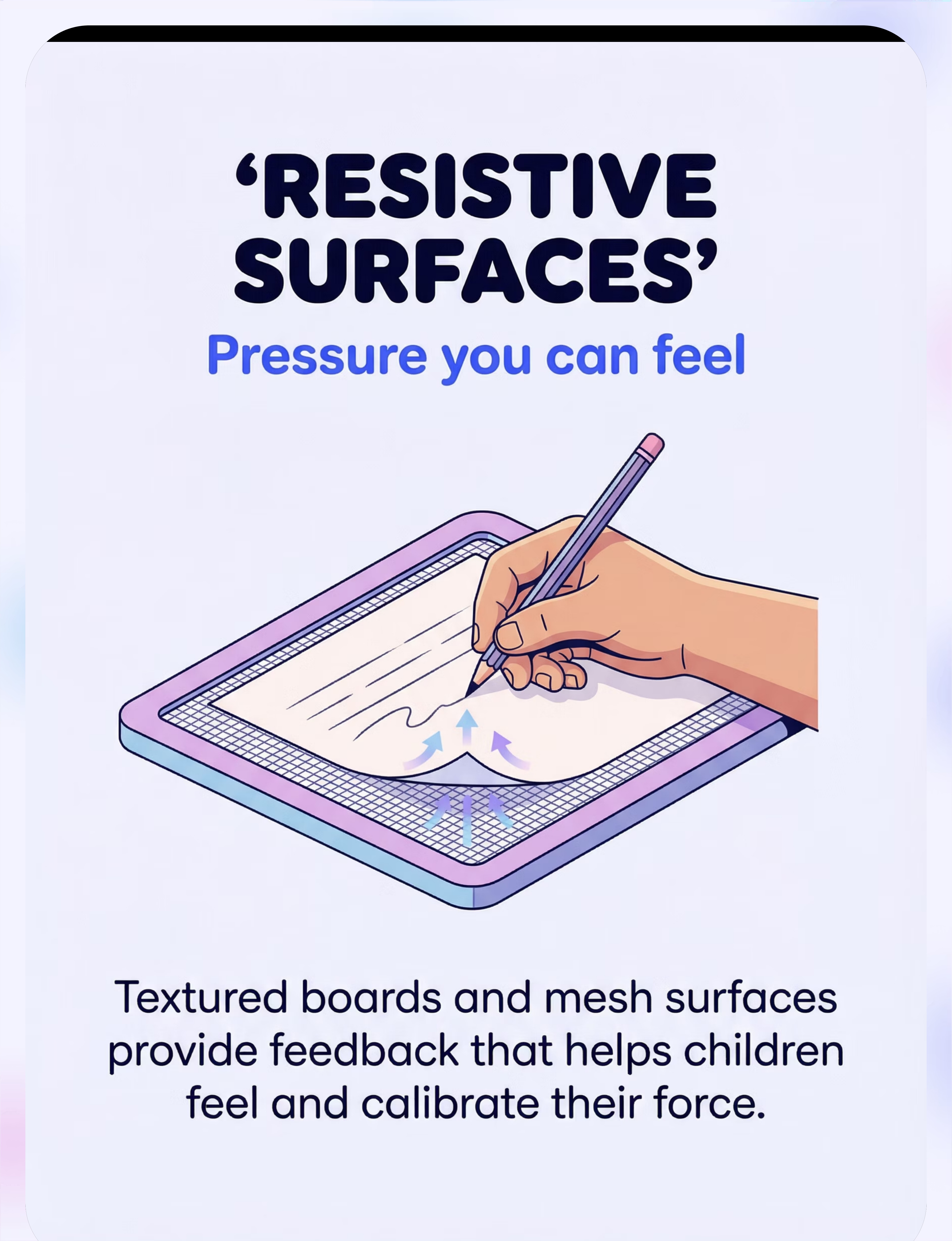
1. Resistive Writing Surfaces
Mechanism: Textured boards and mesh surfaces provide proprioceptive feedback that makes pressure tangible — the surface talks back.
Best for: Both heavy and light pressers
DIY: Sandpaper under paper — ₹0 | Commercial: ₹200–₹1,500
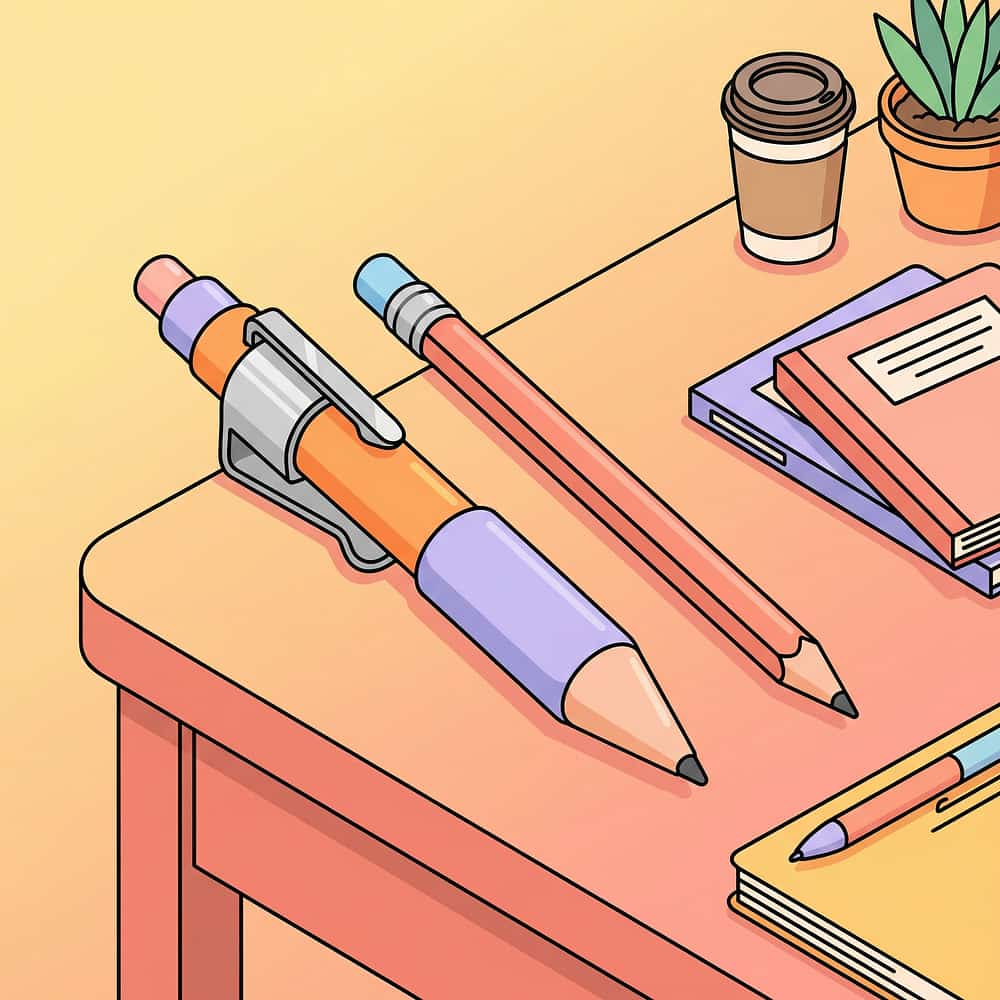
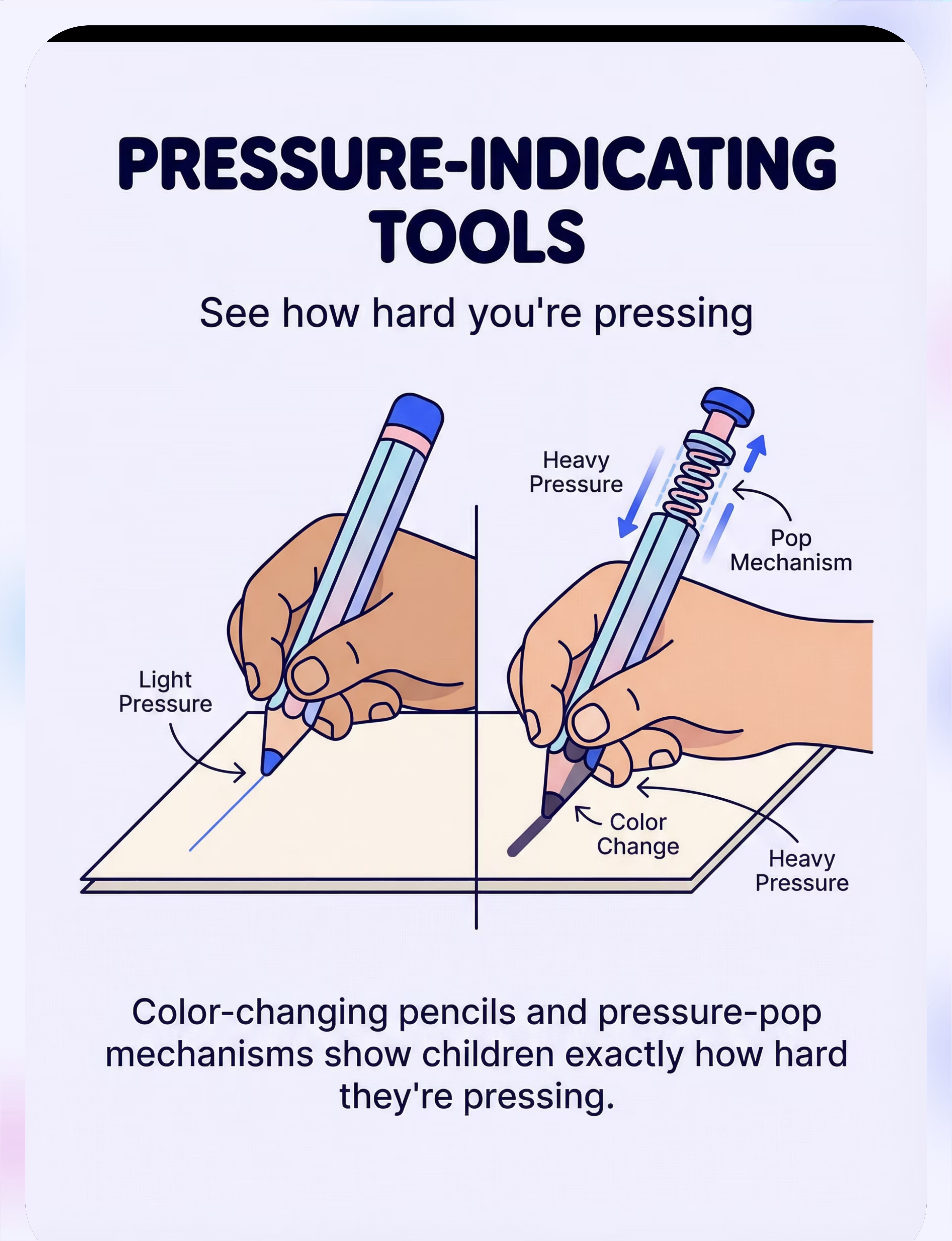
2. Pressure-Indicating Tools
Mechanism: Color-changing pencils show pressure visually; pressure-pop mechanisms provide immediate tactile feedback when force is excessive.
Best for: Heavy pressers; children who cannot feel their own pressure
DIY: Carbon paper — ₹30–₹80 | Commercial: ₹150–₹800
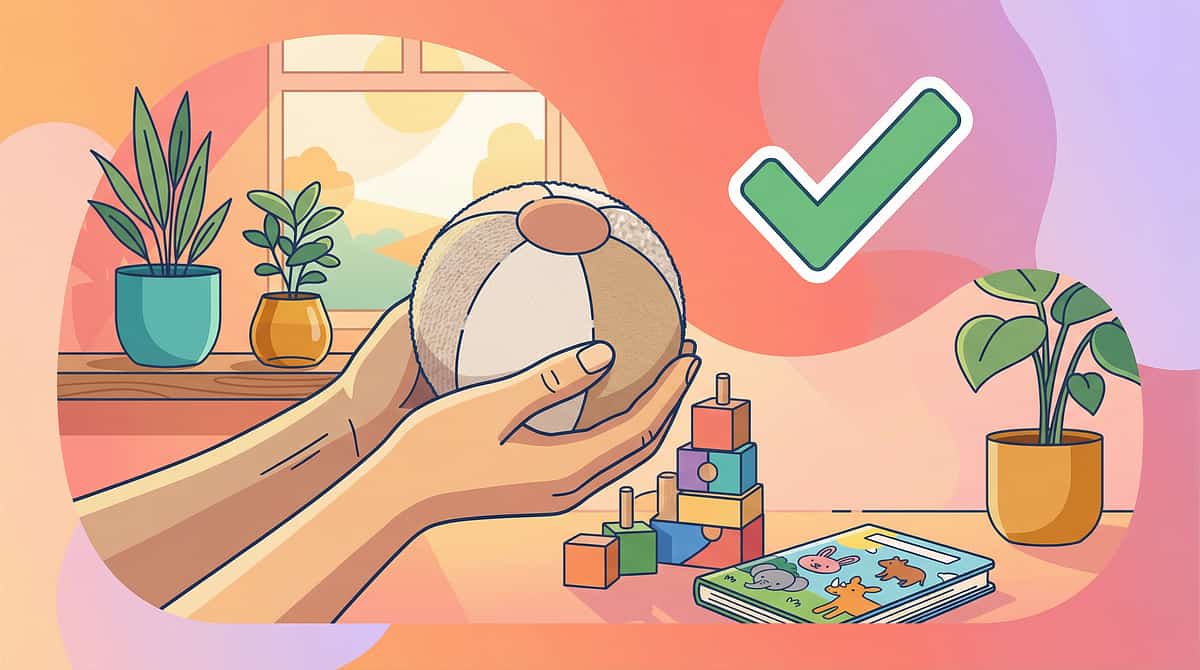
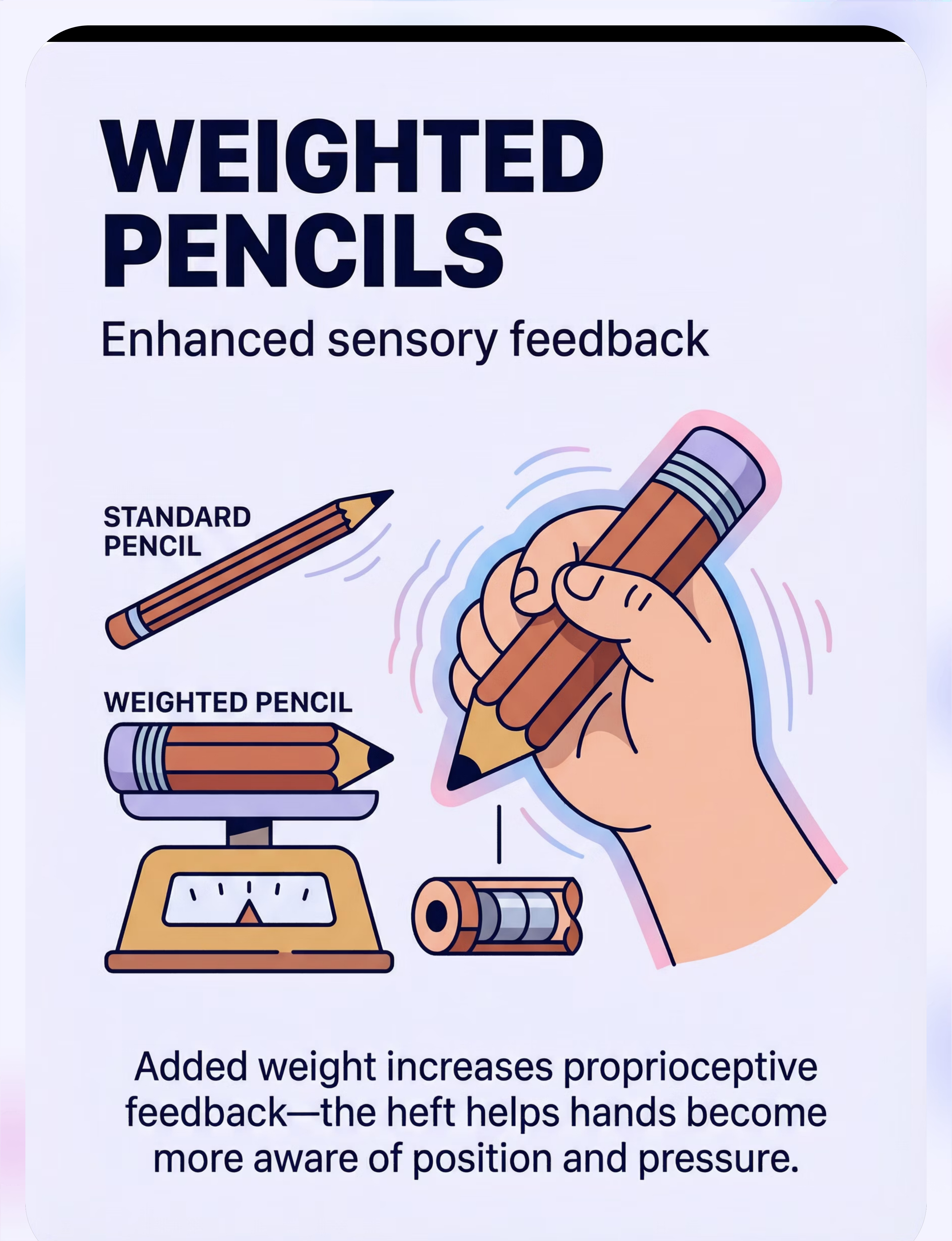
3. Weighted Pencils & Pencil Weights
Mechanism: Added weight amplifies proprioceptive feedback from the tool itself — the hand becomes more aware of what it's holding and doing.
Best for: Both patterns; particularly light pressers
DIY: 2–3 coins taped to pencil barrel — ₹0 | Commercial: ₹300–₹1,200
9 Materials — Continued
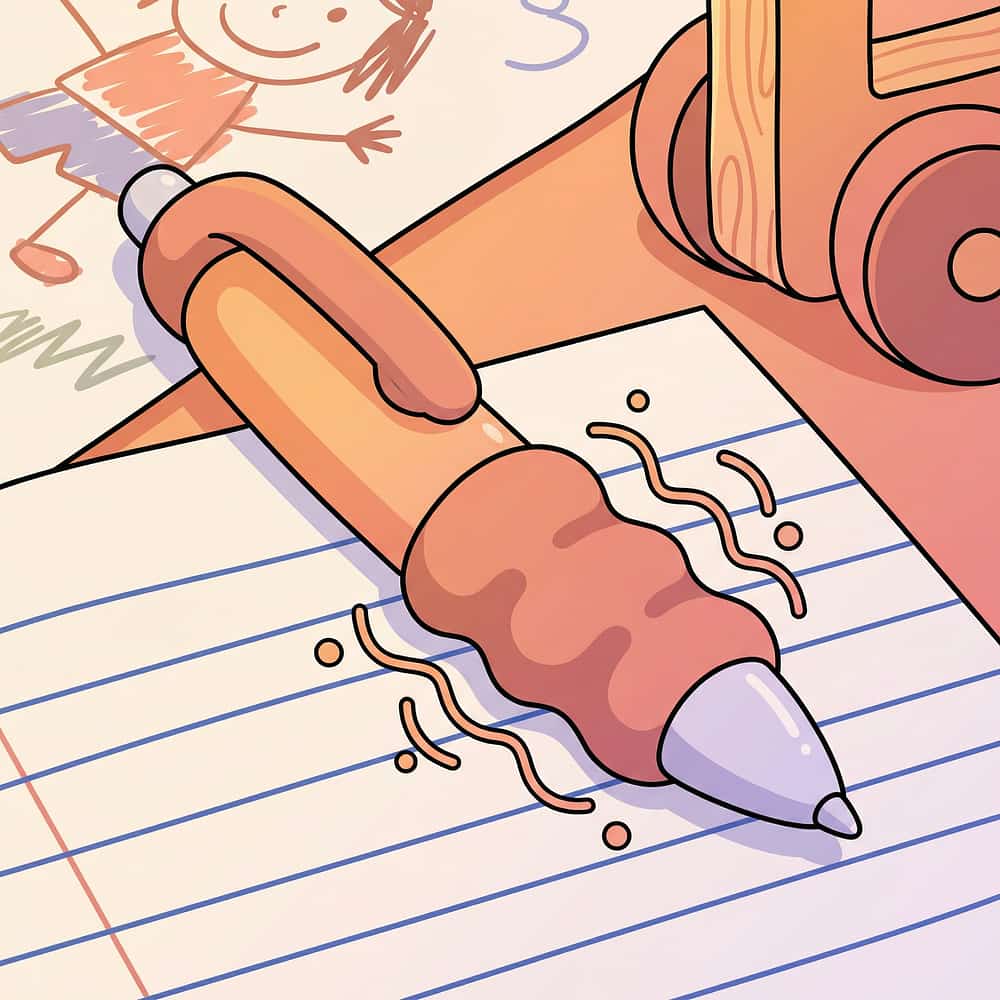
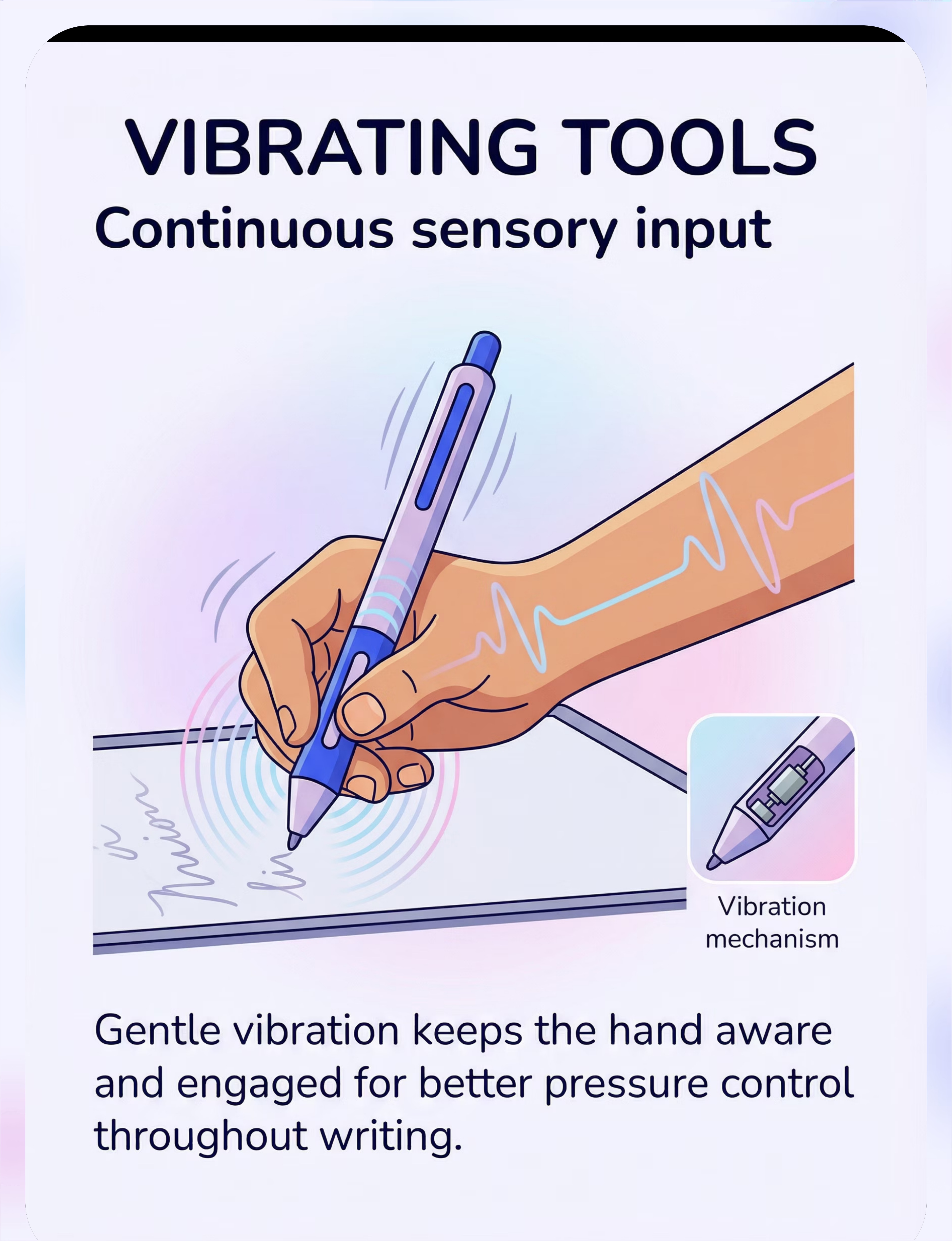
4. Vibrating Pens & Pencils
Mechanism: Gentle vibration maintains continuous proprioceptive input throughout writing — keeps the hand "tuned in" when sensory registration drops during sustained tasks.
Best for: Children whose pressure drifts during longer writing tasks
DIY: Limited — commercial vibrating pencils recommended | Commercial: ₹400–₹1,500
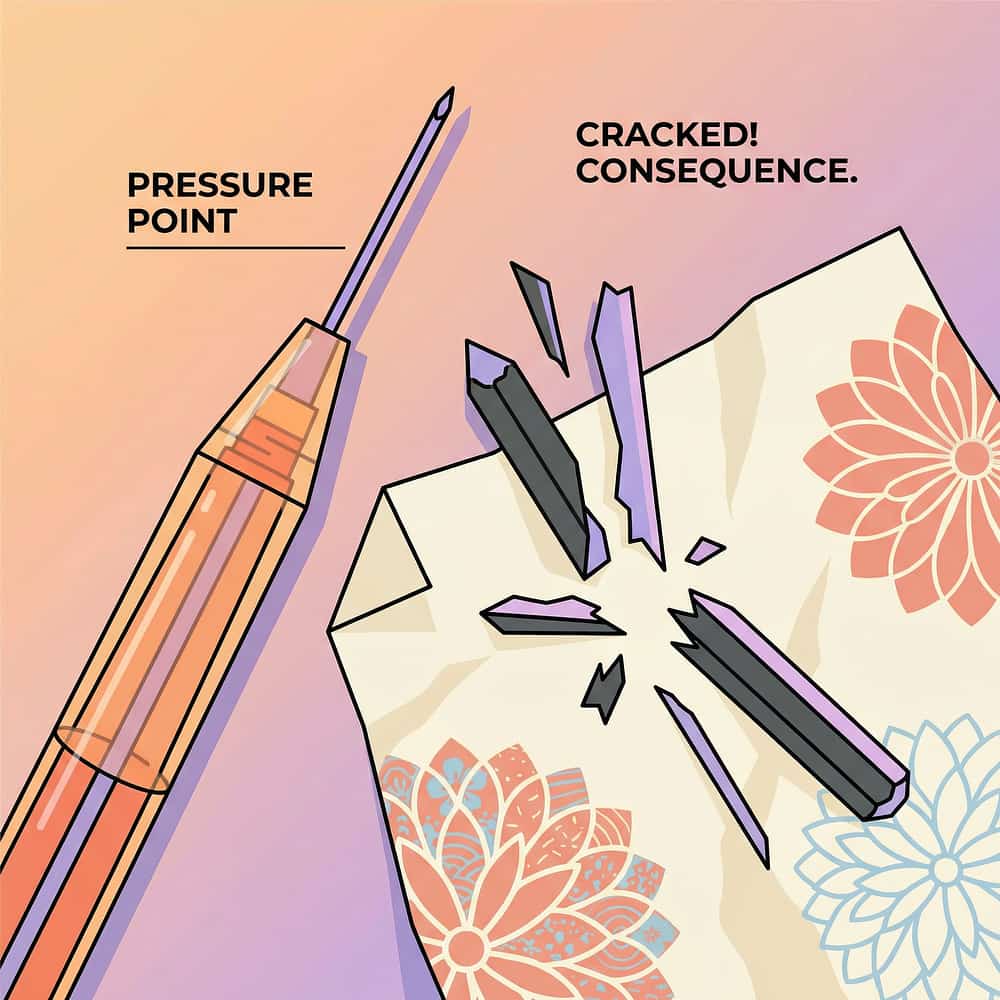
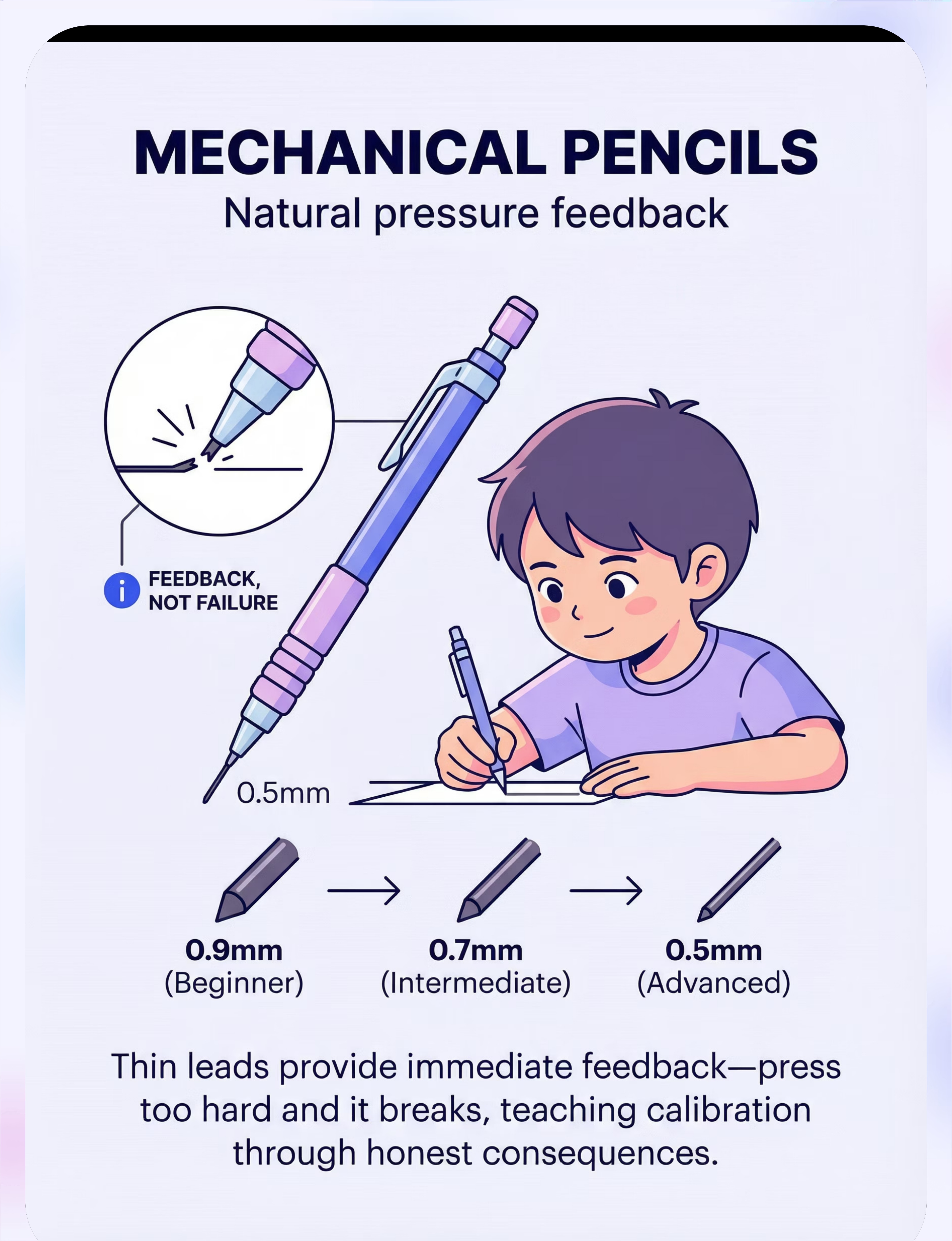
5. Mechanical Pencils — Progressive Lead Sizes
Mechanism: Thin lead breaks when pressed too hard — honest, immediate, natural consequence that teaches calibration through experience, not instruction.
Best for: Heavy pressers; children who respond to natural consequences
Progression: 0.9mm → 0.7mm → 0.5mm | Commercial: ₹100–₹600
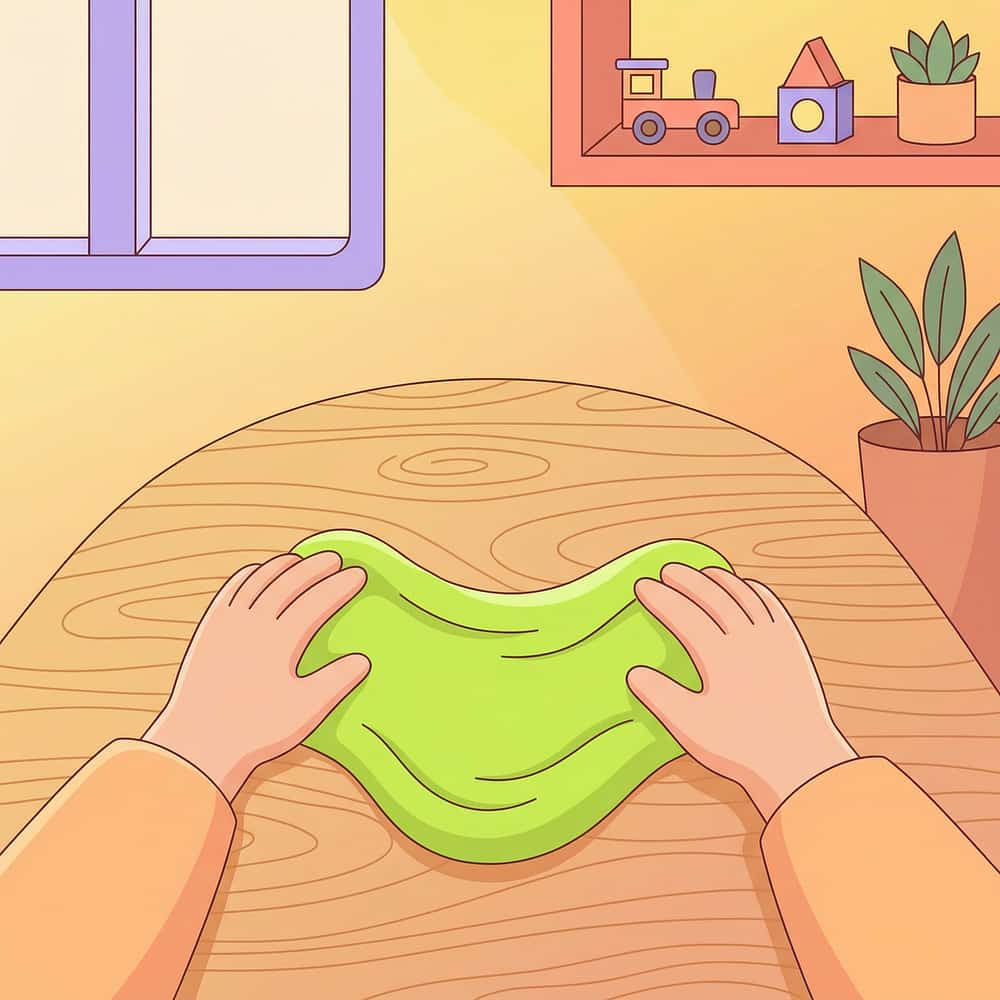
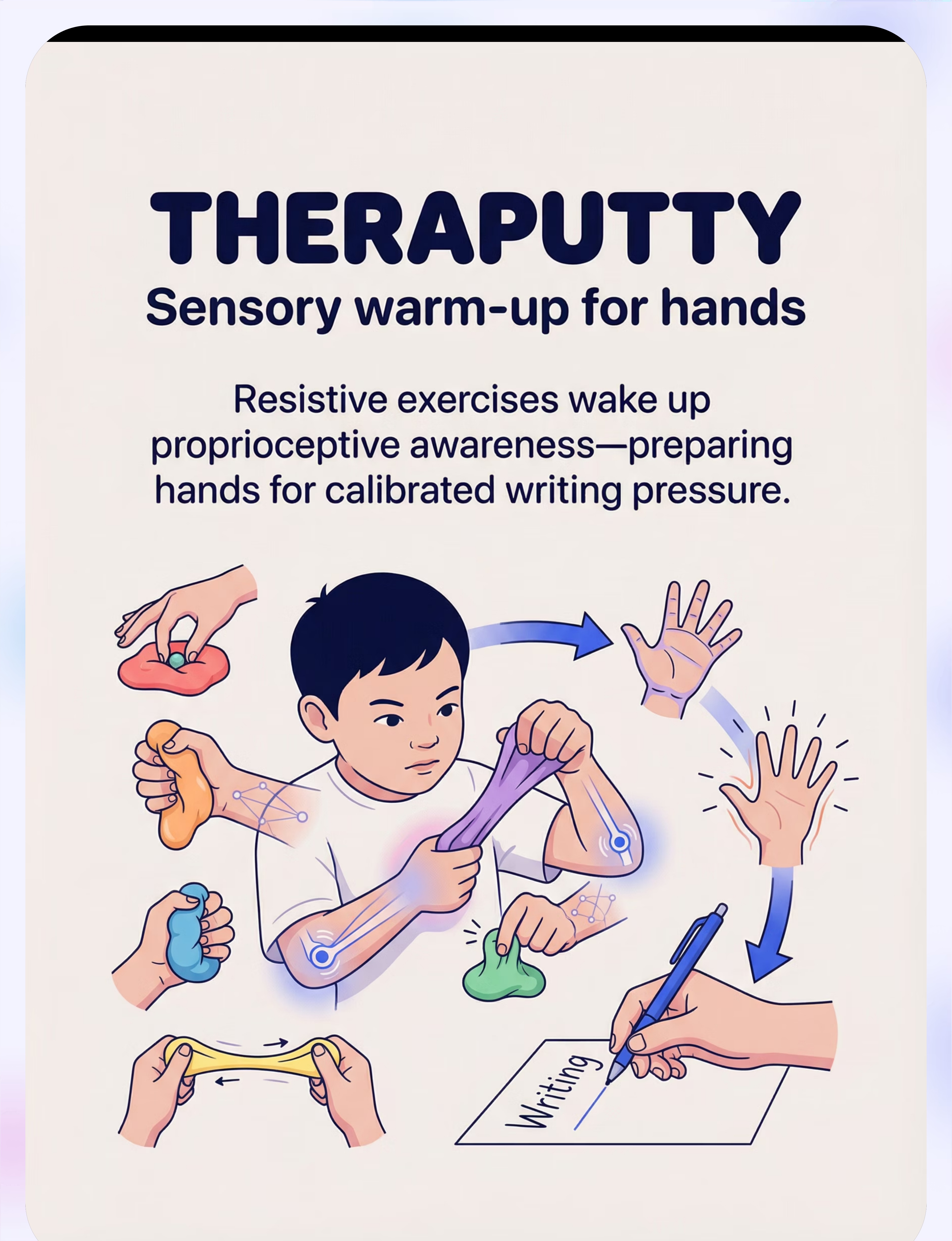
6. Theraputty & Resistive Hand Exercises
Mechanism: Pre-writing resistive exercises "wake up" the proprioceptive system — like warming up muscles before sport. Prepares hands for calibrated, sustained pressure.
Best for: All pressure patterns — essential pre-writing warm-up
DIY: Homemade dough — ₹0–₹50 | Commercial: ₹200–₹800
9 Materials — Concluded
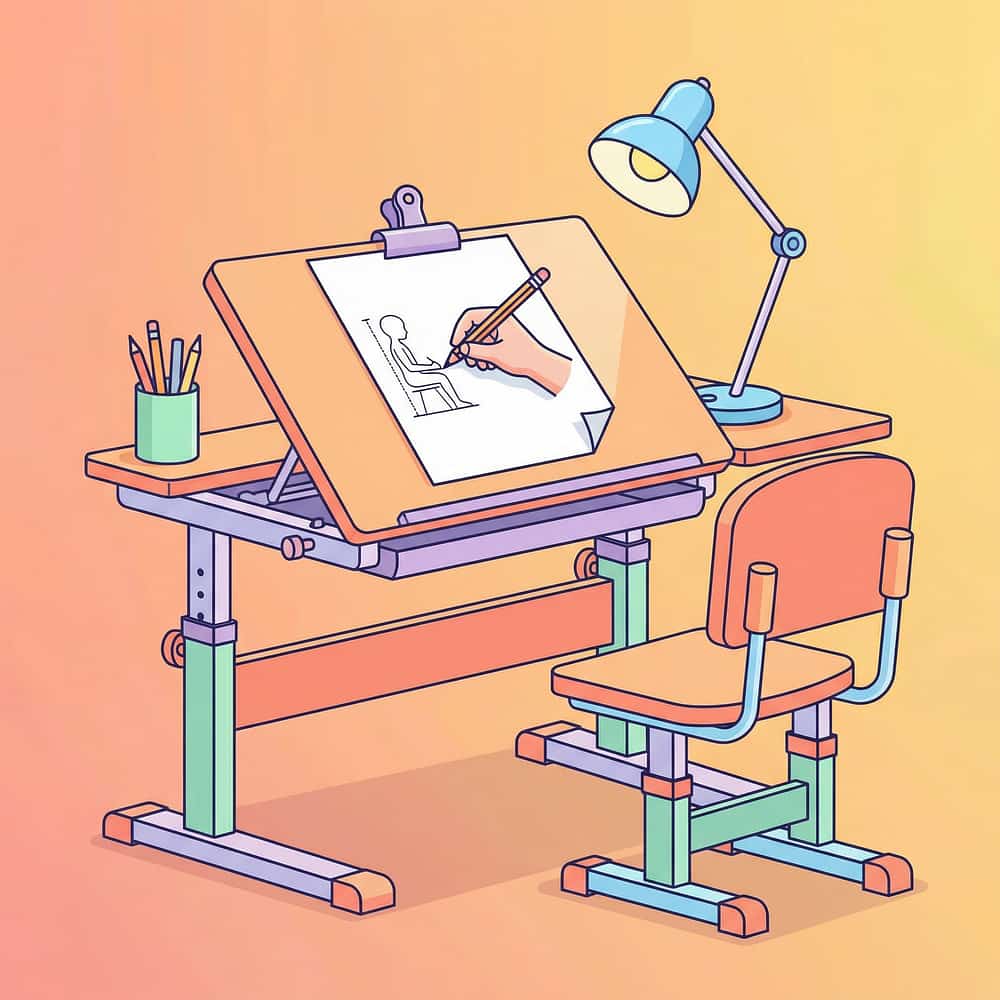
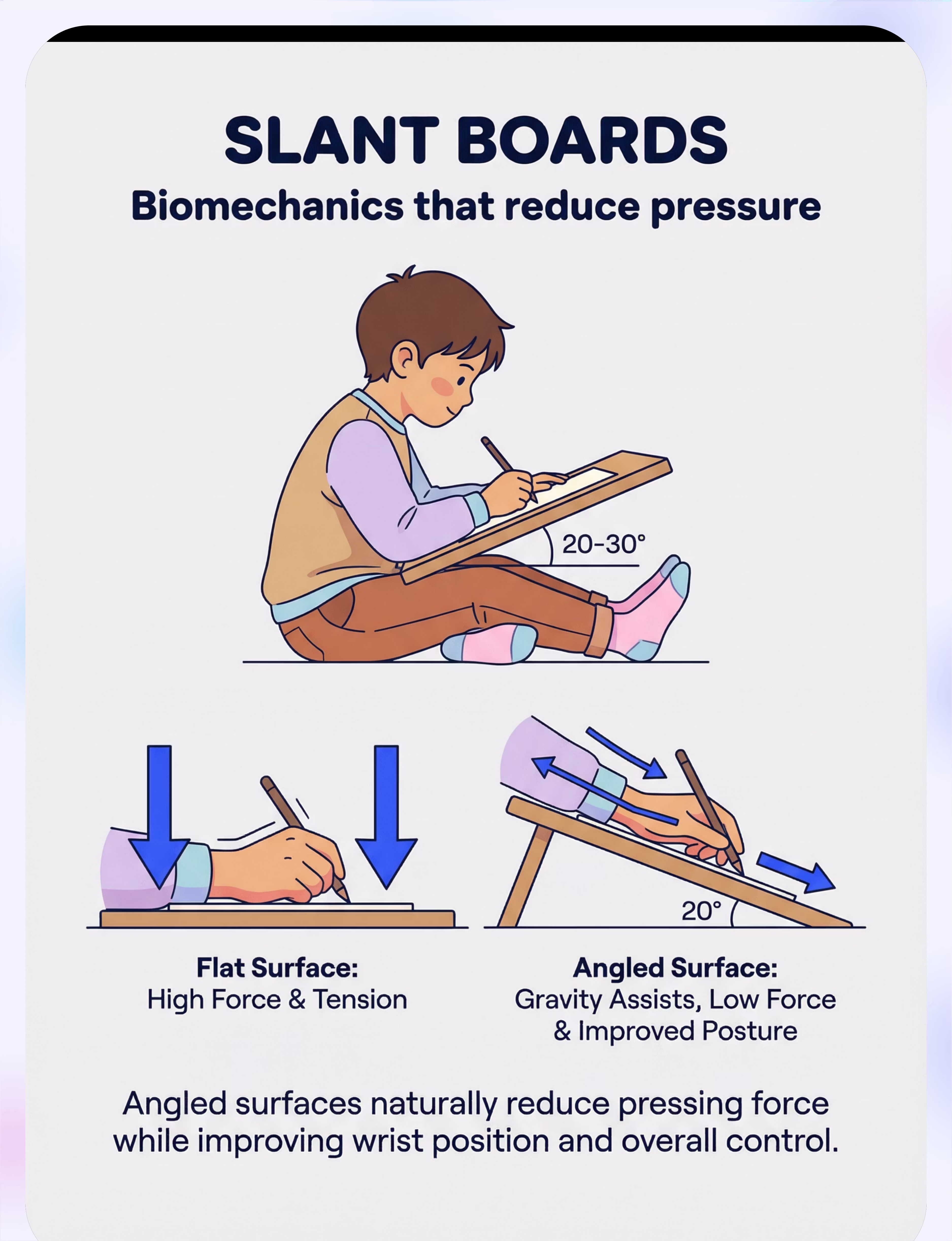
7. Slant Boards & Inclined Surfaces
Mechanism: A 20–30° inclined writing surface changes wrist position and redirects gravitational force — naturally reducing the tendency to push down hard. Biomechanics changes pressure without the child consciously trying.
Best for: Heavy pressers; children with poor writing posture
DIY: Open 3-ring binder — ₹0 | Commercial: ₹300–₹1,500
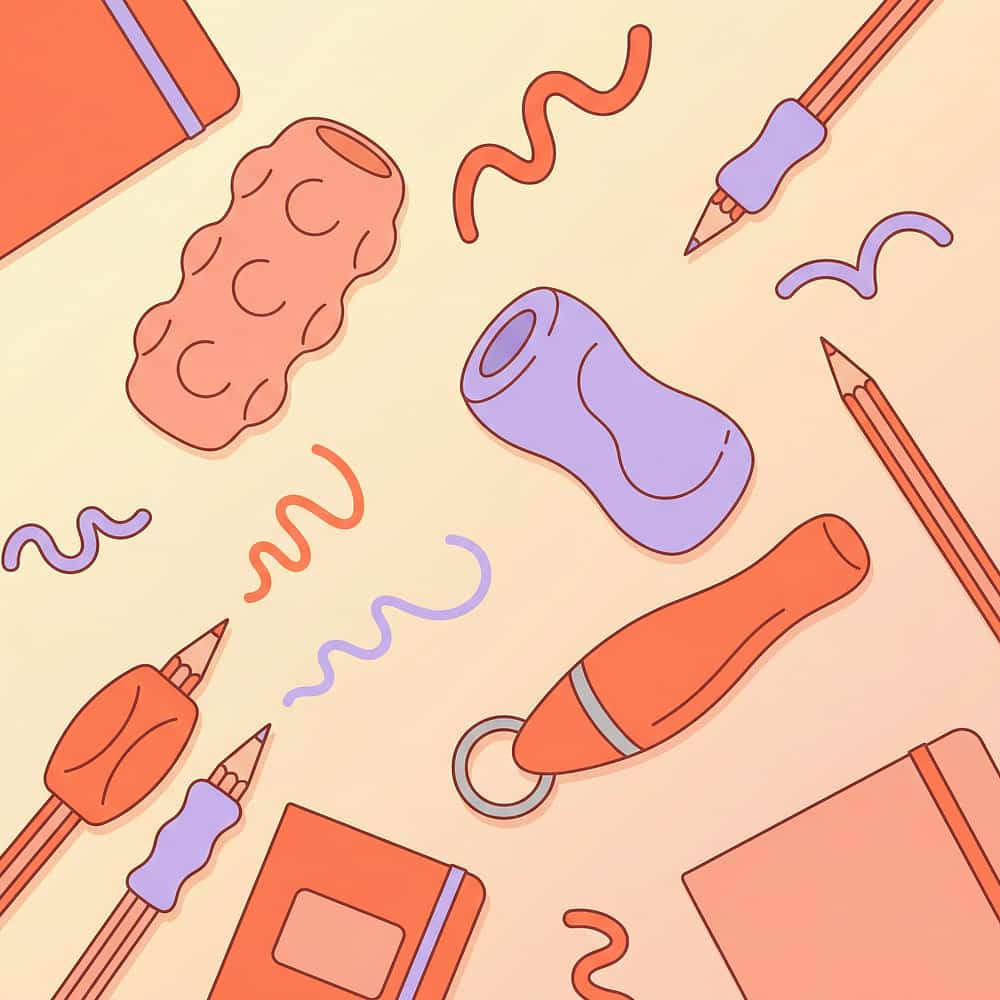
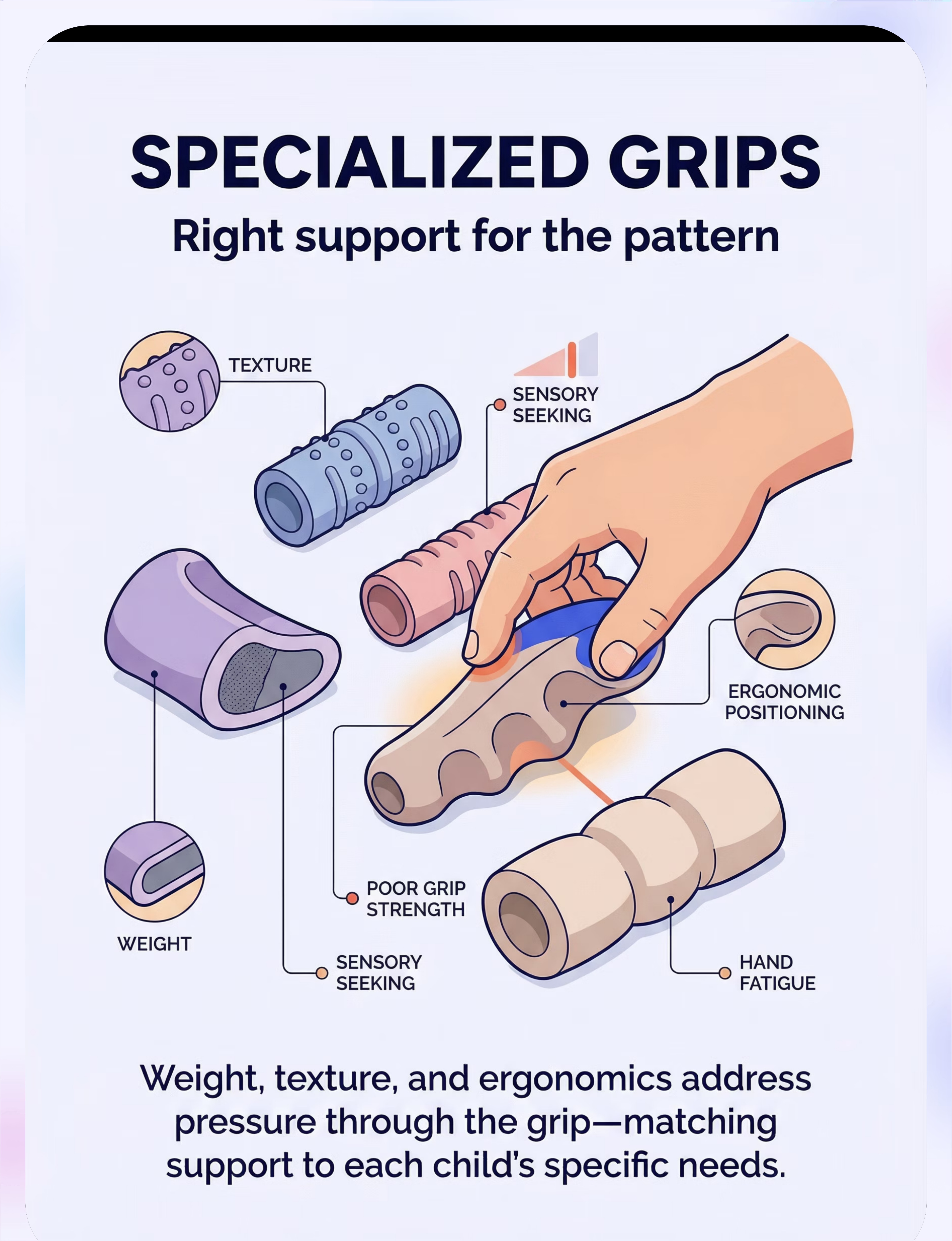
8. Specialised Pencil Grips
Mechanism: Weighted grips add proprioceptive input at the contact point; textured grips increase sensory signal; ergonomic grips correct compensatory finger positioning that drives excess pressure.
Best for: Match to pressure pattern — textured/weighted for seekers; cushioned for heavy pressers
DIY: Rubber bands or foam tubing — ₹0–₹50 | Commercial: ₹50–₹500

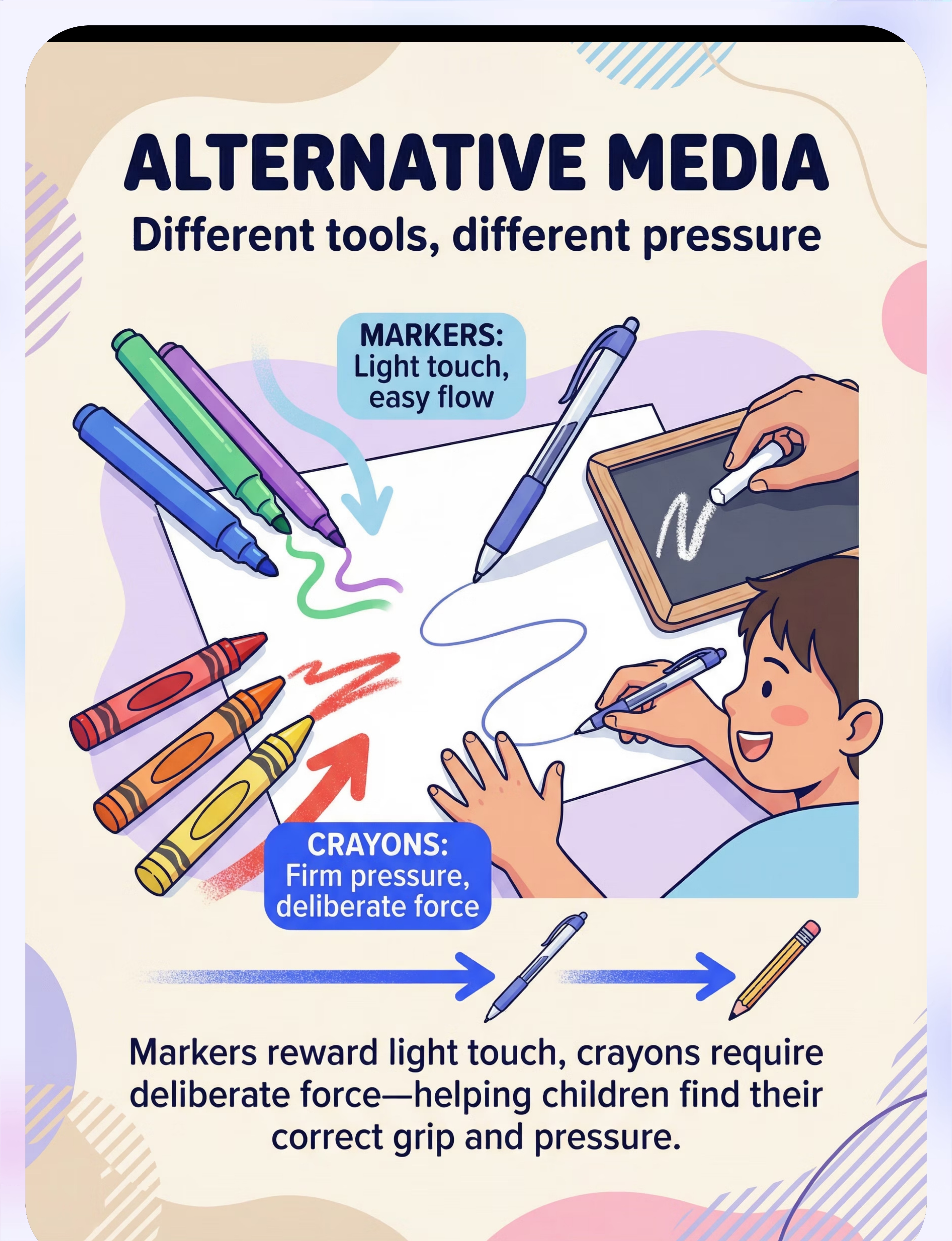
9. Alternative Writing Media
Mechanism: Markers reward ultra-light touch (they flow freely). Thick crayons require deliberate force. Match the medium to the pressure lesson needed.
Best for: Heavy pressers → start with markers. Light pressers → start with crayons/chalk.
DIY: Existing markers, crayons, chalk — ₹0 | Commercial: ₹100–₹800
🌟Essential starters under ₹200 — begin today: Sandpaper under paper + theraputty/dough + mechanical pencil
Every Family Can Start Today — Regardless of Budget
WHO/UNICEF Equity Principle: No child's access to therapeutic support should be limited by economic circumstance.
🛒 Buy This | 🏠 Make This (₹0–₹100) | Why the DIY Works | |
Screen mesh writing board ₹400–800 | Fine sandpaper taped to clipboard | Same resistive feedback — rougher surface = more proprioceptive signal | |
Theraputty ₹200–500 | Flour + salt + water dough; or playdough ₹50 | Identical resistive exercise principles; matched resistance by consistency | |
Slant board ₹500–1,500 | Open 3-ring binder, angled face-up | Same 20–25° incline — biomechanically equivalent | |
Weighted pencil ₹300–800 | 2–3 coins taped firmly to pencil barrel | Adds 10–20g proprioceptive load; same mechanism | |
Pencil grip ₹100–300 | Rubber bands wound at grip point; foam tubing pieces | Texture and diameter modification achieve same sensory input | |
Pressure-pop pencil ₹200–600 | Carbon paper under writing paper | Shows pressure differences visually — same feedback principle |
When commercial is non-negotiable: Vibrating pencils and precision pressure-indicating tools with spring mechanisms cannot be safely replicated at home. Start with DIY equivalents and upgrade when possible.
🇮🇳 Across India's 70+ Pinnacle centres, therapists create DIY material kits for families in low-resource settings. Ask about the EverydayTherapyProgramme™ Home Kit — available through the helpline: 9100 181 181
🔴 Read Before Every Session
🔴 RED — Do Not Proceed
- Child has open wounds, skin irritation, or infections on hands or fingers
- Child recently had a meltdown (within 60 minutes) — autonomic nervous system is not regulated
- Child is ill, feverish, or in pain
- Child shows severe distress or aggression when asked to engage with writing materials
- Child has diagnosed hypermobility without OT guidance on safe resistance levels
🟡 AMBER — Modify With Caution
- Child is overtired — shorten session, reduce material demands
- Child has had a difficult school day — begin with theraputty warm-up only, no writing demands
- Textured surfaces cause tactile discomfort — introduce gradually, respect sensory thresholds
- Vibrating tools cause distress — always trial first, never insist
🟢 GREEN — Proceed When
- Child is fed, rested, and in a calm-alert state
- At least 30 minutes since last demanding activity
- Materials are within safe reach and environment is prepared
- Parent/caregiver is calm and unhurried — your regulation state affects your child's
⛔STOP IMMEDIATELY if: Sustained crying or distress lasting more than 60 seconds | Child attempting to harm self or others | Visible hand pain, finger swelling, or skin breakdown | Any sign of fear, panic, or freeze response
Reference: DOI: 10.1007/s12098-018-2747-4 — Safety protocols from Indian home-based sensory intervention RCT.
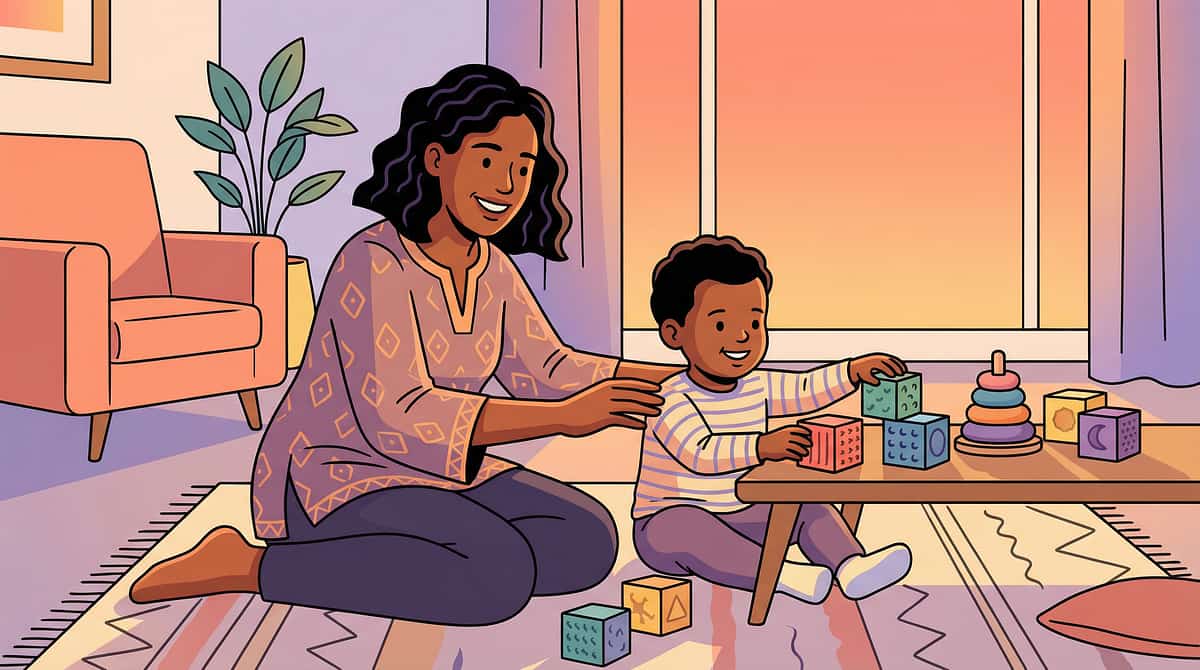
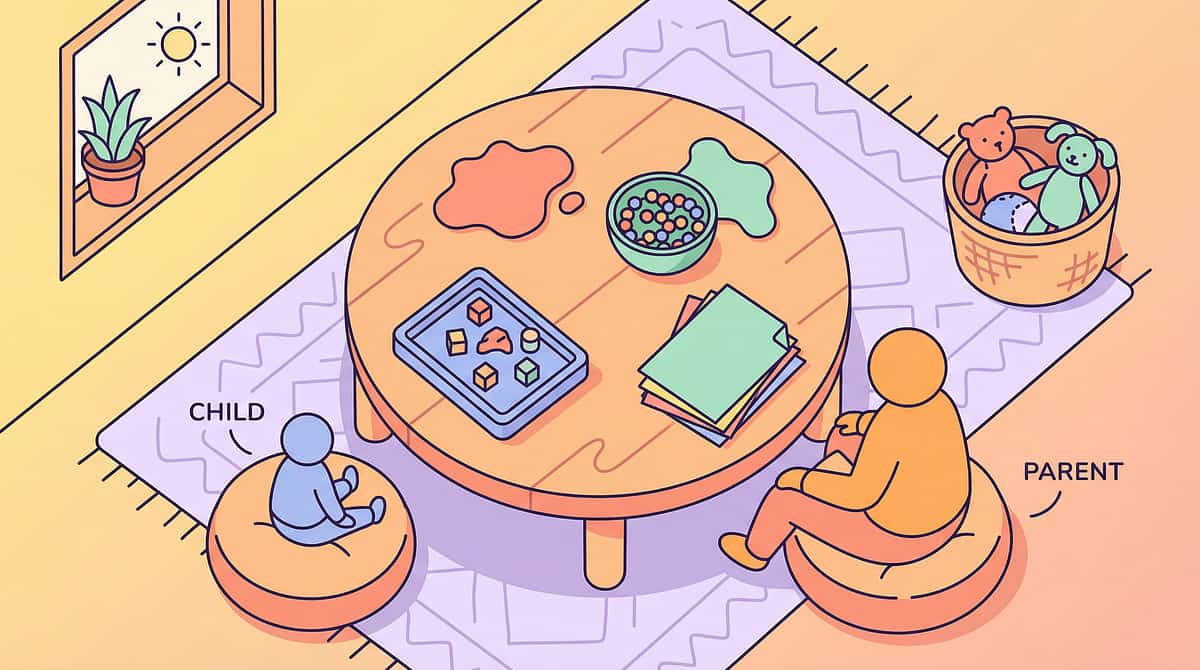
Your Writing Therapy Space — 5-Minute Setup
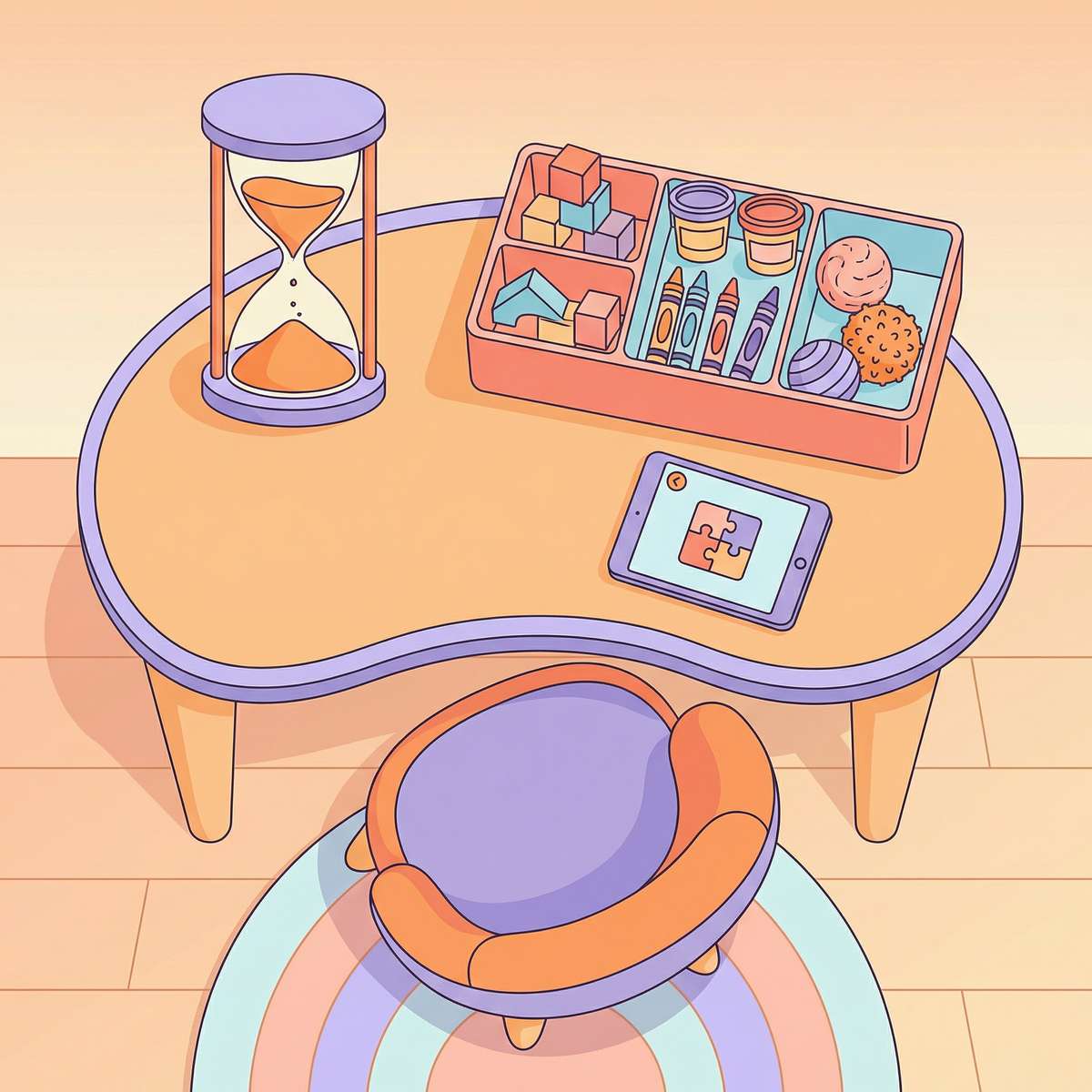
The Right Setup
- Table height: Child's elbows at 90° when seated. Too high = shoulder tension → pressure increase.
- Chair height: Feet flat on floor. Use a footrest (stacked books) if feet dangle.
- Lighting: Natural or warm LED. No glare on the writing surface.
- Noise: Reduce background noise. Turn off TV. Give siblings a 15-minute quiet period.
- Slant board: Angled away from child, tilted toward them at 20–30°. Paper clipped to board.
- Temperature: Comfortable — cold hands have reduced tactile sensitivity, worsening pressure awareness.
Materials Layout Before Session
- Theraputty warm-up material
- Writing surface
- Pencil/grip options ×2
- Visual timer (visible to child)
- Reward chart/stickers nearby but not visible
Remove from space: Screens, toys, other worksheets, other people.
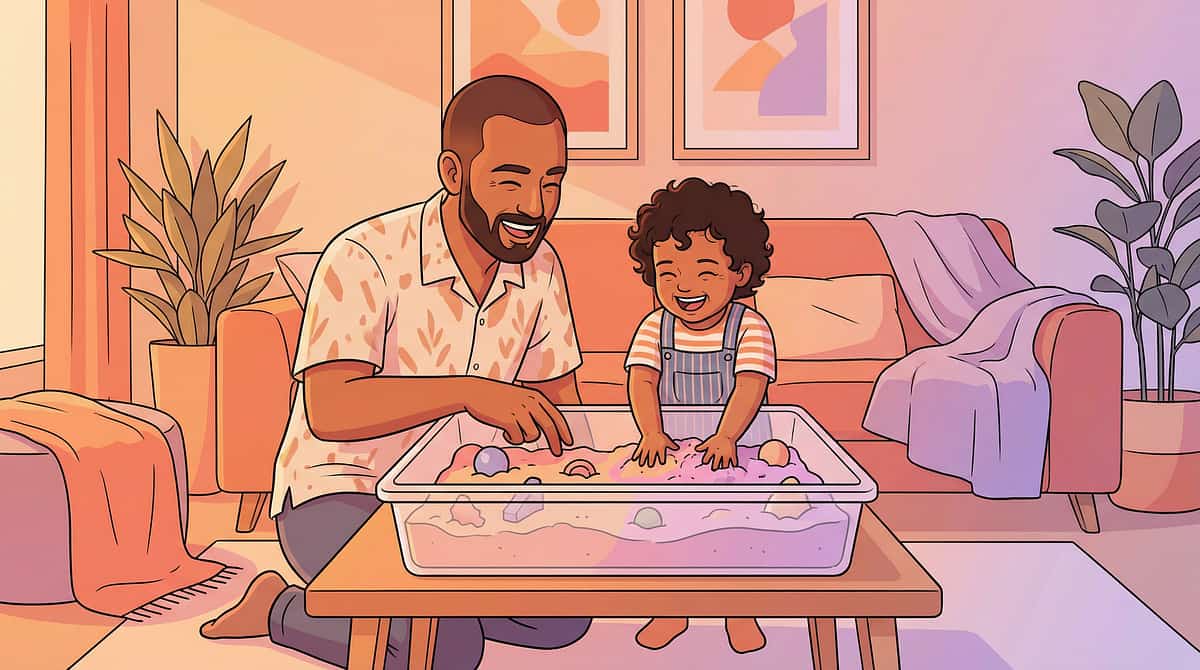
ACT III · THE EXECUTION
60-Second Readiness Assessment — Every Session
Before beginning any session, complete this quick check. Three minutes now prevents a derailed session later.
Physical Readiness
- Child has eaten within the last 2 hours
- No signs of illness, pain, or physical discomfort
- Hands are clean and room temperature (warm, not cold)
Regulation Readiness
- Child is in calm-alert state (not hyper-activated, not shutting down)
- No meltdown or major upset in the last 60 minutes
- Child responded positively to transition into the space
Session Readiness
- Materials are prepared and in position
Score | Decision | Action | |
✅ 7/7 | 🟢 GO | Proceed to Step 1: The Invitation | |
✅ 5–6/7 | 🟡 MODIFY | Start with theraputty warm-up only; skip writing pressure tasks today | |
✅ 4 or below | 🔴 POSTPONE | Do a calming activity instead (deep pressure, heavy work, or favourite sensory activity) |
"The best session is one that starts right. A postponed session is better than a forced one."
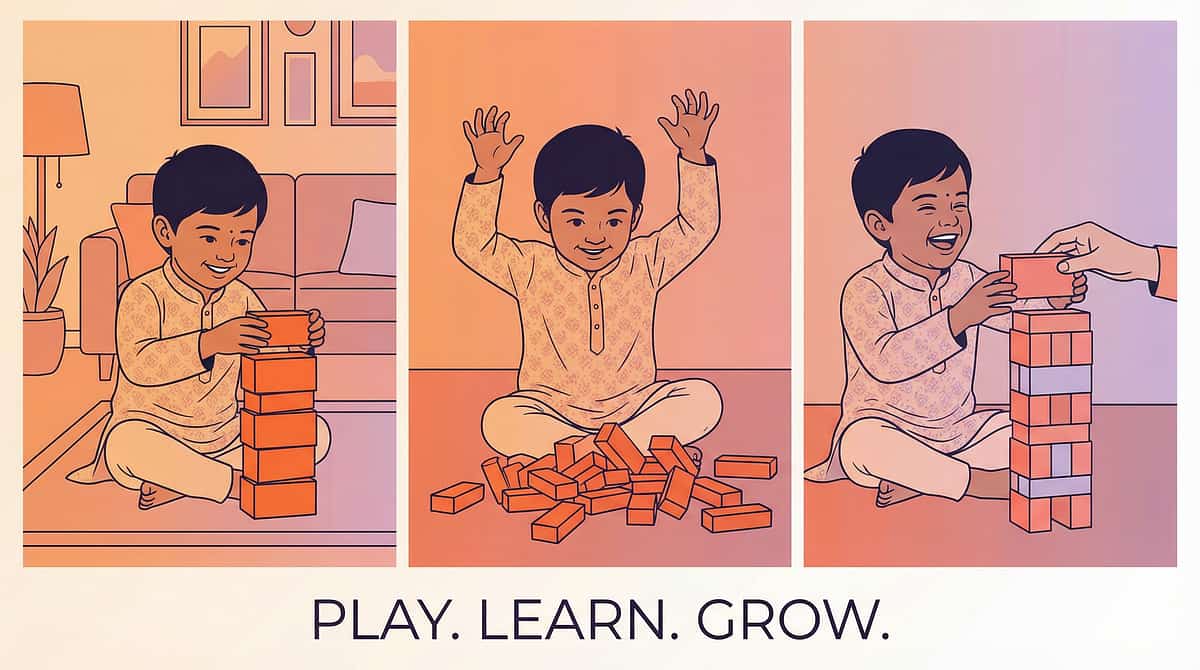
Step 1 of 6
The Invitation — Not a Command
Every therapeutic session begins with an invitation that allows the child's nervous system to choose engagement. This is not softness — it is neuroscience. A child who enters voluntarily is already in a more regulated state. Their proprioceptive system is calmer. Their learning circuitry is open.
"I've got something fun for your hands. Want to see?"
Alternate for older children: "Time for your hand warm-up — pick: putty first, or the pencil board?" (Offer choice — both are the goal; child controls the sequence)
What Acceptance Looks Like
- Child moves toward the material or the space
- Child makes eye contact or verbal acknowledgement
- Child shows neutral or positive affect (not enthusiastic required — neutral is sufficient)
What Resistance Looks Like — And What To Do
- Child turns away: pause, move alongside them, don't chase
- Child says "no": acknowledge — "Okay, we can wait one minute" — restart in 60 seconds
- Child ignores: move into the space yourself, begin playing with the material alone — curiosity often follows
Duration: 30–60 seconds maximum for the invitation phase. | Not sure why your child resists every session? 9100 181 181 — free specialist guidance.
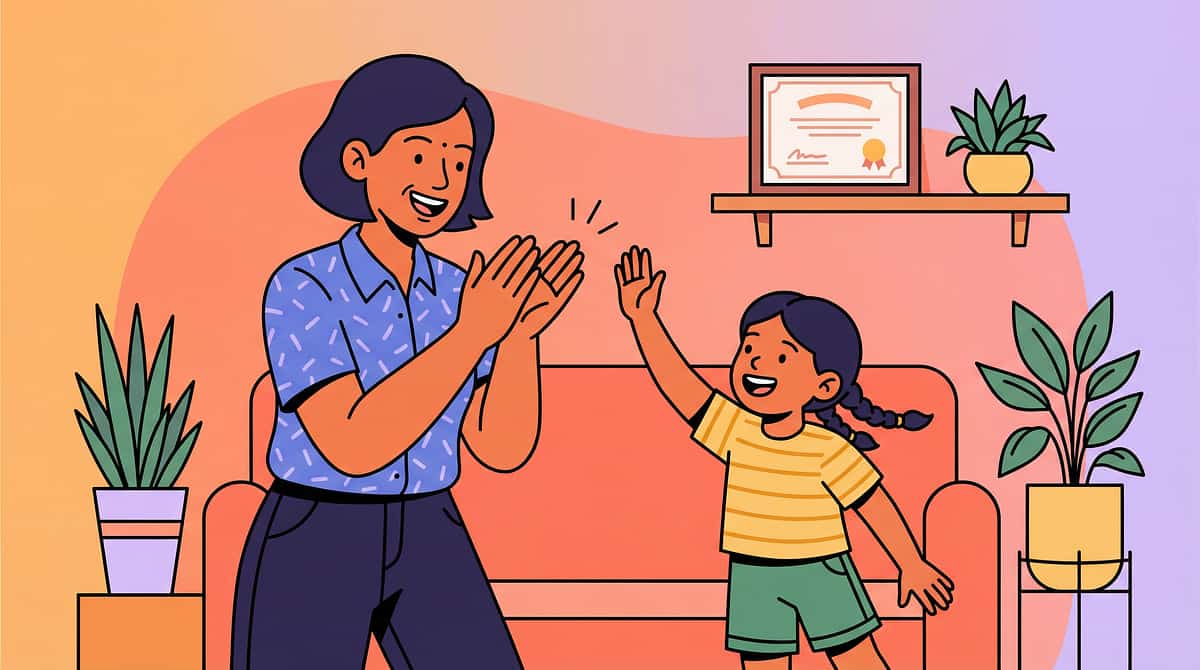
Step 2 of 6
The Engagement — Introducing the Material
Before any writing pressure work, 3–5 minutes of resistive hand exercises prepare the proprioceptive system. The theraputty warm-up always comes first.
Squeeze & Hold
Squeeze theraputty firmly for 5 seconds, release. 5 repetitions. Builds baseline proprioceptive awareness.
Pull Apart
Both hands pull theraputty from centre. Resistance activates full arm proprioceptive chain. 5 repetitions.
Pinch & Pick
Hide 5 small objects (beads, coins) in the putty. Child finds them using fingertip pinch. 2–3 minutes.
Roll & Flatten
Roll into a ball, flatten with palm, repeat. 1 minute. Grounds the hands before writing demands.
Parent observation during warm-up: Watch the child's shoulders. Are they relaxing? Is the grip easing from tight to fluid? This is proprioceptive regulation happening in real time — the system is waking up.
After warm-up: "Okay, hands are ready. Let's try the [resistive board / weighted pencil / mechanical pencil]." Place material in front of child — do not hand it directly into their grip.
Reference: PMC11506176 — Structured material introduction in SI intervention. Duration: 3–5 minutes total.

Step 3 of 6
The Therapeutic Action — Material-Matched to Pressure Pattern
🔴 For Heavy Pressers
Tears paper, breaks pencils, hand cramps
- Theraputty warm-up (5 min) — heavy work provides proprioceptive input
- Write on resistive surface 3–5 minutes of simple tracing/drawing (not word writing yet)
- Try mechanical pencil (0.9mm) — write 3 letters; if lead breaks, observe together: "Interesting. Try again, a little softer."
- Alternate: slant board — 5–10 min simple pattern practice
Key instruction: Never say "lighter." Say: "Can you press like you're drawing on fog? Just touching the surface."
⚪ For Light Pressers
Faint/invisible writing, writing disappears when erased
- Theraputty warm-up (5 min) — focus on FIRMER resistance
- Try thick crayons on textured paper — requires deliberate force; feedback is immediate and satisfying
- Progress to weighted pencil — added weight prompts more intentional pressure
- Carbon paper underneath: show child the impression visually — proof of force
Key instruction:"Can you make the mark dark enough for Grandma to read it from far away?"
🔄 For Inconsistent Pressers
Varies within same task, unpredictable
- Theraputty warm-up (5 min)
- Pressure-indicating pencil or color-changing lead — observe colour variation together with curiosity, not correction
- Resistive surface — consistent texture provides stable feedback
- Short writing bursts only (3–4 letters at a time) — build endurance gradually
Duration: Core therapeutic action: 8–12 minutes. Reference: PMC10955541 — Home sessions effective at 10–20 minutes.

Step 4 of 6
Therapeutic Dosage — How Much, How Often, How to Vary
"3 good repetitions are worth more than 10 forced ones. Quality of engagement determines neural pathway formation — not quantity of attempts."
Task | Target Reps | Satiation Signal | |
Theraputty warm-up exercises | 3–5 sets of each | Hands feel "warm," grip loosened | |
Writing on resistive surface | 3–5 short sequences (3–5 letters each) | Child stops self-correcting or disengages | |
Mechanical pencil practice | 2–4 short lines | Lead breakage rate drops OR child shows pressure awareness | |
Alternative media exploration | 5–8 minutes continuous | Child spontaneously switches or puts material down |
Variation Options
Change the surface — move from sandpaper to mesh board to rubber mat (increasing to decreasing resistance)
Change the task — from tracing → connecting dots → free drawing → first-name letters
Change the position — seated desk → lying prone on floor writing (changes gravity; useful for heavy pressers)
Change the social context — parent traces alongside child (removes performance pressure; activates mirror neuron learning)
"That's enough" recognition: Child begins pushing material away, yawning excessively, making errors they weren't making 2 minutes ago, or requesting to stop. These are data, not defiance.

Step 5 of 6
Reinforce & Celebrate — Timing Changes Everything
⚡The Non-Negotiable Rule: Reinforcement must arrive within 3 seconds of the target behaviour. If your child presses correctly for one letter and you comment 30 seconds later — the connection is broken. This is not opinion. This is behavioural neuroscience.
Behaviour to Reinforce | Example Praise Script | |
Any reduction in paper tearing | "That was so controlled! Look — the paper is still whole!" | |
Any moment of accurate pressure | "YES! That mark! That's the right pressure right there!" | |
Attempting the material at all | "I love that you tried the board. That took courage." | |
Self-correcting without being told | "You noticed it was too hard and fixed it yourself — that's everything." |
Celebrate the attempt, not just the success: If today was hard — if the pressure was wrong the whole time but the child stayed engaged — that engagement IS the therapeutic target at this stage.
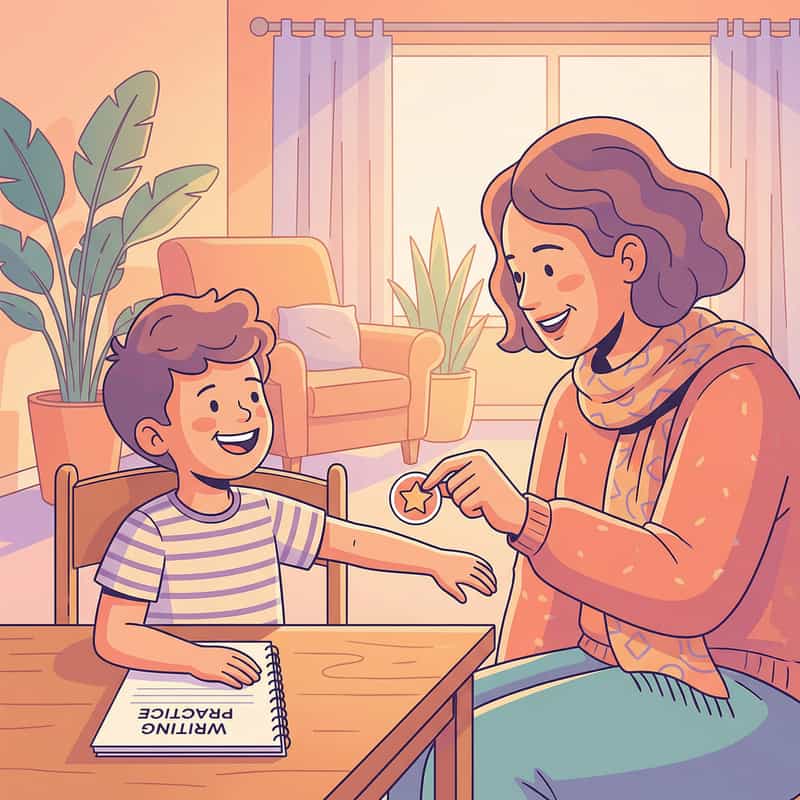
Reinforcement Menu (Free Options)
- High-5 · Special hug
- 5 minutes of favourite activity
- Sticker on hand
- "I'm SO proud of you" eye contact
- Token economy: 5 tokens = preferred activity
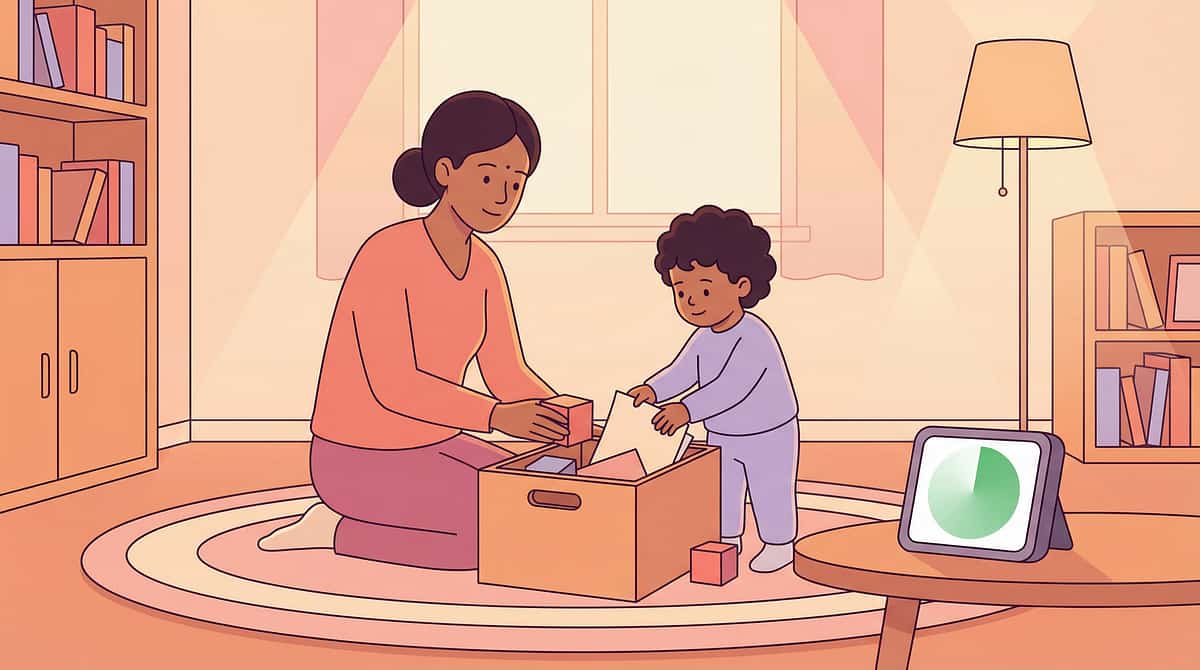
Step 6 of 6
The Cool-Down — No Session Ends Abruptly
Proprioceptive work activates the nervous system. An abrupt end — especially for children with sensory processing differences — can cause post-session dysregulation. The cool-down is not a nicety. It is a clinical phase.
2-Minute Warning
"Two more, then all done. You're doing amazing." Show visual timer counting down.
Final Repetition Acknowledgement
"Last one. Make it a great one." This gives the child agency and closure.
Material Put-Away Ritual
Child places materials back in the tray themselves. Transitions control from the task back to the child.
Transition Bridge
1–2 minutes of calming proprioceptive activity: heavy hand massage, wall push-ups, or a brief theraputty squeeze. Grounds the nervous system.
Celebration Close
Name ONE specific thing that happened today that was good. Not general — specific. "The way you used the mesh board in the middle — that was incredible."
Next-Session Preview
"Tomorrow we'll try the weighted pencil again. You're going to love it." Builds anticipation, removes anxiety.
Reference: NCAEP Evidence-Based Practices (2020) — Visual supports and transition procedures classified as evidence-based for autism.

Capture the Data — Right Now
⏱️ Within 60 Seconds of Session End
Your OT cannot see what happens at home. This data is the bridge. Families who track even 3 data points per session show 3.2× better progress trajectory in GPT-OS® readiness indexes than those who don't.
1. Pressure Accuracy Today
1 — Still tearing paper / invisible marks | 2 — Slight improvement noticed | 3 — Some moments of correct pressure | 4 — Mostly correct pressure with support | 5 — Correct pressure independently today
2. Session Duration
Record minutes of active engagement (not counting warm-up). Even 4 minutes is valid and valuable data.
3. One Observation
One sentence: "Today I noticed: ___________________________" This qualitative data illuminates patterns the numbers miss.
Reference: BACB Data Collection Standards | Cooper, Heron & Heward, Applied Behavior Analysis (8th ed.)

The Reality Card — Most Sessions Don't Go Perfectly
"Session abandonment is not failure. It is data." Every imperfect session teaches something. Here are the 7 most common challenges and what they actually mean.
"Child refused to touch the materials at all"
This is sensory defensiveness or context resistance, not defiance. Tomorrow: introduce material during play, not during a "session." Let them observe you using it first.
"Child was engaged but still tearing paper — no change in pressure"
Too early to expect outcome change. Engagement IS the first milestone. Continue 1–2 more weeks; outcome data lags behind neural adaptation.
"Child had meltdown during the session"
Session was likely too long, too demanding, or child wasn't ready. Reduce demand level next session. Return to theraputty-only for 3 days before reintroducing writing surfaces.
"Mechanical pencil lead kept breaking and child became frustrated"
Move up to 0.9mm lead (more break-resistant). Frame every break as "the pencil giving information, not punishment." If frustration is severe, park mechanical pencil for 2 weeks.
"Child loved theraputty but refused writing surface"
Extend theraputty phase. Begin writing surface as a play surface (not writing yet) — draw freely, not structured letters. Remove the demand; add the exposure.
"My child's pressure was great for 2 minutes then got worse"
Fatigue-driven pressure change — expected and normal. Shorten sessions; take 60-second movement break in the middle. Build endurance gradually.
"I'm not sure I'm doing it right"
You cannot harm your child by doing these activities with care and attention. If you have specific concerns, contact 9100 181 181 for free specialist guidance.
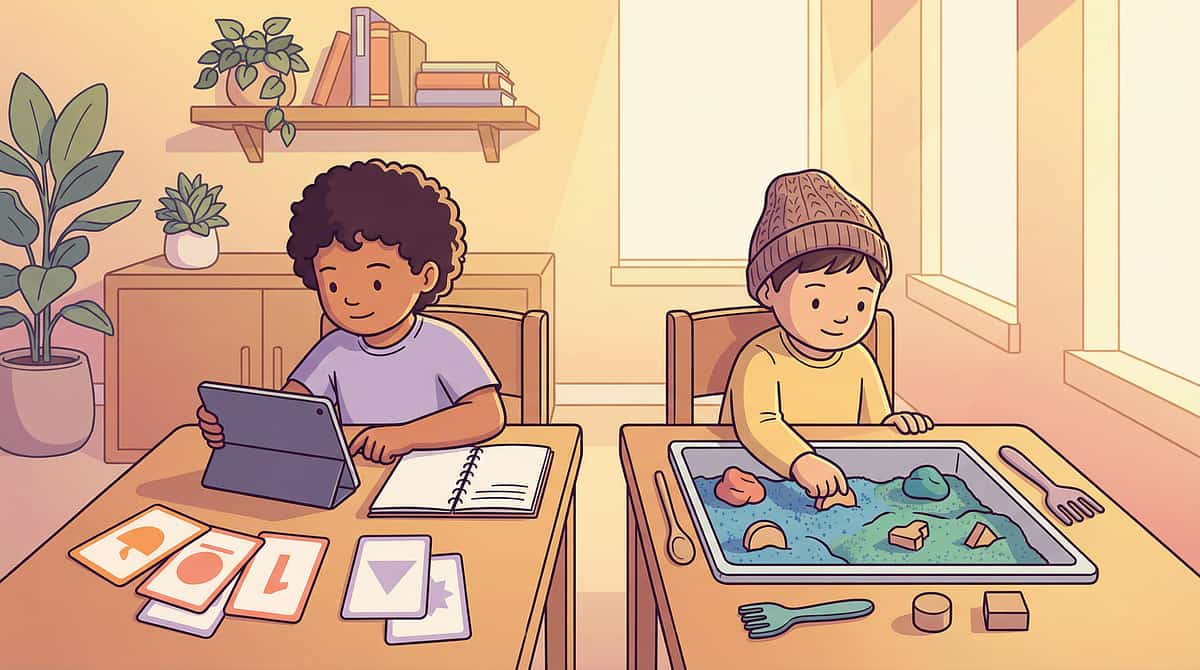
No Two Children Are Identical — Personalise the Protocol
Move along the difficulty slider based on your child's demonstrated readiness — not the calendar. Some children need 3 weeks in one phase; others move faster. Follow the child, not the timeline.
Age 4–5 | Focus entirely on theraputty and alternative media. No formal writing surface demands yet. | |
Age 5–7 | Introduce resistive surface and thick crayons. Mechanical pencil only when child is emotionally ready. | |
Age 7–9 | Full material rotation. Include mechanical pencil. Begin self-monitoring language. | |
Age 9–12 | Child can be active partner in selecting materials. Self-monitoring and self-correction emphasis. |
Sensory Seeker (Heavy Presser)
↑ Proprioceptive input BEFORE session. Heavy work, wall push-ups, carrying books. Reduces the need to seek input through pressing.
Sensory Avoider (Light Presser)
↓ Sensory demand. Start with the least resistive surface. Gradually increase only as tolerance grows. Never push through aversion.
Bad-Day Protocol
Skip writing surface entirely. Theraputty only, 5 minutes. Child's preferred calming activity. Count it as a session. Consistency > intensity.

ACT IV · THE PROGRESS ARC
Weeks 1–2 — The Orientation Phase
Progress at this stage is about the parent becoming fluent in the protocol — finding the right timing, the right script, the right sequencing for this specific child. The adult's skill development is the Week 1–2 target.
✅ Progress Indicators for Weeks 1–2
- Child tolerates the writing session for 3 seconds longer than last week
- Child reaches for a material without being prompted — once in the week
- One occasion of slightly less paper tearing OR slightly more visible writing
- Child uses "too hard" or "too soft" language spontaneously at least once
- Session ending without meltdown (if that was previously an issue)
❌ Not Progress Yet — Managing Expectations
- Consistent pressure control (comes weeks 4–8)
- Transfer to school writing (comes later)
- Sustained sessions without support (comes progressively)
📊 GPT-OS® Fine Motor Readiness Index starts here. Baseline is set in Week 1. All subsequent progress is measured against this baseline — not against an external standard.
Reference: PMC11506176 — Early-phase outcomes in SI intervention focus on tolerance and participation.
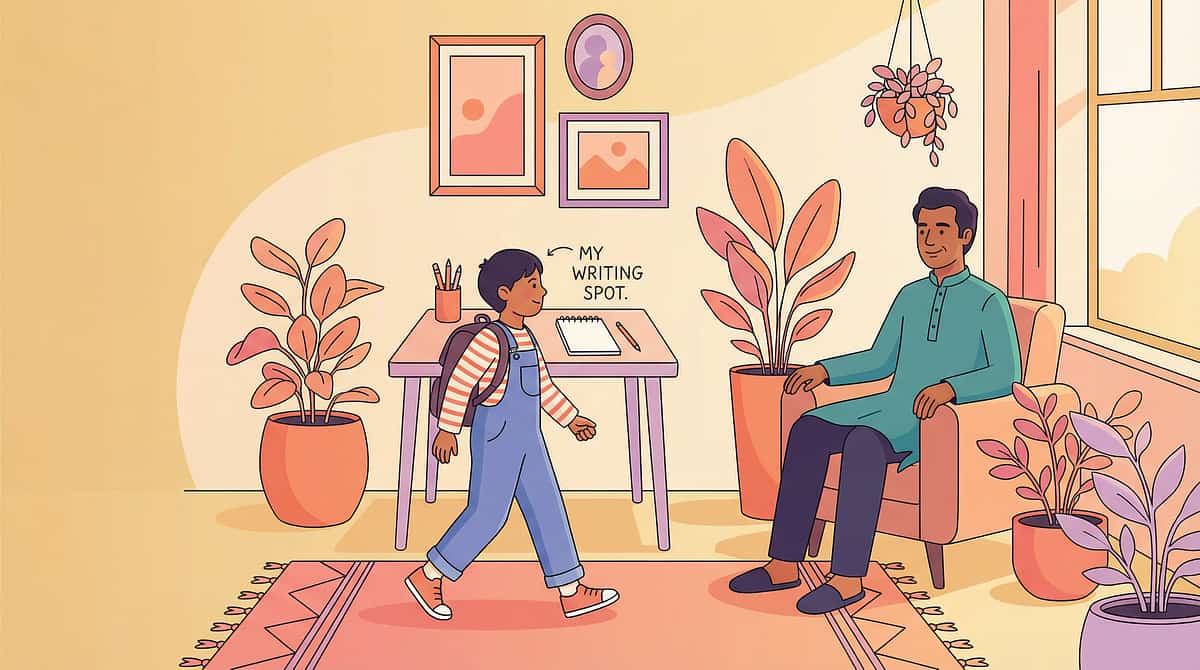
Weeks 3–4 — Neural Pathways Beginning to Form
Consolidation Indicators
- Child anticipates the session — walks to the writing area without being guided
- Child names their preferred material spontaneously
- Paper tearing frequency decreasing measurably (even if still occurring)
- Child makes a pressure self-correction attempt during a session (even if unsuccessful)
- Theraputty warm-up completing within 3 minutes (fluency sign)
What's Happening Neurologically
Synaptic pathways between proprioceptive input and motor output are strengthening. The hand is beginning to "remember" what calibrated pressure feels like — not in a conscious way, but in a muscle-memory way. This is why consistency in weeks 3–4 is disproportionately important.
When to Increase Intensity
If the child shows 3+ consolidation indicators in the same week, introduce one step harder on the difficulty slider. Challenge should stay just ahead of current ability — the "just-right challenge" principle.
Parent Milestone
"You may notice you're calmer during sessions now. Your nervous system has also learned. You're co-regulating more effectively."
Progress Bar: ~40%
Foundational pathways are forming. Neural adaptation is underway. This phase feels slow — but the work happening beneath the surface is significant.
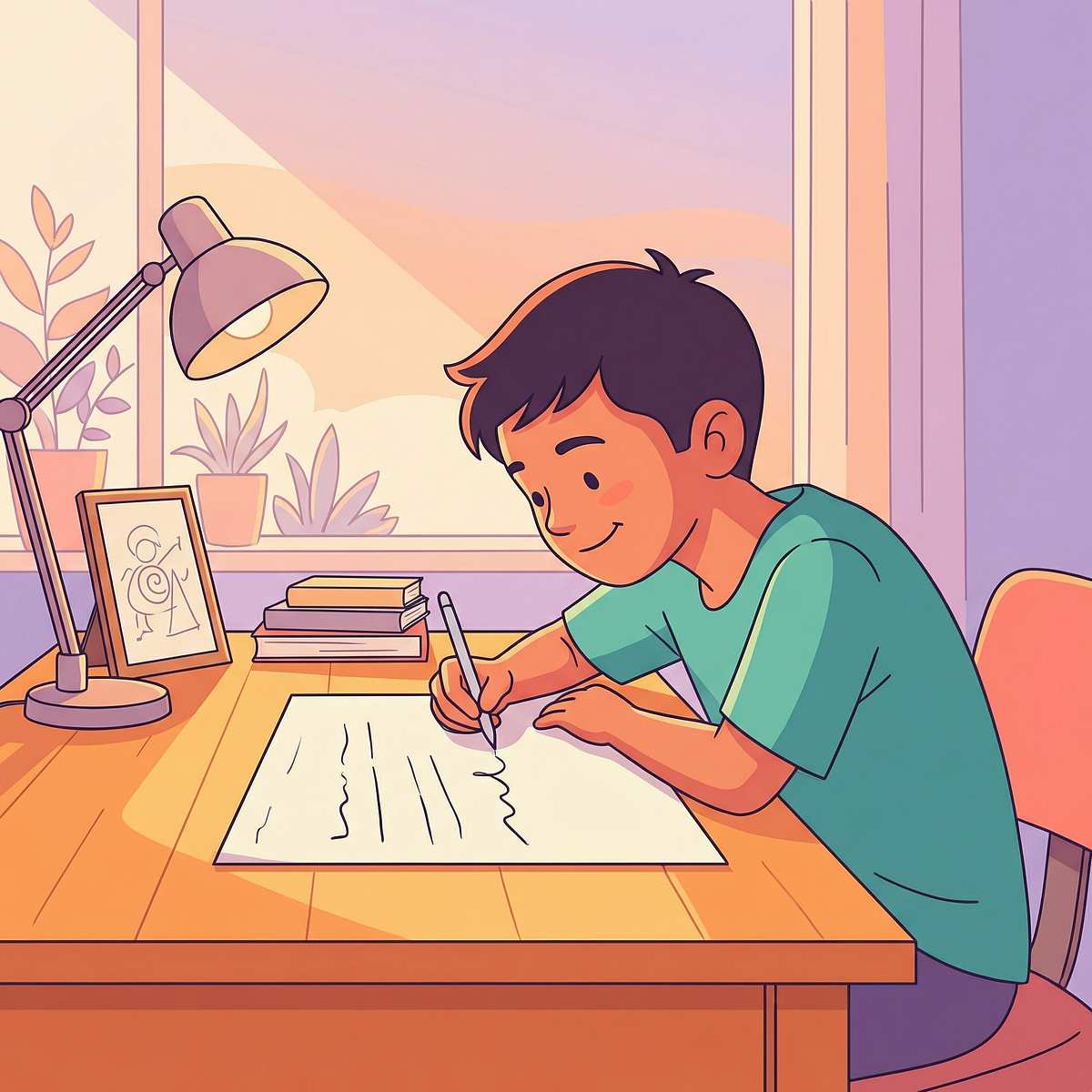
Weeks 5–8 — Mastery Phase
✅ Writes 3+ sentences
On standard paper without tearing — 3 consecutive sessions
✅ Legible Writing
Parent can read without difficulty — 3 consecutive sessions
✅ Self-Corrects Pressure
Without being prompted — observed at least twice per session
✅ Extended Endurance
Hand fatigue appearing after 8+ minutes (vs. 2–3 minutes at baseline)
🏆Mastery Unlocked criteria met? → Progress to A-100 (Pencil Grip) or A-101 (Letter Formation) → Reduce session frequency to 3×/week (maintenance) → Notify school OT — clinical progress data available through GPT-OS®
Reference: PMC10955541 | BACB mastery criteria standards.

You Did This.
Your child grew because of your commitment. Let that land.
Over these weeks, you learned to read your child's proprioceptive signals. You prepared their hands with theraputty before demanding writing. You introduced resistive surfaces, weighted tools, and alternative media with patience and creativity. You collected data when you were exhausted. You postponed sessions when your child wasn't ready instead of pushing through. You celebrated 3-second improvements.
That is extraordinary parenting science.
Family Celebration Suggestions
- 🎉 Let the child choose tonight's dinner or film
- 📸 Take a photo of a piece of writing from Week 1 vs. today — side by side
- 📔 Write one sentence in the child's home diary: "Today [Name] mastered pencil pressure."
- 🫂 Tell someone outside your household — the achievement deserves an audience
Thousands of families have sat exactly where you sat in Week 1. Many of them are waiting to hear that you made it through. Consider sharing your story in the Pinnacle Parent Community.
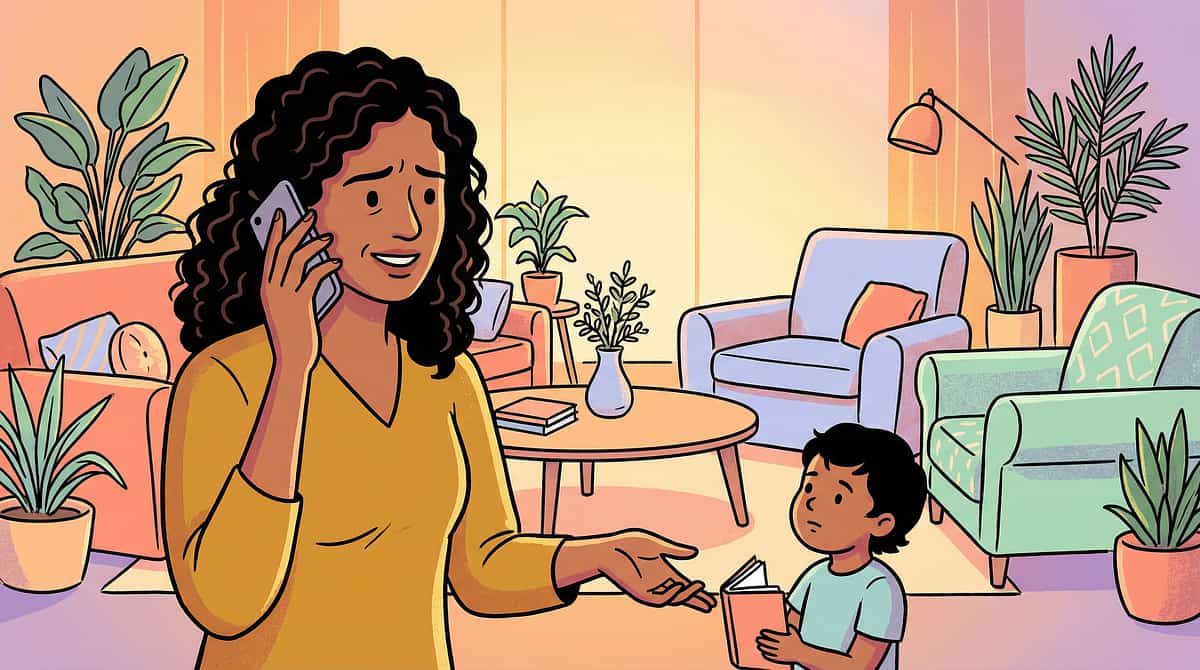
⚠️ Specific Signs That Require Professional Consultation
🔴 Persistent Hand Pain or Swelling
Child reports hand, wrist, or finger pain during or after writing that doesn't resolve with rest. May indicate underlying hypermobility, inflammation, or motor disorder. Do: Pause all writing sessions. Contact your paediatrician and Pinnacle centre within 48 hours.
🔴 Zero Improvement After 8 Weeks
No change in any pressure indicator after 8 full weeks of consistent daily sessions. May indicate a deeper sensory-motor profile requiring in-depth OT assessment. Do: Book formal assessment. Call 9100 181 181.
🔴 Increasing Avoidance and Distress
Sessions becoming more difficult, not easier, week-by-week. Materials or approach may be mismatched; underlying anxiety may require different approach. Do: Pause. Teleconsult with OT. Adjust protocol.
🔴 Hand Tremor or Unexpected Motor Changes
New trembling, shaking, or changes in coordination appearing. Neurological change requires medical assessment. Do: Paediatric neurologist referral through your GP or Pinnacle network.
🟡 Regression After Illness or Life Event
Skills drop after flu, school change, or family disruption. Expected — not a red flag requiring panic. Return to Week 1 protocol for 1 week, then reassess.
Escalation pathway: Self-resolve → 1 week modified protocol → Teleconsult: 9100 181 181 → Clinic visit: nearest Pinnacle centre → Specialist referral: Pinnacle NeuroDev network
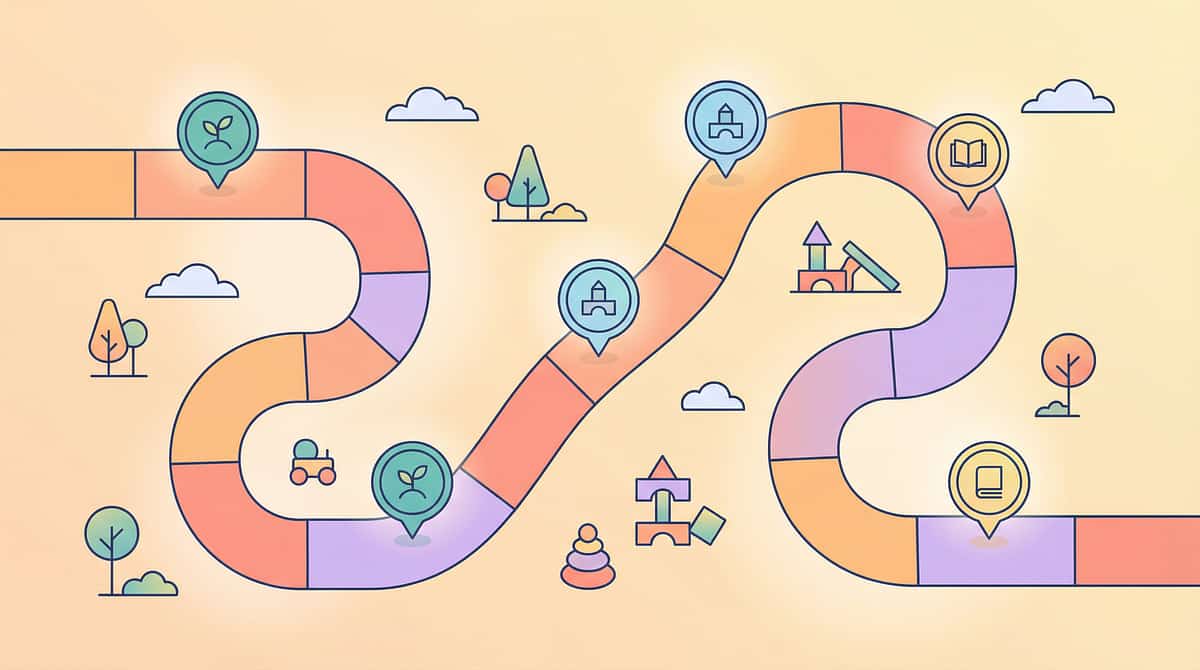
Your Developmental GPS — Where This Technique Lives
1
A-097
Hand Strength Building
2
A-098
Finger Dexterity
3
A-099
PENCIL PRESSURE ← YOU ARE HERE
4
A-100
Pencil Grip Problems
5
A-101
Letter Formation
Branching Options Based on Your Child's Response
Heavy Pressure Pattern Mastered
→ A-100 (Pencil Grip) — grip tension and pressure are directly connected
Light Pressure Pattern Mastered
→ Revisit A-097 (Hand Strength) — light pressure often involves underlying strength deficit
Inconsistent Pressure Remains
→ A-102 (Writing Endurance) — inconsistency is often a fatigue/attention interaction
Approach Didn't Resonate
→ Domain B: Fine Motor Through Play — same proprioceptive targets through non-writing contexts
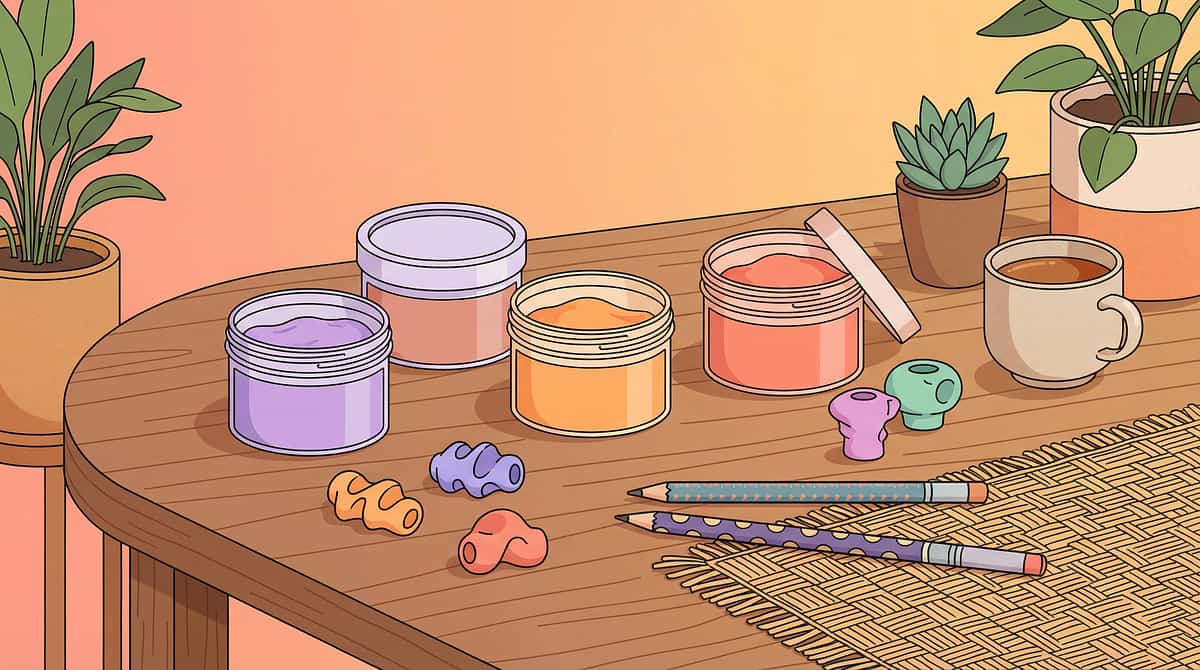
Related Techniques — You Already Have the Materials
A-097 · Hand Strength Building
INTRO level | Primary material: Theraputty
✅ Your theraputty from A-099 is the primary material here too.
A-098 · Finger Dexterity
INTRO level | Materials: Putty + Peg tools
✅ Your resistive surface works for this technique.
A-099 · PENCIL PRESSURE
CORE level | All 9 materials | ← CURRENT PAGE
A-100 · Pencil Grip Problems
CORE level | Materials: Grips + Theraputty
✅ Your pencil grips from A-099 continue here.
A-101 · Letter Formation
CORE level | Materials: Lined paper + Grips
✅ Your mechanical pencil continues in A-101.
A-102 · Writing Endurance
ADVANCED level | Materials: Timed writing tools
✅ Your slant board and resistive surface transfer directly.
Fine Motor & Handwriting Solutions Series | Domain: FM-HAND | 200 techniques total
ACT V · COMMUNITY & ECOSYSTEM
From the Therapy Notes — Families Who Started Where You Are
Case Study · Heavy Presser
Arjun, Age 7 — Hyderabad
Before: Tore through every worksheet. Three worksheets per school day destroyed. OT noted "bilateral upper extremity tension propagating from shoulder to fingertip — proprioceptive seeking pattern." Hand cramping after 4 sentences.
Protocol: Theraputty 5 minutes before every writing session. Screen board under all homework paper. Mechanical pencil introduced at Week 3. Lead breakage rate used as data, not punishment.
6 weeks later: Paper intact for 11 out of 14 sessions. Hand cramp complaints reduced from daily to twice per week. Teacher noted "his letters are getting darker and more consistent."
"'Mom, I can feel how hard I'm pressing now.' He said it himself. I nearly cried." — Arjun's mother, Pinnacle Hyderabad Network
Case Study · Light Presser
Priya, Age 9 — Pinnacle Network
Before: Invisible writing. Work sent home repeatedly with teacher notes: "Please write darker." Her handwriting disappeared entirely when erased. She believed she was writing normally.
Protocol: Thick crayons for all home practice for 2 weeks. Carbon paper under homework showed her visually what her pressure was producing. Weighted pencil introduced at Week 3.
8 weeks later: Writing consistently visible. Teachers no longer requesting rewrites. Priya now checks her own pressure independently.
"Priya's carbon paper was the turning point — she could see what she couldn't feel. Visual feedback replaced proprioceptive feedback until her system calibrated." — Senior OT, Pinnacle Network
Note: Outcomes vary by child profile. These are illustrative cases from GPT-OS® aggregate data.
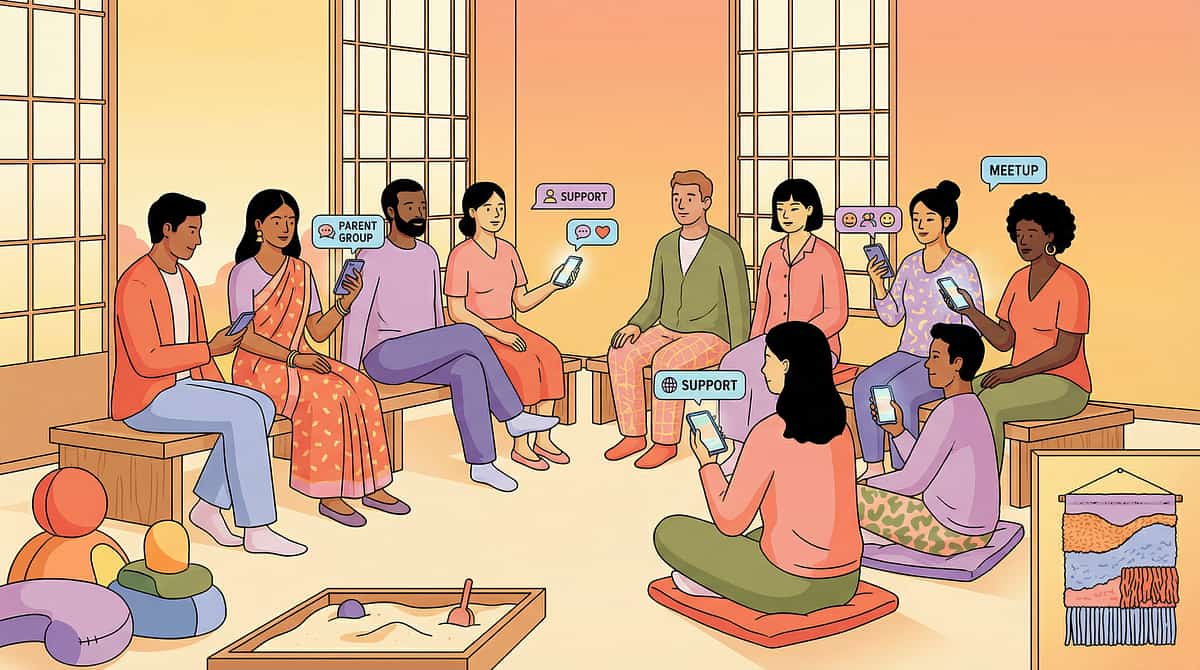
You're Not Doing This Alone
Isolation is the number-one enemy of consistent home-based intervention. Families who connect with others navigating the same challenge show 2.8× higher session completion rates over 8 weeks. Community is therapeutic infrastructure.
WhatsApp Parent Group
Fine Motor & Handwriting Series. Share tracking data, celebrate wins, ask for help on bad days. Connect with parents working through A-097 to A-102.
Join via Pinnacle Helpline — 9100 181 181
Pinnacle Parent Community Forum
Searchable database of parent questions and therapist answers on pencil pressure, grip, and handwriting challenges.
pinnacleblooms.org/community
Local Parent Meetups
Monthly parent group meetings at 70+ centres across India. Facilitated by Pinnacle therapists. Bring your tracking data — get immediate feedback.
Peer Mentoring Programme
Parents who have completed the A-099 protocol are available for 1:1 peer support calls. They've been where you are. They want to help.
Request a peer mentor via helpline

Home + Clinic = Maximum Impact
Therapist Matching for A-099
This technique's primary discipline is Occupational Therapy. For the best A-099 support, you need a paediatric OT with sensory integration specialisation, a BCBA for reinforcement architecture (if avoidance is significant), and a Special Educator for school coordination.
Option | Best For | Access | |
In-centre OT assessment | First-time families; no previous evaluation | Book via helpline | |
Teleconsultation (OT) | Families outside metro areas; protocol review | GPT-OS® platform | |
Home visit (select cities) | Setting up home therapy environment correctly | Book via helpline | |
School coordination | When school writing is primary concern | Centre OT to school liaison |
📍 70+ Centres Across India
Hyderabad HQ | Pan-India network | Home visits in select cities | Teleconsultation available nationwide
🆓 FREE National Autism Helpline
9100 181 181
16+ languages | 24×7
No appointment needed
Specialist callback within 2 hours (business hours)
16+ languages | 24×7
No appointment needed
Specialist callback within 2 hours (business hours)
pinnacleblooms.org
Reference: WHO NCF Progress Report (2023) — Primary health care as platform for reaching all families.
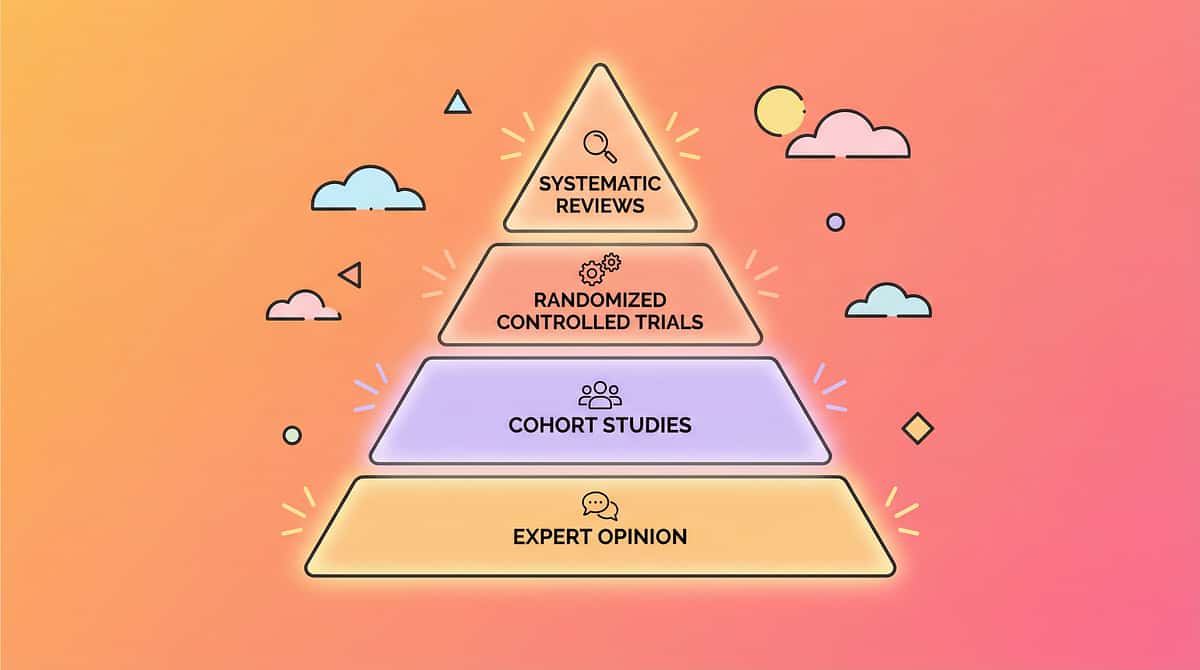
The Science Behind Every Card on This Page
📚 For the Curious Parent — The Full Evidence Base
PMC11506176 · Children (2024)
16 studies, 2013–2023. Sensory integration intervention confirmed as evidence-based for ASD including fine motor outcomes. PRISMA methodology.
PMC10955541 · World J Clin Cases (2024)
24 studies. Sensory integration therapy effectively promotes fine & gross motor skills in children with ASD.
Indian RCT · Padmanabha et al. (2019)
Home-based sensory intervention RCT in India. Significant motor skill outcomes. Validates home-based protocol for Indian families. DOI: 10.1007/s12098-018-2747-4
WHO CCD Package (2023) · PMC9978394
Implemented in 54 LMICs. Home-based caregiver-administered sensory and motor intervention validated at population scale.
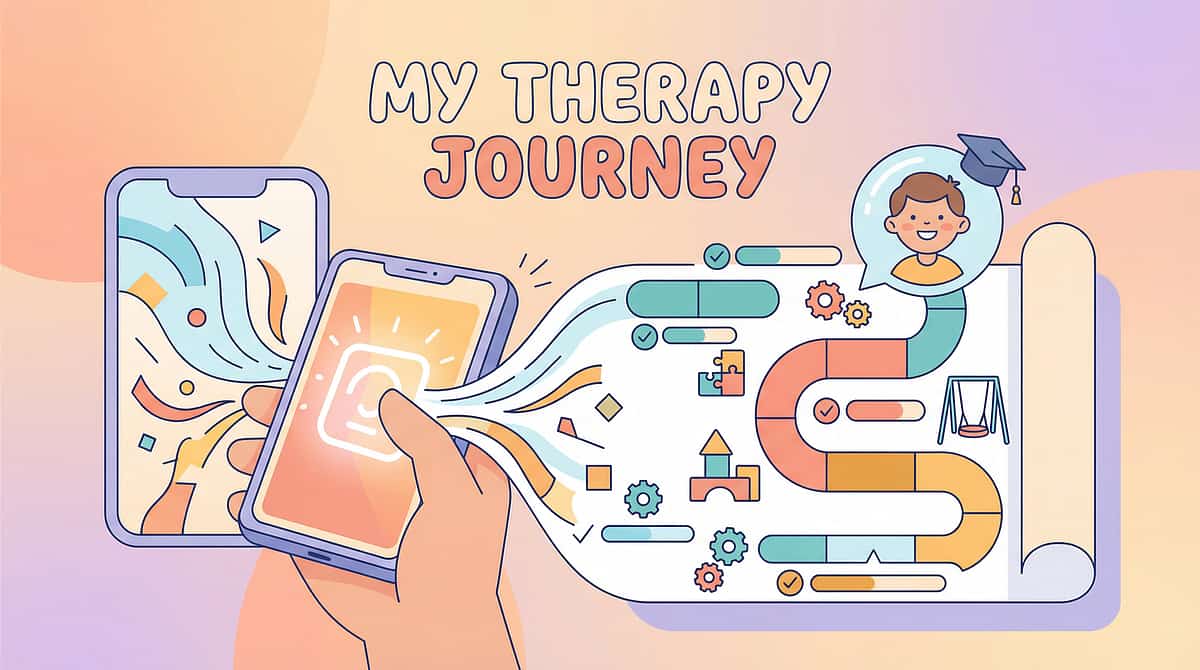
Your Session Data. Your Child's Personalised Roadmap.
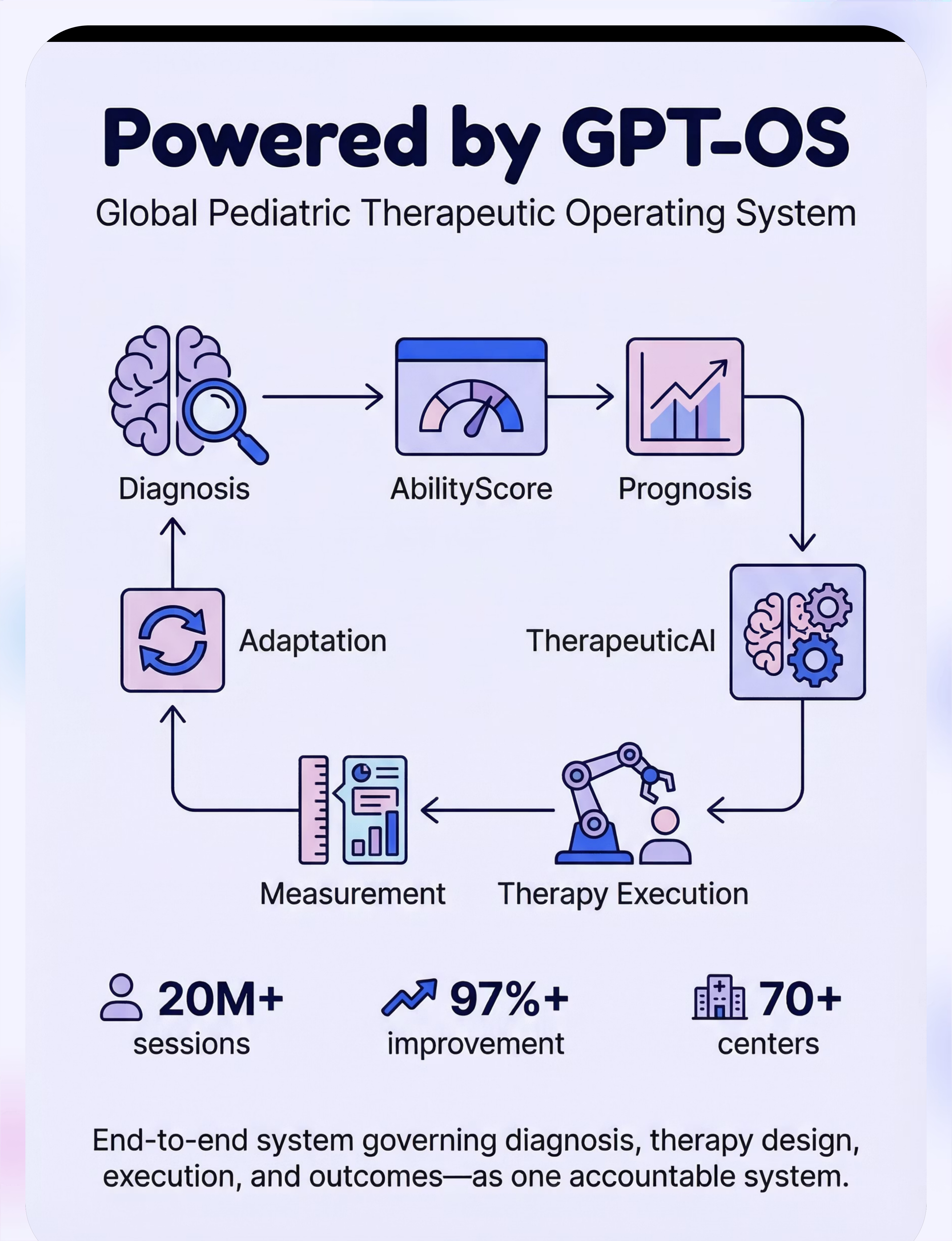
Every data point from every A-099 session across 70+ centres and home users refines the pressure regulation model for all future families. Your child's journey helps every child who follows.
What GPT-OS® Learns from A-099 Data
- Your child's proprioceptive seeking vs. under-registration pattern
- Optimal session duration for this child's regulation window
- Which material combinations produce the best response
- Fatigue curve — when pressure begins to degrade in a session
- Readiness for A-100 progression
GPT-OS® core stack: AbilityScore® • TherapeuticAI® • EverydayTherapyProgramme™ • FusionModule™ • Diagnostic Intelligence Layer • Prognosis Engine
🔒Privacy Assurance: Data encrypted in transit and at rest | Anonymised for population-level insights | Never sold | Indian PDPB compliant | ISO/IEC 27001 aligned
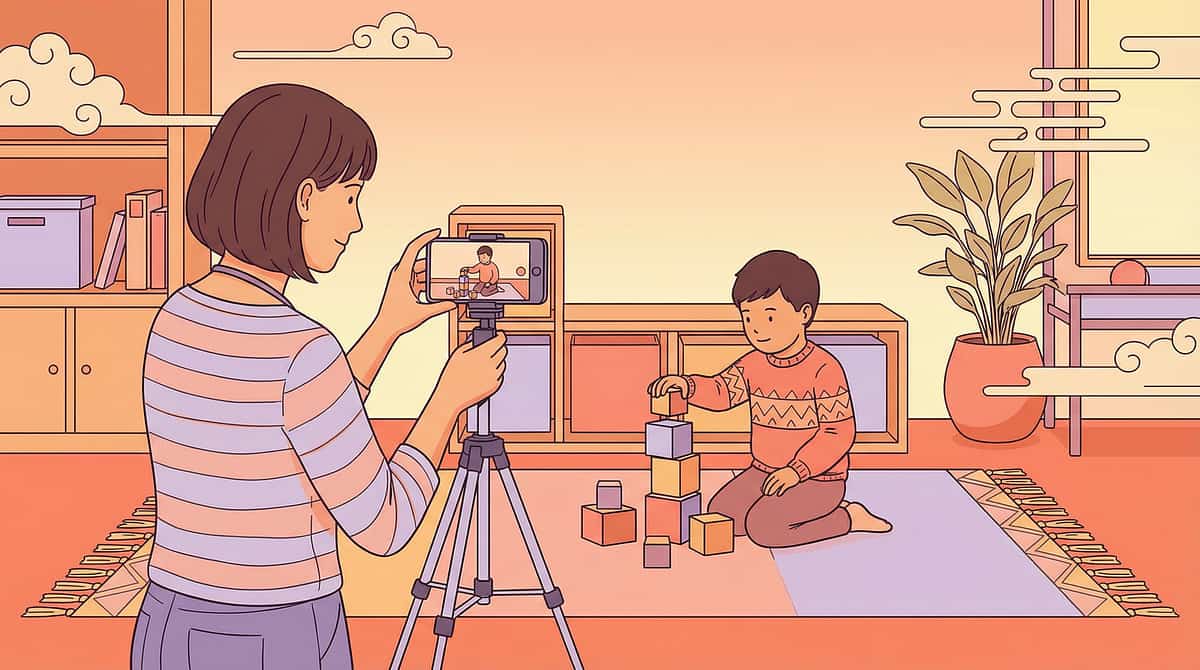
See It Before You Do It — The A-099 Reel
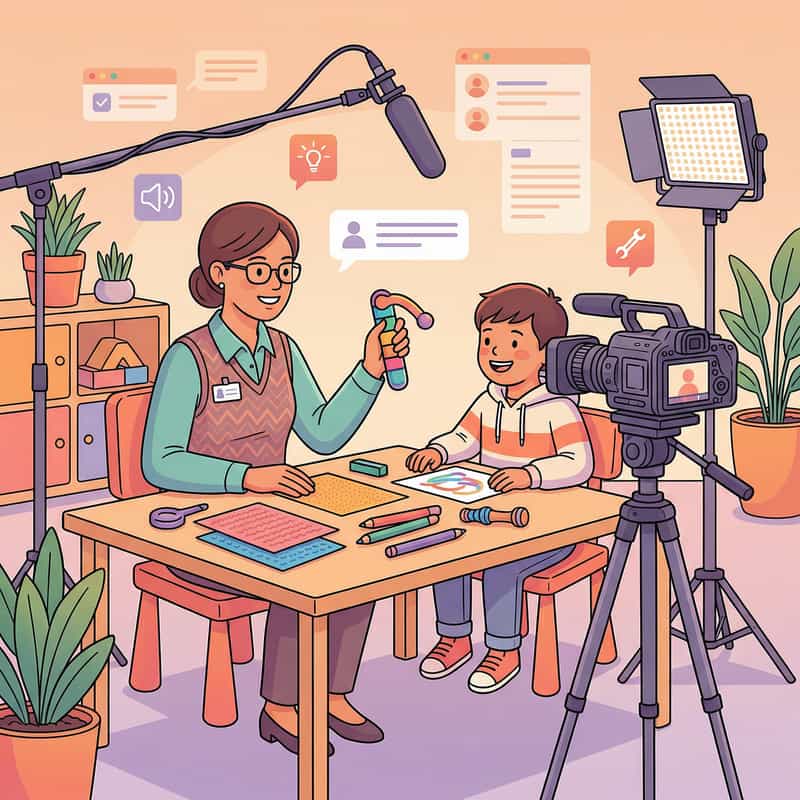
📹 Reel A-099
Title: 9 Materials That Help With Pencil Pressure Problems
Series: Fine Motor & Handwriting Solutions · Episode 99
Duration: 75–85 seconds
Language: Available in 16+ languages
Series: Fine Motor & Handwriting Solutions · Episode 99
Duration: 75–85 seconds
Language: Available in 16+ languages
What You'll See in the Reel
- Both pressure extremes: torn paper and invisible writing
- Each of the 9 materials demonstrated in 4–5 seconds each
- Therapist voiceover: "This is not about trying harder. This is about being able to feel."
- Families sharing real pressure regulation journeys
- GPT-OS® platform overview
Every technique reel is reviewed by senior OTs, BCBAs, and NeuroDev paediatric specialists before publication.
Reference: NCAEP (2020) — Video modelling classified as evidence-based practice for autism.

Consistency Across Caregivers Multiplies Impact
A child who practices pressure regulation during home sessions but receives no accommodation at school and no adjusted handling from grandparents is working at 30% of potential impact. When all caregivers align — parent, grandparent, teacher, sibling — neural pathway formation accelerates.
📱 Share on WhatsApp
Pre-formatted message: "Found this for [child's name]'s writing — might help your family too"
📧 Share via Email
With this page link + 1-paragraph summary to teacher, grandparent, or co-parent
📄 Download Family Guide
"Pencil Pressure — A Family Guide" — 1 page, plain language. What the challenge is, 3 things every caregiver can do, what NOT to say to the child.
🏫 School Template
School Accommodation Request Template — references GPT-OS® data and NCAEP evidence base. Ready to send to your child's teacher today.
"[Child's name] presses too hard (or too light) when writing. This is a brain-body communication difference — not behaviour. When they write, please: (1) don't tell them to press lighter/harder — say 'let's try the special board'; (2) celebrate every complete sentence; (3) never show frustration with their writing."
Preview of 9 materials that help with pencil pressure problems Therapy Material
Below is a visual preview of 9 materials that help with pencil pressure problems therapy material. The pages shown help educators, therapists, and caregivers understand the structure and content of the resource before use. Materials should be used under appropriate professional guidance.



Link copied!
ACT VI · THE CLOSE & LOOP
Frequently Asked Questions
Questions parents ask every time — answered with clinical precision and parental warmth.
How long before I see a real change in my child's writing?
Observable pressure improvement typically appears in weeks 4–6 with daily sessions. The first 2–3 weeks are primarily proprioceptive system preparation — essential groundwork that isn't visible in the writing yet. Don't measure success by the writing alone in the first month.
My child hates the theraputty. Can I skip it?
The warm-up is important but not irreplaceable. Alternatives: wall push-ups (30 seconds), carrying heavy books across the room, pressing palms together firmly for 10 seconds. Try these as substitutes before abandoning the concept entirely.
The school says to just "remind him to press softer." Is that enough?
No. Verbal reminders work only when the child has the proprioceptive awareness to act on them. Without sensory-motor training, reminders are like telling someone to hear better. Build the awareness first — then reminders become useful maintenance tools.
Should I do these sessions every day or every few days?
Daily short sessions (10–15 minutes) outperform longer sessions 3×/week in proprioceptive skill development. The warm-up can be done every day even if writing practice is every other day. Consistency is more important than duration.
My daughter has both heavy pressure AND inconsistent grip — where do I start?
A-099 (pressure) before A-100 (grip). Pressure regulation is the more foundational skill — correcting the grip without addressing pressure produces limited results. Complete 4 weeks of A-099 before introducing grip-specific work.
Can I use these materials for a child who doesn't have autism?
Absolutely. Pencil pressure dysregulation occurs across all neurotypes including DCD, ADHD, hypermobility, and typically developing children. The materials and protocol are sensory-motor tools — not autism-specific. The principles work for any child whose proprioceptive pressure awareness needs development.
The mechanical pencil keeps breaking and frustrating my child. What do I do?
Step back to 0.9mm leads (more break-resistant). Introduce it as "the pressure-measuring pencil" — every break is information, not failure. If frustration remains high after 3 sessions with this reframe, set mechanical pencil aside for 2 weeks. The other 8 materials can carry the protocol.
How do I know if my child needs professional OT versus just doing this at home?
Professional OT assessment is recommended if: (1) challenges have been present for more than 6 months; (2) pressure issues are affecting school performance or emotional wellbeing; (3) home protocol shows no progress after 8 weeks; (4) you suspect additional motor or sensory factors. Call 9100 181 181 for free guidance on whether clinic is needed.
You've Read the Science. You Have the Materials. Your Child Is Waiting.
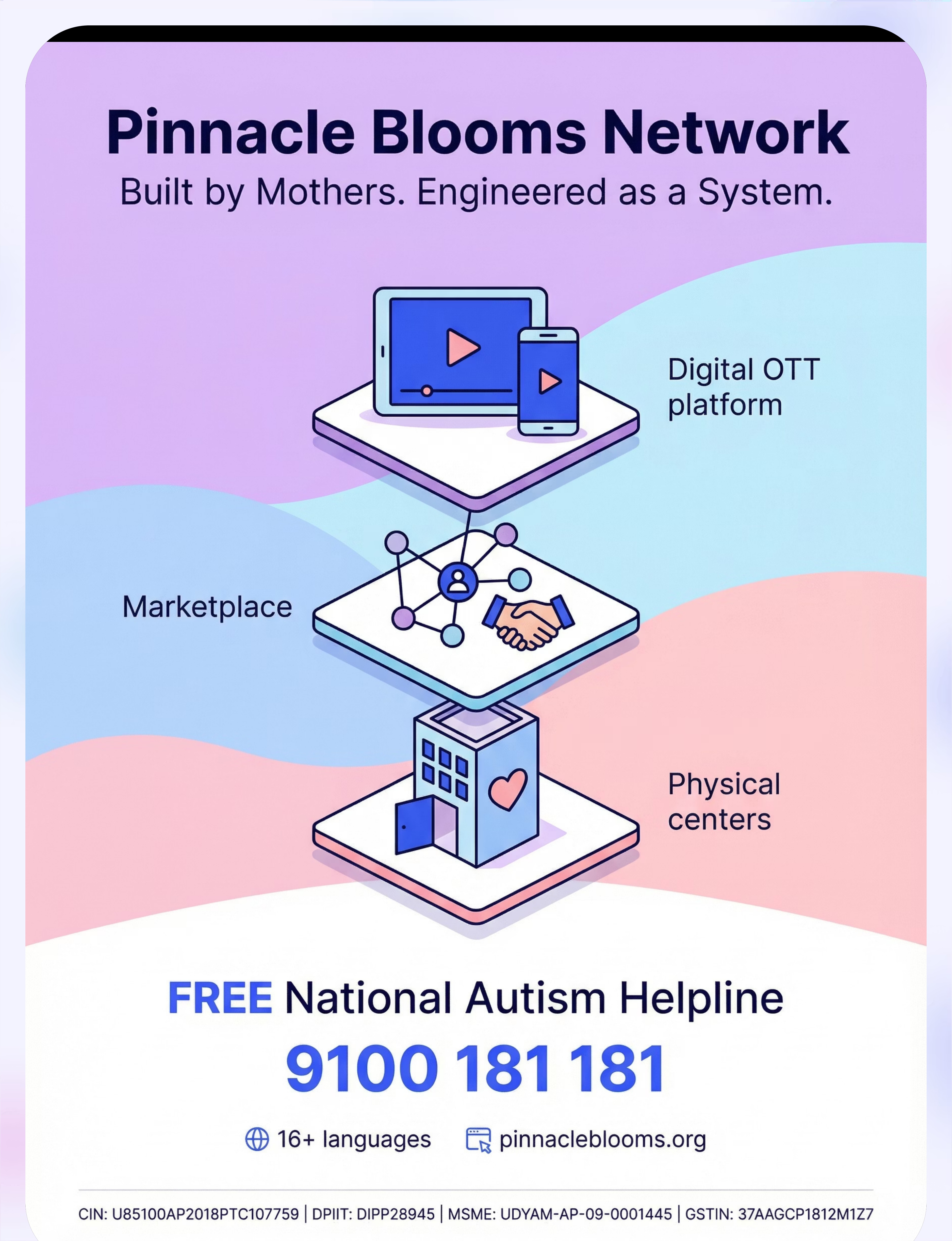
📱 Digital OTT Platform
EverydayTherapyProgramme™ on-demand
🏪 Therapeutic Marketplace
Verified materials, therapists, programmes
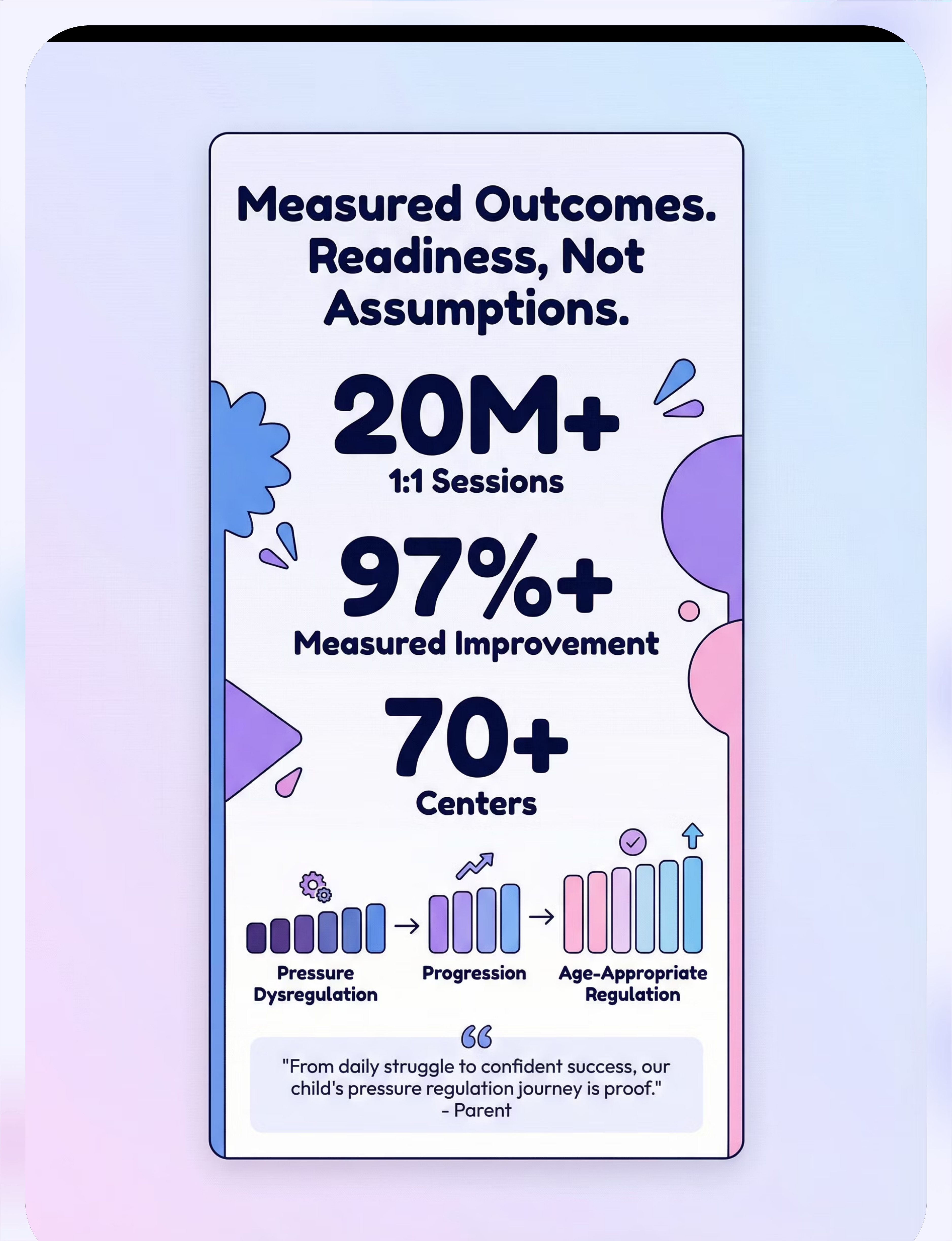
🏢 70+ Physical Centres
Pan-India network under GPT-OS®
🆓 FREE National Autism Helpline: 9100 181 181 | 16+ languages | 24×7
pinnacleblooms.org | care@pinnacleblooms.org
pinnacleblooms.org | care@pinnacleblooms.org
This content is educational. It does not replace assessment by a licensed occupational therapist or healthcare provider. Significant or persistent pencil pressure dysregulation should be evaluated comprehensively to understand the child's full sensory-motor profile. Individual results may vary. Statistics represent aggregate outcomes across the Pinnacle Blooms Network.
© 2025 Pinnacle Blooms Network®, a unit of Bharath Healthcare Laboratories Pvt. Ltd. | All rights reserved.
CIN: U74999TG2016PTC113063 | DPIIT: DIPP8651 (Govt. of India) | MSME: Udyog Aadhaar: TS20F0009606 | GSTIN: 36AAGCB9722P1Z2
techniques.pinnacleblooms.org/fine-motor/pencil-pressure-problems-A099
CIN: U74999TG2016PTC113063 | DPIIT: DIPP8651 (Govt. of India) | MSME: Udyog Aadhaar: TS20F0009606 | GSTIN: 36AAGCB9722P1Z2
techniques.pinnacleblooms.org/fine-motor/pencil-pressure-problems-A099