

9 Materials That Help When Your Child Loves Tight Wrapping
Wraps themselves in blankets, hides in tight spaces, wants to be squeezed — their nervous system is searching for the pressure it needs to feel calm.
"She wraps herself so tight in blankets I worry she can't breathe. He squeezes into tiny spaces between furniture. She asks to be hugged SO tight. It's like his body can't relax without being squeezed."
Sensory Solutions Series — Episode 103
Deep Pressure Seeking · Proprioceptive Regulation
Ages 2–10
Pinnacle Blooms Network®

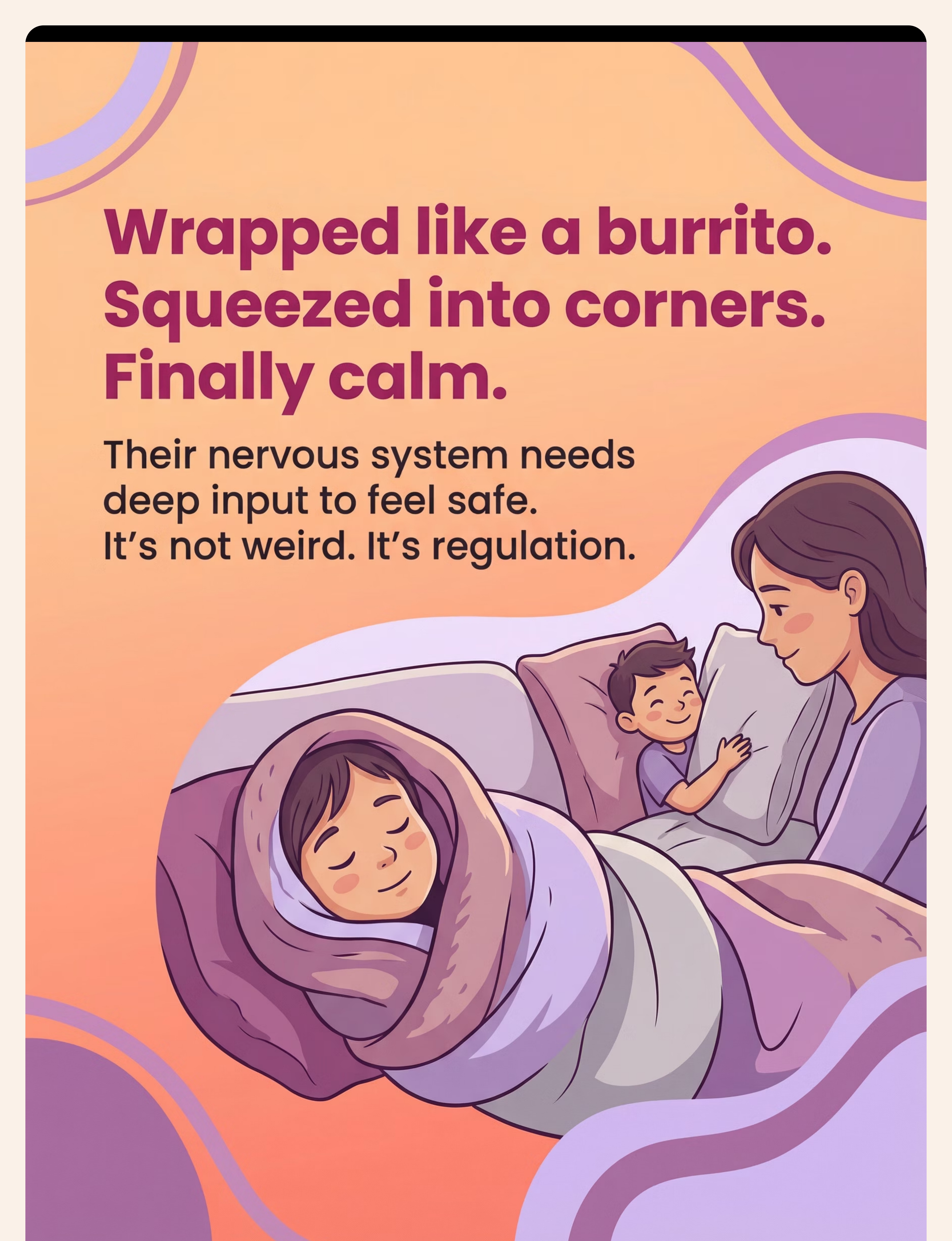
Wrapped like a burrito. Squeezed into corners. Finally calm.
Their nervous system needs deep input to feel safe. It's not weird. It's regulation. Here are 9 materials that give them the squeeze their body is searching for.
This is not strange behavior. This is not attention-seeking. Their proprioceptive system has a high threshold — it needs intense input to feel calm, grounded, and safe. The wrapping and squeezing IS the regulation.

What's Happening in Their Body
Understanding the "Why" — Science for Parents
Deep Pressure Seeking / Proprioceptive Under-Responsivity — A sensory processing pattern where the child's nervous system requires deep, sustained pressure input to feel calm, organized, and secure. Deep pressure activates the parasympathetic nervous system, creating a calming effect. Their brain is asking for what it needs.
Common Signs
Wraps self tightly in blankets, towels, or fabric
Asks to be hugged very tightly — "harder!"
Squeezes into small spaces — behind furniture, in closets
Burrows under couch cushions or heavy pillows
Sleeps better when tightly tucked or under heavy weight
Prefers tight clothing, hates loose or flowy fabrics
Calms down immediately when firmly held or squeezed
Creates "nests" or "caves" with blankets and pillows
This behavior is functional self-regulation. The child's body is trying to calm itself using the only tools it knows.
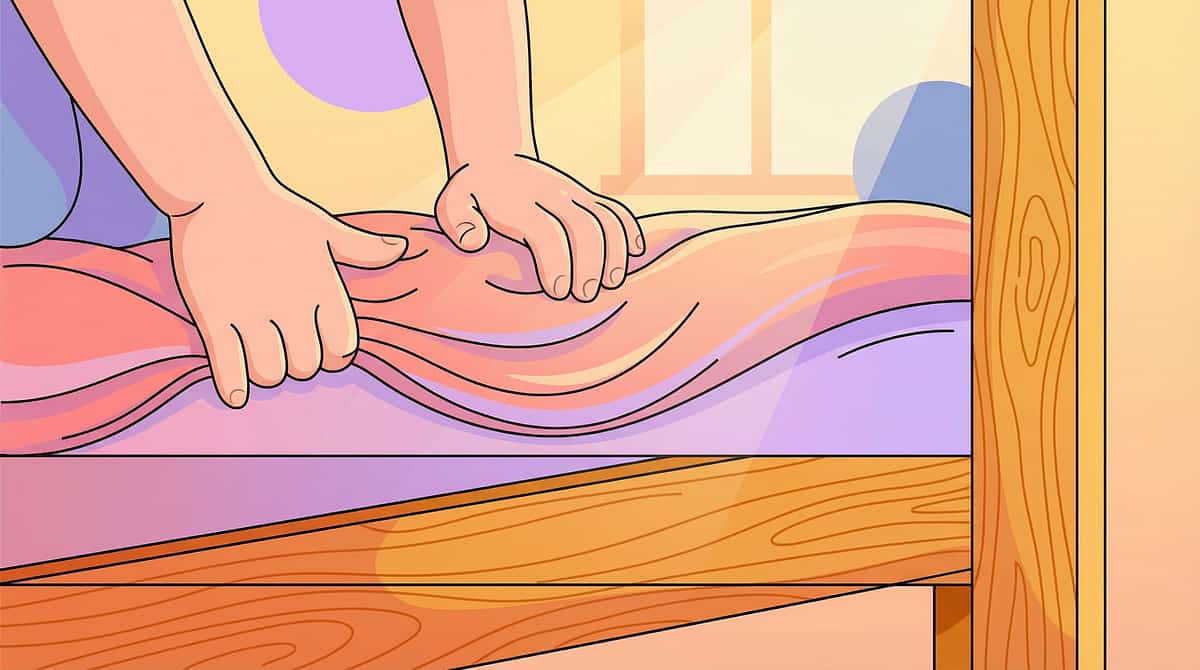
Material 1 of 9
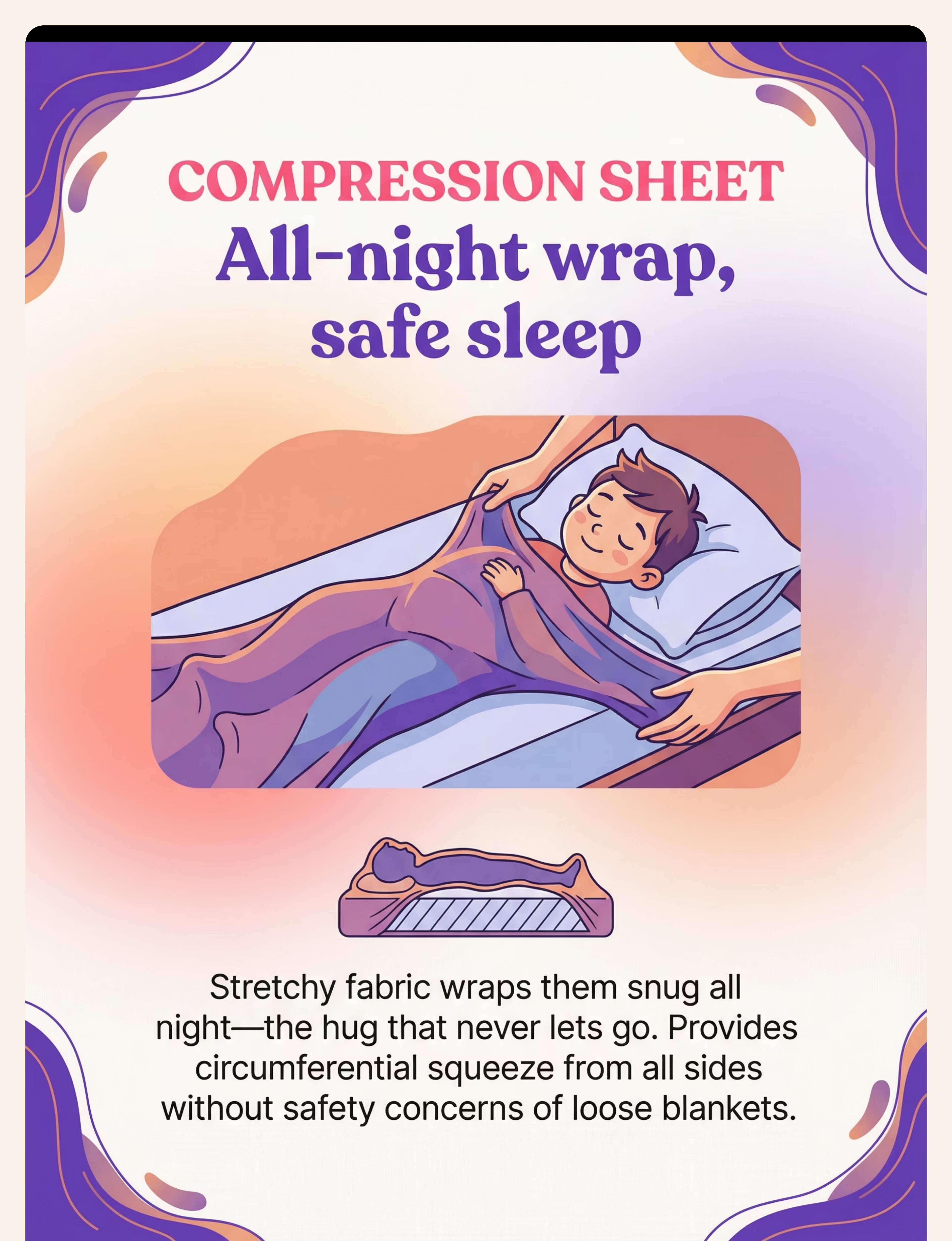
Compression Sheet / Sensory Bed Sheet
All-night wrap, safe sleep
A compression sheet is a stretchy, fitted sheet that wraps tightly around the child and mattress, providing sustained deep pressure throughout sleep. Unlike weighted blankets (which provide downward pressure), compression sheets provide circumferential squeeze — pressure from all sides like a constant hug. For children who love tight wrapping, this provides exactly the sensation they seek in a safe, breathable format.
How It Works
Stretchy fabric wraps them snug all night — the hug that never lets go. Provides circumferential squeeze from all sides without the safety concerns of loose blankets.
DIY Option
Use a fitted sheet 1–2 sizes smaller than the mattress (creates natural tension). Or sew a tube of stretchy lycra/spandex fabric sized to wrap snugly around child and mattress.
Price Range
₹1,500–4,000
Safety Note: Face must always be free and unobstructed. Child should be able to exit independently. Snug, not restrictive. Monitor for overheating. Not for children under 2.
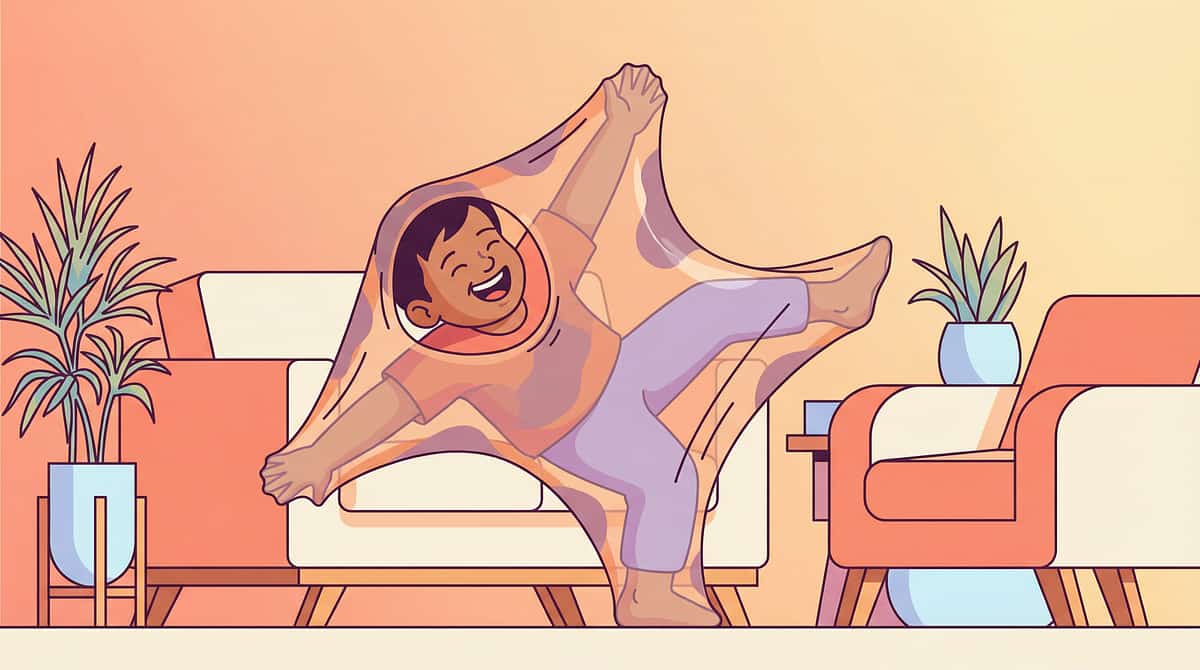
Material 2 of 9
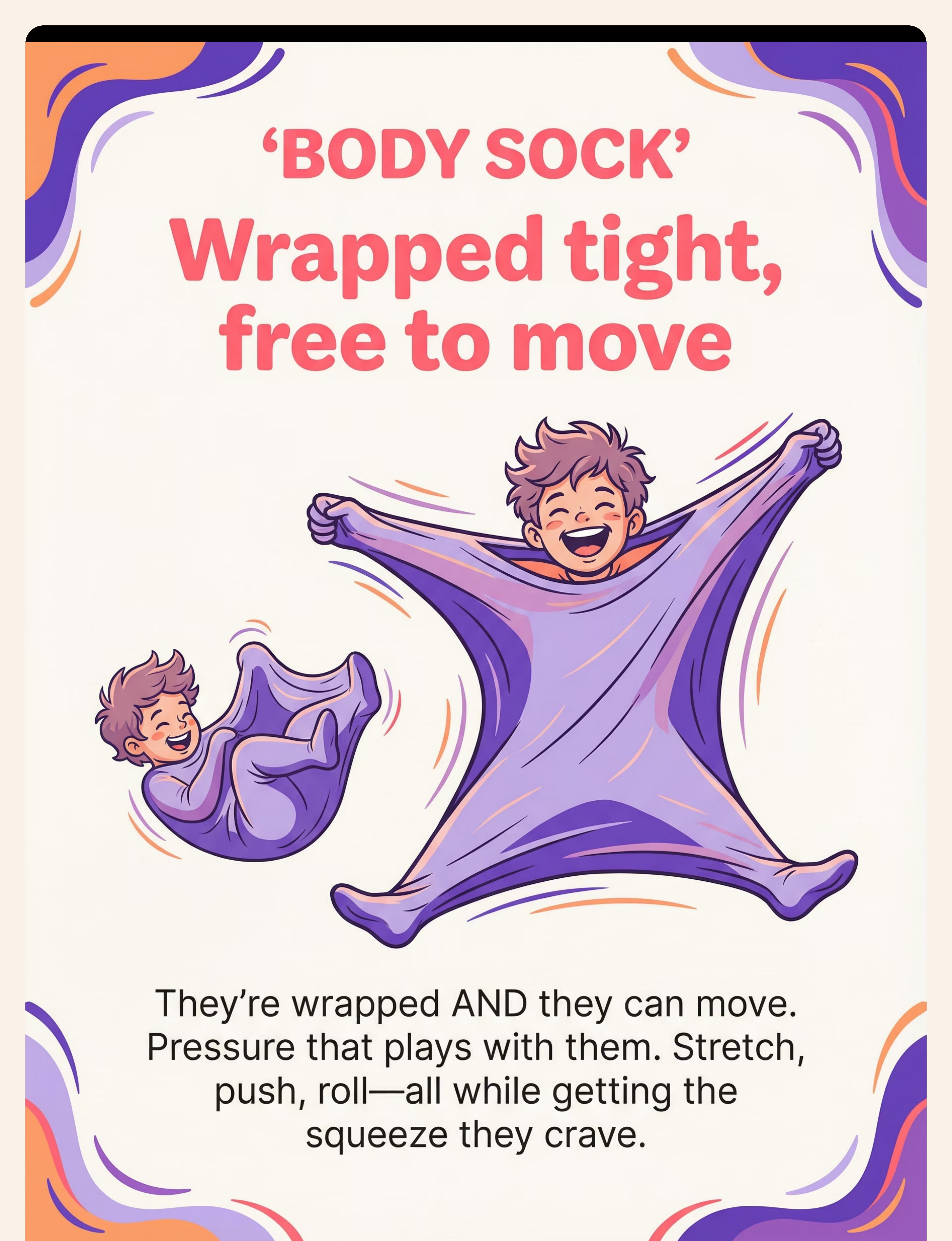
Body Sock / Sensory Sock
Wrapped tight, free to move
A body sock is a stretchy fabric envelope the child climbs inside. As they move, stretch, and push against the fabric, they receive deep pressure input across their entire body. For children who love tight wrapping, the body sock provides the containment and pressure they crave while allowing active movement and play. They control how much pressure they receive by pushing harder or softer against the stretchy material.
Activities Inside the Body Sock
Push & Stretch
Push arms and legs outward against fabric walls for maximum full-body input
Floor Roll
Roll across the floor inside the sock — movement plus pressure combined
Yoga Poses
Do yoga poses inside for added resistance and body awareness
Caterpillar
Inch along floor like a caterpillar — proprioceptive + motor planning
DIY Option
Sew a tube from stretchy lycra/spandex fabric. Snug fit when child is inside — the stretch creates the pressure.
Price Range
₹800–2,000
Safety Note: Always supervise. Head visible or sock has face opening. Child can exit independently.

Material 3 of 9
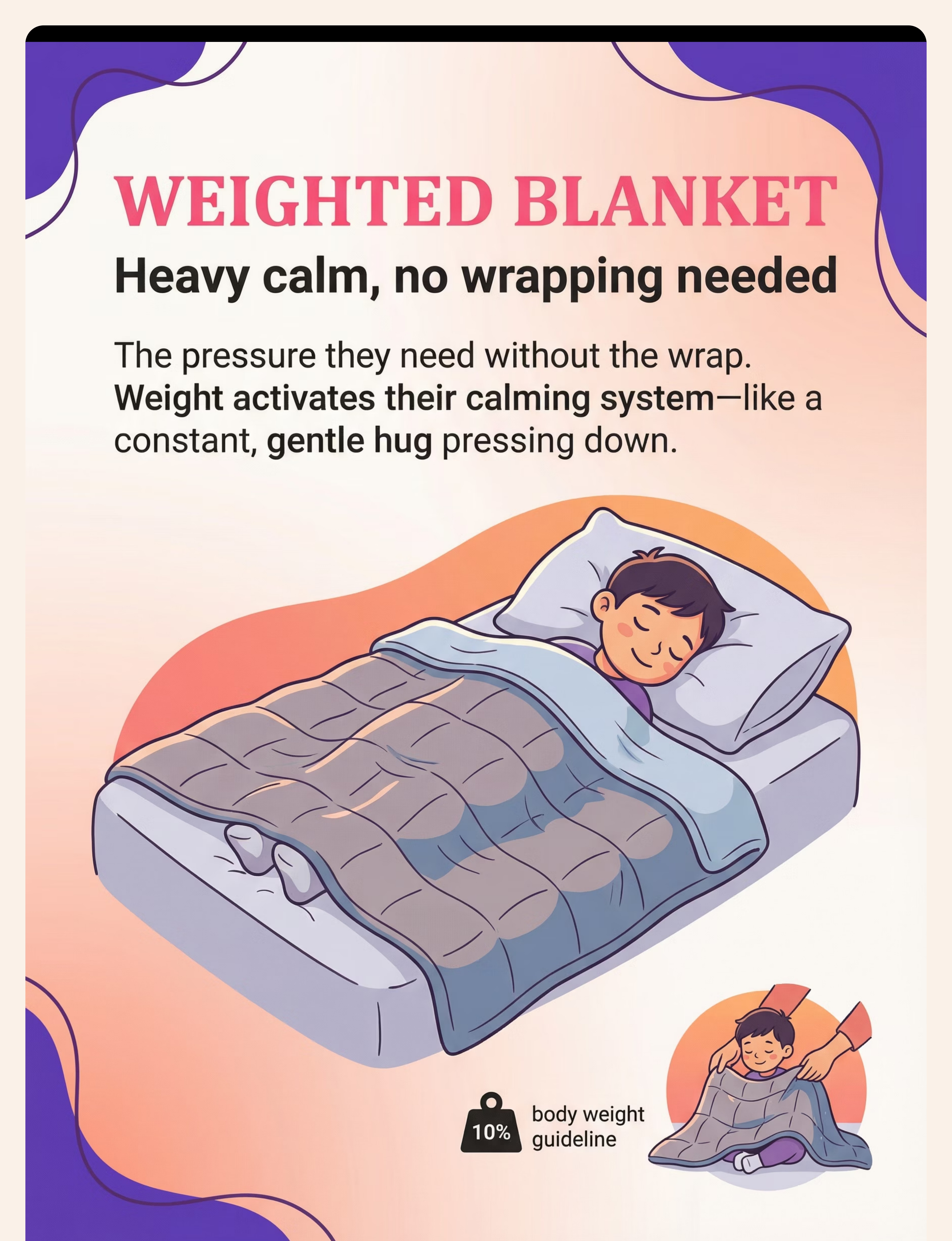
Weighted Blanket
Heavy calm, no wrapping needed
Weighted blankets provide sustained deep pressure through evenly distributed weight across the body. This activates the proprioceptive system and triggers a calming parasympathetic response. For children who wrap themselves tightly in regular blankets, weighted blankets deliver similar deep pressure input — the weight provides the "squeeze" they're seeking.
Weight Guideline: Approximately 10% of body weight + 1–2 lbs. Always consult your OT for an individualized recommendation.
Best Usage Contexts
Sleep & Rest
Homework
TV / Reading
Calm-Down
Transitions
DIY Option
Sew channels in a fabric pouch and fill with plastic pellets or glass beads, distributed evenly across all sections.
Price Range
₹1,500–5,000
Safety Note: Never for children under 2. Child must remove independently. Never cover face.
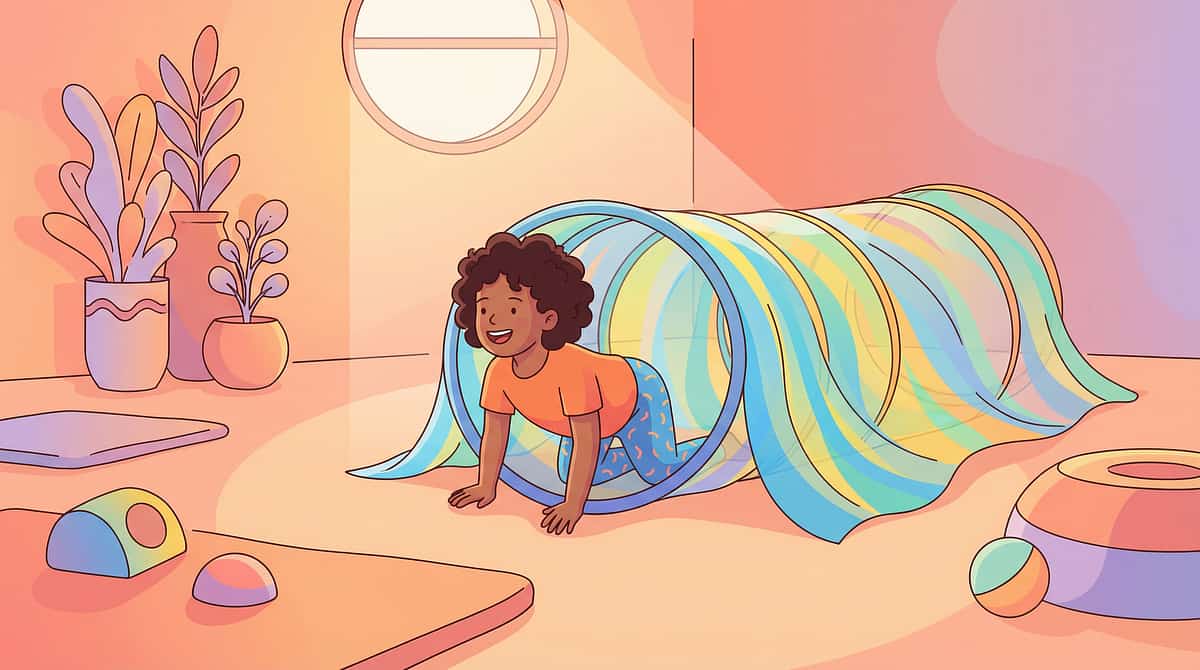
Material 4 of 9
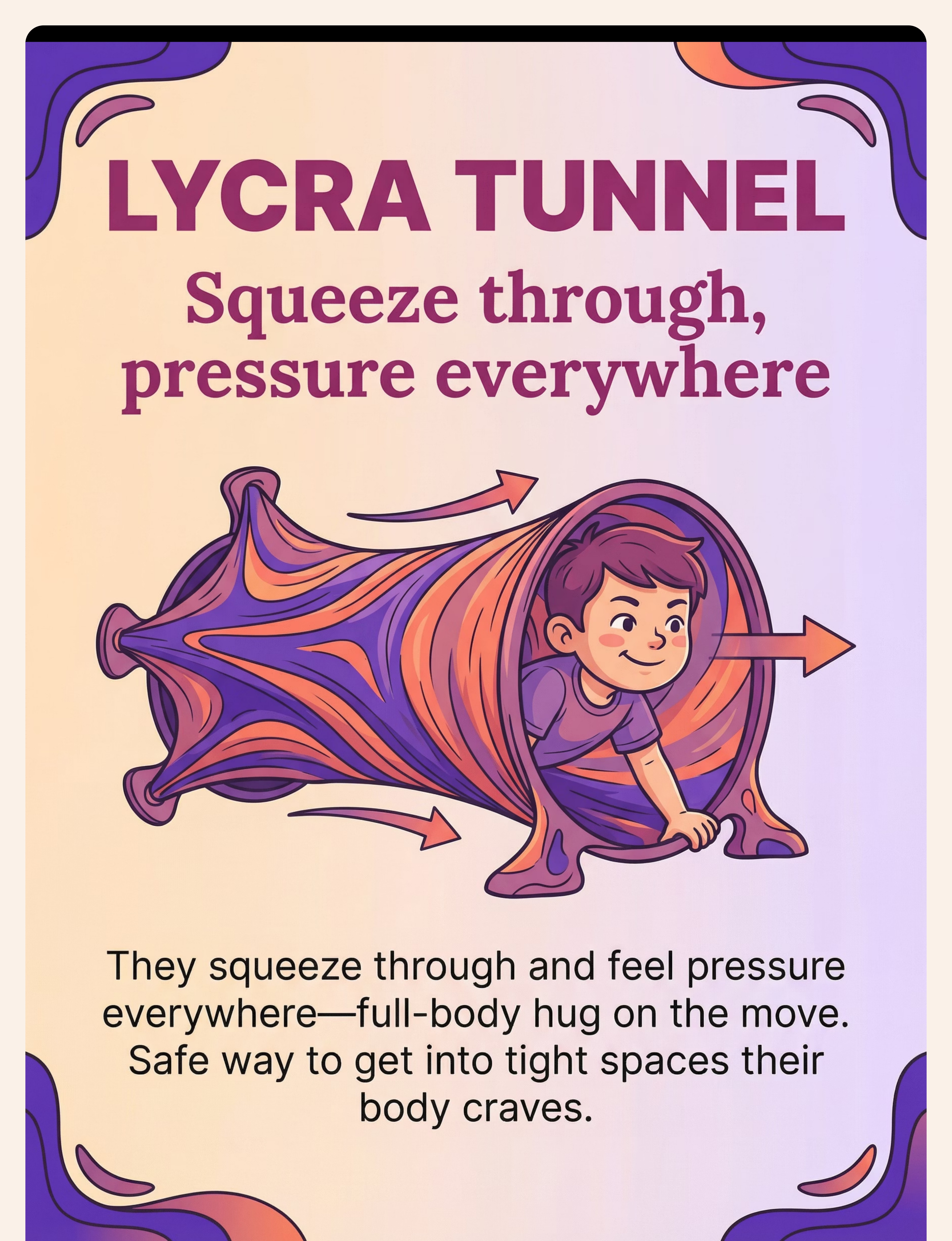
Lycra Tunnel / Squeeze Tunnel
Squeeze through, pressure everywhere
A lycra tunnel allows the child to crawl through a tube of stretchy fabric that provides deep pressure from all sides. For children who love squeezing into tight spaces, this provides a safe, purposeful way to get that full-body squeeze. Inspired by Temple Grandin's squeeze machine research: deep pressure reduces anxiety and overarousal.
How to Use the Squeeze Tunnel
Crawl Through Slowly
Slow crawling maximizes compression contact time for full-body input
Pause in the Middle
Stop mid-tunnel and feel the squeeze from all directions at once
Obstacle Course
Combine with other sensory elements before or after challenging activities
Pre-Transition Tool
Use before school drop-off or other challenging transitions to regulate first
DIY Option
Sew a tube from stretchy lycra/spandex fabric between two anchor points. A pool noodle frame with stretchy fabric creates a similar effect.
Price Range
₹1,500–4,000
Safety Note: Ensure tunnel is stable. Child should exit from either end freely. Adequate ventilation at all times.

Material 5 of 9
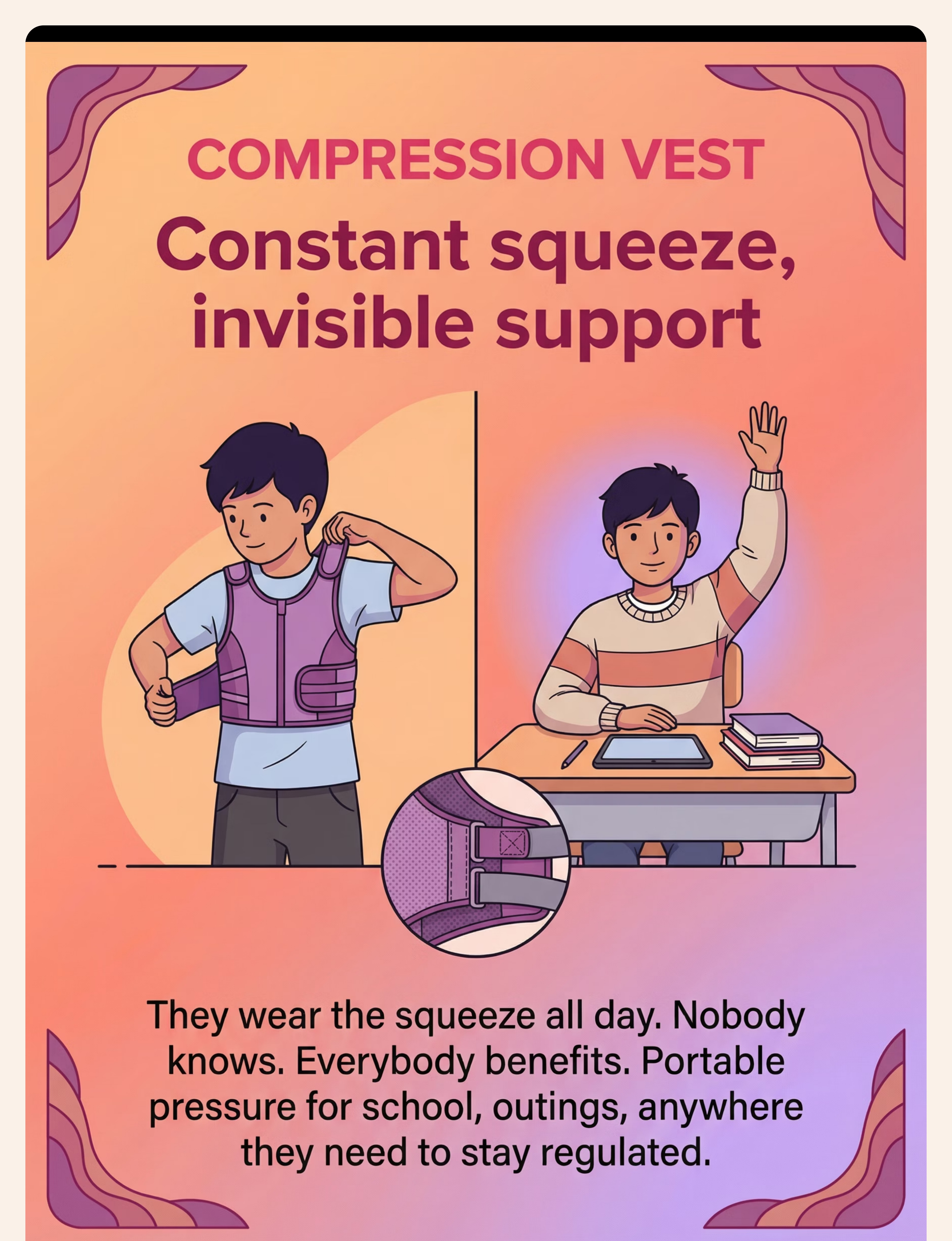
Compression Vest / Compression Clothing
Constant squeeze, invisible support
Compression garments provide constant, gentle squeeze around the torso that can be worn throughout the day. For children who seek tight wrapping, compression wear provides similar deep pressure input invisibly under regular clothes — allowing them to receive the calming input they need during school, outings, or activities where wrapping in blankets isn't possible.
Wearing Schedule
2–3 hours on, break, then reapply. Consult OT for individual schedule.
Best For
- School day
- Challenging activities
- Community outings
- New environments
DIY Option
Tight-fitting lycra/spandex undershirts provide similar input. Layer a snug camisole or compression shorts under regular clothes.
Price Range
₹1,000–3,500
Safety Note: Snug but never restrictive of breathing or circulation. Take breaks. Check sizing as child grows.
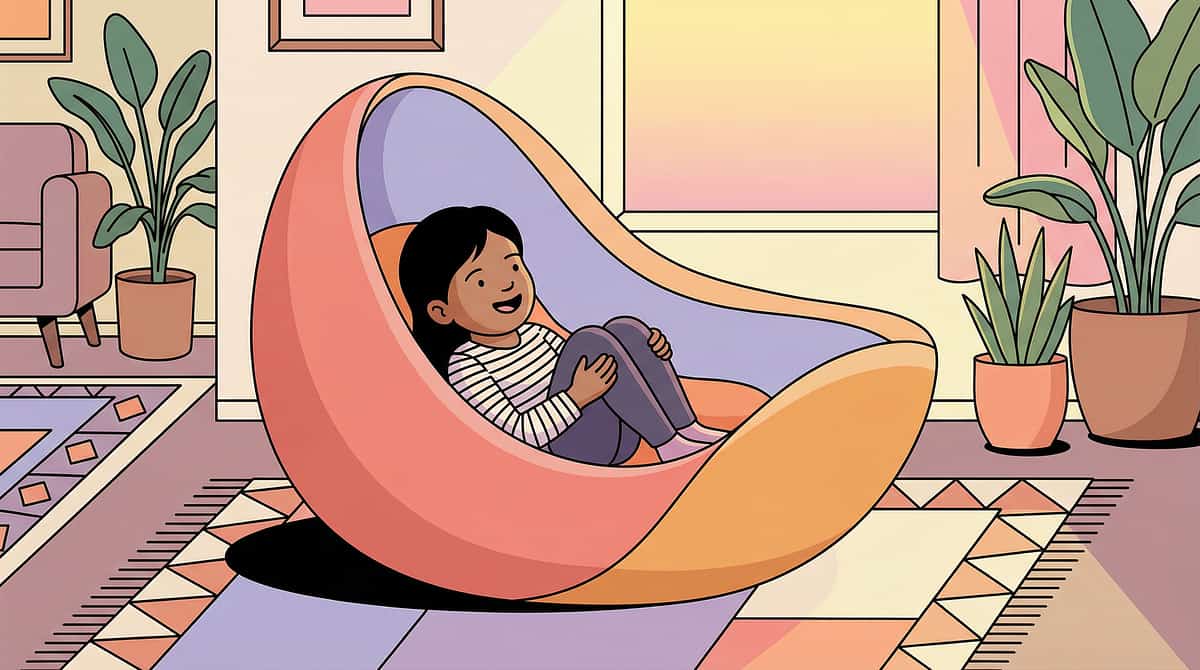
Material 6 of 9
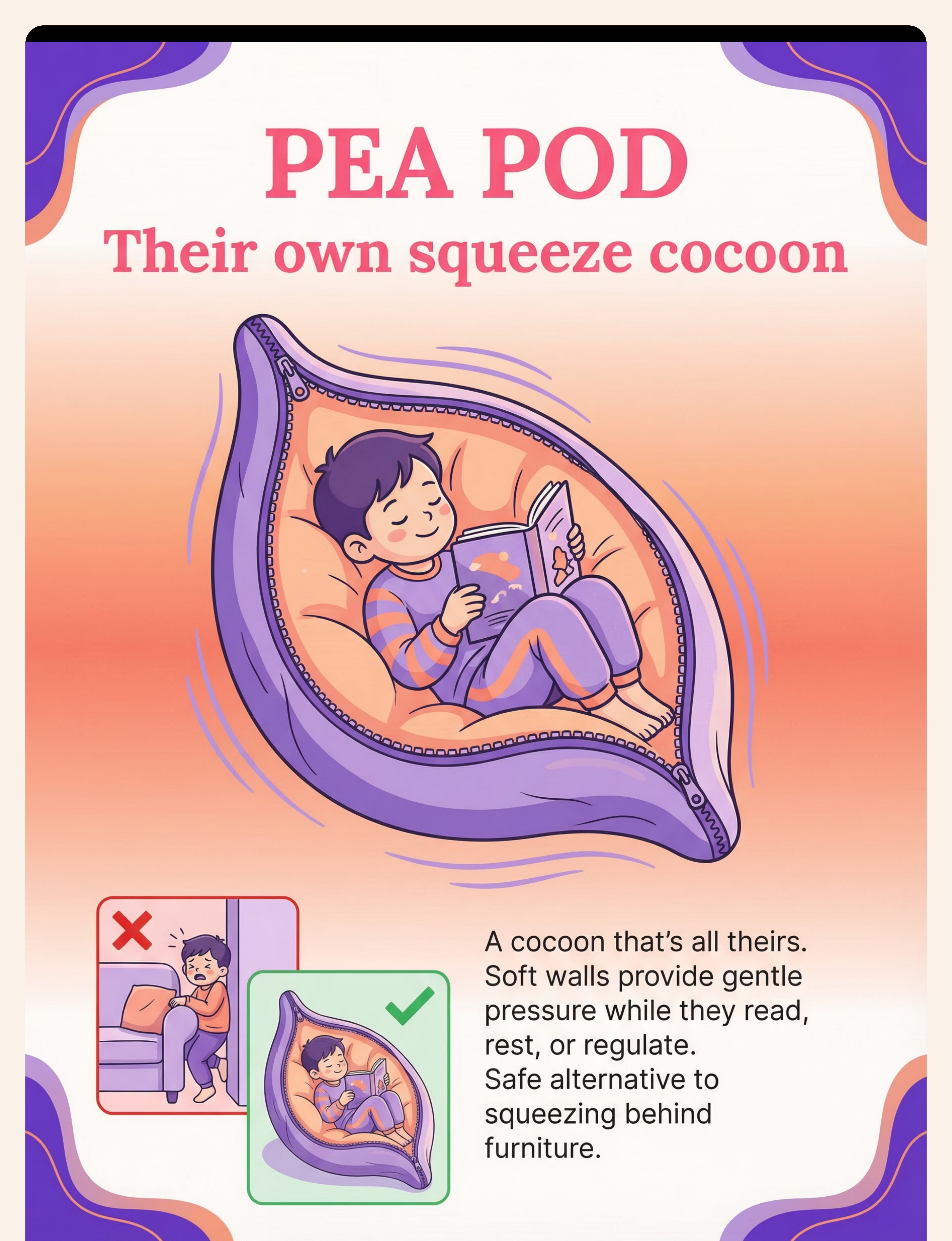
Pea Pod / Sensory Peapod Chair
Their own squeeze cocoon
A peapod is an inflatable or foam-filled pod the child climbs inside, creating a contained, pressure-providing space. It combines the tight-space seeking these children love with gentle compression from the pod walls. Unlike squeezing between furniture (hard, unsafe), the peapod is soft, safe, and designed for this purpose. Children can read, rest, or calm down inside their own cocoon.
When to Reach for the Peapod
🌀 Overwhelm
Calm-down when dysregulated
📖 Reading Nook
Quiet focus time
😴 Rest Time
Quiet and rest periods
🔄 Transitions
Buffer before or after transitions
🏠 Safe Space
Personal retreat when dysregulated
DIY Option
Large bean bag with slit opening. Pile of oversized pillows child can burrow into. Hanging fabric hammock that wraps around child.
Price Range
₹3,000–8,000
Safety Note: Adequate ventilation — face never fully enclosed. Child exits independently. Supervise younger children.

Material 7 of 9
Burrito Blanket / Wrap Blanket
Made for wrapping
For children who naturally wrap themselves in blankets, a burrito blanket is designed specifically for this purpose. These oversized, soft blankets are made to be wrapped tightly around the child — validating the behavior they're already doing naturally and providing a blanket optimized for wrapping rather than fighting with regular blankets.
🌯 The Burrito Game: Parent wraps child in blanket, rolling them up and adding pretend "ingredients" (toppings) while applying deep pressure squeezes. Child giggles while getting proprioceptive input. Connection + regulation combined.
Why It Works
Finally, a blanket made for exactly what they've been doing all along. Turn their natural seeking into a connection game with deep pressure benefits.
DIY Option
Large, soft fleece blanket (oversized for child) works perfectly. Microfiber or minky fabric holds wrap better than cotton. Add velcro strips to maintain wrap.
Price Range
₹500–2,000
Safety Note: Never restrict breathing. Face always free. Child can unwrap themselves. Watch for overheating.
Material 8 of 9
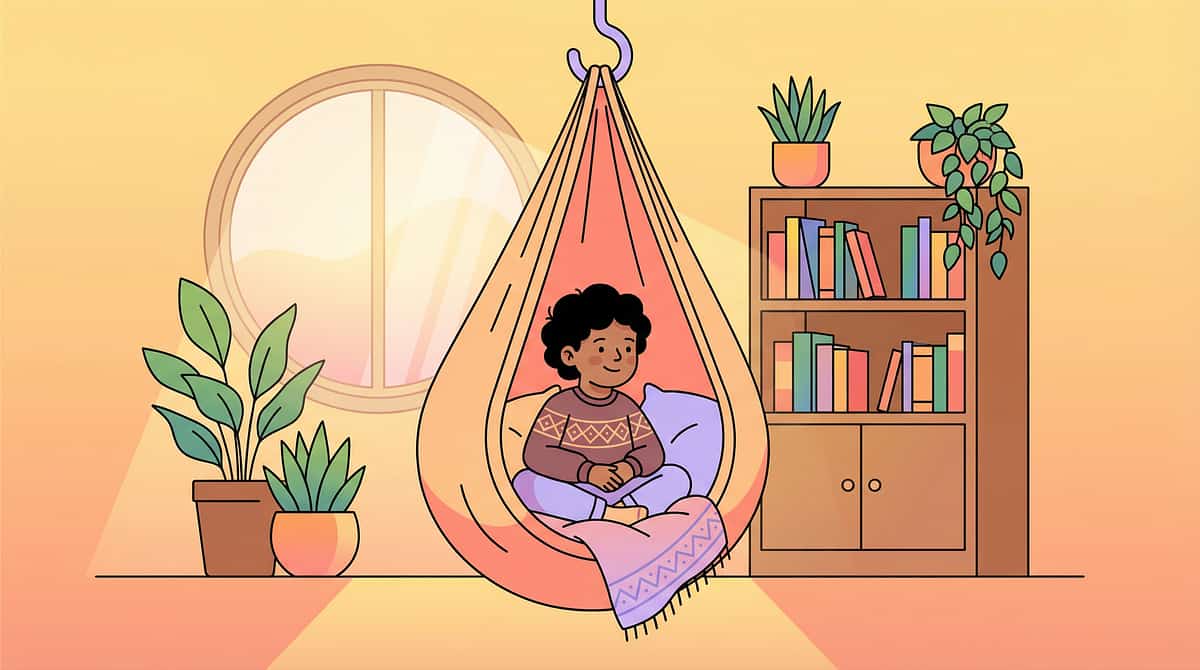
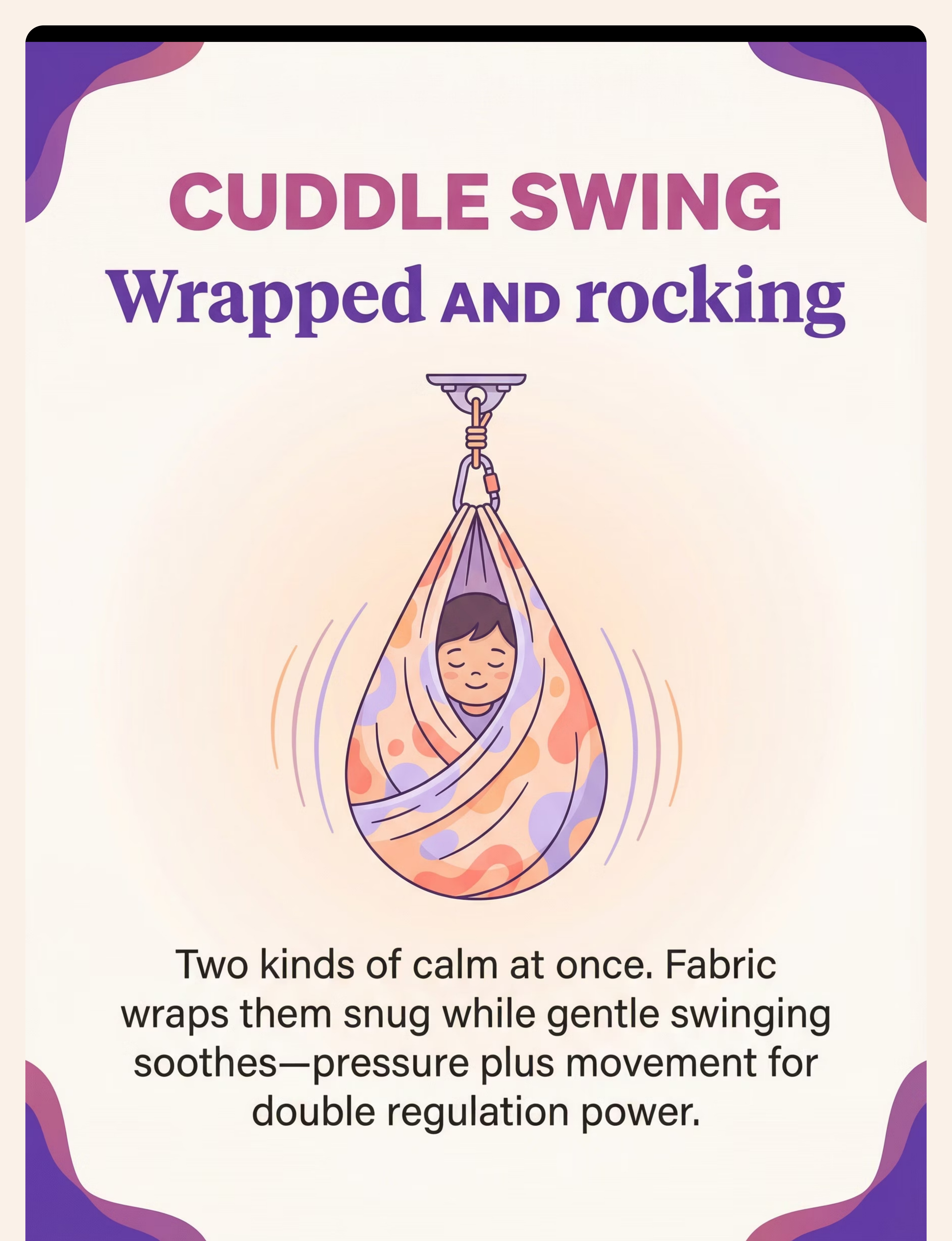
Cuddle Swing / Cocoon Swing
Wrapped AND rocking
A cuddle swing wraps around the child, providing deep pressure from the fabric while also offering vestibular input from swinging. For children who love tight wrapping, the swing provides containment and pressure while adding the calming effect of rhythmic movement. Deep pressure + gentle swinging is a highly regulating combination for sensory seekers.
Swinging Guide
Slow Swinging
Calming and organizing — use to regulate down after overstimulation
Medium Swinging
Maintains alertness while providing input — good for sustained focus
Fast Swinging
Alerting effect — use carefully and intentionally
DIY Option
Hang large stretchy fabric from a secure ceiling mount, creating a hammock/cocoon. Large scarf or fabric wrap hung from a bar. Key is a secure hanging point rated for movement and child's weight.
Price Range
₹2,000–6,000
Safety Note: Install only in appropriate ceiling mount rated for swinging weight. Supervise all use. Child cannot fall out. Check hardware regularly.
Material 9 of 9
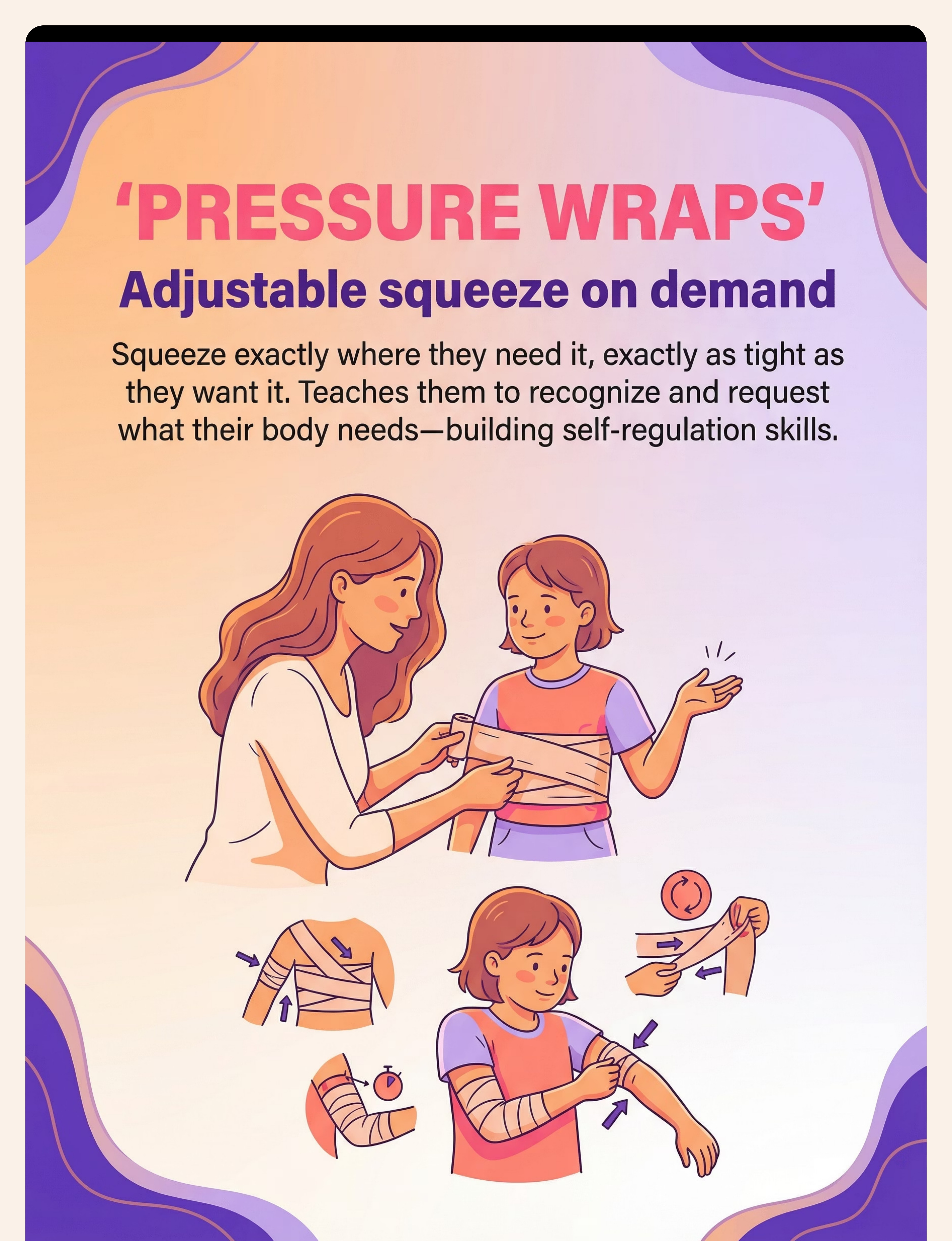
Pressure Wraps / Ace Bandage System
Adjustable squeeze on demand
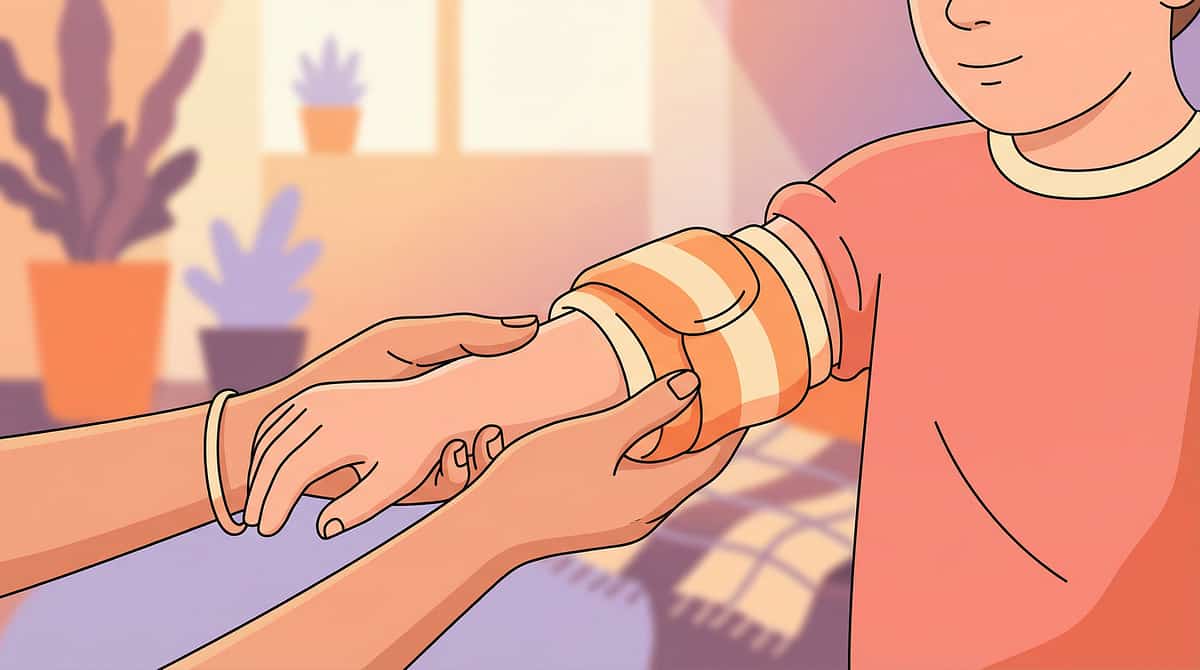
Adjustable pressure wraps allow customized compression on specific body parts. Unlike fixed garments, wraps are adjusted for more or less pressure based on what the child needs in the moment. This gives the child and parent control over intensity and teaches the child to recognize and request what their body needs — building self-regulation skills.
Body Areas
Torso
Core regulation — most calming application area
Arms
For self-wrapping seekers who reach for their own limbs
Shoulders
Posture support and grounding for anxious children
Progression to Independence
Parent Applies
Child learns to identify the need and connect sensation to calm
Child Points
Child points to where they want wraps — beginning of self-advocacy
Indicates Tightness
Child communicates preferred pressure level
Assisted Application
Child begins self-applying with parent assistance
Full Independence
Child independently applies wraps when they recognize the need
DIY Option
Ace bandages or elastic wrap bandages — adjust tightness by wrapping more or less firmly. Resistance bands wrapped around body (supervised).
Price Range
₹200–800
Safety Note: Never restrict circulation — check for color change or numbness. Don't wrap around neck or face. Child can remove independently.

Material 10 of 18
Sensory Compression Shorts / Bike Shorts
Squeeze from the waist down
Compression shorts provide firm, consistent pressure around the hips, thighs, and lower body — areas where many deep-pressure seekers crave input. Unlike vests that target the torso, compression shorts address the lower body proprioceptive system. These garments are ideal for children who constantly squeeze their legs together, sit in a W-position, or frequently press their thighs against furniture, offering a discreet and comfortable solution.
How It Works
Tight lycra/spandex fabric applies constant circumferential pressure to the hips and thighs. This activates proprioceptors in the lower body, helping the child feel more grounded, organized, and aware of their body's position in space.
DIY Option
Use athletic compression shorts one size smaller than usual to ensure a snug fit. Look for options with 80%+ spandex content for optimal compression. Seamless designs are preferable to reduce potential tactile sensitivity issues for the child.
Price Range
₹500–2,500
Safety Note: Ensure circulation is not restricted; regularly check for color changes or coldness in the child's feet. The child should always be able to remove the shorts independently. Monitor for any signs of skin irritation or discomfort after extended wear.
Material 11 of 18
Sensory Lap Pad / Weighted Lap Pad
Grounding weight, right where they sit
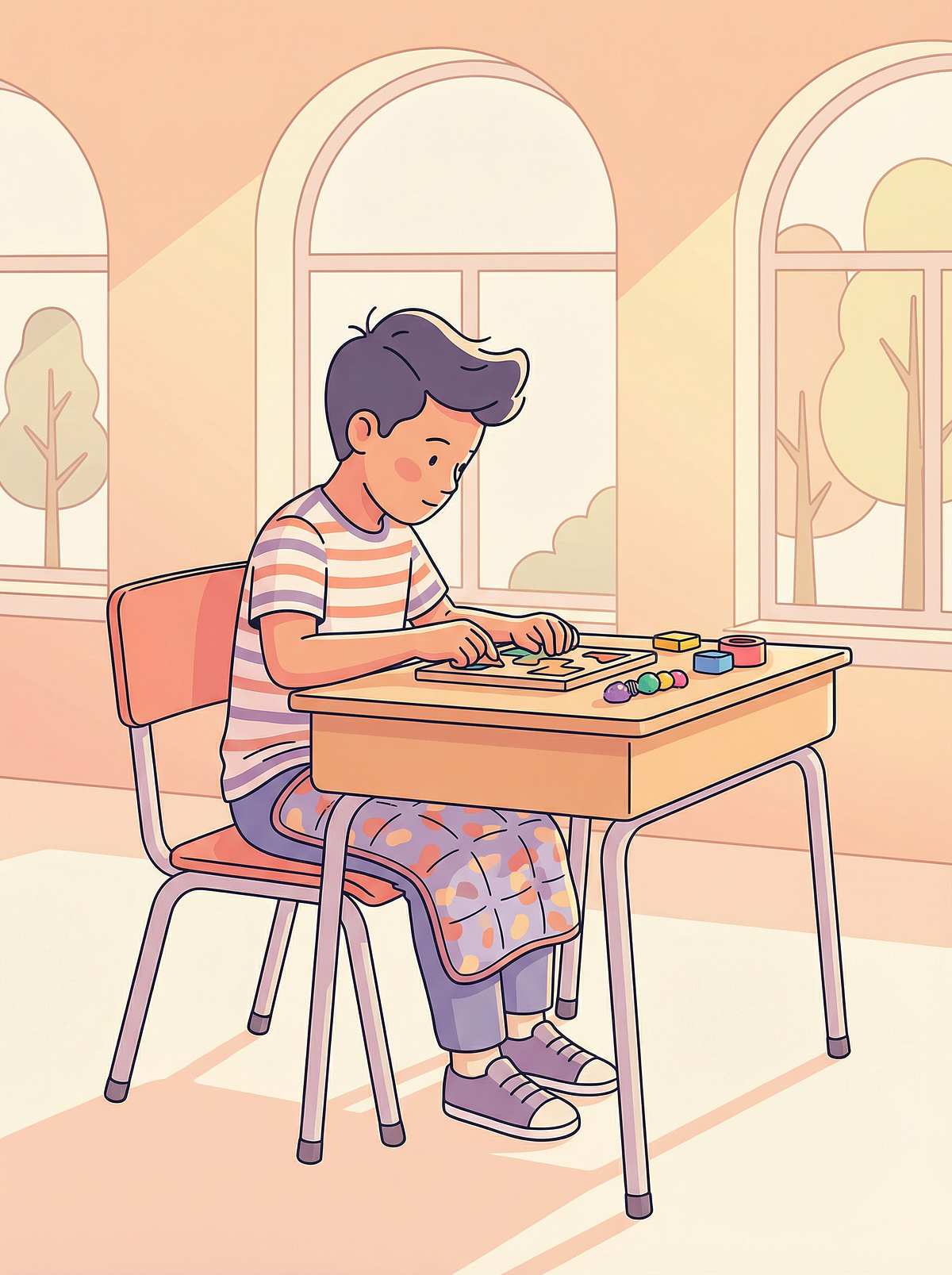
A weighted lap pad sits across the child's thighs during seated activities — meals, homework, car rides, classroom time. It delivers targeted deep pressure to the lap and thighs, helping the child stay seated, focused, and regulated without full-body equipment. Particularly effective for children who fidget, rock, or can't stay seated, these discreet tools provide a calming anchor in various environments.
How It Works
The consistent, gentle pressure of the weight activates proprioceptors in the thighs and hip flexors. This signals the nervous system to "settle," promoting a sense of calm and body awareness. It provides crucial grounding input during cognitively demanding tasks, minimizing disruptive behaviors and improving attention span by reducing sensory-seeking fidgeting.
DIY Option
Easily create one by filling a sturdy fabric pouch with rice, dried beans, or poly pellets. For optimal effect, aim for the pad to be 5–10% of the child's body weight. Cover the outer layer in a soft, appealing fabric like fleece or minky to enhance comfort and sensory appeal. Ensure the internal filling is evenly distributed to provide consistent pressure.
Price Range
₹800–3,000
Safety Note: Do not exceed 10% of the child's body weight to prevent discomfort or injury. These pads are designed for seated use and are not safe for physical activity or sleep. Always ensure the child can easily remove the lap pad independently if they become uncomfortable.

Material 12 of 18
Sensory Squeeze Ball / Fidget Tools
Pressure in the palm of their hand
Squeeze balls, stress balls, and various hand fidgets offer children a discreet and portable method to receive deep pressure input through their hands and fingers. This simple act of squeezing actively engages proprioceptors in the hands, wrists, and forearms, delivering a soothing and organizing effect to the nervous system. These tools are particularly beneficial for children who tend to constantly grab, squeeze, or pinch objects, people, or even themselves, providing a productive outlet for their sensory needs.
How It Works
The repetitive motion of squeezing provides rhythmic proprioceptive input to the hands and arms, which helps to activate the calming parasympathetic nervous system response. This allows children to channel excess energy and anxiety into a purposeful activity, aiding focus during transitions, waiting periods, or tasks requiring sustained attention. It's a fantastic way to enhance body awareness and emotional regulation.
DIY Option
You can easily create an effective squeeze ball by filling a balloon with flour, sand, or kinetic sand. For increased durability and to prevent bursting, consider double-bagging or using two balloons. Another simple option is to fill a clean sock with rice, tying off the end to form a stress ball. These homemade versions are cost-effective and allow for customization of texture and firmness.
Price Range
₹100–800
Safety Note: Always supervise young children when using small fidgets due to potential choking hazards. If using balloons, avoid latex for children with known latex sensitivities. Regularly inspect fidget tools for signs of wear, tears, or cracks, and replace them promptly to ensure safety and hygiene.
Material 13 of 18
Sensory Crash Pad / Floor Cushion
Jump in. Squeeze out. Reset.
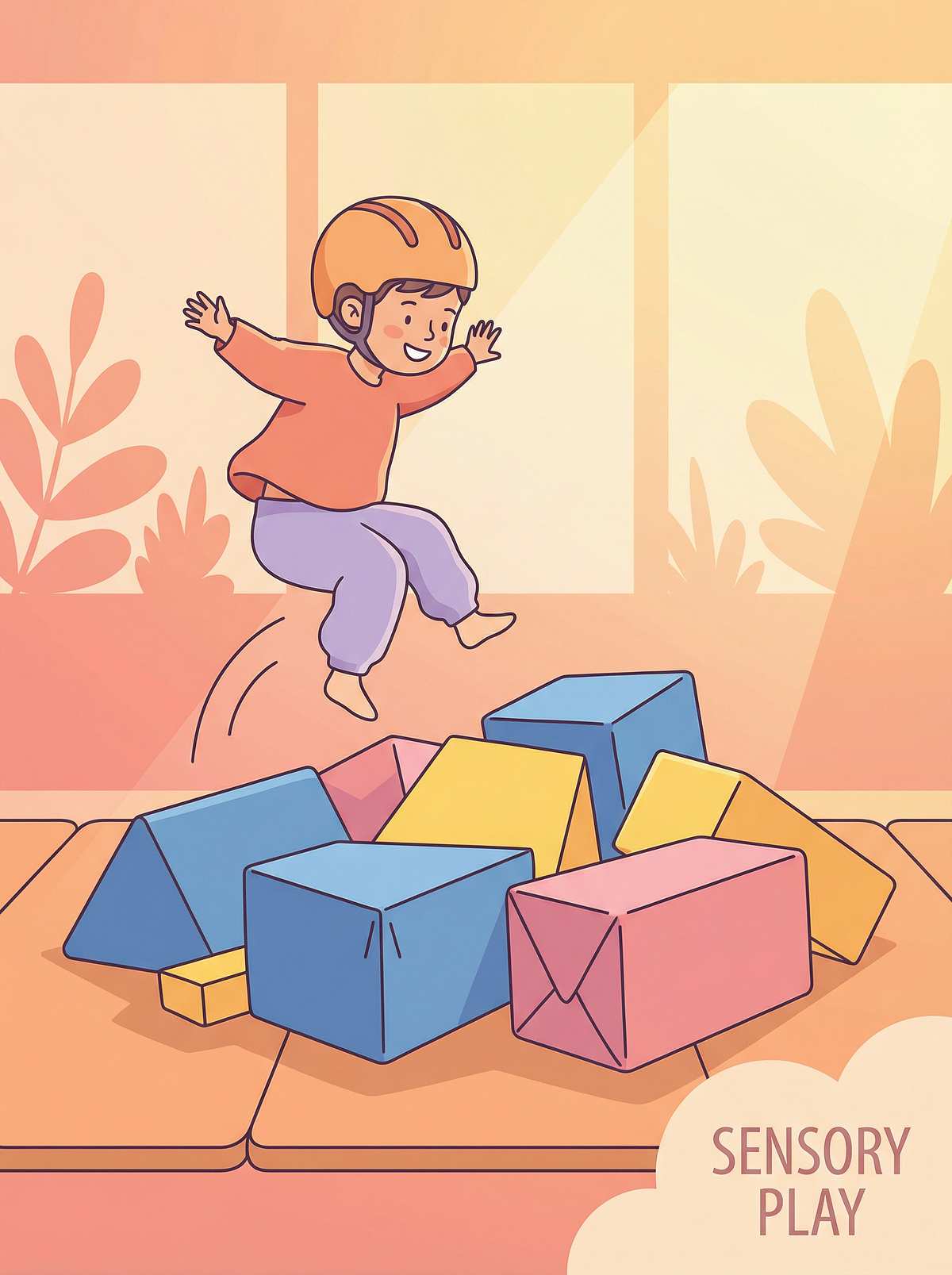
A crash pad is a large, thick foam-filled cushion that children can jump onto, crash into, burrow under, or squeeze between. The impact and compression from crashing provides intense proprioceptive input — the kind that deeply regulates an overwhelmed nervous system. For children who love tight wrapping, the ability to burrow inside or under the crash pad provides full-body compression, offering a safe and effective way to manage sensory overload and channel high energy.
How It Works
The exhilarating impact and deep compression from crashing onto the pad deliver intense proprioceptive input. This immediate sensory feedback helps to reset the nervous system after periods of sensory overload, providing a powerful organizing and calming effect. It also creates a safe, contained space for high-energy sensory seeking, allowing children to expend energy in a constructive way while gaining body awareness.
DIY Option
You can easily create your own crash pad by stacking 3–4 large foam cushions or old sofa cushions. Encase them securely inside a sturdy duvet cover or heavy-duty fabric bag. Stitch or zip it shut to keep the cushions contained. Ensure the finished pad is placed on a carpeted or soft floor surface. For optimal full-body use, aim for a size of at least 90cm x 120cm, providing ample space for safe exploration.
Price Range
₹2,000–8,000
Safety Note: Always place the crash pad on carpet or other soft flooring to maximize safety. Supervise children, especially during jumping, to prevent accidents. Ensure there are no hard or sharp objects either inside the pad or in the surrounding play area. This tool is not recommended for children under 3 years old without direct adult supervision due to potential safety risks.
Material 14 of 18
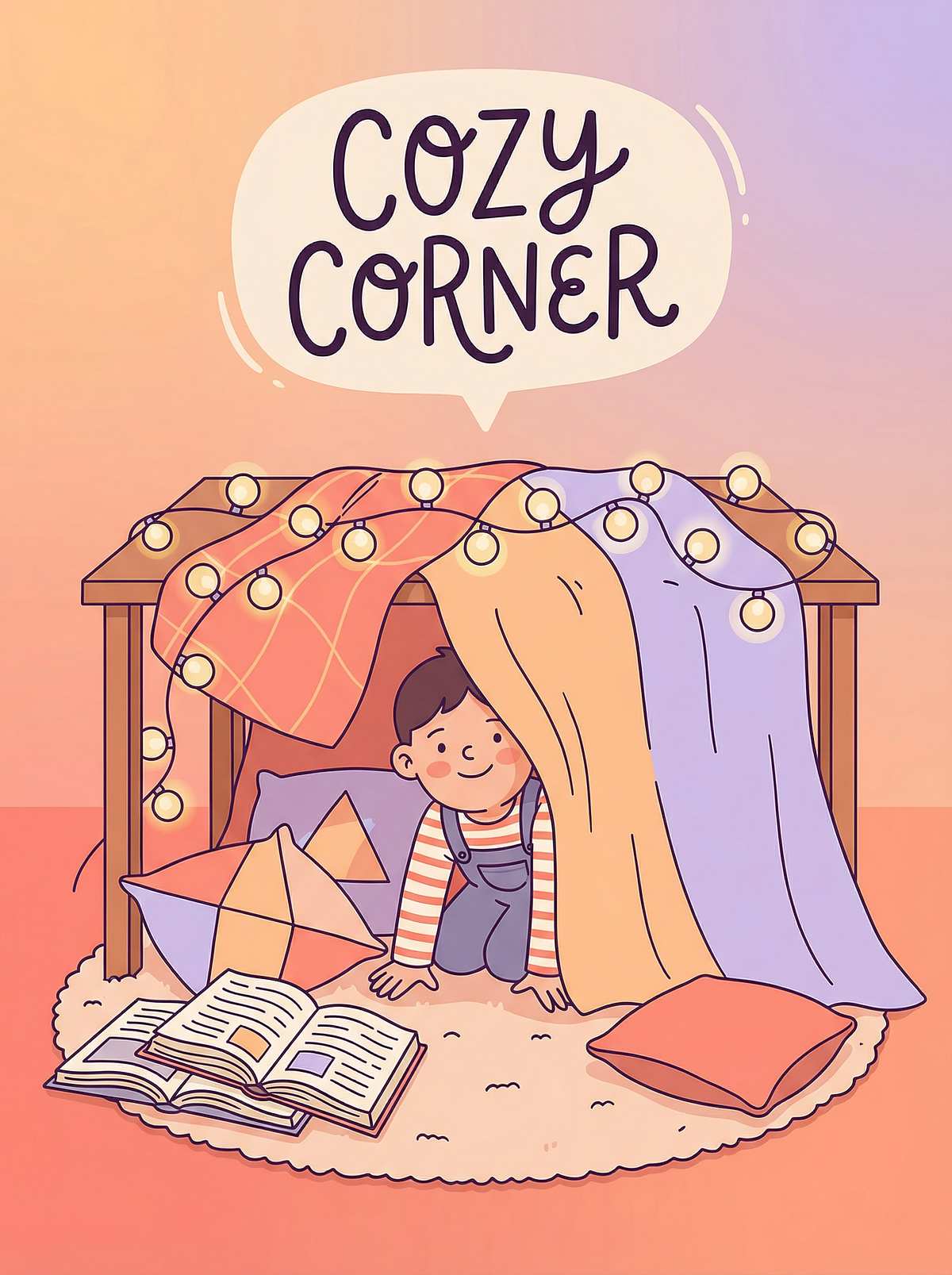
Sensory Tent / Pop-Up Den
Their own calm-down cave
A sensory tent or pop-up den creates a personal, enclosed sanctuary where a child can retreat for self-regulation. The gentle enclosure provides visual and auditory calm, reducing external stimulation and fostering a comforting sense of being "held" by the space itself. When enhanced with soft fabrics, plush cushions, and perhaps a weighted blanket, the tent transforms into a comprehensive sensory haven. This environment is particularly appealing to children who naturally seek out tight, contained spaces and enjoy the feeling of being wrapped or tucked in, offering them a safe and predictable refuge.
How It Works
The confined space inherently reduces visual and auditory overwhelm, creating a less chaotic sensory environment. The consistent, gentle pressure of the tent's walls on all sides provides a subtle form of proprioceptive input, mimicking the soothing sensation of being held or wrapped. This self-selected retreat gives the child agency over their sensory input, allowing them to choose when to enter and exit, promoting independence and effective self-management during moments of stress or overstimulation. It's an invaluable tool for regaining focus and emotional balance.
DIY Option
Creating a DIY sensory tent is simple and cost-effective. Drape a large, heavy blanket or sheet over a sturdy table, or suspend it between two chairs to form a secluded nook. Enhance the interior with soft cushions, plush toys, and a small weighted blanket for added comfort and proprioceptive input. You can also add dim, warm lighting with battery-operated string lights to create an even more calming atmosphere. For an even quicker solution, a pop-up laundry hamper can serve as a readymade, compact tent frame.
Price Range
₹500–4,000
Safety Note: Always ensure the tent or den has adequate ventilation to prevent overheating. Never lock or seal the entrance, and confirm that the child can easily exit freely and independently at all times. The space should be a voluntary retreat, not a restraint. Regularly check the structure for stability to prevent collapse.

Material 15 of 18
Therapy Putty / Resistive Dough
Squeeze, stretch, resist — and regulate
Therapy putty is a versatile, resistive, and malleable material designed for children to squeeze, pull, roll, and stretch. This activity provides deep proprioceptive input to the hands and arms, which is crucial for sensory regulation and developing fine motor skills. Unlike regular play dough, therapy putty is formulated in graduated resistance levels, ranging from extra-soft for light input to extra-firm for significant sensory feedback. For children who actively seek deep pressure, the firmer grades offer the most substantial regulatory benefits, making it an excellent tool for pre-task calming, enhancing focus, and building hand strength and dexterity.
How It Works
The resistive squeezing and pulling motions engage and activate the proprioceptors located in the hands, wrists, and forearms. This provides a concentrated burst of "heavy work" input, which is highly effective in organizing and calming an overstimulated nervous system. Because it can be used discreetly, therapy putty is an ideal tool for maintaining focus and self-regulation at a desk, during transitions, or in any situation requiring sustained attention without drawing unwanted notice.
DIY Option
You can easily create an effective resistive dough at home by mixing cornstarch and hair conditioner. For a firmer, more resistive dough, simply add more cornstarch until the desired consistency is achieved. Store your homemade putty in an airtight container to prevent it from drying out; it typically lasts for 1–2 weeks with regular use. This allows for customization of resistance and texture, catering to individual sensory needs while being a cost-effective solution.
Price Range
₹200–1,500
Safety Note: This material is not suitable for children who tend to mouth objects due to choking hazards. Always ensure therapy putty is kept away from hair and fabric, as it can be difficult to remove. Wash hands thoroughly after each use. Young children should always be supervised when using therapy putty to ensure safe and appropriate engagement.
Material 16 of 18
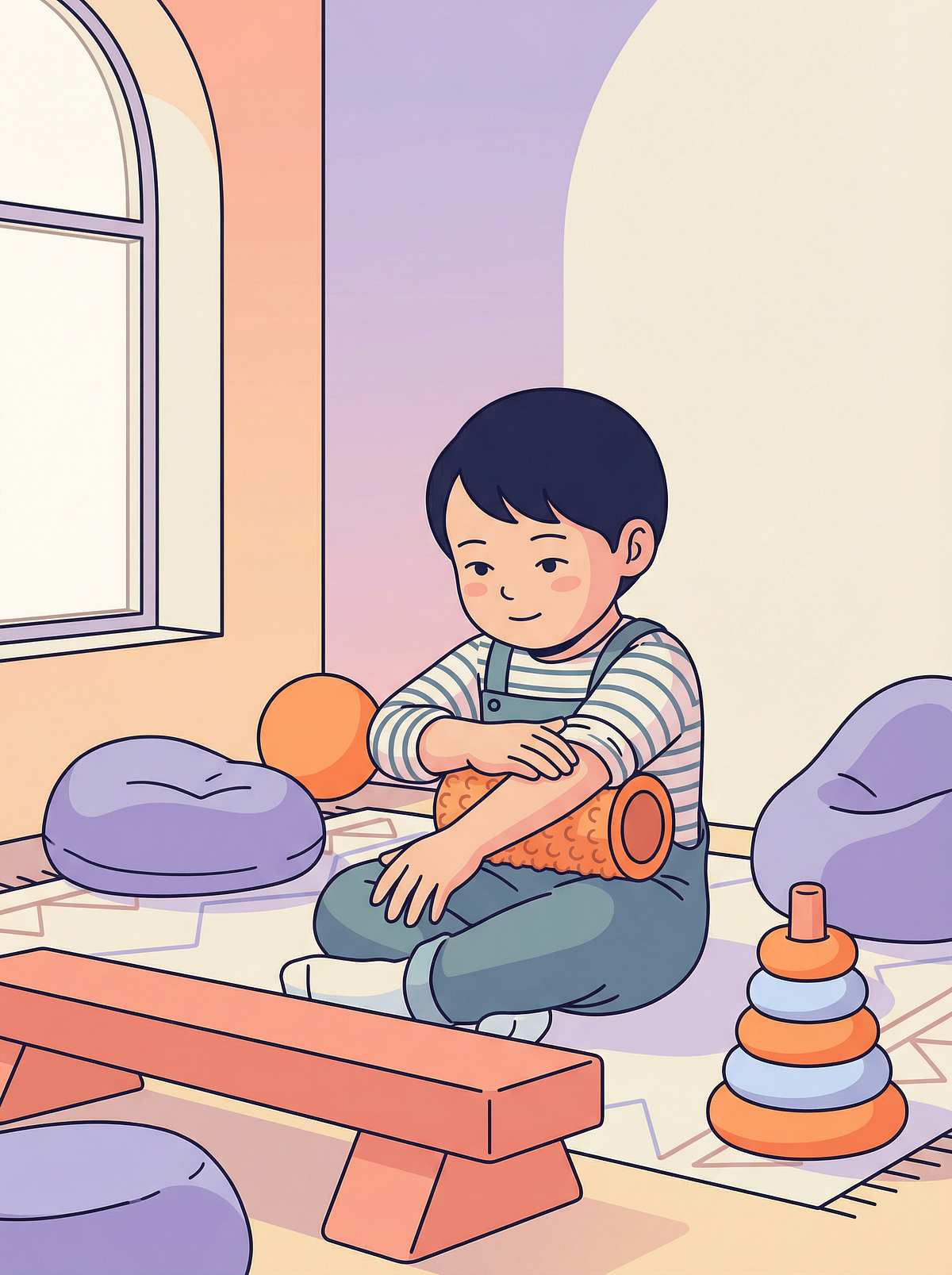
Sensory Roller / Foam Roller
Roll the tension out, roll the calm in
A foam roller or sensory roller provides deep pressure through rolling compression along the body—arms, legs, back, and feet. The sustained, moving pressure activates proprioceptors along the entire limb, providing a "full-body scan" of deep input. For children who love tight wrapping, rolling provides a similar circumferential pressure experience in a dynamic, active format. It can be used by the child independently or with a caregiver to help soothe and organize the nervous system, making it an excellent tool for sensory regulation.
How It Works
The continuous, deep rolling pressure directly stimulates the proprioceptors embedded in muscles and joints throughout the limbs. This provides a distinct form of "heavy work" that is dynamically different from static compression but equally effective in regulating the nervous system. This moving input can be incredibly calming, helping to ground an overstimulated child or provide organizing input before demanding activities. It’s like a moving hug for the sensory system, promoting body awareness and reducing anxiety.
DIY Option
A standard foam yoga roller, readily available at most sports stores or online, works perfectly as a sensory roller. For smaller children or more targeted pressure, a simple pool noodle wrapped in a soft towel can serve the same purpose. When using, roll gently along the arms and legs with moderate, consistent pressure. Always communicate with the child to ensure the pressure is comfortable and enjoyable.
Price Range
₹300–2,000
Safety Note: Never roll over joints, the spine, neck, or bony prominences. Always use gentle, consistent pressure and avoid applying excessive force. Stop immediately if the child shows any signs of discomfort, pain, or resistance. This tool is not recommended for children under 3 years old, and supervision is always essential for all ages.
Material 17 of 18
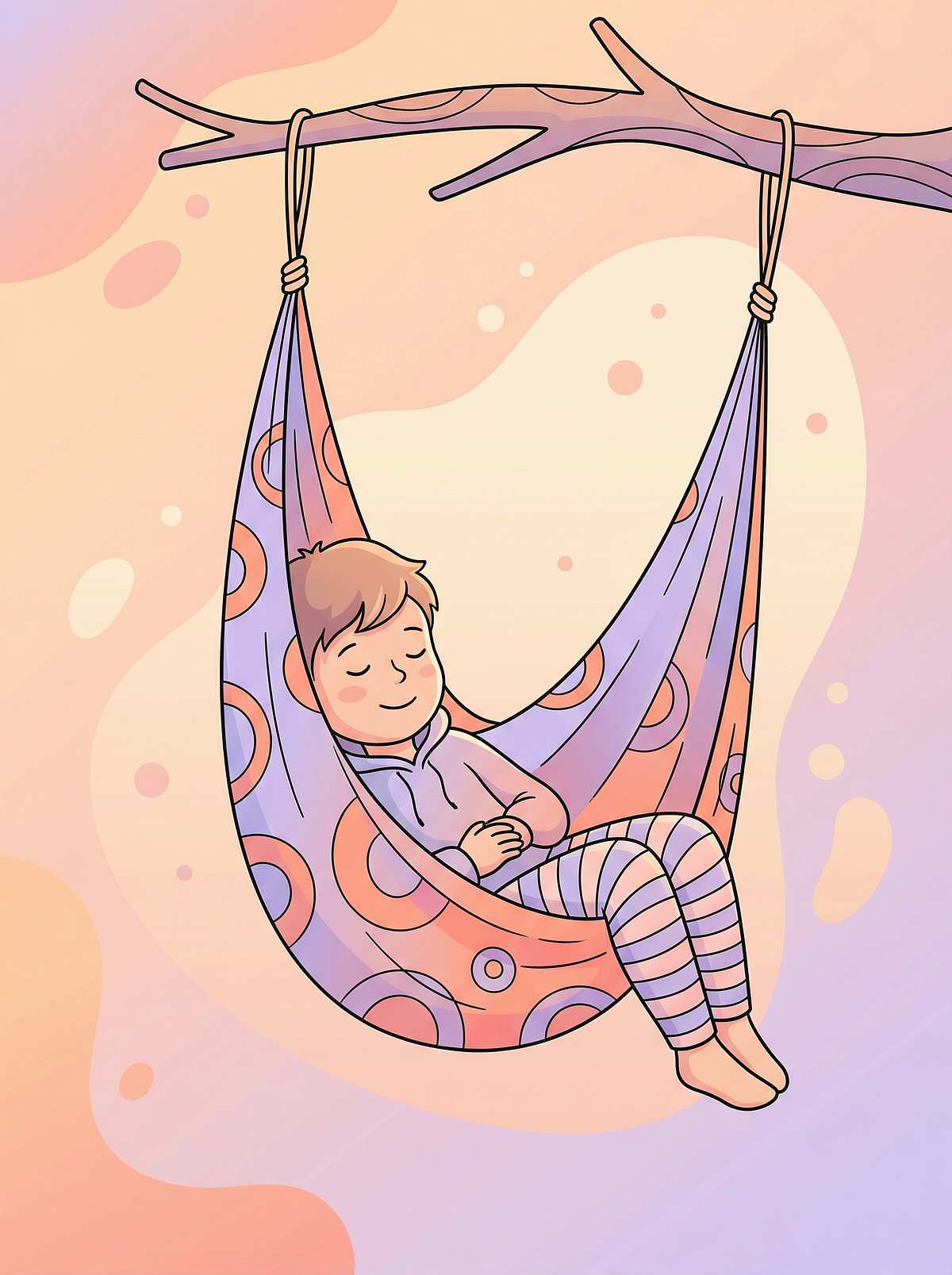
Sensory Hammock / Fabric Hammock
Cradled, cocooned, completely calm
A fabric hammock wraps around the child as they lie or sit inside it, providing gentle circumferential pressure from the fabric while also delivering vestibular (movement) input from rhythmic swinging. The combination of being cradled by soft fabric on all sides plus subtle, consistent motion is deeply regulating for children who seek both comforting deep pressure and organizing movement. Unlike a cuddle swing, which typically holds a child in a more upright position, a sensory hammock allows the child to lie flat, fully cocooned, fostering a sense of security and peace.
How It Works
The continuous fabric wrap provides consistent, deep circumferential pressure across the body, activating the proprioceptors and offering significant calming input. Simultaneously, the gentle, swaying motion stimulates the vestibular system, which helps regulate balance, spatial awareness, and emotional state. This synergistic sensory input can significantly reduce anxiety, improve body awareness, and help an overstimulated child become more organized and calm. The horizontal, contained position naturally promotes relaxation and a sense of safety.
DIY Option
To create your own sensory hammock, select a large piece of strong, durable fabric like canvas or heavy-duty denim, approximately 2 meters by 1.5 meters. Reinforce the edges by folding and stitching, then create sturdy loops at both ends to attach ropes or heavy-duty straps. Hang the hammock from two securely mounted, load-bearing ceiling hooks or a purpose-built hammock stand. Always perform a thorough weight capacity test before allowing a child to use it to ensure structural integrity and safety.
Price Range
₹1,500–6,000
Safety Note: A sensory hammock must be hung only from load-bearing ceiling joists or a certified, sturdy hammock stand. Always meticulously check the weight limits of the fabric, hanging hardware, and ceiling support. Never leave a child unattended in a sensory hammock. Ensure the child cannot roll out and that their head and neck are supported. Regularly inspect all components for wear and tear.
Material 18 of 18
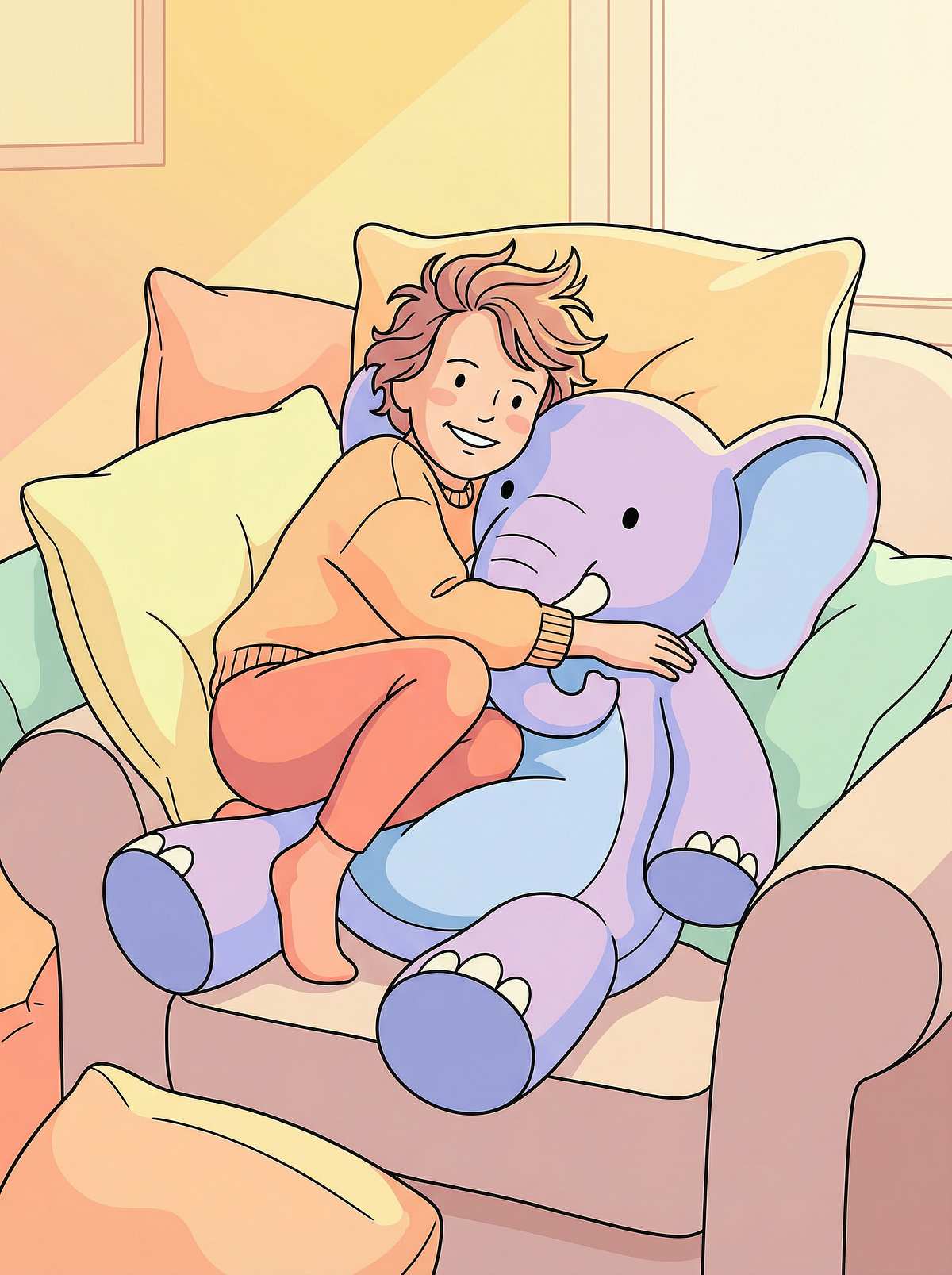
Weighted Stuffed Animal / Weighted Plush
Comfort + compression in one hug
A weighted stuffed animal combines the emotional comfort of a beloved toy with the regulatory benefits of deep pressure. The added weight (typically 500g–1.5kg) provides proprioceptive input when the child squeezes, holds, or lies with the toy. For children who love tight wrapping, a weighted plush becomes a portable, socially acceptable "squeeze companion" — usable at home, school, in the car, or during transitions, offering both emotional solace and sensory regulation.
How It Works
The strategically distributed weight within the plush toy provides gentle, consistent proprioceptive input when it's hugged, held, or rested on the body. This deep pressure helps activate the parasympathetic nervous system, promoting a sense of calm and body awareness. Beyond the physical input, the familiar and comforting presence of a beloved stuffed animal also offers emotional co-regulation. It becomes a portable tool for self-soothing, offering a discreet and socially acceptable way to manage sensory overload or anxiety in various environments like school, travel, or during transitions, without drawing unwanted attention.
DIY Option
To create your own, select a larger, sturdy stuffed animal and carefully open a seam at its back or bottom. Prepare several small, securely sealed fabric pouches filled with poly pellets (preferred for washability and safety) or clean, dry rice. Distribute these pouches evenly throughout the limbs and torso of the stuffed animal to achieve a total weight between 500g and 1kg, depending on the child's size and preference. Hand-stitch the opening closed securely. If using rice, avoid washing the entire stuffed animal; for poly pellets, ensure the pouches are robust enough to withstand machine washing.
Price Range
₹500–3,000
Safety Note: Ensure all filling is securely sealed within pouches to prevent leakage, especially if using rice or beans which could pose a choking hazard or attract pests if exposed. This item is not recommended for children under 2 years old due to potential suffocation risk. Regularly inspect the stuffed animal for any signs of wear or damage that could lead to filler exposure. Never place the weighted stuffed animal over a child’s face or head during sleep, and always supervise its use to ensure it's not misused.
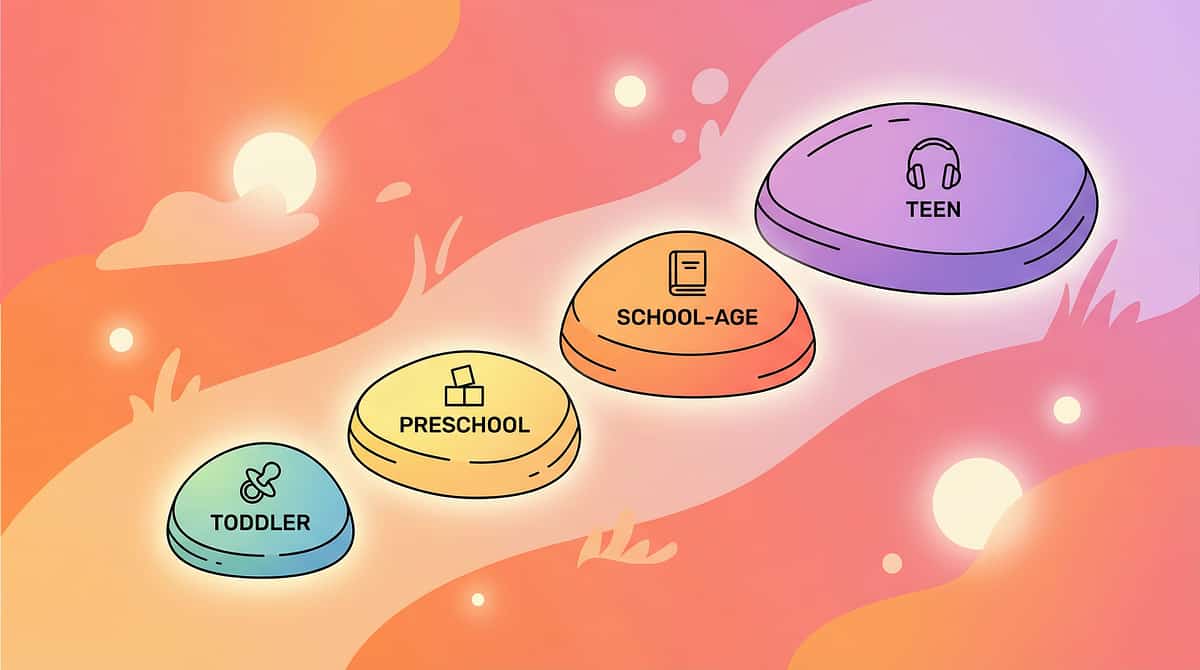
Age Guide
Which Materials Work Best at Each Age
Not every tool fits every stage — here's what to use when
Ages 1–3 (Toddlers)
Tools: Weighted stuffed animals, burrito blankets, sensory tents.
Focus: Safe, supervised tools. Prioritize materials without choking hazards or complex setup, ensuring gentle, comforting input.
Ages 4–6 (Preschool)
Tools: Body socks, compression sheets, crash pads, peapod chairs.
Focus: Begin introducing self-directed tools that encourage exploratory play and provide deep pressure or vestibular input in a fun, engaging way.
Ages 7–10 (School Age)
Tools: Compression vests, lap pads, therapy putty, squeeze balls.
Focus: Tools that integrate seamlessly into classroom settings, supporting focus and calming without distraction. Portability is key.
Ages 11+ (Tweens/Teens)
Tools: Compression clothing, hammocks, weighted blankets, sensory rollers.
Focus: Discreet, age-appropriate tools that respect growing independence and social awareness. Options that can be used privately or subtly in various environments.
Important Note: Always consult an Occupational Therapist before introducing new sensory tools, especially for children under 3. They can provide personalized recommendations and ensure safe and effective implementation tailored to your child's specific needs.
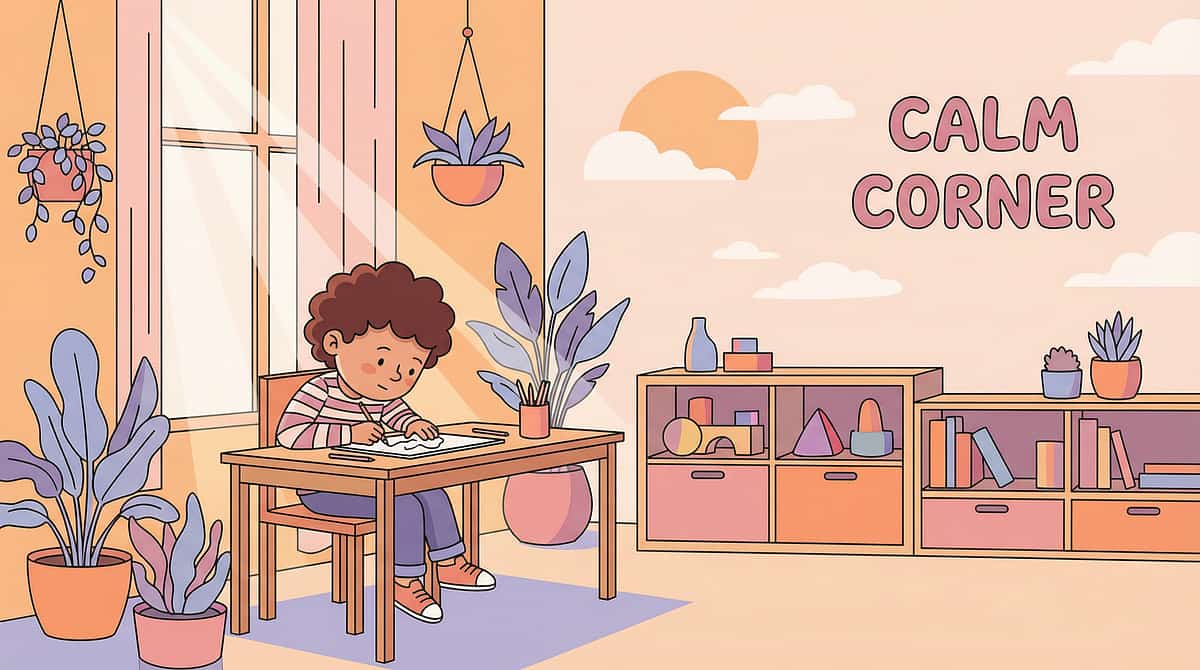
School Strategies
Deep Pressure at School — What Actually Works in the Classroom
Tools and strategies that are discreet, teacher-friendly, and effective
Most deep-pressure tools can be adapted for school use — but they need to be discreet, non-disruptive, and easy for teachers to support. Finding the right balance ensures a child receives necessary sensory input without drawing undue attention or disrupting the learning environment. Here are the most classroom-compatible strategies, designed for minimal teacher involvement and maximum student benefit.
Compression Vest
Worn discreetly under a school uniform. Provides continuous, gentle pressure throughout the day, helping the child maintain a calm and focused state without requiring any direct action or monitoring from the teacher. The child can self-regulate as needed.
Lap Pad
A weighted pad that rests on the child's lap during circle time, independent desk work, or quiet activities. Its weight provides calming proprioceptive input, helps ground the child, and is virtually invisible to classmates, promoting a sense of normalcy and inclusion.
Squeeze Ball / Fidget
Small, tactile items kept in the child's pocket or pencil case. These tools are used for discrete self-regulation during transitions, moments of high focus, or when feeling anxious, providing an outlet for excess energy or a calming tactile experience.
Compression Shorts
Worn under school pants, these provide all-day lower body input, offering a consistent sense of deep pressure. They are completely unnoticed by peers and teachers, allowing the child to receive calming input without any visual cues.
Therapy Putty
A silent and non-distracting tool used during independent work time or read-alouds. Manipulating the putty keeps hands busy and provides valuable proprioceptive input, allowing the brain to focus more effectively on academic tasks.
Sensory Break Corner
A designated, quiet space within the classroom (e.g., a small tent, beanbag corner) where a child can take brief, scheduled 5-minute regulation breaks. This allows for a quick reset when overwhelmed, fostering independence in self-management.
Key Recommendation: Always talk to the class teacher and school counselor about implementing sensory strategies. A written sensory plan provided by an Occupational Therapist (OT) can make school accommodations much easier to implement, ensuring clear guidelines and understanding for all involved.
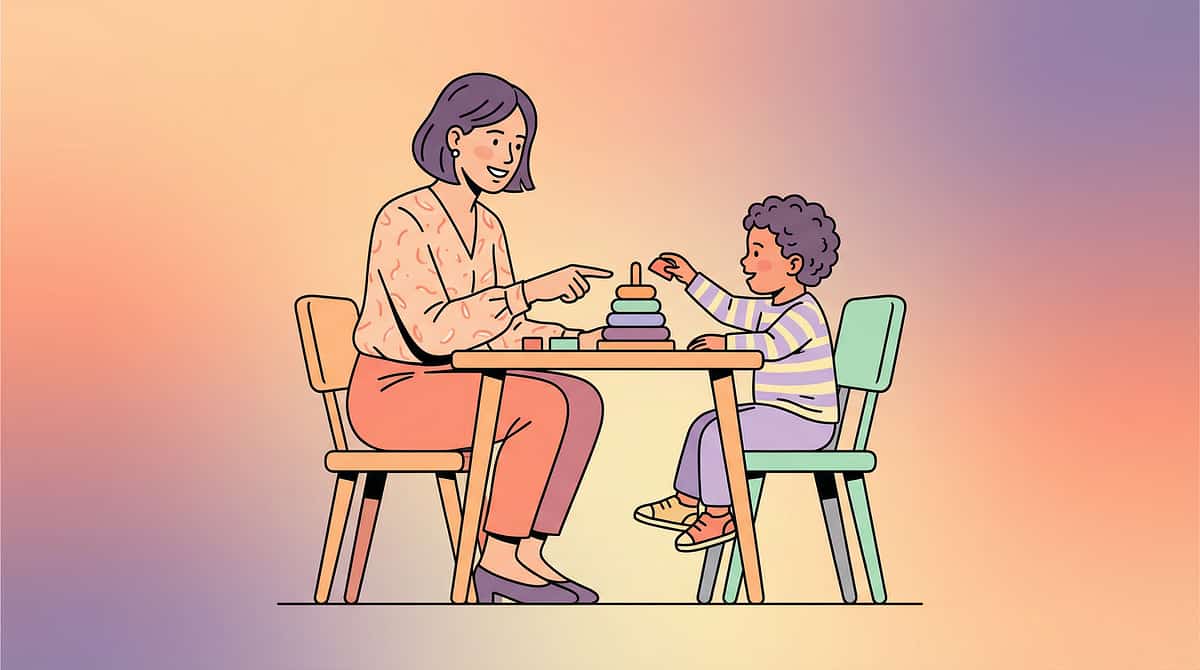
OT Consultation
When to See an Occupational Therapist
These signs mean it's time to get professional support
While sensory tools can help enormously, some children require a formal Occupational Therapy (OT) assessment and a structured "sensory diet" designed by a professional. Recognizing when to seek expert help is one of the most crucial steps a parent can take to support their child's development and well-being. These red flags indicate that it might be time to consult an Occupational Therapist.
Persistent Sleep Interference
Sensory seeking behaviors are regularly interfering with your child's sleep every night, leading to chronic fatigue or disrupted routines.
Daily School Meltdowns
Your child consistently struggles to attend school or experiences daily meltdowns due to sensory overload or unmet sensory needs in the classroom environment.
Escalating Behaviors
Wrapping, squeezing, or other deep pressure-seeking behaviors are escalating in intensity, frequency, or duration, indicating a growing need for input.
Self-Injurious or Harmful Input Seeking
The child is injuring themselves or others, or causing damage to property, while attempting to get specific sensory input.
Impact on Self-Care Skills
Sensory needs are significantly affecting essential daily living skills such as eating a varied diet, dressing themselves, or maintaining personal hygiene.
Extreme Public Distress
Your child cannot be in public spaces without experiencing extreme distress, anxiety, or engaging in challenging behaviors due to sensory sensitivities.
Inadequate Self-Regulation with Tools
Existing sensory tools and strategies alone are no longer providing sufficient regulation or calming for your child, and their needs seem to be unmet.
Academic Dysregulation
The child is consistently falling behind academically, or struggling with focus and learning, primarily due to sensory dysregulation rather than cognitive ability.
Professional Guidance: An Occupational Therapist assessment typically takes 2–3 sessions. It culminates in a personalized Sensory Diet — a daily schedule of sensory activities designed specifically for your child's nervous system. This tailored approach is considered the gold standard of care for addressing complex sensory processing challenges.
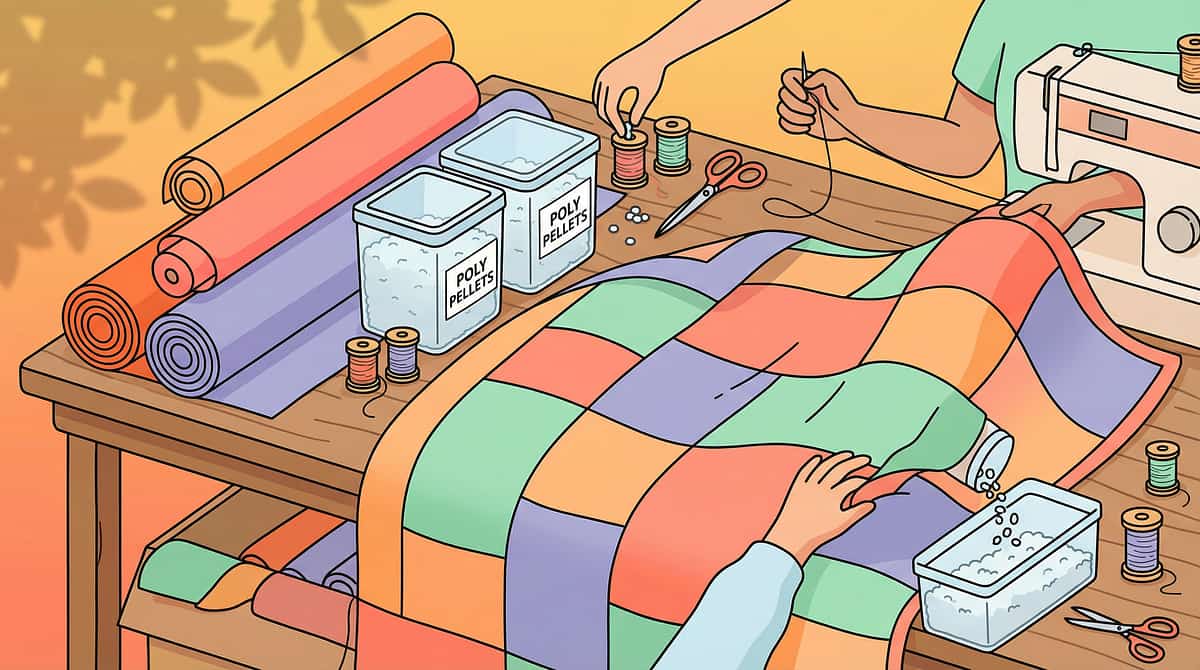
DIY Guide
The Complete DIY Deep Pressure Kit
18 materials. All makeable at home. Total cost under ₹2,000.
You don't need to buy everything off the shelf to provide effective deep pressure input. Many essential deep pressure tools can be crafted right at home using readily available and inexpensive materials. This not only makes sensory support more accessible but also allows for customization to your child's specific preferences. Here’s a consolidated guide to creating 18 powerful deep pressure tools, complete with required ingredients, difficulty levels, and approximate costs.
Material | Key Ingredients | Difficulty | Approx. Cost | |
Compression Sheet | Lycra/spandex fabric, sewing kit | Easy | ₹300–600 | |
Body Sock | Stretchy lycra tube, elastic | Easy | ₹200–400 | |
Weighted Blanket | Fabric, poly pellets, sewing kit | Medium | ₹500–1,000 | |
Lycra Tunnel | Lycra tube, PVC pipe frame | Medium | ₹400–800 | |
Compression Vest | Neoprene/lycra, velcro | Medium | ₹300–600 | |
Peapod Chair | Inflatable pool toy + fabric cover | Easy | ₹200–500 | |
Burrito Blanket | Large fleece fabric | Easy | ₹200–400 | |
Cuddle Swing | Canvas fabric, rope, ceiling hooks | Hard | ₹600–1,200 | |
Pressure Wrap | Ace bandage + velcro | Easy | ₹100–300 | |
Compression Shorts | Tight lycra shorts | Easy | ₹200–400 | |
Lap Pad | Fabric pouch + poly pellets | Easy | ₹150–300 | |
Squeeze Ball | Balloon + flour/sand | Easy | ₹20–50 | |
Crash Pad | Foam cushions + duvet cover | Easy | ₹400–800 | |
Sensory Tent | Blanket + table/chairs | Easy | ₹0–100 | |
Therapy Putty | Cornstarch + conditioner | Easy | ₹50–100 | |
Foam Roller | Pool noodle + towel | Easy | ₹100–200 | |
Hammock | Canvas fabric + rope + hooks | Hard | ₹500–1,000 | |
Weighted Plush | Stuffed animal + poly pellets | Easy | ₹100–300 |
Easy Access: All materials listed, from lycra fabric to poly pellets, are widely available at local fabric stores, hardware stores, or through online marketplaces in India, making these DIY projects convenient and affordable.
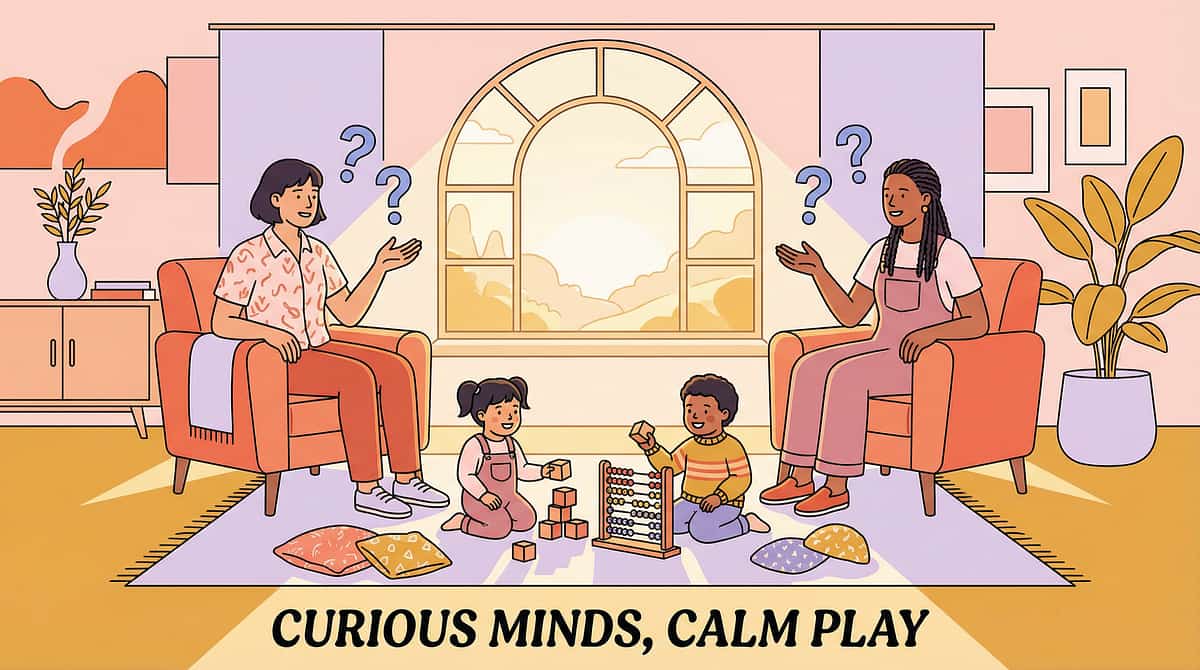
Parent FAQs
Your Questions Answered
The most common questions parents ask about deep pressure tools.
Q: Is deep pressure seeking a medical condition?
A: Deep pressure seeking is a sensory processing pattern, not a diagnosis. It can occur in neurotypical children and those with Sensory Processing Disorder (SPD), autism, ADHD, or anxiety. An Occupational Therapist (OT) can provide a comprehensive assessment to clarify your child's specific needs.
Q: Will my child become dependent on these tools?
A: No, these tools are designed to support self-regulation while the nervous system matures. Most children naturally reduce their reliance on sensory tools as they develop better coping mechanisms and self-regulation skills over time, often phasing them out as they grow older.
Q: How do I know which tool to start with?
A: Begin with the least restrictive and simplest option, such as a weighted stuffed animal or a lap pad. Observe your child's response and engagement. If these are insufficient, you can gradually escalate to more intensive tools like weighted vests or compression garments, always monitoring their comfort and benefit.
Q: Can I use multiple tools at the same time?
A: Yes, but it's best to introduce them one at a time. Allow 1–2 weeks of consistent use for each new tool before introducing another. This helps you clearly identify which tools are most effective and beneficial for your child's individual sensory needs.
Q: My child's school won't allow sensory tools. What do I do?
A: Request a meeting with the school counselor or special education coordinator. It is highly recommended to bring formal documentation and a written sensory plan from an Occupational Therapist. Such plans are typically legally supportable in most school systems, facilitating necessary accommodations.
Q: At what age should I be concerned about sensory seeking?
A: If sensory seeking behaviors are significantly impacting your child's daily life, learning, social interactions, or overall well-being at any age, it's advisable to consult an Occupational Therapist. Early intervention consistently leads to better developmental outcomes and improved quality of life.
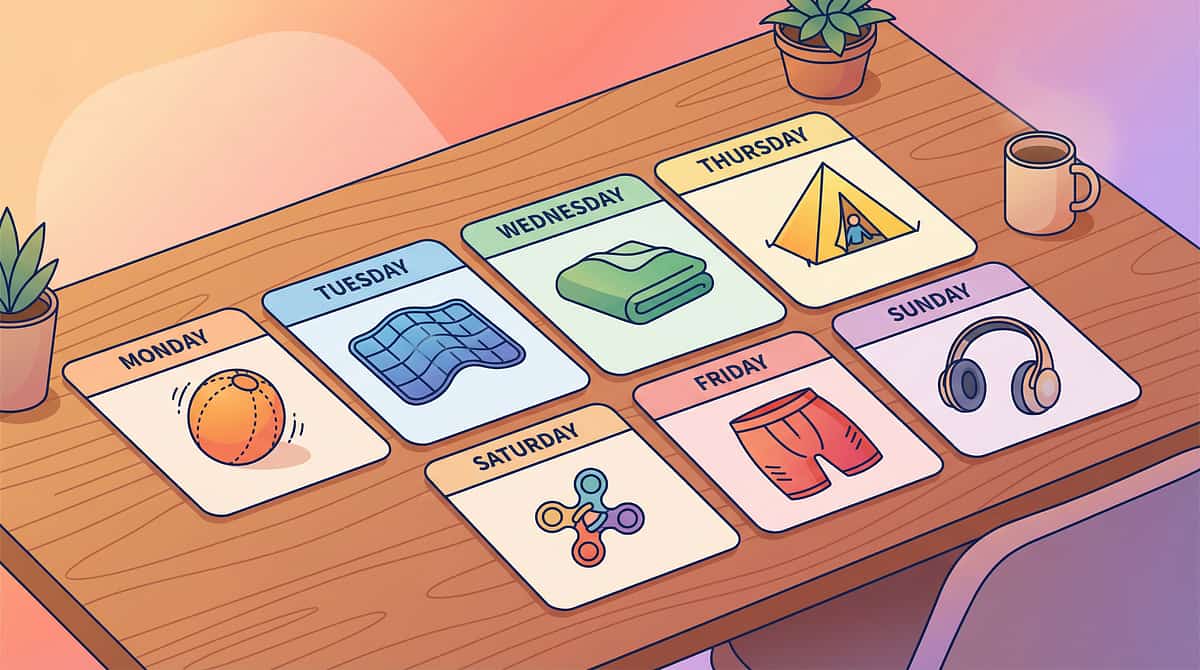
Action Plan
The 7-Day Deep Pressure Starter Plan
One week to build your child's first sensory toolkit
You don't need to do everything at once. This 7-day plan helps you introduce deep pressure tools gradually, observe your child's responses, and build a sustainable routine. Each day focuses on a simple step to help you understand your child's sensory needs and preferences.
Day 1 — Observe & Document
Note when your child actively seeks deep pressure. What specific triggers, situations, or times of day seem to increase this need? Documenting these patterns provides valuable insights.
Day 2 — Start with a Squeeze Ball
Introduce a simple, handheld squeeze ball. Observe how long your child engages with it, if it provides a calming effect, or if it helps them focus during activities.
Day 3 — Try a Weighted Lap Pad
Use a weighted lap pad during a seated activity like mealtime, homework, or screen time. Note any changes in their attention span, fidgeting, or overall behavior.
Day 4 — Introduce a Burrito Wrap
Before bedtime or during a quiet activity, gently wrap your child snugly in a large, soft blanket. Observe their comfort levels and any impact on their sleep quality.
Day 5 — Create a Sensory Corner
Designate a small, cozy space, like a tent or a cushion-filled corner. Encourage your child to use it when they feel overwhelmed or need a quiet retreat. See if they utilize it independently.
Day 6 — Add a Compression Layer
Have your child wear compression shorts or a snug-fitting undershirt beneath their clothes. Monitor their comfort and any changes in their body awareness or regulation throughout the day.
Day 7 — Review & Plan
Reflect on your observations from the past week. What tools or strategies seemed most effective? What didn't work as well? Use these insights to start building a personalized weekly sensory diet.
Professional Guidance: Share your 7-day observations with an Occupational Therapist. This detailed data is invaluable for them to build a highly personalized and effective sensory plan for your child.
Safety & Ethics
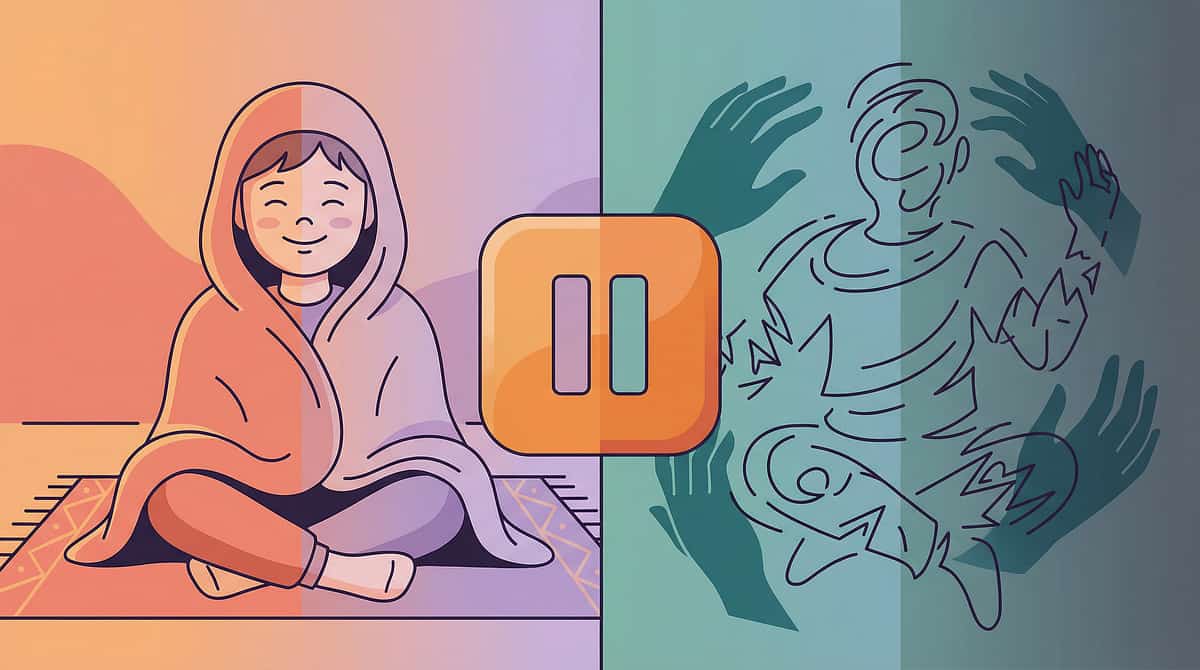
Deep Pressure vs. Restraint — Know the Difference
One is therapeutic. One is harmful. Here's how to tell them apart.
Deep pressure tools are child-led, voluntary, and regulating. Restraint is adult-imposed, involuntary, and traumatizing. This distinction is critical for every parent and caregiver to understand, ensuring safe and effective support for children with sensory needs.
✅ Deep Pressure (Therapeutic)
- Child chooses to use the tool.
- Child can exit or remove at any time.
- Provides calming, organizing input.
- Reduces anxiety and dysregulation.
- Child feels safe and in control.
- Used proactively as part of a sensory diet.
❌ Restraint (Harmful)
- Adult forces or holds the child.
- Child cannot escape or exit.
- Causes panic, fear, and trauma.
- Escalates dysregulation.
- Child feels unsafe and powerless.
- Never appropriate as a sensory tool.
Critical Safety Note: If a child is distressed, crying, or trying to escape — stop immediately. Deep pressure only works when the child is willing and calm. Forced pressure is never therapeutic and can cause lasting emotional harm.
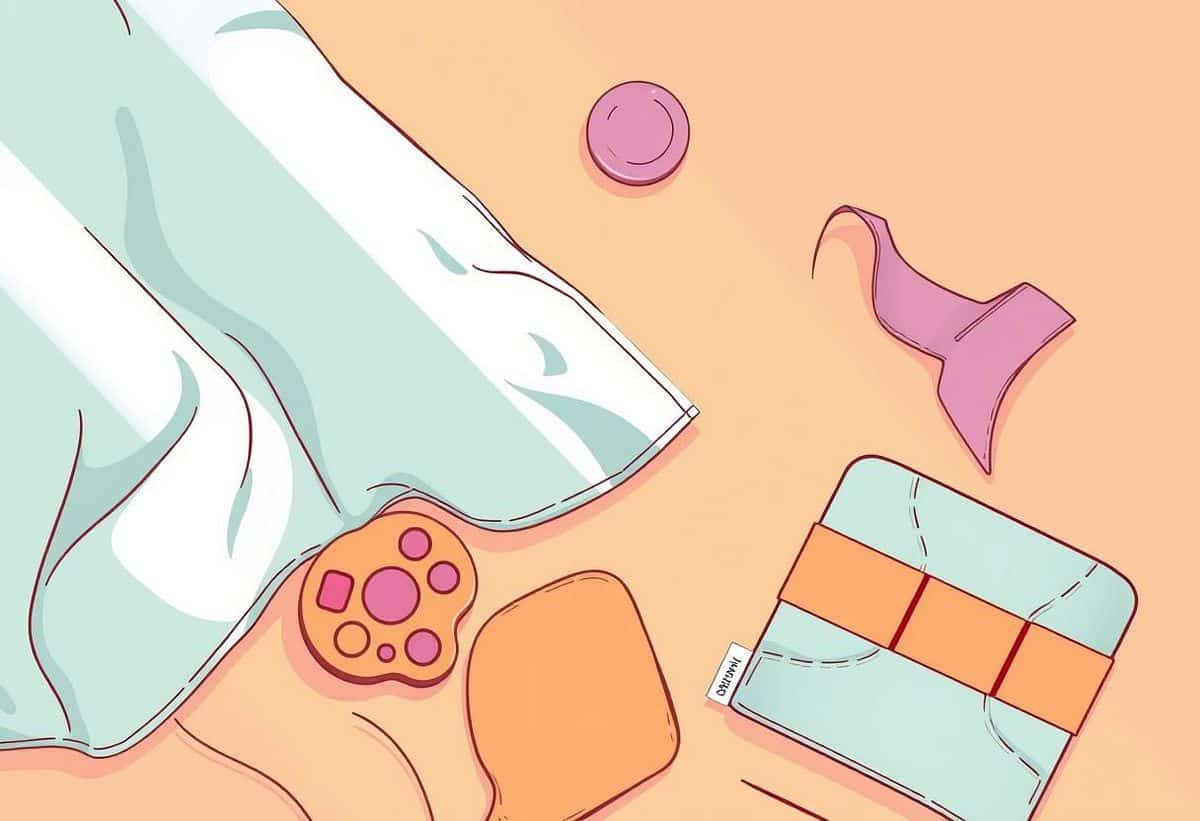
Buying Guide
How to Buy Sensory Tools — What Actually Matters
Not all products are equal. Here's what to check before you buy.
The sensory tools market is flooded with products of varying quality. Knowing what to look for saves money and ensures your child gets tools that actually work. This guide will help you navigate the options and make informed decisions.
Key Criteria for Selecting Sensory Tools
Material Safety
Look for non-toxic, BPA-free, and OEKO-TEX certified fabrics. Avoid cheap plastics or unknown fillers that could cause irritation or pose a health risk, especially for products that will be in close contact with your child's skin.
Breathability
Especially for compression tools or weighted blankets, proper airflow is crucial to prevent overheating and discomfort. Avoid non-breathable synthetic materials for extended wear or use, ensuring your child remains comfortable.
Washability
Sensory tools often see heavy, frequent use and can quickly accumulate dirt or germs. Machine-washable covers or easily cleanable surfaces are essential for hygiene and longevity, saving you time and effort.
Weight Accuracy
For weighted products, it's vital to verify the stated weight. A common guideline is that the weighted item should not exceed 10% of the child's body weight to ensure safety and therapeutic effectiveness. Always check manufacturer specifications.
Durability
Sensory tools are designed for repeated, sometimes intense, interaction. Check for strong seams, high-quality zippers, and robust fabric thickness. A durable product will withstand frequent handling, washing, and the rigors of play.
Child Input
Sensory preferences are highly individual. Whenever possible, allow your child to touch, feel, and try out potential tools before committing to a purchase. Their comfort and engagement are the best indicators of a tool's effectiveness.
Buying in India: Look for products on reputable e-commerce platforms like Amazon.in and FirstCry, or visit specialty Occupational Therapy (OT) supply stores. Always prioritize reading reviews from other parents of sensory-seeking children to gauge real-world effectiveness and quality.

Sensory Profiles
Matching Tools to Your Child's Sensory Profile
Every nervous system is different. Here's how to personalize the approach.
Children who seek deep pressure don't all seek it the same way. Some crave full-body input, while others focus on specific areas like hands or feet. Some require constant input, while others only need it during transitions or moments of dysregulation. Understanding your child's unique sensory profile is key to choosing the most effective tools and strategies.
Full-Body Seekers
These children thrive on deep, enveloping pressure from head to toe. They often love being wrapped snugly, buried under blankets, or experiencing full-body compression.
Best tools: Compression sheet, body sock, burrito blanket, cuddle swing, lycra tunnel, large beanbag chair.
Best tools: Compression sheet, body sock, burrito blanket, cuddle swing, lycra tunnel, large beanbag chair.
Upper Body Seekers
This profile indicates a need for pressure around the torso, arms, and shoulders. They might lean heavily on people, prefer tight hugs, or enjoy weighted items across their chest.
Best tools: Compression vest, weighted blanket (draped over shoulders), deep pressure massage, therapy putty for arm work.
Best tools: Compression vest, weighted blanket (draped over shoulders), deep pressure massage, therapy putty for arm work.
Lower Body Seekers
Children in this category seek deep pressure primarily in their legs, hips, and feet. They might frequently cross their legs, sit in a "W" position, or press their thighs together.
Best tools: Compression shorts or leggings, weighted lap pad, crash pad, sensory roller, deep pressure leg massages.
Best tools: Compression shorts or leggings, weighted lap pad, crash pad, sensory roller, deep pressure leg massages.
Hands & Feet Seekers
This profile describes children who constantly seek pressure in their extremities, often by squeezing, pinching, or pressing their hands and feet. They might chew on items or prefer tight socks/shoes.
Best tools: Squeeze balls, therapy putty, pressure wraps on wrists/ankles, vibrating massagers, fidget toys, foam roller for feet.
Best tools: Squeeze balls, therapy putty, pressure wraps on wrists/ankles, vibrating massagers, fidget toys, foam roller for feet.
Dynamic Needs: If your child's sensory profile seems to change day by day or even hour by hour, that's completely normal! Sensory needs fluctuate based on stress, sleep quality, diet, environment, and overall emotional state. Remain flexible and offer a variety of tools.

Parent Communication
How to Talk to Your Child About Their Sensory Needs
The right words make all the difference
Children who seek deep pressure often don't have the language to explain what they need. Giving them words — and validating their experience — is one of the most powerful things a parent can do. It empowers them to understand their own body and advocate for their needs.
For Toddlers (1–3)
"Your body wants a big squeeze! Let's wrap you up like a burrito."
For Preschoolers (4–6)
"Does your body feel wiggly? Let's find something that helps it feel calm."
For School-Age (7–10)
"Your nervous system is asking for deep pressure. That's why you love being squeezed. It's your body being smart."
For Tweens (11–13)
"You're not weird for needing pressure. Your brain processes touch differently — and there are tools that help."
For Teens (14+)
"Deep pressure activates your parasympathetic nervous system. It's literally science. Here are some discreet tools that work."
Crucial Guidance: Never shame a child for sensory seeking. Phrases like "stop that" or "that's weird" increase anxiety and dysregulation. Instead, prioritize validation and offer tools that promote self-regulation.

Real Stories
What Families Say After Using Deep Pressure Tools
Real outcomes. Real regulation. Real relief.
Across thousands of families, the pattern is consistent — when children get the deep pressure input their nervous system needs, everything changes. Sleep improves. Meltdowns reduce. Focus increases.
"We started with a compression sheet. Within 3 nights, my son was sleeping through the night for the first time in 4 years."
— Mother of 7-year-old, Mumbai
— Mother of 7-year-old, Mumbai
"The body sock changed everything at school. My daughter went from 3 meltdowns a day to maybe one a week."
— Father of 6-year-old, Bangalore
— Father of 6-year-old, Bangalore
"I made a DIY crash pad from sofa cushions. It cost ₹0. My son uses it every day after school to decompress."
— Mother of 9-year-old, Delhi
— Mother of 9-year-old, Delhi
"The lap pad during homework time was a game changer. He went from refusing to sit to completing full worksheets."
— Mother of 8-year-old, Chennai
— Mother of 8-year-old, Chennai
"My daughter carries a squeeze ball everywhere now. She calls it her 'calm ball.' She manages her own regulation."
— Father of 11-year-old, Hyderabad
— Father of 11-year-old, Hyderabad
Important Note: These outcomes are typical when tools are matched to the child's sensory profile and used consistently as part of a daily sensory diet.
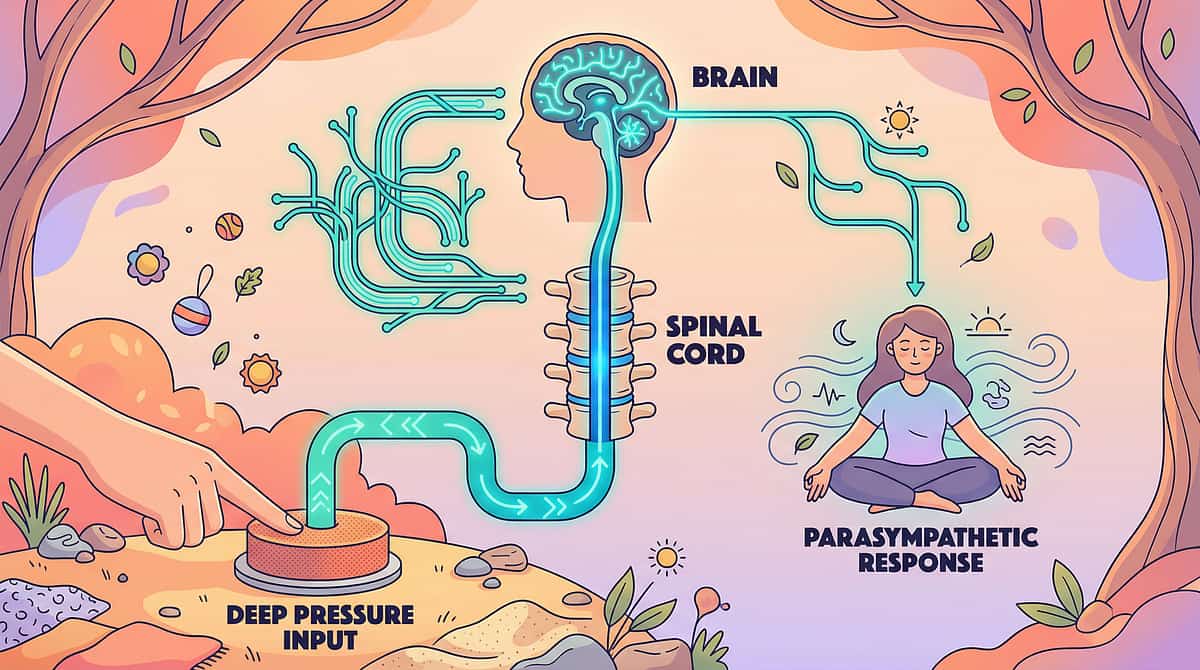
The Science
Why Deep Pressure Works — The Science Parents Need to Know
This is the biological chain of events every time your child receives deep pressure input. Their nervous system is not malfunctioning — it is working hard to find the input it needs to complete this cycle.
4 Types of Deep Pressure
🔵 Weighted
Pressure from weight (blankets, lap pads). Best for: sitting, sleeping, rest periods
🟣 Compression
Circumferential squeeze (vest, sheet, body sock). Best for: movement, waking hours, school
🟠 Enclosure
Spatial containment (peapod, tunnel, cuddle swing). Best for: calm-down, retreat, overwhelm recovery
🩷 Wrapping
External containment (burrito blanket, pressure wraps). Best for: calming rituals, bedtime, parent-child connection
Key Principle: Deep pressure seeking is self-regulation. The child's nervous system is actively trying to calm itself. Treatment means providing appropriate input — not stopping the seeking.
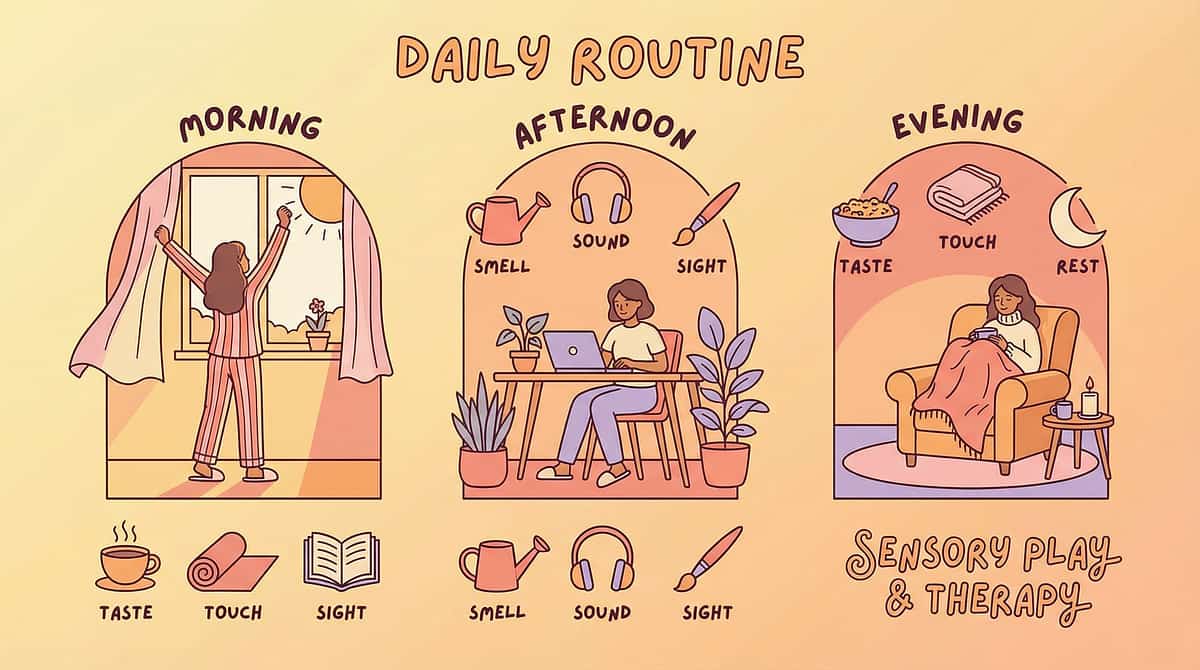
Sensory Diet
Building Deep Pressure Into the Daily Routine
Proactive, not reactive: Build pressure input into the daily routine before dysregulation — not just when the child is already overwhelmed. A consistent sensory diet provides the nervous system with regular "doses" of input so it never reaches a crisis point.
🌅 Morning
Compression vest or tight clothing · Burrito blanket morning wrap · Firm morning hugs before school
🏫 School
Compression vest under uniform · Weighted lap pad at desk · Permission for scheduled pressure breaks
📚 Homework
Weighted blanket · Body sock movement break before starting · Compression seating
🌙 Bedtime
Burrito wrapping game · Compression sheet · Weighted blanket · Firm tucking ritual
🆘 As Needed
Peapod retreat · Body sock · Cuddle swing when overwhelmed or dysregulated
Portability Note: Ensure your child has pressure access in ALL environments — home, school, and outings. Compression clothing travels everywhere and provides invisible regulation support.
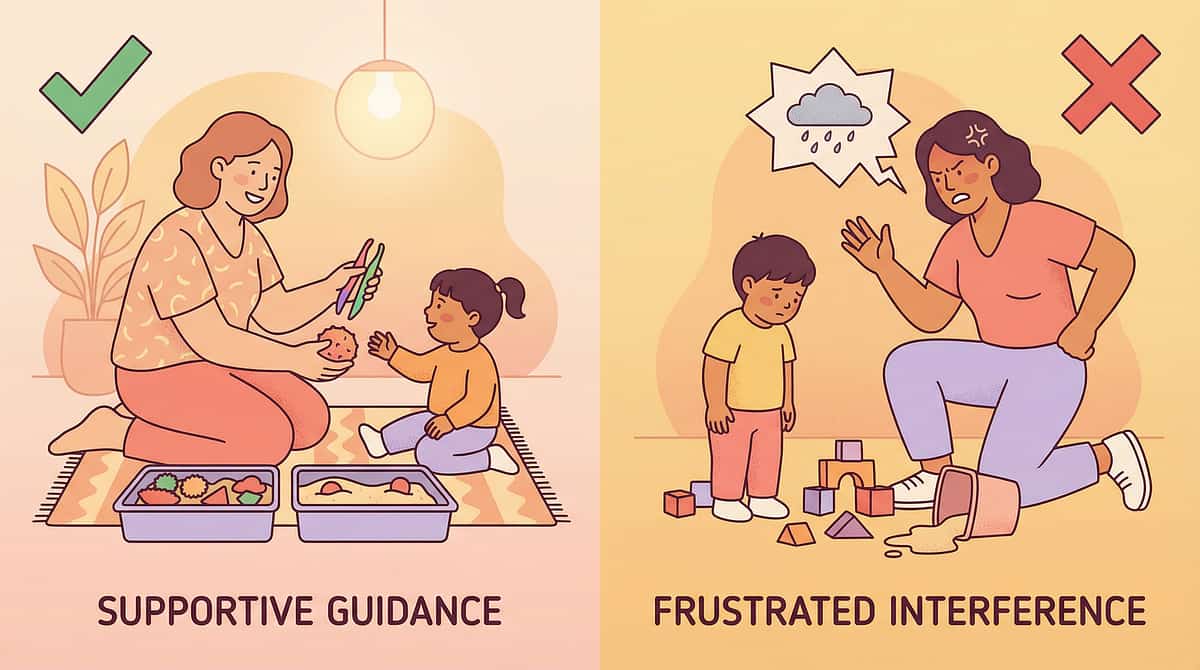
Parent Guidance
What Parents Need to Know — Do This, Avoid This
✅ Do This
- Provide appropriate tools rather than stopping wrapping or squeezing
- Build pressure into daily routine BEFORE dysregulation (proactive)
- Offer various pressure types for different contexts
- Celebrate when child asks for pressure — that's self-awareness
- Ensure portable options for school and outings
- Make tools readily accessible so child can self-regulate
- Work with an OT to create an individualized sensory diet
❌ Avoid This
- Trying to stop wrapping without providing alternatives
- Only providing pressure after dysregulation (reactive)
- Relying on only one type of pressure
- No portable pressure options outside the home
- Expecting child to "grow out of it" without support
- Viewing pressure-seeking as strange or problematic
🎉Milestone to Celebrate: When your child says "I need to be squeezed" or independently goes to get their body sock — that is self-regulation. That is exactly what we're working toward.

Real-World Evidence
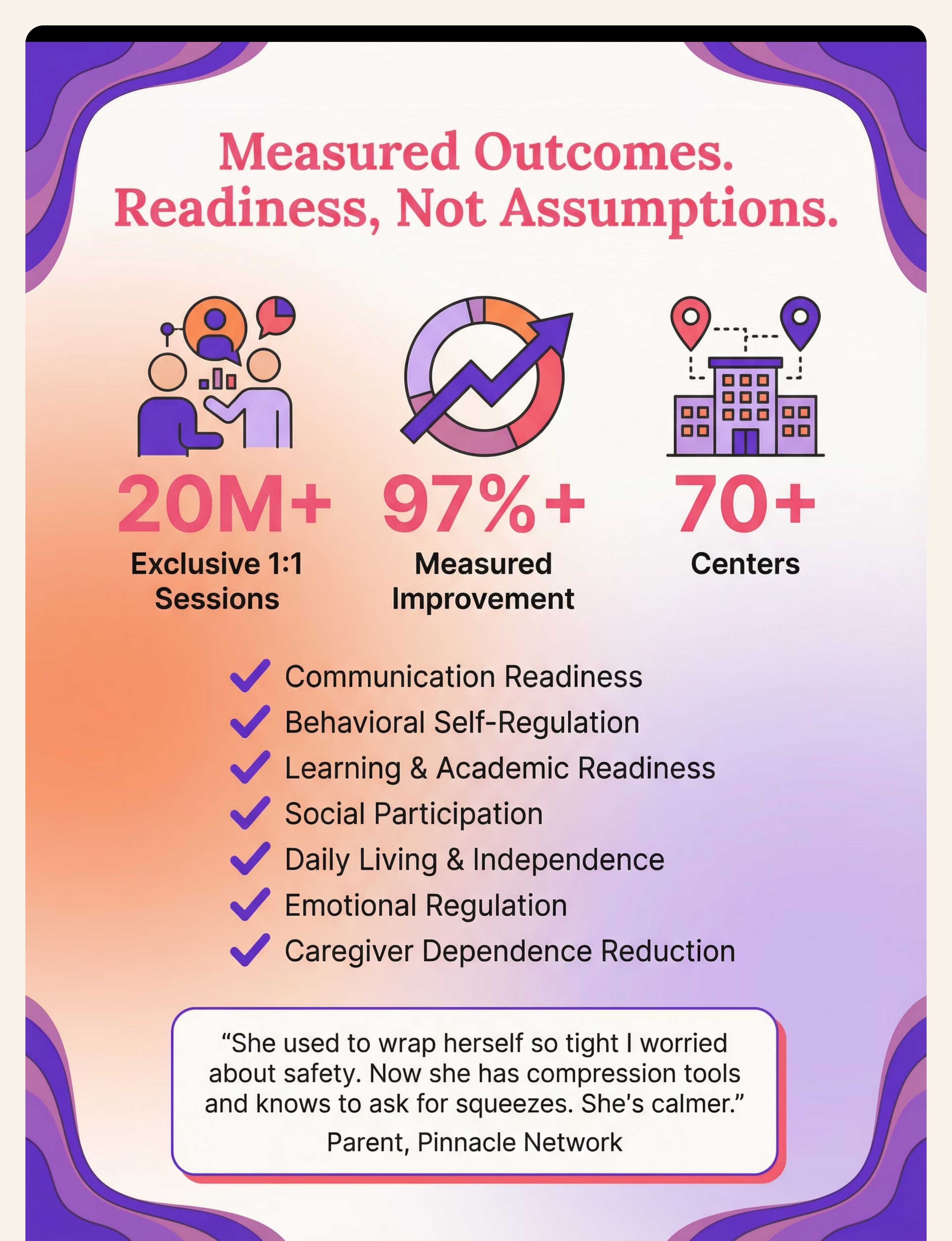
Measured Outcomes. Readiness, Not Assumptions.
20M+
Therapy Sessions
Exclusive 1:1 sessions documented across the network
97%+
Improvement Rate
Measured improvement across tracked outcomes
70+
Centers
Accredited Pinnacle Blooms centers nationwide
What Changes With Appropriate Deep Pressure Tools
Communication Readiness — Less dysregulation means more language access
Behavioral Self-Regulation — Proactive seeking replaces desperate seeking
Learning & Academic Readiness — Regulated nervous system enables focused learning
Social Participation — A regulated child can truly engage with peers
Daily Living & Independence — Self-regulating child functions more independently
Caregiver Dependence Reduction — Child learns to initiate self-regulation
"She used to wrap herself so tight I worried about safety. Now she has compression tools and knows to ask for squeezes. She's calmer. She sleeps. She goes to school regulated." — Parent, Pinnacle Network
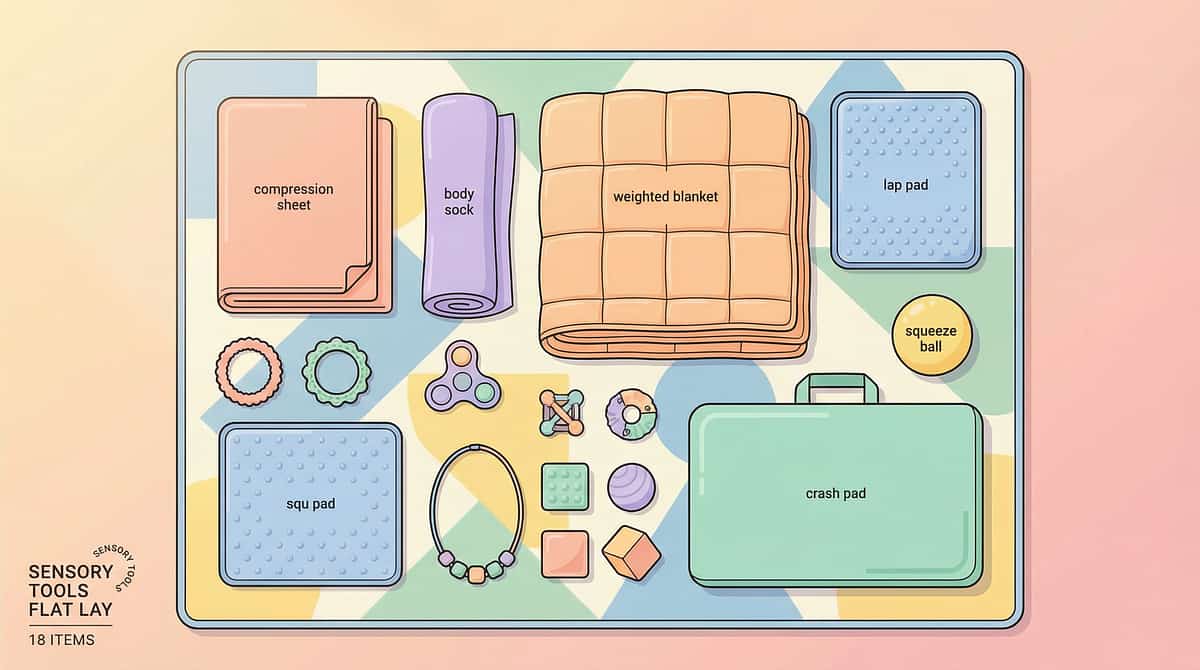
Complete Toolkit
Your Complete Deep Pressure Toolkit — Quick Reference
# | Material | Price Range | Best For | |
1 | Compression Sheet | ₹1,500–4,000 | Sleep regulation | |
2 | Body Sock | ₹800–2,000 | Active pressure play | |
3 | Weighted Blanket | ₹1,500–5,000 | Rest and calm | |
4 | Lycra Tunnel | ₹1,500–4,000 | Tight-space seeking | |
5 | Compression Vest | ₹1,000–3,500 | Portable / school | |
6 | Pea Pod | ₹3,000–8,000 | Enclosed retreat | |
7 | Burrito Blanket | ₹500–2,000 | Connection + pressure | |
8 | Cuddle Swing | ₹2,000–6,000 | Pressure + movement | |
9 | Pressure Wraps | ₹200–800 | Adjustable, portable |
Where to Start — Recommended by Goal
🟢 Sleep Issue
Start with the Compression Sheet
🟢 Active Child
Start with the Body Sock
🟢 School / Daytime
Start with the Compression Vest
🟢 Connection
Start with the Burrito Blanket
🟢 Tight Space Seeking
Start with Pea Pod or Lycra Tunnel
Total Investment Range: ₹10,000–35,000 for a comprehensive approach | DIY options available for most materials.

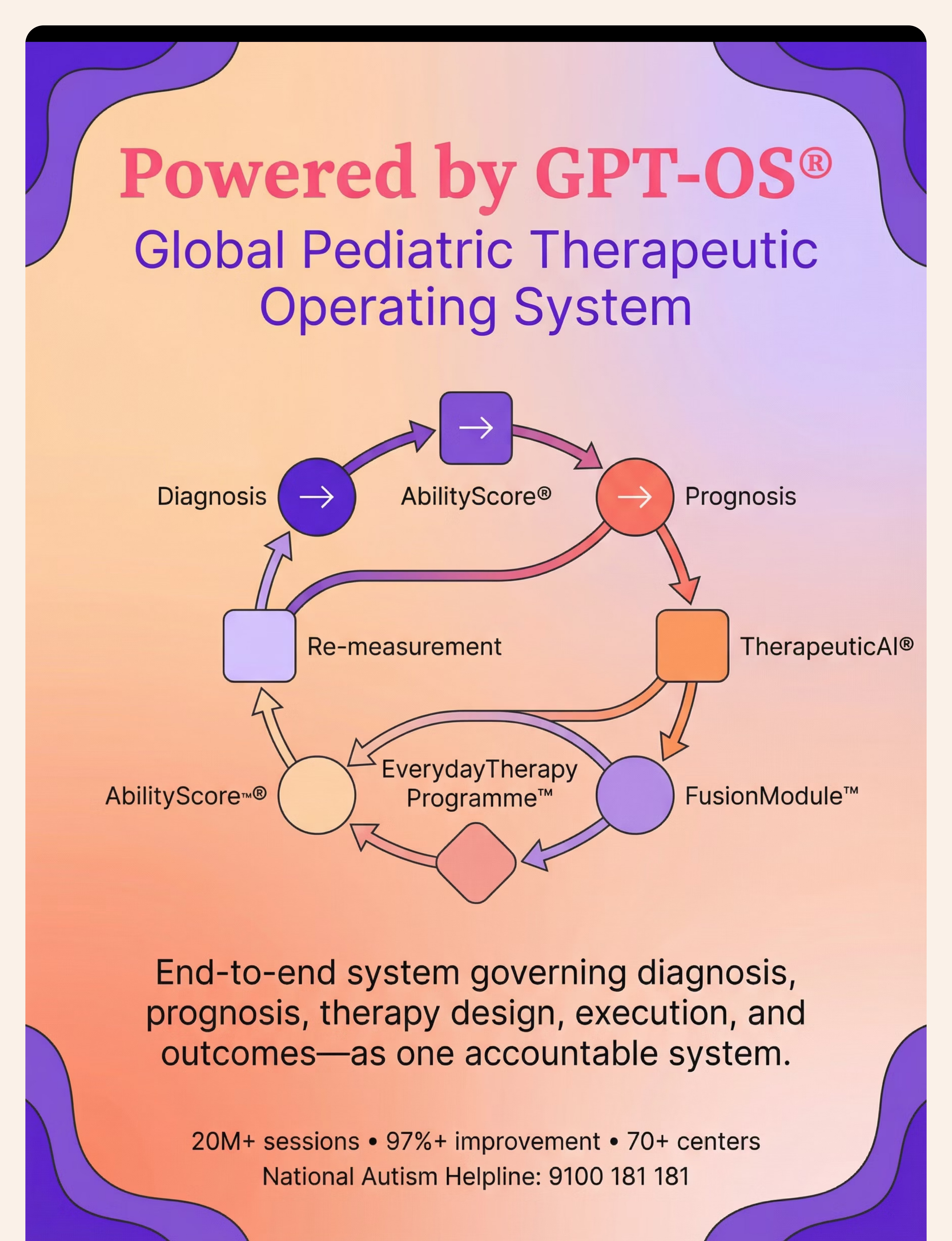
Powered by GPT-OS®
Global Pediatric Therapeutic Operating System
End-to-end system governing diagnosis, prognosis, therapy design, execution, and outcomes — as one accountable system. Every material in this guide is not a random suggestion. It is part of a clinically-mapped, outcomes-measured protocol for proprioceptive regulation — documented across 20M+ therapy sessions.
Diagnosis
AbilityScore® — 344 skills, 79 abilities comprehensively assessed
Prognosis
Outcome prediction and therapy pathway mapping for each child
TherapeuticAI®
AI-generated therapy protocol customized to the child's profile
FusionModule™
Multi-disciplinary integration across therapy domains
EverydayTherapy Programme™
Daily home practice system for carryover beyond clinic
Re-Measurement
Outcomes tracked, therapy continuously adjusted
20M+
Sessions
97%+
Improvement
70+
Centers
📞National Autism Helpline: 9100 181 181

About Pinnacle Blooms Network®
Built by Mothers. Engineered as a System.
Every piece of content in this series — every material recommendation, every explanation, every technique — is drawn from documented clinical practice across 70+ centers, 500+ therapists, and 21M+ therapy sessions. This is not content marketing. This is clinical knowledge infrastructure made accessible.
Center Network
70+ accredited pediatric centers nationwide, each following the GPT-OS® protocol
Pediatric Therapeutic OTT Platform
Digital access to curated therapy content, guidance, and family resources
Hyperlocal Marketplace
Connects families with local therapists and specialized services in their area
📞 FREE National Autism Helpline
+91 9100 181 181
Available in 18+ languages
Available in 18+ languages
🌐 Website
pinnacleblooms.org
Registration Details
CIN: XXXXXXXXXXXX
DPIIT: XXXXXXXX
MSME: XXXXXXXX
GSTIN: XXXXXXXXXXXXXXXX
DPIIT: XXXXXXXX
MSME: XXXXXXXX
GSTIN: XXXXXXXXXXXXXXXX
Preview of 9 materials that help when child loves tight wrapping Therapy Material
Below is a visual preview of 9 materials that help when child loves tight wrapping therapy material. The pages shown help educators, therapists, and caregivers understand the structure and content of the resource before use. Materials should be used under appropriate professional guidance.




Link copied!
Save This for Your Wrapping-Loving Kiddo
📌 Save
Save this guide for easy reference whenever you need it
👥 Follow
Follow for more sensory solutions that help them feel whole
💛 Share
Share with a parent who needs this today — it could change everything
Important Information: This content is educational. It does not replace assessment by a licensed occupational therapist. Deep pressure seeking and sensory processing differences benefit from professional evaluation. If your child's behaviors impact safety, sleep, or daily functioning, please consult a qualified professional. Individual results may vary. Statistics represent aggregate outcomes across Pinnacle Blooms Network.
#DeepPressure #SensorySeeking #ProprioceptiveInput #CompressionTherapy #SensoryProcessing #OccupationalTherapy #SensoryRegulation #AutismParenting #WeightedBlanket #PinnacleBlooms #GPT_OS #SensoryDiet #AutismTherapy #DeepPressureSeeking #SensoryKids
© 2025 Pinnacle Blooms Network®. All rights reserved.