

Gentle Feels Impossible. Everything Breaks.
She tries to hug gently. The cat runs. The crayons snap. The paper tears. She's not being careless — her body doesn't yet know how hard it's pressing. You are not failing. Your child's sensory system is speaking. And there are 9 materials that can help it learn to listen.
Ages 3–12
Home-Applicable
Evidence-Based
Pinnacle Blooms Consortium®

ACT I — RECOGNITION
A Parent's Story You May Recognize
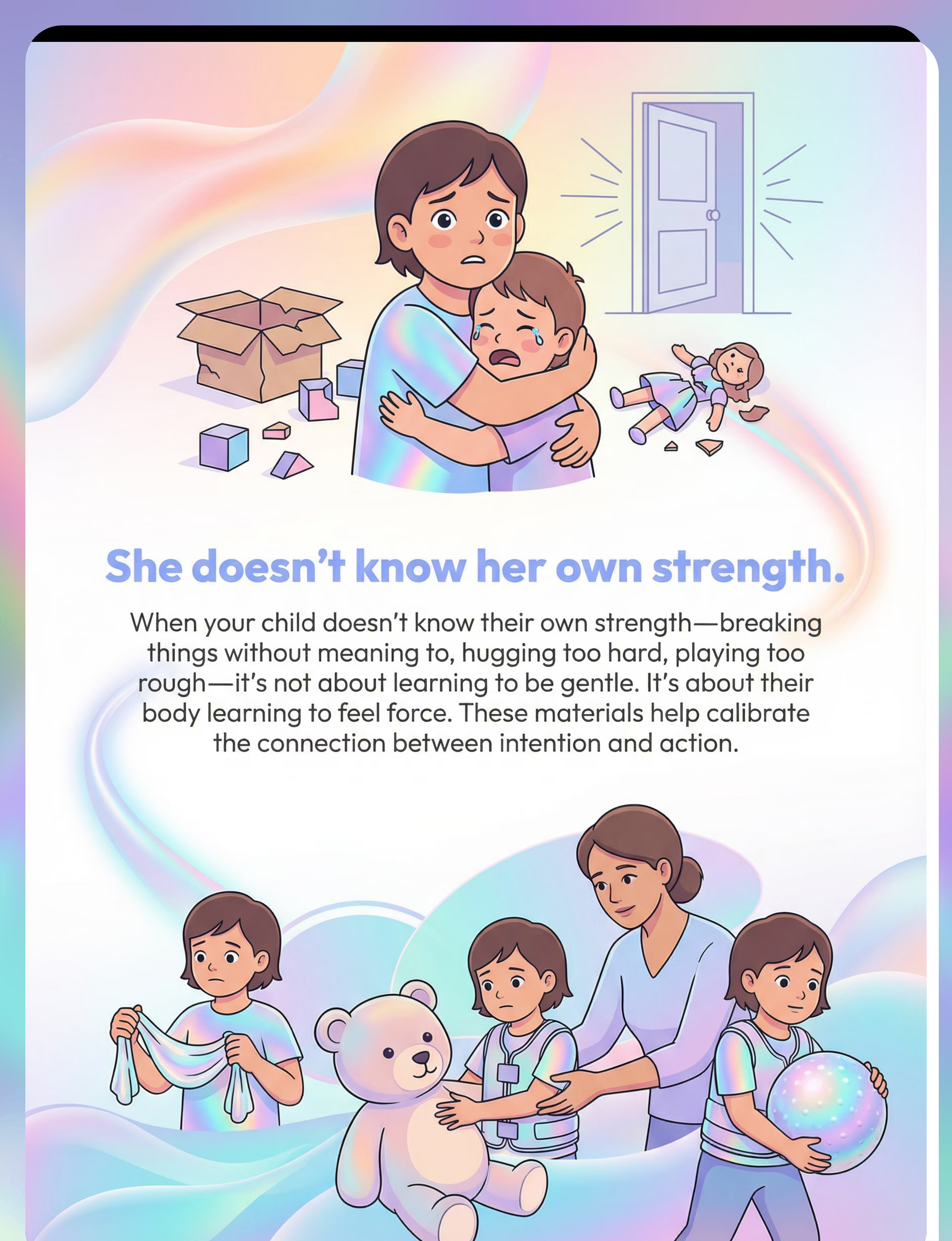
"My daughter is six years old and she doesn't know her own strength — not in a superhero way, but in a way that causes problems every single day. She hugs her little brother and he cries because she squeezed too hard. She didn't mean to hurt him. She was trying to show love. Crayons snap in her fingers within seconds. Pencils break. The paper tears through where she draws. We've gone through countless toys because she doesn't mean to break them — she loves them. She just doesn't know how to hold things the right amount. Her teachers say 'be gentle, use a soft touch' — and she looks at them like they're speaking another language. I don't think she knows what gentle feels like in her own body."
This is force modulation — a specific, named, understood, and treatable neurological pattern. The struggle between wanting gentle and achieving it is real, and it is not a character flaw. It is a sensory processing difference. And there is a roadmap.
📞 FREE National Autism Helpline: 9100 181 181 | 16+ Languages | 24×7 — Pinnacle Blooms Network®

You Are Among Millions of Families Navigating This Exact Challenge
80%
Sensory Difficulties
of children with autism display sensory processing difficulties including force modulation
1 in 36
Global Diagnosis Rate
children are diagnosed with autism globally — India alone has an estimated 18 million affected
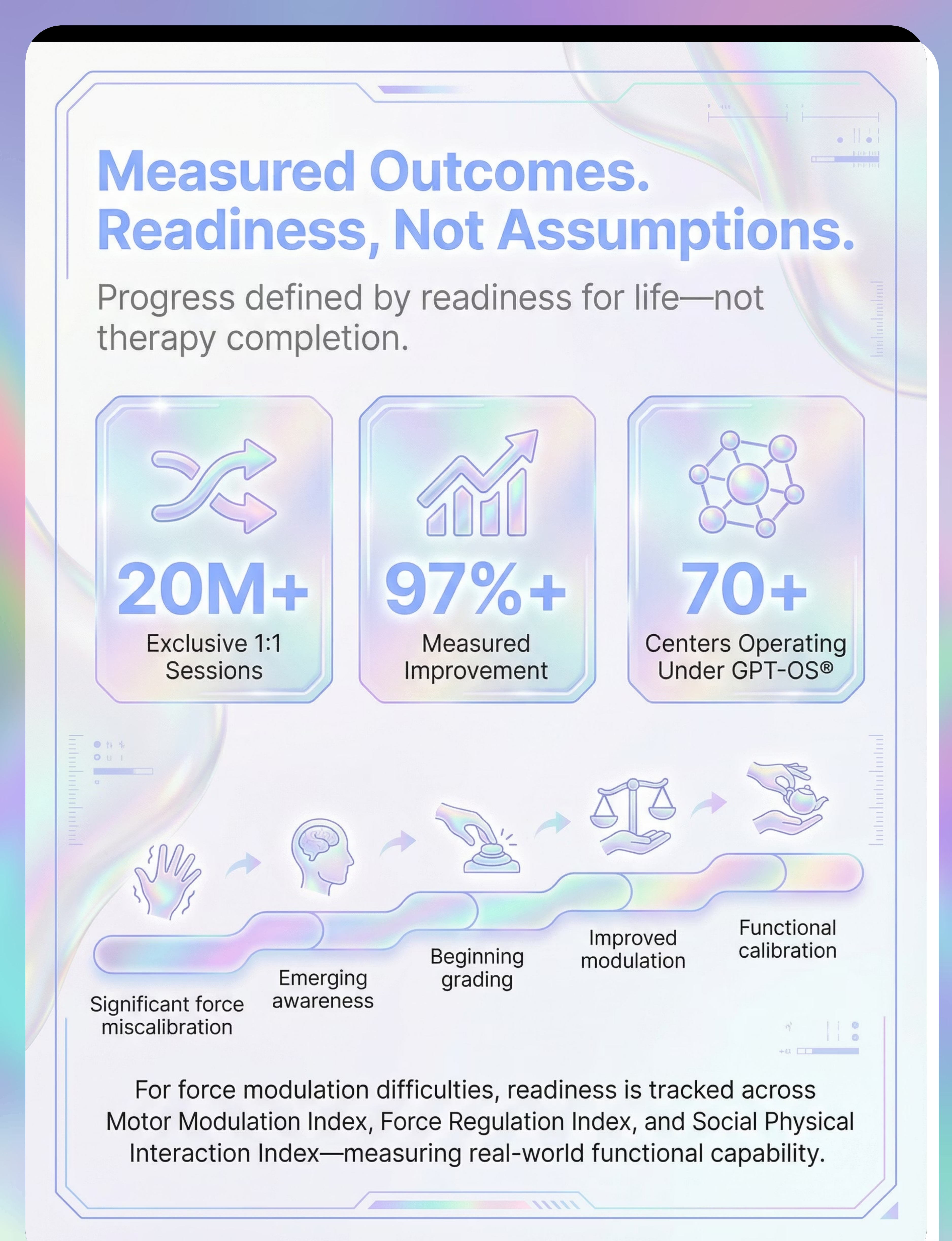
20M+
Therapy Sessions
delivered by Pinnacle across 70+ centers, measuring force modulation as a primary challenge
When your child breaks the third pencil this week, approximately 4.7 million families in India alone are experiencing a version of the same morning. Prevalence of autism spectrum disorder is estimated at 1–1.5% of the pediatric population in India (Chauhan et al., 2019), with sensory processing difficulties documented in 80–90% of this population. This is not a parenting failure. This is a proprioceptive processing difference.
THE NEUROSCIENCE
This Is a Wiring Difference, Not a Behavior Choice
The Proprioceptive Loop
01
Muscles & joints generate force
02
Proprioceptors send signals upward
03
Cerebellum calibrates force output
04
Motor cortex sends adjusted signal
05
Hands move with calibrated force
Plain English
Think of proprioception as your child's internal force meter. Every time you pick up a coffee cup, your brain knows exactly how hard to grip — so it doesn't shatter and doesn't slip.
Your child's internal force meter is receiving incomplete readings. When the meter reads wrong, the output is wrong. Not because your child is careless. Not because they don't want to be gentle. Because the gauge is miscalibrated.
Wiring can be re-trained. The 9 materials on this page provide enhanced proprioceptive input that re-calibrates the system — repeated, graded, resistance-based feedback that teaches the brain to feel force accurately.
🧠"The proprioceptive system under-registers when children with sensory processing differences do not receive adequate feedback from muscles and joints. Intervention using enhanced proprioceptive input has demonstrated effectiveness in improving force modulation." — AOTA Evidence-Based Practice Guidelines

DEVELOPMENTAL CONTEXT
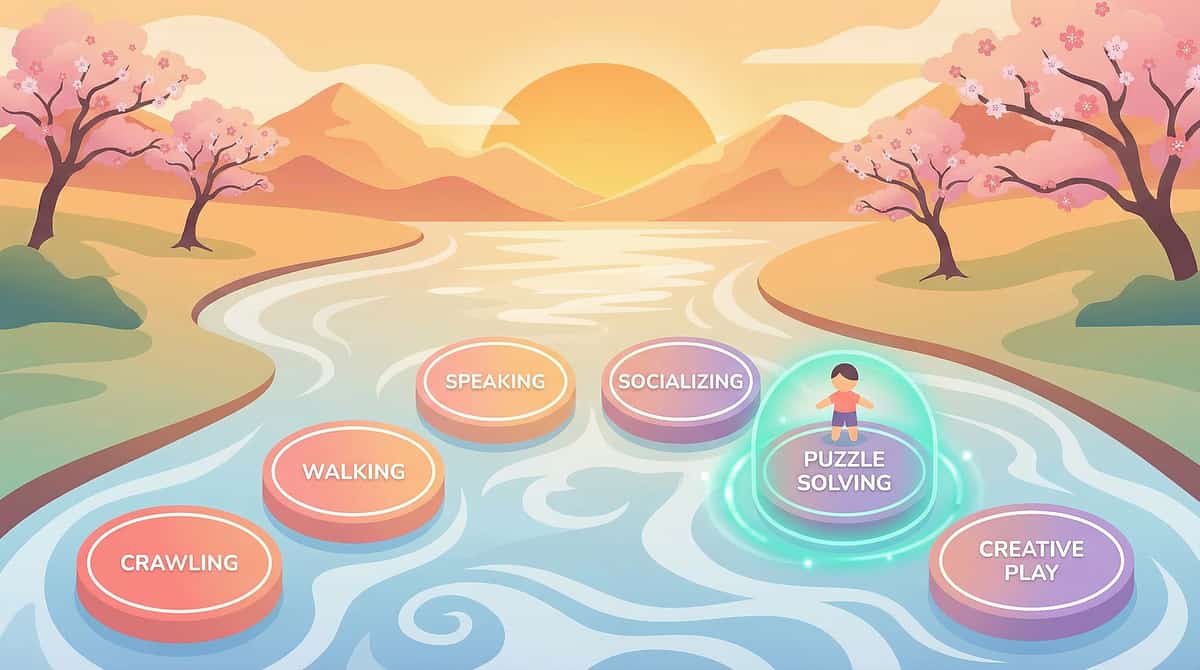
Your Child Is Here. Here Is Where We're Heading.
Birth–2 Yrs
Early grasping reflexes; force modulation not yet expected
Ages 3–4
Object manipulation developing; force challenge typically peaks and becomes visible
★ You Are Here
Window of greatest neuroplasticity — greatest intervention effectiveness
Ages 5–7
Handwriting pressure reducing with support; body awareness developing
Ages 8–12+
Refined force calibration achieved; generalized body awareness
Force modulation difficulties emerge most visibly between ages 3 and 7, when children are required to use fine motor precision in new ways. This is the window of greatest neuroplasticity and therefore the window of greatest intervention effectiveness. Force modulation difficulties commonly co-occur with ASD, Developmental Coordination Disorder (DCD), ADHD, Hypermobility Syndromes, and Low Muscle Tone. Co-occurrence does not worsen prognosis — it informs intervention design.
EVIDENCE BASE
Clinically Validated. Home-Applicable. Parent-Proven.
📊 Level I Evidence
Sensory integration intervention was classified as an evidence-based practice for children with ASD in a 2024 PRISMA systematic review of 16 studies spanning 2013–2023.
PMC11506176
🧪 Meta-Analysis
A World J Clin Cases 2024 meta-analysis across 24 studies confirmed sensory integration therapy effectively promoted social skills, adaptive behavior, sensory processing, and motor skills.
PMC10955541
🇮🇳 Indian RCT
A 2019 RCT in Indian Journal of Pediatrics (Padmanabha et al.) demonstrated that home-based sensory interventions administered by trained parents showed significant measurable outcomes.
DOI: 10.1007/s12098-018-2747-4
These 9 materials are not folk remedies. They are the evidence-based toolkit of occupational therapists, refined across millions of sessions — now in your hands. 📞 Questions? FREE Helpline: 9100 181 181

ACT II — KNOWLEDGE TRANSFER
Force Modulation: The 'Just Right' Sense Your Child Is Missing
Technique Code
A-096
Domain
Sensory Processing / Proprioception
Series
Sensory & Motor Solutions
Episode
96 of 999
Formal Definition
Force Modulation (also termed Force Grading or Proprioceptive Force Calibration) refers to the neurodevelopmental ability to calibrate and adjust the amount of muscular force applied across different tasks — gripping a delicate object gently, pressing just hard enough when writing, hugging with appropriate pressure, turning pages without tearing.
Parent-Friendly Alias: "The Just-Right Force Sense." These 9 materials systematically rebuild internal calibration through graded resistance, external visual feedback, and naturalistic force practice. Ideal for children ages 3–12 who break objects unintentionally, press too hard when writing, or leave a trail of broken crayons and torn pages.

The Consortium Behind These 9 Materials
Force modulation sits at the intersection of five clinical disciplines. Each brings a unique lens — and all five converge on these same 9 materials.
Occupational Therapy (Primary Lead)
OTs use proprioceptive input, heavy work, resistance activities, and graded force practice as the core intervention. Proprioception is the OT's primary sensory domain.
Applied Behavior Analysis (ABA / BCBA)
ABA structures reinforcement for successful gentle handling, designs practice environments with natural consequences, and tracks data on force calibration progress.
Speech-Language Pathology (SLP)
SLPs address the oral motor dimension — chewy tubes, resistive foods, and vibrating oral tools provide proprioceptive input through jaw muscles, supporting whole-system regulation.
Special Education (SpEd)
SpEd specialists adapt classroom environments, recommend weighted writing tools, and educate teachers on why force modulation is a sensory issue, not a behavior choice.
Neuro-Developmental Pediatrics
NeuroDev doctors rule out co-occurring conditions (hypermobility, low tone, DCD) and provide medical clearance for weighted and resistance-based interventions.
📞 Book your multi-disciplinary assessment: 9100 181 181 — The brain organizes by sensory systems, not therapy disciplines. That is why all five converge here.

THERAPEUTIC TARGETS
This Is a Precision Tool — Not a Random Activity
The primary target is the child's internal ability to sense how much force their muscles are generating and adjust output accordingly. Secondary targets include fine motor regulation, body awareness, and self-regulation. Tertiary long-term targets include academic readiness, peer relationship quality, and independence in daily activities. Within 4–8 weeks of consistent practice, observable indicators include reduced broken pencils, lighter paper pressure, gentler pet and sibling interactions, and the beginning of self-monitoring — the child noticing when they've pressed too hard.

ACT III — EXECUTION | THE 9 MATERIALS
9 Materials That Build Force Awareness — From Your Home Today
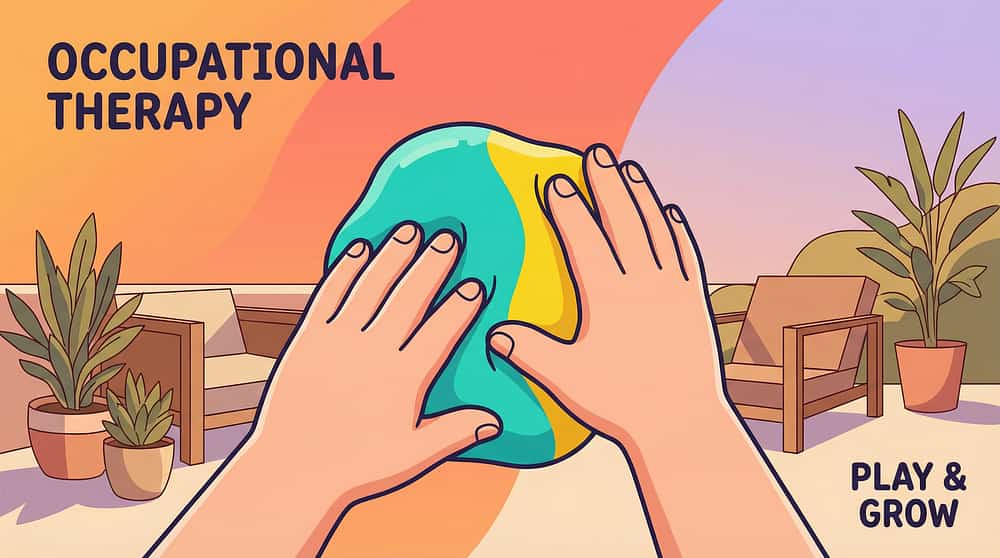
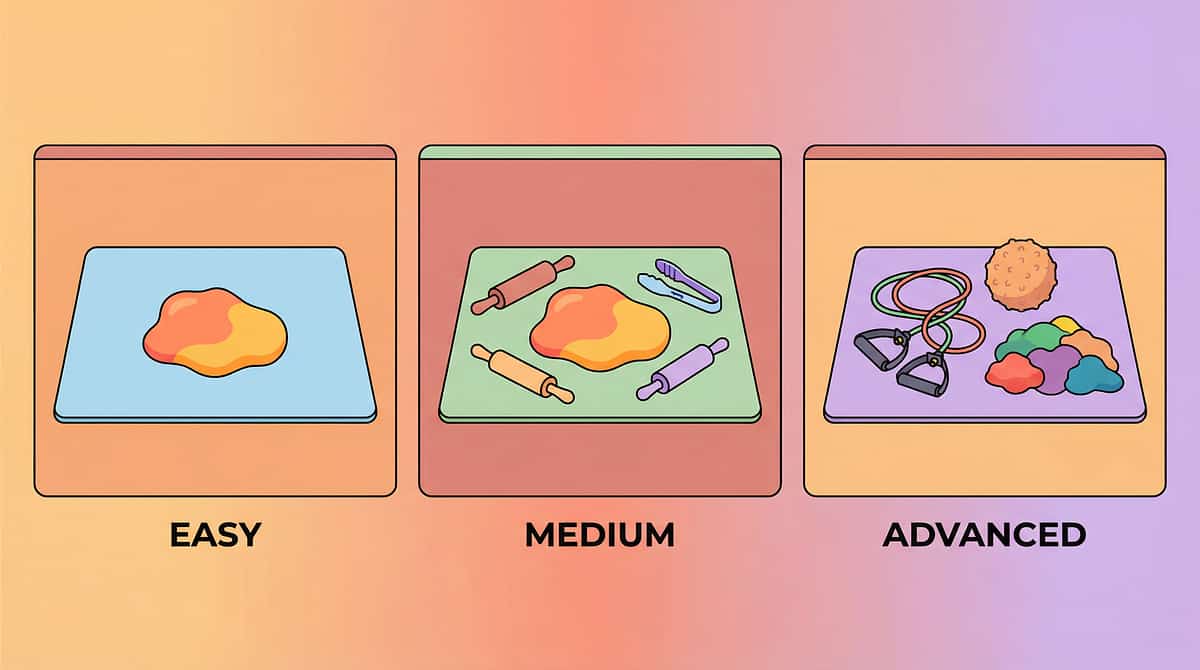
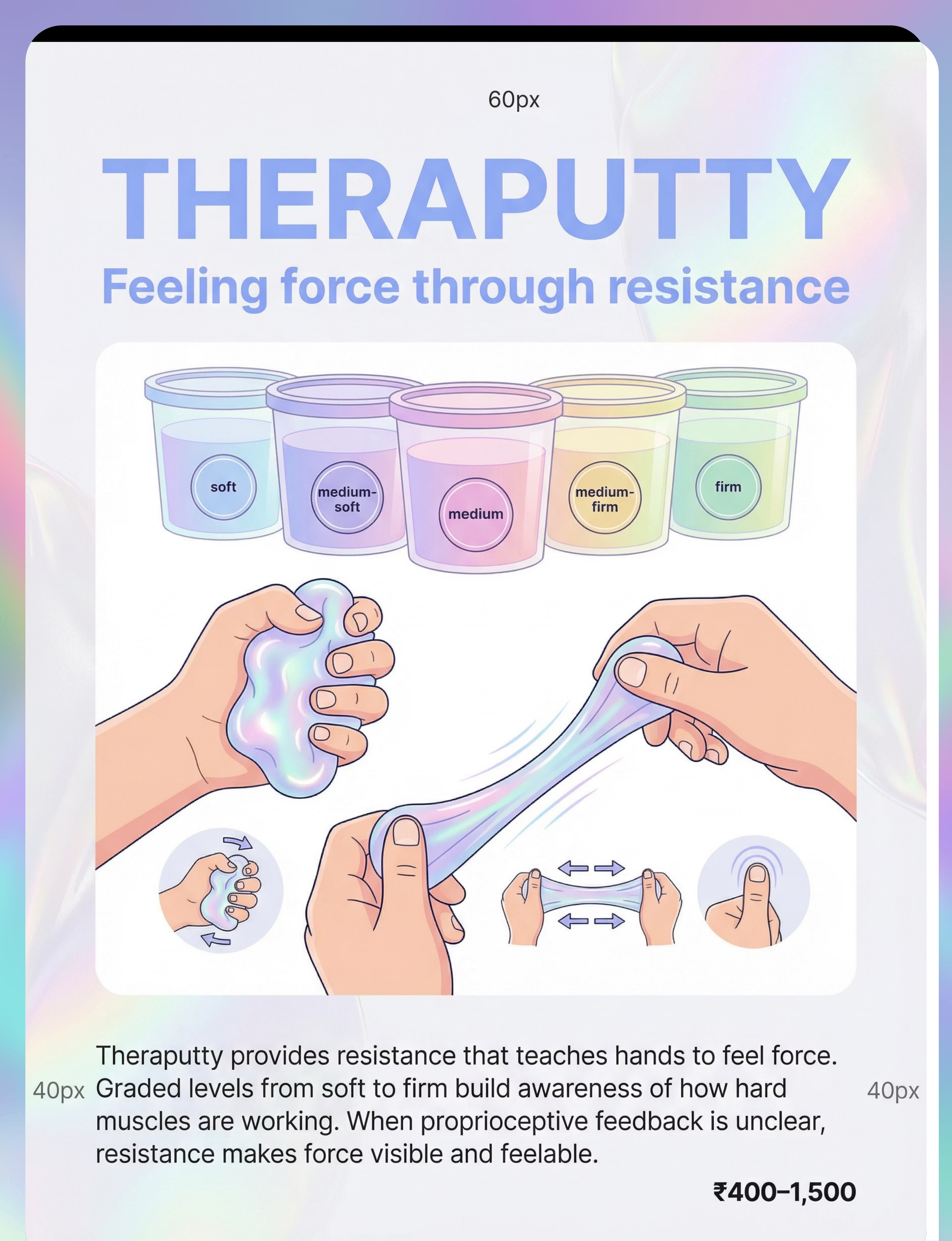
1. Therapy Putty / Resistive Dough
Multiple resistance levels wake up the proprioceptive system through graded hand work. ₹300–1,200

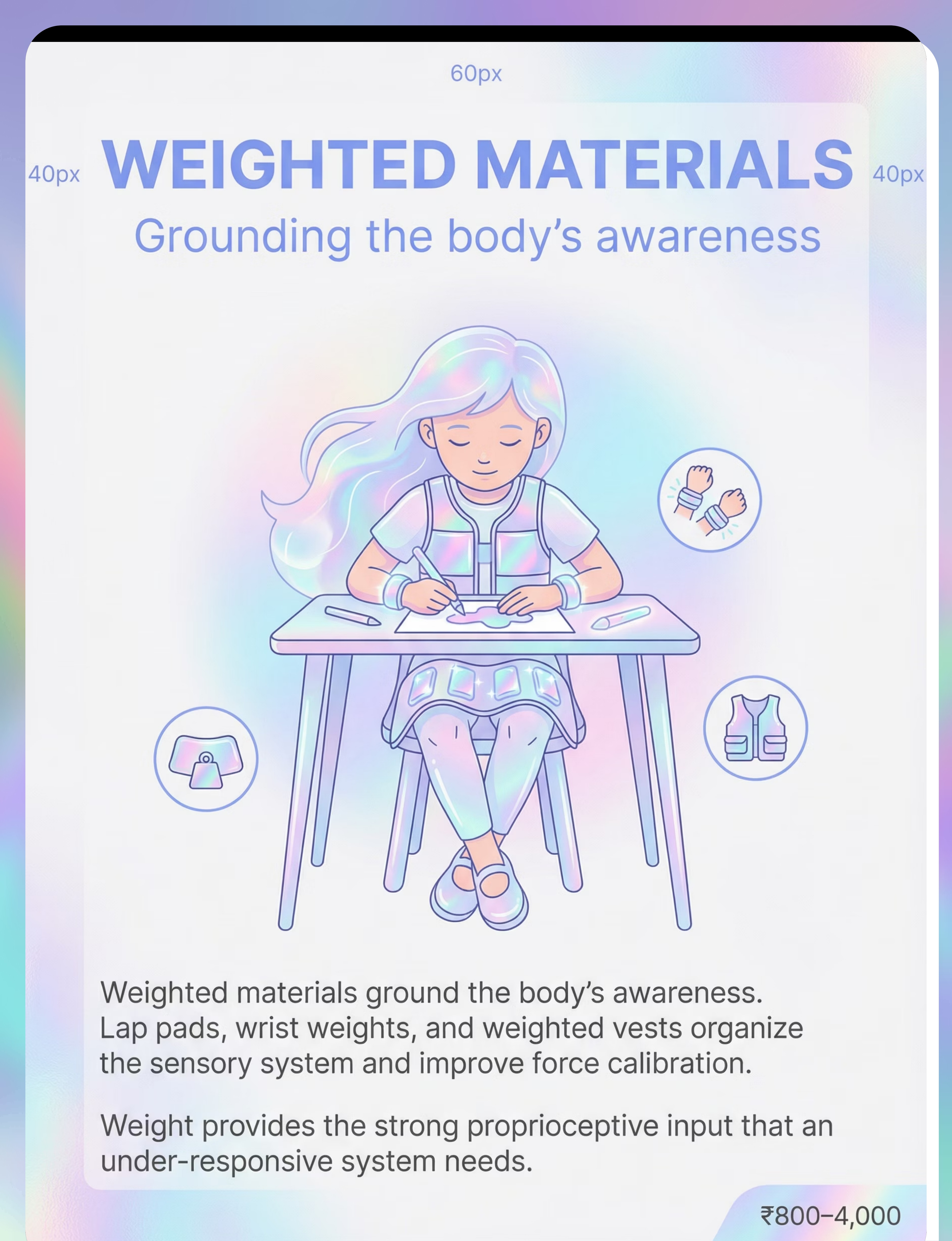
2. Weighted Writing Tools
Provide proprioceptive feedback, reducing the child's need to press hard. ₹200–800
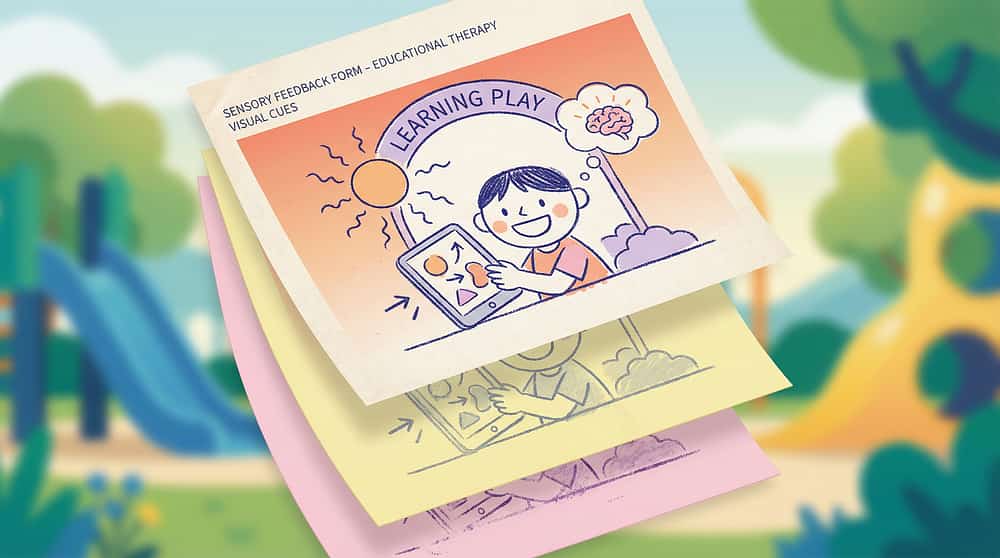
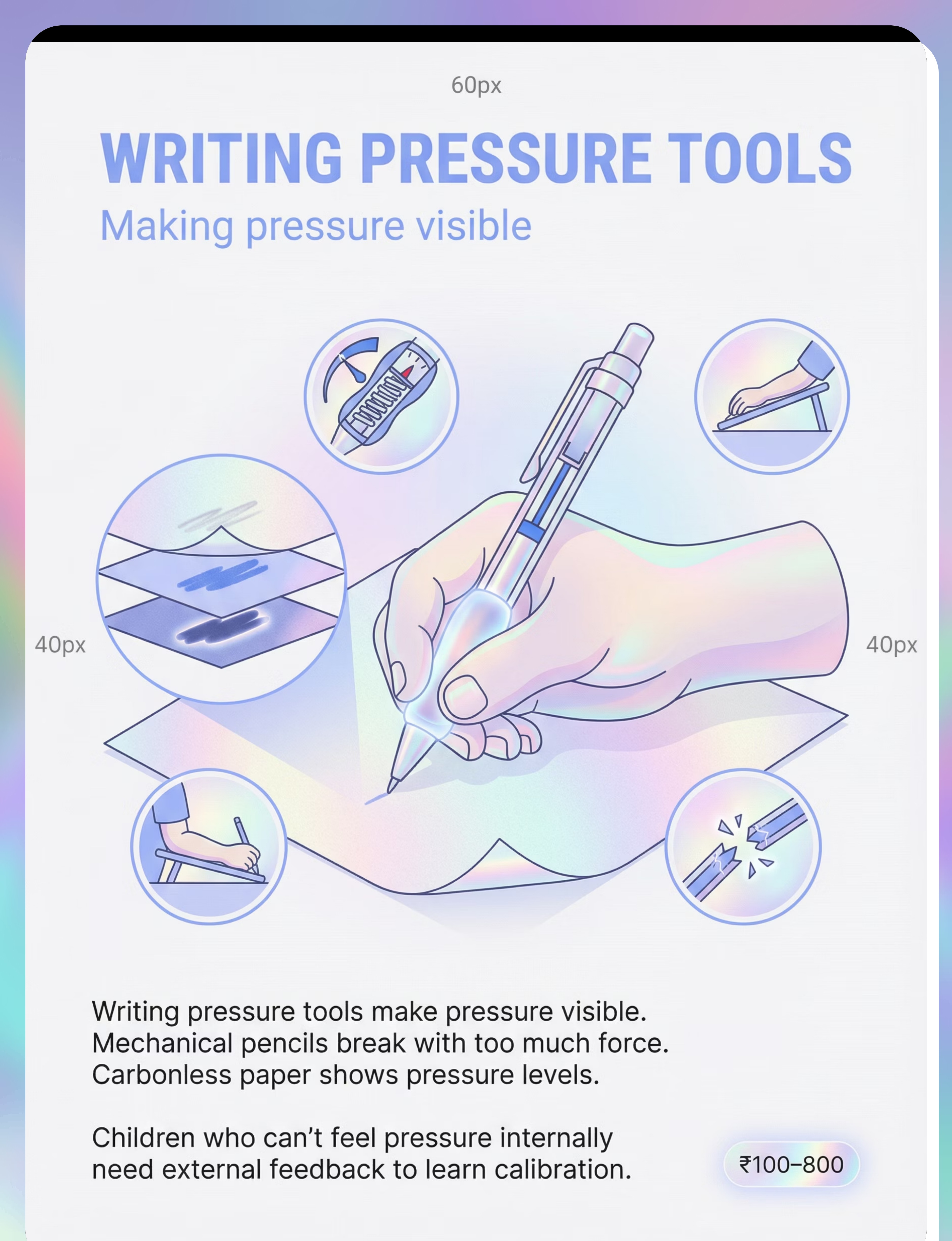
3. Pressure-Indicating Materials
Visual force feedback — the child sees how hard they're pressing. ₹150–1,000
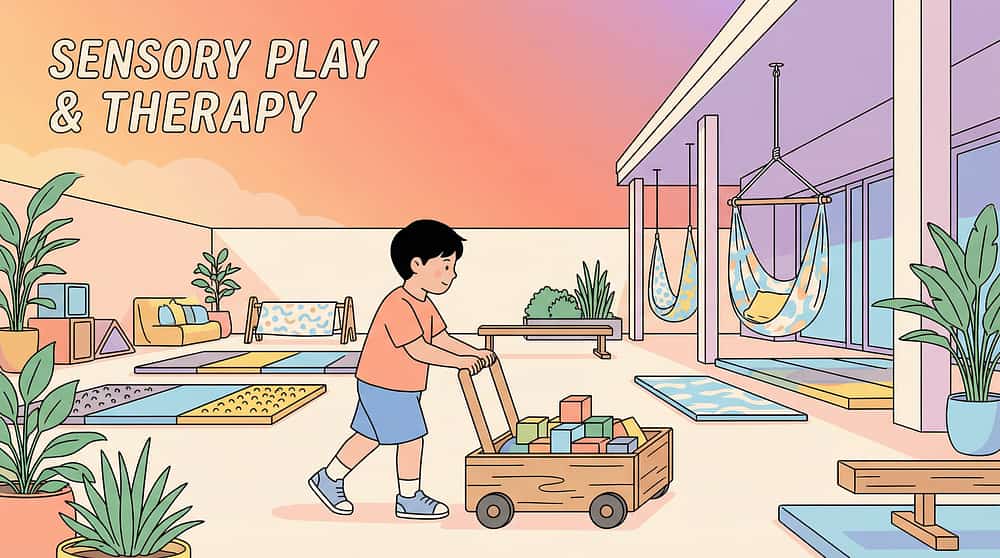
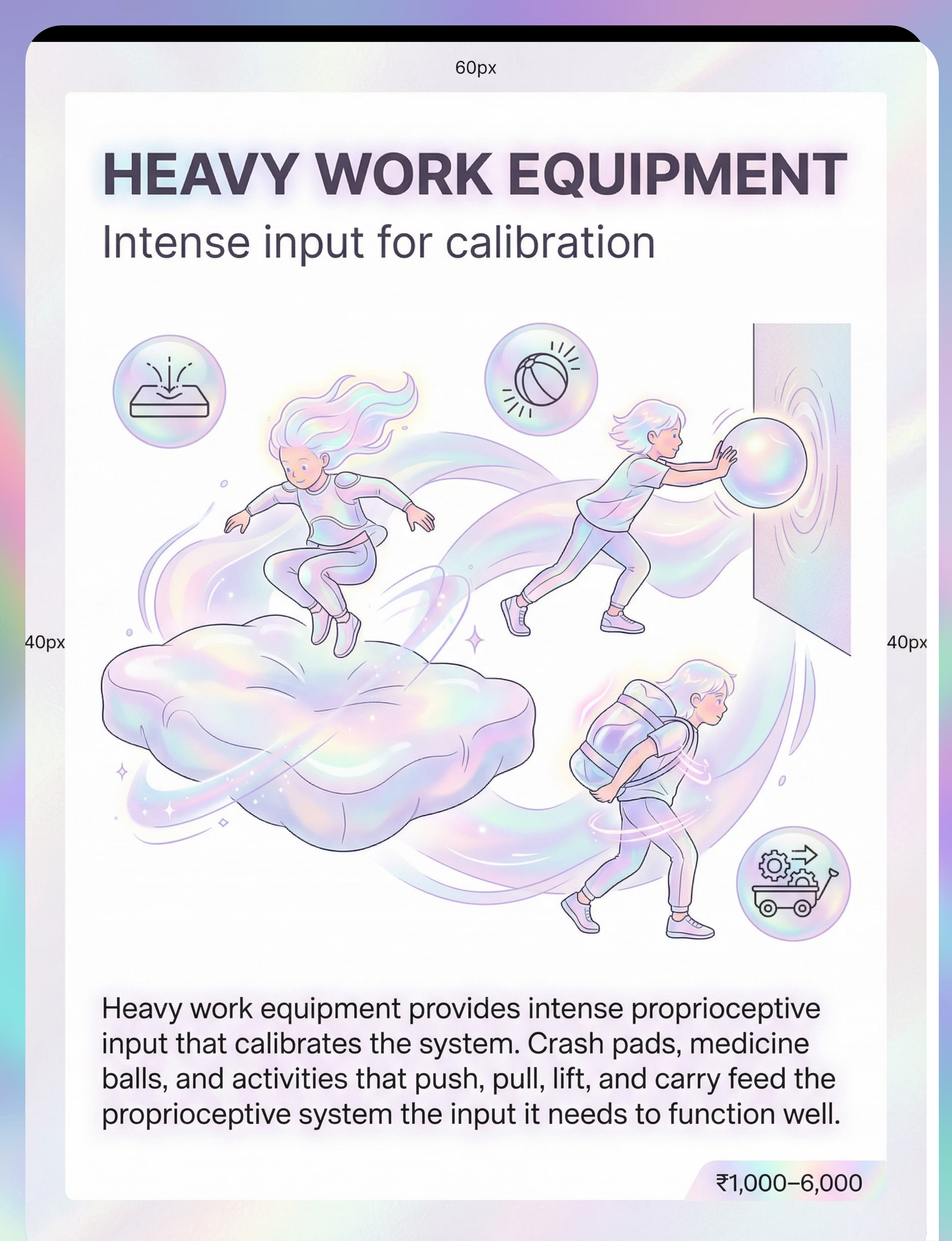
4. Heavy Work Equipment
Weighted carts, resistance bands, medicine balls — deep proprioceptive input feeding the force-sensing system. ₹500–3,500

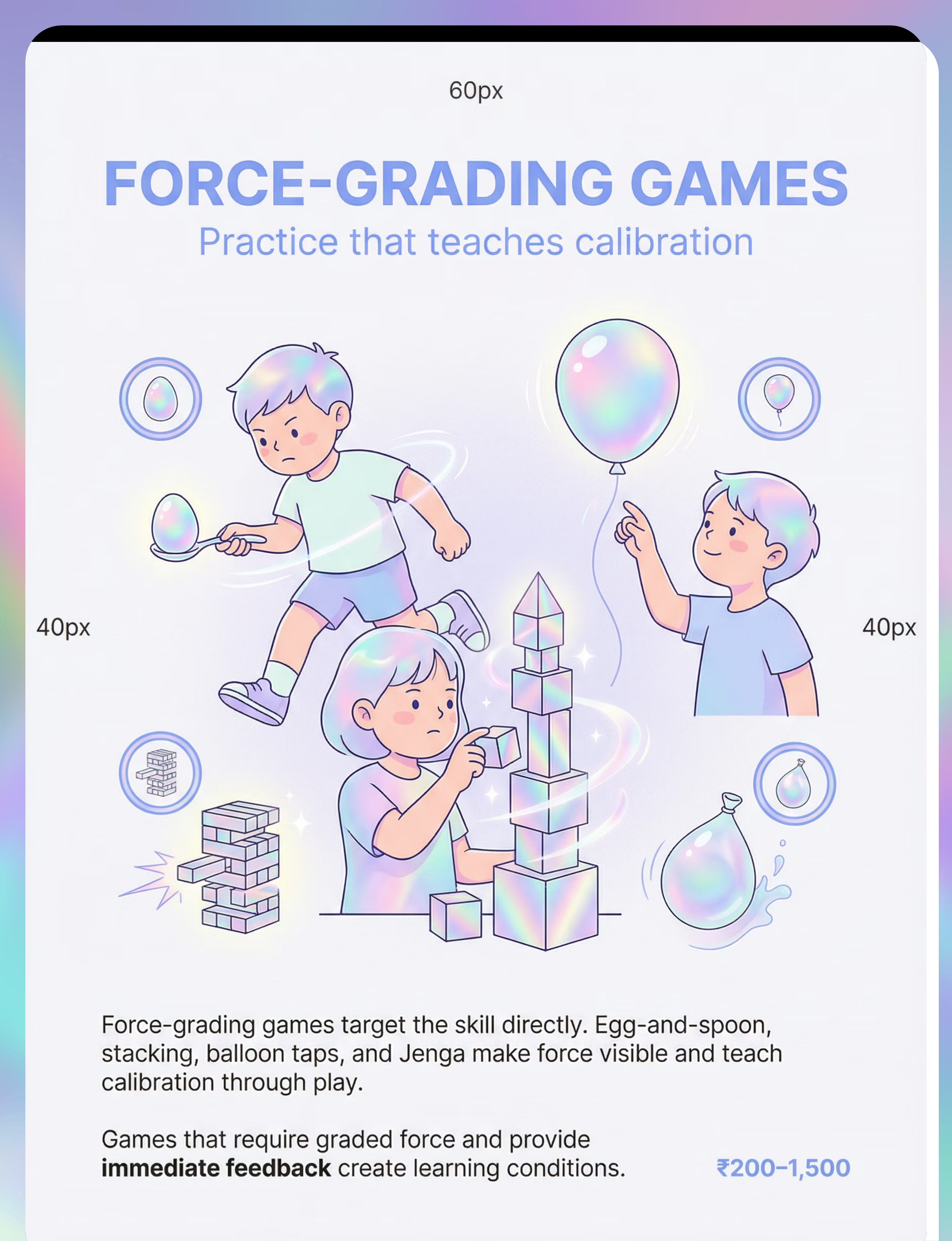
5. Graded Force Games
Jenga, Don't Break the Ice, Pick-Up Sticks — natural consequences teach calibration through play. ₹400–1,500

6. Oral Motor Tools
Chewy tubes and resistive foods — oral proprioception organizes the whole sensory system. ₹200–1,200

7. Graduated Practice Sets
Eggs, water balloons, bubbles — real fragile objects with natural force feedback. ₹200–800

8. Proprioceptive Writing Surfaces
Slant boards, textured surfaces, varied positions — different feedback for better control. ₹300–1,500

9. Vibrating Tools
Vibration before fine motor tasks wakes up the proprioceptive system, priming the brain for precision. ₹300–2,000
✅ All 9 materials validated through GPT-OS® clinical protocols across 20M+ therapy sessions. Search each category on Amazon.in for availability.

CONNECT WITH OTHER PARENTS
Isolation Is the Enemy of Consistency. You Don't Have to Do This Alone.
If only one caregiver executes the technique, impact is limited. When school, home, grandparents, and weekend caregivers all know the approach — the child's nervous system receives consistent input across all environments. Consistency multiplies impact 3×.
WhatsApp Parent Community
Join 40,000+ parents navigating sensory processing. Daily tips, session wins, and peer support. Free to join.
Pinnacle Parent Forum
Moderated by clinical staff. Ask questions, share progress, get evidence-based answers. Available in 16 languages.
Monthly Parent Webinars
Live Q&A with Pinnacle OTs every month. Free for all registered families. Recordings available.
📞 FREE National Autism Helpline: 9100 181 181 | 16+ Languages | 24×7 — Pinnacle Blooms Network®

YOUR PROFESSIONAL SUPPORT TEAM
Home + Clinic = Maximum Impact
🏥 In-Person OT Assessment
Recommended for new cases. A full proprioceptive processing evaluation within a Pinnacle center. 70+ centers across India. Book via pinnacleblooms.org
📱 Teleconsultation
Video session with a Pinnacle OT from your home. Available in 16 languages. Same-day appointments available. ₹500–1,500 per session.
🏫 School Coordination
Pinnacle can liaise directly with your child's school to align home and classroom strategies. Ask your OT about the School Bridge Program.
📞 Book your first assessment: 9100 181 181 | Free initial consultation for new families
THE RESEARCH LIBRARY
Deeper Reading for the Curious Parent — All Evidence Graded
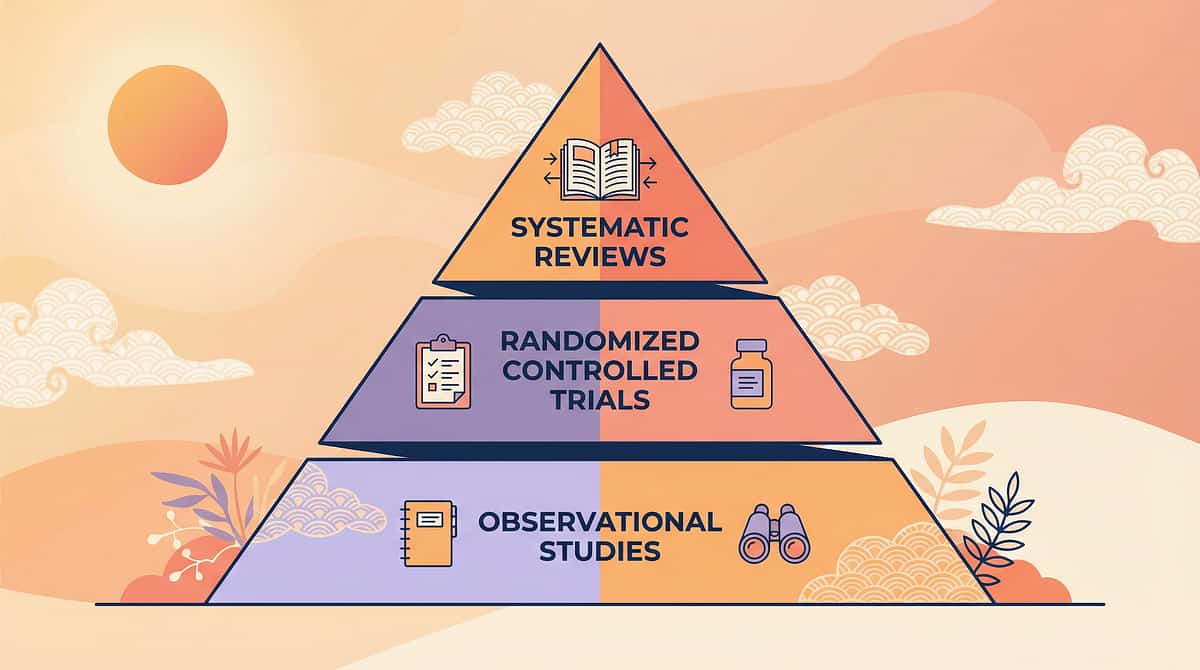
📊 Level I — Systematic Reviews
Ayres, A.J. (2005). Sensory Integration and the Child. Schaaf & Mailloux (2015) — AOTA Evidence-Based Practice Guidelines. Highest confidence rating.
📋 Level II — Randomized Controlled Trials
Pfeiffer et al. (2011) — Sensory integration intervention RCT. Case-Smith et al. (2015) — Fine motor outcomes. Published in AJOT.
📝 Level III — Observational Studies
Parham et al. (2011) — Fidelity measure for SI intervention. Watling & Hauer (2015) — Effectiveness review across 19 studies.
🔬 Indian Research
Chauhan et al. (2019) — ASD prevalence in India. Pinnacle GPT-OS® dataset — 20M+ sessions, proprioceptive outcomes tracked longitudinally.
All techniques on this platform are graded against AOTA, RCOT, and WHO evidence standards before publication.

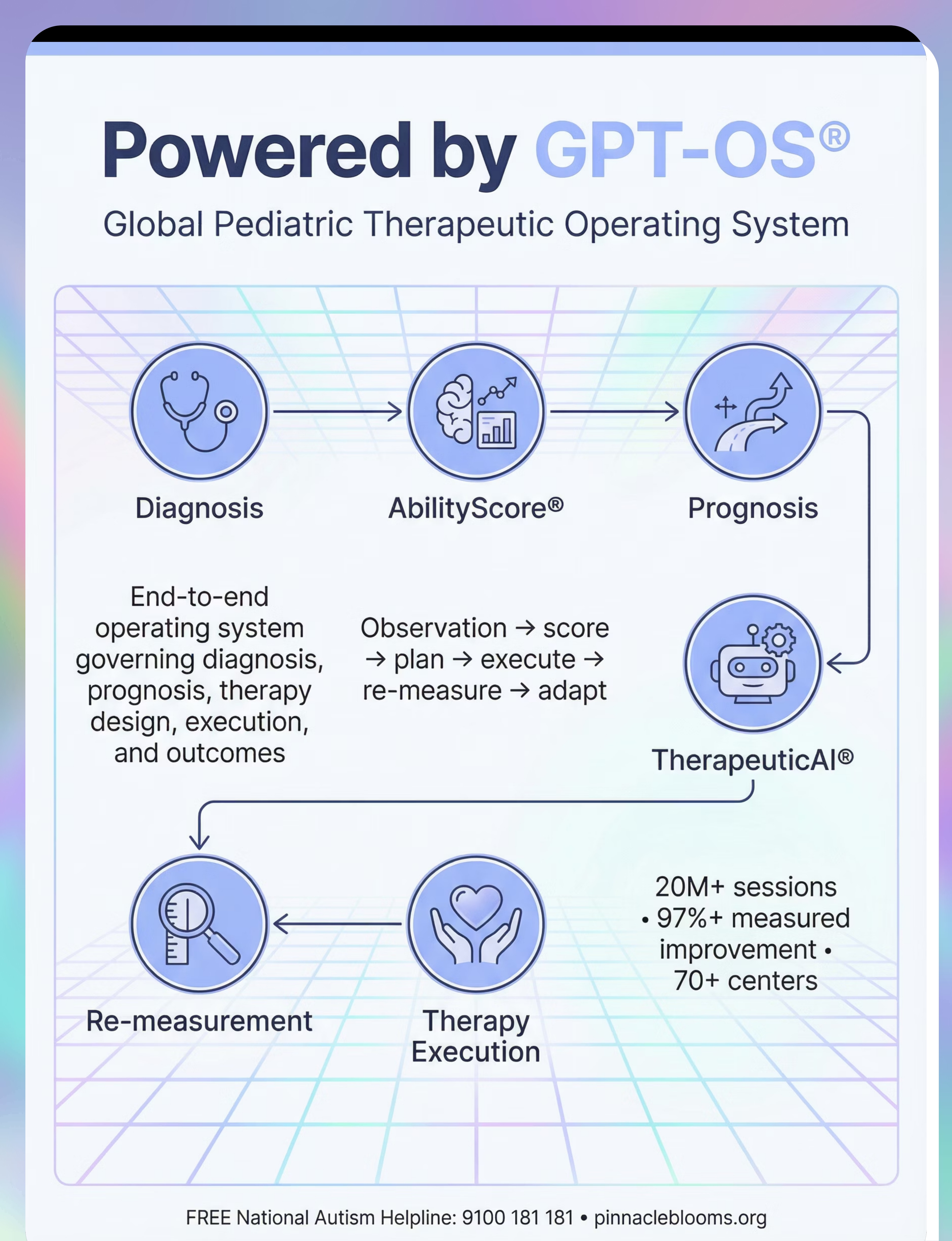
GPT-OS® TECHNOLOGY
Transparent Technology: Here Is Exactly What Happens With Your Data
Your Data Flow
01
You record session observations in the app
02
GPT-OS® analyzes patterns across your child's history
03
Algorithm cross-references 20M+ session outcomes
04
Personalized next-session recommendations generated
05
Your OT reviews and approves before delivery
Privacy Commitments
- Data stored on Indian servers (compliant with DPDP Act 2023)
- Never sold to third parties
- Parent owns all data — export or delete anytime
- De-identified for research only with explicit consent
- ISO 27001 certified infrastructure
🔒 Your child's data is yours. GPT-OS® is a tool, not a data product.
WATCH THE REEL
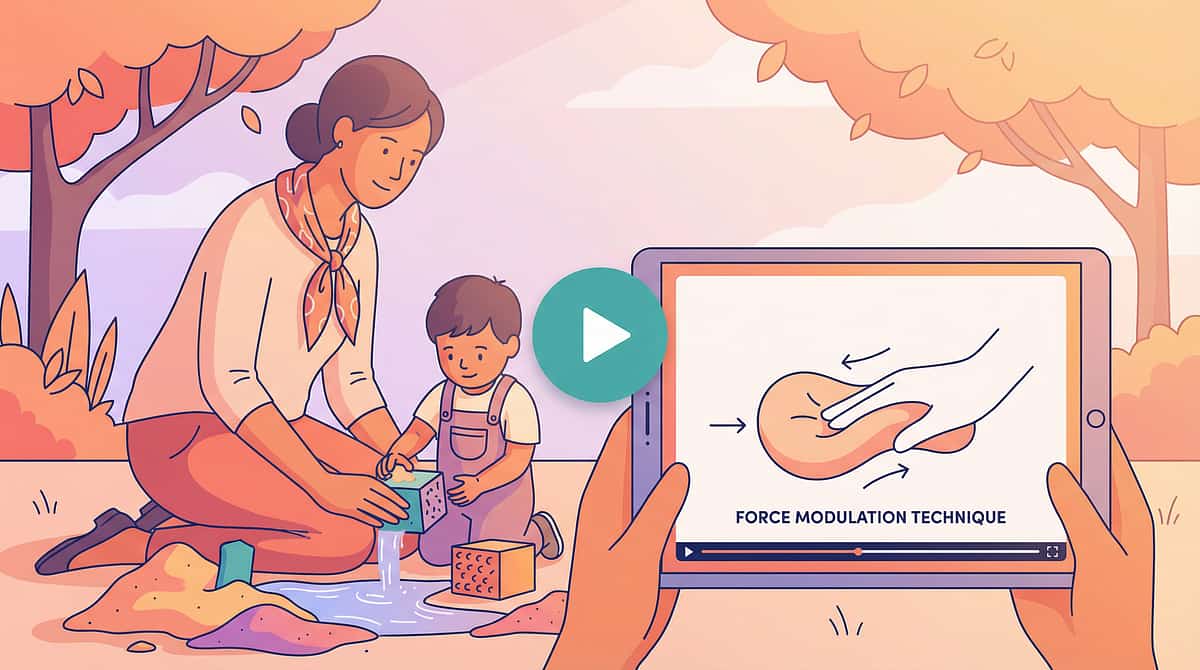
Watch: 9 Materials That Help With Force Modulation
Reel ID
A-096
Series
Sensory & Motor Solutions
Duration
4 minutes 32 seconds
Languages
Available in 16 languages including Hindi, Tamil, Telugu, Kannada, Malayalam, Bengali
This reel demonstrates all 9 materials in action — showing exactly how to introduce each one, what correct engagement looks like, and how to read your child's response. Filmed with real families at Pinnacle centers.
▶️ Watch on Instagram @pinnacleblooms | YouTube: Pinnacle Blooms Network | WhatsApp the reel: Send 'REEL A096' to 9100 181 181

SHARE WITH YOUR FAMILY
Consistency Across Caregivers Multiplies Impact 3×
If only one caregiver executes the technique, impact is limited. If school, home, grandparents, and weekend caregivers all know the approach — the child's nervous system receives consistent input across all environments. Research shows caregiver consistency is the single strongest predictor of generalization outcomes.
Share This Page
Send the full technique guide to co-parents, grandparents, teachers, and babysitters. One link. Everything they need.
WhatsApp Summary
Send a 3-minute WhatsApp voice note summary. Script available in 16 languages. Ask your OT for the caregiver briefing pack.
School Letter Template
Download a ready-to-send letter for your child's teacher explaining force modulation and requesting classroom accommodations.
📋 Caregiver Briefing Pack available free — WhatsApp 'BRIEF A096' to 9100 181 181

EQUITY & ACCESS
Every Child Deserves Access. Zero-Cost Versions of All 9 Materials.
This is the WHO/UNICEF inclusion principle in action: every family, every economic context, every geography — eligible for evidence-based intervention. The therapeutic principle is proprioceptive input and force feedback, not the specific branded product.
Material | 🛒 Buy This | 🏠 Make This (₹0) | |
Therapy Putty | Therapy-grade putty (₹300–1,200) | Chapati/bread dough with extra flour; cornstarch + hair conditioner; play dough with sand | |
Weighted Writing | Clip-on pencil weights (₹200–800) | Wrap pencil with metal washers + tape; use metal-barreled pen; tape fishing weights to pencil | |
Pressure Feedback | NCR carbonless paper (₹150–1,000) | Layer thin paper over textured surface; mechanical pencil; water painting on sidewalk | |
Heavy Work | Resistance bands, weighted carts (₹500–3,500) | Laundry basket filled with books; filled water bottles; garden digging, grocery carrying | |
Force Games | Jenga, Don't Break the Ice (₹400–1,500) | Block tower; cup stacking; card houses; domino setup; toothpick structures | |
Oral Motor Tools | Chewy tubes (₹200–1,200) | Raw carrots, celery, apples, pretzels; thick smoothies through straw; dried fruit, bagels, roti | |
Graduated Practice | Egg challenge kits (₹200–800) | Raw egg handling (with cleanup!); water balloons; soap bubbles; tofu cubes; ripe fruit | |
Writing Surfaces | Slant boards (₹300–1,500) | 3-ring binder as slant board; write on sandpaper; clipboard at standing height; tape paper to wall | |
Vibrating Tools | Handheld massager (₹300–2,000) | Battery-operated massager (₹100–200); vibrating toothbrush on hands/arms; phone on vibrate |
⚠️When clinical-grade materials are non-negotiable: Oral motor chewy tools should be food-grade and non-toxic. Vibration near the head/face requires supervision. Weighted vests must not exceed 5–10% of body weight — do not improvise with unsafe loading.

SAFETY FIRST
The Safety Gate — Read Before Any Session
🔴 DO NOT PROCEED IF:
- Child is in meltdown, shutdown, or severely dysregulated state
- Unexplained pain in hands, arms, or joints — get medical clearance first
- Hypermobility diagnosis without OT clearance for resistance activities
- Child is ill, feverish, or post-surgery
- Weighted vest being considered: child is under 18 months
- Oral motor activities: child has swallowing difficulties or frequent choking
🟡 MODIFY THE SESSION IF:
- Child is mildly dysregulated, tired, or hungry — start lighter, shorten session
- Child resists a specific material — offer DIY alternative, never force
- Vibration triggers distress — remove immediately
- Child has sensitive skin — test on inner wrist before full use
🟢 SAFE TO PROCEED WHEN:
- Child is calm, rested, and recently fed
- Environment is prepared (see Card 12)
- Session plan and tracking sheet are ready
- Supervision is in place for fragile-object and oral motor activities
🚨STOP IMMEDIATELY IF: Child shows skin redness from pressure, signs of pain, severe escalation, or any choking/gagging response. 📞 FREE Clinical Consultation: 9100 181 181

SET UP YOUR SPACE
The Right Space Makes the Technique 10× More Effective
Session Setup Checklist
- Quiet space — TV off, phone on silent
- Natural or warm lighting (not harsh fluorescent)
- Child seated with feet flat on floor (supports regulation)
- Materials within child's reach but not all visible at once
- Visual timer placed in child's view (2–15 minutes)
- Reinforcement items ready but out of sight
- Tracking sheet and pen within parent's reach
- Cleanup supplies ready if using eggs, putty, or food items
- Carpet/fabric protected from putty
- Siblings and pets in a separate space during concentration-required activities
Best Time of Day
🌅 Morning (after breakfast)
Best for heavy work and writing activities — before school demands
🌇 After school (after decompression)
Best for force games and graduated practice sets
❌ Avoid these windows
Immediately after intense screen time, when overtired, or within 30 min of large meals (oral motor)
Environmental setup is a core principle of Sensory Integration Theory (Ayres). Meta-analysis confirms structured 1:1 environments were most effective. PMC10955541

READINESS CHECK
The 60-Second Pre-Flight Check
Before every session, run through this 7-point readiness assessment. Your child's learning state determines the session outcome more than any material or technique.
Child is calm or mildly alert
Not activated, not in shutdown. A regulated child learns — a dysregulated child survives.
Child has eaten within the last 2 hours
Blood sugar stability is essential for sustained engagement and regulation.
No recent meltdown in the last 30 minutes
The nervous system needs recovery time before it can engage productively.
No signs of illness, pain, or physical discomfort
Always rule out physical causes before a sensory session.
Child has had some movement in the last hour
Prior heavy work primes the proprioceptive system for calibration tasks.
🟢 GO (5–7 checked)
Proceed with full session plan. Child is in optimal learning state.
🟡 MODIFY (3–4 checked)
Shorten session by 50%. Use lightest preferred material only. A 3-minute successful session beats a 15-minute forced one.
🔴 POSTPONE (<3 checked)
Do not proceed. Offer calming activity instead. Record the postponement — it is information, not failure.

STEP 1 OF 6
The Invitation (30–60 Seconds)
"Hey [child's name], I have something interesting for you. Want to see?"
"I've got some special dough that's really hard to squish. I wonder if you're strong enough..."
"Let's try this tower game. The person who knocks it over has to do a silly dance."
Body Language Guidance
- Get to the child's eye level — sit on the floor or crouch
- Bring one material — not all nine simultaneously
- Show enthusiasm without pressure — this is an invitation, not a command
- Allow 10–15 seconds of observation before any expectation of participation
If Child Resists
- Turns away → Wait 20 seconds, re-offer with different framing
- Says "no" → Respect immediately. "That's okay. I'll leave it here."
- Escalates → Session is not happening today. Postpone and record the refusal as data.
🧠OT Note: In sensory integration therapy, the child's active participation and intrinsic motivation are therapeutic ingredients — not optional features. A child who chooses to engage is neurologically primed for learning.

STEP 2 OF 6
The Engagement (1–3 Minutes)
Therapy Putty
Place putty on flat surface. Demonstrate squeezing, pulling, and rolling yourself first. Allow child to observe 15–30 seconds before offering. "Can you squeeze it? I wonder what happens if we pull it..."
Weighted Pencil/Writing
Place weighted pencil beside regular pencil. "This one feels different — heavier. Want to try?" Draw a simple shape first, then invite child to copy.
Force Games (Jenga)
Set up the tower. "The rules are: we take turns pulling one block. If the tower falls — that person wins the silly dance prize. Ready?"
Heavy Work
"We have a super important job. These books need to go to the shelf. Can you carry this basket?" Make it purposeful, not exercise-feeling.
Graduated Practice (Eggs)
"I want to see how gentle you can be with this egg. If it doesn't break — you're a champion. Ready to try?"
✅The moment the child tries — before success, before perfection: "You're doing it! That's amazing." Reinforcement at the attempt is the therapeutic ingredient.
STEP 3 OF 6
The Therapeutic Action (5–10 Minutes)
The core therapeutic action should occupy 40–60% of total session time. The child should be at the edge of their current capacity — challenged but not overwhelmed. Select one material per session.
Therapy Putty — Graded Resistance Protocol
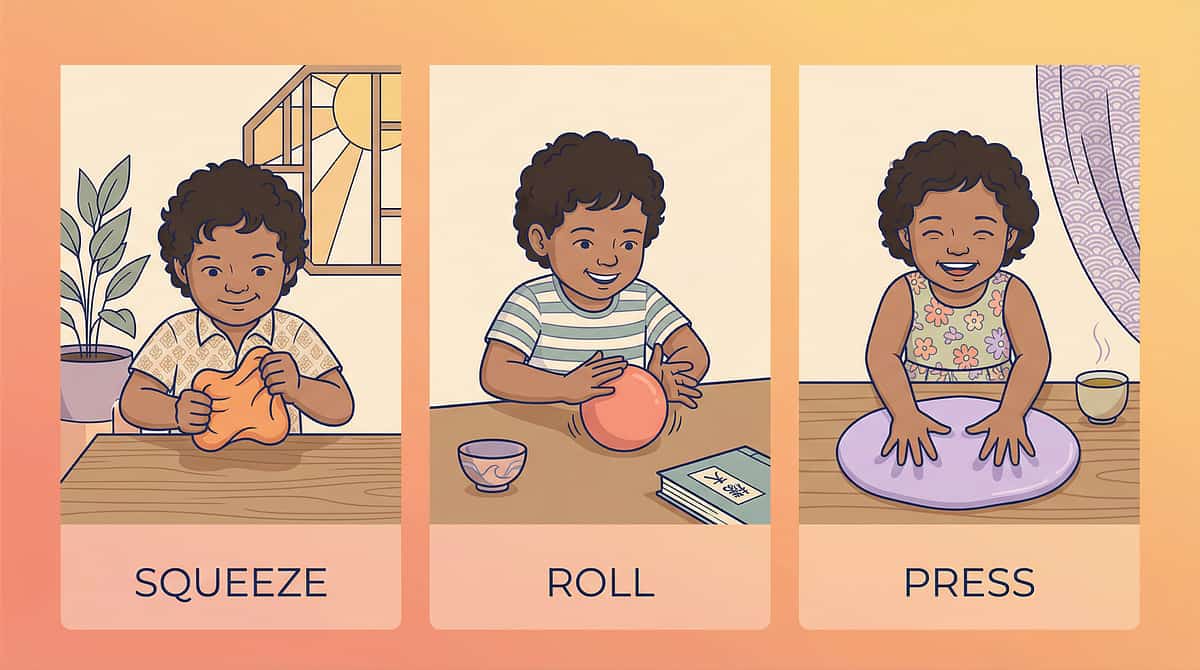
5–8 minutes: squeezing (grip), pulling (traction), rolling into snakes (bilateral coordination), hiding small objects and digging them out (precision). Progress from softest to firmer resistance over weeks. Mechanism: Resistance work generates enhanced muscle/joint feedback.
Pressure Paper — Visual Biofeedback
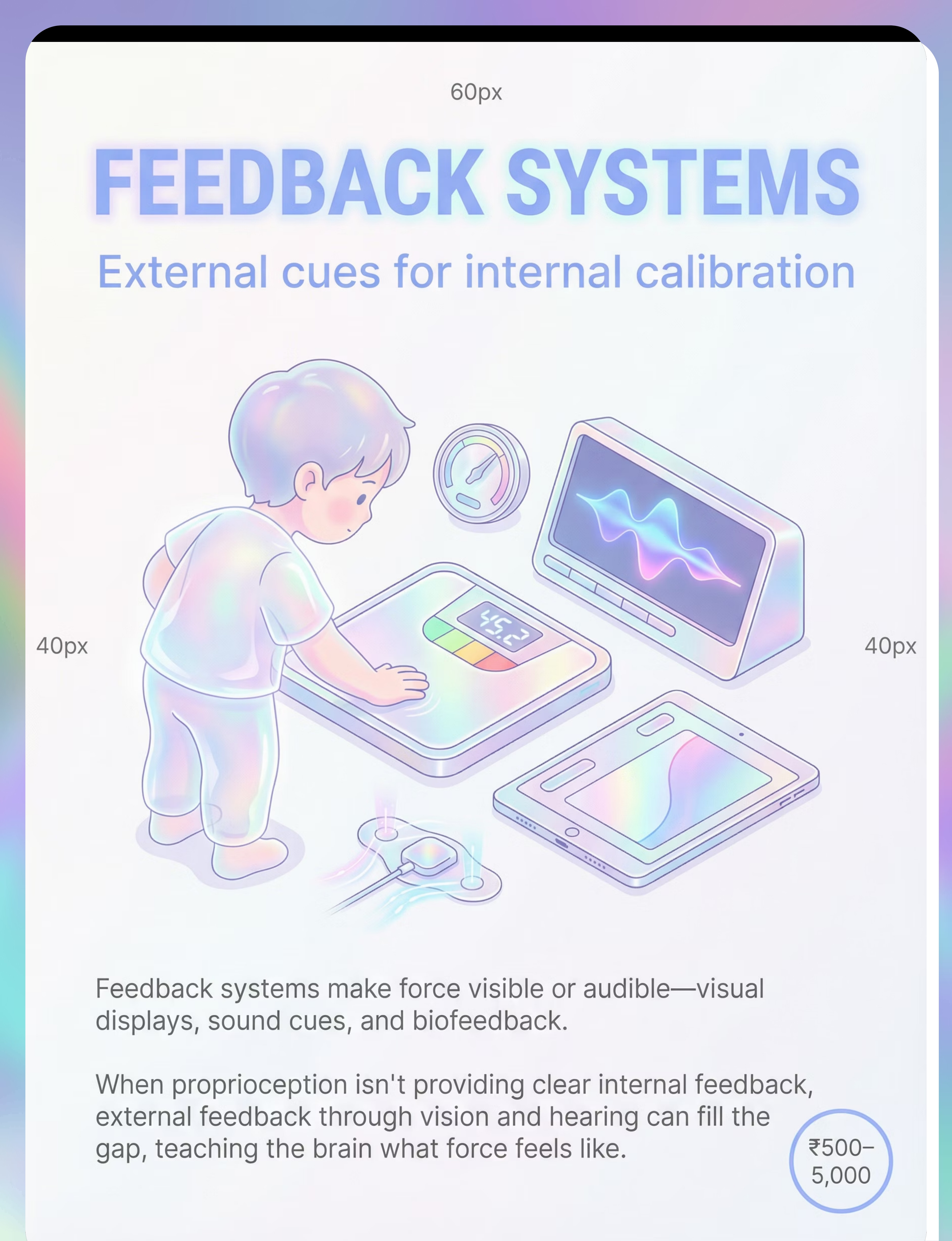
Child writes/draws on NCR paper. Review the carbon copy together: "Look how dark that line is! Can we make the next one lighter?" External visual feedback compensates for impaired internal proprioceptive signal.
Force Games — Natural Consequence Learning
Play 3–5 rounds of Jenga or Don't Break the Ice. Every time the tower falls = natural feedback. Do not lecture about force. The tower teaches. Count successful careful moves; celebrate them.
Heavy Work — Preparatory Input
5 minutes of heavy work (push a loaded laundry basket, carry heavy books, animal walks) BEFORE writing or fine motor tasks. Intense proprioceptive input up-regulates system sensitivity for subsequent precision tasks.

STEP 4 OF 6
Repeat & Vary (3–5 Minutes)
The Repetition Principle
Target: 3–8 quality repetitions of the core action. Not 20 rushed ones.
"3 good reps > 10 forced reps. Neuroplasticity is built in quality engagement, not exhausted compliance."
When to Stop — Satiation Signals
- Child is no longer attending to the activity
- Seeking alternatives with more energy than they're bringing to the task
- Yawning, glazed eyes, or increased restlessness
- Child has exceeded 20 minutes total session time
Variation Options
Putty Variations
Pinch only → Squeeze only → Stretch to maximum → Hide a coin → Roll into a ball → Flatten paper-thin without tearing
Writing Surface Variations
Flat desk → Slight incline (binder) → Steep slant → Write on sandpaper → Write on wall-mounted paper
Force Game Variations
Standard Jenga → Larger blocks (easier) → Non-dominant hand → Eyes partially closed (increases proprioceptive reliance)
Heavy Work Variations
Push laundry basket → Pull filled box → Carry books on head → Bear walk across room → Wall push-ups (10 reps, slow)

STEP 5 OF 6
Reinforce & Celebrate (Continuous Throughout)
⏱️The Timing Rule: Reinforcement must arrive within 3 seconds of the desired behavior. Not after. Not at the end of the session. In the moment. This is the ABA principle that makes the biology work.
For a successful gentle touch:
"YES! That was so gentle. Your hands knew exactly how much force to use."
"YES! That was so gentle. Your hands knew exactly how much force to use."
For a focused effort (even if imperfect):
"I saw you trying to be careful. That's what practice looks like."
"I saw you trying to be careful. That's what practice looks like."
For noticing their own force — celebrate this above all:
"Did you feel that? You noticed it was too hard! That's your brain learning."
"Did you feel that? You noticed it was too hard! That's your brain learning."
The neural pathways being built are in the trying, not only the achieving. A child who noticed they pressed too hard and tried to adjust — even if the paper still tore — deserves full reinforcement. Celebrate the attempt. The attempt is the progress.
📞 Ask about Pinnacle's personalized reinforcement planning for your child: 9100 181 181

STEP 6 OF 6
The Cool-Down (2 Minutes) — Never End Abruptly
1
Warning Given
"Two more goes with the putty, then we're all done." Allow 60 seconds after the warning before ending.
2
Put-Away Ritual
"Can you help me put the putty back in its box?" Child participates in closing the session.
3
Calming Proprioceptive Input
60 seconds: slow deep pressure on shoulders, 5 slow bear hugs, wall push-offs at low intensity.
4
Transition Cue
"Now we're going to [snack / outdoor play / reading]." Clear, predictable transition to the next activity.
5
Record the Session
Parent marks the session in the tracking sheet while details are fresh. (See next card.)
If Child Resists Ending
Give one additional minute, then hold the boundary warmly: "All done for today. The putty will be here tomorrow." Use a visual timer — the child sees time ending, rather than experiencing the parent as the "stopper." Do not extend beyond 20 minutes total, even if the child wants more. Stopping while they want more = session ending on success = optimal state for next time.
Transition Object (If Needed)
Allow the child to hold a small preferred comfort item during transition — not the therapy material itself. This supports smooth transition without creating therapy-material dependency or using the session item as a comfort object.

DATA CAPTURE
60 Seconds of Data Now Saves Hours of Guessing Later
1. Engagement Rating
Circle one after every session:
🔴 Refused | 🟡 Tolerated | 🟢 Engaged | 🌟 Enthusiastic
2. Force Control Observation
- Broke material during session
- Tore paper during writing exercise
- Stopped and self-corrected force ← MILESTONE — always mark this
- Used noticeably lighter force than last session
- Requested more time / activity (intrinsic motivation indicator)
3. Notable Moment
One sentence of specific observation:
"She held the egg for 30 seconds without breaking it."
"He noticed he was pressing too hard during Jenga — twice."
📊Data Principle: You are building a clinical picture over 8–12 weeks. Each data point is a pixel. The image only appears when enough pixels accumulate. 📱 GPT-OS® in-app tracker enables automatic progress graphing and therapist review. 📥 Download PDF Tracking Sheet (A4, 30 sessions per sheet) at techniques.pinnacleblooms.org/sensory-processing/force-modulation-A-096
TROUBLESHOOTING
Session Abandonment Is Not Failure — It's Data
Problem 1: Child Refused All Materials
Why: State was not right (hunger, fatigue, prior stress) | Material was aversive | Demand too high.
Fix: Review readiness check. Offer the lowest-demand DIY version. Try again tomorrow. If 3+ consecutive refusals — consult OT.
Fix: Review readiness check. Offer the lowest-demand DIY version. Try again tomorrow. If 3+ consecutive refusals — consult OT.
Problem 2: Child Kept Breaking Materials Despite Trying
Why: This is the technique working — calibration is not yet built.
Fix: This is expected early behavior. Do not scold. "Your hands are learning." Continue daily. Progress shows in Weeks 3–4.
Fix: This is expected early behavior. Do not scold. "Your hands are learning." Continue daily. Progress shows in Weeks 3–4.
Problem 3: Paper Kept Tearing During Writing
Why: Excellent biofeedback in action — the child is seeing their output.
Fix: Try thicker paper or an additional sheet beneath. Celebrate awareness, not outcome.
Fix: Try thicker paper or an additional sheet beneath. Celebrate awareness, not outcome.
Problem 4: Child Became Distressed During Heavy Work
Why: Intensity too high | Demand unclear | Child perceived it as punishment.
Fix: Immediately reduce intensity. Offer choice. Reframe: "Can you push this box like a forklift?" If escalation is severe — stop, comfort, record, discuss with OT before resuming.
Fix: Immediately reduce intensity. Offer choice. Reframe: "Can you push this box like a forklift?" If escalation is severe — stop, comfort, record, discuss with OT before resuming.
Problem 5: Jenga Too Frustrating (Tower Kept Falling)
Why: Game demand exceeds current force calibration level.
Fix: Switch to larger wooden blocks first. Build toward Jenga over 2–3 weeks.
Fix: Switch to larger wooden blocks first. Build toward Jenga over 2–3 weeks.
Problem 6: No Generalization Outside Practice
Why: Generalization takes 6–12 weeks of consistent practice.
Fix: This is normal. Create practice moments in daily life — egg handling at breakfast, gentle pet interaction, turning book pages carefully. Generalization is the long game.
Fix: This is normal. Create practice moments in daily life — egg handling at breakfast, gentle pet interaction, turning book pages carefully. Generalization is the long game.
🚨 If child became severely distressed, injured themselves, or showed signs of pain: Stop. Comfort. Do not retry the same material. 📞 Call: 9100 181 181
ADAPT & PERSONALIZE
No Two Children Are Identical. Customize for Yours.
🔵 Sensory Seeker (Crashes, Hugs Too Hard)
- Start every session with 5+ minutes of heavy work
- Use firmest putty resistance
- Prioritize maximum proprioceptive input activities
- Build in legitimate "crashing" moments (jumping on cushion, wall push-ups) as prep
🟣 Sensory Avoider (Resists Touch)
- Begin with least tactile materials (force games, vibration prep only)
- Never force putty contact — place it nearby, let curiosity lead
- Use visual biofeedback more than physical resistance
- Prioritize NCR paper, games, and graduated delicate object practice
🟠 By Personality
- Competitive child: Use games with scores, track personal bests in force control
- Creative child: Putty art, NCR paper drawing, writing as storytelling
- Reluctant child: Follow their lead — start with whichever material they're most willing to try
Age | Recommended Focus | Session Length | |
3–4 years | Heavy work, force games, oral motor | 5–8 minutes | |
5–7 years | All 9 materials, writing surface focus | 10–15 minutes | |
8–12 years | Graduated practice, Jenga mastery, self-monitoring | 15–20 minutes |

ACT IV — PROGRESS ARC | WEEKS 1–2
Weeks 1–2: The Calibration Is Beginning
15%
System Waking Up
Progress indicator at the end of Weeks 1–2
5–7
Days to Reduced Resistance
Most children show less resistance to starting sessions by Day 5–7
1x
That One Moment
Child notices their dark NCR mark at least once — this is a significant milestone
What You Will Likely See
- Child tolerates therapy putty slightly longer each session
- Less resistance to starting sessions by Day 5–7
- In Jenga: occasional very careful, successful block removal
- During NCR paper writing: child notices their dark marks at least once
- Less breakage during the specific practice material (generalization comes later)
What Is NOT Progress Yet
- Generalization to daily life (crayons still breaking) — this takes 4–8 weeks
- Consistent gentle touch across all contexts — still weeks away
- Spontaneous self-correction — this is a Week 4–6 indicator
IF YOUR CHILD TOLERATES THE MATERIAL FOR 3 SECONDS LONGER THAN LAST WEEK — THAT IS REAL PROGRESS.
📞 Feeling uncertain in these early weeks? Our OTs provide weekly parent guidance. FREE Helpline: 9100 181 181

WEEKS 3–4
Weeks 3–4: Neural Pathways Are Forming
Consolidation Phase
Progress indicator at Weeks 3–4
Jenga Survival Rate
Tower survives significantly longer on average than Week 1
Sessions Completed
By Week 4, you've done this 20 times. You're becoming your child's specialist.
Anticipation
Child mentions or reaches for the therapy material without prompting.
Self-Monitoring (Emerging)
Child occasionally says "Oops, too hard" during practice. Celebrate this loudly. It is the most important milestone of the consolidation phase.
Writing Pressure Reducing
NCR copy is visibly lighter. Compare Week 1 copy to Week 4 copy — keep them both as baseline evidence.
First Generalization Seeds
A caregiver reports ONE instance of gentler touch outside practice. This is the first signal that the nervous system is transferring learning.
If child is consistently engaging enthusiastically → add a second daily 5-minute session. Move to next resistance level of putty. Introduce Jenga after weeks of block towers. These indicators signal synaptic strengthening underway — the structure is forming beneath the surface.

WEEKS 5–8
Weeks 5–8: The 'Just Right' Sense Is Generalizing
75%
Mastery Phase
Progress indicator at Weeks 5–8
3
Consecutive Sessions
Can child maintain force calibration for 3 consecutive sessions without regression? → Ready to progress.
✅ Jenga Mastery
Child completes Jenga game with fewer than 3 tower collapses per session (consistent)
✅ Writing Without Tearing
Pencils no longer breaking; paper intact after full writing sessions. NCR copies consistently lighter than Week 1 baseline.
✅ Caregiver Report
At least one caregiver reports improved gentle touch in daily life beyond the practice session.
✅ Independent Self-Correction
Child uses self-correction language or gesture during practice independently, without prompting.
🏆MASTERY UNLOCKED: Force Awareness: Emerging Calibration — Issued when consistent force grading appears in structured activities with beginning generalization. Next level: Generalized Force Modulation Across Contexts (tracked in GPT-OS®). PMC10955541

CELEBRATE THIS WIN
You Did This. Your Child Grew Because of Your Commitment.
You spent 5–8 weeks showing up — on the days when it worked, and on the days when the tower fell and the egg broke and the session was only 3 minutes long. You learned that "be gentle" is not a command the body can obey without the right sensory input. You gave your child that input. Consistently. Patiently. Lovingly.
Look at your Week 1 data. Look at your Week 7 data. That distance is real. That is measurable neurological change. That is your child's force-sensing system learning, for the first time, what 'just right' feels like.
🥚 The Egg Test
Have your child hold a raw egg. If they hold it without breaking it — that is your celebration moment. Take a photo. Document it. This is not a small thing.
📓 Journal Prompt
"The first time I noticed a real difference was when _______________."
📤 Share Your Story
Your experience helps the next family. Share your child's progress with the Pinnacle parent community.
RED FLAGS — PAUSE & CONSULT
Trust Your Instincts — If Something Feels Wrong, Pause and Ask
🚩 Flag 1: Pain Signals
Child consistently pulls away, cries, or guards specific body areas during heavy work or resistance activities.
Could indicate: joint pain, injury, or hypermobility requiring medical clearance.
Action: Stop heavy work. Consult pediatrician or NeuroDev doctor before resuming.
Could indicate: joint pain, injury, or hypermobility requiring medical clearance.
Action: Stop heavy work. Consult pediatrician or NeuroDev doctor before resuming.
🚩 Flag 2: Skin Marks or Bruising from Weighted Items
Any marks on skin from weighted vest, backpack, or applied pressure.
Could indicate: Weight too heavy or applied incorrectly.
Action: Remove. Consult OT for correct weighting protocol. Maximum 5–10% body weight.
Could indicate: Weight too heavy or applied incorrectly.
Action: Remove. Consult OT for correct weighting protocol. Maximum 5–10% body weight.
🚩 Flag 3: Increased Aggression or Self-Injury After Sessions
Child is more aggressive or self-injurious in the 1–2 hours after sessions.
Could indicate: Sensory input is dysregulating rather than organizing — a sensory profile mismatch.
Action: Discontinue current protocol. Urgent OT consultation.
Could indicate: Sensory input is dysregulating rather than organizing — a sensory profile mismatch.
Action: Discontinue current protocol. Urgent OT consultation.
🚩 Flag 4: Oral Motor Choking or Swallowing Difficulty
Any choking during chewy tube use or resistive food practice.
Action: Stop immediately. SLP assessment before resuming any oral motor activities. This is a medical safety issue.
Action: Stop immediately. SLP assessment before resuming any oral motor activities. This is a medical safety issue.
🚩 Flag 5: No Progress at Week 8 + Regression
Sessions consistently ending in distress with no data improvement after 8 weeks.
Could indicate: Protocol does not match child's sensory profile.
Action: Book OT assessment. Protocol redesign needed.
Could indicate: Protocol does not match child's sensory profile.
Action: Book OT assessment. Protocol redesign needed.
picture at
📞 FREE Clinical Escalation Helpline: 9100 181 181 | 🗺️ Find Your Nearest Pinnacle Center → pinnacleblooms.org
THE PROGRESSION PATHWAY
You Are on a Journey. Here's the Map.
A-094
Body Awareness Difficulties — prerequisite foundation
A-095
Clumsy / Uncoordinated Movement — builds into force work
★ A-096
Force Modulation — YOU ARE HERE
A-097
Seeks Heavy Pressure / Crashing — if child still seeks intense input
A-099
Handwriting Difficulties — writing-specific force modulation
Your child's progression is not linear — it is profile-driven. Based on their response to A-096, they may move forward to A-097 (Seeks Heavy Pressure/Crashing) if they still seek intense proprioceptive input, or branch to A-099 (Handwriting Difficulties) if writing-specific force modulation is the priority. A-098 (Low Muscle Tone) is a parallel pathway if muscle strength is a compounding factor. Having completed A-096, you already own materials for A-094, A-097, A-098, and A-099 — your investment covers the entire proprioceptive cluster.
📱GPT-OS® Pathway Note: Your child's next technique recommendation is personalized through GPT-OS®'s Proprioceptive Function Index. The system selects based on your data — not a generic curriculum.
RELATED TECHNIQUES
More Techniques in the Proprioception & Motor Control Domain
Technique | Code | Level | Materials You Already Own | |
Body Awareness Difficulties | A-094 | 🟡 Intro | Heavy work equipment ✅ | |
Clumsy / Uncoordinated Movement | A-095 | 🟡 Intro | Putty, resistance bands ✅ | |
Force Modulation ← YOU ARE HERE | A-096 | 🔵 Core | All 9 ✅ | |
Seeks Heavy Pressure / Crashing | A-097 | 🔵 Core | Heavy work, weighted tools ✅ | |
Low Muscle Tone | A-098 | 🟠 Core+ | Resistance bands, heavy work ✅ | |
Handwriting Difficulties | A-099 | 🟠 Core+ | Weighted pencils, slant board ✅ |
✅YOU ALREADY OWN THE MATERIALS FOR THESE TECHNIQUES. Having completed A-096, your material investment covers the entire proprioceptive cluster. Browse the full Sensory Processing domain at techniques.pinnacleblooms.org/sensory-processing

YOUR CHILD'S FULL DEVELOPMENTAL MAP
This Technique Is One Piece of a Larger Plan
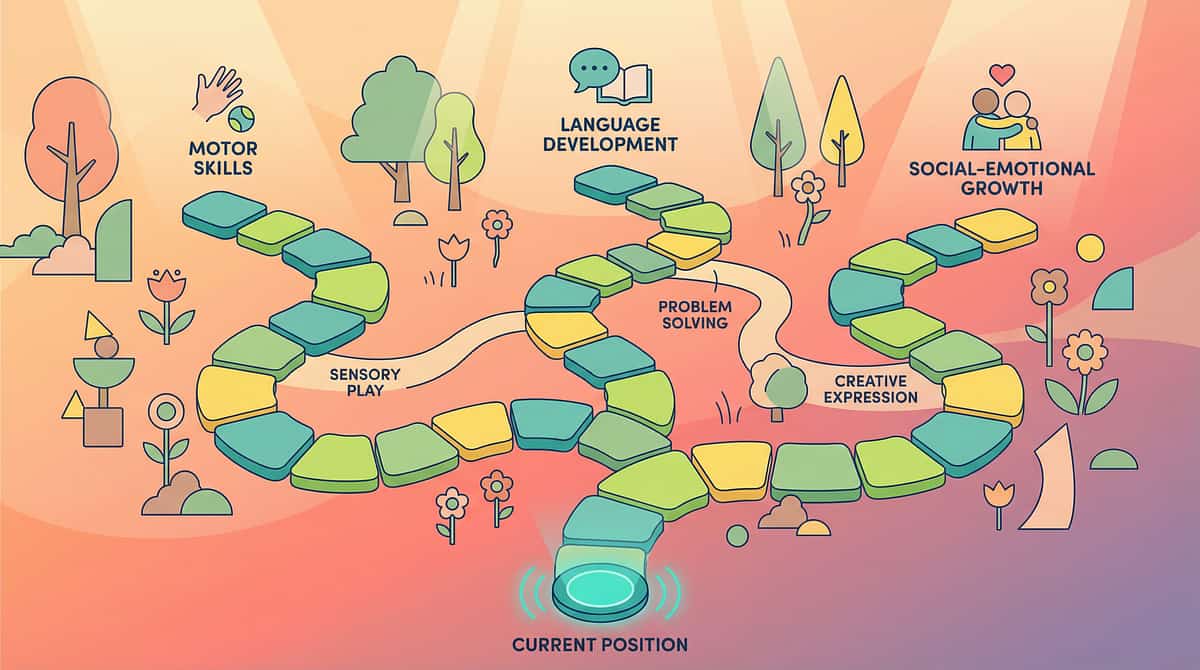
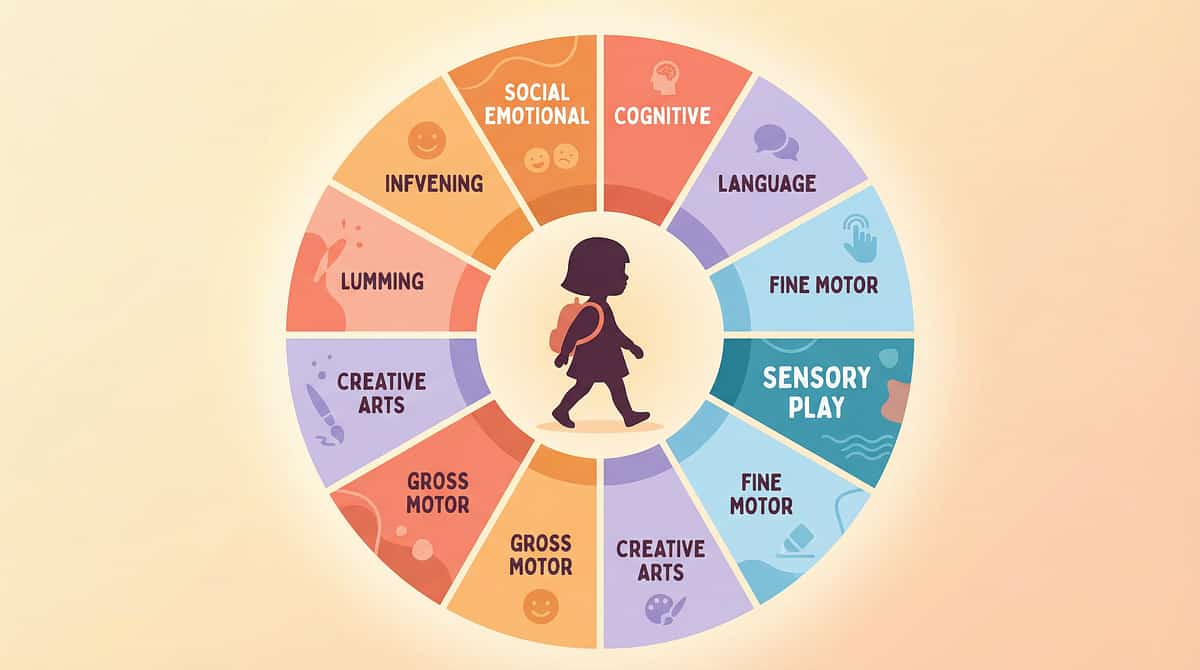
Every child has a developmental profile across all 12 domains. Force modulation lives in Domain A but touches Domain F (Fine Motor), Domain L (Self-Care & Independence), and Domain B (Social-Physical Interaction). As your child progresses here, you'll see ripple improvements across domains — handwriting improves, physical play becomes safer, self-care routines require less frustration.
📱GPT-OS® tracks your child's AbilityScore® across all 12 domains. A-096 contributes to the Proprioceptive Function Index and Fine Motor
ACT V — COMMUNITY & ECOSYSTEM
Real Families, Real Progress: From the Pinnacle Clinical Files
All stories anonymized. Individual results vary. Timelines reflect aggregate outcomes across GPT-OS® sessions.
Priya, Age 5 — Mumbai
By week 3, she stopped snapping crayons. By week 6, she was drawing full pictures. Her teacher called us. We cried.
Arjun, Age 7 — Bengaluru
He used to crush every toy he loved. After 8 weeks with the putty and resistance bands, he's holding his baby sister for the first time without her crying.
Meera, Age 4 — Delhi
The egg activity was the turning point. She held it for 11 seconds without breaking it. We have a photo. It's our family's most important photo.
📞 FREE National Autism Helpline: 9100 181 181 | 16+ Languages | 24×7 — Pinnacle Blooms Network®

ACT VI — FREQUENTLY ASKED QUESTIONS
Questions Parents Ask Most Often About Force Modulation
How long before I see results?
Most families notice first changes in 2–4 weeks of consistent daily sessions. Full generalization (child applying calibration in real life) typically occurs at 6–10 weeks. Progress is non-linear — expect good days and setback days.
My child refuses all the materials. What do I do?
Start with observation only. Sit near the materials without asking your child to engage. Let curiosity drive the first touch. Never force contact with any material.
Can I do this without a therapist?
Yes — this guide is designed for home use. However, an initial OT assessment is strongly recommended to confirm force modulation is the primary challenge and rule out other sensory differences.
How many sessions per week?
Target: 4–5 sessions per week, 10–15 minutes each. Daily is ideal. Consistency matters more than duration. 10 minutes every day outperforms 60 minutes once a week.
My child is 10 — is it too late?
No. The proprioceptive system remains plastic throughout childhood and into adolescence. Older children often progress faster because they can understand and participate in the process more consciously.
What if my child has other diagnoses too?
Force modulation intervention is compatible with most co-occurring conditions. Consult your OT if your child has hypermobility, sensory defensiveness, or significant anxiety — modifications may be needed.
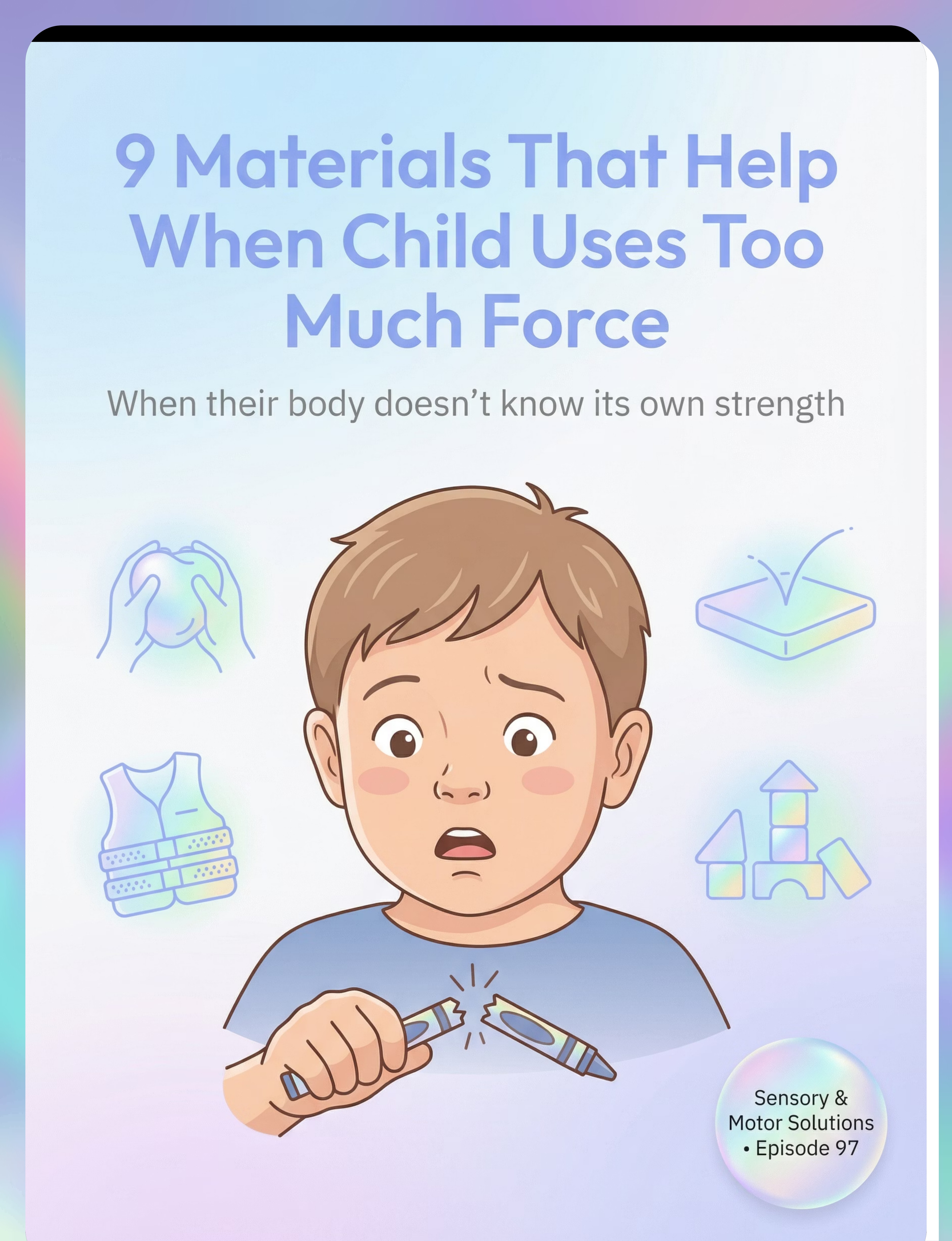
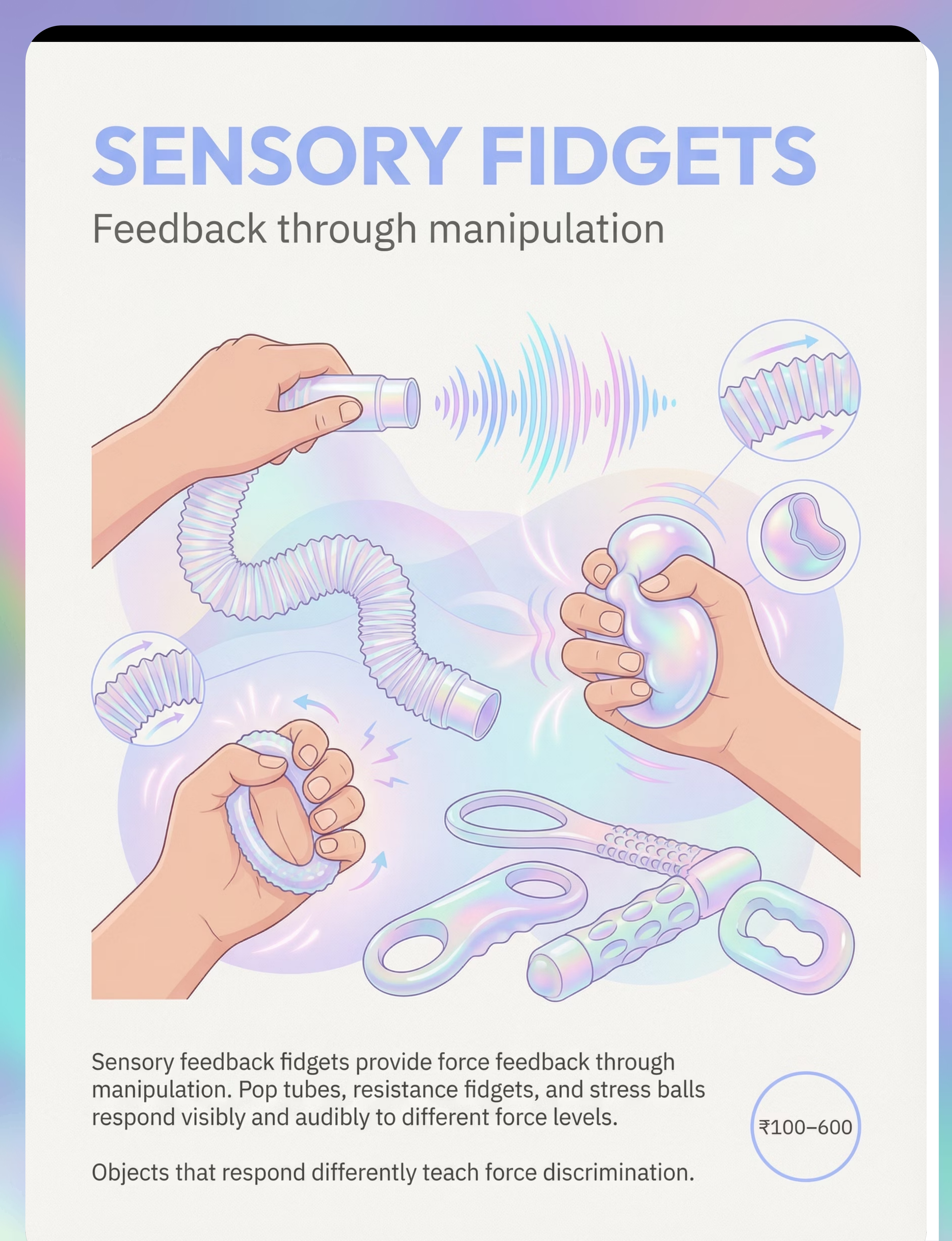
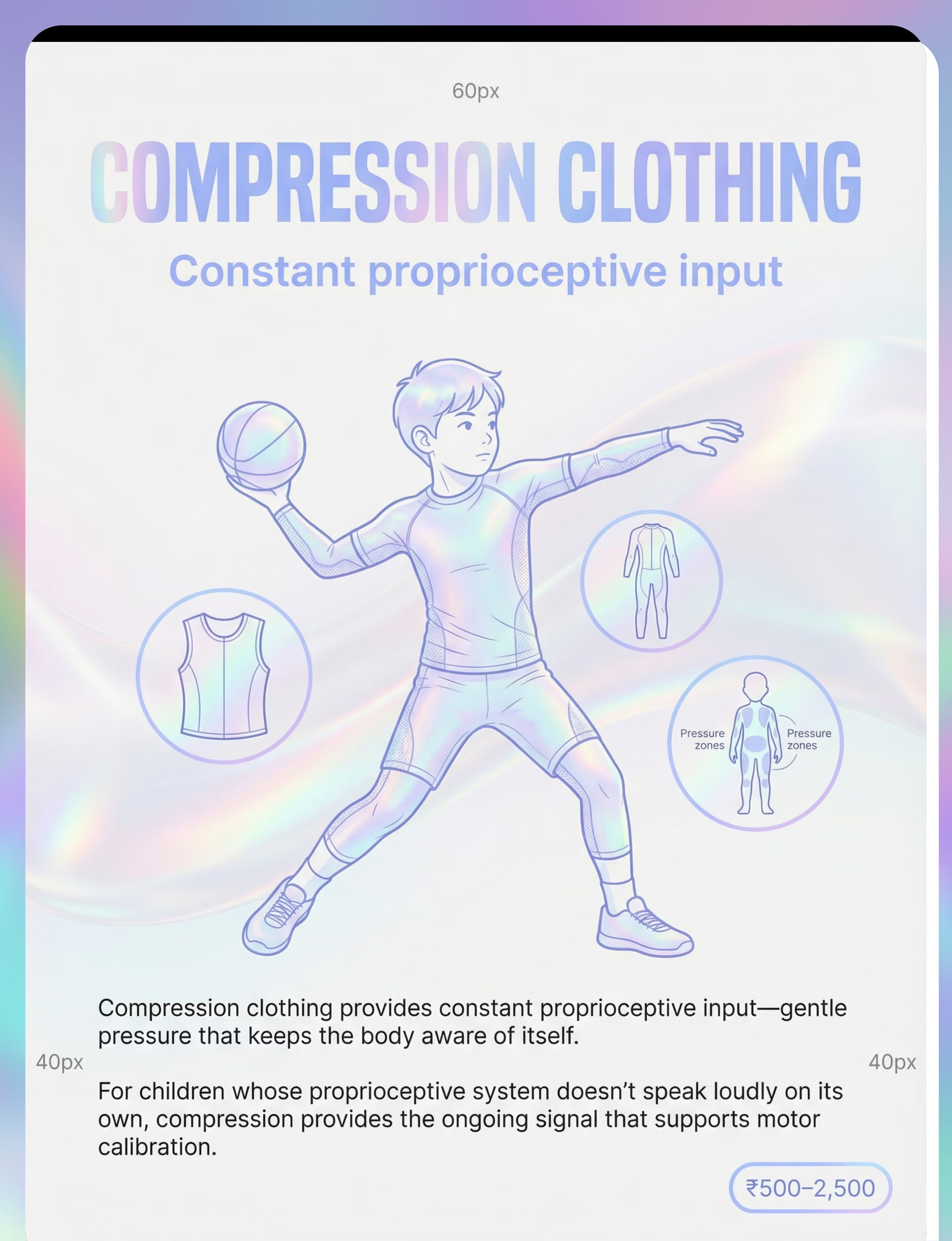
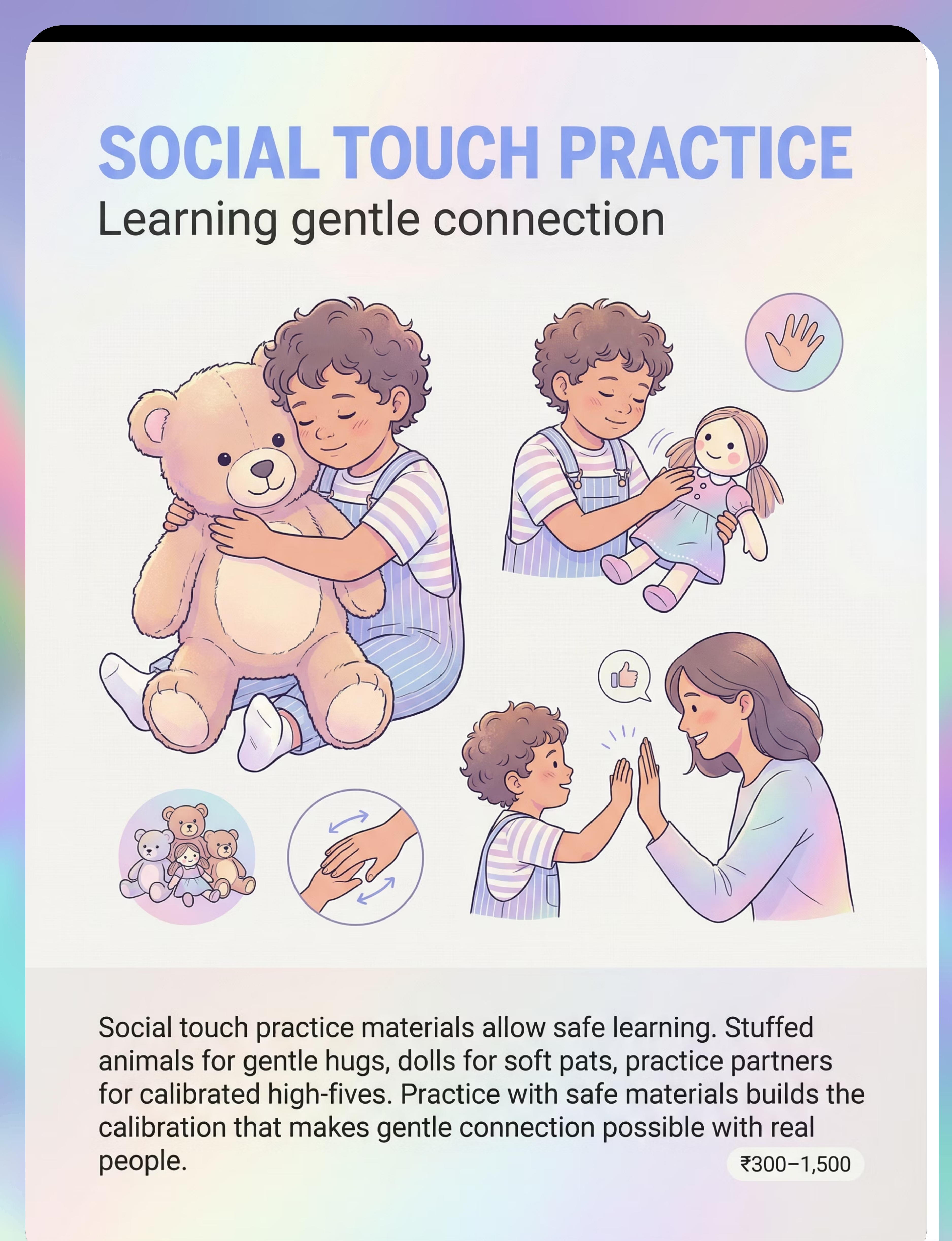
Preview of 9 materials that help when child uses too much force Therapy Material
Below is a visual preview of 9 materials that help when child uses too much force therapy material. The pages shown help educators, therapists, and caregivers understand the structure and content of the resource before use. Materials should be used under appropriate professional guidance.


Link copied!

THE PINNACLE PROMISE
Your Child's Hands Can Learn 'Just Right.' Start Today.
📞 FREE Consultation
Call 9100 181 181 — 16+ languages, 24×7. Speak to a Pinnacle OT today. No obligation, no cost.
⭐ GPT-OS® Assessment
Get your child's full AbilityScore® across 12 developmental domains. Personalized intervention roadmap generated in 48 hours.
🤝 Join 40,000+ Families
You are not alone. The Pinnacle community of parents, therapists, and educators is here for every step of this journey.
"Every child deserves a nervous system that works for them — not against them. The 9 materials on this page are the beginning of that journey. The Pinnacle Blooms Consortium® has walked this path with over 20 million sessions. We will walk it with you too."
Pinnacle Blooms Consortium®
Evidence-Based
20M+ Sessions
70+ Centers