

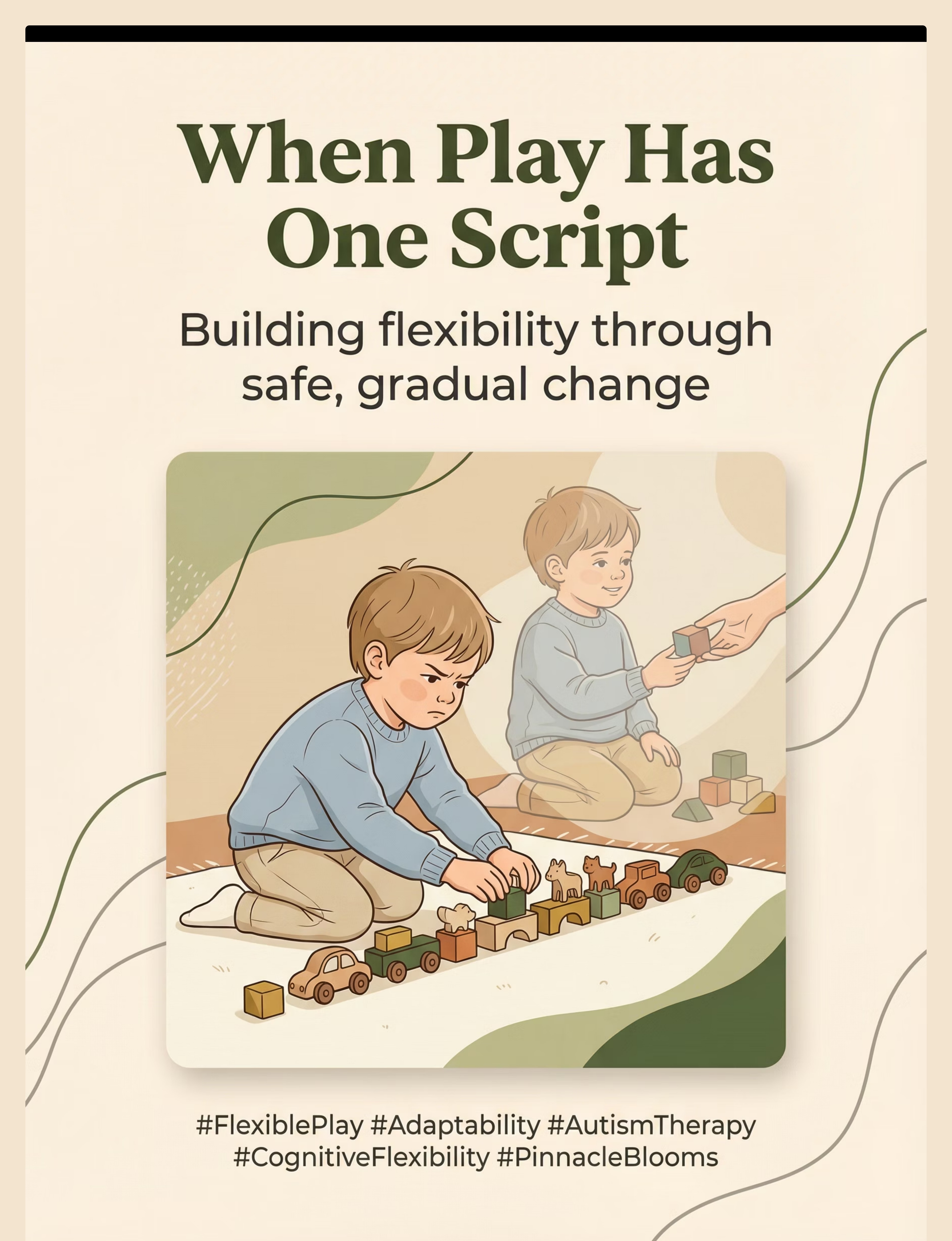
When Play Has Only One Script
And any deviation breaks everything.
🎯 Technique C-309
Play Skills Solutions — Episode 309
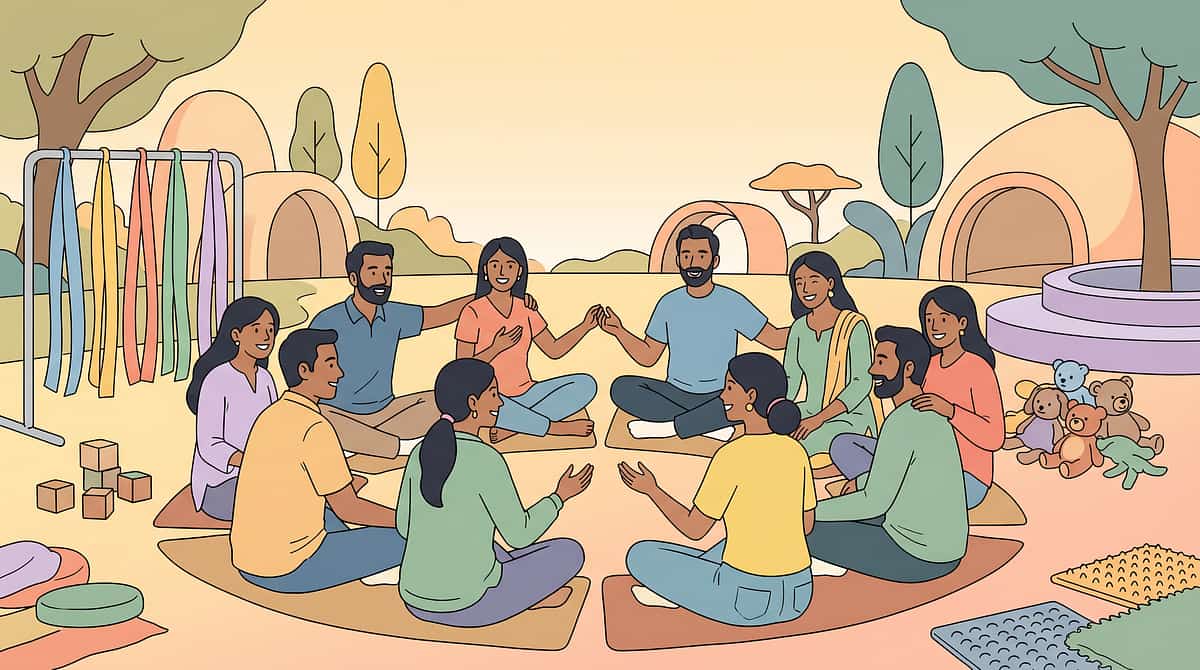
The Moment You Recognise It
"He sets up the same nine cars in the same order every morning. Same direction, same spacing, same sequence. Yesterday his sister moved one car two inches. He screamed for forty minutes. Wouldn't stop until it was back exactly right — and even then, the morning was ruined."
You are not watching defiance. You are watching a nervous system that has learned — with absolute certainty — that sameness is safe and unpredictability is dangerous.
There are 9 materials that gently widen what feels safe. Not by forcing change. By making small variations survivable — then comfortable — then welcome.
👶 Ages 3–10 years | 🏠 Home-executable | ⏱ 15–20 min sessions | Validated by the Pinnacle Blooms Consortium: OT • SLP • ABA/BCBA • SpEd • NeuroDev • Pediatrics
📞FREE Autism Helpline: 9100 181 181 — 18+ languages, 24×7
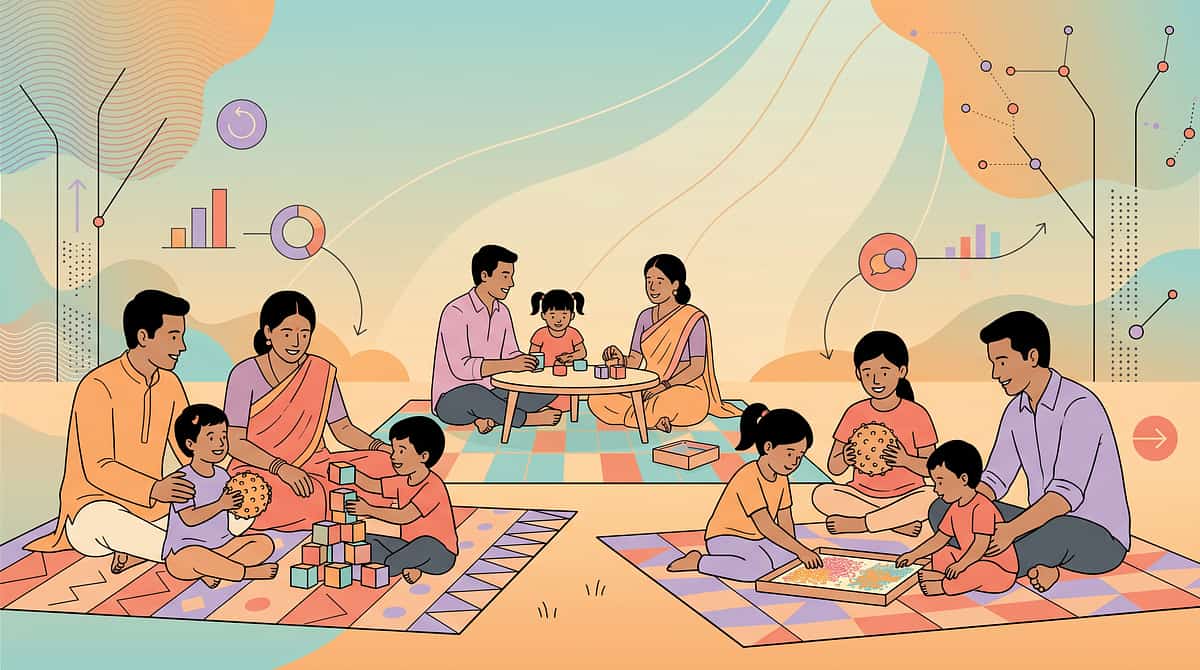
How Many Families Are Living This
56%
Insistence on Sameness
of children with ASD show clinically significant insistence on sameness (Zandt et al., J Autism Devord)
1 in 36
ASD Prevalence
children in the US are diagnosed with ASD — India estimates 1 in 68 to 1 in 89 (CDC 2023 | INCLEN India)
8–10M+
Indian Families
navigating rigid behavioural patterns right now (Population-level estimate based on prevalence data)
Inflexible play is not an anomaly. It is one of the most common and most misunderstood expressions of the autistic nervous system. When researchers at the University of Cambridge mapped "insistence on sameness" in ASD populations, they found it predicted anxiety severity more strongly than any other factor — including sensory differences. Your child's rigidity is a signal, not a character flaw.
Research references: PMC11506176 | Rodgers et al., J Autism Dev Disord (2012) | D'Cruz et al., Neuropsychology (2013)

This Is Wiring, Not Willfulness
What's happening in your child's brain when a toy is moved? Three interconnected systems fire together — and the result is a genuine threat response, not a tantrum.
The Neuroscience
Prefrontal Cortex (PFC) — Executive control centre responsible for mental flexibility and set-shifting. In many autistic children, PFC–amygdala communication is atypical, making "switching off" a rigid rule feel physiologically threatening.
Basal Ganglia — Habit formation and routine reinforcement. Once a play sequence becomes a "groove," deviations trigger a genuine mismatch alarm signal.
Amygdala — The threat-detection centre fires when unpredictability is encountered — even minor toy displacement. The distress is a REAL threat response, not manipulation.
Parent Translation
✅ "My child isn't controlling — their brain is screaming 'DANGER' when the cars move."
✅ "Sameness isn't stubbornness — it's the nervous system creating a safe, predictable world."
✅ "Flexibility isn't a choice yet — it's a skill that needs to be built through safe, gradual exposure."
✅ "The goal isn't eliminating routines — it's expanding what feels safe, one micro-variation at a time."
Kenworthy et al., J Child Psychol Psychiatry (2014) | D'Cruz et al., Neuropsychology (2013)

Your Child's Journey Has a Clear Forward Path
Understanding where your child sits on the developmental timeline — and where they are heading — transforms uncertainty into purposeful action.
Age 2–3
Typical preference for routine — healthy cognitive stability building
Age 3–5 ← C-309 ZONE
Rigid play patterns emerge — peak of insistence on sameness
Age 5–7
Flexibility emerging with support — the neuroplasticity window
Age 7–10
Flexible play across contexts — generalisation to peers and school
Age 10+
Spontaneous flexible play — incorporates others' ideas naturally
Inflexible play commonly co-occurs with: Anxiety Disorders • OCD Features • ADHD (rigidity subtype) • Sensory Processing Disorder • PDA (Pathological Demand Avoidance) profile
WHO Care for Child Development Package (2023): Ages 3–8 represent a critical window for intervention in behavioural flexibility. PMC9978394
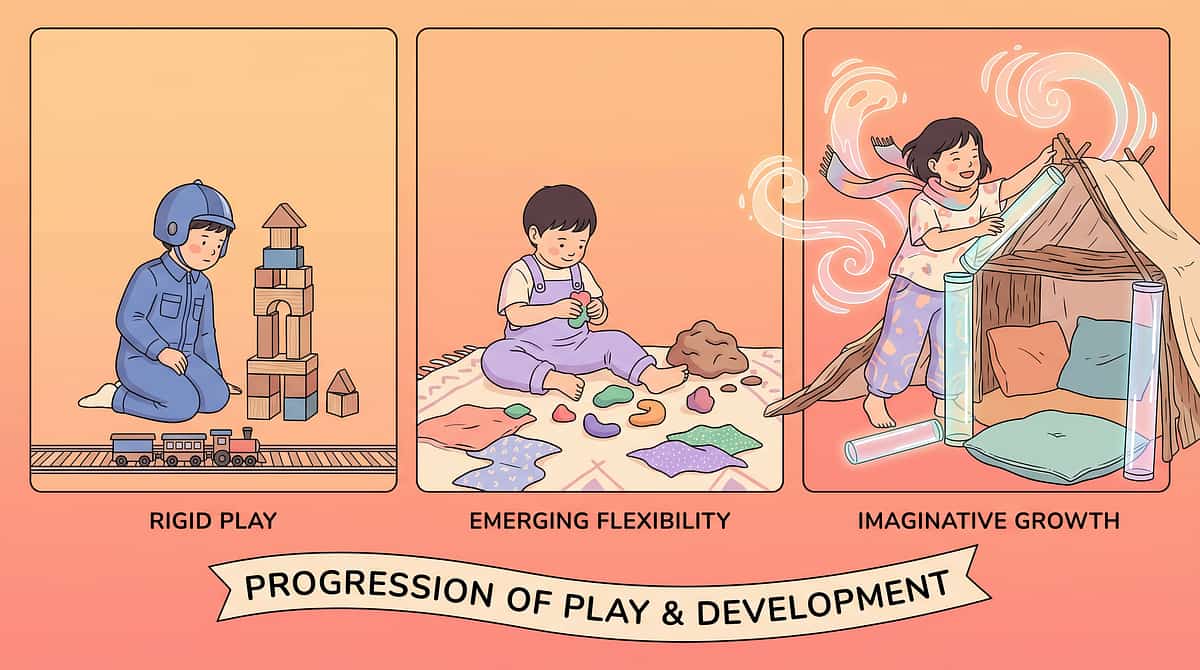
From Rigid to Flexible — The 5 Stages
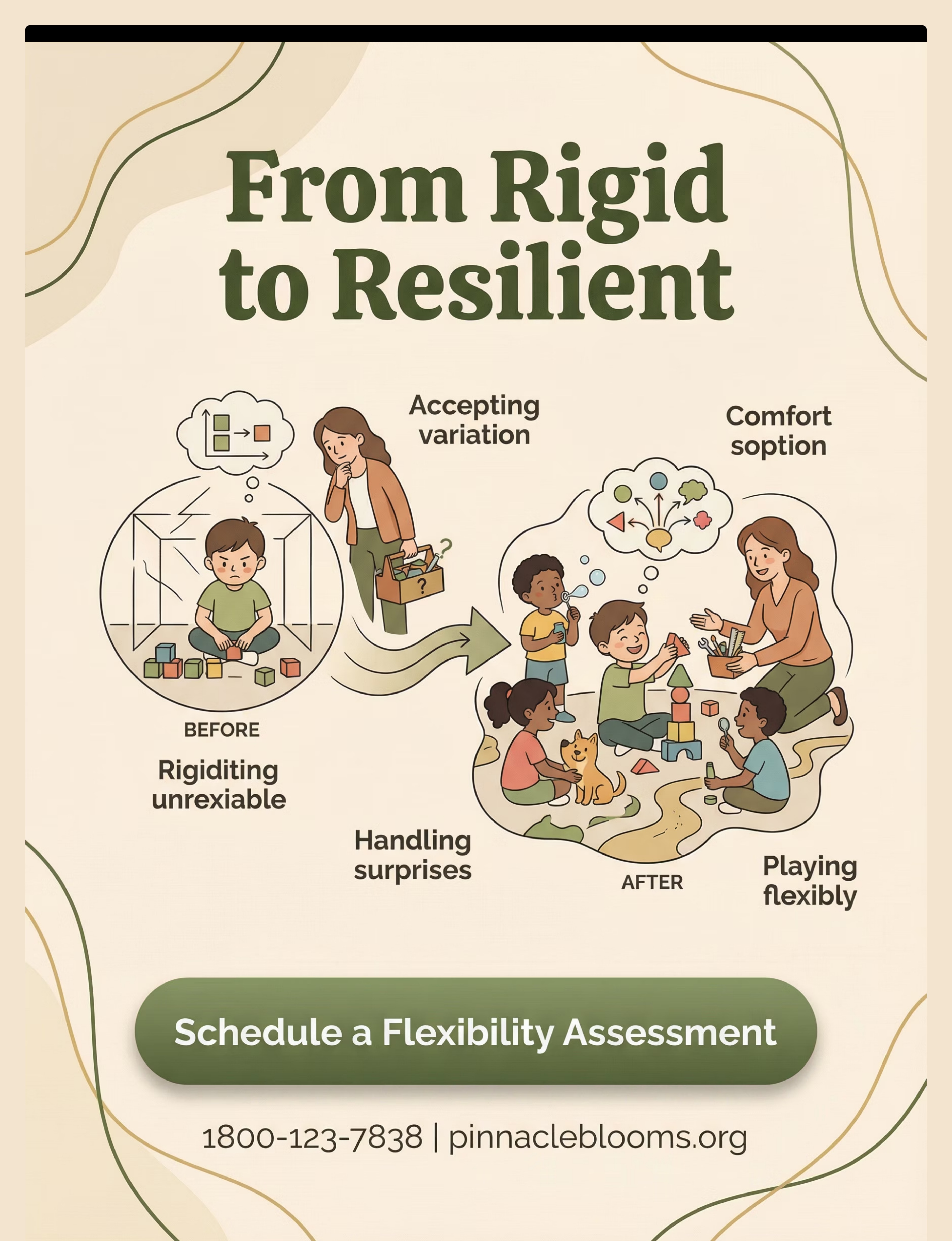
Stage 1 — Rigid Same Play Every Time
Any deviation from the established script results in significant distress. Sameness is the only safe state.
Stage 2 — Tolerates Warned Small Changes
Child accepts pre-announced micro-variations. The warning card becomes a bridge to manageable change.
Stage 3 — Accepts Variations With Support
Child engages with new materials and incorporates some variations with adult co-regulation.
Stage 4 — Incorporates Peer Ideas
Child allows a sibling or friend to contribute to play without removing their contribution.
Stage 5 — Flexible Spontaneous Play ← Target
Child initiates variations, enjoys surprise elements, and bounces back from unexpected changes.
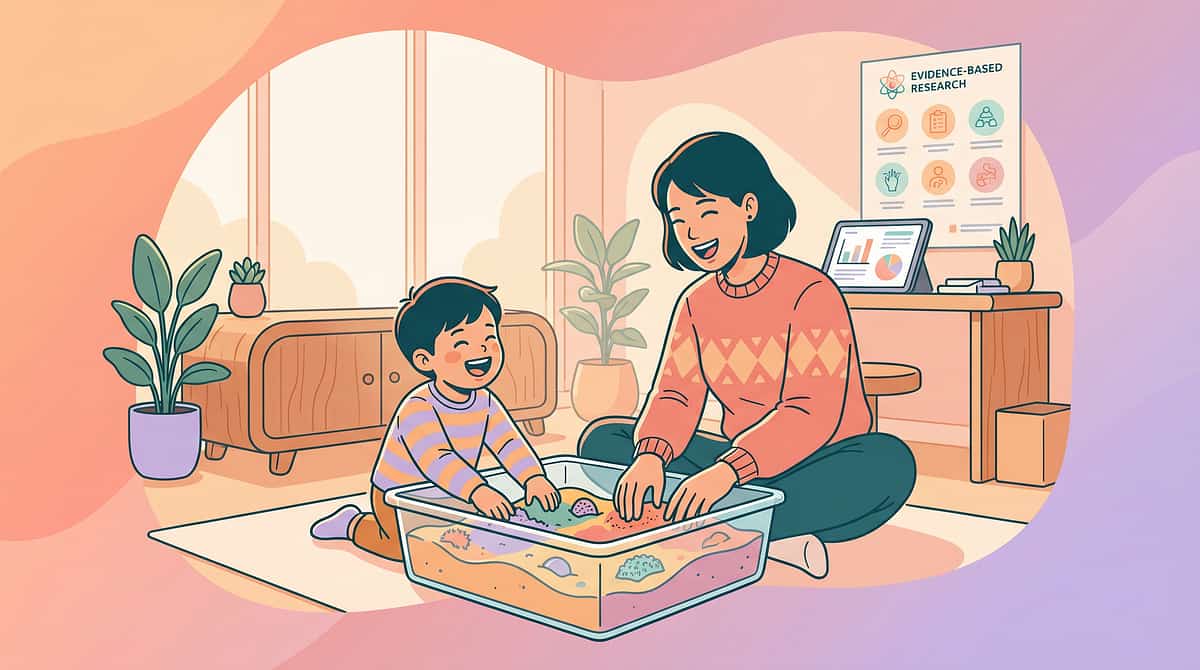
Clinically Validated. Home-Applicable. Parent-Proven.
🛡️LEVEL I — SYSTEMATIC REVIEW EVIDENCE
Cognitive flexibility interventions for ASD meet criteria as Evidence-Based Practice
Cognitive flexibility interventions for ASD meet criteria as Evidence-Based Practice
The 9 materials on this page are drawn from clinically validated intervention categories used by Pinnacle's consortium of OTs, ABA therapists, SLPs, SpEd specialists, and NeuroDev paediatricians across 20M+ therapy sessions.
📞9100 181 181 — For personalised guidance from our clinical team
Study | Finding | |
Kenworthy et al. (2014) | RCT — significant flexibility gains in treated group | |
D'Cruz et al. (2013) | Neurological basis for targeted intervention established | |
NCAEP (2020) | Visual supports, reinforcement, video modelling — evidence-based | |
Padmanabha et al. (2019) | Indian RCT — home-based interventions show significant outcomes | |
PMC10955541 (2024) | Meta-analysis: structured therapy promotes adaptive behaviour |
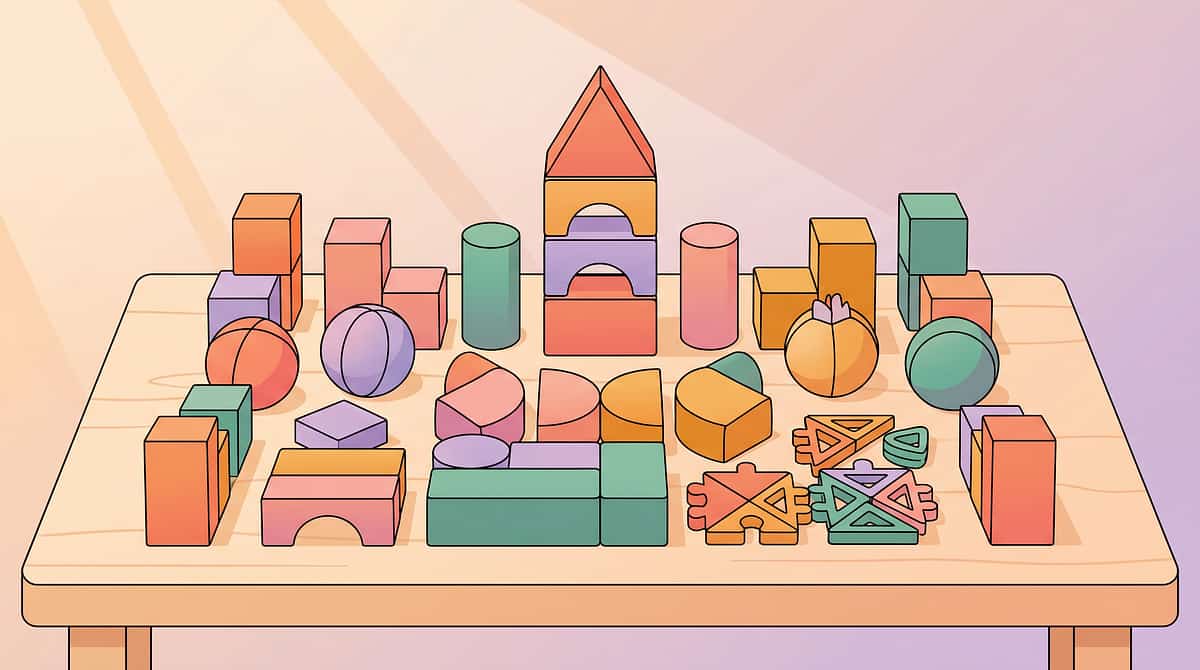
Materials-Based Cognitive Flexibility Intervention
Parent Alias: "The Gentle Stretch Protocol"
A structured home intervention using 9 categories of therapeutic play materials to progressively expand a child's tolerance for variation, unpredictability, and change during play. Built on the principle that flexibility is a skill — not a character trait — and is developed through repeated, supported, positively-reinforced exposure to micro-doses of manageable change.
This is not about breaking routines. It is about systematically expanding the zone of what feels safe, until spontaneous, flexible play is possible.
🎯 Adaptive Play
Tolerance of Change
🧠 Cognitive Flexibility
Executive Function
🤝 Social Play Readiness
Peer Inclusion
😌 Emotional Regulation
Predictability Management
📦 Ages 3–10 | 15–20 min sessions | Daily or 4–5×/week | Home play space | Caregiver: Active co-player + observer
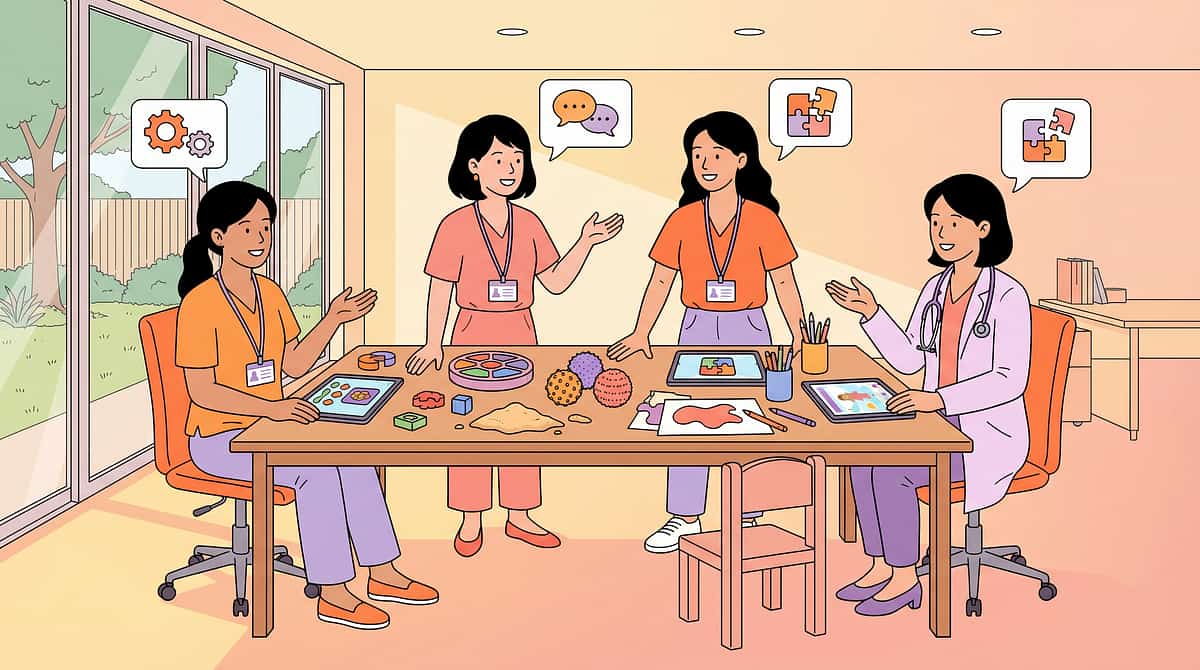
This Technique Crosses Therapy Boundaries
Because the brain doesn't organise by therapy type. Five disciplines converge to address inflexible play from every angle.
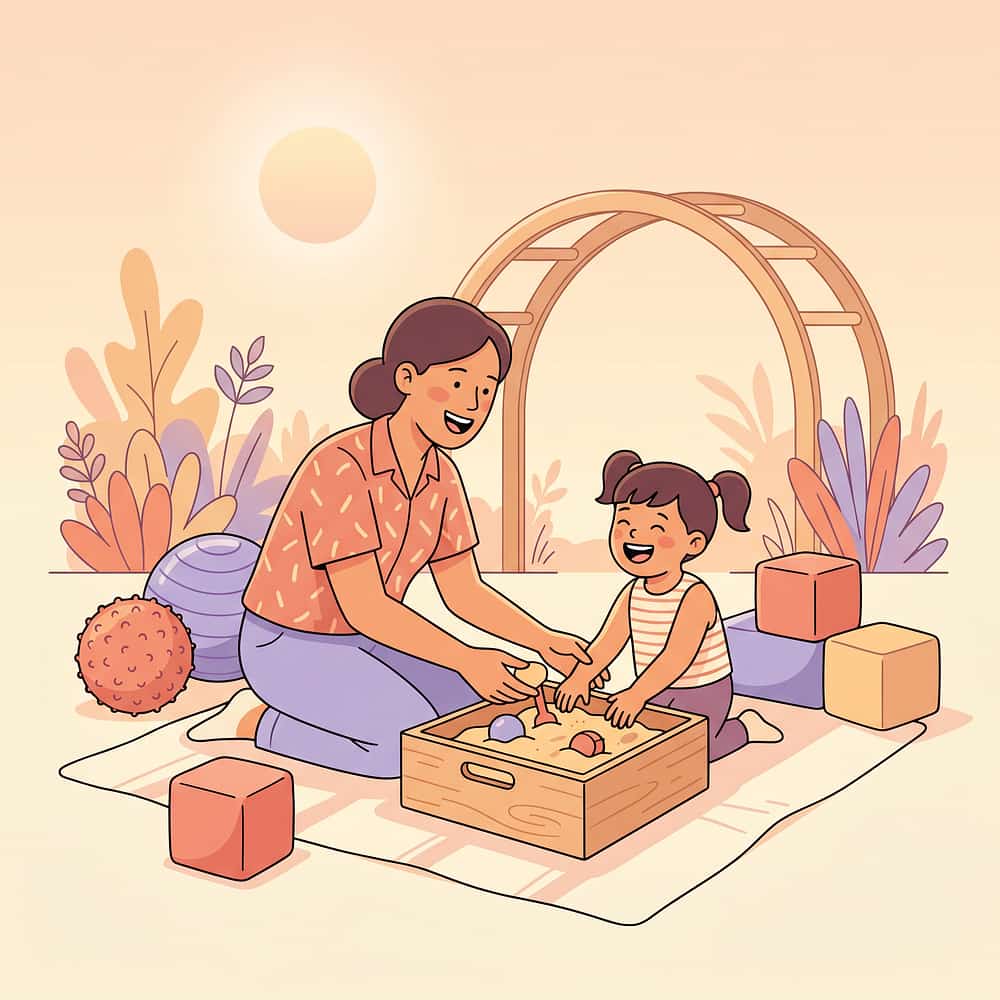
🔵 Occupational Therapist — PRIMARY LEAD
OTs assess whether rigidity is sensory-driven and design graded exposure using sensory-compatible materials. They lead the tolerance-building protocol.

🟣 ABA/BCBA Therapist — CO-LEAD
Structure the reinforcement architecture — identifying motivation, designing token economies, and conducting functional behaviour assessment.

🟢 Speech-Language Pathologist
Addresses narrative rigidity and the social communication barriers that inflexible play creates with peers. Story dice are an SLP primary tool.
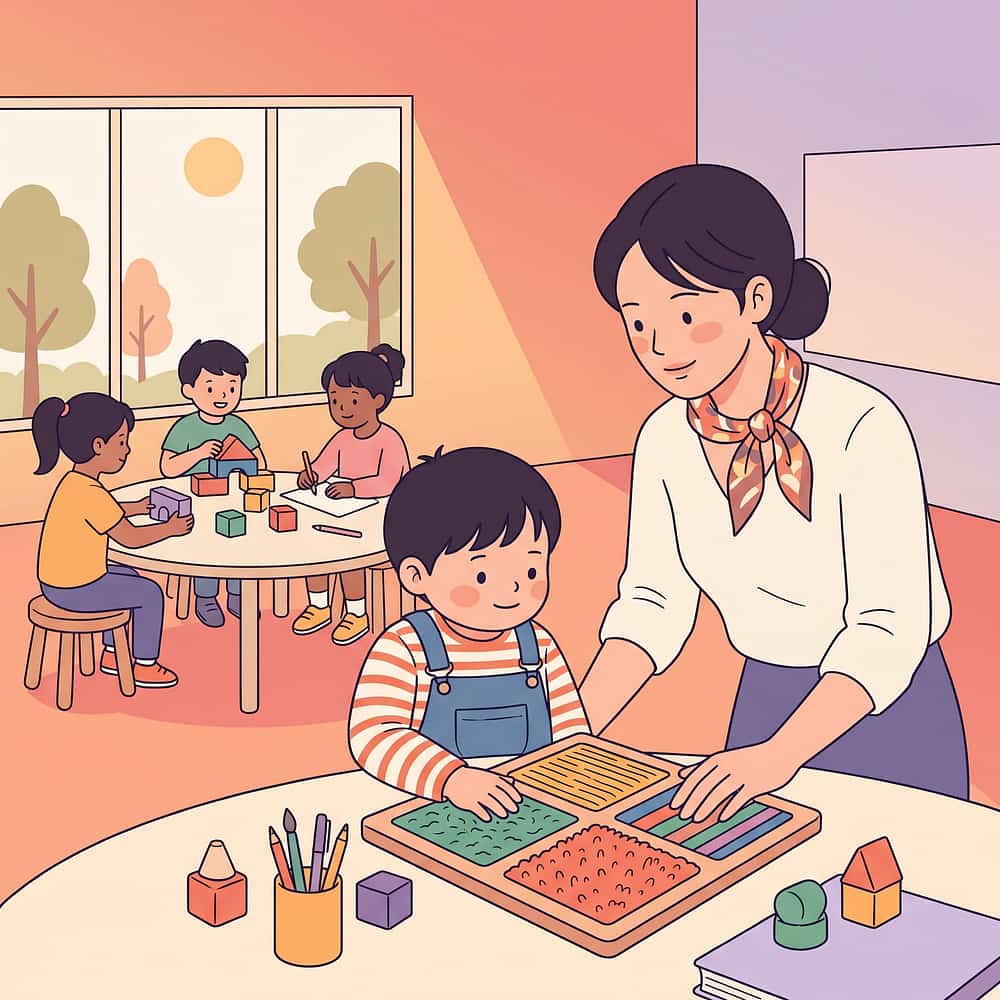
🟡 Special Educator
Generalises flexibility skills into classroom settings — applying the same materials-based approach across subjects, transitions, and group activities.

🔴 NeuroDev Paediatrician
Assesses co-occurring anxiety and OCD features. Determines whether pharmacological support is needed alongside behavioural intervention.

9 Materials. Clinically Selected. Home-Ready.
📞 9100 181 181 — Our team can recommend specific products for your child's profile

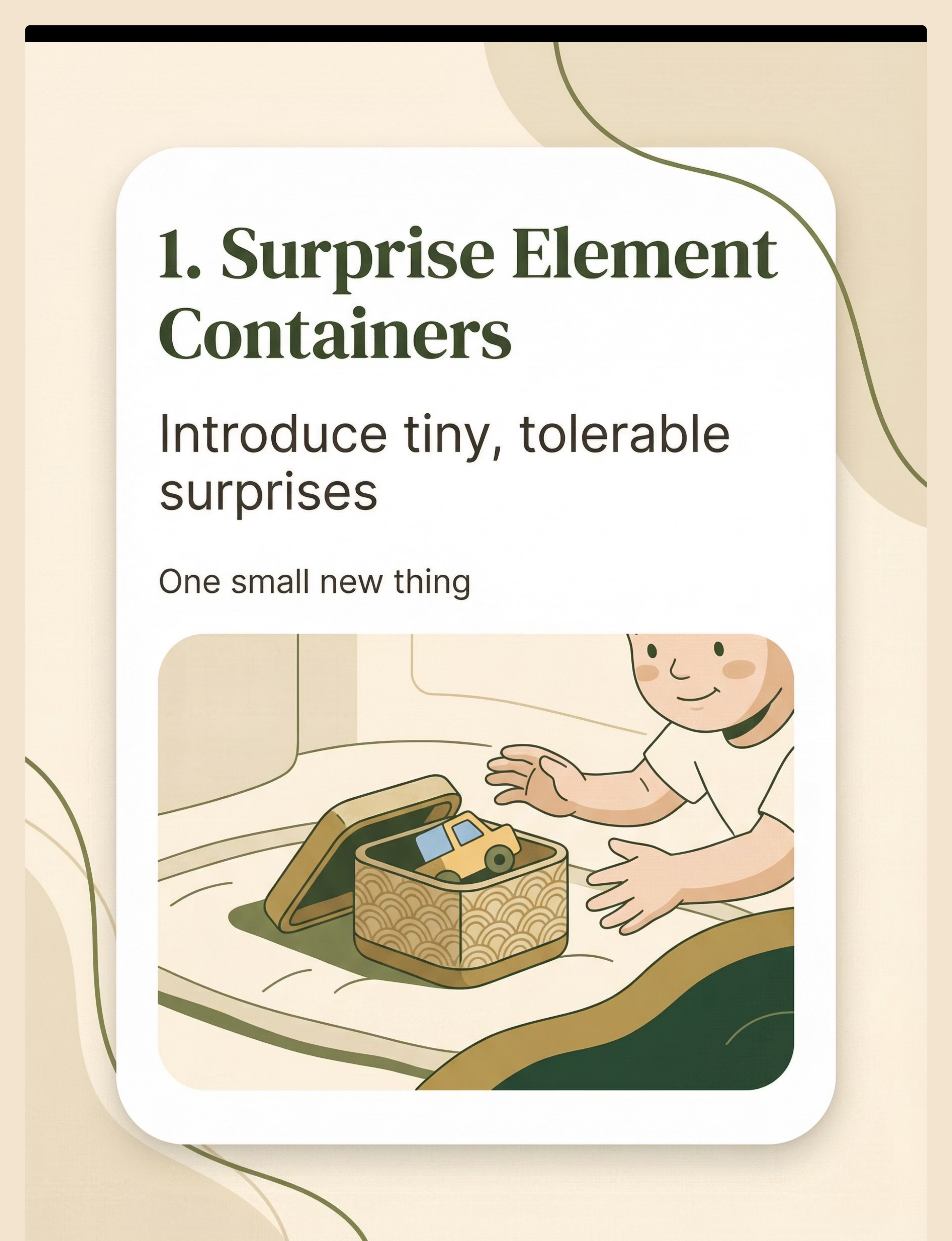
🎁 Material 1: Surprise Element Containers
Mystery boxes that introduce micro-doses of unpredictability. ₹100–300 | Canon: Problem-Solving Toys | 🏅 Pinnacle Recommends
Search on Amazon.in
Search on Amazon.in

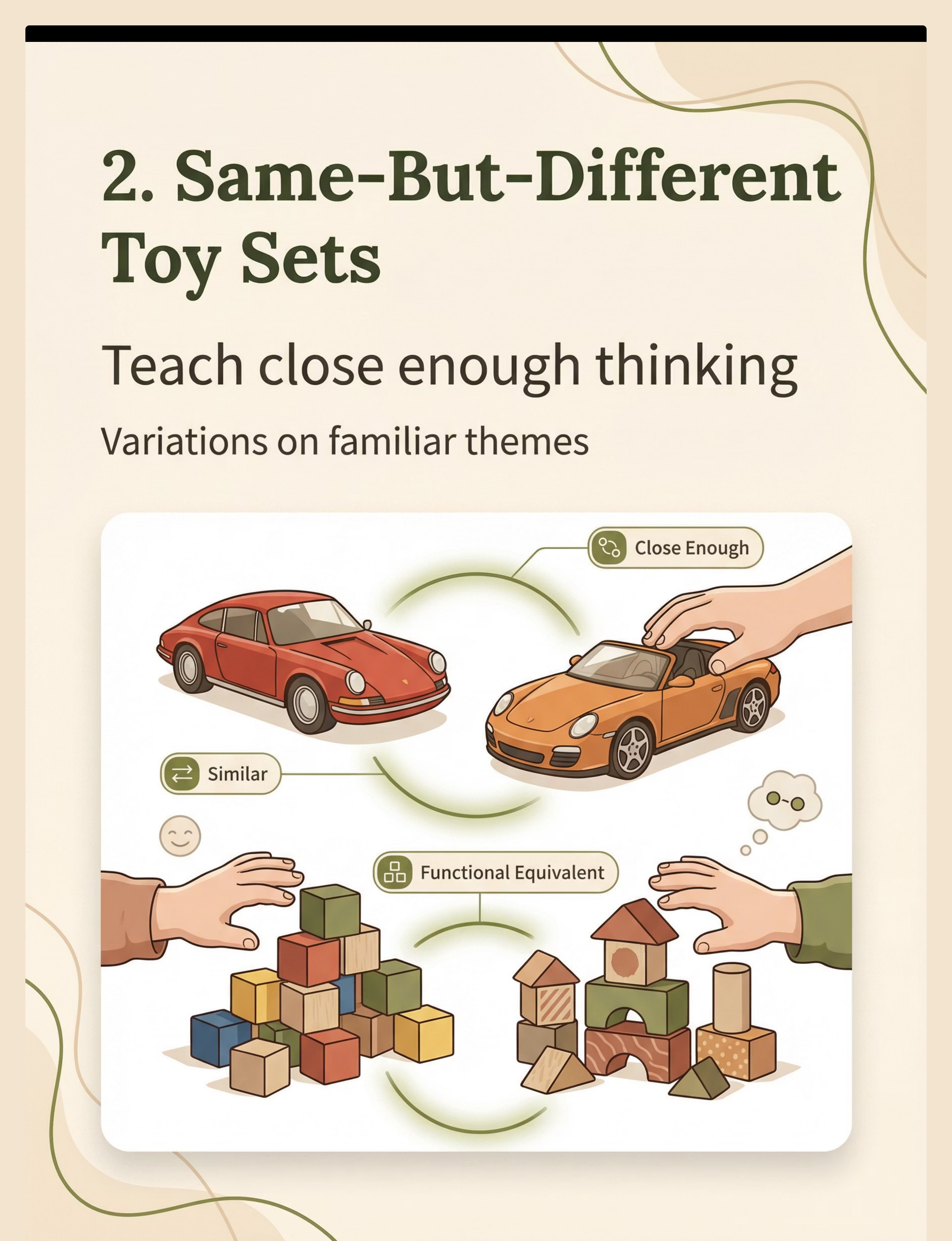
🚗 Material 2: Same-But-Different Toy Sets
Variations of familiar toys to build "close enough" thinking. ₹200–500 | Canon: Sorting Activities / Categorisation
Search on Amazon.in
Search on Amazon.in
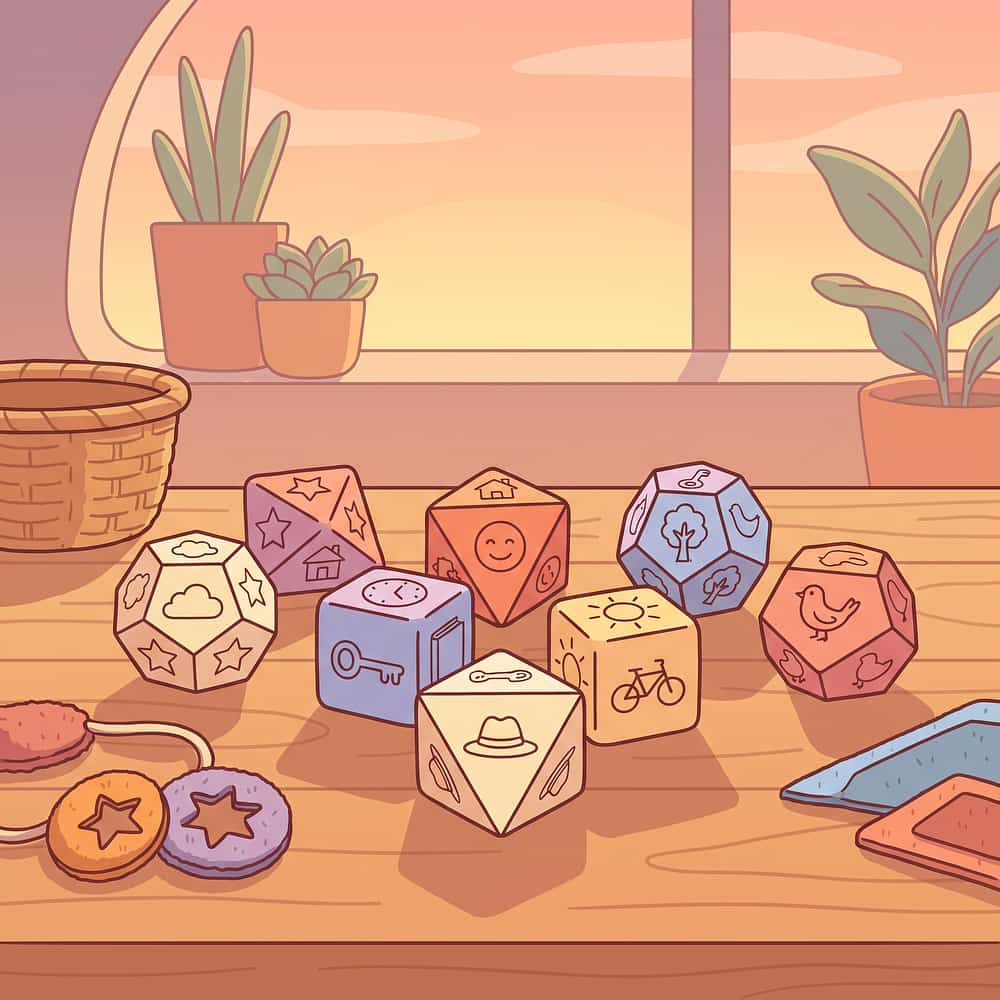
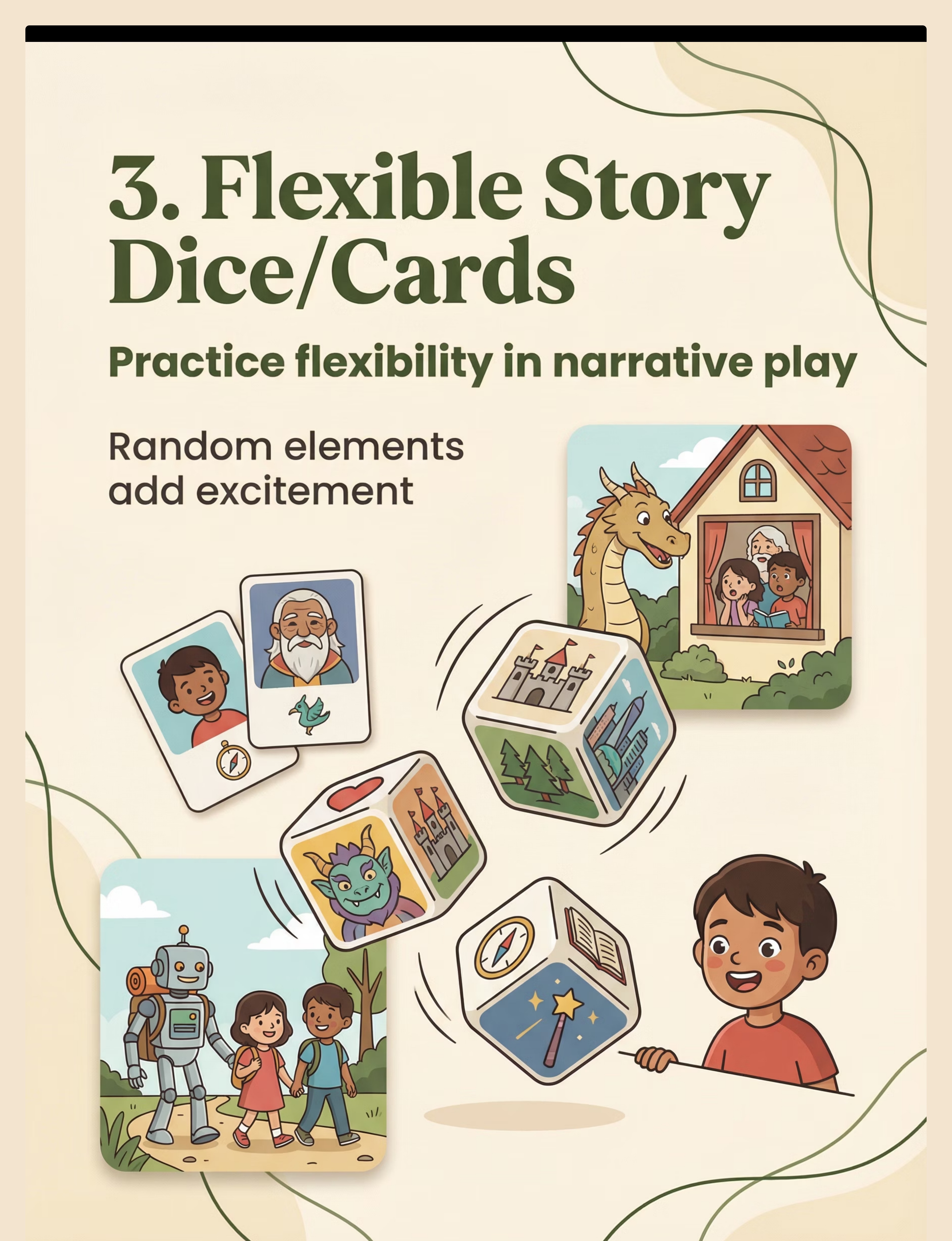
🎲 Material 3: Flexible Story Dice/Cards
Structured randomness that makes unexpected story elements fun. ₹150–400 | Canon: Problem-Solving Toys | 🏅 Pinnacle Recommends
SHINETOY 8 Dice | Search story cubes
SHINETOY 8 Dice | Search story cubes

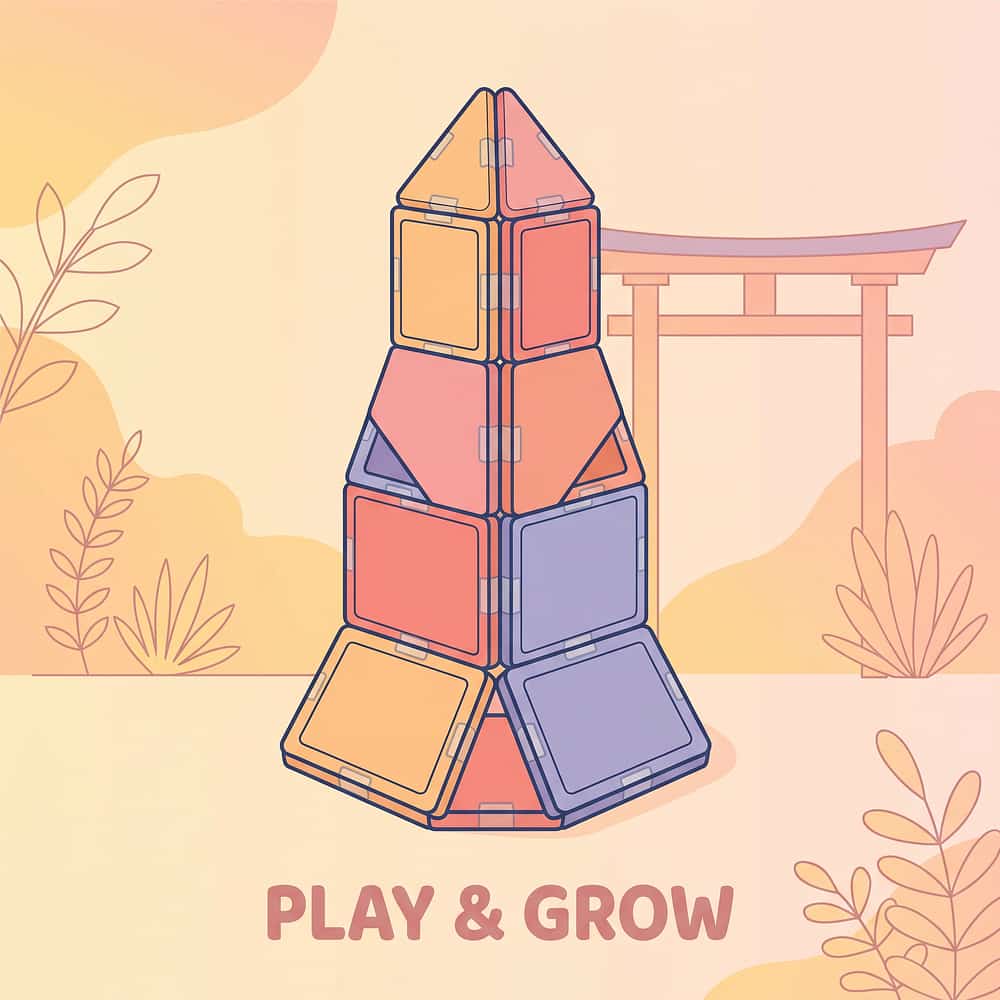
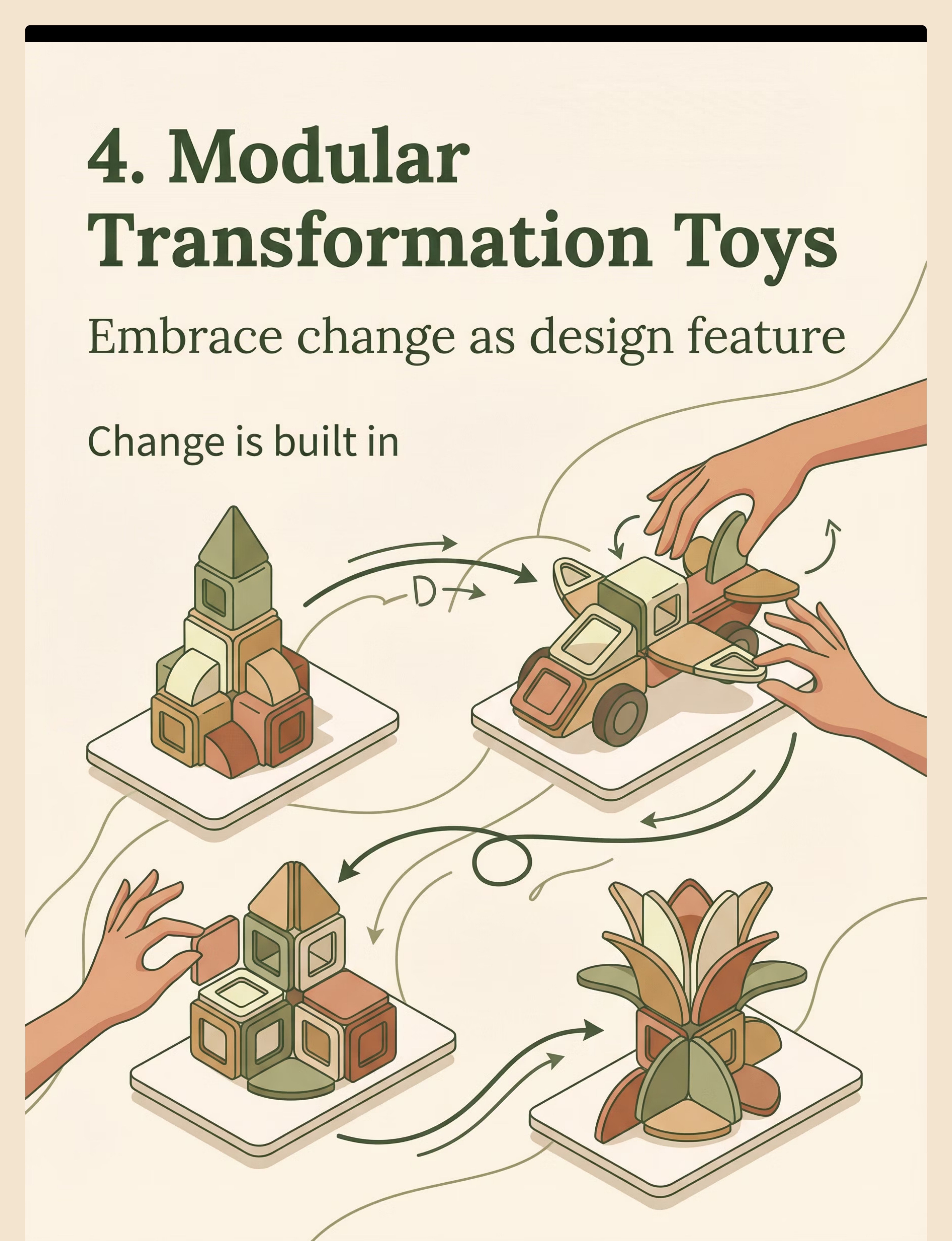
🧲 Material 4: Modular Transformation Toys
Toys designed to change form — normalising transformation. ₹300–800 | Canon: Problem-Solving Toys
Search on Amazon.in
Search on Amazon.in

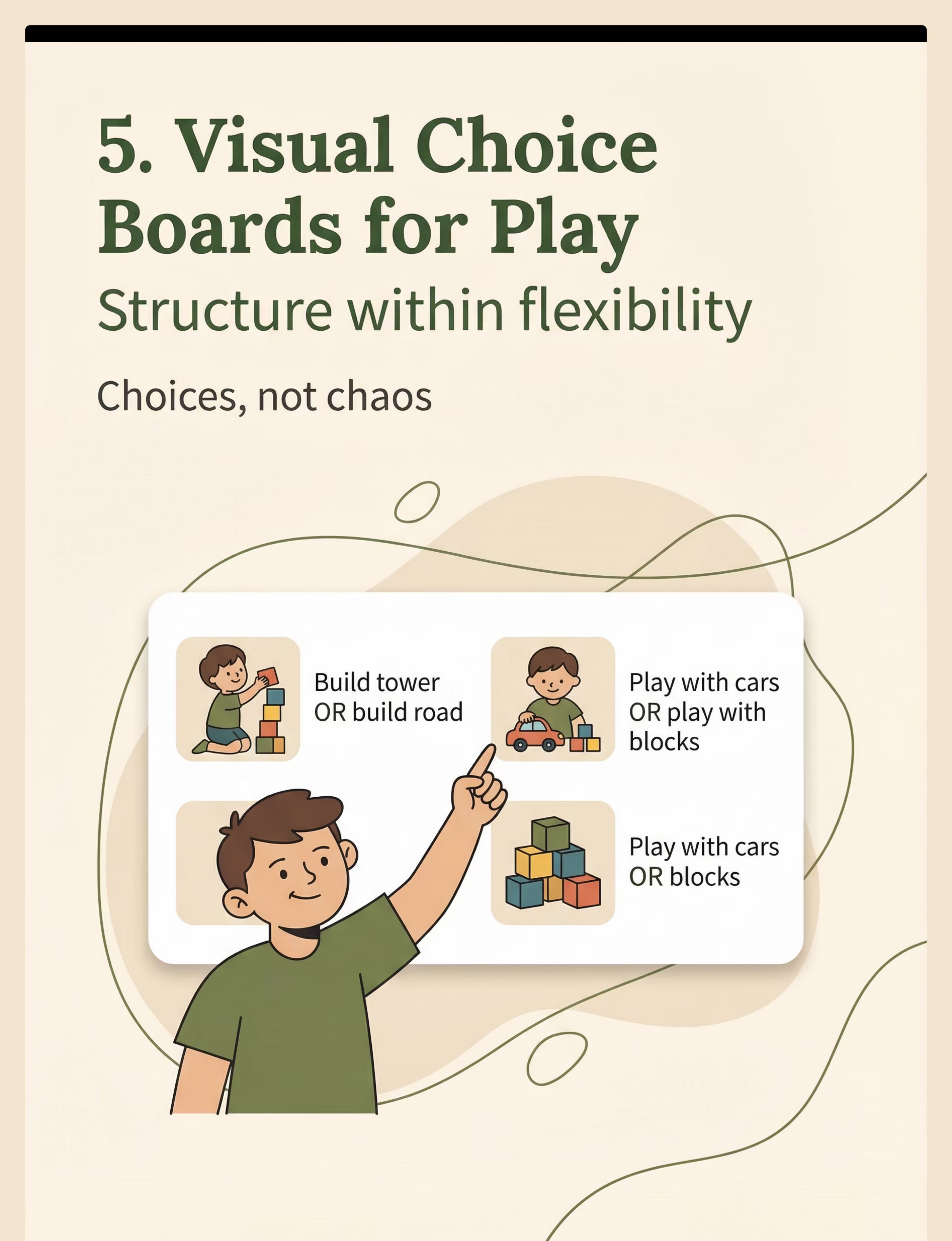
📋 Material 5: Visual Choice Boards for Play
Structure within flexibility — bounded choices, not overwhelming openness. ₹150–350 | Canon: Sorting / Categorisation
Search on Amazon.in
Search on Amazon.in
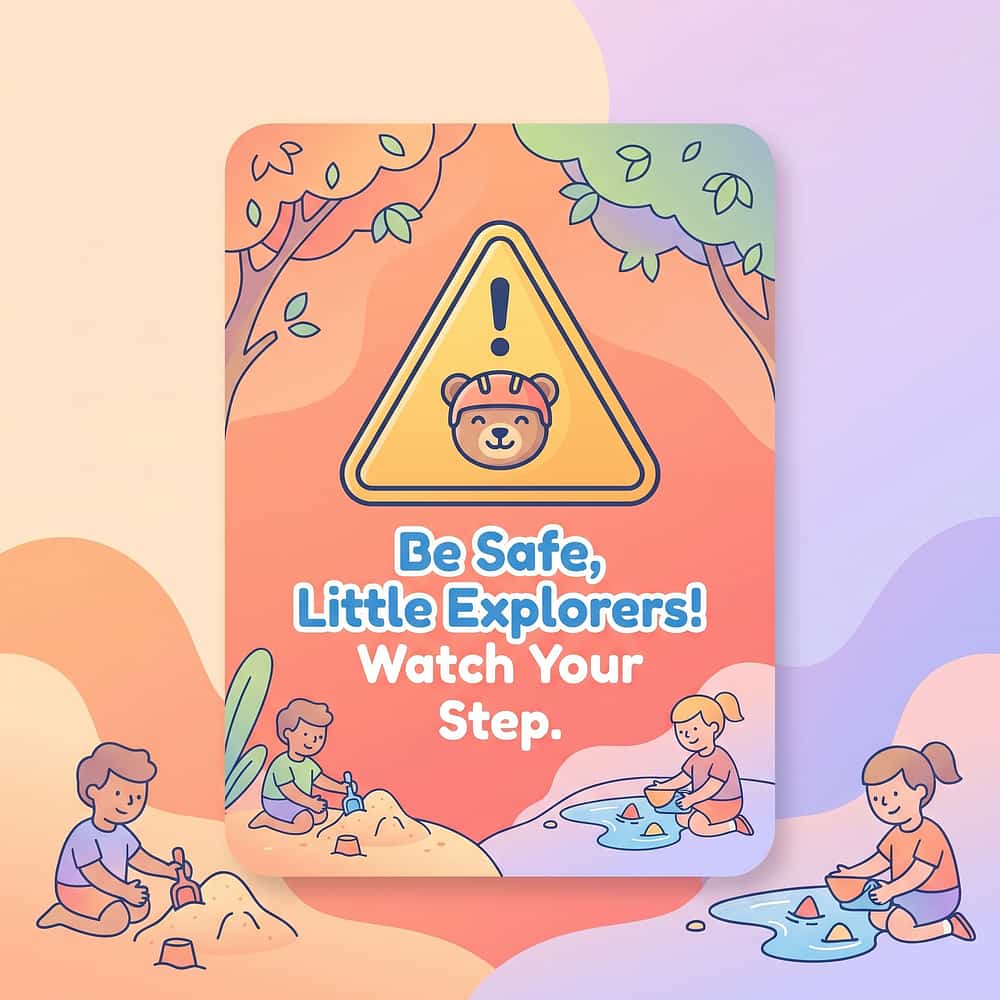
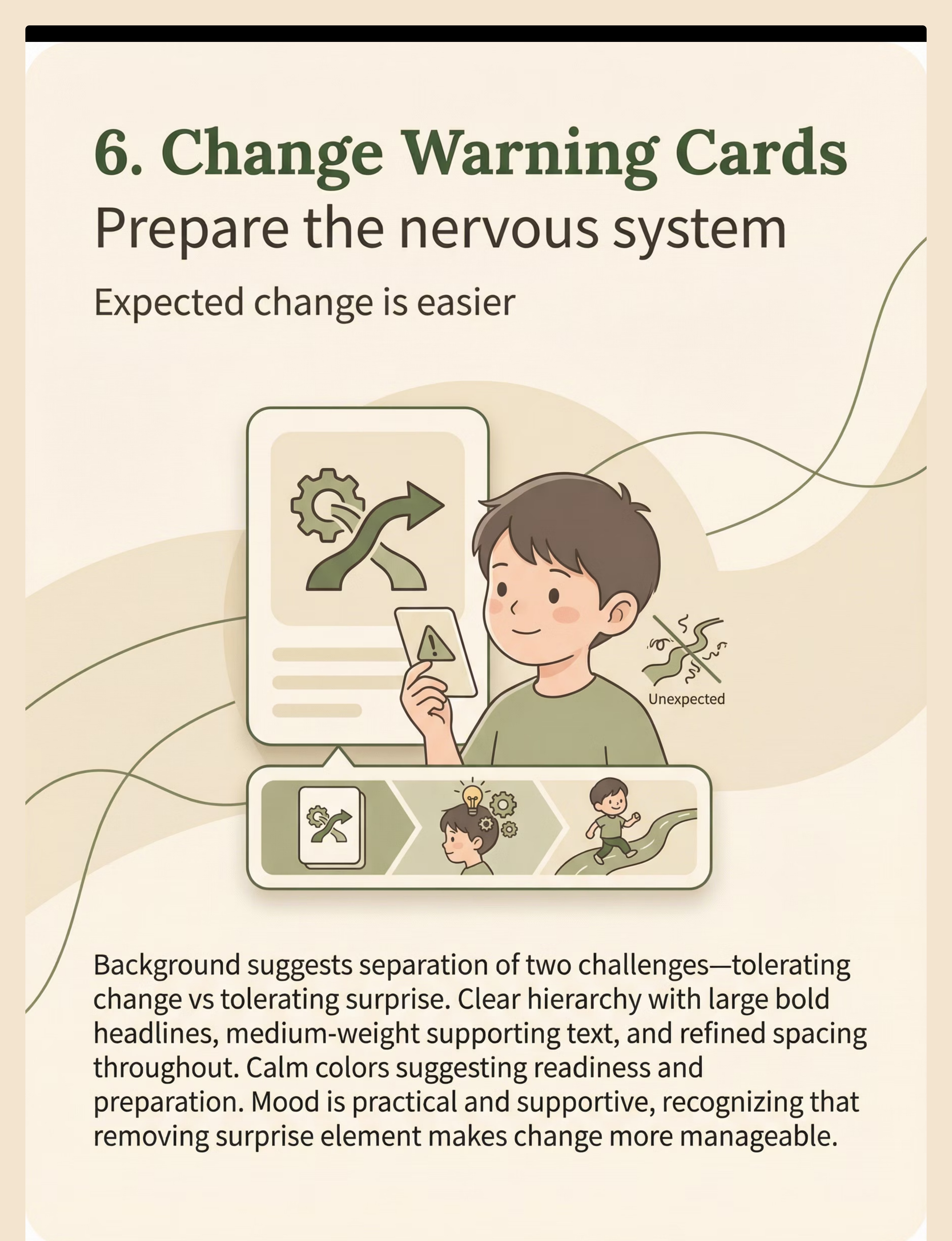
⚠️ Material 6: Change Warning Cards
Pre-announce changes to prepare the nervous system. ₹100–250 or FREE (DIY) | Canon: Problem-Solving Toys / Visual Supports
Search on Amazon.in
Search on Amazon.in
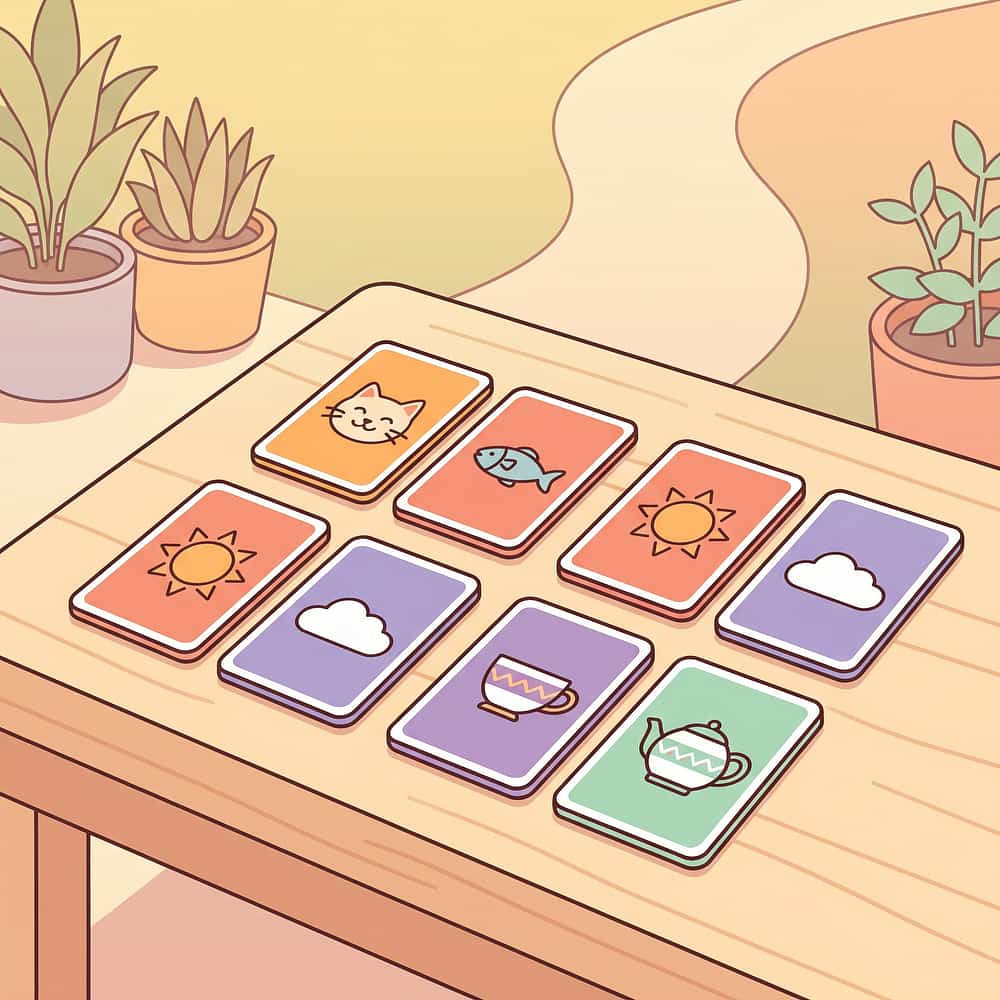
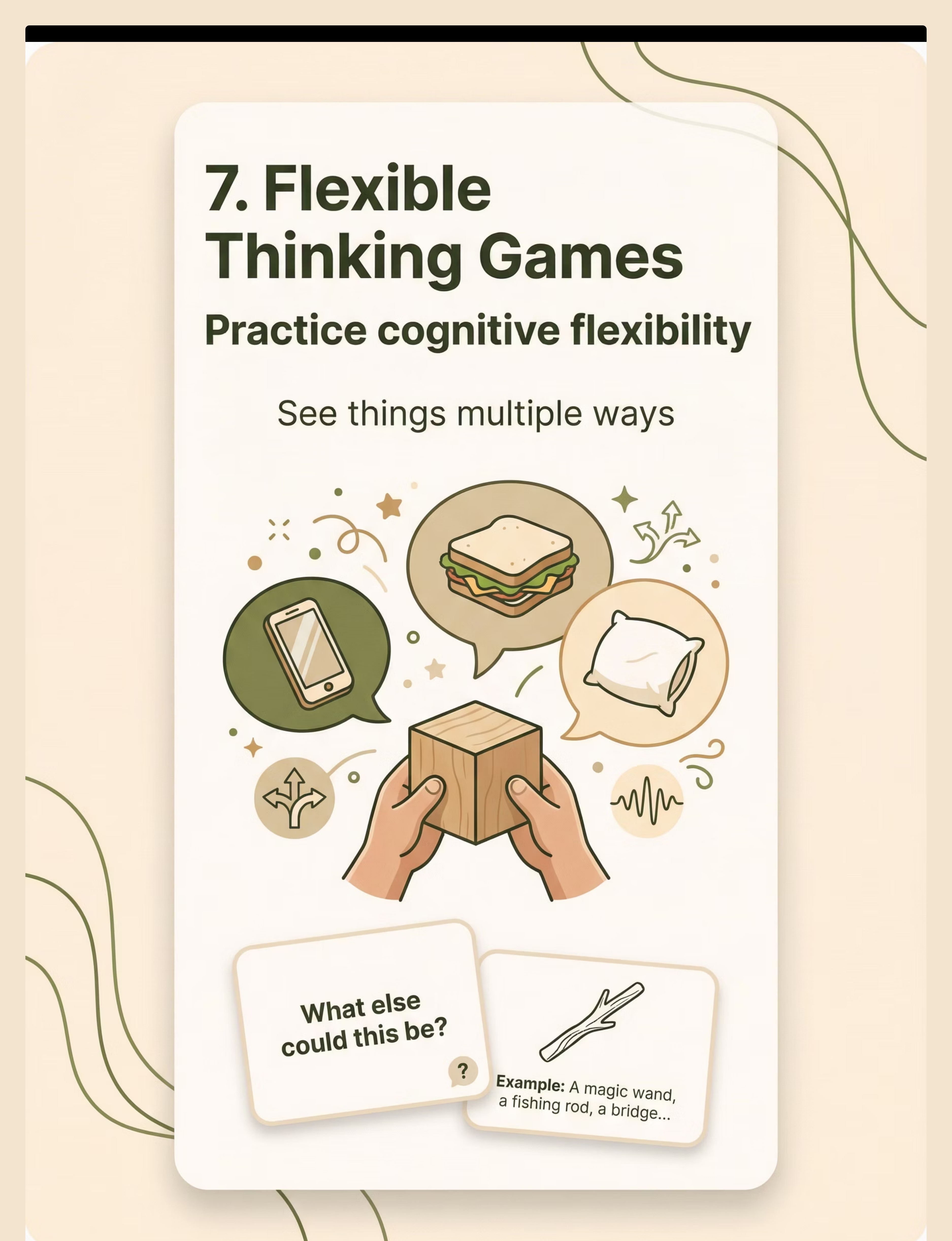
🧩 Material 7: Flexible Thinking Games
Directly train cognitive flexibility through "what else could this be?" play. ₹200–500 | Canon: Matching Games | 🏅 Pinnacle Recommends
Dyomnizy Educational Memory Game | Monkey Minds Clip The Card
Dyomnizy Educational Memory Game | Monkey Minds Clip The Card
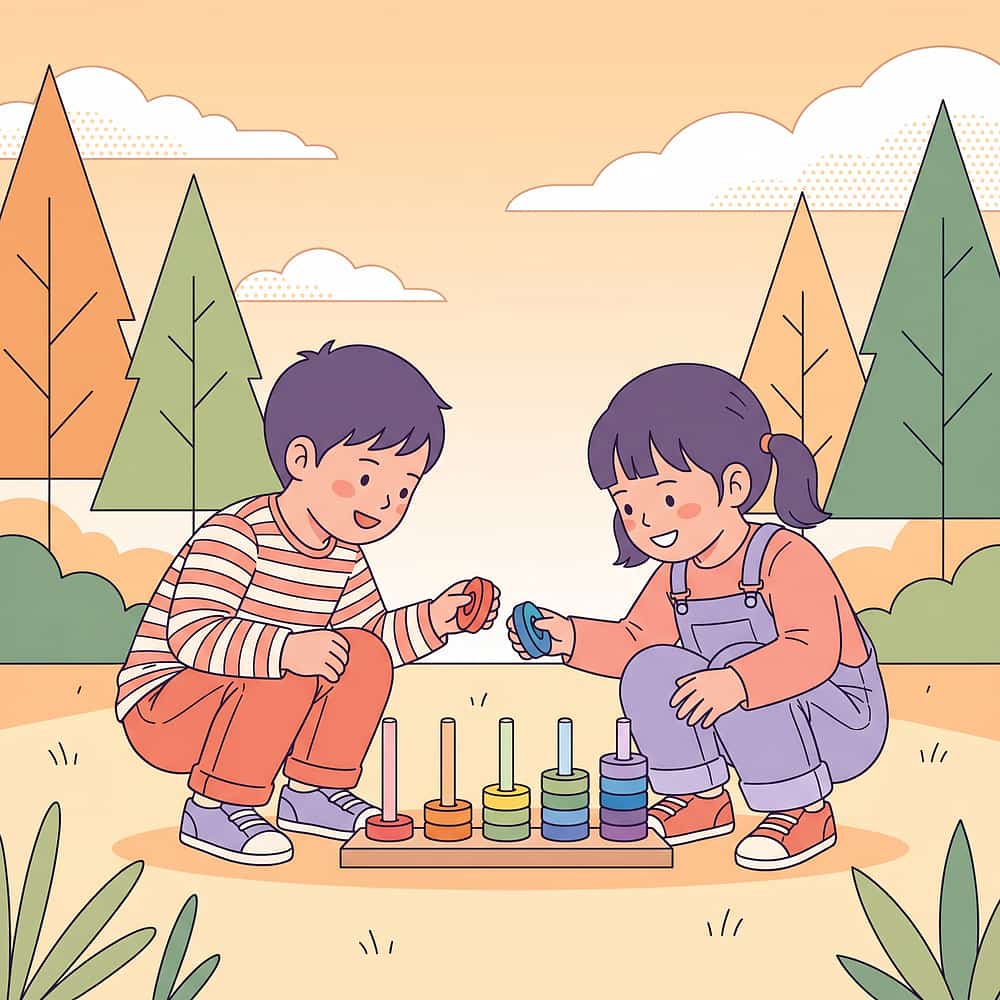
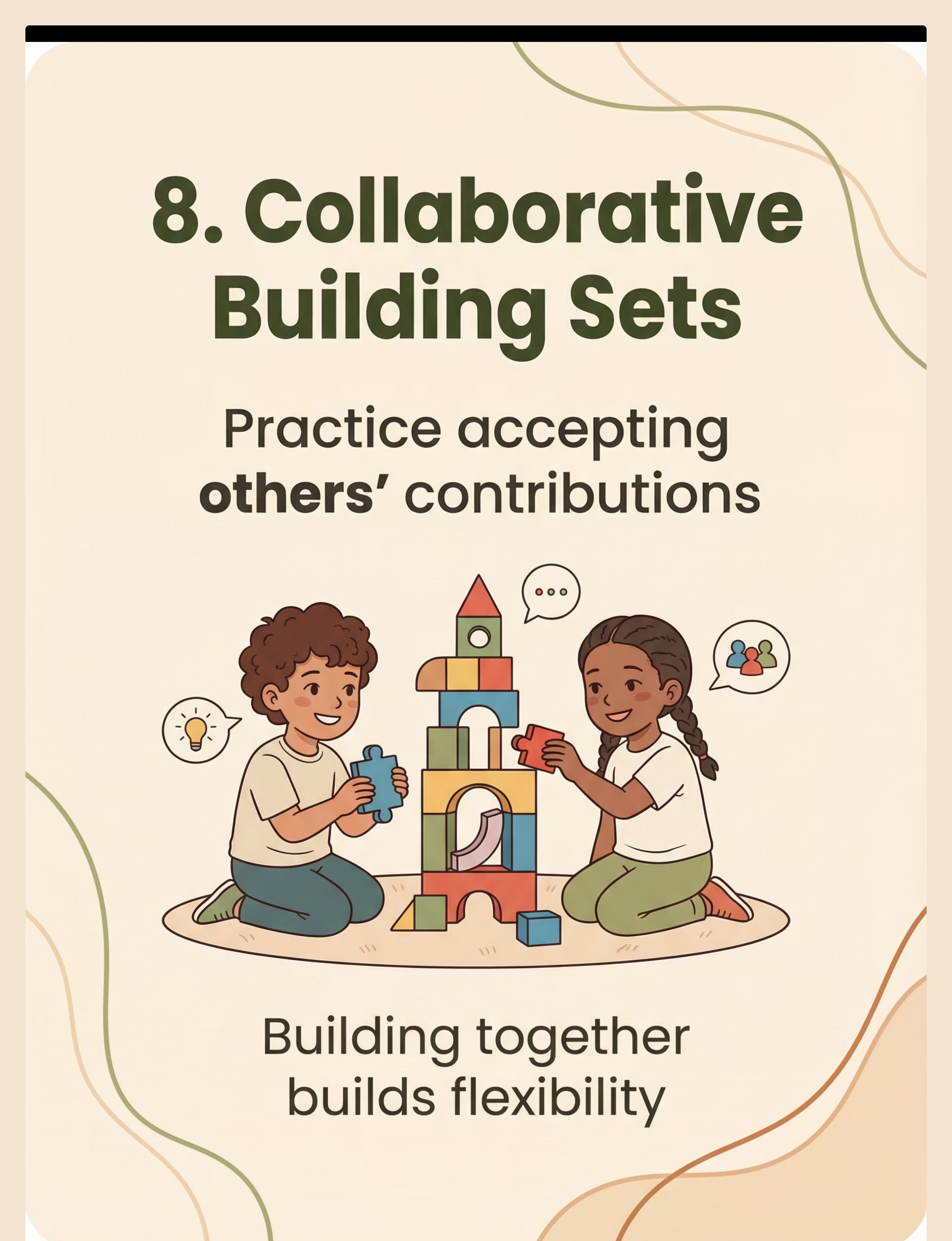
🏗️ Material 8: Collaborative Building Sets
Practice accepting others' contributions — turn-taking in construction. ₹300–700 | Canon: Sorting / Categorisation | 🏅 Pinnacle Recommends
Lattooland Rainbow Sorting Activity Set
Lattooland Rainbow Sorting Activity Set
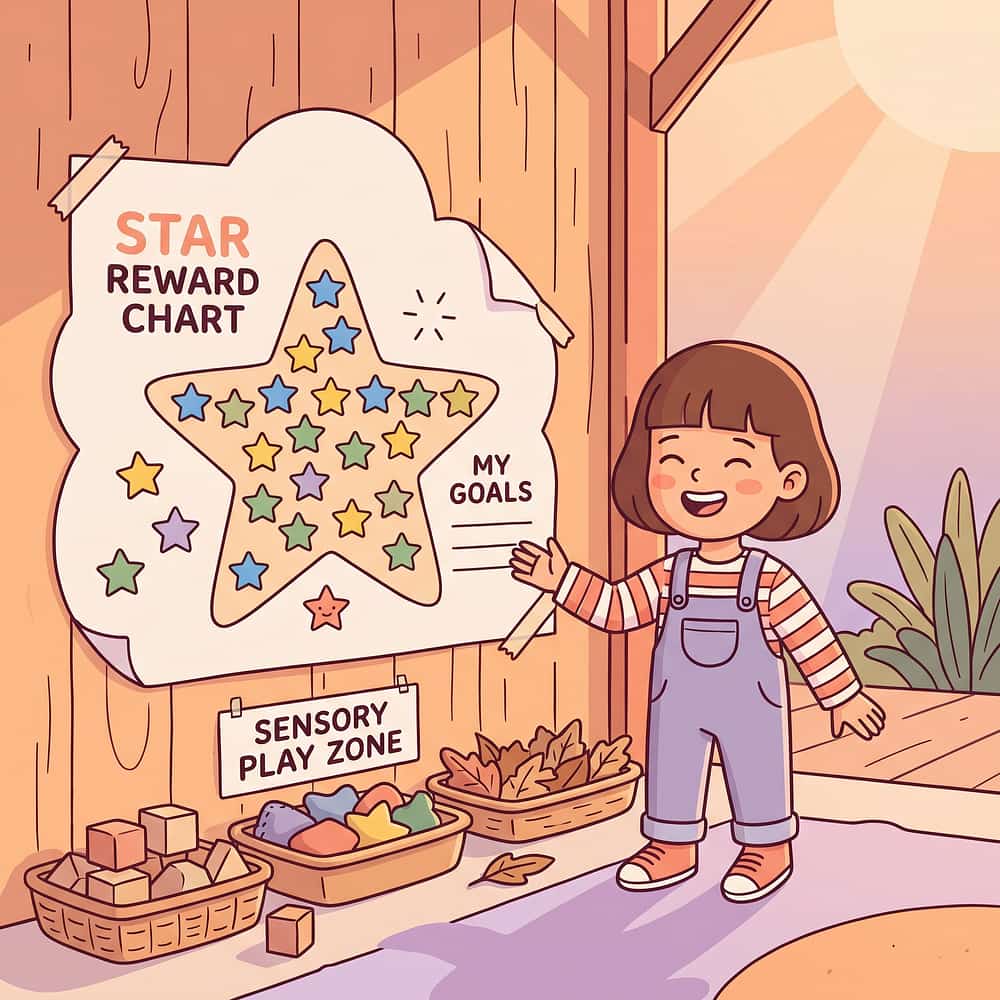
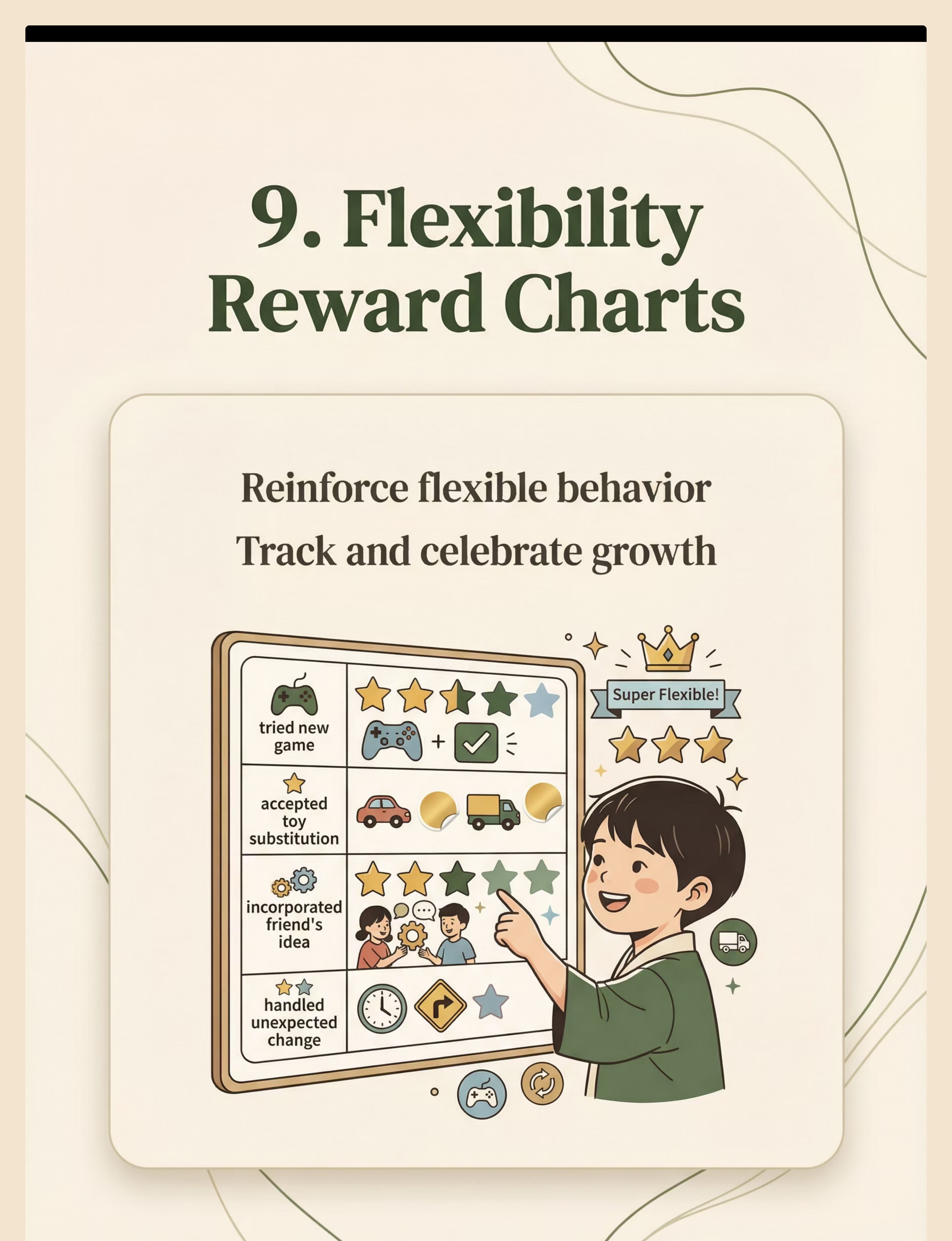
⭐ Material 9: Flexibility Reward Charts
Reinforce and celebrate every flexible moment. ₹100–250 | Canon: Reinforcement Menus | 🏅 Pinnacle Recommends
Rosette Imprint Reward Jar | 1800+ Reward Stickers
Rosette Imprint Reward Jar | 1800+ Reward Stickers
💡Total Setup Cost: ₹1,500–4,100 for complete kit | Essential Starters: Materials 1, 6, and 9
Every Family Can Start Today — With ₹0
WHO Nurturing Care Framework: Equity-first interventions reach families regardless of economic access. All 9 materials have ₹0 household alternatives.
Material | ₹0 DIY Alternative | |
1. Surprise Containers | Repurpose dabbas/tins. Put ONE familiar object with ONE new object inside. Cover with cloth. Reveal together. | |
2. Same-But-Different Sets | Take preferred cars — add one of a different colour. Present side by side: "same idea, new colour." | |
3. Story Dice/Cards | Cut paper into small cards. Draw simple images: door, cloud, tree, cat. Take turns drawing one to incorporate into play. | |
4. Transformation Toys | Use household blocks. Game: "How many shapes can we build with these 6 blocks?" Celebrate each transformation. | |
5. Choice Boards | A4 paper + sketched drawings of 2 play options. Laminate with tape. Child points to choice. | |
6. Change Warning Cards | Index card + marker: draw a ⚠️ symbol. Show it 2 minutes before any variation. | |
7. Flexible Thinking Games | Hold up ANY household object: "What else could this be?" Accept all answers. Celebrate imagination. | |
8. Collaborative Building | 10 cushions/pillows. Parent adds one, child adds one. Build a fort together. Each contribution stays. | |
9. Reward Charts | Draw a 5×5 grid on A4. Each flexible moment = one sticker dot. 25 dots = family celebration of choice. |
"DIY versions work because the therapeutic principle is in the process, not the product. What matters is structured, positively-reinforced exposure to manageable variation — achievable with household materials in every home in India and globally." — Pinnacle Blooms Consortium, OT & ABA Division
Read This Before Your First Session
Safety and readiness are the foundation of every effective session. Understanding when to proceed — and when not to — is itself a clinical skill.
🔴 DO NOT PROCEED IF:
Child is already dysregulated (post-meltdown, sick, hungry, exhausted). Never introduce new materials during dysregulation. You are in a hurry or emotionally depleted. Child shows self-injurious behaviour during routine disruption → Consult professional first.
🟡 MODIFY SESSION IF:
Child is "okay but not great" — use shorter sessions (5–8 min), only Material 6. Sibling conflict in last hour — allow 20-min calm-down. Bad school day — use preferred routine play first, then ONE micro-variation at session end.
🟢 OPTIMAL CONDITIONS:
Child is fed, rested, and in a regulated baseline state. Environment is calm, familiar, low-stimulation. 30+ minutes available. Preferred toys are present. Parent is calm and not outcome-attached for this session.
🛑ABSOLUTE STOP SIGNALS: End session immediately if child shows self-harm or aggression, distress escalates despite support, or child is inconsolable for more than 3 minutes into a variation.
"Some distress when routines change is expected and even therapeutically appropriate — the goal is distress that is MANAGEABLE, not distress elimination. The child who tolerates 10 seconds of distress before self-regulating is making progress." — Pinnacle Blooms OT Division
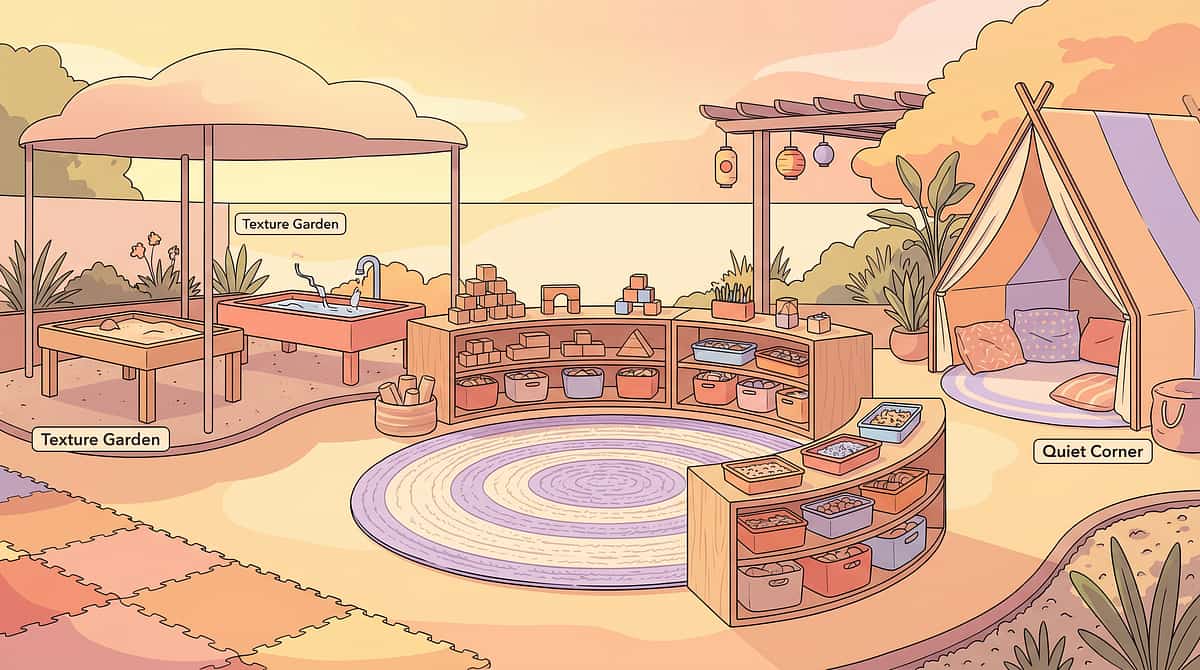
Space Architecture Determines Session Success
How you arrange your play space is not decorative — it is therapeutic. Every element of the environment sends a signal to your child's nervous system.
Setup Checklist
✅ Remove visual clutter — 80% reduction from usual
✅ Preferred toys present and accessible
✅ New materials in sightline but slightly to side
✅ Warning cards staged with parent
✅ Reward chart mounted and visible
✅ Phone on silent
✅ Visual sand timer set (15–20 minutes)
✅ Preferred toys present and accessible
✅ New materials in sightline but slightly to side
✅ Warning cards staged with parent
✅ Reward chart mounted and visible
✅ Phone on silent
✅ Visual sand timer set (15–20 minutes)
Remove From Space
❌ Siblings (for first 4 weeks)
❌ Screens (except as earned reward)
❌ Distracting toys not in use
❌ Items that have caused recent meltdowns
❌ Screens (except as earned reward)
❌ Distracting toys not in use
❌ Items that have caused recent meltdowns
Sensory Environment
Lighting: Warm, indirect. Natural light preferred.
Sound: Quiet. Familiar background if needed — not new music.
Temperature: Comfortable — heat heightens dysregulation.
Sound: Quiet. Familiar background if needed — not new music.
Temperature: Comfortable — heat heightens dysregulation.
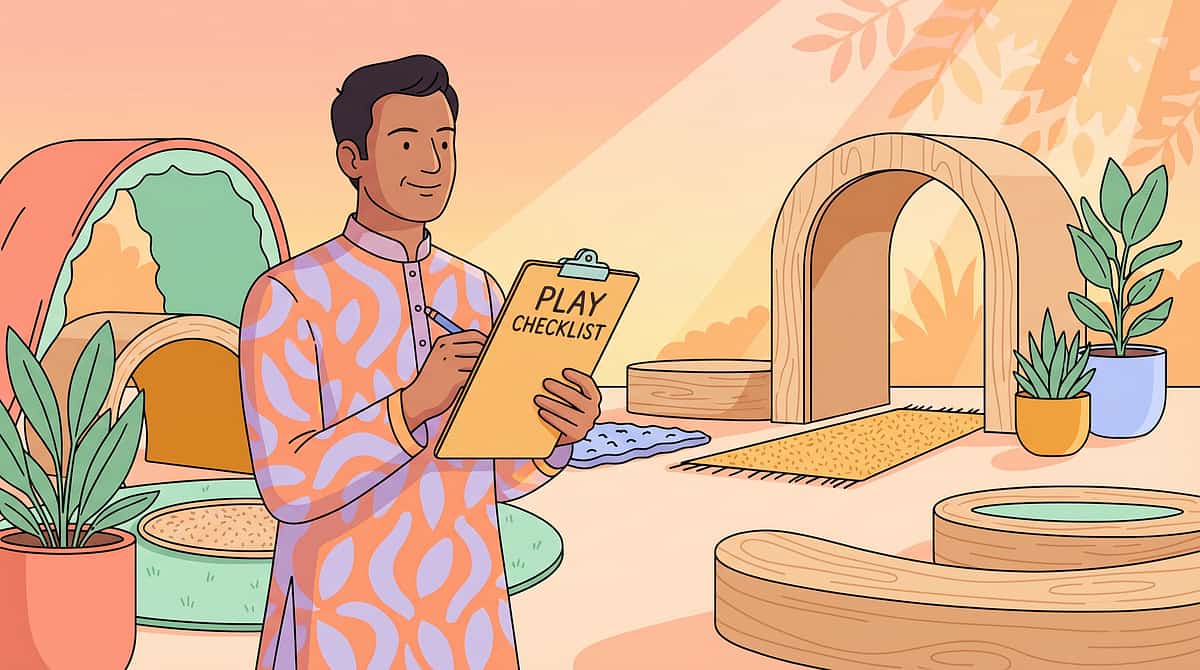
The Best Session Is One That Starts Right
60-Second Readiness Assessment — Rate each: ✅ Yes / ⚠️ Unsure / ❌ No
# | Indicator | Check | |
1 | Child has eaten in last 2 hours | ✅ / ❌ | |
2 | Child is not showing signs of illness | ✅ / ❌ | |
3 | No meltdown in last 60 minutes | ✅ / ❌ | |
4 | Child is in a regulated (calm/neutral) baseline state | ✅ / ❌ | |
5 | No major disruption in last 3 hours | ✅ / ❌ | |
6 | You (parent) are calm and have 20+ minutes available | ✅ / ❌ | |
7 | Child's preferred toys are accessible in the space | ✅ / ❌ |
🟢 6–7 ✅ → GO
Proceed to Step 1: The Invitation. Full protocol today.
🟡 4–5 ✅ → MODIFY
5-minute warm-up with preferred play only, then introduce ONE warning card at session end.
🔴 3 or fewer ✅ → POSTPONE
15 minutes of preferred, child-led play. No flexibility targets. Document in tracker. Try tomorrow.
"A postponed session is not a failed day. A child who plays freely for 15 minutes builds trust with you. Trust is the foundation that makes flexibility possible."

STEP 1
The Invitation — Never a Command
"I see you're playing with [child's preferred toys]. Can I play with you for a little while? I have something fun to show you — but we can start your way."
Body Language Guidance
Get physically to child's level — sit on the floor, not in a chair. Approach from the side, not head-on. Warm, neutral tone — not excited/loud. No sudden moves around the toys. Allow 15–30 seconds of silence after offering.
Acceptance Signals
✅ Child glances at you
✅ Child shifts body slightly toward you
✅ Child continues play but doesn't move away
✅ Any verbal/gestural acknowledgment
✅ Child shifts body slightly toward you
✅ Child continues play but doesn't move away
✅ Any verbal/gestural acknowledgment
Resistance Signals
⚠️ Child moves toys away → Move back 12 inches; comment without touching
⚠️ Child vocalises distress → "That's okay, I'll watch"
⚠️ Child ignores → Wait 60 seconds, try: "I'm just going to sit here."
⚠️ Child vocalises distress → "That's okay, I'll watch"
⚠️ Child ignores → Wait 60 seconds, try: "I'm just going to sit here."
⏱ Timing: 30–60 seconds invitation phase. Do not rush. | Research: ABA Pairing Procedures + OT "Just-Right Challenge" principle.

STEP 2
The Engagement — Deepening the Connection
The child is now playing alongside you. This is your opportunity to introduce the first material — at the lowest possible demand level.
"Look what I brought — I'm going to put it right here. You don't have to use it. I'm just going to have it nearby."
Present the LOWEST-DEMAND material first. Recommended Week 1 starting material: Change Warning Card — show it, name it, put it down. No action required from child.
Child Response | Meaning | Parent Action | |
Eyes flicker to material | Awareness — positive sign | Comment neutrally: "That's the [name]" | |
Continues play ignoring it | Tolerance — acceptable | Maintain proximity, no pressure | |
Reaches for material | Active engagement | Mirror interest: "You found it!" | |
Pushes material away | Boundary — respect it | "Okay, I'll put it here instead" — move further |
🌟 Any glance toward new material → Immediate gentle praise: "You looked at it — that's noticing something new. Good job." | ⏱ Timing: 1–3 minutes
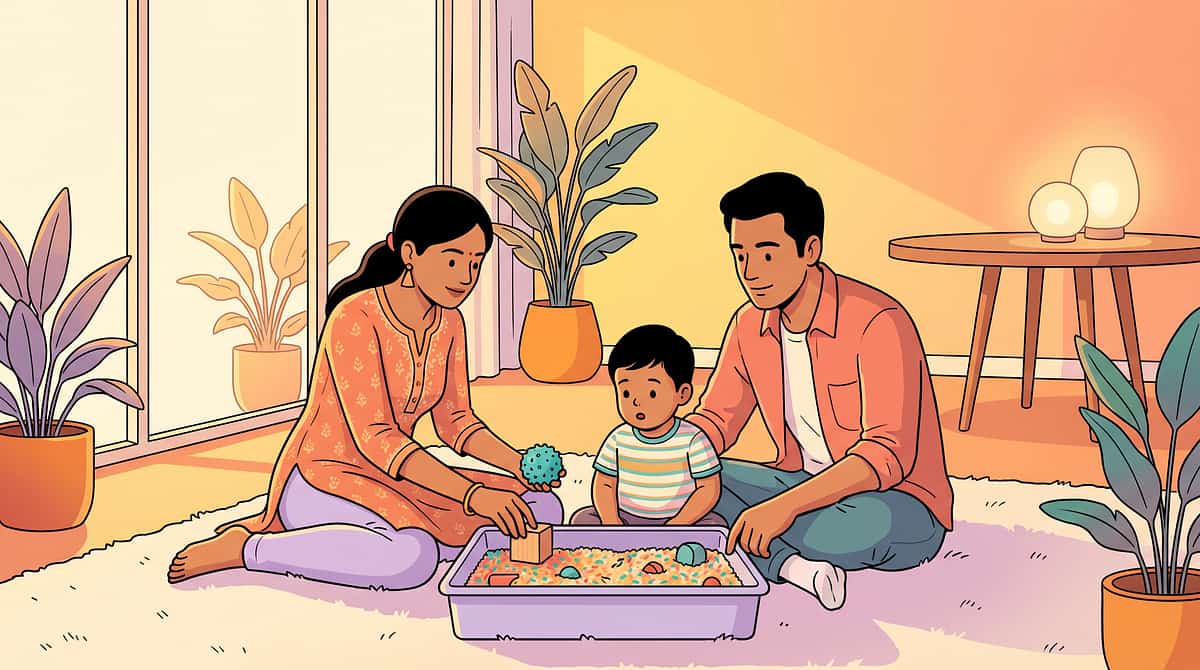
STEP 3
The Therapeutic Action — Structured Micro-Variation
This is where flexibility training begins. The parent introduces ONE small, pre-announced, positive-framed variation into familiar play using one of the 9 materials.
Weeks 1–2: Beginner Protocol
Use Change Warning Card before introducing variation: "[Warning card shown] Something different is going to happen. I'm going to add [ONE new block colour / ONE different car / ONE story card]. Ready? Here it comes." Allow child to see, process, and optionally touch. Do NOT force integration. Simply expose. Celebrate tolerance.
Weeks 3–4: Building Protocol
Use Same-But-Different Toy Sets or Surprise Containers: "The surprise container has something inside. Shall we look together?" Parent scripts: "It's still a car! Different colour, same wheels — still works the same way."
Weeks 5+: Advanced Protocol
Use Flexible Story Dice or Collaborative Building. Roll dice → incorporate whatever element appears → celebrate creative integration: "A dragon visits the car track! What does the dragon want to do?"
🟢 Ideal
Child engages with or accepts variation — celebrate immediately
🟡 Acceptable
Child ignores variation but doesn't protest — still progress (tolerance)
🔴 Concerning
Highly distressed for more than 90 seconds — return to familiar play, use cool-down protocol
⏱ Core action = 5–8 minutes of the session | Research: PMC10955541
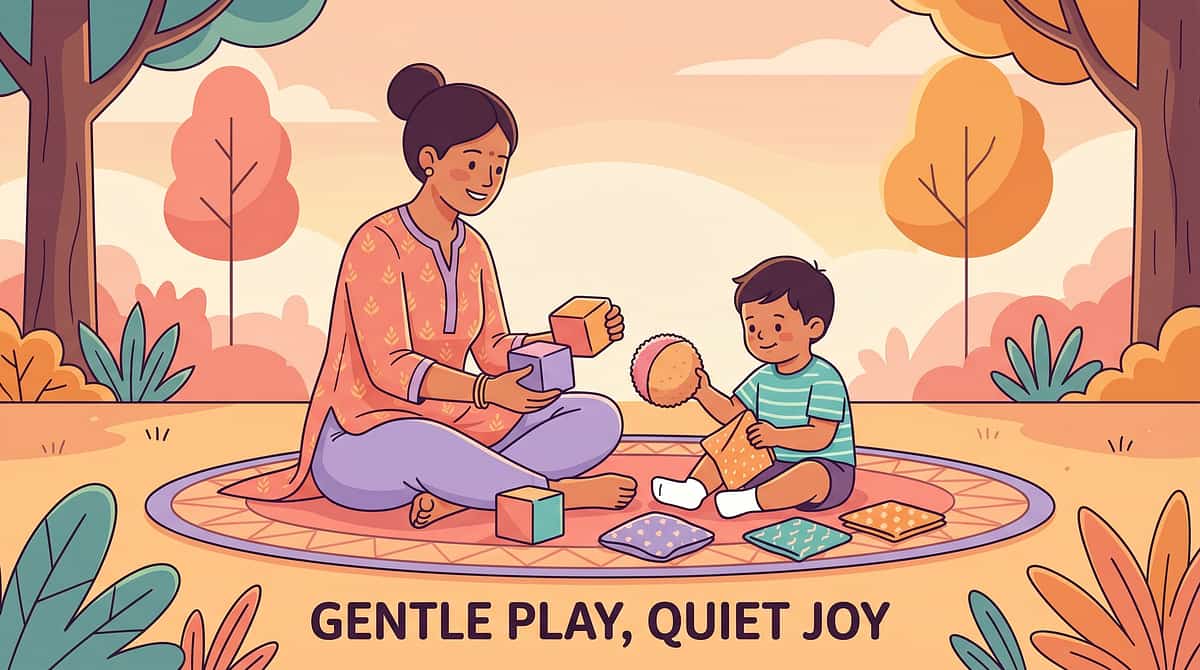
STEP 4
Repeat & Vary — 3 Good Repetitions Beat 10 Forced Ones
Dosage Guidance
Repetitions: 2–4 per session (not more). Quality over quantity.
Variation Rule: Each rep uses the SAME material but introduces variation WITHIN it (e.g., warning card → 3 different 1-item variations in 3 reps).
⏱ Timing: 3–5 minutes for repetition phase
Satiation Indicators — Stop after current rep if:
- Child losing eye contact with materials
- Increase in repetitive self-stimulatory behaviour (stim escalation)
- Verbal or physical attempts to end the game
- Quality of engagement drops noticeably
Variation Options Per Material
Material | Rep 1 | Rep 2 | Rep 3 | |
Surprise Containers | New colour | New size | New texture of same object category | |
Story Dice | New character | New location | New event element | |
Collaborative Building | Parent adds 1 piece | Parent adds in unexpected spot | Parent suggests different direction |
"We are not teaching the child to tolerate THIS variation. We are teaching the nervous system that variation itself can be survived — and sometimes enjoyed."
STEP 5
Reinforce & Celebrate — Timing Matters More Than Magnitude
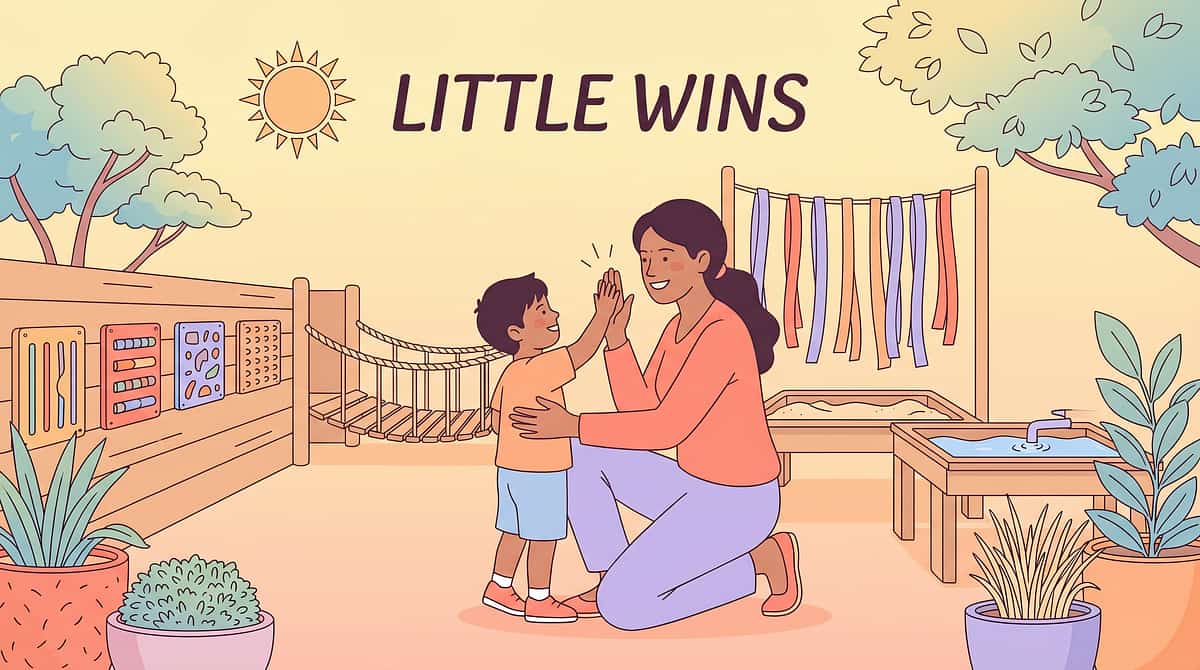
The ABA Reinforcement Rule: Deliver reinforcement within 3 seconds of any flexible behaviour — not after the session, not with a hug 5 minutes later. Right now. In the moment.
Praise Scripts — Use These Exact Words:
For TOLERANCE
"You saw something different and you stayed calm. That's being flexible. That's huge."
For ACCEPTANCE
"You tried the new [item]! That was a big flexible move."
For INTEGRATION
"You put the dragon WITH the cars! You made the story change AND you liked it. That's flexible thinking."
Preferred Activity
5 minutes of screen/preferred toy
Sticker on Chart
Verbal Praise + High Five
Immediate, enthusiastic, specific
Reward Jar Selection
💡Token Economy: 5 flexible moments (stickers) = 1 preferred reward. Even if child rejected the variation but stayed regulated — that is progress worth celebrating.

STEP 6
The Cool-Down — No Session Ends Abruptly
The transition out of the session is part of the therapy. A predictable, warm ending teaches your child that the flexibility space is contained, safe, and will return tomorrow.
The 2-Minute Warning
"Two more minutes and then we're all done for today." Show visual timer counting down.
The 1-Minute Warning
"One more minute. Almost done."
The Closure Script
"All done! You did such good flexible work today. [Name the specific flexible thing they did.] Time to put the materials away."
Material Put-Away Ritual
Child participates in returning materials to designated storage. This creates a clear sensory boundary — "flexibility time is in a box, it doesn't leak into all of play."
Cool-Down Activity
1–2 minutes of ONE preferred, familiar, child-led activity. No demands. Full child control. This re-establishes safety and agency after the challenge.
If child resists ending: "I know you want to keep going. The materials will be here next time." Do NOT extend the session — predictable endings build trust. | Research: NCAEP 2020
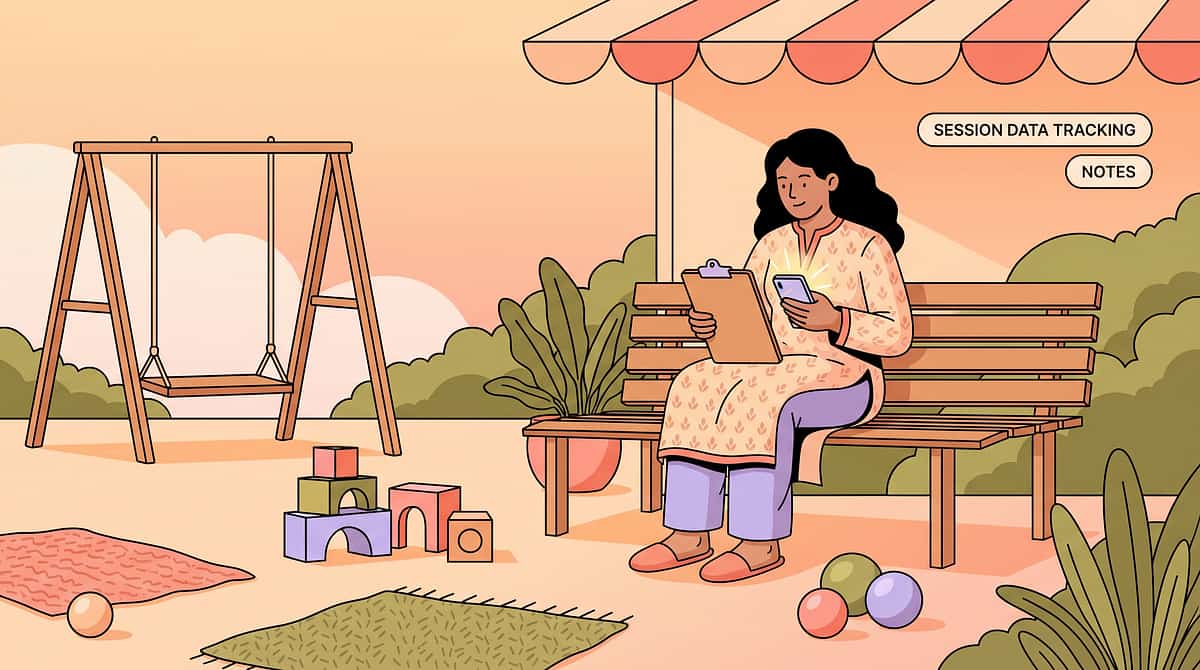
Data Captured NOW Is Data That Drives Progress
Capture within 60 seconds of session end. These three data points — recorded consistently — create the evidence base for your child's personalised trajectory.
1
Field 1 — Tolerance Score
1 = Major distress, session ended early | 2 = Distress but managed | 3 = Mild resistance, then tolerance | 4 = Neutral — ignored variation | 5 = Accepted without distress | 6 = Engaged with / incorporated variation
2
Field 2 — Today's Material Used
Surprise Container / Same-But-Different / Story Dice / Transformation Toy / Choice Board / Warning Card / Flexible Thinking Game / Collaborative Build / Reward Chart
3
Field 3 — One Observation Note
E.g., "He saw the warning card and actually smiled before the change happened — first time."
📥Download C-309 Weekly Progress Tracker PDF
📊 Data entered here feeds into your child's AbilityScore® Cognitive Flexibility progression on the Behavioural Self-Regulation Index.
📊 Data entered here feeds into your child's AbilityScore® Cognitive Flexibility progression on the Behavioural Self-Regulation Index.
📞9100 181 181 — For data interpretation and session guidance
Every Challenge Has a Clinical Explanation — And a Next Step
❓ "My child melts down the moment I show the warning card"
Likely cause: The warning card itself has become anxiety-associated.
Solution: Desensitise the card first — show it at mealtimes and bedtime with NO change following. 10 repetitions of "warning card → nothing scary happens" resets the association.
Solution: Desensitise the card first — show it at mealtimes and bedtime with NO change following. 10 repetitions of "warning card → nothing scary happens" resets the association.
❓ "My child plays with the container but refuses to include what's inside"
Likely cause: Processing delay — novelty is tolerated but not yet integrated.
Solution: Celebrate the tolerance. Integration comes 2–3 weeks after consistent tolerance. Do not require it yet.
Solution: Celebrate the tolerance. Integration comes 2–3 weeks after consistent tolerance. Do not require it yet.
❓ "Fine with materials alone but melts down with siblings present"
Likely cause: Social unpredictability adds a layer of complexity beyond the material alone.
Solution: Minimum 4 weeks of solo parent-child sessions before introducing siblings. Use Collaborative Building (Material 8) as the sibling-introduction protocol.
Solution: Minimum 4 weeks of solo parent-child sessions before introducing siblings. Use Collaborative Building (Material 8) as the sibling-introduction protocol.
❓ "We had 3 great sessions, then a terrible regression"
Likely cause: Neurologically normal — flexibility learning follows a two-steps-forward-one-step-back pattern.
Solution: Scale back to Week 1 materials. Rebuild trust. Do not frame regression as failure.
Solution: Scale back to Week 1 materials. Rebuild trust. Do not frame regression as failure.
❓ "My child accepts variation at home but not at school"
Likely cause: Generalisation lag — skills built in one context need explicit bridging to new contexts.
Solution: Share the teacher communication template (Card 37) with school. Ask school OT to mirror the materials.
Solution: Share the teacher communication template (Card 37) with school. Ask school OT to mirror the materials.
No tolerance improvement after 8+ weeks | Self-harm or severe aggression linked to variation | Inflexibility spreading to eating, bathing, dressing → 📞 Call: 9100 181 181
One Protocol, Infinite Personalisations
Sensory Profile Variations
🔵 Sensory Avoider
Keep surprise containers VERY small. Use warning card for 3+ minutes before change. Run sessions in dimly lit, quiet space. Preferred sensory input (weighted lap pad) BEFORE session.
🔴 Sensory Seeker
Use transformation toys and collaborative building as primary materials. Can tolerate shorter warning windows (1 minute). Introduce more variation per session. Movement breaks between reps.
🟡 Mixed Sensory Profile
Alternate sedating and activating materials session to session. Monitor closely for arousal state shifts throughout.
Age | Primary Materials | Session Length | Variation Size | |
3–4 | Warning Cards, Same-But-Different, Reward Chart | 8–10 min | Smallest (colour change only) | |
5–6 | Add Story Dice, Surprise Containers | 12–15 min | Small (1 new item) | |
7–8 | Full protocol + Flexible Thinking Games | 15–20 min | Moderate (new category) | |
9–10 | Full protocol + peer-involved Collaborative Building | 20–25 min | Larger (story direction change) |
Weeks 1–2: Set Realistic Expectations
Tolerance Is Progress, Not Mastery
15%
Journey Complete
You are building the neural foundation that all future flexibility will stand on
✅ This IS Progress in Weeks 1–2
- Child allows you to sit near their play
- Child glances at warning card without distress
- Child tolerates variation for even 10 seconds before protesting
- Child's meltdown when variation occurs is 30% shorter than before
- Child re-engages with familiar play faster after a disruption
❌ Not Expected Yet
- Child proactively accepts variation without warning
- Child suggests their own variations
- Full integration of new elements into play narrative
- No distress response at all
🕐"3 Seconds Longer" Metric: If your child tolerates a variation for even 3 seconds longer than last week — that is real, measurable neurological progress. Write it down. This is your baseline data.
📞9100 181 181 — Track progress with our clinical team | Research: PMC11506176

Weeks 3–4: Neural Pathways Are Forming
Watch for These Consolidation Signs
Behavioural Consolidation
Child anticipates the warning card and seems to "prepare" internally. Child reaches for the surprise container without being invited. Post-variation dysregulation recovery time decreases (from 10 min → 3 min).
Generalisation Seeds
Child allows a different cup at breakfast without protest. Child accepts a different route without meltdown. Child shows any preference for a variation over the original during play.
When to Increase
If all 4 consolidation indicators are present → add 1 additional session per week. If child is tolerating Week 1 variations easily → introduce Week 3+ materials.
"You may notice you're more confident too. Your ability to read your child's readiness, calibrate your approach, and celebrate micro-progress — these are clinical-grade parenting skills." — Pinnacle Blooms Network®

Weeks 5–8: From Tolerance to Genuine Flexibility
Primary Targets Showing Gain
- Child can name a variation they would ACCEPT
- Child tolerates unwarned micro-variations without full meltdown
- Child participates in Collaborative Building, allowing parent's additions to stand
- Story dice are now a requested activity — randomness is FUN
Intensity Progression
- Introduce peer involvement (sibling, trusted friend) with Collaborative Building
- Reduce warning card lead time: 3 min → 1 min → 30 seconds
- Introduce "flexible thinking" as explicit language
What "Depth" Looks Like: The skill is deepening when the child spontaneously applies flexibility outside the session — accepting a substitute ingredient at dinner, tolerating a detour on a familiar walk, allowing a different shirt without meltdown.

Document Every Victory
Your Child Is Rewriting Their Nervous System
First voluntary reach for surprise container
First variation accepted without any protest
First story dice element incorporated into play narrative
First time child let sibling add to their building without removing it
First spontaneous flexibility outside of sessions
First time child used "flexible thinking" language unprompted
"Week 6. He let his sister put ONE block on his tower. She had been excluded from play for 18 months. I cried. My OT said: 'That one block is the beginning of a friendship.' She was right." — Parent, Pinnacle Network, Hyderabad Centre
Individual outcomes vary. Illustrative case.

These Signals Mean You Need a Professional — Not More Patience
🚨RED FLAGS — Contact clinical support immediately if you observe any of the following.
1
🚨 Inflexibility Is SPREADING
New domains of rigidity appearing faster than flexibility is building. Eating, bathing, dressing now showing the same rigidity as play.
2
🚨 Self-Harm or Aggression
Directly triggered by any variation, regardless of warning preparation.
3
🚨 Zero Progress After 10+ Weeks
Of consistent, patient, correctly-executed sessions.
4
🚨 OCD-Like Compulsions Emerging
Checking rituals, symmetry obsessions, counting compulsions appearing or intensifying.
5
🚨 Extreme Anxiety
Child refusing all play, all social contact, school refusal linked to unpredictability.
These red flags do not mean your approach has failed. They mean your child needs a higher level of clinical support — and Pinnacle's consortium is equipped to provide it.
📞FREE Helpline: 9100 181 181 | 18+ languages | 24×7 | 🌐pinnacleblooms.org | 📧care@pinnacleblooms.org
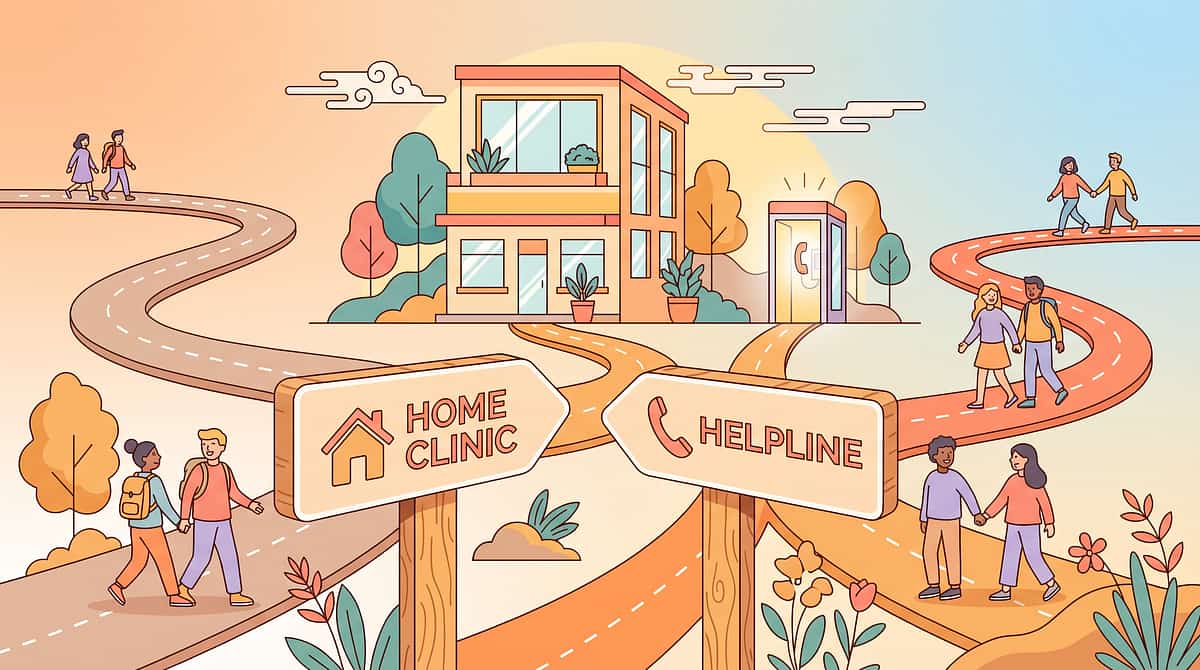
Your Child's Journey Has Multiple On-Ramps to Professional Support
Pinnacle Services for This Pathway
- Occupational Therapy — flexibility + sensory foundation
- ABA Therapy — reinforcement architecture + functional analysis
- Psychological Counselling — anxiety assessment + CBT
- Parent Training Programme
- EverydayTherapyProgramme™ — daily home protocol
Find Your Nearest Centre
📍 70+ centres across India
📞9100 181 181
Teleconsultation available in 18+ languages via GPT-OS® platform.
C-309 Is One Piece of Your Child's Flexibility Journey
The Play & Cognitive Flexibility Series covers the full spectrum — from foundational turn-taking to spontaneous, peer-led creative play.
Code | Technique | Connection to C-309 | |
C-307 | Turn-Taking in Play | Prerequisite skill — teaches shared play before flexibility | |
C-308 | Understanding Game Rules | Pre-C-309 — rule learning builds cognitive frameworks for variation | |
C-309 | Inflexible Play (YOU ARE HERE) | Core flexibility materials intervention | |
C-310 | Limited Play Interests | Post-C-309 — expands play repertoire once flexibility emerges | |
C-311 | Cannot Handle Losing | Advanced flexibility — losing as unexpected change | |
B-245 | Transition Difficulty | Lateral — inflexible play + transitions share mechanism | |
B-250 | Anxiety with Unexpected Changes | Clinical co-occurrence — anxiety management amplifies C-309 |
Parent Support Series: K-950 Understanding Insistence on Sameness | K-965 Building Flexibility at Home | K-903 Therapy Carryover at Home
🌐techniques.pinnacleblooms.org
🌐techniques.pinnacleblooms.org
Families Like Yours — Real Experiences Across India
"My son set up his trains the same way for two and a half years. We started with the warning card three weeks ago. Last Tuesday, the engine fell off the track accidentally. He looked at me, looked at the train, said 'Whoops' — and moved on. I was shaking. The therapist said it would happen. It happened."
— Parent, Pinnacle Hyderabad | Boy, Age 6
Individual outcomes vary. Illustrative case.
Individual outcomes vary. Illustrative case.
"I thought 'cognitive flexibility training' was something that happened in a clinic. I didn't know I could do this at home with cardboard boxes and some stickers. The surprise container costs me nothing — I use old spice tins. My daughter is now ASKING what's inside. That's a miracle."
— Parent, Pinnacle Bangalore | Girl, Age 5
Individual outcomes vary. Illustrative case.
Individual outcomes vary. Illustrative case.
"We tried everything for three years and nothing touched the rigidity. The warning cards changed something. When he knows change is coming, he can handle it. He just needed time to prepare. Such a simple thing. Such a big difference."
— Parent, Pinnacle Chennai | Boy, Age 8
Individual outcomes vary. Illustrative case.
Individual outcomes vary. Illustrative case.

You Don't Have to Figure This Out Alone
Thousands of families across India and 70+ countries navigating the same challenges. Real parents, real progress, real support.
WhatsApp Community
"Pinnacle Flexibility Support Group" — share wins, ask questions, get peer answers in real time
Online Forum
Local Parent Group
At your nearest Pinnacle centre — 70+ centres across India
Monthly Webinar
"Flexibility at Home" — featuring OT, ABA, and experienced parent panellists
"Reading other parents' C-309 session logs helped me understand what was possible. I stopped expecting perfection. I started celebrating seconds." — Community Member, Pinnacle Network
📞9100 181 181 | 18+ languages | 24×7 | FREE

Professional Support Is a Call Away — 70+ Centres Across India
Service | What It Addresses | |
Occupational Therapy | Sensory foundation of rigidity + graded flexibility protocol | |
ABA Therapy | Reinforcement systems + functional behaviour assessment | |
Psychological Counselling | Anxiety comorbidity + CBT for intolerance of uncertainty | |
Parent Training Programme | Parent-as-therapist capacity building | |
AbilityScore® Assessment | Baseline + progress measurement | |
EverydayTherapyProgramme™ | Daily home protocol extension |
International Families
Teleconsultation available in 18+ languages via GPT-OS® platform.
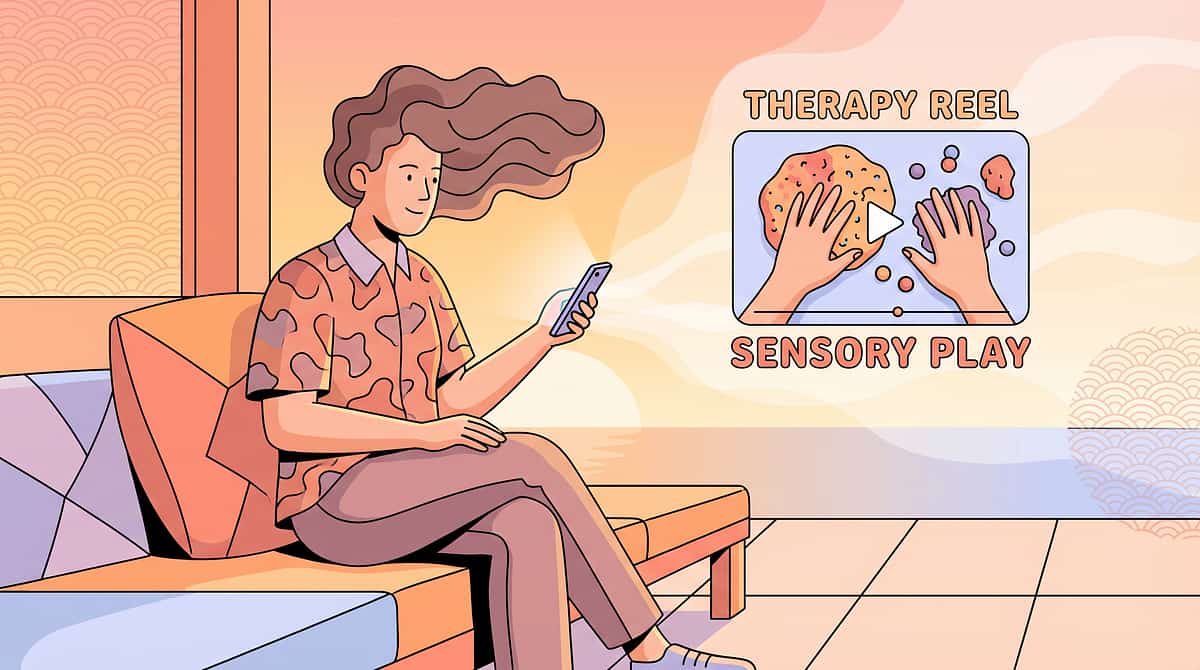
Watch the Reel That Brought This Page to Life
🎬 Reel ID: C-309
Play Skills Solutions — Episode 309
🎥VIDEO: C-309 Reel — When Play Has Only One Script
Therapist demonstrates all 9 materials in a home play setting with a child aged 5–6. Duration: ~75 seconds. With captions.
Reel C-309 is in production — follow @pinnacleblooms on Instagram/YouTube to be notified when it drops.
Therapist demonstrates all 9 materials in a home play setting with a child aged 5–6. Duration: ~75 seconds. With captions.
Reel C-309 is in production — follow @pinnacleblooms on Instagram/YouTube to be notified when it drops.
← C-308
Understanding Game Rules
C-309 (HERE)
Inflexible Play Materials
C-310 →
Limited Play Interests
Video modelling is classified as an evidence-based practice for autism (NCAEP 2020). Multi-modal learning (visual + text + demonstration) improves parent skill acquisition by 40–60% over text alone.
📱 Instagram: @pinnacleblooms | YouTube: Pinnacle Blooms Network | Pinterest: PinnacleBloomsNetwork
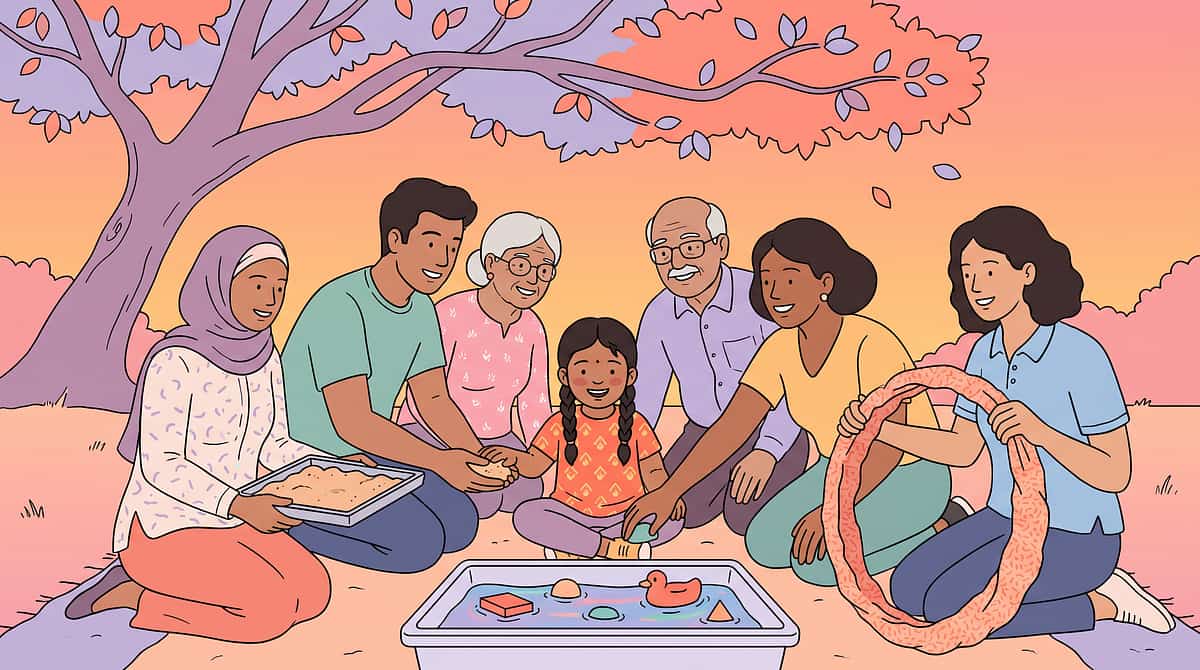
Consistency Across Caregivers Multiplies Impact by 3–5×
A flexibility skill practised in 1 context with 1 caregiver develops slowly. The same skill practised in 3 contexts with 3 caregivers develops 3–5× faster. Share this page with everyone who cares for your child.
Share on WhatsApp
Pre-drafted: "This page helped us understand why our child's play is so rigid — and what we can do about it. Thought you might want to read it too."
Family Guide PDF
1-page summary of C-309 for grandparents, relatives, caregivers. Download here
Teacher Communication Template
Ready-to-send letter to class teacher explaining flexibility support needs. Download here
"Explain to Grandparents": Our child's brain finds unexpected changes really scary — not because they're being difficult, but because it genuinely feels threatening to their nervous system. We're using special play materials to help them practise tolerating small changes safely. When you play with them, please use this change warning card before changing anything in the play.
Research: WHO CCD Package: Multi-caregiver training critical for intervention generalisation. PMC9978394
Every Question a Parent Has Asked — Answered
My child is not autistic — can I still use these materials?
Yes. Inflexible play occurs in children with anxiety disorders, ADHD, OCD features, and in neurotypical children who are simply rigidity-prone by temperament. The materials work by building cognitive flexibility skills which benefit all children.
How long before I see results?
Tolerance improvements typically emerge in 2–4 weeks of consistent sessions. Integration improvements emerge in 6–8 weeks. Full spontaneous flexibility can take 12–16 weeks. Individual timelines vary significantly.
My child screams when I even take out the warning card — what do I do?
The warning card has become anxiety-associated. Desensitise it away from play — use it at mealtimes and calm TV time with nothing changing. 10 repetitions of "warning card → nothing scary happens" resets the association.
Can I do these sessions without a diagnosis?
Yes. You do not need a diagnosis to start home flexibility training. These materials are educational, evidence-based, and safe for all children. A diagnosis helps calibrate the intervention — but is not a prerequisite to beginning.

More Answers from the Community
Is it okay if sessions go badly? Should I push through?
Never push through a distressed session. A bad session that you end early is better than a distressed session you force through. Trust the process. Postponed sessions rebuild trust. Trust is the therapeutic foundation.
The school says my child is "just being difficult" — how do I explain this?
Download the teacher template from Card 37. Share the Brain Science (Card 3) and Evidence (Card 7) with the teacher. The key message: inflexible behaviour is not wilful defiance — it is a neurological response to perceived threat. Forced compliance without understanding will increase rigidity.
How does this connect to what my OT does in clinic?
This page is designed to extend and complement clinic-based OT, not replace it. Show your OT the materials list and the protocol. Ask them to align their in-clinic work with the same materials and scripts. Aligned home-clinic execution is 3–4× more effective than either alone.
My child has no language — can non-verbal children use these materials?
Yes. All 9 materials are primarily sensory-motor and behavioural — they do not require language. Change Warning Cards use symbols/pictures. Surprise containers require only reach-and-explore. Collaborative building is gestural. Adapt presentation to your child's communication modality.

You Have Everything You Need to Begin Today
▶️ Start This Technique Today
Open Space Setup → Readiness Check → Step 1: The Invitation. Begin your first C-309 session in the next 30 minutes.
📞 Book a Consultation
Speak to a Pinnacle OT, ABA therapist, or clinical coordinator. Free initial guidance call | 18+ languages | Available now.
➡️ Explore C-310
Your child's flexibility is growing. Now expand what they play. Limited Play Interests — the next step in the series.
✅Validated by the Pinnacle Blooms Consortium — OT • SLP • ABA/BCBA • SpEd • NeuroDev Paediatrics • CRO
📞9100 181 181 | 🌐pinnacleblooms.org | 📧care@pinnacleblooms.org
📞9100 181 181 | 🌐pinnacleblooms.org | 📧care@pinnacleblooms.org
Preview of 9 materials that help with inflexible play Therapy Material
Below is a visual preview of 9 materials that help with inflexible play therapy material. The pages shown help educators, therapists, and caregivers understand the structure and content of the resource before use. Materials should be used under appropriate professional guidance.




Link copied!
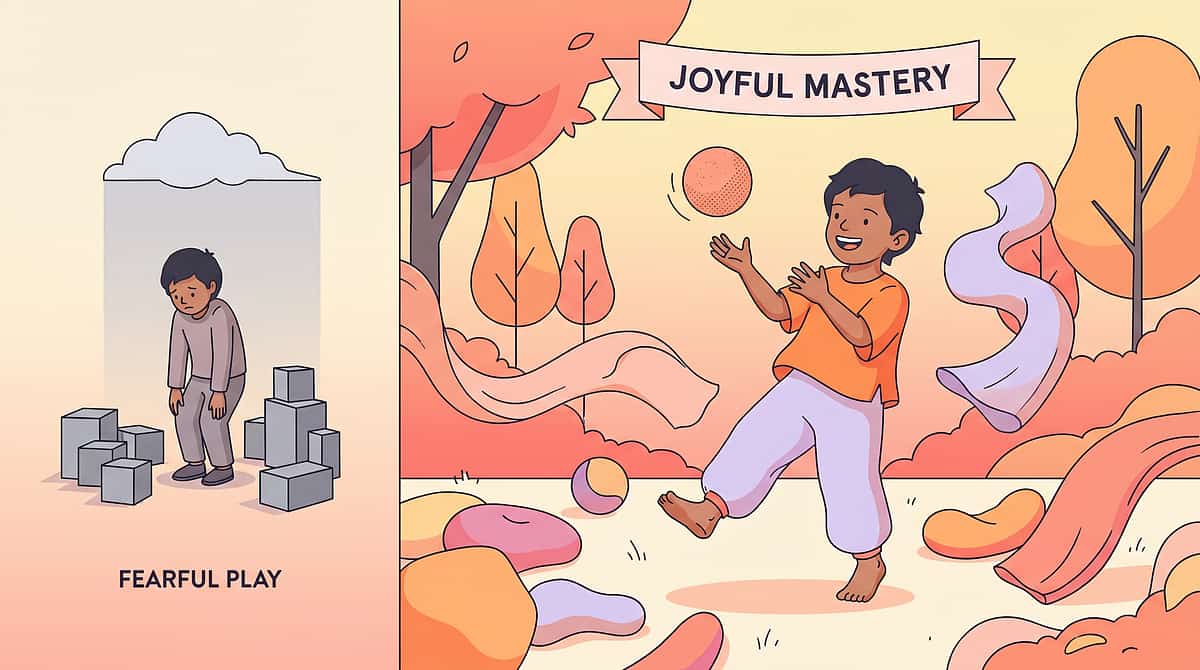
From Fear to Mastery.
One Technique at a Time.
Pinnacle Blooms Network® exists to transform every home in India — and every home in the world — into a proven, scientific, 24×7, personalised, multi-sensory, multi-disciplinary paediatric therapy environment. Powered by GPT-OS®. Guided by evidence. Built by mothers, fathers, families, and the world's most dedicated consortium of paediatric specialists.
Your child's nervous system is not broken. It is different. And difference, met with the right tools, at the right time, with the right support, becomes strength.
⚕️PINNACLE BLOOMS CONSORTIUM
Occupational Therapy • Speech-Language Pathology • ABA/BCBA • Special Education • NeuroDevelopmental Paediatrics • CRO • GPT-OS® Therapeutic Intelligence
Occupational Therapy • Speech-Language Pathology • ABA/BCBA • Special Education • NeuroDevelopmental Paediatrics • CRO • GPT-OS® Therapeutic Intelligence
Medical Disclaimer:This page is for educational purposes only. It does not replace assessment, diagnosis, or treatment by a licensed occupational therapist, ABA therapist, speech-language pathologist, psychologist, or developmental paediatrician. Inflexible play may reflect autism spectrum disorder, anxiety disorders, OCD features, developmental delays, or other conditions requiring professional assessment. Some preference for routine is developmentally typical. Results vary by individual child profile. Consult qualified professionals for personalised guidance.
CIN: U74999TG2016PTC113063 | DPIIT Recognition: DIPP8651 (Govt. of India) | MSME Registered | GSTIN: 36AAGCB9722P1Z2 | ISO 13485 Medical Device QMS | ISO/IEC 27001 Information Security
© 2025 Pinnacle Blooms Network®, a unit of Bharath Healthcare Laboratories Pvt. Ltd. All Rights Reserved.
The story ends here — and begins again. → Your next technique awaits: C-310: Limited Play Interests