

"MY TURN!" — grabs before anyone's finished.
Games end three moves in. Pieces scattered. Other kids stop asking him to play. You are not failing. Your child's brain is working very hard — it just hasn't yet learned to make waiting feel survivable.
🏥 Pinnacle Blooms Consortium®
Play Skills Solutions — C-307
👶 Ages 3–10
📍 Home-Based
It's Saturday game night. You've set up the board game three times this week. Each time, before the dice even land, he grabs — the pieces, the cards, the moment that was supposed to belong to someone else. The other kids look at each other. Then at you. And quietly, they stop inviting him.
📞FREE National Autism Helpline: 9100 181 181 | 24×7 | 18+ Languages

The Science of Waiting: Why Millions of Families Face This Every Day
Turn-taking difficulty is one of the most universally reported play skill challenges across autism, ADHD, and developmental delay. It is not a parenting failure — it is a neurological challenge, well-documented, extensively studied, and highly responsive to the right intervention. You are among millions of families navigating this exact challenge right now, in homes across 70 countries.
1 in 36
ASD Prevalence (USA)
Children in the USA diagnosed with Autism Spectrum Disorder
80%
Turn-Taking Difficulty
Of children with ASD display impulse control and turn-taking difficulties
21M+
Therapy Sessions
Delivered by Pinnacle Blooms Network® tracking turn-taking outcomes
In India, an estimated 1–1.5% of children (approximately 1.8–2.7 million children) are on the autism spectrum. Turn-taking and reciprocal play deficits are reported in over 70% of clinical presentations across Pinnacle's 70+ centre network.
PRISMA Systematic Review (2024): 80% of children diagnosed with autism display sensory processing and impulse regulation difficulties affecting reciprocal play. → PMC11506176 | PMC10955541

This Is a Wiring Difference. Not a Behaviour Choice.
The Brain Science
Prefrontal Cortex — The Brake System
Responsible for impulse inhibition. In children with ADHD and ASD, this system is developmentally delayed — the "stop signal" fires slower than the "act now" urge.
Responsible for impulse inhibition. In children with ADHD and ASD, this system is developmentally delayed — the "stop signal" fires slower than the "act now" urge.
Anterior Cingulate Cortex — The Waiting Monitor
Monitors conflict between "want it now" and "must wait." When under-activated, the child cannot hold the tension of waiting.
Monitors conflict between "want it now" and "must wait." When under-activated, the child cannot hold the tension of waiting.
Basal Ganglia — The Turn-Sequence Processor
Processes sequential information including turn order. Working memory deficits here mean "whose turn is it" is genuinely confusing, not evasive.
Processes sequential information including turn order. Working memory deficits here mean "whose turn is it" is genuinely confusing, not evasive.
Dopamine Regulation — The Reward System
Waiting requires trusting that reward will come. Dopamine dysregulation makes delayed reward feel neurologically unreal.
Waiting requires trusting that reward will come. Dopamine dysregulation makes delayed reward feel neurologically unreal.
In Plain Language
Your child isn't choosing to grab. Their brain is sending a signal that says "ACT NOW" before the braking system can respond.
The waiting that feels simple to neurotypical children — just a few seconds — is neurologically expensive for a child with sensory processing differences or ADHD. The uncertainty, the stillness, the lack of sensory input: these create genuine dysregulation.
This is not defiance. This is a nervous system asking for support.
Frontiers in Integrative Neuroscience (2020): Executive function deficits (inhibition, working memory) are core mechanisms in turn-taking difficulty. → DOI: 10.3389/fnint.2020.556660

Your Child Is Here. Here Is Where We're Going.
Most children with autism, ADHD, or developmental differences show turn-taking difficulty most intensely between ages 3–7, when peer play expectations escalate faster than impulse-control development. With the right visual supports, structured practice, and consistent reinforcement — most children show measurable progress in 4–8 weeks.
12–18 months
Parallel play begins
18–24 months
Simple back-and-forth imitation
2–3 years
Basic 2-person turn exchange emerges
3–5 years ← HERE
Turn-taking in structured games expected — Challenge Zone
5–7 years
Flexible turn management with peers
7–10 years
Independent turn-taking in varied social contexts
Turn-taking difficulty commonly co-occurs with:
ADHD
Impulse control deficits — most common co-occurrence
Sensory Differences
Waiting feels physically uncomfortable
Language Delays
Difficulty understanding "it's X's turn now"
Anxiety
Uncertainty about when their turn arrives creates distress

Clinically Validated. Home-Applicable. Parent-Proven.
EVIDENCE GRADE: Level I–II
Systematic Review + RCT + Multi-Site Clinical Data
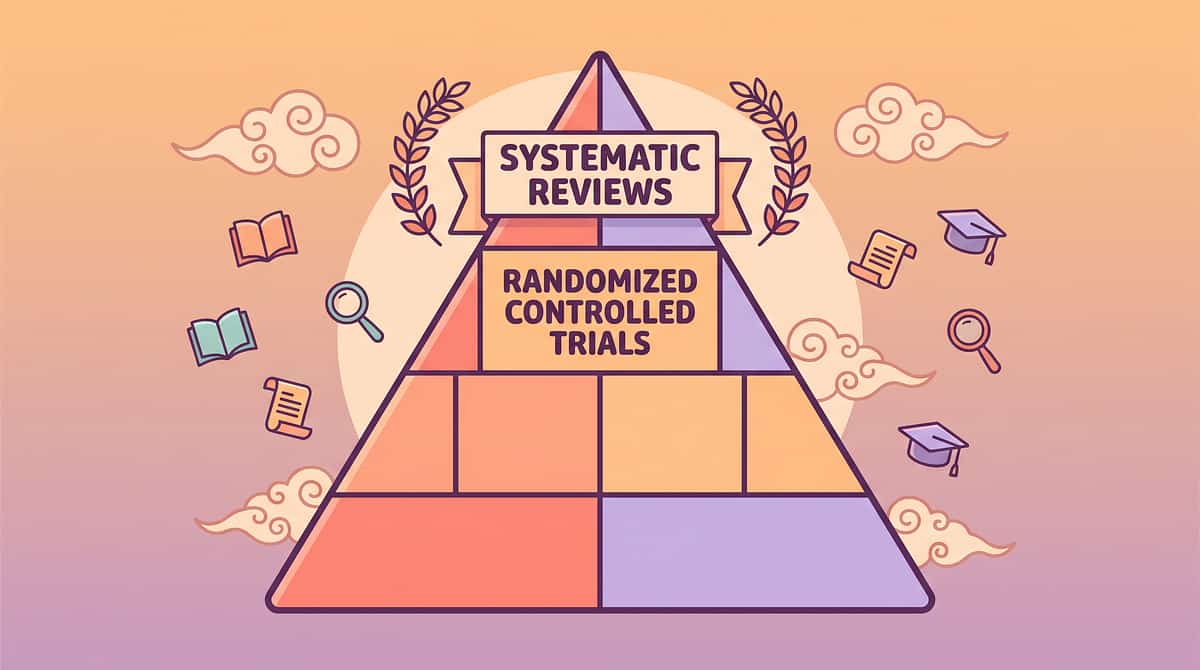
16+ studies from 2013–2024 confirm visual supports and behavioural intervention for turn-taking meet criteria as evidence-based practice for ASD. This is not experimental — it is the clinical standard.
📄 Children (2024) — PRISMA Systematic Review
Visual supports, behavioural reinforcement, and structured play intervention show significant outcomes for reciprocal play and turn-taking in ASD.
📄 World J Clin Cases (2024) — Meta-Analysis, 24 Studies
Sensory integration therapy effectively promotes social skills (including turn-taking), adaptive behaviour, and impulse regulation across paediatric populations.
📄 Indian J Pediatr (2019) — Indian RCT
Home-based structured interventions delivered by trained caregivers demonstrate significant developmental outcomes, validating home execution of clinical-grade techniques.
DOI: 10.1007/s12098-018-2747-4
📄 NCAEP Evidence-Based Practices (2020)
Visual supports, reinforcement, and video modelling are classified as evidence-based practices for autism across 27 meta-analyses.
21 Million+ exclusive 1:1 therapy sessions tracked by GPT-OS® show 97%+ measured improvement across play skills and self-regulation indices — including turn-taking — in children receiving structured visual support and ABA-integrated intervention.

Structured Turn-Taking Play Intervention
"The Waiting-Made-Visible System"
A multi-material, evidence-based intervention protocol for children ages 3–10 who struggle with impulse control during reciprocal play. It uses visual supports (turn indicators, sequence boards, sand timers), sensory strategies (fidgets), behavioural scaffolding (social stories, reward charts), and graduated practice games to make the abstract concept of "waiting for your turn" concrete, visible, predictable, and bearable.
This technique does not demand willpower. It builds skill — neurologically, step by step — until independent turn-taking becomes possible.
🎯 Domain
Social Play
📂 Category
Turn-Taking / Cooperative Games
👶 Age Range
3–10 years
⏱️ Session
10–20 min
📅 Frequency
Daily or 5×/week
This is Episode C-307 in the Play Skills Solutions Series. ← C-306: Sharing Difficulty | C-307: Turn-Taking in Play (THIS PAGE) | C-308: No Imaginative Play →

Five Disciplines. One Coordinated Approach.
The brain doesn't organise by therapy type. A child who cannot wait needs impulse regulation support (ABA), sensory regulation support (OT), cognitive-linguistic support (SLP), and social context support (SpEd) — simultaneously. That is why the Pinnacle FusionModule™ governs this intervention, not a single discipline.

🟦 Occupational Therapist (OT)
Lead Discipline for C-307
Addresses the sensory and motor underpinnings of waiting difficulty. Prescribes fidgets, spatial setup, and sensory regulation strategies that make waiting physically tolerable.
Addresses the sensory and motor underpinnings of waiting difficulty. Prescribes fidgets, spatial setup, and sensory regulation strategies that make waiting physically tolerable.

🟧 ABA/BCBA Therapist
Primary Behavioural Architect
Structures the reinforcement schedule, charts turn-taking data, and systematically builds waiting tolerance through discrete trial training and natural environment teaching.
Structures the reinforcement schedule, charts turn-taking data, and systematically builds waiting tolerance through discrete trial training and natural environment teaching.
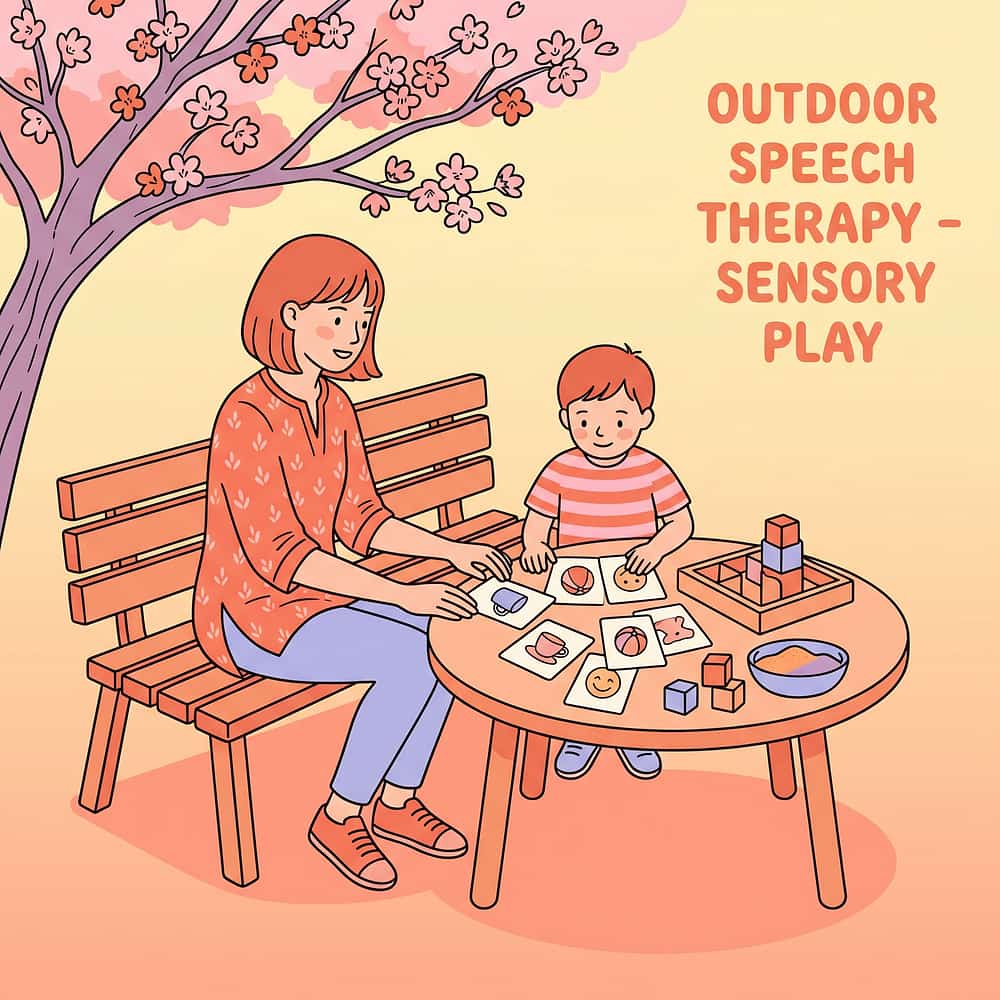
🟩 Speech-Language Pathologist (SLP)
Communication Layer
Targets the language of turn-taking ("my turn," "your turn," "I'm waiting") and uses social stories to build the cognitive-linguistic framework for reciprocal play.
Targets the language of turn-taking ("my turn," "your turn," "I'm waiting") and uses social stories to build the cognitive-linguistic framework for reciprocal play.
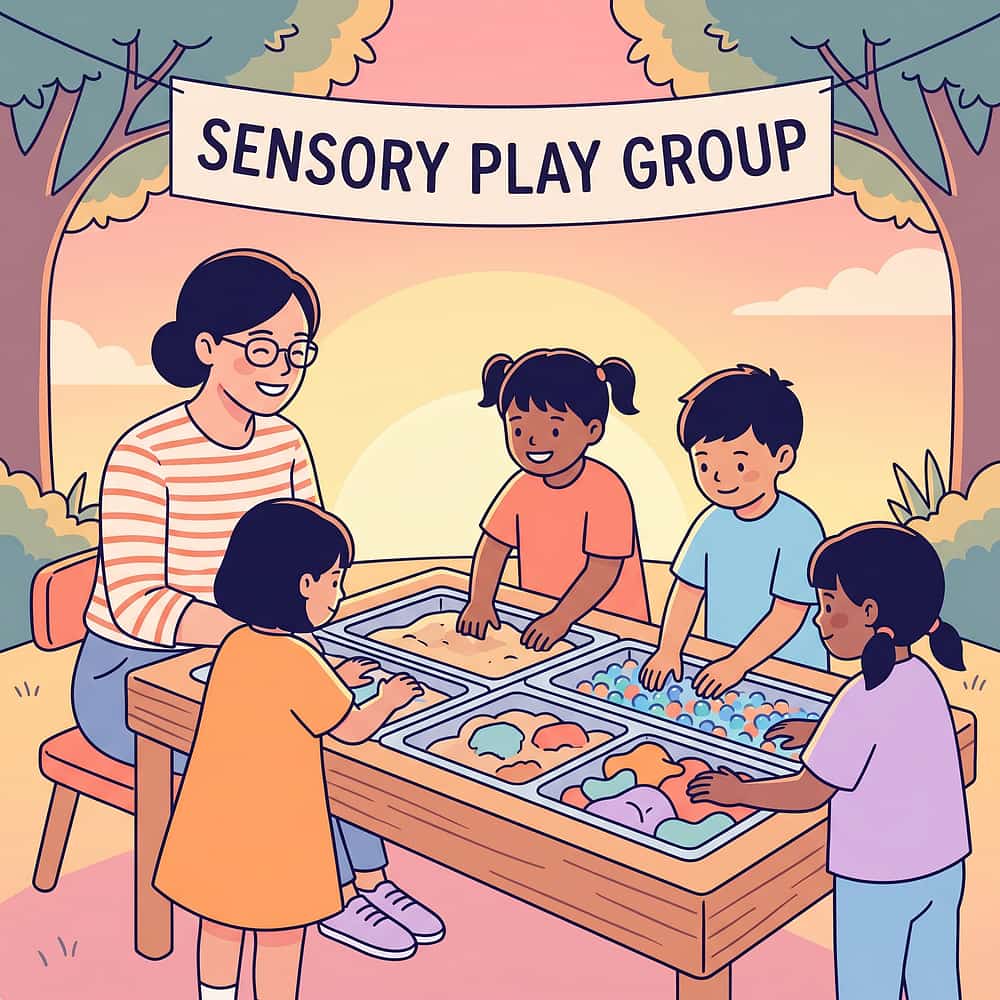
🟥 Special Educator (SpEd)
Skill Transfer to Group Settings
Generalises turn-taking from 1:1 home practice to classroom and small-group contexts, scaffolding peer play inclusion.
Generalises turn-taking from 1:1 home practice to classroom and small-group contexts, scaffolding peer play inclusion.
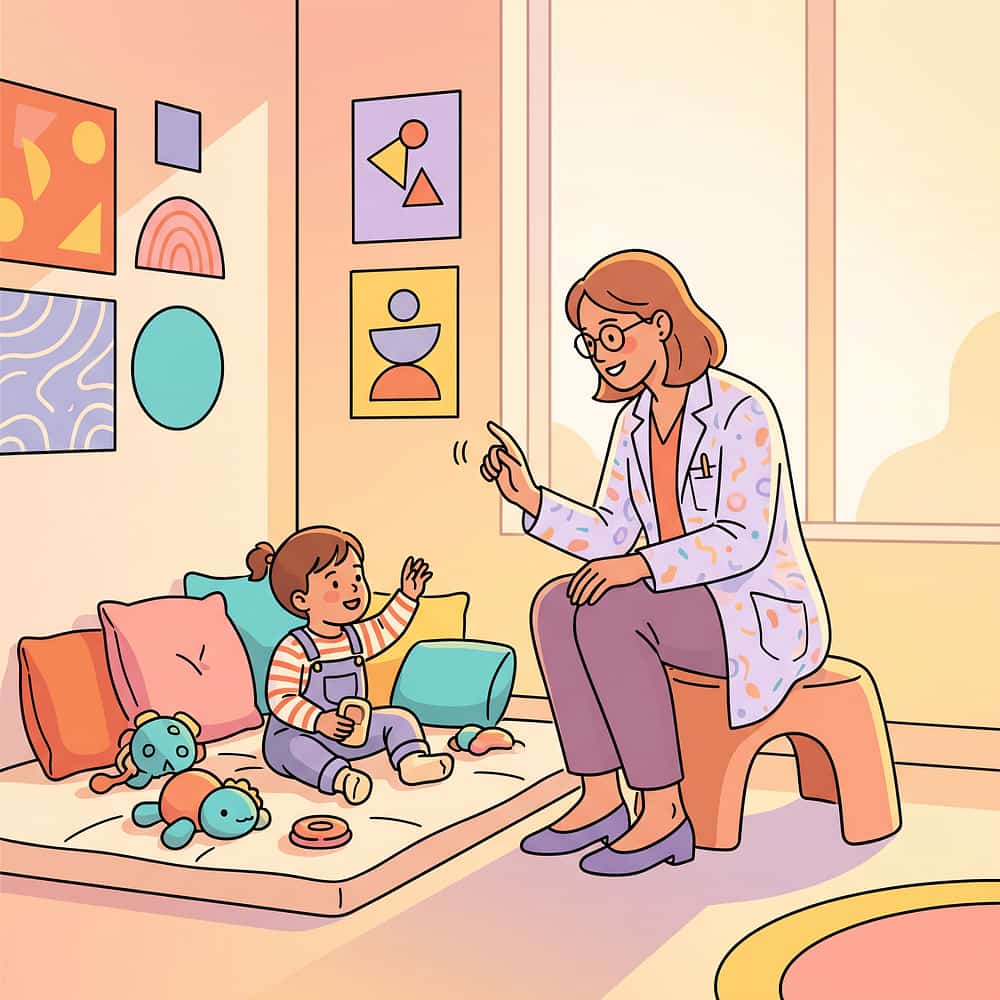
🟪 NeuroDevelopmental Paediatrician
Medical Context & Co-occurring Conditions
Rules out or addresses ADHD, sensory processing disorder, and language-based contributions to turn-taking difficulty. May coordinate medication if indicated.
Rules out or addresses ADHD, sensory processing disorder, and language-based contributions to turn-taking difficulty. May coordinate medication if indicated.
📞9100 181 181 — Book a free multi-disciplinary assessment today
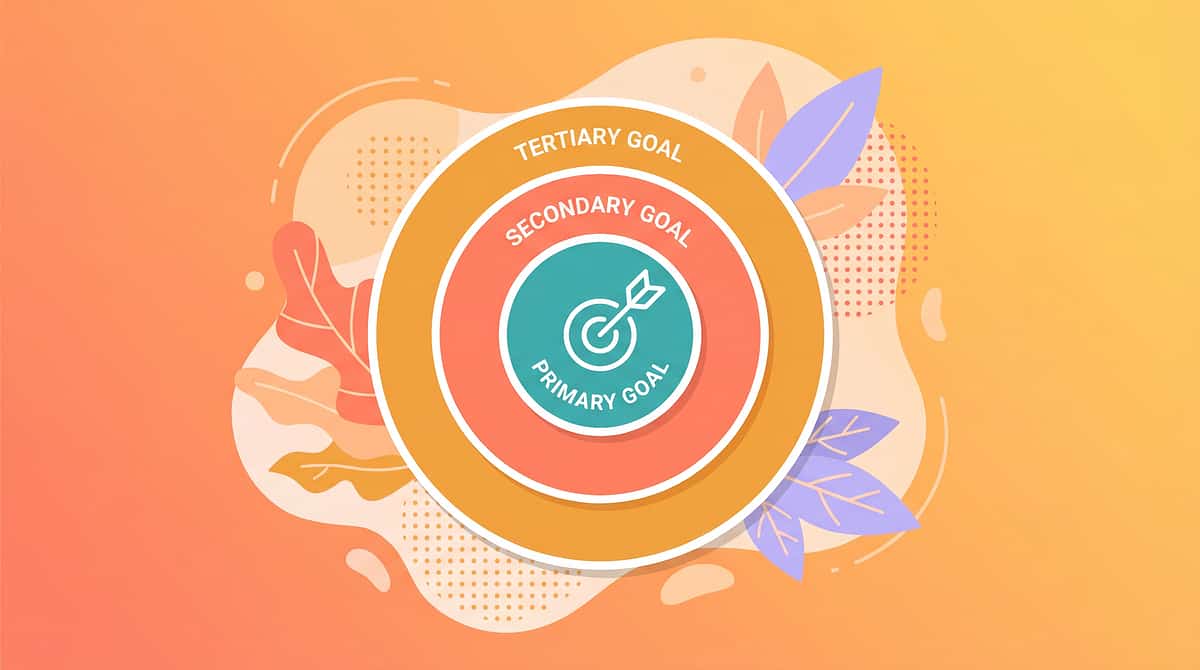
This Is Not a Random Activity. It's a Precision Tool.
Every material, every step, and every script in this protocol is aimed at a specific neurological and behavioural target. Understanding the full target hierarchy helps you recognise progress — even the subtle, early progress that is easy to miss.
🎯 Primary Target: Impulse Inhibition During Turn Exchange
Observable indicator: Child stops hand mid-reach when told "not yet" or when sand timer is still running.
🎯 Secondary Targets: Related Skills
Waiting Tolerance — Can hold regulated state for progressively longer turns
Turn-Sequence Comprehension — Understands whose turn comes next in 3+ player sequences
Frustration Regulation — Can experience a missed grab without meltdown
Turn-Sequence Comprehension — Understands whose turn comes next in 3+ player sequences
Frustration Regulation — Can experience a missed grab without meltdown
🎯 Tertiary Targets: Long-Term Developmental Gains
Peer Play Inclusion — Invited to join games by neurotypical peers
Cooperative Play Capacity — Can participate in team/cooperative game structures
Social Reciprocity Foundation — Early building block for conversation turn-taking
Self-Regulation Generalization — Waiting skills transfer to queuing, food, transitions
Cooperative Play Capacity — Can participate in team/cooperative game structures
Social Reciprocity Foundation — Early building block for conversation turn-taking
Self-Regulation Generalization — Waiting skills transfer to queuing, food, transitions
GPT-OS® Readiness Tracking — Behavioural Self-Regulation Index
1
Cannot-wait-at-all
Grabs immediately, melts down when prevented
2
Waits with maximum support
Visual + verbal + fidget + timer all required
3
Waits with visual cues
Needs sequence board and timer
4
Waits with minimal prompting
Occasional reminder sufficient
5
Independent turn-taking
Manages varied contexts without support
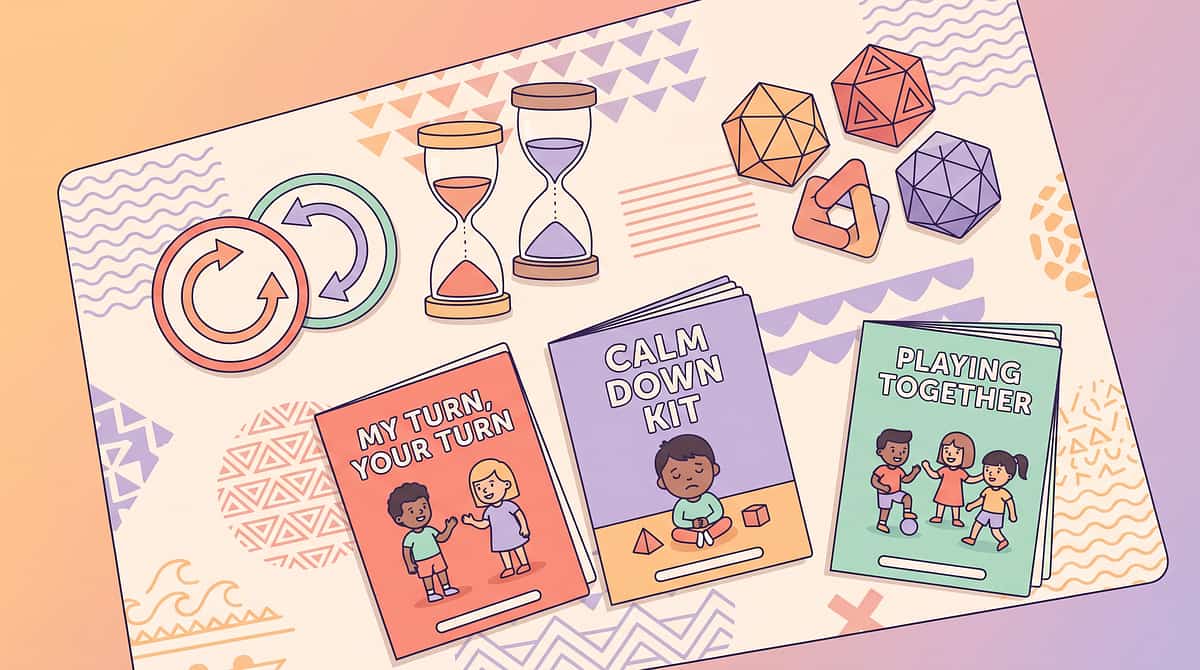
9 Materials. Fully Sourced. Ready to Start Today.
Every material below has been clinically selected by the Pinnacle Blooms Consortium® and mapped to the 128 Canon Materials taxonomy. Each comes with a zero-cost DIY alternative — because the science works with household materials.
💰 Complete Setup: ₹1,300–3,900
Starter Kit (Materials 1+3+8): ₹614–989
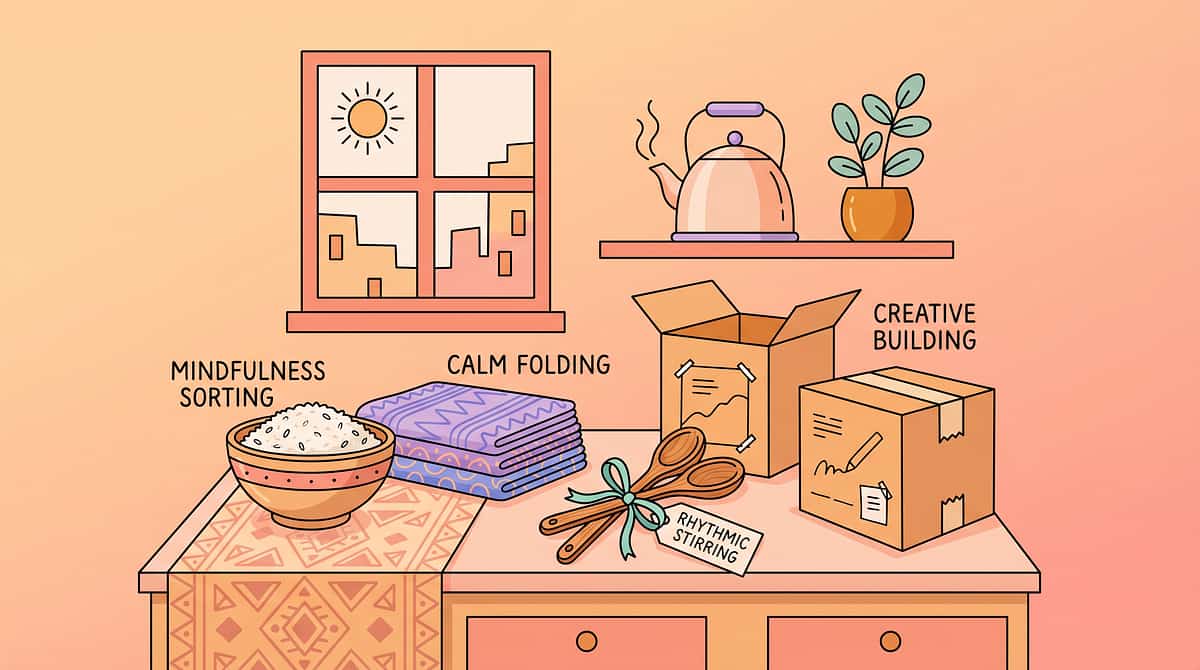
Material 1: Visual Turn Indicators
Canon Category: Turn-Taking / Cooperative Games | Visual Supports
🏷️ Pinnacle Recommends
Makes whose turn it is right now concrete and indisputable. A physical object eliminates ambiguity and arguments — the child who holds it, has the turn. This single material addresses the most common source of turn-taking conflict: genuine uncertainty about ownership of the current turn.
🔧 DIY Version (₹0)
Draw "MY TURN" on cardstock. Laminate if possible. Whoever holds it, has the turn. The physical object creates the same indisputable ownership signal as any commercial version.
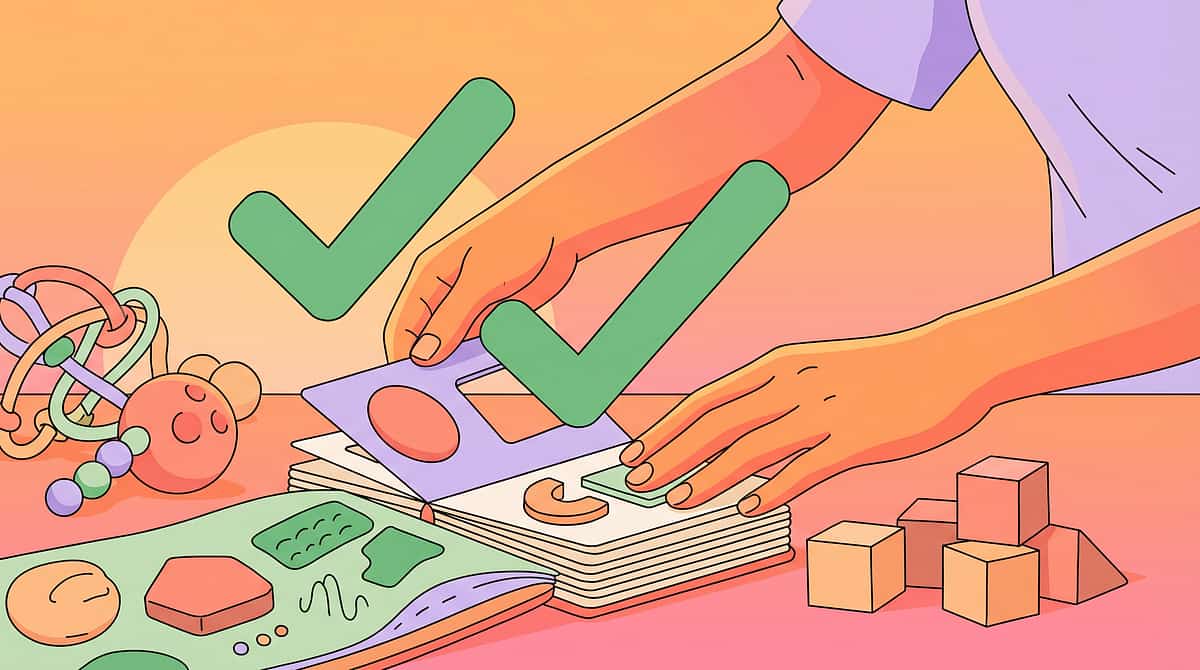
Material 2: Turn Sequence Visual Boards
Canon Category: Visual Schedule System | Turn-Taking
🏷️ Pinnacle Recommends
Shows the entire turn order so the child can see exactly when their turn comes — making waiting finite rather than endless. The anxiety of "when is MY turn?" dissolves when the child can point to their name and count how many turns away they are. This material directly addresses turn-sequence comprehension, the secondary target.
🔧 DIY Version (₹0)
Photos of each player on a vertical strip with a moveable arrow marker. Sticky notes with names on wall work identically — the sequential visual is the mechanism, not the medium.

Material 3: Sand Timers (Turn-Taking Set)
Canon Category: Visual Timer
🏷️ Pinnacle Recommends
Makes turn duration visible and concrete. The child watches time pass — no more "when does this END?" The sand timer externalises time perception, which is the primary mechanism for children who experience waiting as neurologically unbearable. Watching sand fall is tangible, predictable, and calming.
🛒 Buy Version
Price: ₹150–400
Use non-breakable plastic, not glass, for children who throw objects.
🔧 DIY Version (₹0)
Phone countdown timer with a visual display turned toward the child. Any visible countdown works — time visibility is the active ingredient, not the sand itself.

Material 4: Waiting Hands Fidgets
Canon Category: Fidget Tool Set
Gives hands something to do during others' turns. Busy hands are less likely to grab. Sensory input regulates the body during waiting — proprioceptive and tactile stimulation directly addresses the nervous system's need for input that the emptiness of waiting fails to provide. This is the OT layer of the protocol.
🛒 Buy Version
Price: ₹100–300
Check for small parts for children who mouth objects (under-5 or oral sensory-seekers).
🔧 DIY Version (₹0)
Squeeze ball from rice in a balloon. Rubber band to flick. Koosh-style ball from rubber bands. Proprioceptive and tactile input is the active ingredient — any household object that provides that works.
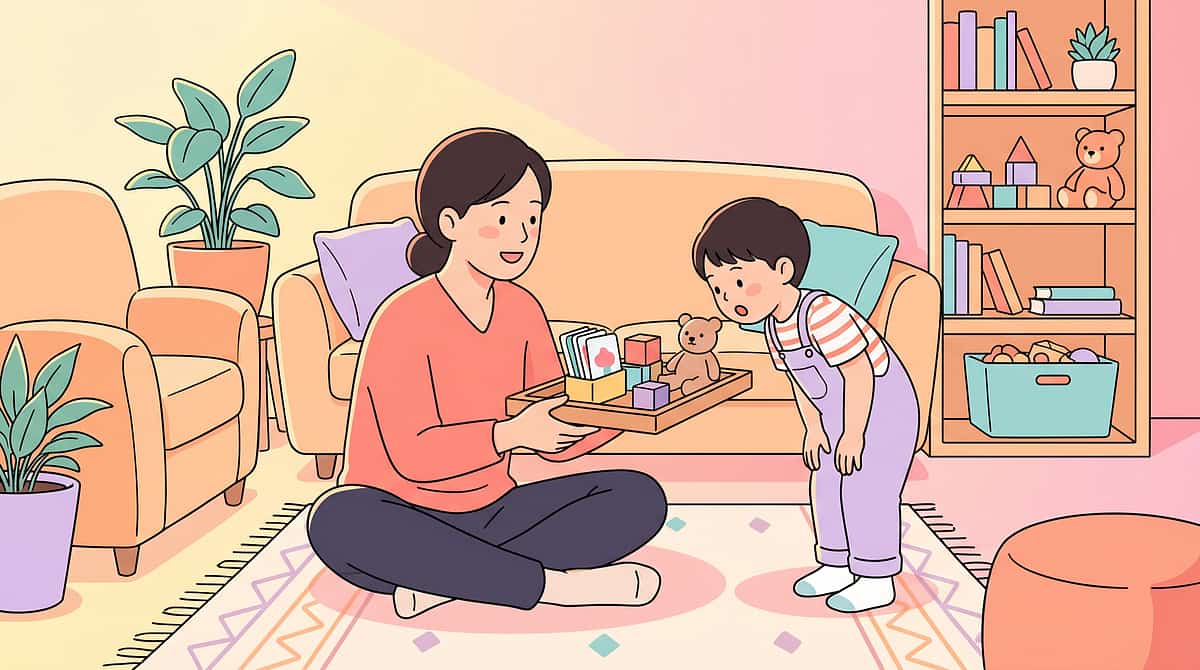
Material 5: Turn-Taking Social Stories
Canon Category: Social Stories / Narrative Supports
Explains why turns matter. Understanding the concept builds genuine motivation to wait, not just compliance. A social story read nightly provides the cognitive-linguistic framework (SLP layer) that helps the child internalise the rationale for waiting. Children who understand why they are waiting wait better than children who are simply told to.
🔧 DIY Version (₹0)
Write 6–8 sentences: "When I wait for my turn, everyone can play. My turn always comes. Waiting is hard but it ends." Illustrate with family photos. Personalised stories are often more effective than commercial versions.
Material 6: Quick-Turn Games
Canon Category: Turn-Taking / Cooperative Games
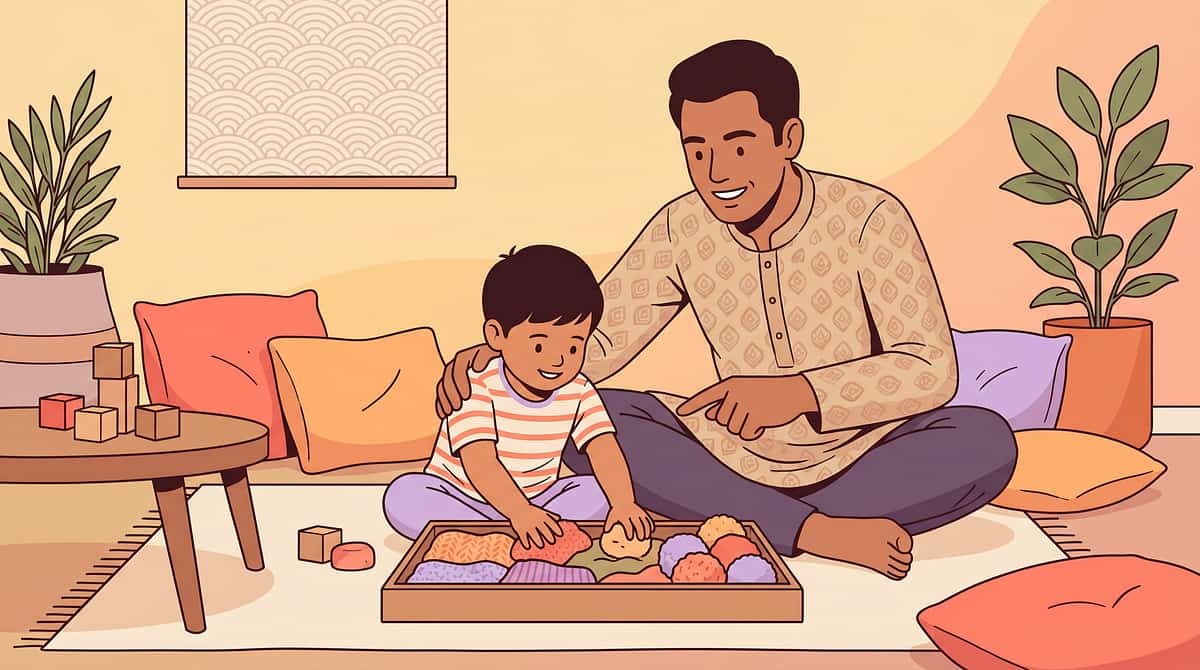
Rapid back-and-forth builds turn-taking patterns with minimal waiting — building tolerance before longer turns are attempted. Quick-turn games are the entry point for children who cannot yet manage even 30-second waits. The rapid exchange rhythm is the mechanism — not the specific game. Use these in the first 2–4 weeks before introducing longer-turn formats.
🔧 DIY Version (₹0)
Any dice roll with 5-second turns: roll → count dots → pass dice. Fastest possible turn cycle. The rapid rhythm is what builds the neural pattern — any game can be made quick-turn.
Material 7: Waiting Activity Cards
Canon Category: Visual Rules / Expectations Cards
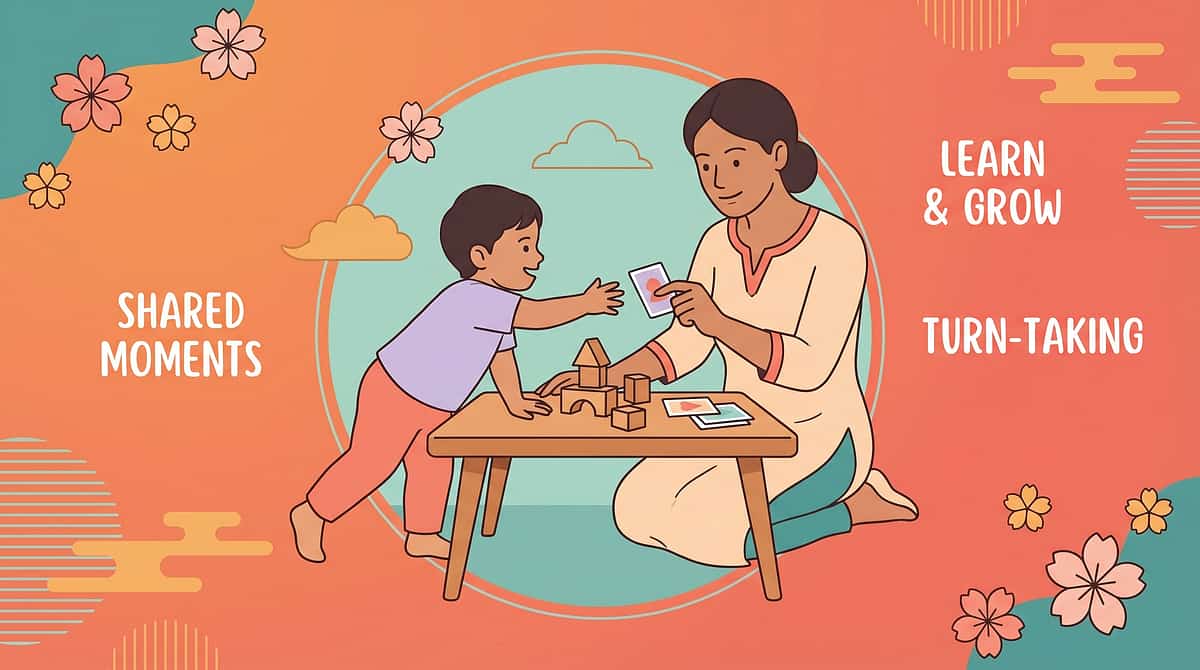
Gives the child something to do during others' turns. Active waiting beats empty waiting for maintaining attention and reducing impulse. Cognitive engagement during waiting occupies the mind and reduces the intensity of the "ACT NOW" signal. Examples: "Count the blue pieces." "Guess what they'll do." "Watch for the highest roll."
🔧 DIY Version (₹0)
Index cards with a simple icon and task written in marker. Draw a star, a magnifying glass, a thought bubble. The cognitive engagement is the mechanism — the card's design is irrelevant.
Material 8: Turn-Taking Reward Charts
Canon Category: Reinforcement Menus
✅ CANON ACTIVE SKU
🏷️ Pinnacle Recommends
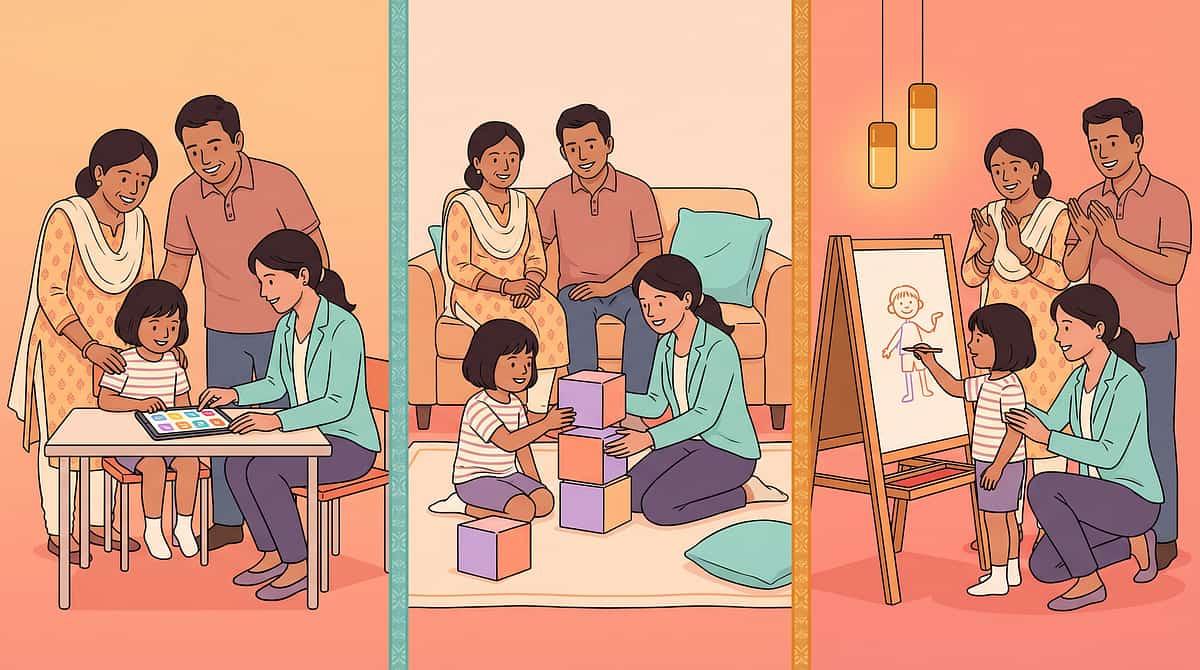
Celebrates successful waiting. Positive reinforcement builds motivation and makes visible the progress that can feel invisible day-to-day. The reward chart is the ABA reinforcement layer — it creates a tangible, visual record of the child's growing capacity. Seeing the stars accumulate is itself motivating.
🔧 DIY Version (₹0)
Draw a grid on paper. Star for each turn waited without grabbing. Visual progress tracking works identically regardless of format. Keep stickers out of reach for young children.

Material 9: Cooperative Turn-Taking Games
Canon Category: Turn-Taking / Cooperative Games
🏷️ Pinnacle Recommends
Reframes turn-taking as helping the team. When everyone's turn contributes to shared success, waiting becomes worthwhile. Cooperative games shift the motivational structure: the child is no longer waiting for their turn to win, they are waiting for their turn to contribute. This is the most advanced material and is appropriate from Week 4–5 onward.
🔧 DIY Version (₹0)
Any stacking game where each player adds one piece per turn toward a shared tower goal. Shared-goal mechanics work with any stackable household material — building blocks, cups, books.
Total Investment: Complete setup ₹1,300–3,900 | Essential starter kit (Materials 1+3+8): ₹614–989 | Two active Canon SKUs available on Amazon.in today.

Every Material Has a ₹0 Version. No Family Left Behind.
Per WHO Nurturing Care Framework: Context-specific, equity-focused intervention ensures all families — regardless of geography or income — can access therapeutic support. The science works with household materials.
Material | Buy Version | ₹0 Home Version | Why It Works | |
Visual Turn Indicator | Printed "My Turn" card | Cardstock + marker | Physical object creates same ownership signal | |
Turn Sequence Board | Printed photo strips | Sticky notes with names on wall | Sequential visual is identical; medium doesn't matter | |
Sand Timer | 1/2/5-min sand glass set | Phone stopwatch visible to child | Time visibility is the mechanism — any countdown works | |
Waiting Fidget | Commercial fidget set | Rice-filled balloon; rubber band ball | Proprioceptive and tactile input is the active ingredient | |
Social Story | Published autism-specific book | 6 sentences + family photos, laminated | Personalised stories often more effective than commercial | |
Quick-Turn Game | Commercial card game | Dice + 5-second rule: roll → count → pass | Rapid exchange rhythm is the mechanism, not the game | |
Waiting Activity Cards | Printed card set | Index cards + Sharpie drawings | Cognitive engagement during waiting is the mechanism | |
Reward Chart | Commercial chart | Paper grid + stickers or star stamps | Visual progress tracking works identically | |
Cooperative Game | Commercial cooperative game | Stacking blocks, 1 per turn, shared tower | Shared-goal mechanics work with any stackable material |
Important Clinical Note: For children with severe impulse control challenges or trauma history, consult your Pinnacle OT or ABA therapist for material-specific guidance. The DIY versions work excellently for learning and practice in typical presentations.
📞9100 181 181 — Free guidance on materials, DIY options, and home session setup
Read This Before Your First Session. Every Time.
🔴 RED — Do Not Proceed If:
- Child is currently in a full meltdown or post-meltdown recovery (within 30 minutes)
- Child is ill, feverish, or significantly sleep-deprived
- Child has shown physical aggression to peers in the last 24 hours without resolution
- Parent/caregiver is currently dysregulated — your state transfers to your child
- The child has expressed fear or panic about the specific activity
🟡 AMBER — Modify Session If:
- Child is hungry → Feed first, wait 20 minutes, then begin
- Child is sensory-seeking intensely → Provide 10 min heavy work first
- Only 1 adult available → Use doll or stuffed animal as second "player"
- Child had a difficult day → Start with 2-minute Quick-Turn Game only
- Timer or visual indicator was lost/damaged → Make a substitute before proceeding
🟢 GREEN — Optimal Start Conditions:
- Child is calm, alert, recently fed
- Visual materials are prepared and placed before child enters the space
- At least one other adult or older sibling available to model turns
- No screen devices in the session space
- You have 20 uninterrupted minutes
STOP IMMEDIATELY if you observe: Self-injurious behaviour, aggressive behaviour toward others, signs of severe emotional distress (inconsolable beyond 2 minutes), or physical complaints (headache, nausea) during sensory activities.

Get the Space Right. Most Session Failures Start Here.
Environmental setup is a core clinical principle in Sensory Integration Theory (Ayres). Meta-analysis confirms that a structured environment is correlated with best intervention outcomes. Before you open the box or flip the timer — configure the room.
Material Positions
① Visual Turn Indicator — within child's direct reach (arm's length)
② Sand Timer — centre of table, visible from all positions
③ Turn Sequence Board — standing upright, face visible to child
④ Game materials — arranged ahead; ready, not scattered
⑤ Waiting Fidget — in child's non-dominant hand before session begins
② Sand Timer — centre of table, visible from all positions
③ Turn Sequence Board — standing upright, face visible to child
④ Game materials — arranged ahead; ready, not scattered
⑤ Waiting Fidget — in child's non-dominant hand before session begins
Remove from Space
✗ Tablets, phones, TV in line of sight
✗ Other toys that might distract
✗ Other children not participating in this session
✗ Anything the child has thrown or destroyed in past sessions
✗ Other toys that might distract
✗ Other children not participating in this session
✗ Anything the child has thrown or destroyed in past sessions
Environmental Settings
Lighting: Bright, even. Avoid harsh fluorescent flicker.
Sound: Quiet. Soft background music (40–50 dB) is acceptable. No TV.
Temperature: Comfortable — sensory children often dysregulate in hot rooms.
Duration: Set a visual countdown on your phone (20 min). Child sees it.
Sound: Quiet. Soft background music (40–50 dB) is acceptable. No TV.
Temperature: Comfortable — sensory children often dysregulate in hot rooms.
Duration: Set a visual countdown on your phone (20 min). Child sees it.
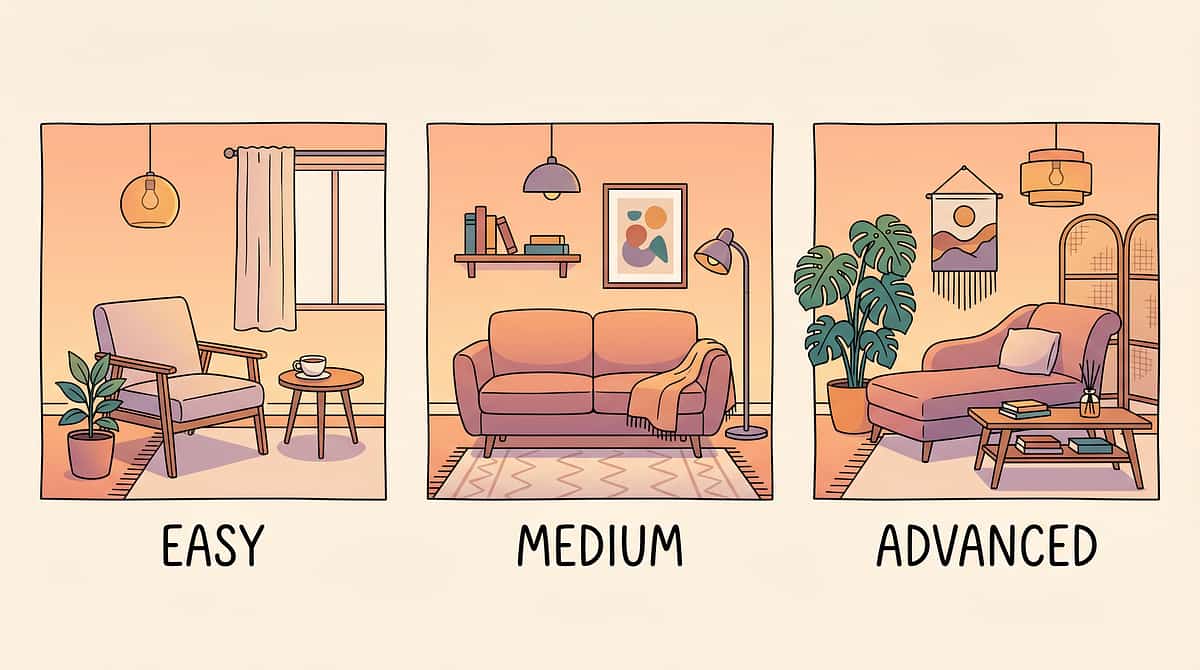
60-Second Pre-Flight Check. The Best Session Starts Right.
Answer honestly. No pressure. These questions take one minute and prevent 20 wasted minutes. A postponed session is not a failure — it is data.
Child is calm
Not spinning, not in meltdown, not crying
Child has eaten
In the last 2 hours
Child has slept adequately
Within 1 hour of typical schedule
No illness or physical complaint
No fever, pain, or physical discomfort reported
Physical movement in last 30 min
Child has had an opportunity to move their body
You feel calm and ready
Parent/caregiver is regulated and able to hold the session structure
🟢 GO
6–7 checkmarks — Begin protocol as designed
🟡 MODIFY
4–5 checkmarks — Run a 5-minute Quick-Turn Game only
🔴 POSTPONE
3 or fewer — Today is not the day. Offer sensory comfort. Try tomorrow.
📞9100 181 181 — If sessions are consistently difficult to start, speak to our ABA team.

Step 1: The Invitation
Every Protocol Begins With an Invitation — Not a Command
Pairing principle (ABA): Establish the therapeutic activity as motivating before any demand is placed. The child chooses to come to the table.
"Hey [name], I found something really cool for us to try. Come see."
[Child looks → move toward table together]
"We're going to play a really fast game. You'll have SO many turns."
✅ Acceptance Cues
- Child approaches table
- Child reaches for materials (even without permission — that's engagement)
- Child makes eye contact or turns body toward setup
- Child sits down or squats near the materials
❌ Resistance Cues & Modifications
- Child walks away → "Just come look, you don't have to play."
- Child protests → Show a preferred item near the table. Don't force. Try again in 10 minutes.
- Child becomes agitated → Postpone. Do not push through.
Timing: 30–60 seconds

Step 2: The Engagement
Introduce the Materials — Let Curiosity Do the Work
"Here's how this works — there's a special MY TURN [hold up indicator]. Whoever holds it, has the turn. When the sand runs out [flip timer], the turn changes."
[Demonstrate once with yourself as both players]
"Want to try? You go first."
1
Show Visual Turn Indicator
"This tells us whose turn it is"
2
Show Turn Sequence Board
"This shows the order — first you, then me, then back to you"
3
Flip Sand Timer
"When the sand runs out, the turn changes"
4
Place Fidget in child's non-dominant hand
"This is your waiting toy"
✅ Engagement
Reaches for materials, asks questions, leans forward
⚠️ Tolerance
Watches but doesn't touch — acceptable, continue slowly
❌ Avoidance
Turns away, protests loudly, pushes materials — STOP, use Invitation script again
Timing: 1–3 minutes

Step 3: The Therapeutic Action
The Core Mechanism: Making the Wait Visible, Bearable, and Predictable
Begin the turn exchange. The child holds the Visual Turn Indicator AND the Waiting Fidget. When the timer flips, the Indicator physically transfers to the next player. Every element of the waiting is externalised — the child watches the sand, not abstract time.
1
Child holds "MY TURN" indicator
Turn begins — ownership is concrete and physical
2
Child makes their play action
Roll dice, place piece, draw card
3
Parent/player 2 flips sand timer
1-min for beginners — never longer in Week 1
4
Child watches sand fall
Holding fidget — visible time replaces abstract waiting
5
Sand runs out: "Sand's done! Your turn!"
Turn Indicator transfers physically to next player
6
Child releases indicator
This is the therapeutic moment of impulse inhibition
7
Immediately reinforce
"You WAITED. That was amazing." — within 3 seconds
Common Errors: Never extend a turn after sand runs out — honour the timer exactly. Consistency IS the treatment. If child grabs early: neutral redirection only, no punishment. If too fast: start with 30-second turns.
Duration: 5–10 minutes of active turn exchange (3–6 successful exchanges minimum per session)

Step 4: Repeat & Vary
3 Good Repetitions Are Worth More Than 10 Forced Ones
Dosage Guidance
Minimum: 3 successful turn exchanges (child releases indicator without grab or meltdown)
Target: 5–8 exchanges in a 10–15 minute session
Maximum: When the child shows satiation
Target: 5–8 exchanges in a 10–15 minute session
Maximum: When the child shows satiation
Satiation Indicators — Stop Before These:
- Child stops attending to others' turns
- Fidget use becomes frantic, not regulating
- Child repeatedly asks "when is it MY turn?" more than 3× per exchange
- Emotional escalation signs begin (whining, tearing up, voice rising)
Variation Options
Make It Faster: Switch to a dice-only game with 5-second turns. Rapid rhythm, minimal waiting.
Add More Players: Introduce Turn Sequence Board for 3+ players. Child waits through 2 turns instead of 1.
Increase Turn Length: Extend sand timer from 1-min to 2-min. Communicate ahead: "This one is a longer turn."
Switch Game Type: Use Cooperative Game (Material 9) — turns now serve a shared team goal.
Add Waiting Activity Cards: Child draws a Waiting Card and completes a micro-task during others' turns.
Step 5: Reinforce & Celebrate
Celebrate the ATTEMPT. Not Just the Success.
ABA Reinforcement Principle: Timing matters more than magnitude. Reinforcement delivered within 3 seconds of the target behaviour (releasing the turn) is neurologically exponentially more powerful than reinforcement delivered a minute later.
For verbal/social reinforcers
"You WAITED! I saw your hands stay still. That was SO hard and you did it!"
For token economy
Add a star to the Reward Chart (Material 8) immediately. "That's one star for waiting. You waited — you earned it."
For tangible reinforcers
One small preferred item (sticker, mini snack) for every 3 successful waits. Delivered immediately.
Natural Consequence Reinforcement
Point to the turn sequence board: "Because you waited, look — YOUR TURN is next! The waiting worked!"
Week 1–2
Reinforce EVERY successful wait (continuous)
Week 3–4
Reinforce every other successful wait (intermittent)
Week 5+
Intermittent reinforcement + natural consequence only
🛒Reinforcement Chart (₹589) — Pinnacle Canon SKU 803 | 🛒Sticker Reward Chart (₹364) — Pinnacle Canon SKU 390
Step 6: The Cool-Down
No Session Ends Abruptly
The cool-down prevents the undoing of everything the session worked hard to build. An abrupt ending creates protest, which teaches the child that protesting gets more turns. A structured transition teaches that endings are safe, predictable, and temporary.
"Two more turns, then we're all done. Two more — you've got this."
[After second turn:]
"Last turn! [Child takes turn] That's it! Session done! You were AMAZING today."
1
Announce ending
"2 more turns" warning — never an abrupt stop
2
Material put-away ritual
Child places indicator in designated spot, timer in box
3
Transition object
Give child their preferred comfort item or activity
4
Verbal summary
"We took turns today. You waited [X] times. That's [X] stars."
5
Move to regular activity
Don't extend session even if going well
If child resists ending: Neutral, warm: "I know, it was fun. The game will be here tomorrow." Do NOT add more turns to avoid protest — this teaches that protesting gets more turns. Use the sand timer to end the session, not your voice.
60 Seconds of Data Now Saves Hours of Guessing Later.
Record these three data points within 60 seconds of session end. This data is your clinical baseline — it shows you whether the protocol is working, what to adjust, and when to call for support. Without data, progress is invisible.
1
Total Successful Waits
How many times did the child release the turn indicator WITHOUT grabbing, meltdown, or protest?
Circle: 0 | 1 | 2 | 3 | 4 | 5 | 6 | 7 | 8+
2
Best Waiting Duration
What was the longest single wait the child completed today (rough estimate)?
Circle: <30sec | 30sec | 1min | 2min | 3min | 5min+
3
Support Level Required
What support did the child need to wait successfully?
Circle: Maximum (verbal + physical) | Moderate (verbal only) | Minimal (visual tools only) | Independent
📱 GPT-OS® Integration
📞9100 181 181 — If data shows no improvement after 2 weeks, call for a plan adjustment.
Session Abandonment Is Not Failure. It's Data.
Every session that doesn't go as planned tells you something essential about your child's current capacity. Use these problem-solution pairs to interpret what happened and adjust — not to judge yourself or your child.
"My child grabbed before the sand ran out every single time."
Why: Turn length is too long for current impulse control capacity.
Fix: Cut timer to 30 seconds. Start shorter than you think you need to. Build from there.
Fix: Cut timer to 30 seconds. Start shorter than you think you need to. Build from there.
"My child had a full meltdown when I said it was the other player's turn."
Why: The emotional regulation demand exceeded current capacity.
Fix: Next session: use only 2-player parallel play with simultaneous turns (no waiting yet). Introduce the indicator only when parallel play is stable.
Fix: Next session: use only 2-player parallel play with simultaneous turns (no waiting yet). Introduce the indicator only when parallel play is stable.
"My child threw the sand timer."
Why: The visual of time passing was more dysregulating than helpful.
Fix: Replace with a visual timer app on a mounted phone. Or: remove timer, use only the Turn Indicator for now.
Fix: Replace with a visual timer app on a mounted phone. Or: remove timer, use only the Turn Indicator for now.
"My child lost interest after 2 turns."
Why: Engagement motivation isn't high enough to sustain waiting effort.
Fix: Switch to the most preferred game the child owns. Turn-taking practice with high-preference materials first.
Fix: Switch to the most preferred game the child owns. Turn-taking practice with high-preference materials first.
"The other player (sibling) also started grabbing."
Why: The visual system only works when ALL players respect it consistently.
Fix: Pre-teach the sibling about the Turn Indicator separately. Run a sibling rehearsal session without the target child present first.
Fix: Pre-teach the sibling about the Turn Indicator separately. Run a sibling rehearsal session without the target child present first.
"My child did great at home but melted down at a birthday party."
Why: Generalisation to new environments is a separate — and expected — challenge.
Fix: Skill acquisition at home ≠ generalisation. Bring the Visual Indicator to new settings explicitly. Continue home practice.
Fix: Skill acquisition at home ≠ generalisation. Bring the Visual Indicator to new settings explicitly. Continue home practice.
"We've been doing this for 3 weeks and nothing is changing."
Why: Timer duration too long, reinforcement not motivating, or co-occurring condition requires additional support.
Fix: Call Pinnacle: 9100 181 181. An ABA consultant can review your data and adjust the protocol.
Fix: Call Pinnacle: 9100 181 181. An ABA consultant can review your data and adjust the protocol.
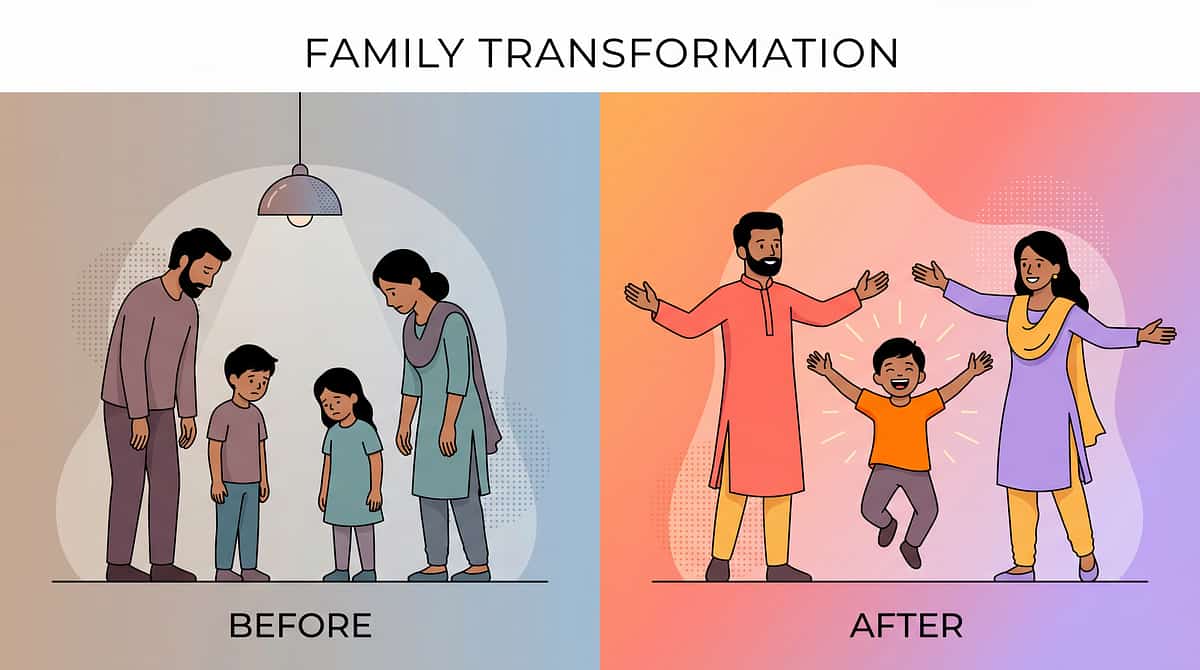
Week 1–2: Tolerance, Not Mastery. Both Are Real Progress.
Progress: ~15% of Journey Complete
This phase is the hardest. The effort is maximum; the gains are subtle. Most parents who quit, quit in Week 2. Don't. If your child tolerates the sand timer for 3 seconds longer than last week — that is real, measurable, neurological progress.
✅ What You WILL Likely See
- Child completes 1–2 full turn exchanges without grabbing (even with maximum support)
- Protest duration after turn loss decreases by 30–50% (from 5 minutes to 2–3 minutes)
- Child begins to recognise the sand timer as the turn-end signal (even if they dislike it)
- Child voluntarily picks up the waiting fidget before you offer it
❌ What You Will NOT See Yet (And That's Normal)
- Spontaneous waiting without any visual supports
- Turn-taking in unstructured peer settings
- Complete absence of protest or grabbing attempts
- Generalisation to new games or settings
Systematic review (Children, 2024): Sensory integration intervention outcomes emerge across 8–12 week timelines. Early-phase indicators focus on tolerance and participation rather than skill mastery. → PMC11506176

Week 3–4: The Neural Pathways Are Forming.
Progress: ~40% of Journey Complete
When your child self-corrects a grabbing attempt — reaches, stops mid-reach, and withdraws the hand — you have witnessed the prefrontal cortex engaging before the basal ganglia fires. That is the system working. Celebrate that moment loudly.
Child anticipates setup
May help arrange materials before you ask
Child reaches for fidget independently
Before being handed it — self-regulation emerging
Child watches sand timer voluntarily
During others' turns — attention to time signal establishing
Child announces "YOUR TURN"
When the sand runs out — initiating the transfer themselves
Protest after turn loss under 1 minute
Consistently — emotional regulation improving
Spontaneous Generalisation Seeds: You may notice the child using "MY TURN / YOUR TURN" language outside of the game session. This is the concept generalising to daily life. When you see it: reinforce immediately. This is the technique working beyond the table.
Parent Milestone: By Week 4, most parents report feeling more confident facilitating the session. Your comfort with the protocol directly increases your child's performance. You are the most important therapeutic instrument.
Week 5–8: The Badge. Your Child Is Arriving.
🏆 Progress: ~75% — Mastery Threshold
✅ Mastery Criteria
- 5+ full turn exchanges per session with MINIMAL prompting (visual only, no verbal)
- Can wait through 3-player turn sequences (waits through 2 others' turns)
- Transfers the Turn Indicator independently without prompting
- Protests reduced to <30 seconds and self-resolve without adult intervention
- Child begins using waiting language spontaneously ("it's your turn," "I'm waiting")
✅ Generalisation Indicators
- Skill appearing in at least one non-practised setting (snack time, playground, different game)
- Skill maintained across different partners (not only the practised adult)
🔍 Maintenance Checks
Remove the sand timer for one session. Does waiting hold? If yes: timer faded successfully.
Try a new, unfamiliar game. Does the child transfer the protocol? If yes: generalisation emerging.
🏆 Mastery Unlocked: When your child waits for 3+ turns across 2+ consecutive sessions with only visual supports — they have crossed the first clinical mastery threshold for C-307.
You Did This. Your Child Grew Because of Your Commitment.
You sat at that table — day after day, week after week — when grabbing happened, when timers were thrown, when the protest lasted longer than the session. You held the structure. You held the science. You held the hope.And now, your child waits.That is not a small thing. That is a neural pathway, built by your hands.
Achievement Summary
From: Cannot wait even seconds without grabbing or melting down
To: Waits for multiple turns with visual supports and minimal prompting
Timeline: Typically 5–8 weeks of daily 10–20 minute sessions
Sessions completed: ~35–40 (you showed up)
Family Celebration Suggestion
Host a "Game Night" — the very context that was hardest — and let your child lead. Watch them wait. Take a video. This is the data that matters most.
Journal Prompt
Write one sentence: "On [date], [child's name] waited for three turns without grabbing. Here is what that looked like: ..."
Awareness Is Not Fear. These Are the Signs That Need Professional Eyes.
Even after celebrating mastery, clinical awareness must continue. These signs indicate the need for professional support beyond the home protocol.
Sign | What It Looks Like | Why It Matters | Action | |
Aggression during turn-taking | Hitting, biting, scratching when told to wait | May signal anxiety, pain, or undiagnosed condition | Call 9100 181 181 immediately | |
Zero progress after 4 weeks | No reduction in grab attempts, no increase in wait duration | Protocol may need adjustment; co-occurring condition may need assessment | Book teleconsultation | |
Severe emotional dysregulation | Inconsolable 10+ minute regressions, self-harm | Waiting is triggering disproportionate distress | Refer to NeuroDev/Psychologist | |
No parallel play at all | Cannot engage in any play near others | May indicate broader social engagement challenge | Broaden assessment | |
Regression after mastery | Child who had mastered suddenly regresses | Environmental stressor, medical issue, or sensory change | Medical check + session review |
Self-Resolve
Modify protocol per Card 22 and continue
Persistent Concern
Teleconsultation with Pinnacle ABA/OT team
Red Flag Behaviour
Clinic visit at one of 70+ Pinnacle centres
📞9100 181 181 — Free. 24×7. 18+ languages. Clinical guidance, not a call centre.
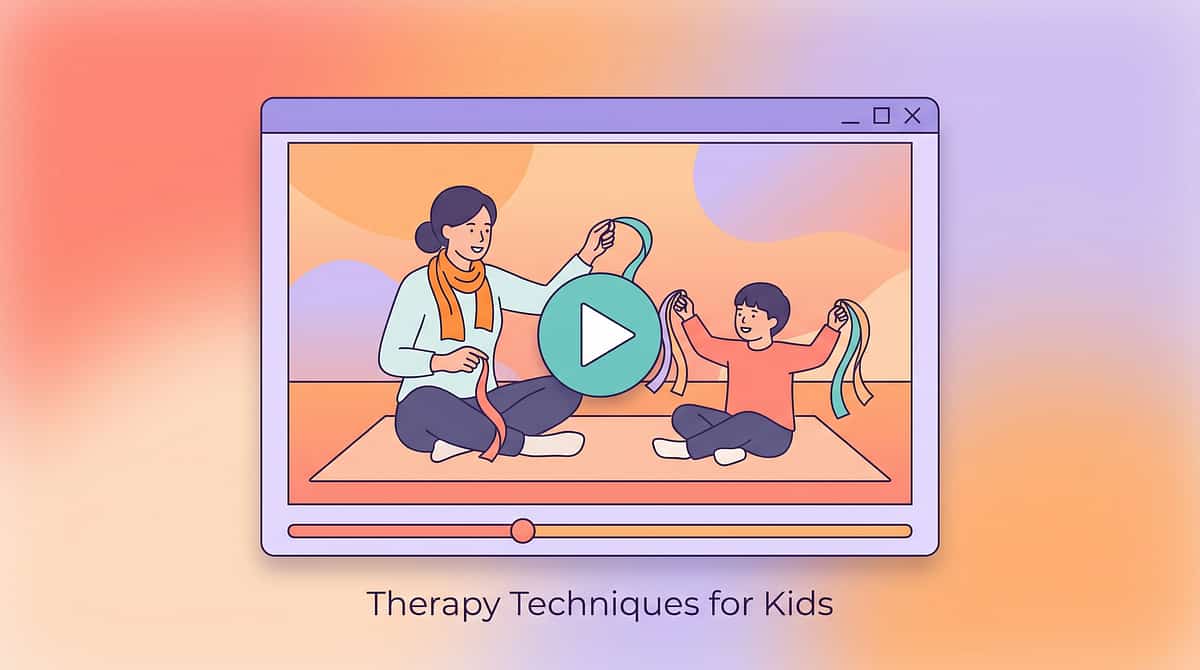
Explore the Play Skills Series — Techniques That Work With C-307
Based on C-307's material set, you can start C-306, C-308, C-309, and B-250 today without additional purchases. The materials you already have unlock the next layer of your child's development.
Technique | Code | Materials You Already Own | Difficulty | |
Sharing Difficulty | C-306 | Sand Timer ✅ | Turn Indicator ✅ | Intro | |
Bossy in Play | C-305 | Reward Chart ✅ | Social Story ✅ | Intro | |
No Imaginative Play | C-308 | Cooperative Game ✅ | Core | |
Won't Follow Game Rules | C-309 | Visual Rules Cards ✅ | Sand Timer ✅ | Core | |
Impulse Control Challenges | B-250 | Fidget Set ✅ | Reward Chart ✅ | Core | |
Waiting Difficulty in General | B-260 | All 9 Materials ✅ | Advanced |

They Started Where You Are. Here Is Where They Arrived.
Arjun, 5 — Hyderabad (ASD + ADHD)
"He played Snakes & Ladders — all 25 turns — at his cousin's birthday party. He held the sand timer himself. When his cousin's turn lasted longer, he squeezed his fidget and waited. I cried in the car on the way home."
Timeline: 6 weeks, daily 15-minute sessions using Materials 1, 3, 4, and 8.
Therapist's Notes (OT, Pinnacle Hyderabad): "Arjun's impulse latency on turn transitions increased from <1 second to 8+ seconds by Week 6. The sand timer was the single most effective tool — externalising time perception was the key mechanism for his profile."
Kavya, 7 — Bengaluru (ASD, non-verbal)
"She moves the turn sequence board marker herself now — pointing to whose turn is next. She initiated a turn exchange with her brother last Saturday without any prompting. First time ever."
Timeline: 8 weeks, Turn Sequence Board (Material 2) as primary tool, social story read nightly.
Rohan, 4 — Delhi (Developmental Delay)
"His sister voluntarily set up the game and asked Rohan to play. I've never seen that before. She said 'he knows how to do turns now.'"
Timeline: 5 weeks. Before: 3 moves and the game was over — he'd grab the dice, roll five times, scatter the pieces.

Isolation Is the Enemy of Adherence. You Don't Have to Do This Alone.
💬 WhatsApp Parent Group — Play Skills & Turn-Taking
Join 2,000+ parents navigating this same challenge. Share data, ask questions, celebrate wins with people who truly understand.
🌐 Pinnacle Parent Forum
Post questions, share data, celebrate wins in a moderated, clinically-informed community.
📍 Local Pinnacle Parent Meetups
In-person groups at Pinnacle centres across 70+ cities. Find your nearest group and meet other families face-to-face.
🤝 Peer Mentoring
Connect with a parent who has completed C-307 and can share their journey.
"Your experience — the hard weeks, the breakthroughs, the specific thing that worked for your child — helps hundreds of families who come after you. Consider sharing your journey."

Home + Clinic = Maximum Impact. Here Is Your Professional Backbone.
Research shows children who practise daily at home AND attend clinical sessions show 3× the rate of generalisation compared to clinic-only intervention. This page is your home layer. The clinic is your professional layer. Both are necessary.
🟦 Occupational Therapy
Sensory profile + turn-taking protocol
🟧 ABA/BCBA
Data-driven behavioural intervention
🟩 Speech-Language Pathology
Language of turn-taking
🟥 Special Education
School generalisation
🟪 NeuroDev Paediatrics
Co-occurring condition screening
📅 Book a Teleconsultation
Can't reach a centre? Book a 30-minute teleconsultation with a Pinnacle clinician.
💳 Insurance & Funding
Pinnacle works with multiple insurance providers and government schemes. Ask our helpline team for guidance specific to your situation and state.
📞9100 181 181 | 24×7 | 18+ Languages
Preview of 9 materials that help with turn taking in play Therapy Material
Below is a visual preview of 9 materials that help with turn taking in play therapy material. The pages shown help educators, therapists, and caregivers understand the structure and content of the resource before use. Materials should be used under appropriate professional guidance.


Link copied!

This Is Not Software. This Is Therapeutic Infrastructure.
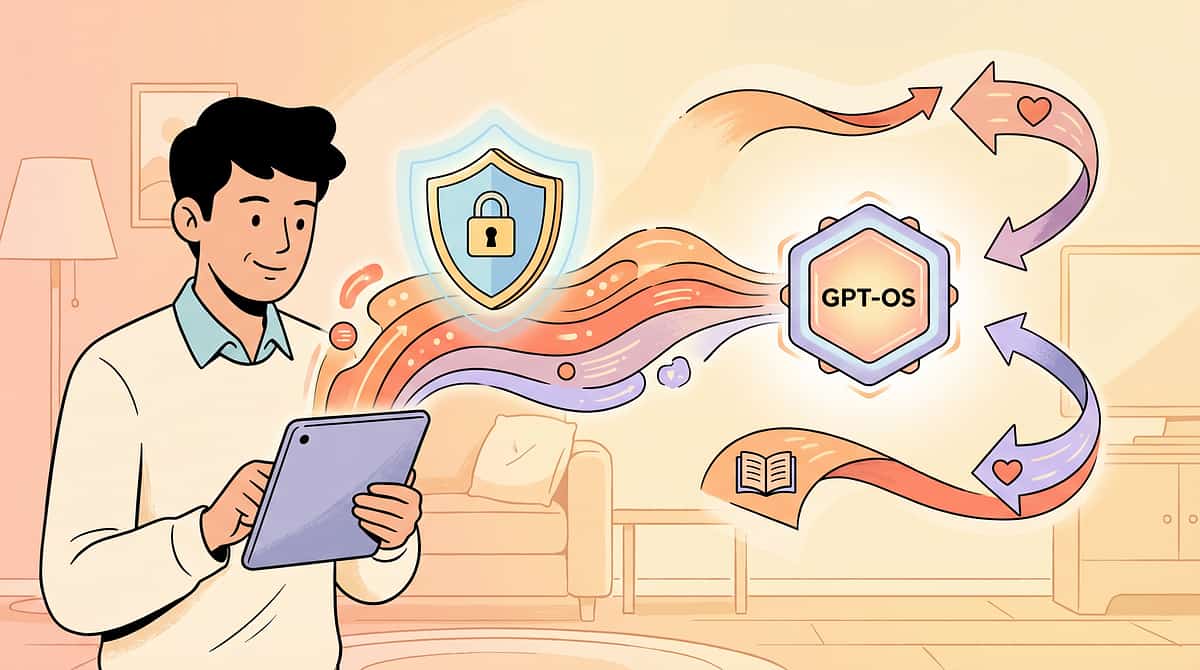
GPT-OS® converts your daily session data into personalised clinical intelligence — adjusting protocols, predicting trajectories, and coordinating across all five disciplines in real time.
Diagnostic Intelligence Layer
Converts 591+ structured observations into diagnostic clarity
AbilityScore®
Universal developmental score (0–1000) tracking C-307's Behavioural Self-Regulation Index
Prognosis Engine
Uses 21M+ session data to predict your child's turn-taking trajectory
TherapeuticAI®
Adjusts protocol intensity, reinforcement schedule, and timer durations based on your child's data
EverydayTherapyProgramme™
Generates daily home session plans incorporating C-307 into the weekly schedule
FusionModule™
Coordinates OT + ABA + SLP inputs for C-307 execution under single clinical authority
21M+
Sessions Tracked
97%+
Measured Improvement
70+
Countries Served
All data encrypted. ISO/IEC 27001 certified. Individual child data is never shared. "Your data helps every child like yours."