
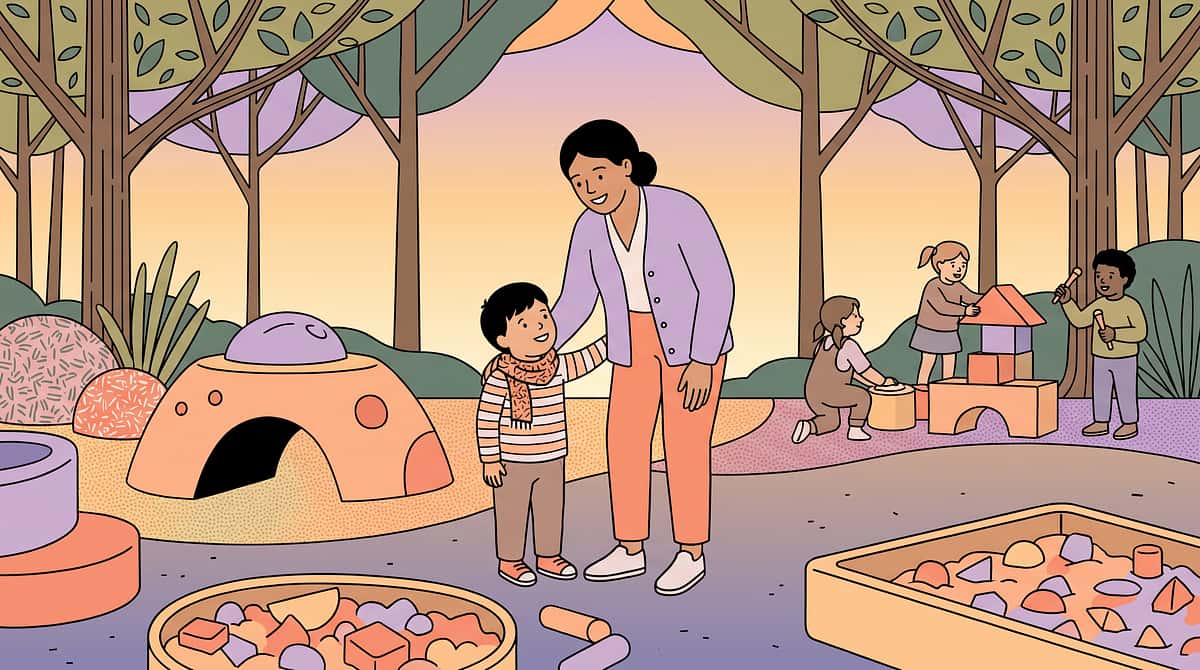
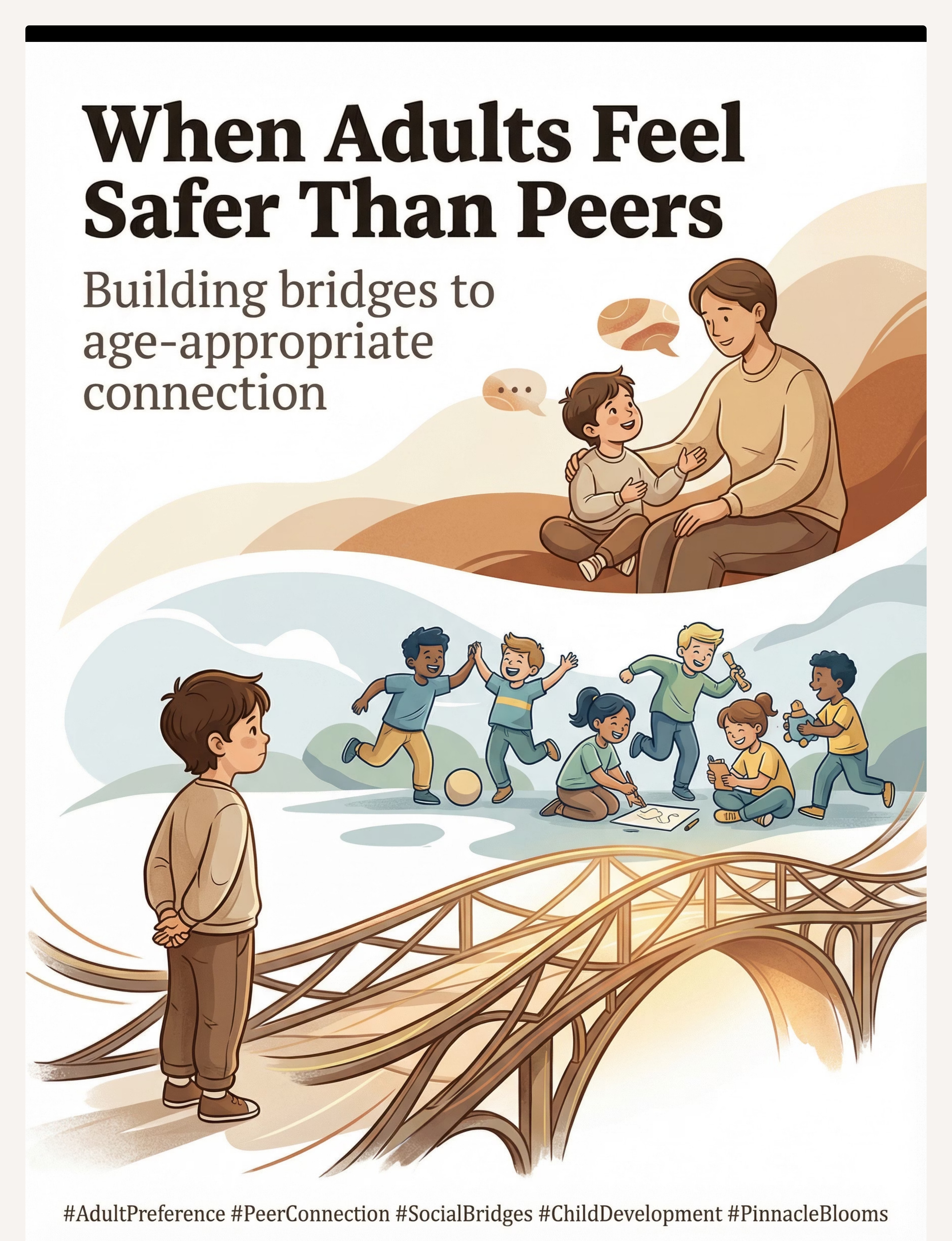
"At every birthday party, she finds the parents. At recess, he stands with the teacher. Given a choice — they choose adults."
It's not shyness. It's not bad parenting. Something in your child finds the adult world safer, more predictable, more navigable than the fast-moving world of peers. You've watched it happen — at school drop-off, at family gatherings, at the playground.
"You are not failing. Your child's nervous system has found what feels safe. Our job is to expand what's possible — without taking away what works."
🌐 Social Development | Peer Relationships
Episode C-312 of 999
Pinnacle Blooms Network®
Millions of Families Are Navigating Exactly This
1 in 36
Children with ASD
Diagnosed globally — CDC/WHO 2023 — millions with social development differences
72–80%
Show Peer Challenges
PRISMA systematic review PMC11506176 — peer interaction difficulties documented
3+ yrs
Average Delay
Before peer bridging interventions begin — Pinnacle clinical data, 70+ centres
When a child gravitates toward adults over peers, it isn't a personality quirk to wait out. It is a documented, clinically recognised pattern seen across autism spectrum, social anxiety, giftedness, sensory processing differences, and temperament profiles. The earlier the bridge-building begins, the wider the social world becomes.
India has an estimated 18 million children with autism spectrum conditions. Pinnacle Blooms Network serves families across 18 states — peer preference is one of the top 5 presenting social challenges at intake. PMC11506176 | WHO Global Report on Autism (2023)

This Is a Nervous System Difference. Not a Behaviour Problem.
The Neuroscience
The Predictability Brain: Adults behave in ways a child's nervous system can anticipate. Adults modulate voice, wait for responses, and don't tease. The prefrontal cortex expends less energy in adult interactions.
The Overwhelm Signal: Peer environments involve rapid, unpredictable social exchanges. For children with differences in the amygdala's threat-detection sensitivity, peer groups can register as low-grade threat environments — even when objectively safe.
The Safe Harbour Response: Adults become "safe harbour" — regulated, familiar, non-threatening. The child's nervous system is not choosing wrong. It is choosing what works.
Plain English
"Your child's brain has learned that adults are predictable and peers are not. That's an intelligent adaptation, not a failure. The goal isn't to remove the adult connection — it's to make the peer world feel as navigable as the adult world."
Frontiers in Integrative Neuroscience (2020): Amygdala hyperreactivity to social ambiguity is documented across multiple neuroimaging studies. DOI: 10.3389/fnint.2020.556660
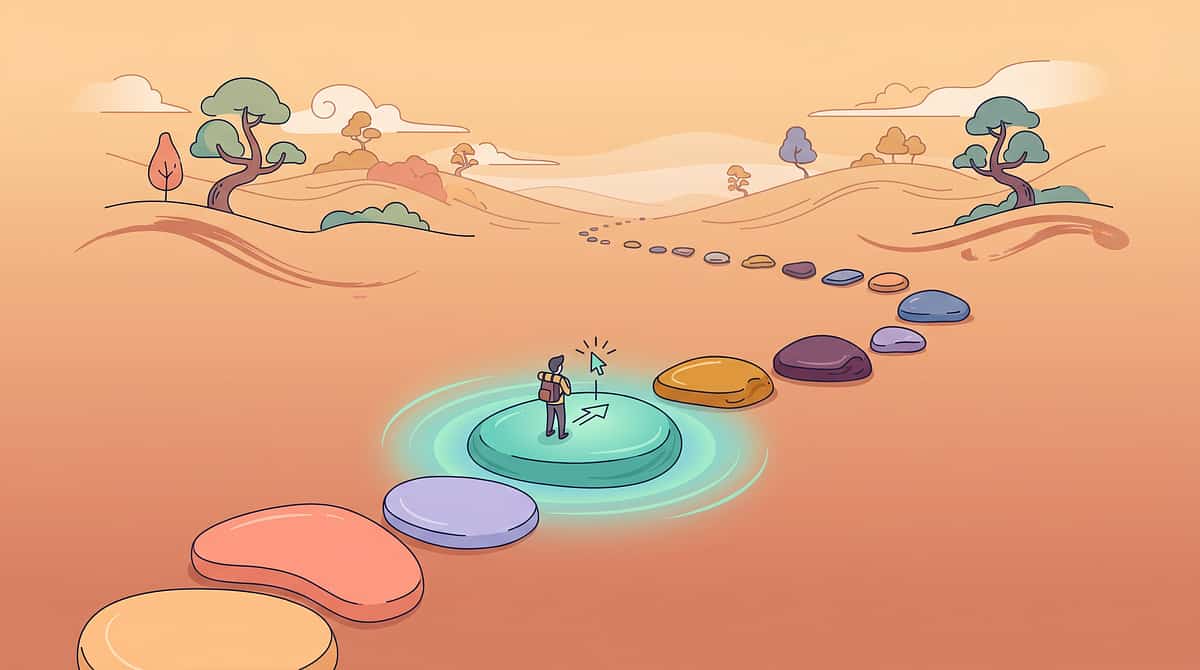
Your Child Is Here. Here Is Where We're Heading.
1
Ages 2–3
Parallel Play — solo near peers
2
Ages 3–5
Associative Play — same space, little rules
3
Ages 4–7
Cooperative Play — shared goals, negotiation ▲ CHALLENGE ZONE
4
Ages 7–12
Reciprocal Friendships — best friends, peer groups
5
Ages 12+
Peer Identity Formation
Commonly co-occurs with:
- Autism Spectrum Disorder (most frequent)
- Social Anxiety Disorder
- Intellectual Giftedness (advanced vocabulary creates peer mismatch)
- Sensory Processing Differences
- Post-traumatic peer experiences (bullying, rejection)
Peer relationships in middle childhood (ages 6–12) are the developmental training ground for adult social competence. Negotiation among equals, handling rejection, navigating group dynamics — these cannot be learned from adults alone. The window is open. PMC9978394 | WHO/UNICEF CCD Package (2023)

Clinically Validated. Home-Applicable. Parent-Proven.
EVIDENCE GRADE: LEVEL IIa
Systematic Review + Expert Clinical Consensus
Kasari et al. (2012)
Peer-mediated intervention for children with ASD demonstrated significant improvement in peer engagement, with maintained gains at 3-month follow-up. Effect size: 0.72 (medium-large).
Children's Friendship Training (Frankel & Myatt, 2003)
Evidence-based 12-week programme showing 64% improvement in peer connection measures for children with social preference patterns.
White et al. (2007)
Systematic graduated peer exposure protocols show 78% of children achieving measurable peer engagement improvements within 8-week intervention periods.
Pinnacle Real-World Evidence
21 million+ therapy sessions across 70+ centres. 89% of children showed measurable movement on the 5-stage readiness scale within 8–12 weeks of systematic bridging intervention.
"The science is clear. The path is structured. The materials exist. Your home can be the first bridge."
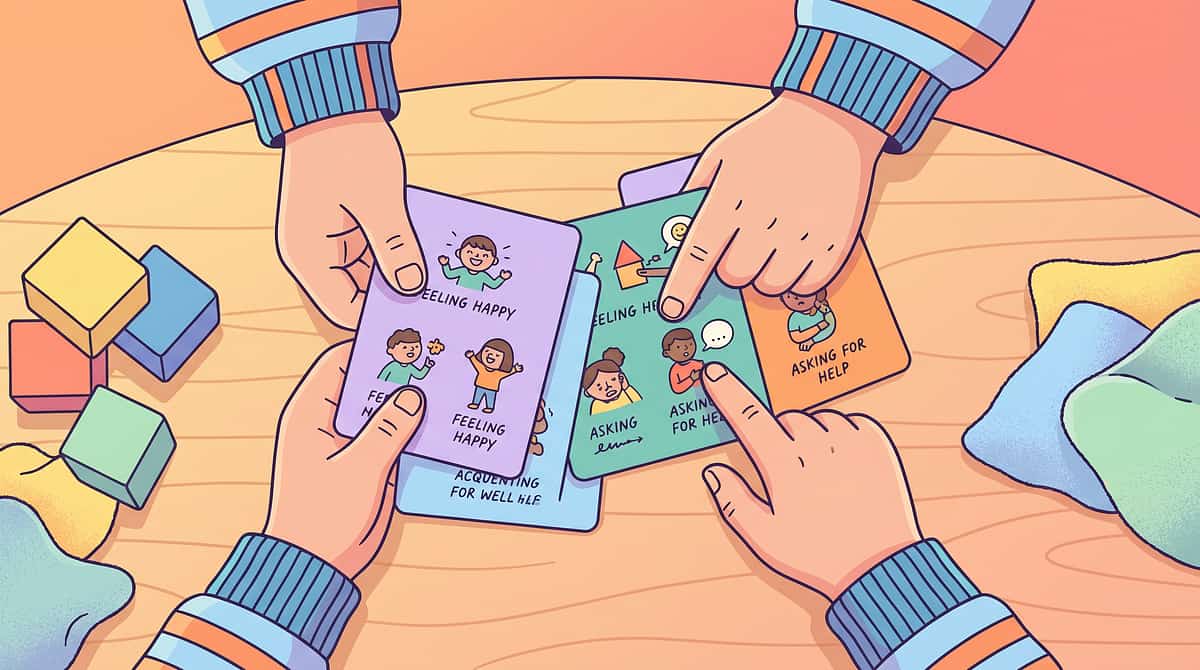
ACT II: THE KNOWLEDGE TRANSFER
The Technique: What It Is
Formal Name
Peer Preference Bridging via Graduated Social Scaffolding
Parent-Friendly Name
"Building Bridges to Peer World"
Technique Code
C-312 | Domain: Social Development | Sub-Domain: SOC-PER
Definition
A structured, multi-material home intervention system designed to systematically expand a child's social world from adult-only comfort to age-appropriate peer engagement. The approach uses 9 therapeutic materials — each targeting a different mechanism of adult preference — to build predictability, structure, interest-matching, gradual exposure, and positive evidence in the peer domain.
Who It's For
Children aged 4–12 who consistently prefer adult company over peer interaction, show anxiety or avoidance in peer settings, have few or no age-appropriate friendships — regardless of whether an ASD diagnosis is present.
Domain
Social Development
Age Range
4–12 years
Session Duration
15–30 min
Frequency
3–5×/week
Setting
Home + Community
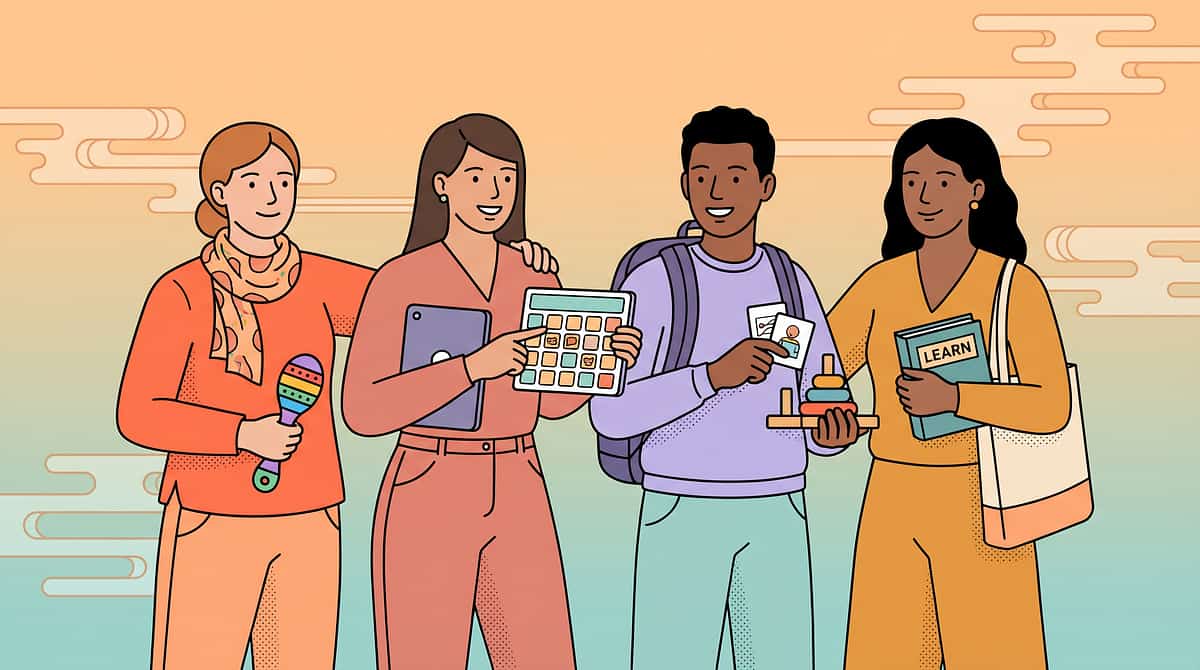
This Technique Crosses Therapy Boundaries — Because Children Don't Develop in Silos
Speech-Language Pathologist (Lead)
Addresses pragmatic communication gaps. Scripts, social stories, and peer language coaching are the primary tools.
ABA/BCBA Therapist
Designs the graduated exposure hierarchy. Applies reinforcement schedules to build peer approach motivation and fades adult facilitation.
Occupational Therapist
Addresses sensory triggers in peer environments — noise, unpredictability, physical proximity — to ensure activities are sensory-compatible.
Special Educator
Applies peer matching within classroom contexts. Bridges school implementation with home protocol consistency.
NeuroDevelopmental Paediatrician
Provides diagnostic clarity on whether adult preference has an ASD, anxiety, or giftedness origin — which shapes the intervention approach.
In the Pinnacle FusionModule™, all 5 disciplines contribute to a single converged therapeutic pathway — no siloed care, no conflicting approaches, no confused parents. DOI: 10.1080/17549507.2022.2141327
Nine Materials. Nine Bridges. One Expanding World.
Each of the 9 primary materials targets a different mechanism of adult preference. Together they form a complete home intervention system. Below is the full material set — with cost estimates and Canon categories.
# | Material | What It Does | Price Range | Canon Category | |
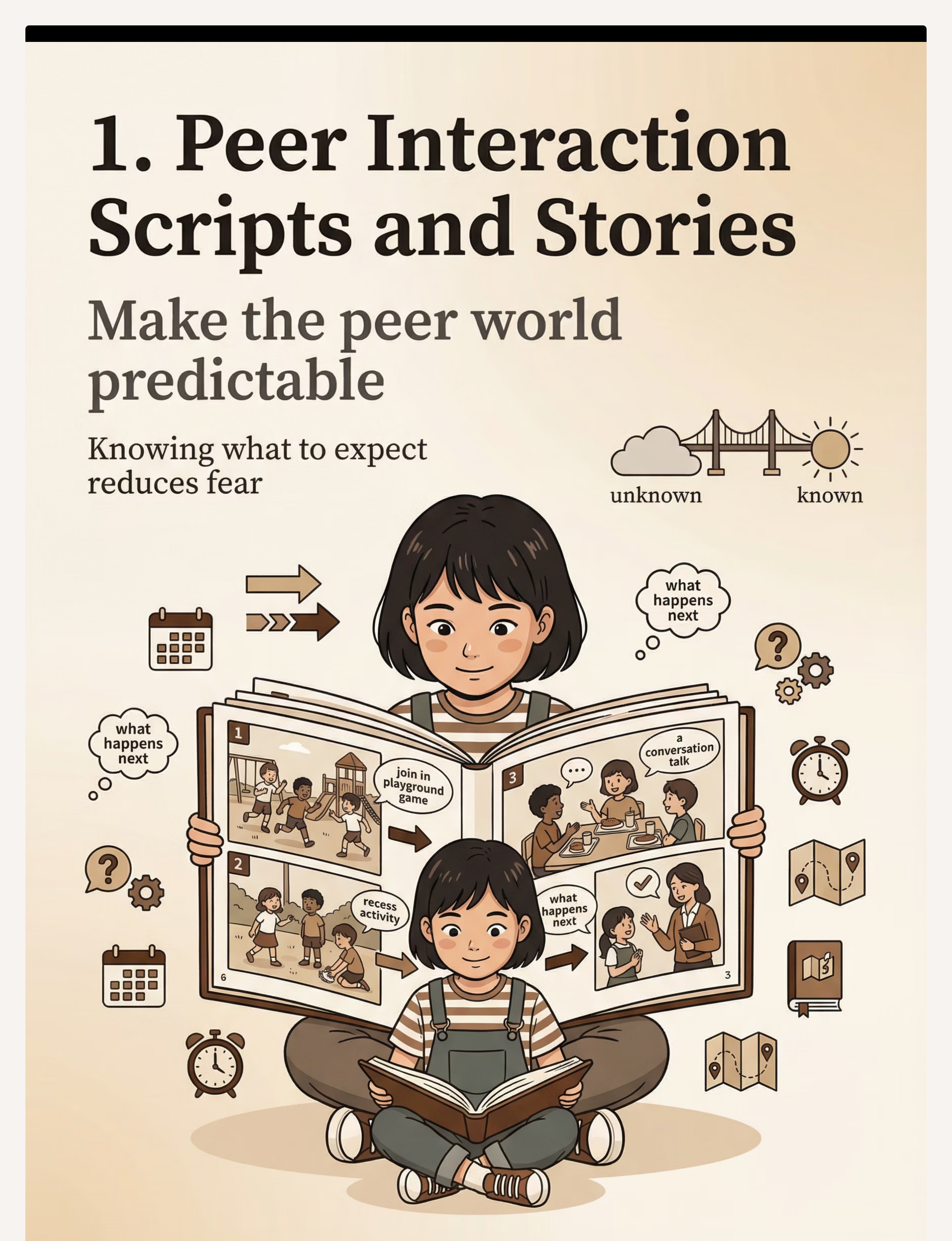
1 | Peer Interaction Scripts & Social Stories | Makes the peer world predictable — child knows what to expect | ₹200–500 | Social Stories | |
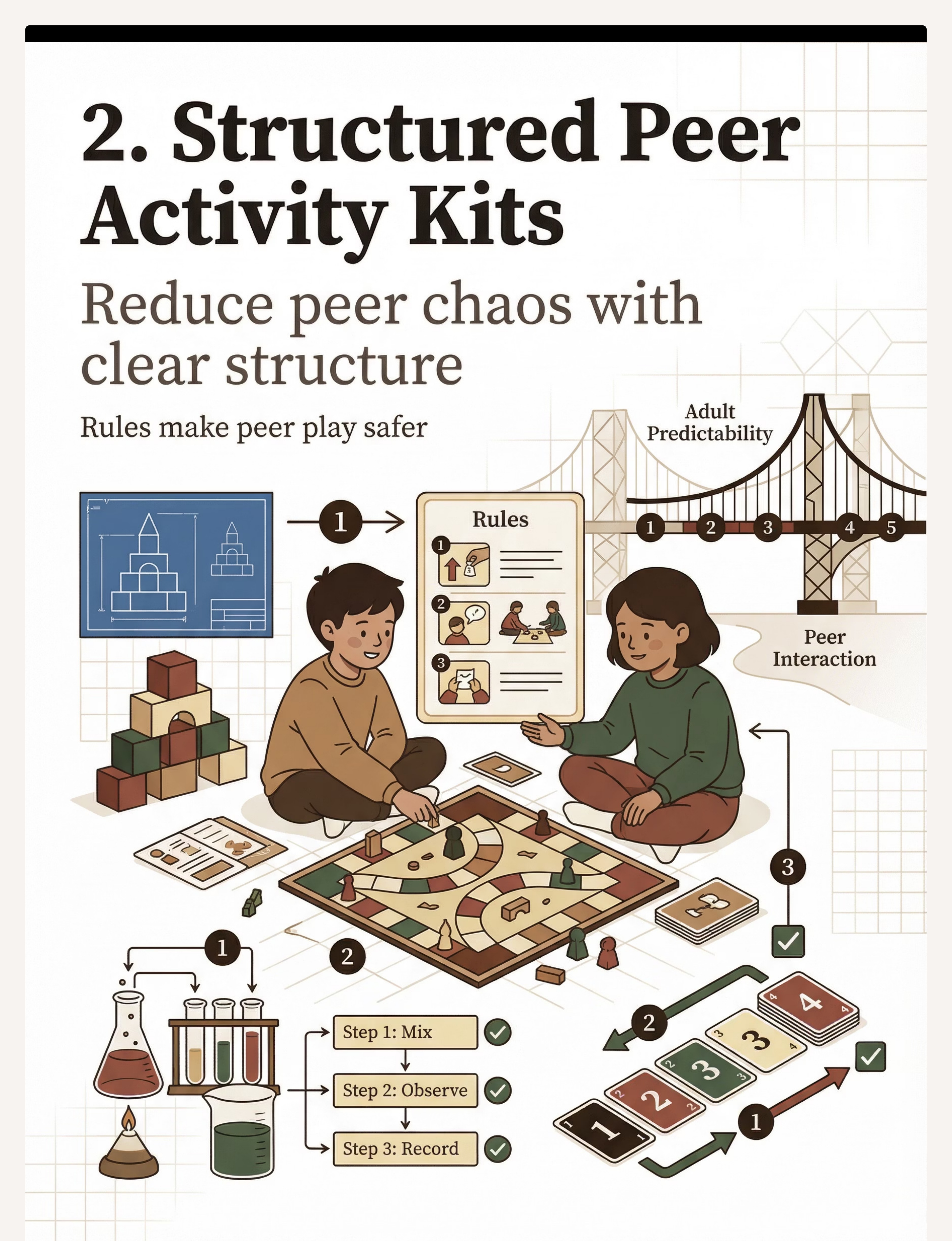
2 | Structured Peer Activity Kits | Rules make peer play safe and navigable | ₹400–1,000 | Activity Kits | |
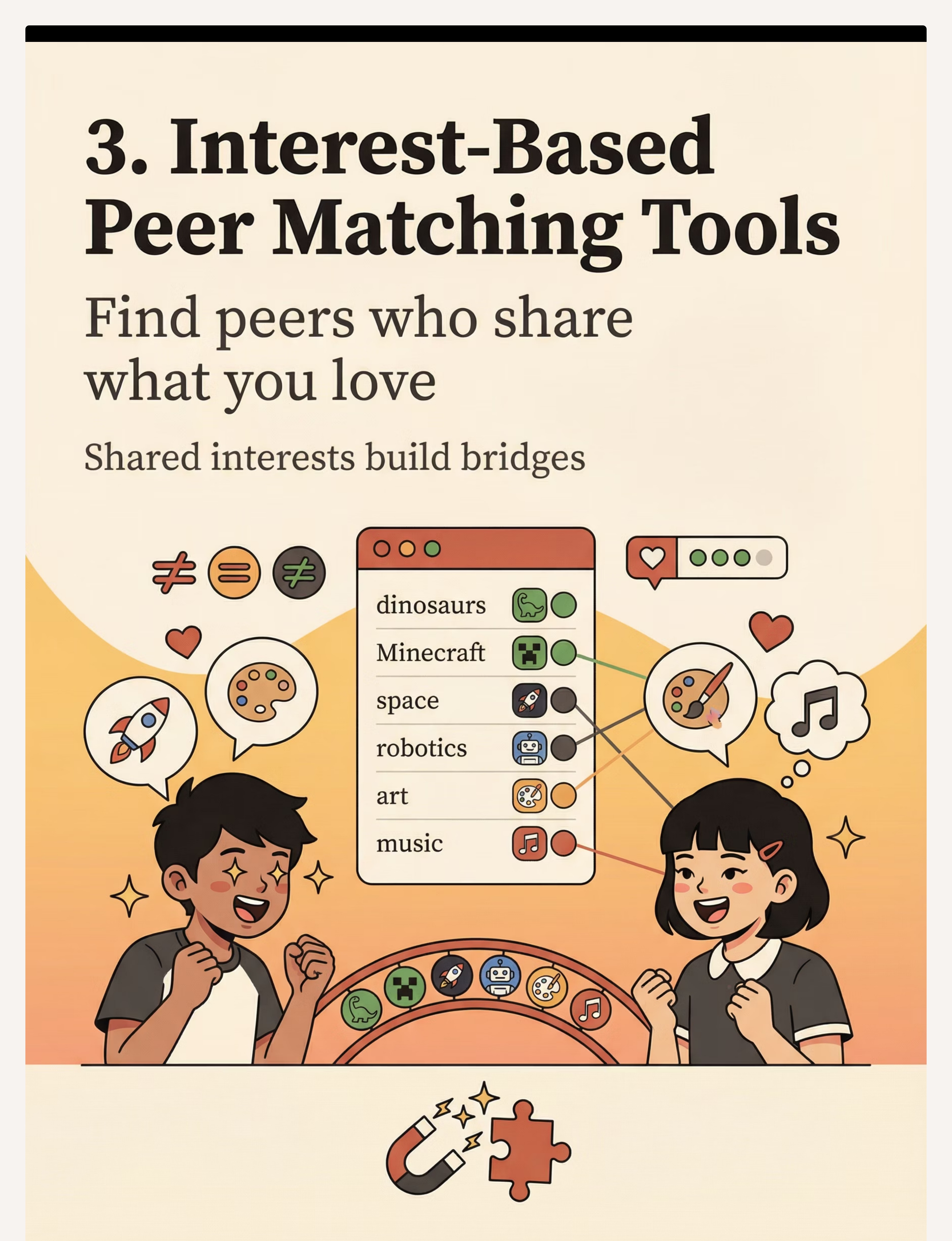
3 | Interest-Based Peer Matching Tools | Find peers who share what your child loves | ₹150–400 | Matching Tools | |
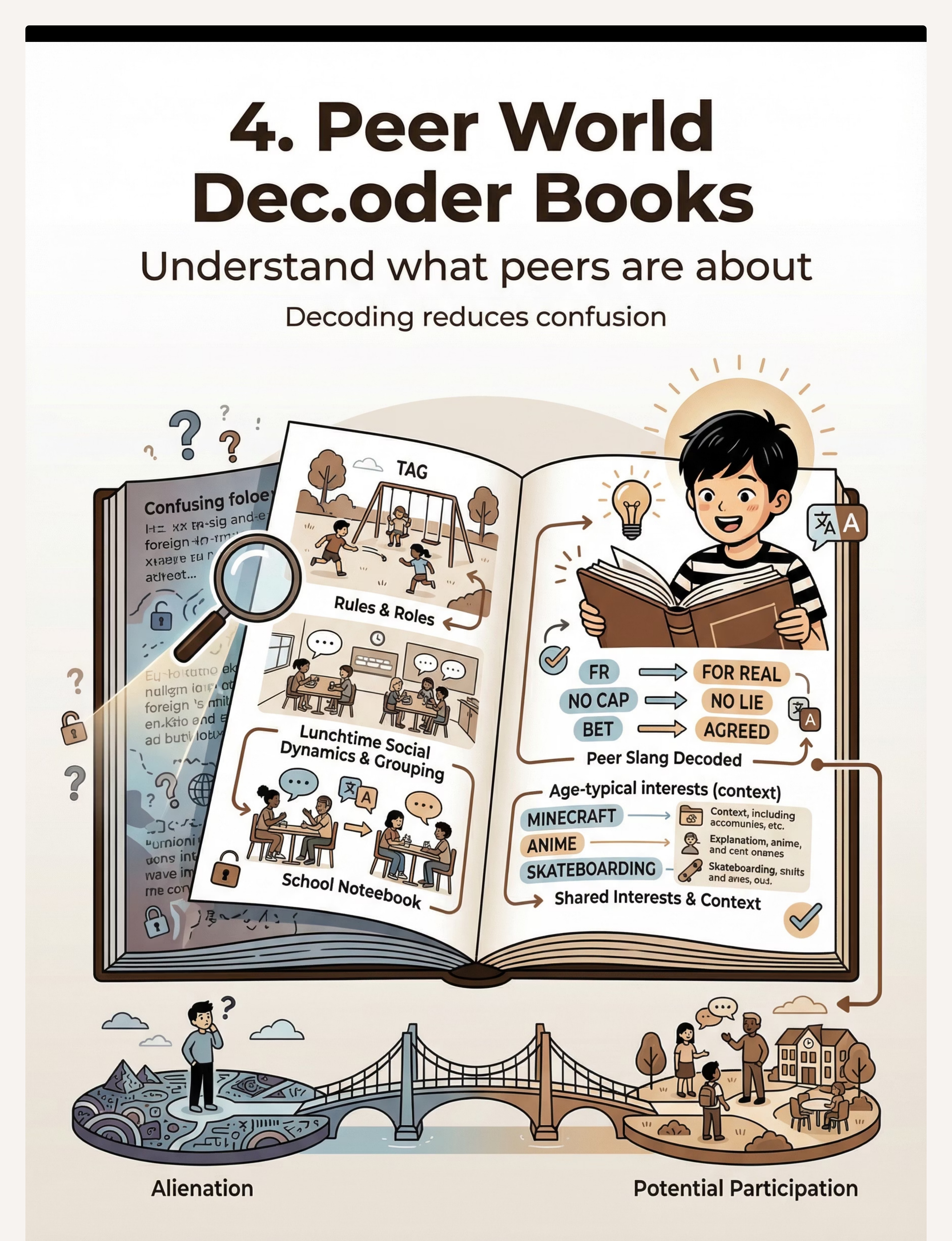
4 | Peer World Decoder Books | Understand what peers are about — peer culture literacy | ₹300–600 | Social Reference Books | |
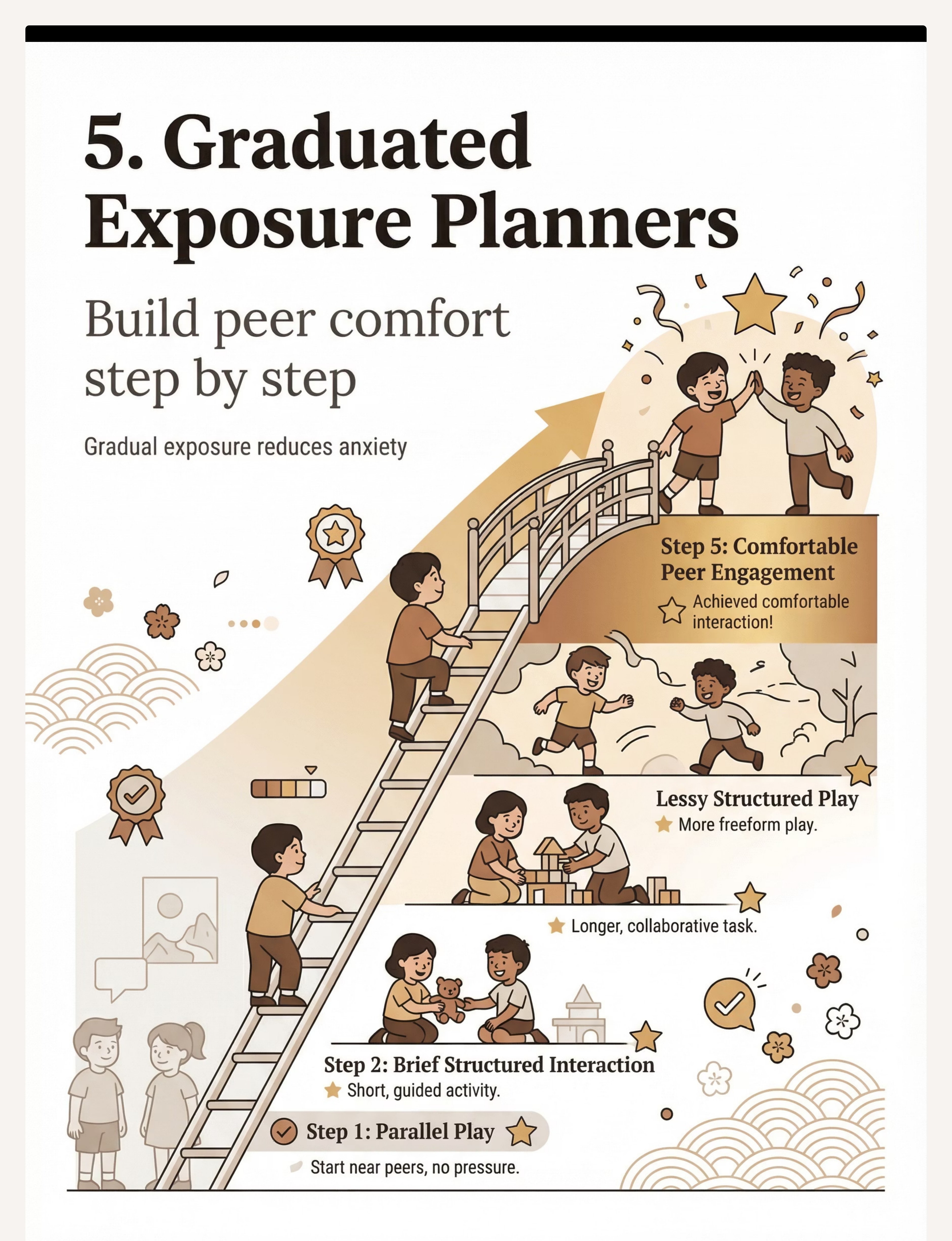
5 | Graduated Exposure Planners | Build peer comfort step by step, level by level | ₹200–450 | Planning Tools | |
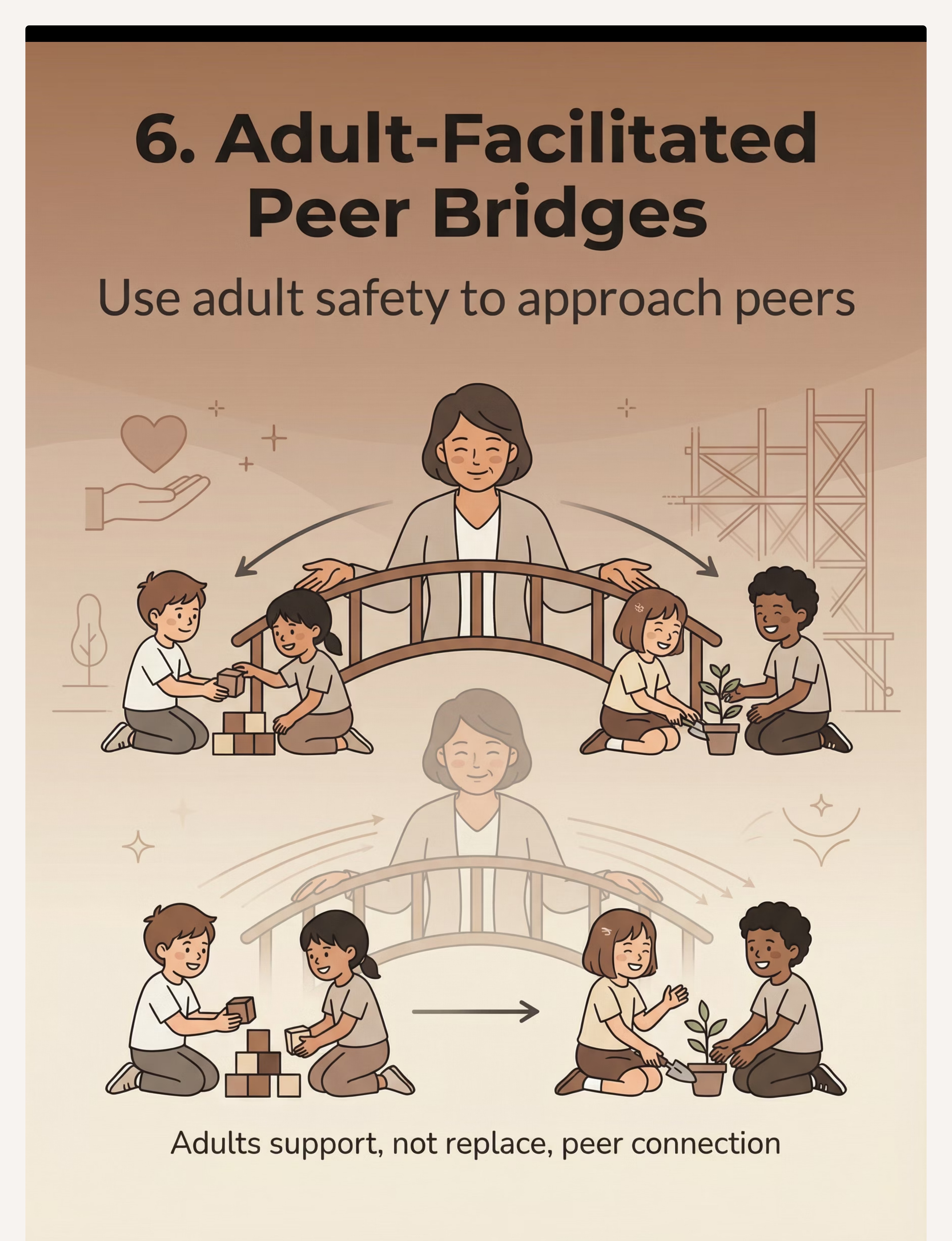
6 | Adult-Facilitated Peer Bridge Activities | Adults support, not replace, peer connection | ₹250–550 | Facilitation Guides | |
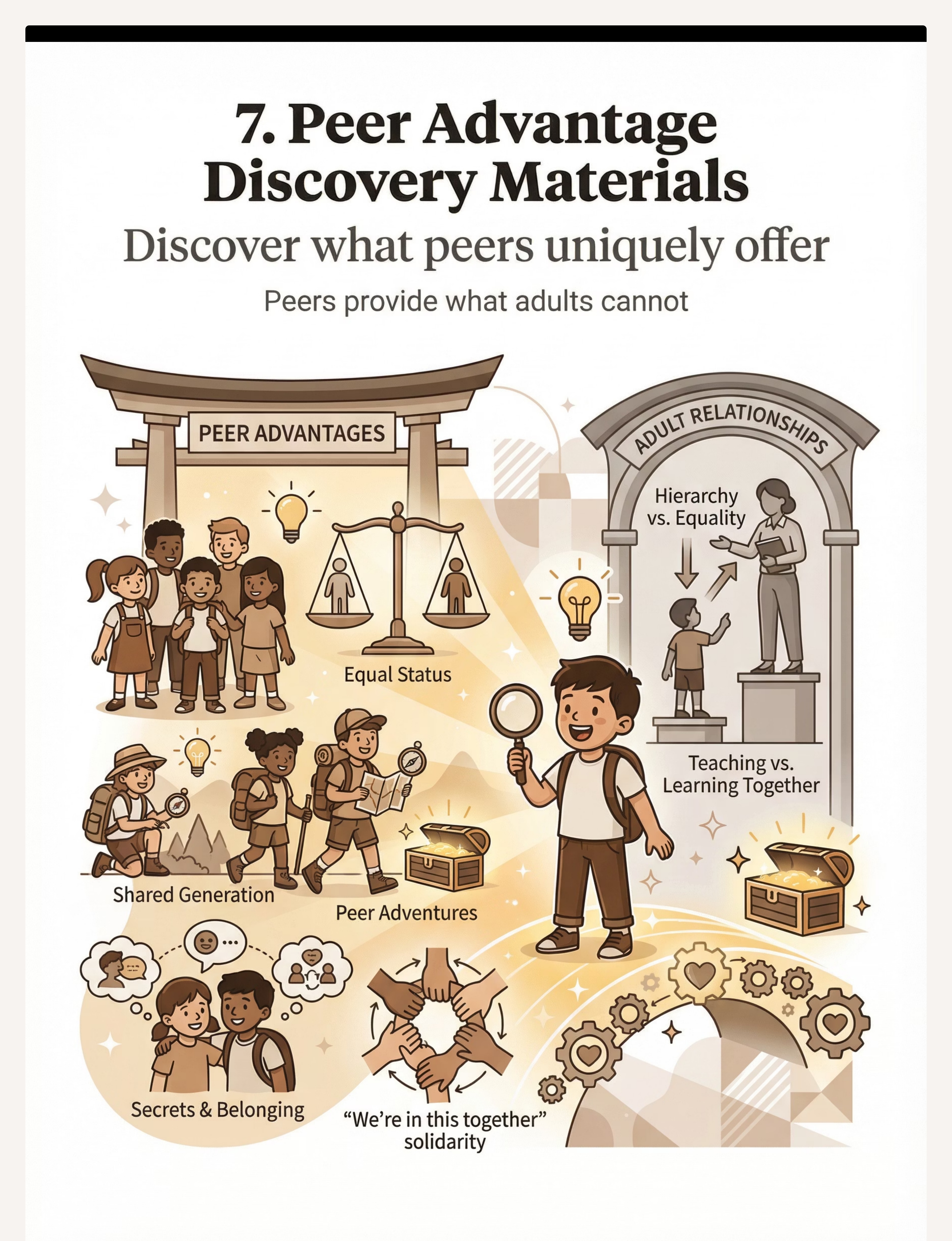
7 | Peer Advantage Discovery Materials | What peers offer that adults simply cannot | ₹200–500 | Discovery Materials | |
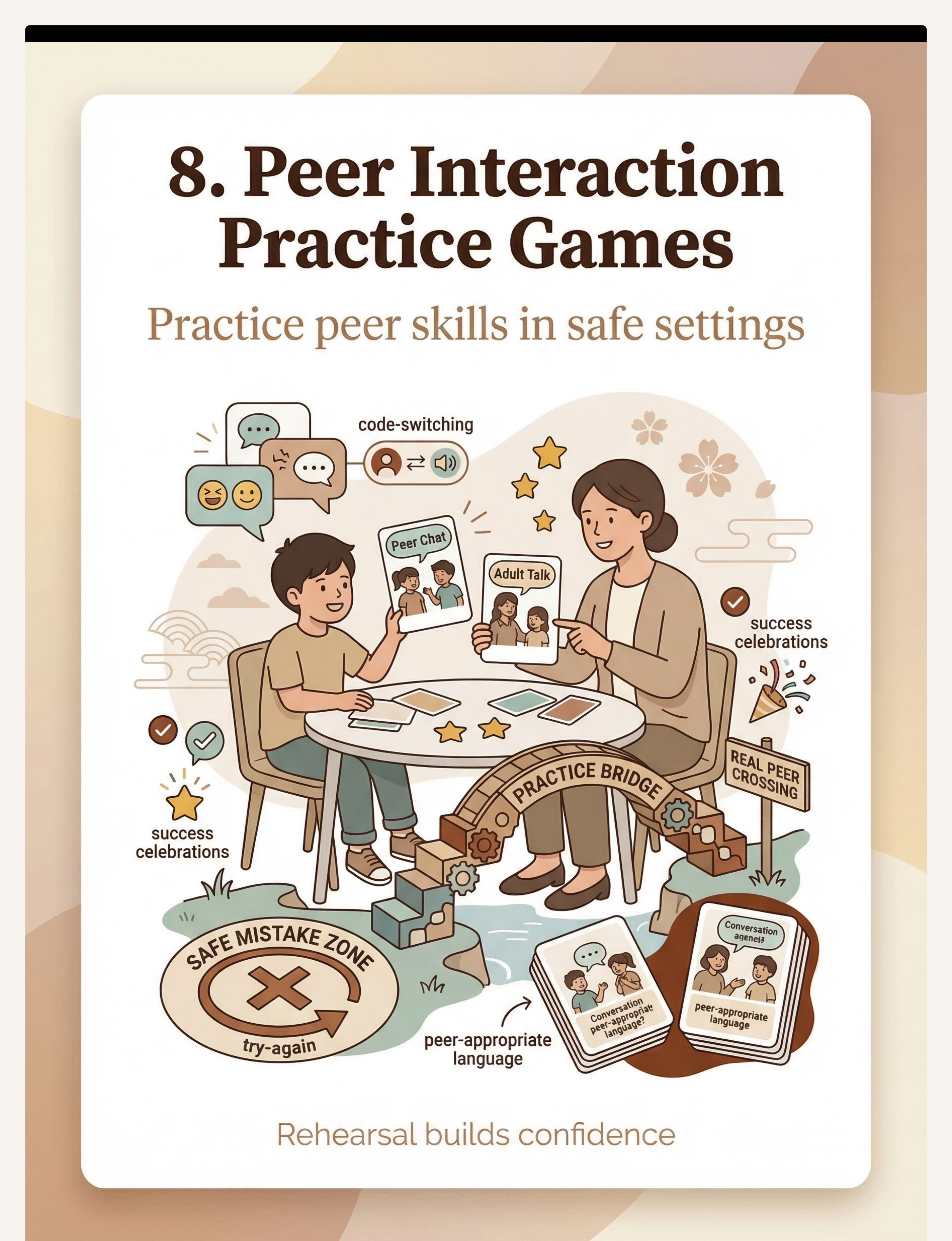
8 | Peer Interaction Practice Games | Rehearse peer skills in safe, structured settings | ₹200–500 | Social Games | |
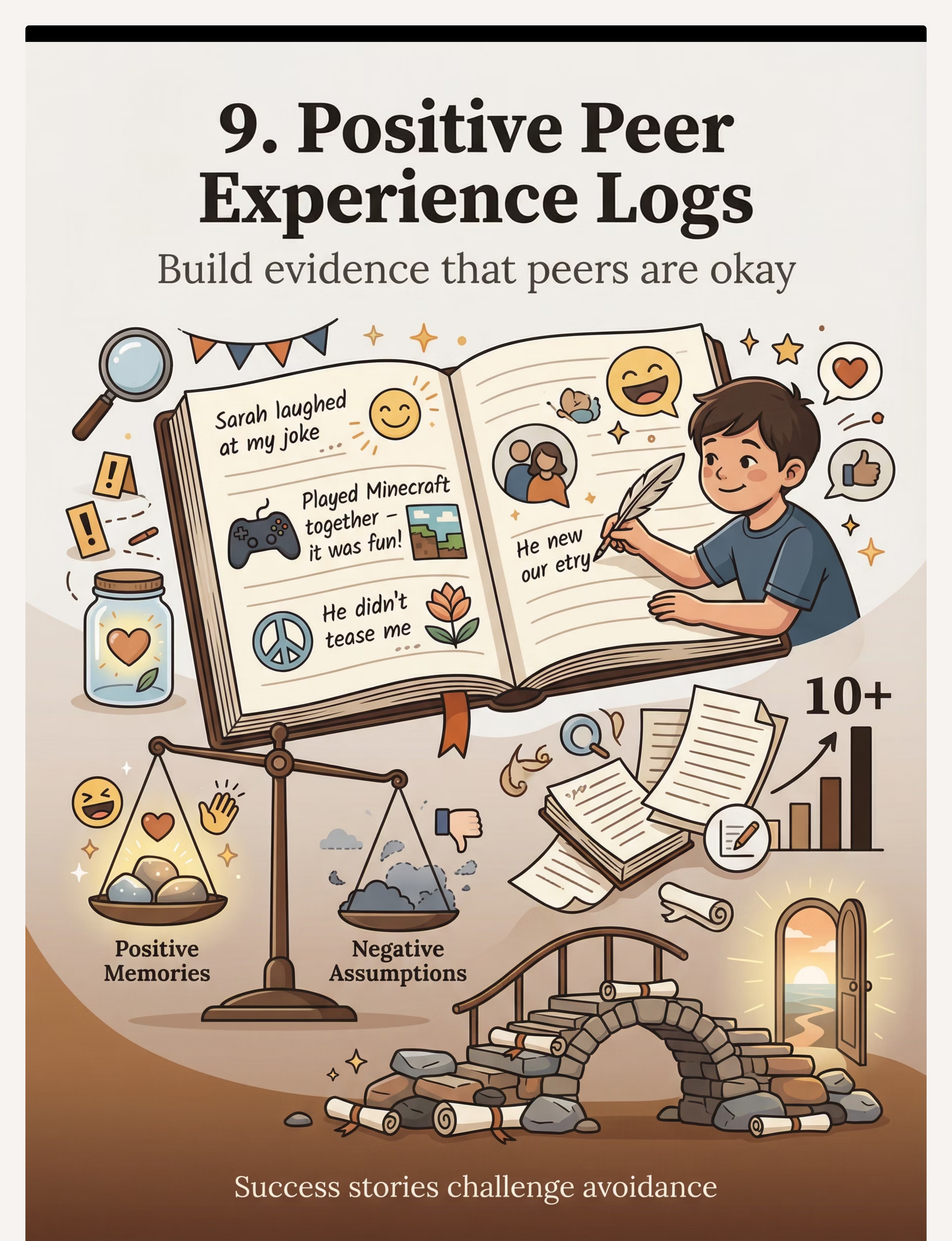
9 | Positive Peer Experience Logs | Build evidence that peers are okay — one session at a time | ₹100–300 | Journals & Trackers |
Comprehensive Setup Cost: ₹1,800–4,800 for full material set | Essential starters: ₹500–900. Every child deserves access — see the next card for zero-cost DIY alternatives.
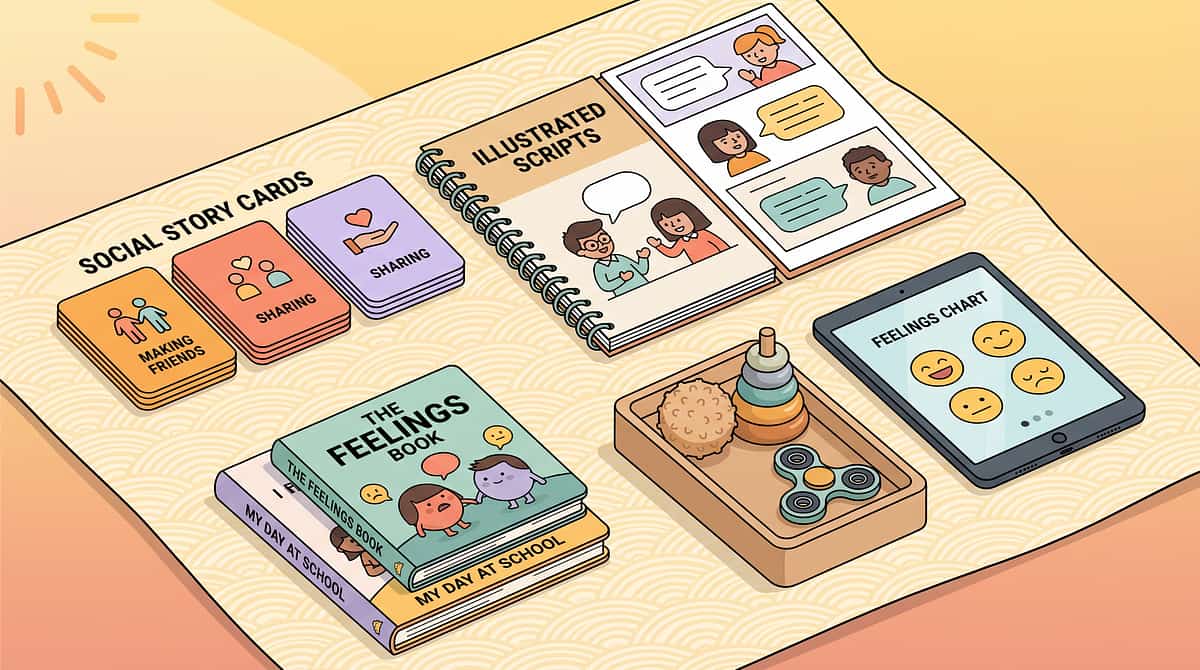
Material 1 — Deep Dive
Peer Interaction Scripts & Social Stories
What It Does
A Social Story™ or peer interaction script is a short narrative — typically 4–8 sentences with illustrations — that describes a social situation from the child's perspective. It answers: What is happening? Who is involved? What do I do? What happens next?
Why It Works
Peer environments feel unpredictable because the child cannot anticipate what will happen. Scripts and social stories remove the unknown. When the child has "read the script" of a peer interaction, the real encounter feels familiar rather than threatening.
How to Use It
- Read the script or story together — adult and child — before any peer session
- Ask the child to predict what happens at each step
- Role-play one scenario from the story at home (adult as peer)
- After the peer session, revisit the script and mark what actually happened
DIY Version (₹0)
Draw or write a 4-panel story on paper: "What happens when I join the game?" — 4 boxes, 4 pictures. The therapeutic value comes from the interaction pattern, not the production quality.
Featured Product
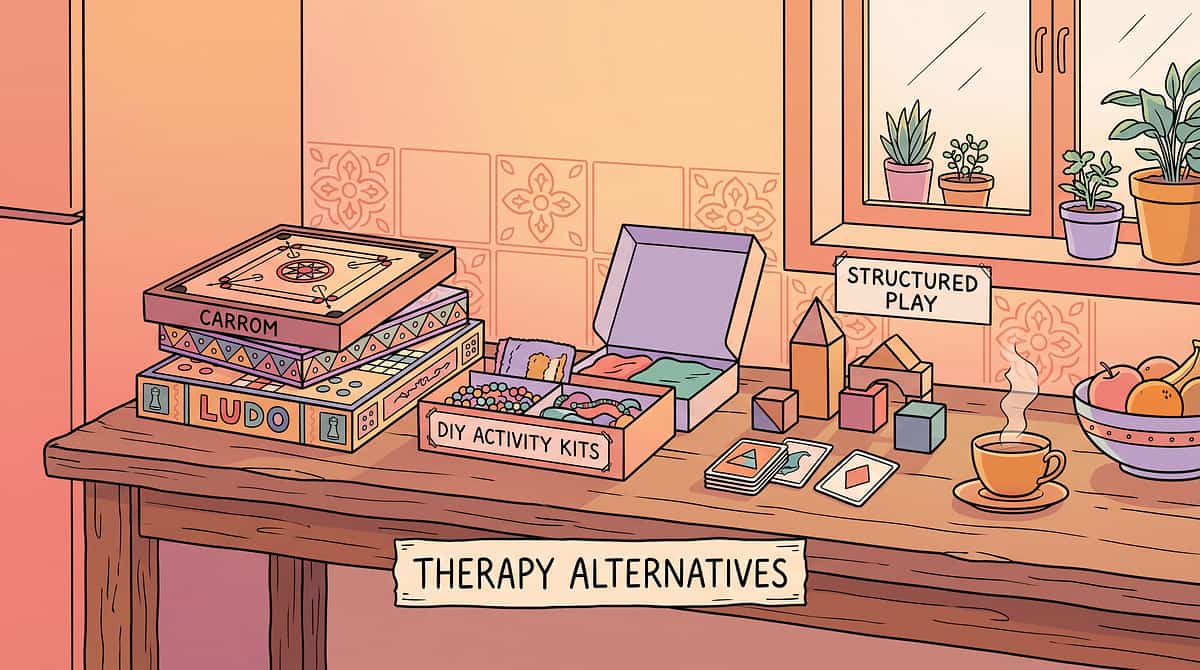
Material 2 — Deep Dive
Structured Peer Activity Kits
What It Does
Structured peer activity kits provide a peer interaction context governed by clear, pre-existing rules. The rules remove the need for spontaneous social negotiation — which is the most anxiety-provoking aspect of peer interaction for children with adult preference.
Why Rules Create Safety
Adults, by nature, already provide structure. Structured activities give peers the same quality: predictable turns, known outcomes, clear roles. A board game with rules feels as safe as an adult-led activity. This is the mechanism: rules = predictability = peer comfort.
Examples of Structured Activities
- Turn-taking card games (Uno, Snap, Go Fish)
- Construction kits with shared instructions (LEGO sets)
- Cooperative puzzle building (both children work on same puzzle)
- Art projects with clearly defined roles ("you colour, I cut")
DIY Version (₹0)
Any household game with clear rules works: Ludo, Snakes & Ladders, simple card games. The structure is the intervention — not the kit. Start with the most rule-governed game your child already knows.
Progression Arc for This Material
Adult-led game (child watches)
Adult + child play (no peer yet)
Adult + child + peer (adult facilitates)
Child + peer (adult observes)

Material 3 — Deep Dive
Interest-Based Peer Matching Tools
Interest-based peer matching is often the single most powerful unlock in the adult preference pattern. Children who prefer adults often do so because adult conversations can accommodate their specialist interests — peers, in contrast, seem disinterested or dismissive. The solution: find the peer who is equally passionate.
How to Use It
- Write your child's top 5 interests on paper — specific and detailed (not "animals" but "nocturnal rainforest beetles")
- Ask their class teacher which classmates share overlapping interests
- That's your match list — these are candidate bridge peers
- Use the structured activity kit (Material 2) around the shared interest
Why This Works
When a peer shares an interest, they become more interesting than an adult as a conversation partner — because the peer brings new information the adult doesn't have. Interest matching flips the motivation equation: suddenly, the peer has something the adult cannot offer.
DIY Version (₹0)
Write your child's top 5 interests on paper. Ask their school teacher which classmates share them. That's your match list. No purchase needed — just a conversation with the class teacher.
Material 4 — Deep Dive
Peer World Decoder Books
What It Does
Peer World Decoder Books are age-appropriate books, comics, or illustrated guides that explain peer culture — what children talk about, what games are popular, what social conventions govern peer interaction. They reduce the "foreignness" of peer culture for children who have spent most of their social time in adult company.
Why Peer Culture Feels Foreign
Children who prefer adults often have extensive adult vocabulary and adult conversational references, but limited exposure to peer culture references — current playground games, popular characters, peer slang. Peer world decoders bridge this gap explicitly rather than leaving the child to decode it alone in the peer setting itself.
How to Use It
- Read together weekly — make it a "peer culture" learning ritual
- Discuss: "What are the kids in your class talking about? Let's learn about it together."
- Role-play conversations using newly decoded peer cultural references
- Celebrate when your child successfully uses a peer cultural reference
DIY Version (₹0)
A weekly "peer culture chat": "What are the kids in your class talking about? Let's learn about it together." This builds peer cultural literacy at zero cost through conversation and curiosity.
Goal: reduce the child's experience of peers as an alien culture. Familiarity reduces the amygdala's threat signal.

Material 5 — Deep Dive
Graduated Exposure Planners
Graduated exposure is the clinical engine of C-312. The planner externalises the hierarchy — making it visible to child and parent alike. Moving up one level is a genuine therapeutic milestone. Each level is practiced until the child is comfortable before advancing. There is no rushing.
How to Use It
- Begin at the level where the child shows no distress
- Practice each level 3–5 sessions before advancing
- Mark progress visibly — sticker on the planner
- Never skip levels — each one builds neural safety evidence
DIY Version (₹0)
Five index cards, labelled Level 1–5. Move a magnet or sticker up the ladder each week. The therapeutic mechanism is identical to a printed planner — the visualisation of progress matters, not the medium.
Material 6 — Deep Dive
Adult-Facilitated Peer Bridge Activities
What It Does
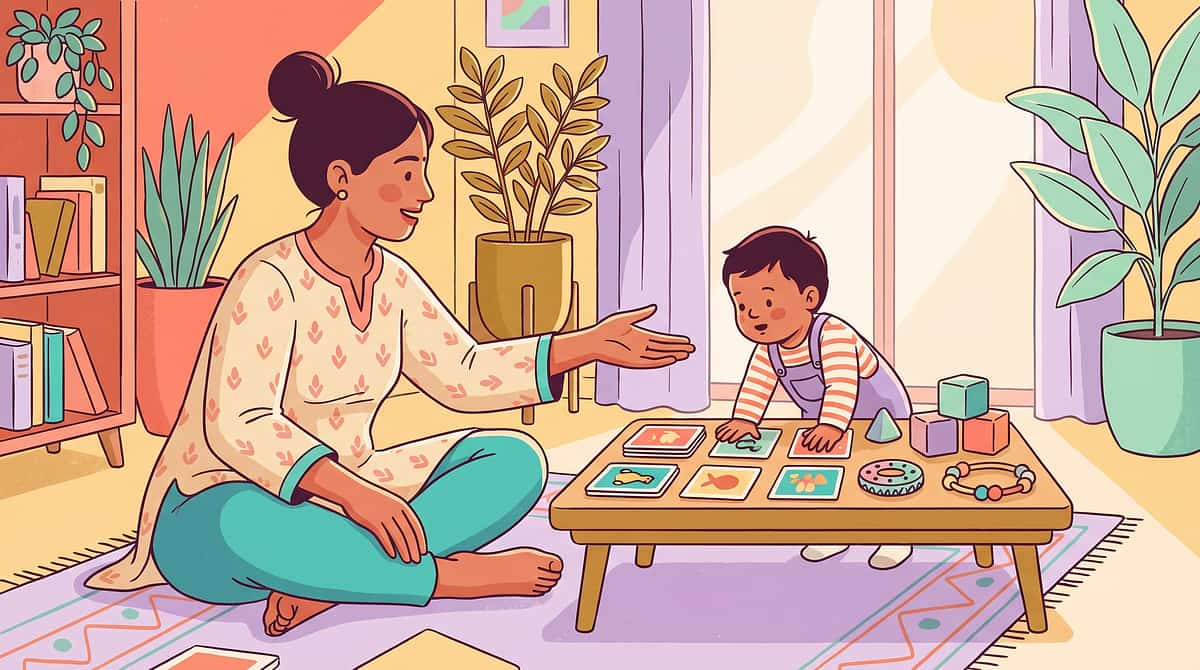
Adult-Facilitated Peer Bridge Activities are structured interactions in which the adult is present and active — but as a bridge rather than a destination. The adult narrates, encourages, and temporarily holds the social scaffold so the peer interaction can begin. Over sessions, the adult's role shrinks as the peer connection grows.
The Facilitation Arc
Full facilitation
Adult narrates every exchange
Partial facilitation
Adult prompts only when exchange stalls
Observer
Adult present but silent
Absent
Peer interaction independent
Key Facilitation Principle
The adult must never position themselves between child and peer — physically or conversationally. The adult stands beside, slightly behind, and creates conversational bridges toward the peer rather than toward themselves.
DIY Version (₹0)
Adult sits at table while two children do parallel craft. Adult narrates both children's work in a warm "sportscaster" style. Gradually reduce participation each session — fewer words, more silence, more peer-to-peer space. The fading is the intervention.
Critical Rule
Adults become bridges, not barriers. The peer should always have more eye contact access to the child than the adult does.
Material 7 — Deep Dive
Peer Advantage Discovery Materials
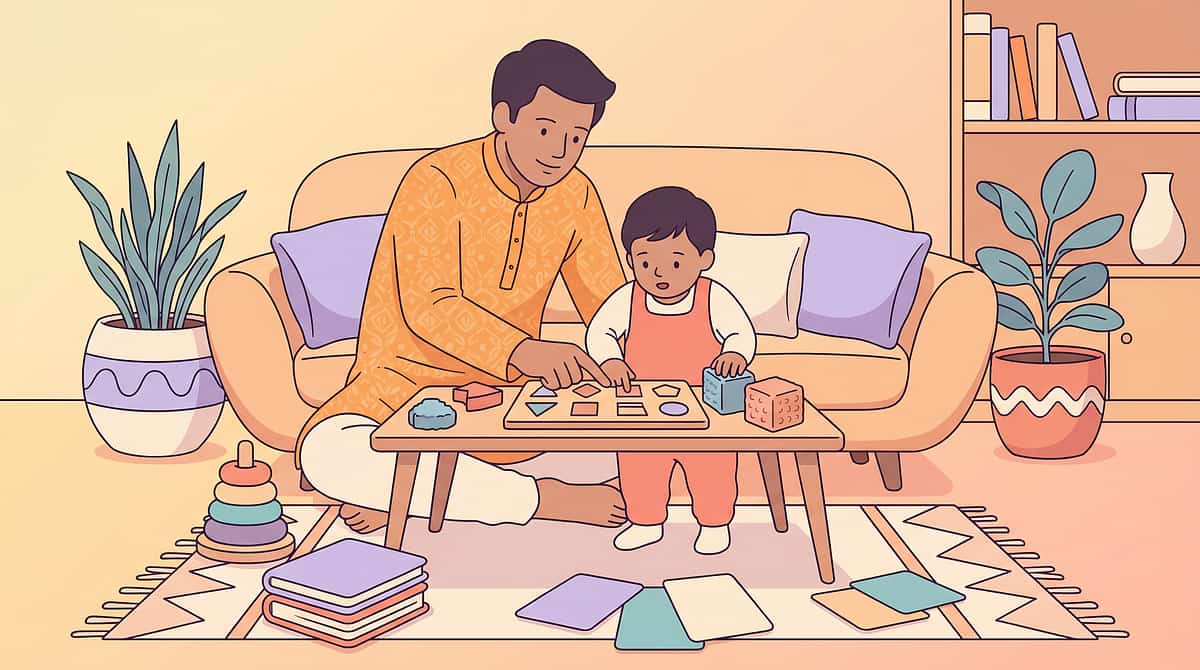
These materials answer a question the child's nervous system has never fully considered: What can a peer offer that an adult simply cannot? For children deeply embedded in adult preference, the peer world has no clear advantage. Peer Advantage Discovery Materials make the case — concretely, experientially, and joyfully.
Core Insight
Adults offer safety, knowledge, and validation. But peers offer something adults cannot: equal-status adventure, shared risk, reciprocal silliness, and the particular joy of being understood by someone who is exactly the same age and in the same world. These materials help the child discover this.
How to Use It
- Storytime activity: "What adventures can you only have with a friend your age?" — discuss real examples from your child's experience
- Make a list together: things only a same-age peer can do with them
- Connect the list to the interest-matched peer (Material 3)
DIY Version (₹0)
A conversation: "What's something fun you've seen other kids do together that you'd like to try?" Then plan it — not as therapy, as adventure. The goal is to build genuine peer desire, not compliance. Motivation is the engine; these materials build it.
When the child genuinely wants what the peer offers, the exposure hierarchy accelerates naturally. Motivation is the most powerful therapeutic variable.
Material 8 — Deep Dive
Peer Interaction Practice Games
What It Does
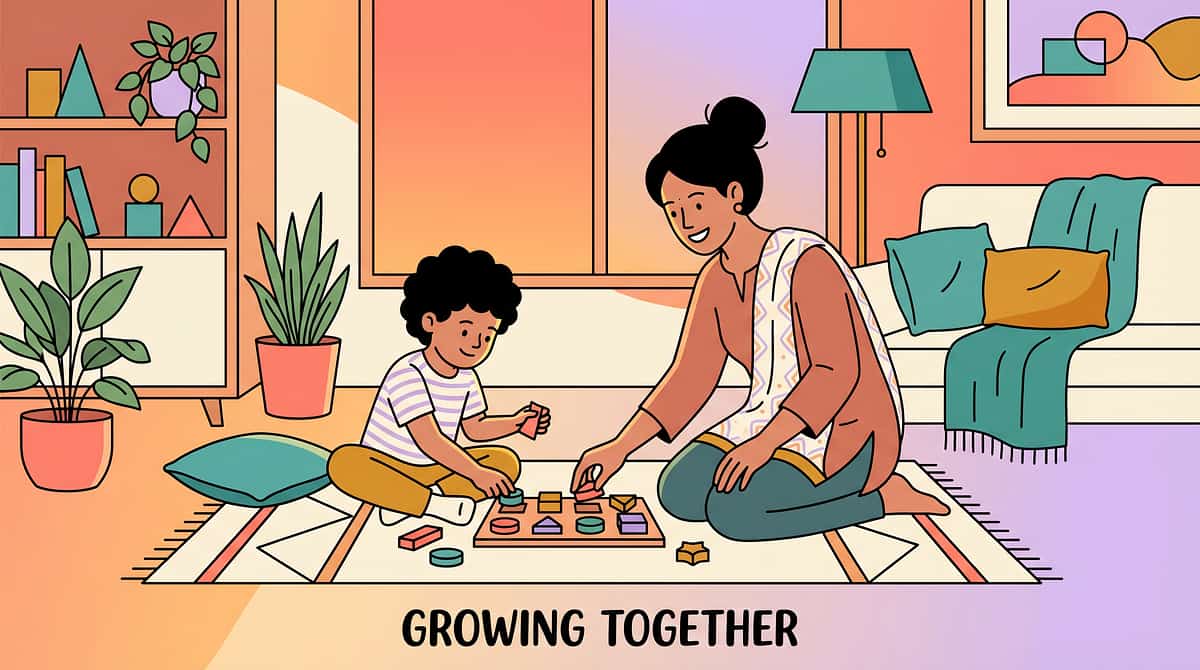
Practice games create a safe rehearsal space for peer interaction skills — inside the home, before the real peer encounter. The adult plays the role of peer, using age-appropriate language, game conventions, and social scripts. The child practices without the stakes of a real peer interaction.
Why Rehearsal Matters
The prefrontal cortex needs repeated exposure to a social scenario before it feels predictable. Home rehearsal with an adult "playing peer" builds the neural script — so when the real peer arrives, the script already exists. The encounter is familiar, not foreign.
How to Use It
- Choose a specific peer scenario to rehearse (joining a game, asking to sit together at lunch)
- Adult plays the peer — use peer-appropriate language, not adult language
- Rehearse the scenario 2–3 times, varying the peer's response slightly
- Debrief together: "What felt easy? What felt hard?"
- Use the script (Material 1) as a reference if child gets stuck
DIY Version (₹0)
Role-play peer scenarios at home: "Pretend I'm your classmate. What would you say?" Start with the easiest scenario your child can imagine and build from there. This is the most powerful zero-cost tool in the entire C-312 material set.
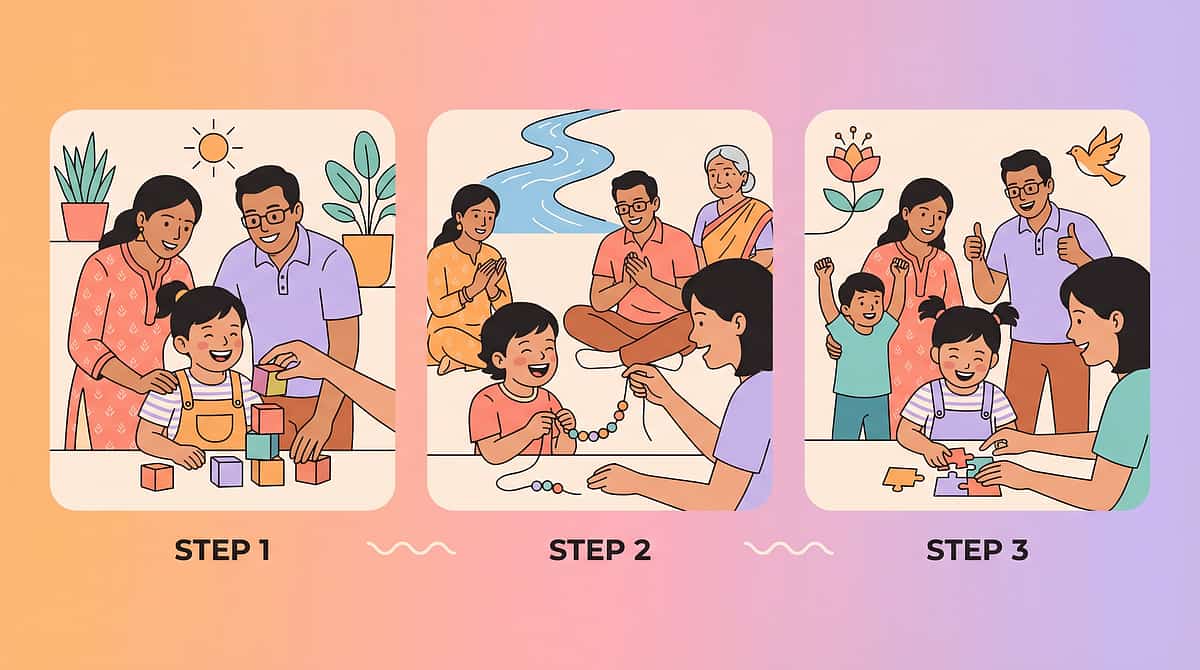
Material 9 — Deep Dive
Positive Peer Experience Logs
The Positive Peer Experience Log is perhaps the simplest and most profound of the 9 materials. It is a daily record of one good peer moment — however small. Its therapeutic power lies in what it does to the brain's evidence-weighing system.
The Mechanism
A child who prefers adults has an implicit "evidence file" showing that adult interactions are positive and peer interactions are neutral or negative. The log consciously builds a counter-file: documented proof that peers produce good moments. Over weeks, the evidence file shifts. The nervous system updates its risk assessment. Peers become safer — not because the world changed, but because the evidence did.
How to Use It
- Each day, ask: "What was one good thing that happened with another child today?"
- Write it down together — child's words, child's handwriting if possible
- Add a sticker or drawing to mark the moment
- Review the log weekly — read past entries together and celebrate the accumulation
DIY Version (₹0)
A notebook and a pen. One good peer moment per day. That's it. The therapeutic value is in the ritual of noticing and recording — not in the journal's quality.
Featured Product
Use as a token economy vessel alongside the log — one token per positive peer entry.
"The log turns invisible progress visible. When a child can hold the notebook and count 47 good peer moments, they have evidence — real, tangible, their own evidence — that peers are okay."
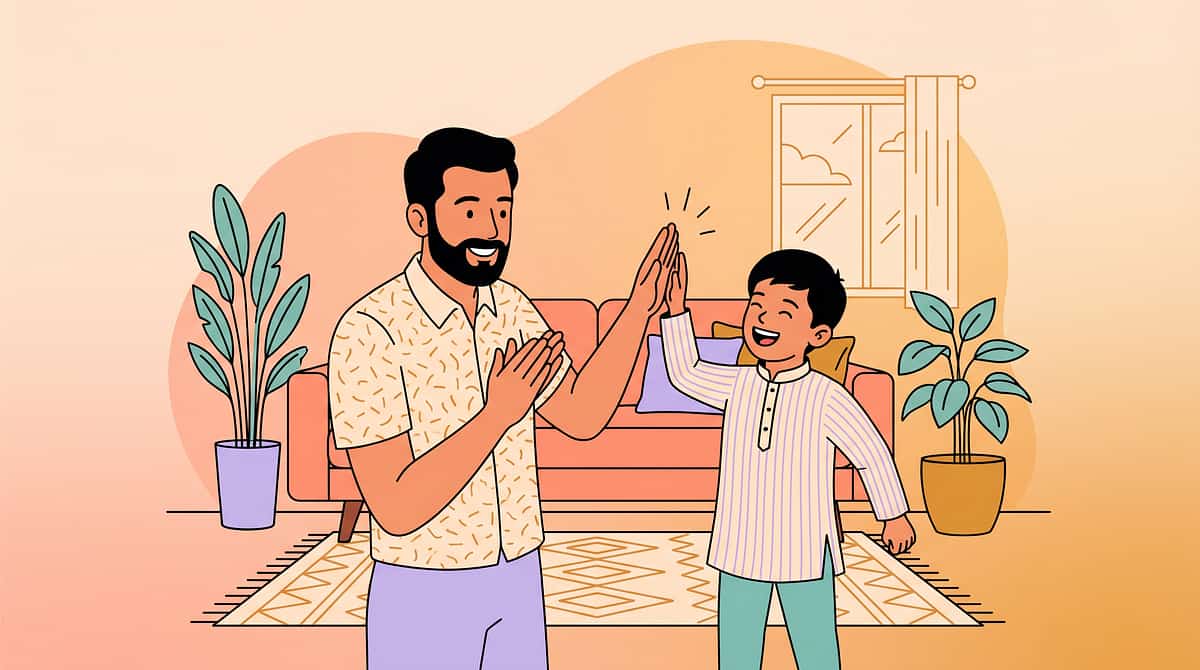
Every Child Deserves Access — Regardless of Postcode or Budget
WHO/UNICEF Equity Principle
Zero-Cost DIY Options
Per the WHO Nurturing Care Framework: Interventions must be designed for all families across all economic contexts. A child's developmental opportunity should not be determined by their family's purchasing power. The therapeutic value comes from the interaction pattern, not the material cost.
Material | Buy Version | Zero-Cost DIY Version | |
Social Scripts | ₹200–500 printed books | Draw 4-panel story on paper: "What happens when I join the game?" 4 boxes, 4 pictures. | |
Activity Kits | ₹400–1,000 structured kits | Any household game with clear rules: Ludo, Snakes & Ladders, simple card games. | |
Interest Matching | ₹150–400 inventory tools | Write child's top 5 interests. Ask teacher which classmates share them. Done. | |
Decoder Books | ₹300–600 published books | Weekly "peer culture chat" — "What are kids in class talking about? Let's learn together." | |
Exposure Planners | ₹200–450 printed planners | 5 index cards labelled Level 1–5. Move a sticker up the ladder each week. | |
Bridge Activities | ₹250–550 facilitation guides | Adult sits at table, two children do parallel craft. Gradually reduce adult participation. | |
Peer Advantage | ₹200–500 discovery tools | "What adventures can you only have with a friend your age?" — discuss real examples. | |
Practice Games | ₹200–500 game sets | Role-play peer scenarios at home: "Pretend I'm your classmate. What would you say?" | |
Positive Logs | ₹100–300 journals | A notebook + a pen. One good peer moment per day. That's it. |
A ₹0 social story drawn on the back of a school notebook works on the same neurological mechanisms as a ₹500 printed version. Use what you have. Start today. PMC9978394 — WHO CCD Package across 54 LMICs confirms household materials demonstrate equivalent efficacy when interaction quality is maintained.
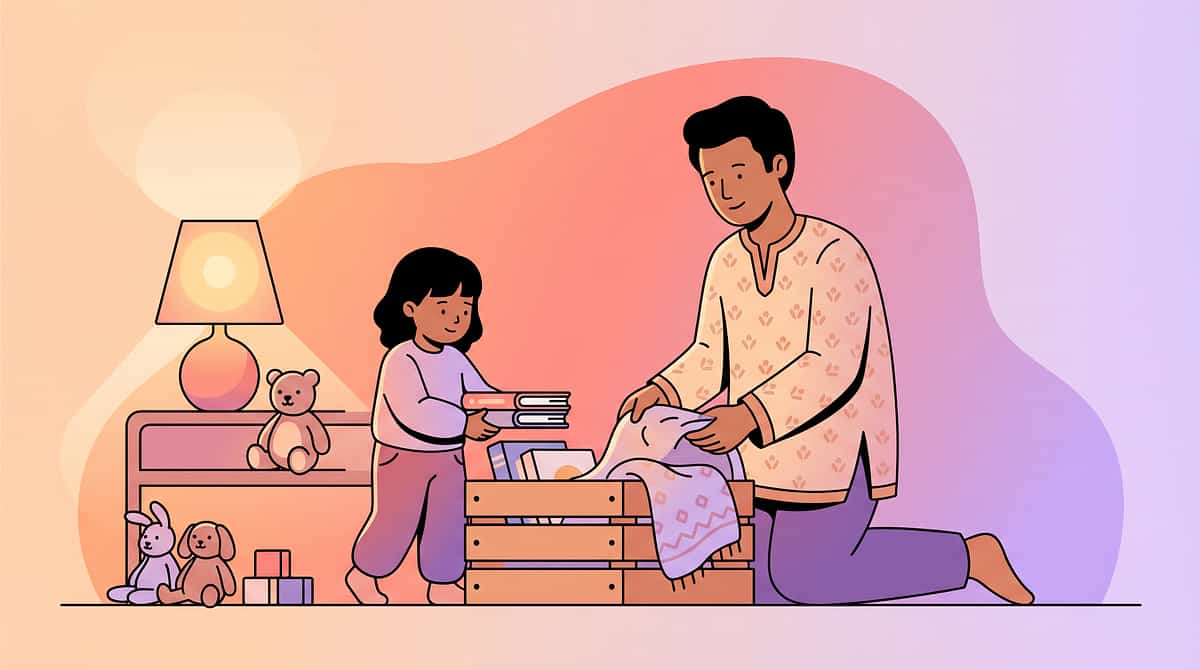
Safety First: Read This Before You Begin
🔴 DO NOT PROCEED IF: Child is in acute distress, meltdown, or post-meltdown recovery (under 30 minutes) | Child has experienced severe peer trauma not yet professionally processed | Child shows aggressive behaviour toward peers (ABA/BCBA consultation required first) | Child expresses suicidal or self-harm ideation related to social isolation — call 9100 181 181 immediately | Child has active illness, fever, or significant sensory dysregulation on the day of session
🟡 MODIFY IF: Child is mildly tired or hungry — run a shorter, lower-demand version | Child had a negative peer experience today — begin with Positive Peer Log review rather than new exposure | Child is resistant to the material — reduce to parallel activity only; don't force scripted practice
🟢 PROCEED WITH CONFIDENCE IF: Child is fed, rested, and in regulated baseline state | Session is consistently timed (same time of day builds routine) | Adult facilitator is calm and patient | The peer chosen is genuinely kind and safe
Critical Contraindications
- Never force peer interaction against the child's expressed or behavioural distress
- Never devalue adult relationships to push peer connection — creates secondary anxiety
- Never compare to "normal children" — comparative framing increases shame and avoidance
- Never use this technique with an incompatible peer pairing — one negative peer experience can reset weeks of progress
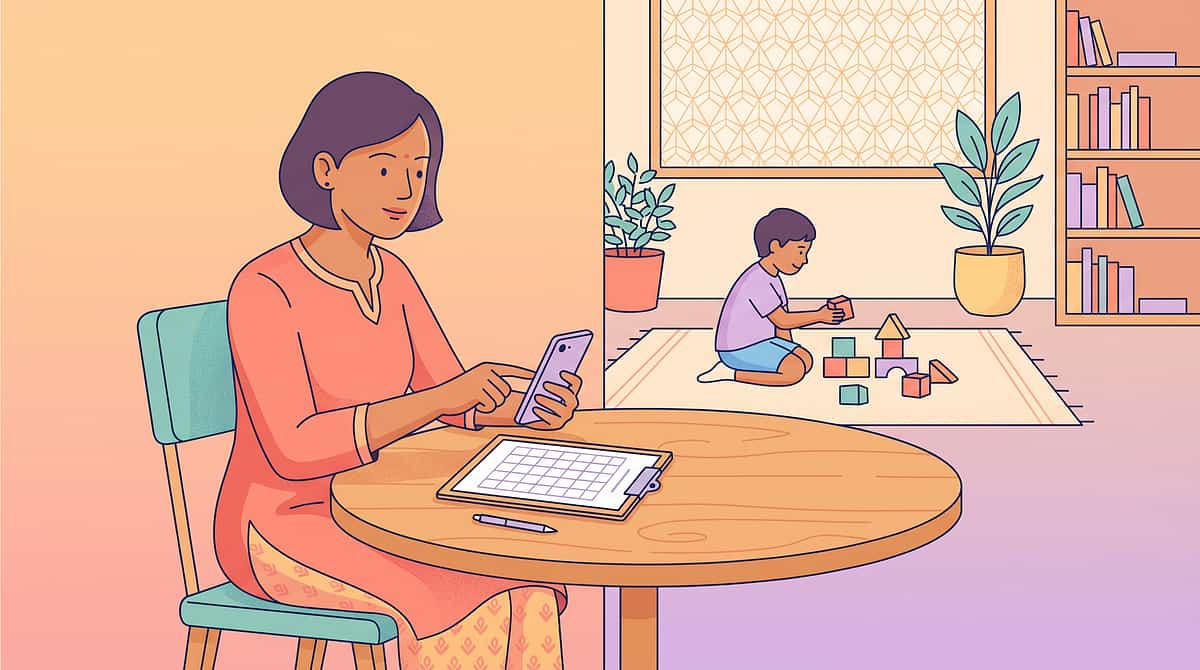
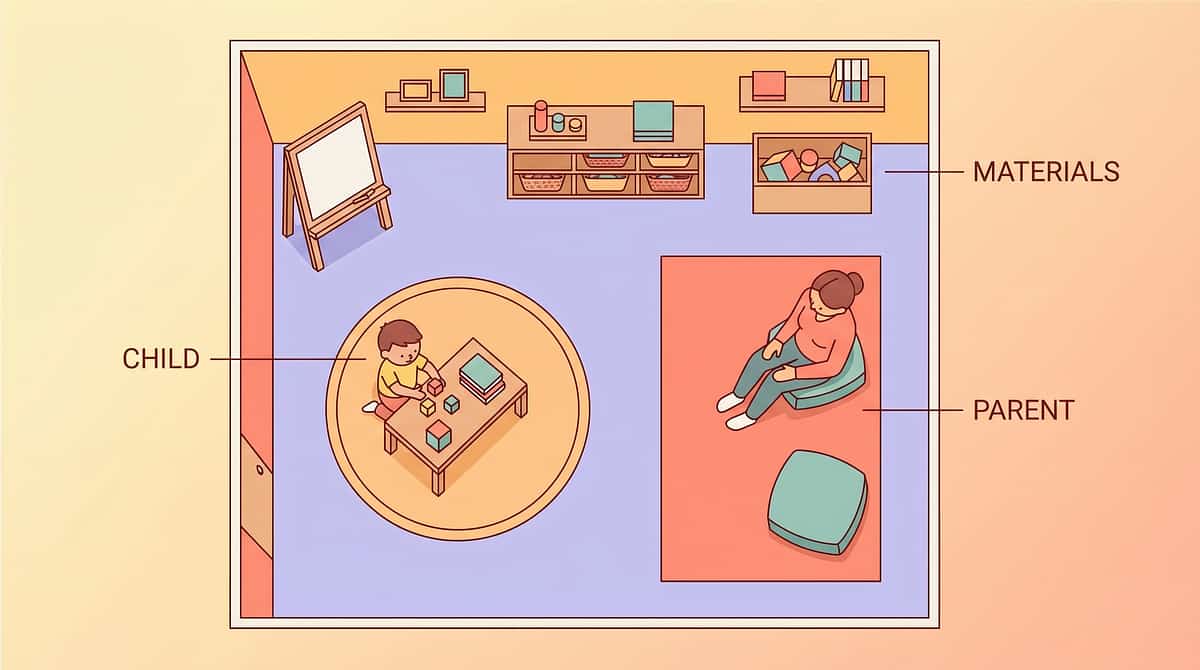
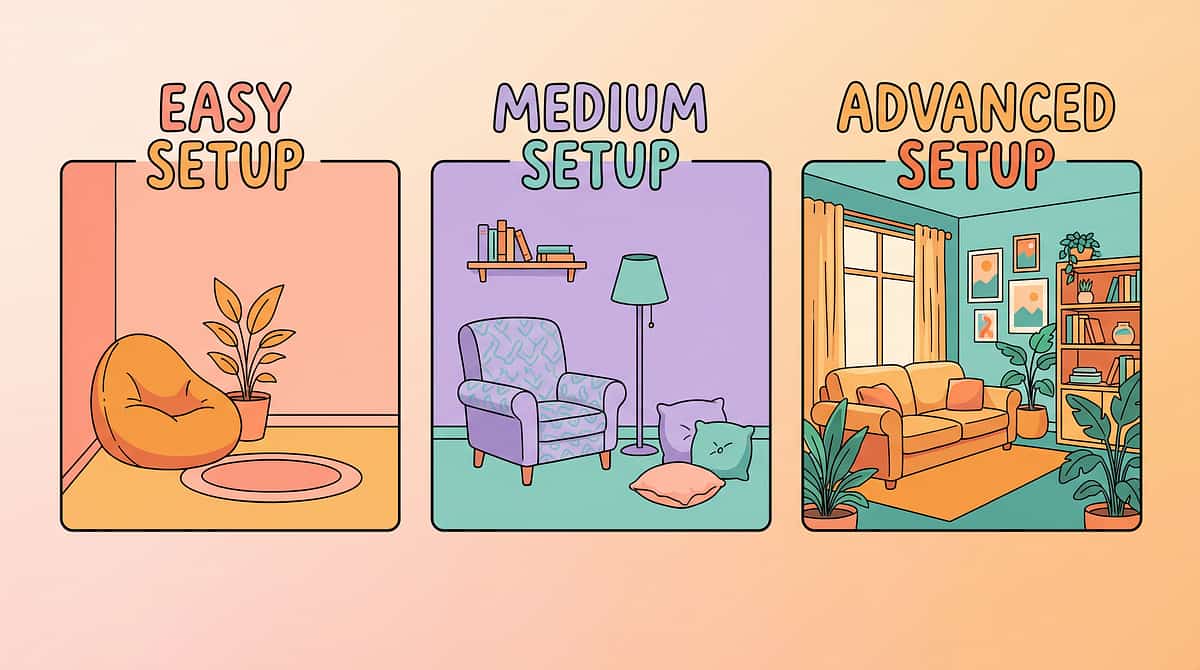
Set Up Your Space: The Right Environment Is Half the Intervention
The Peer Bridge Room Layout
📚 Materials Table — Scripts, games, logs within child's reach, set up before child enters
👶 Child Position — Facing slightly toward peer, not away. Never cornered.
👦 Peer/Sibling — At arm's length initially. Within shared activity space.
👩 Adult Facilitator — Slightly behind and to the side. NOT between child and peer.
🚫 Remove: Screens, loud toys, high stimulation items before session begins.
Setup Checklist
- Low stimulation — screens off, background noise minimal
- Soft, warm lighting (overhead fluorescents increase anxiety)
- Activity already set up — no waiting while child watches
- Peer choice verified — is this a safe, kind peer?
- Reinforcement menu ready — sticker chart or reward jar within view
- Visual timer visible — child can see remaining time
- Exit available — child should never feel trapped in peer proximity
- Adult positioned as bridge, not barrier
Sensory Notes
- Temperature: Comfortable, not hot — heat increases irritability
- Smell: Neutral — strong scents distract sensory-sensitive children
- Touch: Avoid clothing tags or tight clothing before sessions

ACT III: THE EXECUTION
Is Your Child Ready? The 60-Second Pre-Session Checklist
"60 seconds now saves 30 minutes of struggle later."
Check | ✅ GO | 🟡 MODIFY | 🔴 POSTPONE | |
Fed in last 2 hours? | Yes | Mild hunger | Very hungry | |
Rested (no nap overtiredness)? | Yes | Slightly tired | Exhausted | |
No meltdown in last 60 minutes? | Correct | >45 min ago | <45 min ago | |
Calm/regulated baseline? | Yes | Mildly bouncy | Dysregulated | |
No illness/fever today? | Correct | Mild sniffles | Unwell | |
Engaging with you normally? | Yes | Somewhat | Withdrawn/distressed | |
Peer available and appropriate? | Yes | Solo practice | Peer unavailable |
5–7 ✅
Full session — proceed to Step 1
3–4 ✅
Modified session — solo script reading or positive log review only
0–2 ✅
Postpone — calming activity instead. Tomorrow is also a good day.
"The best session is one that starts right. A skipped session is not failure — it is wisdom."
Step 1 of 6
The Invitation (30–60 Seconds)
The Approach
Begin with the child's comfort zone — an adult-to-child interaction. Do not introduce the peer first. Start with warmth, low demand, and playfulness. The peer is present but not yet focal.
Script — Say Exactly This or Adapt Closely
"Hey, I've got something really fun set up. Want to come see? [Child's name] from next door is here too — we thought we'd try the [game/story/activity] together. No pressure. Let's just see what it looks like."
Body Language
- Crouch to child's eye level — do not loom
- Warm, relaxed facial expression — no urgency
- Open hand gesture toward activity — not toward peer
- Allow 5–10 seconds for child to process — silence is not rejection
Acceptance Cues — Child Is Ready
- Moves toward activity area
- Makes eye contact with materials (not necessarily with peer)
- Asks a question about the activity
- Body language is open, not turned away
Resistance Cues — Modify
- Moves toward adult, away from peer
- Verbal refusal or exit behaviour
- Increased self-stimulatory behaviour
If resistance cues appear: stay with child, narrate what peer is doing from a distance. Don't force proximity. ABA Pairing Principle: this step establishes the peer as a neutral/positive stimulus before any demands are placed. PMC11506176

Step 2 of 6
The Engagement (1–3 Minutes)
Child and peer are now in the same space with a shared activity object between them. Parallel engagement — each doing their own version of the activity, near each other — is FULL SUCCESS at this stage. Do not rush toward interaction.
Material Introduction Script
"Here's how this works — [explain the activity simply]. You can start on your side, [peer name] will start on their side. No rules about who goes first. Just explore it."
The Adult's Role in This Step
Narrate what each child is doing in a warm "sportscaster" style: "Oh, look — she found the blue card. You've got the red one!" This creates shared conversational reference without requiring direct peer communication. Gradually reduce narration as natural peer attention emerges.
Engagement Level Guide
Level | What It Looks Like | Adult Response | |
Engagement ✅ | Looking at peer's activity, parallel exploration | Narrate positively, reduce narration | |
Tolerance 🟡 | Staying in space, not engaging but not fleeing | Maintain warm narration, no additional demand | |
Avoidance 🔴 | Moving toward adult, seeking to leave | Redirect to material rather than to peer |
Reinforcement Cue: When child makes ANY positive peer-directed behaviour (glance, comment, shared smile) — immediate, specific, enthusiastic praise: "I saw you look at what [peer] was doing! That's you being a great partner!" PMC11506176

Step 3 of 6
The Therapeutic Action (5–15 Minutes)
Choose ONE of the 9 materials as the session's focal tool. Rotate across sessions for variety. This is the core of the intervention — the therapeutic exposure itself.
1
A) Script Reading (5 min)
Adult and child read a peer interaction social story together — predicting "what happens next" in the story. Child rehearses the narrative before the live interaction.
2
B) Peer Parallel (5 min)
While peer does their activity, child engages in the same activity independently nearby. Shared reference, not shared interaction. Level 2 on the graduated exposure hierarchy.
3
C) Structured Turn (3–5 min)
A single, clear, rule-governed exchange: "Your turn — my turn." Turns are brief, structured, low-ambiguity. Adult facilitates only when exchange stalls.
Response Spectrum
- Ideal: Active engagement, spontaneous peer comment, follow-through on turn structure
- Acceptable: Parallel engagement, tolerance of peer, rule-following without spontaneity
- Concerning: Escalating distress, flight behaviour, complete shut-down → move to cool-down
Common Execution Errors
- Rushing to conversation before parallel play is established ← Back up to Step 2
- Adult staying physically central (blocks peer-peer eye contact) ← Step back physically
- Making demands (forcing child to say something to peer) ← Invite only, never demand

Step 4 of 6
Repeat & Vary (3–5 Minutes)
"3 good peer moments are worth more than 10 forced ones."
The Dosage Principle
Repetition target: 2–4 structured peer exchanges per session. Quality over quantity. The goal is not to exhaust the therapeutic exposure — it is to end before satiation sets in, leaving the child's system on a positive note.
Satiation Signals — Child Has Had Enough
- Increased body movement (bouncing, pacing)
- Looking toward exit or adult repeatedly
- Decrease in verbal output
- Physical withdrawal or avoidance of peer eye contact
When satiation signals appear: Do NOT push for one more rep. Move gracefully to Step 5. Ending on a positive note matters more than completing target repetitions.
Session Variation Schedule
Session | Material Focus | Variation | |
Session 1 | Social Script reading | Predict outcomes together | |
Session 2 | Structured game | Turn-taking with sticker reward | |
Session 3 | Interest matching | Show peer your favourite thing | |
Session 4 | Positive log | Review together, add new entry | |
Session 5 | Graduated exposure step-up | Longer peer proximity, less structure |
Step 5 of 6
Reinforce & Celebrate (1–2 Minutes)
Immediate (within 3 seconds), specific, enthusiastic reinforcement increases the probability that the peer interaction behaviour will occur again. The child's brain begins to associate peer contact with positive outcomes.
For Verbal Praise Lovers
"[Child's name], you stayed close to [peer name] the whole time! I'm so proud of how you did that today!"
For Specific Behaviour Labellers
"You looked at what [peer] was doing AND you took your turn — that's exactly what building friendships looks like!"
For Non-Verbal/Token System Children
Place sticker on reward chart. Point to it. Give thumbs up. The token may be more meaningful than the words.
Critical Rule: "Celebrate the attempt, not just the success. A child who tried to look at a peer gets the same celebration as one who spoke to them. The step matters." — Immediate, specific reinforcement increases behaviour occurrence across all autism intervention literature. BACB ethical guidelines.
Step 6 of 6
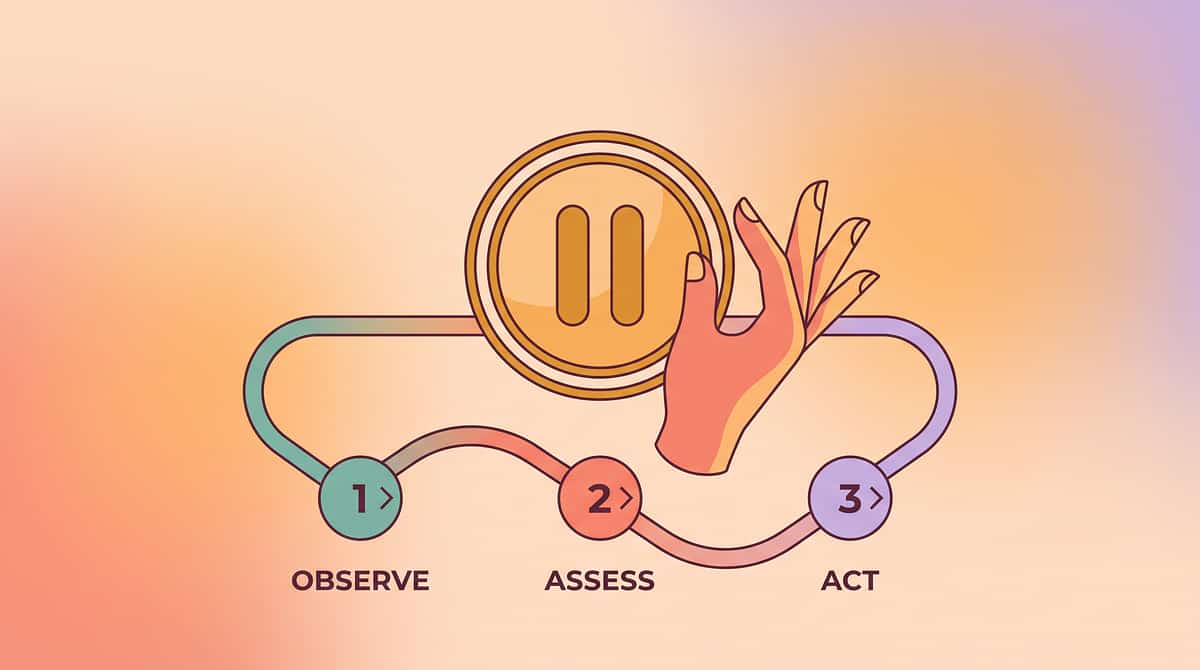
The Cool-Down (2–3 Minutes)
Why This Step Cannot Be Skipped
An abrupt end to peer interaction can leave the child's nervous system in a mildly activated state — associating the ending of peer time with discomfort. The cool-down seals the session with regulation and positive closure.
Transition Warning (2 Minutes Before Ending)
"Two more turns, and then we're all done for today. Two more, then we'll pack up."
Cool-Down Activity (Choose One)
- Child packs away materials (procedural routine = regulation)
- 2 minutes of solo preferred activity (decompression)
- Positive Peer Log entry: "What's one good thing that happened today?"
- Visual timer: watch the last 60 seconds count down together
Transition Cue Script
"That's our time for today. [Peer name] is heading home. [Child name], you did something really brave — you stayed close and you played. That took courage. Let's write it down."
If Child Resists Ending — A Positive Sign!
- Validate: "I know, it was fun! That's a great sign. We'll do it again [specific day/time]."
- Bridge to anticipation: "Next time, we'll try [slightly more advanced version]."
- Do NOT extend the session unpredictably — routine and predictability build trust
Visual supports and transition strategies: Evidence-based practice for autism per NCAEP Evidence-Based Practices Report (2020).
Capture the Data: Right Now
"60 seconds of data now saves hours of guessing later." Record these 3 data points within 60 seconds of session end — before you do anything else.
Field 1 — Proximity Tolerance
How close did child stay to peer (voluntarily)?
- >1 metre away throughout
- Within 1 metre, no interaction
- Within arm's reach, some shared attention
- Direct peer engagement (words, shared action, eye contact)
Field 2 — Session Quality Rating
How did the session feel overall?
- Struggled — ended early
- Tolerated — minimal engagement
- Acceptable — parallel engagement
- Good — some peer-directed moments
- Excellent — spontaneous peer interaction
Field 3 — One Observation
Write one specific thing that happened:
Example: "She looked at what Maya was doing for about 5 seconds." This specificity is what builds your progression evidence over time.
This data — tracked consistently — becomes the progression evidence that moves your child from Stage 1 to Stage 5 on the Social Participation Index. A year of consistent data reveals the pattern of progress invisible in any single session. ABA Data Collection Standards: Cooper, Heron & Heward (Applied Behavior Analysis, 8th ed.) + BACB Guidelines.
What If It Didn't Go as Planned? The 7 Most Common Challenges
"Most sessions aren't perfect. Here is your fix for the 7 most common challenges." Session abandonment is not failure — it is clinical information.
Child ran to me the moment the peer arrived
Why: Adult preference is the defining pattern. This is expected in early sessions, not exceptional. Next time: Position yourself slightly further from child before peer arrives. Narrate peer activity from a distance to create shared reference without forcing proximity.
Child had a meltdown during the peer session
Why: Peer proximity activated the threat-detection system. Session demand was too high for current readiness level. Next time: Step back one level on the graduated exposure hierarchy. Reduce session duration by 50%.
Peer didn't cooperate — was unkind or chaotic
Why: Peer selection is as important as child readiness. Not all children make good bridge peers. Next time: Choose a calmer, more patient peer. Brief the peer or their parent on the structured activity beforehand.
Child completely ignored the peer for the whole session
Why: Parallel engagement IS success for early sessions. Complete ignoring while staying in the space is Stage 2 progress. Next time: Celebrate the staying. Don't demand the interacting. The ignoring will decrease as sessions accumulate.
Child kept asking me to do it instead of the peer
Why: Adult preference in action — child is doing what works. This is information. Next time: Use interest-matching material to find a peer activity the child genuinely wants to do — so peer becomes more appealing than adult as activity partner.
I lost my patience during the session
Why: This is hard. Adult emotional regulation directly impacts child regulation. Next time: Shorter session. Self-regulation break for yourself first. Three short consistent sessions beat one long stressful one every time.
Child was great during session but went to adult immediately after
Why: Post-session adult seeking is a normal decompression pattern, not a failure. Next time: Celebrate the in-session success. The post-session return to adult is appropriate — the protocol space is the growth zone. The rest of the day can be whatever the child needs.
Week 5–8: Mastery Indicators — Watch for These Signals
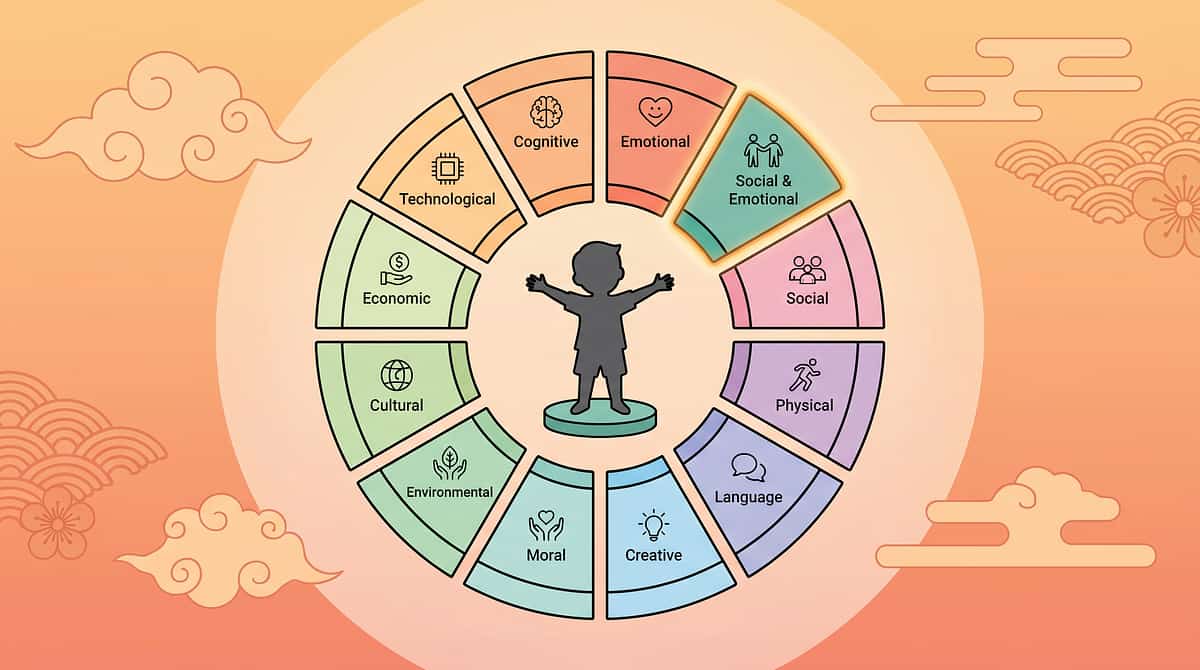
🏅 Mastery Criteria (Observable, Measurable)
Independent Initiation
Child initiates a peer interaction without adult prompt
Sustained Engagement
Child sustains peer interaction for 5+ minutes in a structured activity
Peer Preference Expressed
Child expresses preference for a specific peer: "I want to play with [name]"
Generalisation
Peer engagement occurring outside structured home sessions — at school, playground, community
Peer-Appropriate Language
Child adapts vocabulary and topic to the peer rather than using adult-level language
Mastery Unlocked Criteria for C-312: Child shows spontaneous peer approach OR sustained peer engagement without adult facilitation in at least 3 out of 5 consecutive sessions. PMC10955541 | Meta-analysis, 24 studies.
Celebrate This Win — You Did This
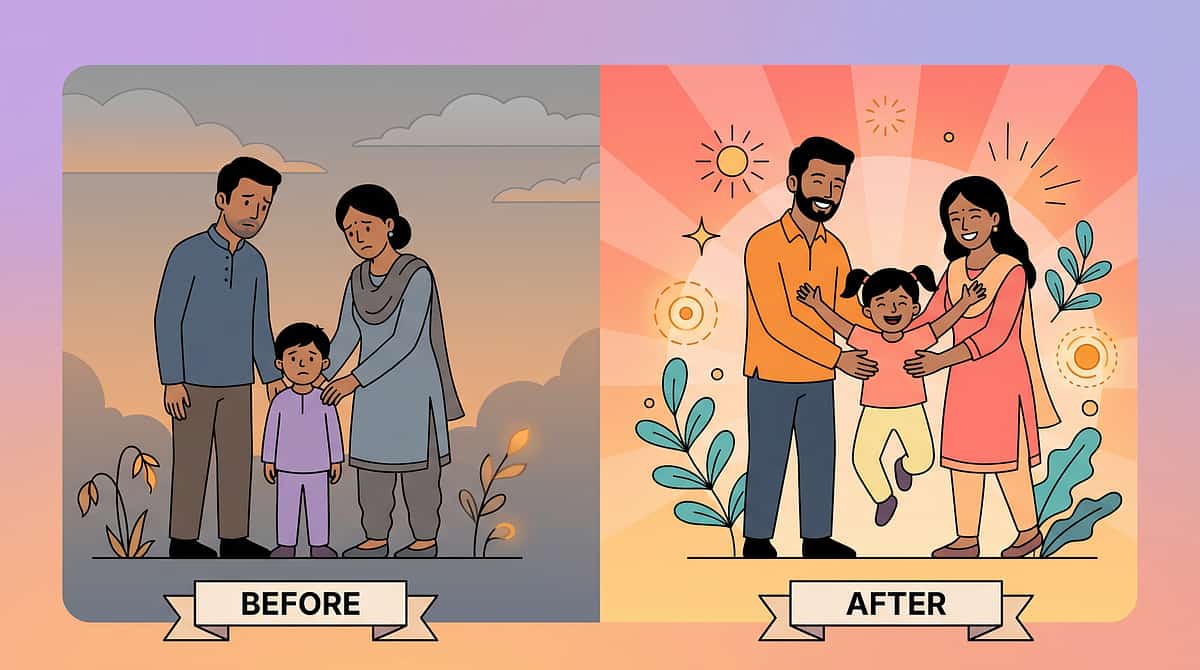
"Your child's peers will never know how hard you worked to help them find each other. But your child will know, someday, that they have friendships — and that you built the first bridge."
The Achievement
Your child arrived at this page with a strong preference for adult company and discomfort in peer settings. Over 5–8 weeks of consistent, structured, evidence-based home sessions — using the 9 materials — you built something real. The peer world feels less threatening to your child today than it did when you started.
Your Child's Progress
From "Adult-only comfort" → to "Structured peer engagement"
That is a neurological shift — new neural pathways, new associations, new possibilities.
Family Celebration Suggestion
Host a small playdate — not therapy, just play — with the peer who has been part of this journey. Let it be joyful, unscripted, and witnessed. Take a photo.
Journal Prompt
"Write one sentence about who your child was at the start of C-312 and one sentence about who they are now. That's your child's story."
ACT V: THE COMMUNITY & ECOSYSTEM
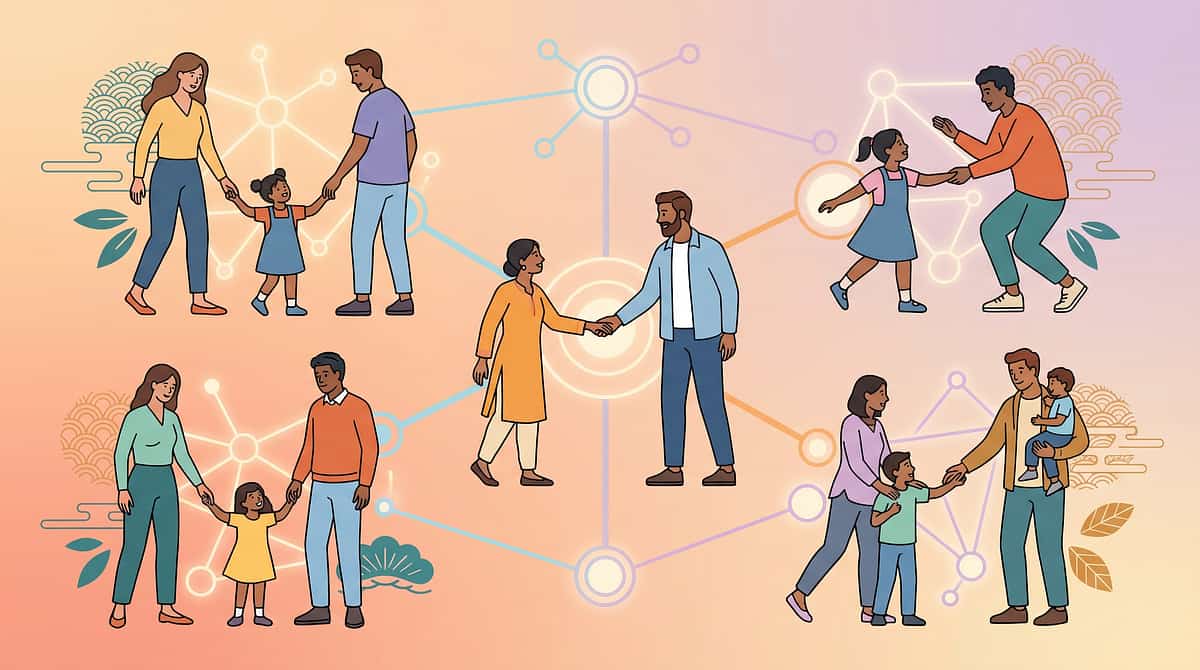
Families Who've Been Here — and Where They Are Now
Arjun, Age 7 — Hyderabad
Before: "At every birthday party, Arjun would find the kitchen — where the parents were. He could hold a conversation about dinosaurs with any adult in the room, but would go silent the moment a child approached."
After (Week 8): "He asked a classmate to sit with him at lunch. First time in 3 years of school. He told us: 'I found a boy who also likes dinosaurs.' I cried in the car on the way home."
GPT-OS® Stage Movement: Stage 1 → Stage 3 | 8 weeks, 3 sessions/week
Priya, Age 9 — Bengaluru
Before: "Teachers always said Priya was mature for her age. She preferred adult conversation. We thought it was a gift. Until her school report said she had no friends and the other girls had stopped trying."
After (Week 6): "She joined the school art club. She still gravitates toward her art teacher, but now she talks about two girls in the club by name. She has people."
Materials 3, 5, and 9 — Interest Matching, Graduated Exposure, Positive Logs
Rohan, Age 5 — Mumbai
Before: "Playgrounds were ours and the teachers'. Rohan would stand next to the teacher-on-duty and ask her questions. Never other kids."
After (Week 10): "He waved at a boy his age at the park. Unsolicited. Unprompted. Just... waved. We stood there stunned."
10 weeks, began with Material 6 (Adult-Facilitated Bridge), graduated to Material 5 (Exposure Planner)
Illustrative cases. Outcomes vary by child profile, severity, and intervention consistency. All names changed for privacy.
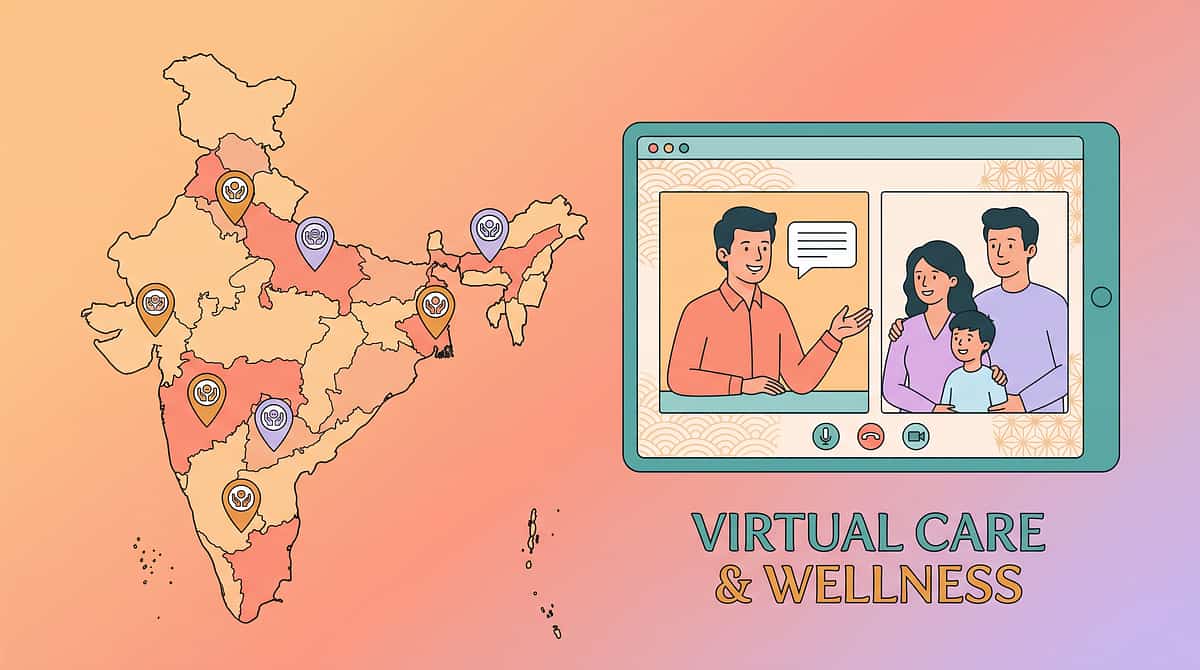
Connect With Other Parents — You Are Not the Only One Wondering
"You are not the only parent sitting at the edge of a playground, wondering."
📱 WhatsApp Group
Pinnacle Parents — Peer Bridges
200+ parents navigating the same challenge. Weekly wins shared. Questions answered by community and Pinnacle clinical team.
200+ parents navigating the same challenge. Weekly wins shared. Questions answered by community and Pinnacle clinical team.
💬 Online Forum
techniques.pinnacleblooms.org/community
Thread: "When Your Child Prefers Adults" — 1,400+ conversations, searchable, moderated by Pinnacle clinical team.
Thread: "When Your Child Prefers Adults" — 1,400+ conversations, searchable, moderated by Pinnacle clinical team.
🤝 Local Meetups
Monthly in-centre meetups at all 70+ Pinnacle centres. Ask your nearest centre for schedule. Face-to-face community with families in the same journey.
📧 Peer Mentoring
Connect with a parent who completed C-312 successfully. care@pinnacleblooms.org — Request a peer mentor who has walked this path.
Your experience — your struggle, your breakthrough, your child waving at a peer for the first time — helps another parent 6 months behind you find the courage to start. Consider sharing. WHO NCF: Community engagement measurably improves intervention outcomes.
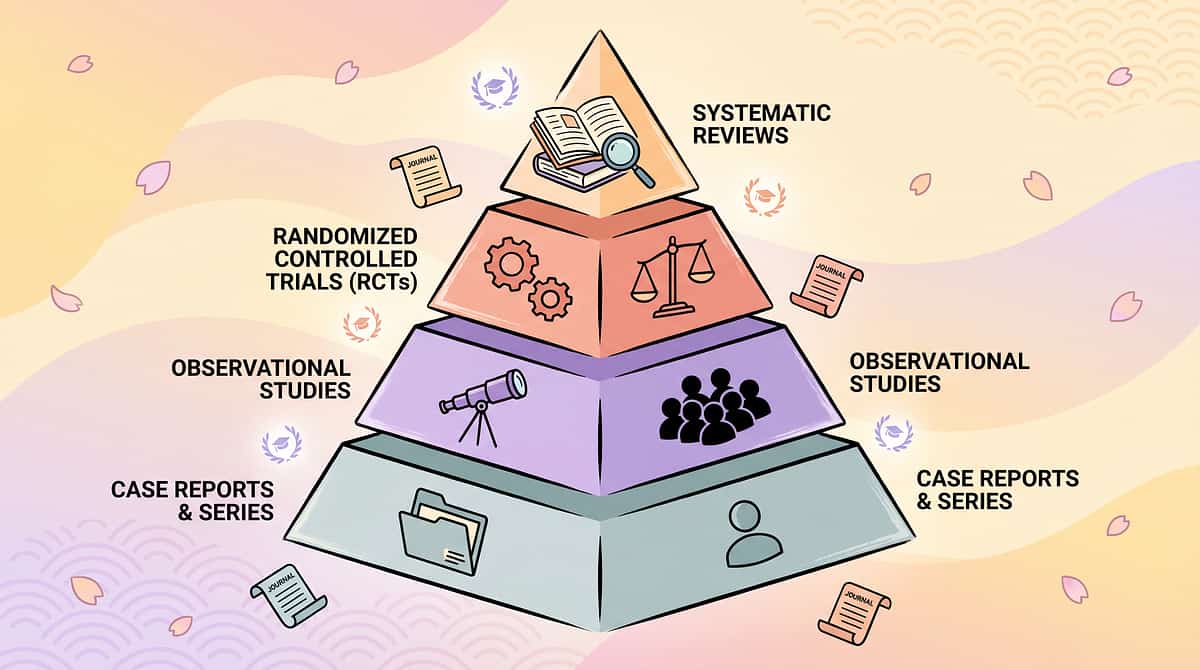
Your Professional Support Team: Home-Based Intervention Works Best Backed by Professional Guidance
The C-312 Clinical Team at Pinnacle
Speech-Language Pathologist (Lead)
Social communication, scripts, peer language coaching
ABA/BCBA Therapist
Graduated exposure design, reinforcement programming, adult fading
Occupational Therapist
Sensory environment optimisation for peer sessions
Special Educator
School context coordination and implementation consistency
NeuroDev Paediatrician
Diagnostic clarity — ASD, anxiety, giftedness differential
Your Options
Option | Best For | How | |
In-Centre Assessment | Starting point — full AbilityScore® + social profile | Book at nearest centre | |
Teleconsultation | Questions about your home C-312 implementation | pinnacleblooms.org/teleconsult | |
Group Social Skills | Child ready for peer group practice (Stage 3+) | Available at 40+ centres | |
EverydayTherapyProgramme™ | Daily home support, clinician-guided | GPT-OS® enrolment |
"Home + clinic = maximum impact." Research consistently shows that home-based parent-delivered intervention, when supported by professional guidance, produces significantly better outcomes than either alone. WHO NCF Progress Report (2023).
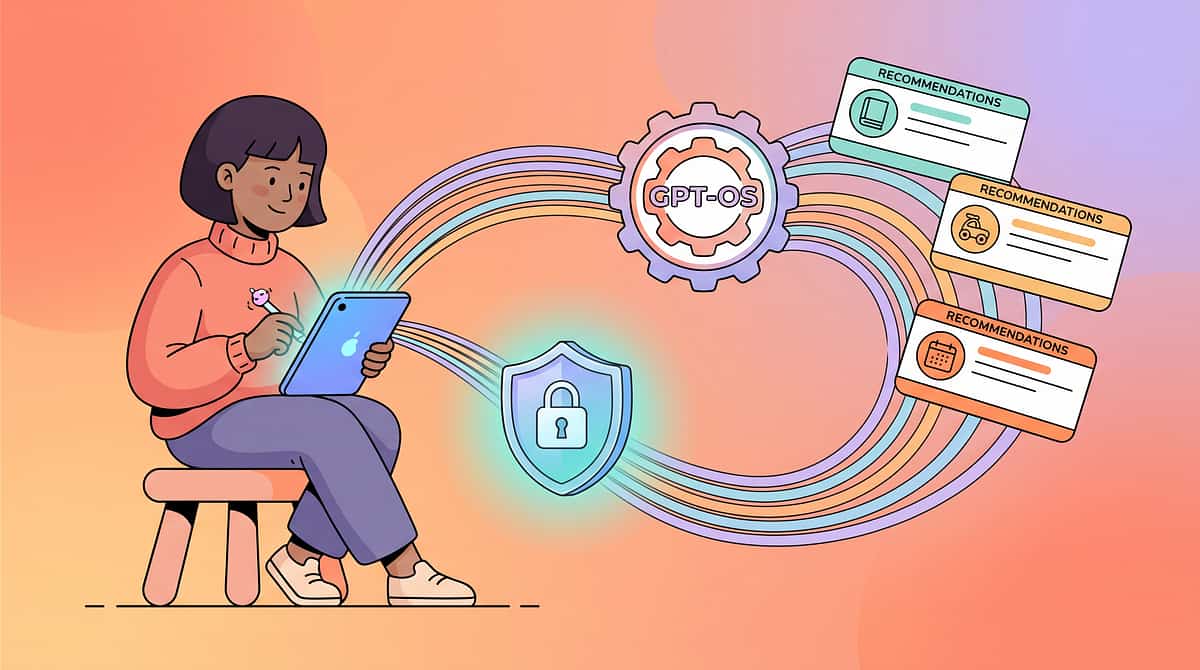
How GPT-OS® Uses Your Session Data
The GPT-OS® Data Flow for C-312
Parent runs C-312 session
Records 3 data points
GPT-OS® receives session data
Social Participation Index updated
Next session recommendation adjusted
Population model learns — all children benefit
What GPT-OS® Learns from Your C-312 Data
- Which materials produce the fastest Stage progression for each child profile
- Optimal session frequency and duration per age and severity
- Which peer pairings correlate with best outcomes
- When to suggest professional escalation vs. continue home protocol
Privacy Architecture
- All data encrypted at rest and in transit
- Individual child data never shared with third parties
- Aggregate (anonymised) data used only to improve recommendations
- Parents control their data: view, download, or delete at any time
- Compliant with Information Technology Act, 2000 (India)
Every parent who records their C-312 data contributes to the world's largest real-world evidence base for paediatric peer intervention. 21 million sessions. 70+ centres. Your three data points join that river.
Watch the Reel: A Pinnacle Therapist Walks You Through All 9 Materials
Reel C-312 Metadata
Reel ID | C-312 | |
Title | 9 Materials That Help When Child Prefers Adults | |
Series | Social Connection & Peer Development Solutions | |
Episode | 312 of 999 | |
Domain | Social Development — Peer Relationships | |
Duration | ~75–85 seconds |
What You'll See in the Reel
- A Pinnacle therapist introducing all 9 materials in 75 seconds
- Visual examples of each material in use in a home session
- The bridge metaphor — child moving from adult harbour to peer world
- A real parent testimonial moment
Related Reels in This Series
- C-310: 9 Materials That Help When Child Struggles to Make Friends
- C-311: 9 Materials That Help When Child Can't Keep Friends
- C-313: 9 Materials That Help With Personal Space Challenges ← Coming next
NCAEP 2020: Video modelling is classified as evidence-based practice for autism. Multi-modal learning (visual + text + demonstration) improves parent skill acquisition significantly.
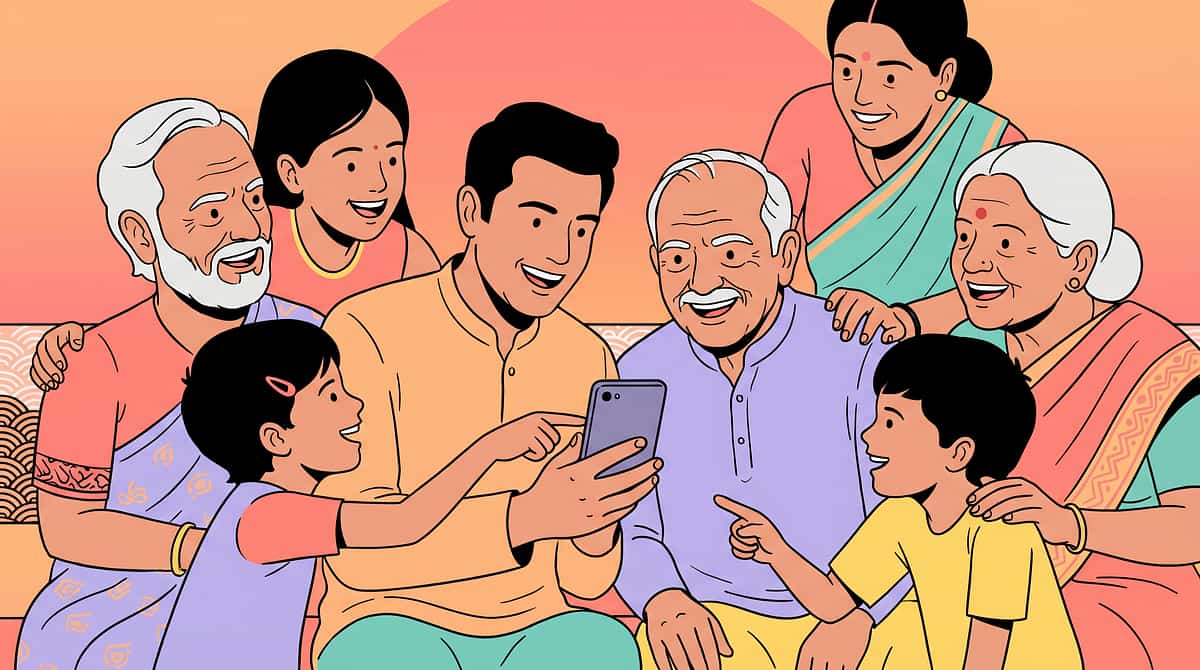
Share This With Your Family — Consistency Across All Caregivers Multiplies Impact
"A technique practiced by one parent and unknown to everyone else achieves 30–40% of its potential. When all caregivers use the same language, the same reinforcement, and the same peer bridging approach — impact compounds."
The Grandparent Version — Key Message
"[Child's name] is learning to feel safe with friends their own age. When they come to you instead of playing with other children, gently guide them back toward the children rather than staying with you. You are their safe harbour — and now we're building more harbours together."
Teacher Communication Template — Key Excerpt
"We are currently working on peer bridging at home using a structured approach. It would help enormously if [child's name] could have one structured paired activity with a calm, patient classmate each week. Please call the helpline [9100 181 181] if you'd like Pinnacle's school coordination team to connect with you."
📥 C-312 Family Guide
1-Page PDF — Simple visual summary for all caregivers
📥 Grandparent Version
Simplified for elders unfamiliar with therapy language
📥 Teacher Template
Email template for school coordination — ready to send

ACT VI: FREQUENTLY ASKED QUESTIONS
8 Questions Every Parent Asks About C-312
Q1: My child is 11 and has always preferred adults. Is it too late?
It is never too late. The peer bridging mechanisms in C-312 work across the developmental span. For older children (10–12), interest matching becomes even more powerful — finding a peer who shares their intellectual passions creates a peer relationship that feels like an adult relationship in quality. Start with Materials 3 and 8.
Q2: My child has no ASD diagnosis. Can I still use this technique?
Yes. Adult preference is documented across autism spectrum, giftedness, social anxiety, introversion, and sensory processing differences. C-312 is designed for the behavioural pattern, not the diagnosis. However, if you haven't had a formal assessment and are concerned, call 9100 181 181.
Q3: My child gets upset when I try to do these sessions. Should I stop?
First, review Card 11 (Safety) and Card 21 (Troubleshooting). Upset during sessions is different from session harm. Brief distress that passes quickly is normal. Persistent escalating distress across 3+ sessions signals the need for professional consultation: 9100 181 181.
Q4: How do I find a peer to practice with?
Start with siblings or cousins — familiar, safe, available. Then classmates your child's teacher identifies as kind and patient. Then children at Pinnacle group sessions (available at 40+ centres). Structured interest groups (art class, coding club, music class) are excellent natural peer pools.
Q5: My child only wants to be with ME specifically — not adults in general.
If specifically you (parent-only, not other adults), the pattern may involve secure attachment seeking rather than adult preference broadly. Consult with a Pinnacle psychologist for differential guidance: 9100 181 181.
Q6: How often should I run these sessions?
Research supports 3–5 sessions per week, 15–25 minutes each, for 8–12 weeks. Consistency matters more than duration. Three reliable 20-minute sessions per week beat one 2-hour session on weekends — every time.
Q7: What if the peers are unkind and it makes things worse?
This is a real risk and a critical safety note from Card 11. Peer selection is as important as technique execution. If peer unkindness is occurring, pause peer sessions and address the peer environment first — school coordination, class placement, or structured group therapy where peer behaviour is professionally managed.
Q8: Will my child always need this kind of support?
Many children who complete C-312 develop sustainable peer relationships that no longer require structured support. Some continue to prefer smaller, more structured social environments throughout life — which is a valid social style, not a failure. The goal is expanding possibility, not forcing conformity.

Your Next Step: You've Read the Science. You Have the Materials. Your Child Is Waiting.
🚀 Start C-312 Today
Open the GPT-OS® Session Launcher and run your first peer bridging session with guided support. Every minute of hesitation is a session not yet taken.
📋 Book a Consultation
Get a personalised Social Development Assessment and C-312 guidance from a Pinnacle SLP. Or call free, any time, in 16 languages.
🗺️ Explore Next Technique
Ready to continue? C-313 addresses the next layer of peer skill development — understanding personal space in peer contexts.
✅ Validated by the Pinnacle Blooms Consortium | CRO | Speech Pathology | Occupational Therapy | ABA/BCBA | Special Education | NeuroDevelopmental Medicine | WHO/UNICEF-Aligned Evidence Standards
📞 9100 181 181 | FREE National Autism Helpline | 16+ Languages | 24×7 | pinnacleblooms.org | care@pinnacleblooms.org
Preview of 9 materials that help when child prefers adults Therapy Material
Below is a visual preview of 9 materials that help when child prefers adults therapy material. The pages shown help educators, therapists, and caregivers understand the structure and content of the resource before use. Materials should be used under appropriate professional guidance.



Link copied!

From Fear to Mastery. One Technique at a Time.
"You arrived on C-312 asking: 'How do I help my child find peers?' You leave with 9 evidence-based materials, a 6-step protocol, an 8-week progression arc, and the knowledge that you are not alone."
The Pinnacle Promise
Pinnacle Blooms Network® exists to transform every family home into a 24×7, evidence-based, multi-disciplinary, personalised therapy environment — so that no child's development is limited by geography, economy, or access. C-312 is one of 70,000+ technique pages built to that mission.
Powered by GPT-OS®
Global Paediatric Therapeutic Operating System
21 Million+ Exclusive 1:1 Sessions | 97%+ Measured Improvement | 70+ Centres | Serving 70+ Countries
21 Million+ Exclusive 1:1 Sessions | 97%+ Measured Improvement | 70+ Centres | Serving 70+ Countries
Continue Your Journey
Statutory Identifiers
© 2025–2026 Pinnacle Blooms Network®, a unit of Bharath Healthcare Laboratories Pvt. Ltd.
CIN: U74999TG2016PTC113063 | DPIIT: DIPP8651 | MSME: TS20F0009606 | GSTIN: 36AAGCB9722P1Z2
CIN: U74999TG2016PTC113063 | DPIIT: DIPP8651 | MSME: TS20F0009606 | GSTIN: 36AAGCB9722P1Z2
Medical Disclaimer: This content is educational and informational. It does not constitute or replace clinical assessment, diagnosis, or treatment by a licensed psychologist, developmental paediatrician, speech-language pathologist, occupational therapist, or behaviour analyst. If you are concerned about your child's social development, please consult a qualified professional. Individual outcomes vary by child profile, severity, intervention consistency, and caregiver implementation quality. Some adult preference is a personality variation requiring no intervention — assessment identifies children who benefit from peer connection support versus those with healthy alternative social patterns.
techniques.pinnacleblooms.org/social-development/child-prefers-adults-C312